1/16
Knowing the Ropes Explores the Textile Through a New Lens
The project "Knowing the Ropes," initiated by designers Brynhildur Pálsdóttir, Þuriður Rós Sigurþórsdóttir, and Theresa Himmer, delves into the ubiquitous nature and varied applications of rope, challenging conventional perceptions of this utilitarian material. This artistic endeavor explores the cultural and structural significance of rope within a Scandinavian context, specifically focusing on its dual existence in interior design and maritime industries. The designers utilize two historical production facilities, Hampiðjan in Reykjavík, Iceland, and Aarhus Possementfabrik in Denmark, both established in the early 20th century and employing similar machinery. These facilities represent the divergent paths of rope production: one for marine use and the other for interior textiles. The core of the project lies in highlighting the unexpected aesthetic and functional intersections that arise when examining a material with such diverse applications.
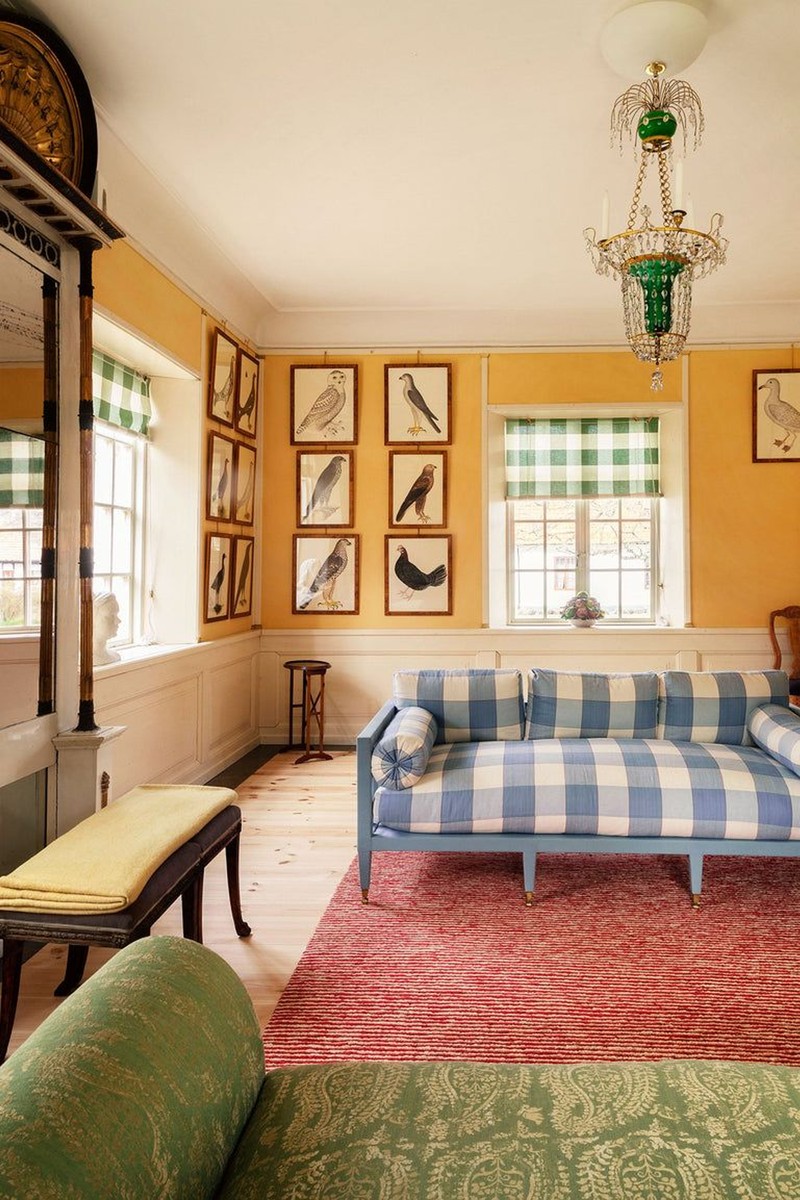
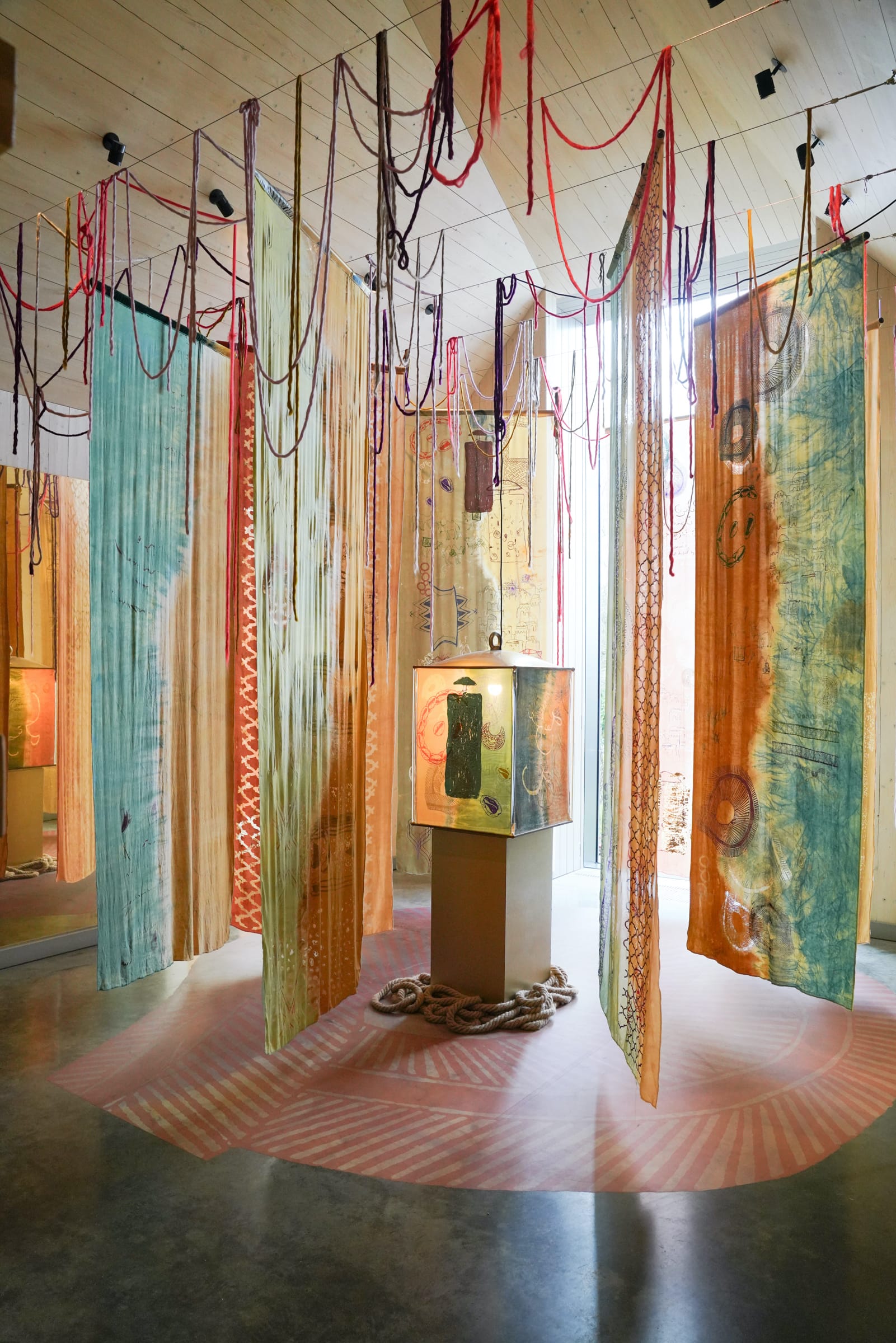
The genesis of "Knowing the Ropes" dates back to 2017. Over time, the project evolved from its initial conceptualization into a comprehensive body of work, culminating in a publication and an exhibition featuring objects and video installations. The initial exhibition was held at the Reykjavík Art Museum in 2021, showcasing the designers' innovative interpretations and creations. The artists further developed their project by presenting an evolved version at the Hallwyl Museum in Stockholm. This particular venue, a meticulously preserved Victorian home from the turn of the 20th century, provided a unique juxtaposition for the contemporary design pieces. The museum's ornate and traditional environment offered a striking contrast to the modern and unconventional objects crafted from rope, creating an unexpectedly modern aesthetic within a historical setting.
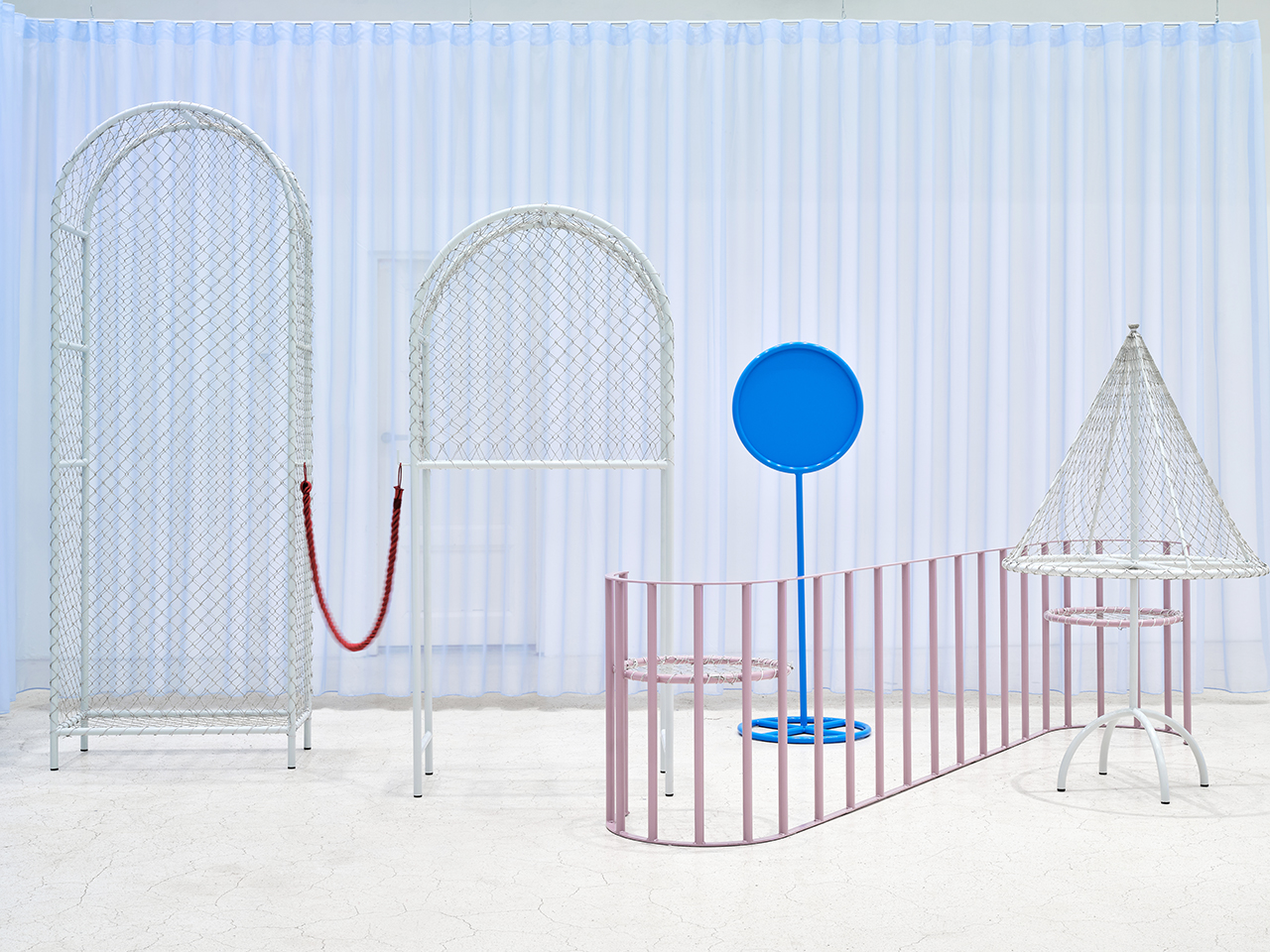
The exhibition features a range of objects that reimagine the use of rope in everyday items and art installations. These pieces include floor lamps with rope-wrapped bodies and exposed light bulbs, demonstrating how rope can be integrated into lighting design to create a distinctive texture and form. Pedestals made entirely from rope showcase the material's structural capabilities and its potential as a sculptural element. A standing round mirror, framed and supported by intricate rope work, highlights the material's versatility in creating decorative and functional home furnishings. A modern three-legged table also utilizes rope in its construction, presenting it as a primary material rather than a mere accent. Additionally, arch-shaped shelving units, crafted with rope netting, illustrate innovative approaches to storage and display.
Through these creations, Pálsdóttir, Sigurþórsdóttir, and Himmer prompt viewers to reconsider the inherent qualities of rope and its potential for artistic and design expression. The project not only celebrates the craftsmanship and heritage associated with rope making but also pushes the boundaries of how textiles can be perceived and utilized in contemporary design. The juxtaposition of modern designs with a historic setting further emphasizes the timeless appeal and adaptability of this fundamental material, inviting a deeper appreciation for the overlooked elements of our material world.
#TextileArt #RopeDesign #ScandinavianDesign #MaterialExploration #ContemporaryArt #ExhibitionDesign #InteriorFurnishings #DesignInnovation #TextileArt #RopeDesign #ScandinavianDesign #MaterialExploration #ContemporaryArt #ExhibitionDesign #InteriorFurnishings #DesignInnovation
0 comment in total
 No comments yet
You may also like
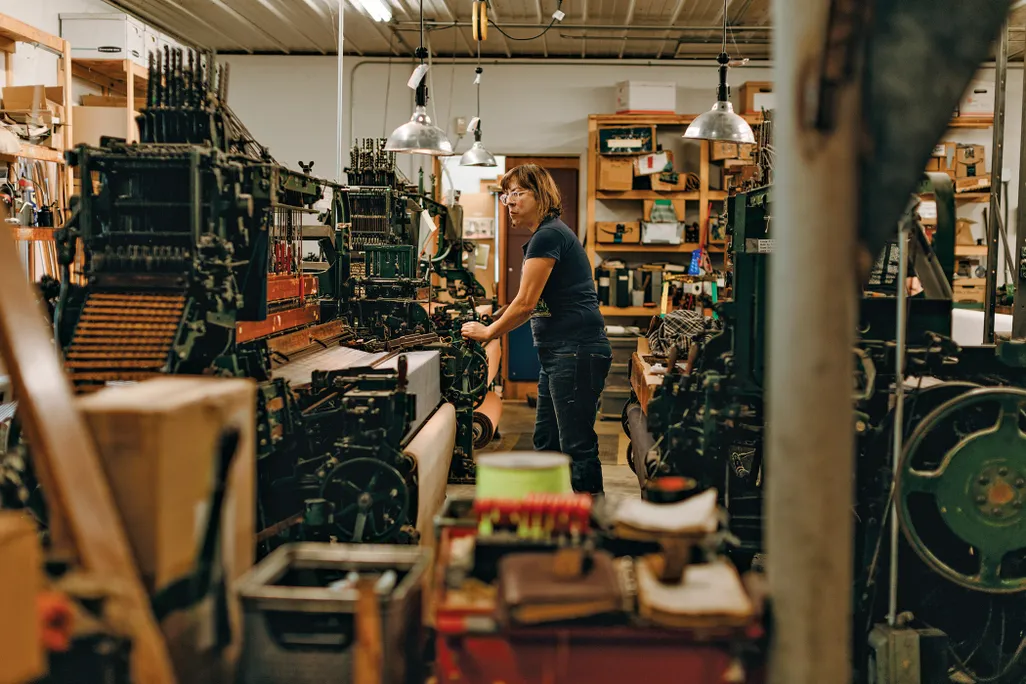
When Hollywood Needs a Historically Accurate Outfit That Looks Just Right, It Turns to Rabbit Goody
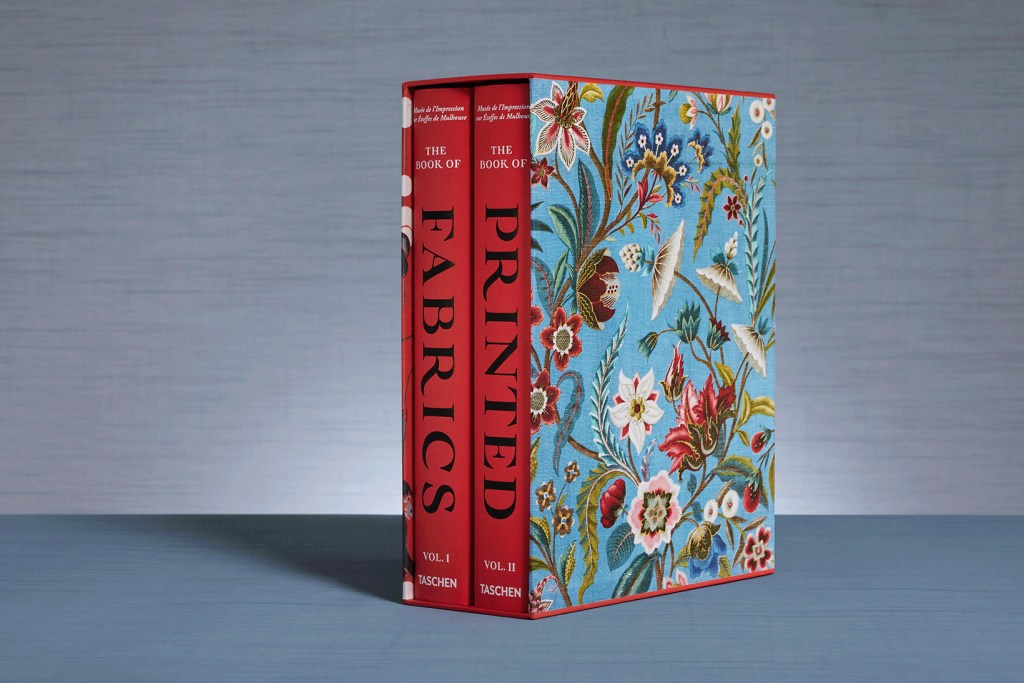
The History of Printed Fabrics in Two Splendid Volumes
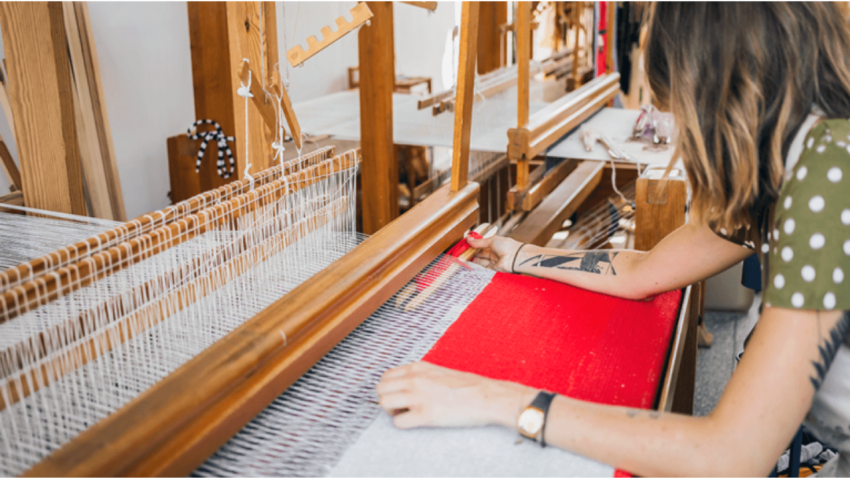
10 Places to Get Weaving Supplies for Your Business

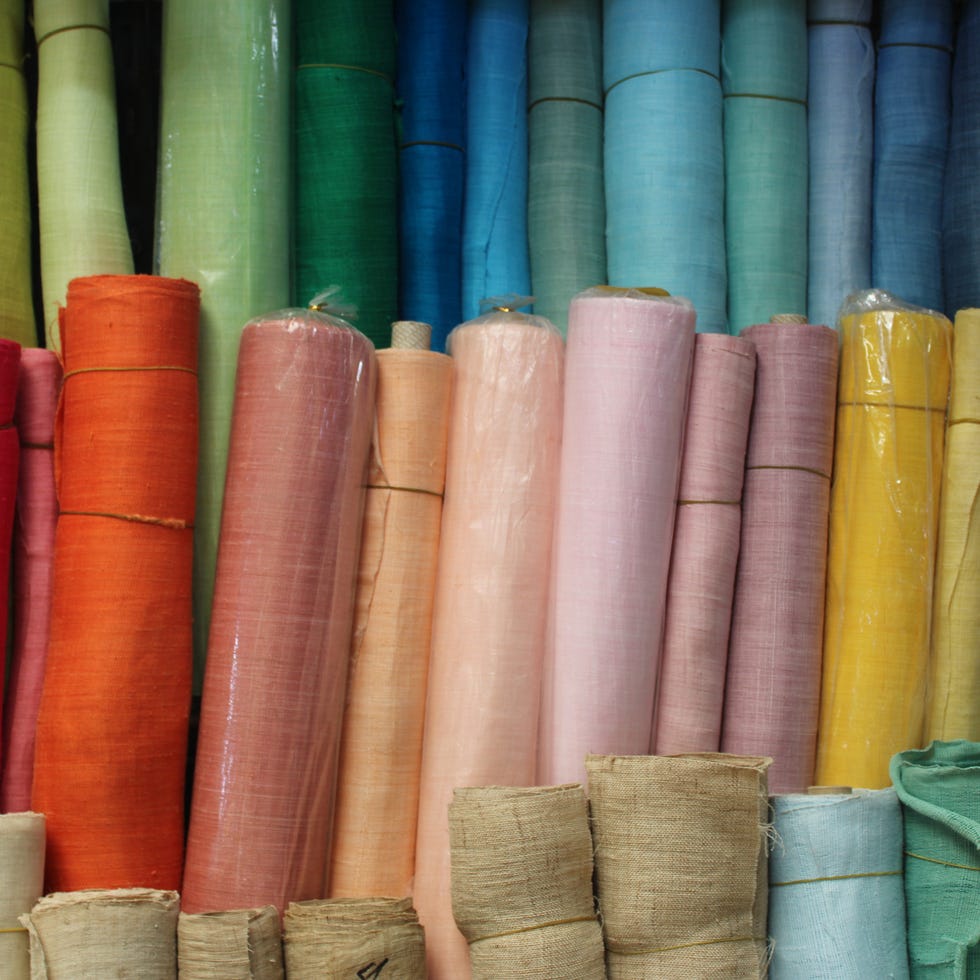
9 Best Places to Buy High-Quality Fabric Now That JOANN Is Closing


The definitive textiles primer: Pollack’s fabric expert talks fibers, yarns and more

Seen at Interwoven May 2024

Quilt school - 4 Jun 2025 - Today's Quilter Magazine

Dorothy Cosonas Carries KnollTextiles’ Storied Mantle
Textile designer: Margo Selby

Cape grad designs for high-end NYC firm
Let’s Talk Pattern Design With Shadé Akanbi
Snøhetta and Ege Carpets’ radical approach to textile design

RISD profs' tool allows anyone to create custom woven fabrics online

A guide to collecting textiles: why every detail matters


The Best Online Fabric Stores Today
The Forgotten History of Bourne and Allen’s Mid-Century Textiles

The New Fabric Launches Worth Knowing About
Rugs and Textiles go Vertical as Wall Art
Some of the most innovative uses of fabric in entertainment environments are found inside

How AI and Automation Are Transforming the Home Textile Industry: A New Era of Efficiency and Innovation