1/6
Rugs and Textiles go Vertical as Wall Art
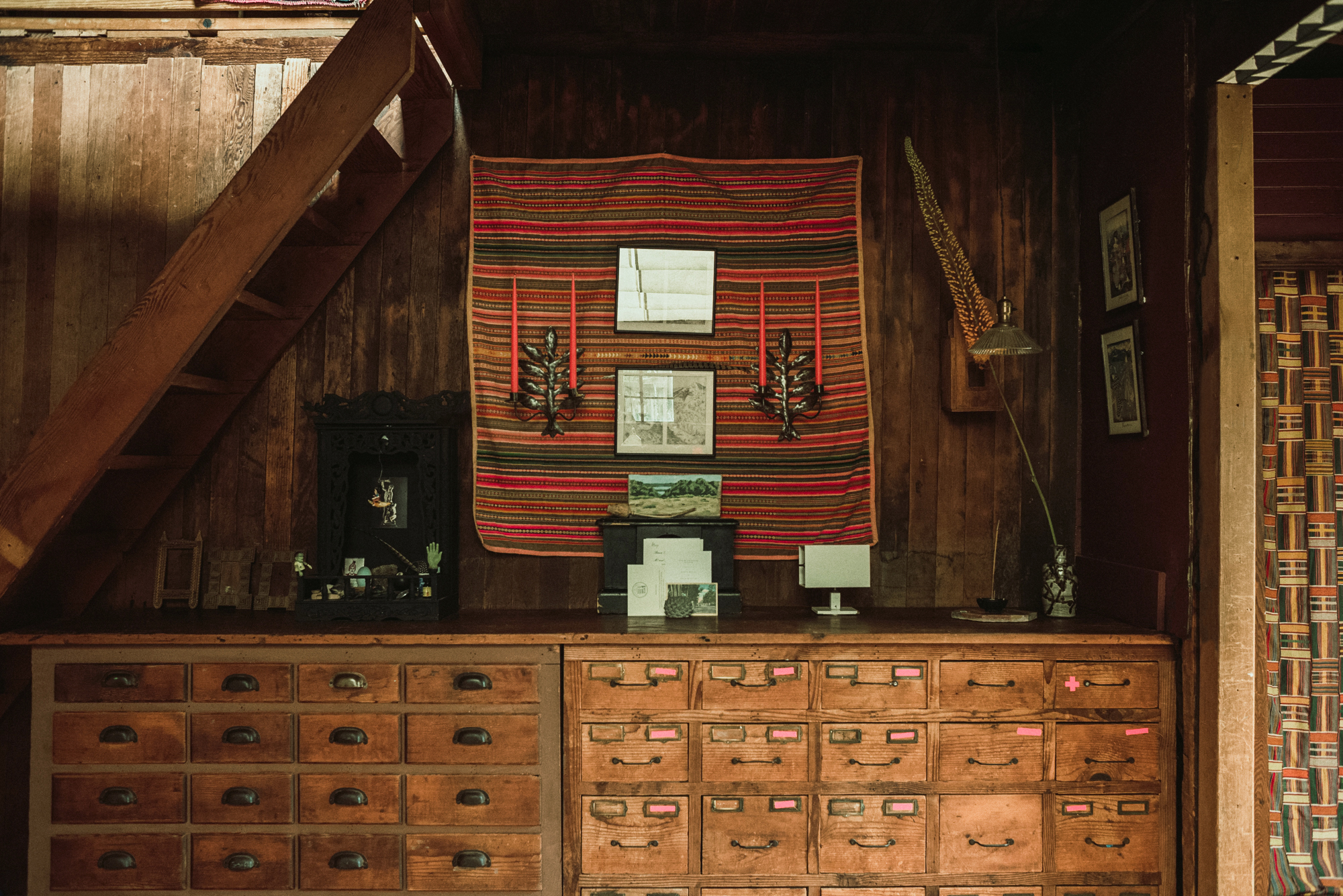
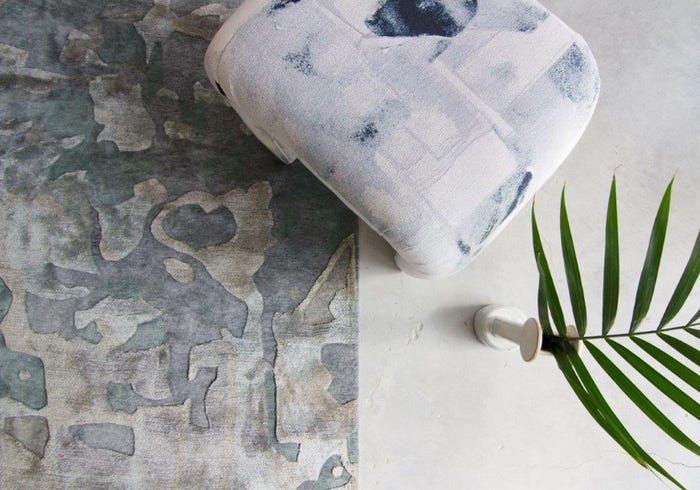
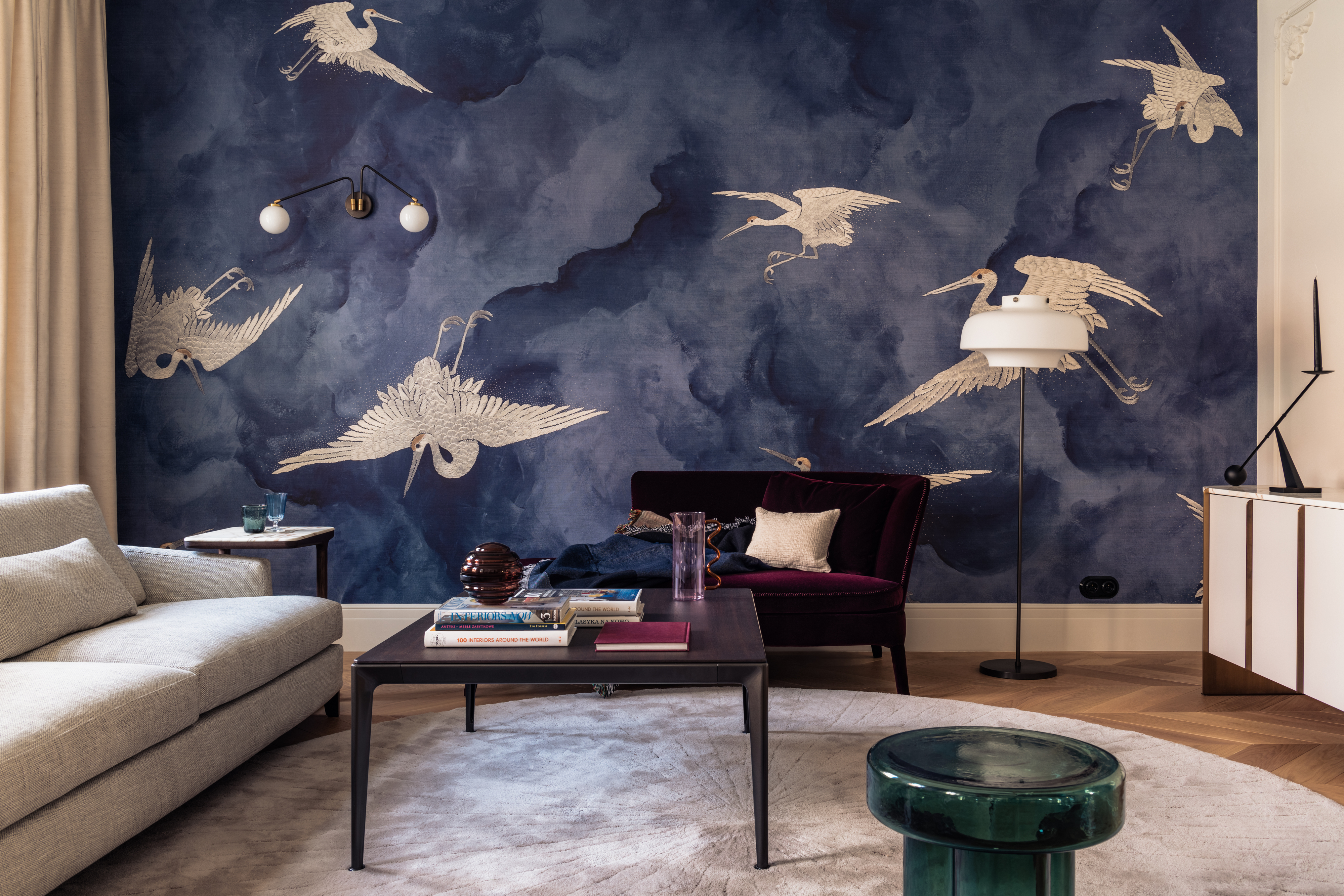
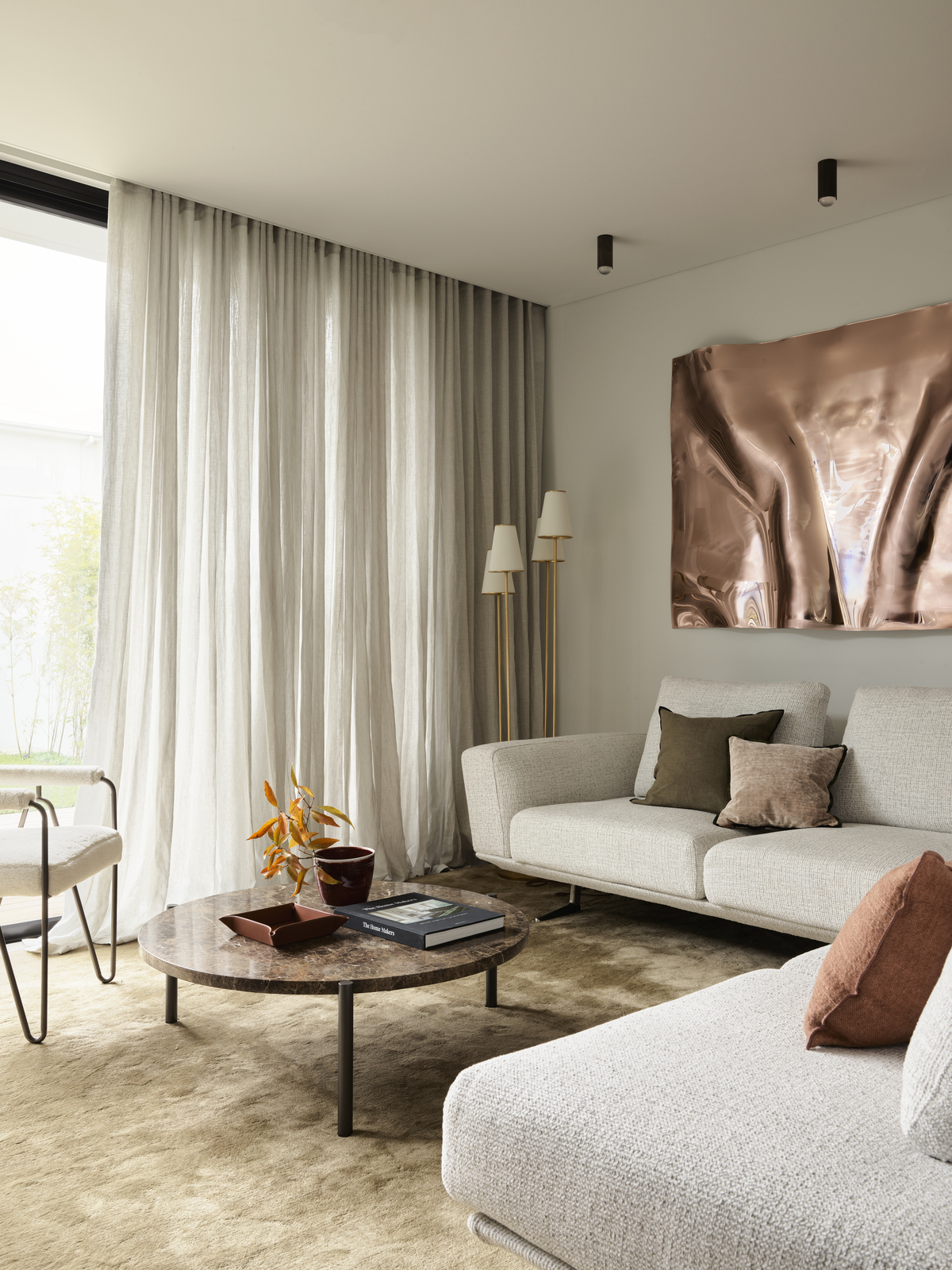
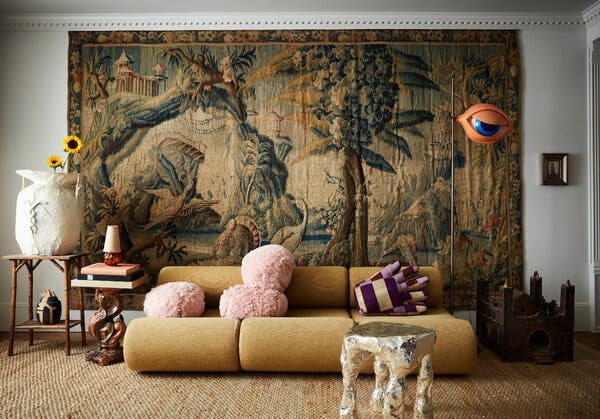
This article explores the growing trend of utilizing textiles and rugs as wall art in interior spaces, moving beyond their traditional floor-bound roles. The increasing demand for warmth, texture, and unique decorative elements in homes and commercial settings has led to a re-evaluation of textiles' aesthetic and functional potential. Designers and homeowners are becoming more open to incorporating fabric-based pieces, such as wall hangings, art rugs, and woven structures, to enrich interiors.
Several factors contribute to this resurgence. Historically, textiles like tapestries have adorned grand interiors for centuries, offering both aesthetic beauty and practical benefits. Modern interpretations build on this legacy, with contemporary textile artists gaining international recognition. For instance, American fiber artist Sheila Hicks has significantly influenced the art world, while Danish weaver Grethe Sørensen and Finnish designer Kustaa Saksi have garnered acclaim for their digital tapestries and vibrant wall hangings, respectively. These artists demonstrate the evolving artistic scope and appeal of textile art.
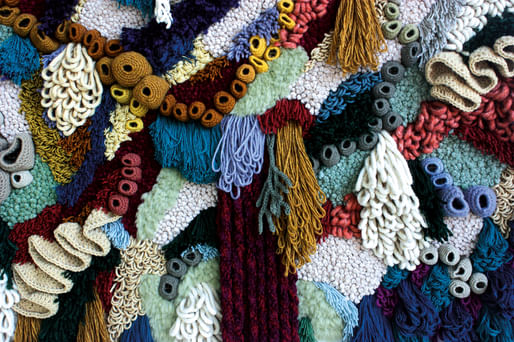
The shift is also fueled by a broader appreciation for handmade goods and craft. Artists like Milla Novo and Windy Chien create macramé-esque wall art using rope, presenting a modern, sophisticated alternative to traditional framed art. Portuguese textile artist Vanessa Barragão's work, which often highlights environmental themes like the plight of coral reefs, connects deeply with clients seeking meaningful and visually compelling pieces for their homes. This artisanal approach adds a unique, personal touch that mass-produced decorations often lack.
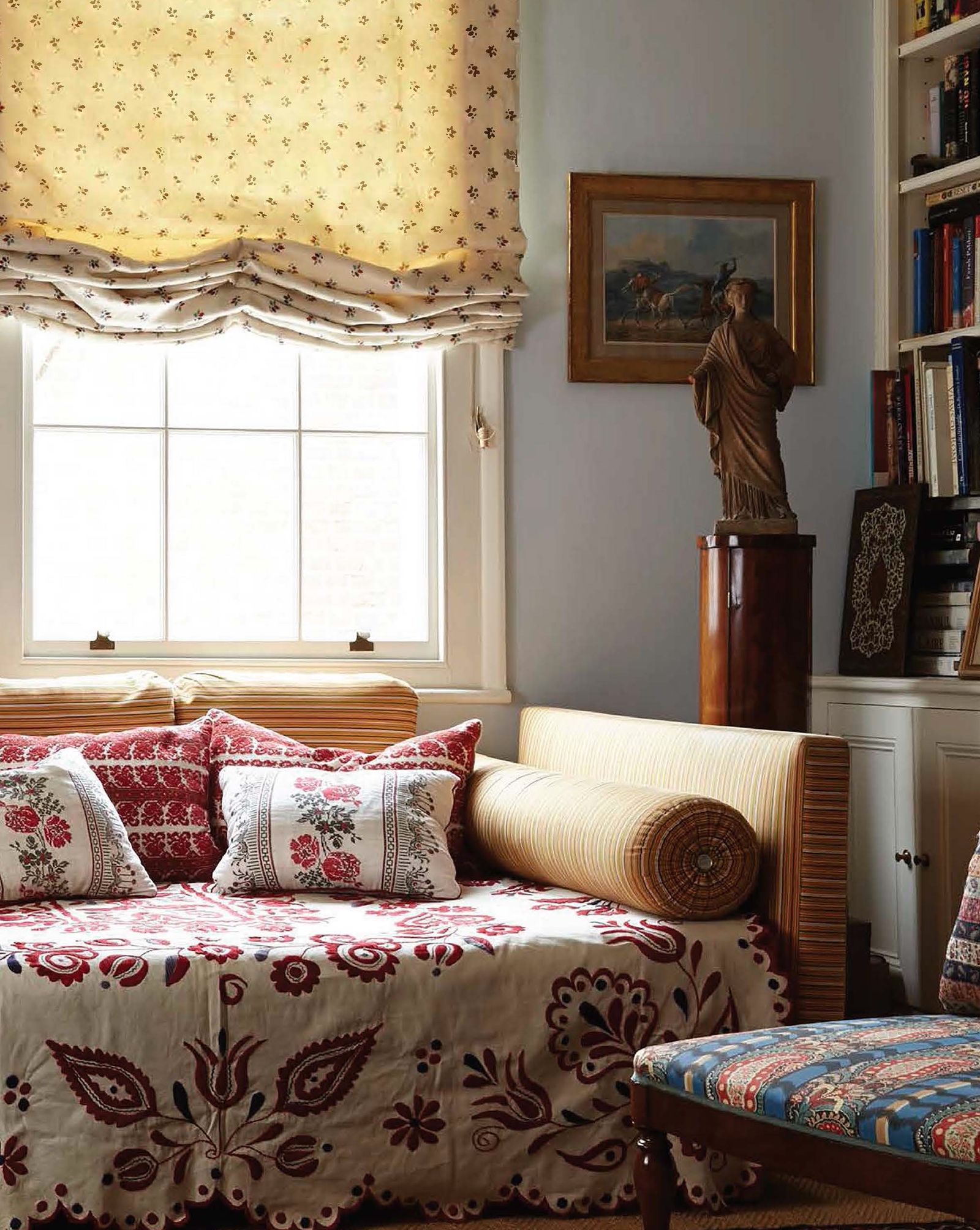
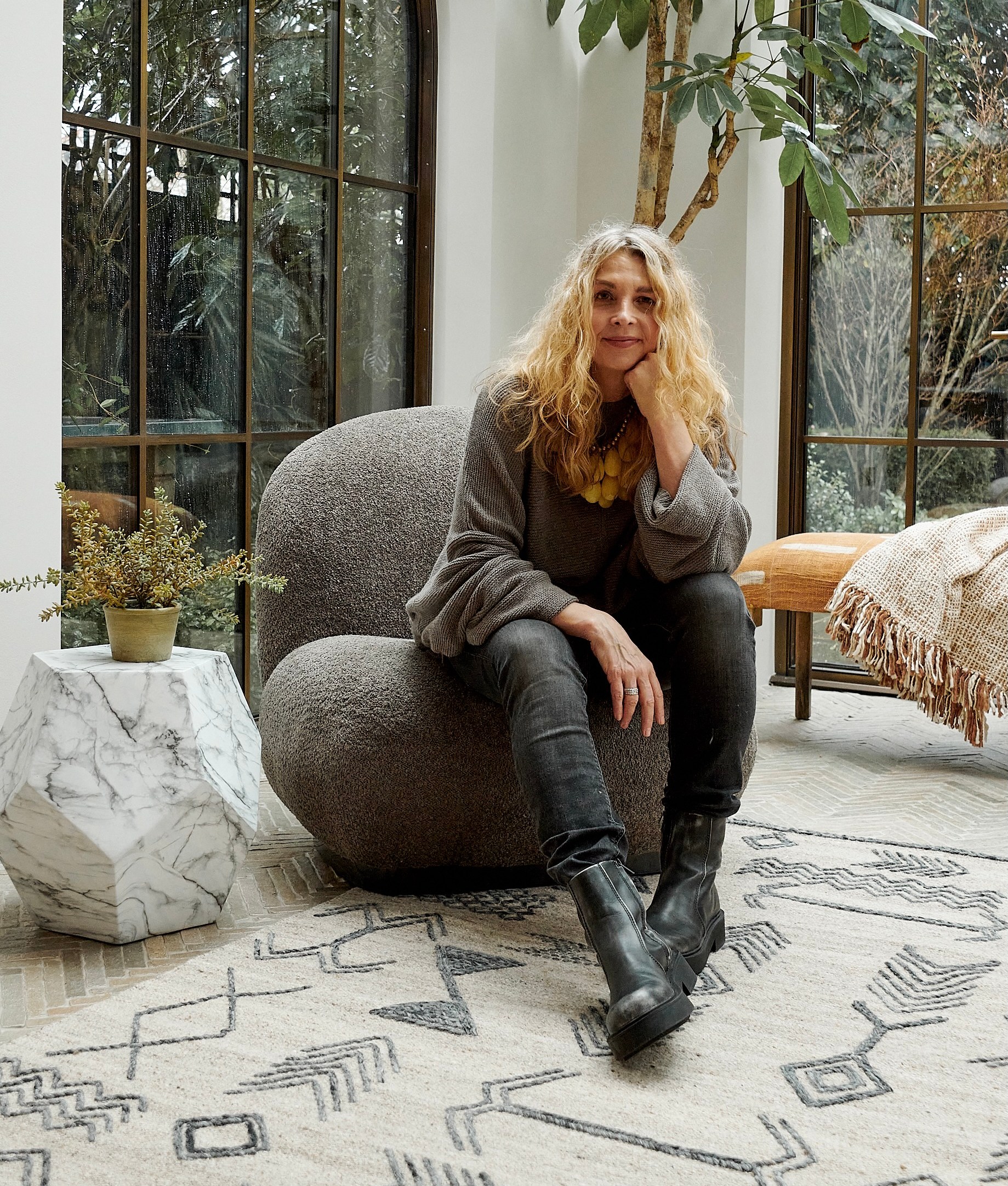
Furthermore, interior design trends have emphasized 'global' aesthetics and diverse 'textures,' encouraging the incorporation of rugs and textiles with traditional patterns and designs. Designers are creatively layering antique kilims with cushions and ethnic poufs, as seen in Cynthia Spence's work for the San Francisco Decorator Showcase. The redevelopment of London's BBC TV Centre, featuring dhurries and wall hangings by Vanderhurd in communal areas, further exemplifies this trend in contemporary residential and commercial projects.
Beyond mere decoration, textiles are increasingly used to define and soften architectural spaces. Samira Boon's woven 'Archi Folds' structures, Hey-Sign's felt 'Flow' room division systems, and Studiopepe's wall hangings by cc-tapis all showcase textiles' capacity to influence spatial dynamics and acoustics. Finnish design duo Kivistö Leppisaari's 'Knit Divisions' exemplify this, creating spatial dividers from knitted fabrics and wooden frames. This integration highlights the functional versatility of textiles in modern interior design.
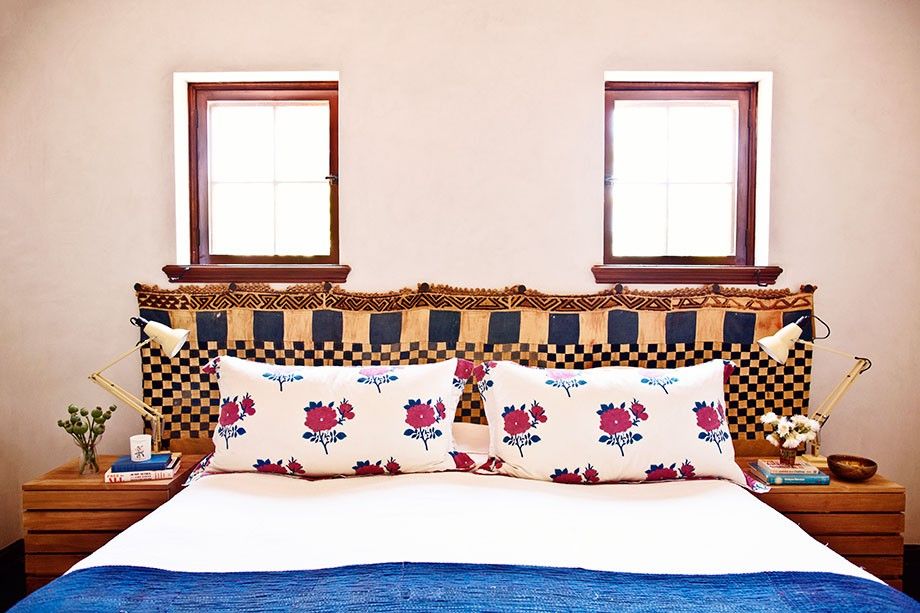
The prevalence of this trend is evident on social media platforms like Instagram, where contemporary interiors frequently feature Beni Ourain or other tribal vintage rugs displayed on walls rather than floors. This signifies a return to older traditions, particularly in countries like Finland, where hanging rugs on walls has historical roots. Additionally, art rugs, such as those from Gothenburg’s Henzel Studio, designed by international artists like Jack Pierson or Tom of Finland, are increasingly chosen as wall-mounted artworks. Trend forecaster Lidewij Edelkoort's prediction that "Textiles will govern the century" underscores the growing importance of textiles in shaping our environments, offering comfort, decoration, art, and storytelling.
#TextileArt #WallDecor #InteriorDesignTrends #HandmadeTextiles #FiberArt #HomeDecoration #ArtRugs #ContemporaryDesign #ArchitecturalTextiles #TextileArt #WallDecor #InteriorDesignTrends #HandmadeTextiles #FiberArt #HomeDecoration #ArtRugs #ContemporaryDesign #ArchitecturalTextiles
0 comment in total
 No comments yet
You may also like
Is your home feeling lifeless? 5 layering hacks to make the interiors warm and inviting | Hindustan Times

How to Create the Best Kind of Cozy Space: a Room That’s Like a Hug (Published 2024)
Looking for a New Rug or Even a Fabric Wall Piece? We’ve Got You Covered

Fabric Wall Décor Is One of the Biggest Design Trends of 2025

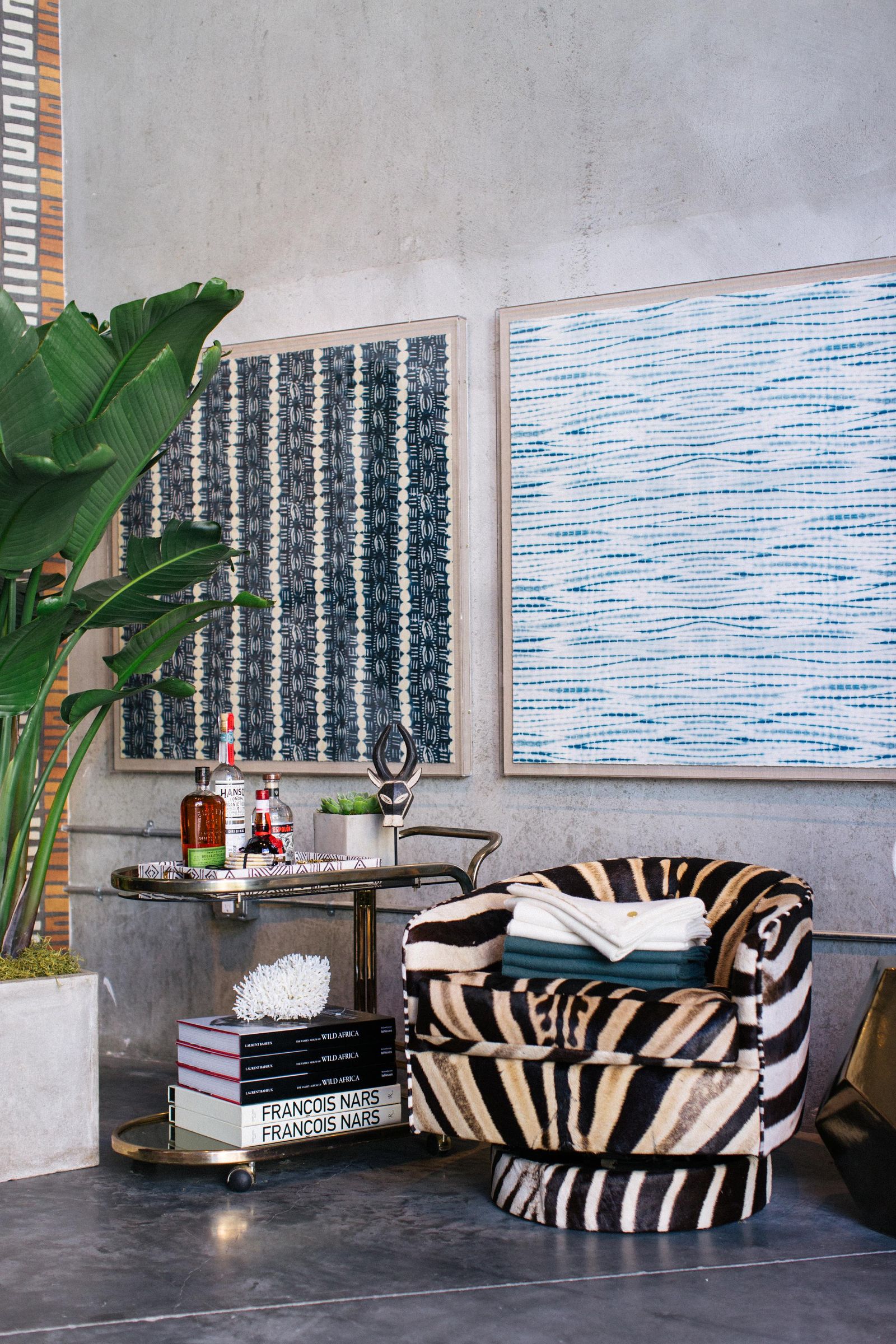
The Best Ways to Show Off a Textile in Your Home

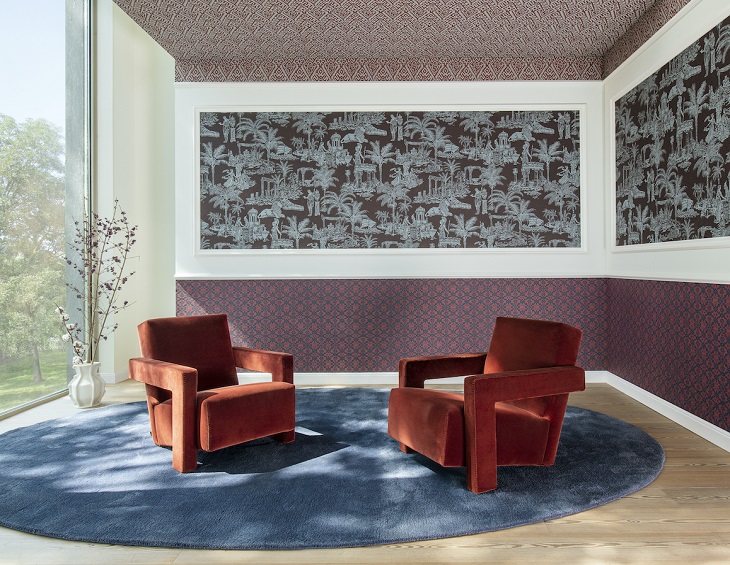
Live from HIX: Arte unveils L’Invite collection of wallcoverings
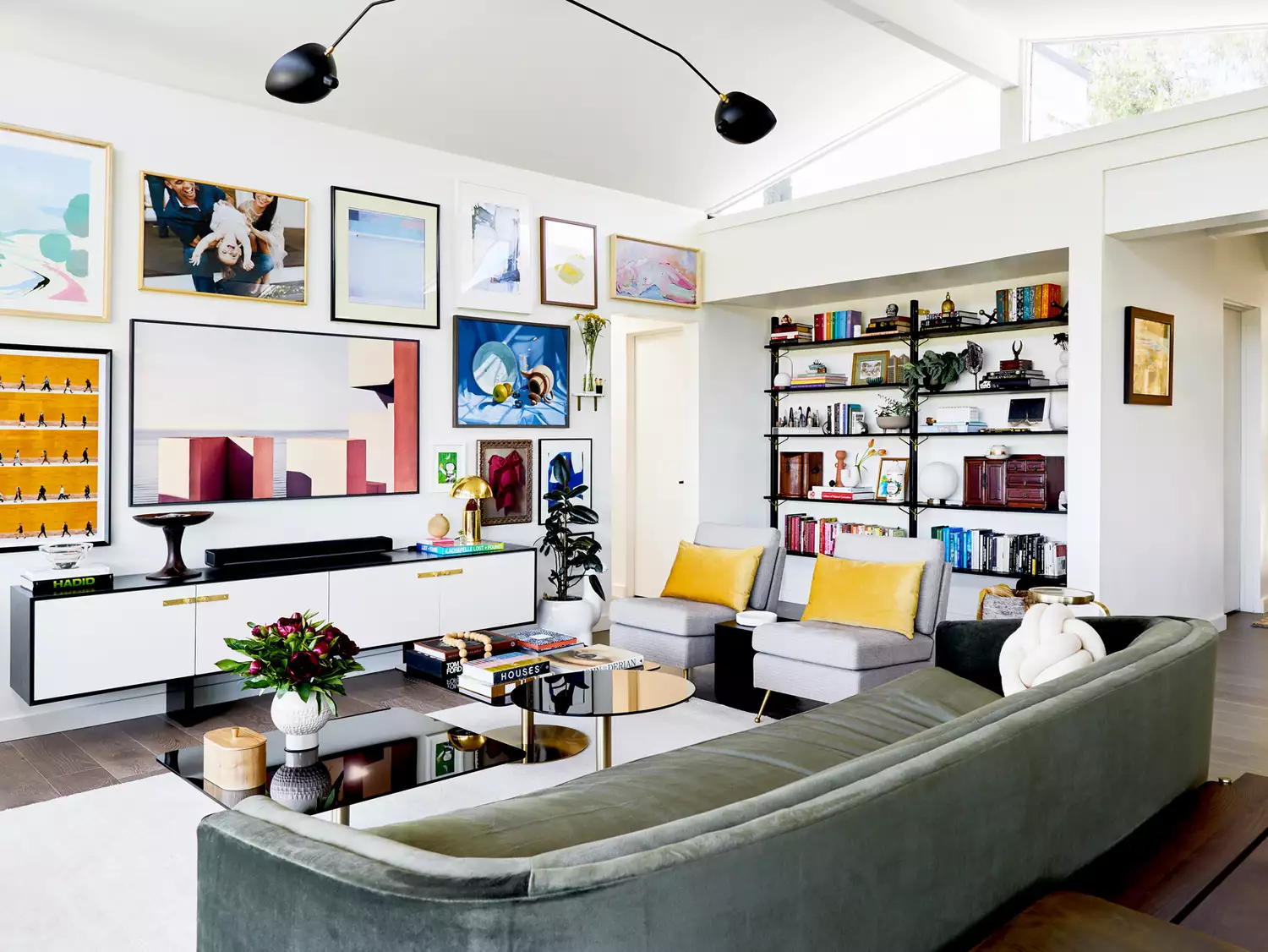
32 Wall Décor Ideas Designers Swear by, From Hanging Plates to Oversized Artwork
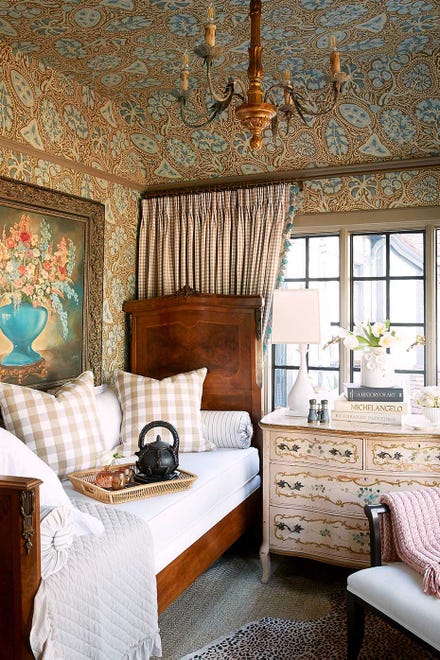
Homestyle: Ceilings are where it's at
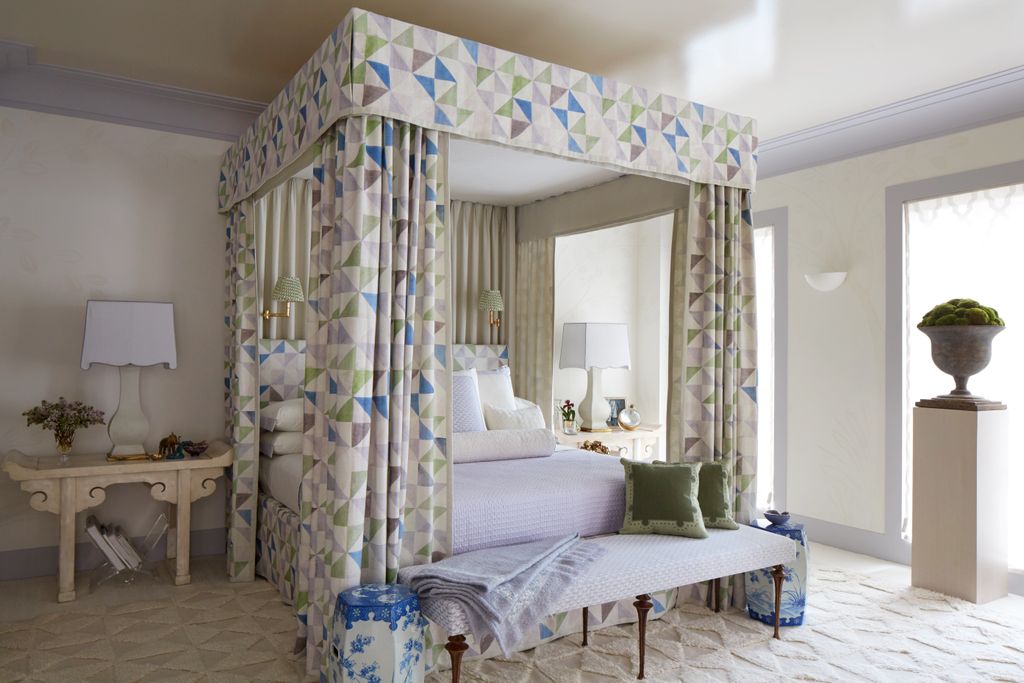
4 Creative Ways To Use Textiles in Your Home
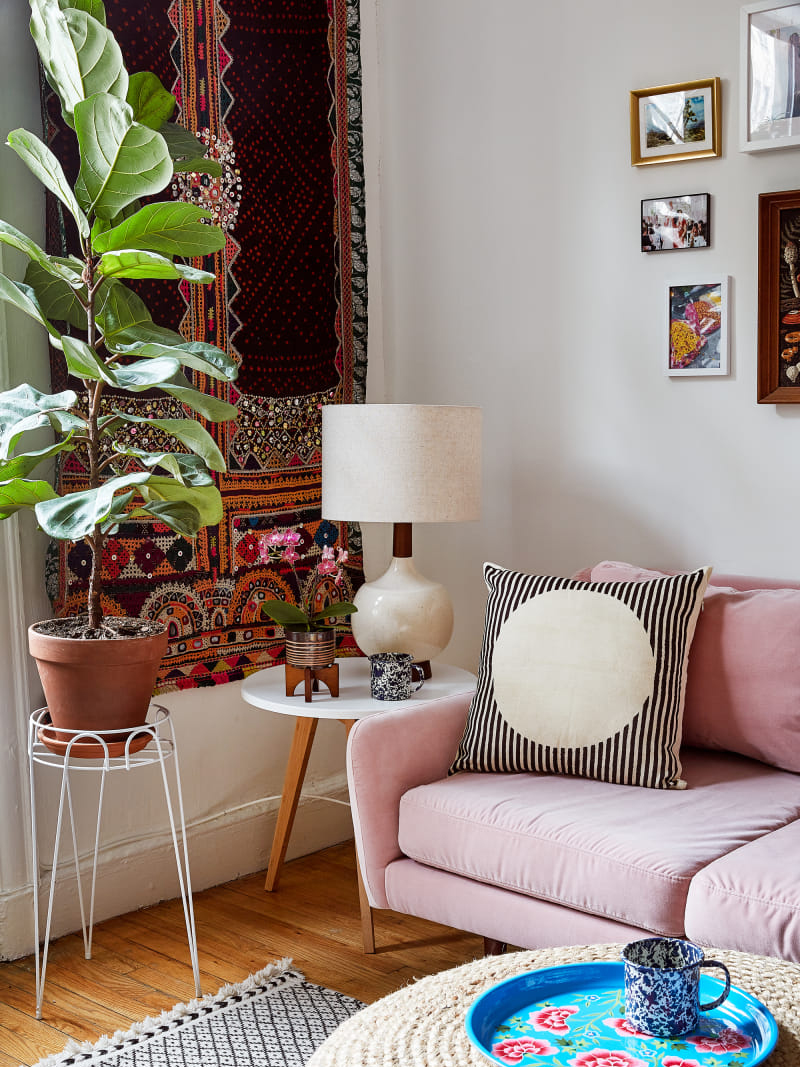
This Wall-Decor Hack Is Even Easier Than Peel-and-Stick Wallpaper
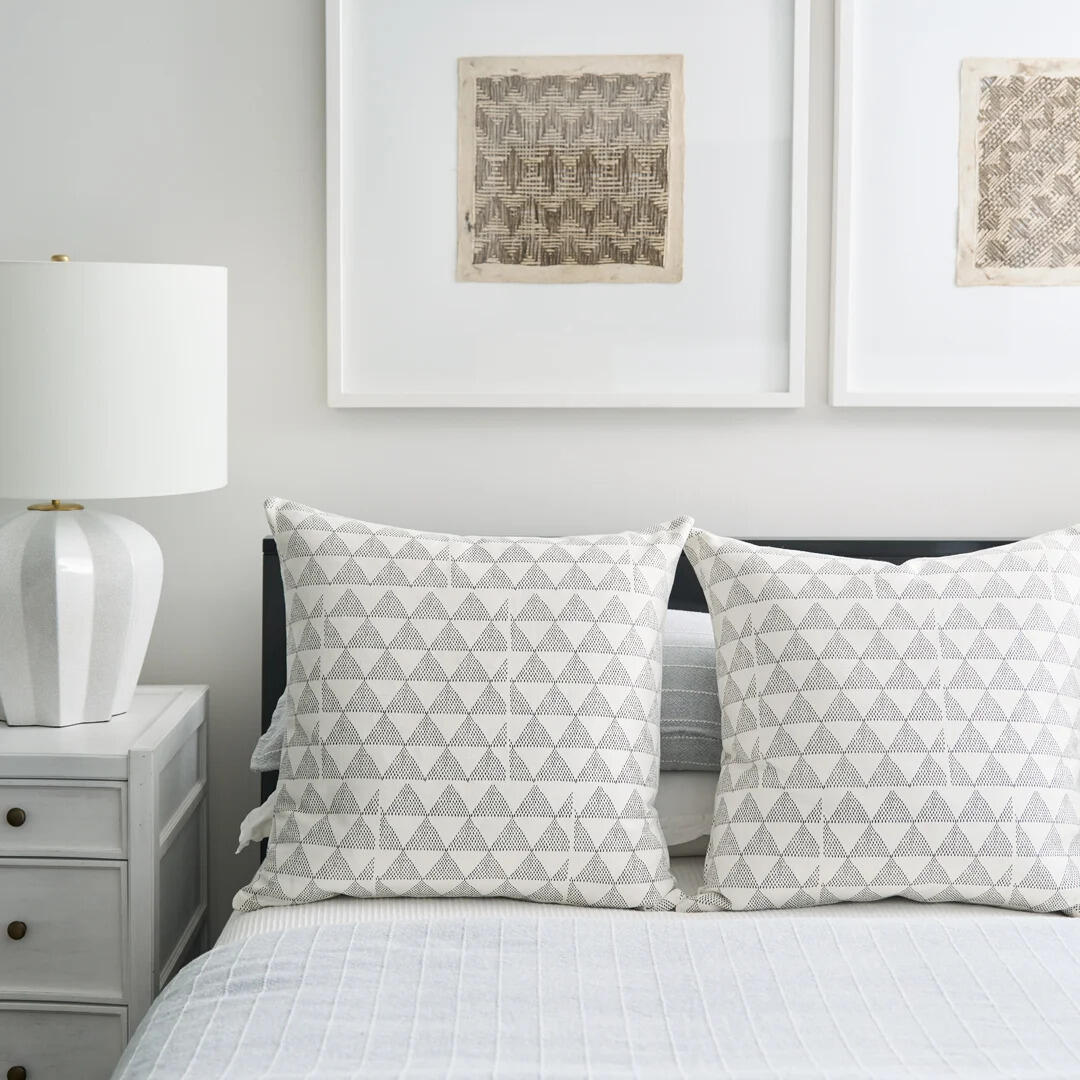
6 splendid stippled patterns for a textural touch

Livingetc Style Awards 2025 — Decorating

Tapestries Are No Longer Just for Gothic Castles (Published 2024)
8 modern medallion motifs for a dash of symmetry
Above the sofa decor – 10 brilliant ideas to fill the space over your couch, from the classic to the creative
9 Inspiring Fabric and Wallcovering Trends You Should Know Now

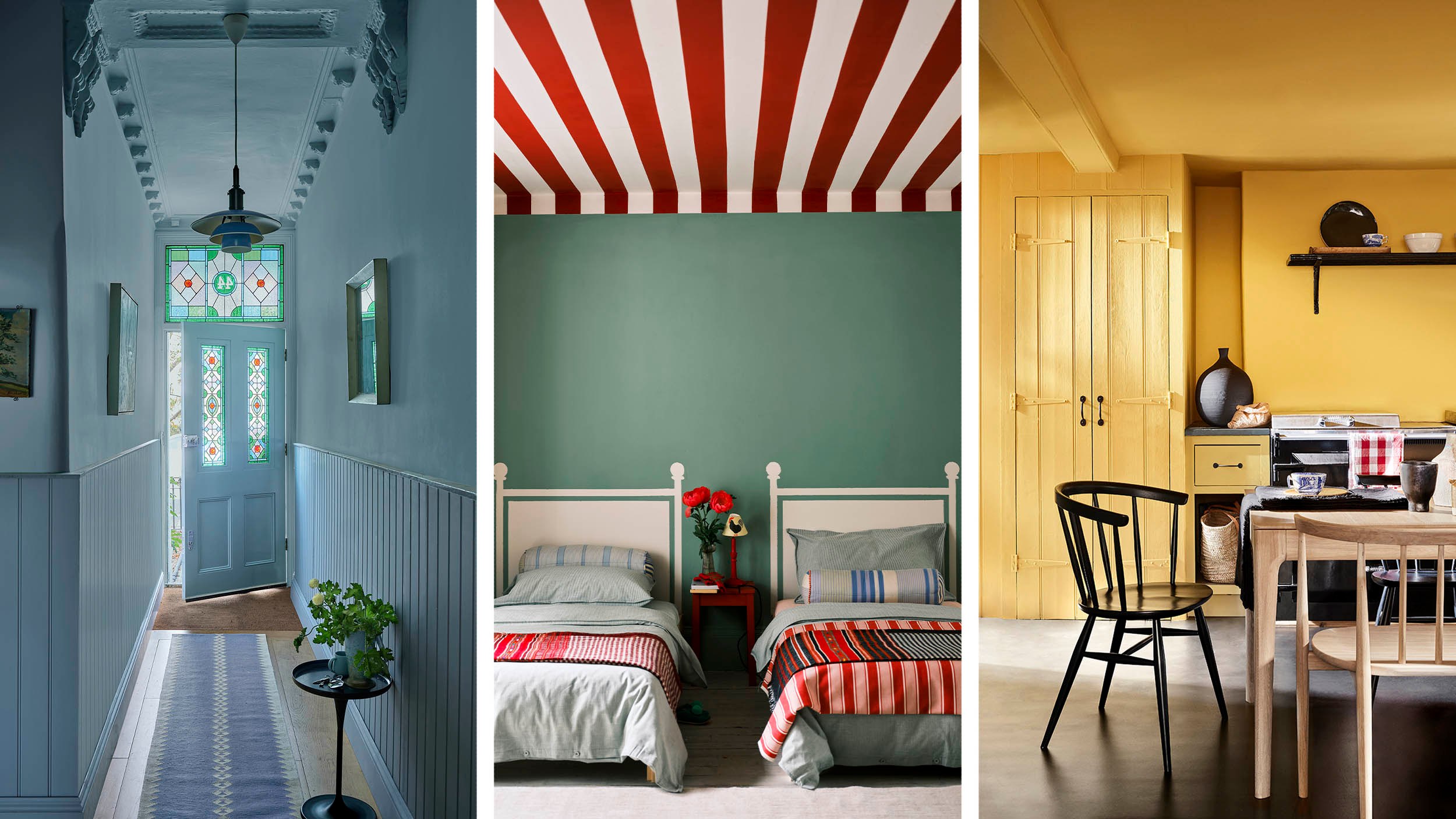
Painting the ceiling with colour is a trend that is looking up
Homestyle: Attention to detail
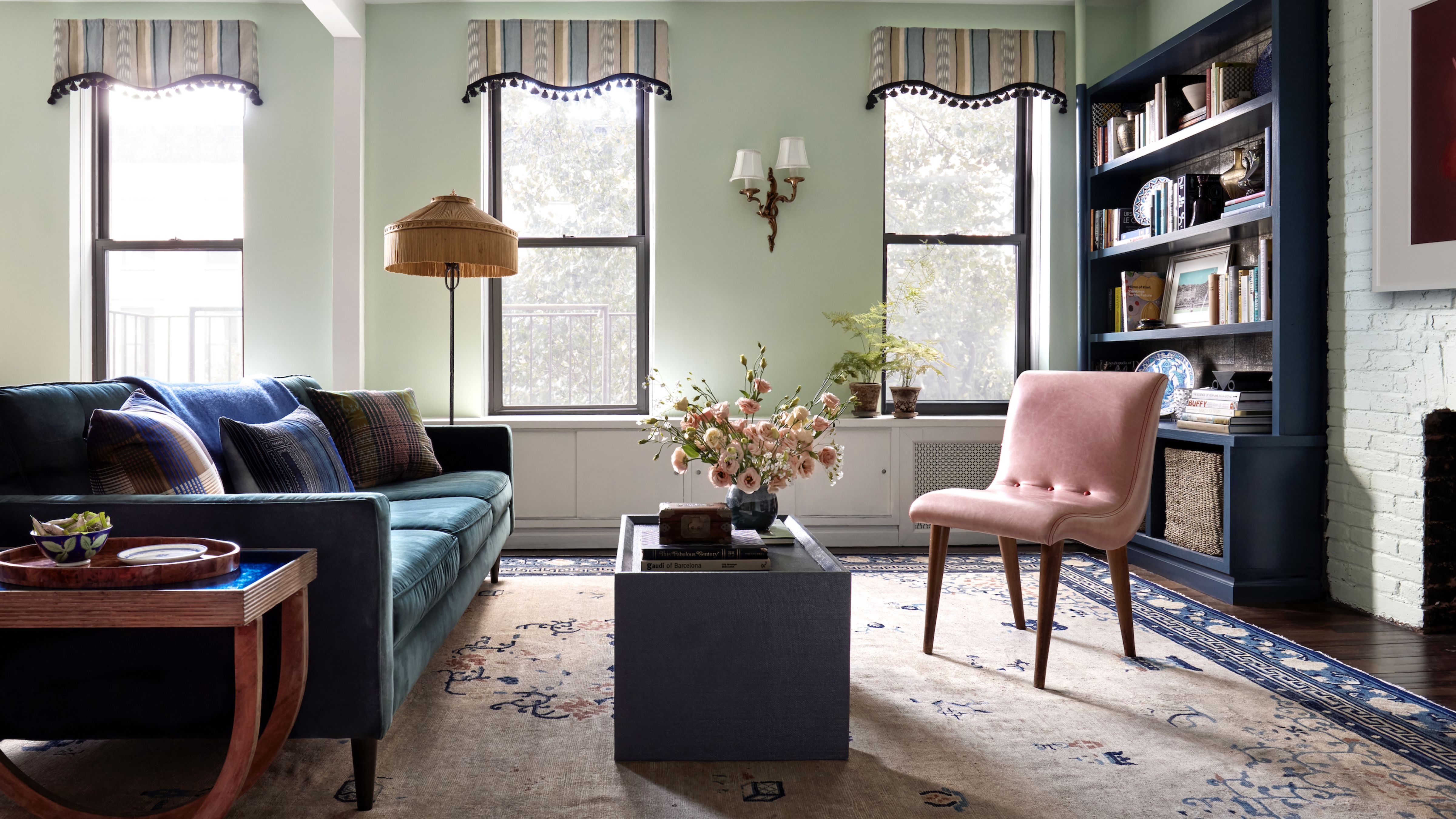
5 Ways Designers Use Scale to Make Rooms Feel Right

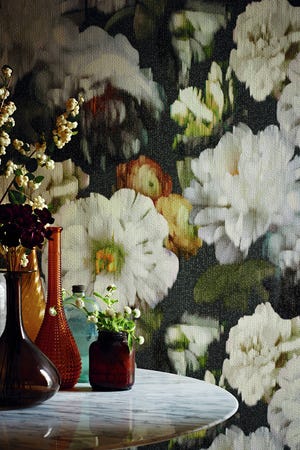
Patterns on paper and tile: Visually compelling designs lead the way in wallcoverings