1/5
Is your home feeling lifeless? 5 layering hacks to make the interiors warm and inviting | Hindustan Times
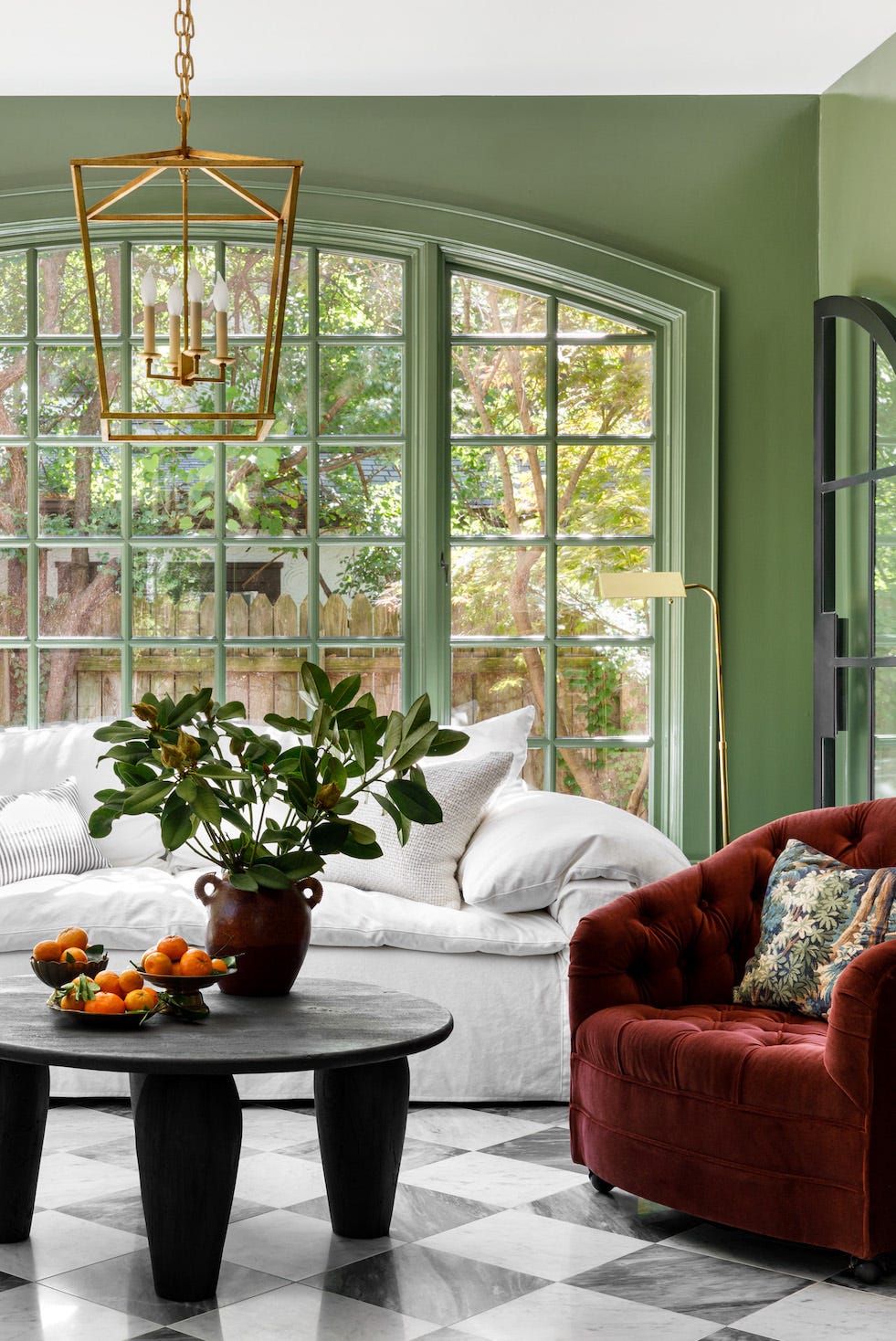
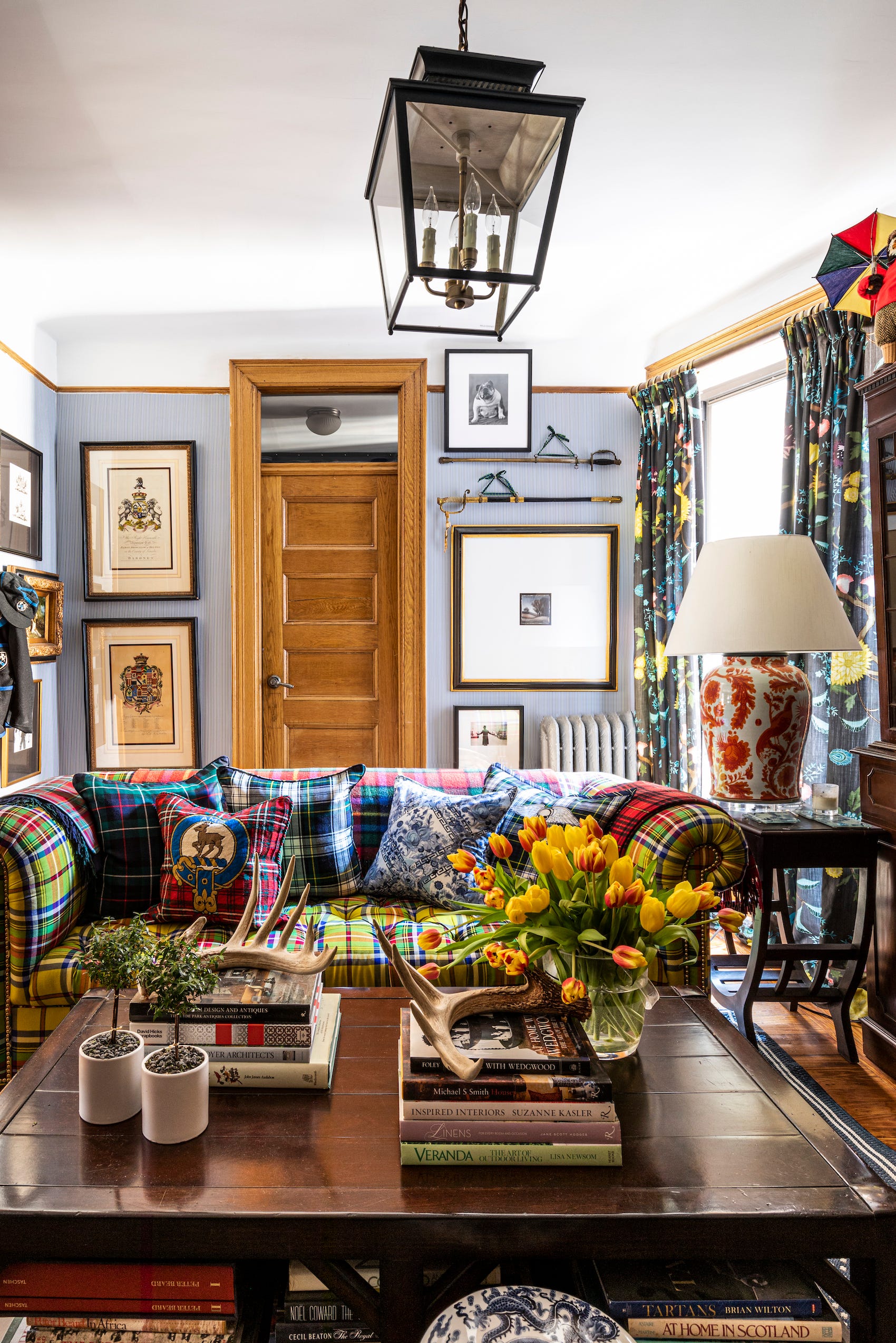
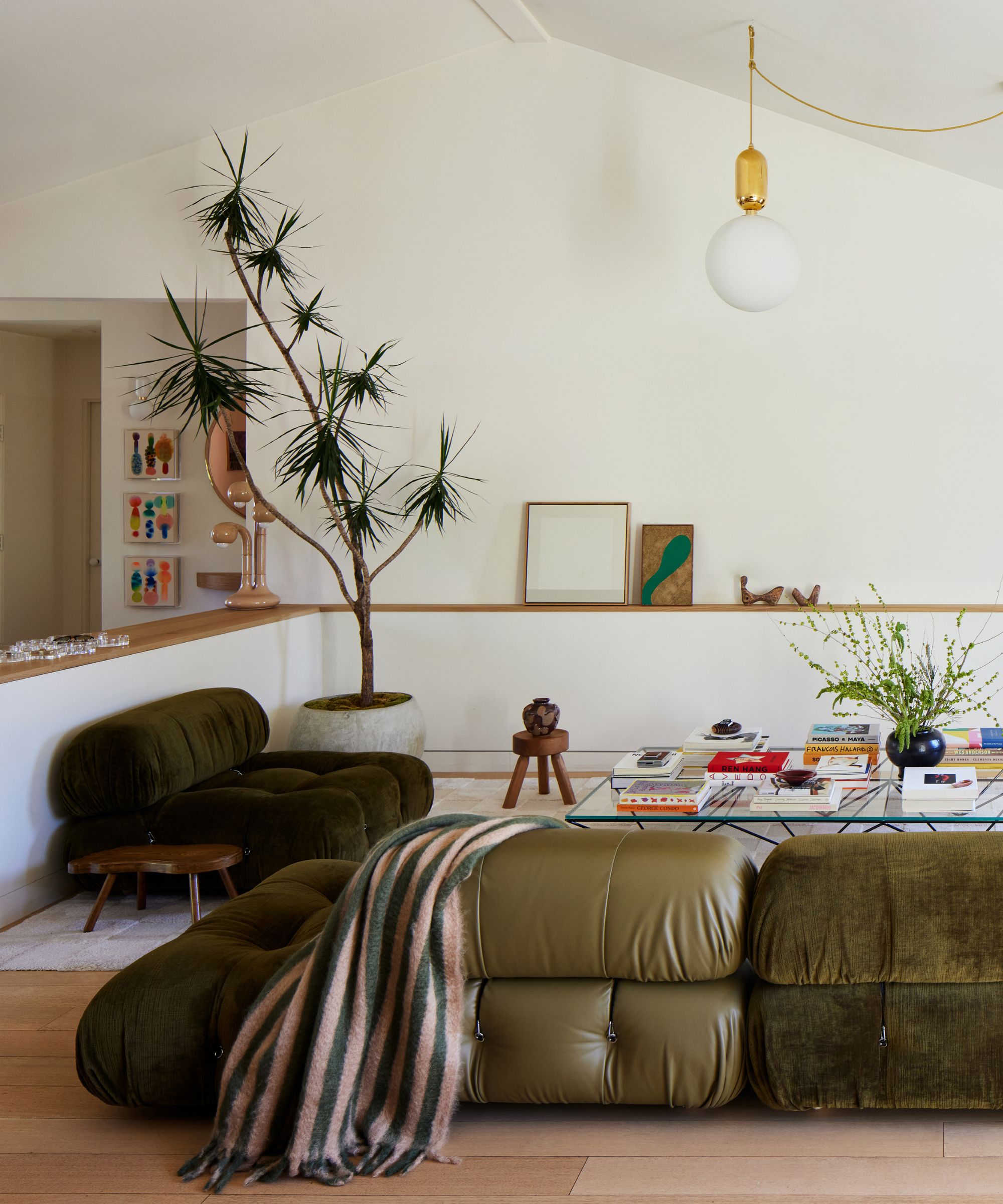
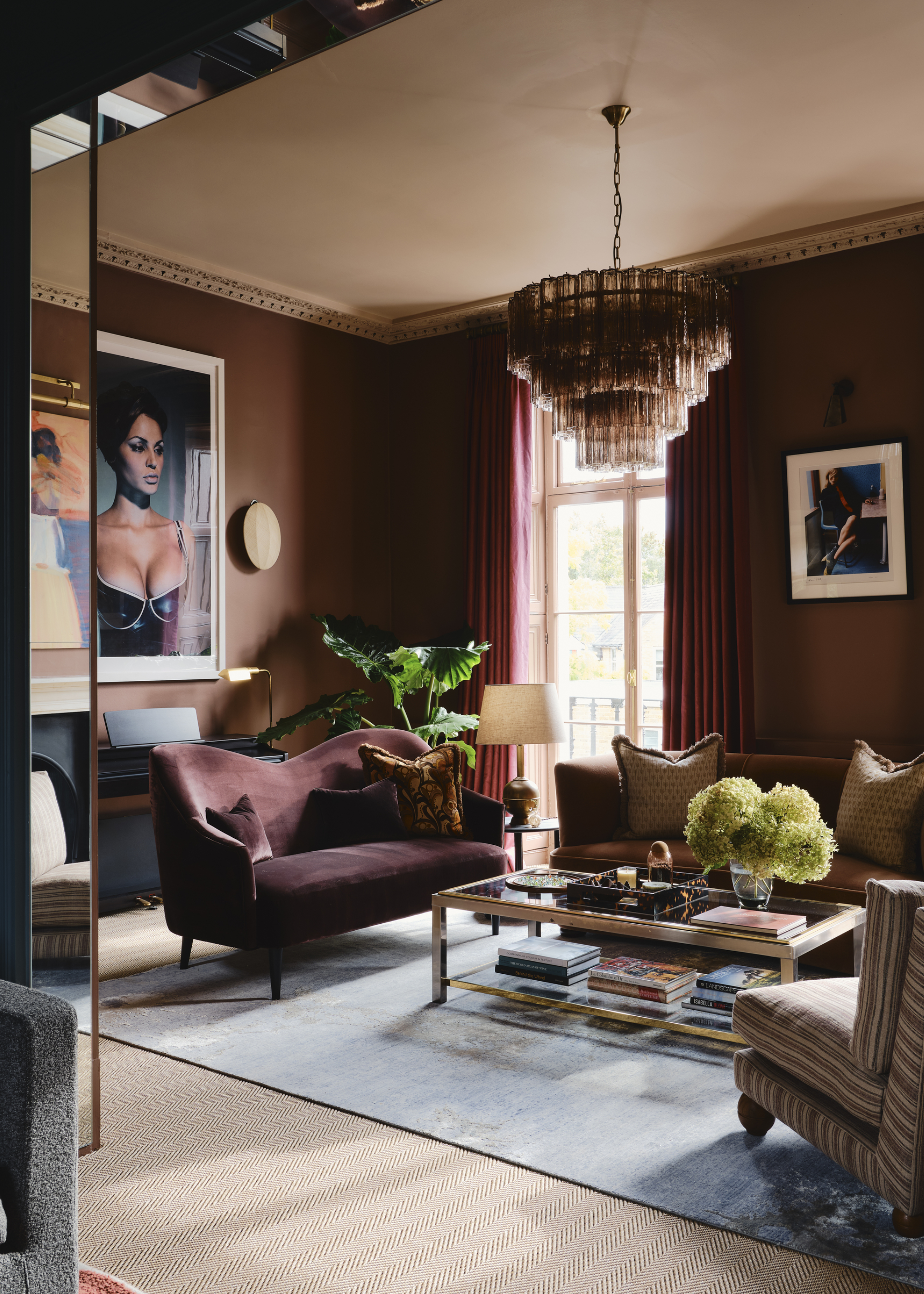
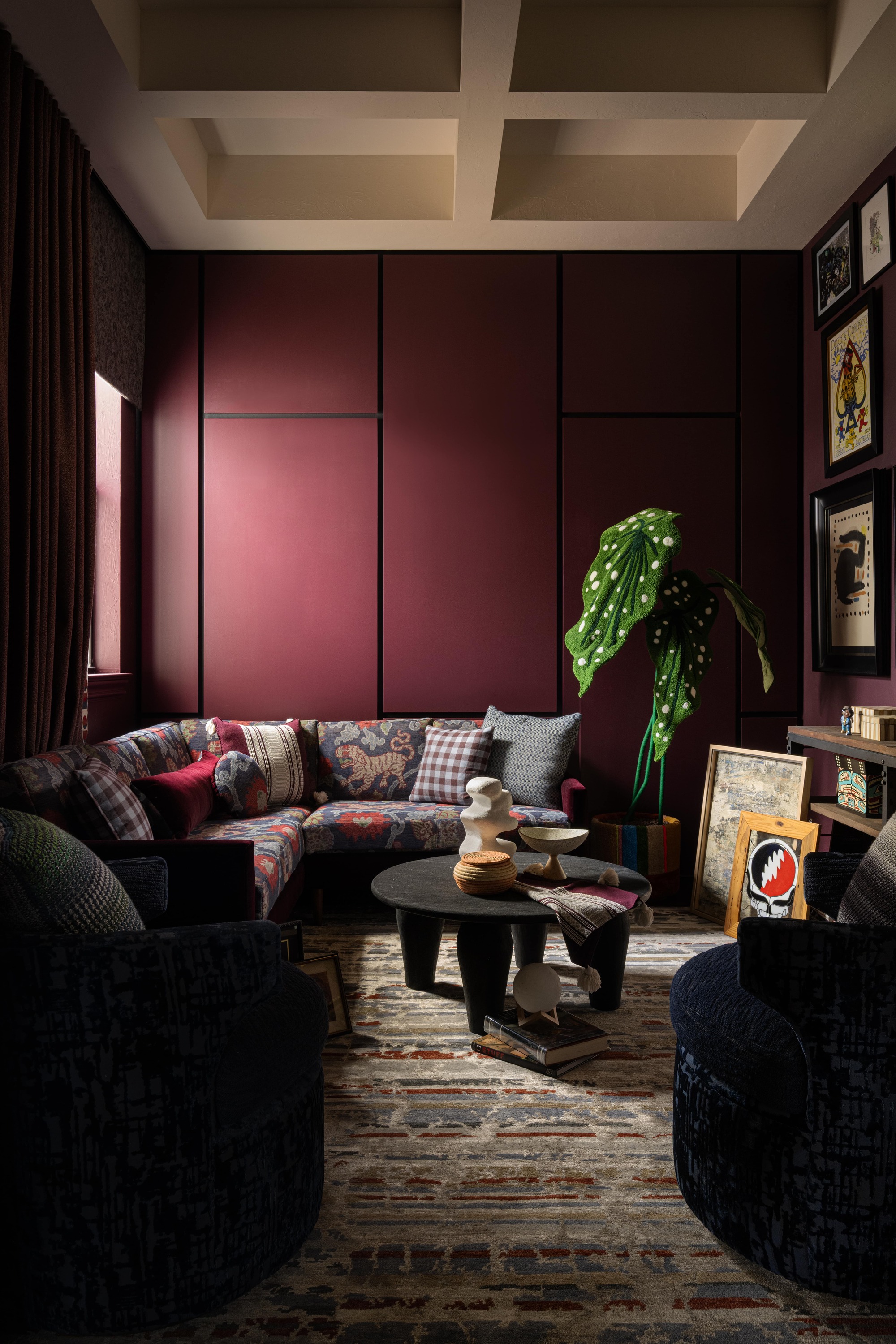
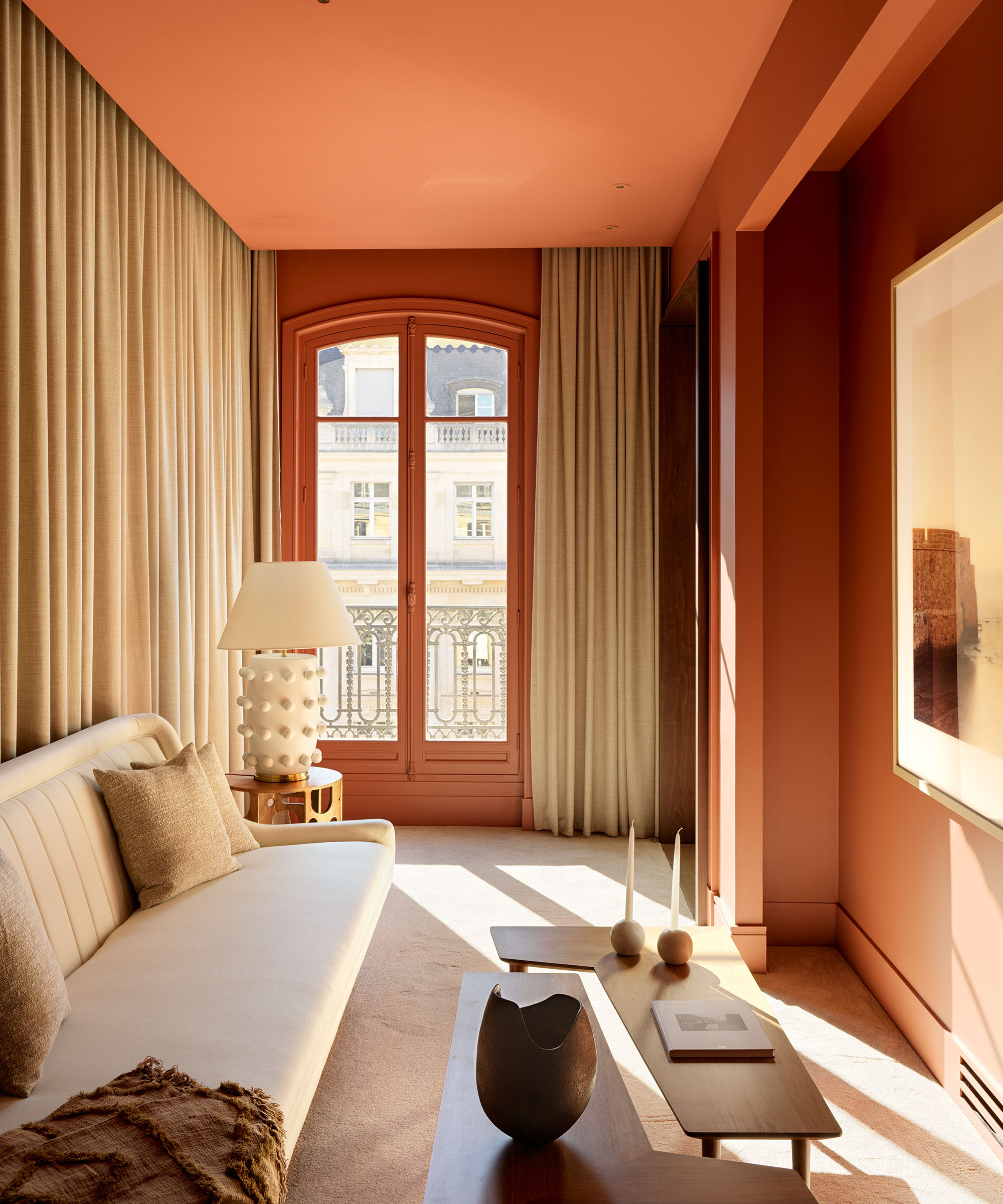
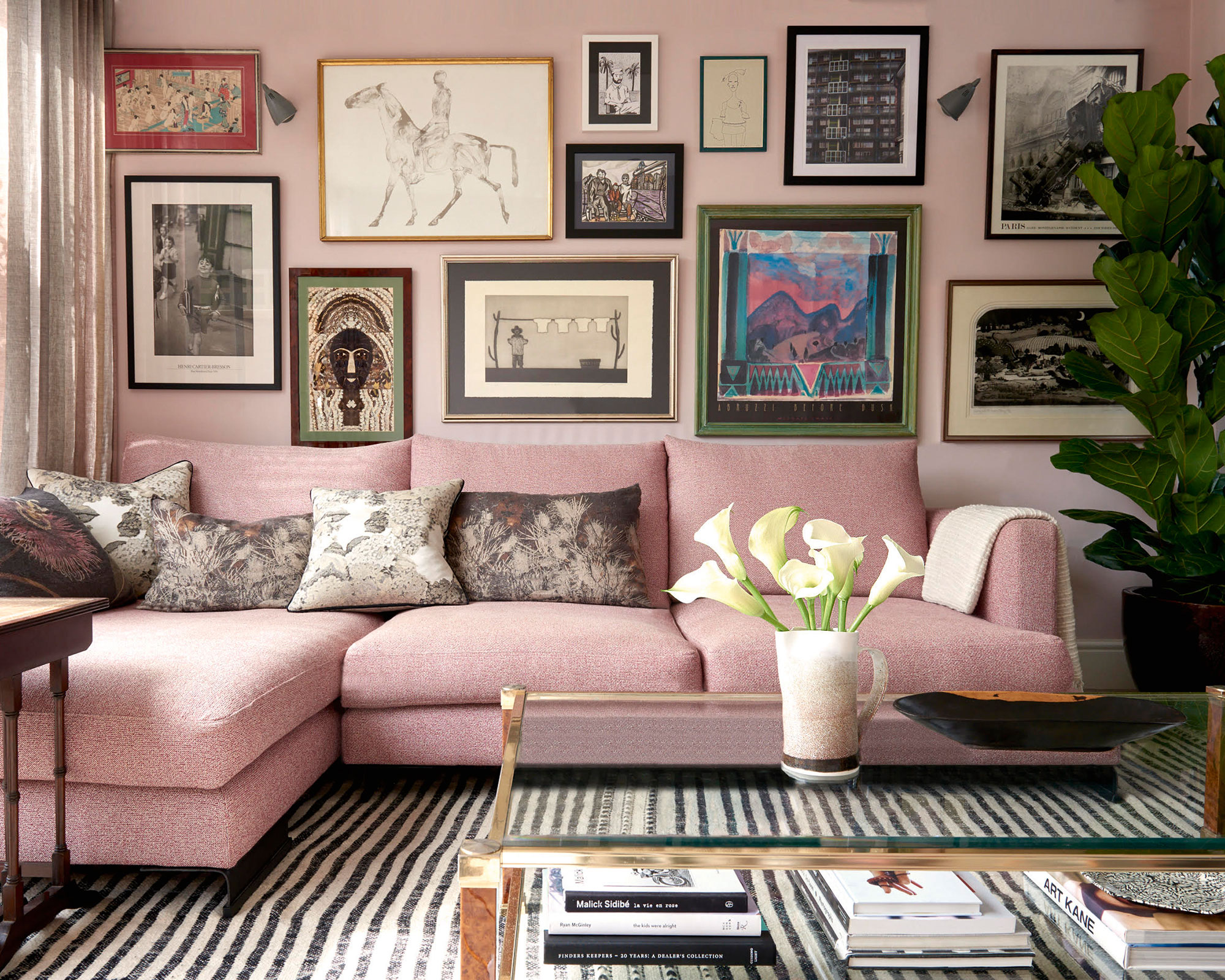
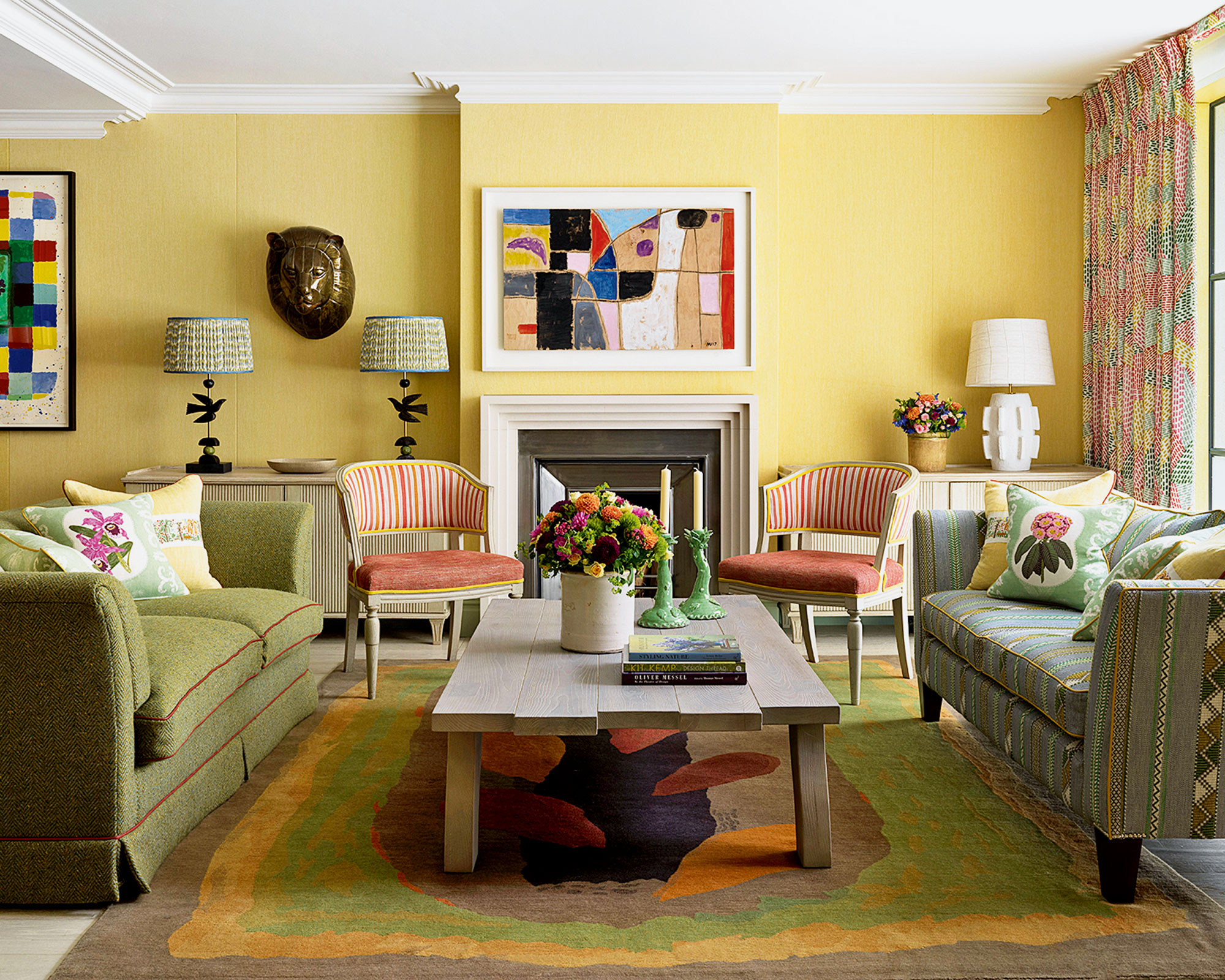
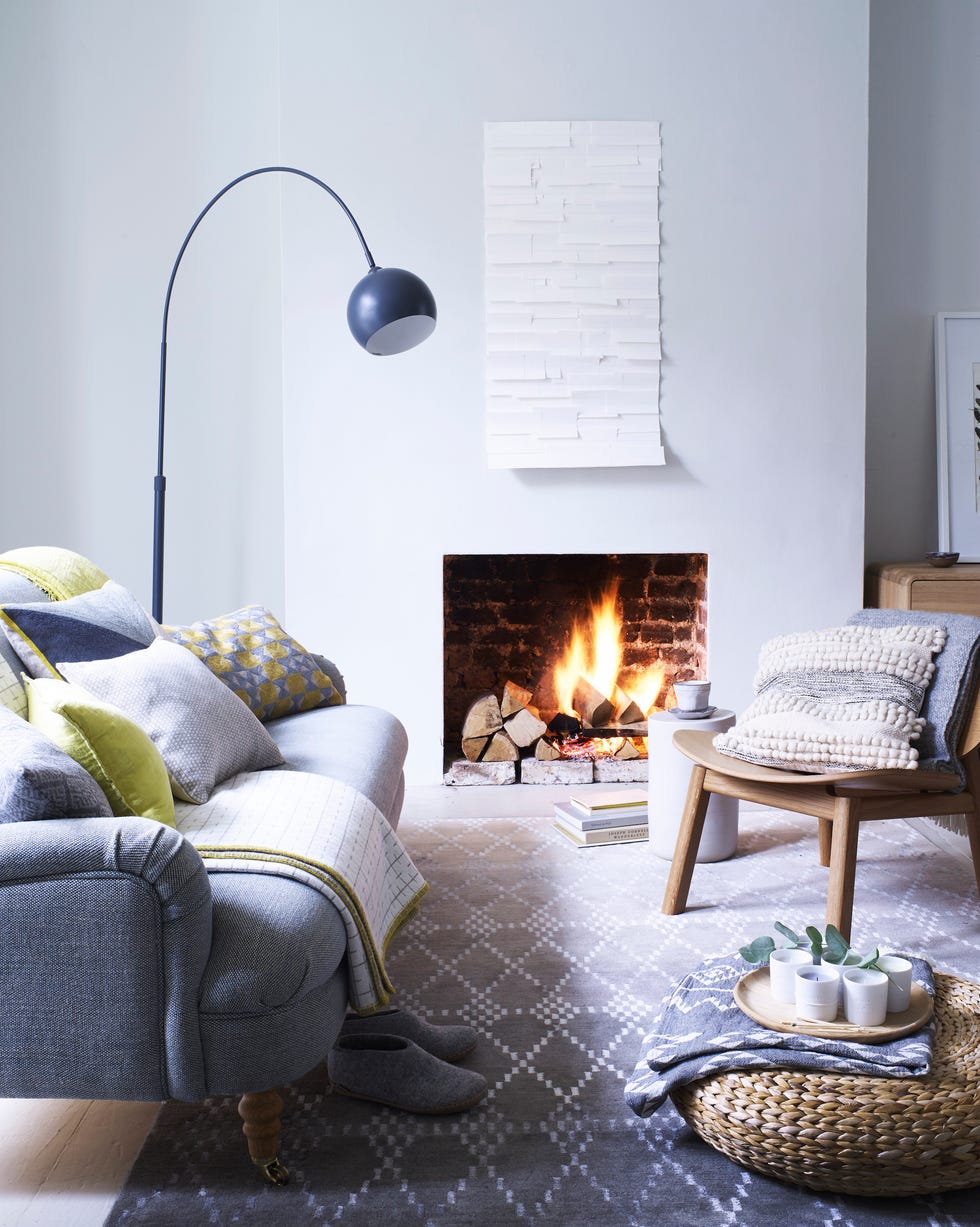
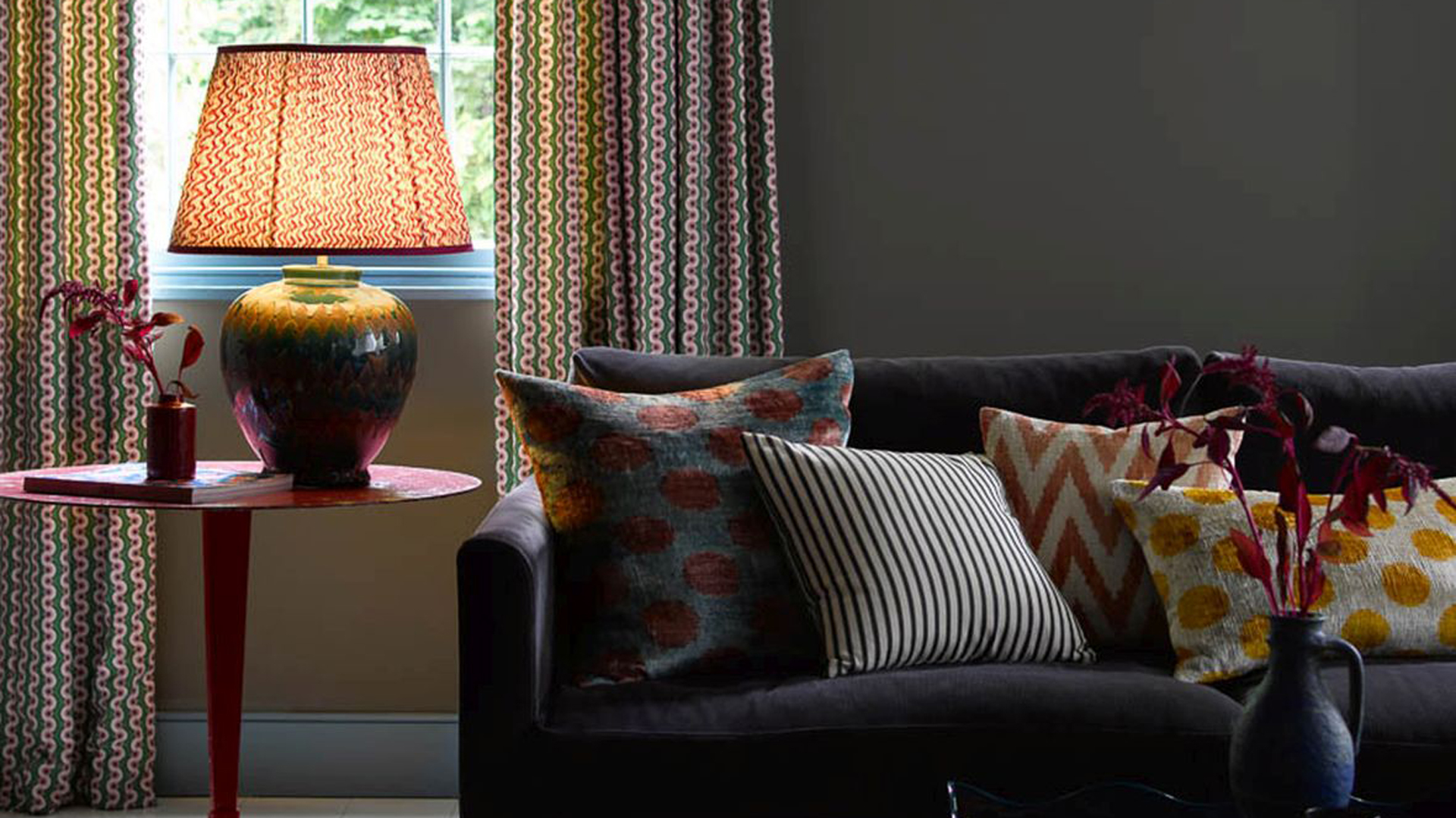
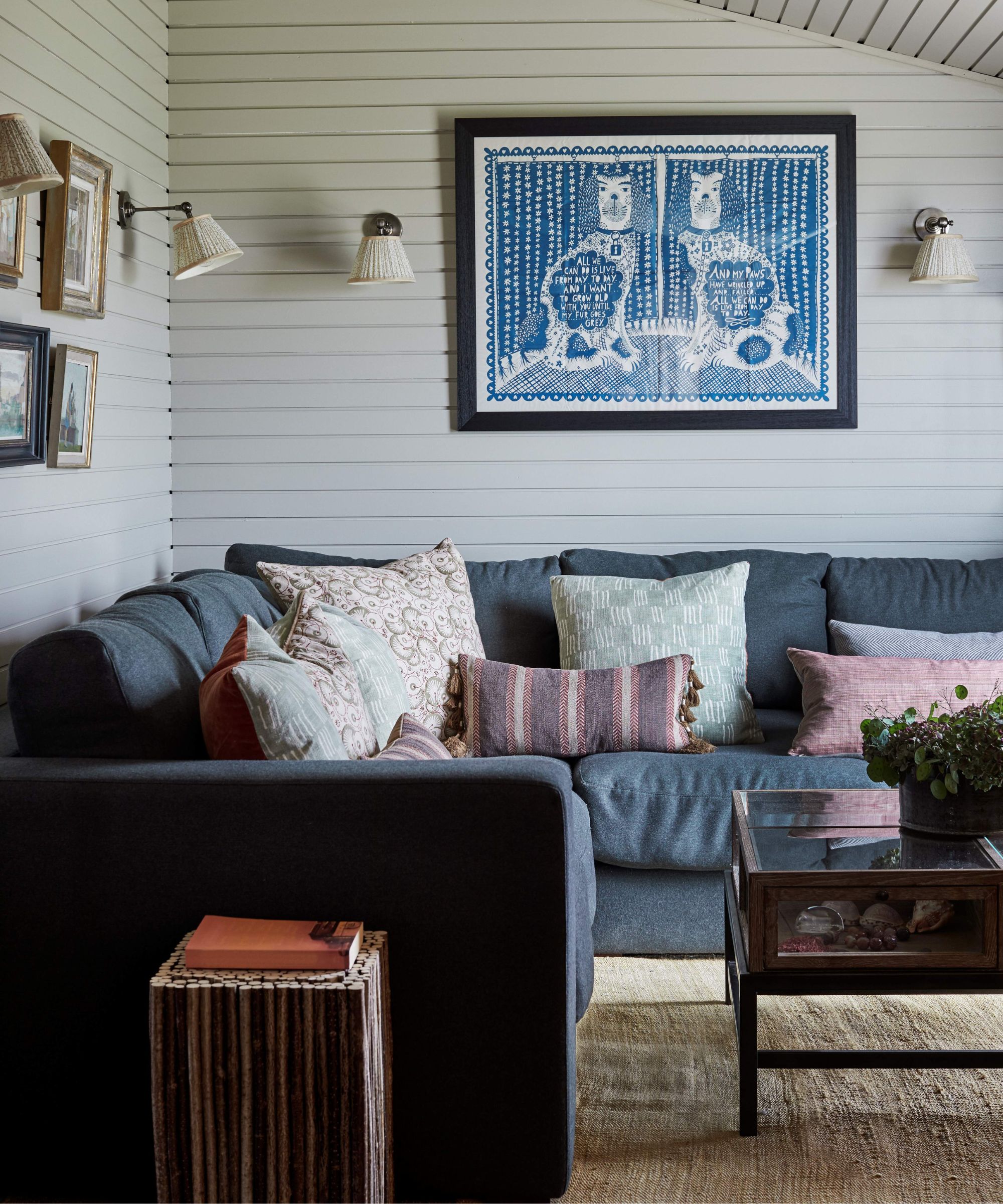
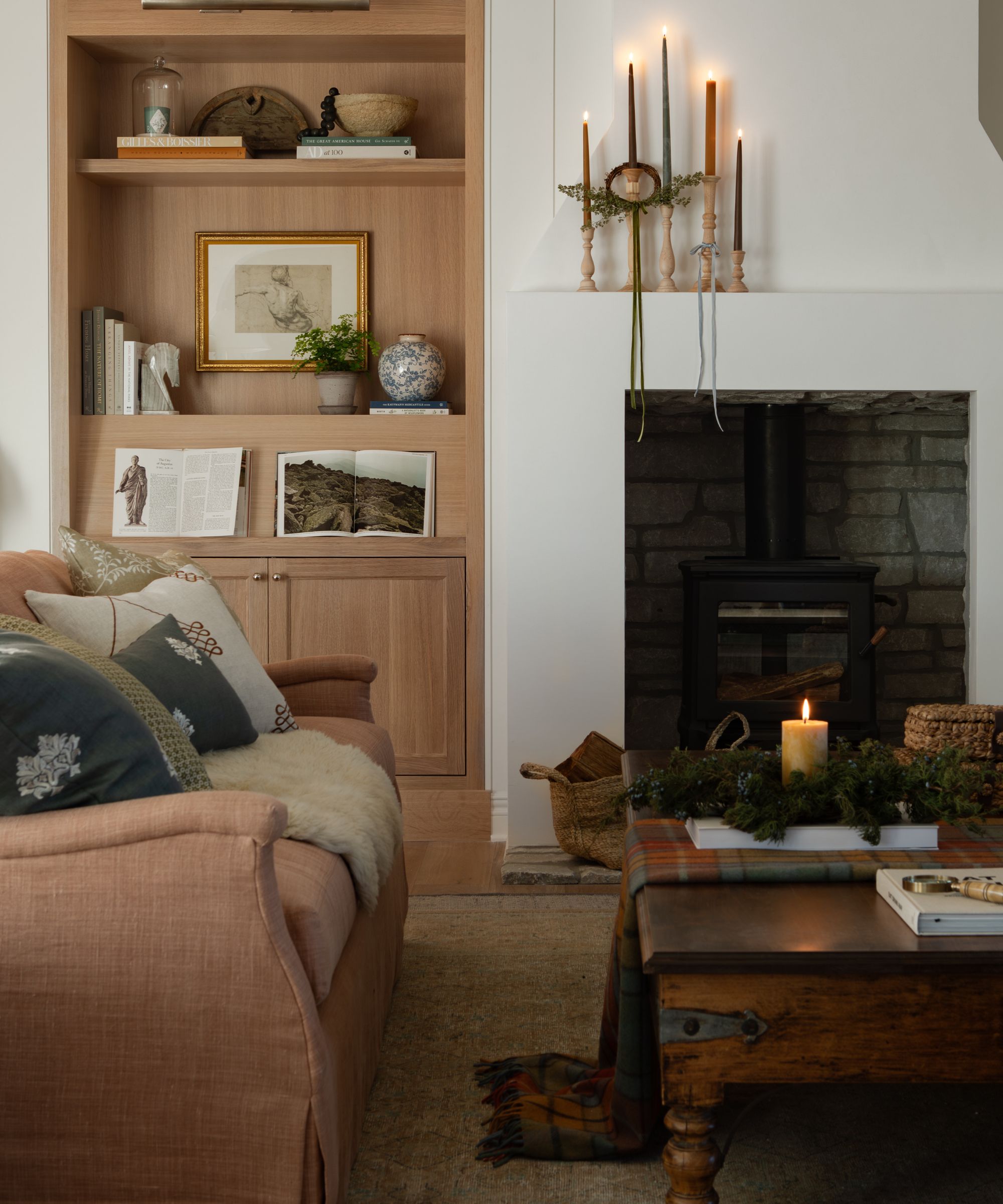
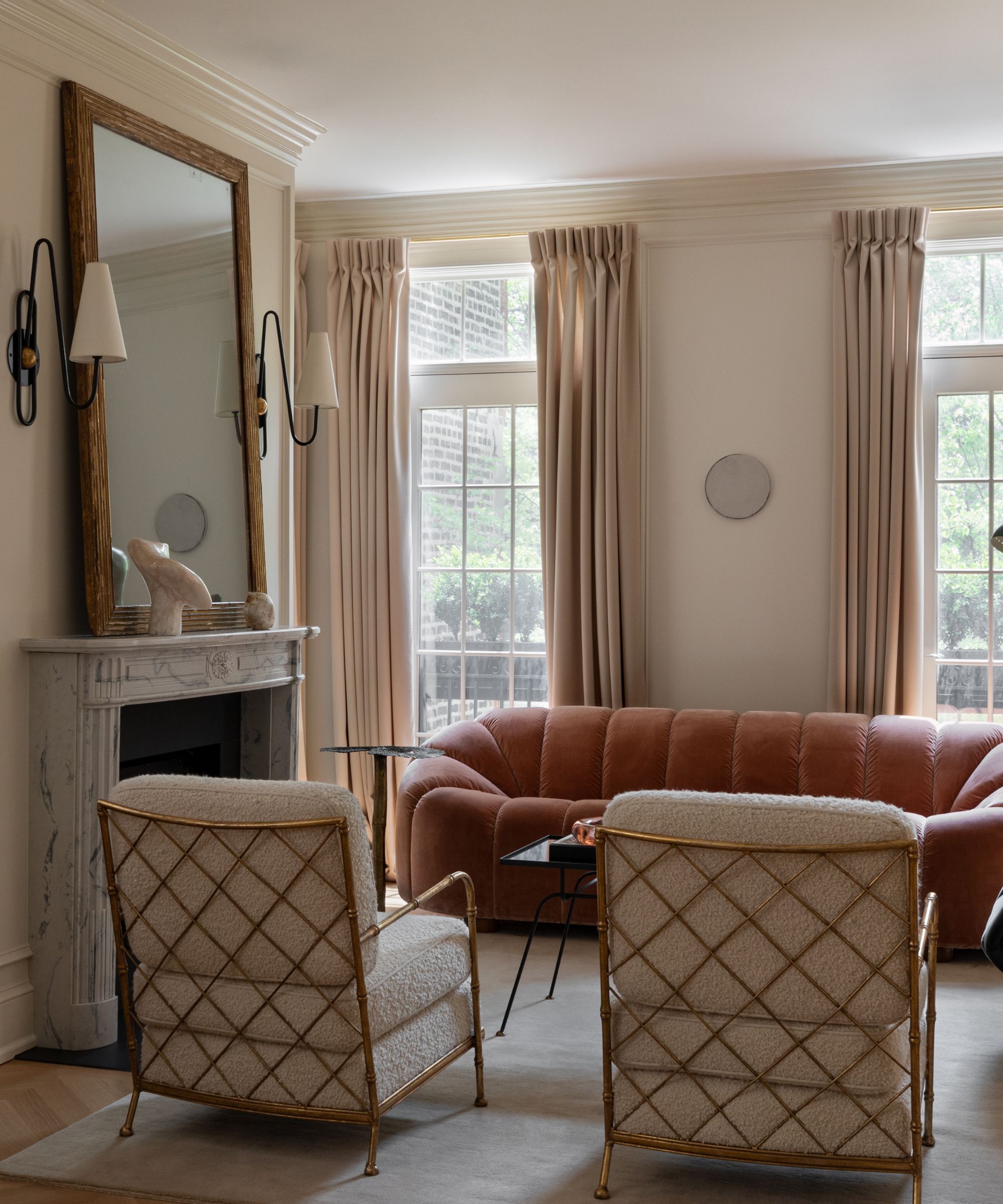
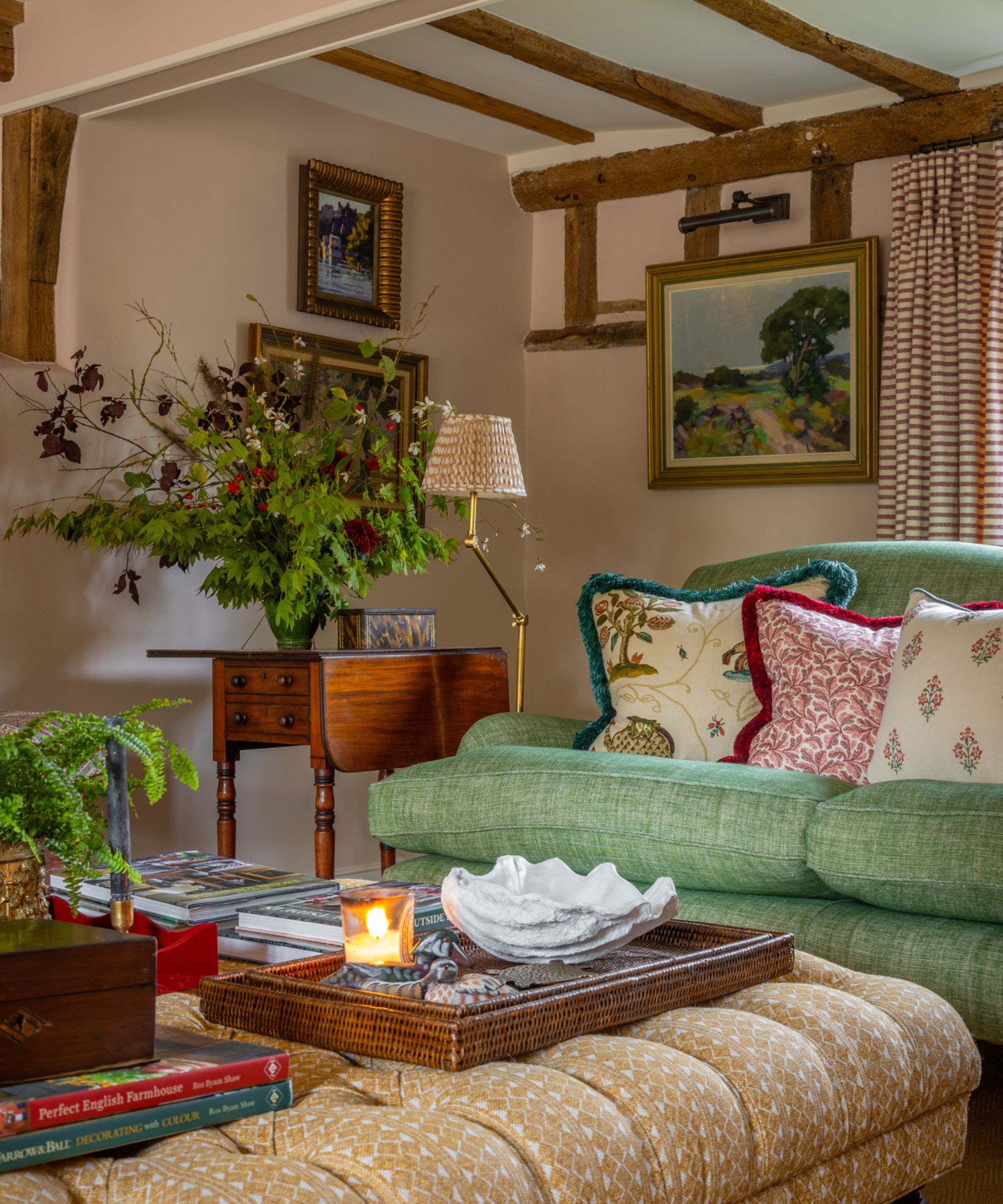

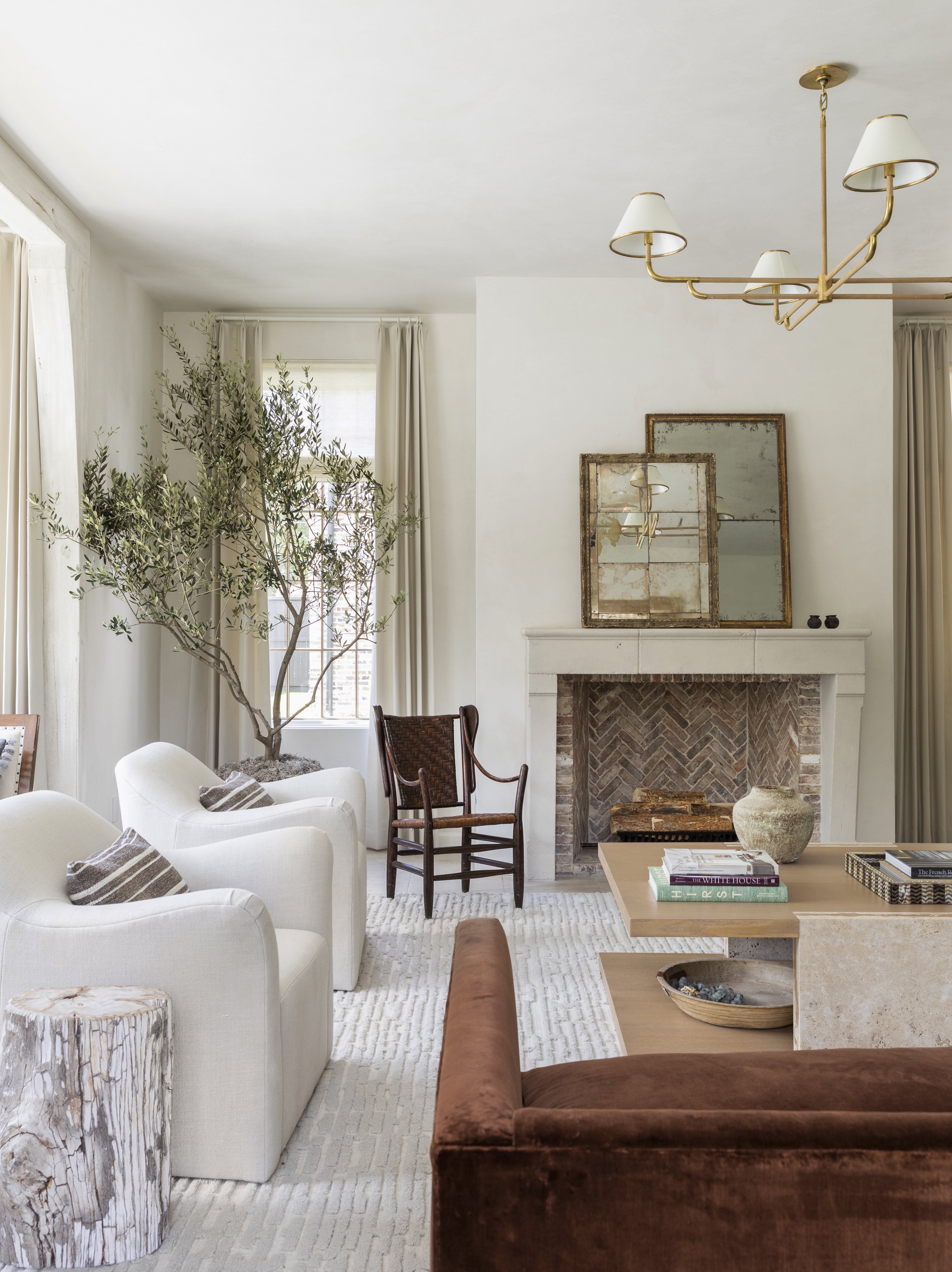
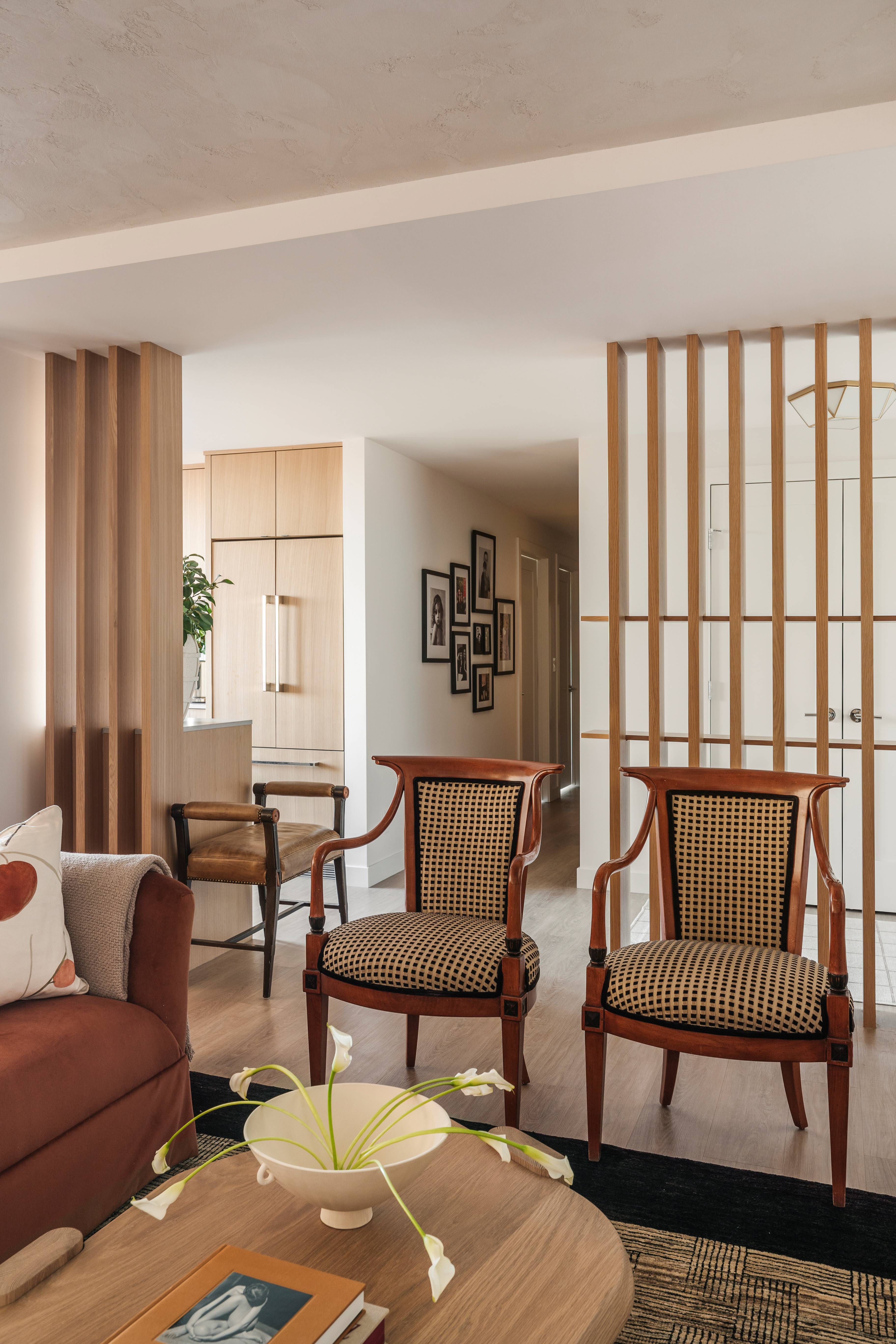
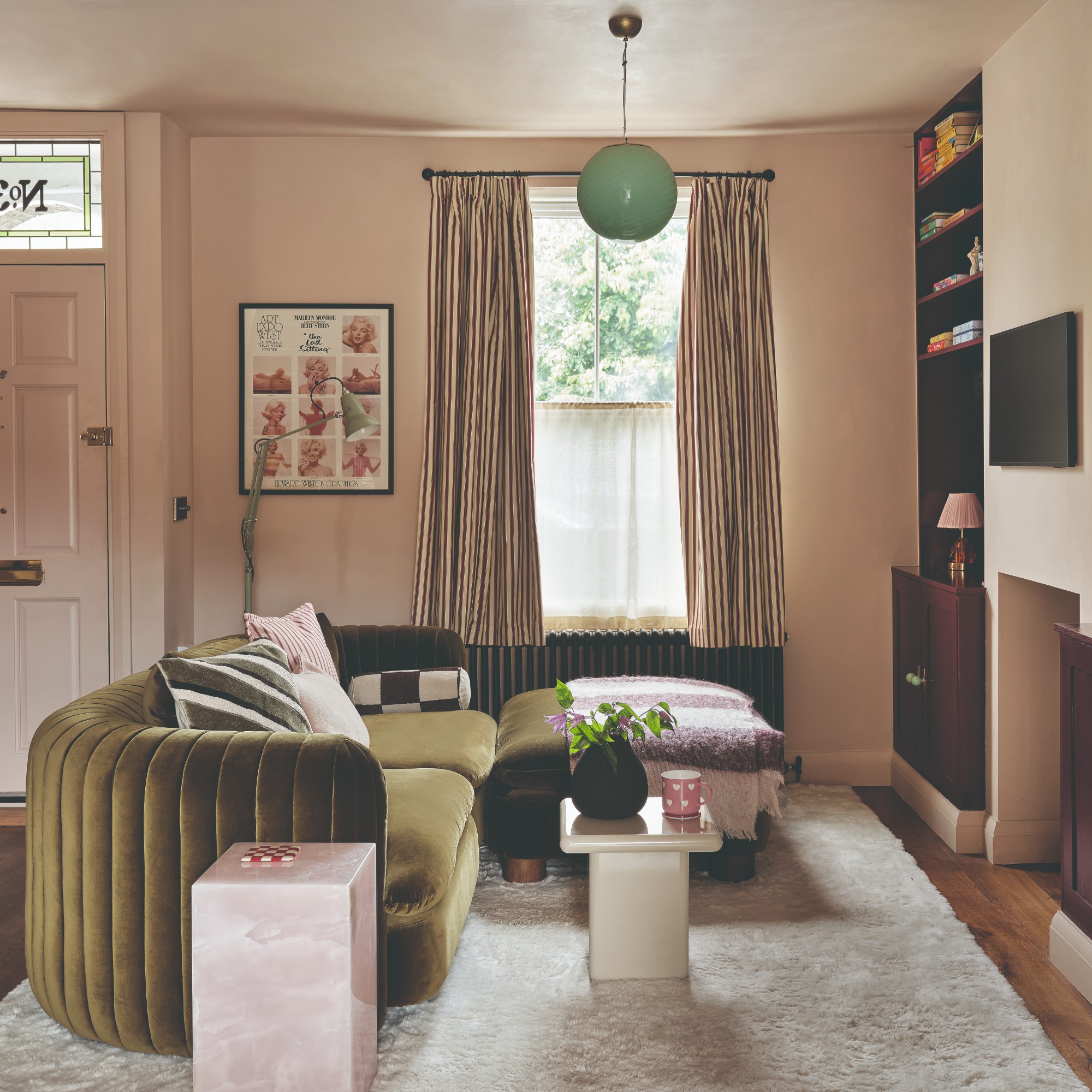
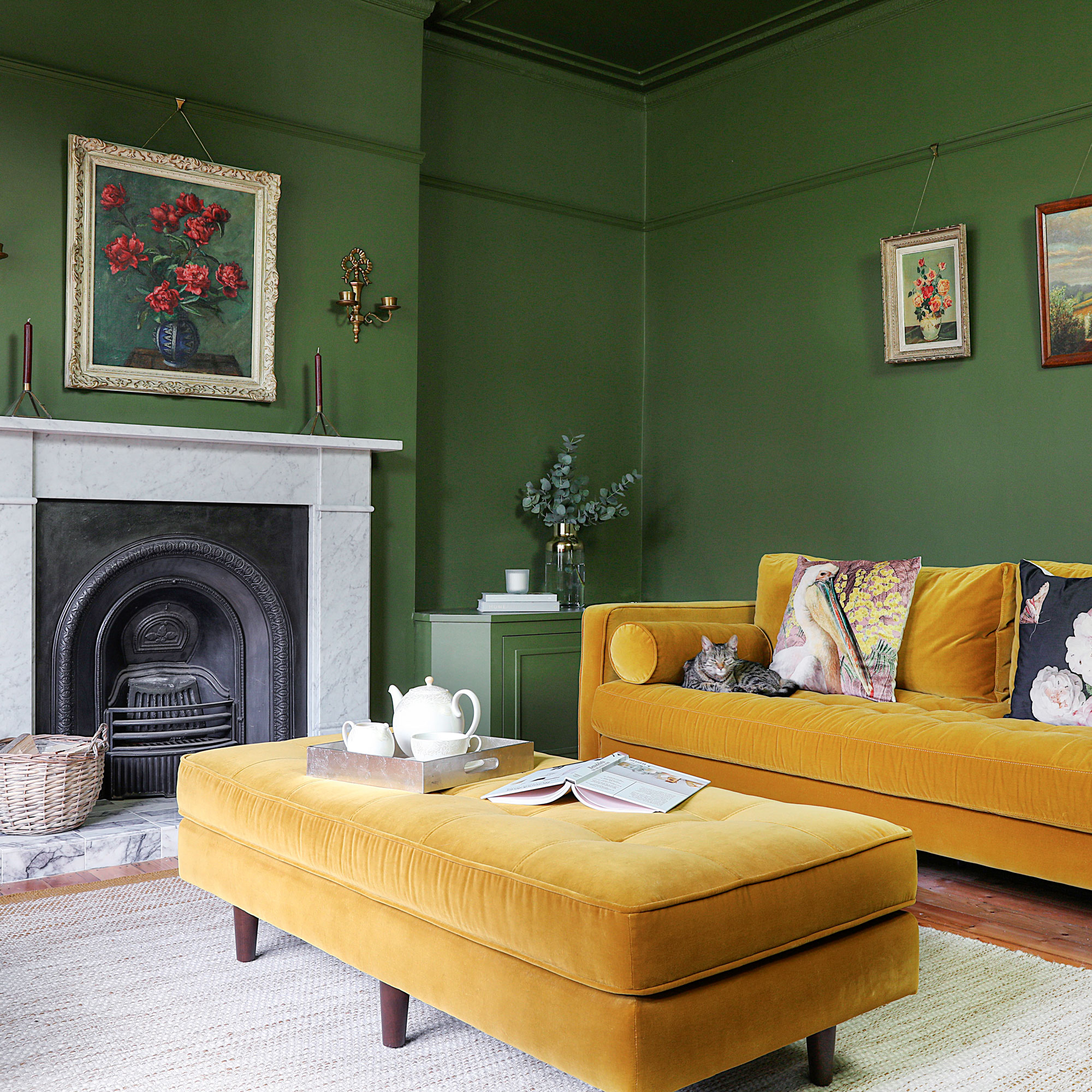
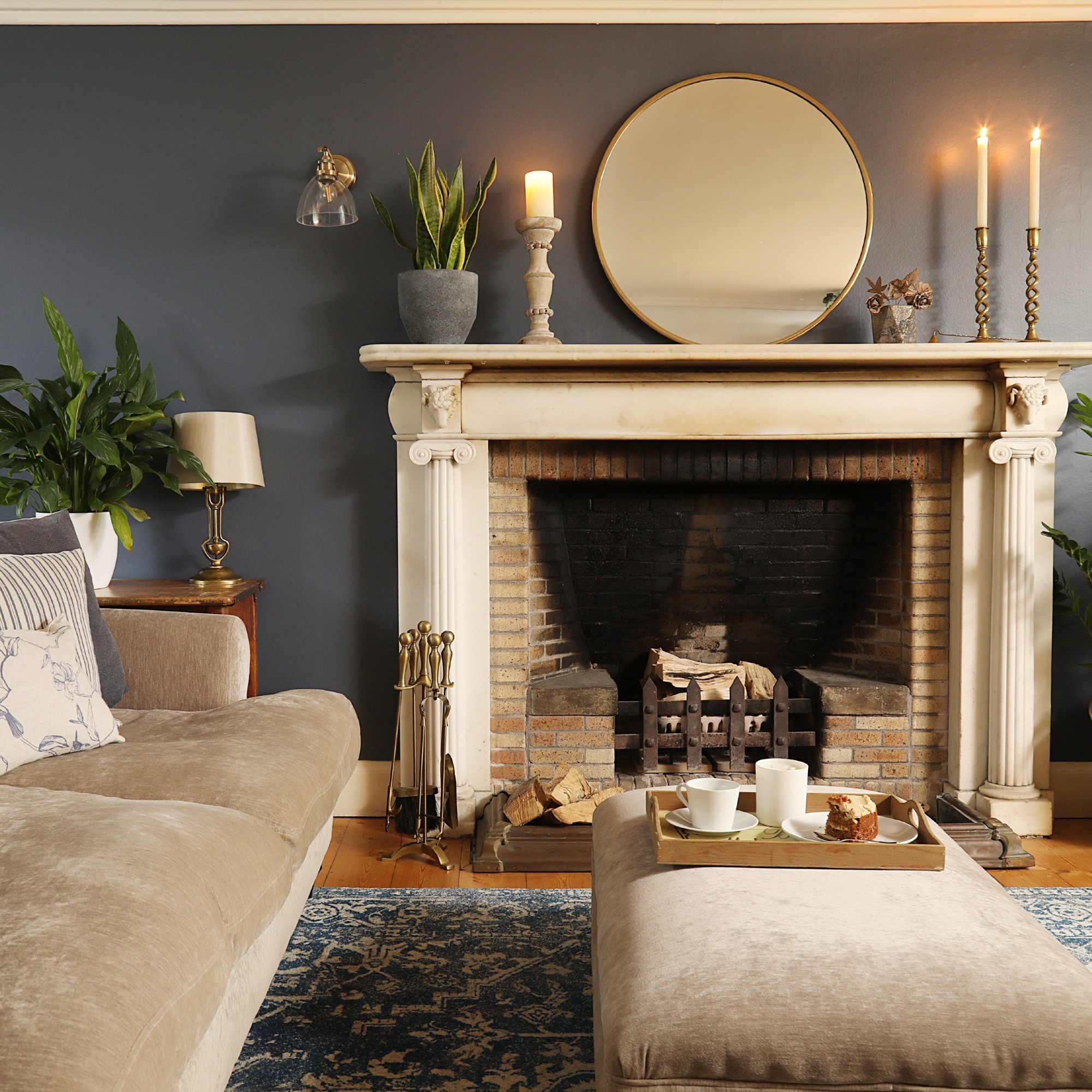
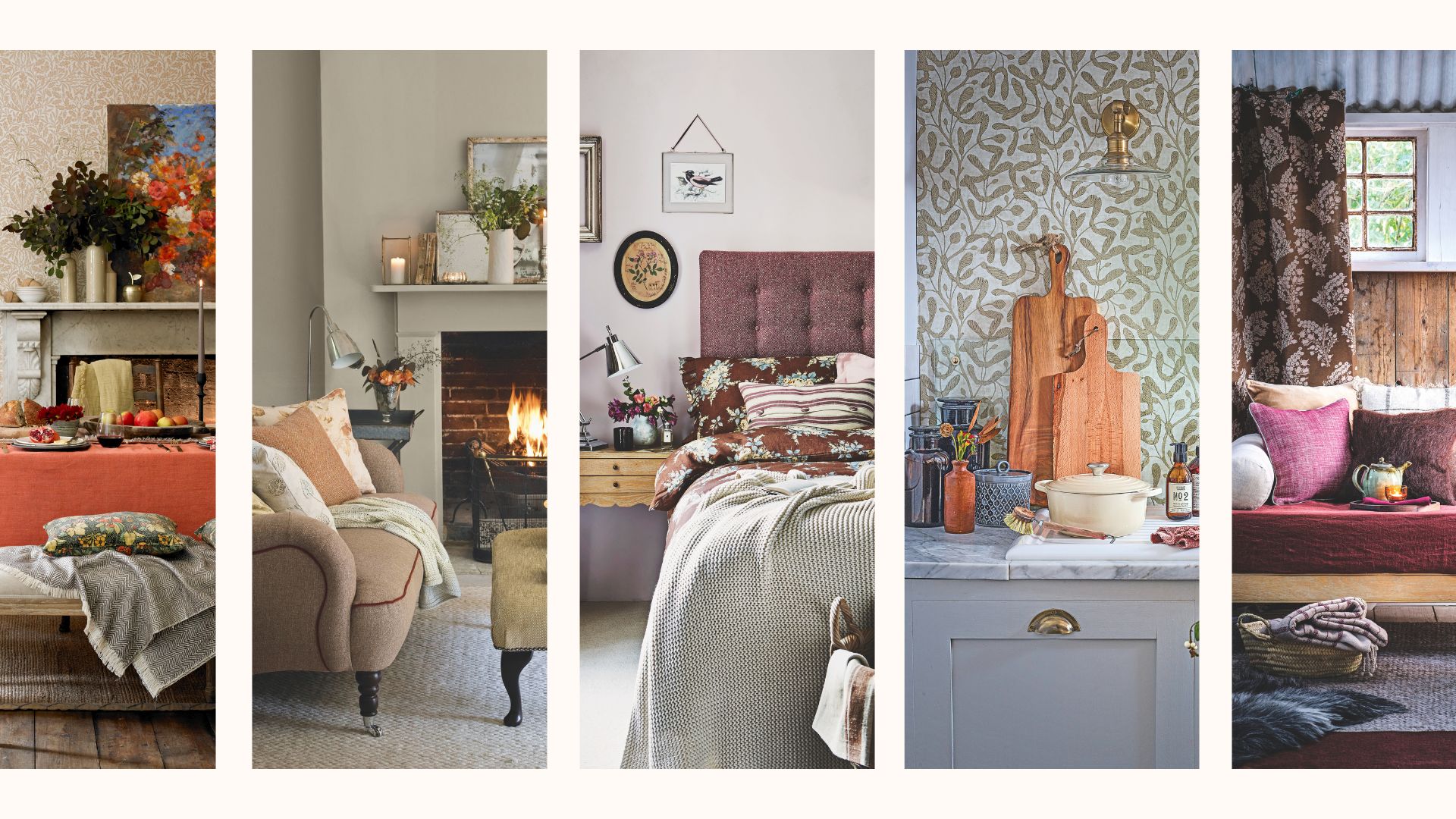
If a home's interiors appear bland, boring, or monotonous, incorporating layering techniques can transform these spaces into curated, inviting, and stylish environments. Layering involves combining various textures, finishes, and materials to add depth and make a space feel more "lived in" and vibrant. This approach goes beyond mere aesthetics, aiming to create a multi-sensory experience that engages sight, touch, and movement, resulting in a harmonious flow within the composition.
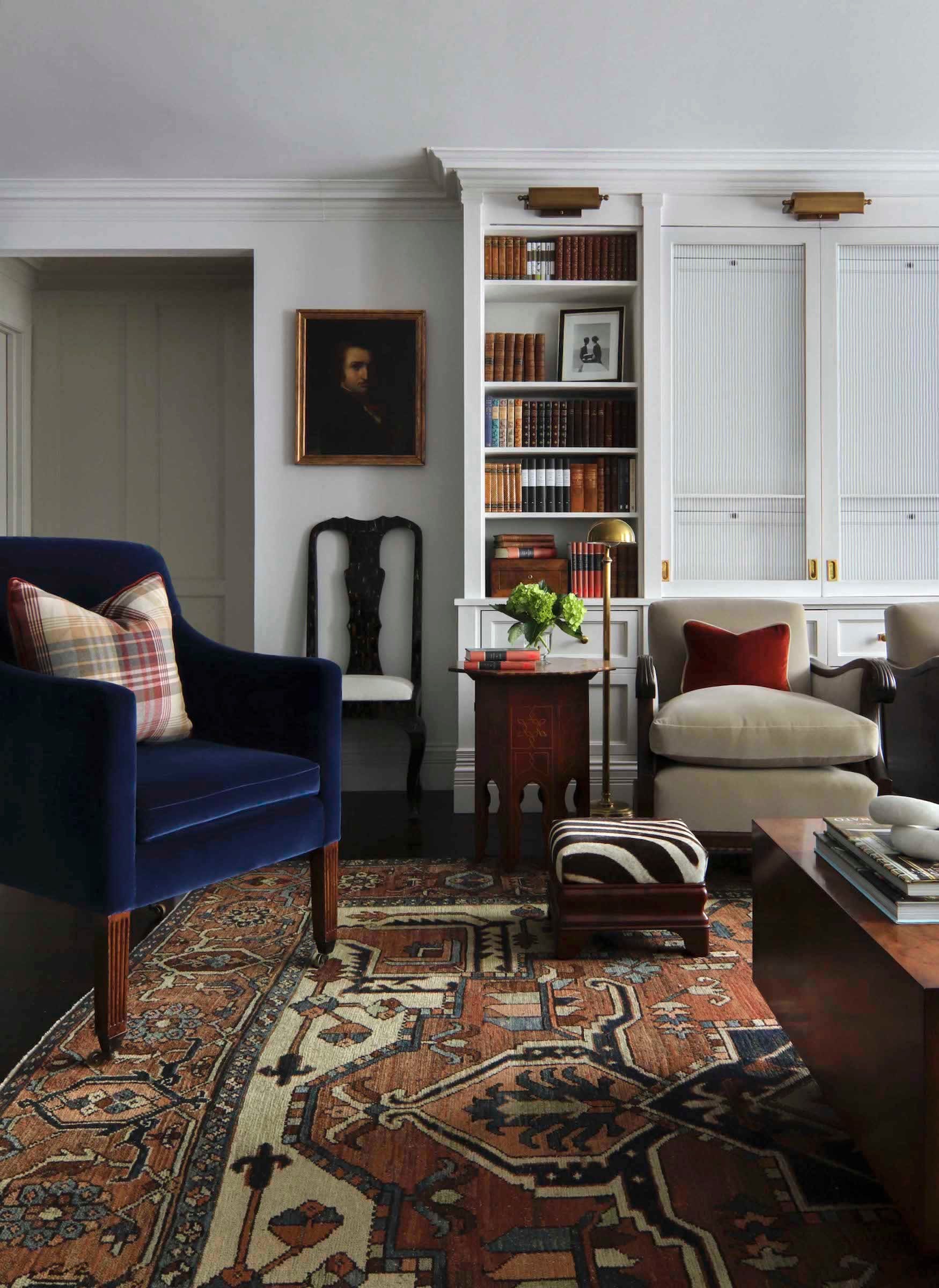
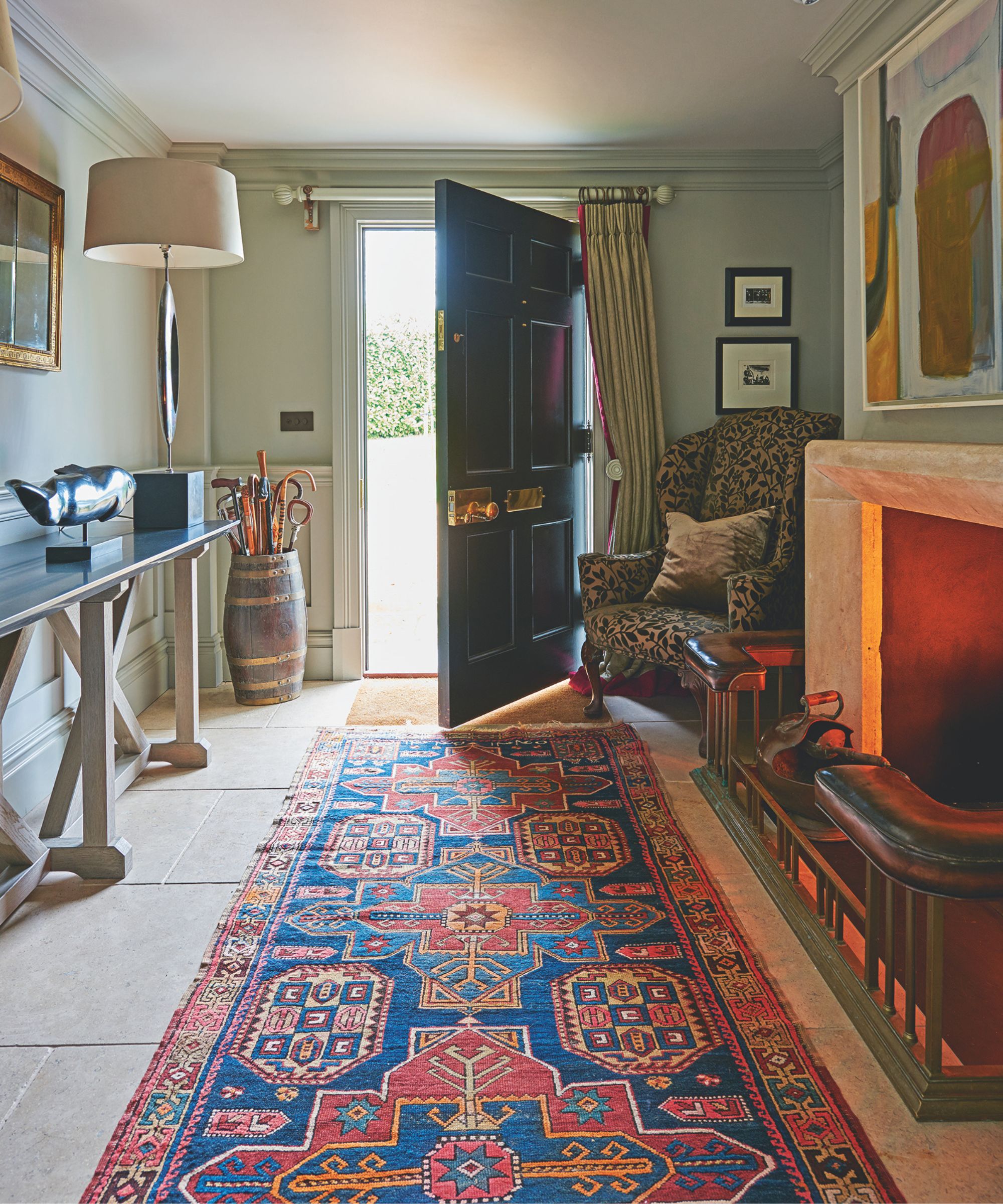
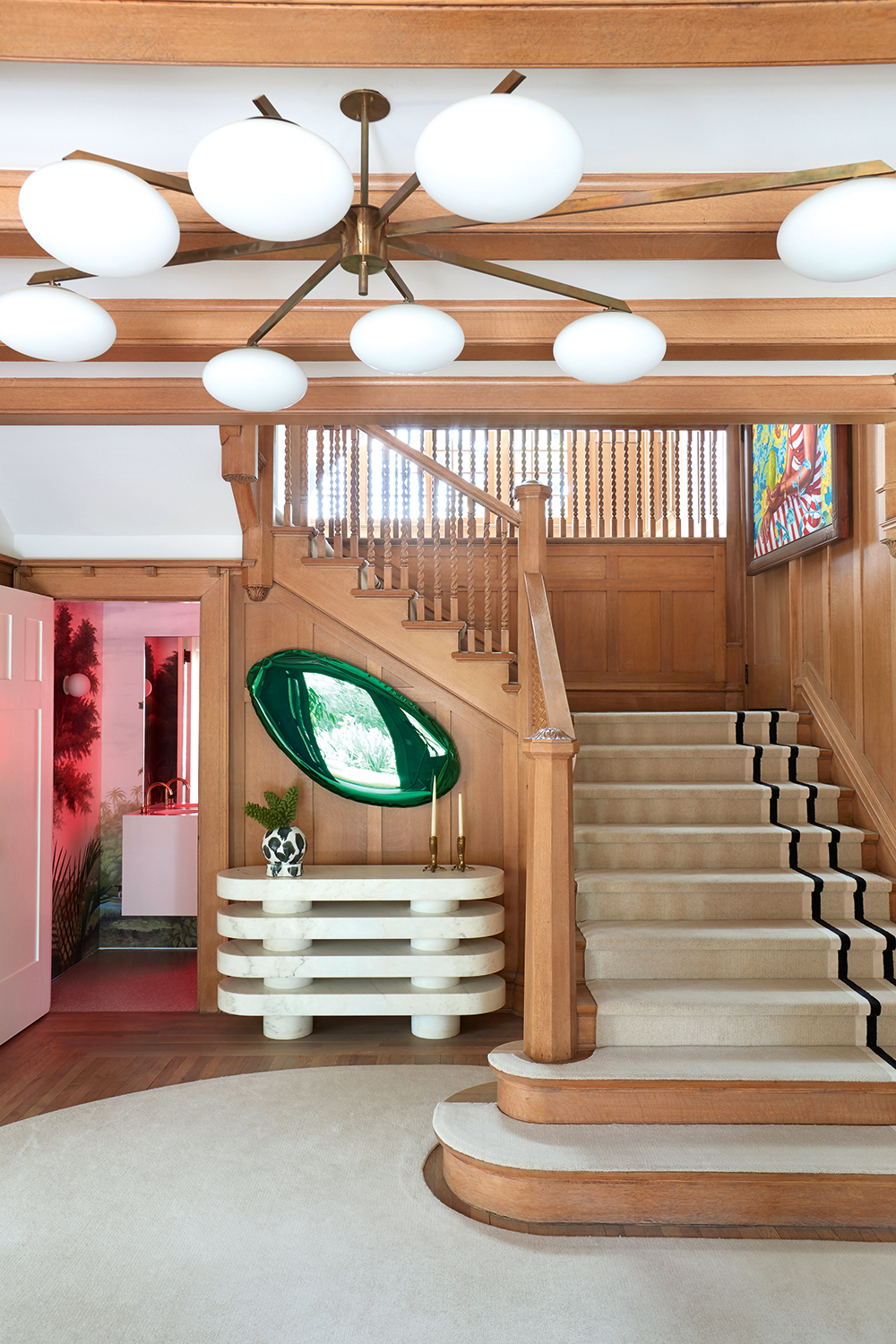
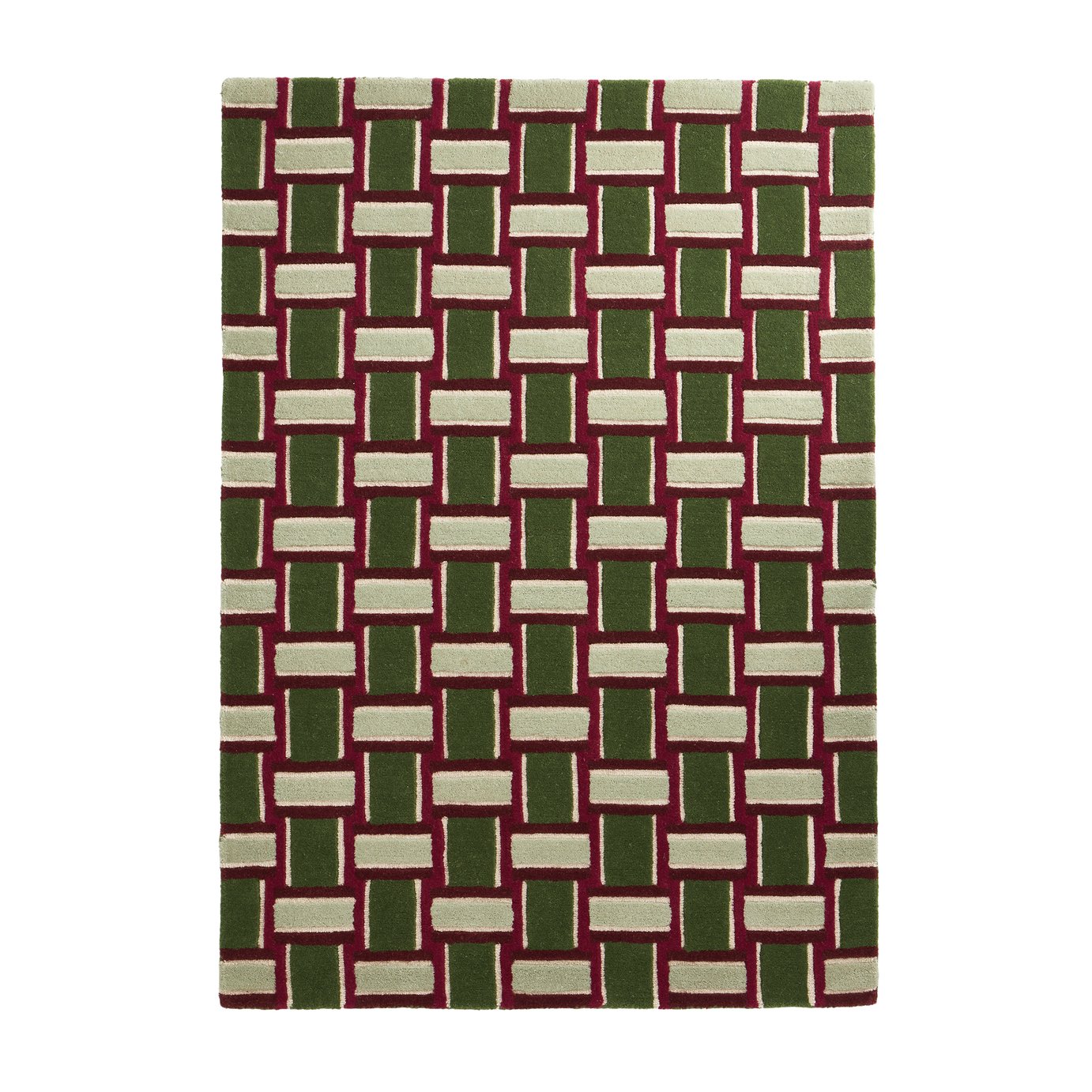
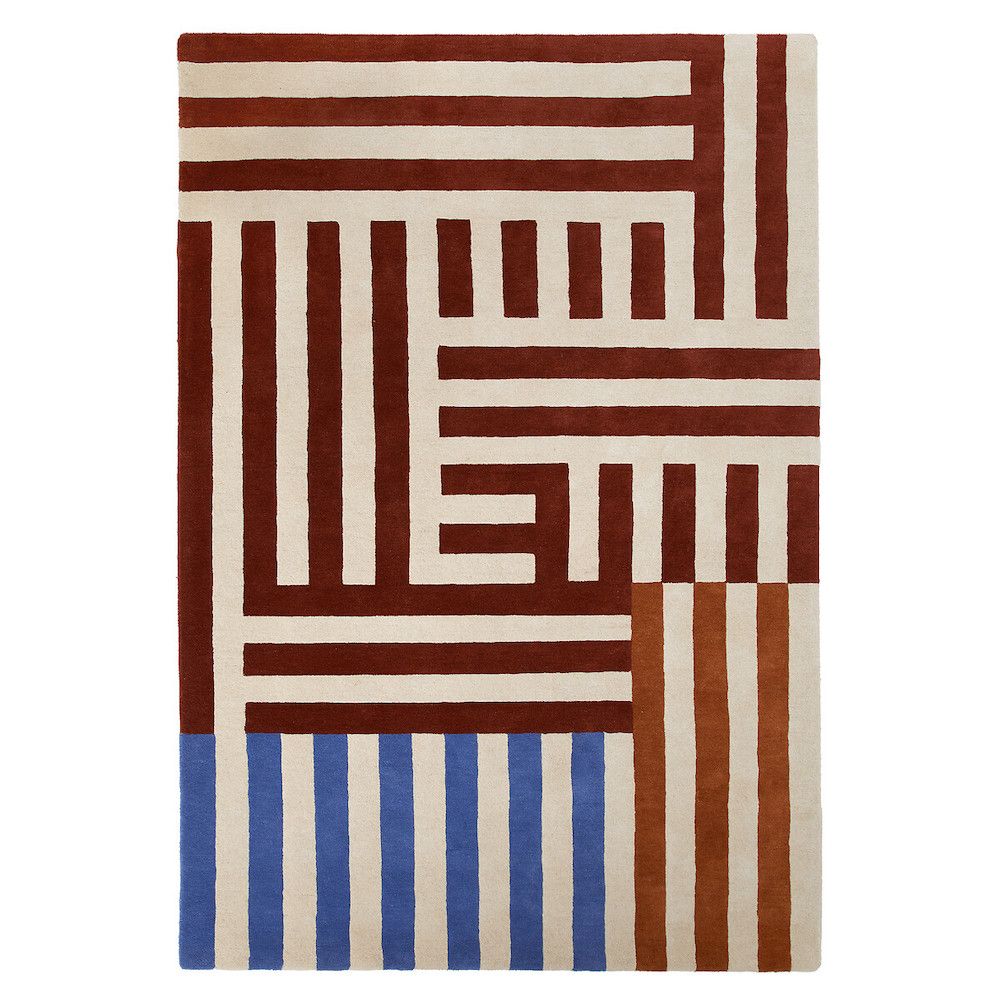
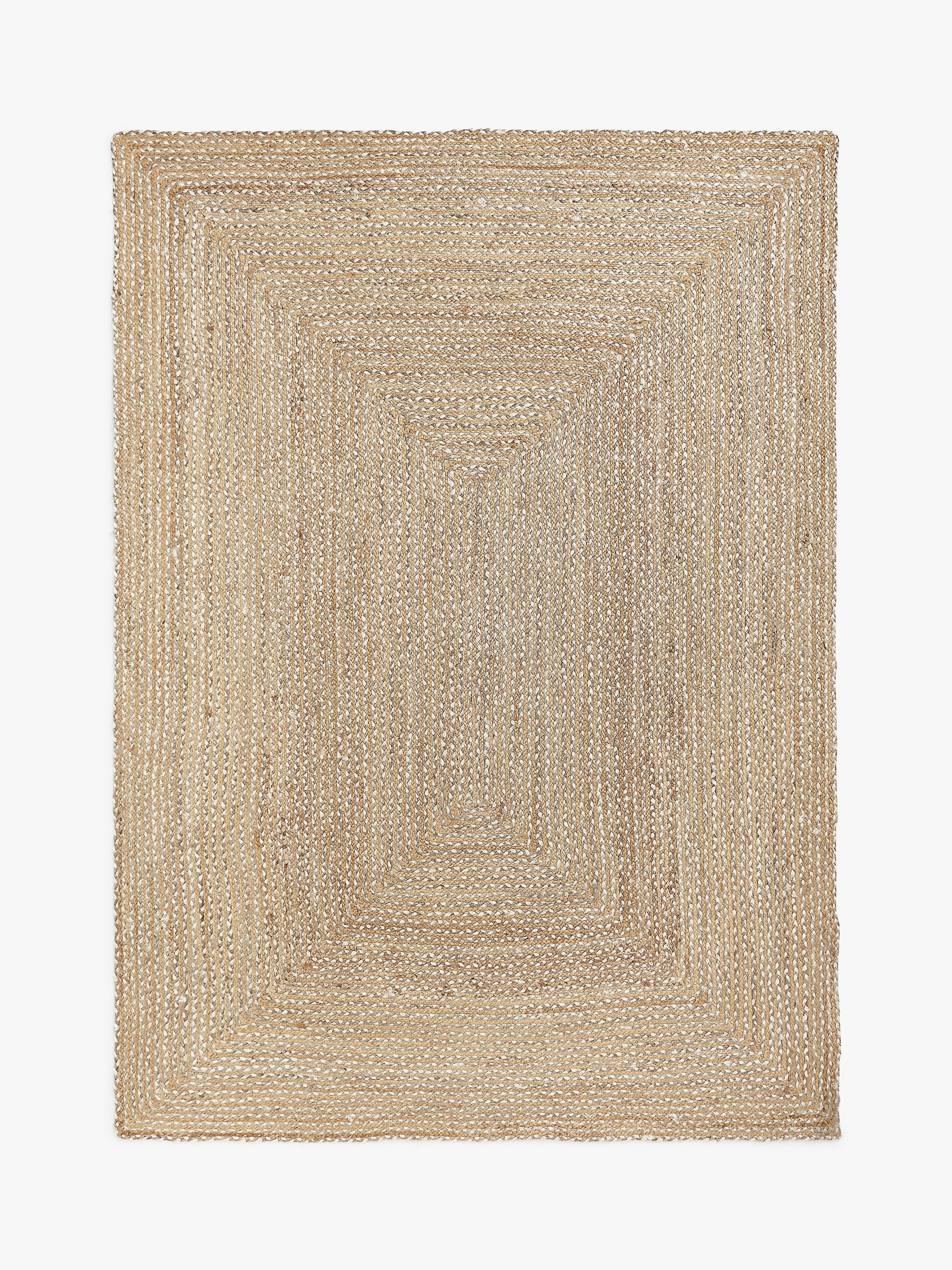
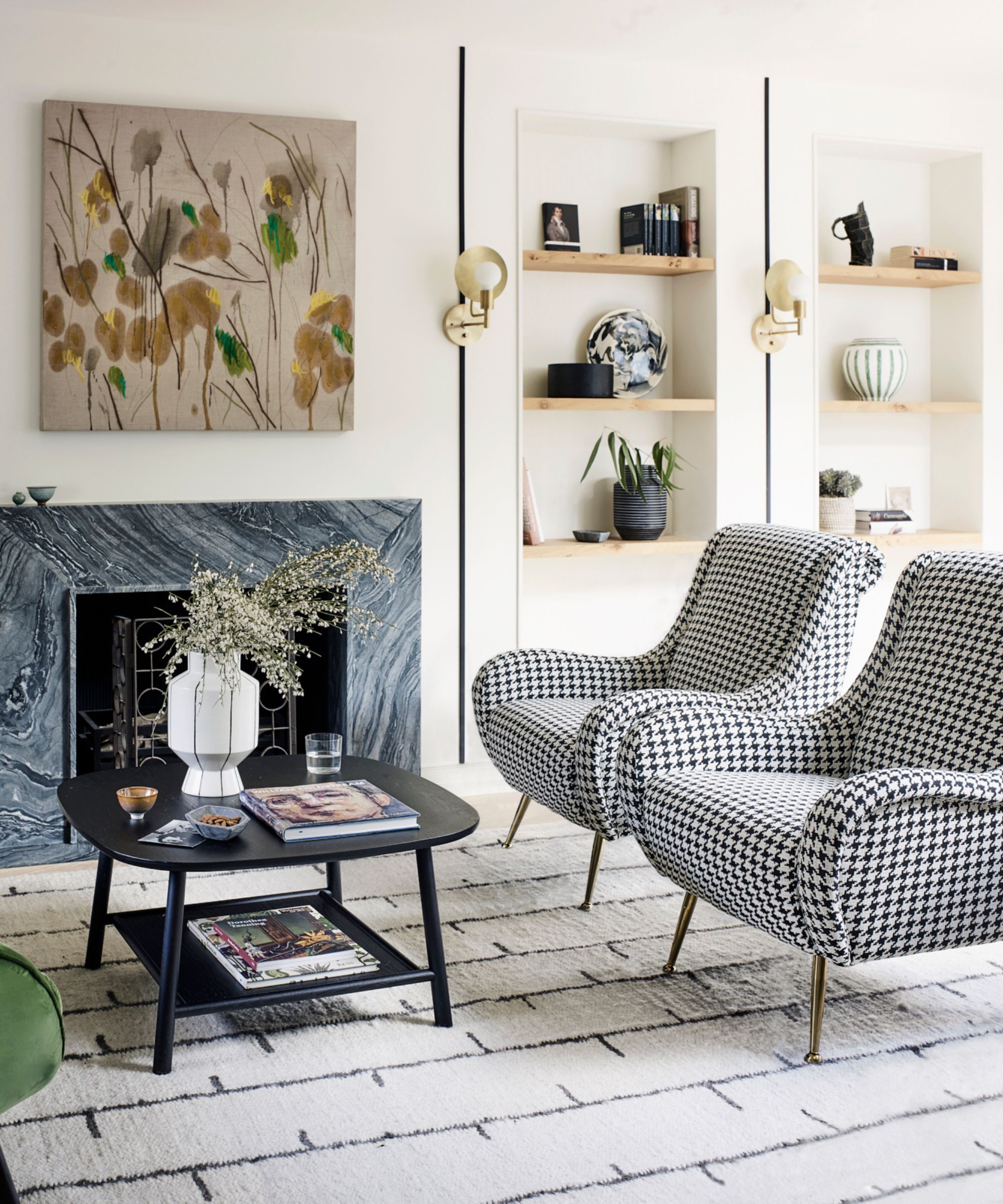
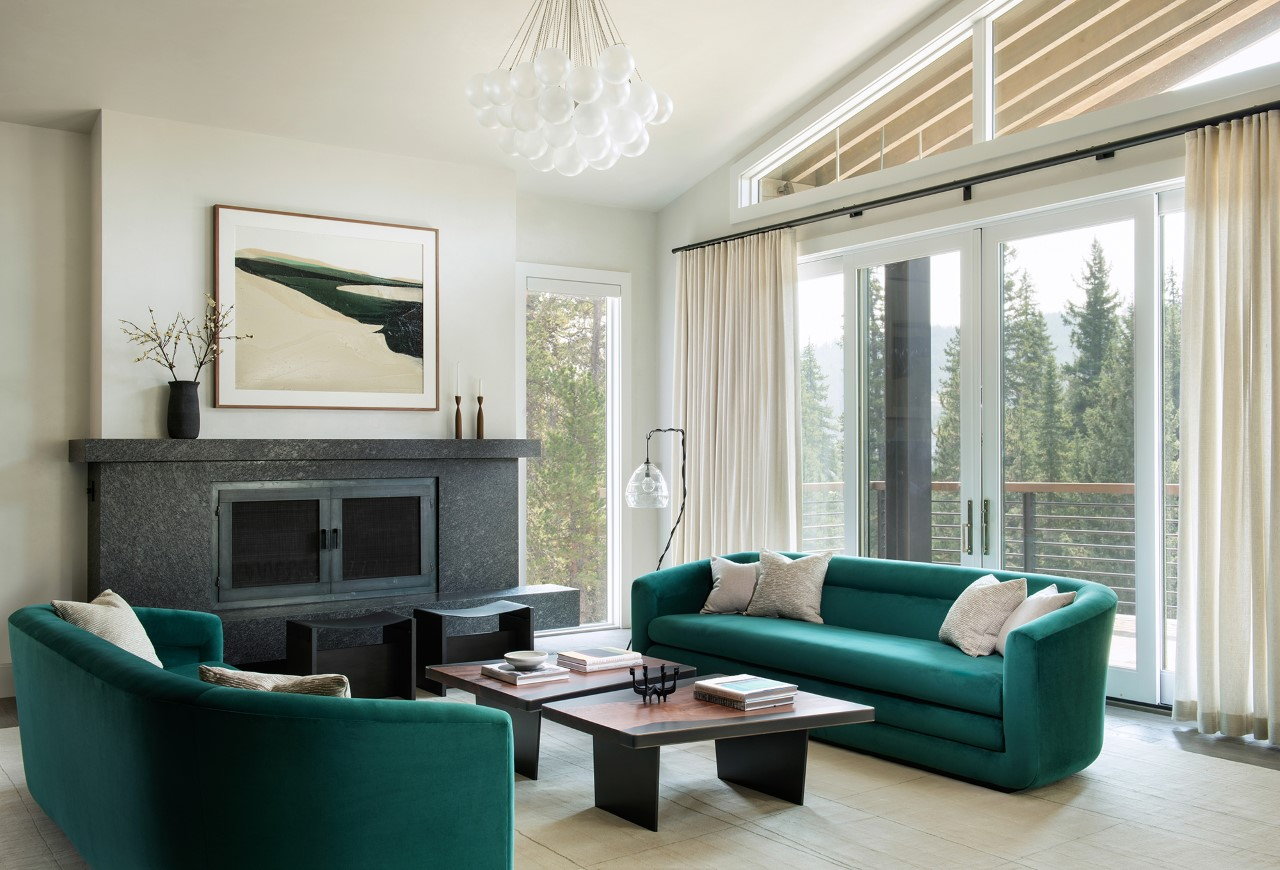
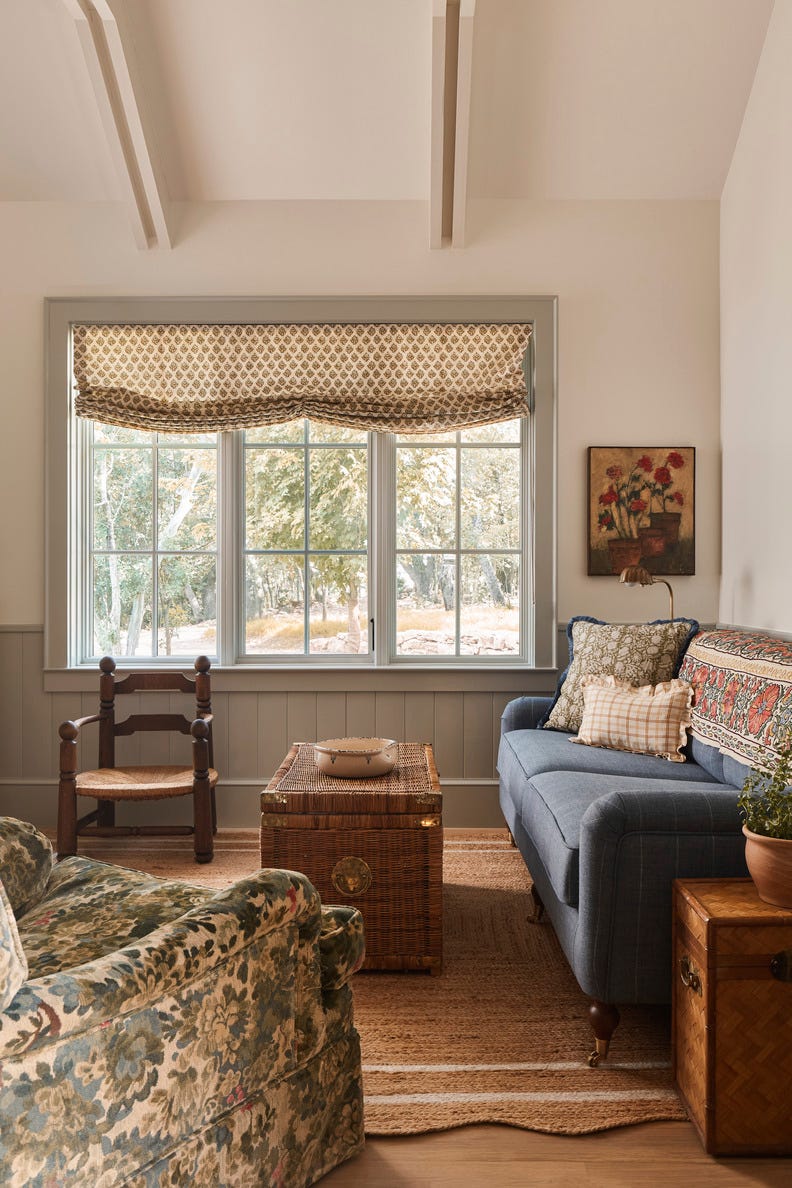
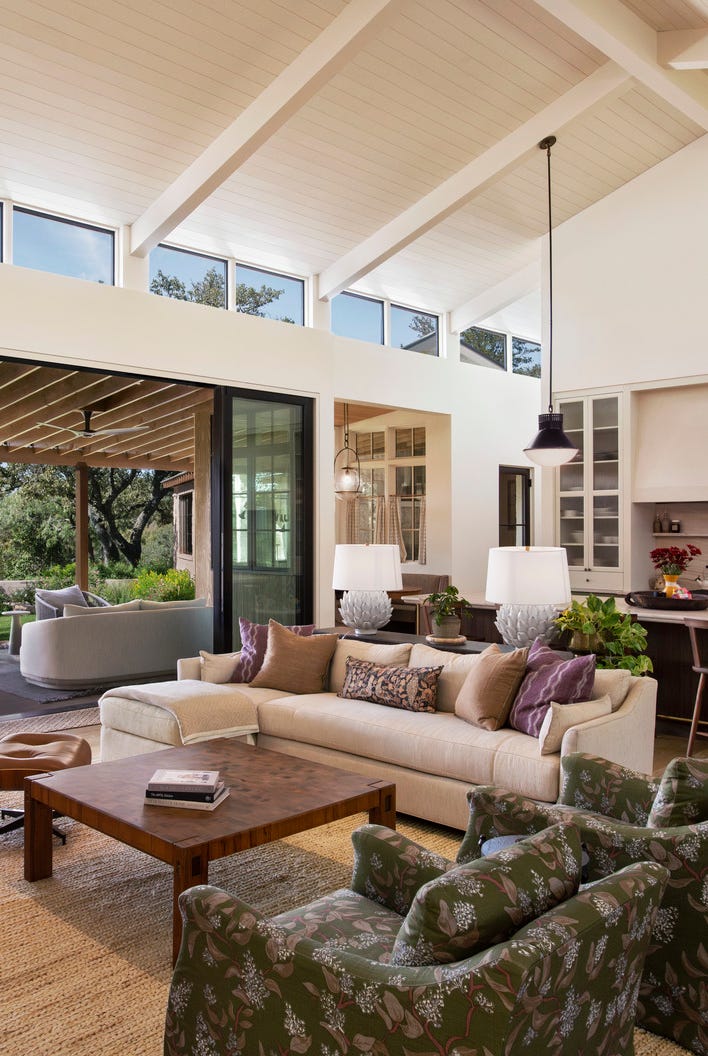
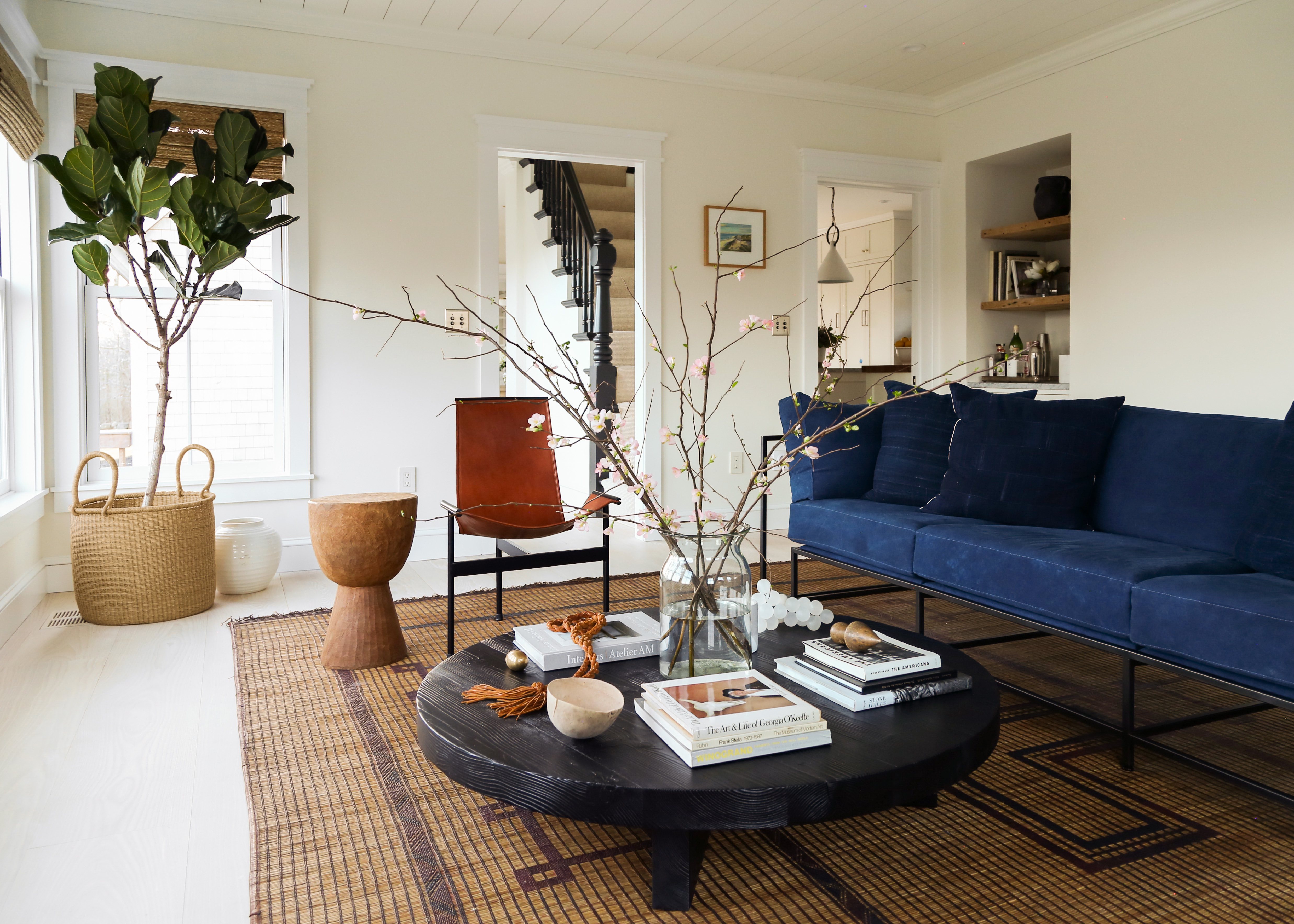
One effective method for layering involves grounding the space by utilizing rugs. Since the floor is often the largest uninterrupted surface, it serves as an ideal canvas for introducing texture and depth. This can be achieved by starting with a large, handwoven base rug made from materials like jute, wool, or a silk blend, which anchors the room. To add personality and create a focal point, a smaller, patterned rug, such as a kilim, Moroccan Beni Ourain, or antique Persian, can be layered on top. Furthermore, using an organic-shaped rug over a rectangular base can soften architectural edges and help delineate specific zones within open-plan living areas, contributing to both visual interest and functional organization.
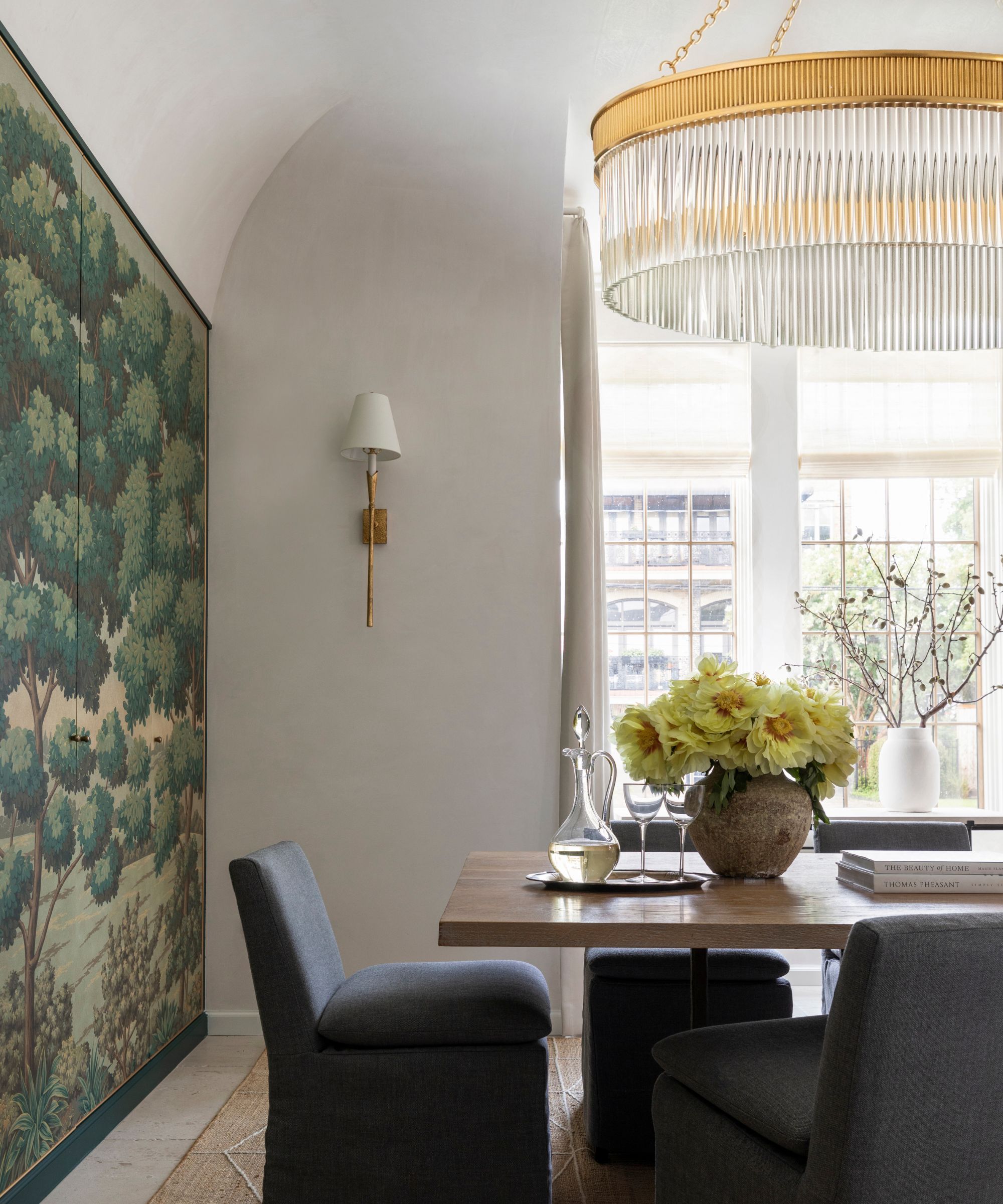
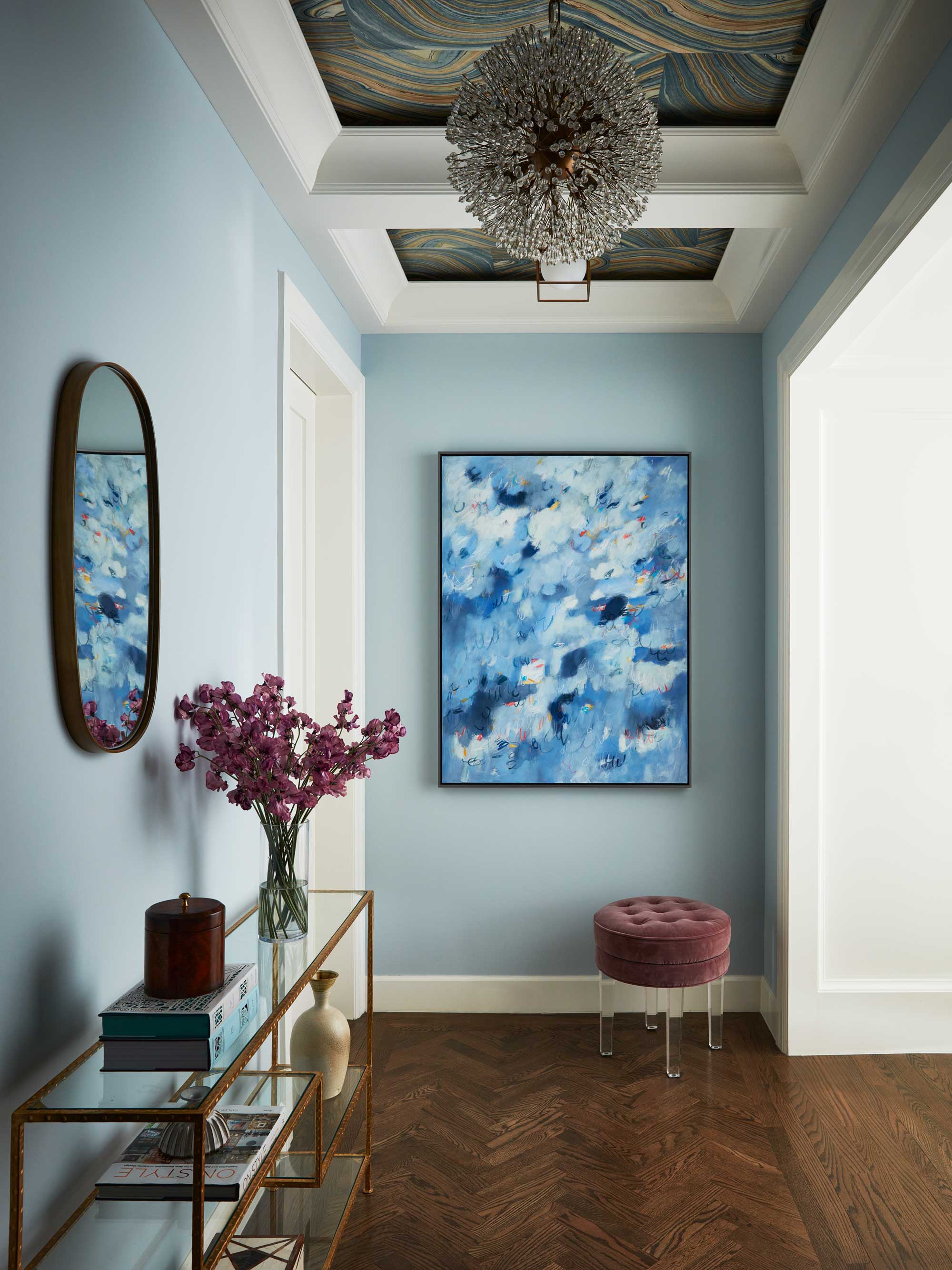
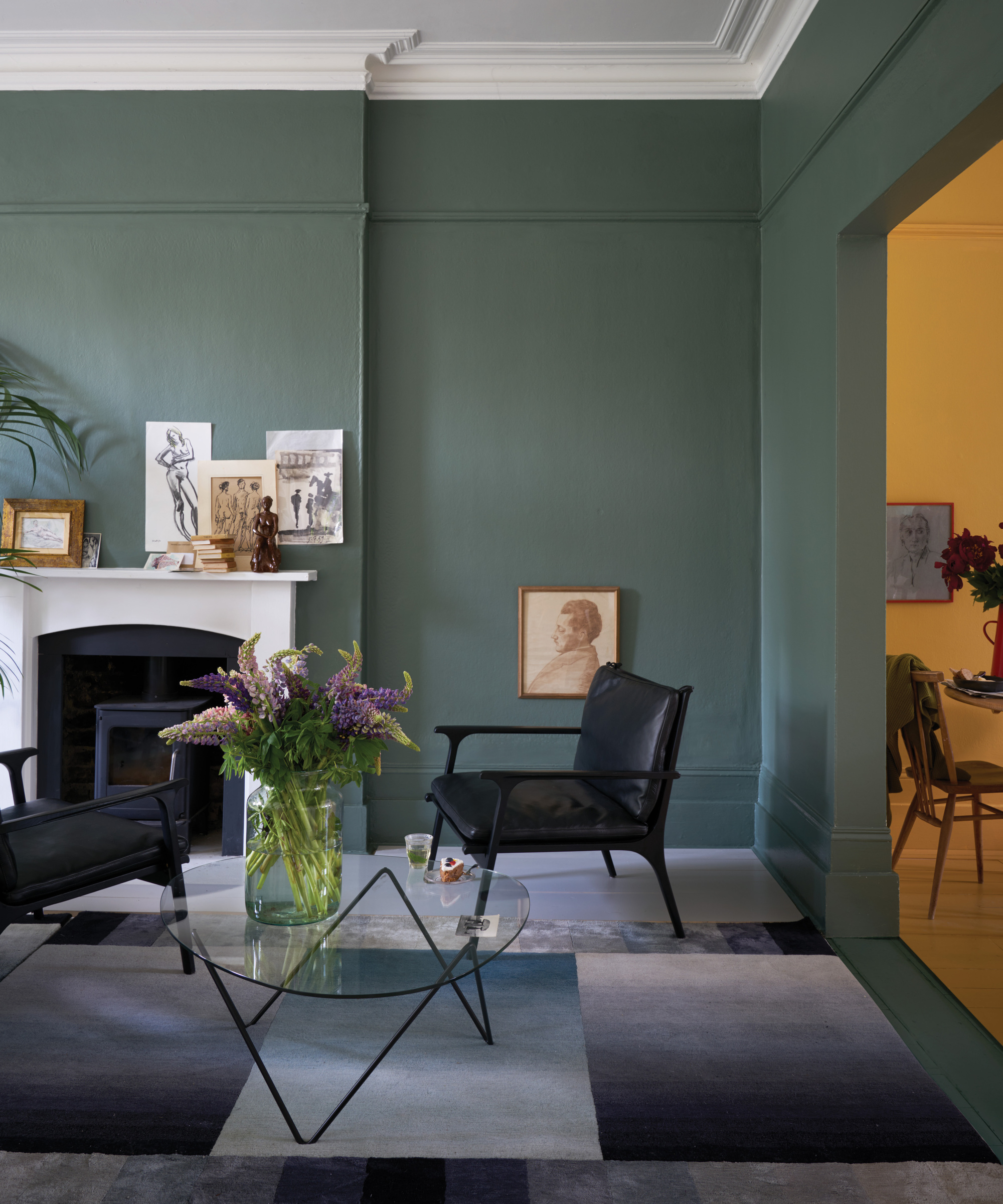
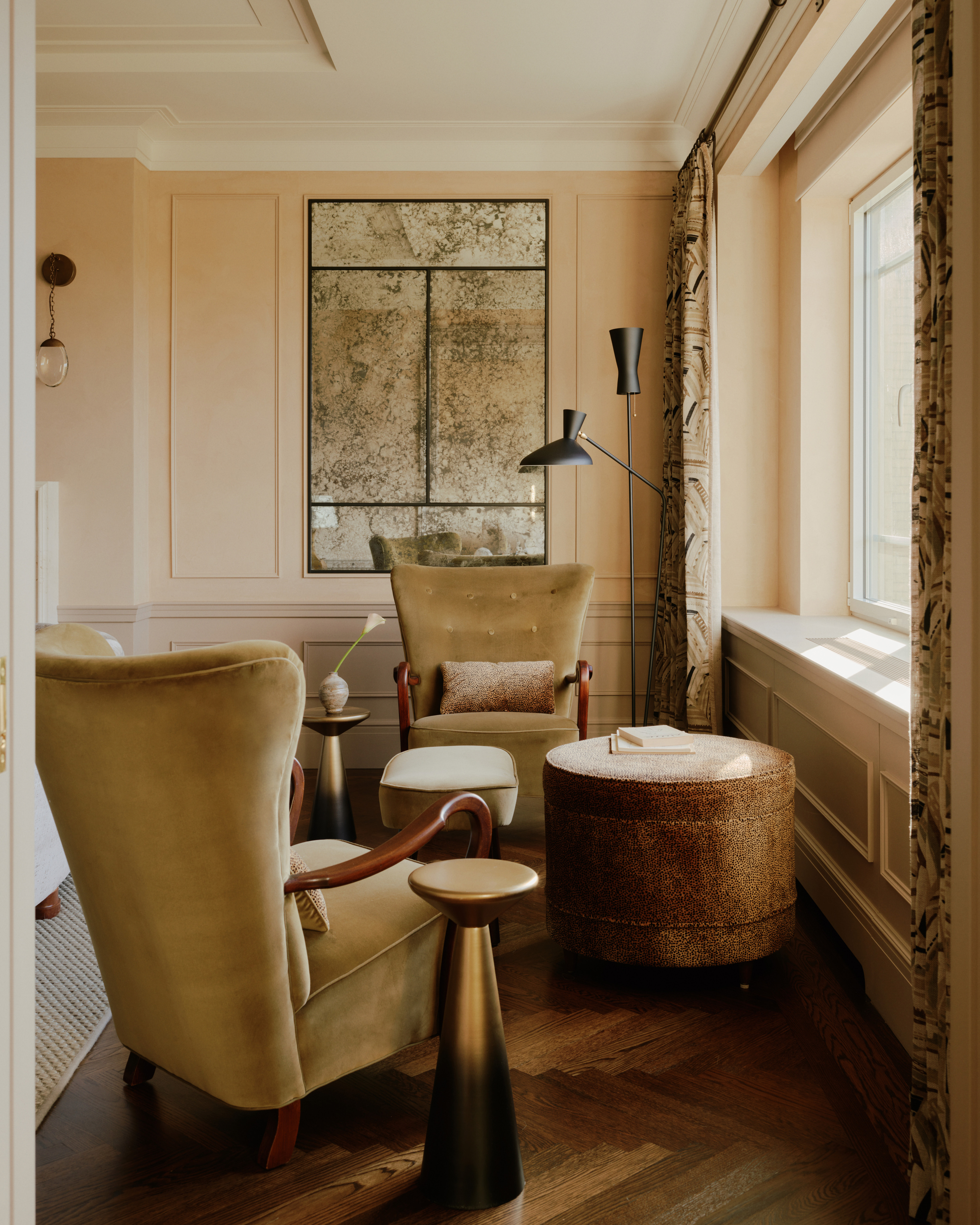
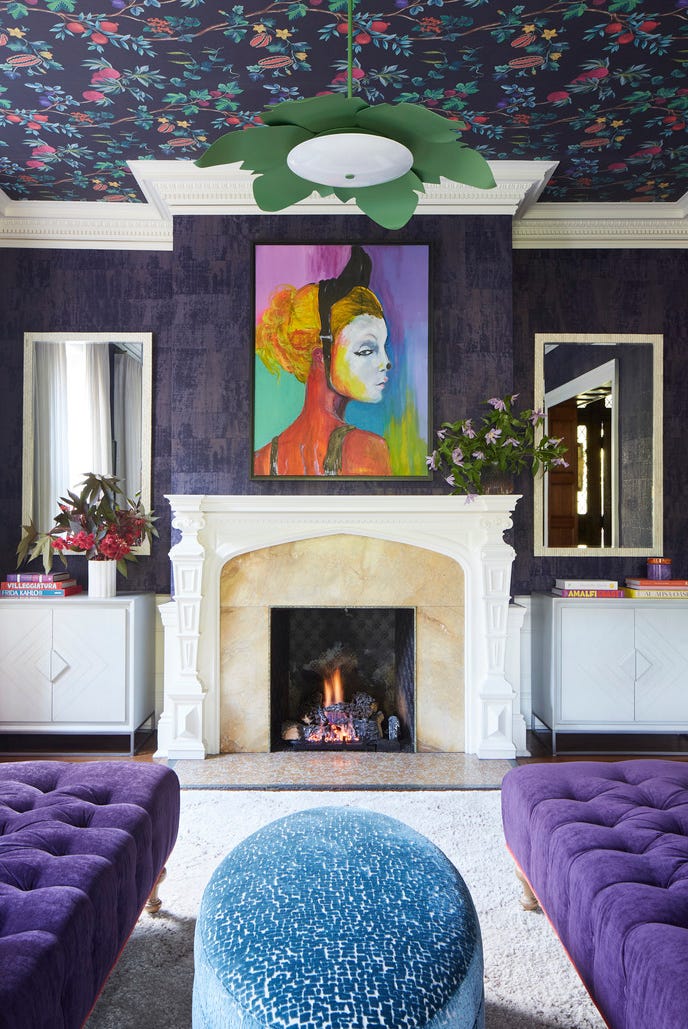
Walls also offer significant opportunities for layering to enhance a room's character. Applying various wall treatments can impart a sense of architecture and tactility. Textured wallpapers, including grasscloth, silk, or linen, can introduce subtle richness and visual interest. Panelling, whether in wood, lacquer, or fluted profiles, creates dynamic shadow play and adds depth to the walls. A sophisticated and finished look can be achieved by combining these elements, for example, by framing a silk wallpaper within slim timber panelling, which adds a tailored touch.
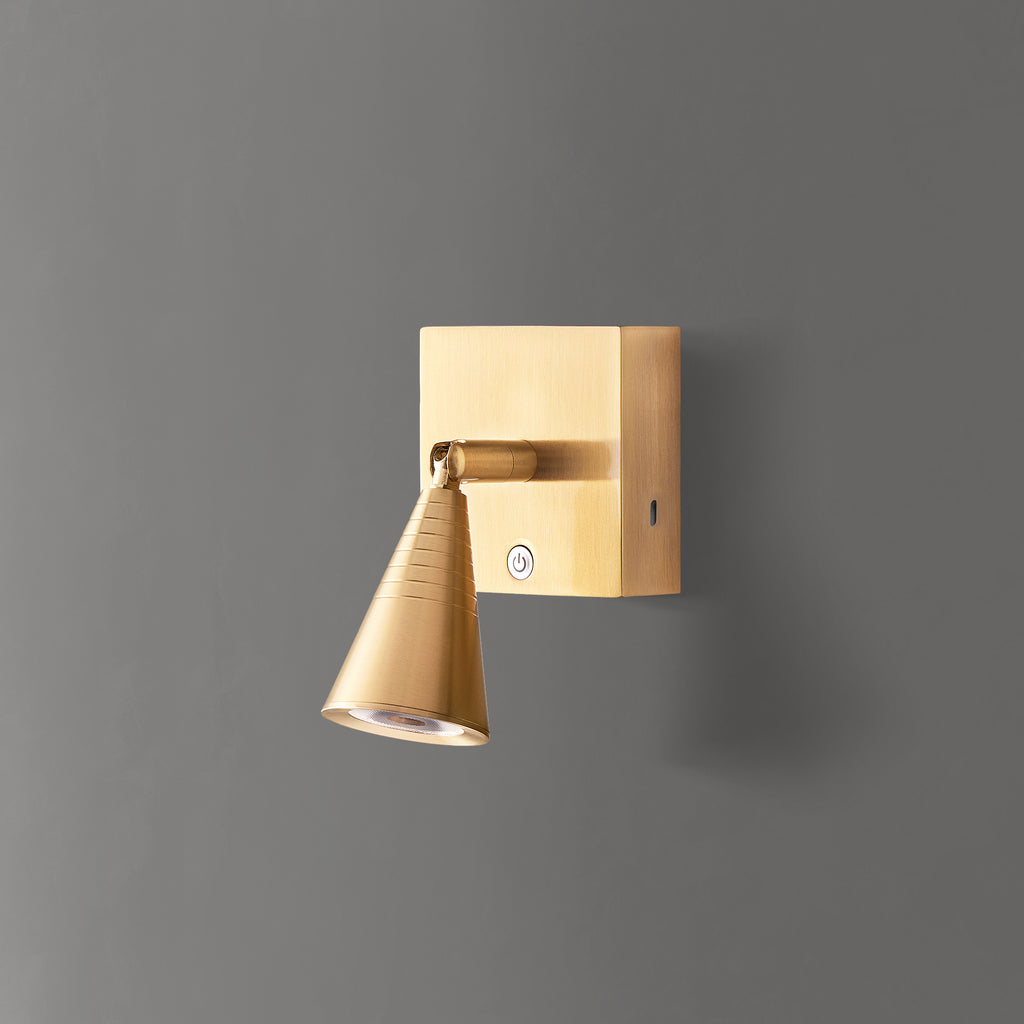
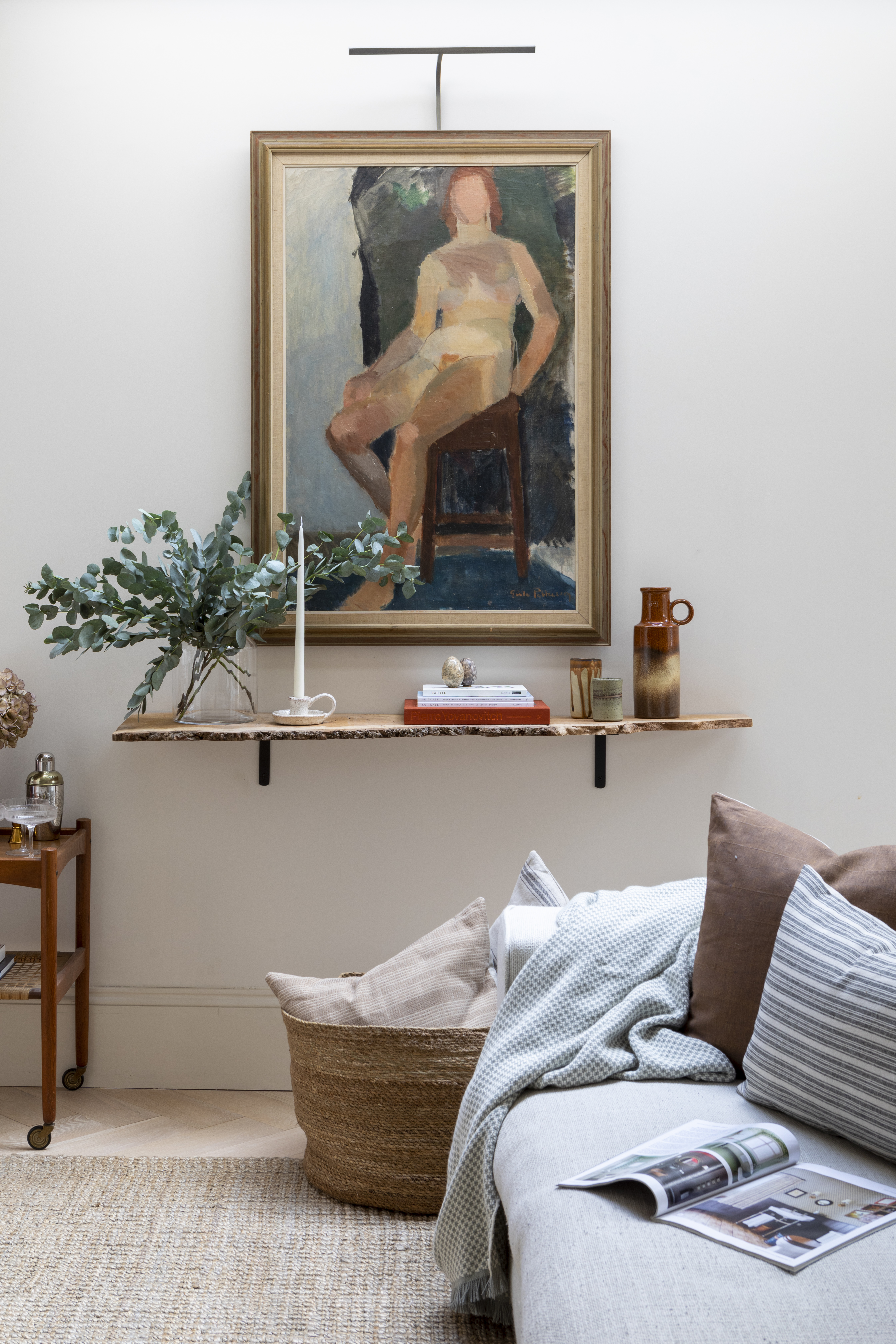
Textiles can transcend their traditional roles as upholstery or drapery to become striking art pieces. Hanging a vintage suzani, a woven wall hanging, or a contemporary tapestry can bring softness and a narrative quality to a room. To further enhance dimension and establish a dynamic focal point, a sculptural wall light or a floating shelf can be strategically placed in front of the textile, drawing the eye and adding another layer of visual complexity.
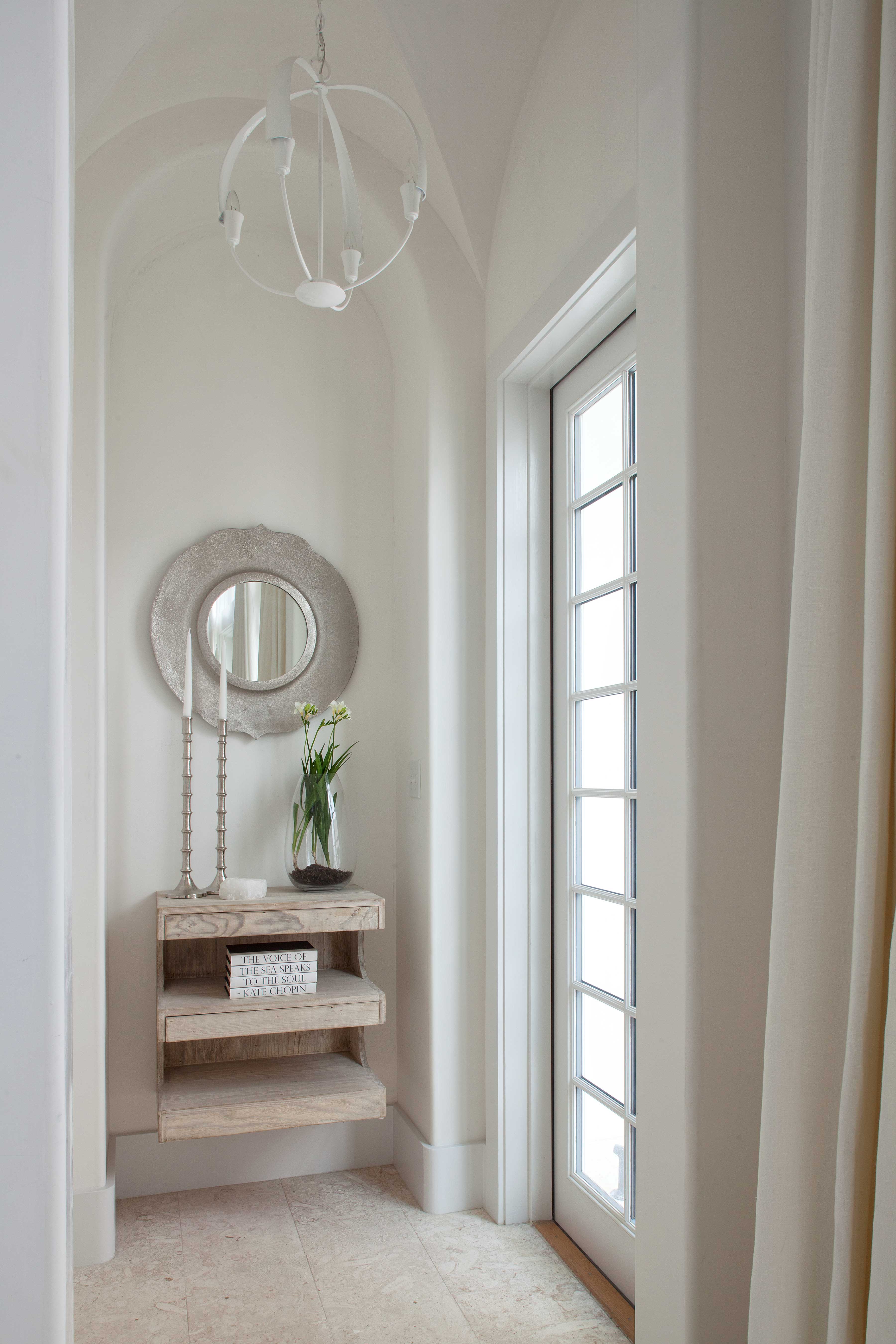
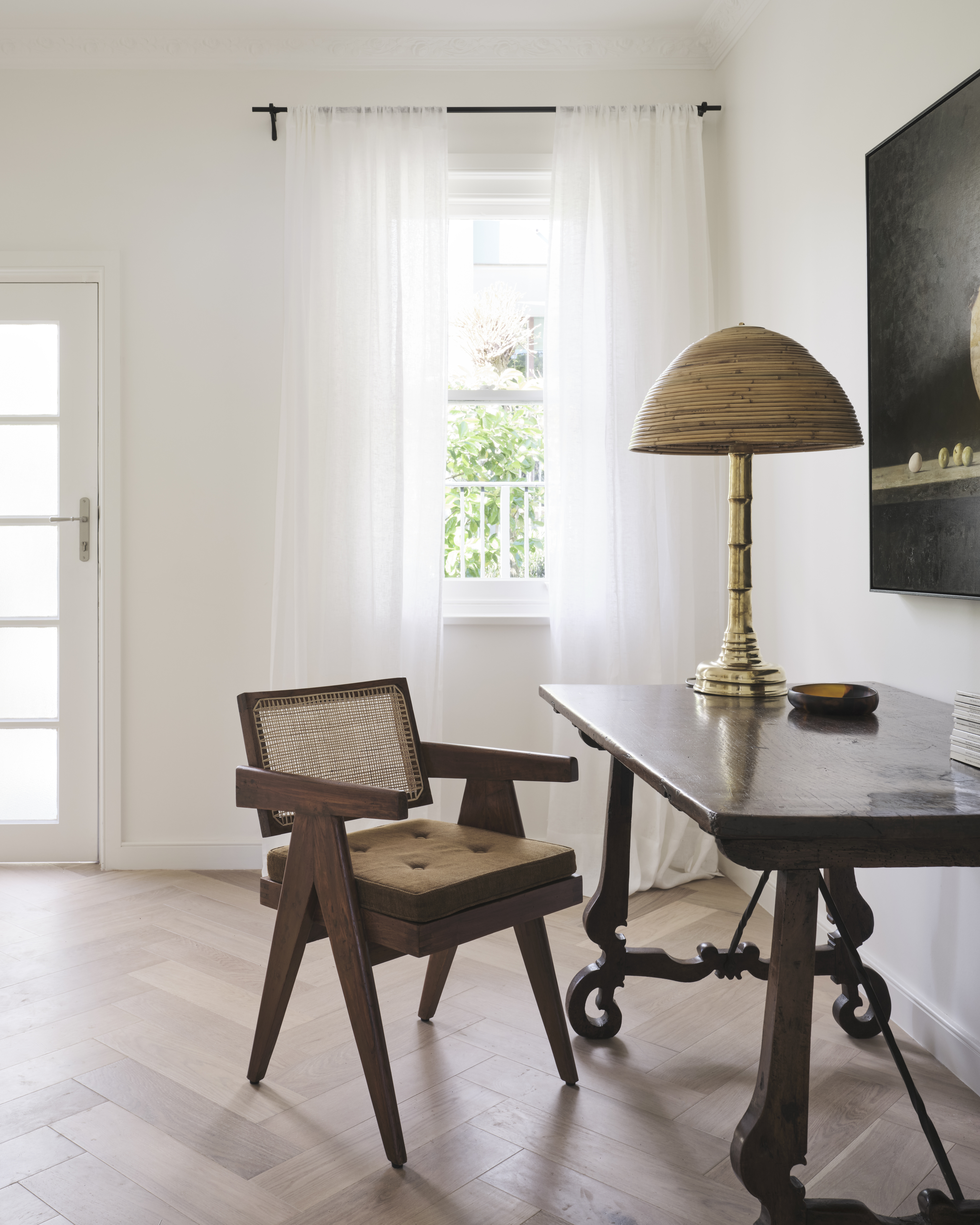
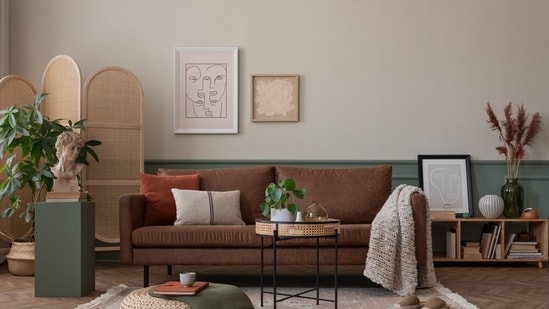
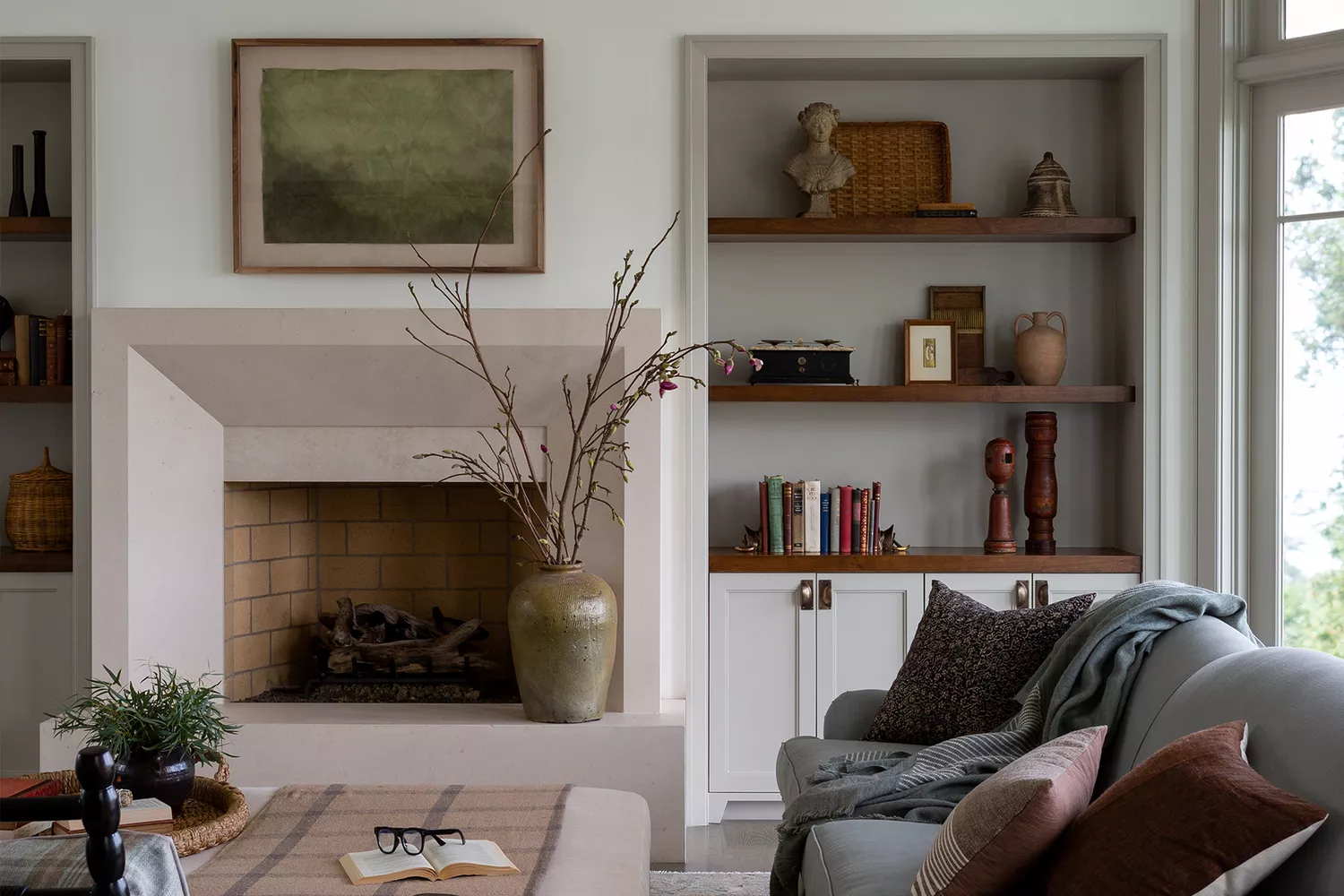
Sculptural elements also gain presence when carefully layered with other materials. A ceramic, stone, or bronze sculpture can be positioned in front of a textured wall, such as one finished with silk, timber, or polished plaster, to create a compelling contrast. On shelving units, grouping smaller sculptures with books, framed art, and decorative vessels can contribute to a collected, lived-in feel, reflecting a curated aesthetic. Finally, achieving a balanced and cohesive layered look requires intentional contrasts. Pairing smooth materials like marble with open-weave linen, placing a matte clay vase against a lustrous lacquered cabinet, or introducing woven baskets into a room with clean-lined furniture can effectively soften the overall aesthetic and create a harmonious yet dynamic interior.
#HomeDecor #InteriorDesign #LayeringTechniques #TexturedWalls #RugsAndThrows #SculpturalElements #TextileArt #VisualDepth #ContemporaryHomes #HomeDecor #InteriorDesign #LayeringTechniques #TexturedWalls #RugsAndThrows #SculpturalElements #TextileArt #VisualDepth #ContemporaryHomes
0 comment in total
 No comments yet
You may also like
25 Ways to Make Any Living Room Feel Ten Times Cozier

How do I Make a Cold Room Feel Warmer? 5 Ways to Cozy up Your Home Without Cranking up the Heat

How to warm up a white living room – 5 ways interior designers soften a monochromatic space

How to transform your living space into a cosy retreat
Does your room feel like a boring white box? This interior designer's 5 easy tips will help you transform it into a personality-packed scheme in no time
5 colors that will make your living room feel happier, according to interior designers

Interior Designer Sheri Rose Riskind: 5 Things You Can Do To Help Your Living Space Spark More Joy
The 4 Secrets That Make This Living Room Feel so Cozy — A Designer's Guide on Recreating Its Feel
How to make an entryway feel cozy – 5 tips to warm up your space
Interior Designer Betsy Moyer of Retreat: 5 Things You Can Do To Help Your Living Space Spark More…
15 chic and cozy living room ideas to help you snuggle up in style this fall
36 cosy living room ideas to turn your lounge into a warming and cocooning refuge from the cold winter months
Interior Designer Tamara Day: 5 Things You Can Do To Help Your Living Space Spark More Joy
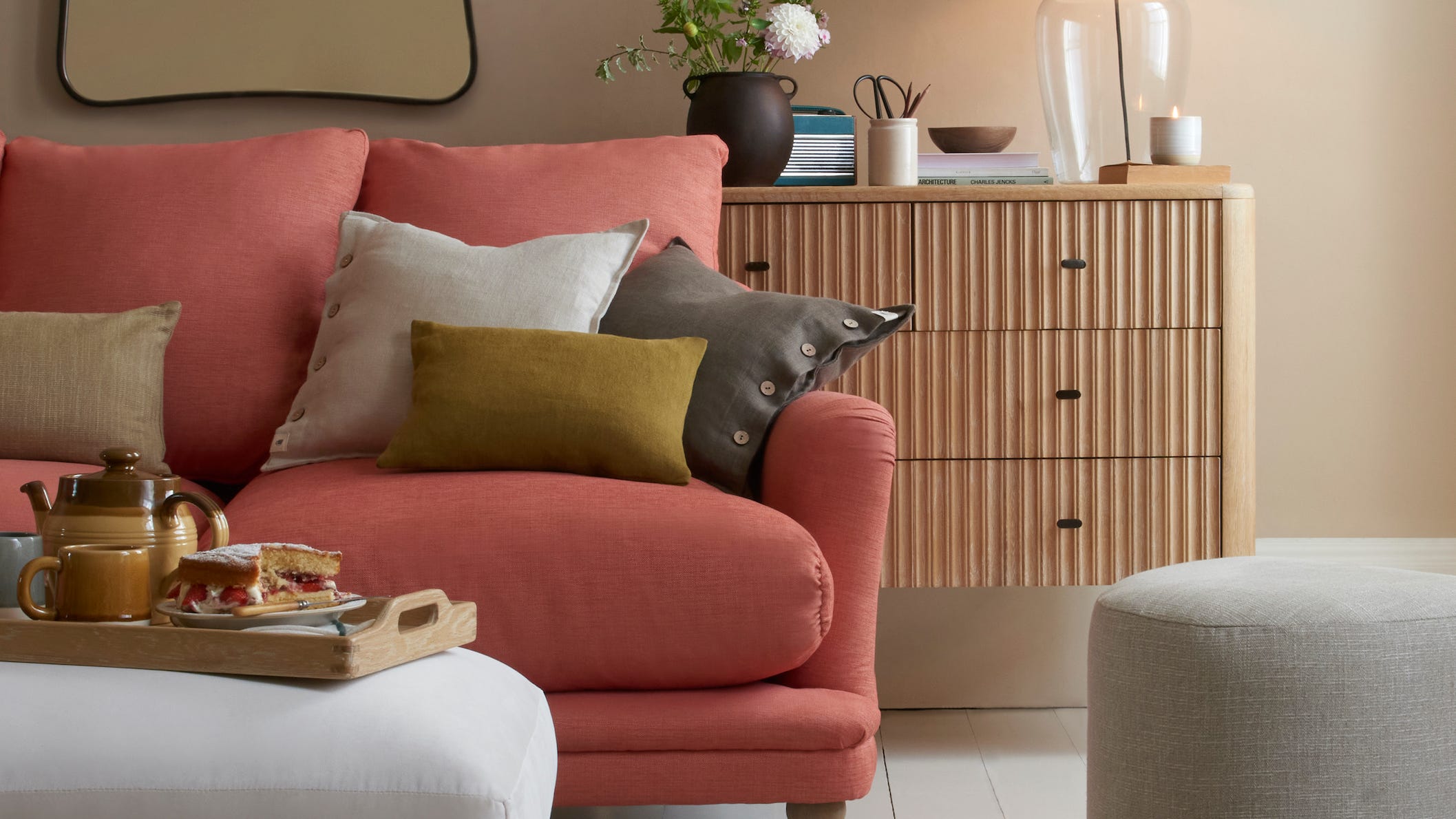
19 Cosy Living Room Ideas For Your Home
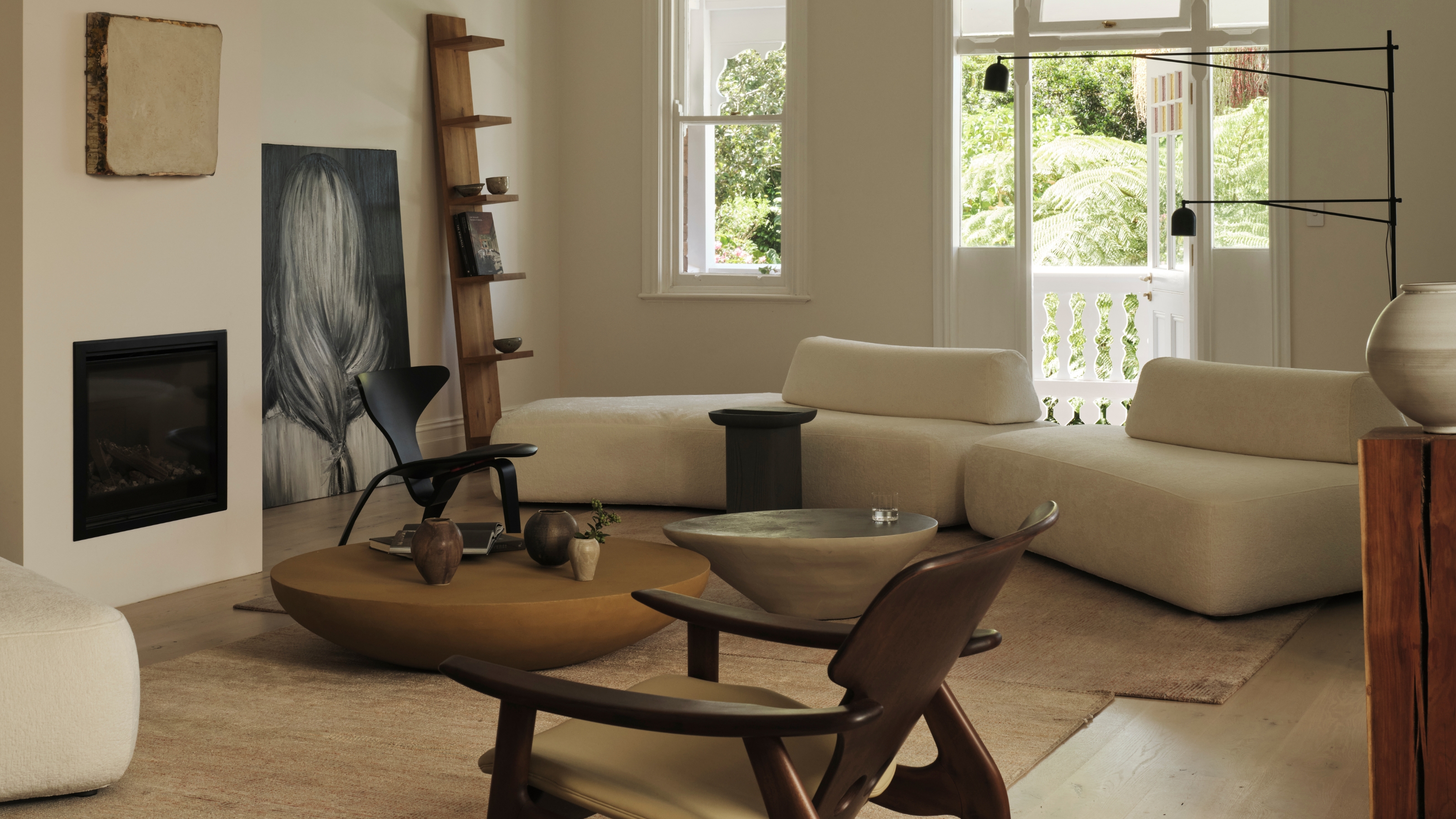
5 Things You Should Definitely Thrift for Your Living Room Styling — "A Few Pieces Add Instant Soul"
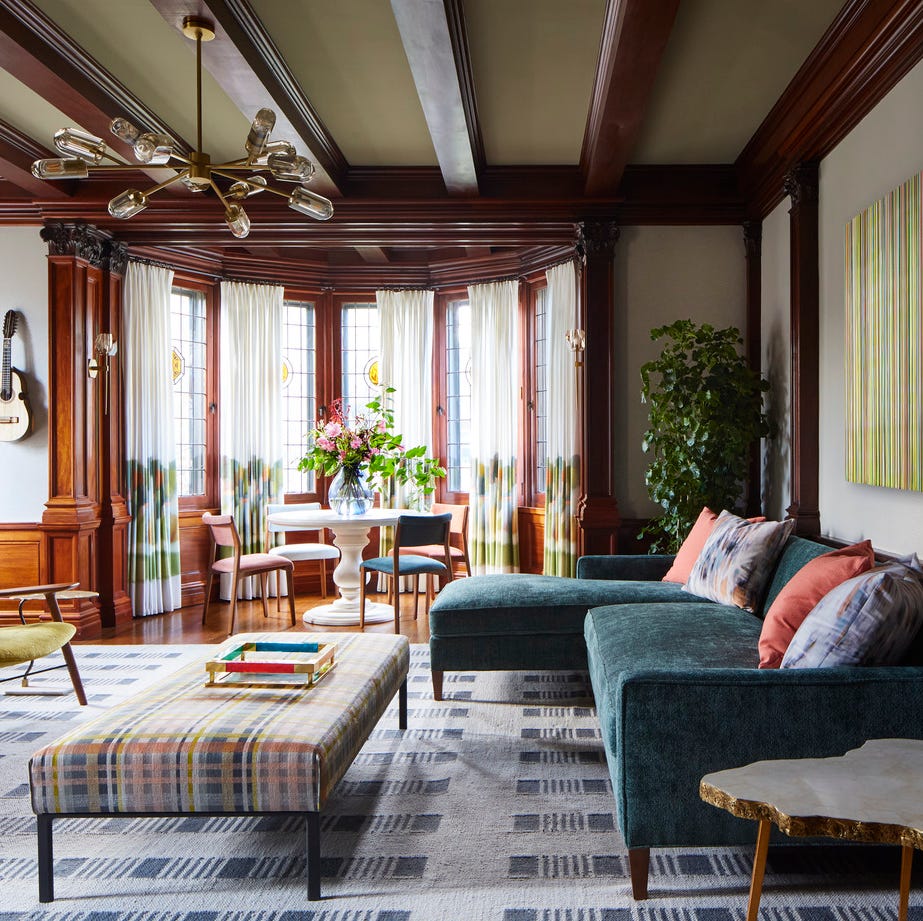
Easy Ways to Transform Your Living Room Into a Space You LOVE
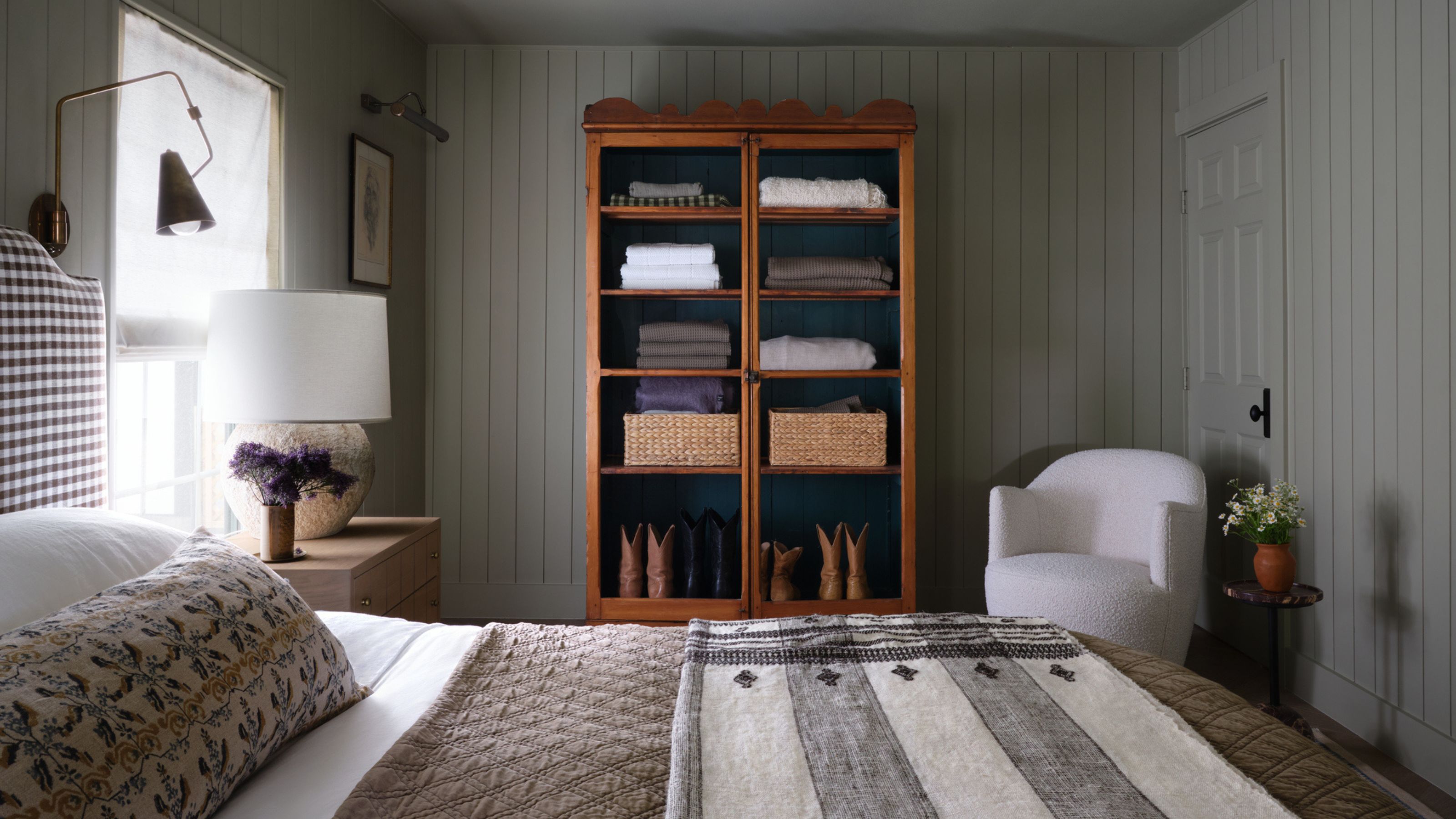
5 Cozy Paint Colors Interior Designers Use to Warm Up Cool Rooms and Create "Snug" Spaces

How to make a home cosy: 15 easy ways to make any space feel snug and inviting

12 easy changes you can make to your living room to instantly elevate how it looks and feels
13 Winter Decorating Tricks Designers Rely On to Make a Home Feel Cozy