Tapestries Are No Longer Just for Gothic Castles (Published 2024)
Once relegated to grand manor houses and Gothic castles, intricate European tapestries are experiencing a significant resurgence in the contemporary design world. These antique wall hangings, which date back to the Middle Ages, are now appearing in modern apartments and homes, bringing visual impact, warmth, and artistry that traditional art or wallpaper cannot replicate. Historically, tapestries were a luxury item, woven by hand with materials like wool, silk, and even gold and silver thread, depicting scenes ranging from wildlife to biblical stories. Their substantial cost and the vast wall space they required made them exclusive to royalty and aristocrats. Beyond aesthetics, their thickness provided insulation for drafty castles.
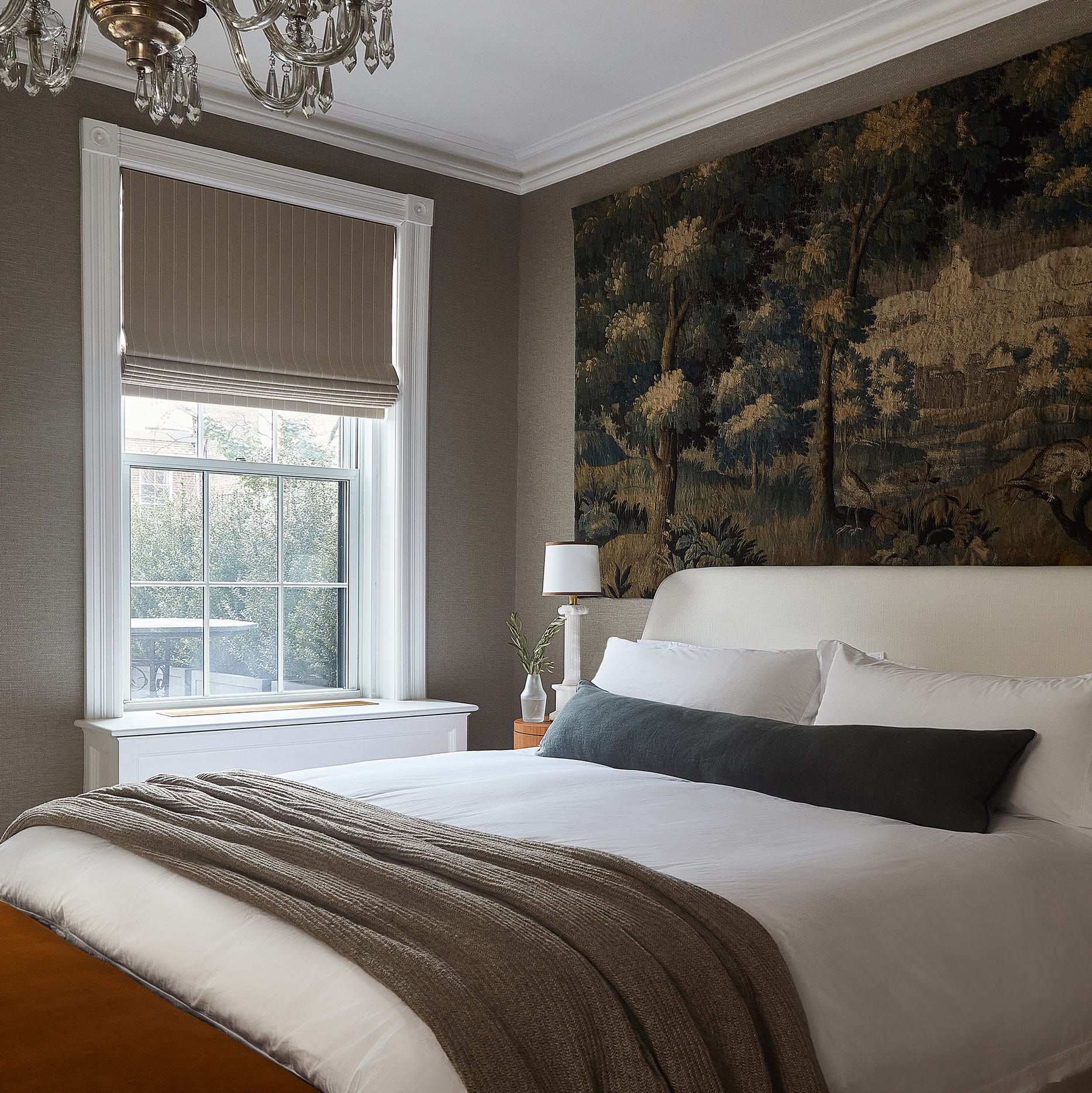
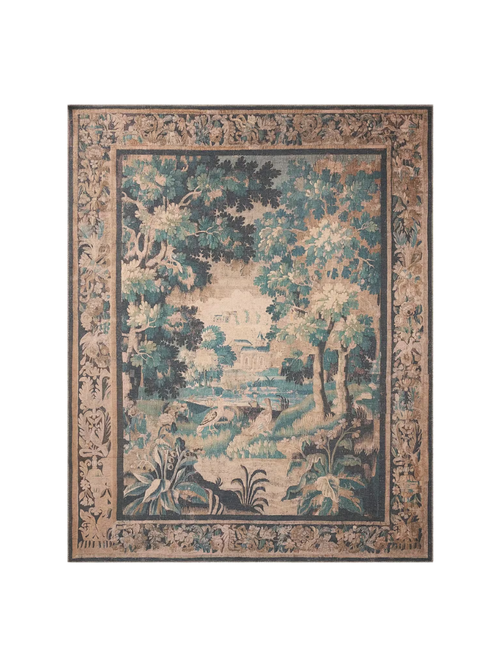
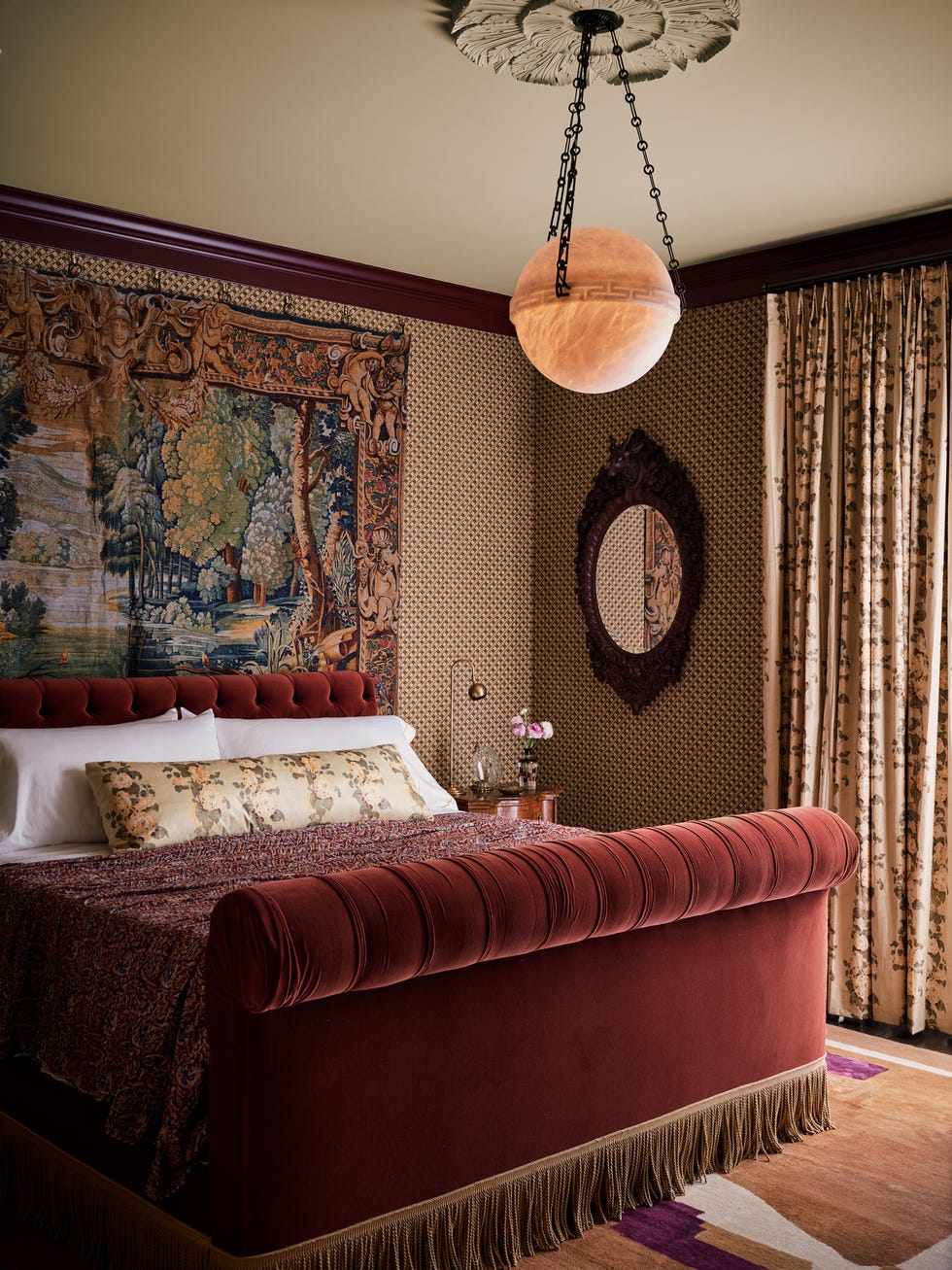
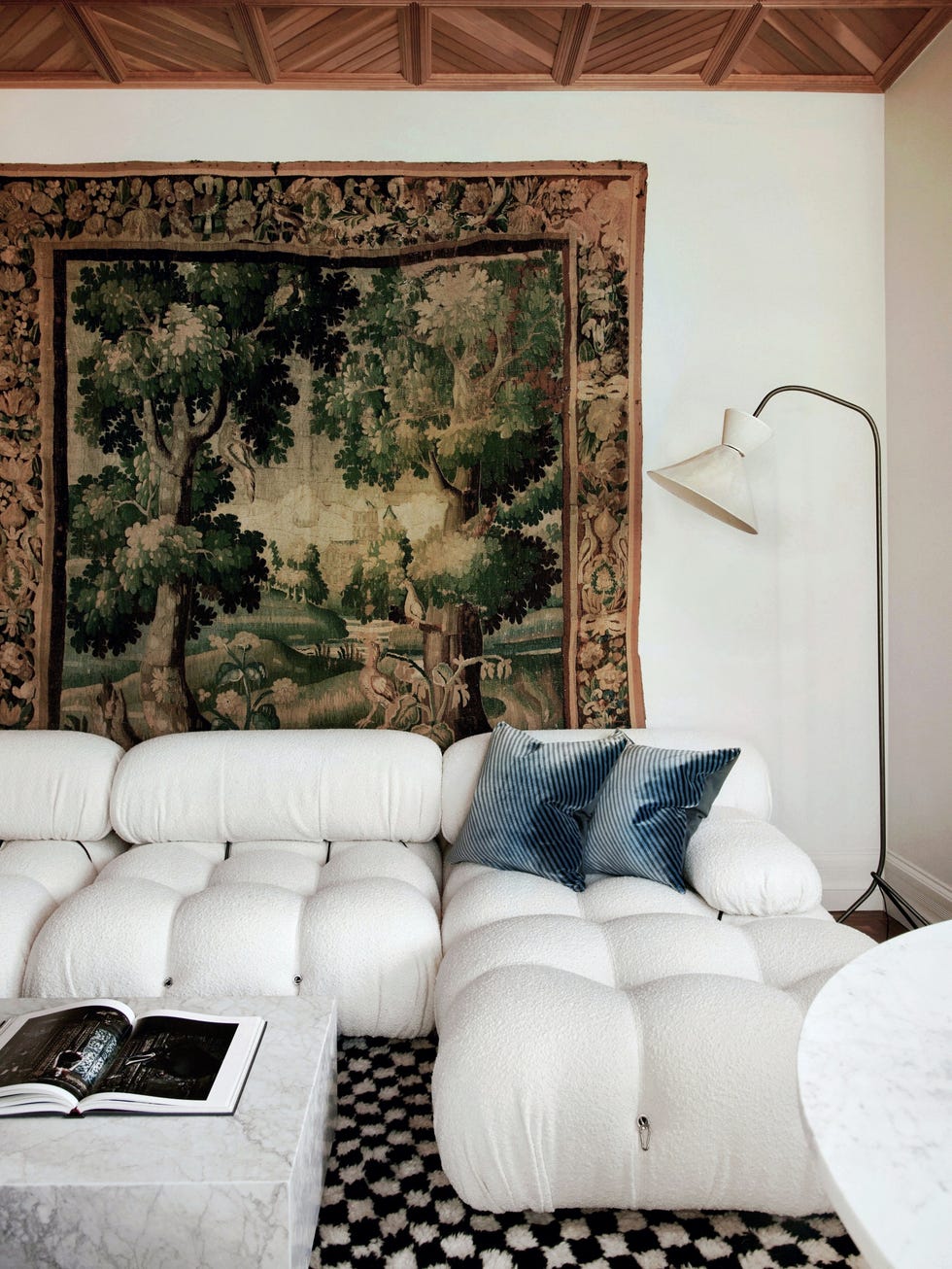
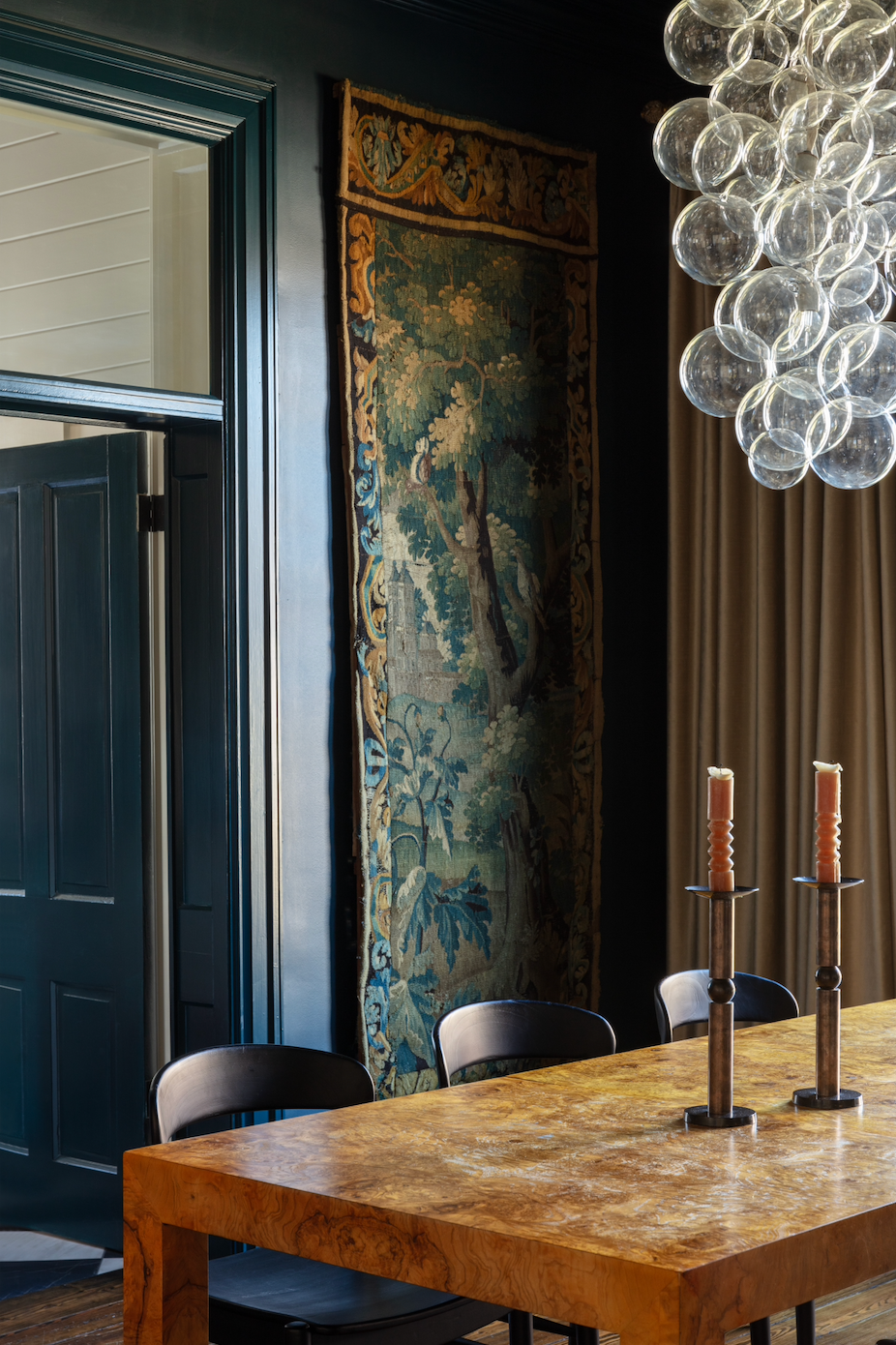
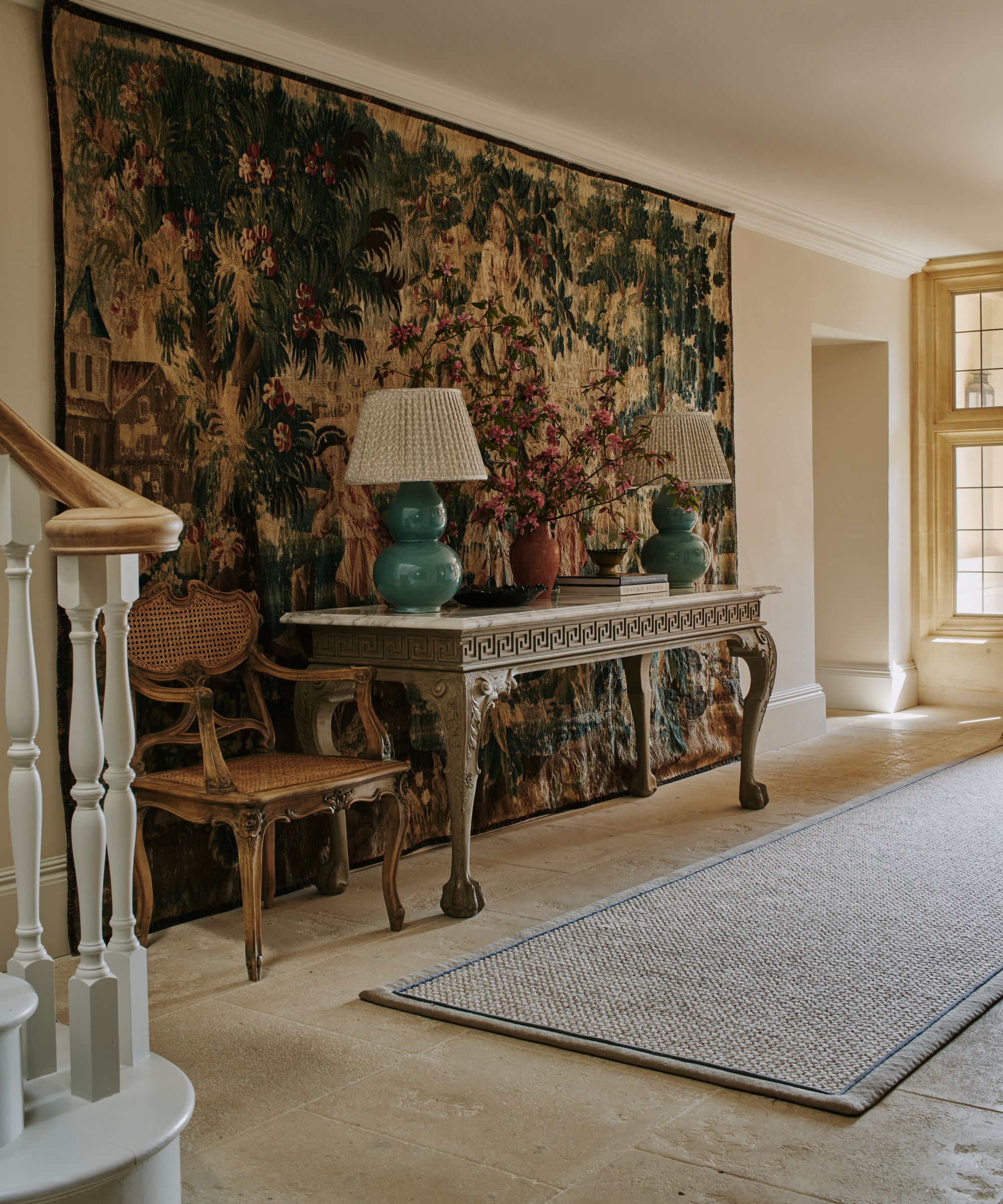
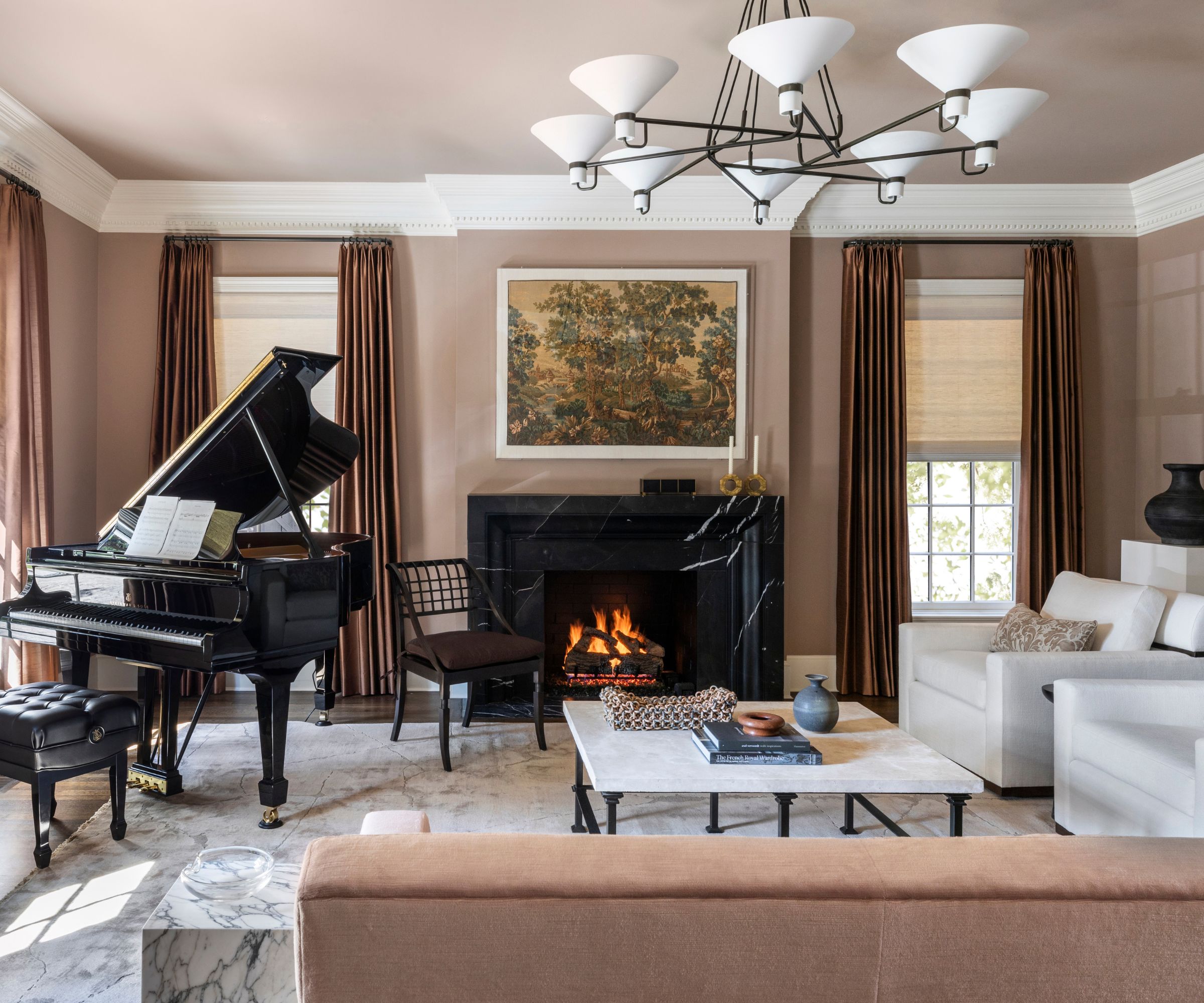
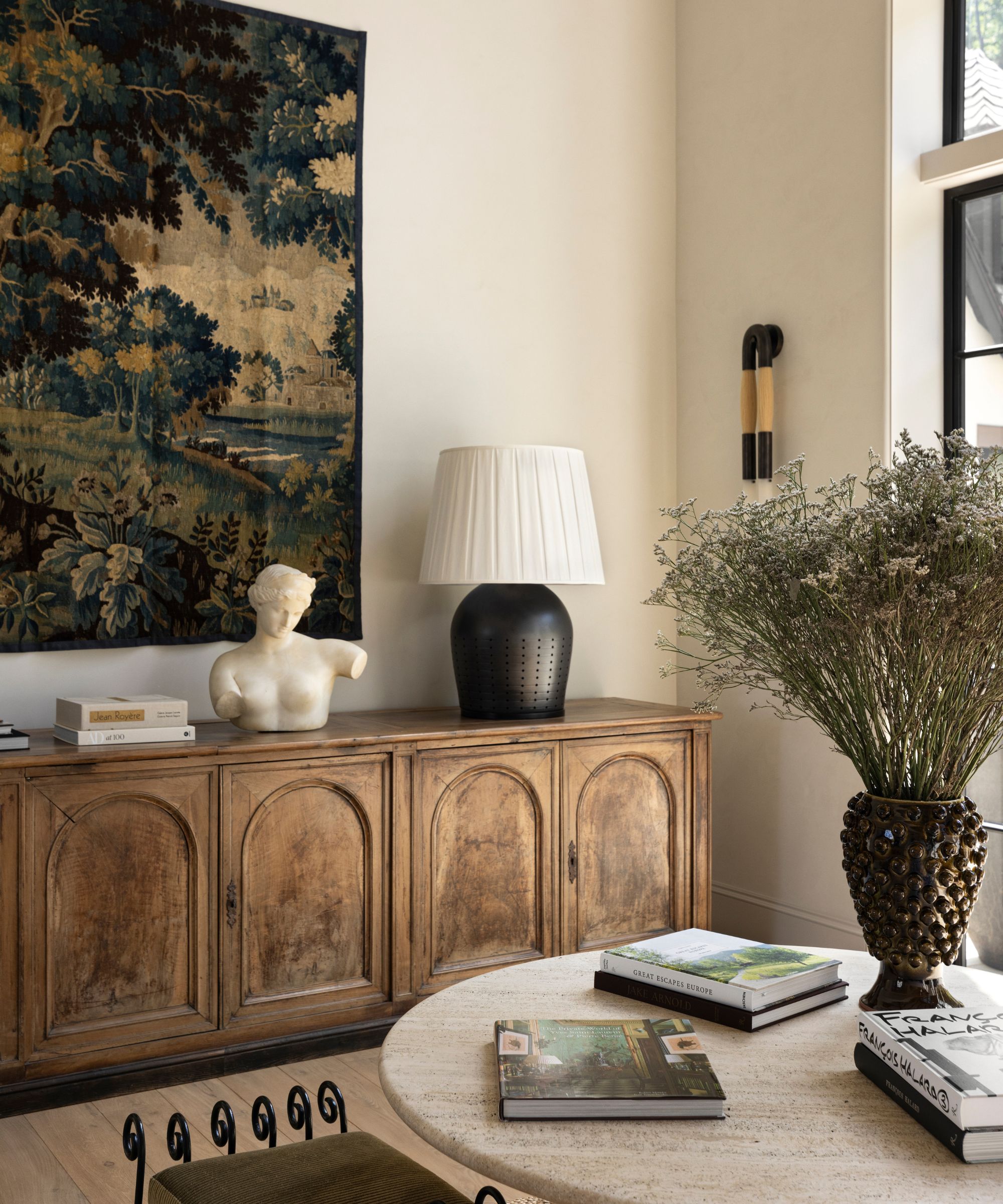
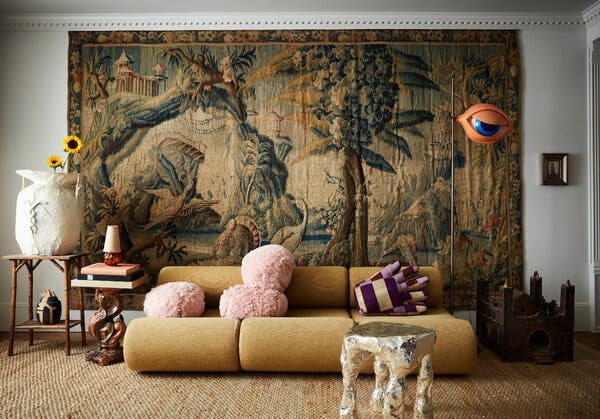
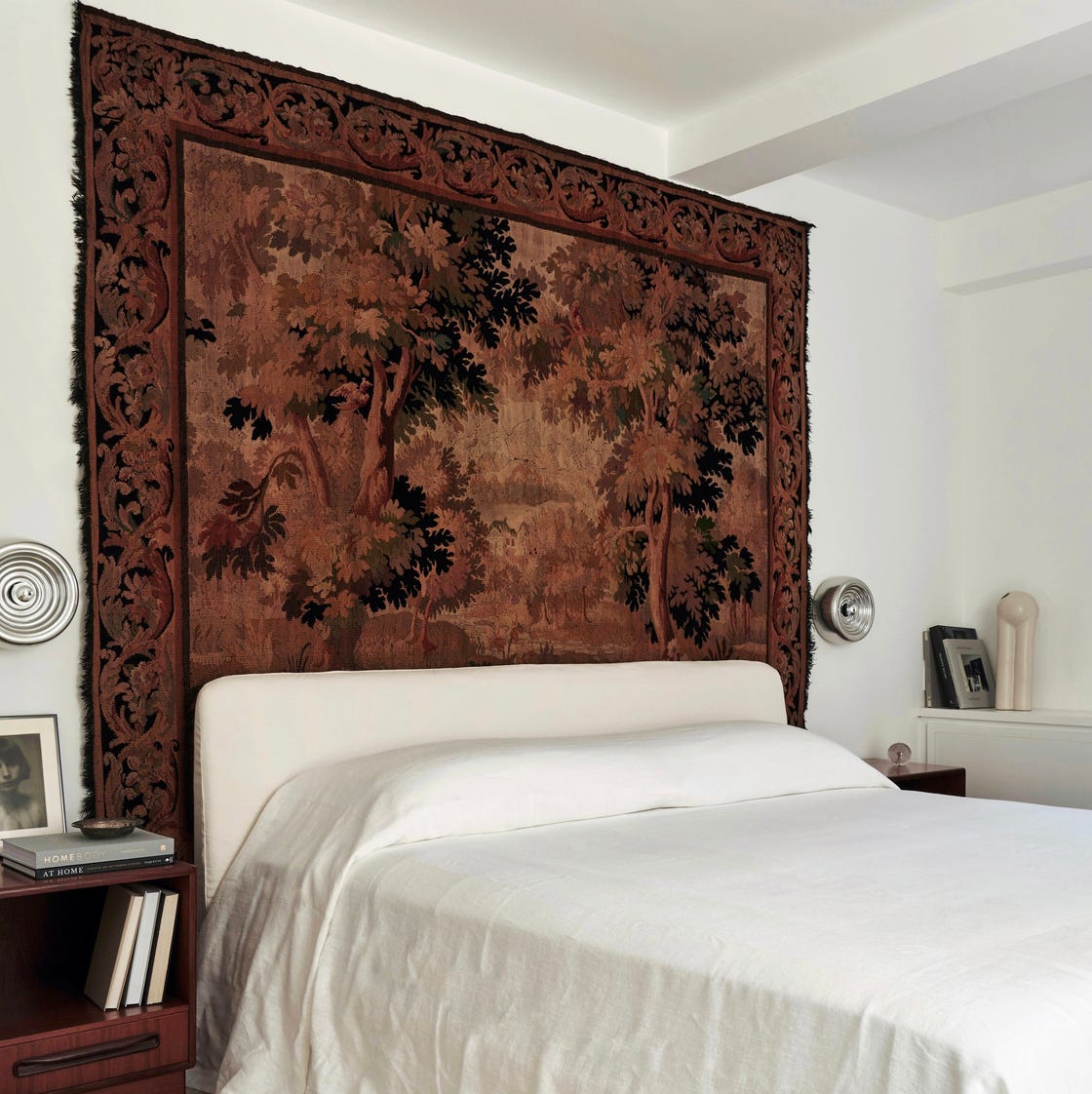
The desirability of tapestries peaked between the 15th and 18th centuries but declined around the Great Depression, causing their value to drop. Today, even museum-quality tapestries are often more affordable than significant oil paintings, making them accessible to a wider audience. While rare figurative woven scenes can still be pricey, simpler verdure tapestries, depicting lush landscapes, or fragments of larger pieces can be found for under $1,000. Designers like Billy Cotton, Adam Charlap Hyman, and Giancarlo Valle are actively incorporating them into their projects. Cotton used a tapestry as a headboard in an Upper East Side apartment, while Charlap Hyman features an 18th-century verdure tapestry from his grandmother that frames a curved 1970s sofa in his New York City apartment. Valle often uses tapestries with nature scenes to create a sense of depth and transportive quality, describing them as "lenses into another world." He recently hung a 14-foot-high 17th-century Flemish piece in a minimalist New York apartment, juxtaposing it with a midcentury chest of drawers.
The renewed interest in tapestries aligns with current trends in the art world favoring figurative paintings, real-life scenes, and historical aesthetics. Tapestries are particularly effective for rooms requiring a strong storytelling element or possessing large wall spaces. However, even in smaller spaces, a large tapestry can make a significant impact. Installation doesn't have to be complex; some experts, including Simona Blau, owner of Vojtech Blau, suggest using Velcro, a method also employed by some museums. Potential buyers are advised to view textiles in person to assess their scale, texture, and color. Reputable dealers include Vojtech Blau, Beauvais Carpets, and Doris Leslie Blau, as well as auction houses like Sotheby’s, Christie’s, and Grogan & Co. The Saint-Ouen flea market in Paris is also a favored source for decorators, and online platforms like liveauctioneers.com offer options for those willing to buy remotely.
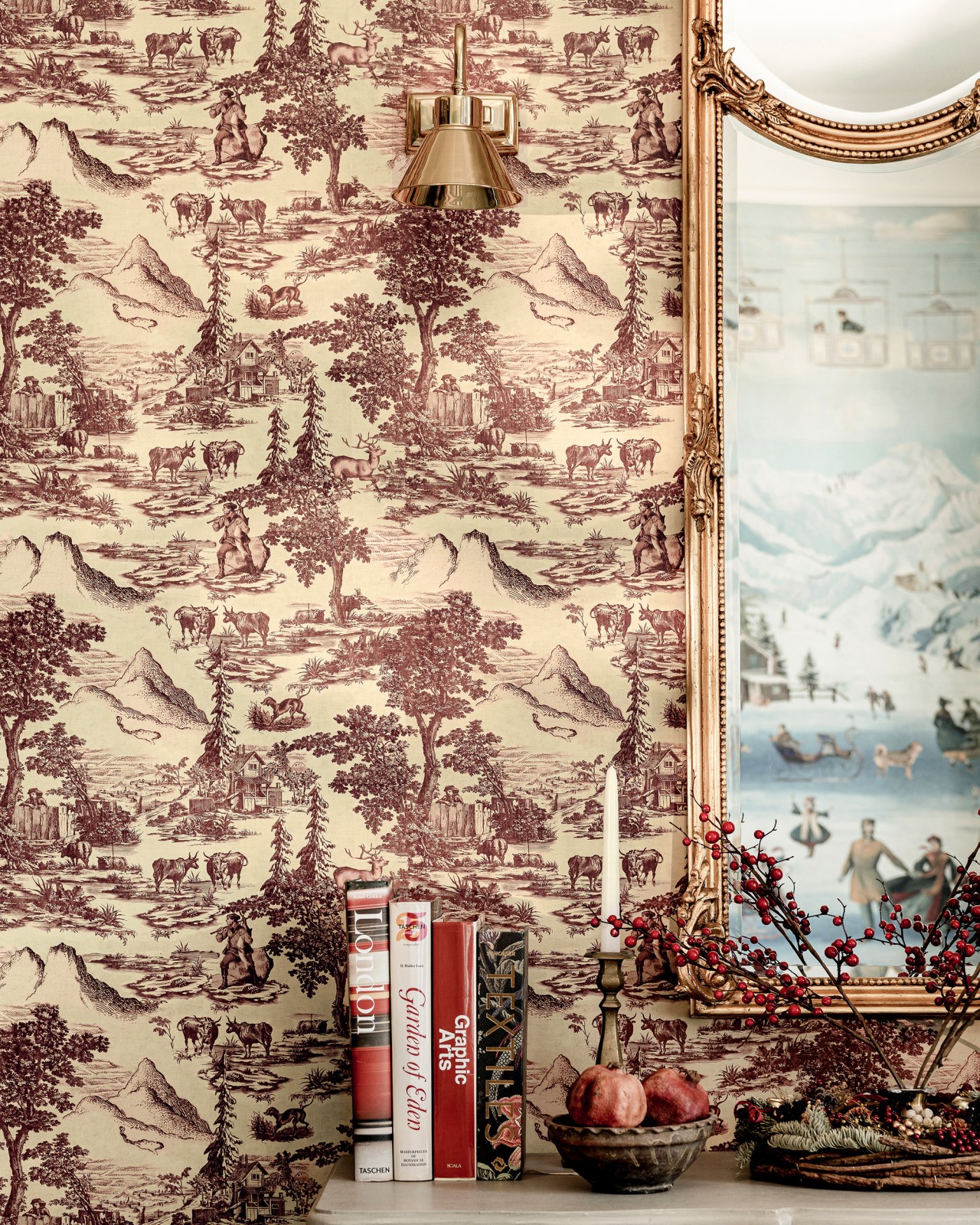
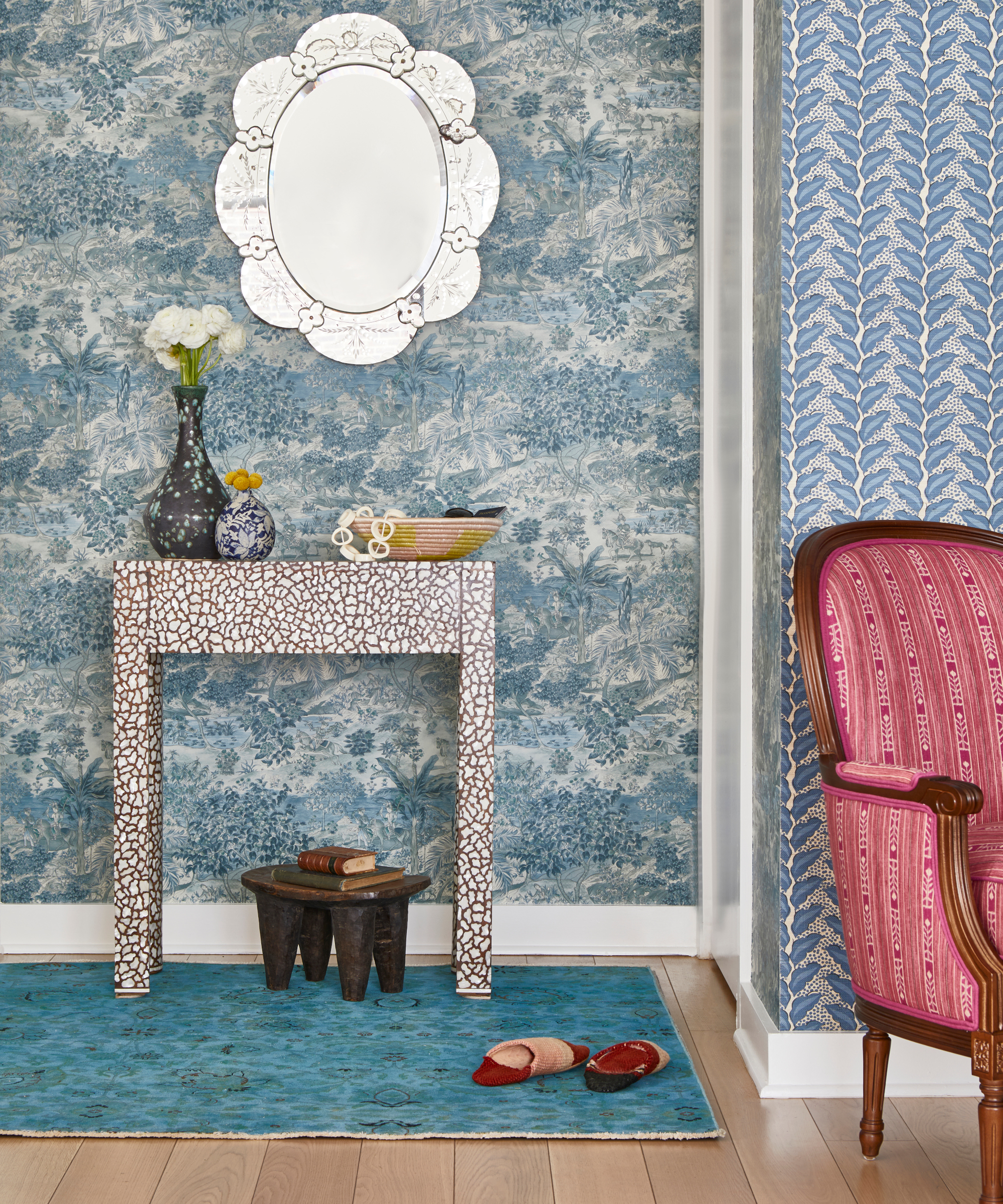
Factors determining a tapestry's value include quality, condition, and subject matter. Museum-quality Renaissance pieces from renowned artists and workshops can fetch six-figure prices but are uncommon. Historically, the highest quality tapestries came from the Gobelins factory in Paris and workshops in Beauvais and Aubusson, France, with 16th-century Flemish pieces also highly esteemed. Verdure-style tapestries, regardless of their origin, generally remain more affordable. For those seeking a similar aesthetic without a full tapestry, wallpaper options are available. Companies like Watts 1874 offer tapestry-inspired collections printed on various materials, and Dedar, Pierre Frey, and Cowtan & Tout also provide tapestry-inspired wall coverings starting around $188 per yard.
#InteriorDesign #HomeDecor #TapestryArt #AntiqueTextiles #WallHangings #DesignTrends #EuropeanArt #LuxuryDecor #TextileArt #InteriorDesign #HomeDecor #TapestryArt #AntiqueTextiles #WallHangings #DesignTrends #EuropeanArt #LuxuryDecor #TextileArt
0 comment in total
 No comments yet
You may also like
2025 Is Going to Be the Year of Castlecore, According to Pinterest

Outdated Tile Trends That Are Going Away In 2025
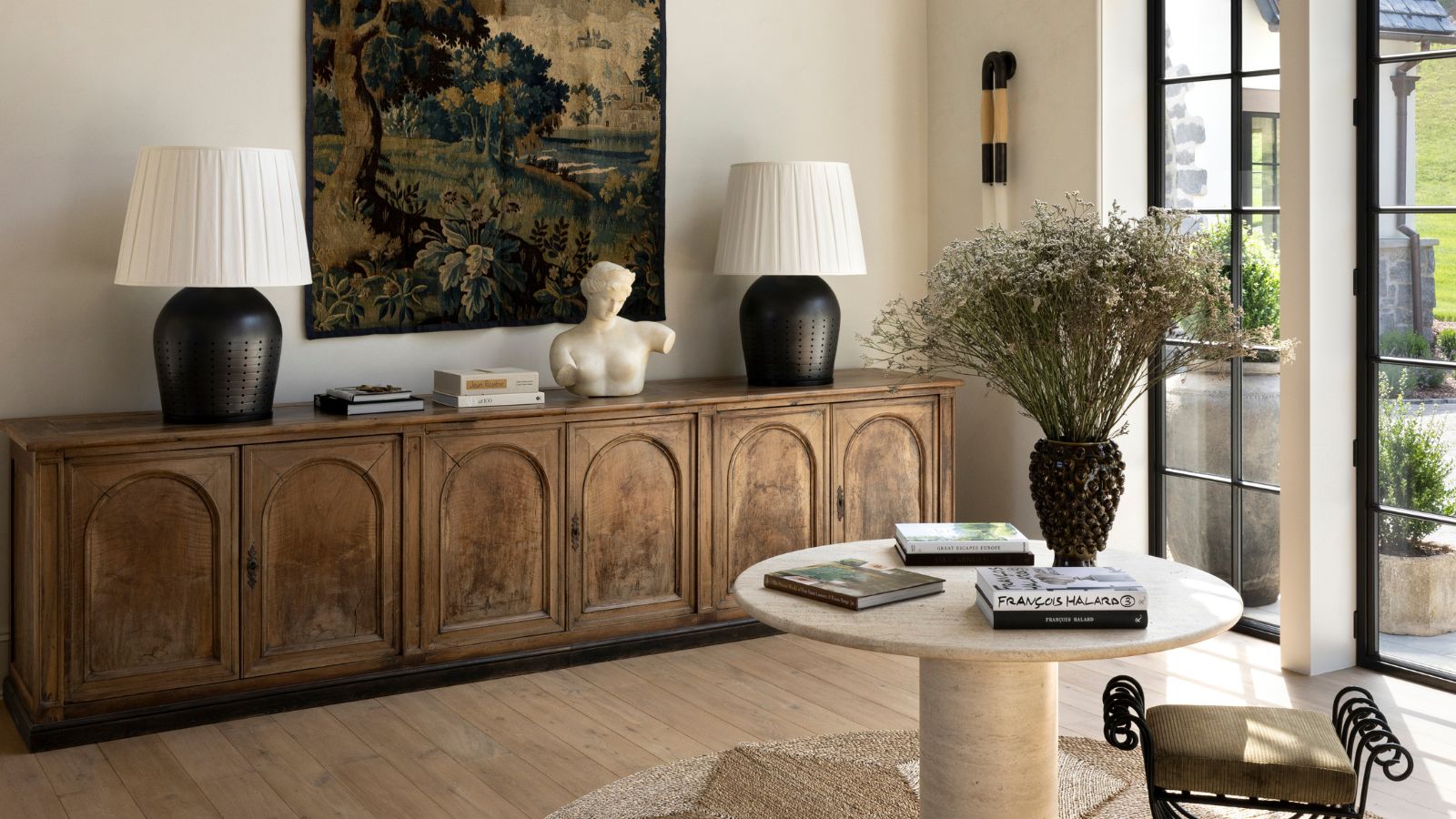
Tapestries are the unexpected vintage revival designers are loving in 2025 – here's how to decorate with them at home

The Decorating Trend We Hope Never Comes Back
It’s Time to Say Goodbye to These Outdated Design Trends in 2024
Designers Say This Fabric Will Dominate Living Rooms in 2024

Flower Arrangements Are Reaching New Heights (Published 2024)

The new interior design trends: 24 looks for 2024
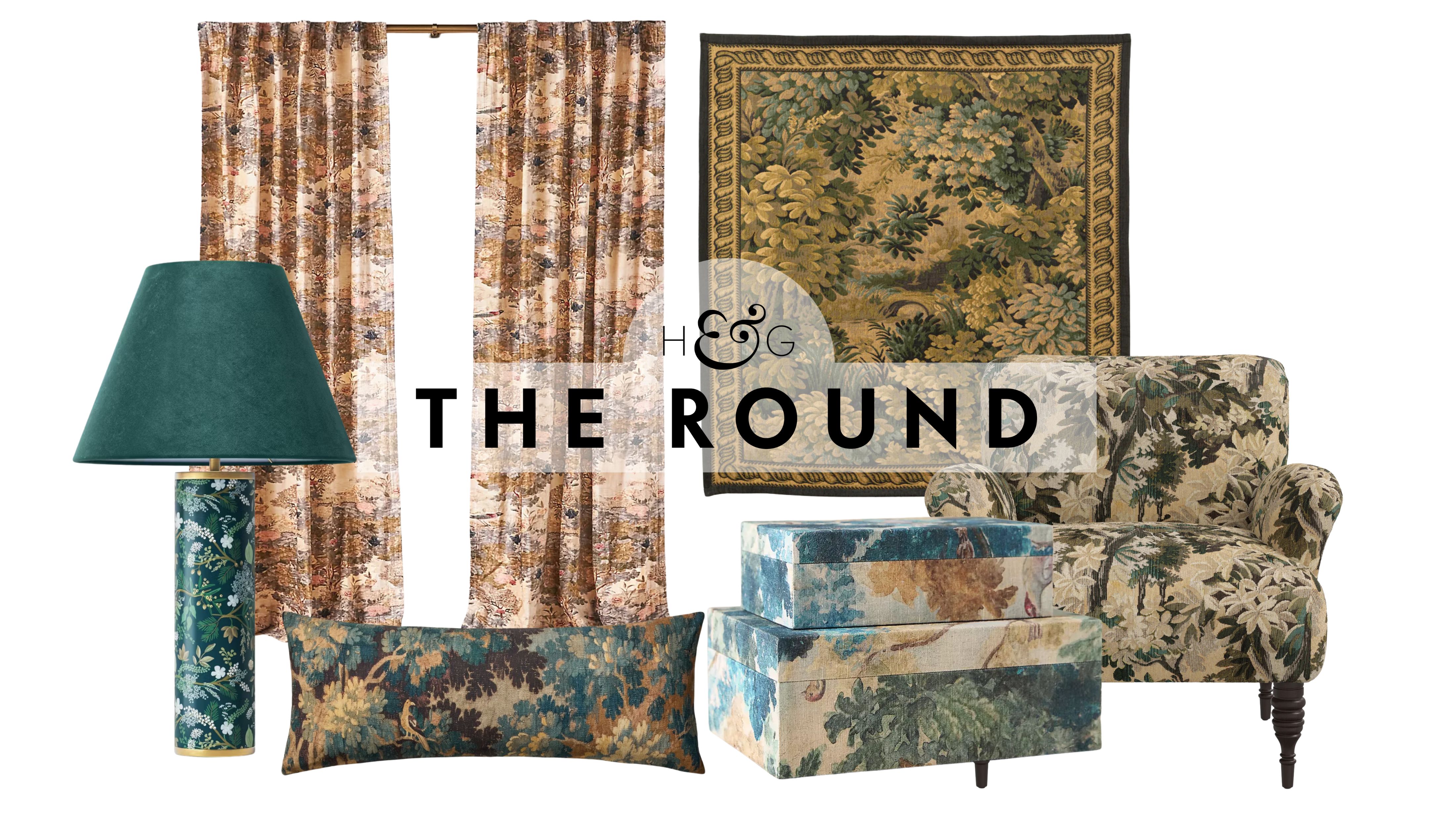
This Centuries-Old Pattern Is the Next Big Design Trend for 2026 – Here Are 24 Pieces That Prove It
Move Aside, Wallpaper: This Wall Treatment Trend Is Taking Over In 2026

Interior designers reveal the home decor trend that will take over 2026 & why it's time to bin off accent walls
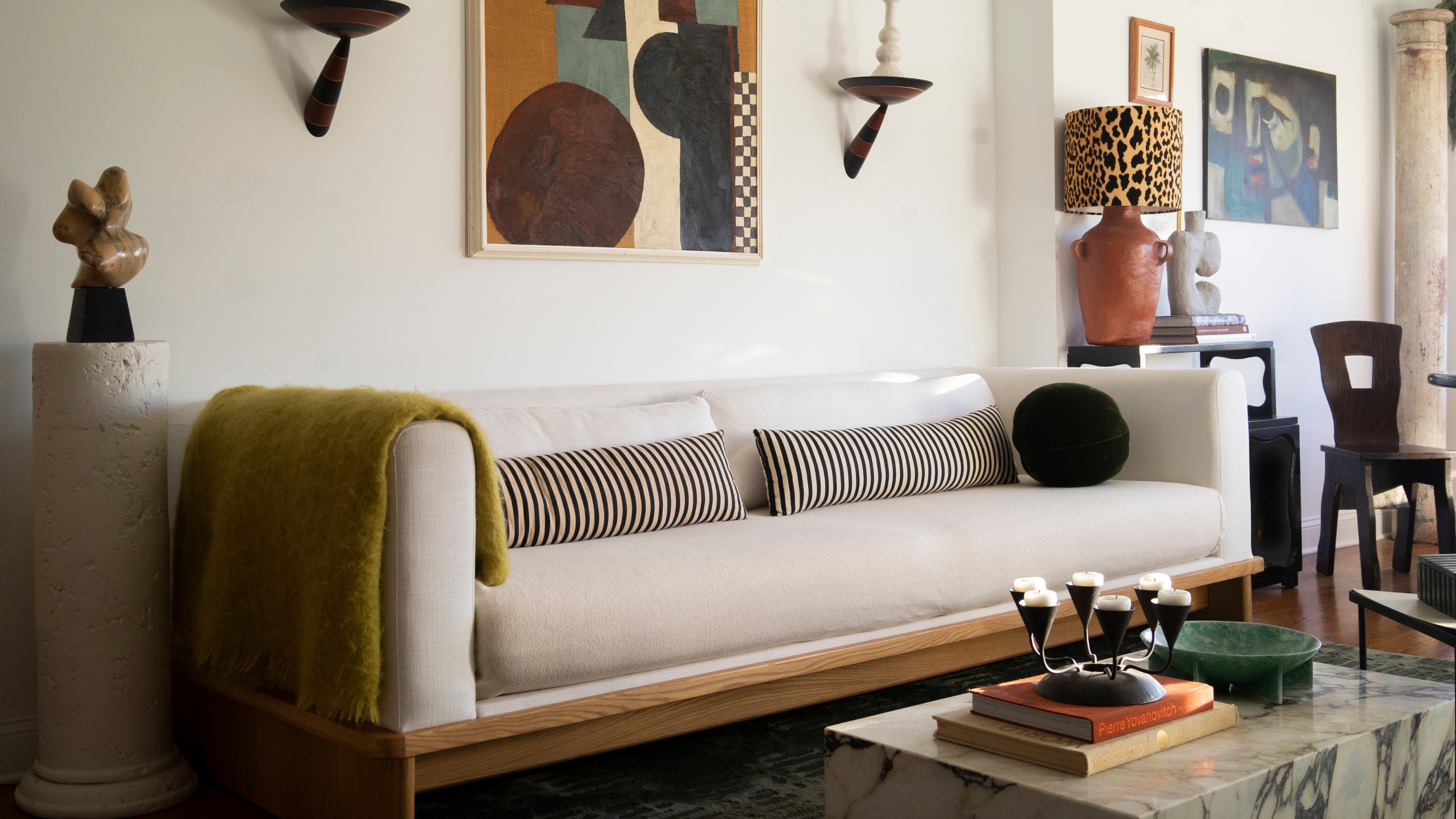
Designers' Reveal the Biggest Pattern Trends for 2025, and It's Shaping Up to Be a Bold Return to the Classics

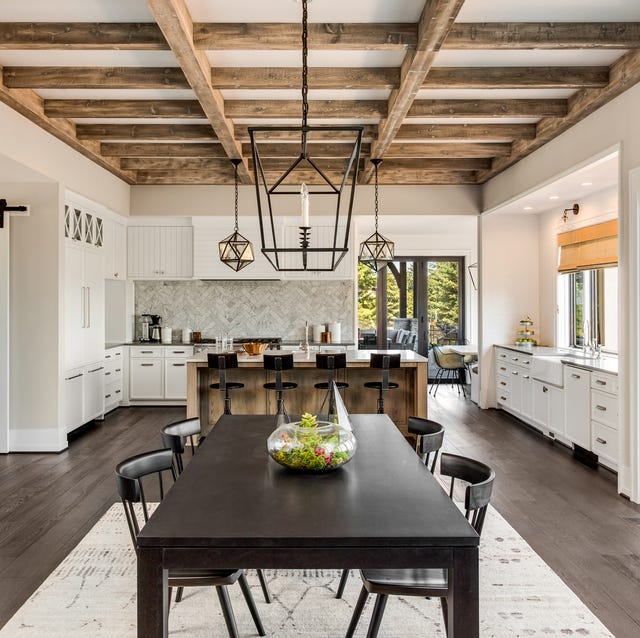
Designers Say This Beloved Style Is Completely Out for 2025

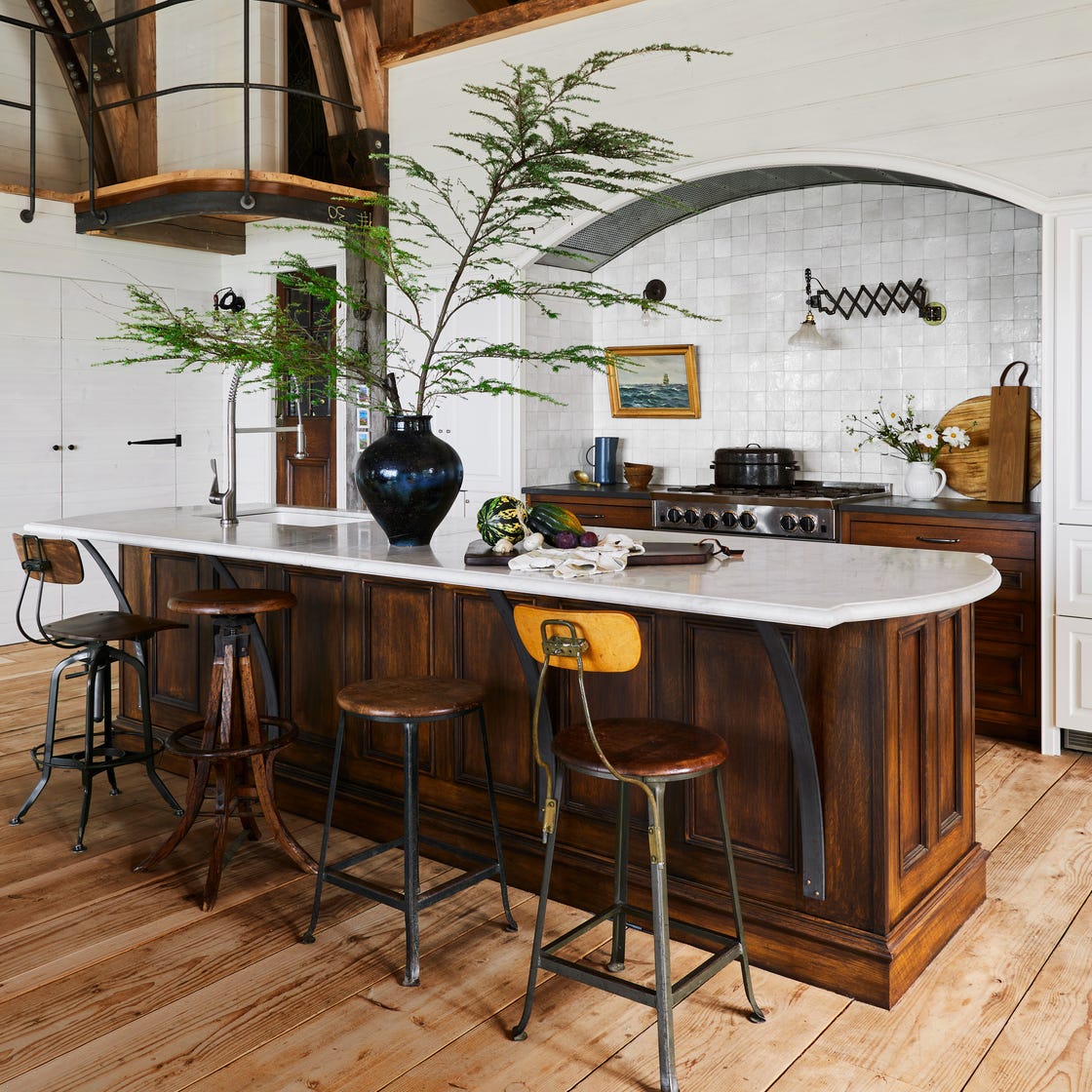
This 1920s-Inspired Design Trend Is Taking Over Homes in Fall 2025
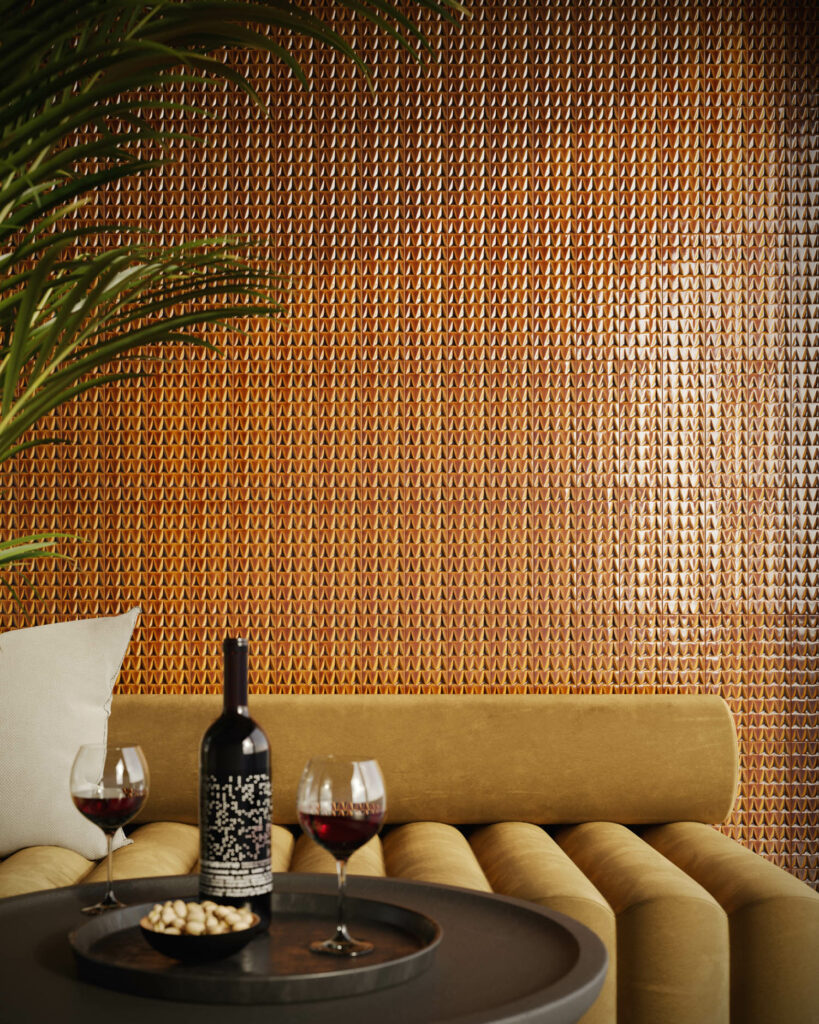
6 Tile Trends Spotted at Coverings 2024

It's Official, This Heritage Style Is A Huge Christmas 2025 Decorating Trend
Castlecore is set to take over interiors
Designers Are Ditching Gallery Walls for This Gorgeous Antique Item
This classical, European-inspired wall decor is back in style for 2024 – designers love its elegant appeal
How Contemporary Artists Are Taking Papier-Mâché Out of the Classroom (Published 2024)