1/5
What Can Be Done to Make Interiors More Sustainable?
The article addresses the growing imperative for sustainability within interior design and the broader construction and decoration industries. It highlights that historically, prioritizing custom solutions over sustainable practices has been easier due to less time and research required, and a lack of concern for waste management and the circular economy. However, the environmental impact of these industries can no longer be ignored. Citing a CNN Climate Change Forum report, the article points out that cities are major contributors to CO2 emissions, specifically through gasoline for transport, industrial activities for building construction (like cement factories), and thermoelectric power plants for domestic energy.
Interior design plays a crucial role in reducing these impacts. The article proposes several strategies to foster more sustainable interior practices. One key approach is to prioritize durability and timelessness in design choices. This means selecting high-quality furniture and finishes that are built to last and have a classic aesthetic, thereby extending their lifespan and reducing the need for frequent replacements. By avoiding trendy, short-lived designs, the environmental footprint associated with manufacturing and disposal is significantly minimized. Furthermore, the article suggests incorporating natural and non-toxic materials, emphasizing that a healthy indoor environment is intrinsically linked to sustainable design. This includes using materials with low volatile organic compound (VOC) emissions, such as natural paints, finishes, and insulation, to improve indoor air quality and reduce health risks.
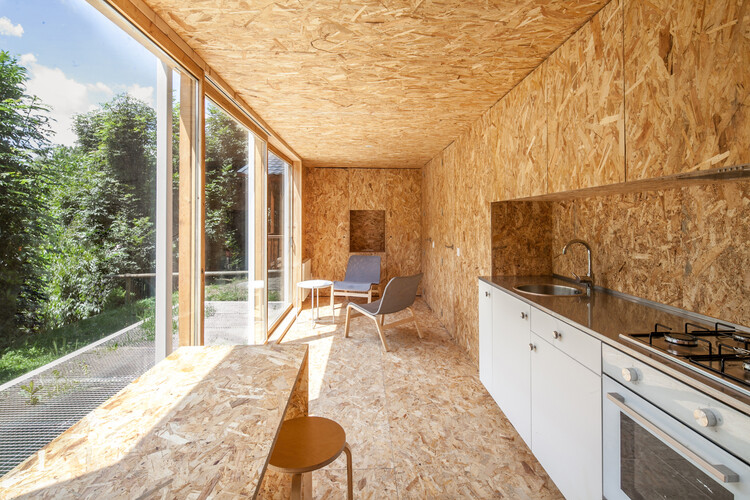
The adoption of a circular economy model is another critical recommendation. This involves rethinking the entire lifecycle of products, from sourcing to disposal. Designers are encouraged to select materials that are recyclable, renewable, or made from recycled content. Moreover, practices like upcycling, reusing existing furniture, and specifying products that can be easily disassembled and recycled at the end of their life cycle are highlighted. The article also advocates for locally sourced materials, which not only reduces transportation emissions but also supports local economies and promotes regional craftsmanship. Engaging with manufacturers that demonstrate a strong commitment to sustainable practices and transparency in their supply chains is also emphasized.
Beyond material selection, the article delves into operational sustainability. It suggests optimizing daylight and natural ventilation in interior spaces to reduce reliance on artificial lighting and air conditioning, leading to significant energy savings. Integrating energy-efficient appliances and smart home technologies that monitor and control energy consumption are also presented as effective measures. Water-saving fixtures and greywater recycling systems are mentioned as ways to conserve water resources within buildings. The article further explores the importance of adaptable and flexible spaces, which can be reconfigured to meet changing needs without requiring major renovations or new construction, thus conserving resources and reducing waste over time. This includes modular furniture systems and movable partitions.
Finally, the article underscores the need for greater awareness and education among designers, clients, and consumers. By understanding the environmental and social implications of their choices, all stakeholders can make more informed decisions. Certifications and labels for sustainable products and practices can guide these decisions. The article concludes that making interiors more sustainable requires a holistic approach that integrates mindful material selection, energy and water efficiency, waste reduction, and a commitment to long-term value and adaptability. This shift towards sustainability is not just an ethical responsibility but also an opportunity for innovation and creating healthier, more resilient living and working environments.
#InteriorDesign #Sustainability #GreenBuilding #CircularEconomy #EcoFriendlyMaterials #EnergyEfficiency #WasteReduction #ArchitecturalDesign #InteriorDesign #Sustainability #GreenBuilding #CircularEconomy #EcoFriendlyMaterials #EnergyEfficiency #WasteReduction #ArchitecturalDesign
0 comment in total
 No comments yet
You may also like
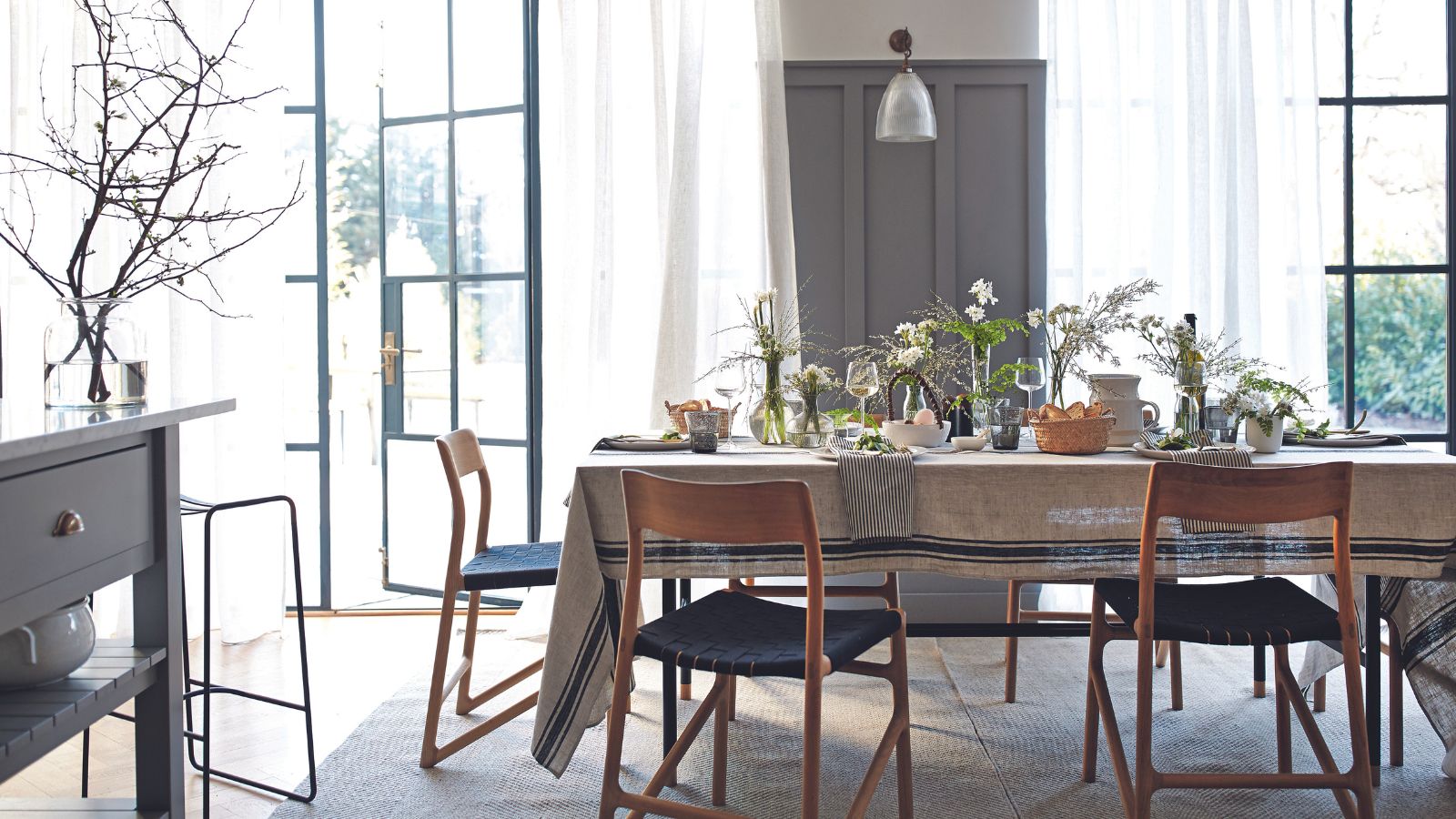
How can you be more sustainable in your interior design? 10 things to always consider

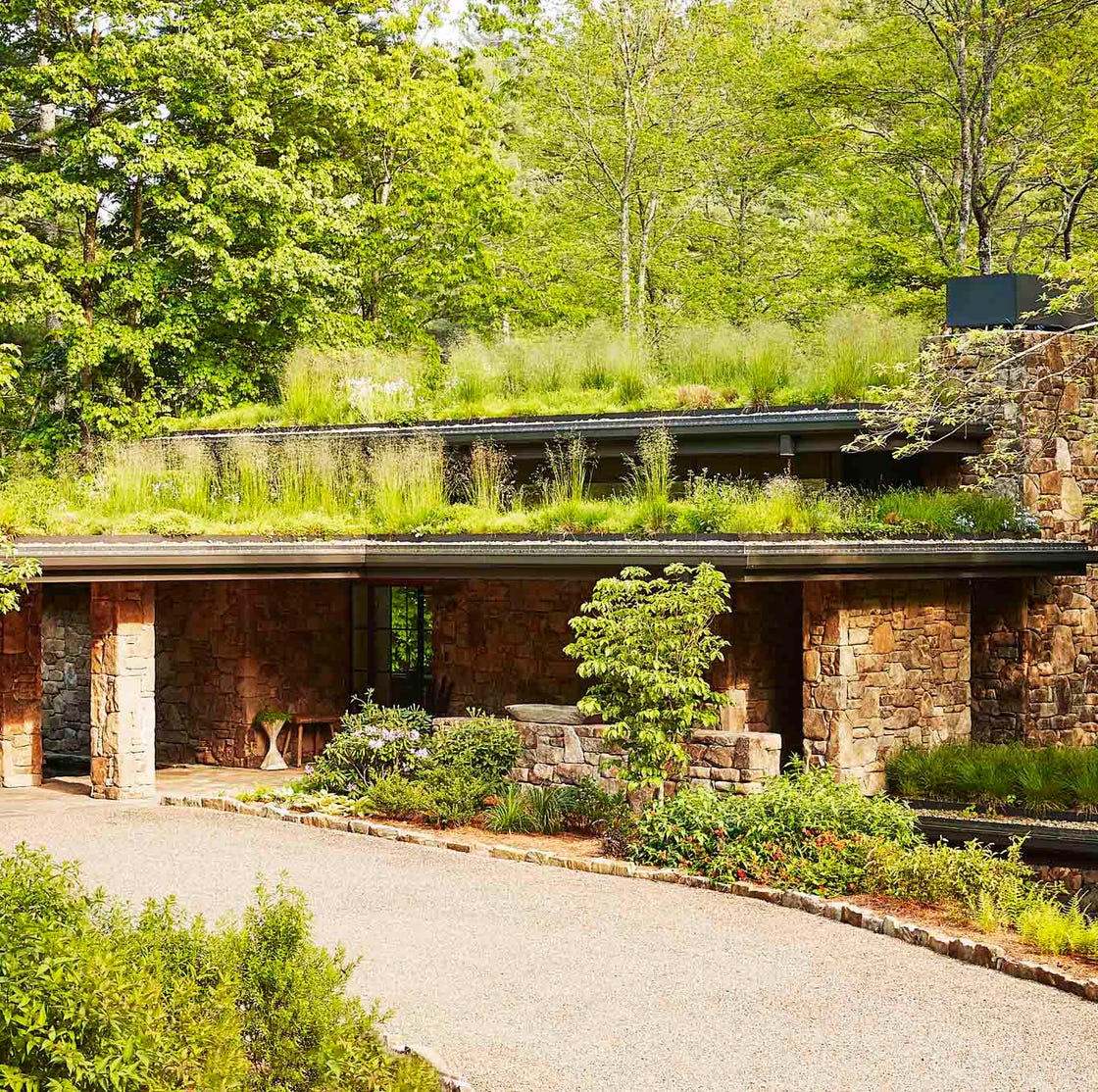
How to Make Your Home More Sustainable, According to Design Experts

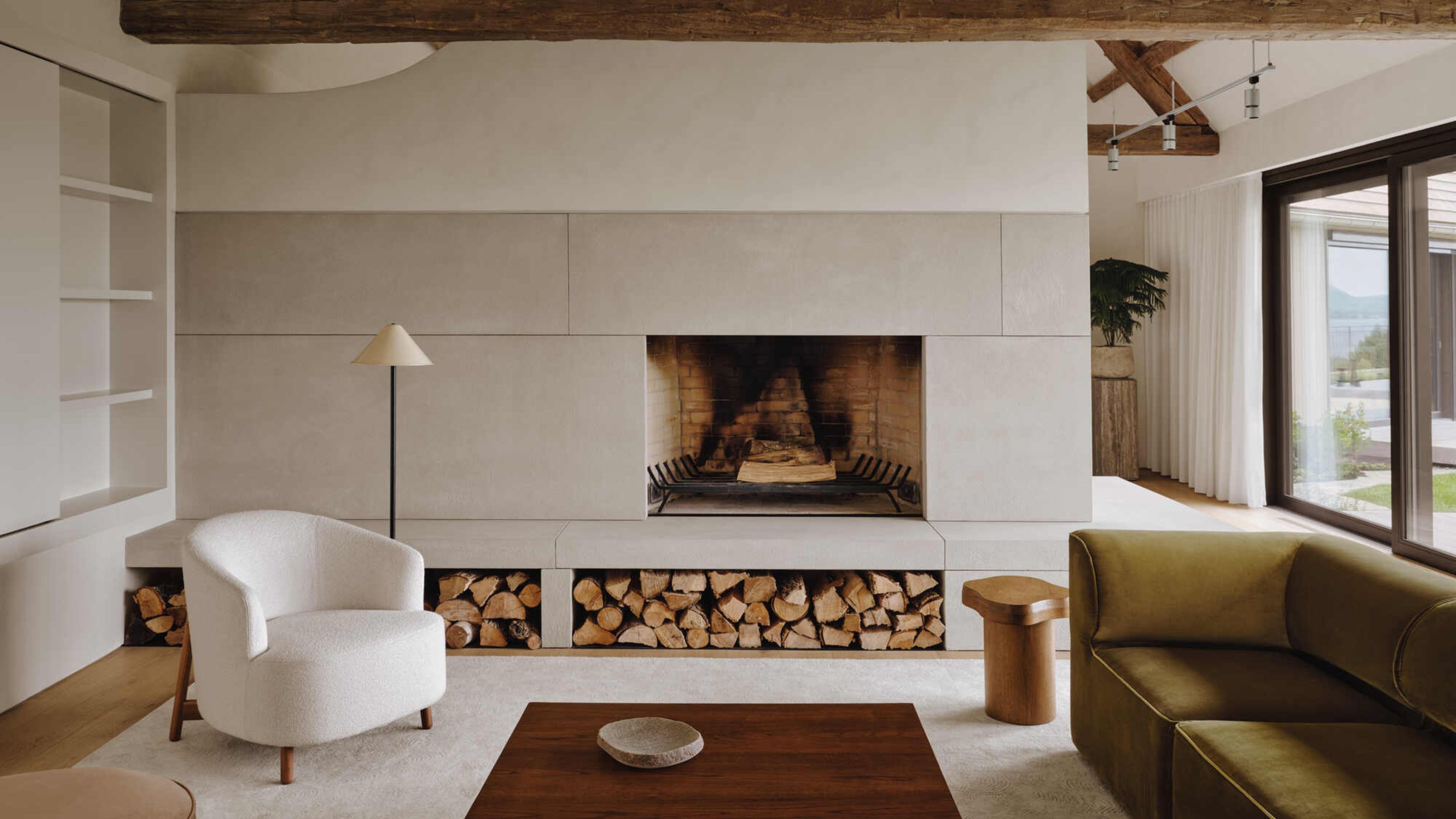
What Sustainable Interior Design Really Means in 2025 — And Why It’s No Longer Just About the Materials

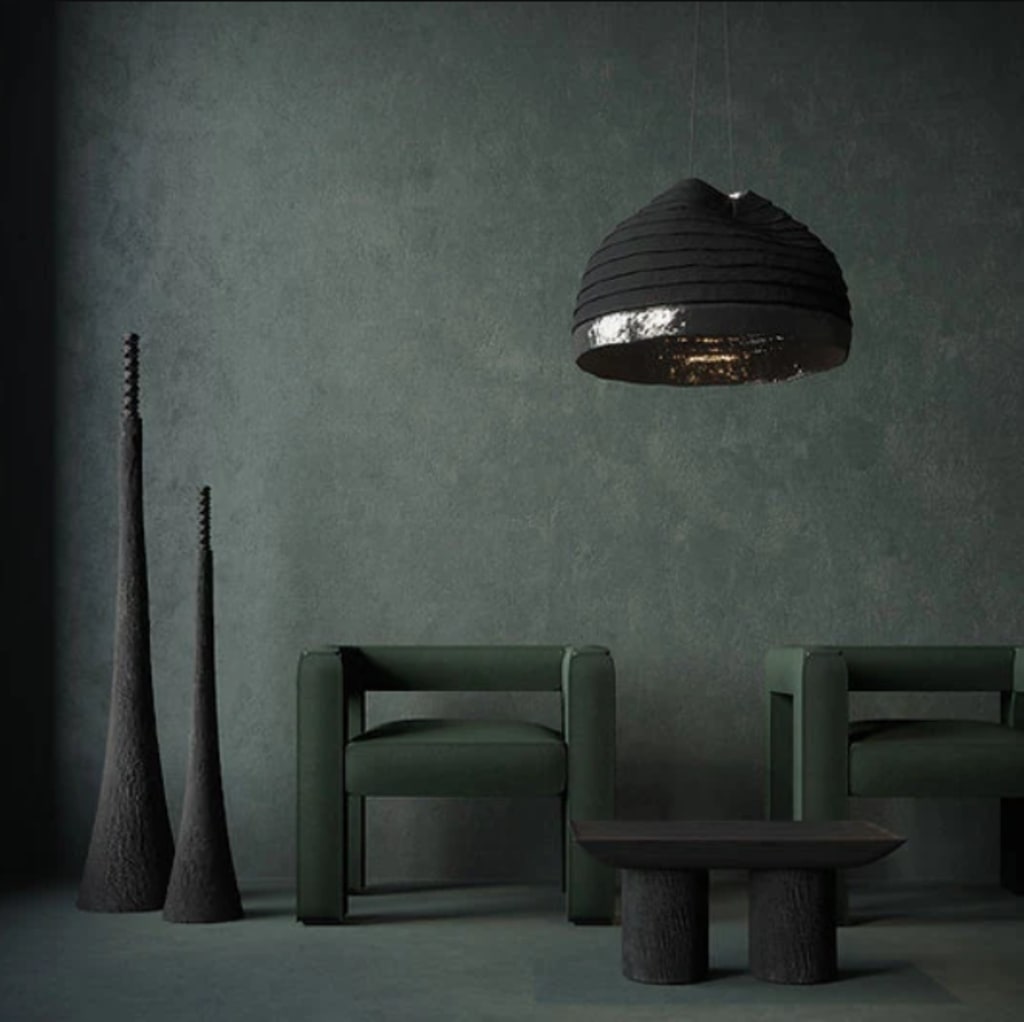
The top 7 sustainable interior design creators

Sustainable Interior Design Trends for 2024: Embracing Eco-Friendly Living

How I encourage my clients to make sustainable choices in their interior design
Sustainable home decor: Eco-friendly interior design trends to watch


How to talk to architects, builders and general contractors about sustainability
10 Sustainable Homes That Prove Interior Design Can Be Just as Easy on the Eye as It Is on the Earth
How to Renovate with Sustainability in Mind


12 Ways To Create a More Sustainable Home

Interiors: Why home design is getting smart, sustainable and health conscious
This Interior Designer-Approved Tip Can Upgrade Your Space In The Most Sustainable Way

What books inspire sustainable interior design?
I Wrote a Book About Sustainable Homes—These 8 Ideas Are Still Inspiring Me

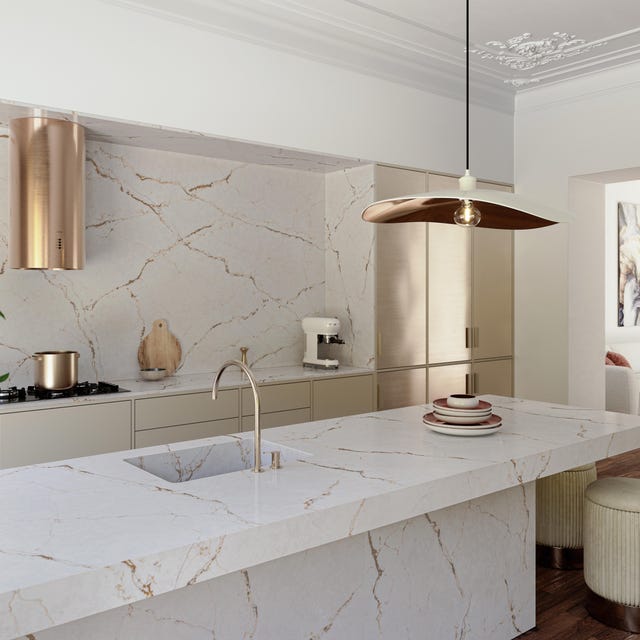
Designer Advice for a More Sustainable Kitchen Renovation

Sustainable Home Décor: Eco-Friendly Interior Design Trends to Watch


Home Rescue's Dee Coleman on the six R's of sustainable interior design
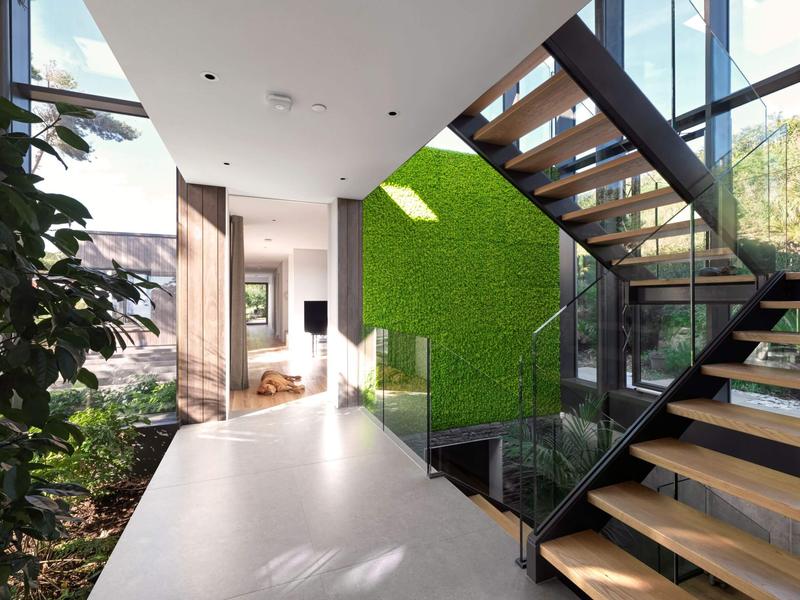
10 ways to make your home more sustainable
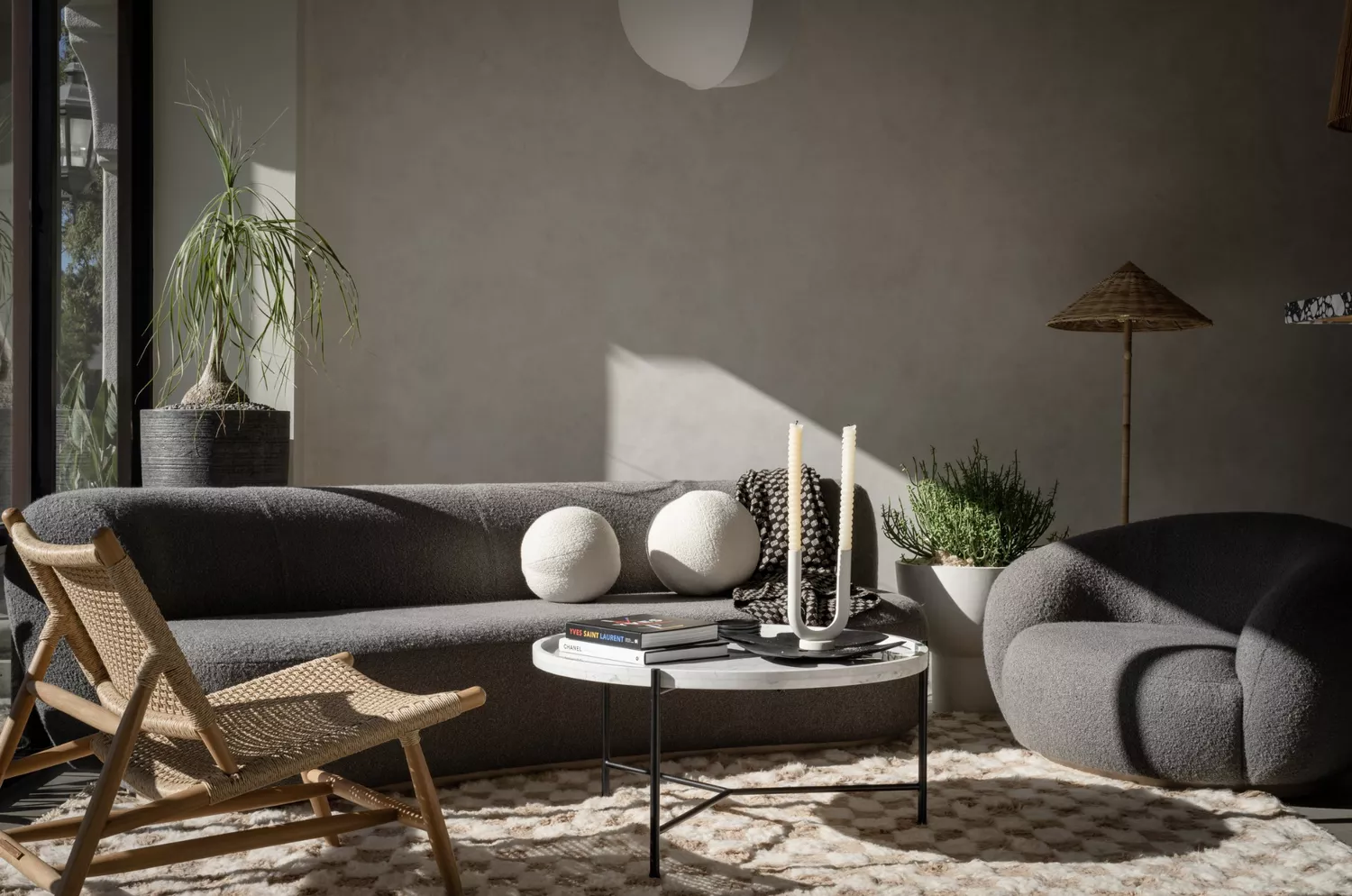
The One Design Trend You Should Try, Designers Say (and It's Not Color Drenching)