1/12
12 Ways To Create a More Sustainable Home
The article presents 12 actionable and affordable strategies homeowners can implement to create a more sustainable home and reduce their carbon footprint. The recommendations range from initial assessments to practical upgrades and lifestyle changes, emphasizing both environmental benefits and potential cost savings.
Beginning with a home energy audit, the article highlights its importance as the first step to identify energy waste. Greg Fasullo, CEO of Elevation, a residential clean technology company, notes that these audits, which can cost as little as $100, pinpoint areas of energy and monetary loss by checking for air leakage, insulation levels, and inspecting various household fixtures. The Inflation Reduction Act (IRA) offers a 30% rebate, up to $150, for these audits, making them a cost-effective starting point for energy efficiency.
Another key strategy involves installing smart thermostats, given that heating and cooling systems account for over half of total home energy usage. Smart thermostats allow for automated temperature adjustments, optimizing energy consumption and reducing utility costs. Fasullo suggests that eco-friendly settings can maintain comfortable and efficient temperatures, adjusting automatically for different times of the day, thereby simplifying energy management.
Replacing incandescent light bulbs with LEDs is another recommended upgrade. With a new Department of Energy rule phasing out inefficient lighting, LEDs offer a significant advantage, using up to 90% less energy than incandescent bulbs and lasting considerably longer. Michael Meiser, a lighting expert at Lumilum, states that LEDs have a typical lifespan of 25,000 hours, compared to 1,200 for incandescent, translating to substantial energy savings and a reduced carbon footprint.
To combat plastic waste, the article suggests installing a water filter system. Millions of plastic bottles are discarded hourly in the U.S., with a low recycling rate. A water filter system reduces household plastic waste, saves money, and provides clean, fresh-tasting tap water, often eliminating the need for bottled water, much of which is simply municipal tap water.
Air sealing the home is crucial, as drafty windows can contribute to 25% to 30% of heating and cooling costs. The article advises sealing cracks around windows and pipes, using rubber gaskets behind switch plates, and ensuring adequate weatherstripping on windows and doors. The IRA also provides assistance for homeowners upgrading to energy-efficient windows and doors.
For water conservation and waste reduction, installing a bidet is recommended. Spencer Weidner, digital marketing director at Bio Bidet by Bemis, explains that bidets significantly reduce toilet paper consumption, which requires substantial tree felling and water in its manufacturing. Bidets are also easy to install and offer a more hygienic alternative.
Harvesting rainwater is presented as an effective way to reduce metered water use, especially for outdoor irrigation, which consumes billions of gallons daily. Joe Raboine, vice president of design at Belgard, suggests using rain barrels or, for a more integrated solution, permeable pavers with underground capture systems that replenish natural aquifers.
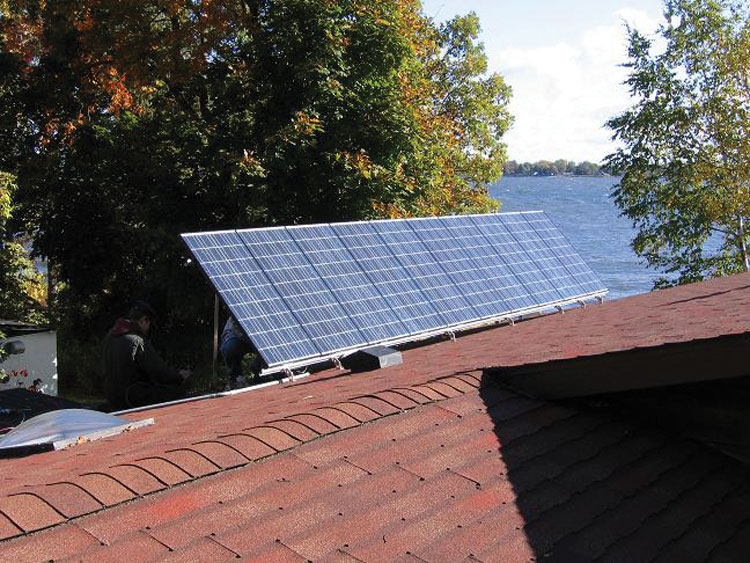
The article encourages homeowners to seek rebates for efficiency upgrades. The IRA offers significant rebates for efficient appliances, new windows, doors, insulation, and air duct sealing. Homeowners should look for Energy Star-rated products and check utility company and manufacturer websites for additional promotions, with rebates also available for solar and home energy storage installations.
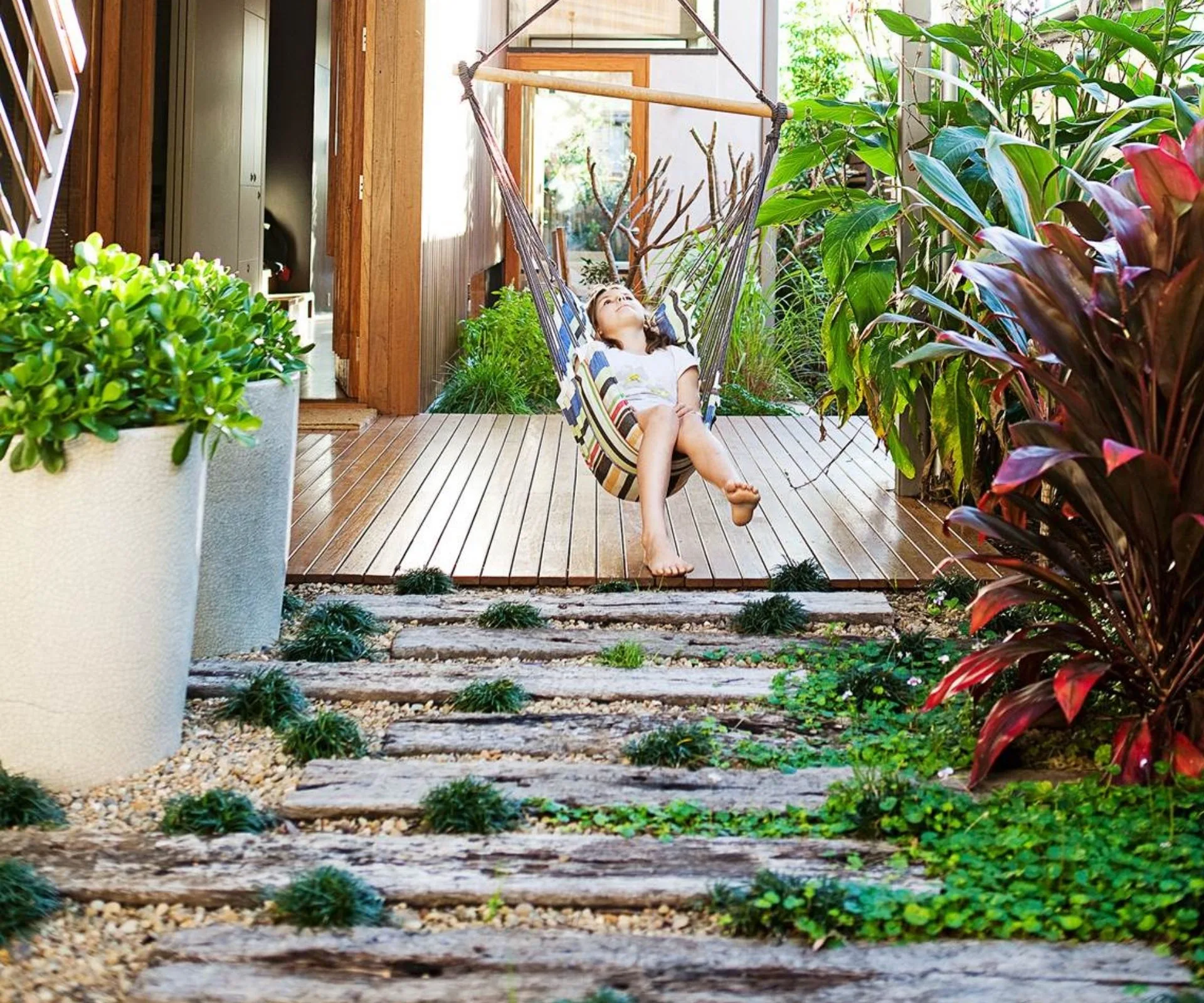
Rethinking landscaping to incorporate xeriscaping or native plants is another sustainable approach. Xeriscaping reduces water usage by minimizing turfgrass. Raboine suggests planting edible landscapes, pollinator gardens, or using decorative gravel and permeable pavers to reduce stormwater runoff and replenish groundwater.
Upgrading insulation is vital for energy efficiency, as poor insulation can lead to 35% to 40% of a home’s heat loss. Fasullo explains that inadequate insulation not only wastes energy but can also cause expensive damage to HVAC systems. A 30% tax credit for new insulation costs is available through the home energy efficiency tax credit.
Building a clothesline is a simple yet effective way to save energy and extend the life of clothes. Jhánneu Roberts, a sustainability expert, notes that tumble drying is energy-intensive and harsh on fabrics. Additionally, washing clothes in cold water with modern detergents further reduces energy consumption.
Finally, reducing “vampire loads” from electronic devices is crucial. These standby power draws account for 5% to 10% of home energy use, costing about $100 annually. Unplugging appliances or using power strips to turn off multiple devices at once can mitigate this. Energy Star appliances also help reduce vampire loads.
#SustainableHome #EnergyEfficiency #HomeImprovement #CarbonFootprint #GreenLiving #SmartHome #WaterConservation #RenewableEnergy #DIYProjects #SustainableHome #EnergyEfficiency #HomeImprovement #CarbonFootprint #GreenLiving #SmartHome #WaterConservation #RenewableEnergy #DIYProjects
0 comment in total
 No comments yet
You may also like
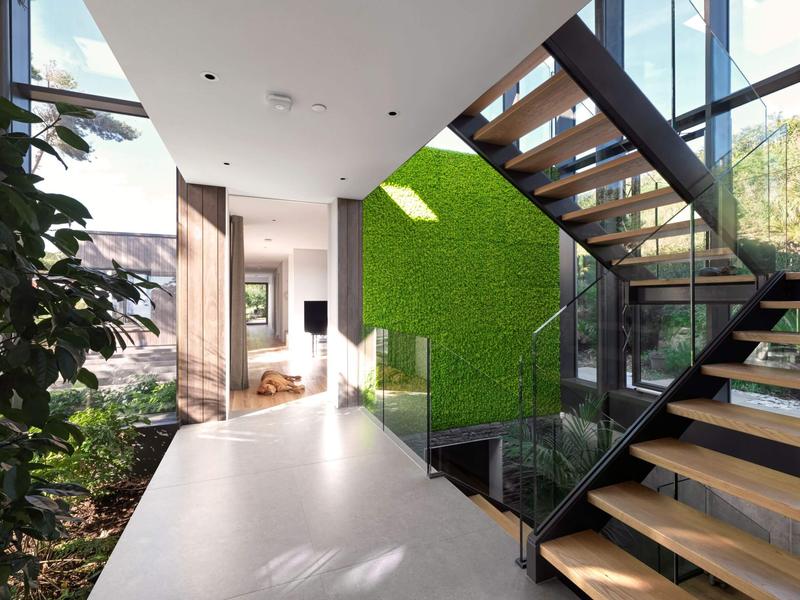
10 ways to make your home more sustainable
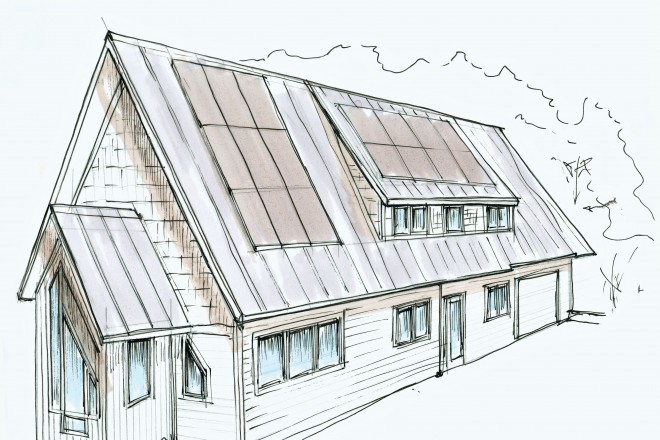
Sustainable Homes

10 Innovative Materials Poised to Make Home Building More Sustainable

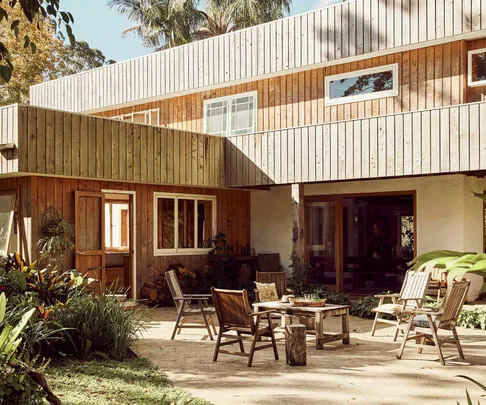
Eco-house: 10 sustainable homes with clever design ideas

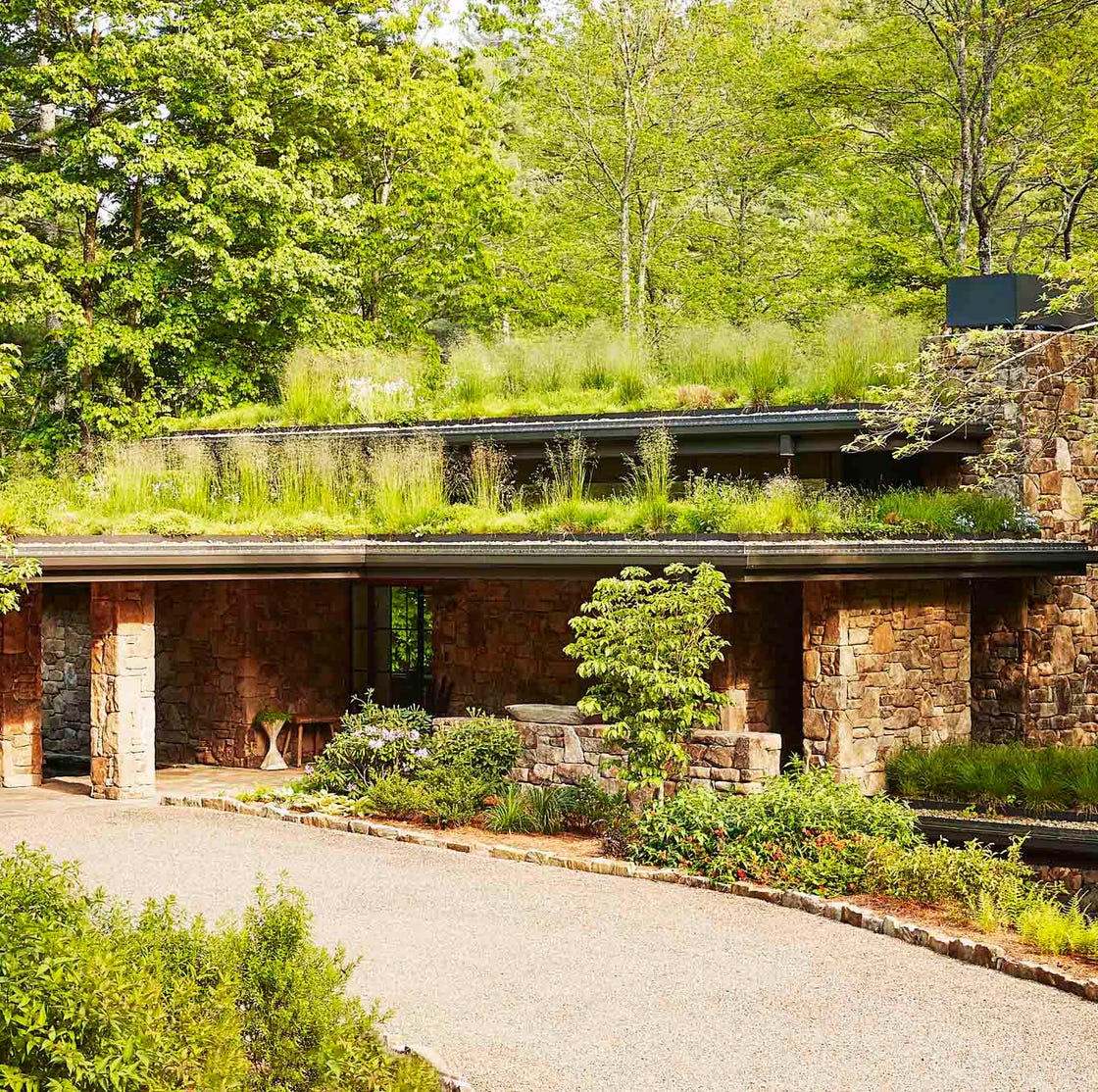
How to Make Your Home More Sustainable, According to Design Experts


7 sustainable homes with style
Delaware Experts Share Advice on Creating a Sustainable Home
5 sustainable home solutions that won’t cramp your style
9 ways to be sustainable at home

Want an Eco-Friendly Home? Everything You Should Know About Sustainable Architecture

11 Eco-Friendly Houses That Will Inspire You to Live Greener


These 10 Sustainable Home Technologies Will Change the Way We Live
7 Design Trends That Will Make Your Home More Sustainable
Eco-friendly organizing tips for a more sustainable home
Experts swear by these 6 sustainable home renovation tips

6 Simple Principles To Consider For An Eco-Friendly Home

How to shop sustainably for your home – 12 stylish ways to make a statement
Here Are 37 Ways to Make Your Home More Earth-Friendly

7 breathtaking sustainable homes around the world

8 Sustainable Home Improvements You Can Make In 2025