1/10
How to Make Your Home More Sustainable, According to Design Experts
The concept of circular design is gaining traction in the home design industry as a means to achieve greater sustainability. This approach, akin to the 'cradle to cradle' philosophy, emphasizes reusing and repurposing materials and products to minimize waste and environmental impact. This is a significant shift from the traditional linear model of production, consumption, and disposal.
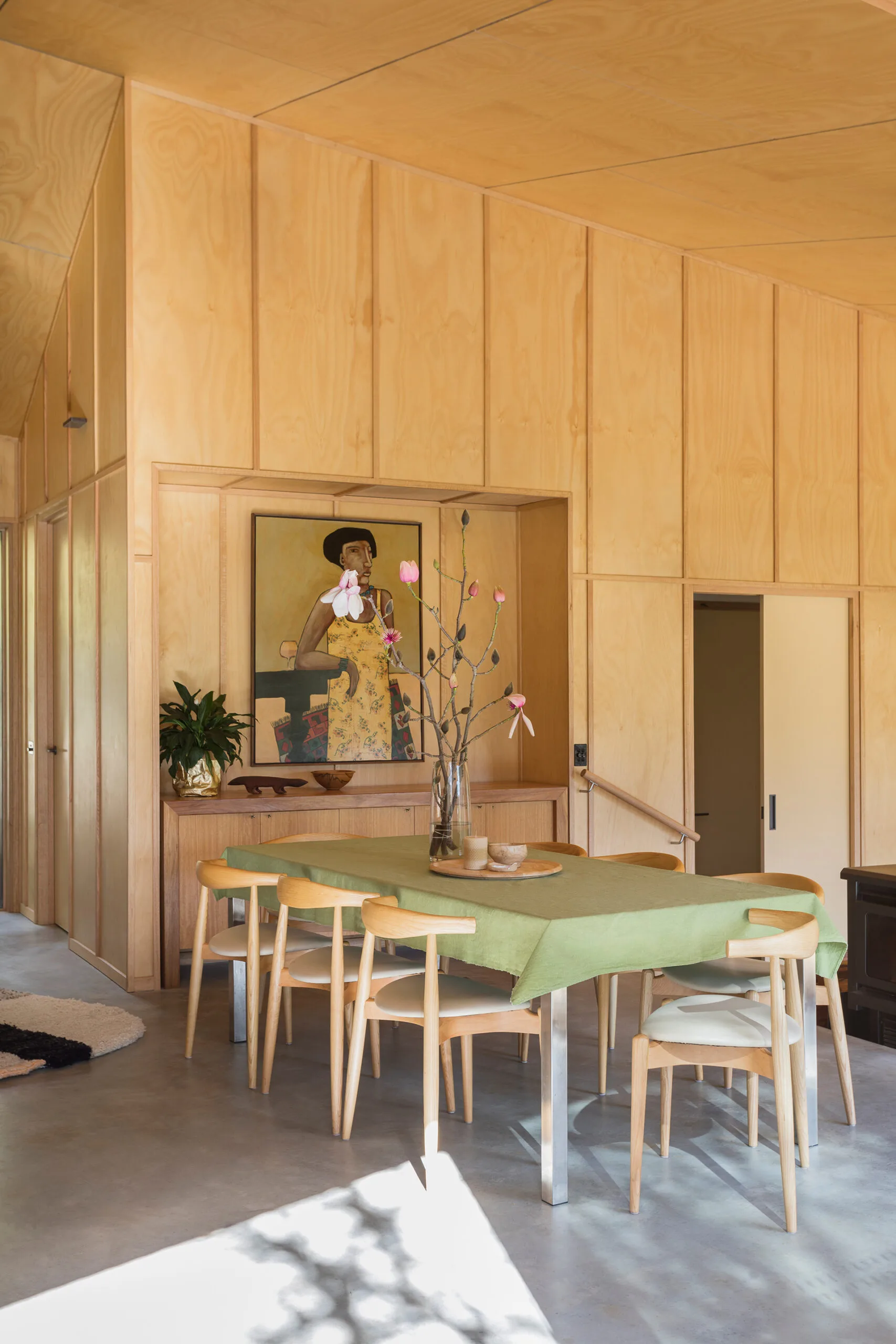
Interior designer Laura Hodges, for instance, integrates circularity into her projects by evaluating existing client possessions for potential reuse and reupholstery. This practice extends to various items, transforming them for new purposes within the home. This initial assessment and creative reuse of materials not only reduces waste but also provides a unique, personalized touch to interior spaces.
The broader adoption of circularity in home design will be a key topic at Hearst’s Eco-Conscious Living Summit, scheduled for April 26. The summit will feature a panel discussion moderated by Steele Marcoux, with participants including Laura Hodges; Patricia Bell, a professor of industrial design at the Savannah College of Art and Design; and Amanda Cimaglia, Vice President, ESG & Corporate Affairs at The AZEK Company, a manufacturer of sustainable outdoor living products like TimberTech decking and AZEK Trim.
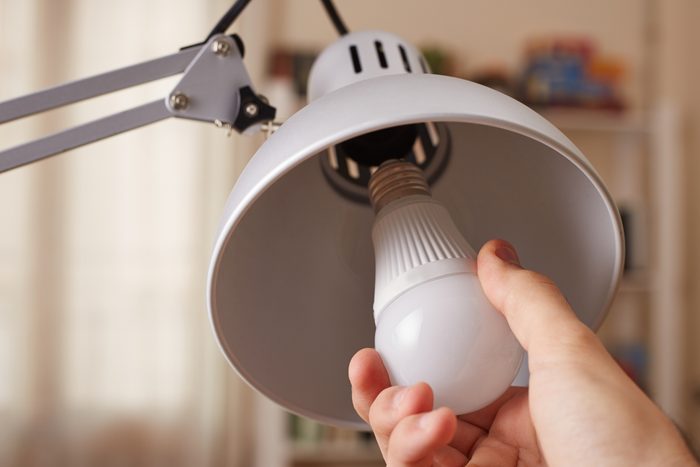
Experts suggest five practical steps for individuals to incorporate sustainable living into their homes. First, maintaining organization helps avoid redundant purchases and prevents items from going to waste. Knowing what is already available at home facilitates efficient consumption and reduces the need for new acquisitions. Second, making simple product swaps to more sustainable alternatives is encouraged. For example, replacing plastic items with biodegradable options such as beeswax wraps, bamboo toothbrushes, natural deodorants, and powdered detergents can significantly reduce household plastic waste.
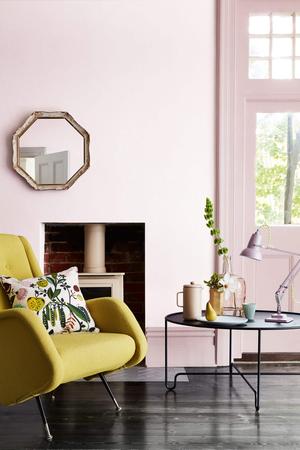
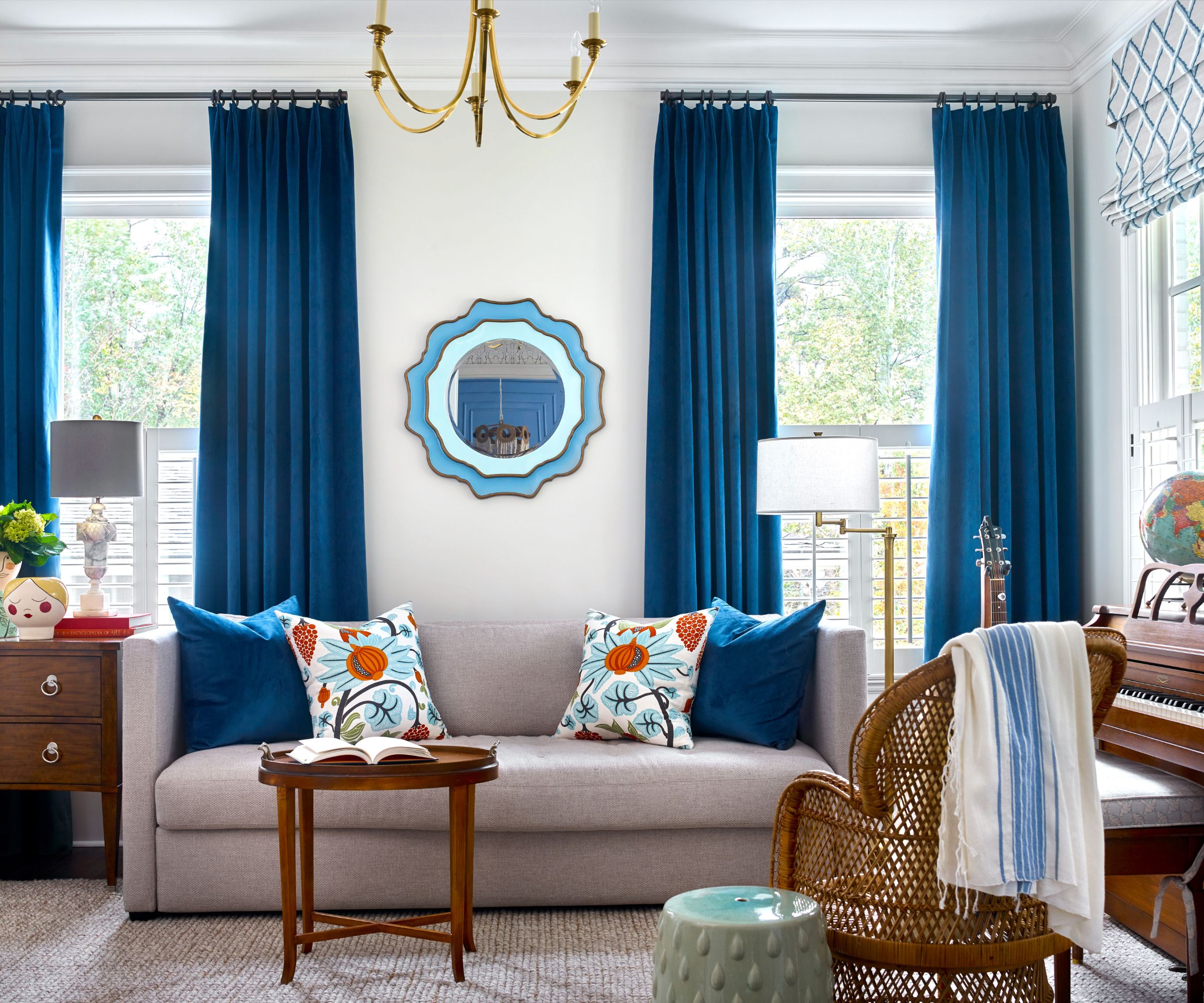
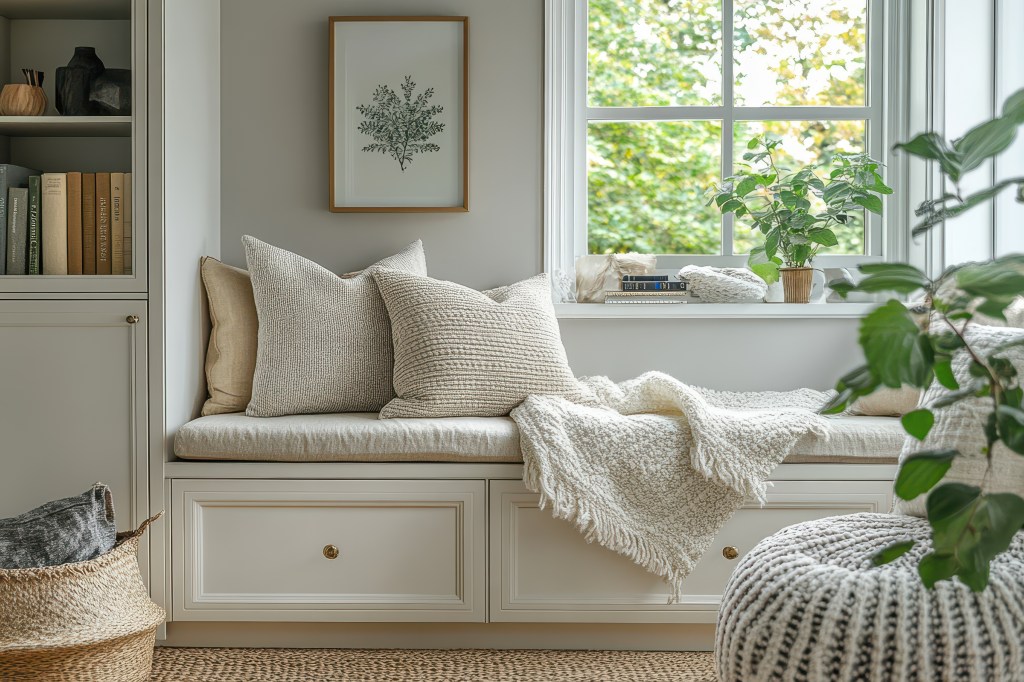
Third, updating old furnishings with sustainable accessories provides an alternative to discarding and buying new items. Swapping out throw pillows, for instance, can refresh a space without the environmental cost of manufacturing and transporting new furniture. Fourth, finding new homes for unwanted furnishings and décor extends their lifespan. Donating items benefits others and reduces the demand for new products, contributing to a circular economy.
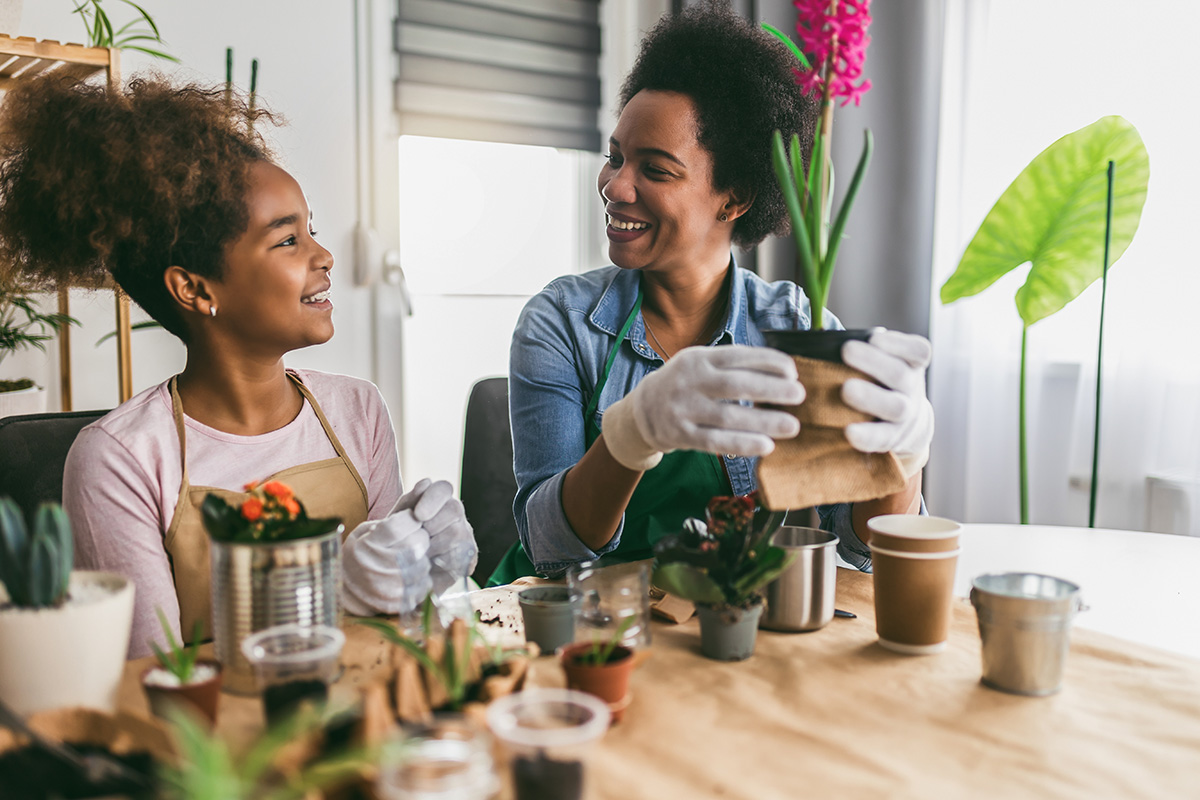
Fifth, embracing composting dramatically cuts down household waste, potentially by half each week. There are even services available that collect compost, simplifying the process for consumers. Composting enriches soil, benefiting plant health and completing the natural cycle of organic materials. These steps, ranging from mindful consumption to waste reduction, offer tangible ways for households to contribute to a more sustainable lifestyle.
#CircularDesign #SustainableLiving #HomeDesign #EcoConscious #WasteReduction #ProductSwaps #Composting #InteriorDesign #EnvironmentalImpact #CircularDesign #SustainableLiving #HomeDesign #EcoConscious #WasteReduction #ProductSwaps #Composting #InteriorDesign #EnvironmentalImpact
0 comment in total
 No comments yet
You may also like
10 ways to make your home more sustainable

7 breathtaking sustainable homes around the world

10 Sustainable Homes That Prove Interior Design Can Be Just as Easy on the Eye as It Is on the Earth

Want an Eco-Friendly Home? Everything You Should Know About Sustainable Architecture


12 Ways To Create a More Sustainable Home

How residential design offers opportunities for sustainability
How to Assess a Home’s Sustainability to Choose One That’s Right for You

Stand Out with 2026 Home Trends
Experts swear by these 6 sustainable home renovation tips
7 Design Trends That Will Make Your Home More Sustainable
Sustainable House Day 2021: Top picks to explore this year
What Can Be Done to Make Interiors More Sustainable?

Delaware Experts Share Advice on Creating a Sustainable Home
Here Are 37 Ways to Make Your Home More Earth-Friendly

How can you be more sustainable in your interior design? 10 things to always consider

Designer Advice for a More Sustainable Kitchen Renovation

Sustainable Homes
7 sustainable homes with style

Interiors: Why home design is getting smart, sustainable and health conscious
This Interior Designer-Approved Tip Can Upgrade Your Space In The Most Sustainable Way