1/2
7 Design Trends That Will Make Your Home More Sustainable
The increasing focus on sustainability in home design and renovation is transitioning from a niche concept to an industry standard. Interior designers and builders are continuously innovating to enhance efficiency, minimize waste, and safeguard the environment. Expert interior designers Kerrie Kelly and Wendy Glaister highlight key emerging trends that combine aesthetic appeal with environmental responsibility.
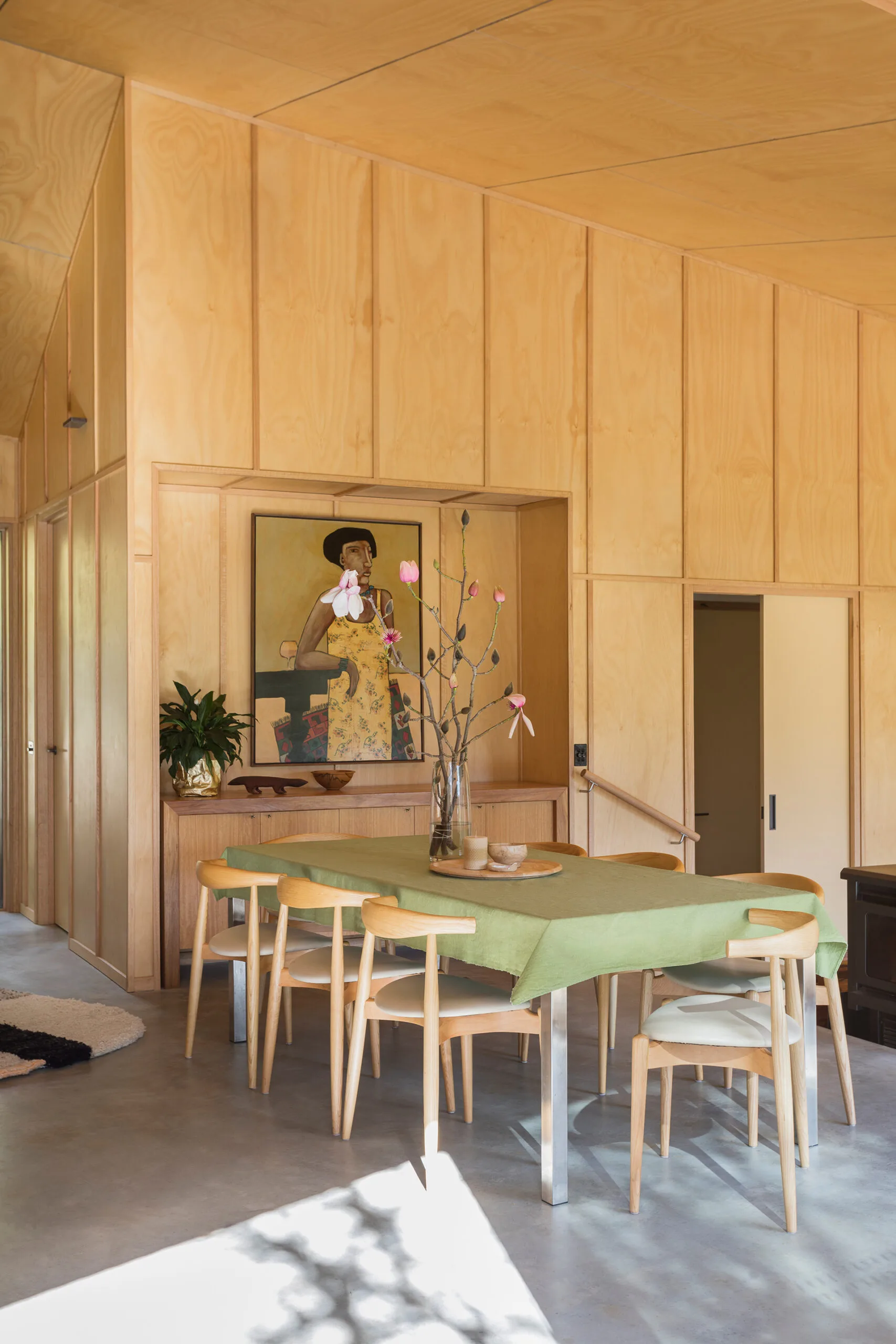
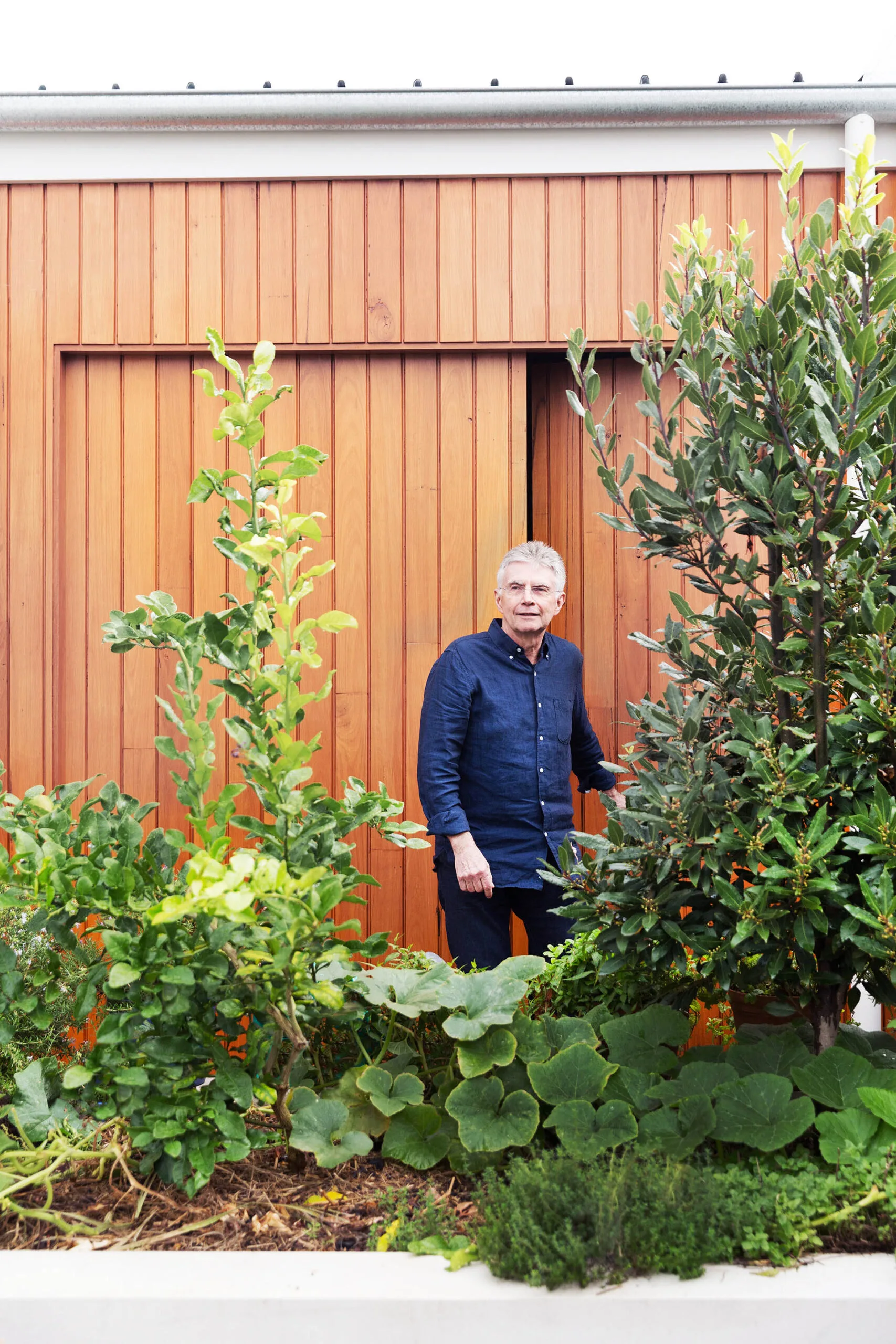
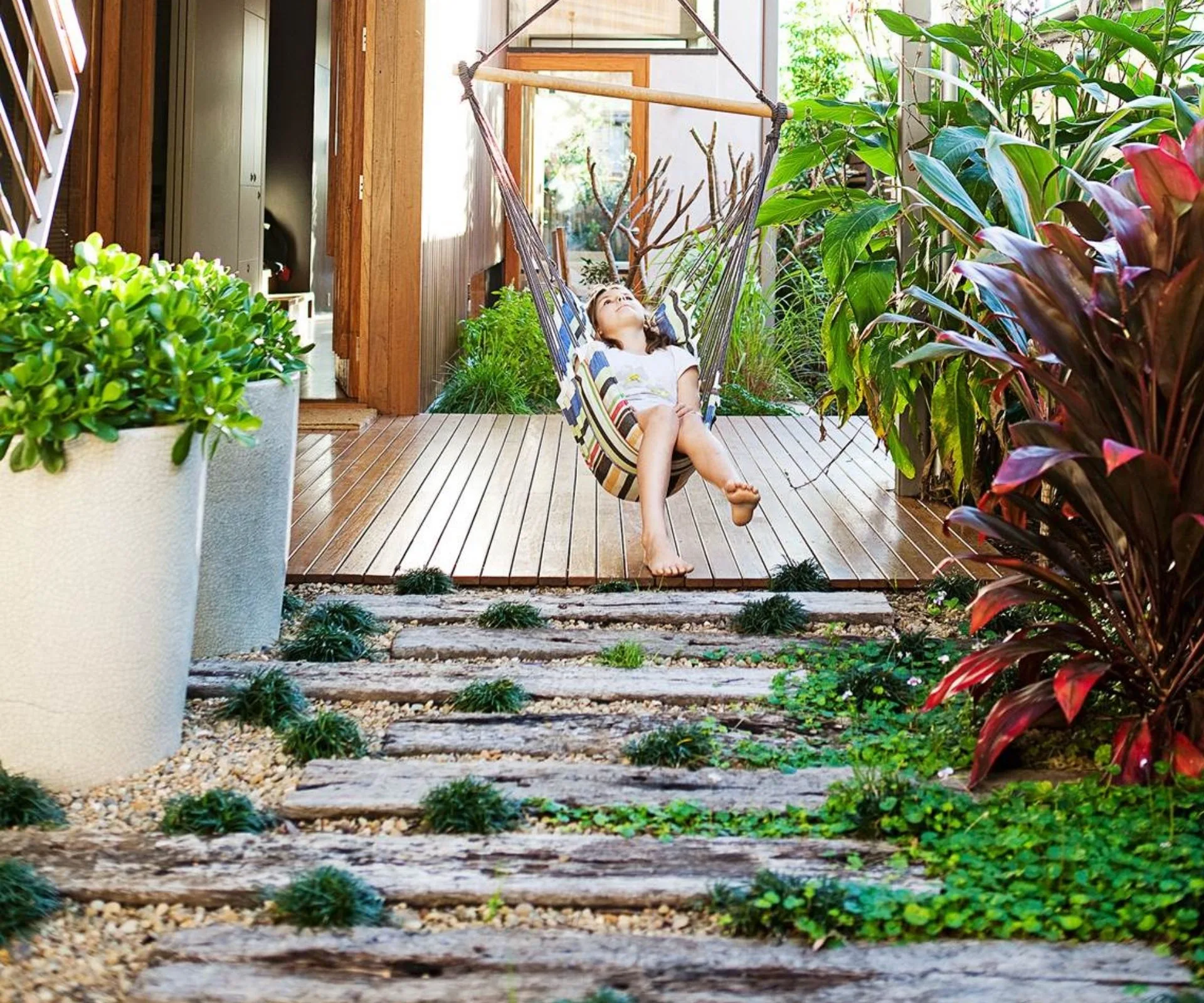
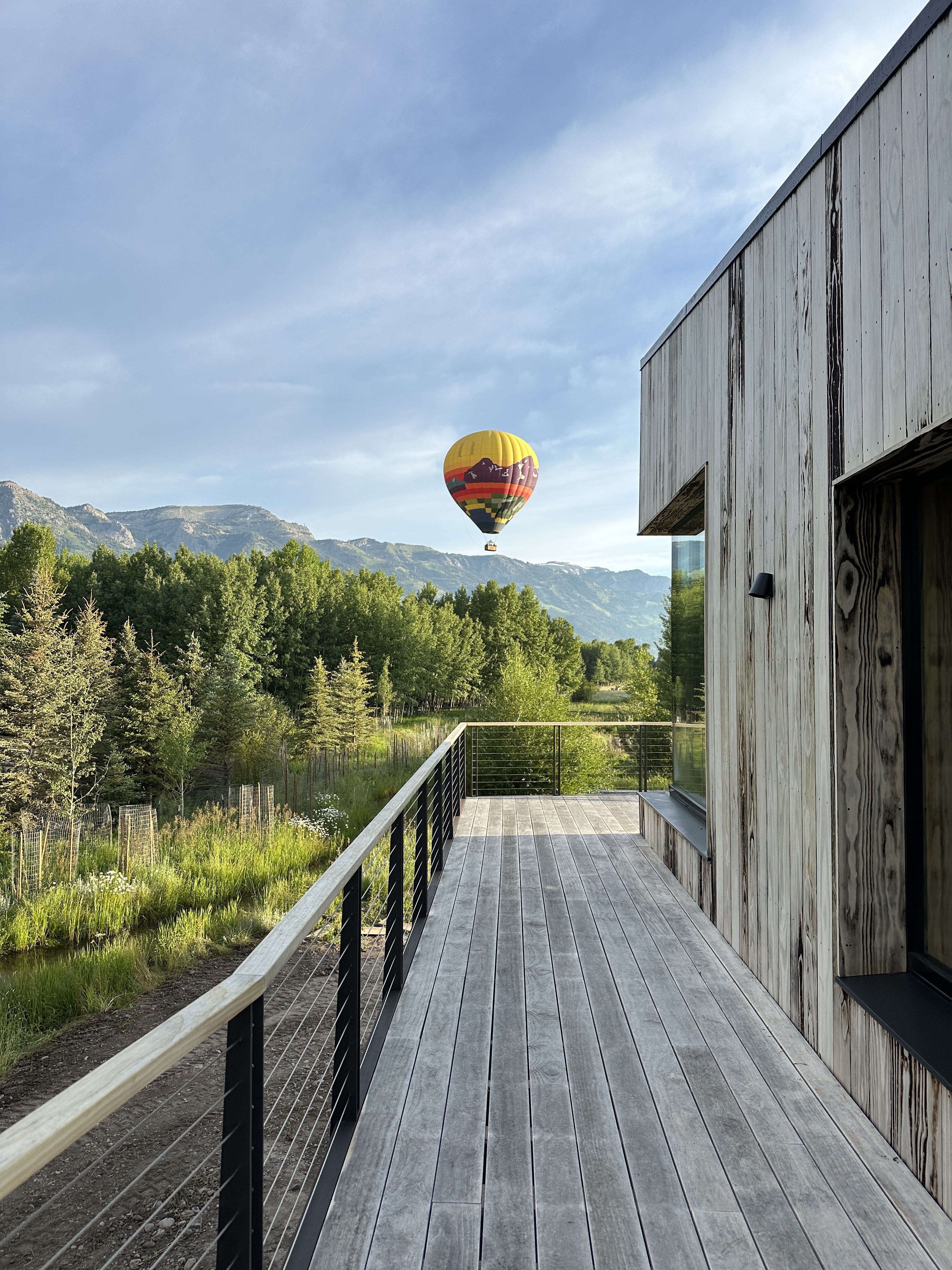
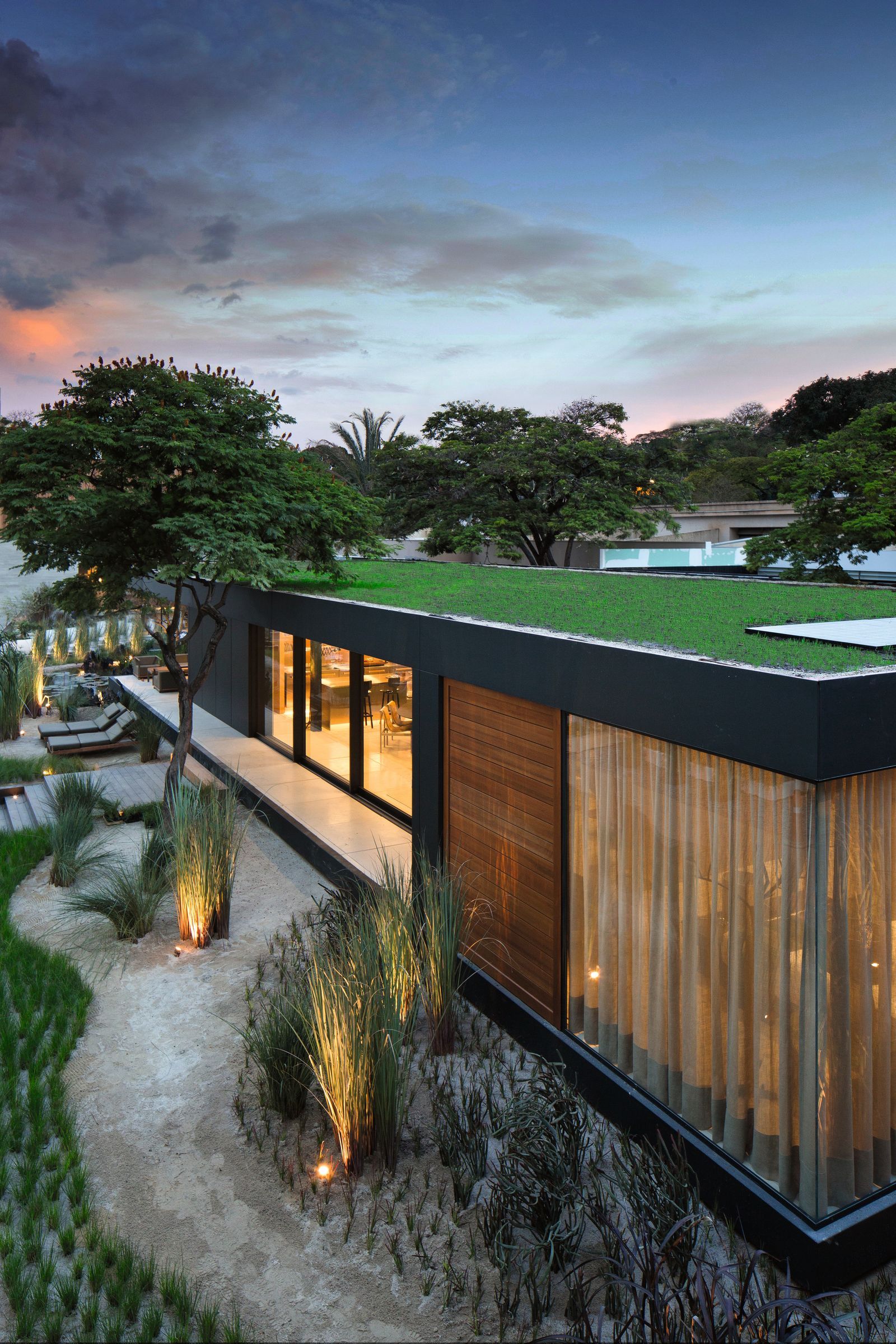
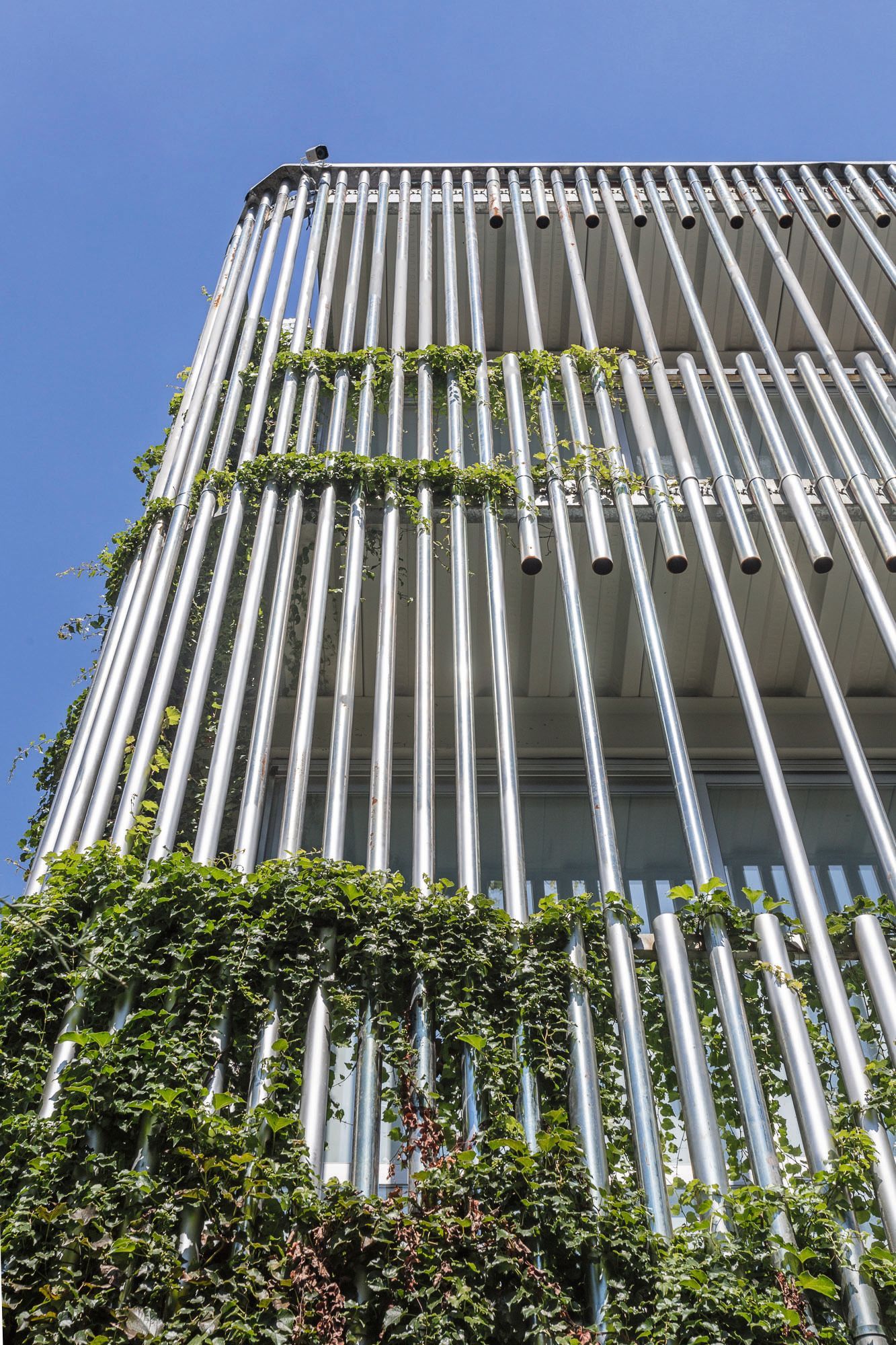
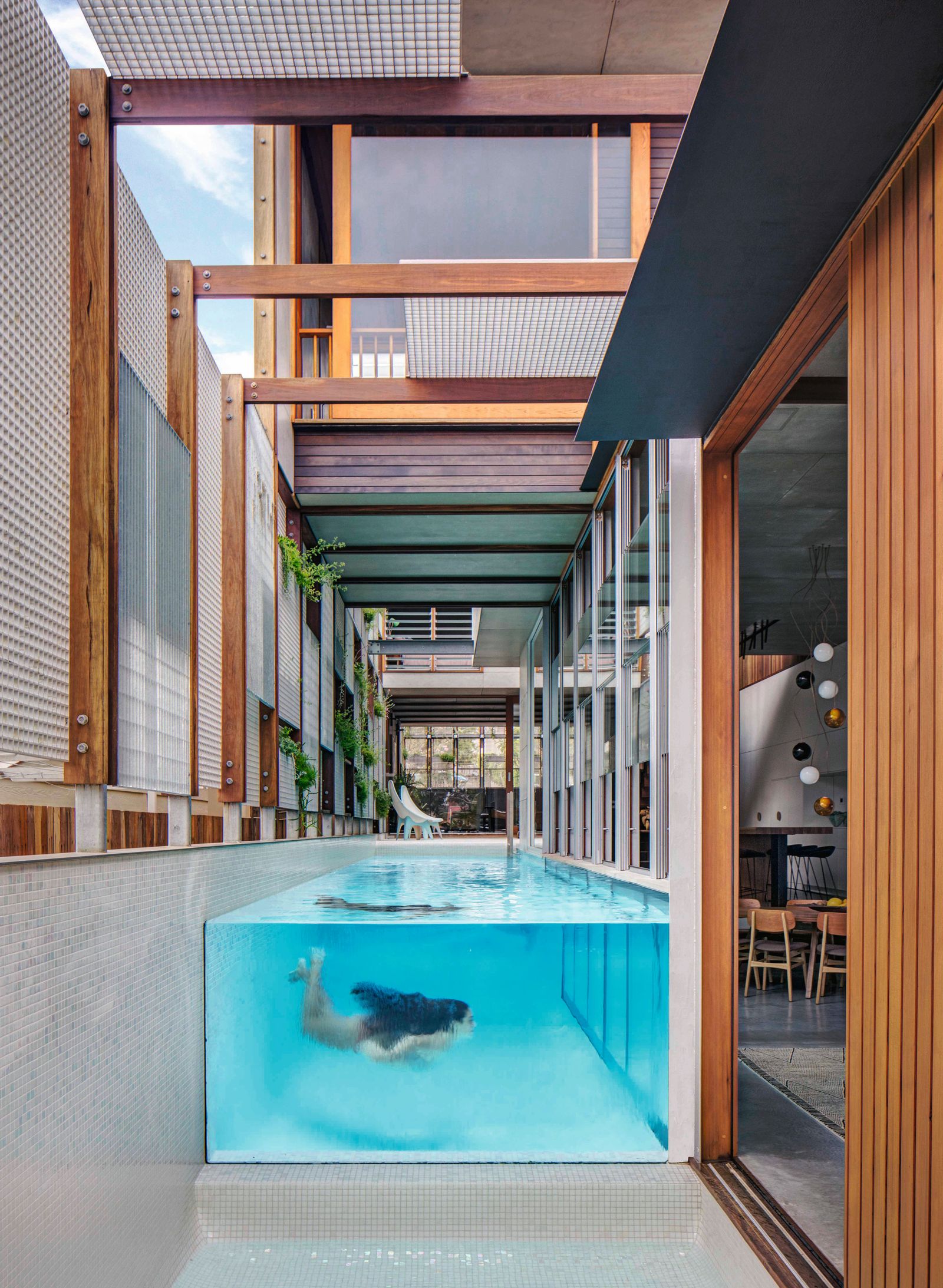
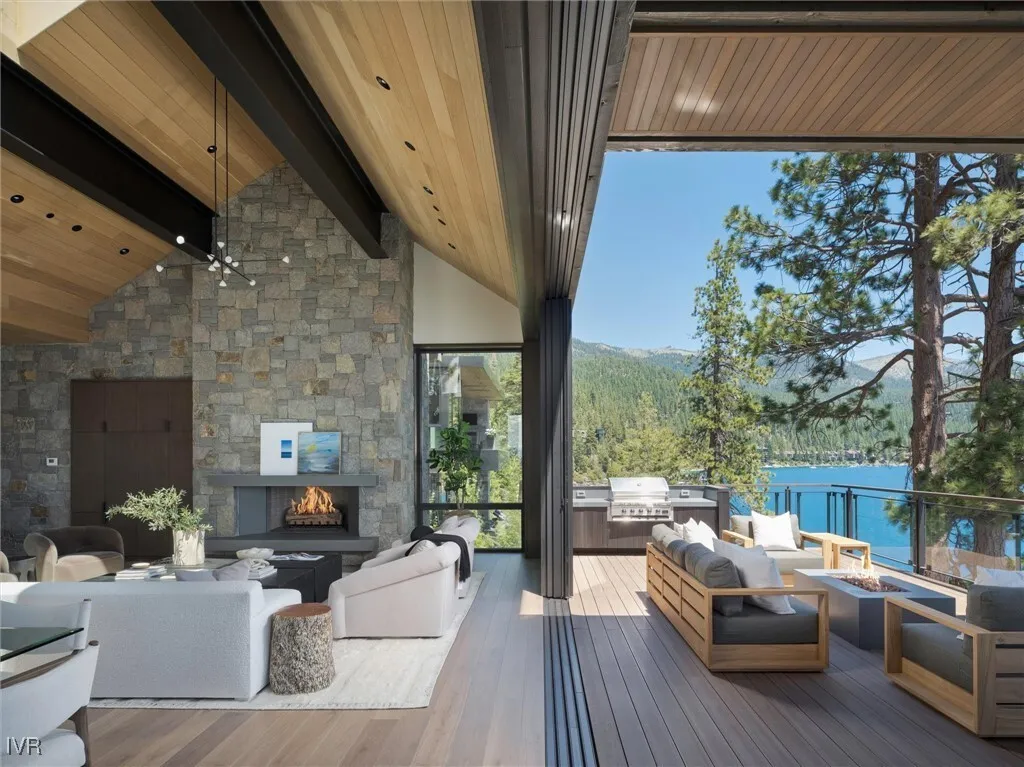
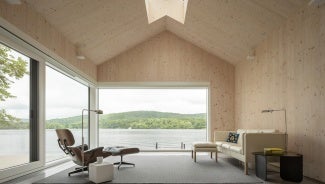
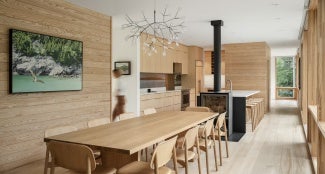
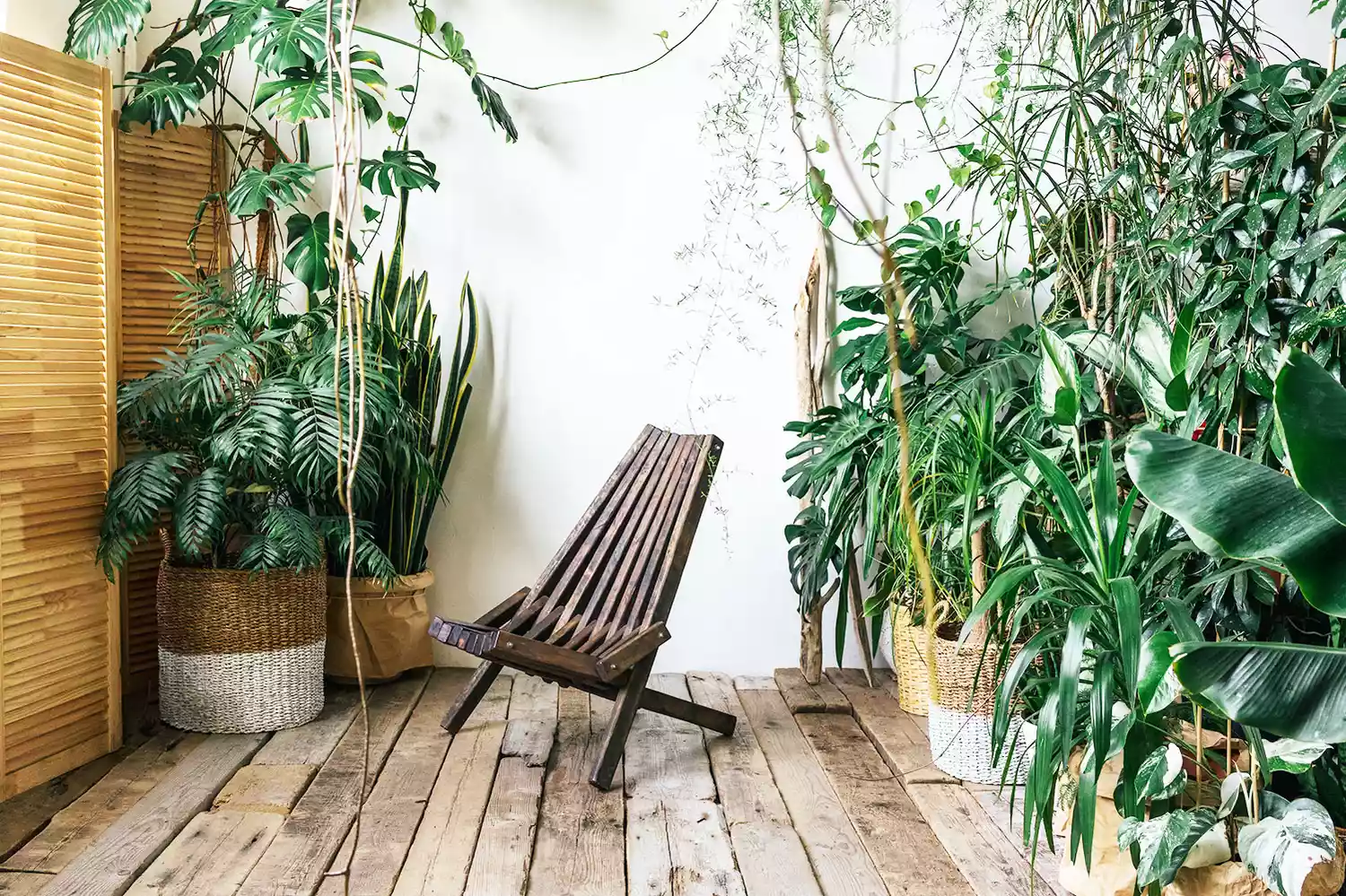
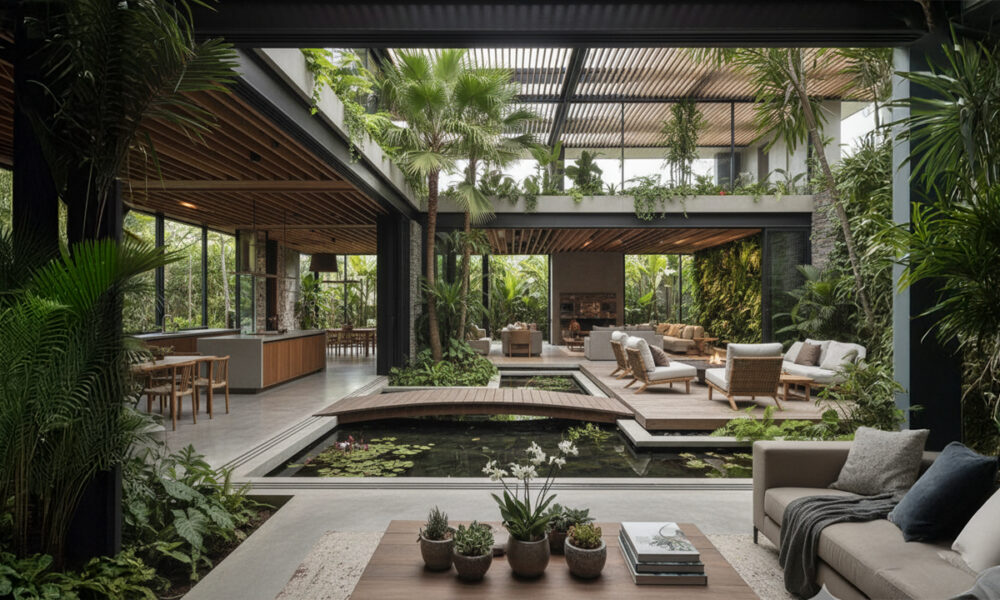
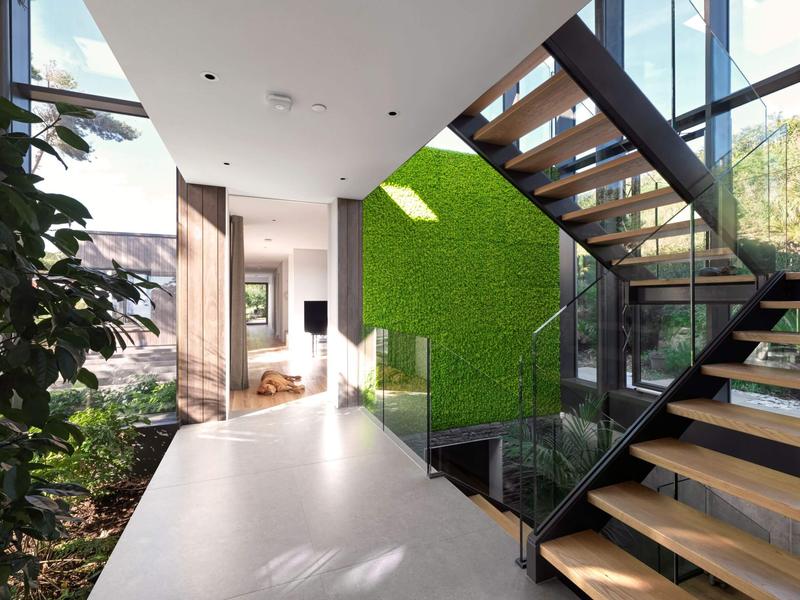
Biophilic design is gaining significant traction by integrating natural elements to bridge the gap between people and nature within their homes. This approach involves incorporating living walls, indoor plants, and maximizing natural light, which not only improves aesthetics but also promotes a healthier indoor environment by enhancing air quality. The use of natural materials such as bamboo, cork, straw, and wood is crucial in biophilic design, creating a natural experience that engages multiple senses. This trend emphasizes bringing the outdoors in, fostering a deeper connection to nature.
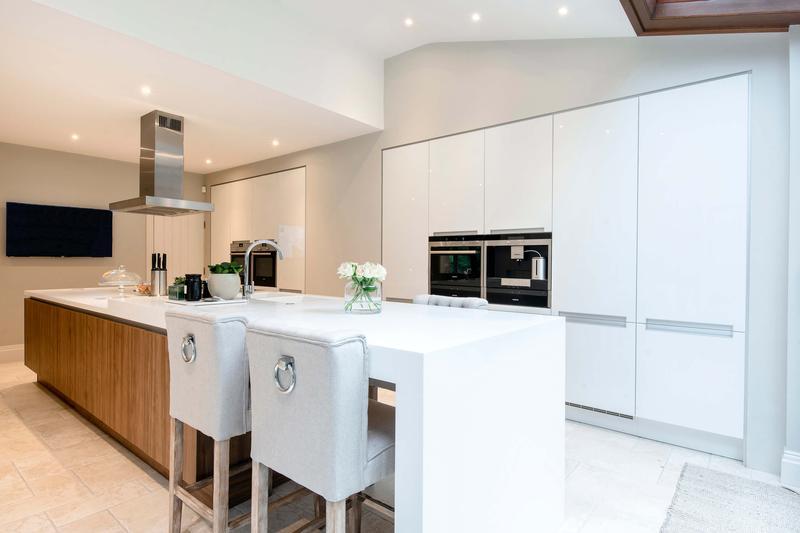
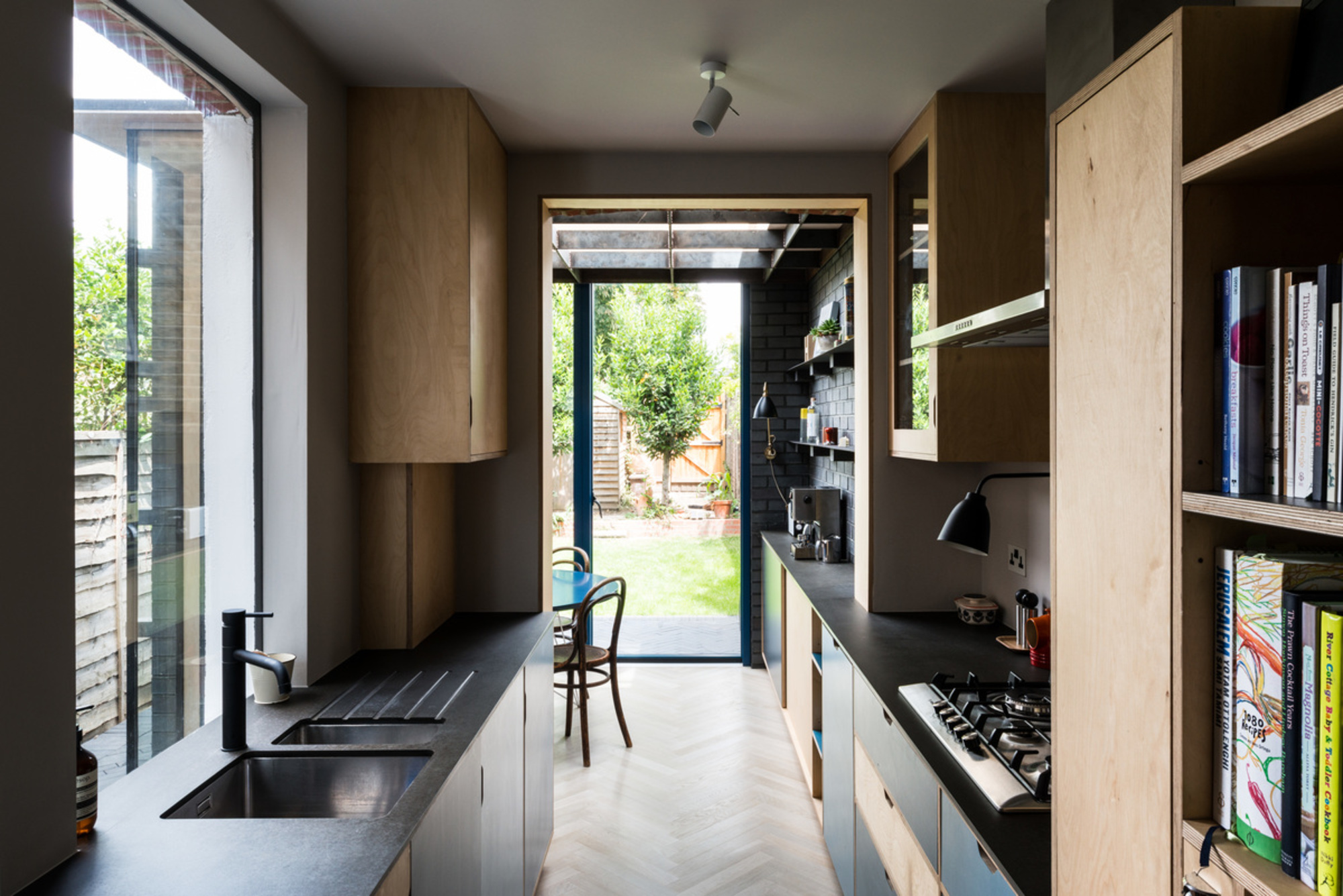
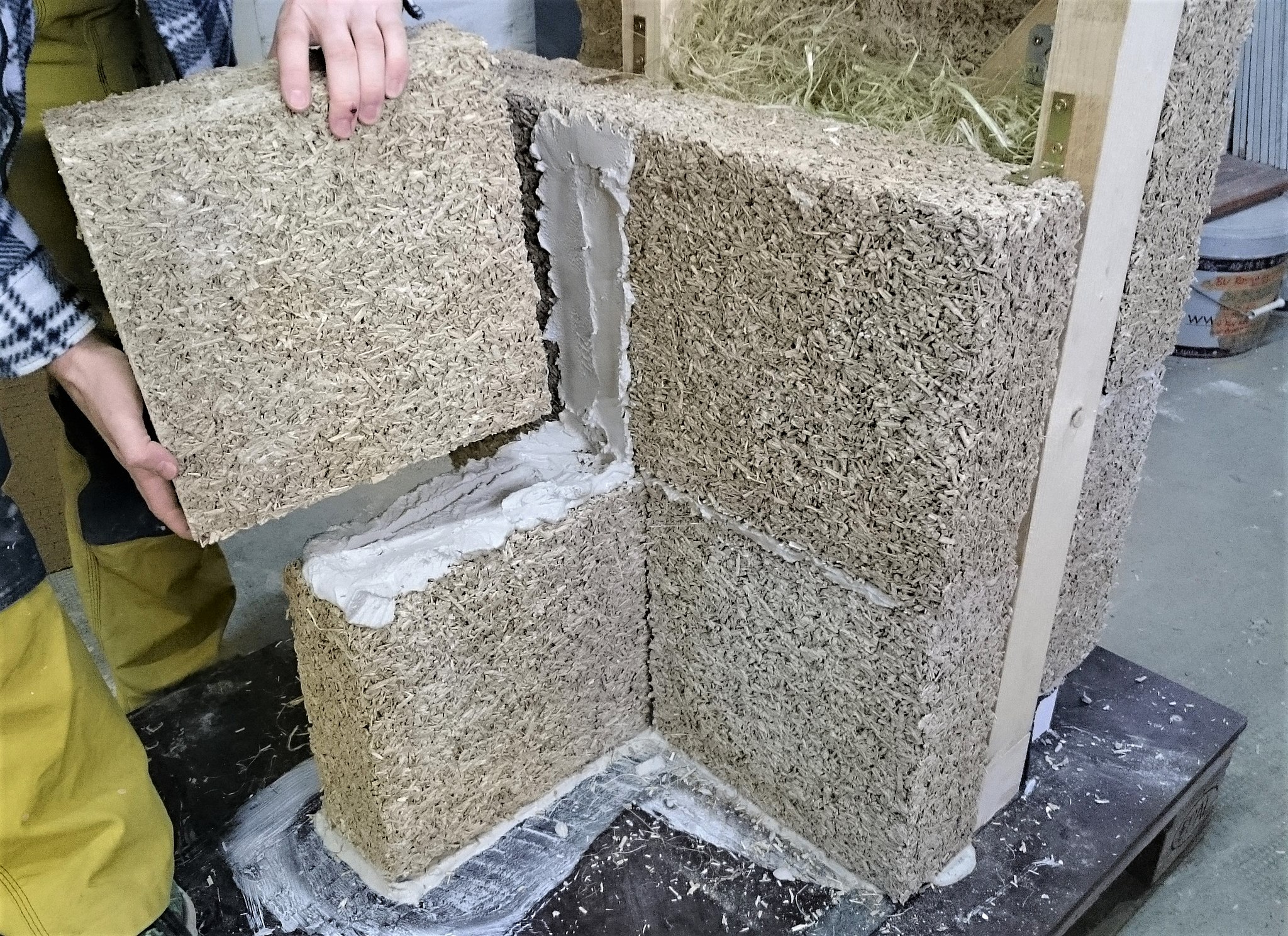
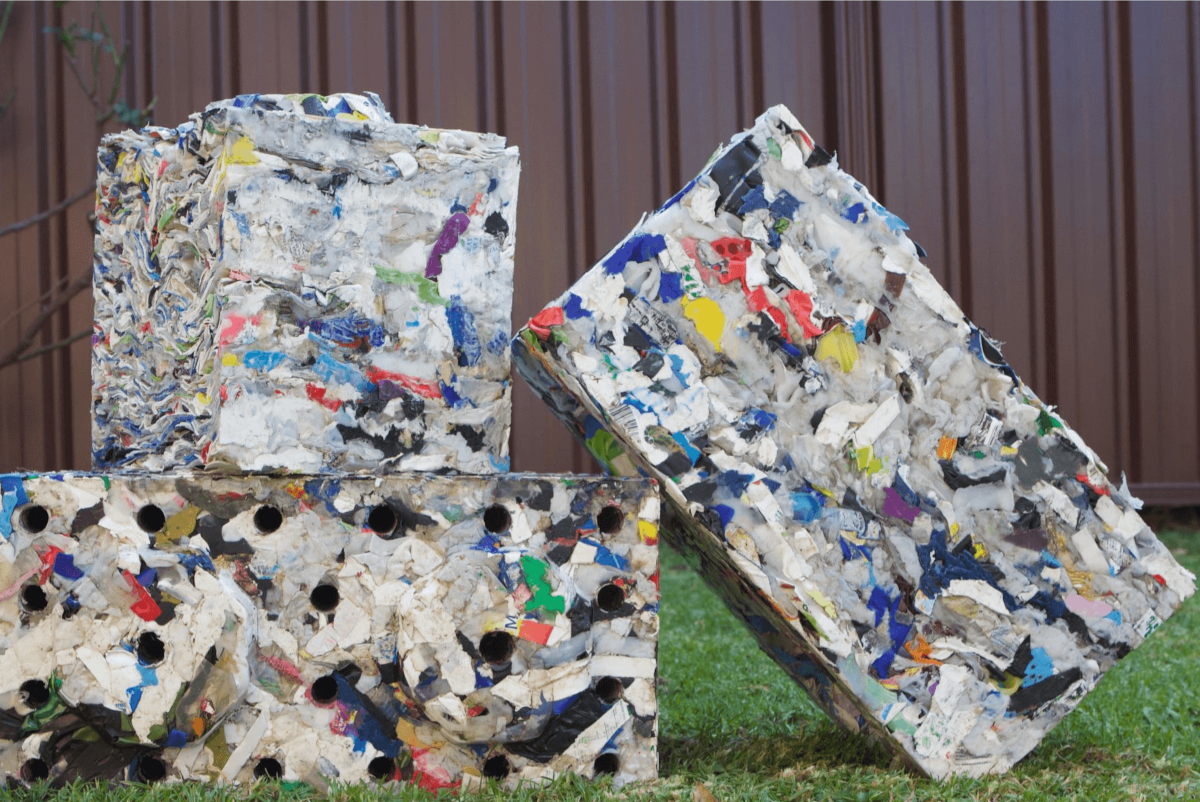
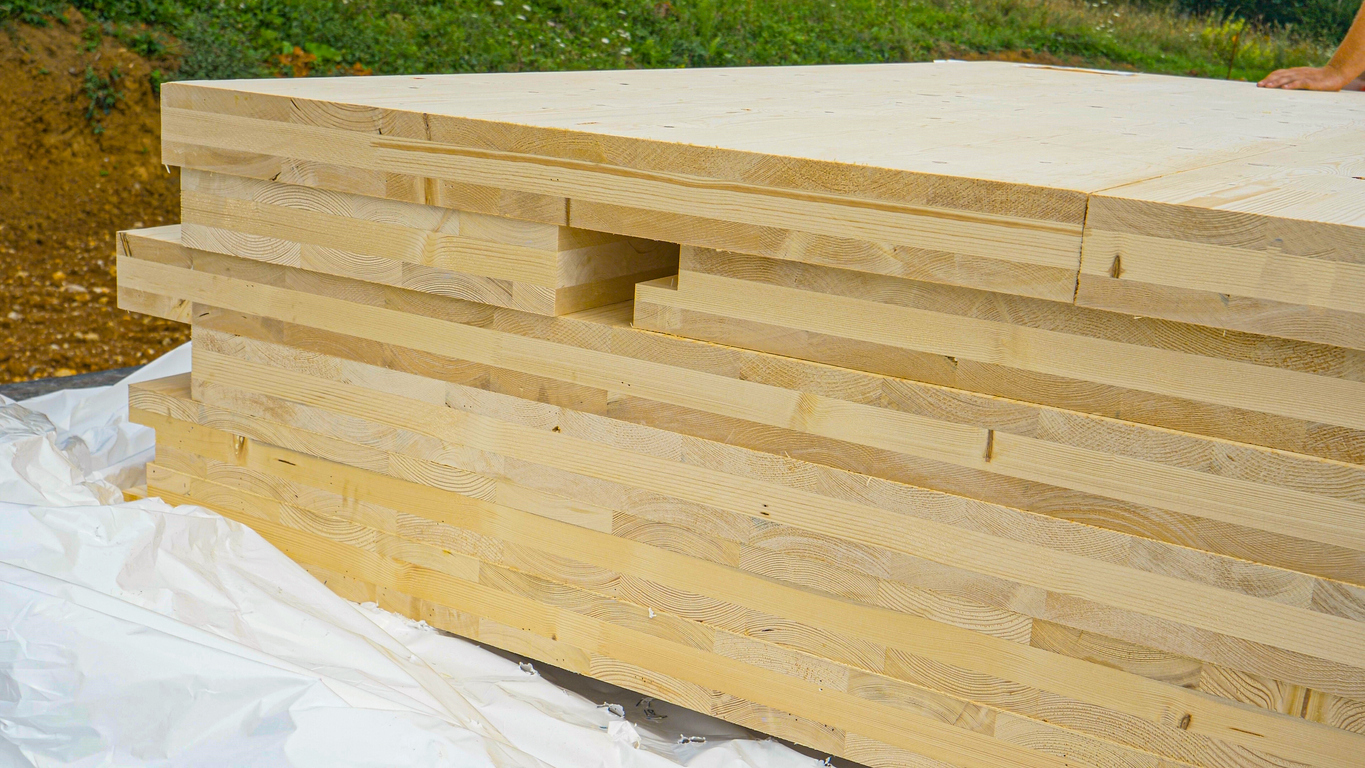
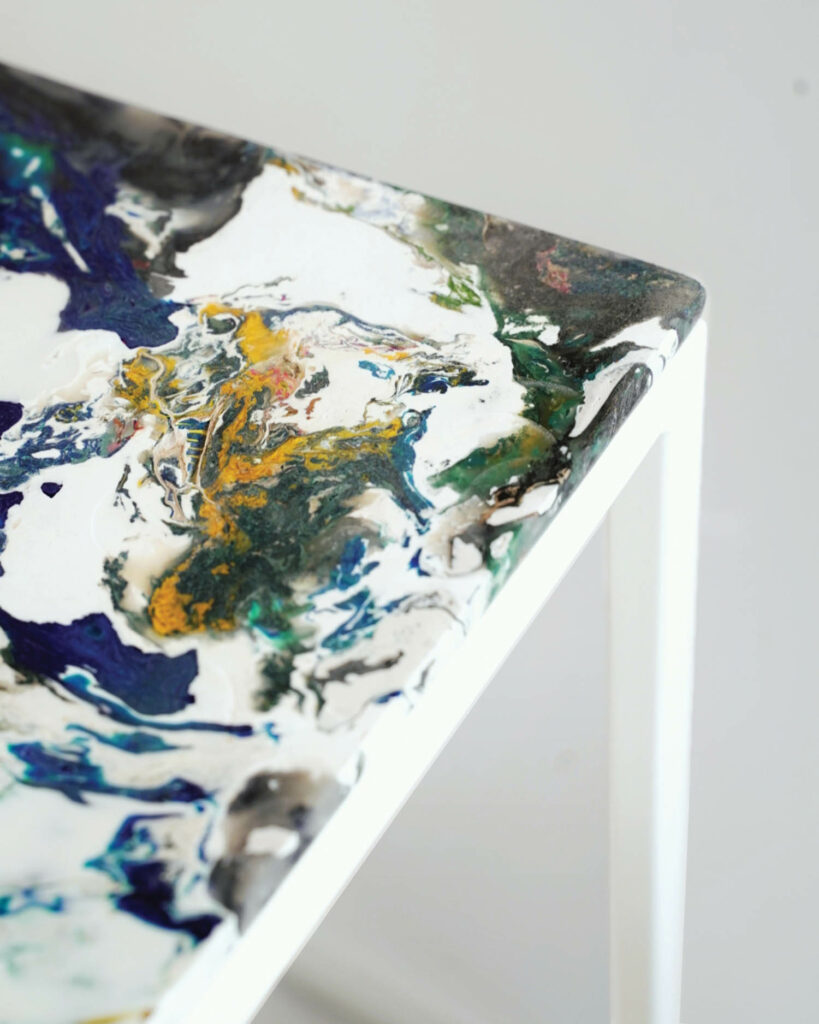
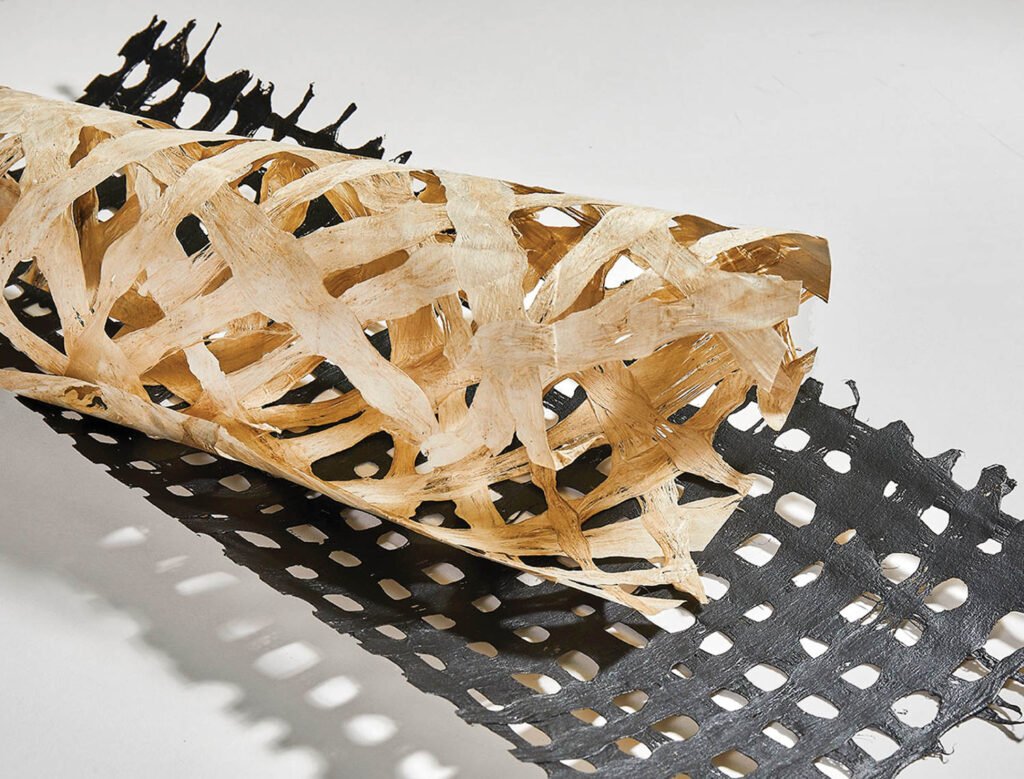
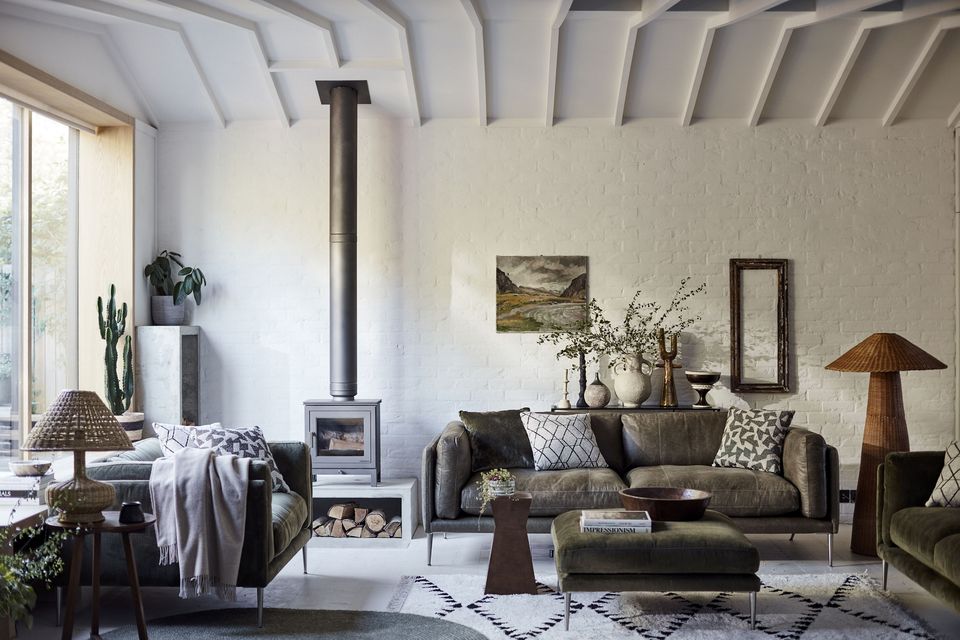
Sustainable materials are becoming prevalent across various home décor styles. Textiles like organic cotton, wool, and recycled fabrics are increasingly popular for upholstery, curtains, and bedding due to their low environmental impact and ethical sourcing. Renewable and recycled materials, including reclaimed wood, bamboo flooring, recycled glass countertops, and eco-friendly paints and finishes, are utilized to reduce environmental footprint while adding unique character to spaces. These natural materials are also noted for their durability and ease of maintenance, often outperforming synthetic alternatives in longevity and care.
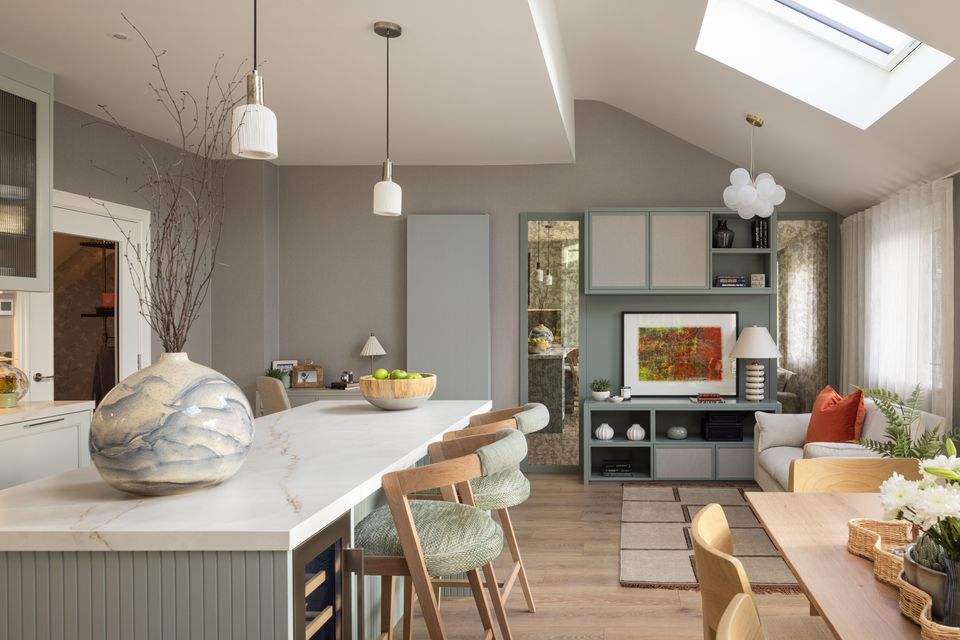
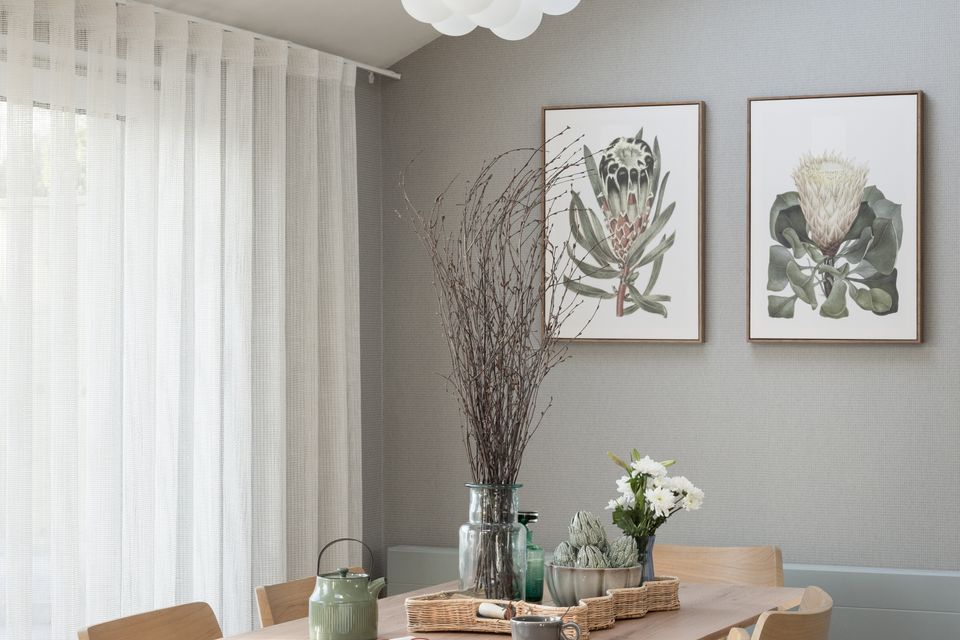
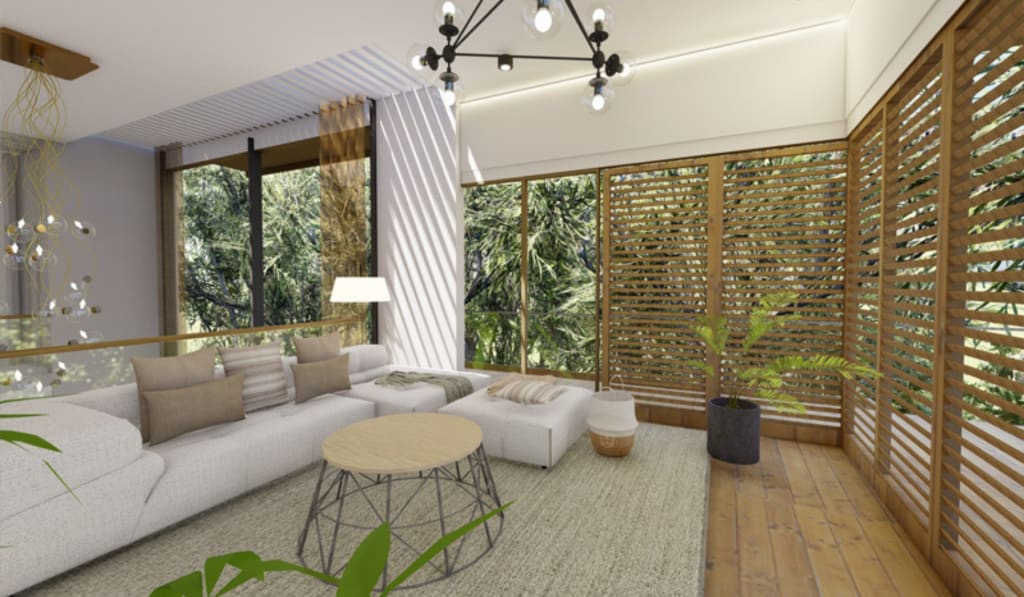
Smart window coverings contribute to energy efficiency by leveraging natural light. These coverings, equipped with remote or sensor-controlled functionality, optimize natural light and shading based on the time of day, season, and occupancy. This intelligent management reduces the need for artificial lighting and mechanical heating or cooling systems, leading to better energy efficiency, enhanced indoor comfort, and lower utility bills.
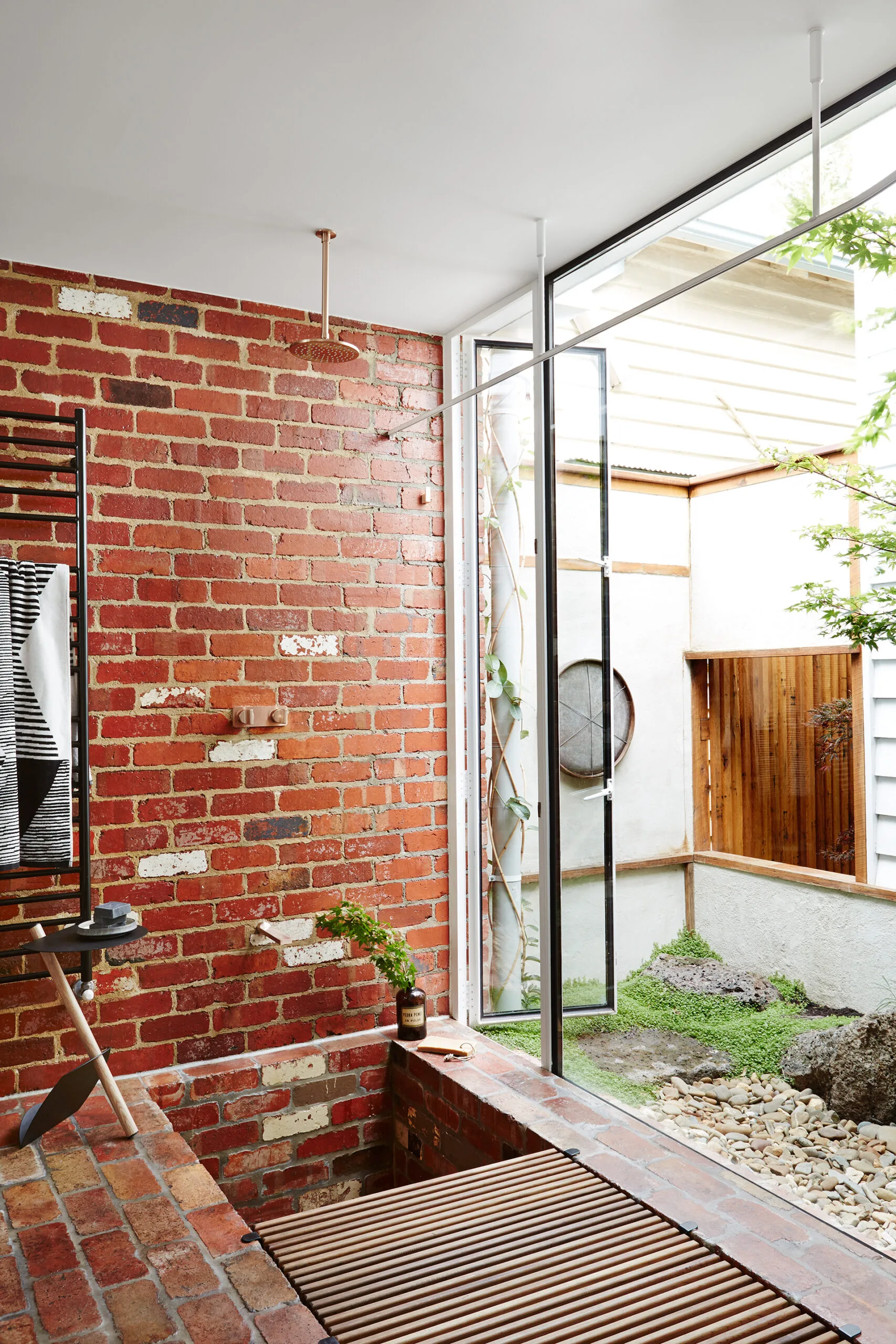
Adaptive reuse represents a growing trend where older structures are repurposed for new uses instead of constructing new homes from scratch. This practice involves utilizing existing buildings and materials, offering both practical and emotional benefits. Homeowners can save on permitting, septic, sewer, and utility setup costs by incorporating existing structures. Emotionally, retaining a part of the original structure's history can impart a sense of richness and establishment to the home.
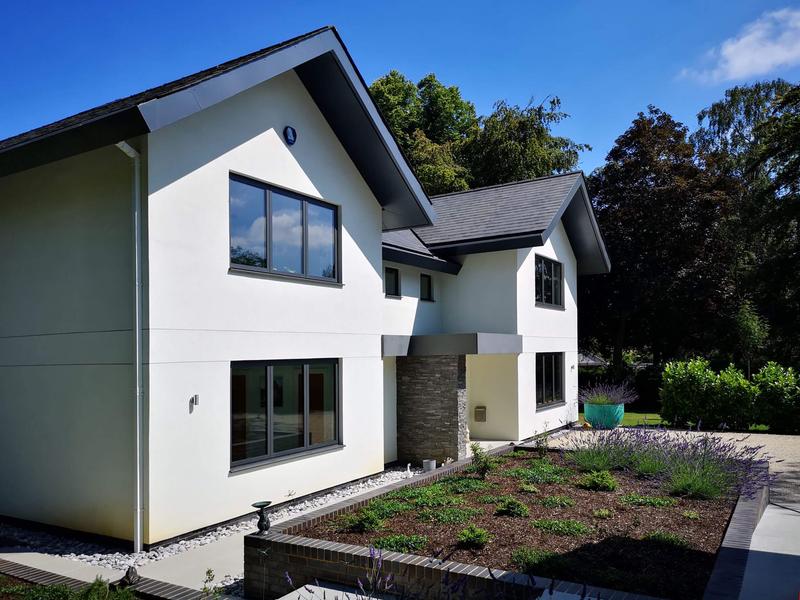
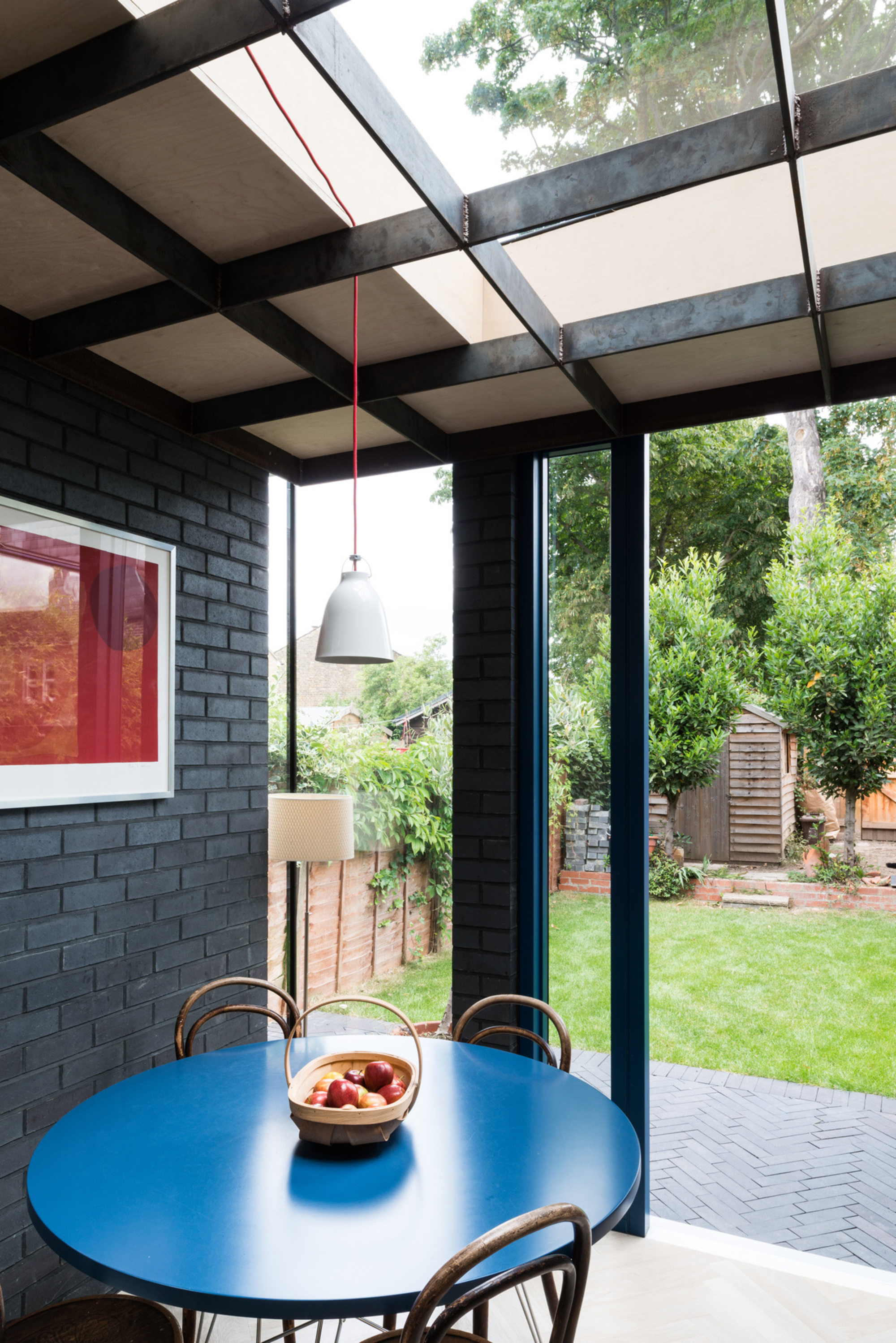
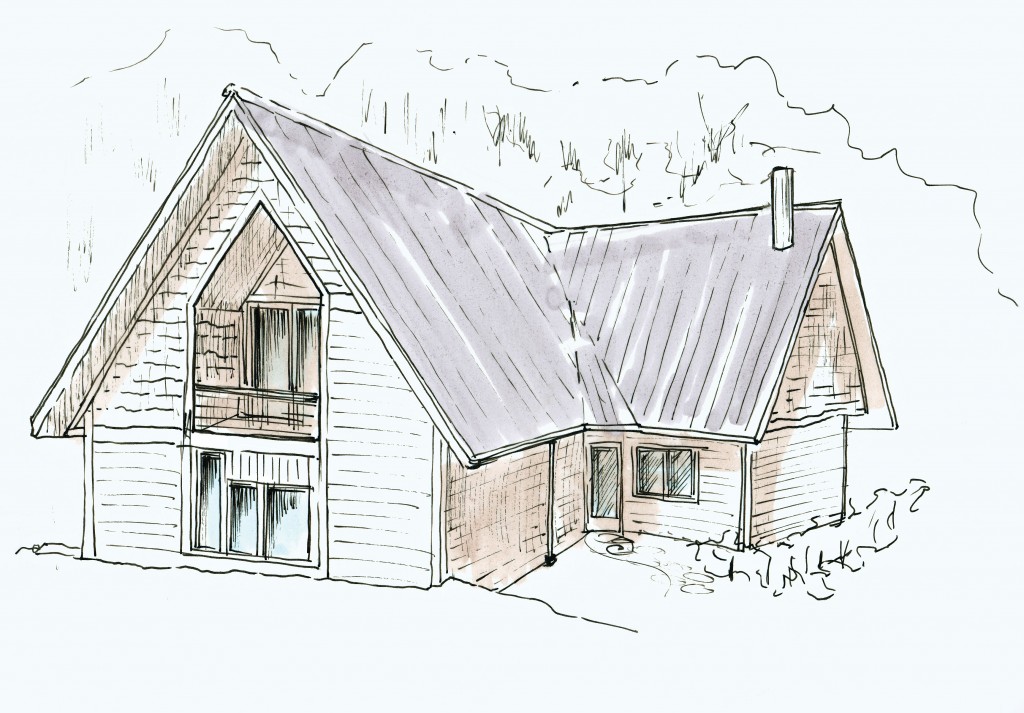
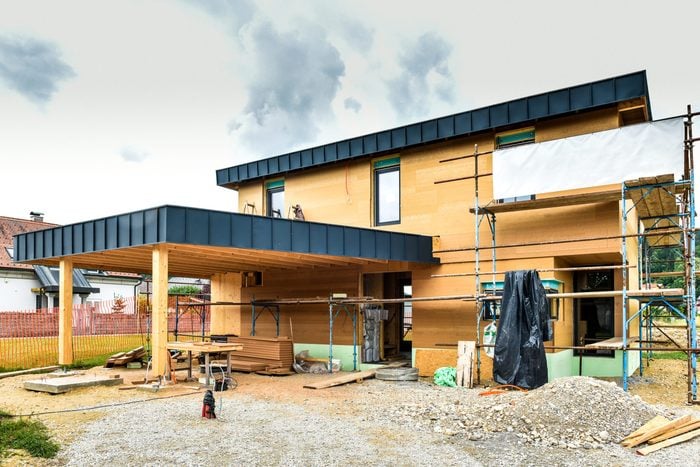
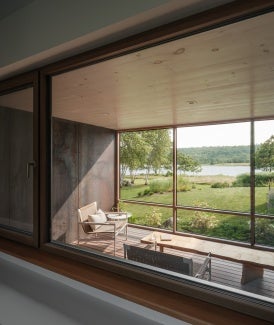
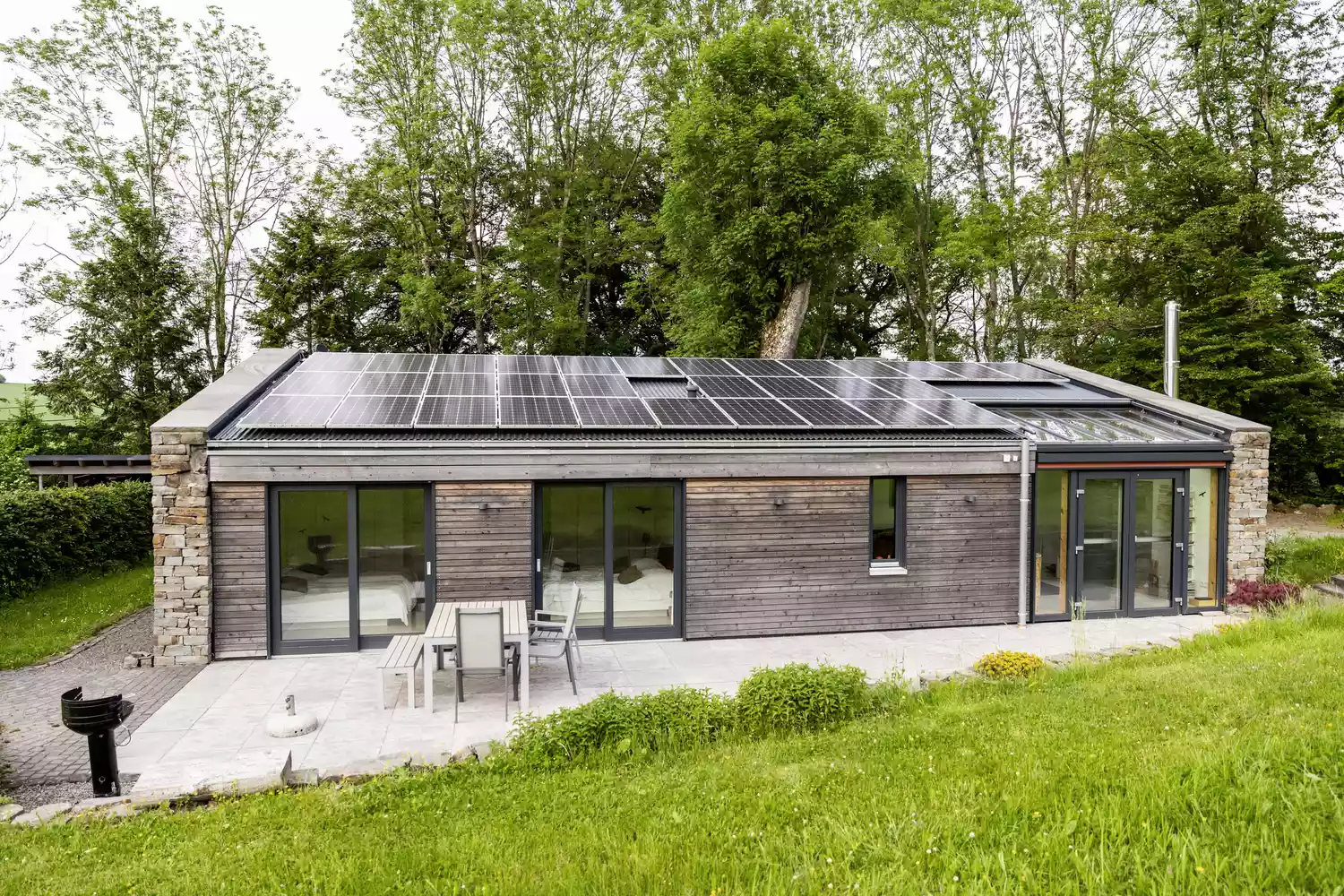
Passive design strategies are effective in achieving efficiency and reducing environmental impact through inherent architectural features. Techniques such as strategic building orientation, proper insulation, and efficient window placement maximize natural heating, cooling, and ventilation. This minimizes reliance on mechanical systems and significantly lowers energy consumption. The thoughtful redesign and repositioning of windows, often combined with biophilic principles, enhance both sustainability and aesthetic appeal, providing natural light and an outdoor connection.
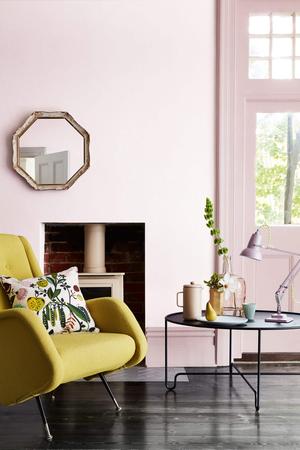
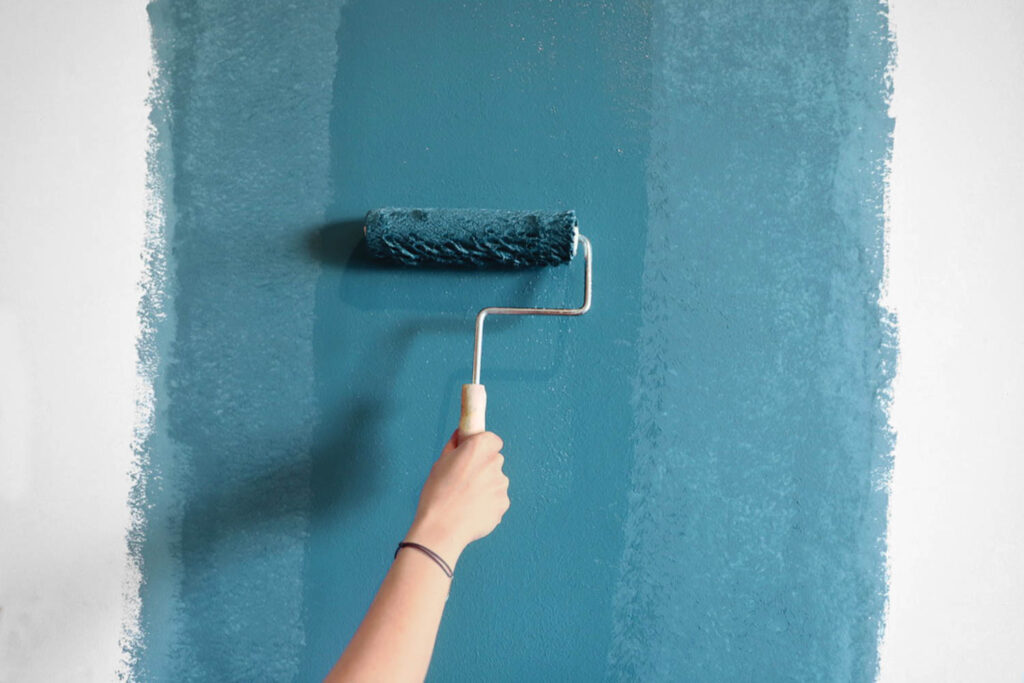
Low-VOC (volatile organic compounds) and natural paints are increasingly favored for their positive impact on indoor air quality and reduced environmental harm compared to traditional paints. VOCs, commonly found in household products, are detrimental to the environment, making the shift towards safer paint options a critical sustainability trend. These paints are steadily becoming the norm in home design.
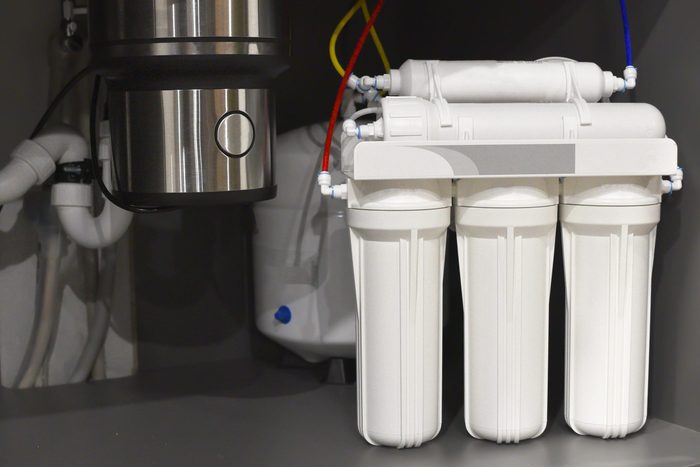
Water conservation features are being integrated into home design to address environmental concerns. This includes installing water-saving fixtures like low-flow faucets and toilets, implementing rainwater harvesting systems, and designing landscapes with drought-tolerant plants and permeable surfaces. Such measures help conserve water resources, promote sustainable water management, and can lead to financial savings on water bills and landscaping costs.
#SustainableDesign #HomeRenovation #EcoFriendlyHome #BiophilicDesign #SustainableMaterials #SmartTechnology #AdaptiveReuse #PassiveDesign #WaterConservation #SustainableDesign #HomeRenovation #EcoFriendlyHome #BiophilicDesign #SustainableMaterials #SmartTechnology #AdaptiveReuse #PassiveDesign #WaterConservation
0 comment in total
 No comments yet
You may also like
7 sustainable homes with style

Sustainable Home Décor: Eco-Friendly Interior Design Trends to Watch

7 breathtaking sustainable homes around the world

A Guide to Sustainable Design
How to Make Your Home More Sustainable, According to Design Experts

5 sustainable home solutions that won’t cramp your style
Top Home Design Trends in 2025 for Modern Living

Hottest Home Trends in 2025

12 Ways To Create a More Sustainable Home

The top 7 sustainable interior design creators

7 Innovative Home Decor Items With Sustainable Origins

How residential design offers opportunities for sustainability
Sustainable home decor: Eco-friendly interior design trends to watch

10 Sustainable Homes That Prove Interior Design Can Be Just as Easy on the Eye as It Is on the Earth

Sustainable Homes
Interiors: Why home design is getting smart, sustainable and health conscious
10 ways to make your home more sustainable
10 Innovative Materials Poised to Make Home Building More Sustainable

These 10 Sustainable Home Technologies Will Change the Way We Live
Want an Eco-Friendly Home? Everything You Should Know About Sustainable Architecture