1/4
Sustainable Home Décor: Eco-Friendly Interior Design Trends to Watch
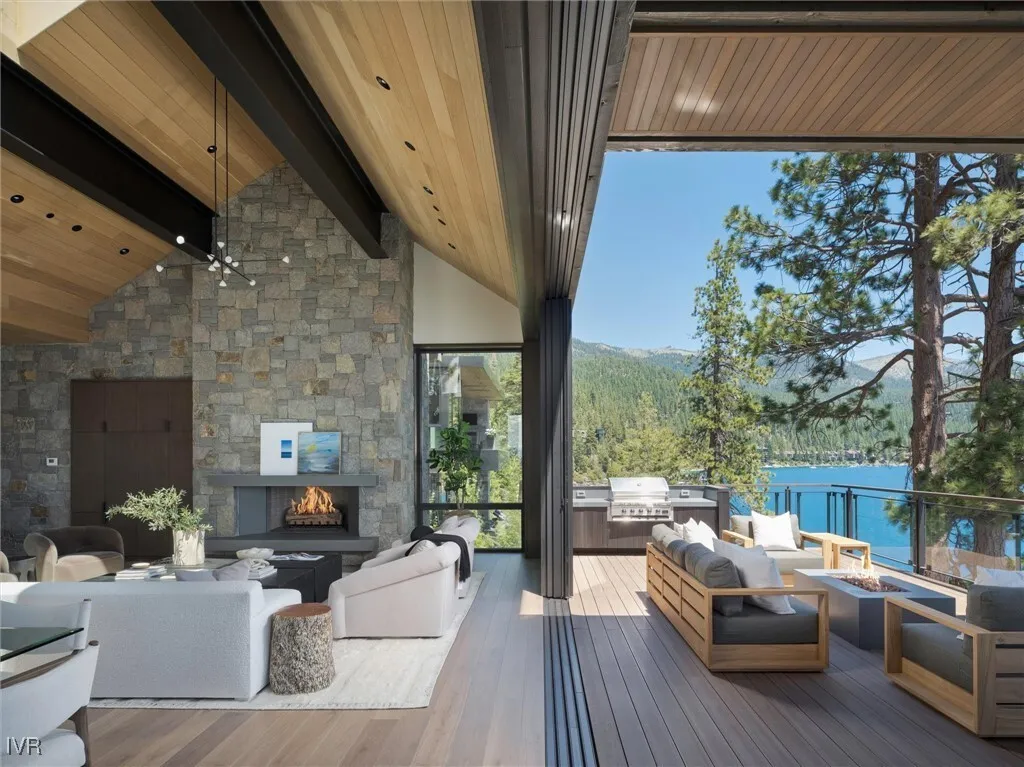
The approach to designing living spaces has evolved to prioritize sustainability, moving beyond mere aesthetics to encompass environmental responsibility. This shift reflects a growing consumer consciousness that values not only the beauty of an interior but also the ethical and ecological implications of its creation. Eco-friendly interiors are increasingly seen as the new benchmark for luxury, integrating innovative design with accountability towards the planet.
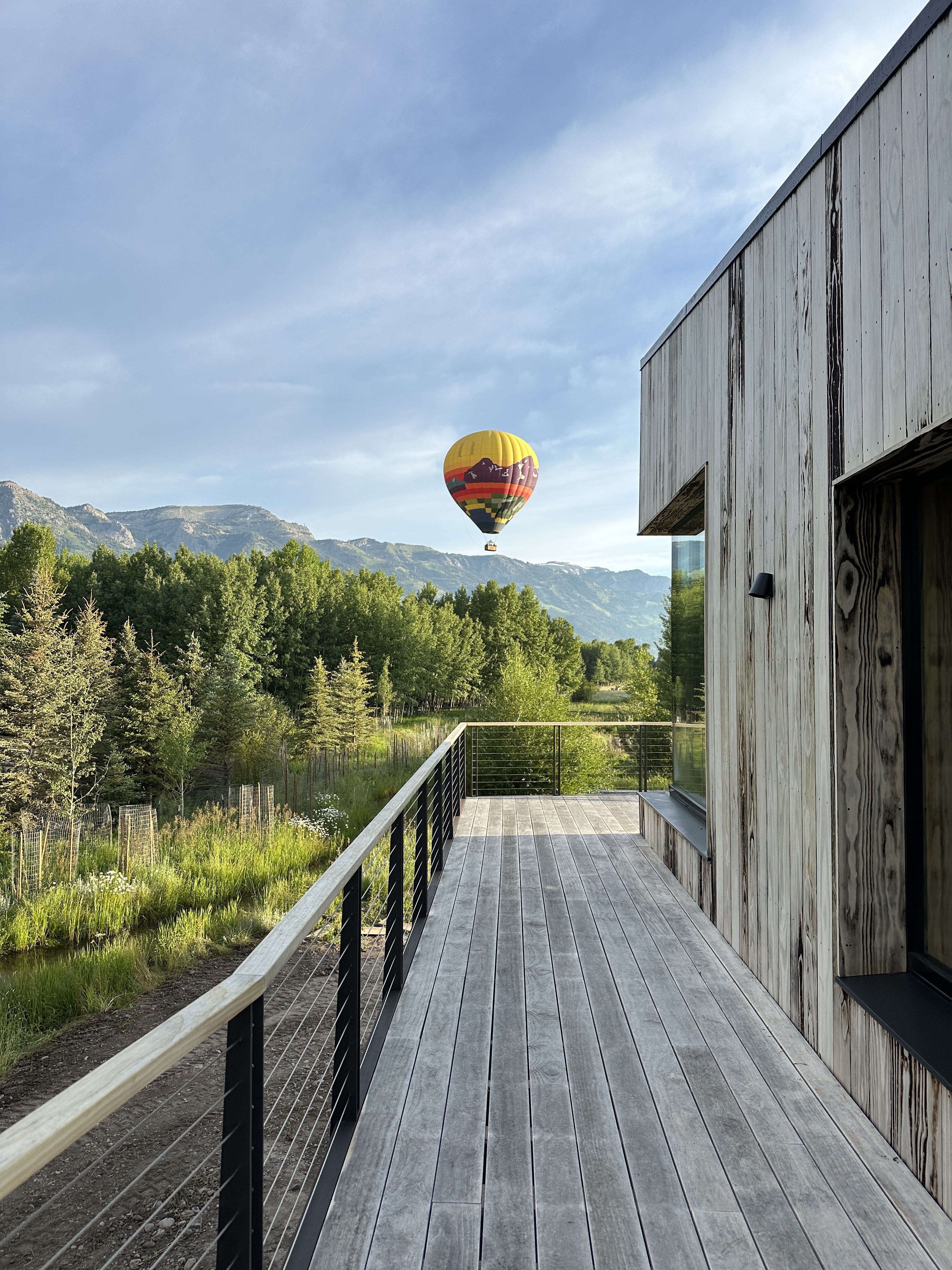
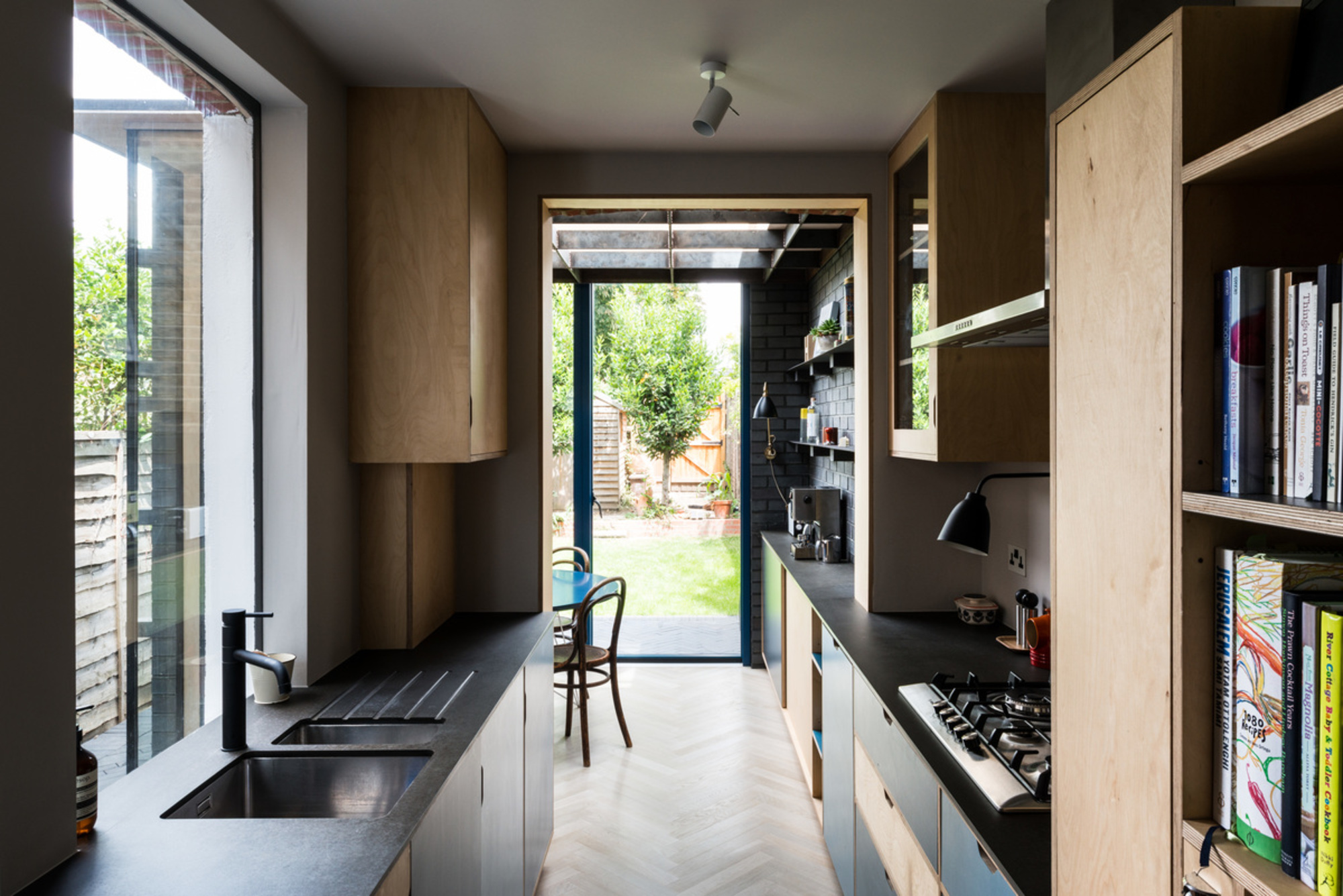
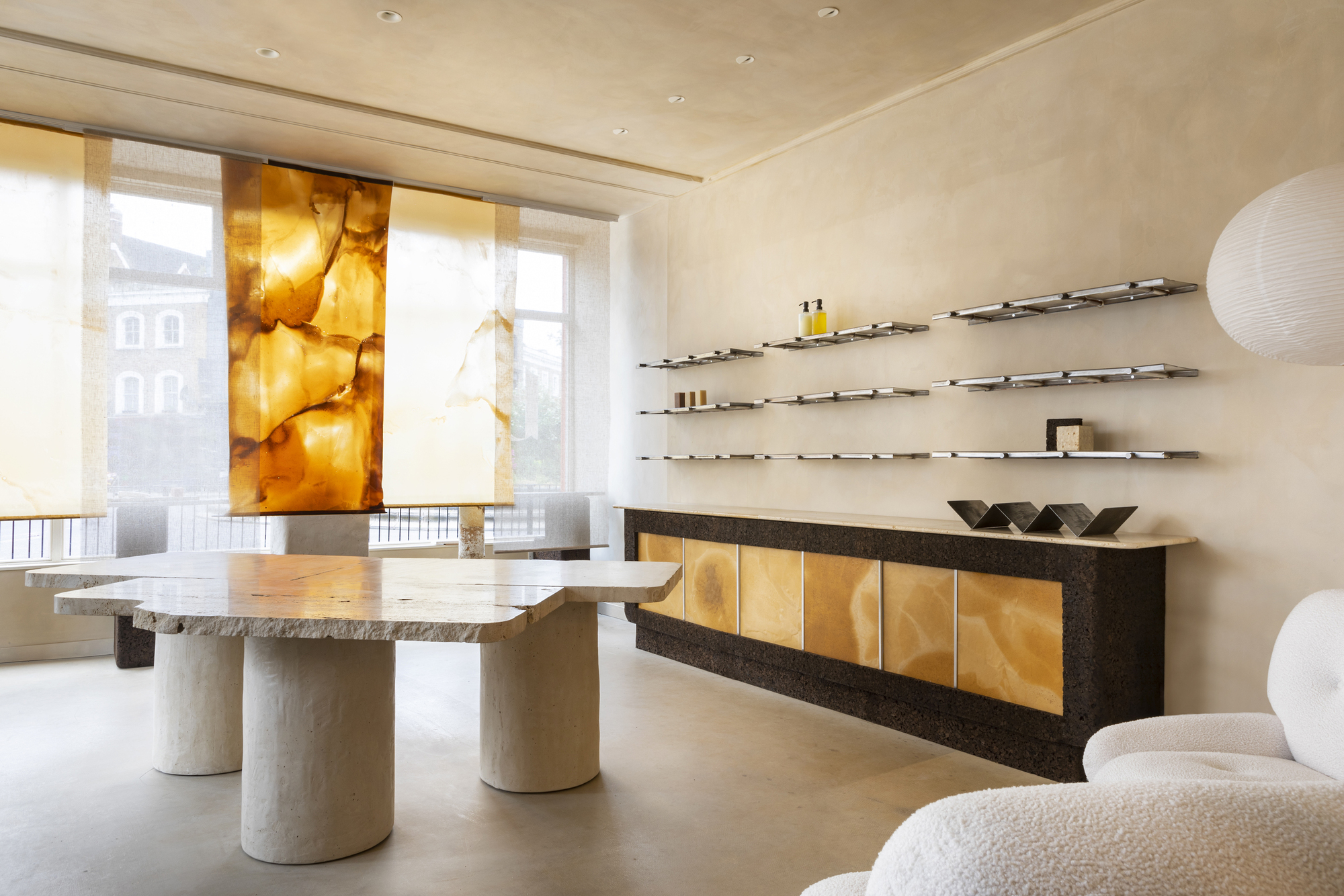
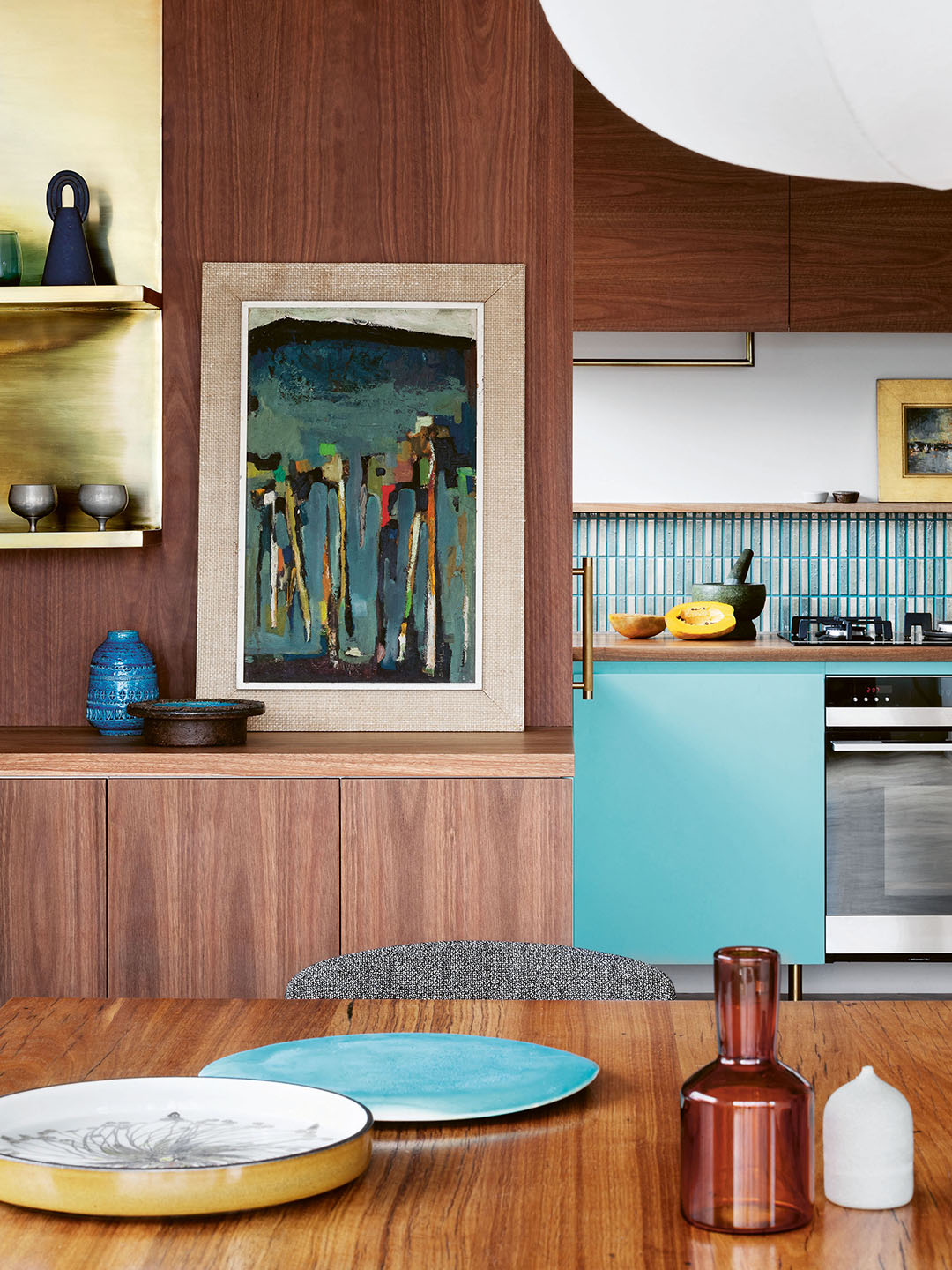
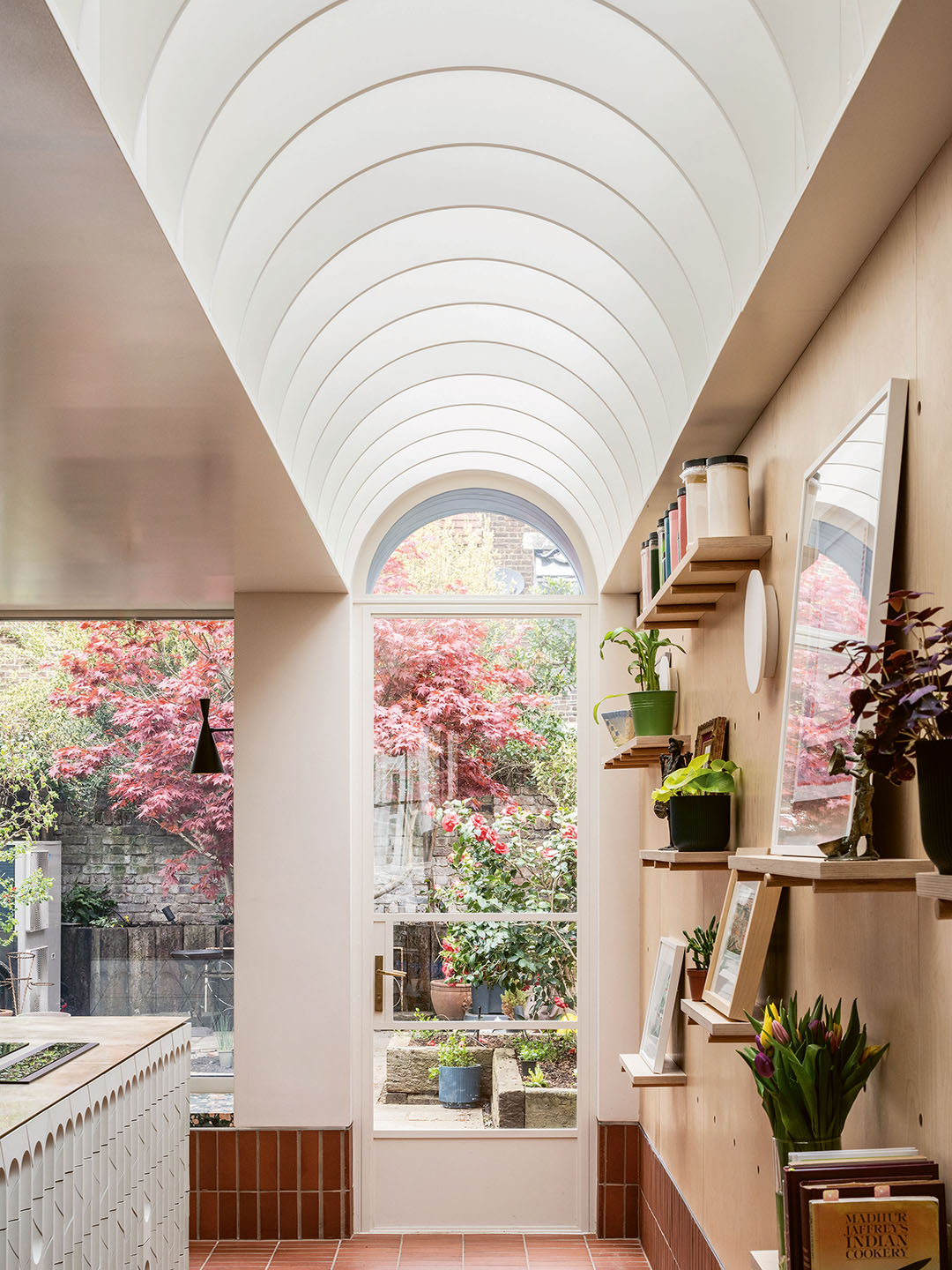
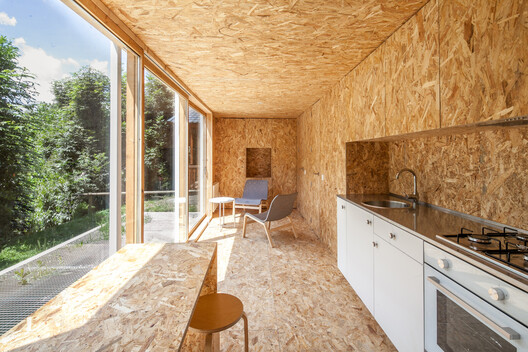
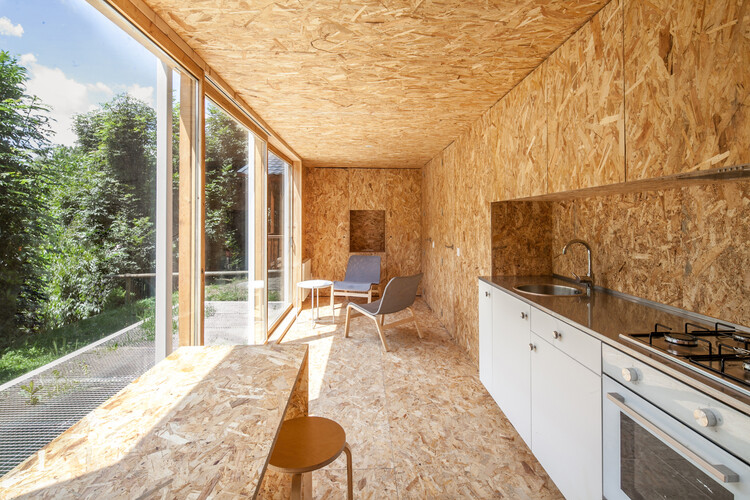
A key trend for 2025 and beyond is the focus on carbon-conscious materials. This involves a move away from vague 'natural' claims towards materials accompanied by transparent life-cycle data and carbon-footprint certifications. Examples include reclaimed timber, FSC-certified plywood, and low-carbon concrete, all chosen for their measurable contribution to emissions reduction. Alongside this, circular furniture design is becoming standard, emphasizing products that can be repaired, disassembled, and reused. This approach transforms ownership into a lasting legacy, with homeowners opting for modular sofas, detachable cabinetry, and surfaces designed for repolishing rather than replacement.
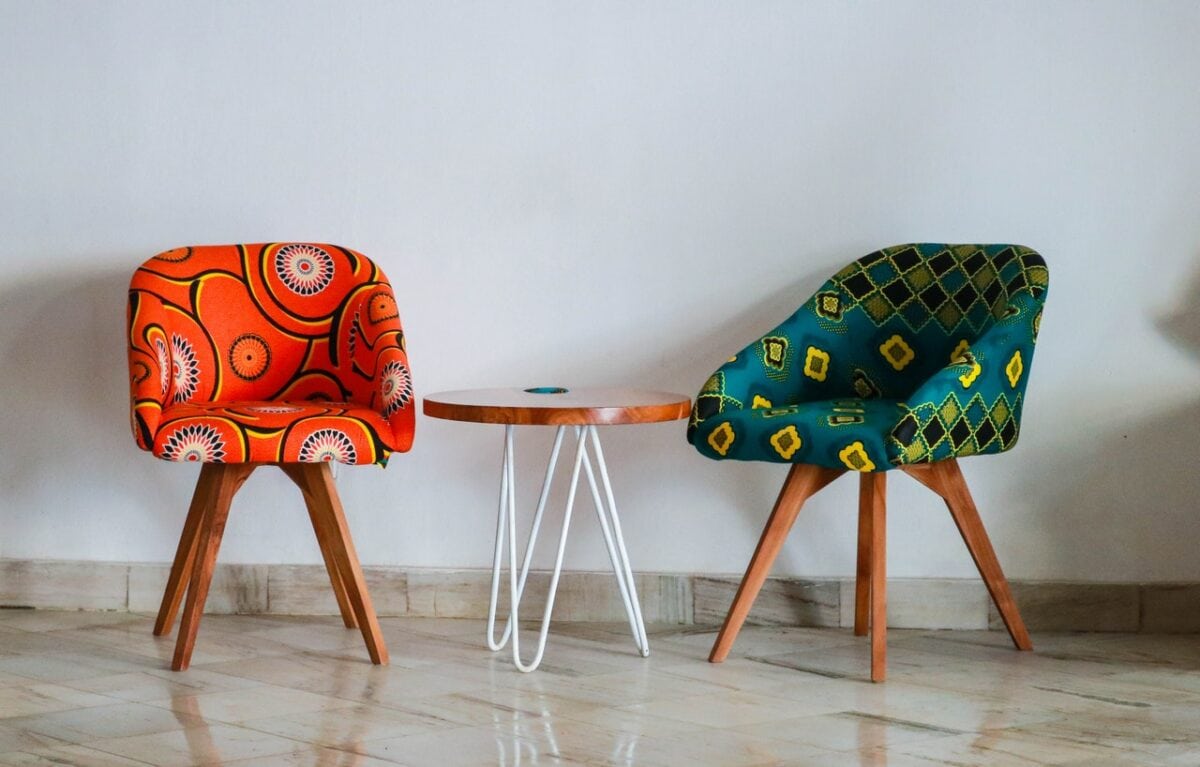
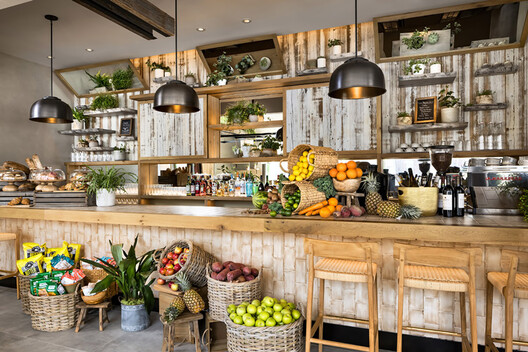
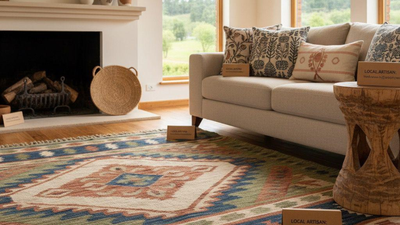
Local craft economies are also gaining prominence, offering both cultural richness and climate benefits. Sourcing from regional artisans reduces supply chain emissions and imbues interiors with authenticity through traditional techniques. The textile industry is undergoing a significant transformation, with a rise in regenerative textiles. These fabrics are made from fibers grown in soil-restoring conditions or produced using closed-loop dyeing systems, contributing to healthier homes and ecosystems. This represents an evolution from merely organic options to truly restorative materials.
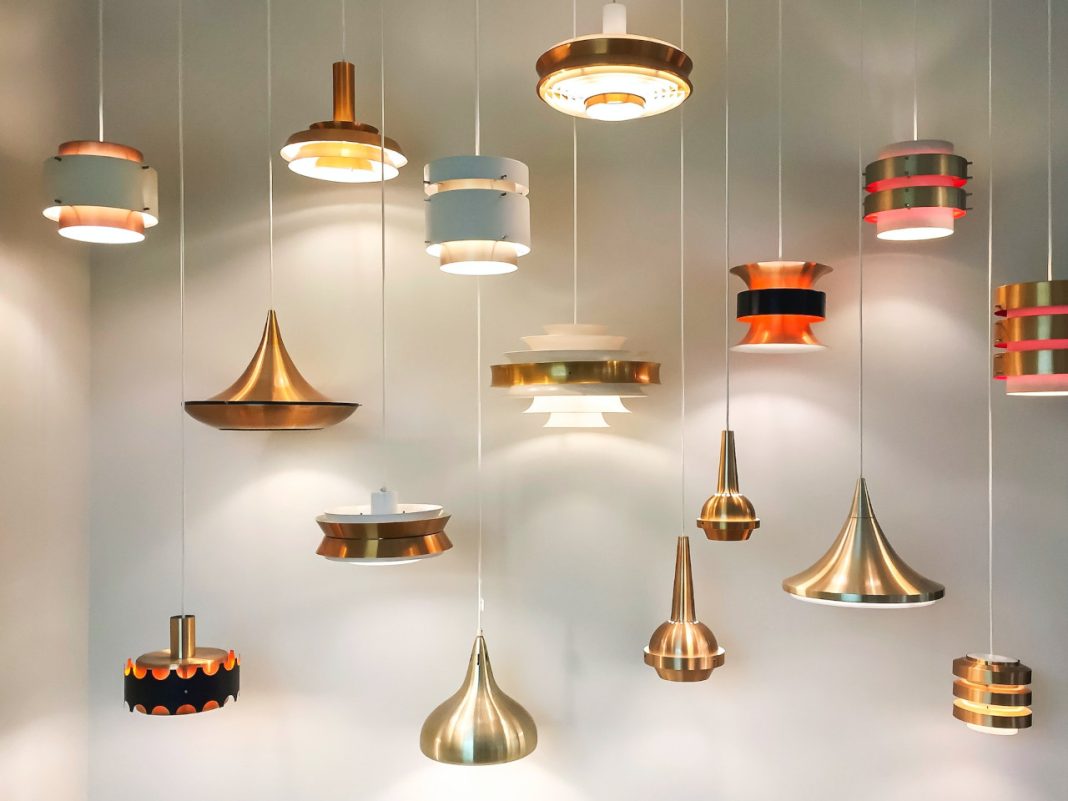
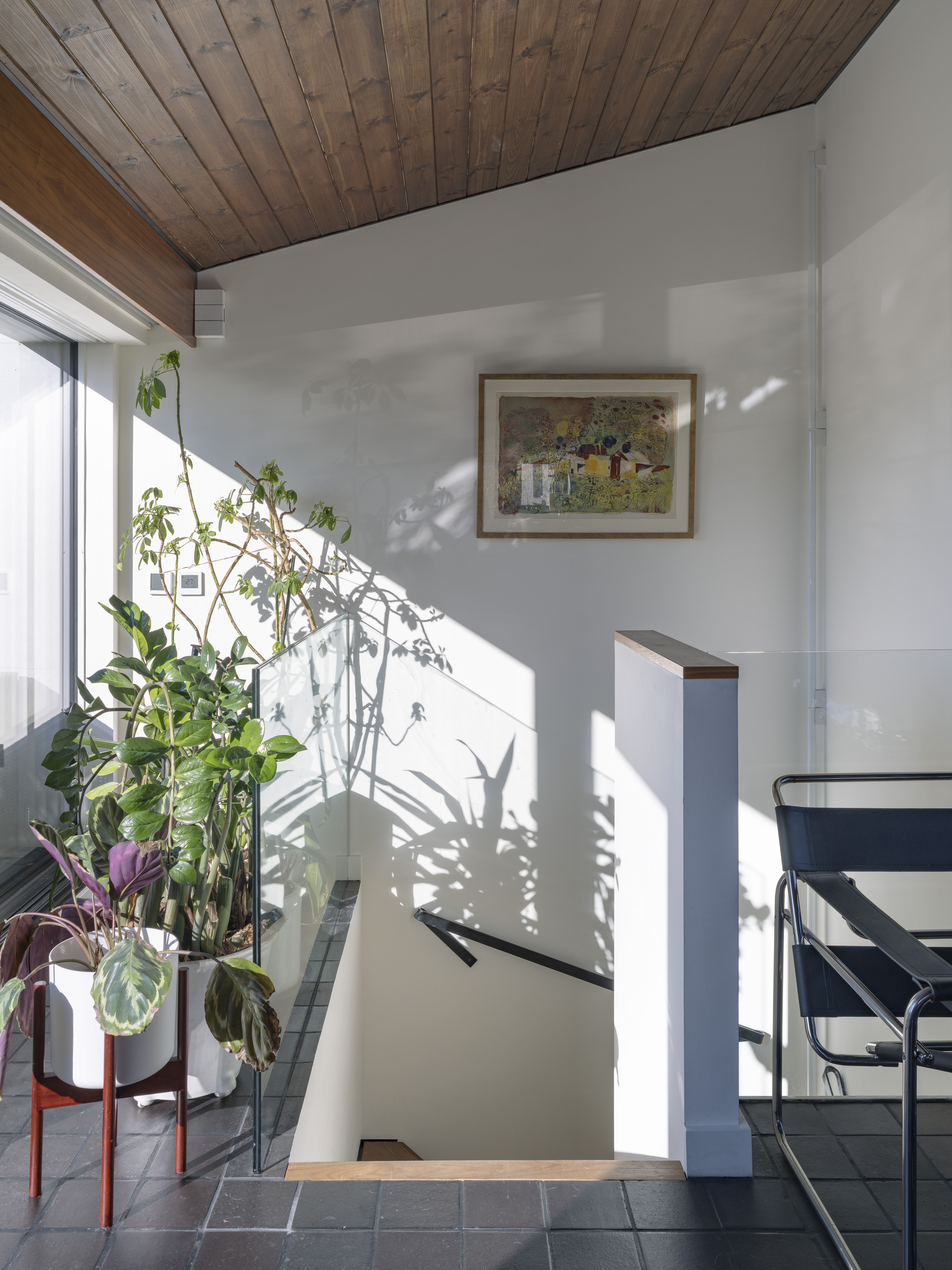
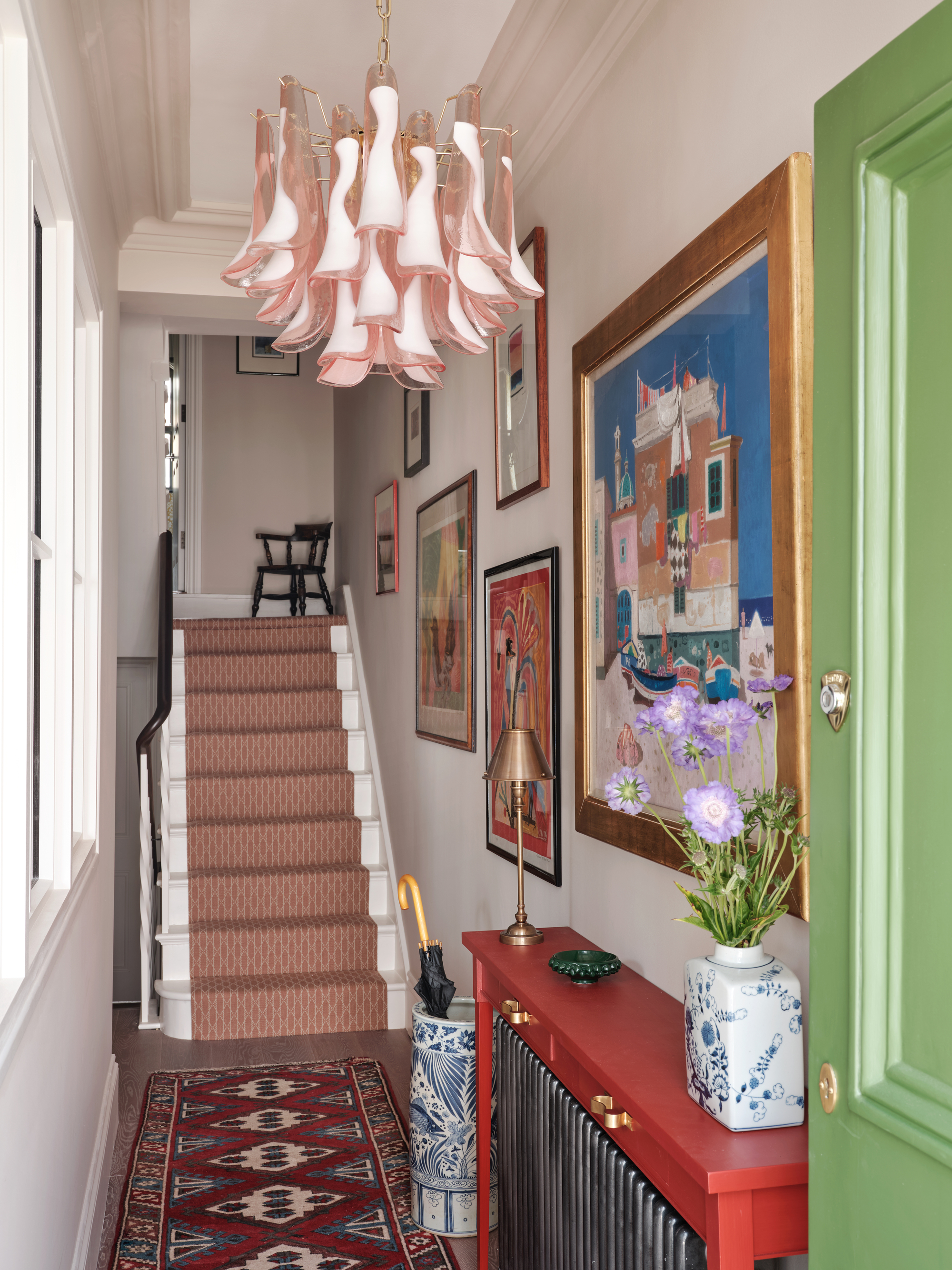
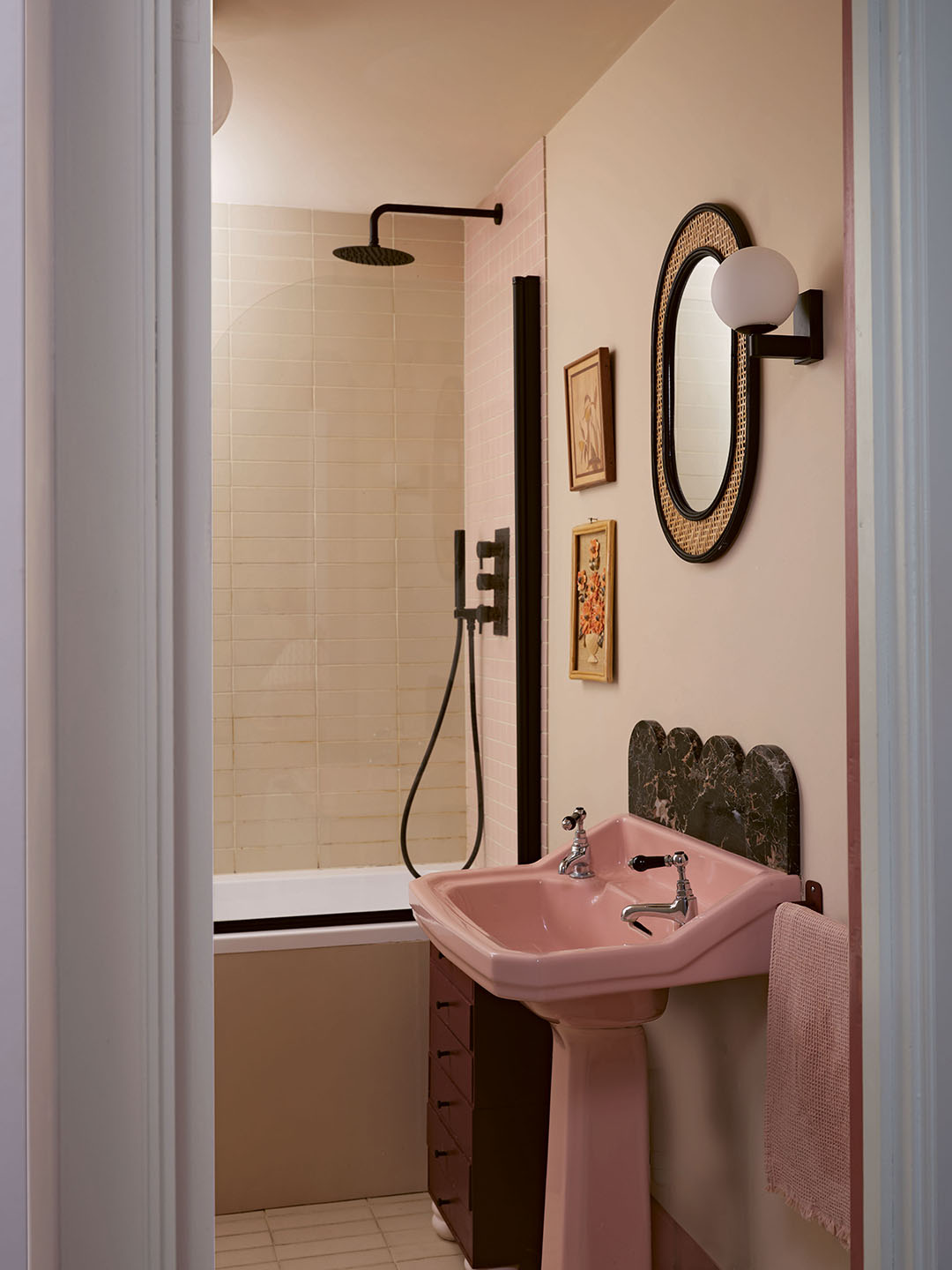
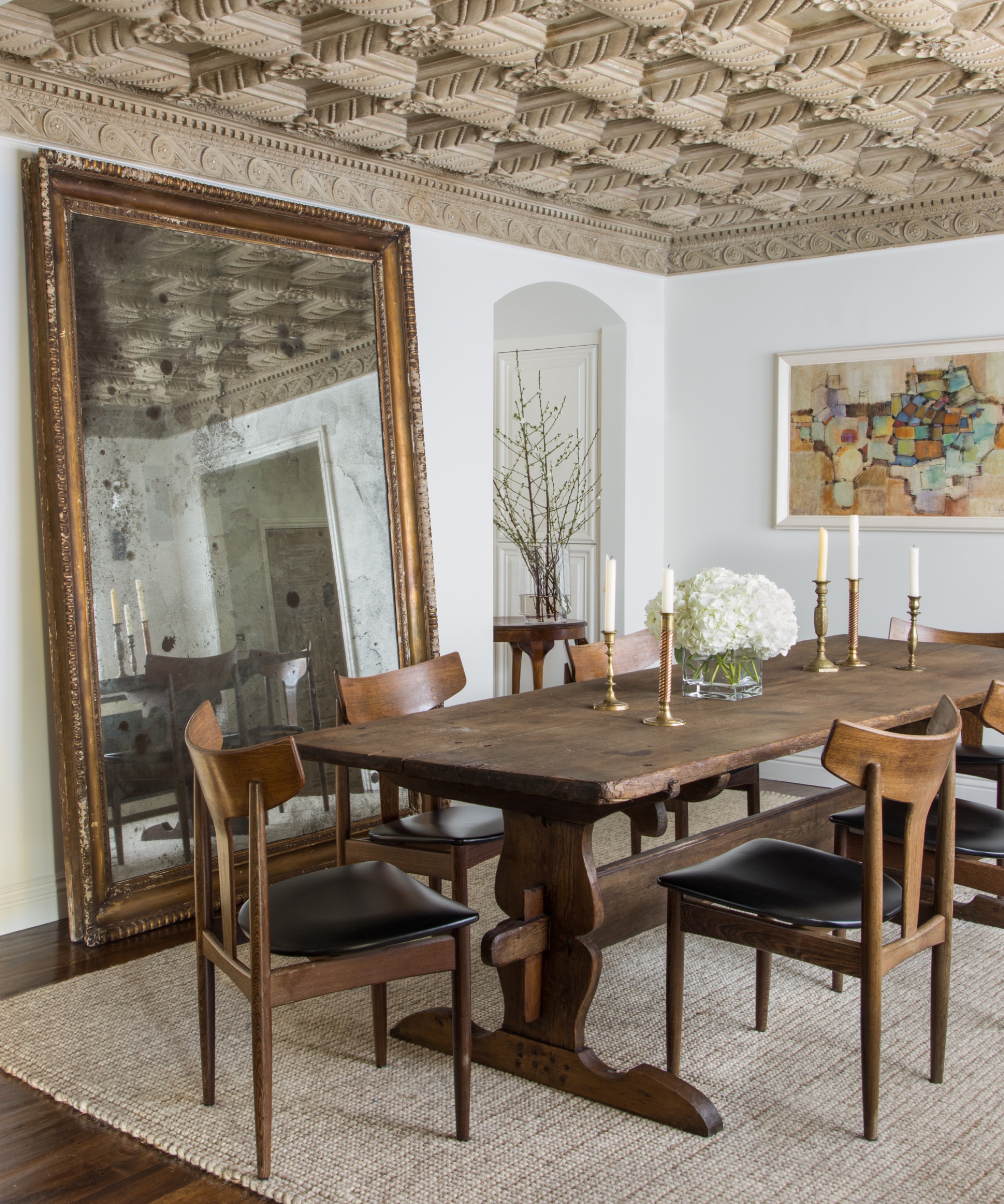
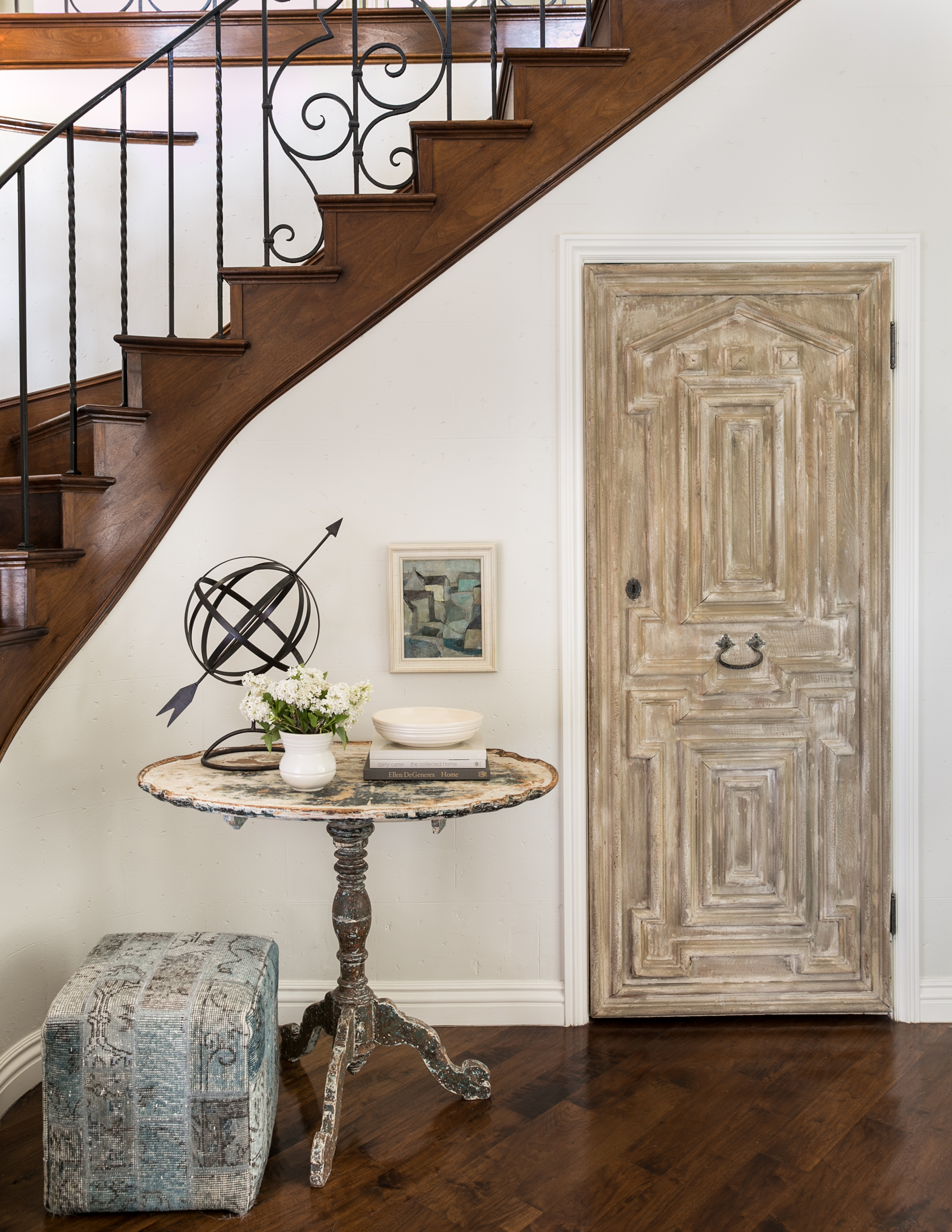
Luxury is being redefined to include a 'second life' for objects. Curated vintage and upcycled décor, such as pre-owned teak tables, reclaimed marble counters, and industrial-inspired lighting, are celebrated for their unique stories and reduced environmental impact, rather than being viewed as compromises. Passive design principles are being integrated into interiors to minimize operational energy consumption. This includes the use of thermal curtains, zoned ventilation, reflective surfaces, and strategic shading to lessen reliance on artificial heating and cooling, thereby cutting energy bills and enhancing comfort.
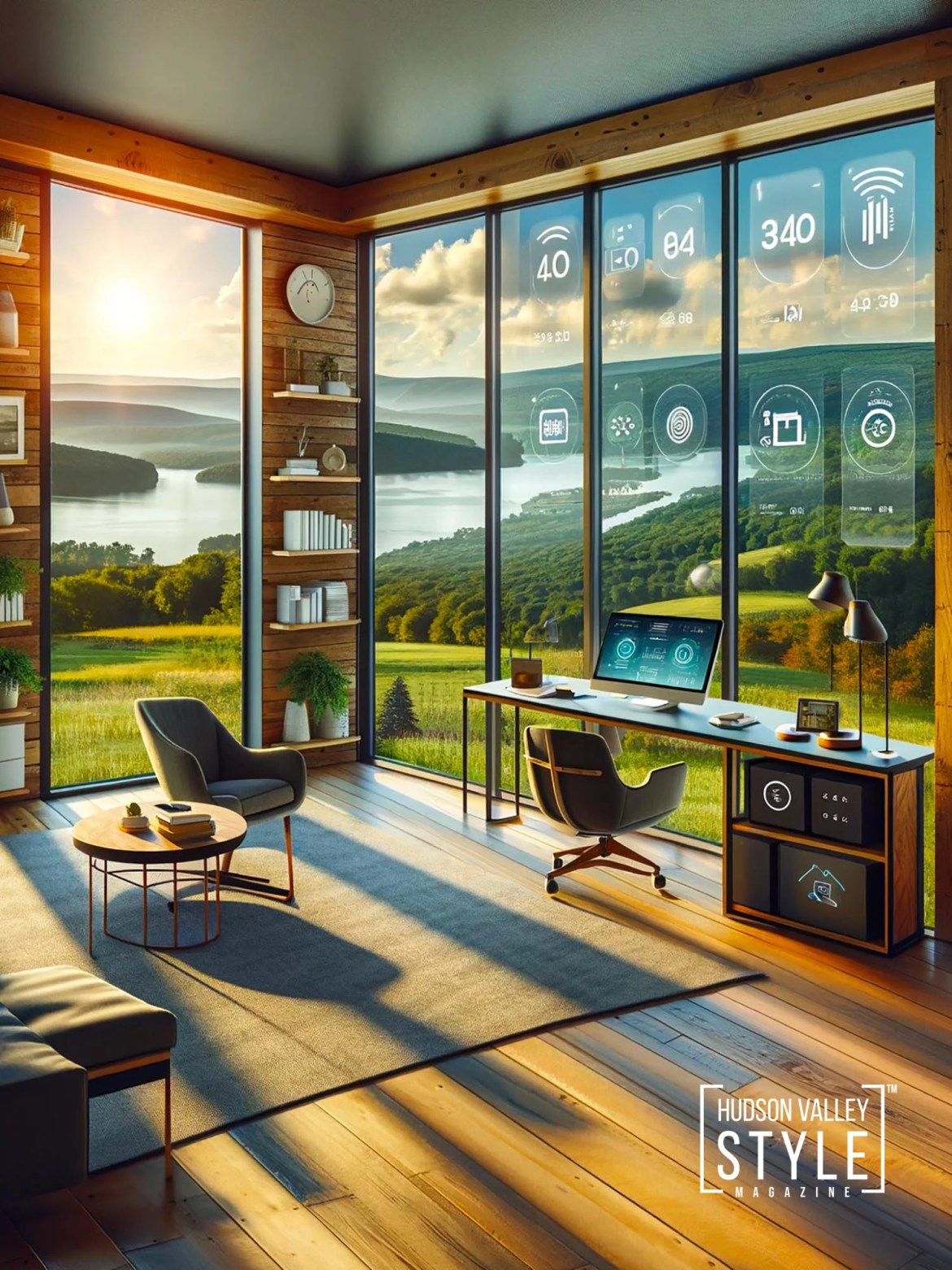
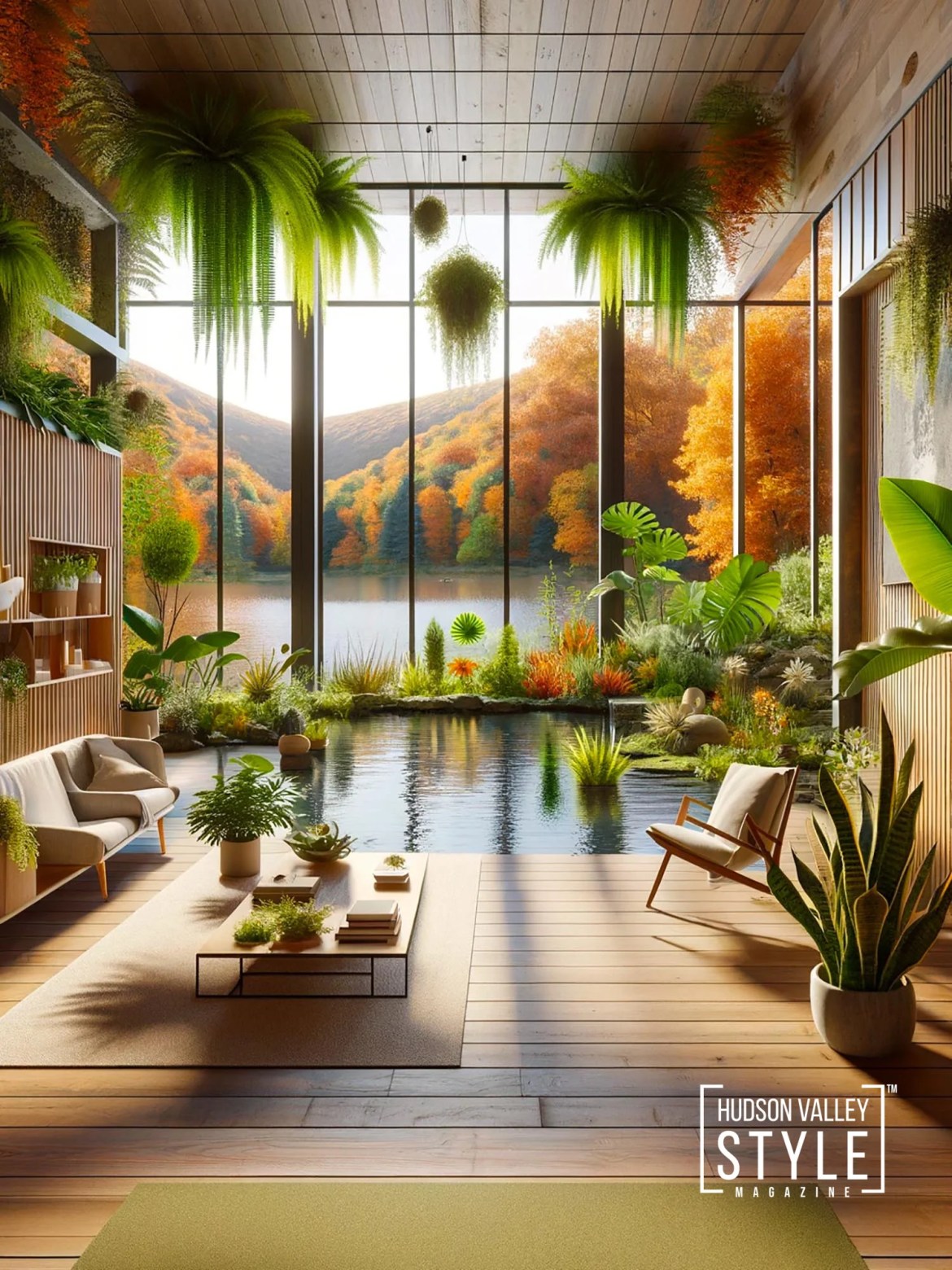
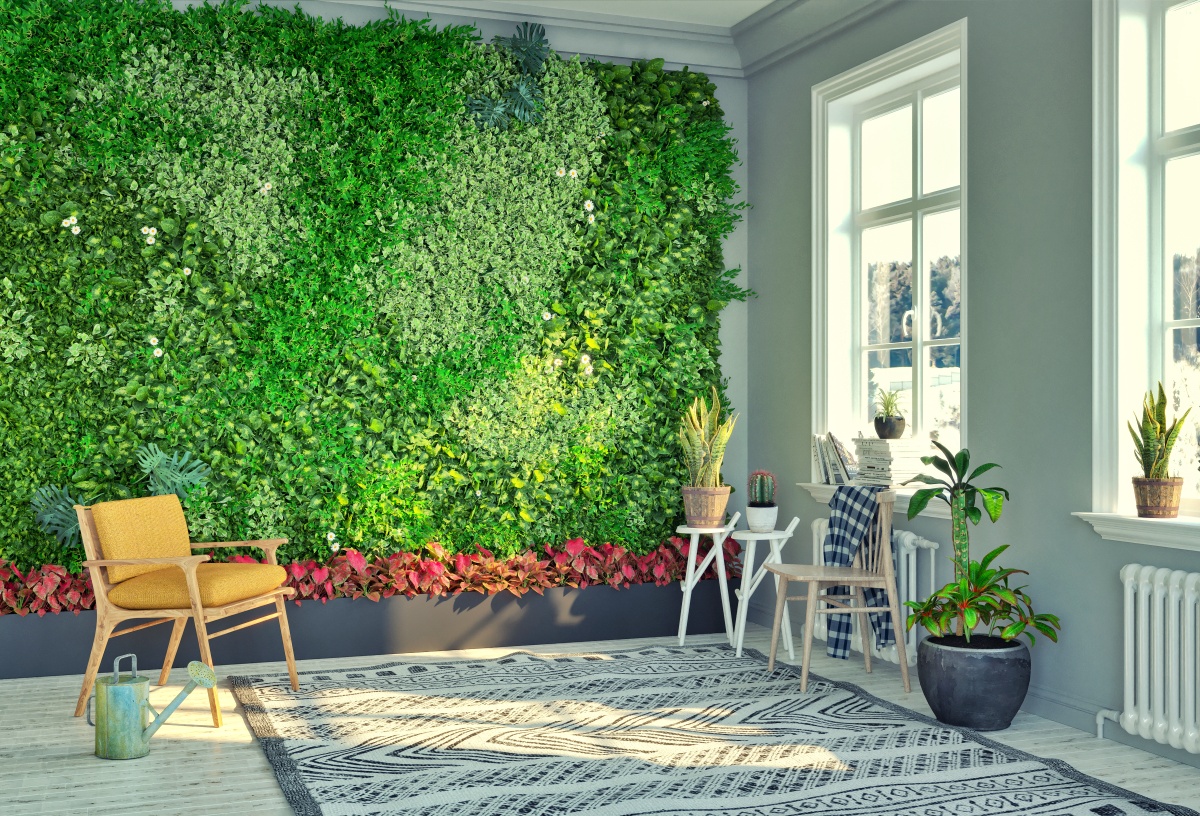
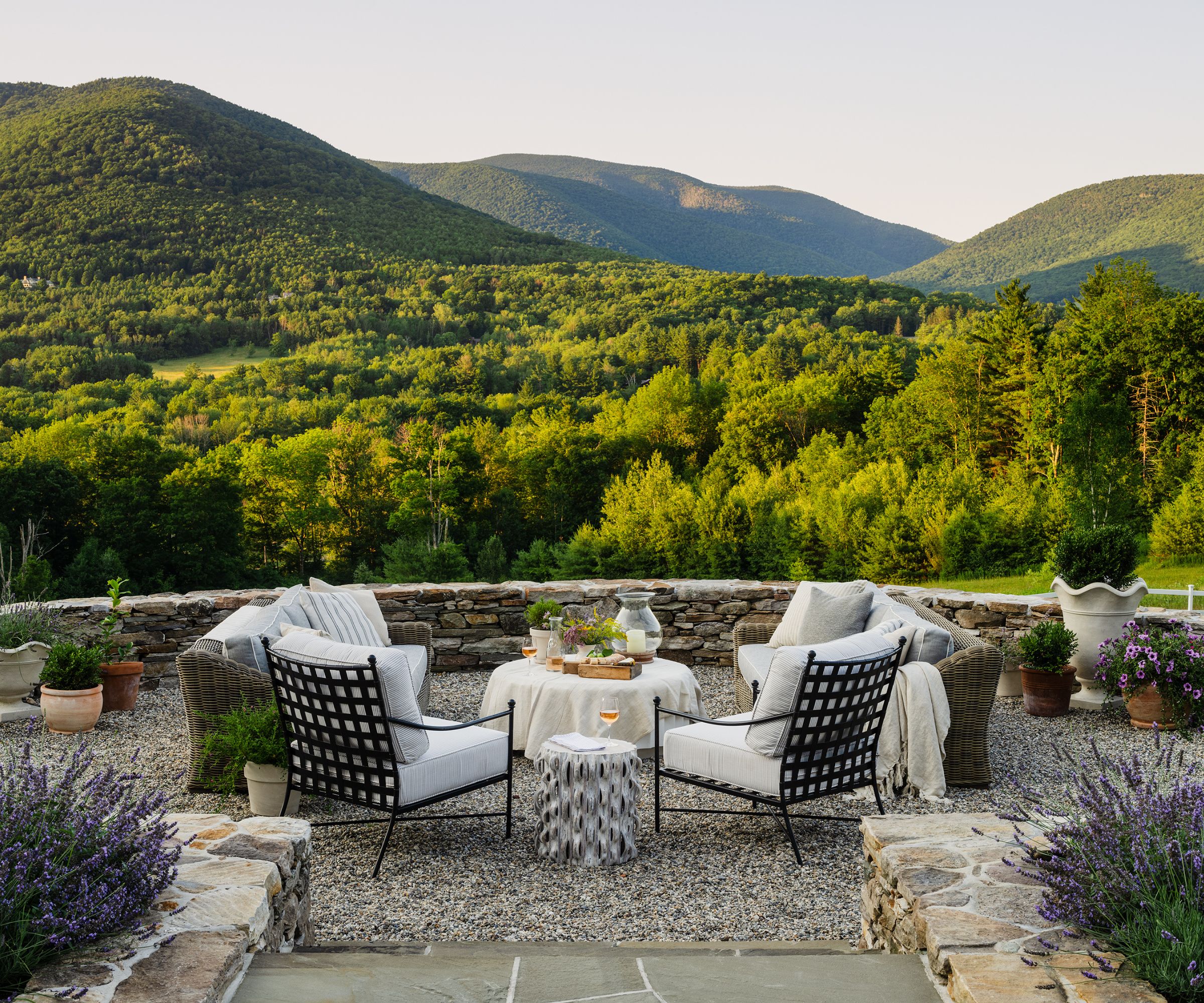
Full toxin transparency is another critical aspect, with a rigorous examination of chemical safety in paints, adhesives, polishes, and laminates. The demand for complete disclosure of all chemical components goes beyond merely low-VOC products, reflecting a growing alignment between health-conscious homeowners and wellness in design. Biophilic systems are expanding beyond simple houseplants to full-scale installations like living walls, moss ceilings, and microbial air-purifying systems, actively improving indoor air quality and merging engineering with aesthetics. Tech-light smart homes offer subtle integration of technology to reduce energy usage through occupancy-based lighting, adaptive HVAC, and discreet monitoring, proving that sustainability can be technologically advanced and design-led.
Water-conscious interiors are visible through sculptural low-flow taps and greywater recycling systems, transforming functional fixtures into conversation pieces that promote conservation, especially in water-stressed urban areas. Longevity is becoming a luxury, as consumers move away from fast décor in favor of timeless designs that age gracefully. Neutrals, modularity, and durable finishes are chosen to ensure interiors adapt to lifestyle changes, reducing the need for frequent makeovers and designing for the long term. Finally, community sharing models, such as furniture libraries and swap programs, extend sustainable living beyond individual homes to embed it within communities. Forward-thinking design studios are also making carbon-positive commitments, aiming to offset more carbon than they emit through restorative planting, material innovation, and strategic partnerships, moving beyond carbon neutrality towards a regenerative future. These trends highlight that sustainable design is no longer an option but a necessity for creating homes that benefit both people and the planet.
#SustainableHomeDecor #EcoFriendlyDesign #InteriorDesignTrends #CarbonConsciousMaterials #CircularFurniture #RegenerativeTextiles #BiophilicDesign #SmartHomeTechnology #SustainableHomeDecor #EcoFriendlyDesign #InteriorDesignTrends #CarbonConsciousMaterials #CircularFurniture #RegenerativeTextiles #BiophilicDesign #SmartHomeTechnology
0 comment in total
 No comments yet
You may also like
10 Sustainable Homes That Prove Interior Design Can Be Just as Easy on the Eye as It Is on the Earth

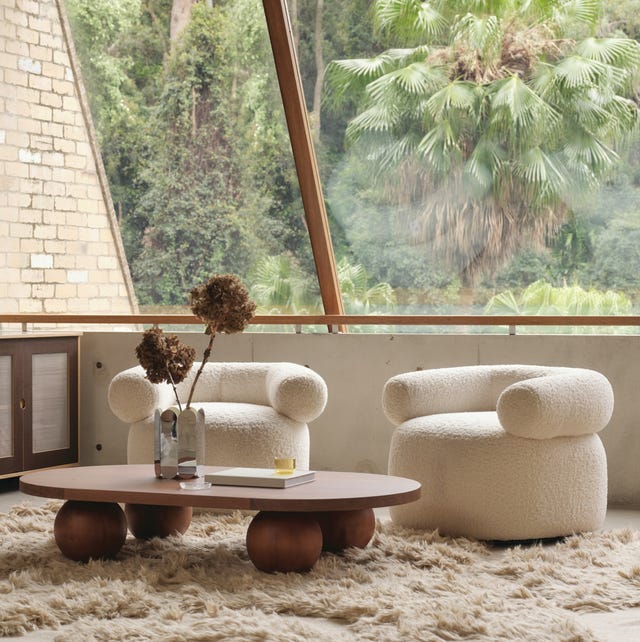
Shop Sustainably at These Eco-Friendly Home Decor and Furniture Brands

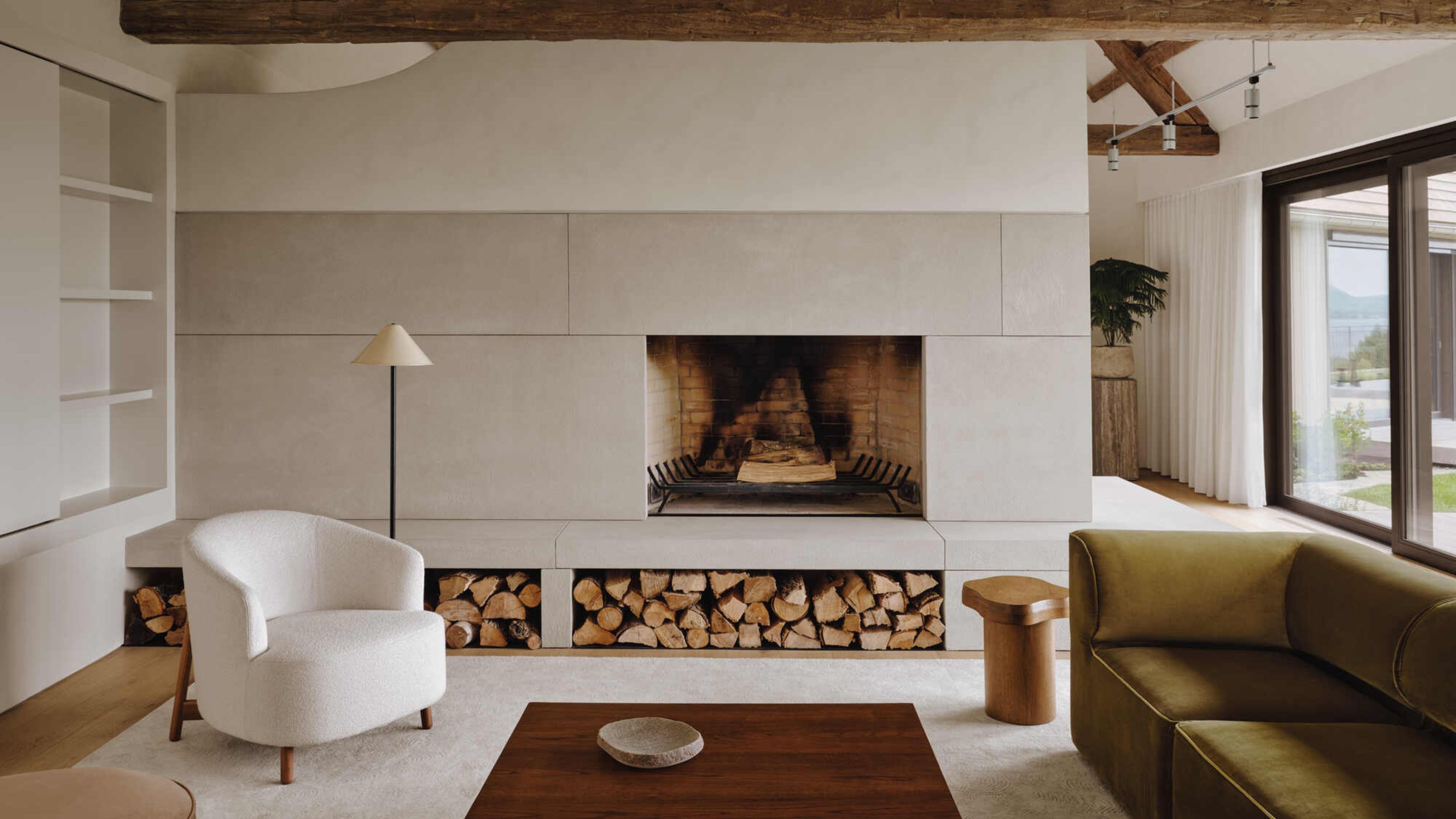
What Sustainable Interior Design Really Means in 2025 — And Why It’s No Longer Just About the Materials
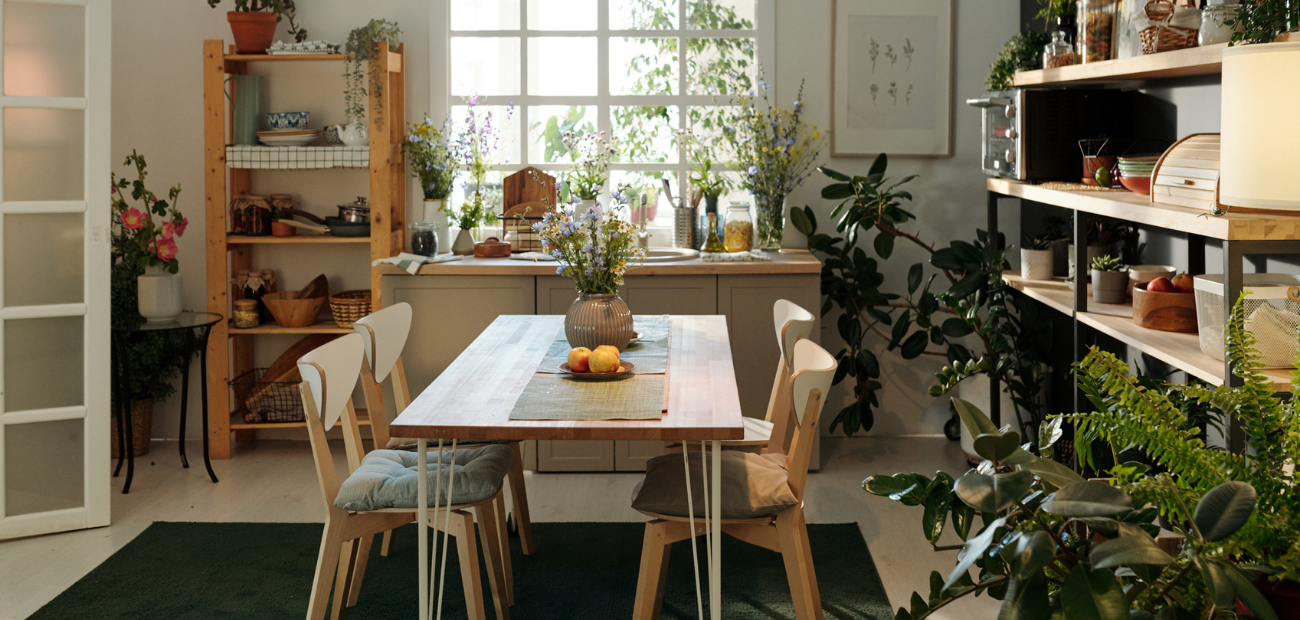
A Guide to Sustainable Design
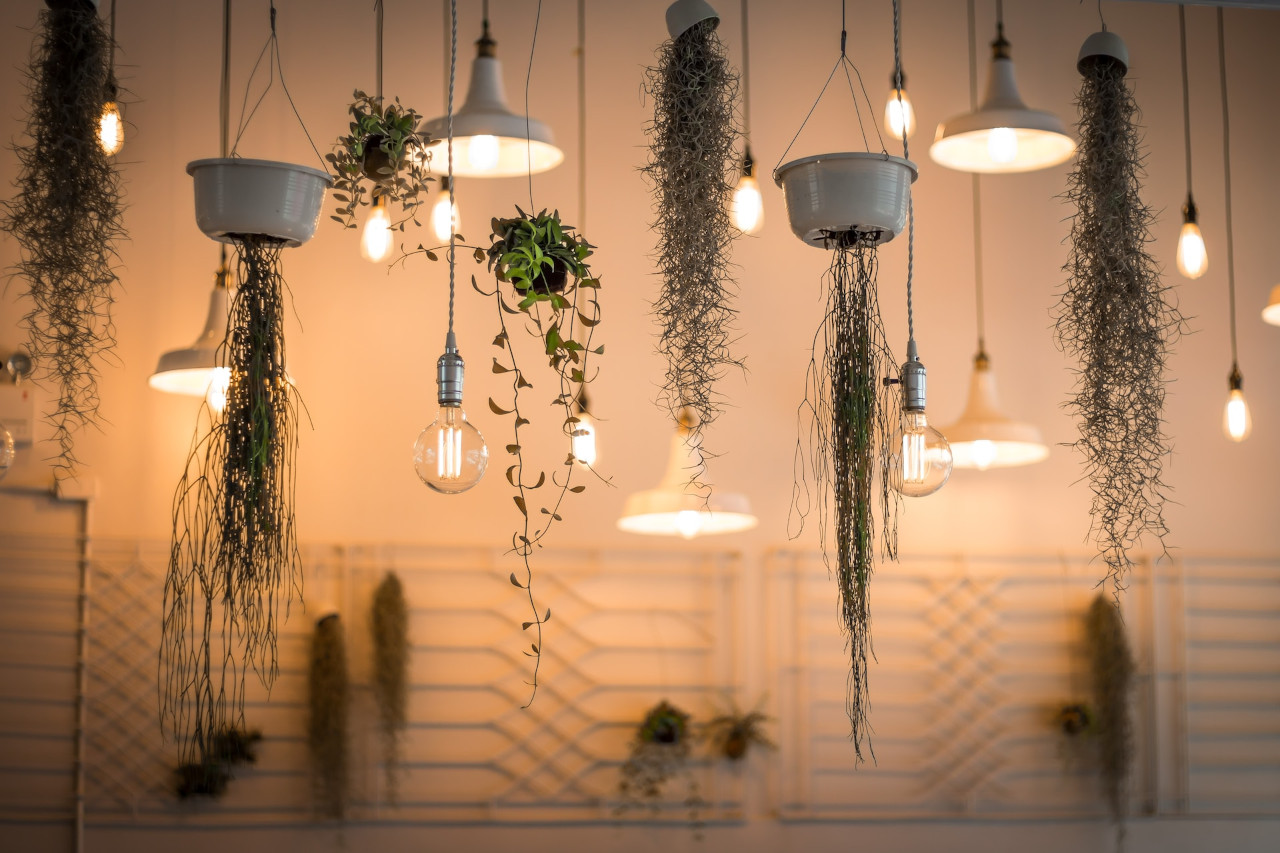
Eco-Friendly Home Decor: Sustainable and Chic Ideas for 2023

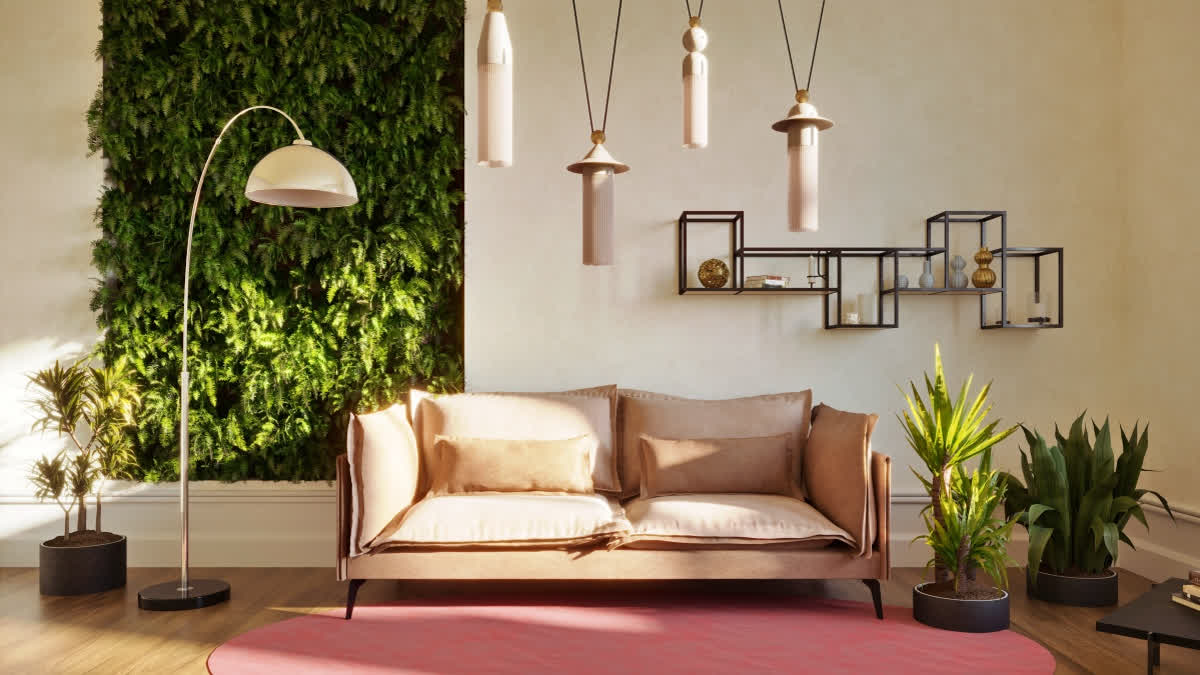
Earth Day 2025: Biophilic Design, Modular Multifunctional Furniture And Other Sustainable Home Trends That Are Here to Stay
2008 Design Trends


What books inspire sustainable interior design?
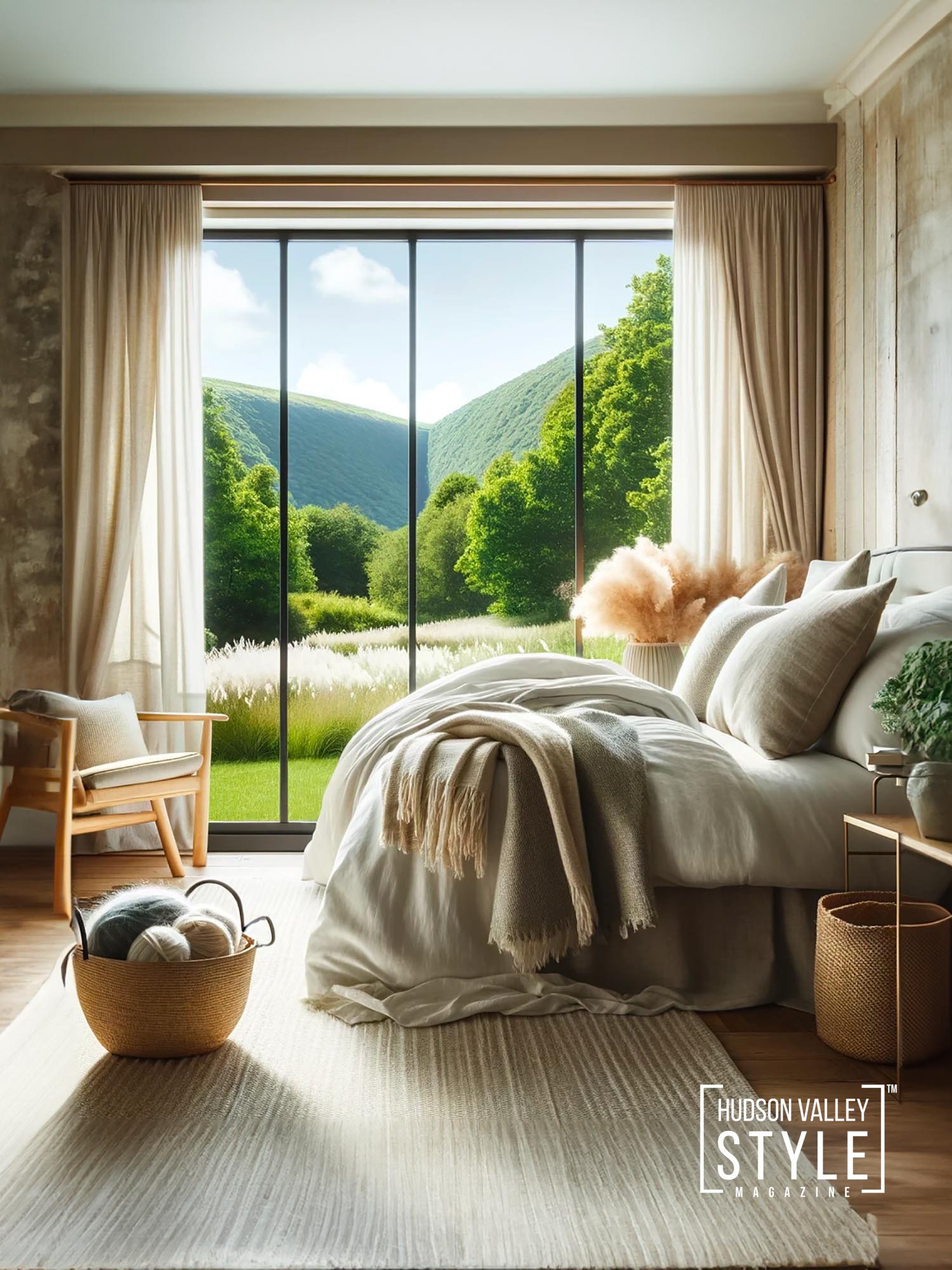
Sustainable Interior Design Trends for 2024: Embracing Eco-Friendly Living

Timeless Eco-Friendly Home Decor for a Sustainable Living
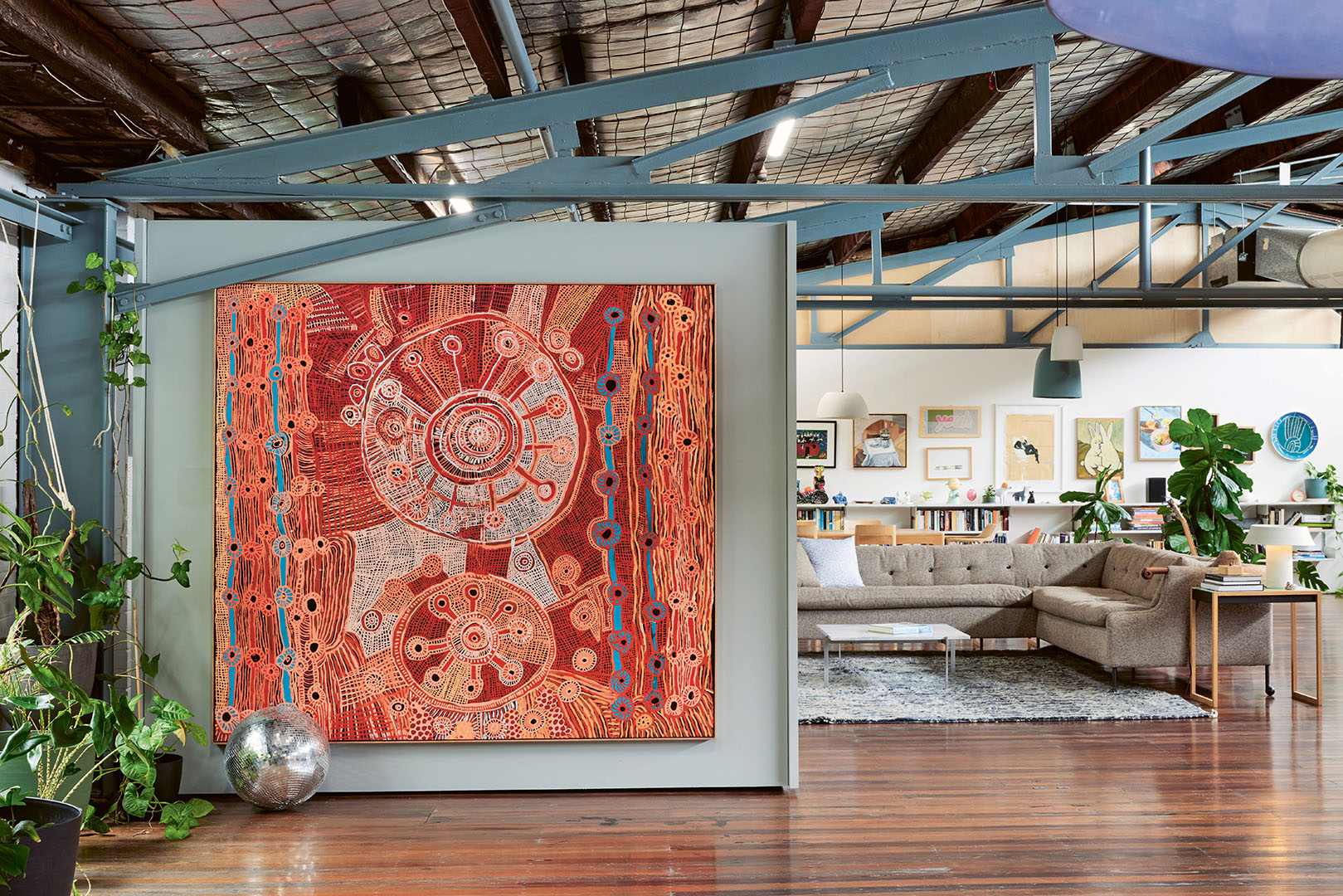
I Wrote a Book About Sustainable Homes—These 8 Ideas Are Still Inspiring Me

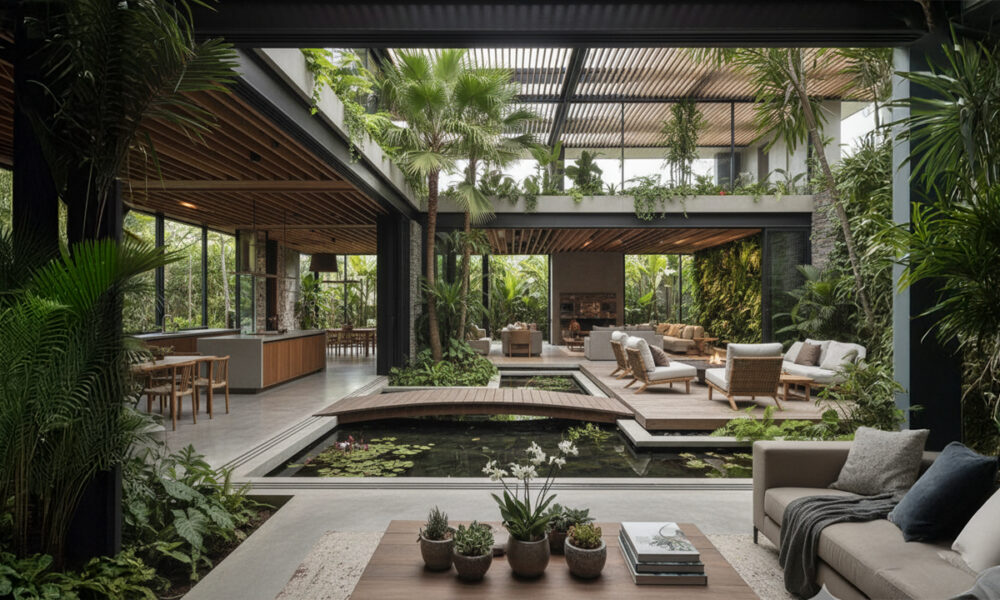
Hottest Home Trends in 2025
Sustainable home decor: Eco-friendly interior design trends to watch

Luxury living goes green: Eco-friendly homes are now the latest trend in sustainable living

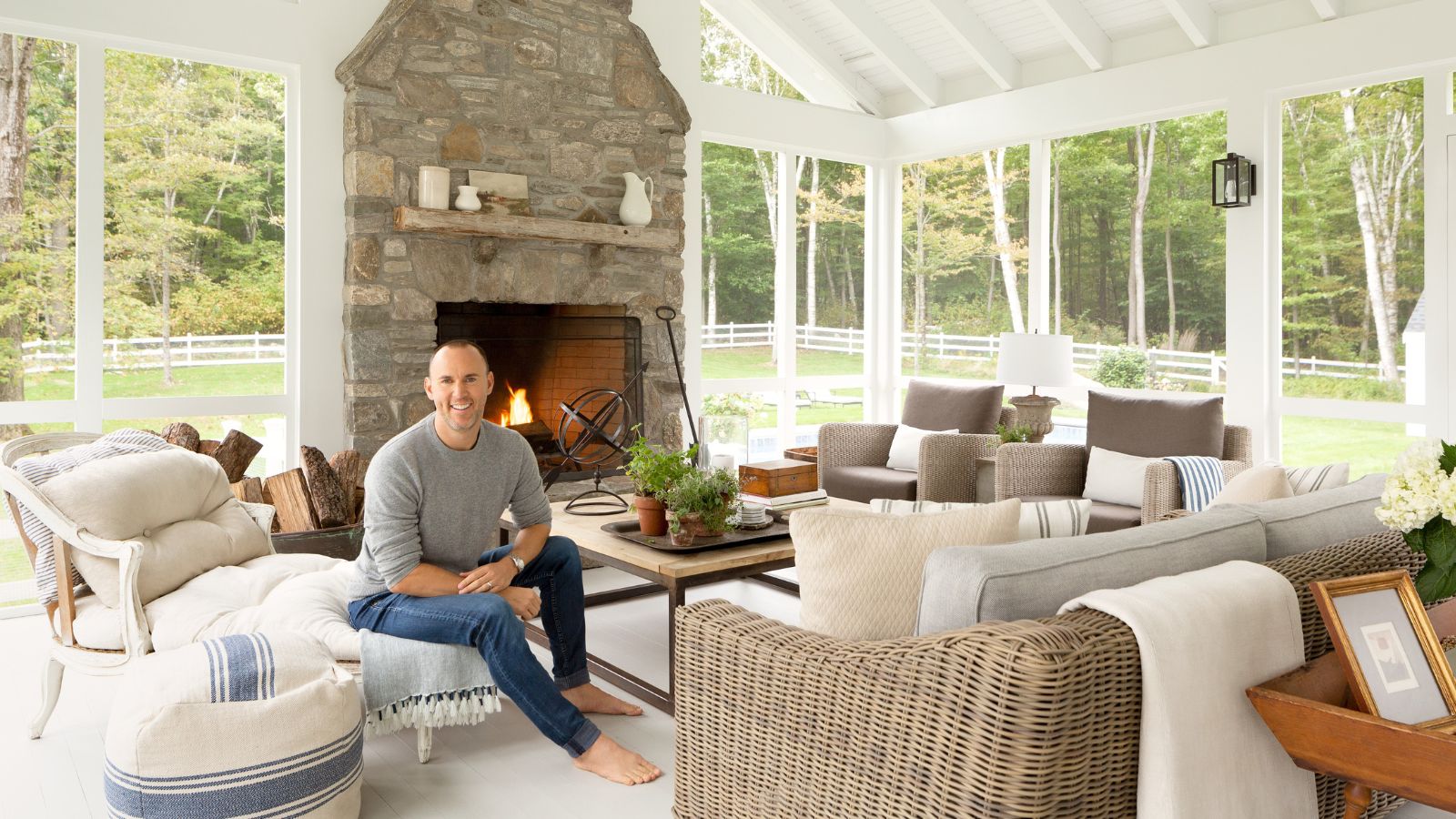
How I encourage my clients to make sustainable choices in their interior design

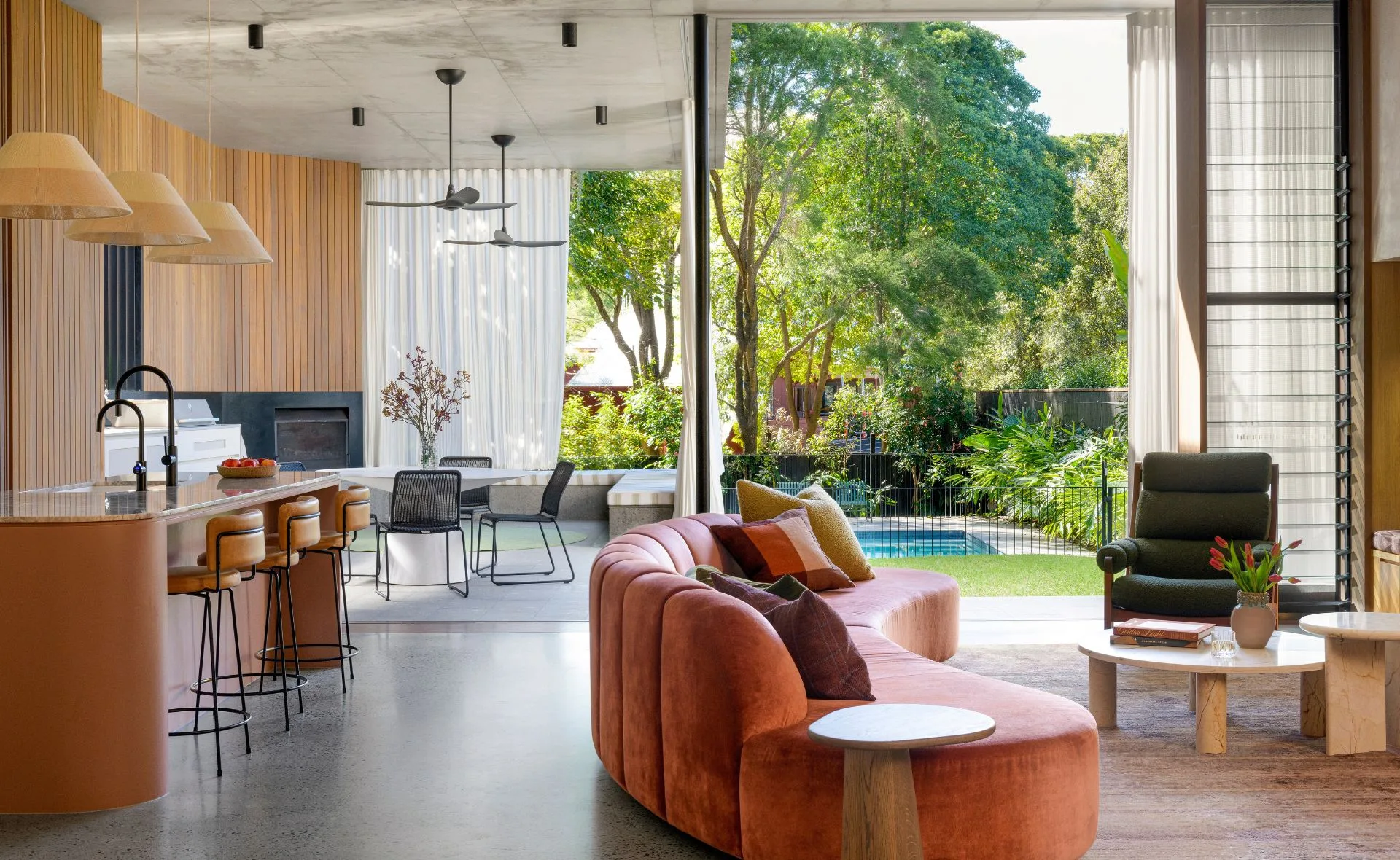
5 sustainable home solutions that won’t cramp your style

Home Rescue's Dee Coleman on the six R's of sustainable interior design
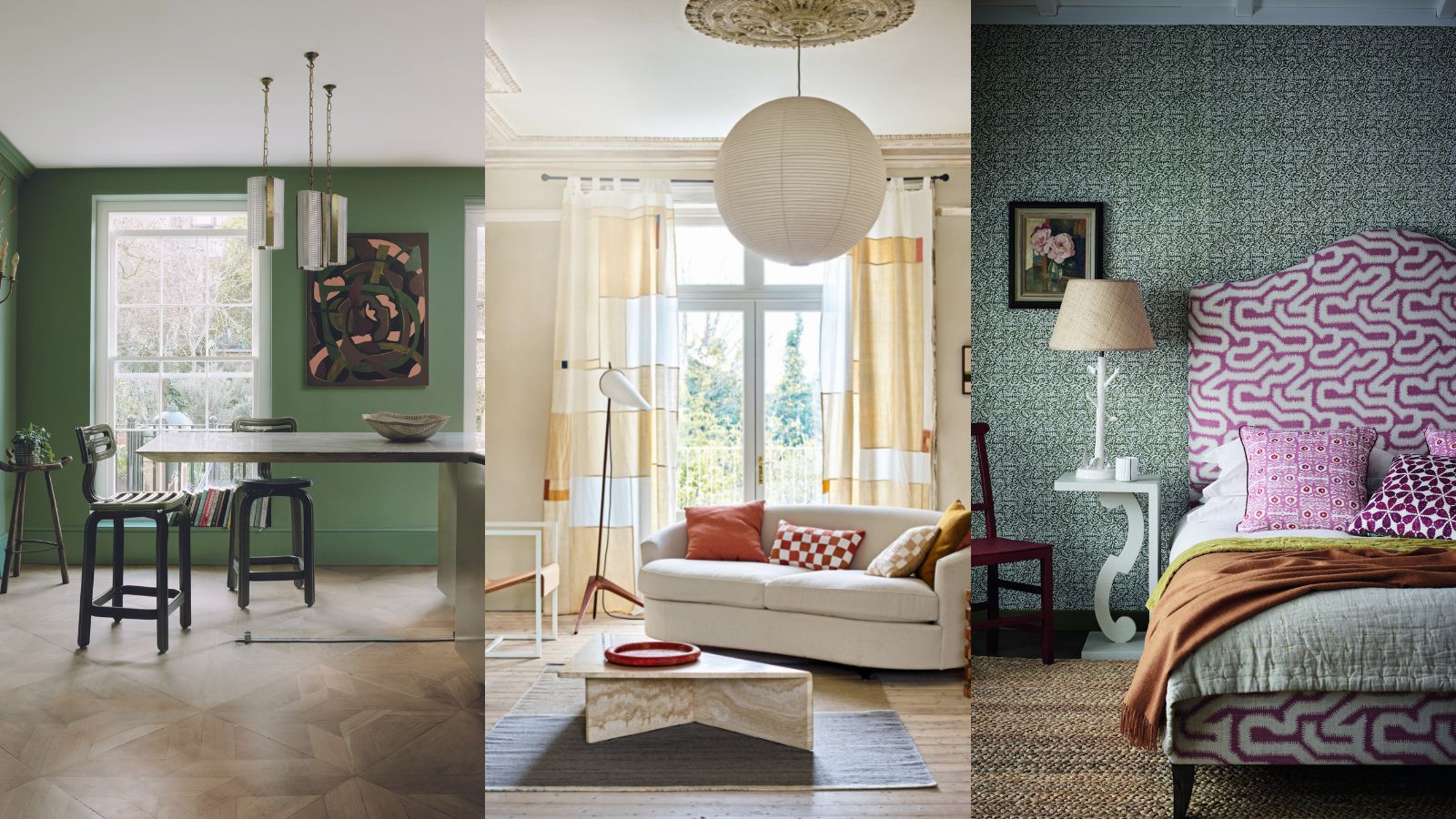
Eco decor – 10 beautiful, sustainably-designed room ideas
What Can Be Done to Make Interiors More Sustainable?

The art of subtle sophistication: Home design trends that are going to rule 2026