1/10
I Wrote a Book About Sustainable Homes—These 8 Ideas Are Still Inspiring Me
Nicole Gray, an interior stylist, art director, and writer, has authored a new book titled "The Reimagined Home." This book aims to inspire individuals to view their homes as extensions of themselves, offering a perspective on sustainable living that is not prescriptive but rather sparks imagination. The book showcases the homes of 16 creative individuals who have embraced various green practices, including future-proofing, conscious sourcing, and regenerative design. Gray shares eight key lessons derived from these featured homes.
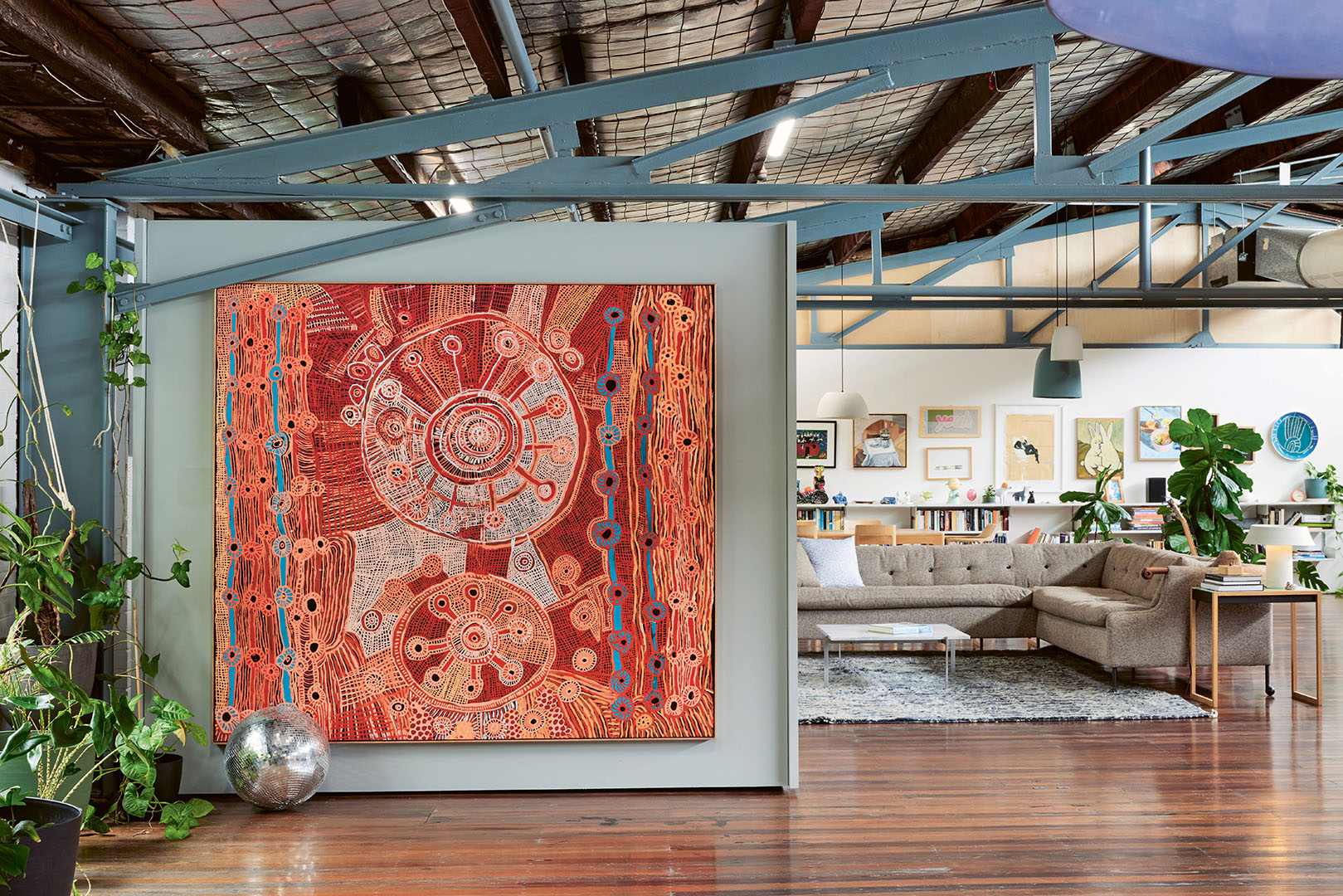
One significant lesson highlights the concept of "One Room, Endless Configurations." This idea, exemplified by Shelley Simpson's warehouse conversion, involves the use of movable walls that allow a single space to be reconfigured for different purposes, such as a yoga studio, workshop, or cinema den. This flexible design approach eliminates the need for structural alterations as family needs change, showcasing an innovative way to adapt living spaces.
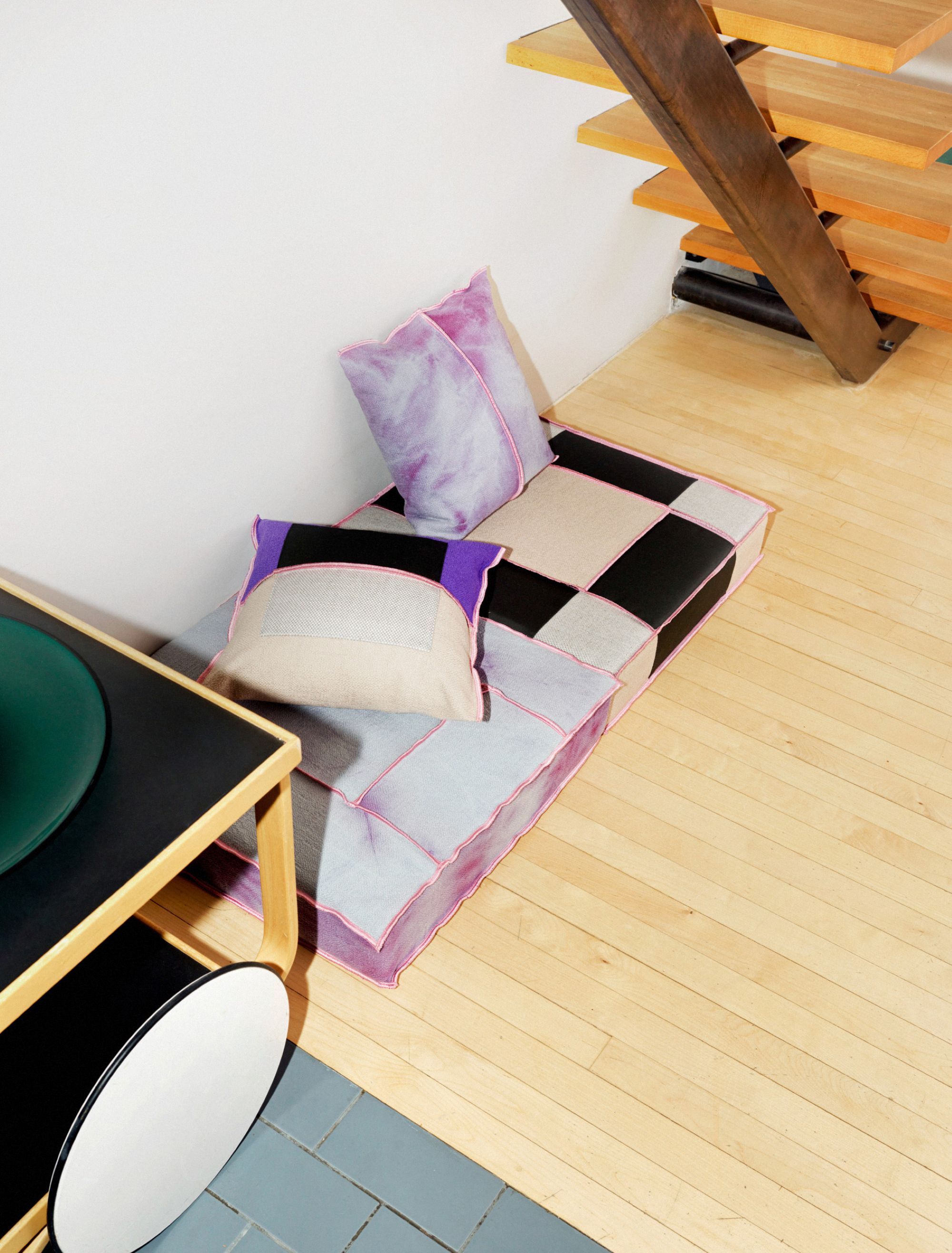
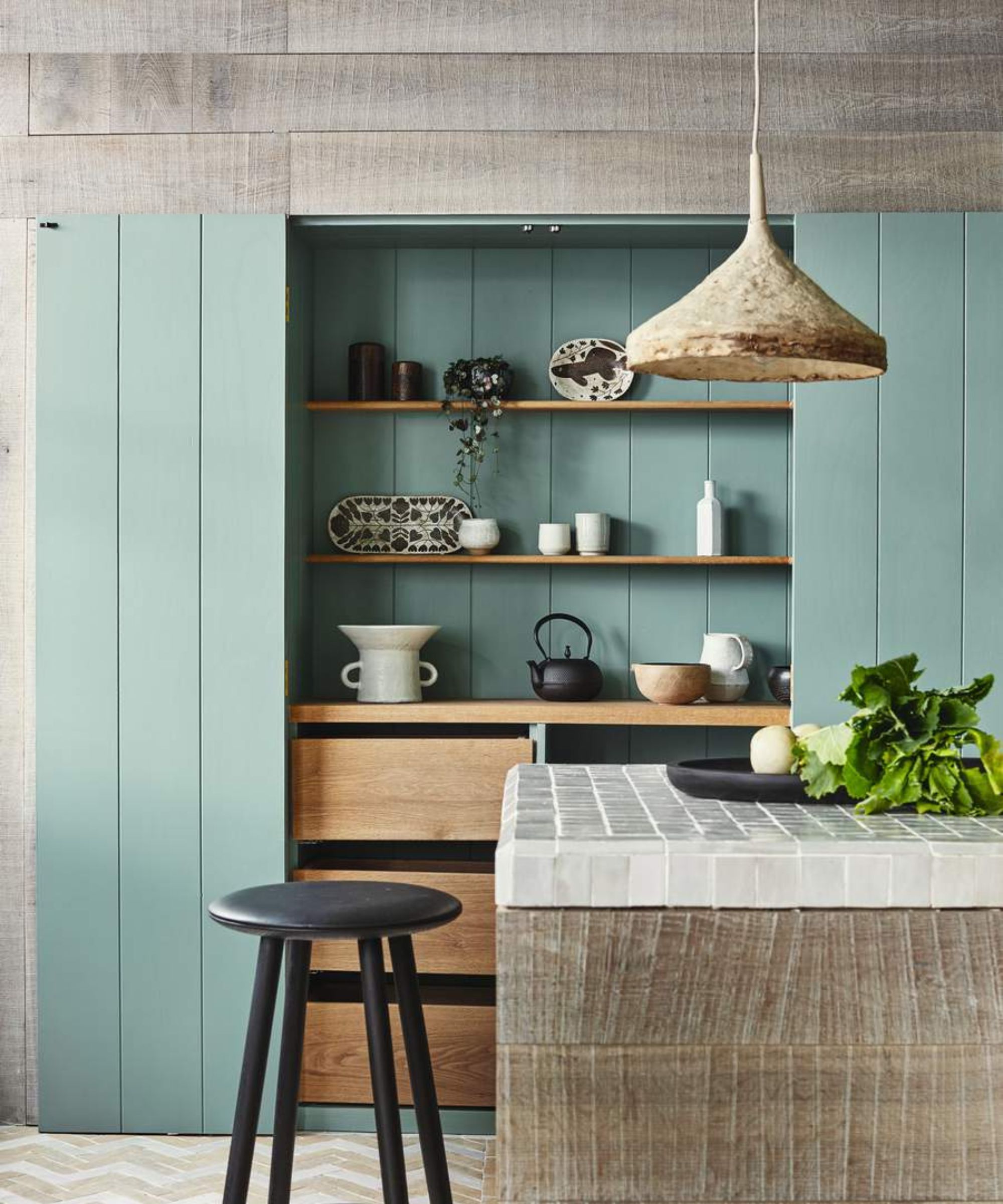
Another key takeaway challenges the perception that eco-friendly design must be minimalist and devoid of color. Gray's book illustrates that sustainability can be vibrant and joyful. Monique Woodward's mid-century modern penthouse, featuring turquoise kitchen joinery made from locally sourced Australian hardwood and playful teal grout, serves as a prime example. This demonstrates that sustainable choices do not necessitate sacrificing aesthetic appeal or personal expression.
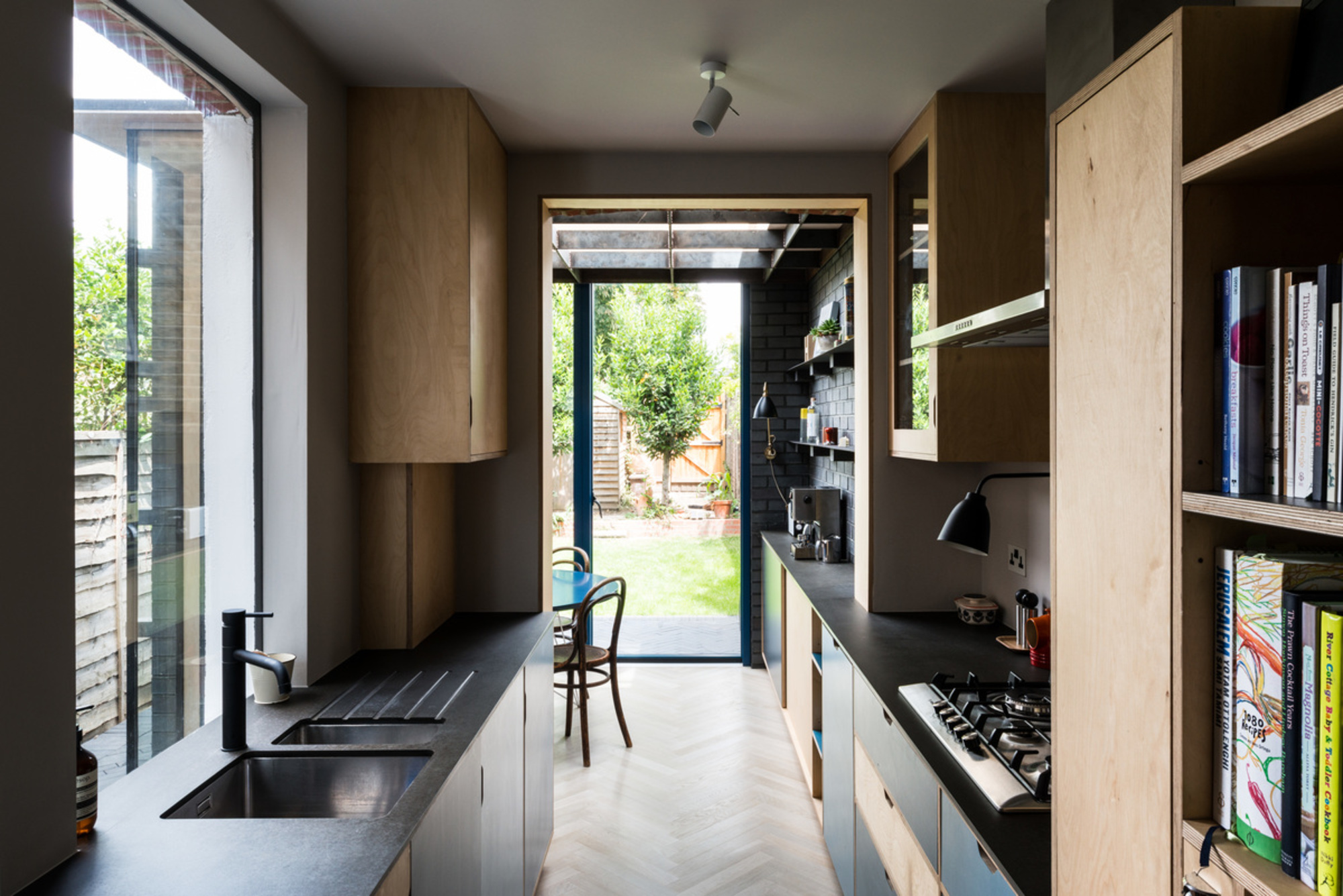
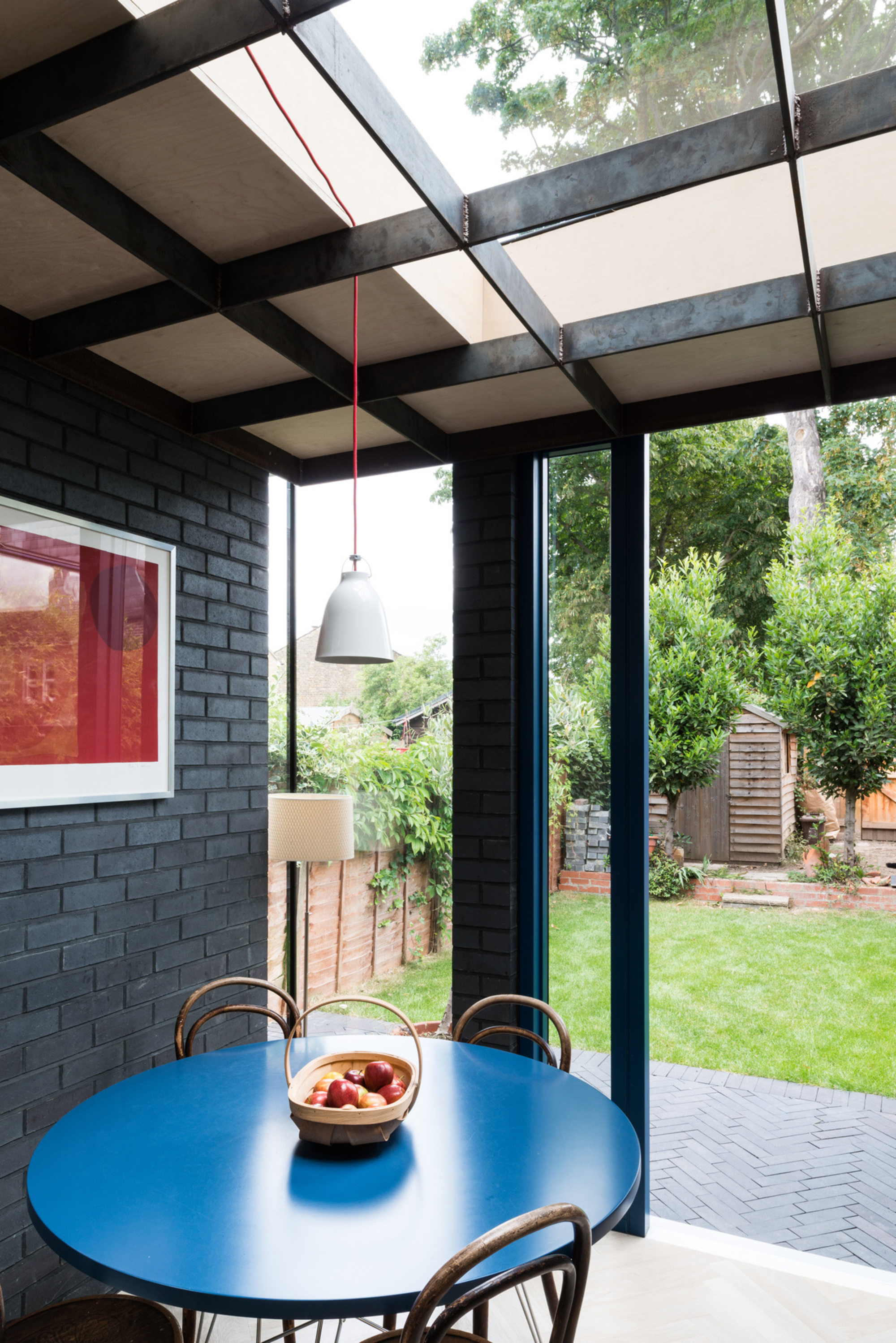
The book also emphasizes that a home should reflect its occupants' unique stories rather than merely replicating popular trends or Pinterest boards. Gray recounts her own experience of being swayed by fleeting decor trends. The Tottenham home of Patricia and Gwen, whose retrofit was inspired by Donald Judd's sculpture "Untitled 1963," perfectly embodies this principle. Their kitchen extension features an upside-down curved timber ceiling, a deeply personal and unique design element that stands apart from mainstream trends.
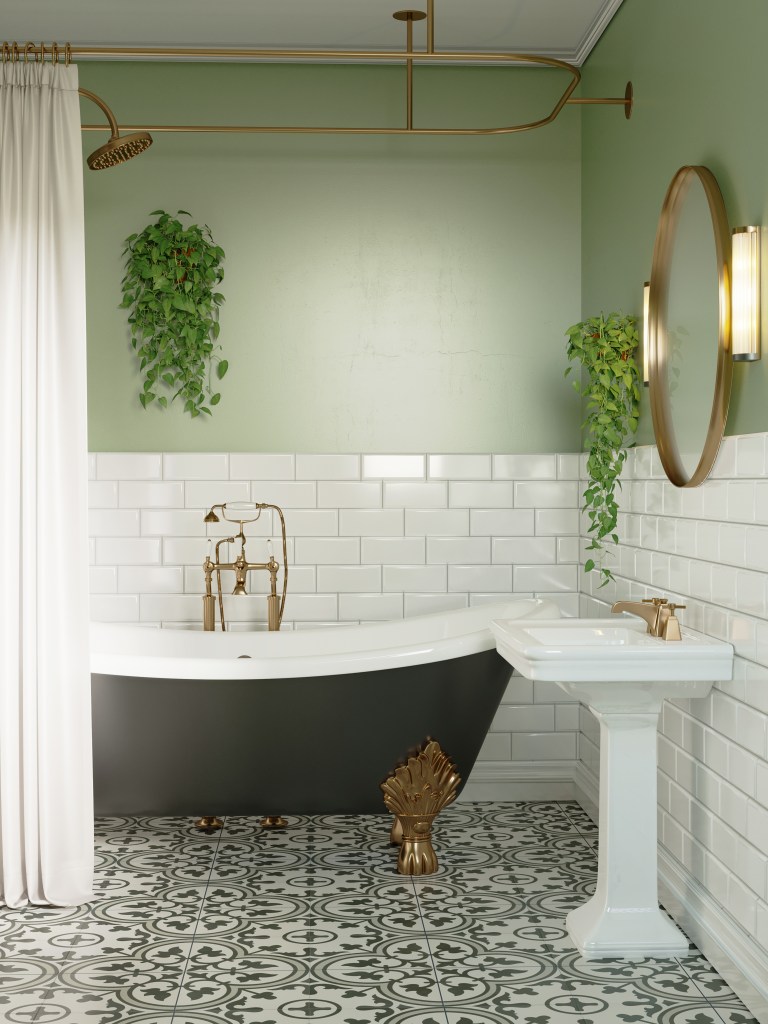
Furthermore, Gray underscores that "No Room Is Too Small For Big Style." She acknowledges a common tendency to postpone decor aspirations until a larger space is available. However, interior designer Sophie van Winden's compact bathroom, which features a striking pink sink bought for $20 and framed with scalloped charcoal marble tiles, demonstrates how even small spaces can have significant style and functionality. The use of floating shelves, a mirror, and light-reflecting lilac paint further enhances the room's perceived size and visual interest.
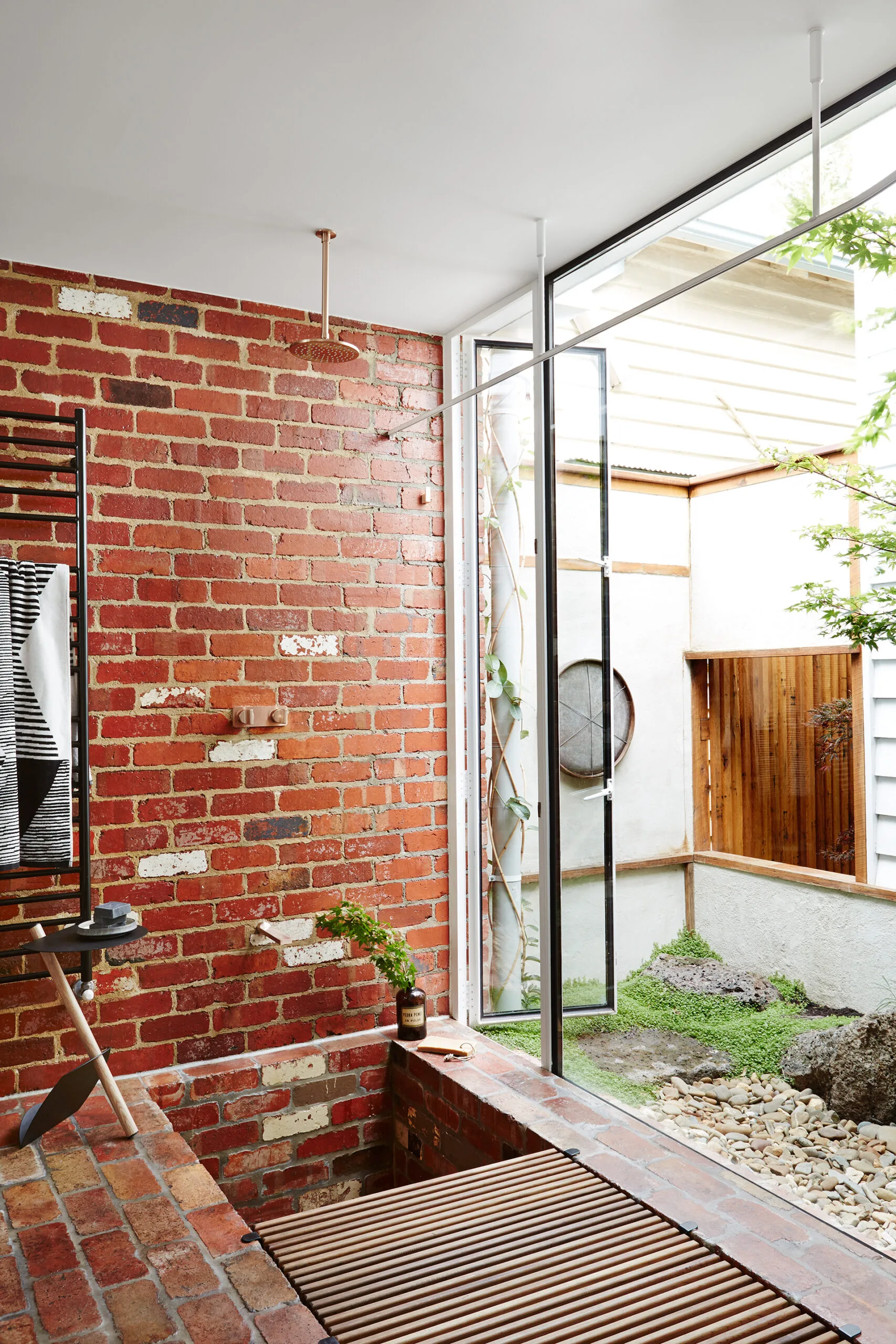
The concept of prioritizing "Patina Over Polish" advocates for incorporating pre-loved items that have a history and age gracefully. This approach helps reduce landfill waste and adds character to a home. Examples from the Brooklyn brownstone of designers Lyndsay Caleo and Fitzhugh Karol include ship-salvaged wall lights, a 1920s cast-iron sink, and a repurposed sheep barn door. These elements contribute to a unique aesthetic while promoting reuse and appreciation for items that have stood the test of time.
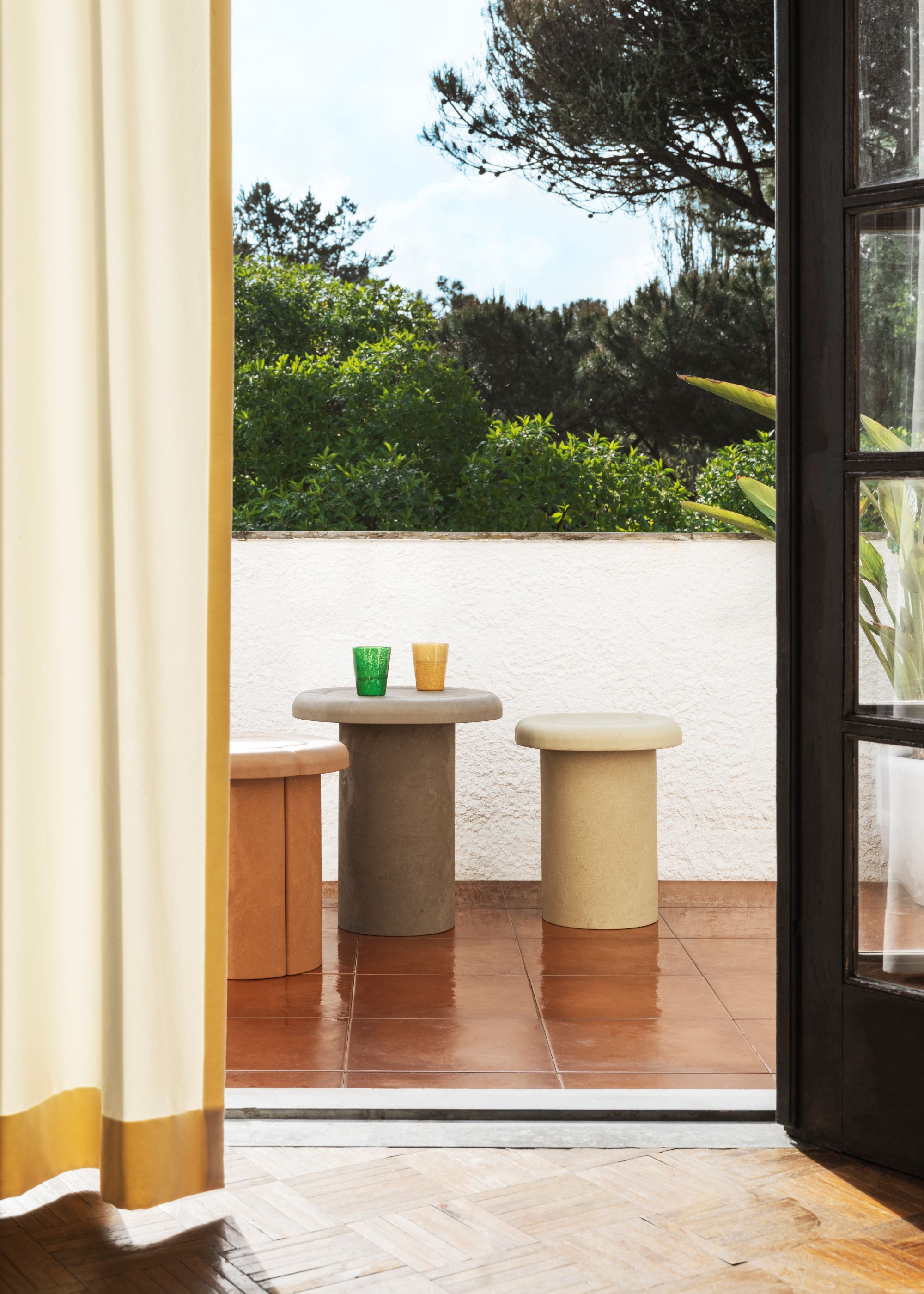
"Shopping Local Is The New Design Flex" encourages sourcing items from nearby businesses. This practice supports local economies, reduces shipping emissions and packaging waste, and helps individuals avoid the "algorithm effect" of mass-produced goods. By choosing local, homes can be filled with one-of-a-kind pieces, as seen in stylist Hannah Ellis's converted hall in Chester, which features a local terracotta pot and a unique vase from a local bunker.
Gray also highlights that "Not Everything Needs To Go" during renovations. Instead of focusing on demolition, the book suggests identifying and preserving existing elements. In a Hampstead family home, the original Victorian timber-braced brickwork, limed floorboards, plaster cornices, and a spiral wooden staircase were all retained and integrated into the design, celebrating the house's history and structure rather than erasing it.
Finally, the lesson "Think, Rethink" promotes finding new uses for practical and often overlooked items. Gray transforms leftover tiles into a mosaic trivet or tabletop, and interior designer Susannah Holmberg repurposed a woven hammock as artwork above her bed. This creative approach to existing possessions encourages a more sustainable mindset by transforming potential clutter into cherished items, bringing joy and minimizing waste.
#SustainableHomes #InteriorDesign #EcoFriendlyDesign #HomeRenovation #FlexibleLivingSpaces #PersonalizedDecor #LocalSourcing #CreativeReuse #SustainableHomes #InteriorDesign #EcoFriendlyDesign #HomeRenovation #FlexibleLivingSpaces #PersonalizedDecor #LocalSourcing #CreativeReuse
0 comment in total
 No comments yet
You may also like

What books inspire sustainable interior design?
Sustainable Homes
How residential design offers opportunities for sustainability
Delaware Experts Share Advice on Creating a Sustainable Home
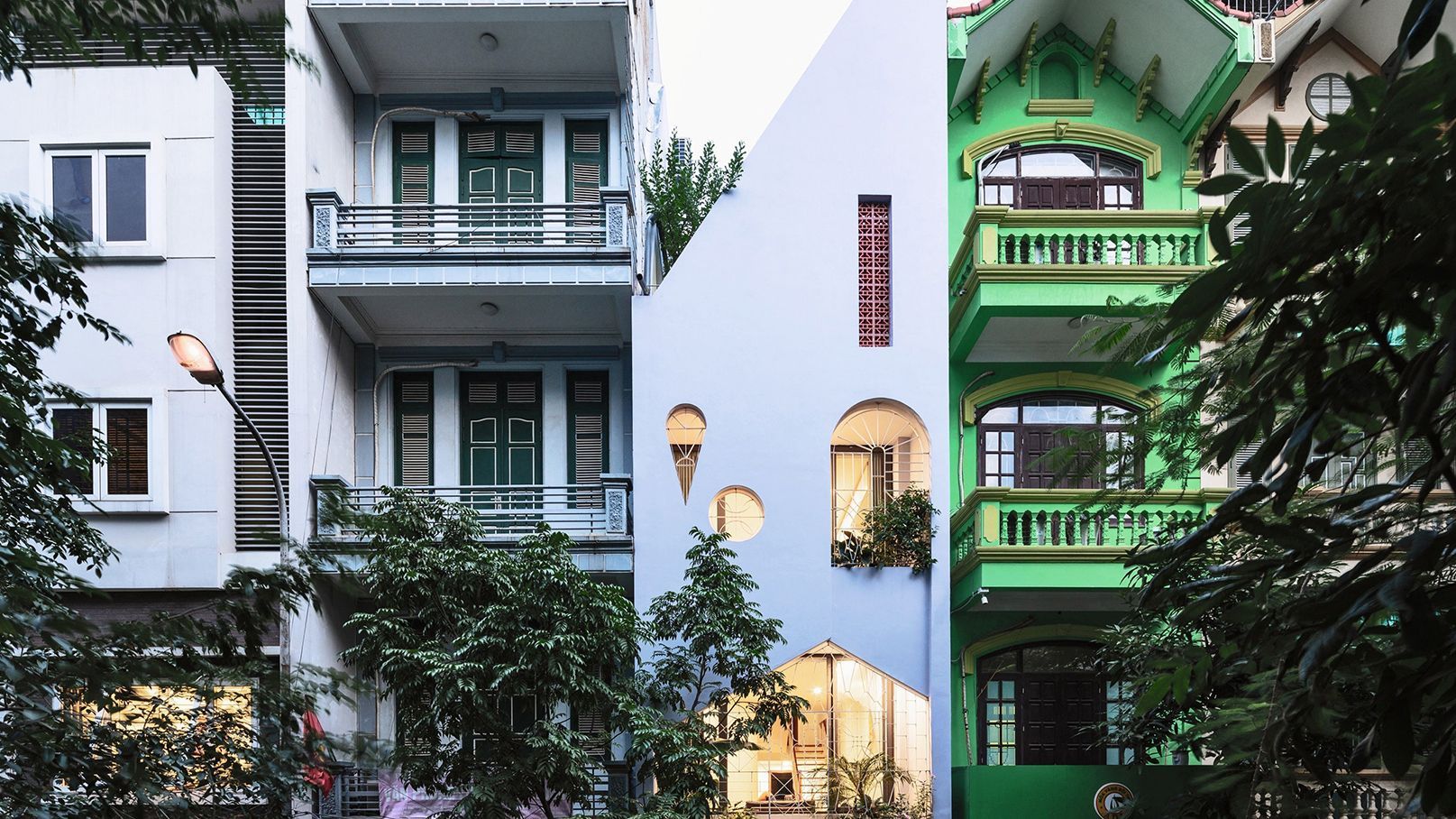
7 breathtaking sustainable homes around the world


12 Ways To Create a More Sustainable Home

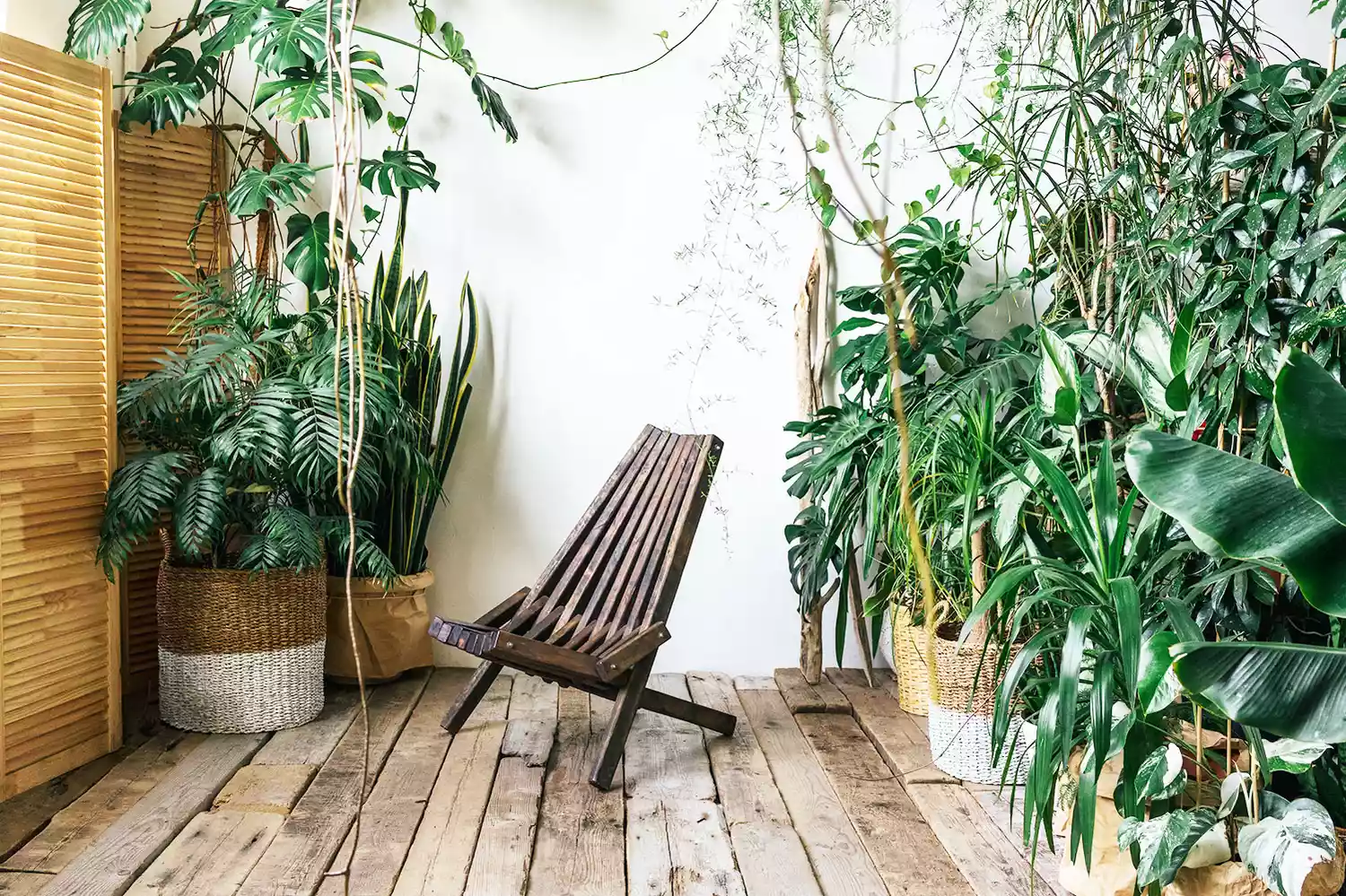
7 Design Trends That Will Make Your Home More Sustainable
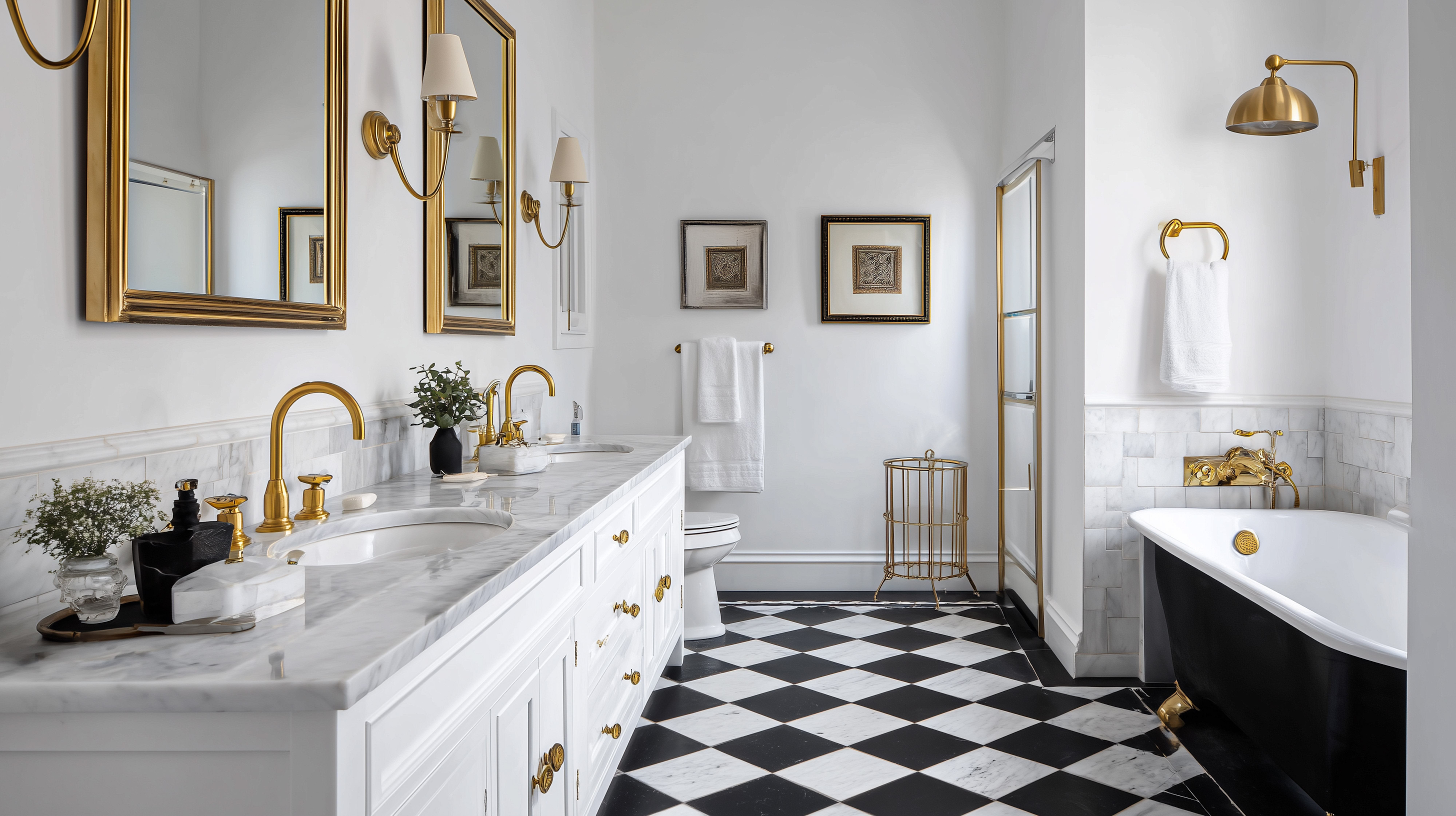
Stand Out with 2026 Home Trends
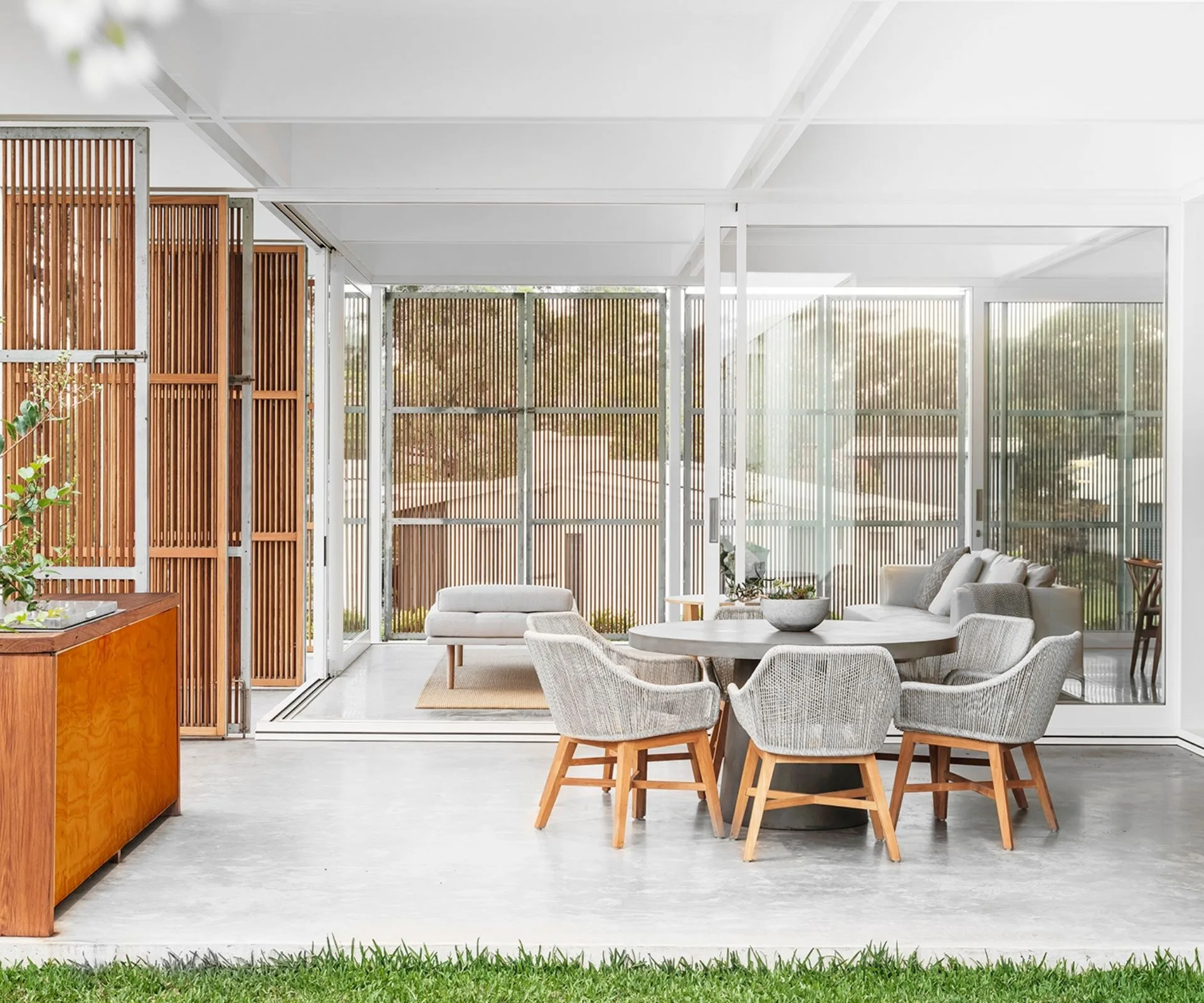
7 sustainable homes with style

8 Sustainable Home Improvements You Can Make In 2025

11 Eco-Friendly Houses That Will Inspire You to Live Greener

Experts swear by these 6 sustainable home renovation tips
Eco-house: 10 sustainable homes with clever design ideas
10 Sustainable Homes That Prove Interior Design Can Be Just as Easy on the Eye as It Is on the Earth

Sustainable House Day 2021: Top picks to explore this year
10 ways to make your home more sustainable
I'm Obsessed With These 7 Home Brands Doing Cool Things in the Sustainability Space
From Prototype to Progress: How Small-Scale Sustainable Housing Models Are Shaping Our Future

Innovative, Sustainable Materials for SWFL Homes
8 Sustainable Home Improvements You Can Make In 2026