8 Sustainable Home Improvements You Can Make In 2026
This article highlights eight sustainable home improvements that homeowners can implement to reduce their environmental impact, improve health and well-being, and achieve energy savings. These improvements are particularly relevant given that sustainability is a growing priority for many homeowners, especially younger demographics, as indicated by Zillow's 2022 home trends.
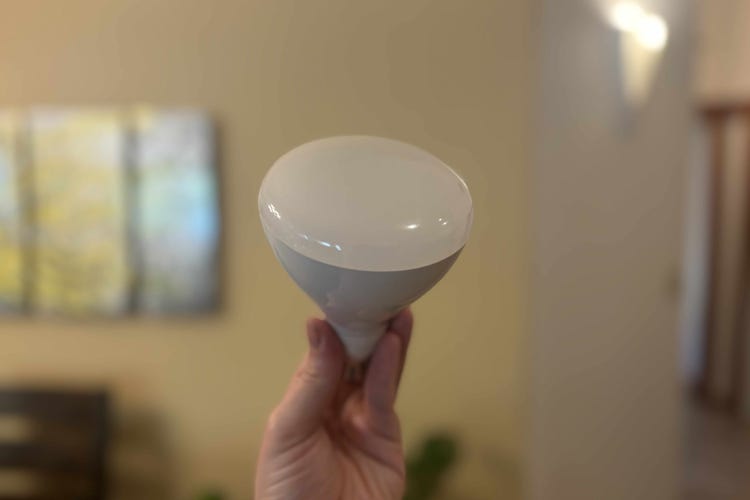
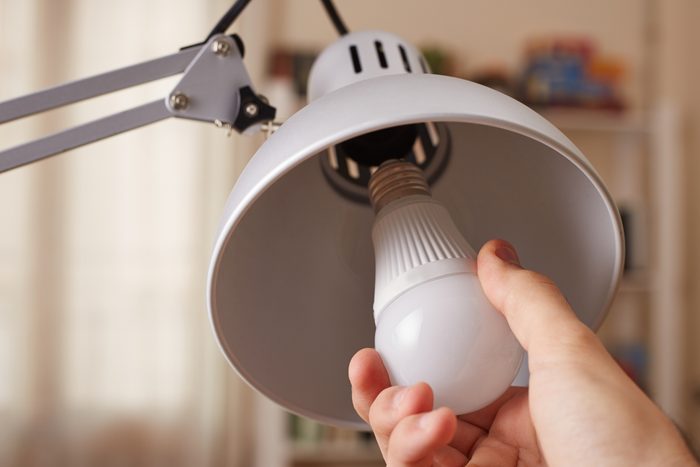
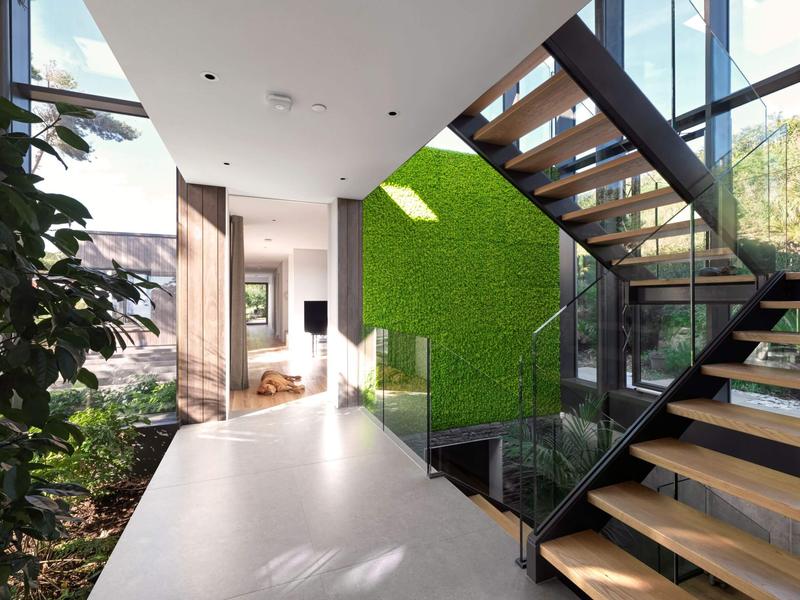
The first improvement discussed is installing energy-efficient lighting, specifically LED lights, which consume up to 90% less energy than traditional bulbs and can save an average customer around $225 annually. The article also suggests strategic use of curtains during warmer months to reduce the burden on air conditioning and leveraging natural light through south-facing windows, skylights, and glass doors in cooler climates.
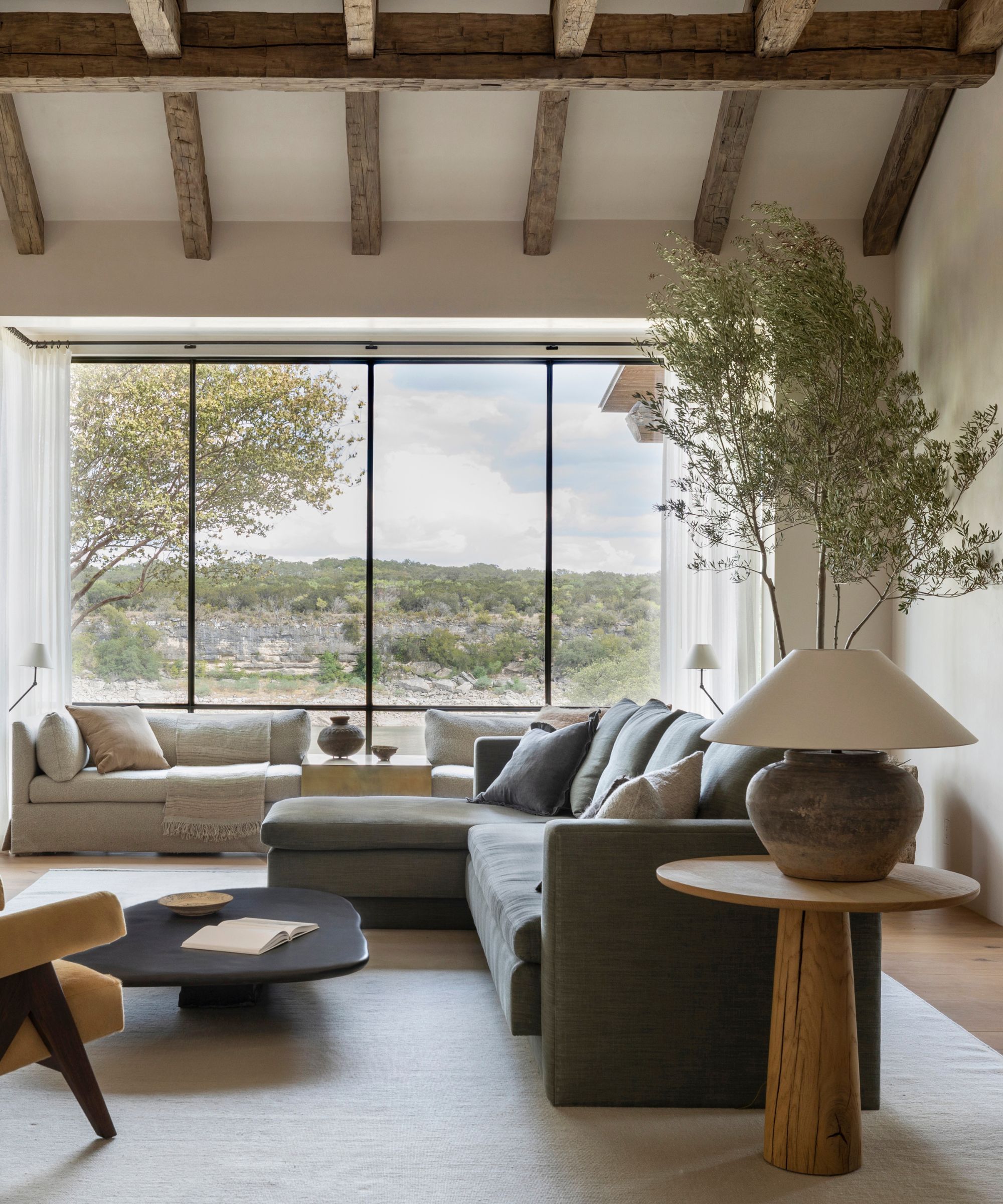
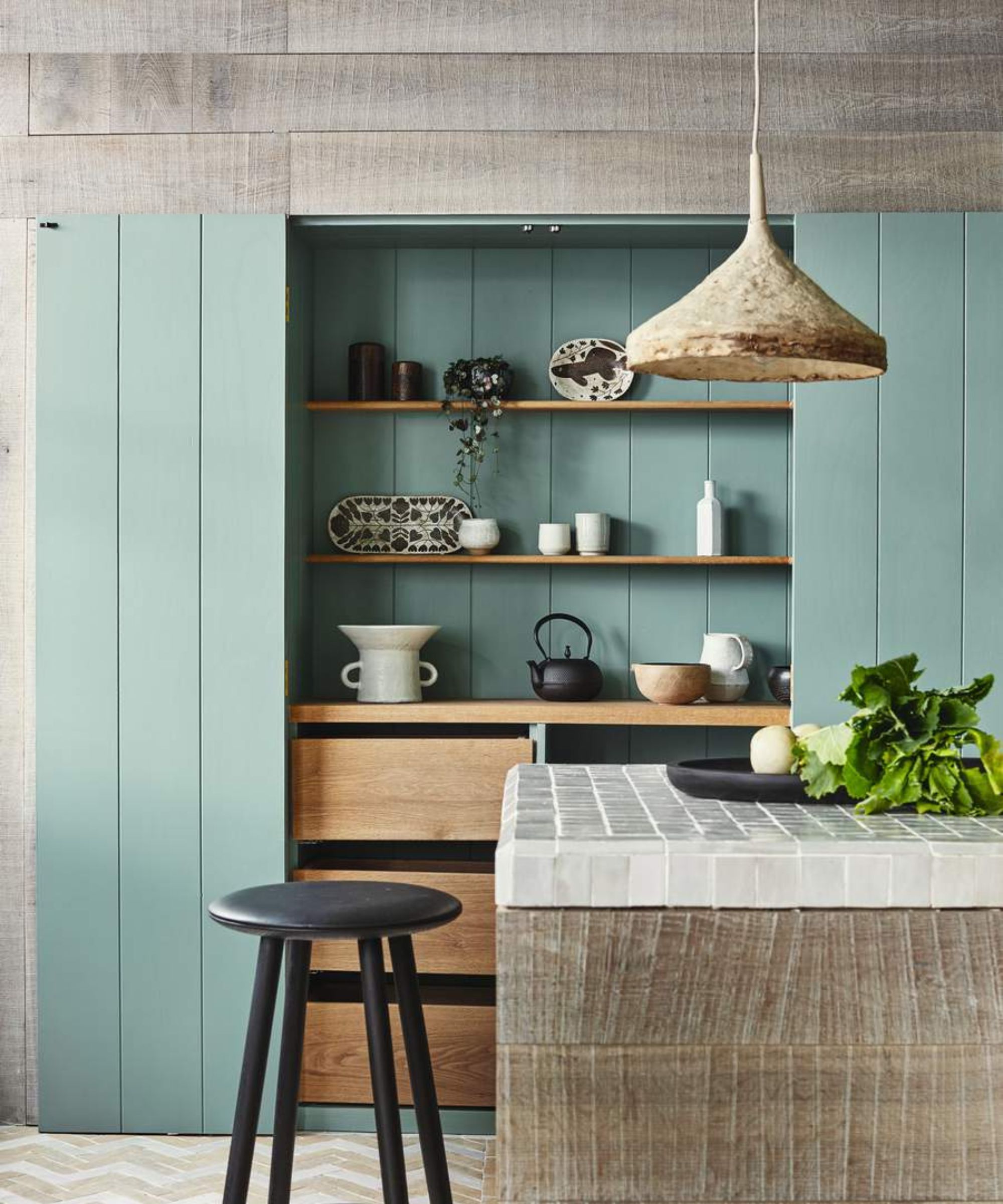
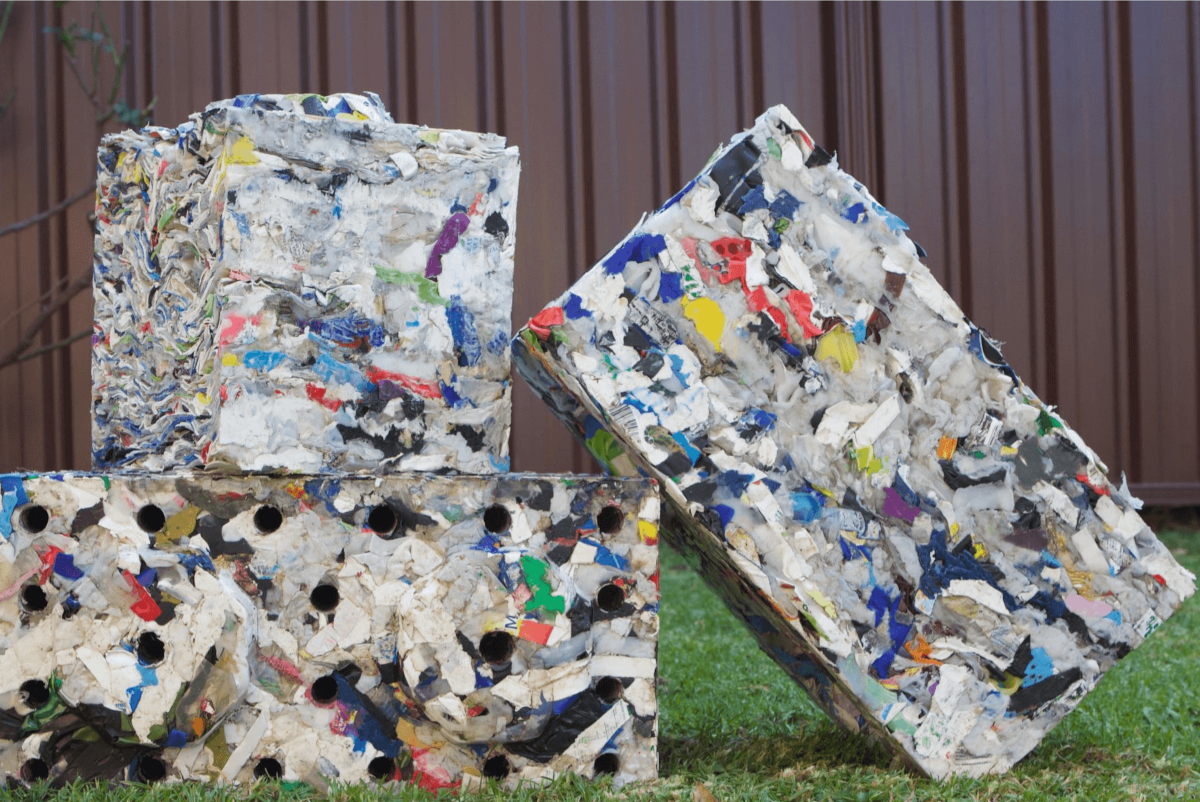
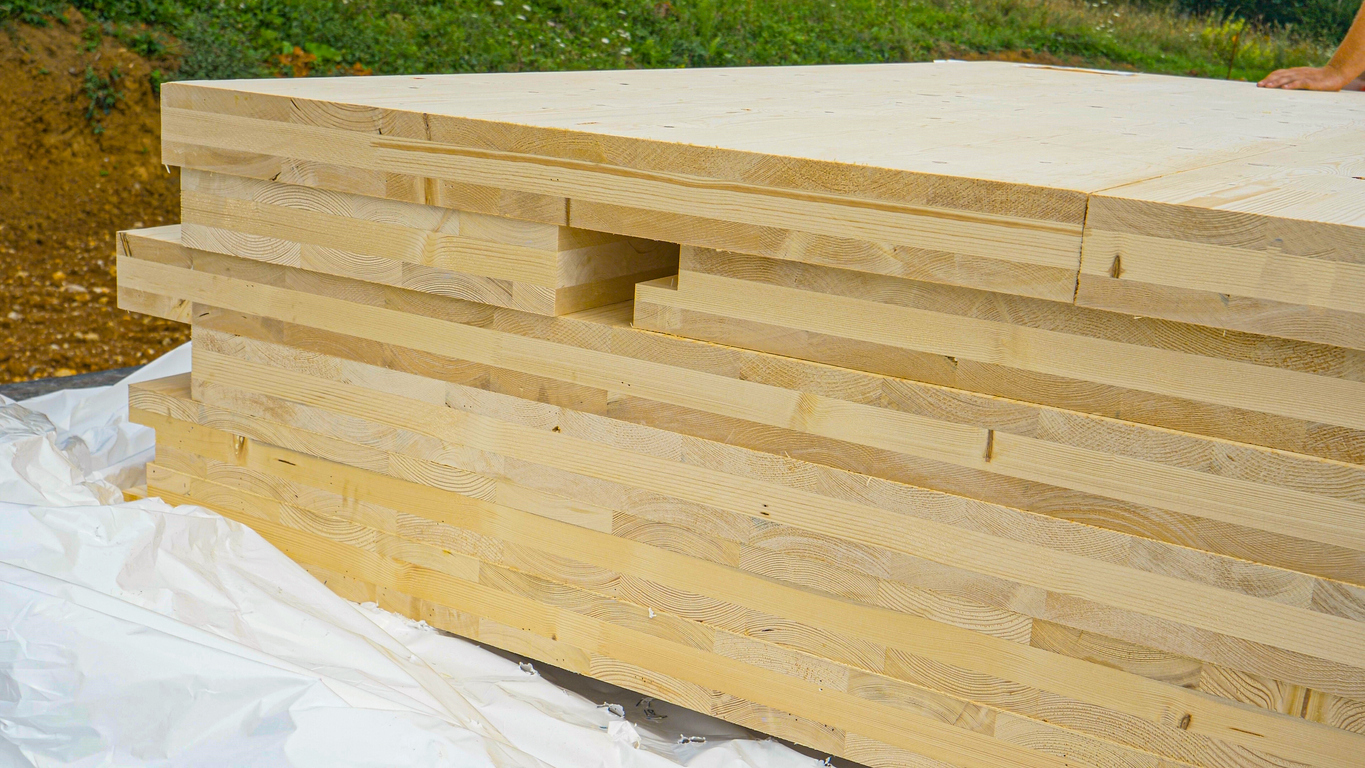
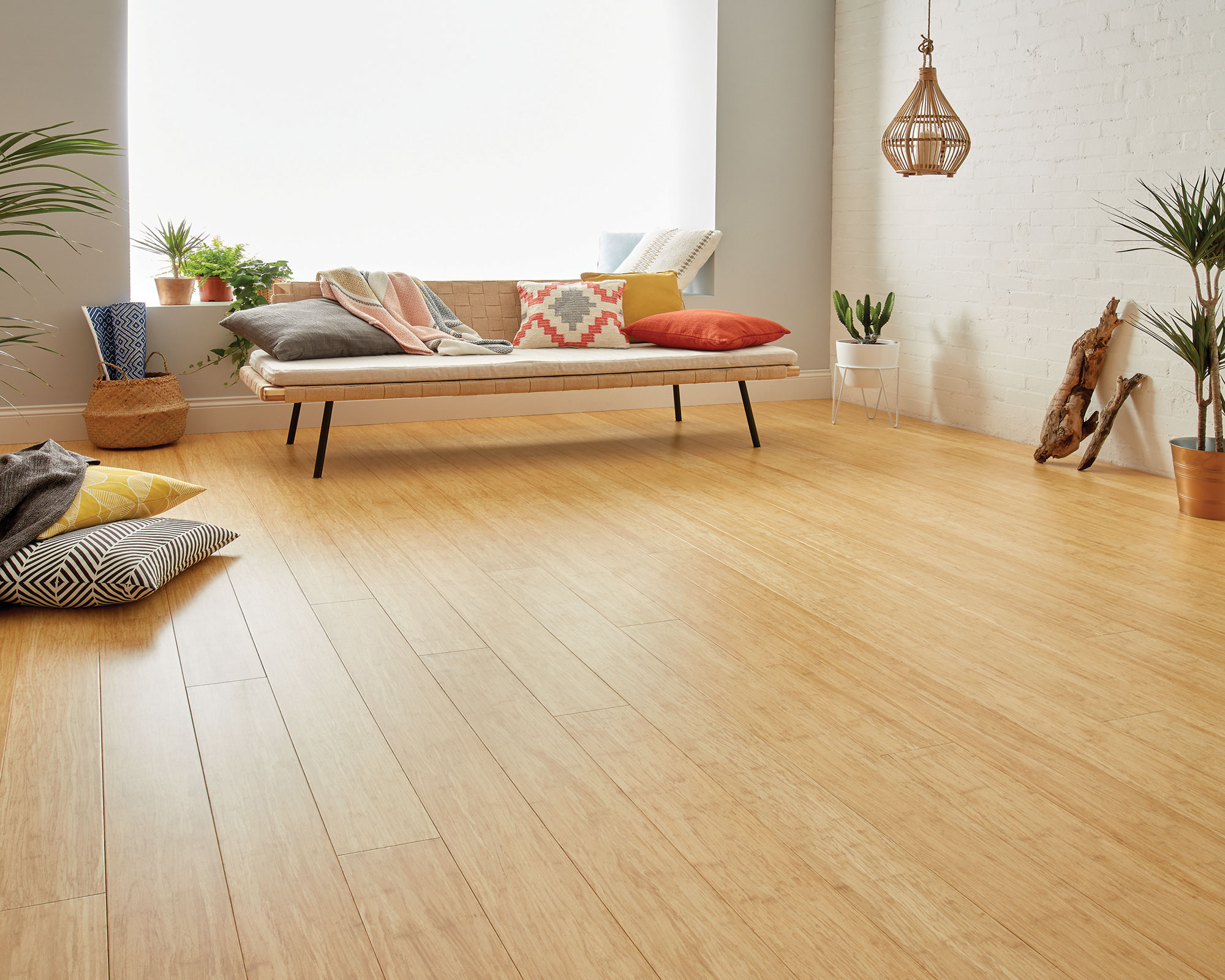
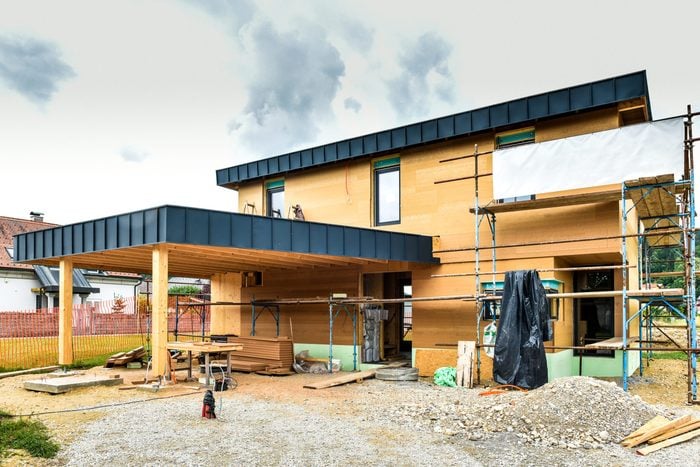
Secondly, the article advocates for using recycled, repurposed, or reclaimed materials in renovations. This approach significantly reduces construction waste and can also be cost-effective. Resources like Habitat for Humanity’s ReStore, Planet Reuse, Craigslist, Facebook Marketplace, and Freecycle are mentioned as avenues for finding such materials.
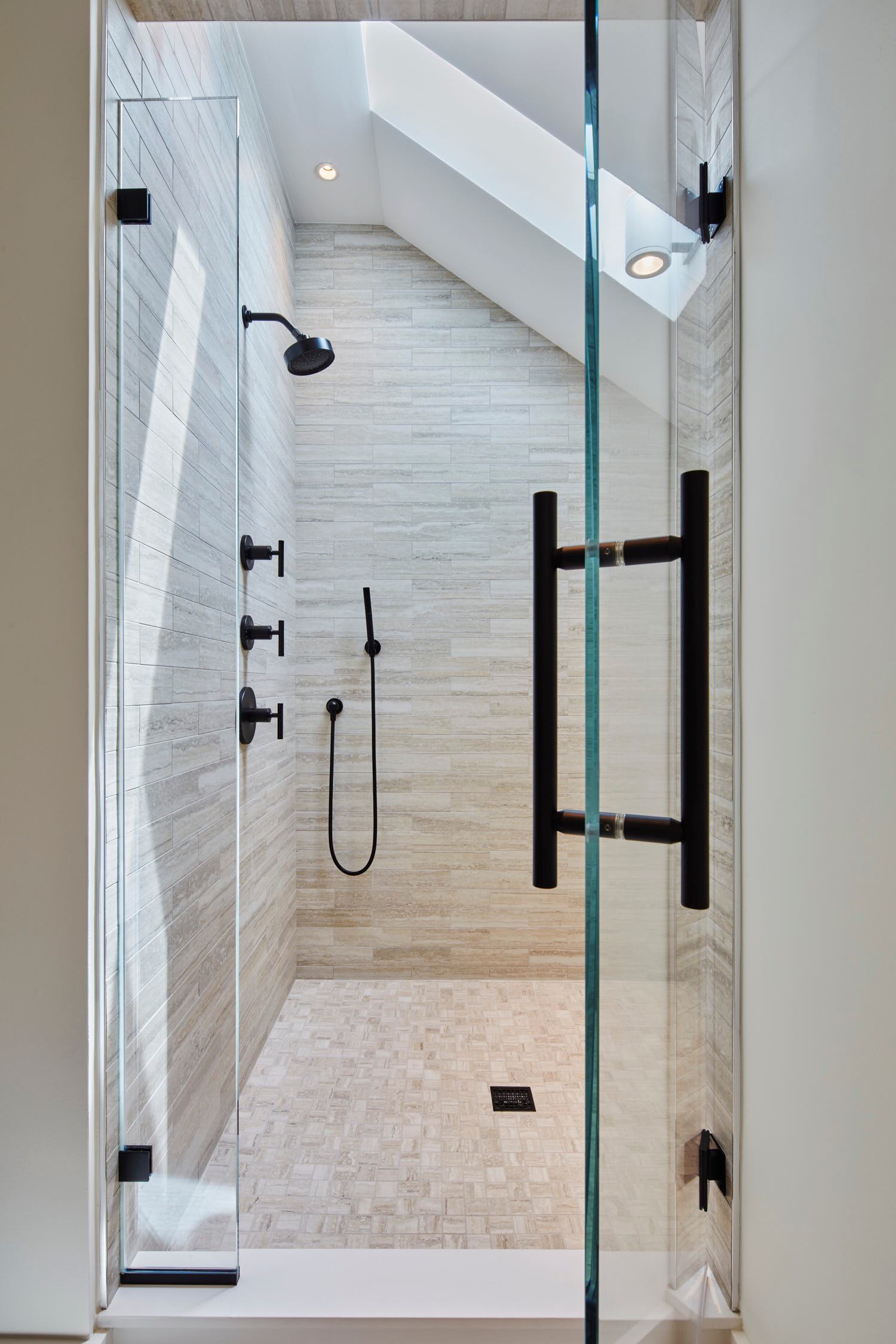
Thirdly, upgrading or sealing windows and doors is crucial, as approximately 30% of home energy loss occurs through windows, and drafty doors also contribute to heat loss. Energy-efficient windows are designed to prevent air leakage, and existing windows and doors can be improved with weather stripping, caulk, glaze, or door snakes.
Fourthly, embracing solar energy is presented as a major sustainable step. This includes installing solar panels, which have seen a significant cost reduction in the past decade. Other solar-powered options include solar attic fans to regulate attic temperatures in warm climates, solar water heaters that can reduce residential energy use for water heating by 20%, and outdoor solar lights that eliminate the need for electrical cords and are powered by rechargeable lithium batteries.
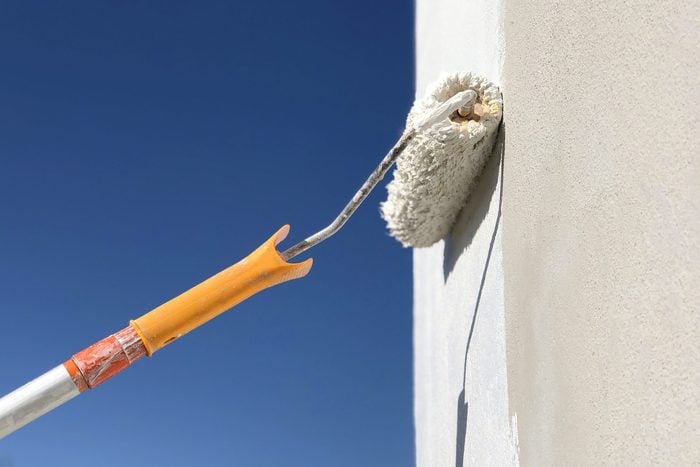
Fifth, the article recommends using eco-friendly paints that are free from volatile organic compounds (VOCs). VOCs are harmful chemicals emitted as gases that can cause health issues and environmental damage. Opting for VOC-free paints during home improvement projects can mitigate these risks.
Sixth, starting a compost bin is a simple yet impactful way to manage food scraps and yard waste, which constitute over 30% of municipal waste. Composting transforms this waste into organic material that enriches soil, contributing to healthy soil and combating climate change.
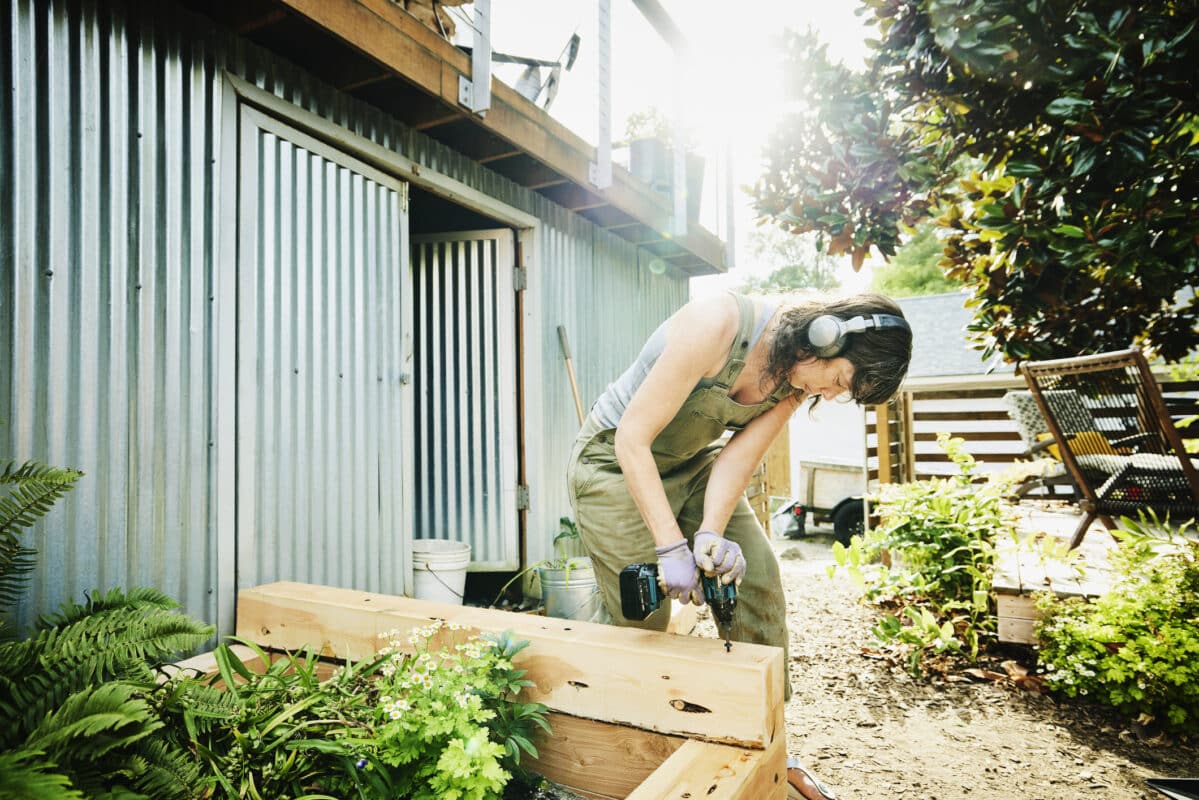
Seventh, planting a garden offers multiple benefits, including natural air purification, reduced soil erosion, improved soil health, and support for pollinators. A well-designed garden can also enhance home value and curb appeal, and studies suggest that gardening or even just observing a garden can reduce stress, improve cardiovascular health, and lower blood pressure. Furthermore, growing one's own food provides fresh ingredients and a deeper connection to nature.
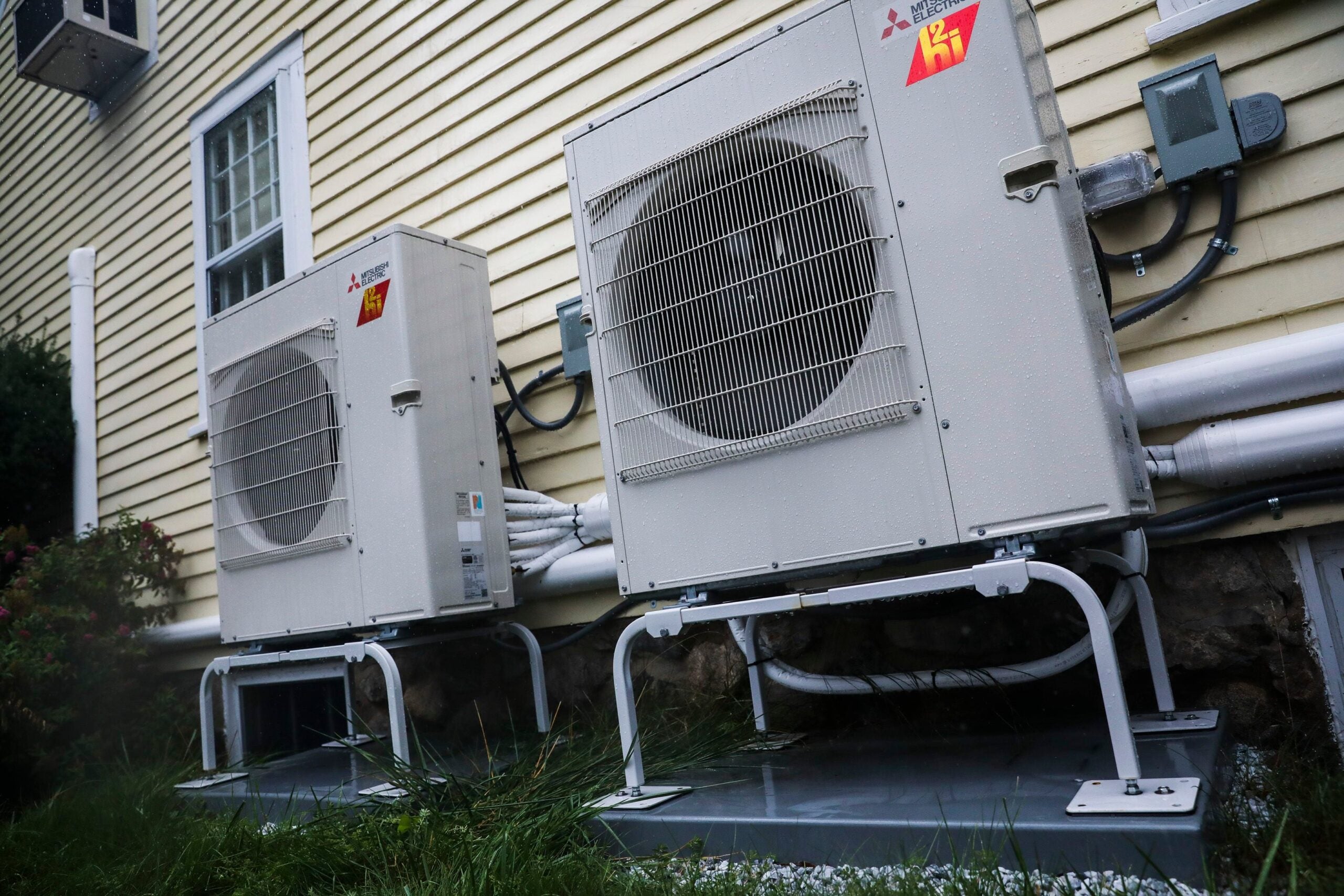
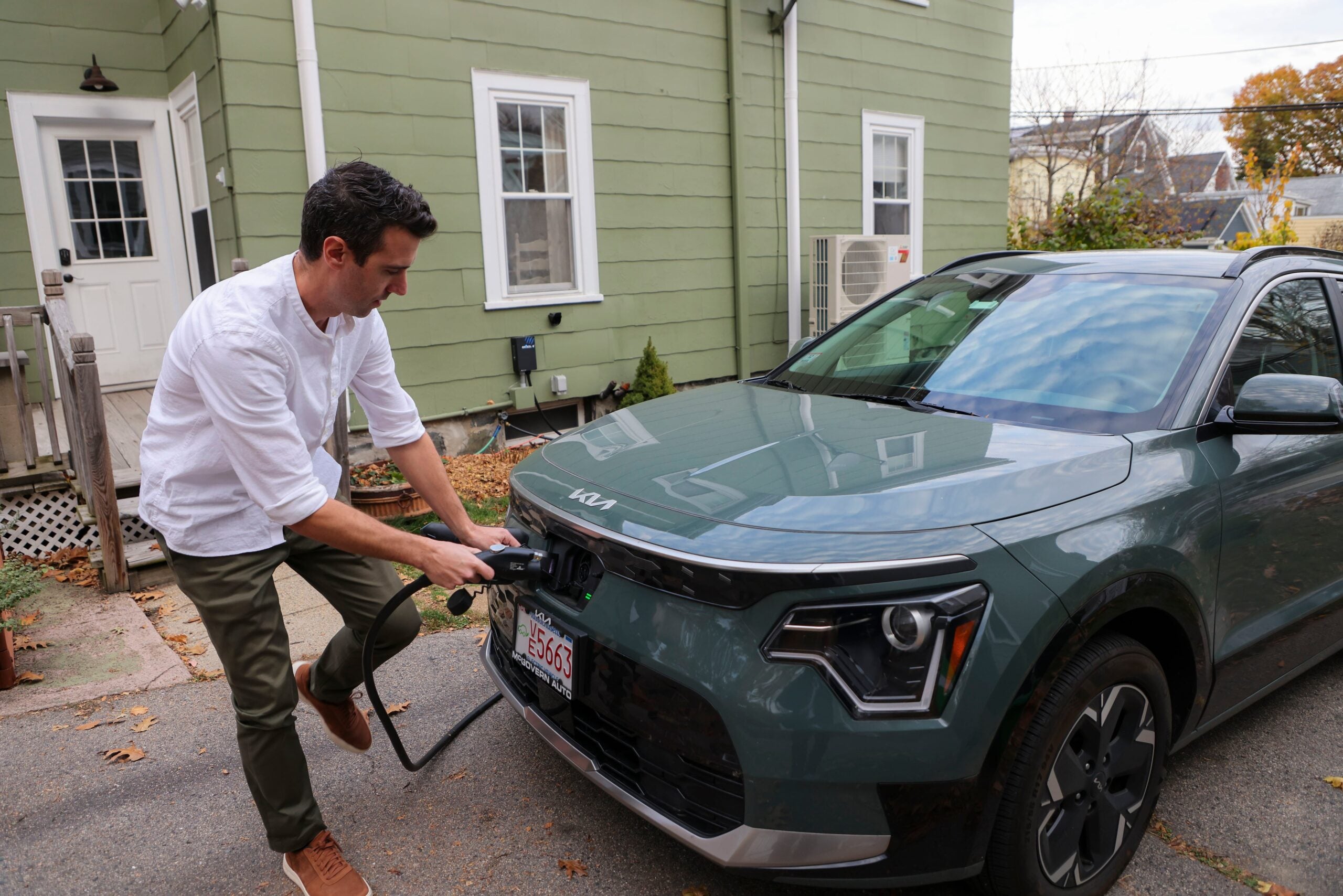
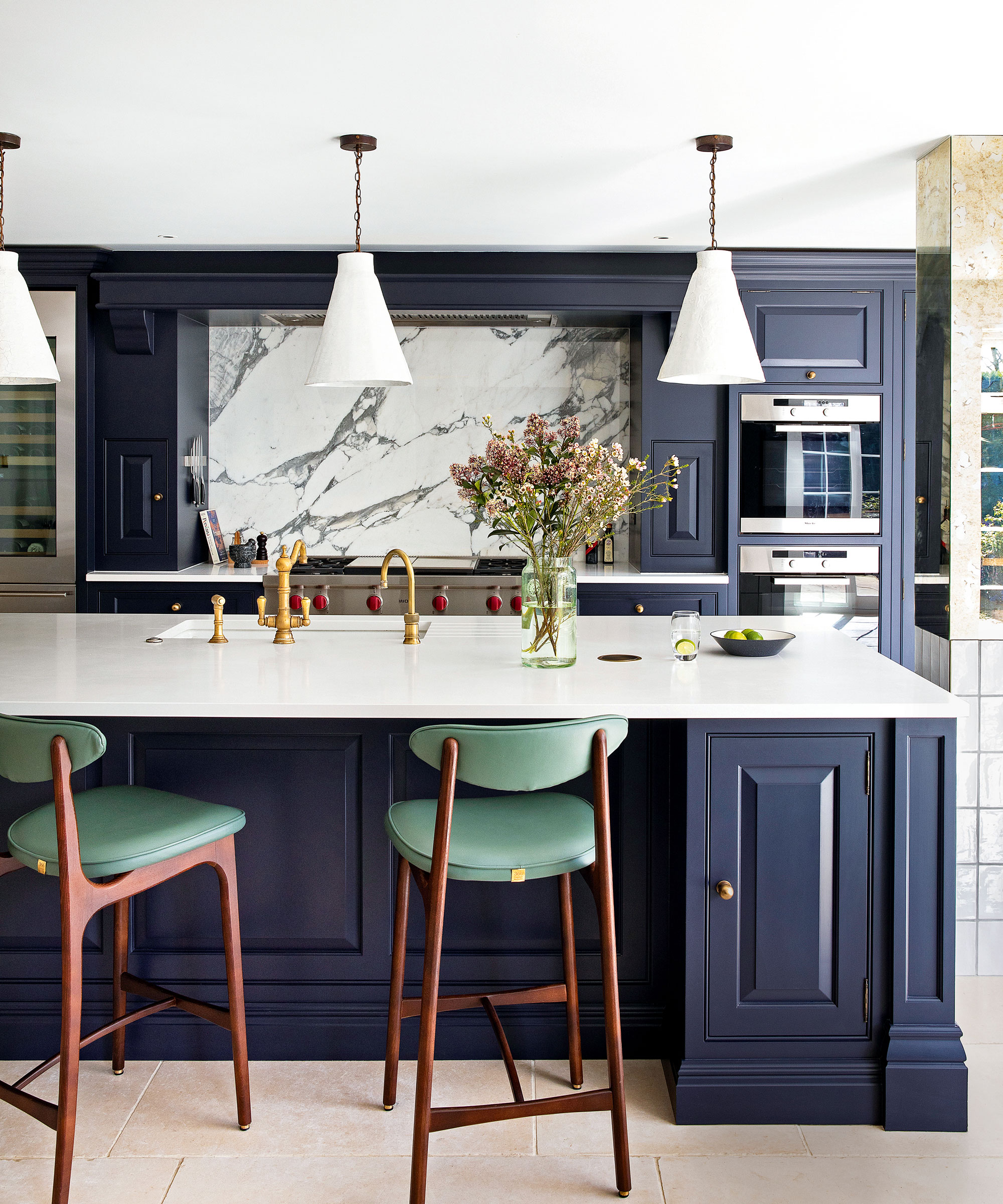
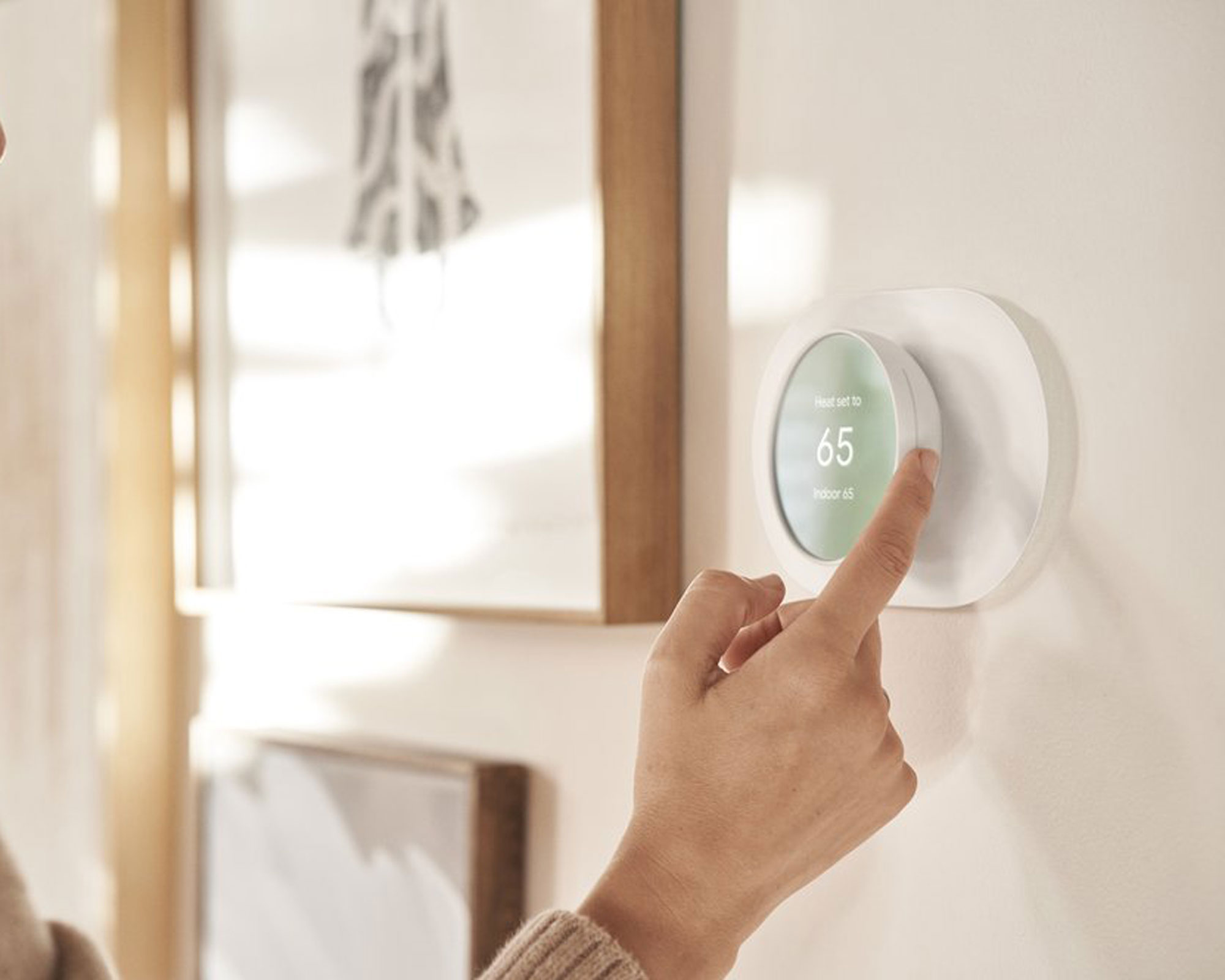
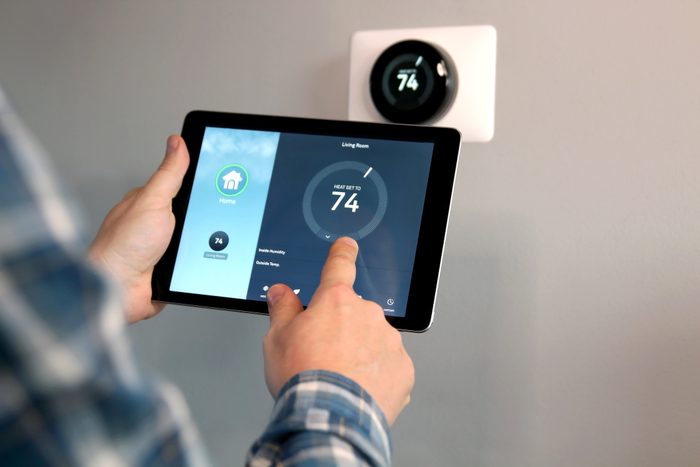
Finally, investing in energy-efficient appliances, particularly those with Energy Star certification, is advised when replacements are due. High-energy-consuming appliances like refrigerators, washing machines, dryers, heating/cooling systems, smart thermostats, televisions, water heaters, and ceiling fans can quickly offset their higher initial cost through energy bill savings. For homeowners unsure where to begin, many solar energy companies offer energy efficiency audits to identify the most impactful improvements for their home's energy system.
#SustainableHome #EnergyEfficiency #SolarEnergy #EcoFriendlyMaterials #HomeImprovement #Composting #Gardening #GreenLiving #RenewableEnergy #SustainableHome #EnergyEfficiency #SolarEnergy #EcoFriendlyMaterials #HomeImprovement #Composting #Gardening #GreenLiving #RenewableEnergy
0 comment in total
 No comments yet
You may also like
Ask the remodeler: 10 home trends we’ll continue to see in 2026 renovations

These 2024 home remodel trends are here to stay – here's how to try them


How to Revamp Your Home in 2025

8 Home Renovation Trends We're Leaving Behind In 2024

5 renovation projects that will add value to your home in 2024

The 8 Renovation Trends Designers Say Will Shape Homes in 2025 and Beyond

7 Home Renovation Trends Everyone Will Be Talking About In 2026

12 Ways To Create a More Sustainable Home

Experts swear by these 6 sustainable home renovation tips

5 Renovation Trends You're Going to See in Every Home in 2026, According to Pros

Sustainable home improvements – 8 ways to make your home more energy efficient

These 10 Sustainable Home Technologies Will Change the Way We Live
8 Sustainable Home Improvements You Can Make In 2025

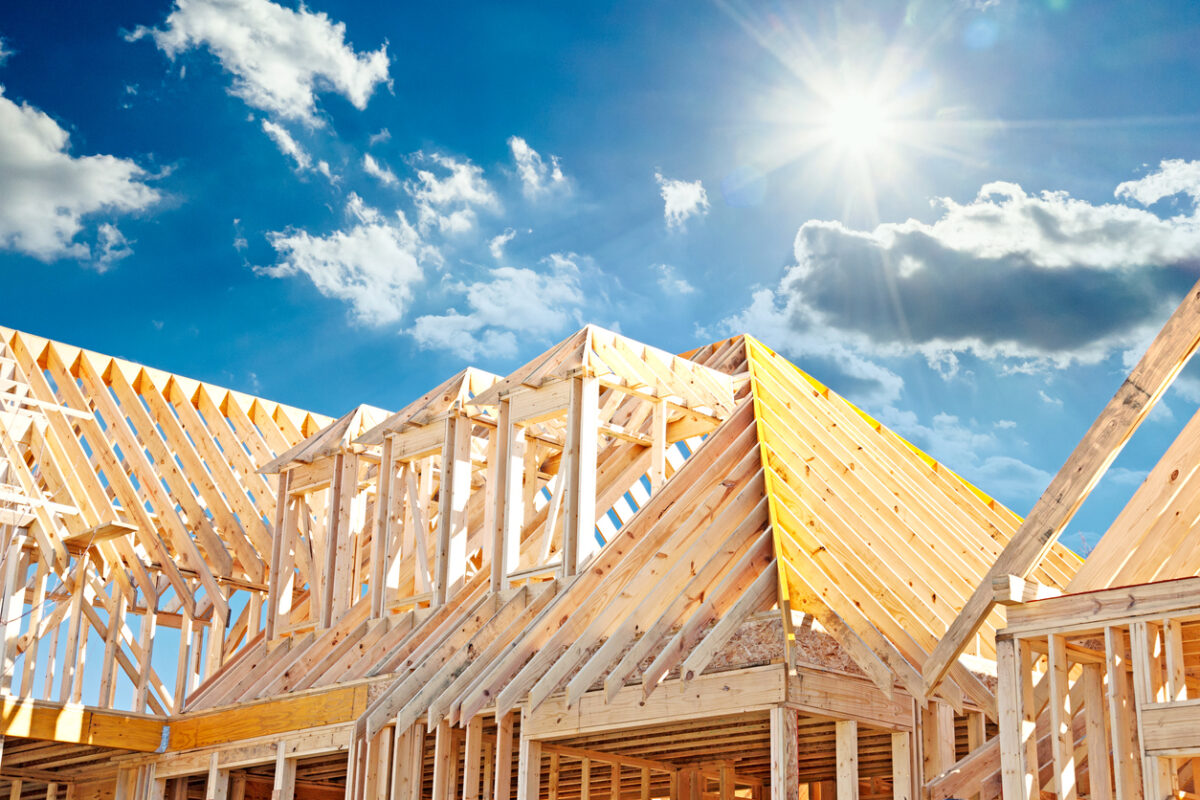
10 Innovative Materials Poised to Make Home Building More Sustainable


Best Smart Home Devices of 2026: Home Upgrades for Anyone

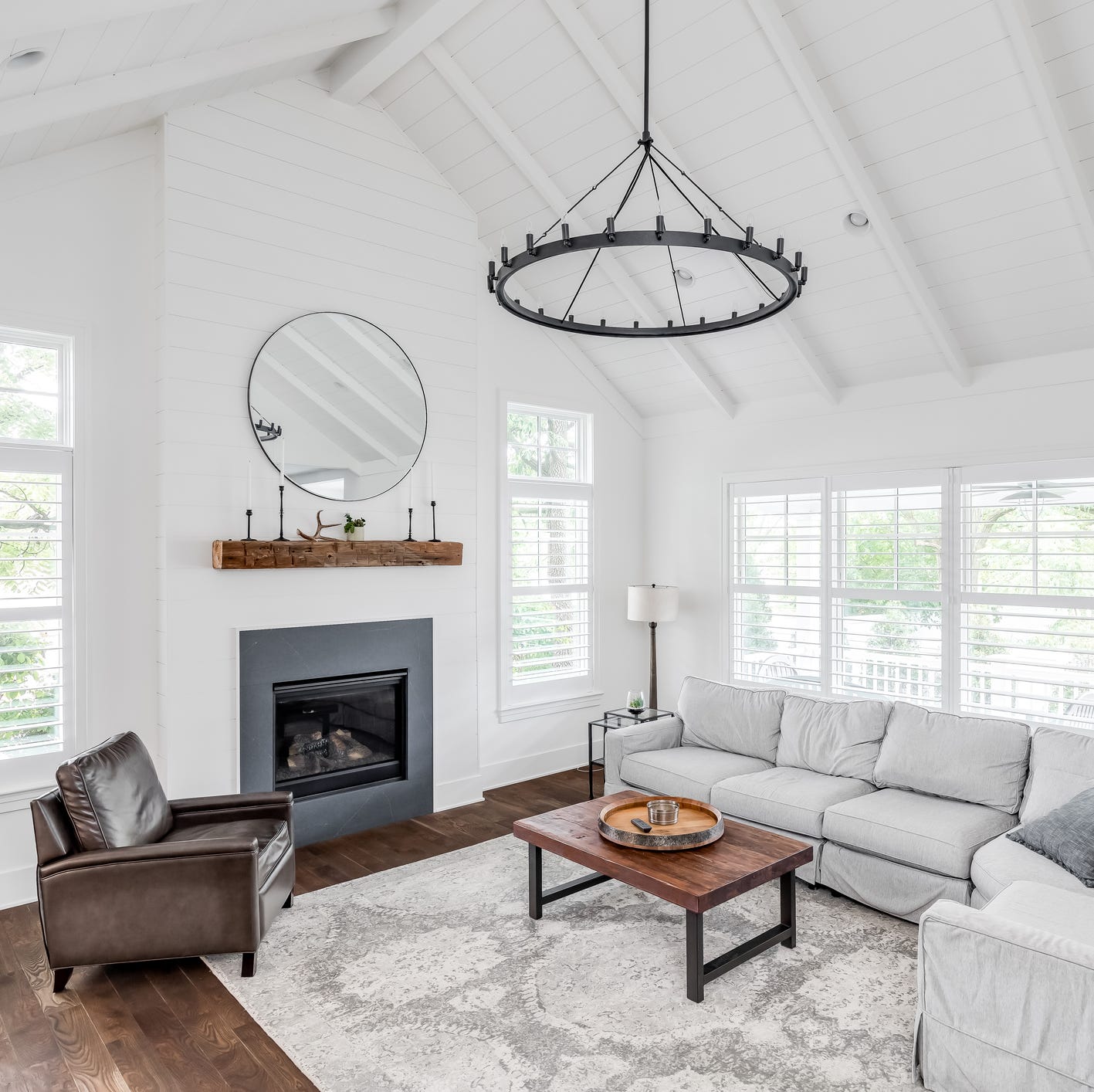
Designers Agree: These 15 Home Trends Are Officially Out in 2026

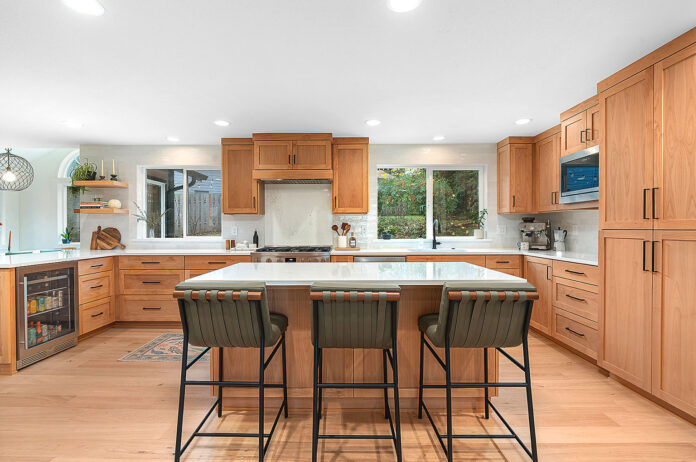
2026 Home Design Trends to Watch
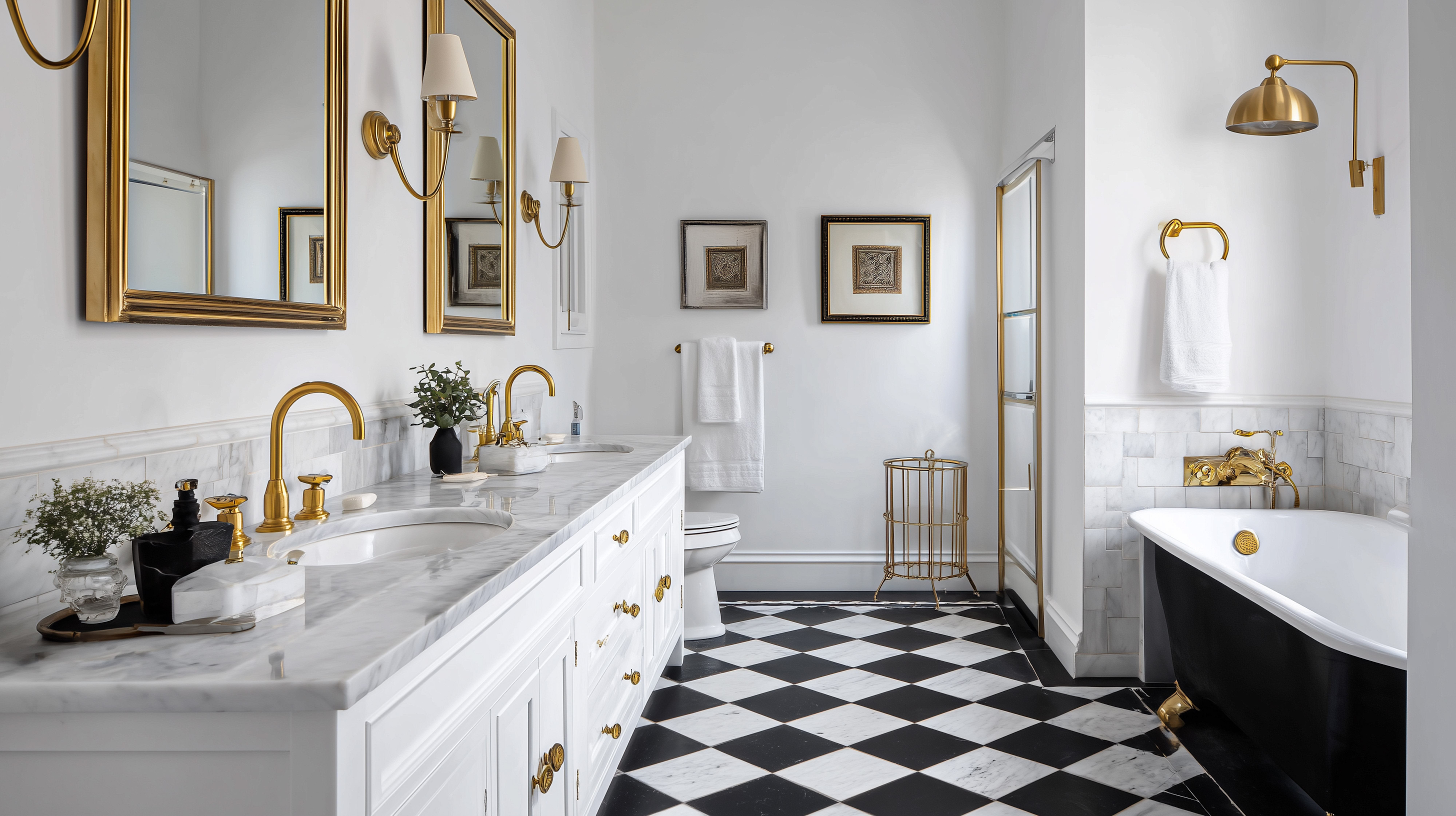
Stand Out with 2026 Home Trends
10 ways to make your home more sustainable
6 Sustainable Home Decor Trends You're Going to See Everywhere in 2025, Designers Say