1/11
These 10 Sustainable Home Technologies Will Change the Way We Live
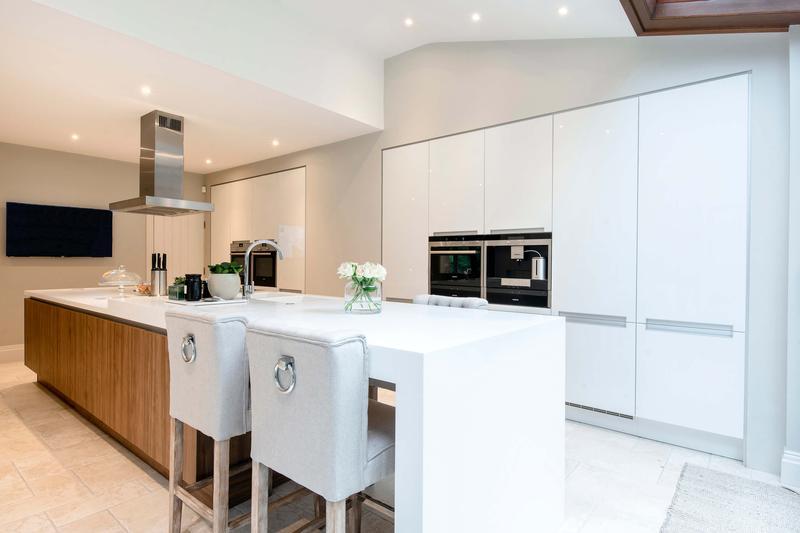
The pursuit of home sustainability often encounters obstacles from traditional building and grid infrastructures. However, scientists are actively developing creative solutions to reduce carbon footprints, minimize waste, and enhance self-sufficiency in homes. Many of these emerging technologies are designed to integrate seamlessly into daily life without requiring significant conscious effort from homeowners.
Innovations in paint technology are poised to transform energy efficiency. Researchers at Stanford University have developed an exterior paint capable of reflecting infrared heat, potentially cutting heating and cooling costs by 20% to 25%. Concurrently, China’s Harbin Institute of Technology has introduced a chameleon-inspired, low-cost coating that regulates heat by changing color, offering even greater energy efficiency. Additionally, a “living paint” from the University of Surrey uses bacteria to absorb carbon dioxide and produce oxygen, demonstrating a biological approach to environmental improvement.
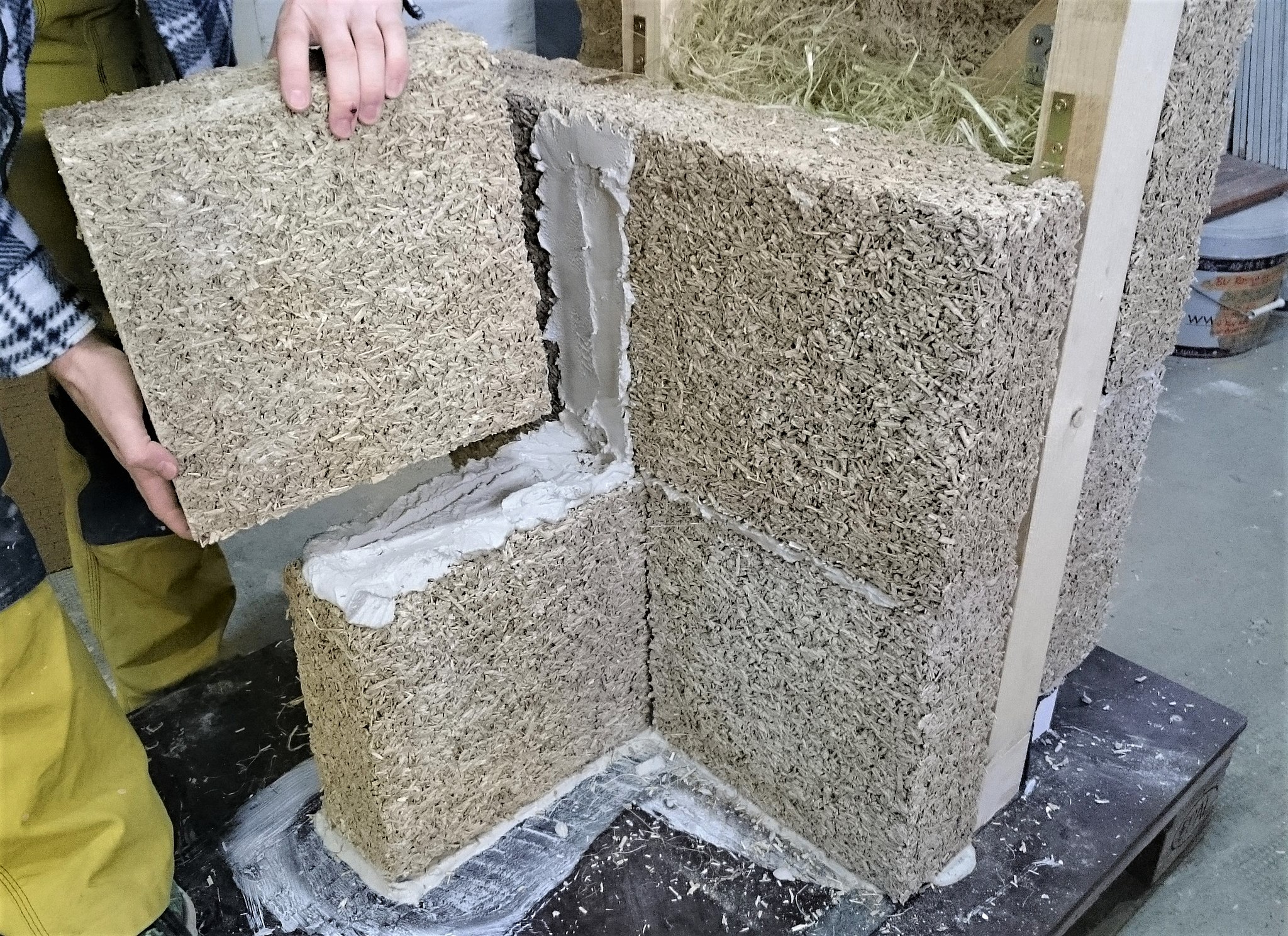
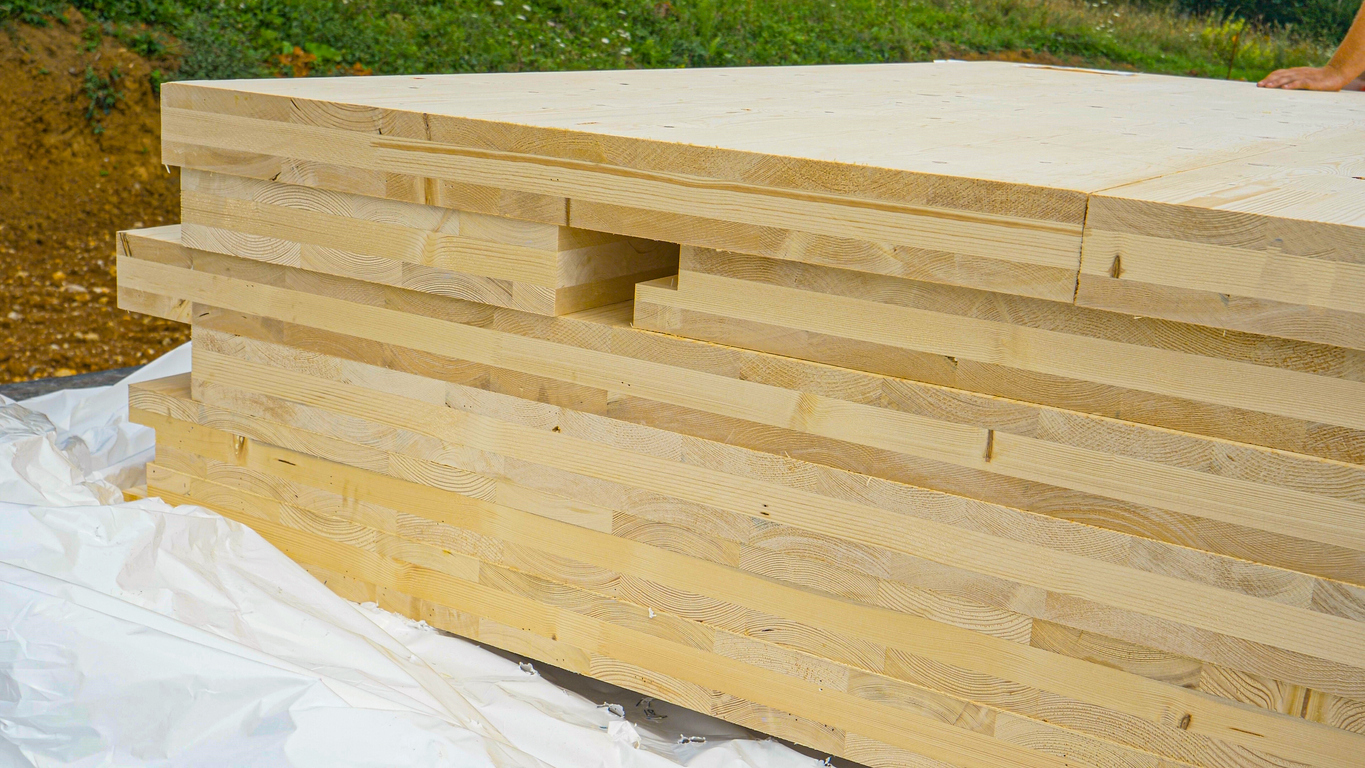
Progress in sustainable building materials extends beyond paint. The University of Colorado in Boulder is researching self-healing concrete, which can prolong the lifespan of structures by repairing cracks, thus reducing the need for new material production. They are also developing concrete alternatives that utilize bacteria and fungi instead of calcite for cementation, leading to lower energy consumption during production and carbon sequestration throughout the material’s life. Furthermore, other advancements include an insulating gel made from wood pulp cellulose, which can be retrofitted to windows for improved energy efficiency, and a sustainable wood material infused with citrus peel and coconut extract that stores and releases heat, doubling as a thermal energy battery with dynamic transparency.
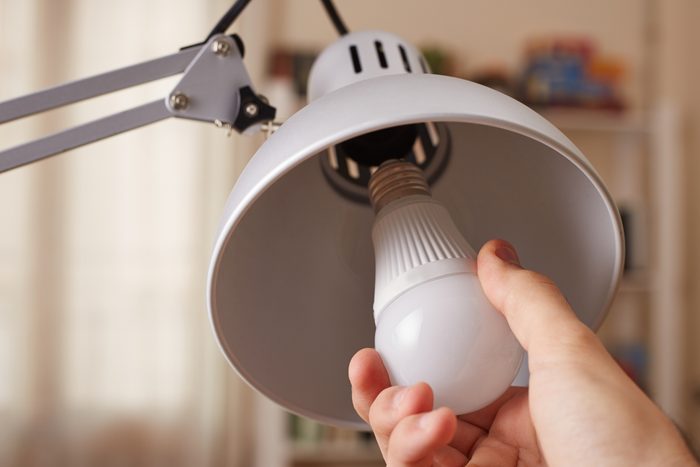
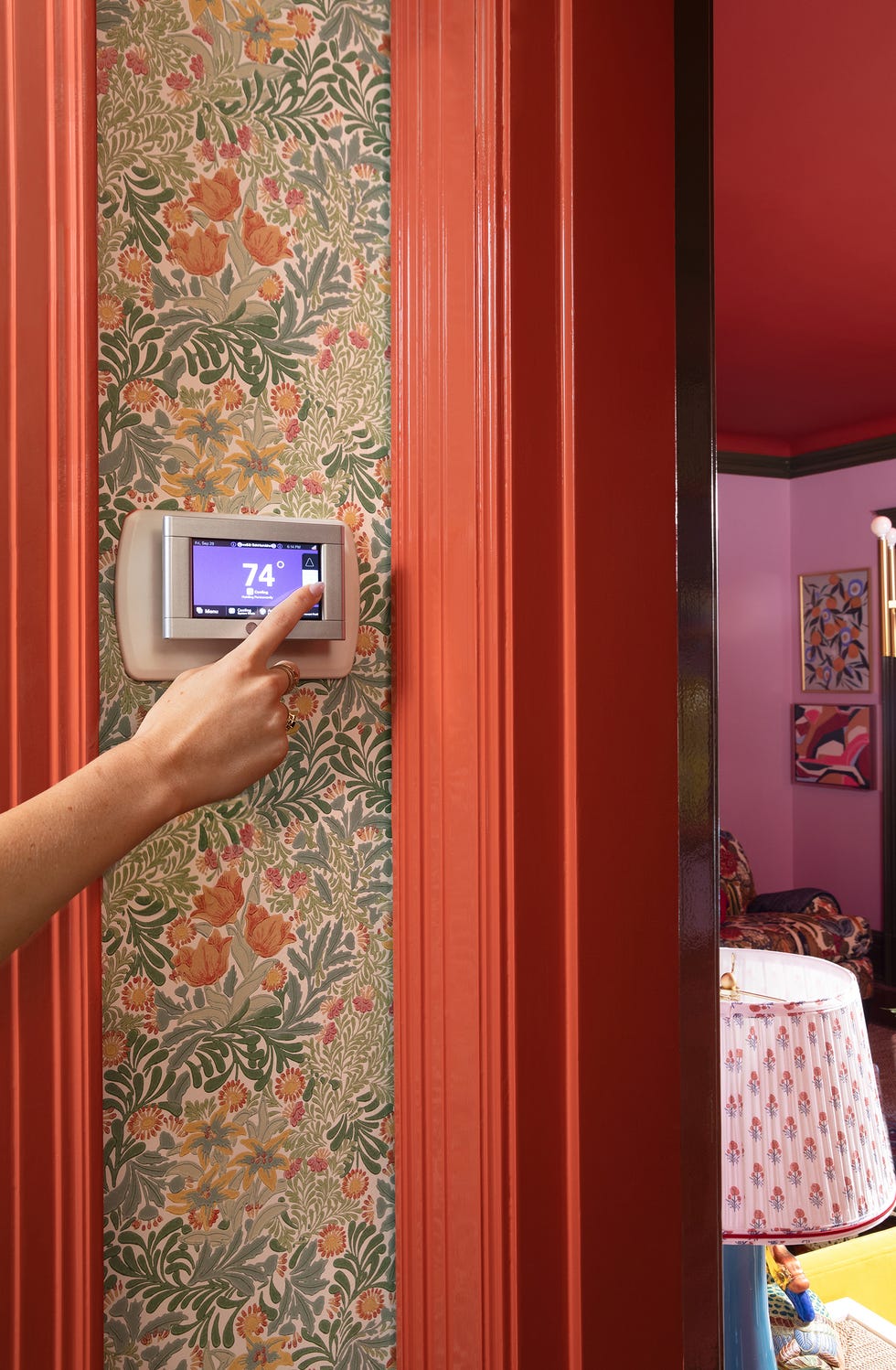
Artificial intelligence (AI) is being leveraged to streamline home energy audits. New algorithms from the University of Cambridge can identify areas needing energy-efficiency retrofits with 80% accuracy. This technology will assist homeowners in prioritizing carbon emission reductions and could be integrated with street view data for urban planners to develop more effective neighborhood decarbonization strategies. Electrical components are also evolving, with solid-state technology silicon chips becoming available in LED lighting, outlets, and breakers. These components enhance energy efficiency, programmability, and safety by preventing electric arcs. Concurrently, Duke University has made strides in creating recyclable transistors from materials like crab shells, facilitating easier reuse and recycling of electronics, a significant improvement over current manufacturing methods that are resource-intensive and environmentally harmful.
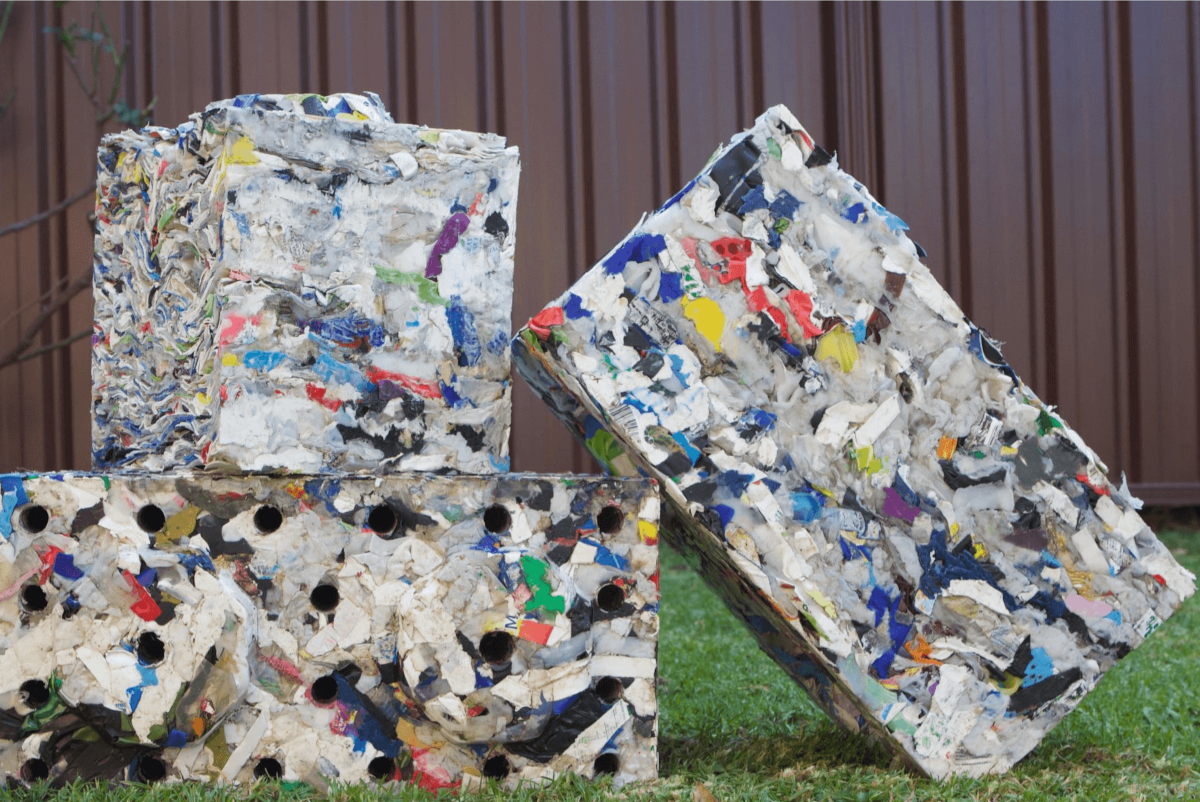
Home battery backup systems have seen substantial improvements, with expectations that most homes will incorporate built-in batteries by 2030 to stabilize the grid and provide backup during outages. Emerging battery technologies are moving away from rare-earth elements, with notable advancements including batteries made from crab shells. Efforts to reduce plastic waste include the development of plastic alternatives derived from seaweed, mushrooms, and pineapple leaves. Some of these are already in use, such as edible coffee cups and hemp hurd/mycelium packaging. Biodegradable food coverings that wash off with water and bioplastics from cyanobacteria that compost quickly are also in development.
Addressing energy-intensive HVAC systems, engineers at Lawrence Berkeley National Laboratory have devised “ionocaloric materials” that replace traditional refrigerants, using magnetic fields or voltage to achieve cooling, similar to how salt lowers the freezing point of water. Furthermore, a phone app developed by Koç University in Turkey can detect spoiled meat using a polymer patch in food packaging, helping to reduce food waste and associated carbon emissions from agriculture. Researchers at the University of Leeds are also improving plant-based meats to better mimic the texture of traditional meat.
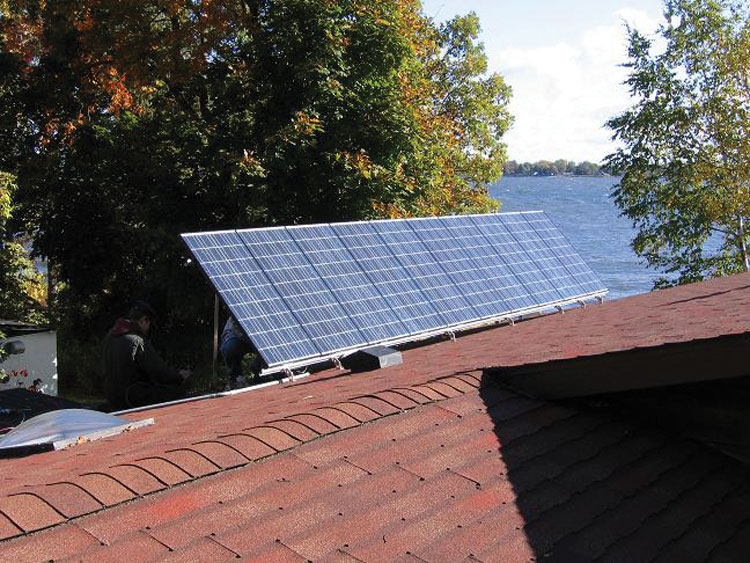
Finally, rooftop technology is advancing with flexible solar cells that match the efficiency of traditional panels, suitable for integration into building facades, aircraft, and cars. German and Canadian researchers are also developing rooftop panels that can produce cheap hydrogen fuel through artificial photosynthesis, offering a cleaner alternative for heating and transportation once widely available. These diverse technological advancements underscore a future where homes are increasingly integrated with sustainable, energy-efficient, and waste-reducing solutions.
#SustainableHome #GreenTechnology #EnergyEfficiency #SmartHome #EcoFriendlyMaterials #RenewableEnergy #WasteReduction #AIinSustainability #ClimateChangeSolutions #SustainableHome #GreenTechnology #EnergyEfficiency #SmartHome #EcoFriendlyMaterials #RenewableEnergy #WasteReduction #AIinSustainability #ClimateChangeSolutions
0 comment in total
 No comments yet
You may also like
10 ways to make your home more sustainable
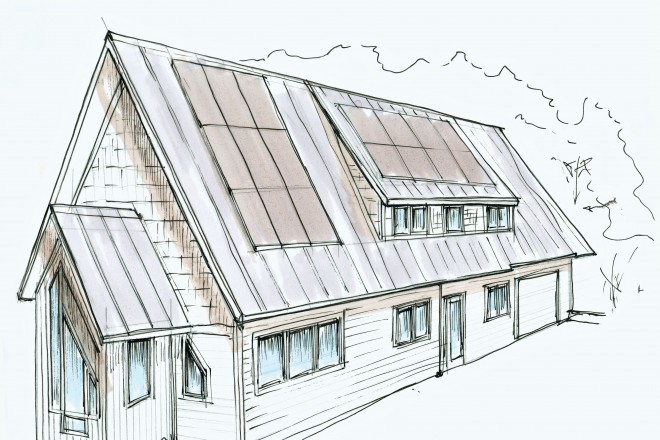
Sustainable Homes

30 Home Features That Jumped in Popularity This Year

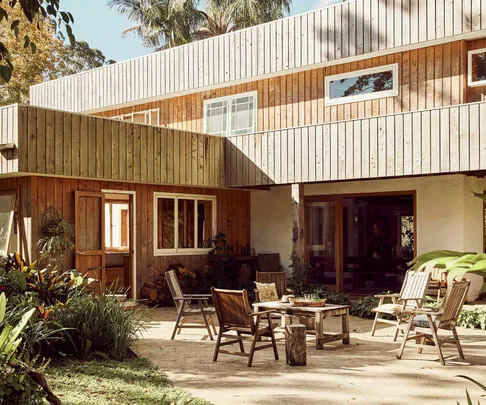
Eco-house: 10 sustainable homes with clever design ideas


10 Innovative Materials Poised to Make Home Building More Sustainable
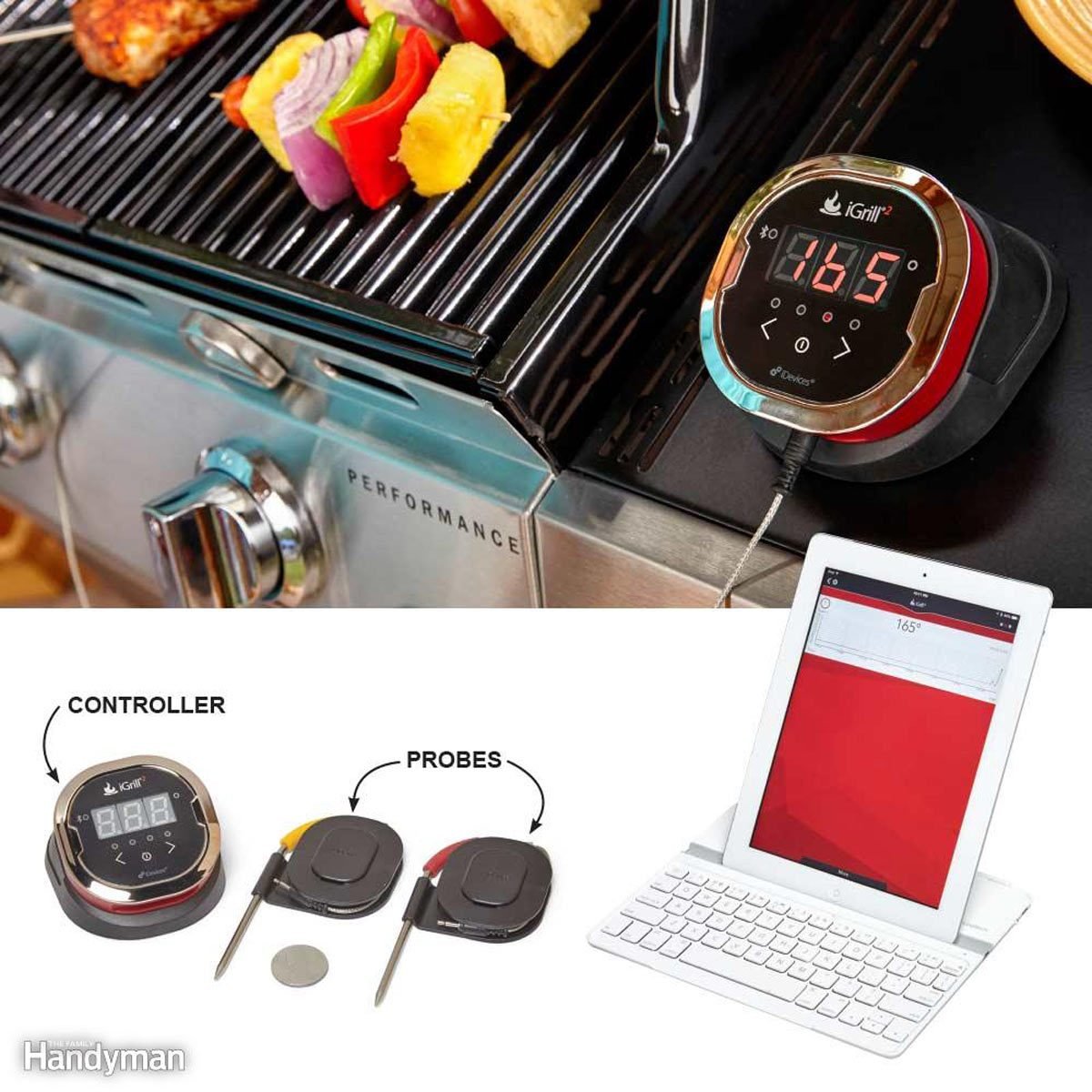
15 Cool Tech Gadgets That Turn Your Home into a Smart House
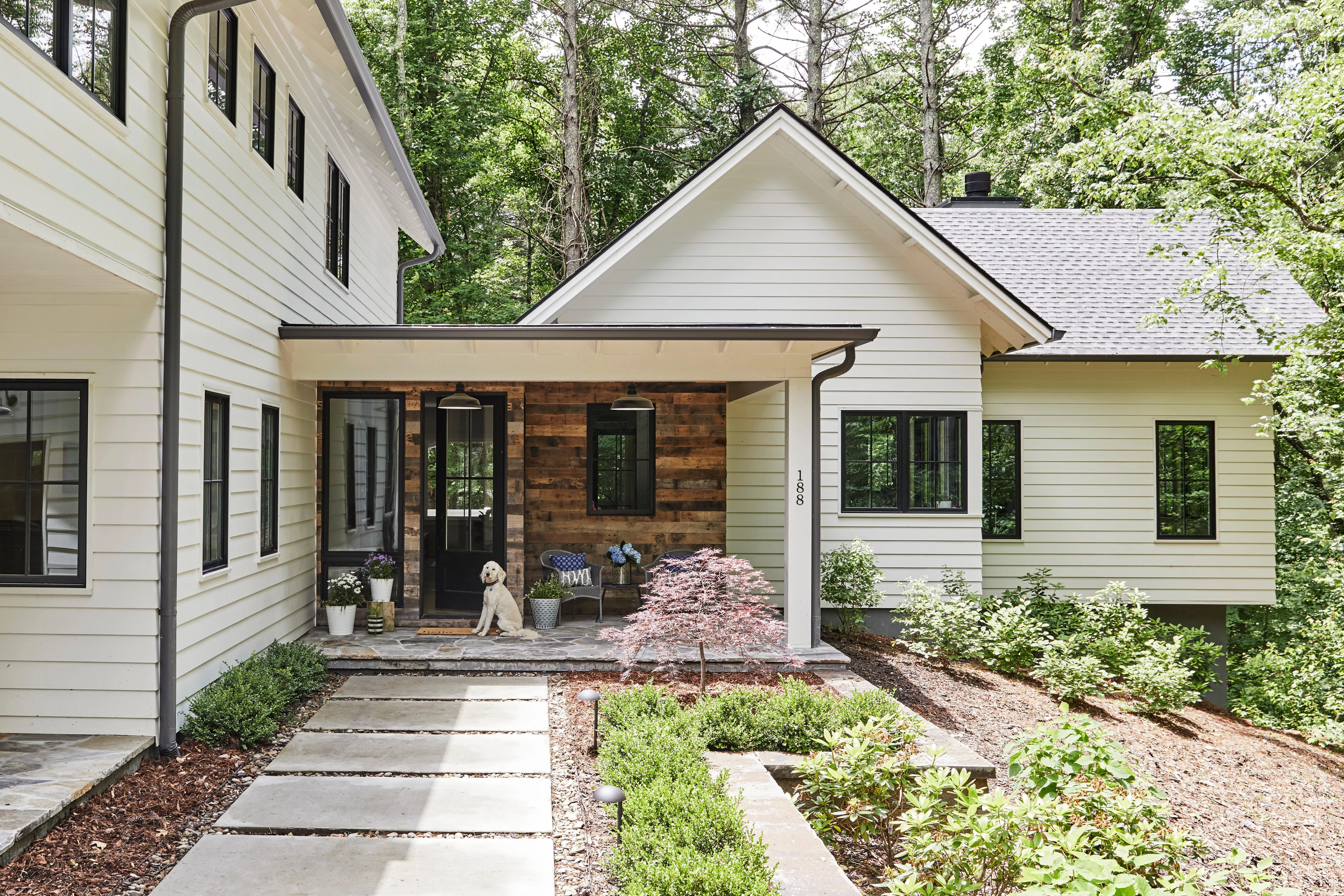
How to Assess a Home’s Sustainability to Choose One That’s Right for You

9 sustainable features you should consider for your eco-friendly remodel

Hottest Home Trends in 2025
7 Design Trends That Will Make Your Home More Sustainable
9 ways to be sustainable at home

Sustainable House Day 2021: Top picks to explore this year

10 High-Tech Home Innovations

Here Are 37 Ways to Make Your Home More Earth-Friendly


Ten modern homes with interiors informed by biophilic design

Smart home must-haves – the 8 smart products to upgrade your home and lifestyle

12 Ways To Create a More Sustainable Home

12 Home Trends That Will Be Everywhere Soon


7 Trending Features That EVERY Homebuyer Wants Right Now

8 Sustainable Home Improvements You Can Make In 2025