1/9
Smart home must-haves – the 8 smart products to upgrade your home and lifestyle
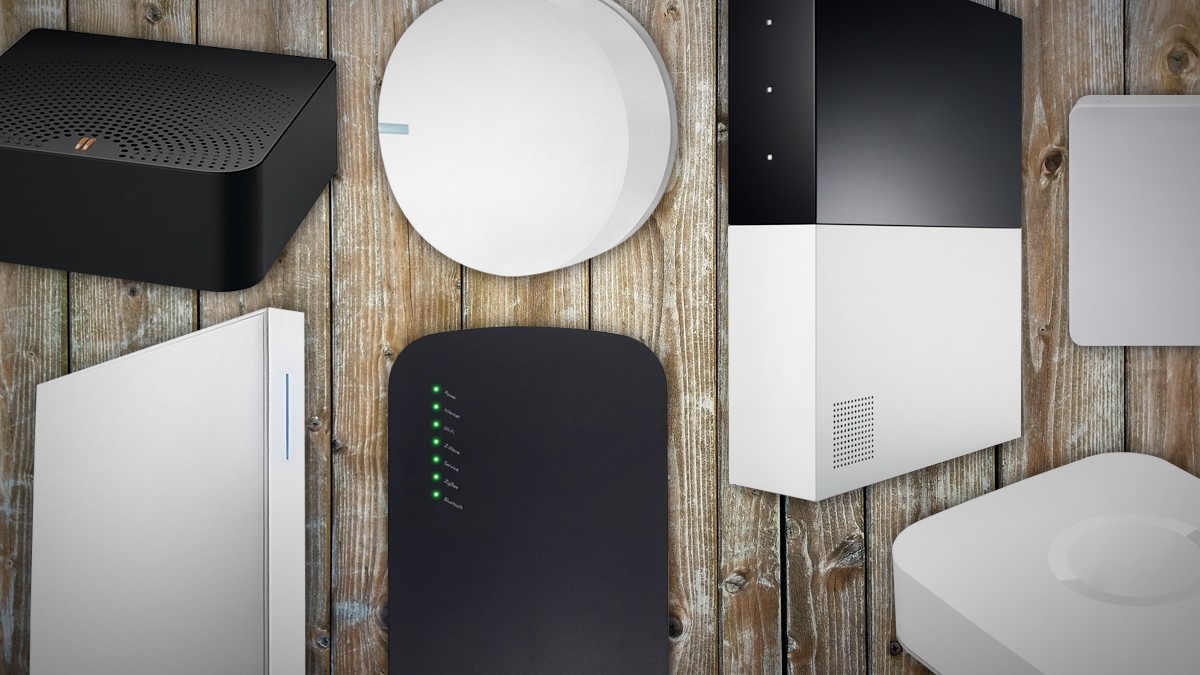
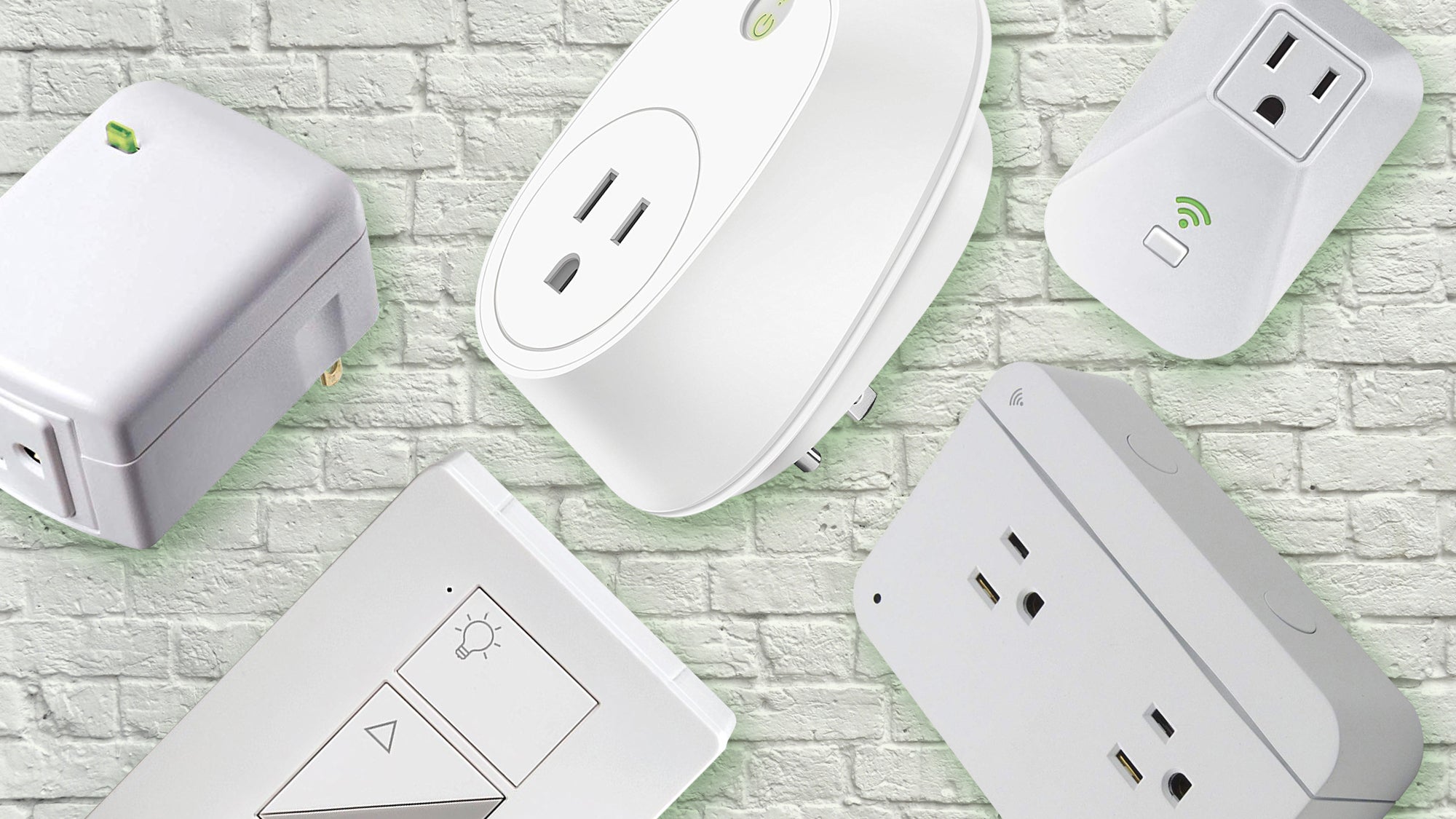
The integration of smart home devices into interior design is transforming households by enhancing functionality, convenience, and aesthetic appeal. These technologies provide personalized solutions for various rooms and issues, making daily life easier and more streamlined. While some smart products may require a significant initial investment, their long-term benefits often outweigh the cost, particularly in terms of energy, time, and usage efficiency.
Experts emphasize that luxury and technology, once disparate in interior styling, are now seamlessly merging. Smart home technology includes features like smart appliances, automated lighting, and integrated sound systems, contributing to a modern and convenient living environment. The ability to control and manage various aspects of a home through smartphone apps or voice commands significantly elevates the overall living experience. Key benefits of these smart home upgrades include convenience through remote control and automation, energy efficiency via optimized usage by smart thermostats and lighting, enhanced security provided by advanced systems, personalization allowing tailored experiences, and improved aesthetics due to sleek and modern designs.
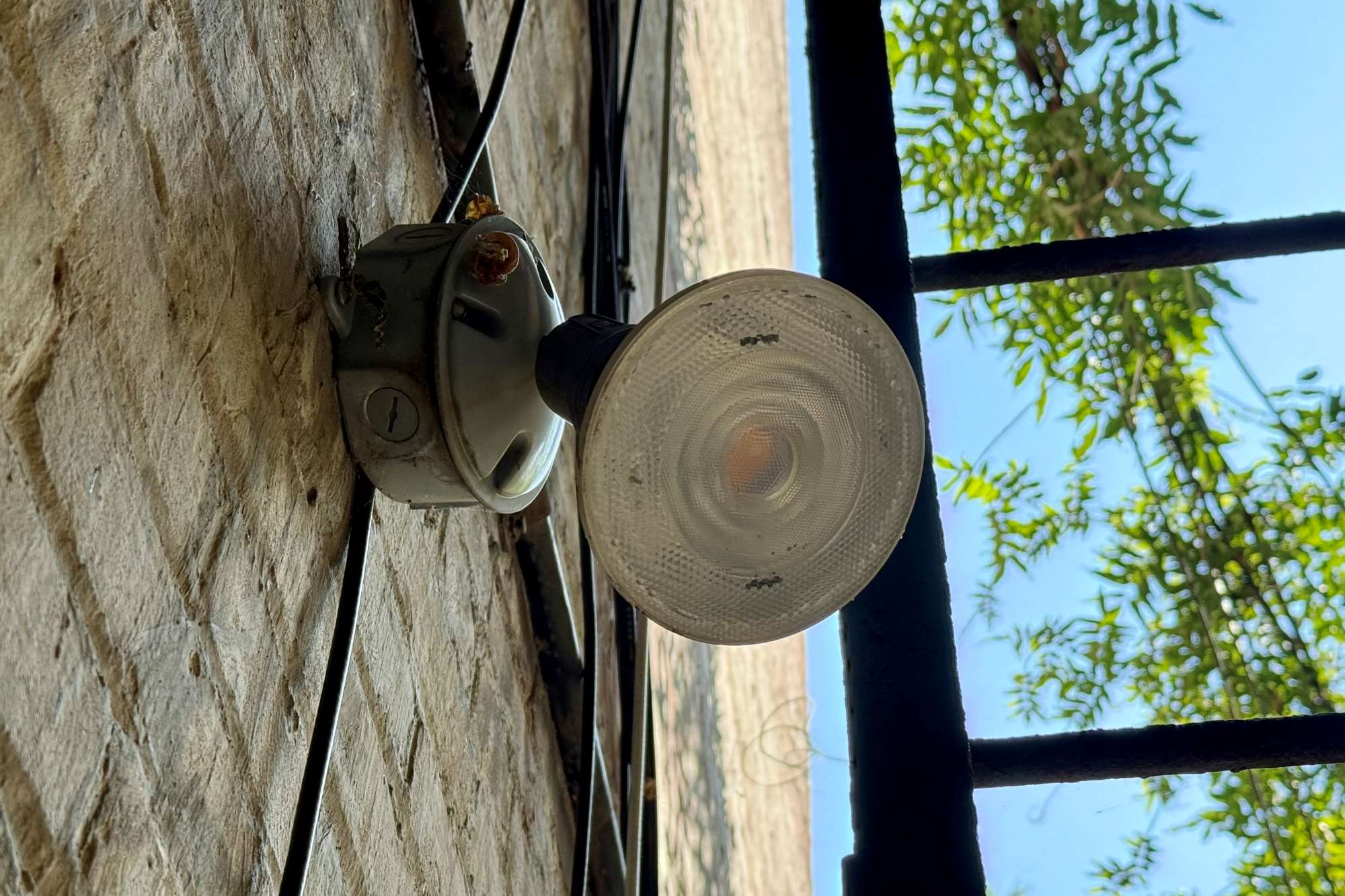
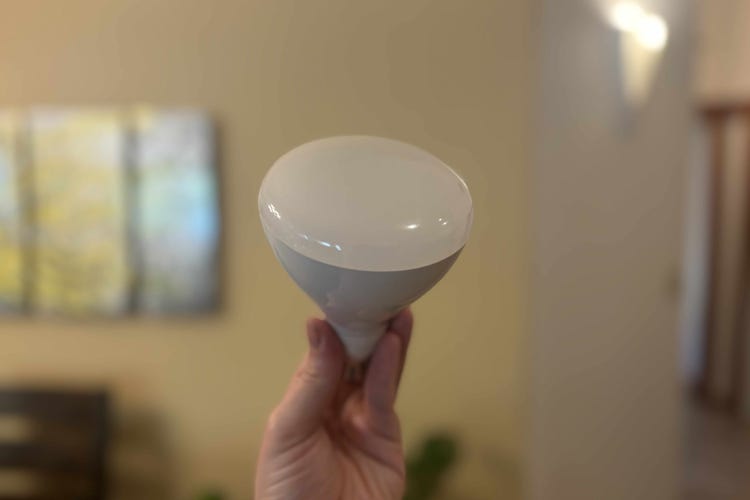
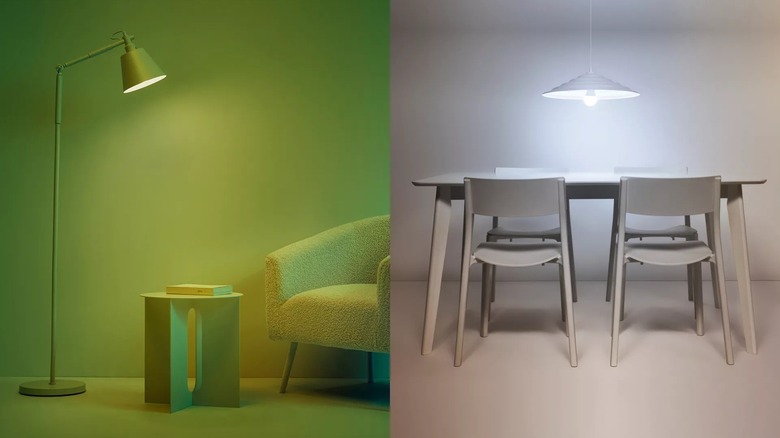
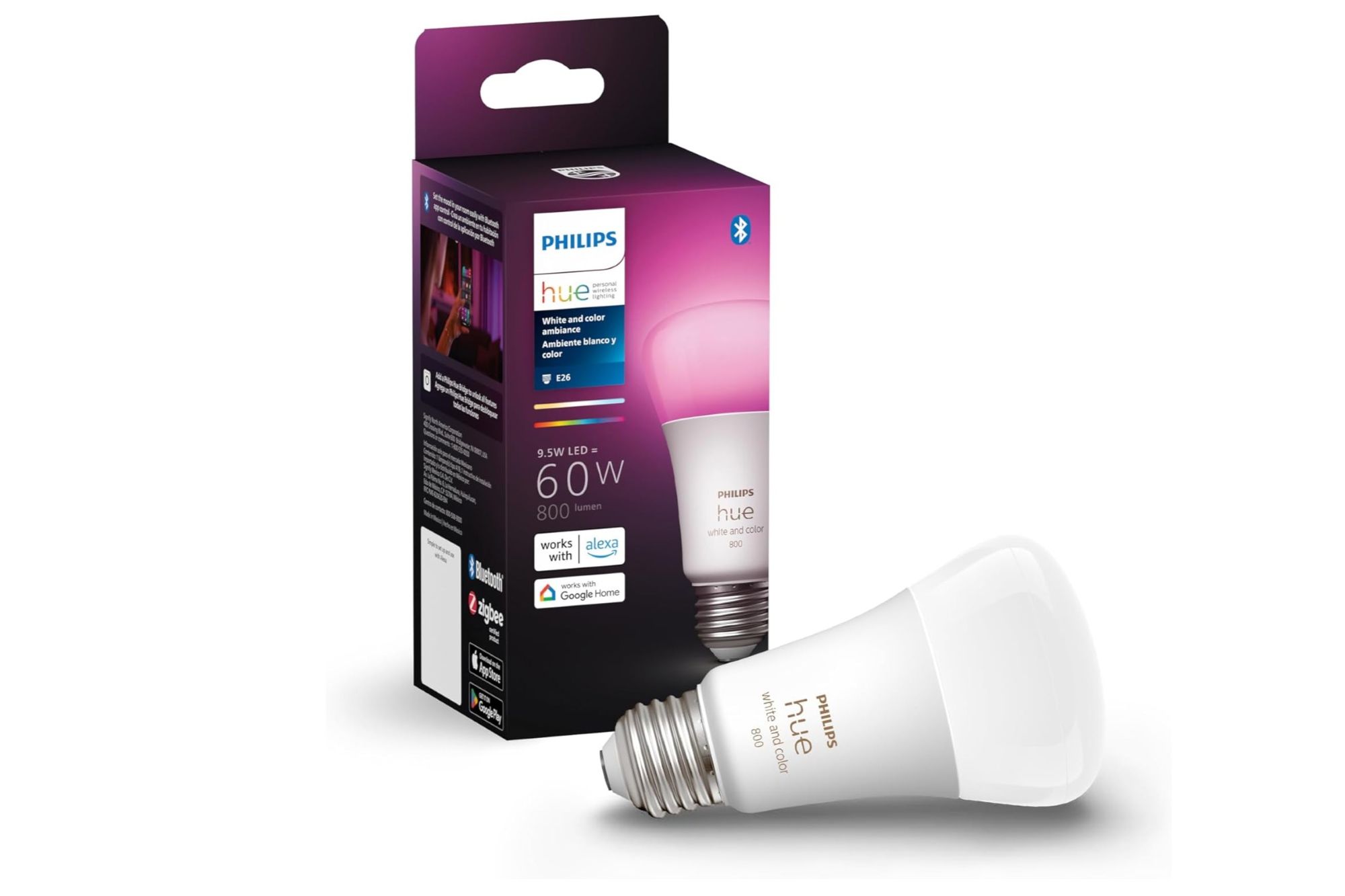
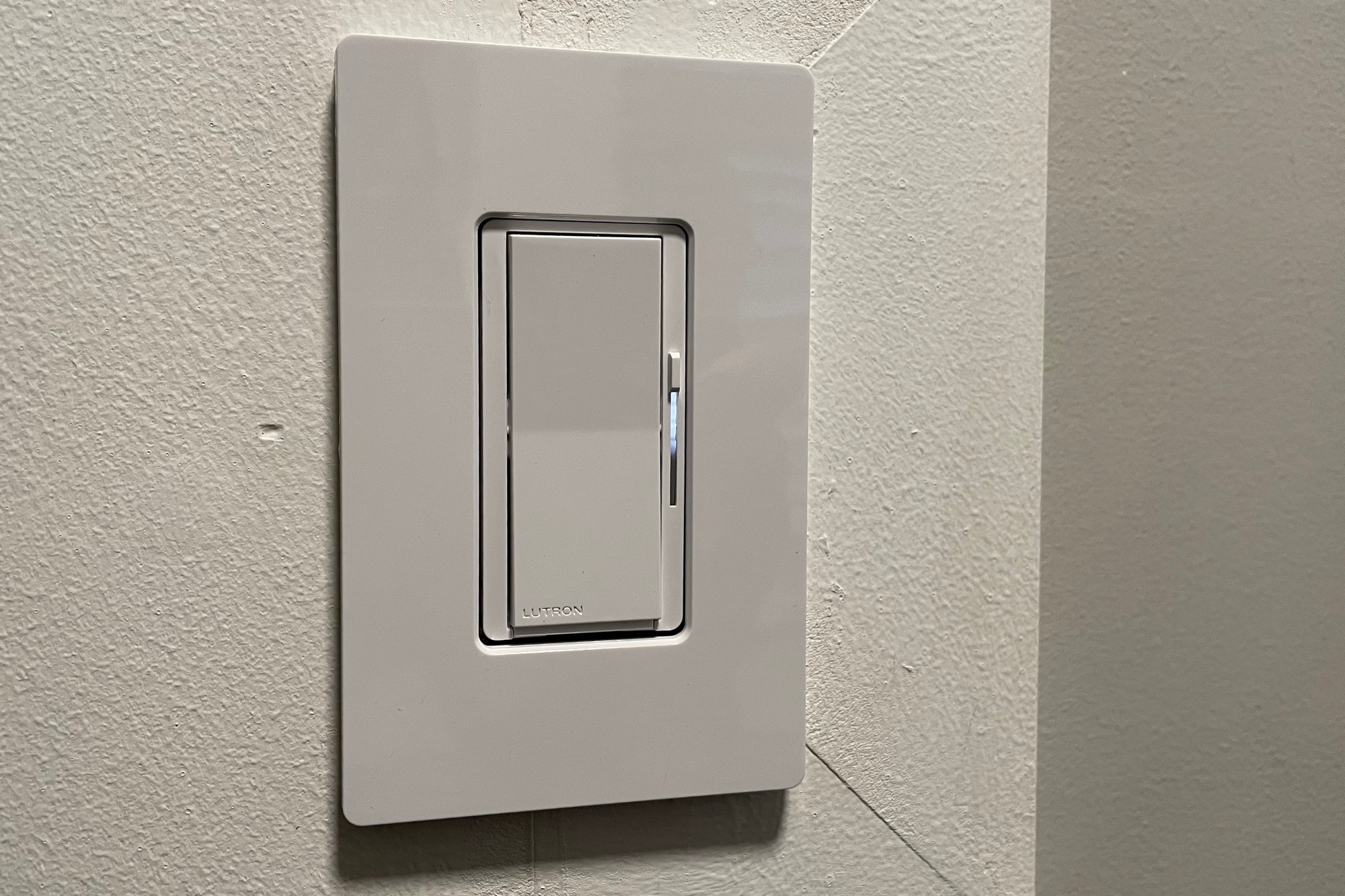
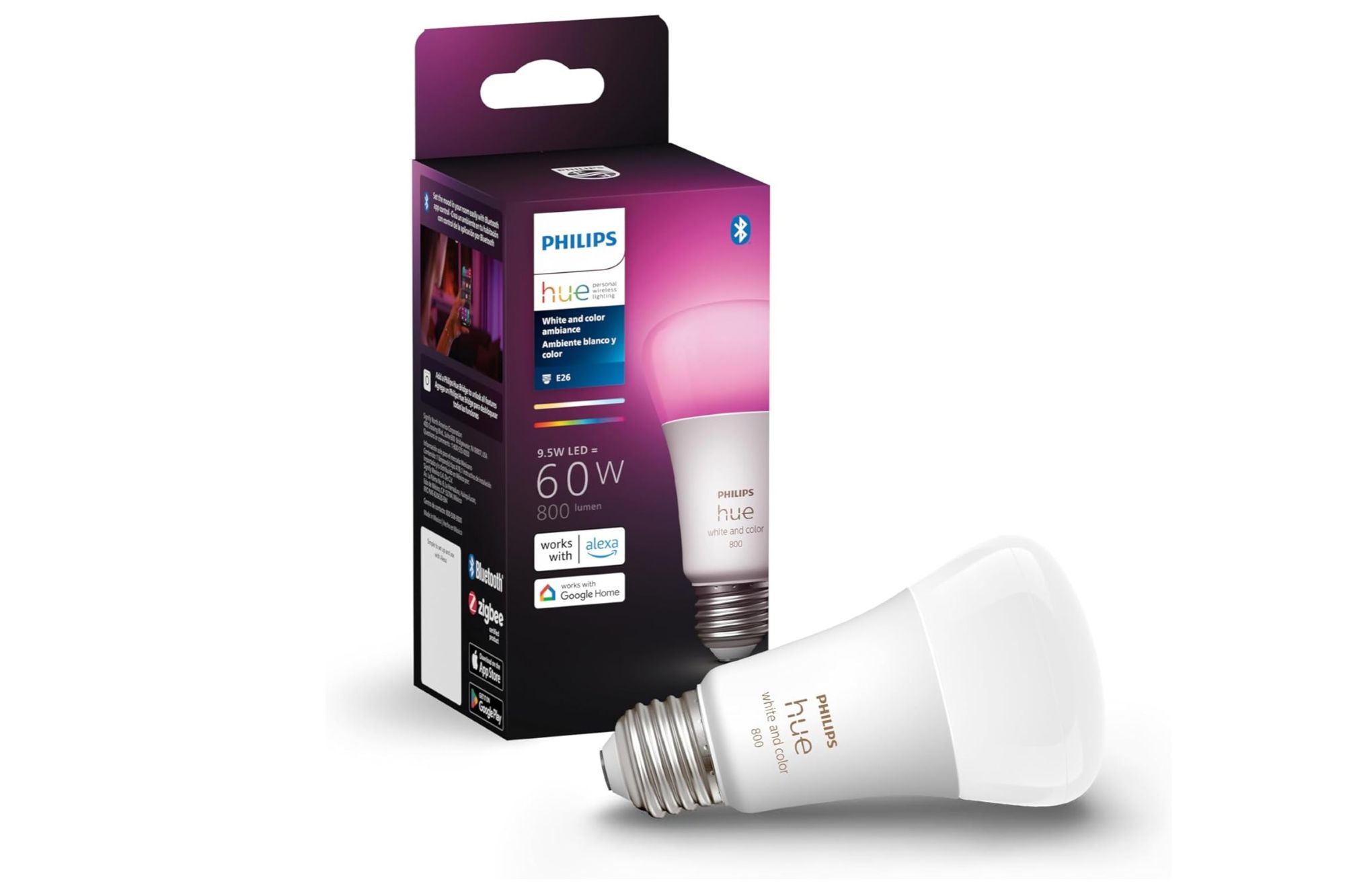
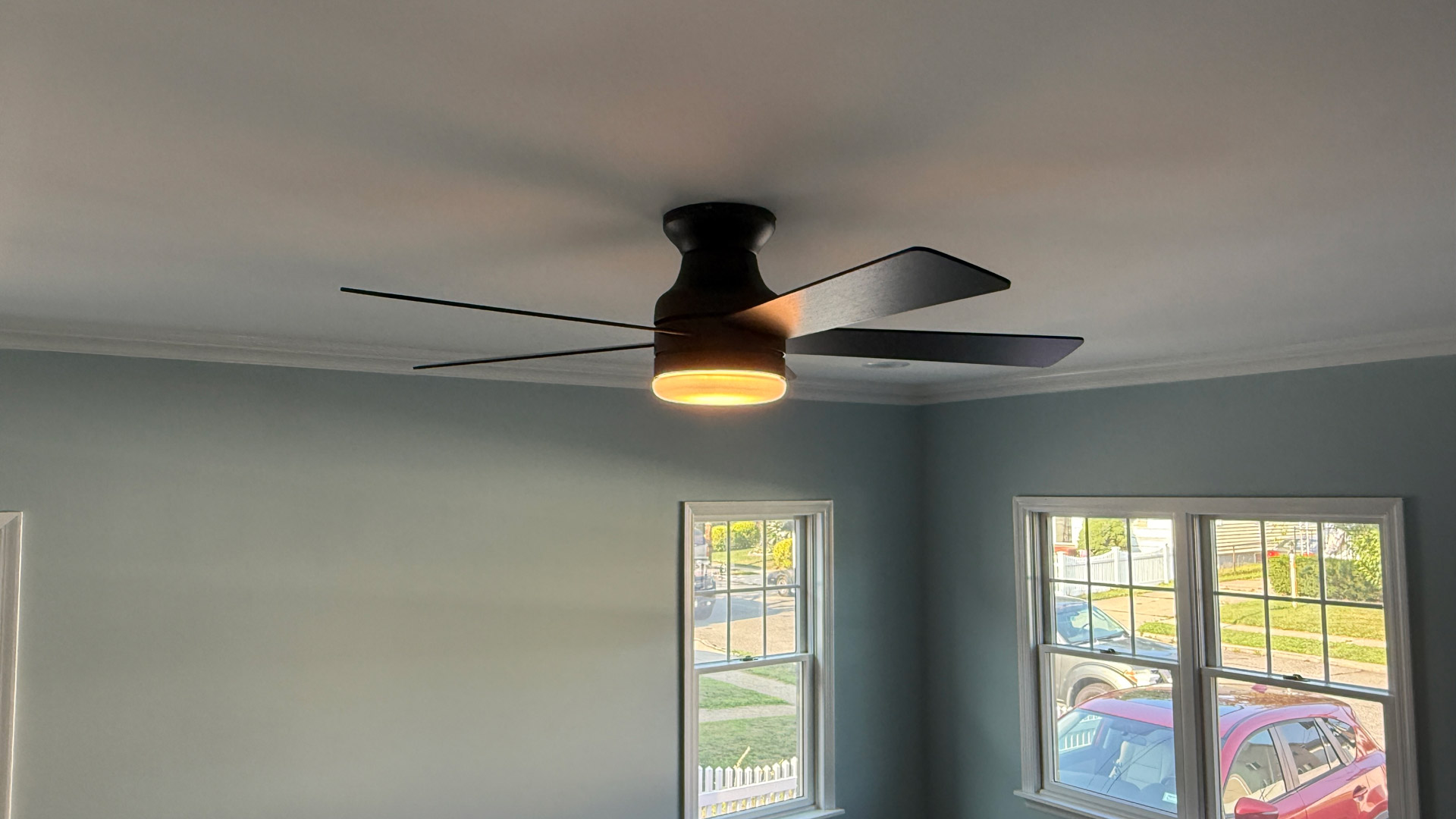
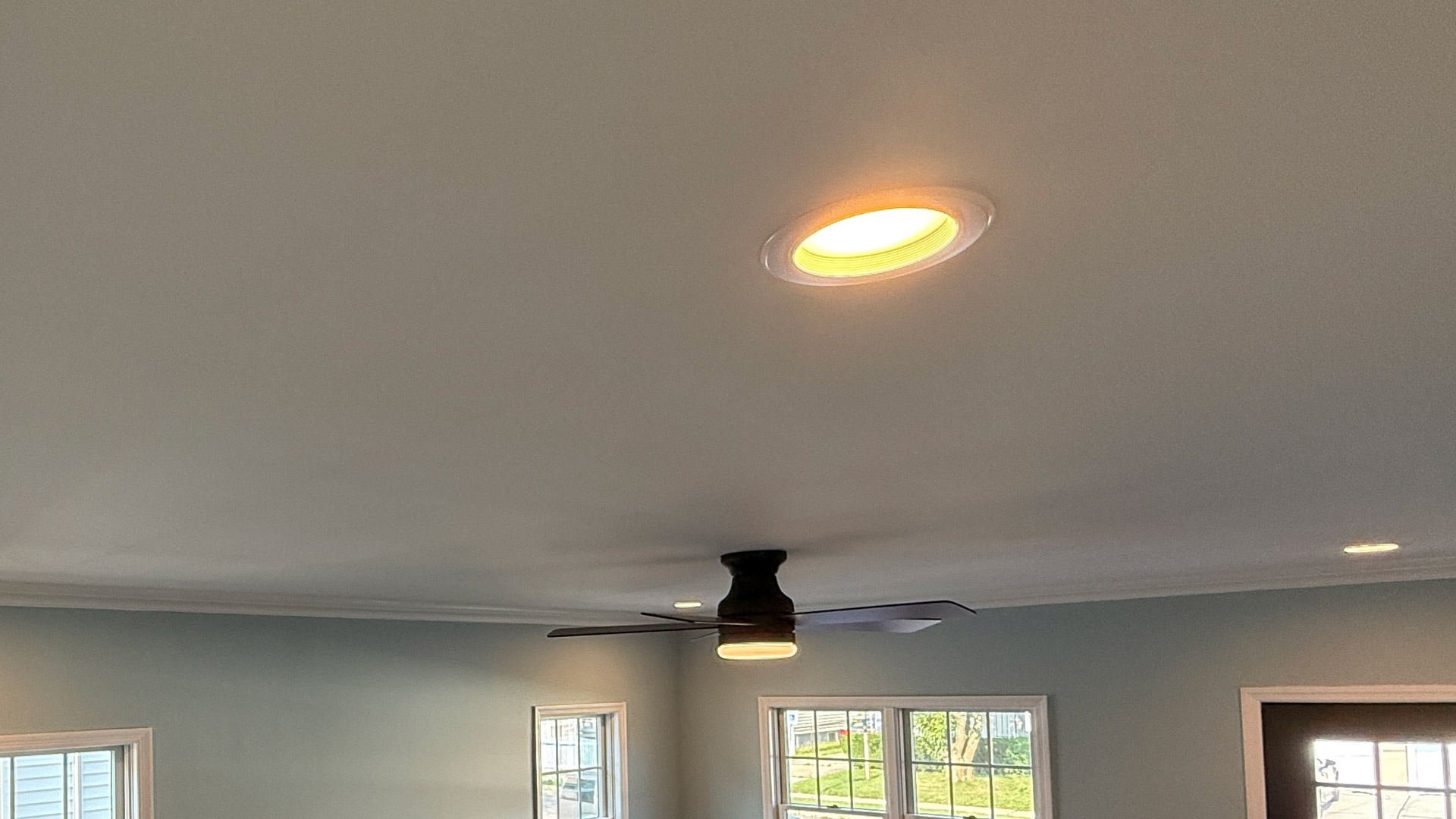
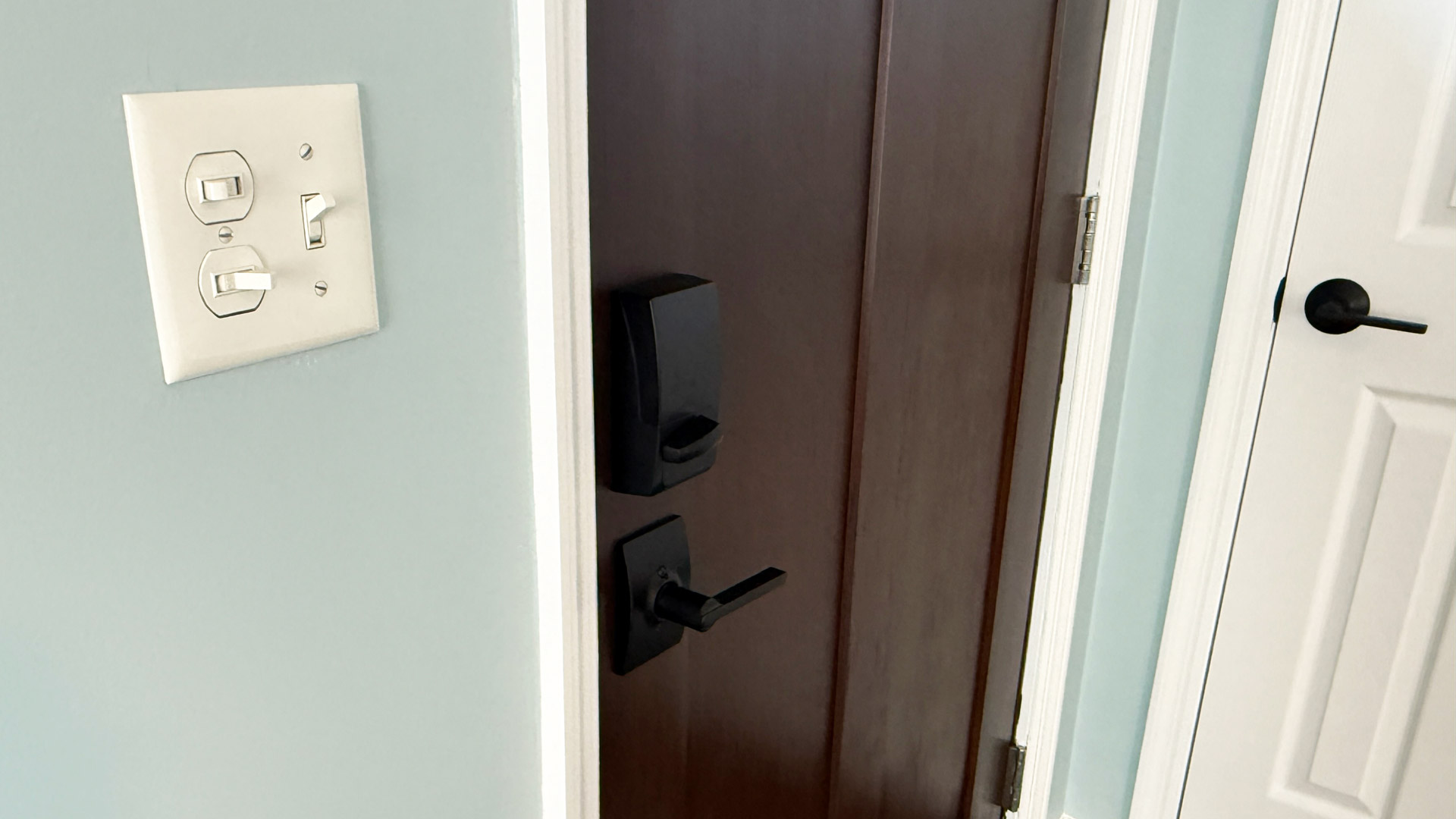
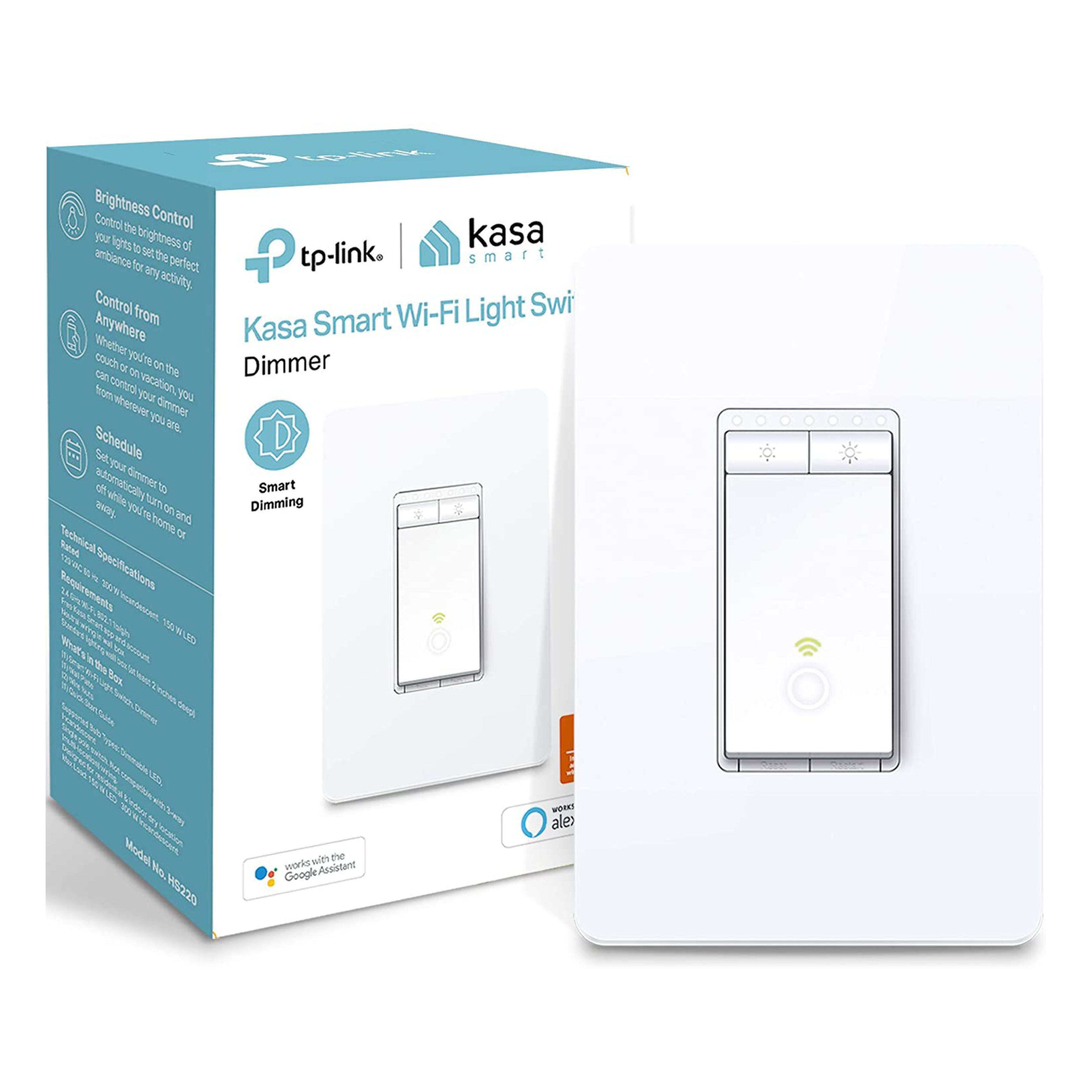
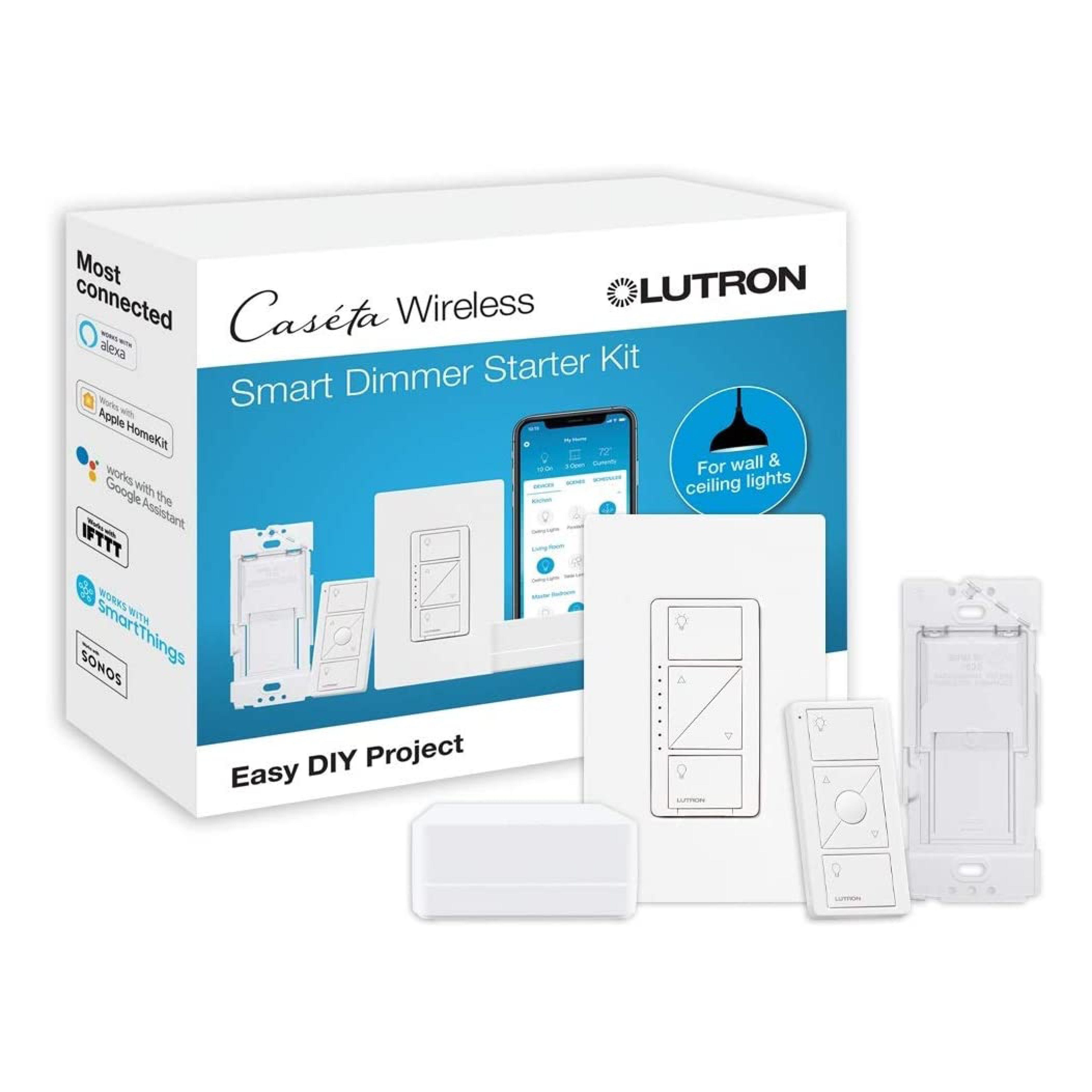
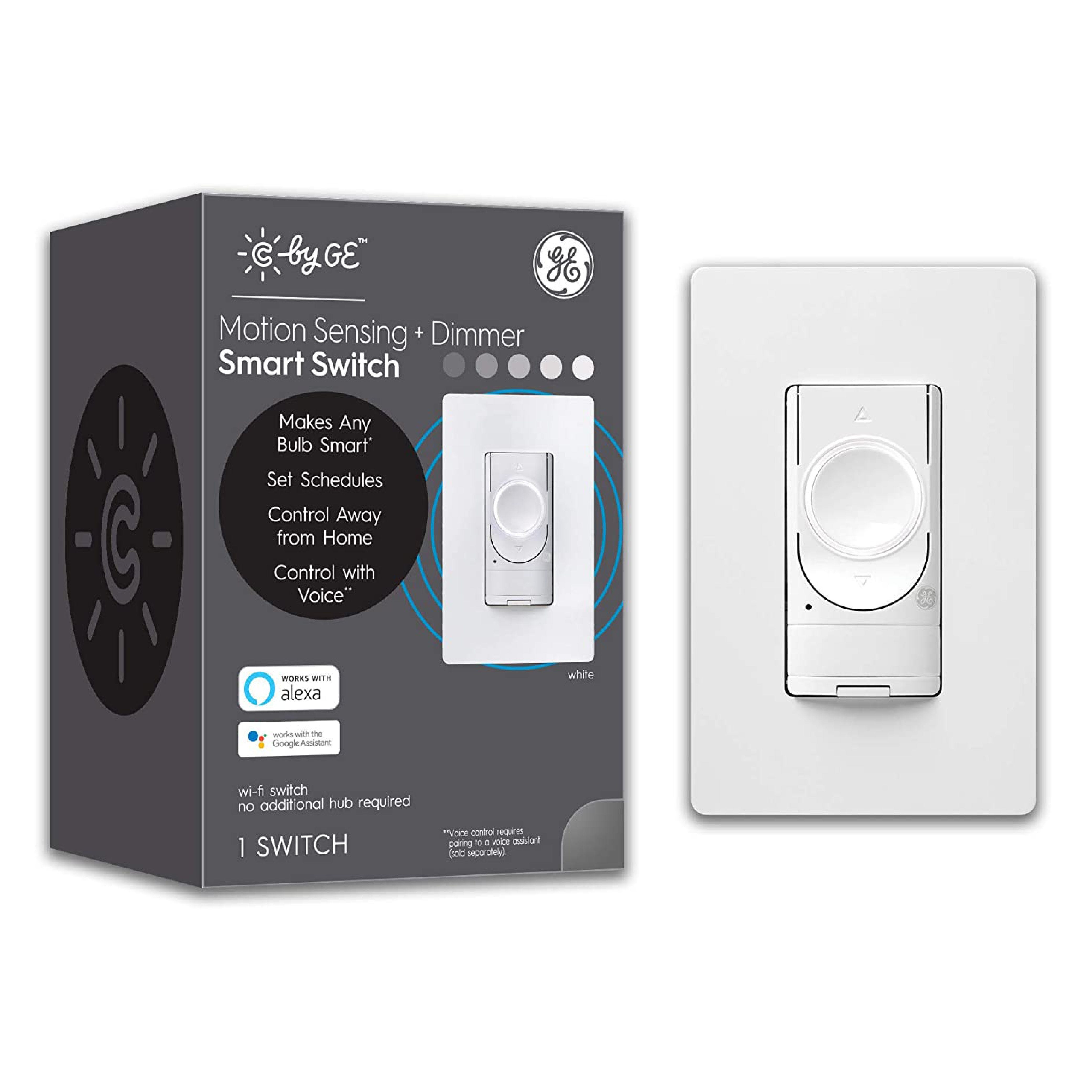
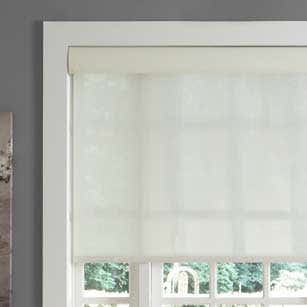
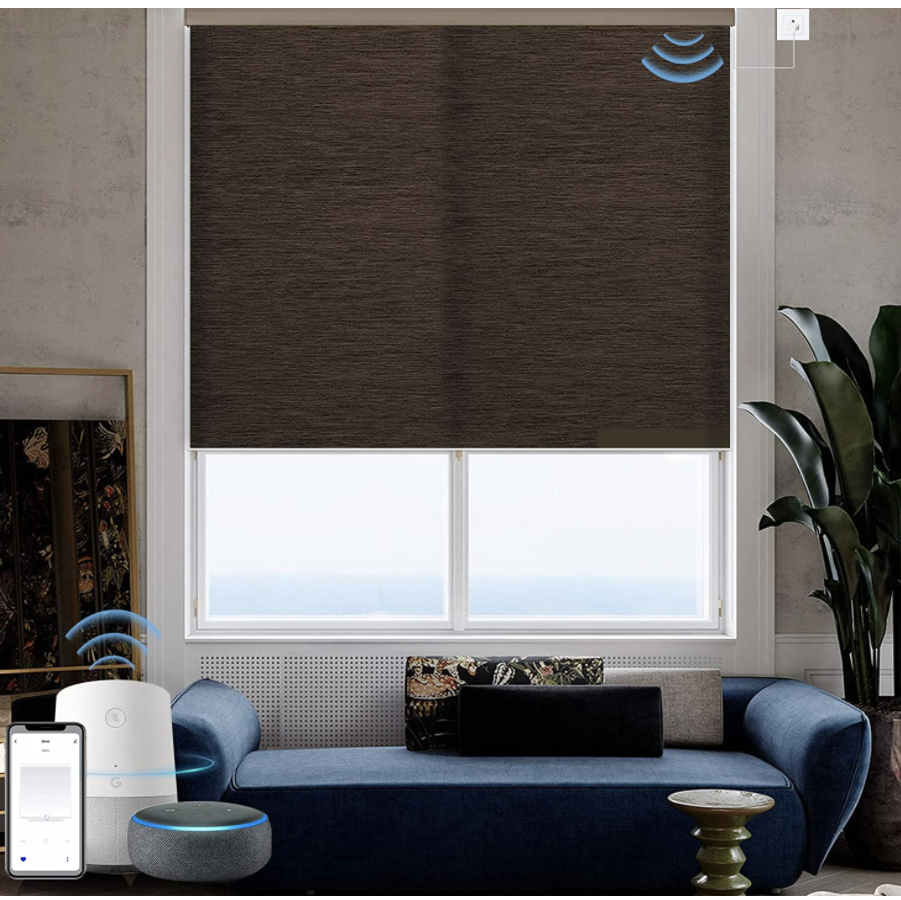
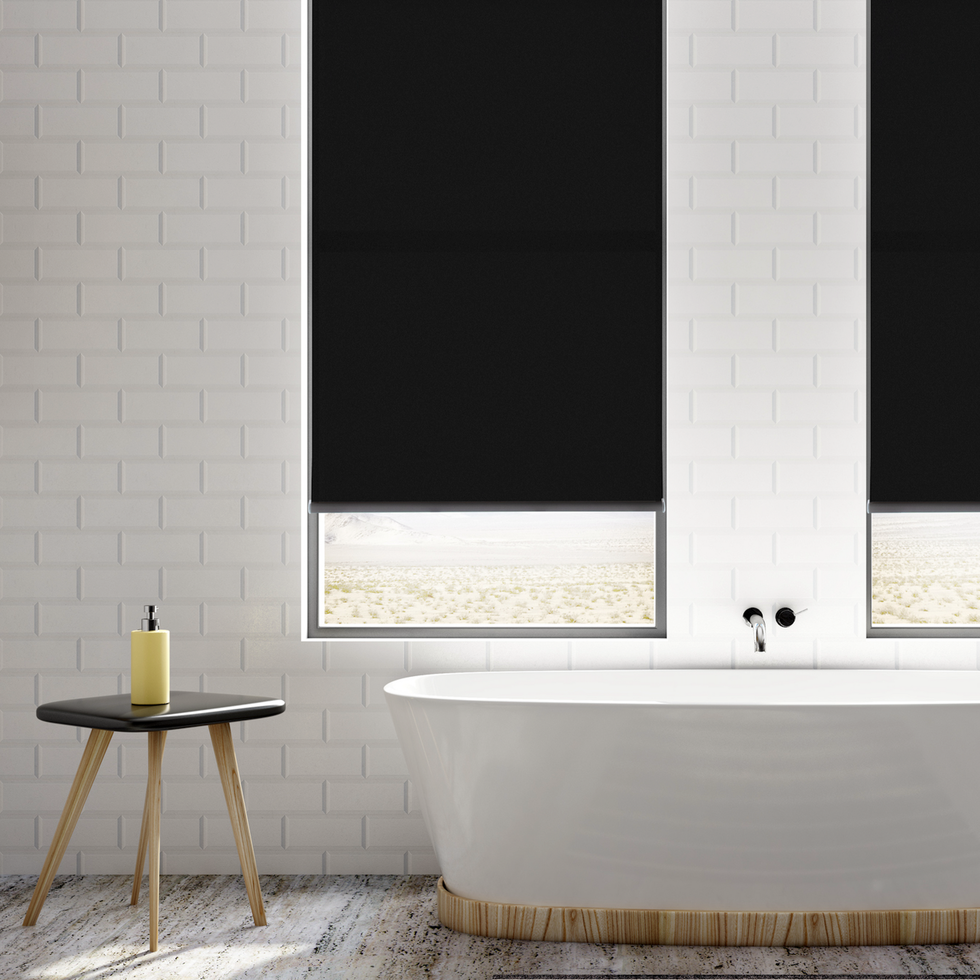
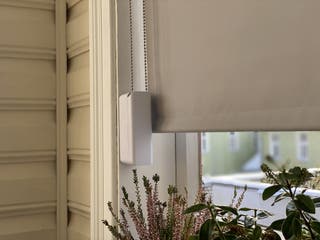
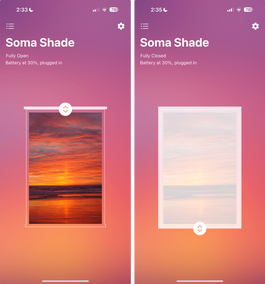
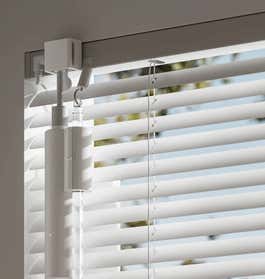
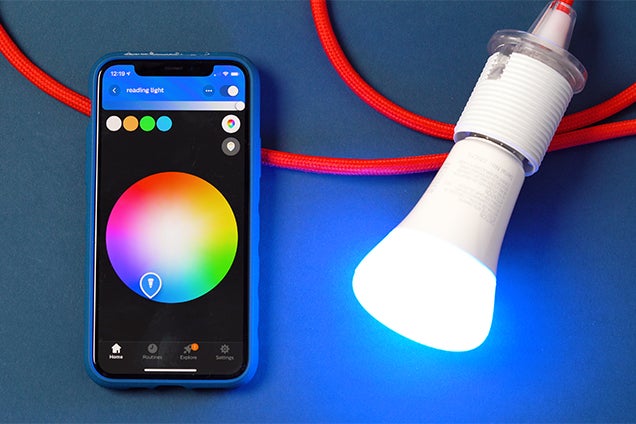
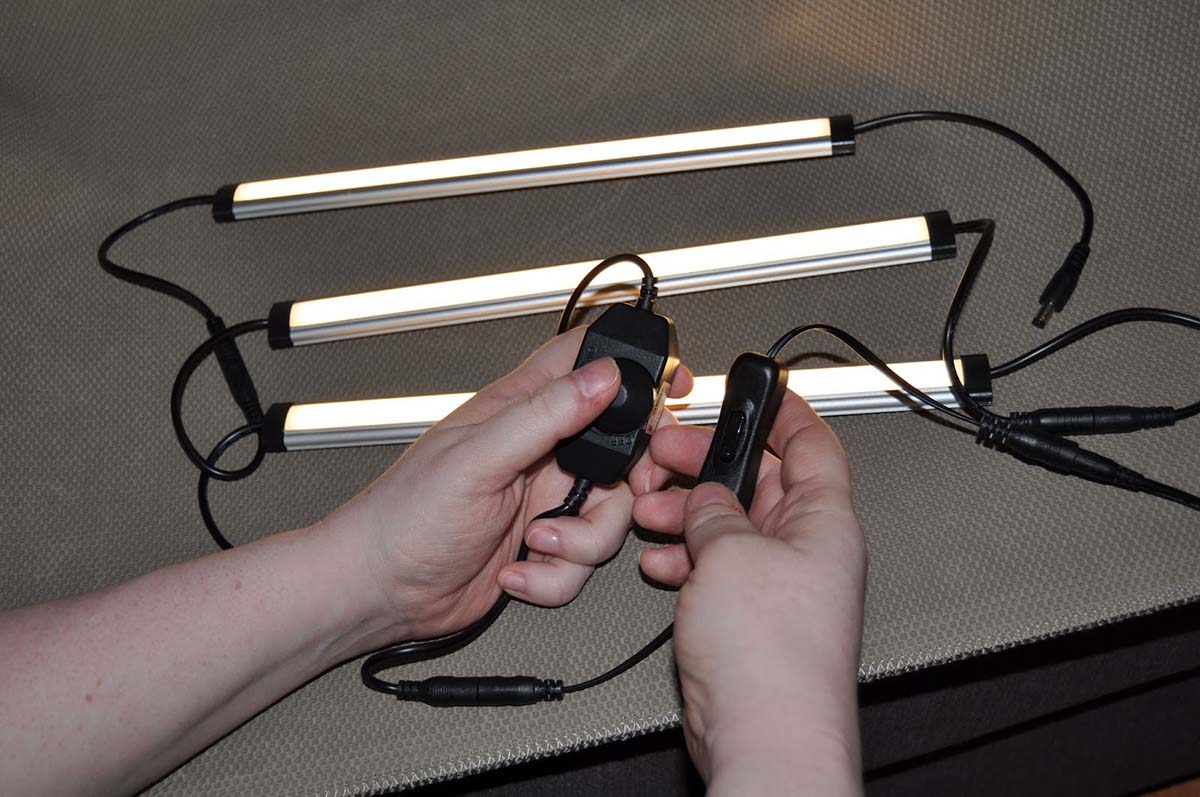
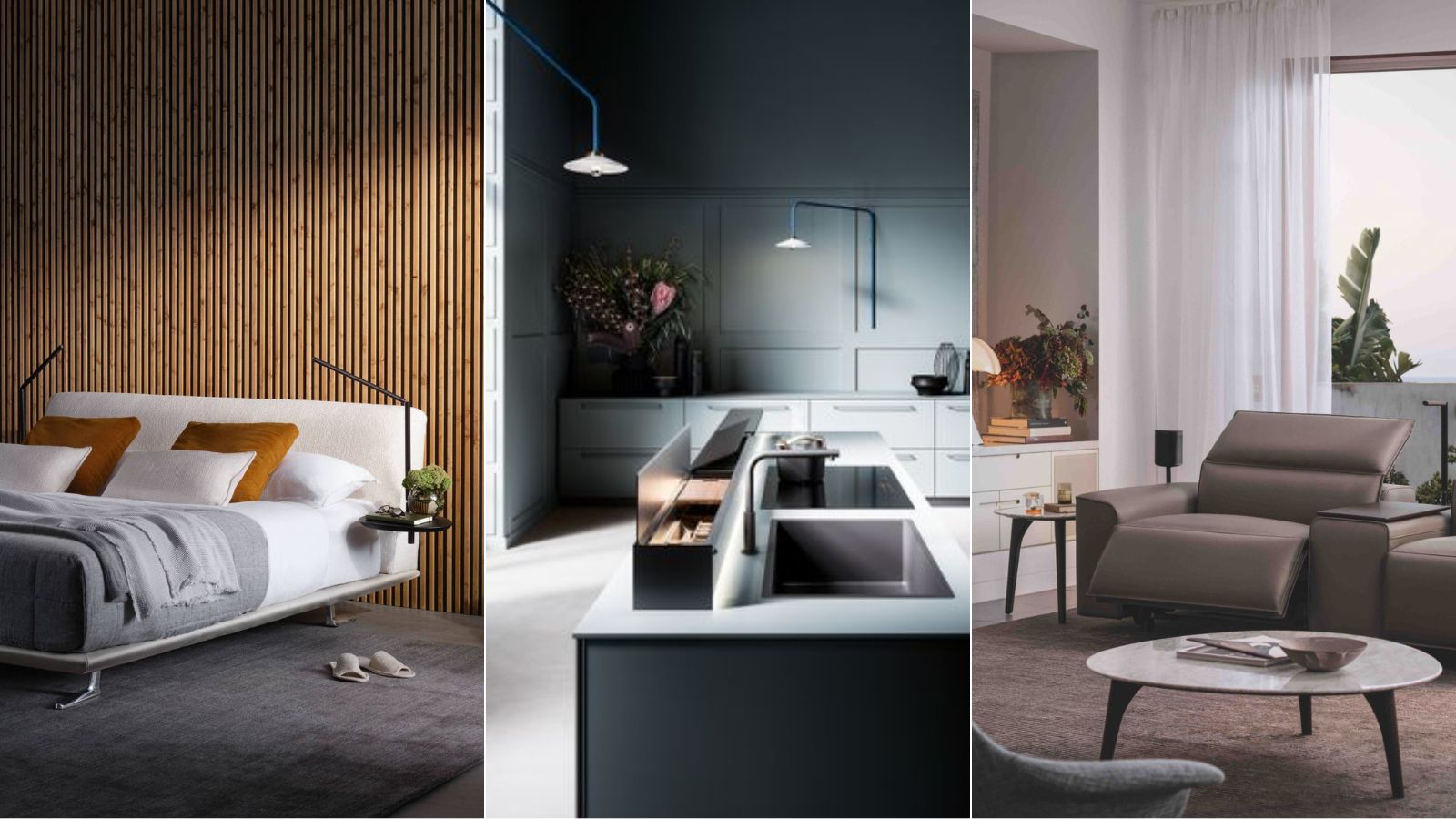
One essential smart home upgrade is smart lighting, which includes systems that can be programmed to complement natural light and turn off when not needed, thereby saving energy and money. Motorized blinds offer similar benefits, allowing for remote control and scheduled operation to optimize light and temperature. Integrated technology headboards in beds provide convenient wireless charging, lighting, and storage, eliminating clutter and maximizing space. Smart sofas offer advanced features like memory recliners, wireless charging tables, LED lighting, and integrated speaker systems, elevating comfort and entertainment.
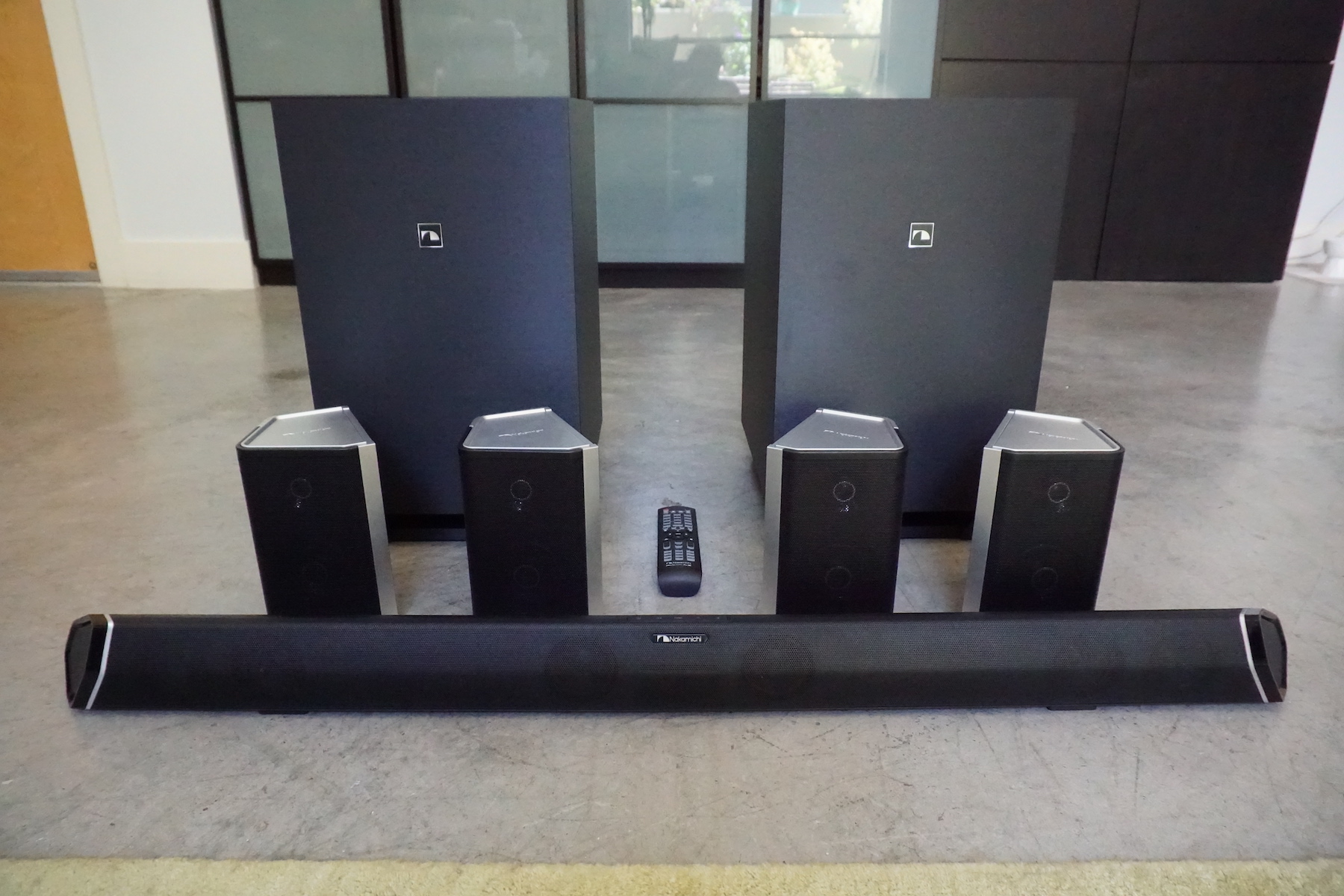
Smart storage solutions, particularly in the kitchen, address the need for innovative ways to conceal the practical aspects of cooking in multifunctional spaces. Examples include kitchen islands with seamlessly covered appliances and extractor hoods with integrated storage. Smart entertainment systems provide immersive and personalized experiences by integrating TVs, speakers, and streaming devices with smart hubs or voice assistants, allowing for atmospheric adjustments like lighting changes synced with movies.
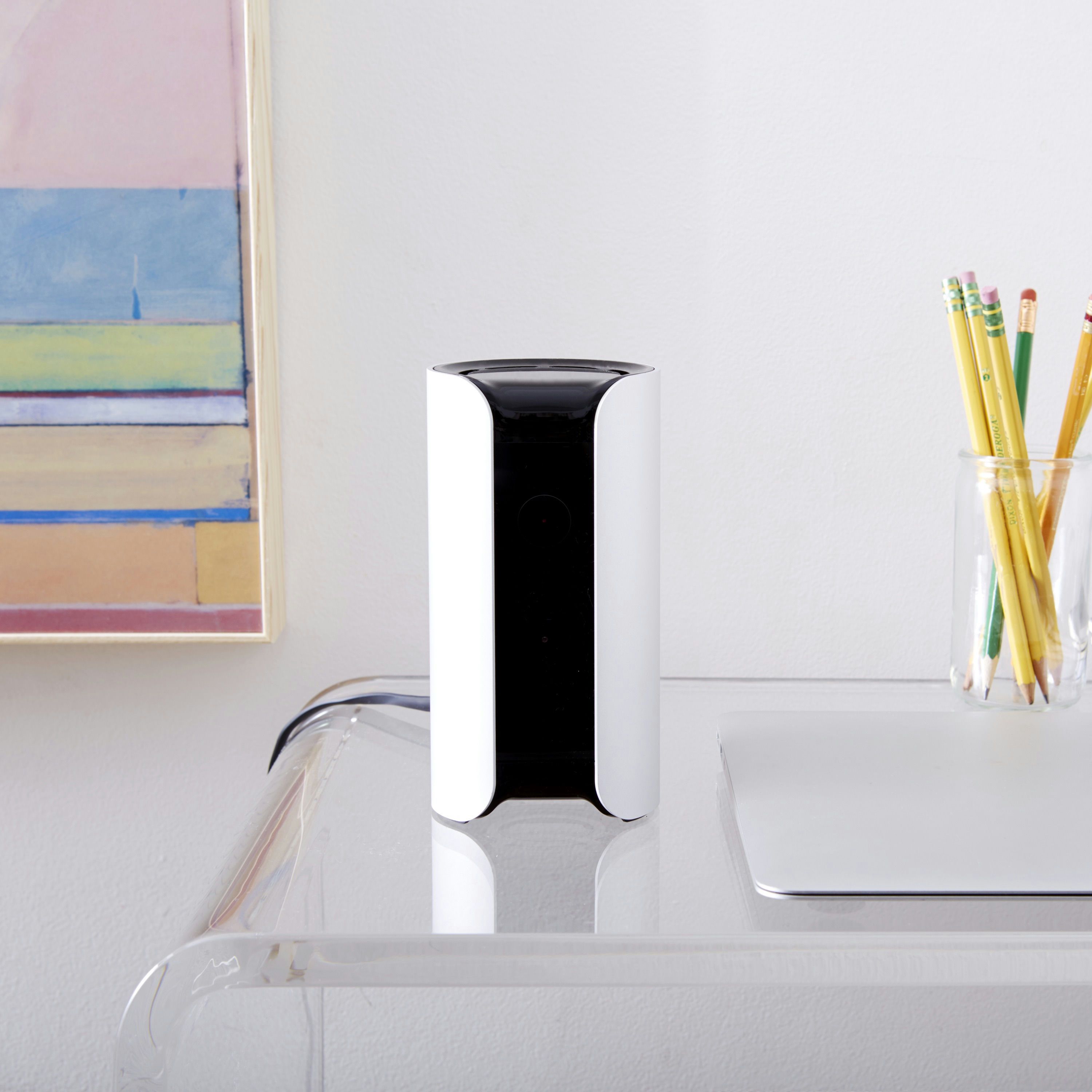
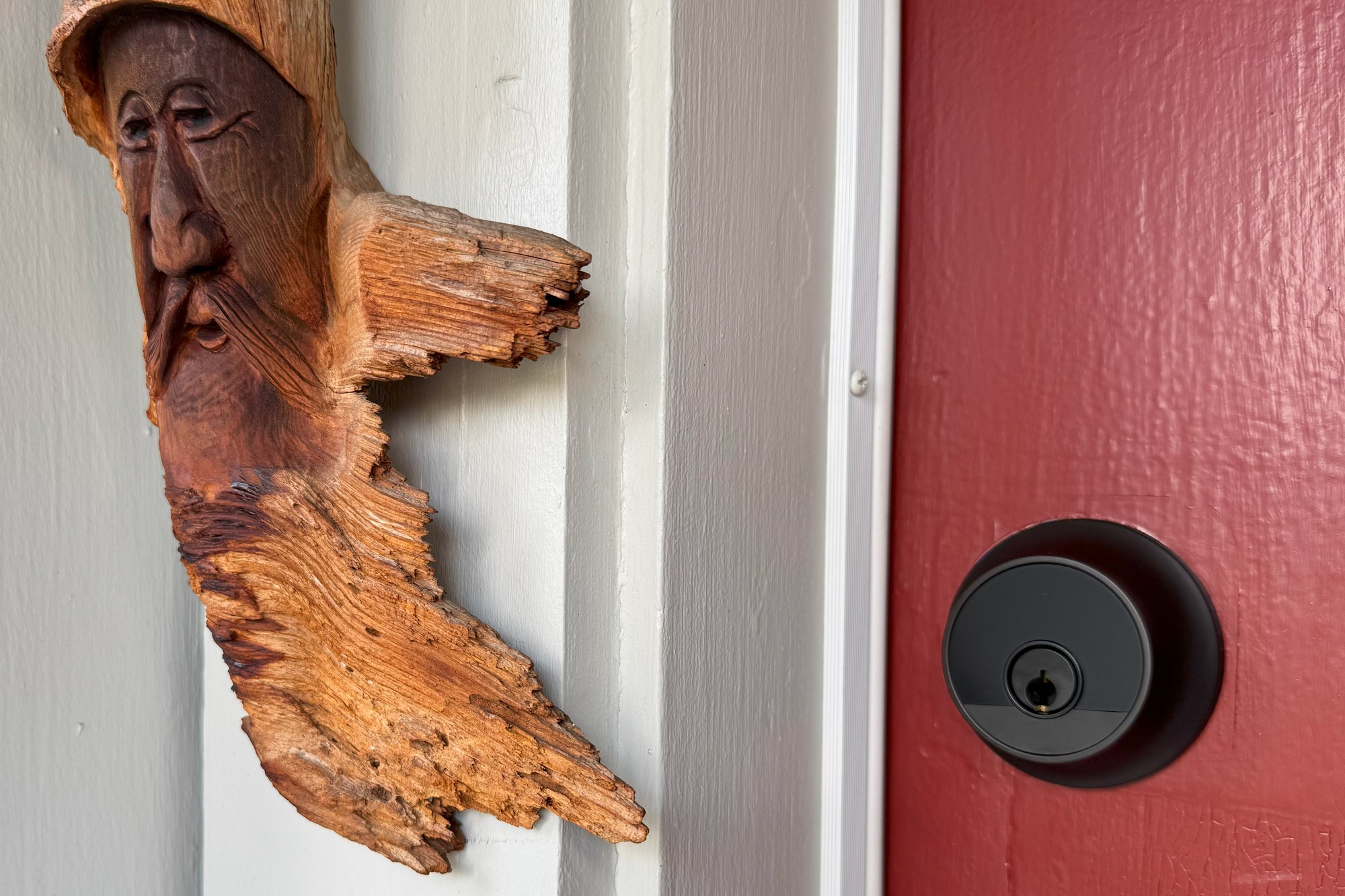
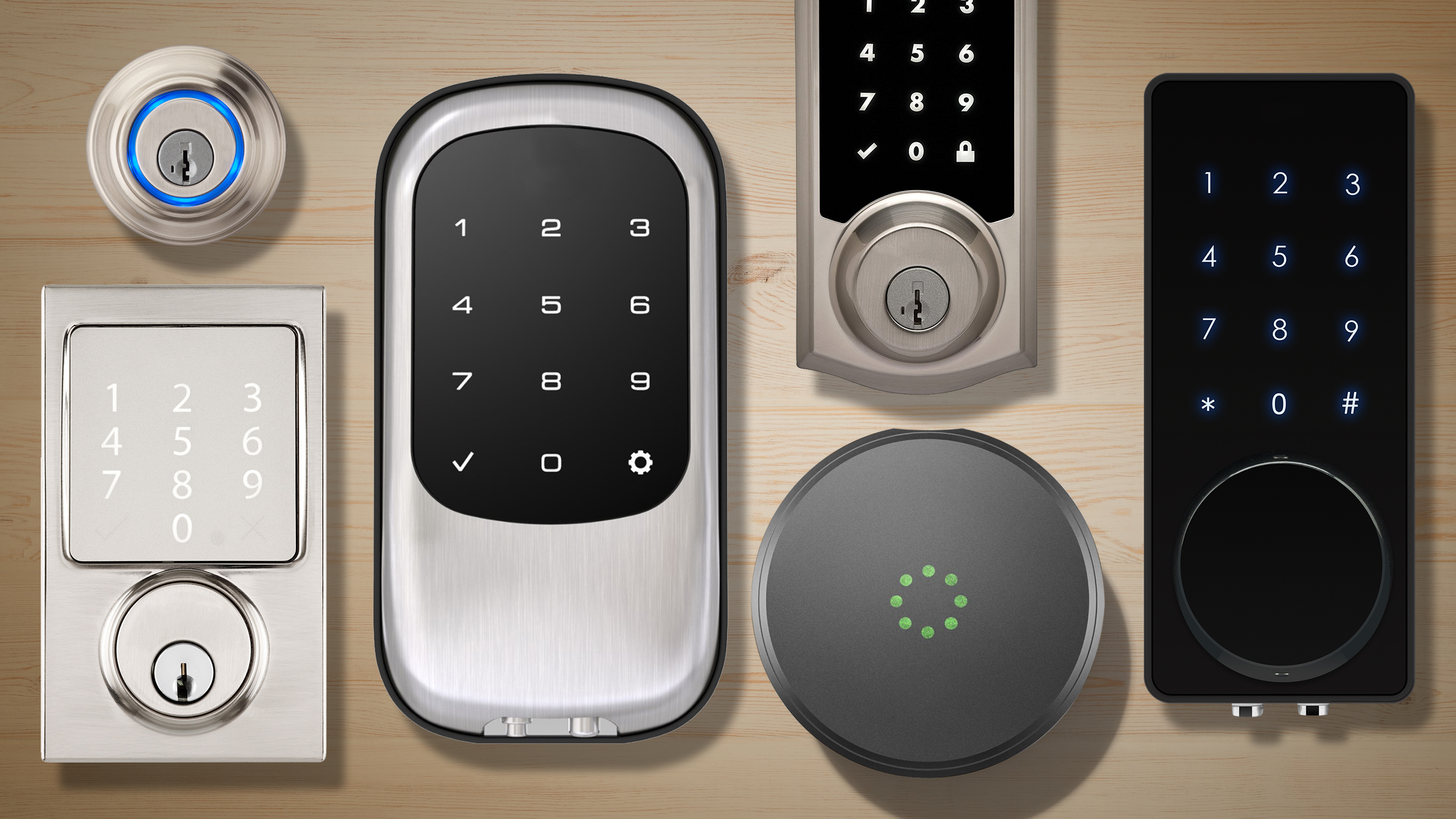
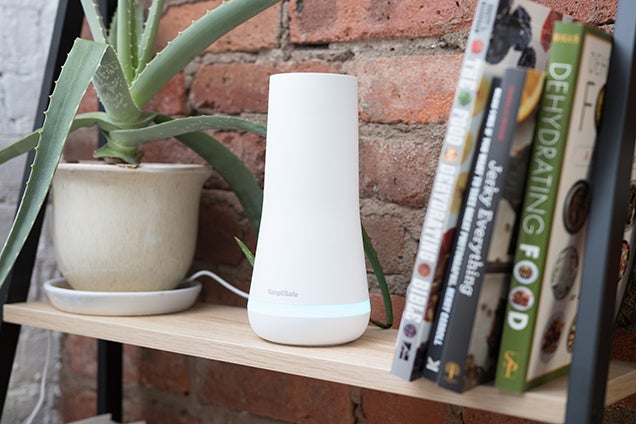
Smart kitchen appliances, such as refrigerators with built-in cameras and voice-controlled ovens, streamline daily tasks, track food inventory, suggest recipes, and even place grocery orders. Smart thermostats offer effortless temperature control, learn user preferences, adjust heating or cooling accordingly, and can be managed remotely, leading to significant energy savings. Lastly, comprehensive smart security systems, incorporating cameras, doorbells, locks, sensors, and alarms, provide peace of mind by protecting against intruders, fire, and flood, with monitoring and control accessible via smartphones or voice assistants.
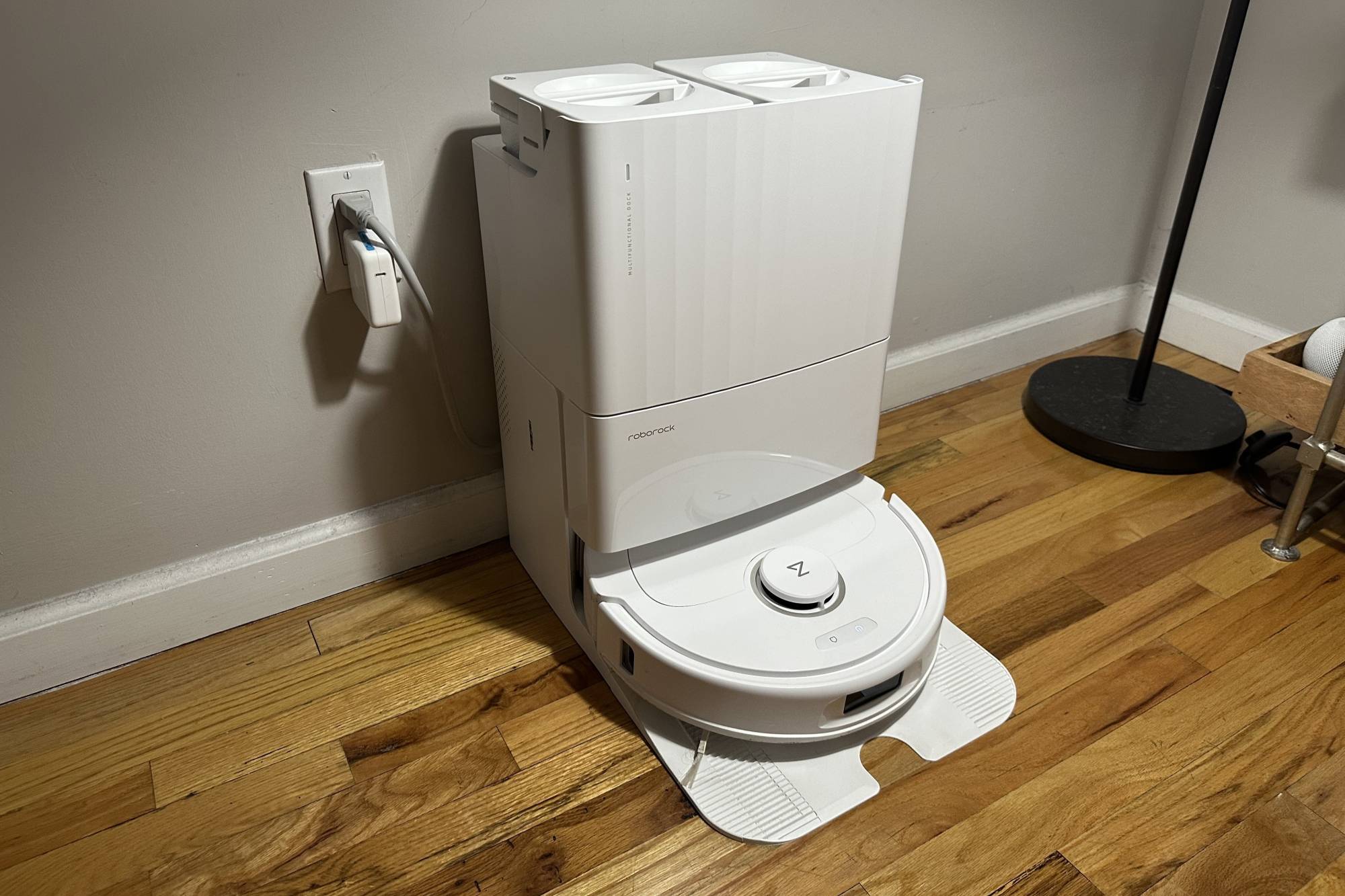
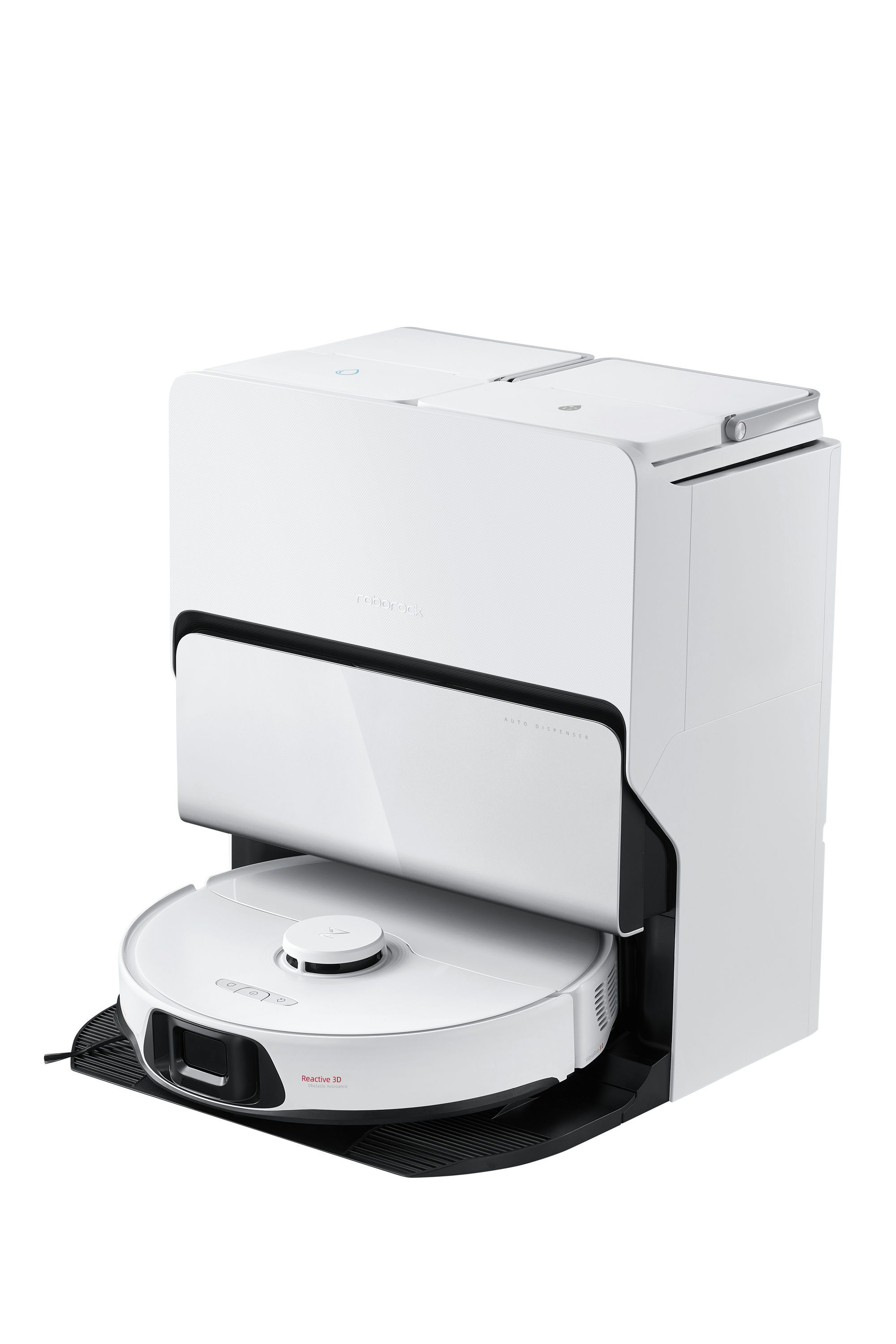
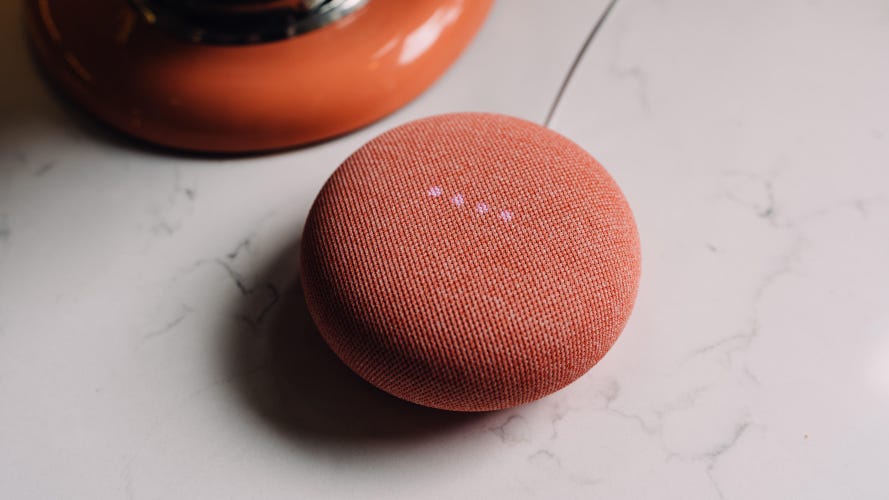
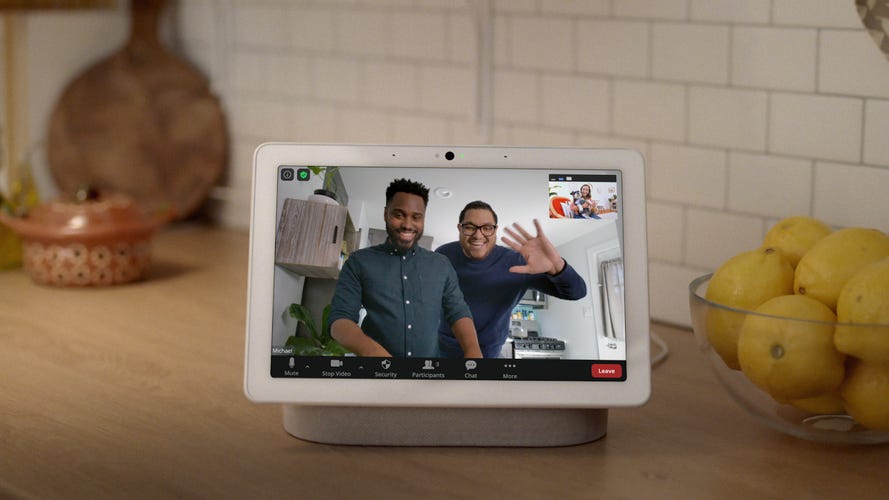
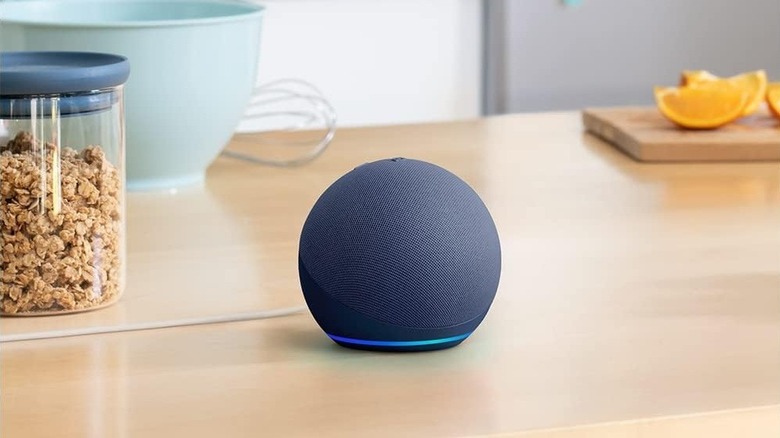
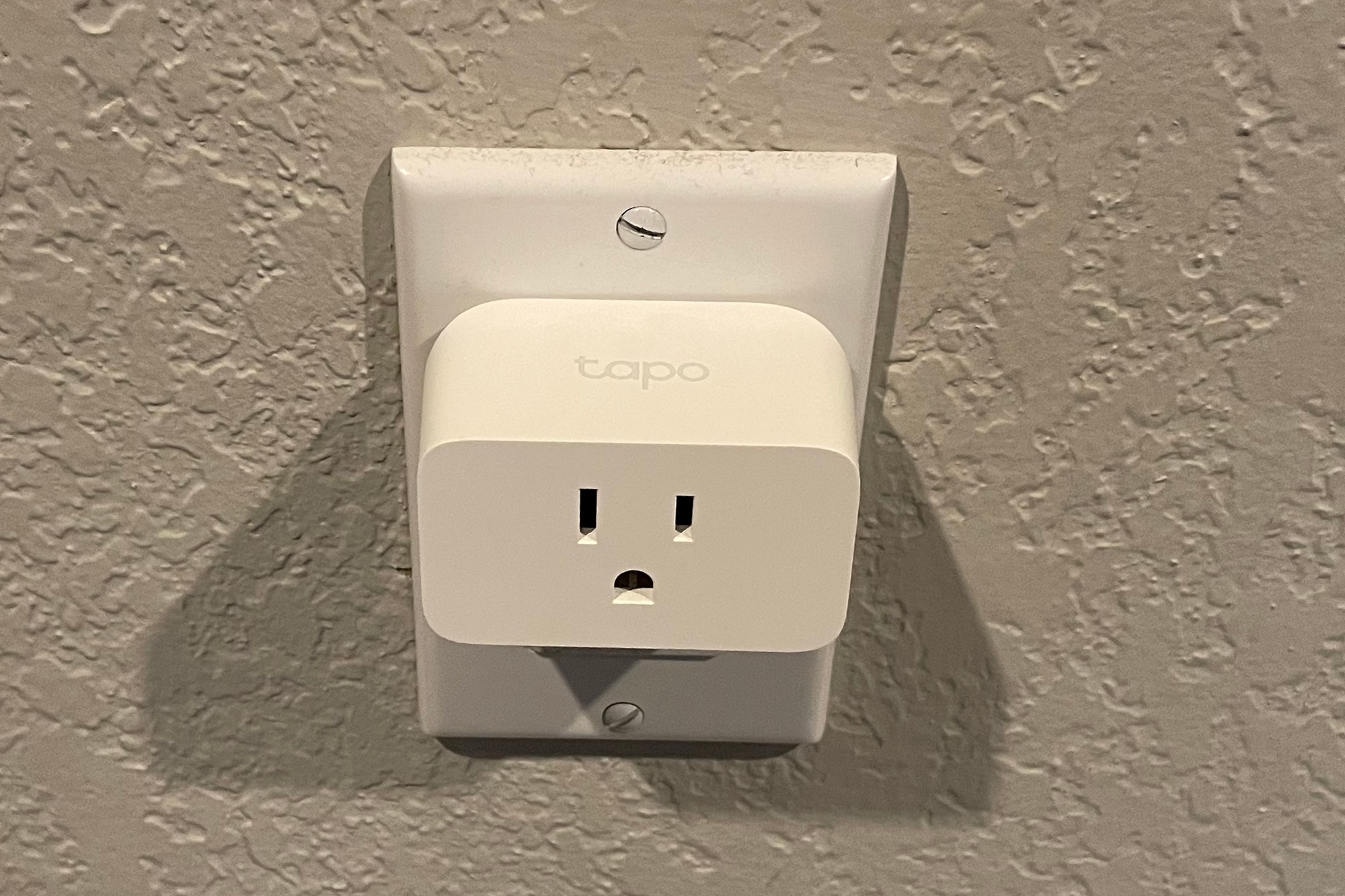
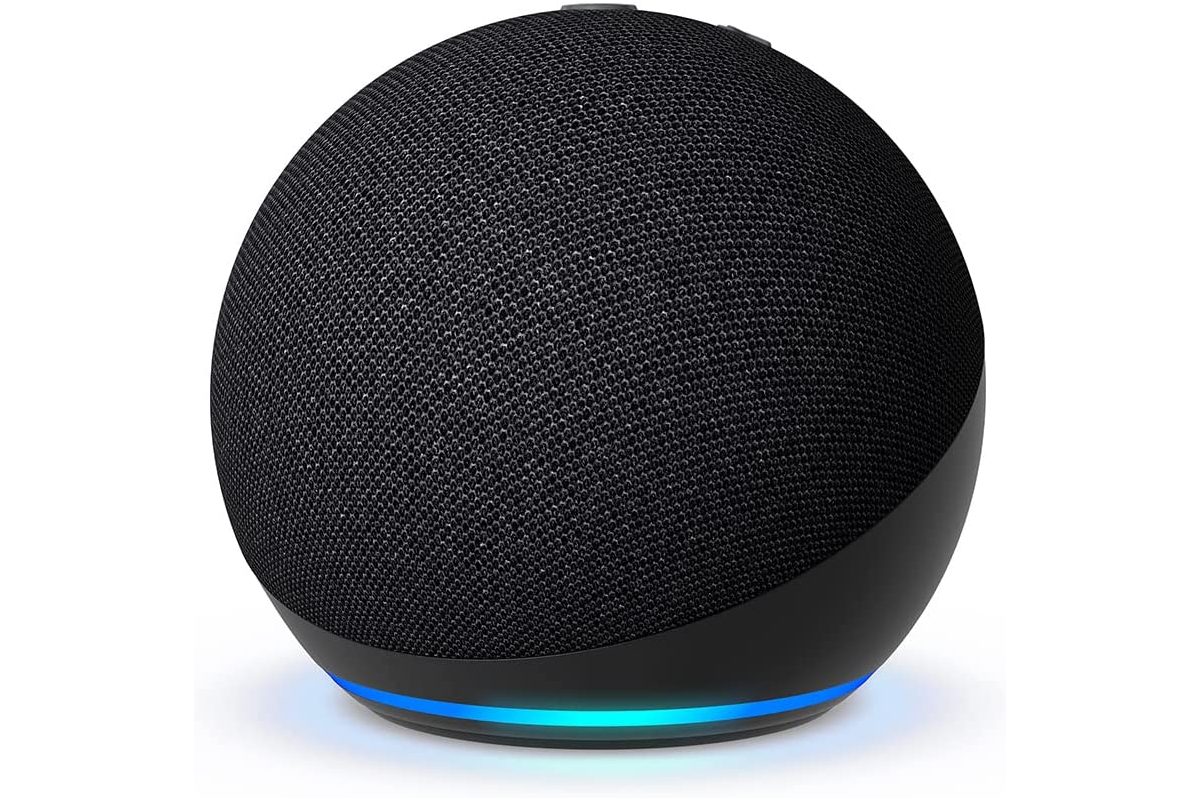
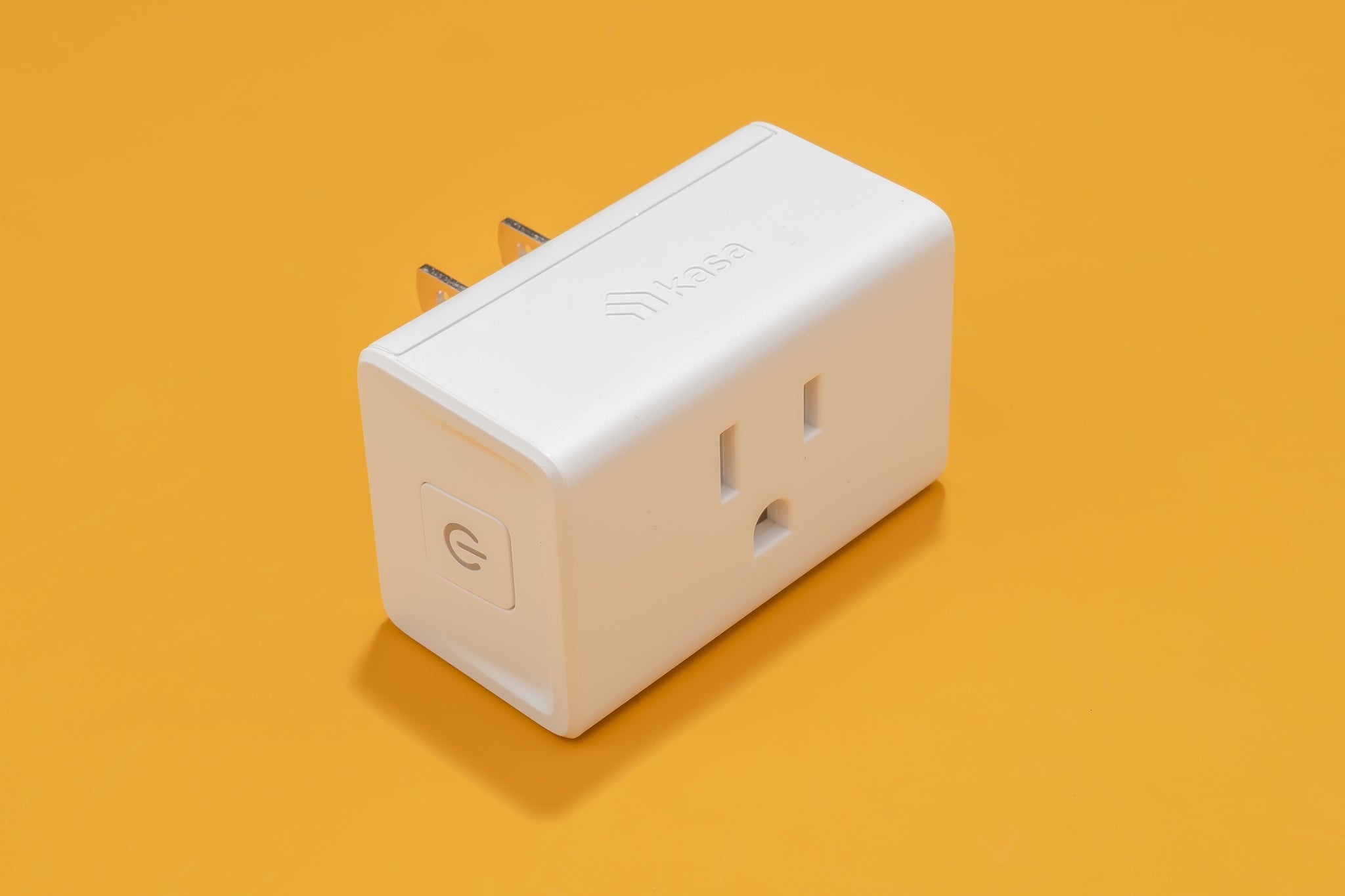
Additional smart home innovations include built-in wireless charging stations to reduce clutter and small smart home buys like dimmable lighted bathroom mirrors with weather forecasts, glass rinsers, water leak detectors, and indoor air quality monitors. Robotic vacuum cleaners exemplify smart cleaning solutions, automating tasks and freeing up time. Voice assistants like Amazon Echo or Google Home serve as central hubs, controlling various devices and providing information or entertainment, further enhancing the integrated smart home experience.
#SmartHome #HomeAutomation #InteriorDesign #SmartLighting #SmartAppliances #HomeSecurity #EnergyEfficiency #ModernLiving #TechIntegration #SmartHome #HomeAutomation #InteriorDesign #SmartLighting #SmartAppliances #HomeSecurity #EnergyEfficiency #ModernLiving #TechIntegration
0 comment in total
 No comments yet
You may also like
The 8 smart home routines I absolutely, positively depend on


Eight Best Smart Light Systems to Transform the Mood of Your Home (2025 Update)

Latest Smart Home Security Best Picks

How AI is Transforming Smart Homes in 2025 and Beyond
15 Cool Tech Gadgets That Turn Your Home into a Smart House


5 Budget Smart Home Accessories That Can Make Your Home Feel Luxurious


8 Smart Furniture Solutions For Small Homes


The 4 Best Smart Retrofit Shade, Blind, and Curtain Openers of 2025 | Reviews by Wirecutter
2024 Gift Guide: The Best Smart Home Gifts


10 High-Tech Home Innovations

Smart home technology still isn't good enough for my latest home upgrade project and this is a huge problem


6 Easy Smart Home Essentials for Renters

15 brainy gadgets that bring the smart home outside

The best smart home products of 2025-26
Upgrade Your Lighting With These Smart Light Switches

The Best Home Essentials Products Tested in 2022

Best Smart Home Devices of 2026: Home Upgrades for Anyone
Renters, rejoice! 8 easy smart home upgrades that won’t leave a trace
7 Best Smart Blinds and Smart Shades, According to Pros

8 Genius Upgrades to Bring Charm and Character to Any Builder-Grade Home