1/6
The 8 smart home routines I absolutely, positively depend on
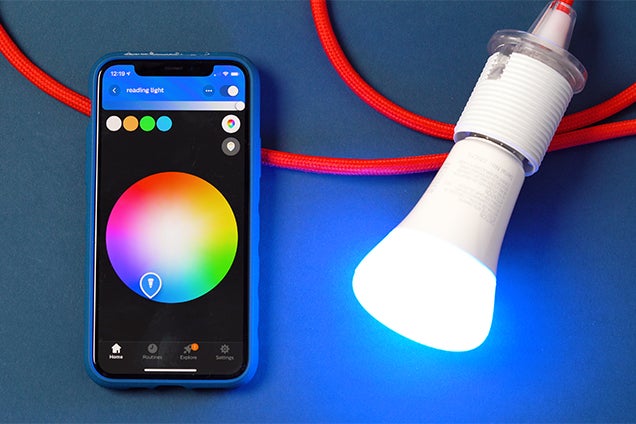
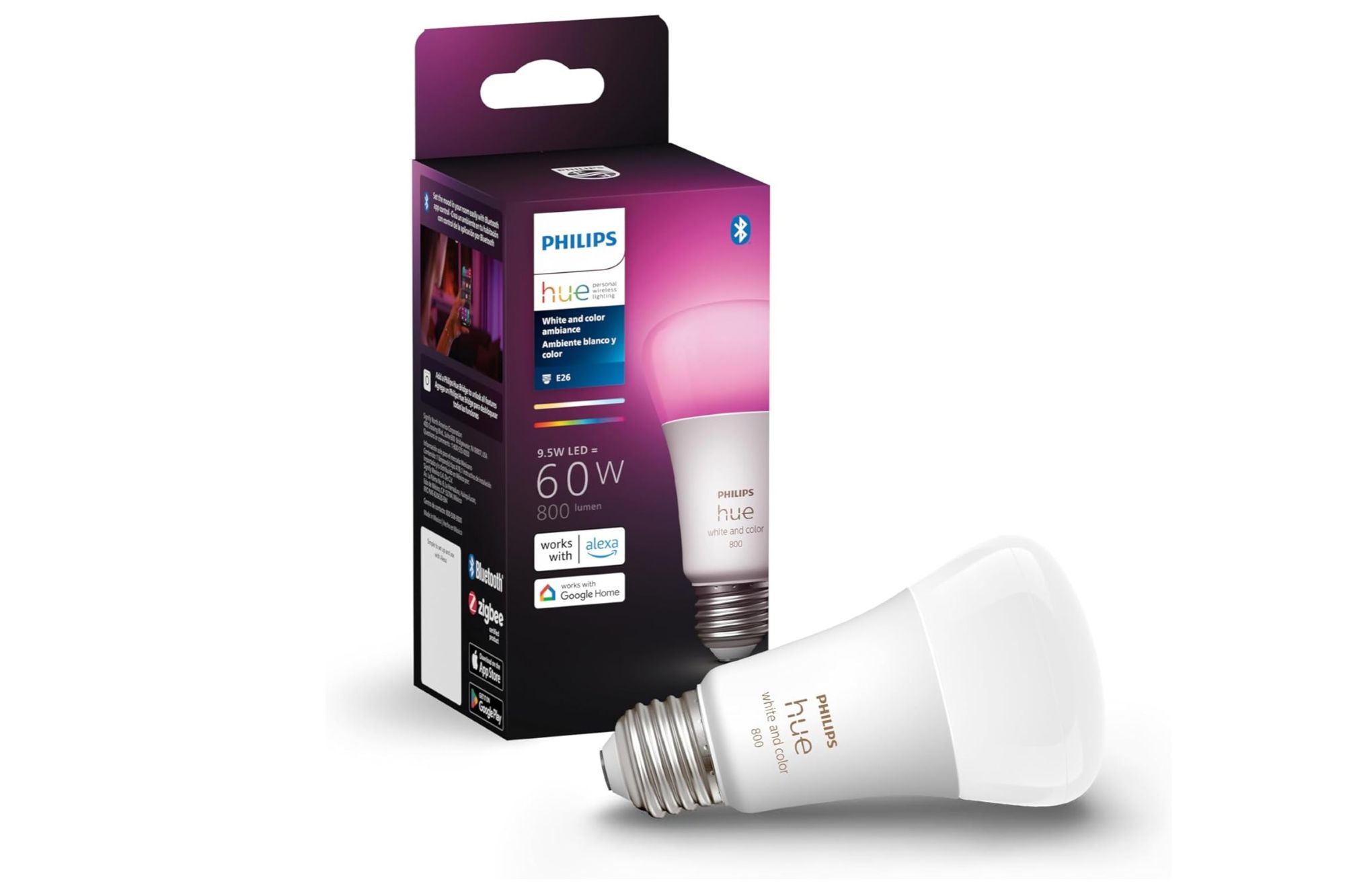
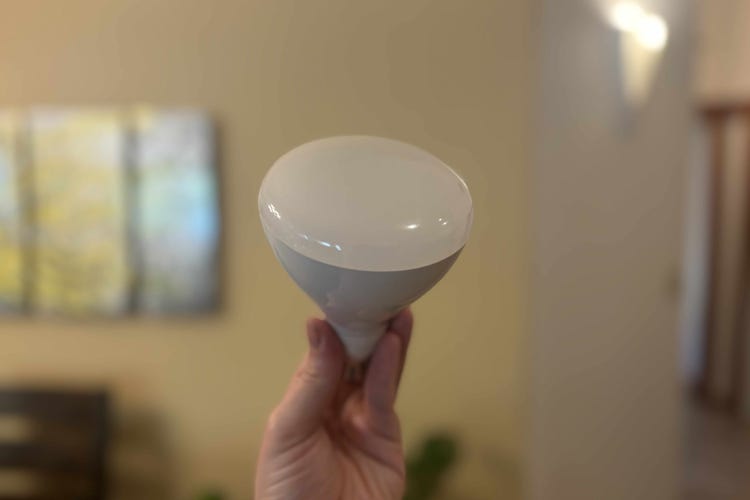
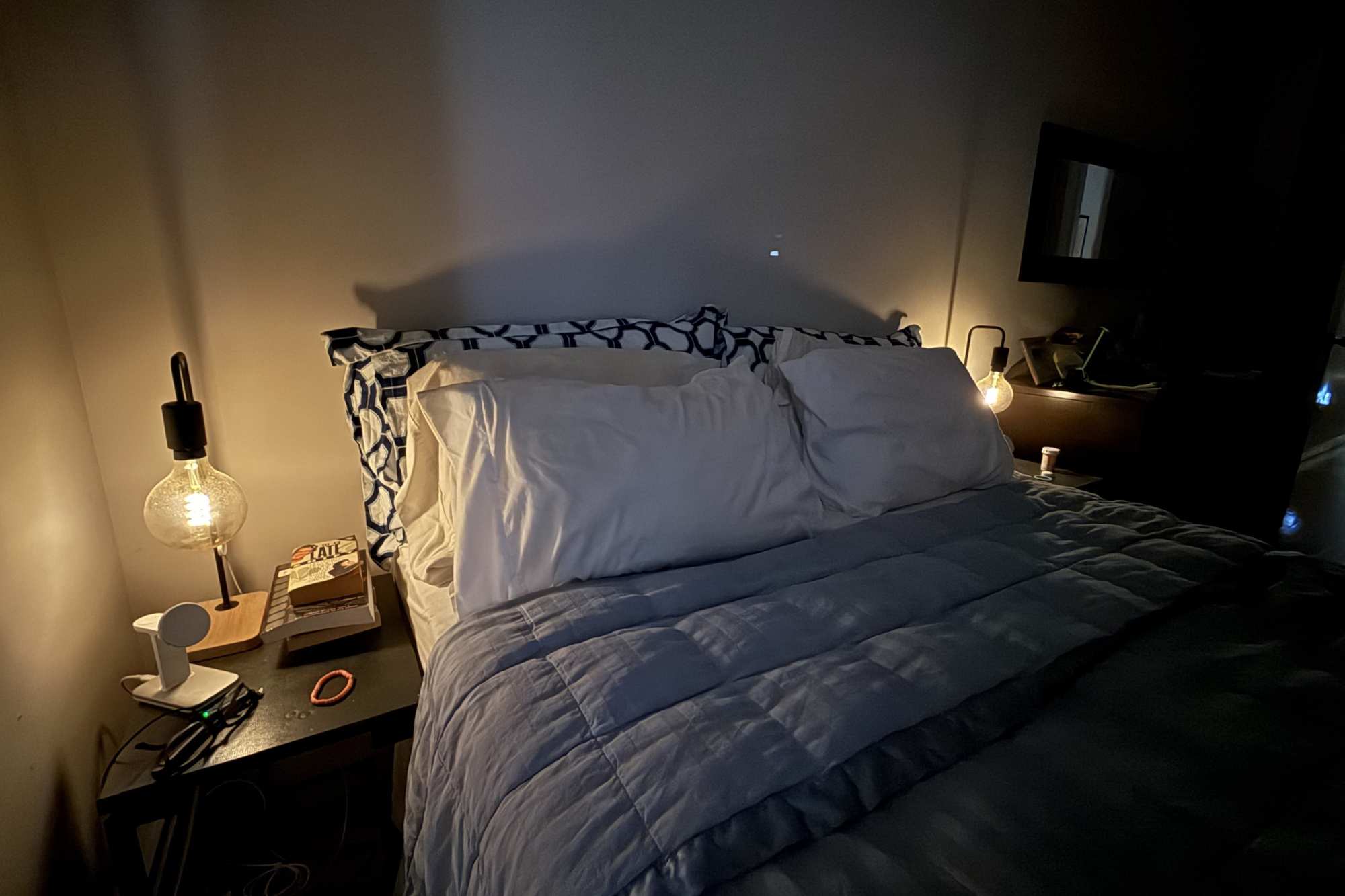
The author shares eight smart home routines that are integral to the smooth operation of their household, emphasizing how these automations contribute to lighting, cleanliness, and security. The article details a wake-up routine that gradually brightens bedroom lights, ensuring family members are gently roused for work and school without oversleeping. This routine, implemented using Philips Hue smart lights, starts at the lowest brightness and incrementally increases to full luminosity, simulating a sunrise.
Another essential routine involves a backyard floodlight, which automatically illuminates the area around a glass door at dusk and fades at dawn. This system enhances security by deterring potential intruders and provides a sense of comfort in the otherwise dark backyard. The floodlight's gradual activation and deactivation are designed to be seamless, often going unnoticed by those present.
A mid-morning routine adjusts the color temperature of lights in the dining room and bedrooms to a cooler daylight hue (around 5,000 Kelvin) every day at 8 a.m. This creates the illusion of natural light in windowless spaces, making the apartment feel more open and energetic, contrasting with the warmer tones of the wake-up lights. The author notes the availability of circadian rhythm modes in smart lighting systems but prefers custom settings.
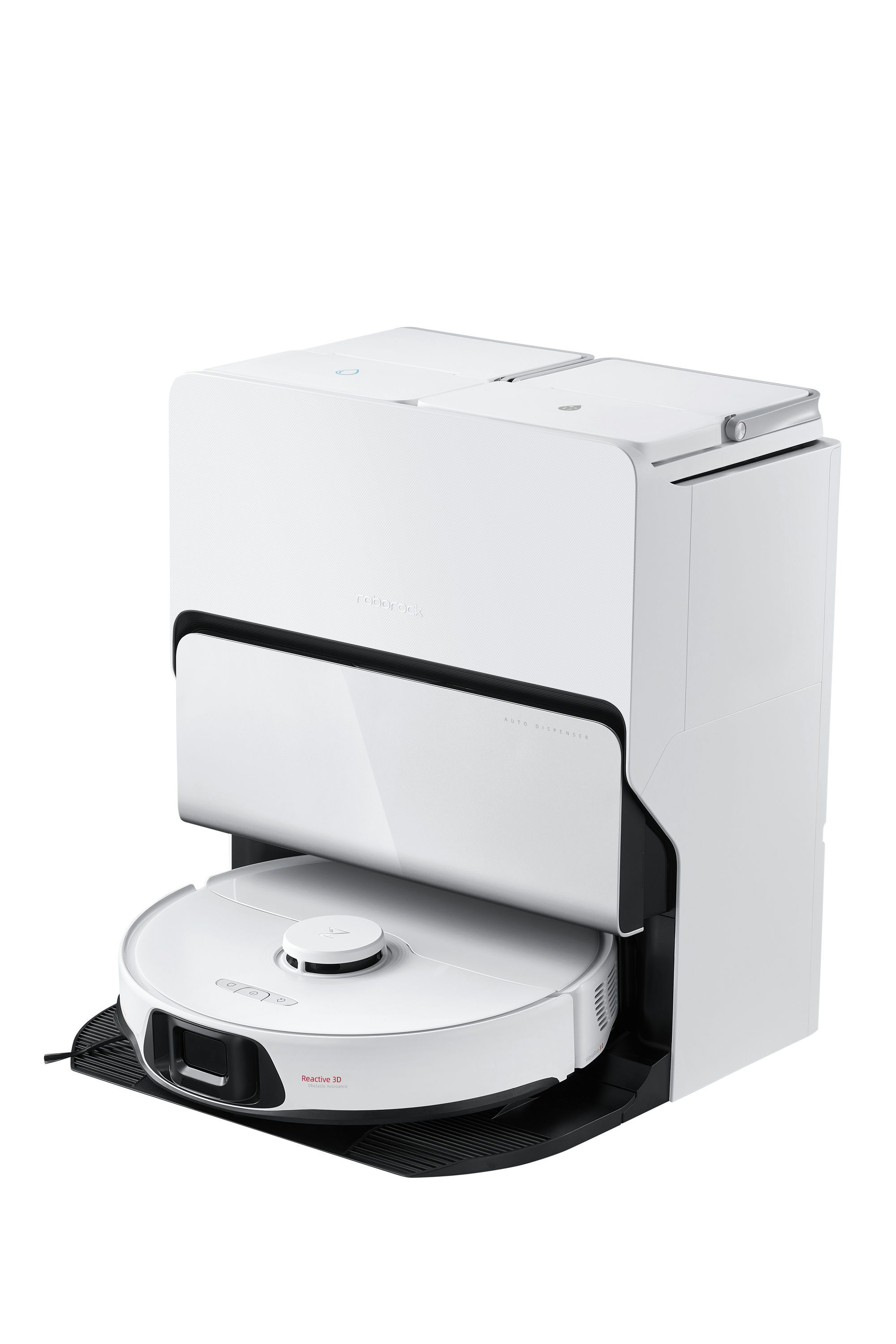
Robot vacuum routines are highlighted for maintaining clean floors with minimal effort. Two robot vacuums operate on a schedule: one in the basement in the early morning, cleaning different areas each weekday, and another upstairs after breakfast, focusing on the kitchen, bedrooms, and hallways. This automation ensures a consistently clean environment without manual intervention, although some maintenance for the vacuums is still required.
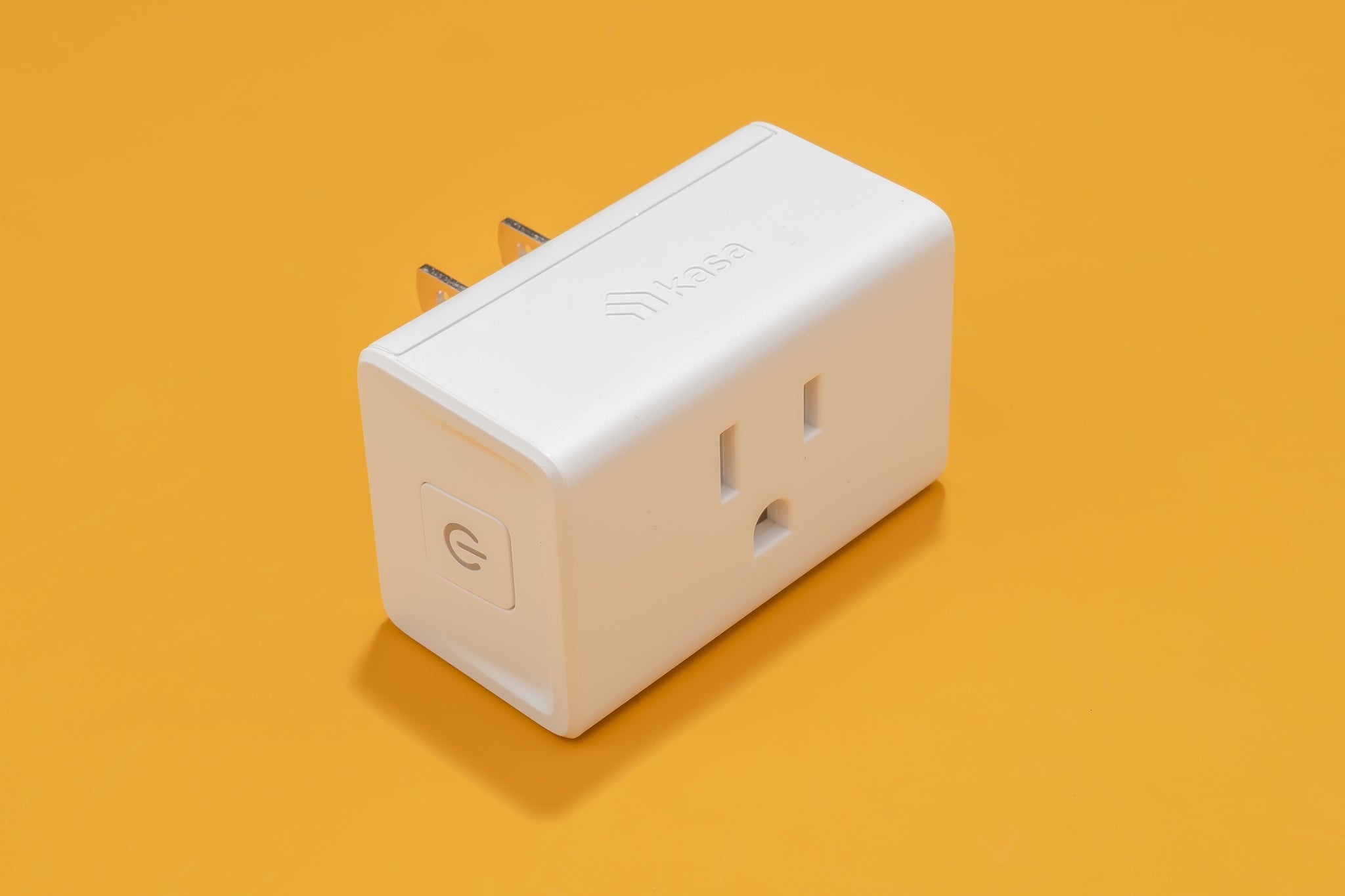
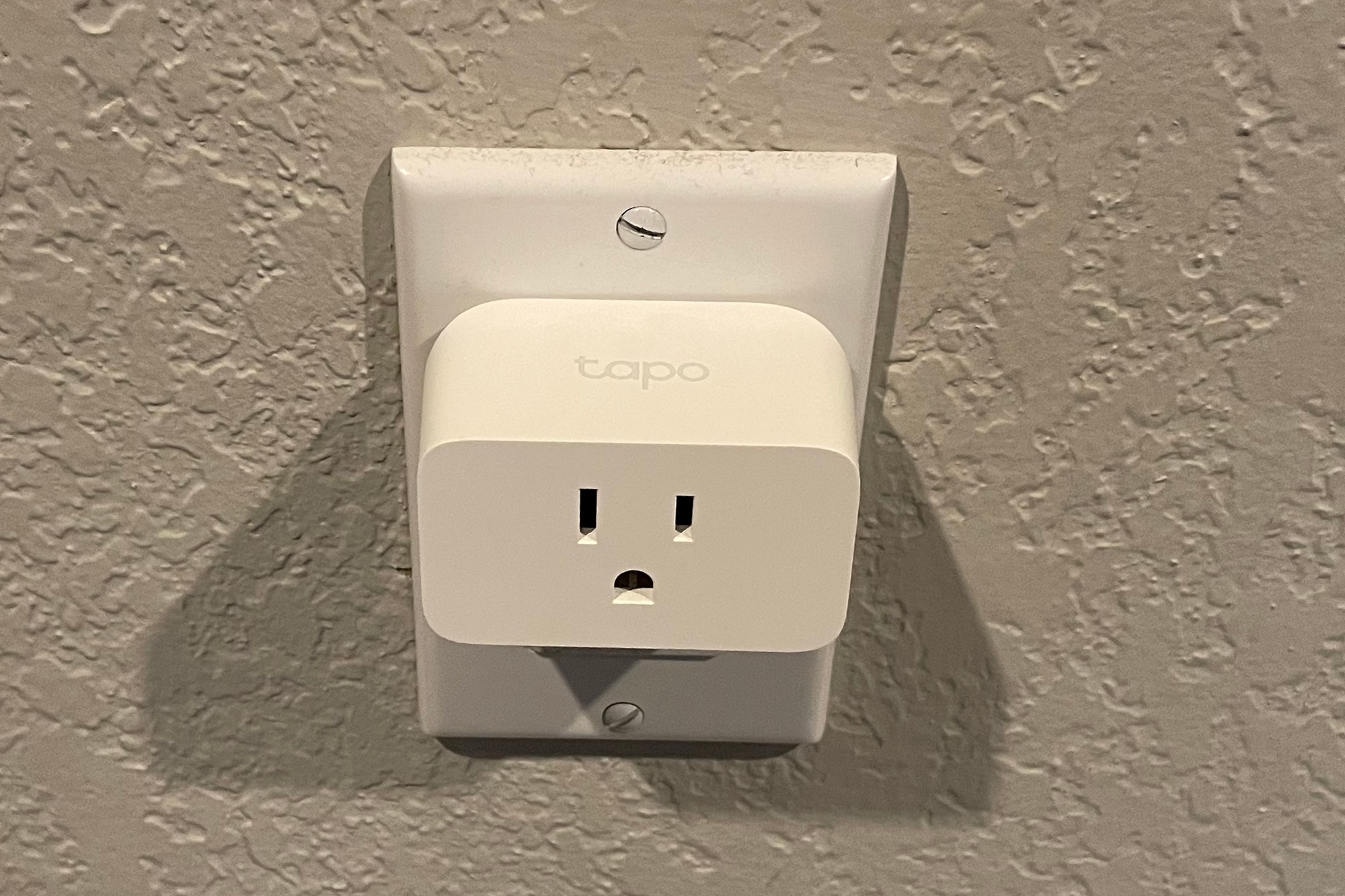
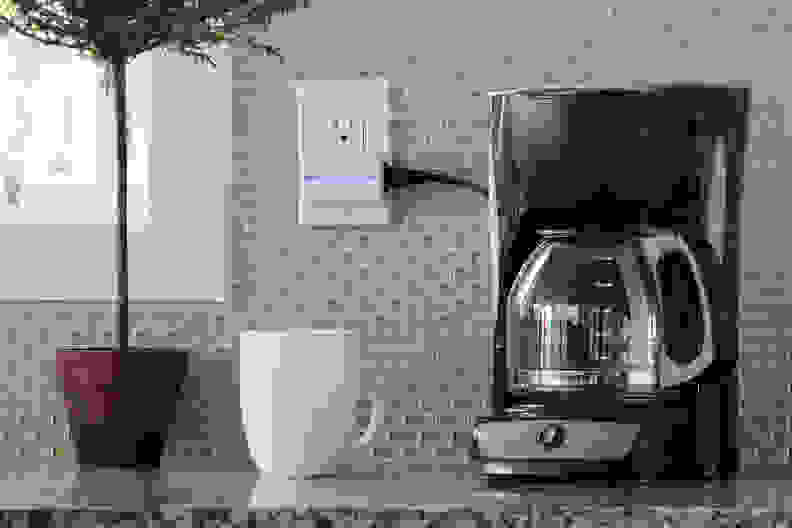
Fan routines manage a trio of floor-standing Vornado fans connected to smart plugs. These fans, crucial for air circulation in an apartment without central air conditioning, operate from 5:30 a.m. to 11:30 p.m. daily. This automated schedule helps conserve energy and reduces electricity costs by preventing continuous operation.
Office routines adjust lighting to suit different times of the day. During working hours, the office lights emit a daylight color temperature to promote energy and cheerfulness. In the evening, the lighting transitions to a dimmed, groovy purple mode at 7:30 p.m., suitable for relaxing while streaming. Later, around 9 p.m., the lights fade to a night mode, with a Hue Iris providing minimal illumination for navigation to the bathroom, creating an ideal ambiance for evening movies.
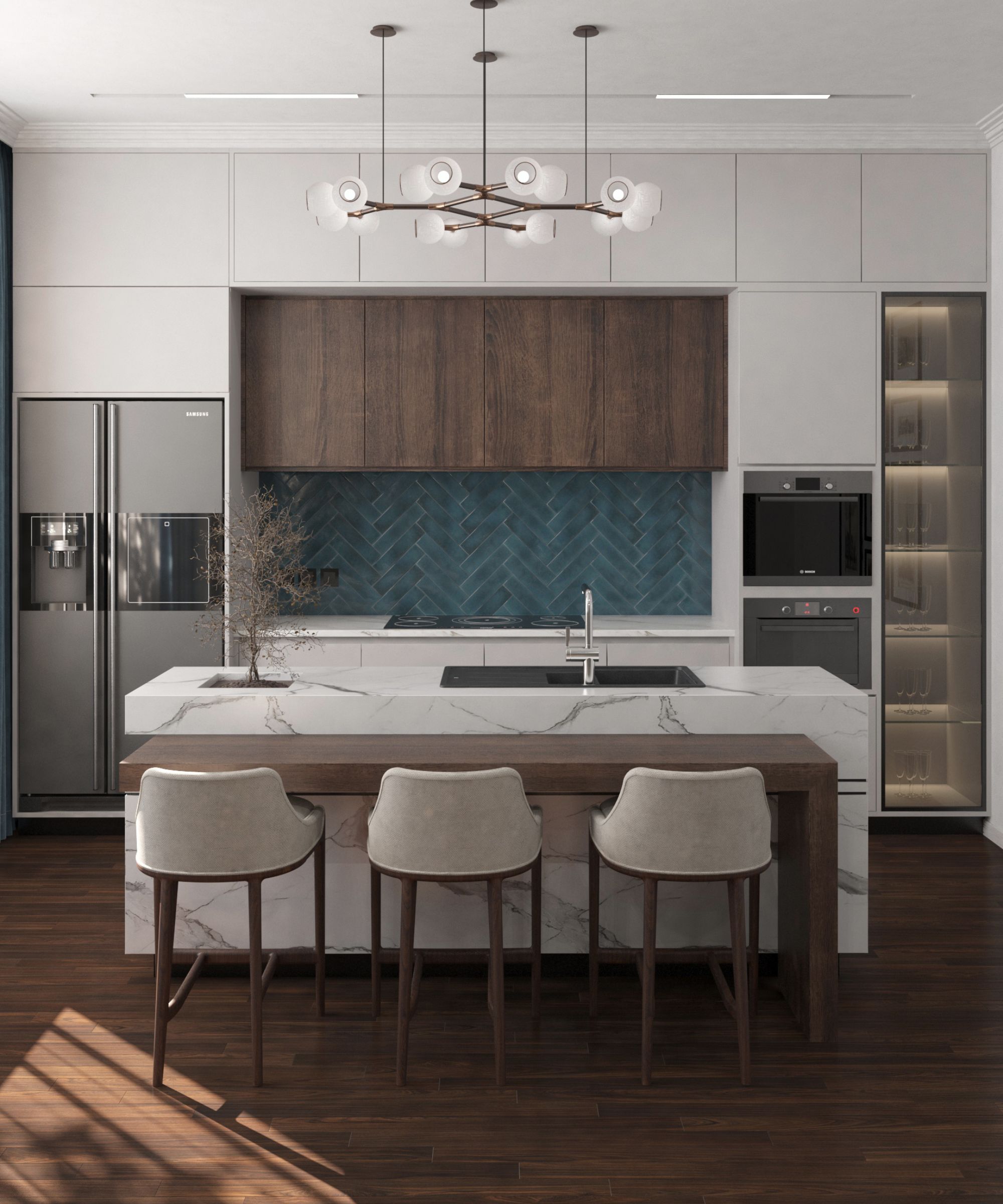
A nighttime kitchen routine ensures that at 11 p.m., all kitchen lights except for the over-counter light strip are turned off. The remaining strip fades to a deep blue, offering just enough illumination while keeping the kitchen mostly dark for bedtime. This automation prevents the oversight of leaving lights on and maintains a consistent bedtime atmosphere.
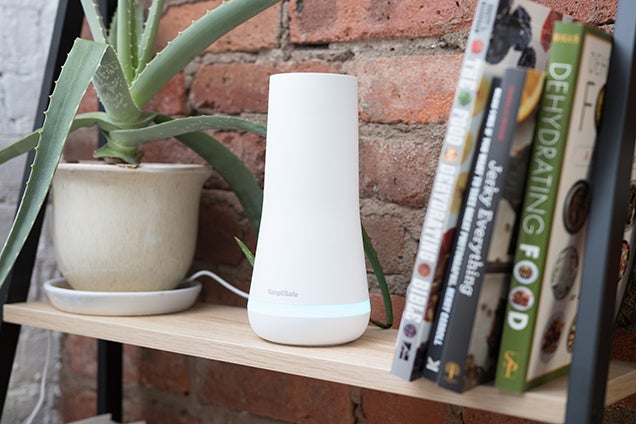
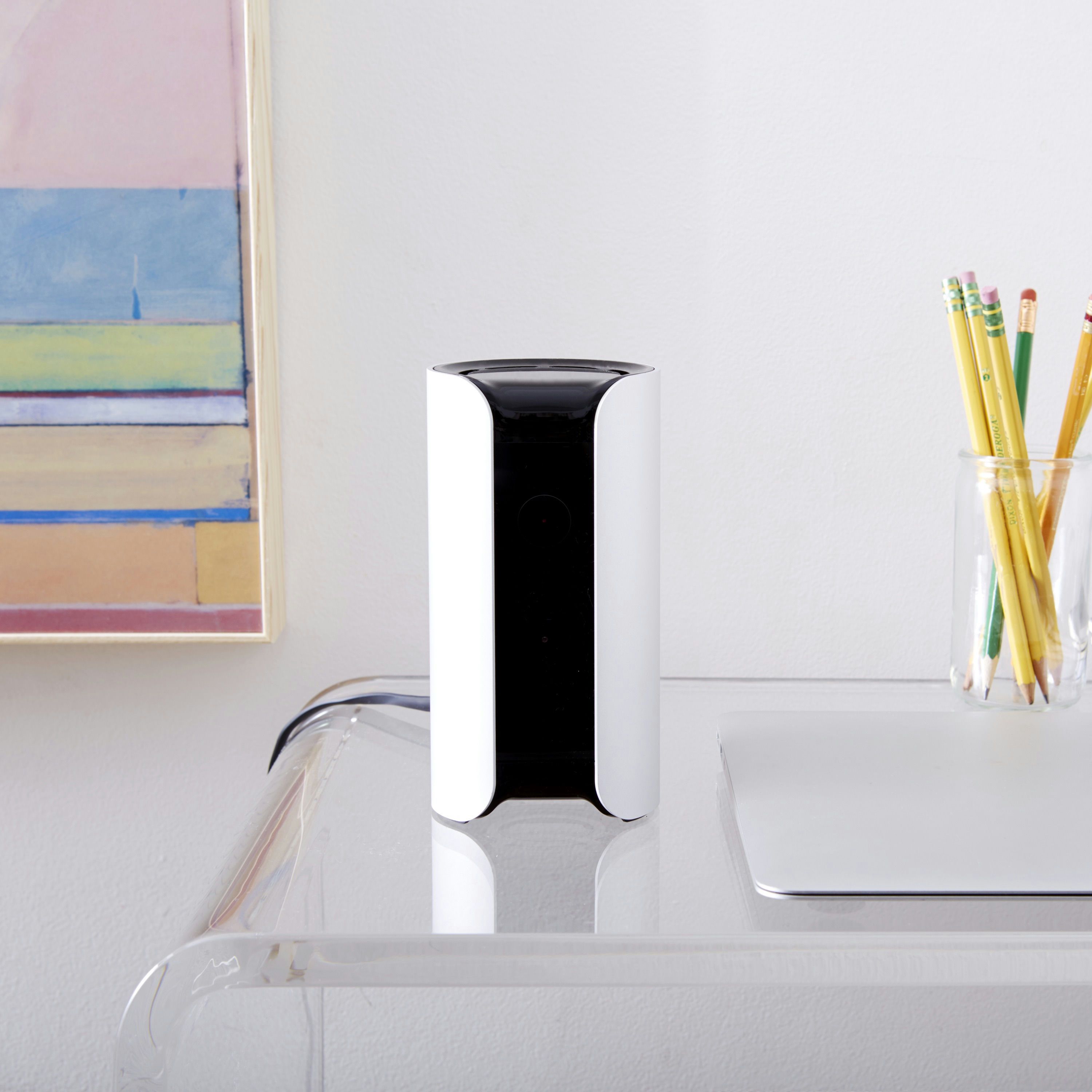
Finally, a water leak sensor routine serves as a critical precautionary measure. Although never triggered in a real emergency, this sensor in the basement office is programmed to sound an alarm and fully brighten bedroom lights if it detects water. This system addresses a past issue of basement flooding and provides an immediate alert mechanism, even in the middle of the night, to prevent significant water damage.
#SmartHome #SmartLighting #HomeAutomation #RobotVacuums #SmartFans #HomeSecurity #WaterLeakDetection #DailyRoutines #SmartHome #SmartLighting #HomeAutomation #RobotVacuums #SmartFans #HomeSecurity #WaterLeakDetection #DailyRoutines
0 comment in total
 No comments yet
You may also like
Smart home must-haves – the 8 smart products to upgrade your home and lifestyle

Best Smart Home Devices of 2026: Home Upgrades for Anyone


If Your Life Is Complete Chaos And You Could Use A Little Control, These 31 Items Can Help
10 Must-Have Organizational Tools to Finally Get Your Home in Order Once and for All

6 Easy Smart Home Essentials for Renters

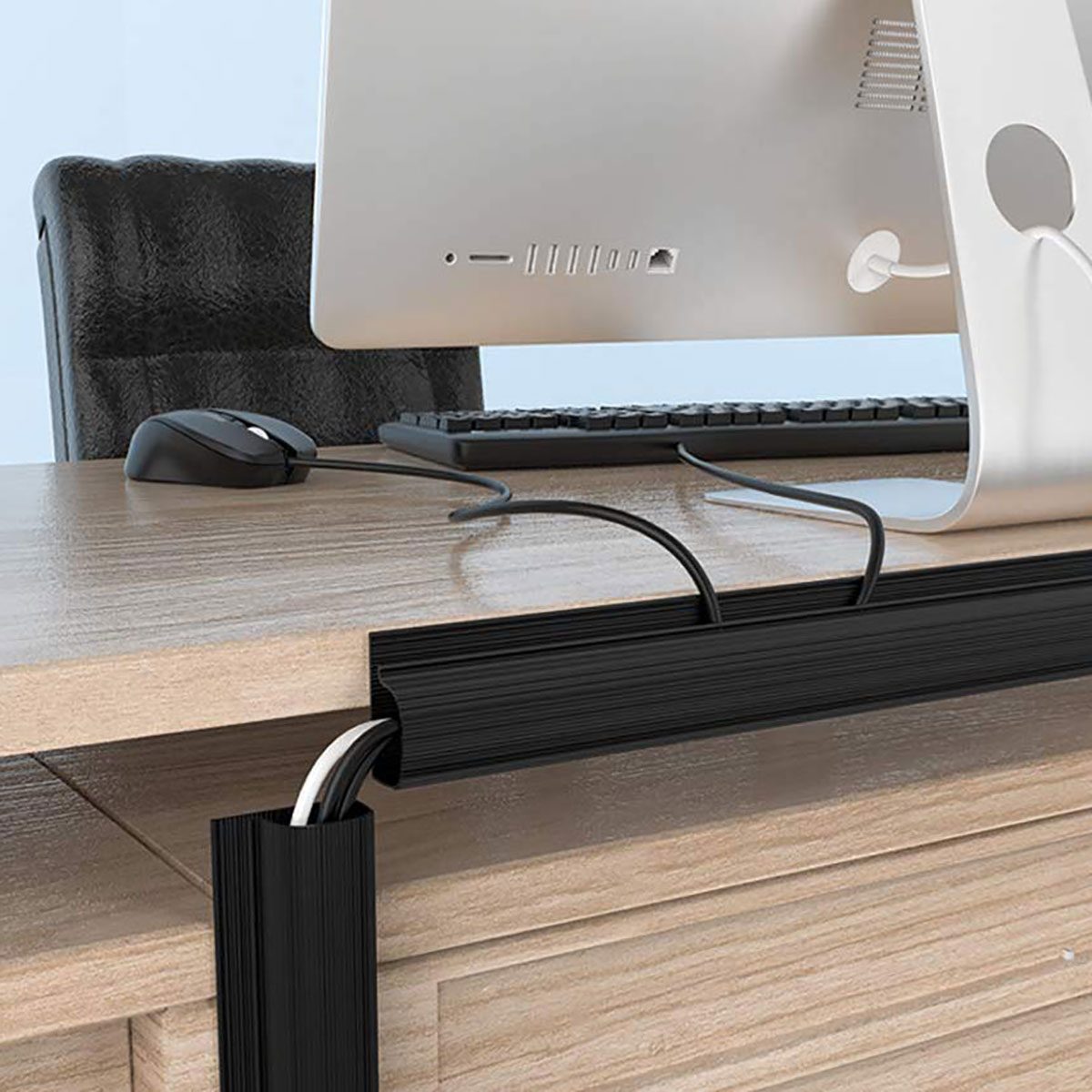
8 Essential Tools to Maximize Cable Management in Your Home


How AI is Transforming Smart Homes in 2025 and Beyond

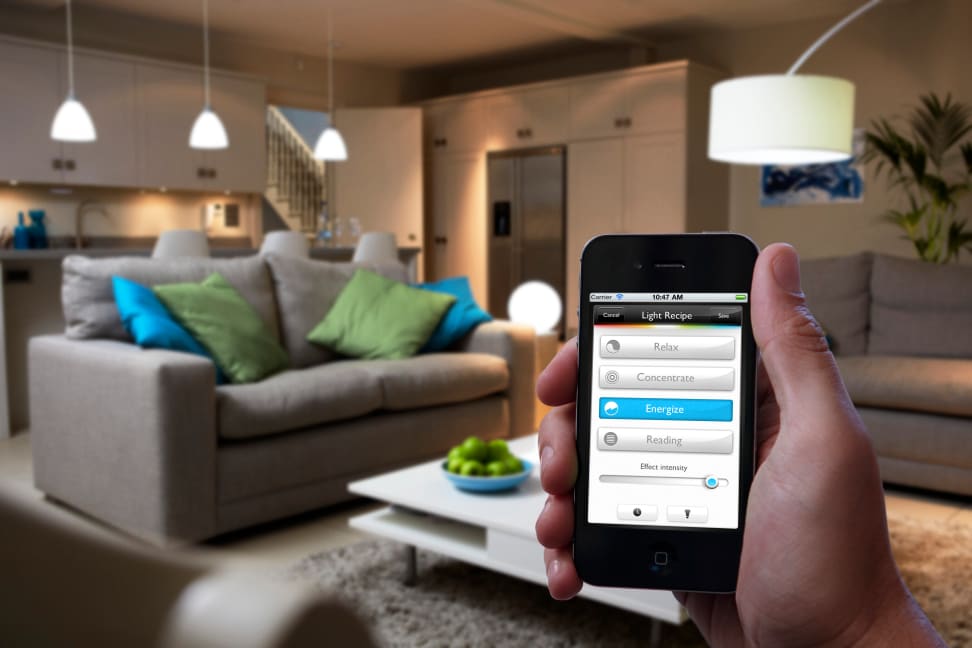
10 ways to add 'smart lighting' in your home and never touch a switch again

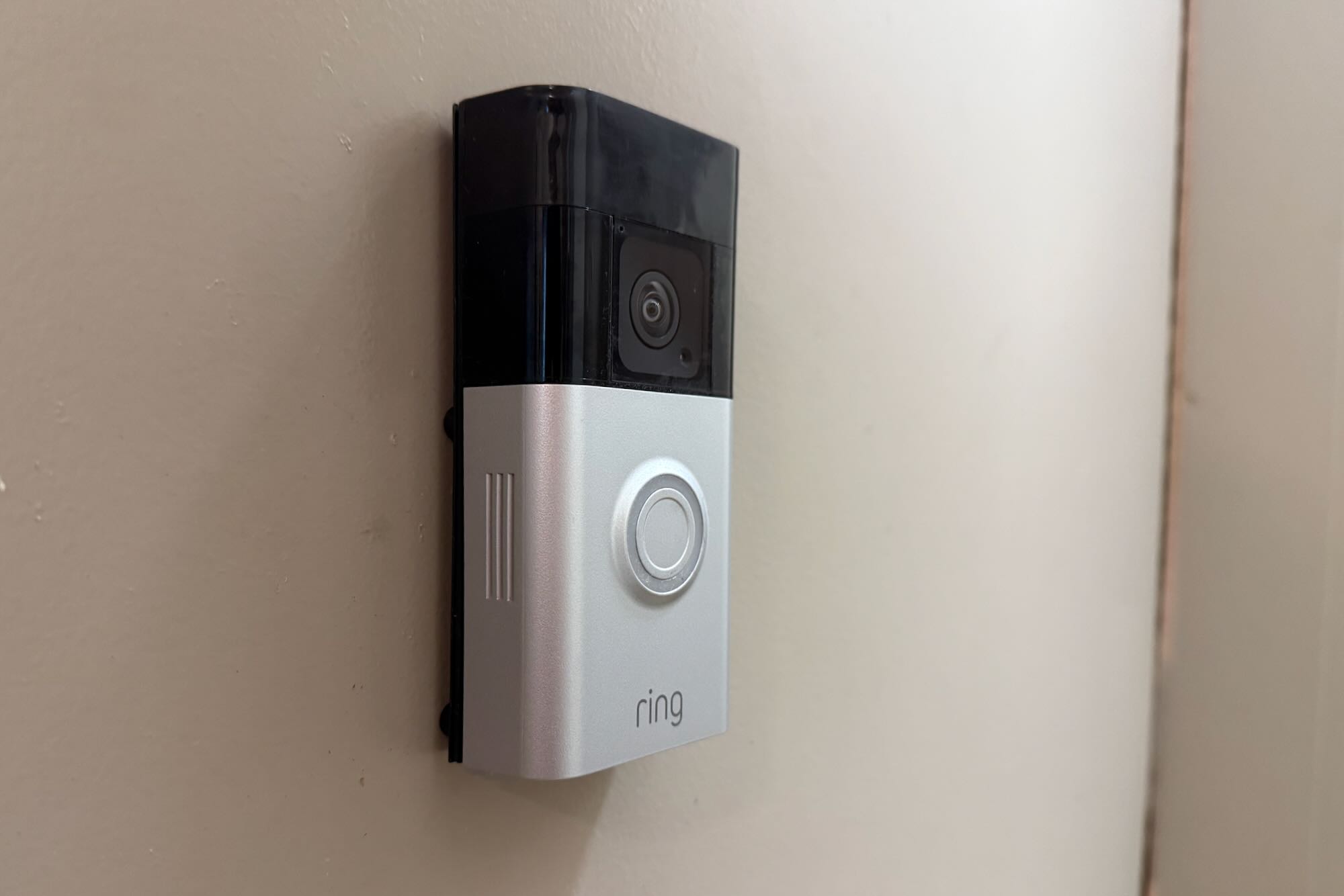
Renters, rejoice! 8 easy smart home upgrades that won’t leave a trace
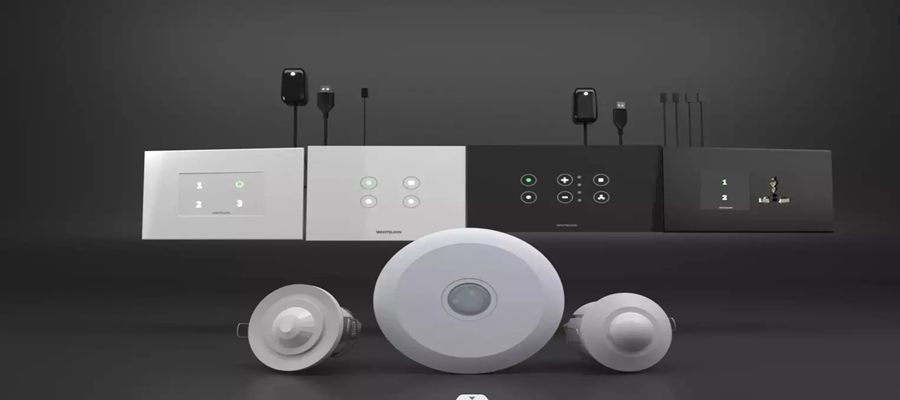
10 Best Smart Switches for Home Automation


2024 Gift Guide: The Best Smart Home Gifts

7 Best Smart Blinds and Smart Shades, According to Pros

15 brainy gadgets that bring the smart home outside

6 ways to control your smart home from your PC
Some home office essentials I simply can’t live without


Eight Best Smart Light Systems to Transform the Mood of Your Home (2025 Update)
15 Cool Tech Gadgets That Turn Your Home into a Smart House

The 8 Must-Have Products to Winterize Your Home


Twelve creatives on the home essentials they can't do without
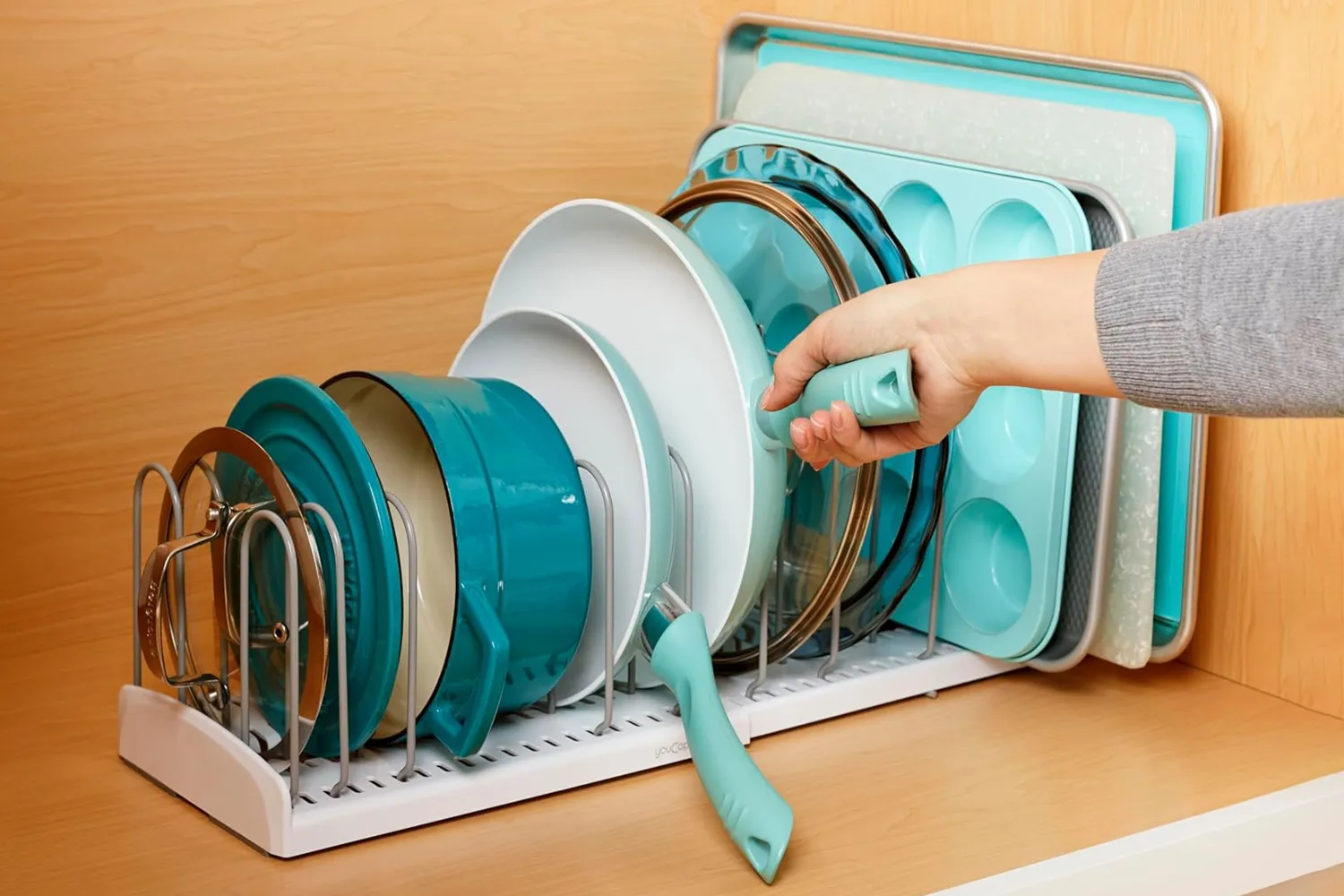
Professional Organizers Use These 17 Clever Items Every Day to Keep Their Own Homes Neat and Tidy