How AI is Transforming Smart Homes in 2025 and Beyond
Artificial Intelligence (AI) is fundamentally changing the smart home industry, making devices more intuitive, efficient, and responsive to user needs. The integration of AI into smart home ecosystems enables advanced automation, sophisticated voice recognition, optimized energy usage, enhanced security, and even predictive maintenance. As AI technology continues to evolve, smart homes are becoming increasingly adaptive, leading to improved user experiences and unparalleled convenience. This transformation is evident across various aspects of the smart home, from daily operations to long-term maintenance and wellness.
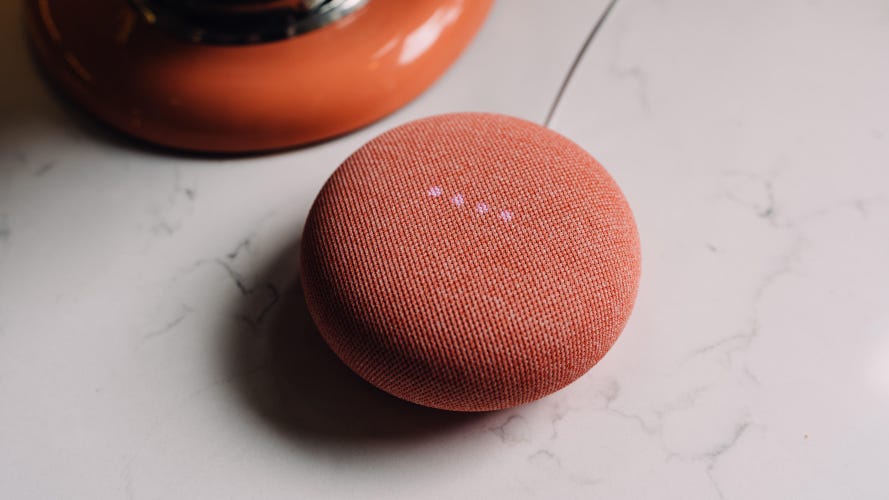
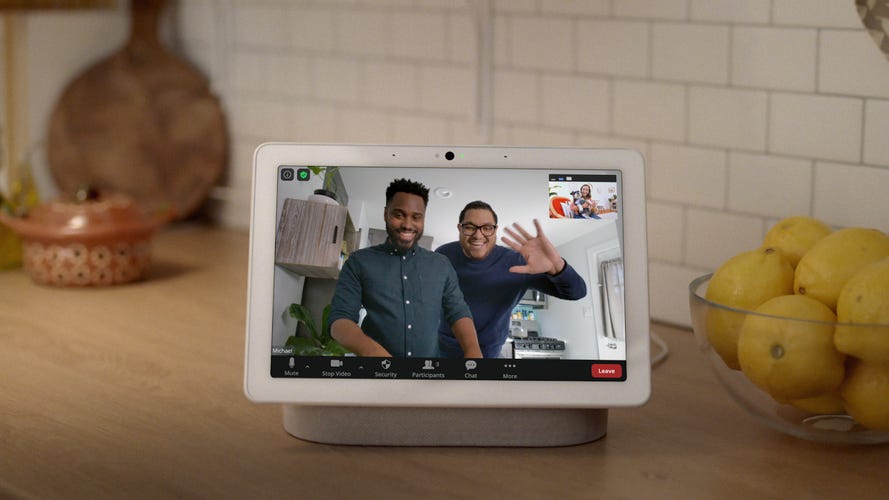
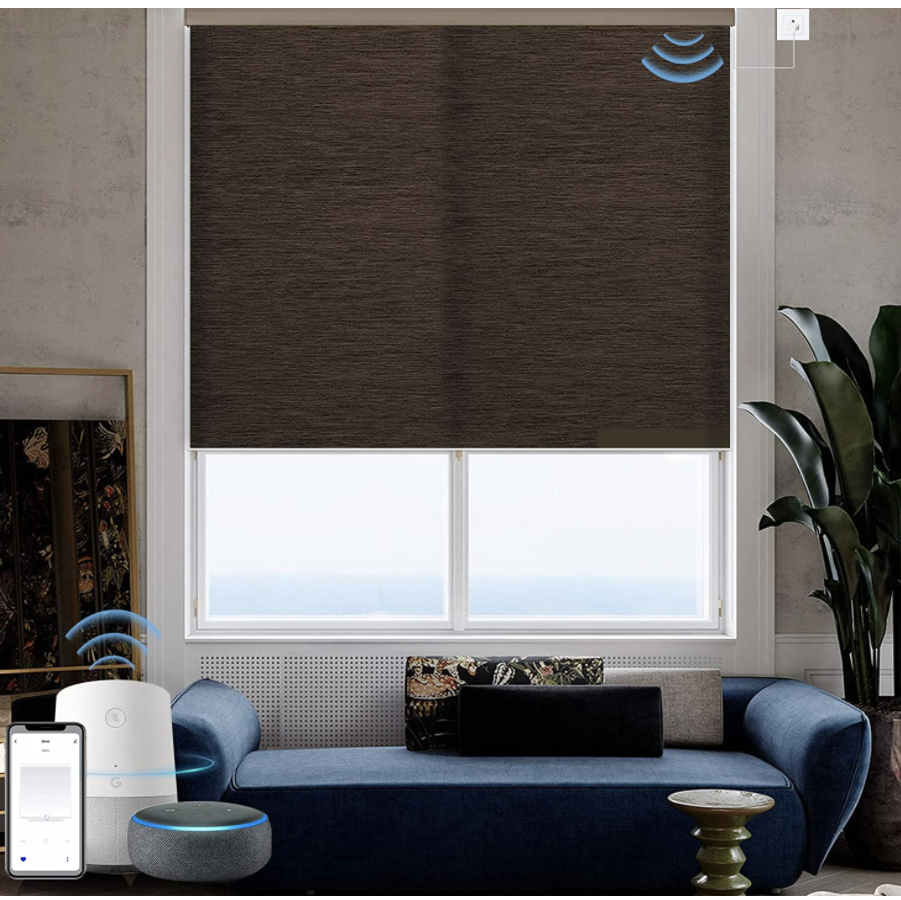
One of the most significant contributions of AI to smart homes is in automation and control. AI-powered systems facilitate seamless control of multiple devices through voice assistants like Amazon Alexa, Google Assistant, and Apple Siri, which use AI algorithms to interpret natural language commands. These systems can execute tasks such as adjusting thermostat settings, controlling lighting, or setting up complex routines. Devices like Google’s Nest Learning Thermostat exemplify this by learning user behavior and preferences to automatically optimize heating and cooling, thereby reducing energy waste and maximizing comfort. Samsung’s SmartThings platform further illustrates AI-driven automation by connecting and coordinating various smart home devices, from appliances to security systems.
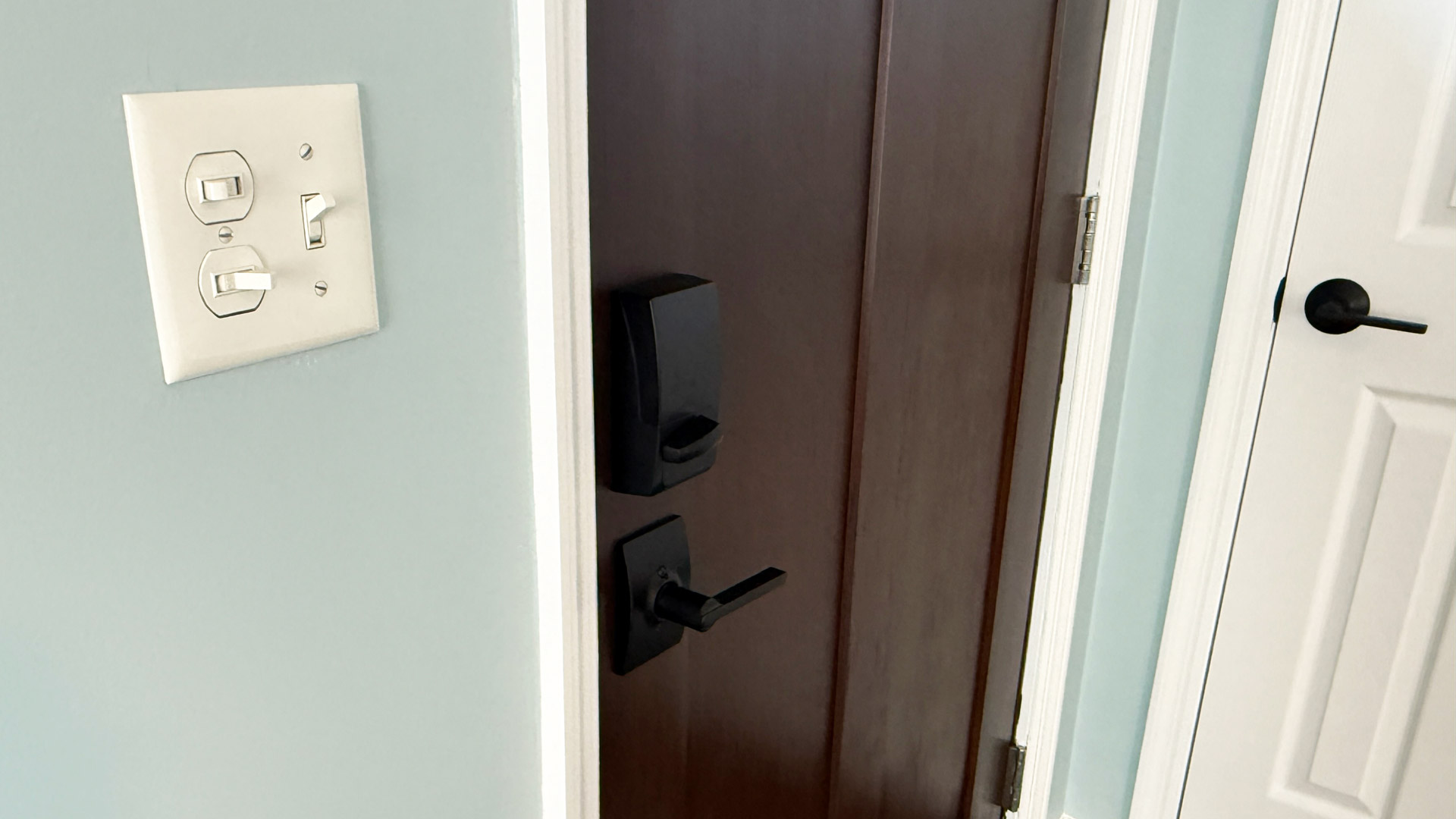
AI also profoundly impacts home security. AI-driven security cameras, smart locks, and alarm systems leverage machine learning for enhanced safety and real-time threat detection. Ring’s AI-powered video doorbells and cameras utilize facial recognition and motion detection to distinguish between known individuals and potential intruders. Google’s Nest Cam can differentiate between people, animals, and objects, reducing false alerts and providing accurate notifications. Biometric security, such as the AI-enhanced fingerprint and facial recognition in smart locks like the Lockly Vision Elite, adds an extra layer of protection.
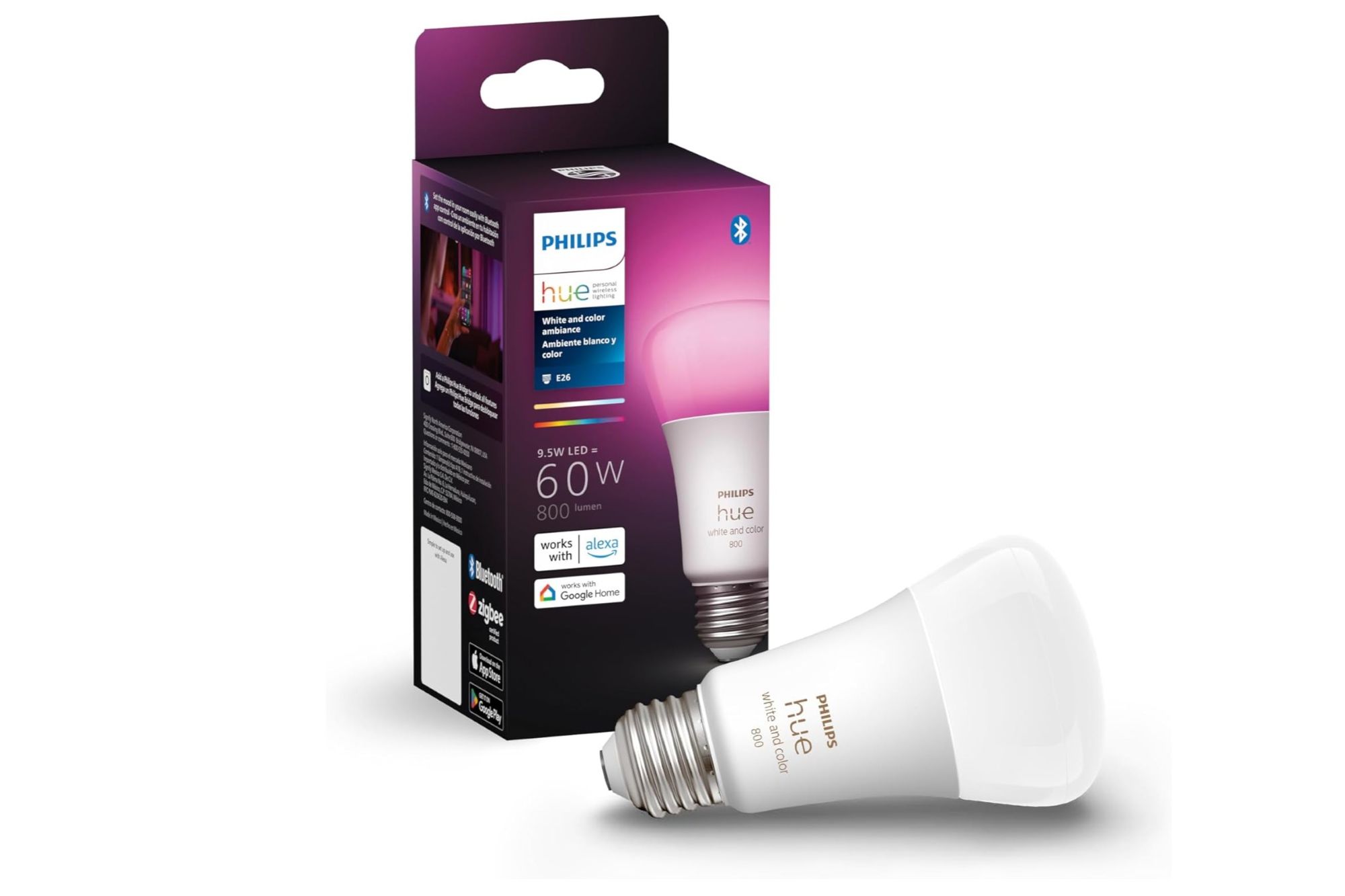
In terms of energy efficiency and sustainability, AI plays a crucial role by optimizing home energy consumption. AI-powered smart meters and home energy management systems analyze usage patterns to recommend energy-saving practices, contributing to lower electricity bills and environmental sustainability. Tesla’s Powerwall, for instance, uses AI to optimize energy storage and distribution from renewable sources, while Sense monitors individual appliance usage for energy-saving recommendations. Smart lighting systems, like Philips Hue, integrate AI to adjust lighting based on time of day and user preferences, enhancing comfort while conserving energy.
AI integration in smart appliances is revolutionizing household chores by making devices more intelligent and efficient. AI-powered refrigerators, ovens, washing machines, and vacuum cleaners learn user habits and optimize performance. Samsung’s Family Hub refrigerator uses AI to identify food items, suggest recipes, and generate shopping lists. LG’s ThinQ AI washing machines analyze fabric and load size to determine optimal washing cycles, saving water and detergent. Robotic vacuum cleaners like the iRobot Roomba j7+ employ AI and machine vision to map homes, avoid obstacles, and adapt cleaning patterns.
The GearBrain Compatibility Find Engine addresses the challenge of interoperability in smart home ecosystems. This AI-powered tool helps users identify compatible smart devices, facilitating the creation of sustainable and efficient smart homes by reducing compatibility issues and improving overall user experience. It enables consumers to maximize the functionality of their smart home systems and optimize energy use.
AI is also enhancing home maintenance through predictive diagnostics. AI-powered sensors and monitoring tools can detect potential issues in appliances and systems before they escalate, saving homeowners time and money. Moen’s Flo Smart Water Monitor & Shutoff uses AI to analyze water usage and detect leaks, preventing water damage. Whirlpool’s AI-powered appliances provide maintenance alerts, ensuring longevity and efficiency. Furthermore, AI-driven health and wellness devices, such as air purifiers, smart mattresses, and health monitoring tools, contribute to healthier living environments. Dyson’s Pure Cool air purifier uses AI to adjust filtration based on real-time air quality, while Sleep Number smart mattresses track sleep patterns and make adjustments. AI-integrated fitness devices like Mirror and Peloton offer personalized workout recommendations and feedback, supporting fitness goals at home.
Looking ahead, AI will continue to shape smart homes by fostering greater interconnectivity among devices, offering enhanced personalization, improving virtual assistants to be more proactive, strengthening cybersecurity measures, and promoting more sustainable homes through optimized energy use and integration with renewable sources. The evolving role of AI promises a future where smart home experiences are even more seamless, intuitive, and adaptive to individual lifestyles, making homes smarter, safer, and more convenient.
#ArtificialIntelligence #SmartHome #HomeAutomation #SmartHomeSecurity #EnergyEfficiency #SmartAppliances #PredictiveMaintenance #HealthAndWellnessTech #Interoperability #ArtificialIntelligence #SmartHome #HomeAutomation #SmartHomeSecurity #EnergyEfficiency #SmartAppliances #PredictiveMaintenance #HealthAndWellnessTech #Interoperability
0 comment in total
 No comments yet
You may also like
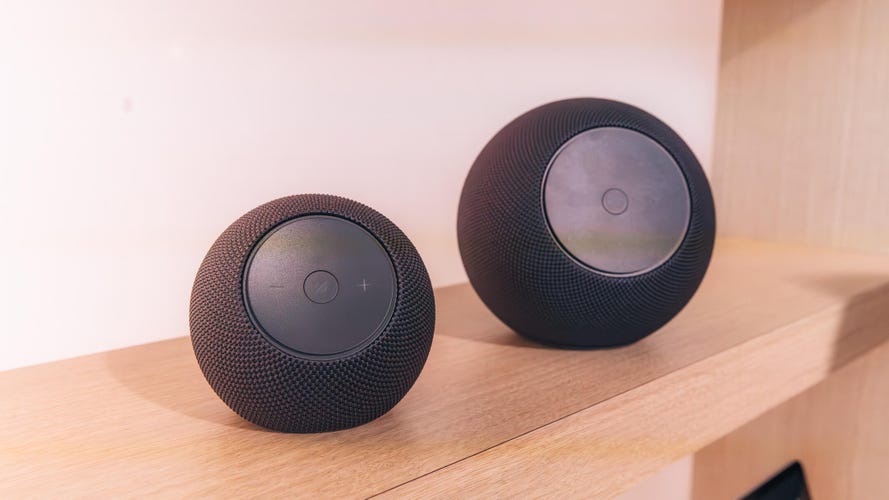
Best Smart Home Devices of 2026: Home Upgrades for Anyone


Smart home must-haves – the 8 smart products to upgrade your home and lifestyle


Renovating? The home design trends you’ll see everywhere in 2025


10 High-Tech Home Innovations
The best smart home products of 2025-26


Hottest Home Trends in 2025
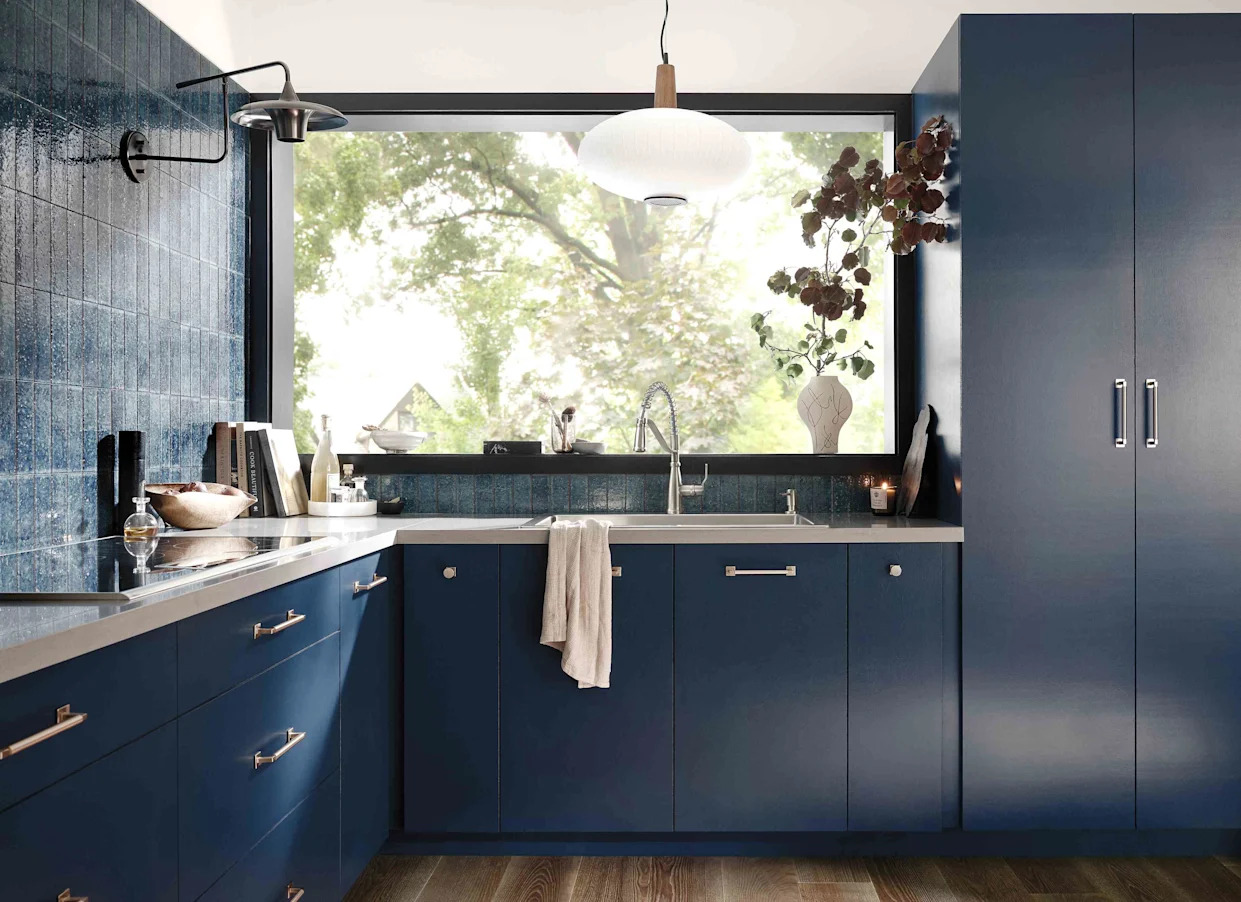
8 Home Appliance Trends You'll See Everywhere in 2025, According to Pros
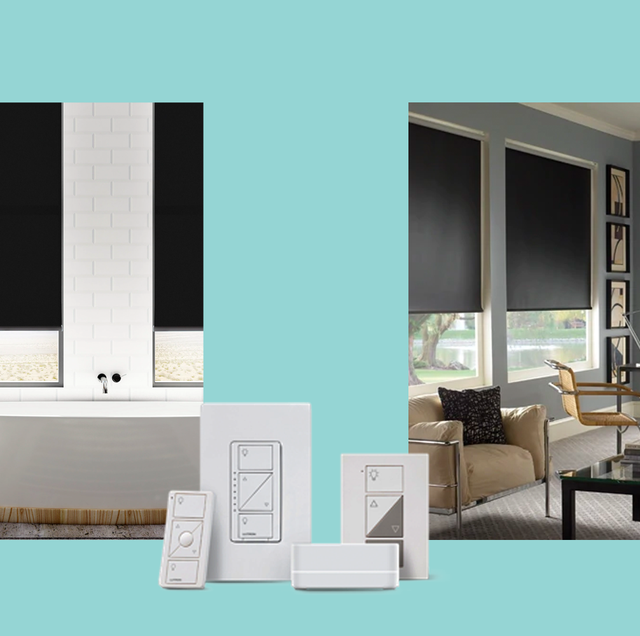
7 Best Smart Blinds and Smart Shades, According to Pros

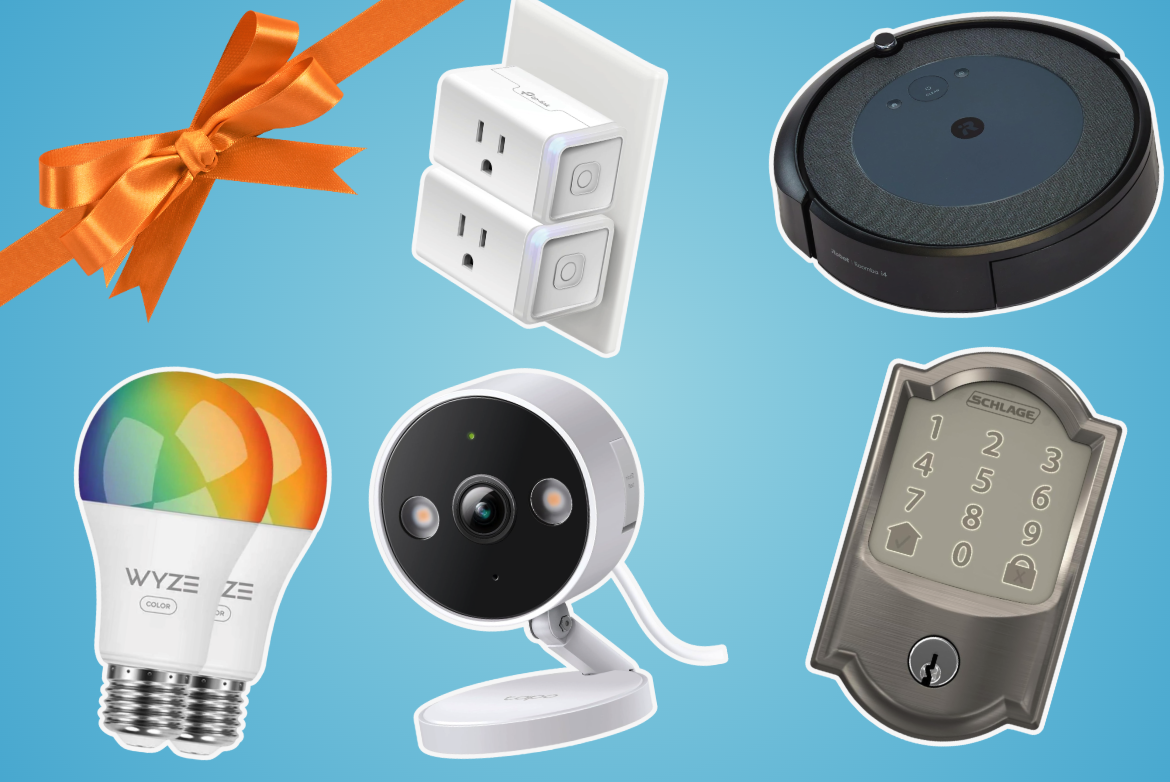
The 22 Best Smart Home Gifts That Anyone Will Actually Use in 2025


How AI and Automation Are Transforming Home Textile Technology: The Future of Smart and Sustainable Living


30 Home Features That Jumped in Popularity This Year


If you don't yet know the home renovation trends for 2025, your project might just be missing out

Renovating for the Future: Trends That Will Shape Your Home in 2025

The 8 Renovation Trends Designers Say Will Shape Homes in 2025 and Beyond


Luxury Experts Say THESE Will Be the Most Popular High-End Home Features in 2025

12 must-know interior design trends that will be defining our homes in 2025

These Are the Home Design Trends You Need to Know About in 2025

Smart home technology still isn't good enough for my latest home upgrade project and this is a huge problem


The biggest home decor trends that interior experts say you’ll be championing in your home in 2025

Top Home Design Trends in 2025 for Modern Living