1/18
If you don't yet know the home renovation trends for 2025, your project might just be missing out
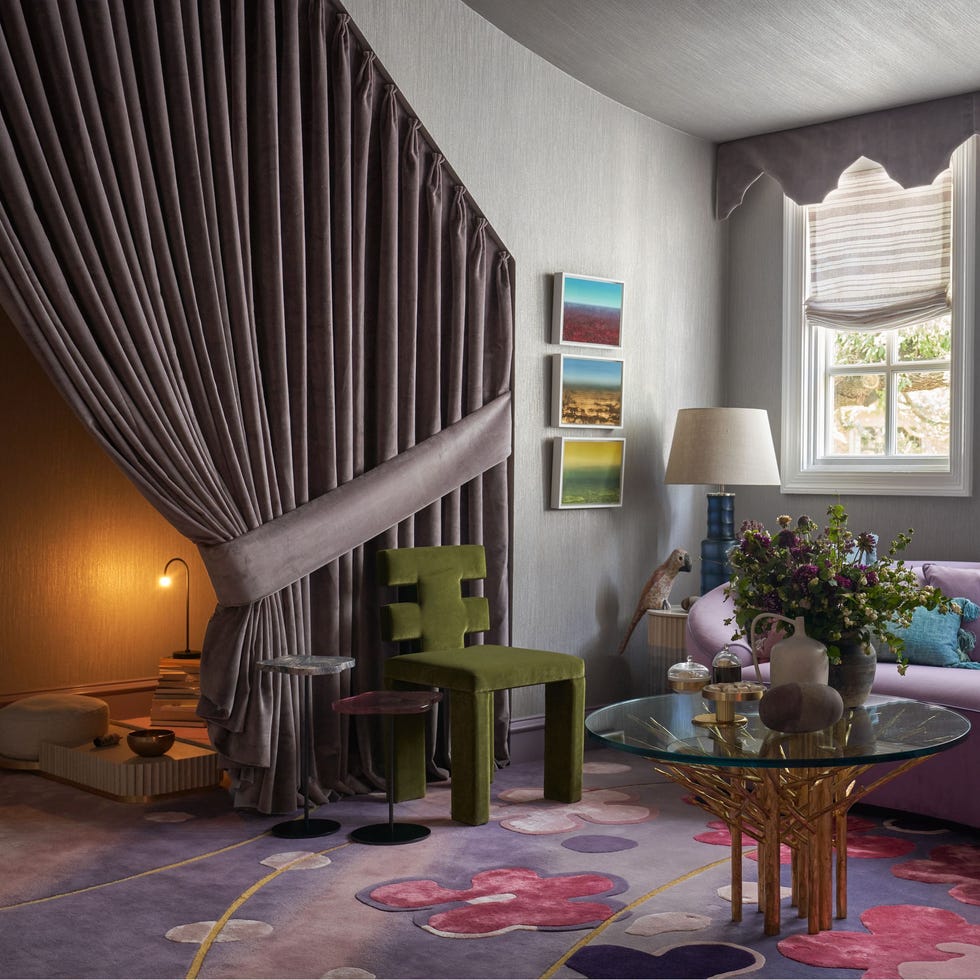
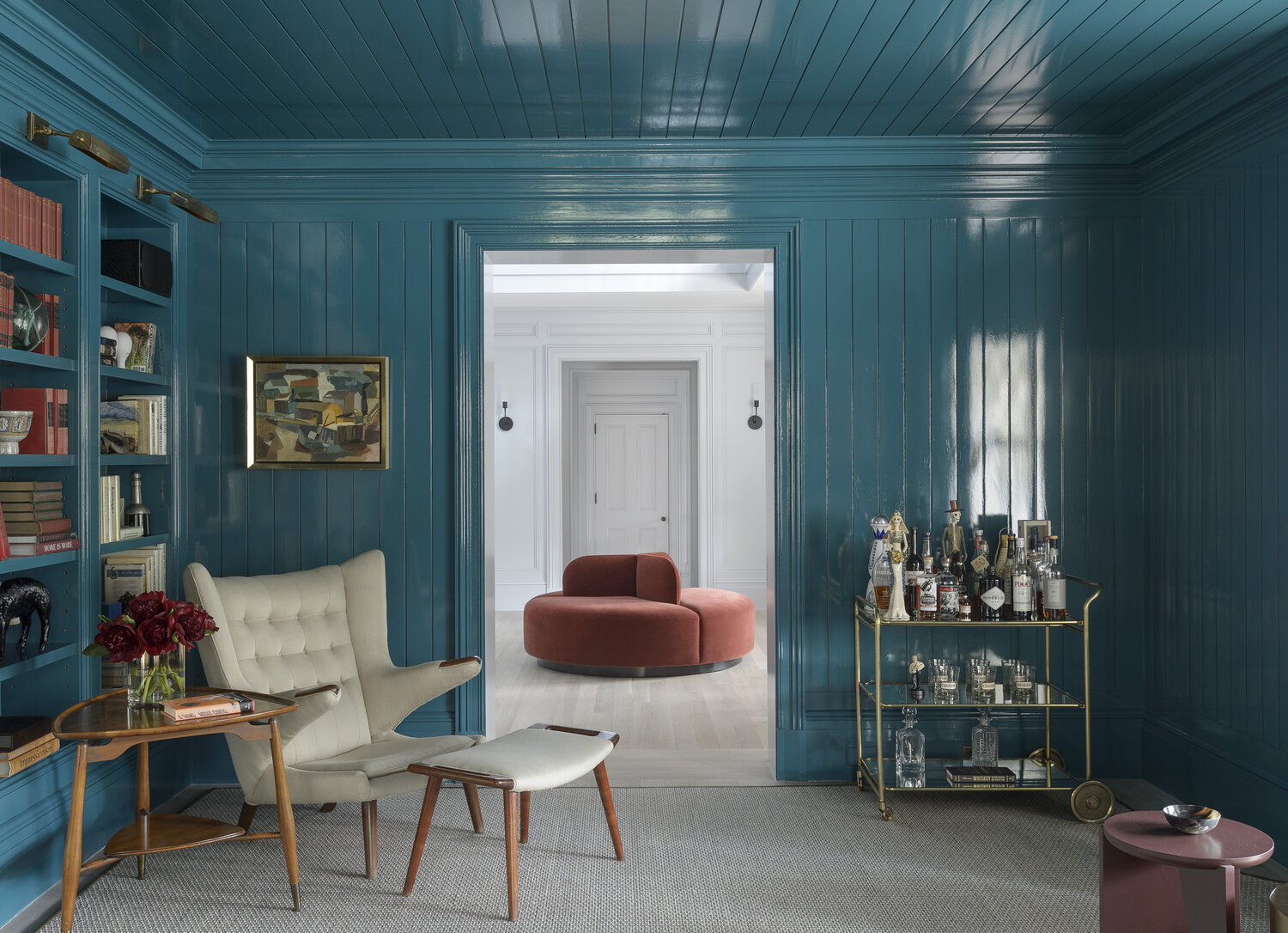
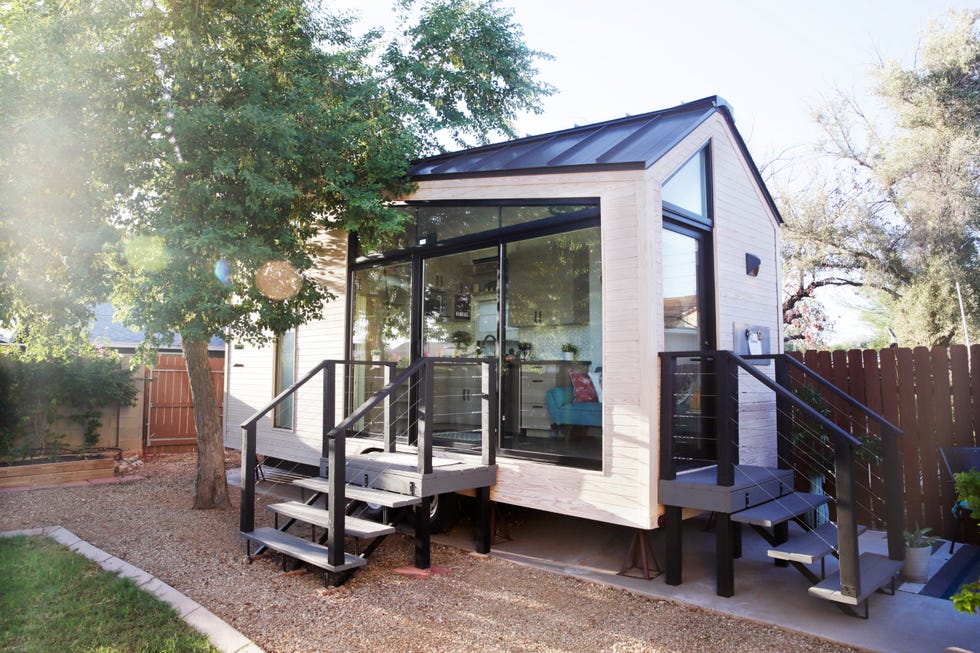
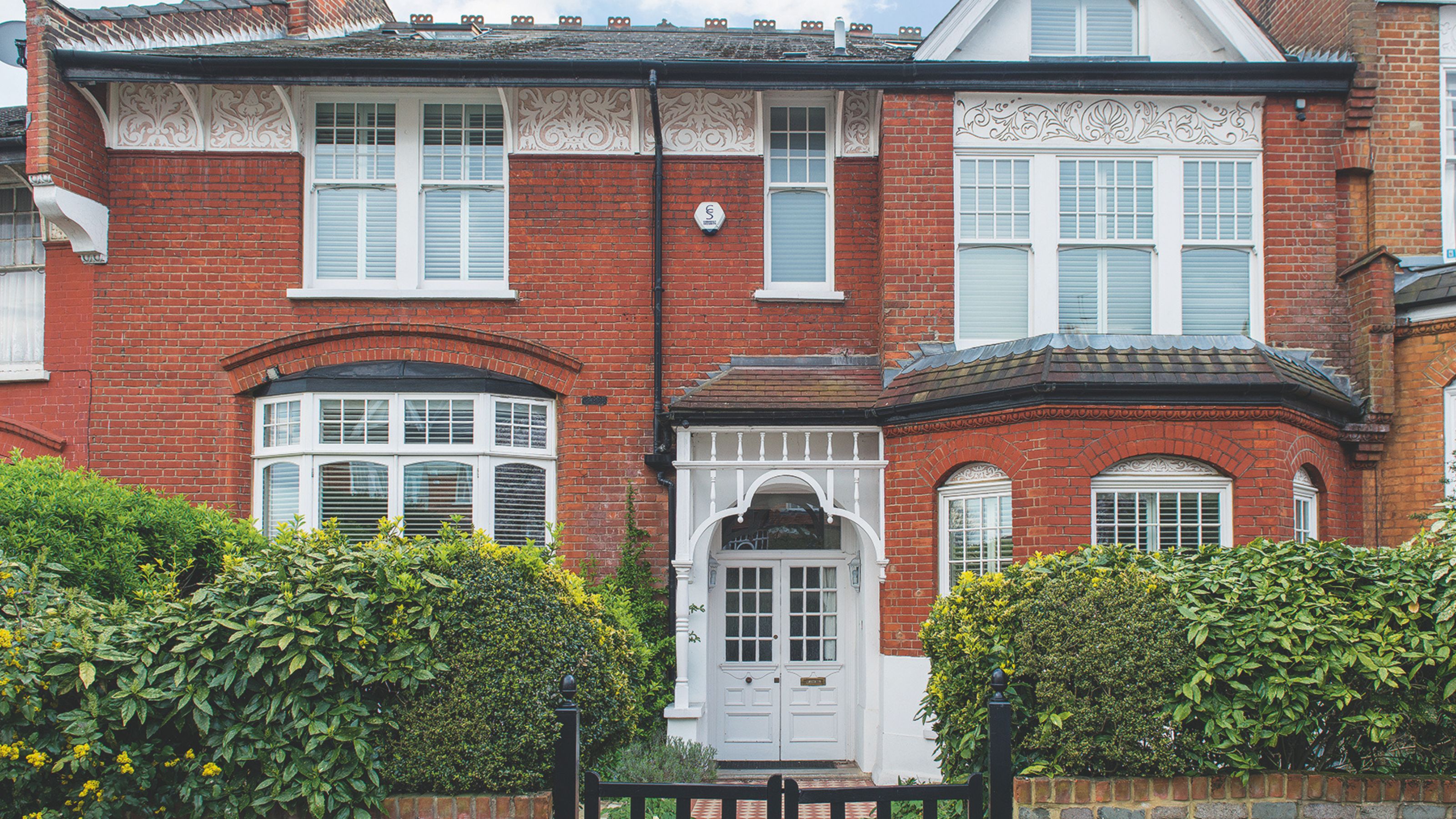
Home renovation trends for 2025 emphasize integrating the latest products, aesthetic looks, and technological advancements to ensure projects are current and valuable. The increasing costs of labor and building materials underscore the importance of making informed decisions to avoid fads and ensure long-term value. Key trends include the use of cladding for both aesthetic enhancement and external wall insulation (EWI), particularly for older homes where it can transform a dated building into an energy-efficient, modern one. This approach avoids impacting internal room sizes and original period details.
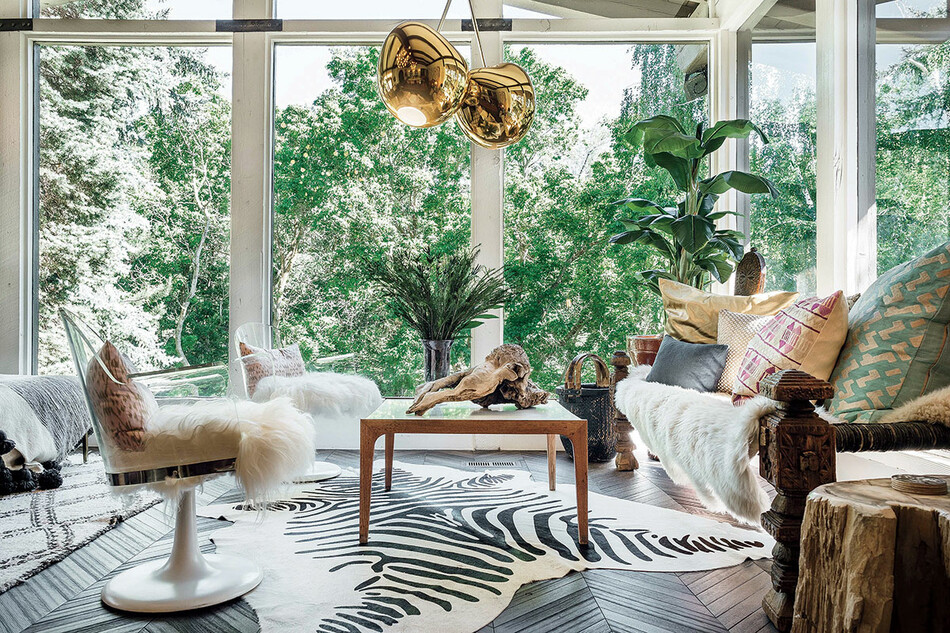
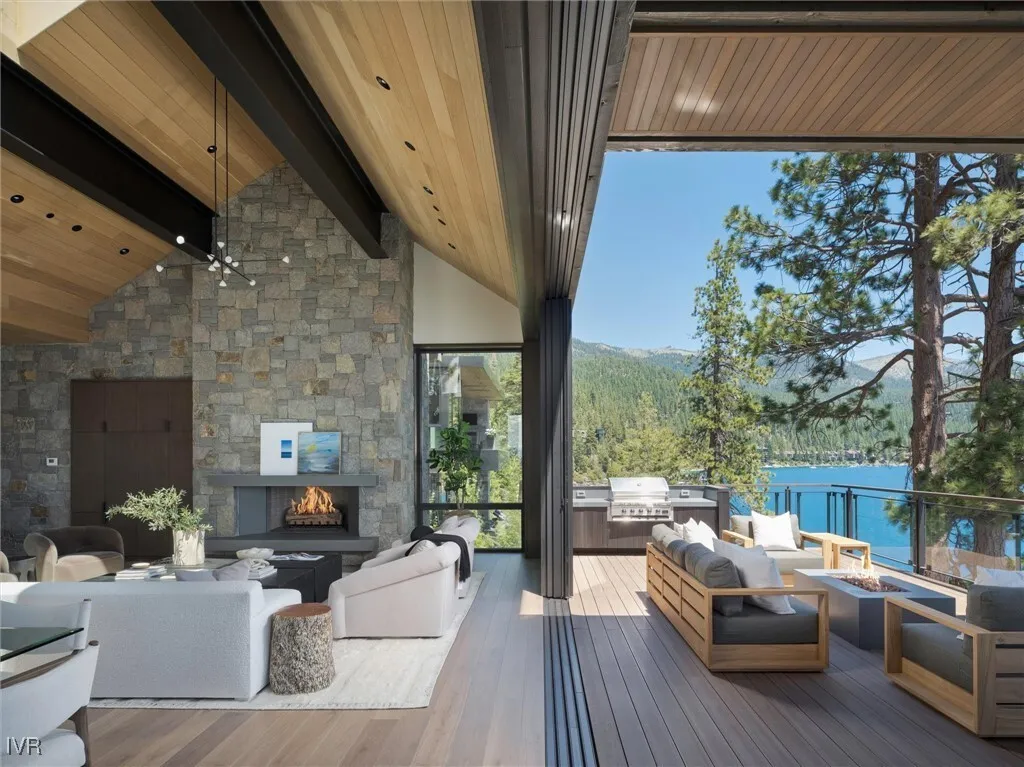
Another significant trend is the shift towards fixed, frameless glazing, with homeowners opting for large windows over extensive bi-fold doors. This allows for ample natural light and views while still providing solid wall spaces for artwork and furniture, and enabling the use of diverse internal and external materials like rendered surfaces, brick, Shou Sugi Ban, flint, and metal. The trend also moves away from Crittall-style external glazing in favor of larger, uninterrupted glass formats that highlight the building's structure. Advancements in structural glazing have made vast frameless roof lights more accessible and affordable.
The article highlights a growing desire for intricate cladding designs that offer uniqueness and visually differentiate between old and new parts of a home, effectively narrating the building's history. Remodeling existing spaces is gaining preference over extending, as architects focus on maximizing current footprints to create more interesting and purposeful rooms. This approach aims to add value by optimizing habitable spaces before considering new additions.
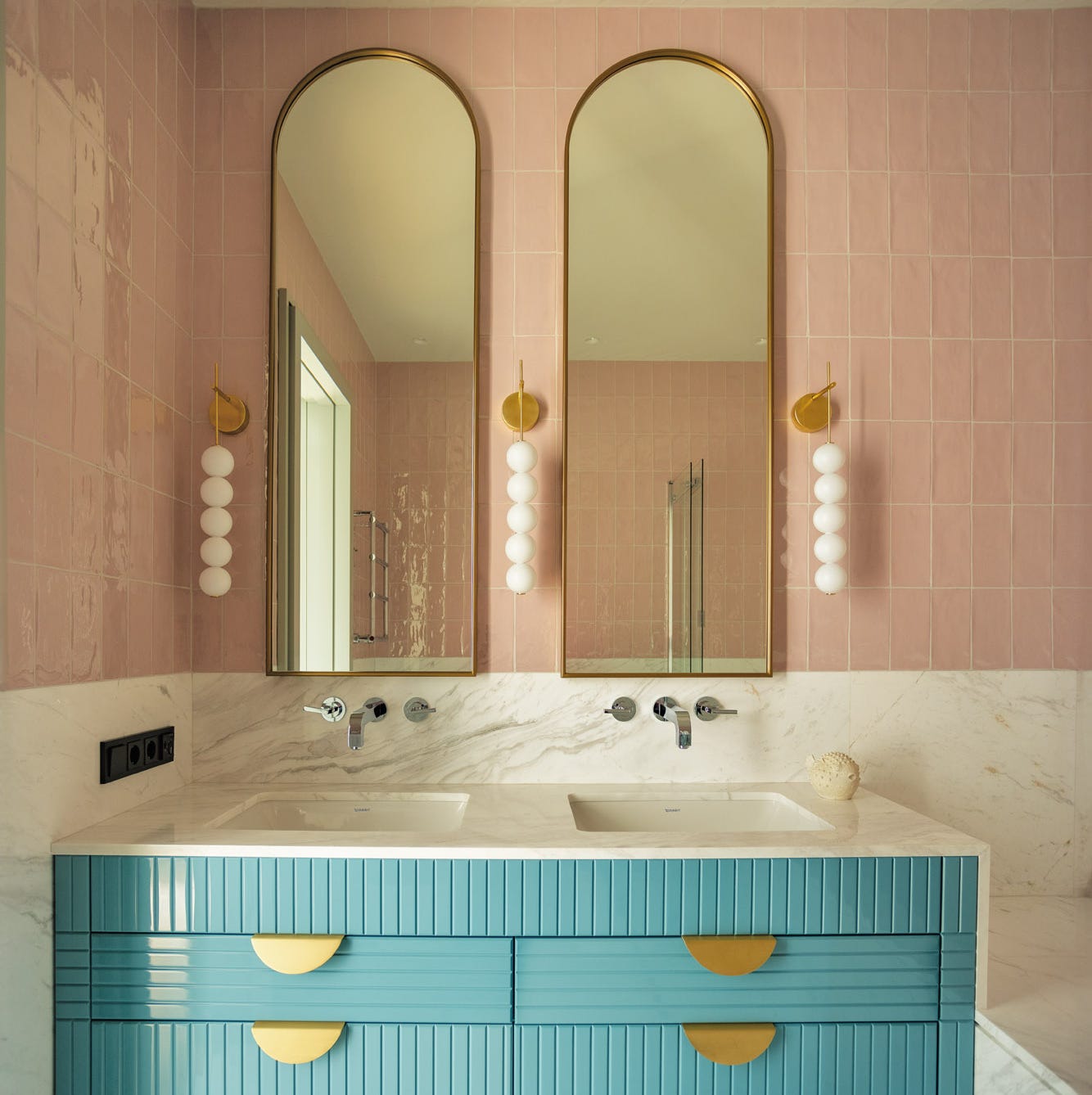
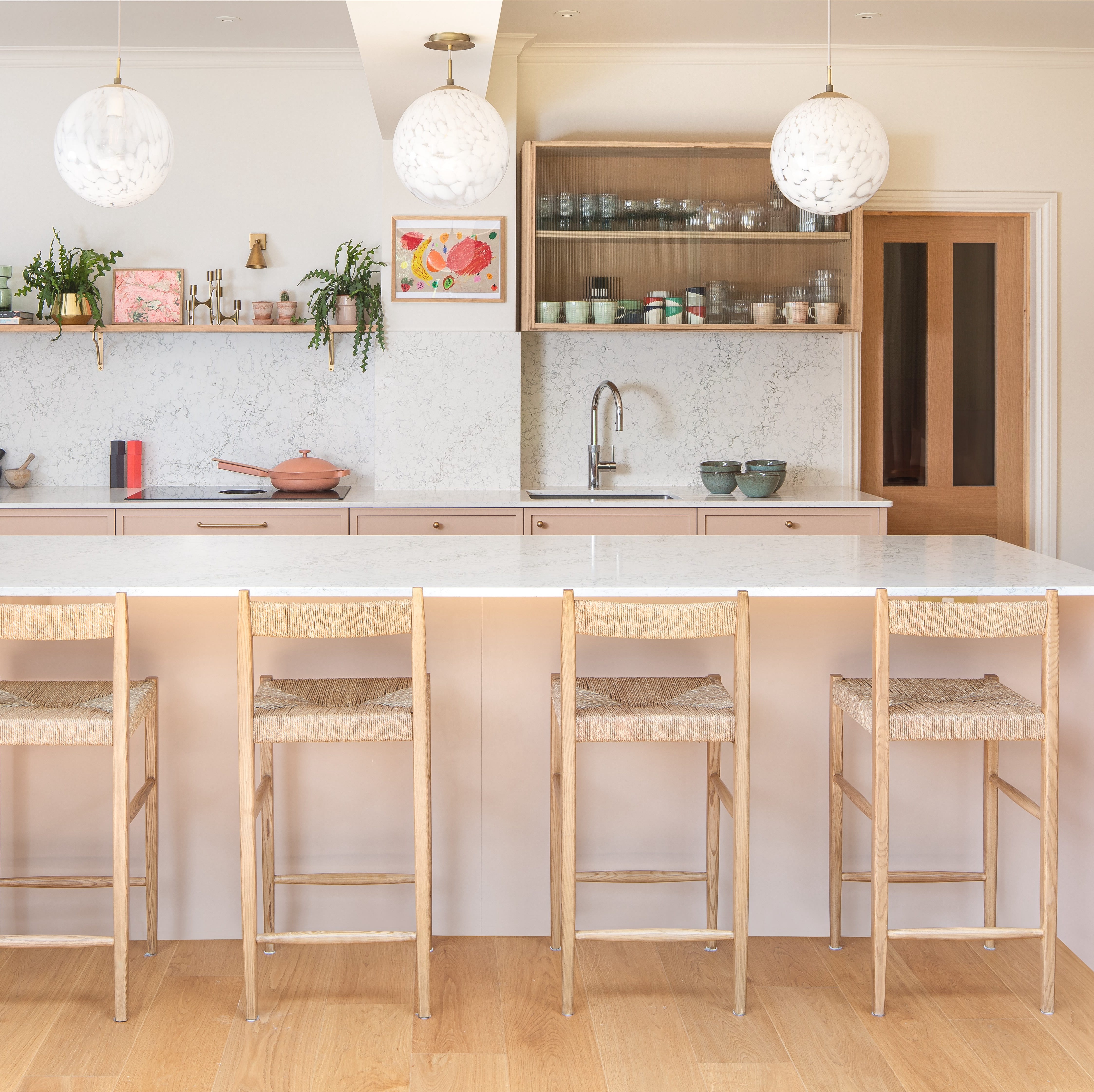
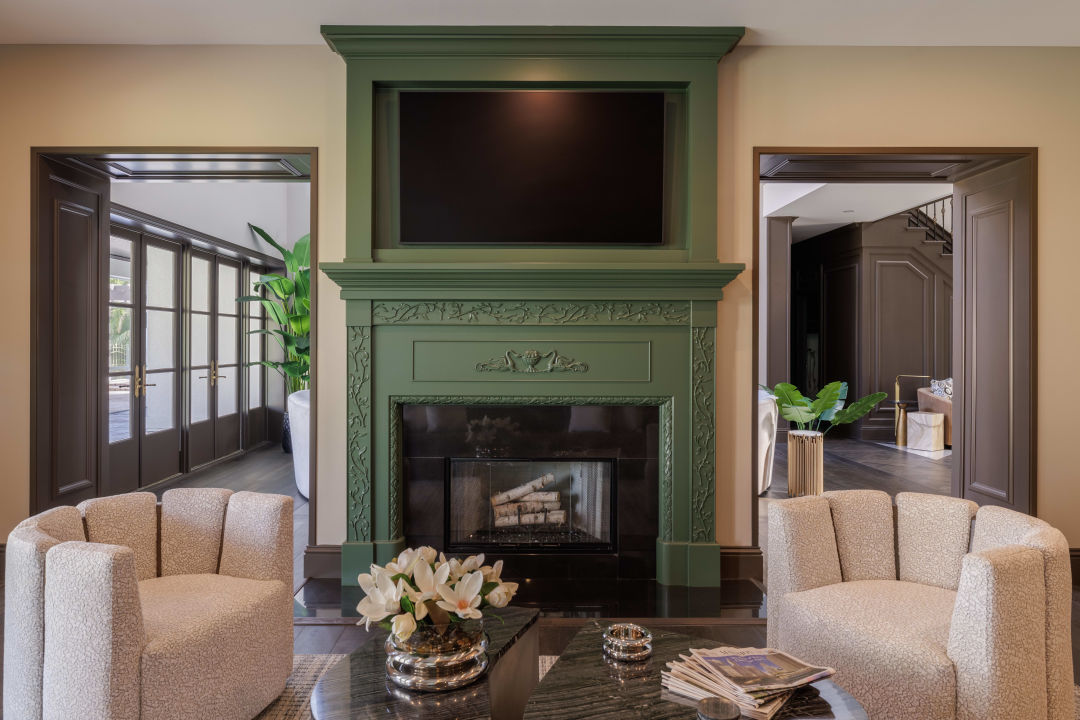
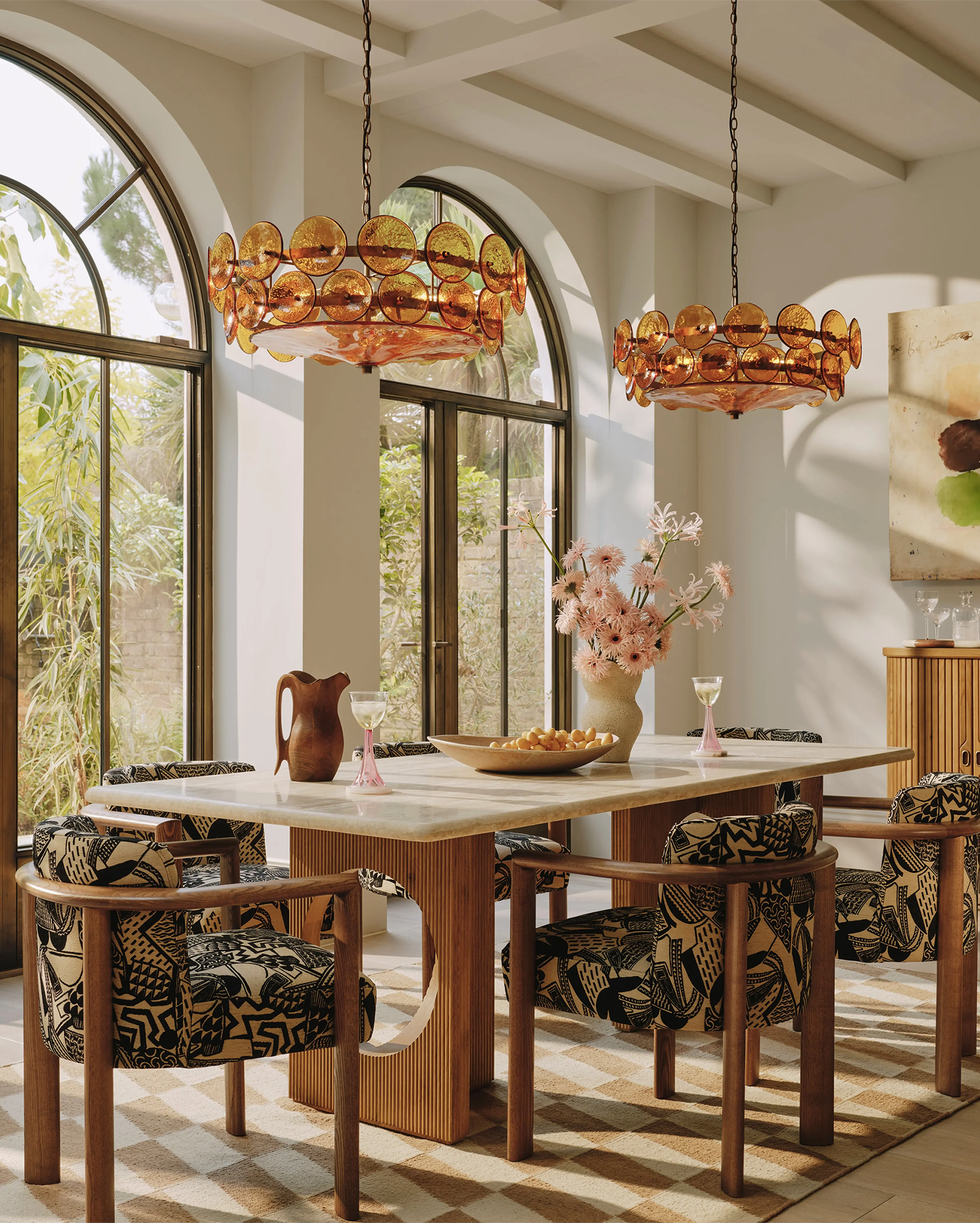
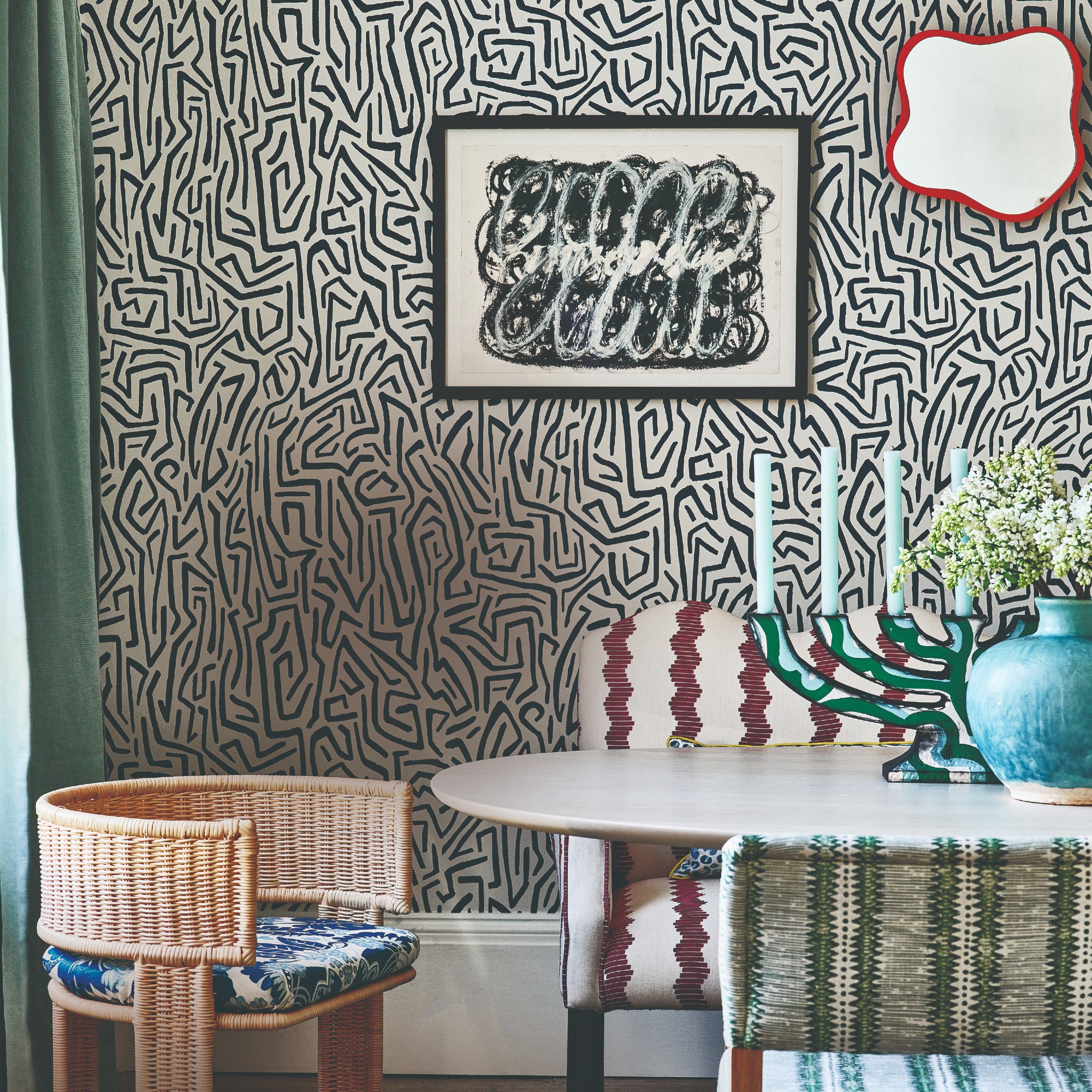
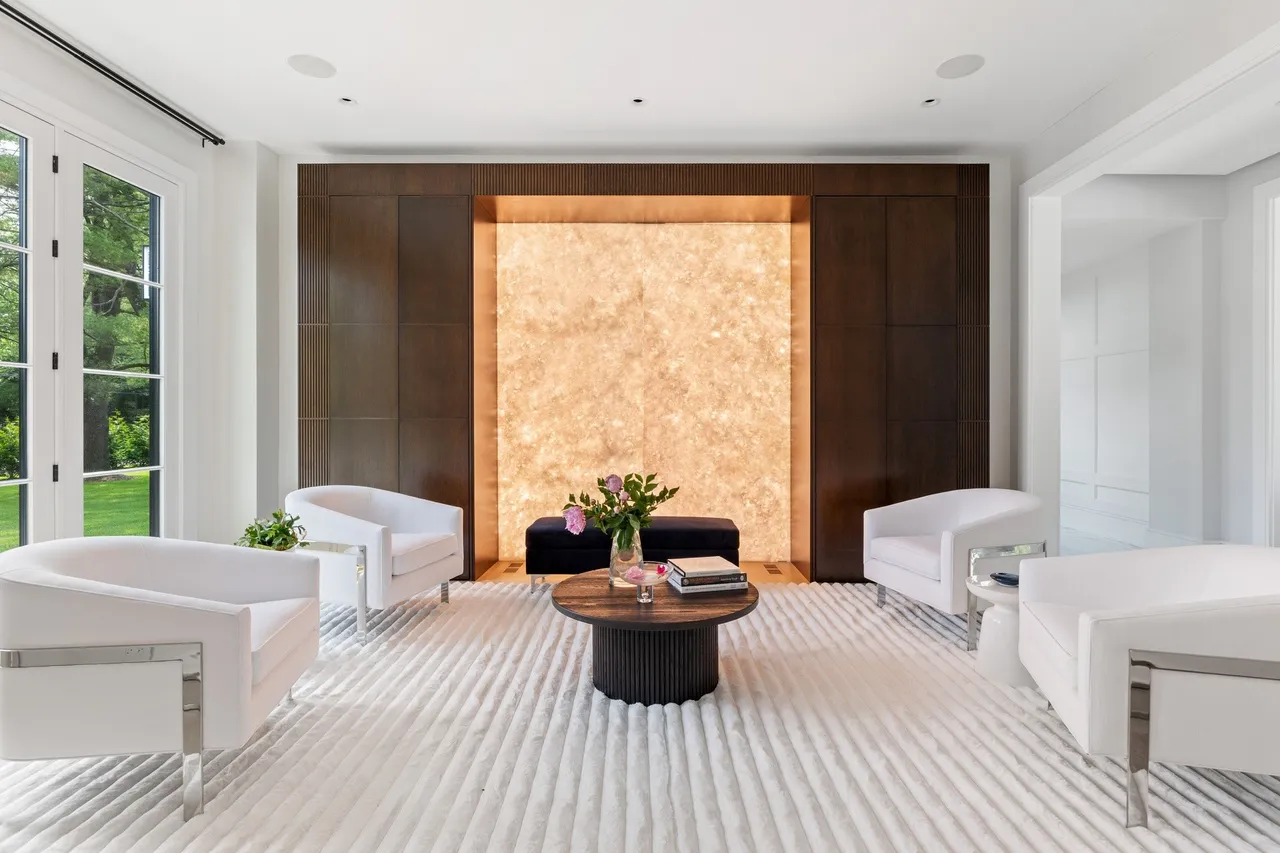
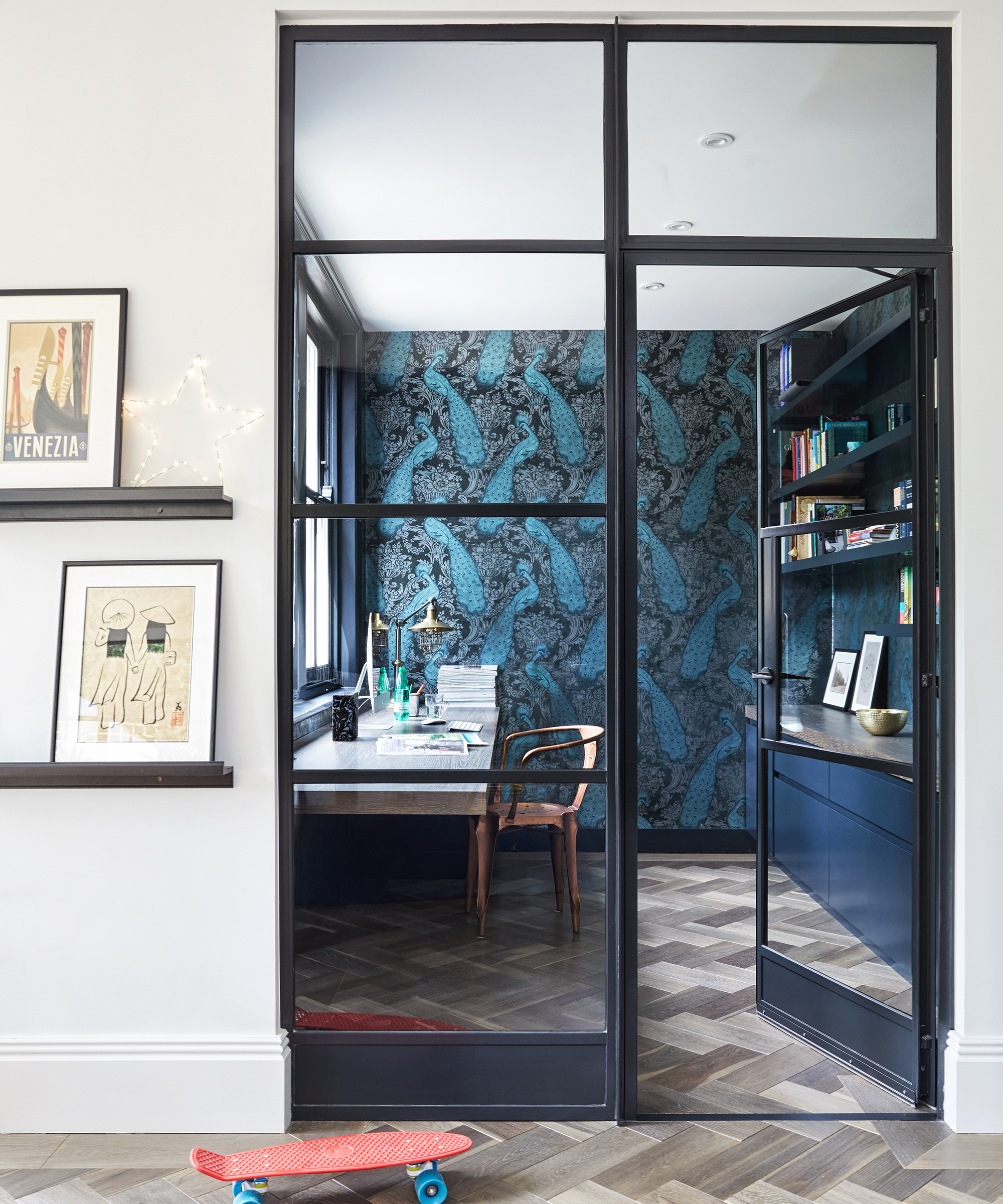
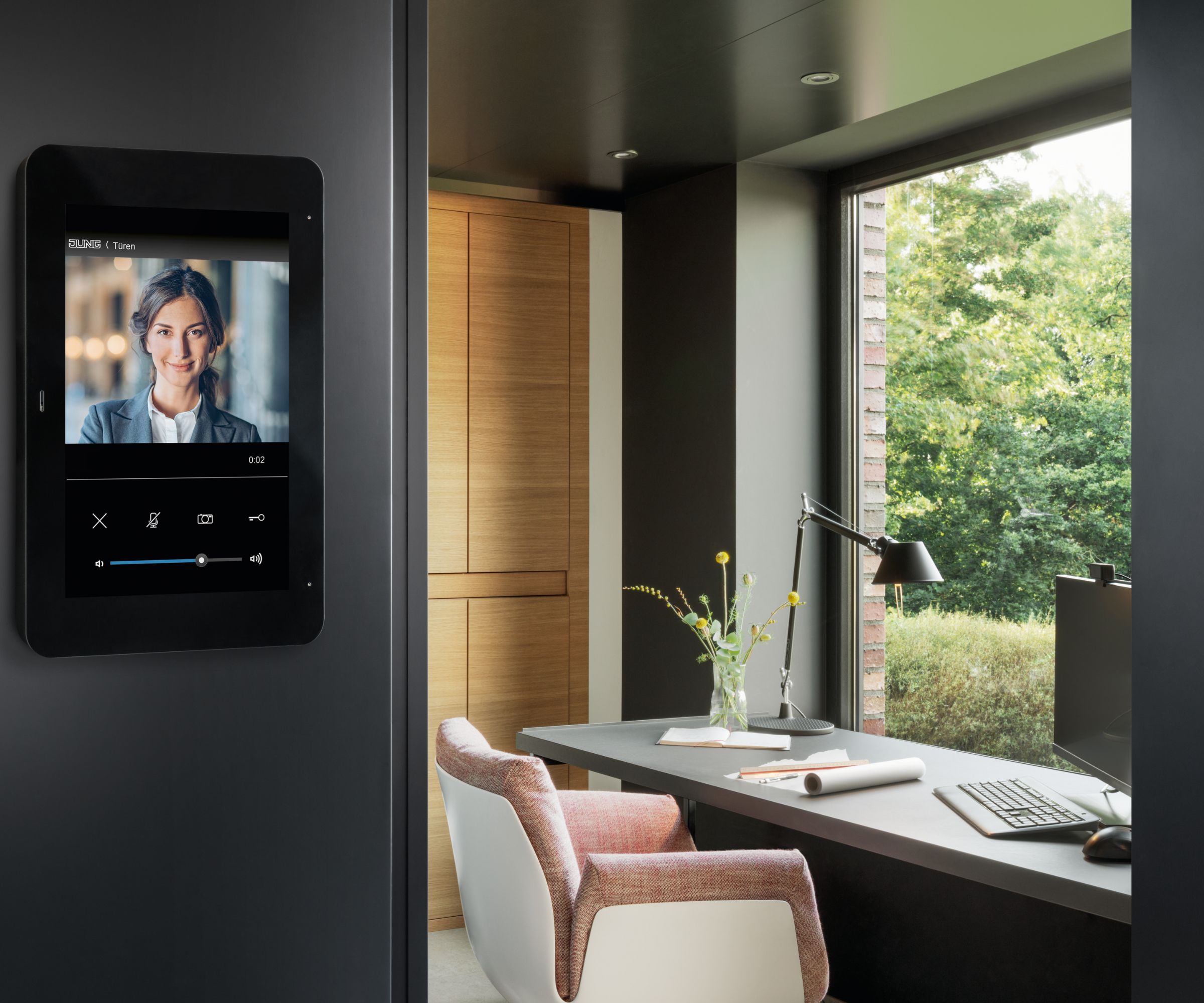
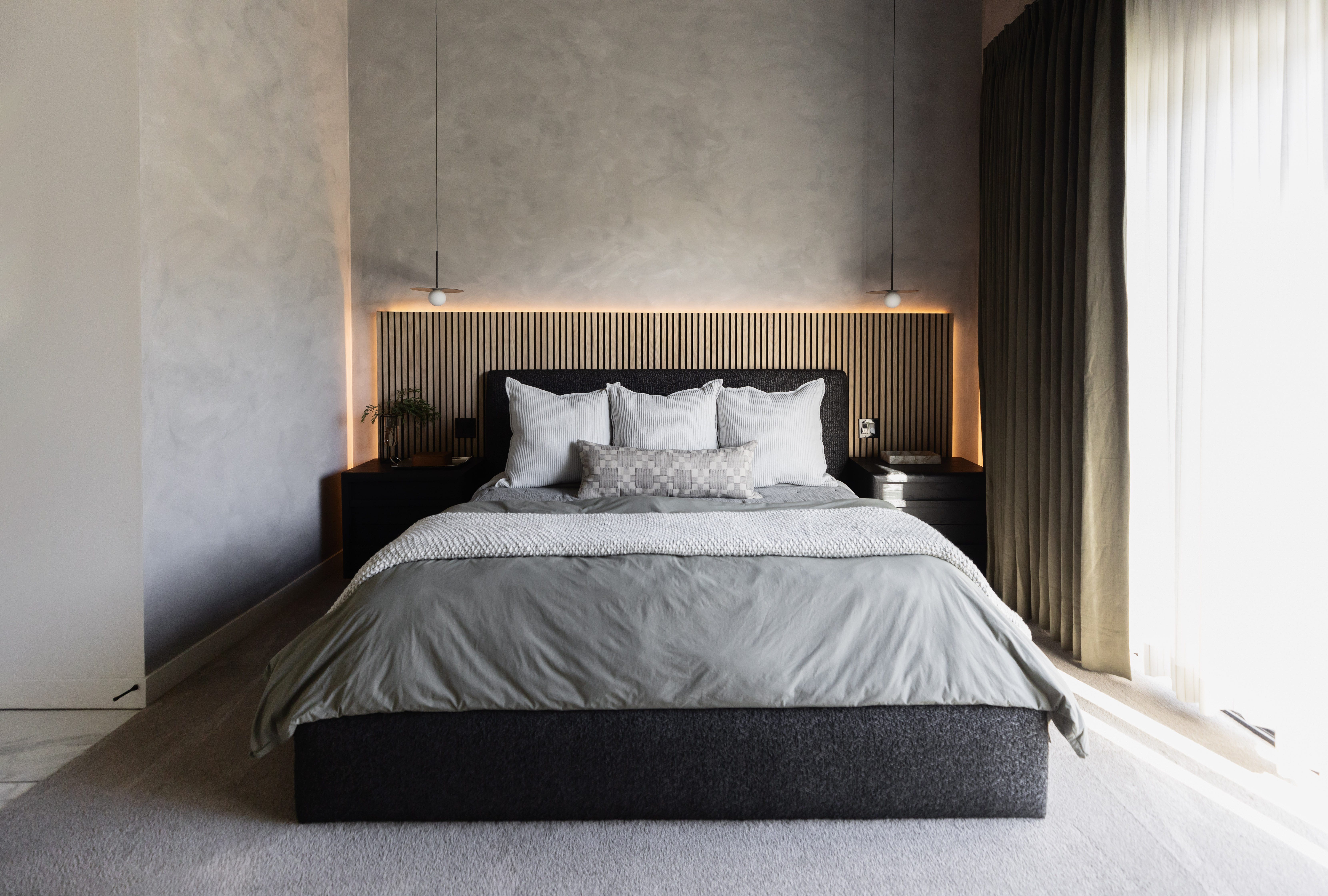
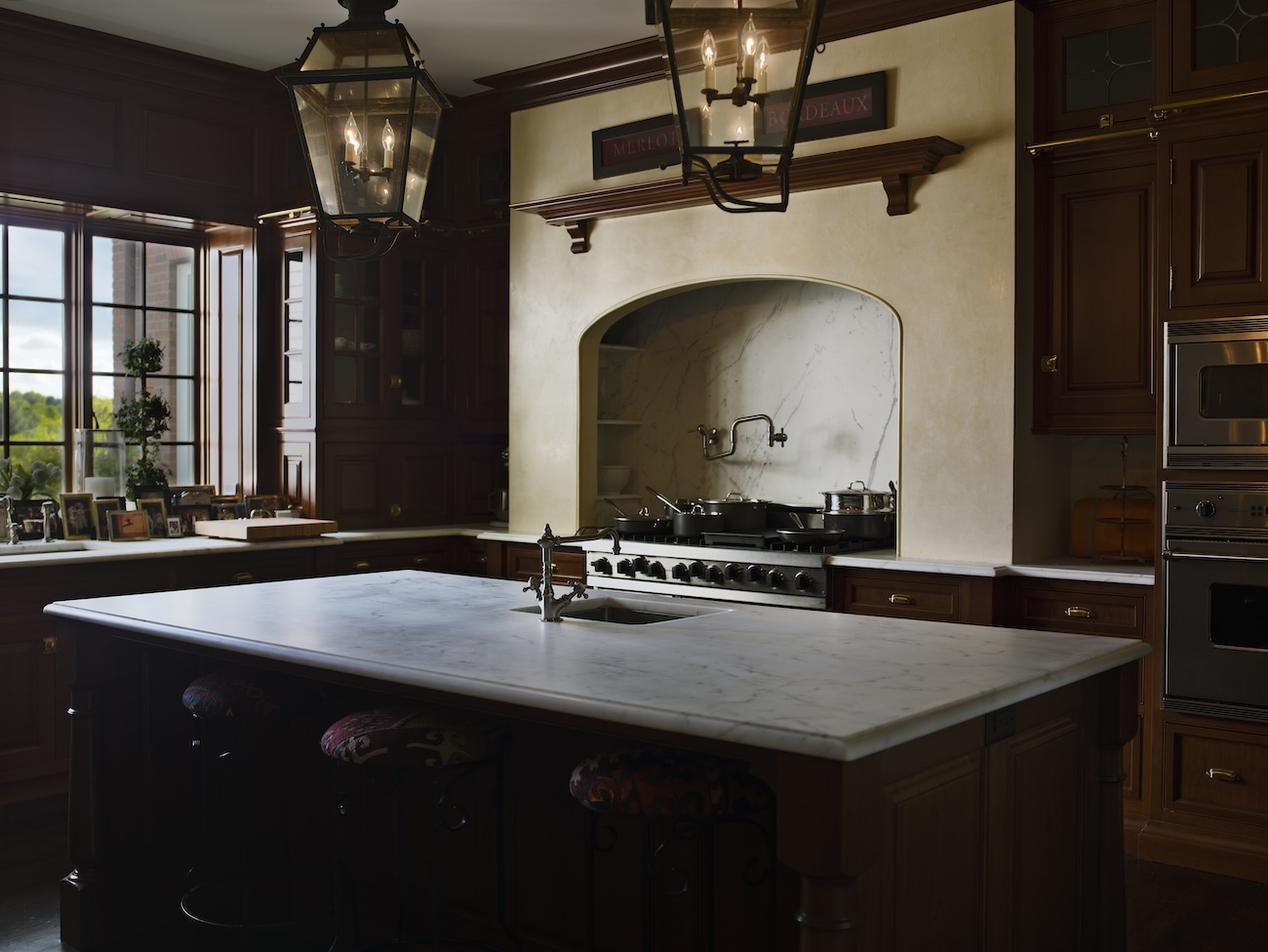
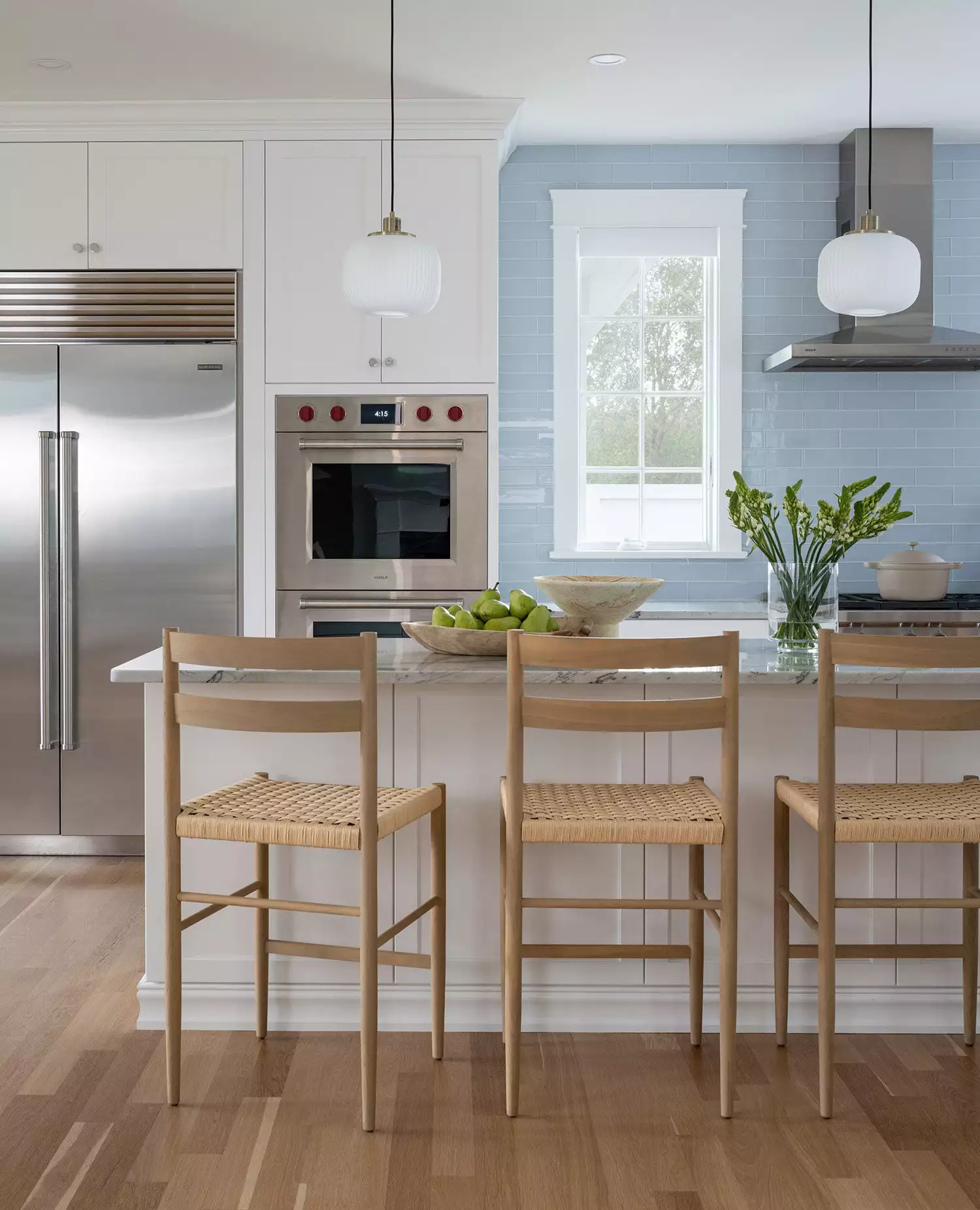
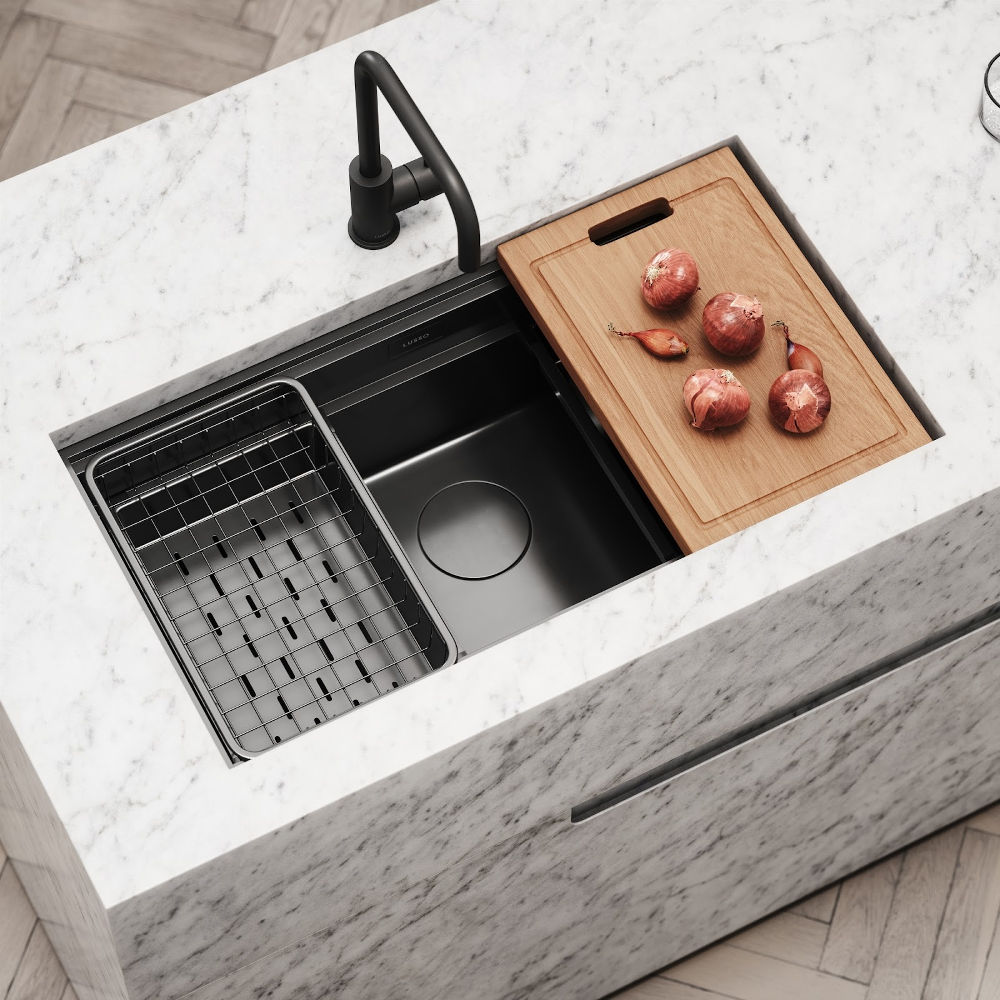
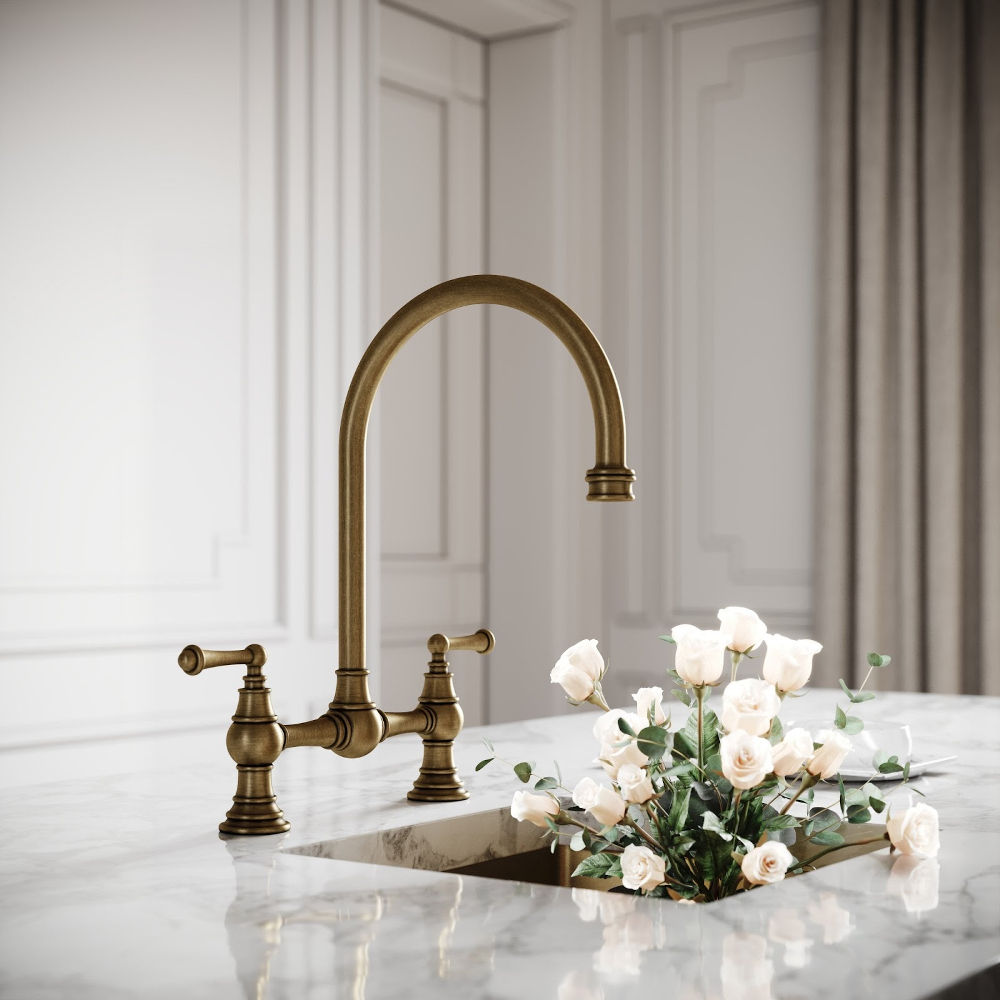
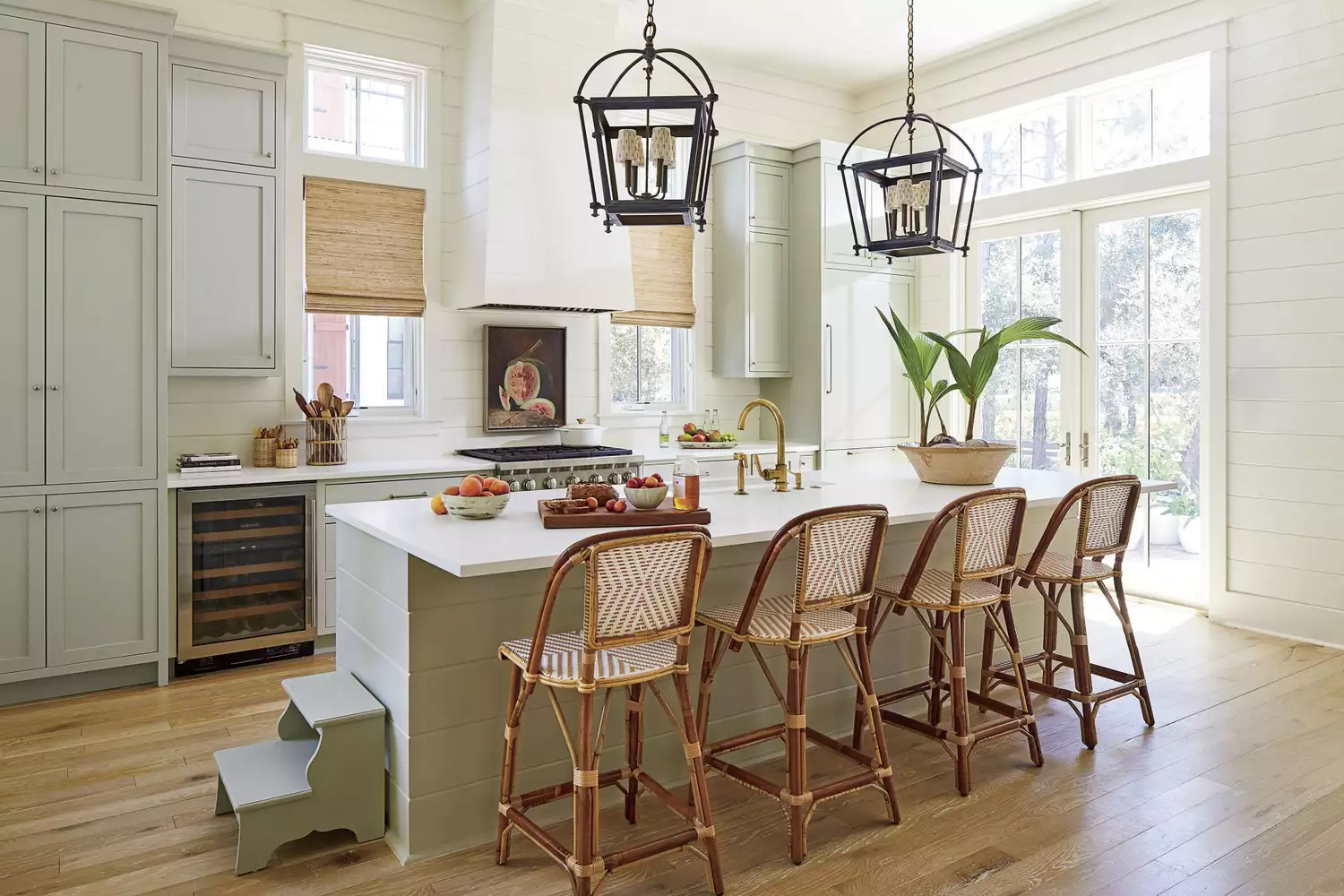
In kitchen design, the "quiet architecture" movement, aligned with "quiet luxury," continues to influence, favoring muted, luxe textures. Textured elements such as fluted panels, reeded glass, and unique material qualities like wood grain and stone veining are being incorporated to add depth and sophistication. Broken plan layouts are evolving, with homeowners, many now working from home, seeking divisible spaces. Solutions include pocket door systems, internal Crittall-style partitions, and varied floor levels to create distinct zones while maintaining a sense of openness.
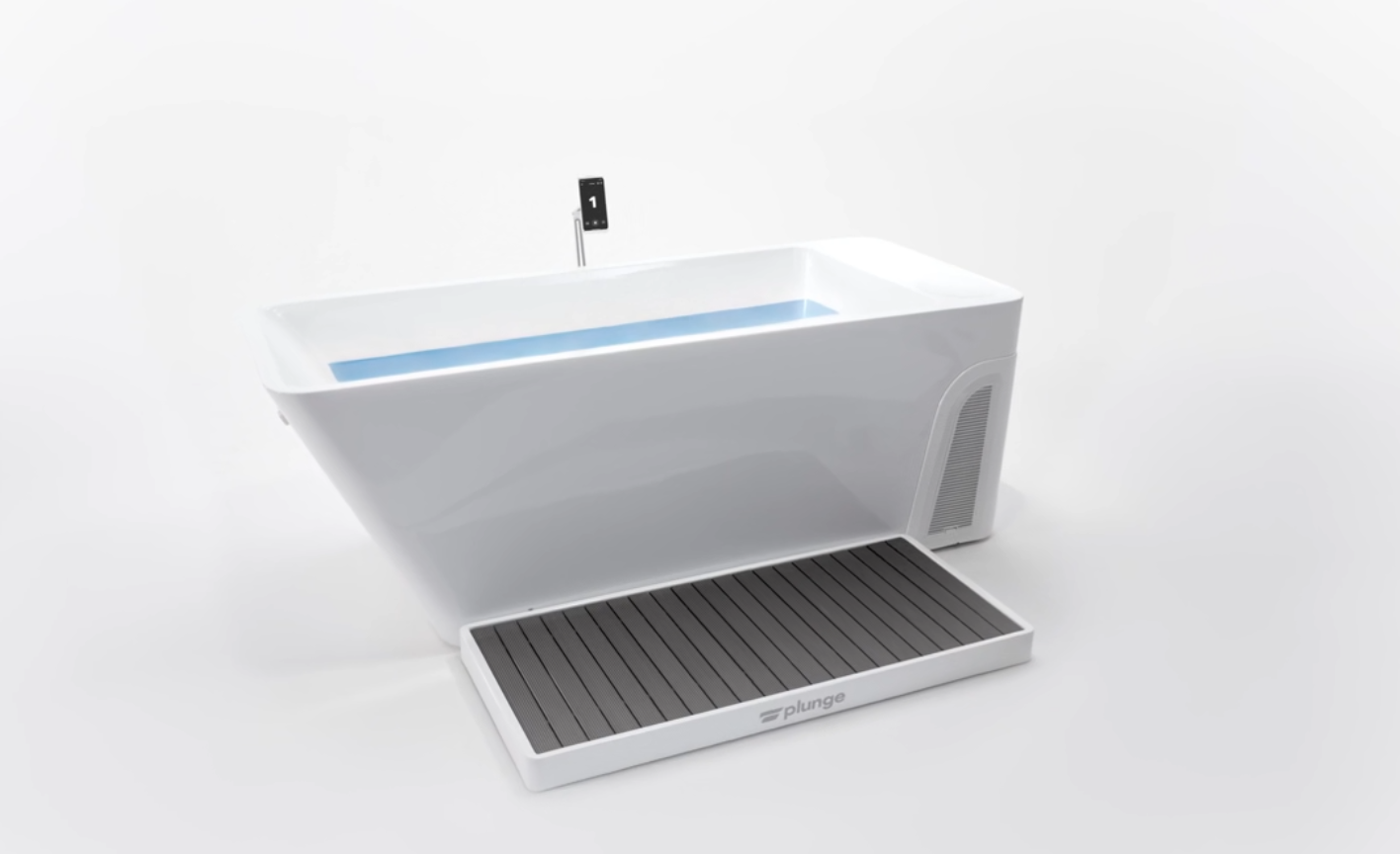
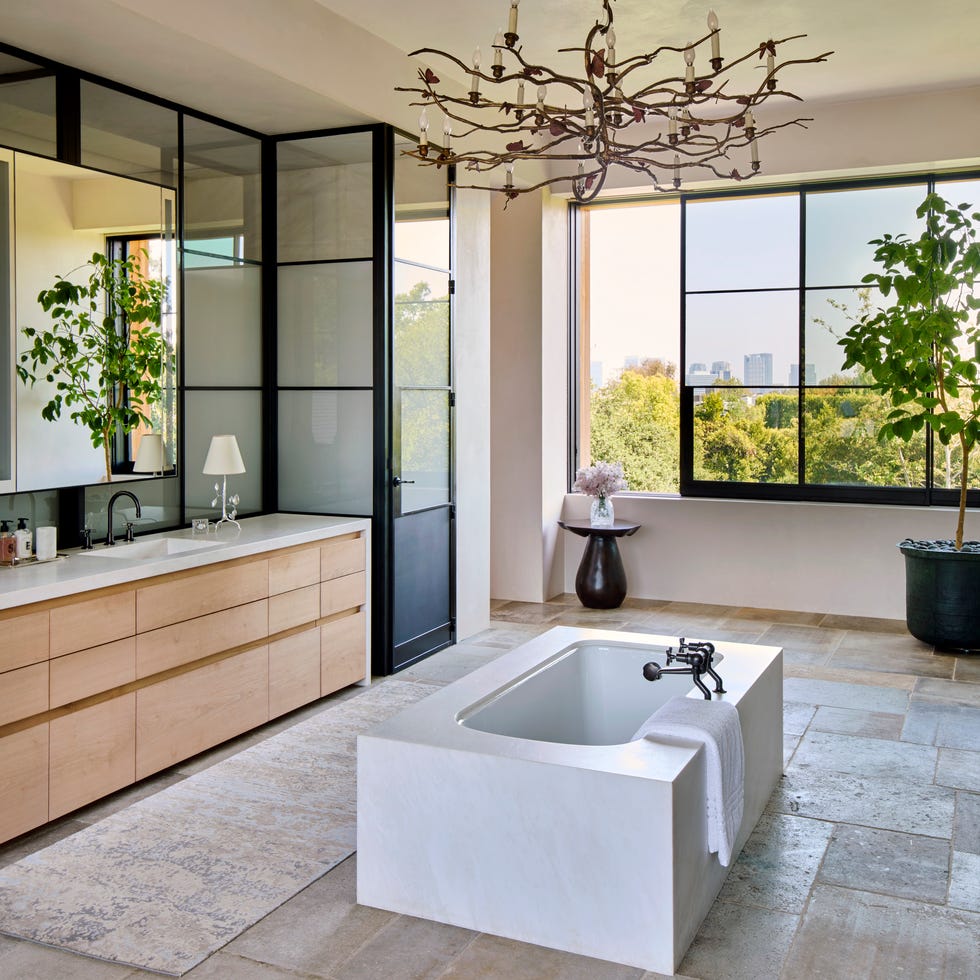
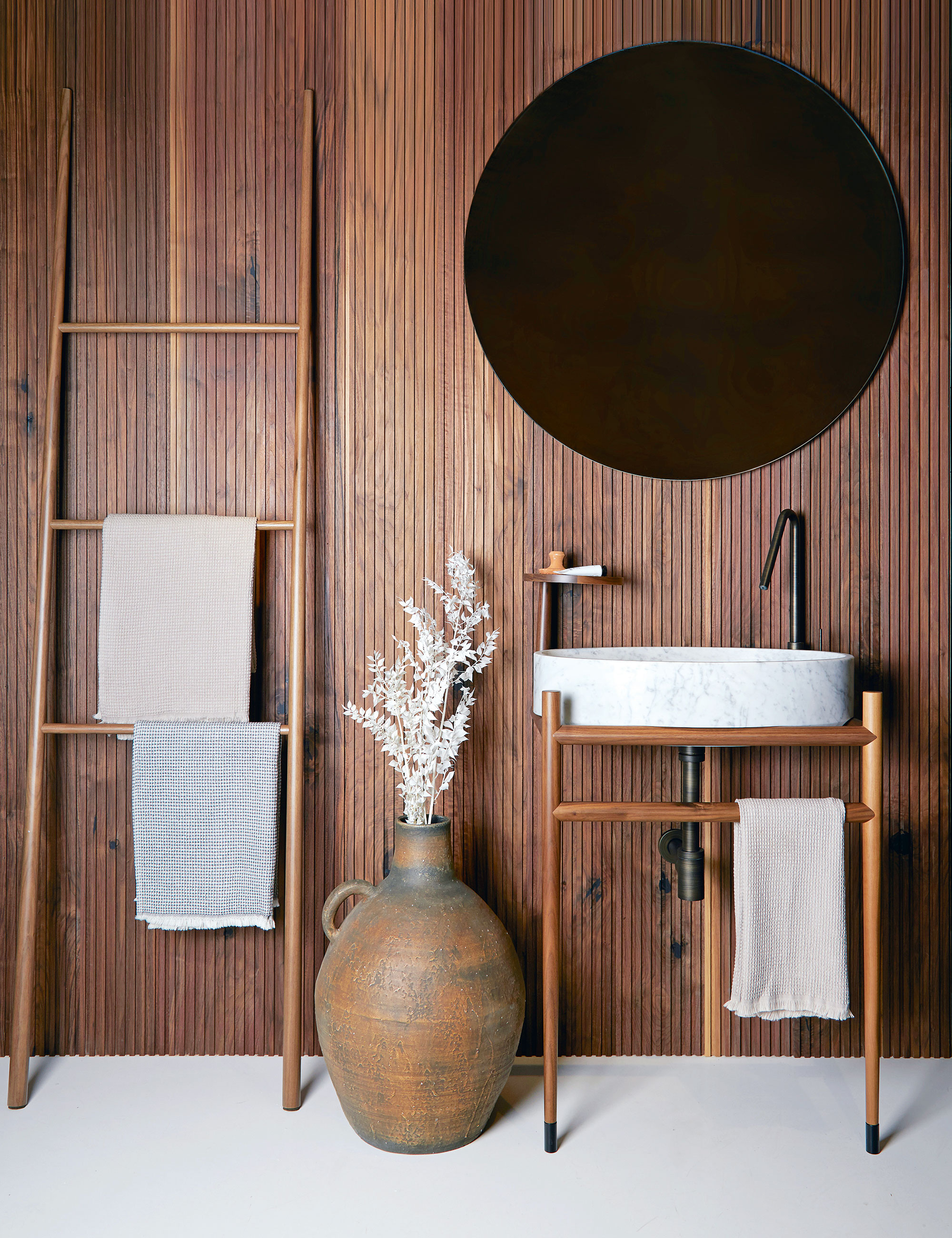
Bathrooms are increasingly becoming eco-friendly sanctuaries, featuring low-flow toilets, water-saving showerheads, LED lighting, and energy-saving radiators to conserve resources and reduce utility costs. Sustainable wall cladding, particularly reclaimed and exotic timbers, is gaining traction, providing unique aesthetic qualities and promoting resourcefulness. Reusing and upcycling materials, including reclaimed wood for custom furniture and existing kitchen carcasses with new fronts, is a growing practice aimed at reducing waste and saving money. Multifunctional spaces are becoming essential, with furniture designed to serve multiple purposes, such as dressing tables that double as desks, to optimize space in homes where rooms need to adapt to various activities.
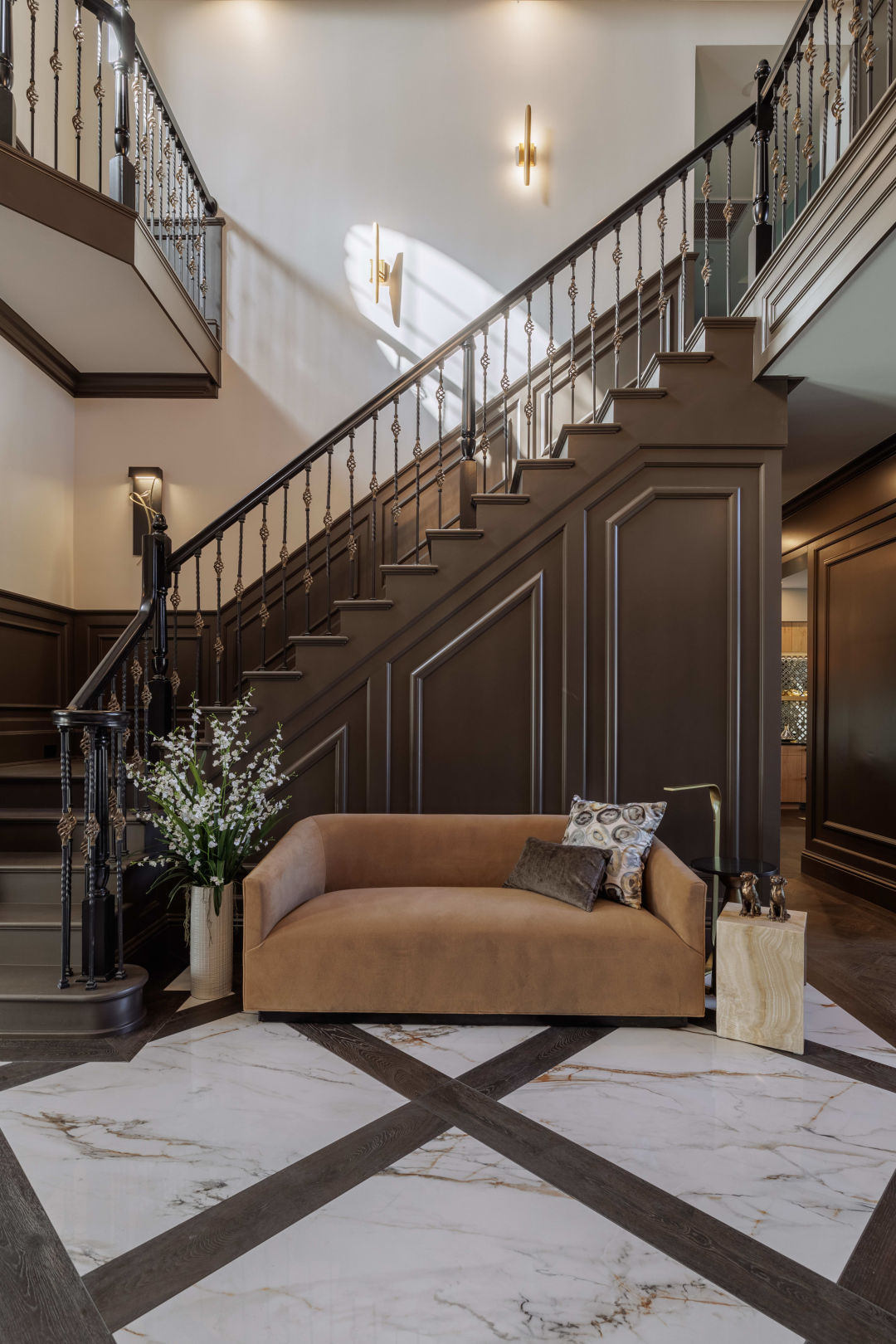
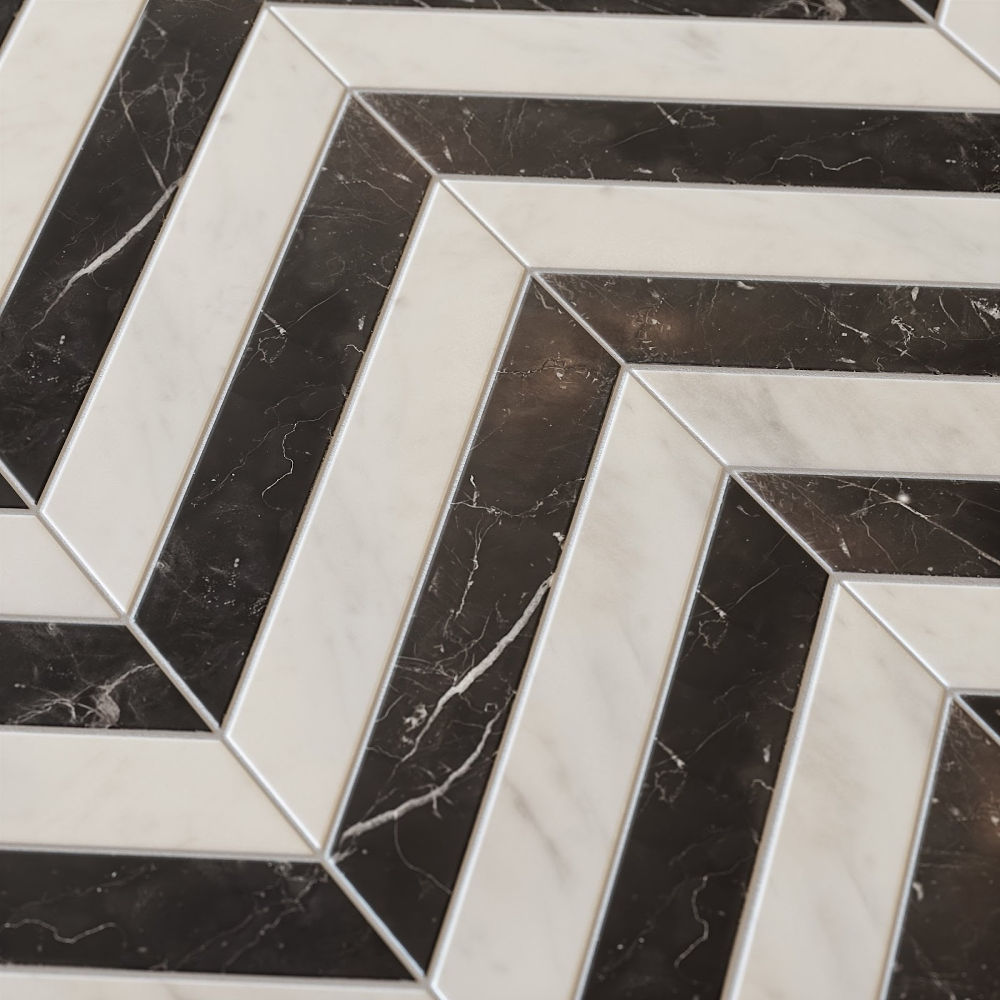
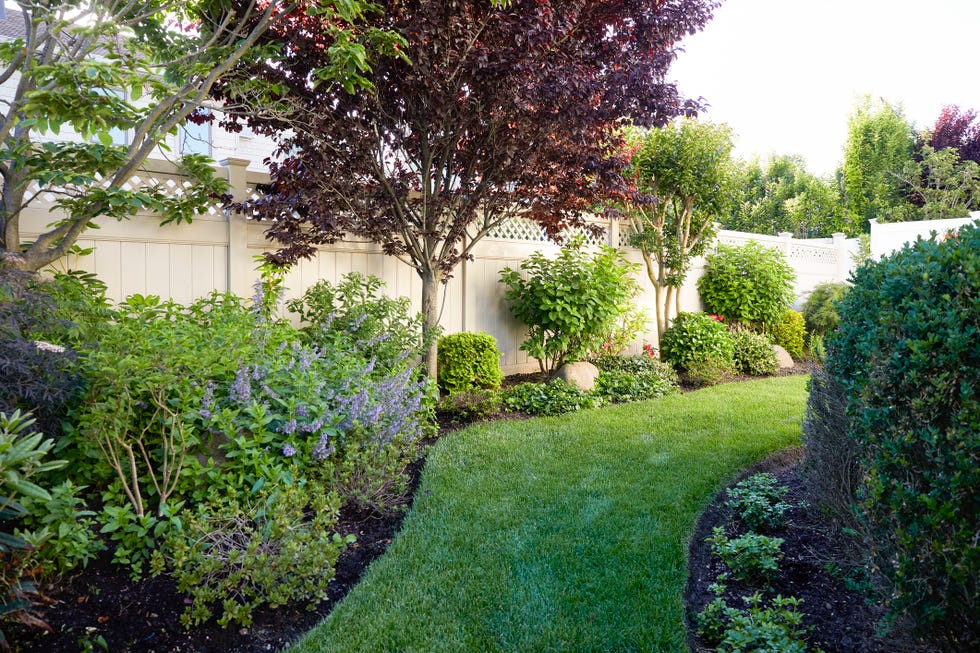
Architectural design is increasingly incorporating elements that physically connect the garden with the home, ranging from integrated planters and green roof systems to reflecting pools for natural cooling and internal courtyards that merge indoor and outdoor living. The herringbone pattern remains a popular choice for flooring, wall tiles, and panelling due to its timeless elegance, versatility, and ability to visually expand rooms. Finally, energy-saving design is a paramount trend, with homeowners prioritizing sustainable heating and material choices, including air-source and ground-source heat pumps, solar panels, and battery storage, driven by rising energy costs and environmental awareness.
#HomeRenovation #ArchitecturalTrends #SustainableDesign #InteriorDesign #KitchenDesign #BathroomTrends #EnergyEfficiency #MaterialReuse #SpaceOptimization #GlazingInnovation #Cladding #HomeRenovation #ArchitecturalTrends #SustainableDesign #InteriorDesign #KitchenDesign #BathroomTrends #EnergyEfficiency #MaterialReuse #SpaceOptimization #GlazingInnovation #Cladding
0 comment in total
 No comments yet
You may also like
Renovating? The home design trends you’ll see everywhere in 2025

Ready to Redecorate? 2025’s Top Design Trends Just Dropped

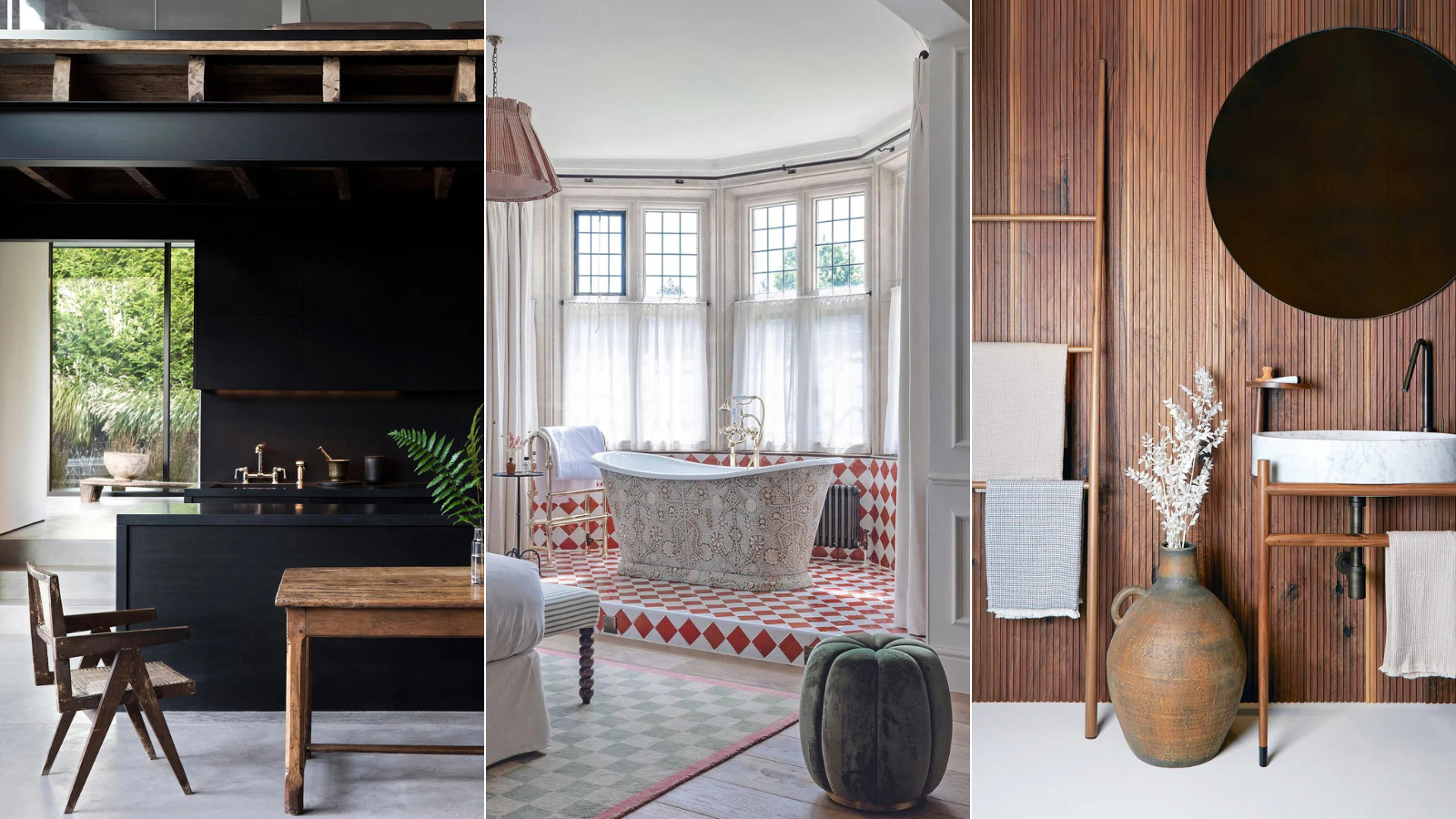
These 2024 home remodel trends are here to stay – here's how to try them

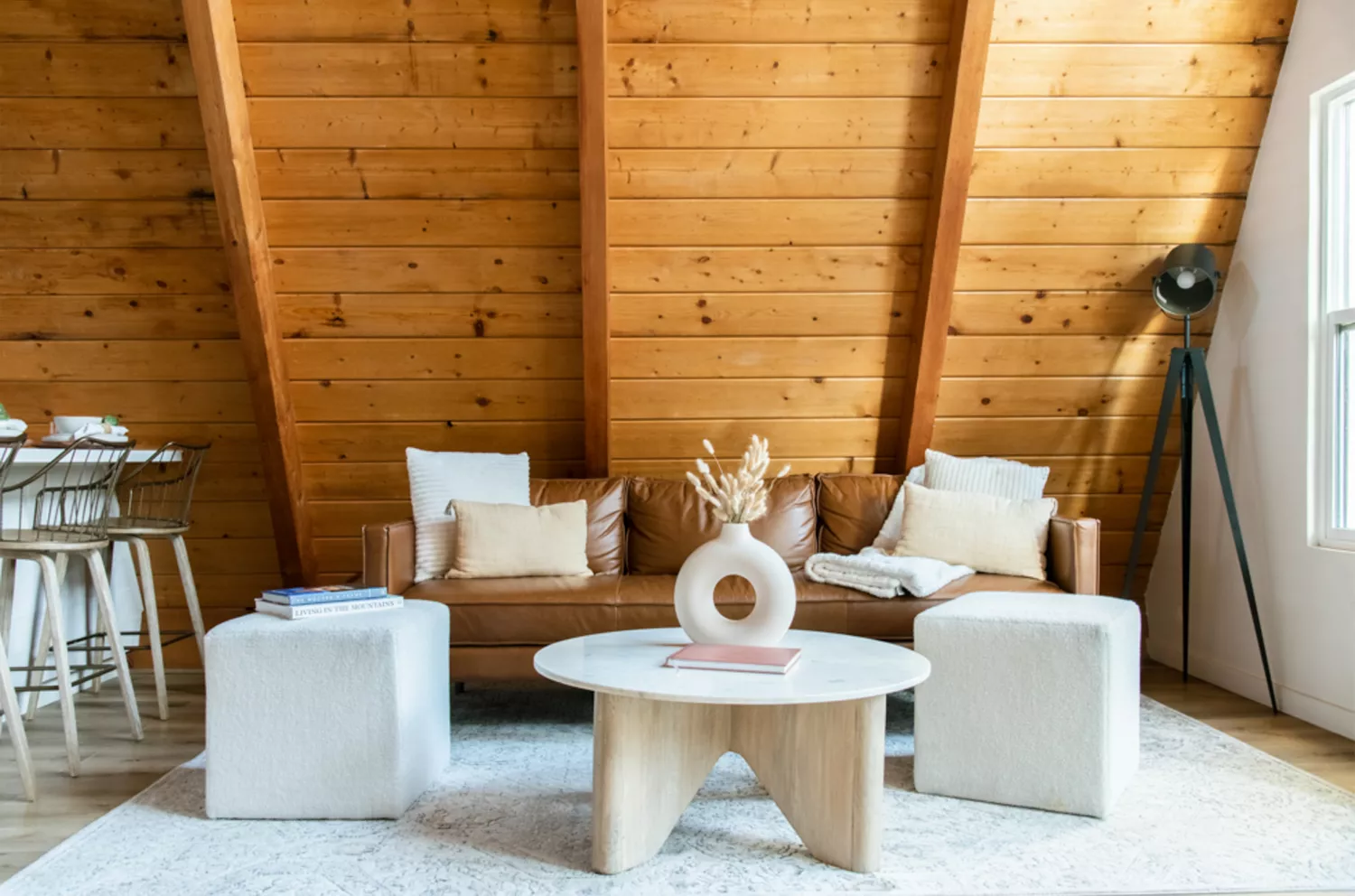
Planning a Home Reno in 2024? You Might Want to Skip These Trends

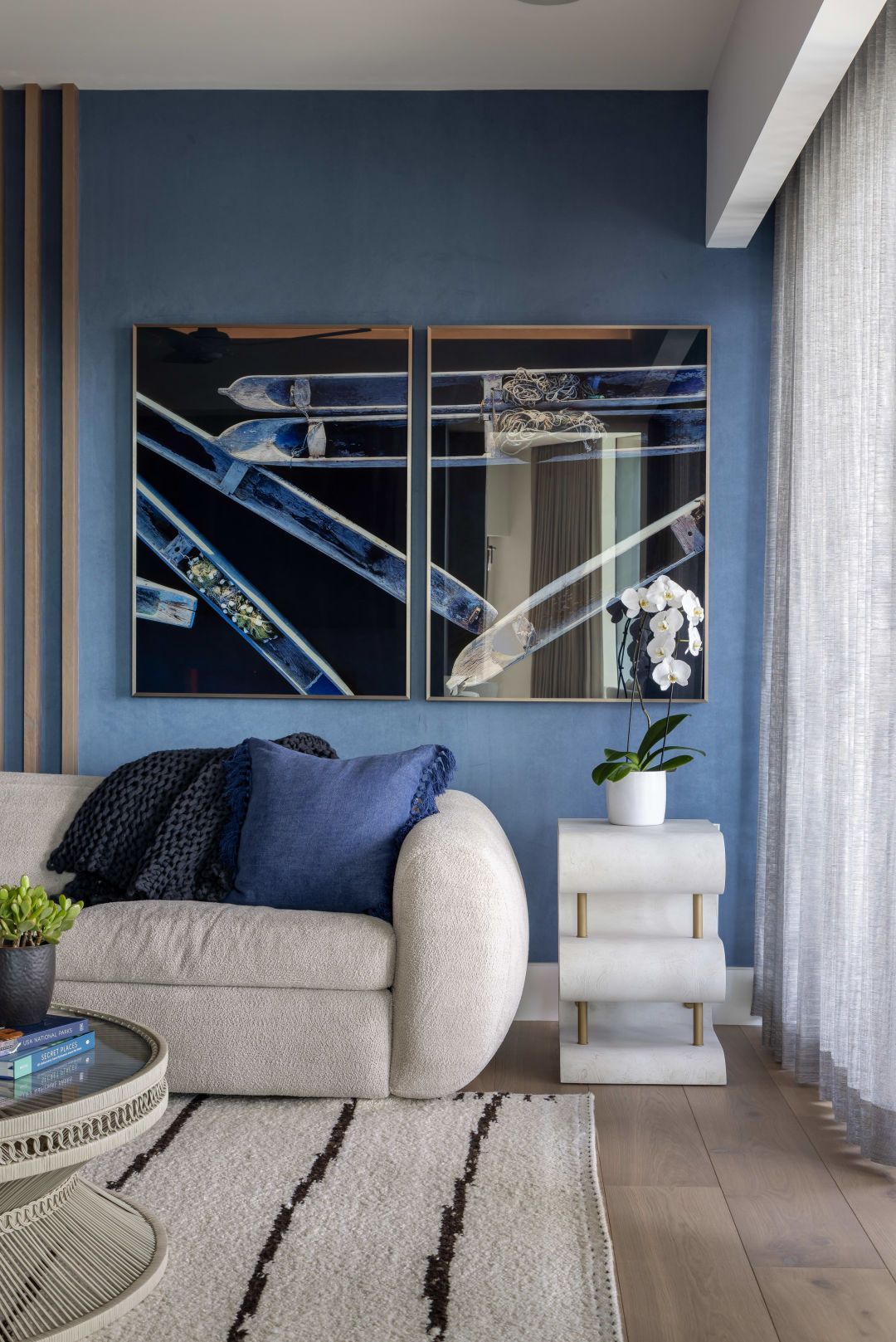
These Are the Home Design Trends You Need to Know About in 2025
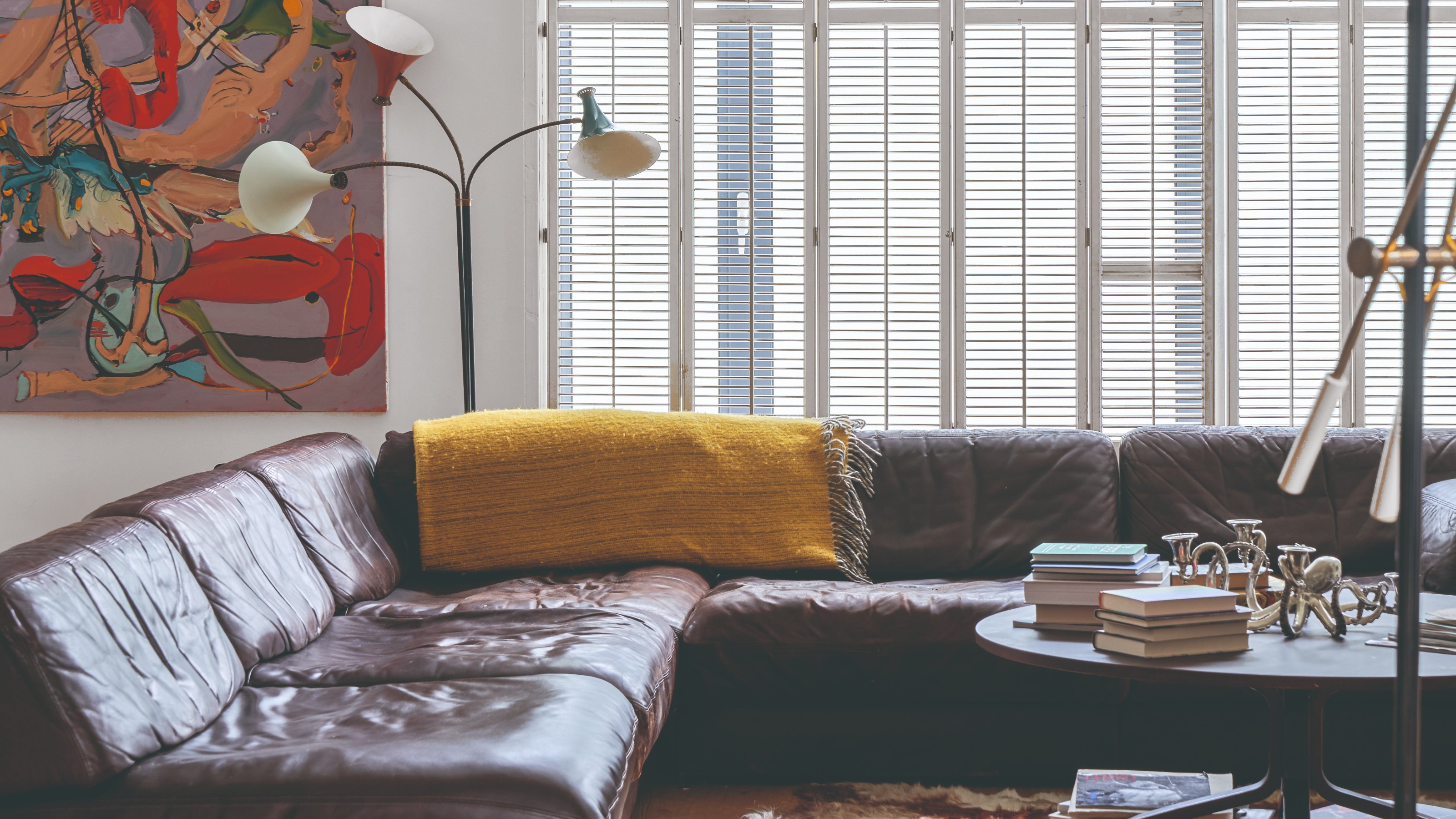
The biggest home decor trends that interior experts say you’ll be championing in your home in 2025
6 Renovation Trends You're About to See Everywhere in 2025, According to Designers
The Biggest Interior Design Trends for 2025


How to Revamp Your Home in 2025

5 Renovation Trends You're Going to See in Every Home in 2026, According to Pros
The Pros Have Spoken: These Interior Design Trends Will Define 2025

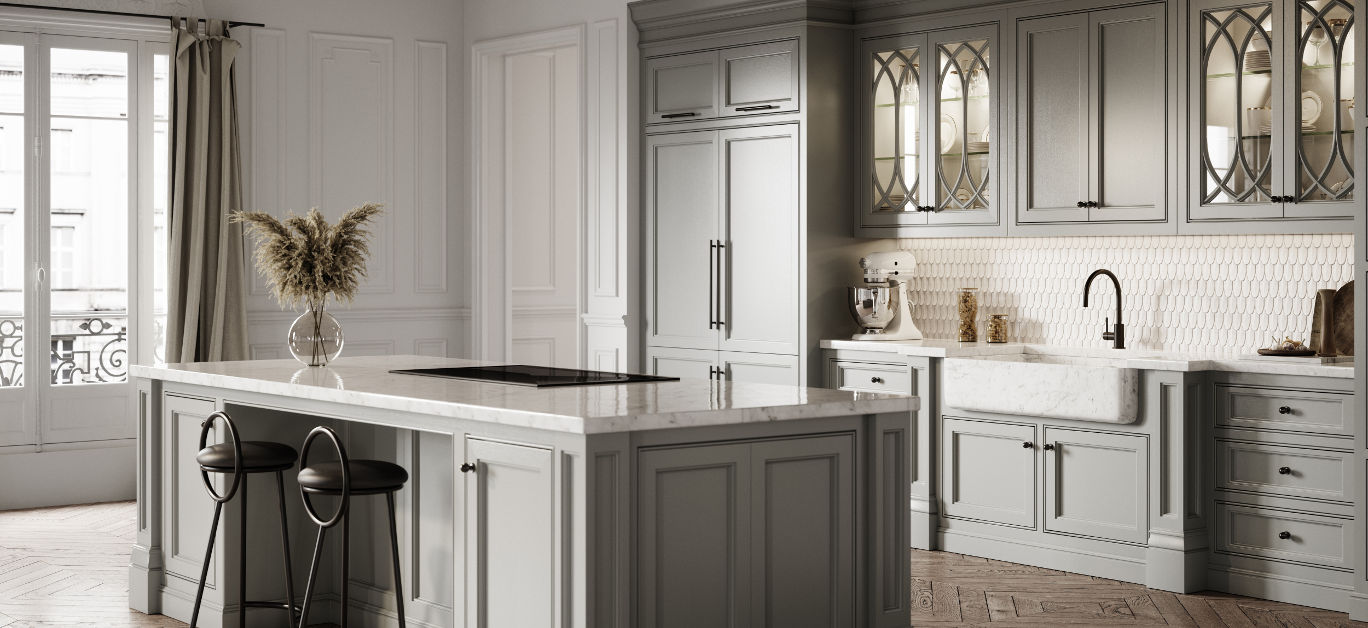
Burgundy kitchens, bold backsplashes, and rustic bathrooms named amongst 2025 home interior trends

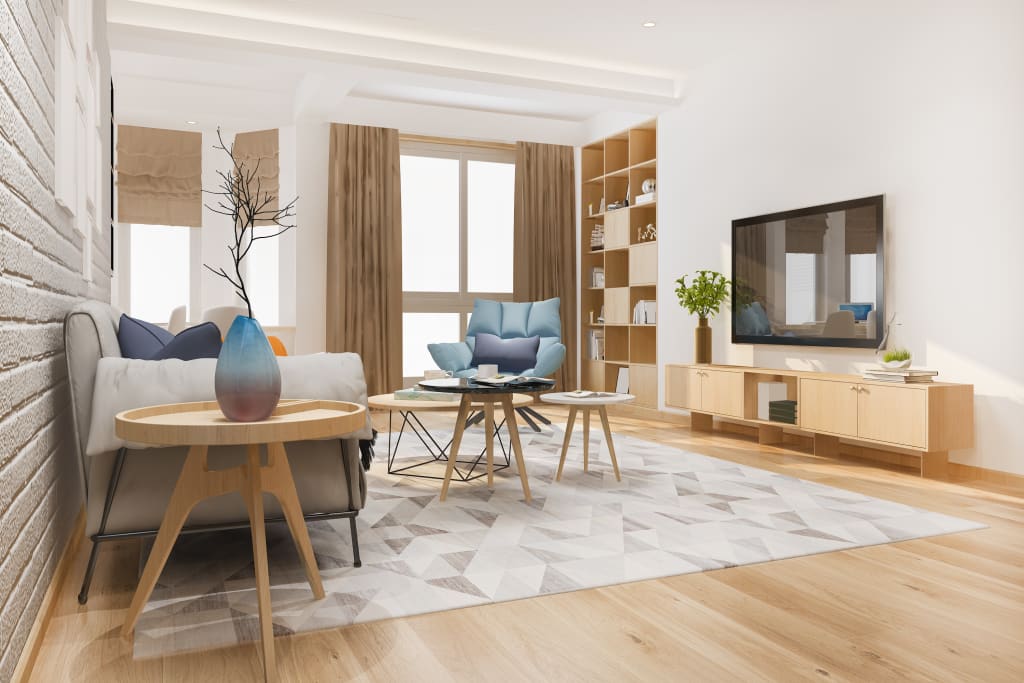
Renovating for the Future: Trends That Will Shape Your Home in 2025
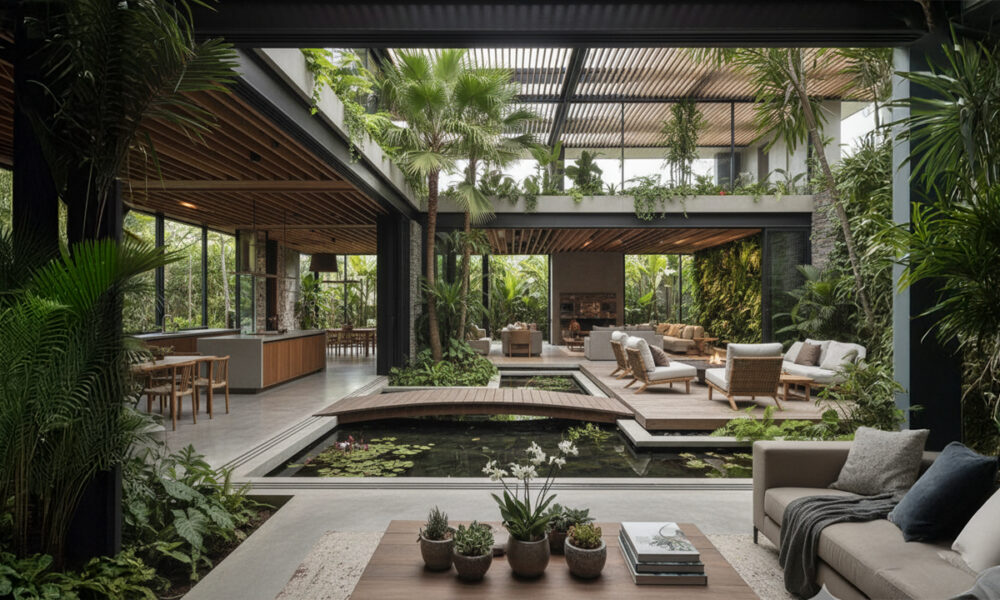
Hottest Home Trends in 2025
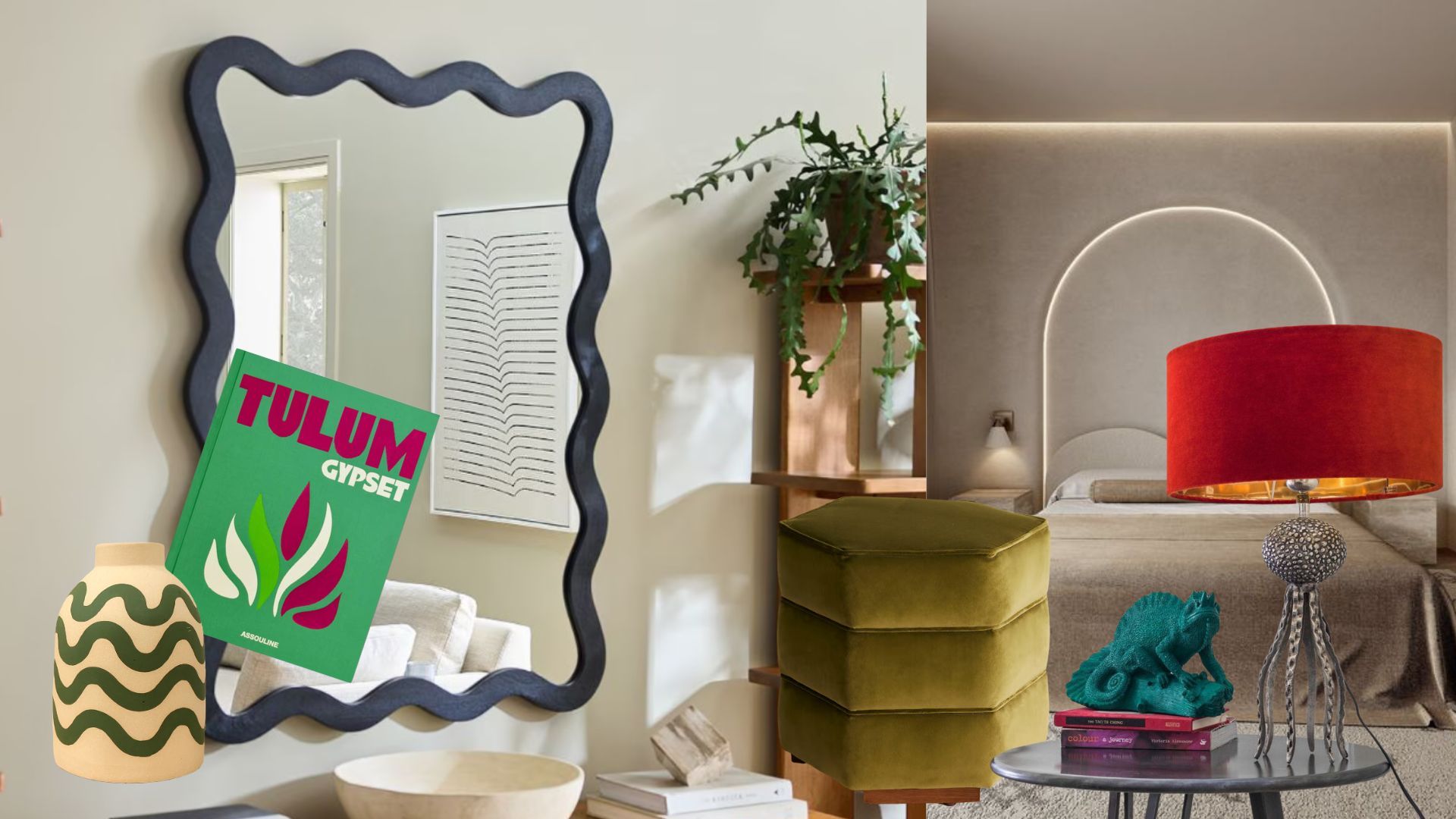
2025 Interiors trends according to an expert and the best pieces to shop now
5 "Tariff-Proof" Home Renovations That Experts Recommend in 2025

The 8 Renovation Trends Designers Say Will Shape Homes in 2025 and Beyond

6 spring trends designers say will give your home a sense of renewal in 2025
10 Hottest Home Design Trends to Watch for 2025
7 Home Renovation Trends Everyone Will Be Talking About In 2026