1/6
5 "Tariff-Proof" Home Renovations That Experts Recommend in 2025
The article discusses the impact of recent and proposed tariffs, particularly those affecting home renovation materials, on homeowners. With tariffs being implemented on key trade partners and the possibility of extensions to furniture retailers, many homeowners are concerned about the cost implications for their upcoming projects. The article highlights the unpredictability surrounding import tariffs, which are taxes on imported goods, and raises the question of which home improvements remain cost-effective and which might become significantly more expensive.
According to Diana George of DG Design Group Builders, prioritizing domestic sourcing and allocating a 20 percent contingency budget for material price hikes are crucial. She also advises obtaining price quotes with expiration dates. High-end renovations that rely on imported finishes, such as Italian marble and Spanish tiles, are identified as being most vulnerable to these tariffs. A Houzz survey indicates that industry professionals are most concerned about the costs of lumber, plywood, steel, flooring, and aluminum. While no renovation is entirely immune to tariff-related cost increases, some projects are expected to experience only minimal price fluctuations. Carpeting, for instance, is largely manufactured in the U.S., though its raw materials are often sourced from overseas, as explained by Kevin Sturm of Hover.
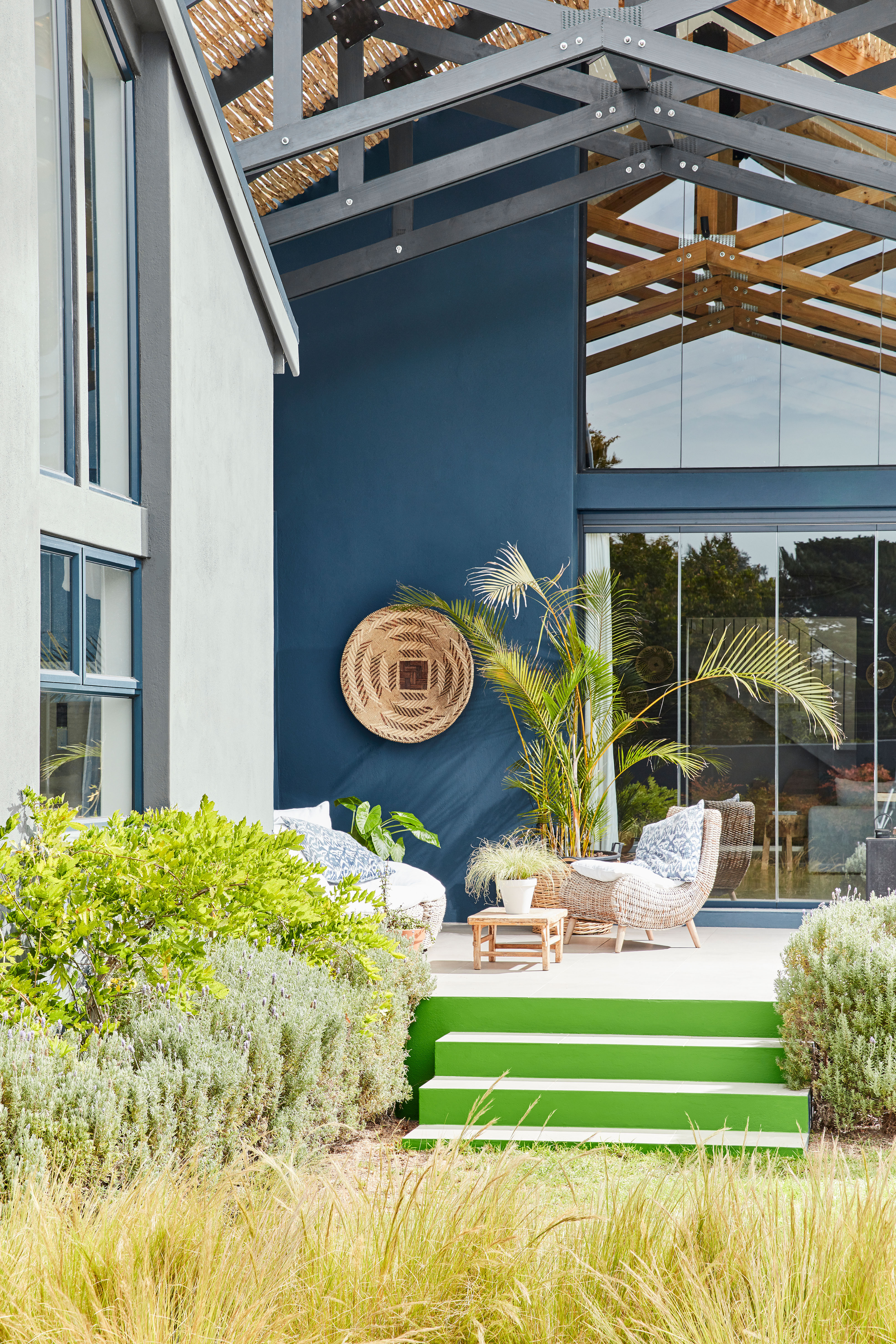
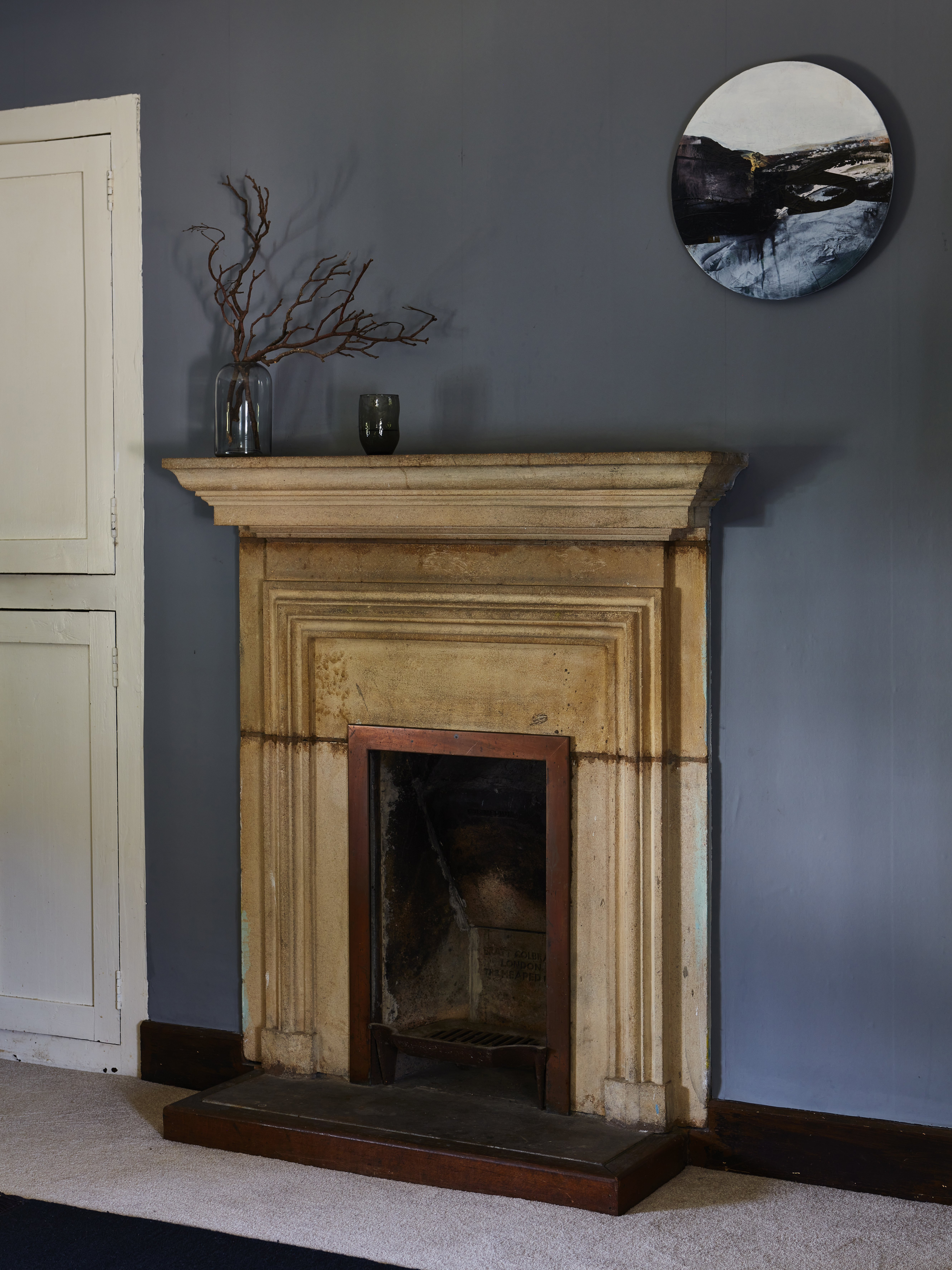
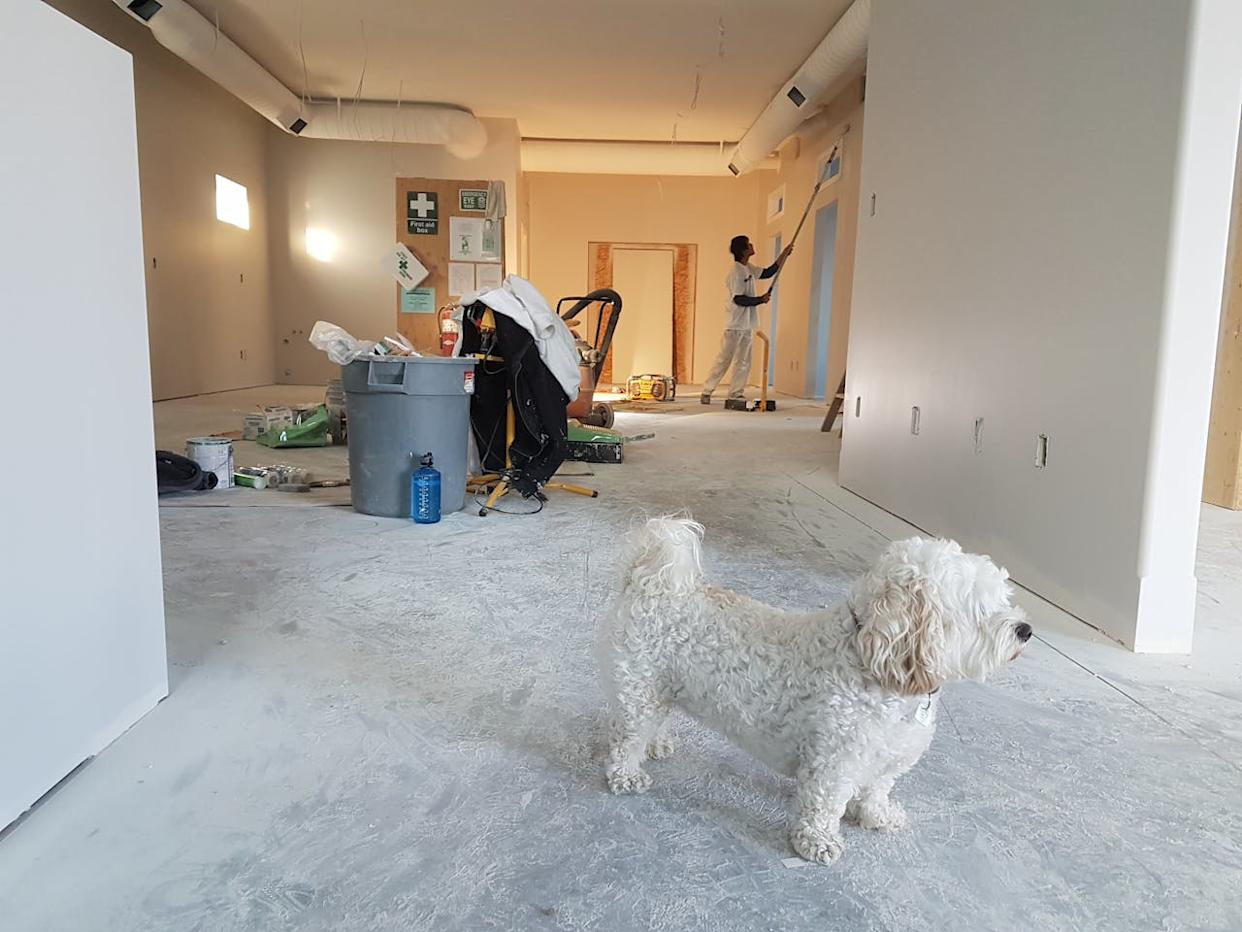
The article then details five types of home renovations that experts believe will be least affected by current and proposed tariffs. Landscaping and hardscaping projects are cited as the most tariff-proof, given that materials like concrete, stone, plants, and other ground cover are less exposed to global trade. Experts suggest that using local dirt, gravel, and native plants, along with domestically sourced sprinkler products, can help maintain predictable costs and avoid supply chain disruptions. Painting projects are also considered relatively safe, provided that U.S.-based paint companies are chosen. However, some price increases for paint are anticipated due to imported raw materials like titanium dioxide from Canada, Mexico, and China.
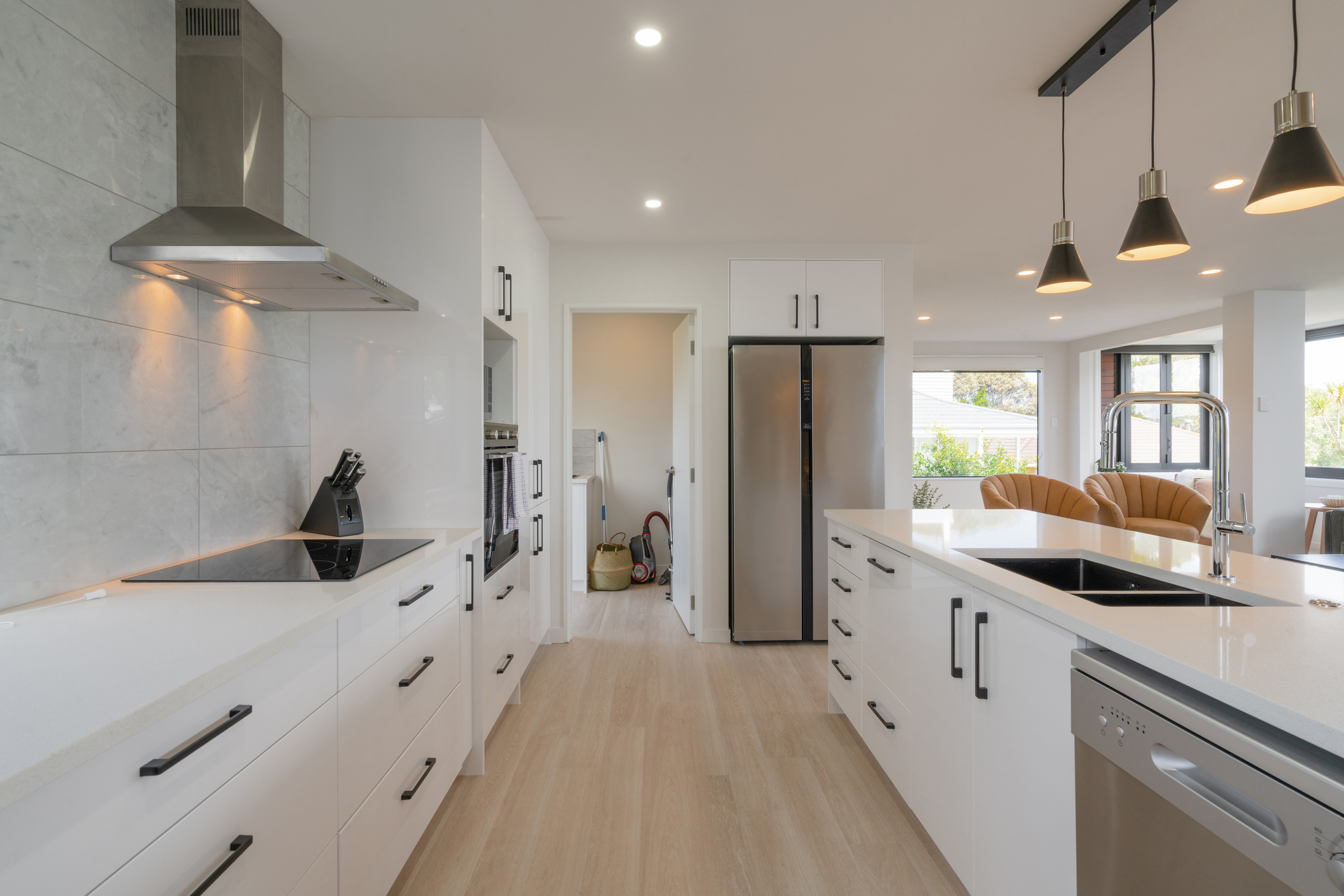
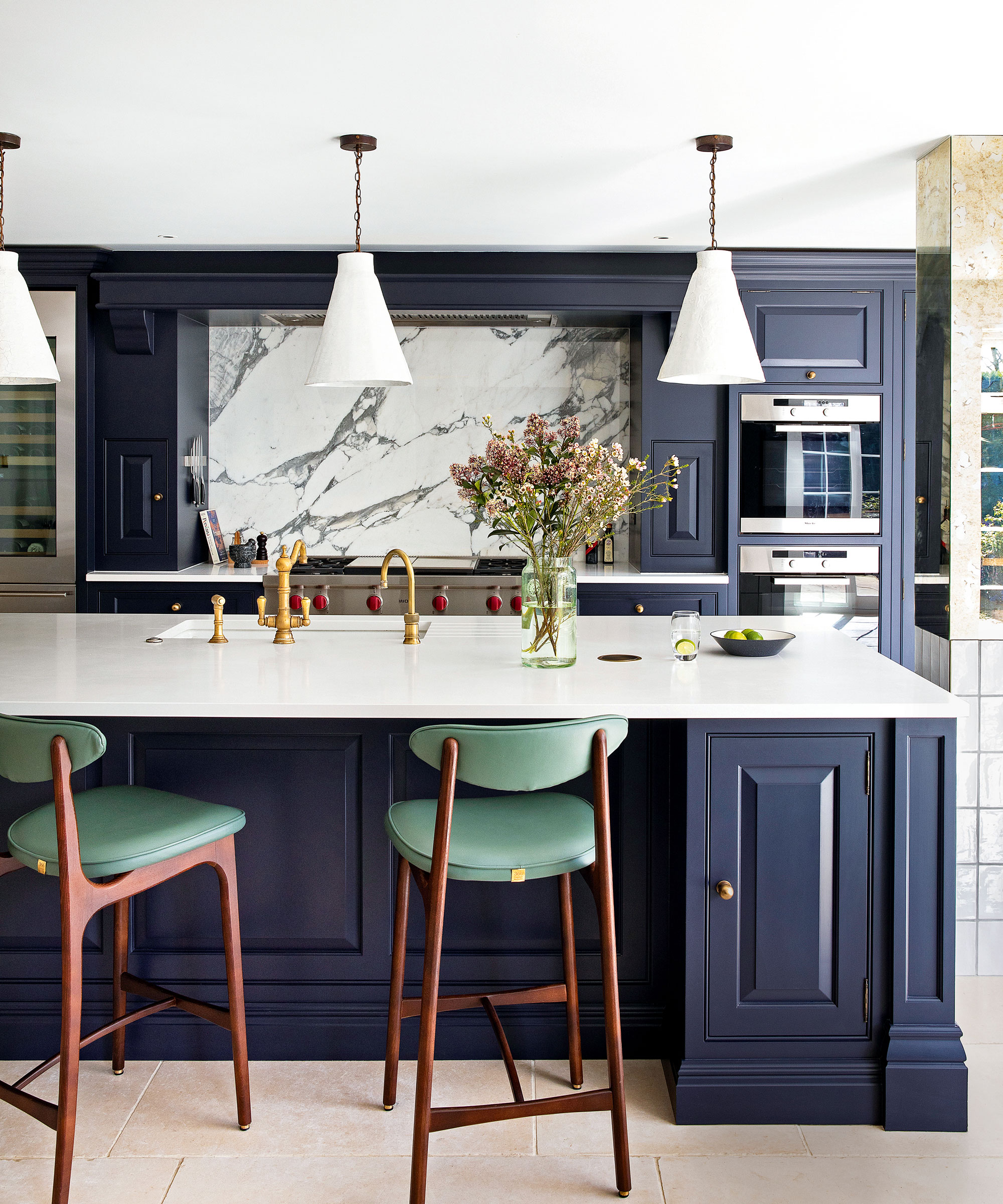
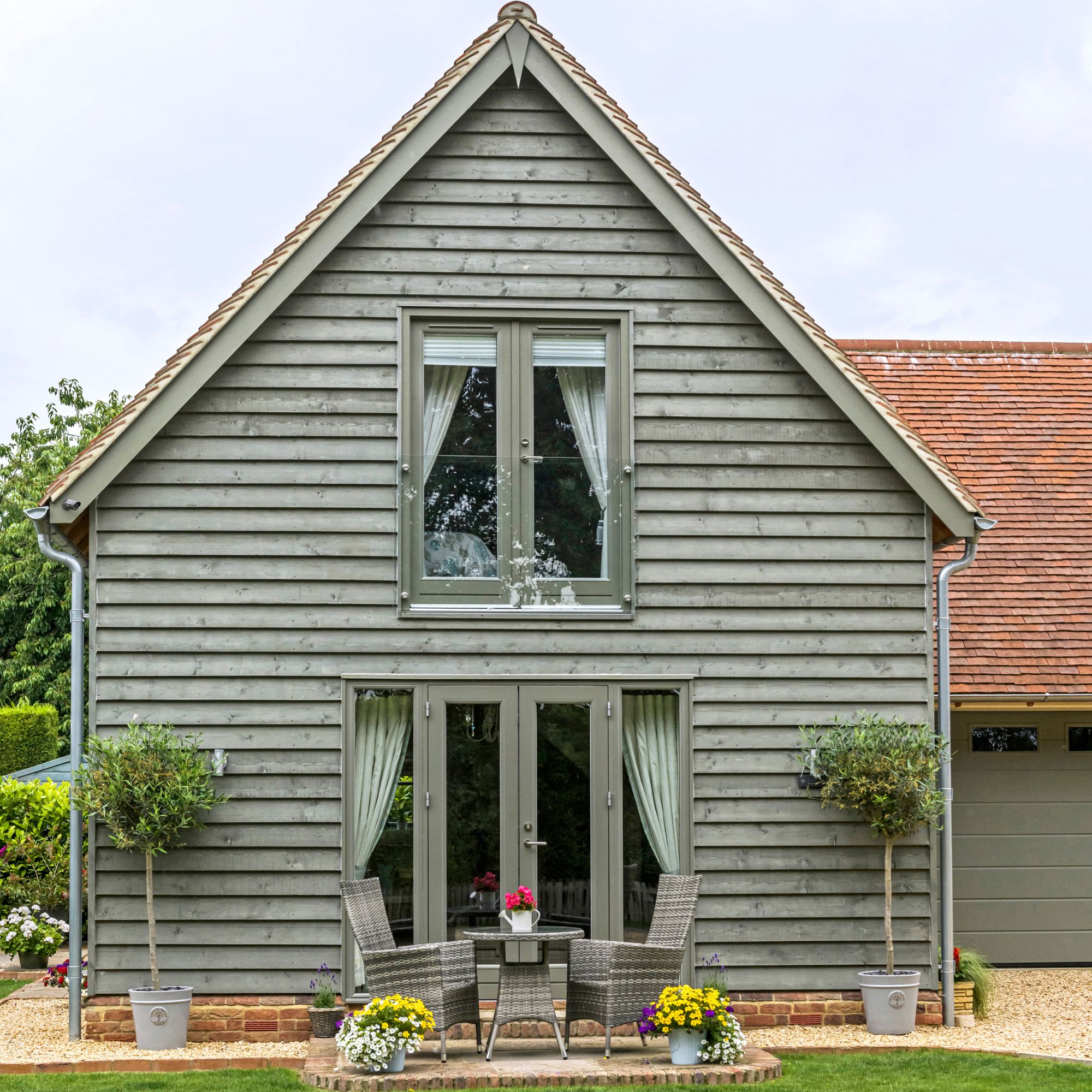
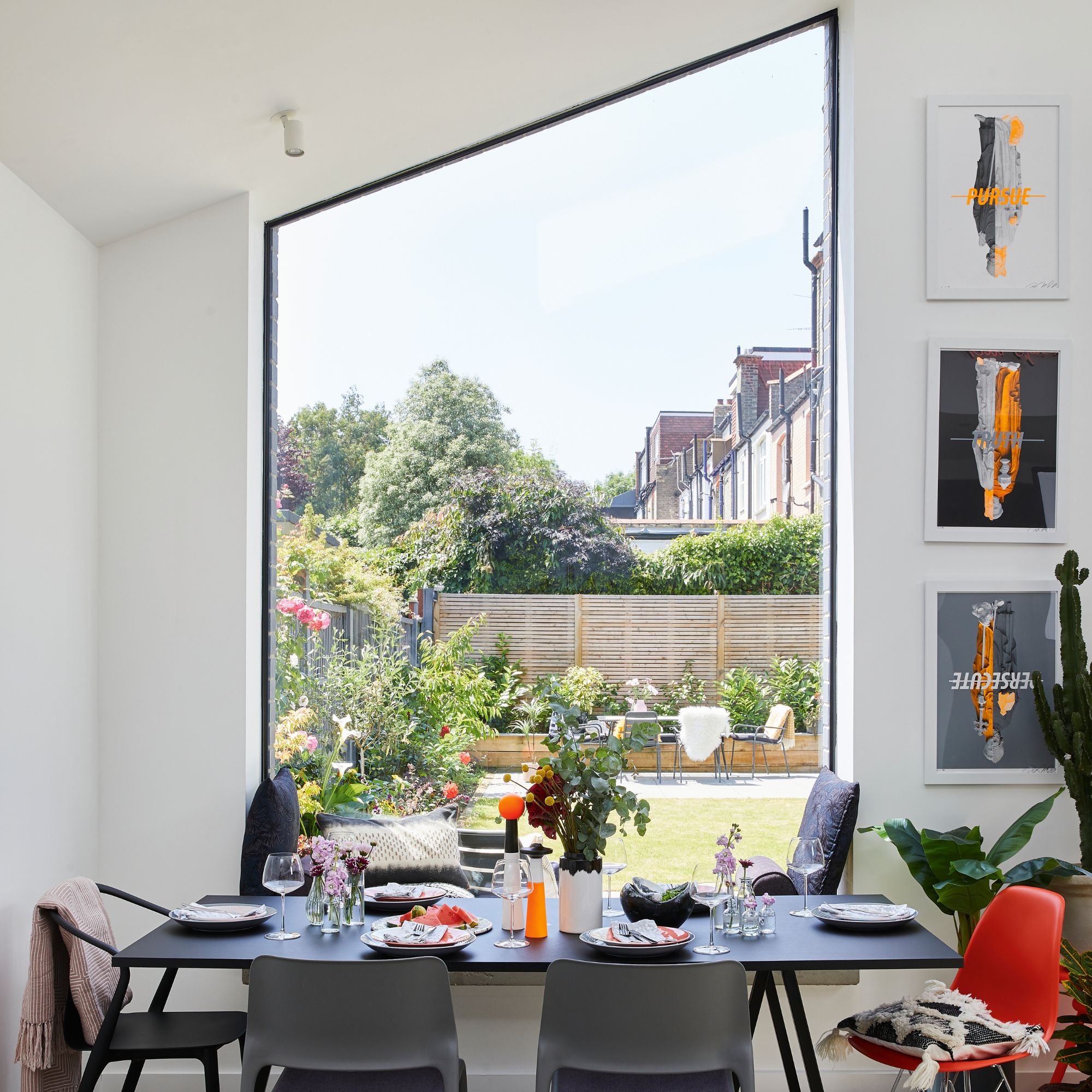
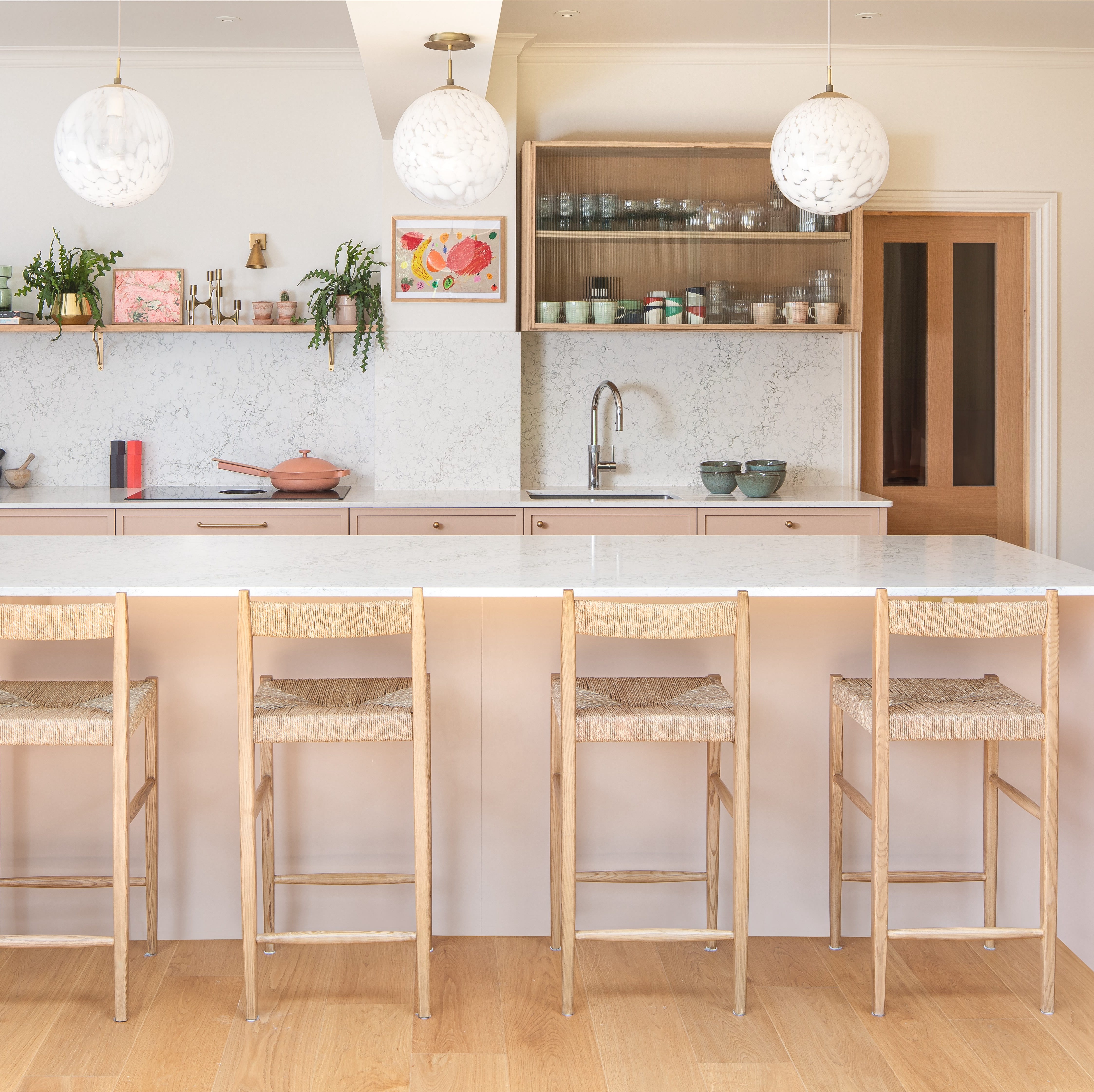
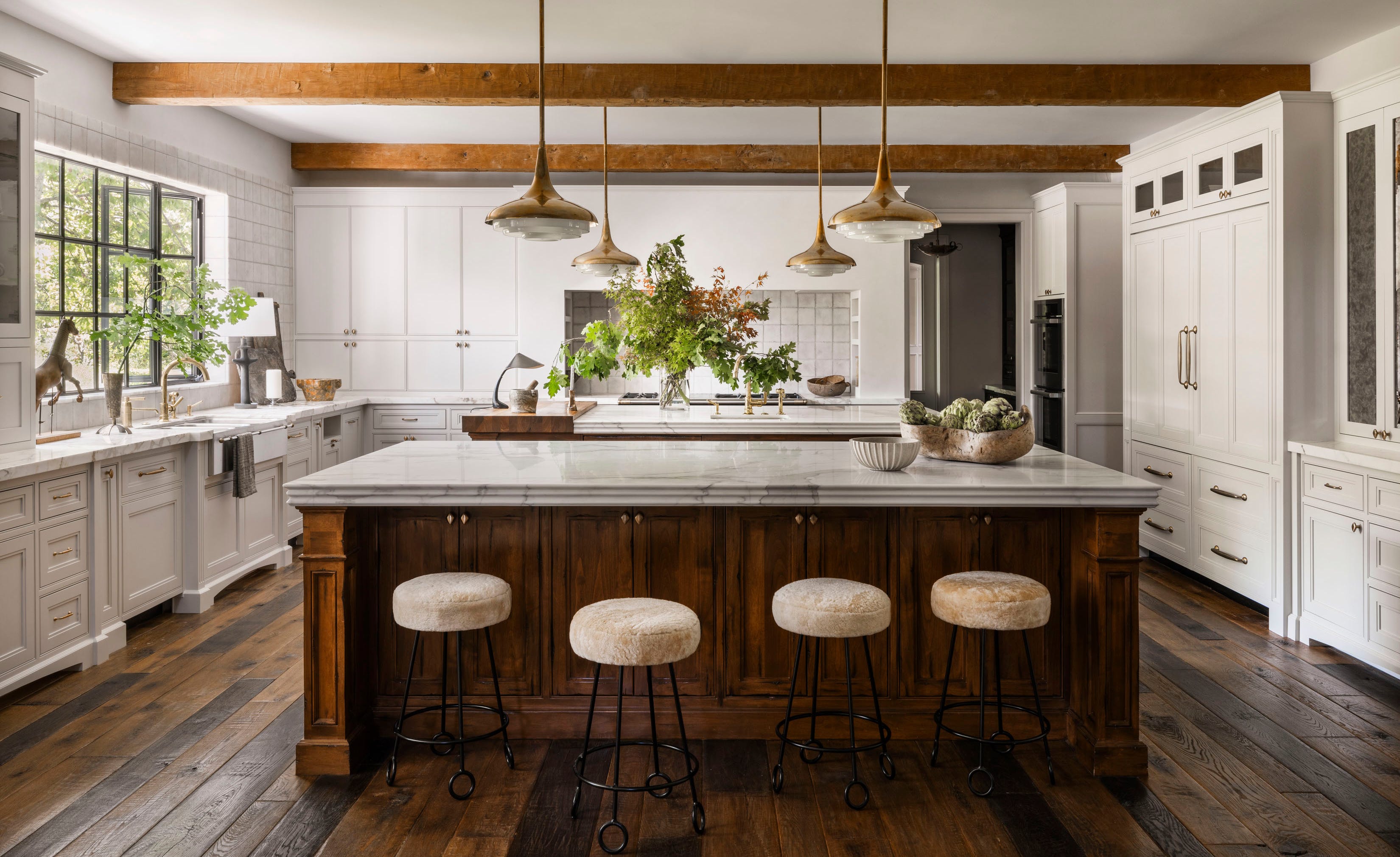
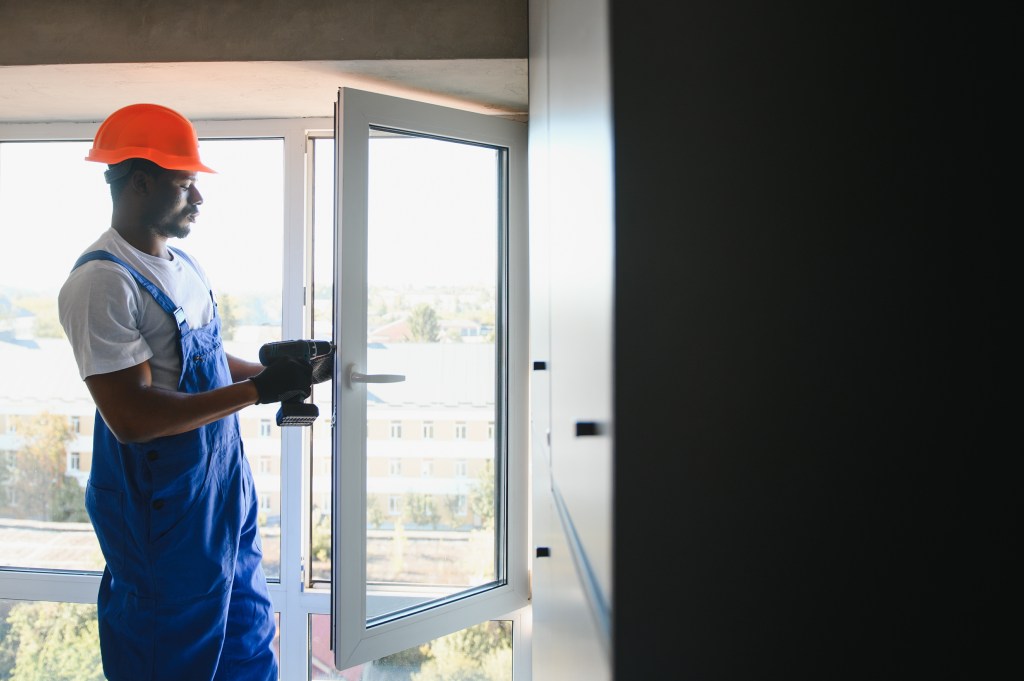
Adding an Accessory Dwelling Unit (ADU) is another recommended renovation. With loosening ADU regulations aimed at addressing housing shortages, these backyard additions can significantly increase property value and generate rental income. Projects utilizing domestically sourced, prefabricated materials for ADUs are less susceptible to tariffs and global supply disruptions, ensuring more stable pricing and timelines. For projects like new windows and flooring, which are moderately affected by tariffs, careful planning and sourcing from U.S. suppliers are key. While vinyl flooring with imported resins might see a 10-20% cost increase, domestic brands can mitigate this. Similarly, window replacements involving partially imported materials like glass coatings and aluminum could face 8-15% increases, but choosing domestic brands like Pella can help minimize costs and delays. Finally, upgrading cabinets, particularly with domestically sourced options or by refacing existing ones, is considered a safe bet against tariffs.
Homeowners are advised to consult with their contractors to identify materials with stable pricing and availability, as contractors are motivated to secure and complete projects cost-effectively. This collaborative approach can help navigate the uncertainties presented by tariffs and ensure successful home renovation projects.
#HomeRenovation #TariffImpact #CostEffectiveProjects #DomesticSourcing #Landscaping #ADUs #HomeImprovements #MaterialCosts #Remodeling #HomeRenovation #TariffImpact #CostEffectiveProjects #DomesticSourcing #Landscaping #ADUs #HomeImprovements #MaterialCosts #Remodeling
0 comment in total
 No comments yet
You may also like

Experts Predict These 5 Home Improvements Will Have the Highest ROI in 2025

Renovating? The home design trends you’ll see everywhere in 2025

10 Renovations Designers Want to See You Make in 2025

Top 5 Home Remodel Houston TX Trends for 2025

5 renovation projects that will add value to your home in 2024


The 8 Renovation Trends Designers Say Will Shape Homes in 2025 and Beyond

6 Renovation Trends You're About to See Everywhere in 2025, According to Designers


These Are the Home Design Trends You Need to Know About in 2025
If you don't yet know the home renovation trends for 2025, your project might just be missing out

5 Renovation Trends You're Going to See in Every Home in 2026, According to Pros
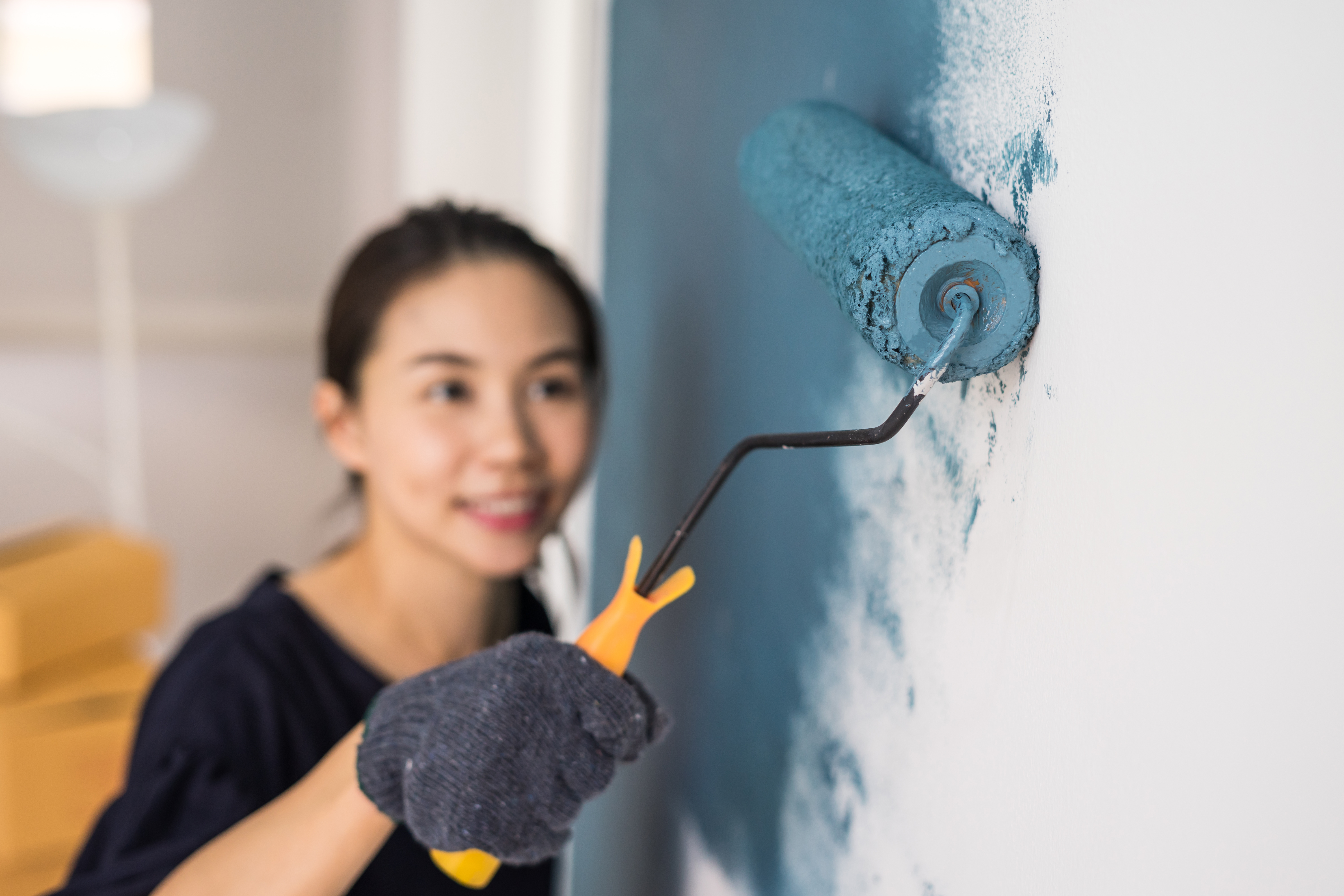
Home Renovation Projects That Are (Mostly) Tariff-Proof


Hottest Home Trends in 2025

Renovating for the Future: Trends That Will Shape Your Home in 2025
Luxury Experts Say THESE Will Be the Most Popular High-End Home Features in 2025
These 2024 home remodel trends are here to stay – here's how to try them
Experts Predict That Every Renovation in 2026 Is Going to Include One of These Upgrades

How to Revamp Your Home in 2025

The biggest home decor trends that interior experts say you’ll be championing in your home in 2025
6 spring trends designers say will give your home a sense of renewal in 2025
10 Common Home Renovations That Lower Your Property Value in 2025