1/11
Ten modern homes with interiors informed by biophilic design
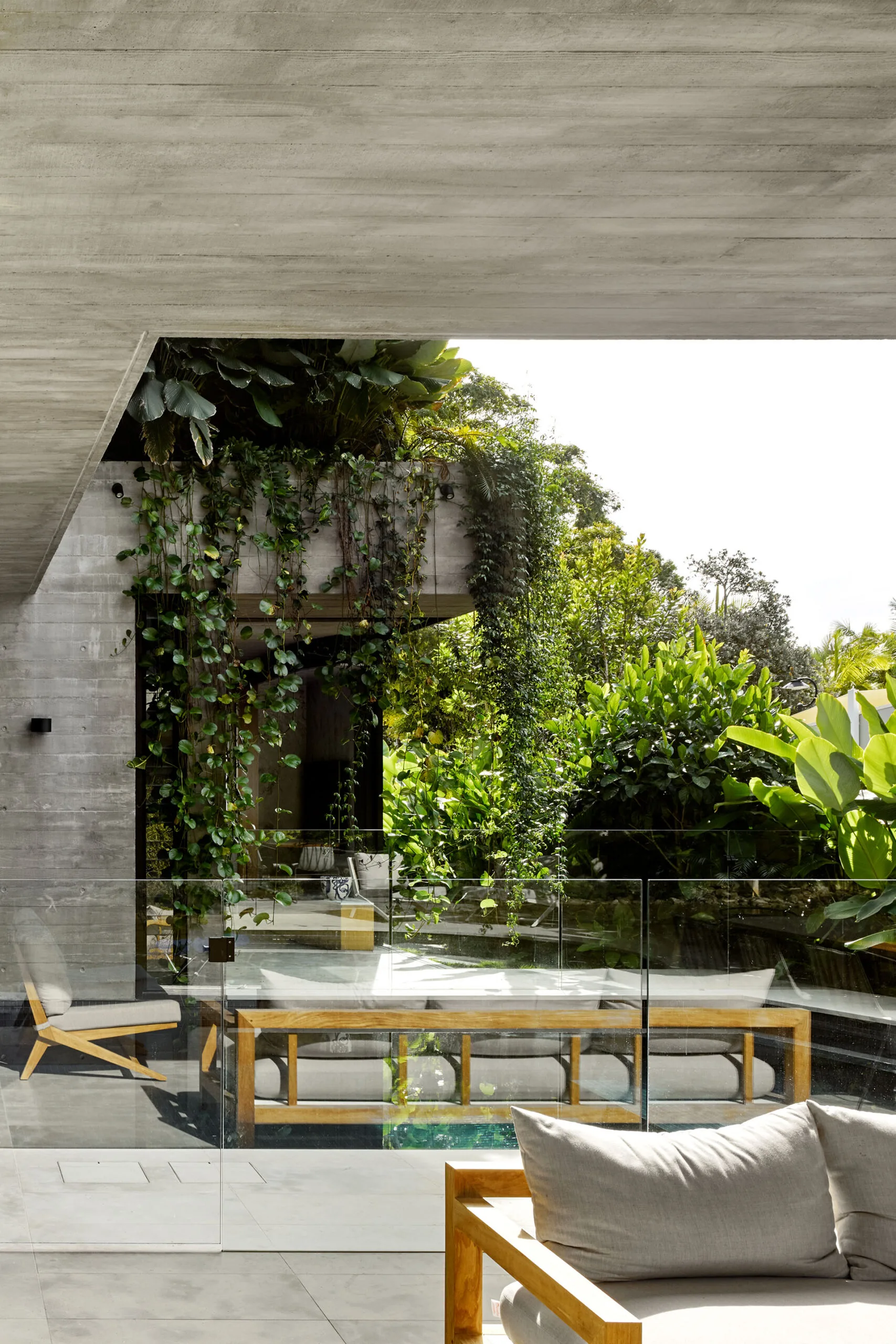
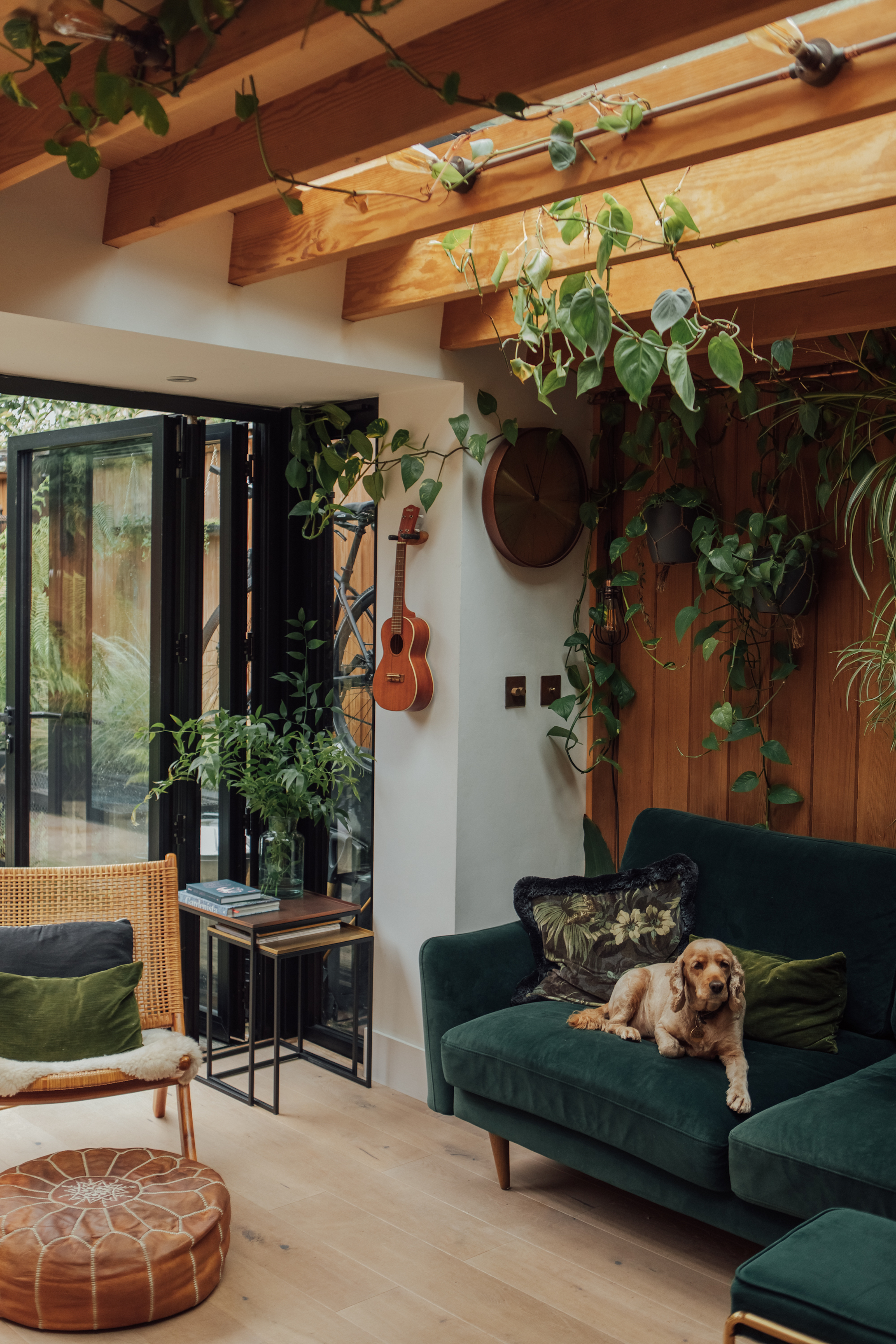
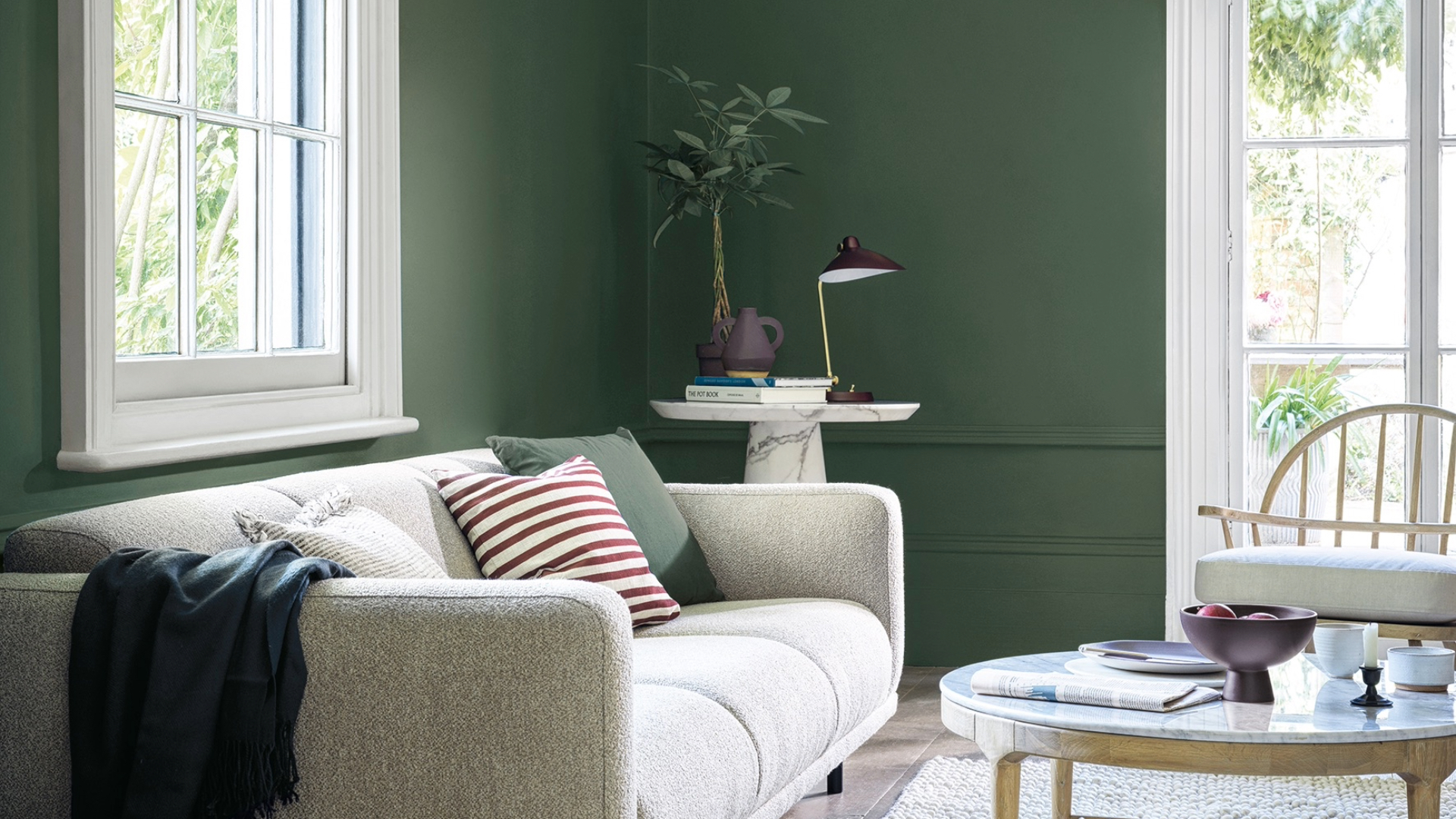
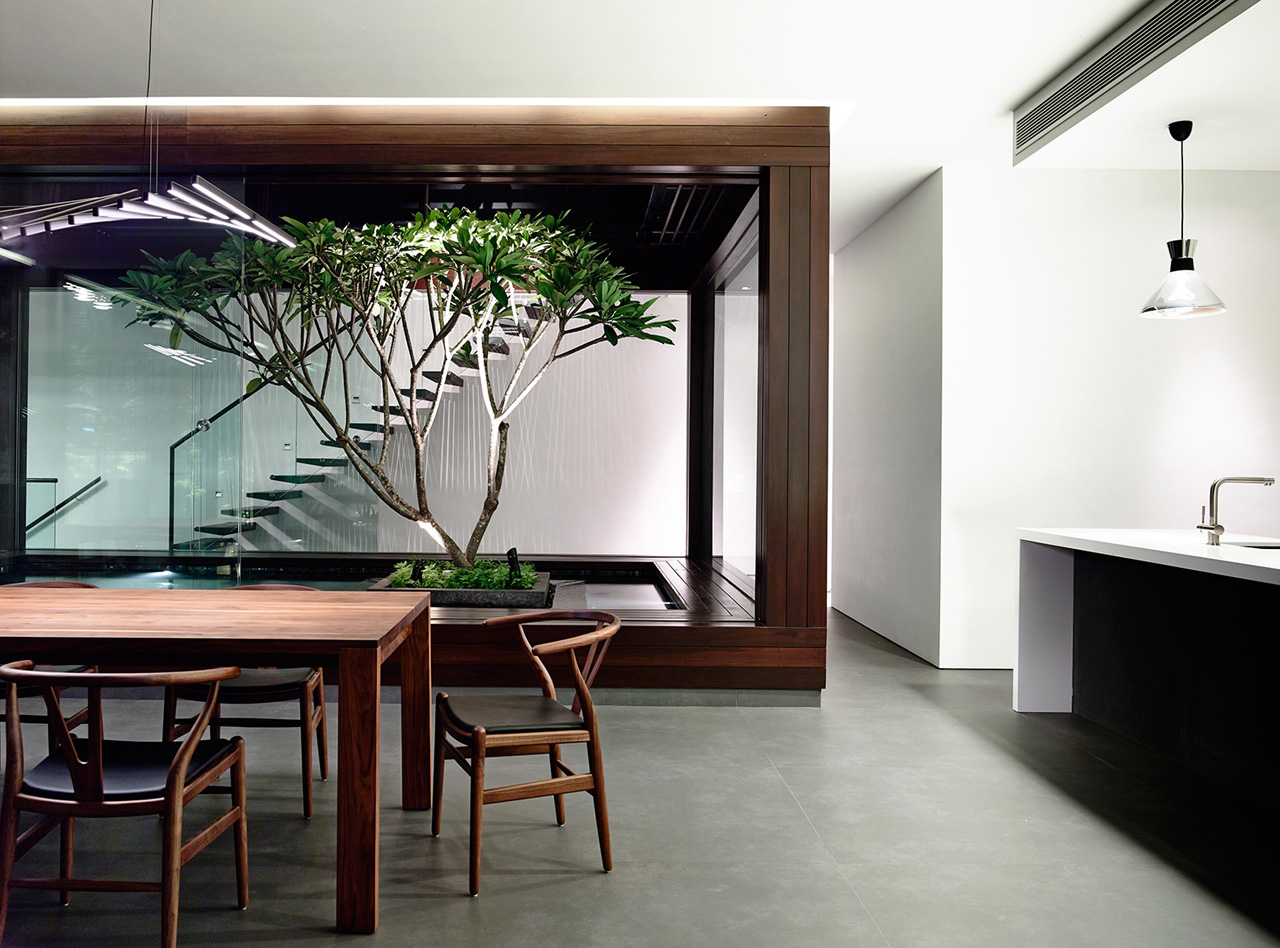
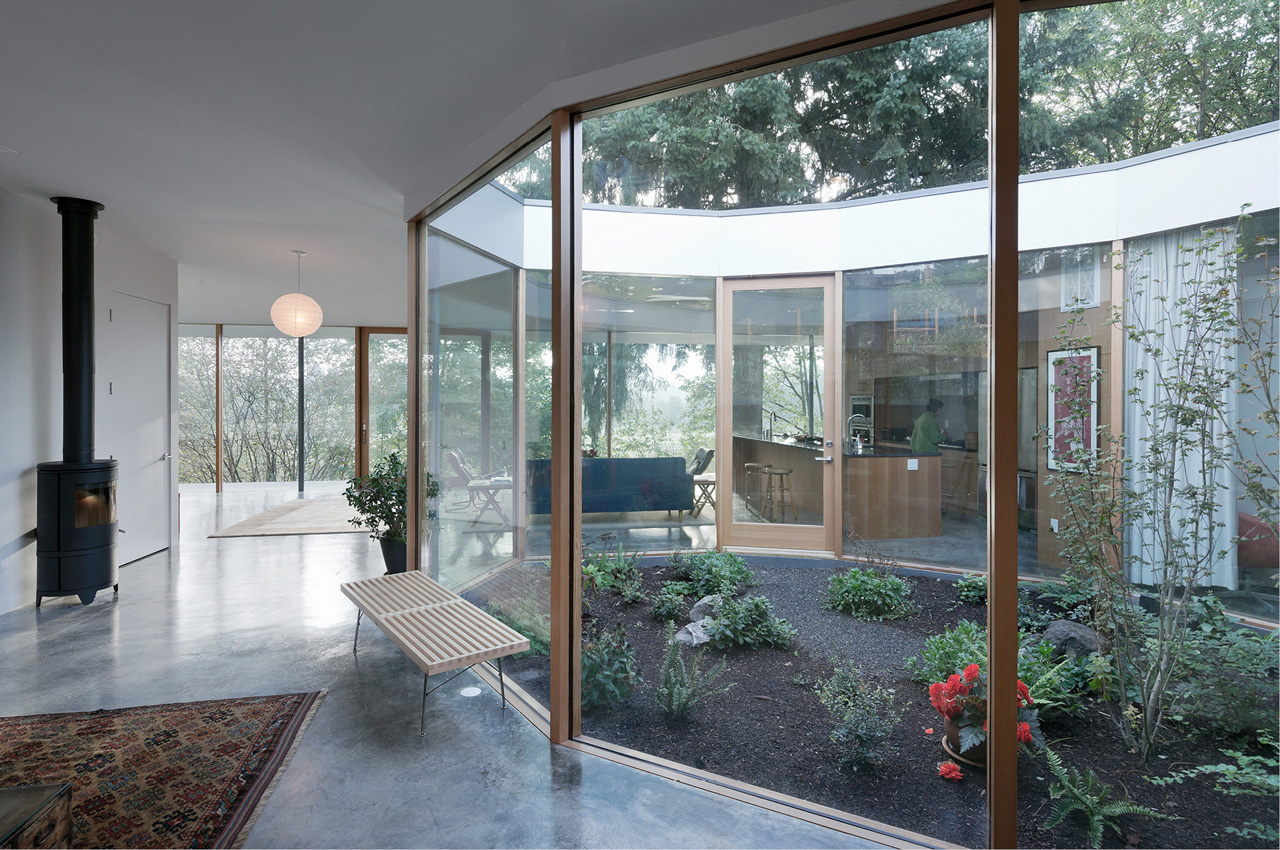
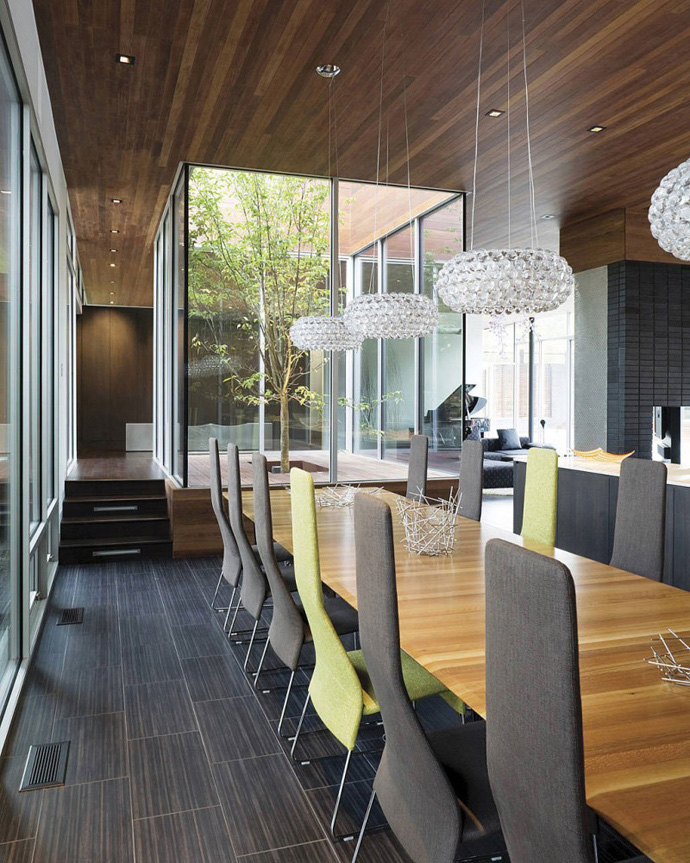
The article presents a lookbook of ten modern homes that integrate biophilic design principles into their interiors. Biophilic design emphasizes connecting human-made spaces with nature through the use of natural materials, ample natural light, and the incorporation of green plants. These selected projects showcase diverse applications of biophilic design from various locations around the world, illustrating how this approach enhances living environments.
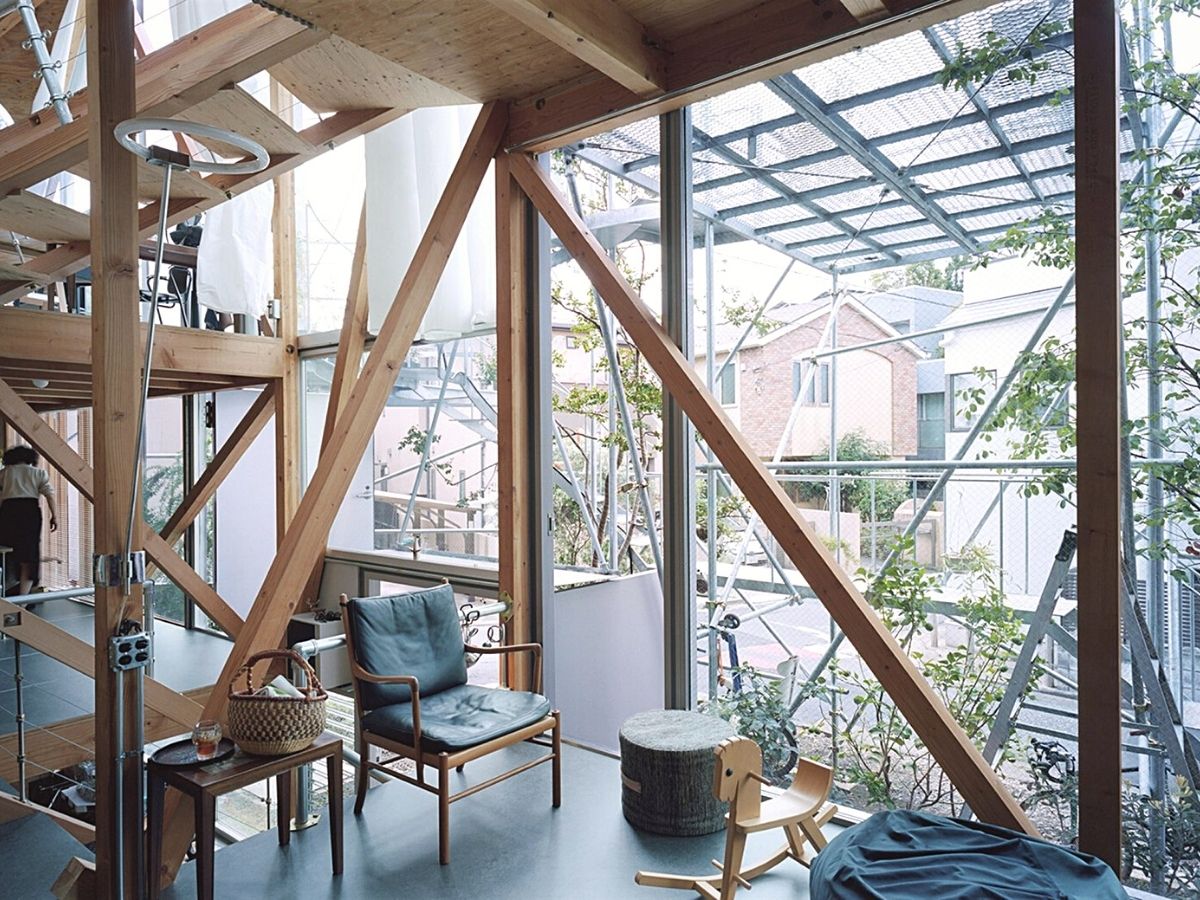
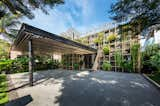
The first example is the Welcome to the Jungle house in Sydney, Australia, designed by CplusC Architectural Workshop. This home incorporates sustainable urban living features, including a rooftop vegetable garden and an aquaponics system for edible fish, allowing residents a direct connection to nature within an urban setting. Materials used are partly recycled, demonstrating an eco-conscious approach to design. Another notable project is Daita2019 in Japan, by Suzuko Yamada. This house features permanent scaffolding that allows inhabitants direct access to a garden on the first floor, and balconies filled with green plants on the second floor. The design also includes 34 windows of varying sizes to maximize natural light intake, despite its industrial aesthetic.
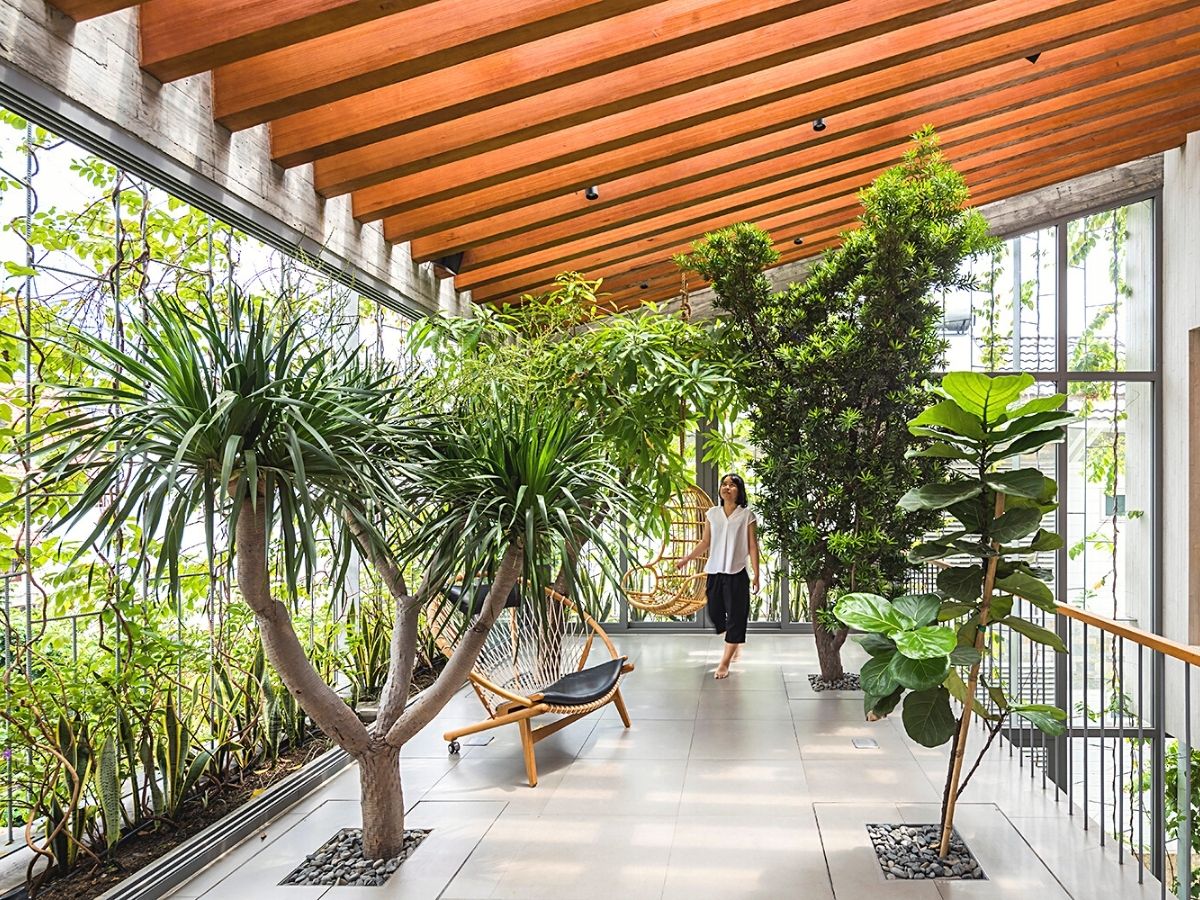
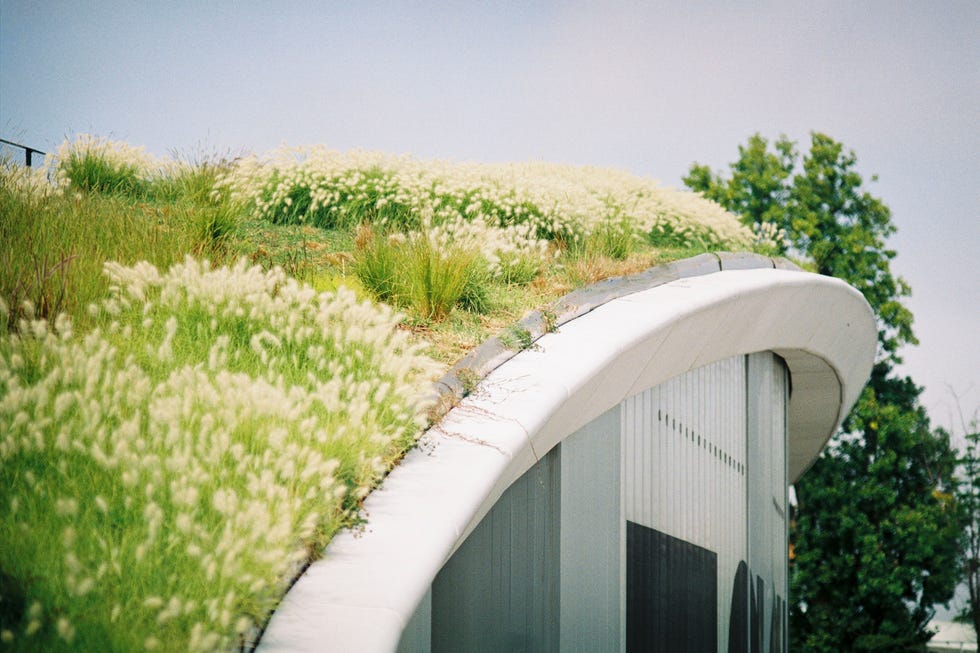
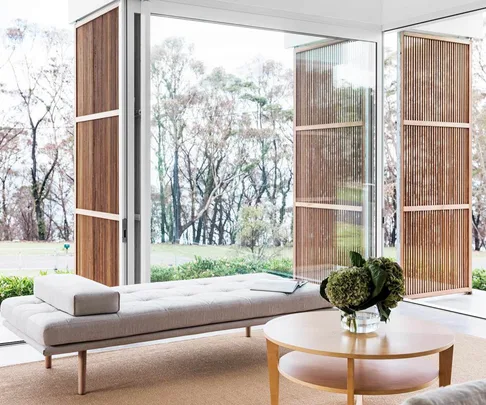
Vietnam's Wall House, designed by CTA, utilizes hole-punctured bricks and a central atrium to create a courtyard-like atmosphere. Leafy plants and trees are strategically placed around the room's periphery, making it feel like a garden. The unique brick design and integration of greenery aim to create a "breathing" house that improves air quality. In Brazil, the Ribeirão Preto residence by Perkins+Will incorporates biophilic design through retractable glass walls that merge indoor and outdoor spaces, tactile wooden screens, and a green roof, blurring the lines between the built environment and the natural landscape.
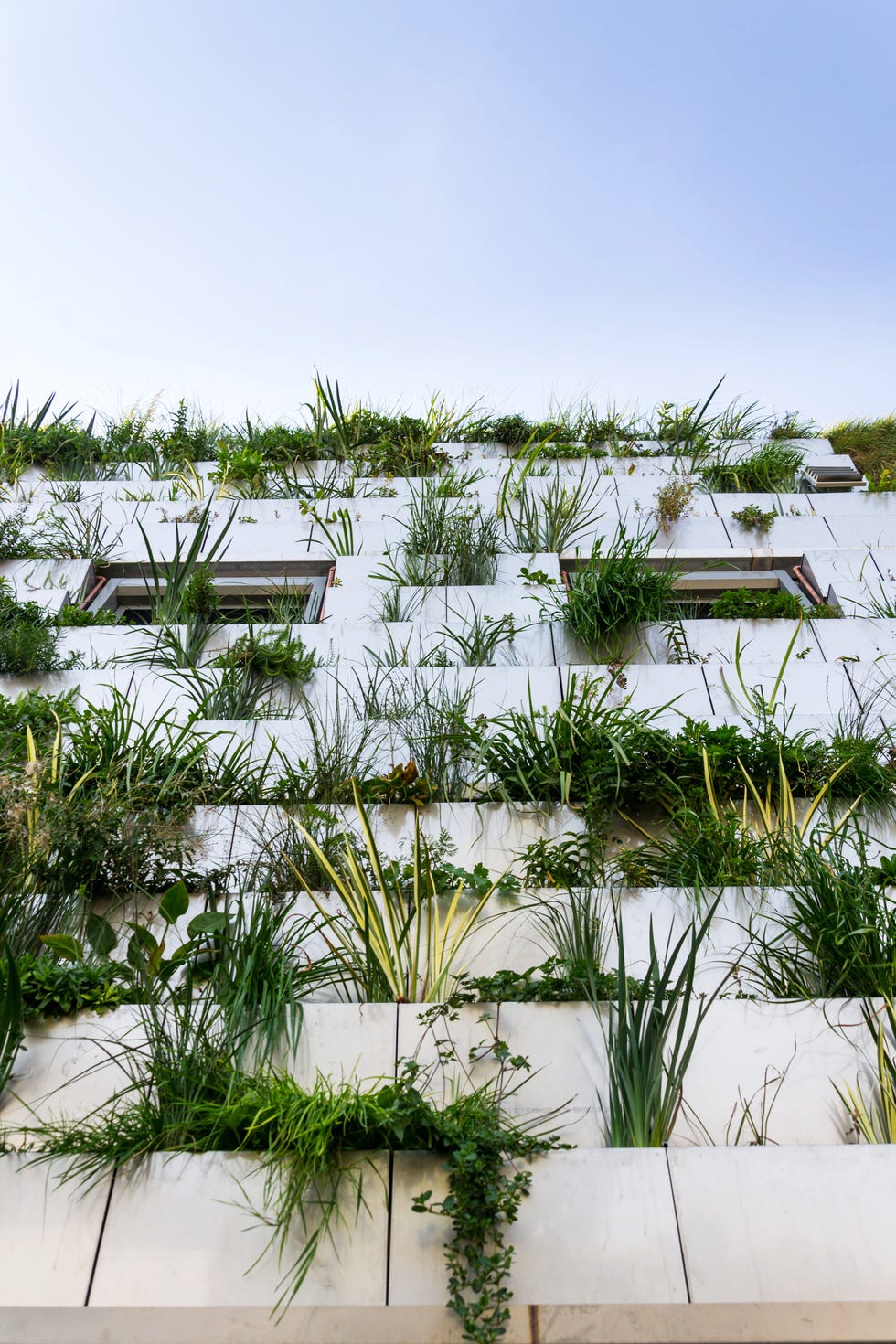
Vo Trong Nghia Architects' Bat Trang House in Vietnam features an exterior made from ceramic bricks designed as a perforated skin. Elevated gardens and gaps in the ceramic shell function as natural cooling systems and air vents, with plants emerging through these openings to create a "buffer zone" that cools the interior. The Sumu Yakushima co-operative housing project in Japan, by Tsukasa Ono, focuses on "regenerative architecture." It uses wooden piles with charred surfaces to promote mycelium growth, strengthening the soil and fostering tree root development to positively impact the natural environment.
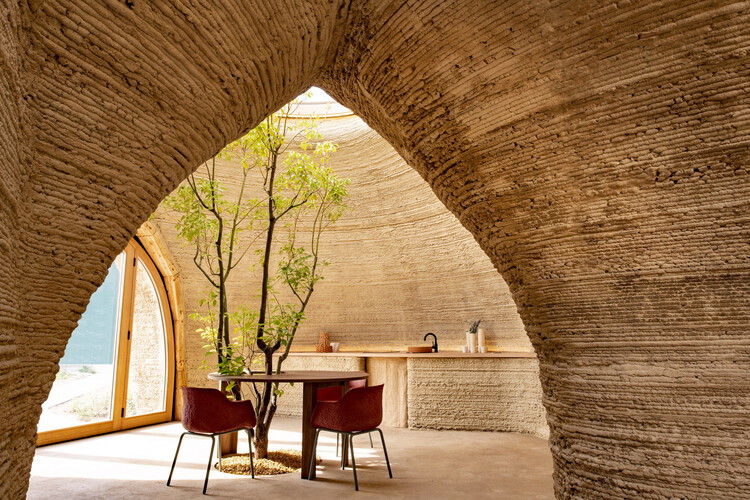
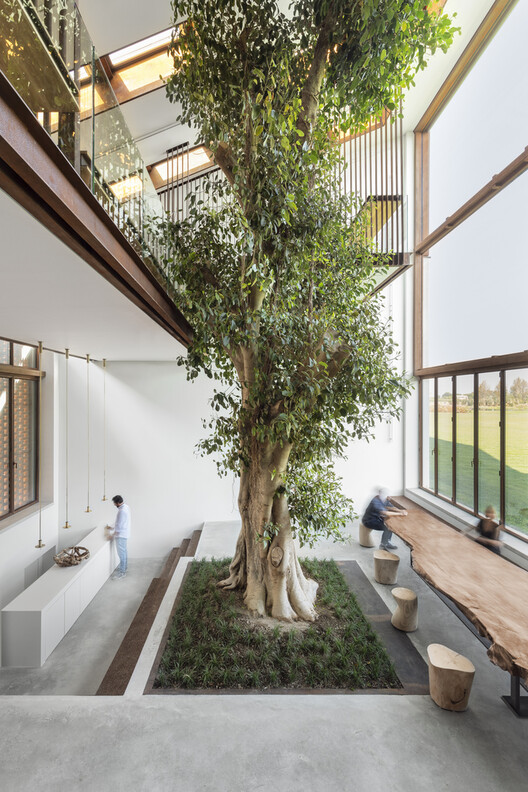
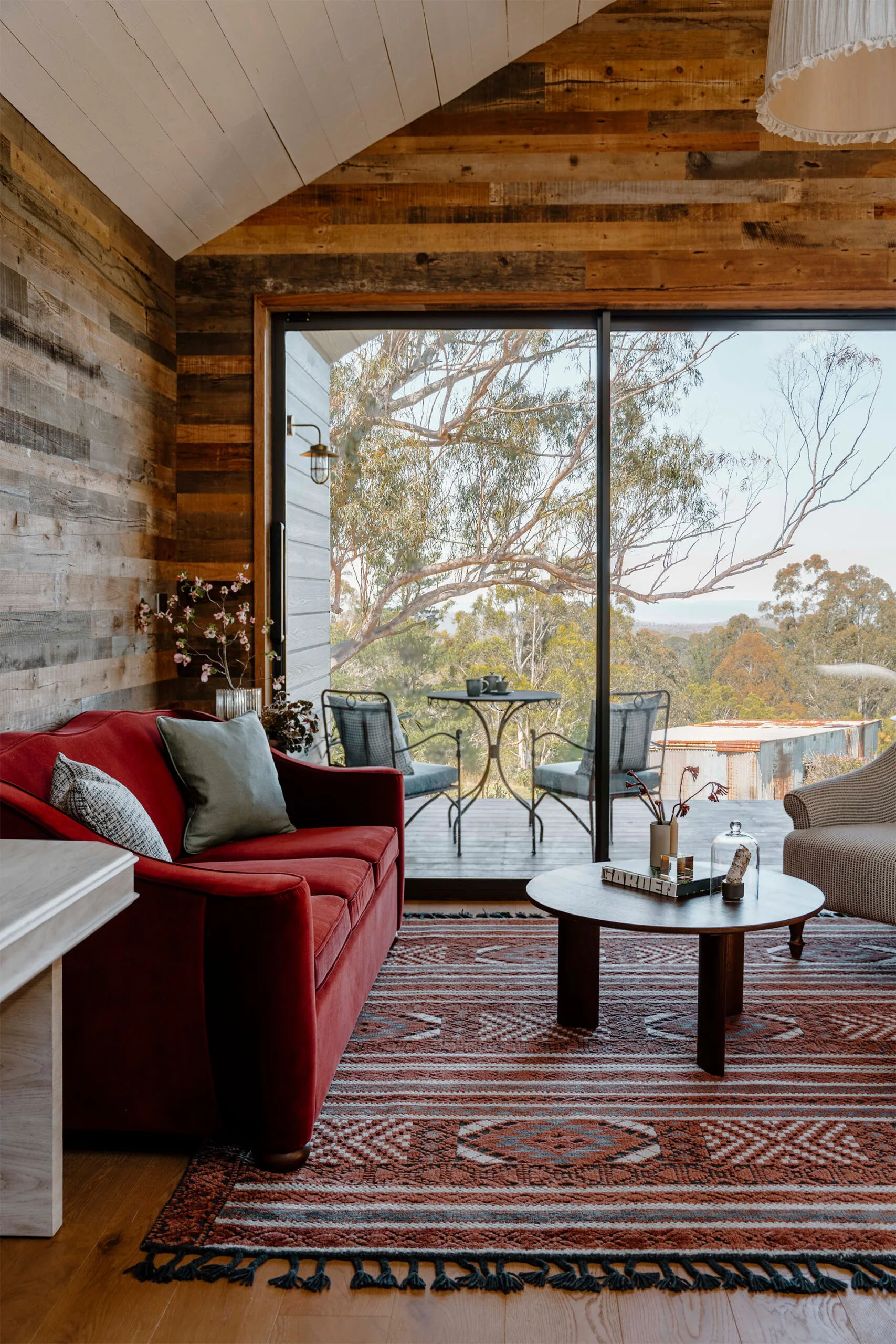
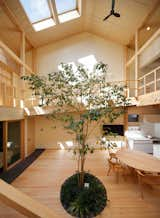
The Greenary in Italy, by Carlo Ratti Associati and Italo Rota, centers its living space around a 10-meter-tall Ficus tree, aiming to blend natural and artificial elements. Located in the Parma countryside, this "forever home" within a converted farmhouse and granary features a fully-glazed southern wall that allows abundant light and highlights the interior tree. Alexander Symes' Pepper Tree Passive House in Australia includes an angular addition with wood-lined living spaces that open onto a terrace nestled in a large tree canopy. The natural material palette and green elements reinforce a strong biophilic connection, emphasizing sustainability and passive design principles.
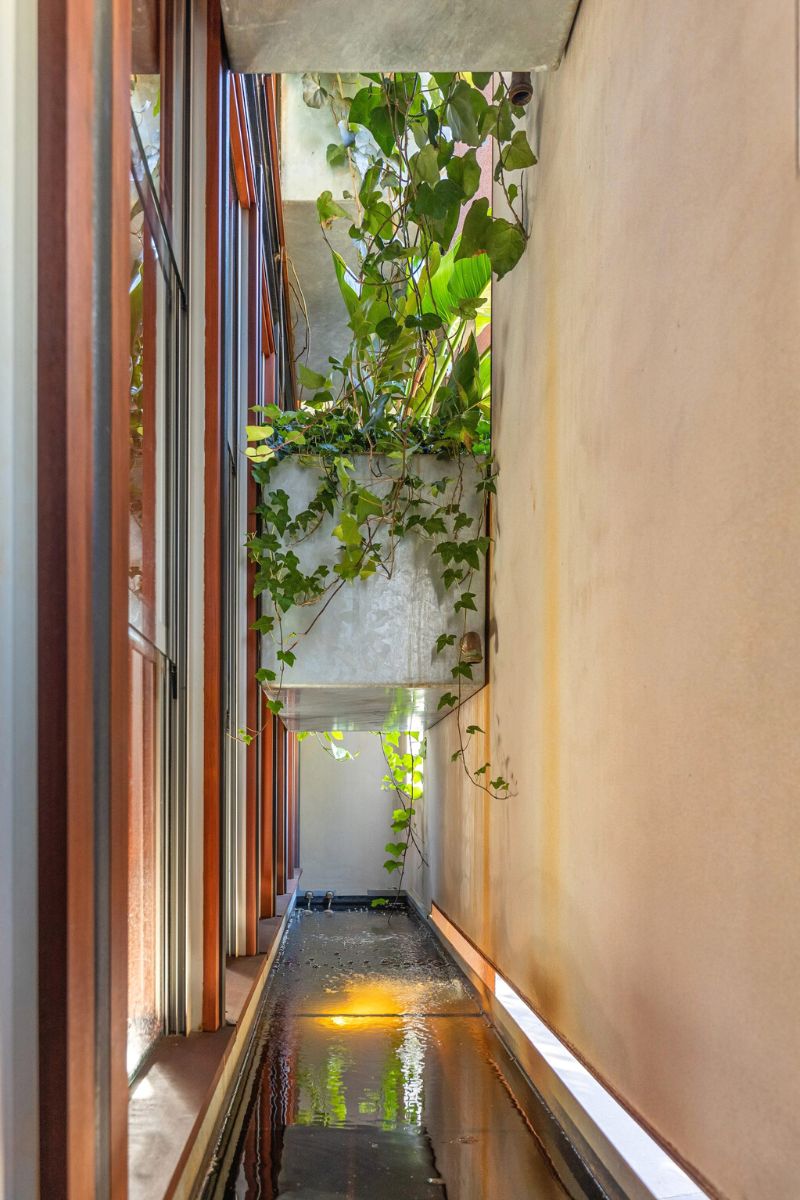
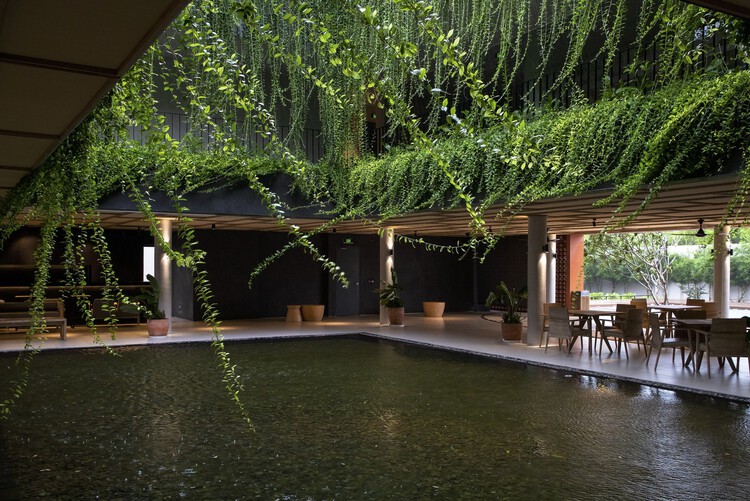
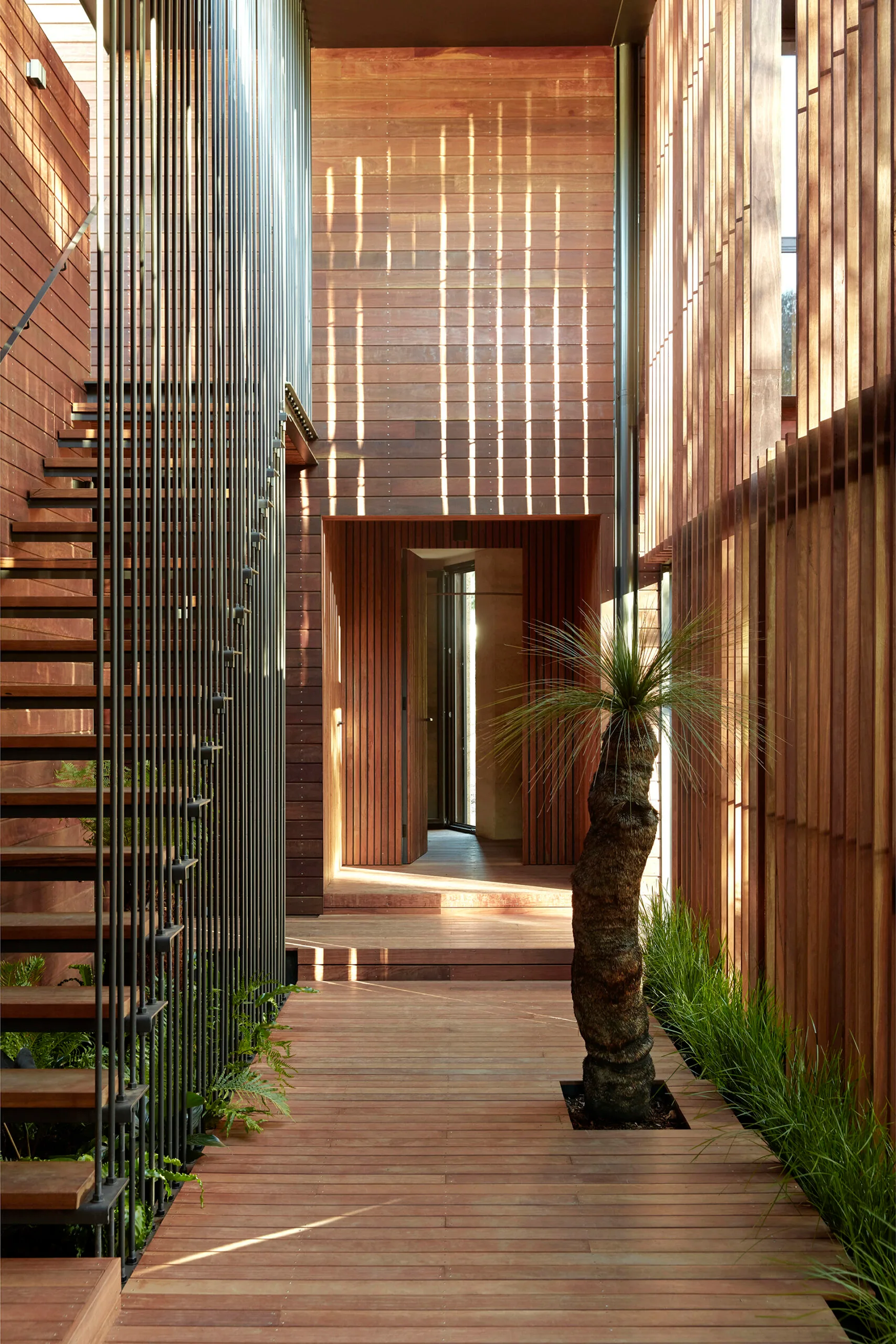
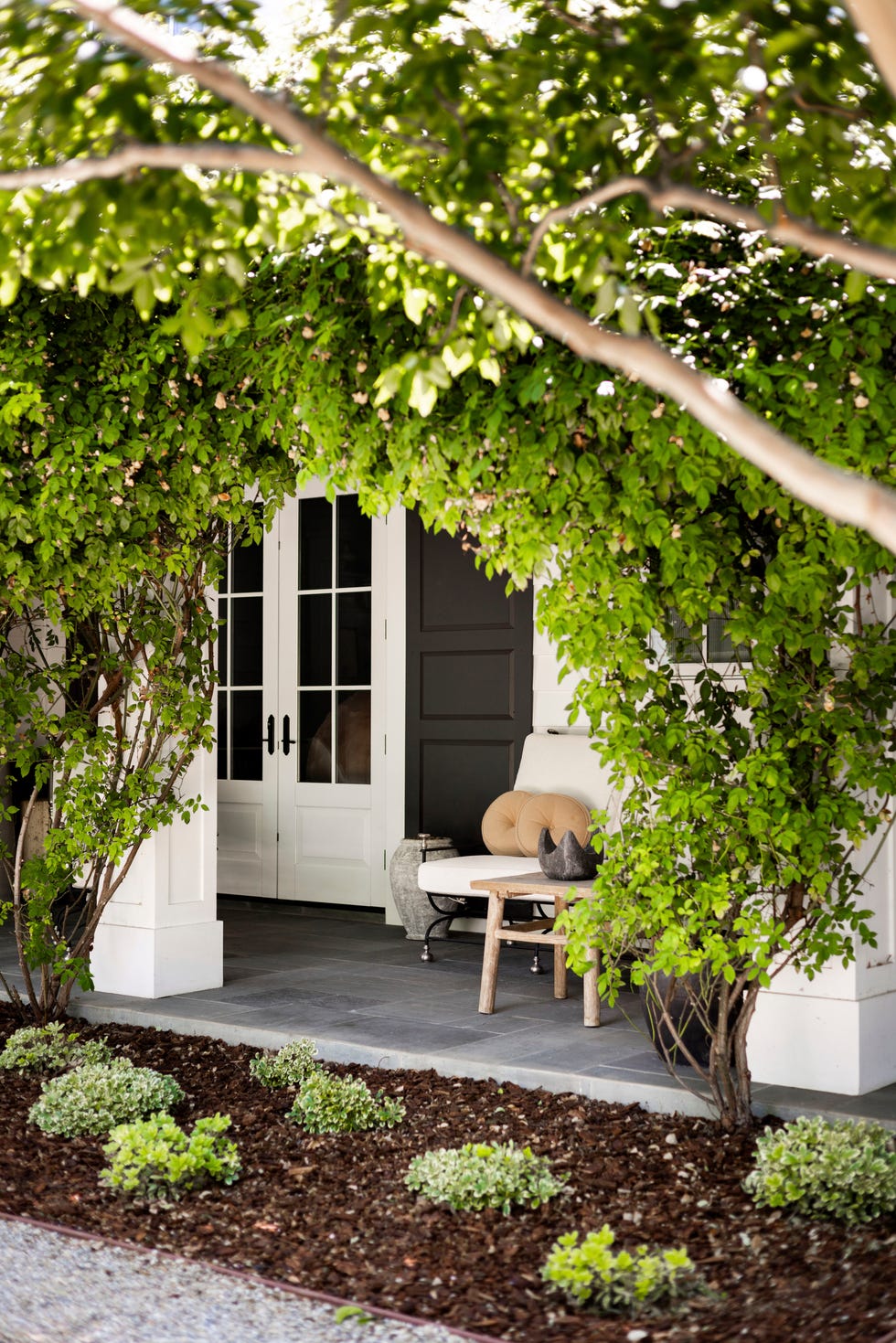
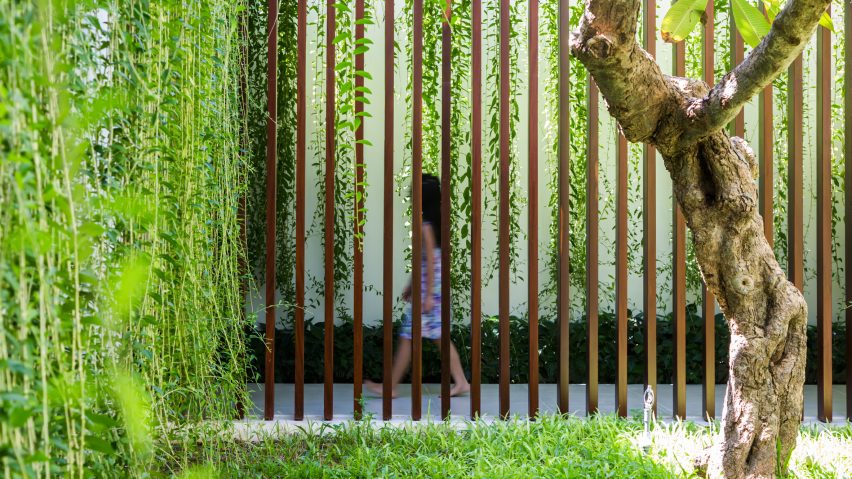
MIA Design Studio's The Drawers House in Vietnam prioritizes connection to the outdoors while ensuring privacy. It features multiple plant-lined courtyards and white rendered walls covered in plants, including a hallway adorned with creeper plants, creating an immersive natural experience. Lastly, The Cork Studio in the UK by Studio Bark was constructed almost entirely from recycled cork granules. Built around an existing sycamore tree, the studio provides a treehouse-like interior, showcasing a sustainable approach using natural, recyclable materials and integrating existing natural features. These projects collectively demonstrate the diverse and innovative ways biophilic design can be implemented to enhance well-being and connection to nature in modern homes.
#BiophilicDesign #ModernHomes #InteriorDesign #SustainableArchitecture #GreenLiving #ResidentialDesign #NaturalMaterials #ArchitecturalInnovation #UrbanGreenery #BiophilicDesign #ModernHomes #InteriorDesign #SustainableArchitecture #GreenLiving #ResidentialDesign #NaturalMaterials #ArchitecturalInnovation #UrbanGreenery
0 comment in total
 No comments yet
You may also like
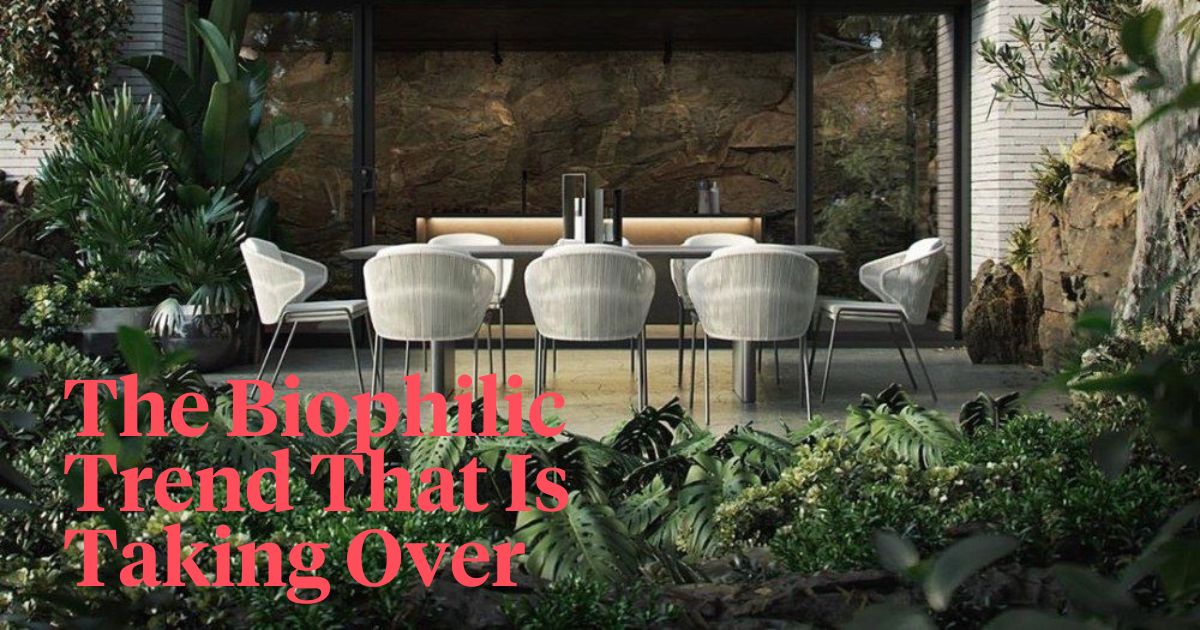
Biophilic Interiors Invade These 10 Contemporary Residences

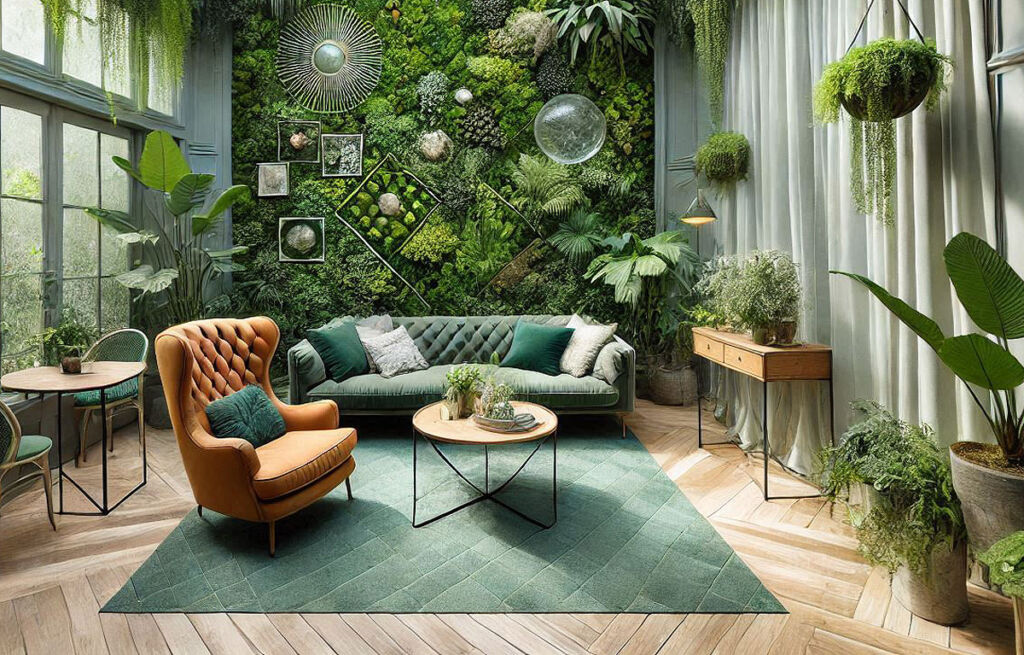
Why Houseplants And Biophilic Design Will Front 2025's Interior Design Trends
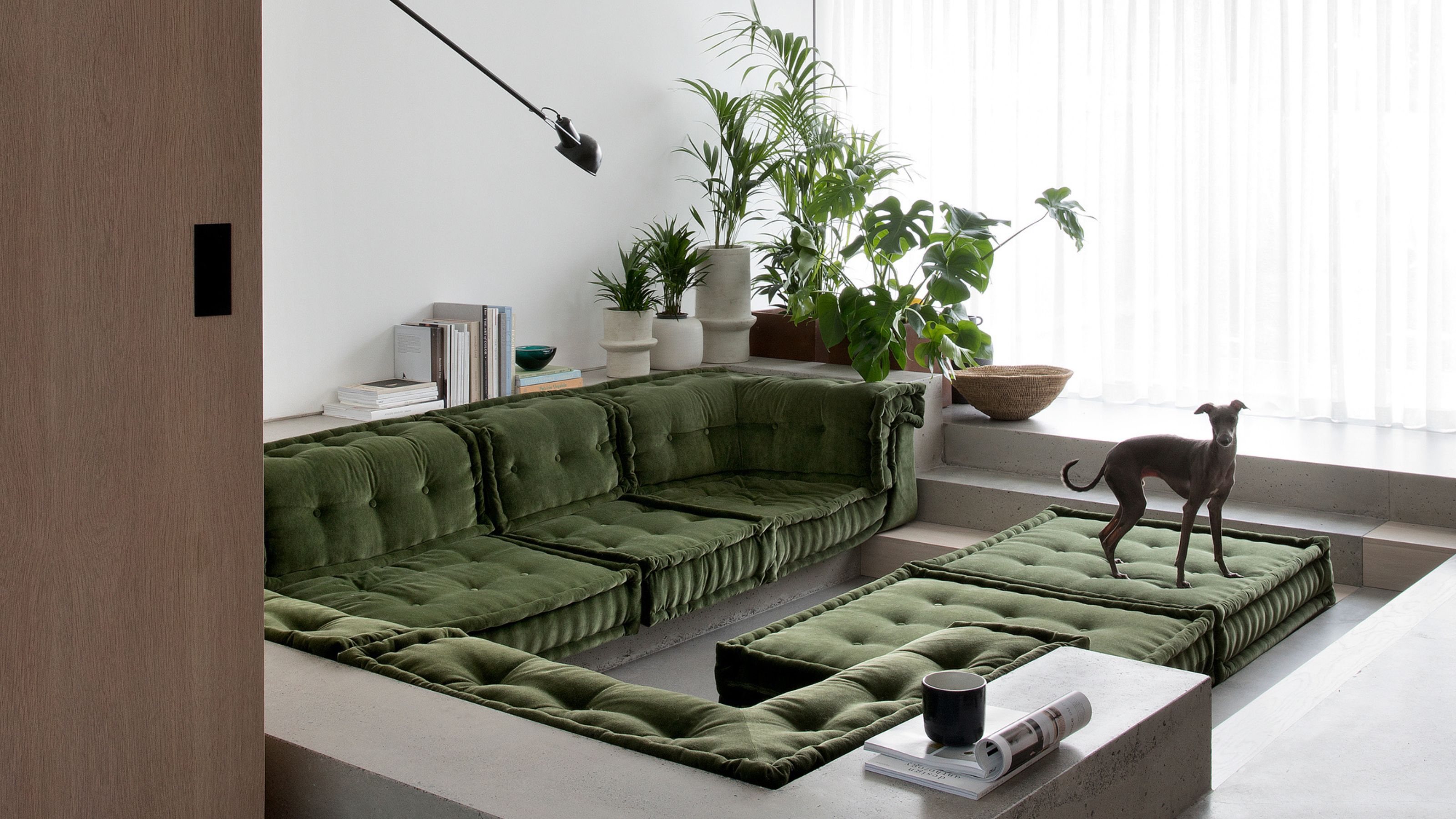
10 Biophilic Living Room Ideas That Look and Feel Good — "They Inherently Make Us Feel Grounded"

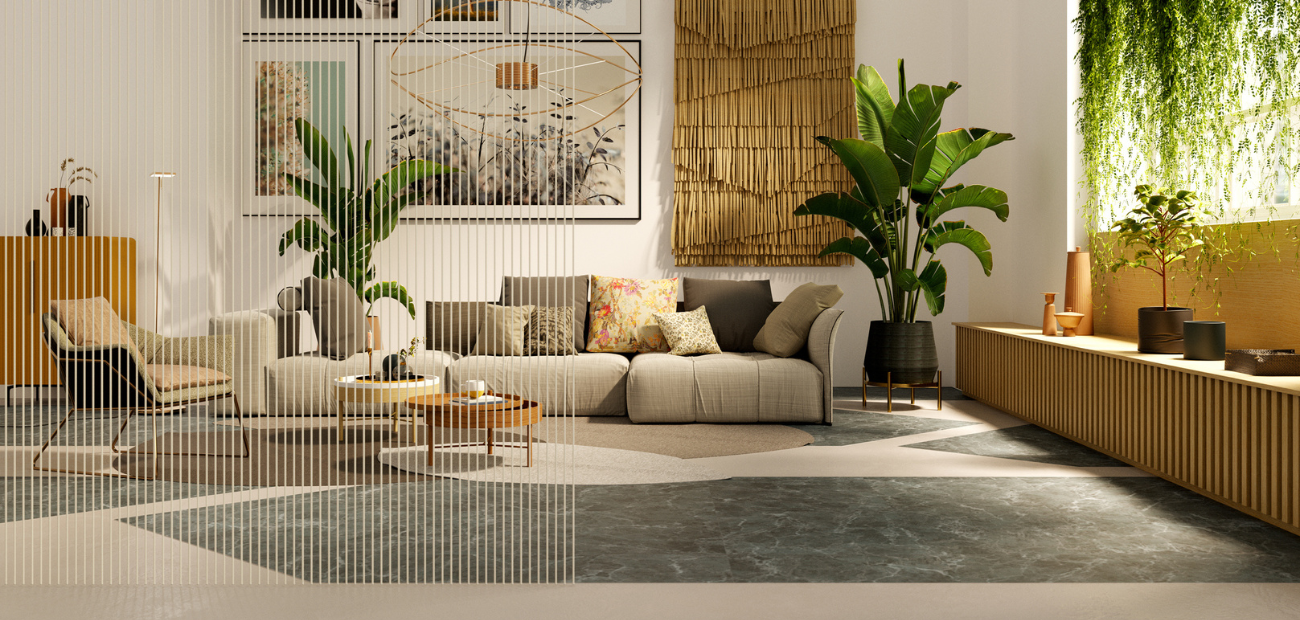
Biophilic Design Helps Homeowners Connect to Nature
Ten interiors featuring natural materials and timeless accents
What the heck is biophilic design?

8 ways to freshen up your home through natural biophilic design
Stunning biophilic design ideas to help you bring the great outdoors into your home

Biophilic Interiors: 21 Projects that Blend Architecture with Nature

Top Home Design Trends in 2025 for Modern Living

A growing trend: enjoy these 10 biophilic furniture designs

10 Modern Houses with Interior Courtyards & Gardens
These 10 Biophilic Design Ideas Will Transform Your Home Into a Natural Oasis
Ten homes with interiors designed to showcase art
20 Nature-Loving Homes Where Biophilia Thrives

Elevate Your Space: Top Living Room Design Trends for 2025
These Are the Home Design Trends That Will Rule 2022
The Top 10 Trends In Home Design For 2023. Plus, 10 That Are Officially Done!
Biophilic Design Is the Signature Style of Plant Lovers Everywhere

7 interior-design trends you'll see everywhere in 2024, and 5 that'll disappear