1/4
The Top 10 Trends In Home Design For 2023. Plus, 10 That Are Officially Done!
This article discusses the top 10 home design trends for 2023, along with 10 trends that are considered outdated. The insights are gathered from research among architects, interior designers, home builders, and social media influencers. A consistent theme across the emerging trends is simplicity, as highlighted by the quote from Woody Guthrie emphasizing the genius in making things simple. This article suggests that while many innovative design ideas exist, the focus is on practical elements that suit real families rather than fleeting fads.
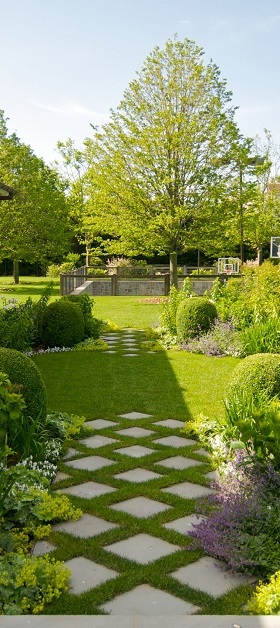
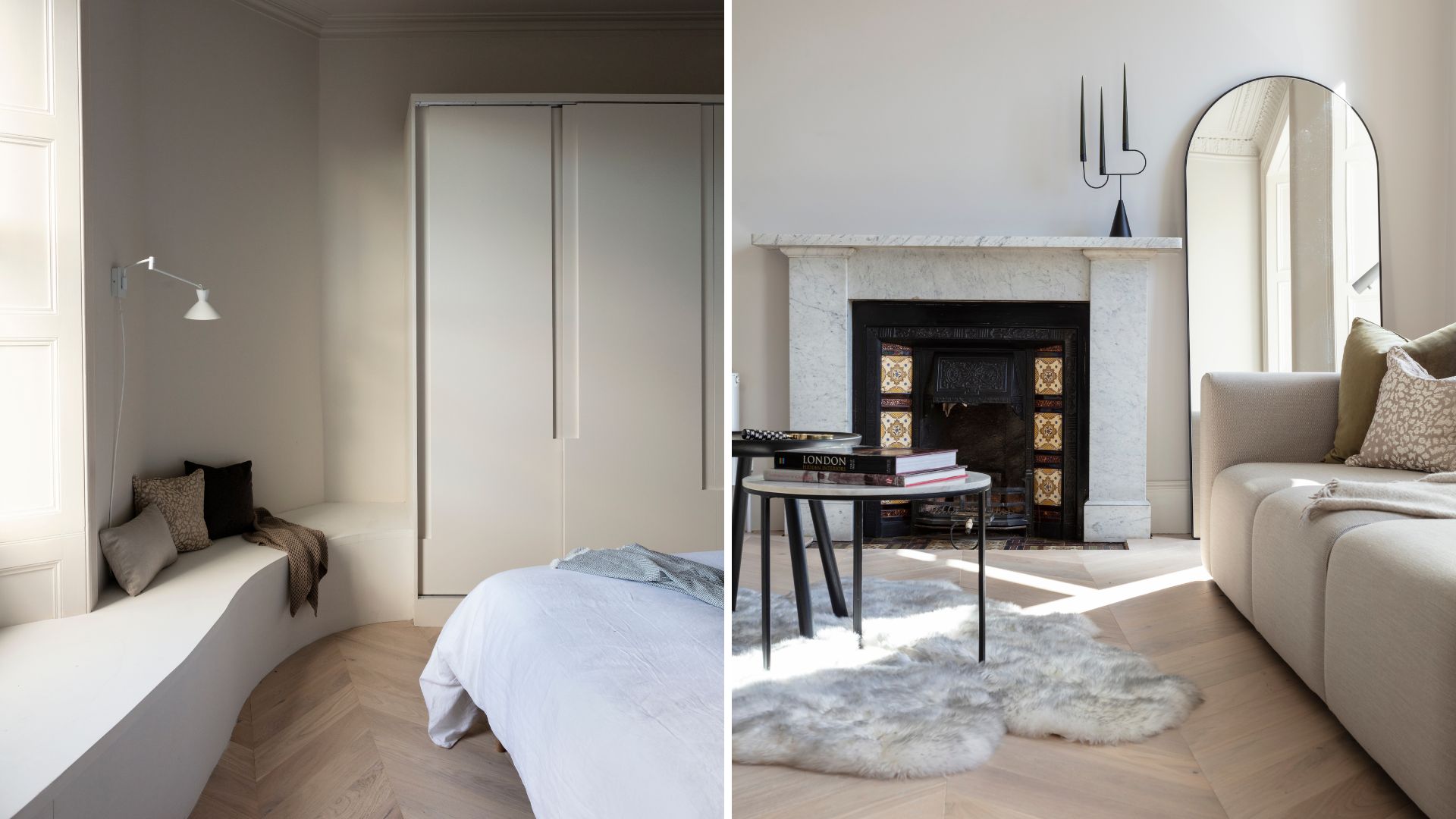
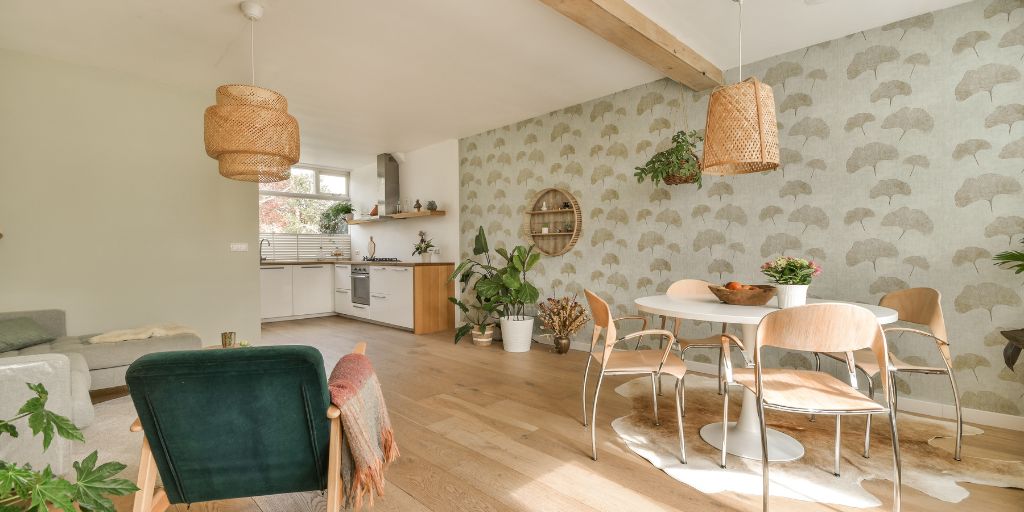
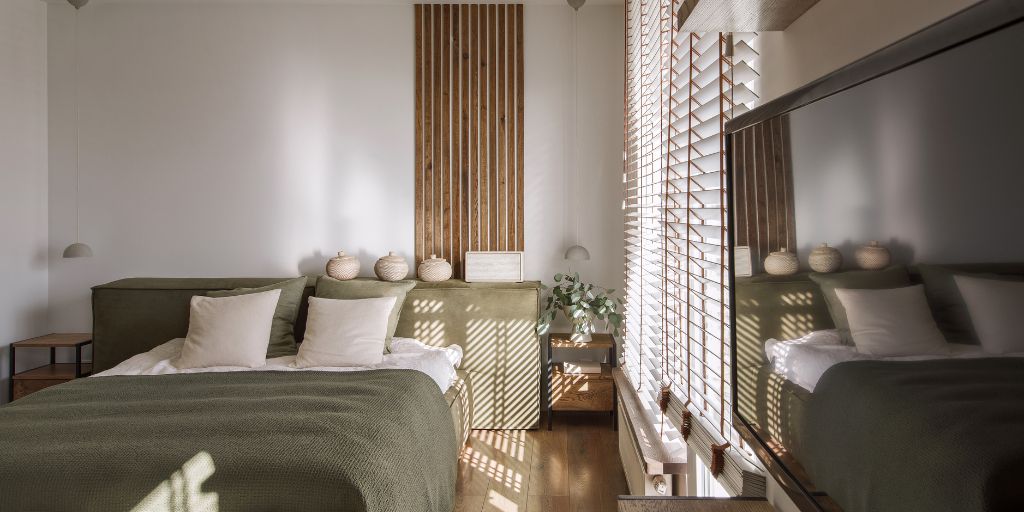
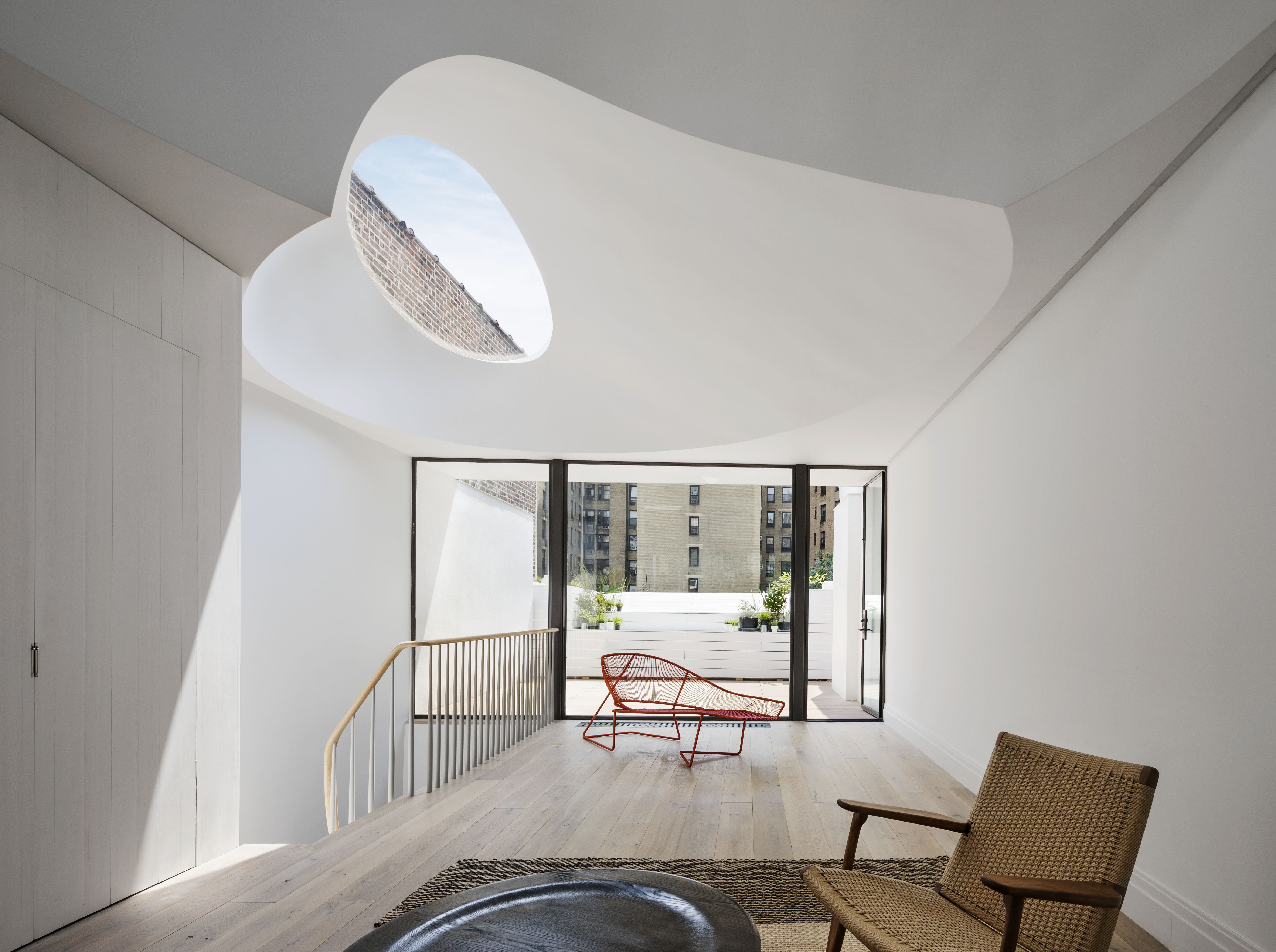
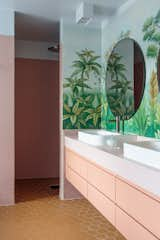
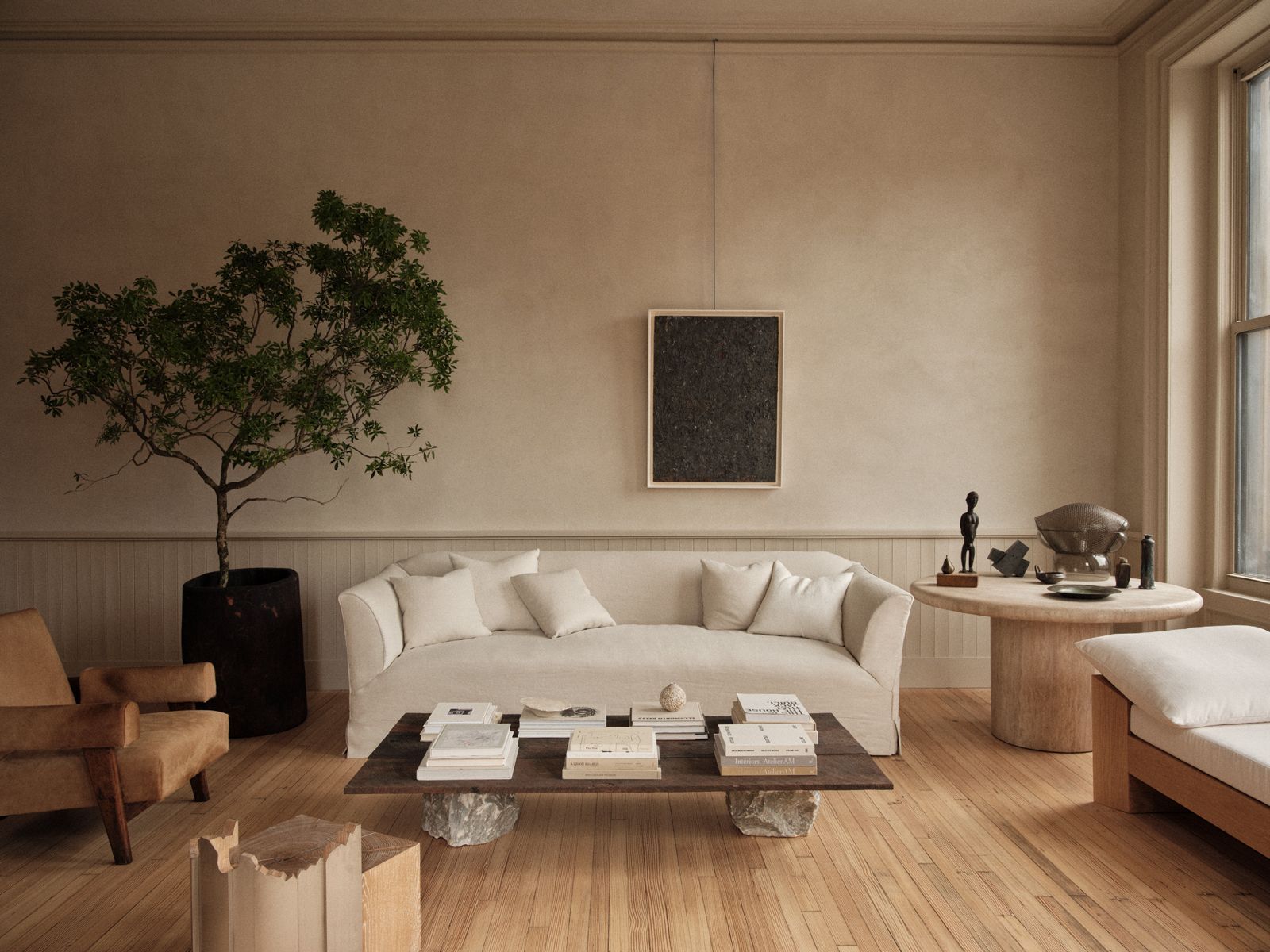
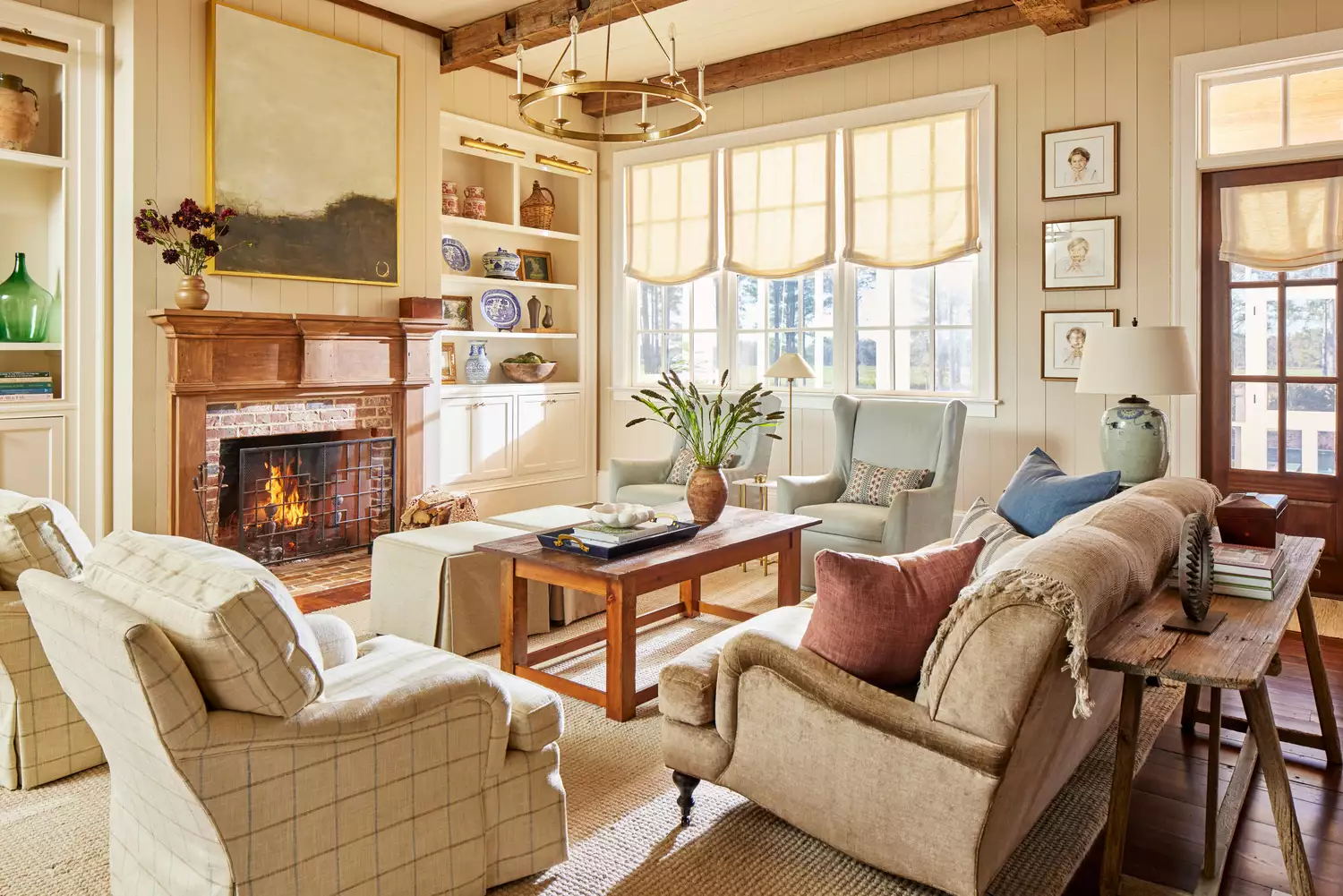
One significant trend for 2023 is biophilic design, which emphasizes connecting indoor spaces with nature. This involves maximizing natural light through large windows and reflective surfaces, incorporating gentle and natural color palettes, and integrating larger indoor plants and even rockeries into a home's structure. The goal is to improve mood, focus, and sleep patterns by creating a harmonious blend between modern architecture and the natural world. This trend reflects a broader movement towards healthier and more serene living environments.
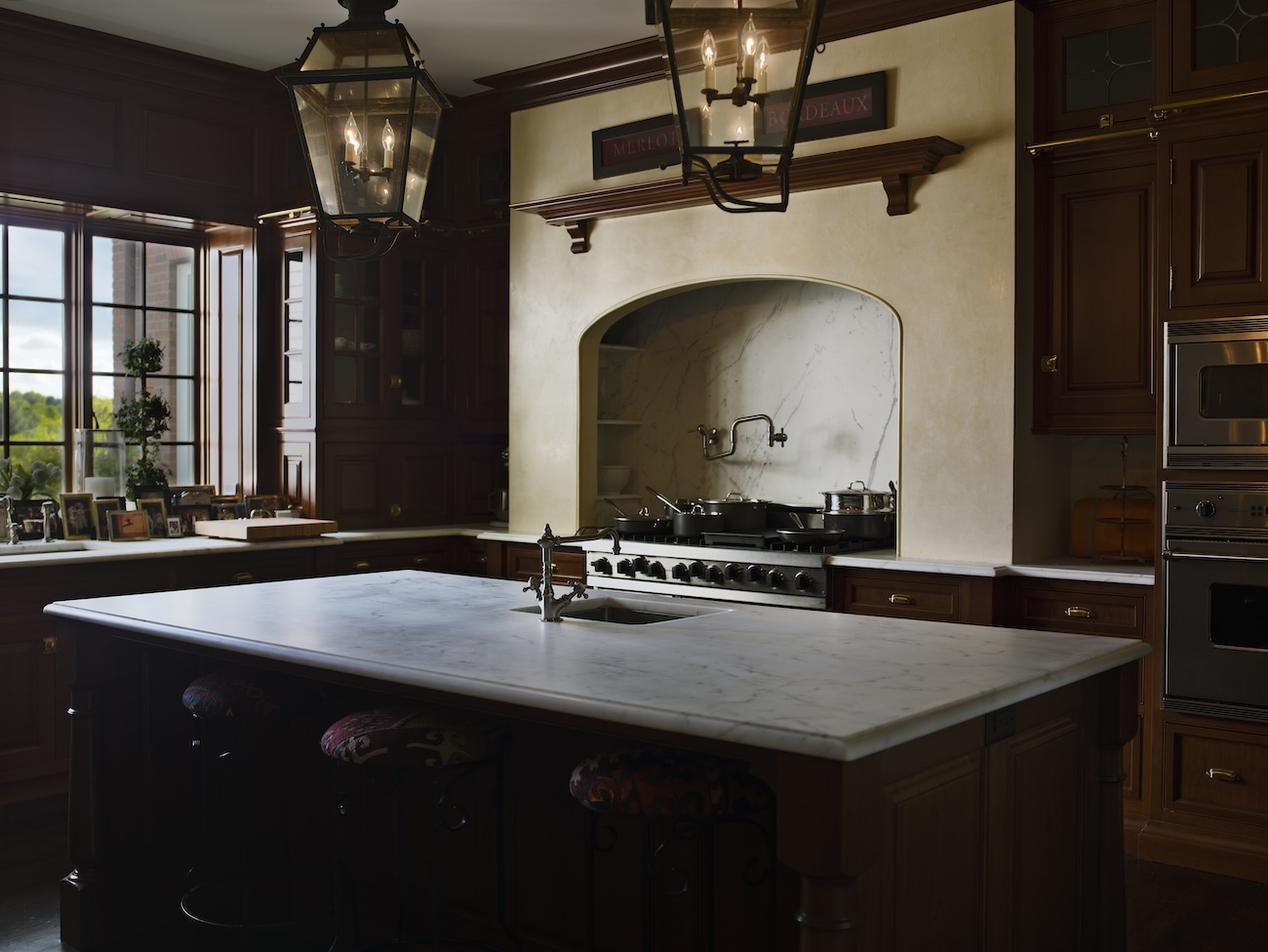
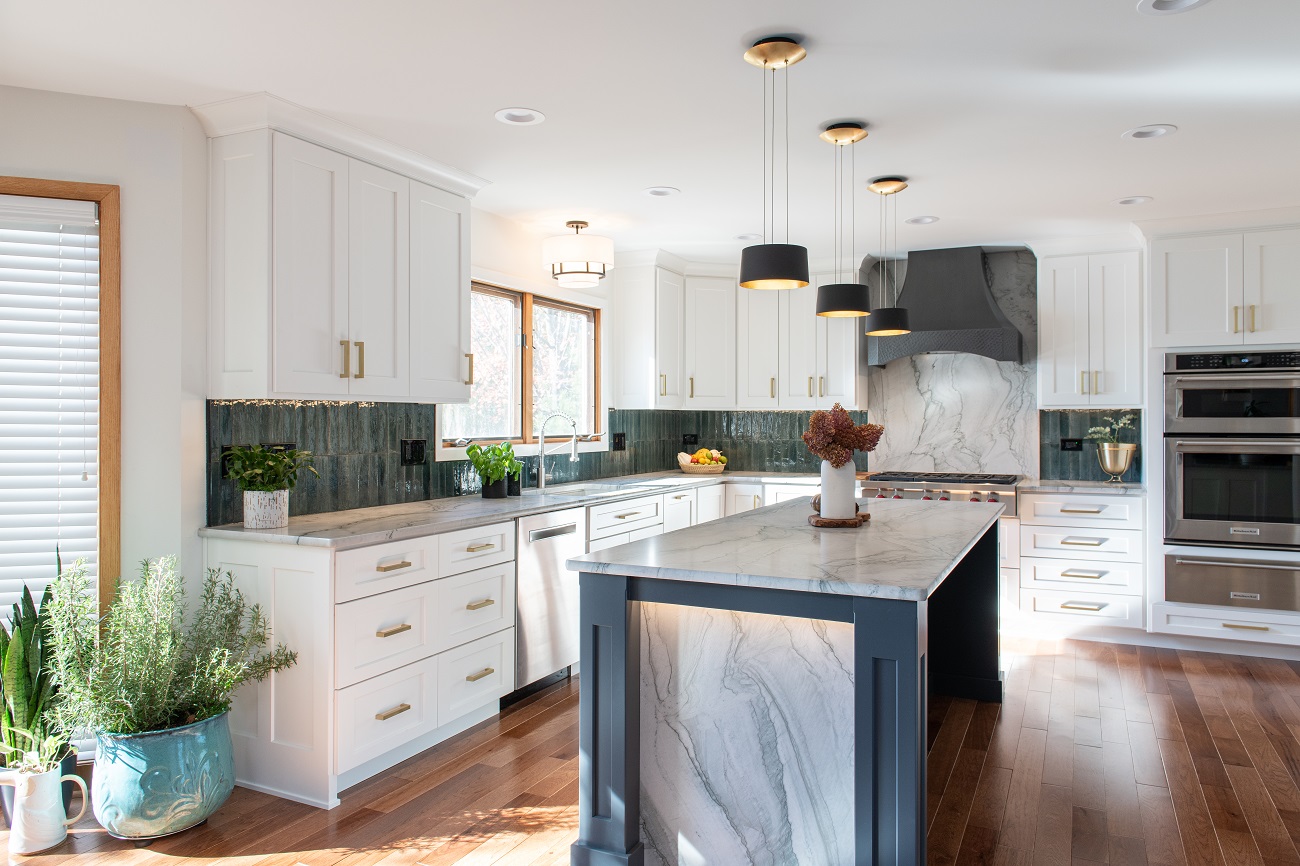
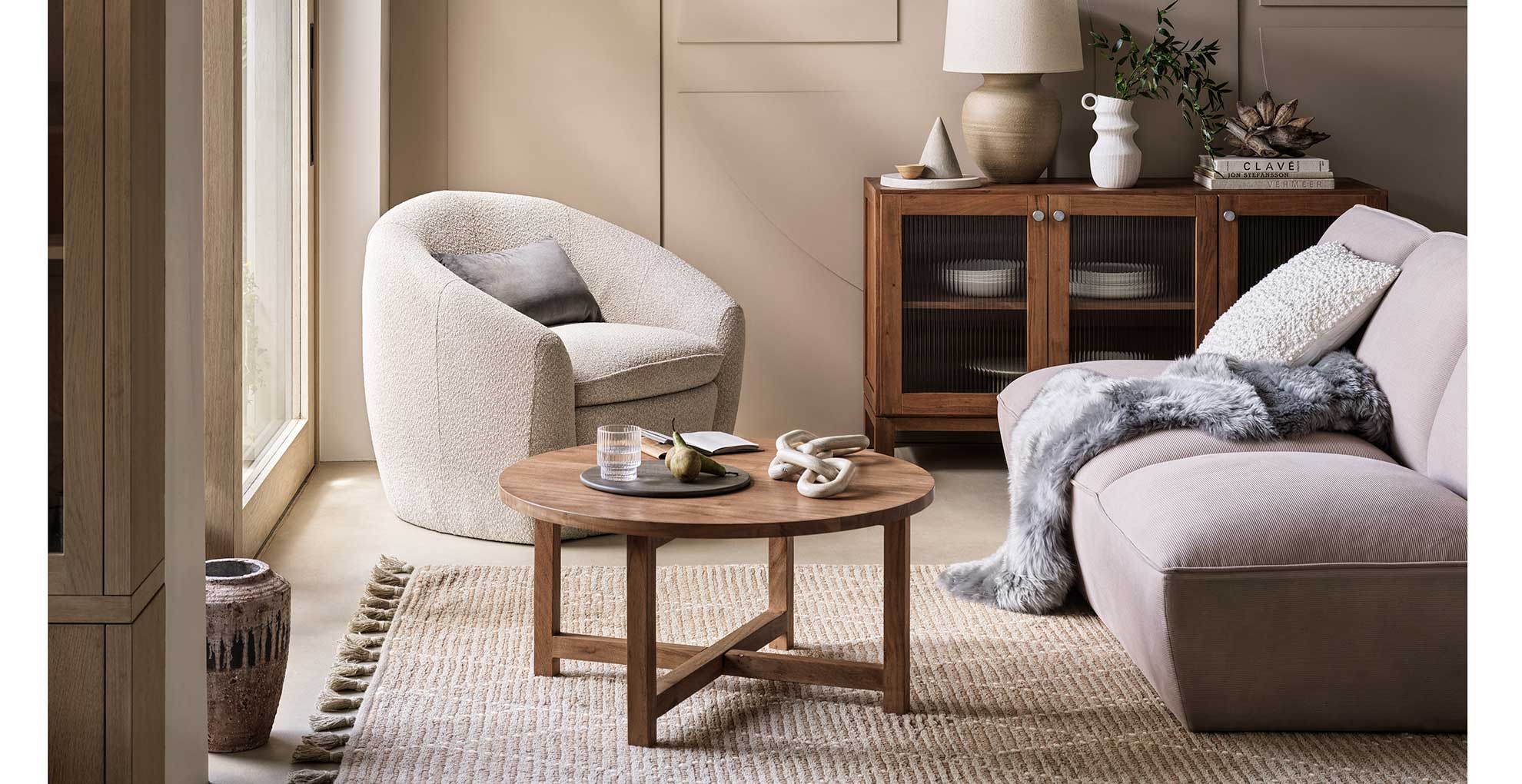
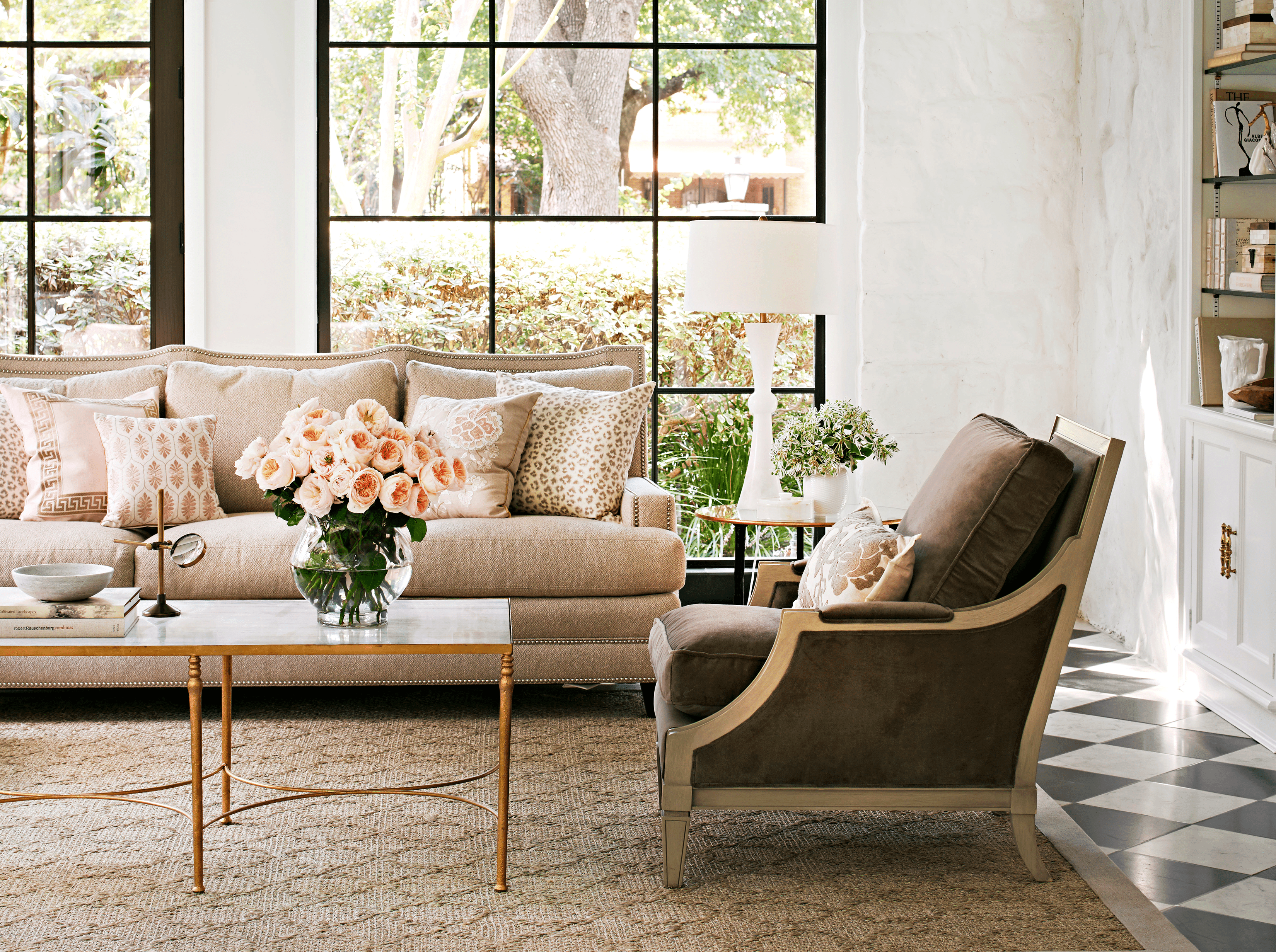
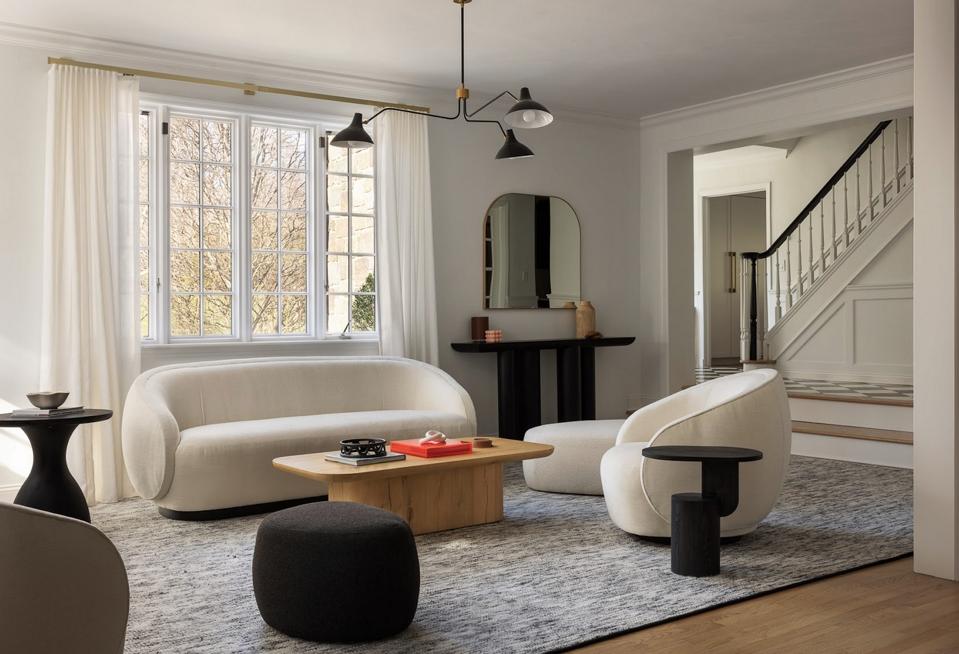
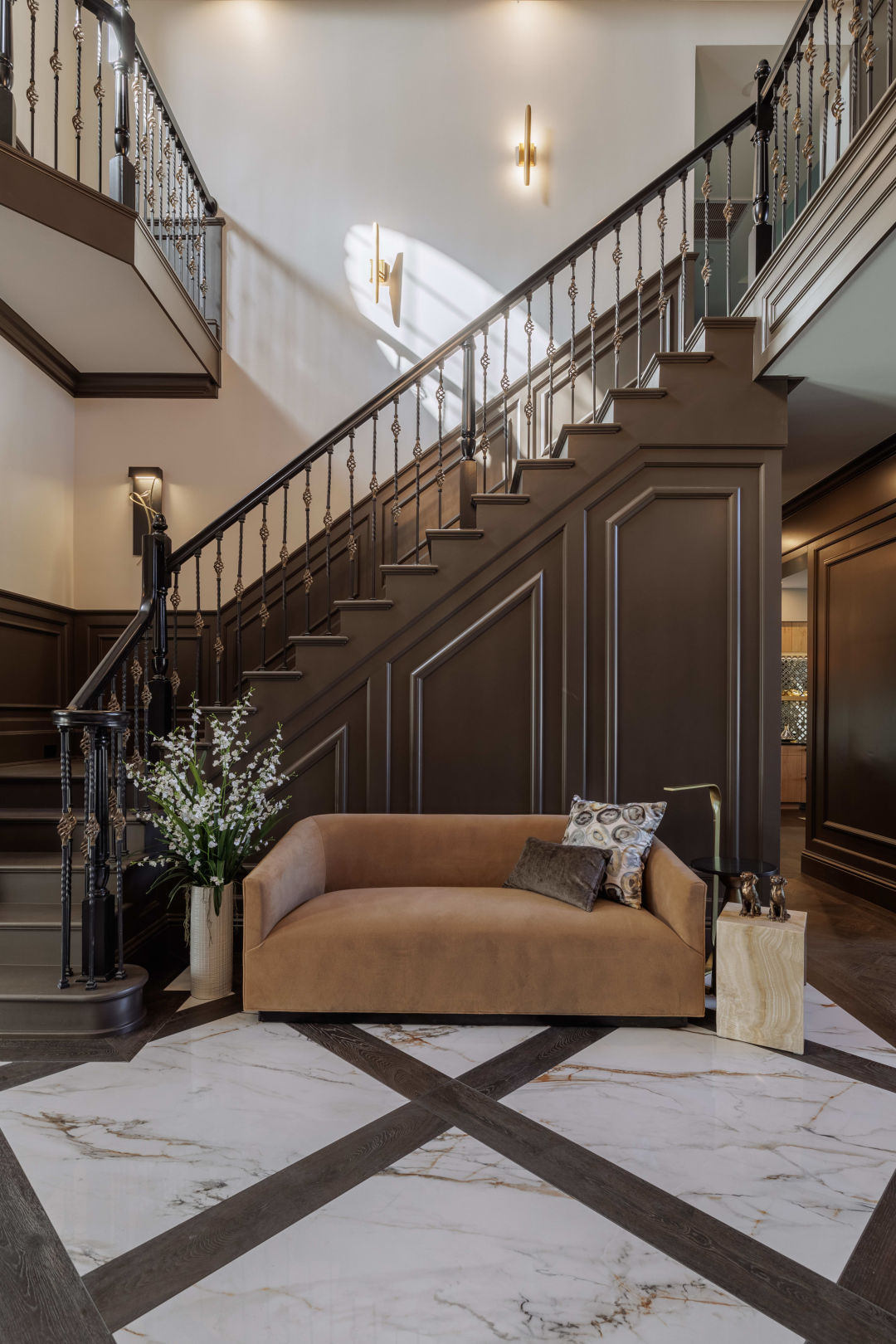
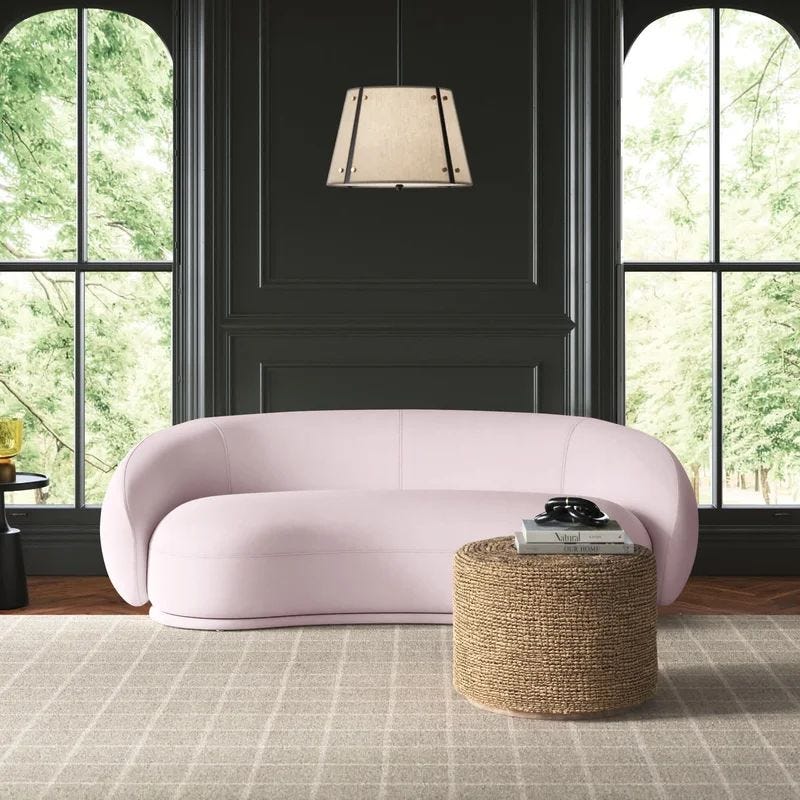
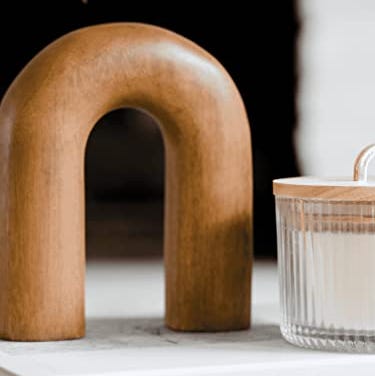
Art Deco is making a comeback, bringing with it a renewed interest in decorative styles after a period dominated by minimalism. This trend reintroduces brighter colors, geometric patterns, and symmetry. A key element of this revival is the widespread use of curves and rounded shapes, seen in furniture like crescent sofas and egg chairs, as well as in architectural details such as window treatments and kitchen exhaust hoods. These soft, feminine forms are perceived as bringing a sense of calm and serenity, potentially as a response to turbulent times.
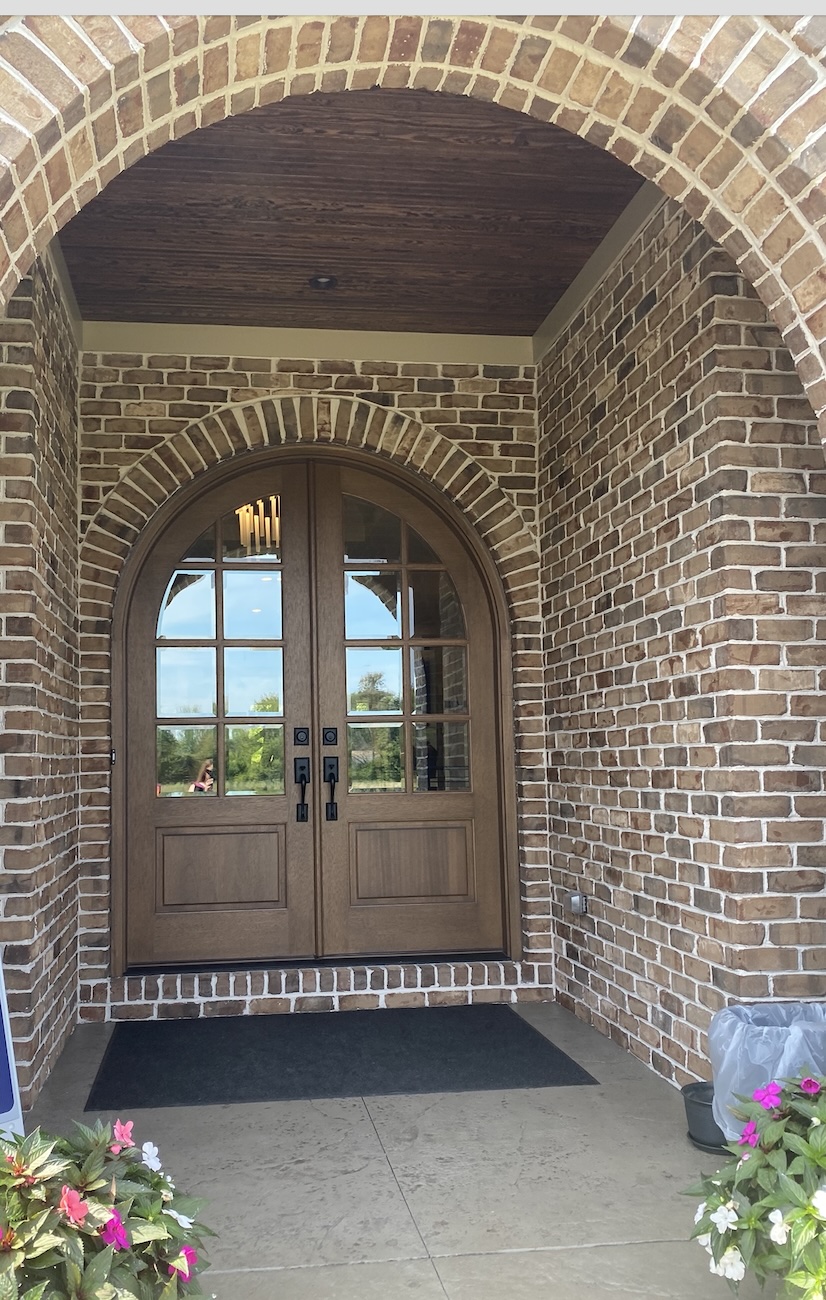
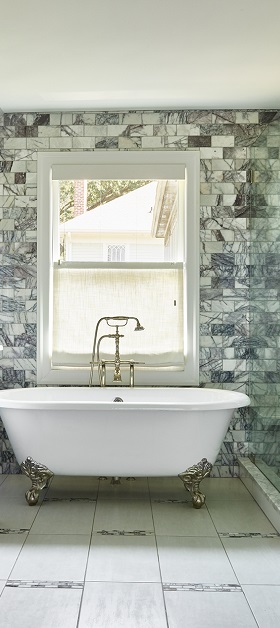
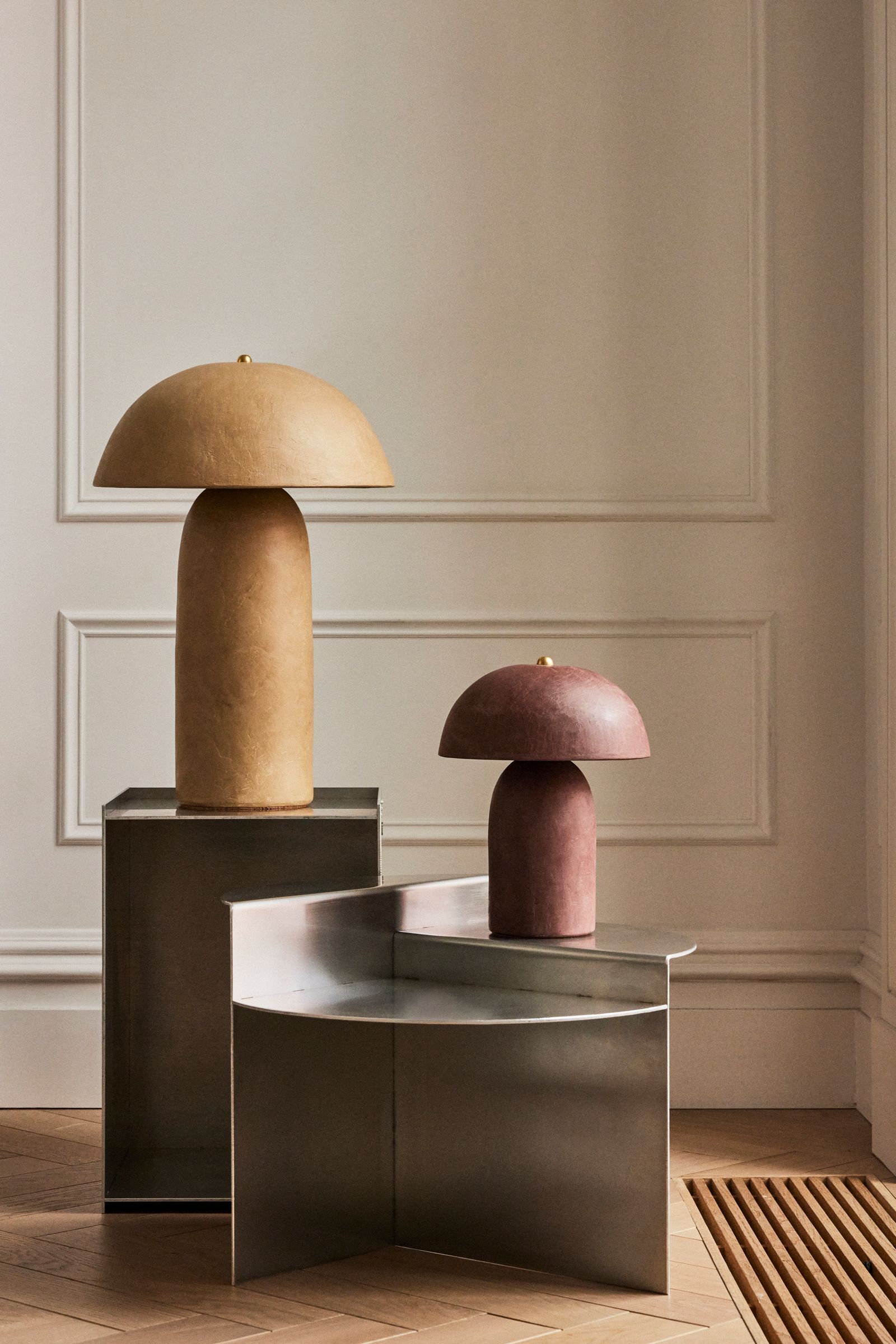
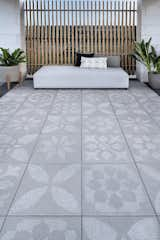
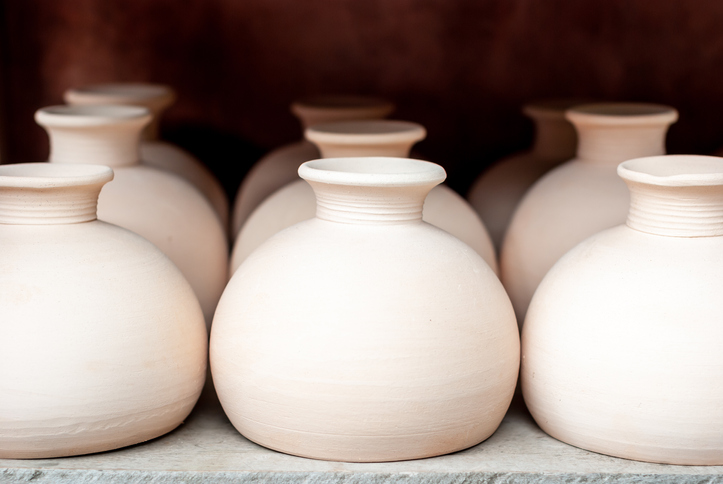
Sustainability continues to be a major driving force in home design. This involves using green and sustainable construction materials and interior design products. Innovations include experimenting with new materials, 3D printing techniques, and hand-weaving for eco-friendly products. Traditional sustainable materials like brick maintain popularity. Specific examples of sustainable products highlighted include lamps made from recycled plastic bottles and elephant grass, vases 3D-printed from orange peels, dining tables crafted from reclaimed oak, and beds made from FSC-certified North American white oak. Natural flooring options such as cork, tile, hardwood, and rubber are also favored for their sustainability and health benefits.
The unexpected rise of pickleball has introduced a new trend in backyard design. As the sport gains popularity, homeowners are increasingly investing in building private pickleball courts. This trend also influences other backyard improvements, such as installing synthetic turf to handle increased foot traffic, adding outdoor radiant heaters for comfort during colder weather, and upgrading outdoor entertainment areas to serve as social spaces after games. The demand for court installation services indicates a significant shift in outdoor living priorities.
Technology is profoundly impacting home design, leading to the development of "smarter" homes. The introduction of the "Matter standard" aims to improve interoperability among smart home devices like light bulbs, switches, and thermostats, simplifying their control and monitoring. This technological advancement is expected to influence how designers, builders, and homeowners approach home automation and connectivity. Additionally, innovations like antimicrobial tiles contribute to healthier living environments, showcasing how technology addresses both convenience and well-being.
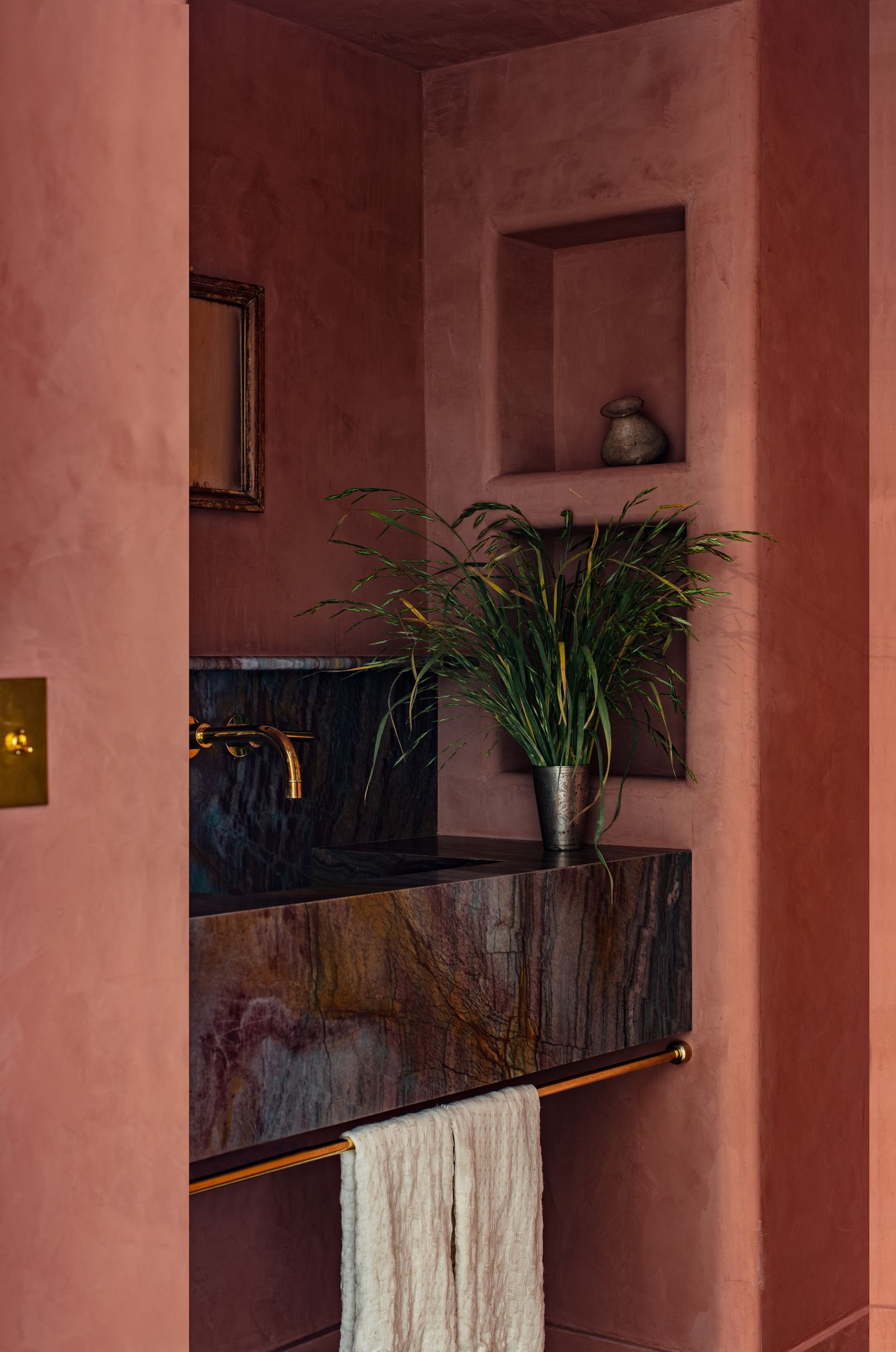
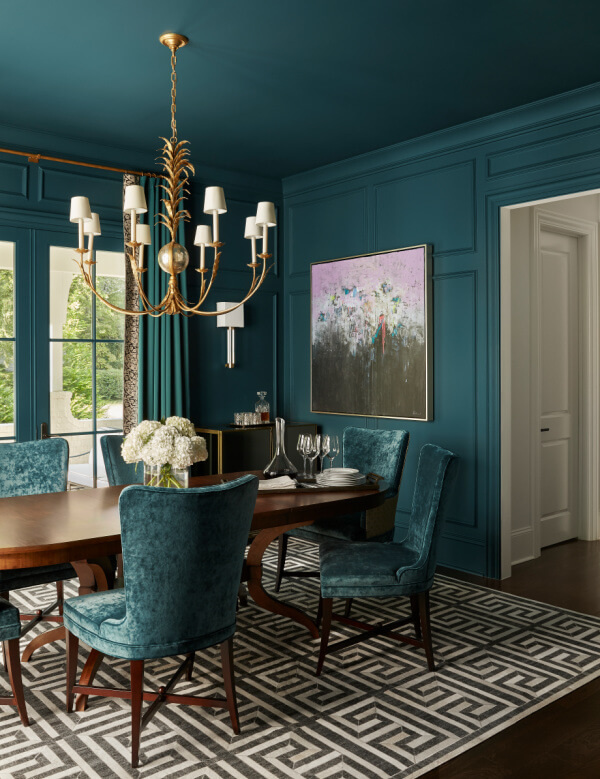
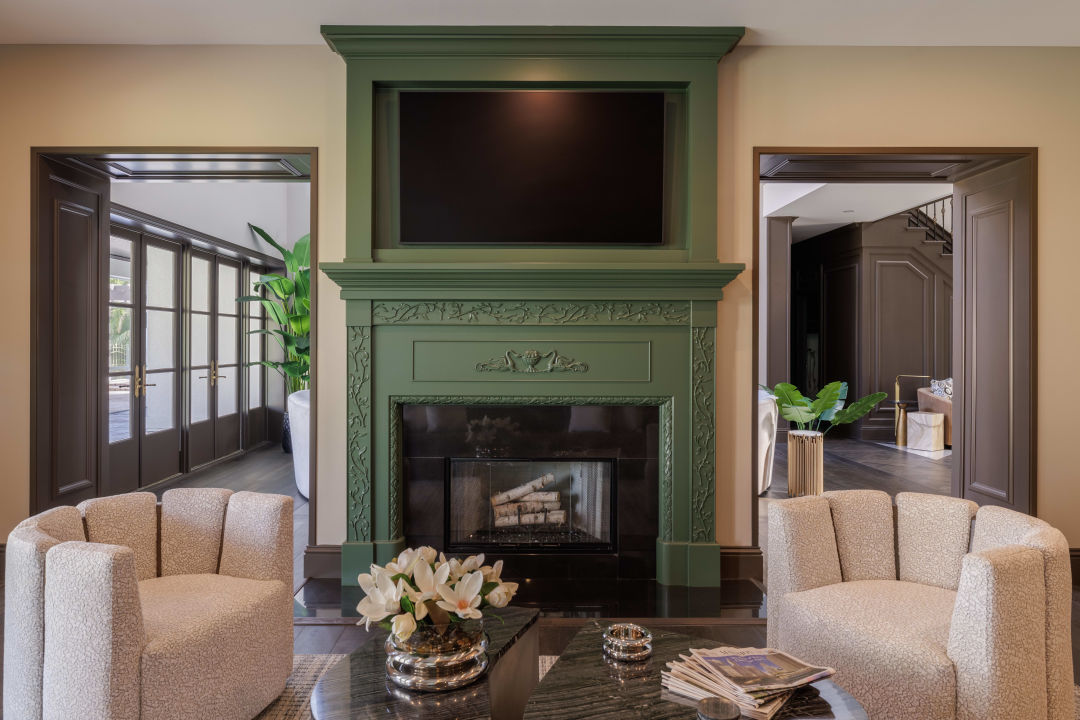
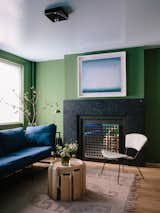
Color trends for 2023 lean towards soothing, seaworthy shades, with aqua being a prominent choice. Other suggested hues include gentle gold, verdigris (a teal-like color), and digital lavender. These color choices are intended to create calming and aesthetically pleasing interiors. Lighting is also recognized as crucial for influencing mood, with a focus on "light washing" techniques that illuminate walls rather than just beaming light downwards, making wall lights more sculptural and integral to the room's ambiance.
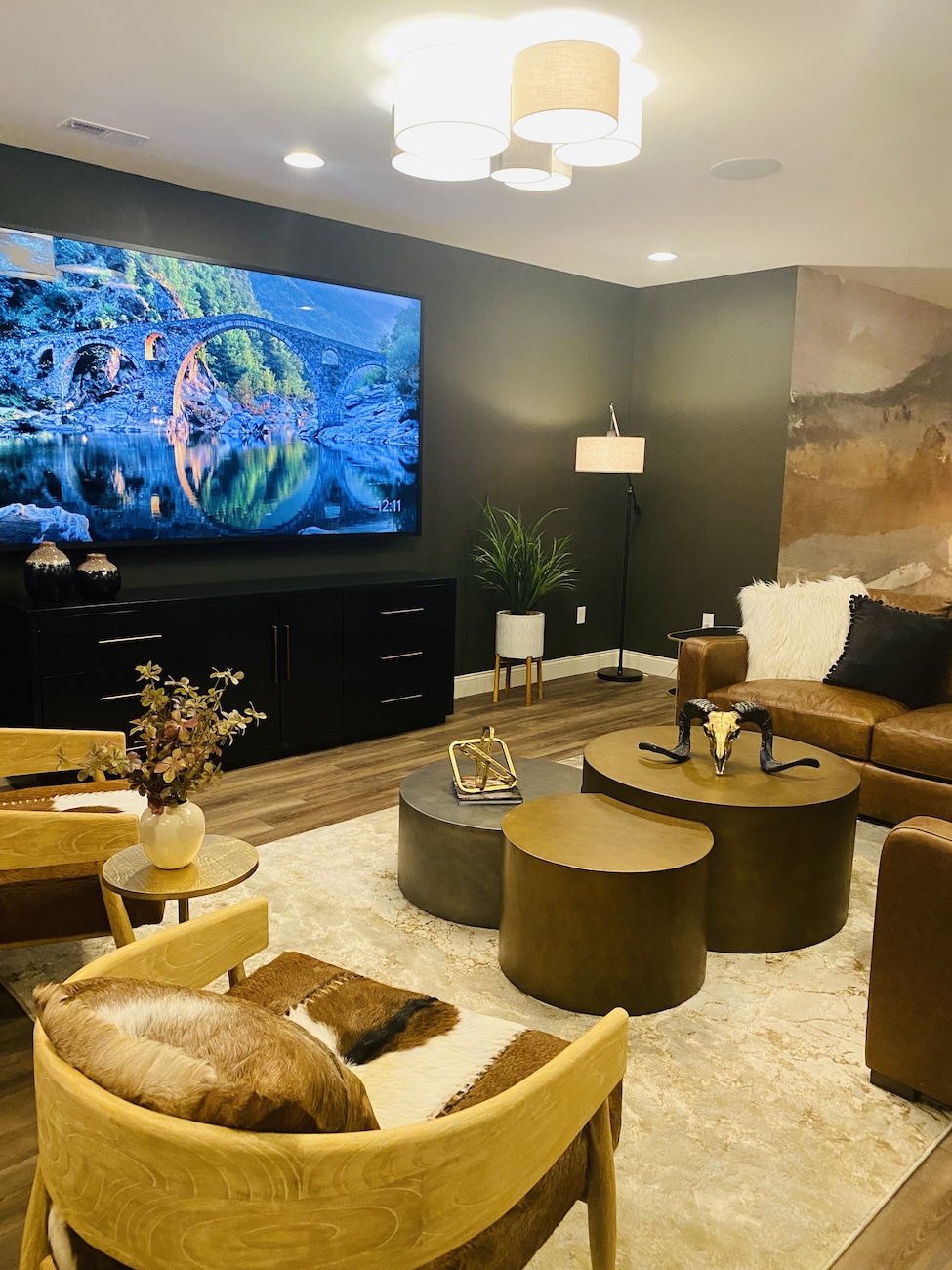
Multifunctional rooms are gaining prominence, particularly as more people return to offices, freeing up home office spaces for other uses. Designers are embracing this by creating bespoke interiors that support diverse activities, from everyday tasks to entertainment and exercise. This includes the growing popularity of luxe movie rooms, game rooms, gyms, and saunas, reflecting a desire for homes that can adapt to various needs and provide spaces for different leisure activities.
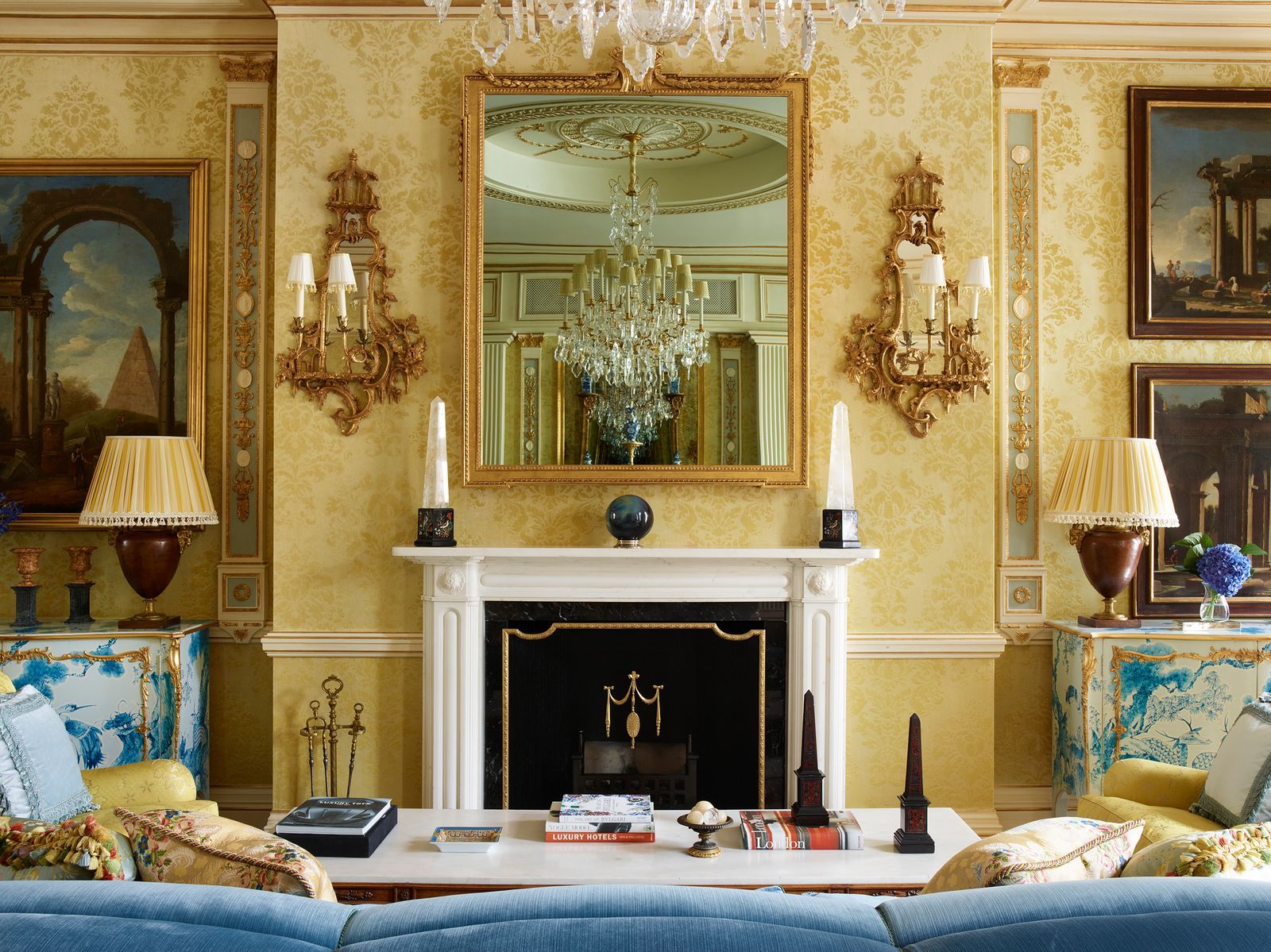
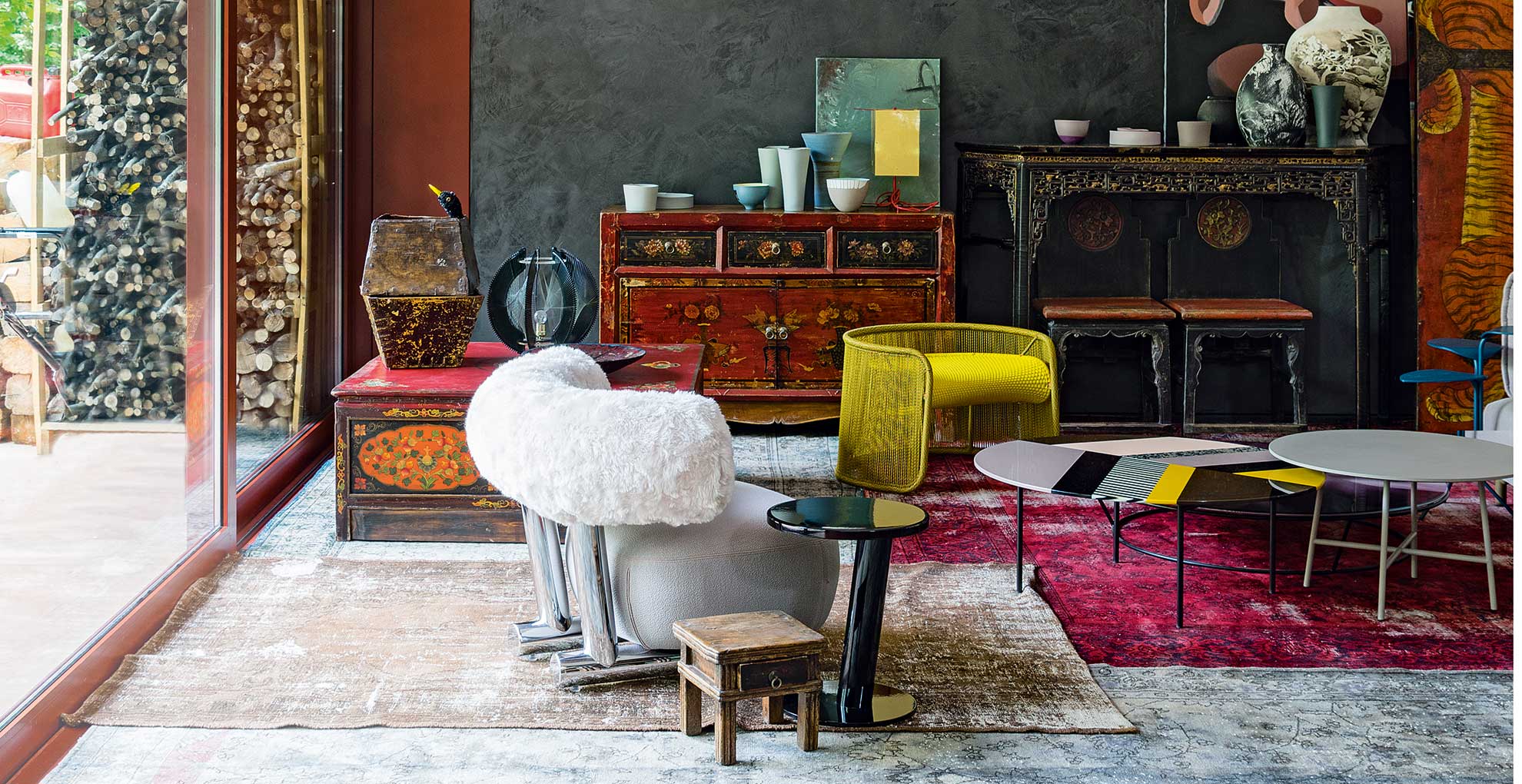
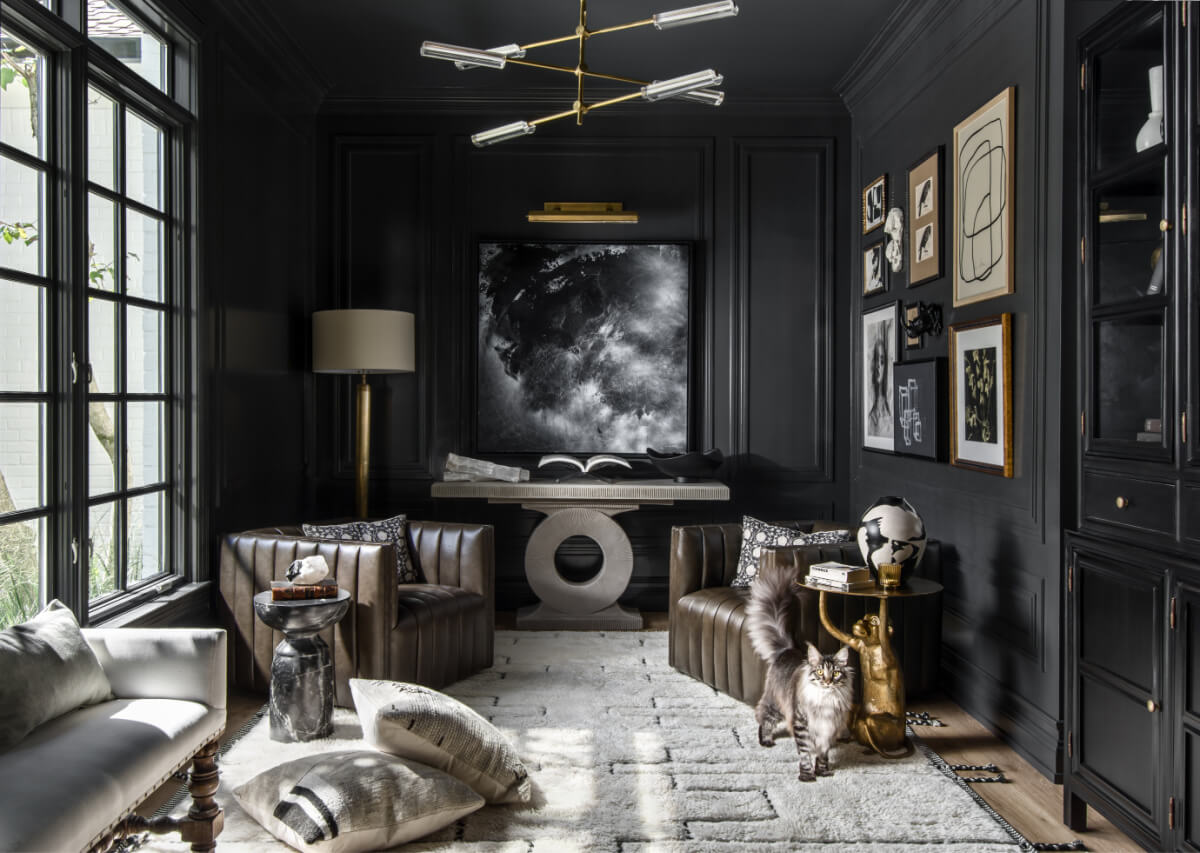
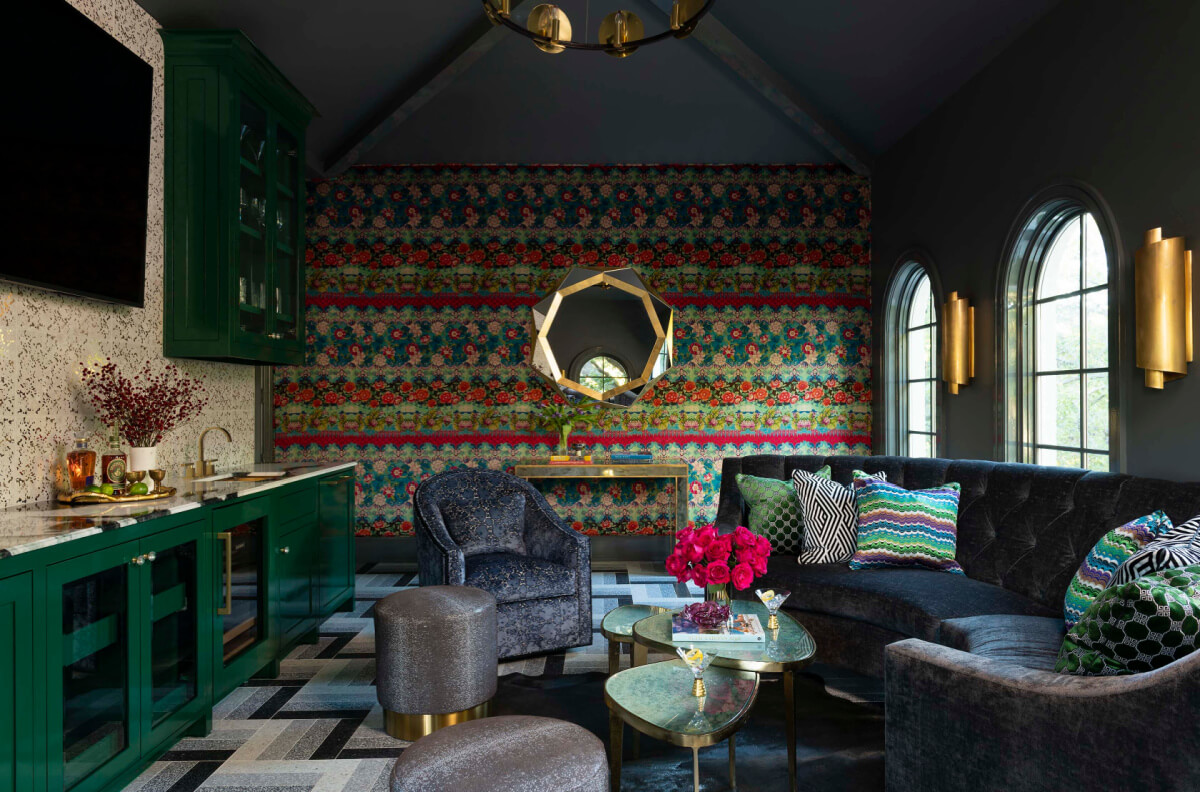
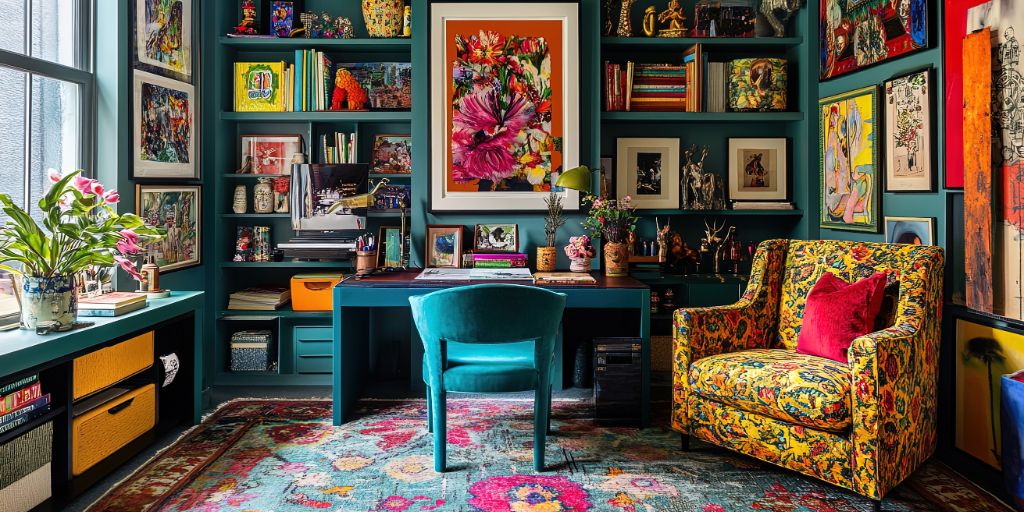
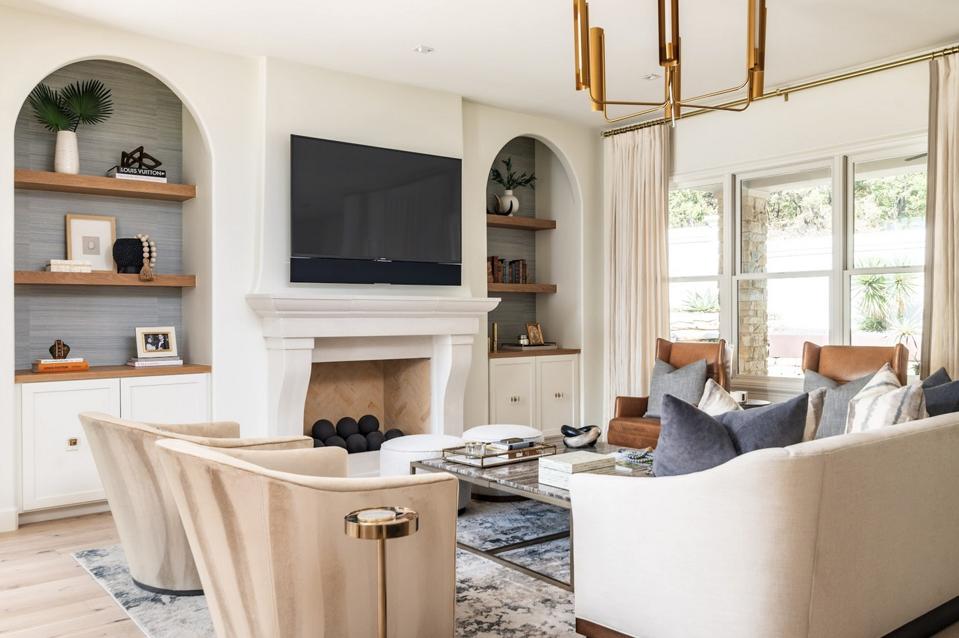
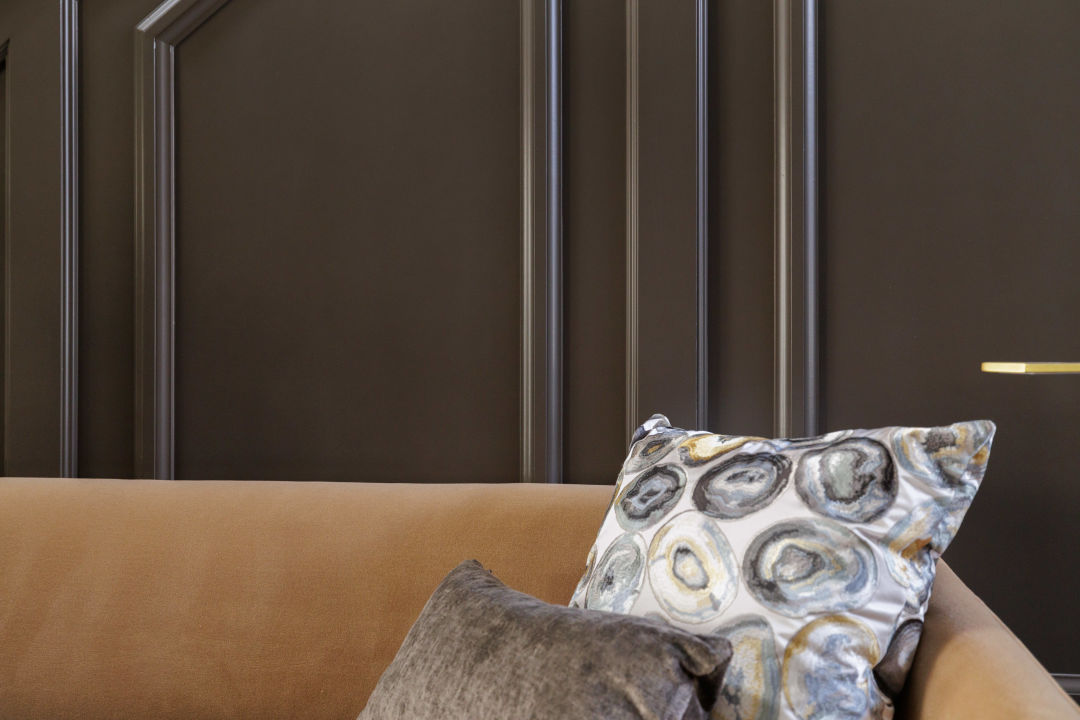
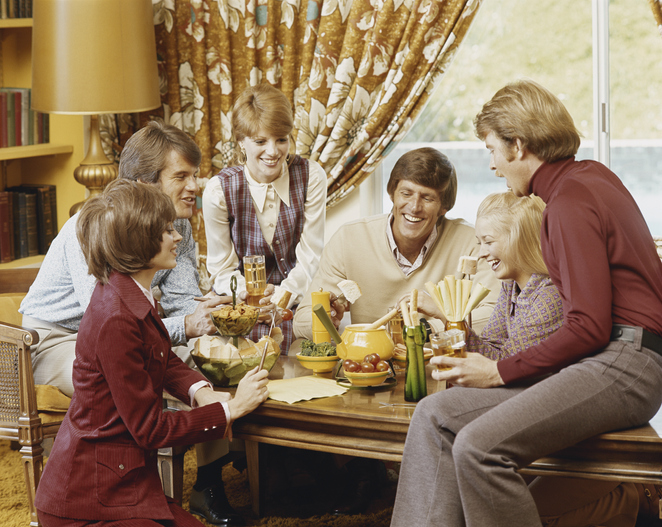
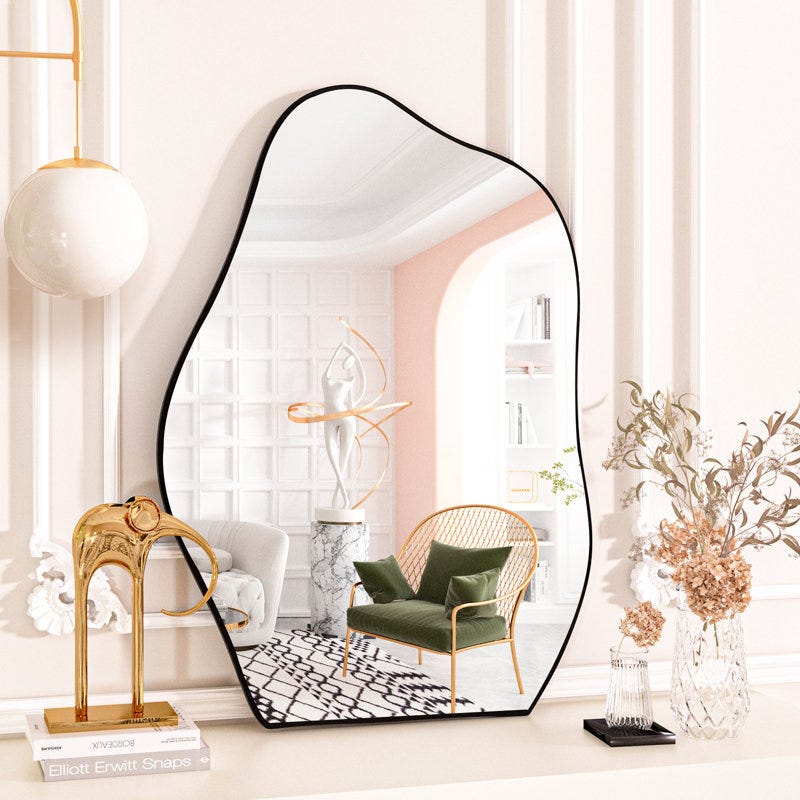
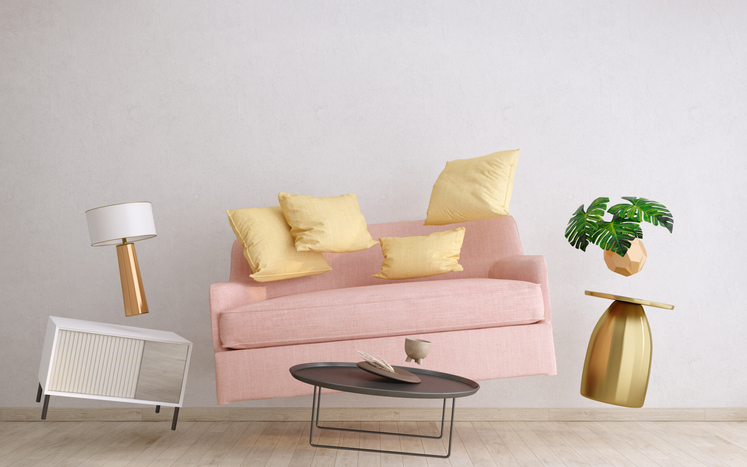
Finally, a sense of irreverence and fun is emerging in design. This trend, exemplified by "Danish Pastel" styles seen on social media, incorporates pastel colors into Scandinavian and mid-century designs, often with whimsical elements. Nostalgia also plays a role, with pastoral patterns and bucolic artwork adding a poetic touch to interiors. The use of trompe l'oeil, such as mirrors that create illusions of depth, encourages imagination and a playful approach to interior decoration. The article also explicitly states several design trends that are considered "out" for 2023, including locker-room chic, animal-shaped rugs, artificial olive trees, excessive recessed lighting, large TVs over fireplaces, herringbone wall tiles, diner decor, dark painted ceilings, bookshelves arranged by color, and Barbiecore furnishings, providing clear guidance on what to avoid in contemporary home design.
#HomeDesignTrends #InteriorDesign #BiophilicDesign #ArtDeco #SustainableDesign #PickleballCourts #SmartHomeTechnology #ColorTrends #MultifunctionalRooms #HomeDesignTrends #InteriorDesign #BiophilicDesign #ArtDeco #SustainableDesign #PickleballCourts #SmartHomeTechnology #ColorTrends #MultifunctionalRooms
0 comment in total
 No comments yet
You may also like
10 Hottest Home Design Trends to Watch for 2025
10 Horrifying Home Design Trends: 2023 Edition
Interior Design Trends That Might Surprise You. Here Are 10 That Are Hot for 2025!
Top Home Design Trends in 2025 for Modern Living

10 Home Design Trends Your Clients Will Love in 2024

7 Home Decor Trends to Look for in 2023 According to Interior Designers
11 Home Design Trends That Are In or Out for 2025

Bye 2022: Home Design Trends to Ditch in 2023

Interior Design Trends to Know in 2023—And What’s on Its Way Out
Top 10 Home Interior Designs for 2025
2025 Houzz Home Design Trends: These Are The Top 10 Predictions

These Are the Home Design Trends That Will Rule 2022

A Guide To The Most Popular Home Decor Styles In 2023
These 10 Trends Will Define Outdoor Design in 2023
These Are the Home Design Trends You Need to Know About in 2025
You’re About to See These 2023 Interior Design Trends All Over Your FYP
Interior Design Trends 2024: 10 home decor trends to inspire

10 Interior Design Trends to Watch in 2025

These amazing architectural ideas for homes set the bar for design in 2023

10 Home Decor Trends You'll See Everywhere In 2025