1/11
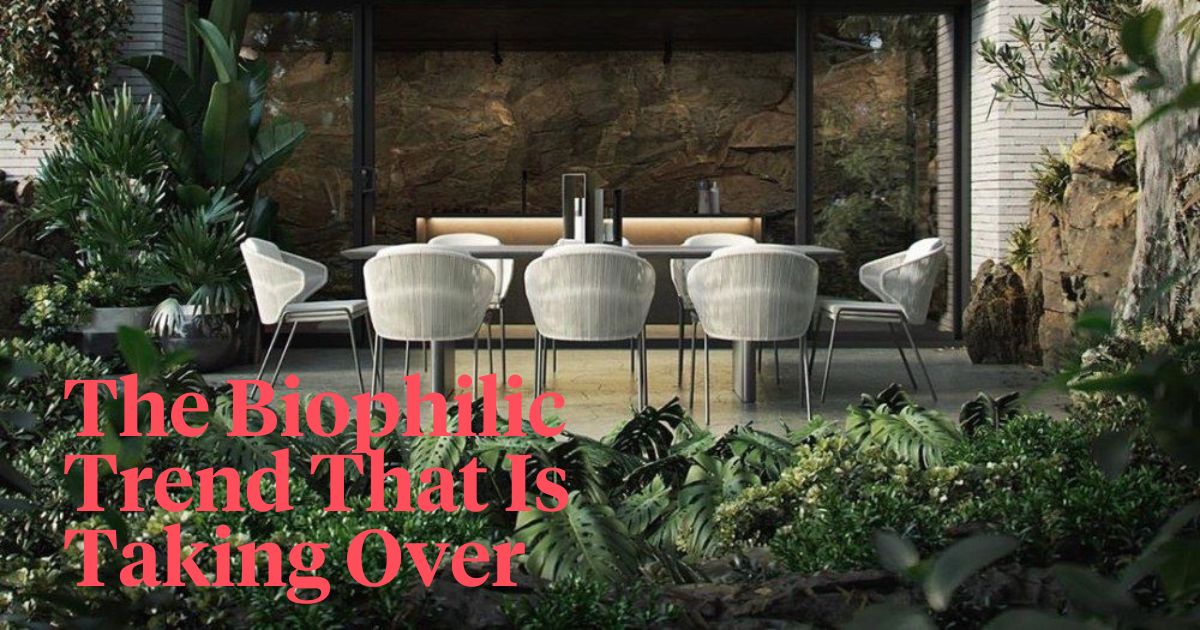
A growing trend: enjoy these 10 biophilic furniture designs
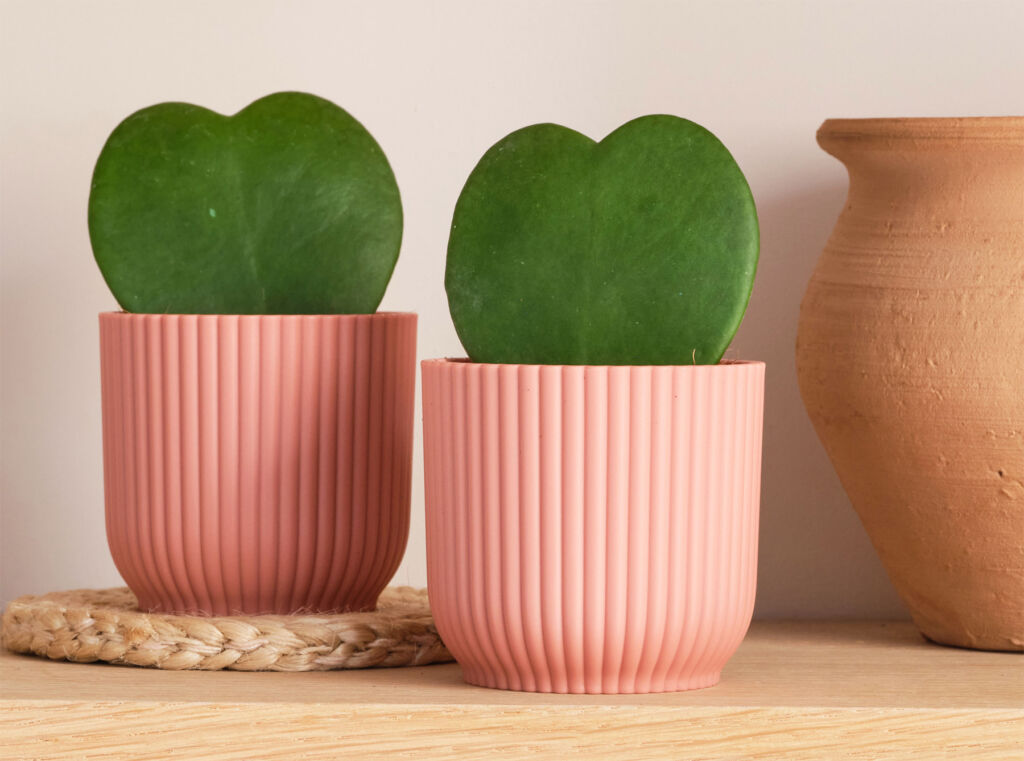
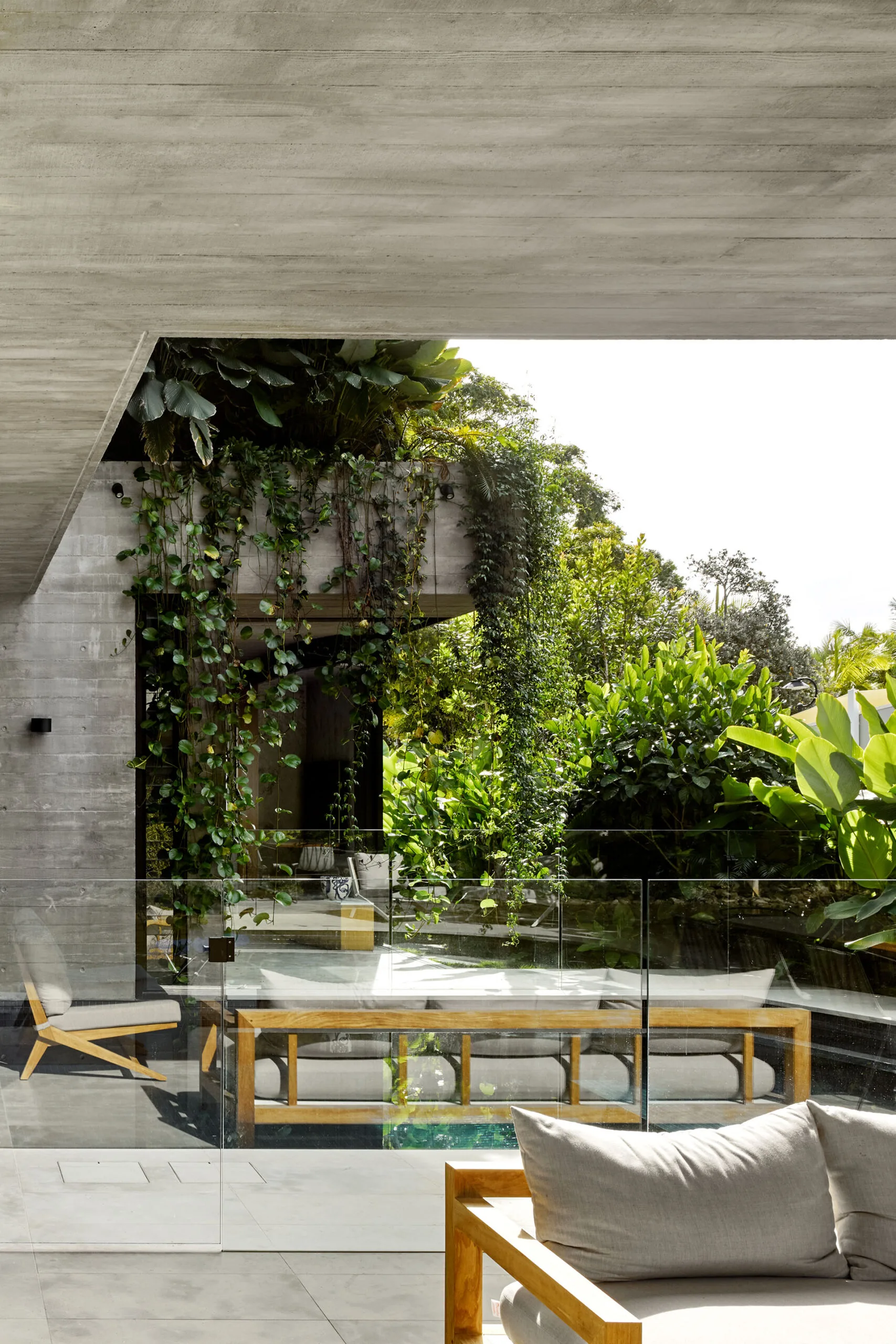
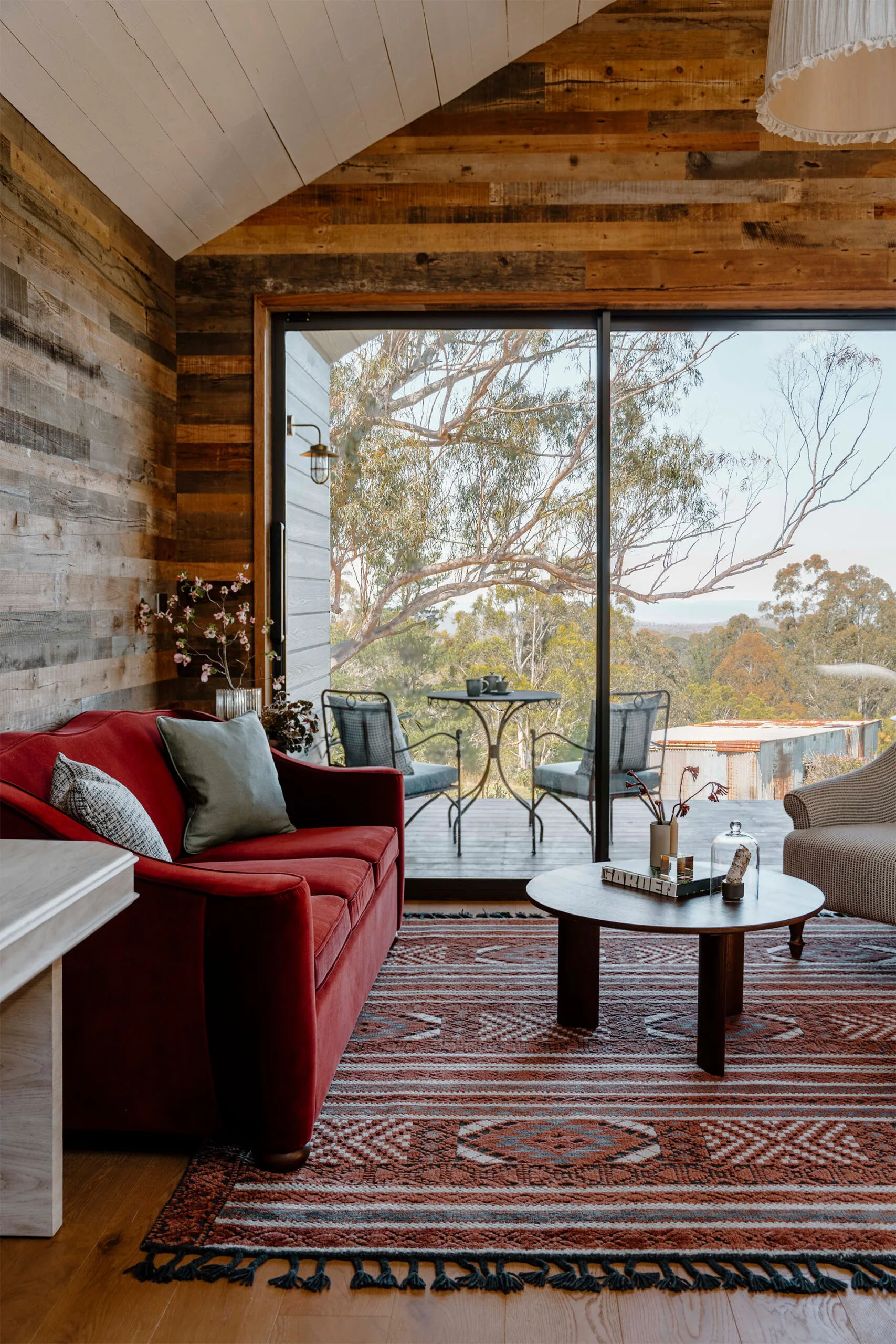
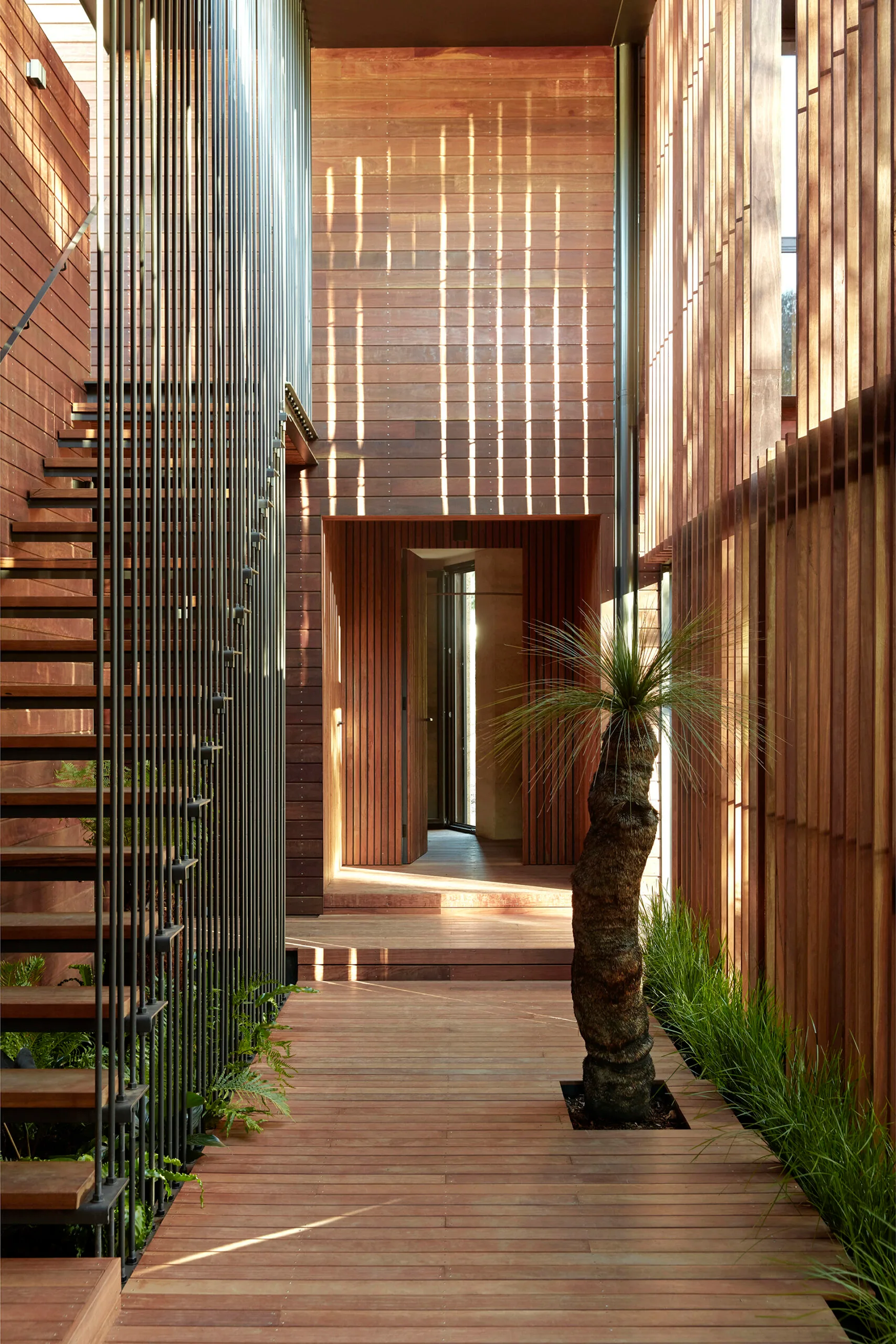
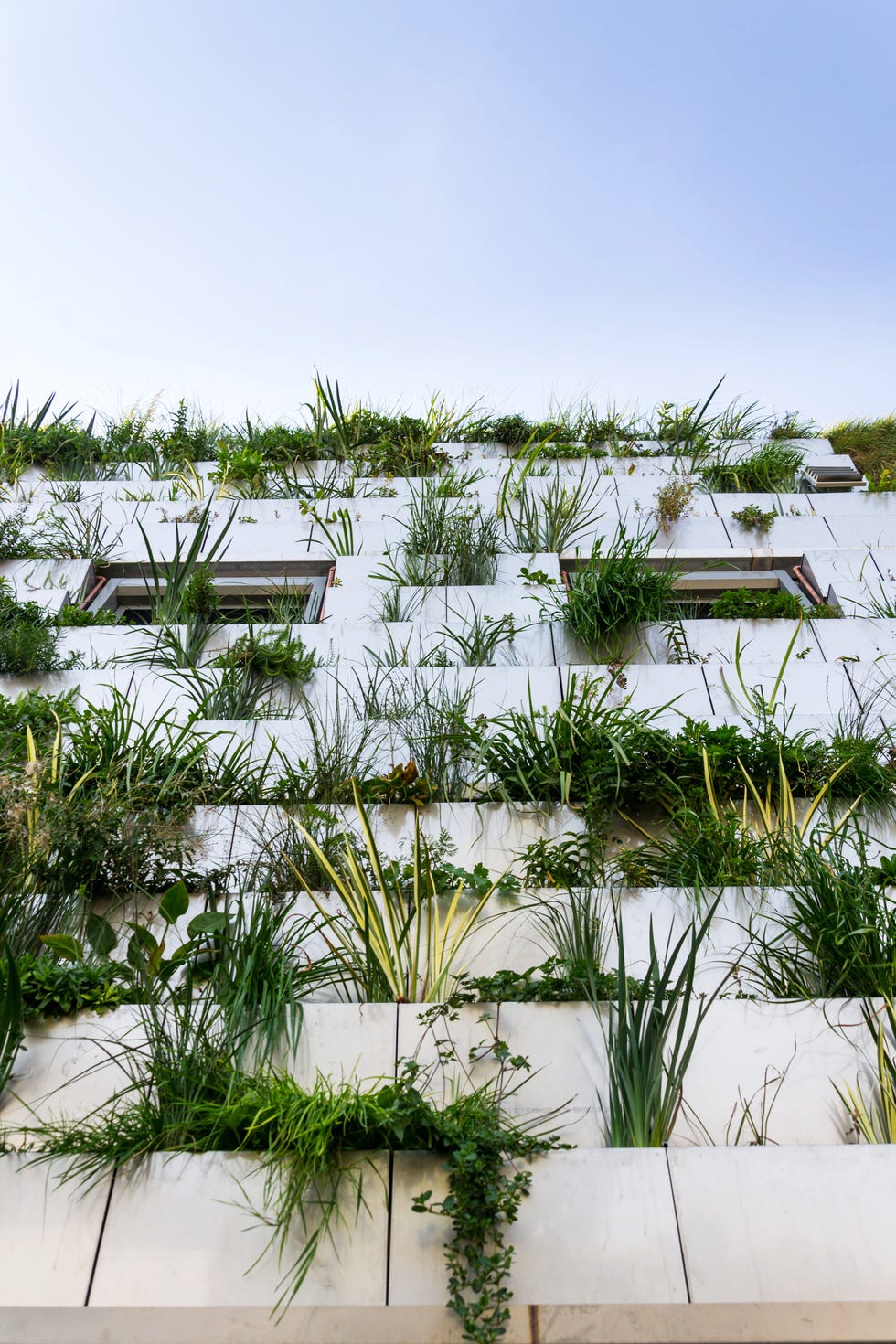
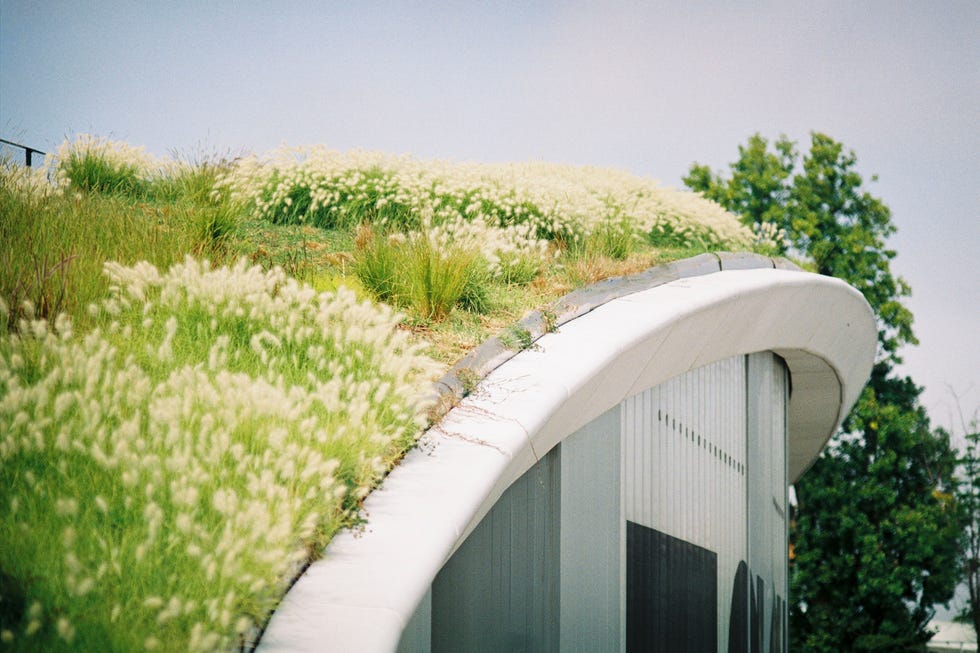
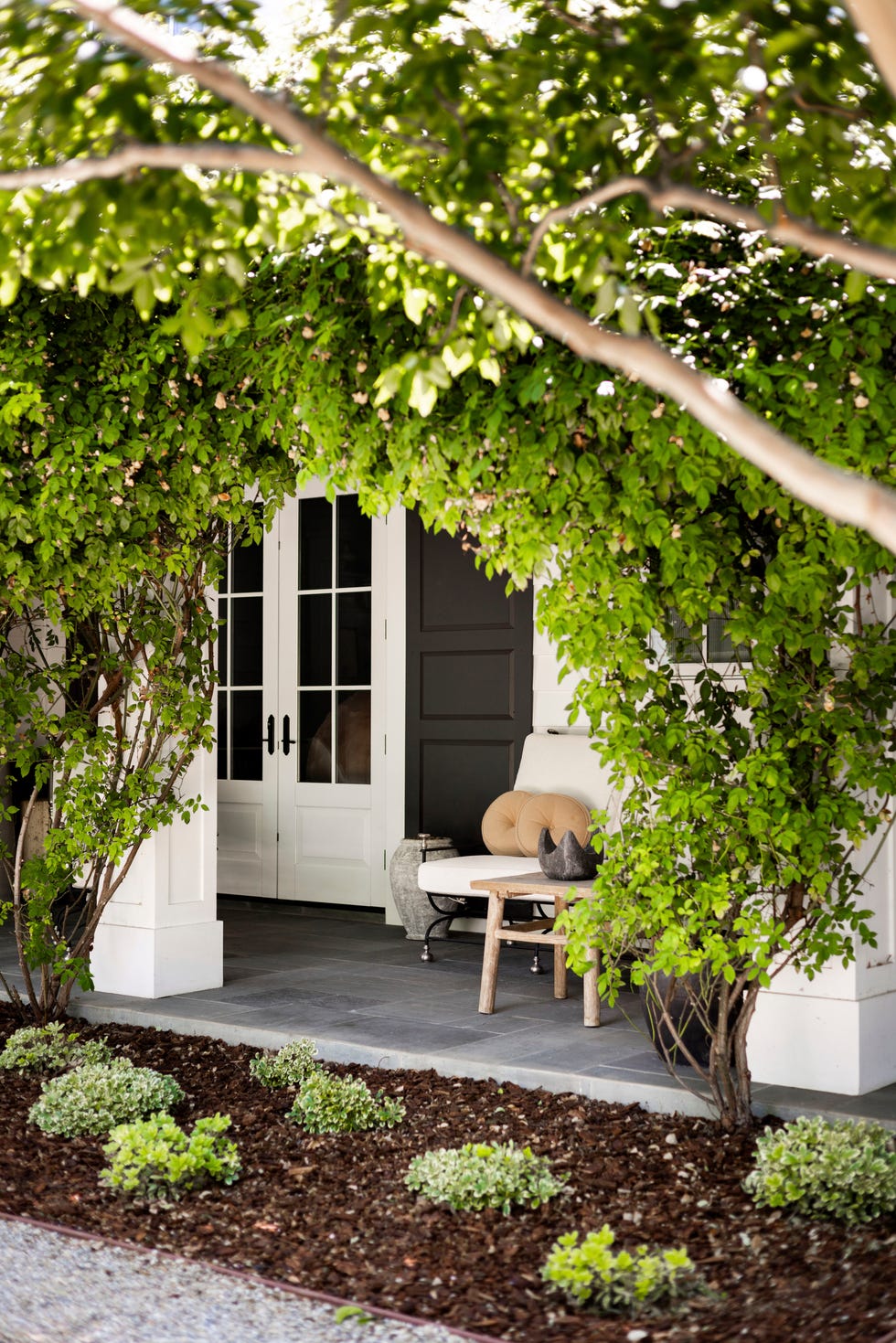
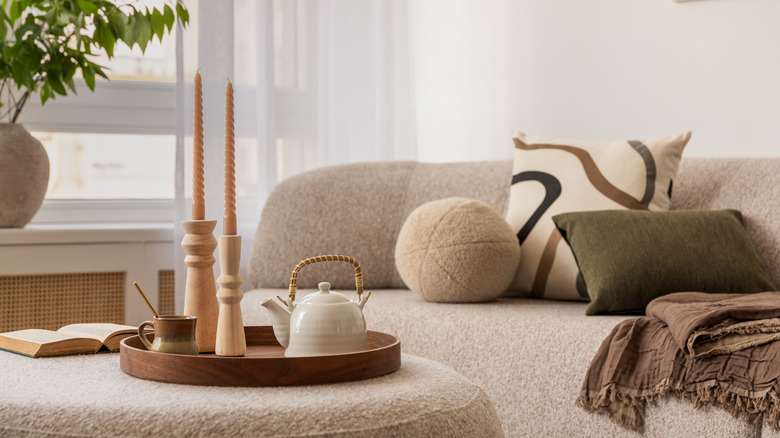
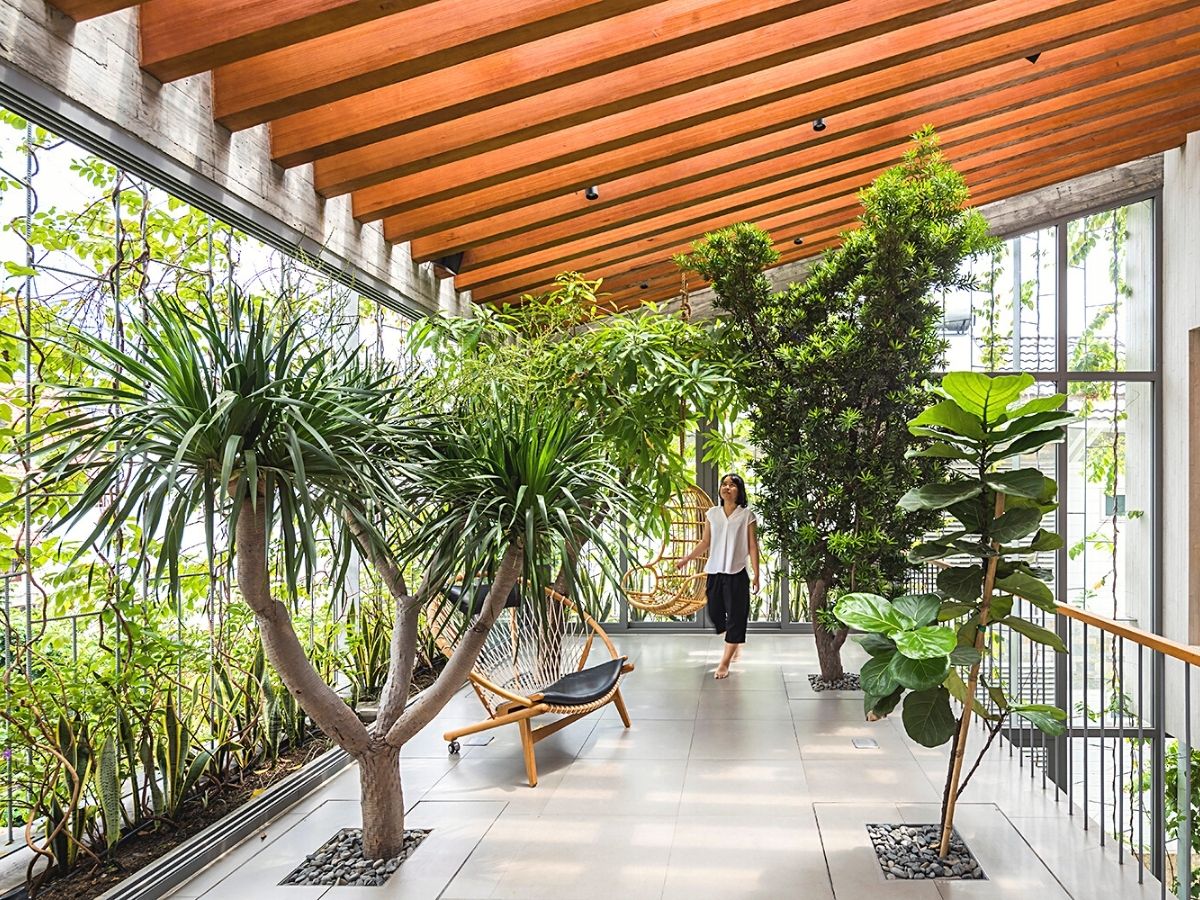
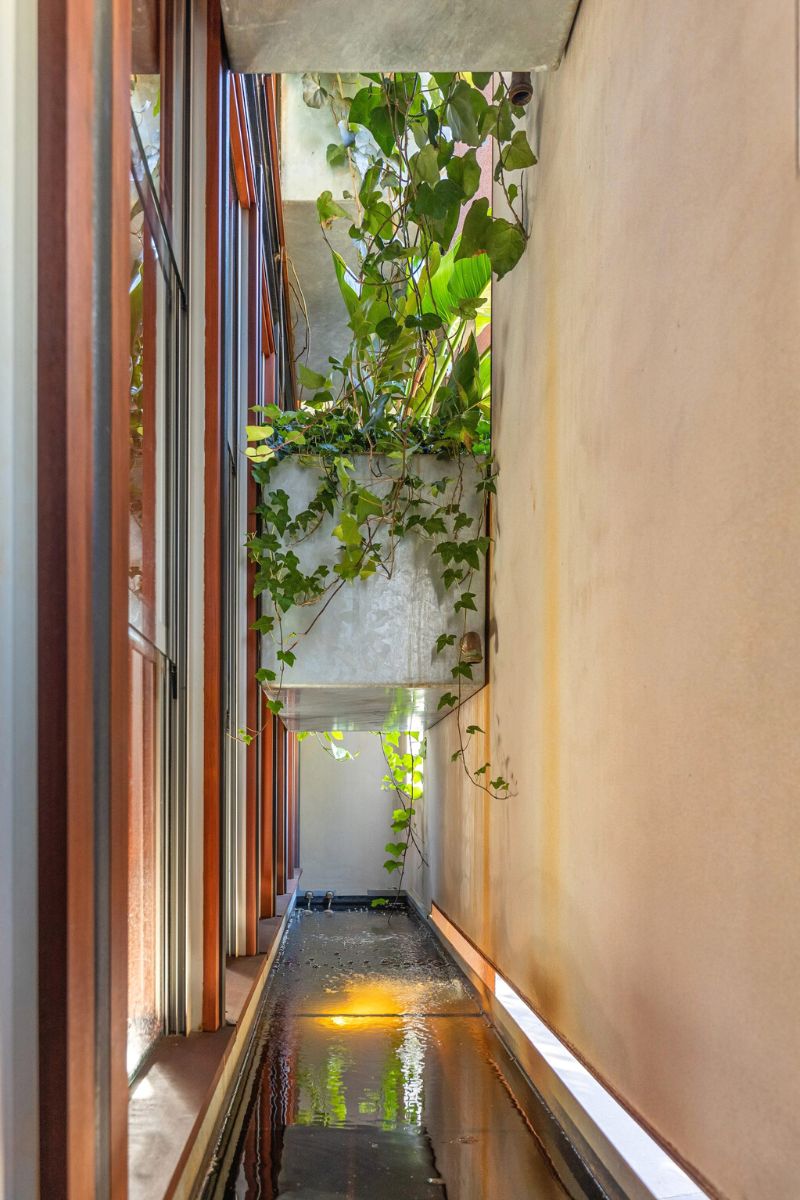
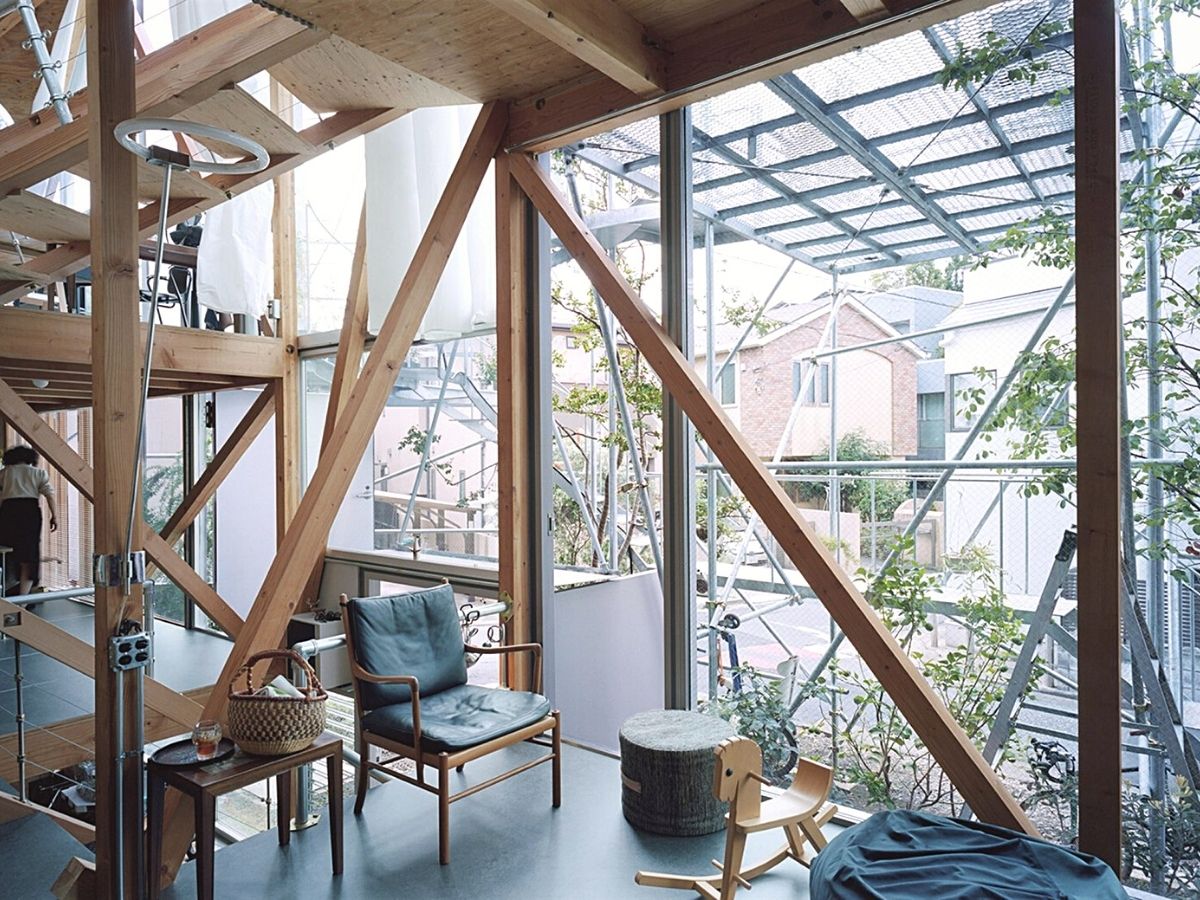
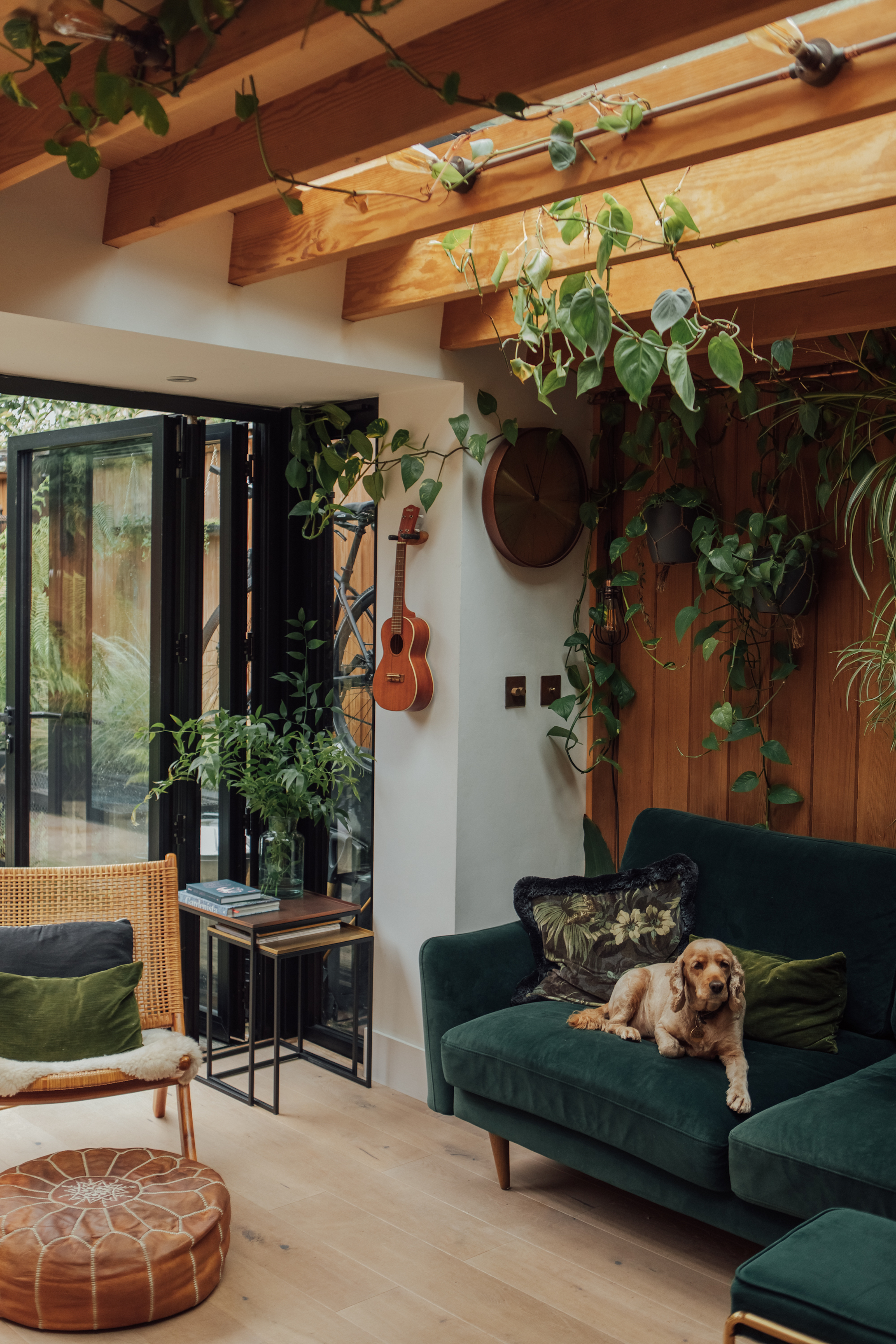
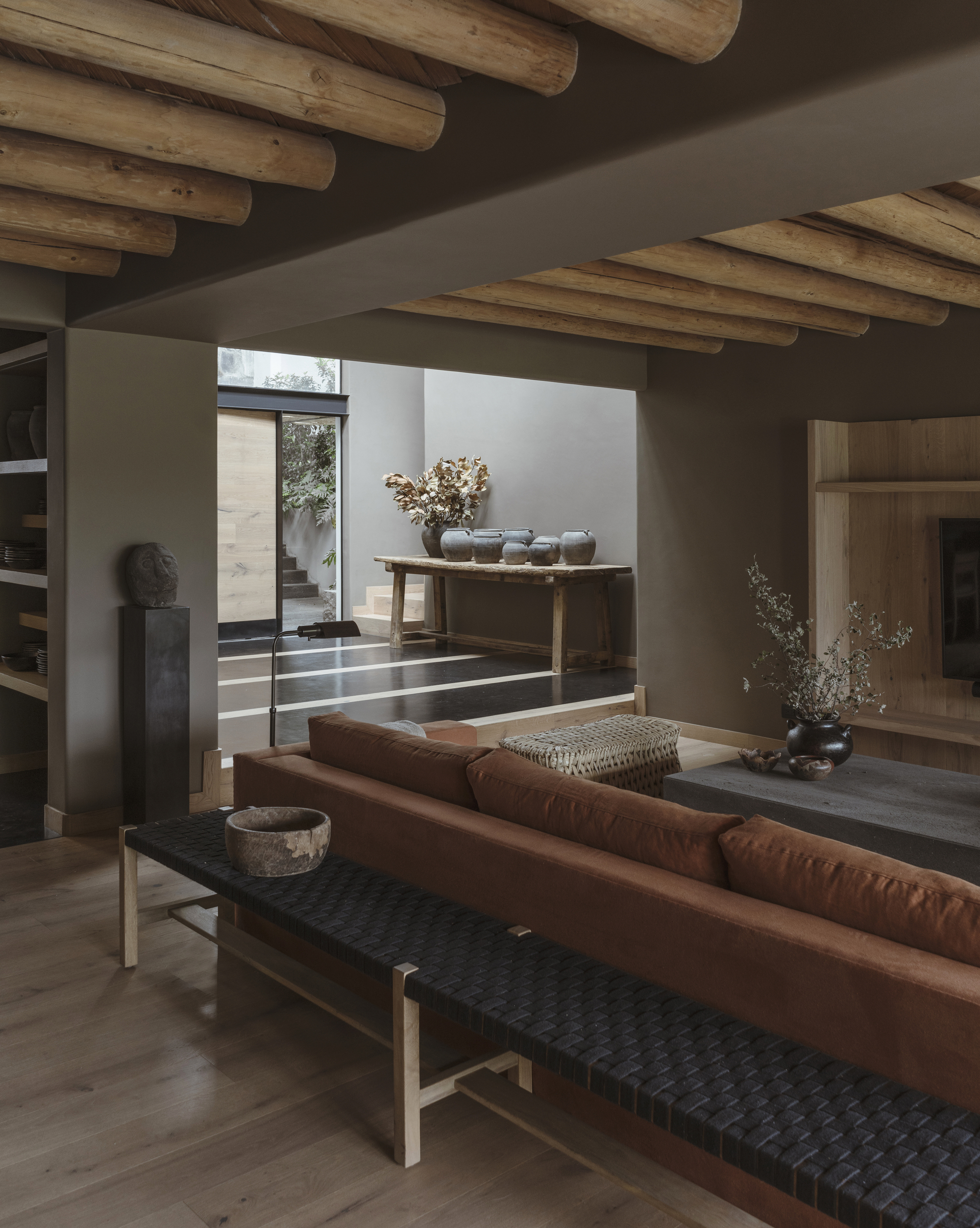
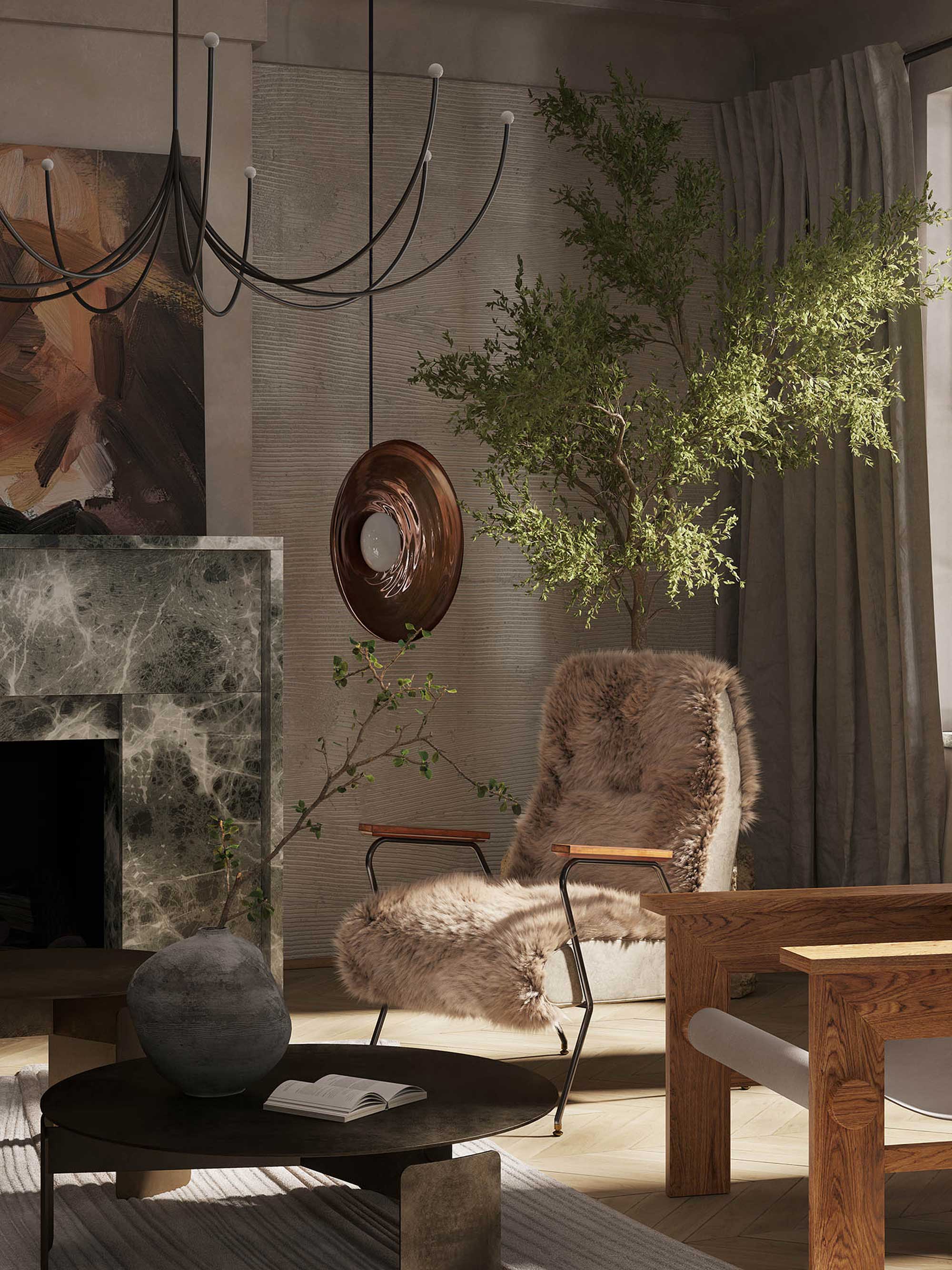
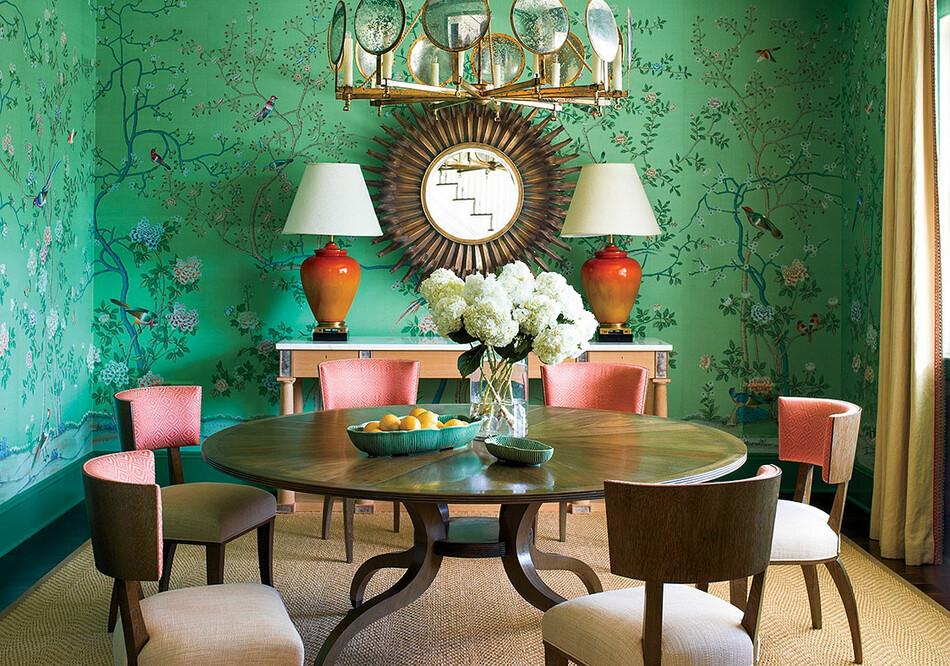
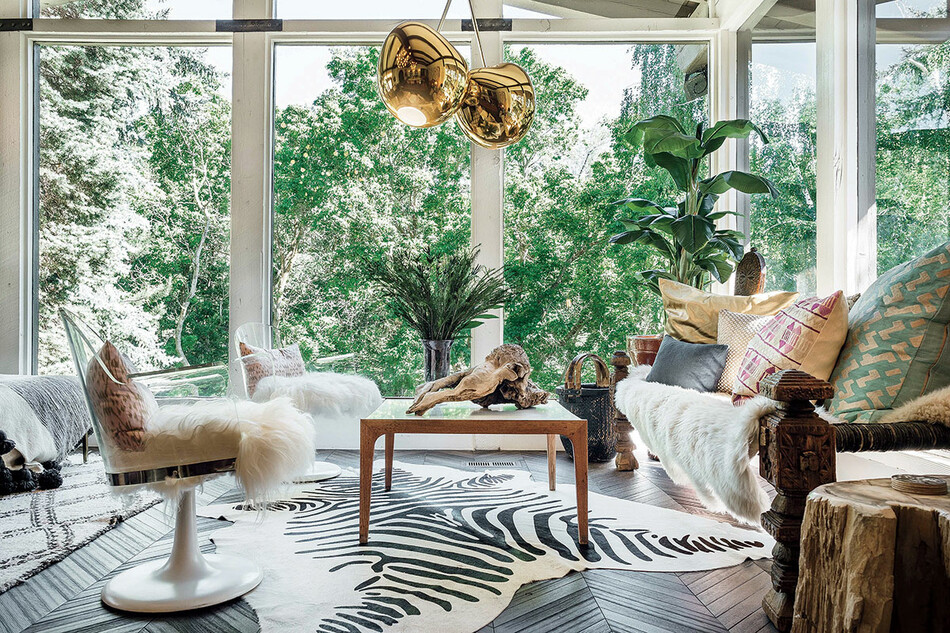
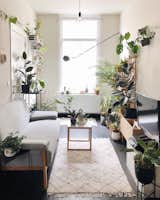
The article explores the growing trend of biophilic design in furniture, highlighting its benefits for human well-being and environmental sustainability. Biophilia, meaning 'love of nature,' inspires designs that integrate natural elements, fostering a deeper connection between humans and their surroundings, particularly in artificial environments. The core philosophy of biophilic design aims to incorporate natural materials, light, and plant life into interior spaces to create a more pleasant and healthful living experience. The article introduces ten examples of biophilic furniture, each demonstrating different approaches to integrating nature-inspired aesthetics and materials.
The first featured design is the Cocoon chair by Cox and Cox, an armchair crafted from lightweight rattan with an open weave and round shape. It features a metal base and a loop for hanging, suggesting versatility in placement and a connection to natural forms. The Liana wardrobe by Made and Sebastian Cox showcases modern woodworking through its smooth, curved edges and natural timber ash and rattan construction, emphasizing timeless aesthetics and durability. Habitat's Nadia double bed, made from natural rattan fabric of varying thicknesses, provides a light and airy design, underscoring rattan's resilience and portability.
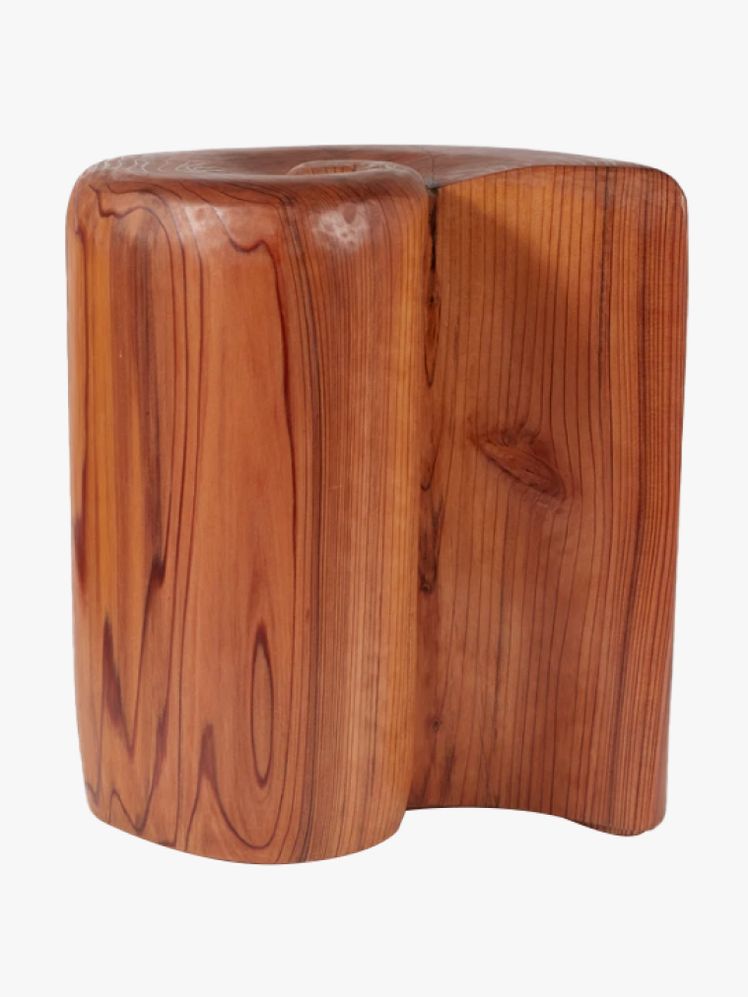
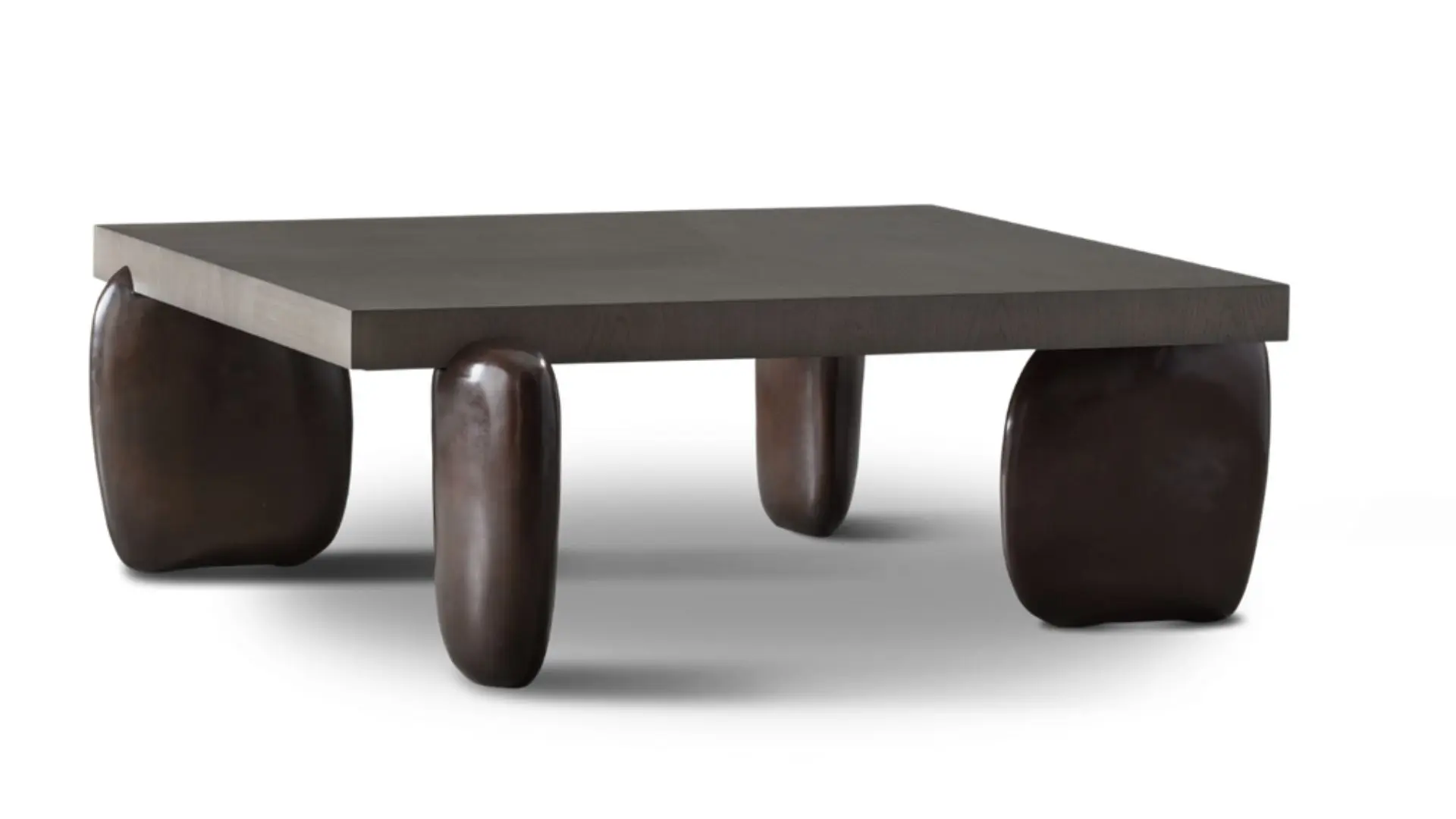
The Ho Aco coffee table by Jiun Ho Furniture is presented as a functional sculpture, featuring curved converging texture details and blackened bronze legs. Its artisanal production, with hand-cast bronze elements, embraces minor imperfections as part of its beauty. The Teak Root Floating Vanity by Indigenous exemplifies sustainability by repurposing fallen teak tree roots, transforming discarded material into a rustic yet elegant furniture piece that can be paired with modern basins. The Quilted Vermont Rocking Chair by Vermont Woods Studios offers ergonomic comfort and eco-friendliness, with a frame and seat designed to resemble a quilted cushion, providing luxurious support.
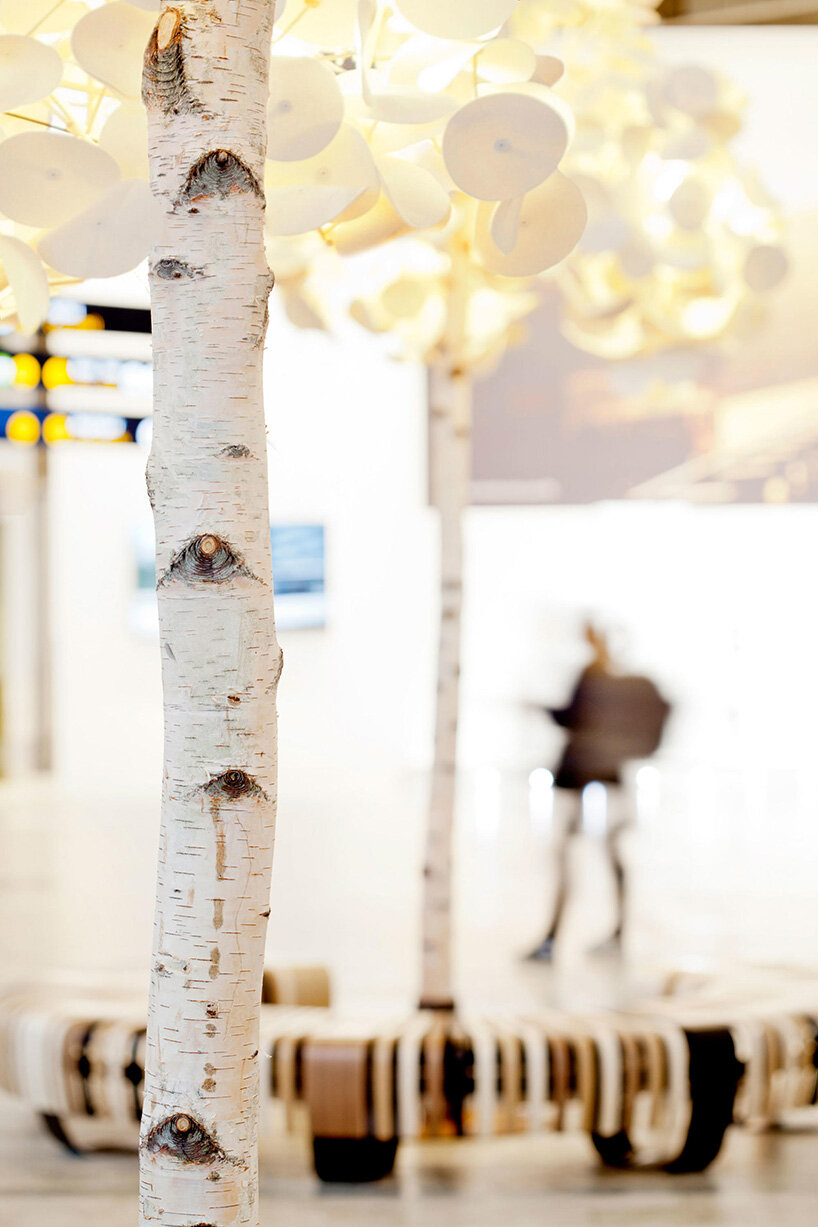
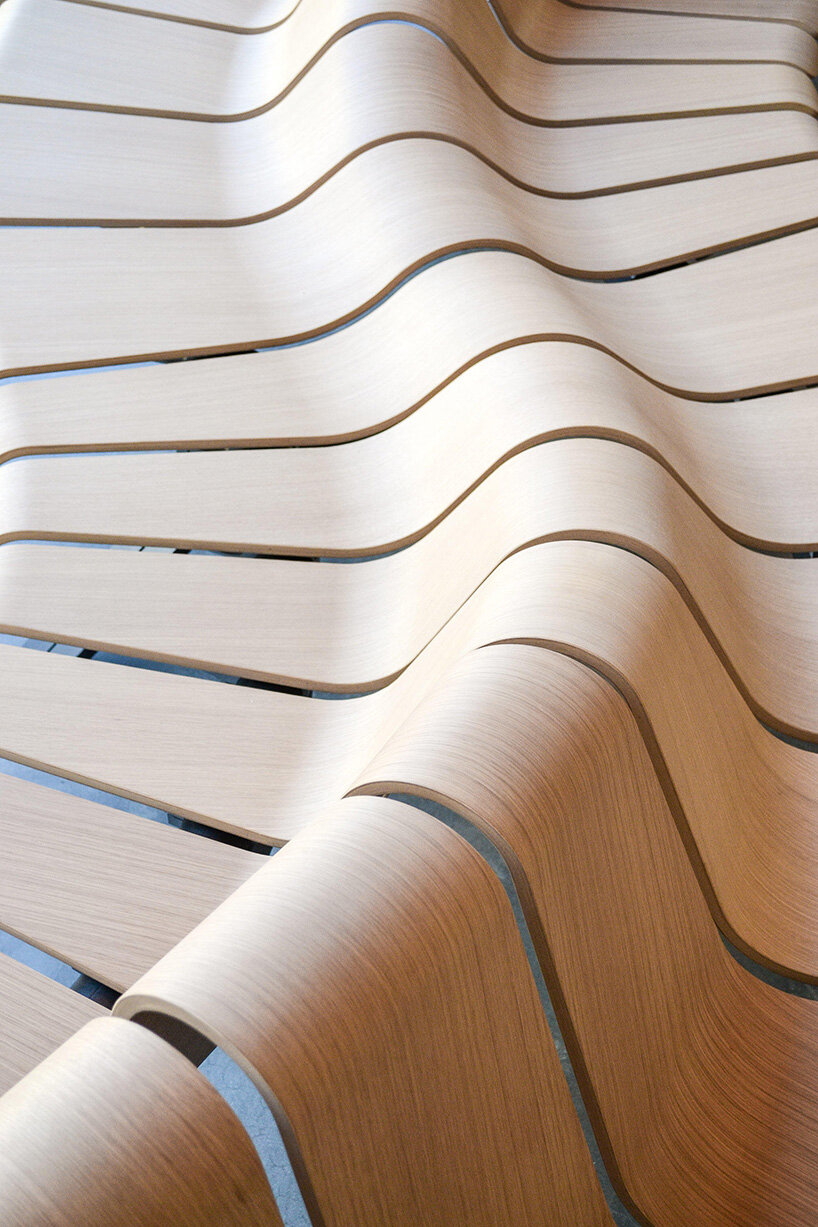
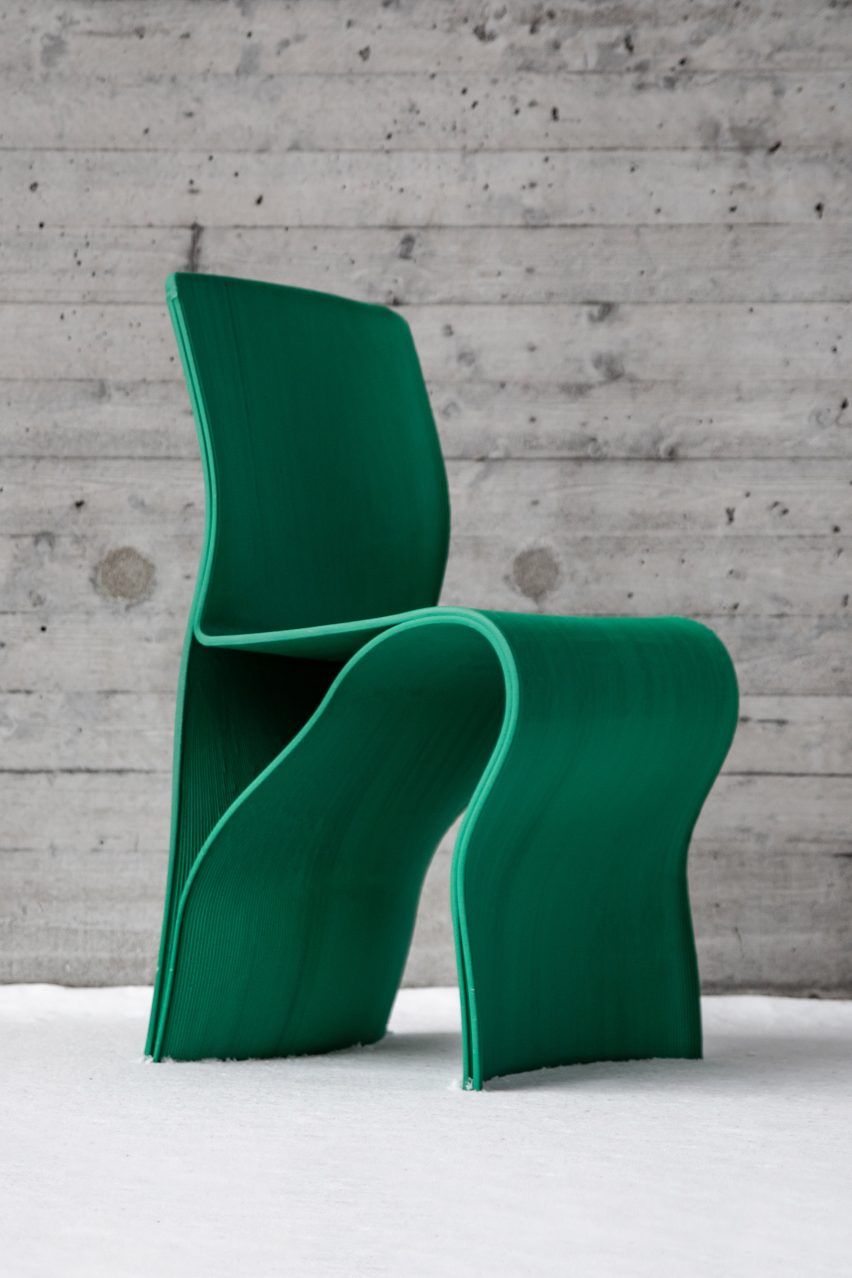
Green Furniture Concept's Ascent Seating system redefines public furniture with its flexible, modular design. Developed with architects and planners, it allows for adaptability and a longer life cycle, using sustainable wooden seating and soft contours to enhance public spaces. The Wormley Side Table, by Edward Wormley, features a minimalist design with a tubular ring structure, clear glass top, and a brass base, showcasing precise metalworking and a refined aesthetic. The Hudson Armchair, a classic piece, incorporates leather upholstery and solid walnut wood, prioritizing both visual appeal and comfort, encouraging relaxation and immersion in personal time.
Finally, the Bauhaus Rug by Benis Rugs completes the selection, drawing inspiration from the German avant-garde movement. These rugs, made with noble materials and sophisticated techniques, embody the timeless and modern aesthetics of Bauhaus, offering a playful yet refined addition to any interior with their bold colors and patterns. The article concludes by reiterating the human innate desire for a connection with nature, asserting that biophilic furniture, rooted in ecological psychology, provides a tangible way to enhance well-being, especially in urban environments with limited access to natural settings.
#BiophilicDesign #FurnitureDesign #SustainableDesign #InteriorDesign #NaturalMaterials #HomeDecor #Craftsmanship #ModularFurniture #RattanFurniture #BiophilicDesign #FurnitureDesign #SustainableDesign #InteriorDesign #NaturalMaterials #HomeDecor #Craftsmanship #ModularFurniture #RattanFurniture
0 comment in total
 No comments yet
You may also like
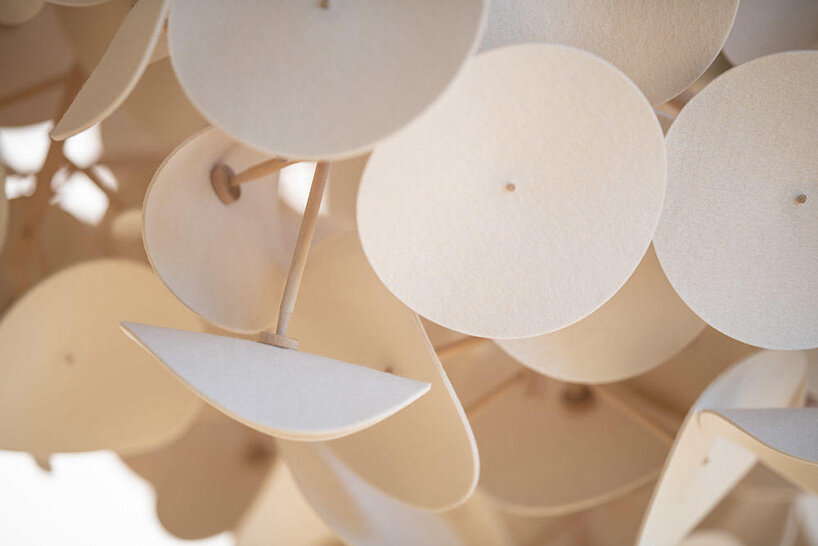
green furniture concept sustainably manufactures biophilic designs
What the heck is biophilic design?

Biophilic Design Is the Signature Style of Plant Lovers Everywhere

Biophilic Design Is the Decorating Trend You Need To Try if You Love Plants

Ten furniture designs made from sustainable materials
What is Biophilic Design? This Nature-Based Interiors Trend Promises Wellness
Say Goodbye To Exaggerated Furniture Shapes: The 2026 Trend Coming To Replace It

How to Revamp Your Home in 2025

Why Houseplants And Biophilic Design Will Front 2025's Interior Design Trends
Organic Elegance: 10 Ways to Embrace the Organic Furniture and Décor Trend
Biophilic Interiors Invade These 10 Contemporary Residences

These Are the Home Design Trends That Will Rule 2022

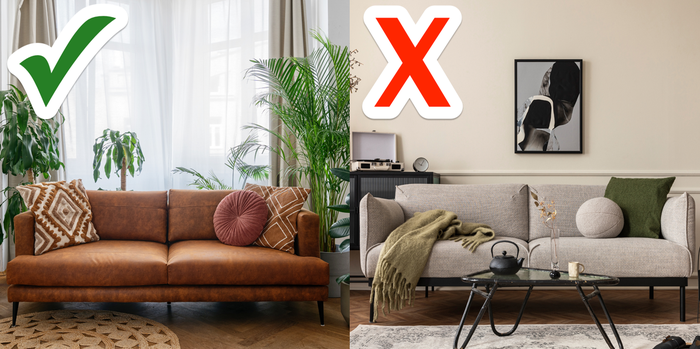
7 interior-design trends you'll see everywhere in 2024, and 5 that'll disappear
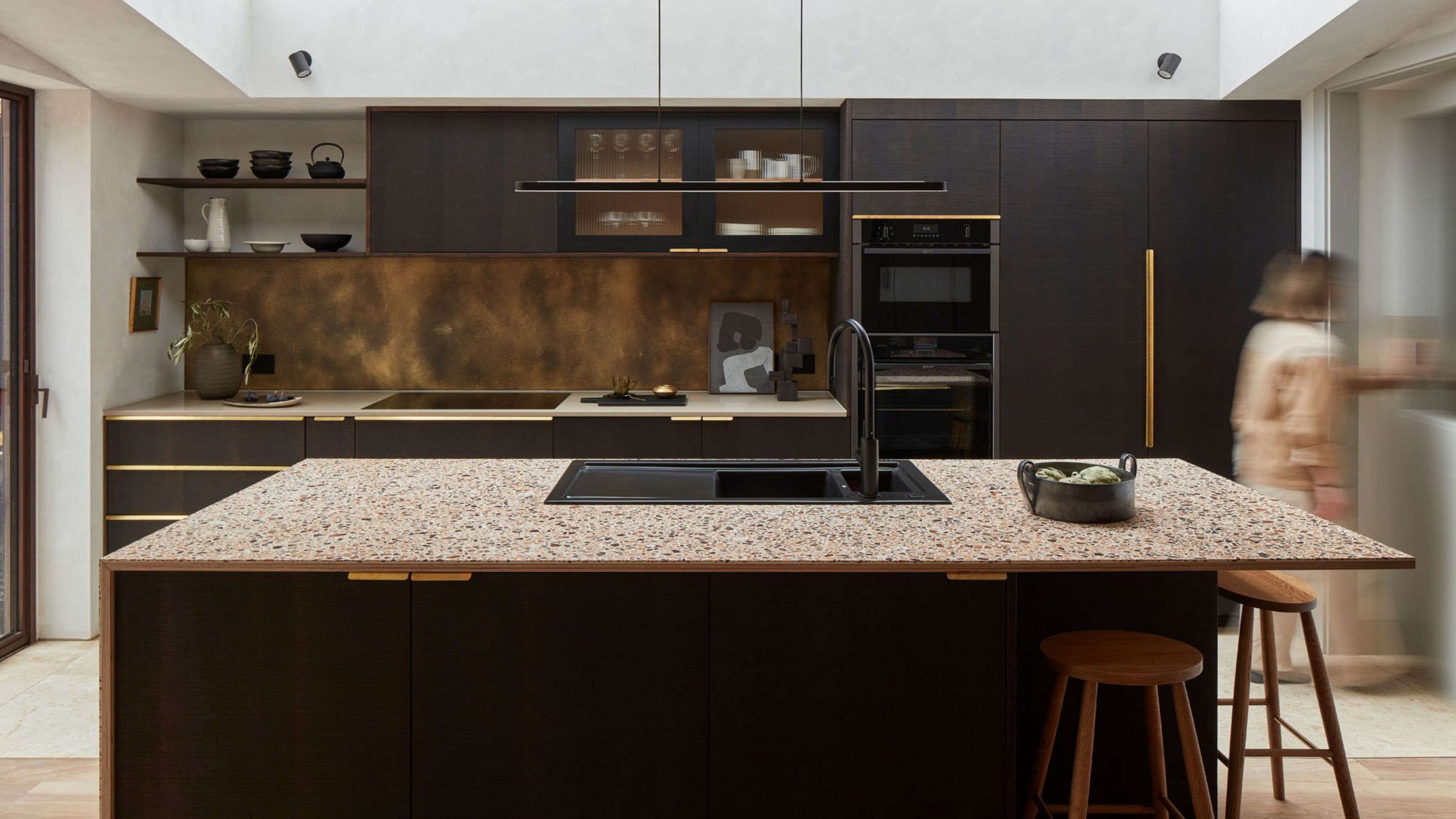
6 Sustainable Material Trends That Prove It's No Longer Just a Buzzword, but an Exciting Design Opportunity

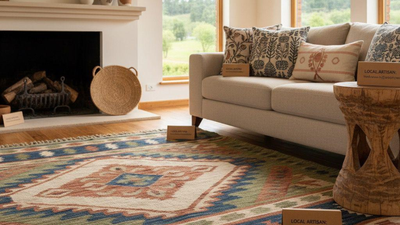
Sustainable Home Décor: Eco-Friendly Interior Design Trends to Watch

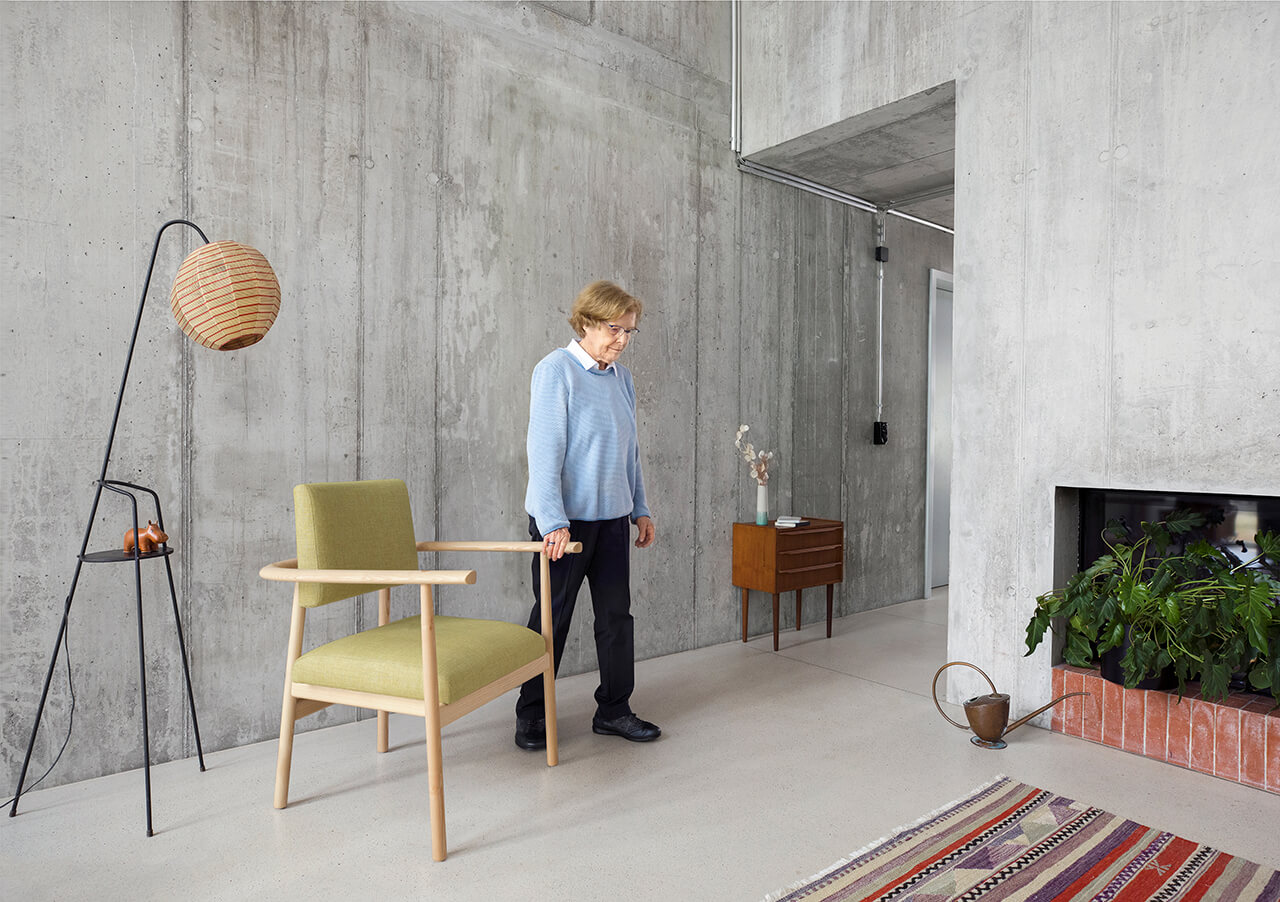
Focus on Biophilia: Nature-Inspired Design Strengthens People!

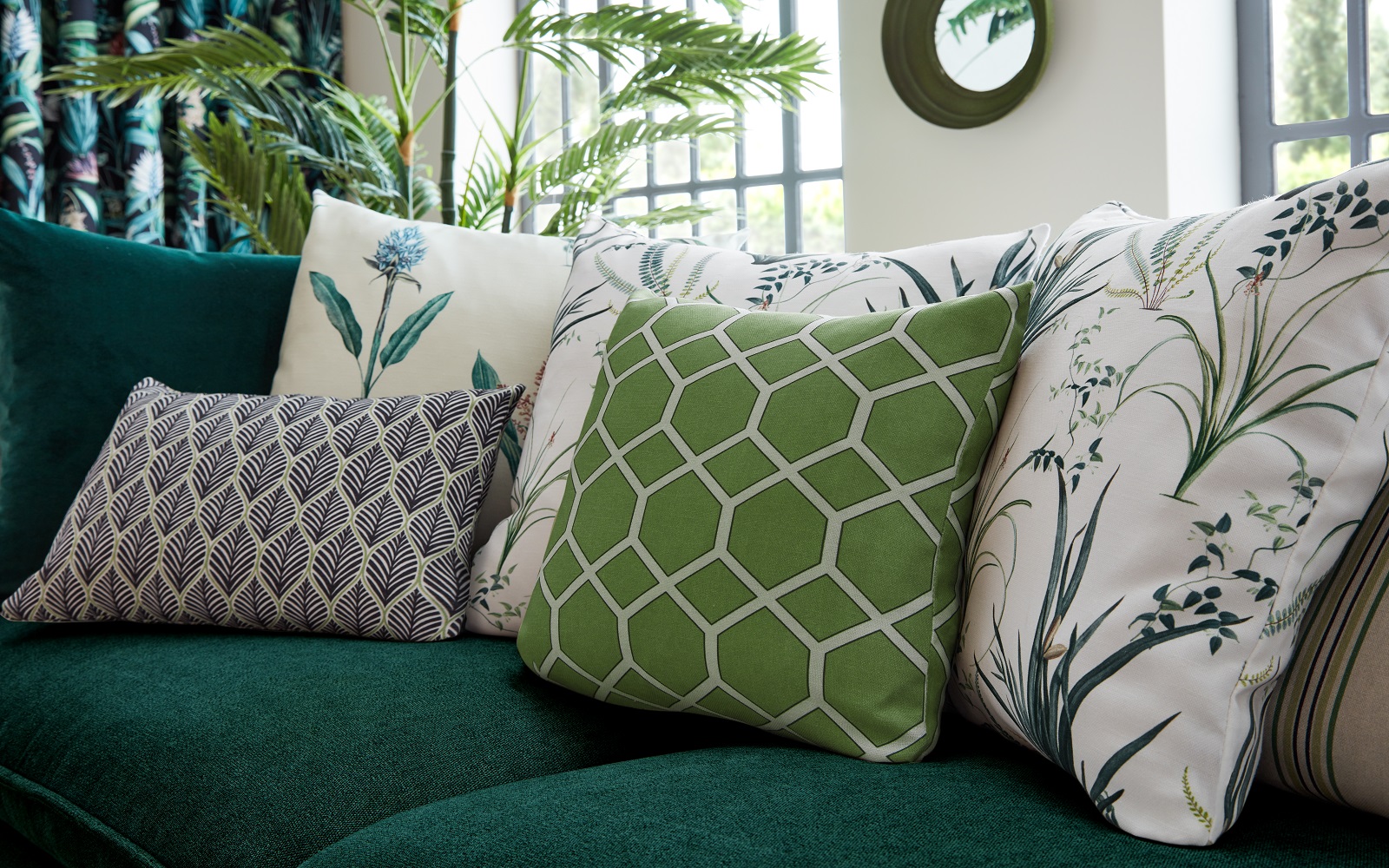
Biophilic design beyond the buzzword
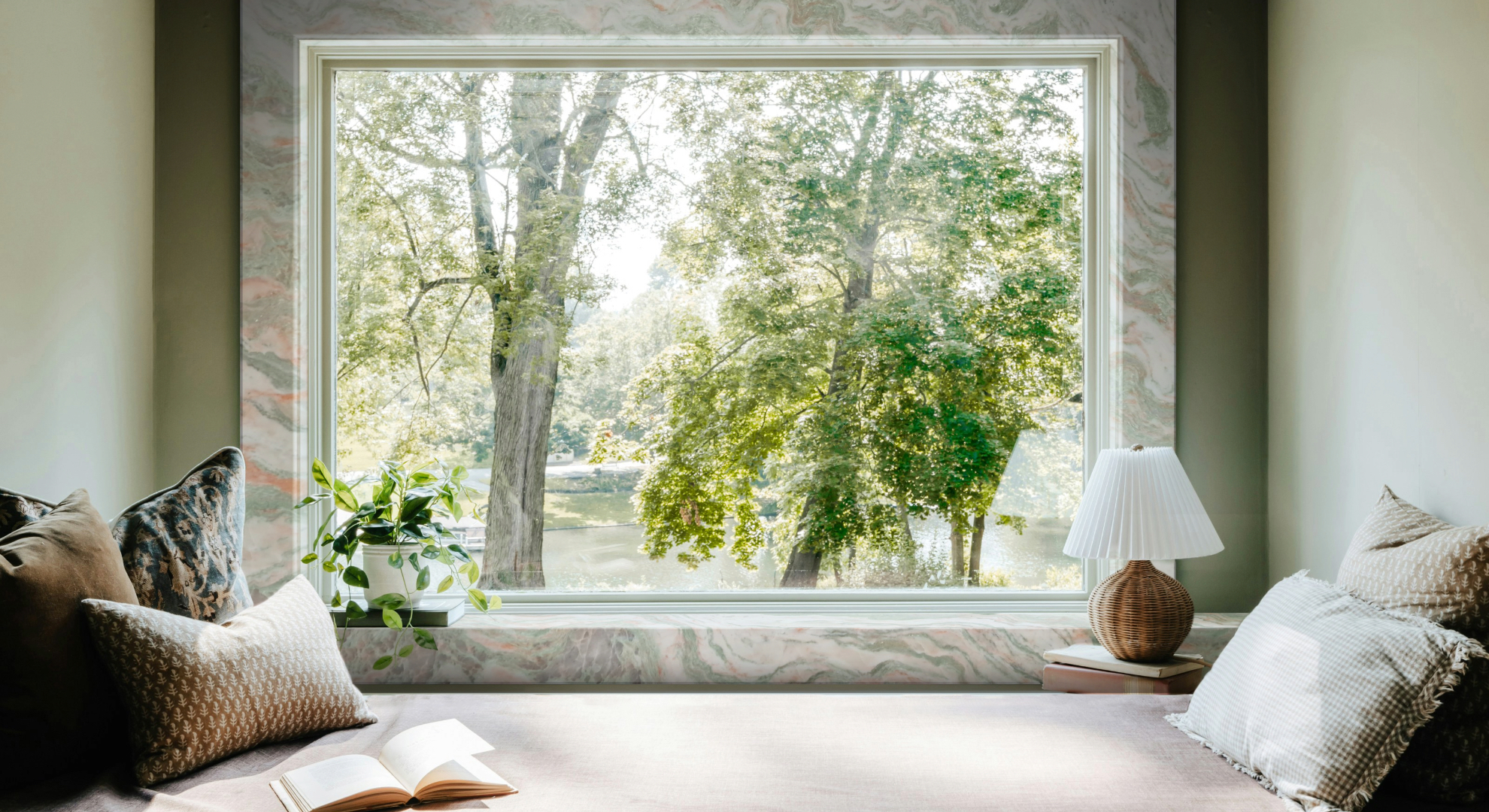
Stunning biophilic design ideas to help you bring the great outdoors into your home

10 Biophilic Living Room Ideas That Look and Feel Good — "They Inherently Make Us Feel Grounded"
Biophilic Design Helps Homeowners Connect to Nature