1/4
Why Houseplants And Biophilic Design Will Front 2025's Interior Design Trends
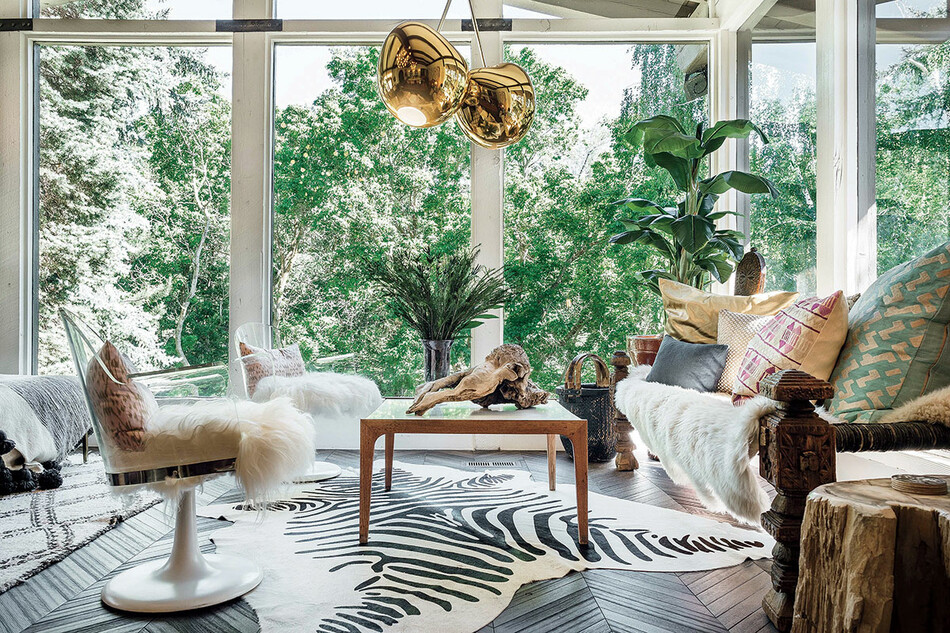
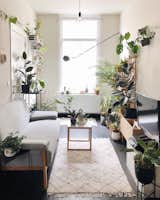
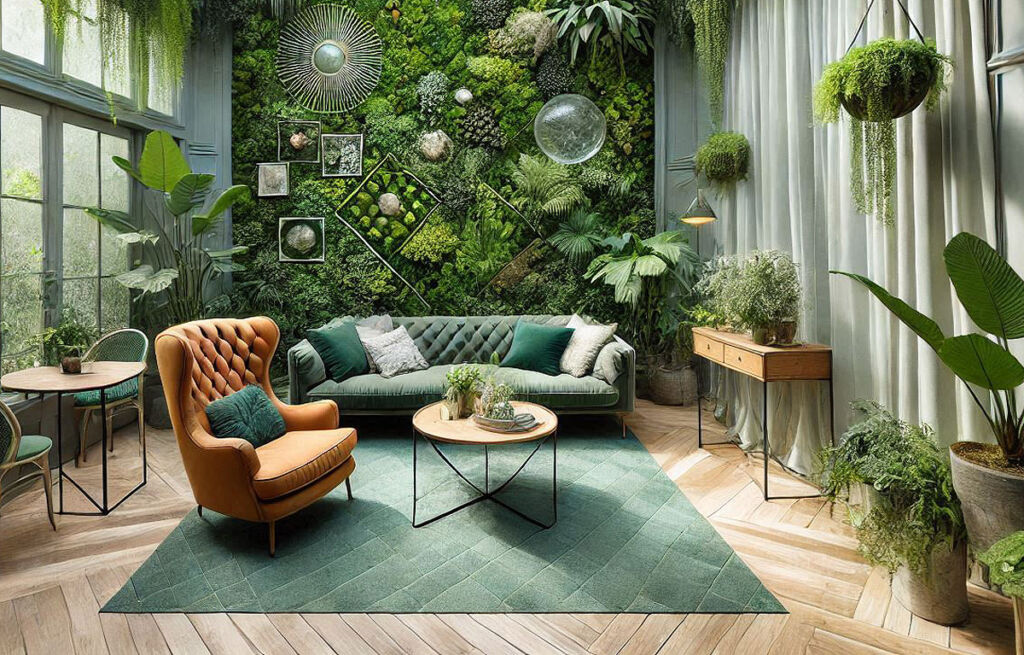
The year 2025 is expected to see biophilic design maintain its popularity in interior trends, with a continued emphasis on integrating nature into indoor spaces. This approach involves incorporating houseplants, natural textures, and earthy color palettes to foster calming and nature-inspired environments. Jo, the founder of Beards & Daisies and author of 'The Unkillables,' offers insights into how houseplants will be central to these trends.
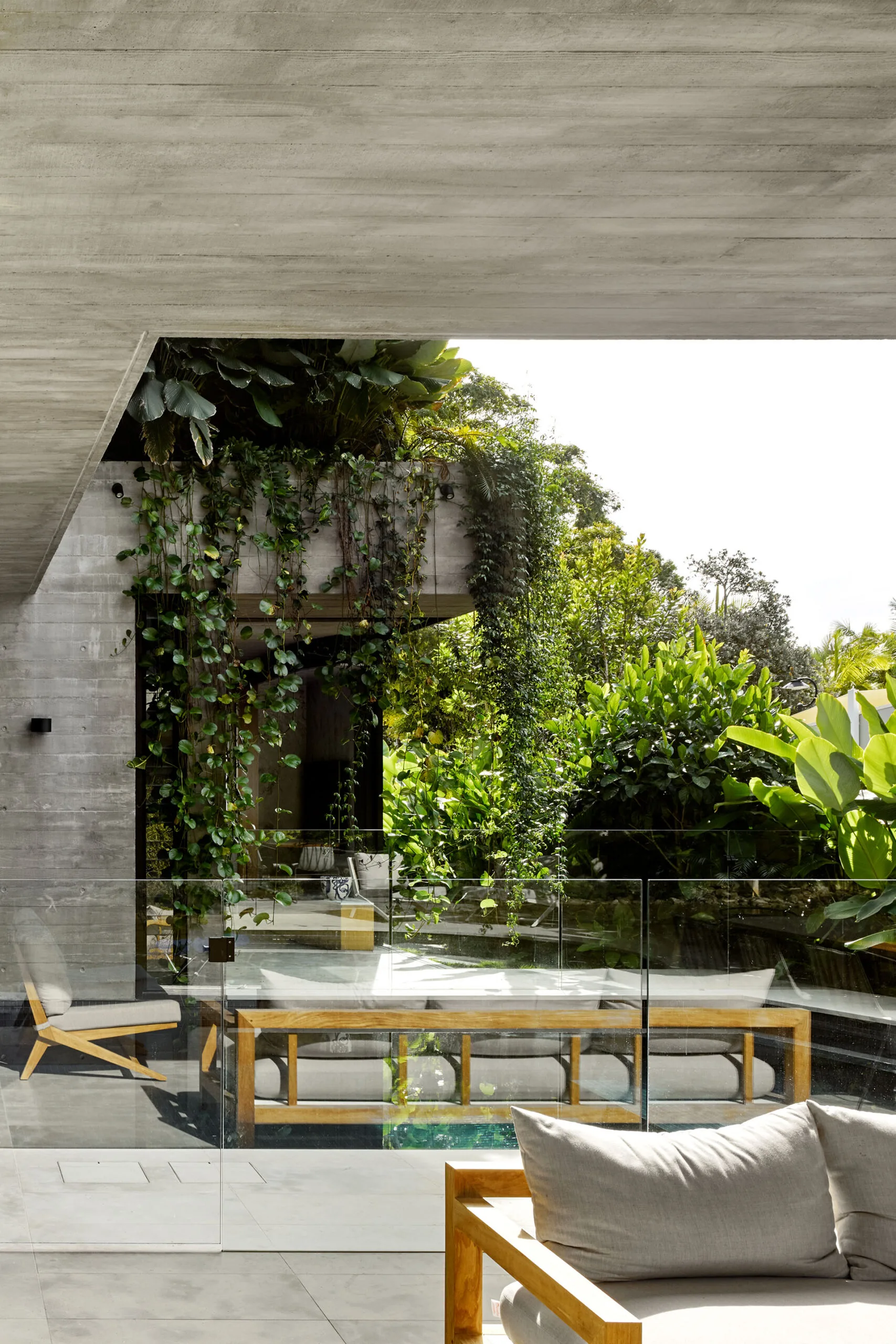
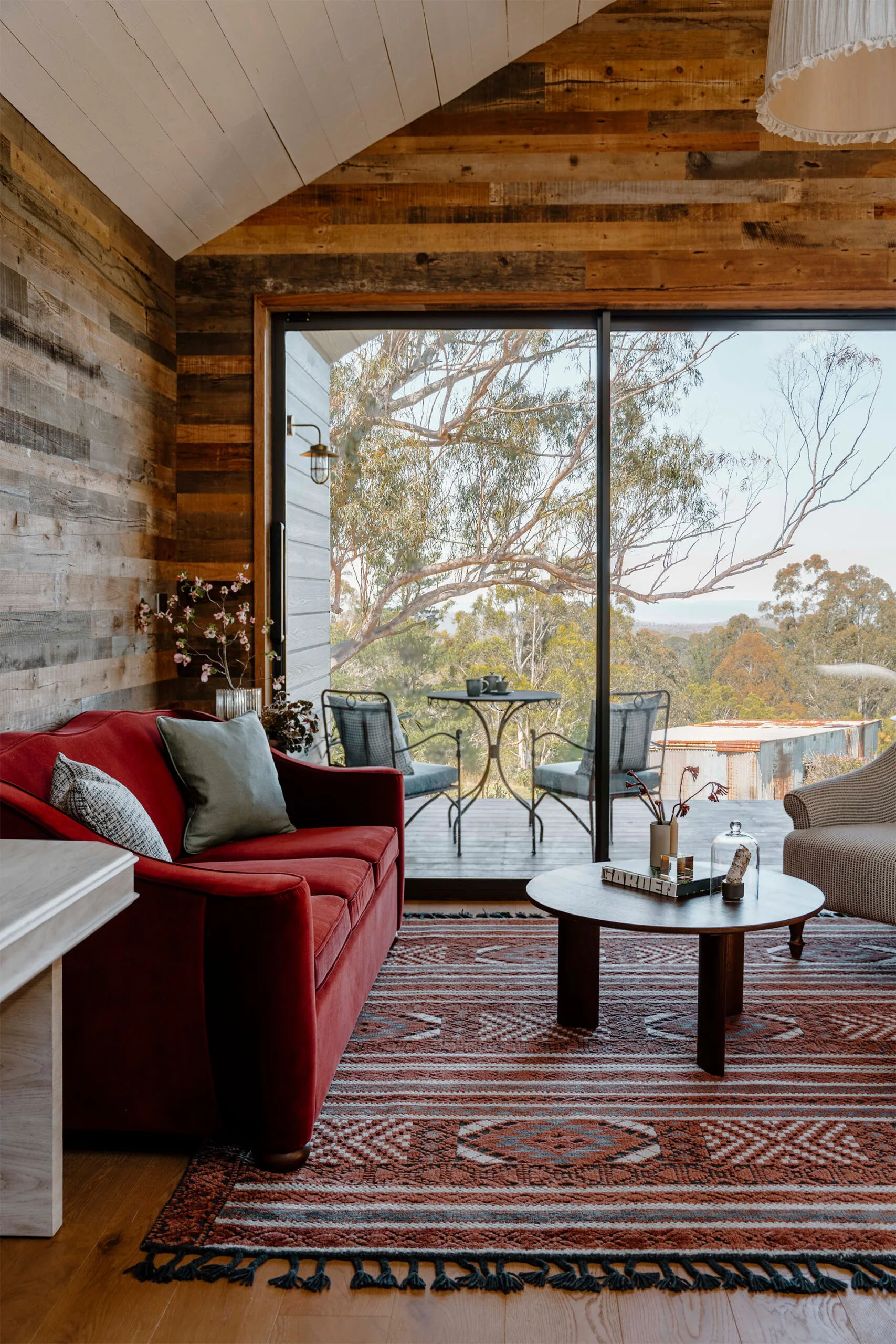
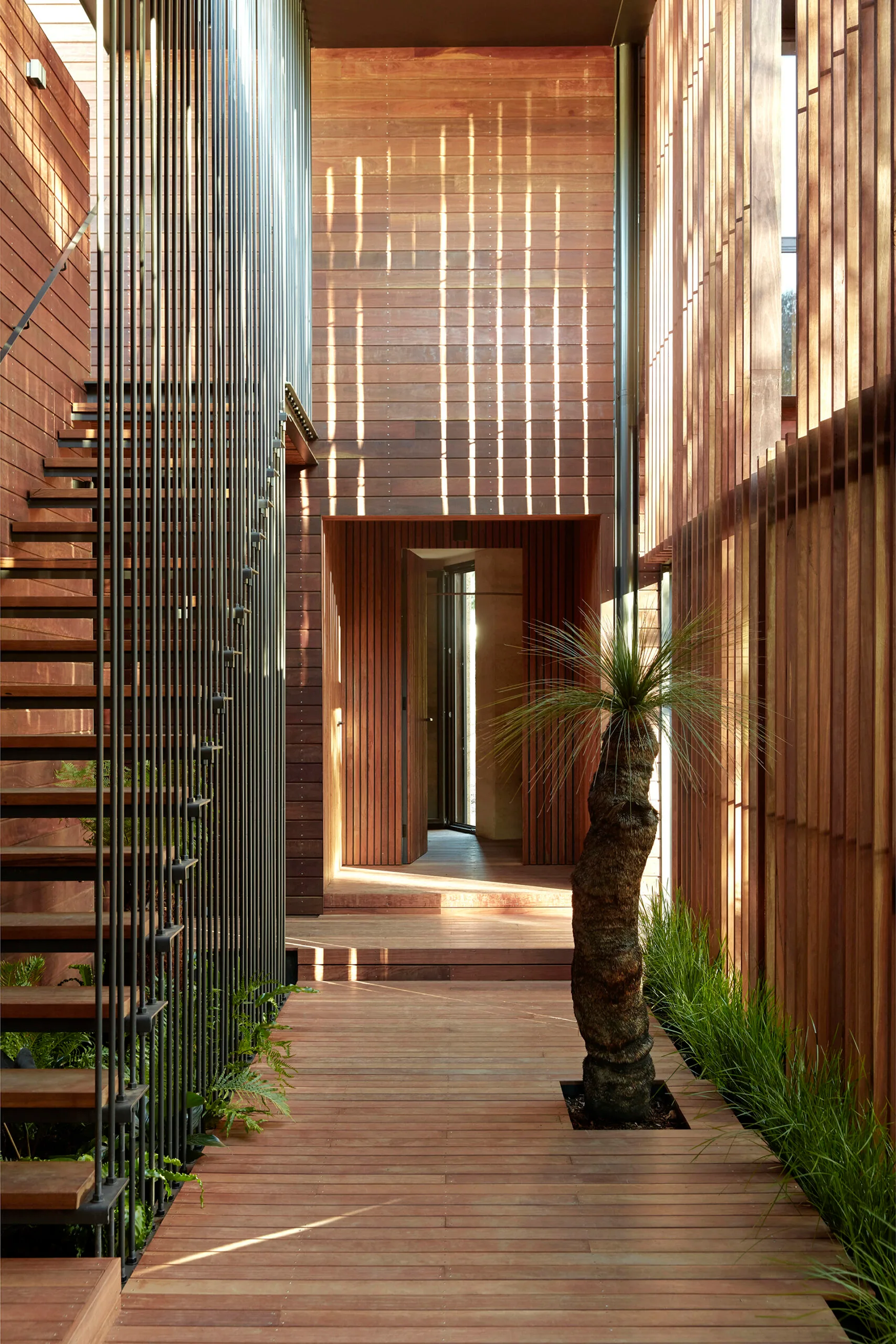
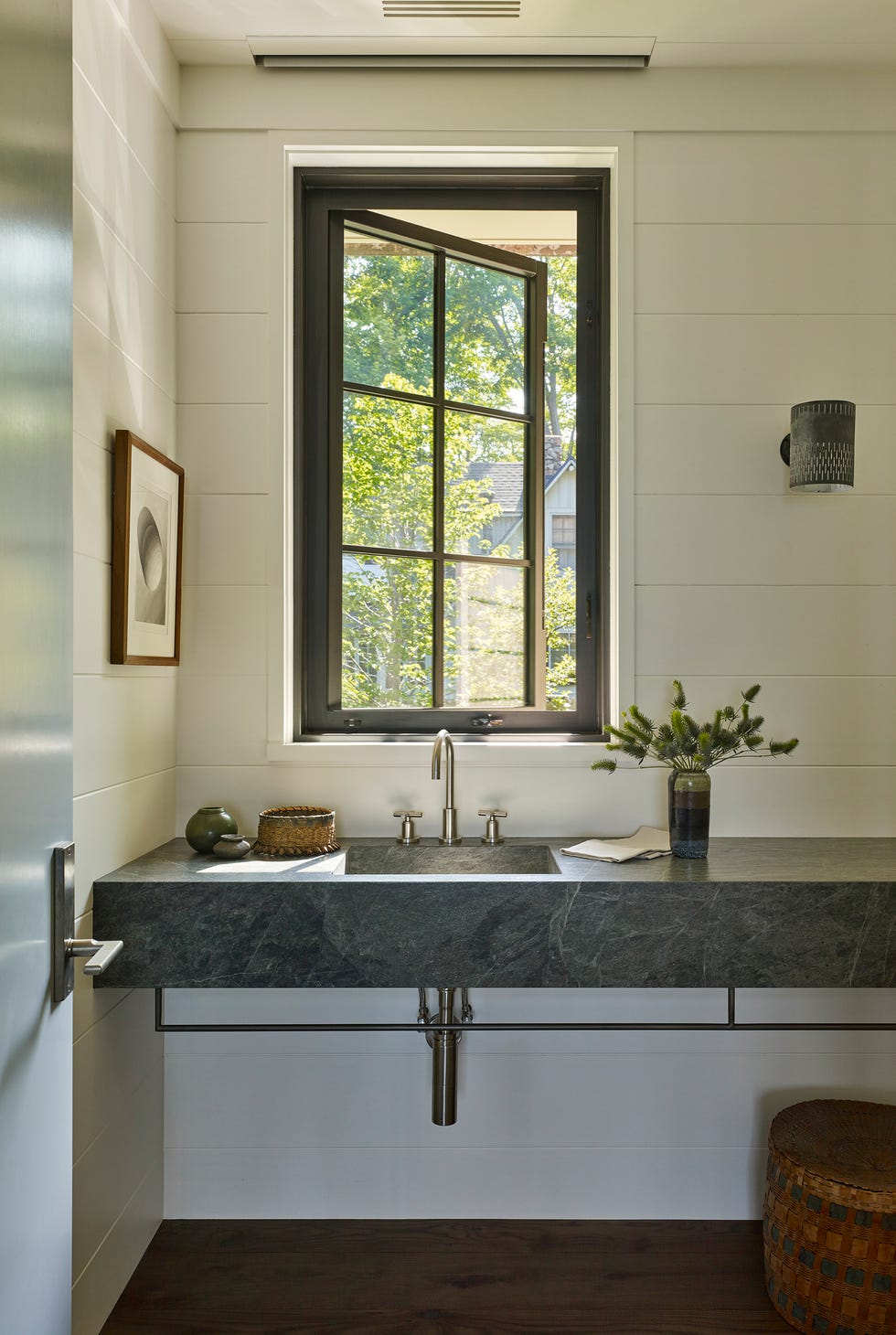
Biophilic design, characterized by the use of indoor plants, living green walls, and natural materials such as wood and stone, is recognized for its positive impact on mental well-being. This design philosophy is embraced globally by homeowners and leading architects, who leverage natural light and organic color schemes to create visually appealing spaces that blend indoor and outdoor aesthetics. Houseplants are identified as an accessible means to implement biophilic design, especially when paired with natural material pots like terracotta or stone, which enhance the organic feel. The prevalent green foliage of houseplants harmonizes well with the anticipated color palettes of 2025.
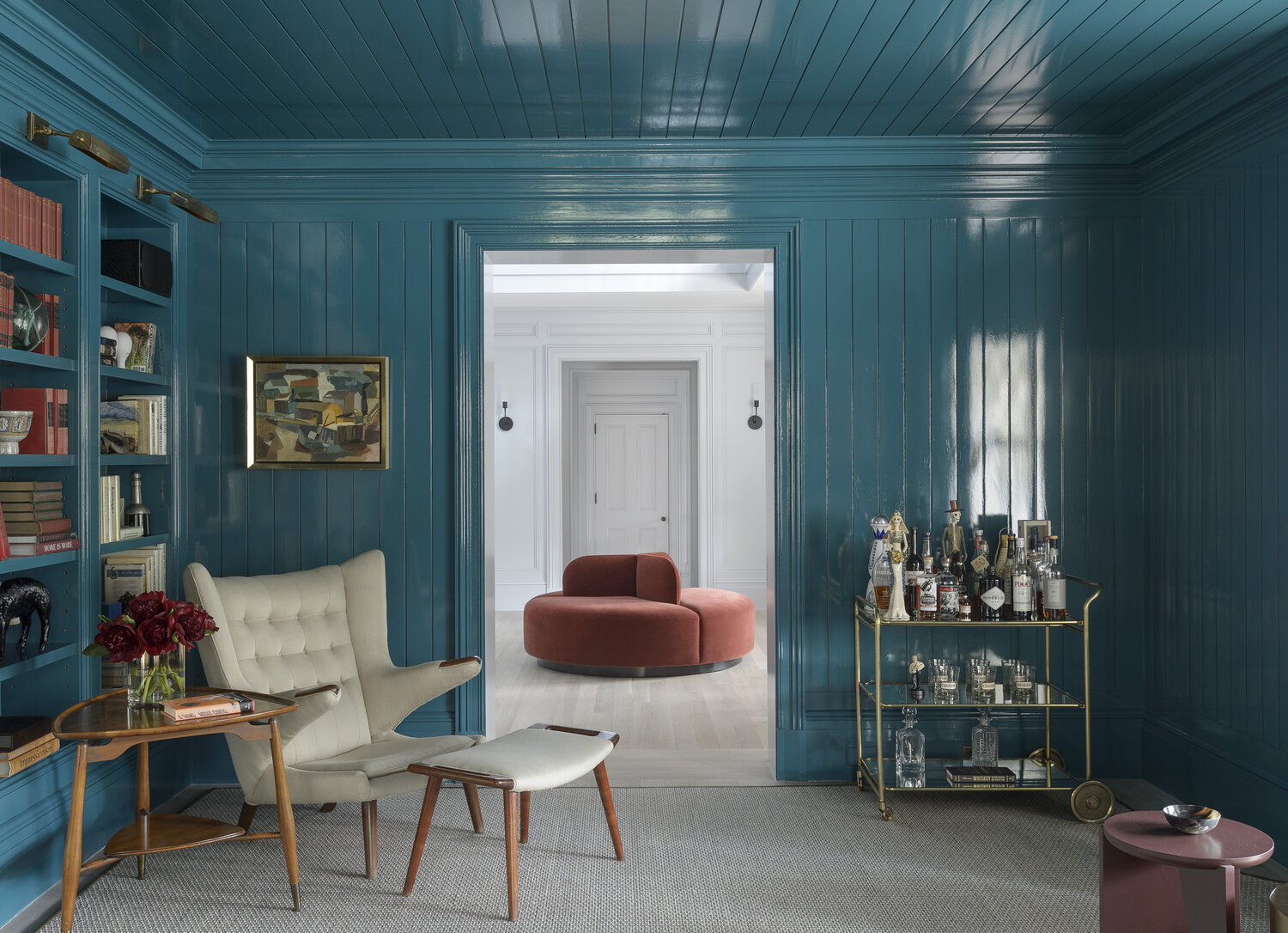
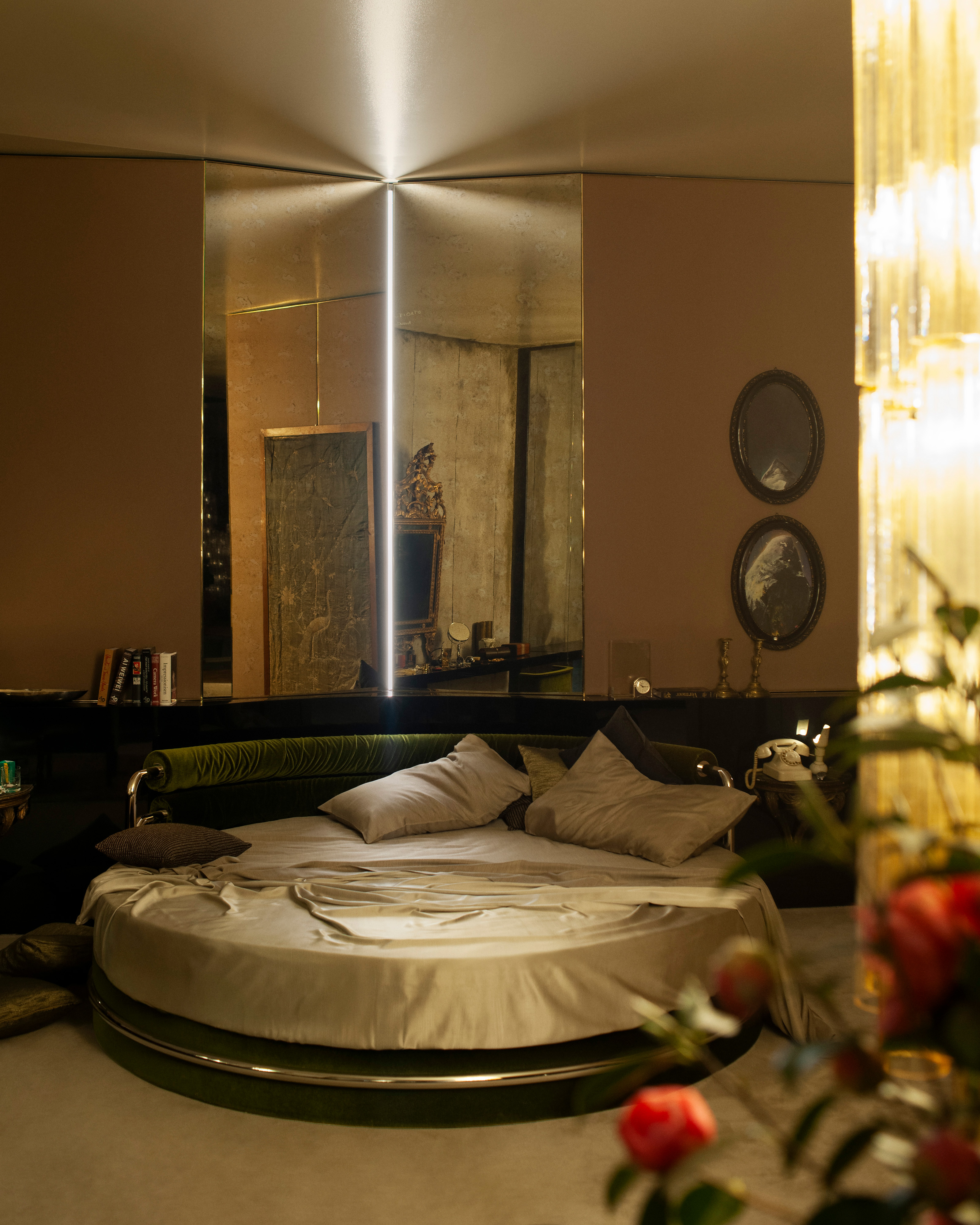
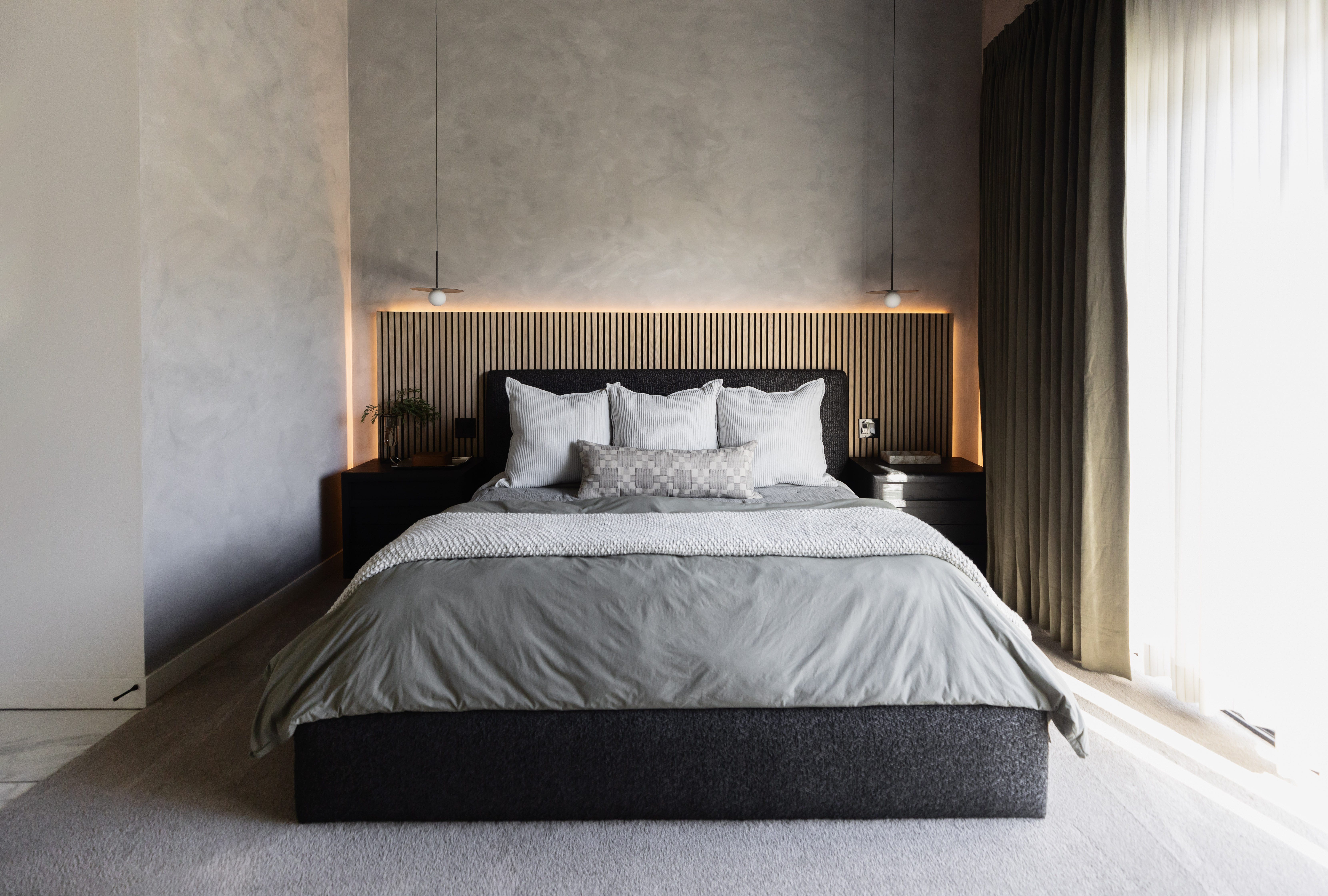
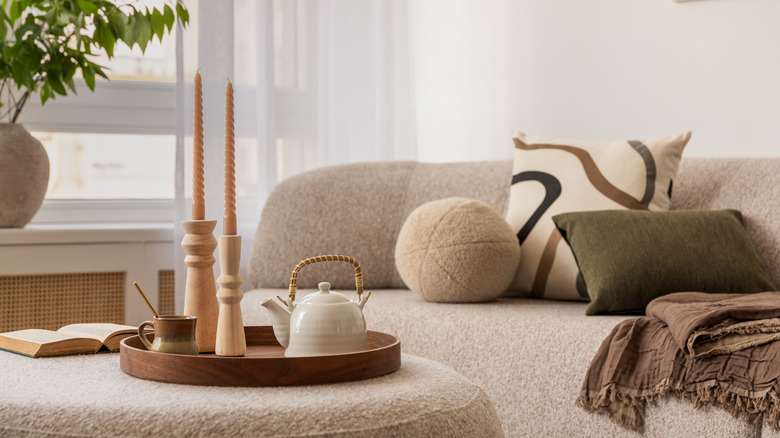
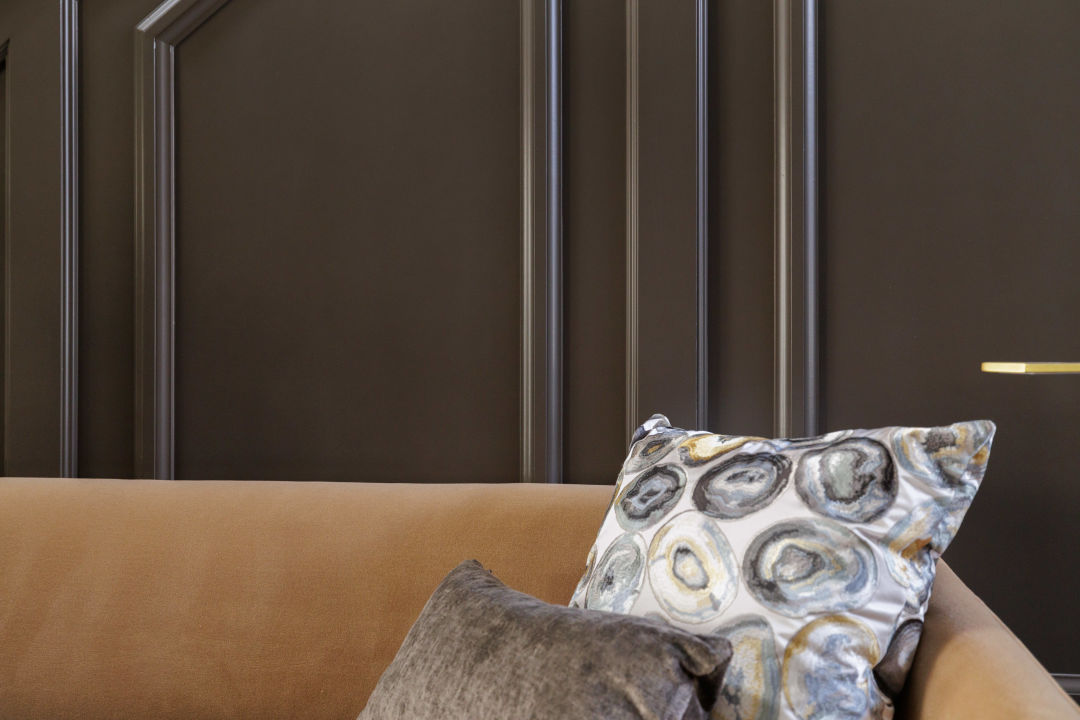
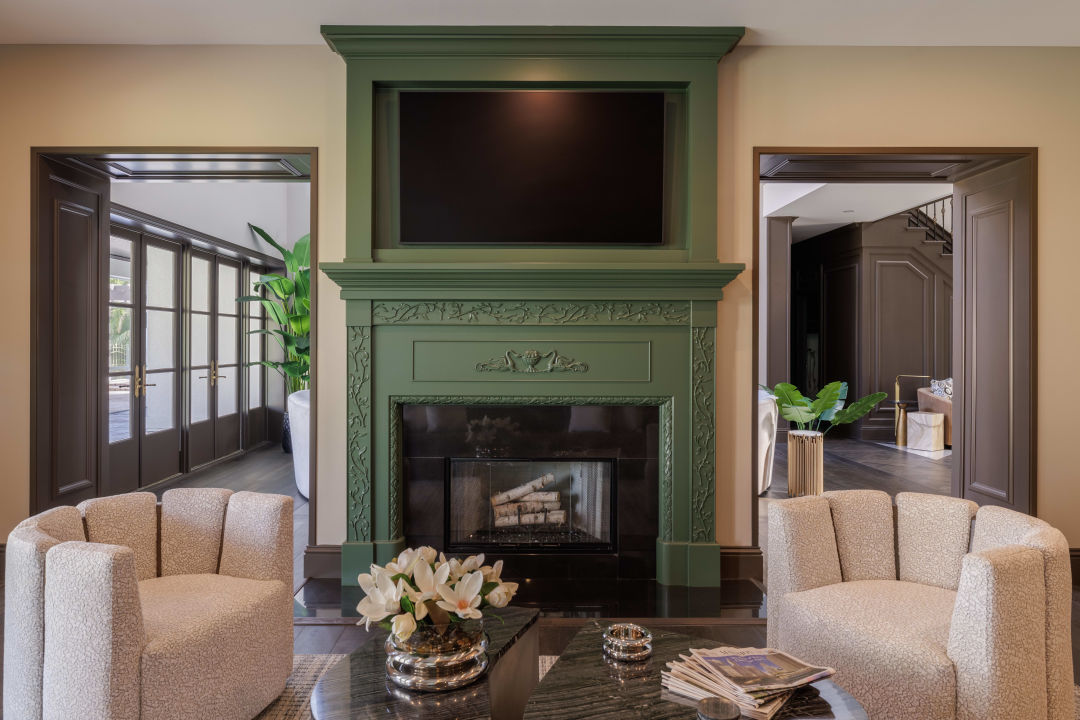
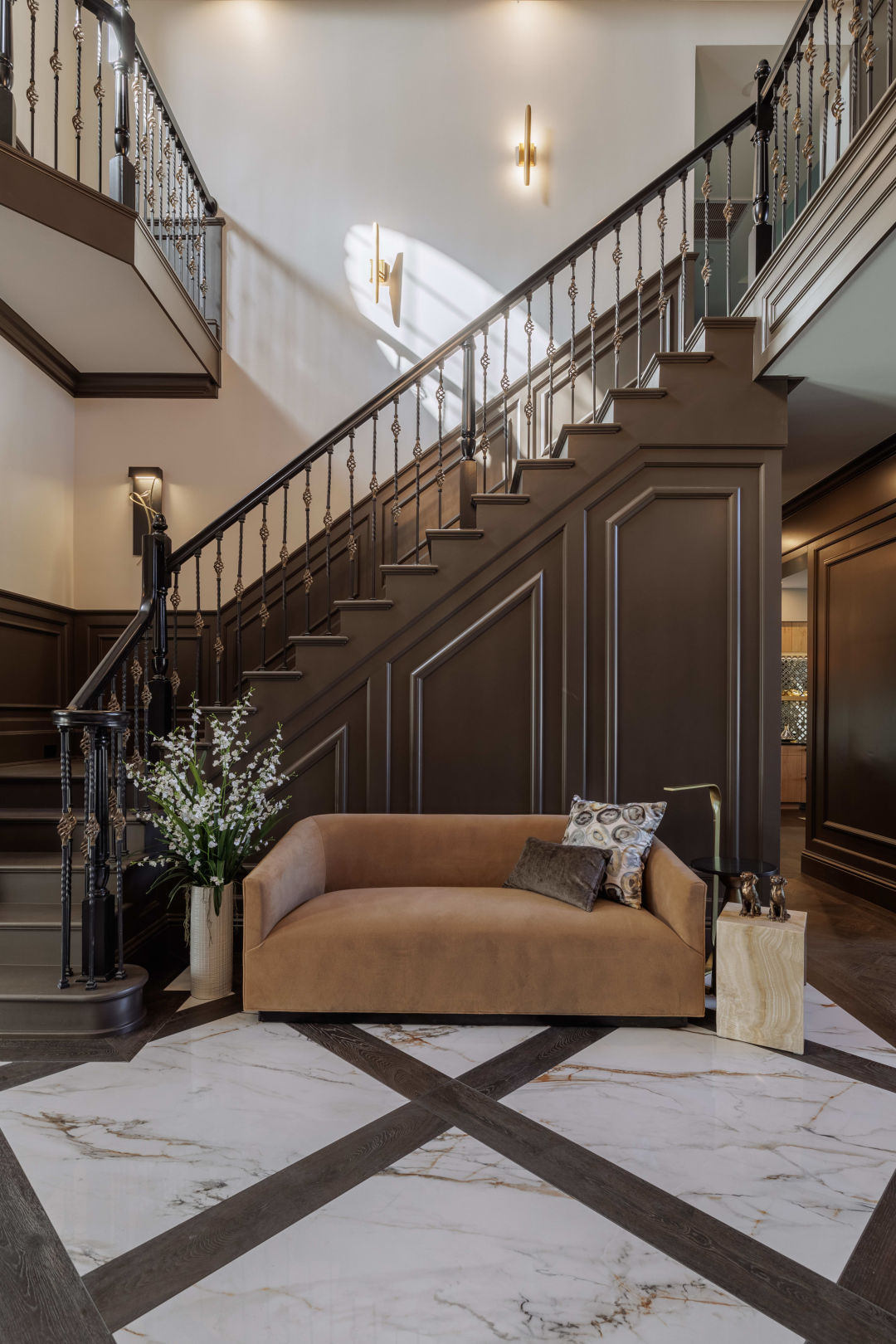
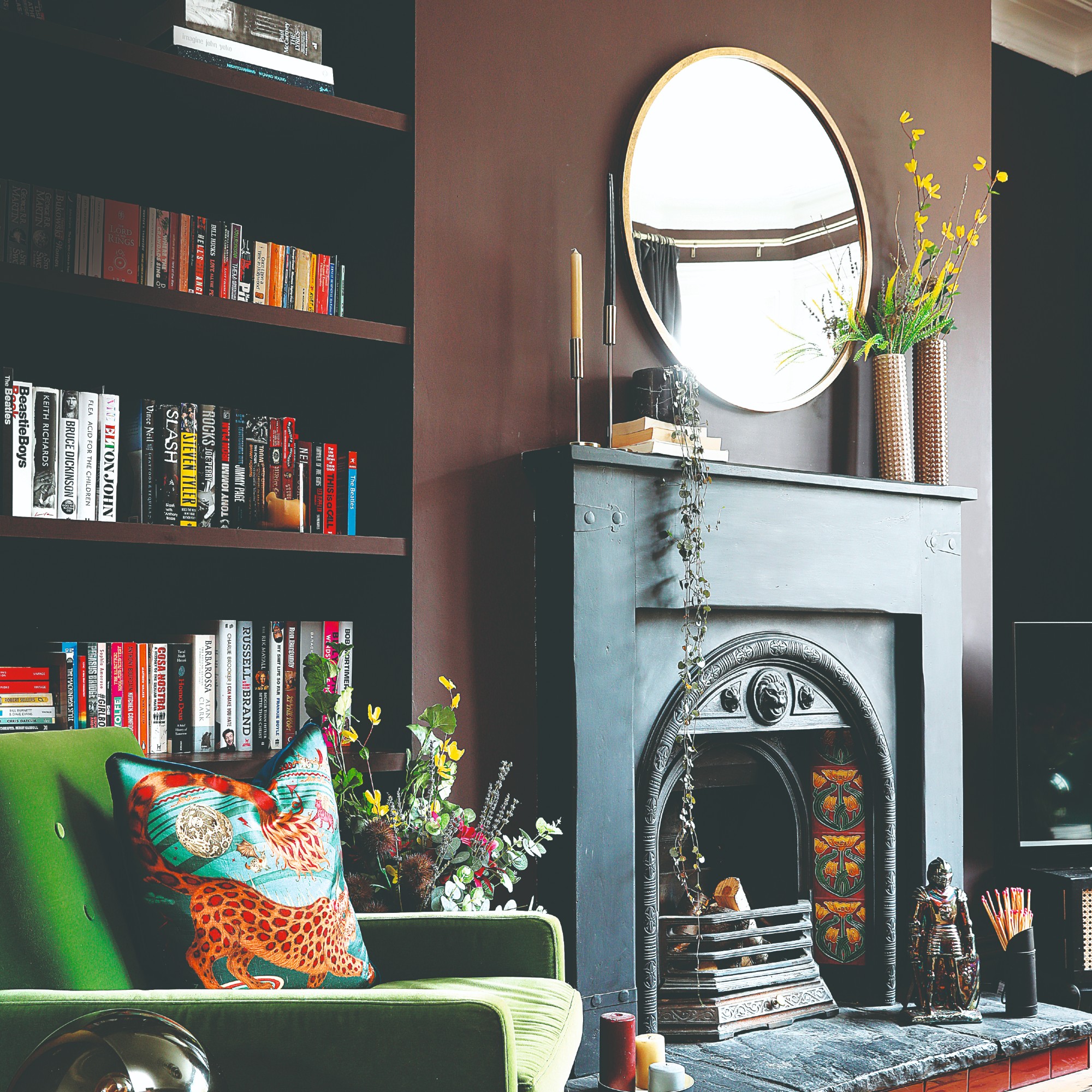
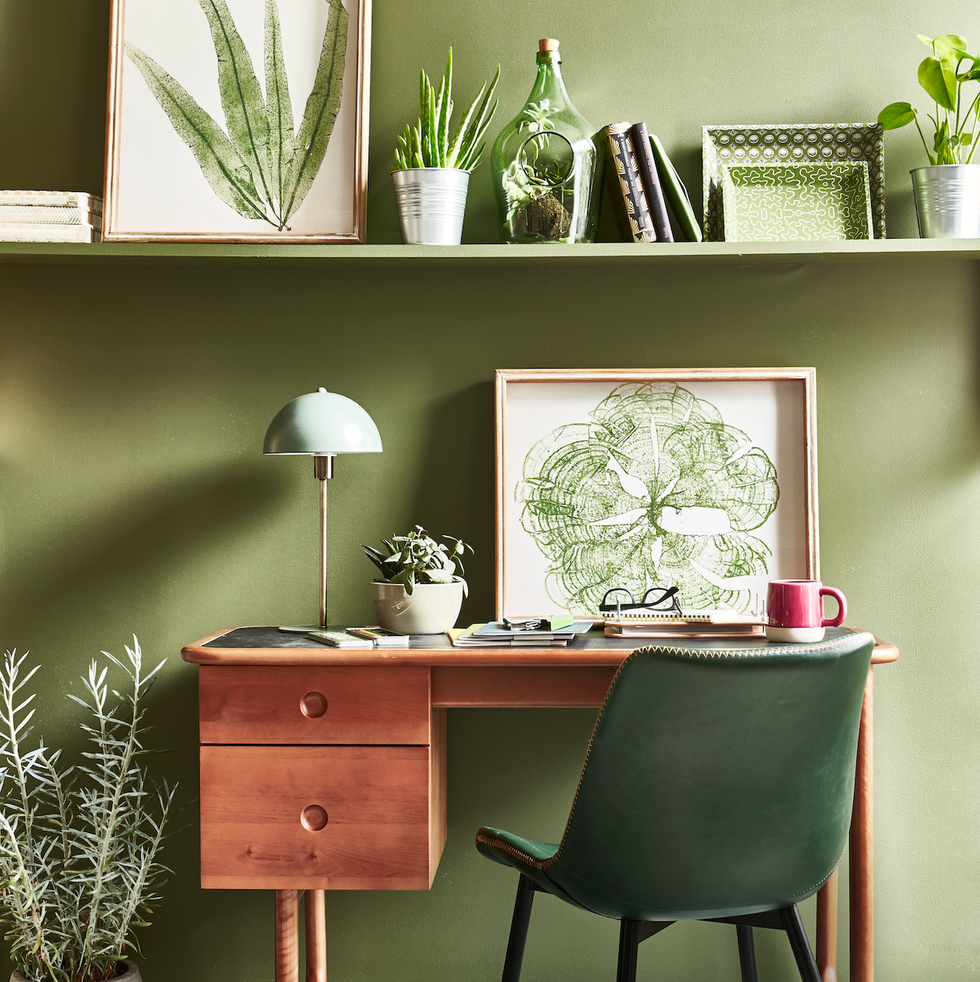
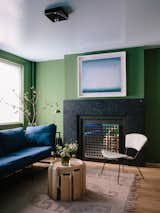
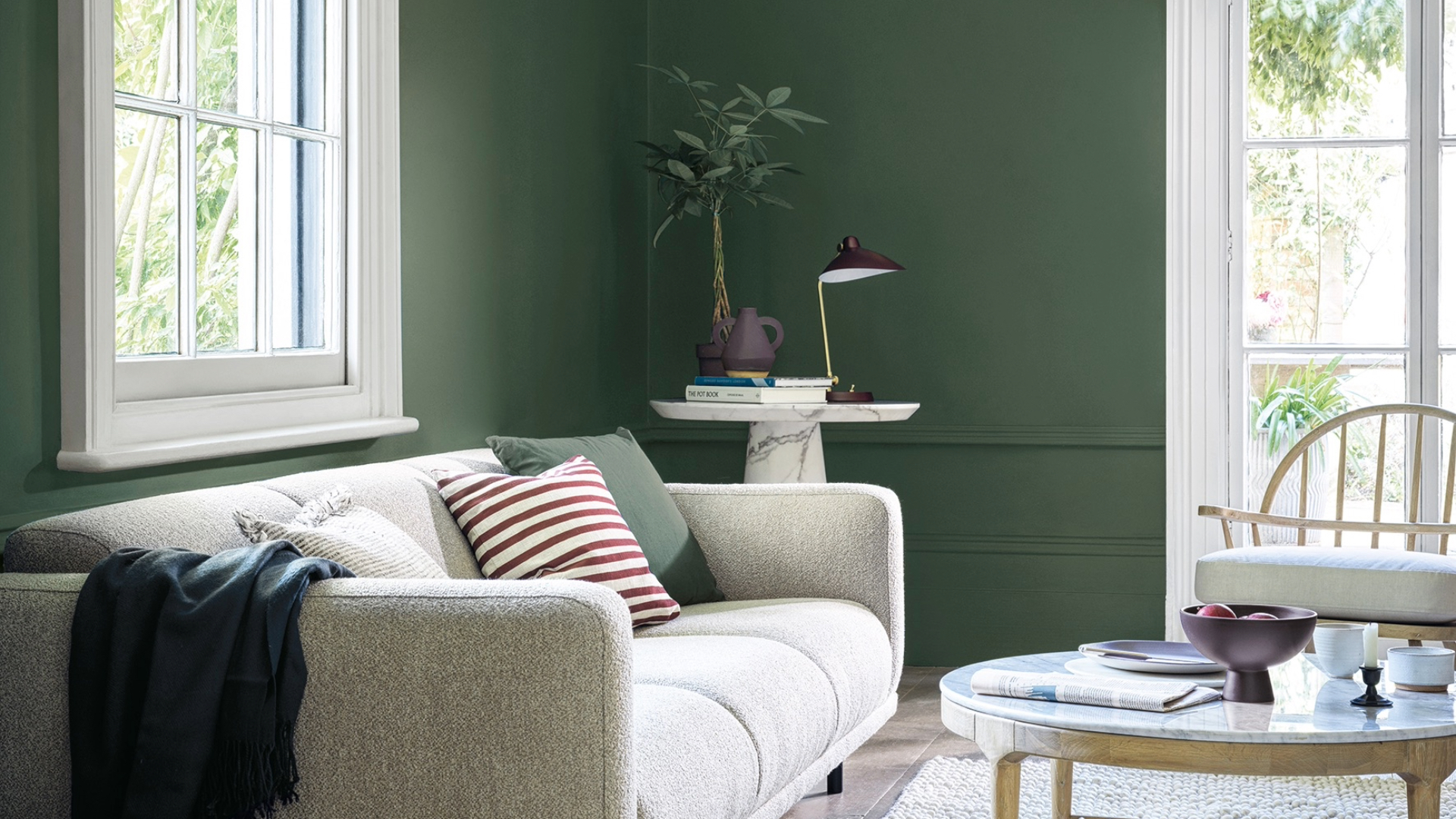
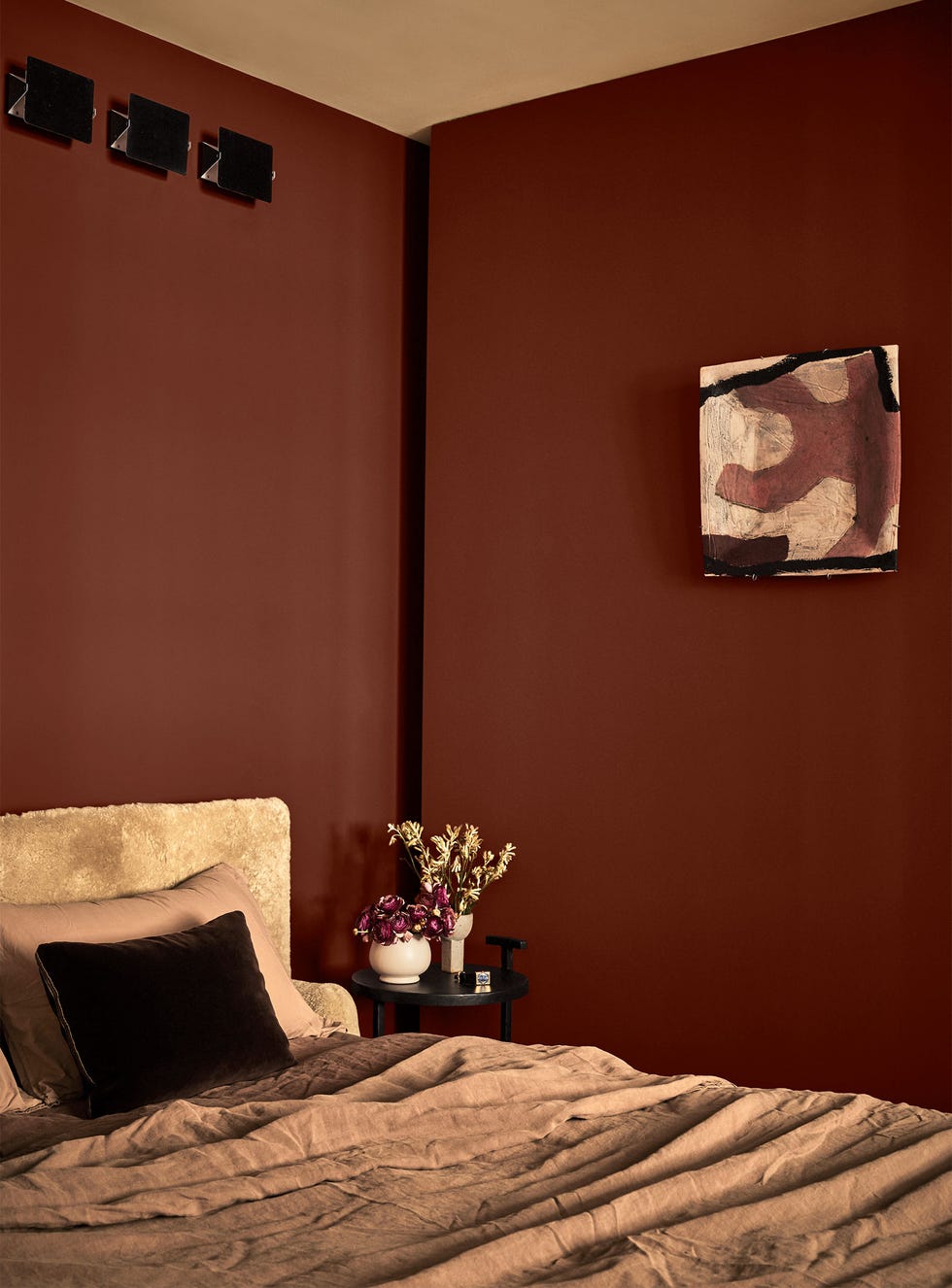
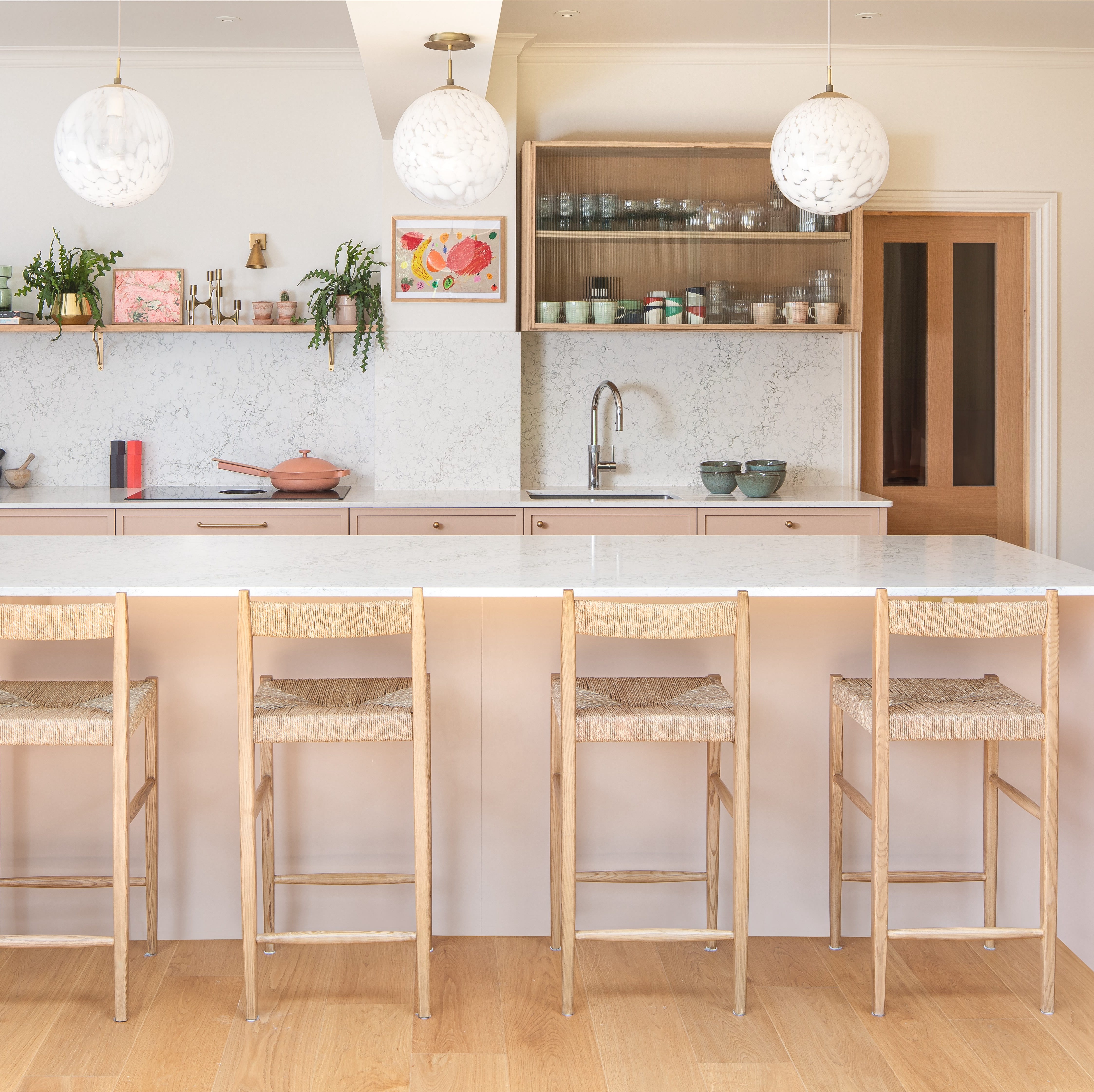
Earthy browns are set to be a dominant feature in interior design for 2025, contributing to a grounded and calming atmosphere. Pantone's 'Mocha Mousse,' a warm brown, is highlighted as an example that reinforces the connection to nature inherent in biophilic design. For those with houseplants, brown-toned pots are suggested as a way to align with this trend and complement the greenery. The combination of brown and green is considered calming, with darker greens like forest green particularly suitable with various shades of brown. Research indicates that such natural color combinations can improve mood, alleviate stress, and boost motivation.
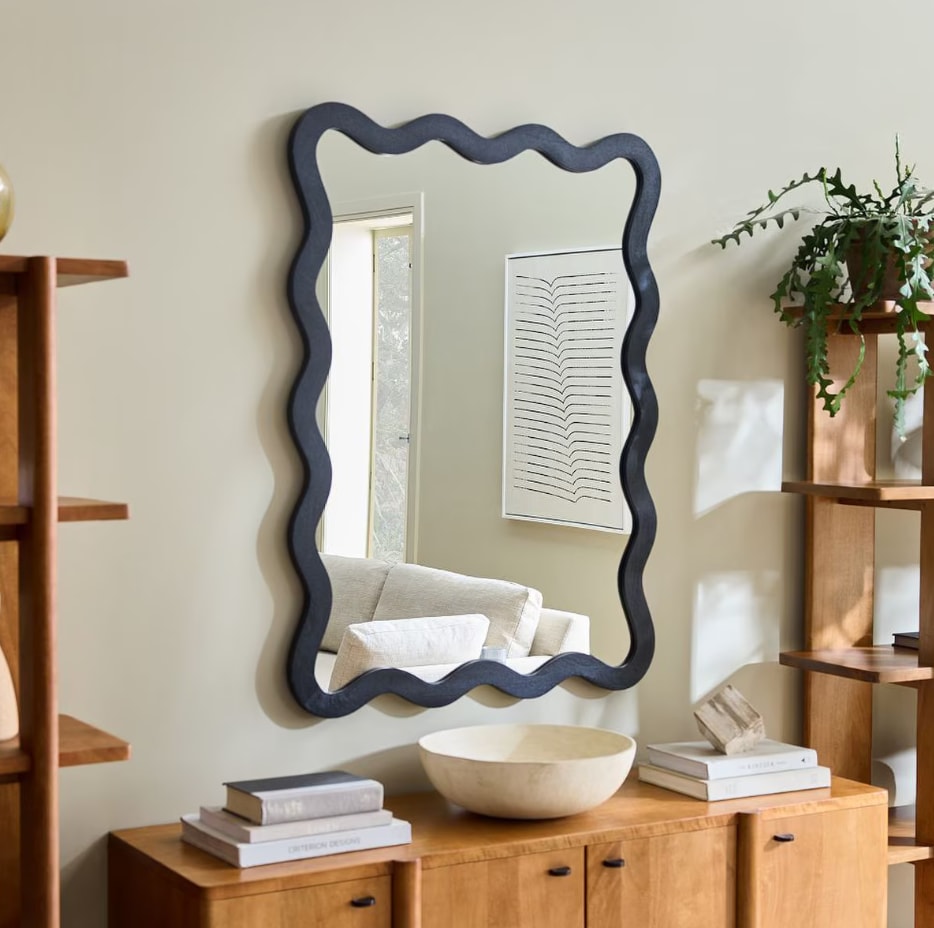
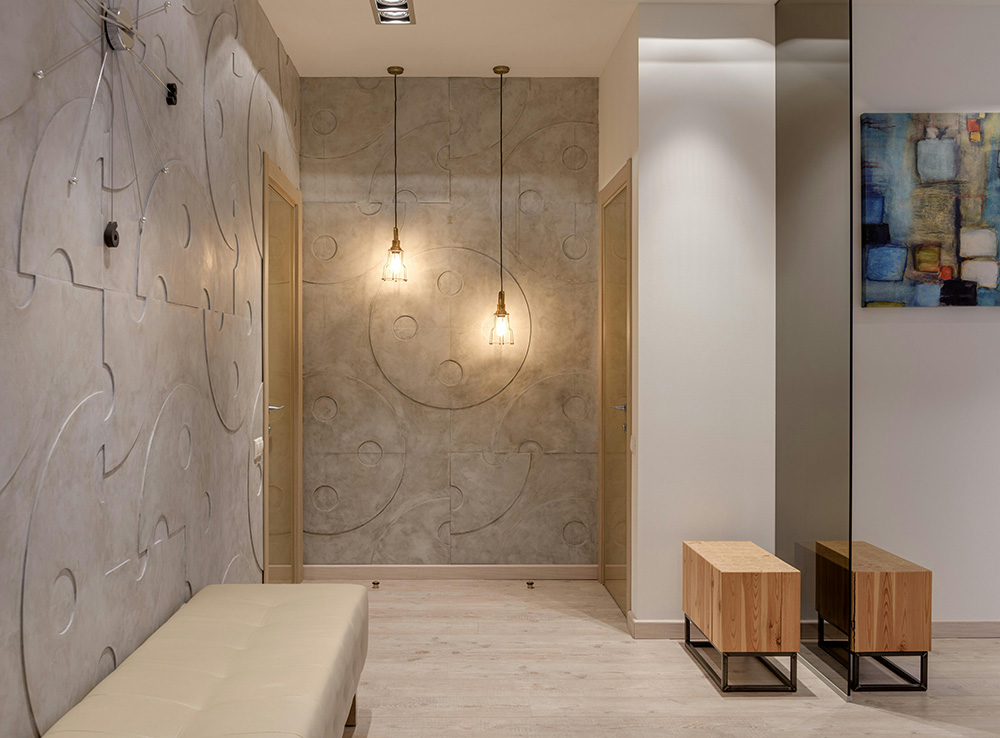
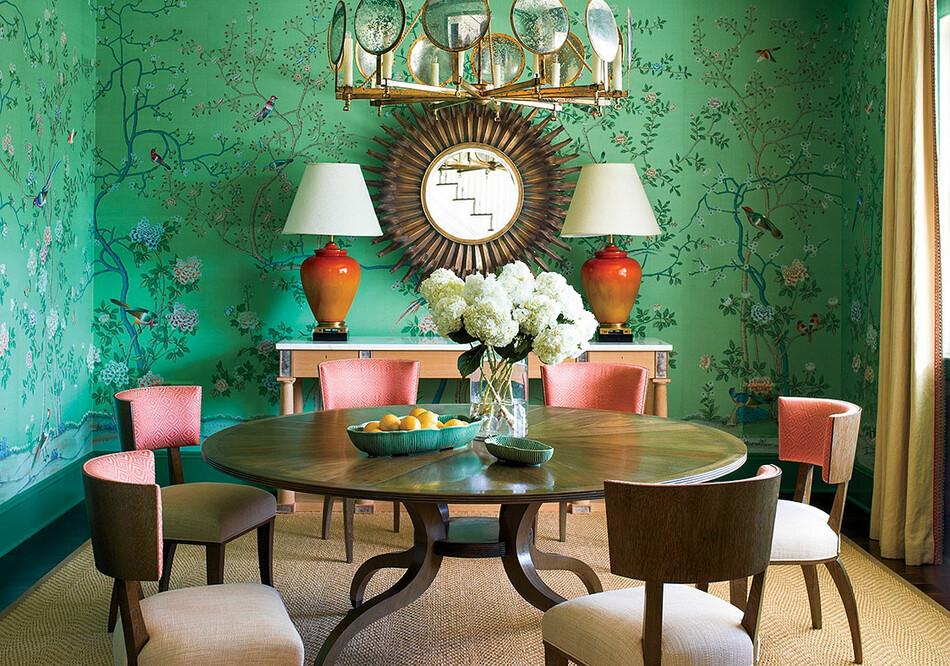
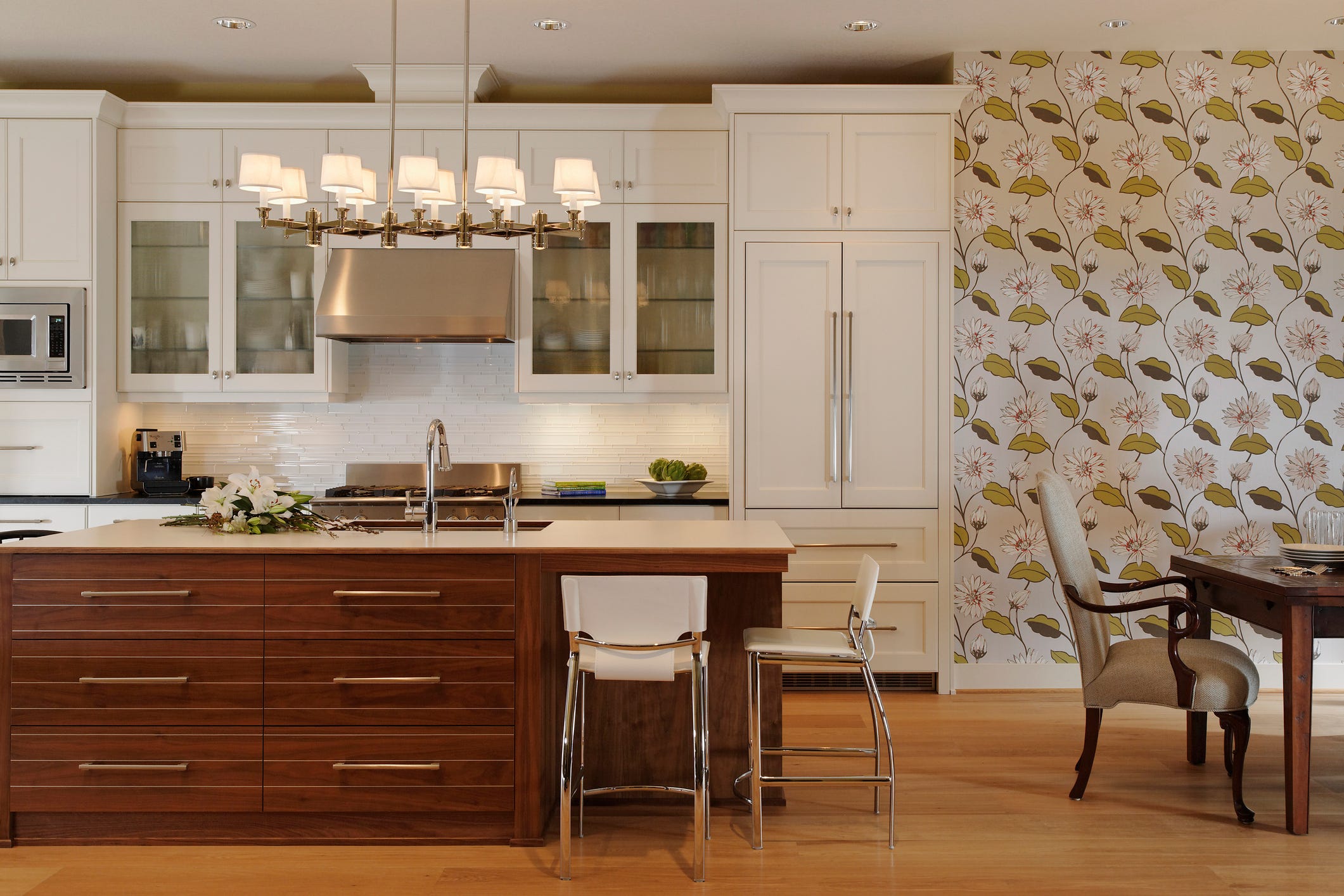
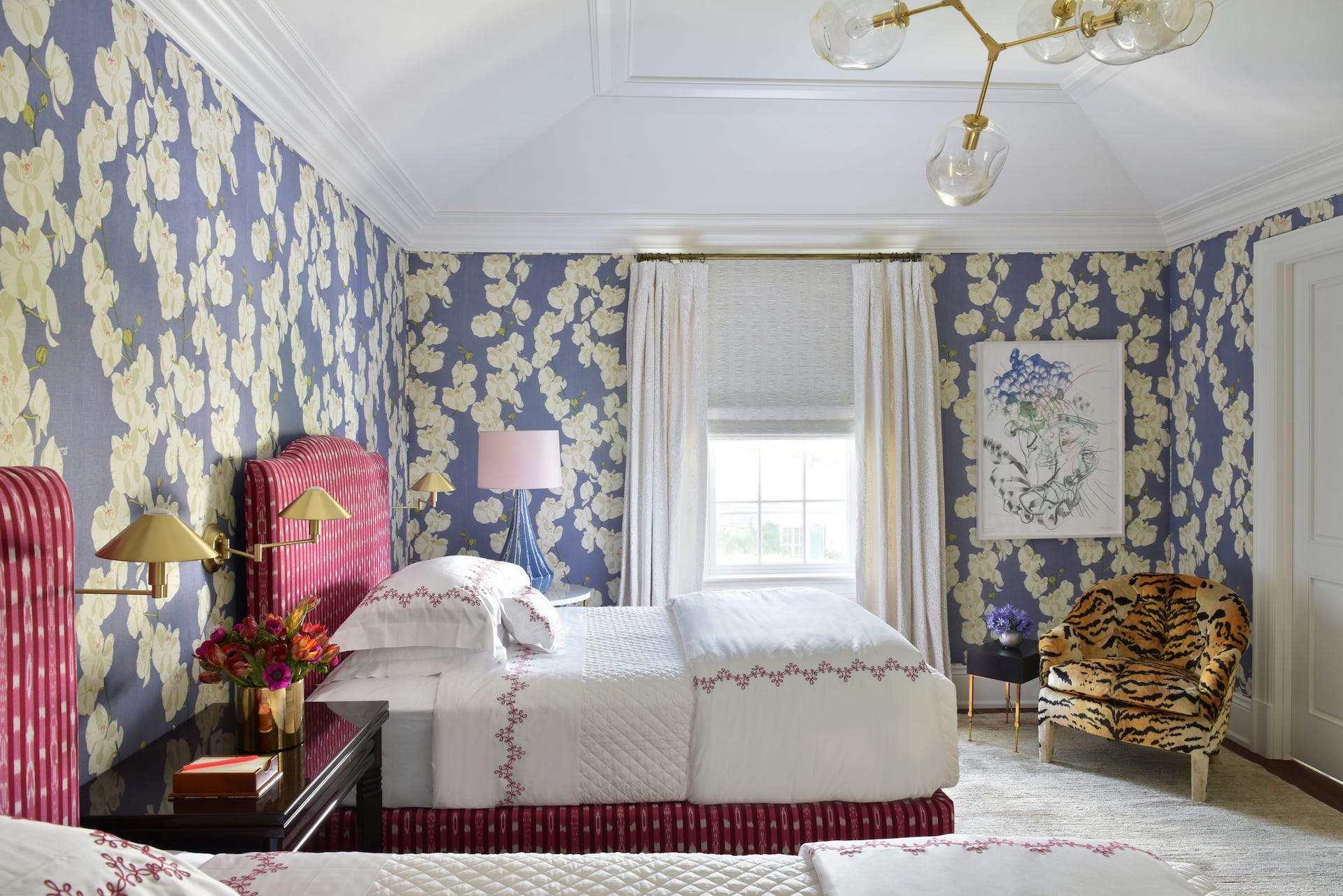
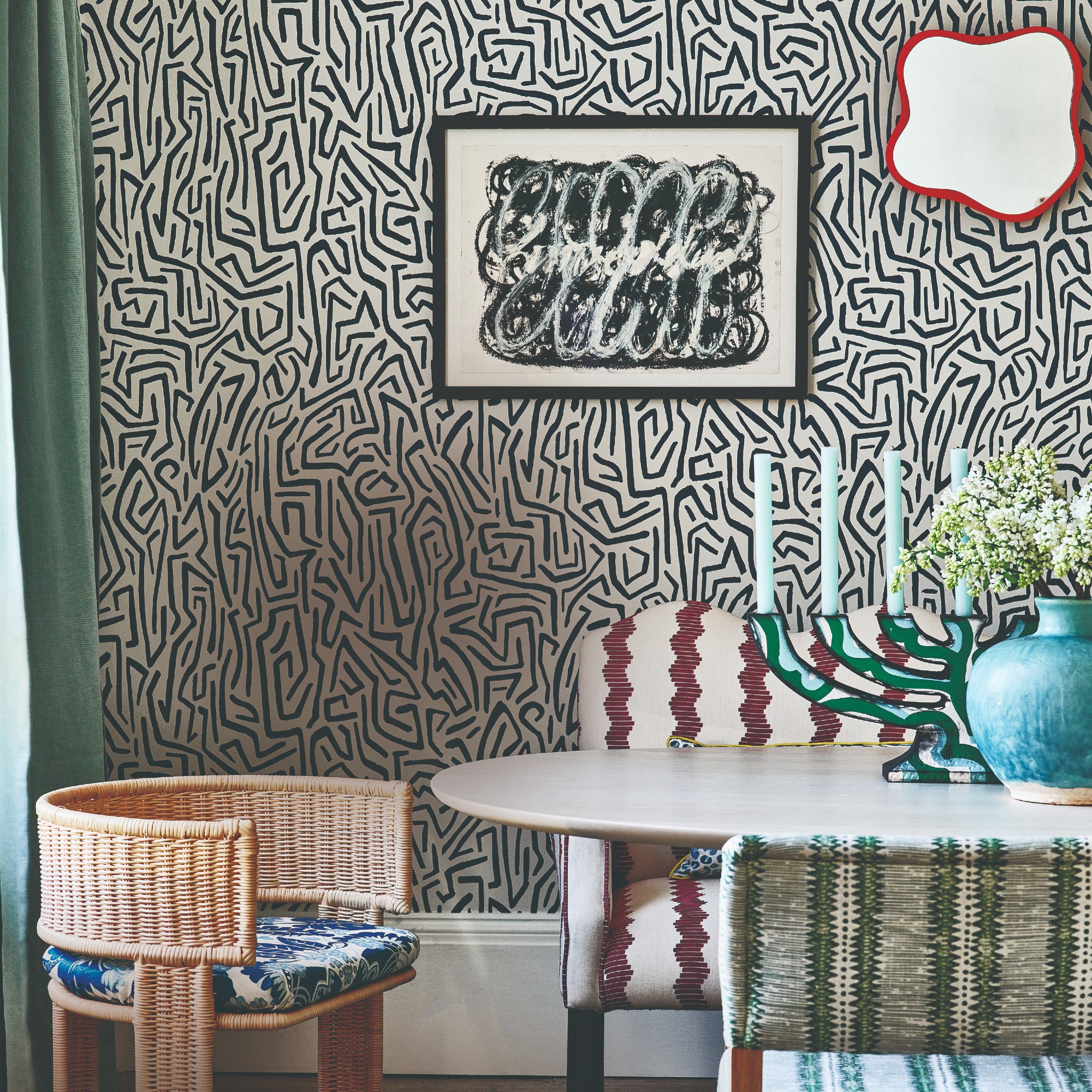
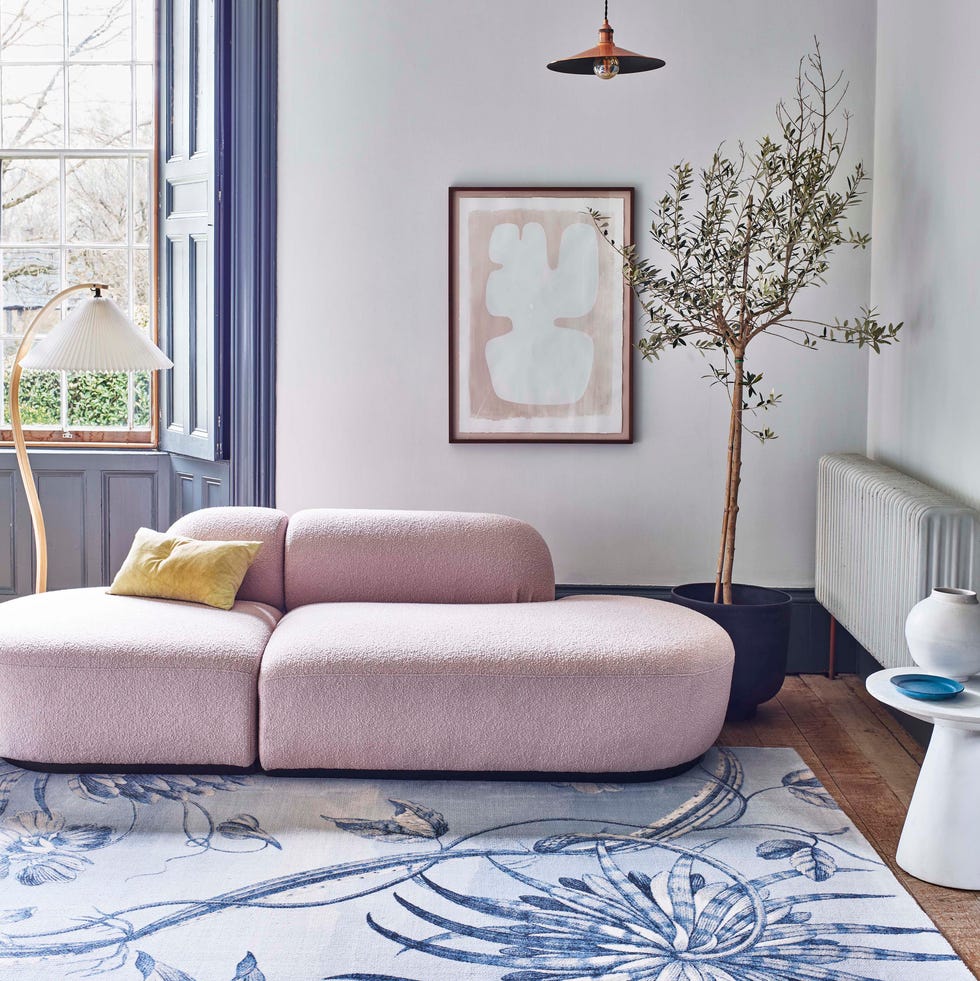
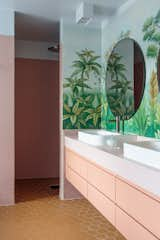
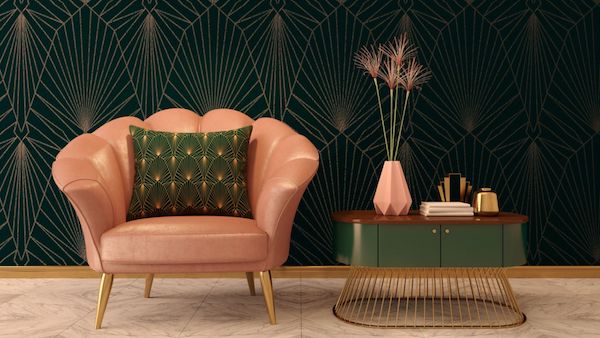
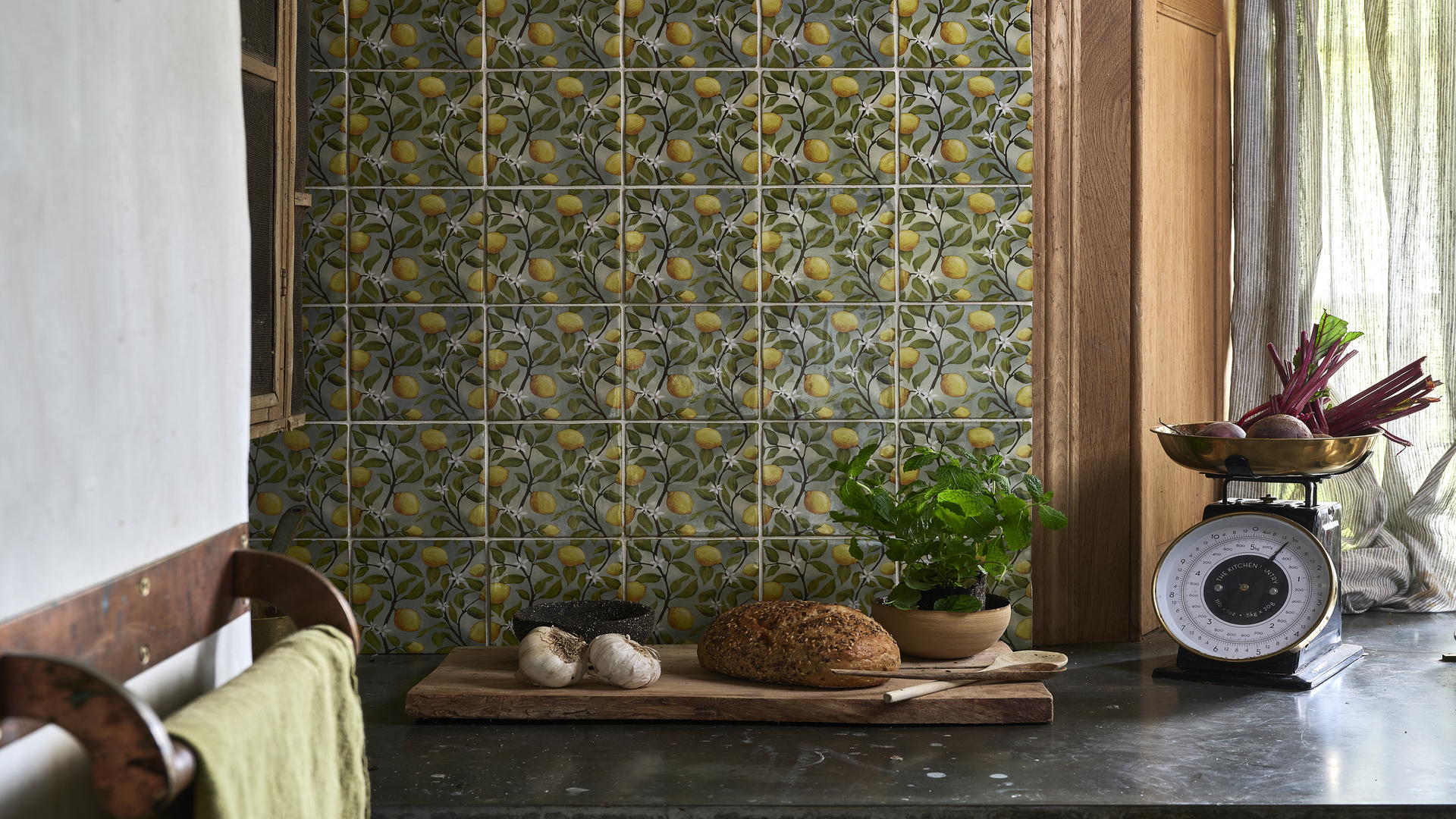
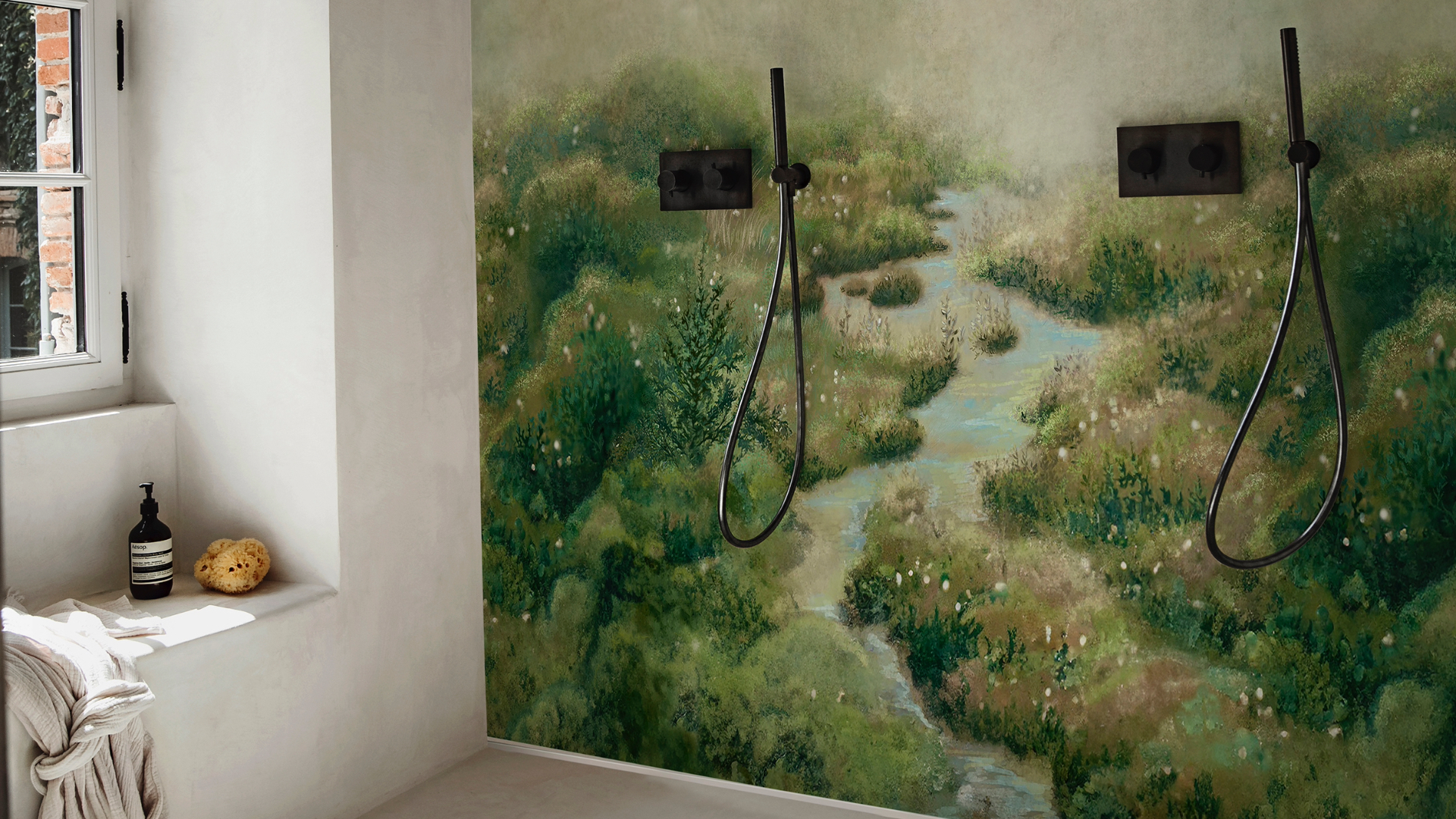
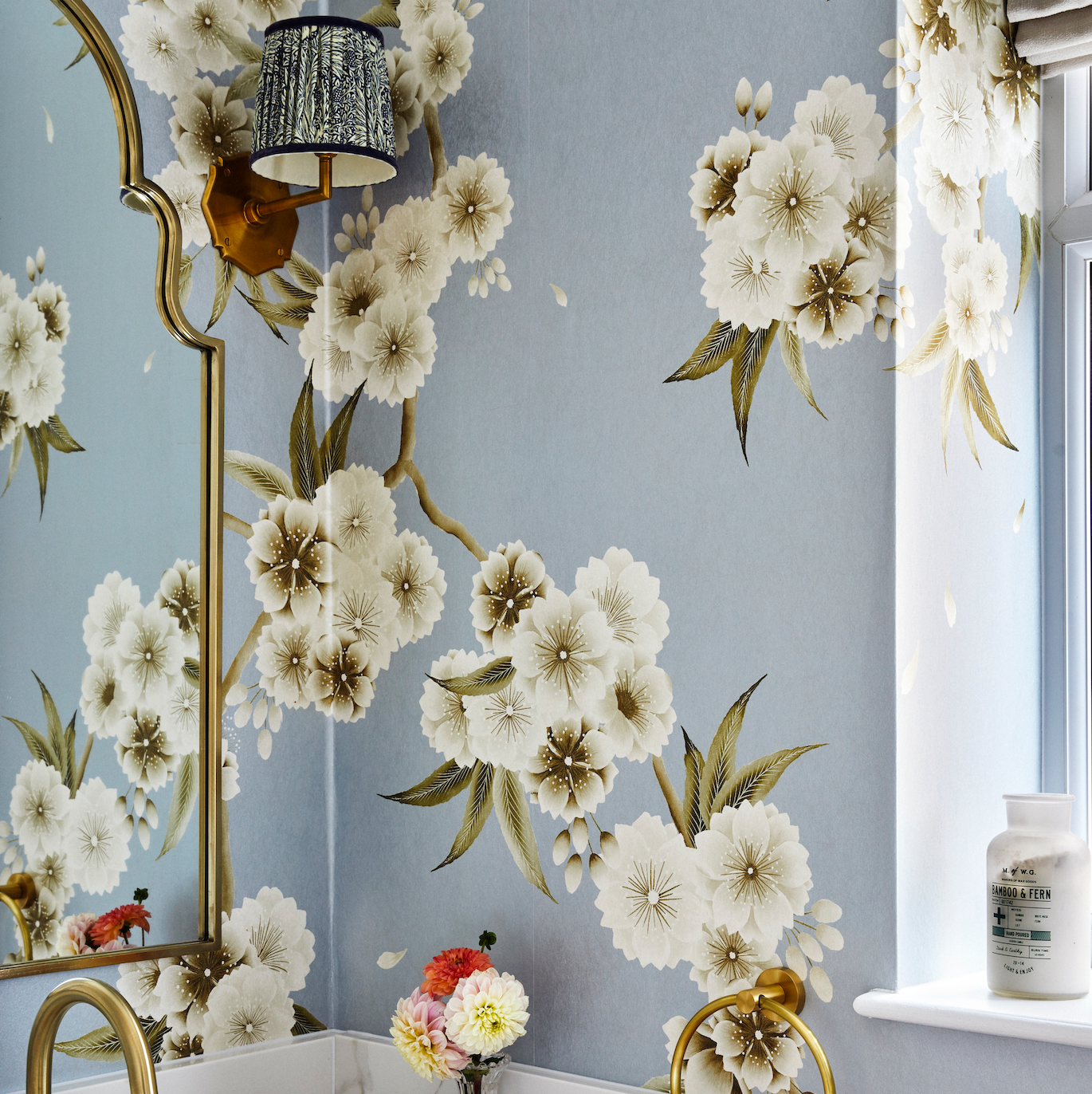
Textural elements, particularly bold wallpapers, are also projected to be a significant trend in 2025. The article proposes integrating vertical gardens or moss walls to introduce texture and a natural touch. Climbing plants like Ivy and Swiss Cheese can be used to create textured wall effects, serving as distinctive features within a home. Additionally, a shift from sharp lines to organic, flowing designs is expected, with curved furniture and arched architectural features gaining traction. This trend can be reflected in plant choices, such as rounded pots or plants with soft, arching forms like Peace Lilies or Chinese Money Plants.
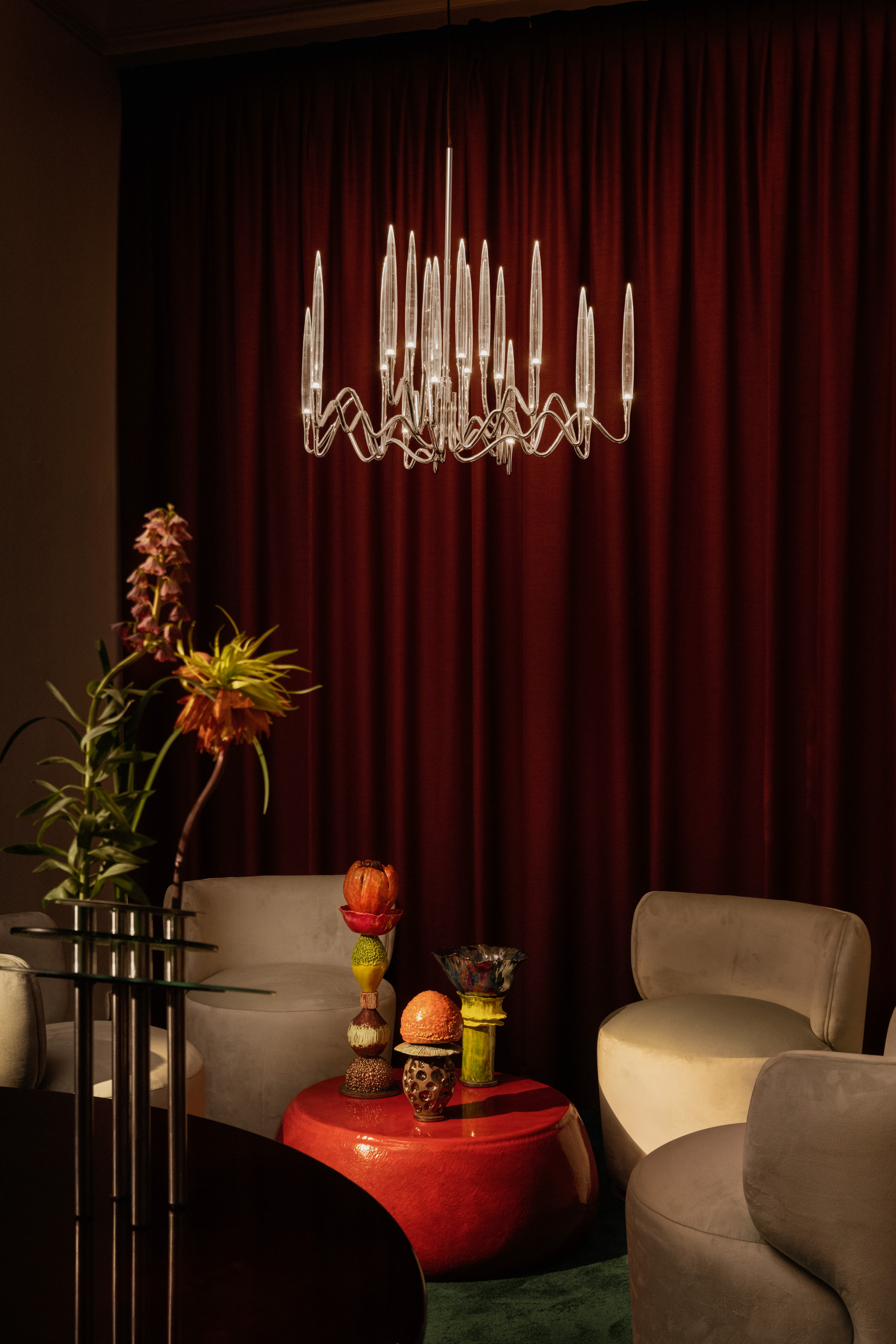
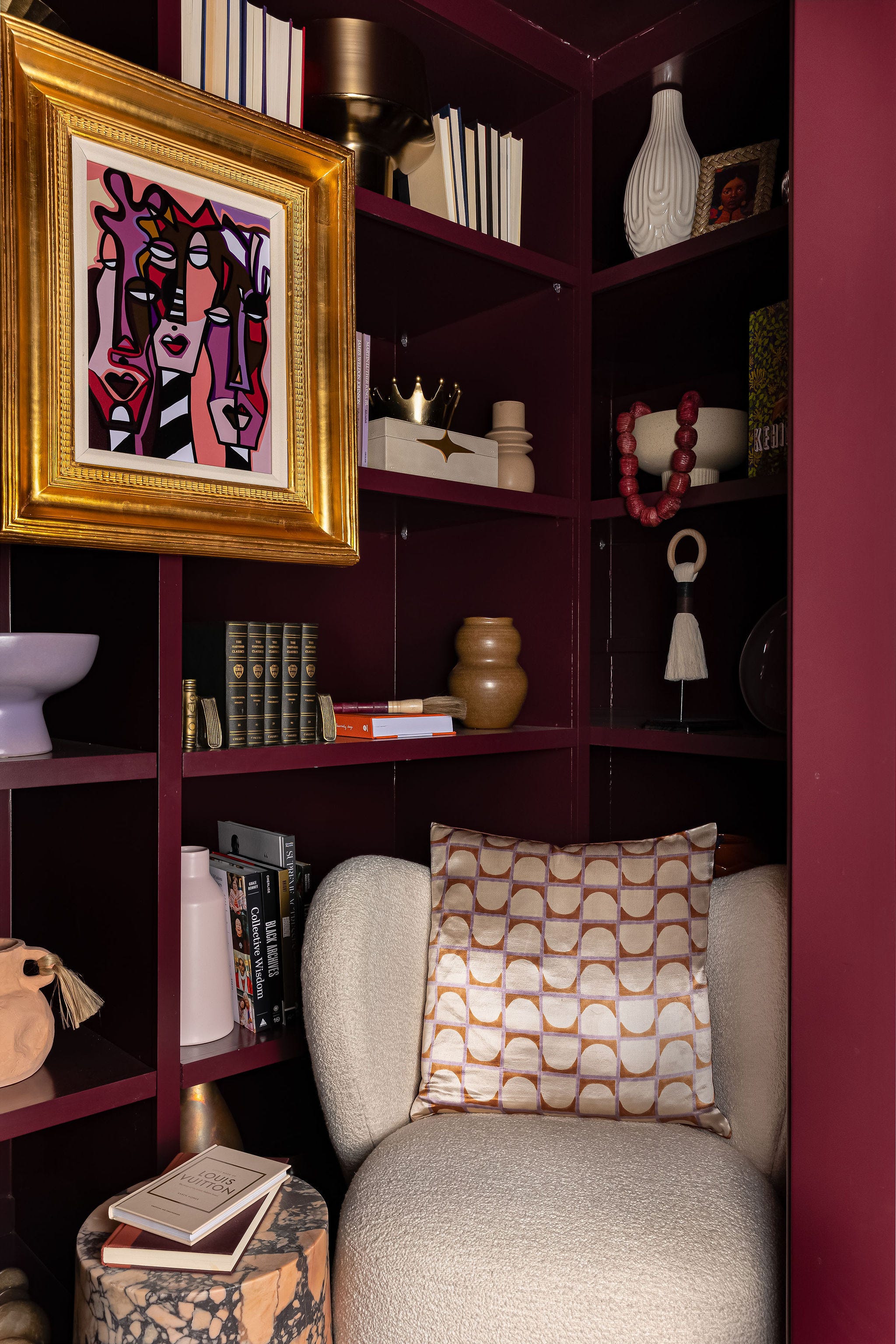
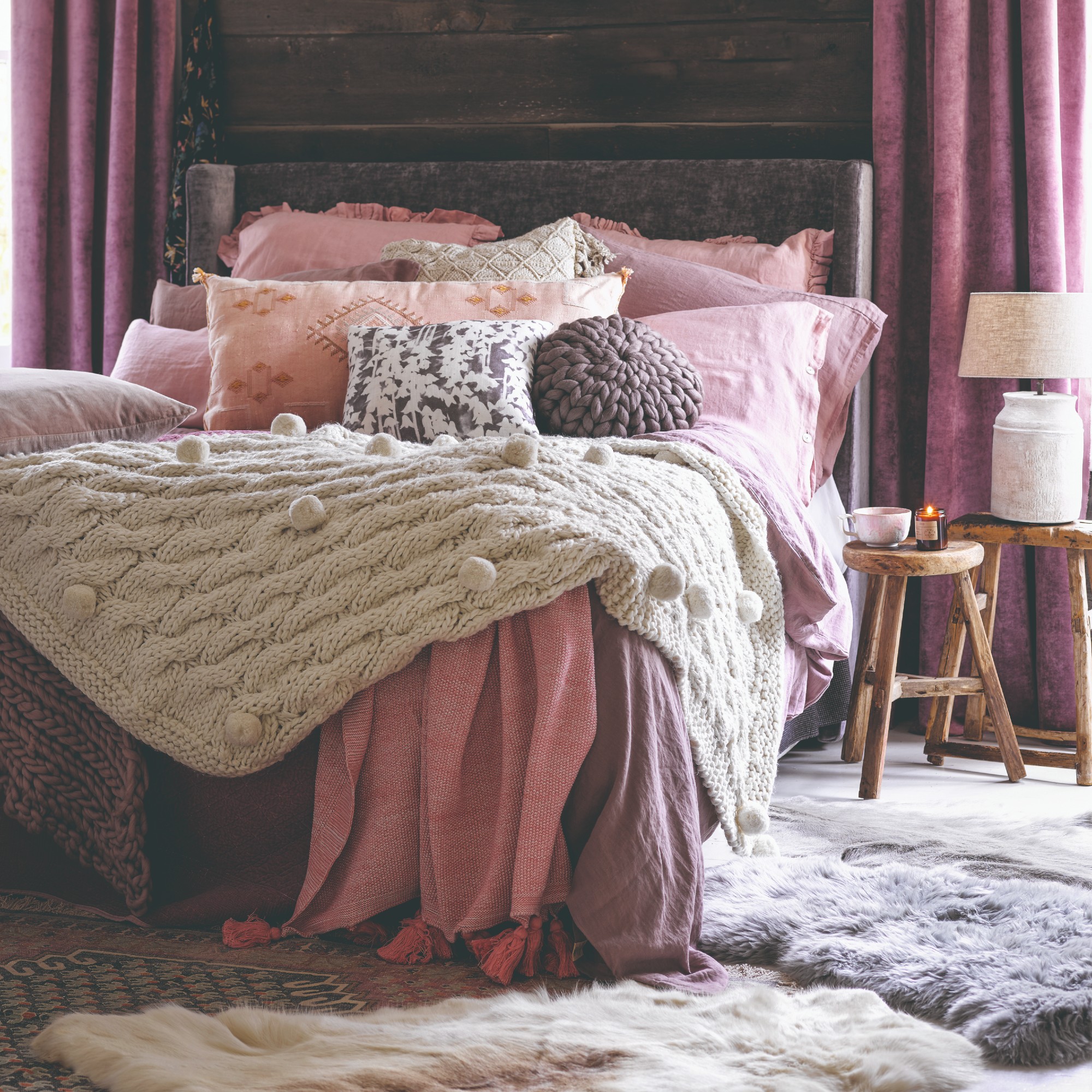
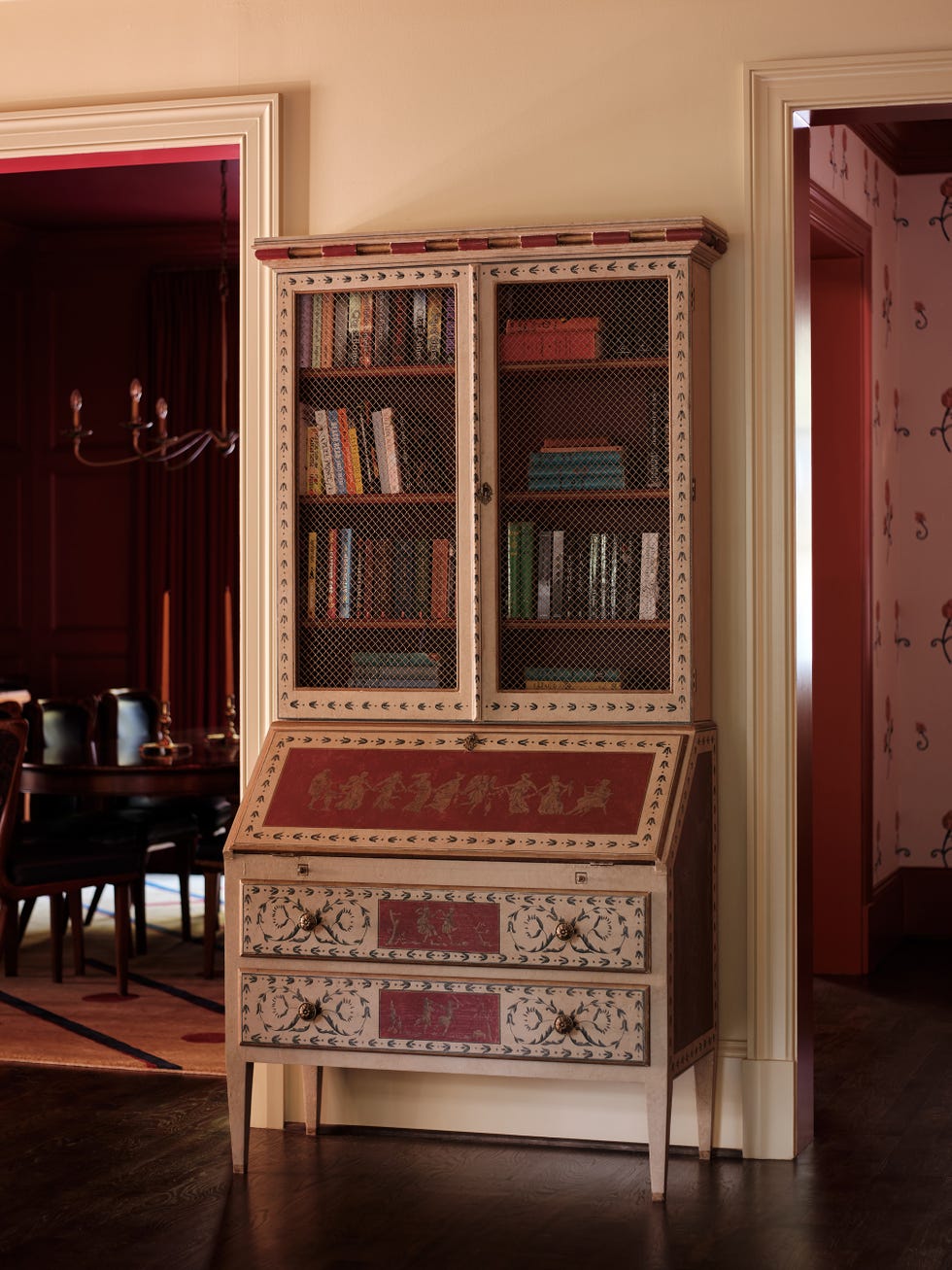
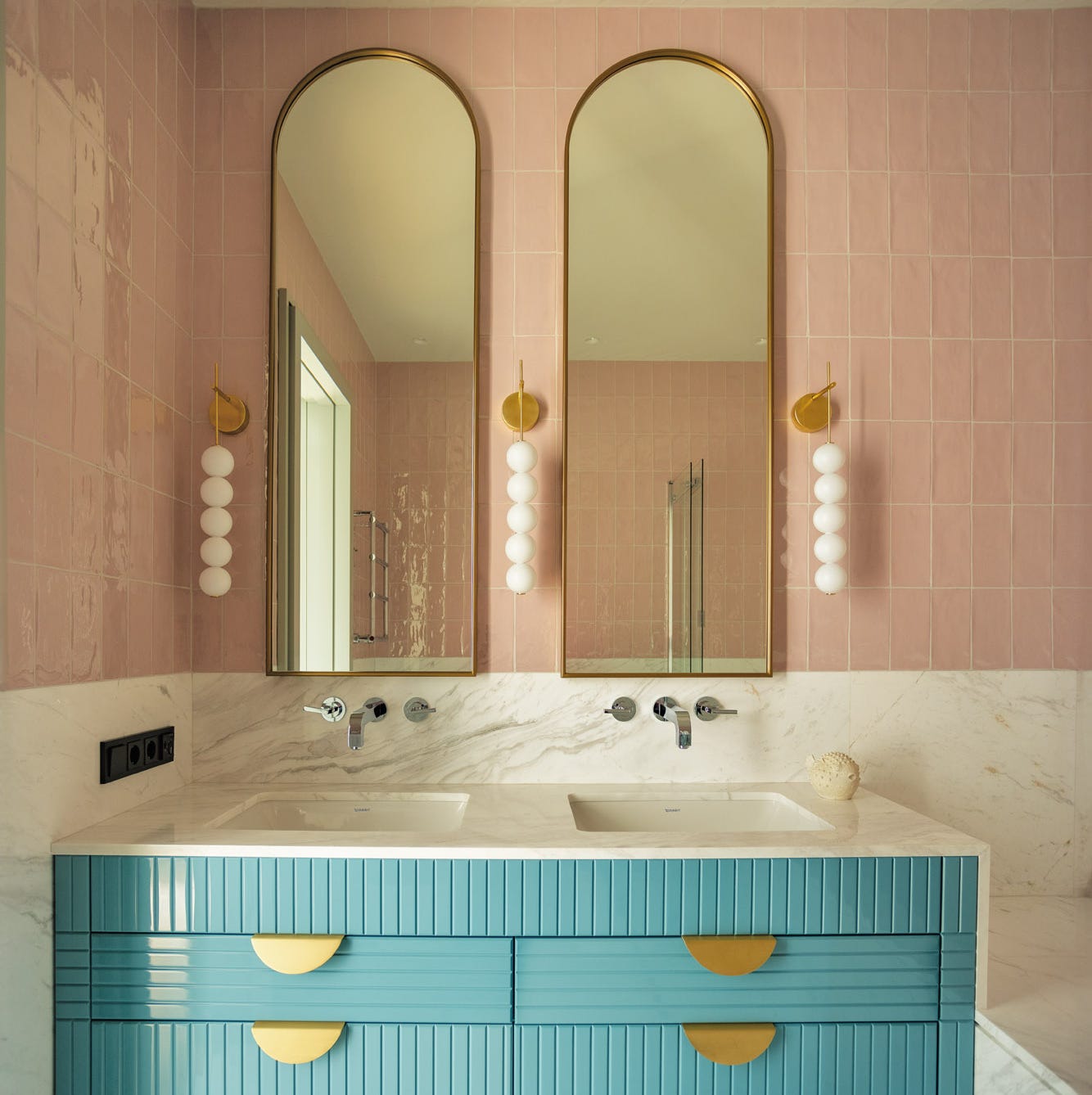
Multifunctional spaces are becoming increasingly important due to evolving hybrid lifestyles, making well-designed home offices a key focus for 2025. Houseplants can play a functional role in defining these spaces. Taller plants, such as Fiddle Leaf Figs or Kentia Palms, can act as natural room dividers, separating work areas from living spaces. Smaller, air-purifying plants like Snake Plants are ideal for enhancing desk environments with a touch of greenery. A complementary trend for 2025 involves the use of big and bold elements in interiors, including vibrant colors and large-scale pieces. Rich hues like magenta, burgundy, and deep purples, combined with dramatic houseplants, are anticipated. Pairing these with lilac or emerald green pots can create a visually striking effect. This emphasis on statement plants as focal points, such as Monstera Deliciosa, paired with richly colored pots, reflects a trend towards personalization and self-expression in interior design, aiming to create unique, vibrant, and uplifting spaces.
#BiophilicDesign #InteriorDesignTrends #Houseplants #EarthyColors #NaturalMaterials #HomeDecoration #Wellbeing #OrganicShapes #MultifunctionalSpaces #BiophilicDesign #InteriorDesignTrends #Houseplants #EarthyColors #NaturalMaterials #HomeDecoration #Wellbeing #OrganicShapes #MultifunctionalSpaces
0 comment in total
 No comments yet
You may also like
2025 Interiors trends according to an expert and the best pieces to shop now

How to Revamp Your Home in 2025

The biggest wellness interior design trends for 2025

Top 10 Home Interior Designs for 2025
The Biggest Interior Design Trends for 2025

These Are The Top Design Trends Worth Trying

These Will Be the Biggest Design Trends of 2025
What the heck is biophilic design?

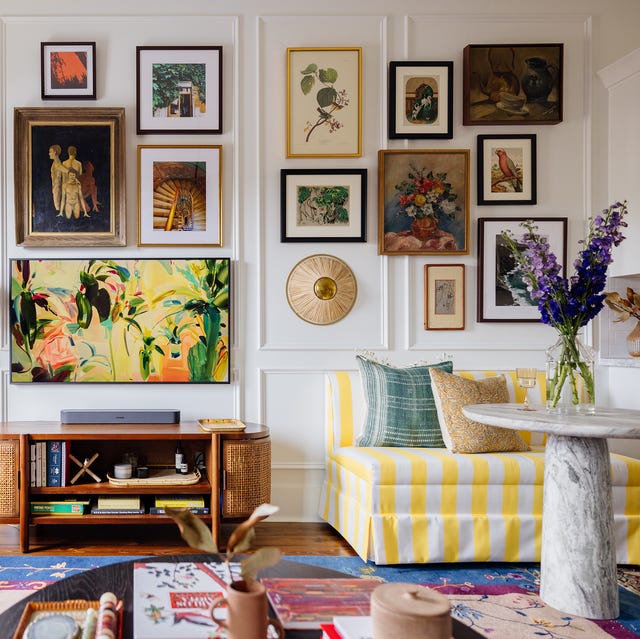
The Pros Have Spoken: These Interior Design Trends Will Define 2025

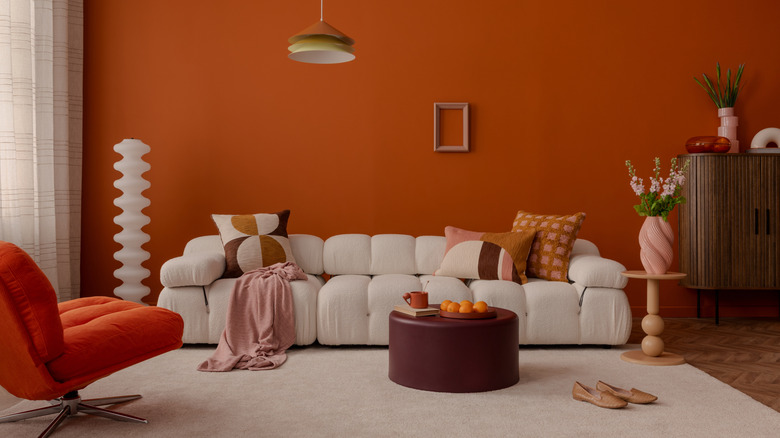
Say Goodbye To Exaggerated Furniture Shapes: The 2026 Trend Coming To Replace It
These Are the Home Design Trends That Will Rule 2022

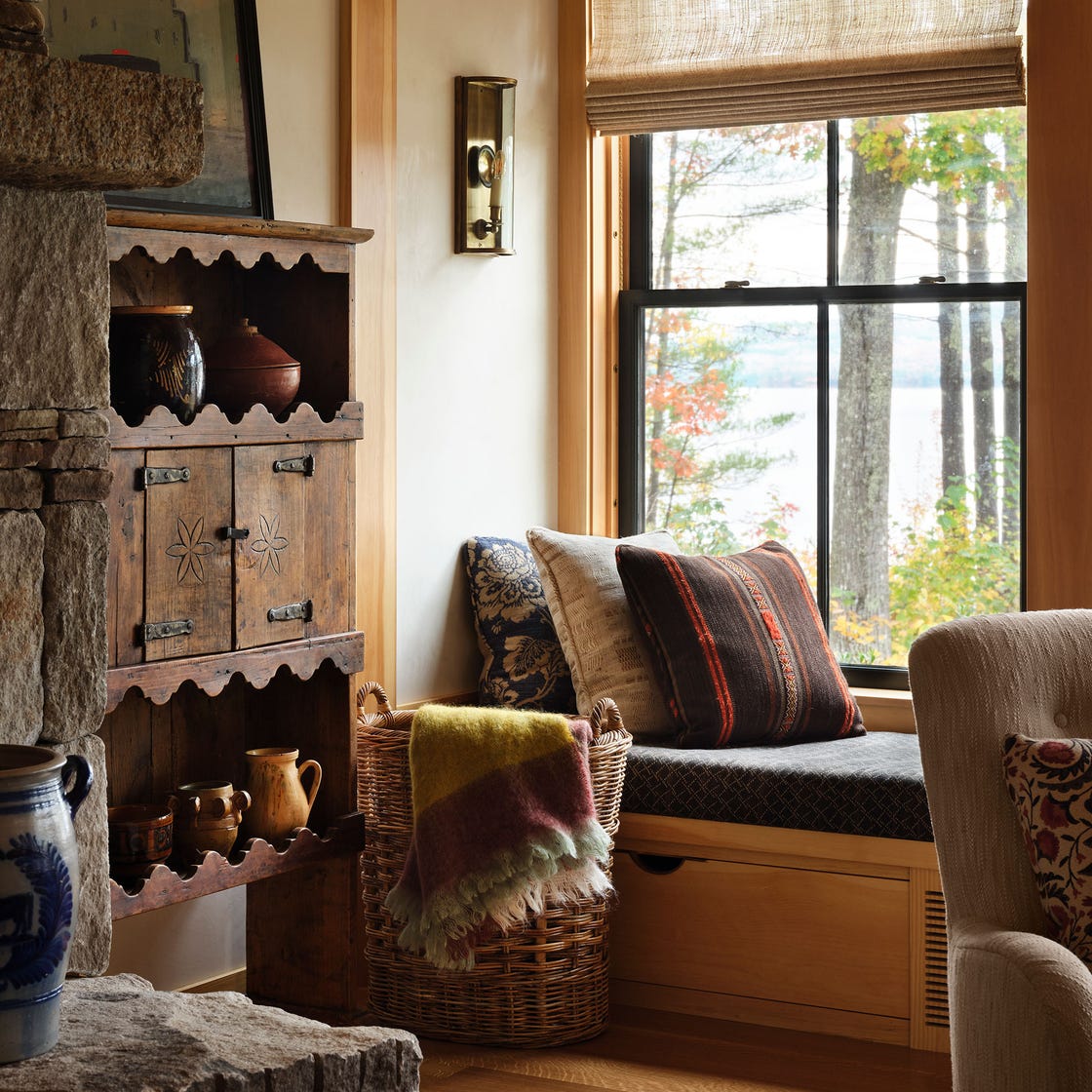
The Interior Design Trends Taking Over Fall 2025, According to Designers
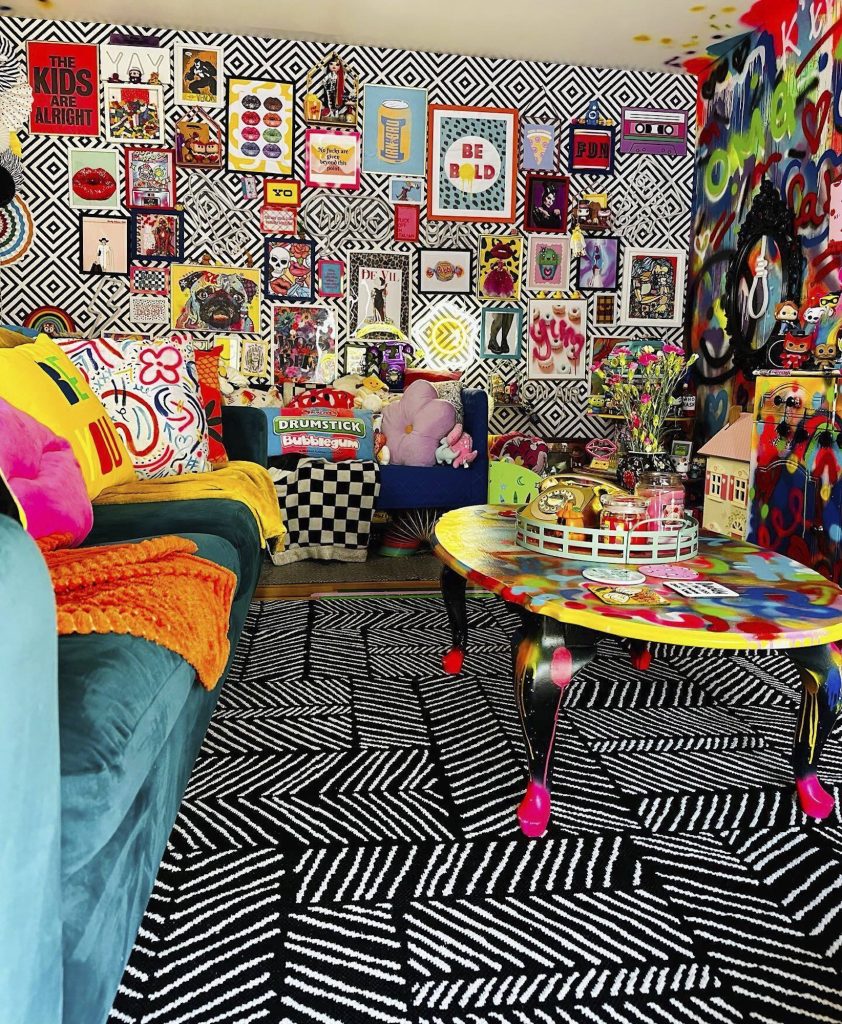
From grandmacore to maximalism — 2025 home decor trends to unite your styles

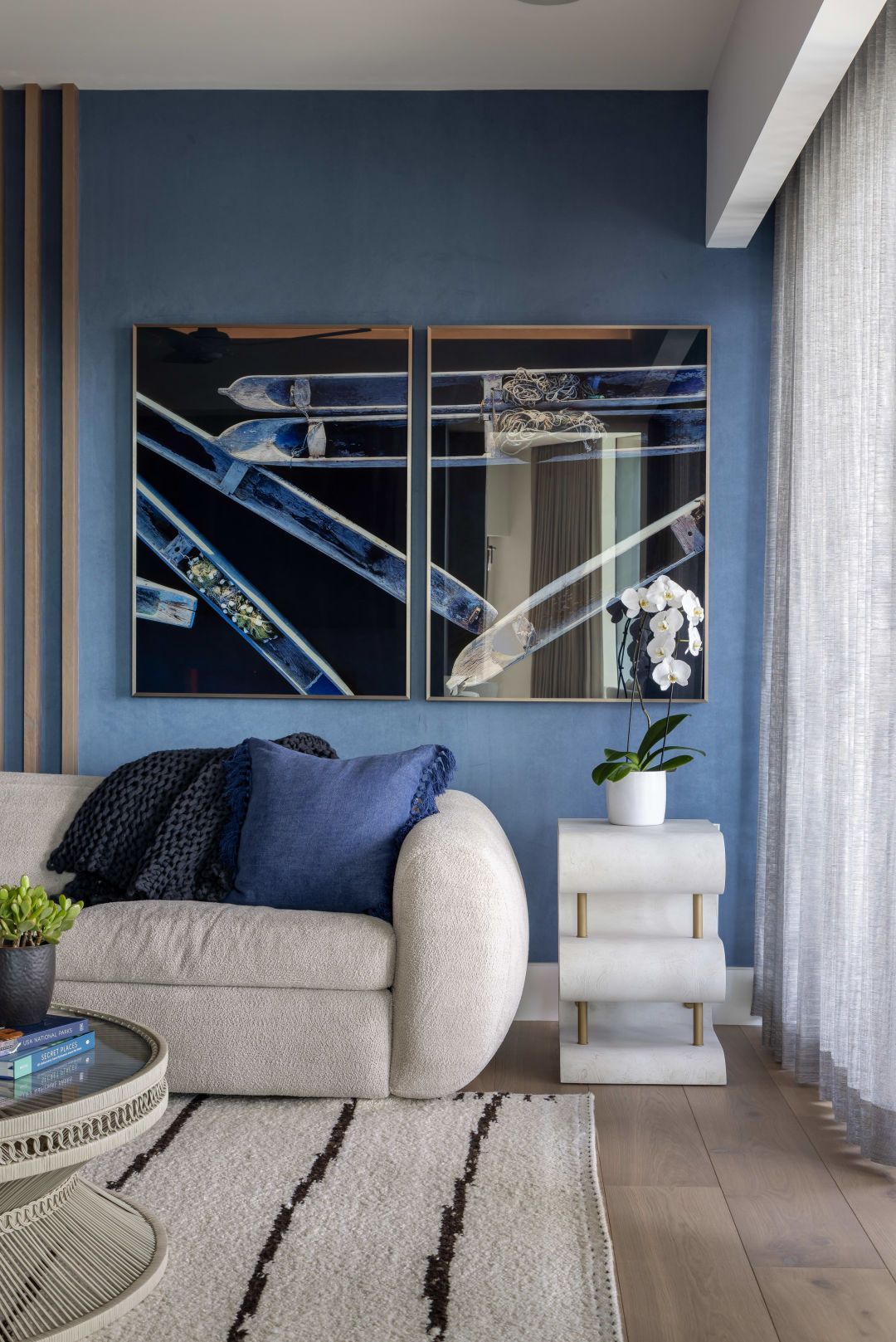
These Are the Home Design Trends You Need to Know About in 2025
The Top 10 Trends In Home Design For 2023. Plus, 10 That Are Officially Done!
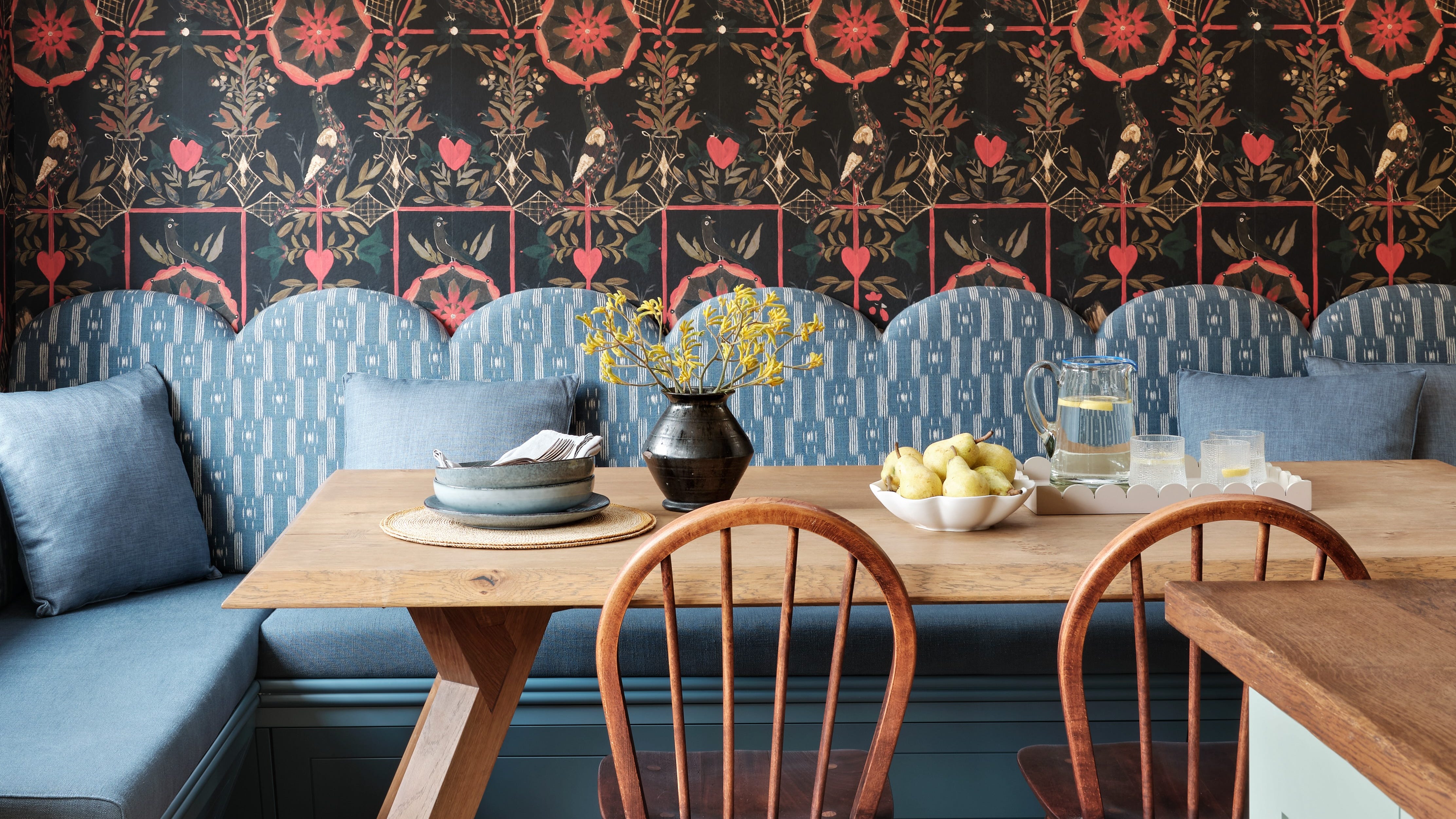
Renovating? The home design trends you’ll see everywhere in 2025
Blending Tradition With Innovation: India’s Interior Design Trends For 2025

The biggest home decor trends that interior experts say you’ll be championing in your home in 2025
Stunning biophilic design ideas to help you bring the great outdoors into your home

Biophilic Design Helps Homeowners Connect to Nature