1/2
Say Goodbye To Exaggerated Furniture Shapes: The 2026 Trend Coming To Replace It
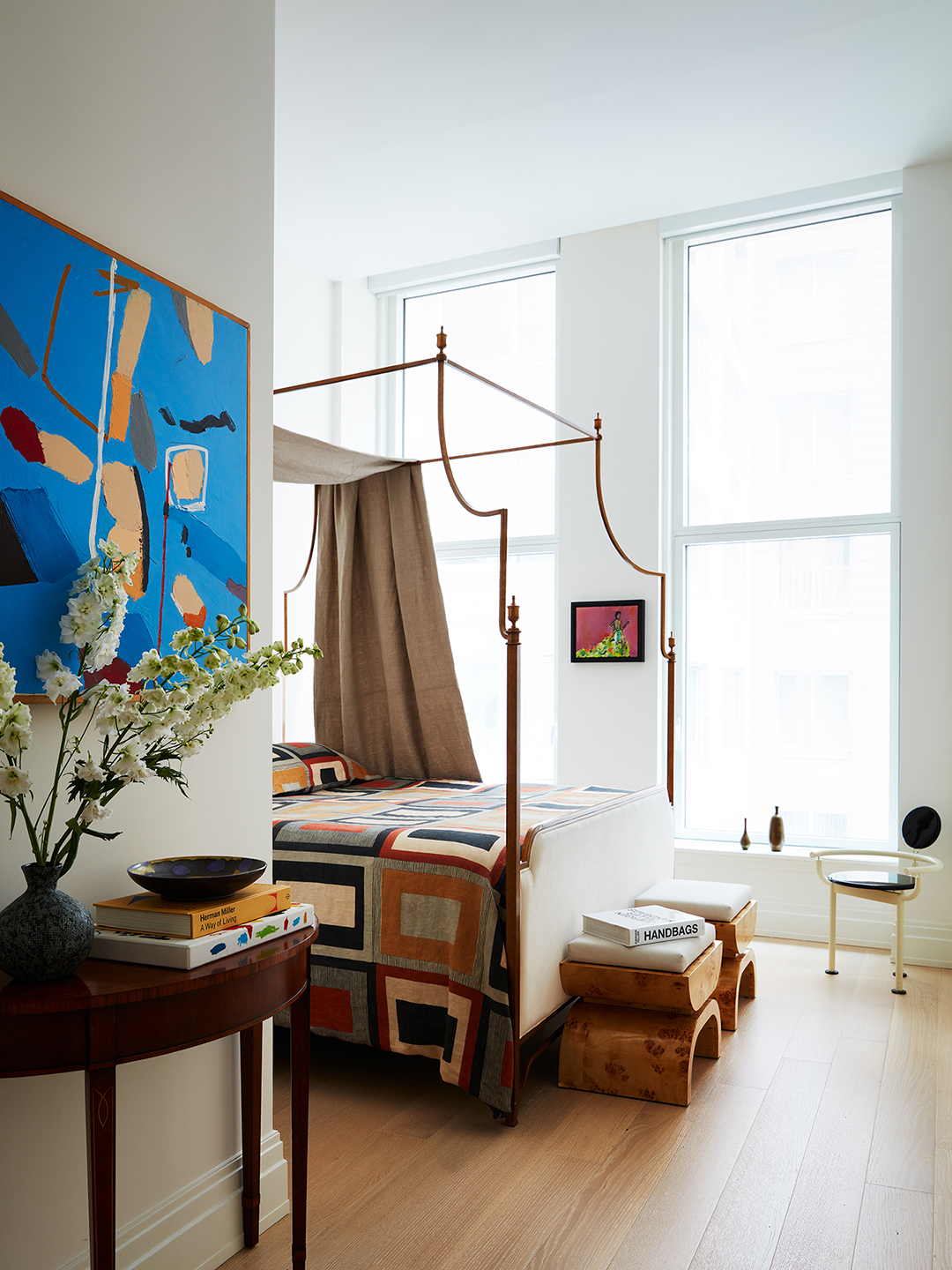
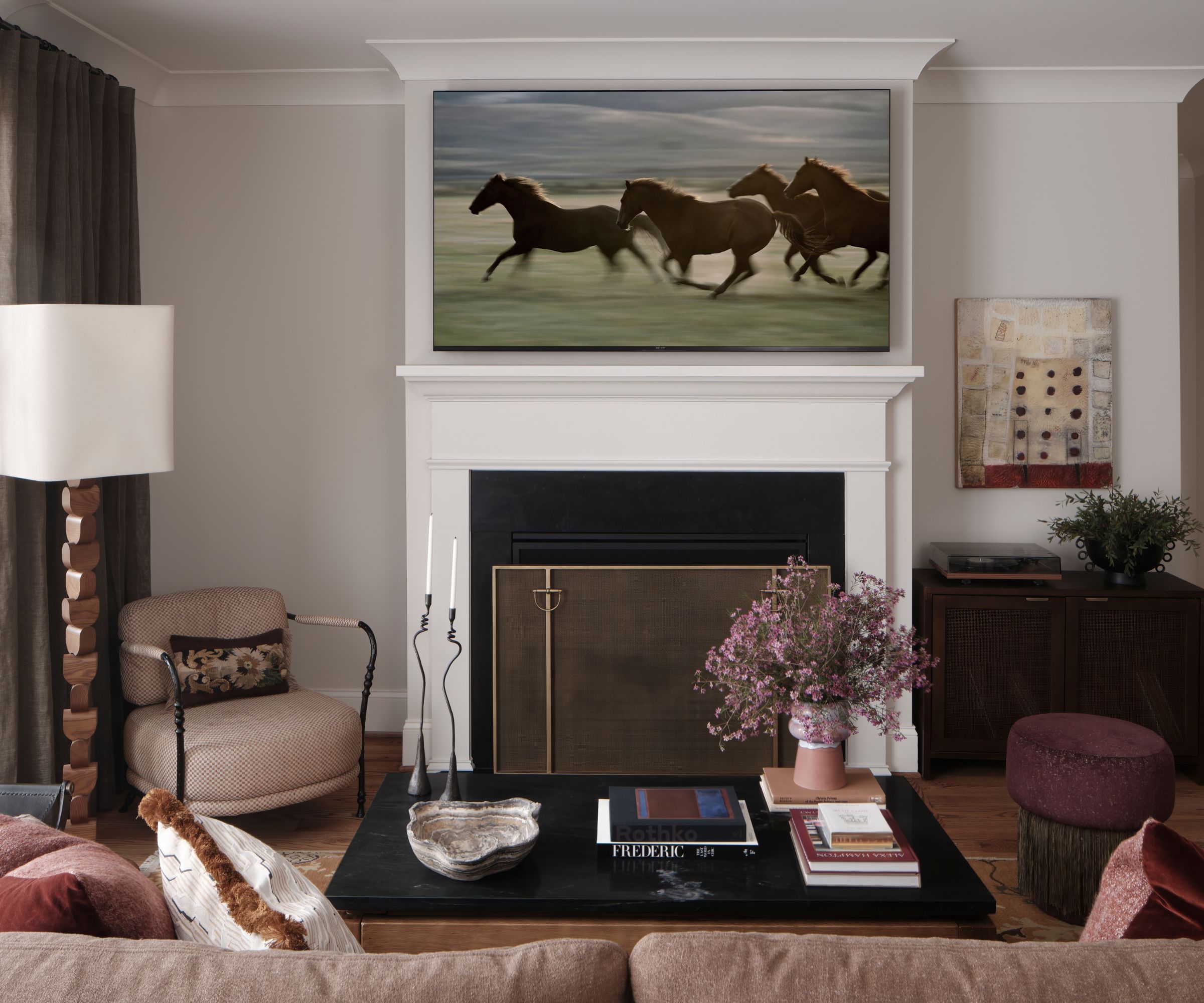
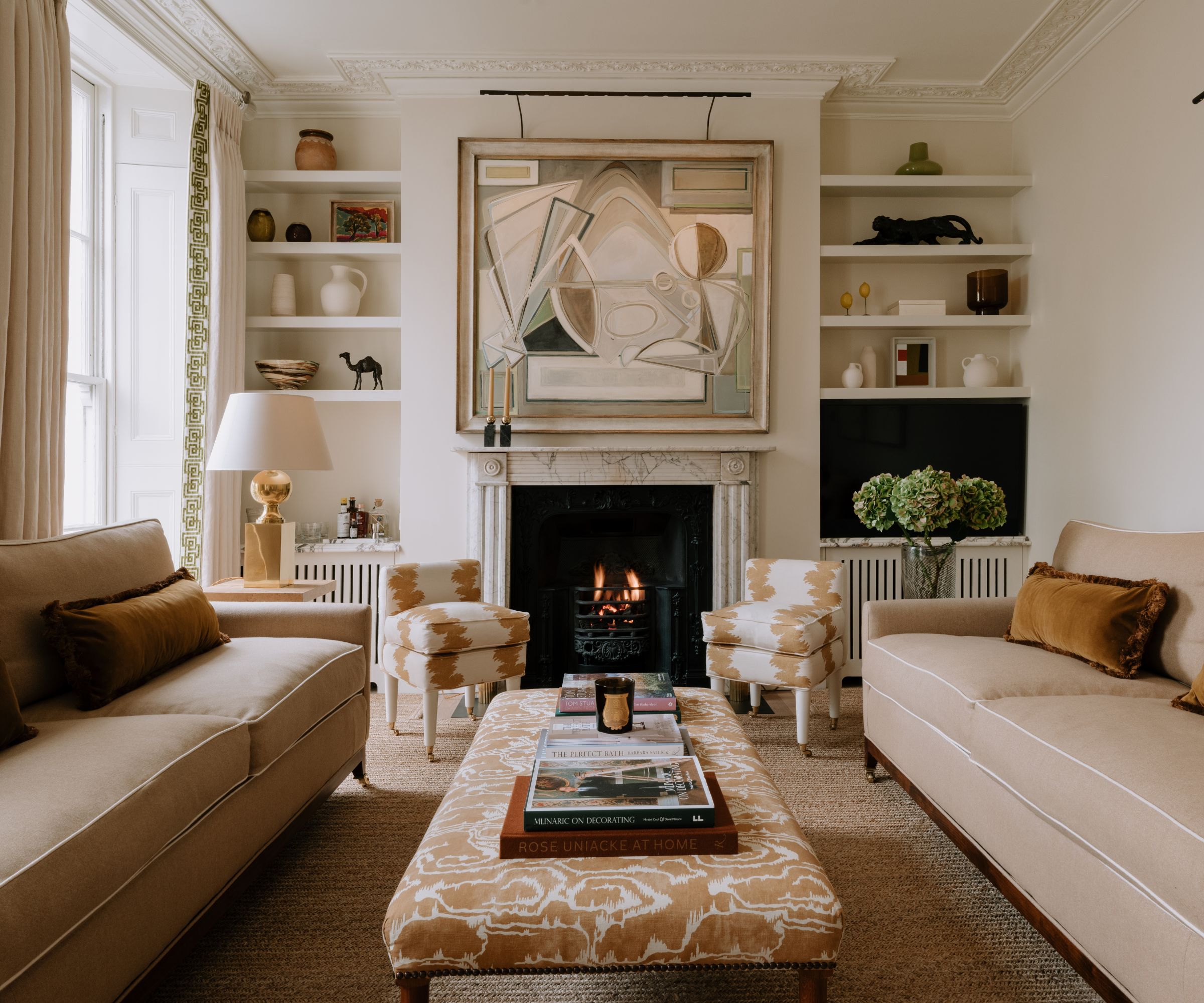
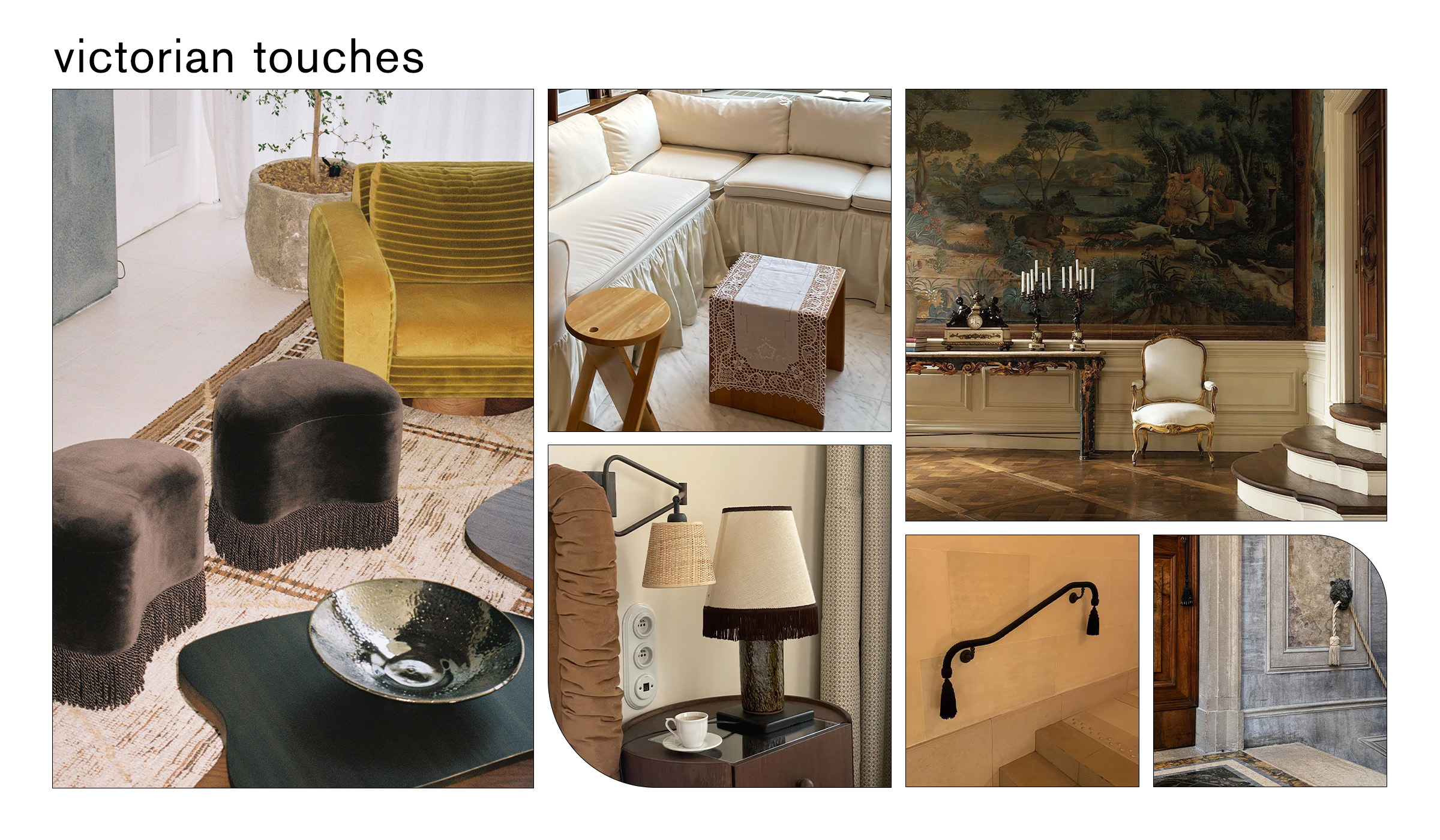
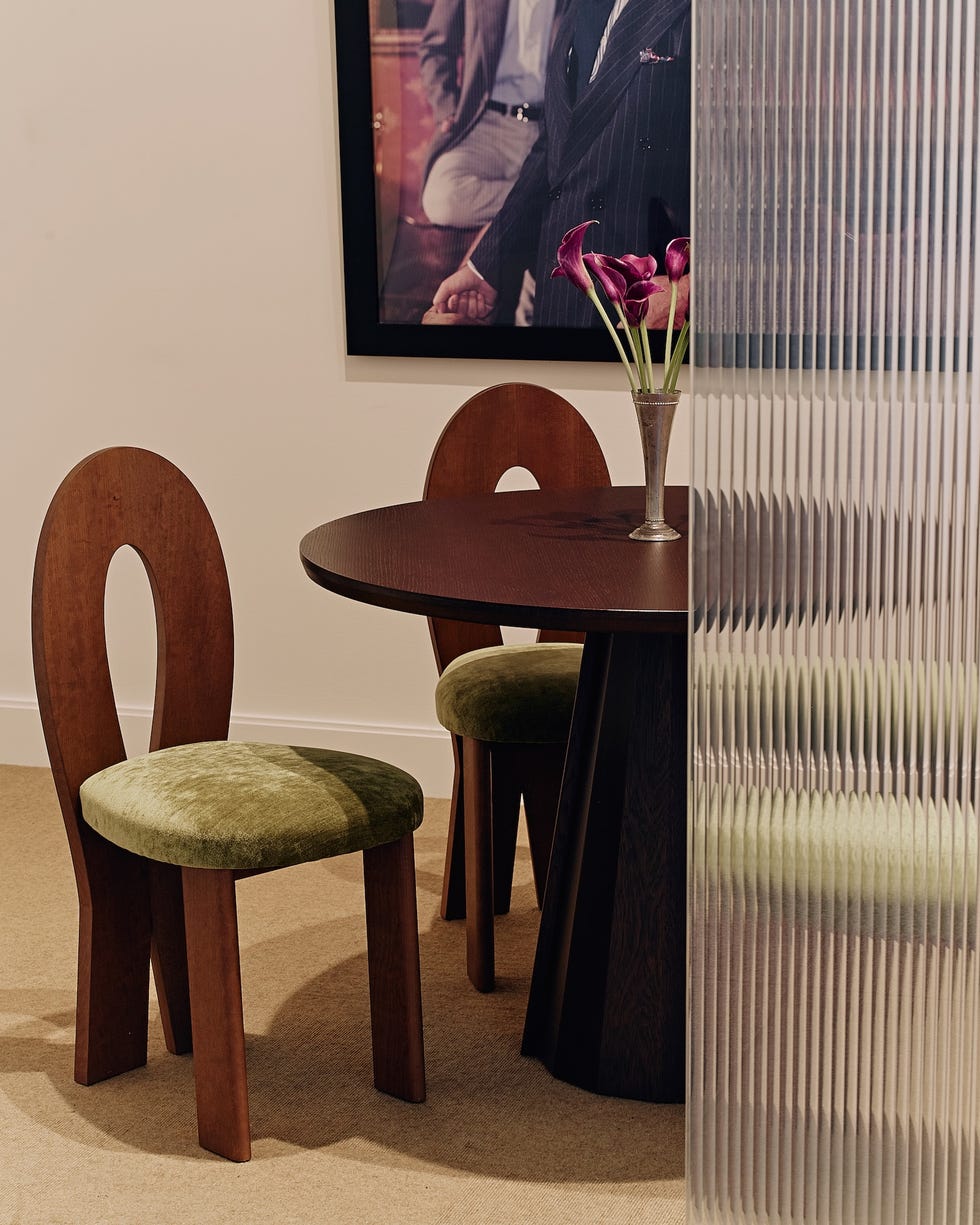
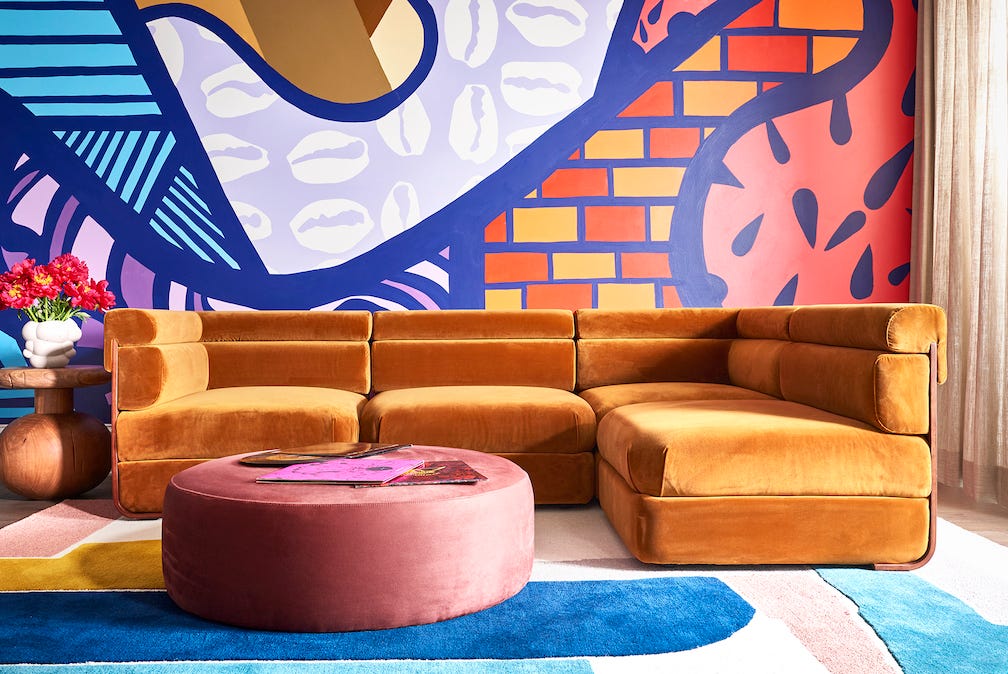
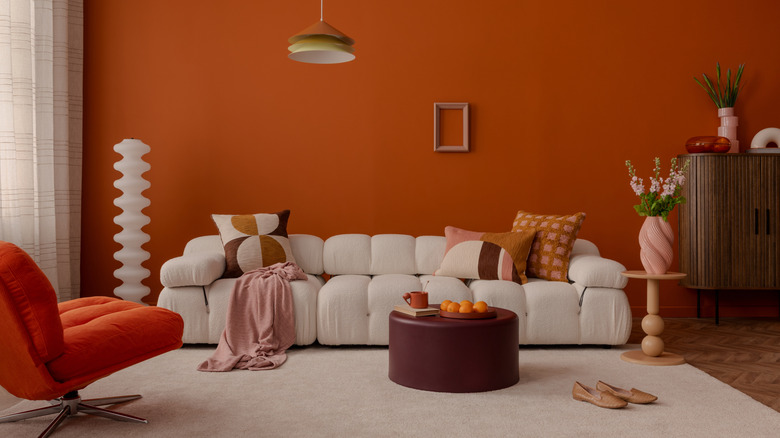
As 2025 draws to a close, a significant shift in home aesthetics is emerging, with new trends inspiring homeowners to re-evaluate their interior designs. One prominent change for 2026 is a move away from exaggerated furniture shapes towards more artisanal, authentic, and organic pieces. This transition reflects a desire for enhanced functionality and a shift in overall mood within home design. For the past few years, oversized furniture, elaborate configurations, bold statement pieces, and quirky, rounded items dominated interior decor. Examples included large curved sectionals, bold entryway tables, and viral boneless chaise lounge sofas. While 2025 saw the use of sculptural elements for impactful features, the over-exaggeration of these shapes eventually led to a saturation point, diminishing their initial 'wow factor.'
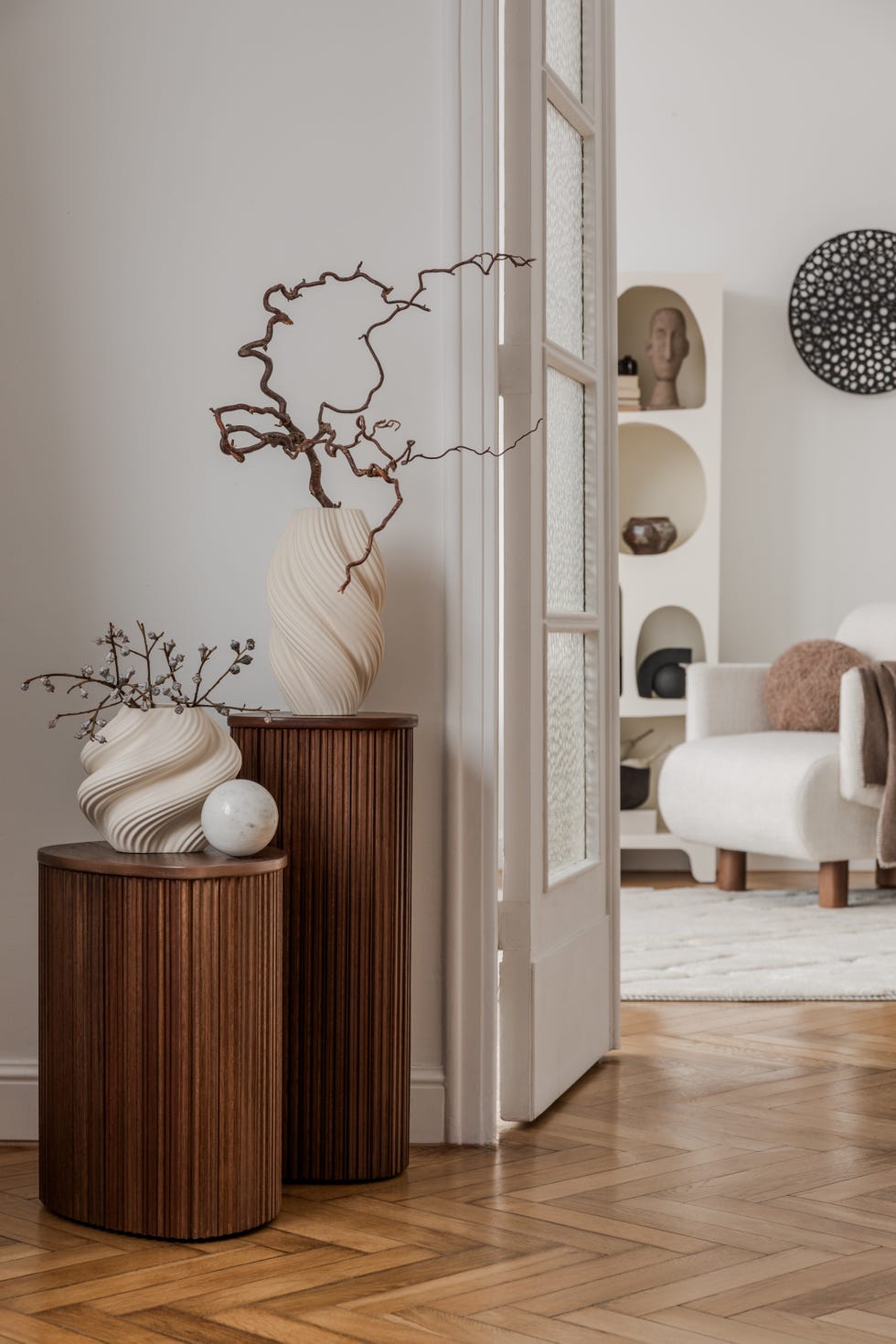
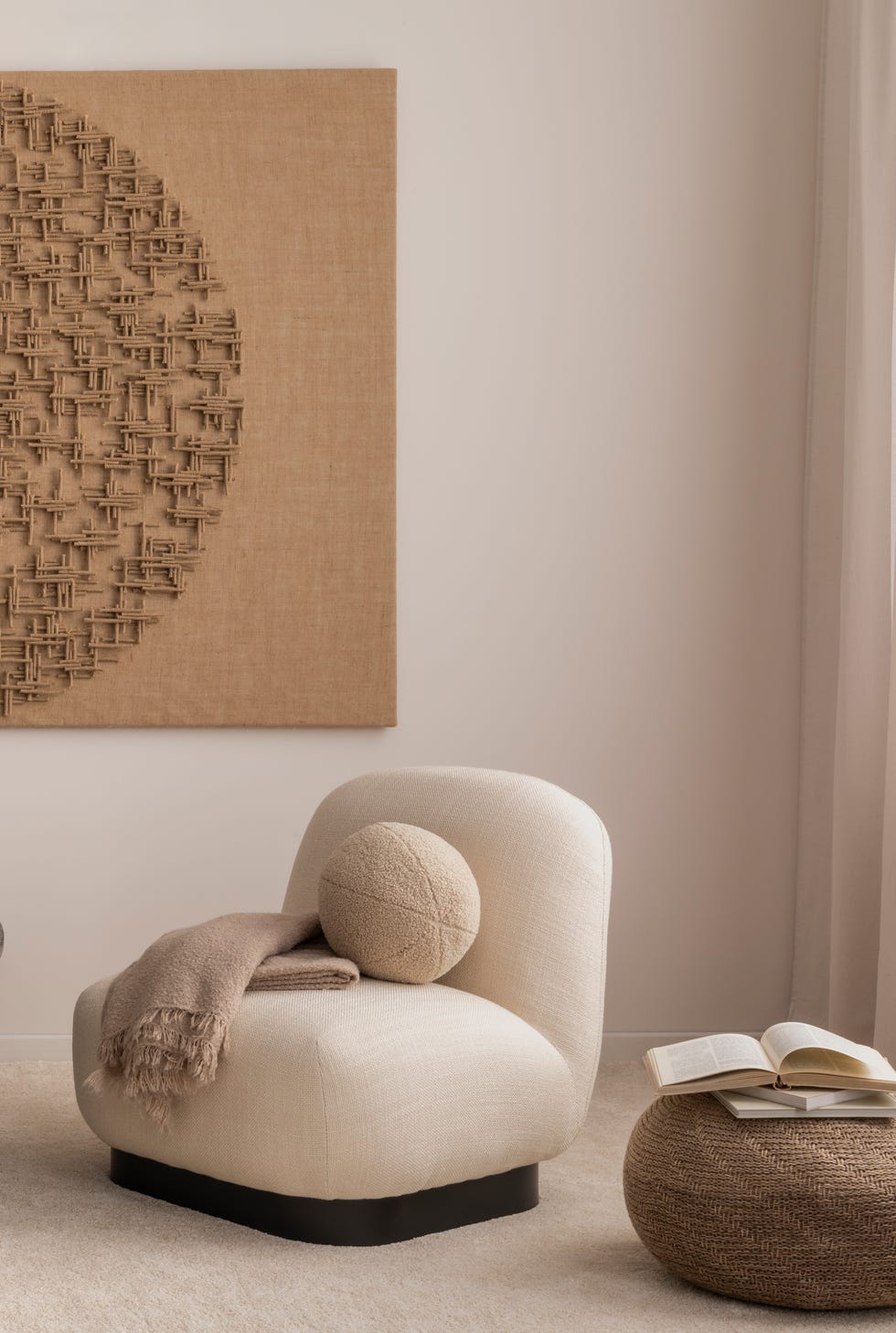
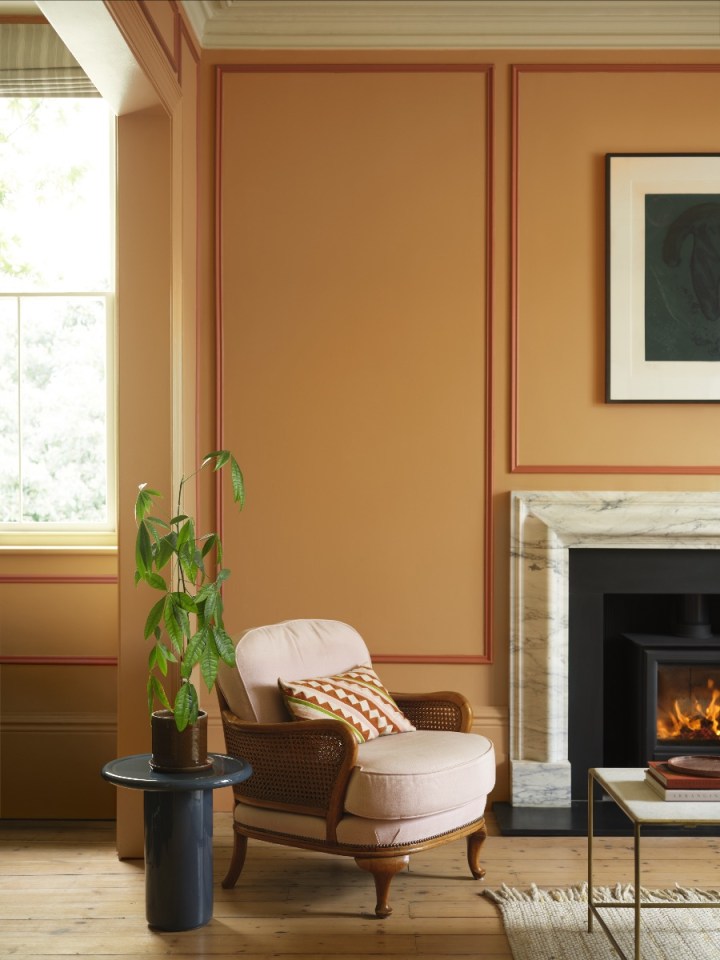
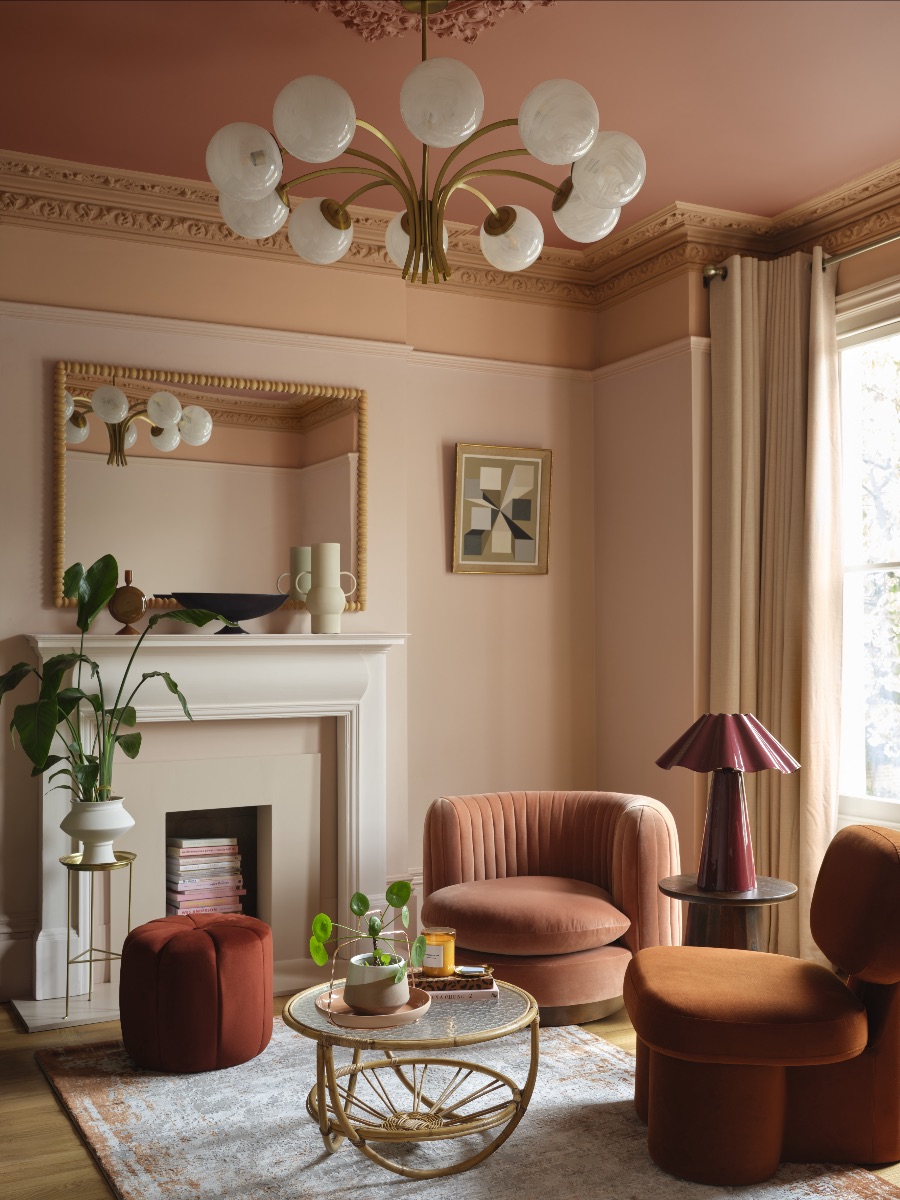
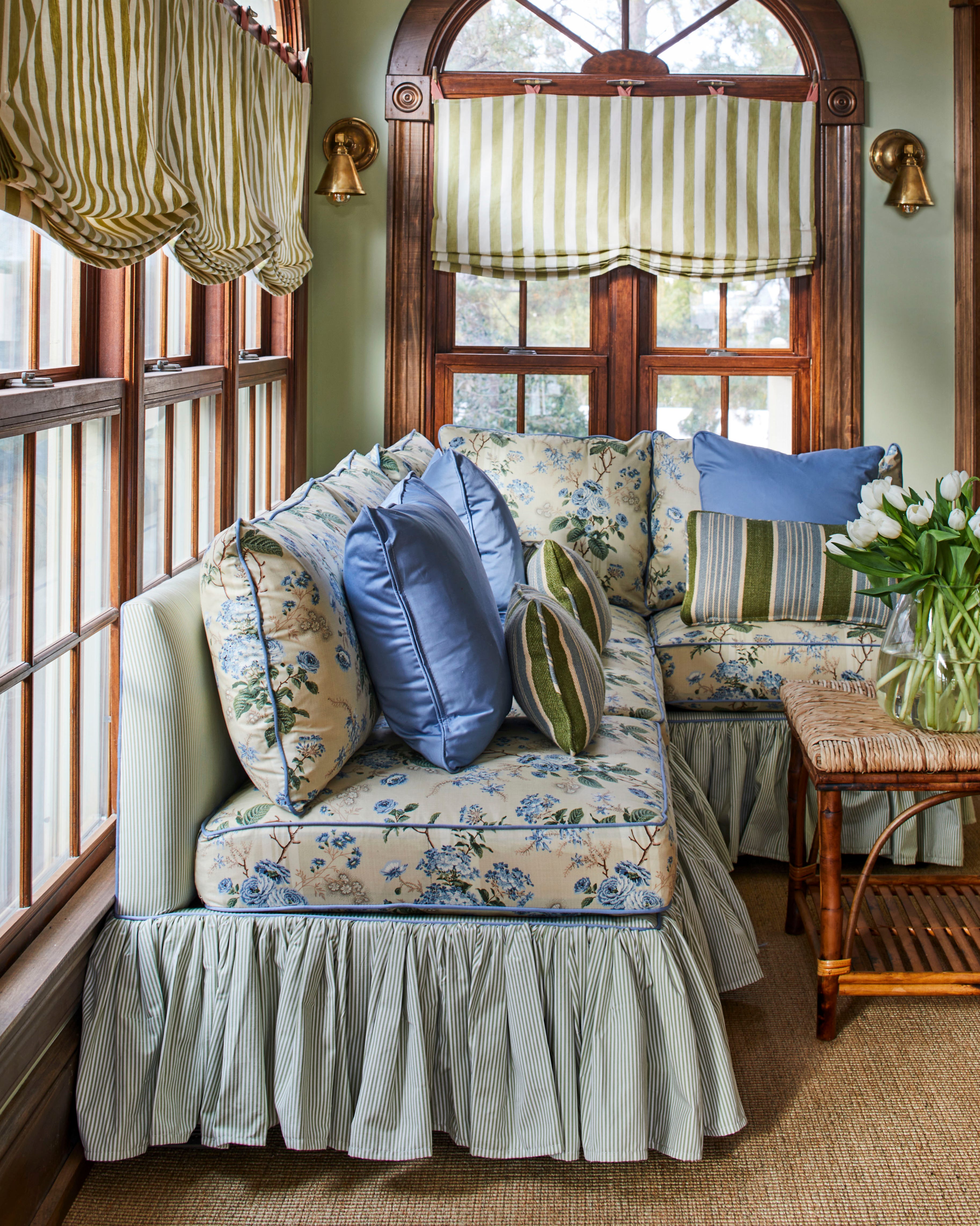
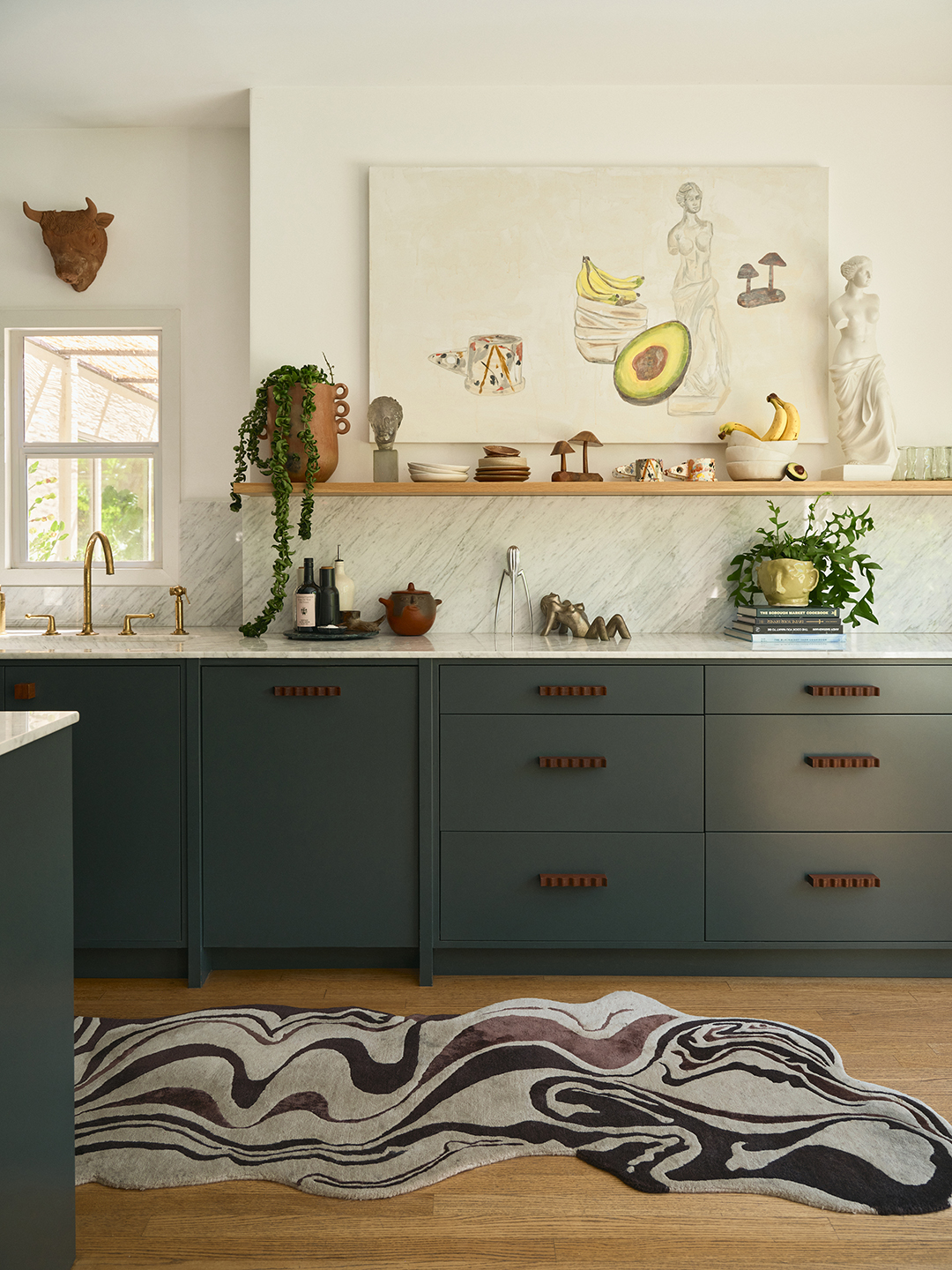
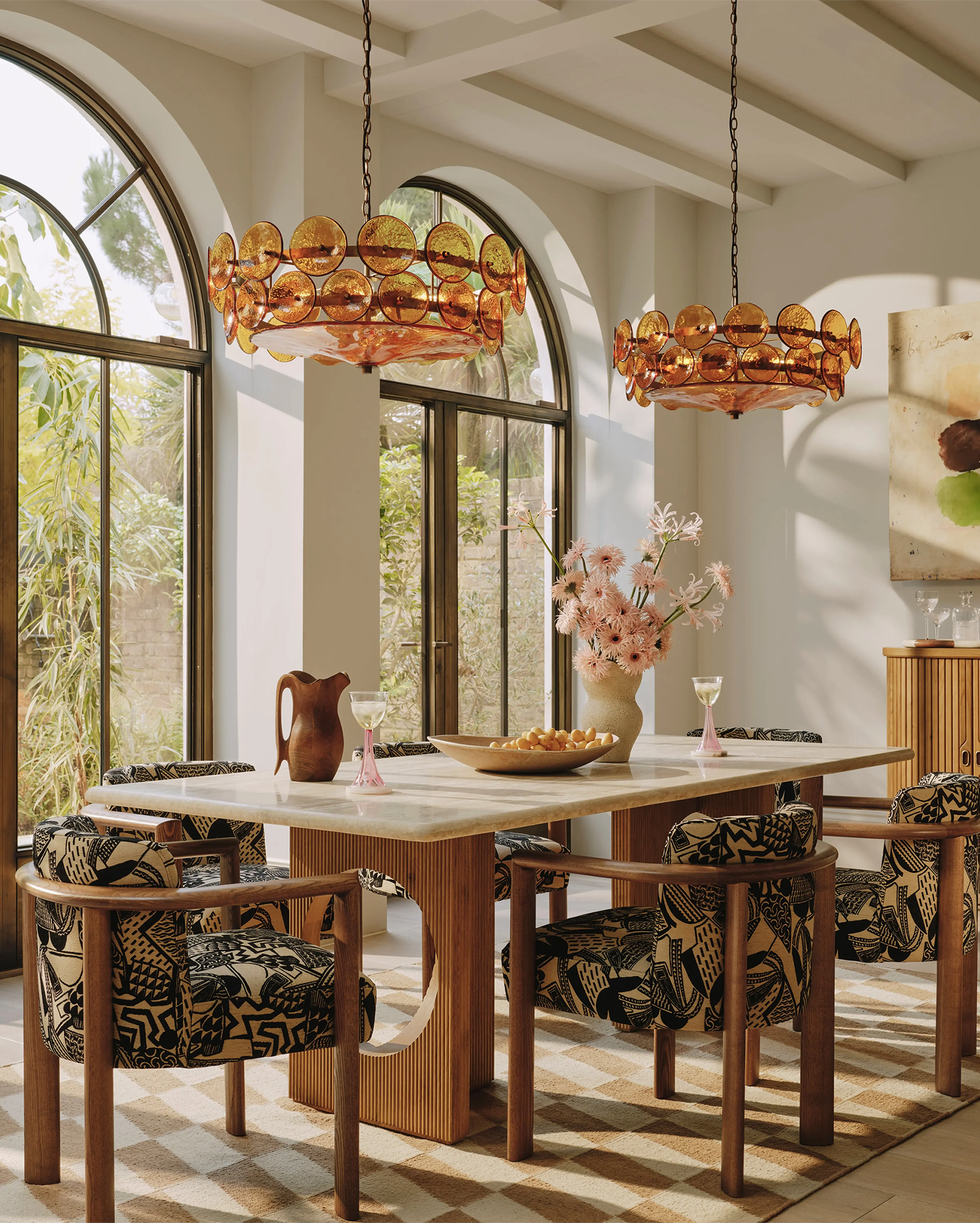
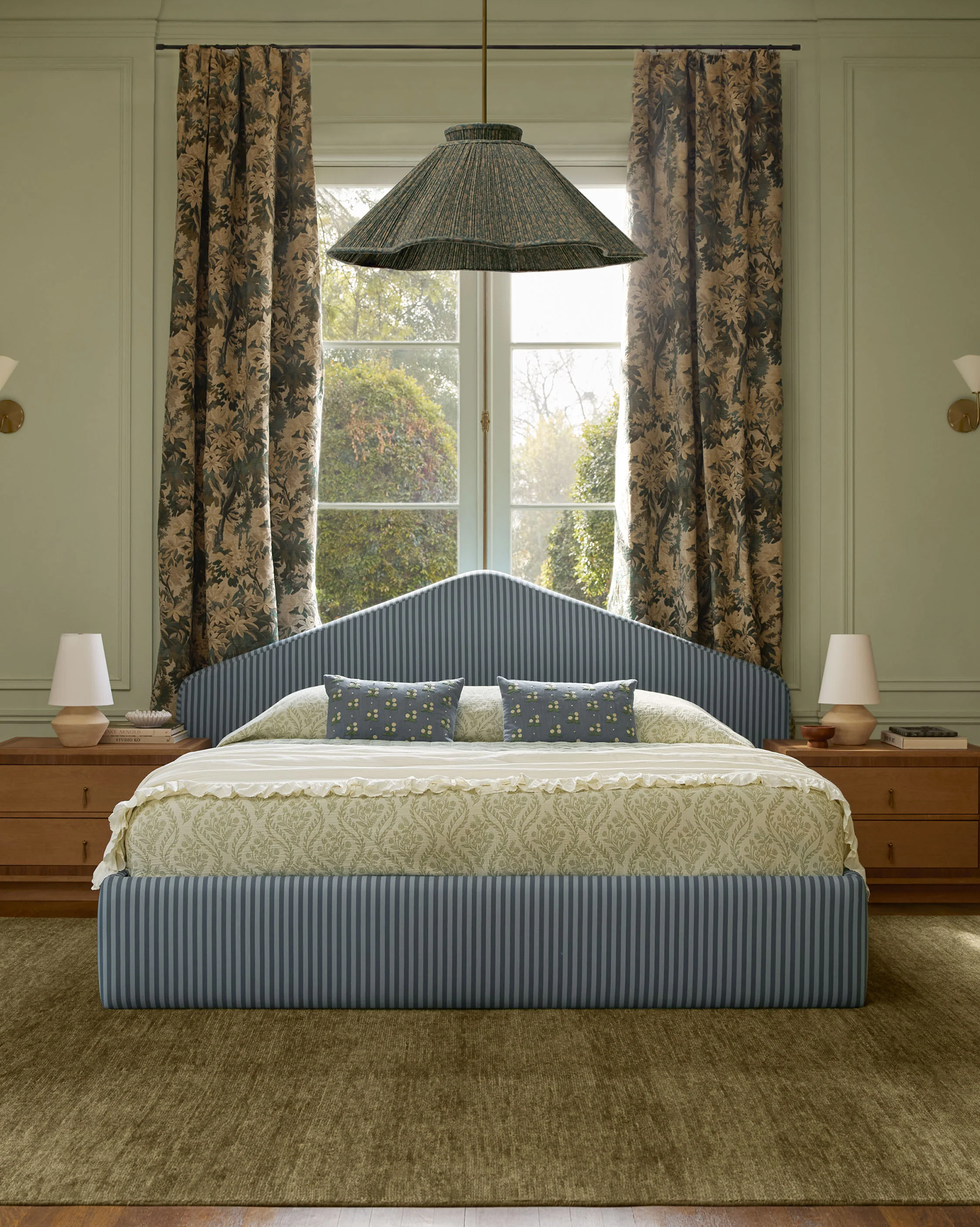
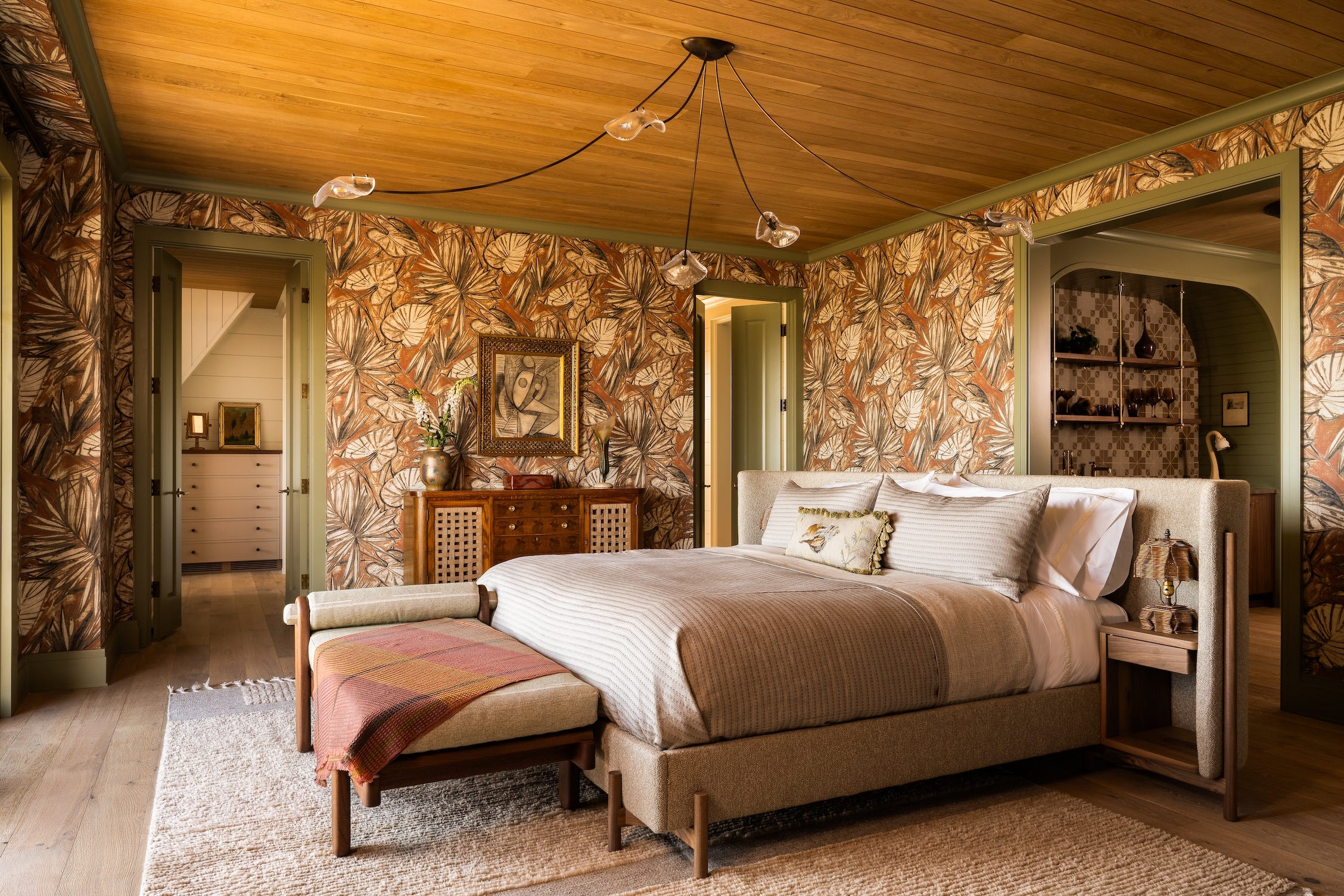
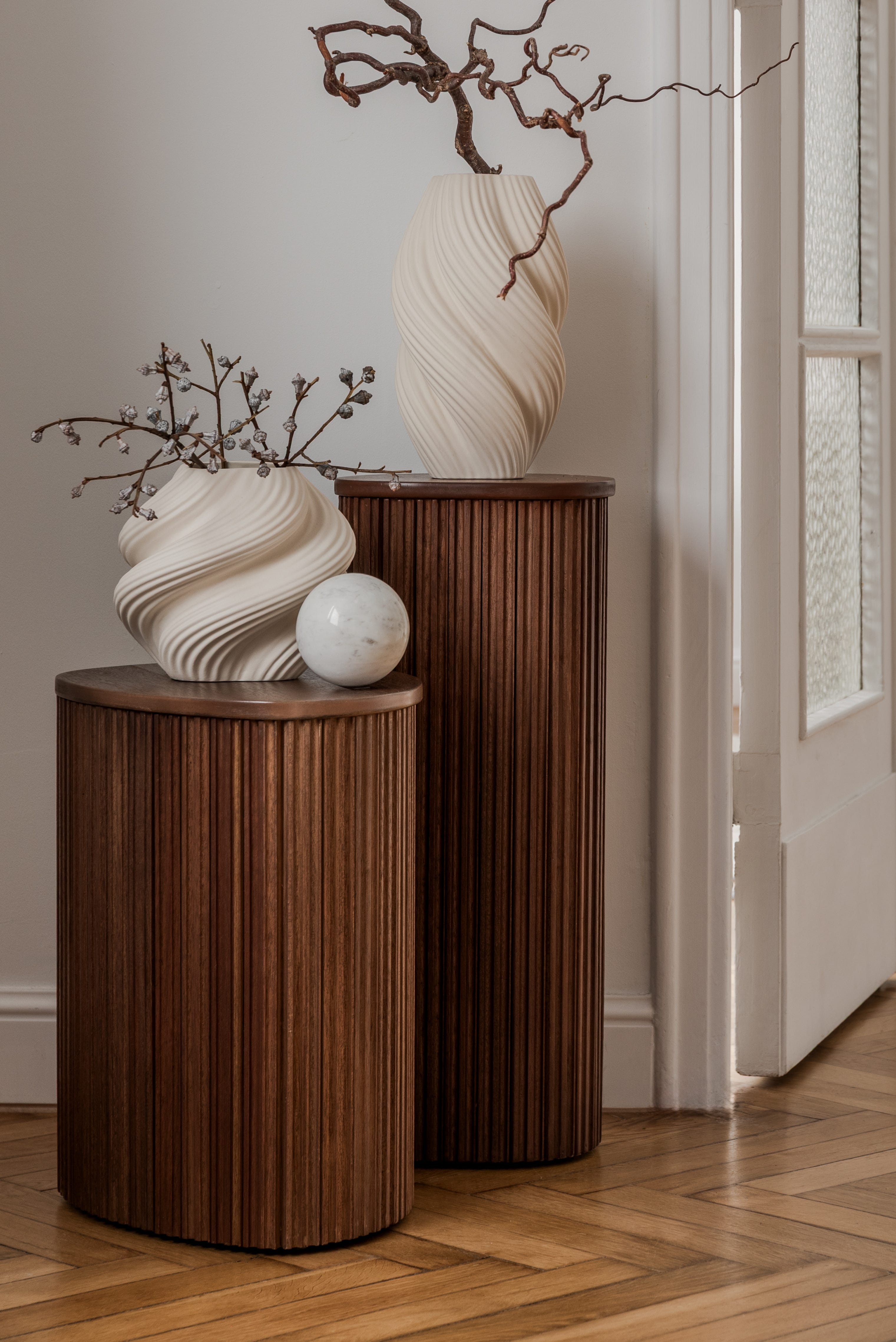
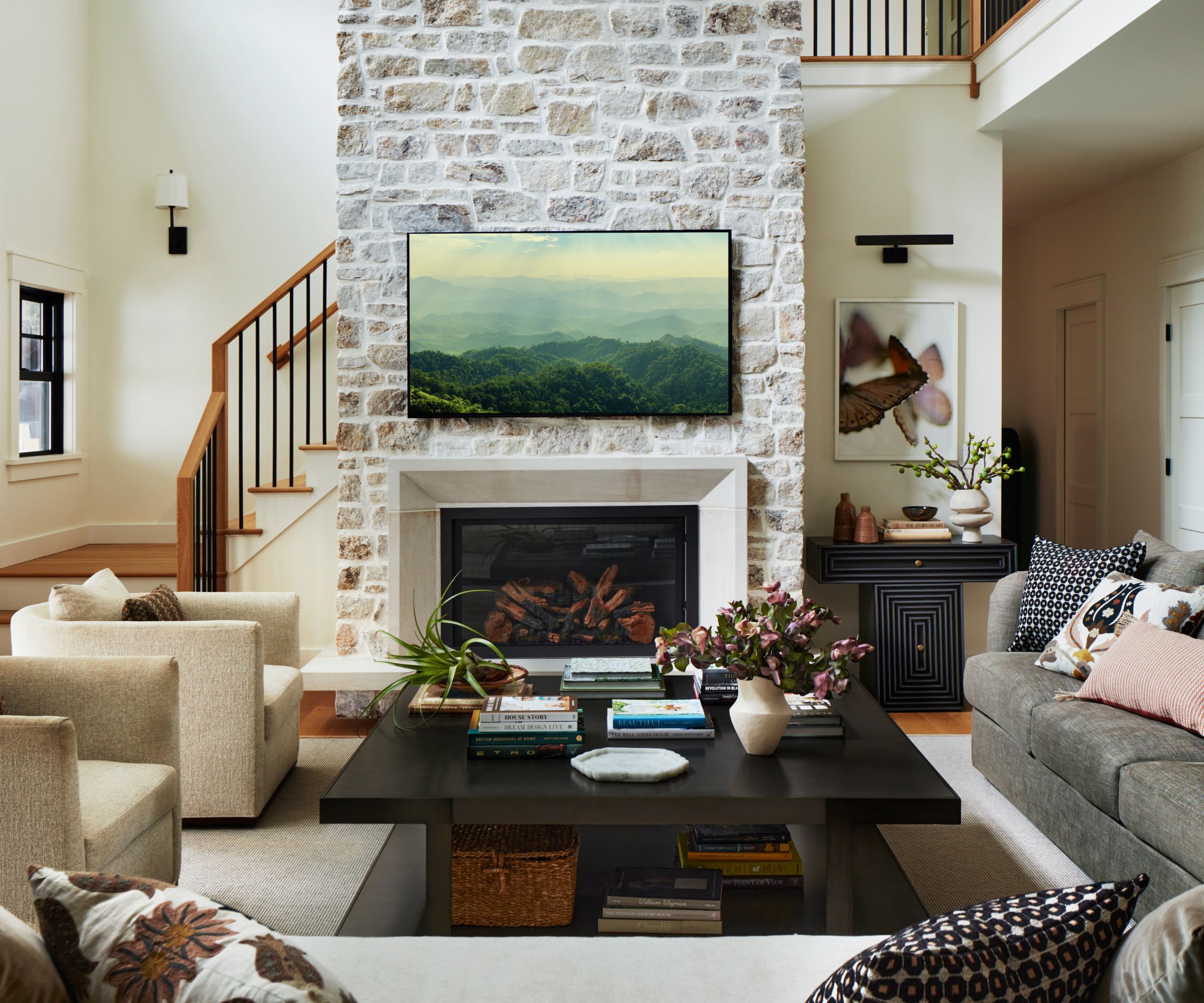
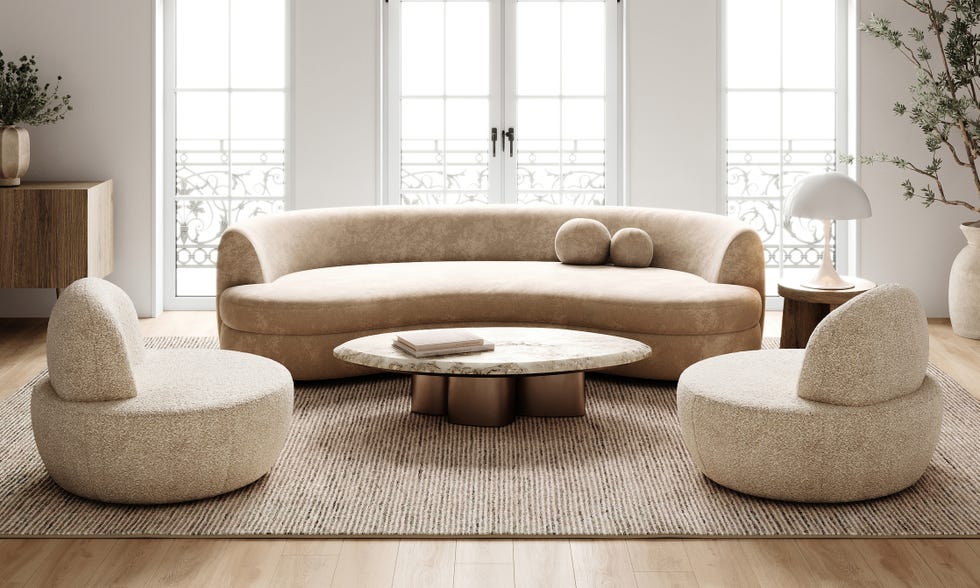
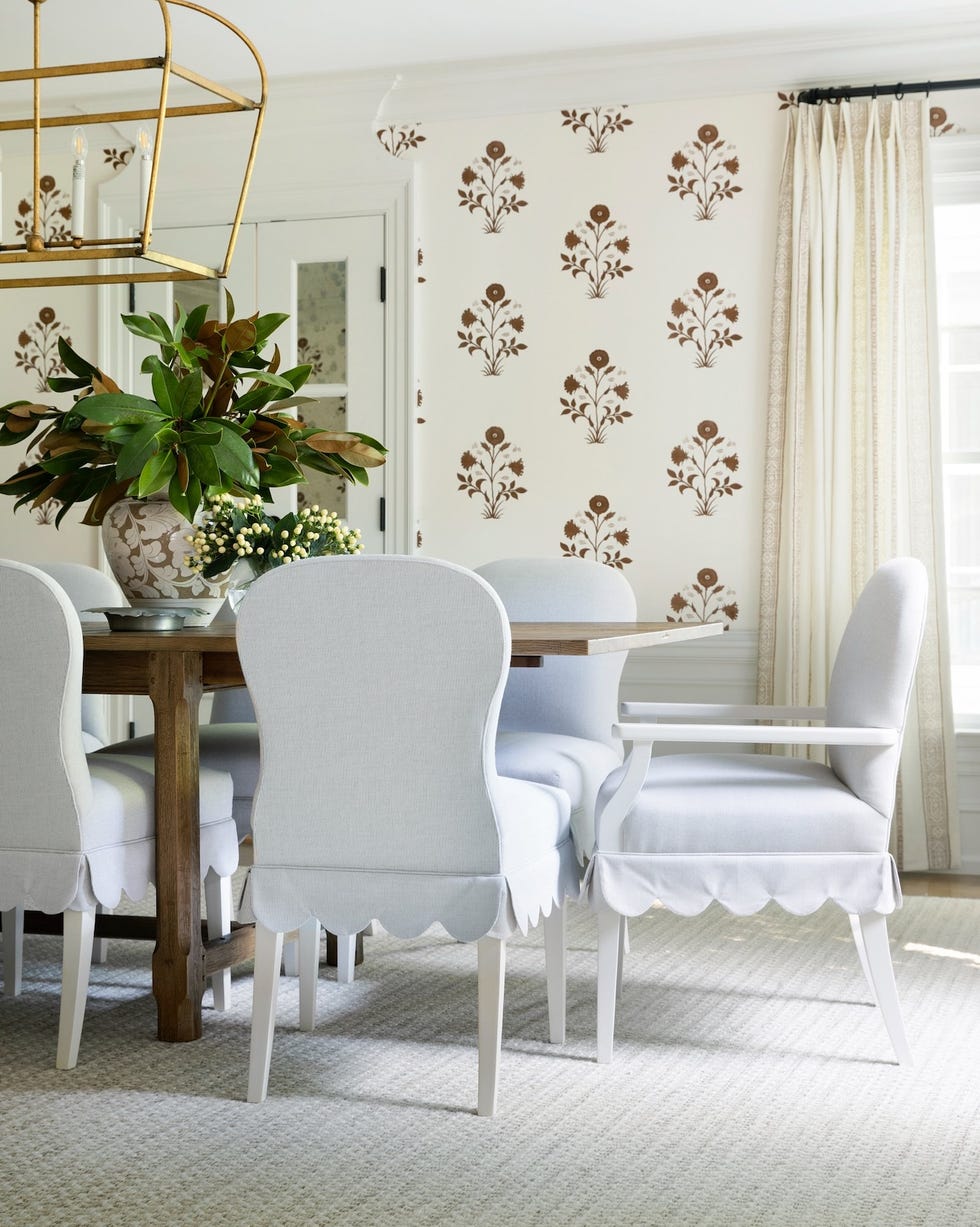
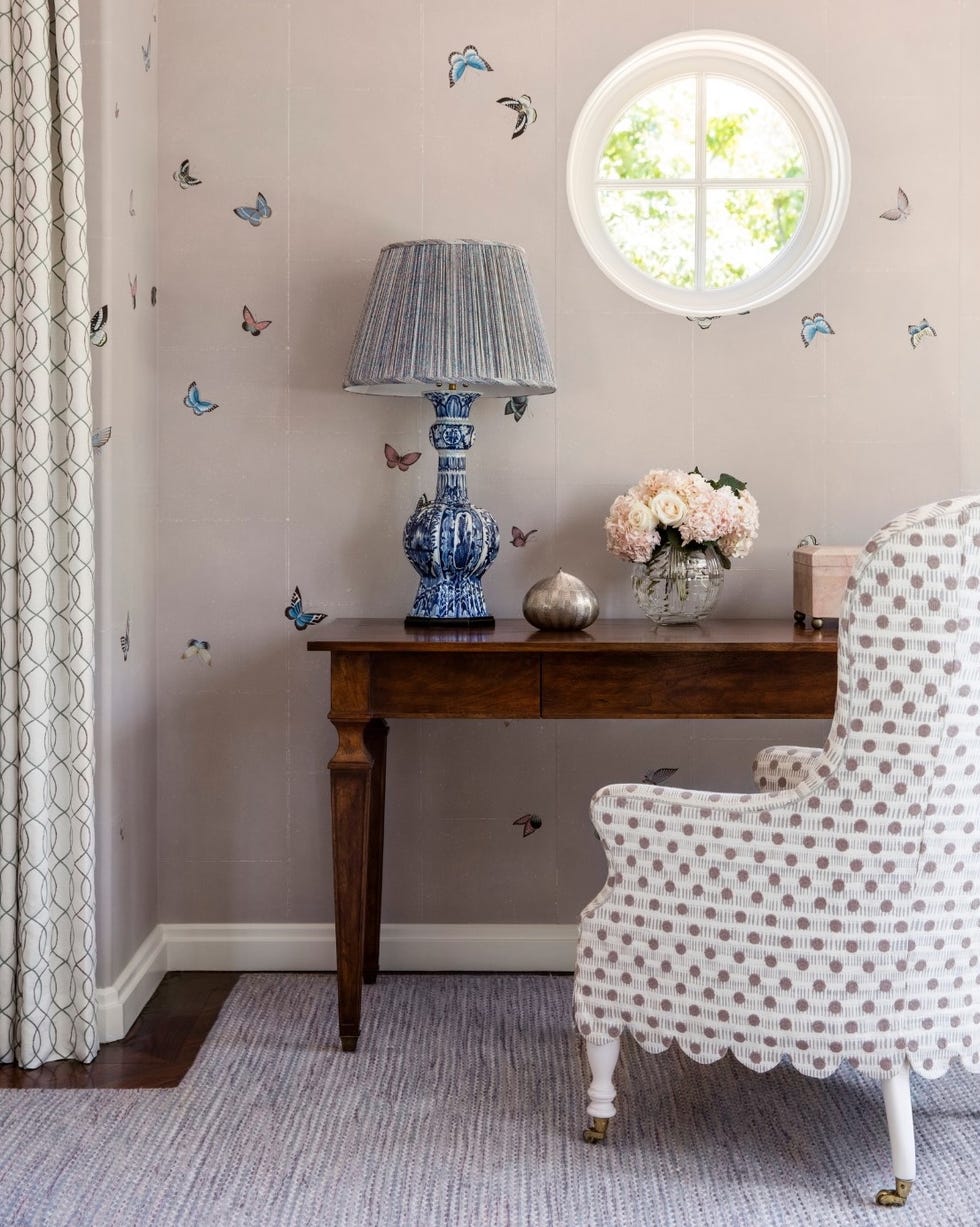
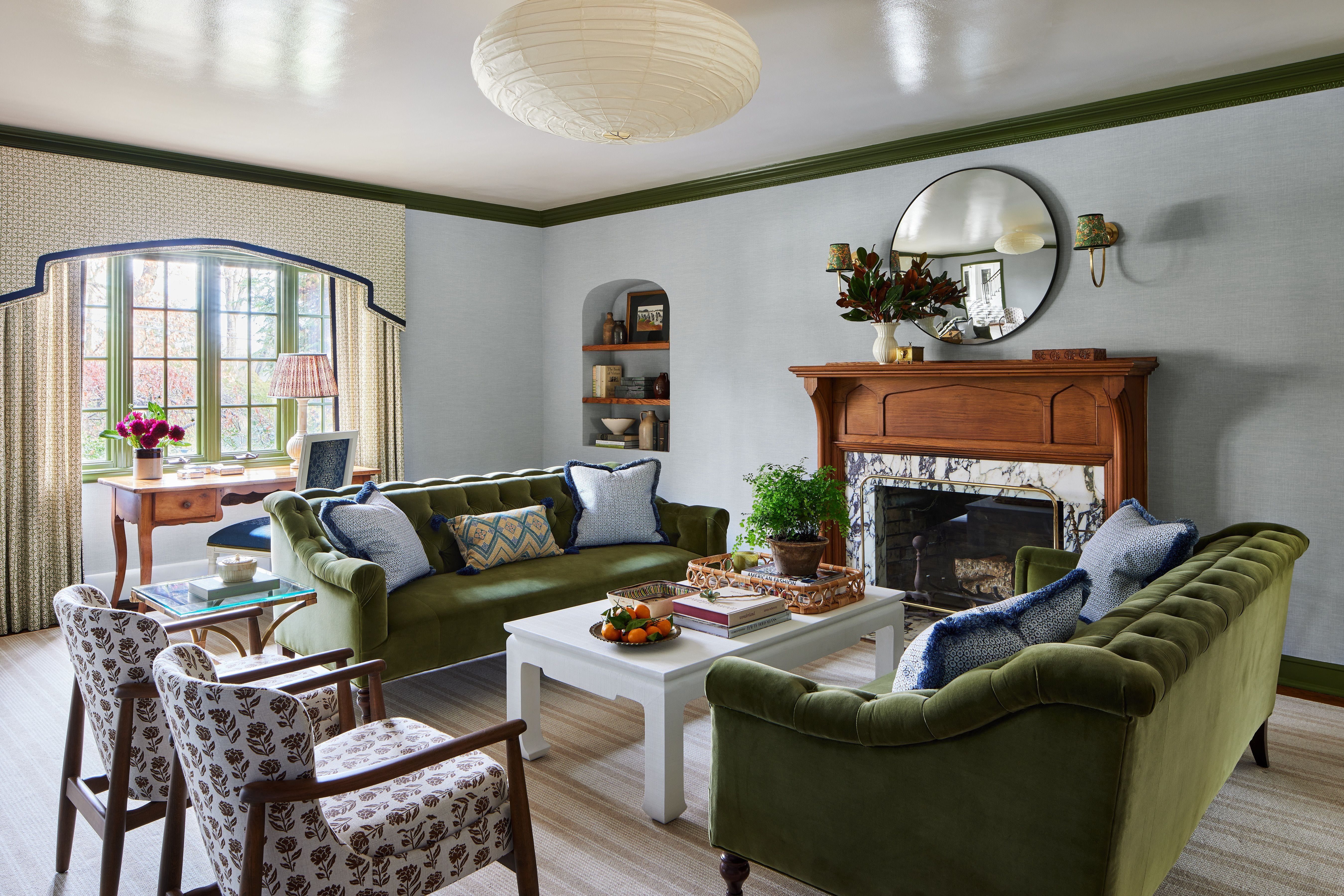
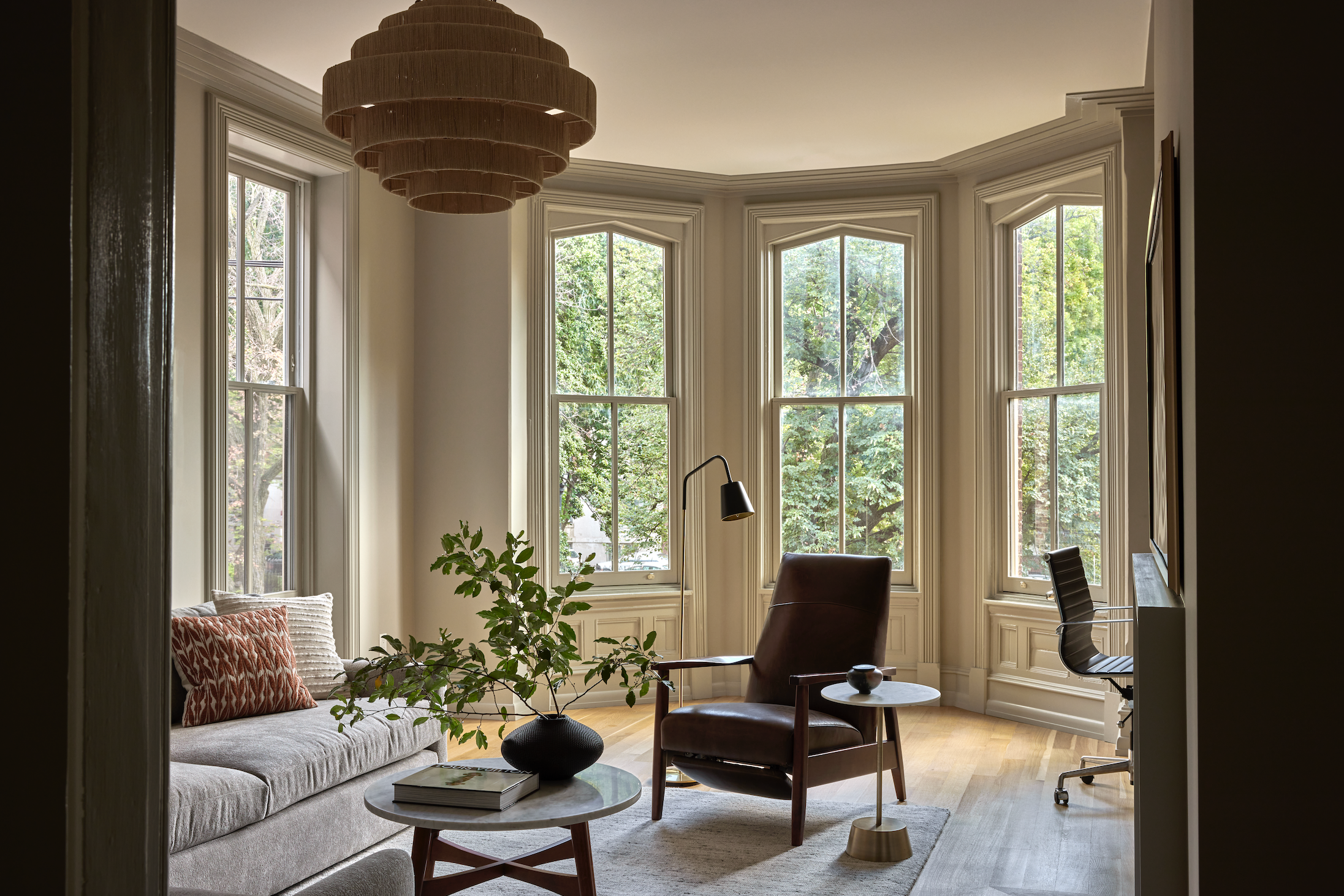
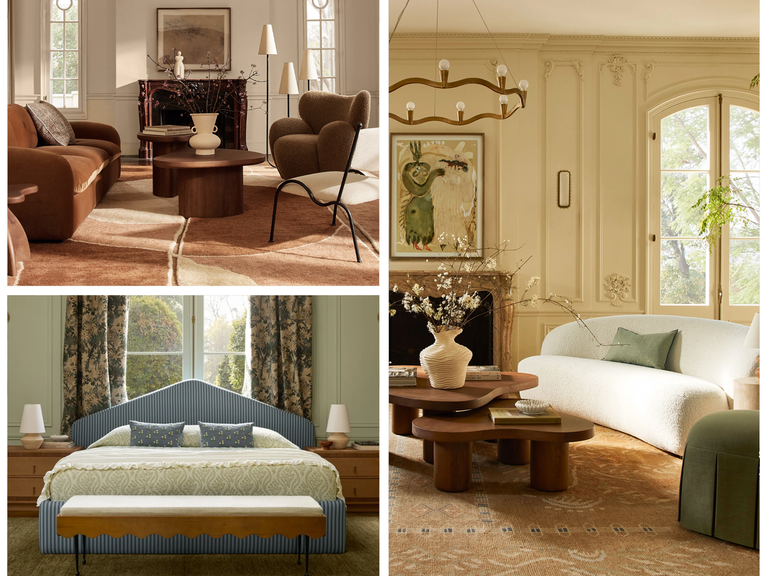
However, the concept of curves isn't entirely disappearing. Instead, the focus is evolving from an excessive and overblown use of curvature to more fluid, organic, and natural forms. Designer Meredith Cameron of Simons Design Studio anticipates a continued presence of "rounded corners, arched details and furniture that feels softer and more inviting" in 2026. Simultaneously, Cameron highlights a shift away from oversized 'statement' fixtures, with preference given to more subtle designs that emphasize materials and natural light. The upcoming trend will heavily feature textural elements, such as natural fibers, and biomorphic shapes that draw inspiration from the natural world.
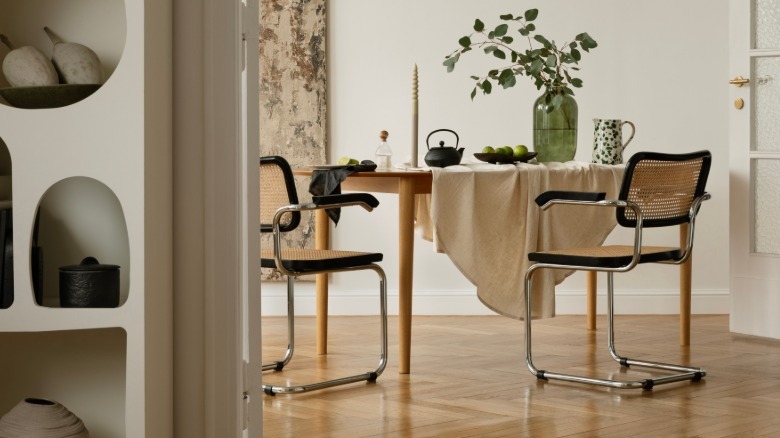
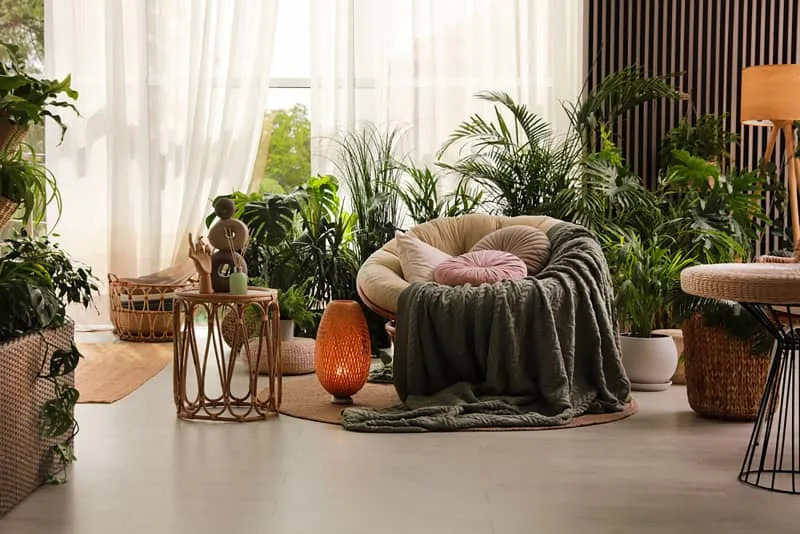
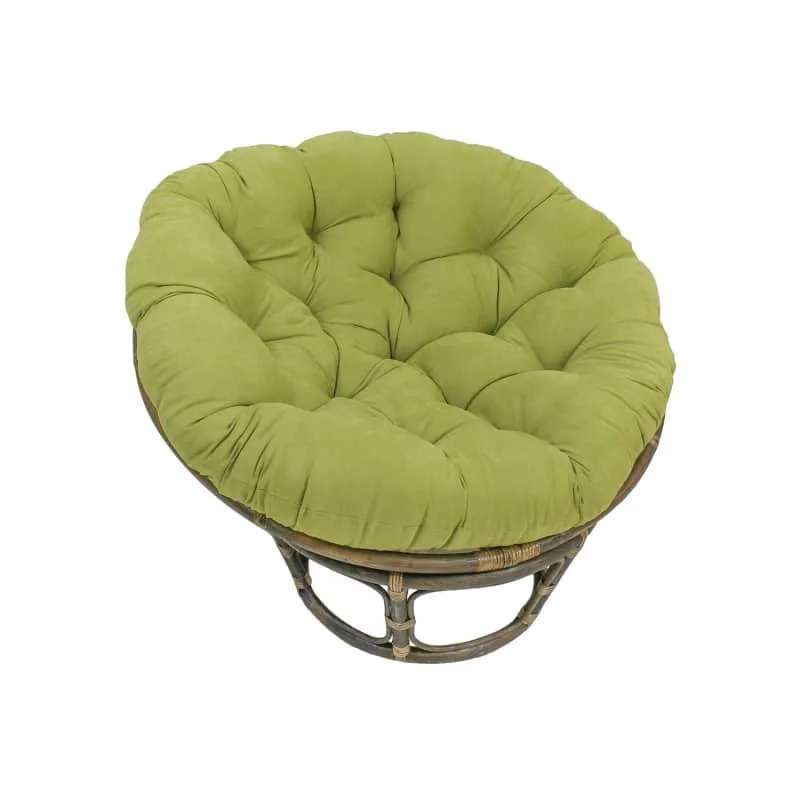
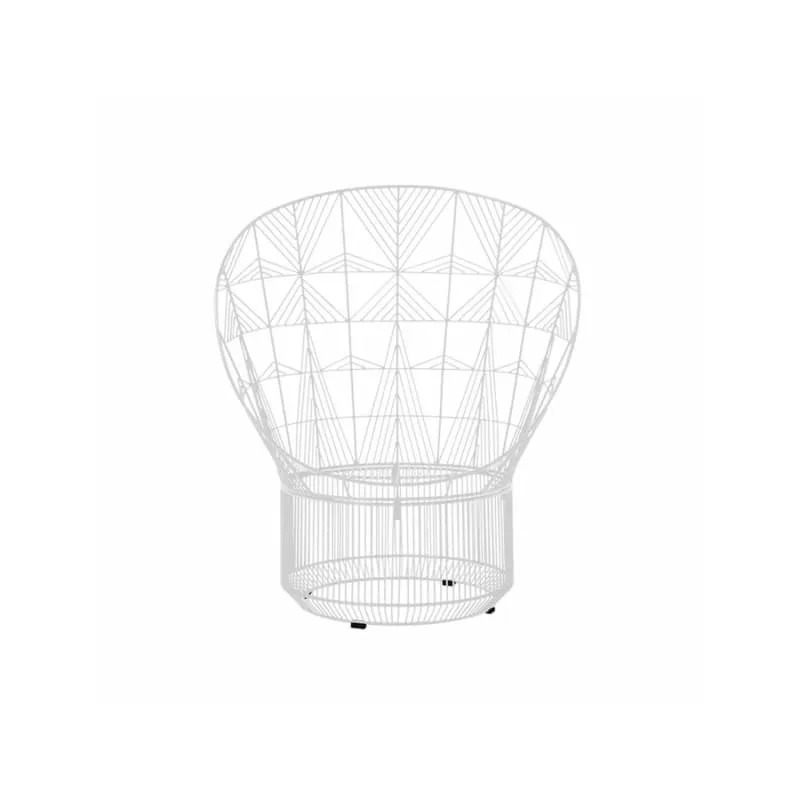
To effectively integrate this new design trend into a home, homeowners should move away from statement furniture and overly exaggerated silhouettes. Instead, the emphasis will be on biophilic additions, including flowing silhouettes, gentle and irregular curves, and chunky furniture that adds presence without overpowering a space. Ergonomic seating designed to harmonize with nature will also gain popularity. For instance, rather than opting for a highly publicized boneless cloud couch or a playful bubble sofa, a more neutral and subtly organic piece, like a slightly curved Velvet Boucle Sectional Sofa, would be more appropriate. While curves, a '70s trend, are still in vogue, their expression in 2026 will be more organic. This means incorporating soft, flowing shapes into items like side tables and chairs, such as a Bamboo Oval Coffee Table or a Chenille Accent Chair, while avoiding overtly dramatic silhouettes like wavy swivel barrel chairs or kitschy woven armchairs.
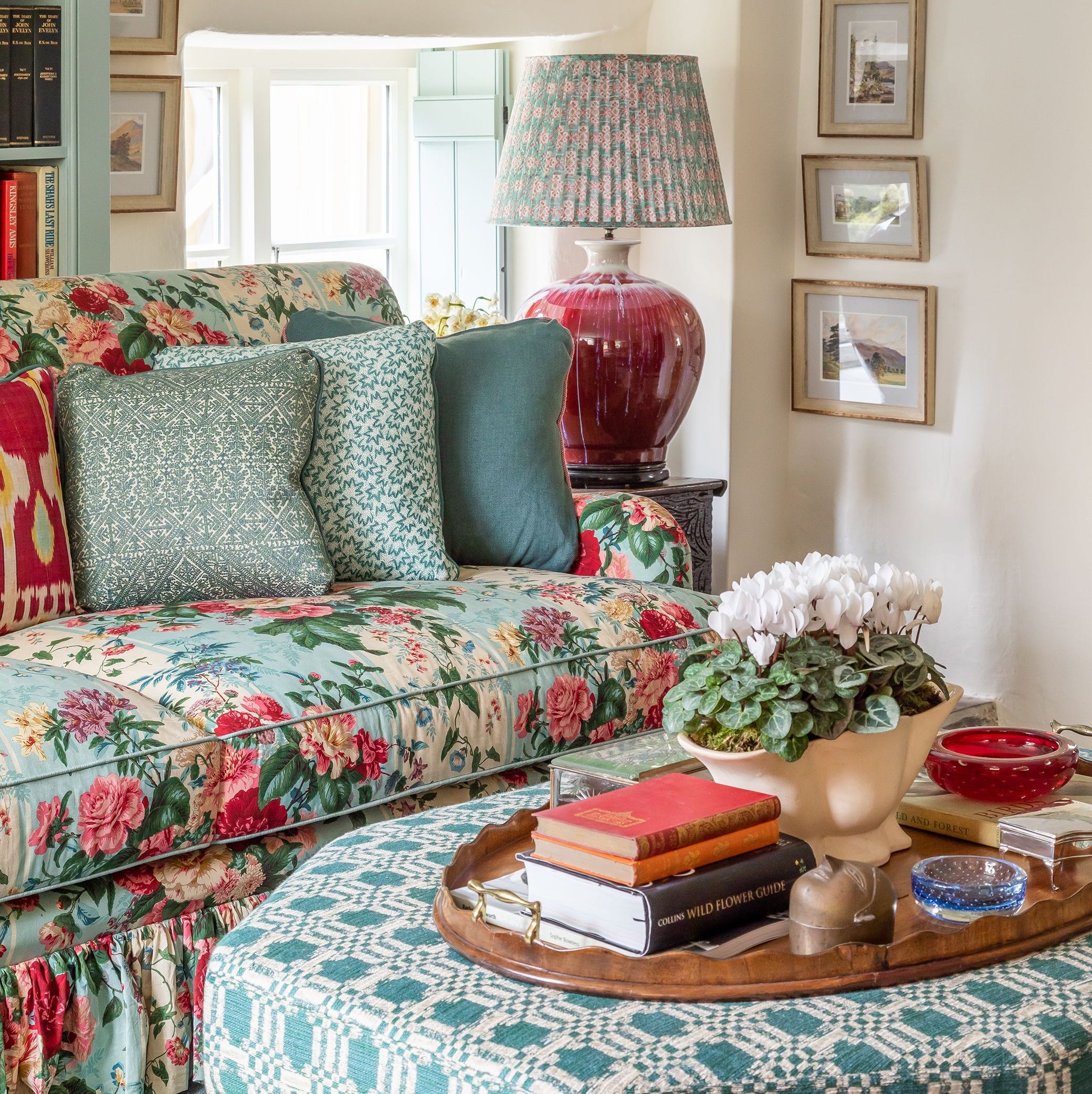
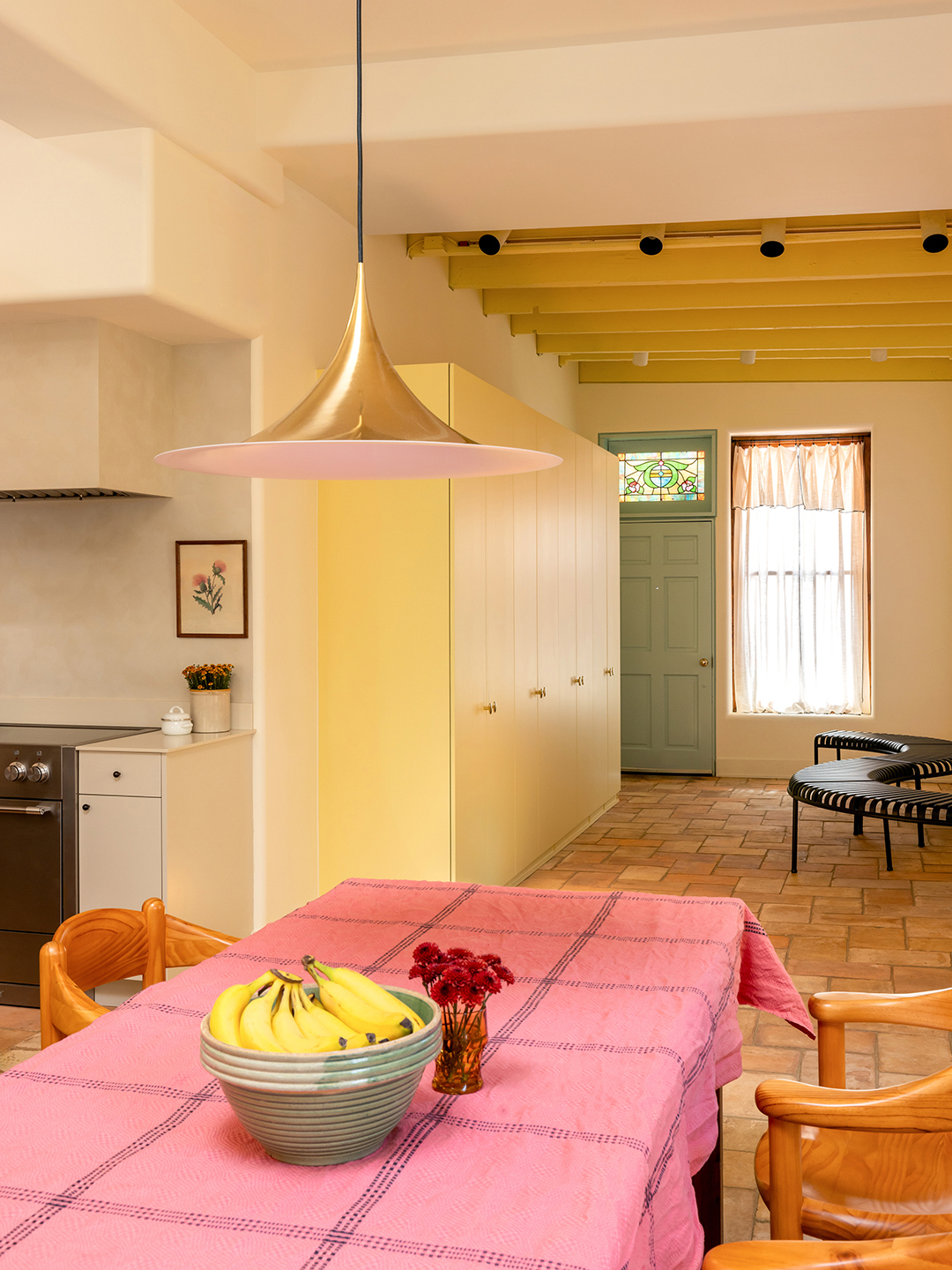
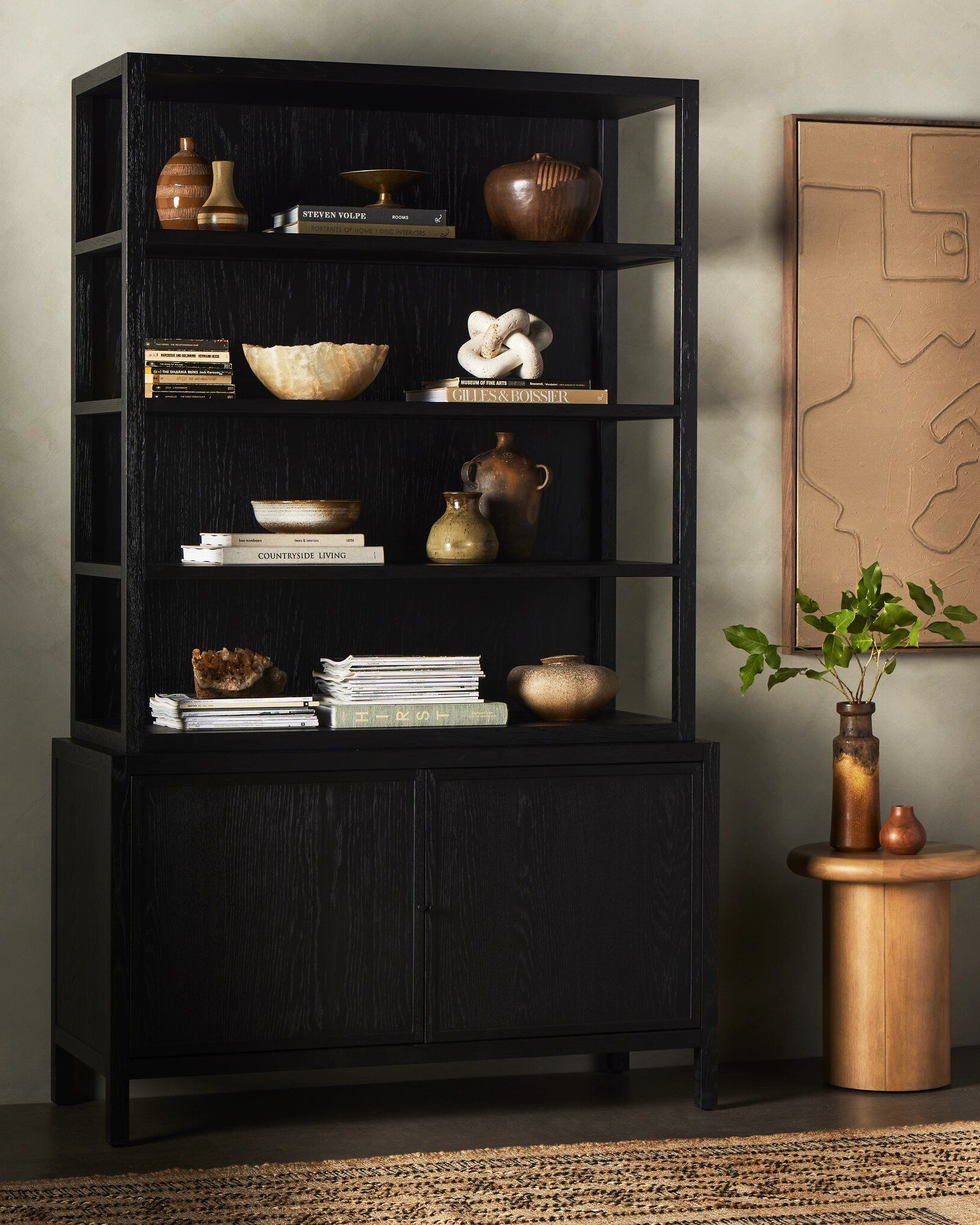
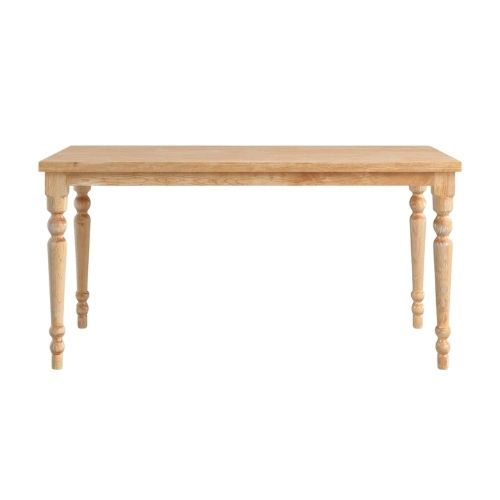
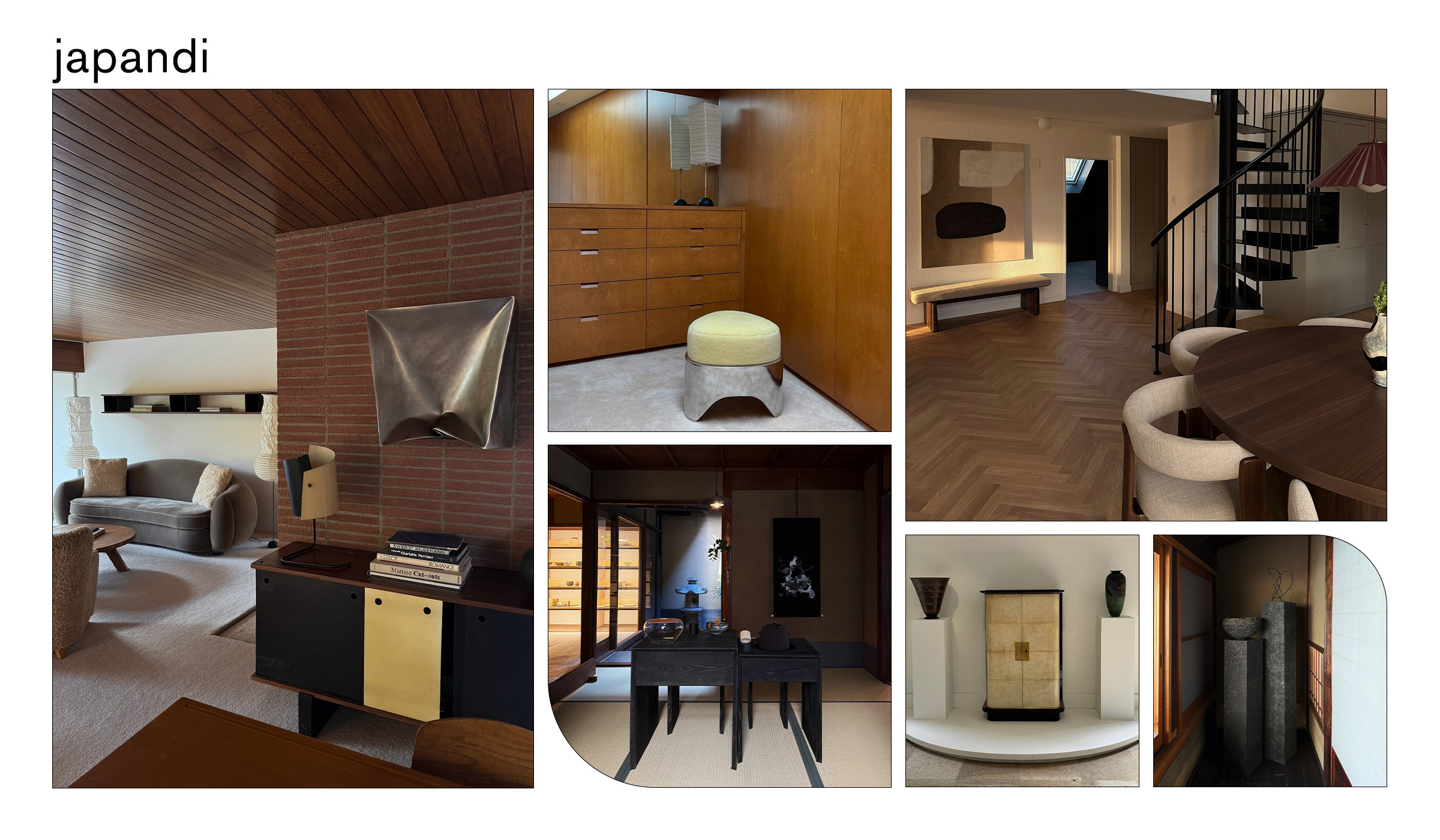
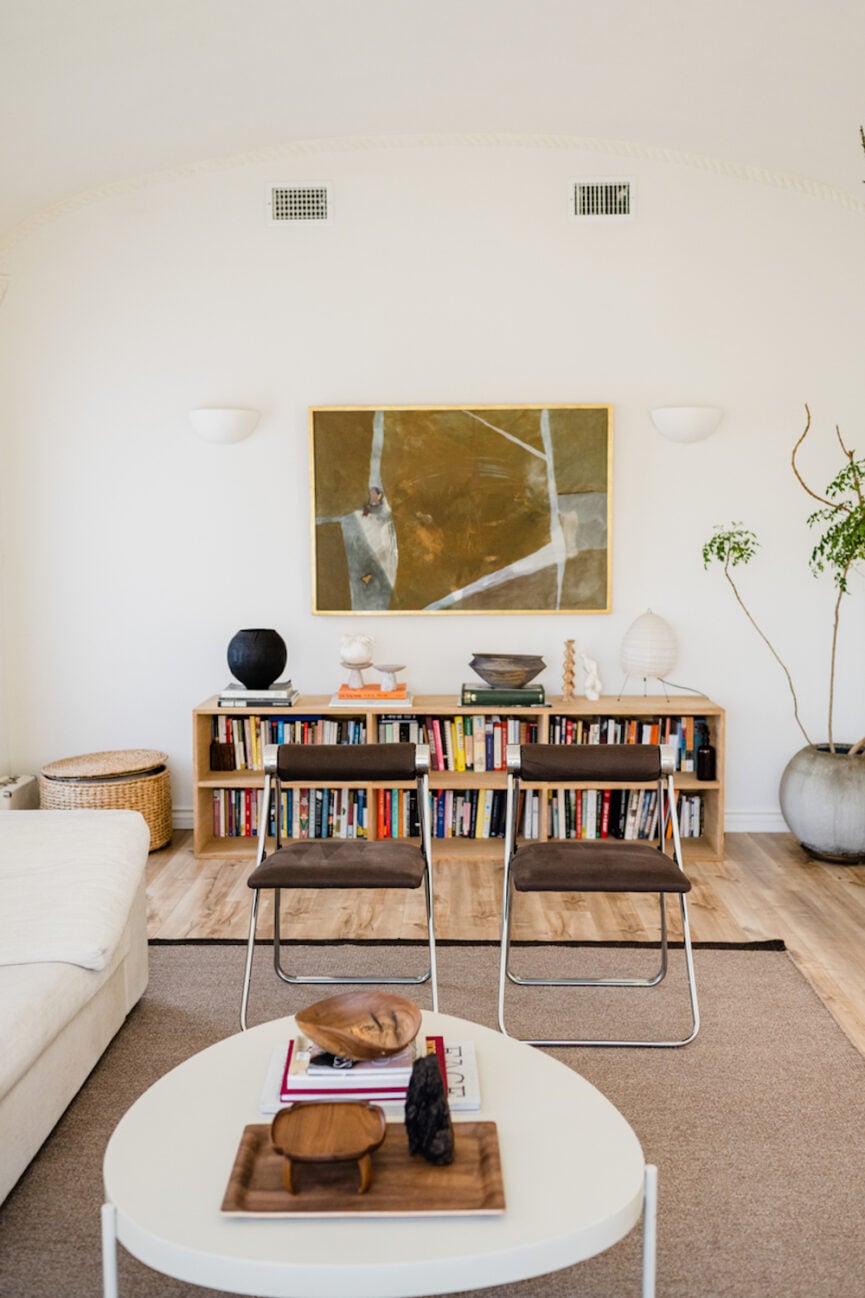
The emerging trend also underscores a growing interest in artisan craftsmanship and sustainability. Furniture incorporating natural textures, such as leather-wrapped pieces, is expected to gain considerable attention. This organic approach extends beyond seating to other home elements. For lighting, a wabi-sabi-style pendant light is preferable over an oversized drum shade. For bookcases, the modern organic route favors fluid and straightforward designs, such as the Christopher Knight Home Trundle Bookshelf, as opposed to grandiose statement pieces. This overall shift signifies a preference for understated elegance, natural harmony, and thoughtful design choices over ostentatious displays.
#HomeDesignTrends #FurnitureDesign #InteriorDecor #OrganicShapes #BiophilicDesign #NaturalMaterials #ArtisanCraftsmanship #SustainableDesign #FutureTrends #HomeDesignTrends #FurnitureDesign #InteriorDecor #OrganicShapes #BiophilicDesign #NaturalMaterials #ArtisanCraftsmanship #SustainableDesign #FutureTrends
0 comment in total
 No comments yet
You may also like
Designers Are Calling It: These Furniture Trends Will Be Everywhere in 2026

Ready to Redecorate? 2025’s Top Design Trends Just Dropped

Is Symmetry Out of Style? Designers Reveal the Rule-Breaking Living Room Layout Formula That’s Going to Redefine How We Decorate in 2026

8 Furniture Trends That Will Be Everywhere in 2026, According to Designers

Interior designers reveal the home decor trend that will take over 2026 & why it's time to bin off accent walls

It’s Time to Say Goodbye to These Outdated Design Trends in 2024
This Once-Popular Living Room Furniture Piece Is Disappearing in 2026, Designers Say
Interior Designers are Ditching These Home Trends in 2024
Designers Say This DIVISIVE 1950s Sofa Trend Will Rule 2026
Designers Say These Furniture Trends Will Be Everywhere In 2024
6 Trends Defining Home Décor in 2025

12 Furniture Trends That Will Dominate 2025, According to Designers

The Old-School Furniture Design Trend Making A Big Comeback In 2026

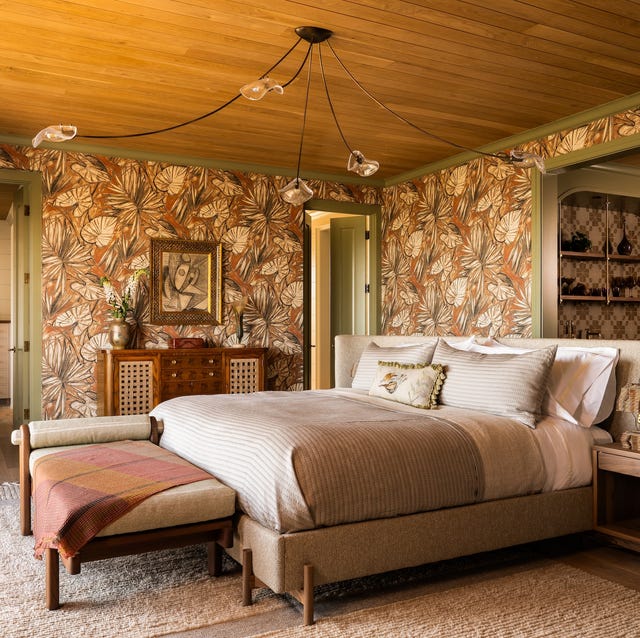
Designers Are Calling It: These Interior Design Trends Will Be Everywhere in 2026

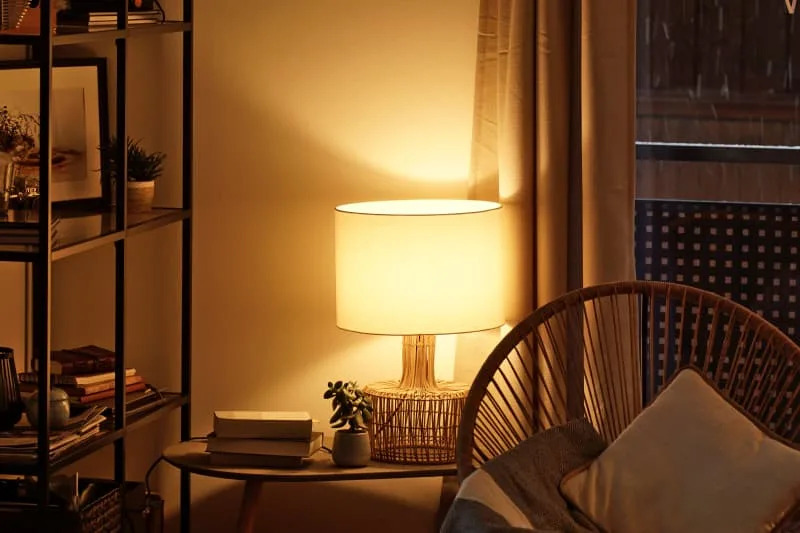
This Surprising Chair Trend Is Taking 2024 by Storm
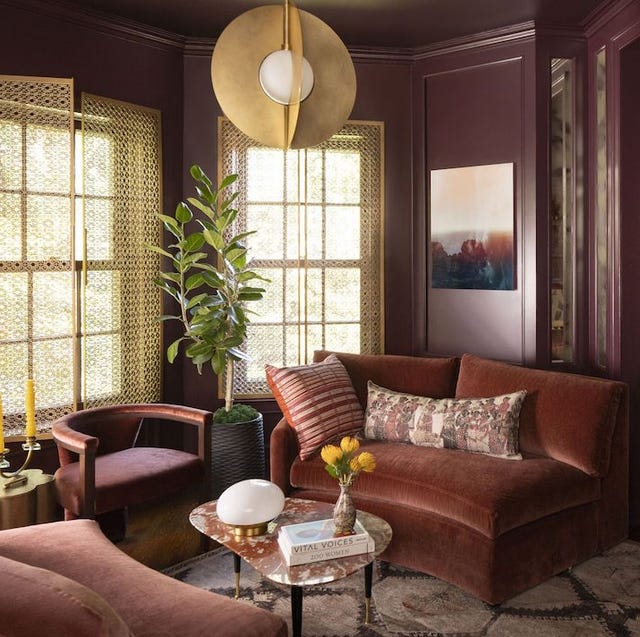
Designers Say This Fabric Will Dominate Living Rooms in 2024
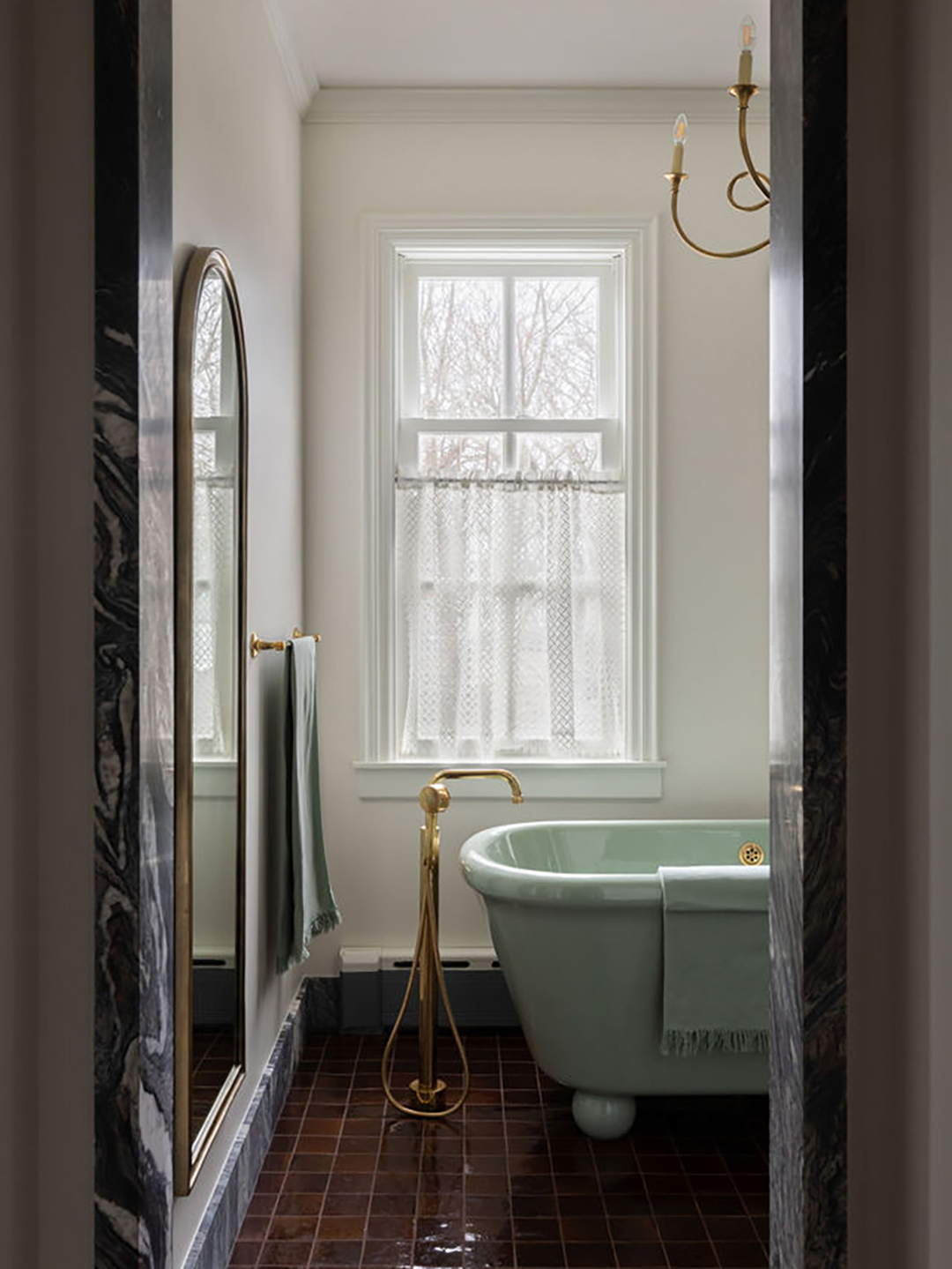
The Decorating Trends Designers Are Leaving Behind in 2026

6 Furniture Trends We Guarantee Will Transform Your Home into the Sanctuary You’ve Been Dreaming of
These Trendy Home Additions Will Look "Dated" in 2026, According to Designers
6 Furniture Trends That Will Be in Every Home in 2025, According to Designers