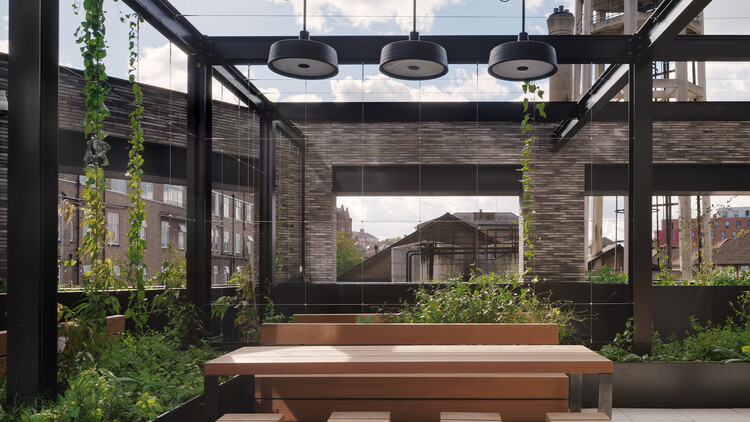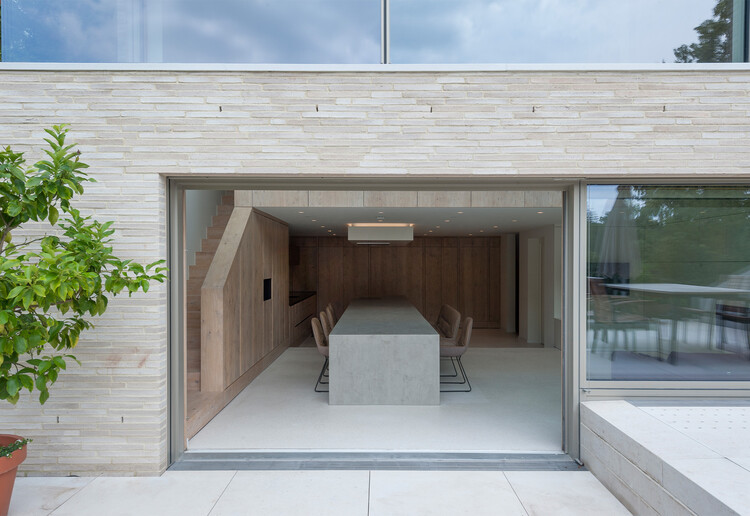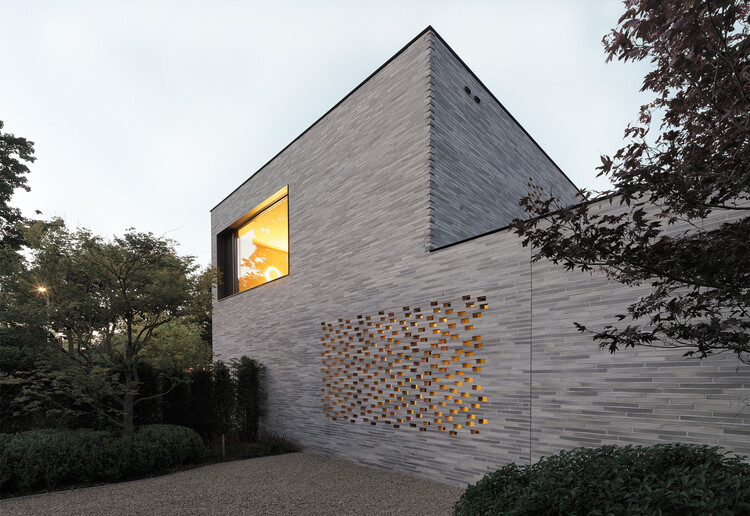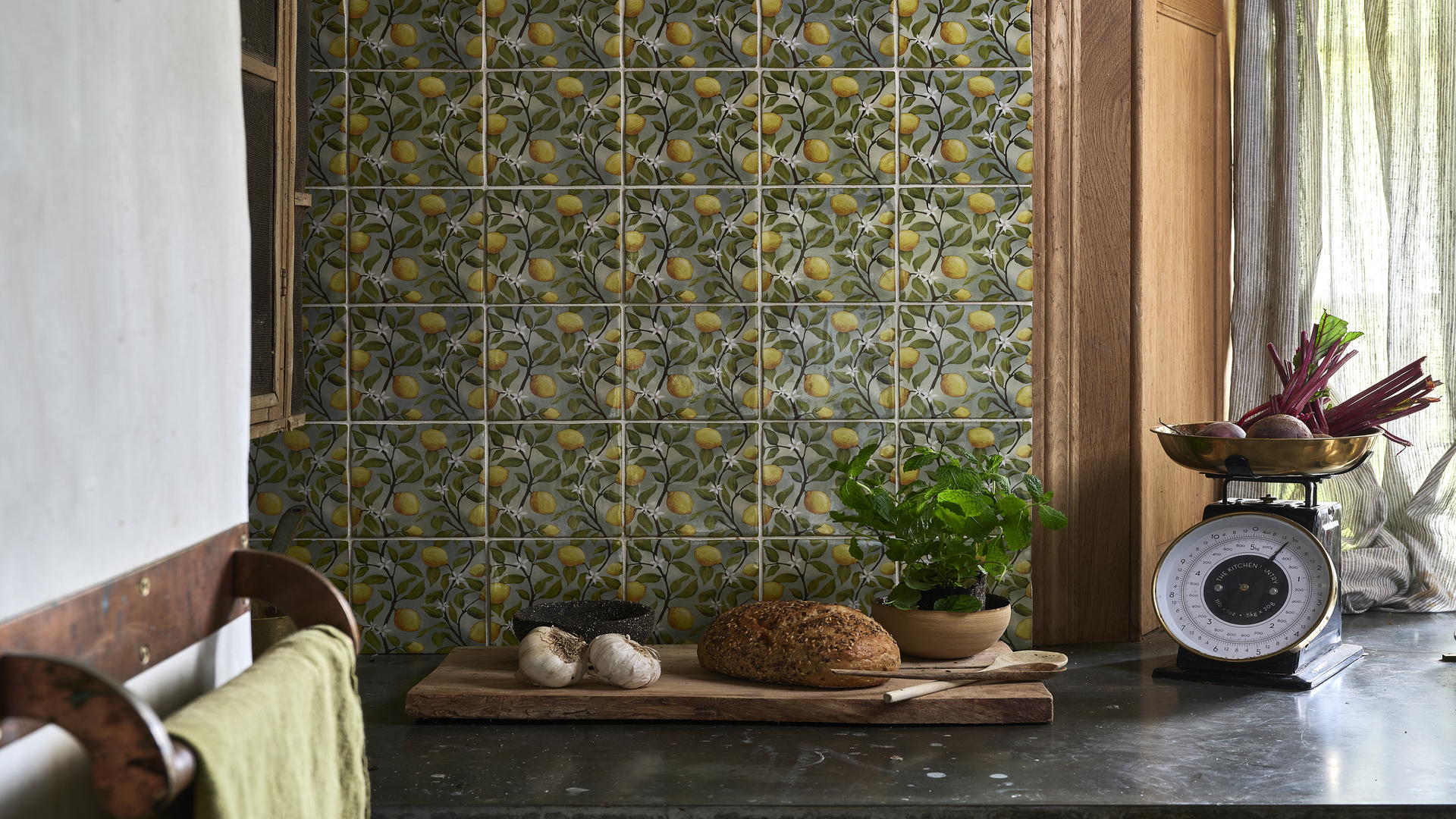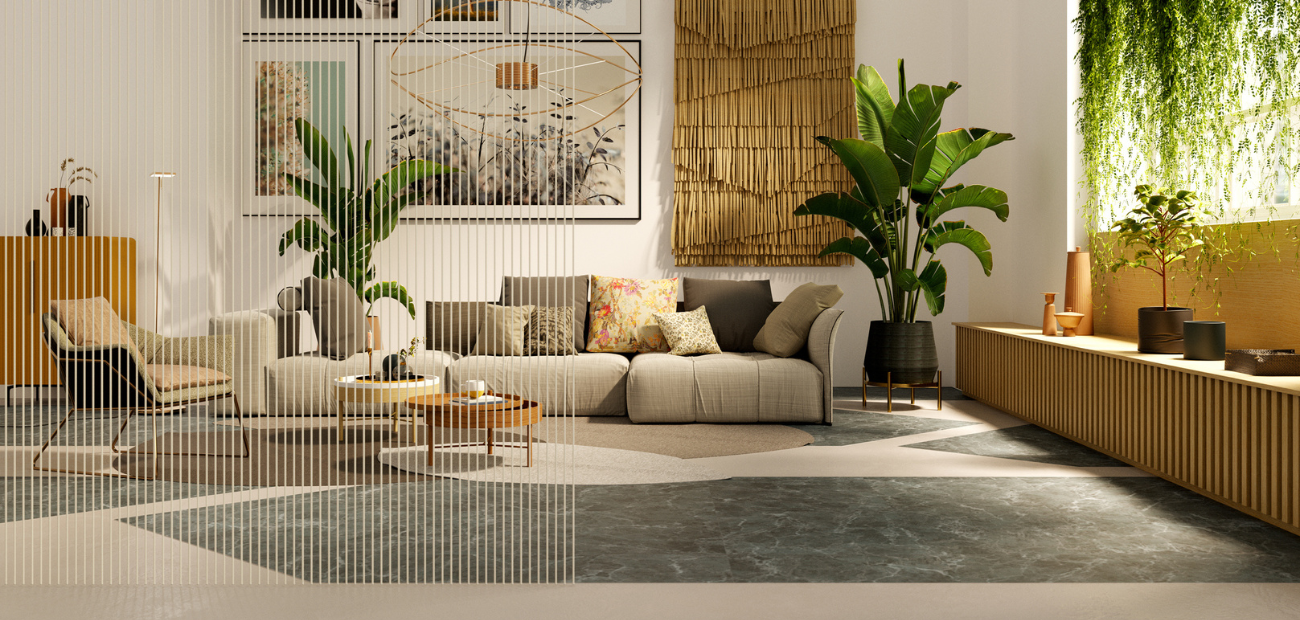
Biophilic Design Helps Homeowners Connect to Nature
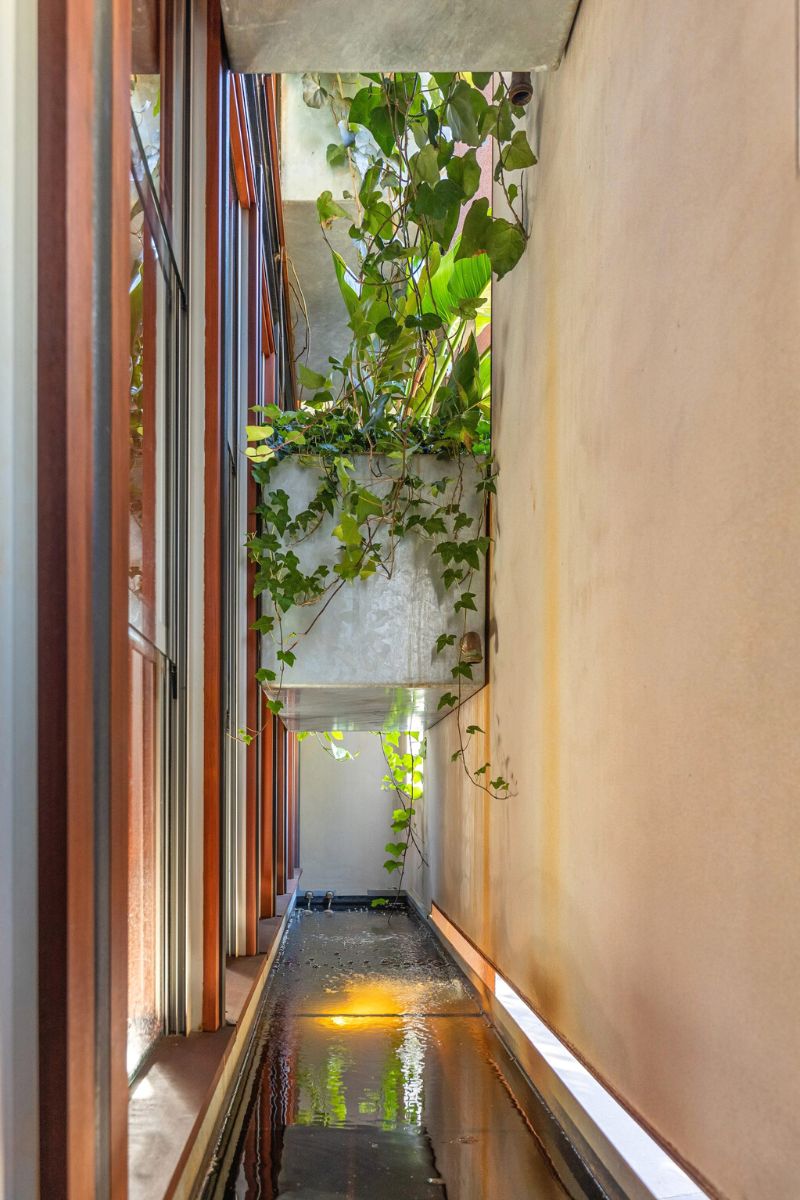
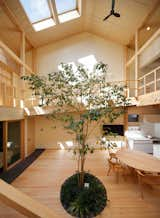
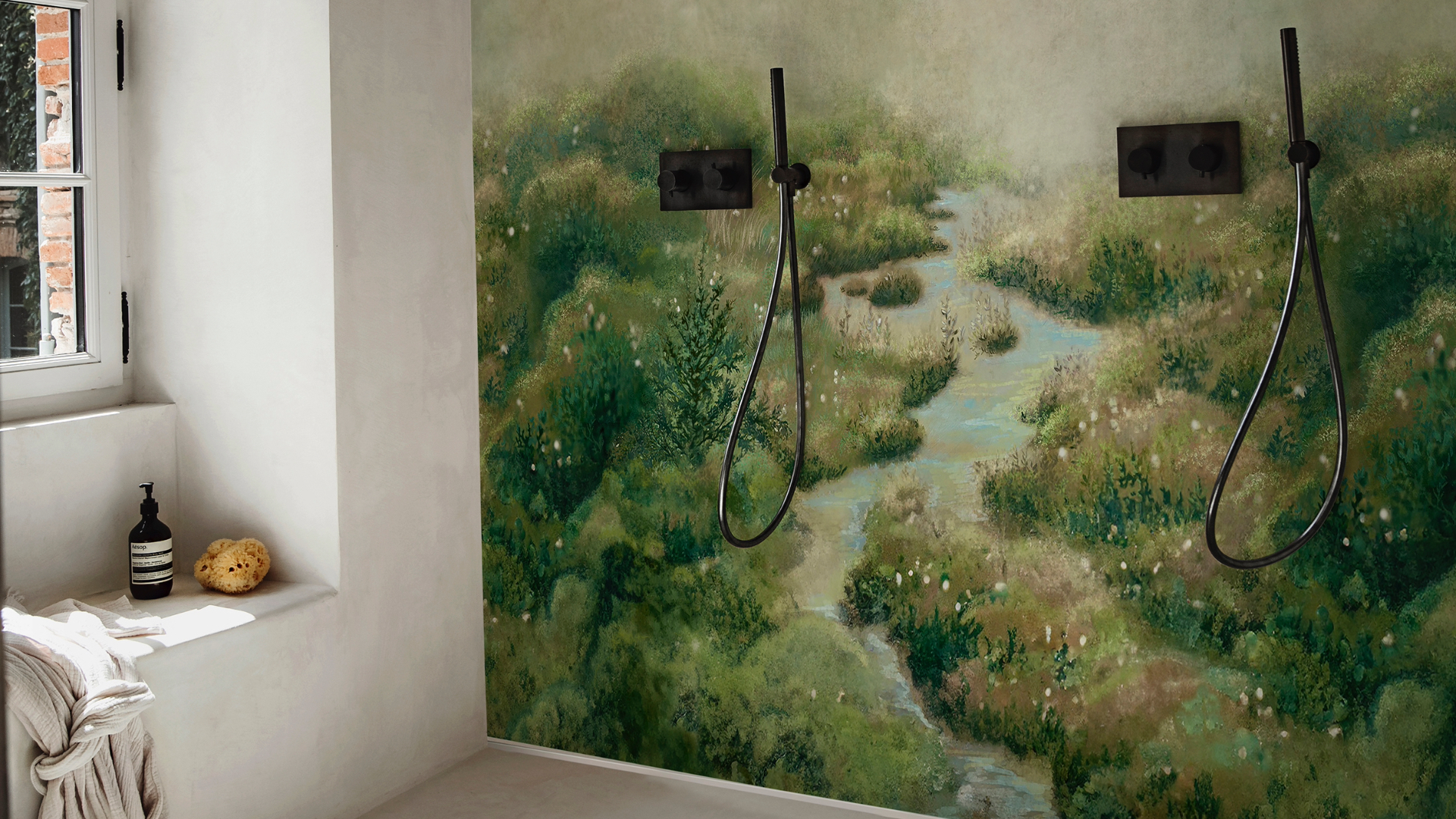
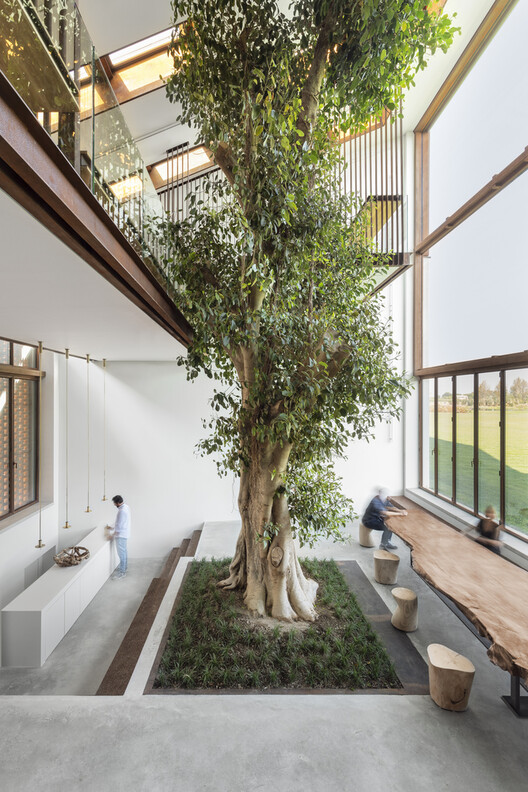
Biophilic design, a concept pioneered by biologist Edward O. Wilson in the 1980s, is experiencing a resurgence in popularity, particularly among millennial and Generation Z homeowners and tenants. This design philosophy emphasizes the innate human need to connect with nature, aiming to integrate natural elements into architectural and interior spaces. The trend gained significant traction, with visual search engines like Pinterest reporting substantial increases in searches for "biophilic architecture" and "biophilic design bedroom.
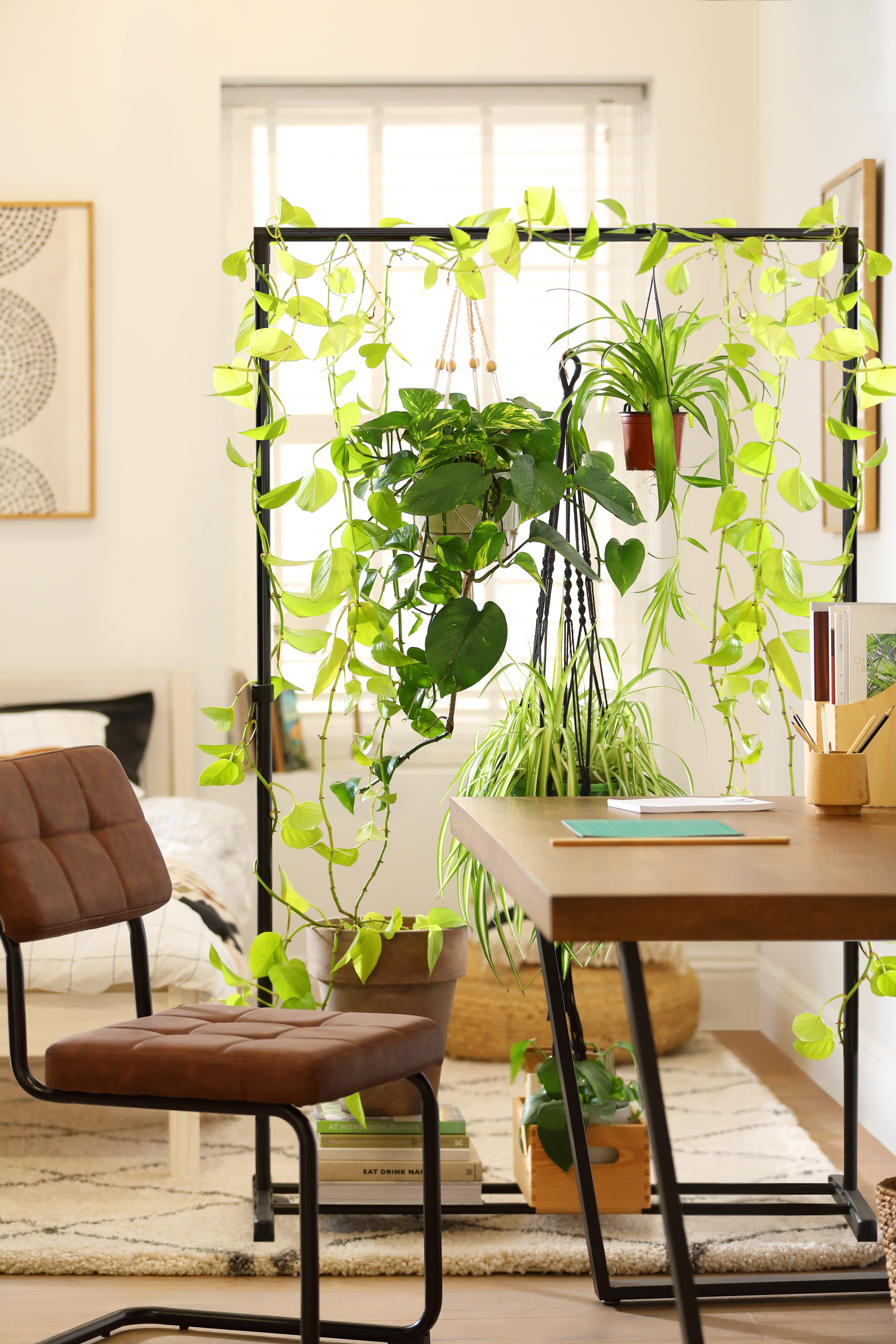
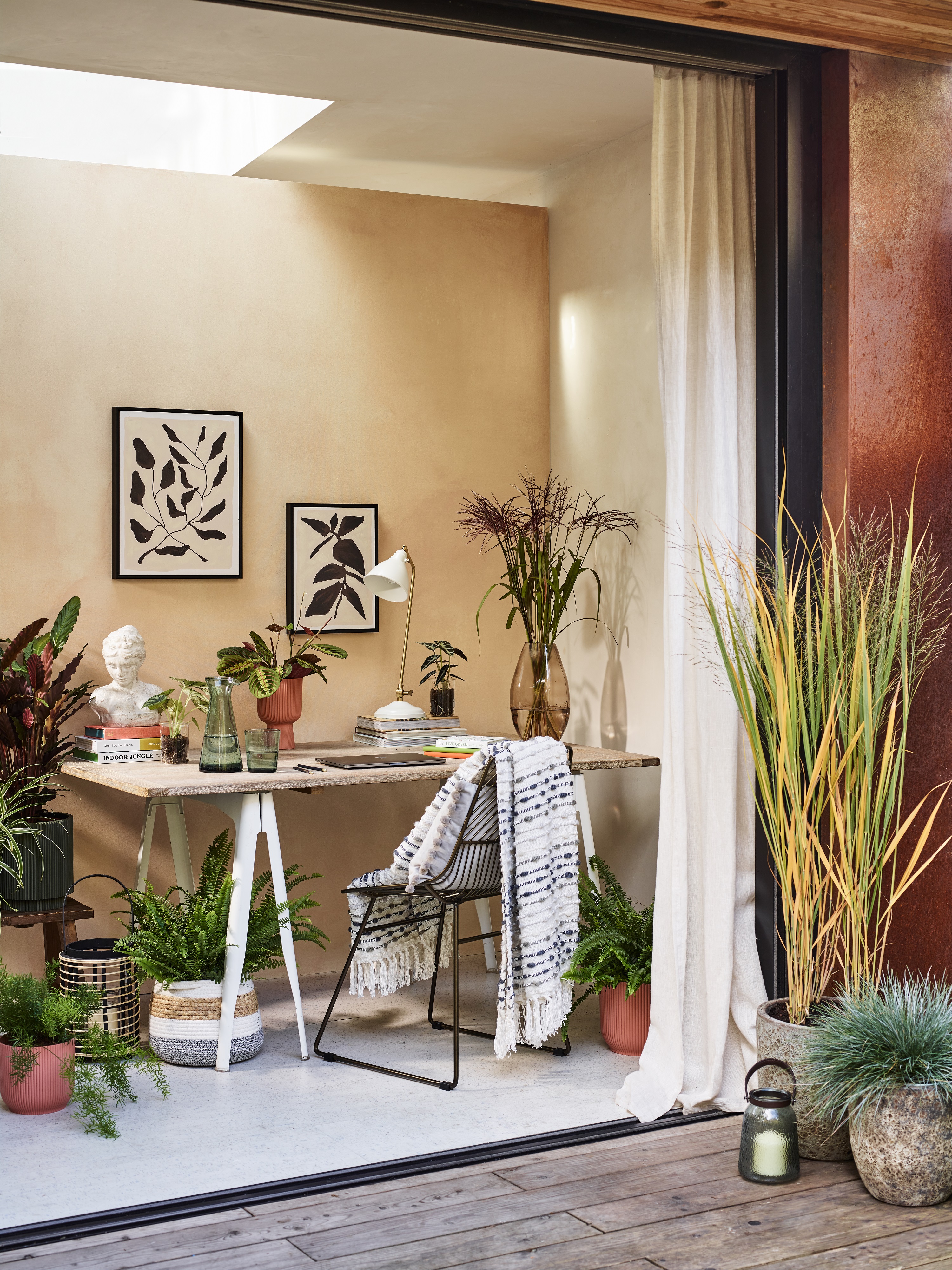
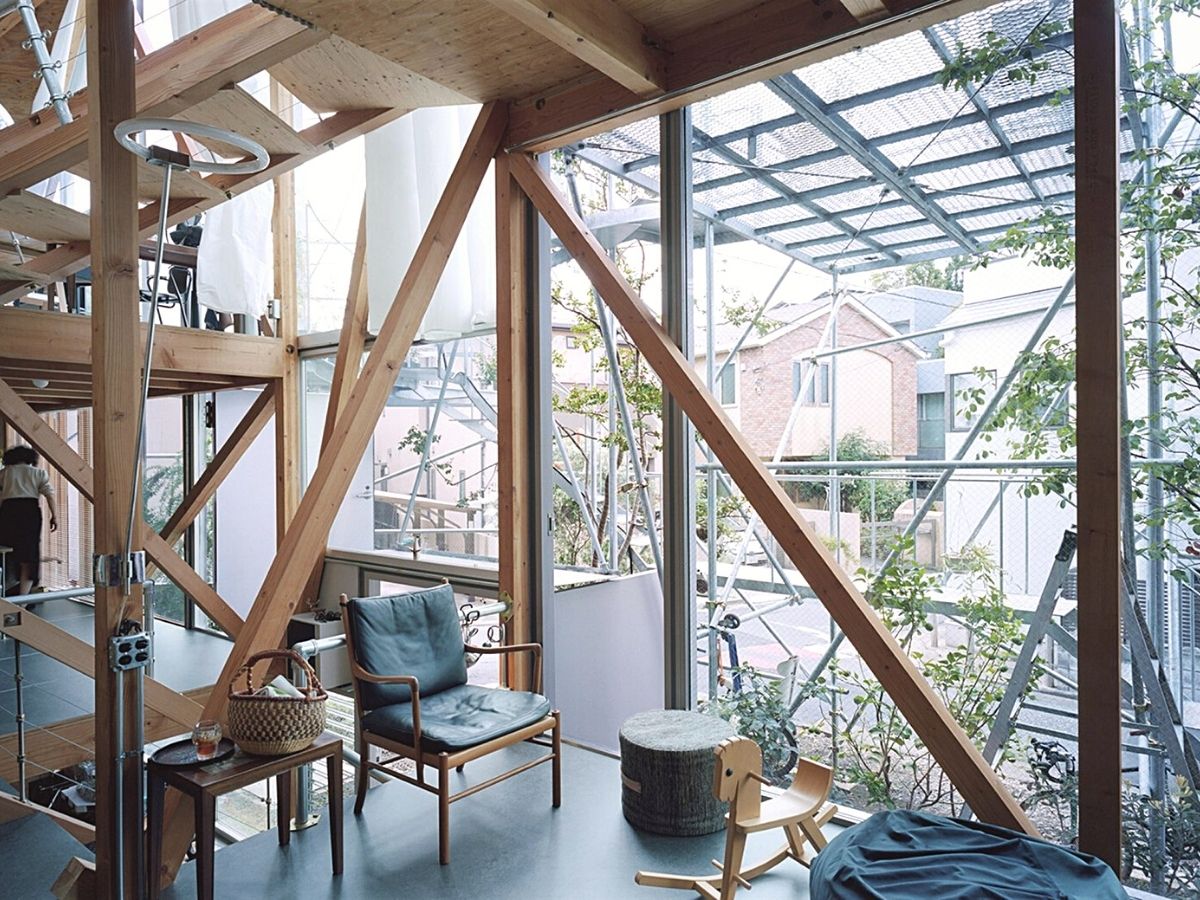
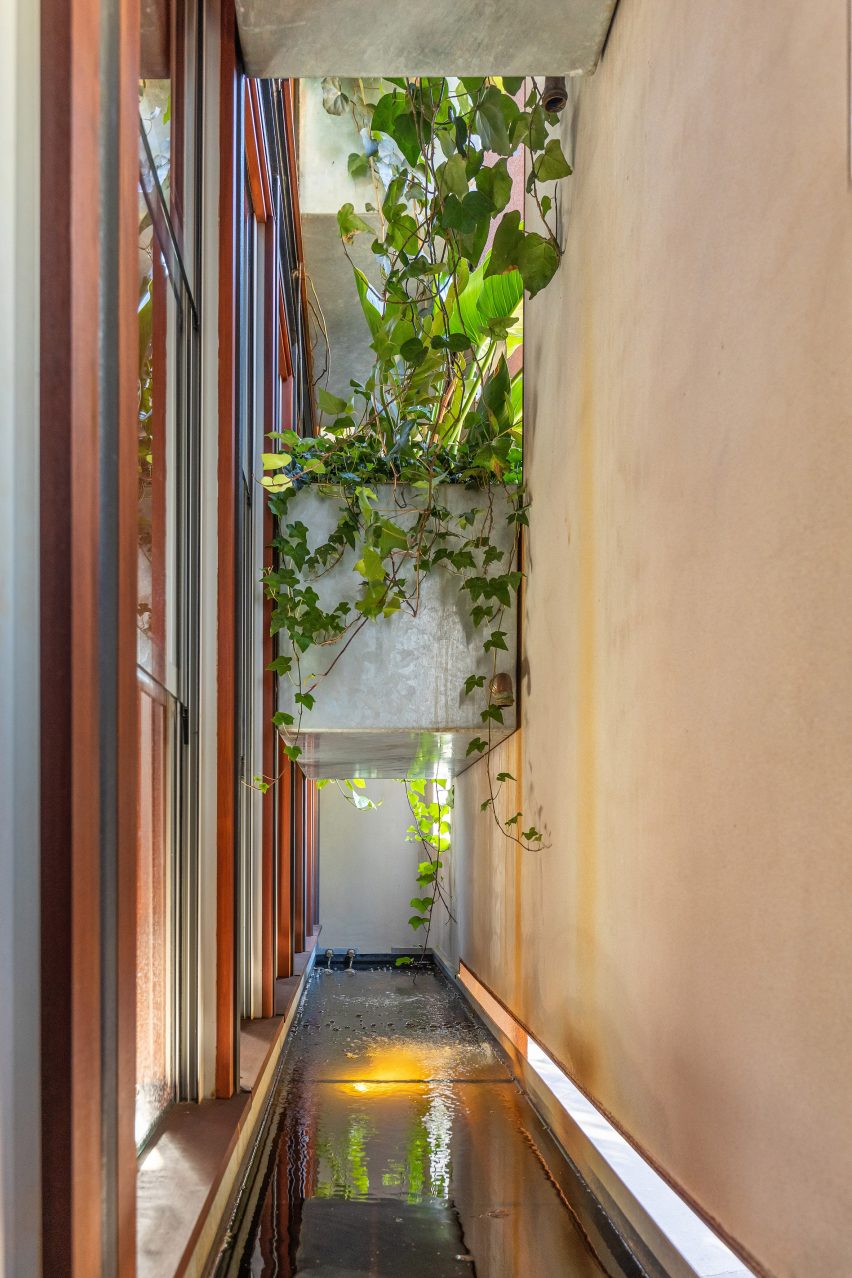
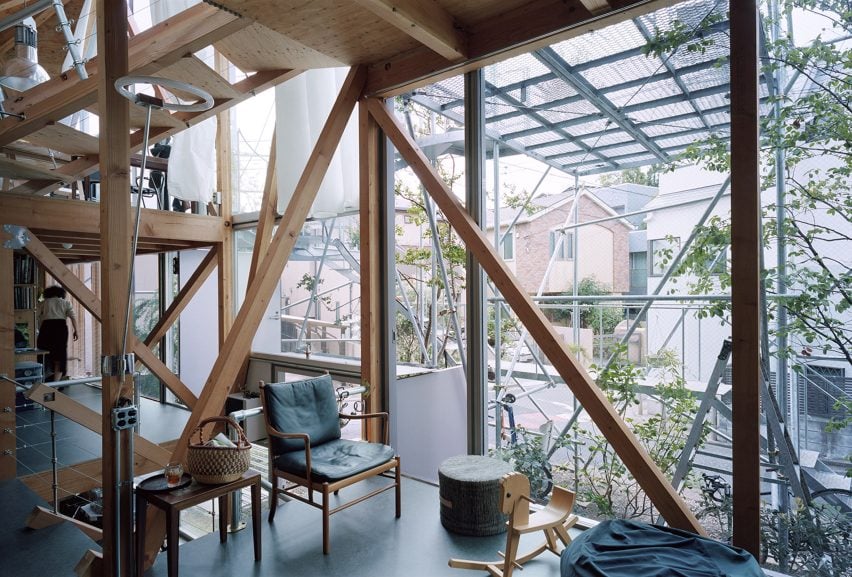
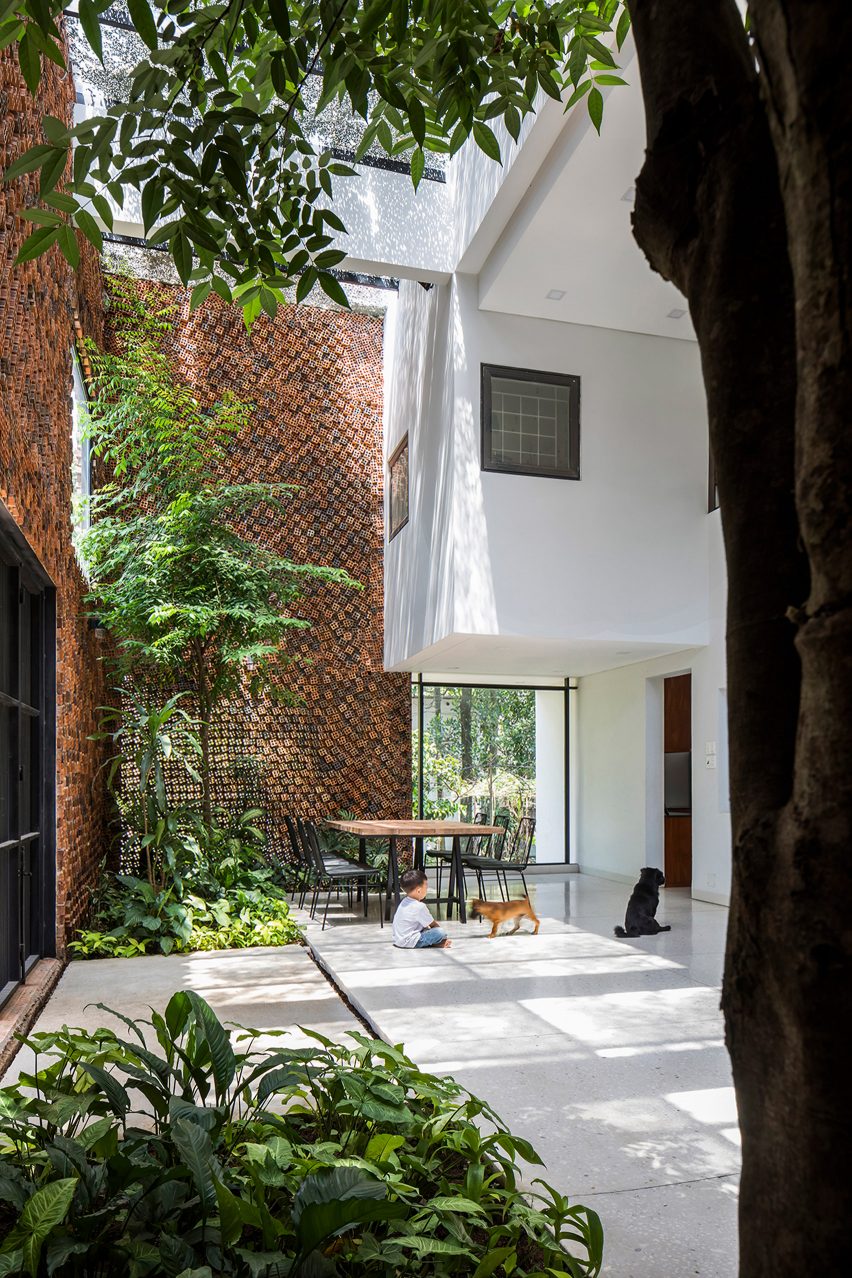
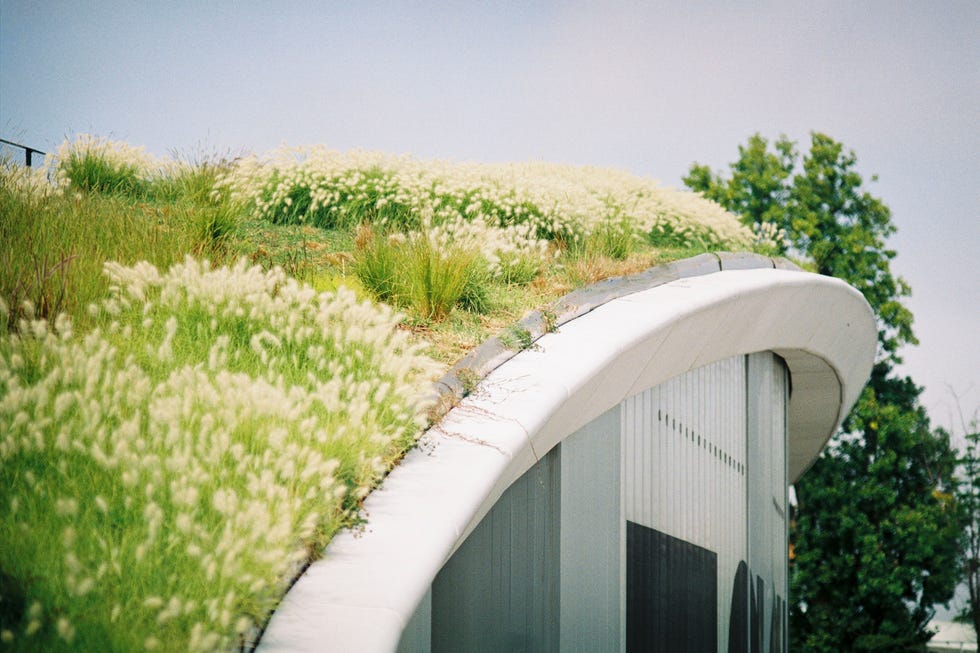
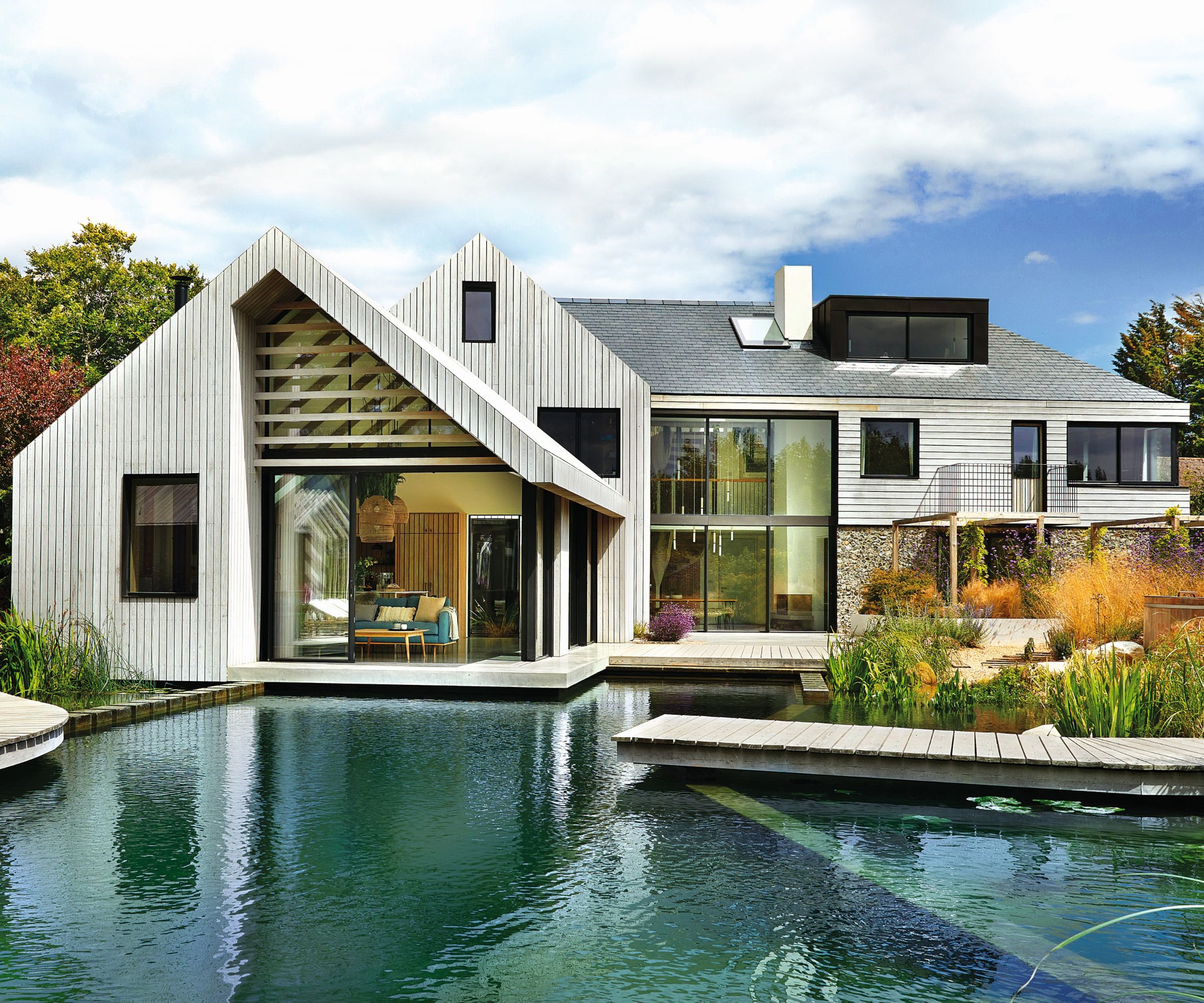
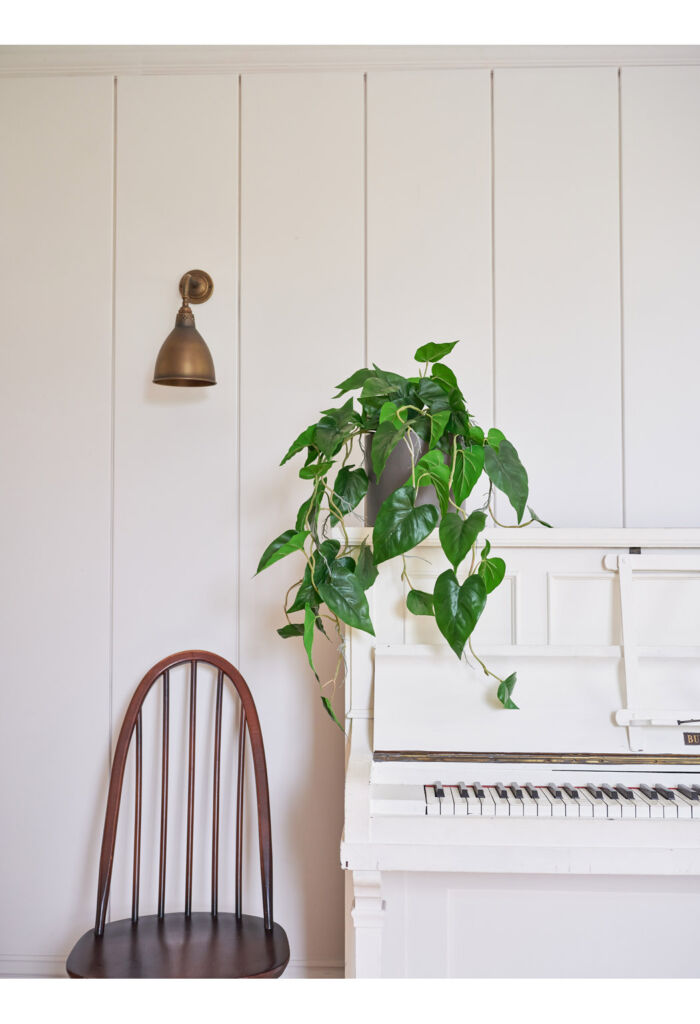
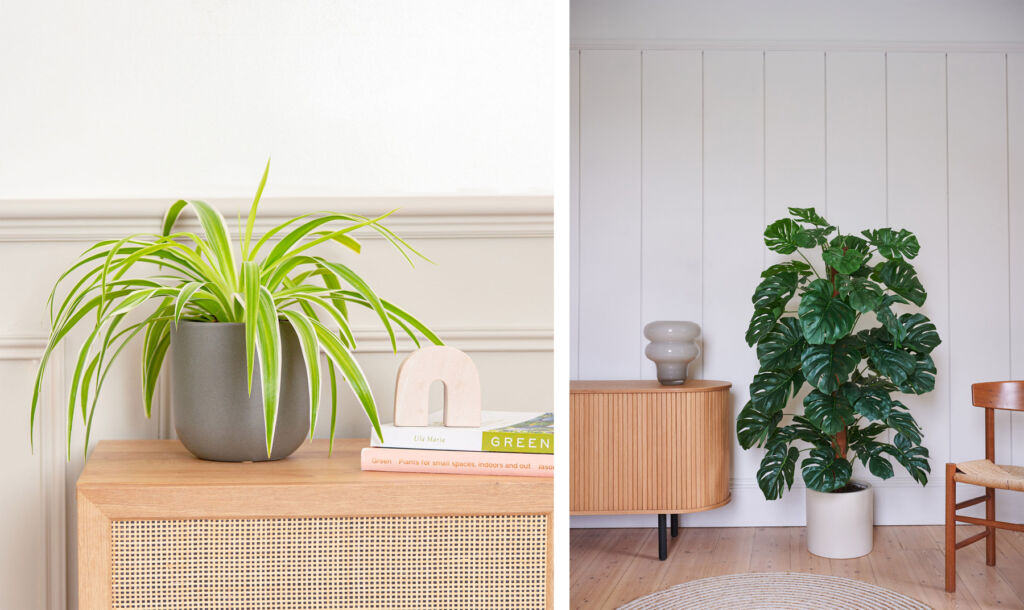
According to interior designers Brooke Lang and Ariana Lovato, biophilic design extends beyond merely adding potted plants to a room. It involves a holistic approach to design, encompassing layout, lighting, the use of natural materials, and creating a seamless connection between indoor and outdoor environments. The goal is to create spaces that evoke the soothing, inspiring, and restorative feelings associated with the natural world, thereby supporting physical, mental, and emotional well-being.
The renewed interest in biophilic design is largely attributed to a post-pandemic desire for mood-boosting and restorative living environments. The experience of COVID-19 highlighted the profound impact surroundings have on individuals, leading clients to actively seek spaces that promote relaxation and well-being. Manufacturers have responded to this demand, introducing products like Kohler’s aromatherapy shower infusion system, Sprig.
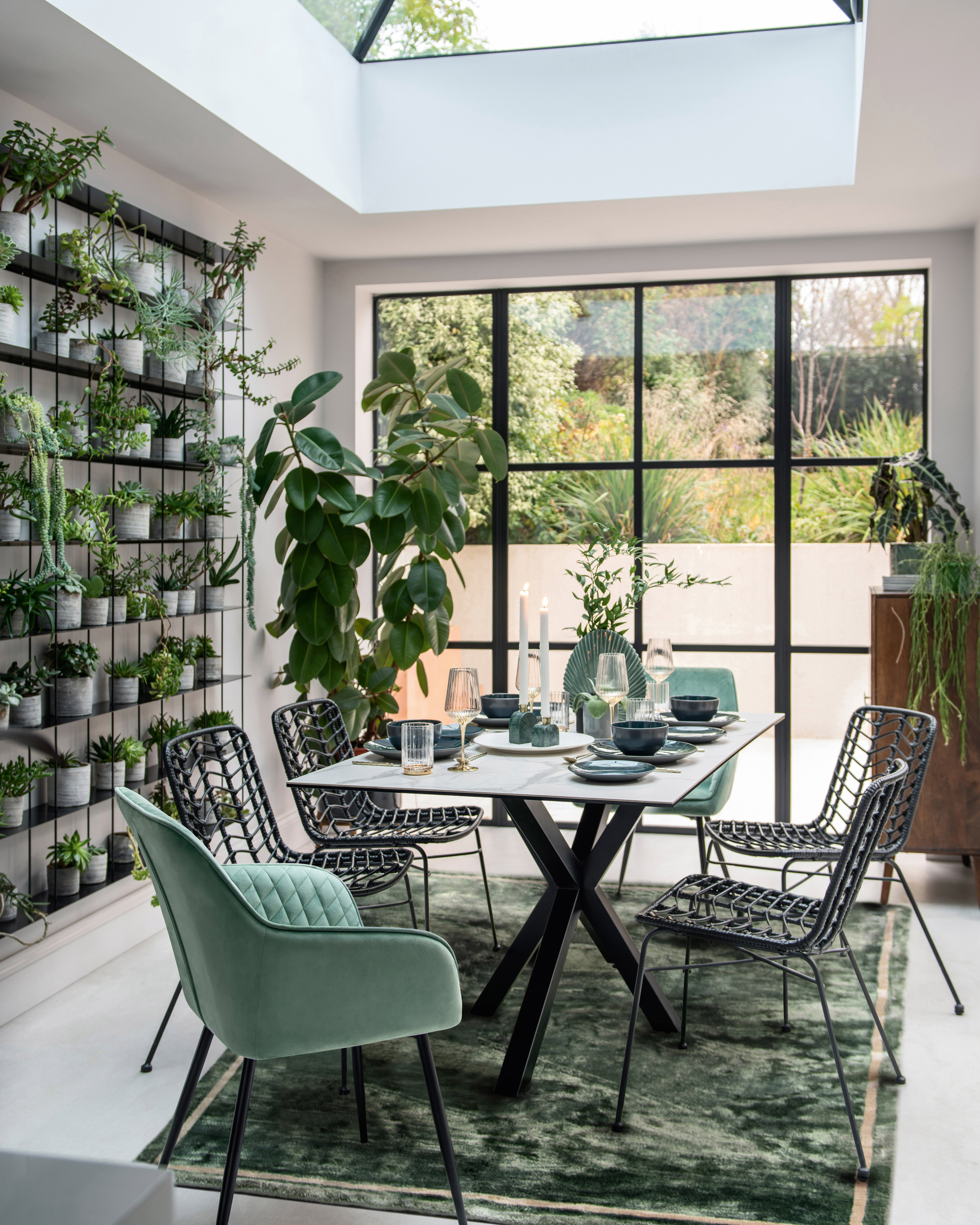
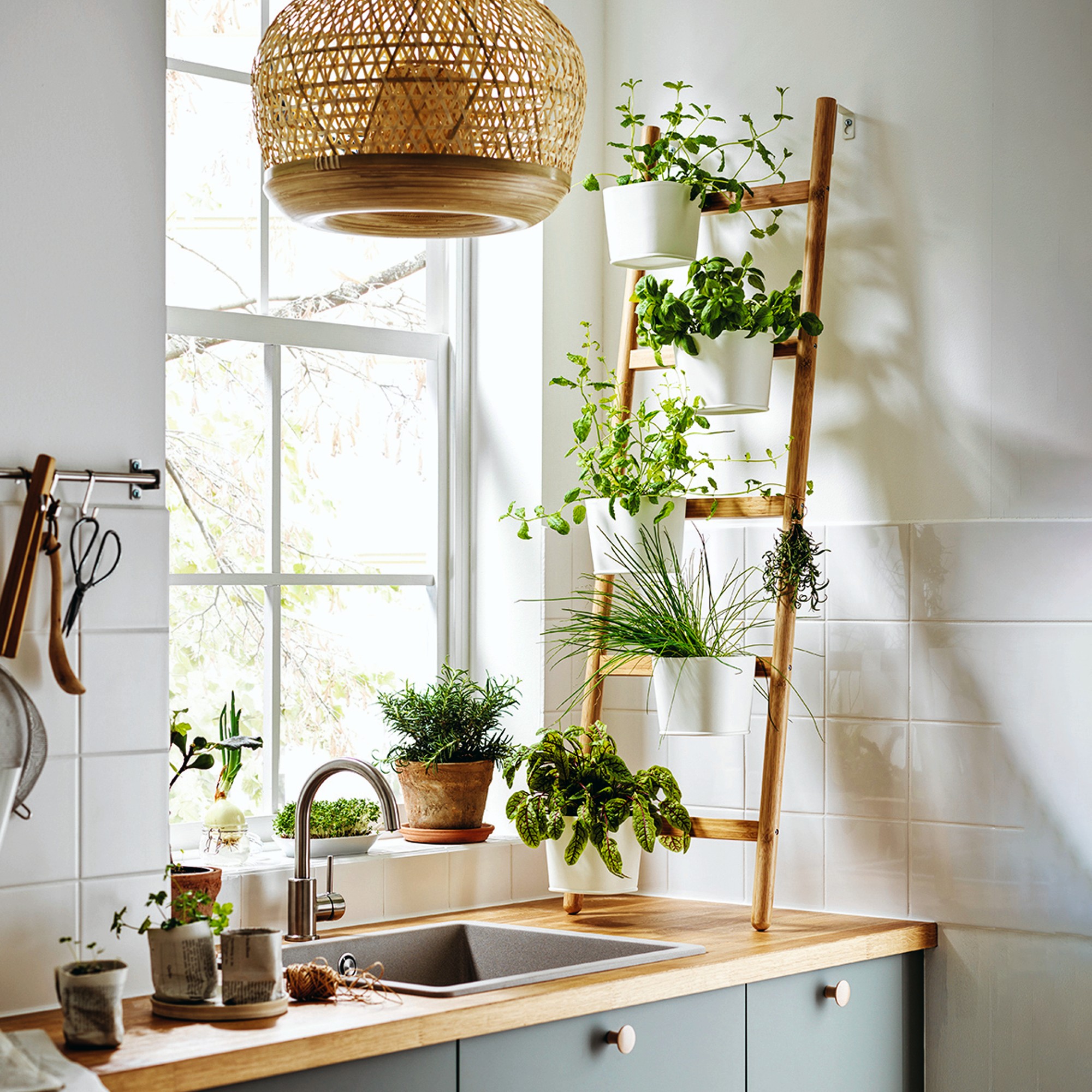
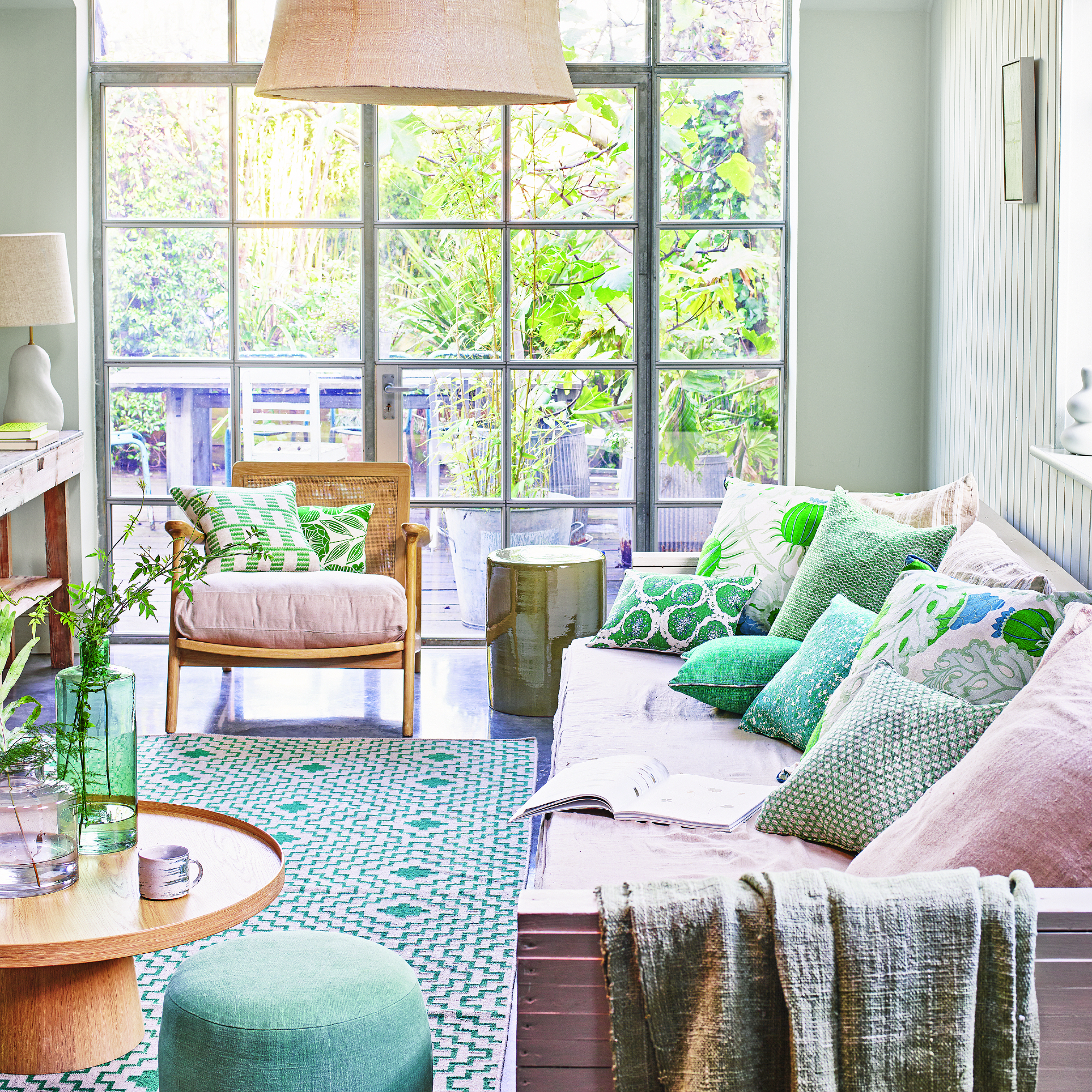
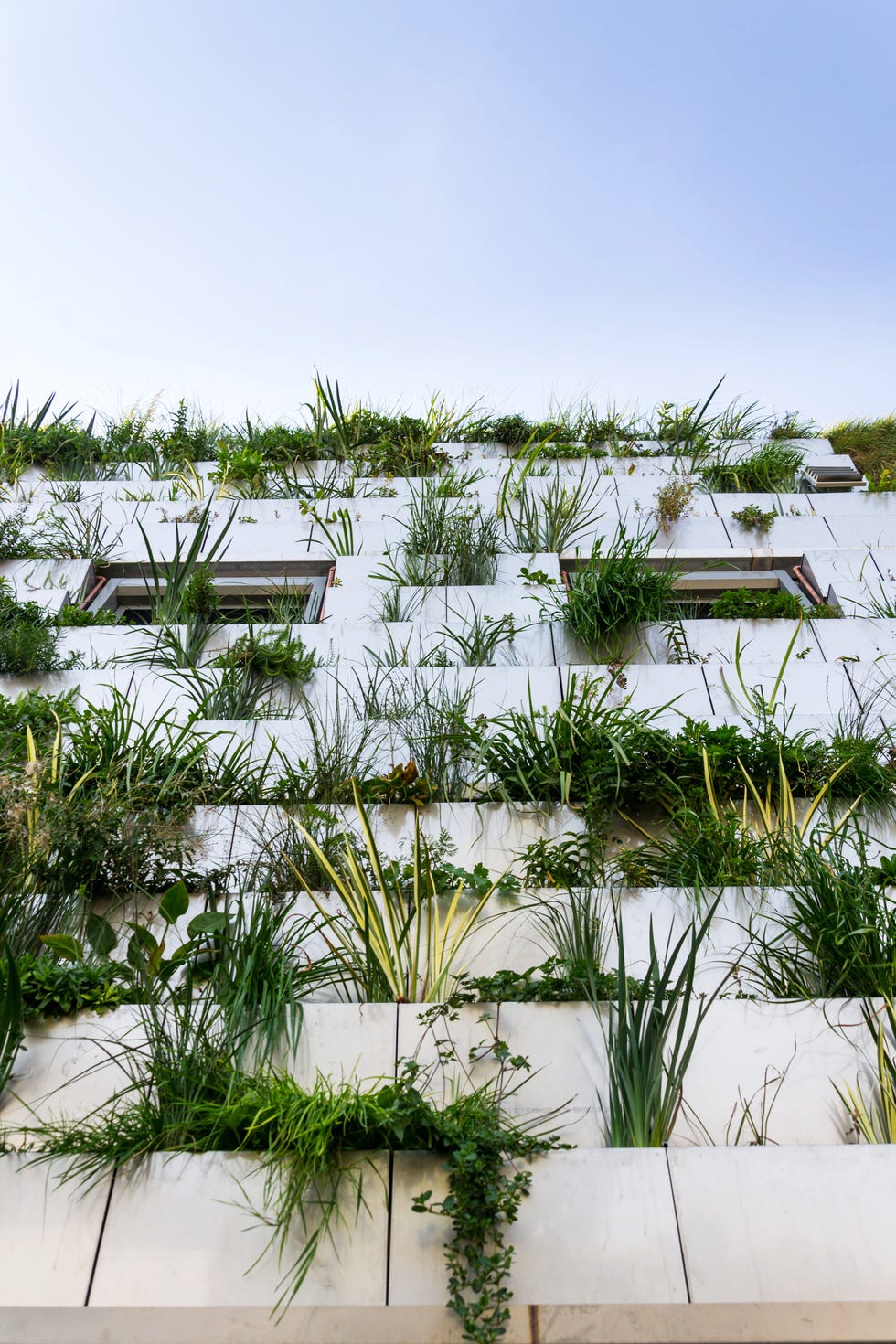
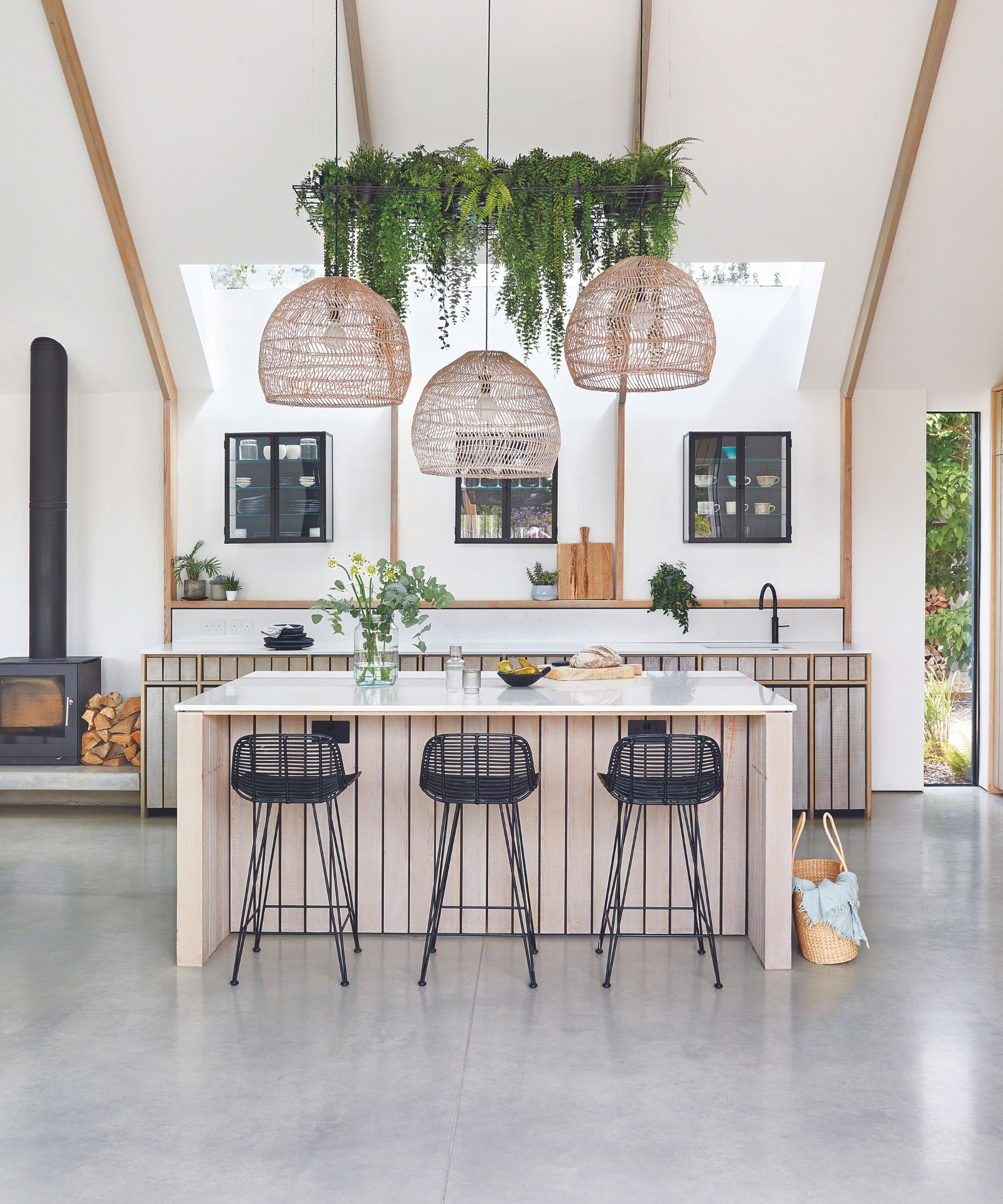
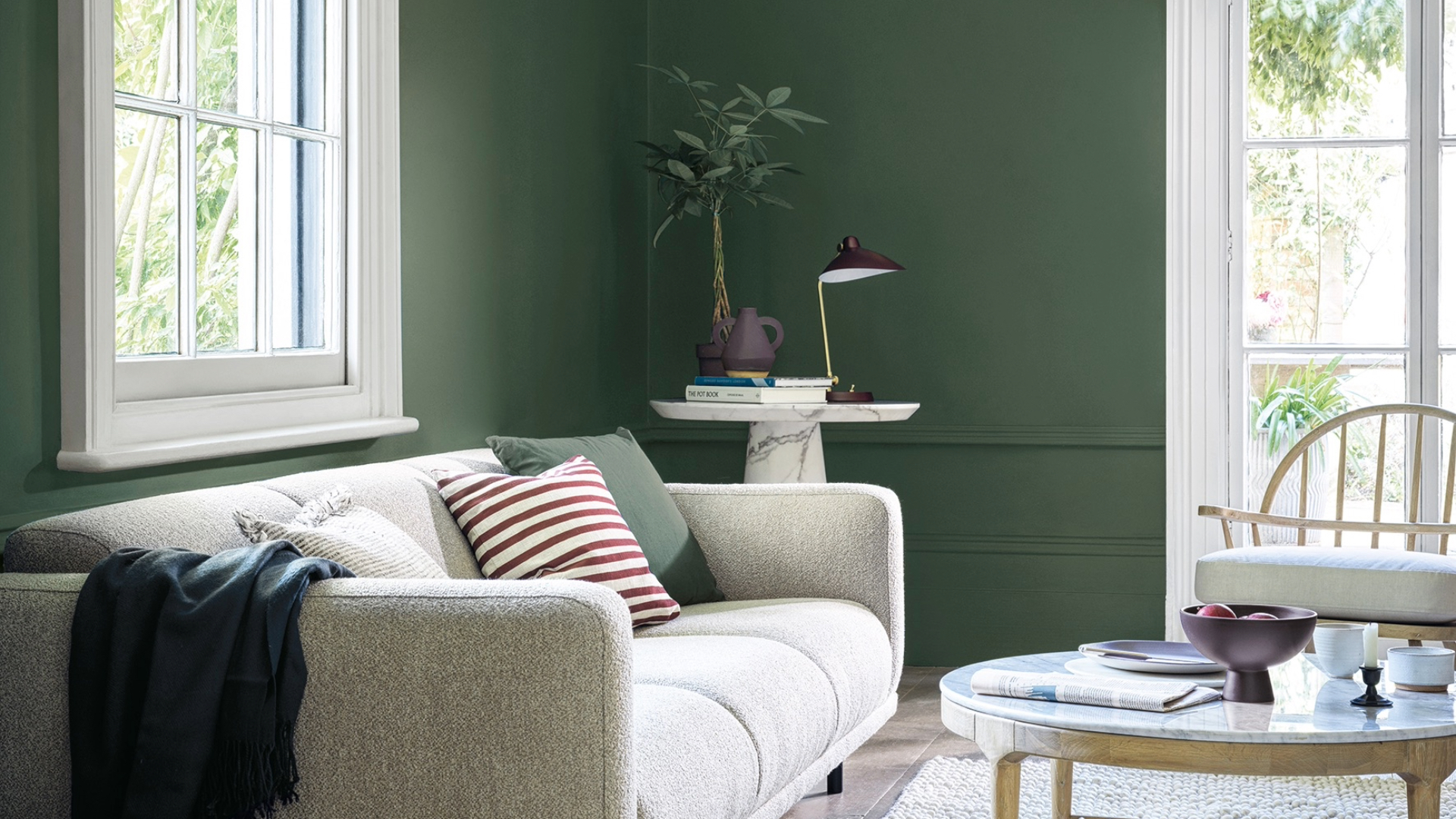
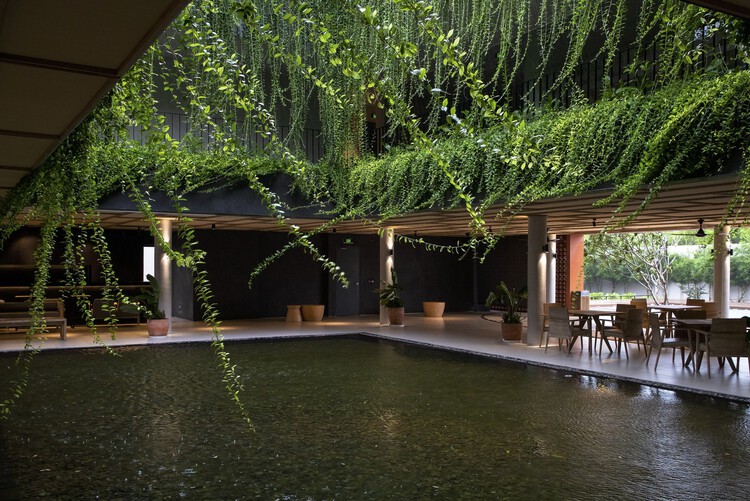
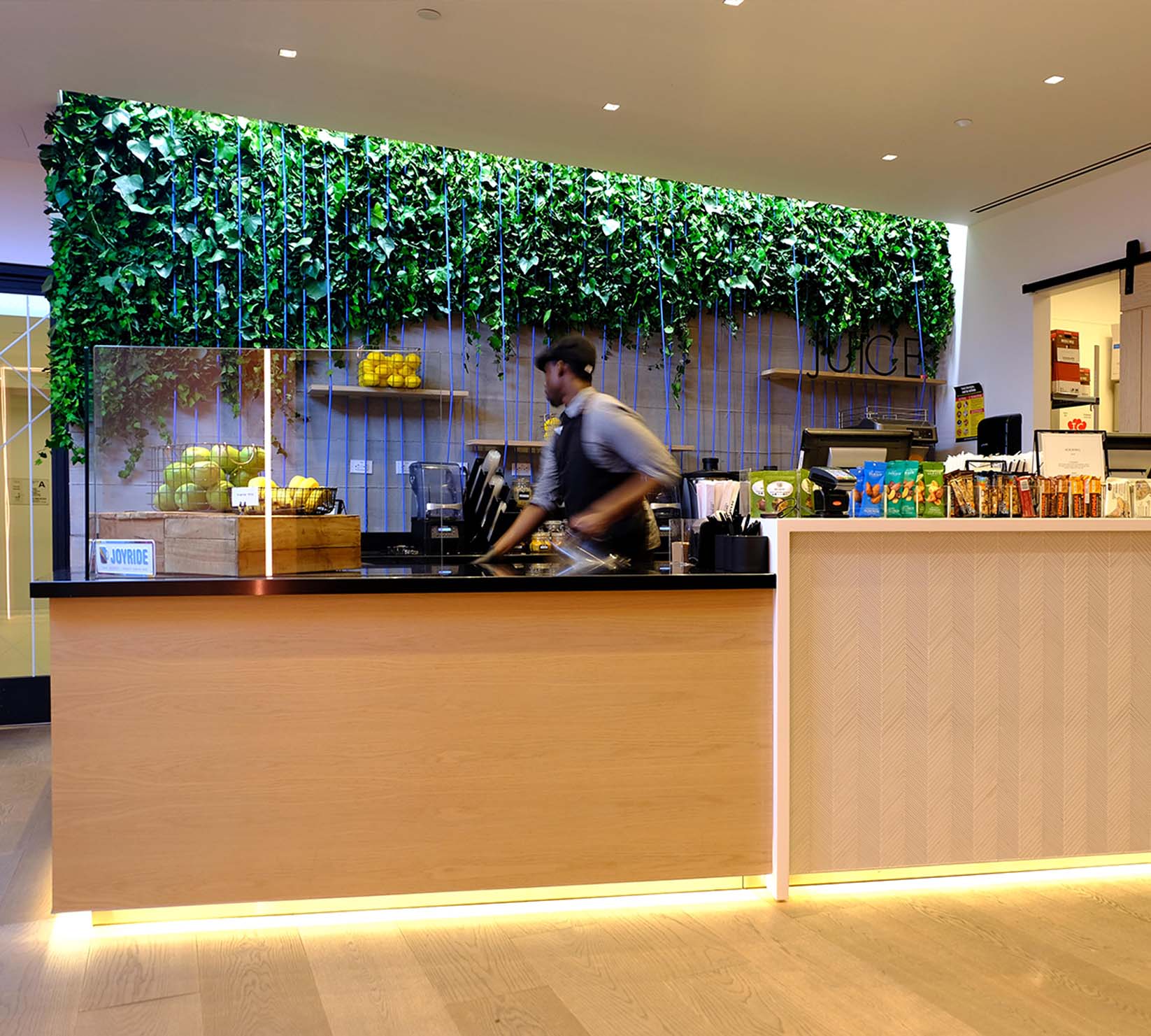
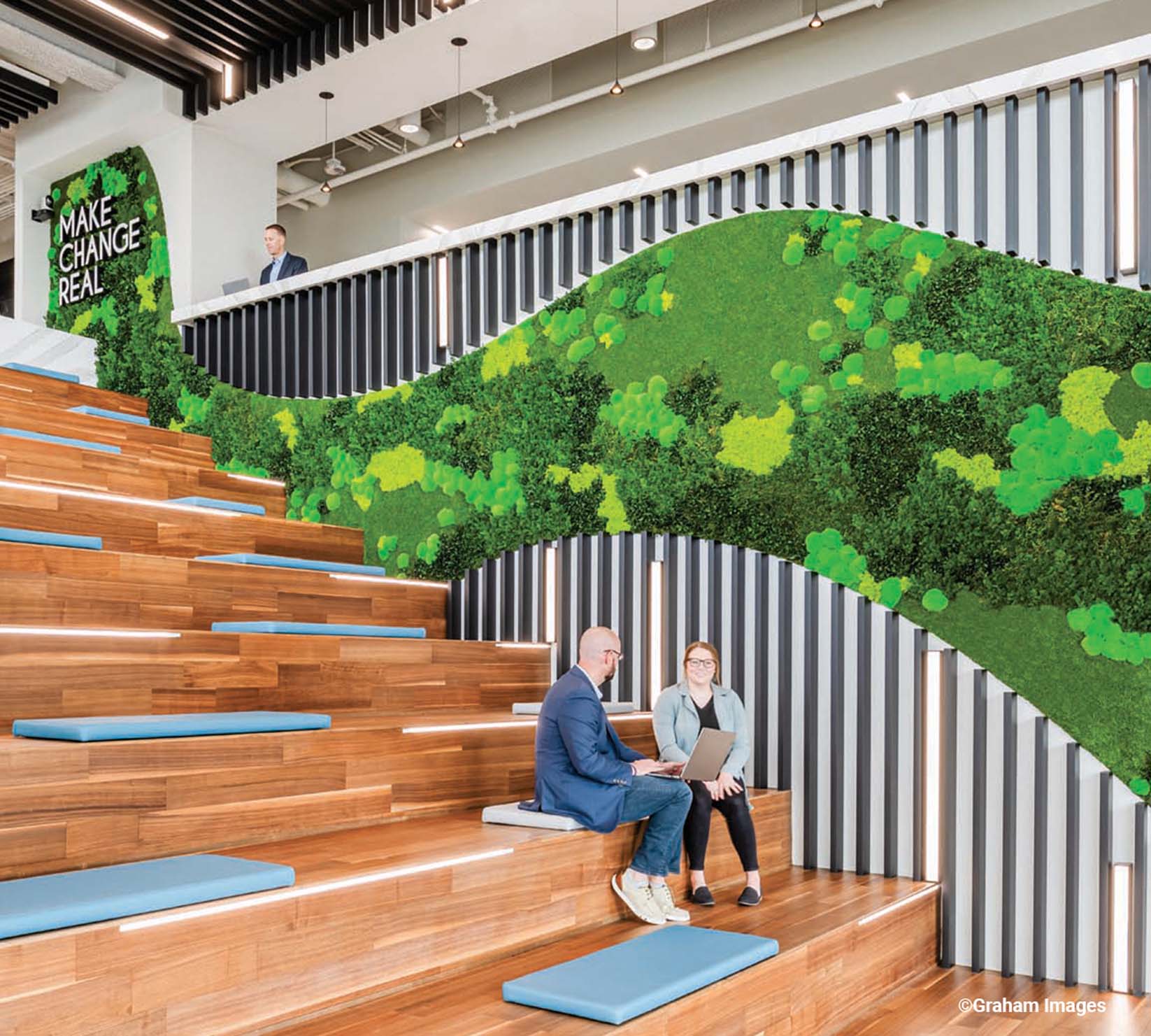
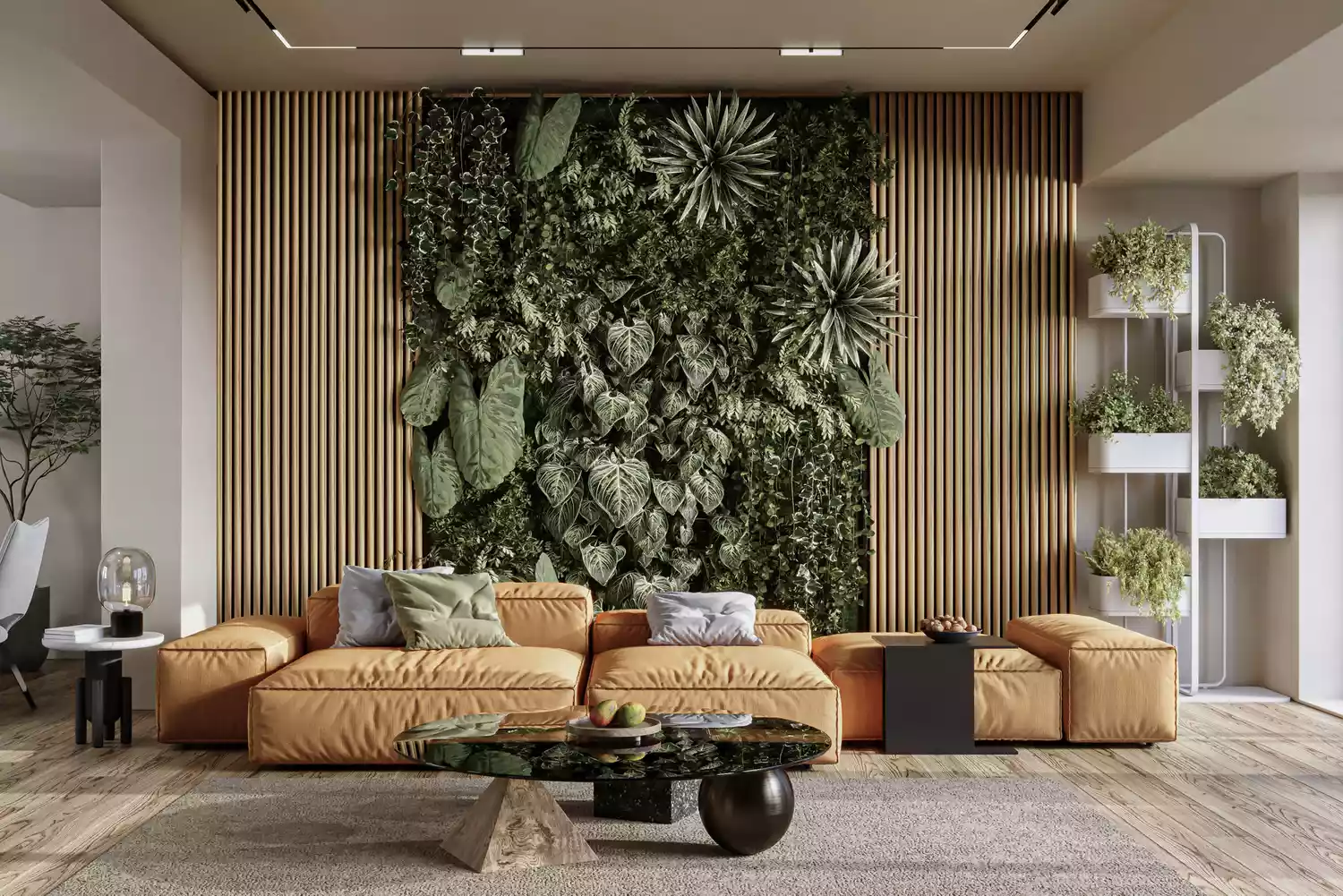
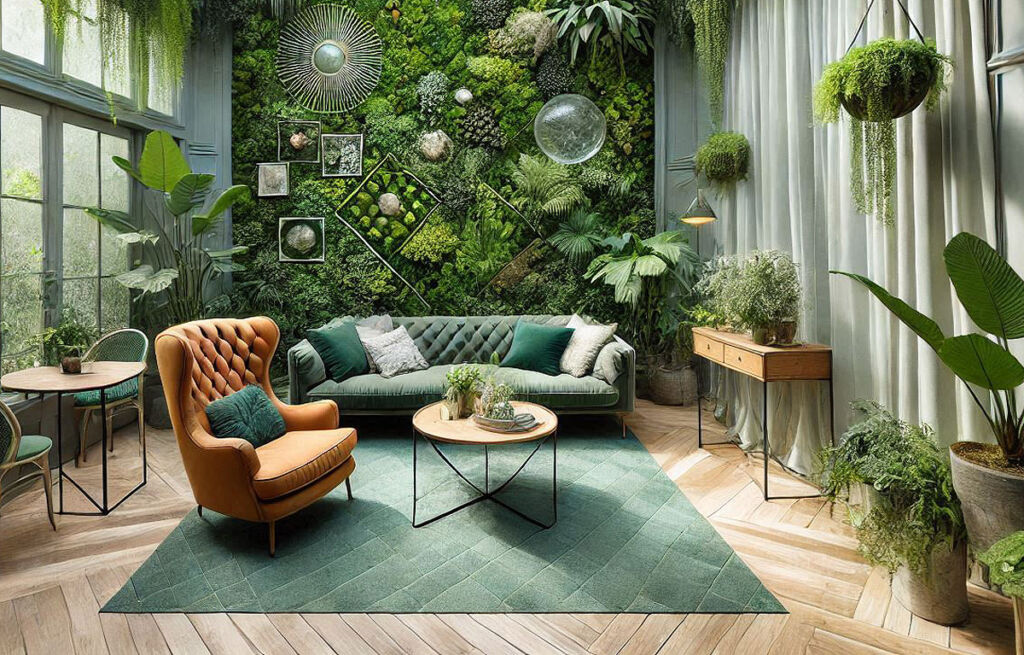
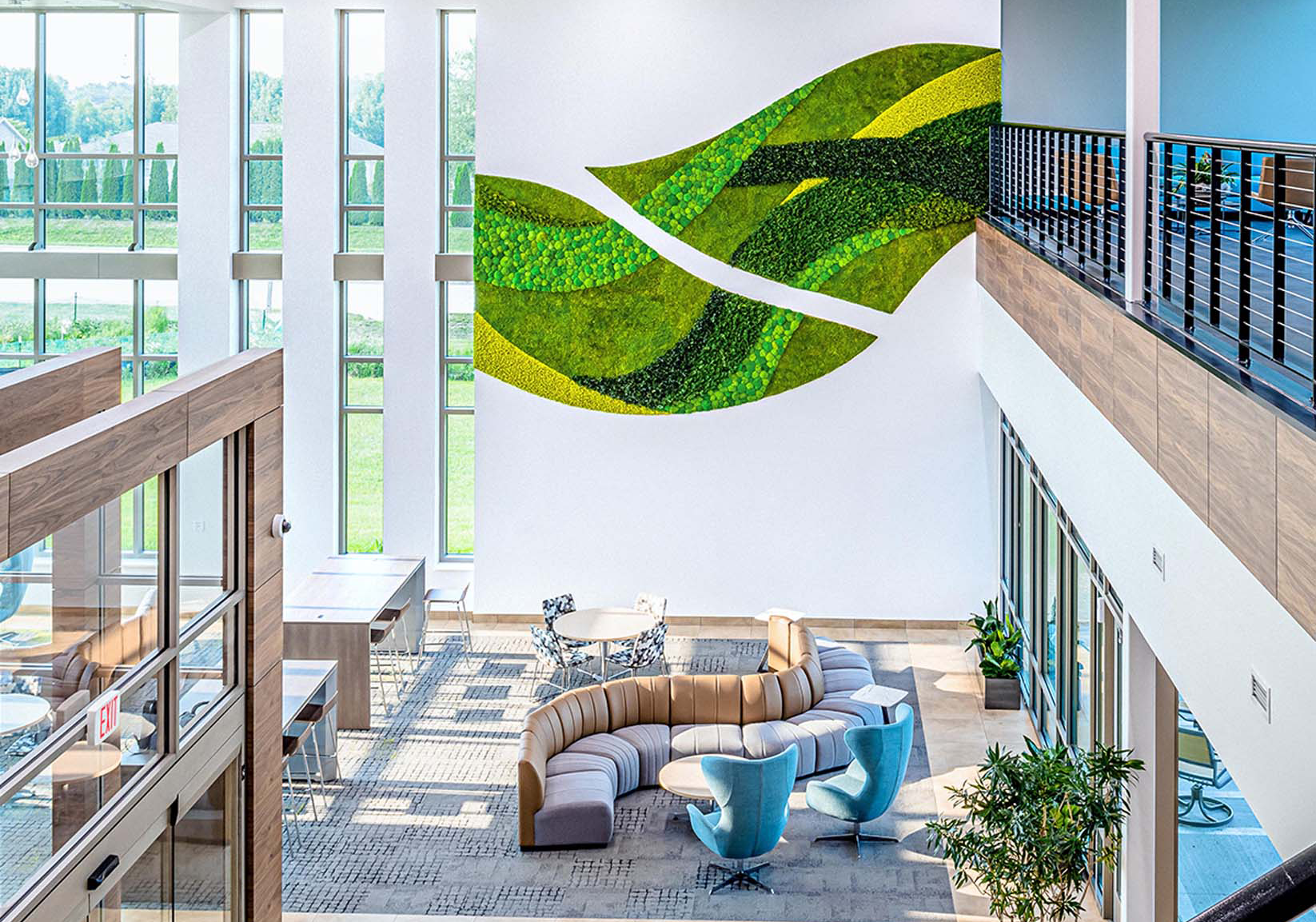
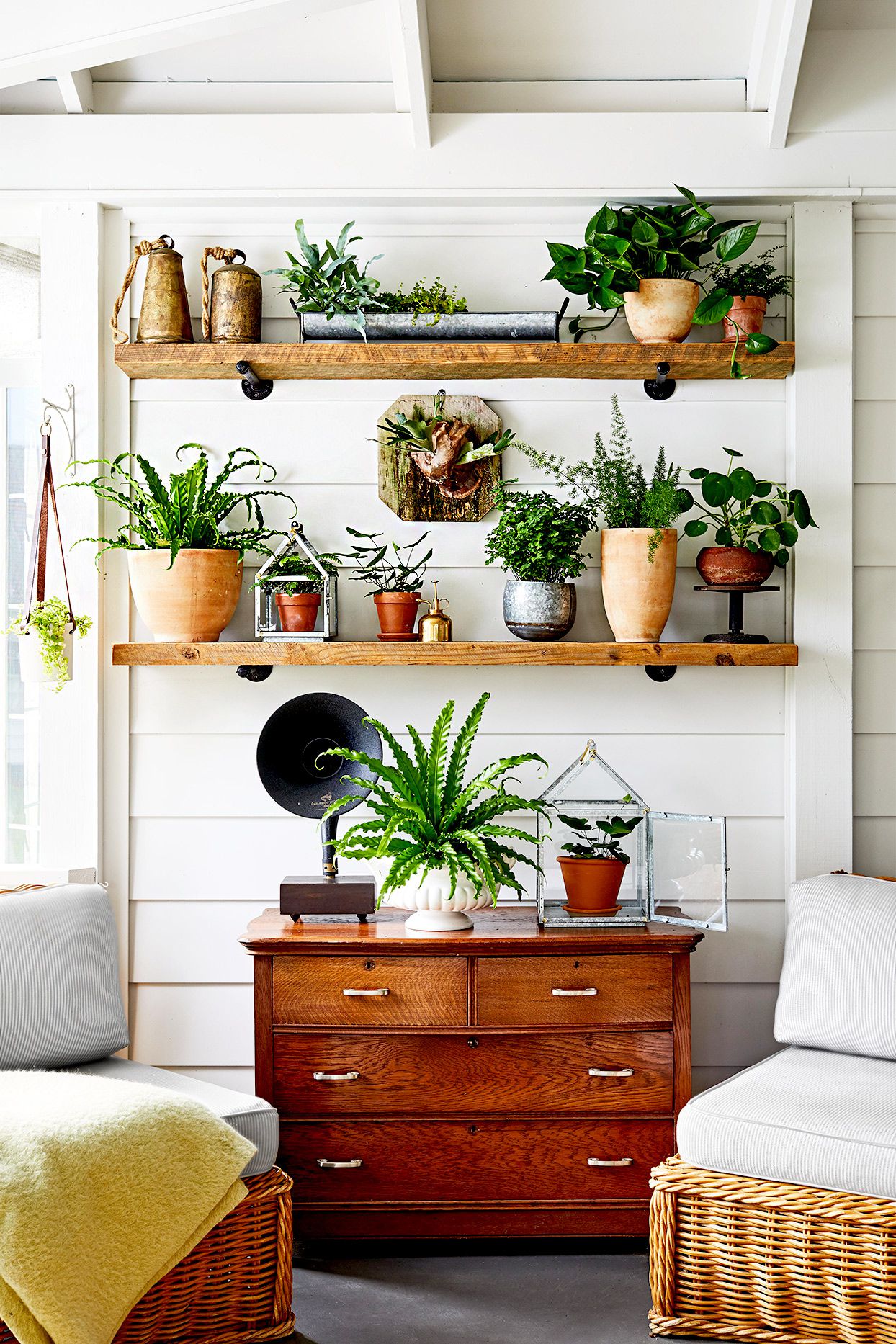
Several key trends define contemporary biophilic design. The first is the prominent use of green colors in interiors, from cabinetry and wall colors to even fixtures like toilets. While not a complete biophilic solution on its own, it serves as an accessible entry point for budget-conscious individuals. Secondly, living walls, which are walls covered with living plants, are trending as a classic example of bringing nature directly indoors. These installations are particularly popular among millennials, who are incorporating them into spaces like zen rooms.
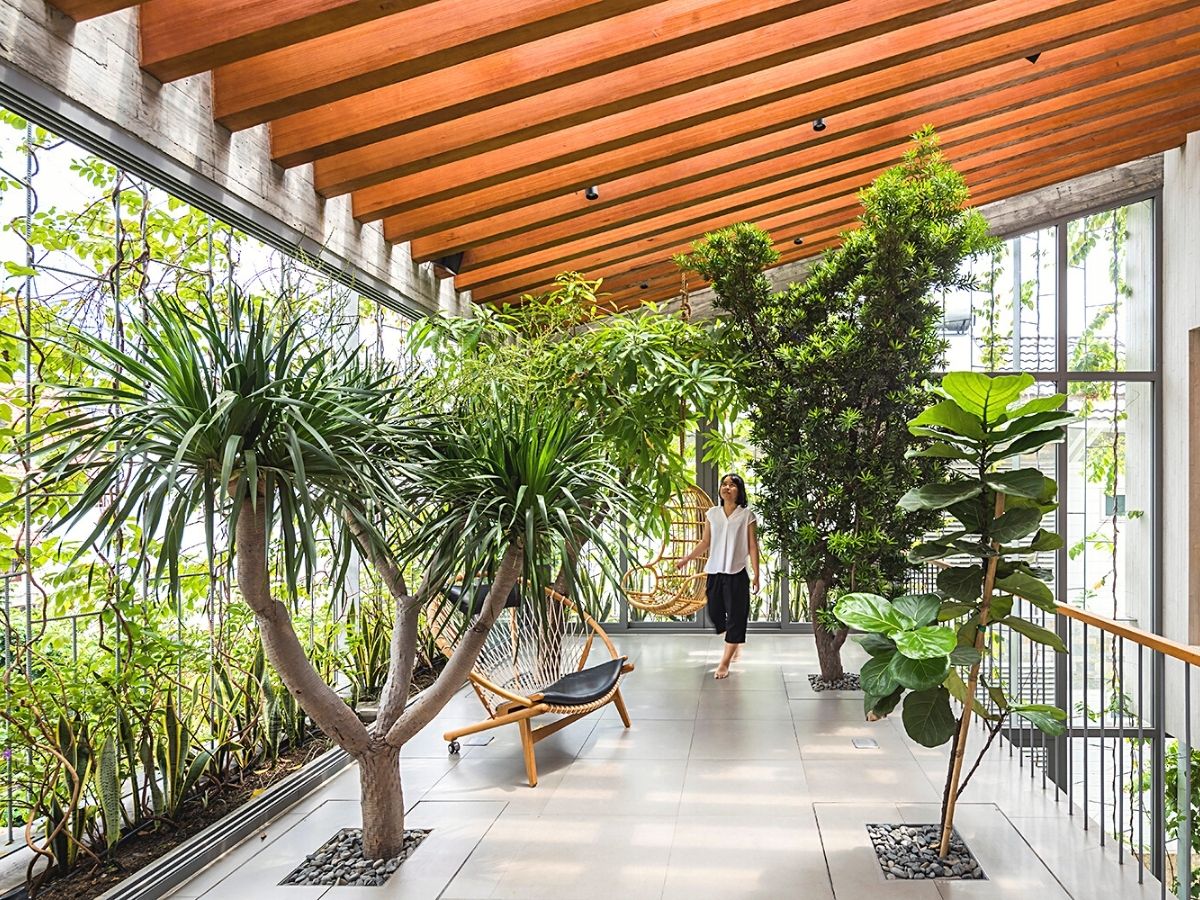
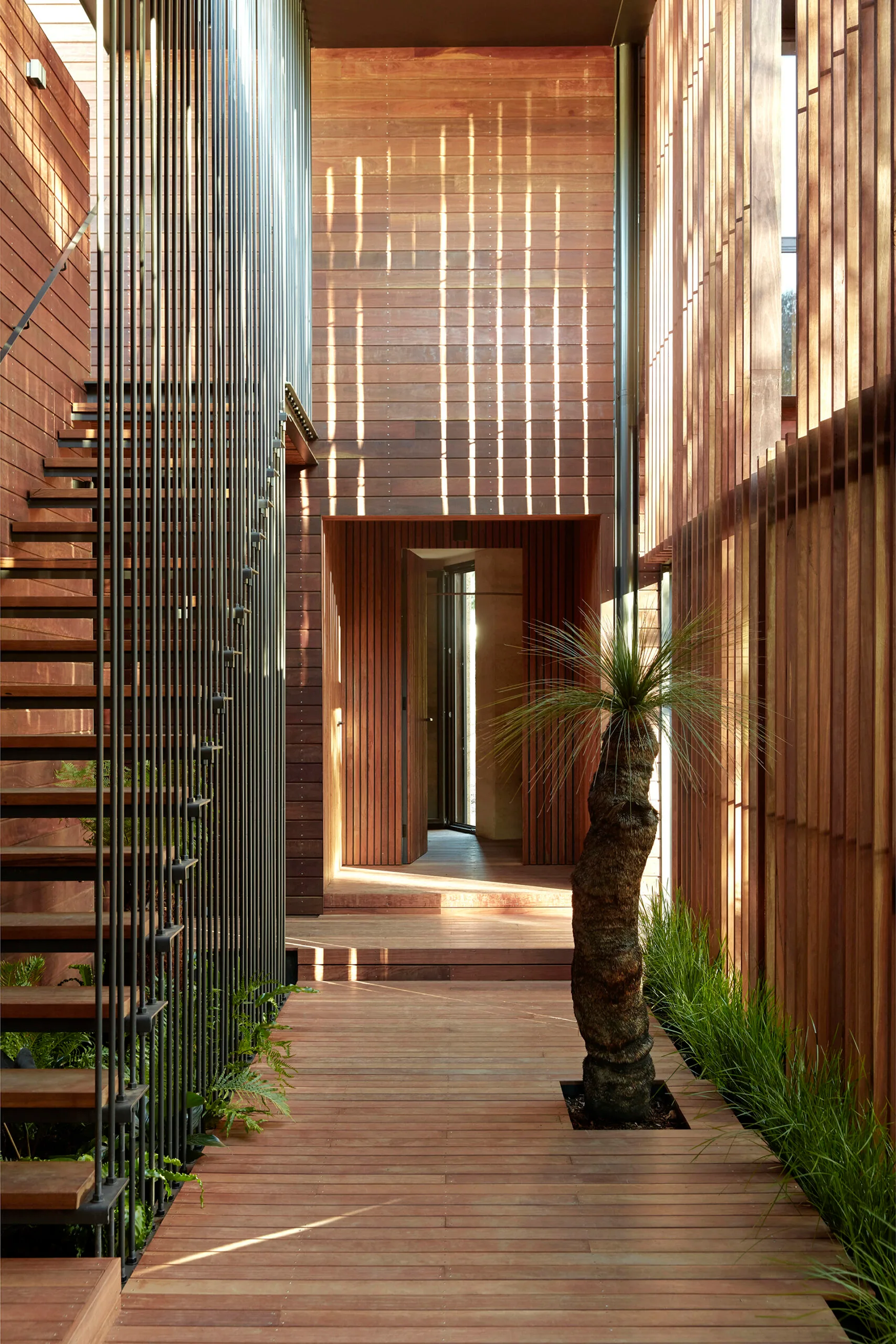
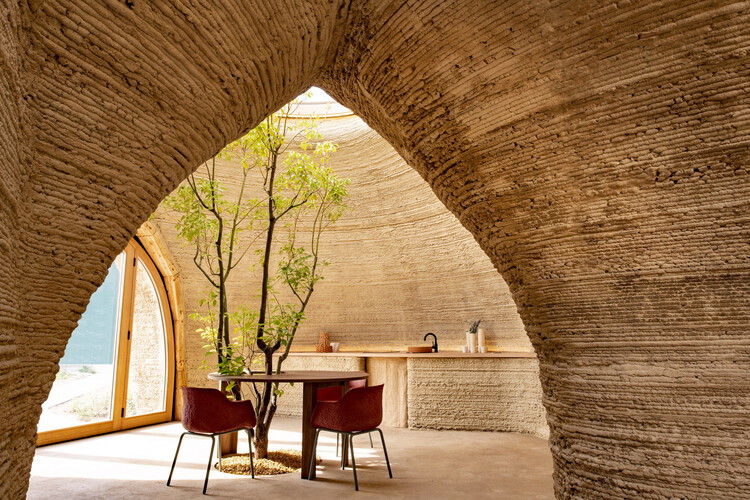
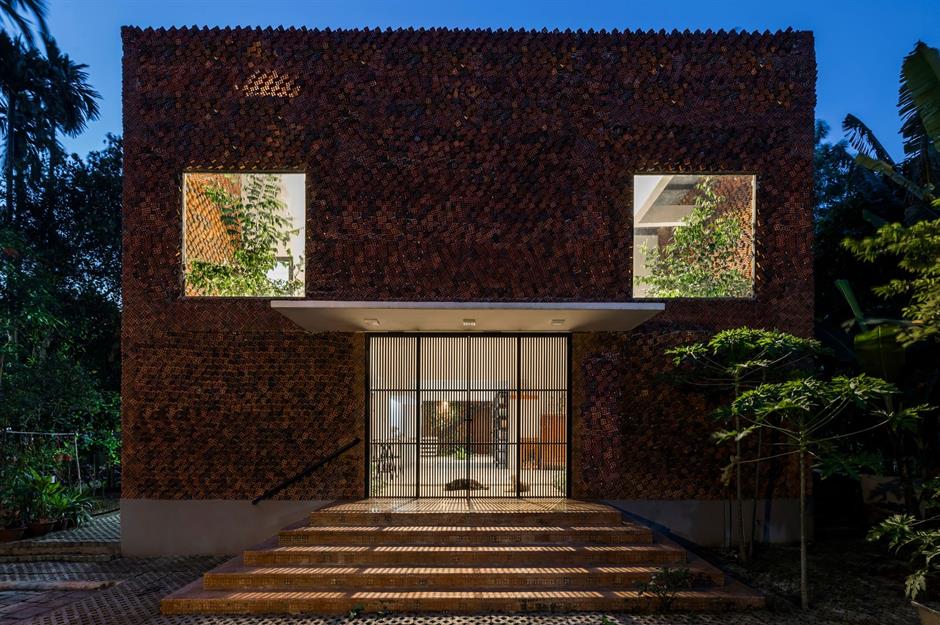
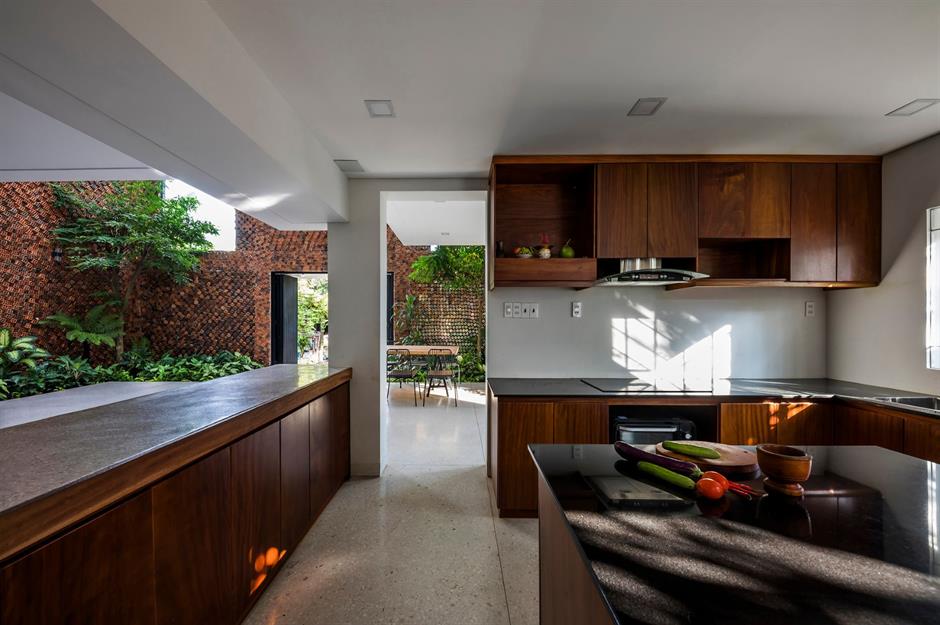
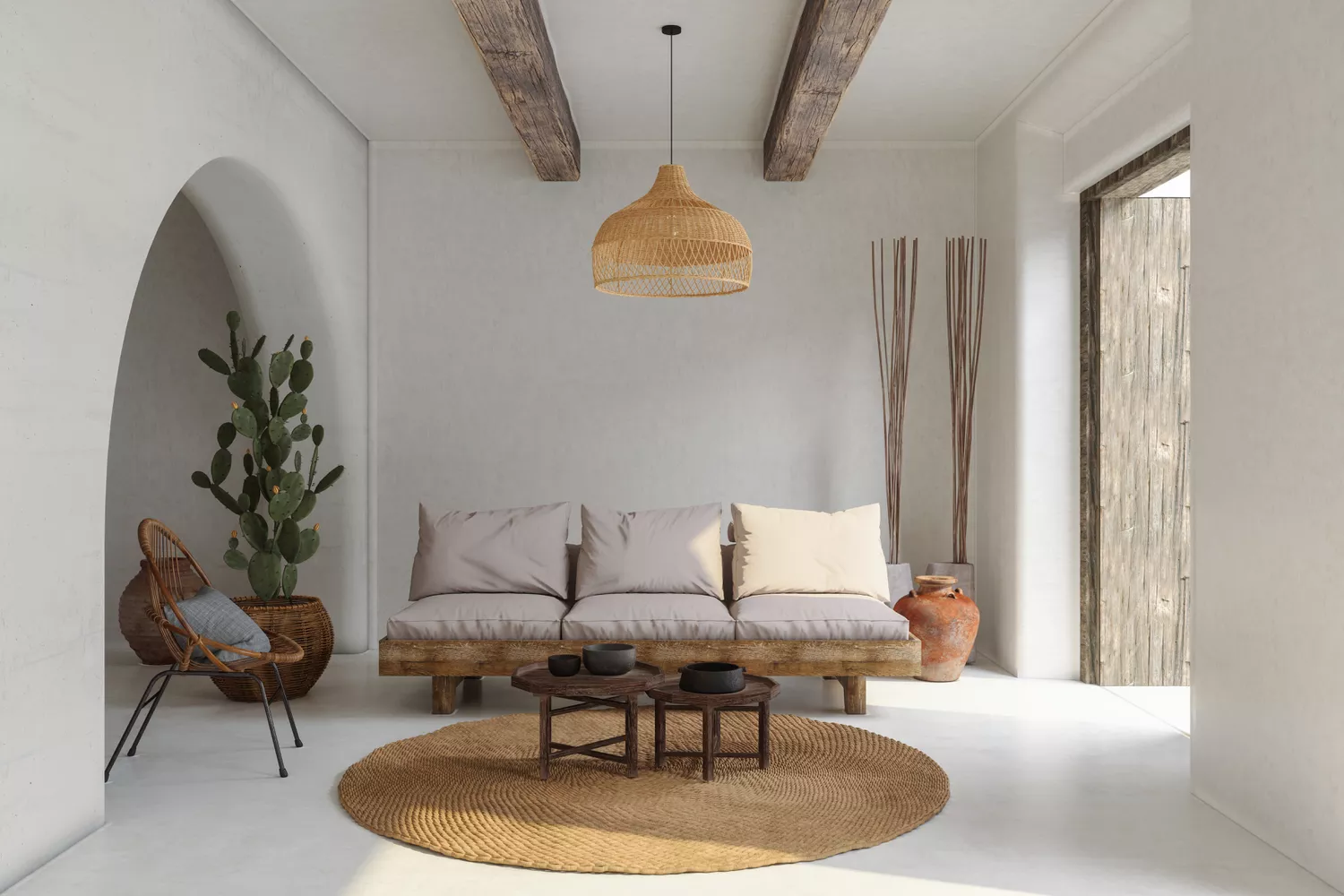
A third trend is the emphasis on natural, native materials. Homeowners are increasingly opting for authentic materials such as natural stone countertops and hardwood floors, even if they come at a higher cost than engineered alternatives. There's also a growing preference for materials that reflect the immediate natural surroundings, with clients requesting furniture or beams made from local wood and incorporating local greenery.
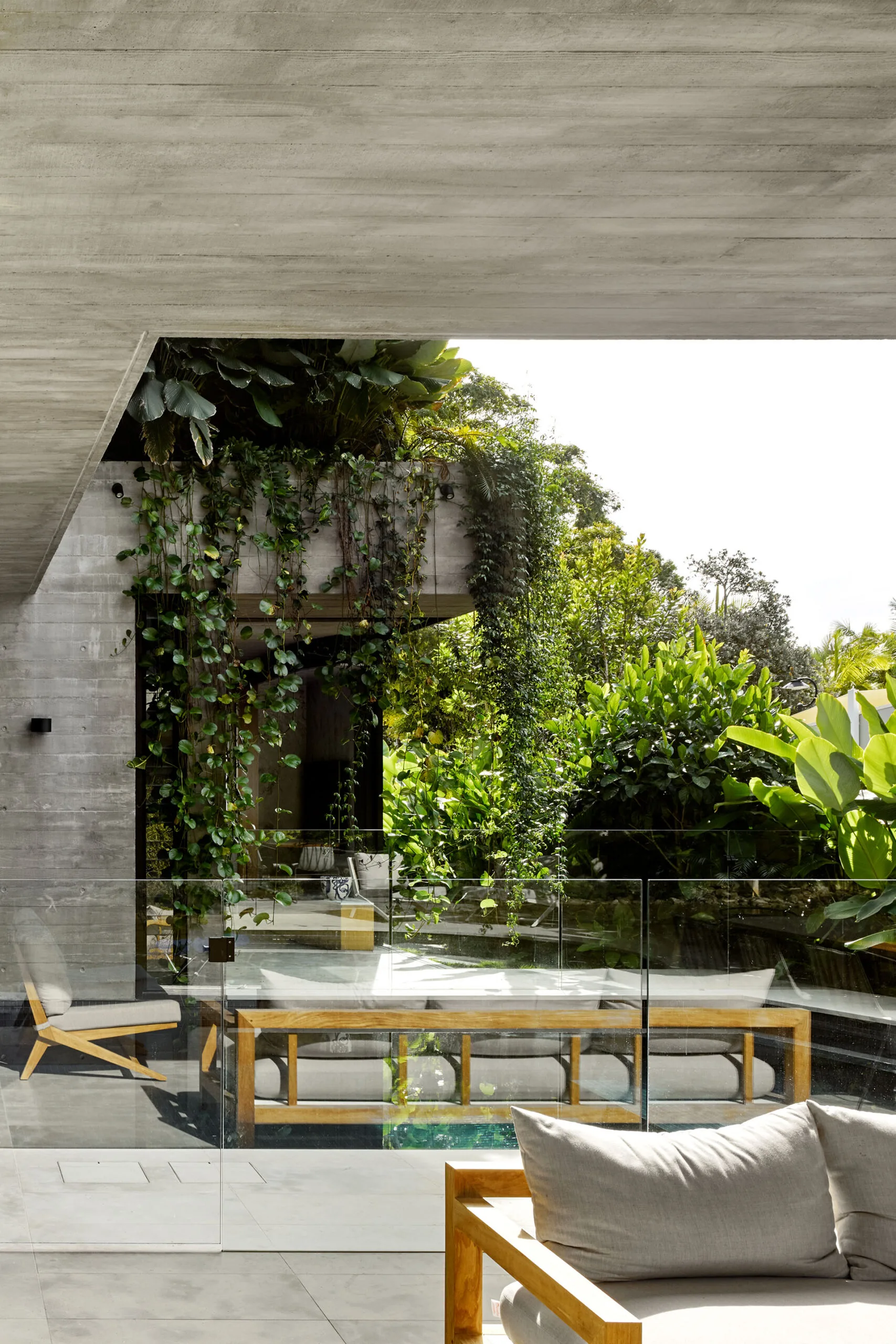
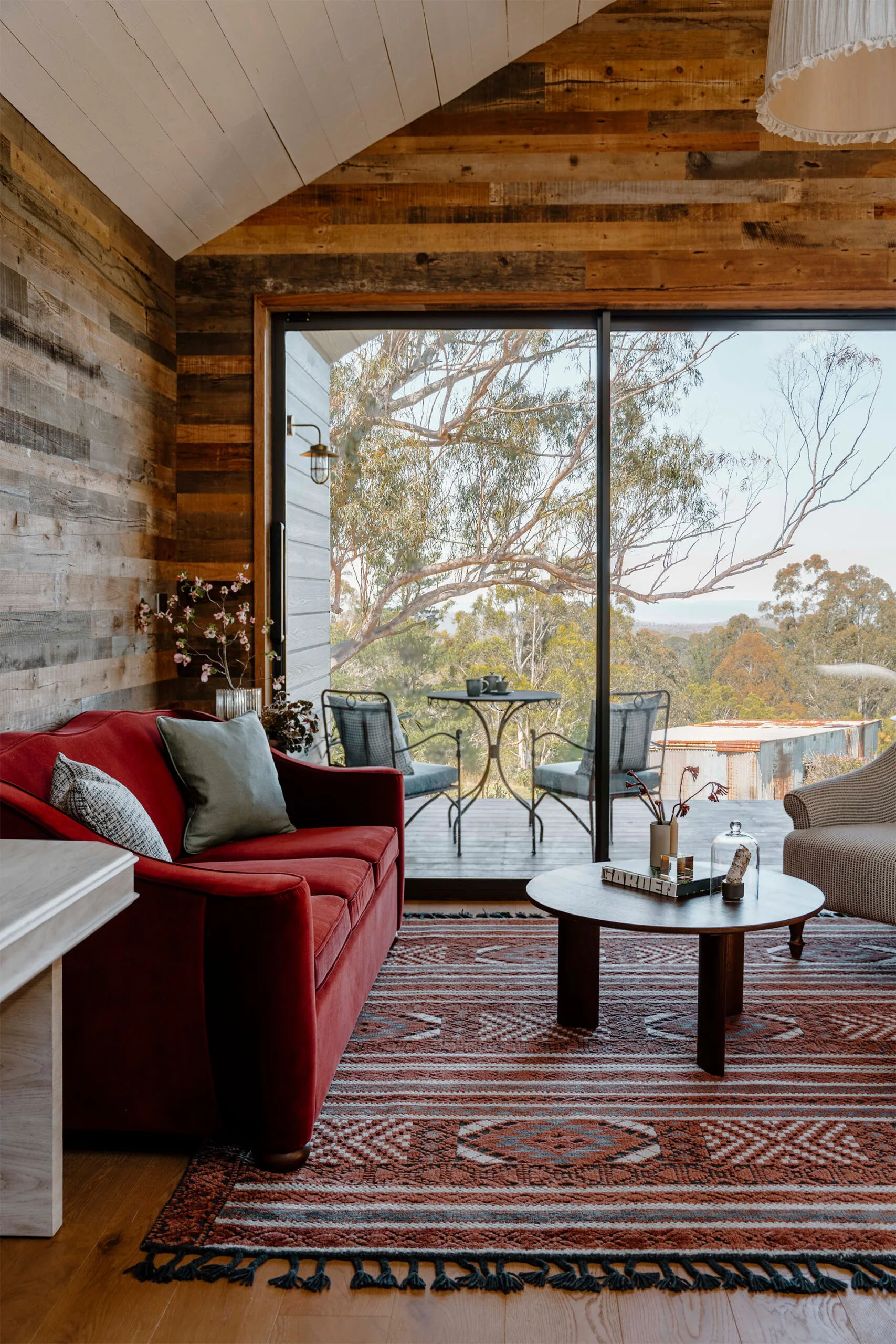
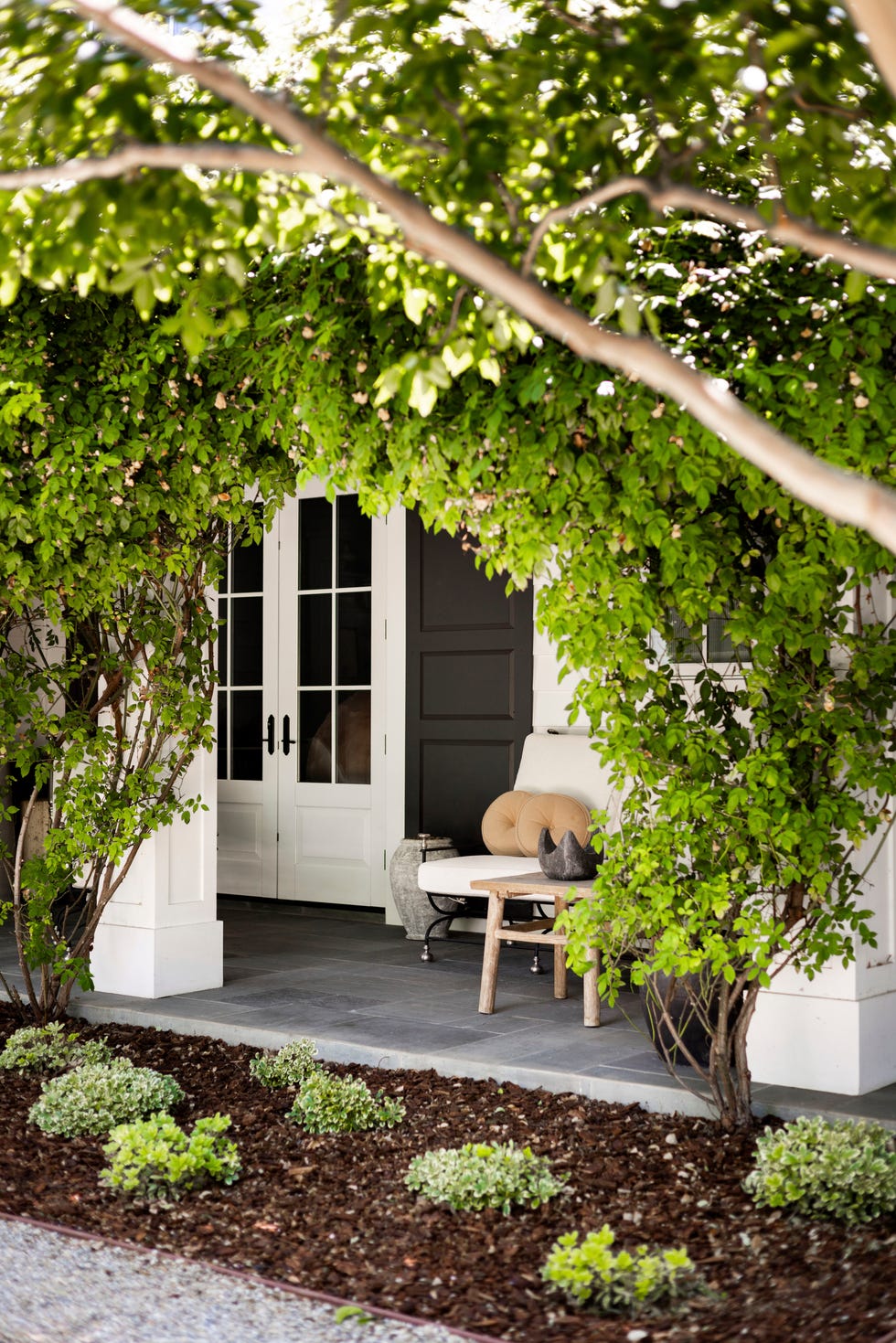
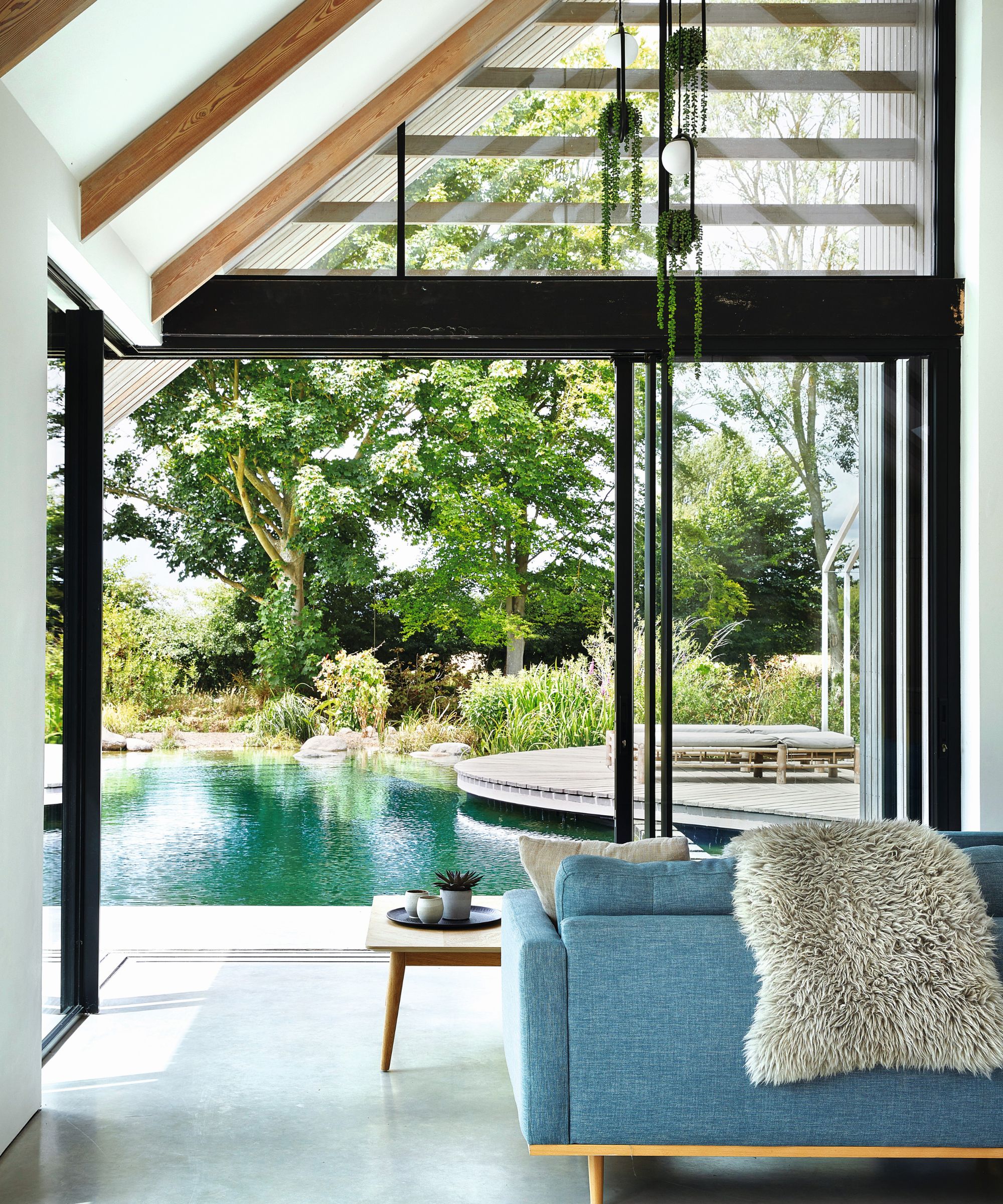
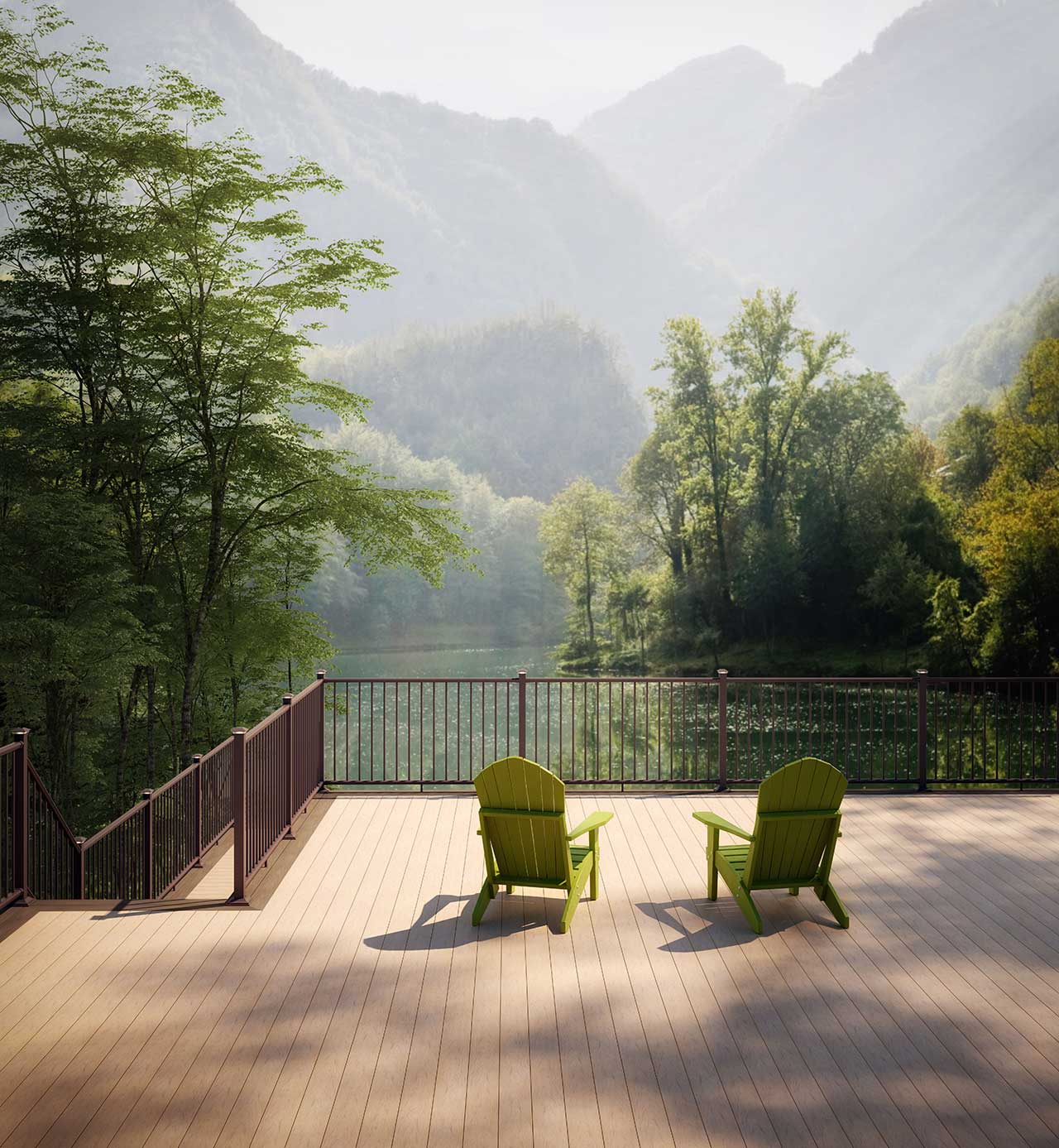
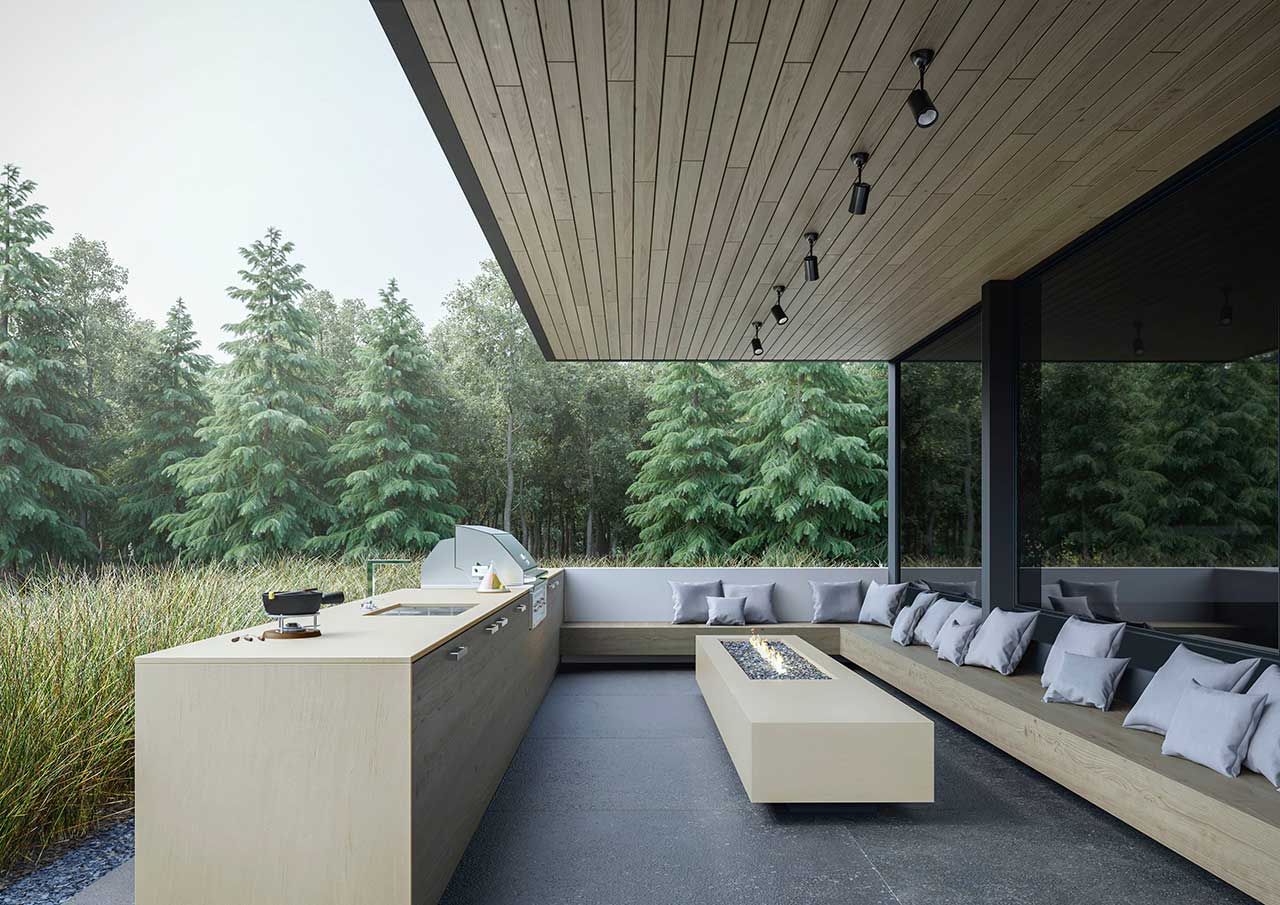
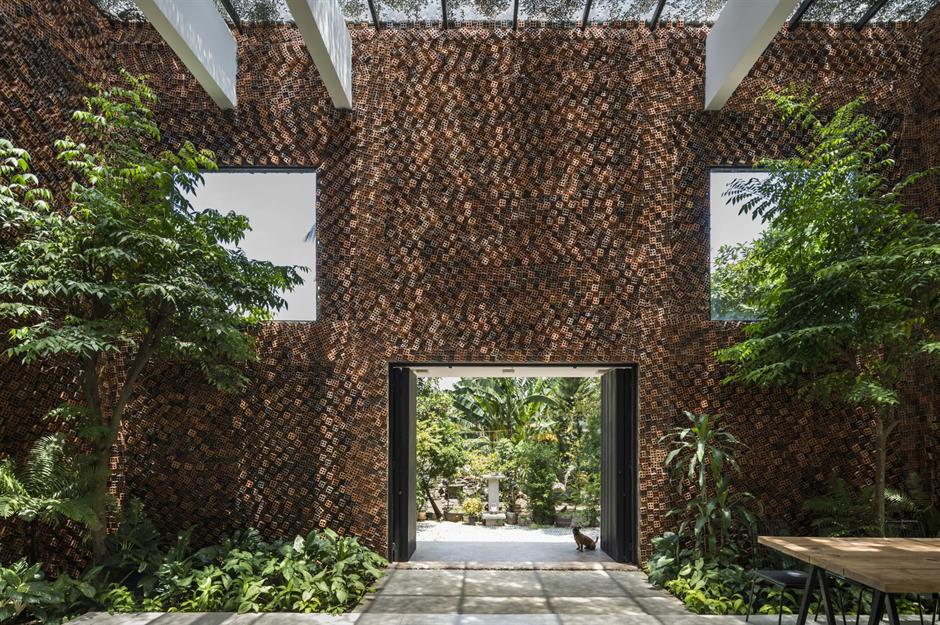
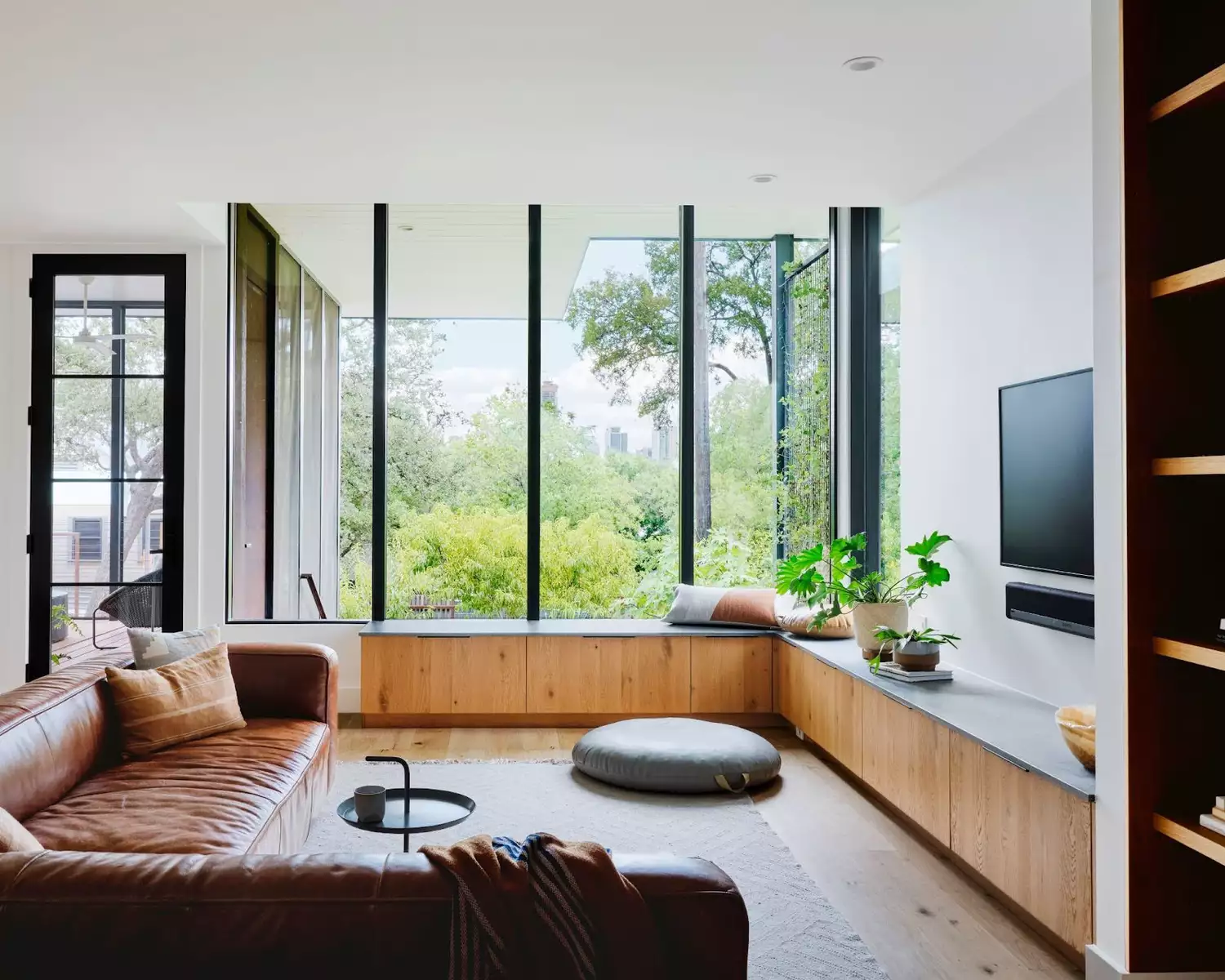
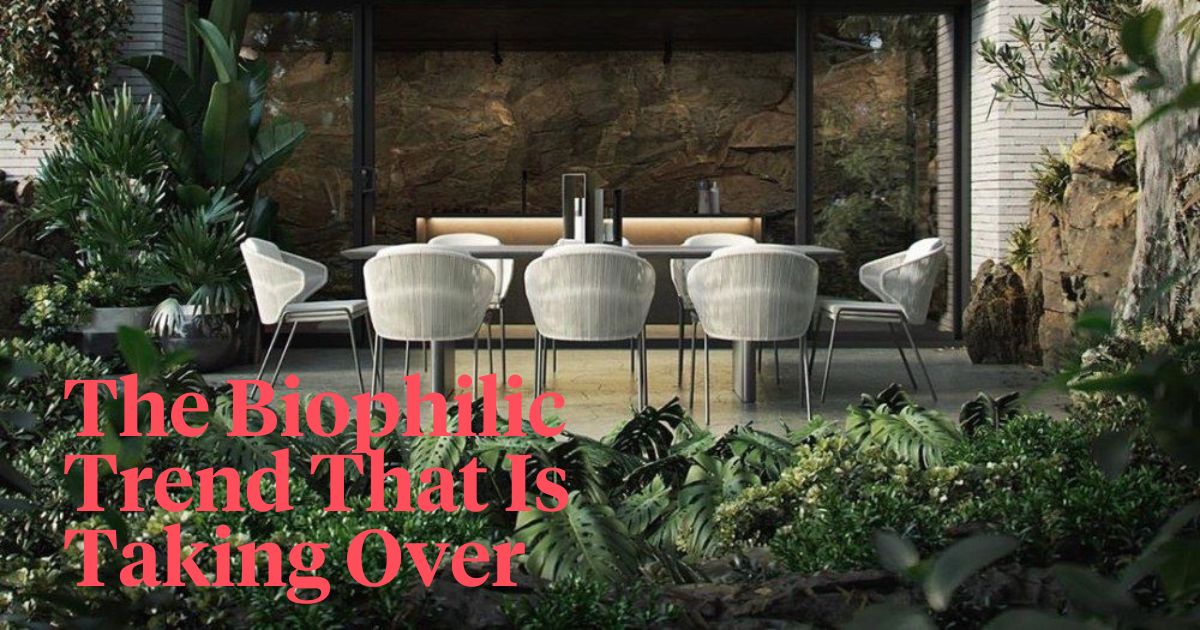
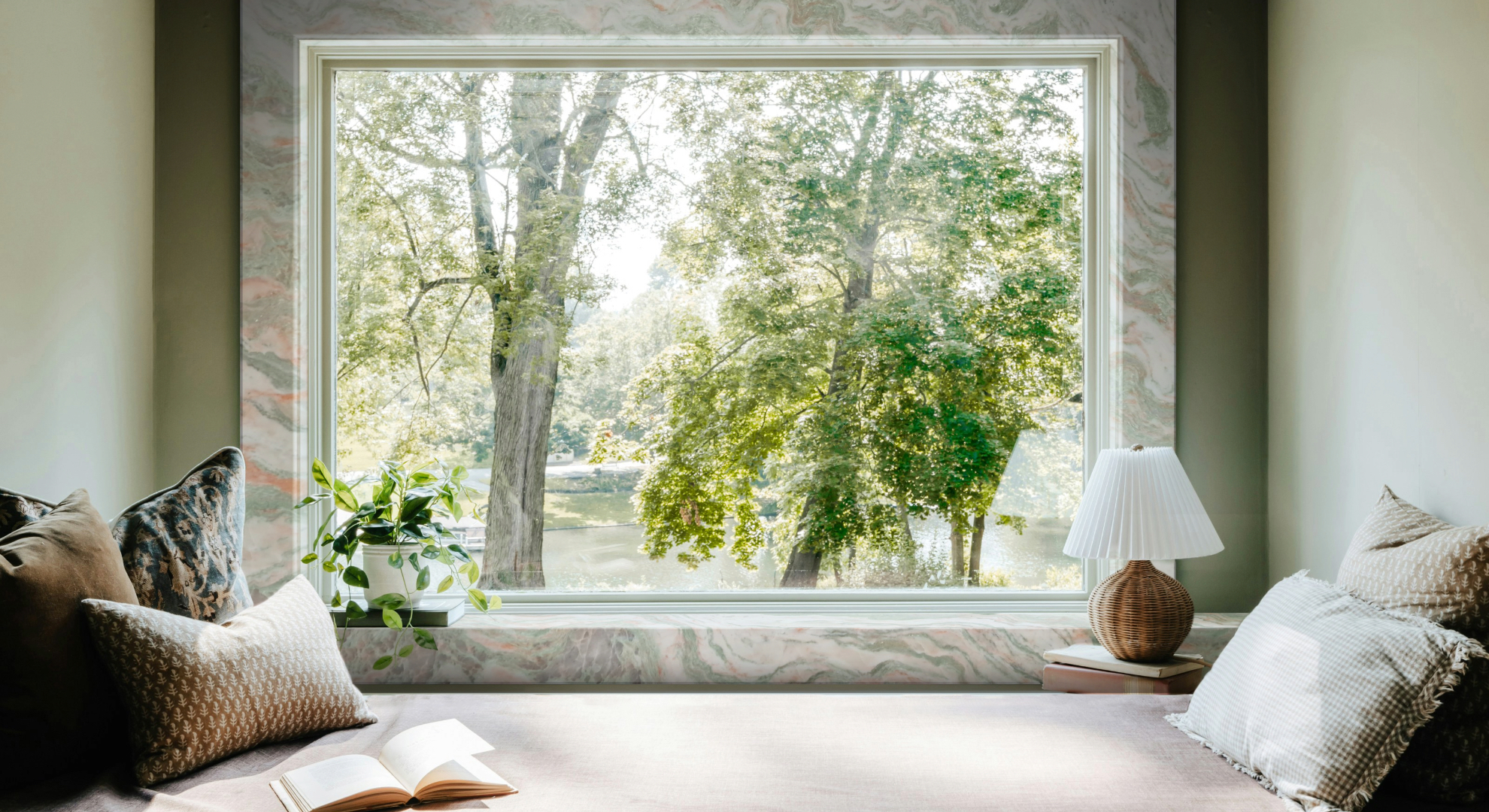
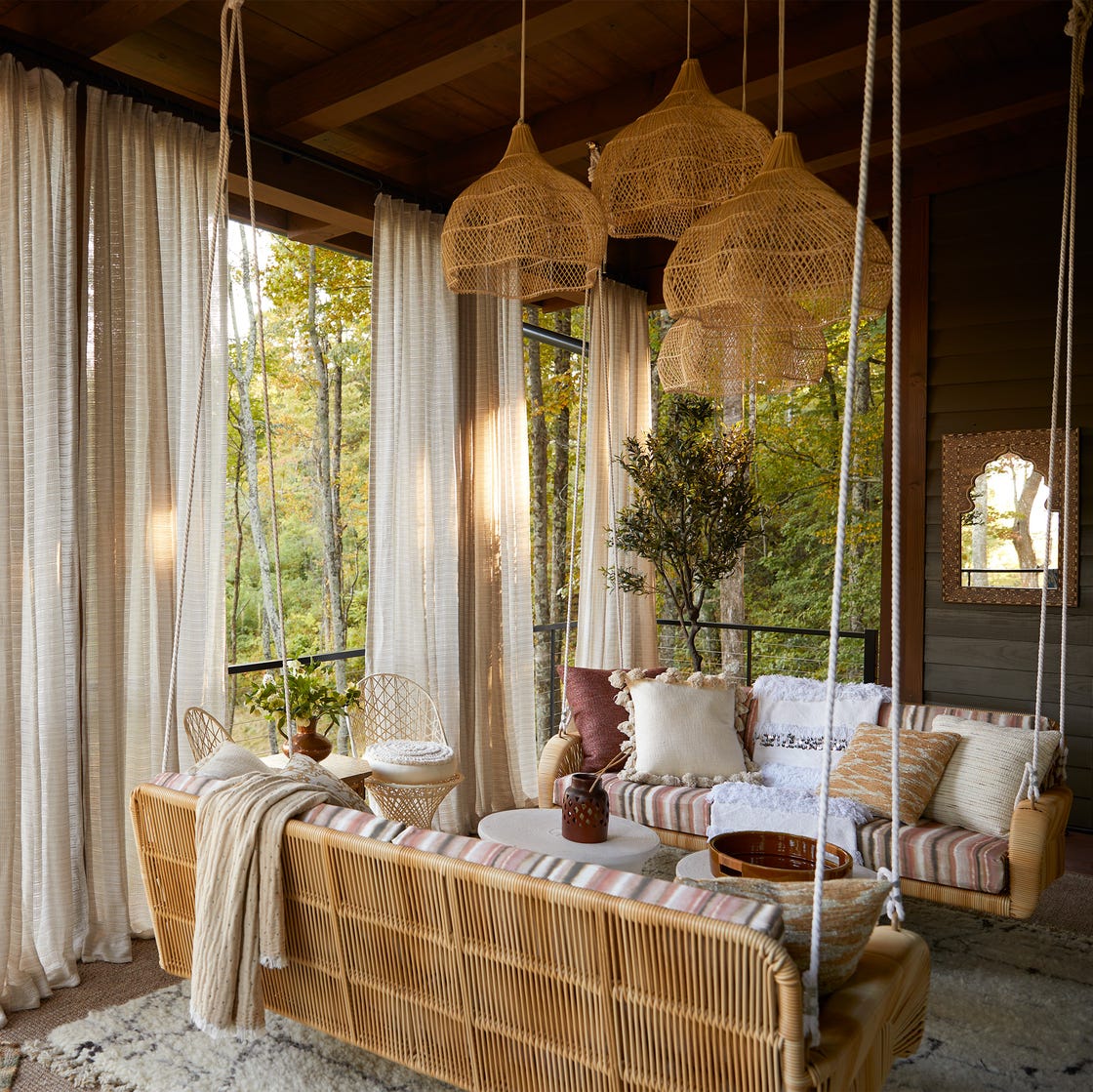
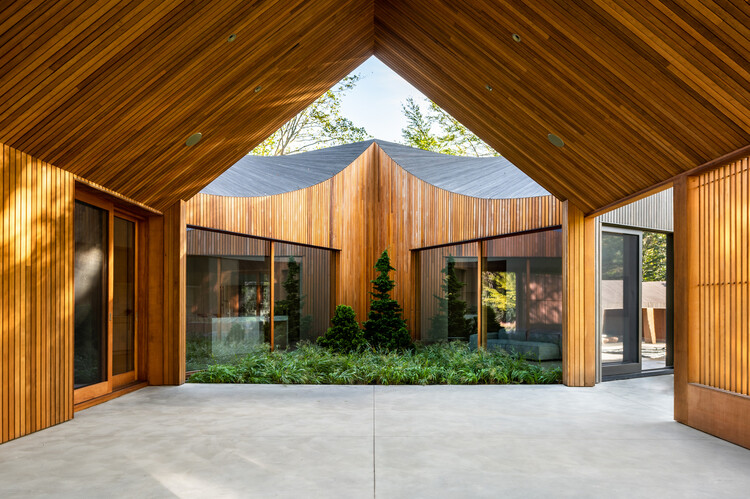
Fourthly, there is a significant focus on landscape design, where outdoor spaces are treated as true extensions of the home. This includes matching indoor and outdoor plant selections and giving transition areas like screened-in porches and outdoor kitchens as much design attention as interior rooms. The integration of large sliding glass doors and glass walls further enhances the indoor-outdoor connection. Finally, the creation of dedicated "zen spaces" and meditation rooms is a notable trend across different demographics. While millennials explicitly request these spaces, even baby boomer clients, though not always using the term "biophilic design," are seeking similar relaxation-focused rooms for activities like meditation, sauna, or steam, indicating a universal desire for the feelings biophilic design aims to cultivate.
#BiophilicDesign #InteriorDesign #NatureConnection #HomeTrends #WellnessDesign #SustainableDesign #GreenLiving #ArchitecturalTrends #ResidentialDesign #BiophilicDesign #InteriorDesign #NatureConnection #HomeTrends #WellnessDesign #SustainableDesign #GreenLiving #ArchitecturalTrends #ResidentialDesign
0 comment in total
 No comments yet
You may also like
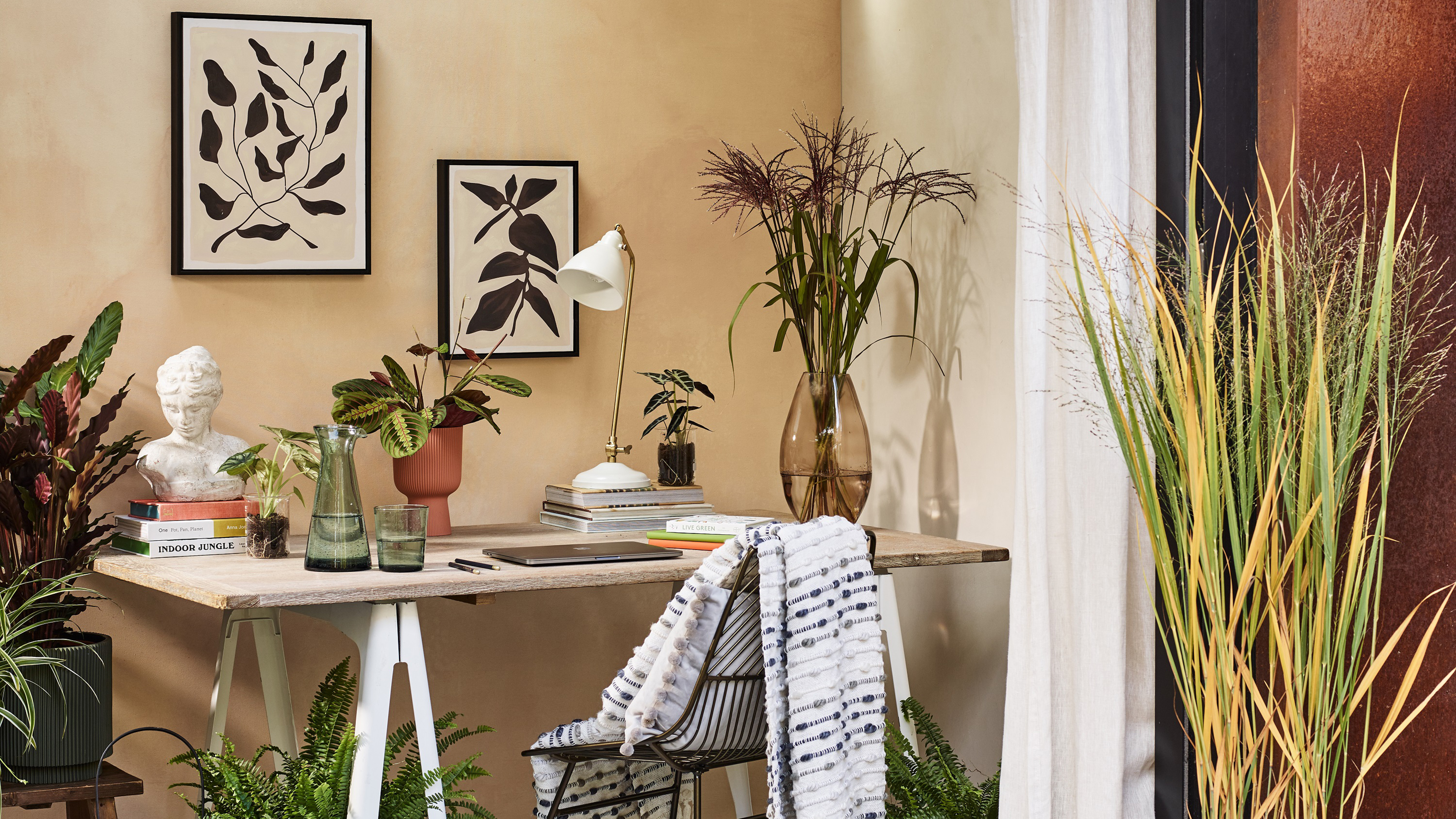
9 creative ways to bring nature into your urban home

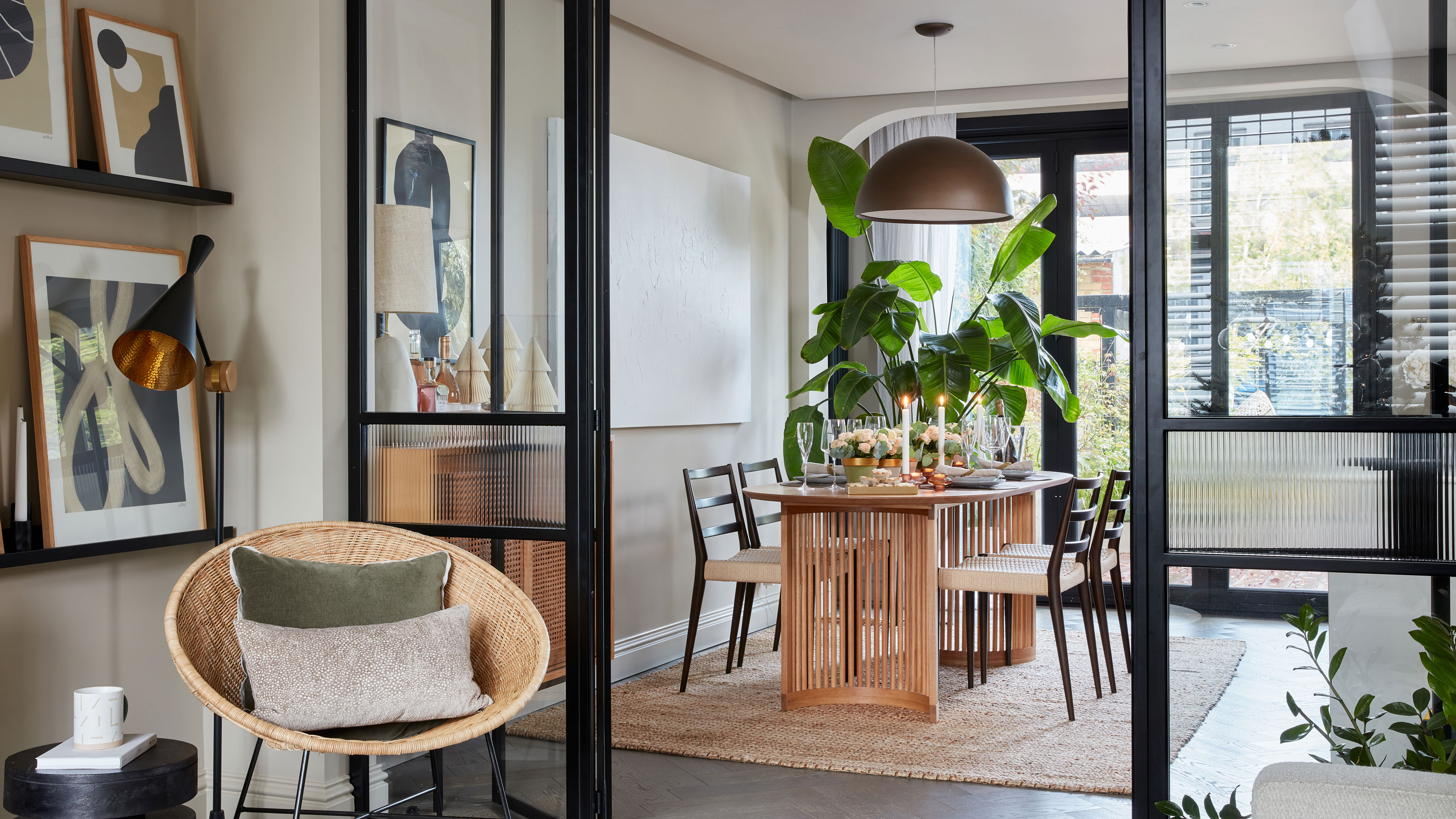
Biophilic design ideas - clever ways to bring nature into your home for a calming space
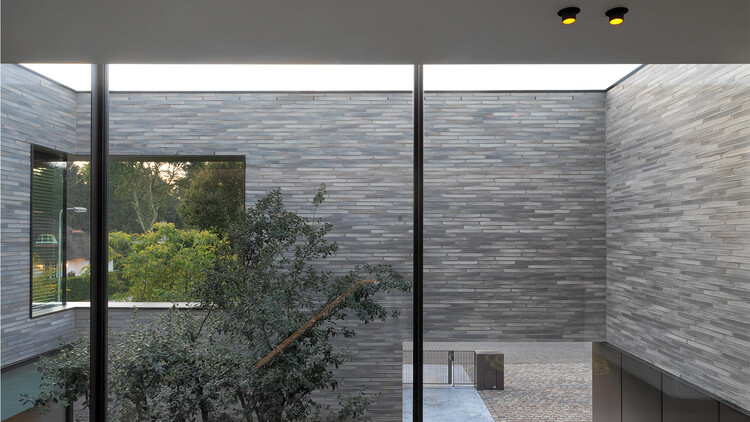
Biophilic-Inspired Design Takes Center Stage: How Bricks Bring Nature In

These 10 Biophilic Design Ideas Will Transform Your Home Into a Natural Oasis
Biophilic Interiors Invade These 10 Contemporary Residences

What the heck is biophilic design?

Biophilic Design Is the Decorating Trend You Need To Try if You Love Plants

Why Houseplants And Biophilic Design Will Front 2025's Interior Design Trends

20 Nature-Loving Homes Where Biophilia Thrives

Biophilic Design Is About Connecting With Nature—Here's How to Utilize the Décor Trend In Your Home

Stunning biophilic design ideas to help you bring the great outdoors into your home

How Preserved Nature Is Transforming Interiors

What Is Biophilic Design? 5 Ways to Incorporate This Style

Biophilic Design Is the Signature Style of Plant Lovers Everywhere

Biophilic Interiors: 21 Projects that Blend Architecture with Nature

Gorgeous homes with secret gardens hidden inside | loveproperty.com

Ten modern homes with interiors informed by biophilic design

'It's pure escapism': this extraordinary house design was inspired by a stagnant pond

Wellness Benefits of Outdoor Living Spaces
Why Biophilic Design in the Home is Booming in an Age of Climate Crisis