1/8
Biophilic Design Is the Signature Style of Plant Lovers Everywhere
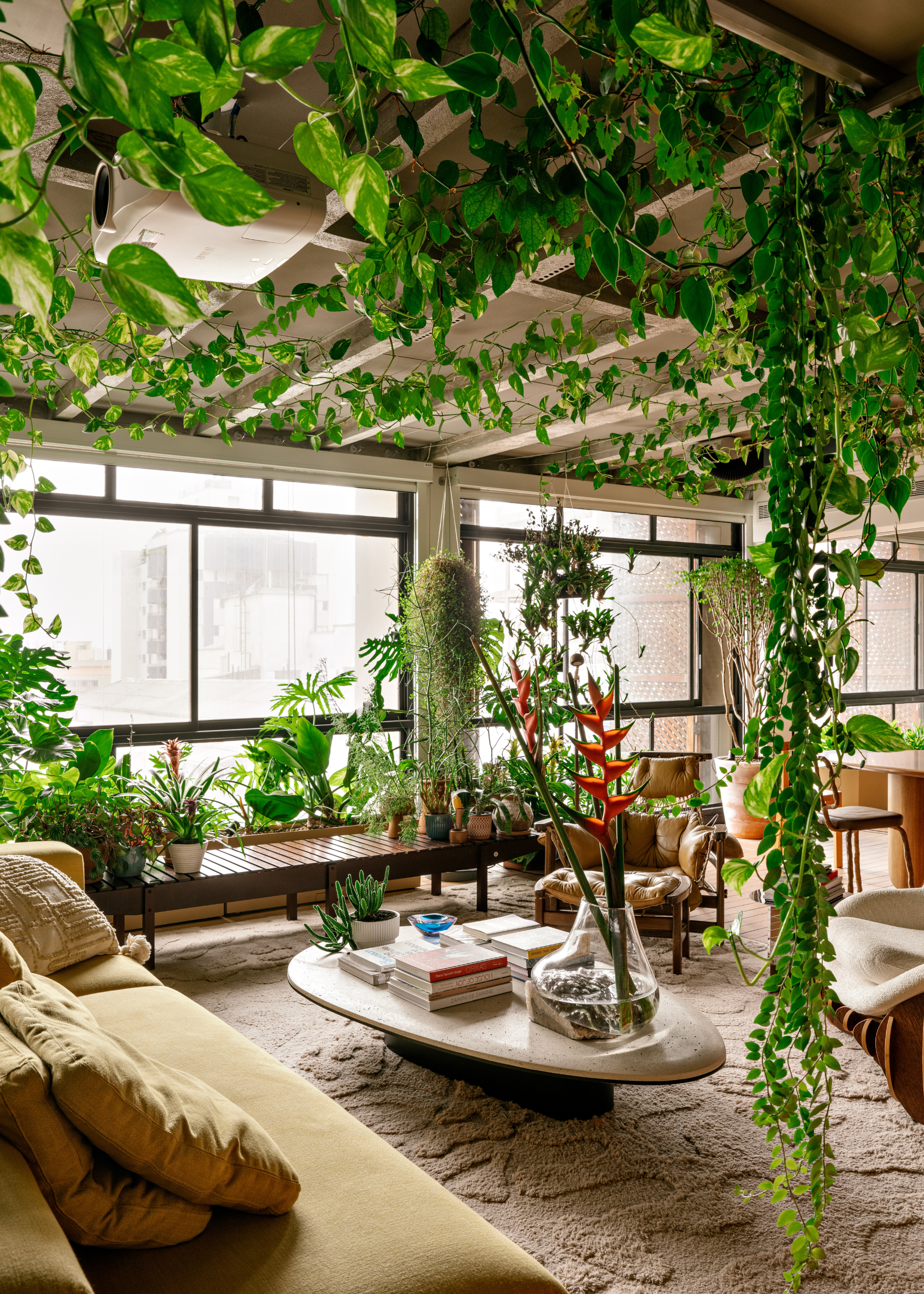
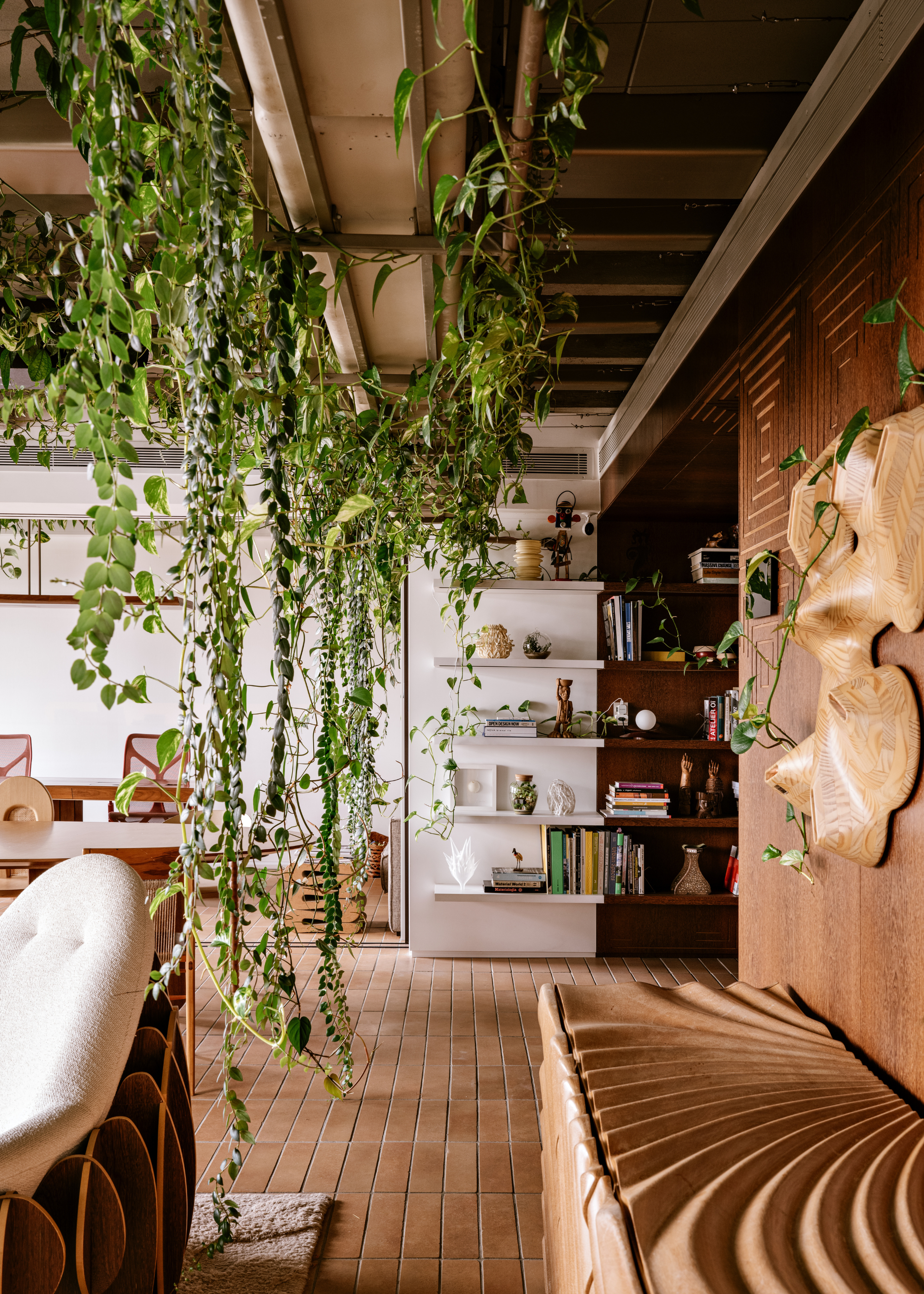
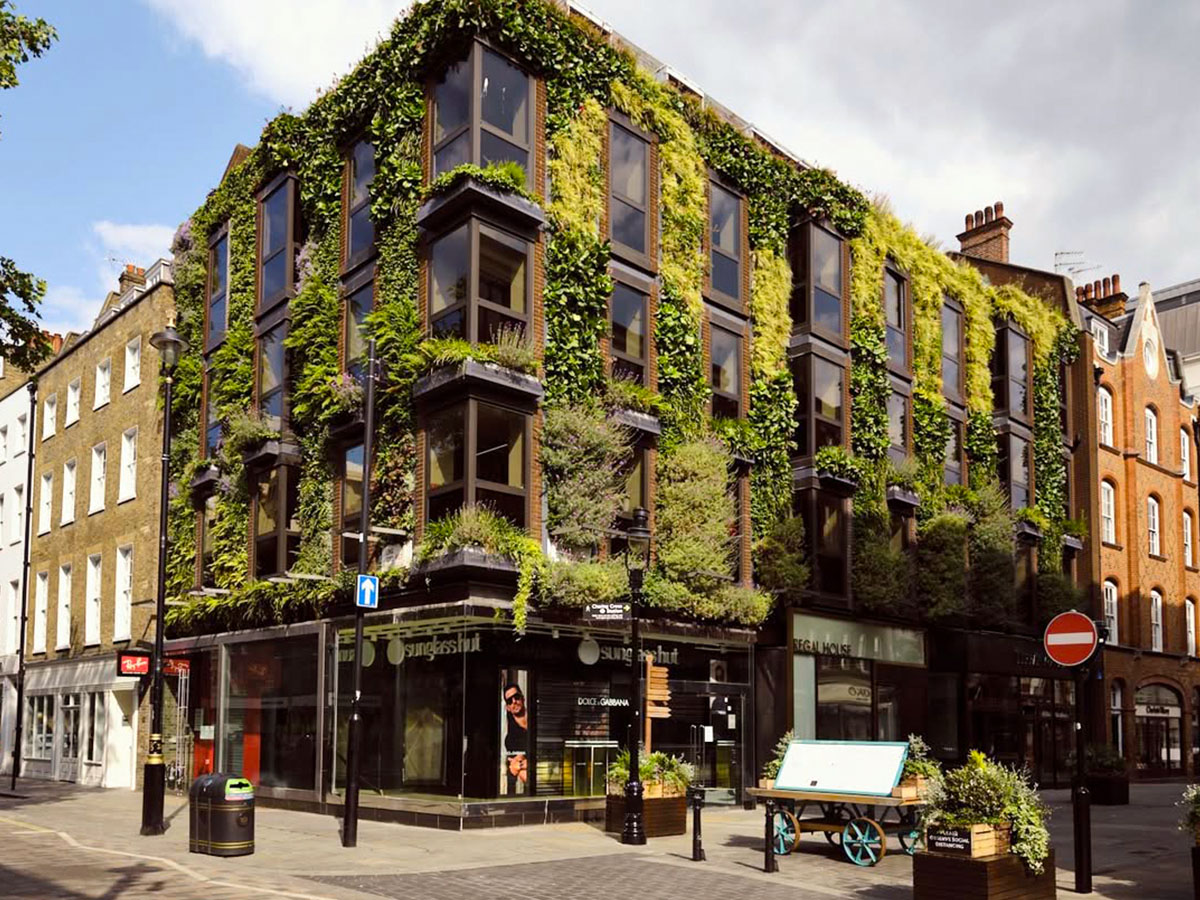
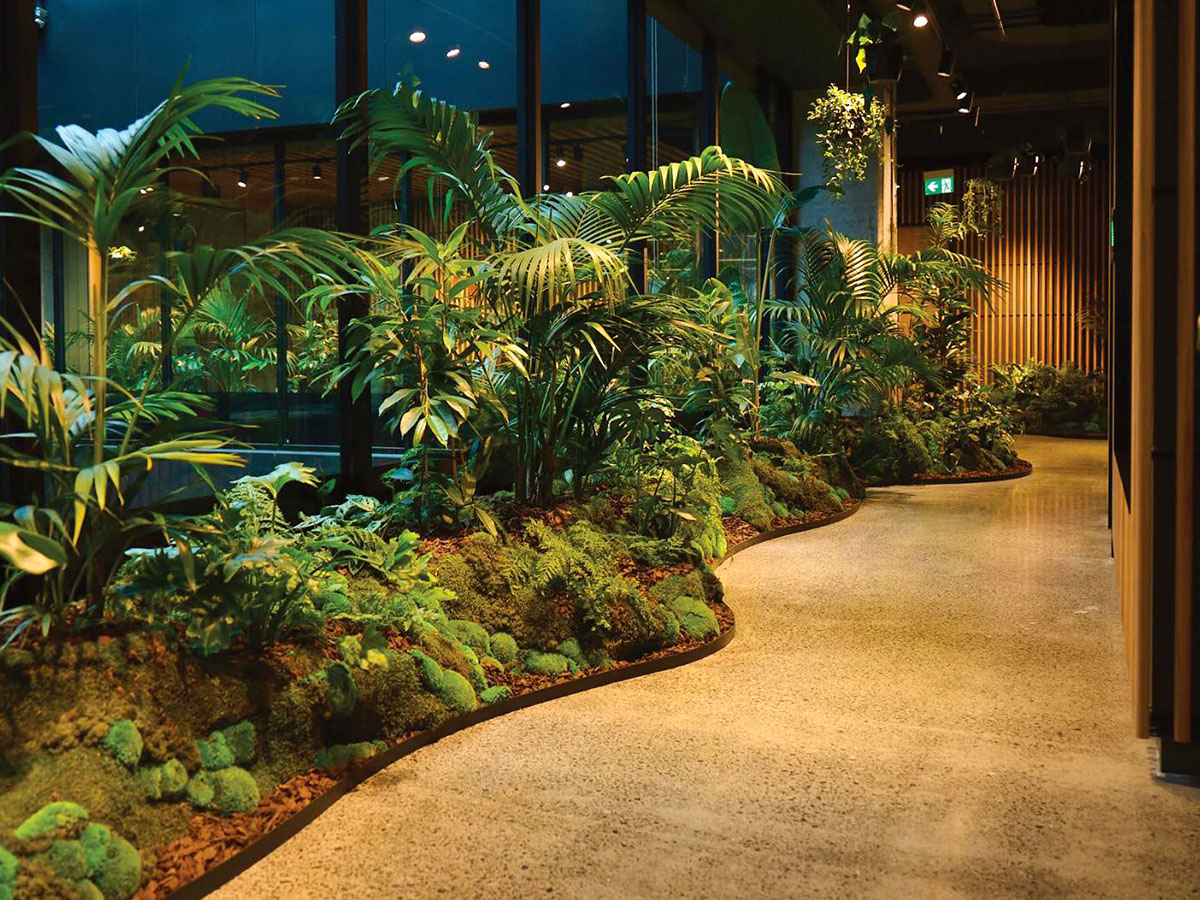
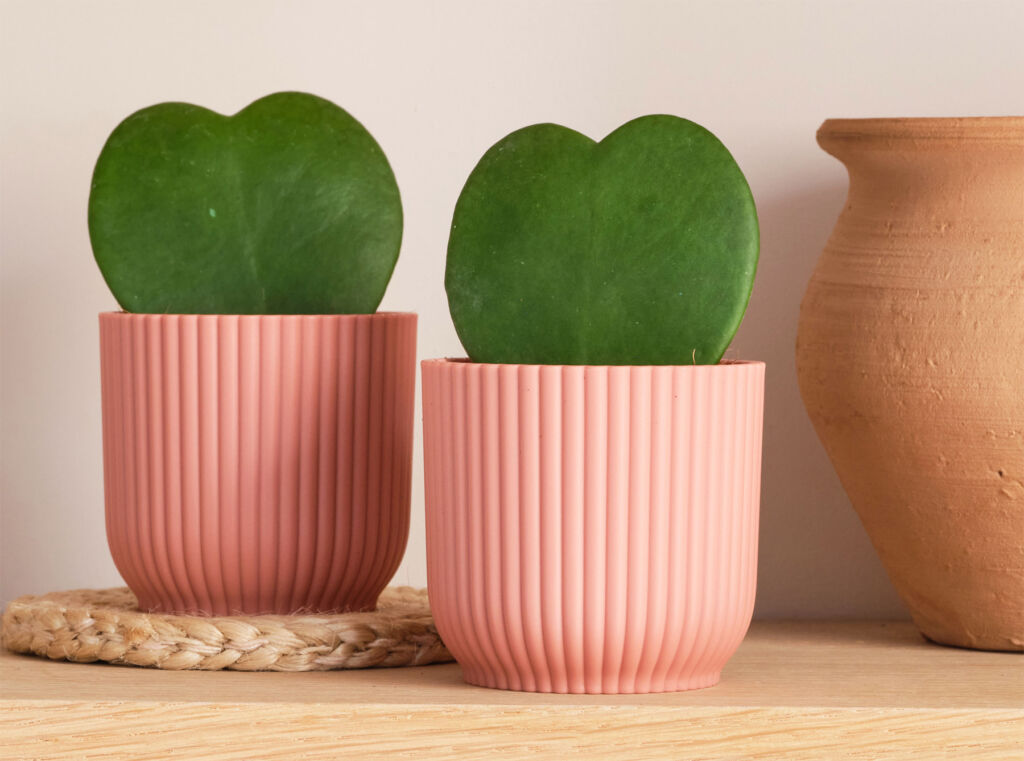
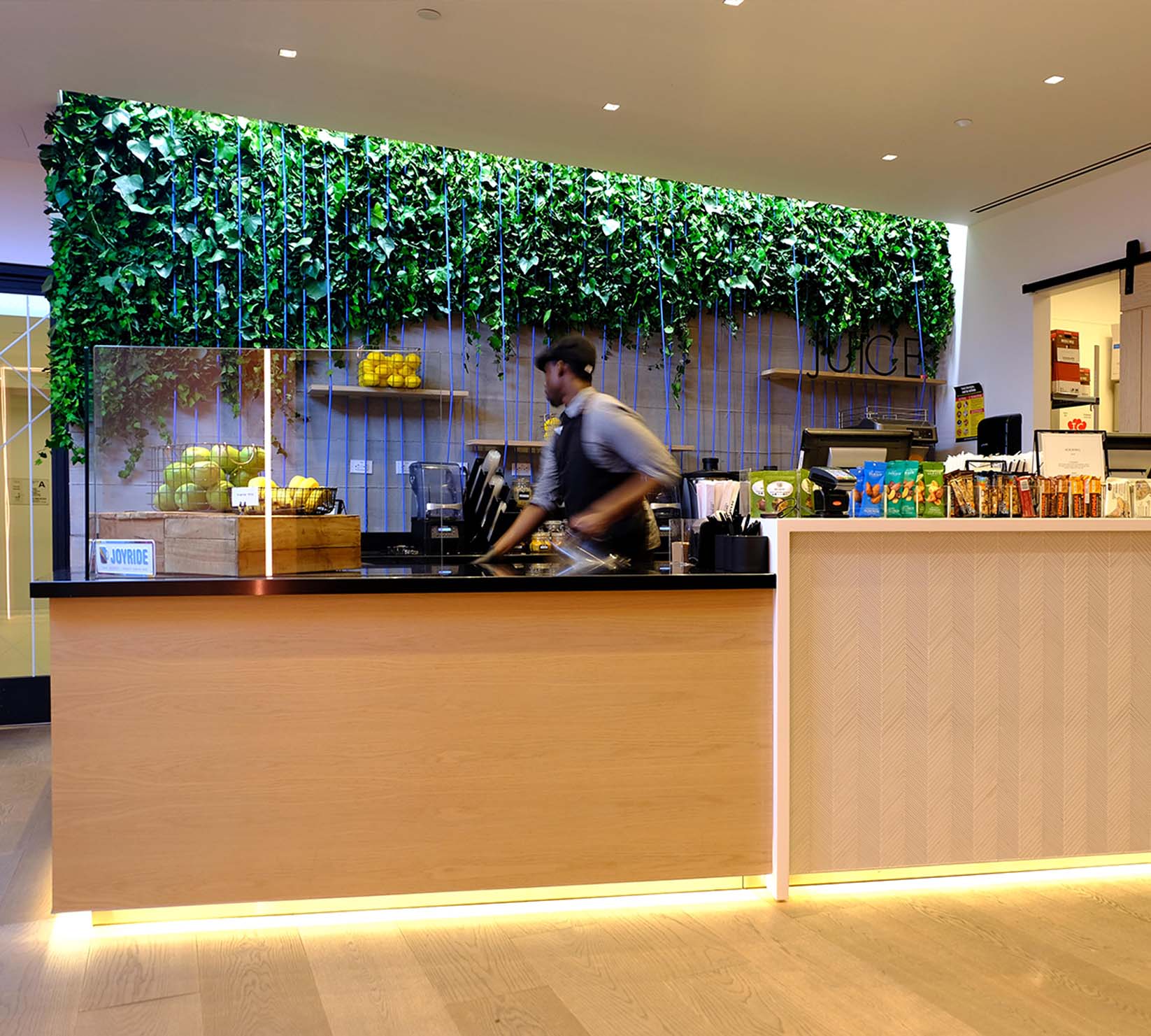
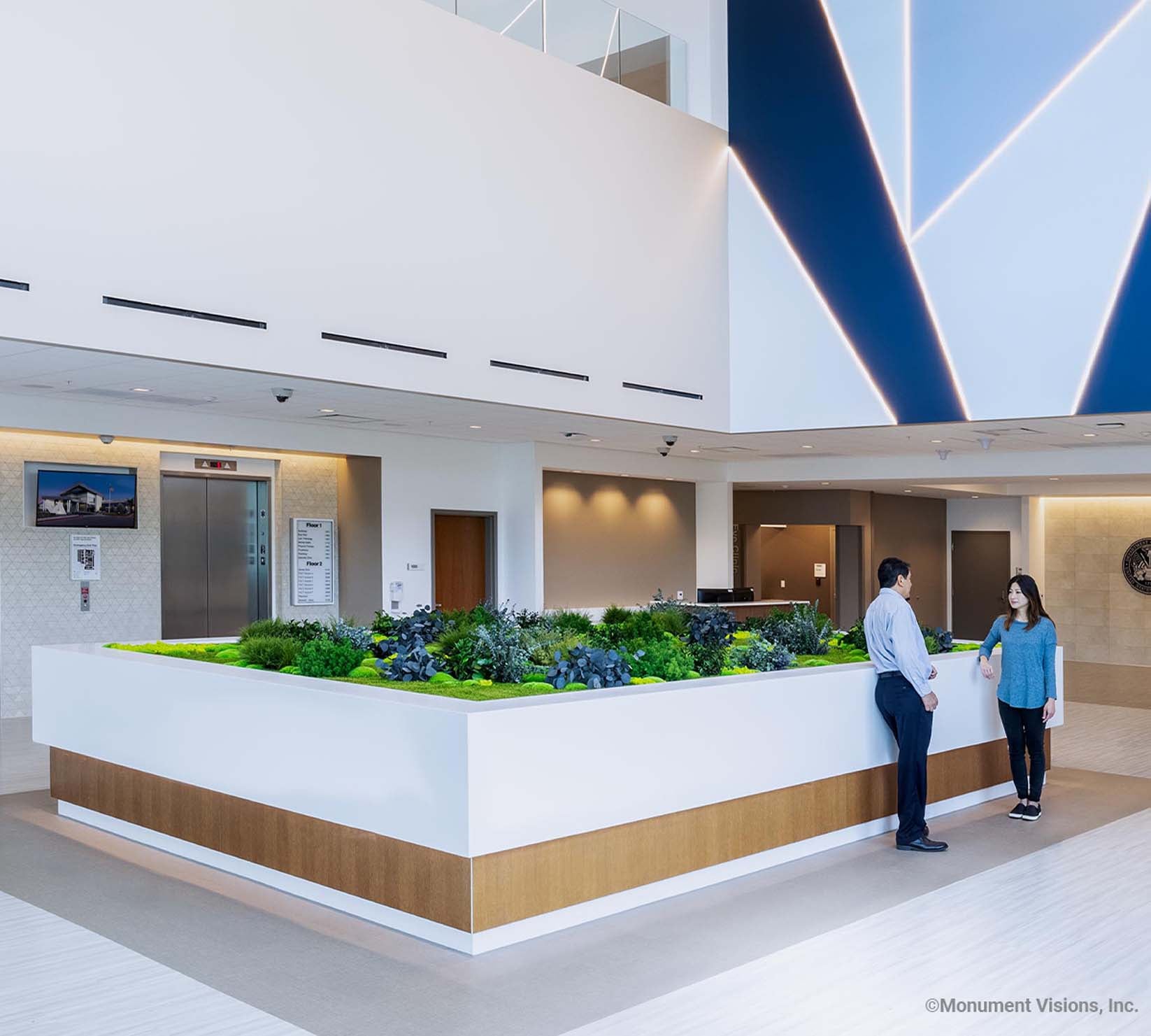
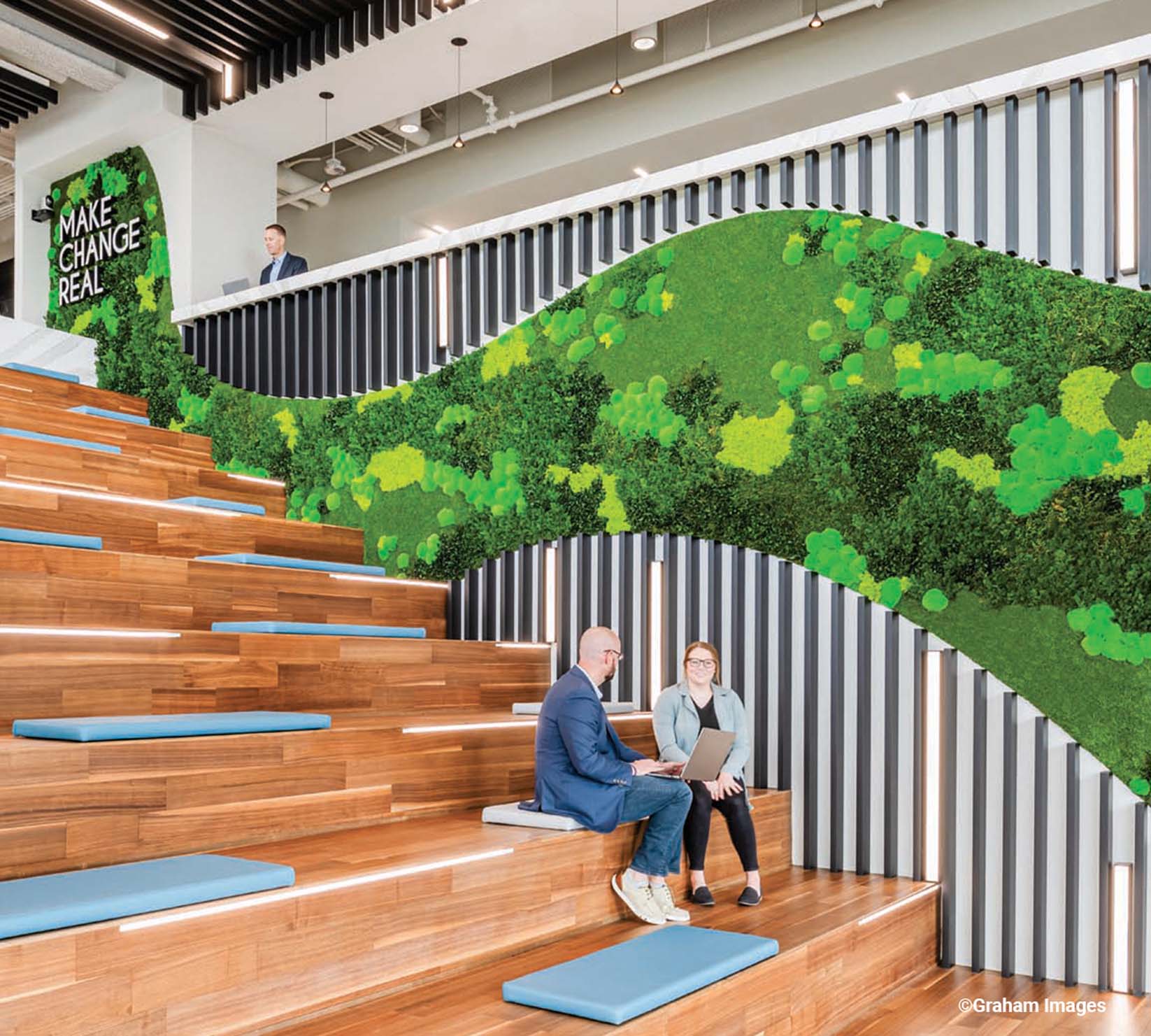
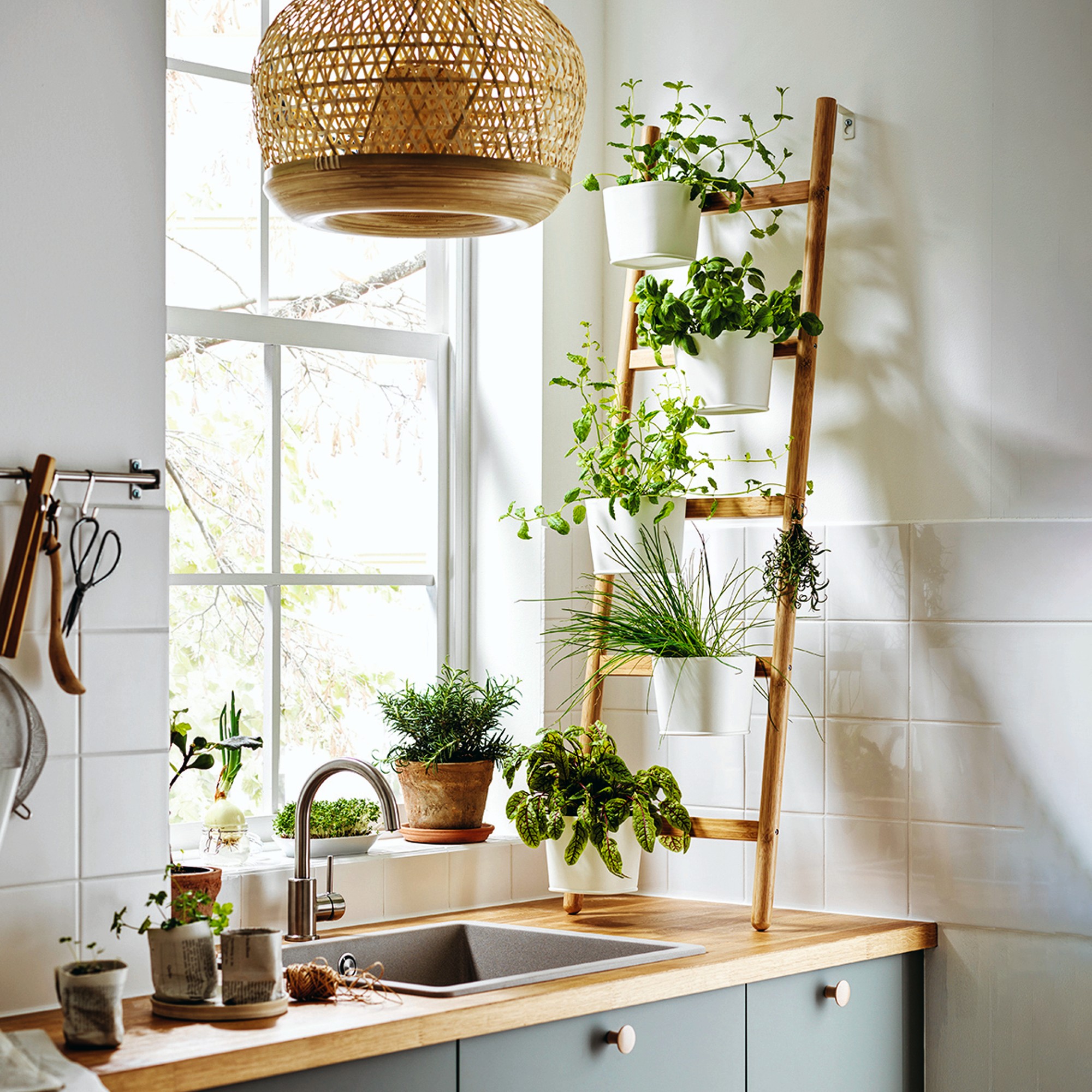
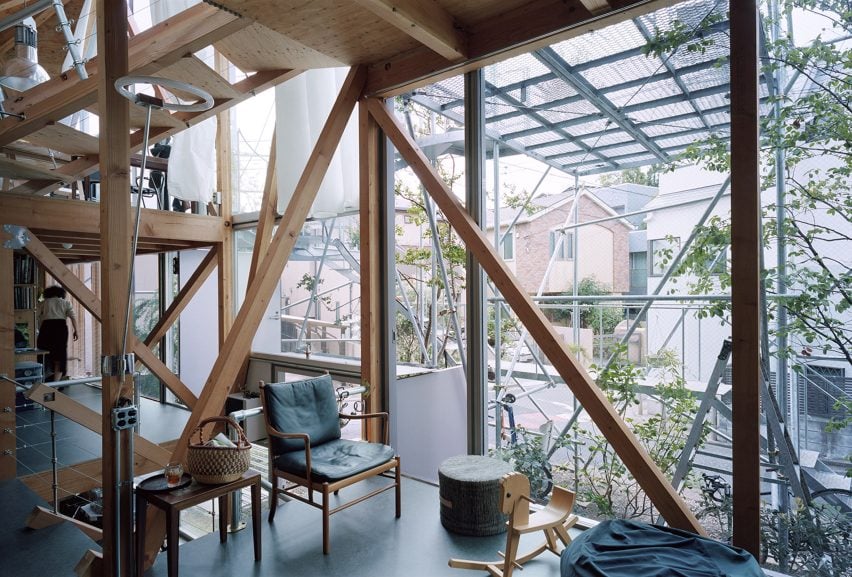
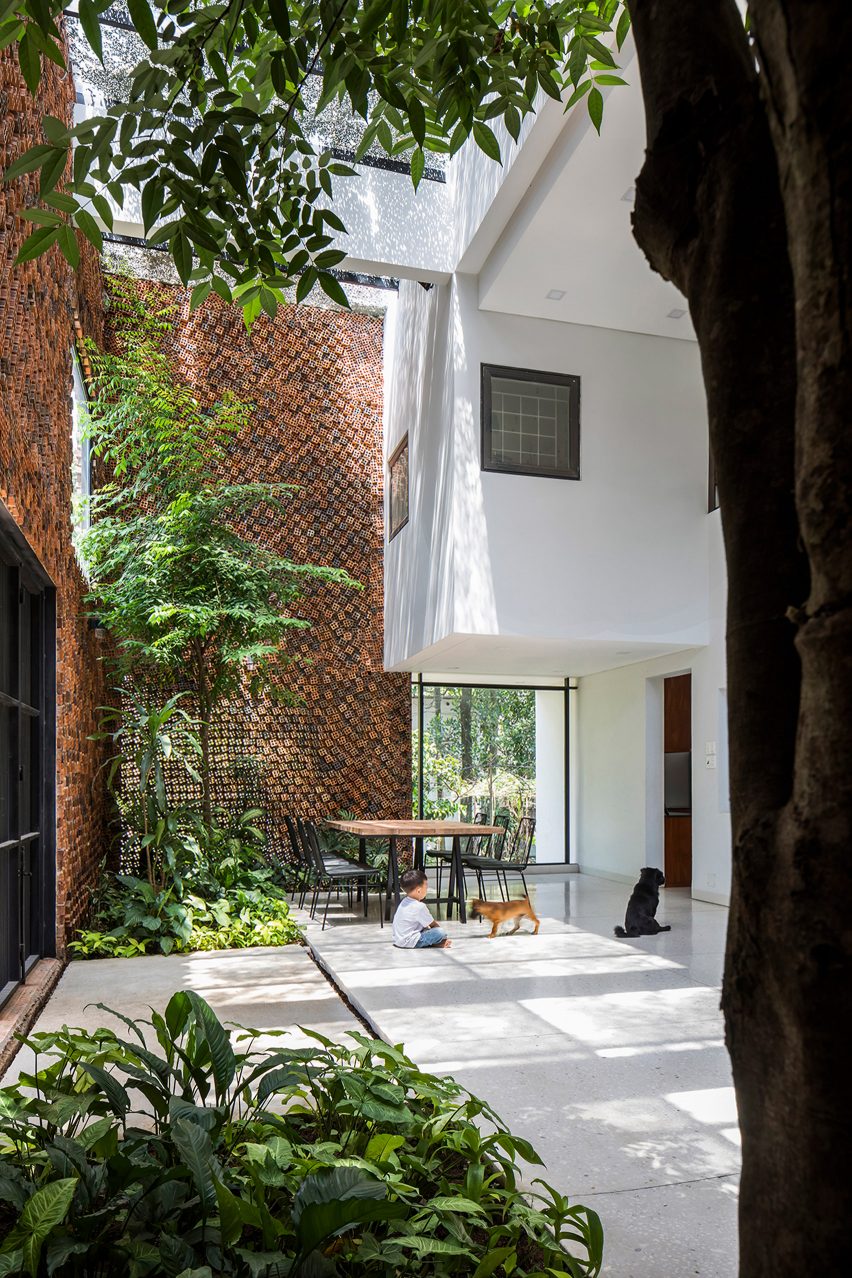
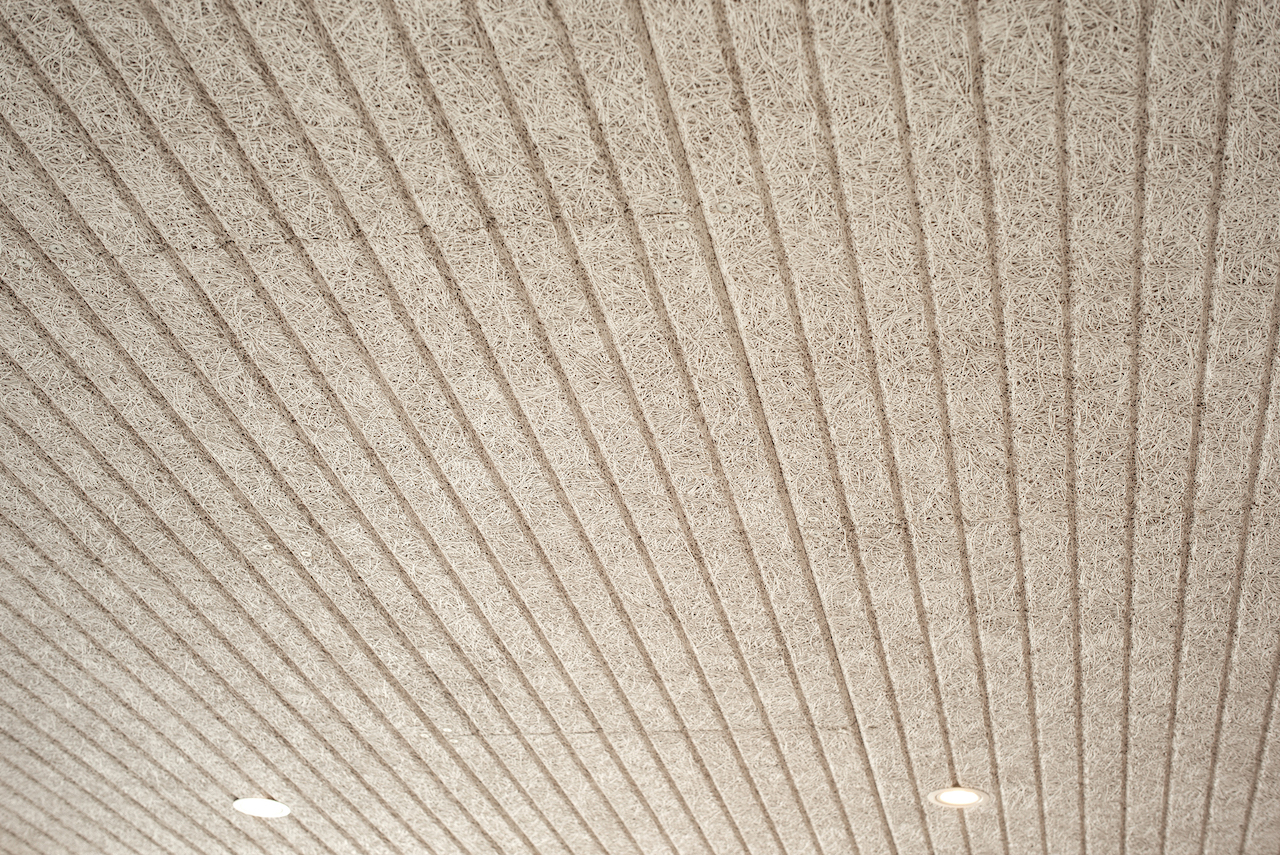
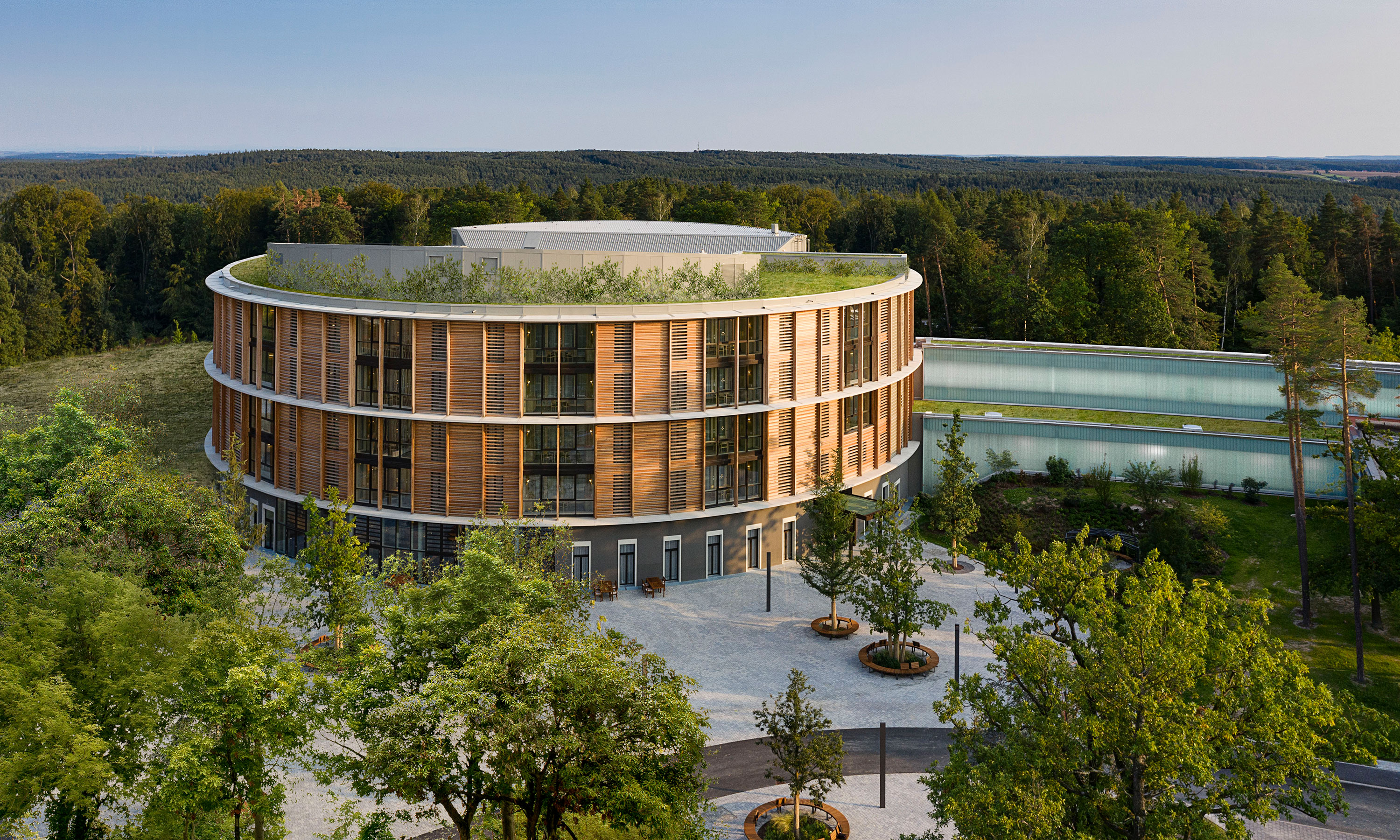
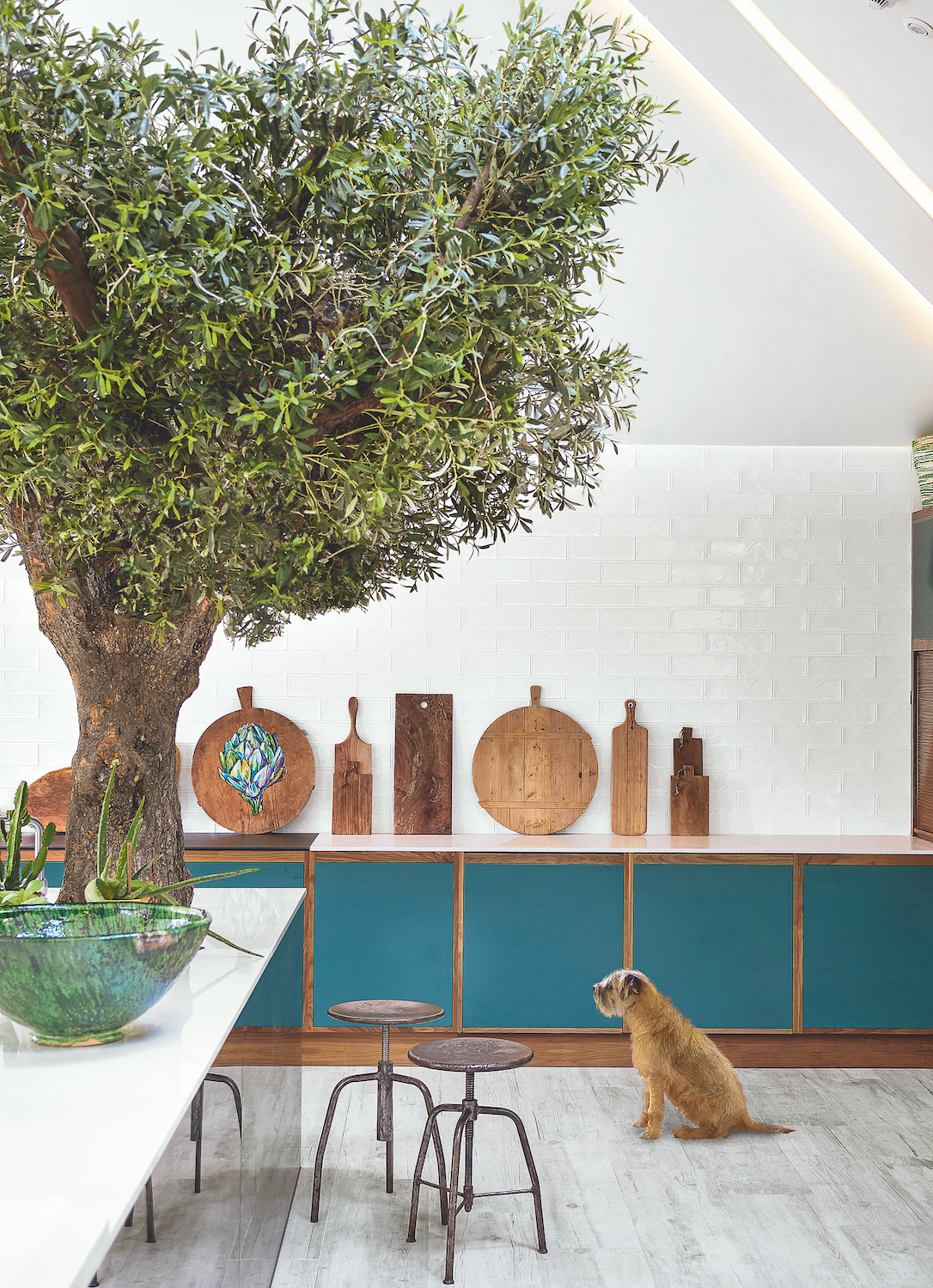
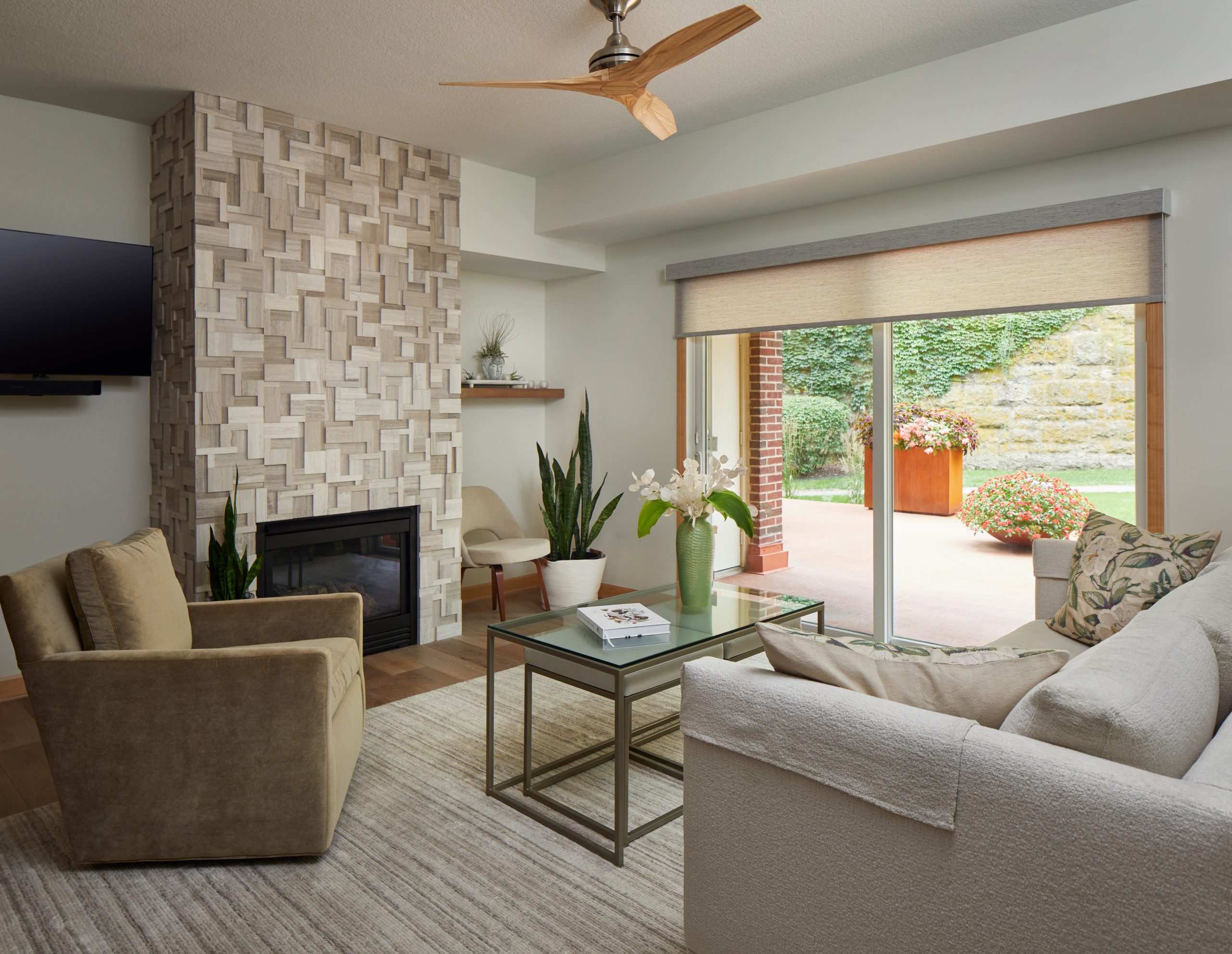
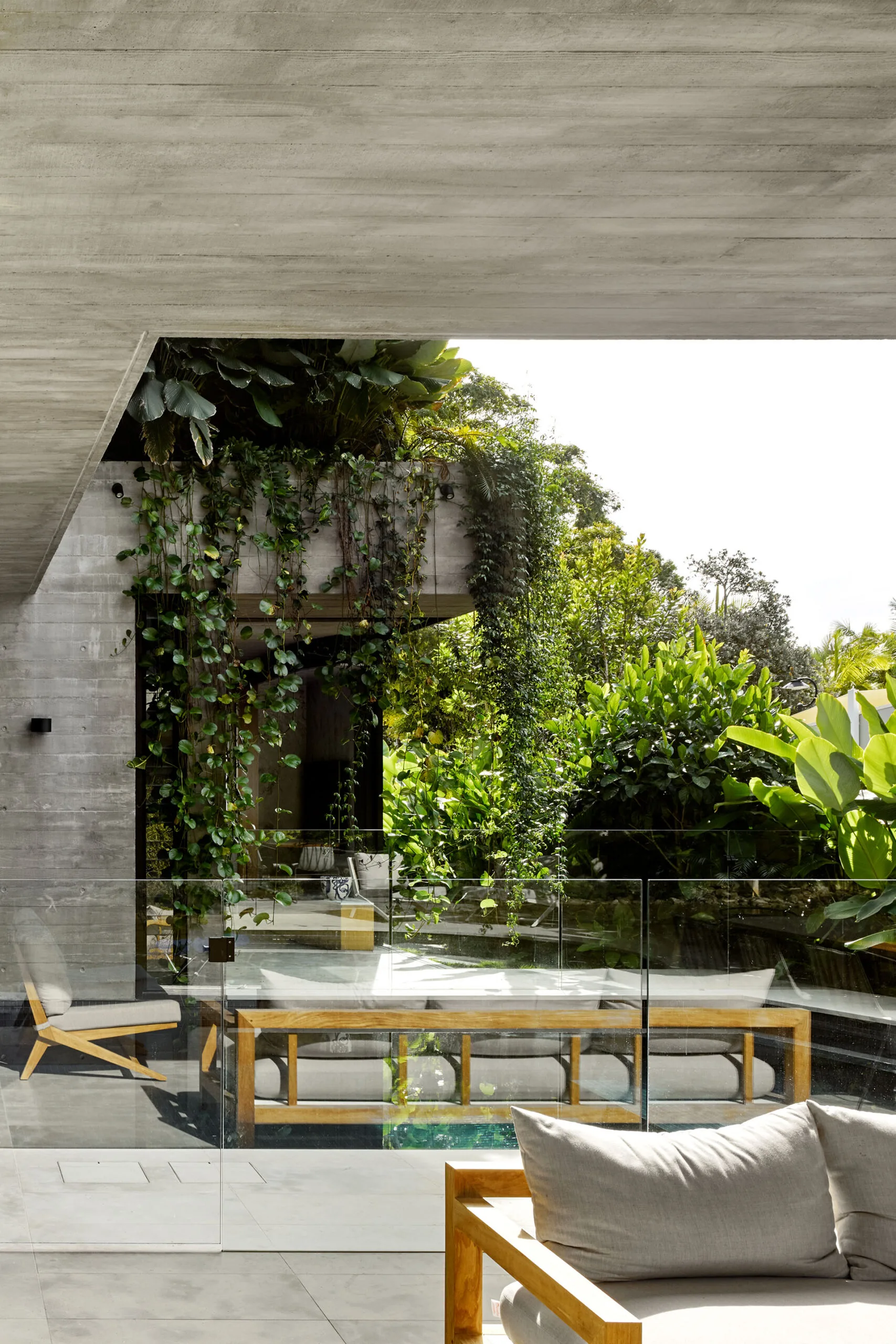
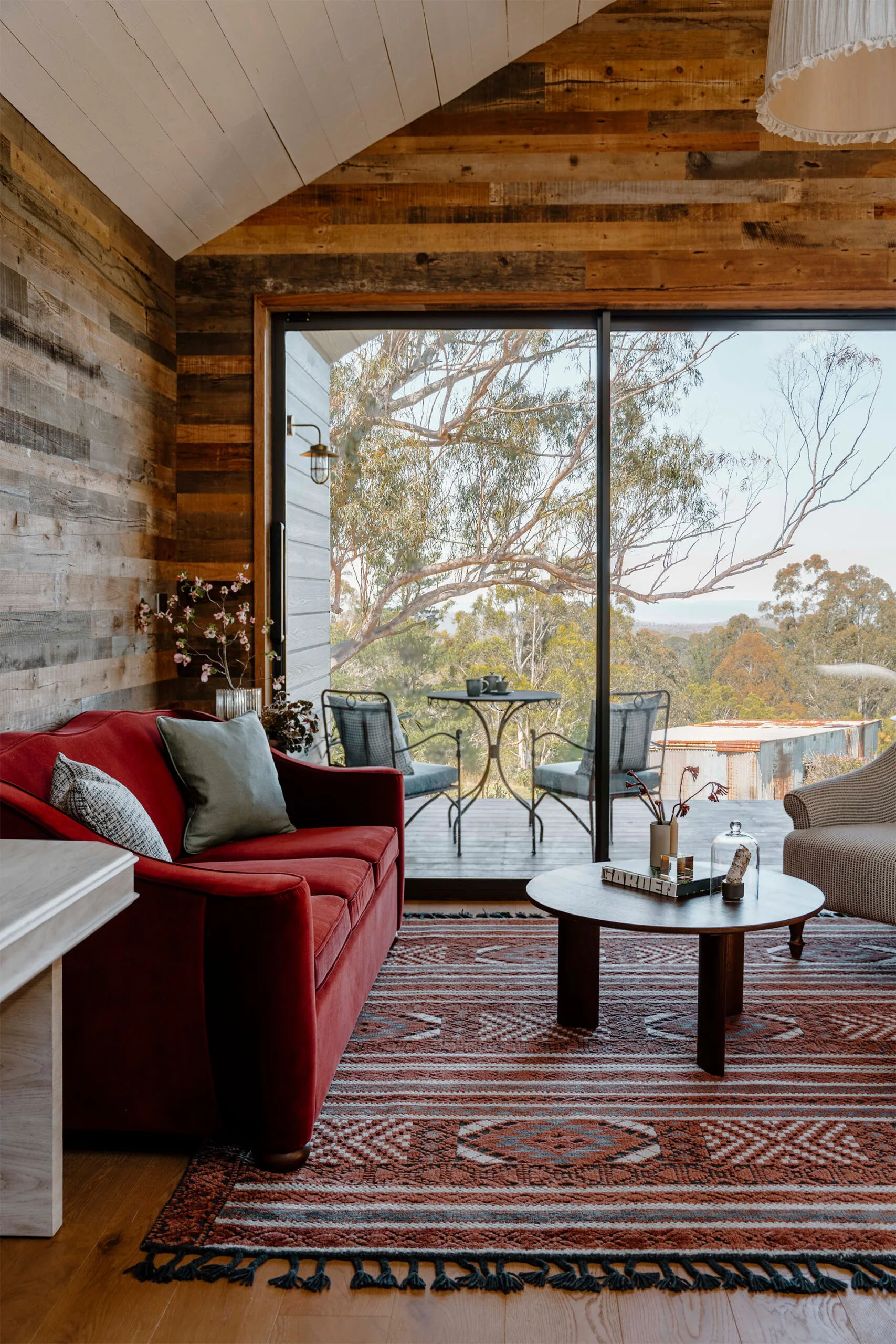
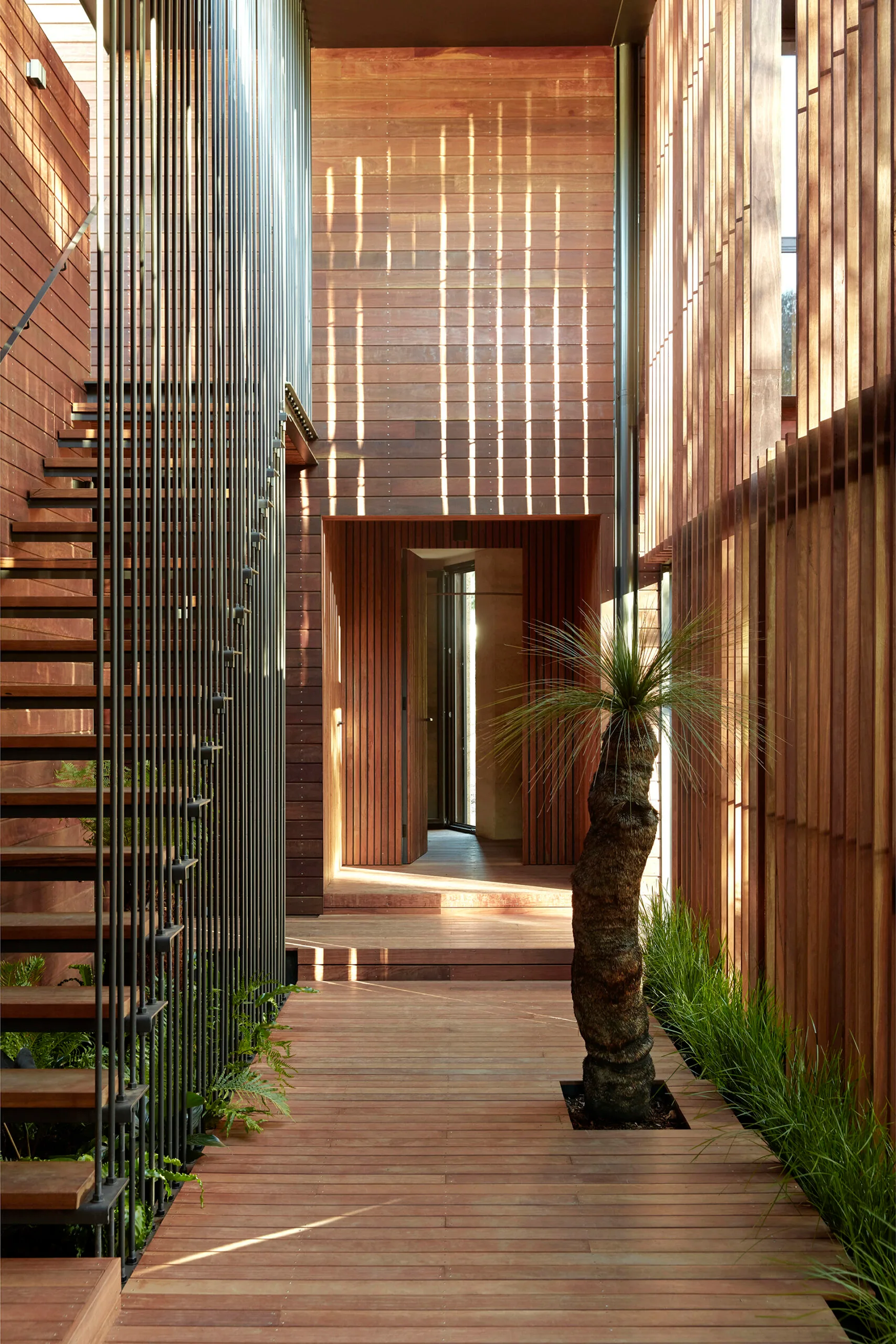
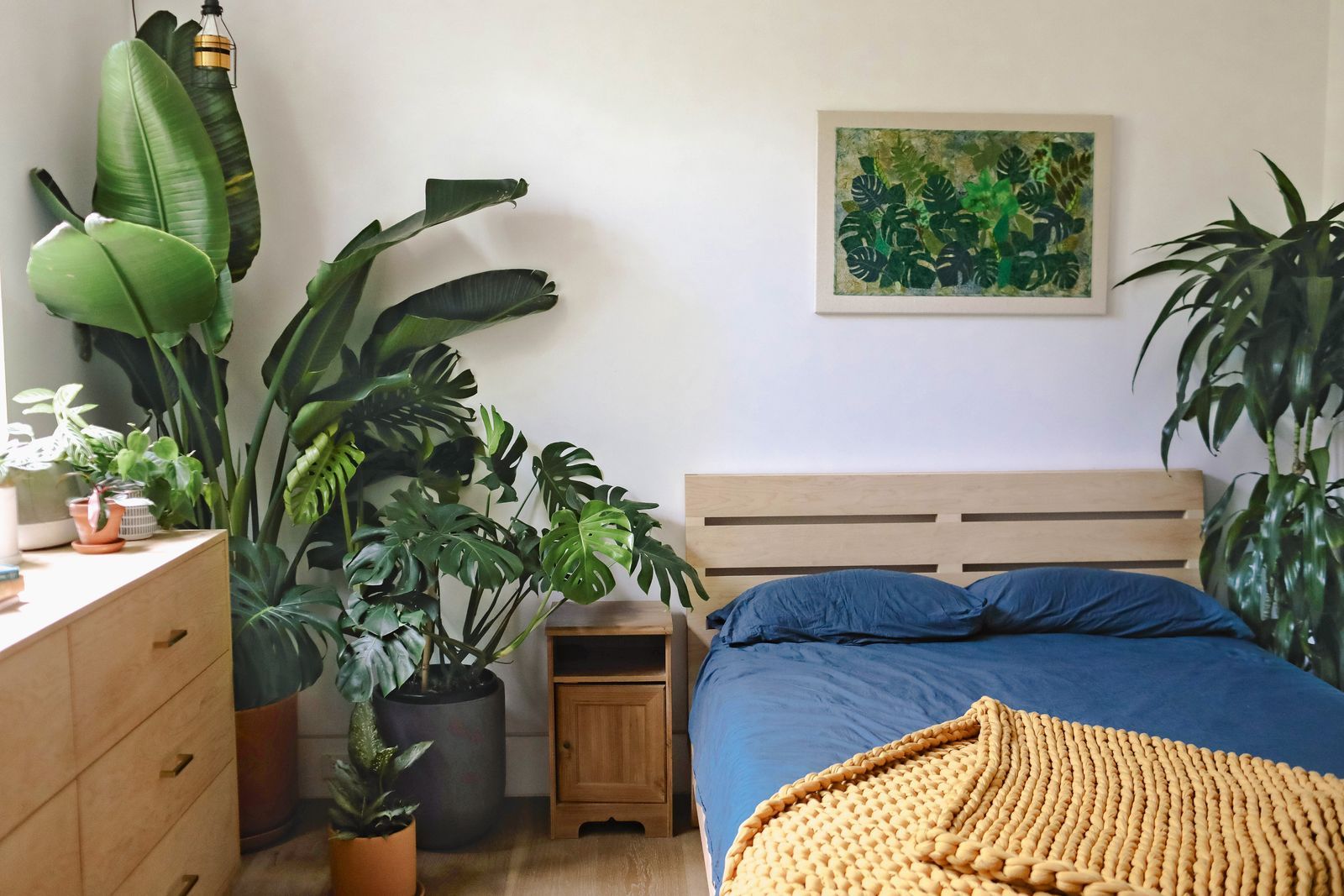
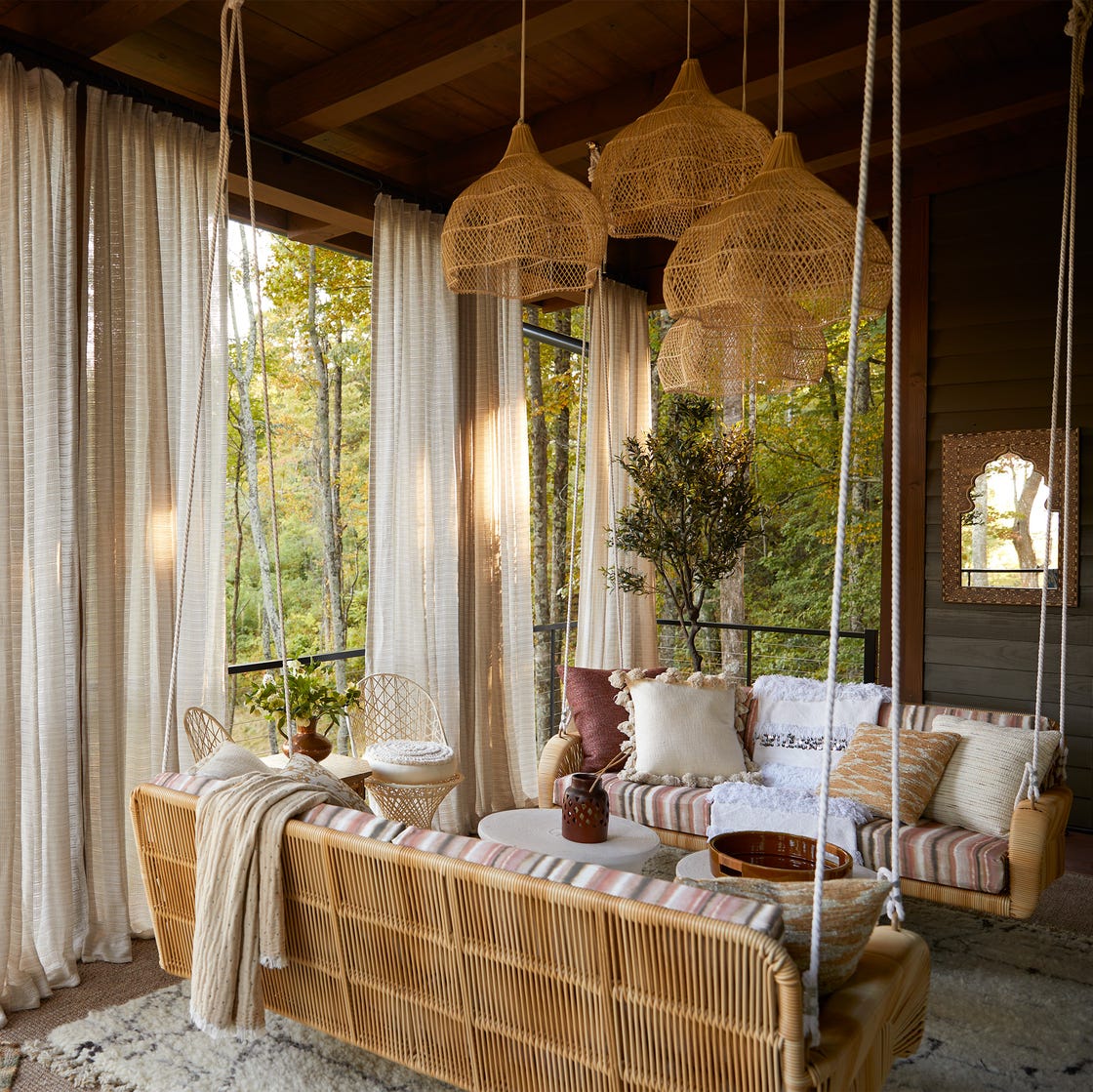
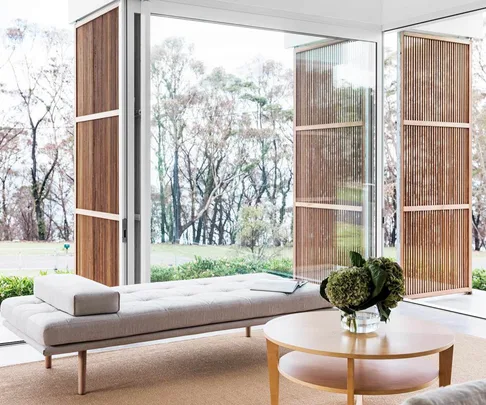
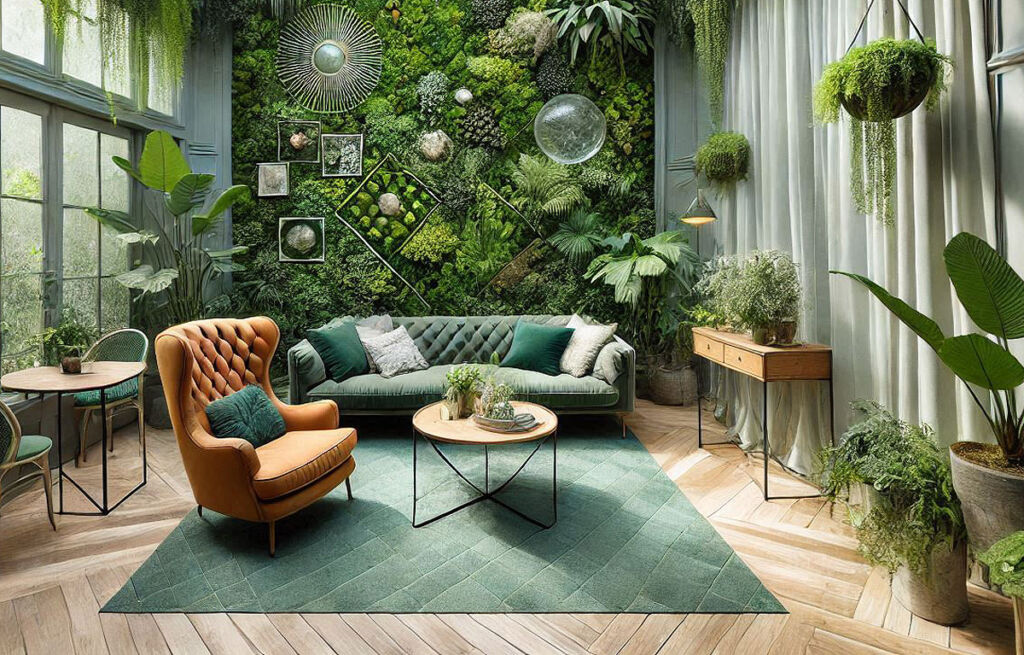
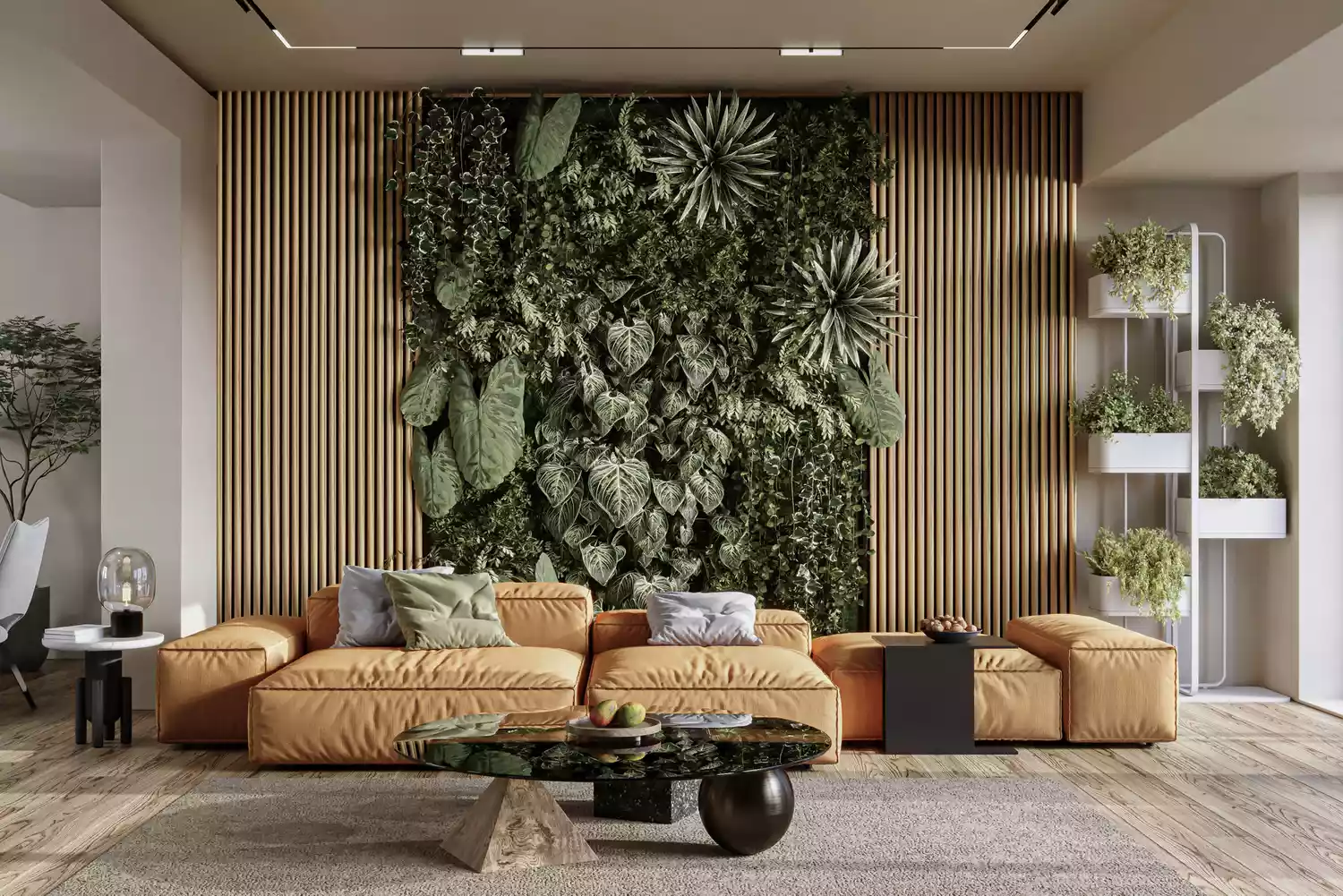
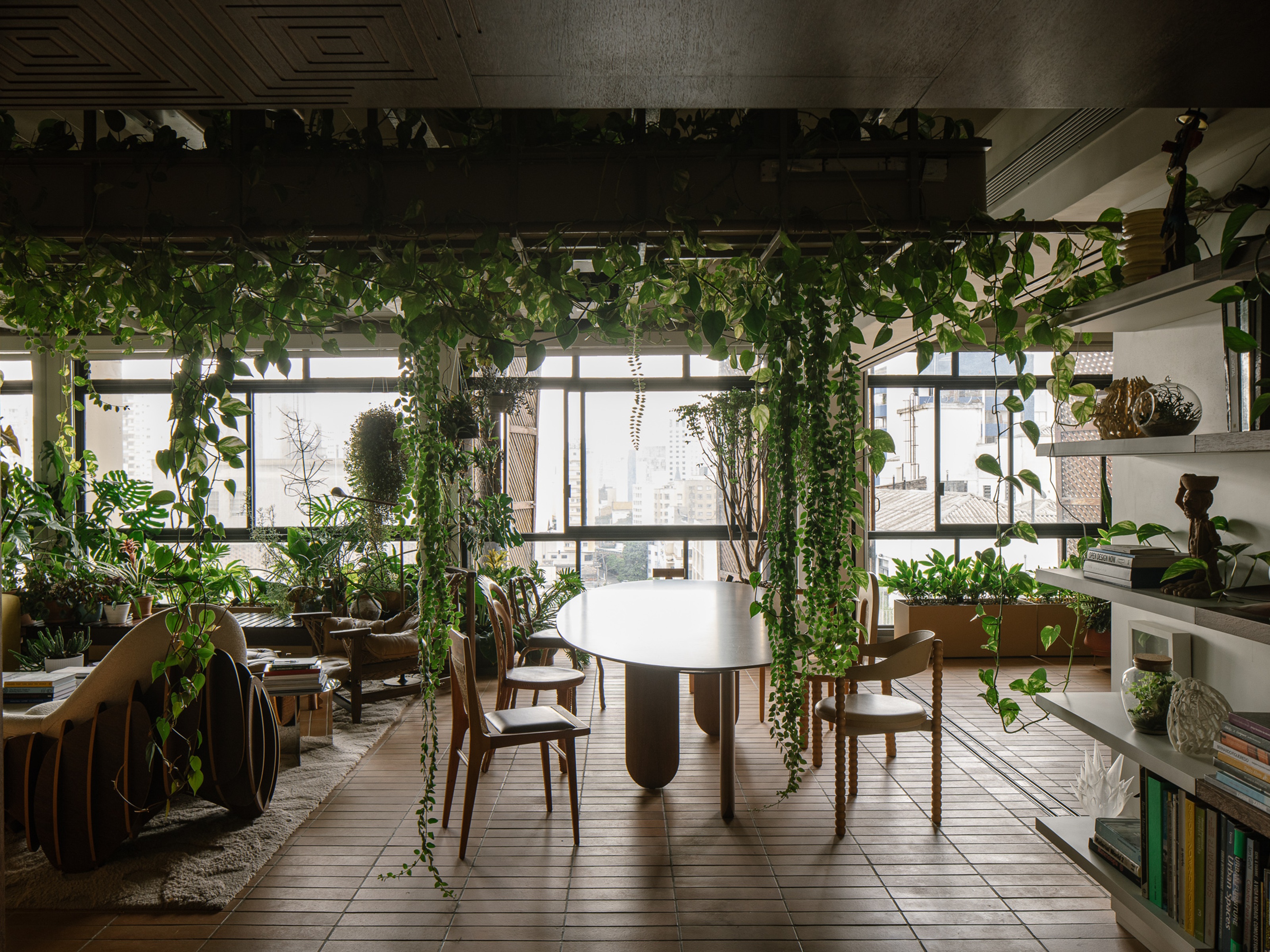
Biophilic design, an interior and architectural style centered on nature, reconnects humans with the natural world within built environments. This approach goes beyond simply adding houseplants or painting walls green, encompassing various elements like landscaping with local plants, large windows to maximize natural light, green roofs, and live plant walls. Interior designer Erica McLain defines it as the art and science of integrating natural principles and patterns into indoor spaces to restore balance, calm, and vitality. While plants are a visible component, biophilic design incorporates fractal patterns, natural light aligned with circadian rhythms, and tactile materials such as raw wood, linen, and stone to provide a sensory connection to the earth.
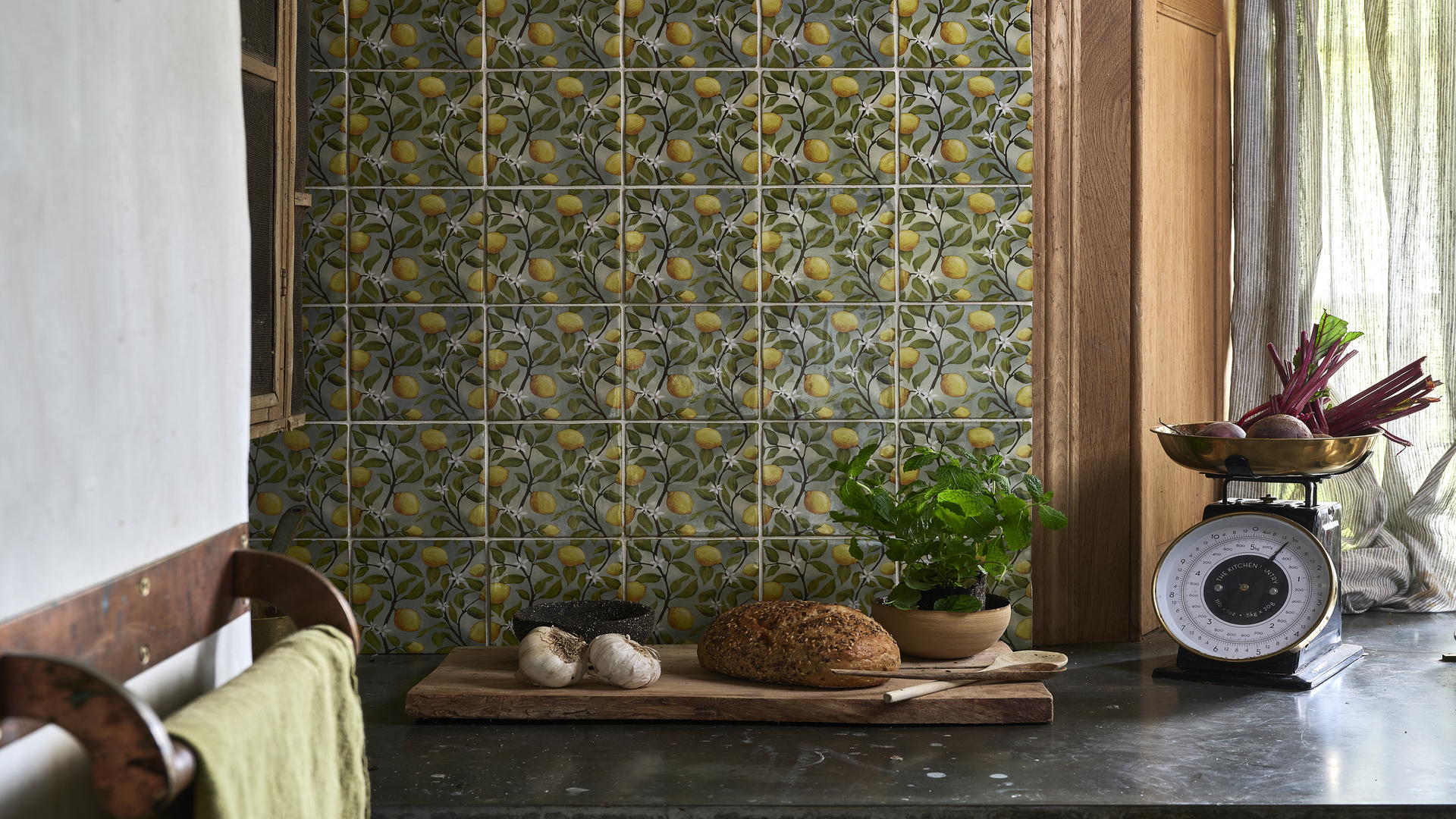
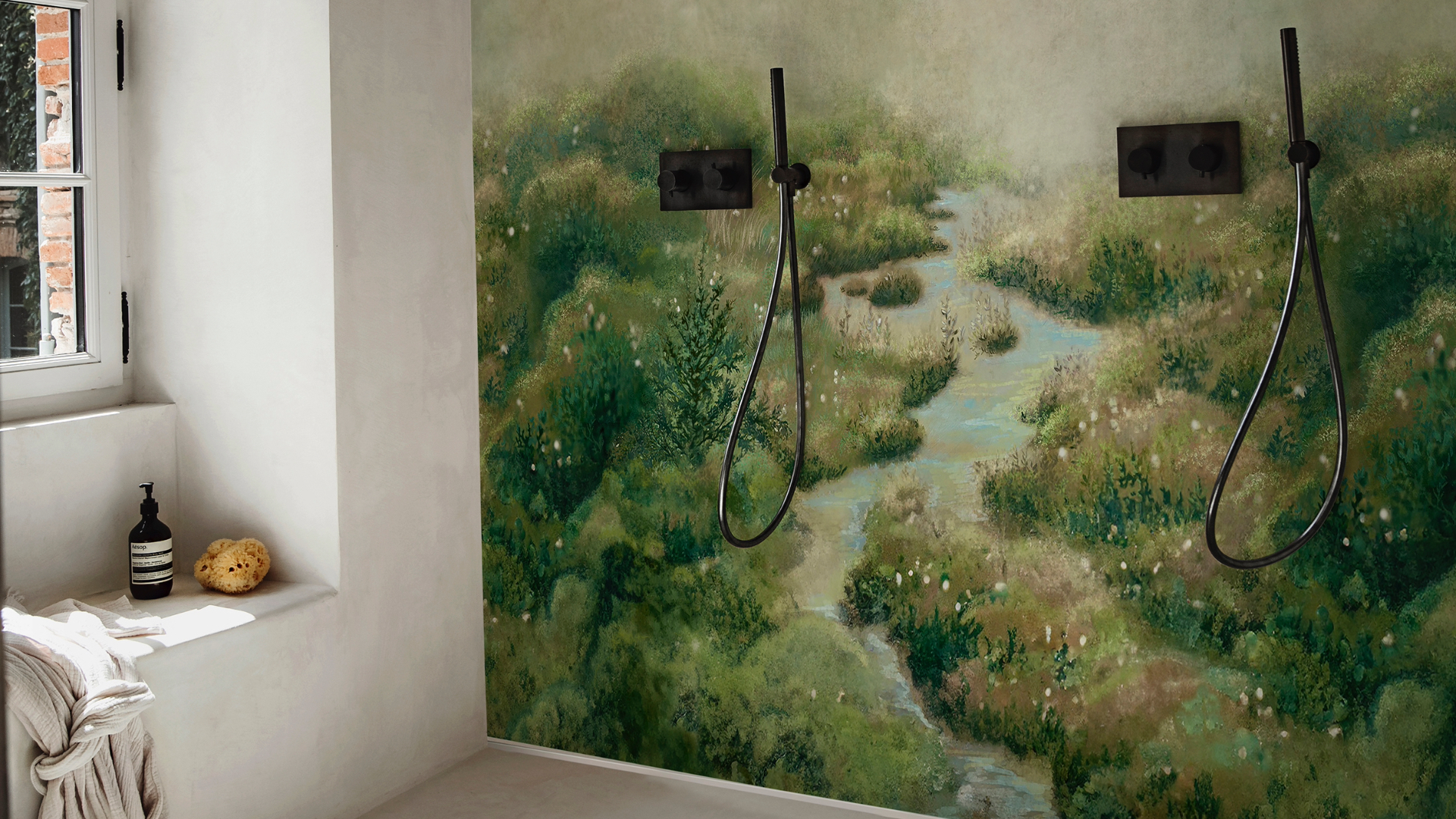
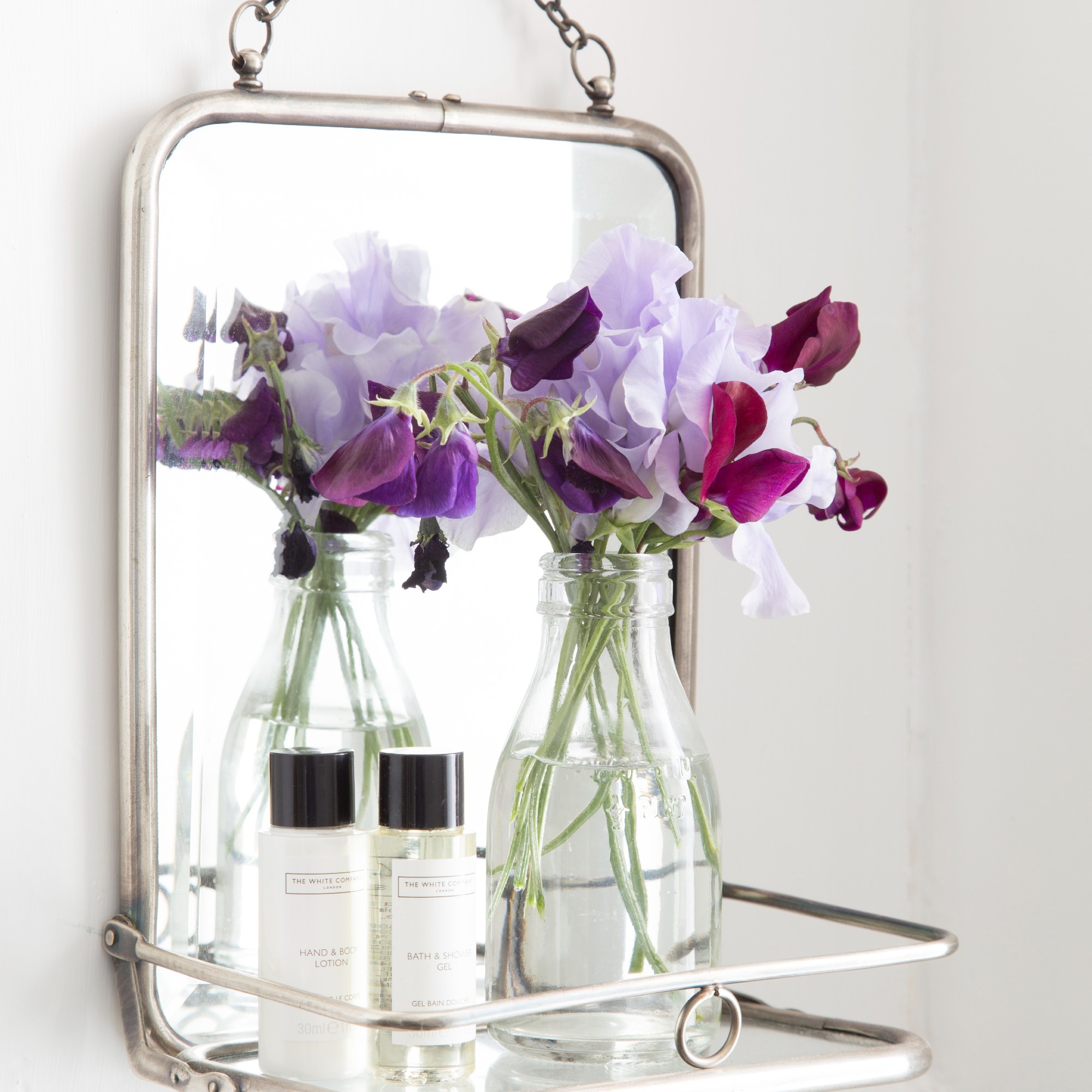
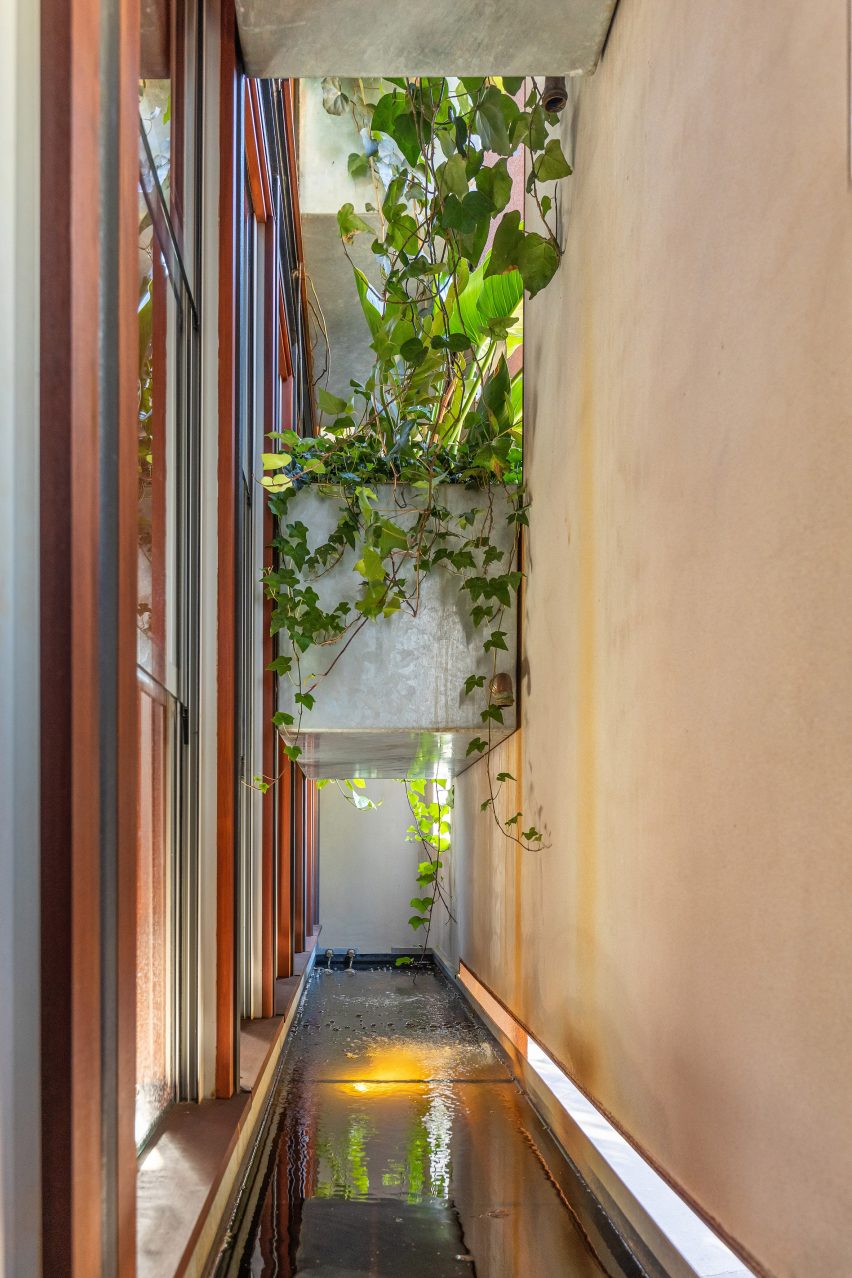
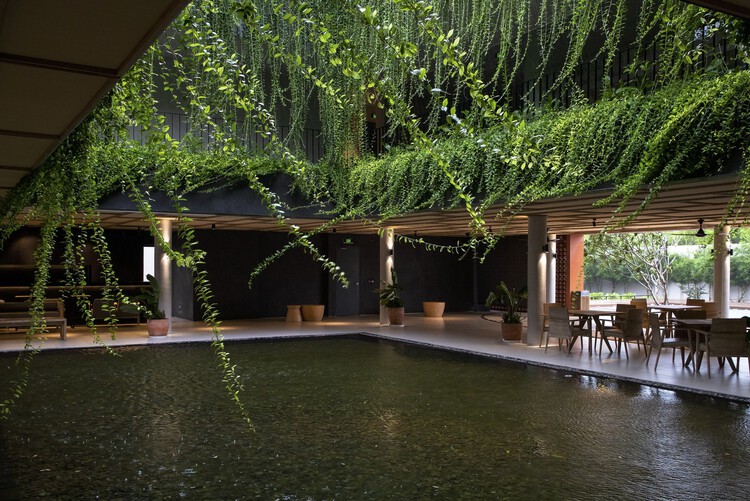
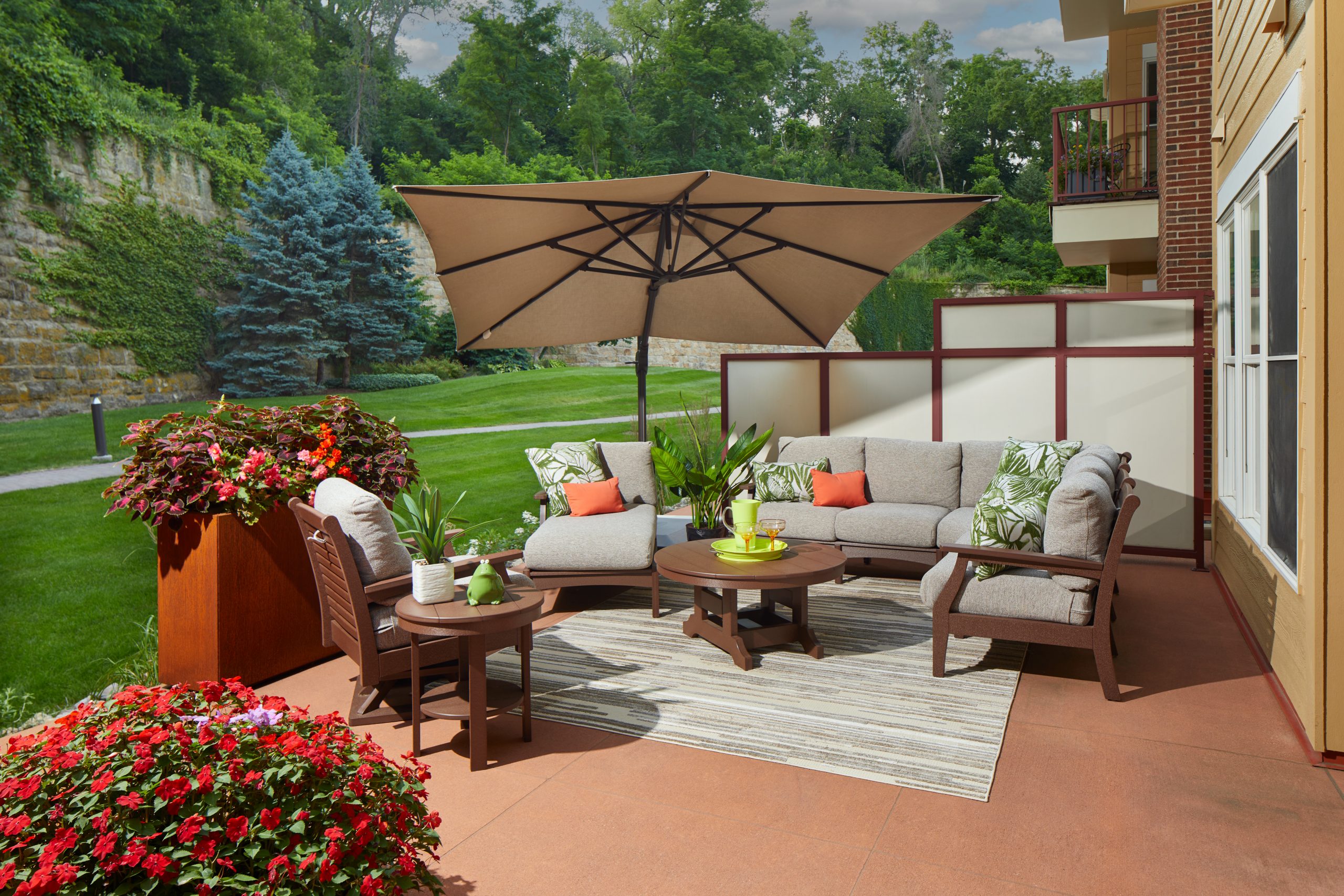
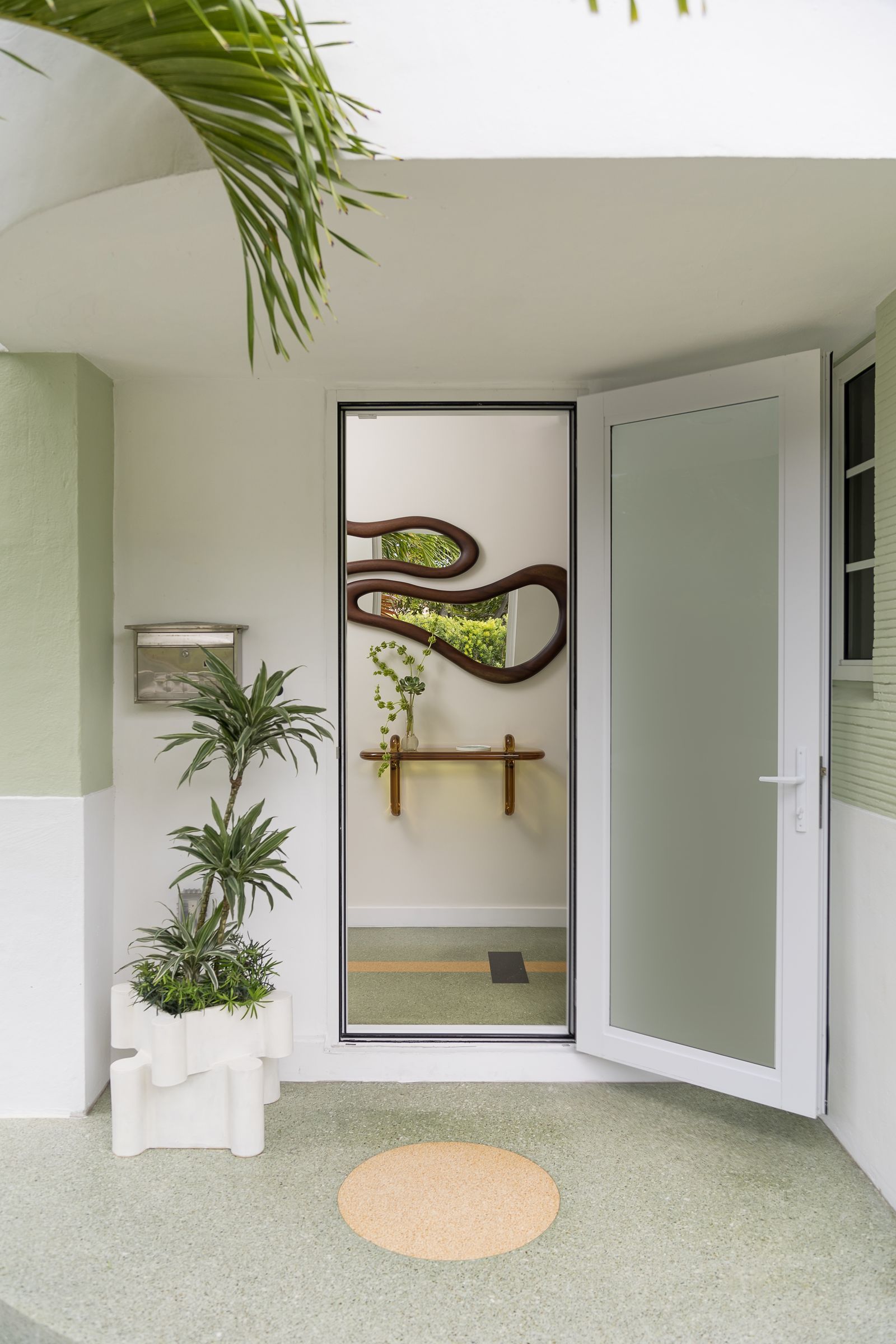
Historically, biophilic design is a relatively modern concept that emerged from a necessity to counter the increasing disconnect between people and nature in an industrialized and digital world. Research highlights that conventional building designs often overlook nature, leading to insufficient exposure to natural light, ventilation, and organic forms. Biophilic design addresses this by incorporating both direct and indirect natural elements. Direct elements include actual trees, grass, and water, while indirect elements involve natural colors, images of nature, organic shapes, and materials. The design engages all five senses, using textures, natural sounds from water features or rustling leaves, and subtle scents from essential oils or fresh flowers to create an immersive experience. It also considers the "experience of space and place," as seen in urban courtyards or miniature parks within cities, providing nature access in dense areas.
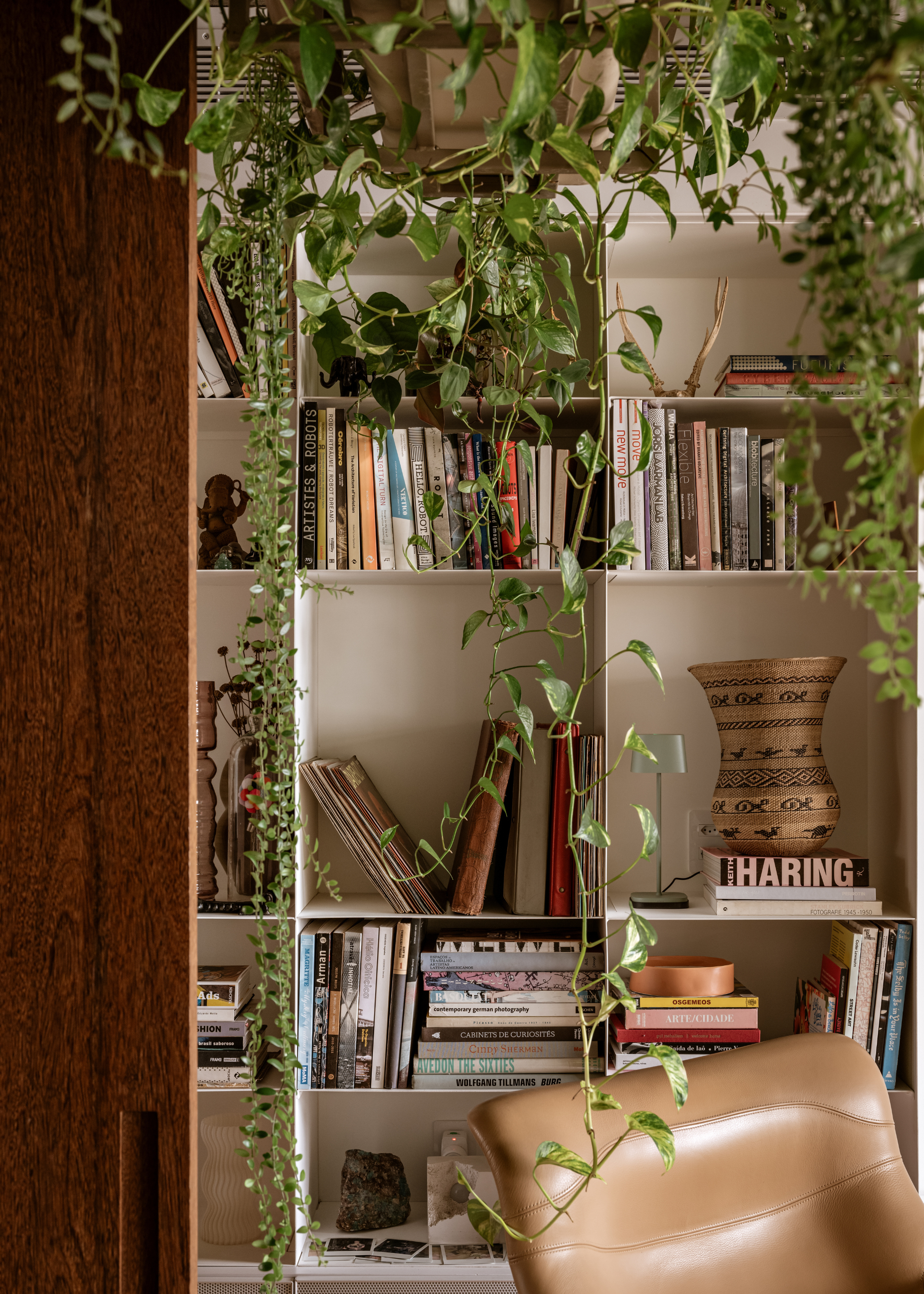
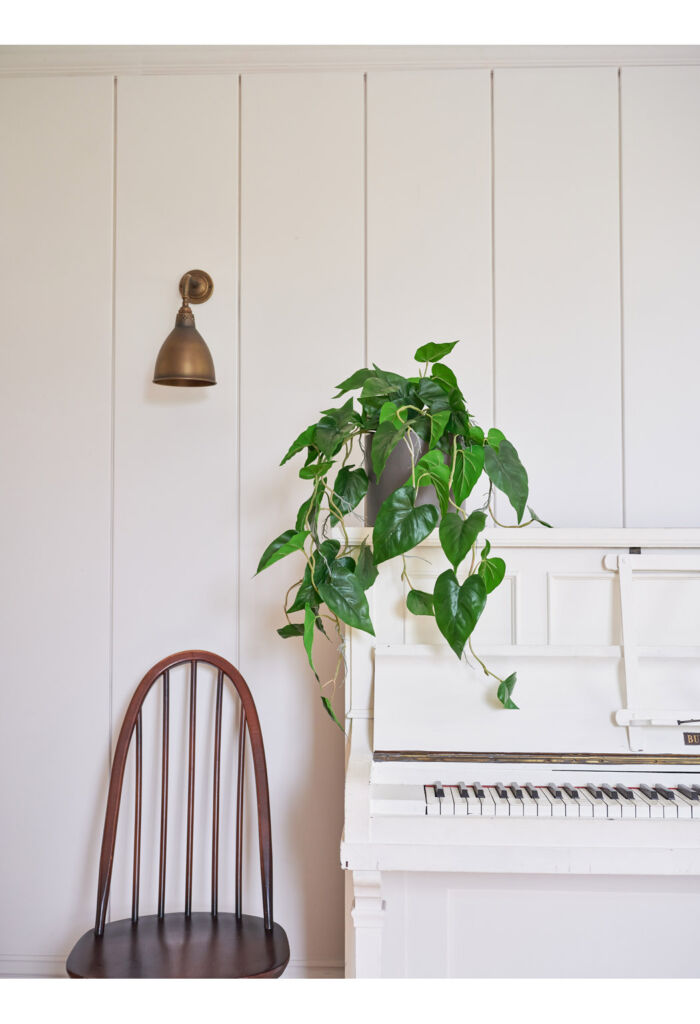
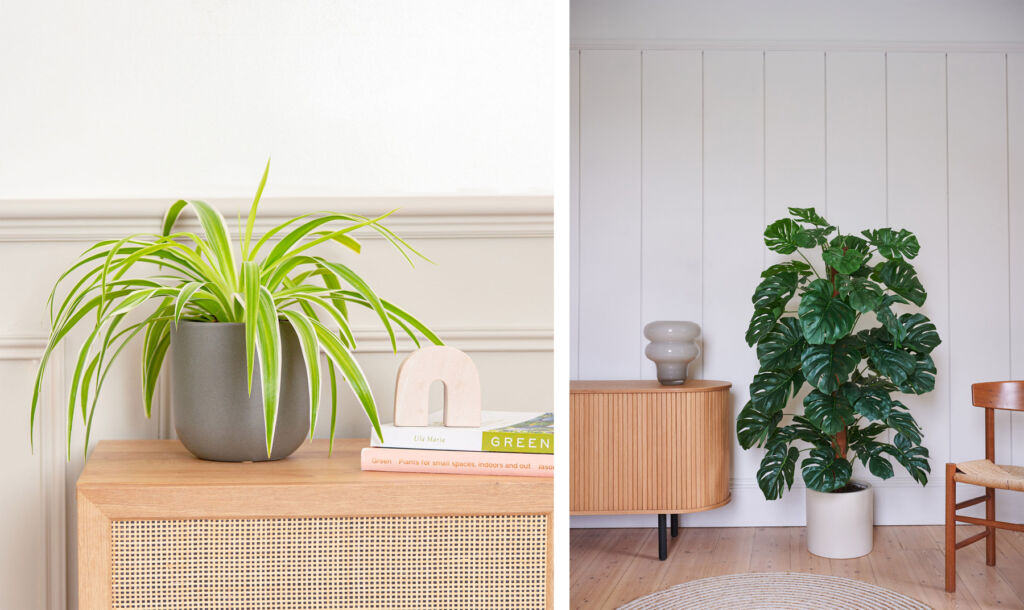
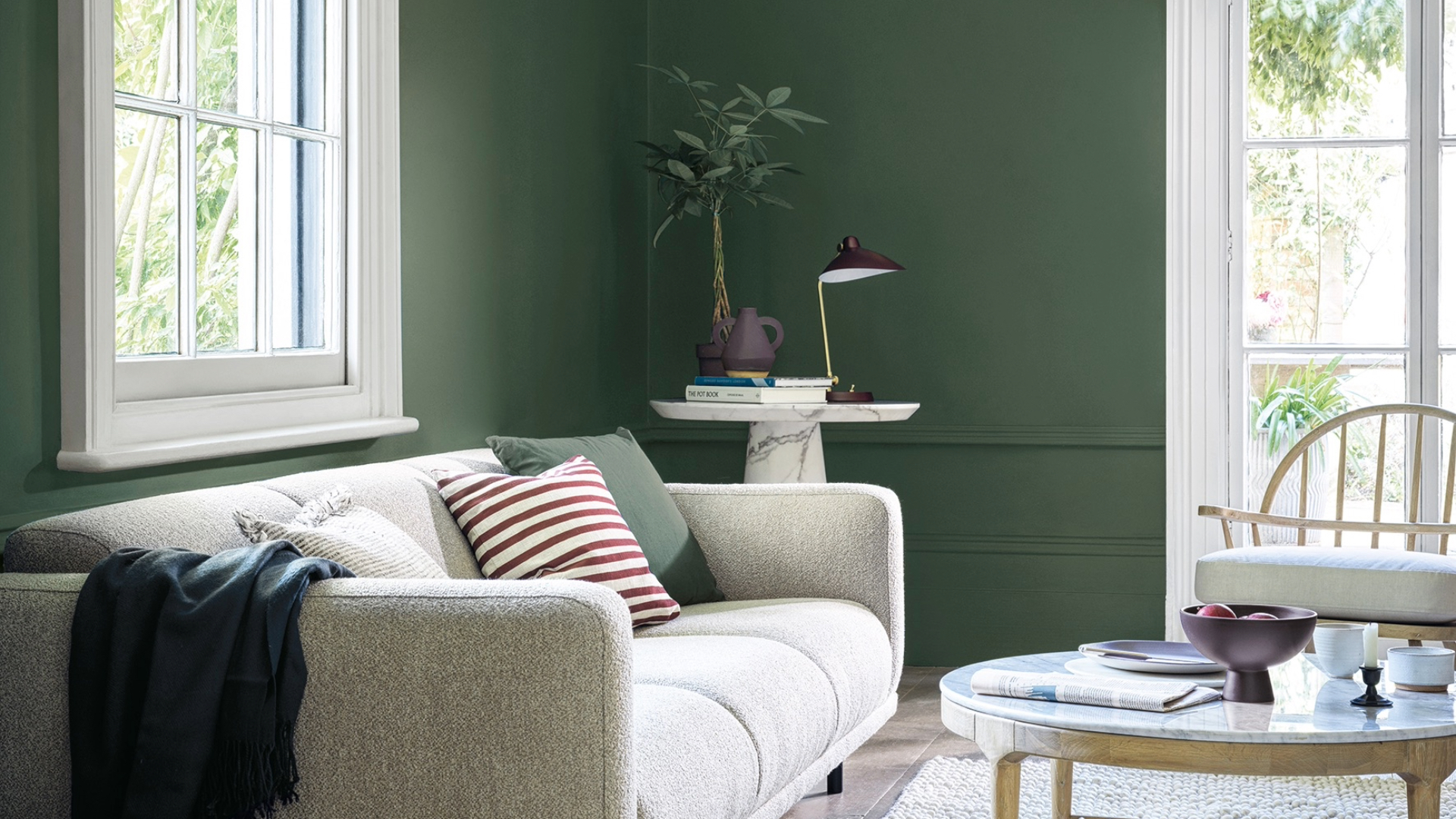
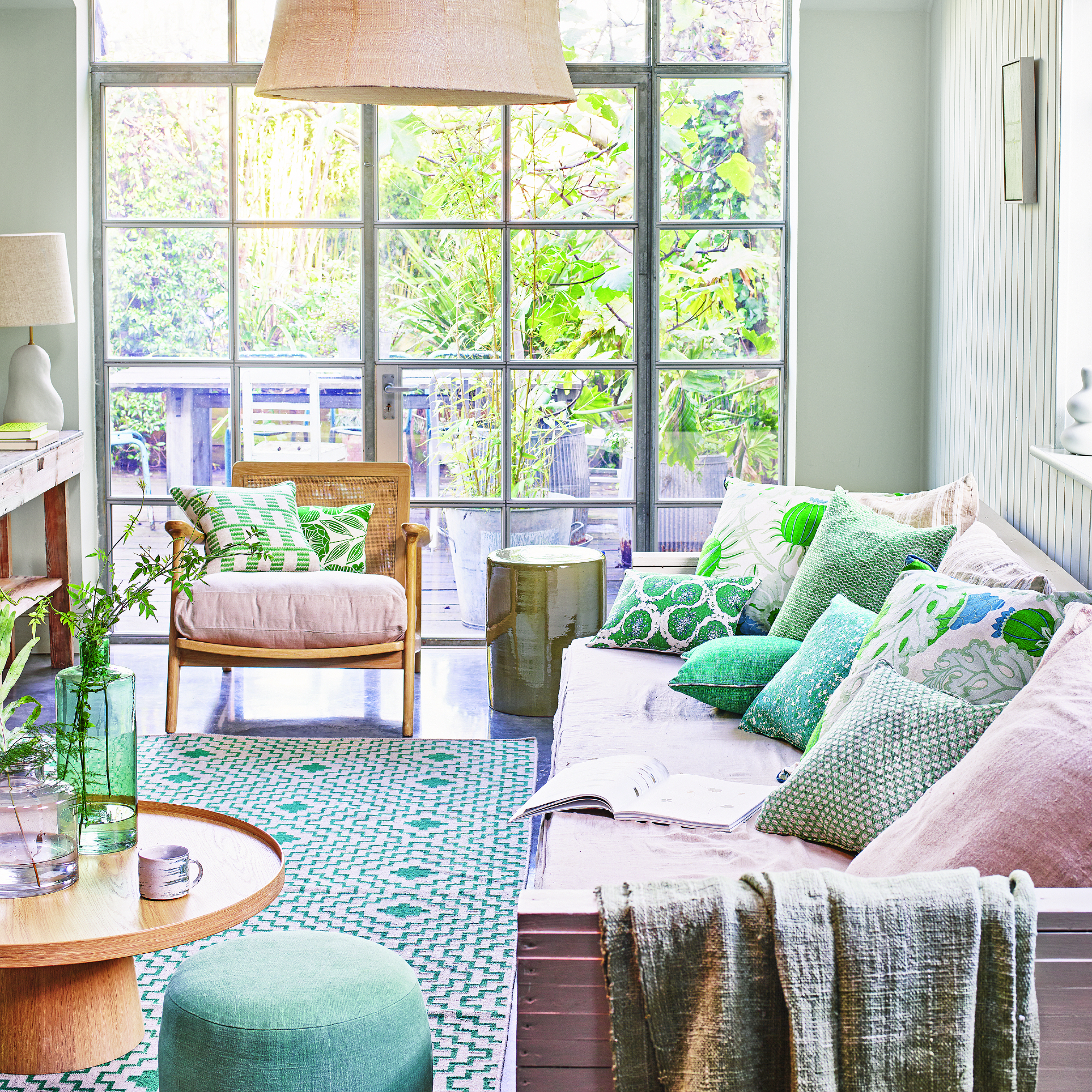
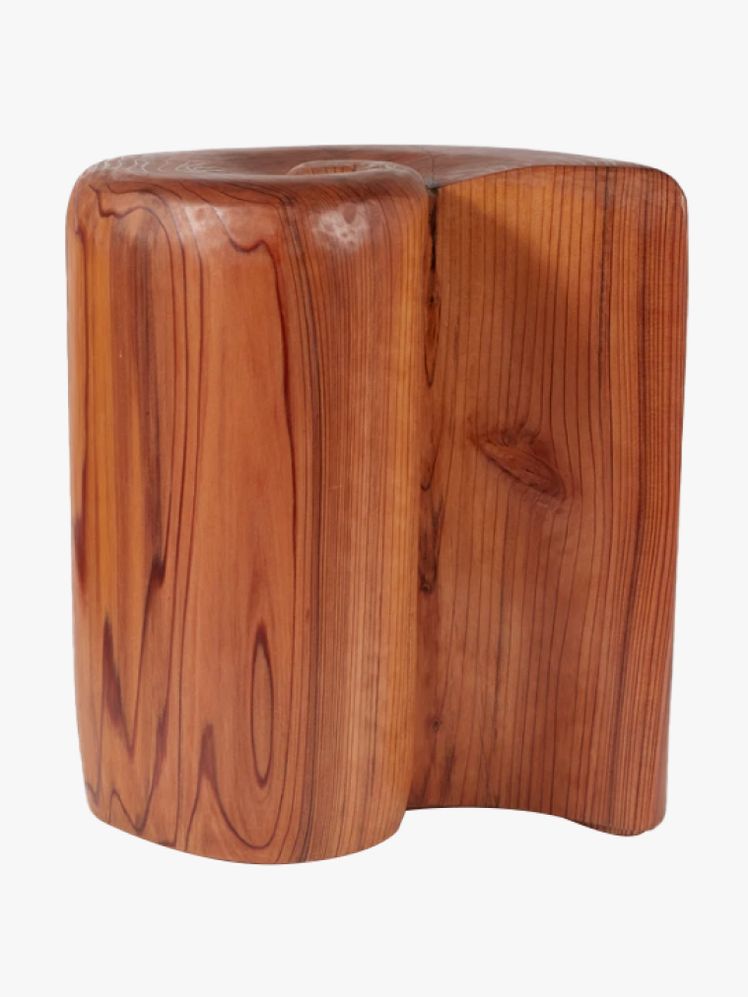
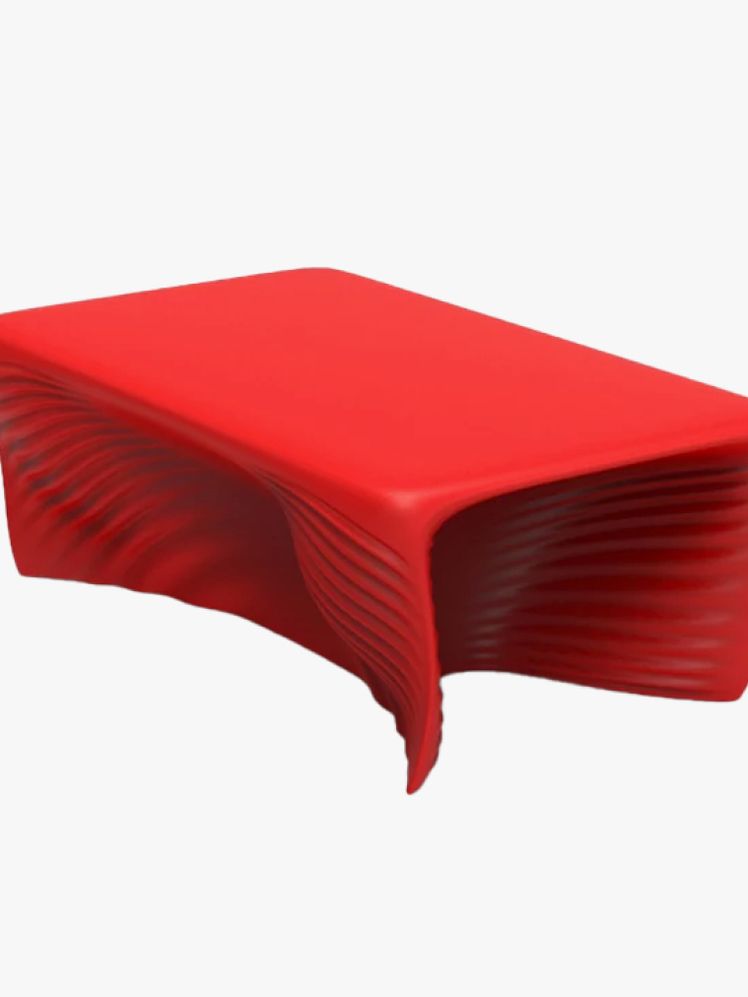
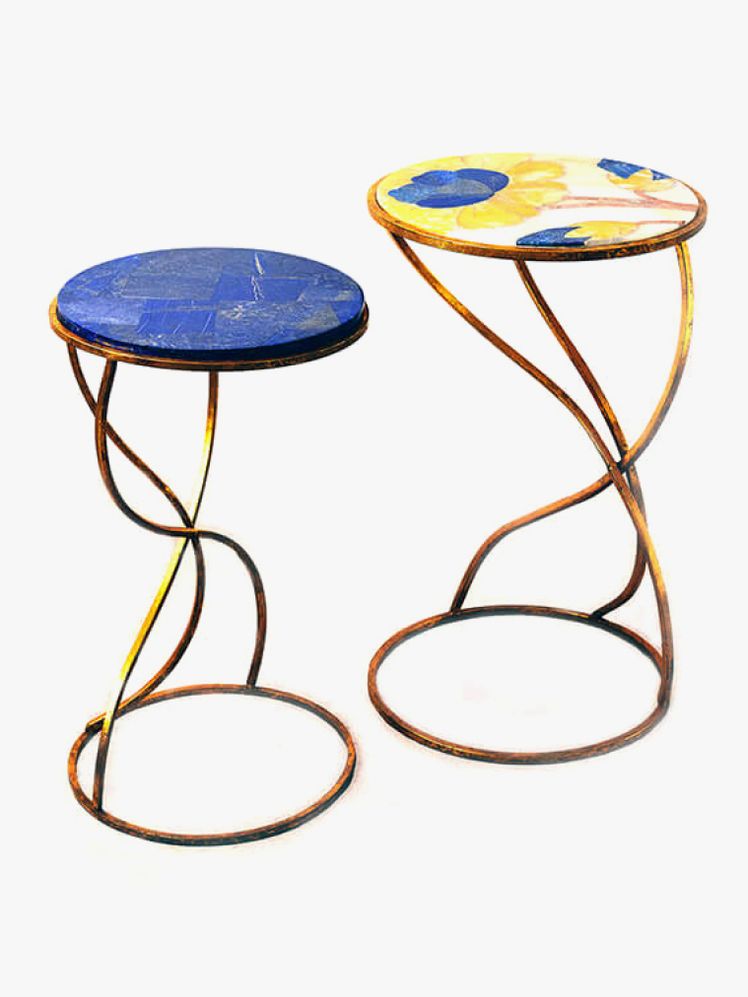
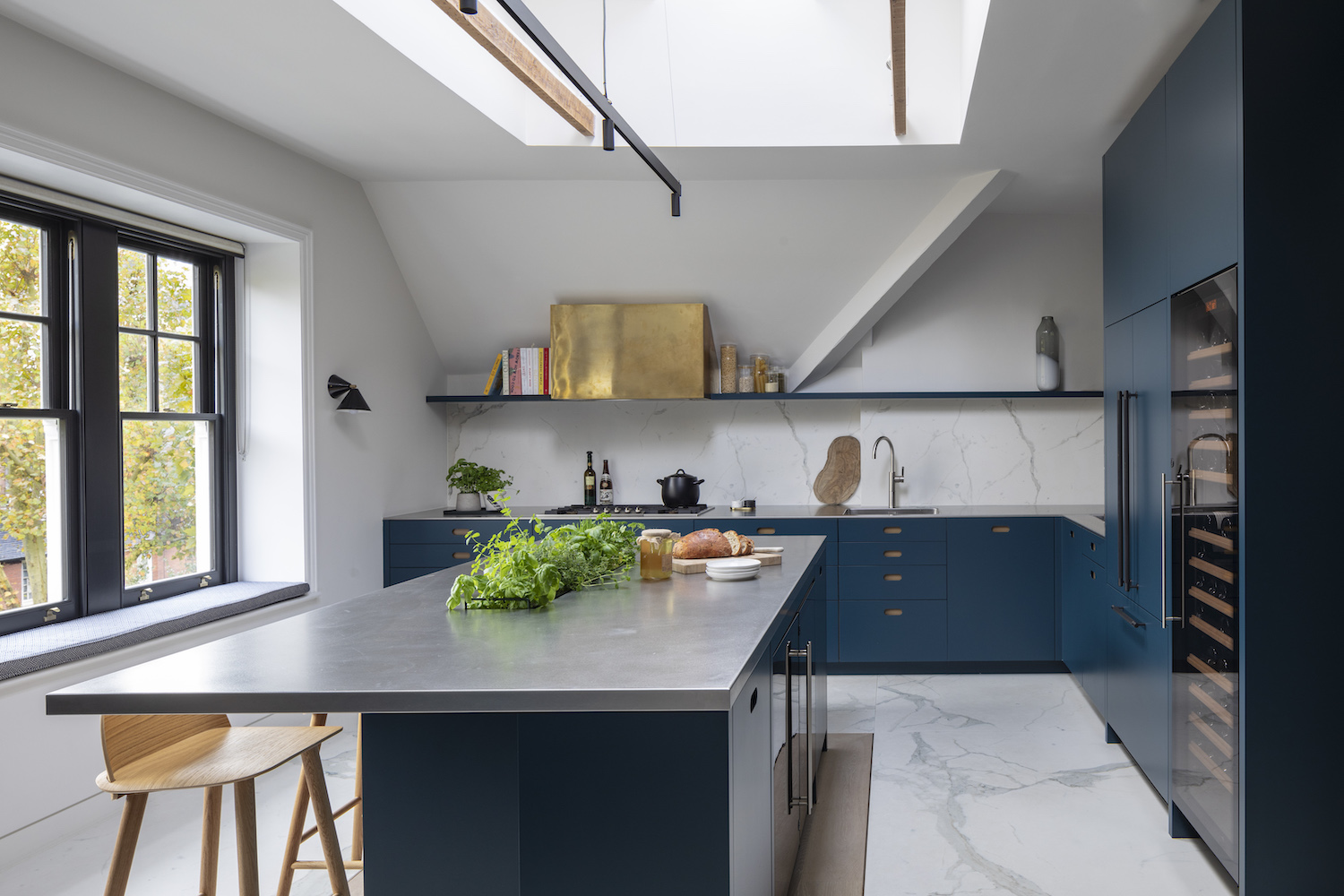
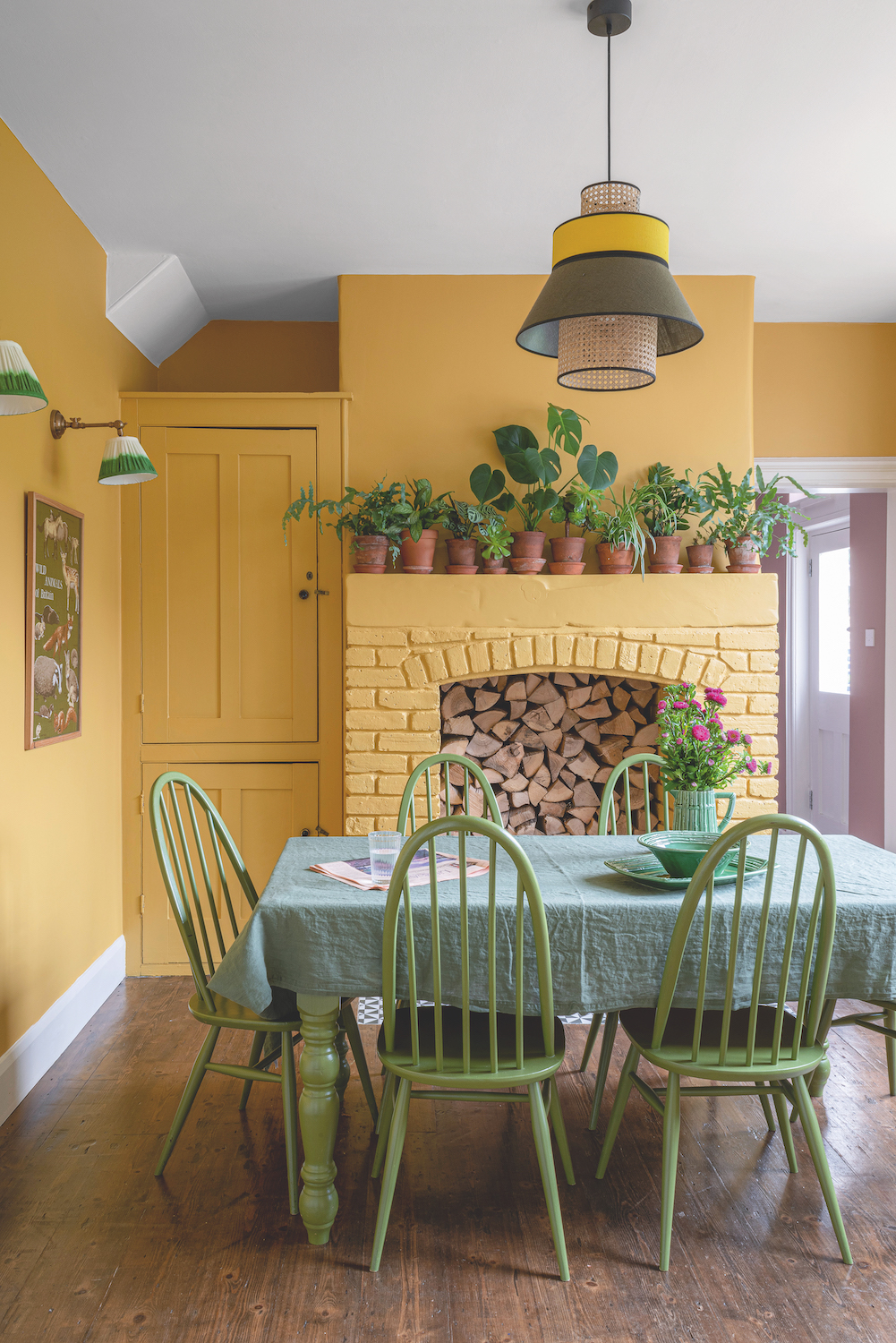
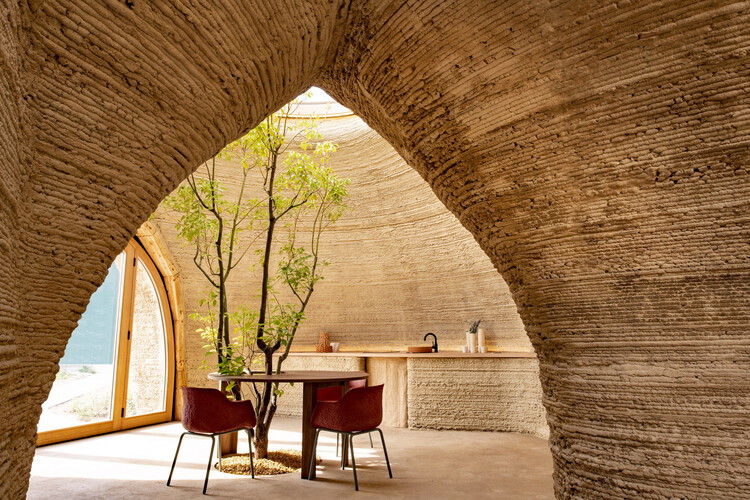
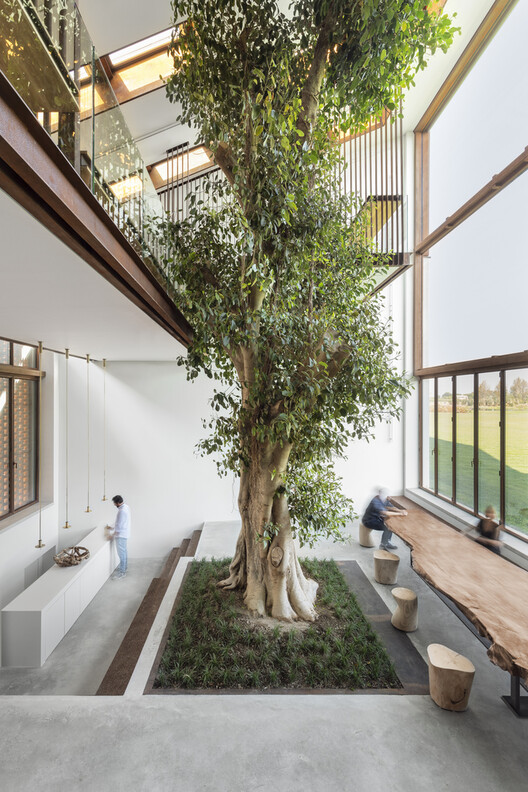
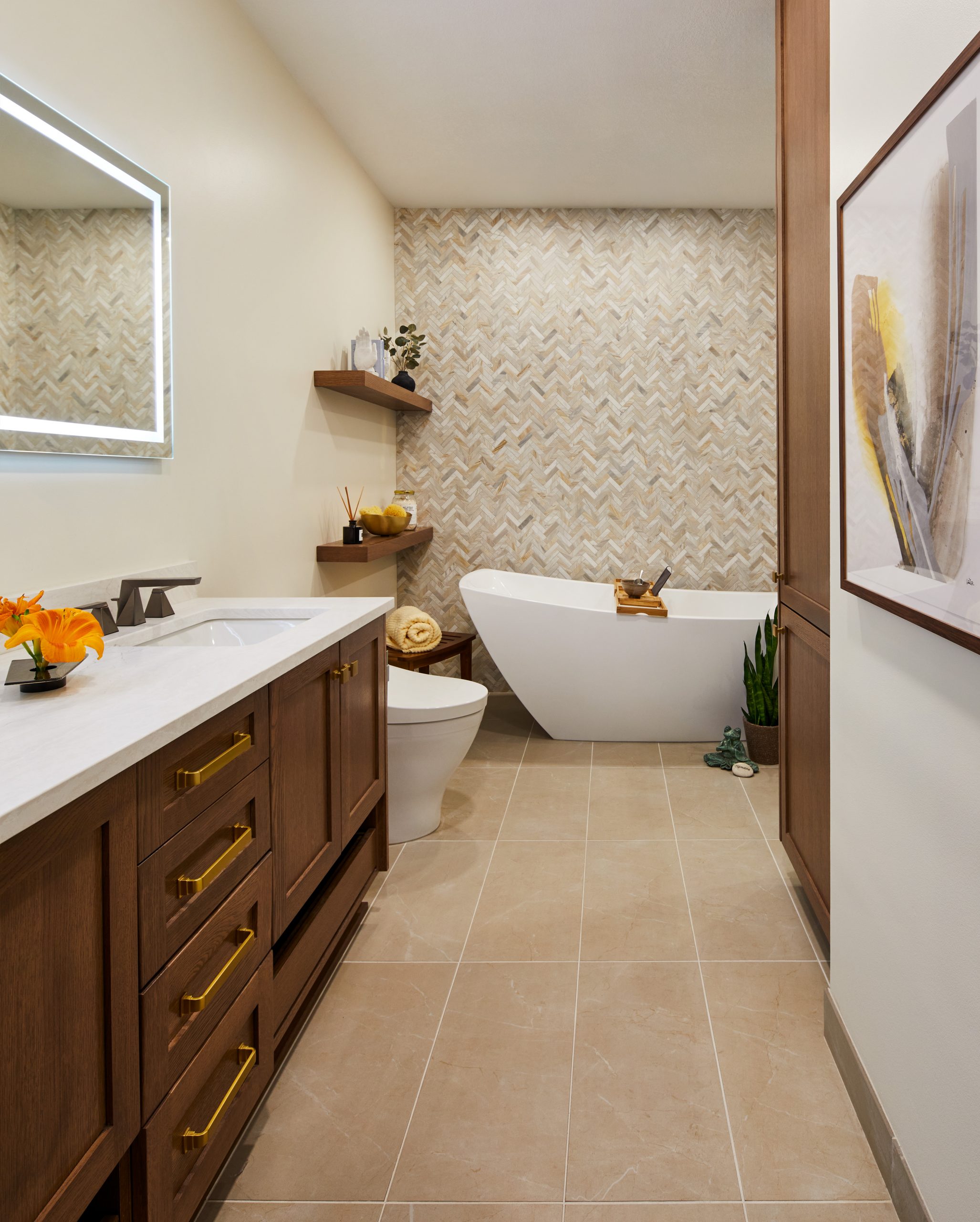
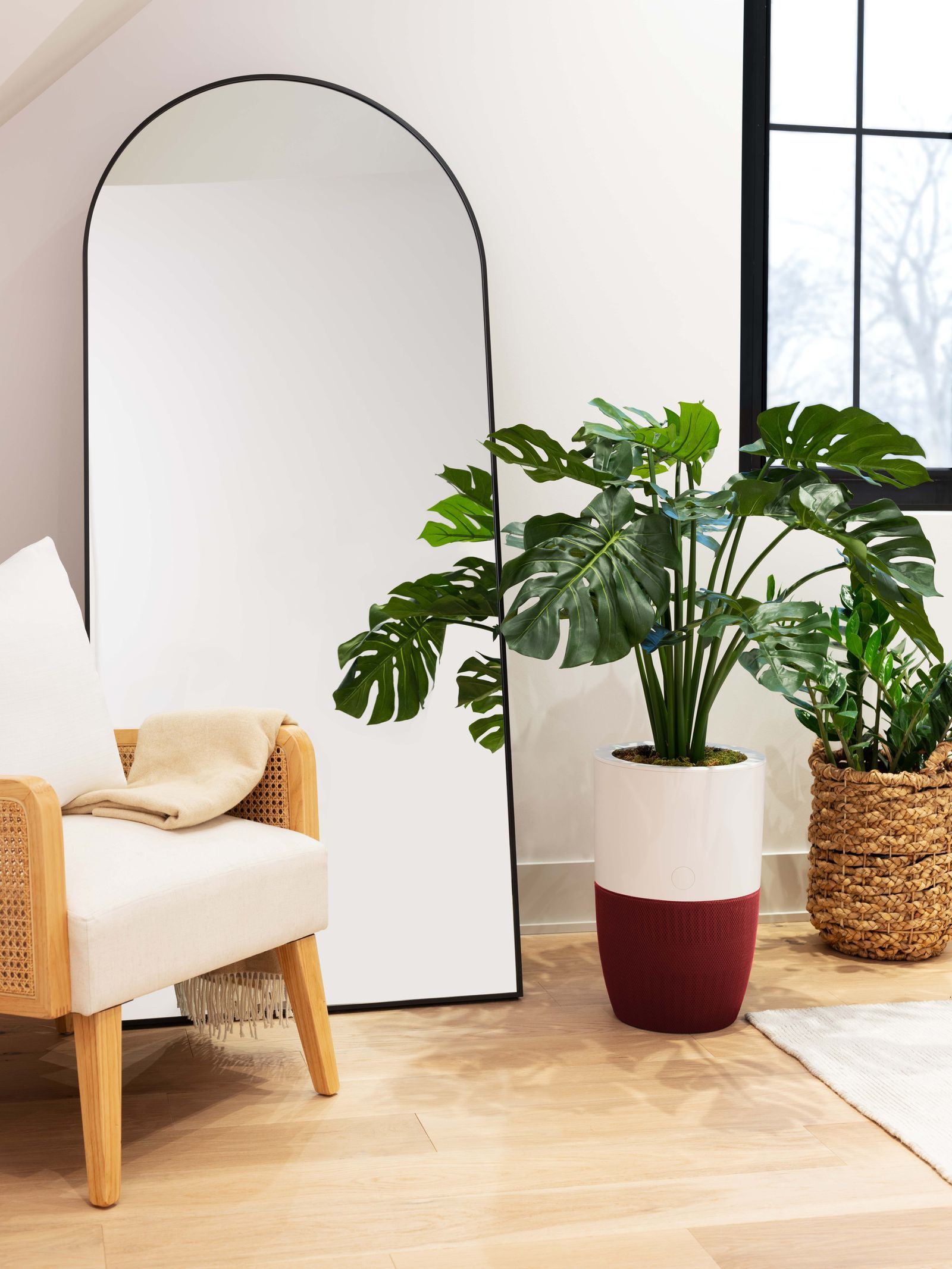
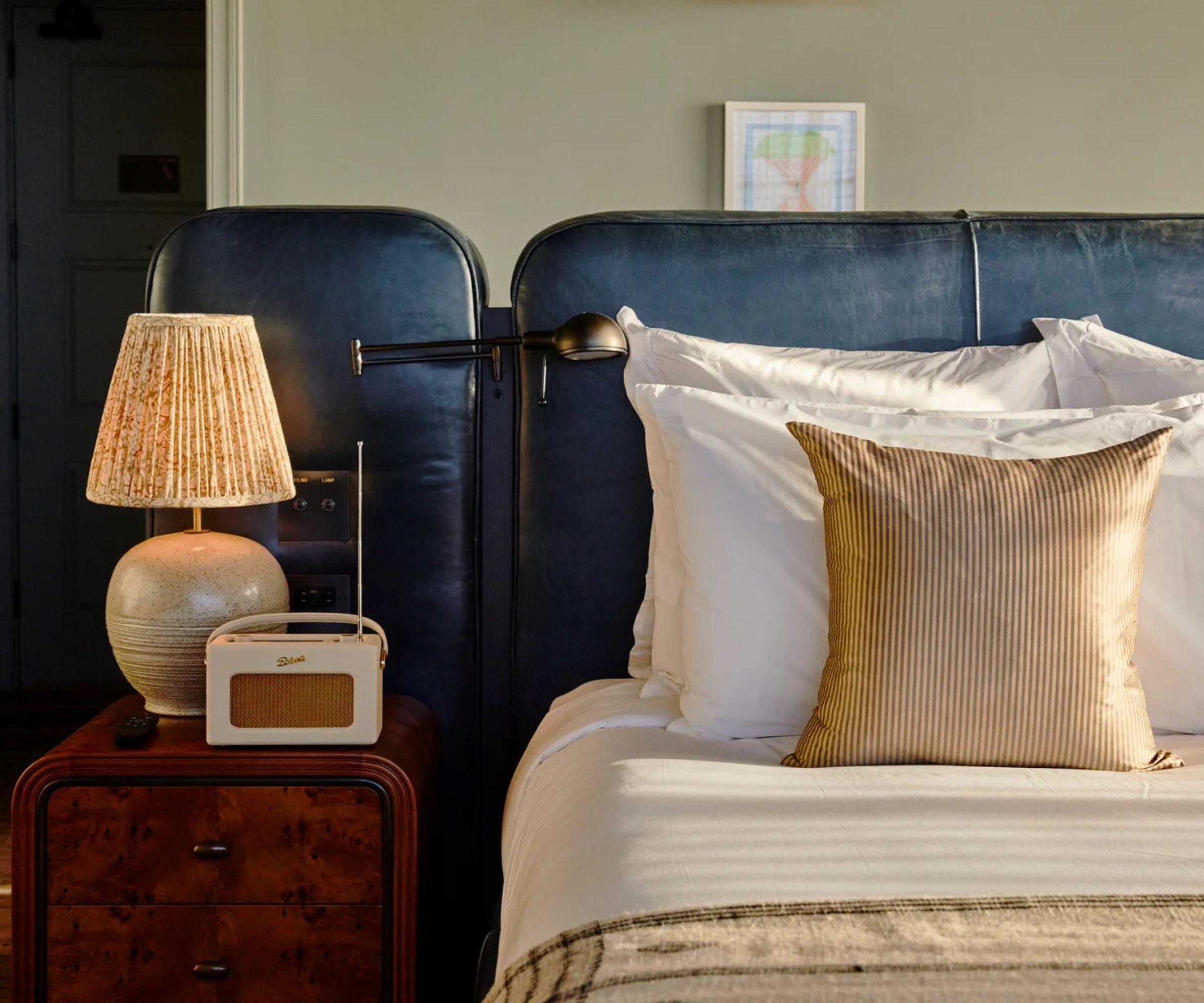
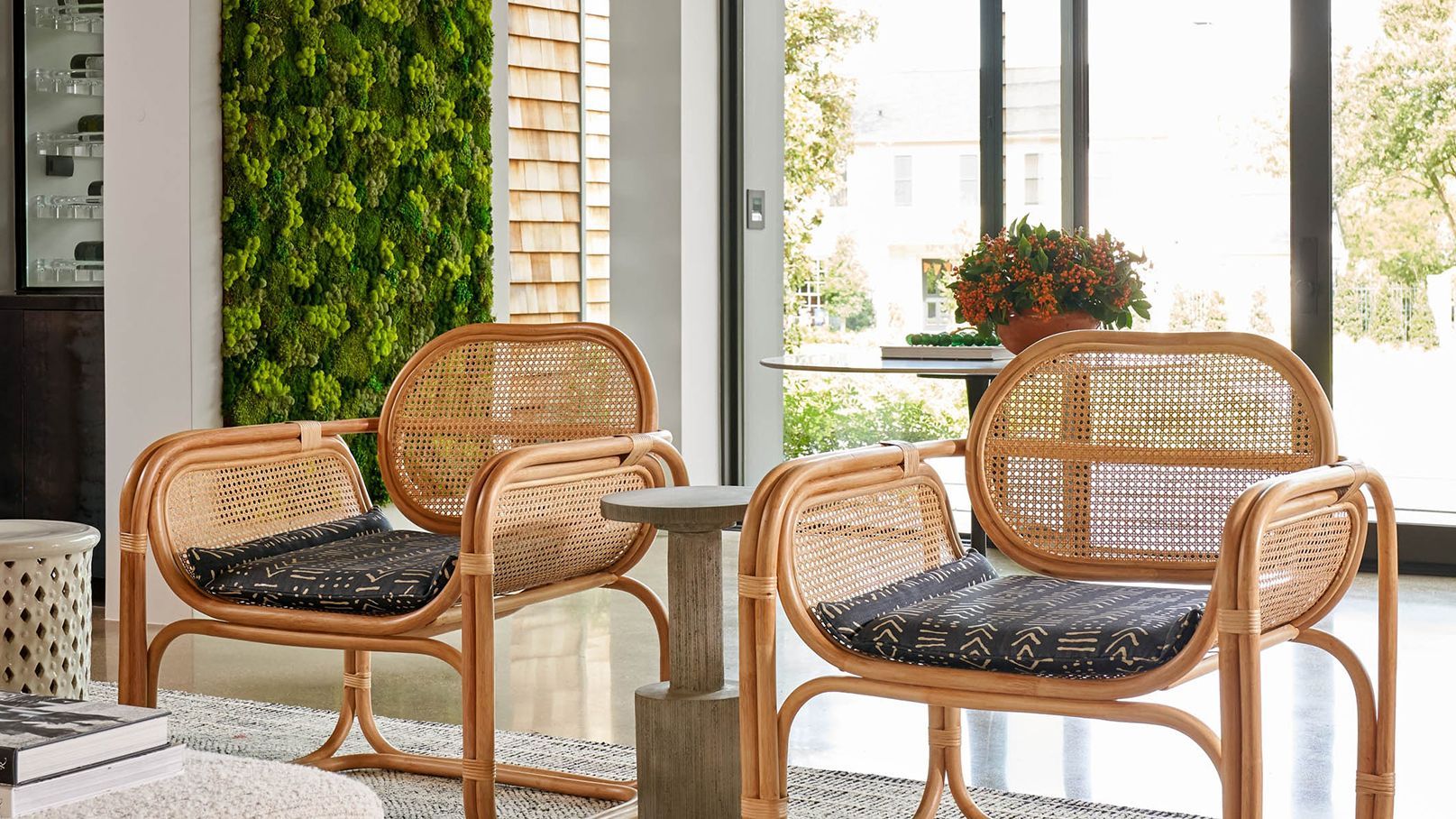
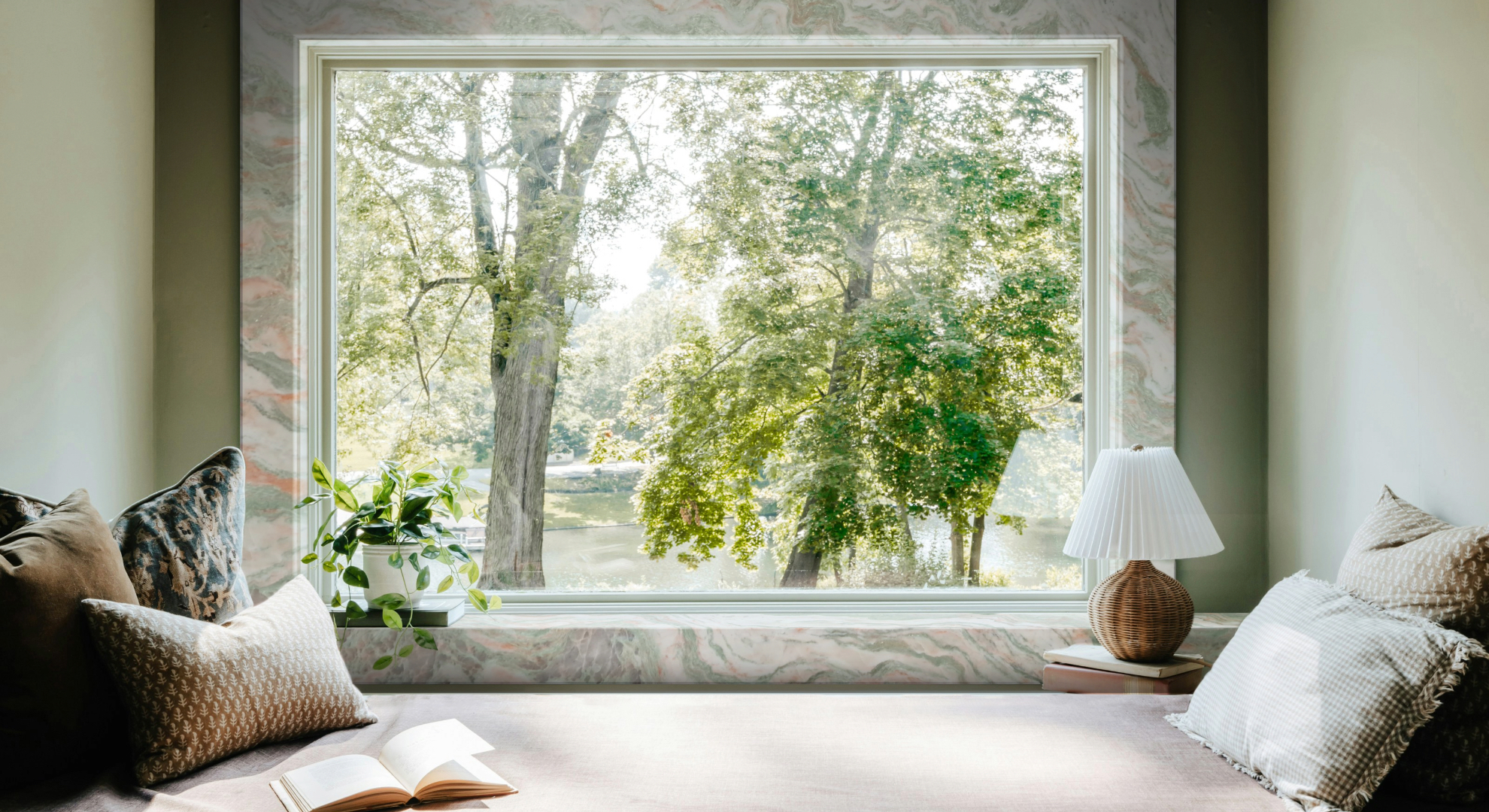
Key elements of biophilic design include prioritizing access to nature through large windows, balconies, porches, or green roofs, and maximizing natural light from multiple directions. Erica McLain suggests strategic placement of windows, skylights, and mirrors, combined with thoughtful airflow integration, to create dynamic, vital spaces. Ample greenery, such as rewilding lawns, using local plants in landscaping, and cultivating indoor plants, are practical ways to implement this design without extensive renovation. A core focus is on health and well-being, providing clean air, calming soundscapes, and low-stress environments. Studies, like those from the Natural Resource Defense Council, indicate that natural surroundings in workplaces can boost creativity and productivity. The color palette typically features natural hues like brown, green, and blue, complemented by calming yellows and neutrals. Patterns mimicking natural motifs, such as fractal designs or biomorphic curves in furniture, contribute to a soothing and intriguing aesthetic. Finally, incorporating natural materials like reclaimed wood, stone, woven fibers, jute rugs, wool blankets, and rattan provides tangible connections to the natural world, reinforcing the design's immersive and harmonious intent.
#BiophilicDesign #InteriorDesign #NatureInspired #GreenLiving #SustainableDesign #HomeDecor #EcoFriendlyMaterials #HealthAndWellness #ArchitecturalStyle #BiophilicDesign #InteriorDesign #NatureInspired #GreenLiving #SustainableDesign #HomeDecor #EcoFriendlyMaterials #HealthAndWellness #ArchitecturalStyle
0 comment in total
 No comments yet
You may also like
I'm an Architect Who Has Grown Hundreds of Plants Across My Biophilic Home

How Preserved Nature Is Transforming Interiors

Focus on Biophilia: Nature-Inspired Design Strengthens People!

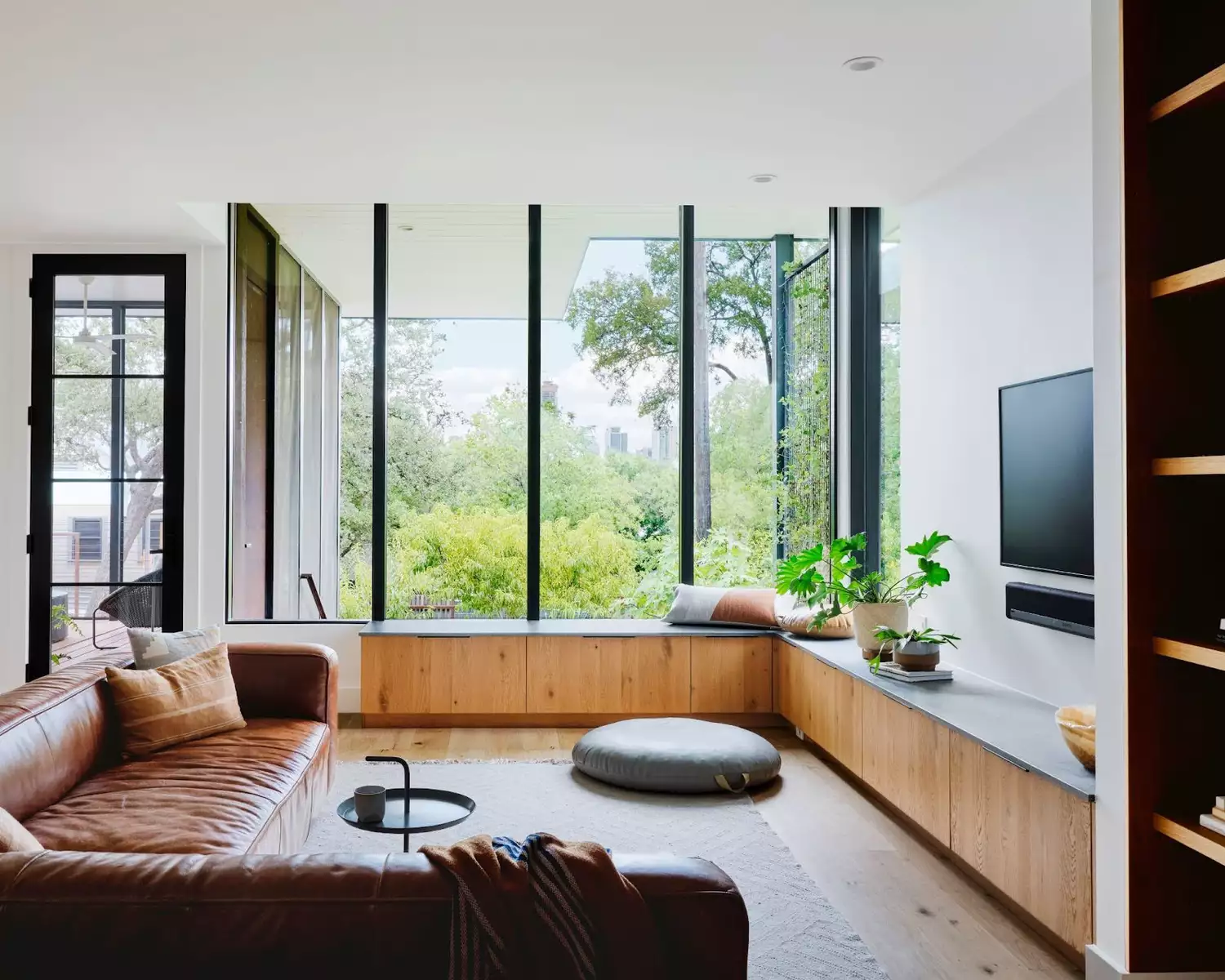
These 10 Biophilic Design Ideas Will Transform Your Home Into a Natural Oasis
Biophilia - Beyond the Bouquet

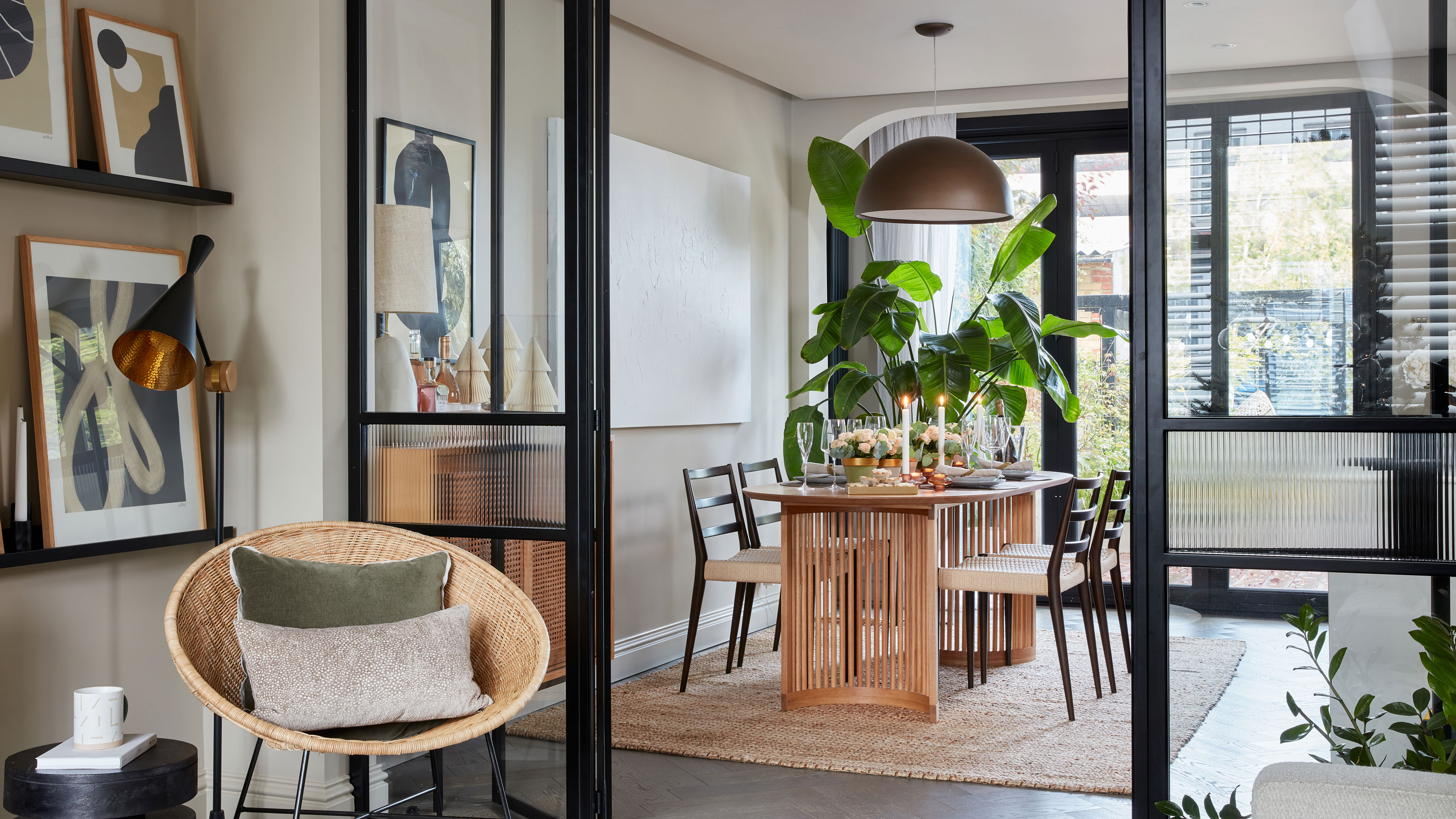
Biophilic design ideas - clever ways to bring nature into your home for a calming space
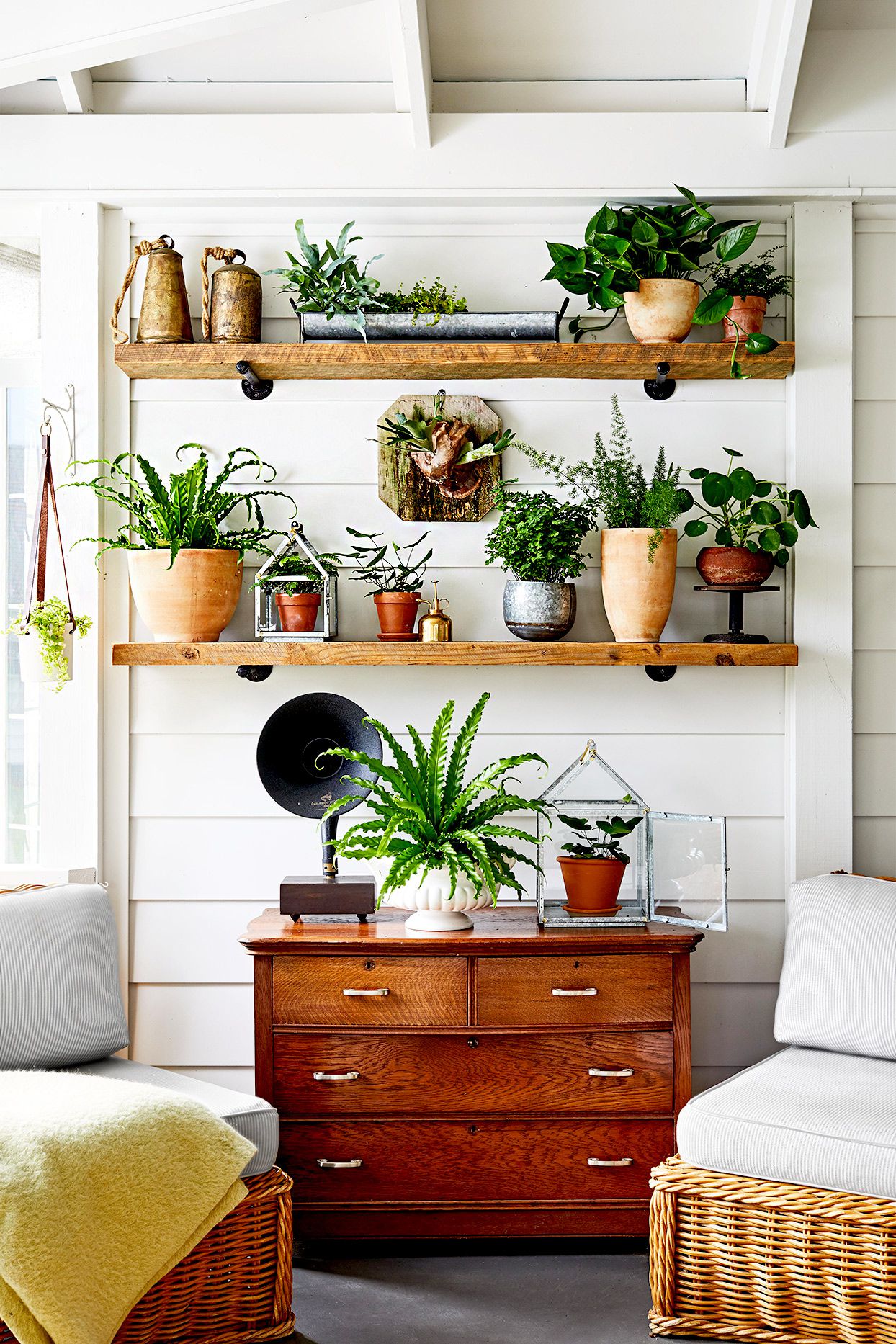
What Is Biophilic Design? 5 Ways to Incorporate This Style

What the heck is biophilic design?

Why Houseplants And Biophilic Design Will Front 2025's Interior Design Trends
Top 5 Biophilic Design Trends for Indoors: Illuminated Greenery and Functional Plant Solutions

Decorating with plants – inspiring ways to use plants in interior design

7 biophilic design ideas you can recreate on a budget

Biophilic Design Is the Decorating Trend You Need To Try if You Love Plants

Ten modern homes with interiors informed by biophilic design

Biophilic Interiors: 21 Projects that Blend Architecture with Nature

What Is Biophilic Interior Design? I'm an Actual Biophilic Designer, and This Is How to Apply It to Your Home
Stunning biophilic design ideas to help you bring the great outdoors into your home

What is Biophilic Design? This Nature-Based Interiors Trend Promises Wellness
The Best of Biophilic Design: Bringing Nature Indoors

2026 Landscaping Trends: Transform Your Outdoor Space with Sustainable Design