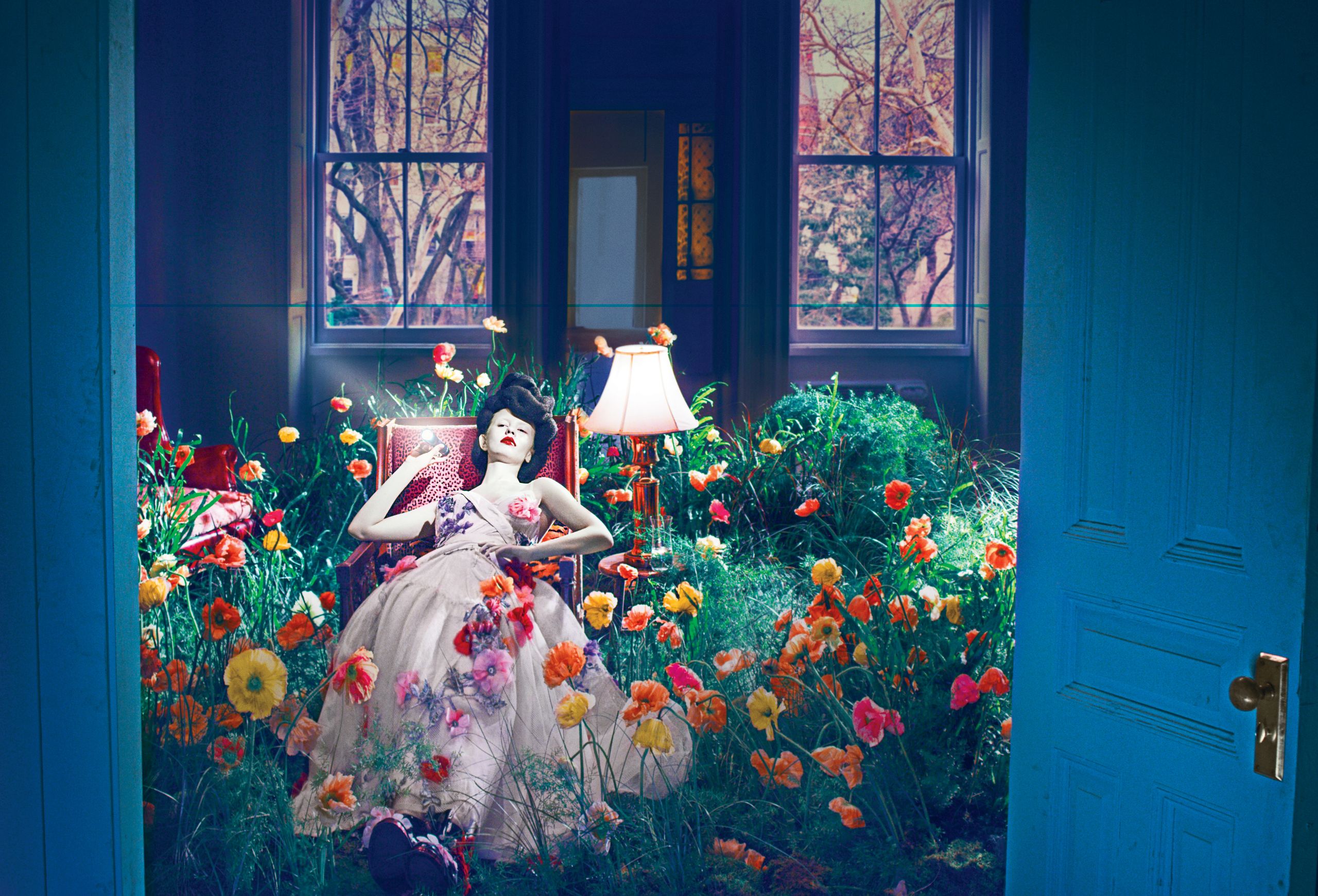
1/50
What is Biophilic Design? This Nature-Based Interiors Trend Promises Wellness
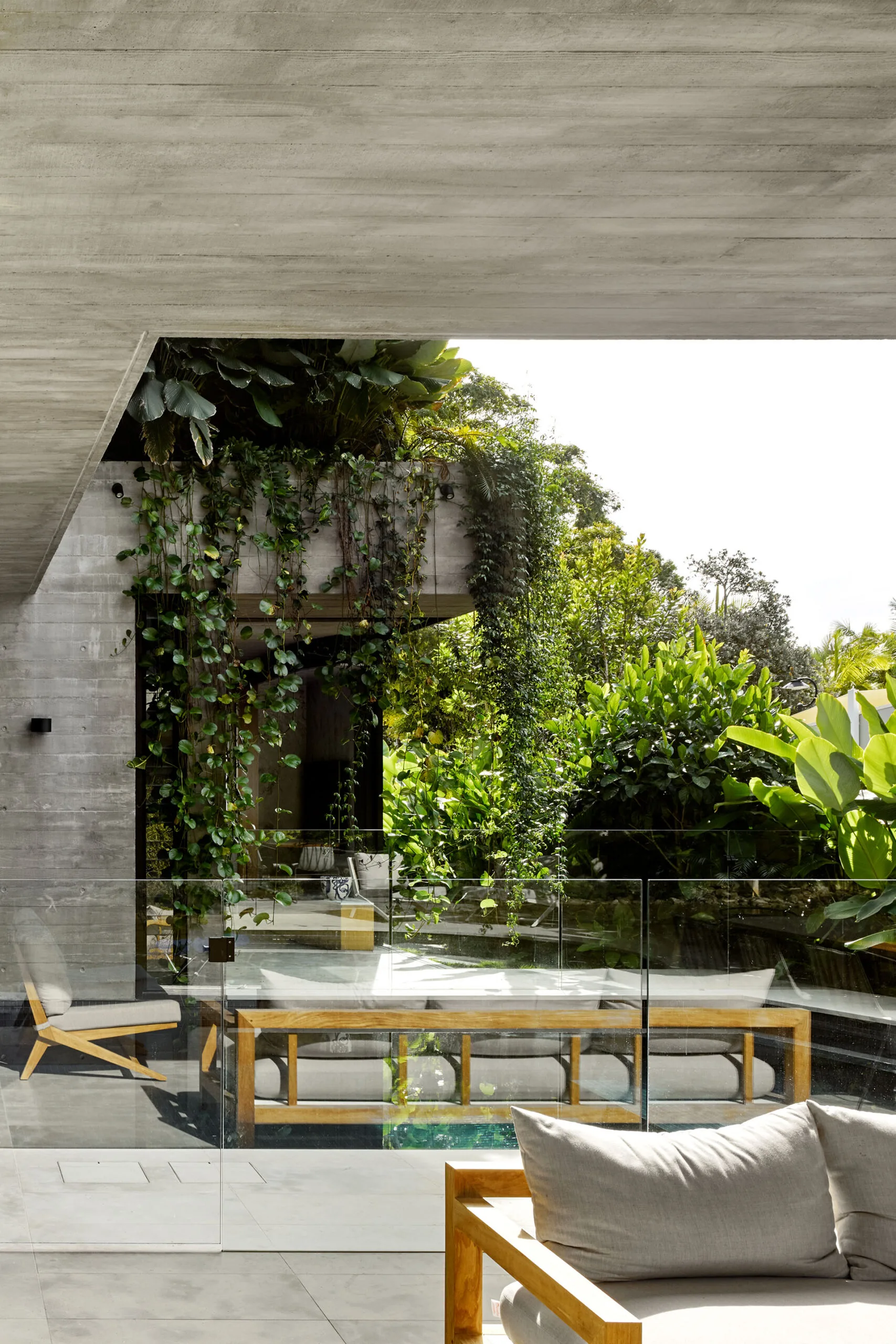
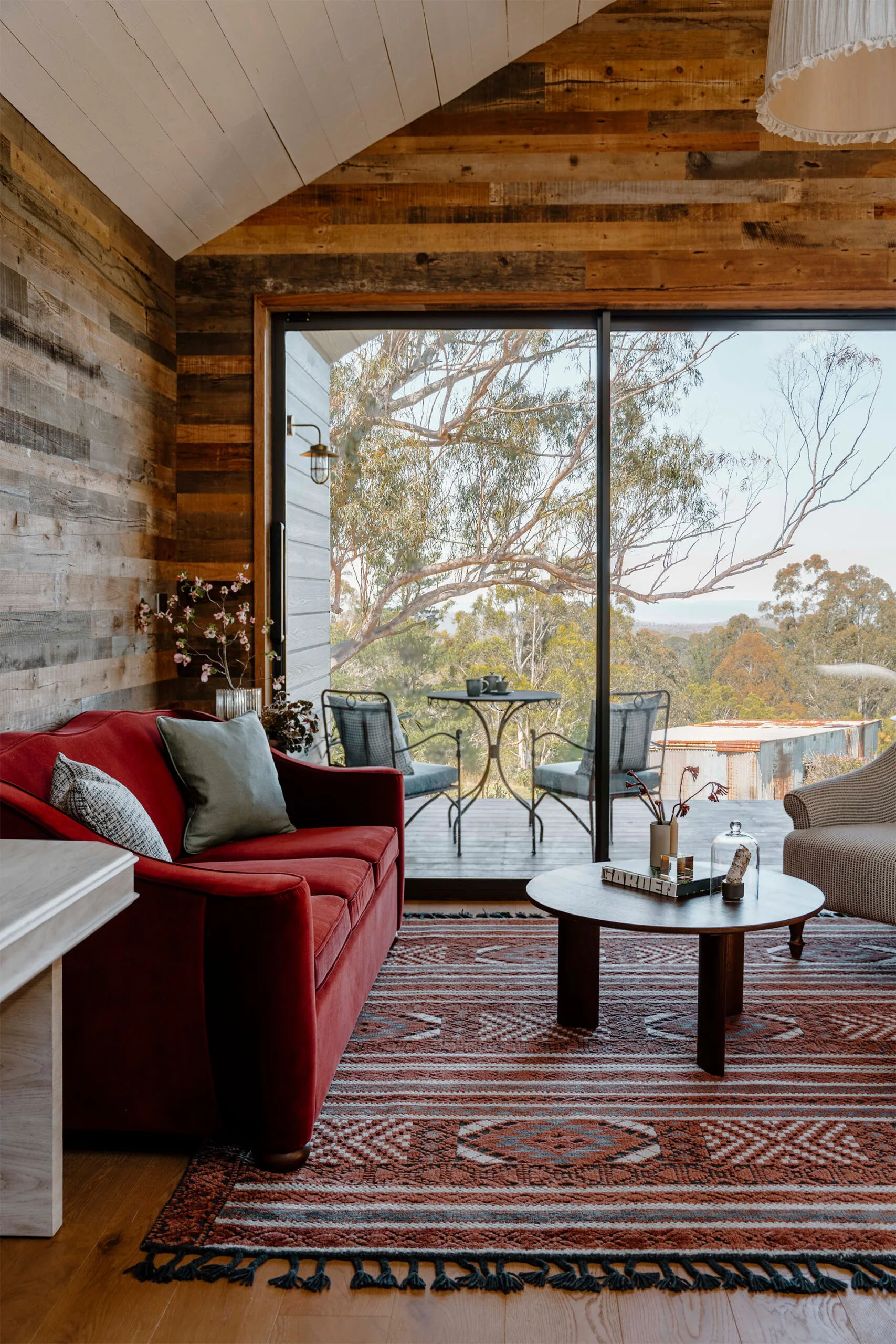
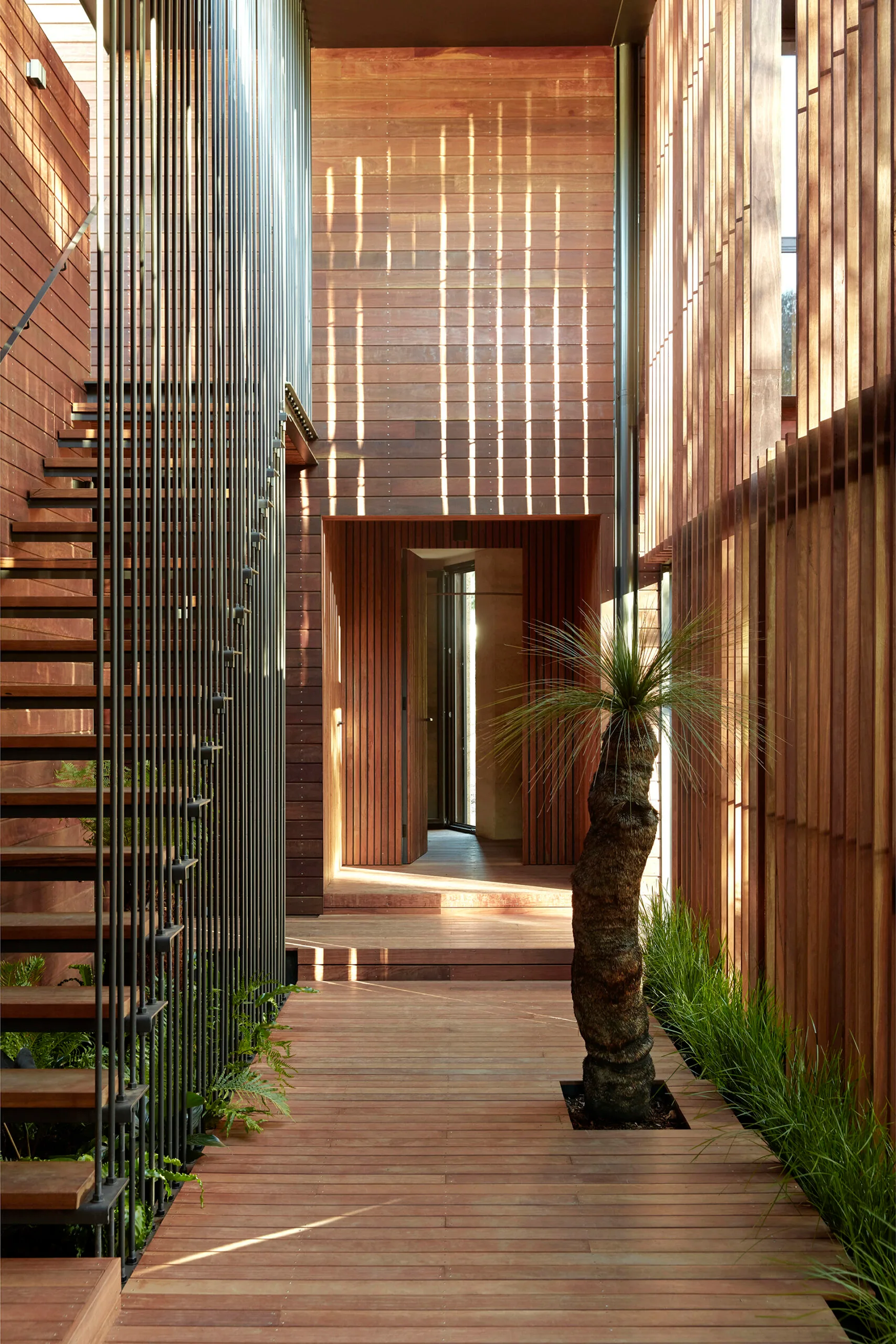
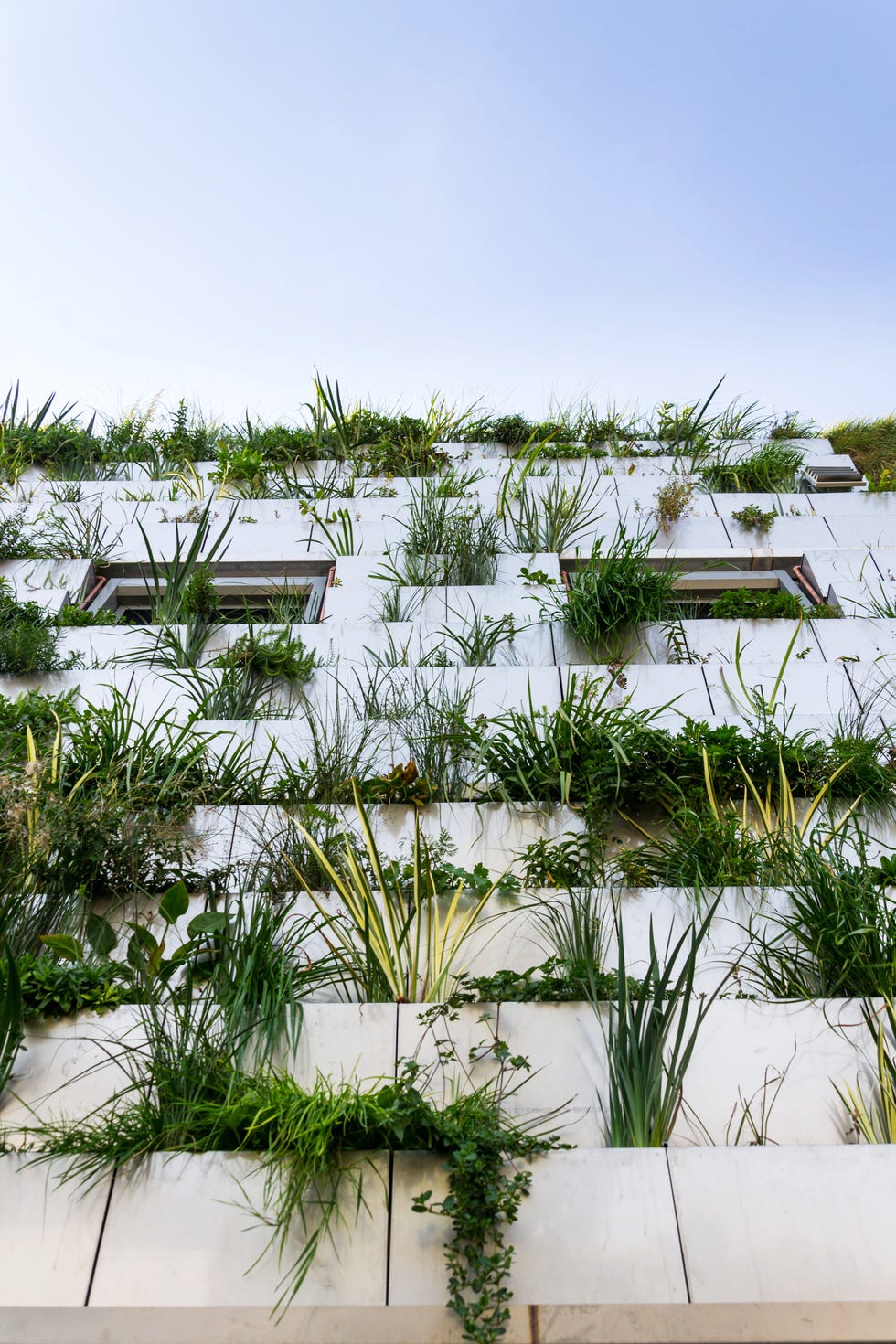
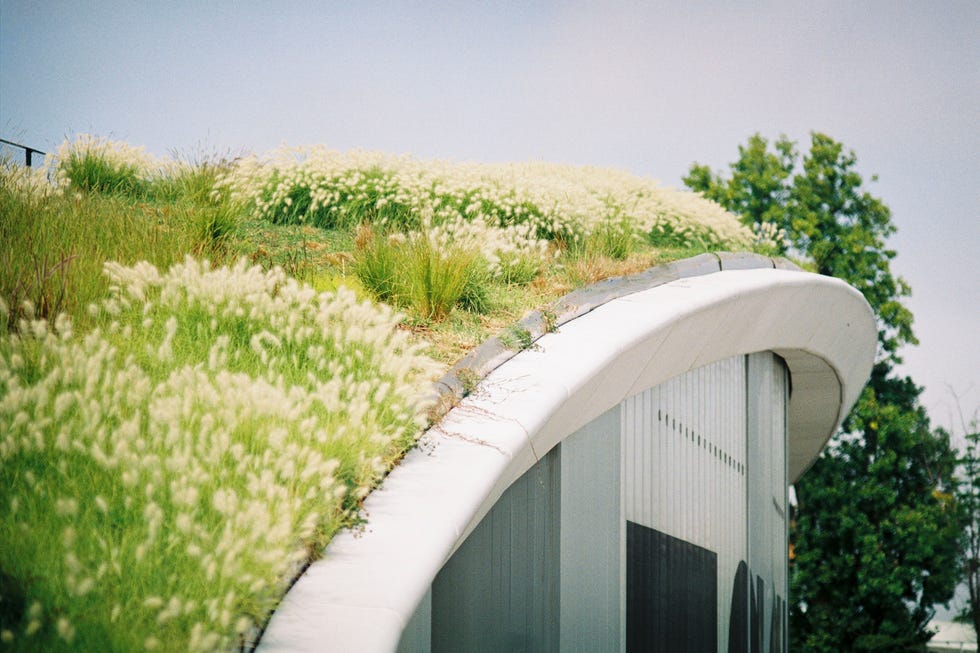
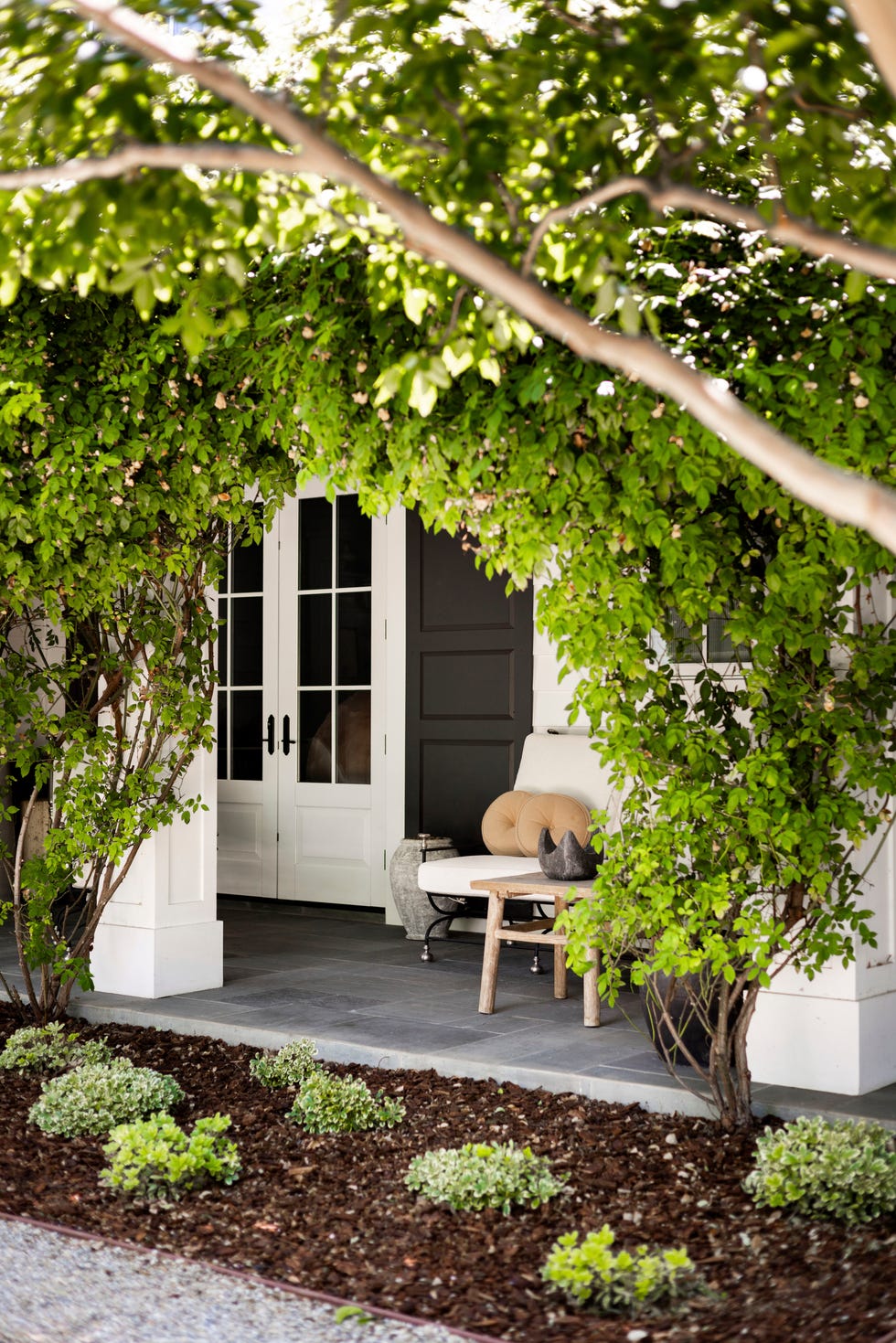
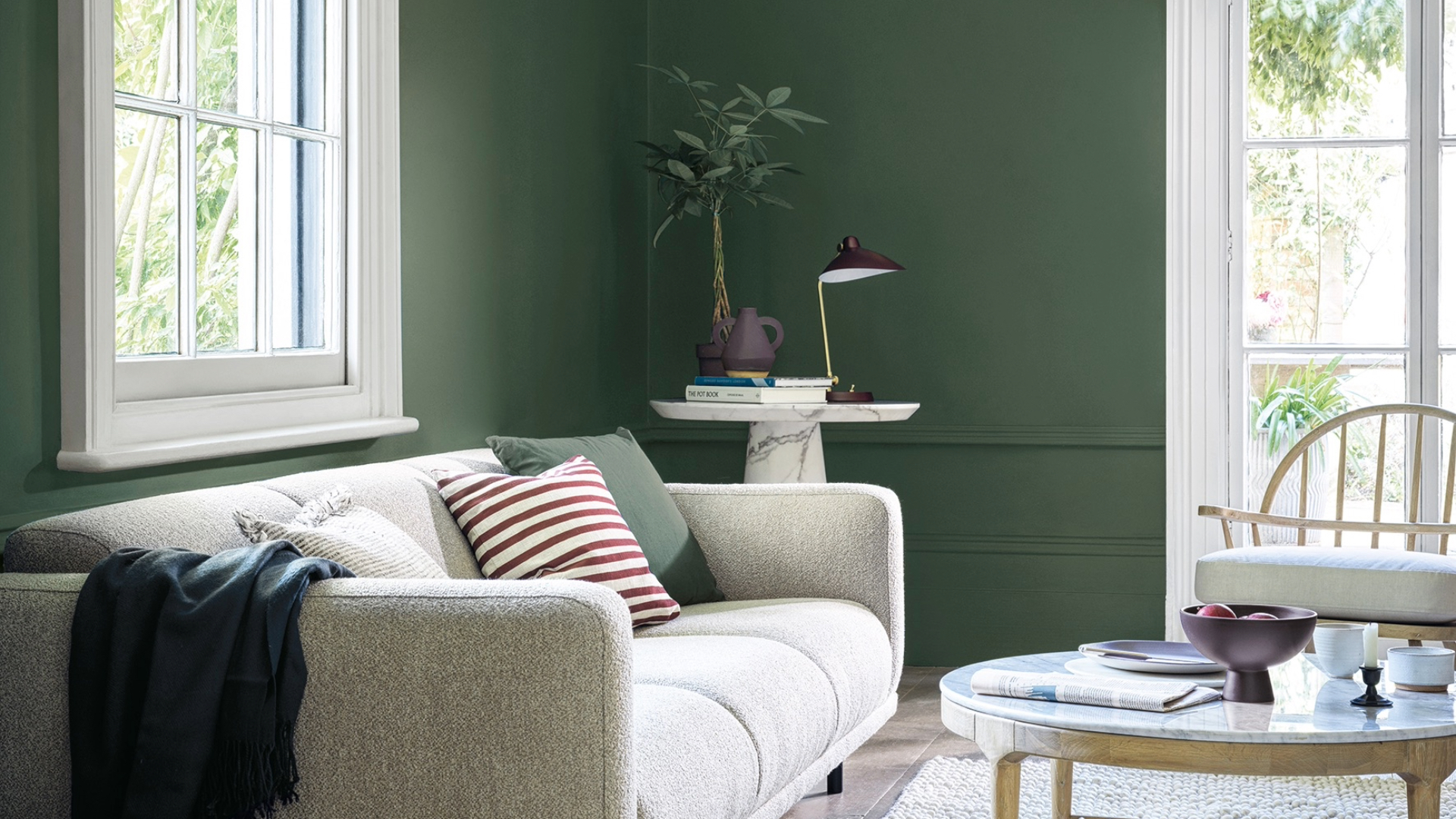
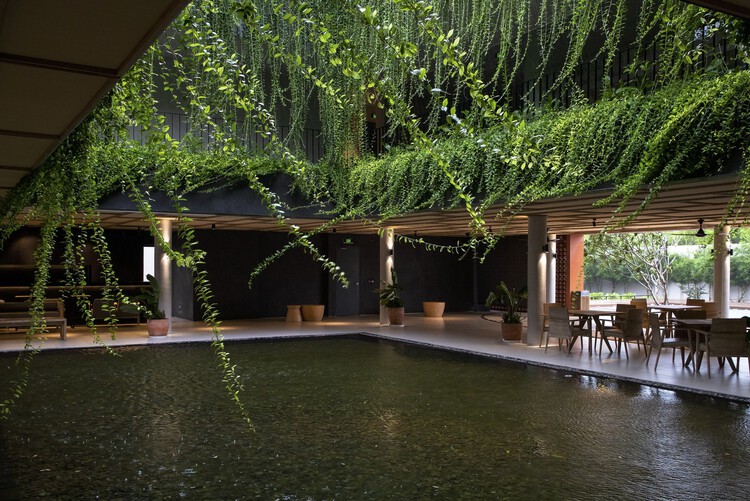
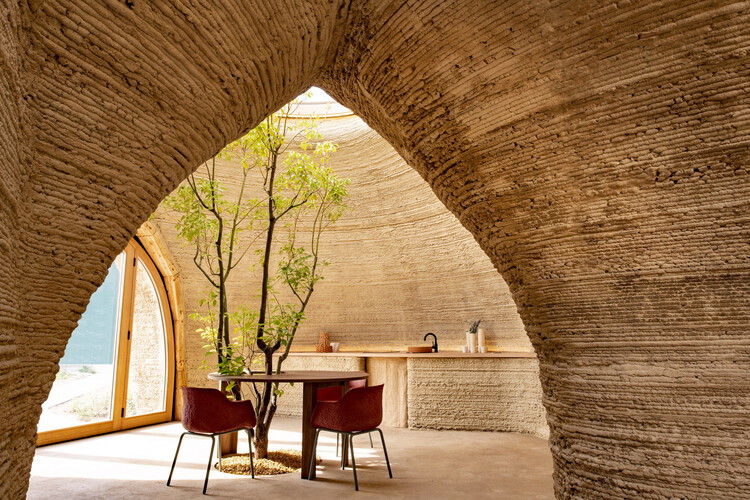
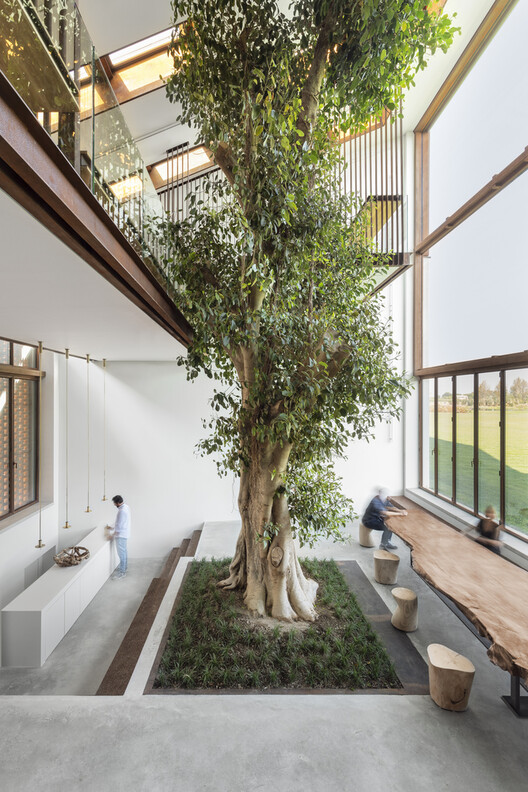
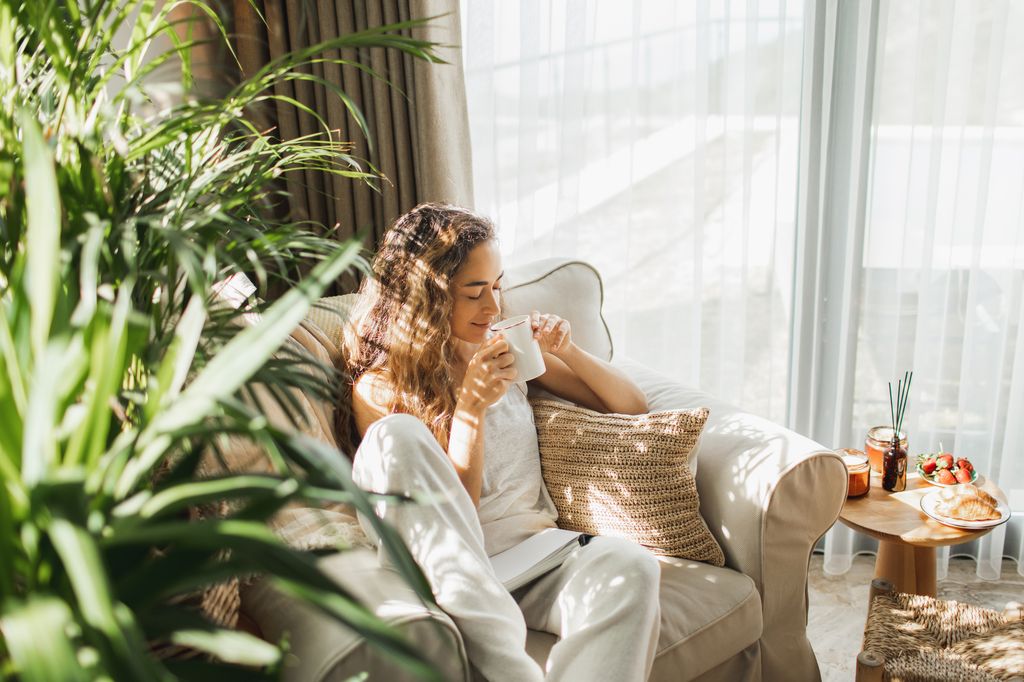
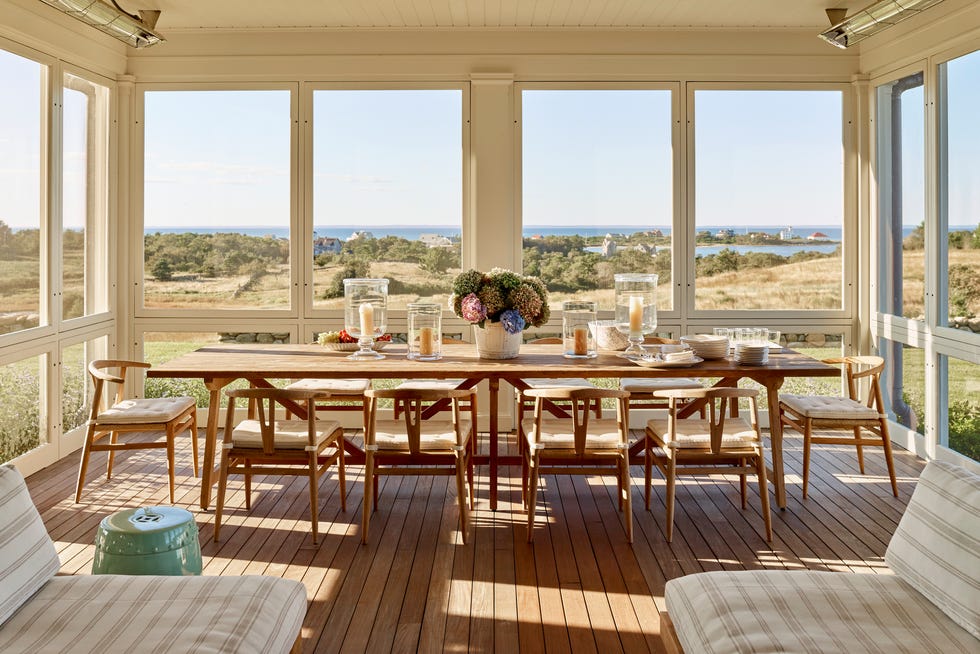
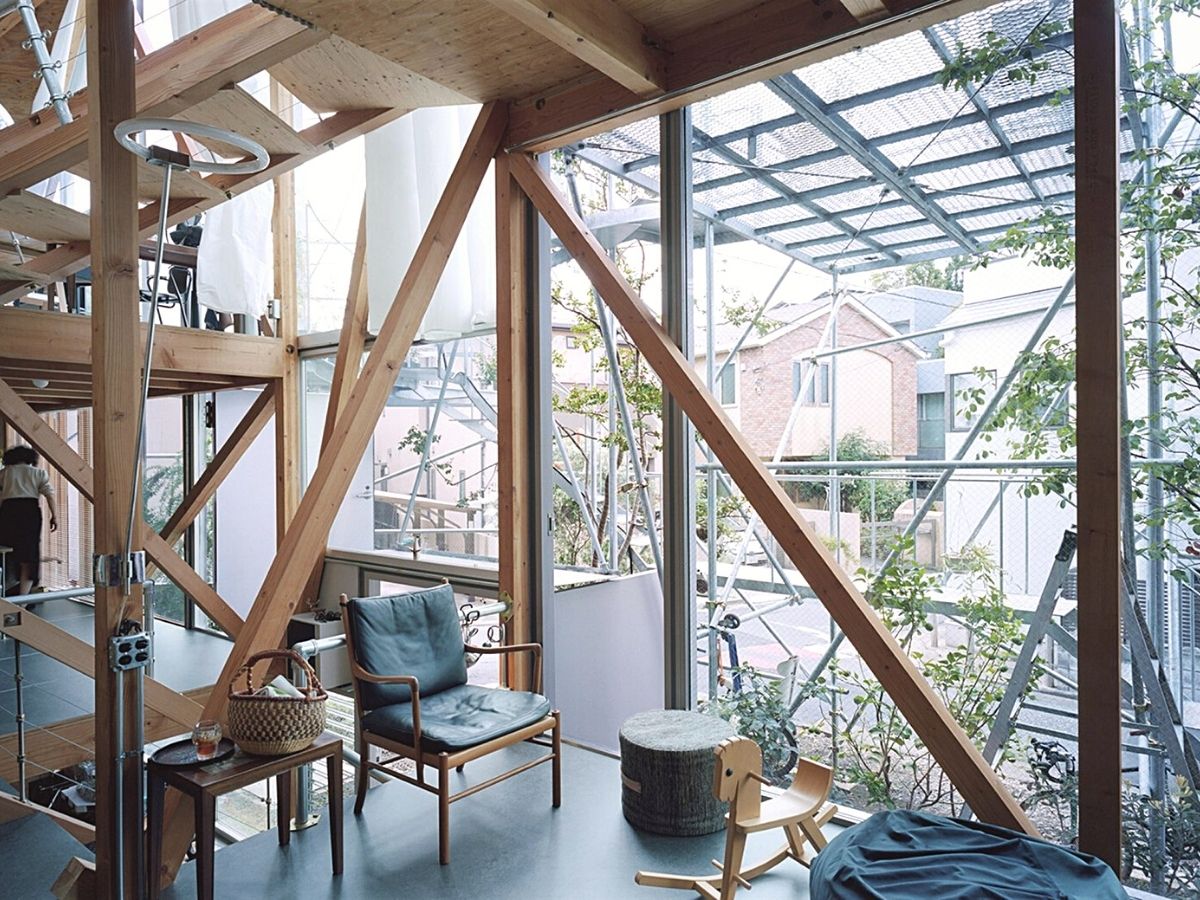
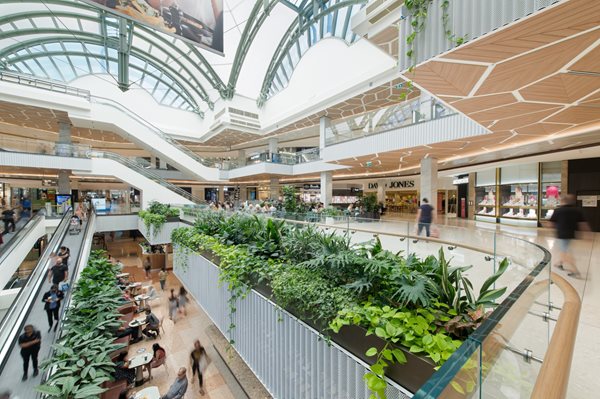
Biophilic design, a concept rooted in humanity's innate connection to nature, is gaining prominence as a wellness-enhancing interior design trend. The term, originally coined by German thinker Erich Fromm in 1964, describes mankind's inherent attraction to organic elements. Recent studies and anecdotal evidence support the positive impact of incorporating nature into built environments, demonstrating tangible improvements in brain function, reduced blood pressure, and increased stress resilience.
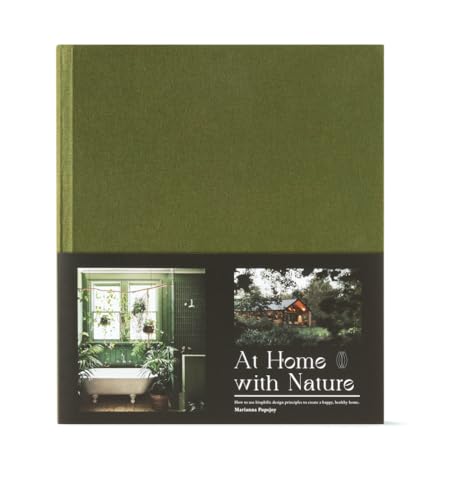
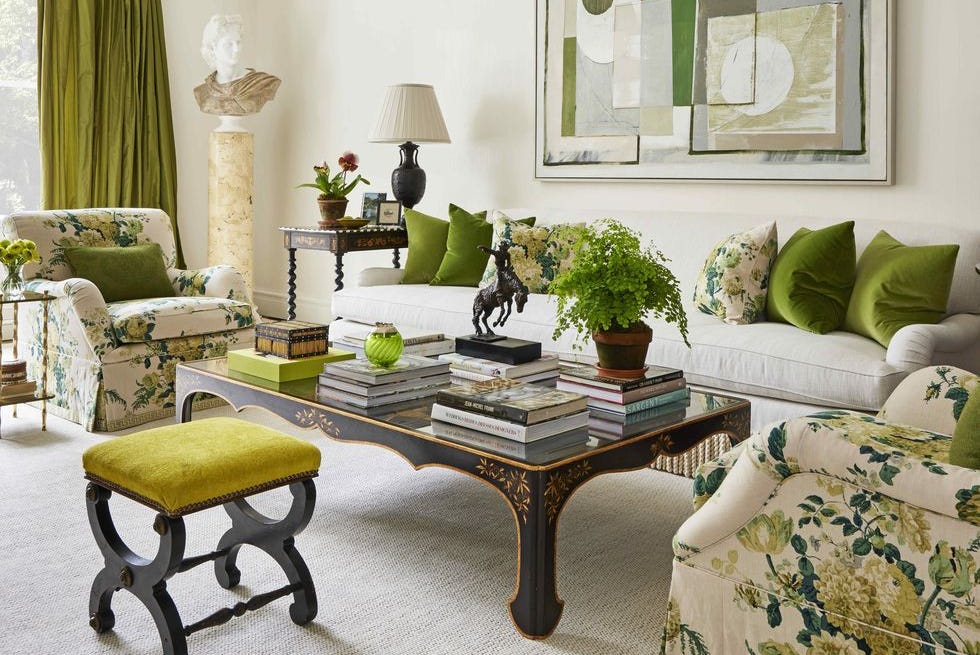
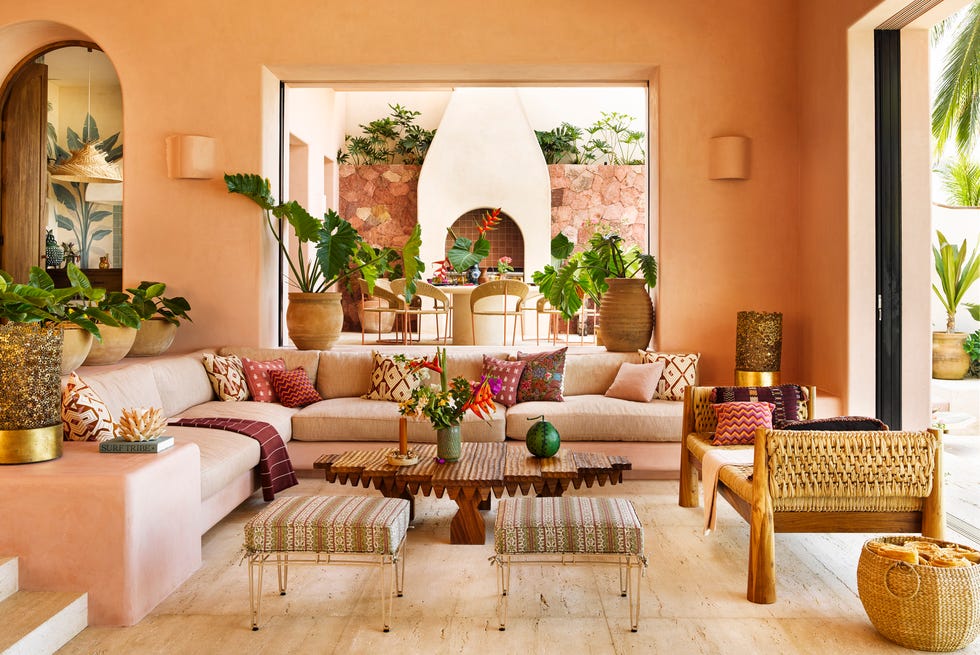
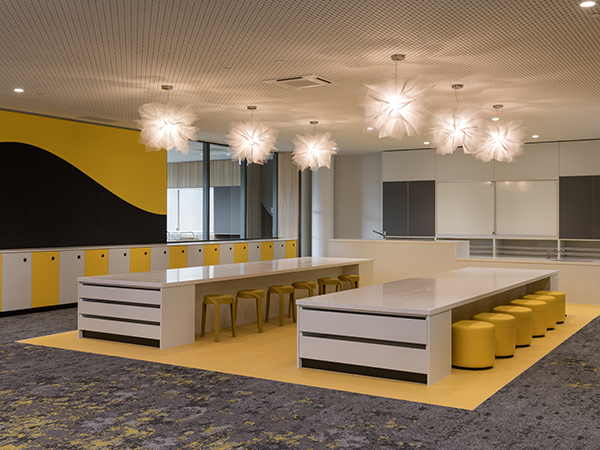
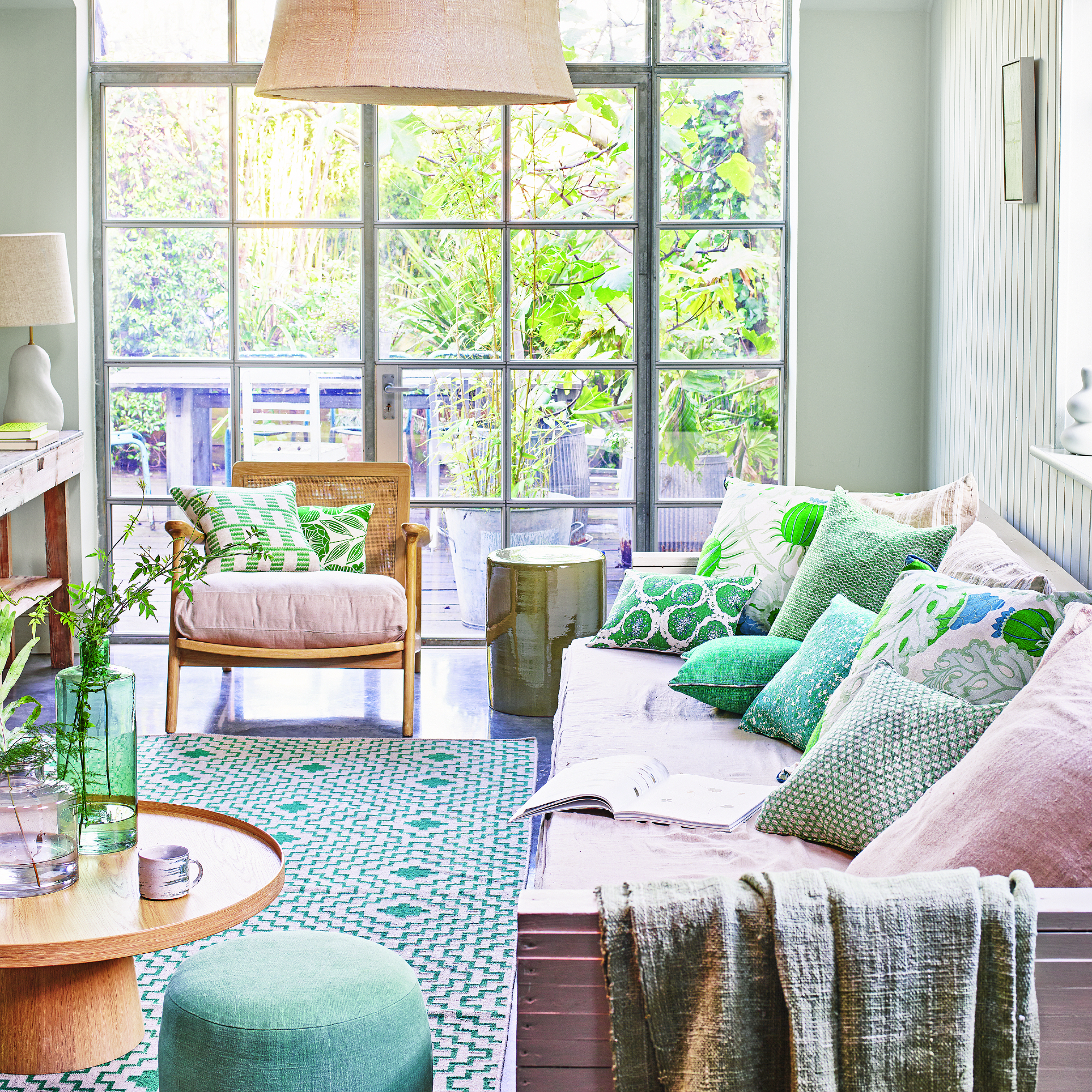
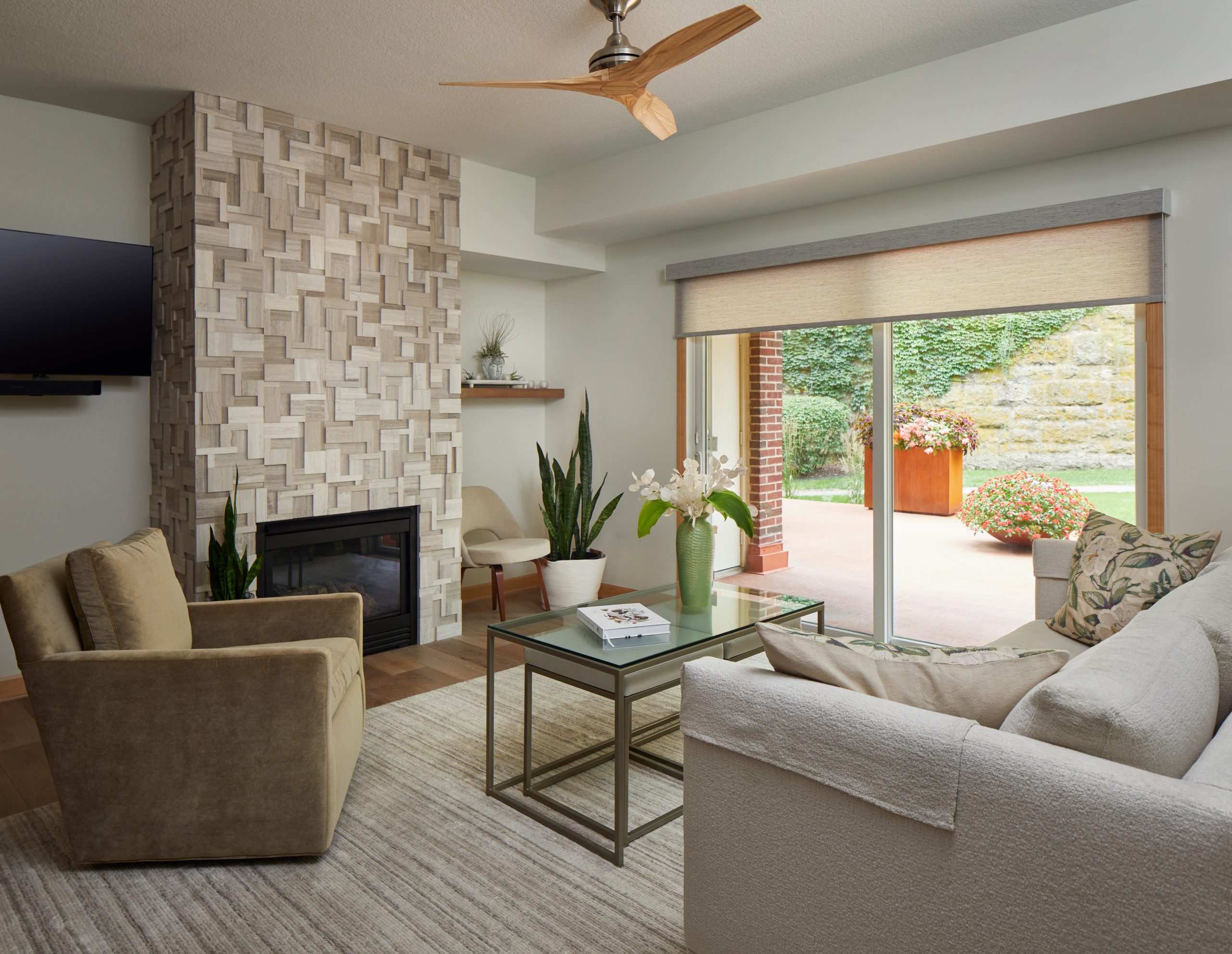
The philosophy emphasizes that integrating natural elements, whether literal or abstract, can significantly improve well-being. This can be achieved through various design choices, from furniture to wall decor, flooring, lighting, tablescapes, and even live plants. During the London Design Festival, architect Thomas Heatherwick showcased a glass and maple-wood desk with sprouting plants, highlighting the direct link between natural exposure and cognitive benefits. William D. Browning, co-author of "Nature Inside: A Biophilic Design Guide," reinforces this by citing that even a picture of nature can lower blood pressure and heart rate. A study led by Browning and Catie Ryan Balagtas involved transforming a sixth-grade classroom with prairie grass-like carpet and palm-leaf wallpaper, resulting in students performing 3.3 times higher on tests and exhibiting greater stress resilience.
The trend has influenced the design of various household items. For hard furnishings, pieces that mimic natural forms, such as spiraling knotty-wooden stools, art nouveau nesting tables with vine-like legs, or high-backed seating that cocoons the individual, contribute to a biophilic environment. Materials like wicker, rattan, and cane are also favored for their natural textures. Examples include Nik Gelormino's shell stool, Ross Lovegrove's Biophilia coffee table, and Lél's Puvvi nesting tables.
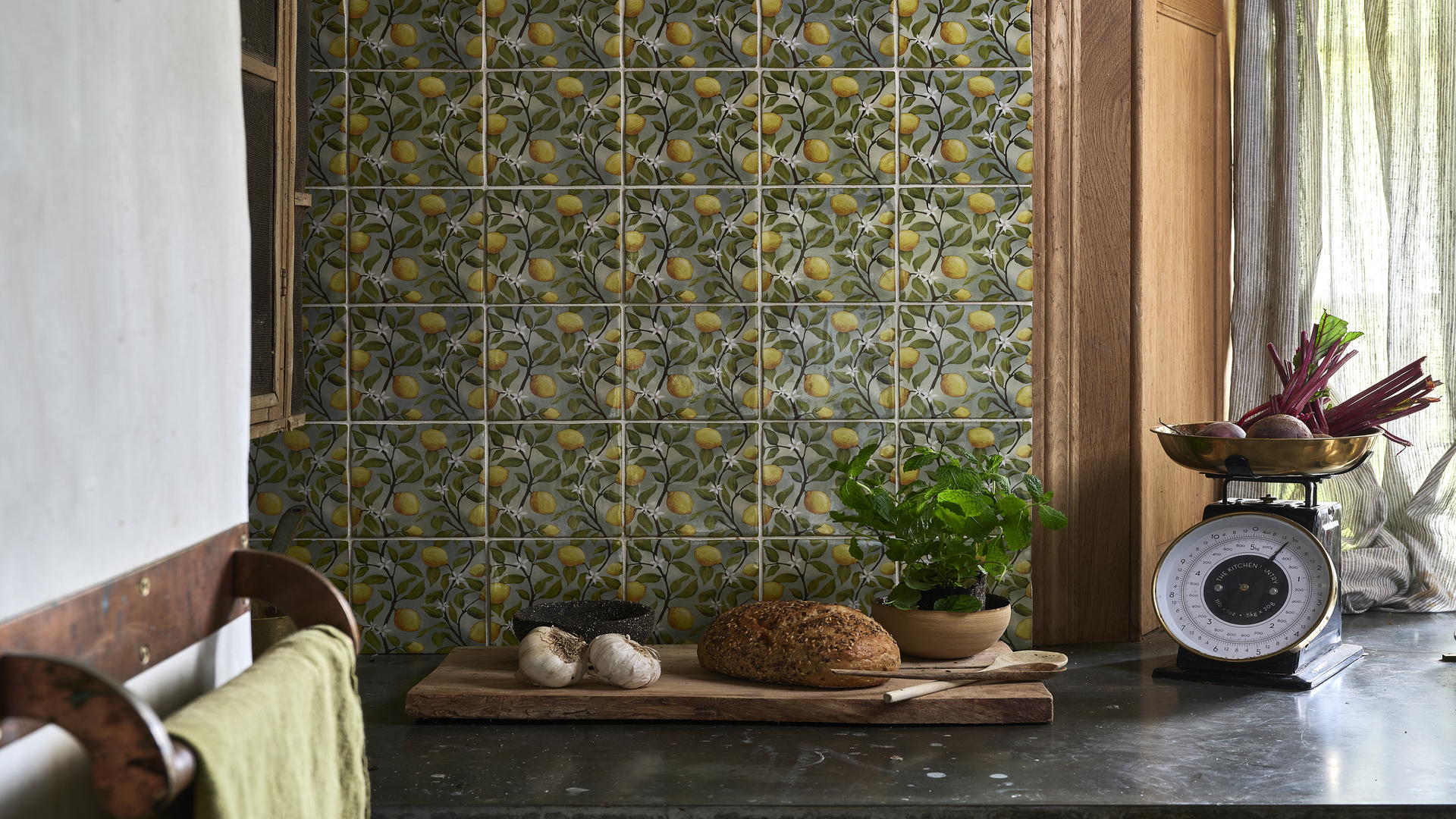
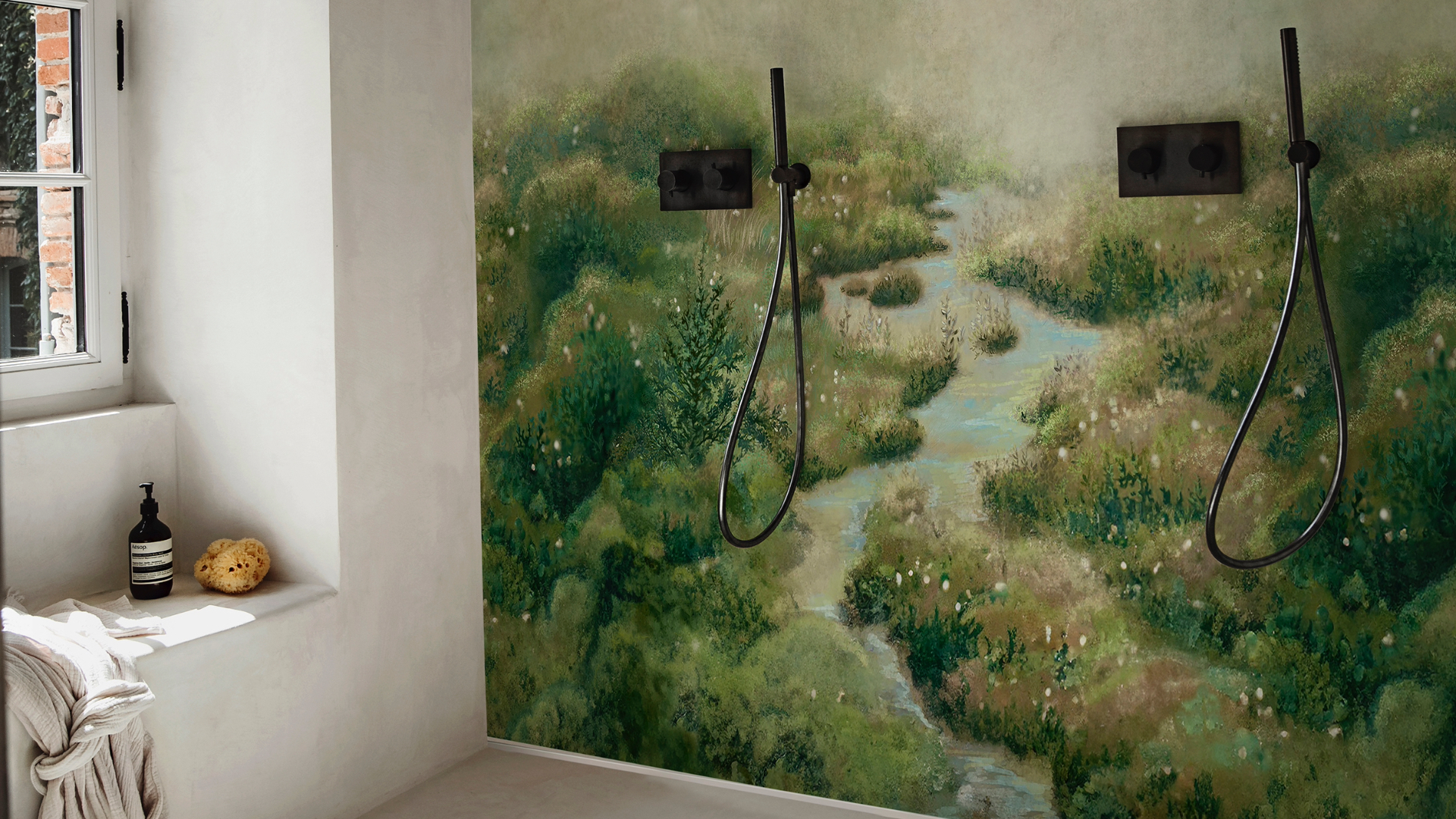
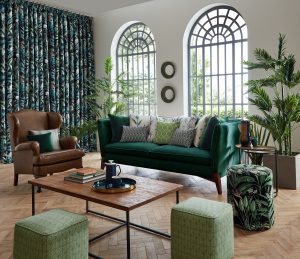
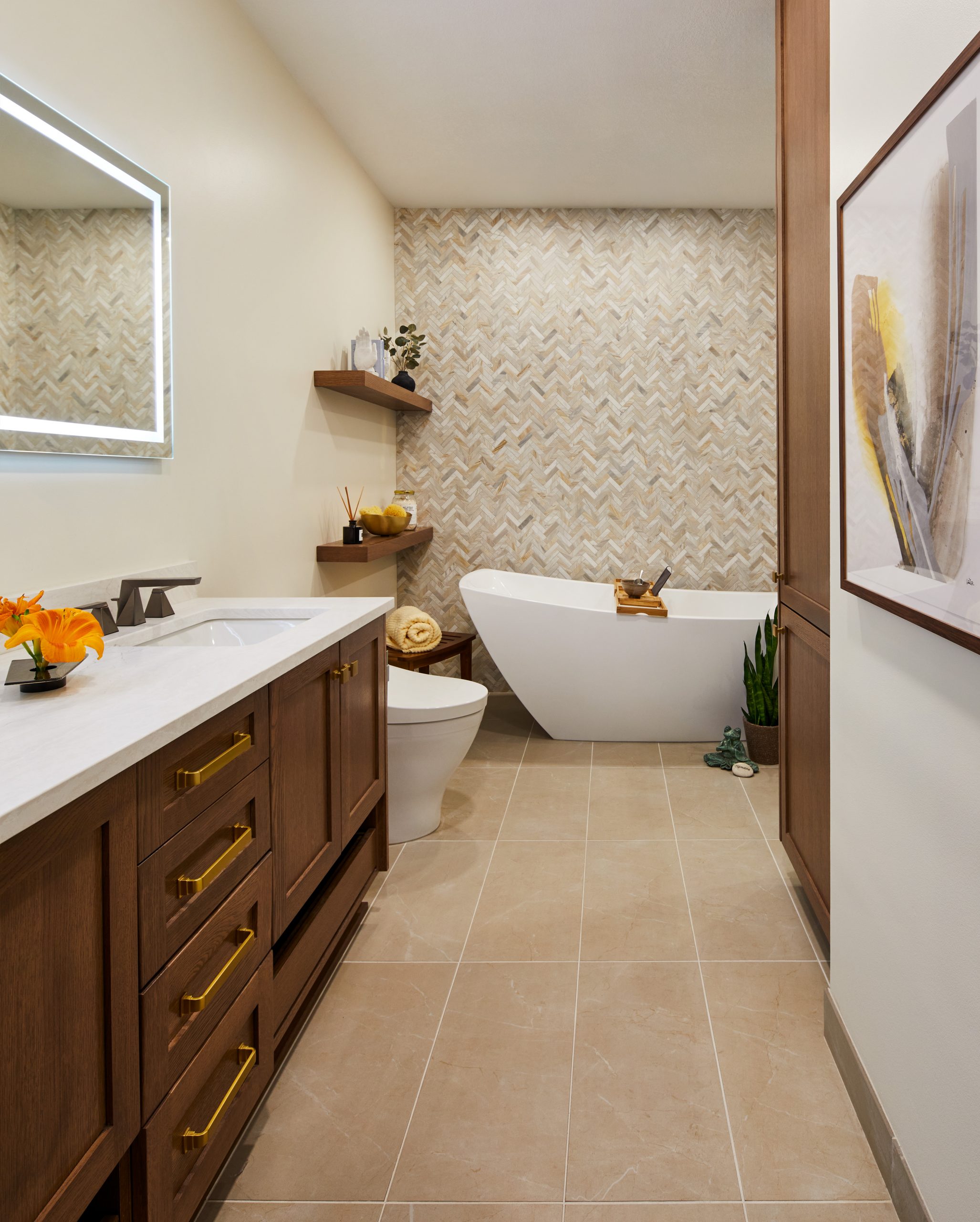
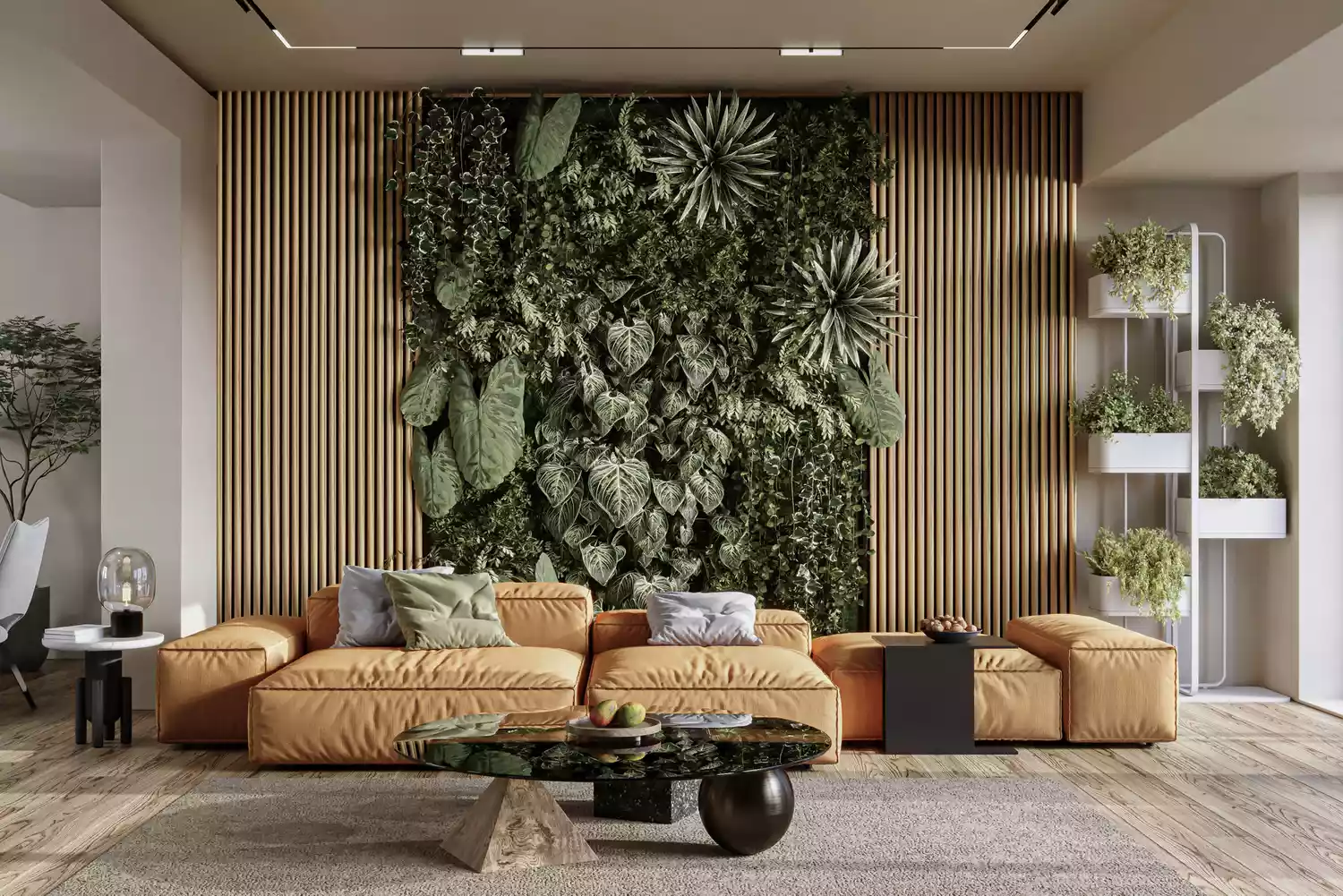
Wall treatments can also incorporate biophilic principles. Banana leaf wallpaper, photographs of natural landscapes (like Gray Malin's beach prints), and art mimicking hexagonal fractal patterns found in nature are popular choices. Vertical gardens and moss frames offer a direct inclusion of greenery. Serena & Lily's palm wallpaper and Brian Merriam's 'Ancient Medicine' photograph are noted examples.
For flooring, sisal and flat-woven jute rugs are ideal, along with designs that replicate the texture of a forest floor. Rippled patterns evoking sand, such as those from Jungalow, and trompe l'oeil marble terrazzo rugs also fit the aesthetic. Nanimarquina's 'Little Field of Flowers' rug and nuLOOM's hand-tufted area rugs exemplify this approach.
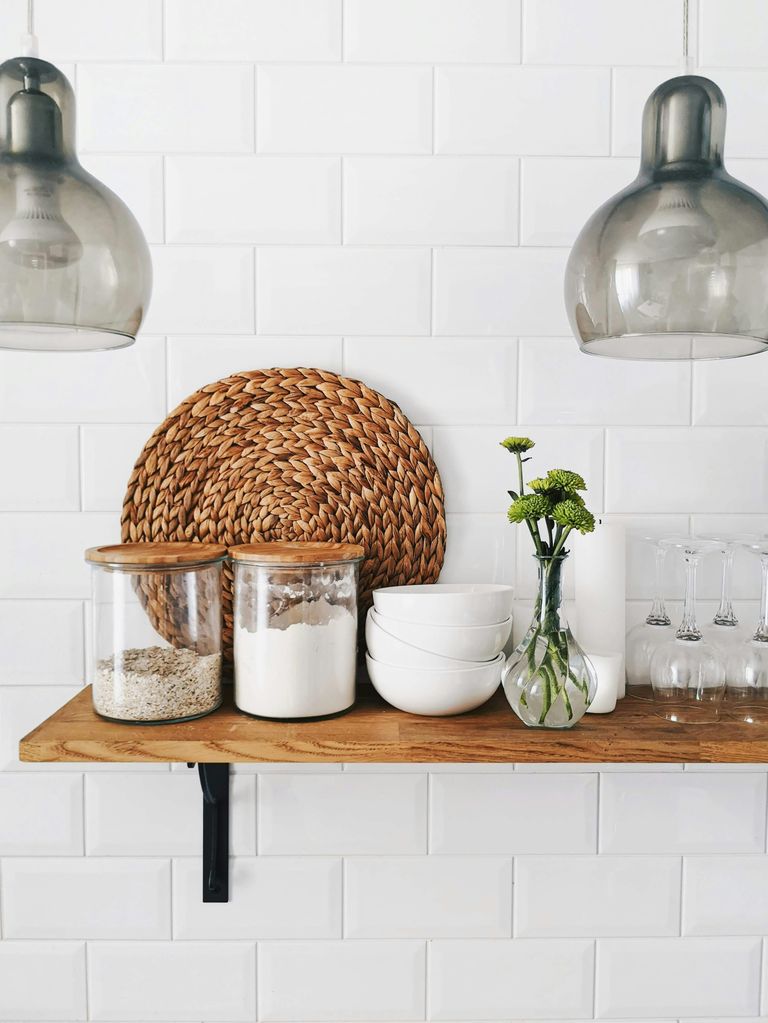
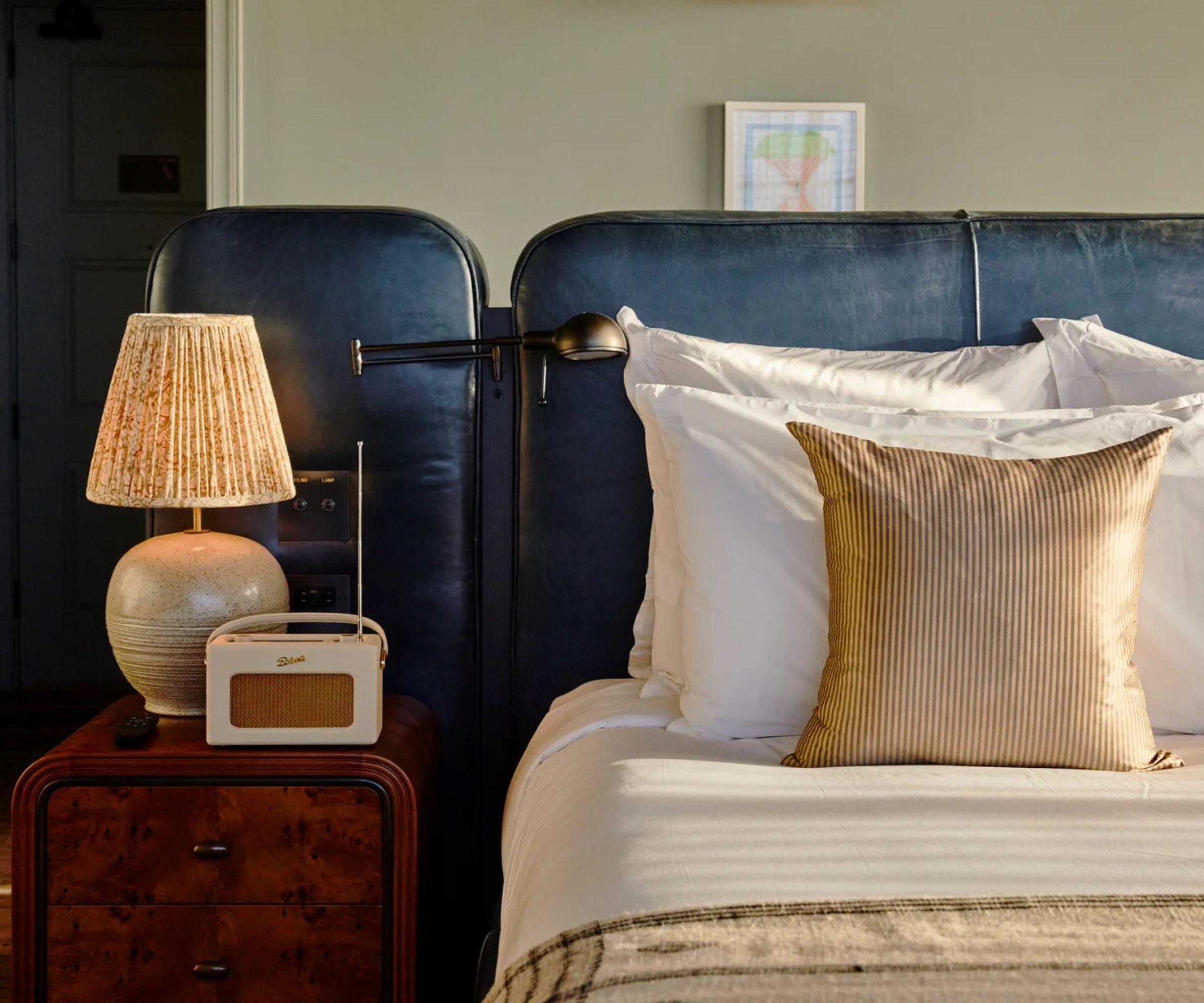
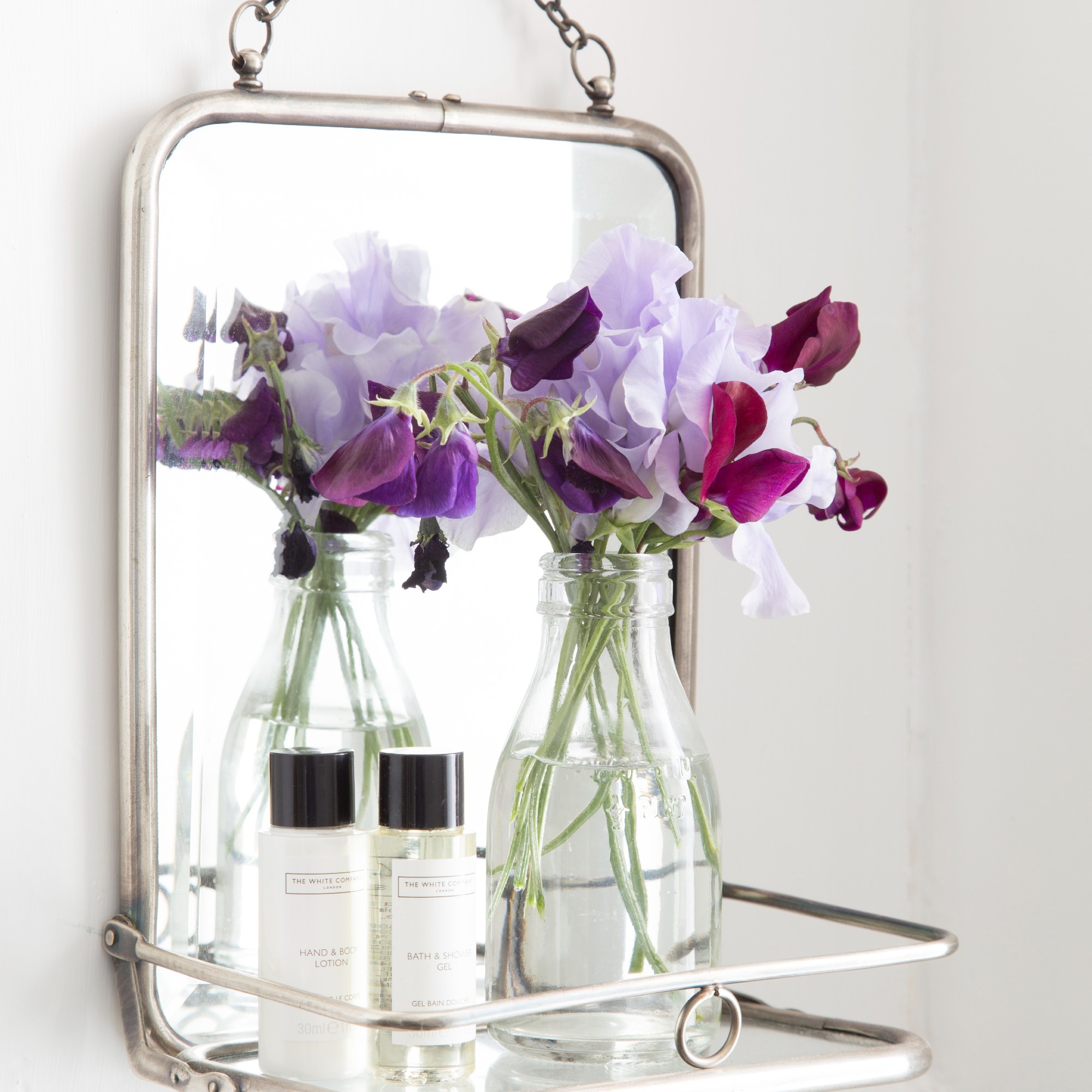
Decorative elements extend the biophilic theme to smaller details. Pillows resembling lamb's fleece, palm tree-shaped candlestick holders, and hand-painted vases with cloud motifs create harmonious spaces. Practical items like agate coasters and olive wood serving spoons also contribute to the natural ambiance. Furthermore, lighting plays a crucial role; blue-light waves can boost serotonin during the day, while warm ambient light at night promotes melatonin production. Lamps designed to mimic natural forms, such as mushroom lamps or those reflecting natural light patterns, enhance the effect.
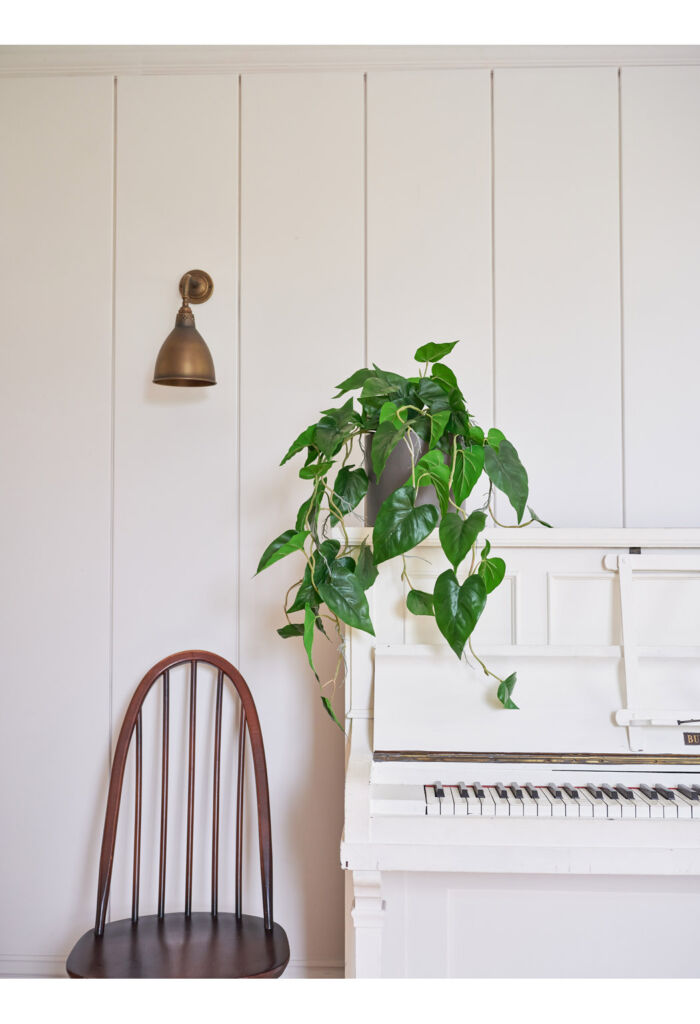
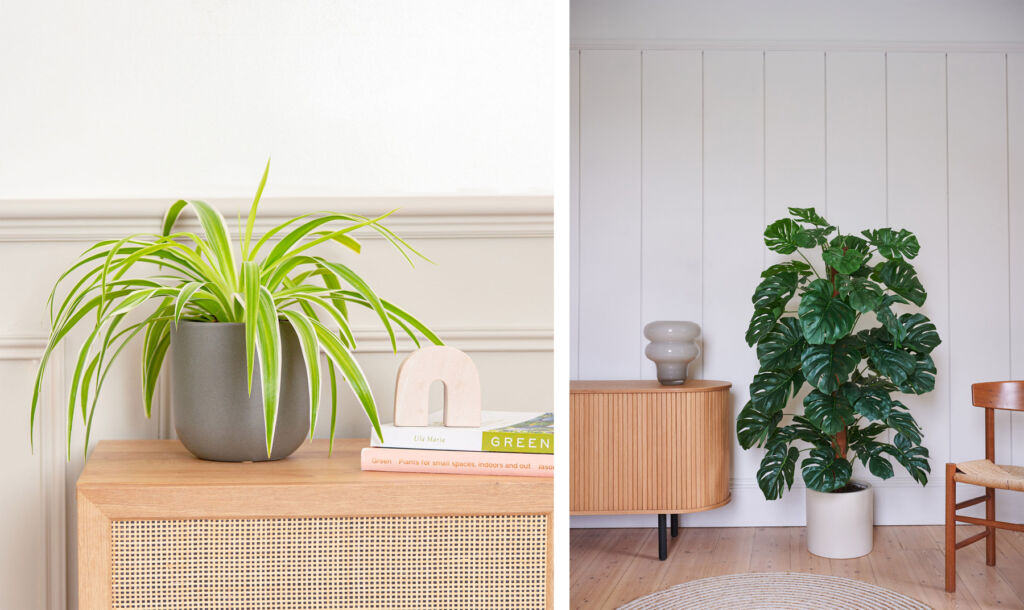
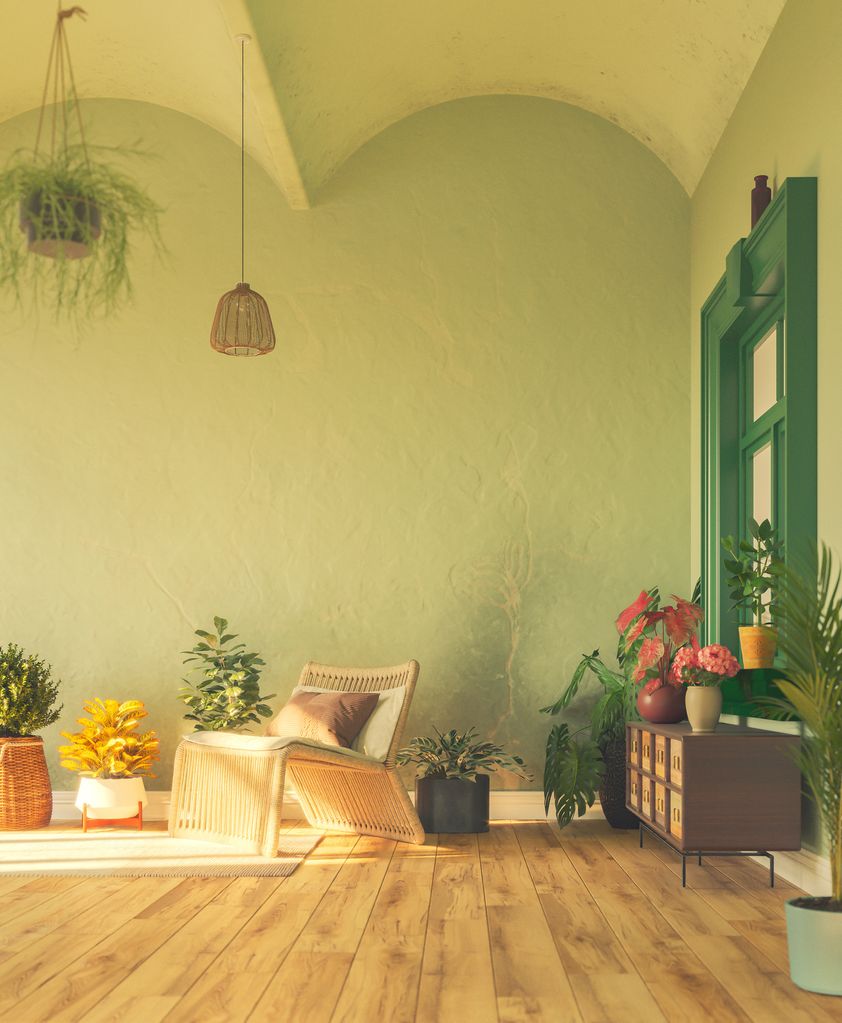
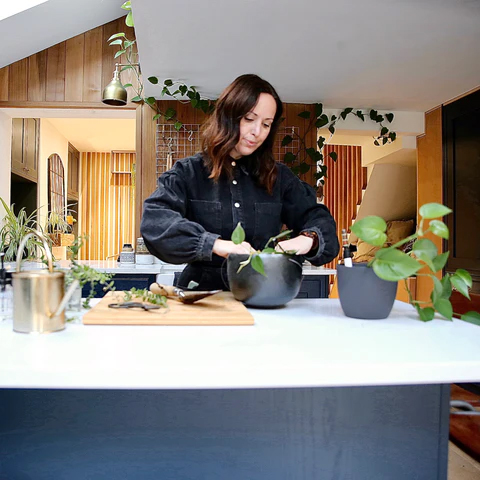
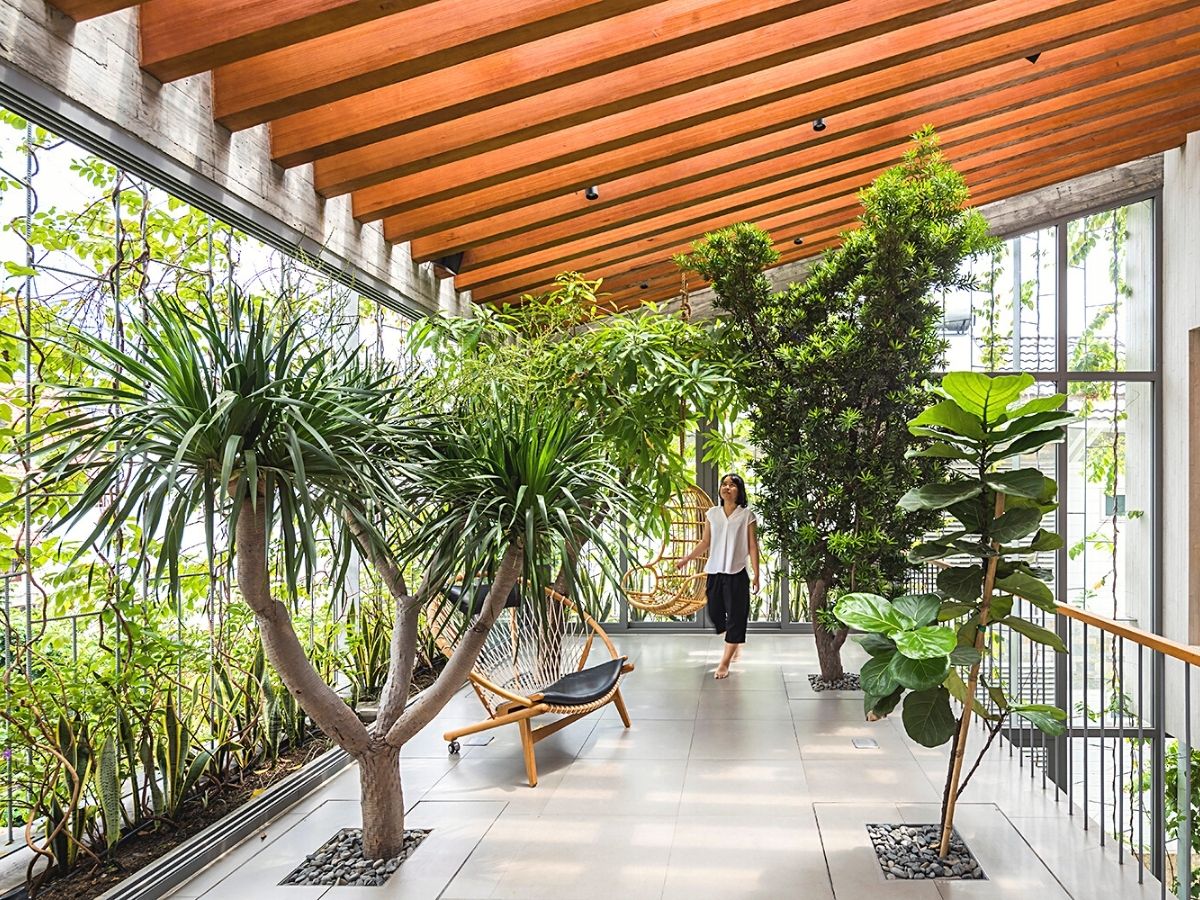
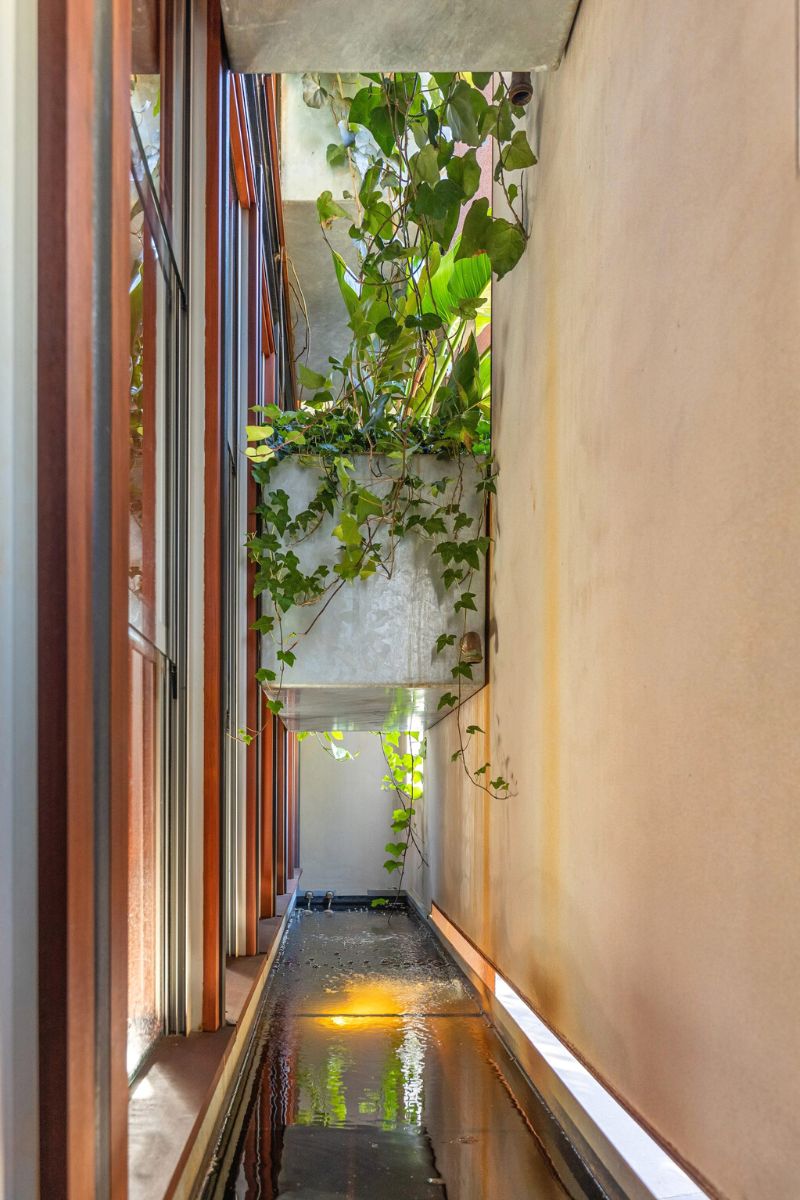
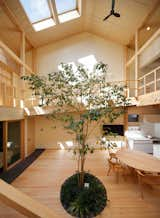
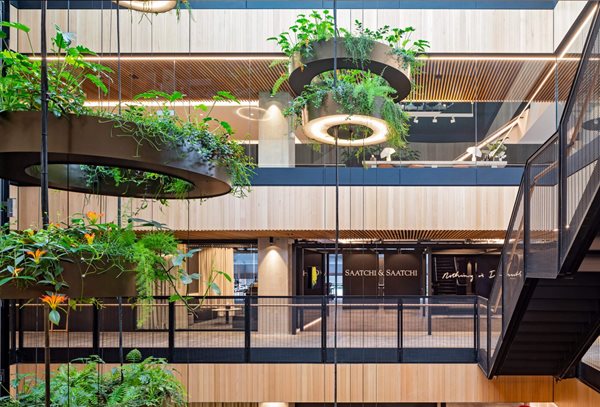
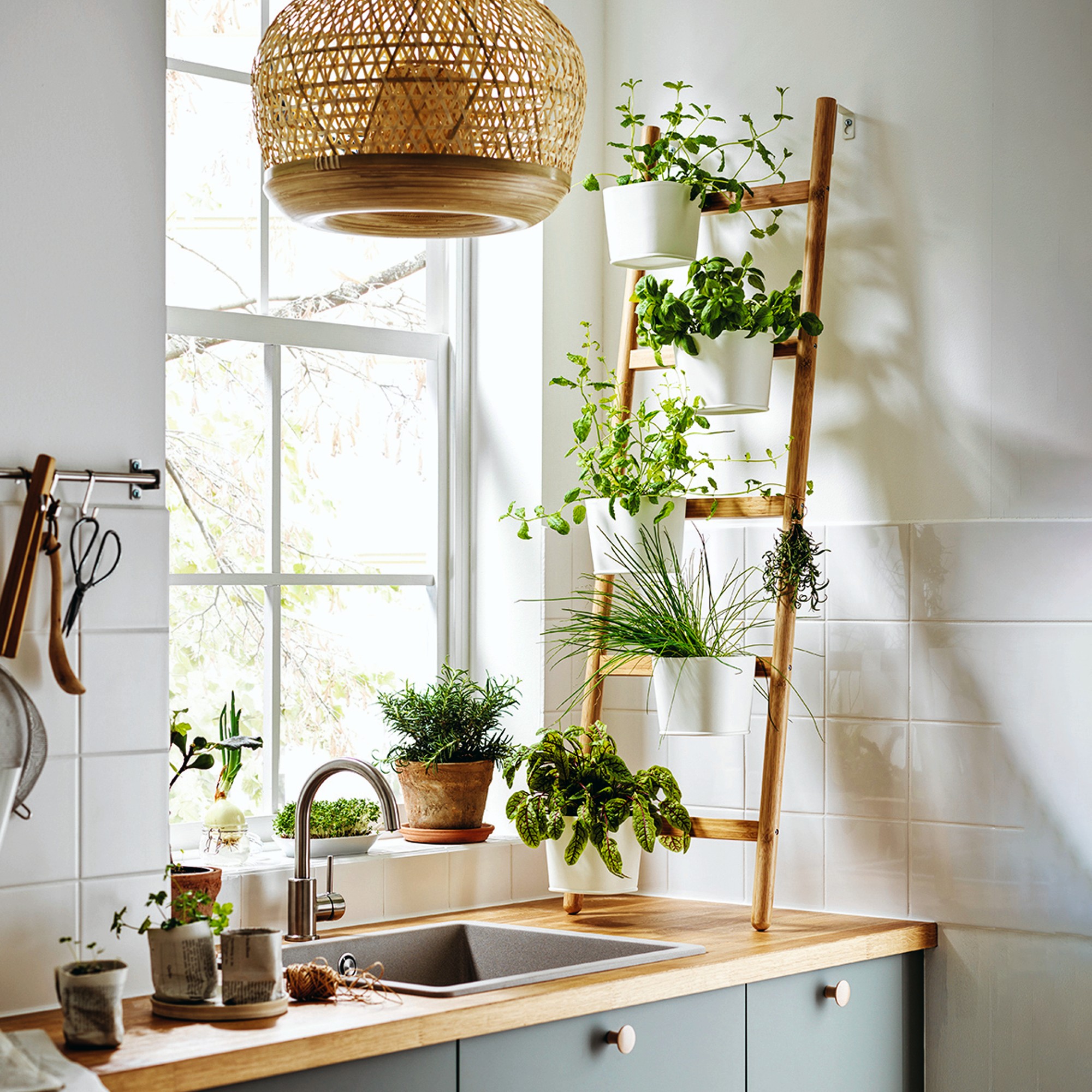
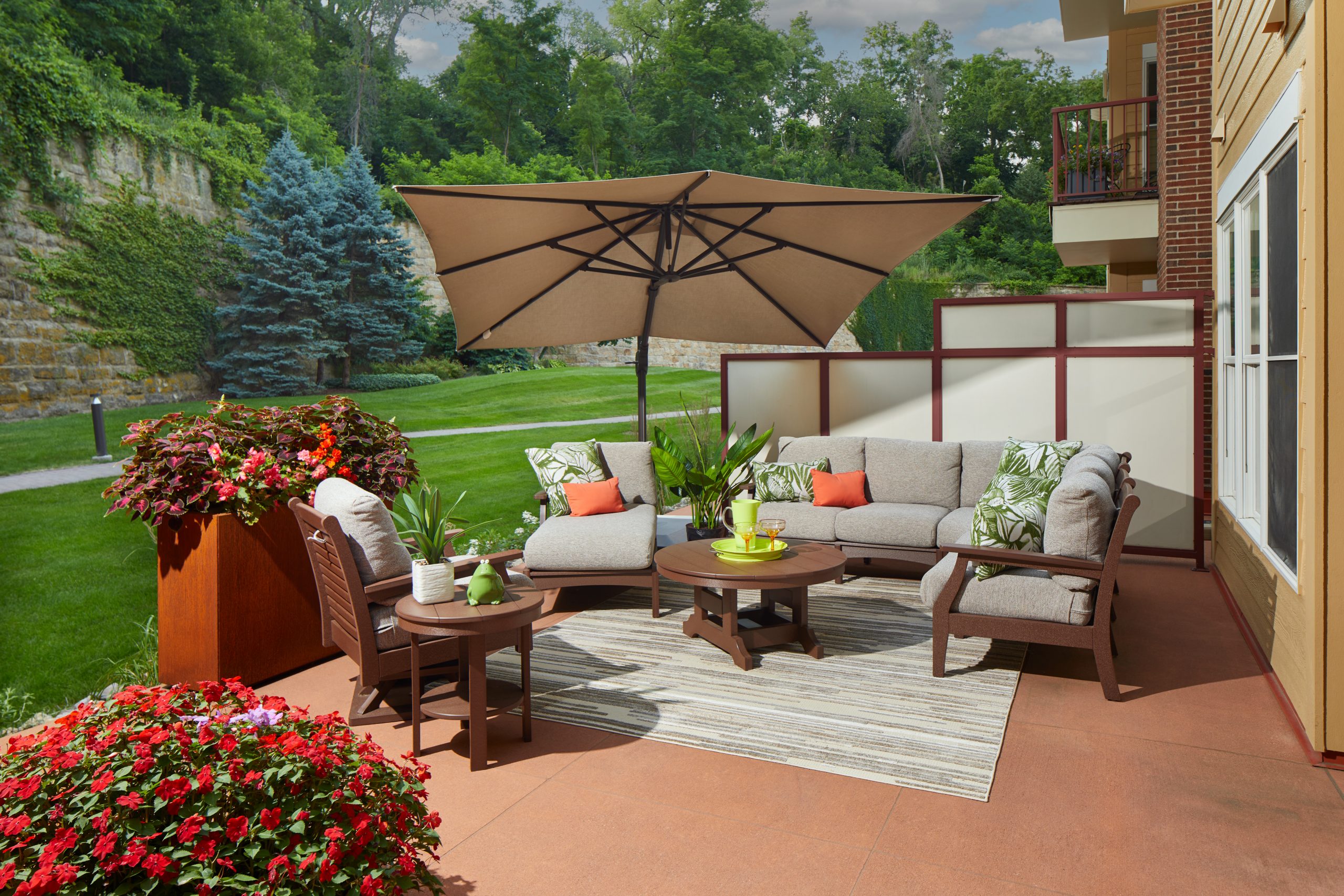
Finally, the most direct way to implement biophilic design is through live plants and thoughtfully chosen planters. Modern Sprout offers grow-anywhere stations for herbs, while decorative planters that integrate greenery into the furniture, like a coat rack-like stand for succulents or self-watering options from Greenery Unlimited, are becoming popular. Pieces' artful Tetris block planter and Bloomscape's Areca Palm are examples of plant-focused decor.
#BiophilicDesign #InteriorDesign #WellnessTrend #NatureBasedInteriors #HomeDecor #SustainableDesign #Biophilia #NaturalElements #DesignPsychology #BiophilicDesign #InteriorDesign #WellnessTrend #NatureBasedInteriors #HomeDecor #SustainableDesign #Biophilia #NaturalElements #DesignPsychology
0 comment in total
 No comments yet
You may also like
What the heck is biophilic design?

Why Houseplants And Biophilic Design Will Front 2025's Interior Design Trends
Want Your Home to Feel Happier and Calmer? It's Time to Consider Biophilic Design

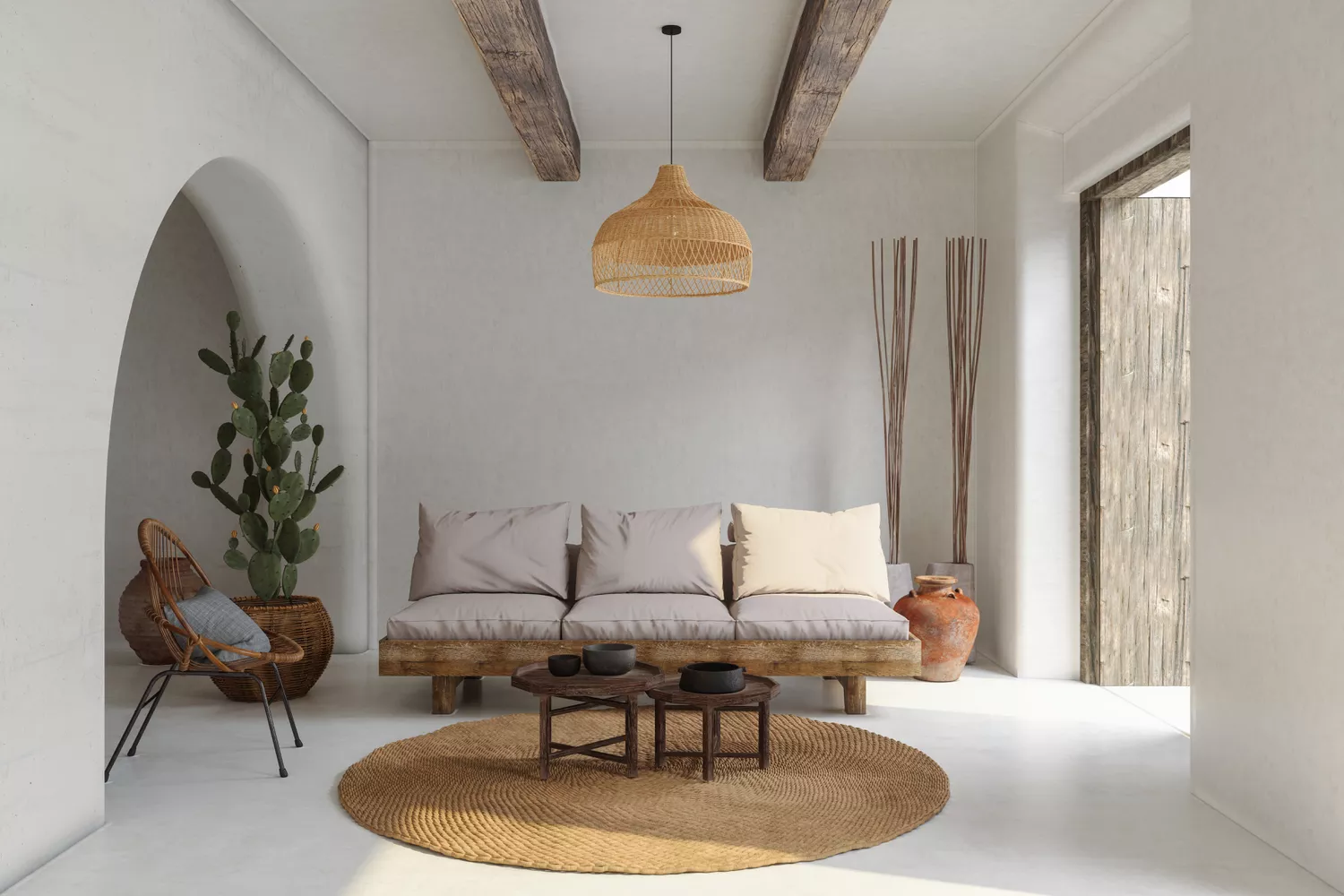
Biophilic Design Is About Connecting With Nature—Here's How to Utilize the Décor Trend In Your Home

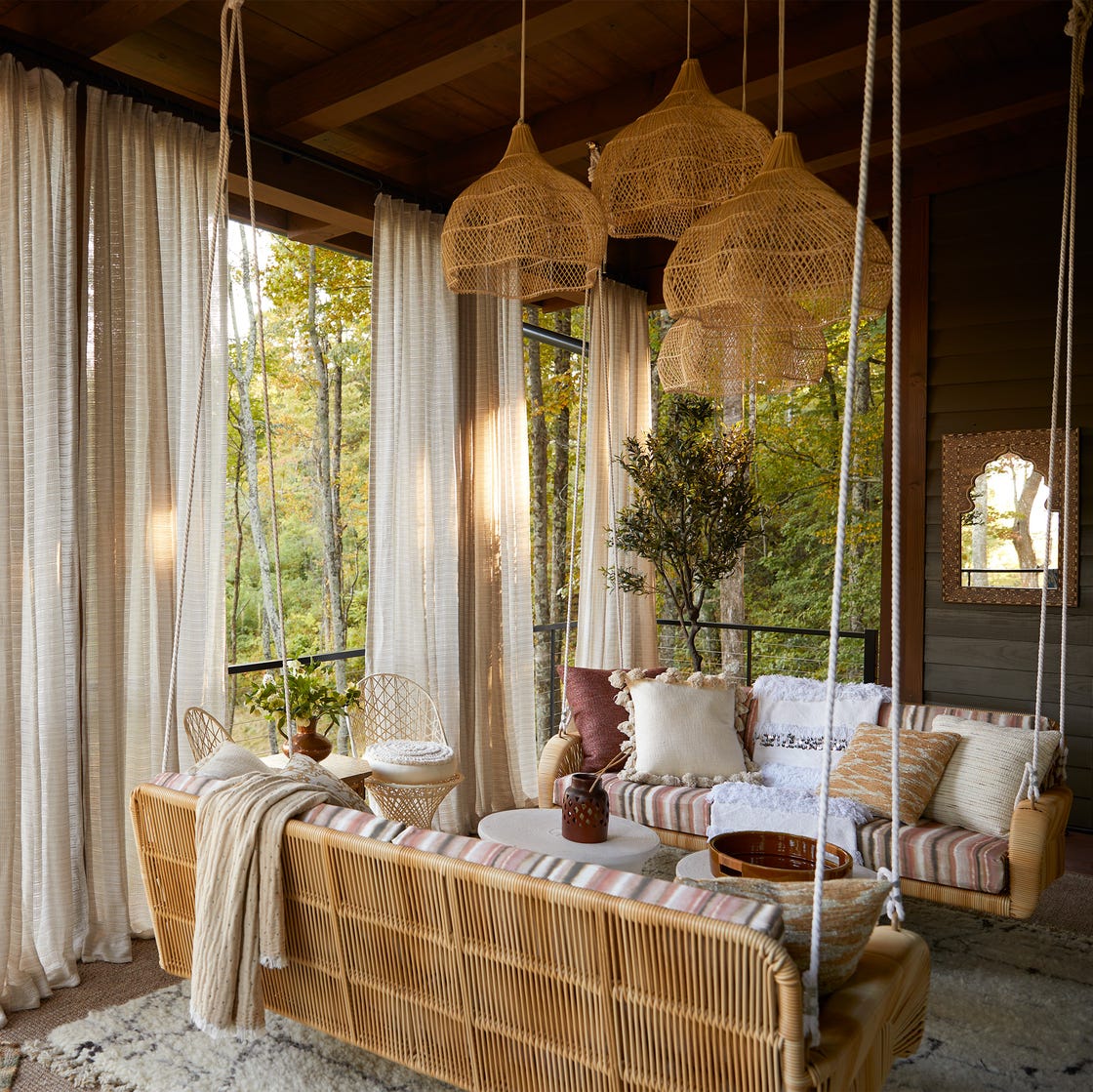
Biophilic Design Is the Signature Style of Plant Lovers Everywhere

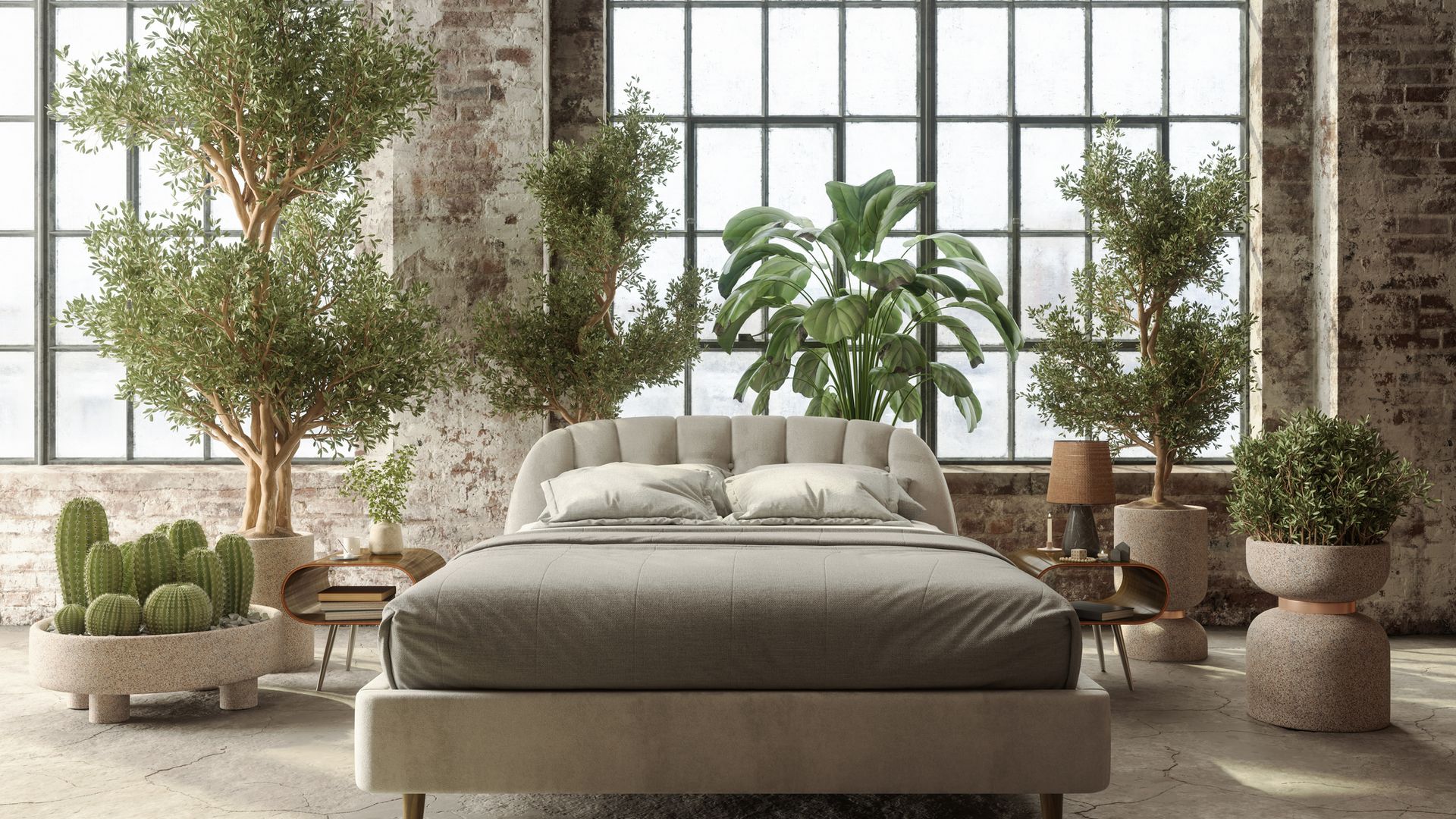
What are Biophilic interiors? How bringing the outdoors in is proven to make you happier

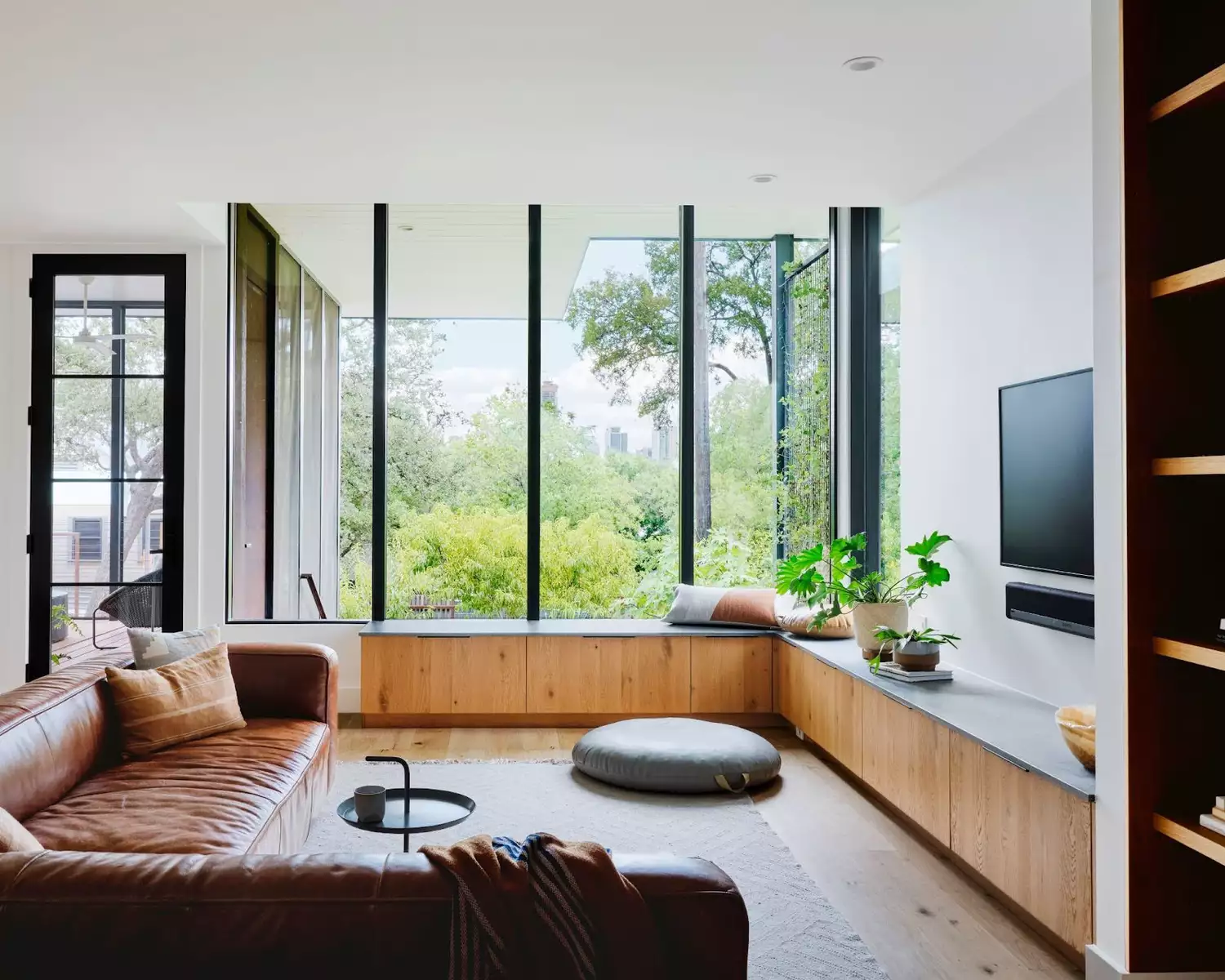
These 10 Biophilic Design Ideas Will Transform Your Home Into a Natural Oasis
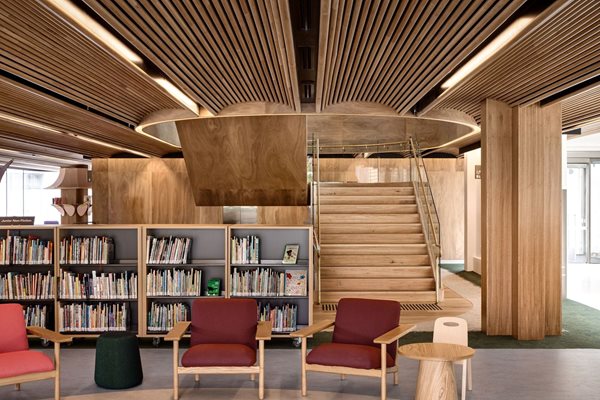
Why biophilic design is more than just a trend
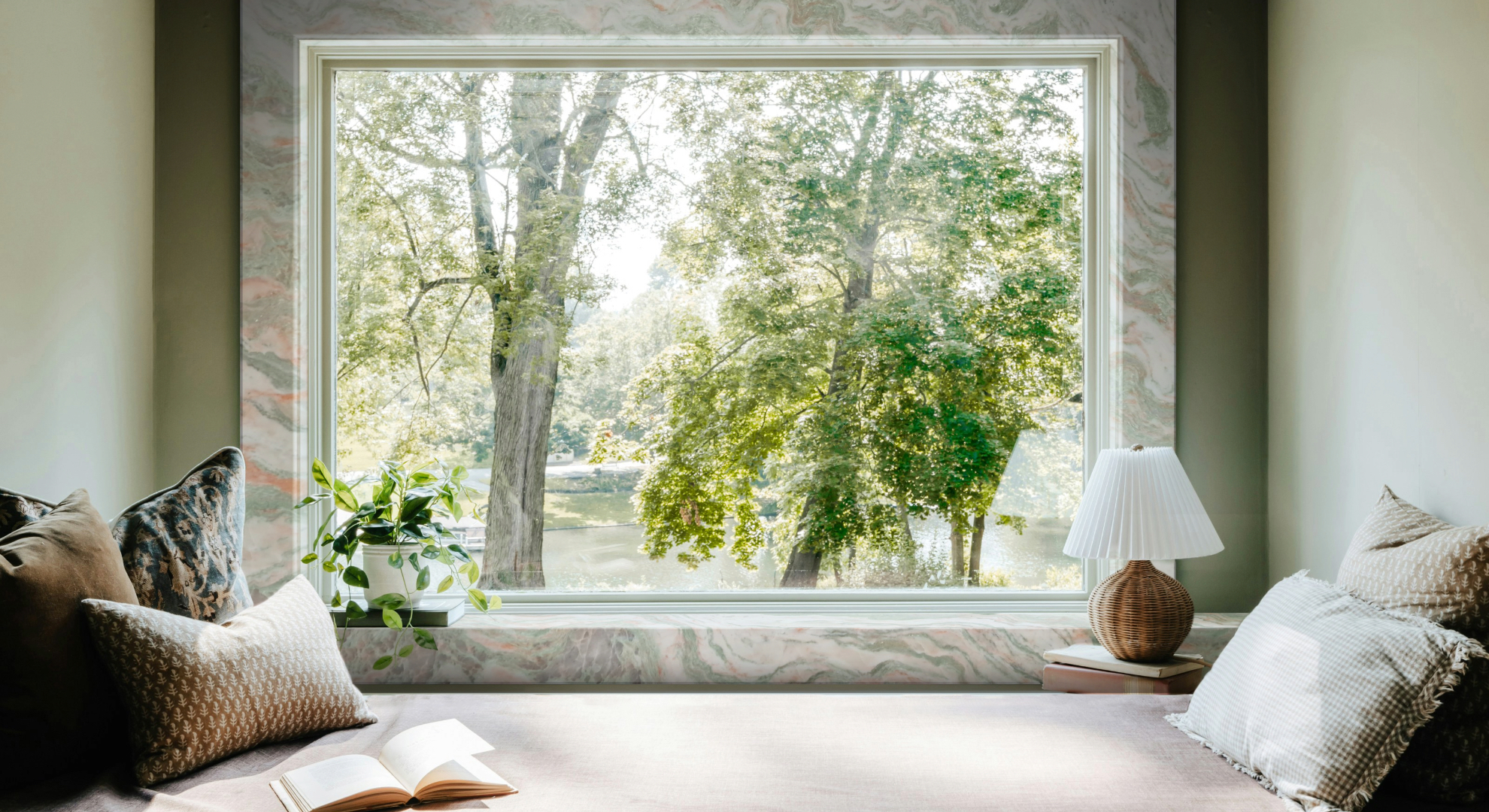
Stunning biophilic design ideas to help you bring the great outdoors into your home

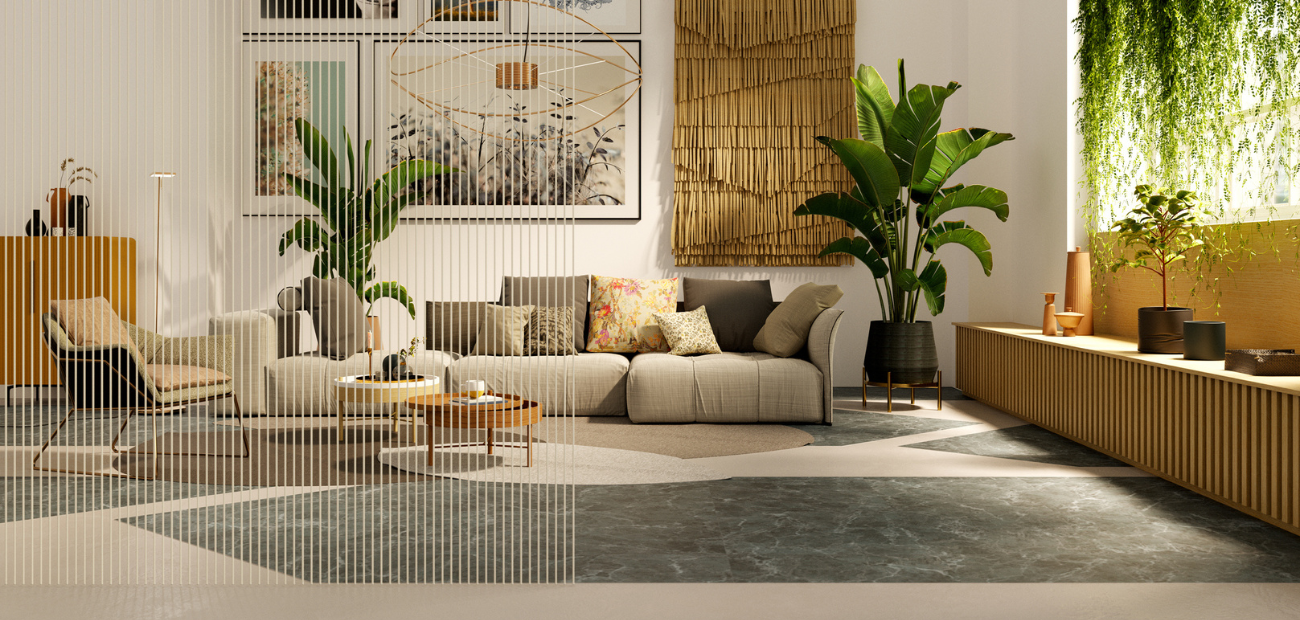
Biophilic Design Helps Homeowners Connect to Nature
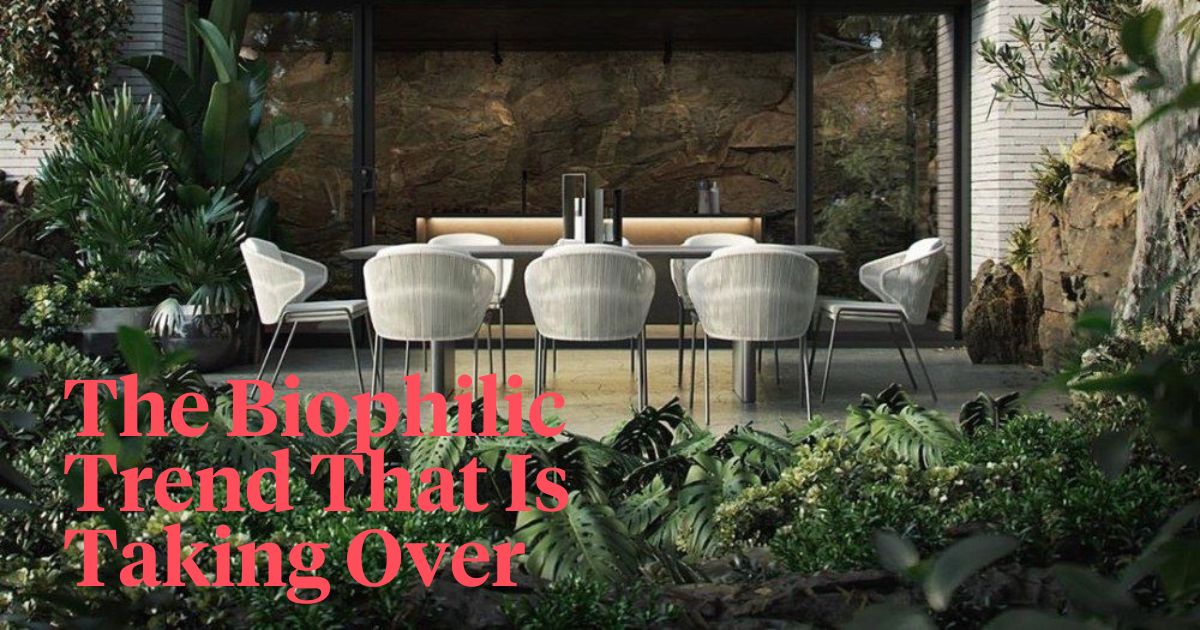
Biophilic Interiors Invade These 10 Contemporary Residences

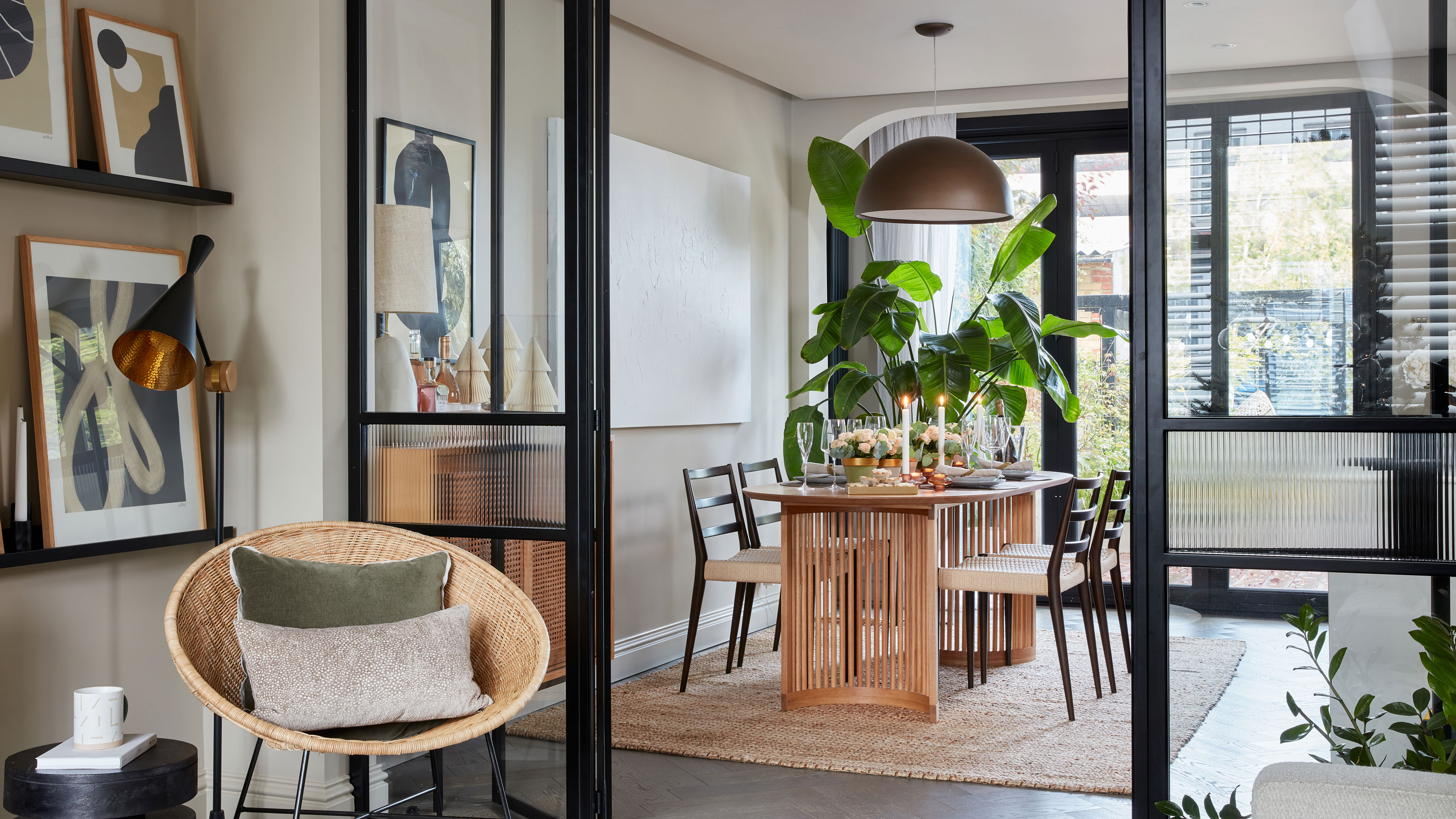
Biophilic design ideas - clever ways to bring nature into your home for a calming space
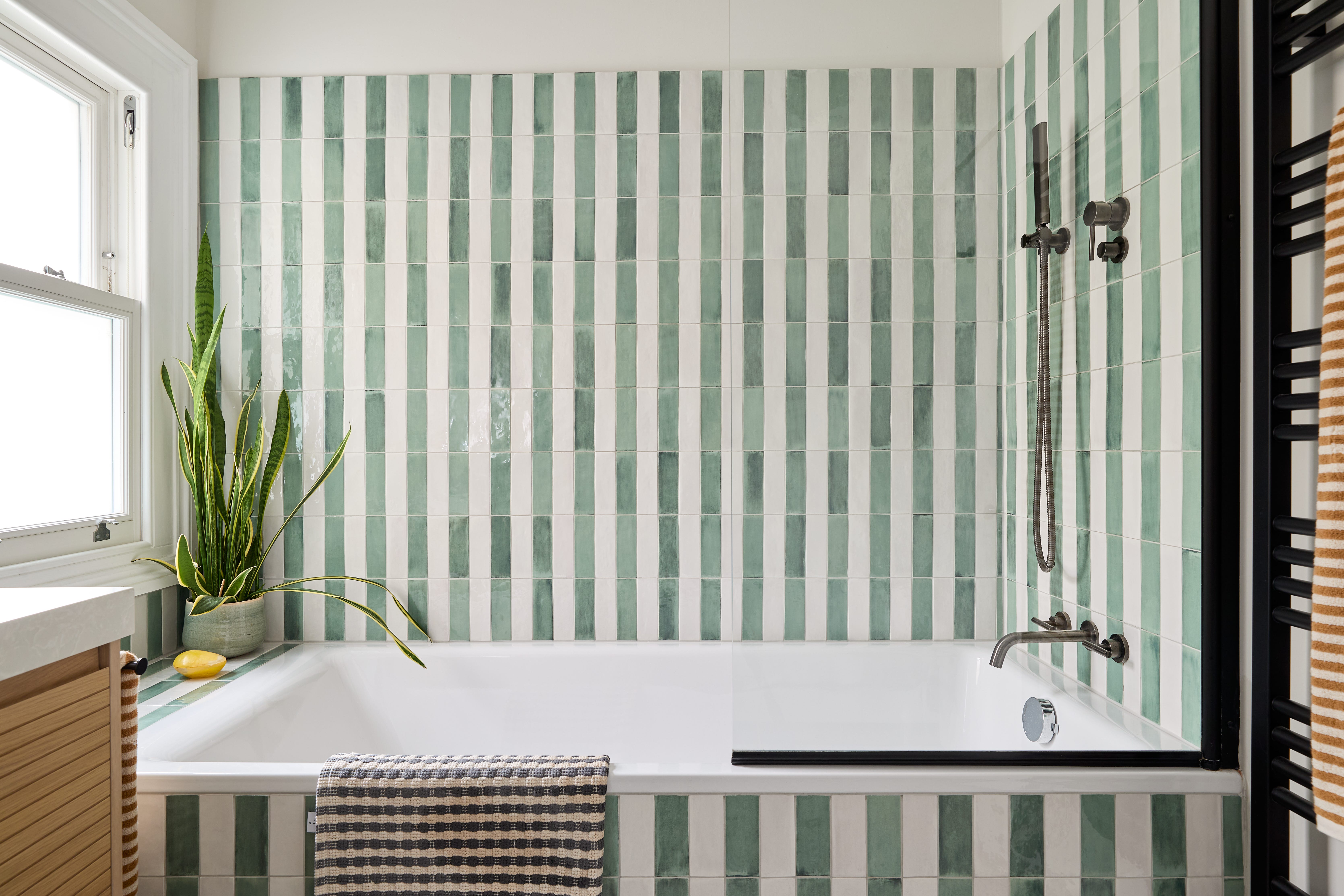
8 ways to freshen up your home through natural biophilic design
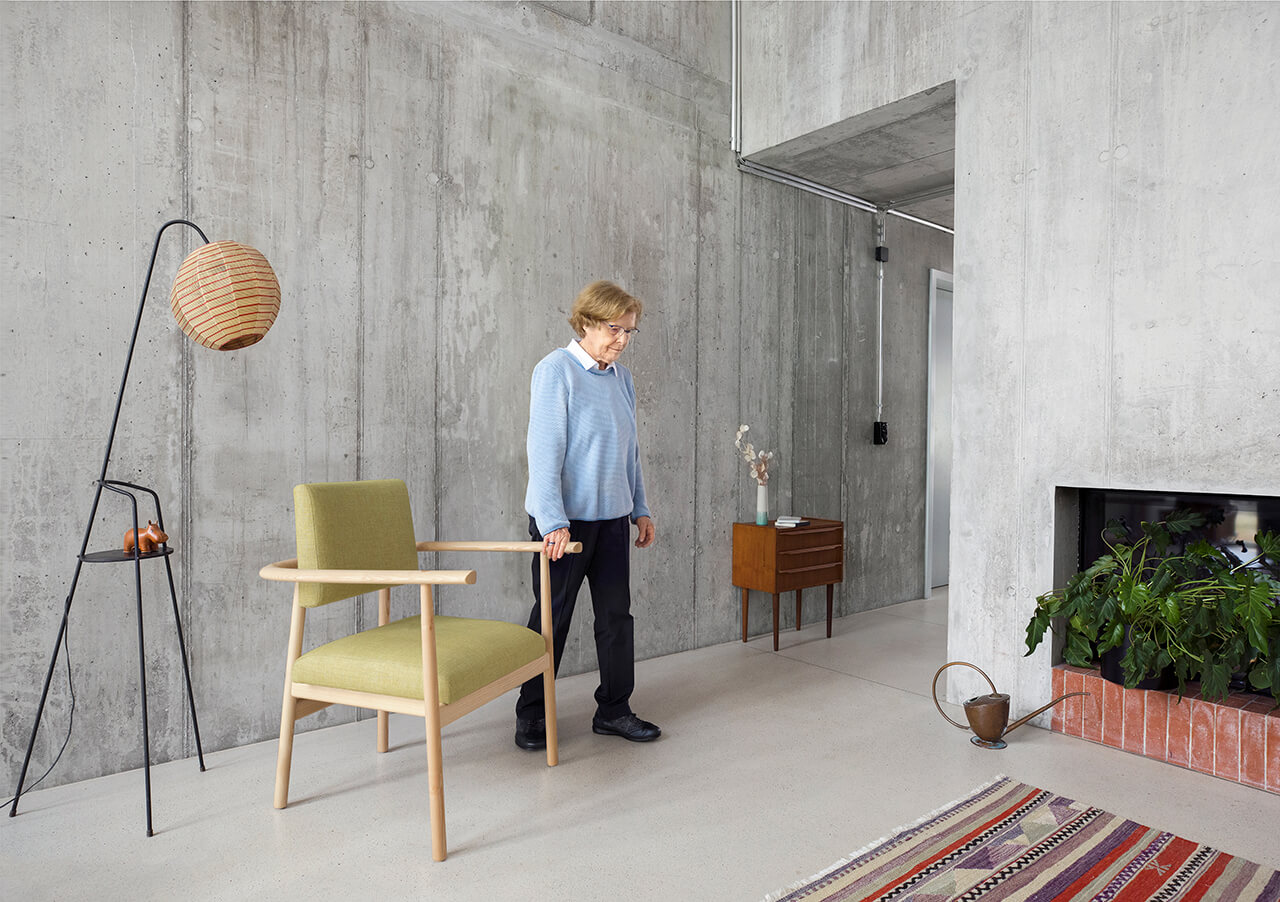
Focus on Biophilia: Nature-Inspired Design Strengthens People!

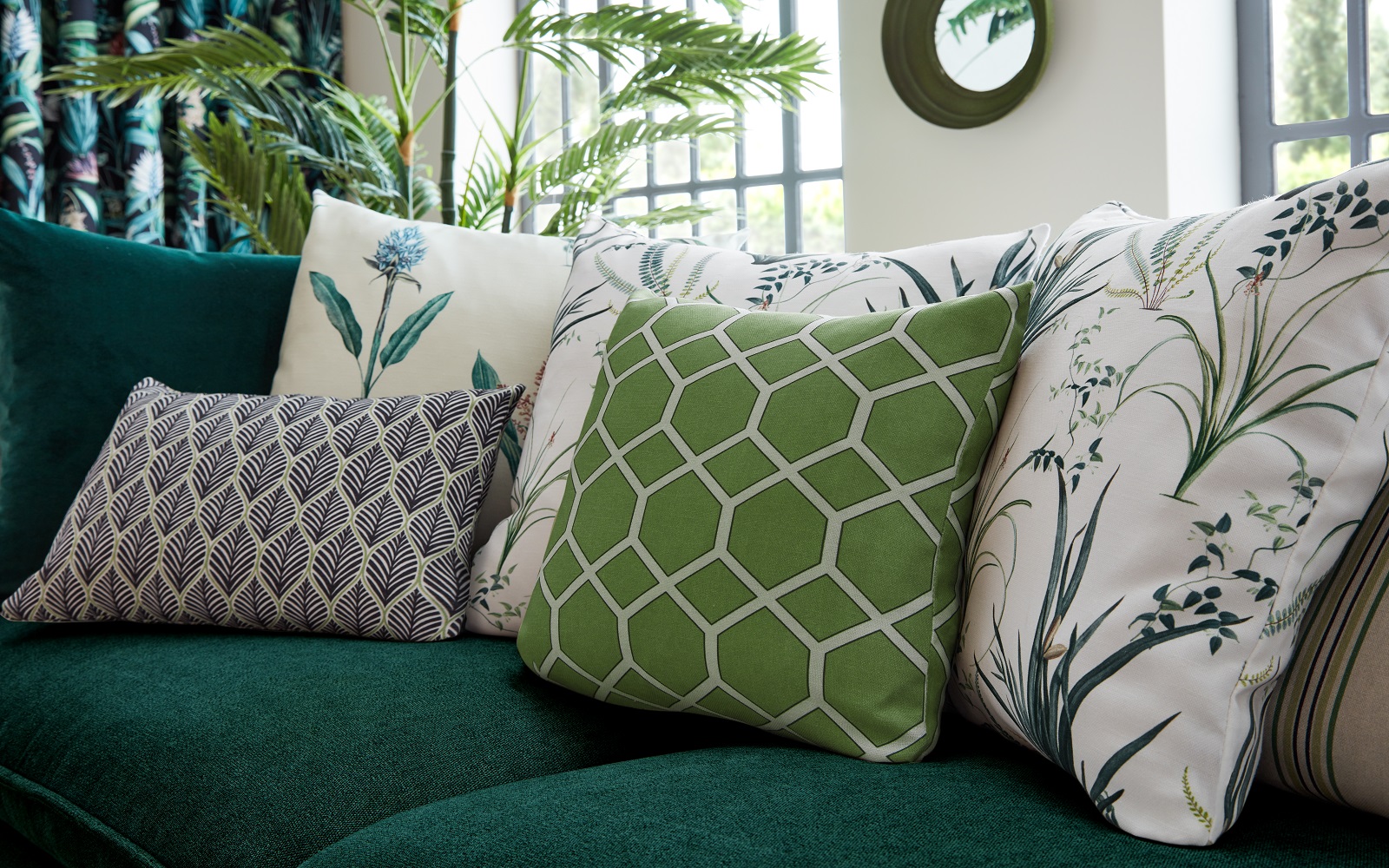
Biophilic design beyond the buzzword
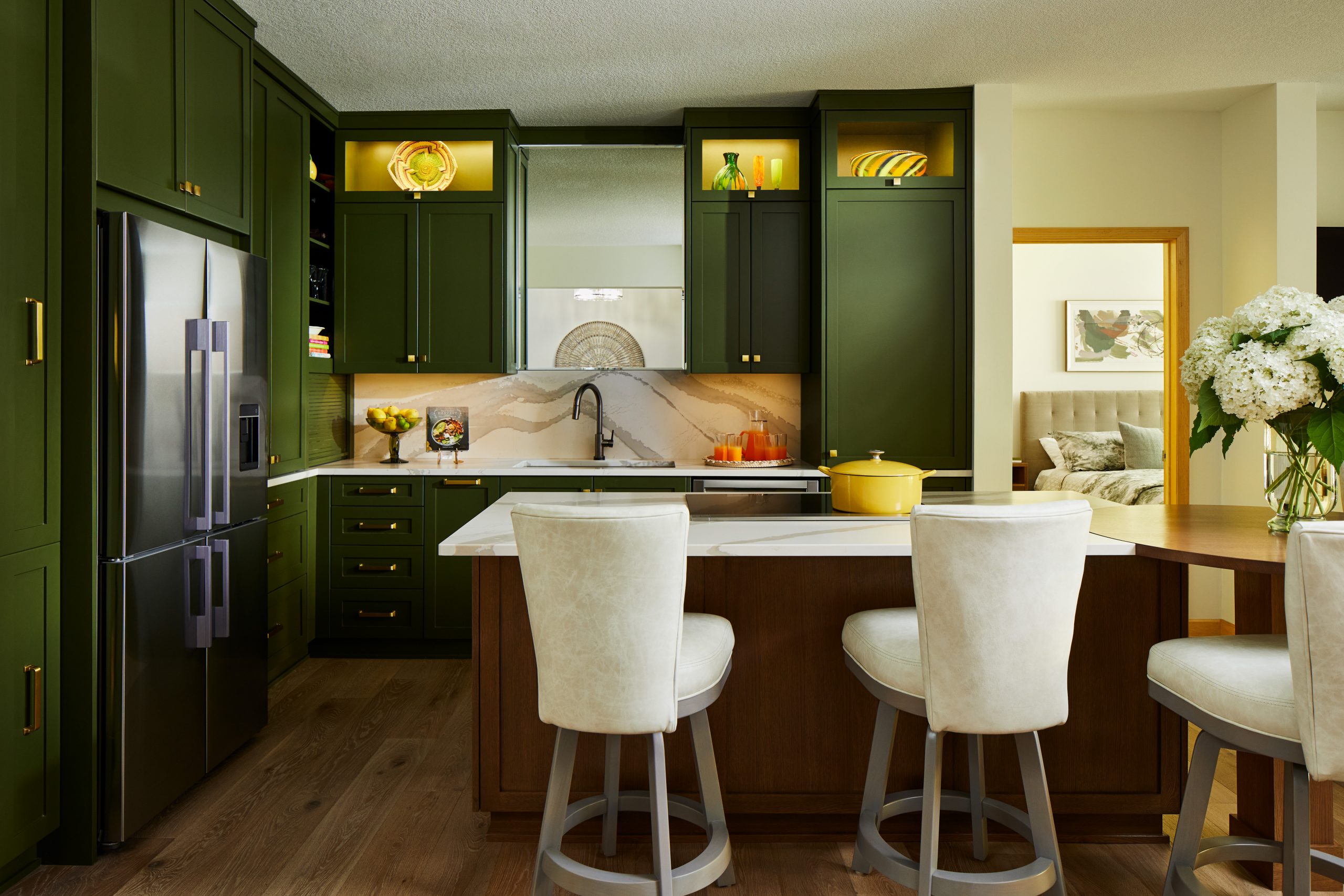
The Best of Biophilic Design: Bringing Nature Indoors

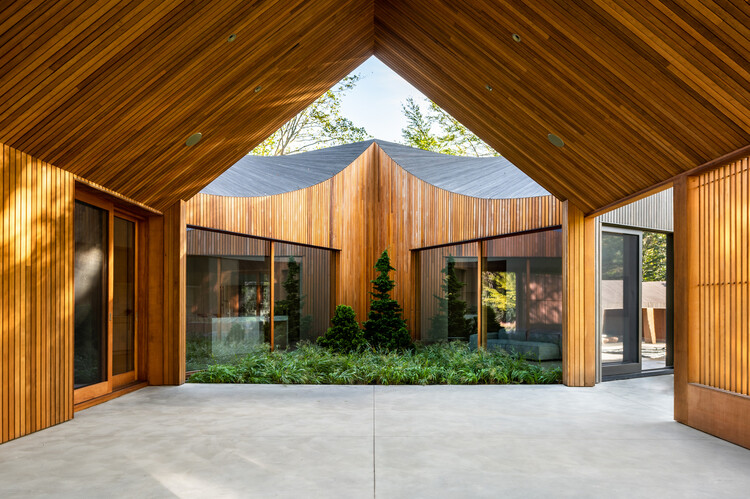
Biophilic Interiors: 21 Projects that Blend Architecture with Nature

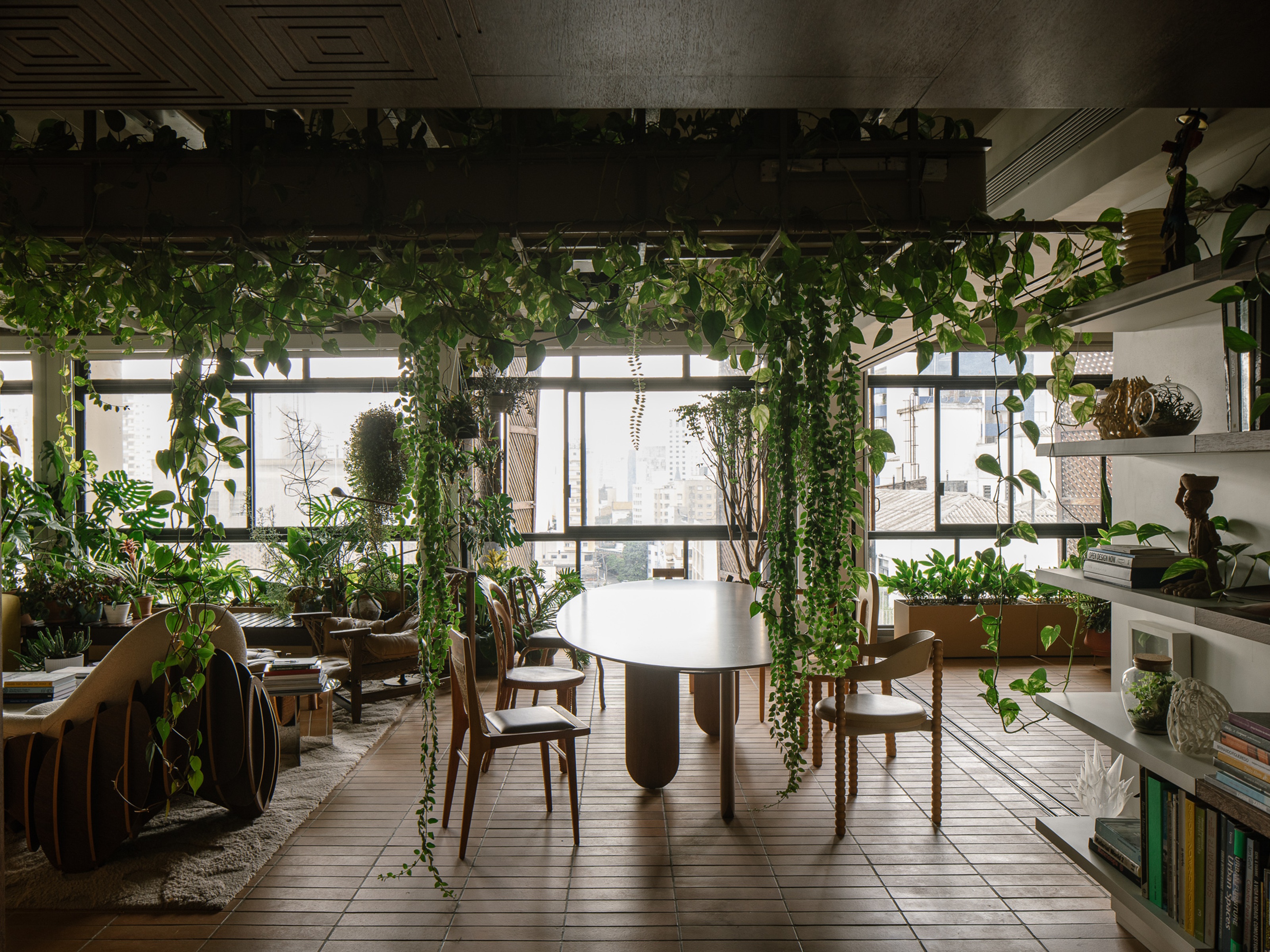
What Is Biophilic Interior Design? I'm an Actual Biophilic Designer, and This Is How to Apply It to Your Home

20 Nature-Loving Homes Where Biophilia Thrives

Biophilic Design Is the Decorating Trend You Need To Try if You Love Plants