1/20
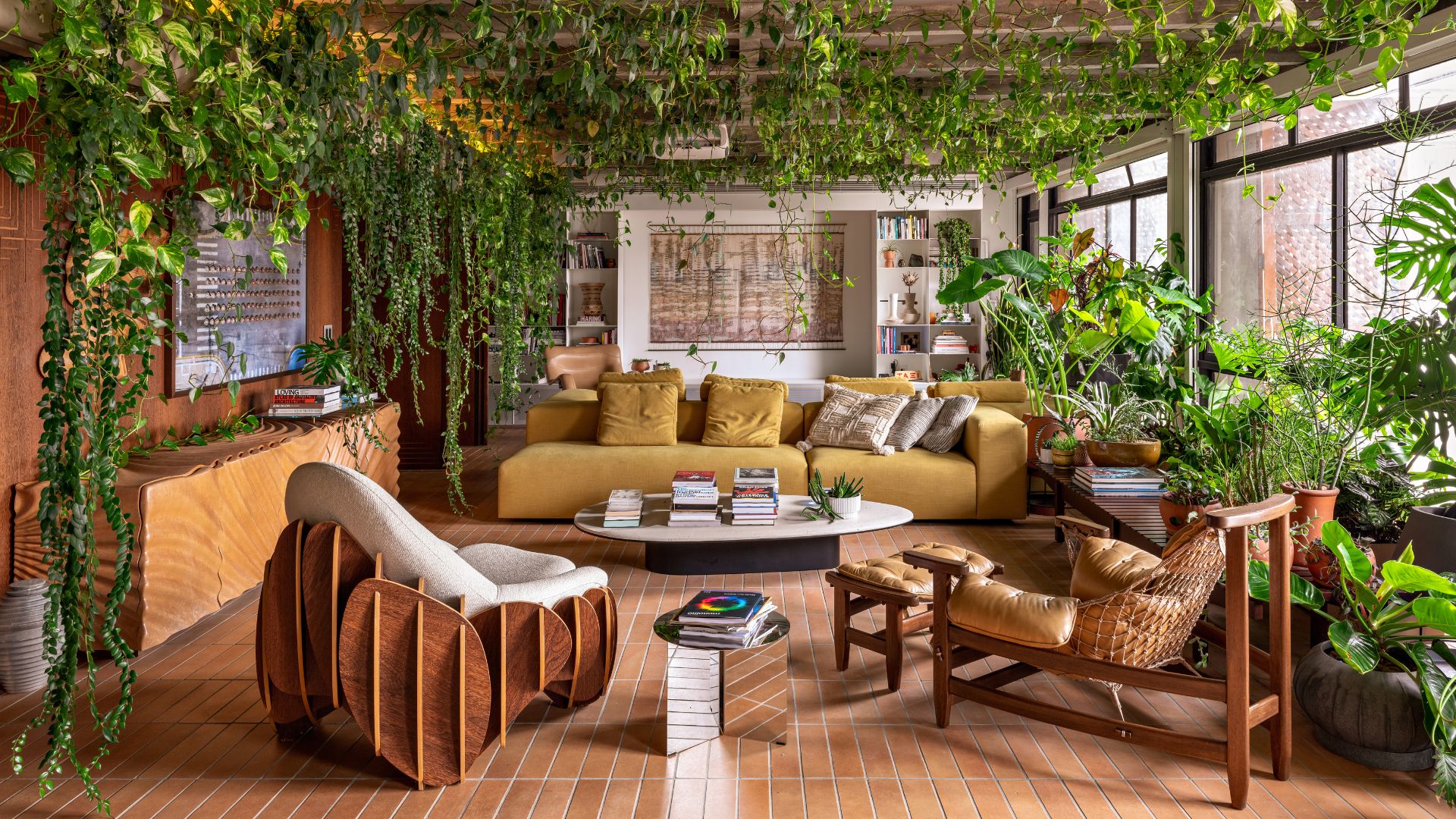
I'm an Architect Who Has Grown Hundreds of Plants Across My Biophilic Home
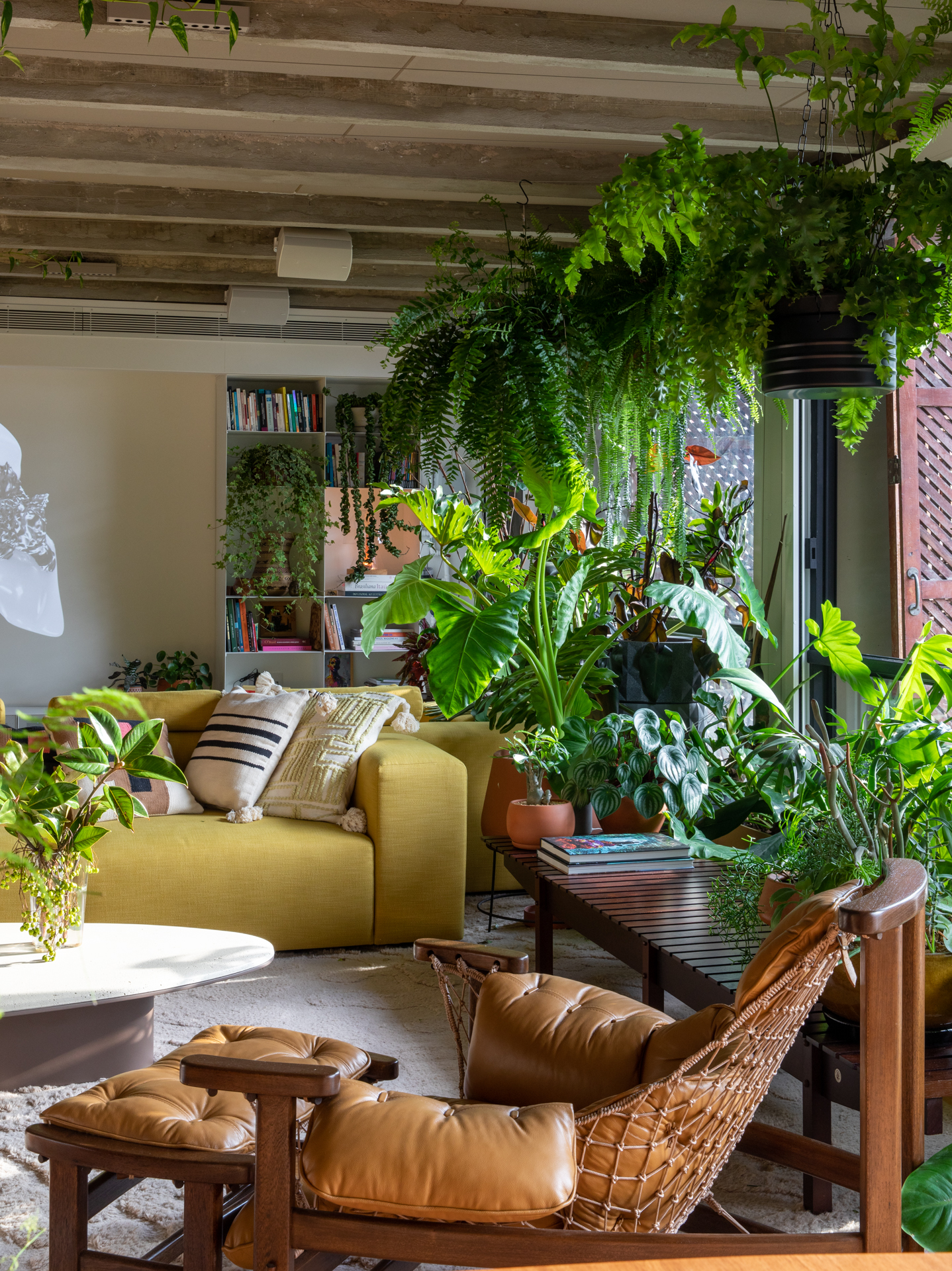
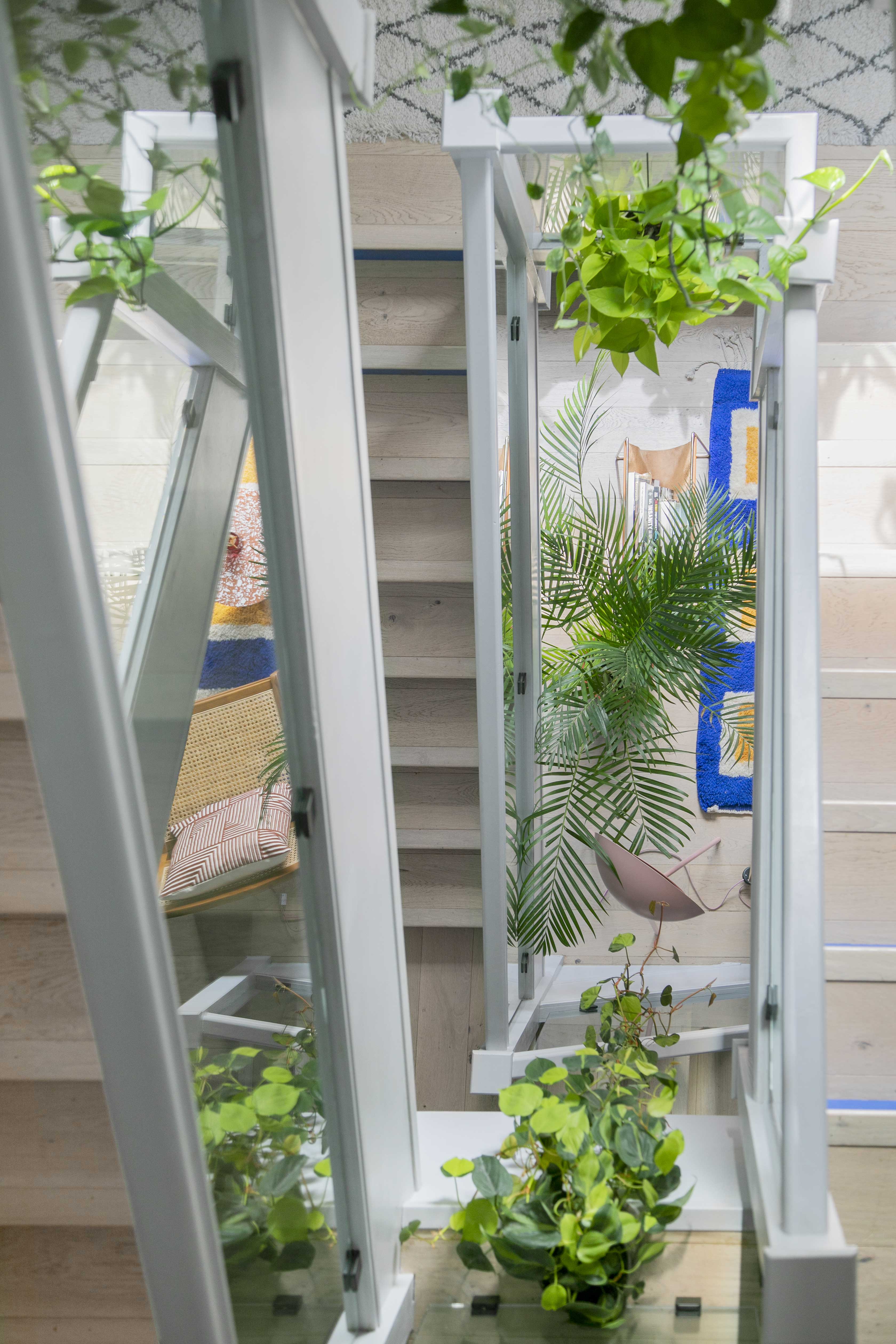
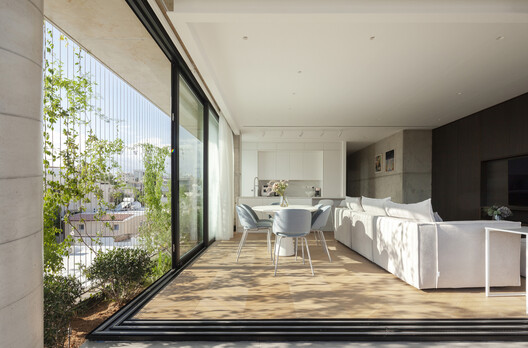
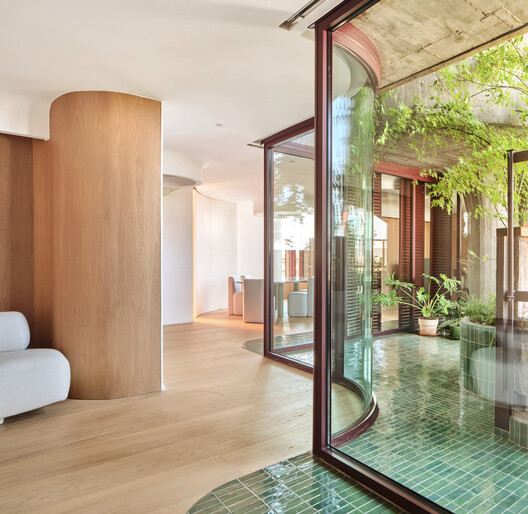
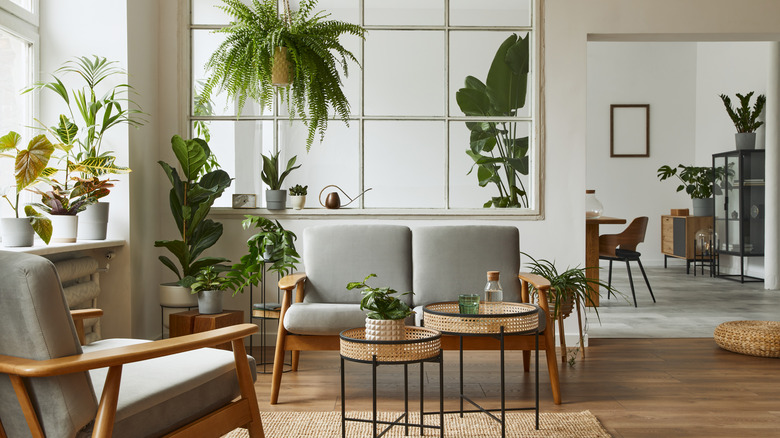
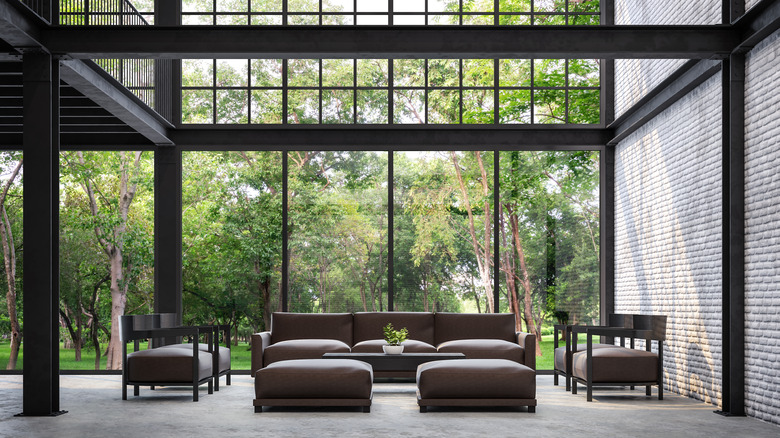
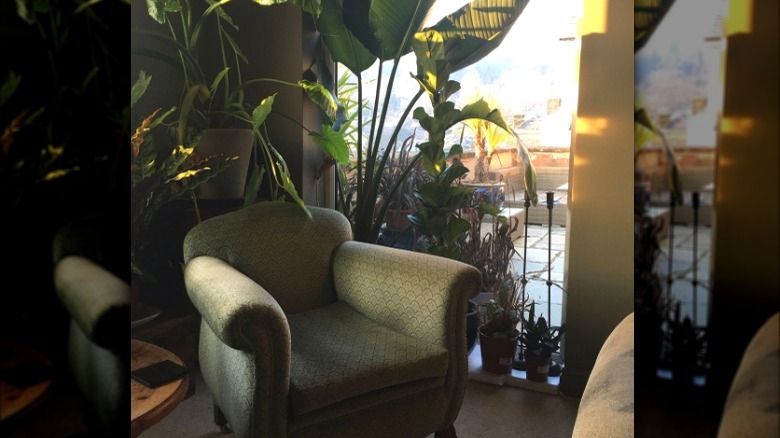
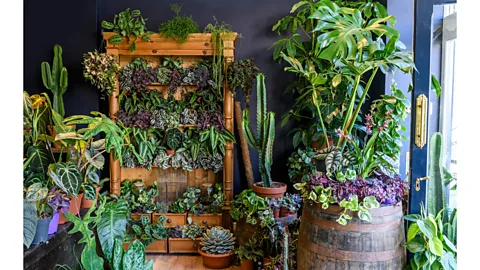

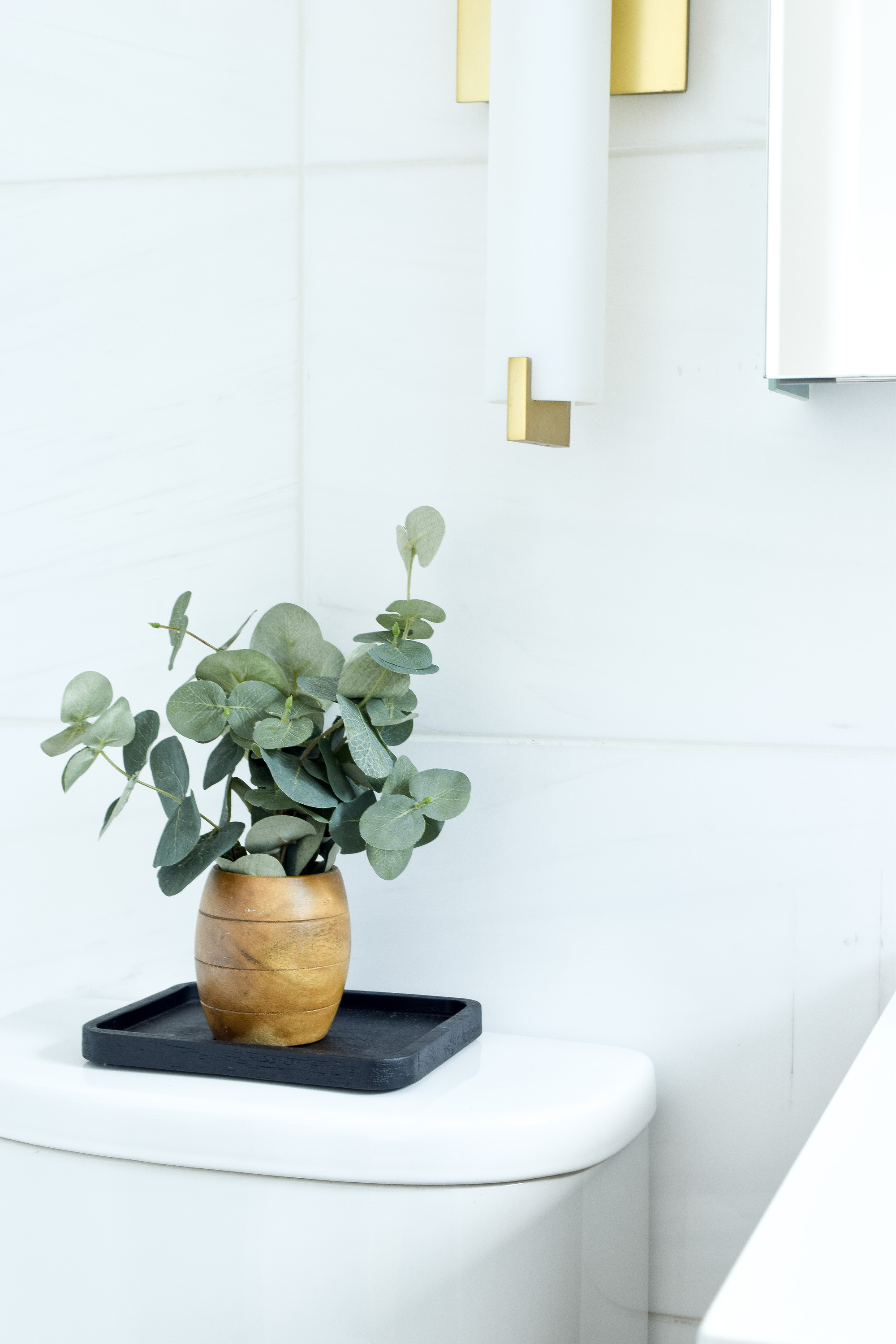
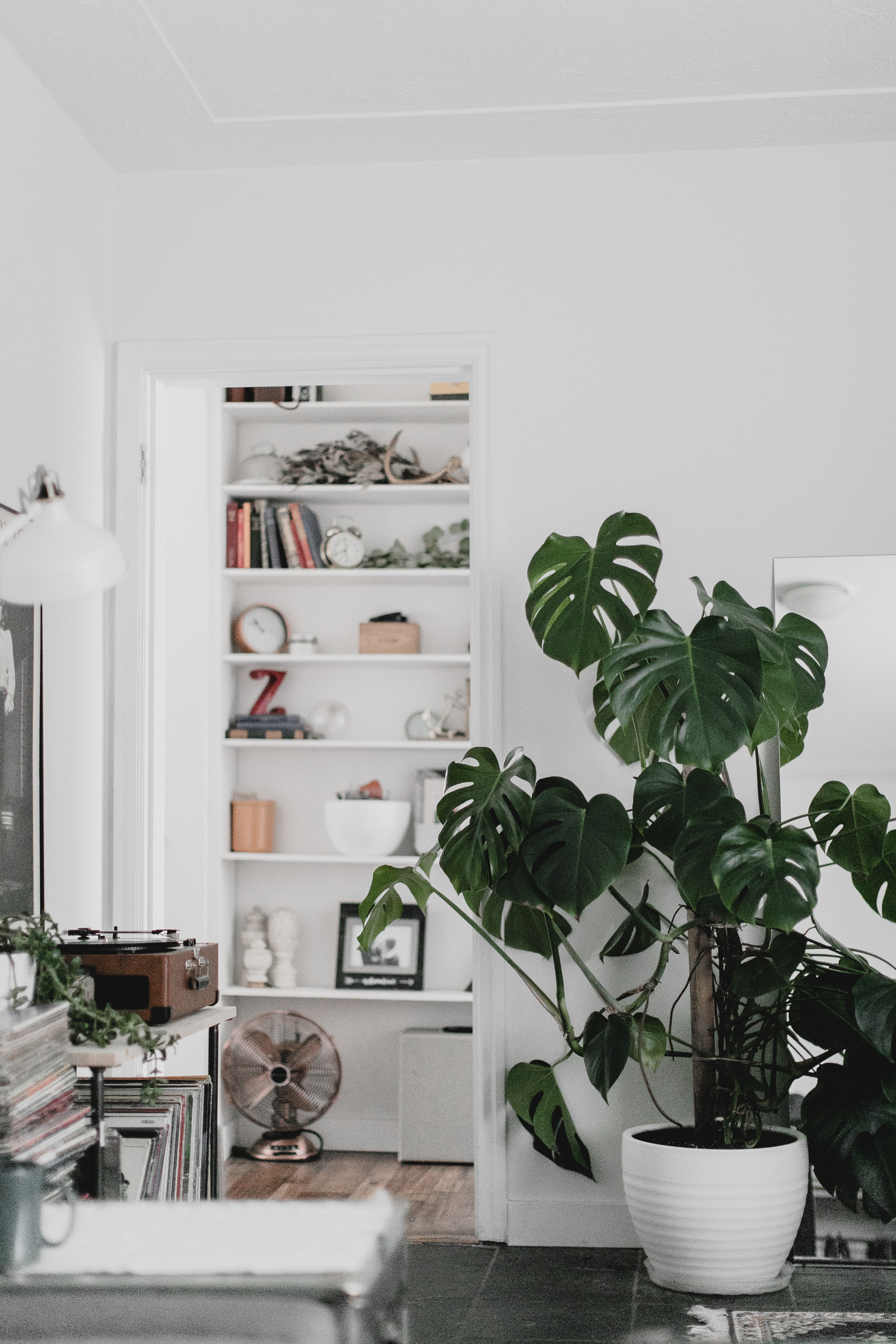
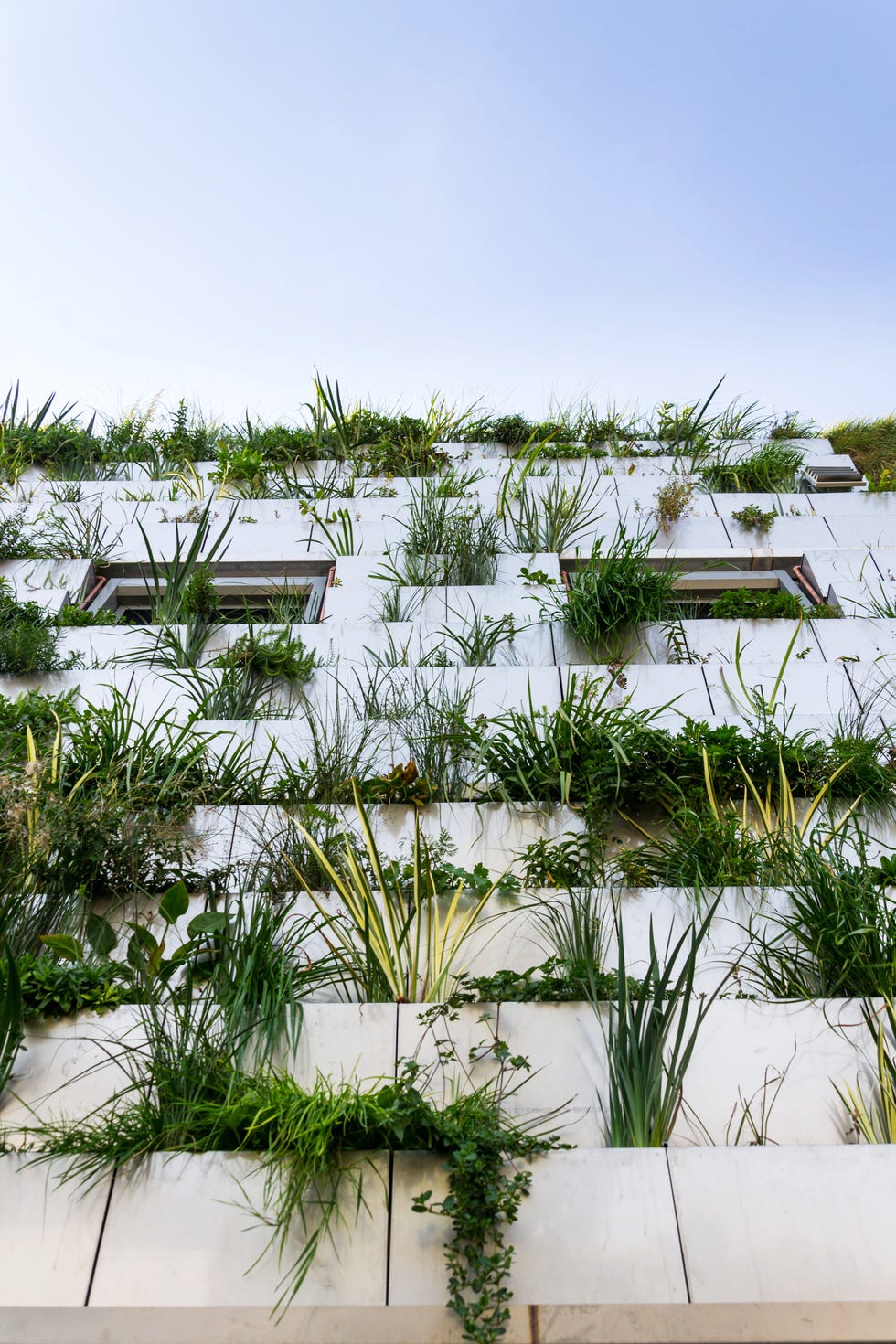
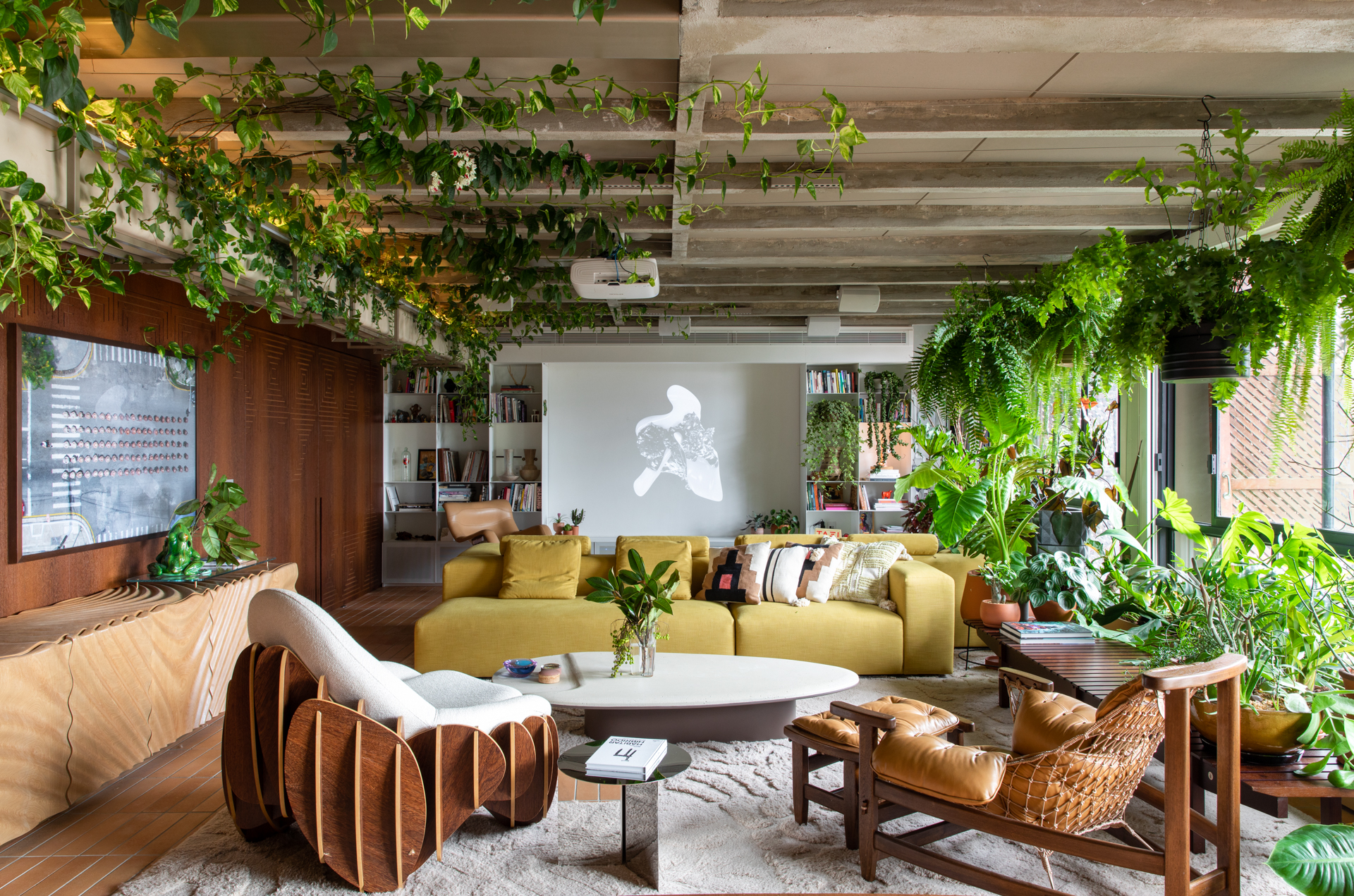
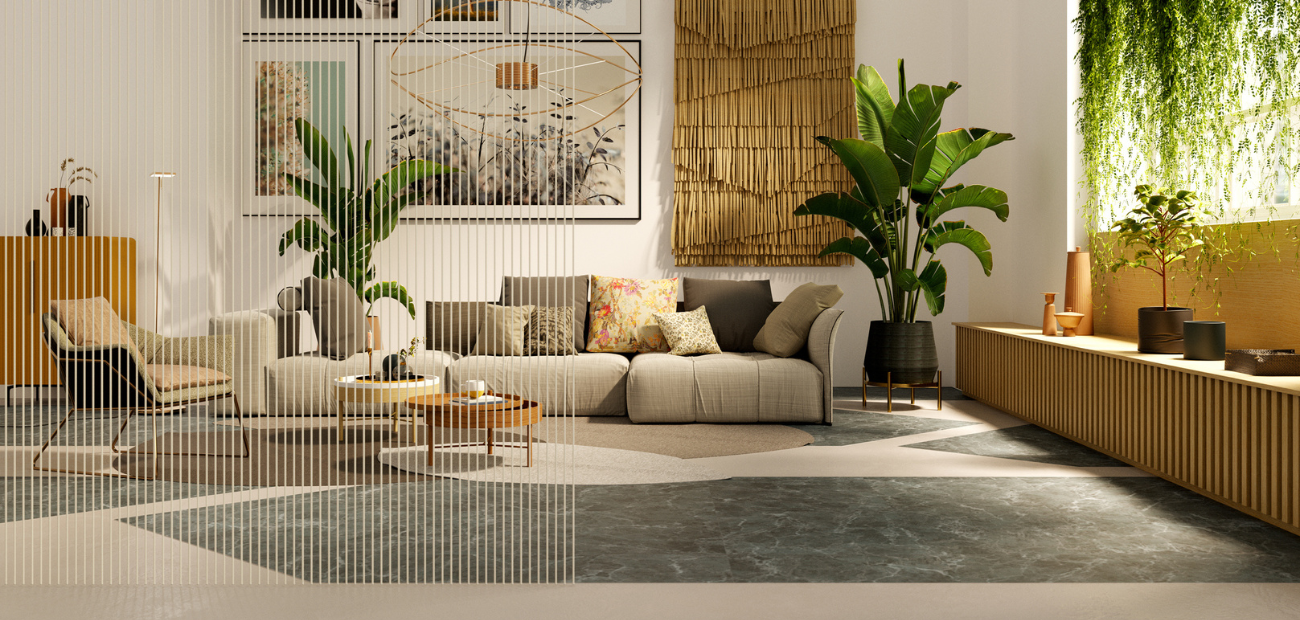
This article explores the biophilic home of Brazilian architect Guto Requena in São Paulo, which features over 60 plant varieties, including those trailing across the ceiling. The design aims to integrate nature into the living space, creating a tranquil oasis amidst an urban environment. Requena views his home as part of a 15-year research project examining the impact of digital technologies on the home and the wellness benefits of biophilic design.
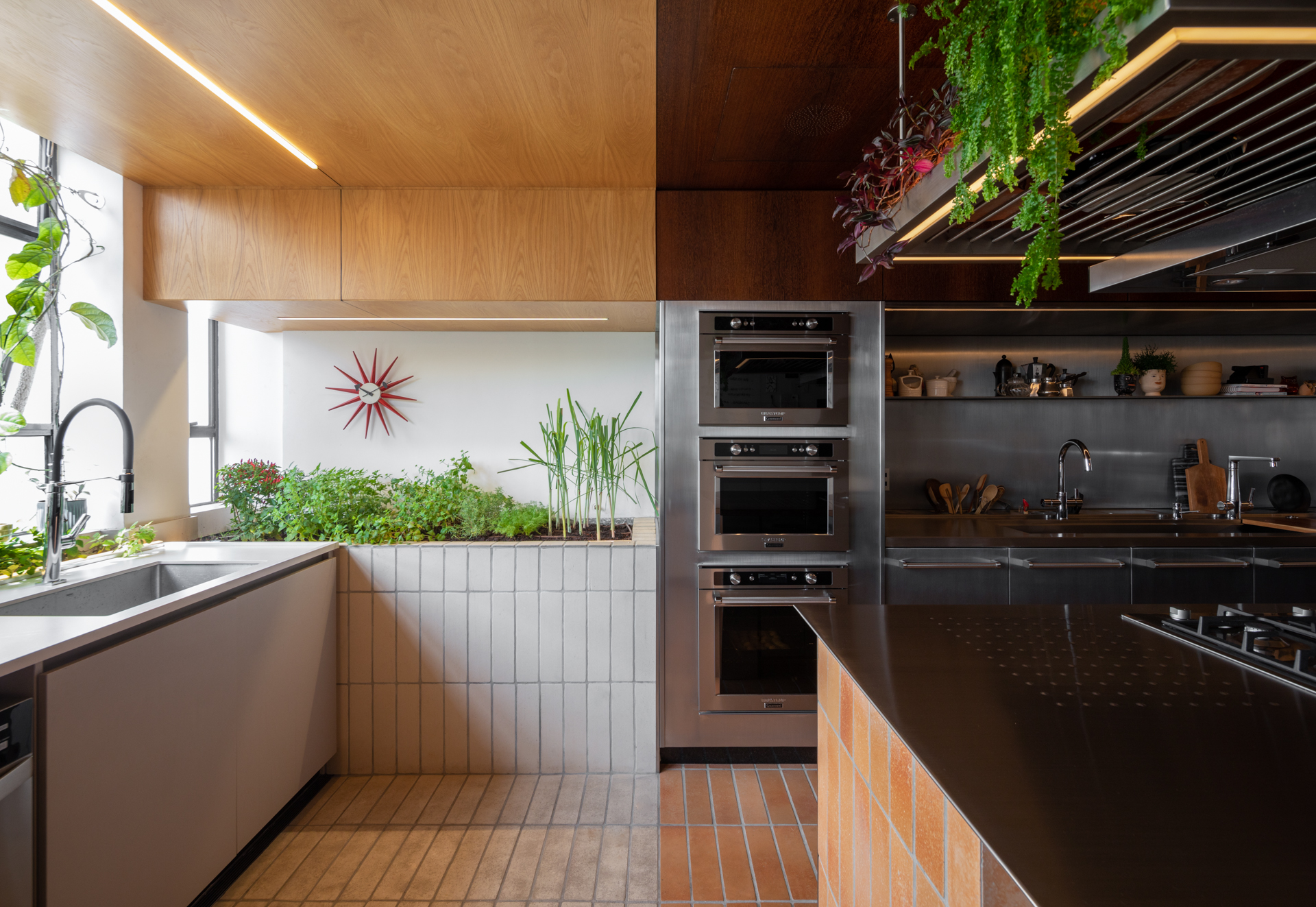
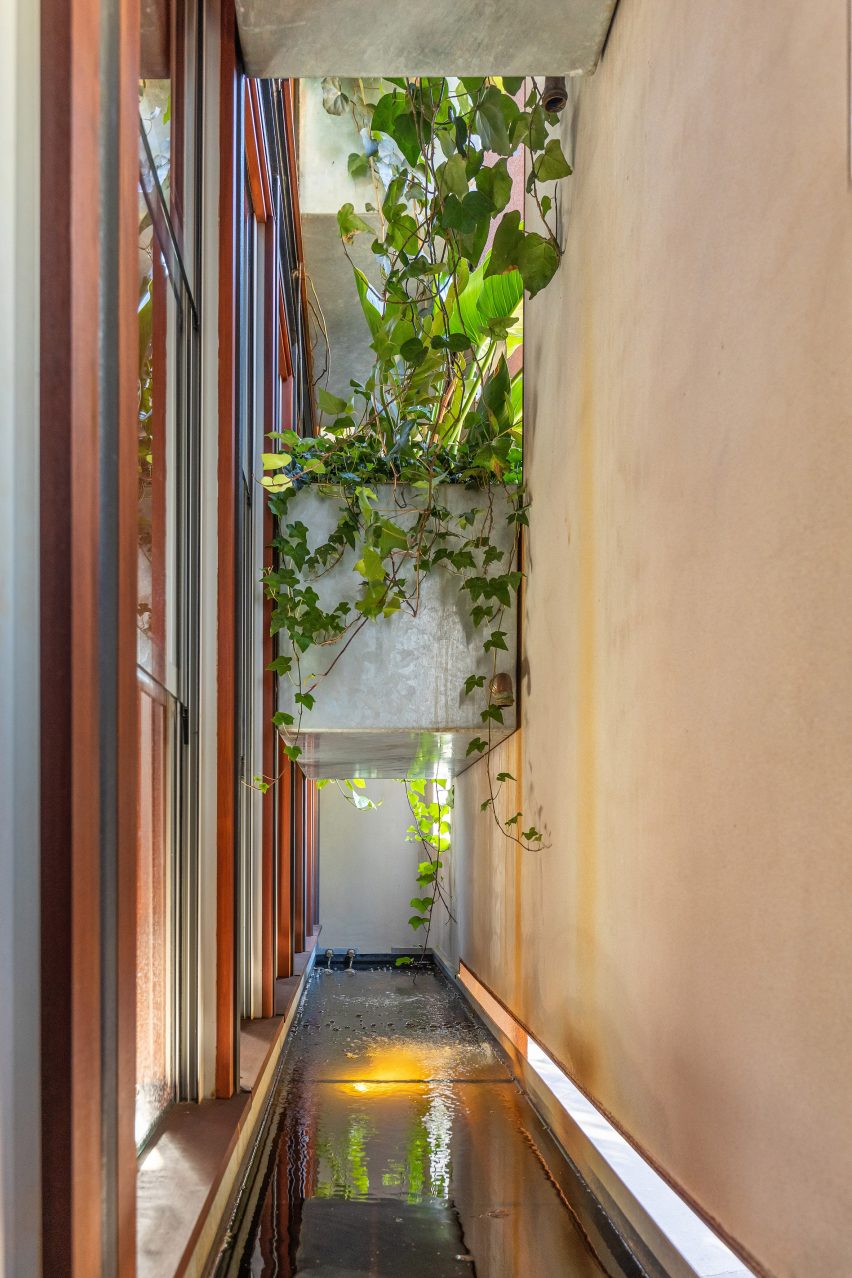
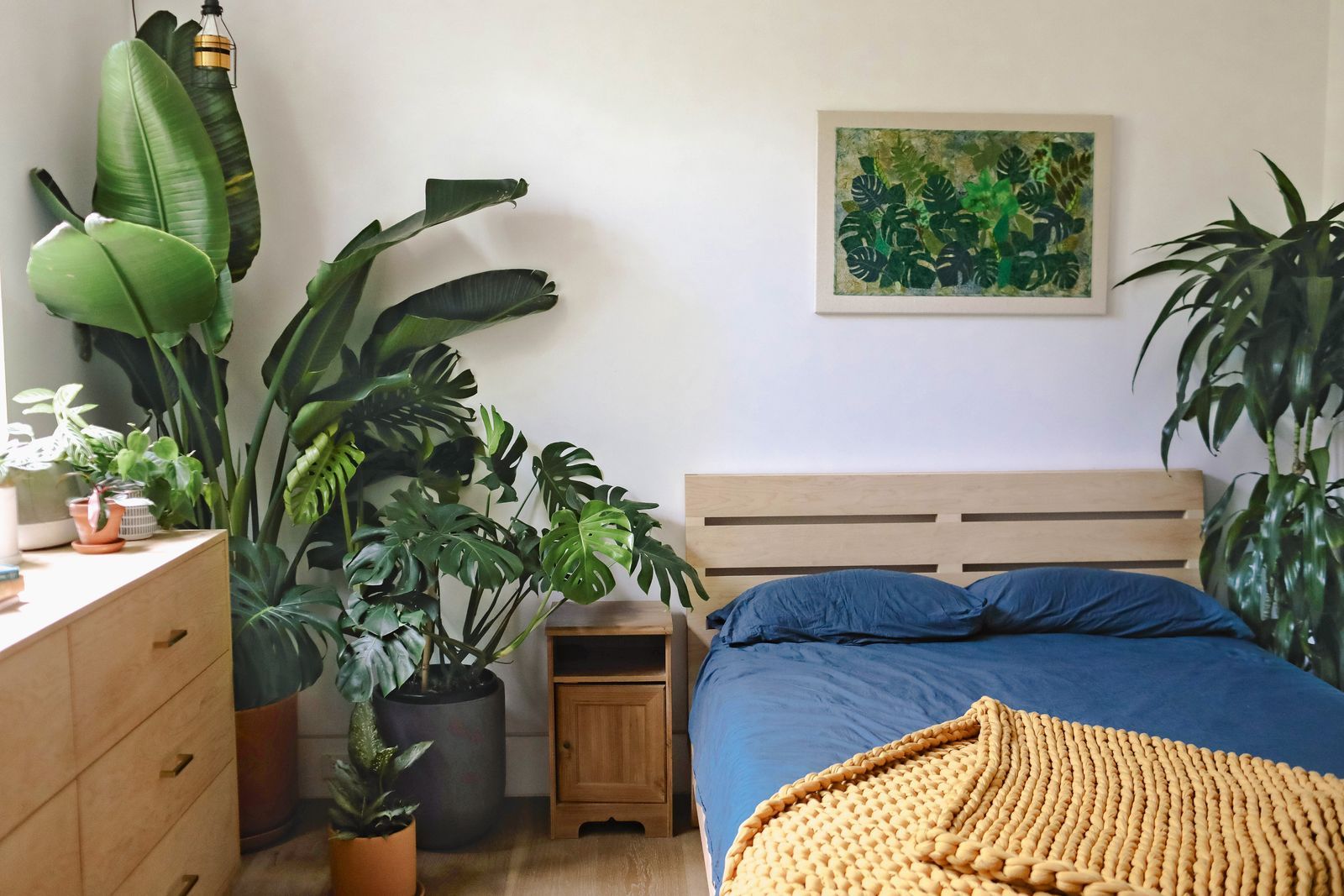
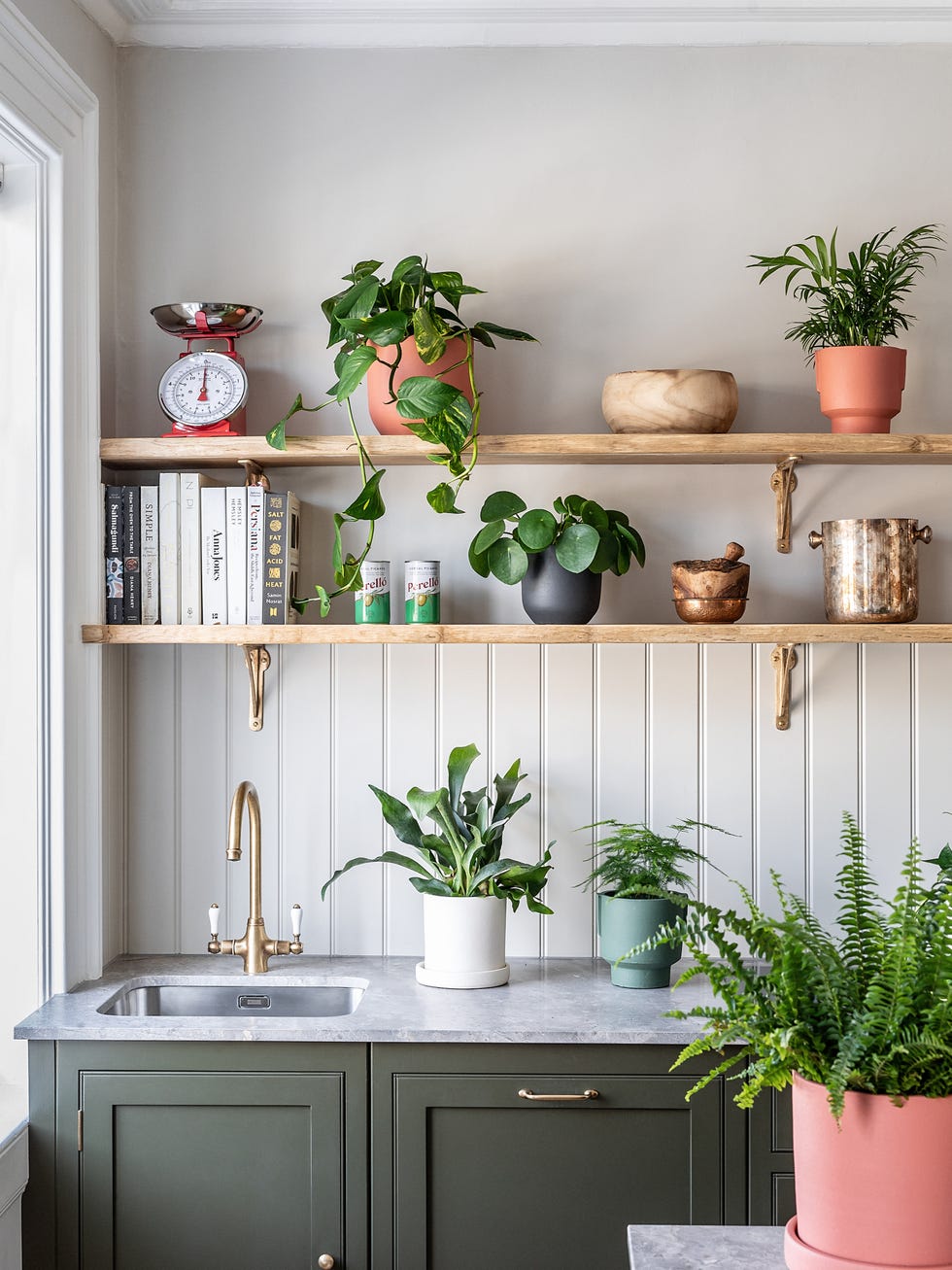
The article highlights the comprehensive plant integration throughout the apartment, extending from the living room to the kitchen, bedroom, and bathroom. Architect Guto Requena emphasizes the intentional design choices that allow the extensive foliage to take center stage, balancing the home's contemporary architecture with natural elements. The home features a sophisticated irrigation system that waters the numerous plants daily, ensuring their thriving presence.
Landscape architect Juliana Freitas was instrumental in executing this verdant vision, meticulously planning the placement and selection of each plant. She specified approximately twelve distinct plant species for suspended planter boxes, including trailing varieties like columnea and peperomia, and climbing species such as philodendron, cissus, and clerodendron, which are supported by a network of steel cables across the ceiling. For floor-mounted containers integrated into the interior design, a diverse range of species from the araceae and bromeliaceae families were chosen, alongside native Atlantic forest trees like plinia cauliflora (jabuticaba) and eugenia brasiliensis (grumixama).
Freitas expresses a particular fondness for the grumixama tree, noting its striking architecture, firm dark green leaves, and visually captivating, flavorful deep red fruits. She also appreciates the araceae family for its distinctive leaf morphologies, intricate shapes, and a wide array of colors. The focus on native varieties underscores a broader trend in naturalistic planting, advocating for the support of local plant species within and beyond home environments.
Both Requena and Freitas believe that reintroducing nature into homes through biophilic design is a powerful solution to combat the challenges of urban living and the disconnection from the natural world. They argue that this approach restores well-being and creates moments of peace within the chaotic rhythm of city life, suggesting that humanity's innate longing for nature drives the resurgence of biophilic design. The home serves as a testament to the idea that being closer to nature helps balance daily routines and promotes happiness. The inviting ambiance created by the extensive greenery—from the lush foliage in the living room to the screens of greenery in the bathroom and feathered leafage in the kitchen—reinforces the profound impact of integrating plants into modern living spaces. The article concludes by encouraging readers to embrace biophilic design, starting with low-maintenance plants and gradually incorporating more elaborate arrangements to transform their homes into calming urban jungles.
#BiophilicDesign #IndoorPlants #HomeDesign #UrbanOasis #ArchitecturalDesign #InteriorGardening #PlantCare #Wellness #BiophilicDesign #IndoorPlants #HomeDesign #UrbanOasis #ArchitecturalDesign #InteriorGardening #PlantCare #Wellness
0 comment in total
 No comments yet
You may also like
Gorgeous homes with secret gardens hidden inside | loveproperty.com

26 Biophilic Living Rooms That Flawlessly Bring Nature Indoors
7 biophilic design ideas you can recreate on a budget

What Is Biophilic Design? 5 Ways to Incorporate This Style

Indoor Garden Ideas —14 Ways To Live Amongst Greenery That Will Make Your Life Better
Eight ways indoor plants can improve your home

How renowned interior stylist Hilton Carter finds zen by caring for 200 houseplants
6 Plants That Professional Stagers Say Will Actually Help You Sell Your Home
25 Indoor House Plants To Buy If You Know Your Spider Plant From Your Aloe Vera

This Indoor Smart Garden Became a Part of My Self-Care Practice
The power of greenery! 5 ways that houseplants can elevate your interior

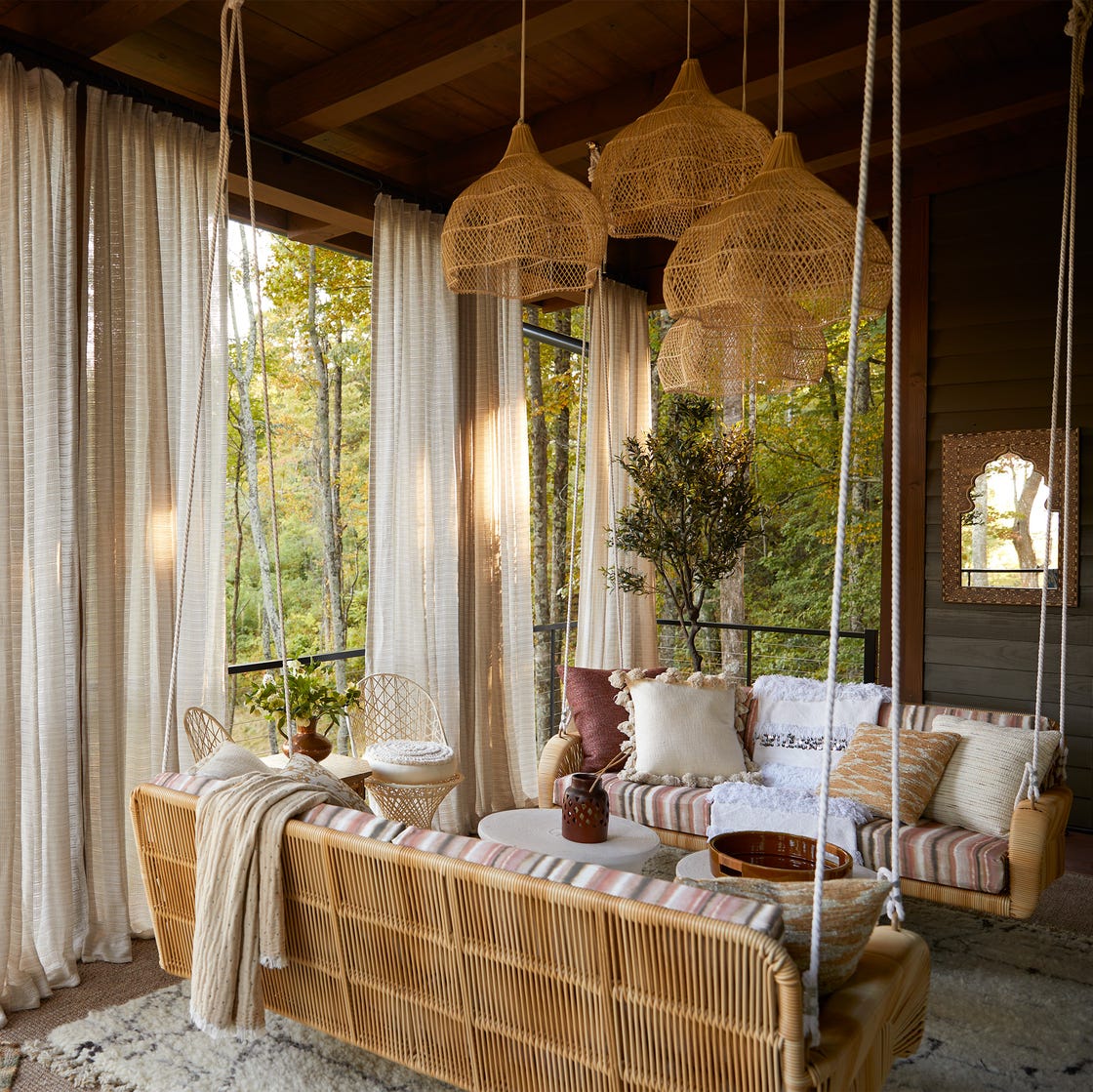
Biophilic Design Is the Signature Style of Plant Lovers Everywhere

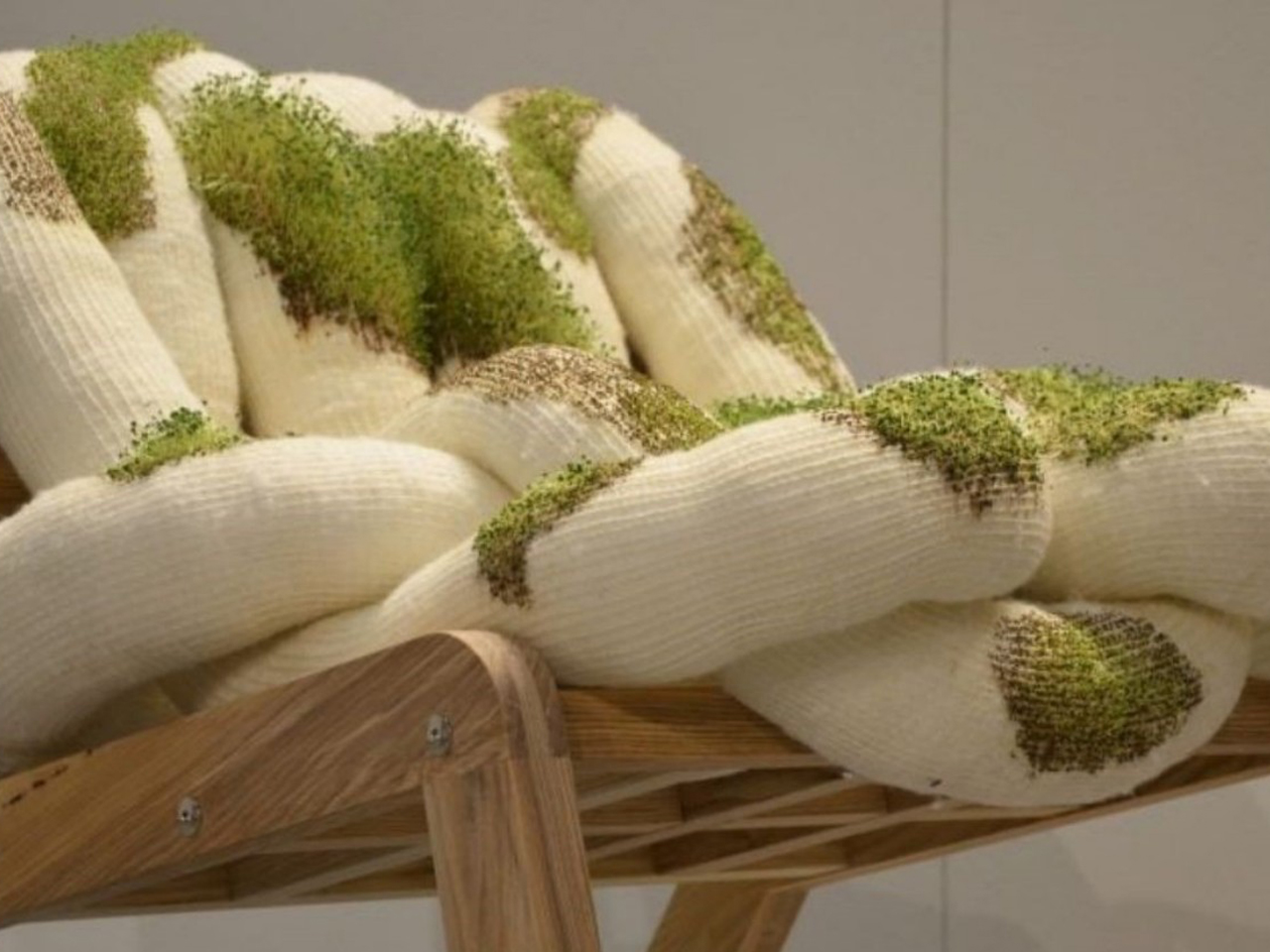
Top 5 Biophilic Design Trends for Indoors: Illuminated Greenery and Functional Plant Solutions

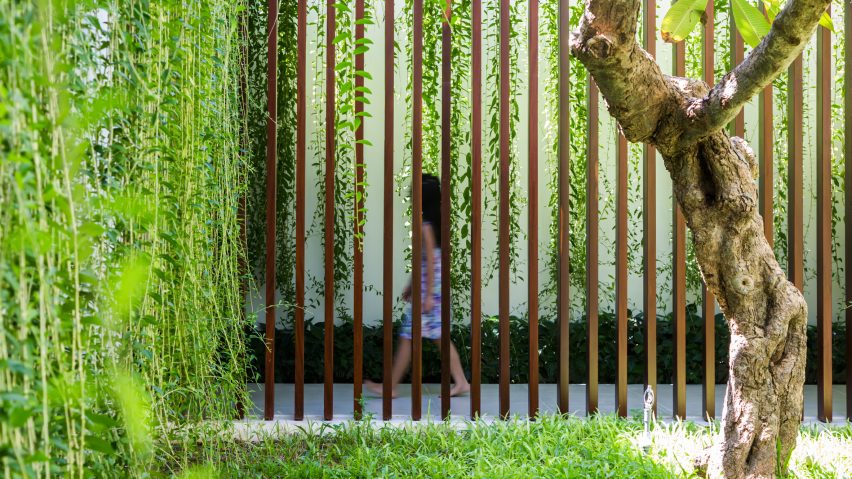
Ten modern homes with interiors informed by biophilic design

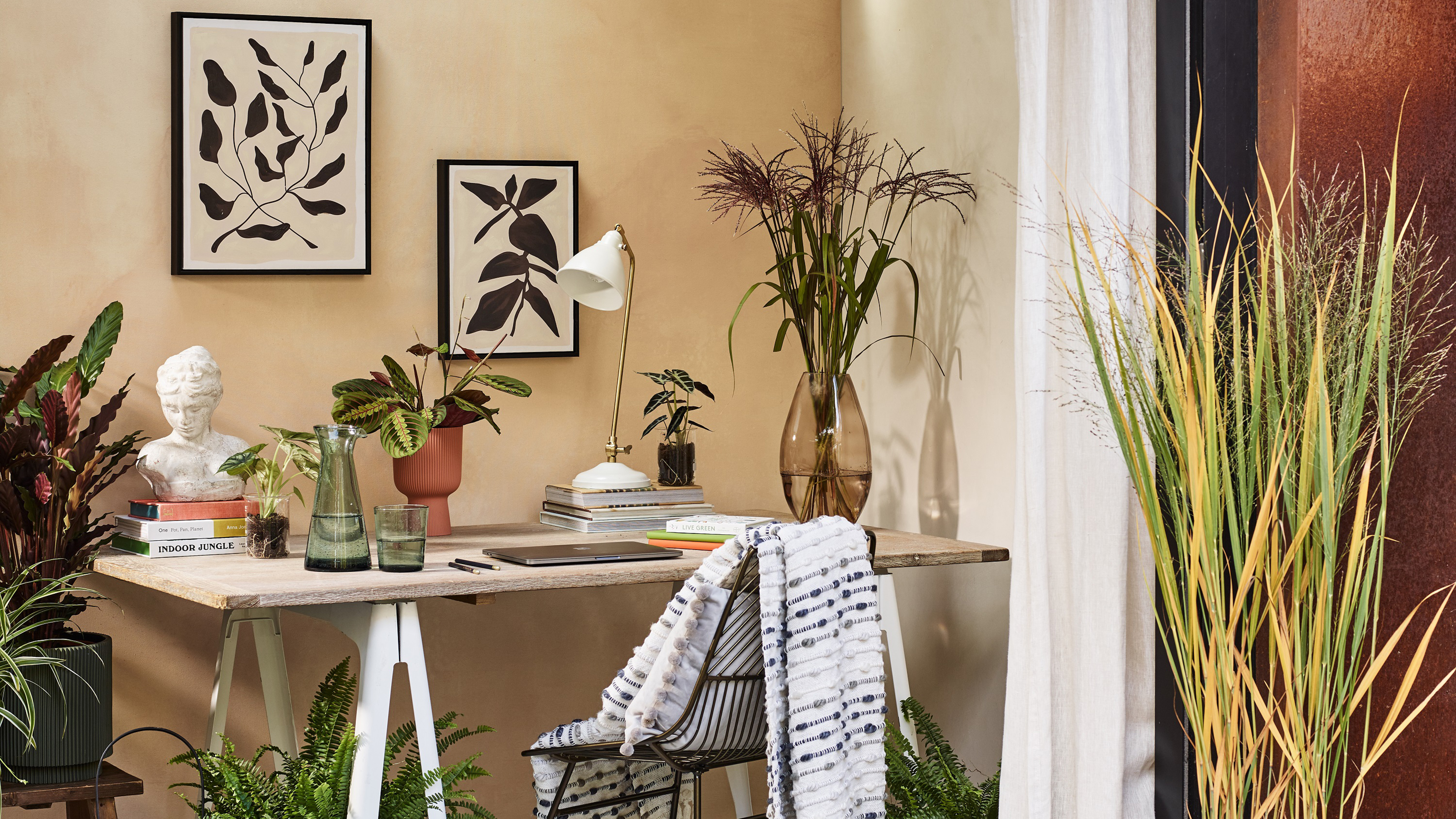
9 creative ways to bring nature into your urban home

9 Genius Ways to Do Living Walls in 2025 That Take This Idea in a Style-Forward Direction
Bringing the Outside In: Life-Size Terrariums and Other Ways to Exhibit Nature in European Apartment Buildings

Decorating with plants – inspiring ways to use plants in interior design

Biophilic design ideas - clever ways to bring nature into your home for a calming space
Biophilic Design Helps Homeowners Connect to Nature