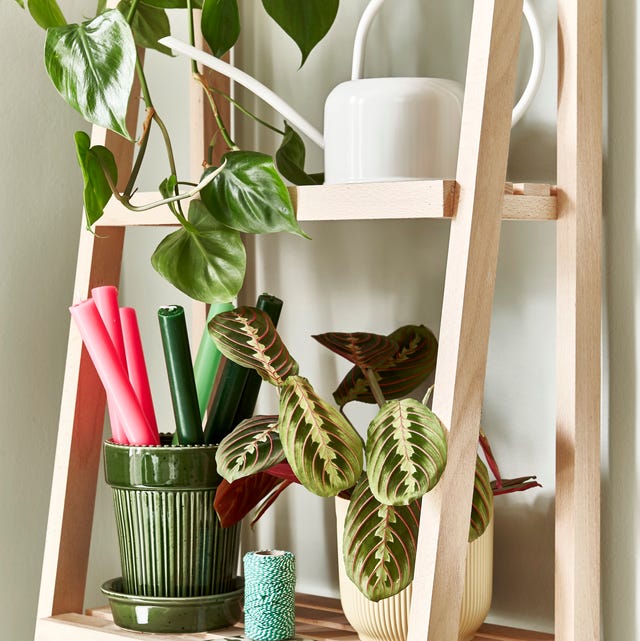
1/9
The power of greenery! 5 ways that houseplants can elevate your interior
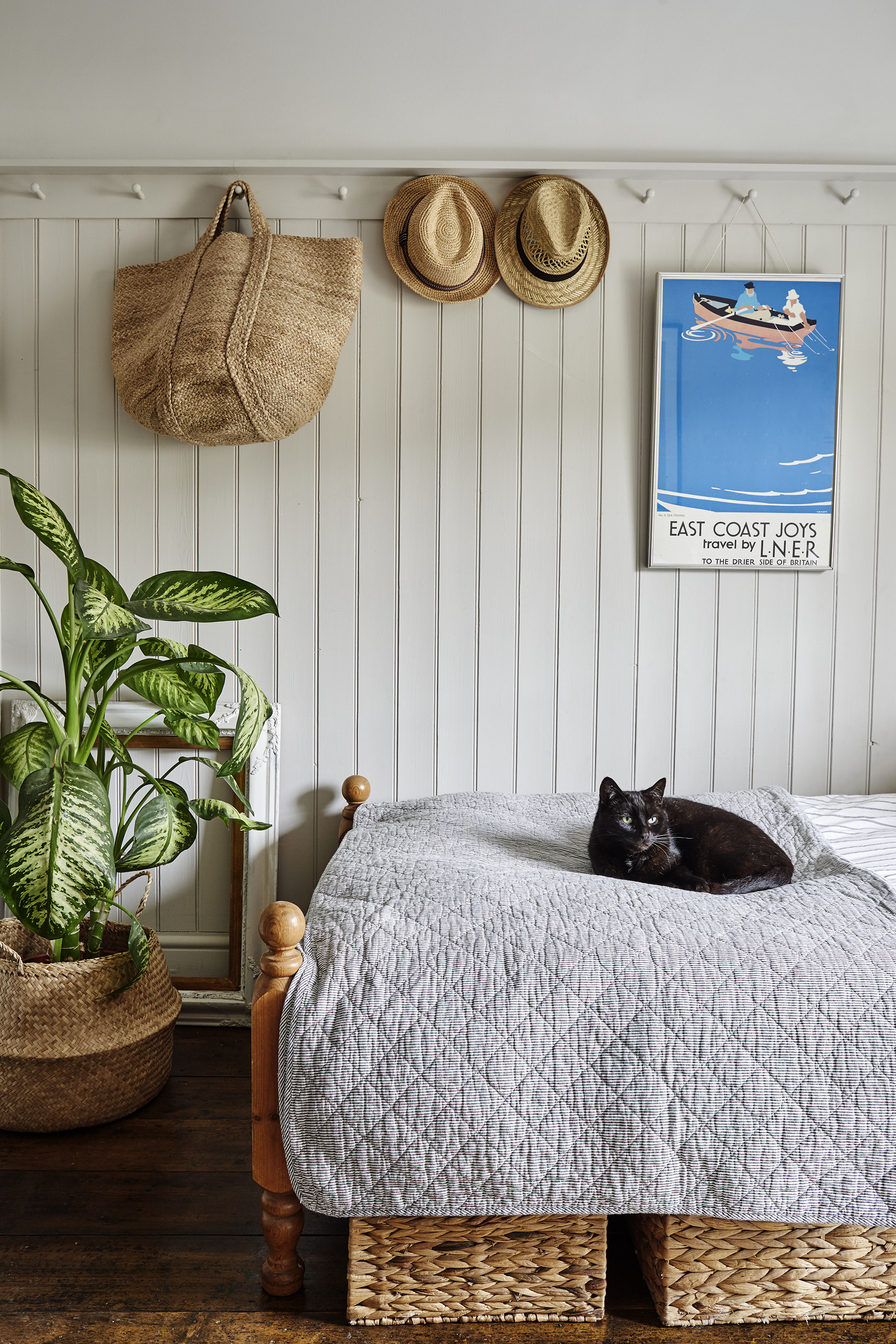
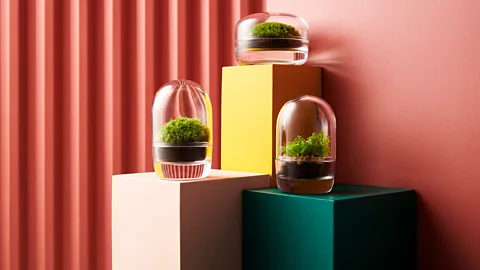
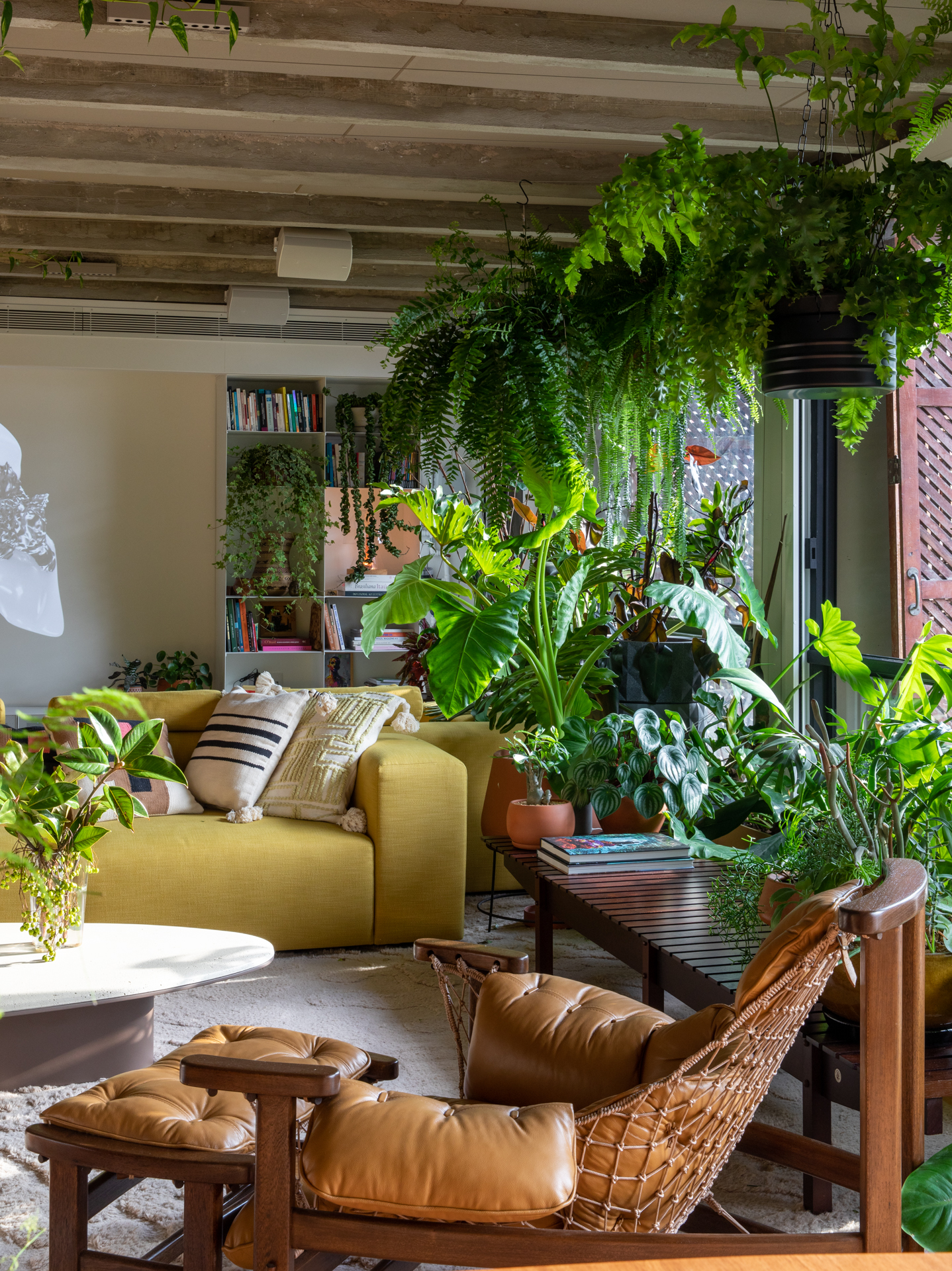
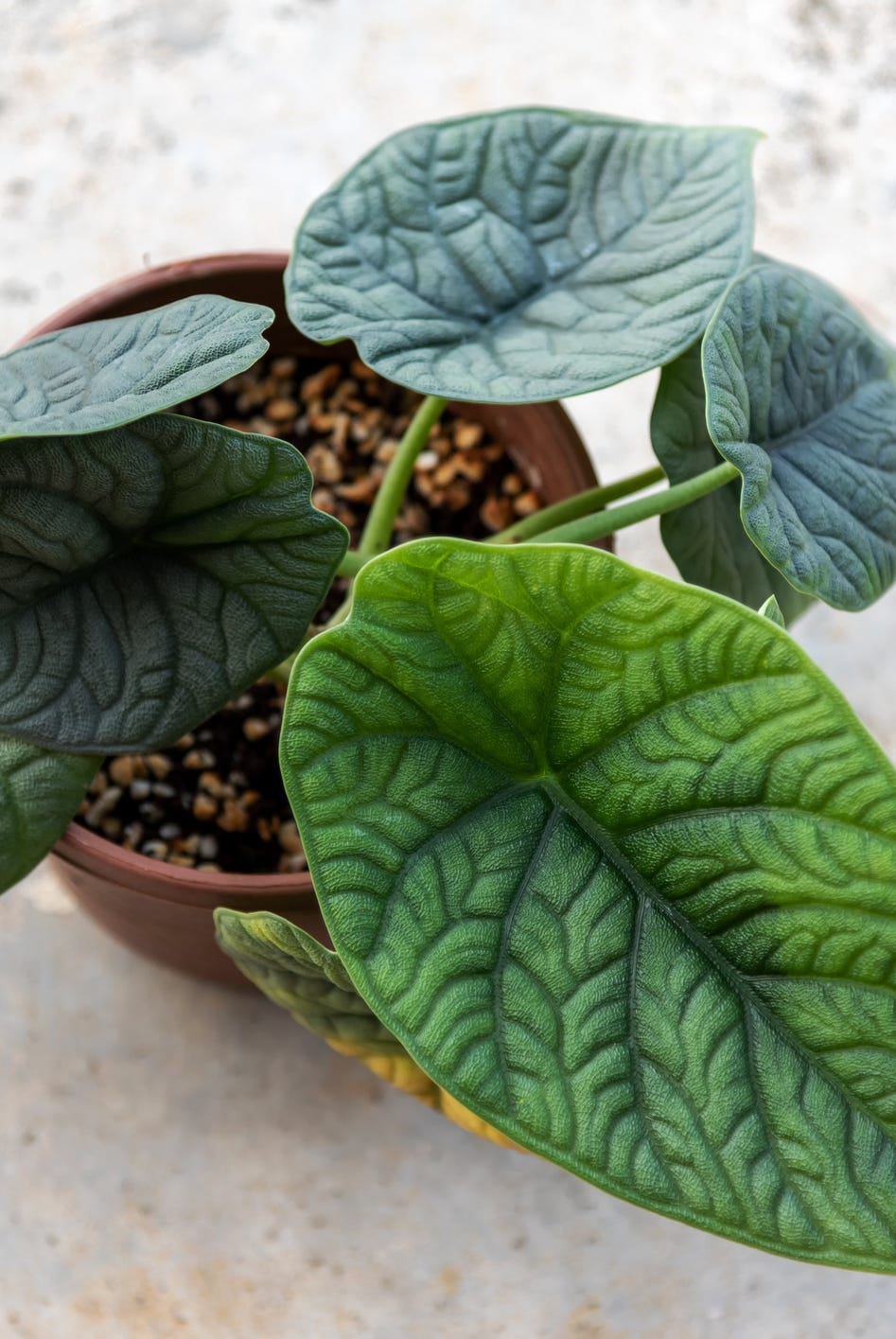
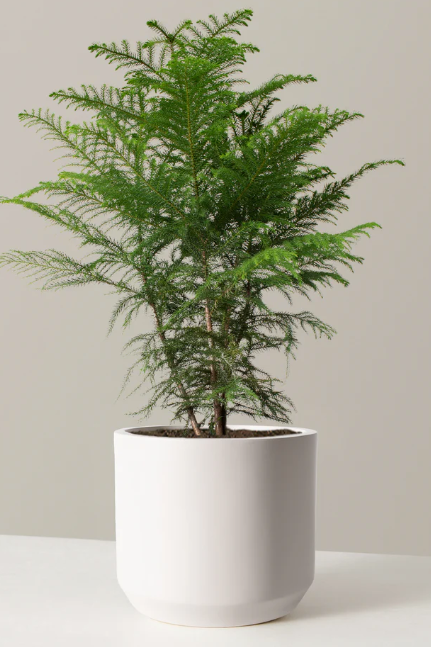
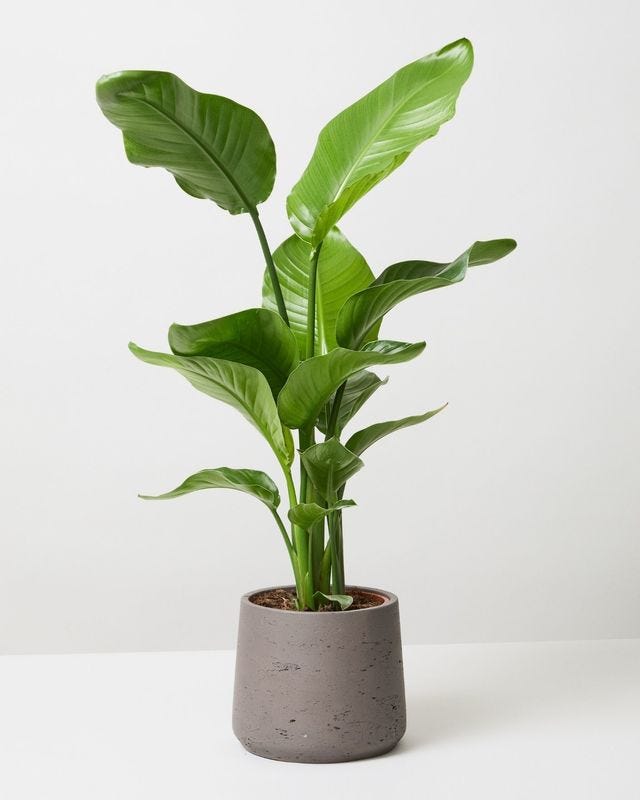
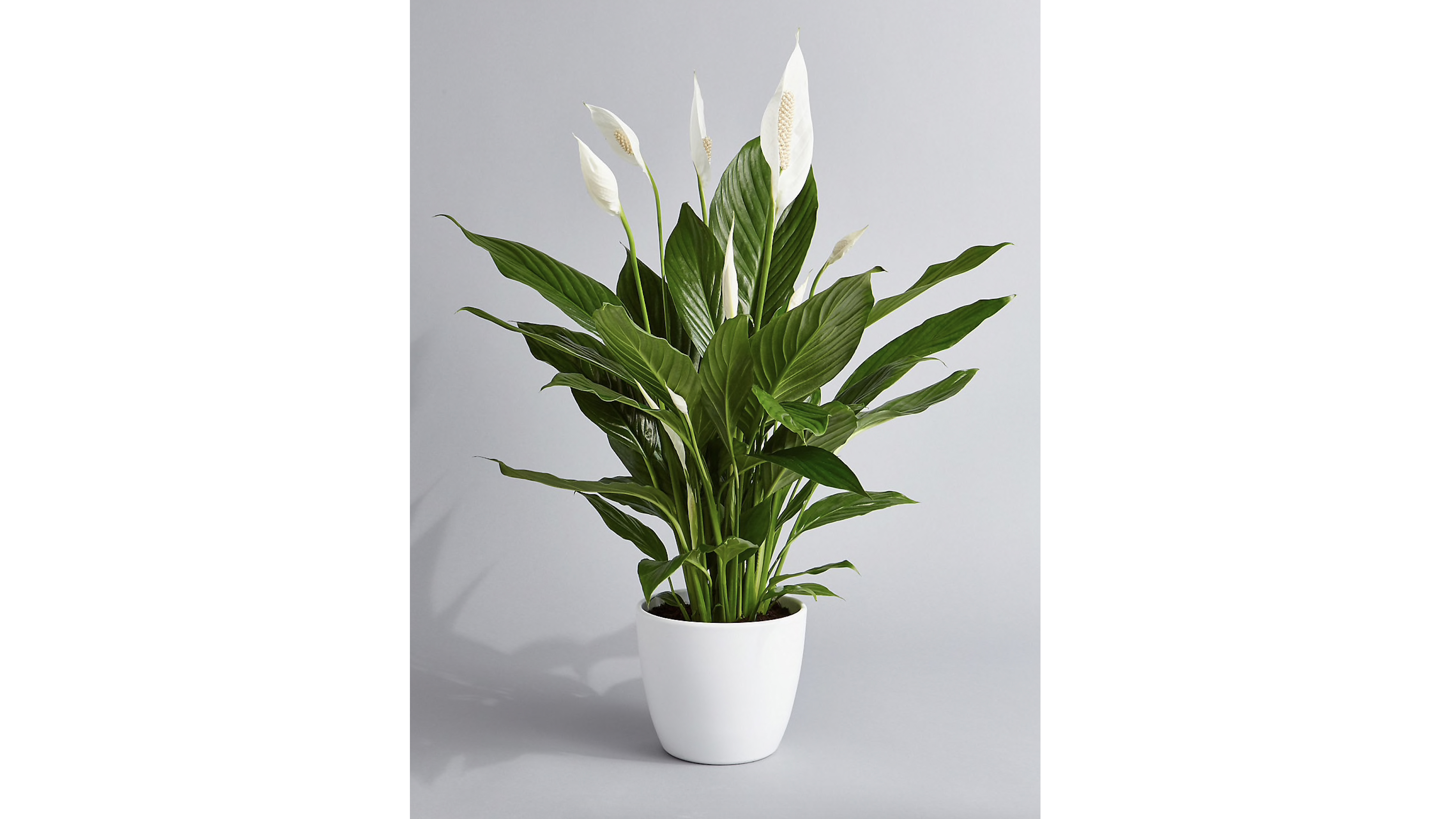
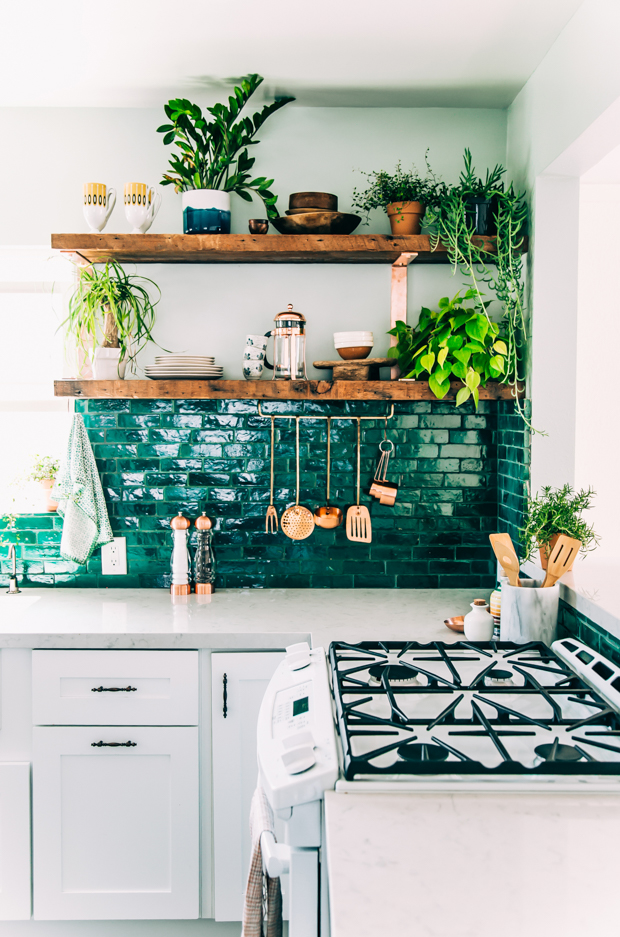
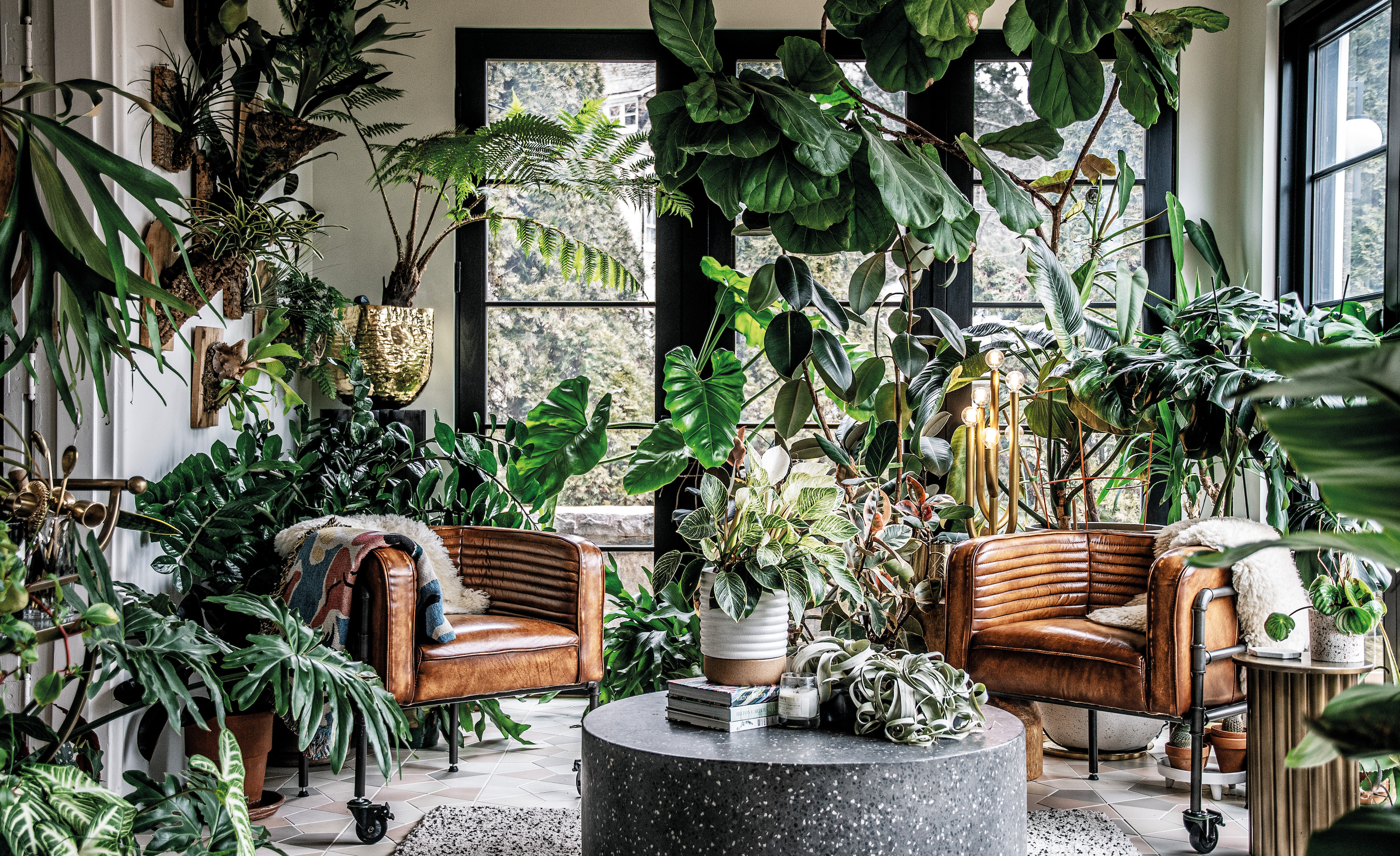
Houseplants have seen a surge in popularity, driven by social media trends like #planttok and the broader interest in biophilic interiors. This trend emphasizes integrating nature into indoor spaces through natural materials, furnishings, and nature-inspired color palettes. For individuals living in smaller spaces or without access to a garden, indoor gardening provides an avenue to connect with nature, whether through windowsill plants or greenery on shelves. Emma Sibley, founder of London Terrariums, notes that this fascination stems from a desire to reconnect with nature, especially after periods of lockdown. The presence of plants offers significant well-being benefits, acting as natural stress relievers and creating a serene, calming environment that subtly links indoor spaces with the outdoors, according to Beth Chapman of Leaf Envy.
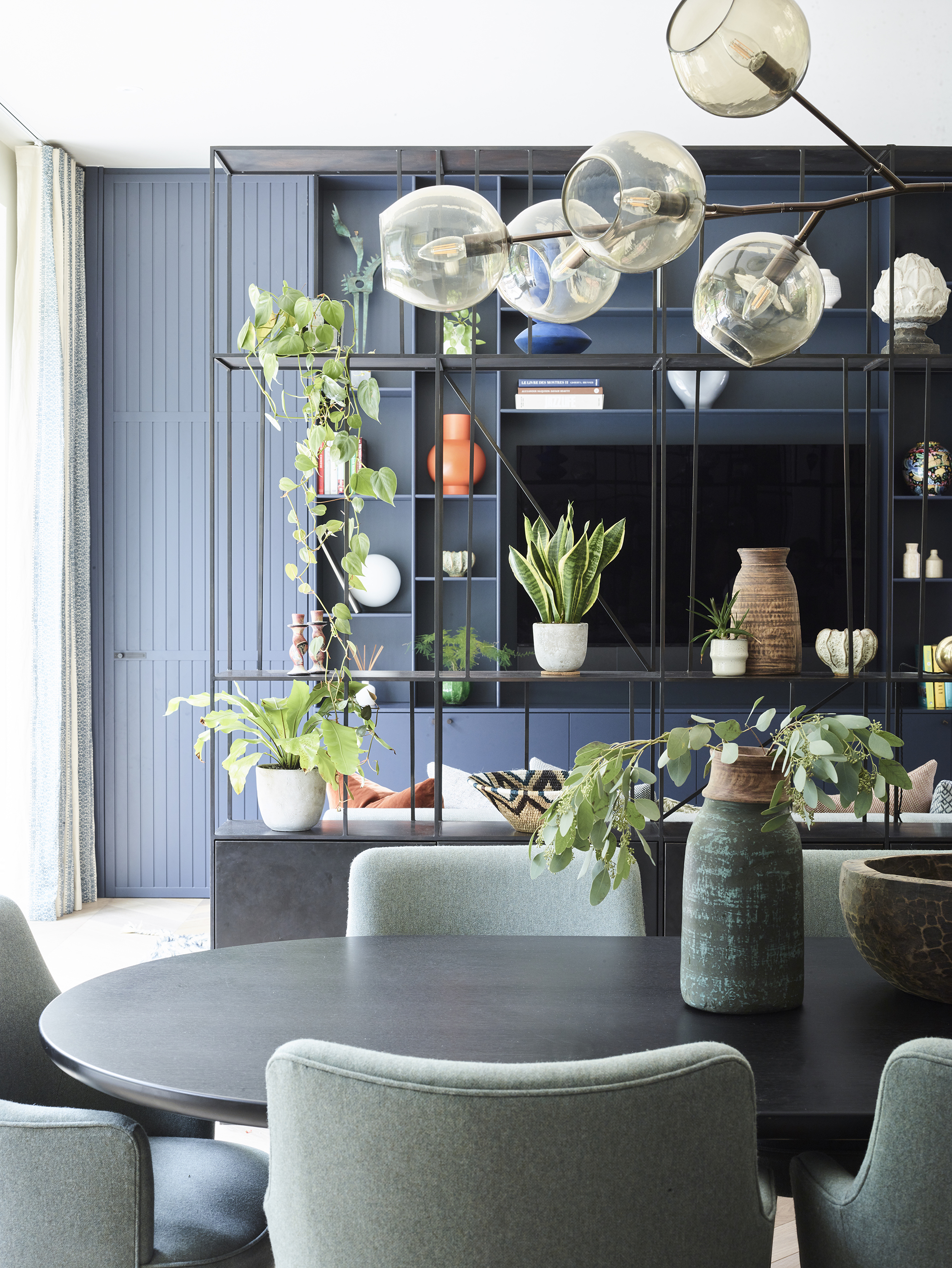
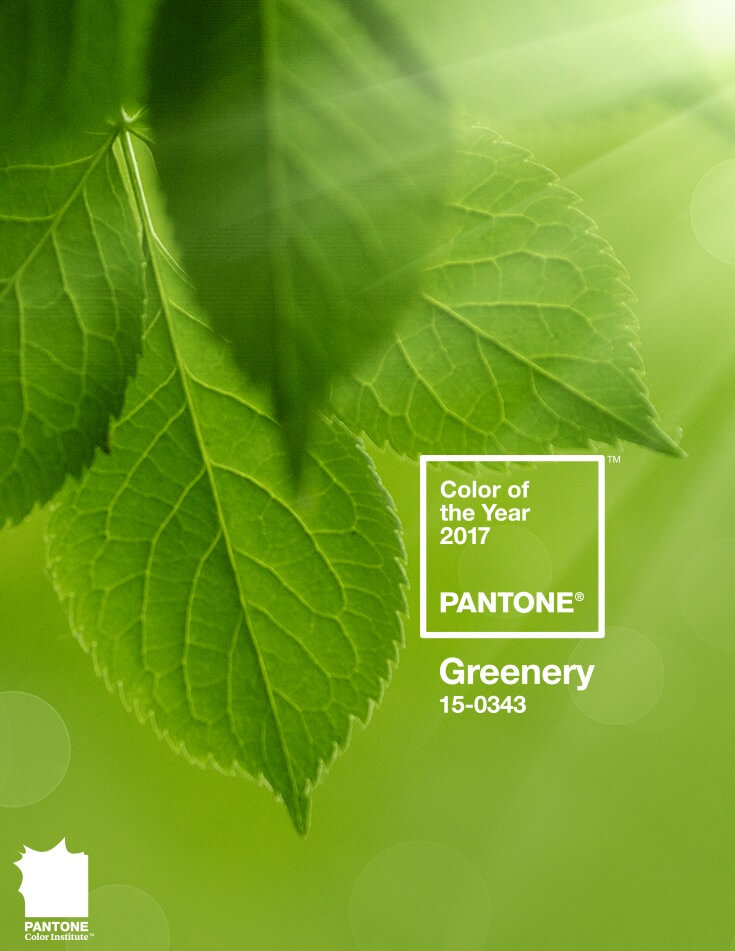
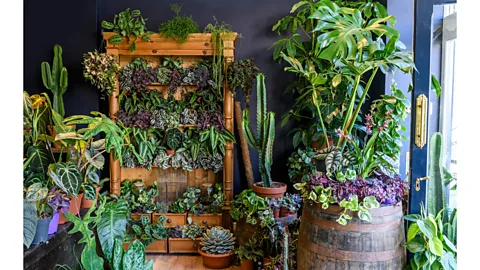
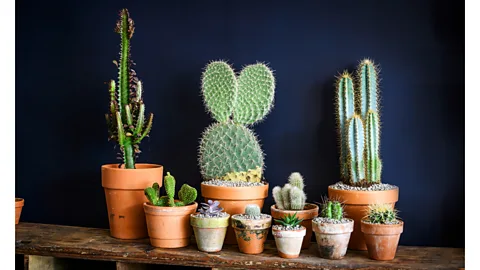
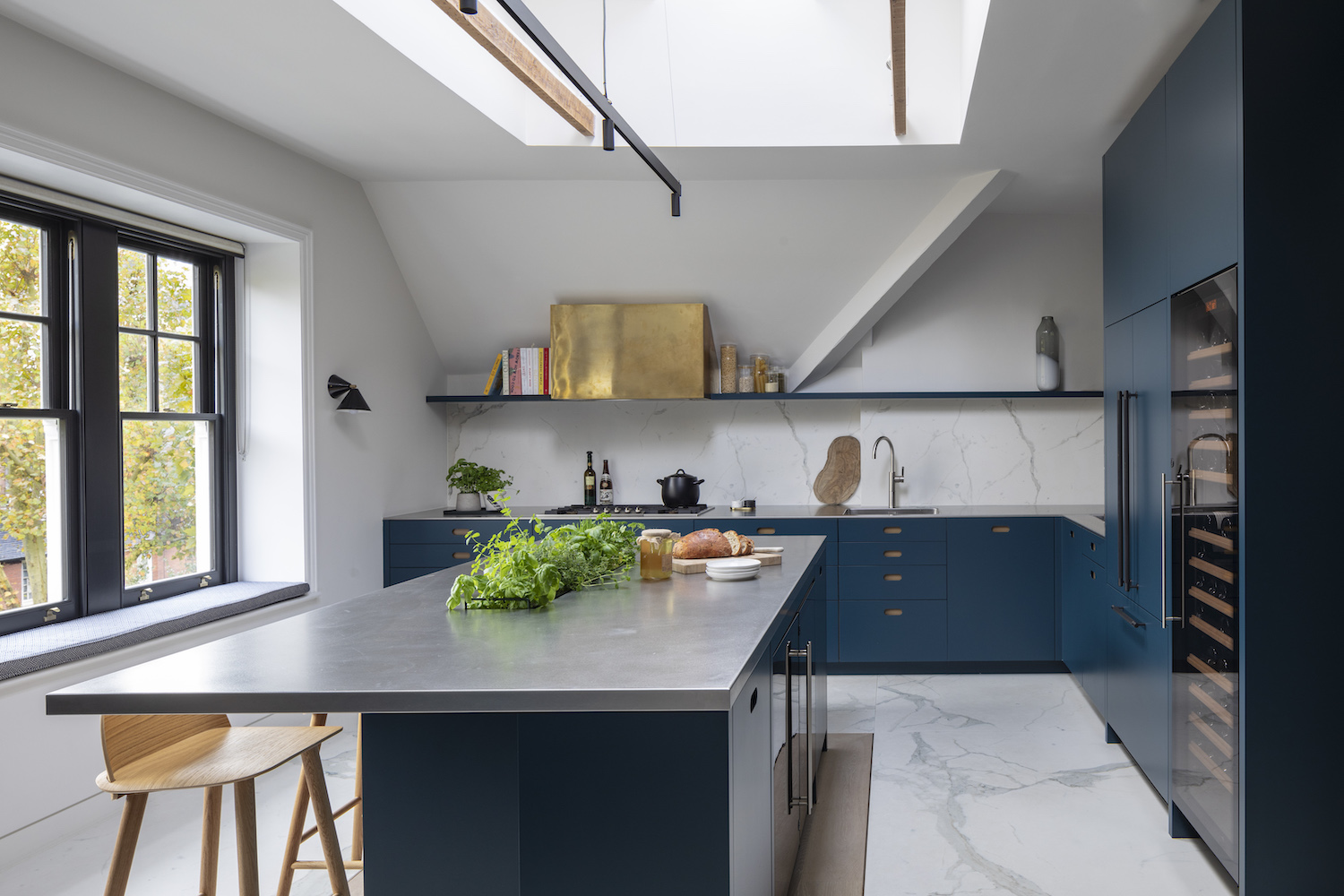
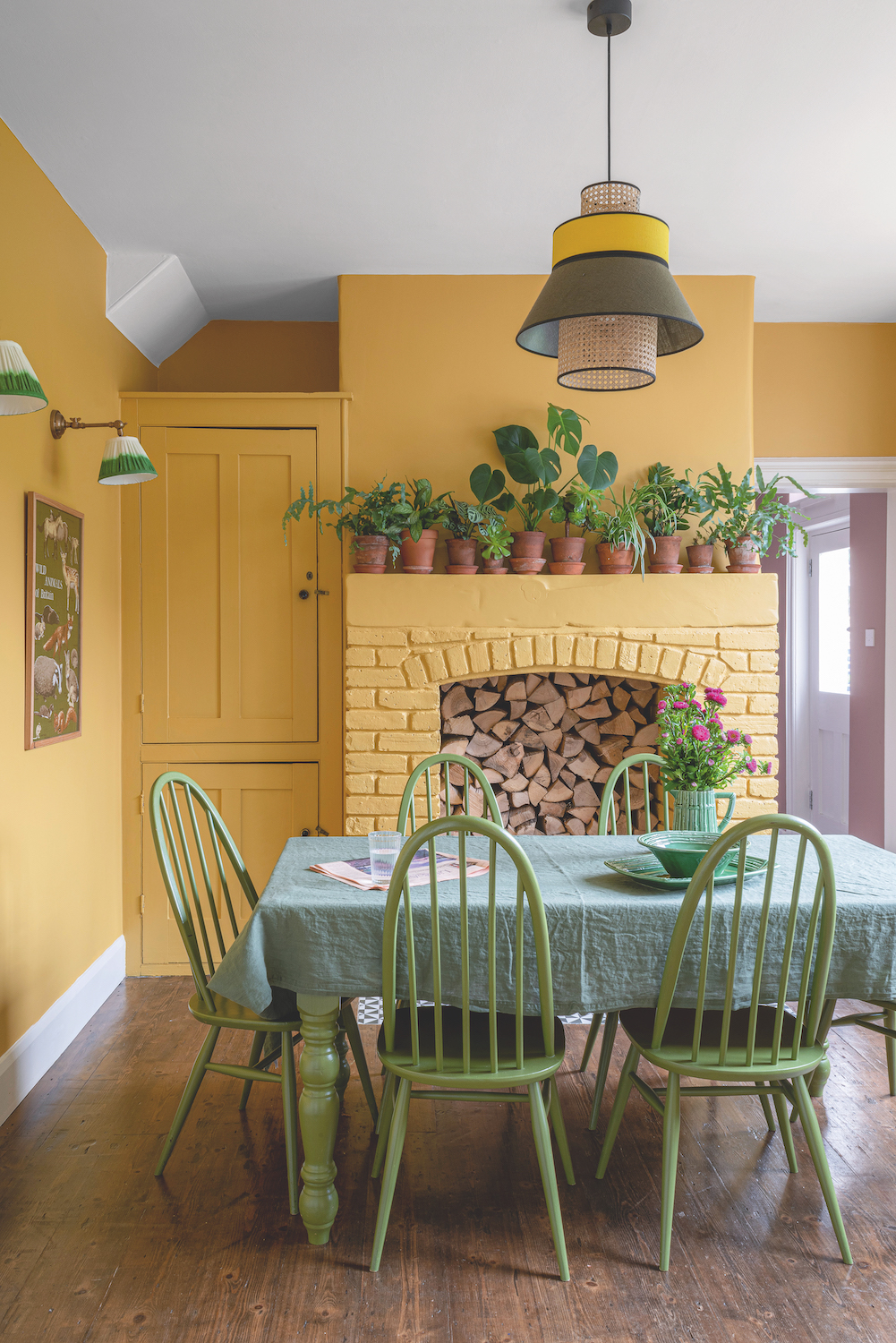
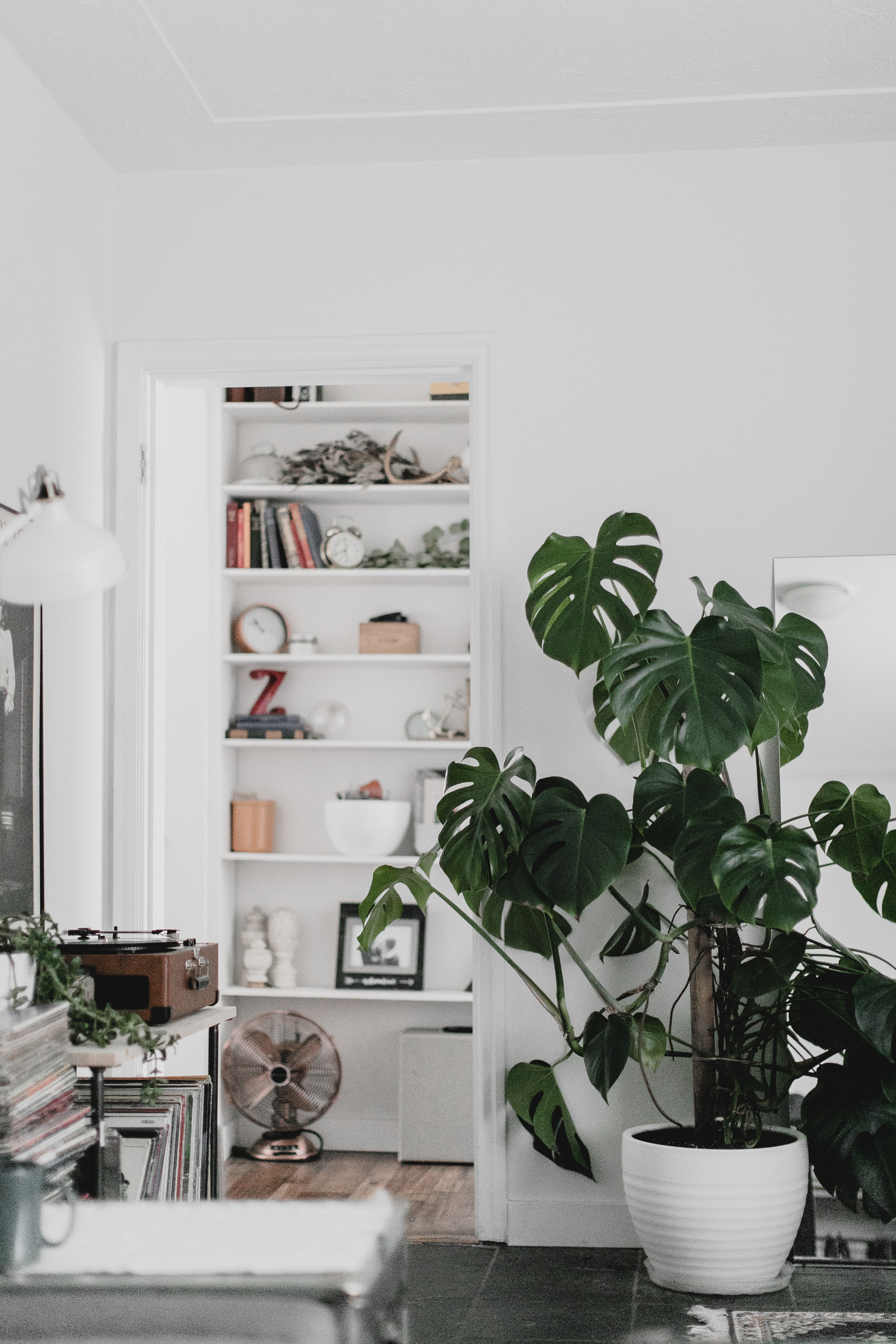
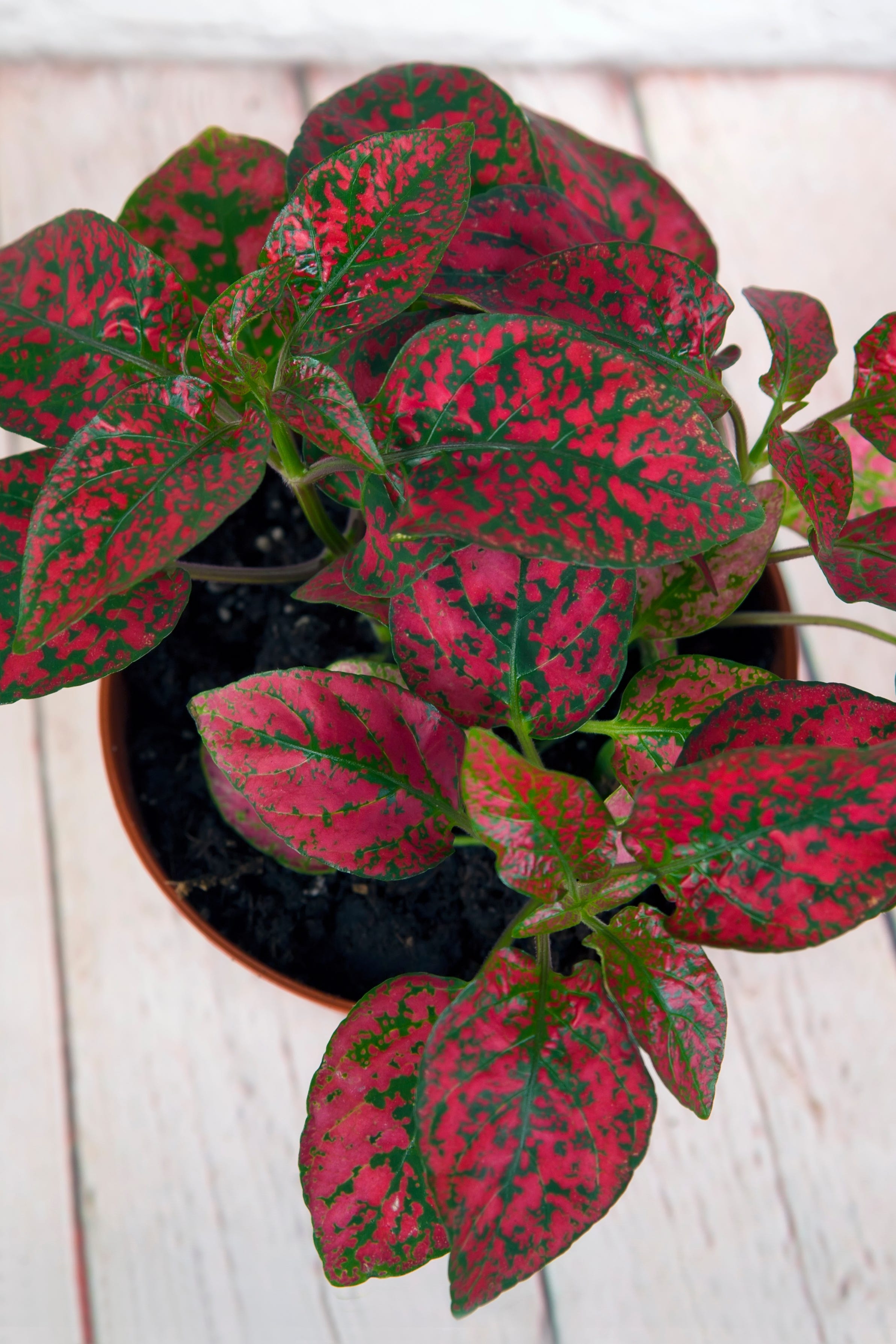
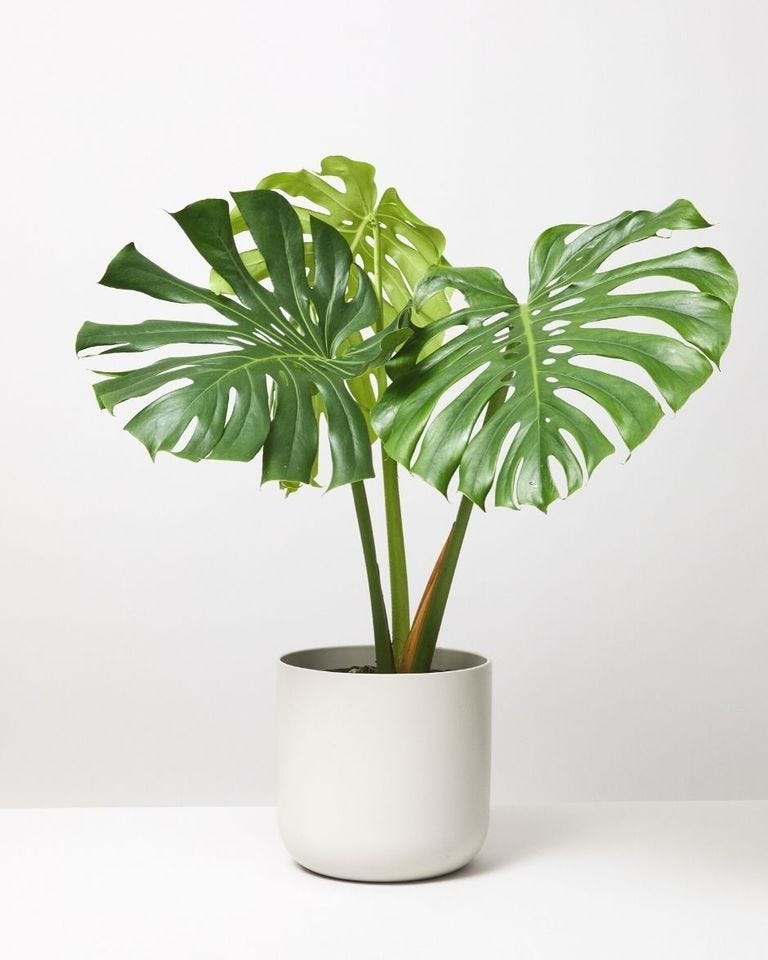
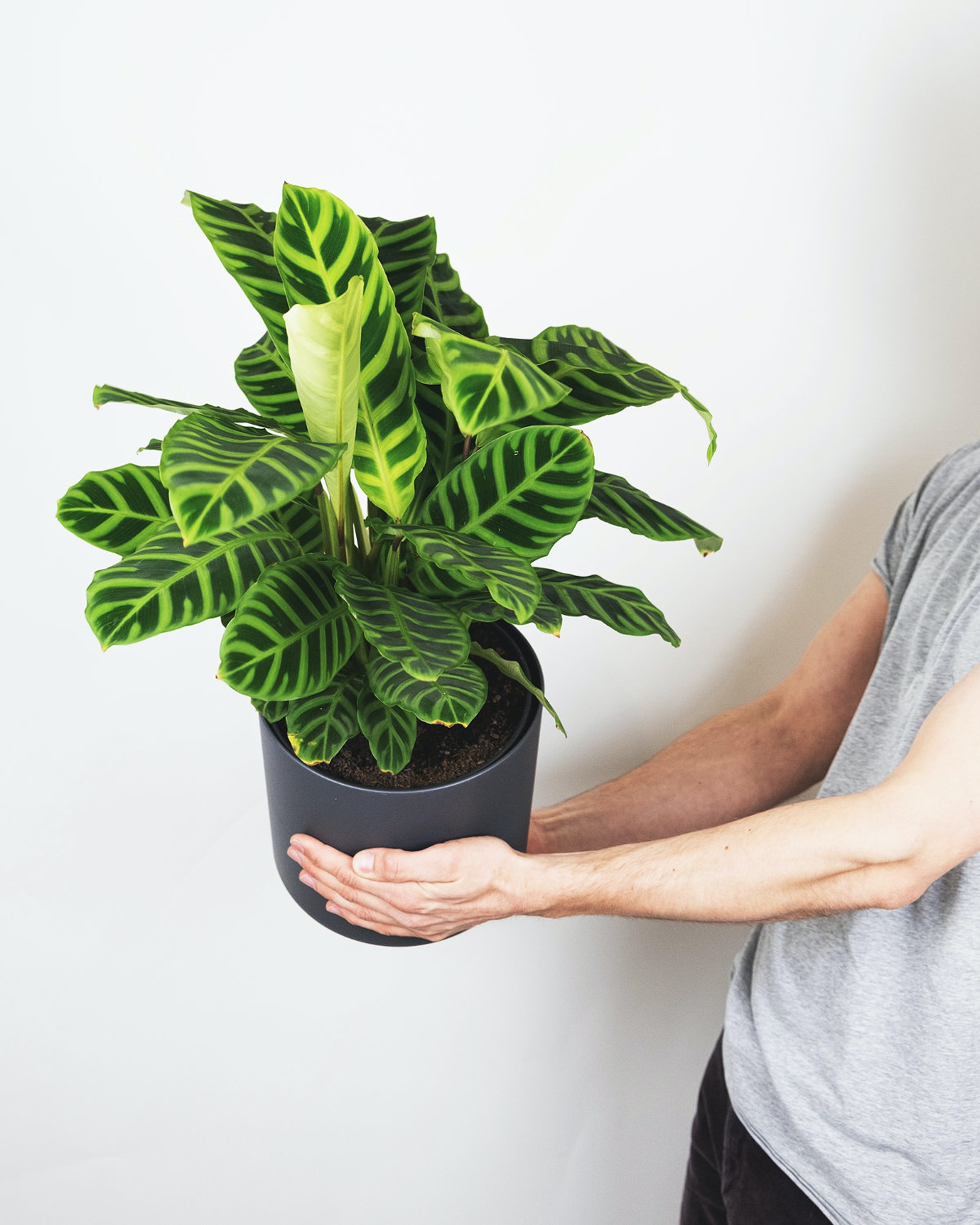
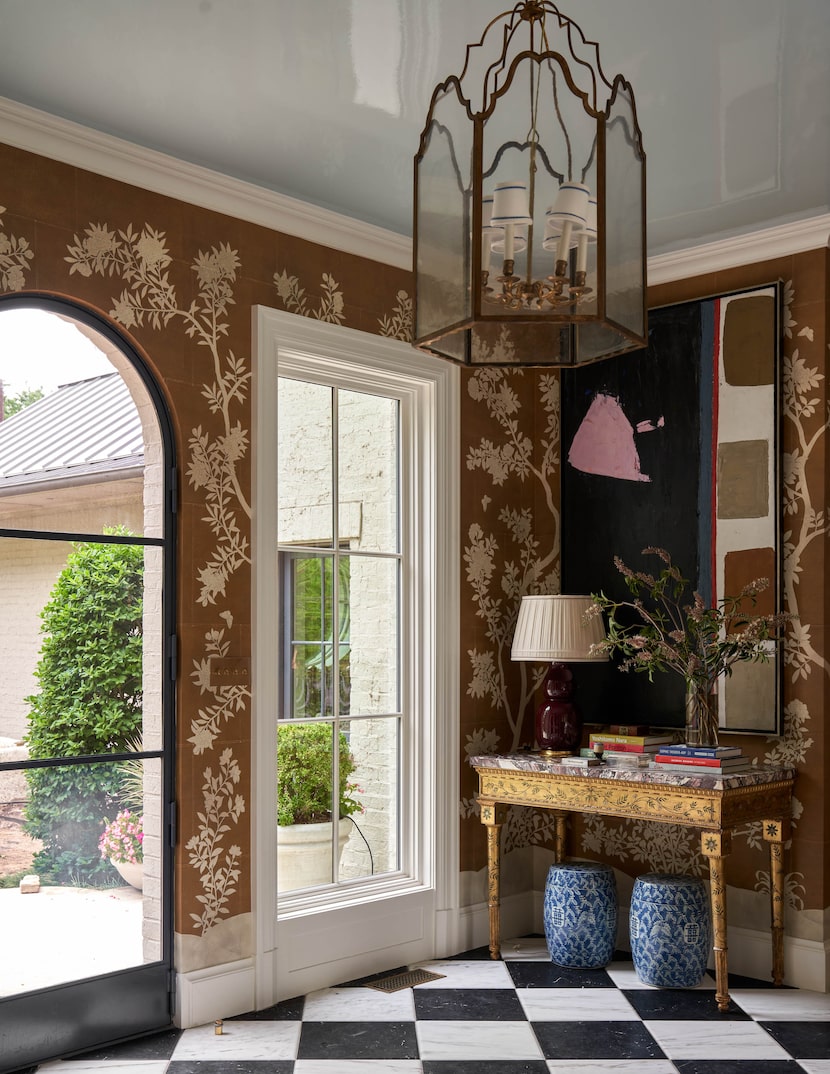
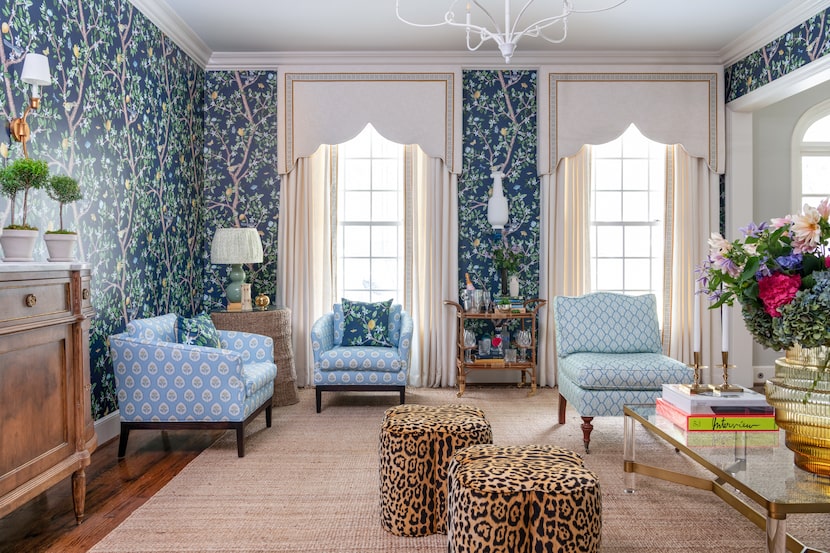
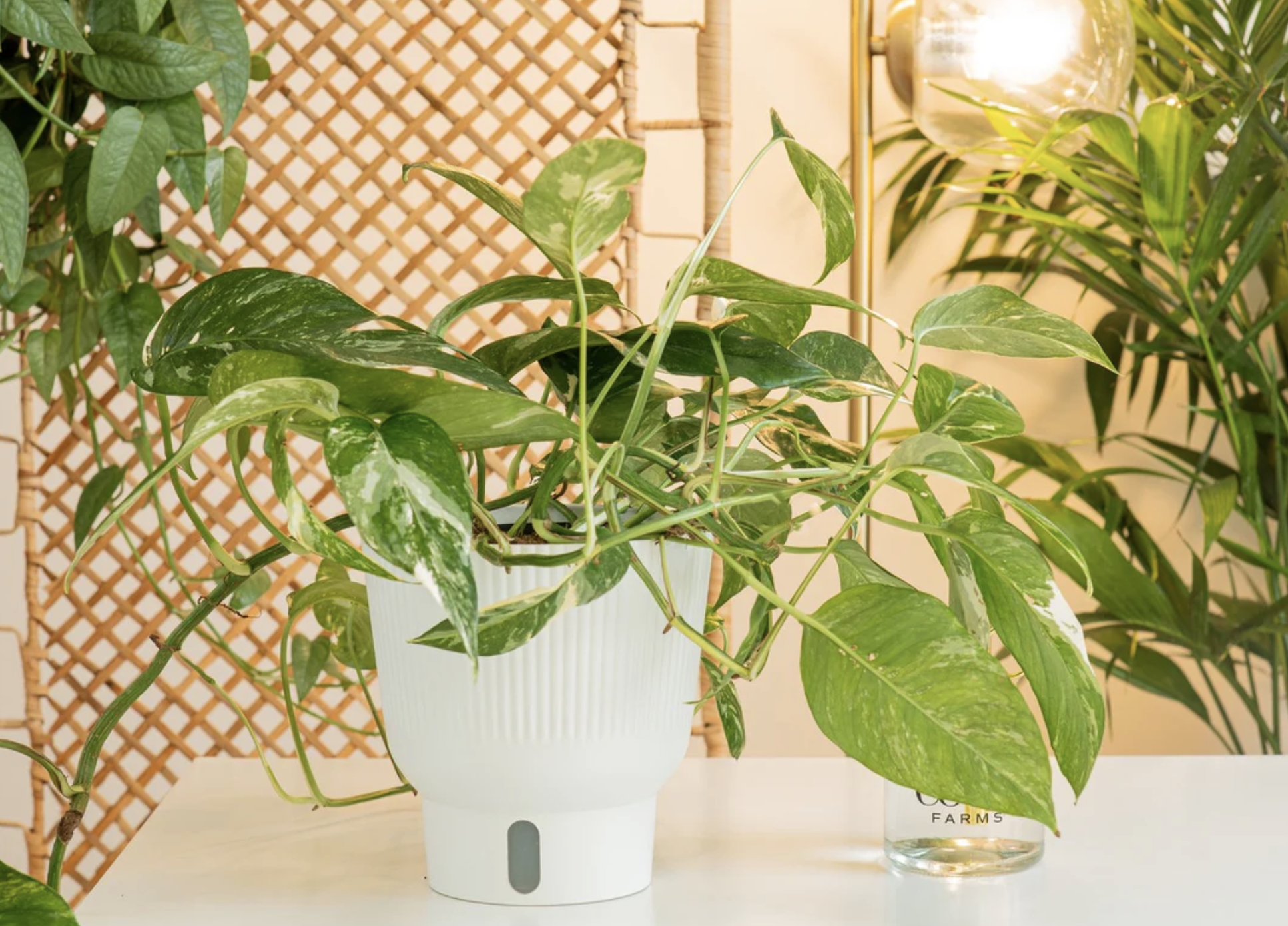
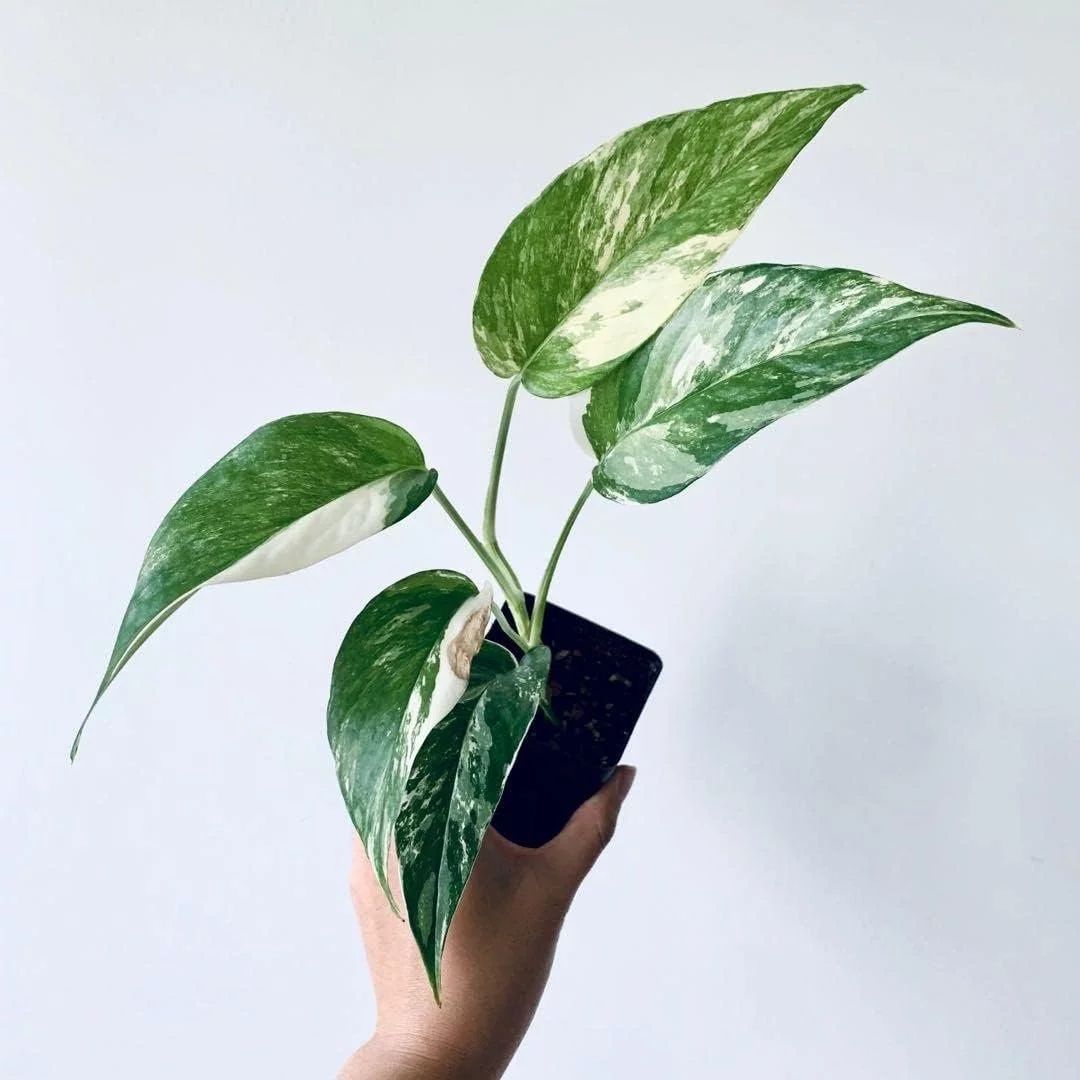
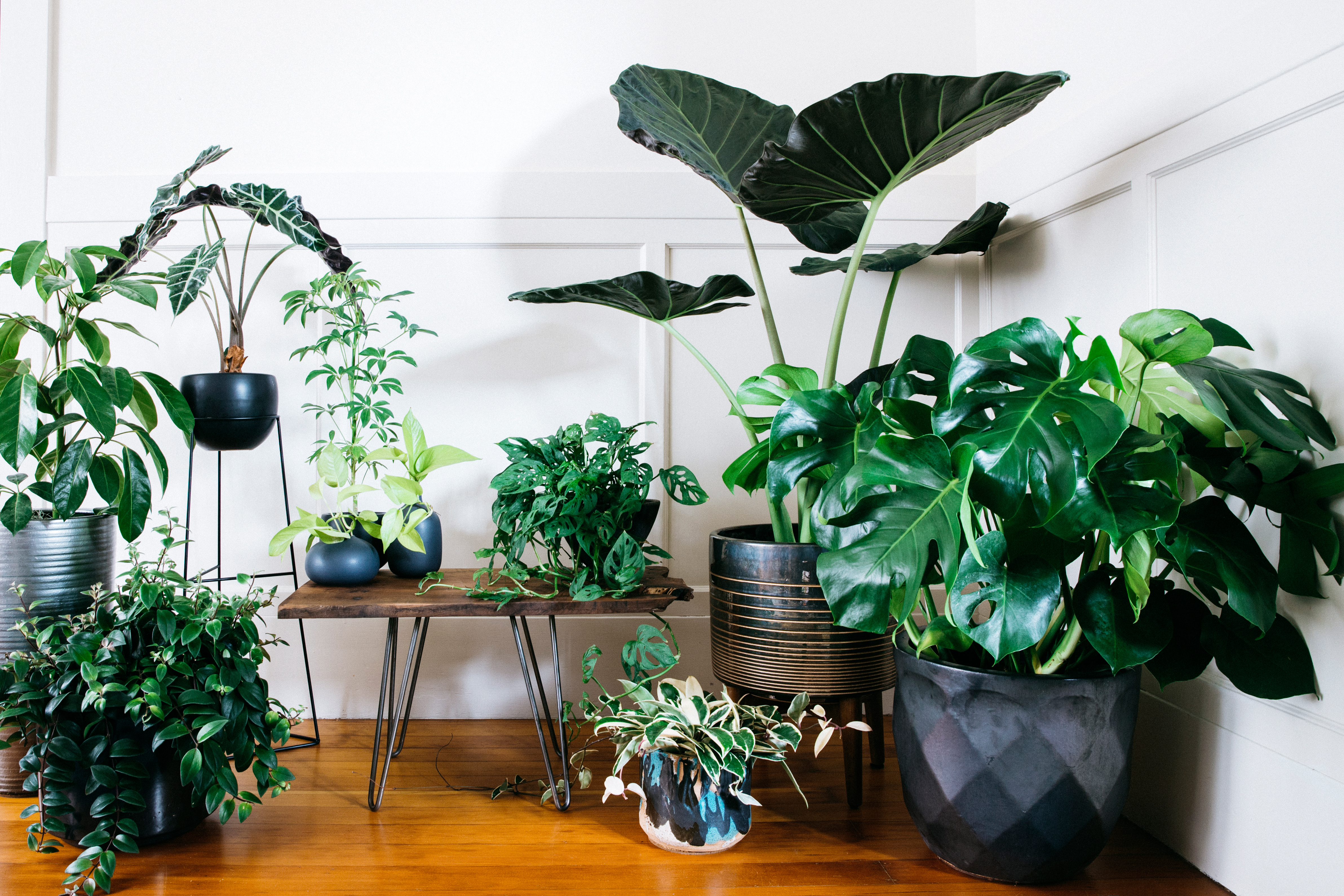
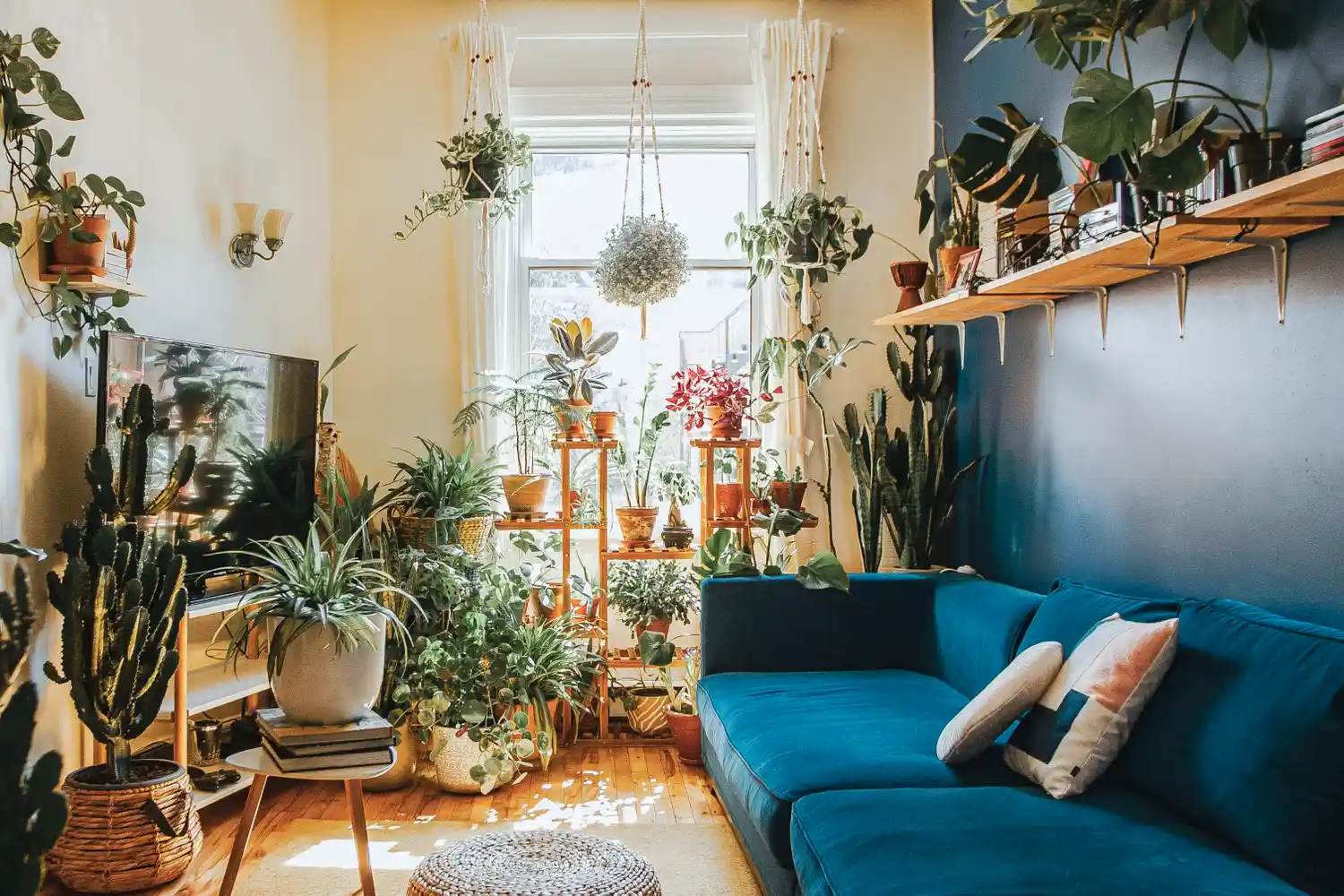
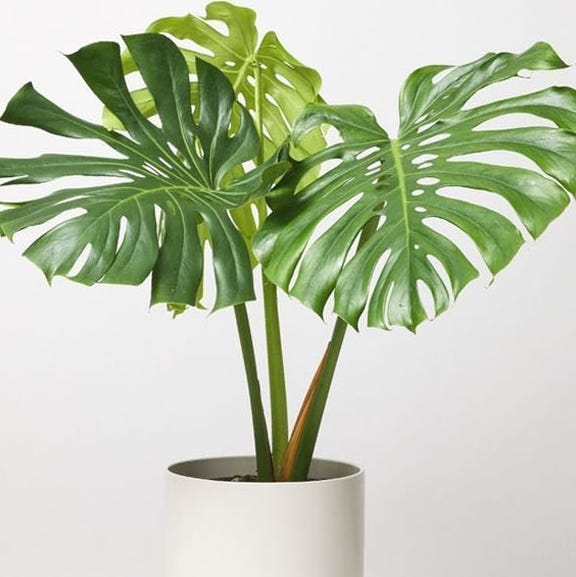
There are several effective strategies for decorating with houseplants to enhance interior aesthetics and well-being. One approach is to utilize variegated plants, which feature leaves with different colors or patterns. These plants, previously of interest primarily to serious collectors, are now being chosen to complement or contrast with a room's existing color scheme, matching paint colors and upholstery patterns. Variegation extends beyond white and green to include reds, pinks, and oranges, allowing for diverse decorative options. Another strategy involves contrasting vibrant greenery with dark-colored walls, such as midnight blue, forest green, or burgundy. These rich, dark hues serve as an ideal backdrop, making the shapes, textures, and colors of plants, particularly statement plants like Monstera deliciosa or trailing plants like string of hearts, appear more vibrant and pronounced.
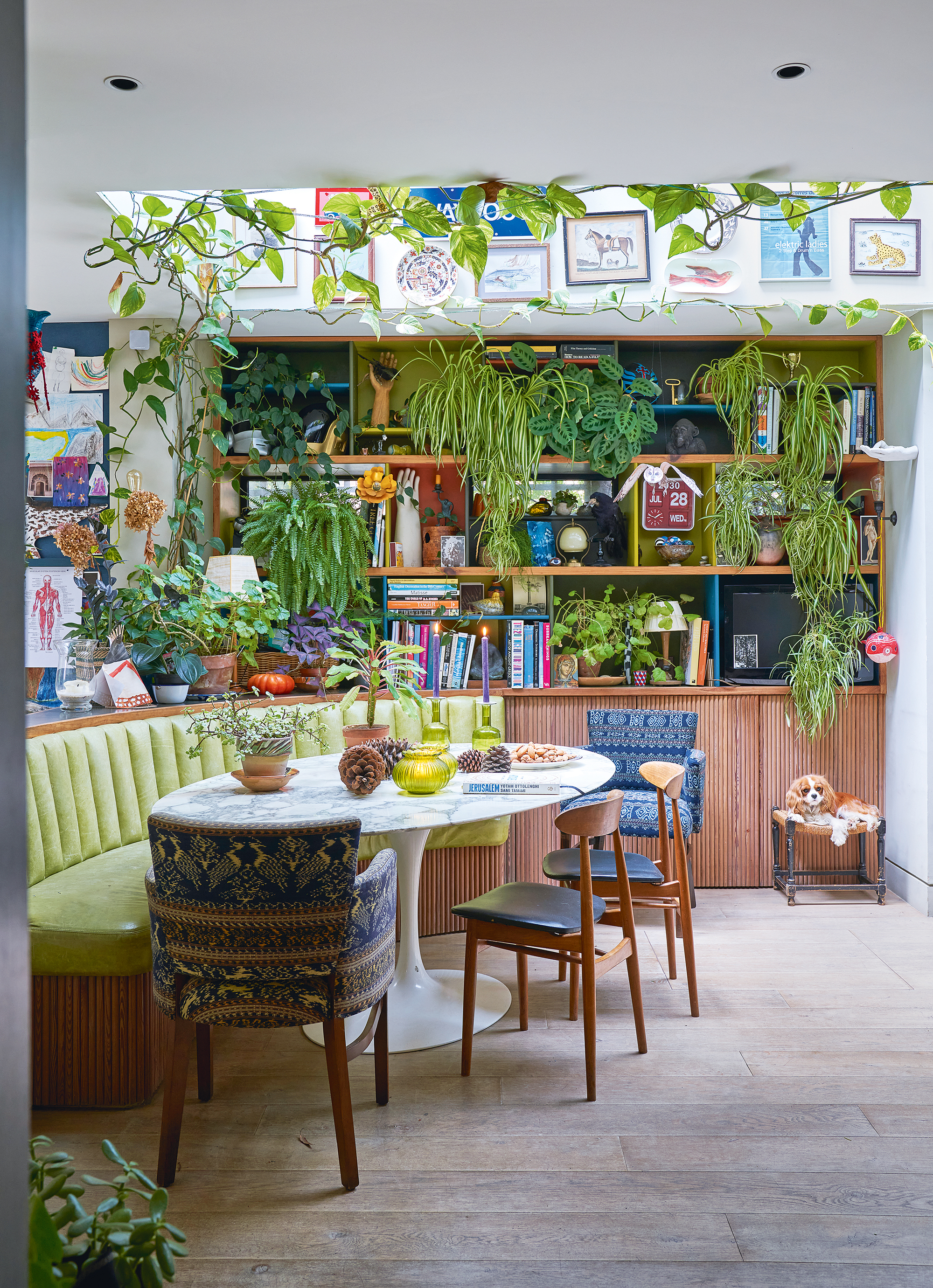
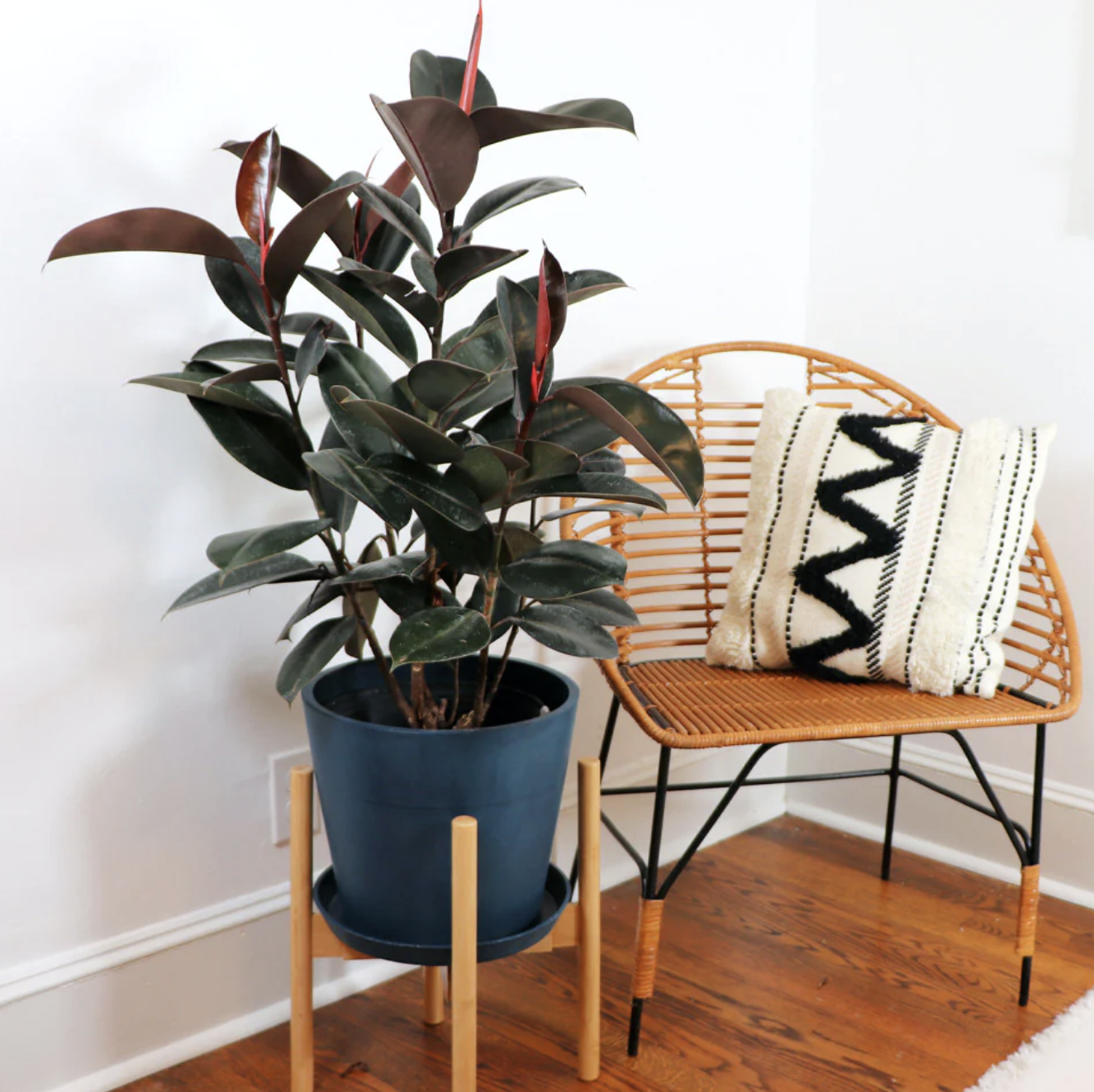
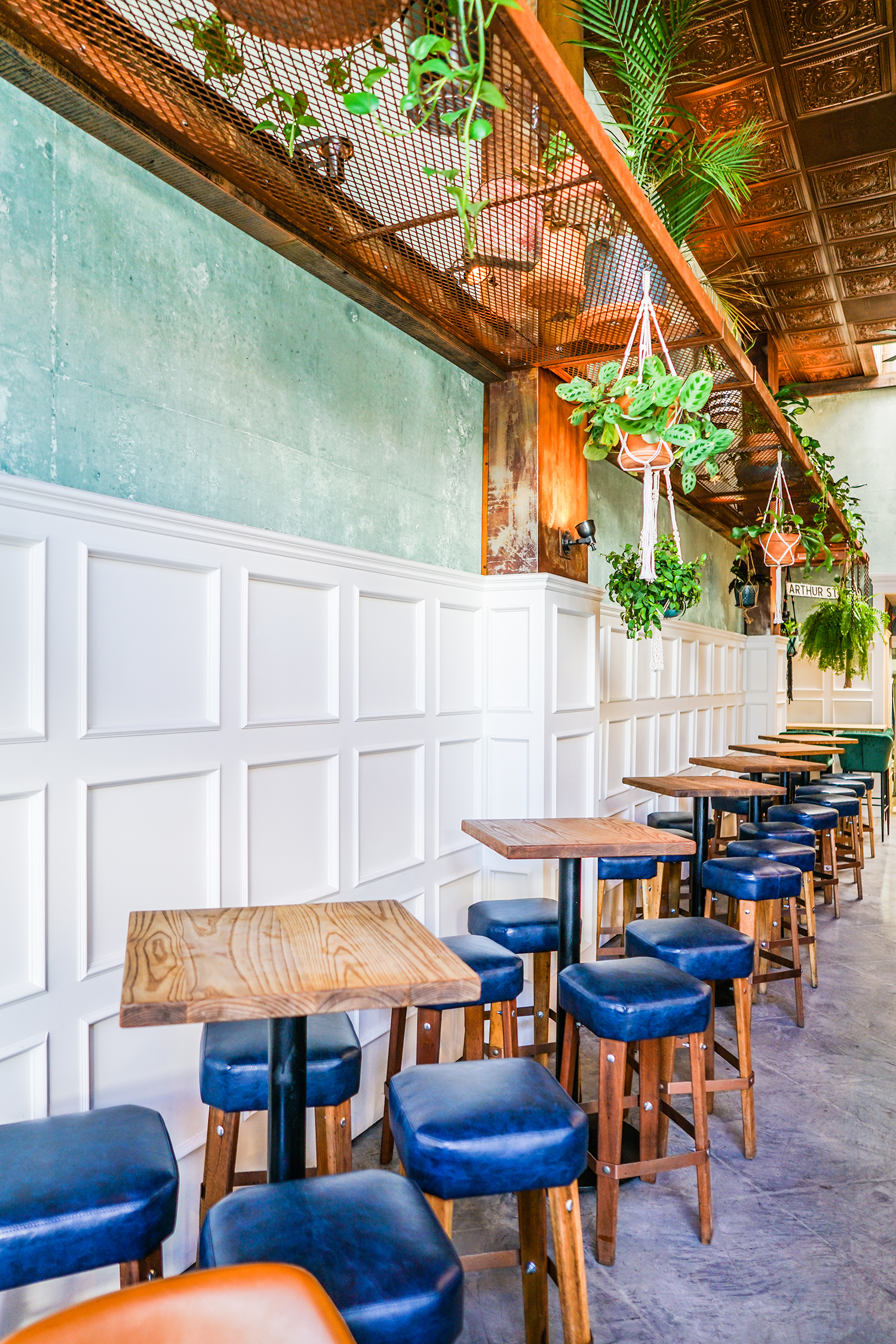
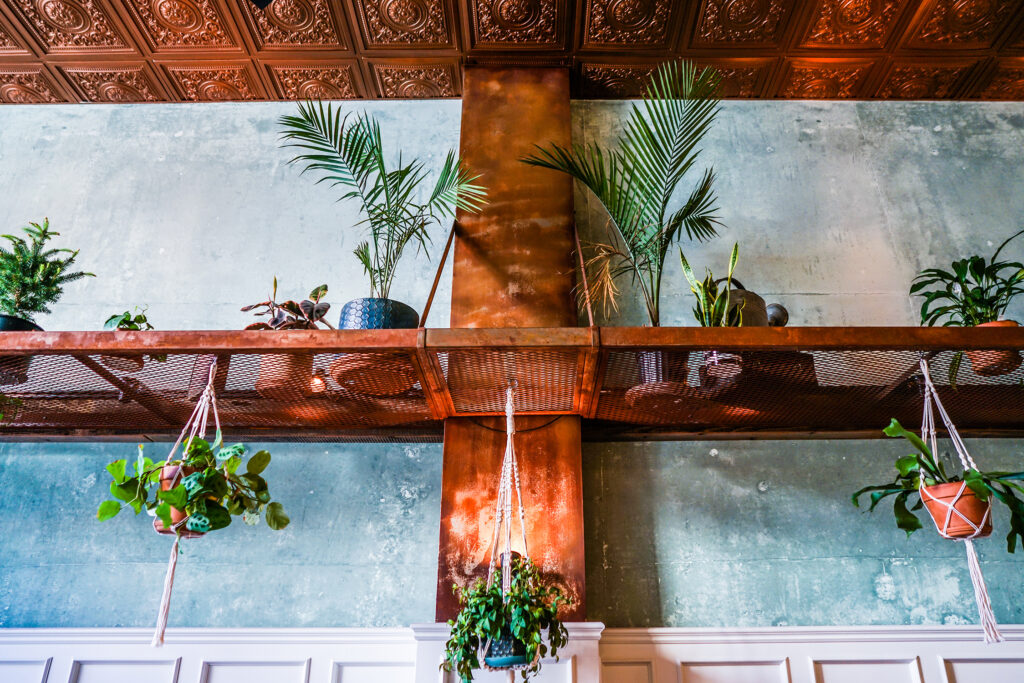
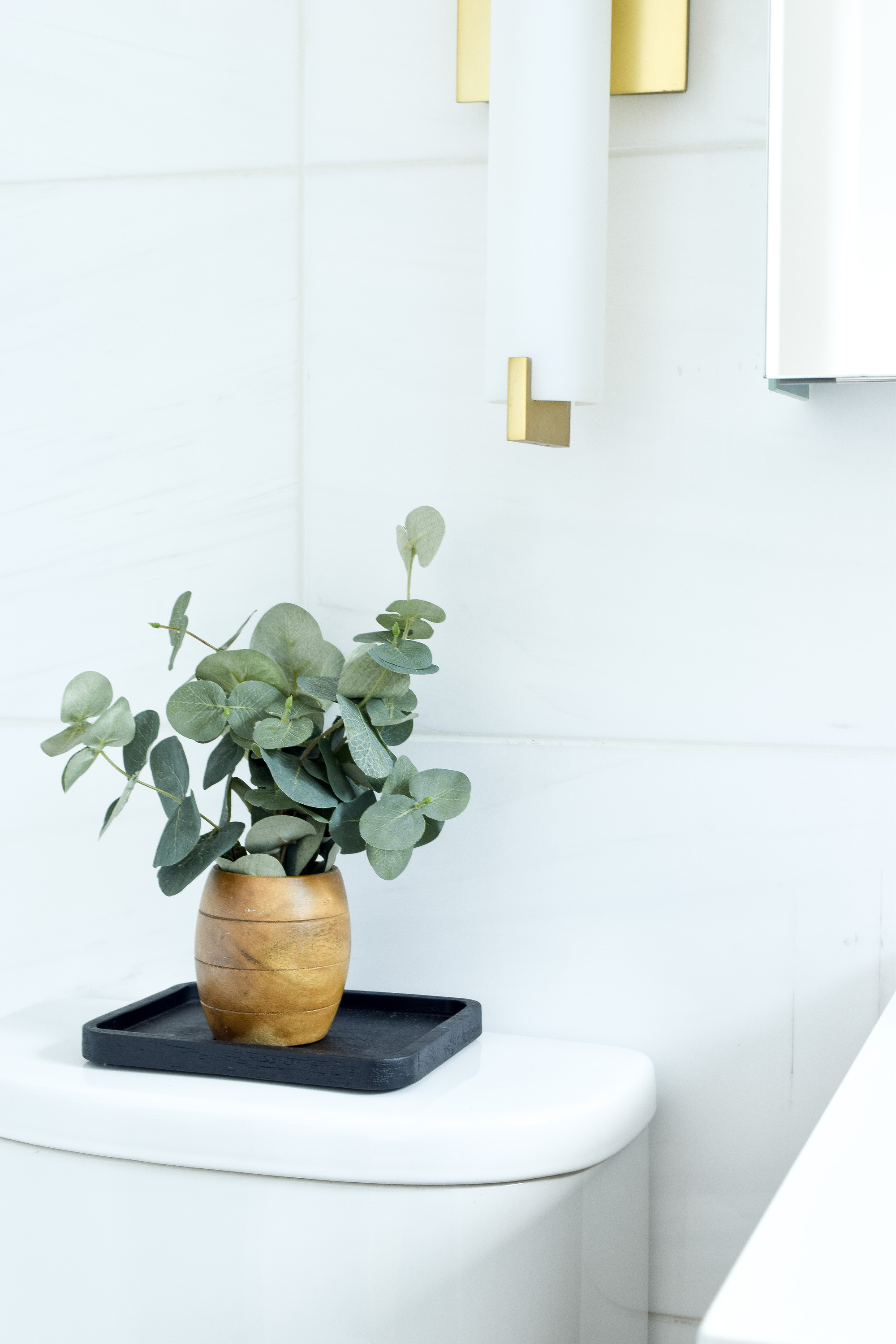
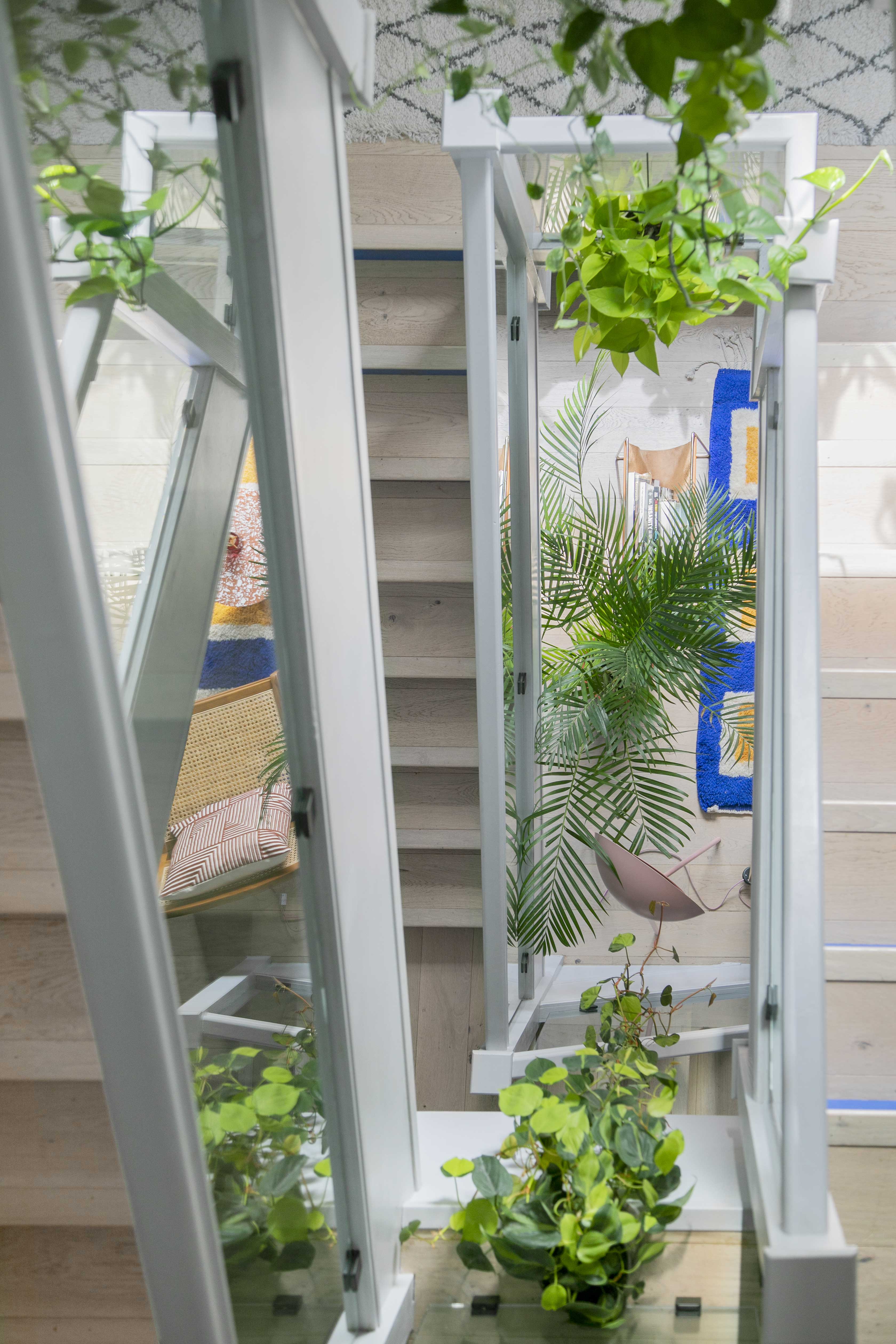
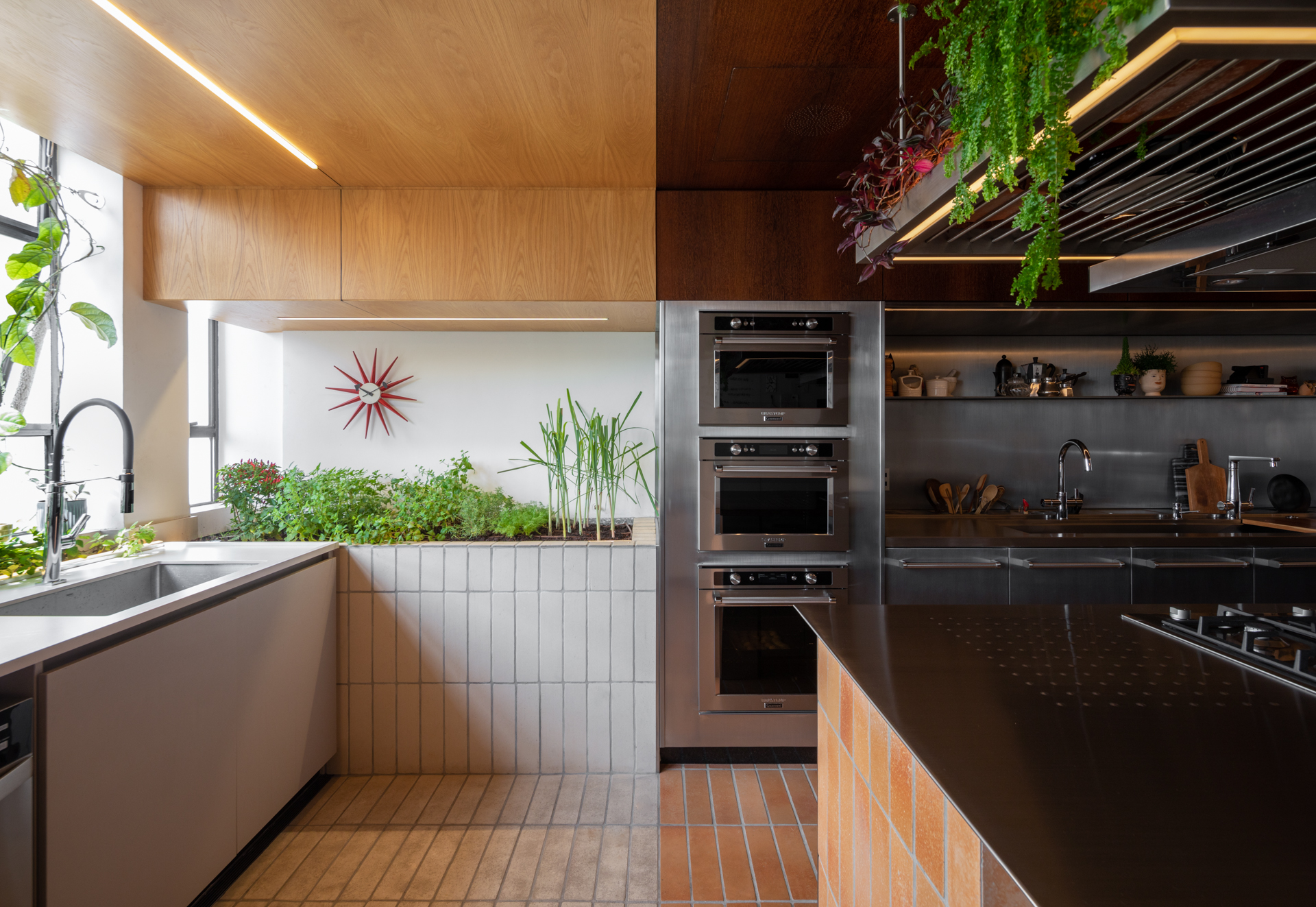
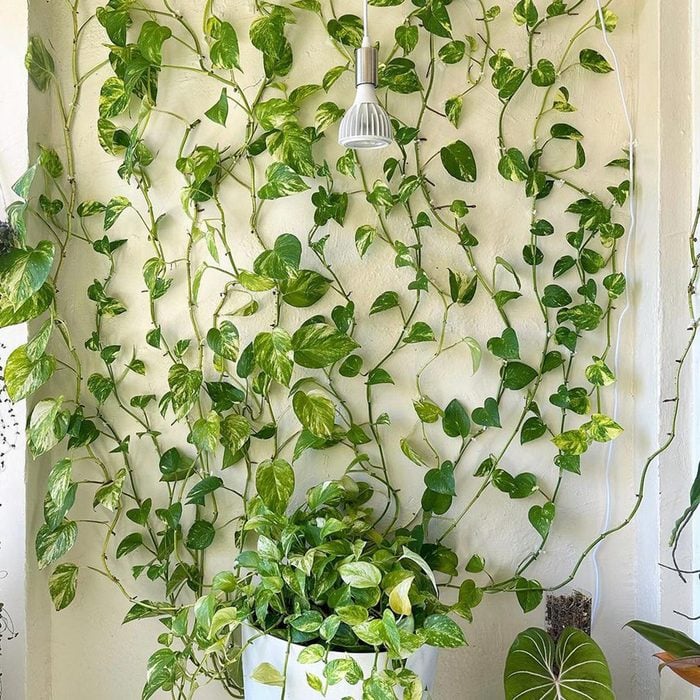
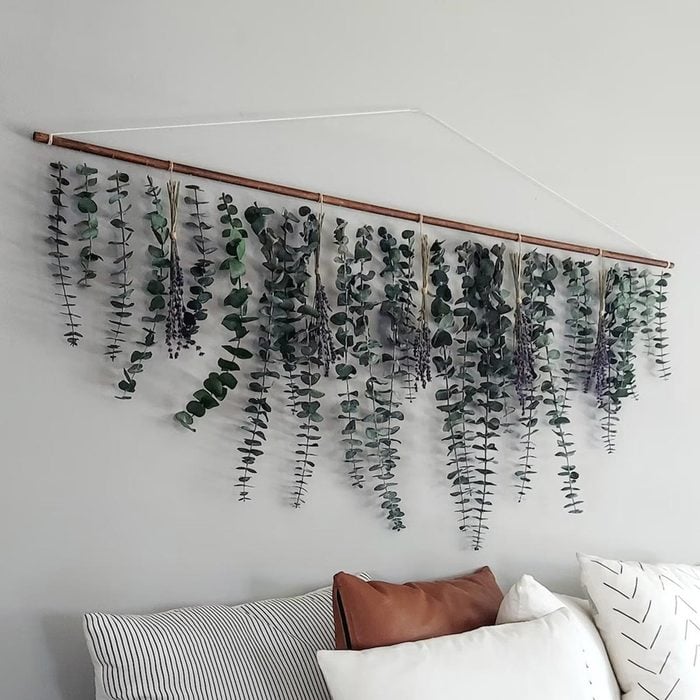
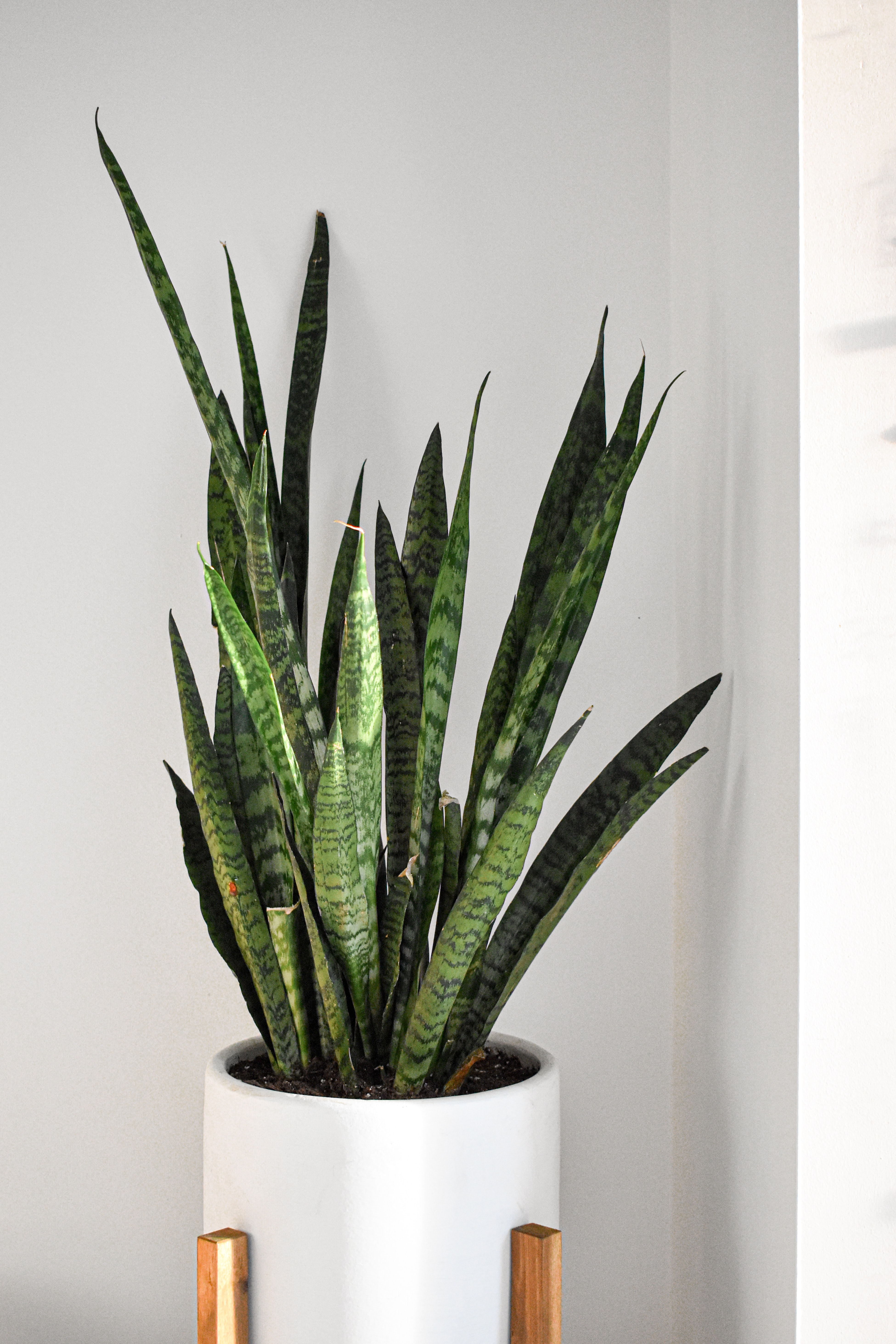
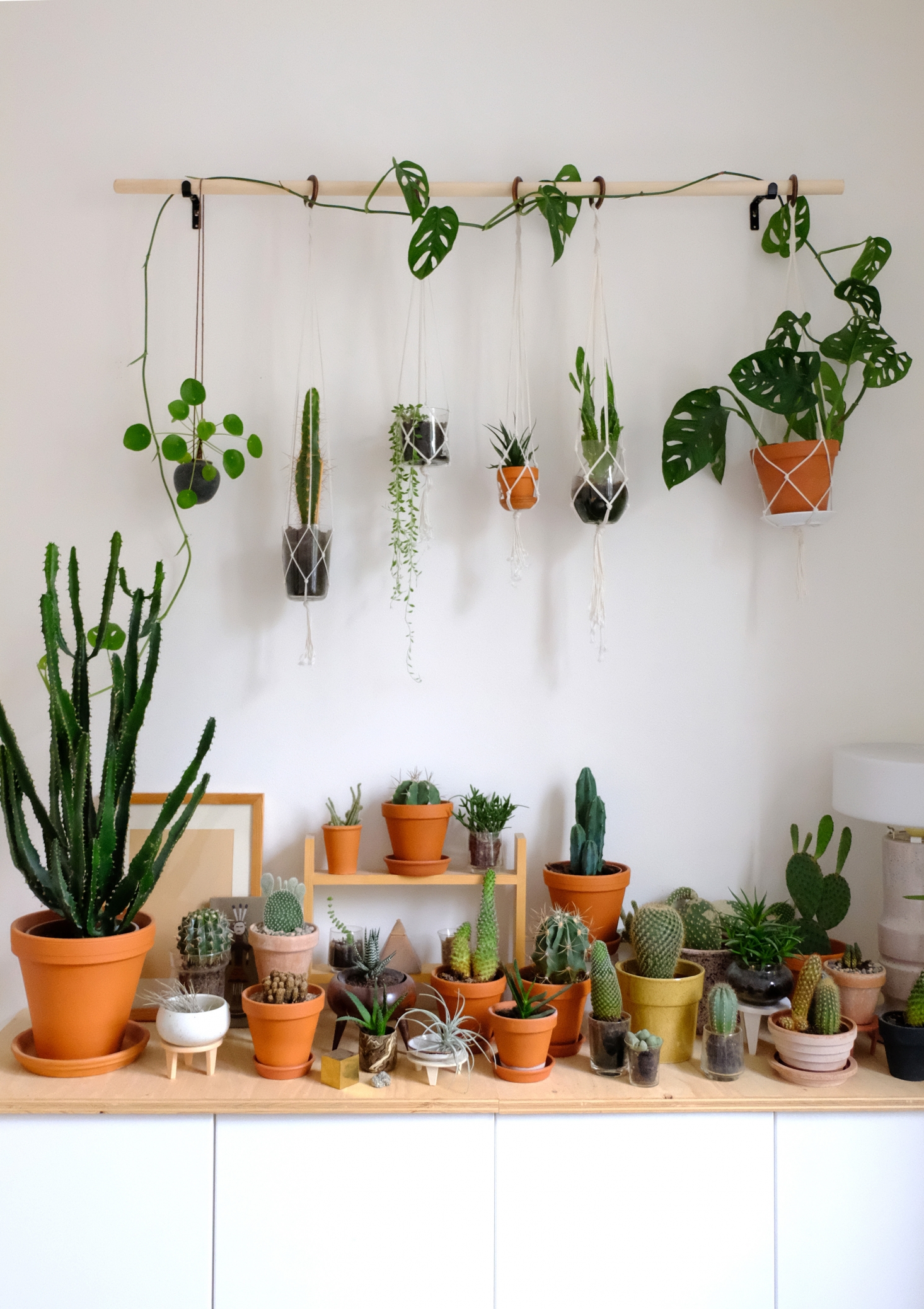
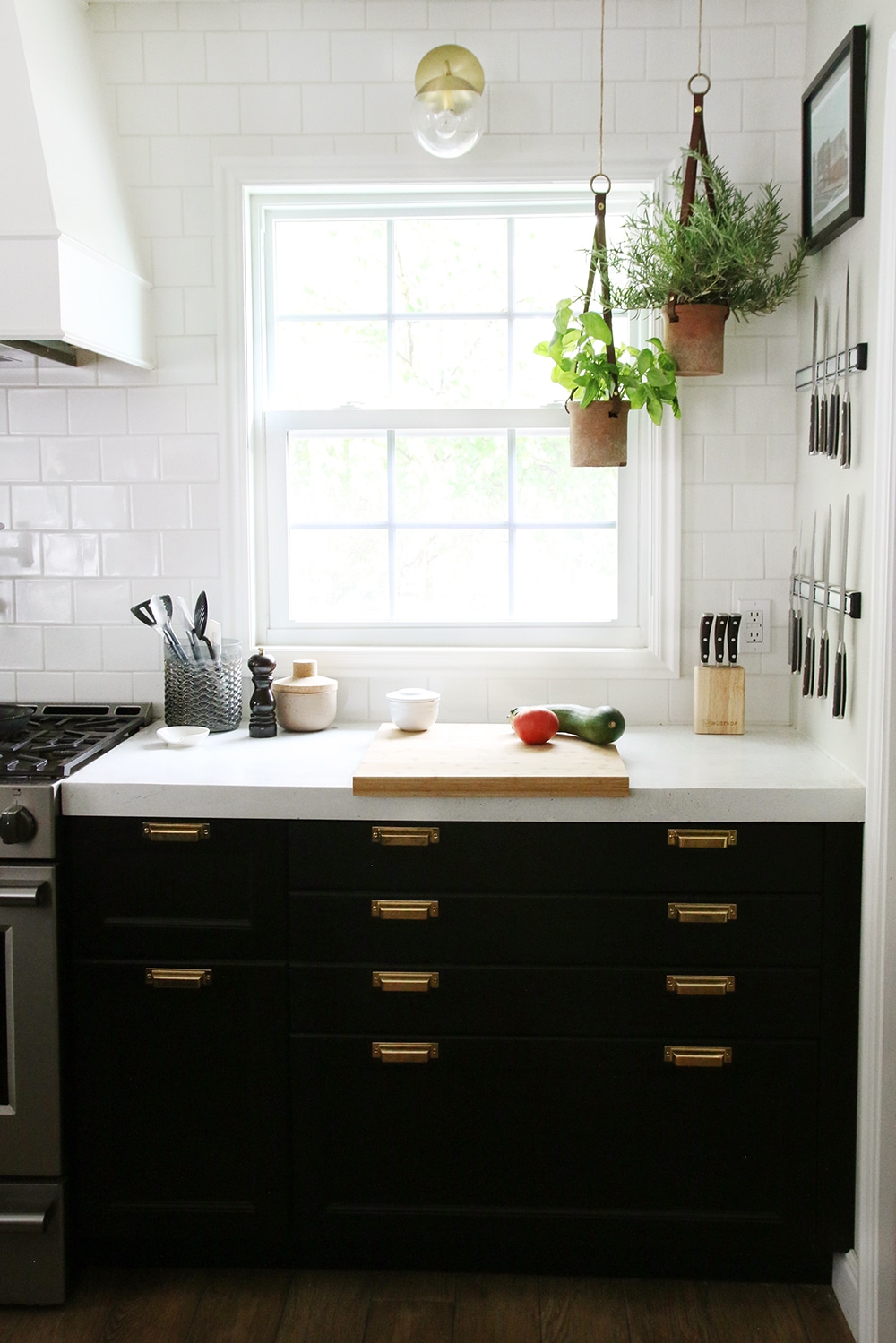
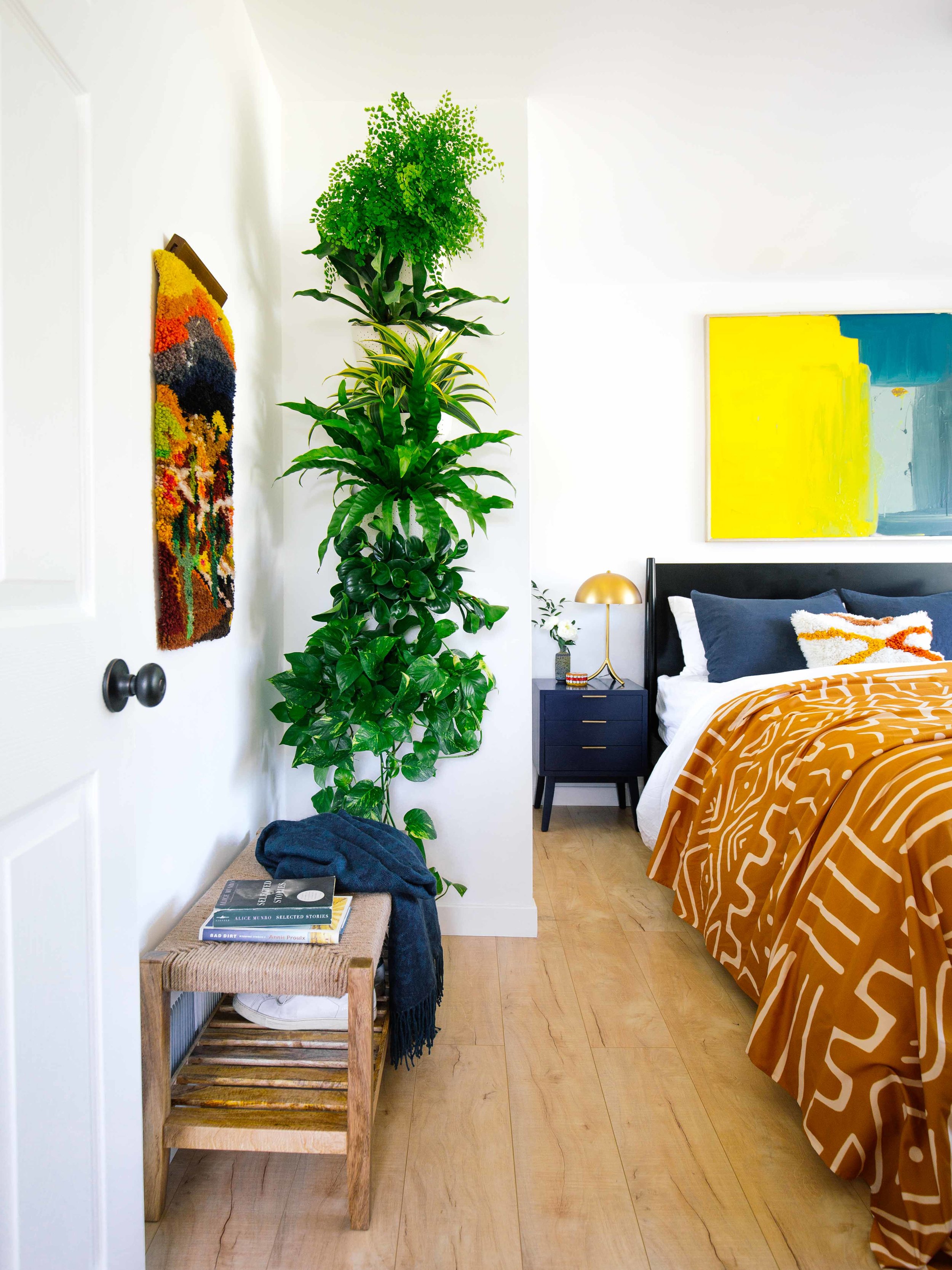
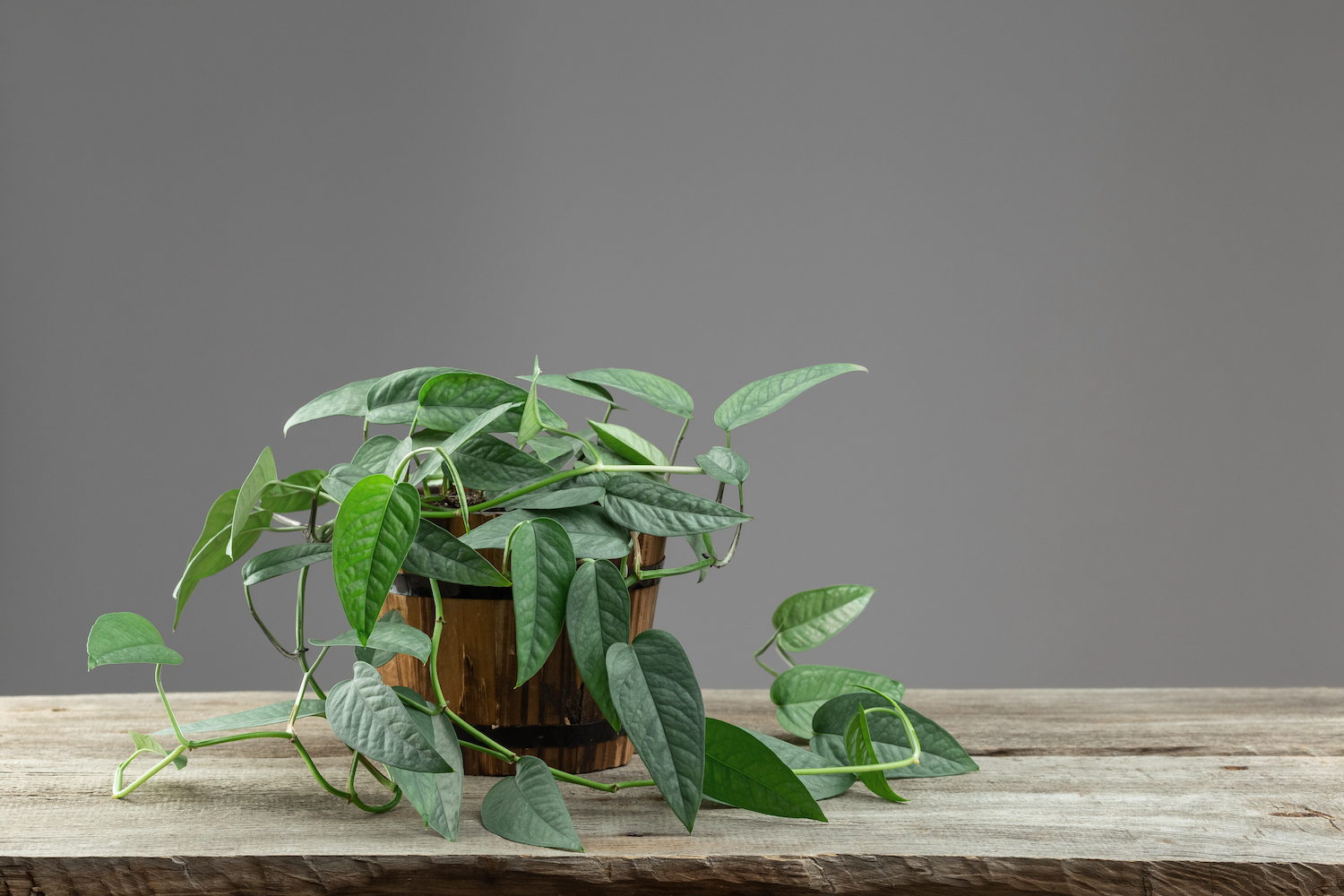
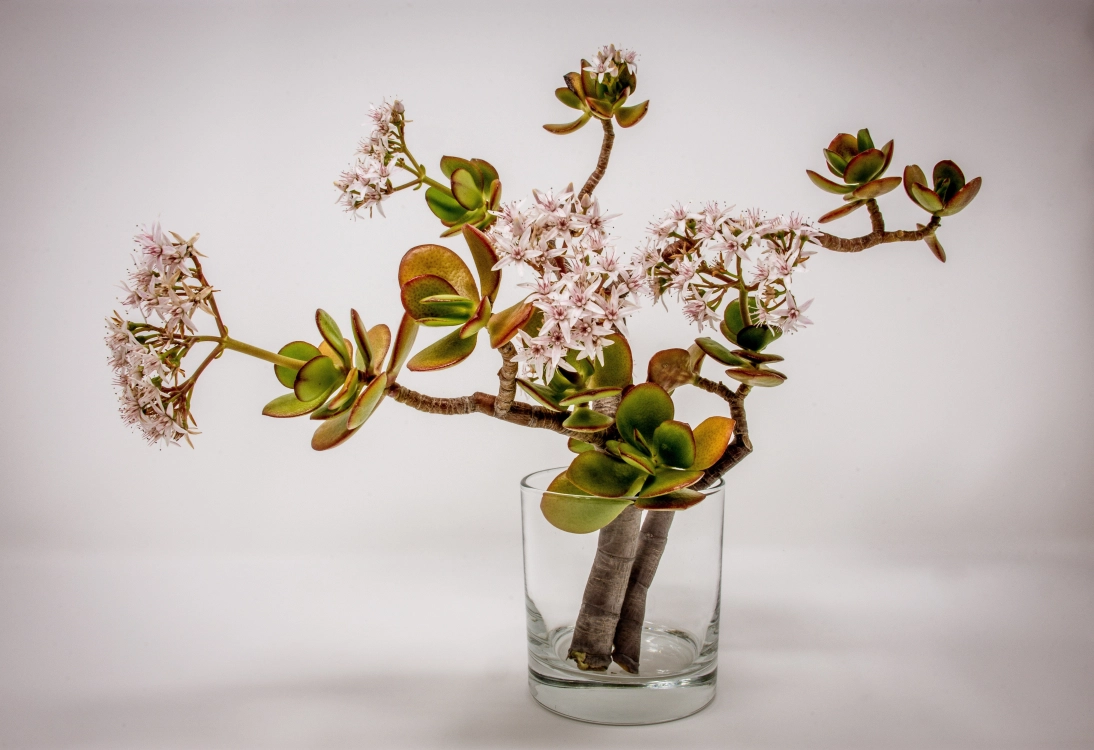
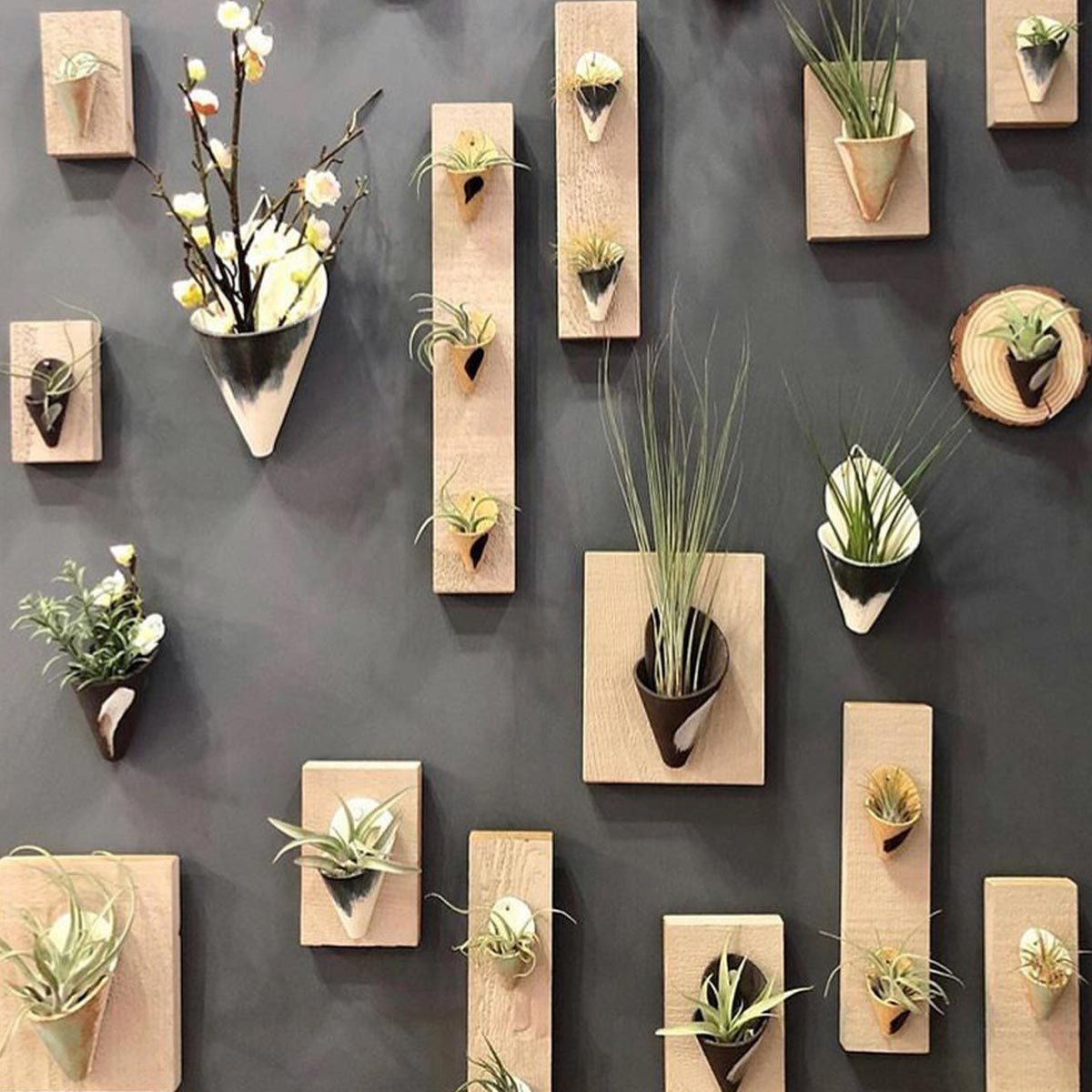
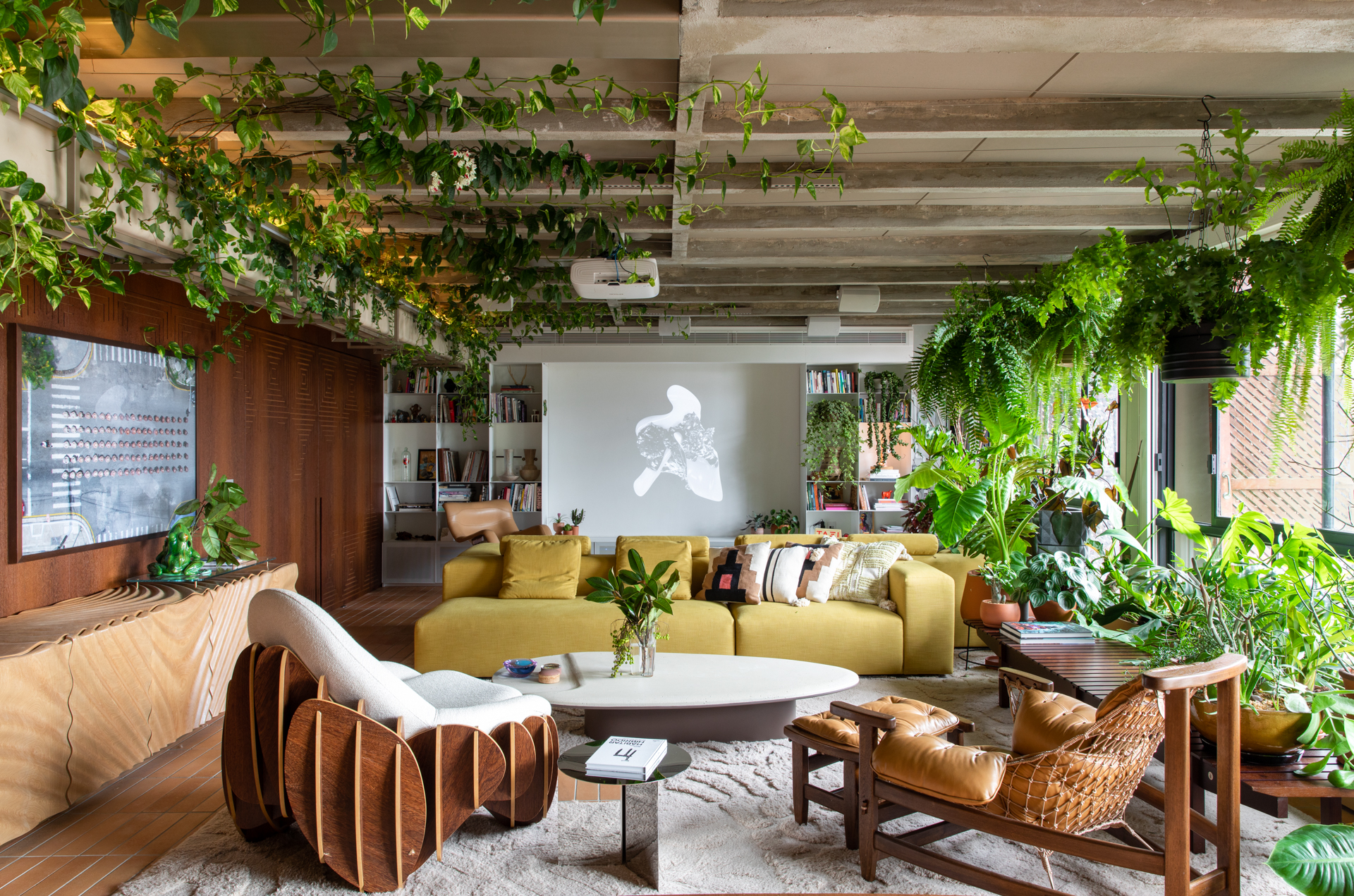
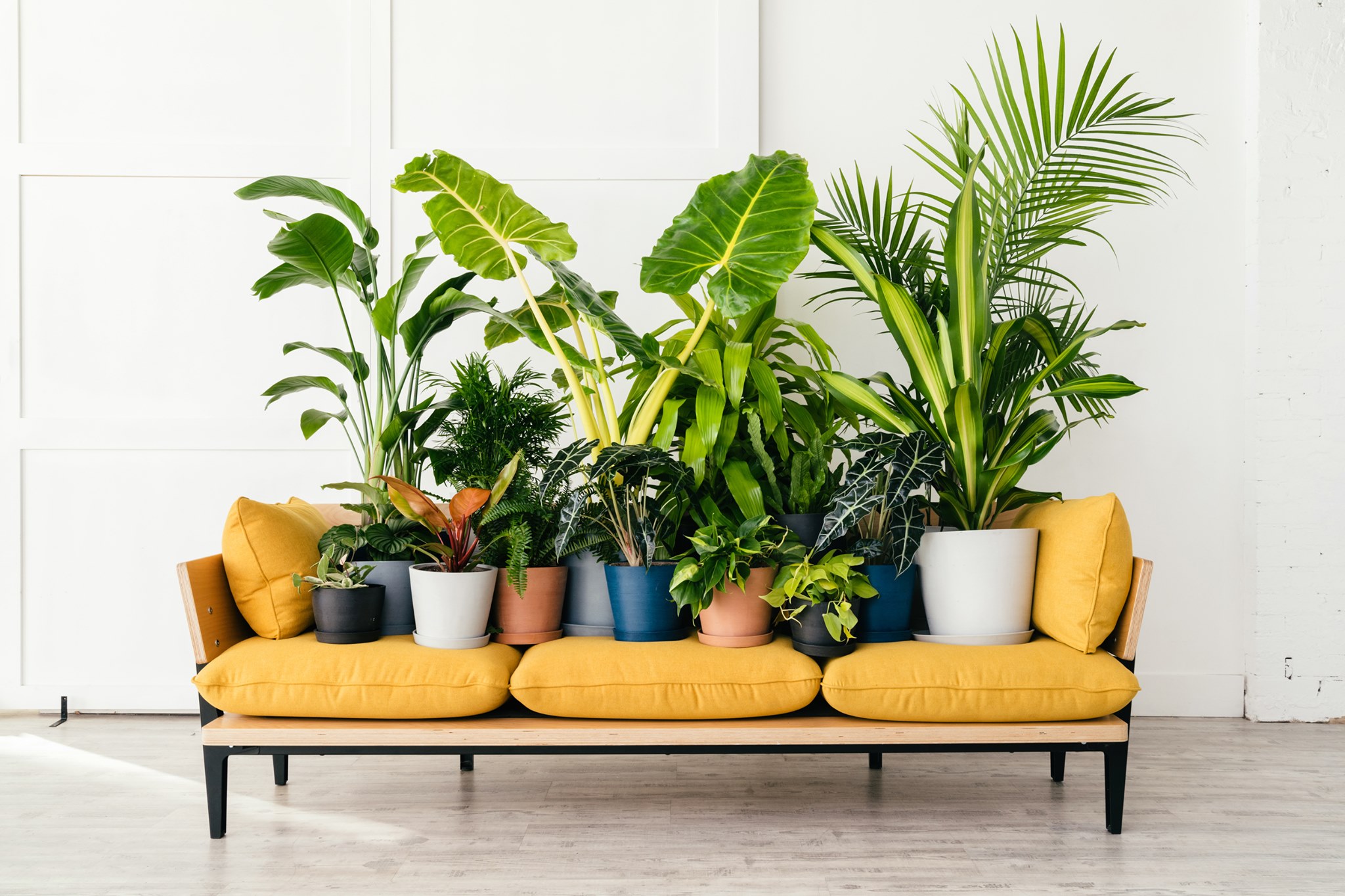
Innovative planters also play a crucial role in houseplant decoration. With the increasing variety of houseplants, there's a corresponding growth in planter options. A striking planter can be paired with an equally eye-catching plant to create an eclectic look, while a minimalist pot can house a low-maintenance succulent for an understated effect. Hanging planters are perfect for trailing varieties, and planters with legs or stands help create varying heights, contributing to an indoor jungle aesthetic. Additionally, experimenting with living walls allows plants to grow and expand, transforming flat surfaces into dynamic art pieces. While large-scale vertical forests might be ambitious, DIY alternatives using mounted plants or slatted panels can achieve a similar effect, providing a constantly evolving natural display.
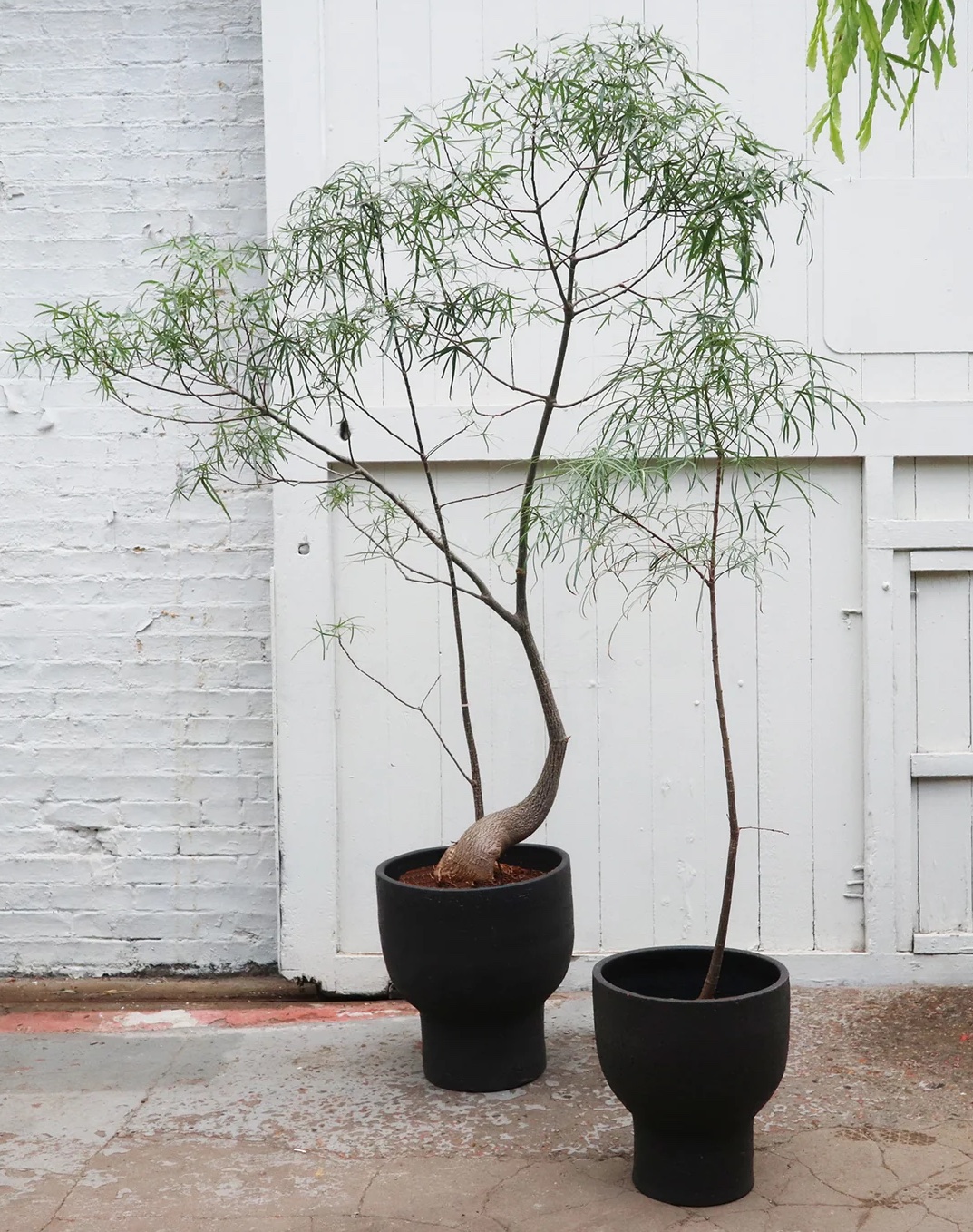
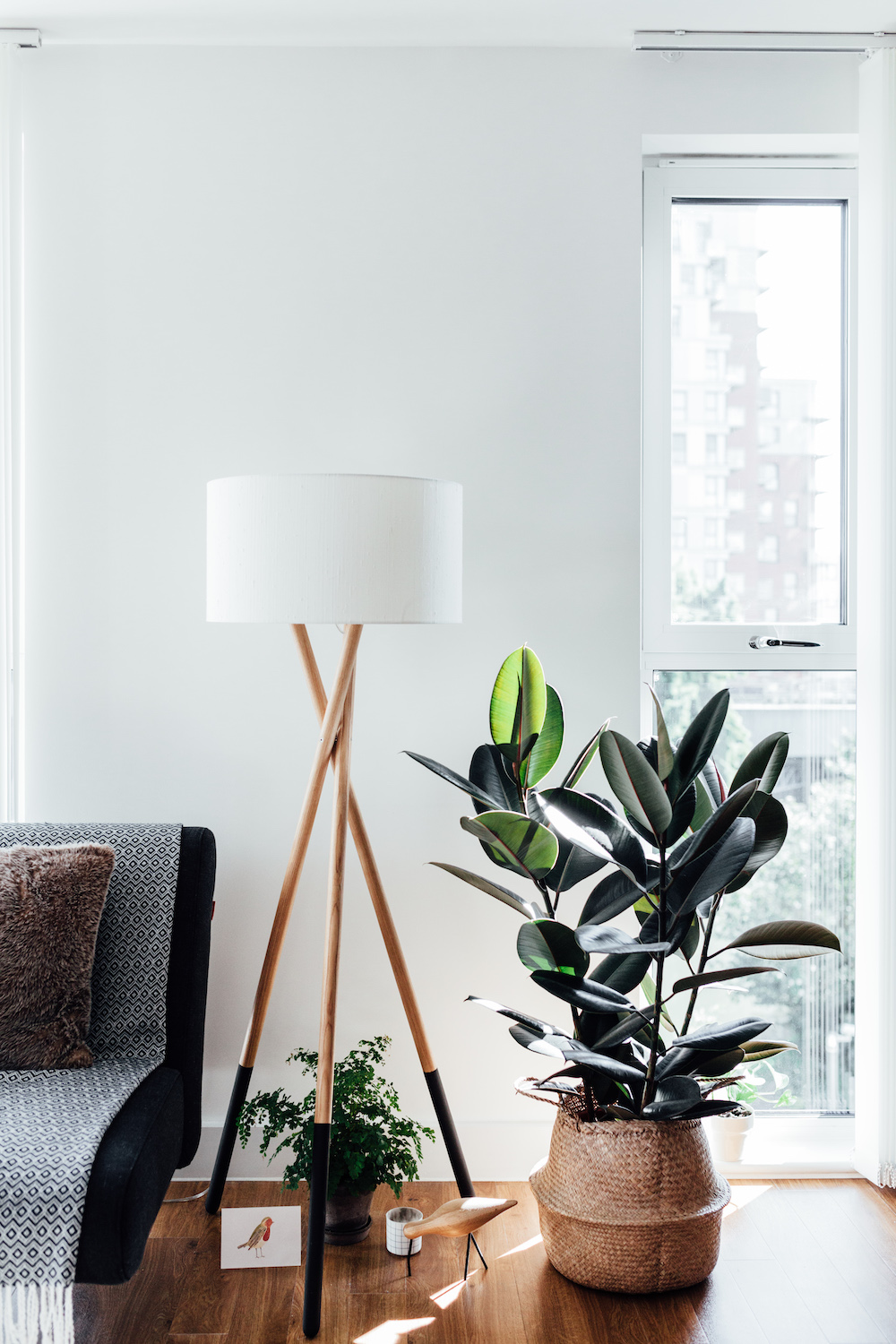
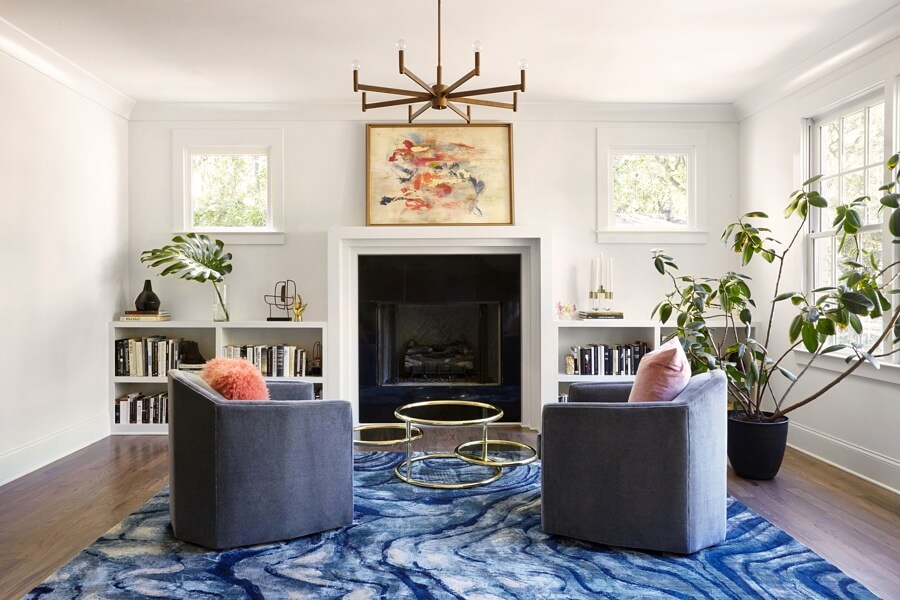
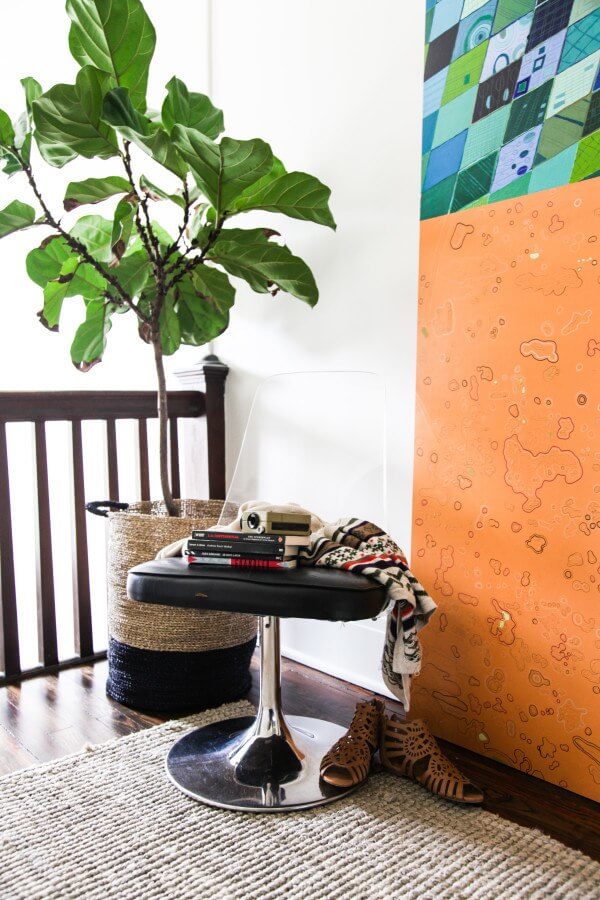
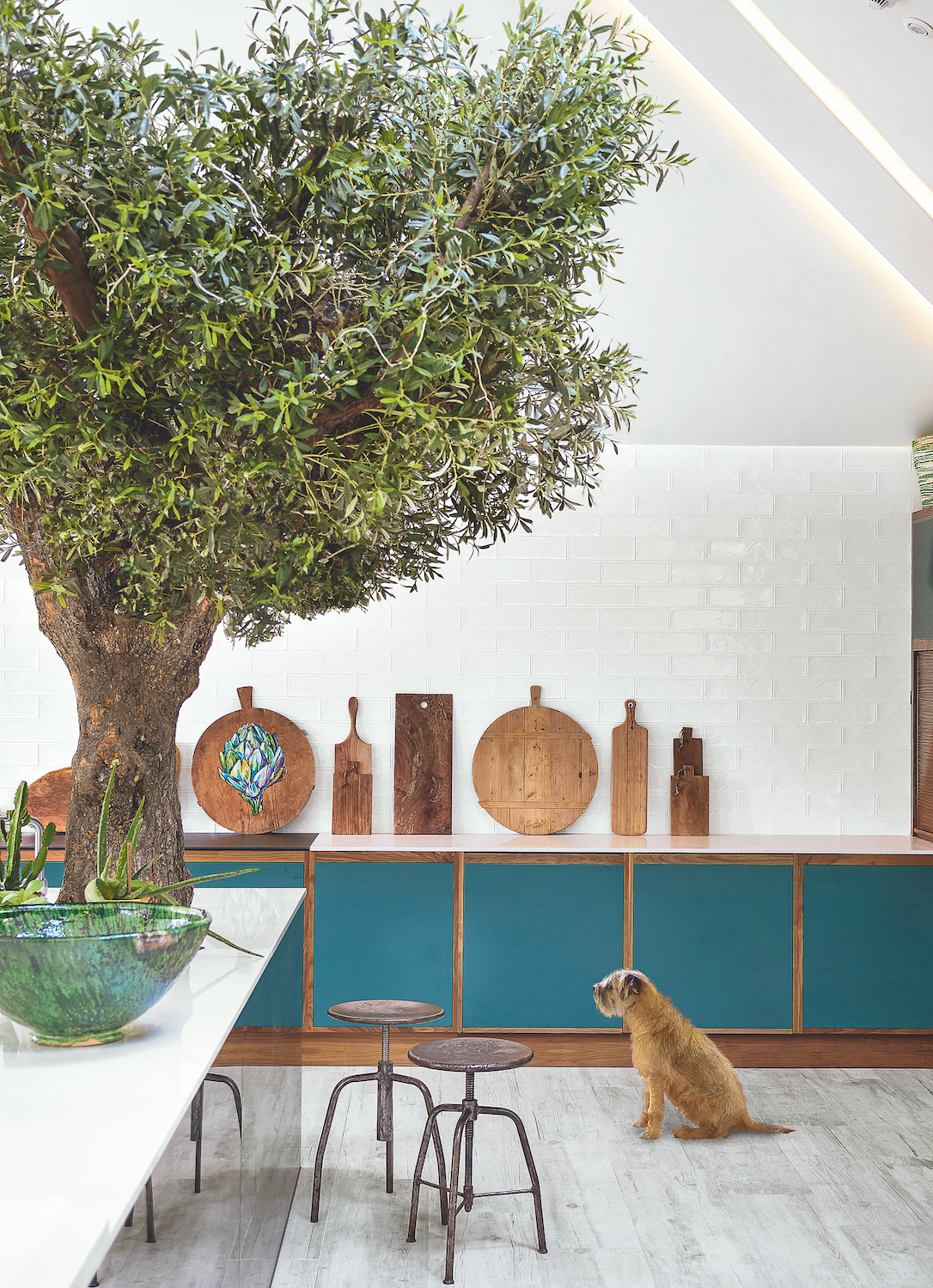

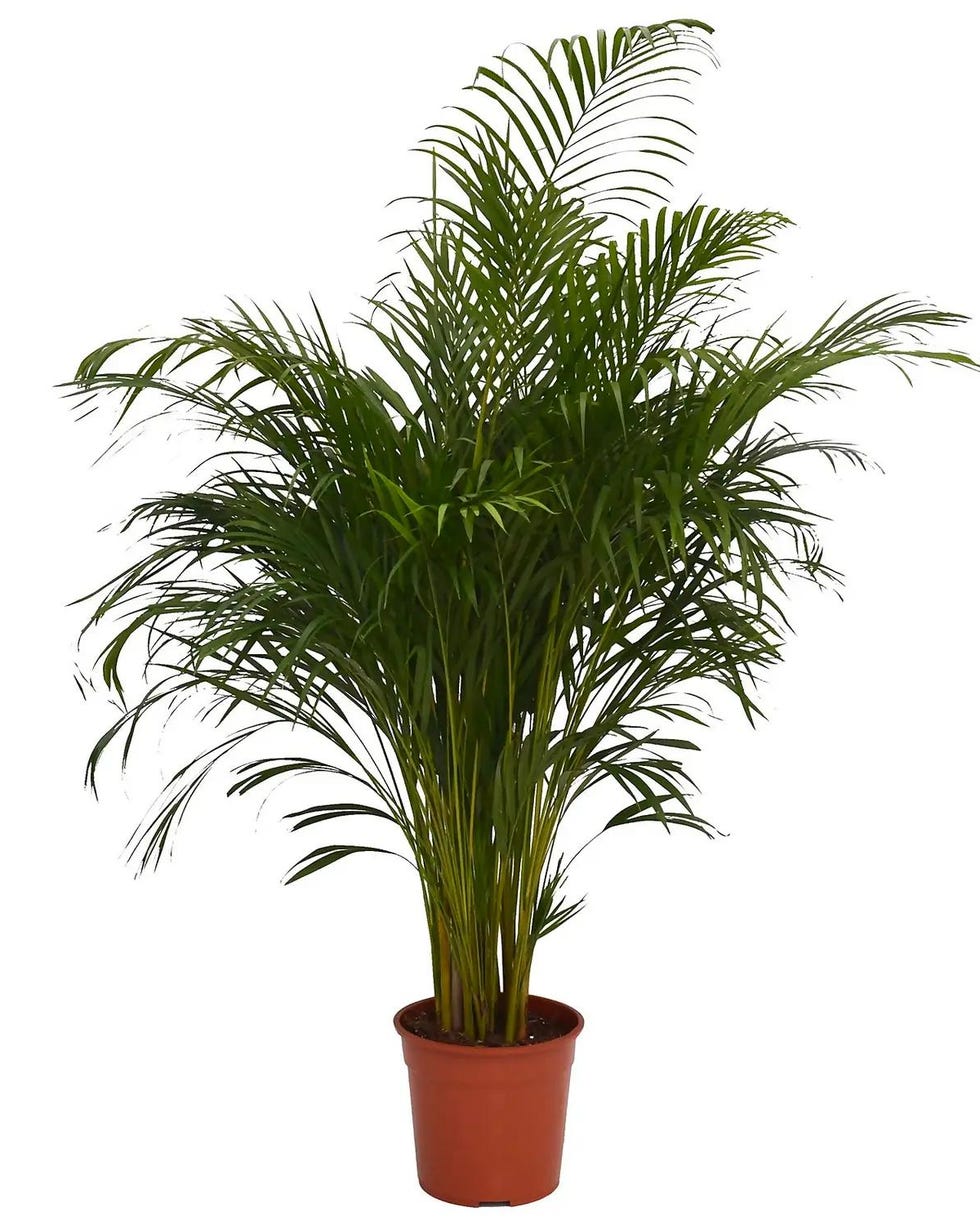
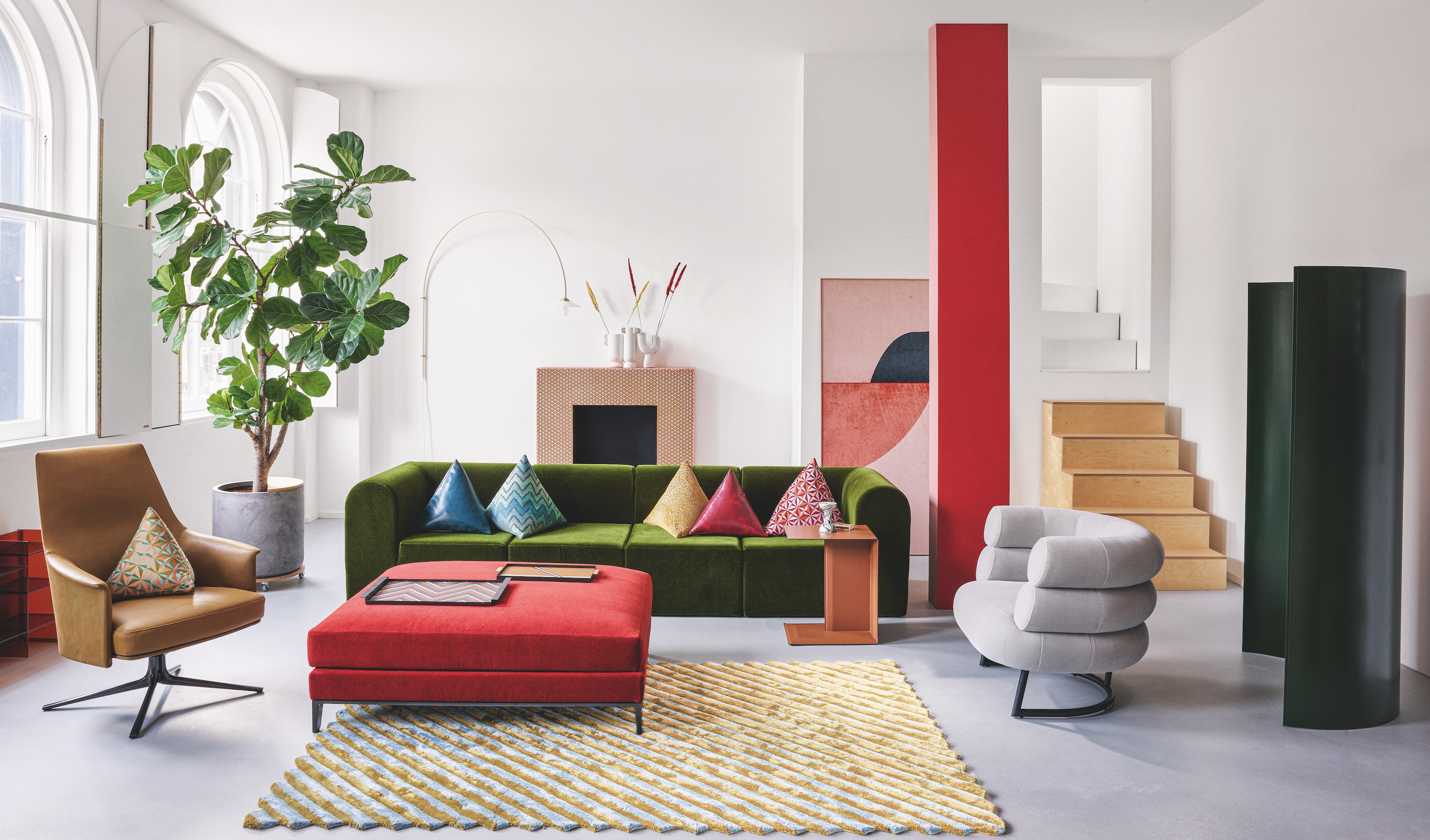
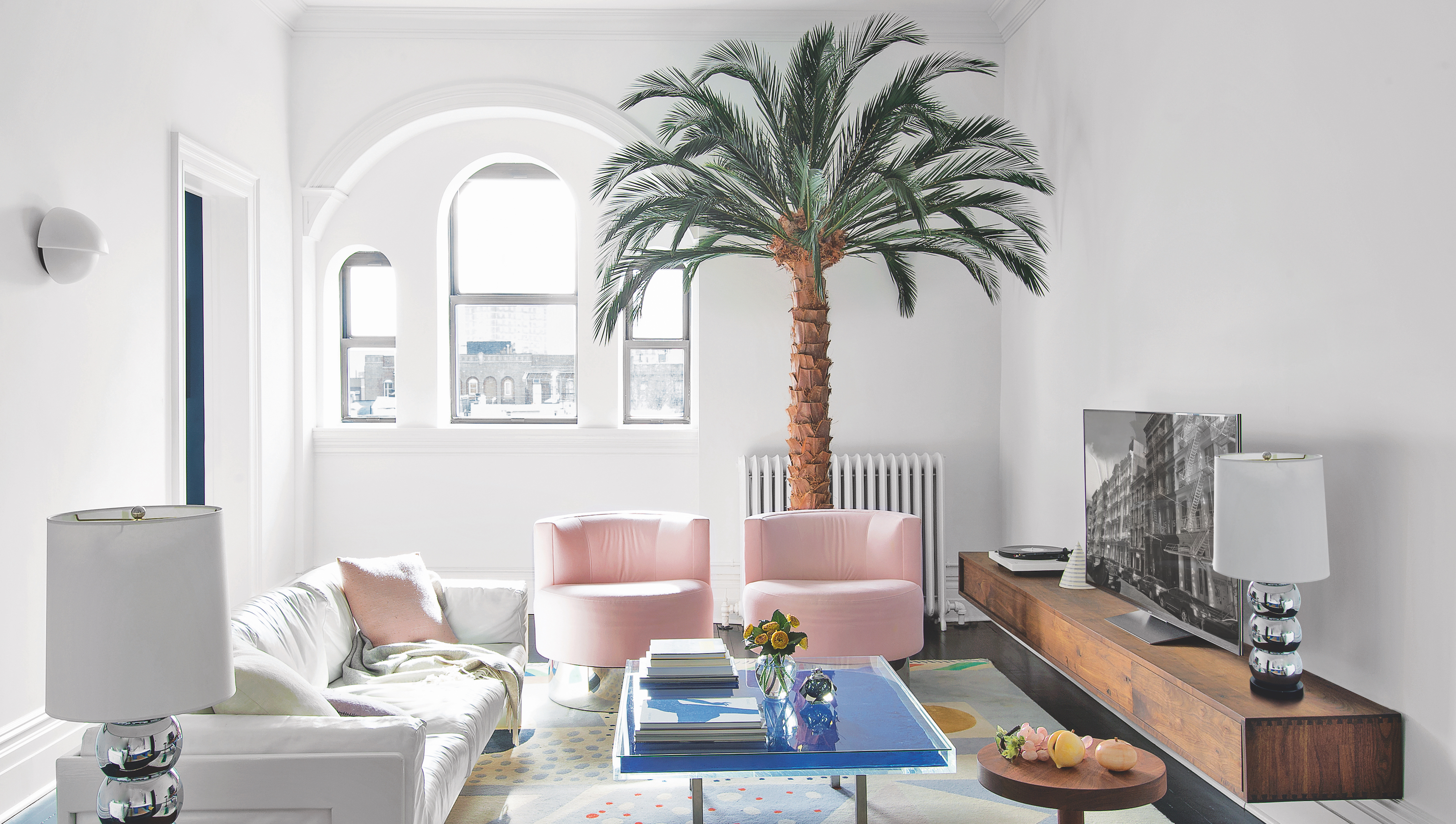
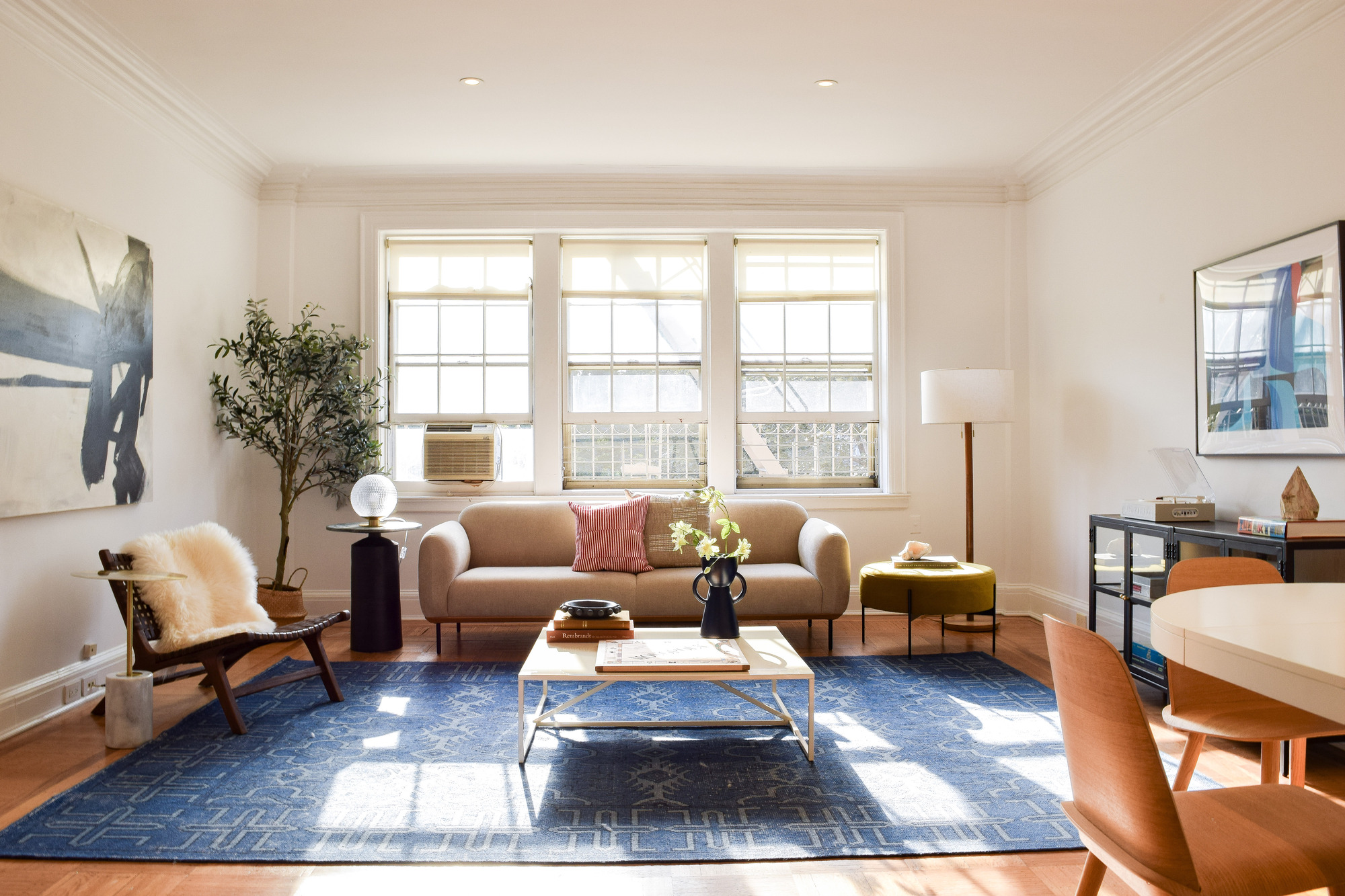
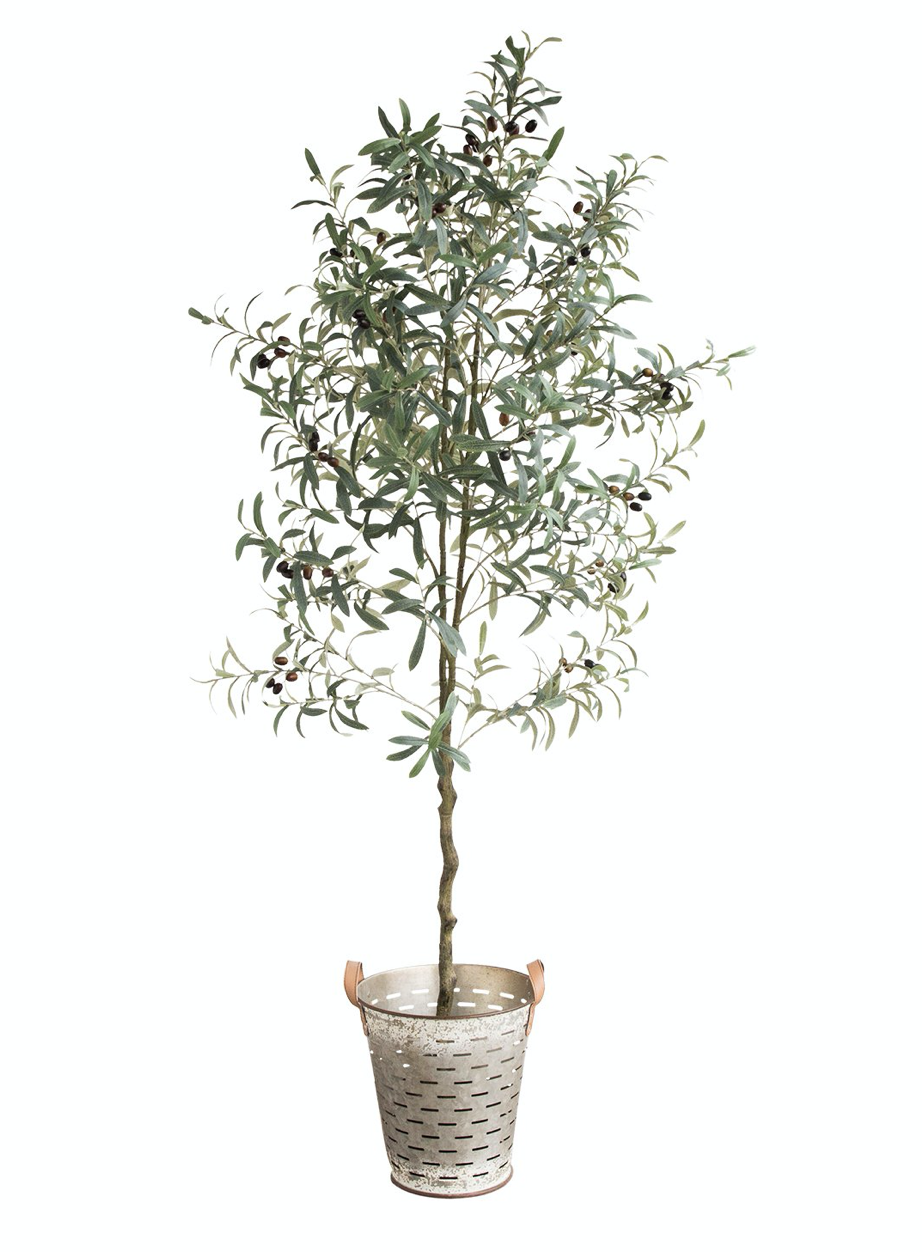
Finally, for those who prefer a less maximalist approach, a single tall statement plant can effectively anchor a minimalist space. Such plants, characterized by large leaves, strong trunks, and significant height, draw the eye without overwhelming the room. Examples include the Ficus lyrata (fiddle leaf fig) for a strong visual impact or tropical palms like the Kentia palm, which can be positioned to arch over furniture, evoking a natural, immersive feeling. This curated approach ensures that greenery enhances the space thoughtfully, balancing natural elements with existing decor.
#Houseplants #InteriorDesign #DecoratingTips #BiophilicDesign #PlantCare #LivingWalls #HomeDecor #IndoorGardening #PlantStyling #Houseplants #InteriorDesign #DecoratingTips #BiophilicDesign #PlantCare #LivingWalls #HomeDecor #IndoorGardening #PlantStyling
0 comment in total
 No comments yet
You may also like
Decorating with plants – 11 ways to display houseplants

This Visual Design Trick Is the Coolest Way to Style Your Houseplants
36 best indoor plants that will liven up any room
19 Ways to Design with Houseplants

5 Tall Indoor Plants That Make Such an Impact in Your Home

Decorating with plants – inspiring ways to use plants in interior design

The 18 Best Houseplants to Instantly Give Your Living Room a Style Upgrade
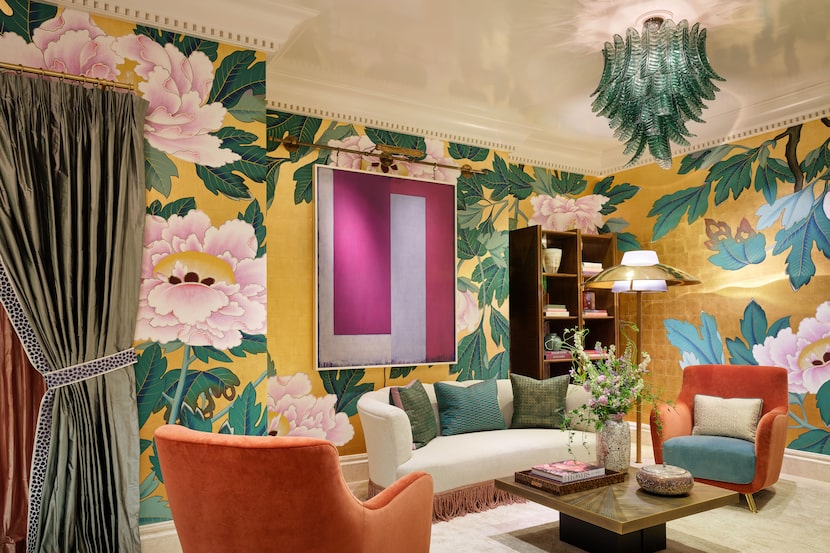
Flower power: Botanical designs can make any room radiant

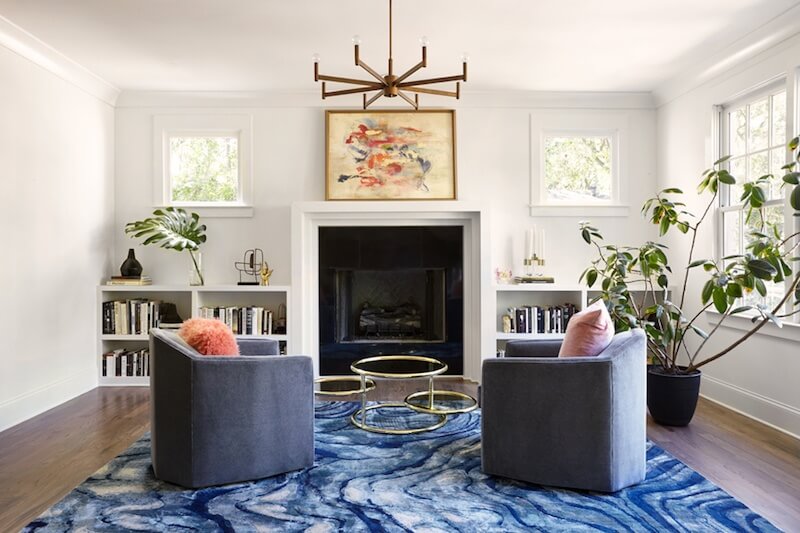
Designing With Plants: Expert Tips for Stylishly Greening Your Interiors

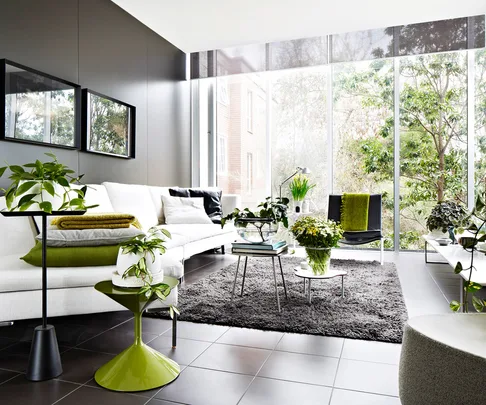
12 easy indoor plant styling tips

25 Indoor House Plants To Buy If You Know Your Spider Plant From Your Aloe Vera

6 Indoor Garden Ideas That Will Convince You to Become a Plant Person

Plant Style: Elevate Your Decor with Indoor Plants
6 Plants That Professional Stagers Say Will Actually Help You Sell Your Home
10 Ideas for Decorating Your Walls with Plants

10 Indoor Climbing Plants That Will Take Your Blooms to New Heights — And Make Your Home Look Lush
Eight ways indoor plants can improve your home

Indoor Garden Ideas —14 Ways To Live Amongst Greenery That Will Make Your Life Better
Best indoor plants: the best house plants for stylish greenery

Our Most-Loved Project Plants