1/14
Decorating with plants – 11 ways to display houseplants
Decorating with plants is an effective method for enhancing indoor spaces with life and vitality. The presence of lush greenery significantly brightens living areas and contributes positively to health and well-being. A wide array of indoor plants, ranging from delicate string of pearls to substantial bird of paradise plants and indoor trees like figs and citrus, offers extensive possibilities for plant-based decor. Whether the goal is to invigorate a kitchen or introduce serenity to a bedroom, a suitable houseplant exists for virtually every room and occasion. Prior to decorating, it is advisable to familiarize oneself with the optimal indoor plants for specific environments.
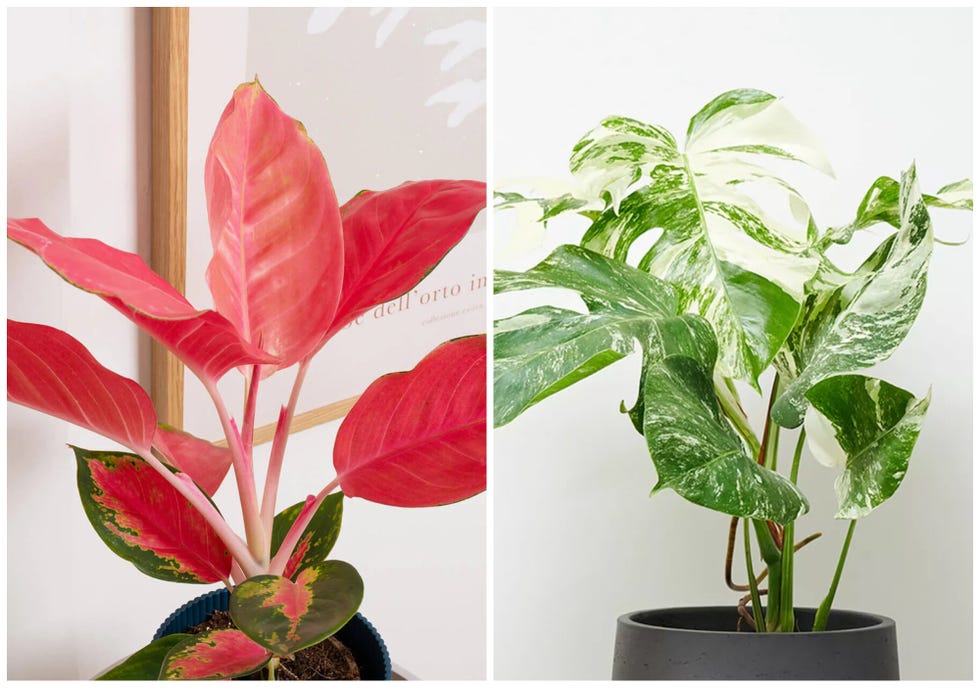
Plants have gained considerable popularity in recent years as individuals increasingly seek to reconnect with nature and incorporate its soothing, soul-nourishing influence into their homes. Available in diverse shapes, forms, colors, and textures—from large, leafy palms to small, distinctive cacti, and various flowering species—indoor plants serve as versatile decorating elements. Interior designers utilize them as dynamic forms of art, highlighting their sculptural qualities, constant evolution, intricate details, and ability to complement any decor style. They are perceived as unique design elements that enhance any interior, drawing attention akin to compelling artwork.
Plants integrate effectively into all rooms of a house, with bathroom plants, for instance, significantly improving often-overlooked spaces. Beyond their decorative and aromatic attributes, plants offer numerous health benefits, including air purification. The act of indoor gardening can also be a mindful activity, and the strategic placement of Feng Shui plants is believed to amplify the flow of positive energy throughout a home. However, it is crucial to consider the care requirements of plants before populating a home with them, as different species necessitate specific conditions for optimal growth.
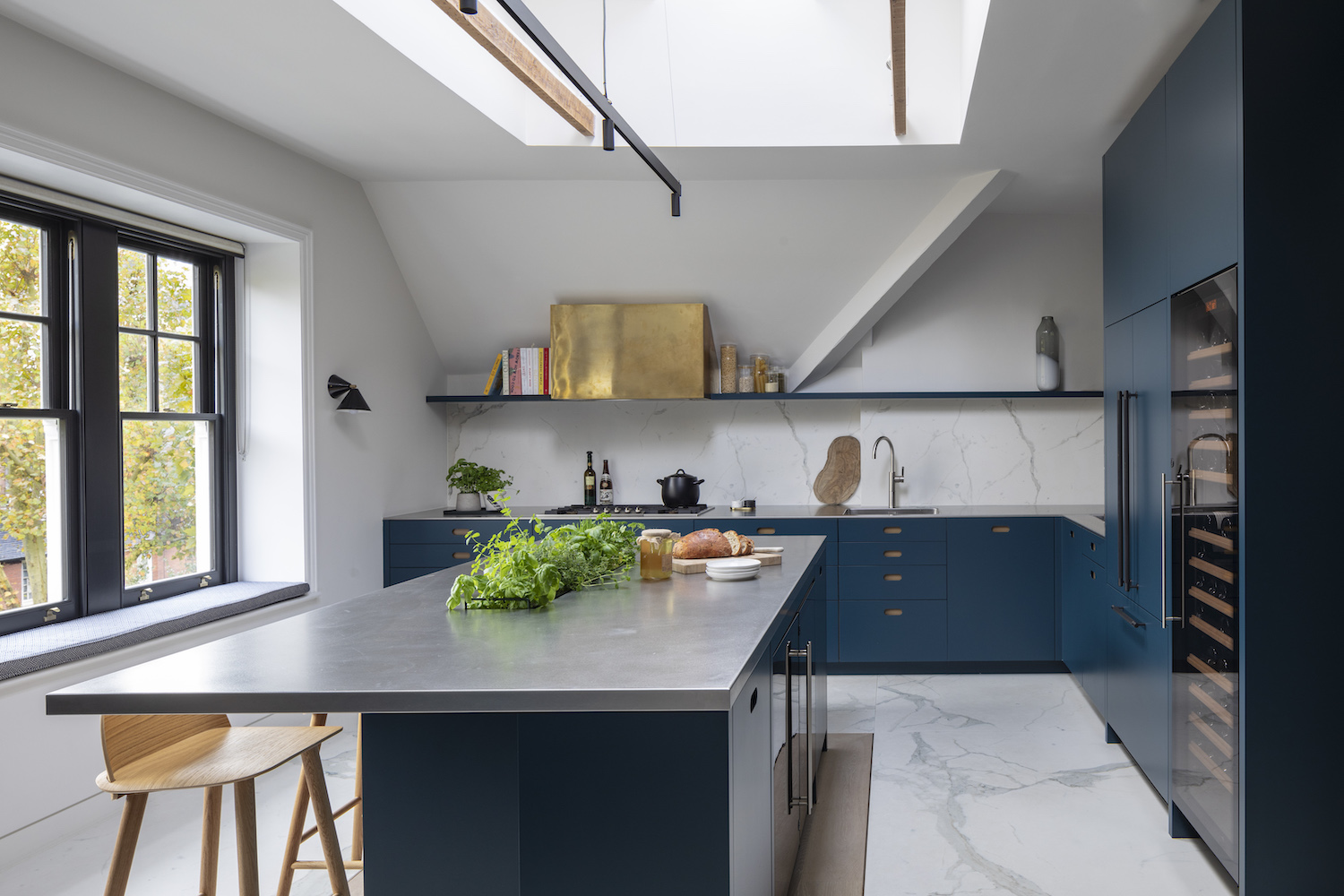
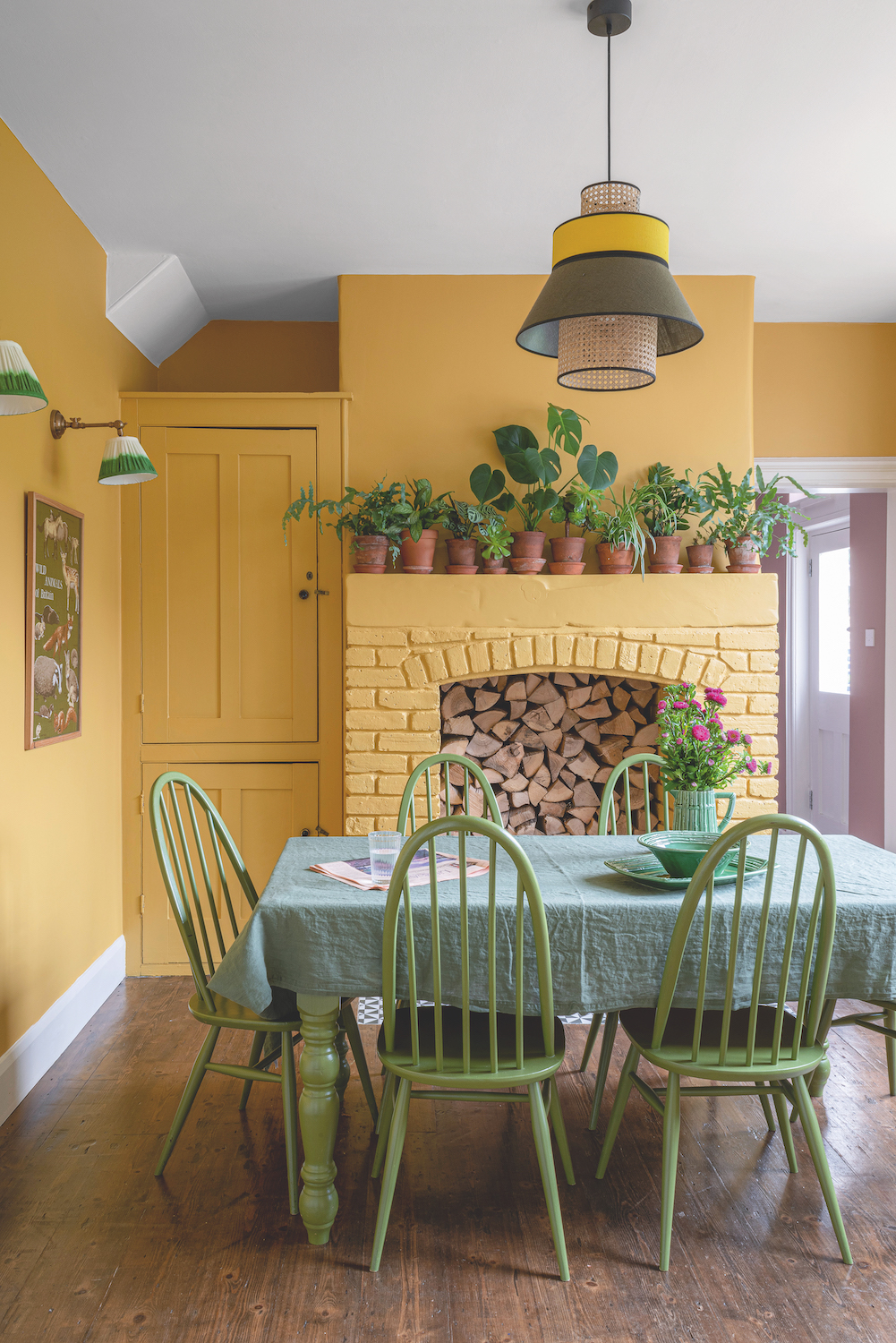
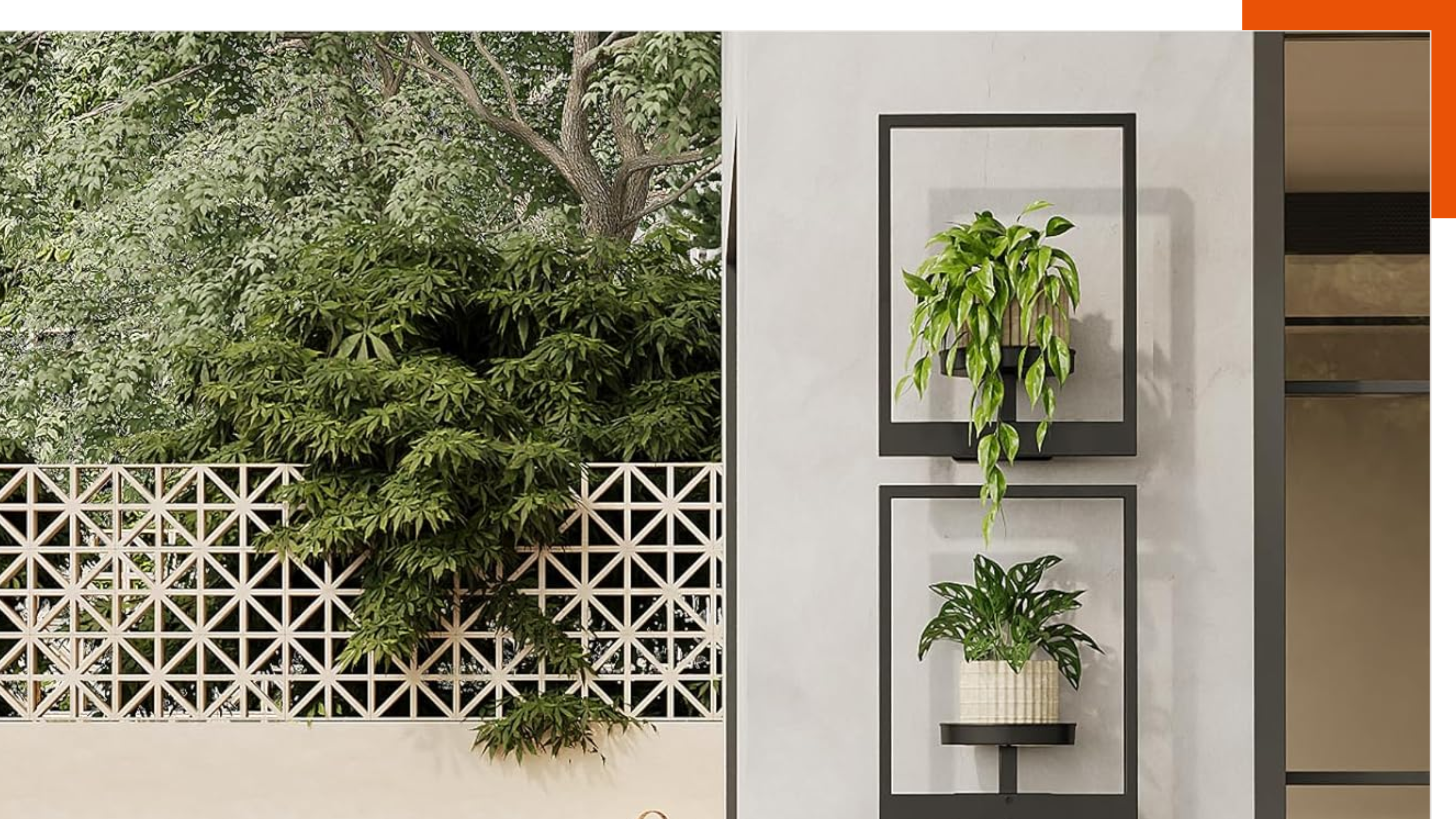
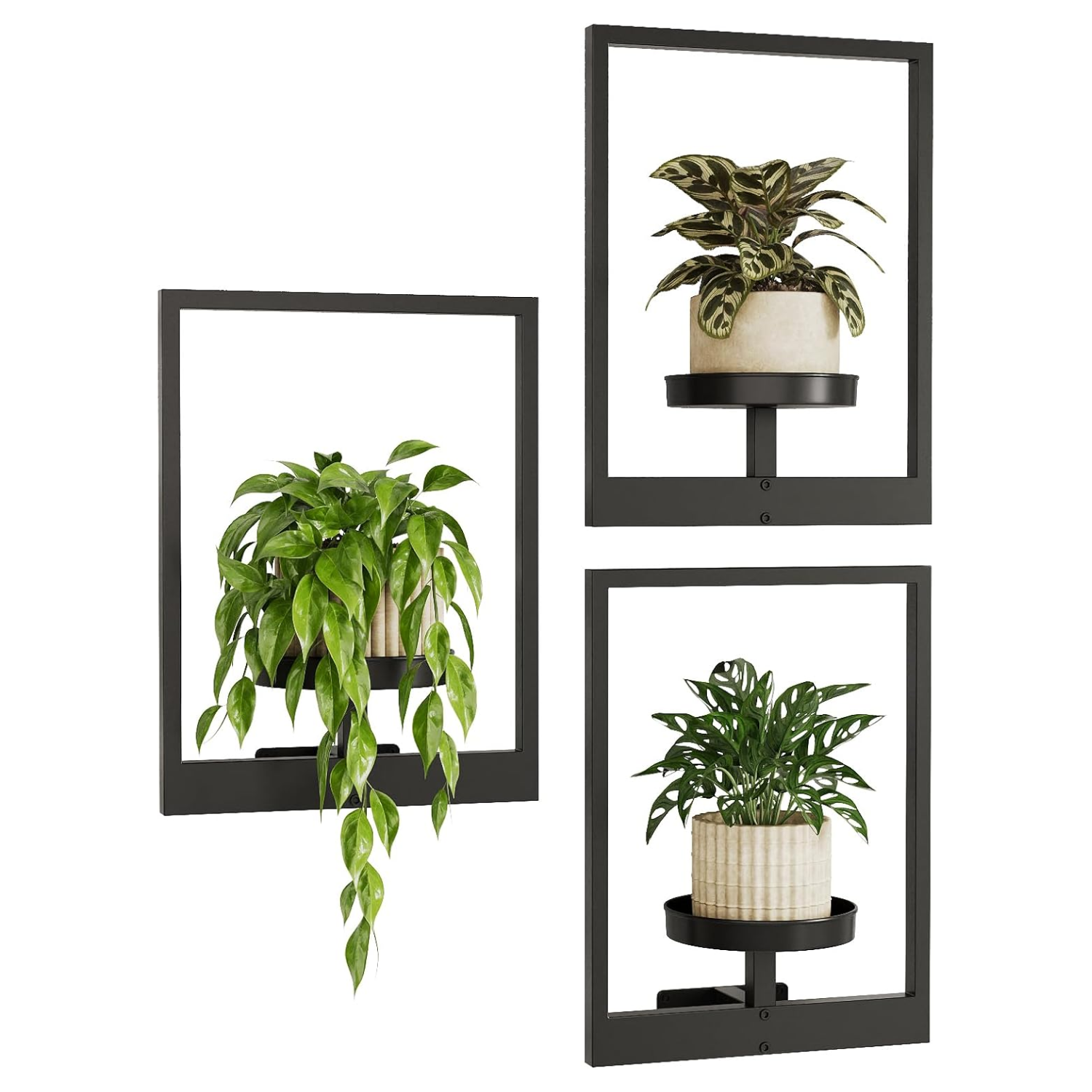
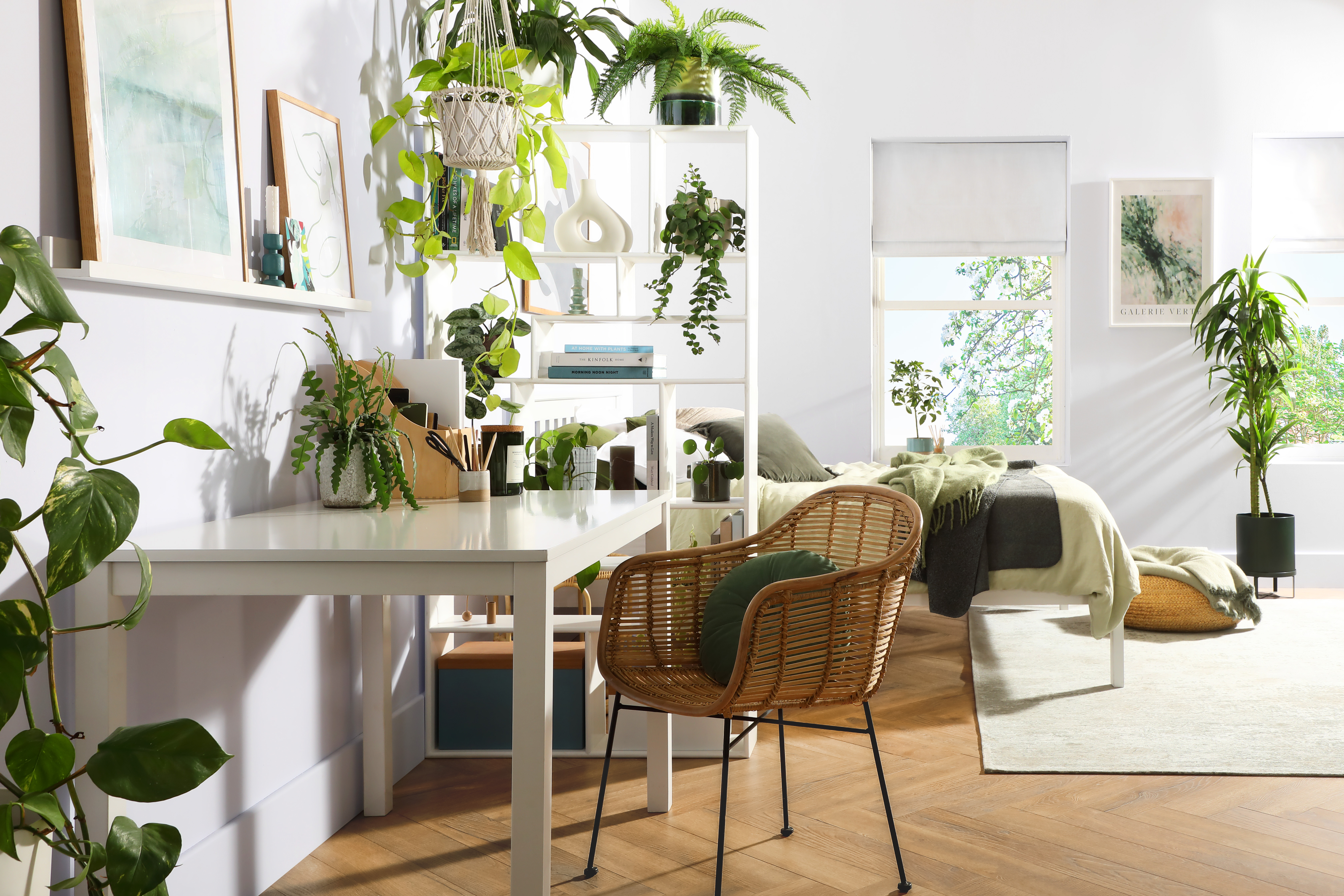
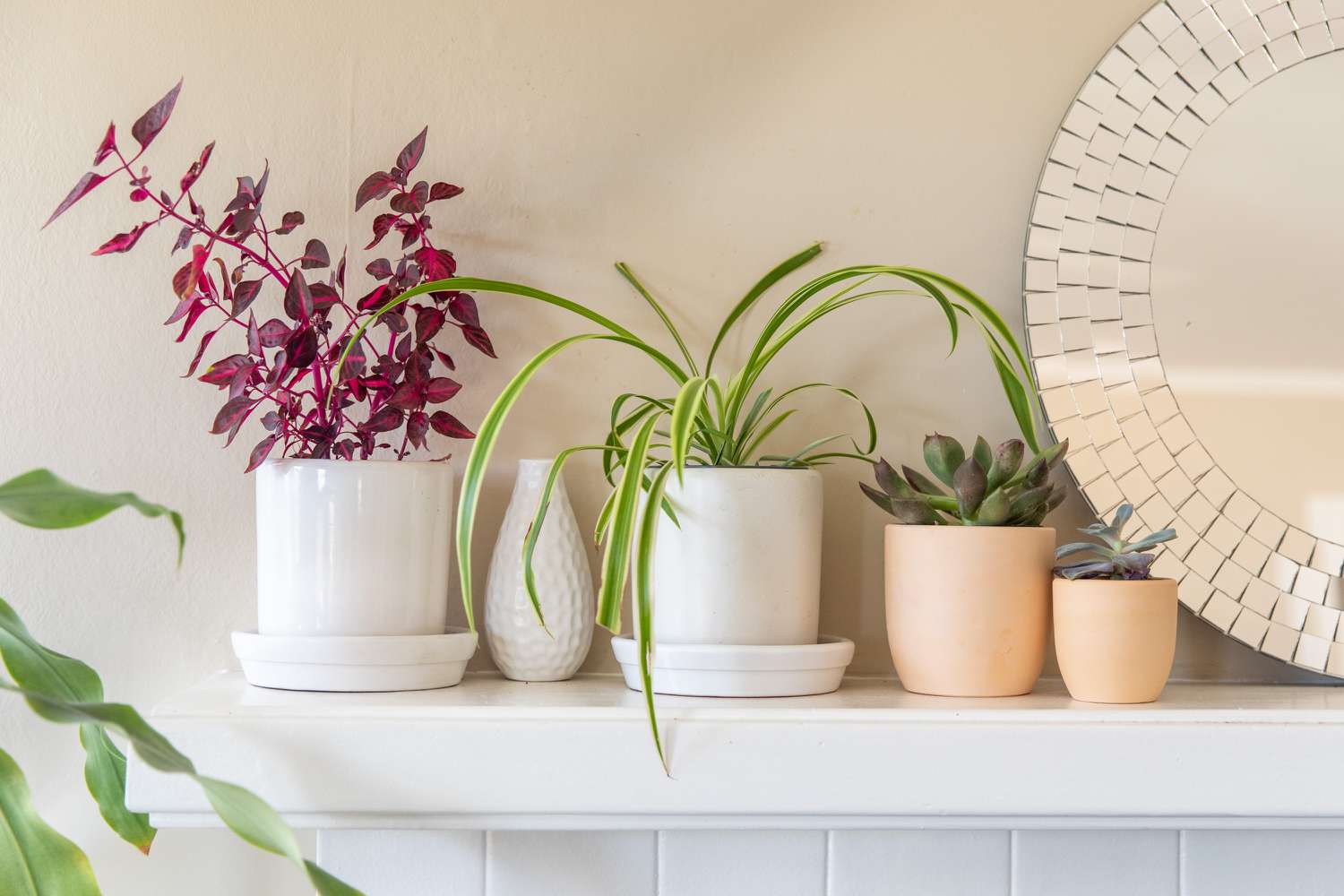
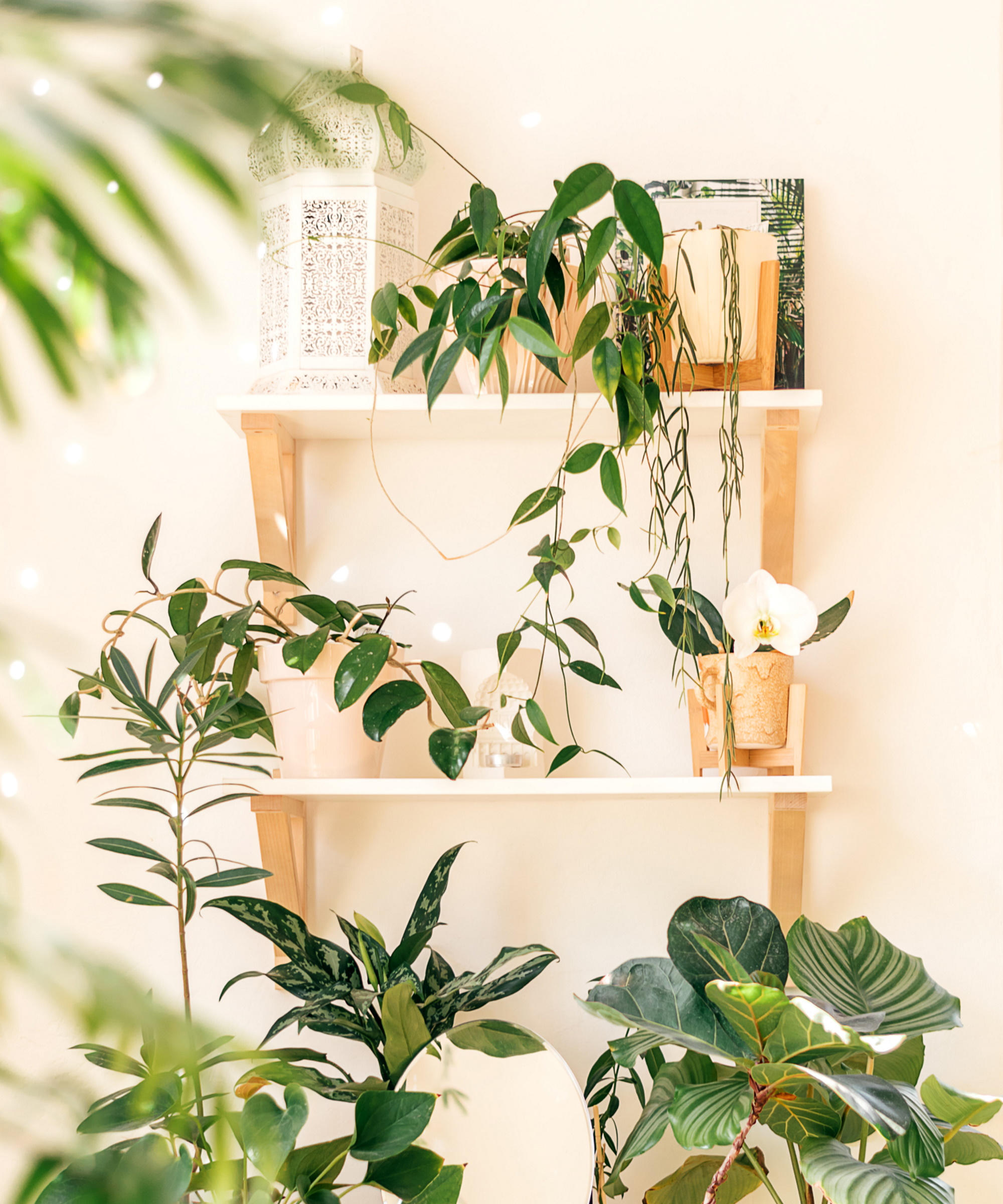
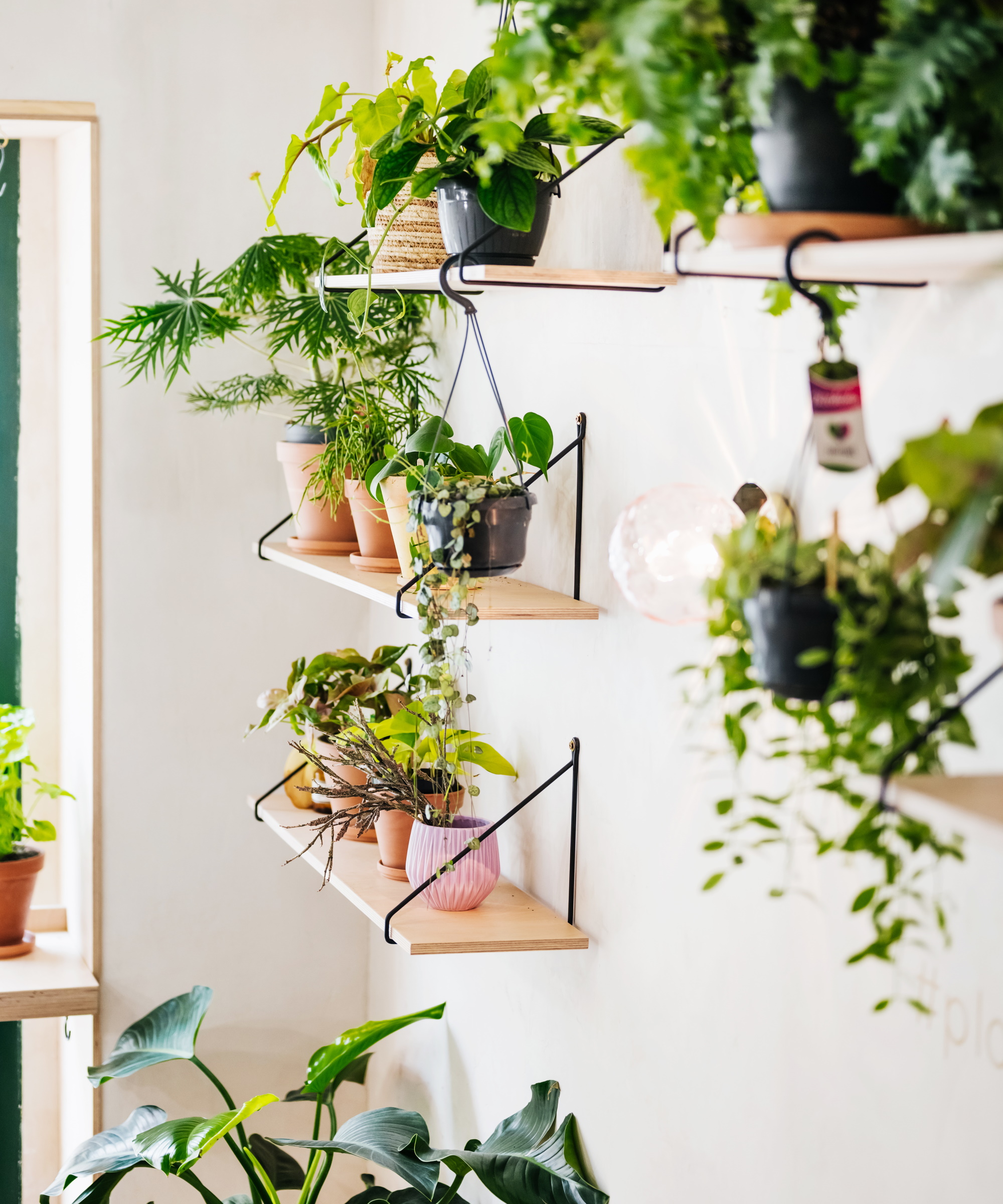
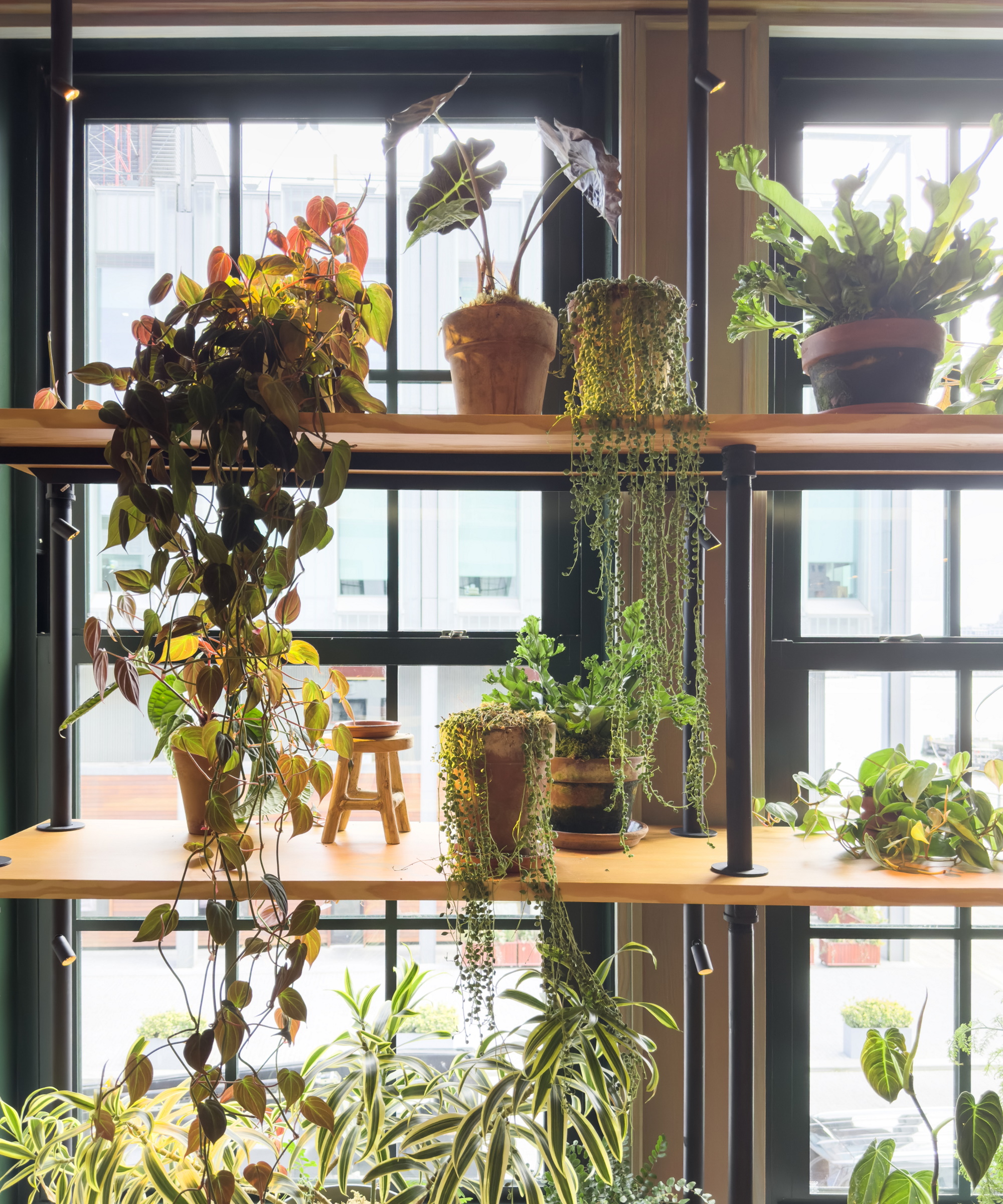
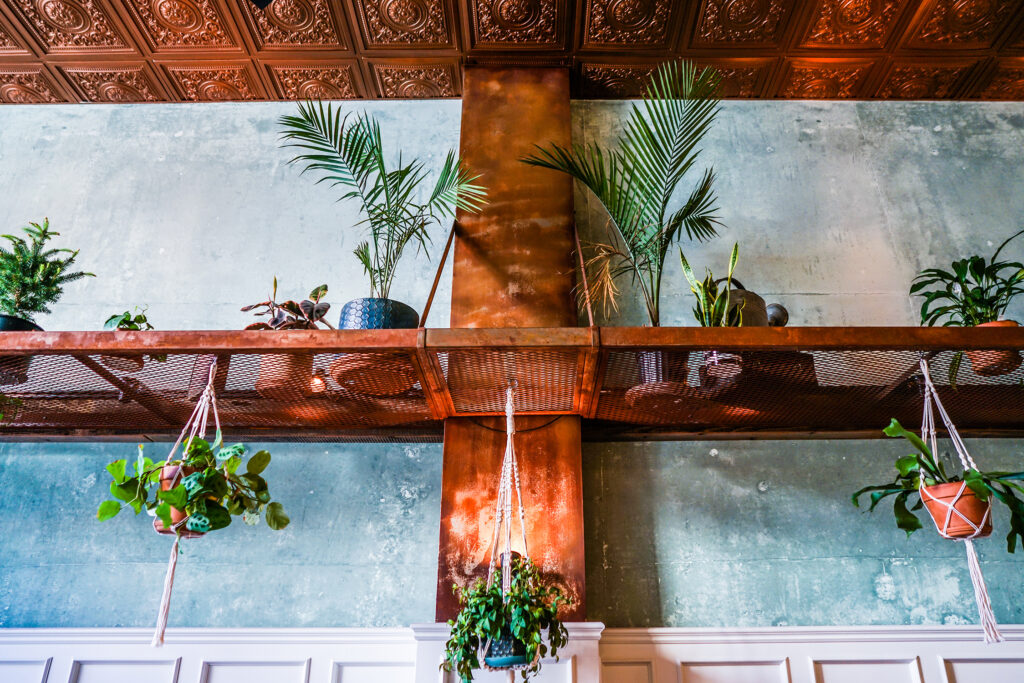
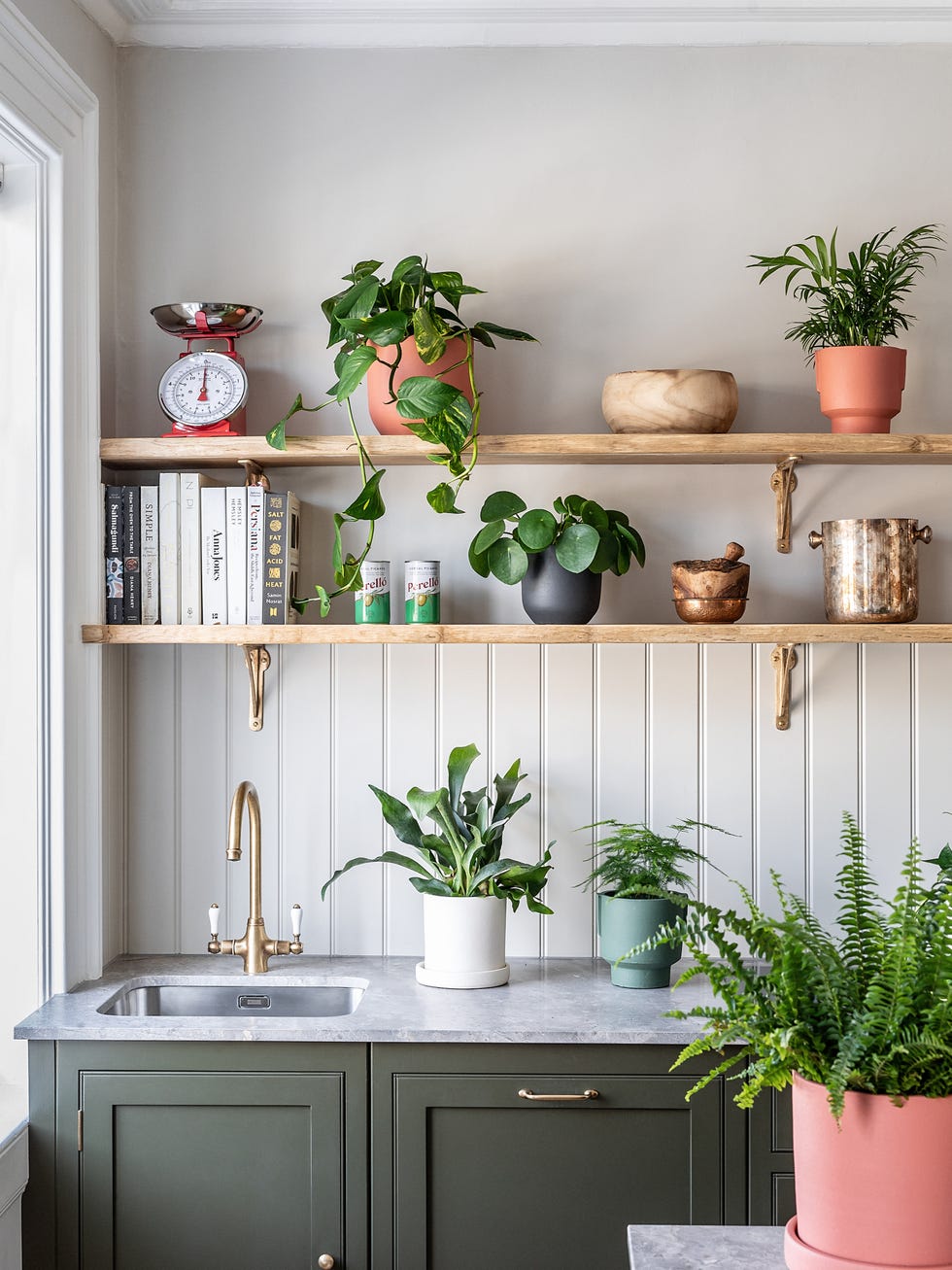
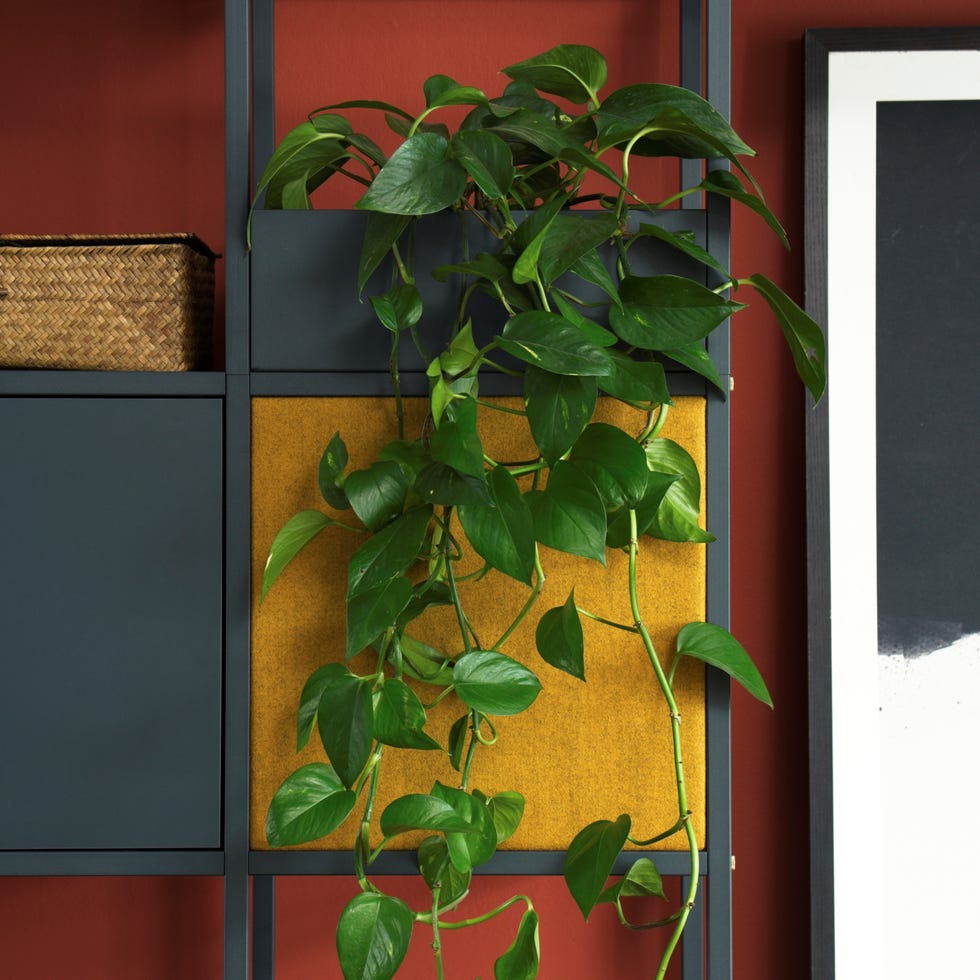
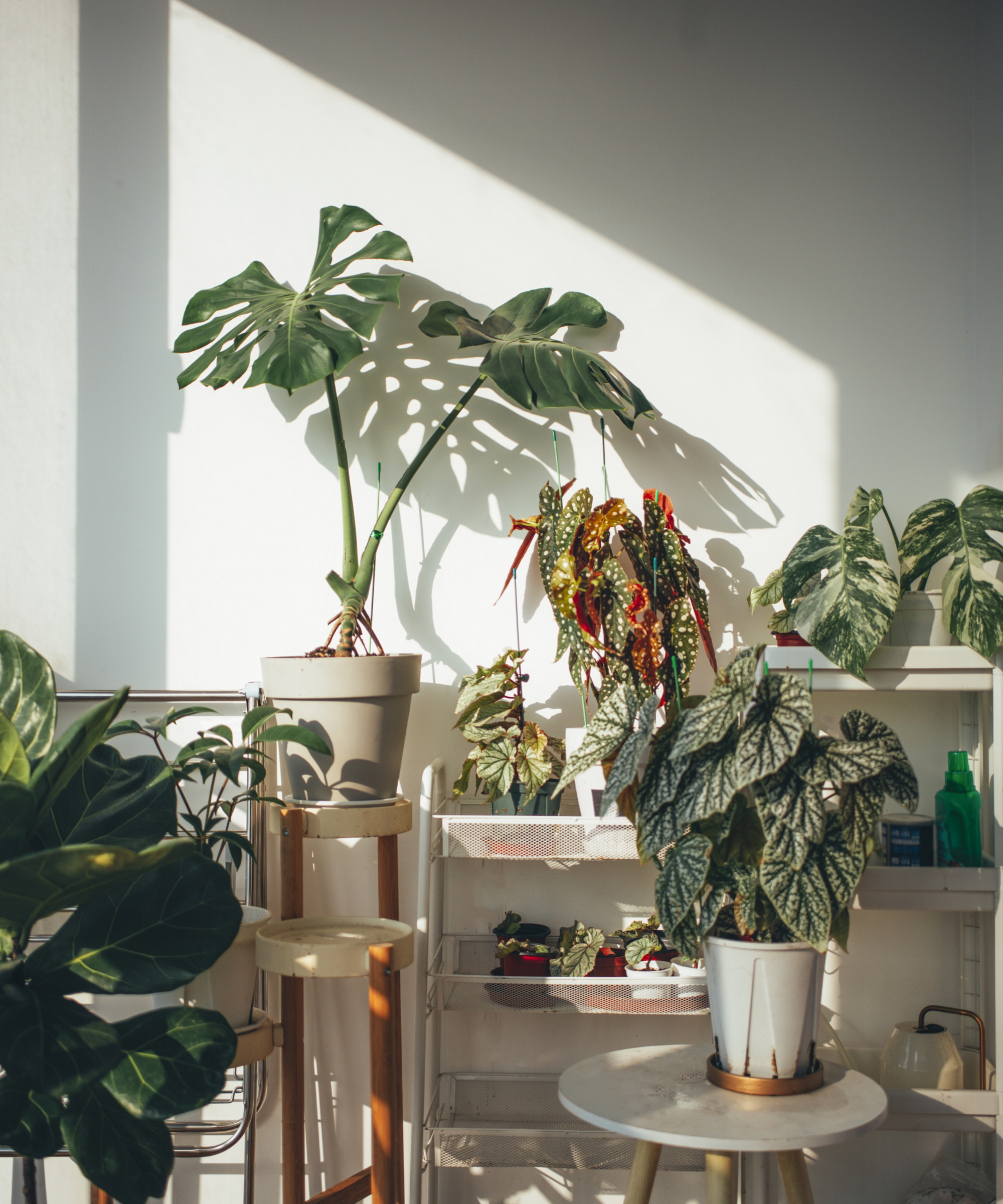
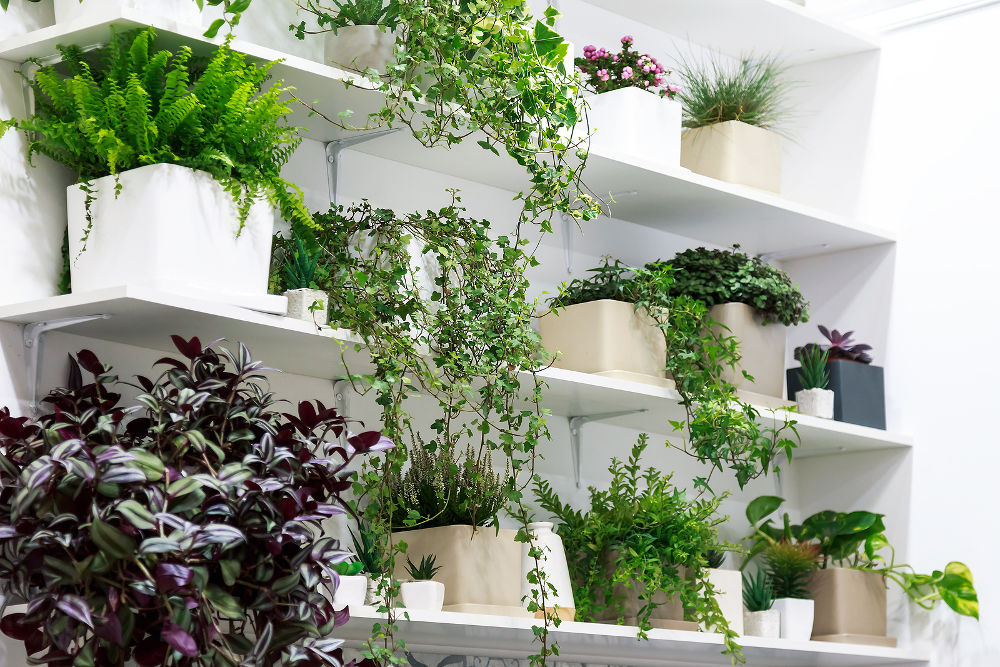
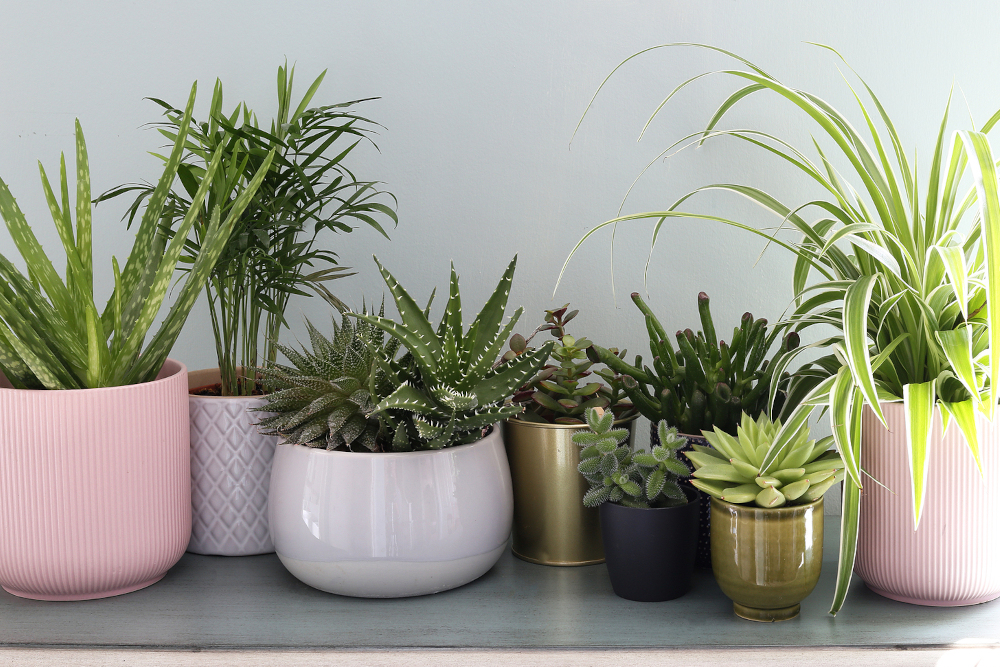
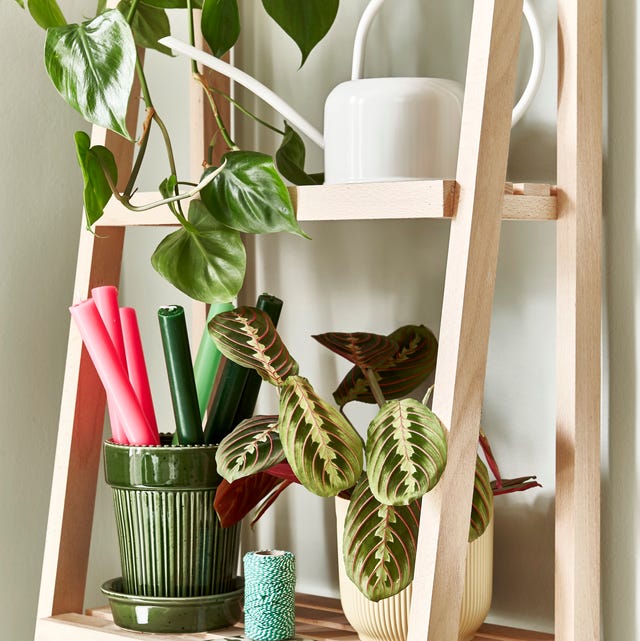
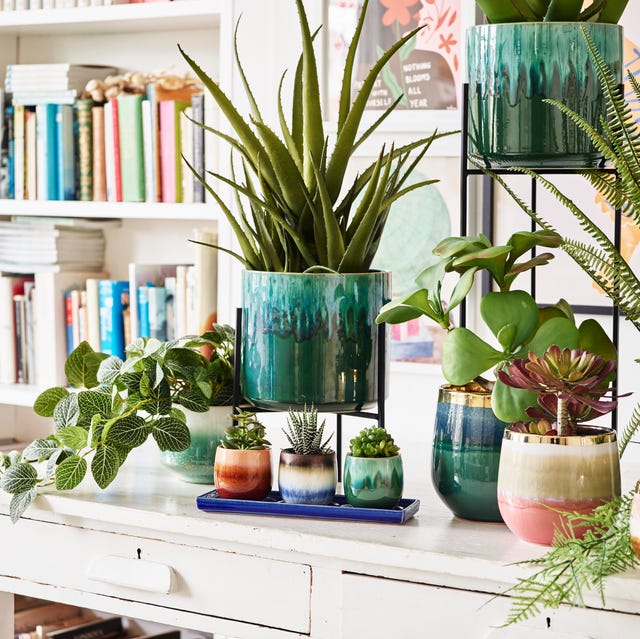
Eleven distinct methods are outlined for incorporating plants into home decor. One approach involves filling shelves with houseplants, which introduce softness and freshness, particularly trailing varieties. Succulents, with their architectural form and minimal maintenance, are ideal for filling gaps. A combination of cascading ferns, spider plants, and potted pelargoniums can create an indoor jungle effect. Another method is to soften partition shelving with various indoor plants, which act as perfect finishing touches for room dividers in open-plan living spaces. These plants provide vibrant color and their sculptural forms counteract the rigid architectural lines of modern shelving, subtly zoning living and dining areas while maintaining an airy ambiance.
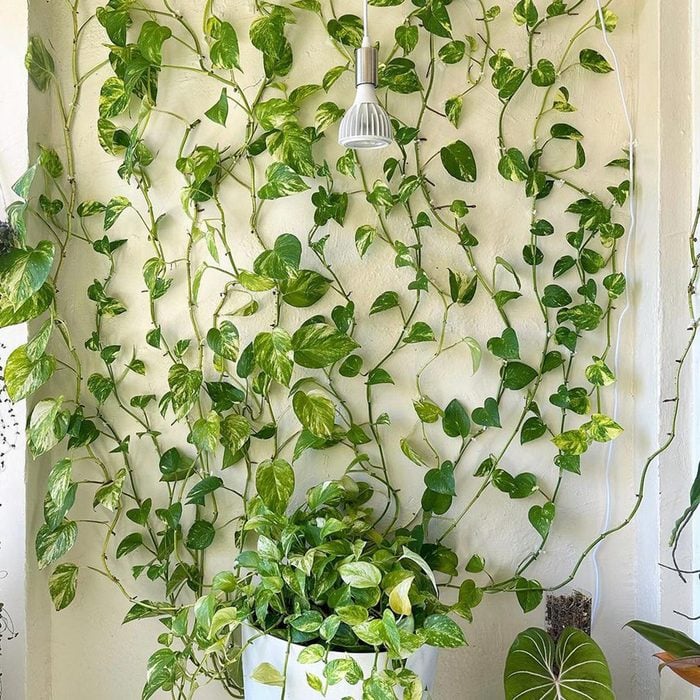
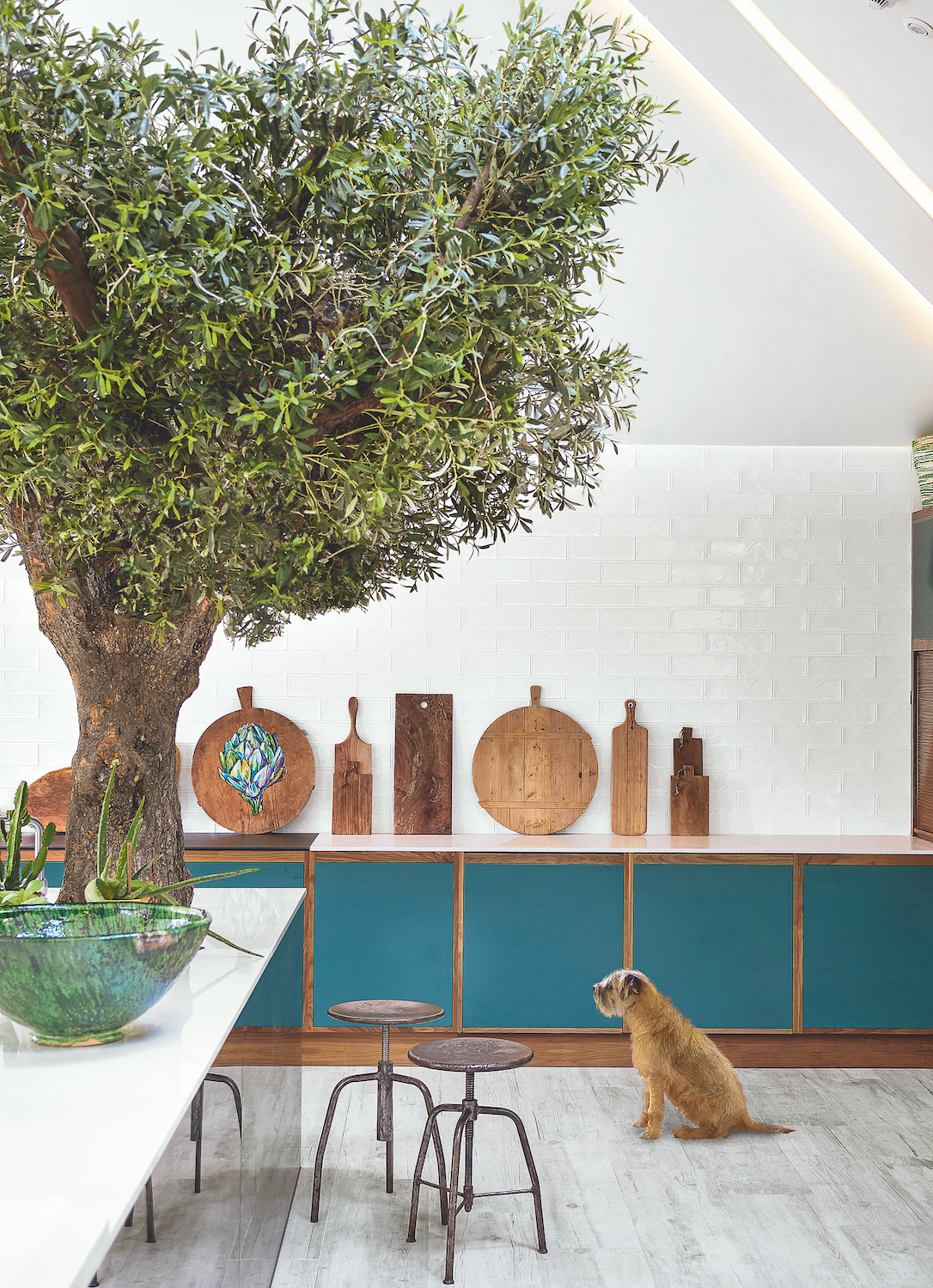
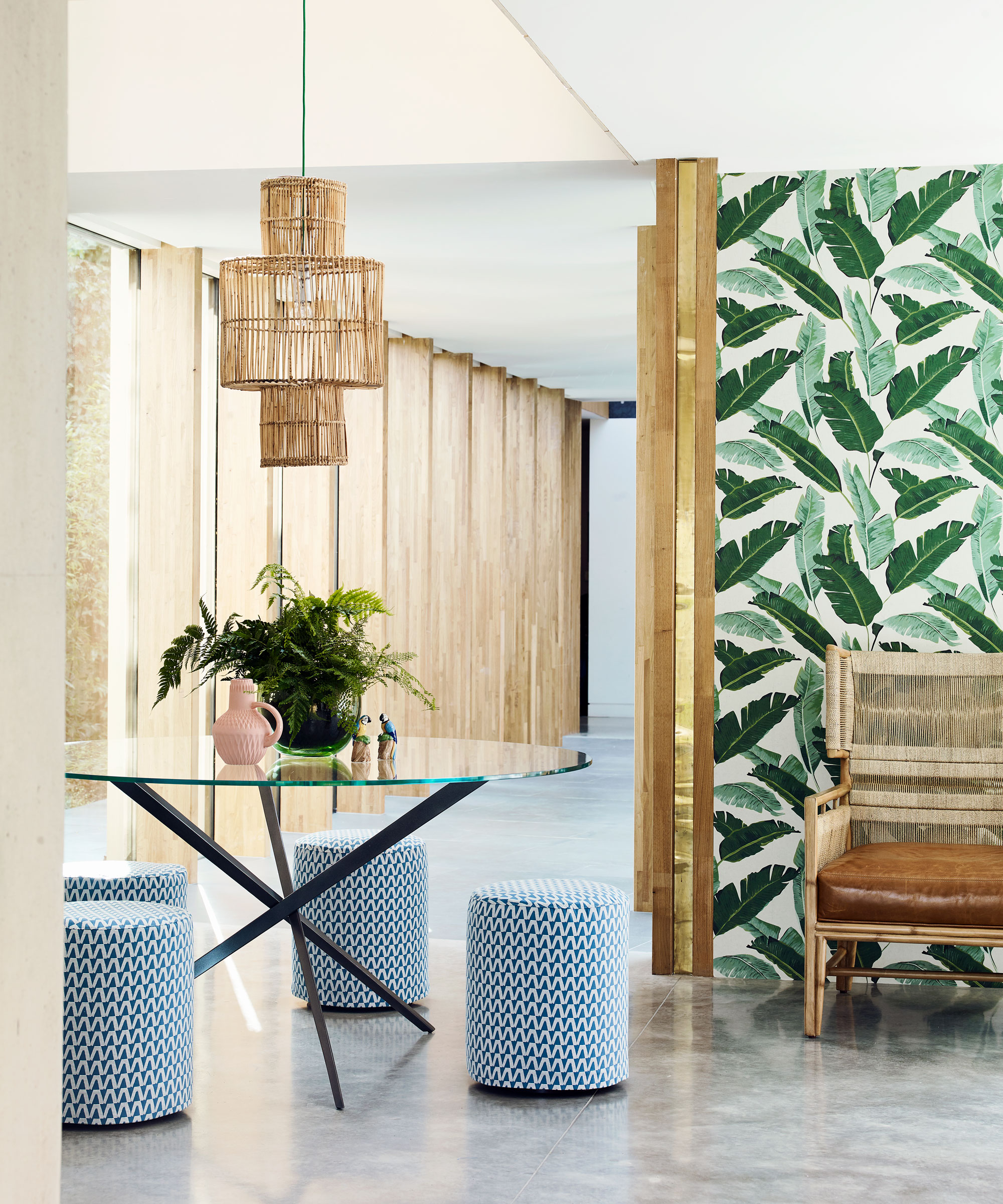
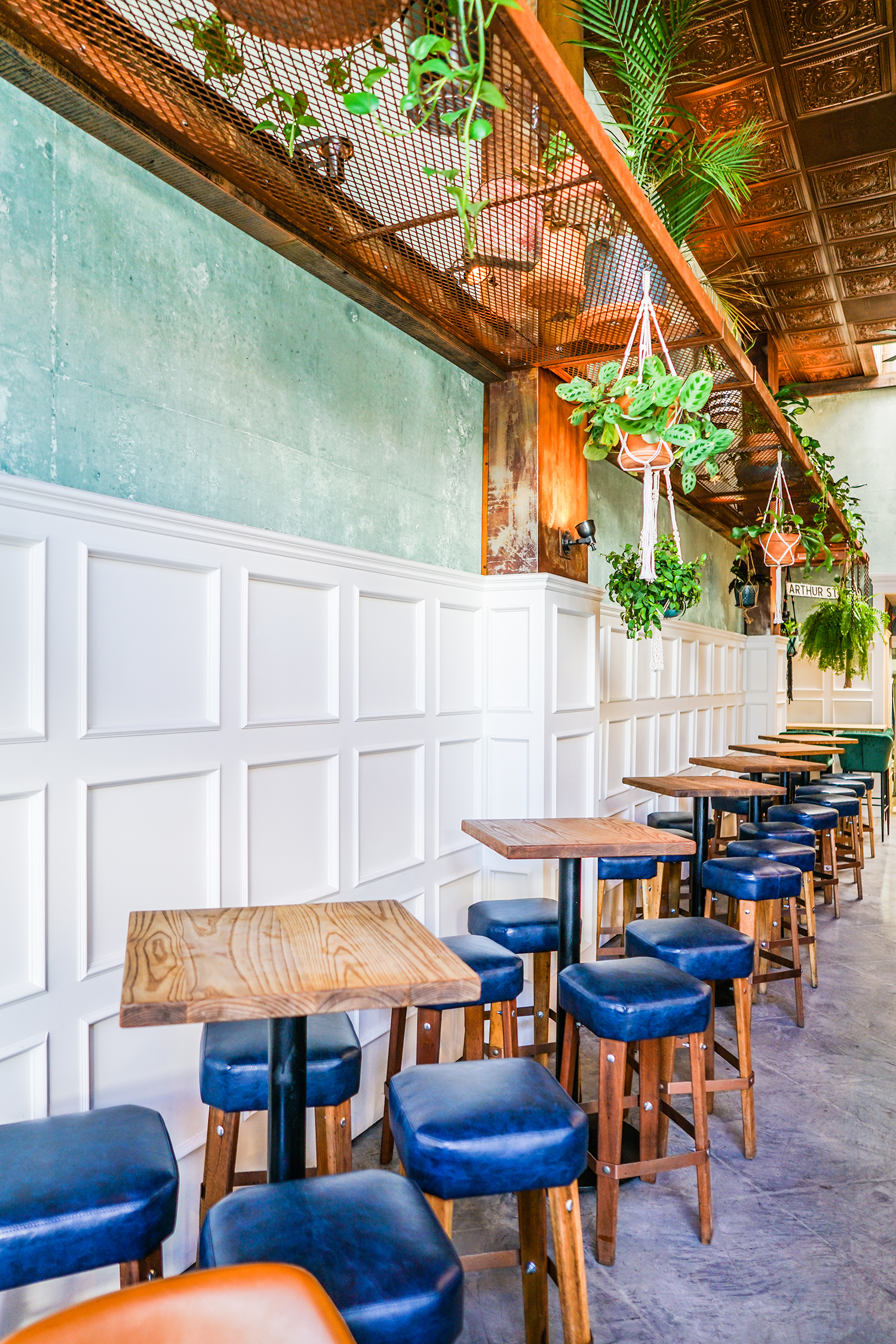

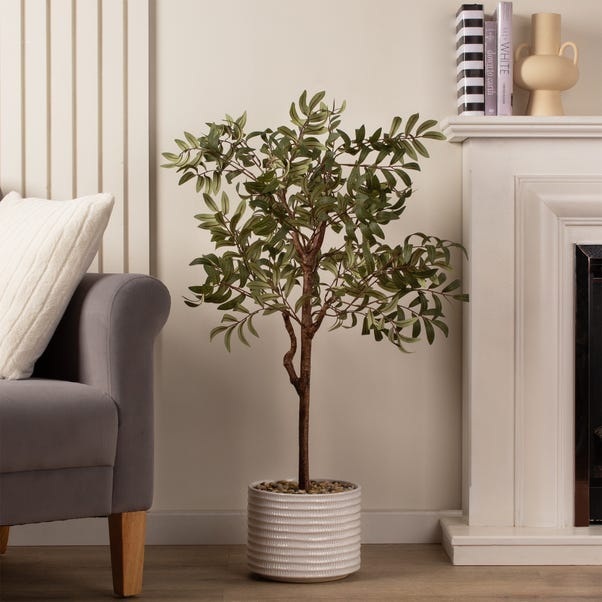
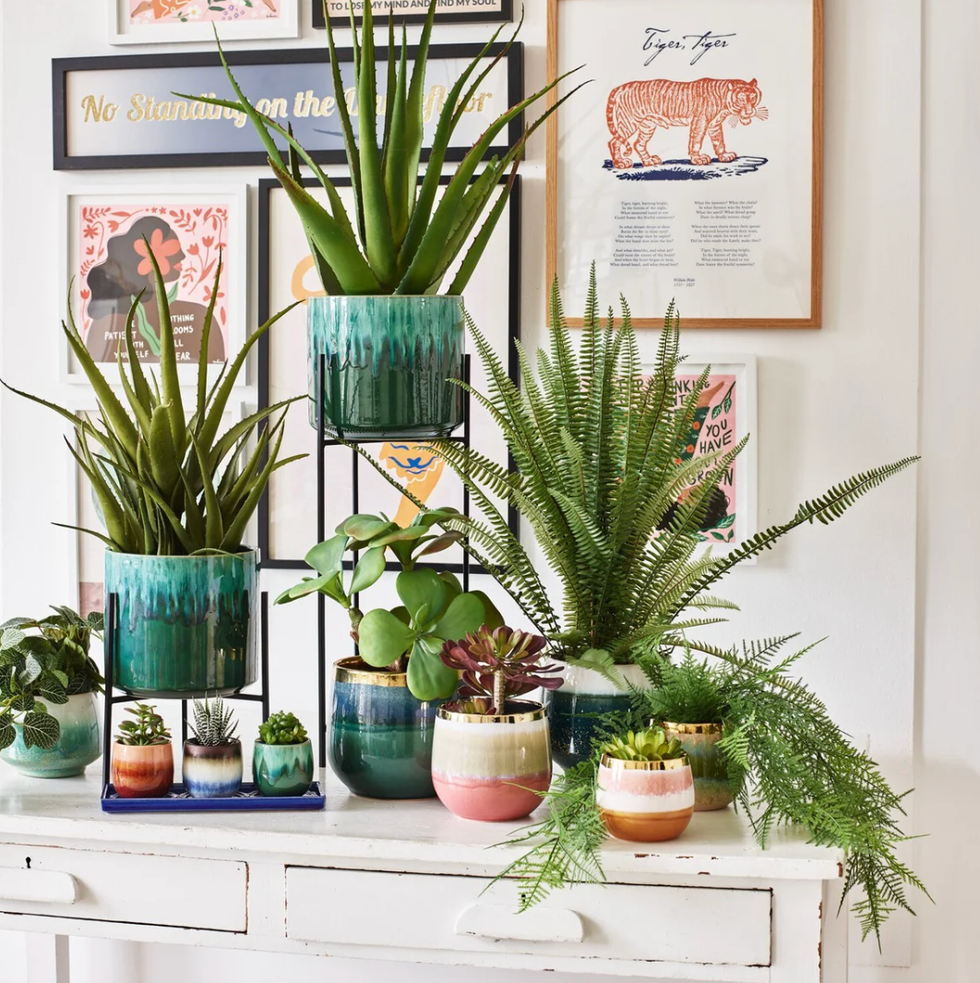
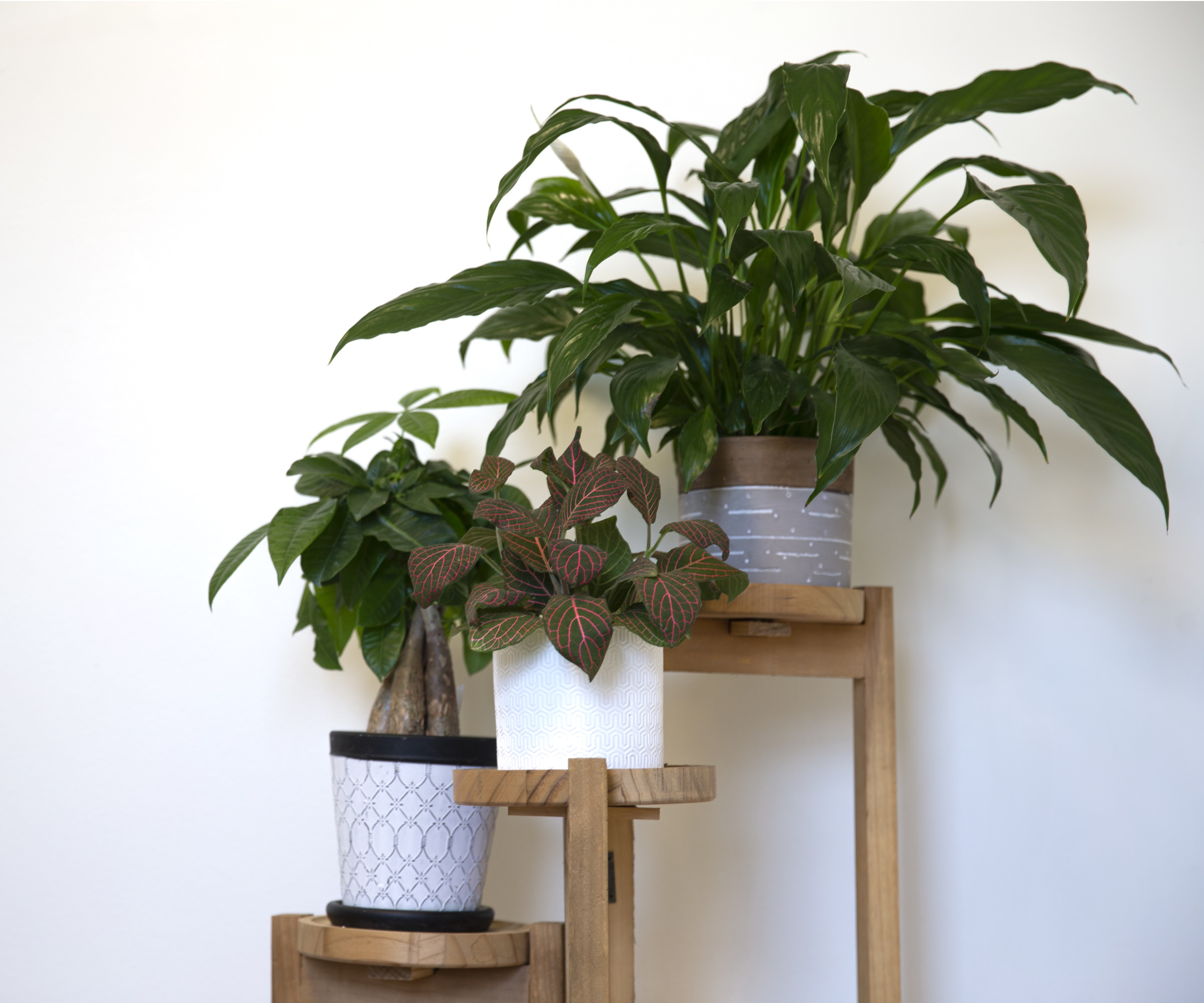
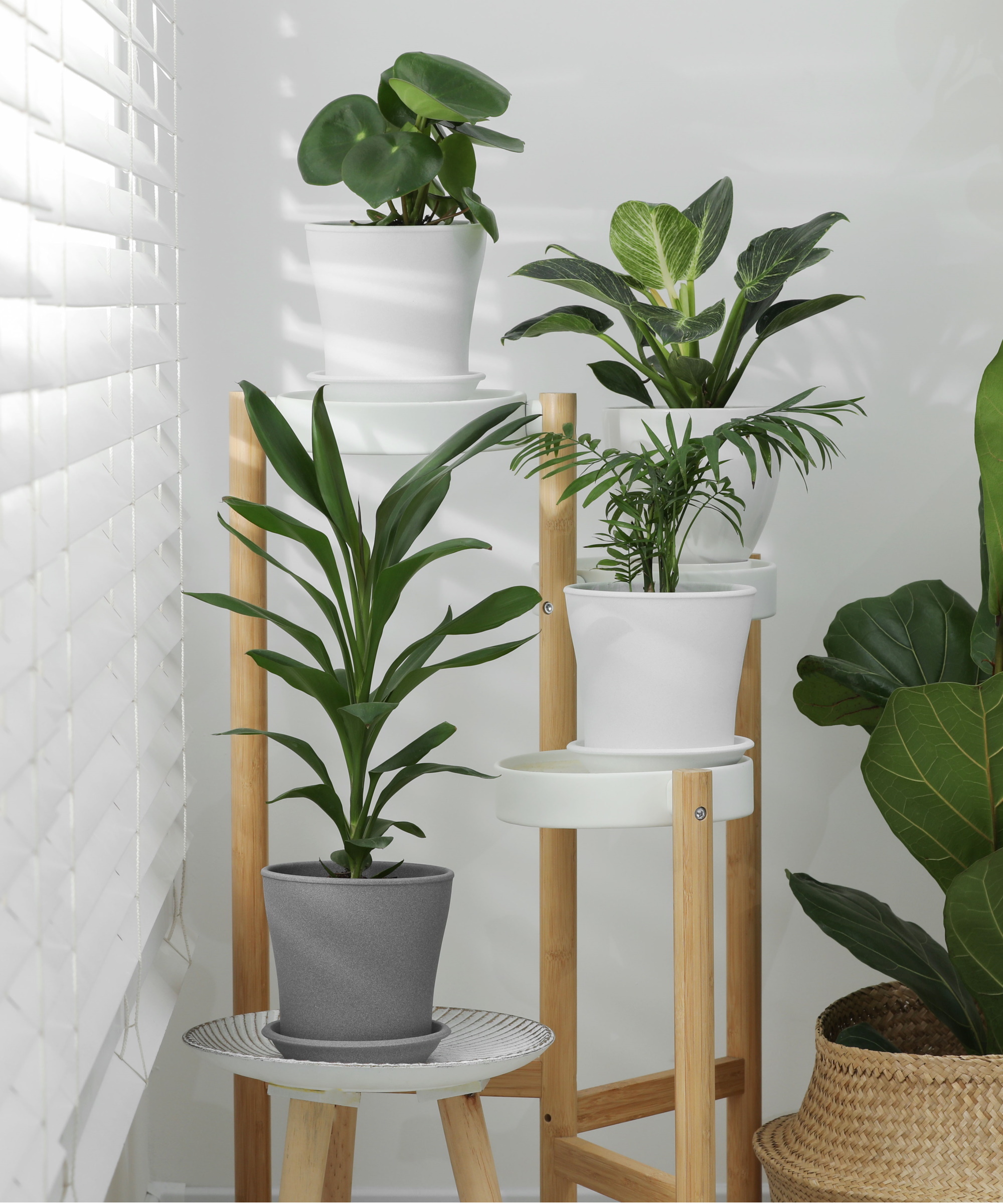
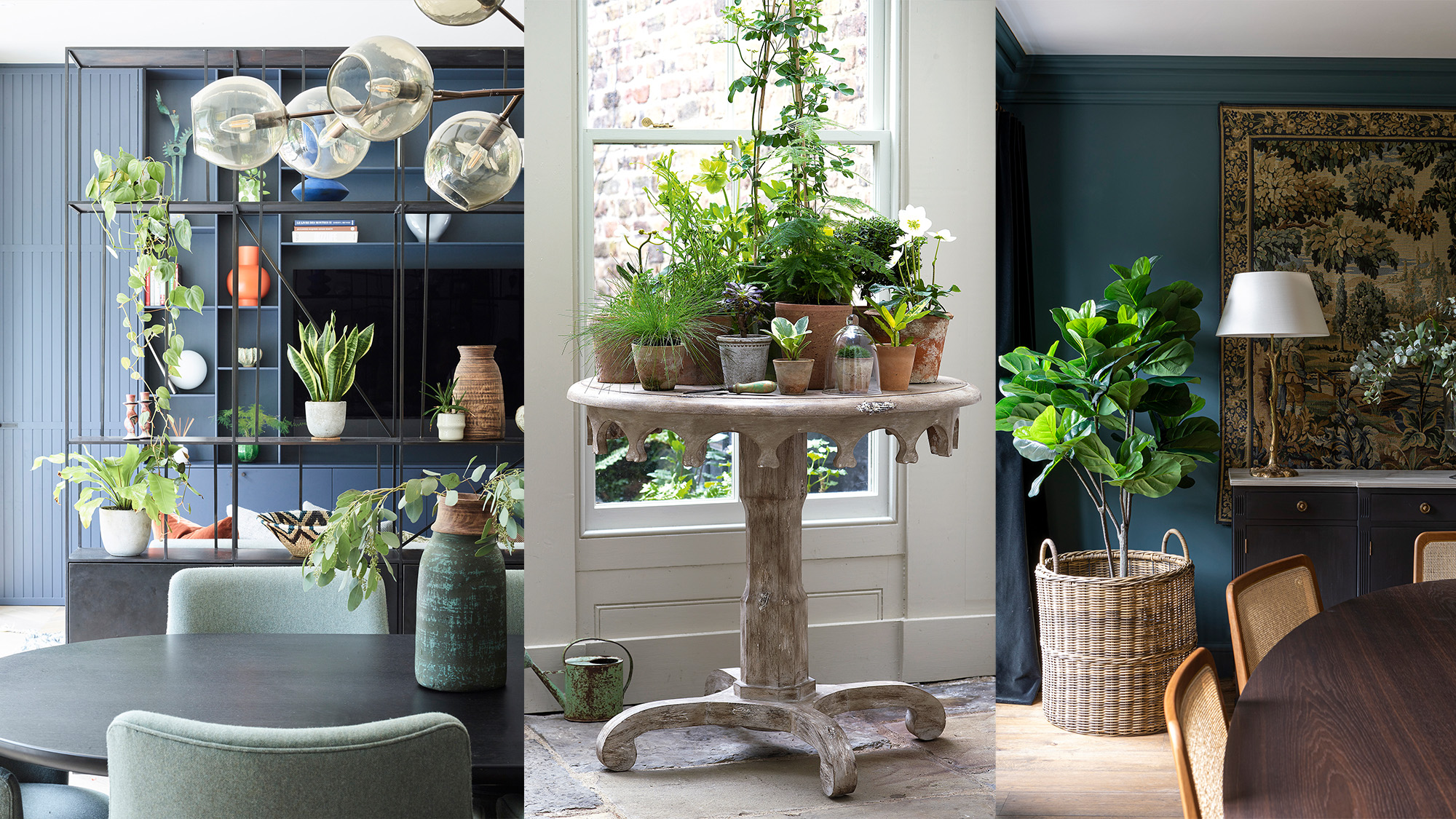
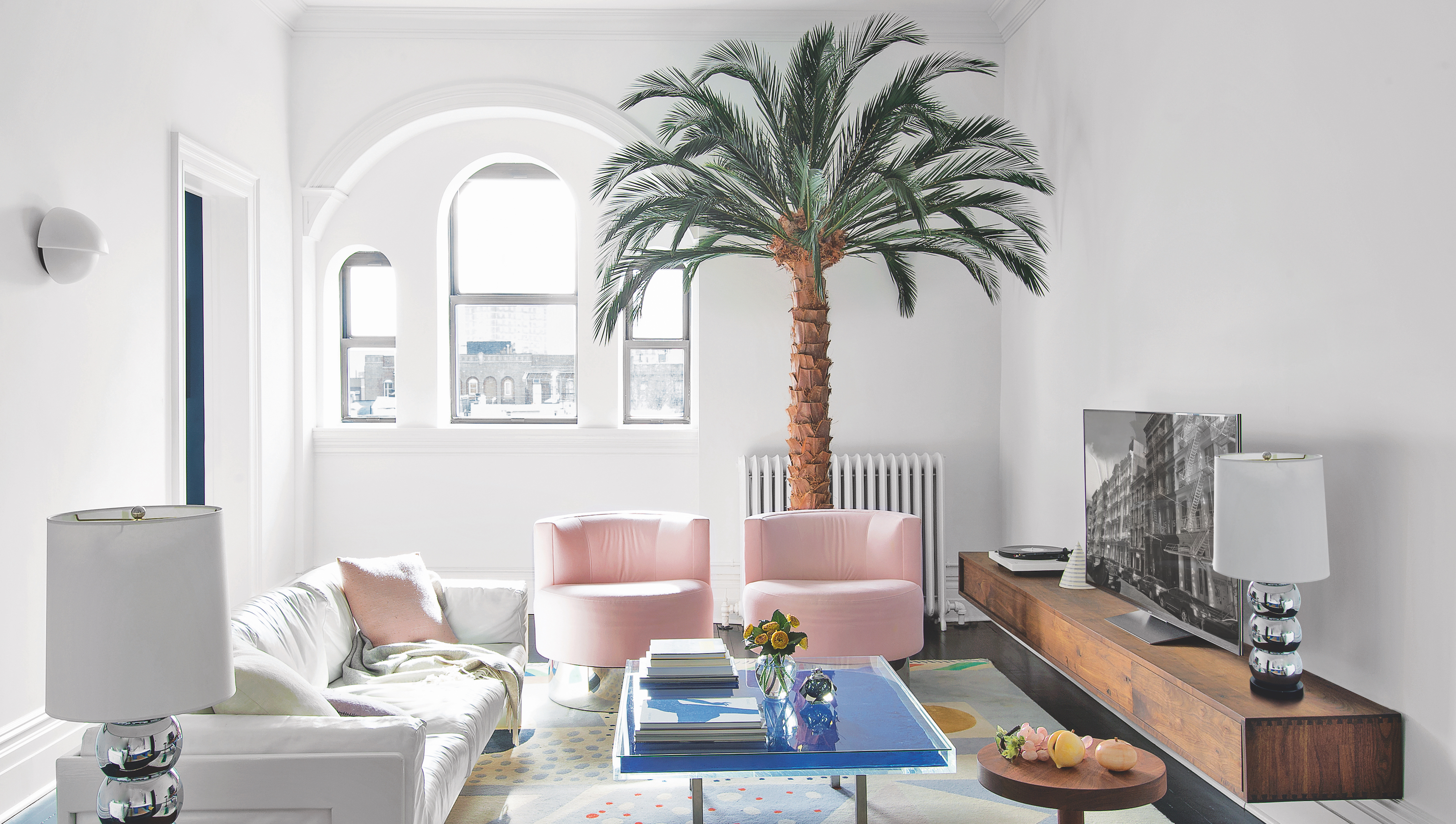
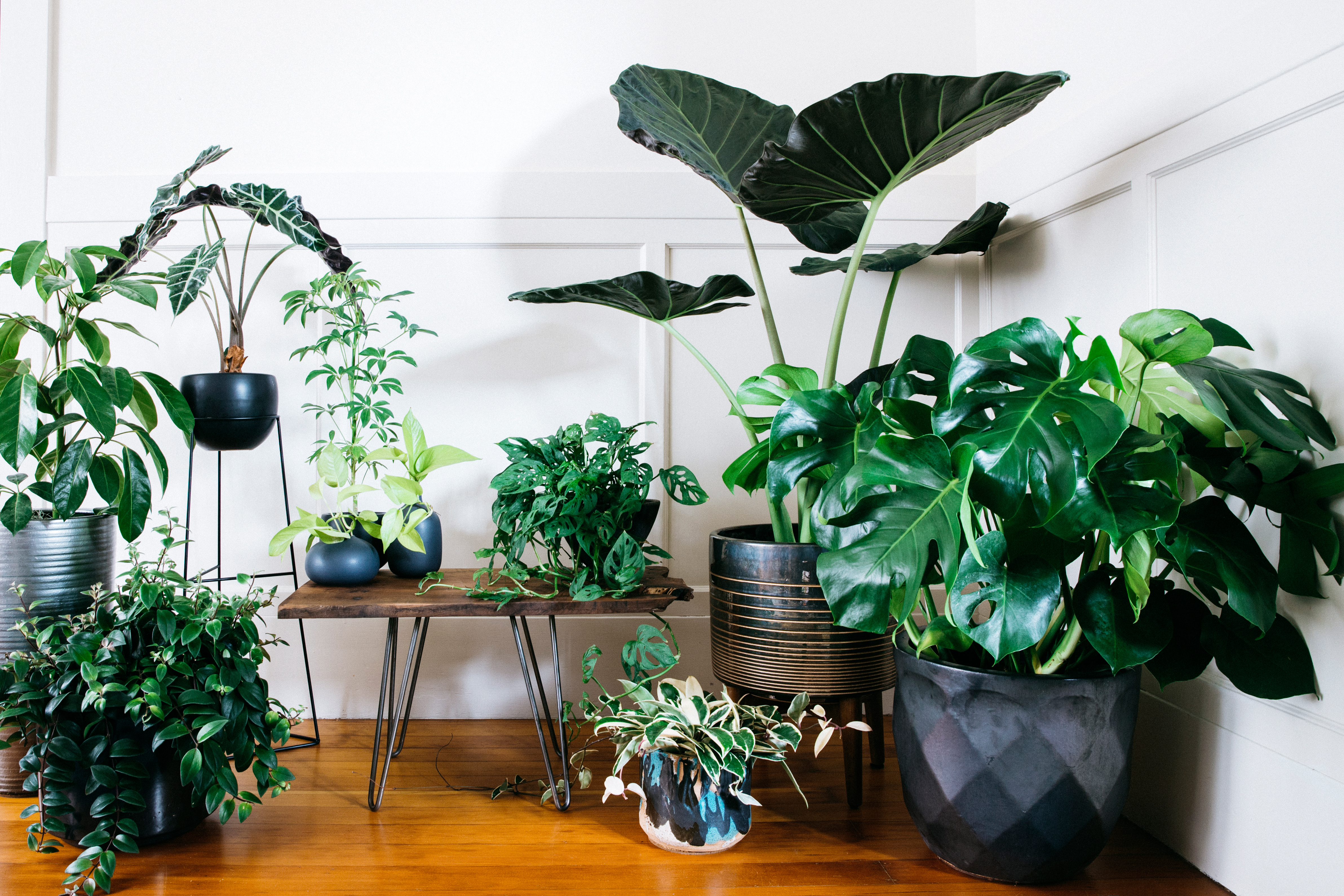
The principle of 'more is more' applies to plant decoration, advocating for abundant use across shelves, windowsills, and even hanging from ceilings to create an immersive, magical atmosphere. Layering plants at different heights, using a variety of forms and shapes, such as those on raised stands or incorporated into gallery walls, helps to cultivate an indoor jungle aesthetic, especially effective in white living rooms. Utilizing indoor trees to establish a focal point is another strategy, treating large statement plants as integral design elements rather than mere accessories. Examples include banana trees, elephant's ears, pygmy date palms, or indoor citrus and fig trees, which can draw the eye upwards in rooms with high ceilings.
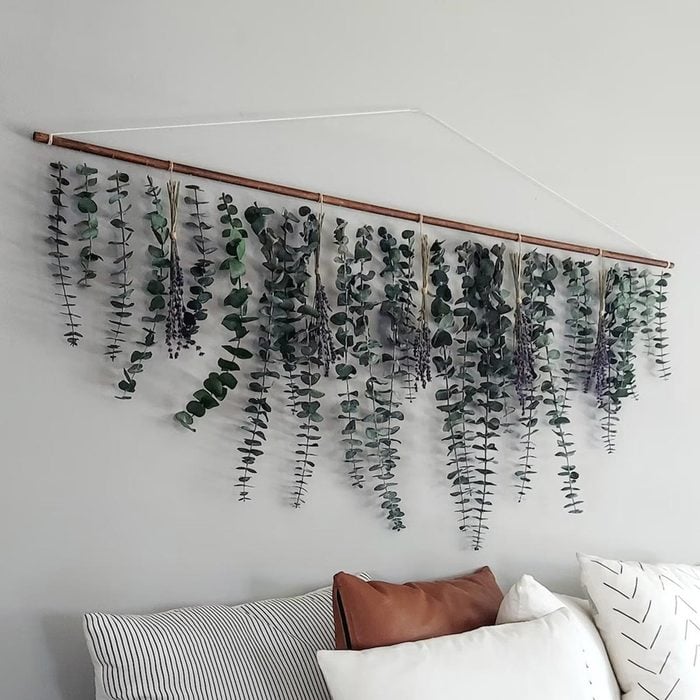
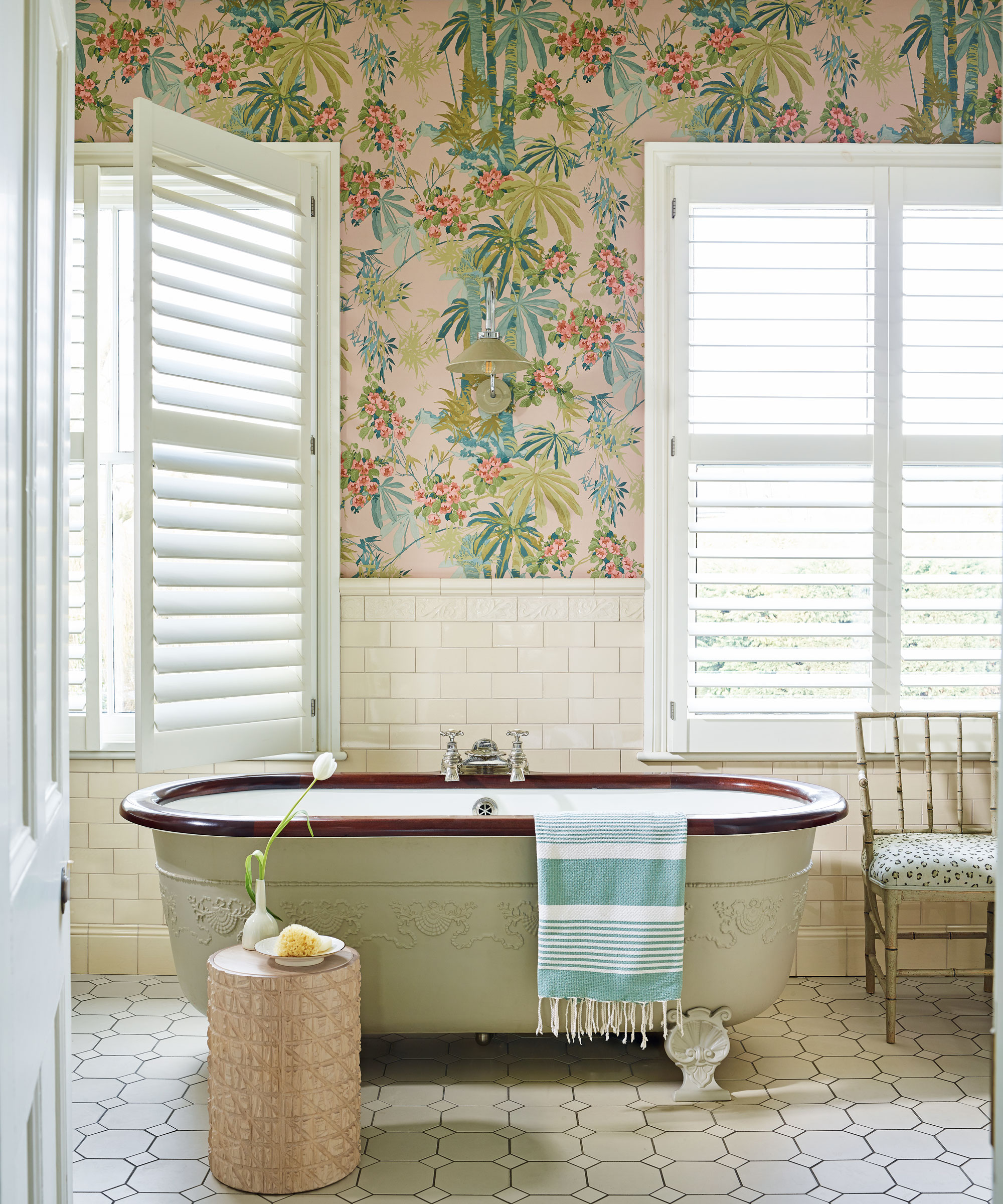
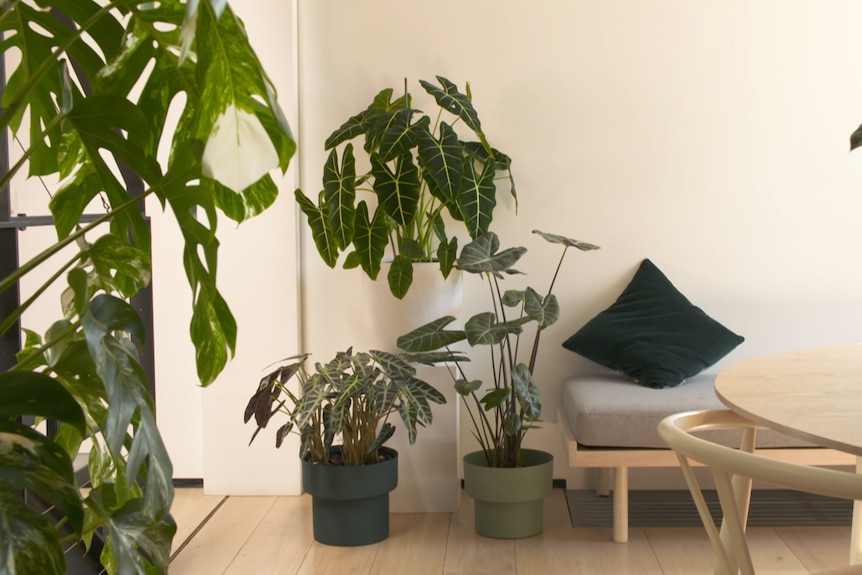
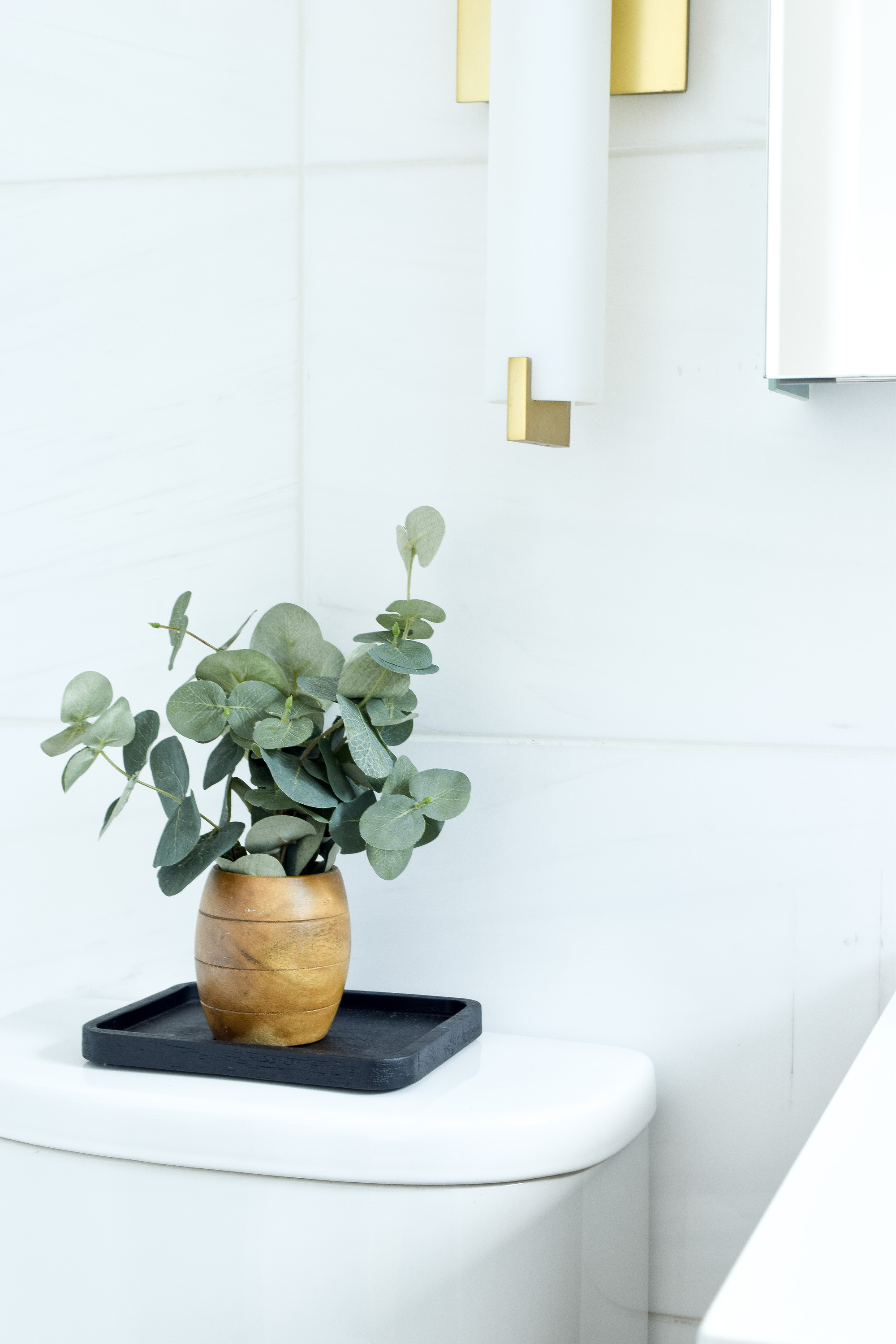
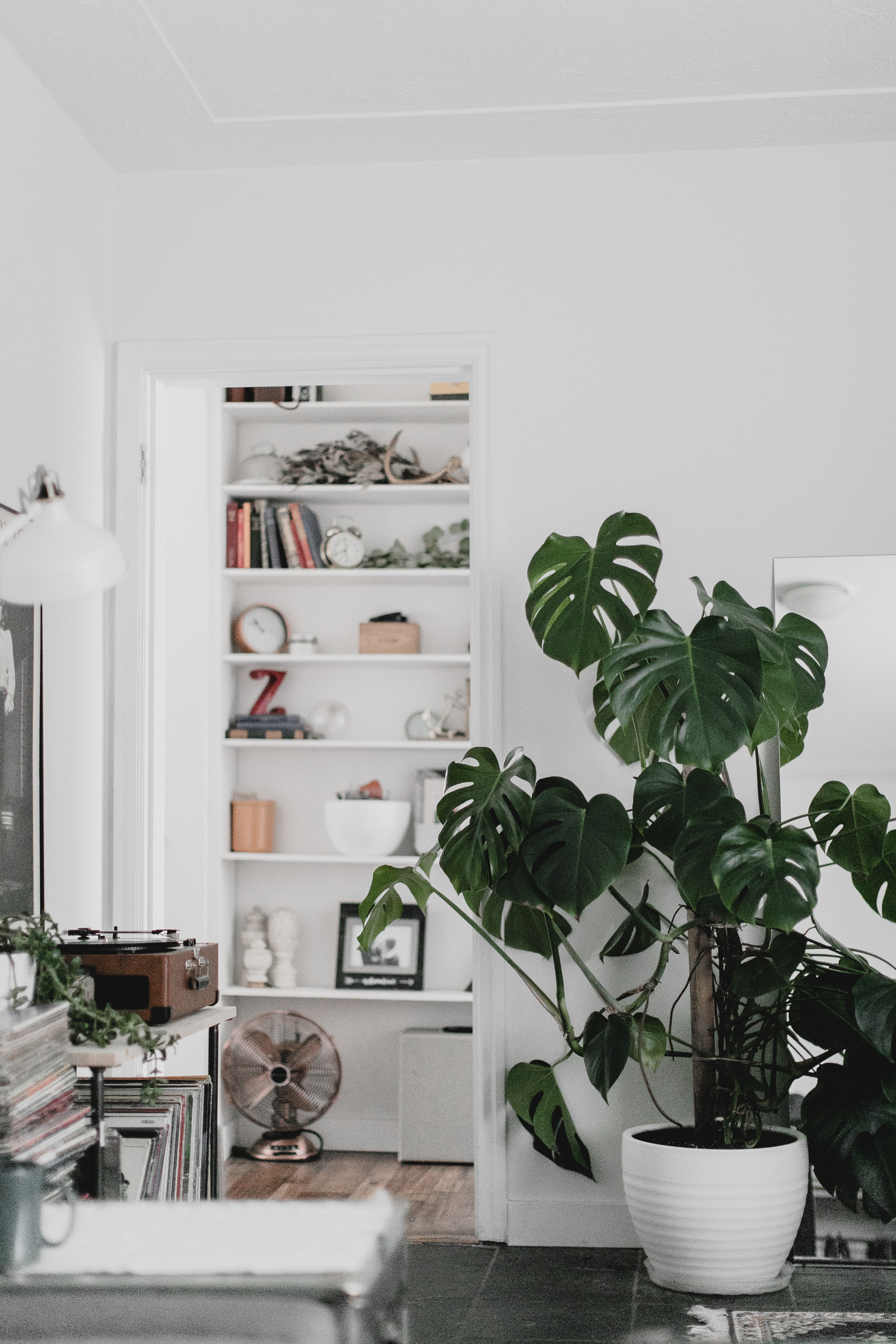
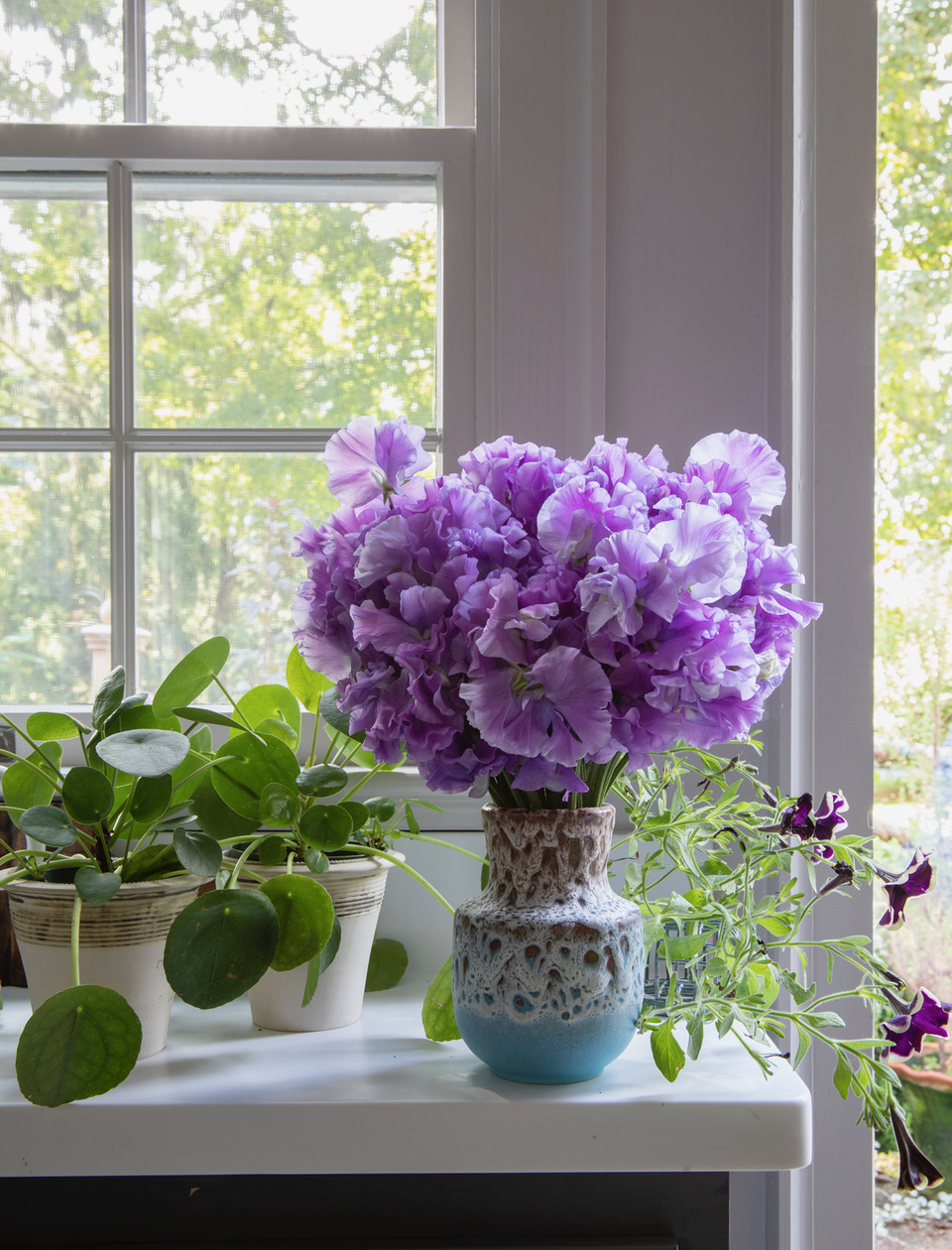
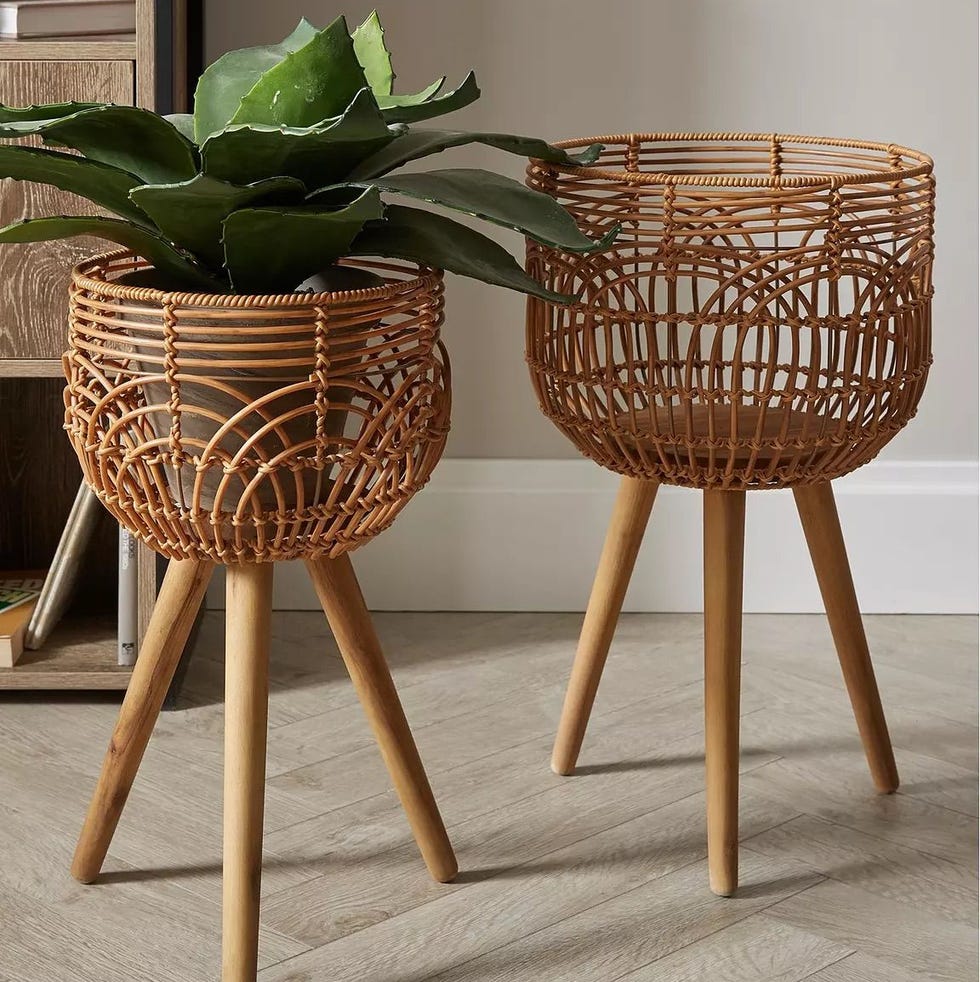
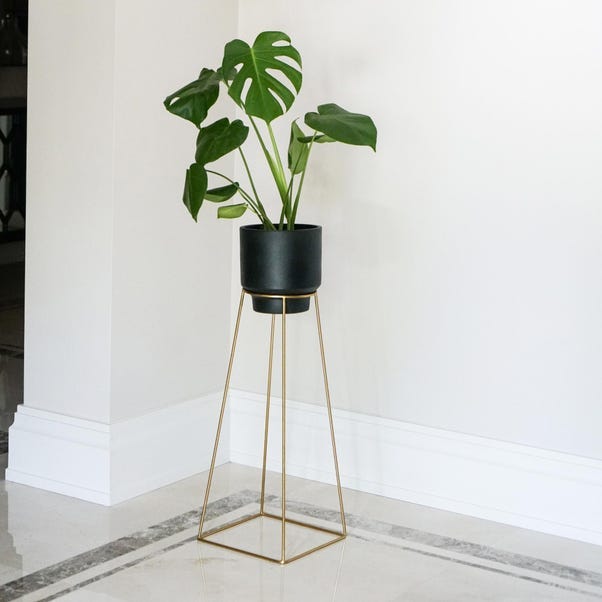
Windowsills provide an excellent location for light-loving houseplants, although care must be taken during winter to protect them from drafts and temperature fluctuations. Arranging plants around the bed transforms bedrooms into biophilic spaces conducive to recuperation and relaxation, with air-purifying plants promoting a healthy sleep environment. Creating a bathroom oasis with plants leverages the room's humidity, making it an ideal setting for many indoor plants and adding a spa-like feel. Considering the container is also important; terracotta pots suit rustic aesthetics, while woven baskets add texture to Scandinavian designs. Proper drainage in chosen containers is essential for plant health. Grouping plants on tables, such as entry tables or side tables, forms decorative focal points, particularly when varying leaf shapes, forms, and heights are staggered. Finally, brightening up an empty corner with a large houseplant instantly adds purpose and vibrancy, layering natural textures, organic shapes, and a pop of color to the room. The environmental needs of houseplants, such as sunlight requirements, must always be considered to ensure their well-being, with faux plants or dried stems offering alternatives for those without green thumbs.
#HouseplantDecor #InteriorDesign #BiophilicDesign #IndoorPlants #HomeDecorIdeas #PlantStyling #GreenLiving #FengShuiPlants #PlantCare #RoomDecor #HouseplantDecor #InteriorDesign #BiophilicDesign #IndoorPlants #HomeDecorIdeas #PlantStyling #GreenLiving #FengShuiPlants #PlantCare #RoomDecor
0 comment in total
 No comments yet
You may also like
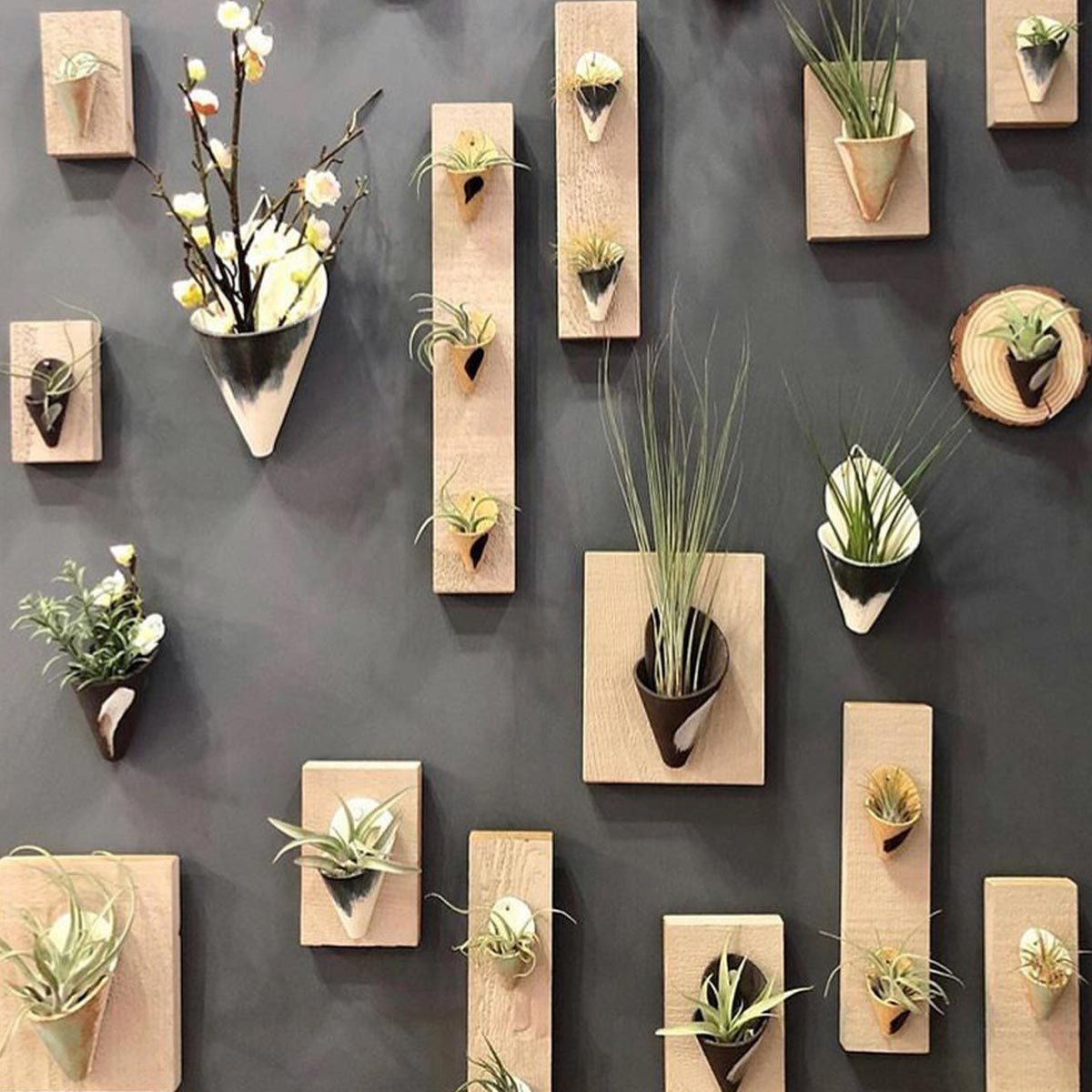
10 Ideas for Decorating Your Walls with Plants

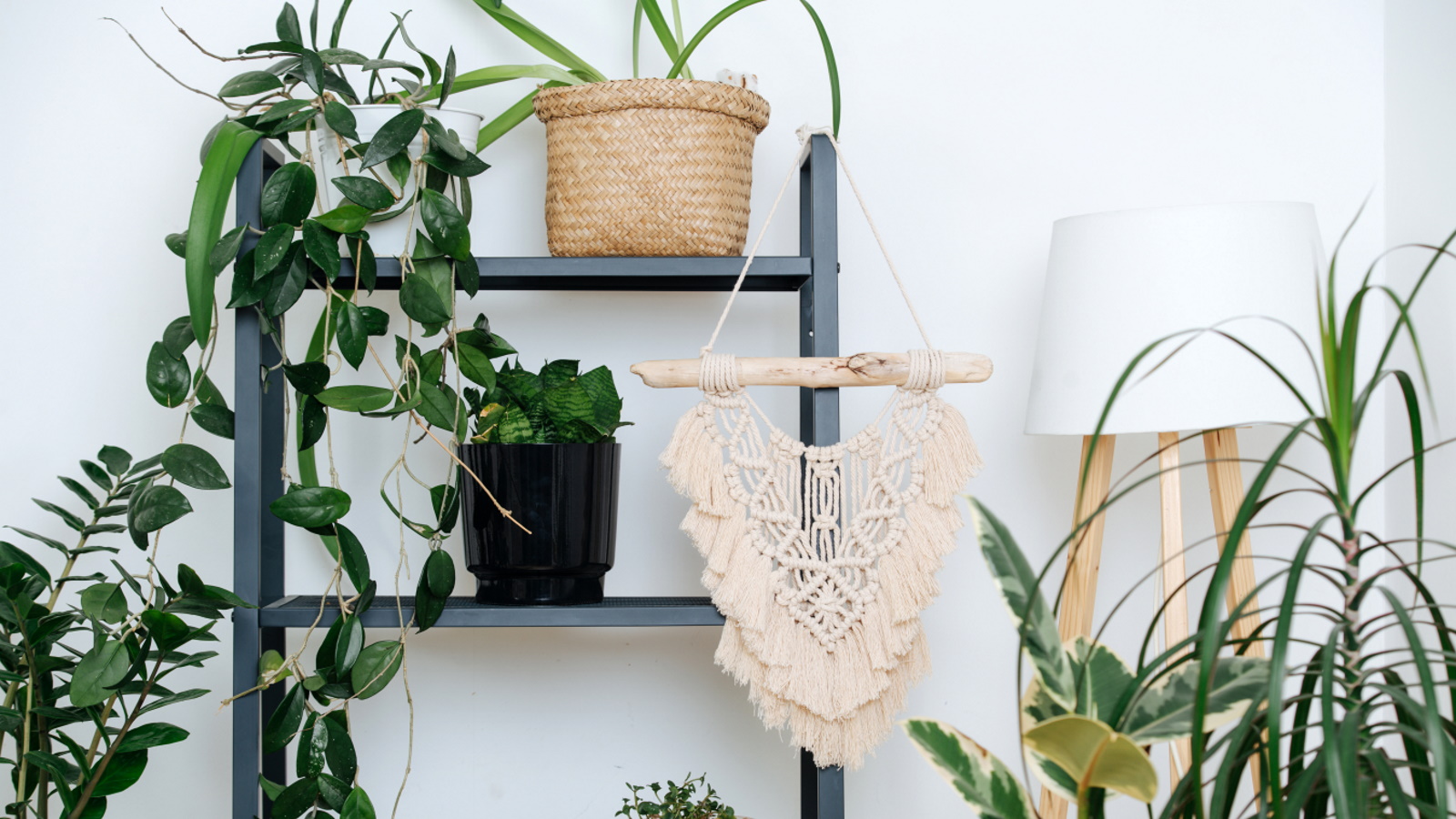
Indoor plant shelf ideas – expert tips for styling your houseplants
The power of greenery! 5 ways that houseplants can elevate your interior

Our Most-Loved Project Plants
Decorating with plants – inspiring ways to use plants in interior design

Craig's secret weapon for helping his indoor plants look their best

Plant Style: Elevate Your Decor with Indoor Plants
The best indoor plant stands to elevate your space
Flourishing Foliage — The Houseplant Frame You Can Use to Display Your Blooms and Transform Them into Living Art

19 Ways to Design with Houseplants

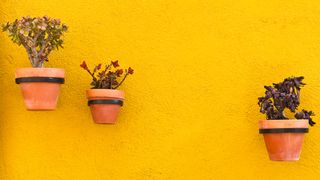
21 Best Wall-Mounted Planters to Infuse Your Space With Greenery

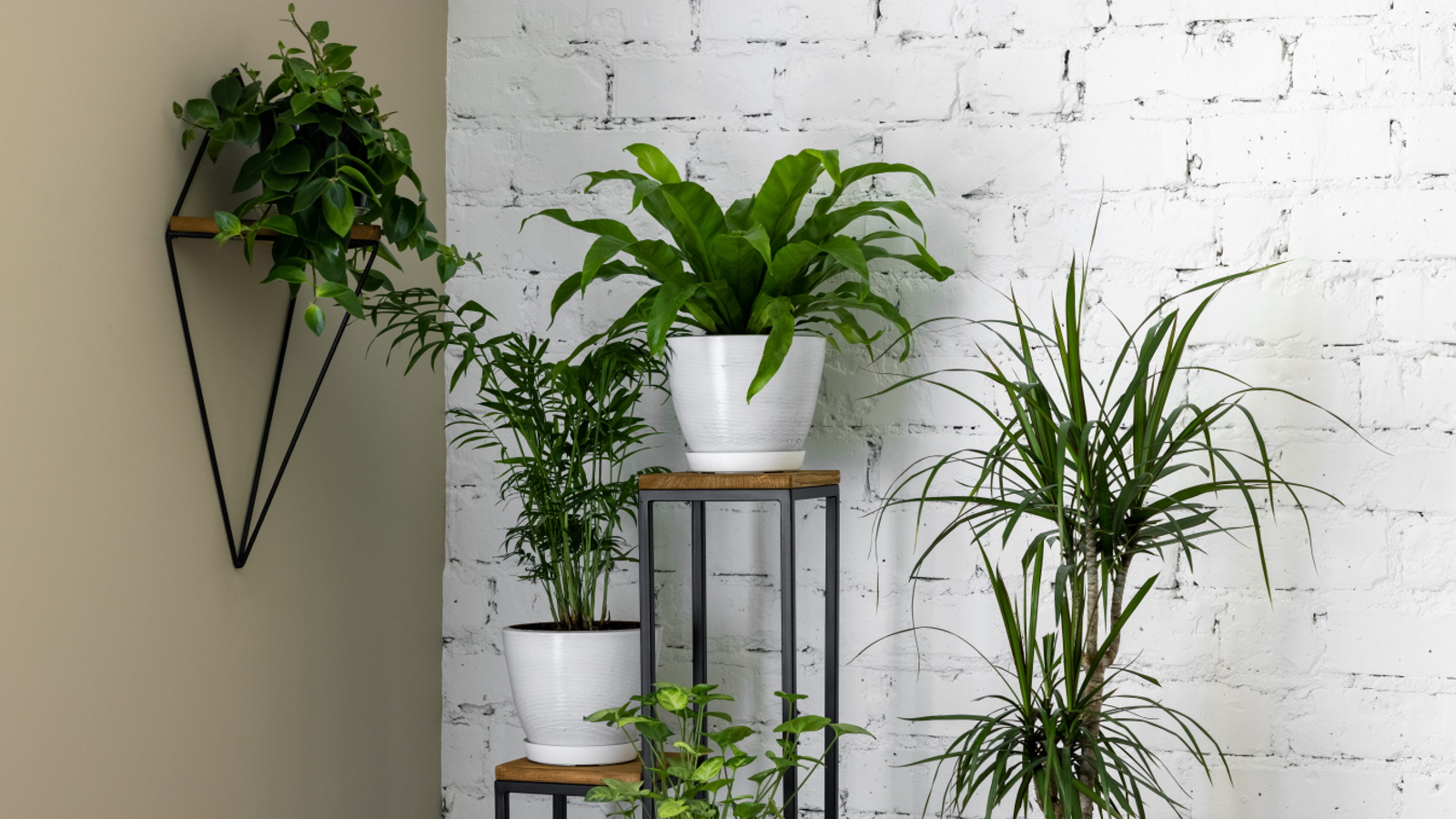
Best plant stands for indoor plants – expert styling inspiration
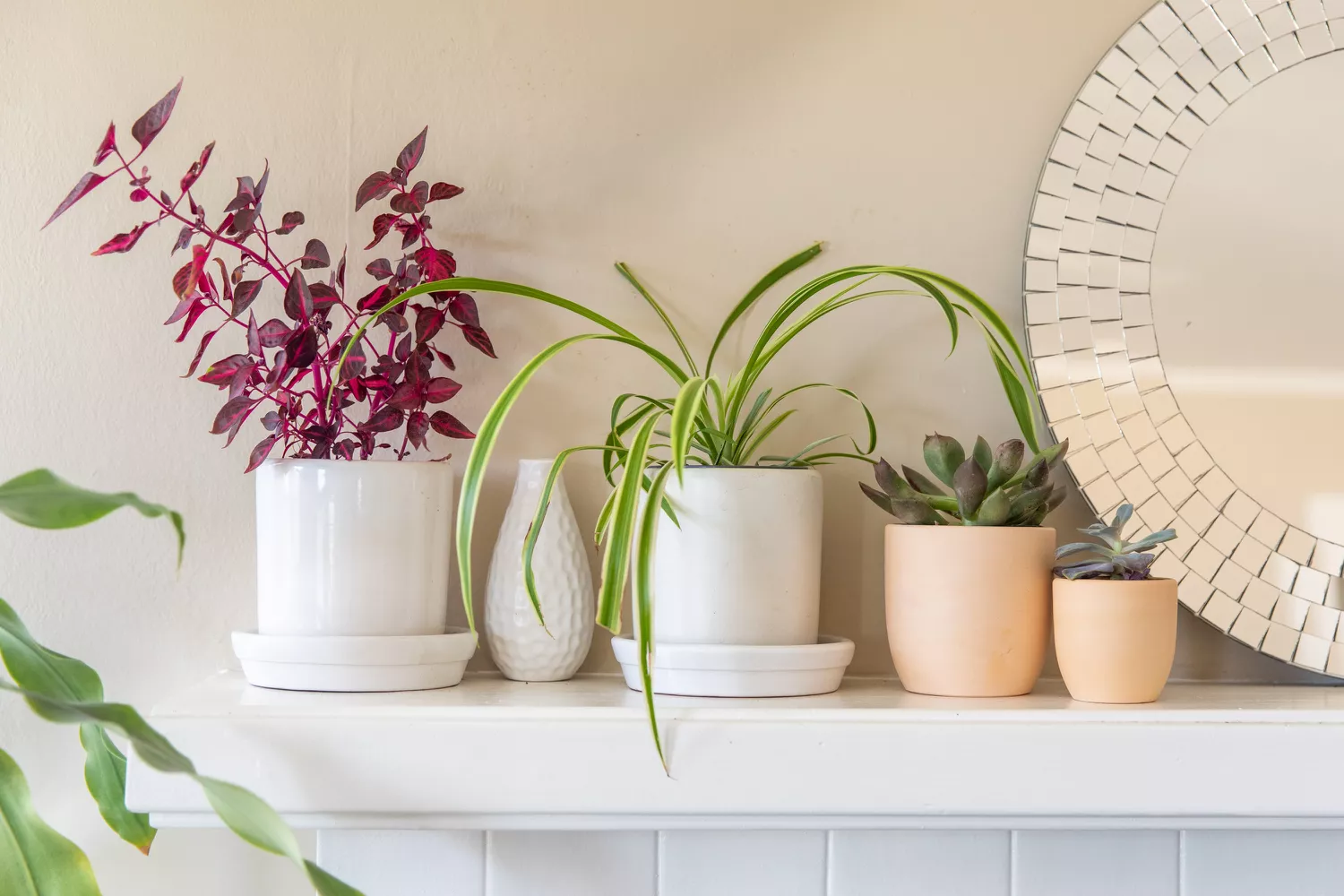
27 Great Ways to Decorate With Plants

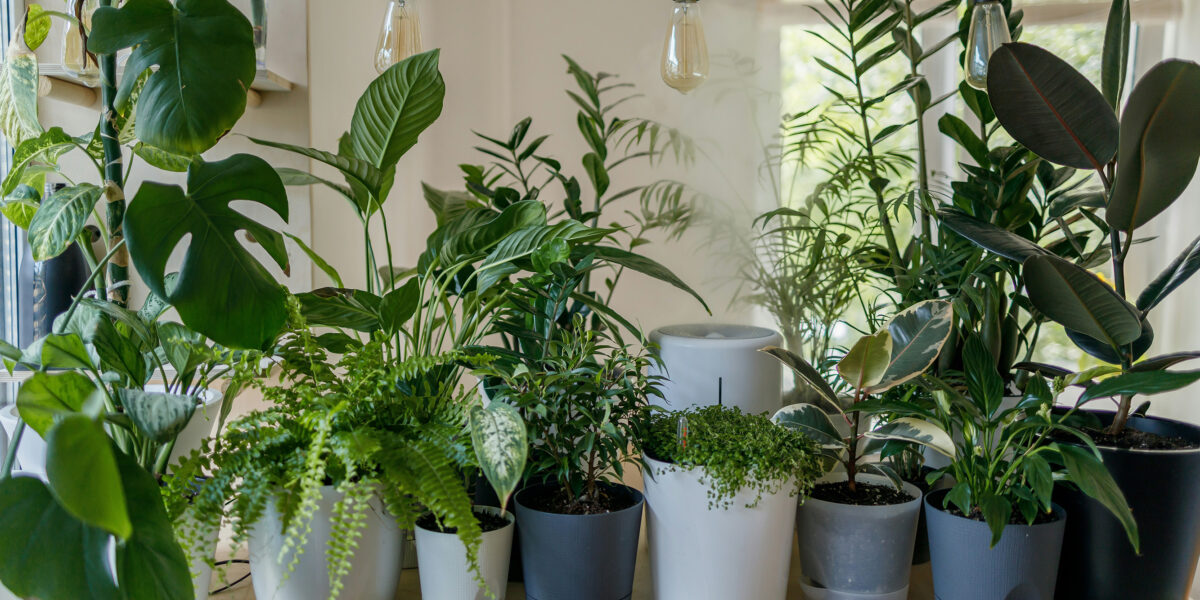
This Visual Design Trick Is the Coolest Way to Style Your Houseplants
10 Realistic Artificial Plants That Require Minimal Effort
Exciting ideas for an indoor plant wall in your home

Decorating with botanicals – 10 ways to use foliage with feeling
6 Plants That Professional Stagers Say Will Actually Help You Sell Your Home
The Art of Decorating with Flowers — 10 Ideas for Elevating Your Home with Blooms
The 18 Best Houseplants to Instantly Give Your Living Room a Style Upgrade