19 Ways to Design with Houseplants
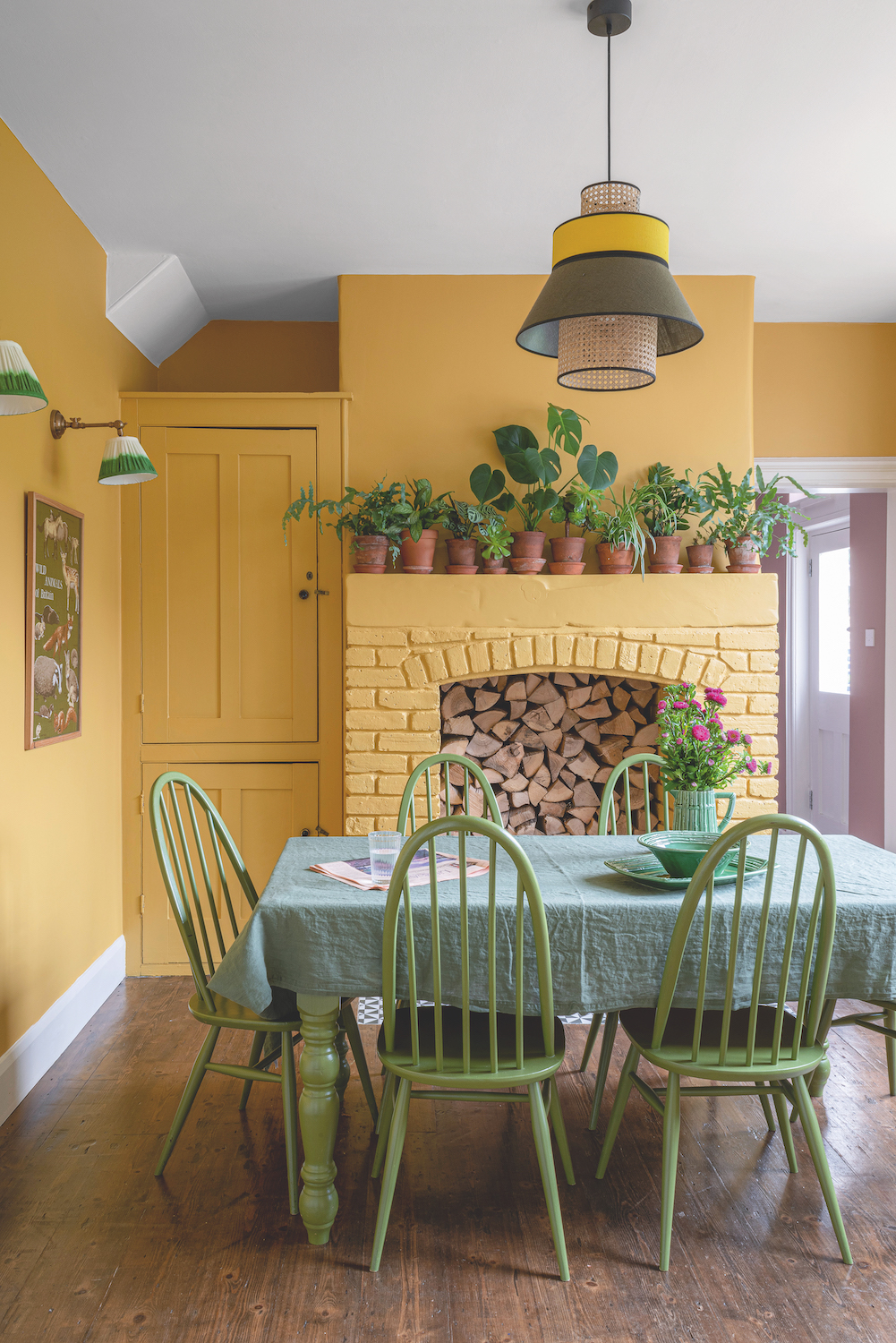
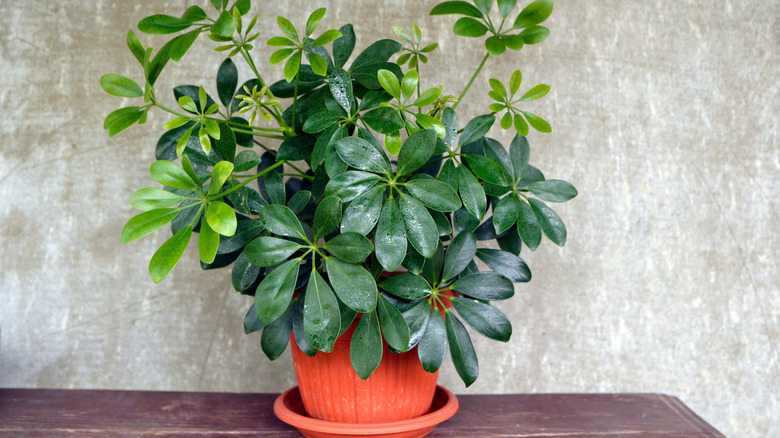
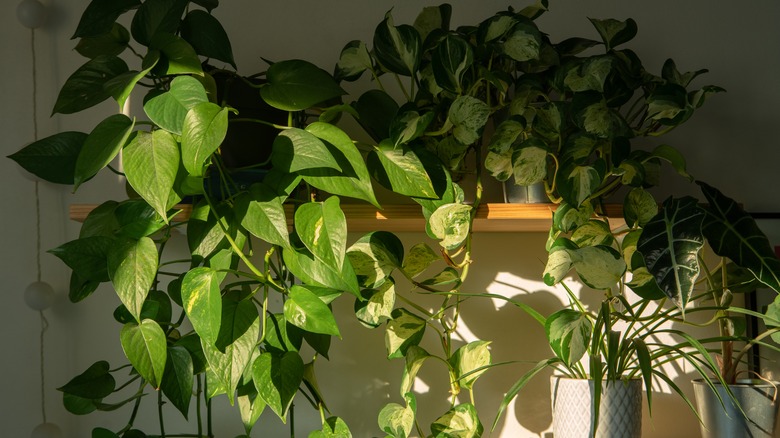
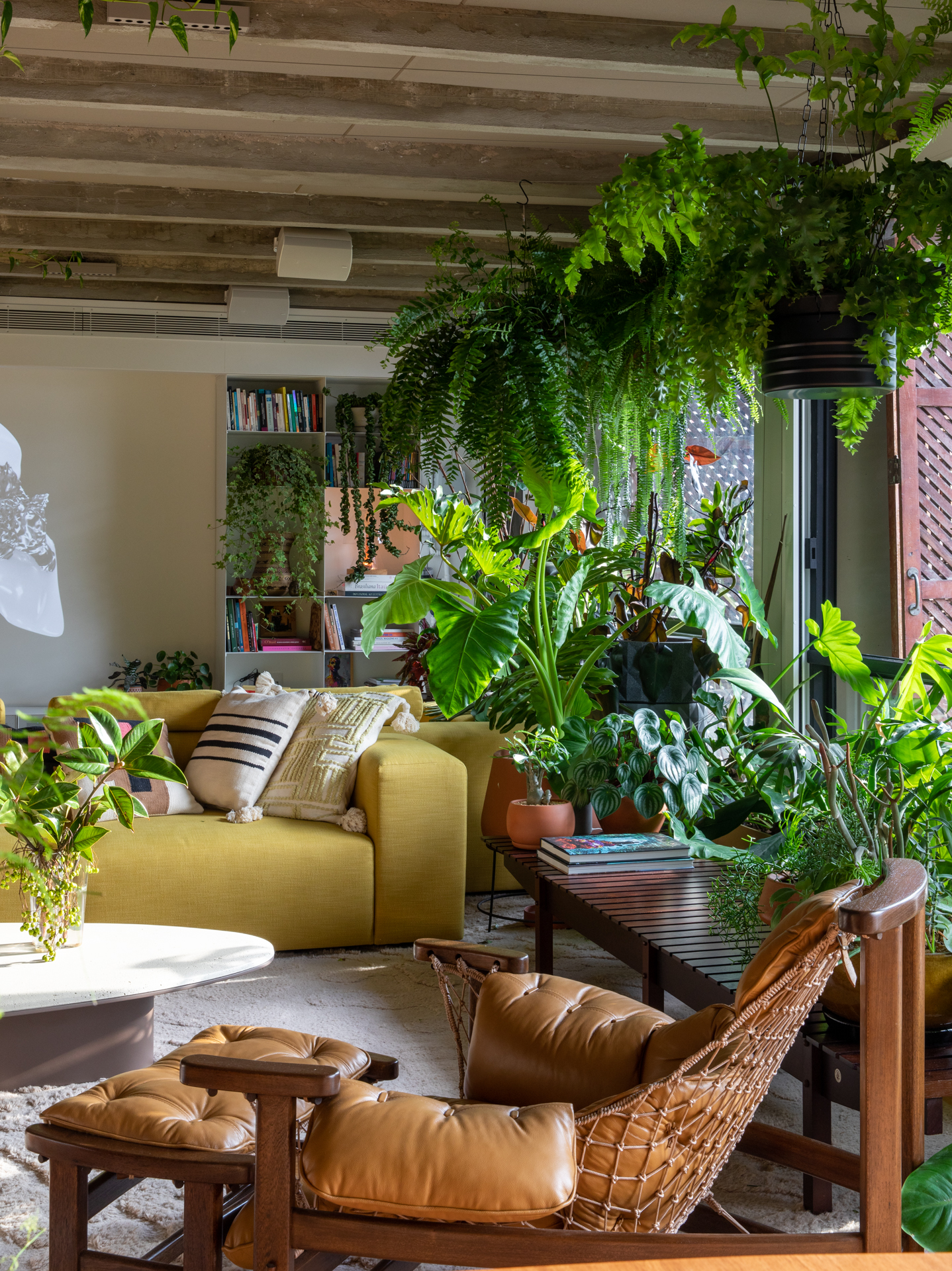
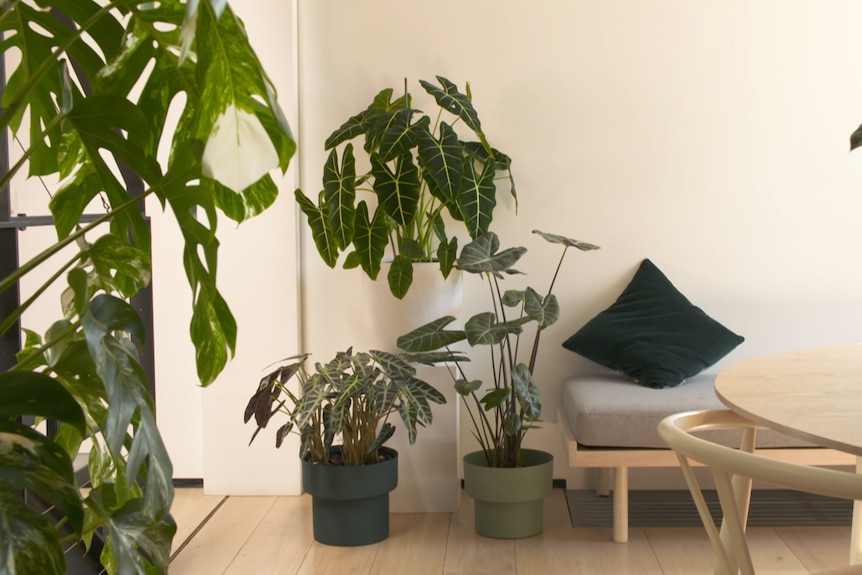
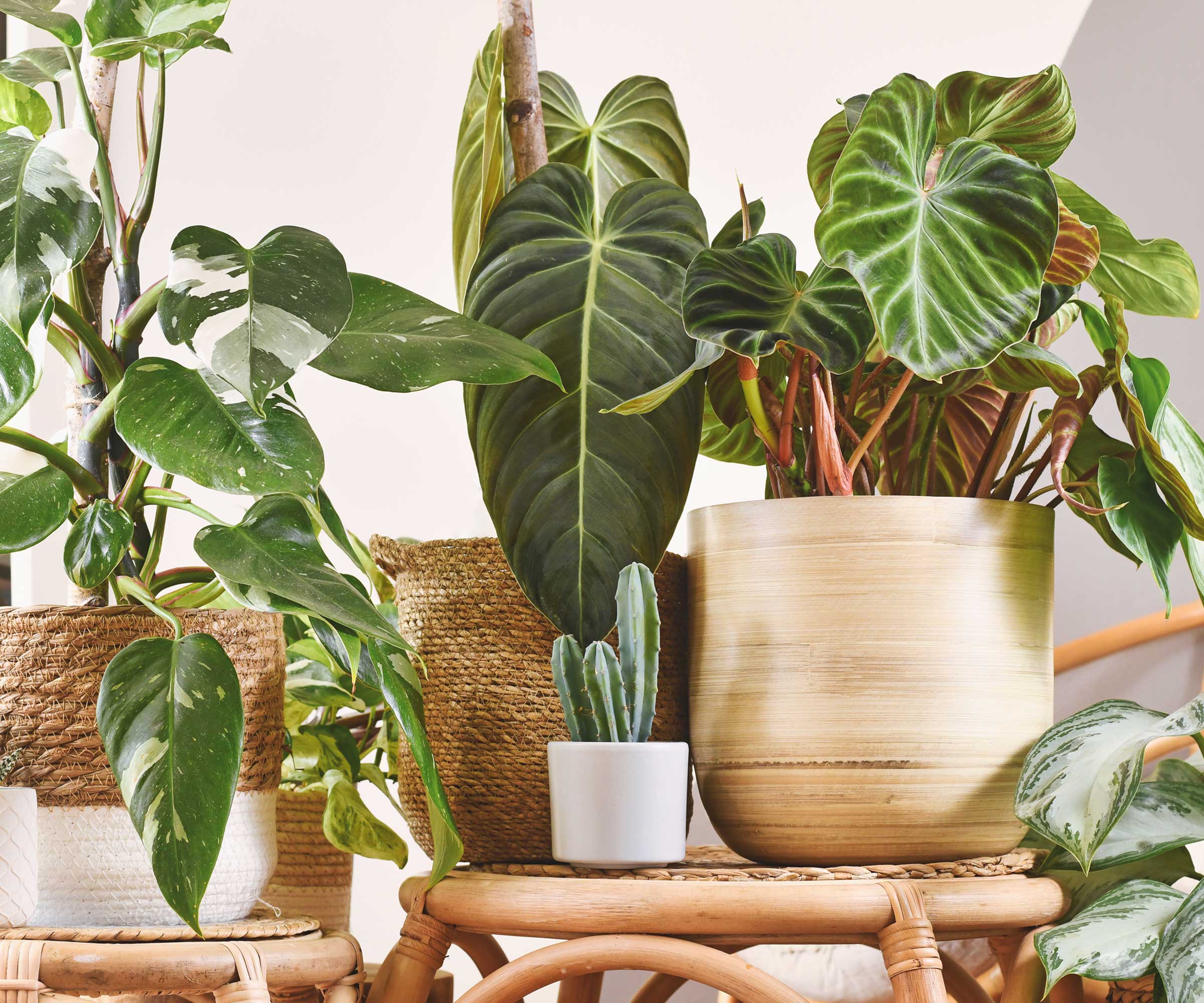
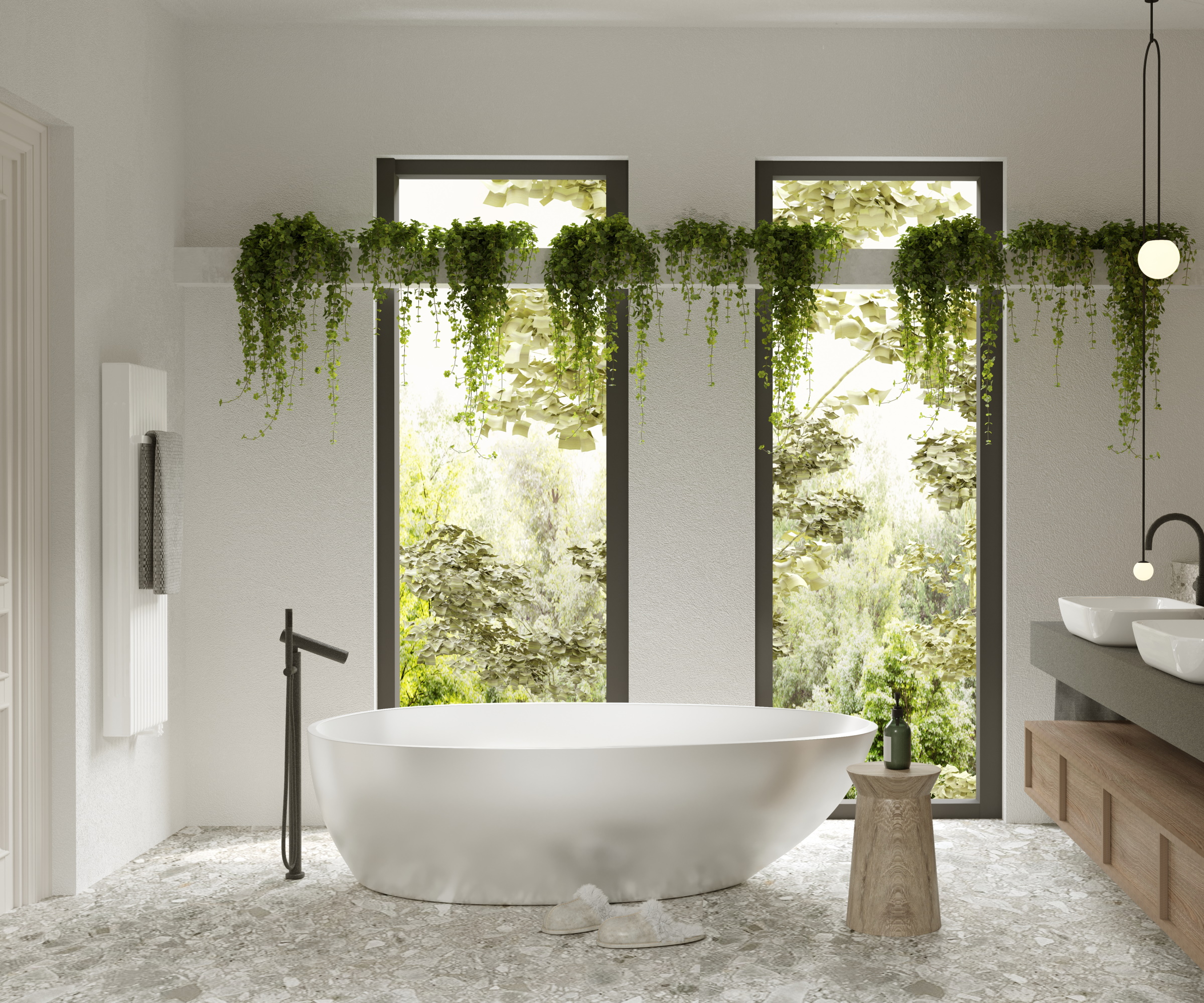
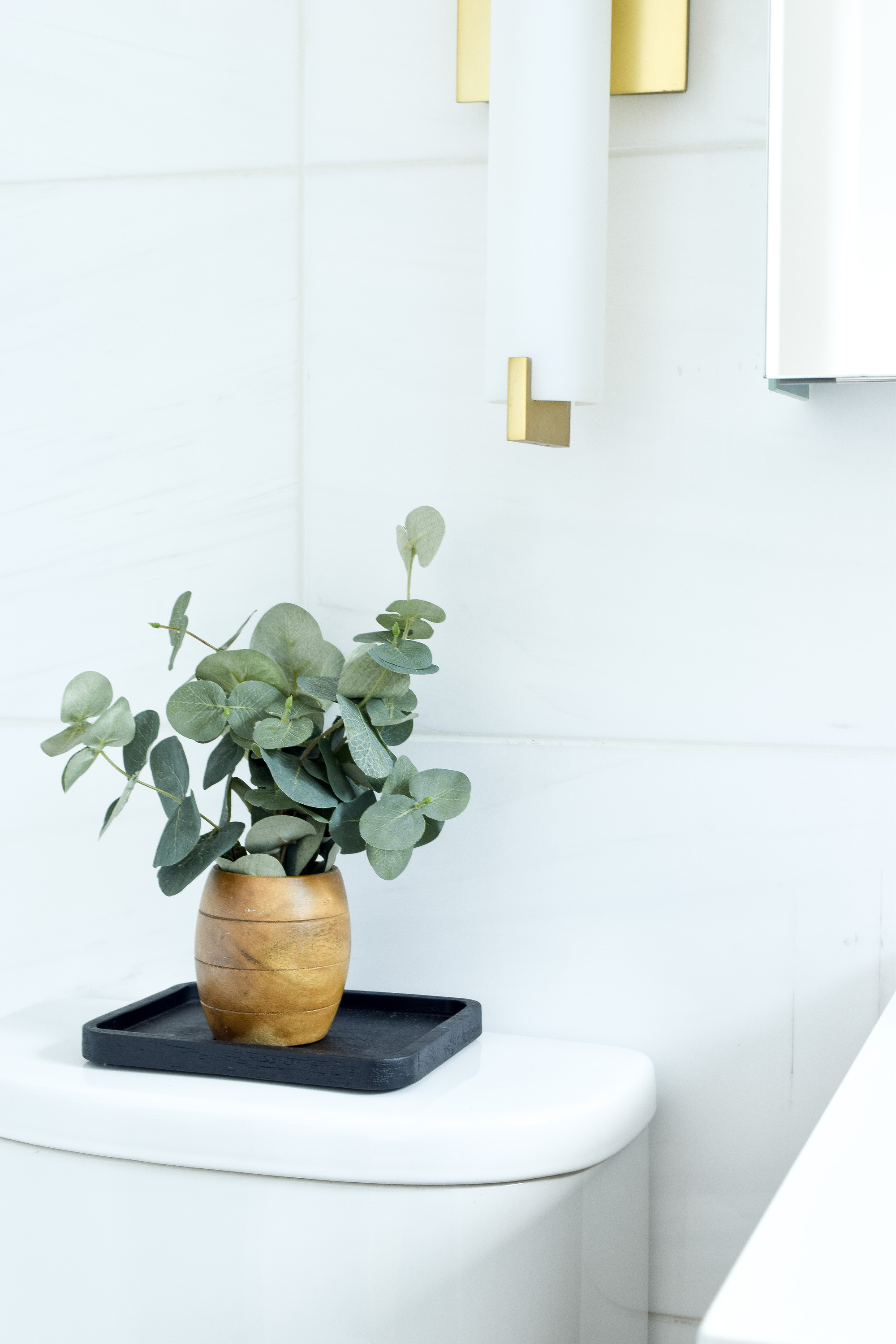
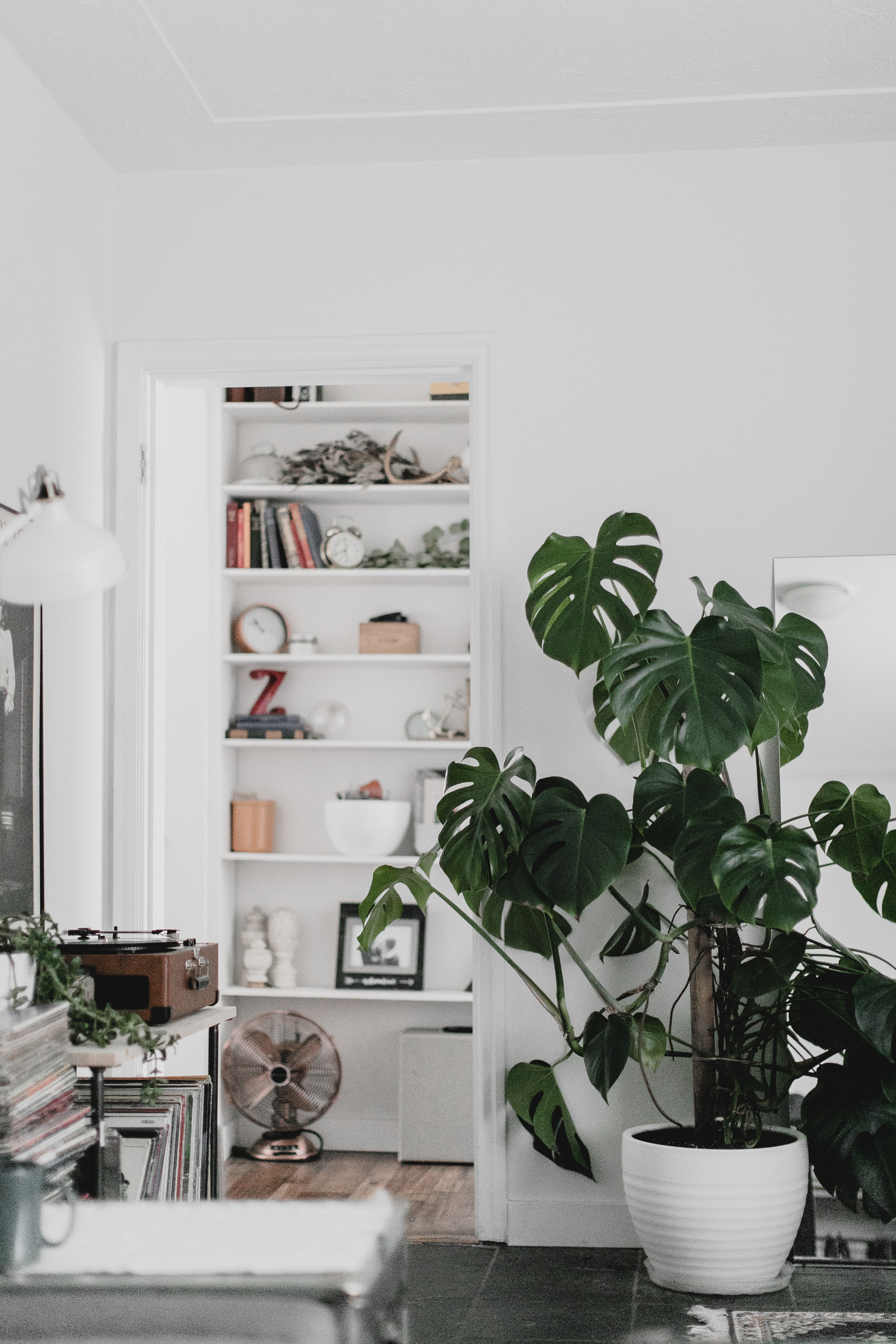
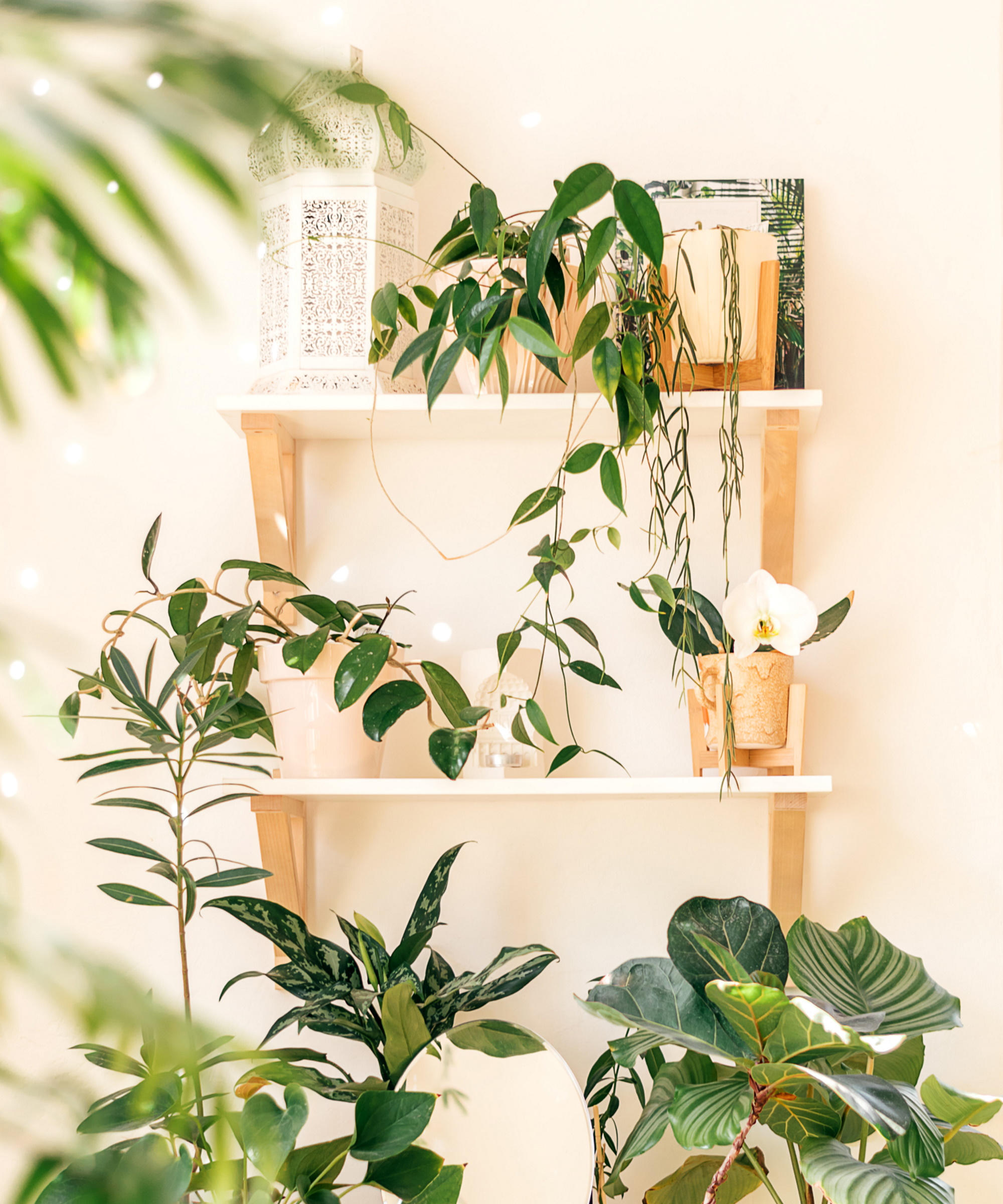
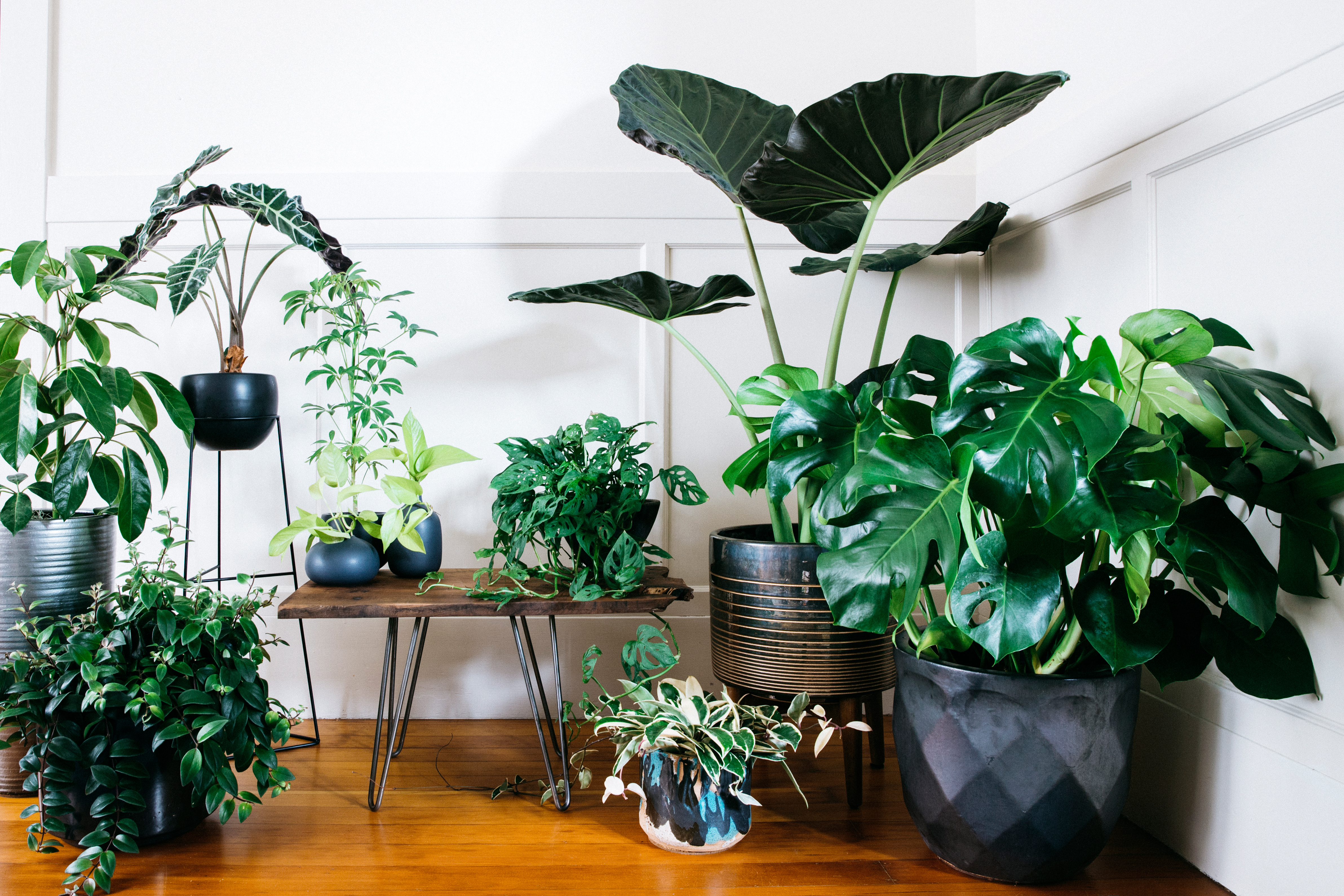
This article explores 19 diverse methods for integrating houseplants into interior design, elevating them beyond mere accessories to become central decorative elements. It begins by suggesting the use of grouped large-leafed houseplants in entryways to create a striking focal point. Specific plant recommendations include Schefflera ‘Amate’, lipstick plant, Alocasia ‘Polly’, ‘Neon’ pothos, Swiss cheese vine, variegated wax plant, Alocasia ‘Regal Shields’, and split-leaf philodendron. The article notes that some plants, like ‘Neon’ pothos, can thrive in vases, rooting in water, while water-loving Alocasia can be potted without drainage.
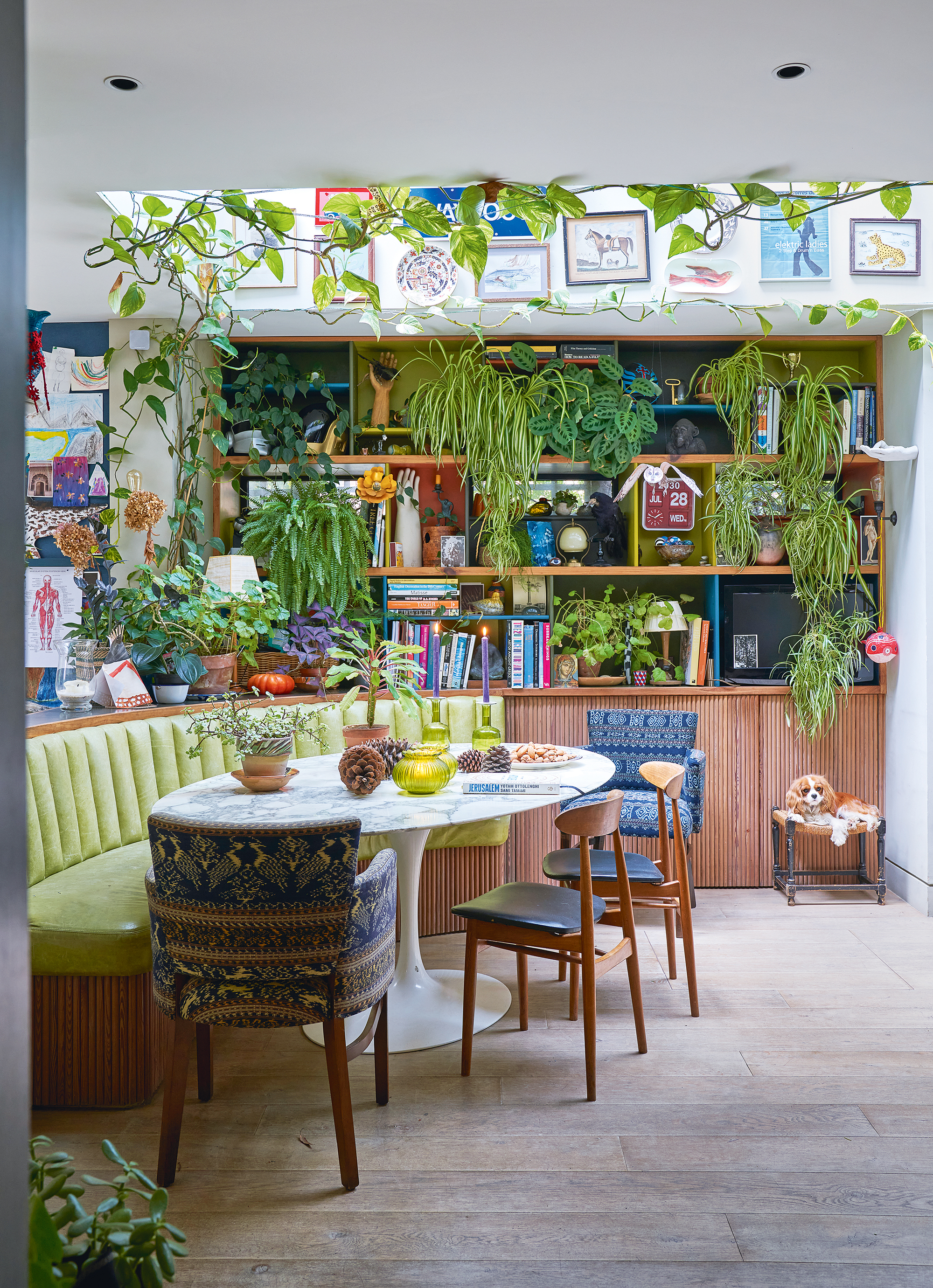
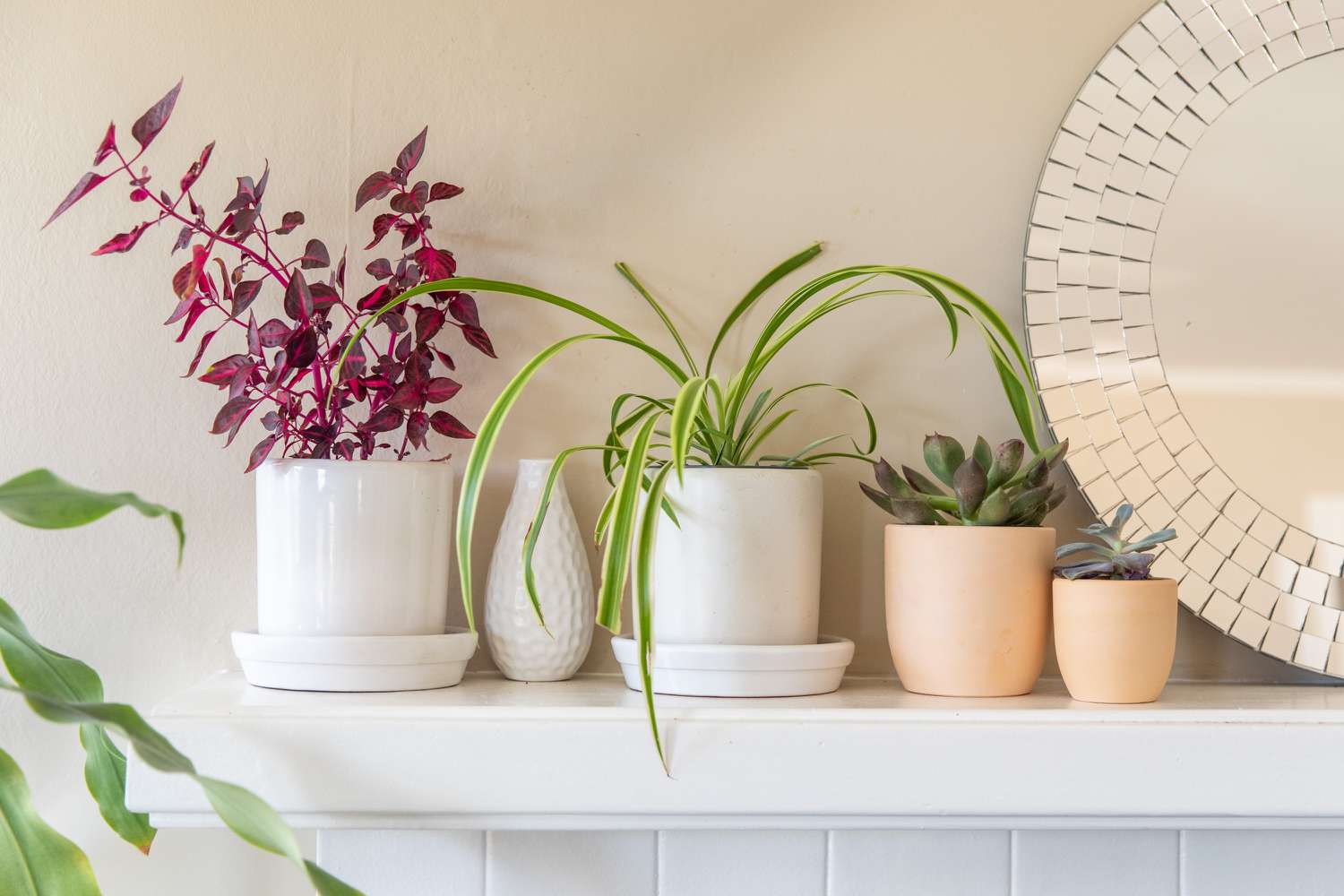
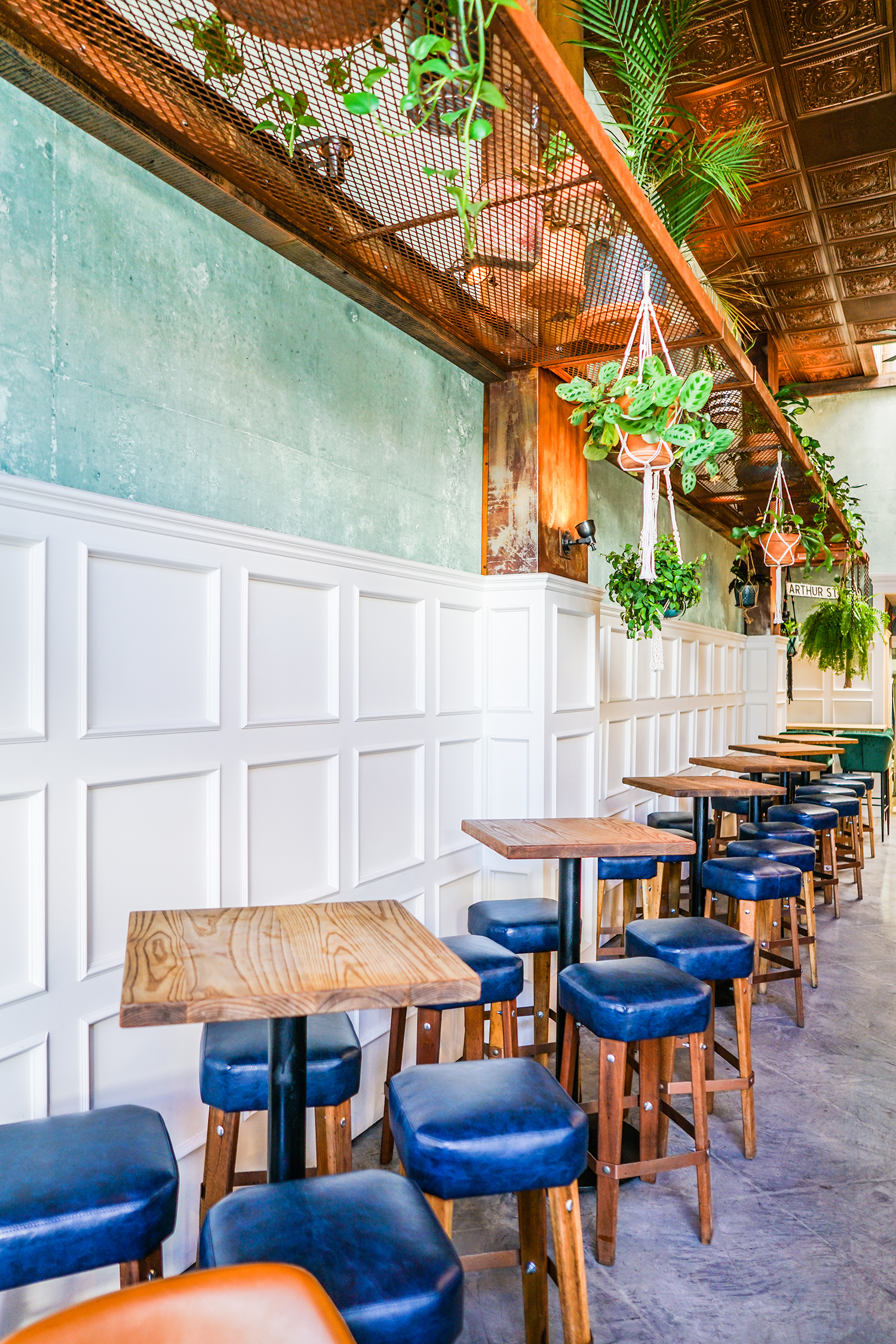
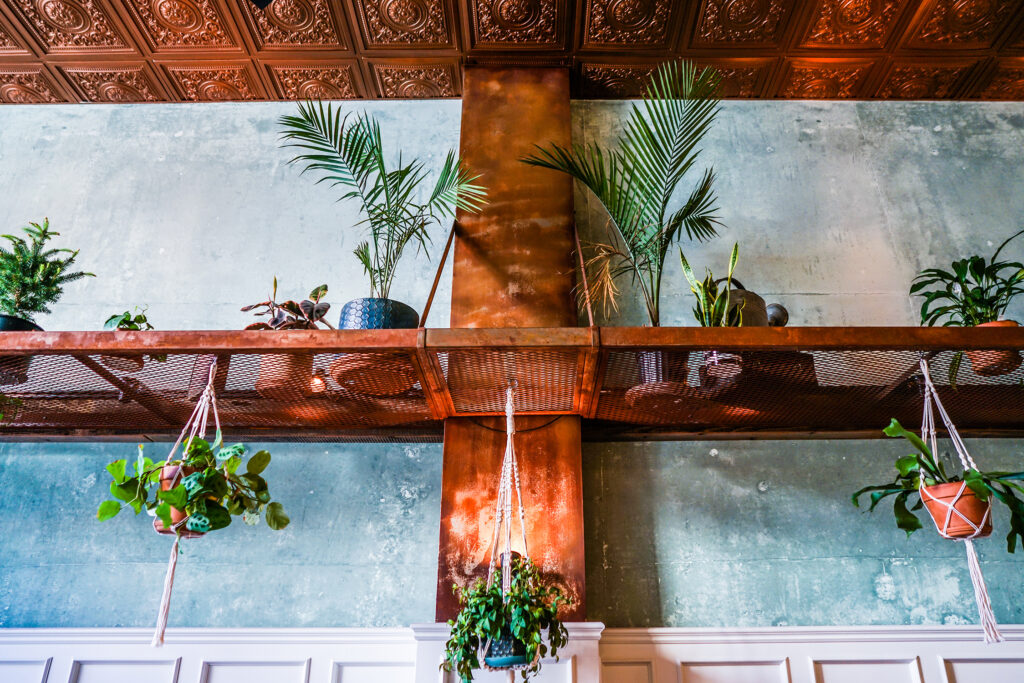
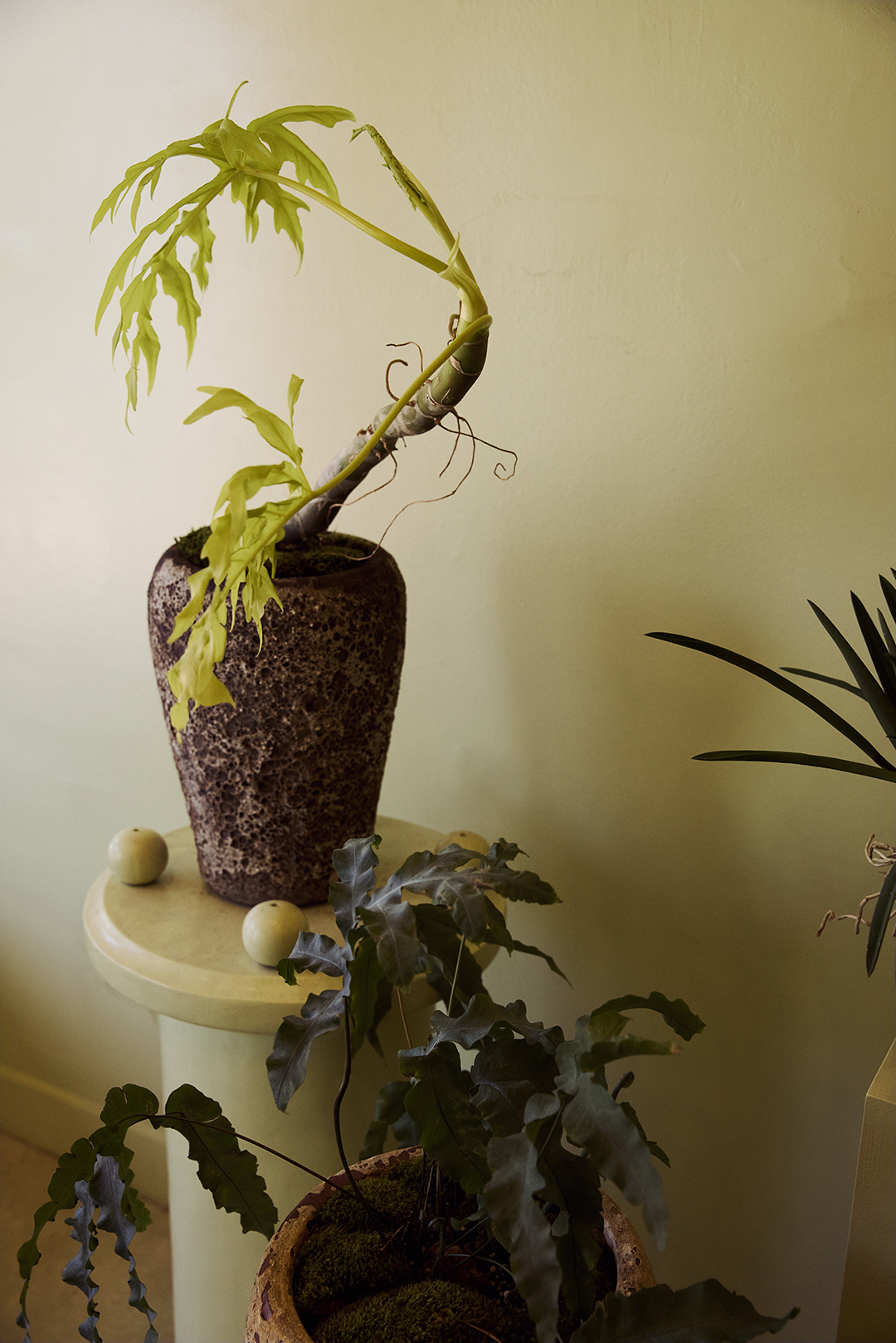
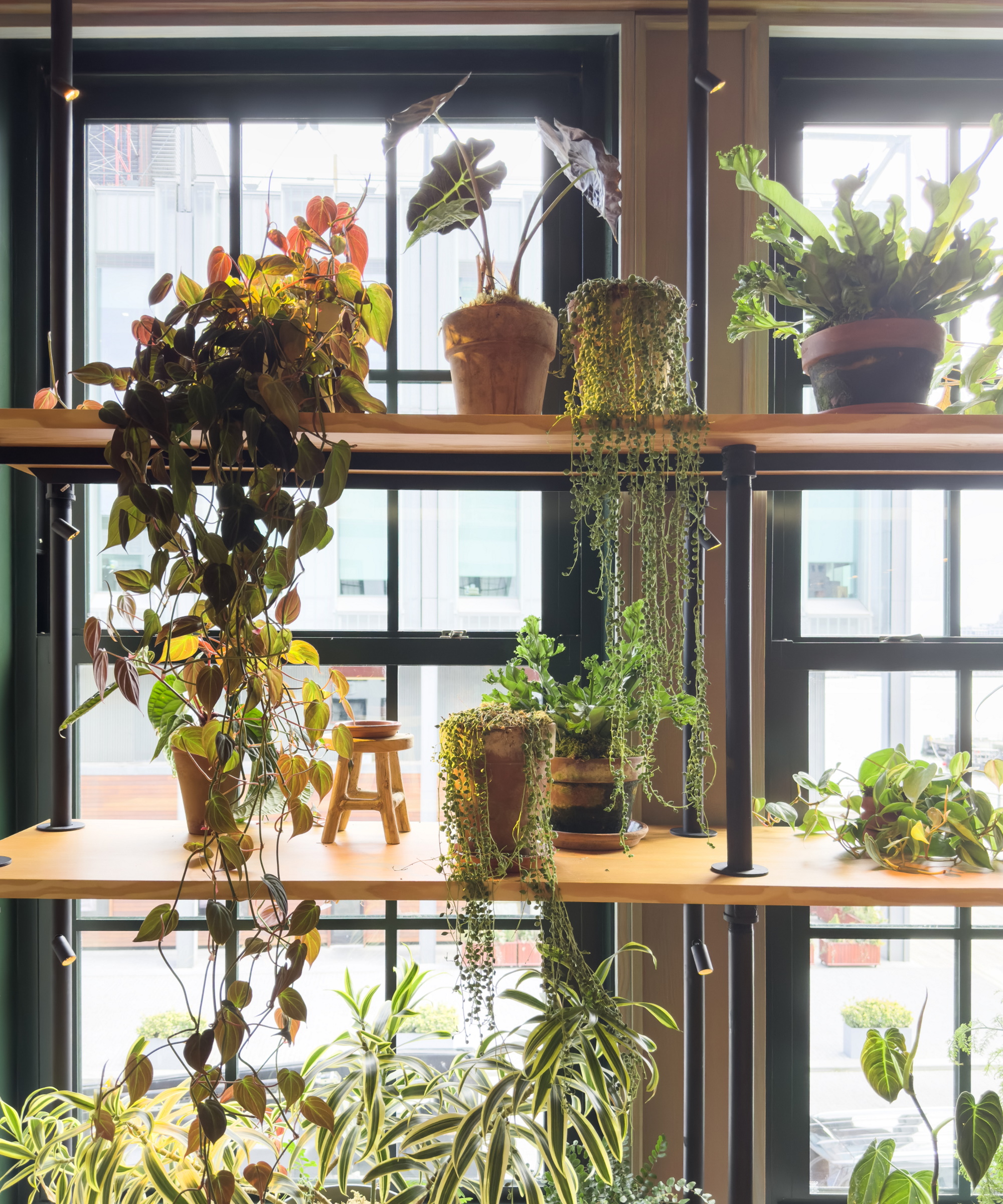
The guide then shifts to utilizing vertical space by recommending hanging plants, highlighting the return of 1970s-style macramé and the all-green spider plant for its modern aesthetic and cascading plantlets. These plants are described as resilient, tolerating varied light conditions, and requiring weekly watering until drainage. Another technique involves using unique plants like the Pseudobombax tree, which develops a swollen caudex when growth is restricted in a pot, creating a sculptural piece. This plant, native to Mexico, is suitable for a shallow pot and makes an interesting addition to areas like hallways, requiring consistent moisture and post-flowering pruning to manage its size.
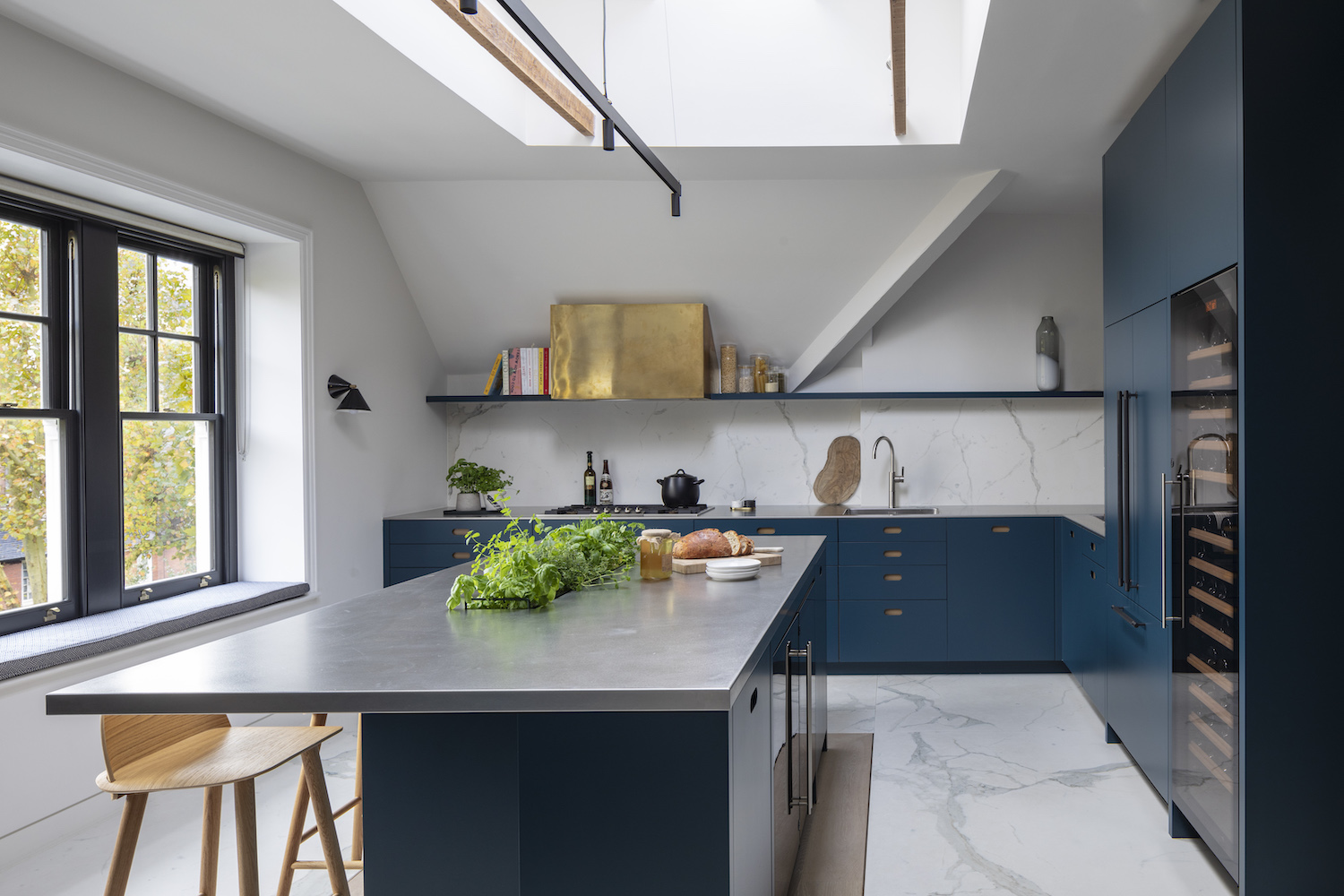
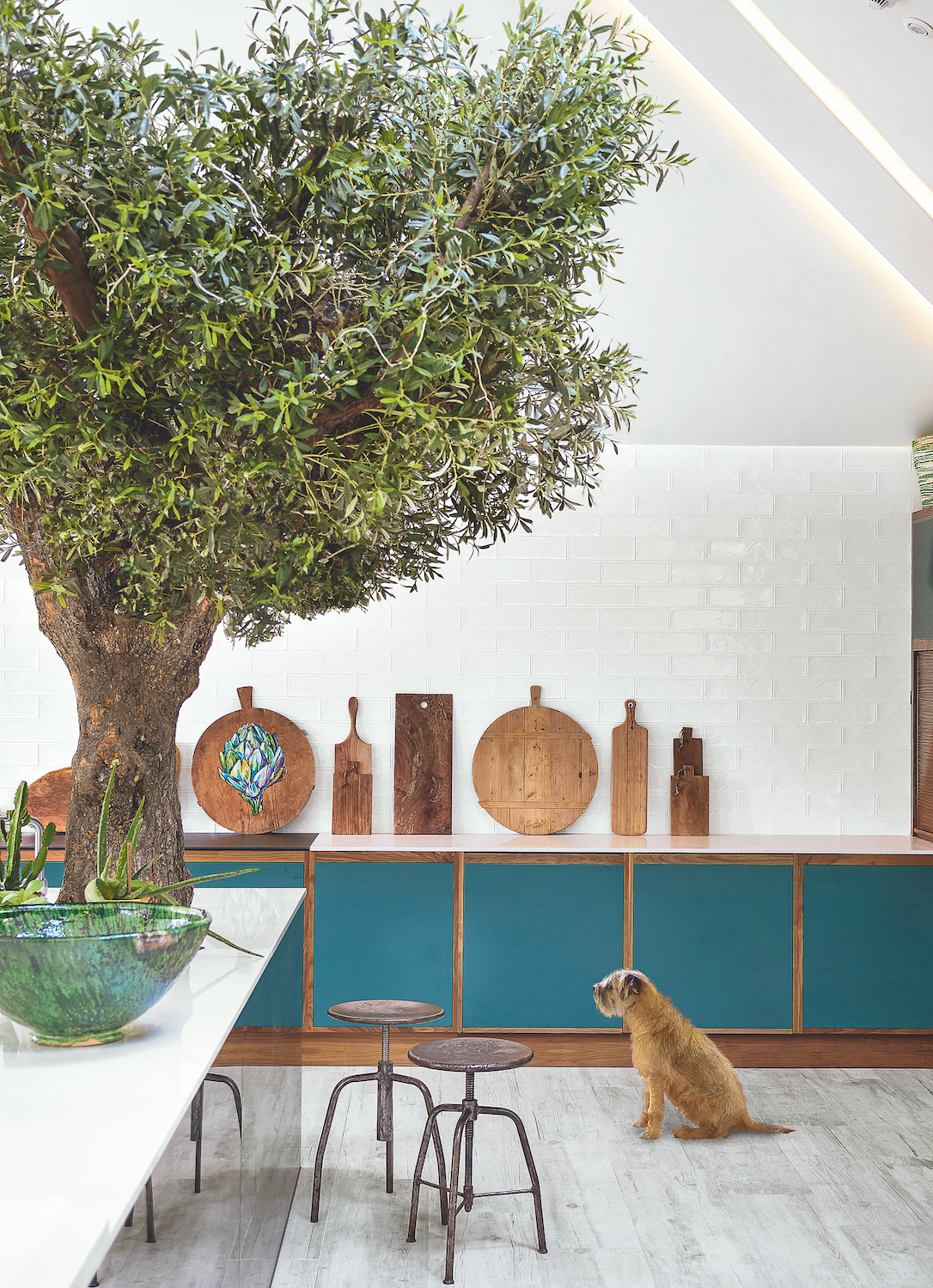
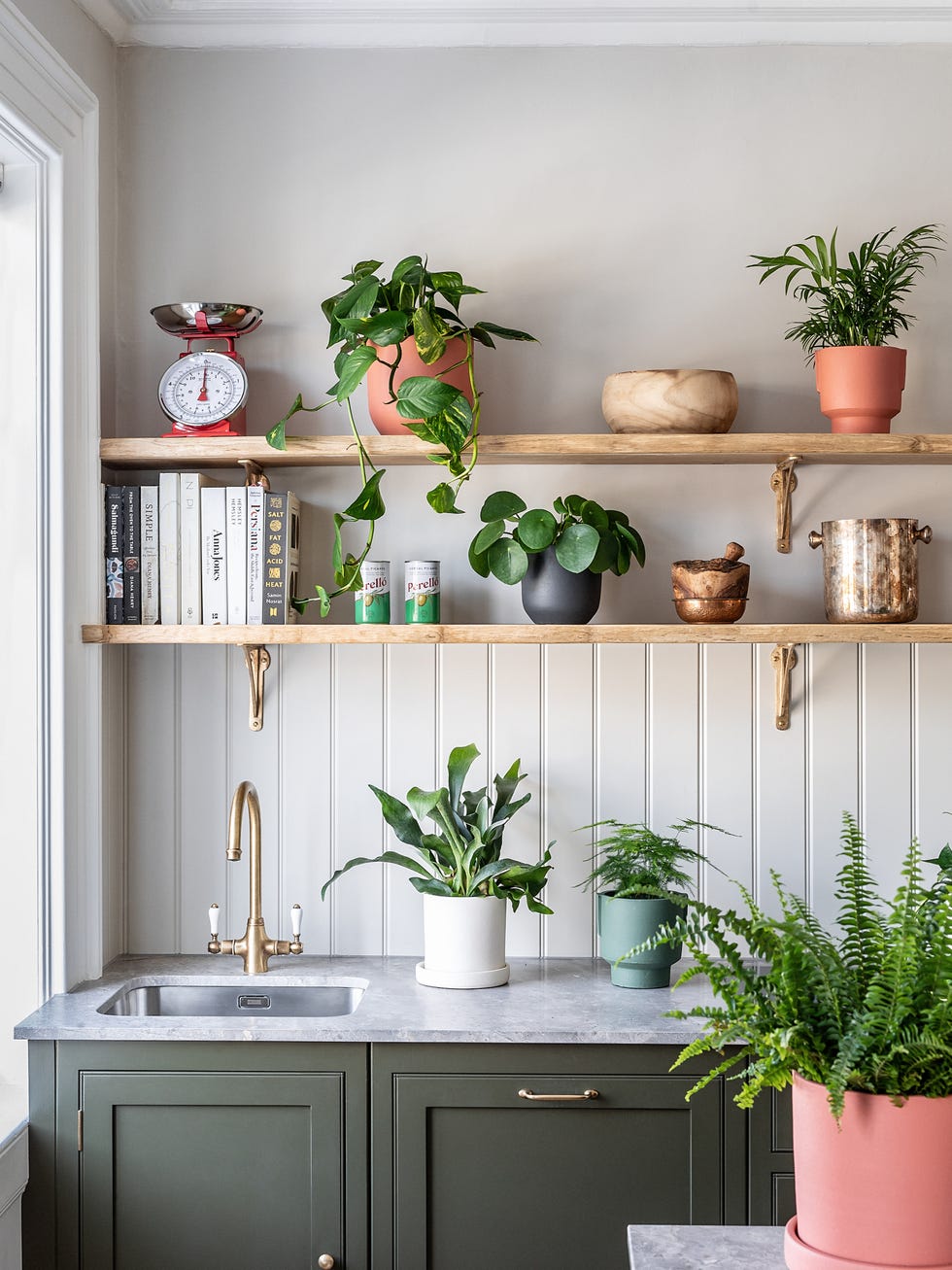
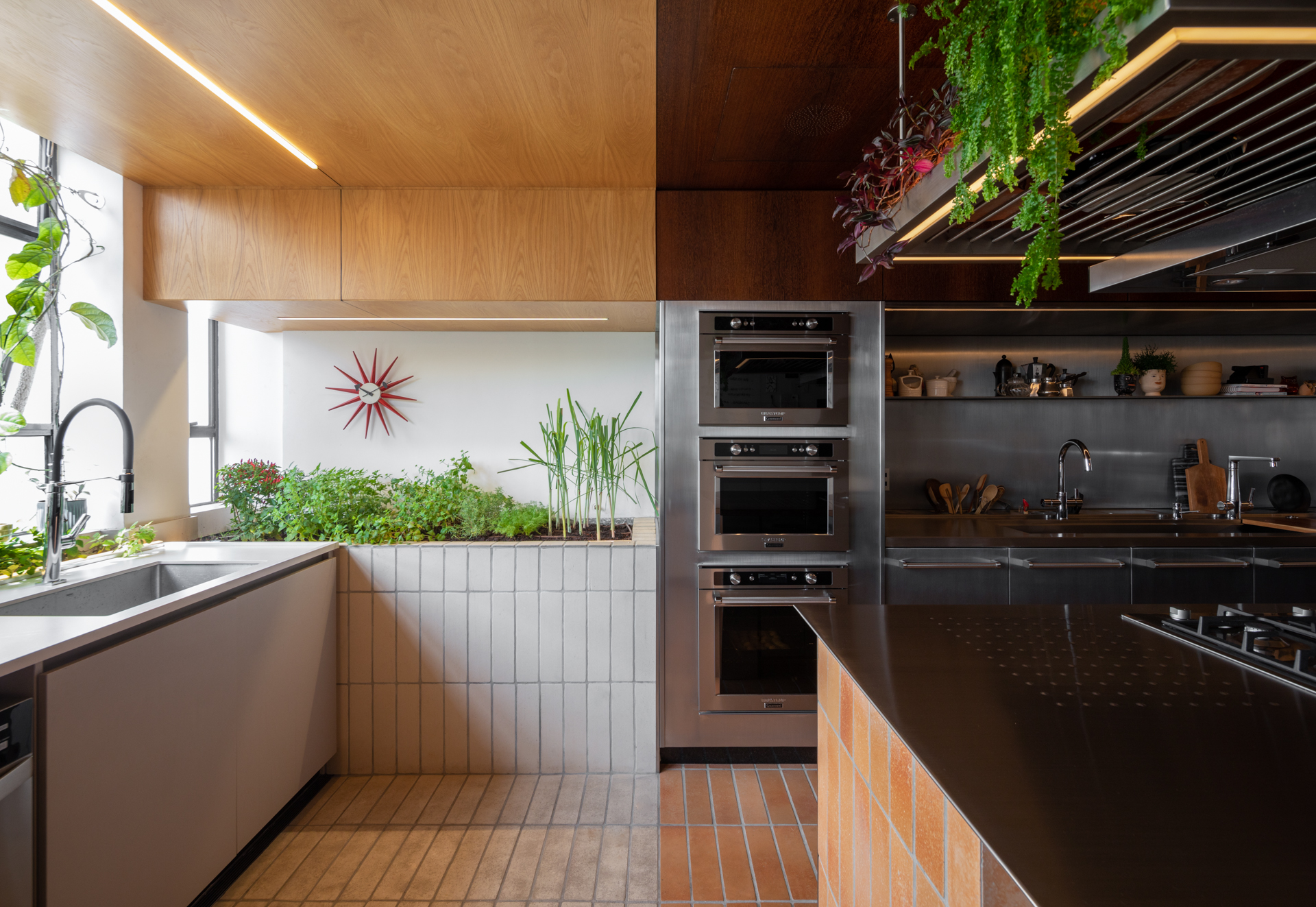
The article also covers incorporating small succulents into kitchen spaces, identifying aloe, dyckia, euphorbia, and sedum burrito as suitable indoor varieties due to their narrow footprints and low water requirements. For a more dramatic effect, the natal mahogany is proposed as an alternative to ficus, offering height and a feathery form. This tree thrives in bright, indirect light and needs regular watering, with advice to keep it in its nursery pot within a decorative container for proper drainage.
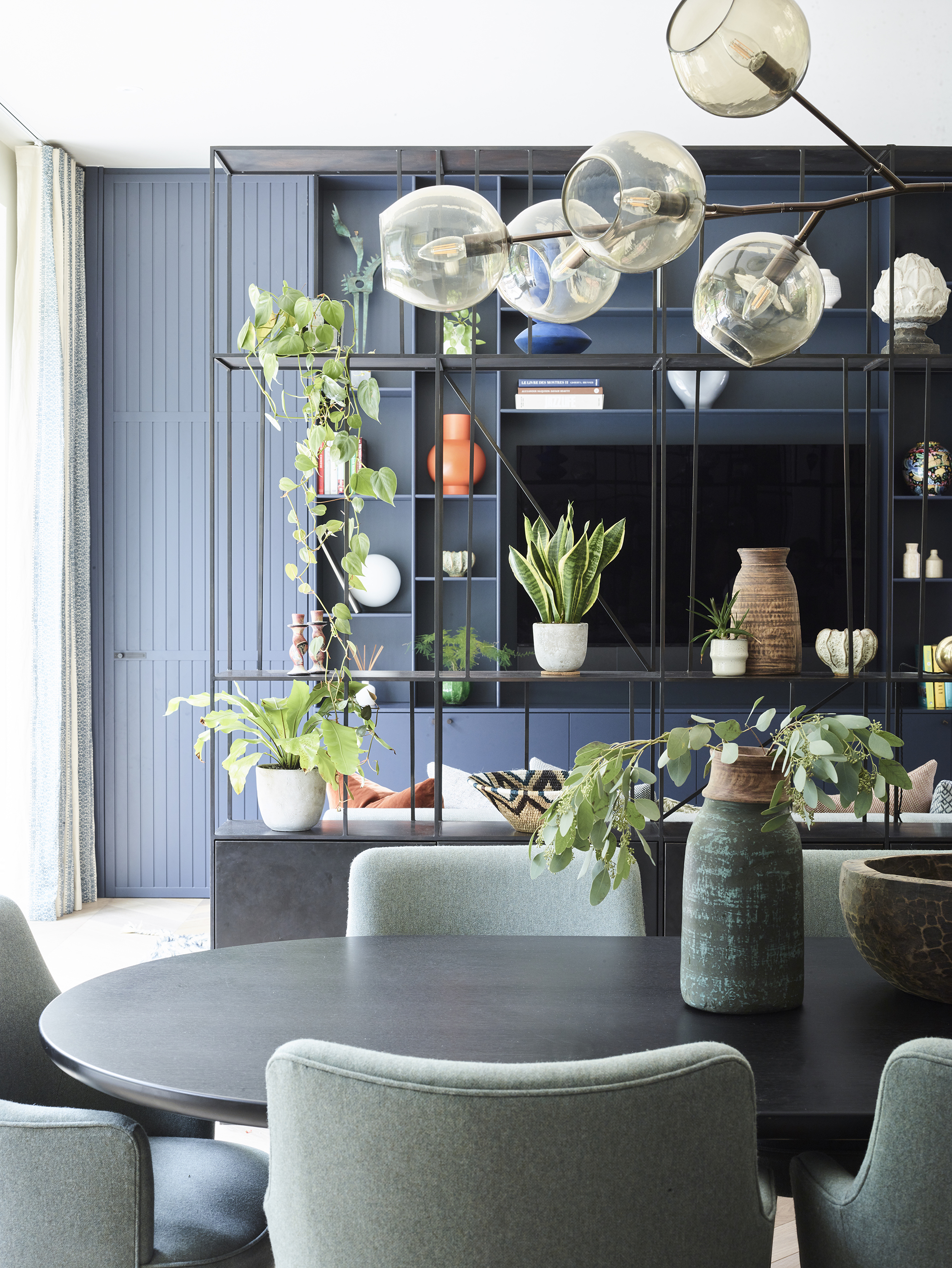
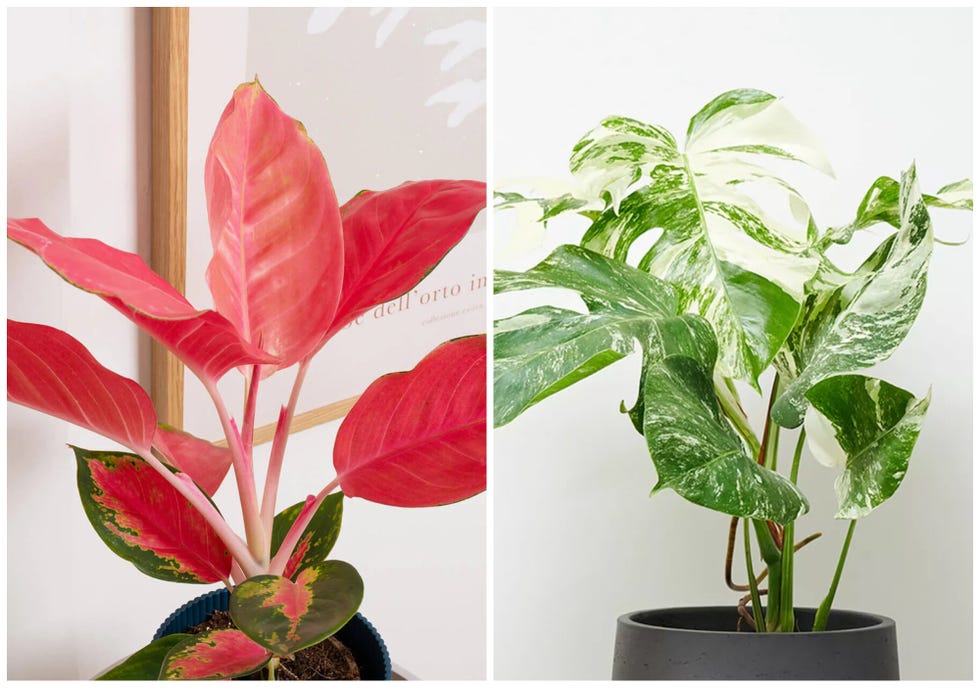
Further design ideas include pairing unusual plants, such as the accordion-like Euphorbia kibwezensis, with unique vessels to create a sculptural statement, emphasizing the need for bright, indirect light and infrequent watering in cactus mix for pots without drainage. The article also suggests elevating houseplants like rex begonia and Medinilla magnifica on tall, modernist containers to give them prominence, using muted tones for the pots to allow the plants’ textures to stand out.
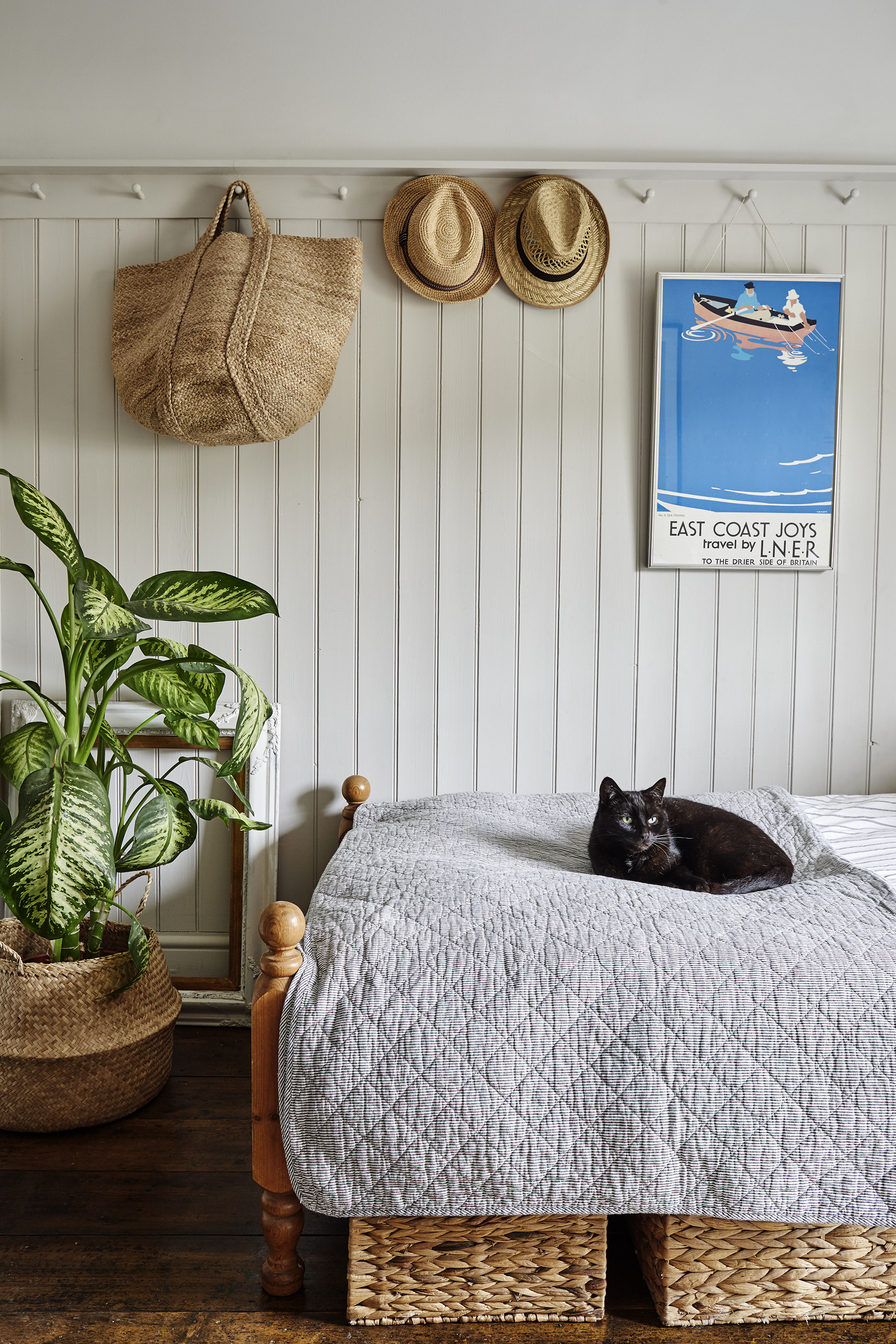
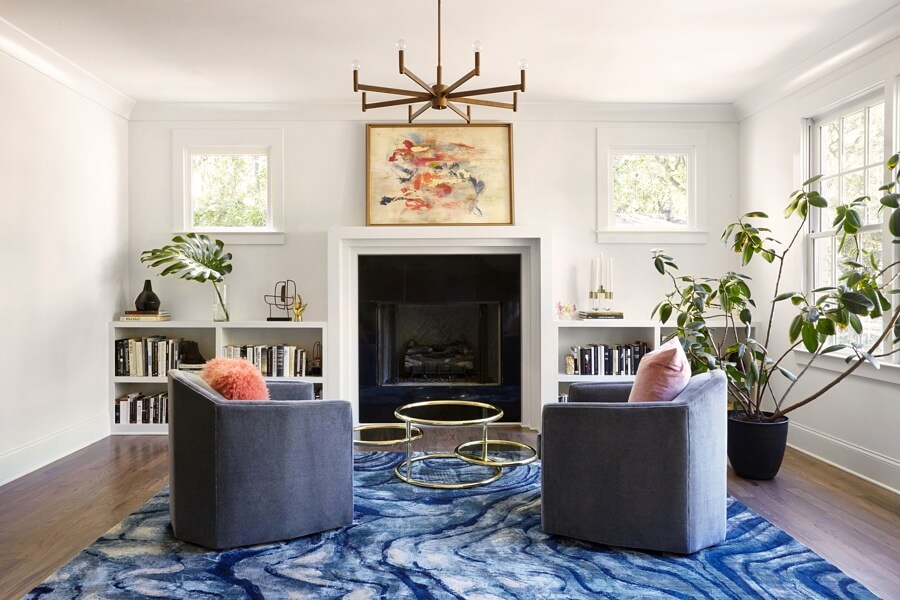
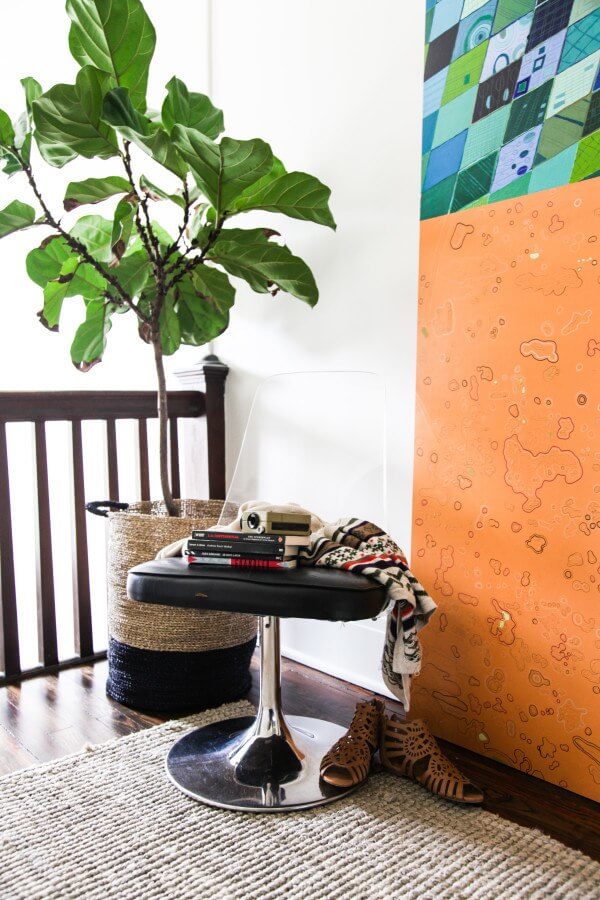

For a conservatory feel, a large fiddle leaf fig (Ficus lyrata) is recommended for its substantial presence even in a modest pot. The article also advises on merging indoor and outdoor aesthetics using contemporary white Architectural Pottery planters. Bohemian interior design can be achieved by incorporating floppy, broad-leafed houseplants, while old fish aquariums can be repurposed to display curated cactus collections, ensuring good airflow.
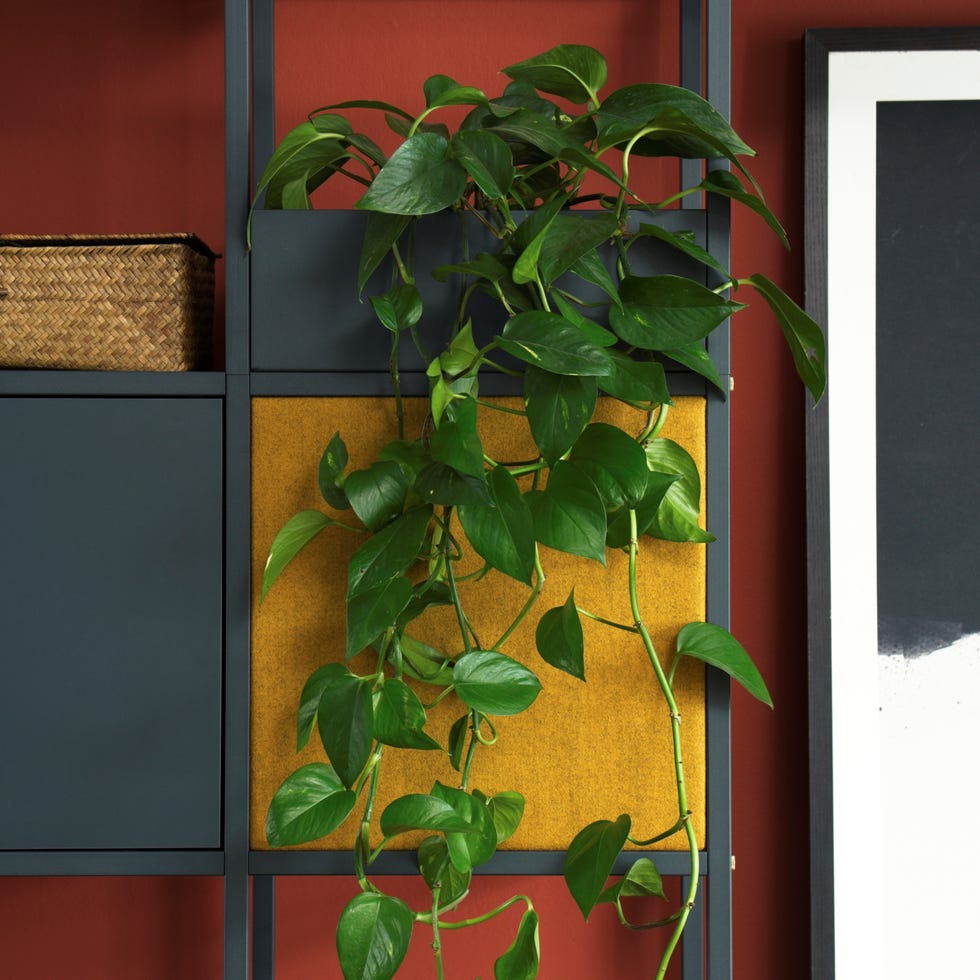
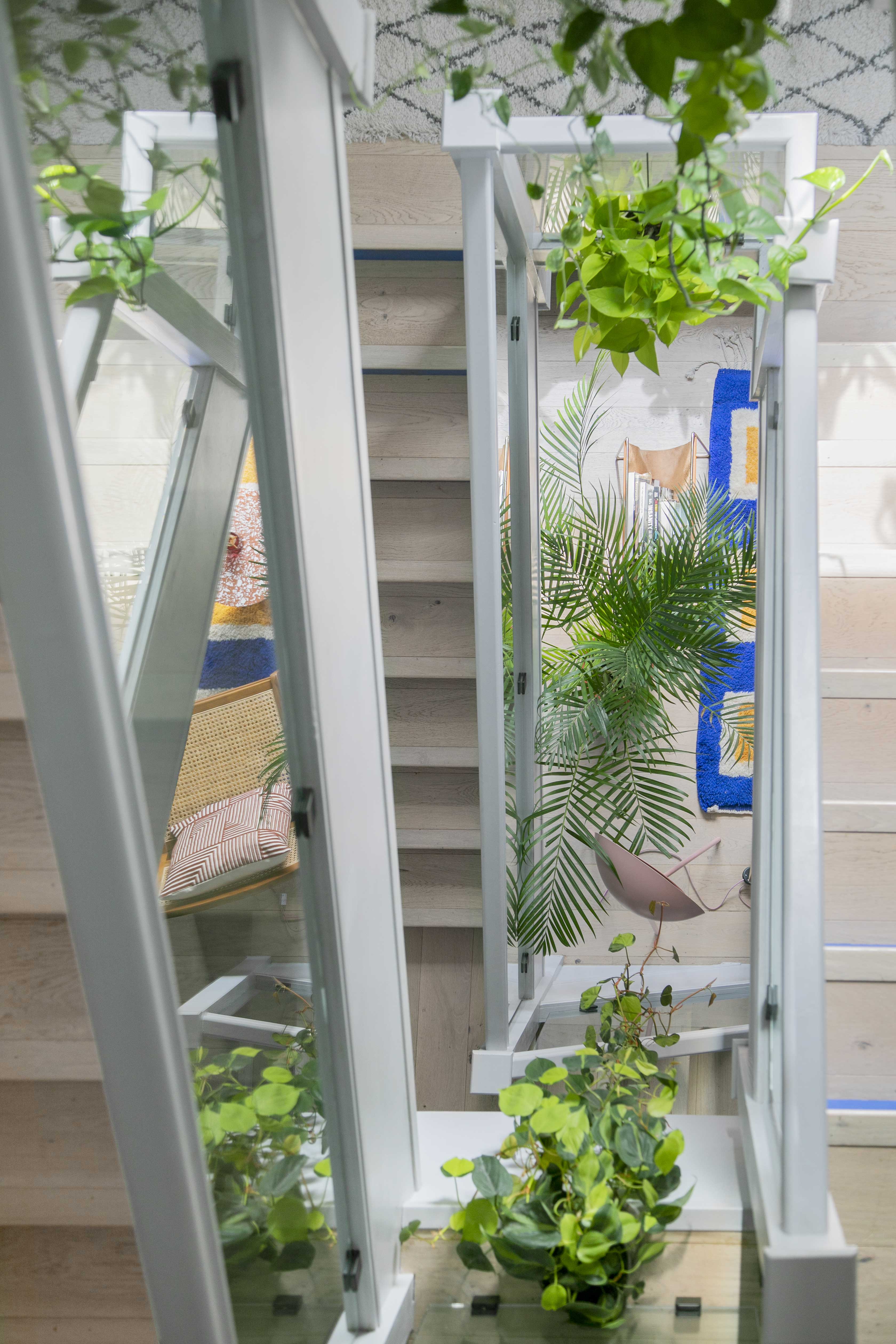
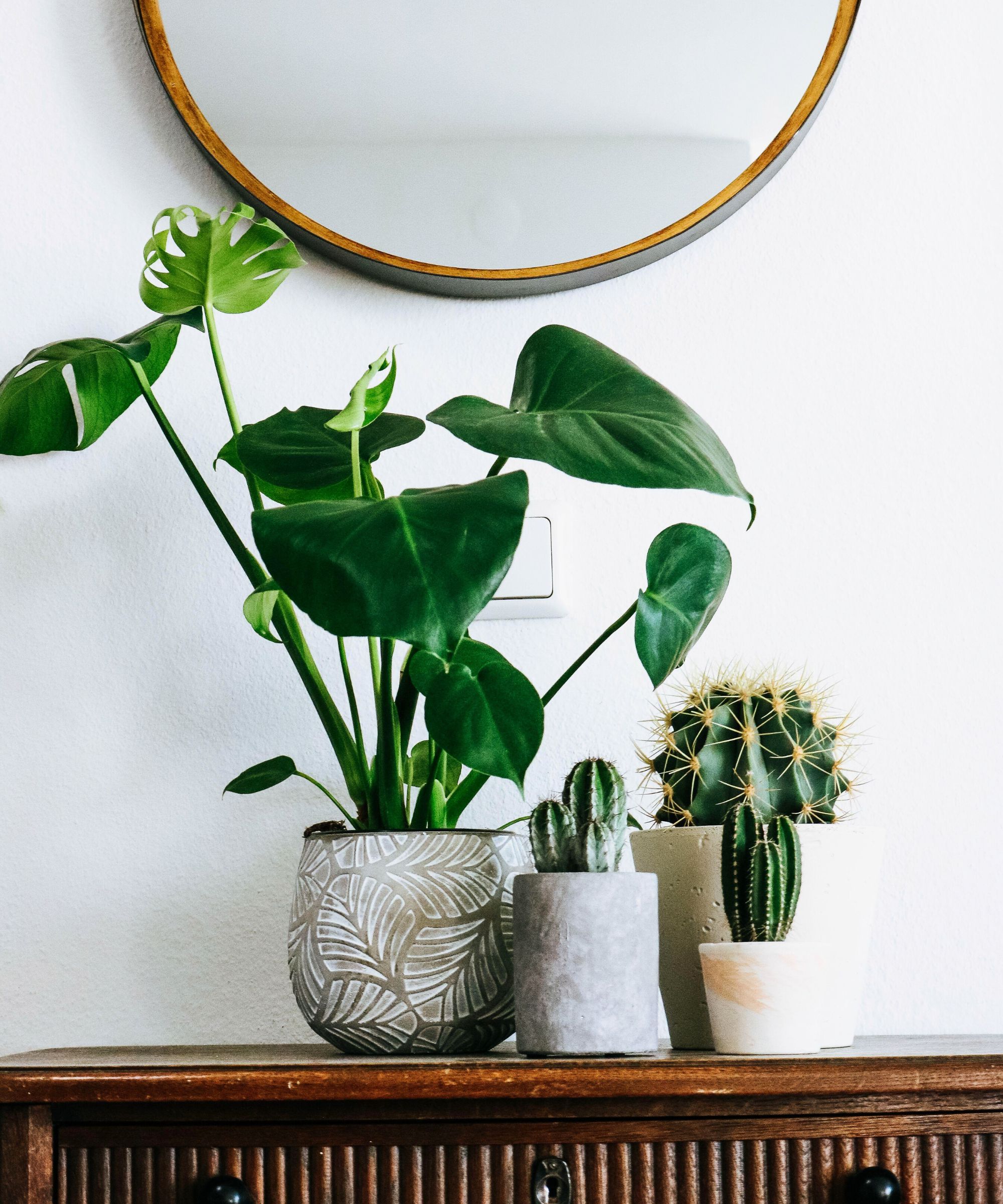
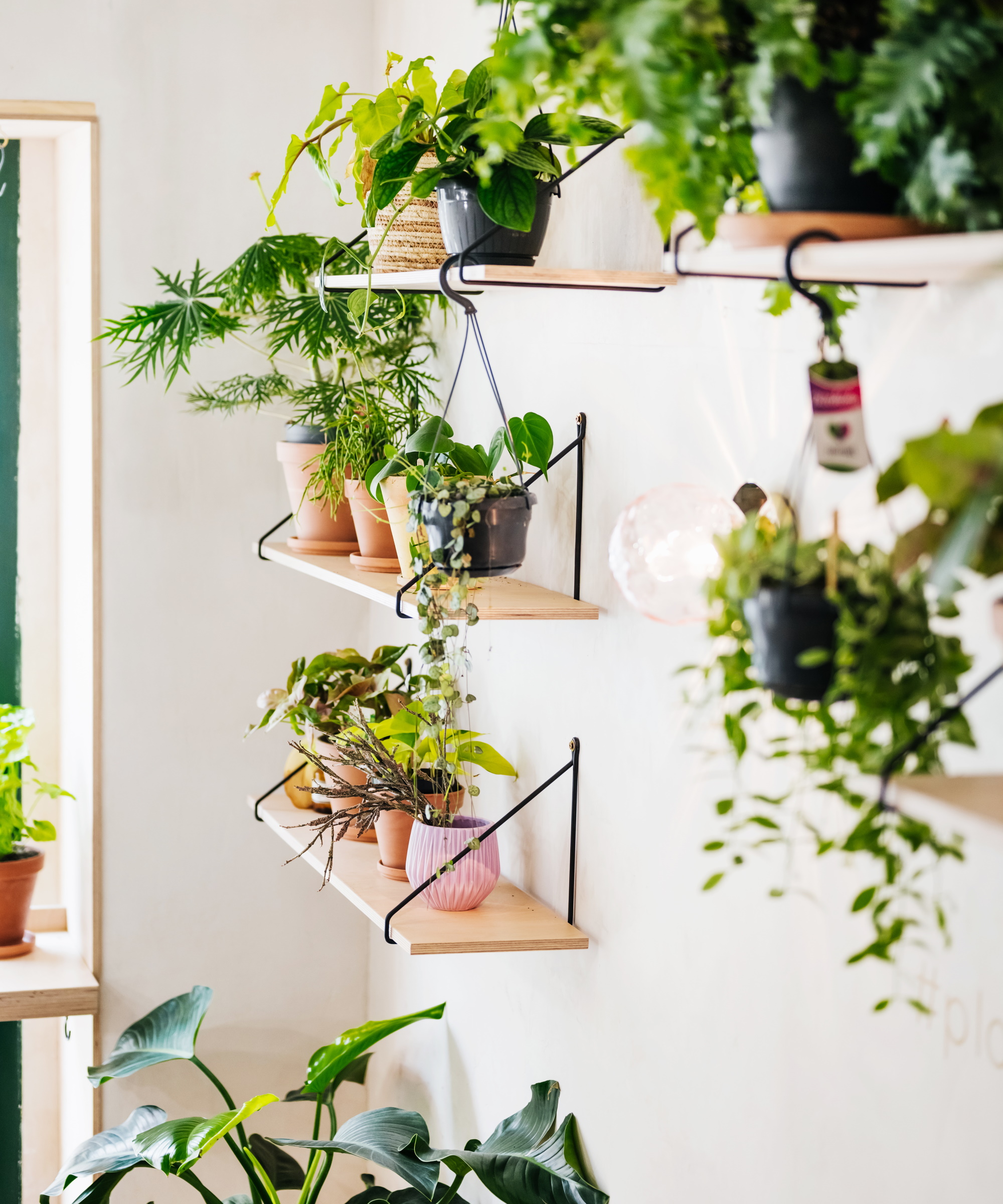
Vertical gardening is explored through trailing lipstick plants hung from brass hooks in compact kitchens, and creating an engaging stairwell display by mounting ceramic cube pots directly onto walls. Southwestern style can be introduced with columnar cacti in sleek white pots, maintaining a minimalist look. Innovative solutions like felt planting pockets (e.g., Wally One from Woolly Pocket) are presented for creating wall gardens with various houseplants. Finally, the article highlights the impact of a single, large specimen like the Euphorbia ingens variegata as a room's focal point, and the utility of small, uniformly potted cacti on shelves for a low-maintenance, modern display that accentuates dramatic backgrounds.
#HouseplantDesign #InteriorDecorating #PlantStyling #GreenLiving #HomeGardening #IndoorPlants #BotanicalDecor #ContainerGardening #VerticalGardens #HouseplantDesign #InteriorDecorating #PlantStyling #GreenLiving #HomeGardening #IndoorPlants #BotanicalDecor #ContainerGardening #VerticalGardens
0 comment in total
 No comments yet
You may also like
Decorating with plants – 11 ways to display houseplants

The power of greenery! 5 ways that houseplants can elevate your interior

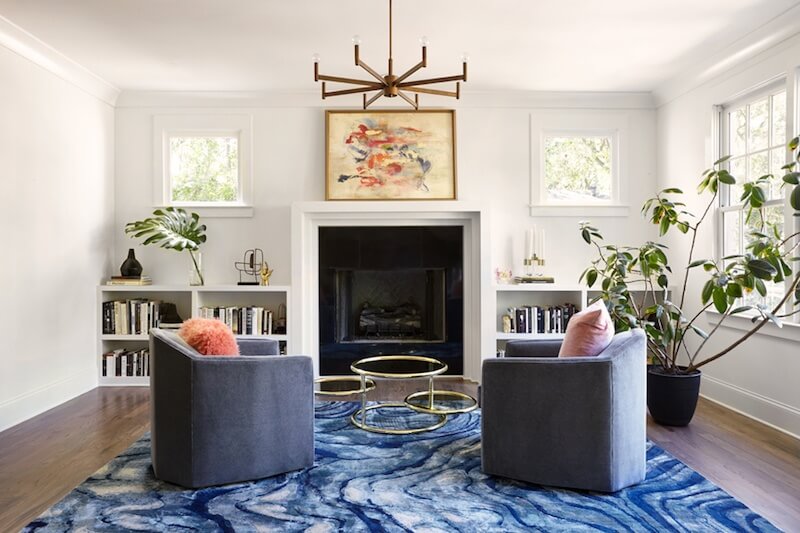
Designing With Plants: Expert Tips for Stylishly Greening Your Interiors

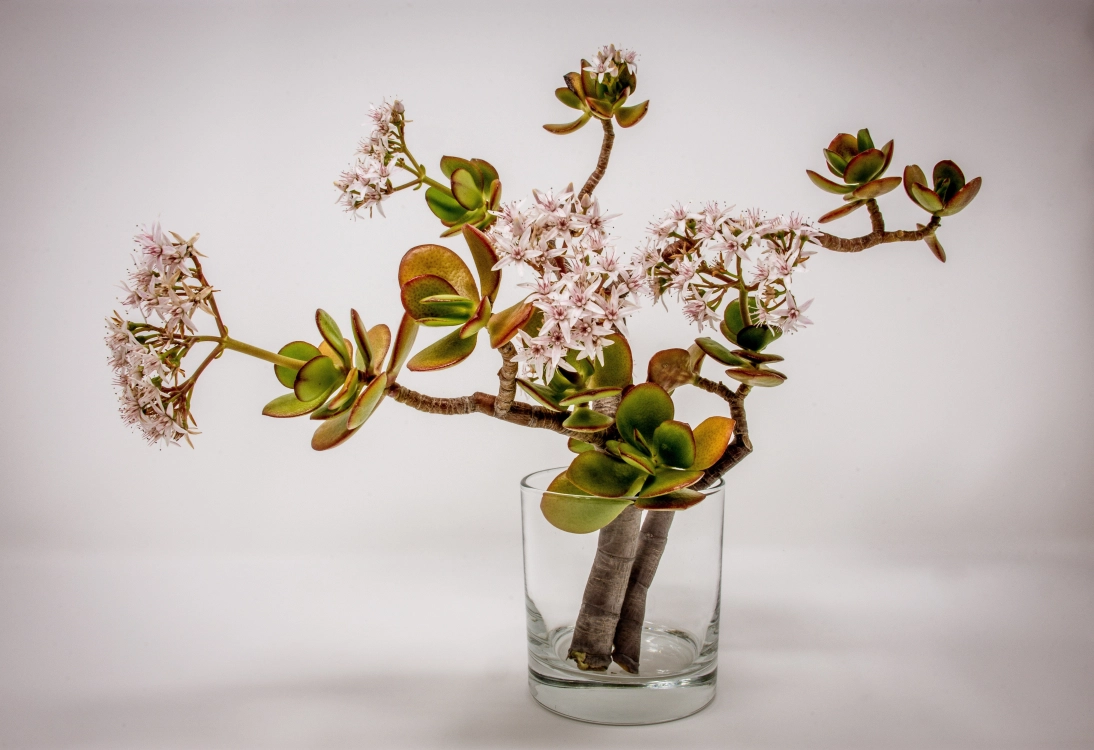
Plant Style: Elevate Your Decor with Indoor Plants
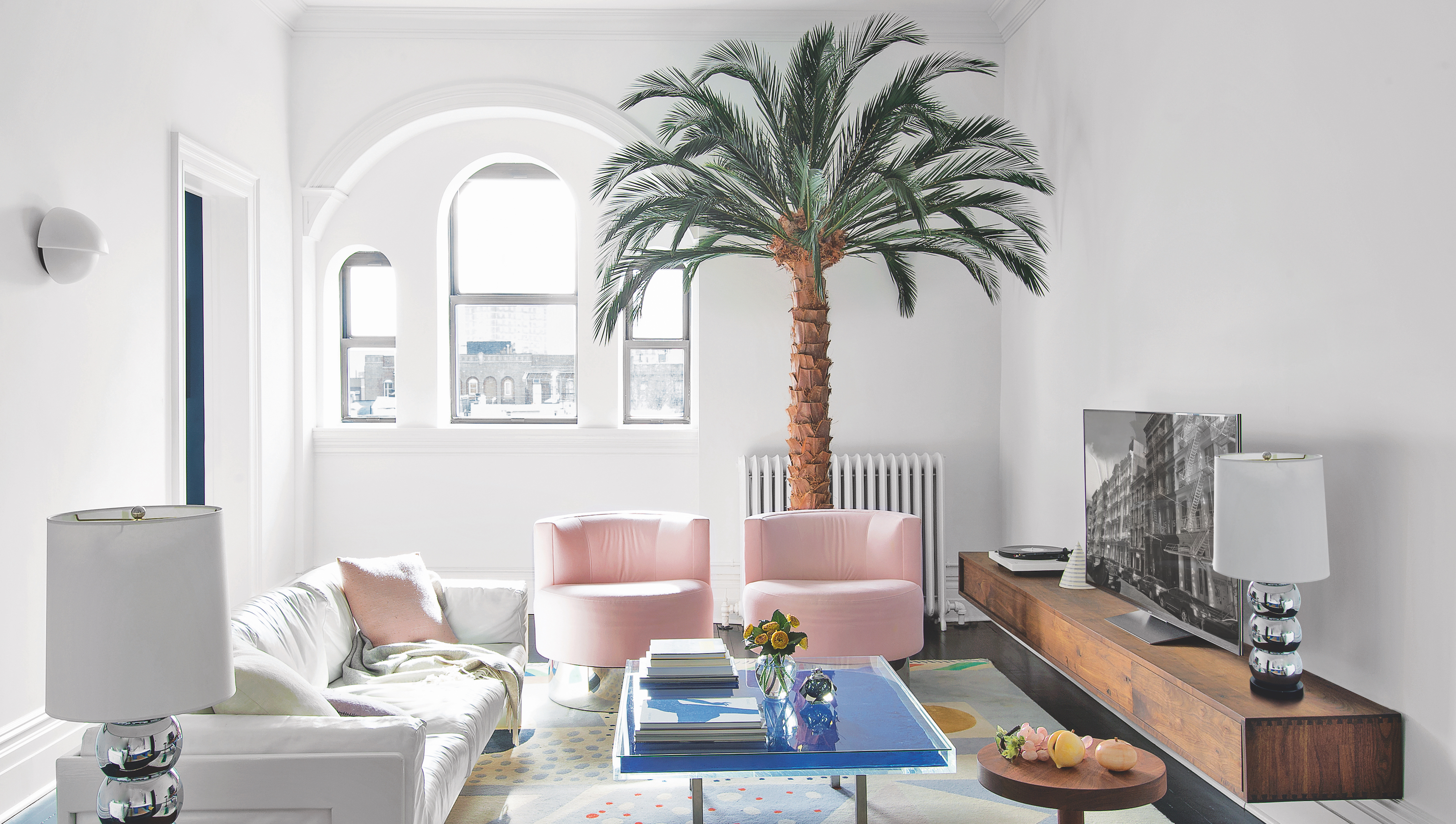
Decorating with plants – inspiring ways to use plants in interior design

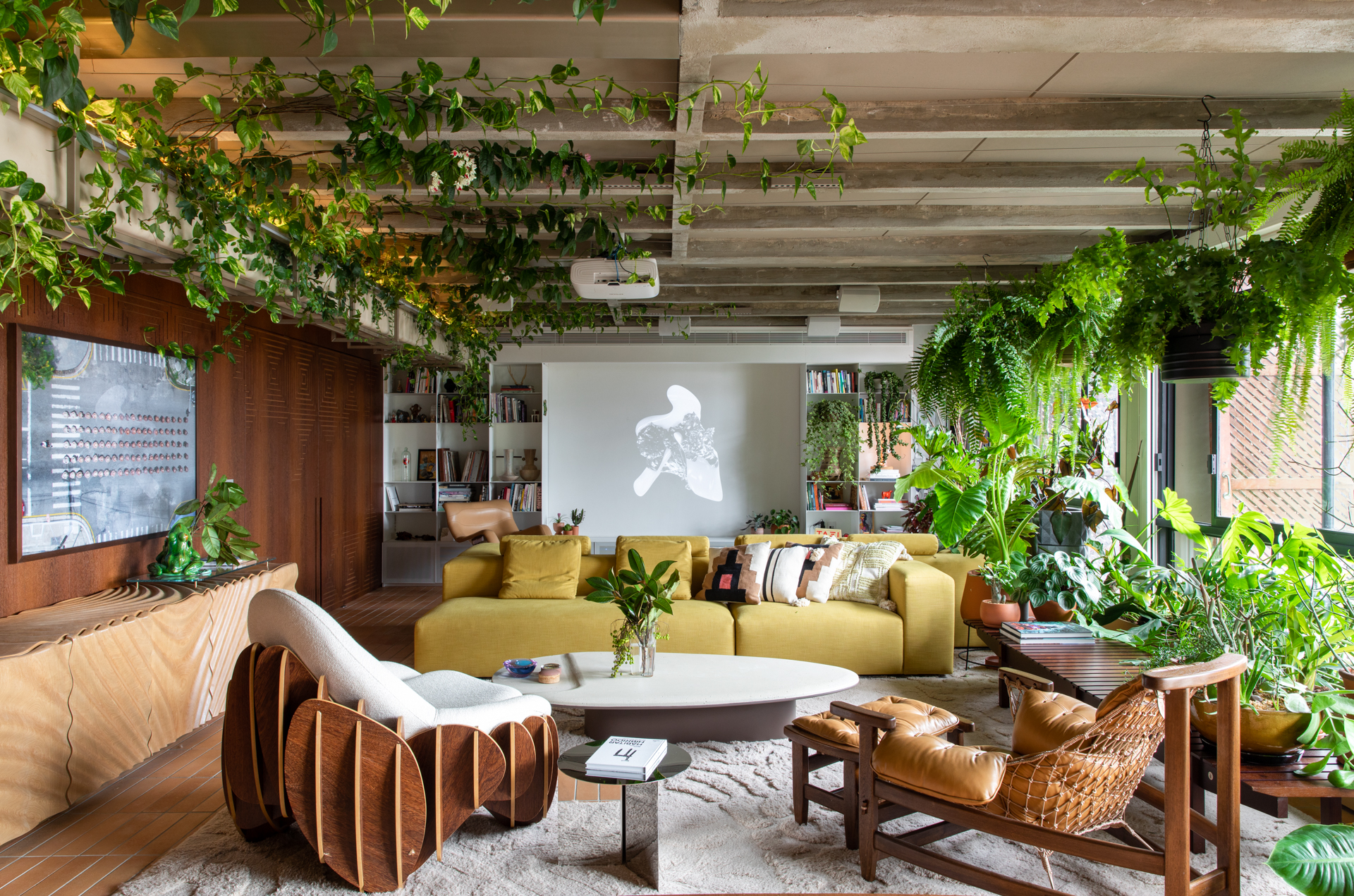
Indoor Garden Ideas —14 Ways To Live Amongst Greenery That Will Make Your Life Better

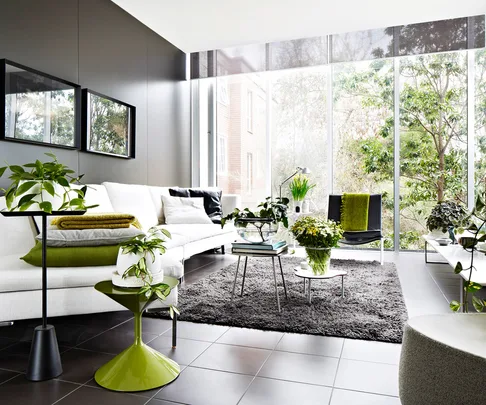
12 easy indoor plant styling tips

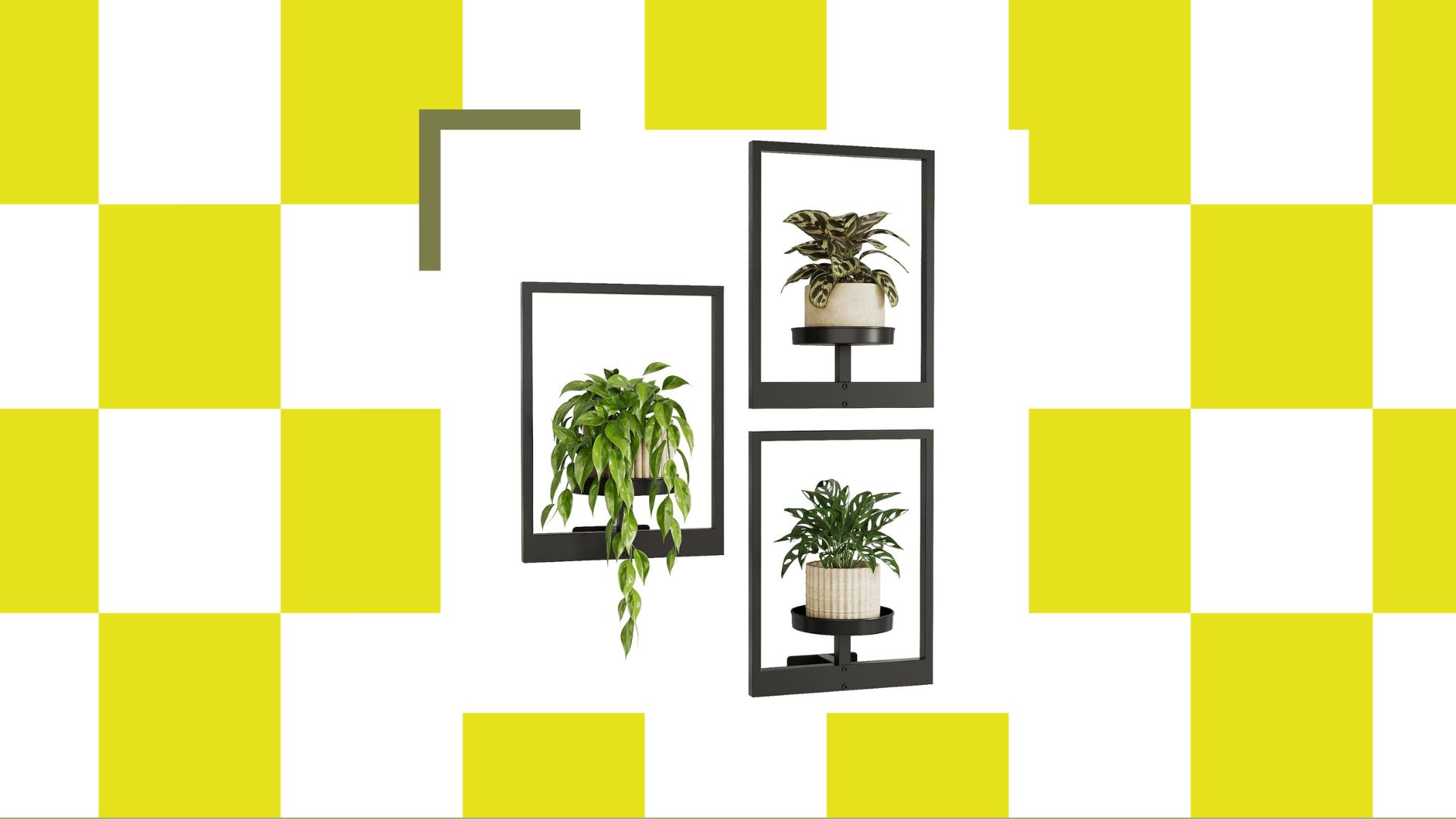
Flourishing Foliage — The Houseplant Frame You Can Use to Display Your Blooms and Transform Them into Living Art
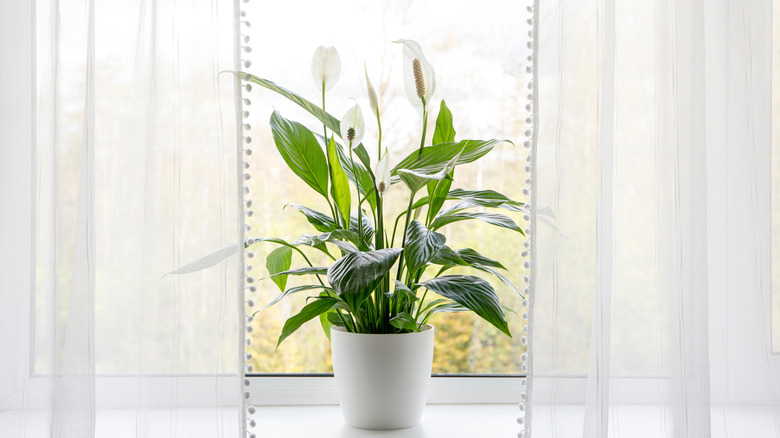
The Perfect Plant For Your Style

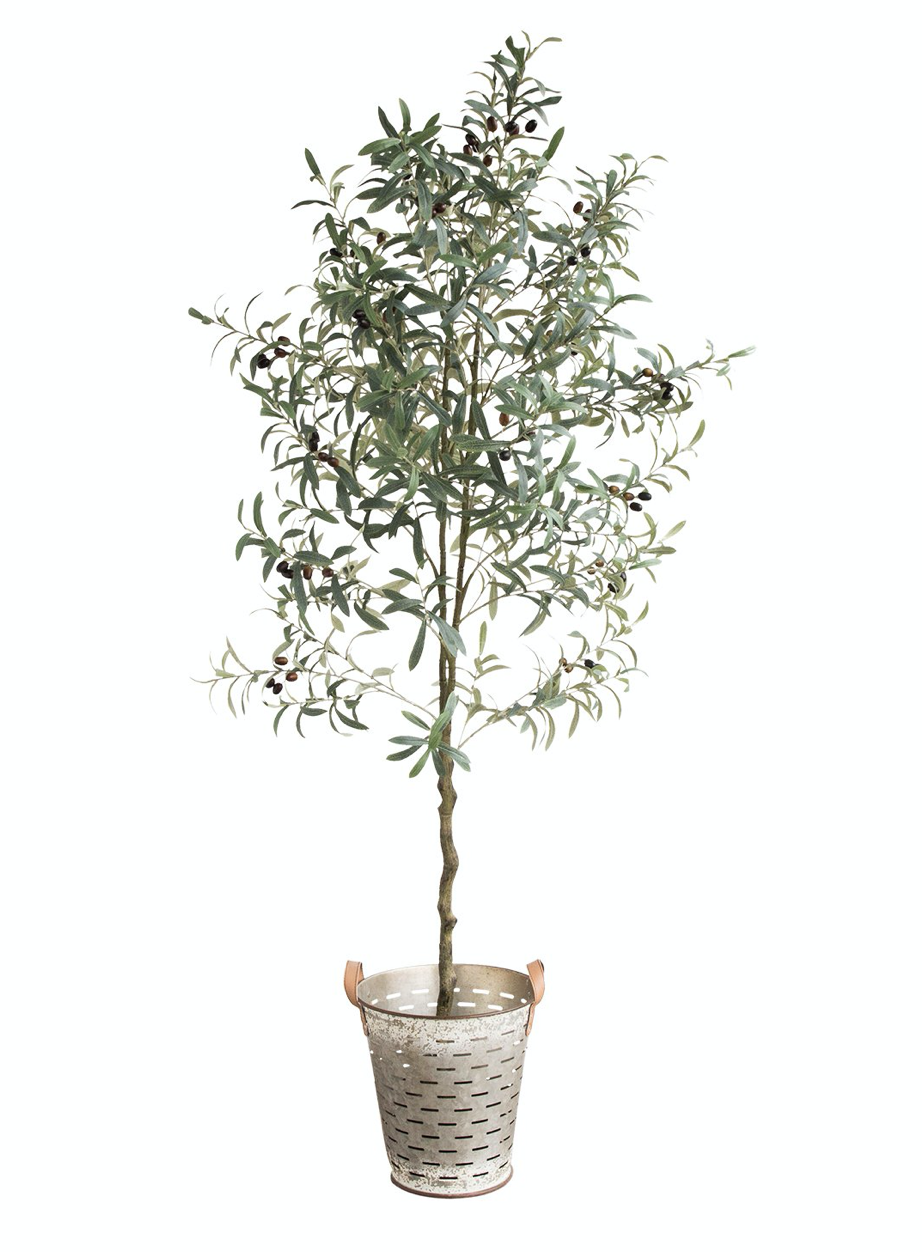
Our Most-Loved Project Plants
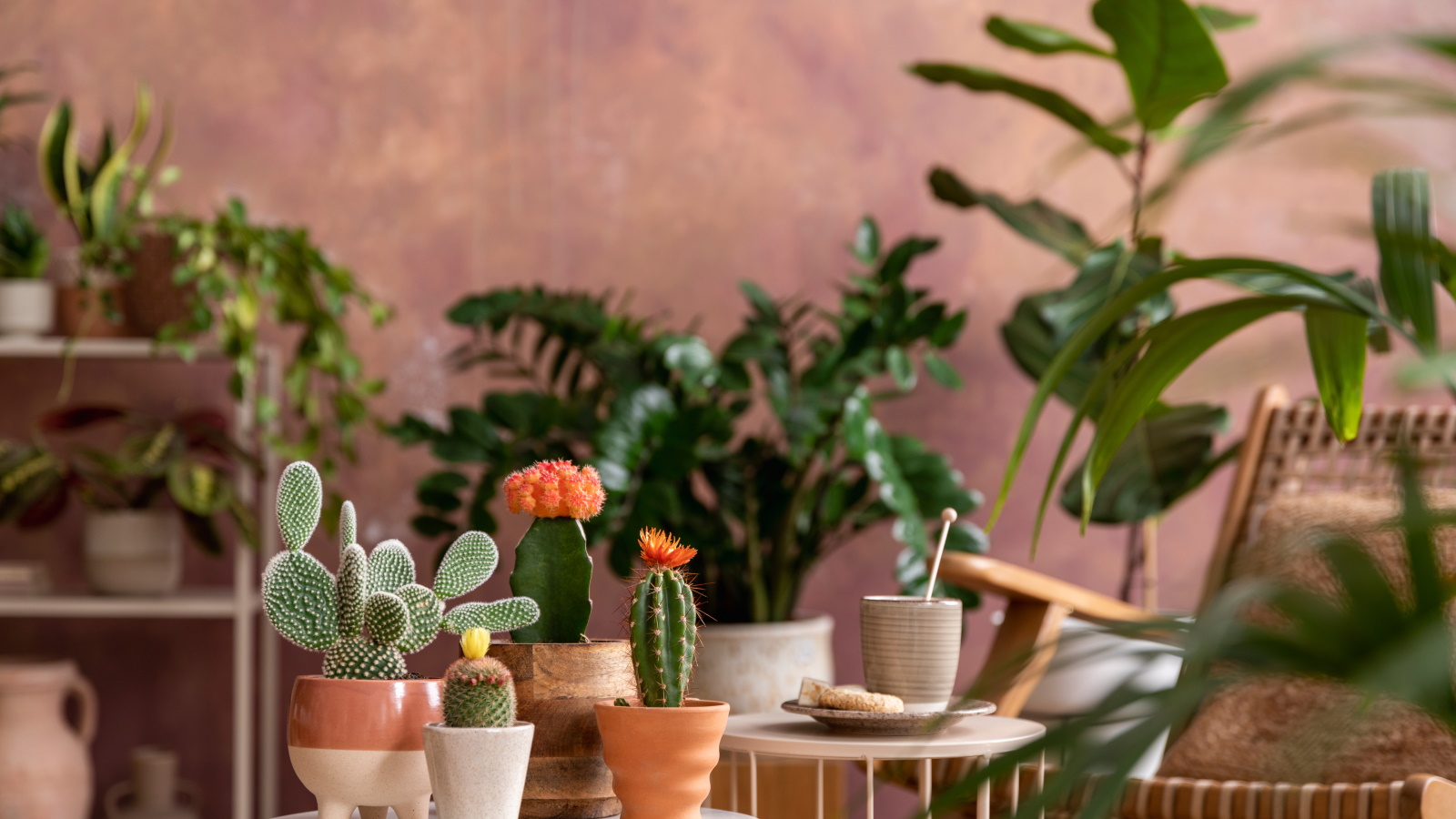
Indoor garden ideas: 9 ways to create a plant-filled haven
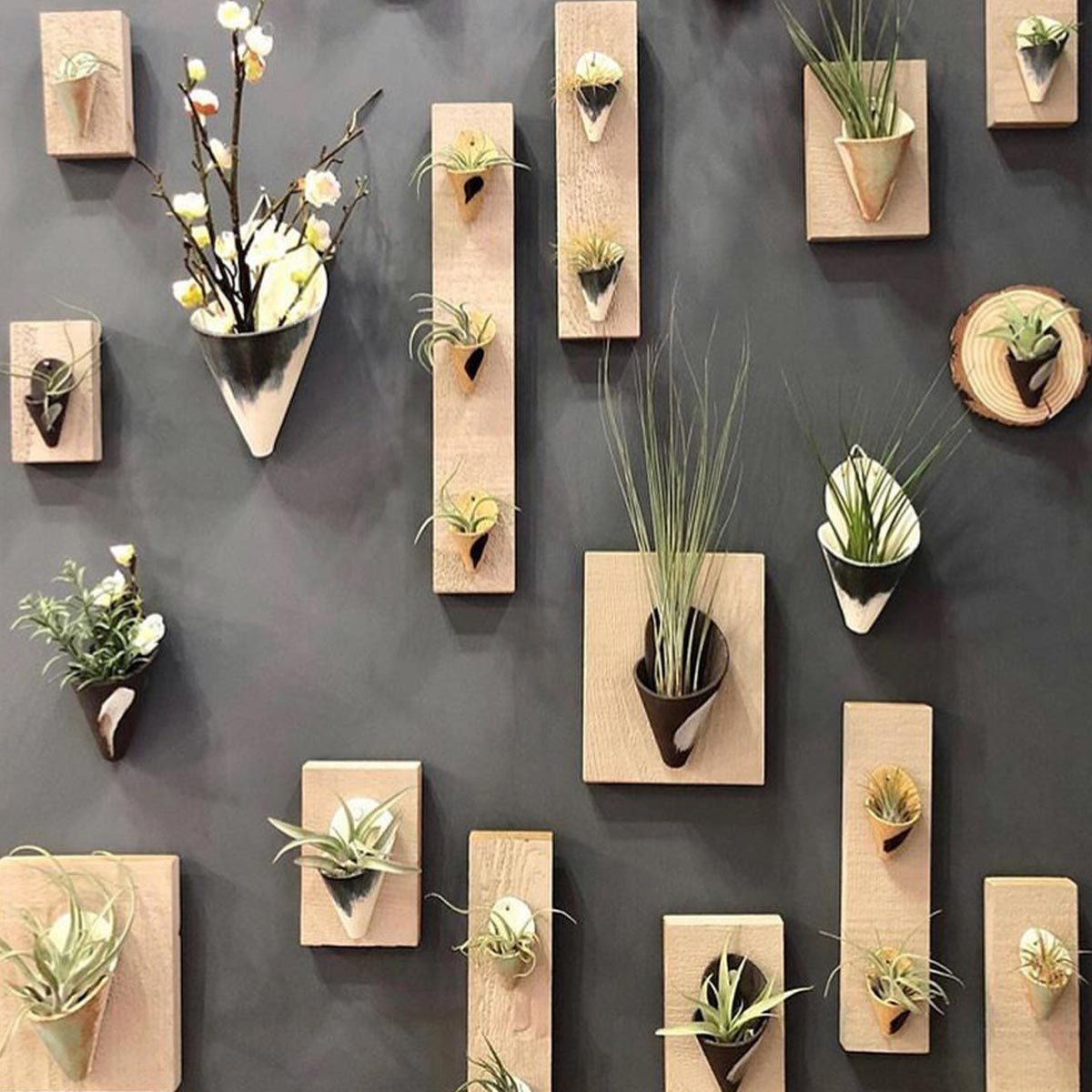
10 Ideas for Decorating Your Walls with Plants

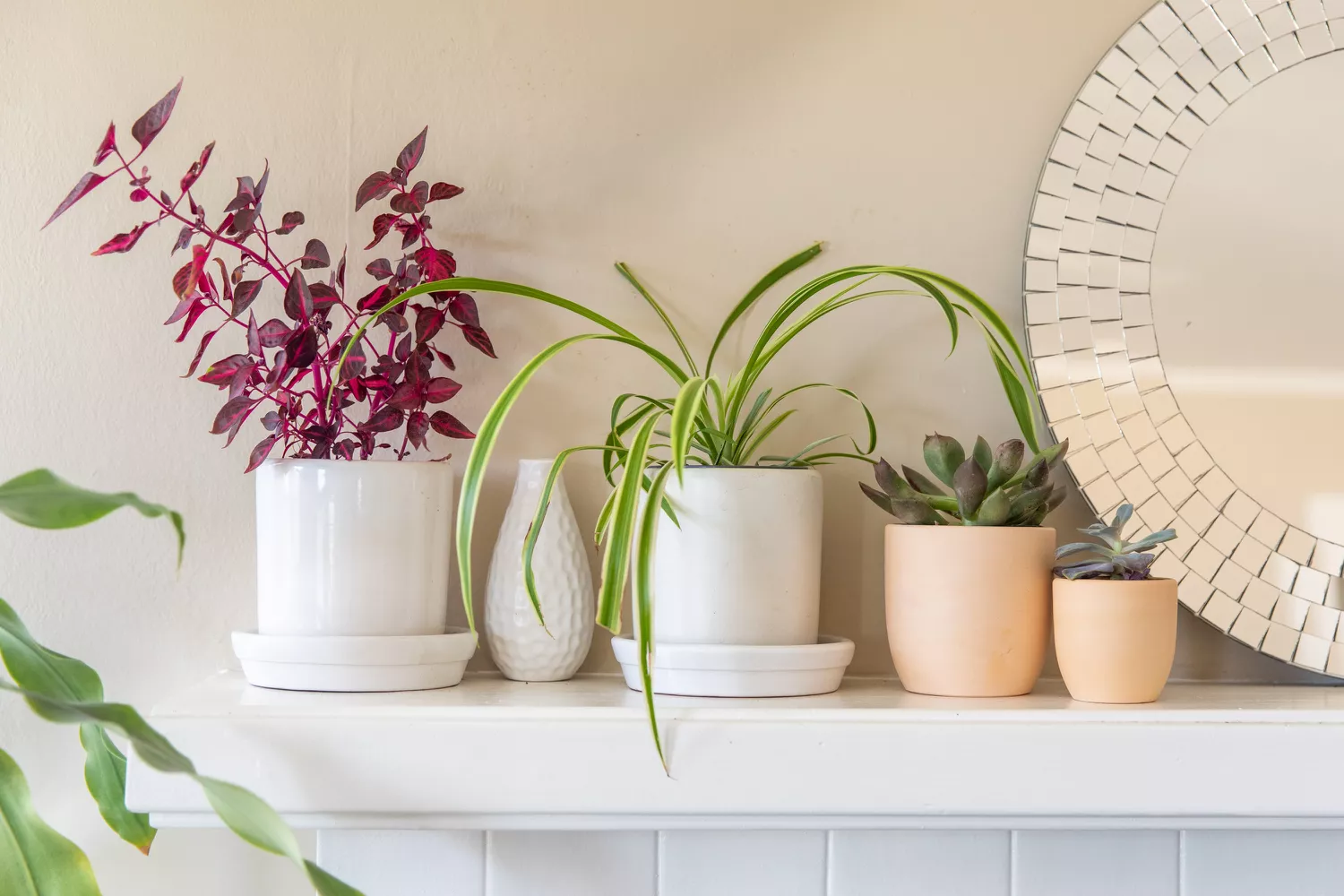
27 Great Ways to Decorate With Plants

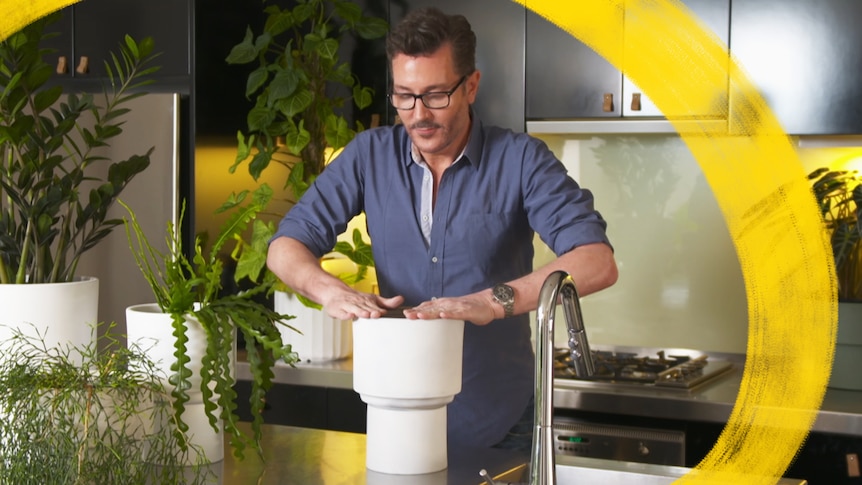
Craig's secret weapon for helping his indoor plants look their best

6 Plants That Professional Stagers Say Will Actually Help You Sell Your Home
Indoor plant shelf ideas – expert tips for styling your houseplants
This Visual Design Trick Is the Coolest Way to Style Your Houseplants
You Need a Design Blueprint for Your Houseplants

25 Indoor House Plants To Buy If You Know Your Spider Plant From Your Aloe Vera

Hot Take: Are Fake Plants Actually Really Cool?