1/11
Designing With Plants: Expert Tips for Stylishly Greening Your Interiors
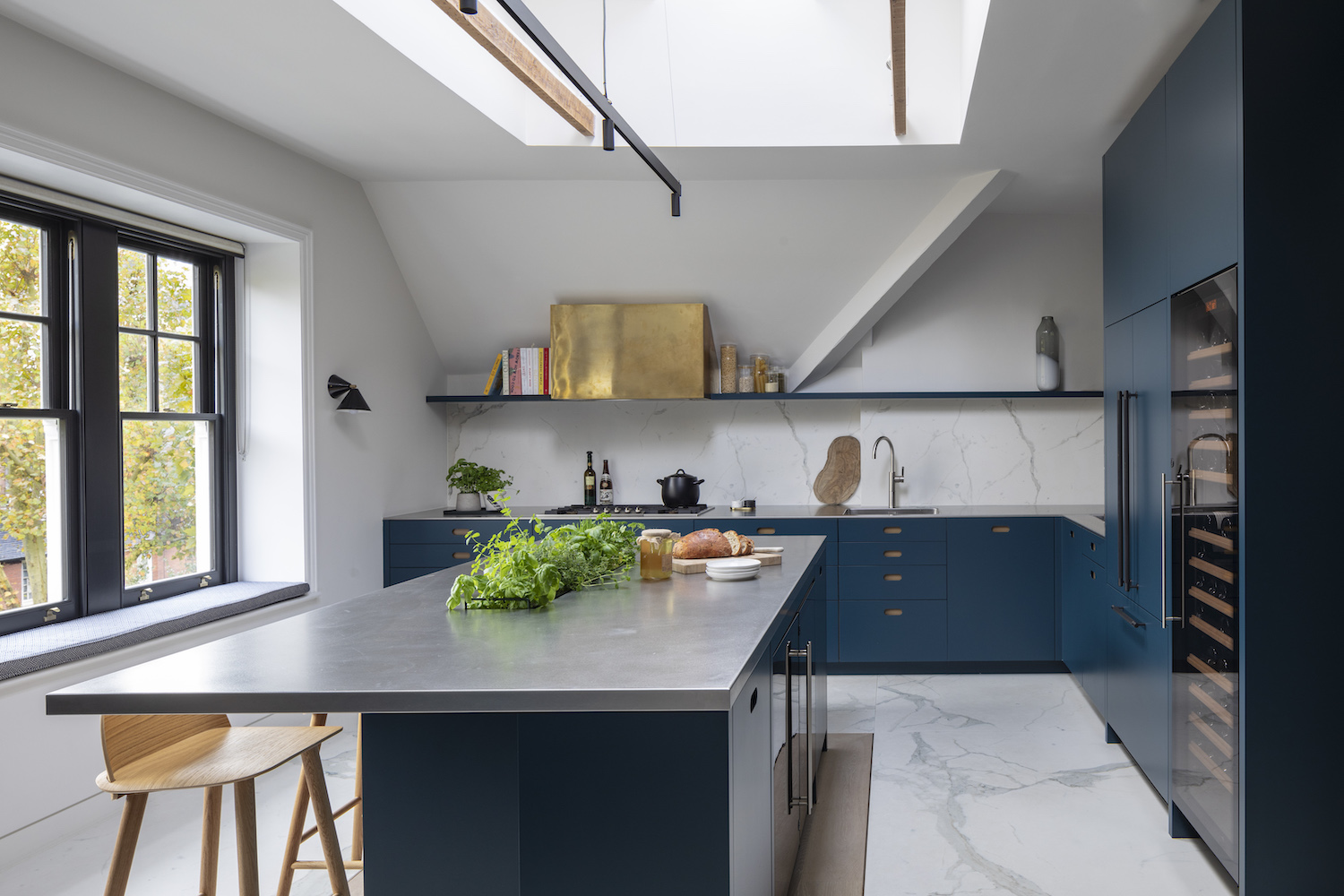
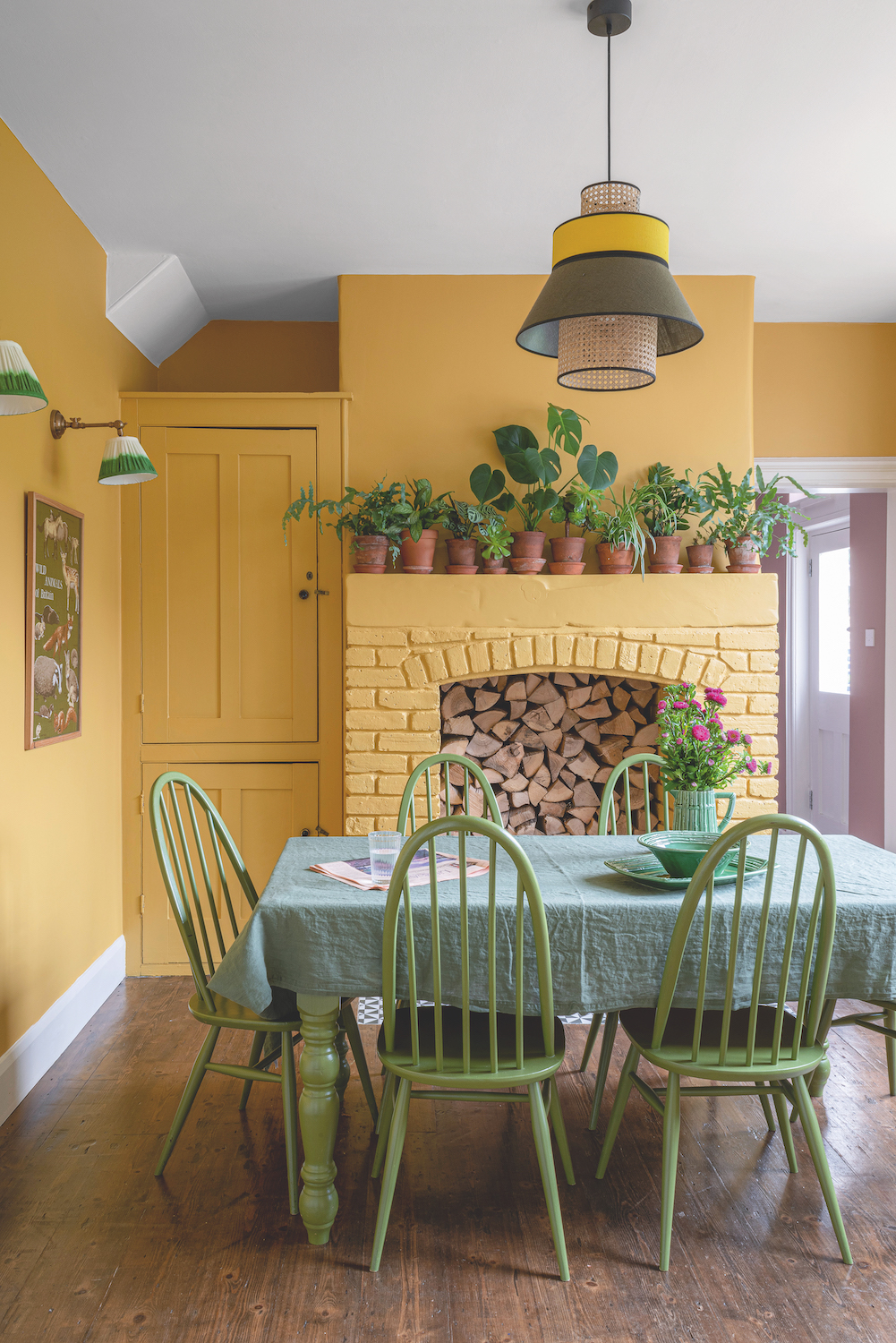
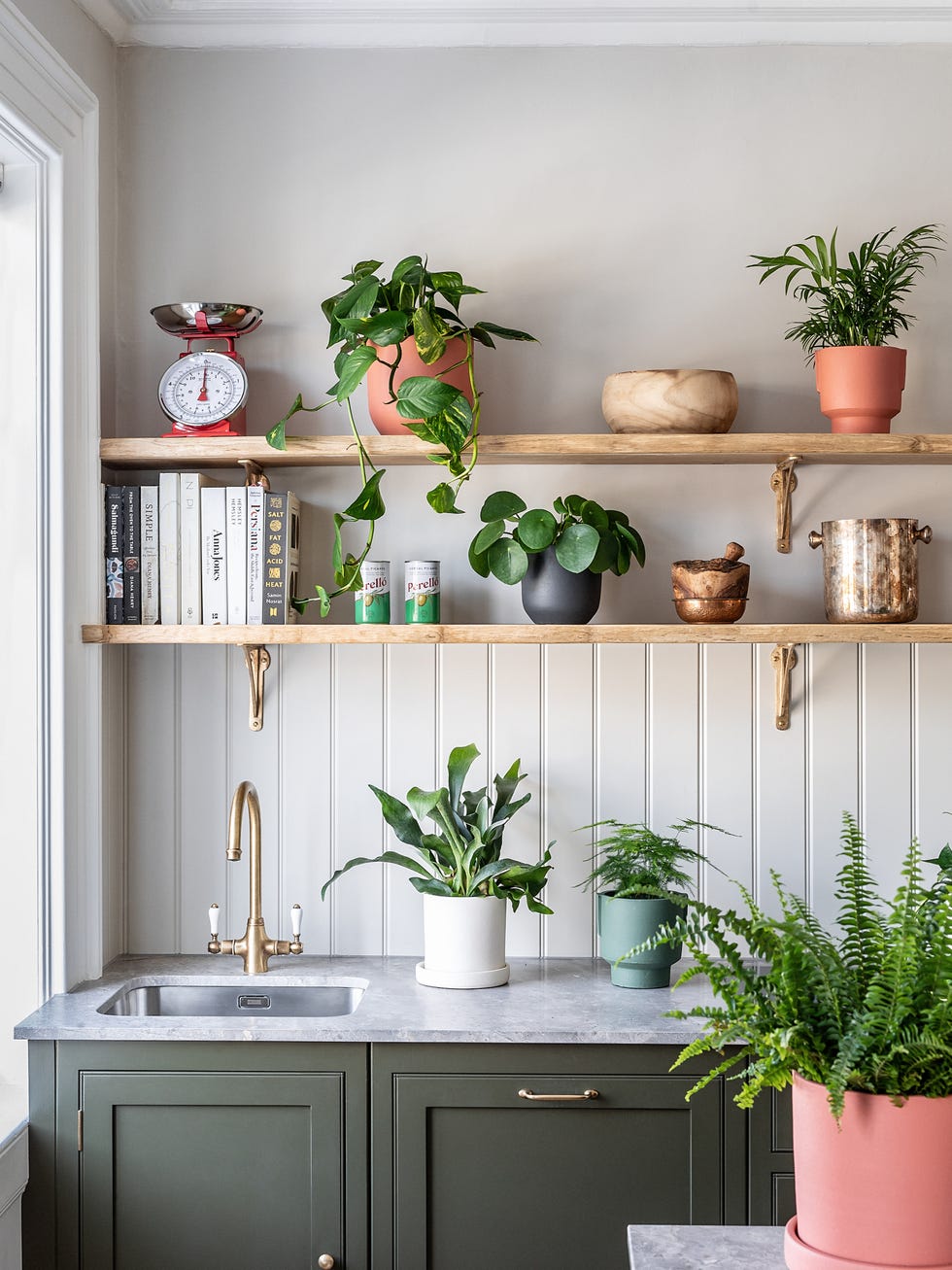
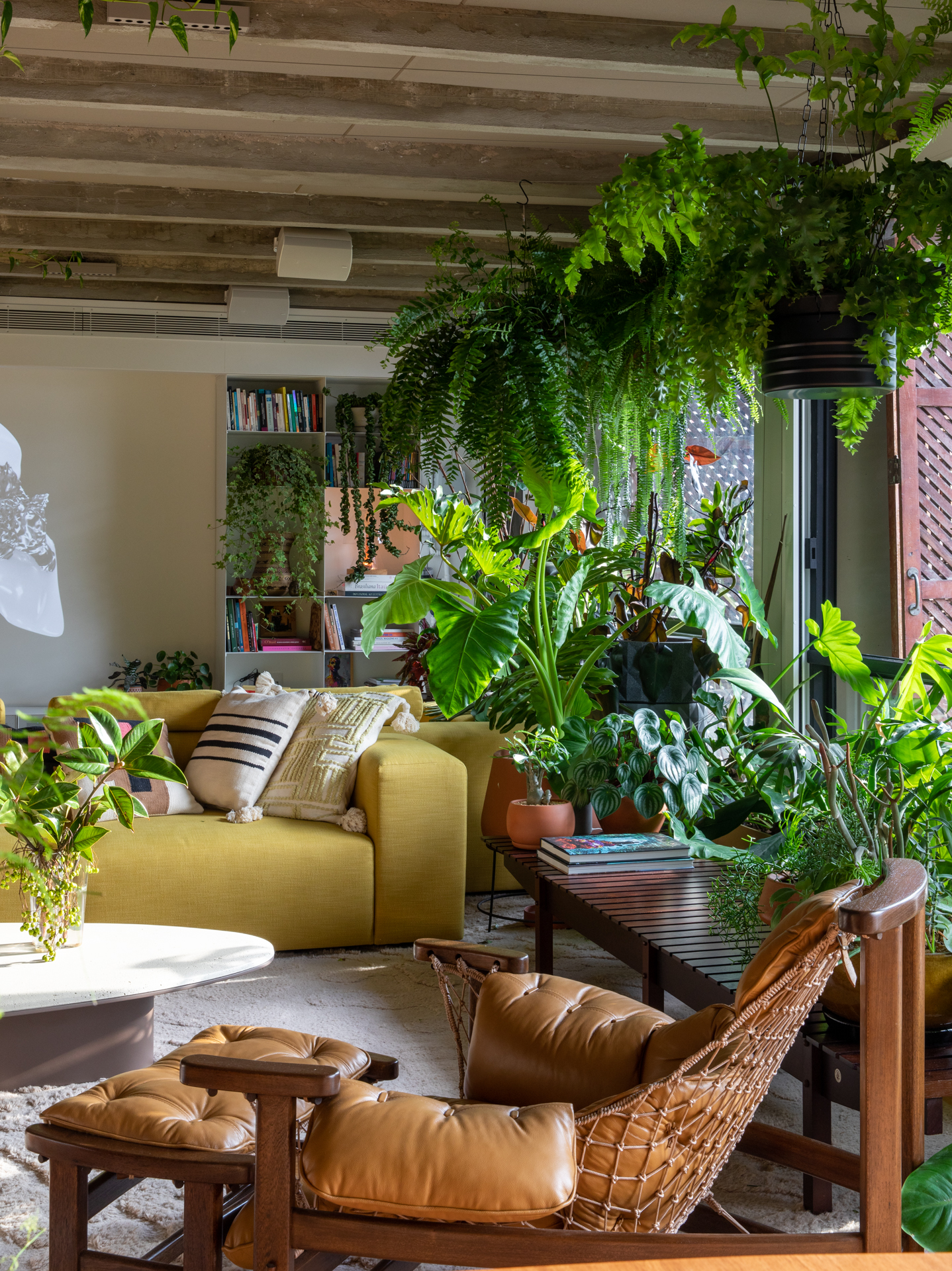
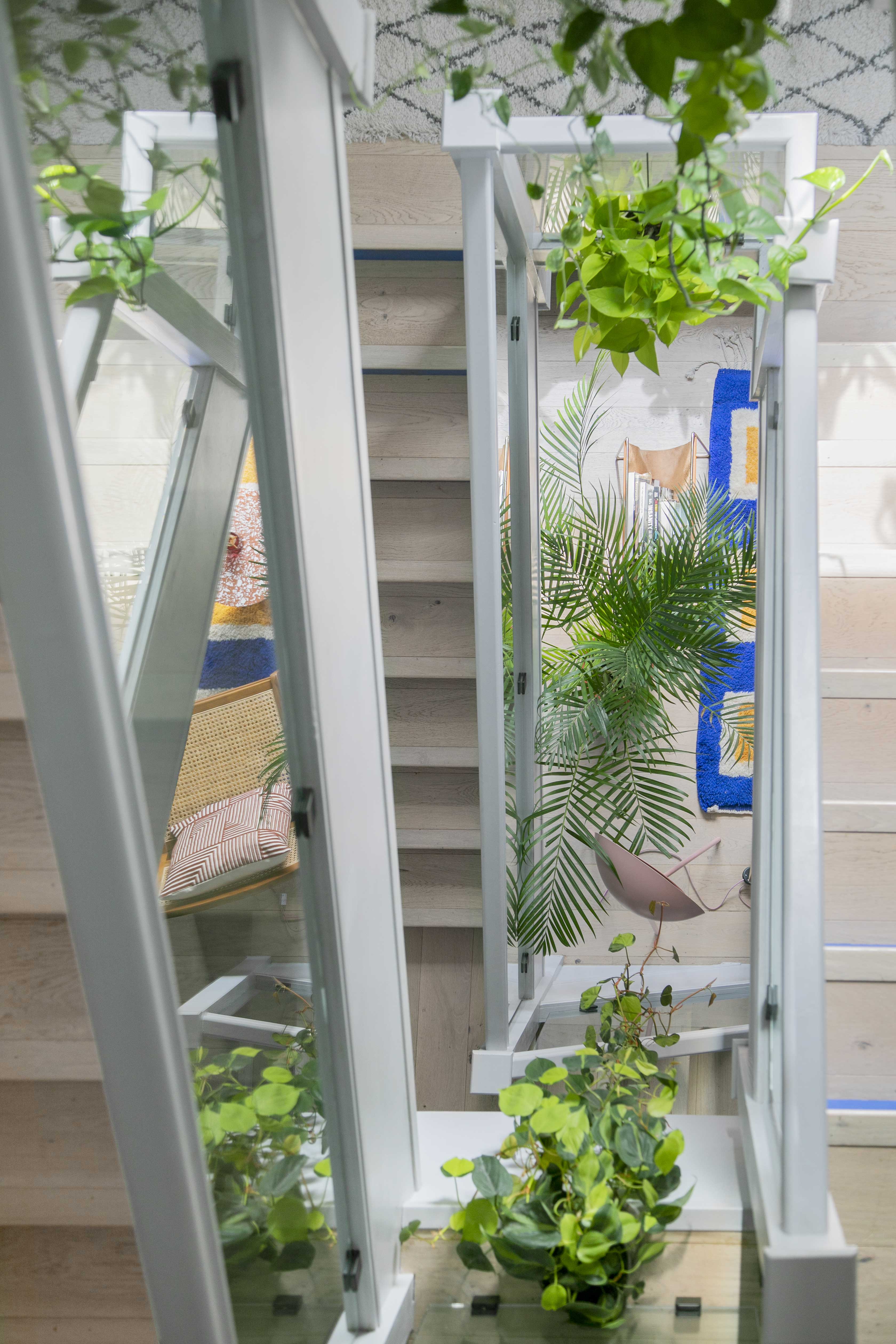
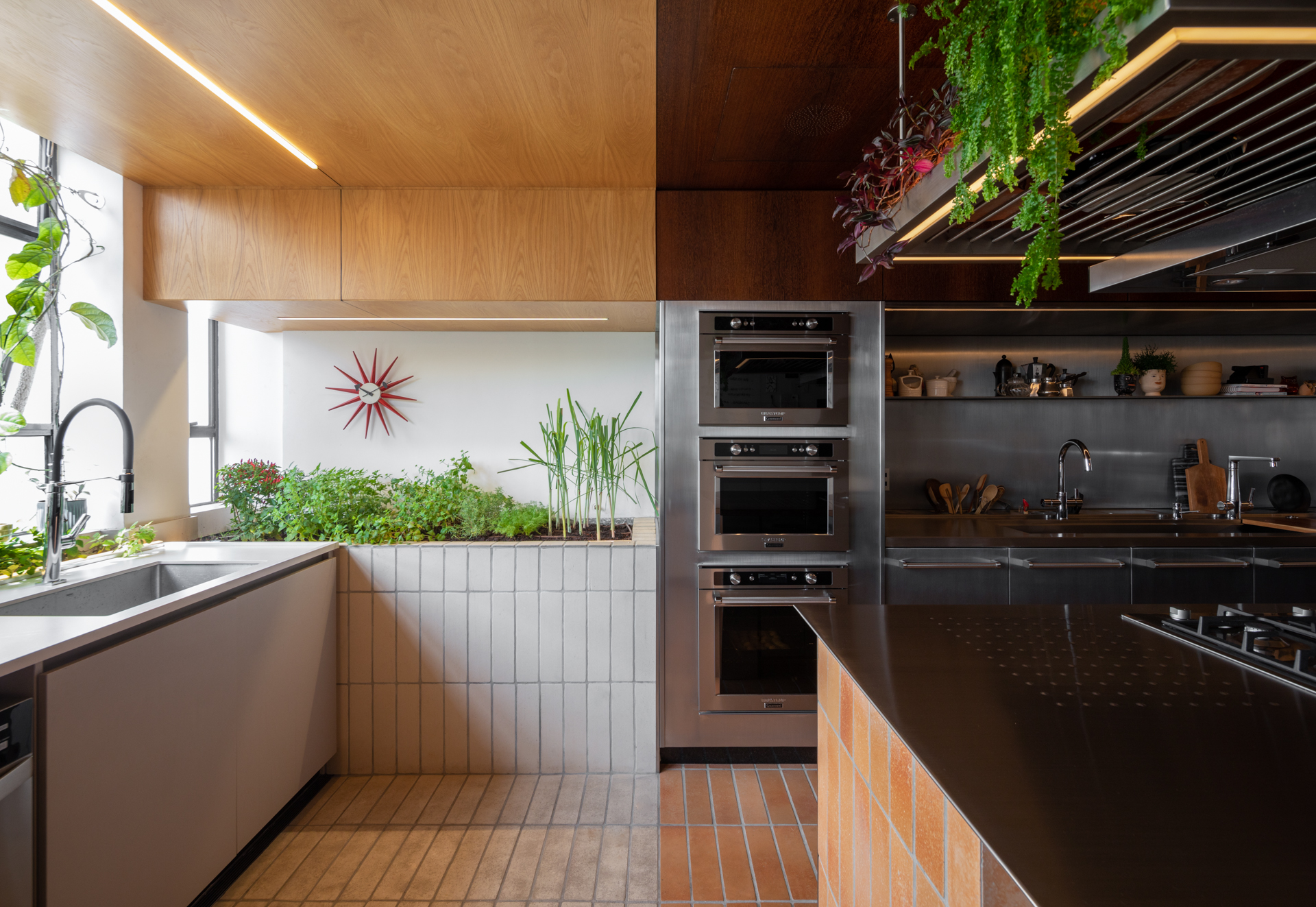

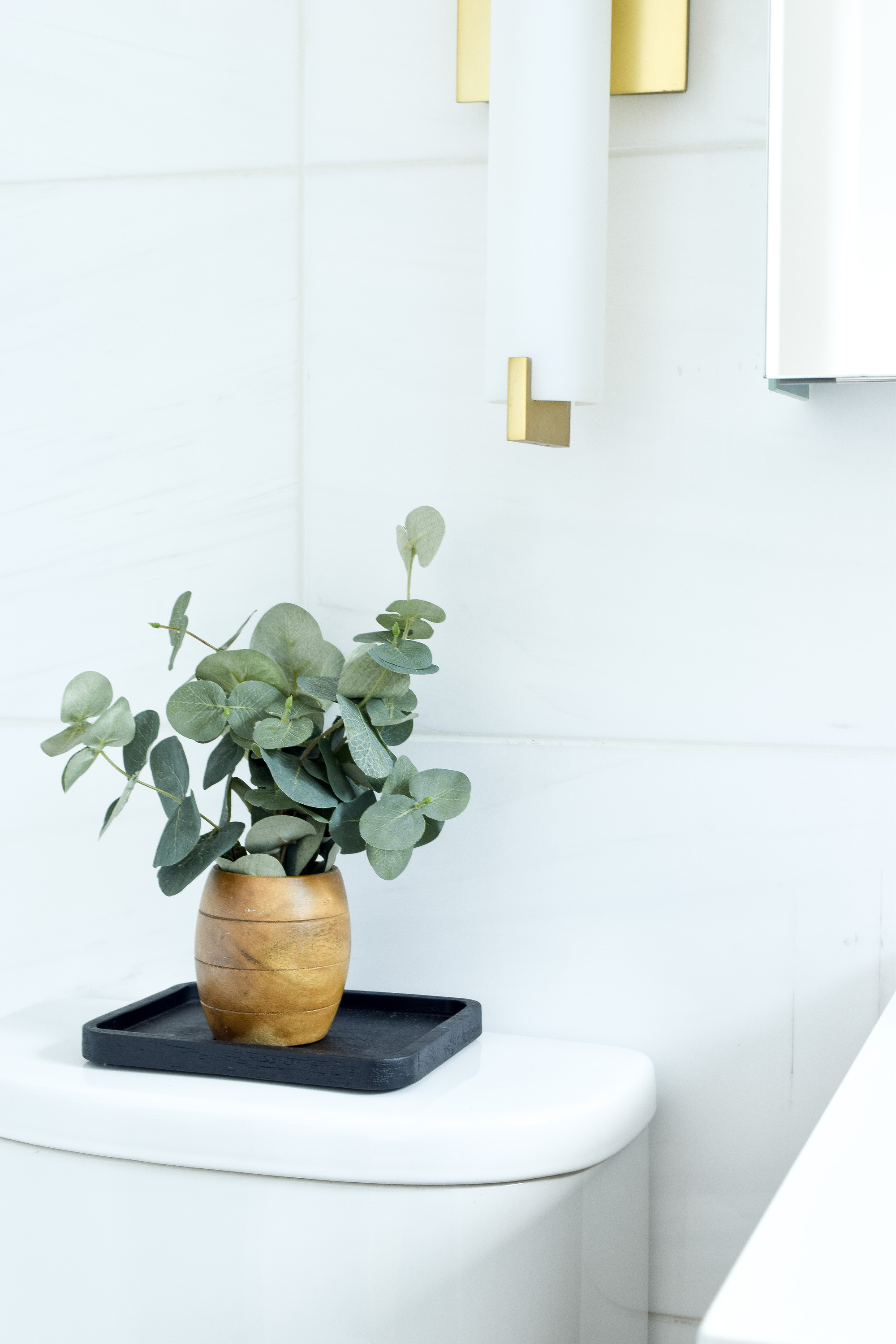
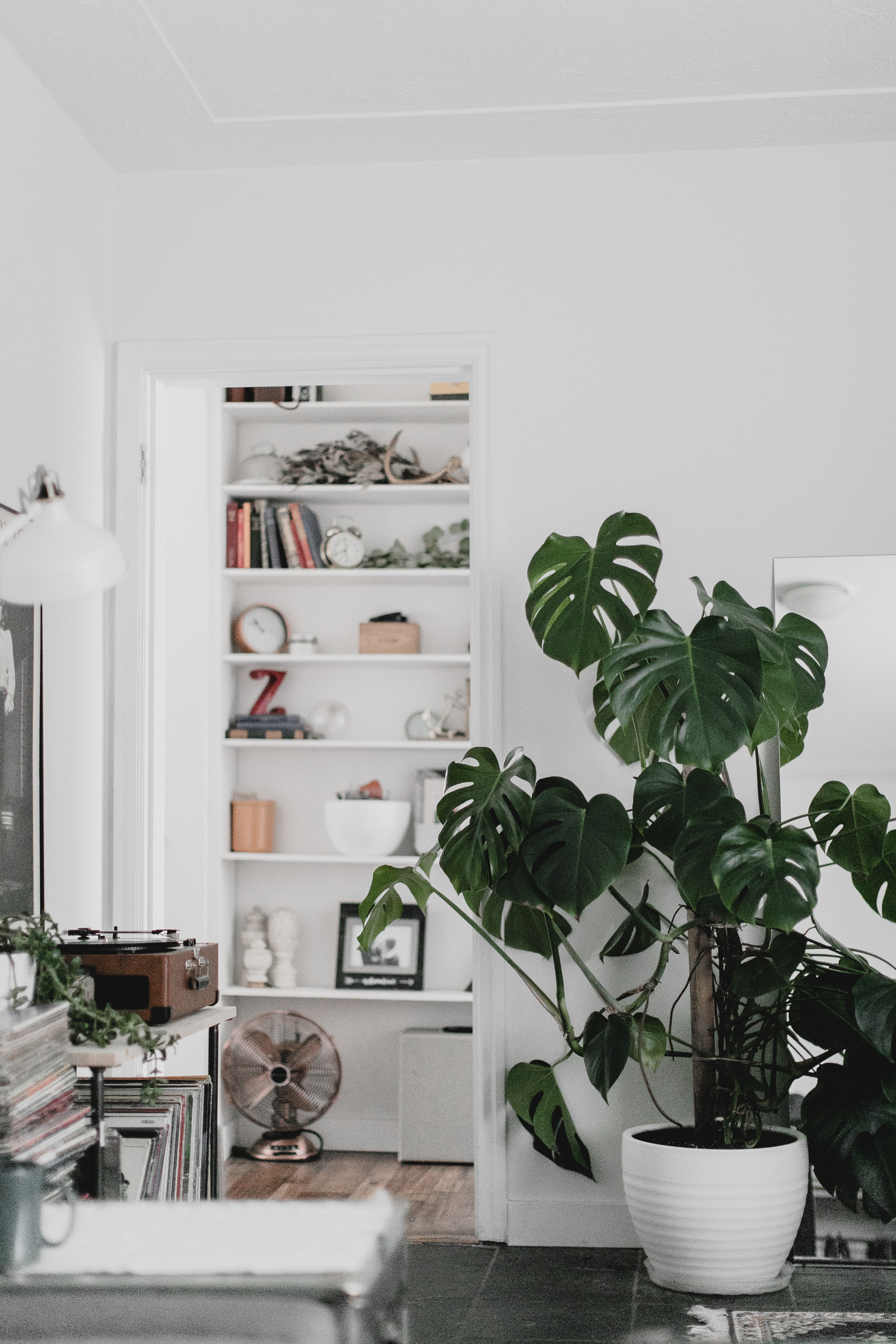
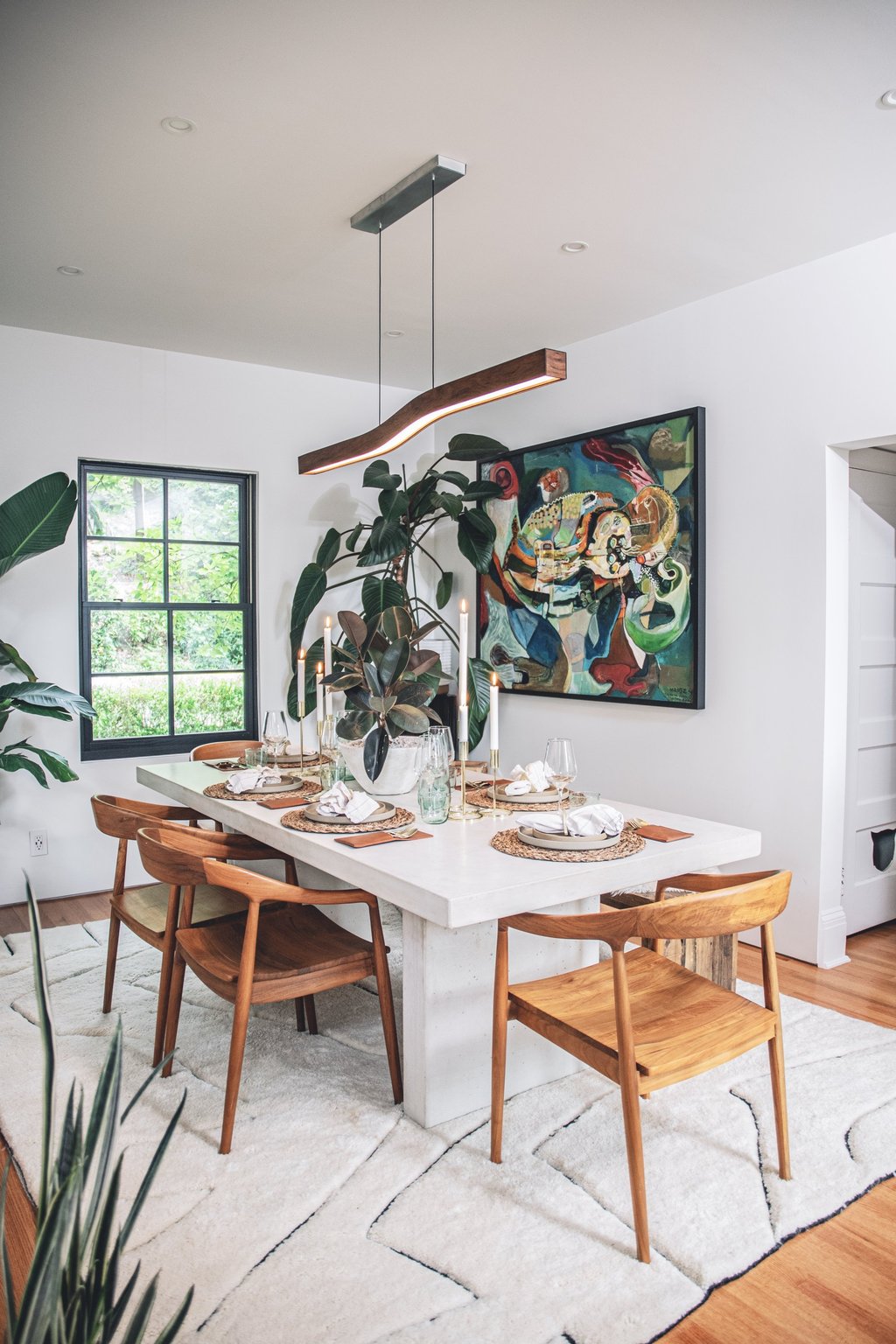
The trend of incorporating houseplants into interior design has gained significant popularity, reflecting a broader design movement towards green aesthetics. This trend aligns with Pantone's choice of 'Greenery' as its 2017 Color of the Year, symbolizing renewal and a connection to nature. Beyond their aesthetic appeal, plants contribute to improved indoor air quality, offering both stylistic and health benefits to living spaces.
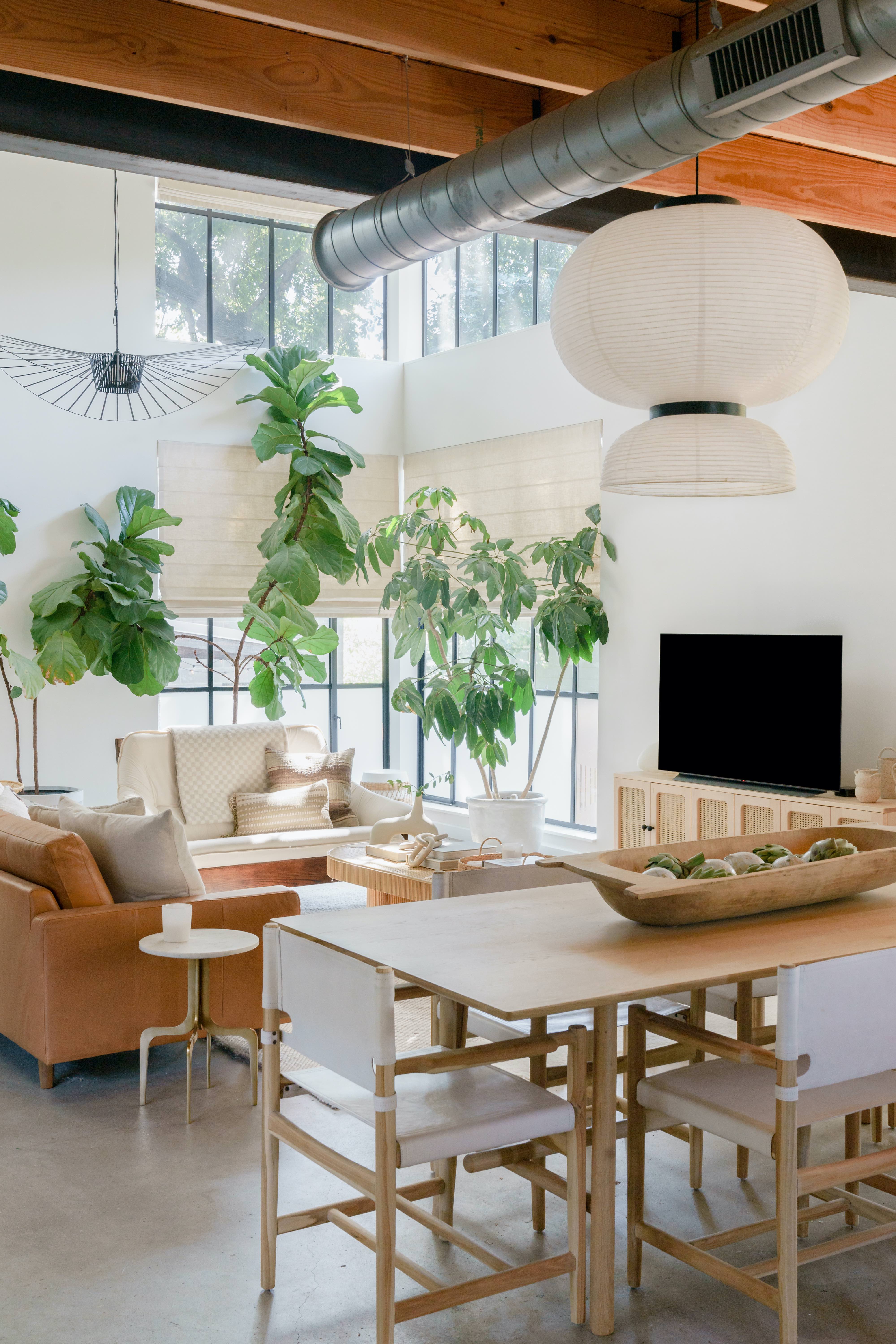
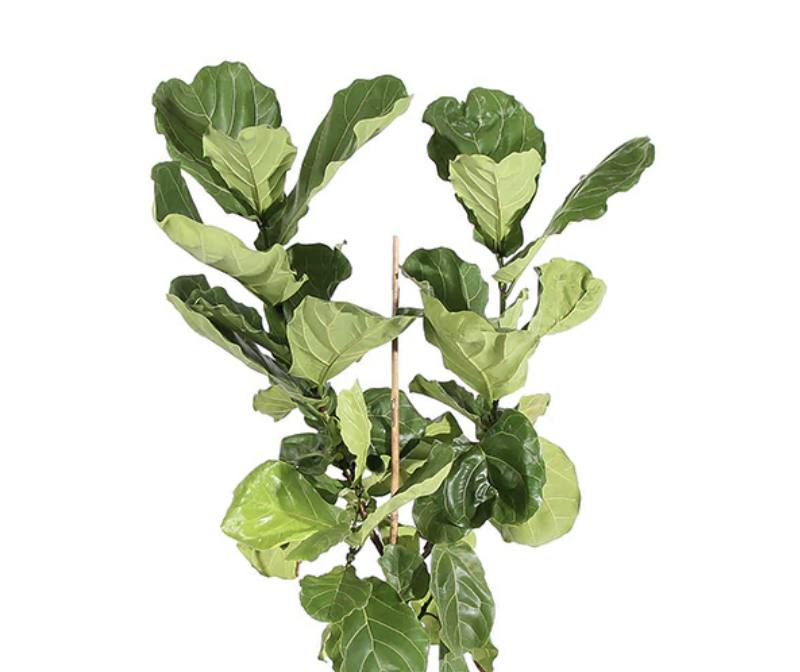
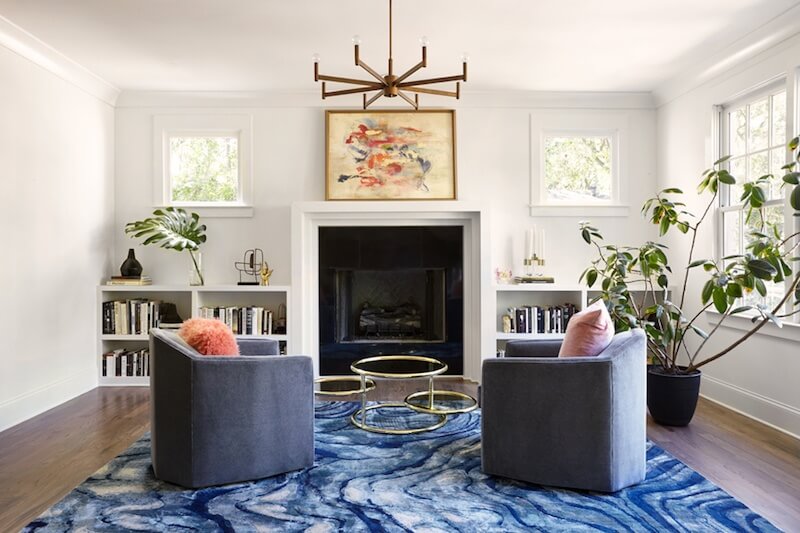
Experts Mamie Kostka, a landscape architect from Page|Duke Landscape Architects, and Bridget Davis, a plant and floral designer from Mahonia, provide insights into popular choices and care tips for integrating plants into home interiors. The Fiddle Leaf Fig (Ficus Lyrata) is a favored designer plant due to its structural shape and dynamic leaf size, making a significant visual impact, especially when placed in well-lit rooms. Its architectural form is highly appreciated by interior designers.
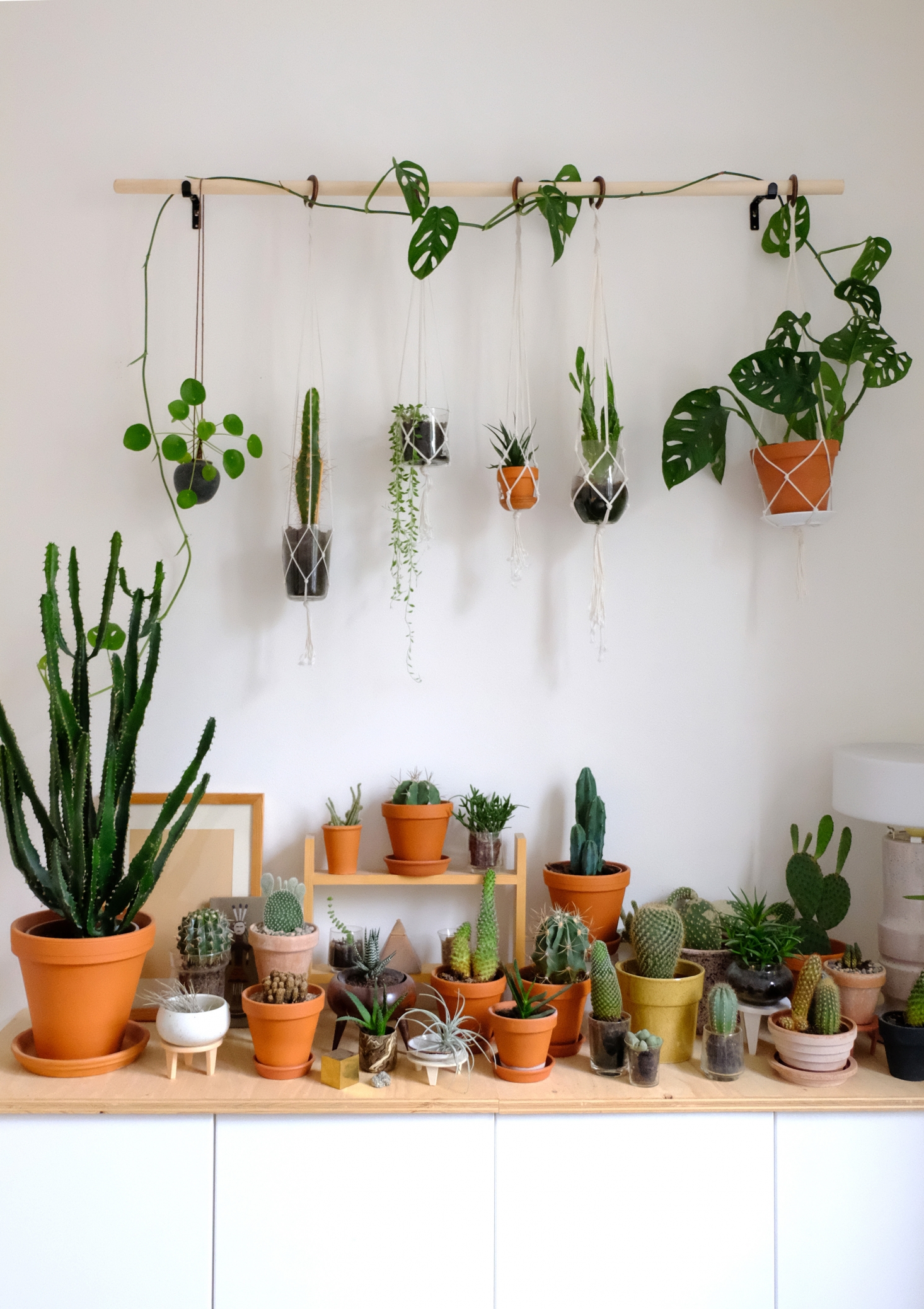
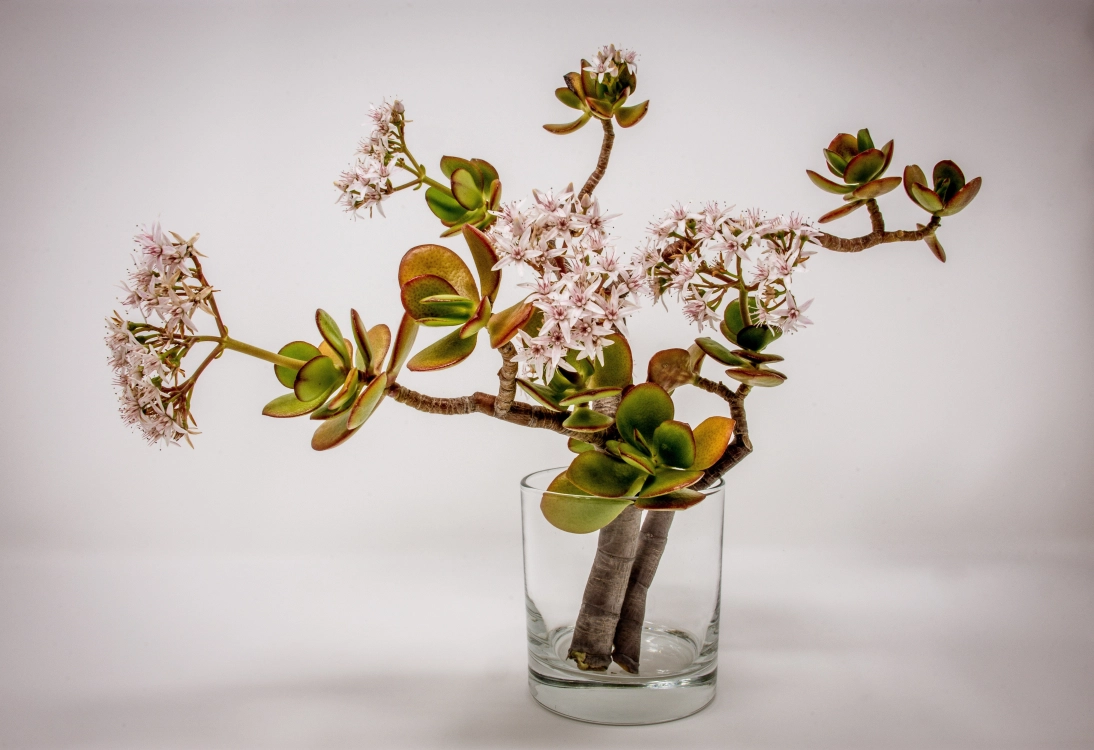
Succulents are another highly popular choice, noted for their variety in shapes and colors, and their relatively small size. These low-maintenance plants are versatile and can be displayed in various containers, from simple terra cotta pots to elaborate terrariums. A crucial tip for succulent care is to avoid overwatering, as they are adapted to arid conditions.
Air Plants (Tillandsia) are ideal for individuals seeking low-maintenance greenery. They require minimal care, thriving by occasional soaking or misting. These plants are often used in hanging terrariums with organic accents, contributing an ethereal and minimalist presence to any room. Their ability to survive without soil makes them particularly adaptable for creative displays.
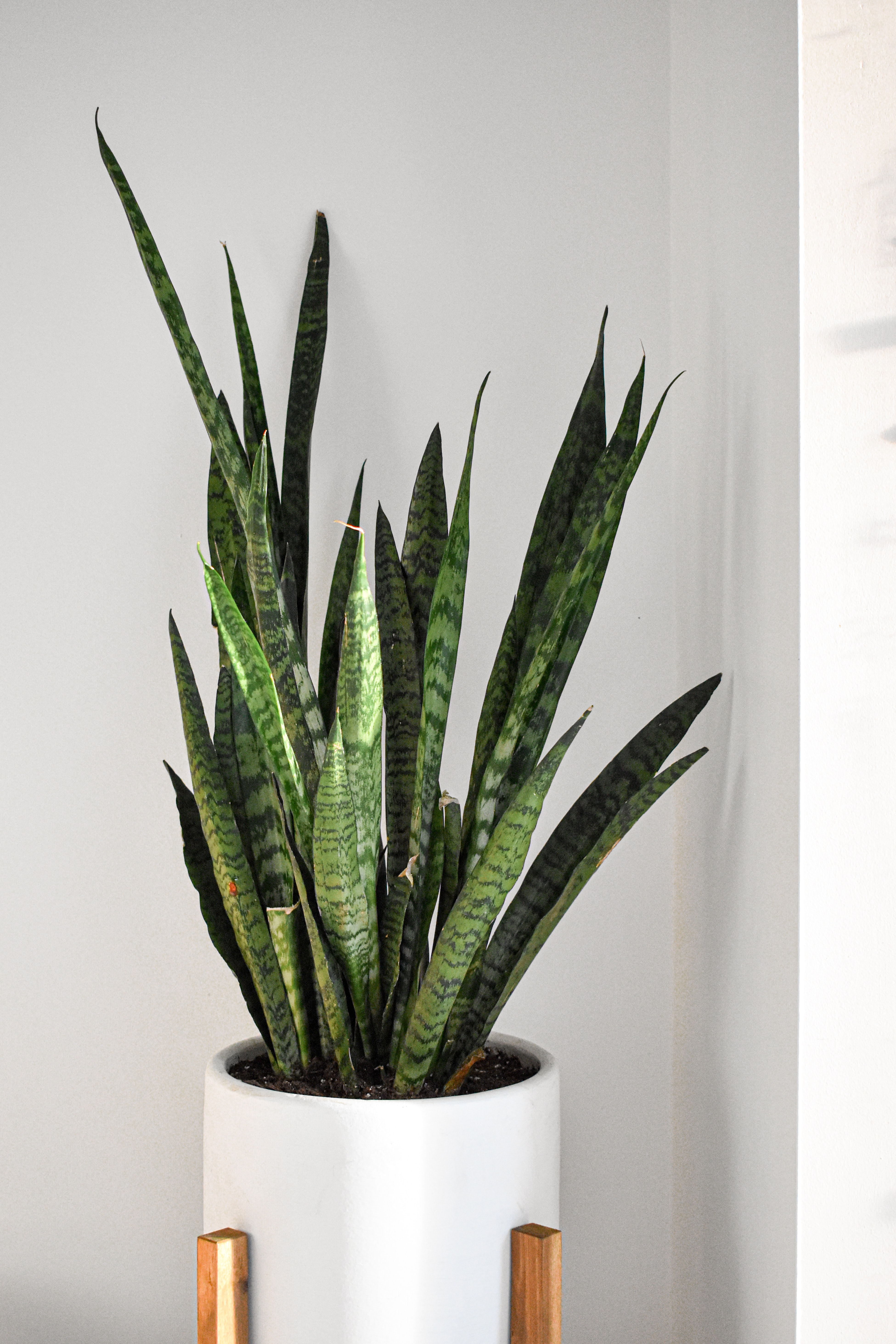
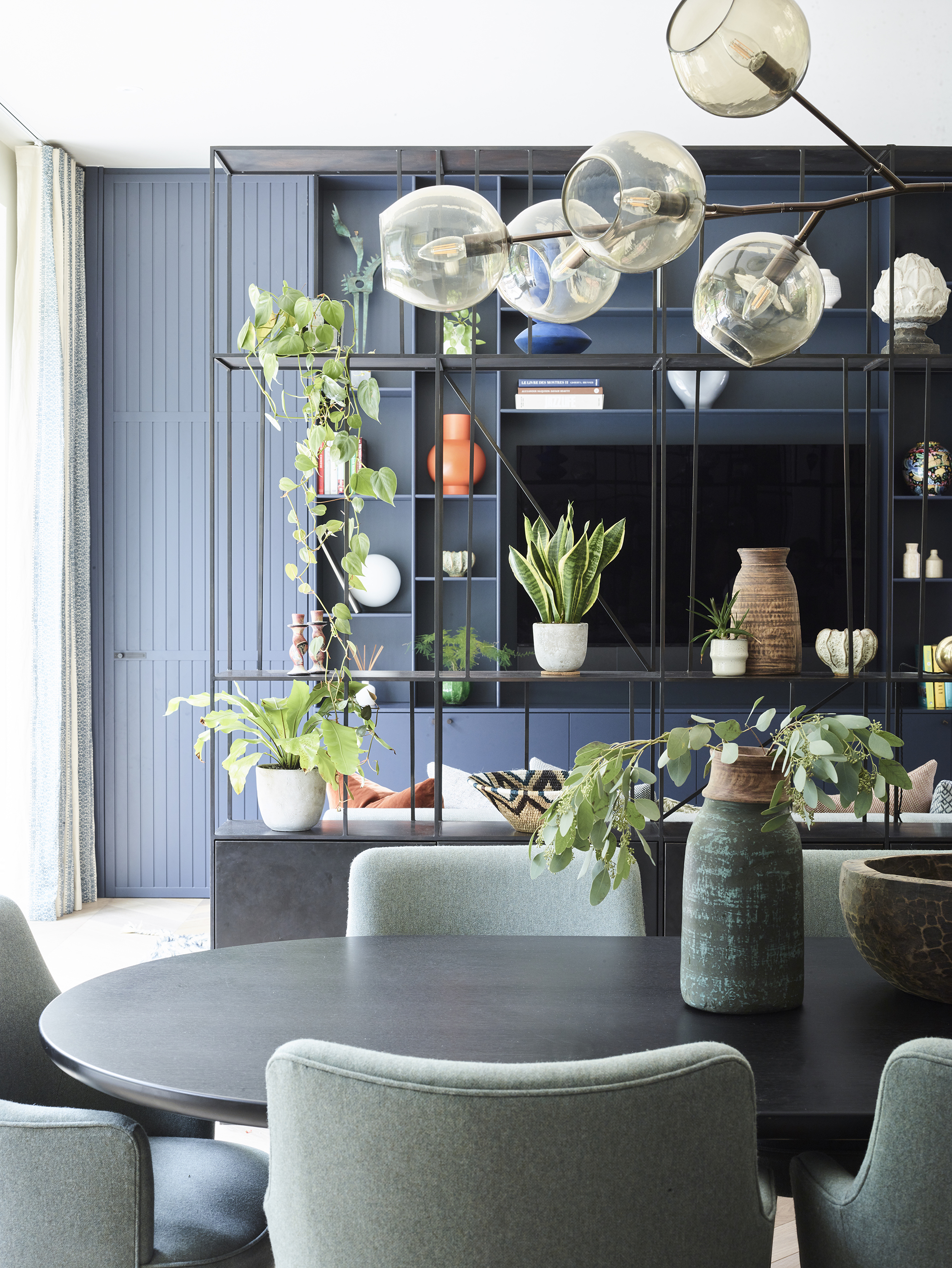
The Snake Plant (Sansevieria) is recognized for its striking vertical presence and deep green, striped leaves. It is a highly recommended starter plant due to its ease of care and ability to thrive in lower-light conditions, making it suitable for a wide range of interior spaces.
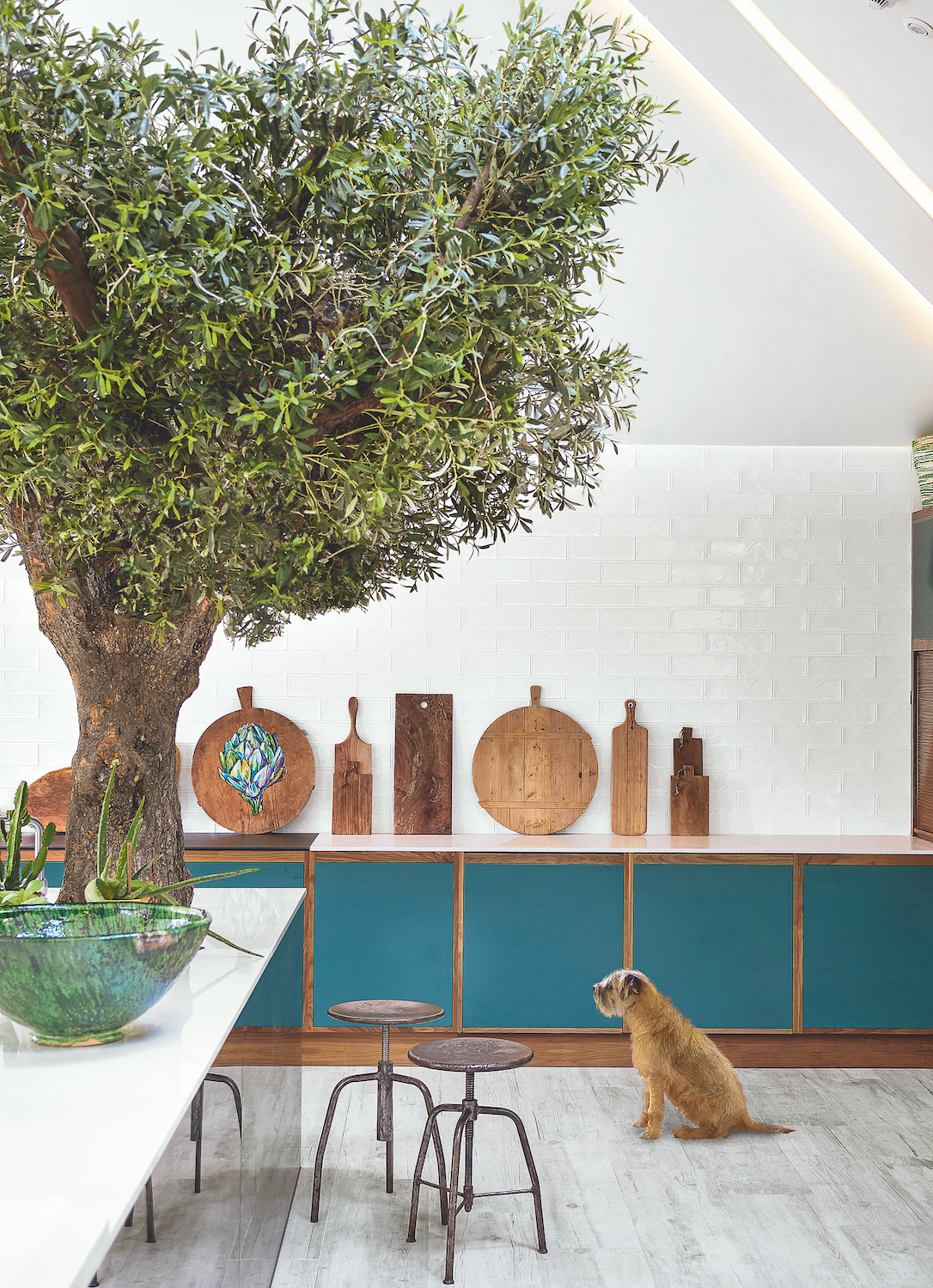
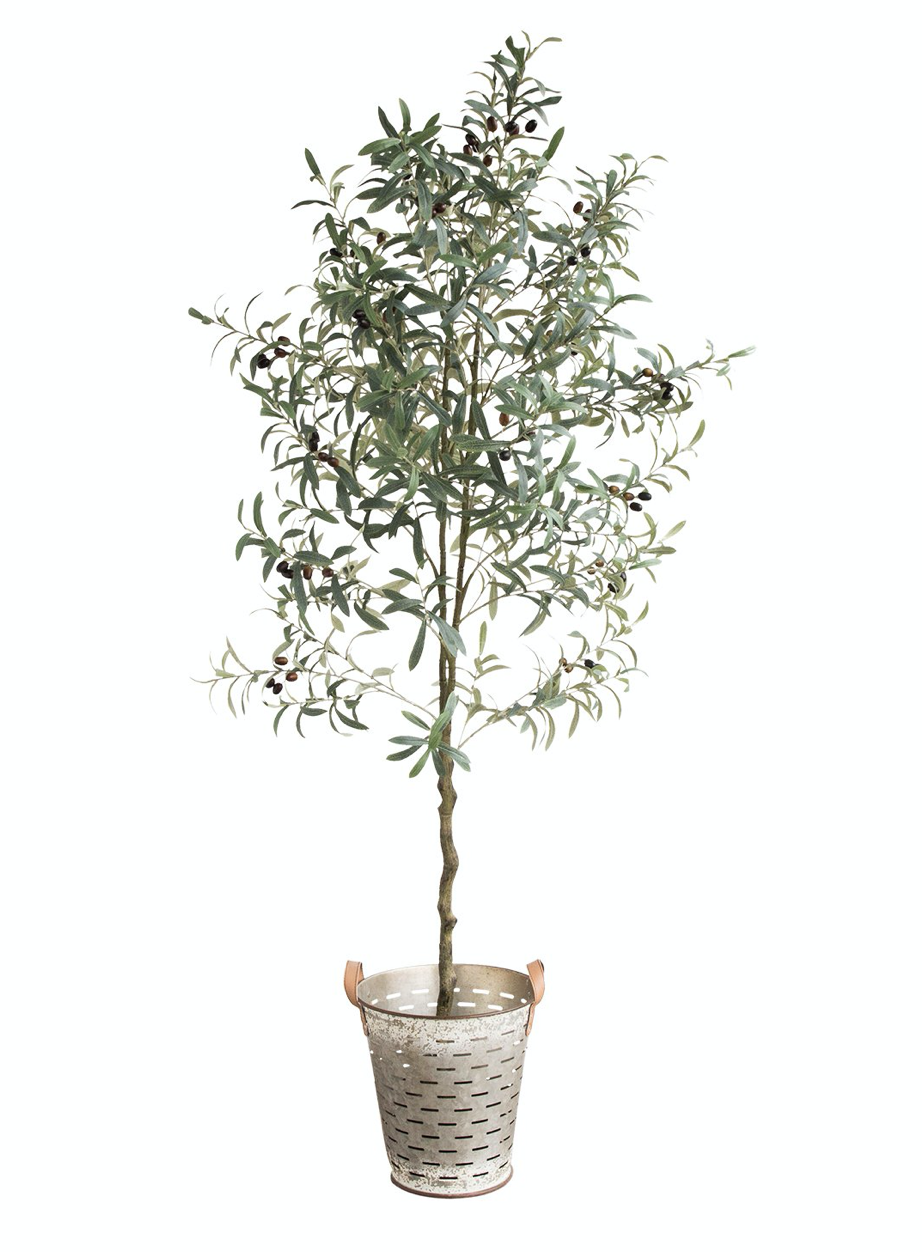
Miniature fruit trees, such as citrus or olive trees, are suggested for those with ample space and sufficient natural light. These trees offer a classic touch, with olive trees providing a subtle beauty through their delicate, silvery leaves. They can also be moved outdoors to a screen porch during warmer months, provided they are not exposed to drastic changes in light.
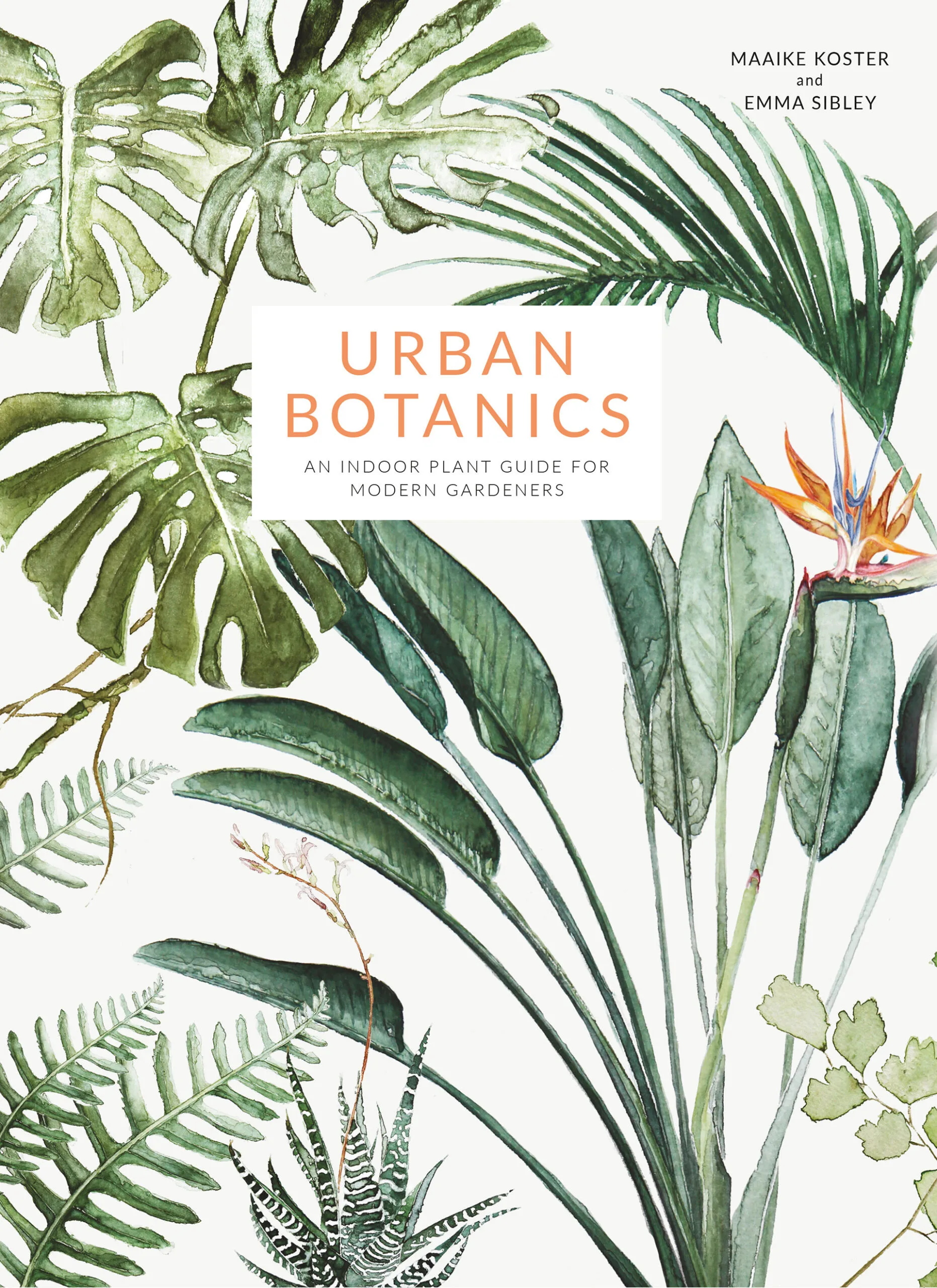
For successful indoor plant care, proper drainage is paramount. Designers advise using pots with drainage holes or employing cachepots, ensuring that the plastic grower's pot is removed for watering. This prevents root rot and promotes plant health. The book "Urban Jungle: Living and Styling with Plants" by Igor Josifovic and Judith De Graaff is also recommended for further inspiration and guidance on integrating plants into interior design.
#InteriorDesign #Houseplants #PlantCare #GreenLiving #HomeDecor #FiddleLeafFig #Succulents #AirPlants #SnakePlant #InteriorDesign #Houseplants #PlantCare #GreenLiving #HomeDecor #FiddleLeafFig #Succulents #AirPlants #SnakePlant
0 comment in total
 No comments yet
You may also like
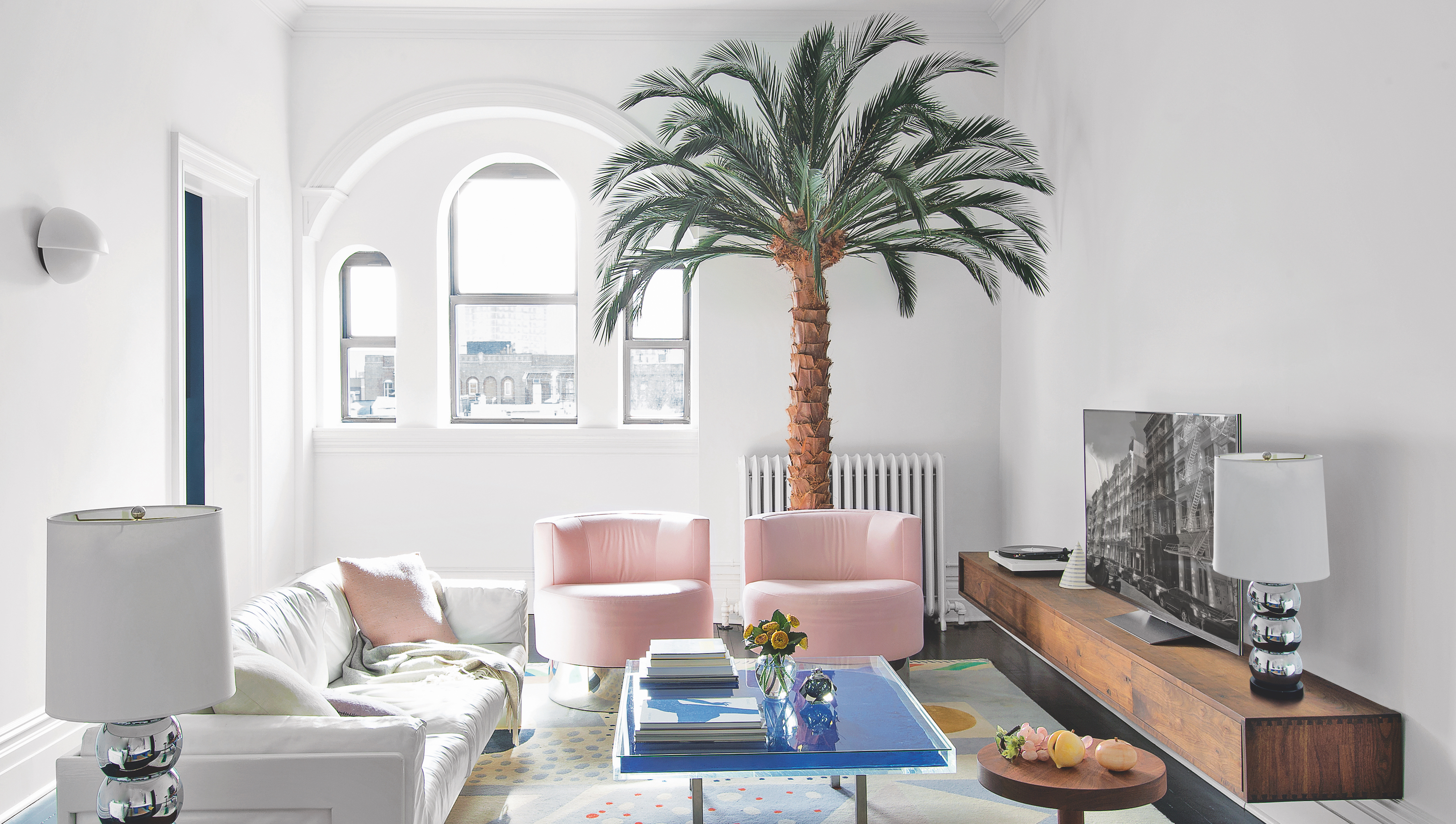
Decorating with plants – inspiring ways to use plants in interior design

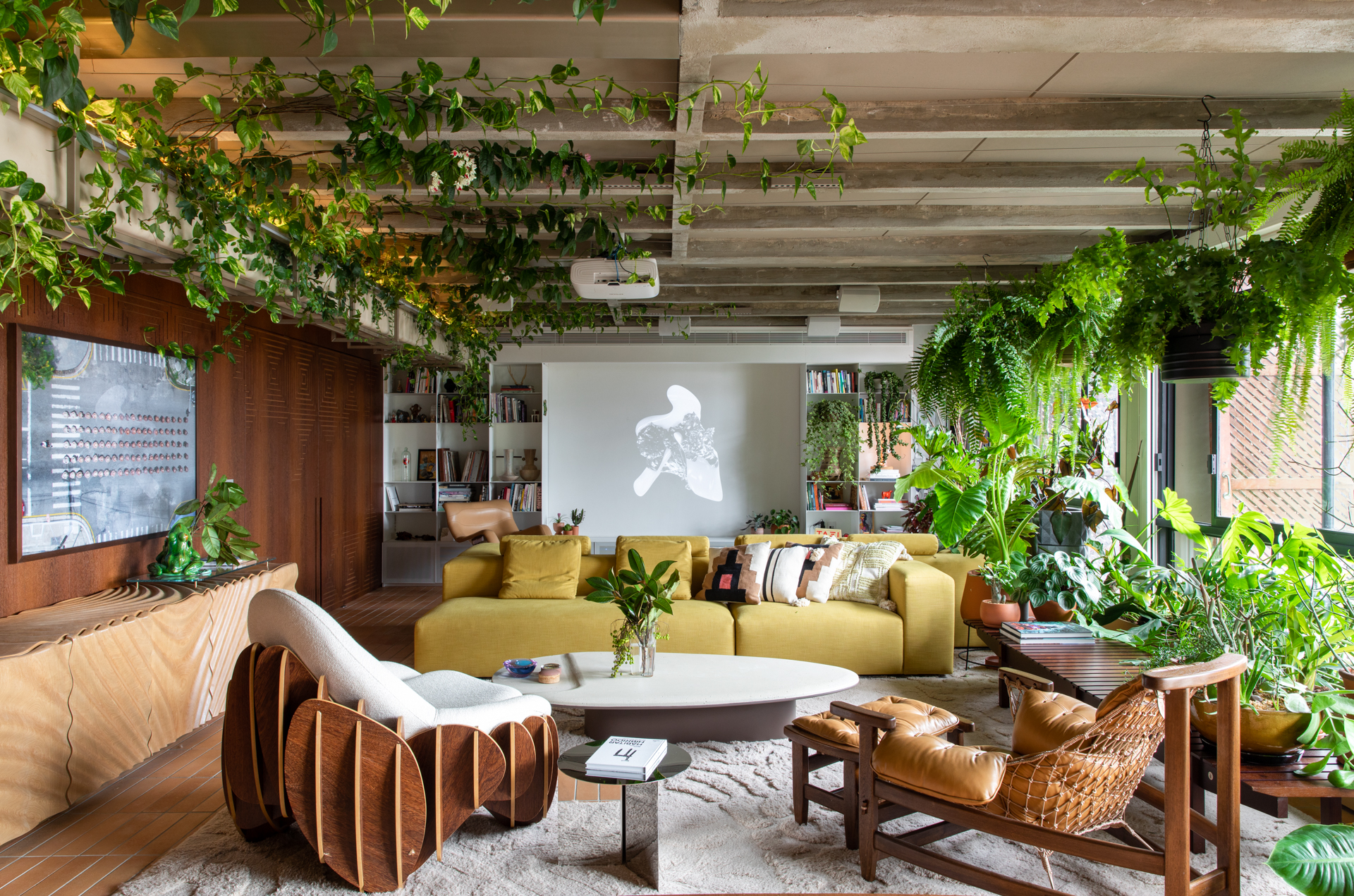
Indoor Garden Ideas —14 Ways To Live Amongst Greenery That Will Make Your Life Better

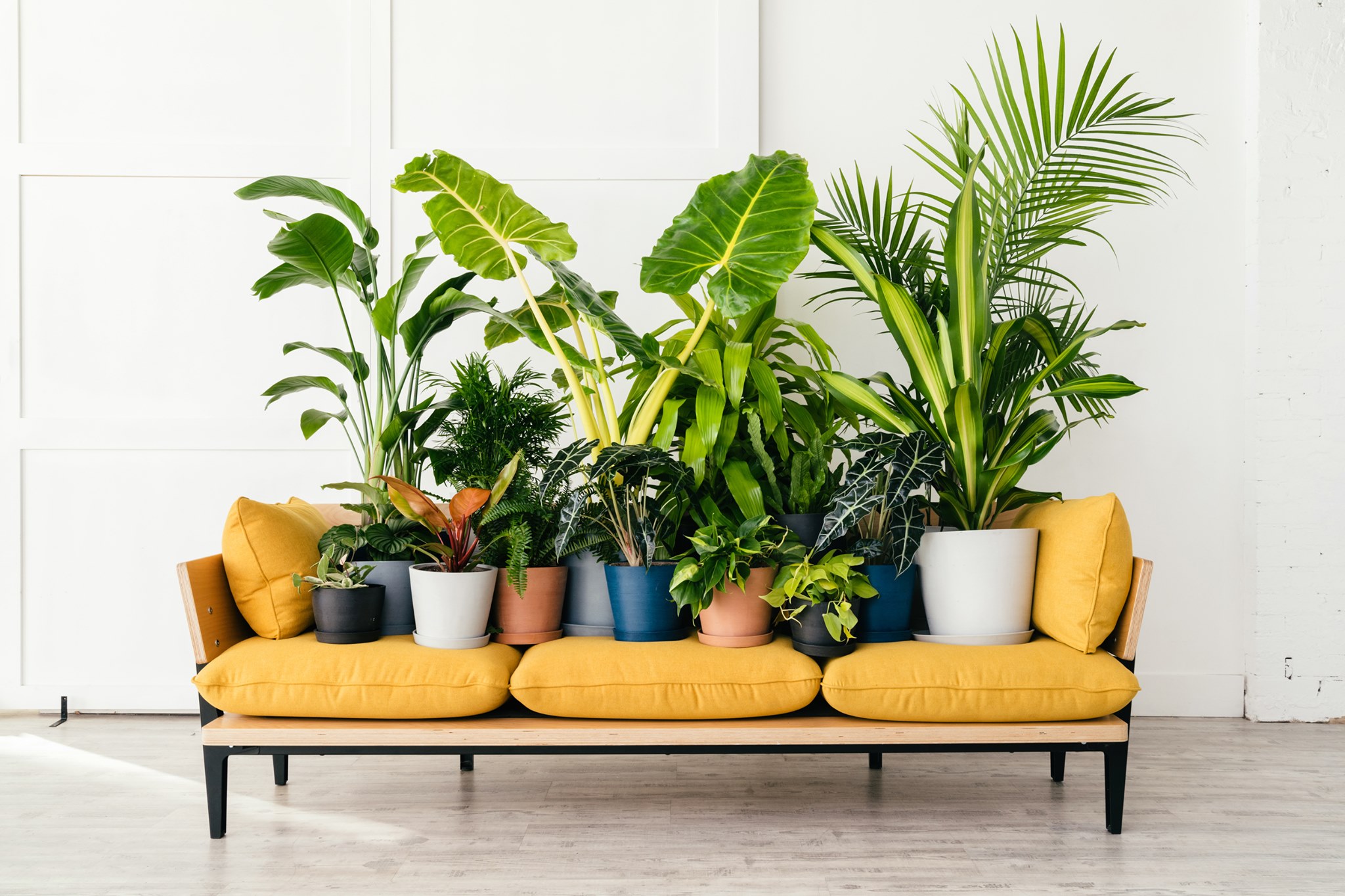
Best indoor plants: the best house plants for stylish greenery

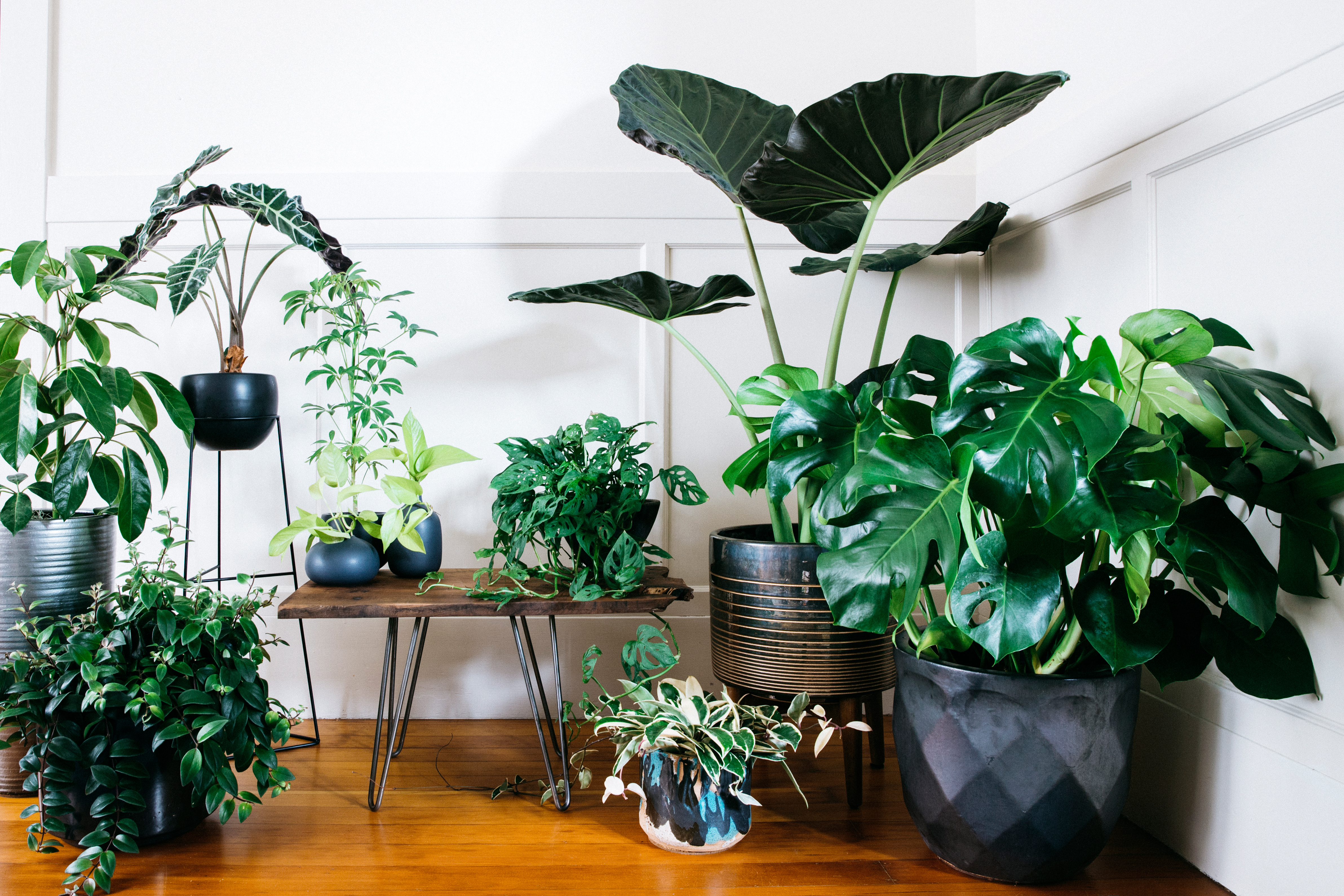
19 Ways to Design with Houseplants

The power of greenery! 5 ways that houseplants can elevate your interior

8 books every indoor plant lover should own

Our Most-Loved Project Plants
5 living rooms with indoor trees that prove why they're the most elevating trend of 2024
25 Indoor House Plants To Buy If You Know Your Spider Plant From Your Aloe Vera

12 easy indoor plant styling tips
Decorating with plants – 11 ways to display houseplants

Nature to nurture: how to get more plants in your life and home

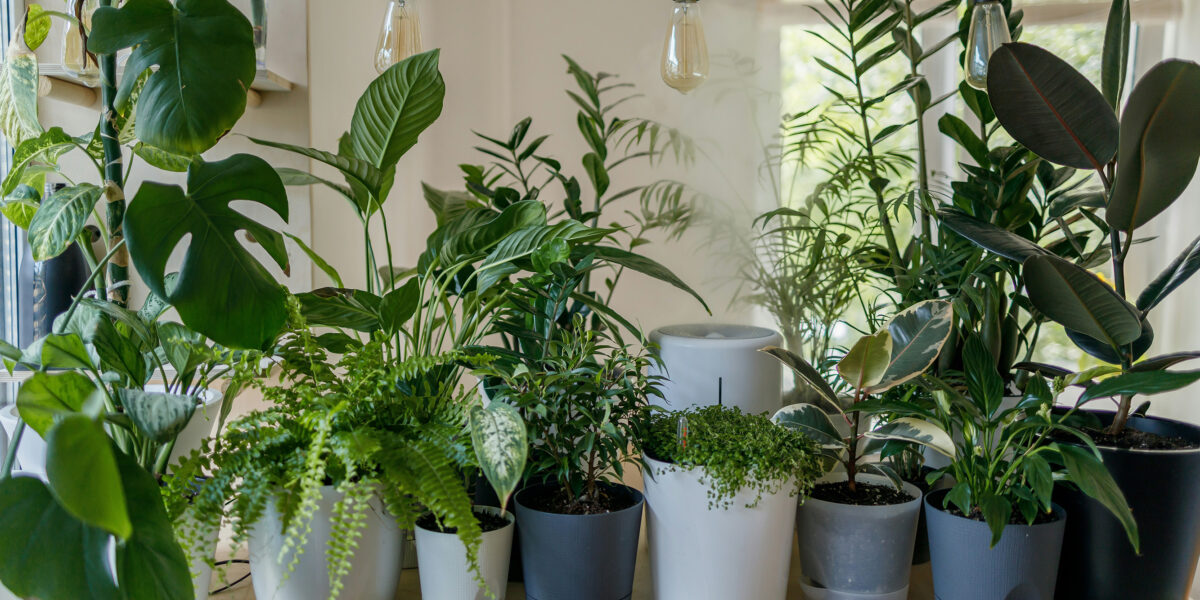
Plant Style: Elevate Your Decor with Indoor Plants
This Visual Design Trick Is the Coolest Way to Style Your Houseplants
Interior Green Plants and the SDG Agenda

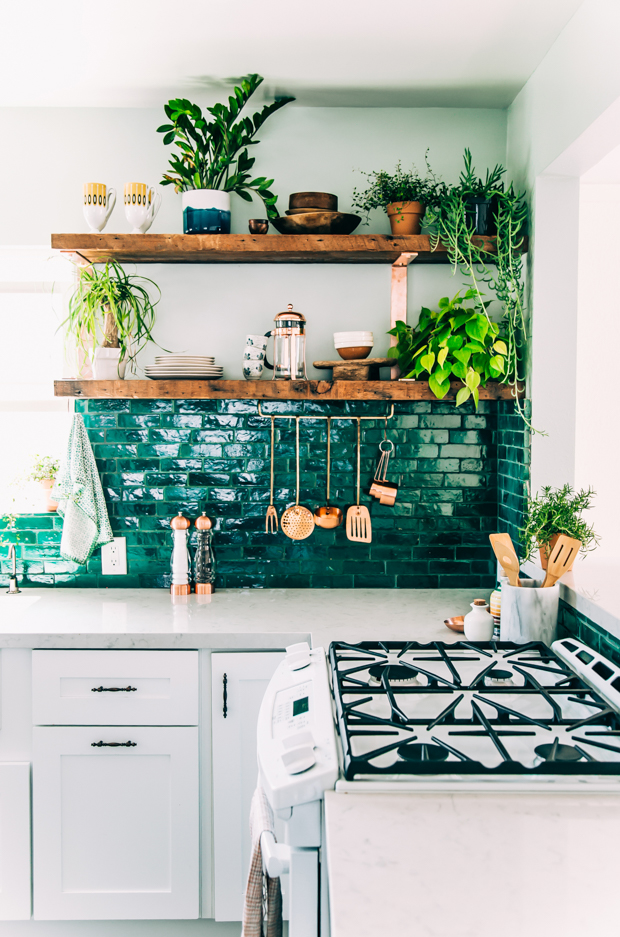
6 Indoor Garden Ideas That Will Convince You to Become a Plant Person

Indoor plant shelf ideas – expert tips for styling your houseplants
The Perfect Plant For Your Style

6 Plants That Professional Stagers Say Will Actually Help You Sell Your Home
Jungle fever: 10 ways to style indoor plants