1/15
The Perfect Plant For Your Style
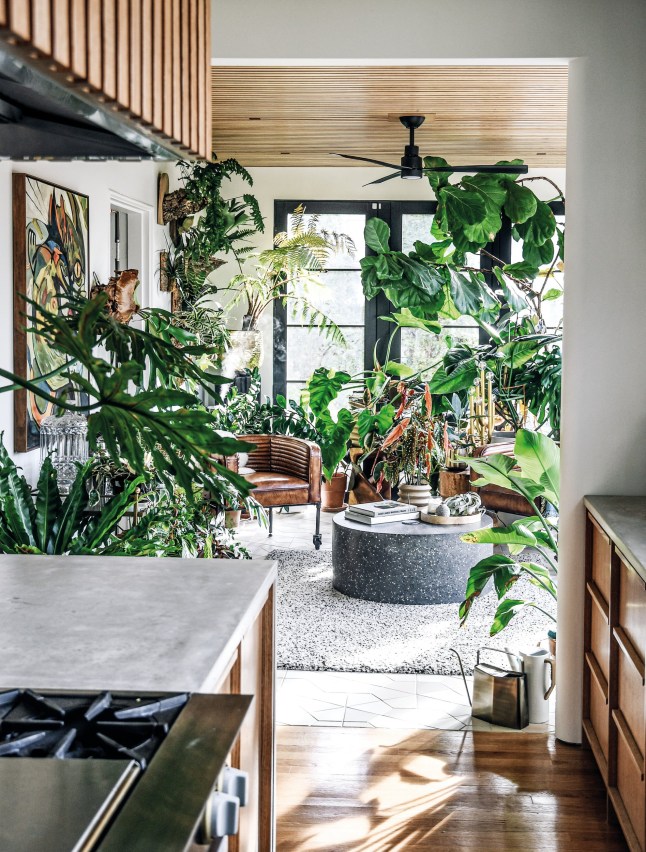
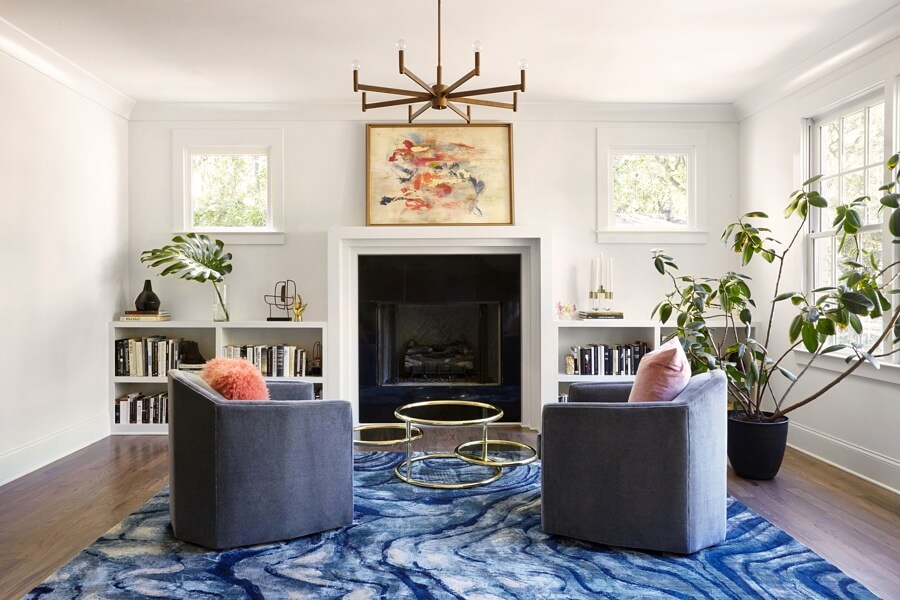
This article explores how to select houseplants that perfectly complement various interior design styles, ensuring a harmonious and aesthetically pleasing living space. It emphasizes that while personal preference plays a role, certain plants inherently suit specific aesthetics due to their form, era association, or maintenance requirements.
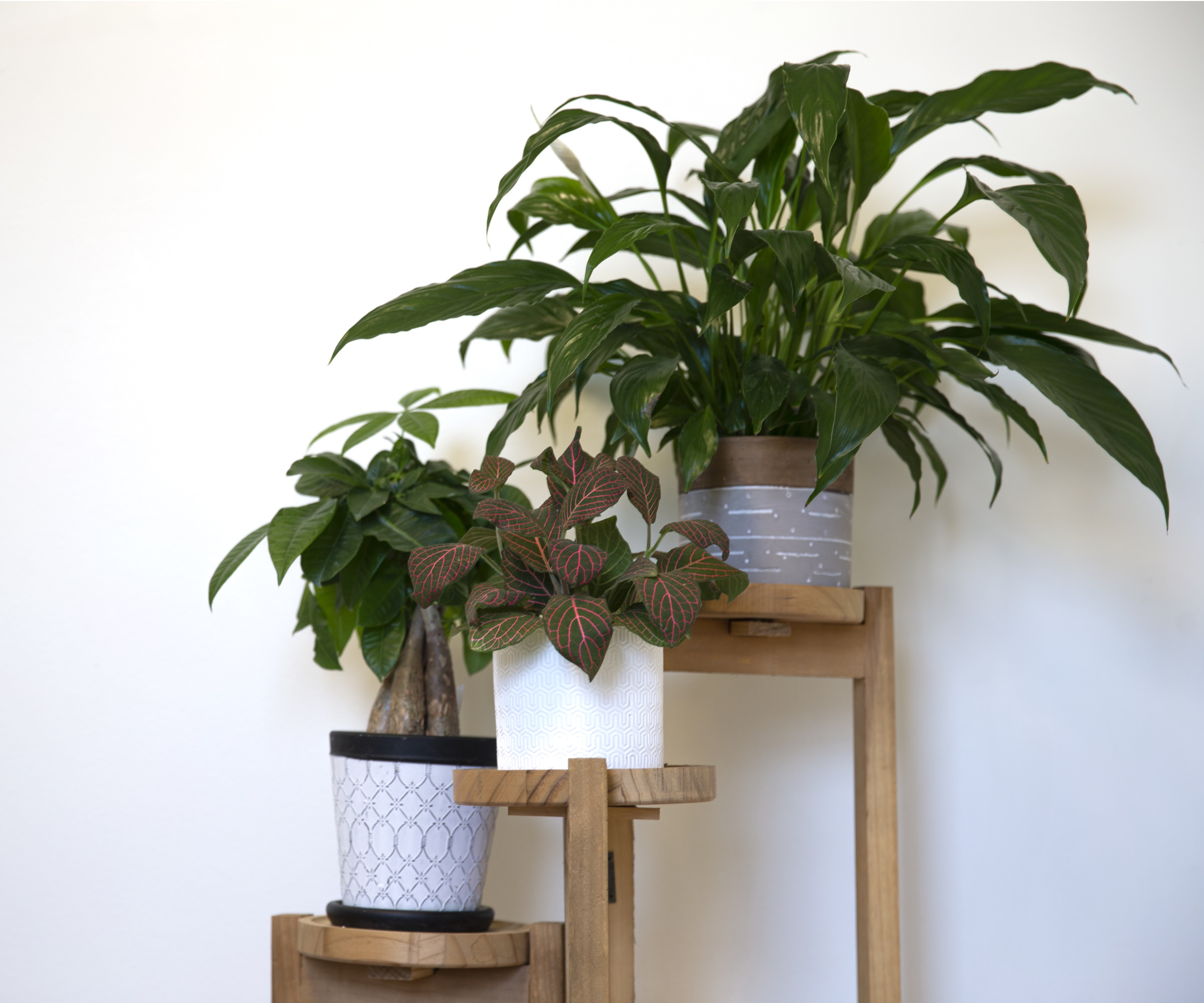
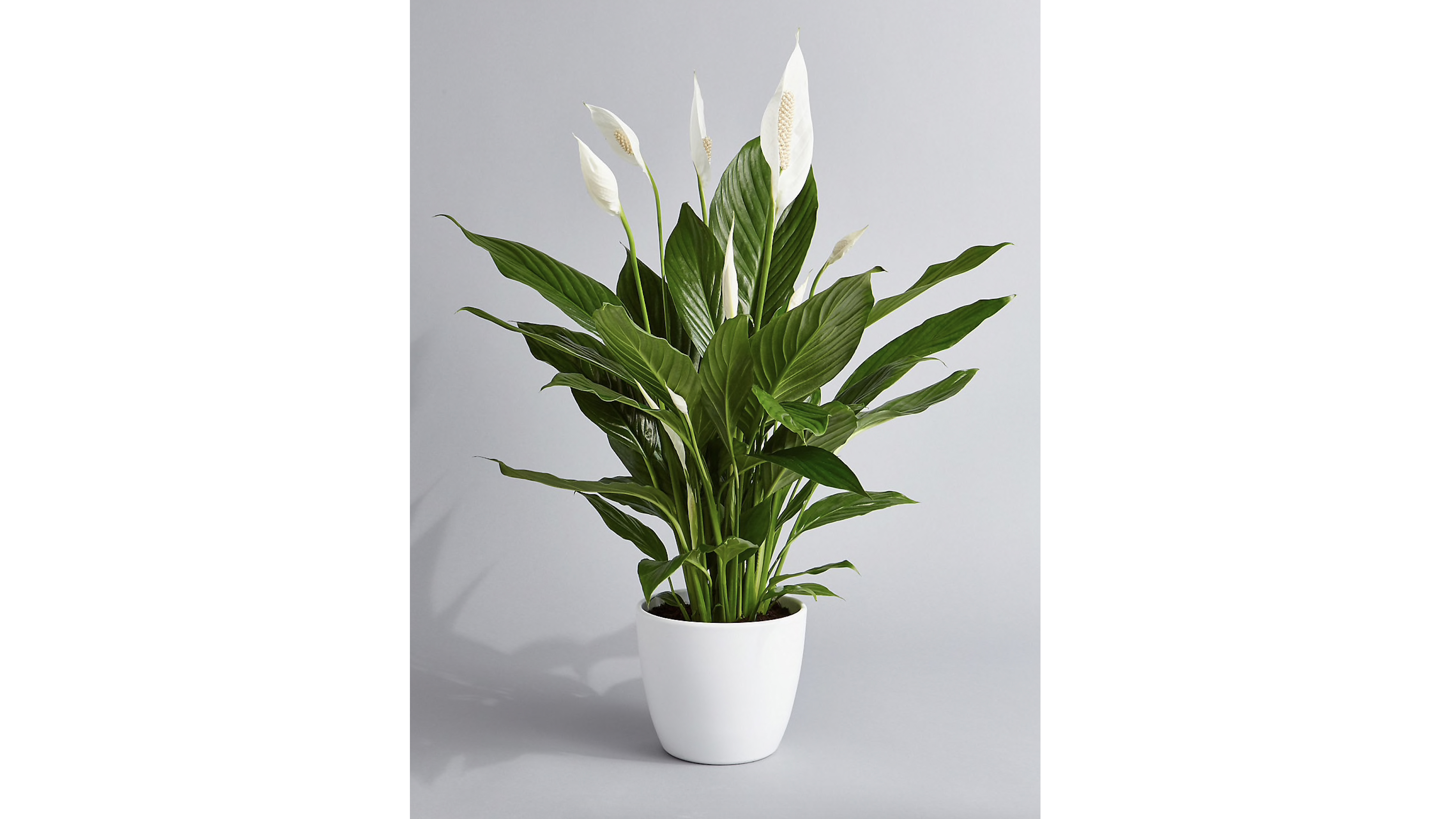
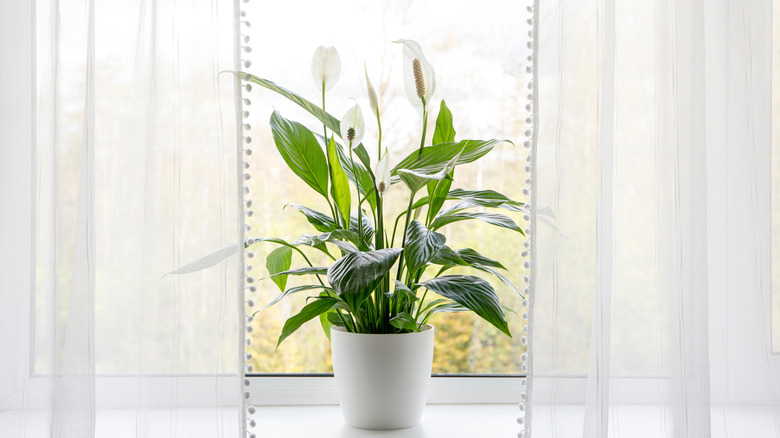
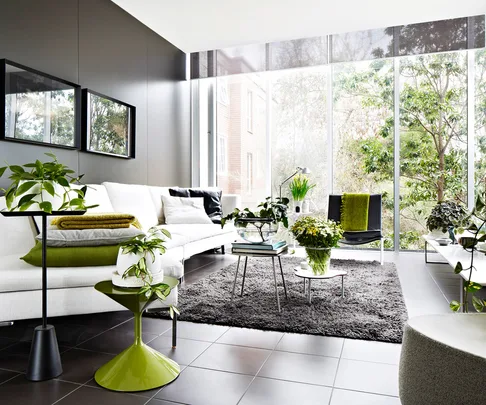
For contemporary spaces, which prioritize clean lines, interesting textures, and neutral palettes, low-maintenance peace lilies are recommended. Their graceful dark green leaves and cream-colored flowers contribute to a sense of calm and balance without demanding excessive attention. They tolerate various lighting conditions and signal their need for water through drooping leaves, making them ideal for a modern, uncluttered environment.
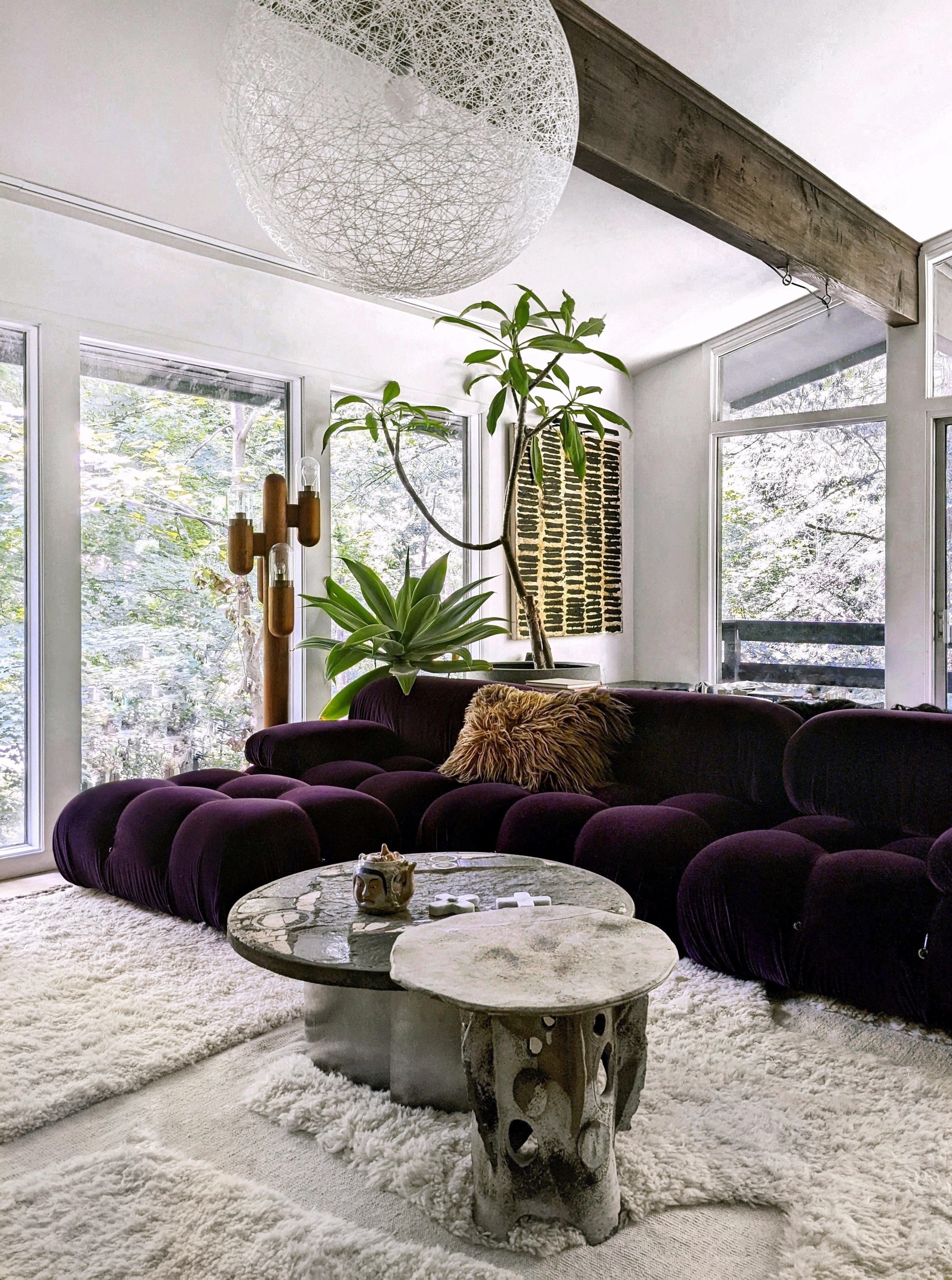
Art Deco interiors, characterized by bold geometric patterns, elaborate lighting, innovative furniture, and metallic finishes, benefit from plants that exude drama and grandeur. The Chinese fan palm, with its tall stature and starburst-shaped fronds, and the dwarf umbrella tree, offering a similar aesthetic with softer edges, are suggested. These plants thrive in bright, somewhat shaded light, making them suitable for the moodier, jewel-toned Art Deco rooms often highlighted by metallic details.
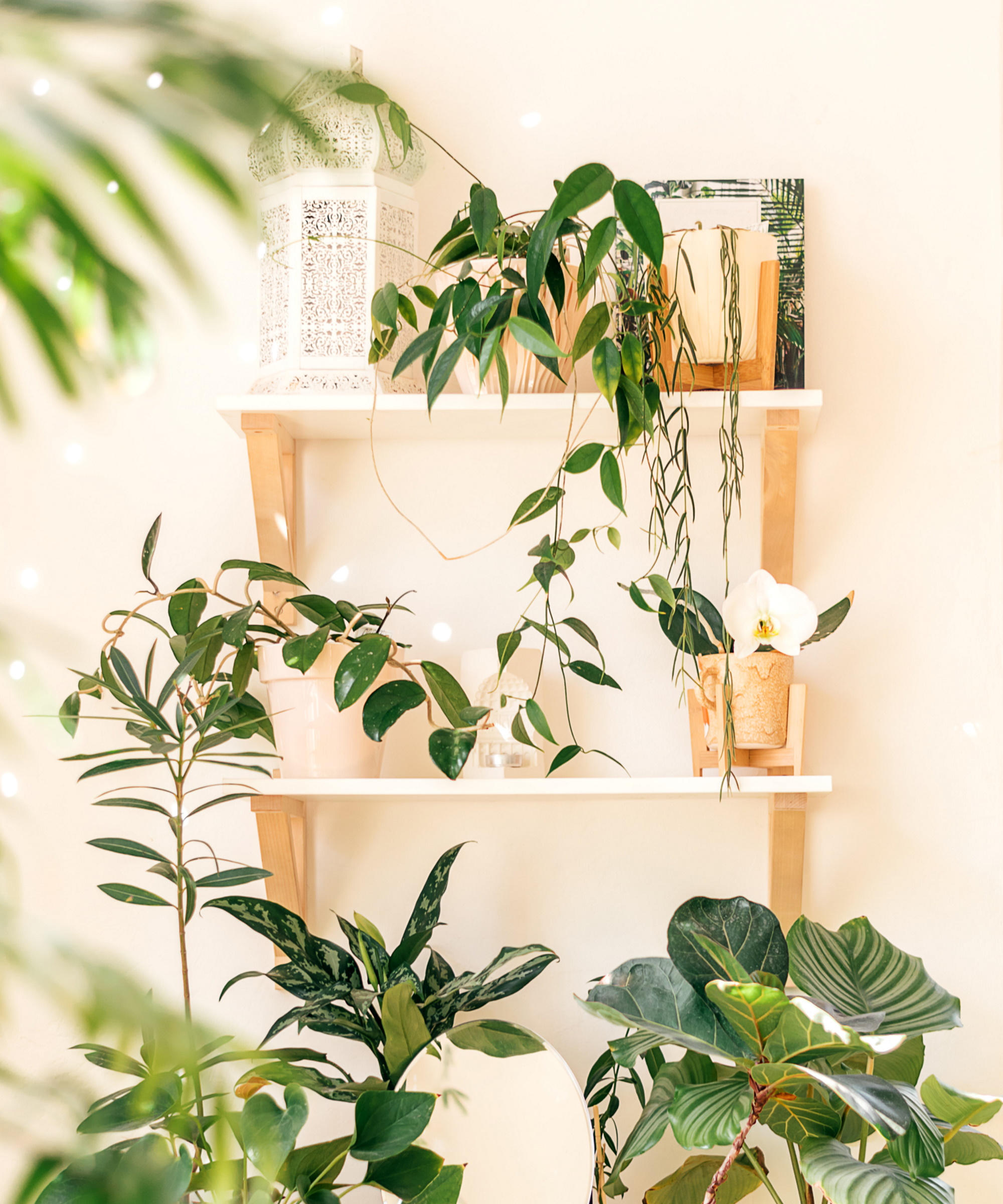
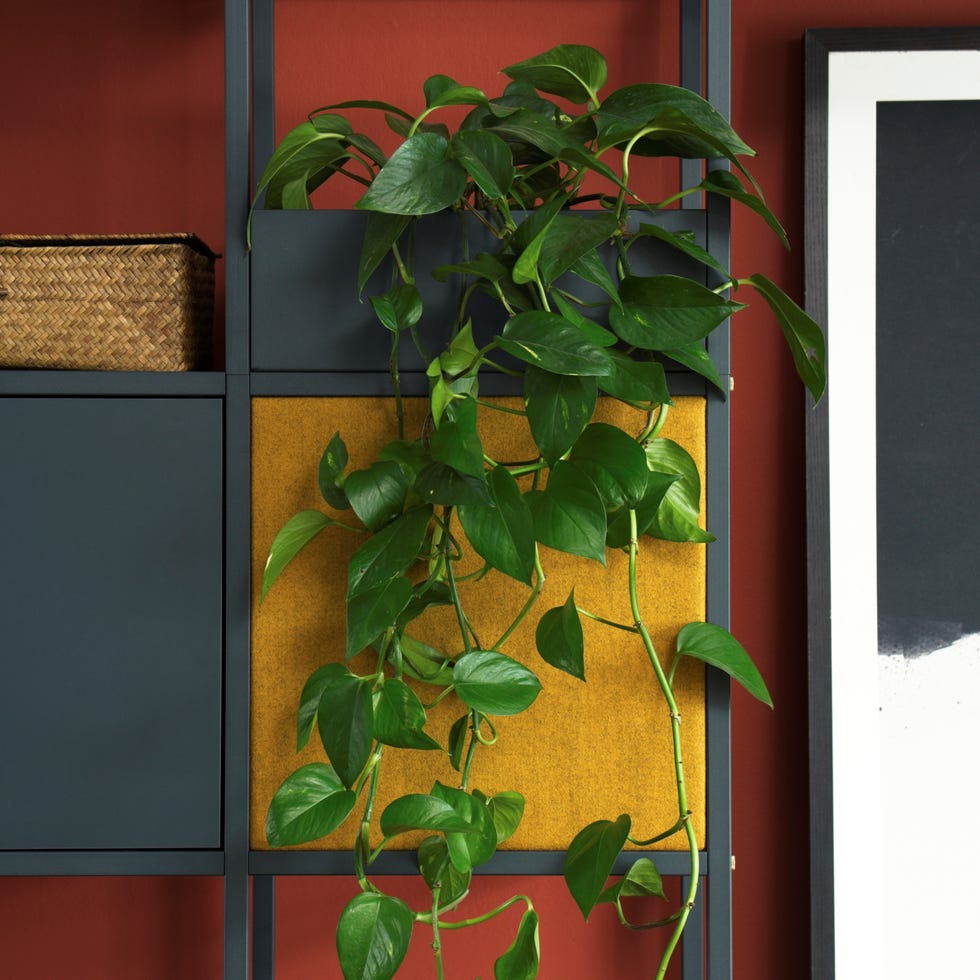
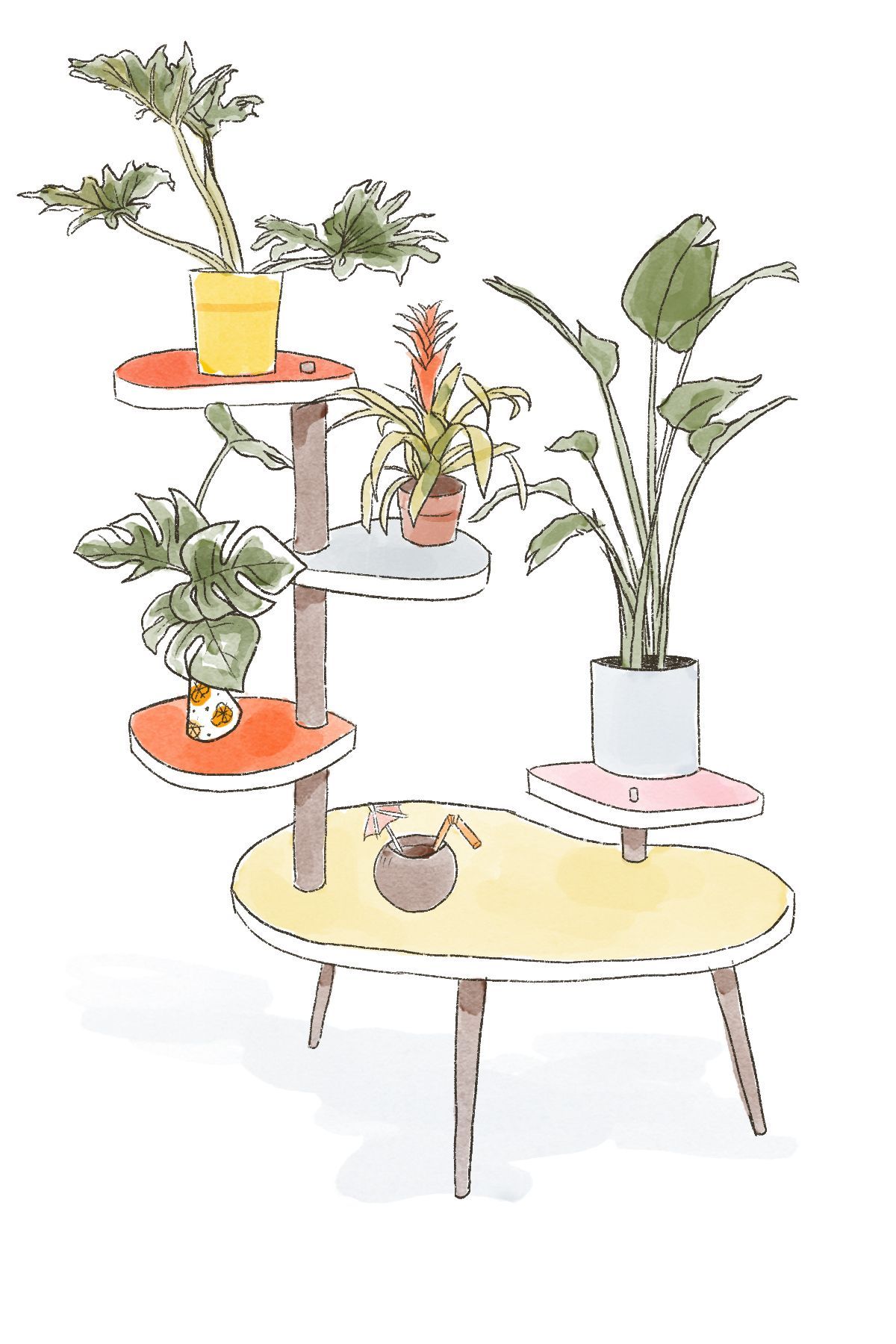
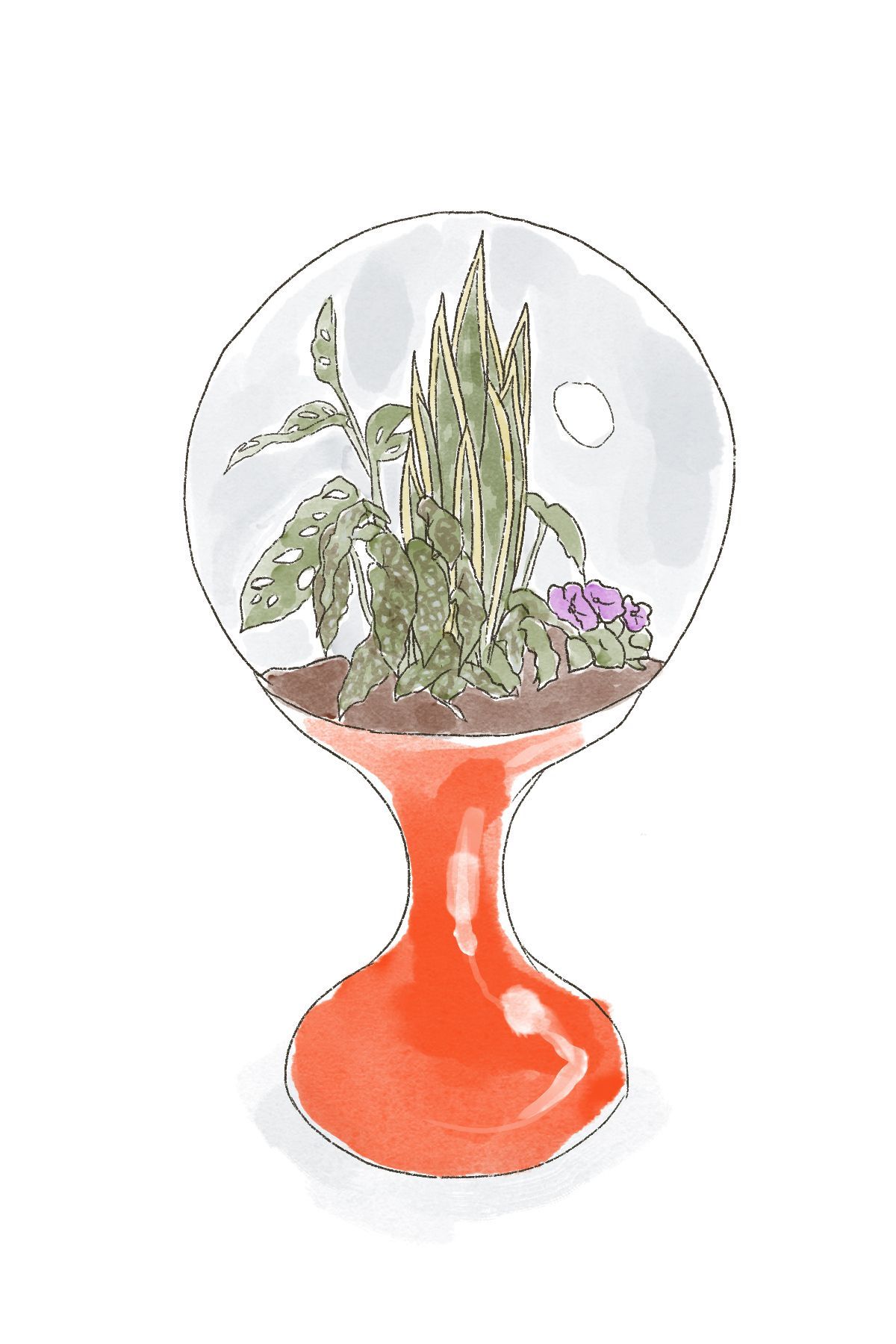
Bohemian (Boho) decor, known for its relaxed, personal, and self-expressive nature, aligns well with vining or trailing plants like pothos. Their long tendril growth echoes the free-spirited essence of boho design. Terrariums are also highlighted as a perfect way to display smaller, colorful plants, embodying the personalized and biospheric aspects of this style and reflecting the homeowner's lifestyle.
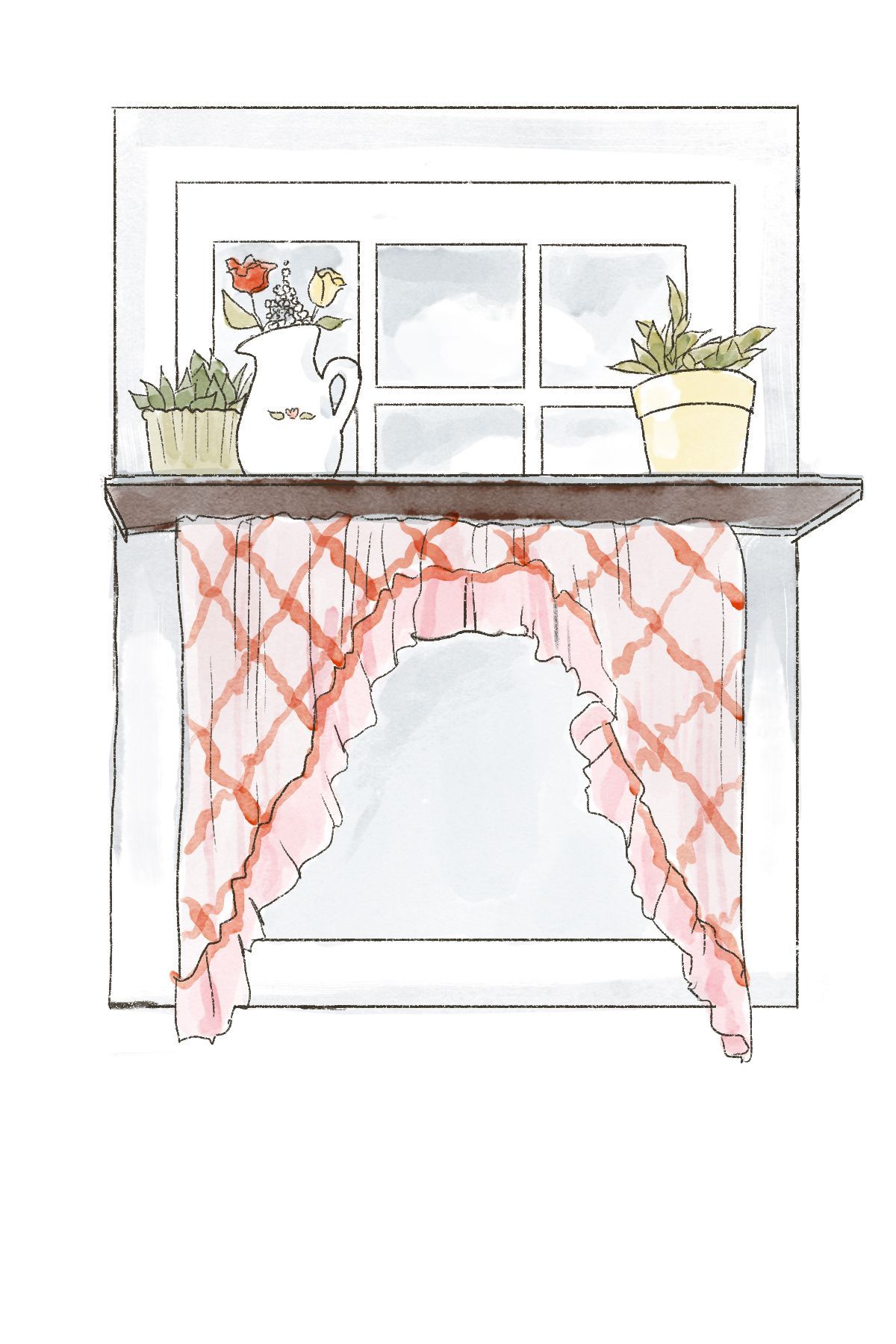
English decor, with its understated formality, traditional feel, and focus on details, finds its plant match in African violets. Despite being a bit particular about watering, their quaint blooms align with the classic English aesthetic. The article suggests bottom watering and integrating them into the decor using English-style planters. For a lower-maintenance alternative, Kalanchoe, with its elegant bunches of colorful flowers, brings the charm of an English garden indoors.
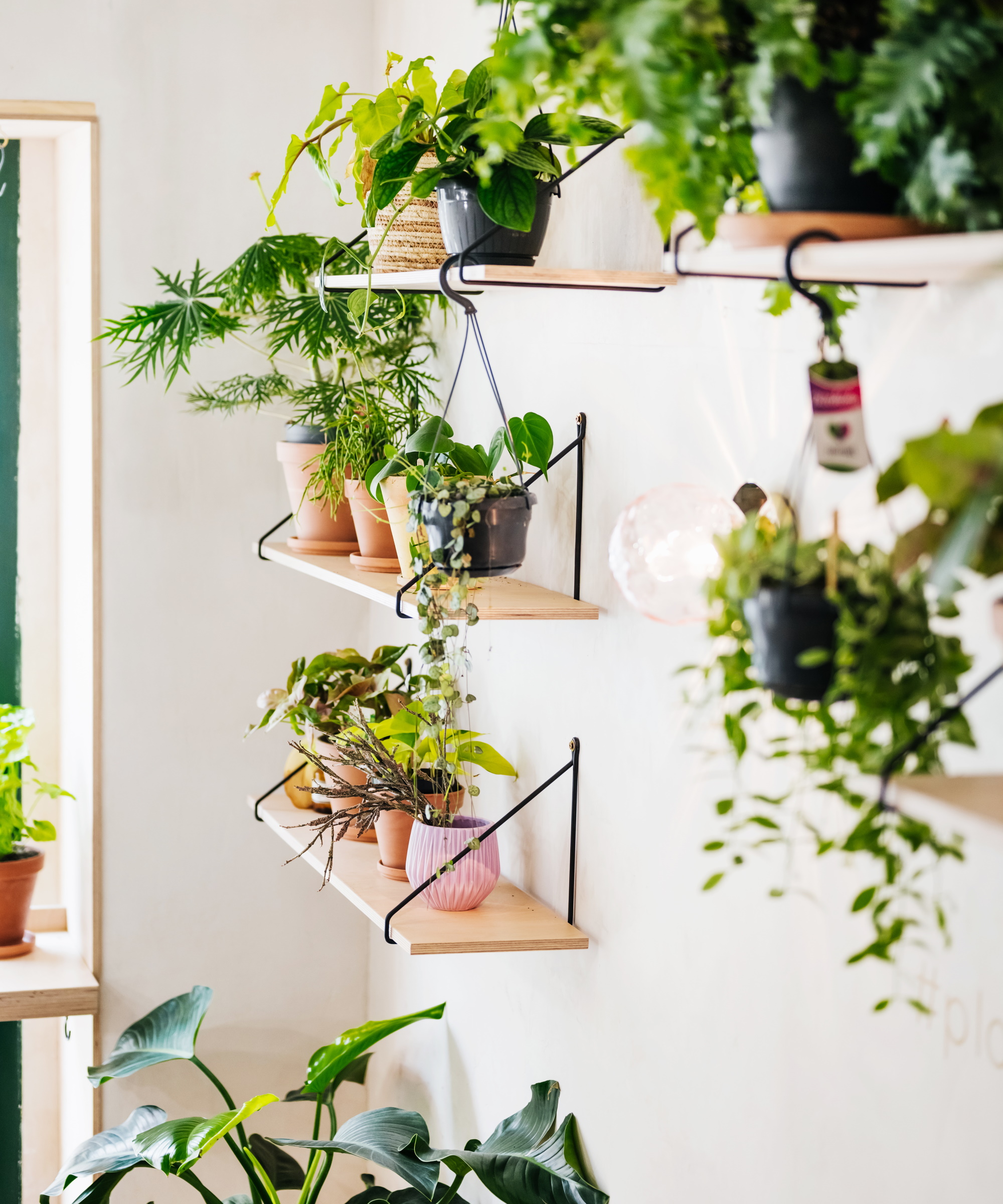
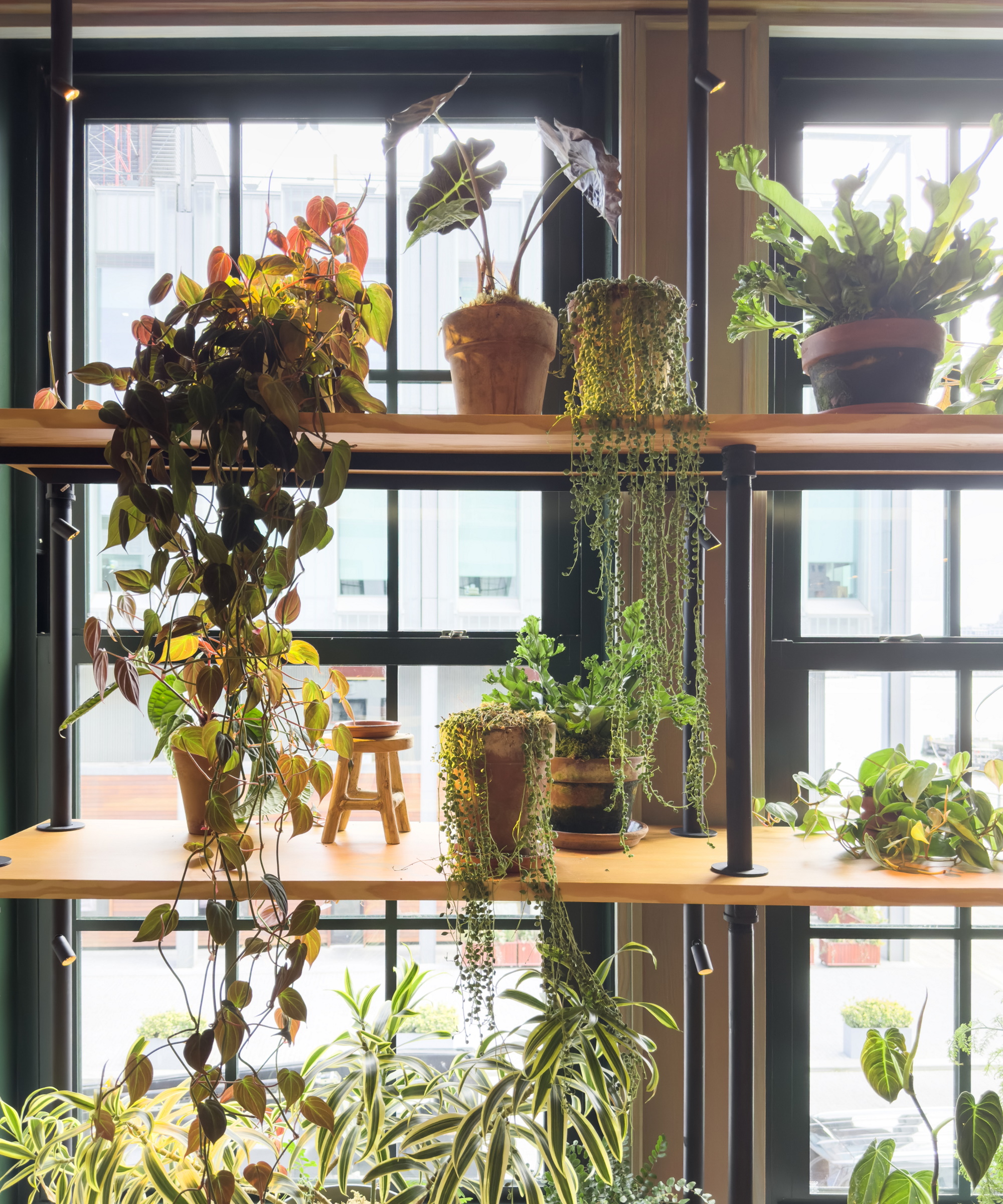
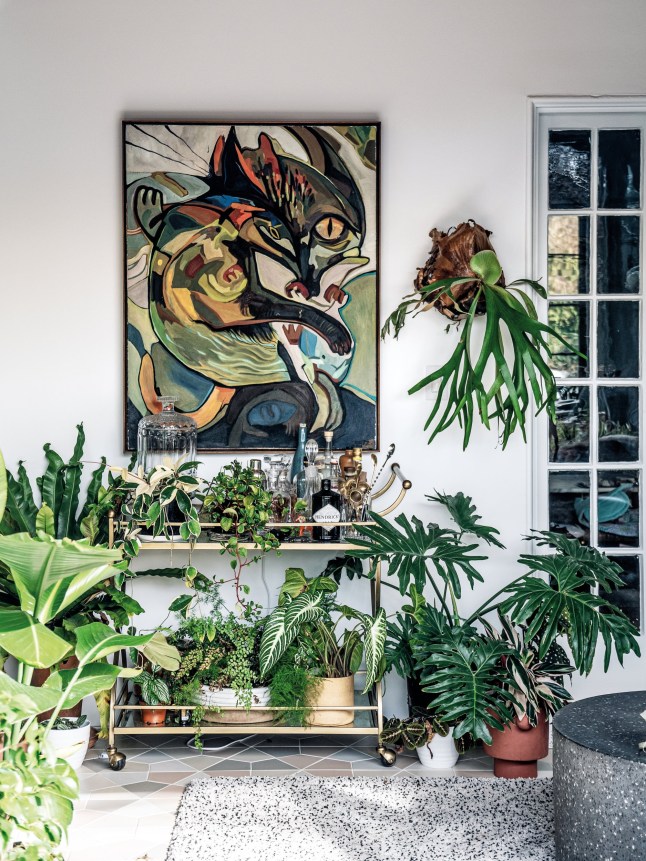
Eclectic style, which celebrates experimentation and a balanced mix of colors, textures, and vibes, can be enhanced by playful plants like anthurium and string of pearls. The anthurium, with its specific care needs, and the string of pearls, with its unique quirky shape, add visual texture and contribute to the fun and experimental nature of eclectic interiors, especially in bright window settings.
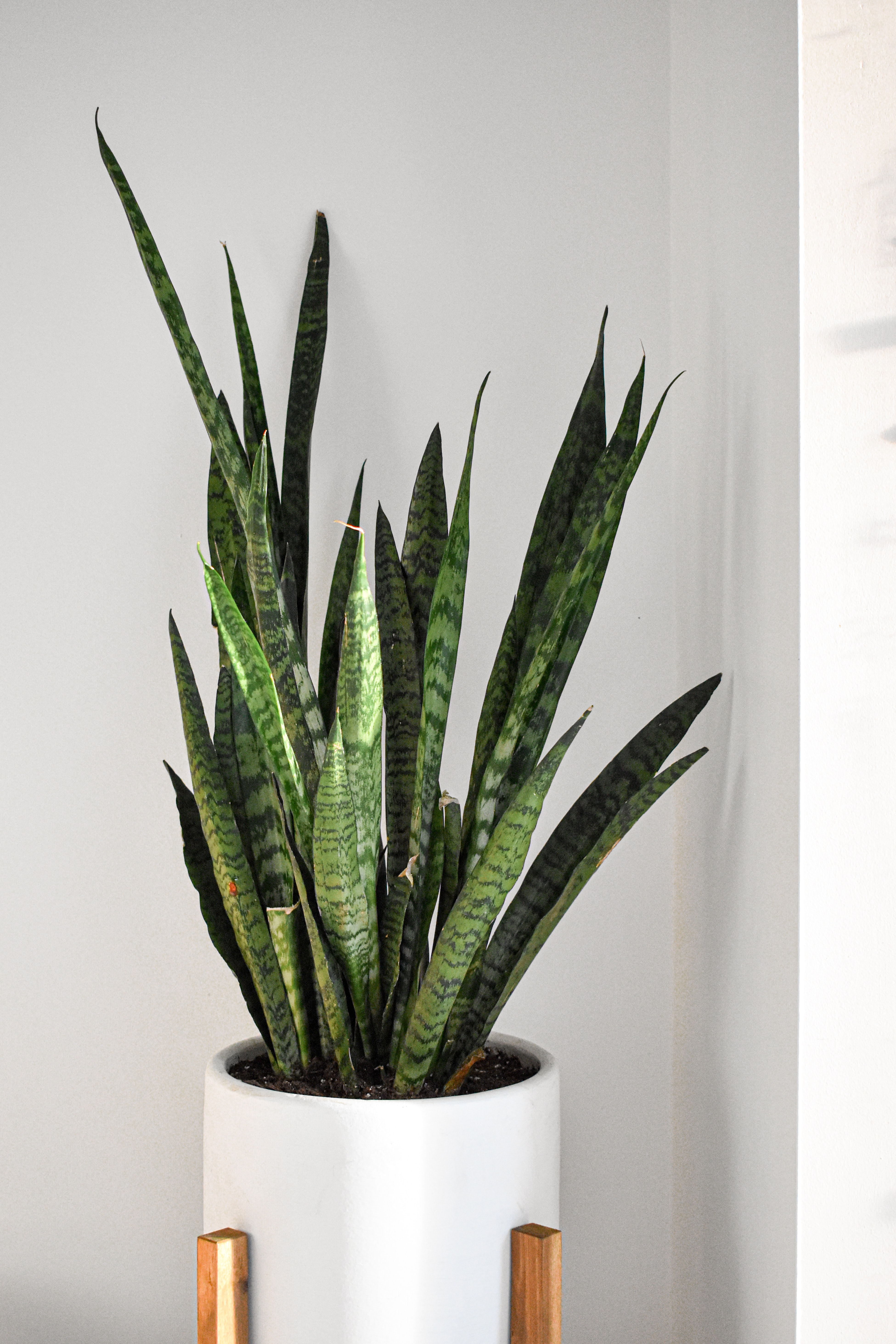
Exploration style, an offshoot of British Colonial design, focuses on travel and vintage aesthetics. Eye-catching and easy-to-grow plants such as the bird's nest fern and snake plant are ideal. These low-maintenance options, with their unique appearances (zig-zag patterns of the snake plant, wavy arching leaves of the fern), suit a design that evokes wanderlust and a sense of adventure, while also being pet-friendly in the case of the bird's nest fern.
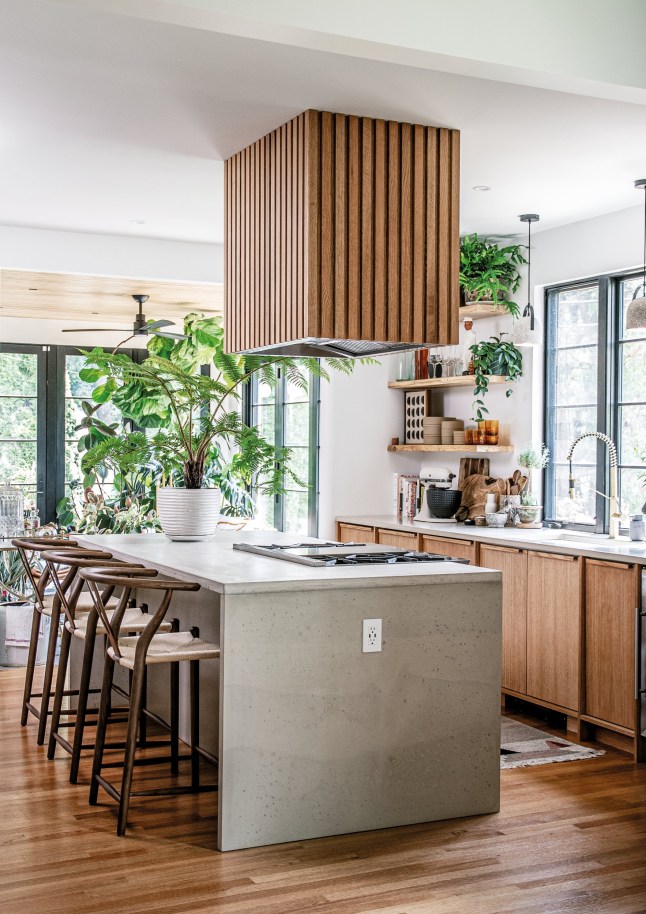
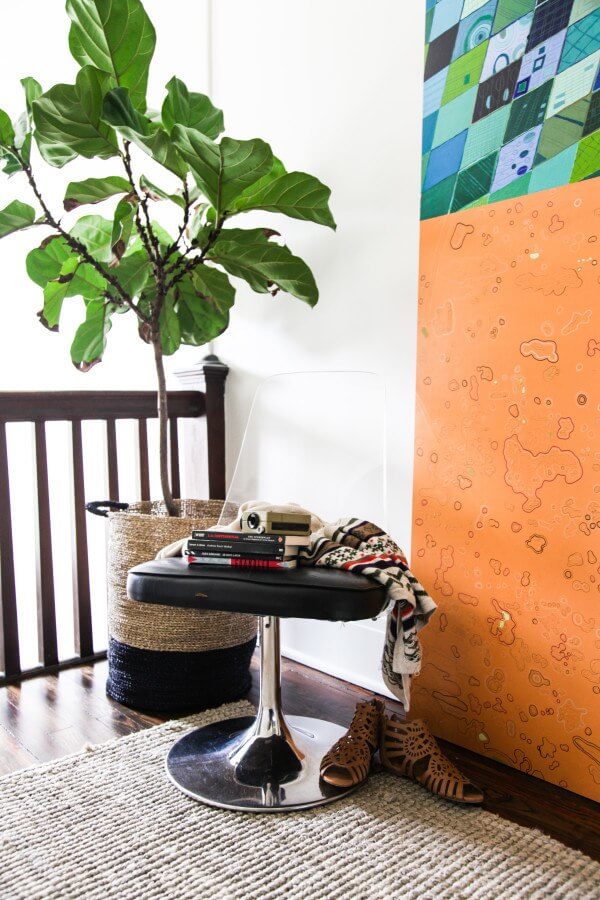
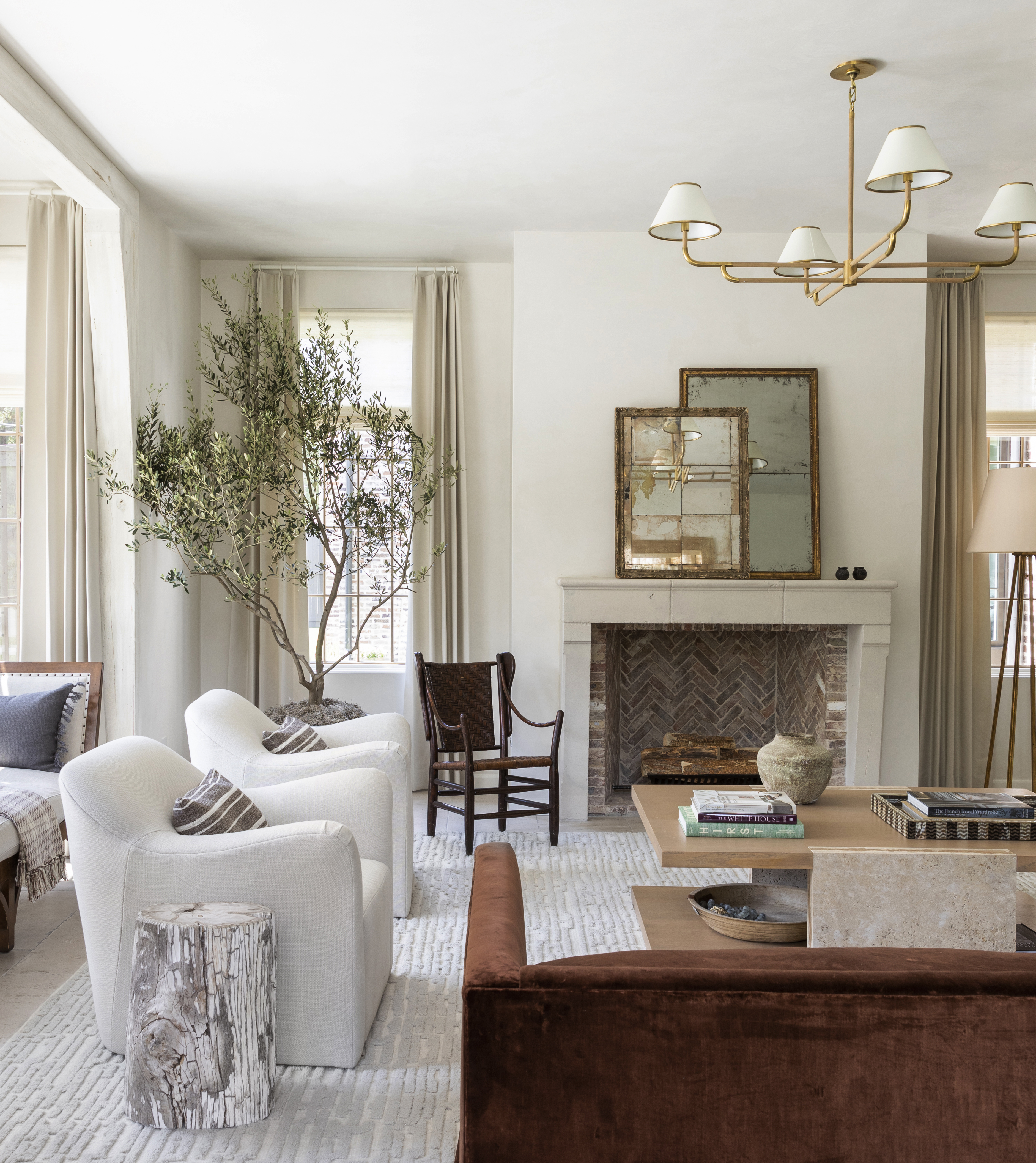
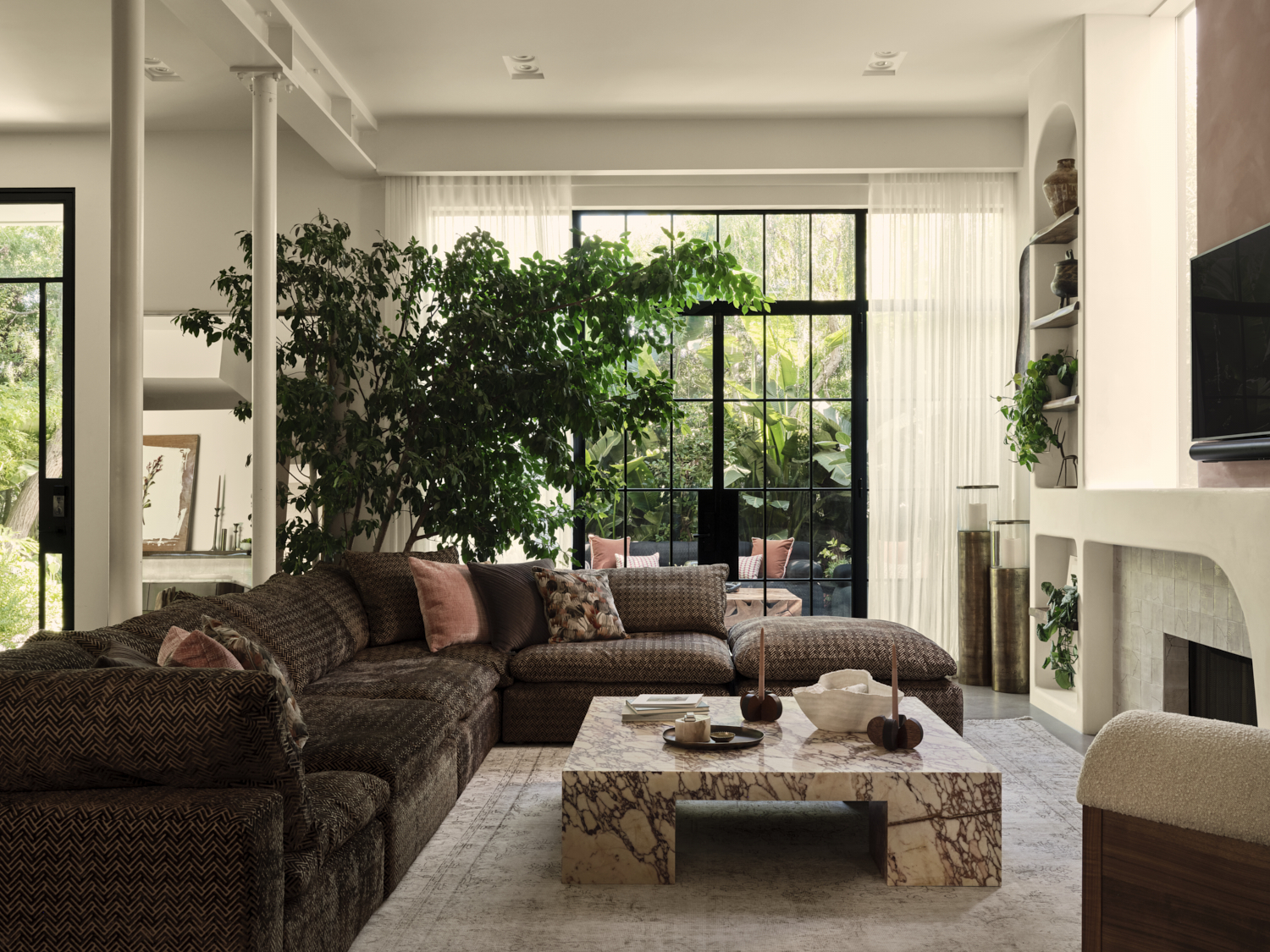
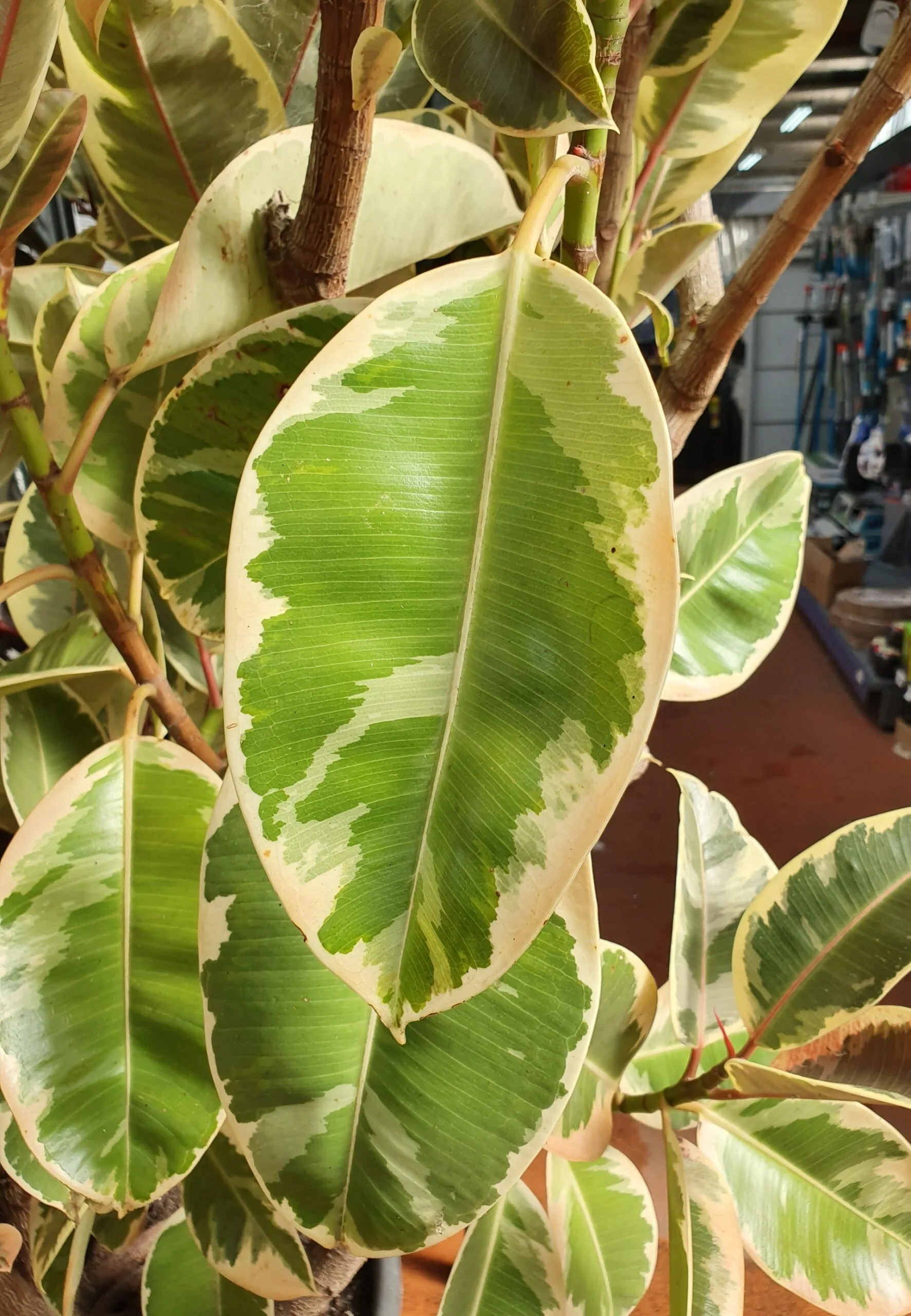
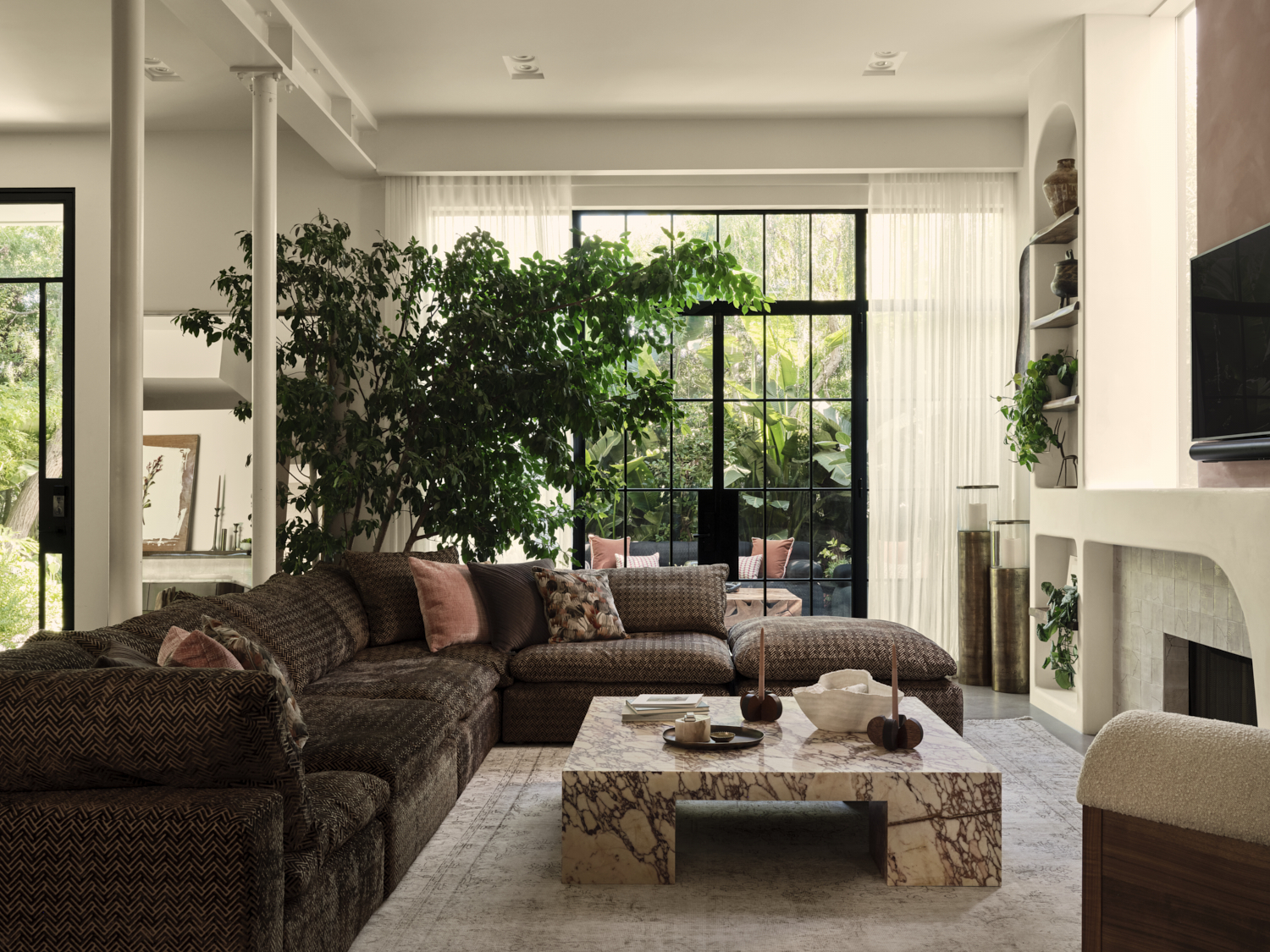
Farmhouse style, favored for its warm, clean, and balanced blend of contemporary and rustic elements, benefits from practical and homey plants. An aloe vera plant is recommended not only for its green element but also for its utility in skincare and consumption. A weeping fig tree, a slow-growing anchor plant that appreciates partial shade, helps bring the outdoors inside, contributing to the comforting farmhouse aesthetic.
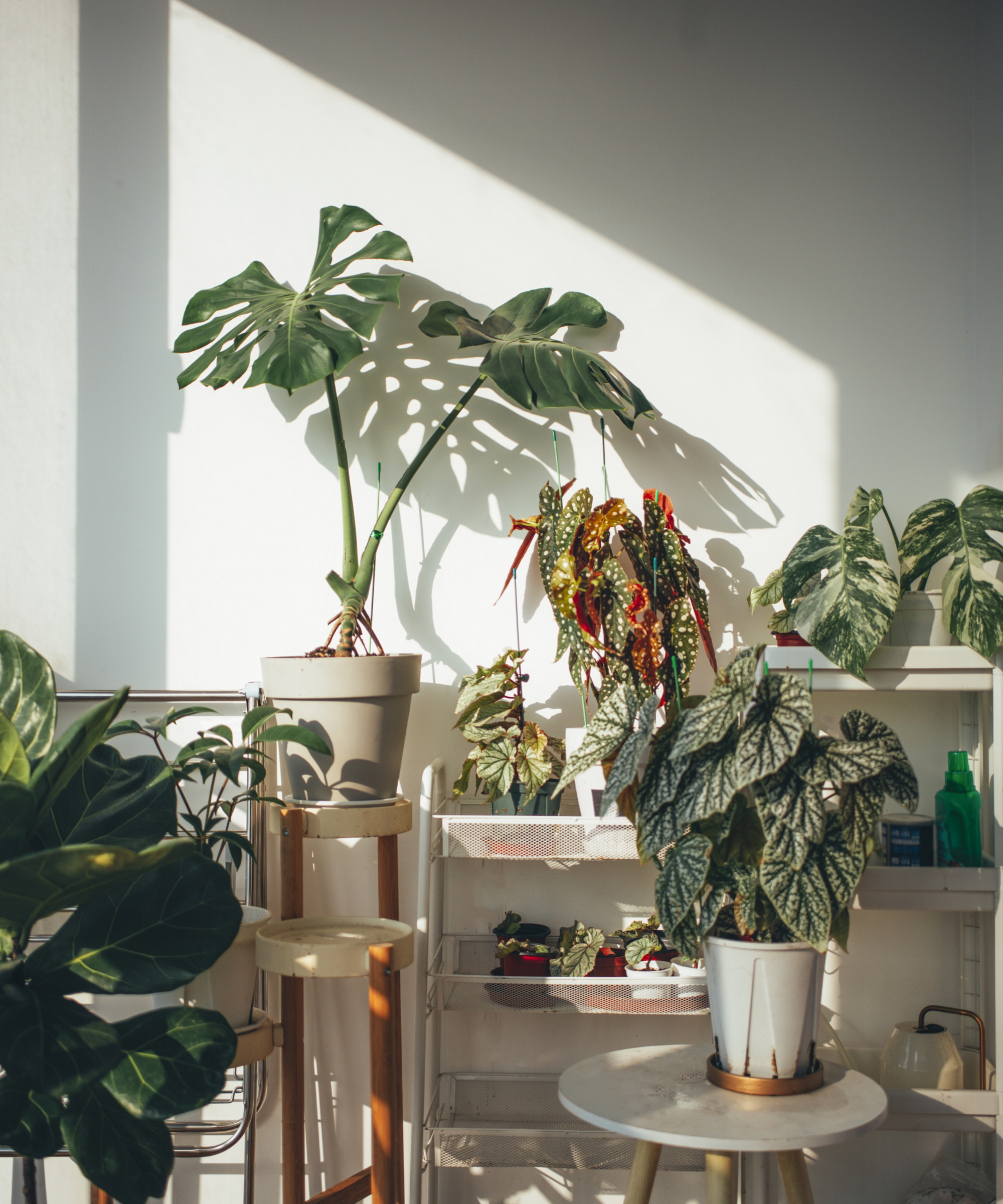
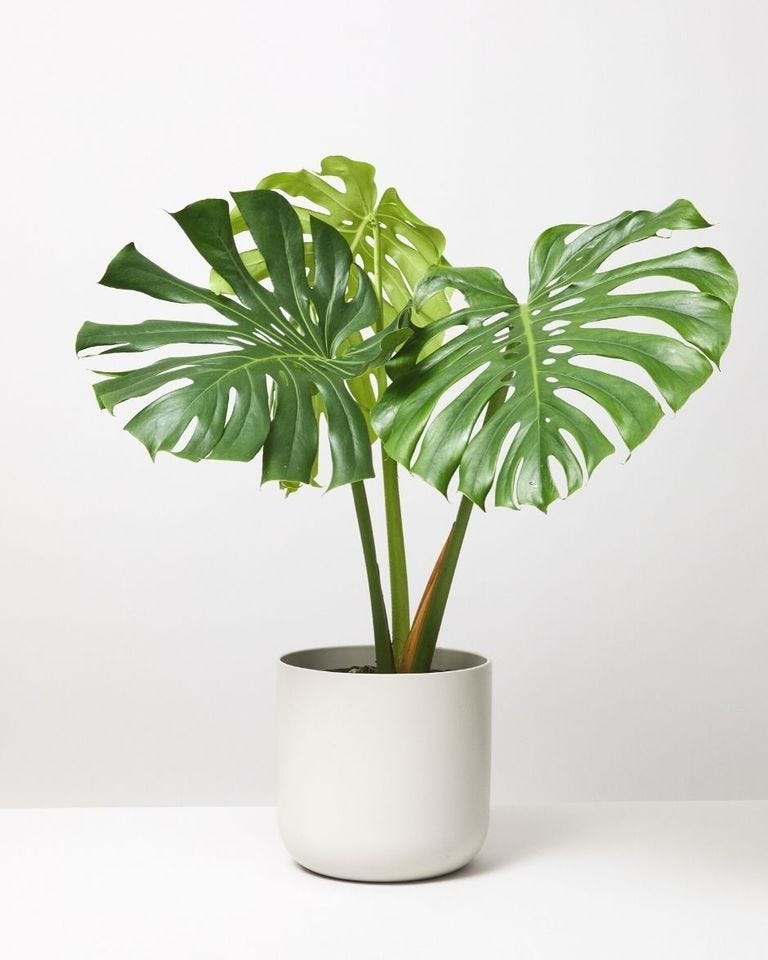
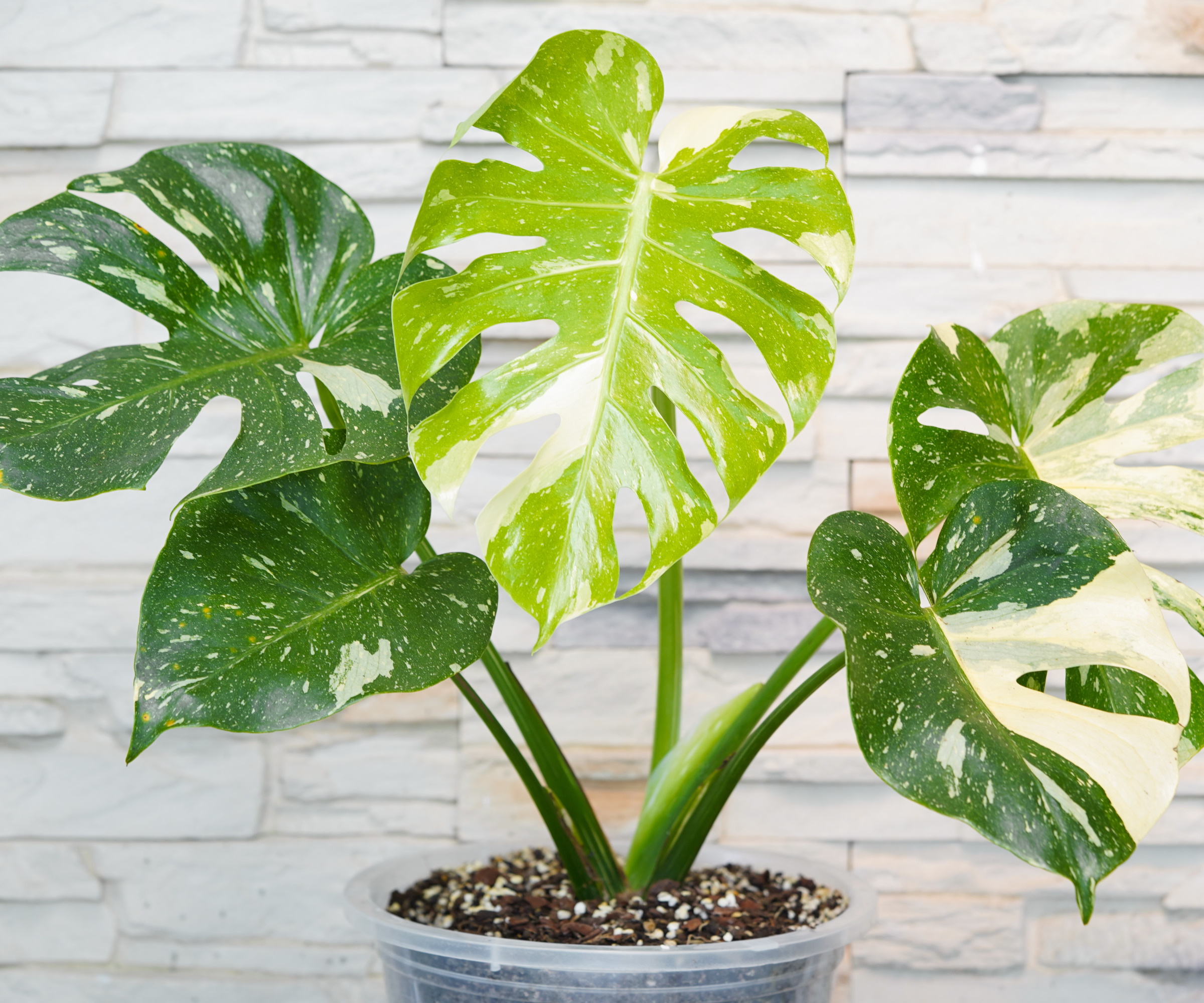
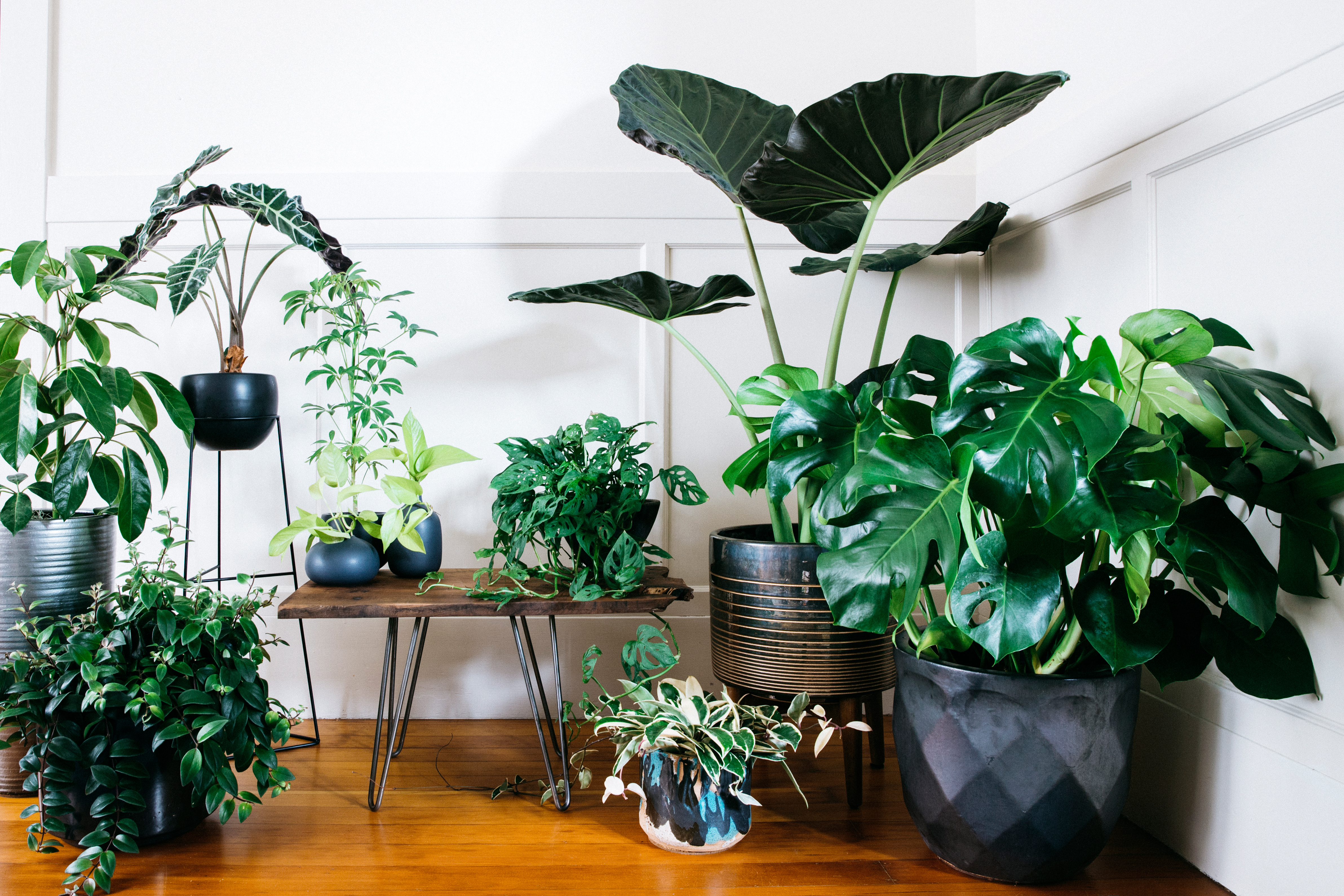
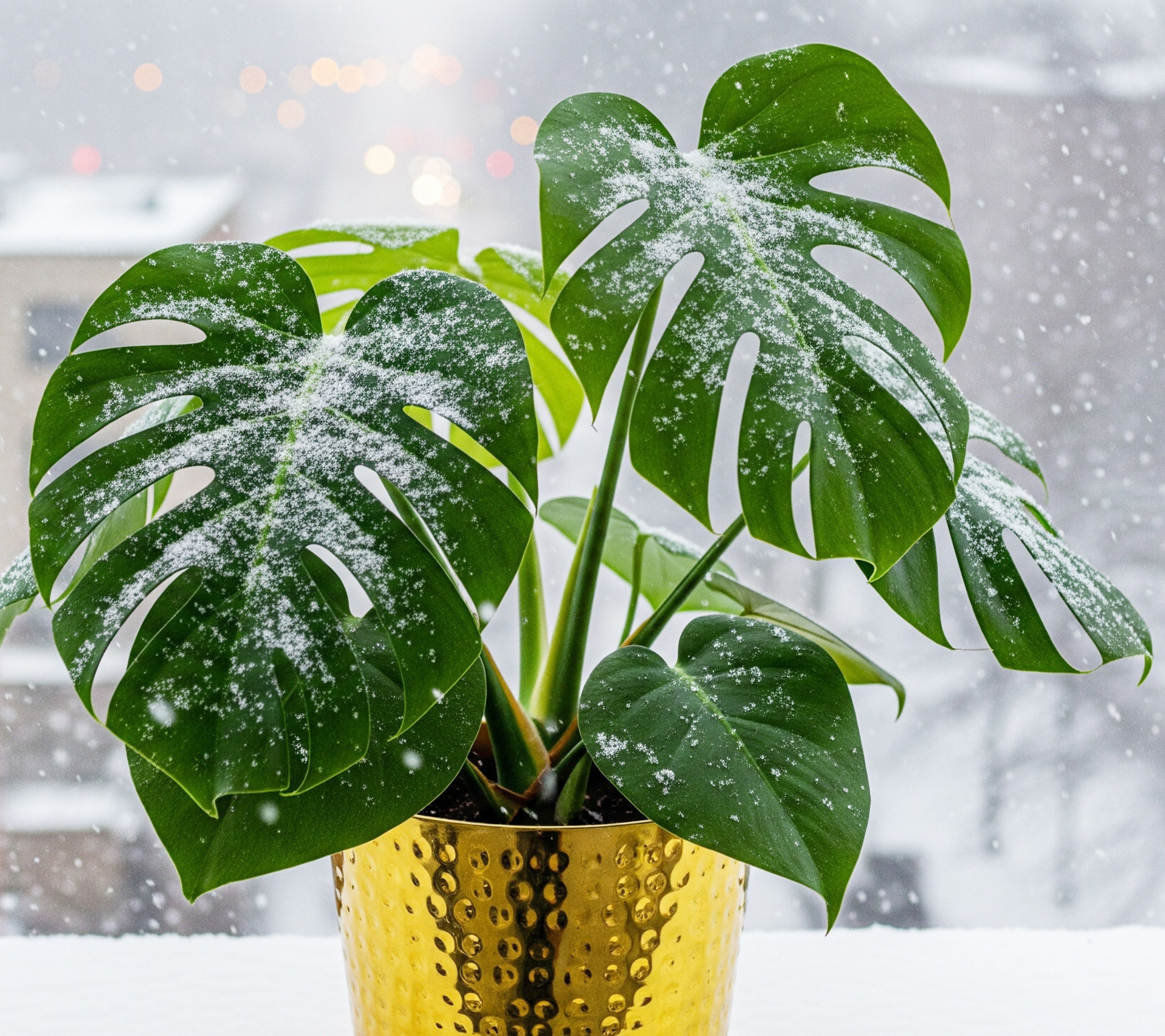
Modern Gothic style, with its moody palettes and dramatic fixtures, finds suitable greenery in plants that complement its theatrical flair. Monstera delicioso, also known as the "swiss cheese" plant, and the ZZ plant are suggested. The Monstera's almost-architectural form and height can enhance Gothic pieces, while the ZZ plant's evolution from vibrant green to dark, almost black leaves adds a dramatic touch.
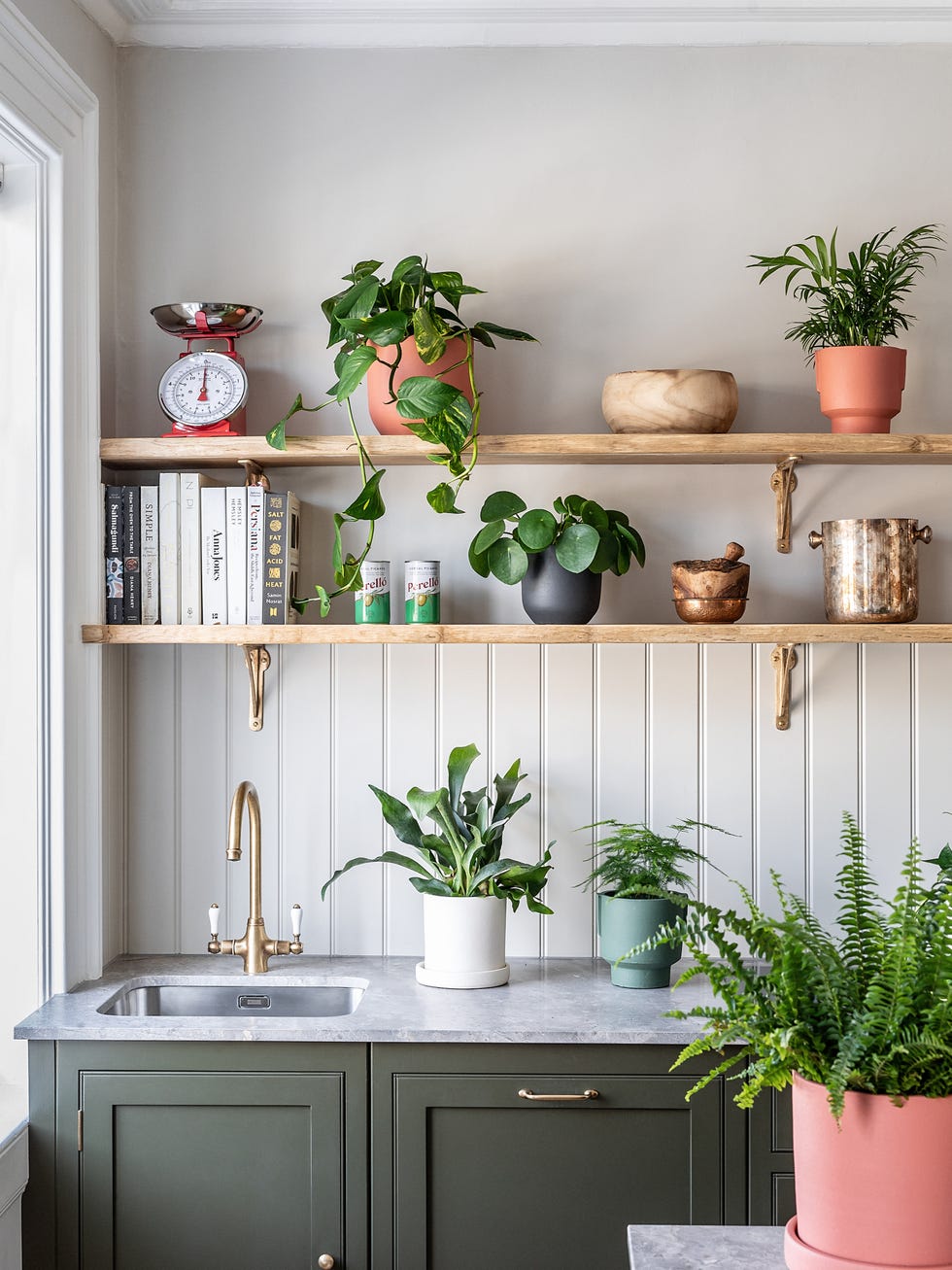
Cottage style, known for its simplistic, cozy, and often adorable feel, is well-suited for plants that promote comfort. English ivy, with its vining growth, creates a sense of coziness and can soften shelves, reminiscent of an ivy-covered cottage. Pilea peperomioides, with its circular disc-like leaves, offers a cohesive softness and is easy to propagate, allowing for a consistent charming presence throughout the space.
Memphis style, a vibrant postmodern aesthetic blending elements from Art Deco to Pop Art, demands plants that match its energetic and fearless approach to color and style. Orchids, despite their association with minimalism, offer a variety of colors and interesting shapes that add a creative edge. Asparagus ferns, with their bushy forms and lacy foliage, provide textural interest that complements a Memphis interior.
Minimalist decor, characterized by calming, uncluttered spaces that accentuate architectural features with neutral backdrops and accent colors, requires low-maintenance plants that promote harmony. The money tree, a Feng Shui favorite, offers a calming presence and is exceptionally easy to care for, often needing only weekly watering. The Peperomia obtusifolia, or baby rubber plant, is another excellent choice, providing a small, colorful, and low-maintenance option for minimalist spaces due to its compact size and thick, glossy leaves.
Neoclassical interior design, which blends ornate traditional themes with a modern twist, focuses on elegant accessorizing, luxury, and a balance of muted palettes with bolder accents. For such dramatic decor, simple, low-maintenance plants like 'Nana' Juniper and cast iron plants are recommended. These plants, placed in elegant containers like tall vases, add a touch of green without detracting from the grander elements. The cast iron plant is particularly noted for its resistance and suitability for low-light conditions, providing color and texture in heavily curtained rooms.
Soft industrial aesthetic, which embraces a room's bare form and mixes hard and soft elements, benefits from greenery that embodies simplicity with authentic personality. The silver satin plant, with its cool-toned color and interesting leaf design, fits well. Dieffenbachia, with its upright growth, is also a good choice, occupying vertical space effectively in a layout that prefers bare or exposed walls.
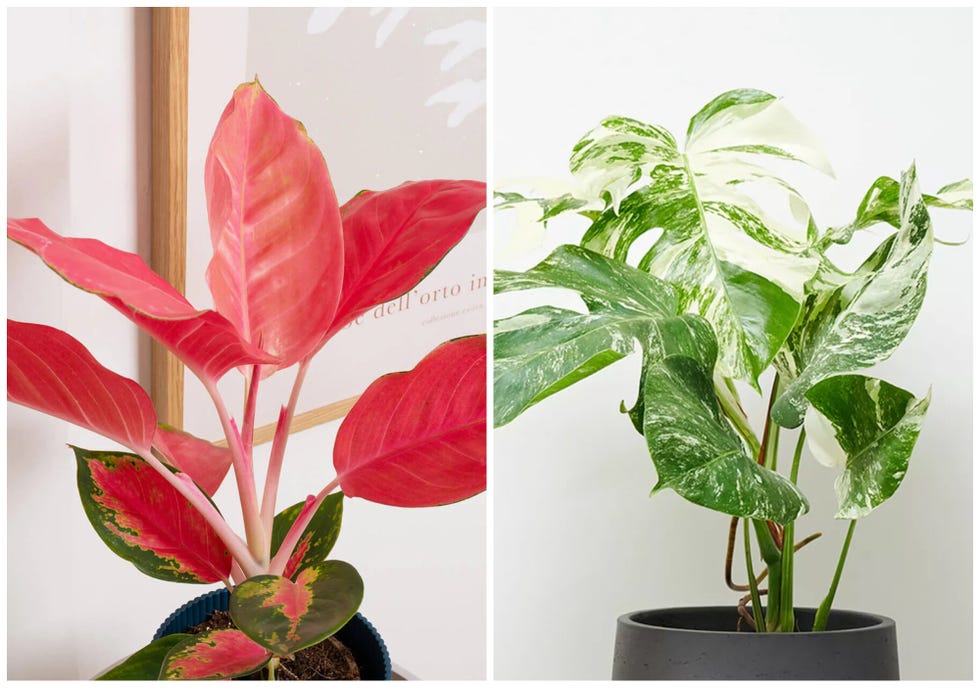
Finally, transitional spaces, which blend traditional and modern design elements and offer flexibility, are ideal for plants that can adapt. Chinese evergreen, with its uniquely speckled leaves and summer blooms, adds visual interest. Succulents are highlighted as a beginner-friendly option due to their small to medium size, ease of movement, and ability to fit collective aesthetics, provided they receive bright light and are not overwatered.
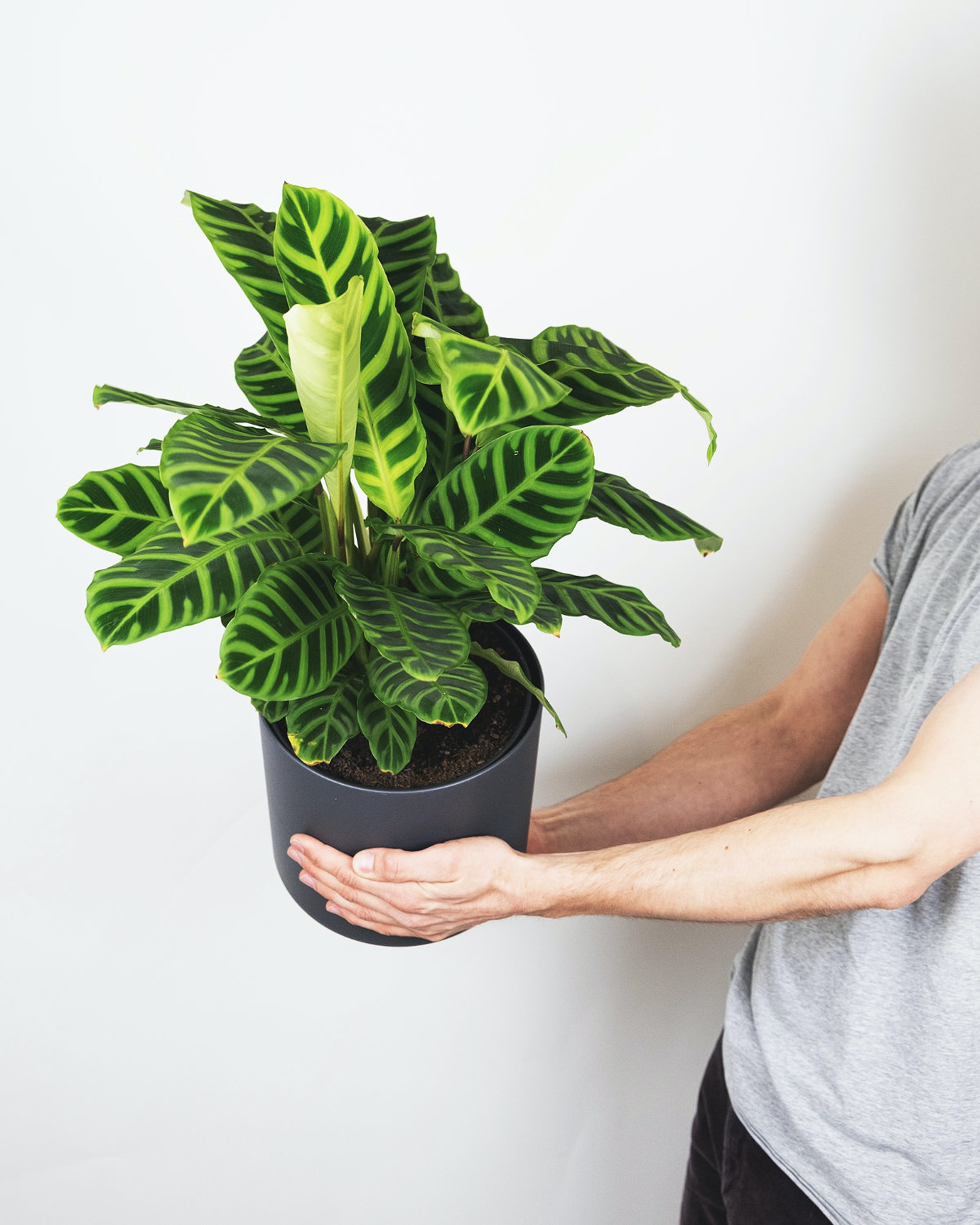
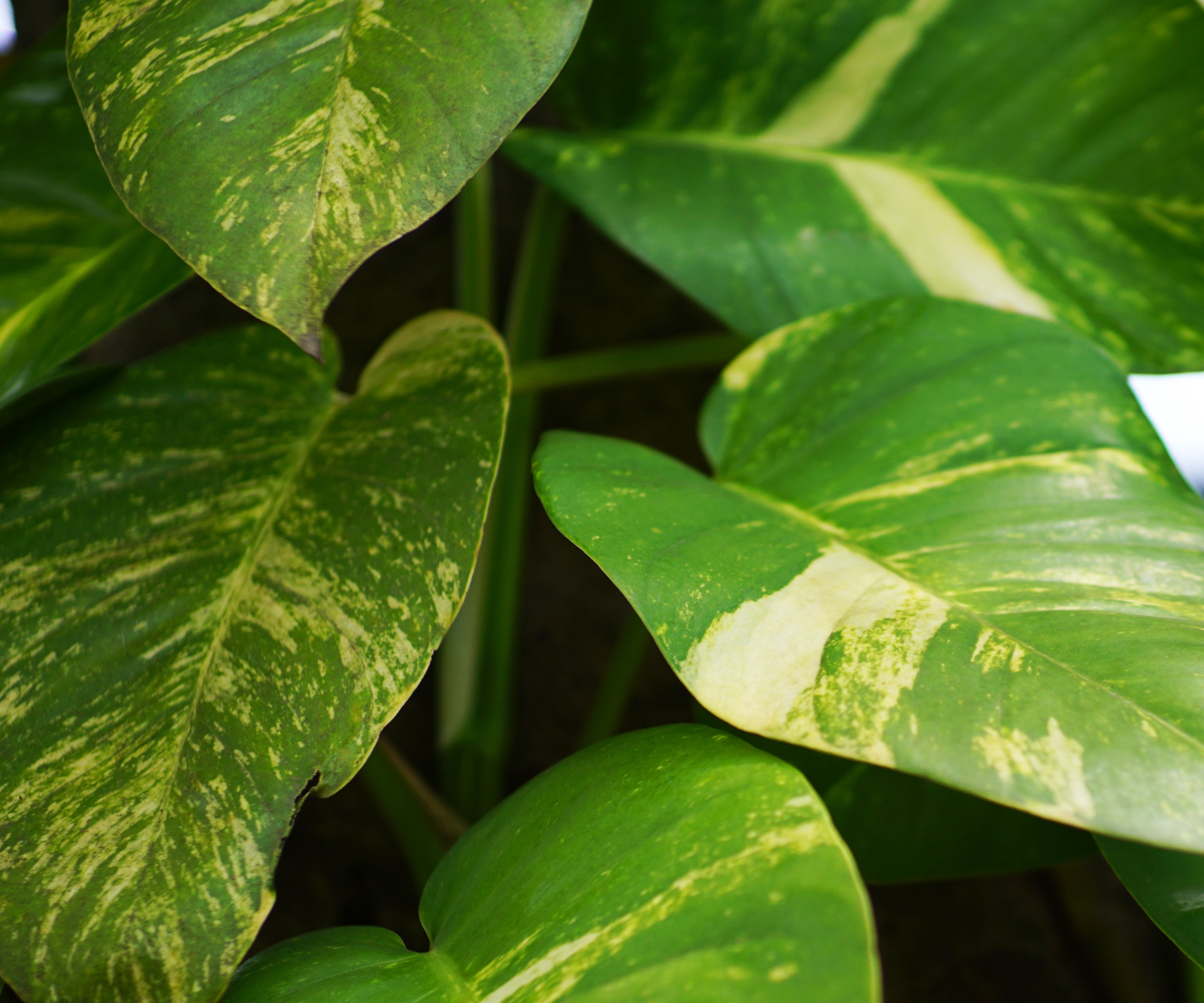
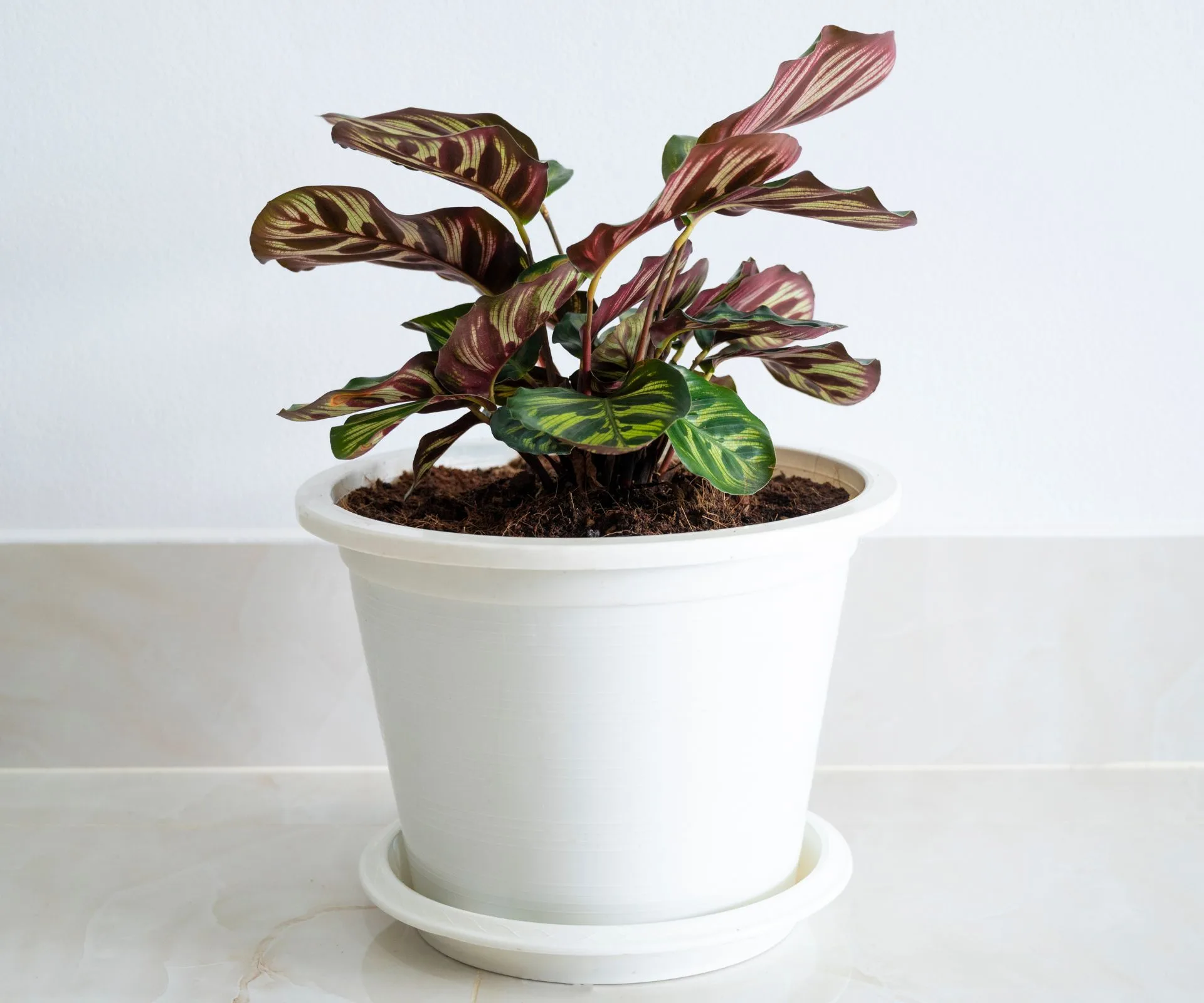
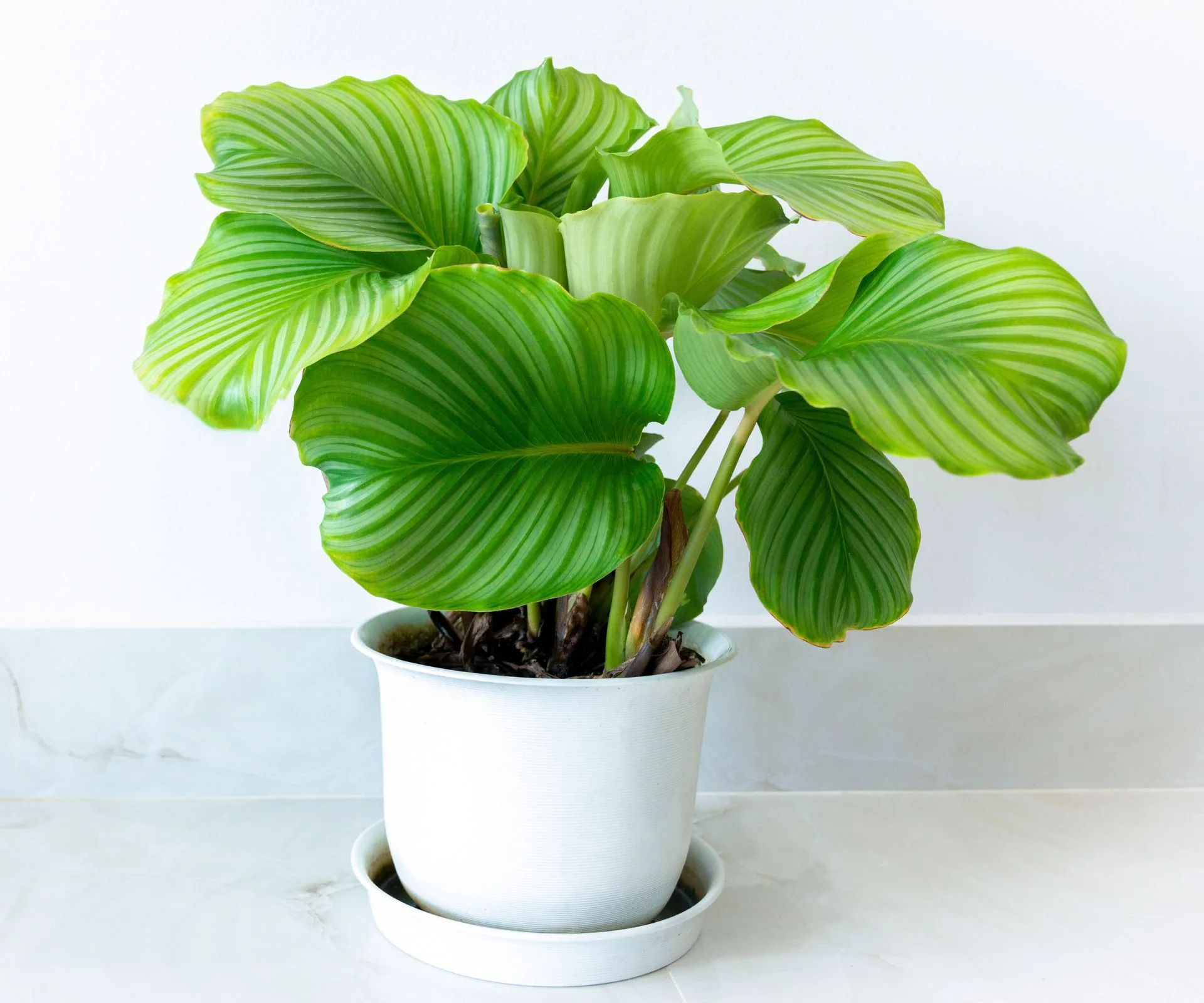
Shabby chic style, known for its understated elegance, softer tones, and a mix of vintage and new with a slightly feminine energy, is complemented by plants with a softer edge. Calathea ornata, with its rich purple underside and pink-striped dark green leaves, and the heart-leaf philodendron, with its cute shape and long, draping tendrils, balance the space with their color and cooler style, highlighting the wear and patina characteristic of shabby chic decor.
#InteriorDesign #Houseplants #HomeDecor #PlantCare #DesignStyles #ContemporaryDesign #ArtDeco #BohemianStyle #EnglishDecor #EclecticDesign #ExplorationStyle #FarmhouseStyle #GothicStyle #CottageStyle #MemphisStyle #MinimalistDecor #NeoclassicalDesign #SoftIndustrial #TransitionalStyle #ShabbyChic #InteriorDesign #Houseplants #HomeDecor #PlantCare #DesignStyles #ContemporaryDesign #ArtDeco #BohemianStyle #EnglishDecor #EclecticDesign #ExplorationStyle #FarmhouseStyle #GothicStyle #CottageStyle #MemphisStyle #MinimalistDecor #NeoclassicalDesign #SoftIndustrial #TransitionalStyle #ShabbyChic
0 comment in total
 No comments yet
You may also like
This Visual Design Trick Is the Coolest Way to Style Your Houseplants

Craig's secret weapon for helping his indoor plants look their best

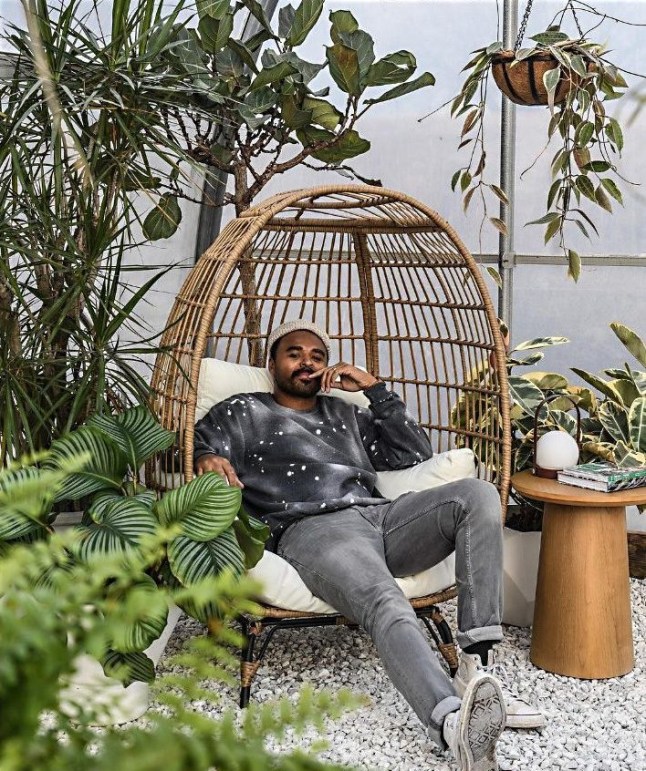
How to create an indoor jungle: plant styling tips for every style

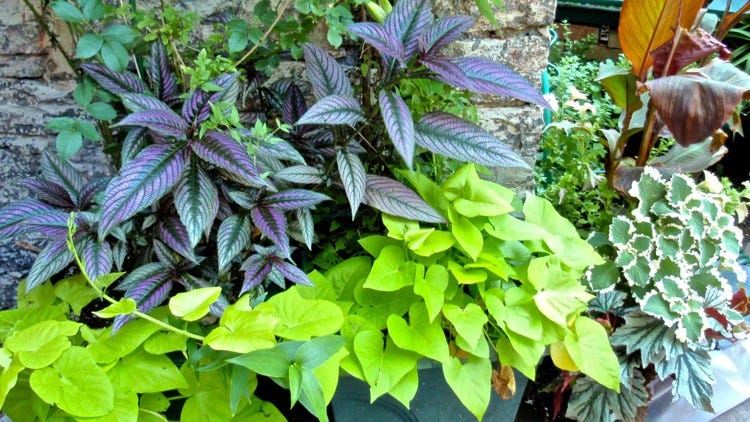
Add color with foliage, not just flowers

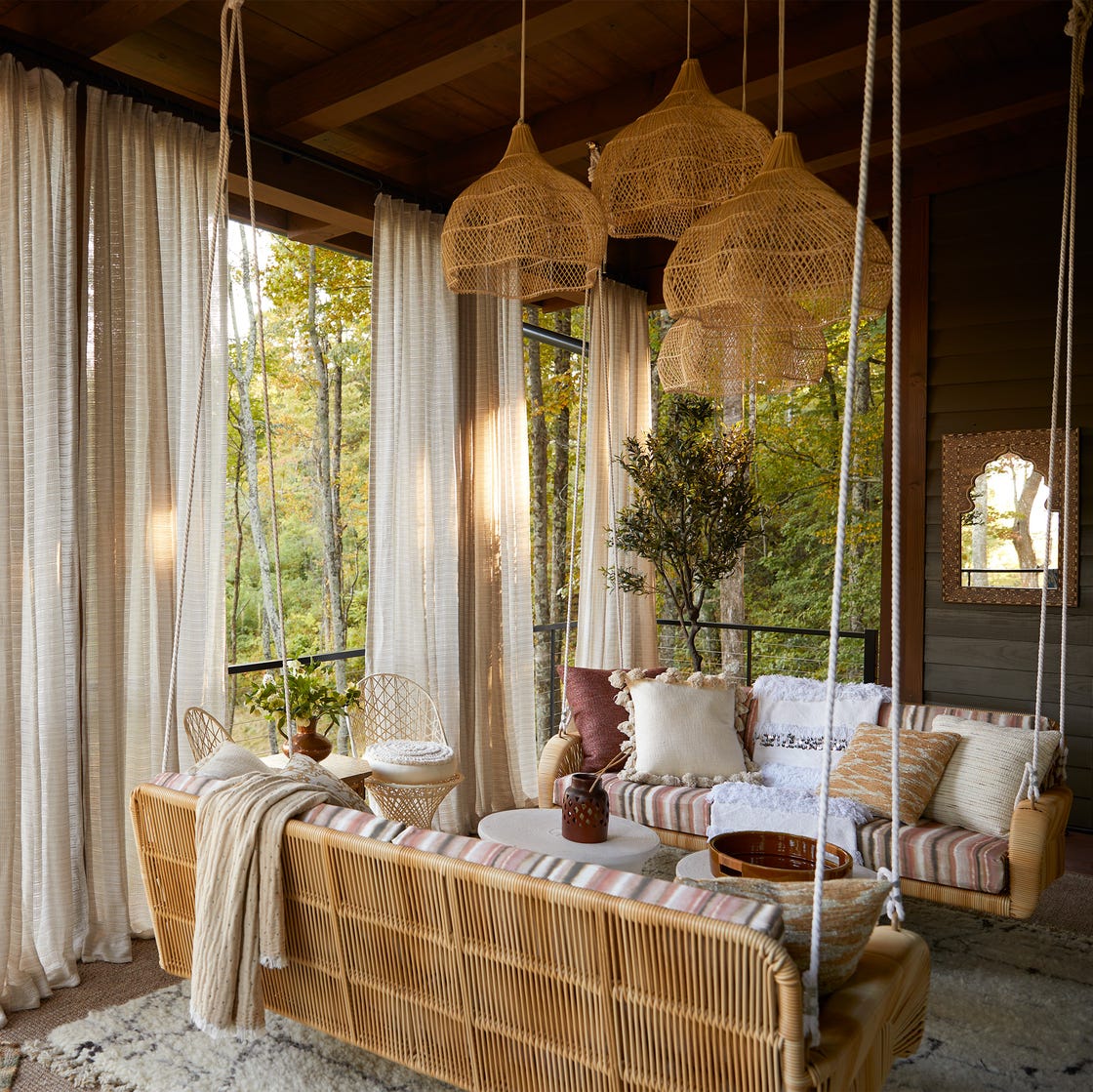
Biophilic Design Is the Signature Style of Plant Lovers Everywhere

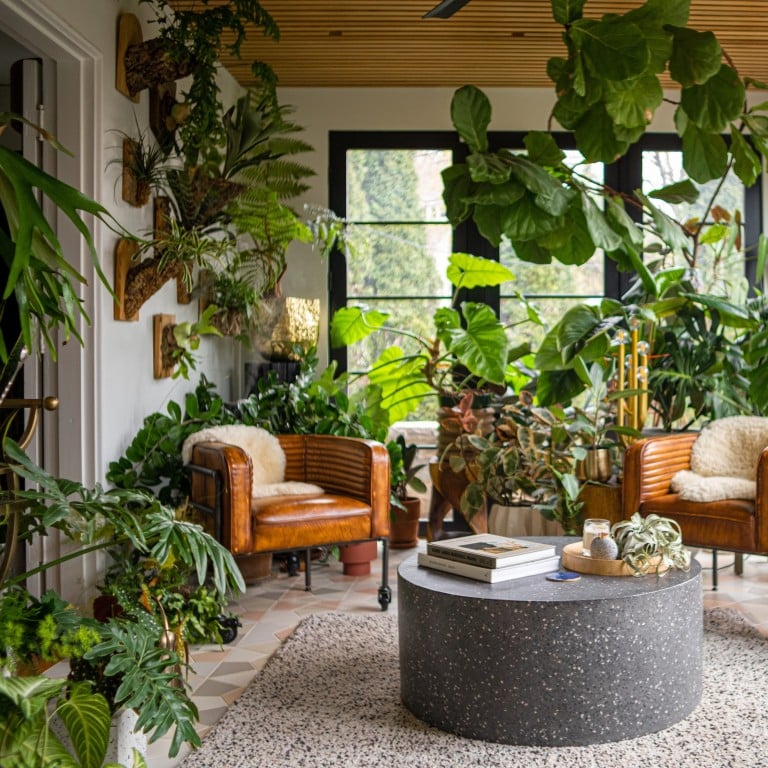
Nature to nurture: how to get more plants in your life and home

19 Ways to Design with Houseplants

8 of the best indoor plants with patterned leaves

Best plant stands for indoor plants – expert styling inspiration

12 easy indoor plant styling tips
Designing With Plants: Expert Tips for Stylishly Greening Your Interiors

The power of greenery! 5 ways that houseplants can elevate your interior

Plant Style: Elevate Your Decor with Indoor Plants
Indoor plant shelf ideas – expert tips for styling your houseplants
Best variegated indoor plants – 4 varieties with an unusual aesthetic
The Most Iconic Houseplant Trends Through the Decades

Best indoor plants: the best house plants for stylish greenery

25 Indoor House Plants To Buy If You Know Your Spider Plant From Your Aloe Vera

Dramatic "Plant Corners" Are Trending — Here's How You Can Master This Green Decorating Idea

Tips for selecting an indoor plant