1/19
Best plant stands for indoor plants – expert styling inspiration
Plant stands have become an increasingly popular item for displaying houseplants, offering both aesthetic and practical benefits for indoor gardening enthusiasts. These structures elevate plants to varying heights, allowing for creative arrangements and better access to light, which is crucial for plant health and growth. Many different styles of plant stands are available, catering to diverse interior design aesthetics and plant needs.
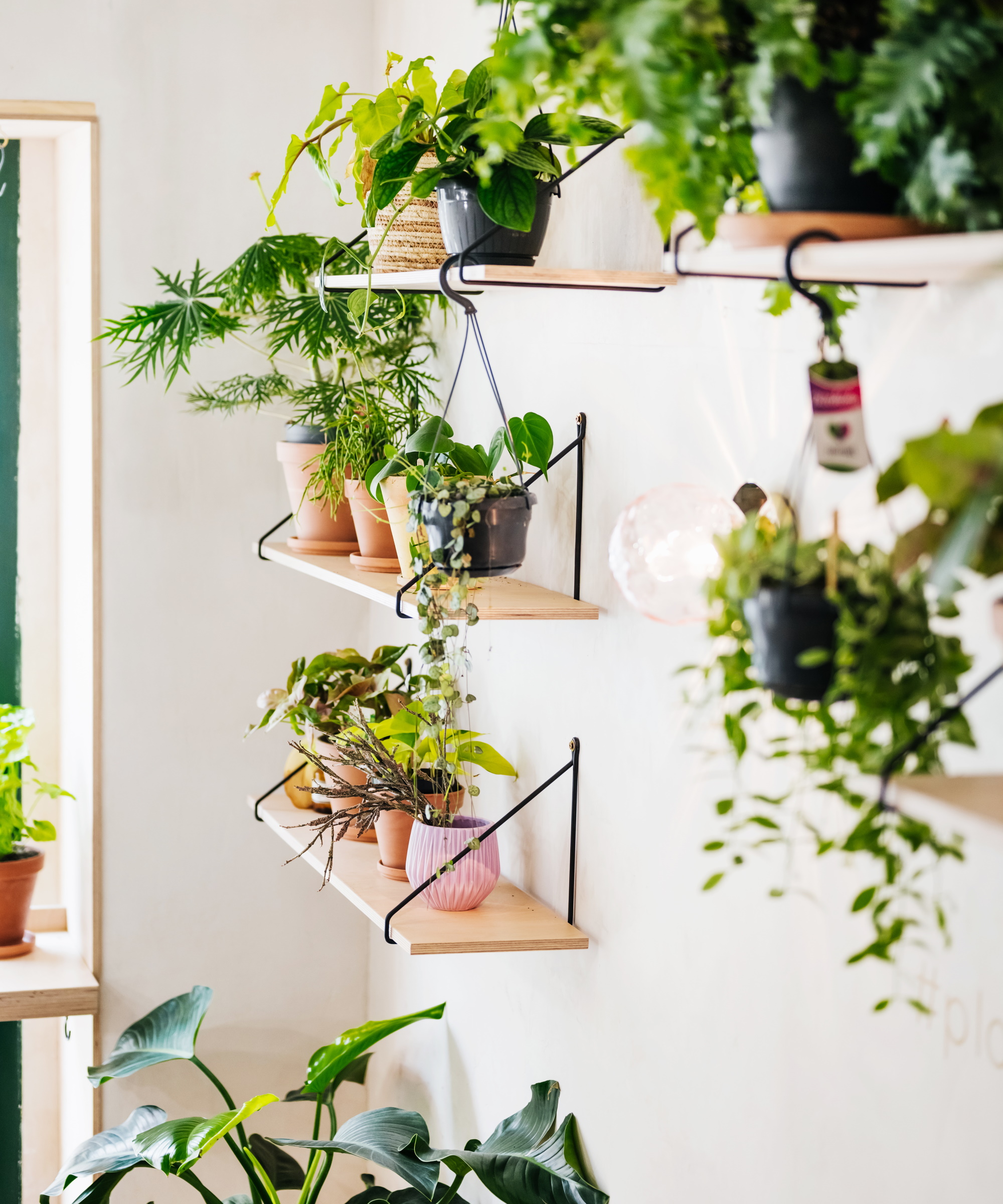
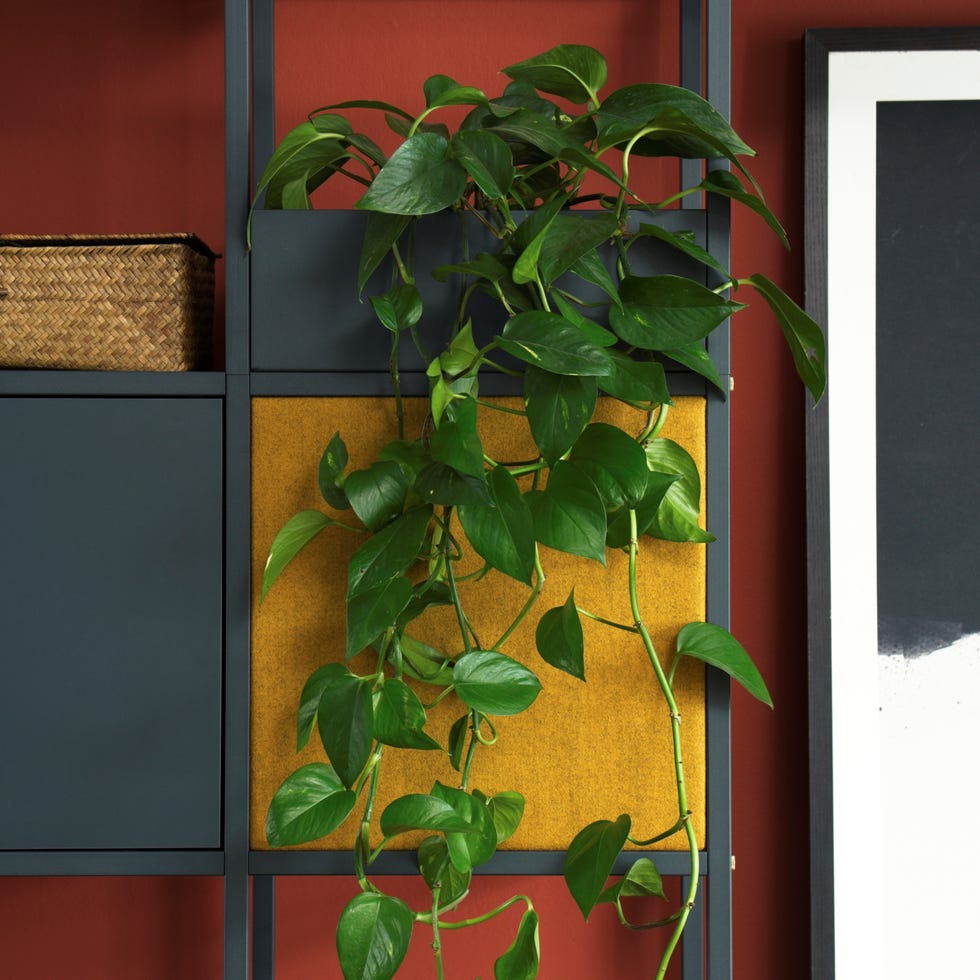
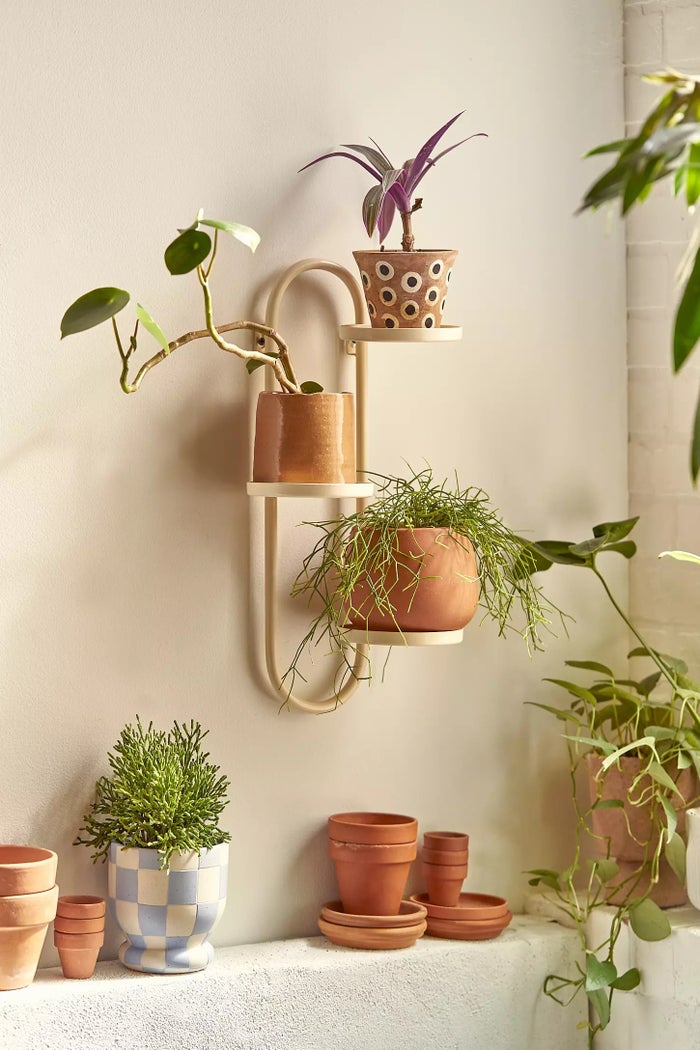
One significant advantage of using plant stands is their ability to enhance the visual appeal of indoor spaces. By raising plants off the floor or other surfaces, plant stands transform them into decorative elements, similar to organic sculptures. This elevation can draw attention to the beauty of individual plants, making them focal points within a room. Interior design expert Chantelle Hartman Malarkey notes that stands provide more room for plants to grow, allowing vines to hang and spread out, creating an elegant, elevated look.
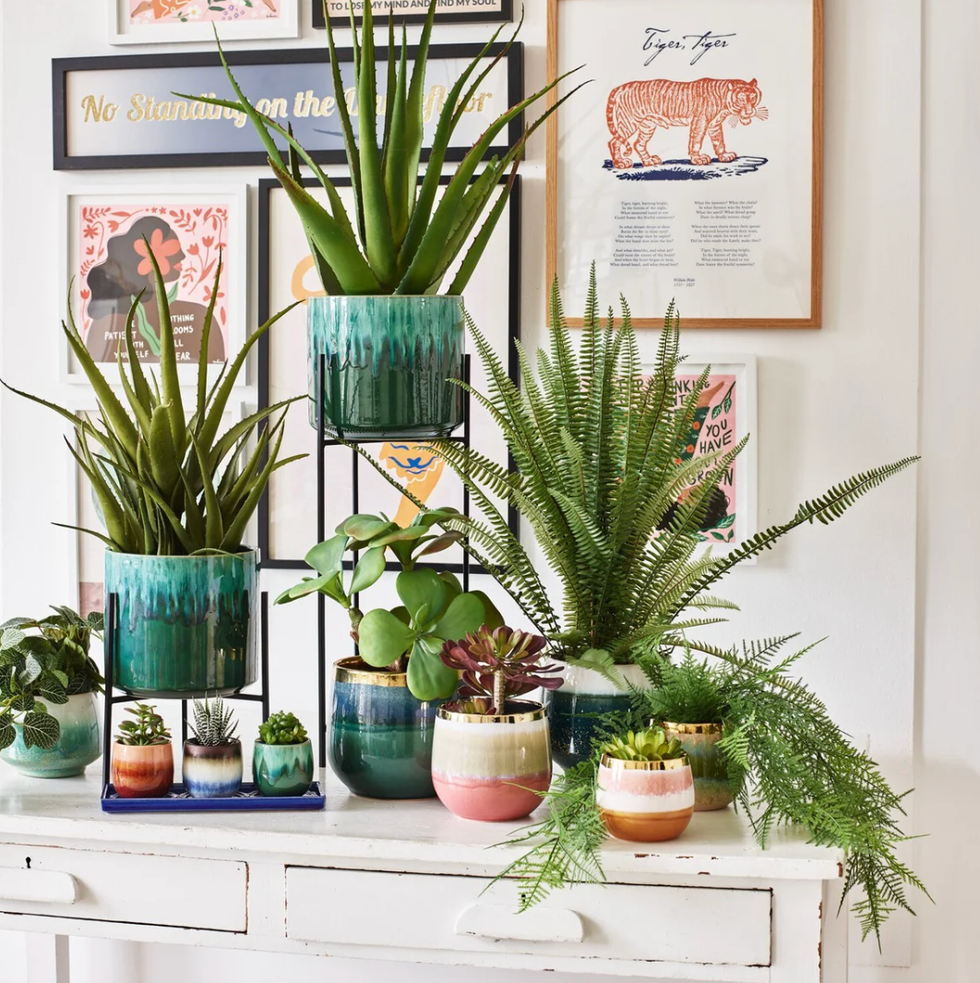
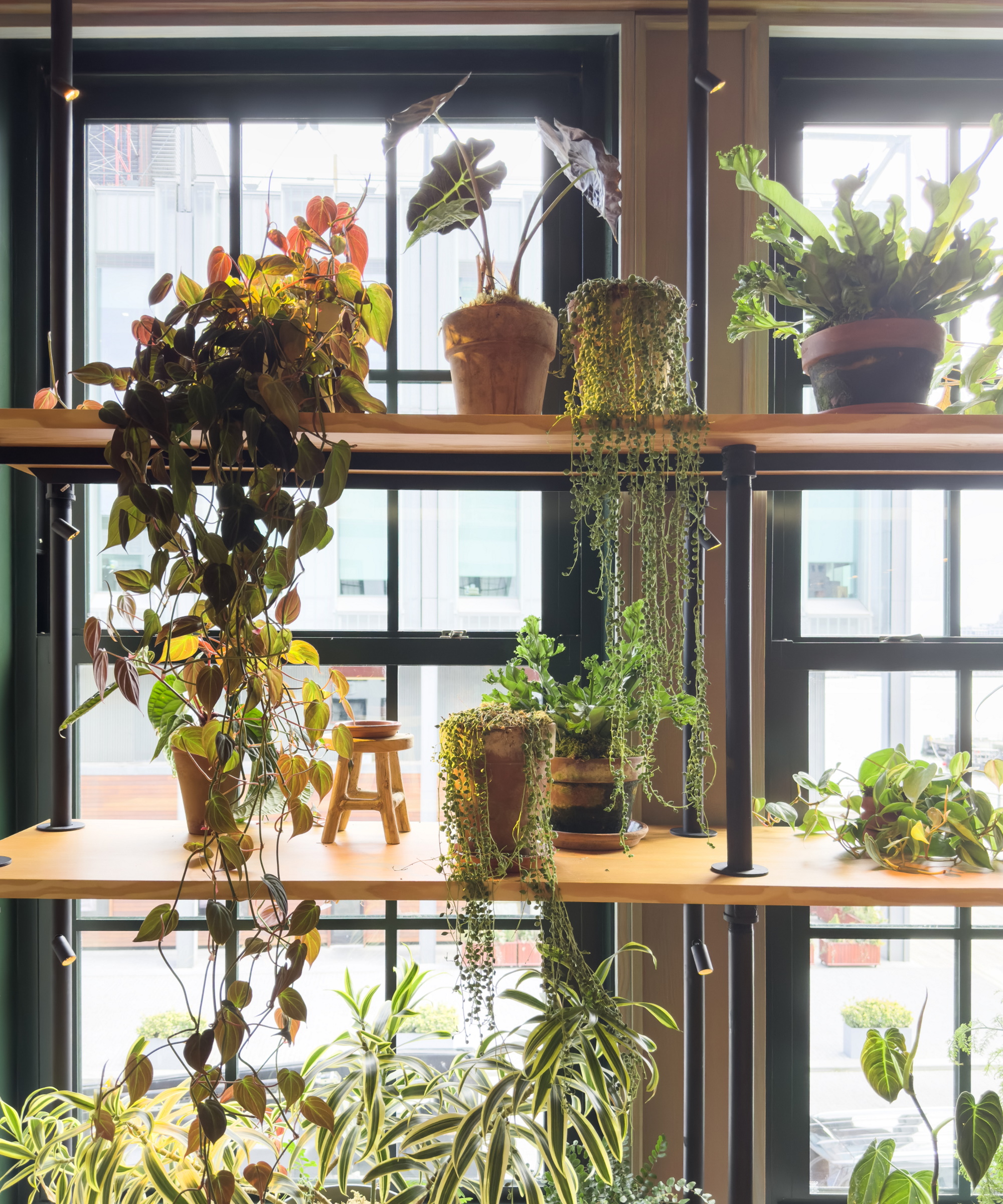
Beyond aesthetics, plant stands play a vital role in promoting the health of houseplants. Elevating plants can position them at optimal heights to receive adequate light, a key factor for their growth. For example, sun-loving plants like aloe vera or jade plants can benefit significantly from being placed on a higher stand, granting them more access to direct sunlight. Conversely, multi-level stands allow for strategic placement, enabling low-light tolerant plants to thrive on lower, more shaded tiers, while light-hungry plants occupy higher positions. Houseplant expert Ashley Anita emphasizes that plant stands help in positioning plants for ideal lighting conditions, which is essential for their individual requirements.
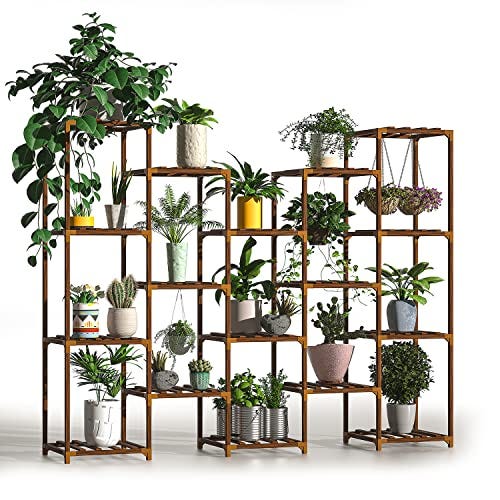
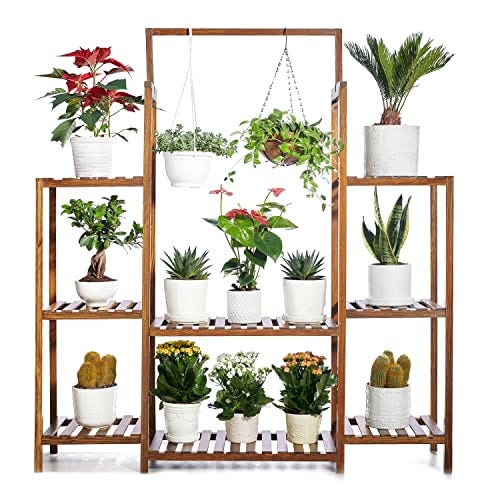
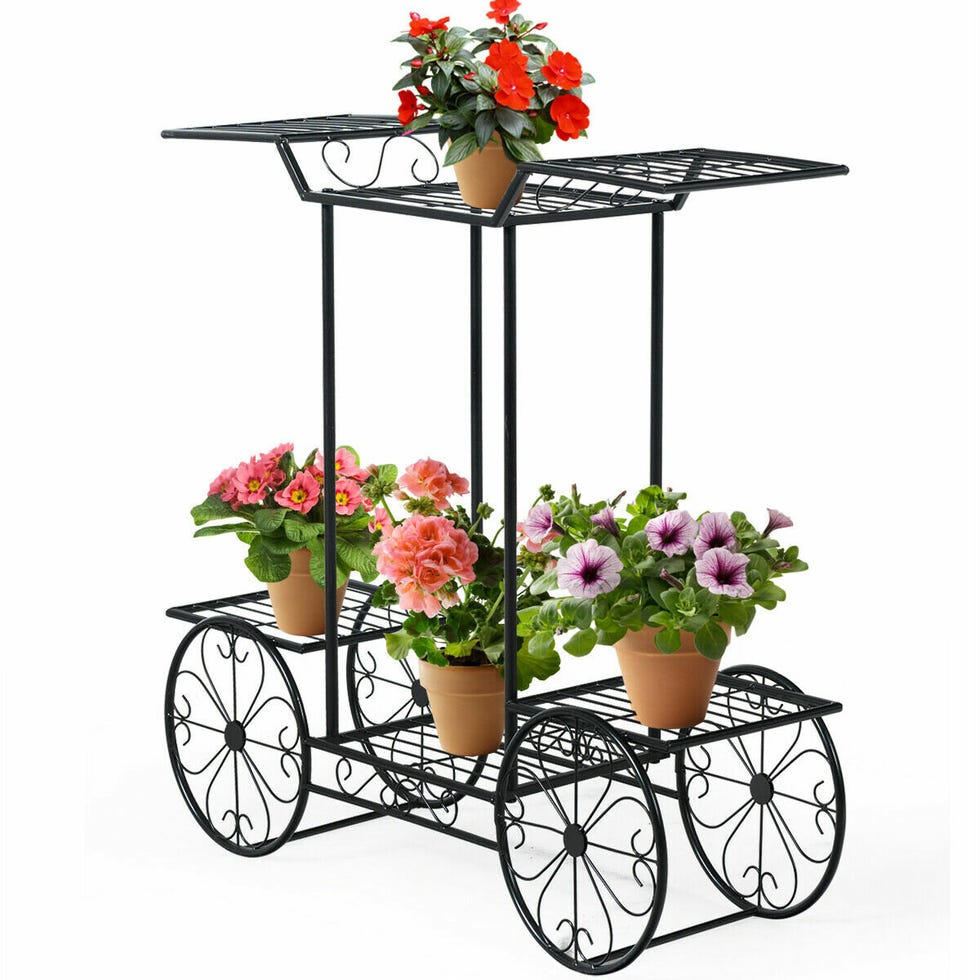
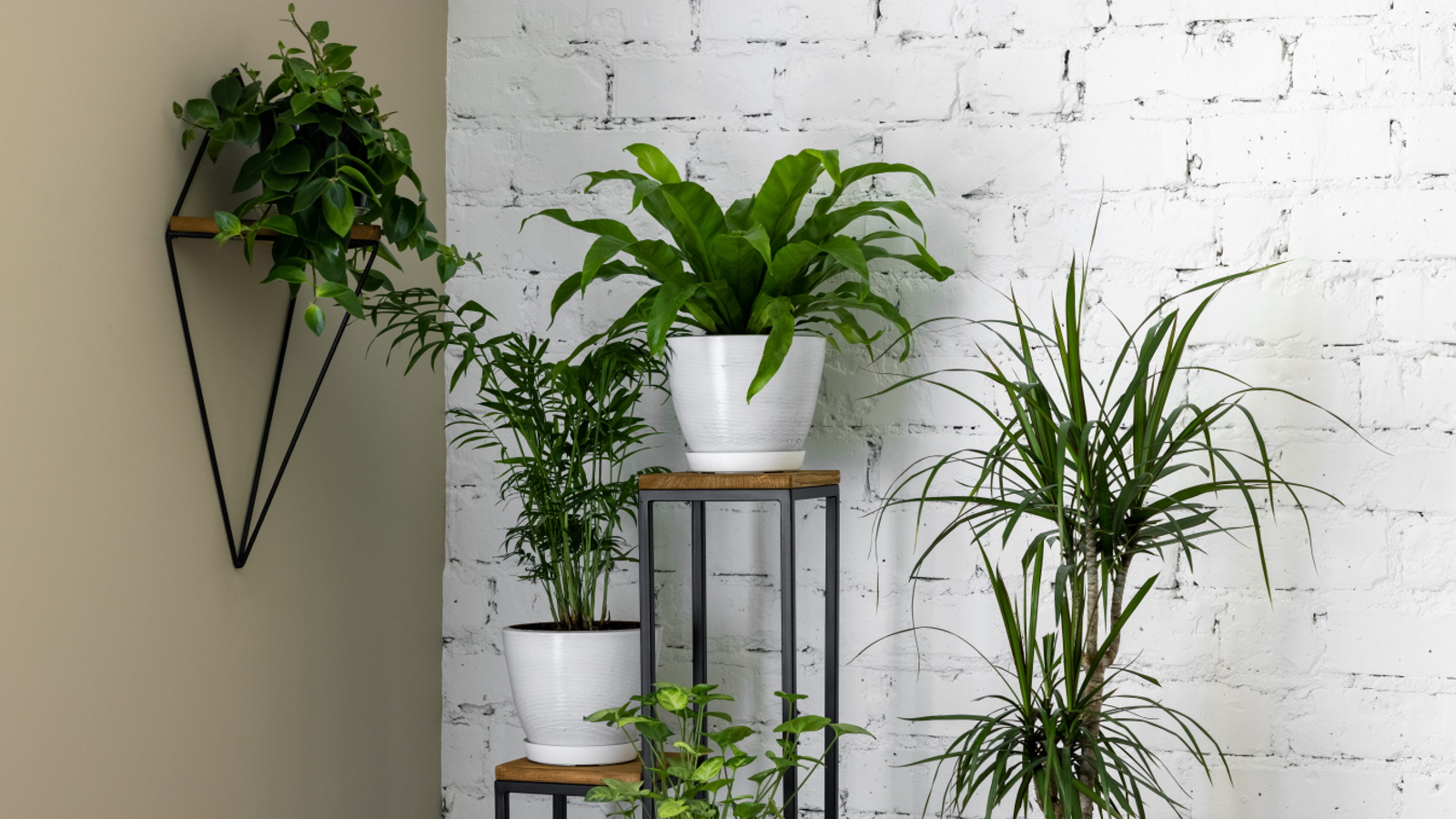
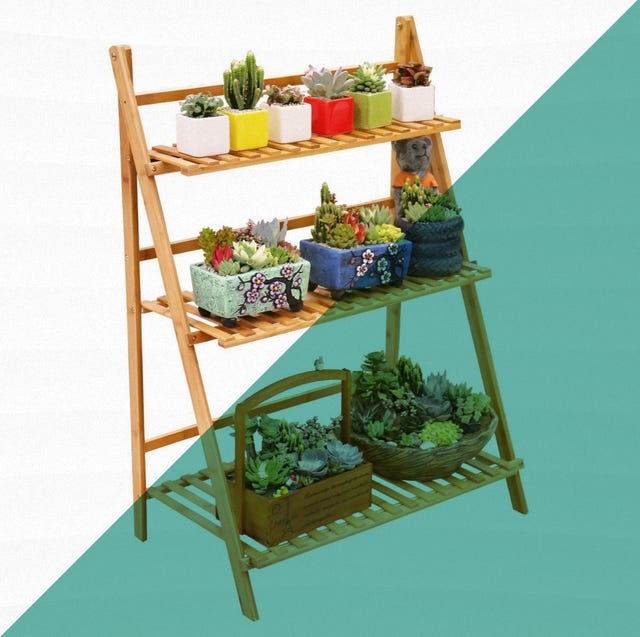
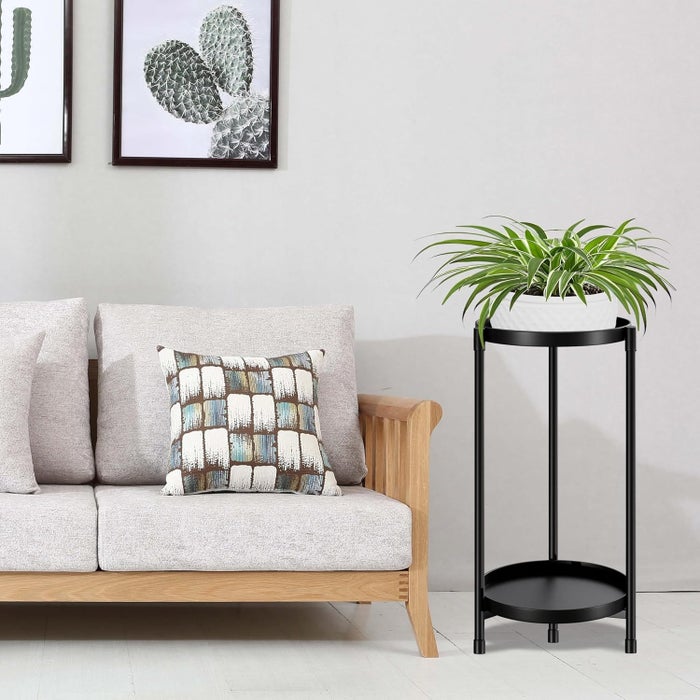
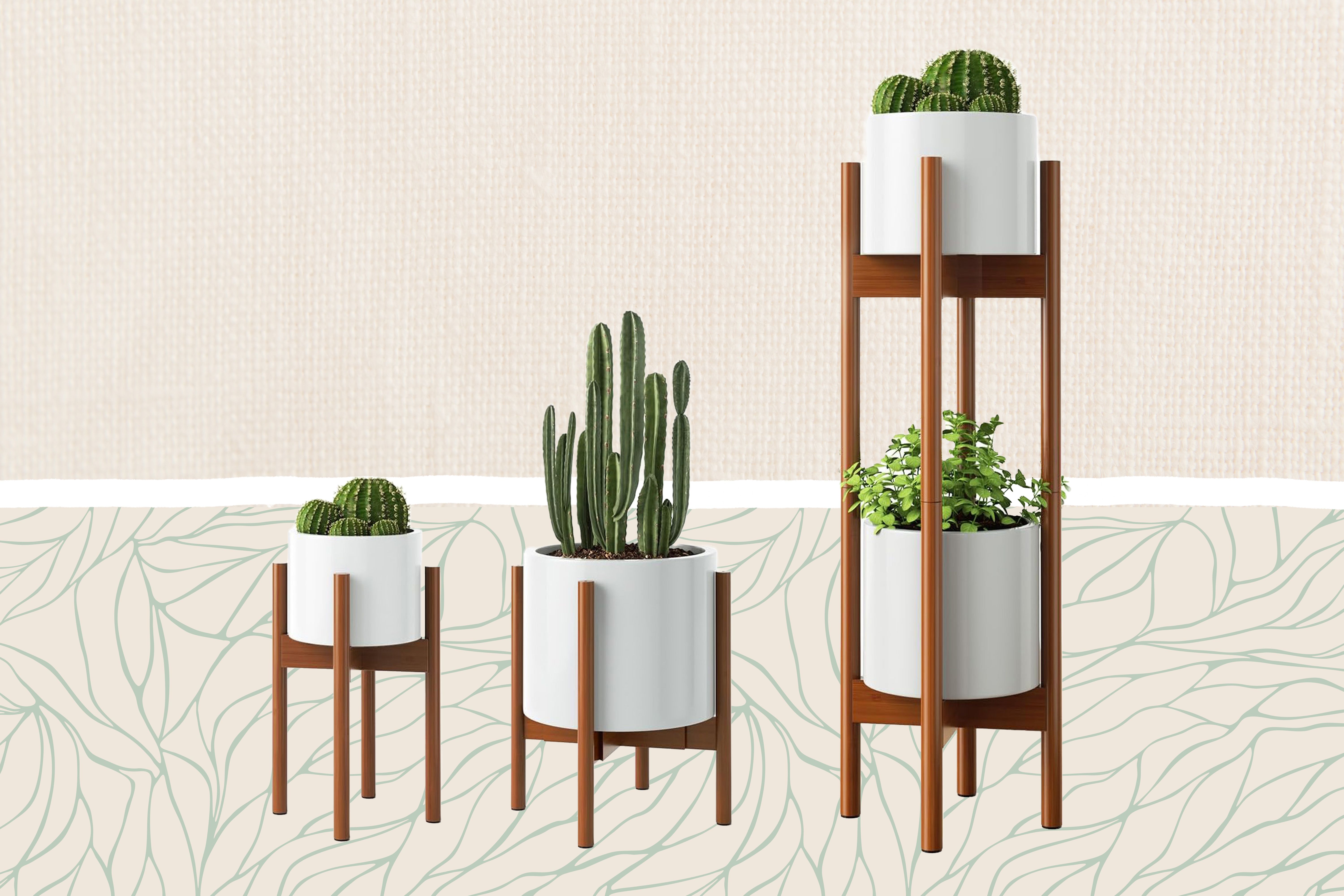
The article categorizes plant stands into several types to help consumers choose the best option for their needs. Multi-level plant stands are ideal for showcasing multiple houseplants together, allowing for varied heights and light exposure. These stands come in numerous styles, from industrial to contemporary, ensuring a fit for any decor. Single-level plant stands, on the other hand, are perfect for highlighting a single, statement houseplant, turning it into a central art piece. They are particularly useful for elevating smaller plants to occupy floor space or giving larger plants an even greater impact.
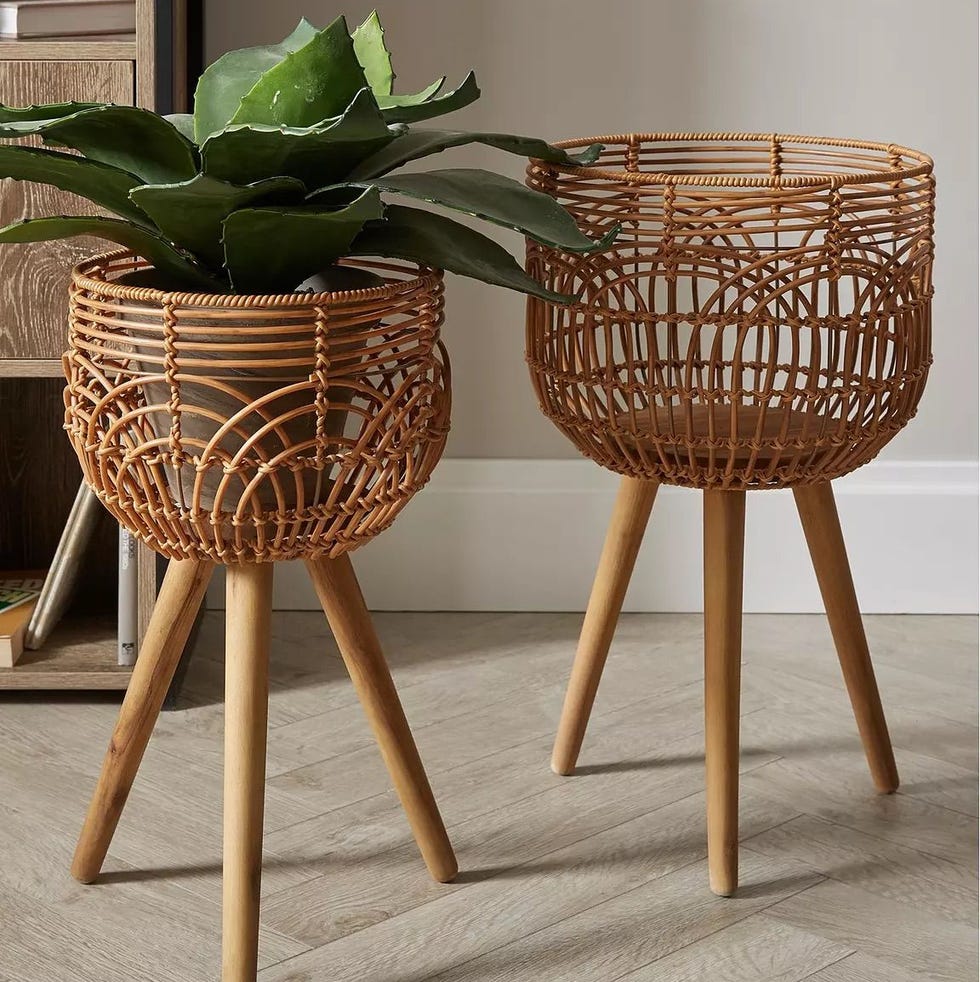
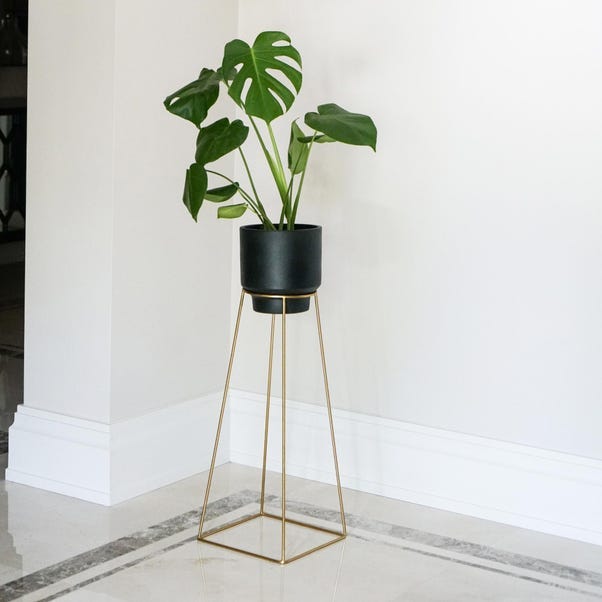
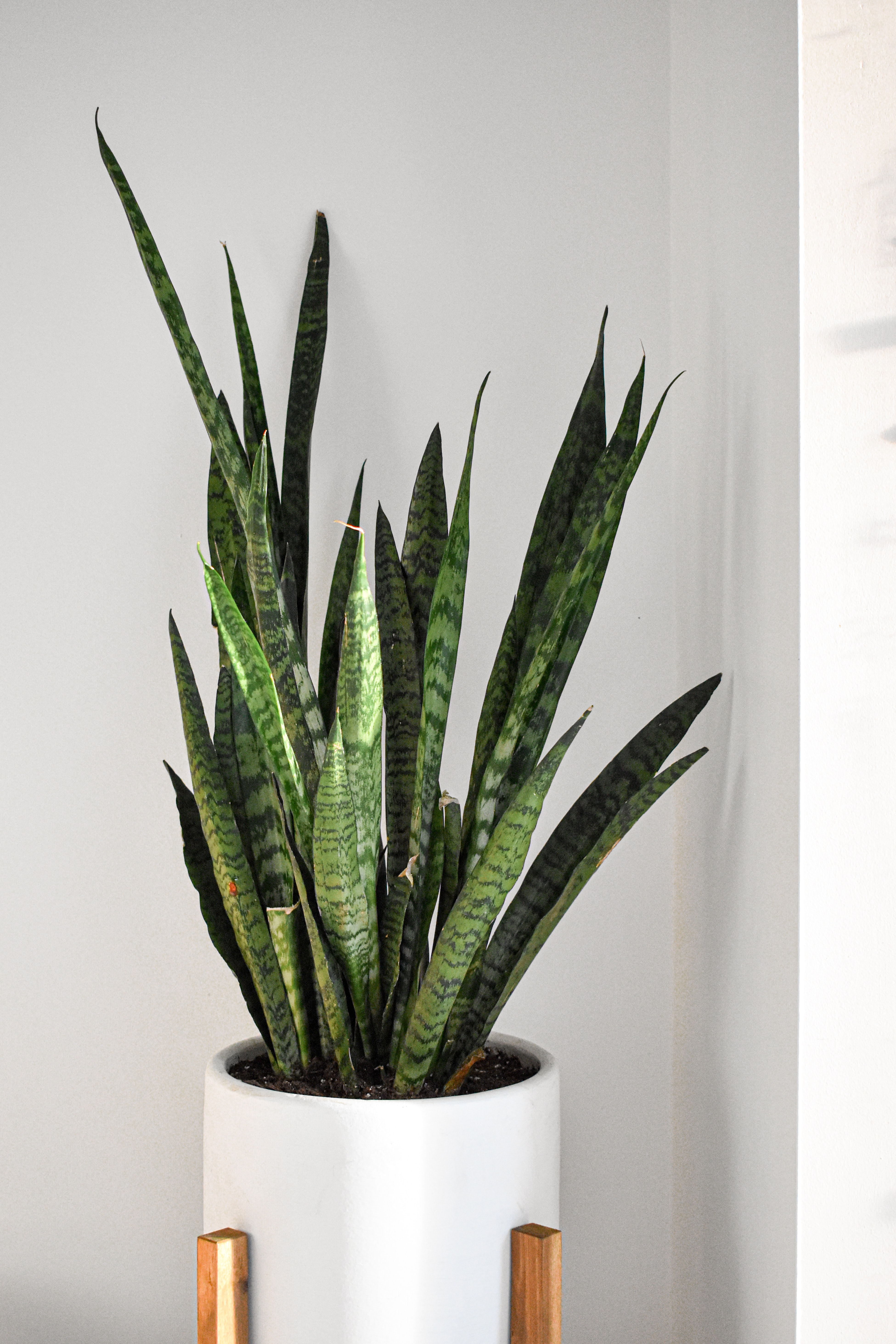
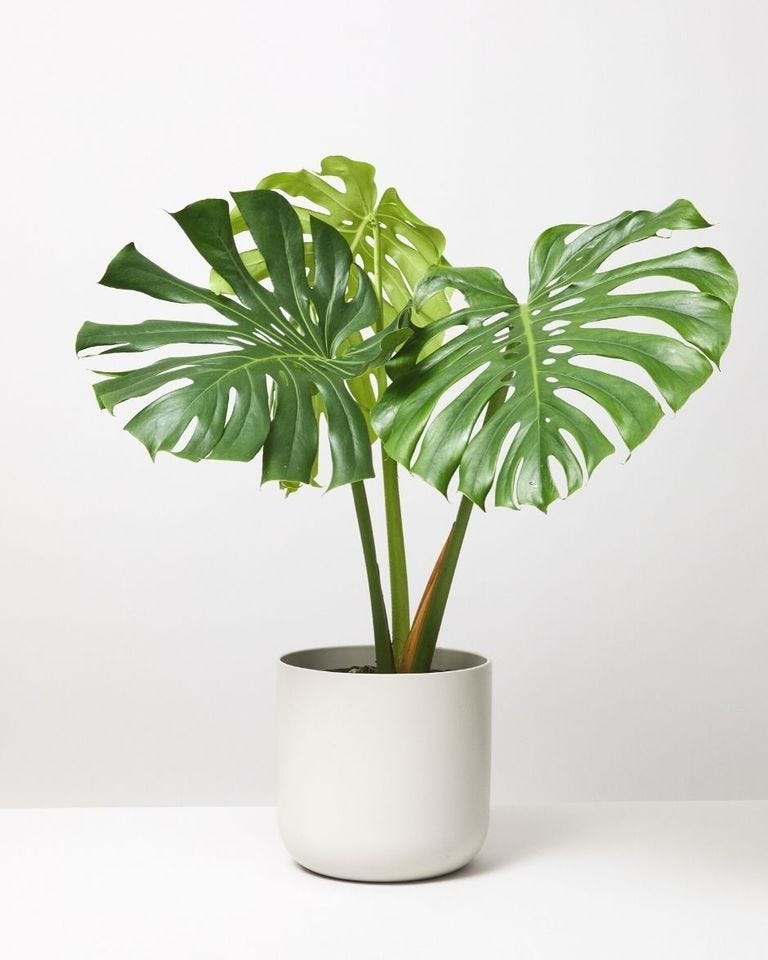
Material choices also define the aesthetic and functionality of plant stands. Wooden plant stands, crafted from various types of wood like oak or pine, enhance the natural look of indoor plants. They provide a humble backdrop that allows the plants' unique leaves, such as variegated or fenestrated types, to stand out. Metal plant stands offer a more classic or bold statement. Available in a range of colors and shapes, from white and black to gold, they can complement existing decor and are often paired with tall, upright plants like snake plants or succulents to emphasize their strong stature.
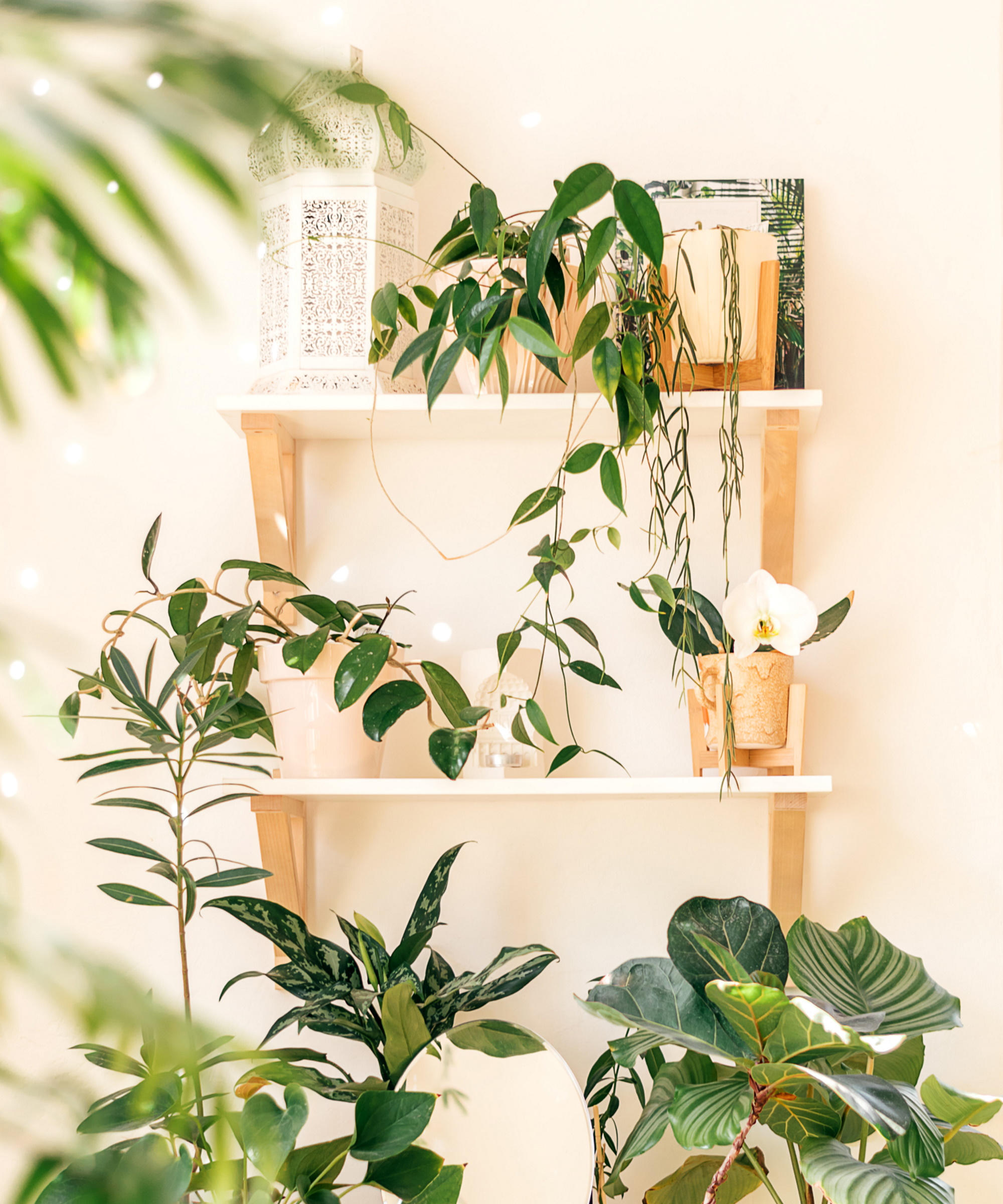
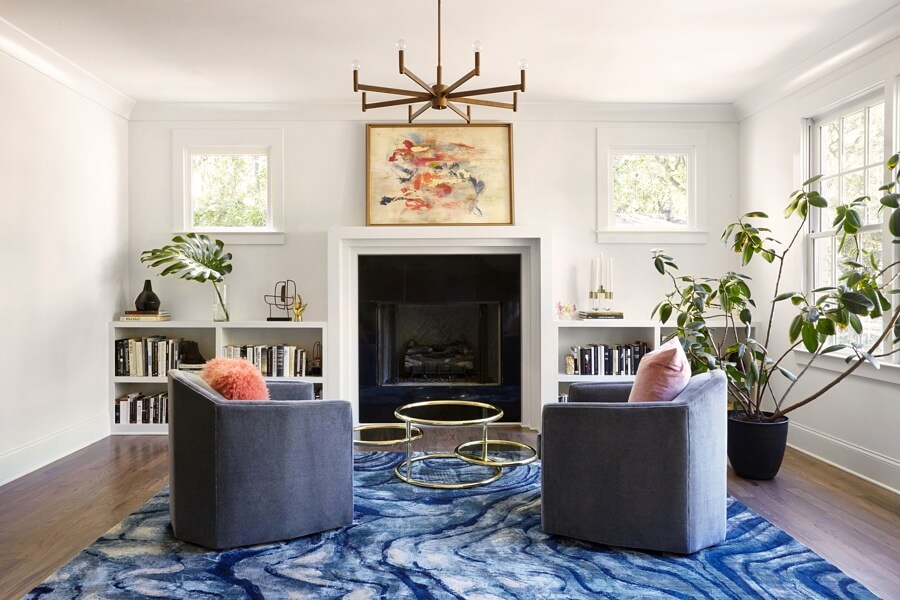
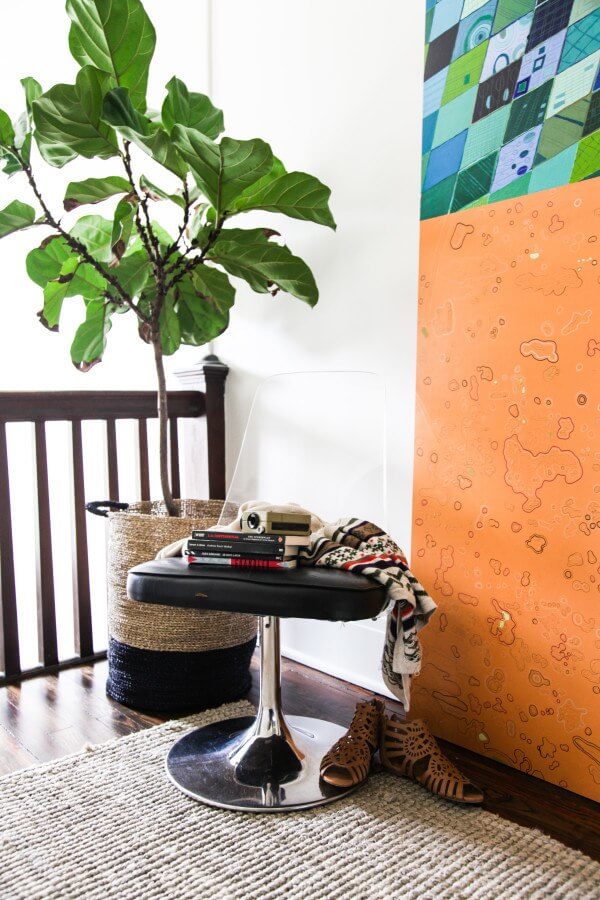
Ultimately, the choice of a plant stand depends on both styling preferences and the specific care requirements of the houseplants. Any houseplant can be styled on a plant stand, with popular choices including trailing plants like ivy and string of hearts, trees such as fiddle leaf figs, ferns, and succulents. Plant stands offer a versatile solution for diversifying indoor plant displays beyond traditional placements on floors, shelves, windowsills, or tables, allowing for personalized and aesthetically pleasing arrangements while supporting plant well-being. Before selecting a stand, it is crucial to understand the plant's light and growth needs to ensure a thriving indoor garden.
#PlantStands #IndoorPlants #HouseplantDecor #PlantCare #HomeDecor #InteriorDesign #GardeningTips #MultiLevelStands #WoodenPlantStands #PlantStands #IndoorPlants #HouseplantDecor #PlantCare #HomeDecor #InteriorDesign #GardeningTips #MultiLevelStands #WoodenPlantStands
0 comment in total
 No comments yet
You may also like
The best indoor plant stands to elevate your space
Craig's secret weapon for helping his indoor plants look their best

Spruce Up Your Patio, Porch, or Deck With These Attractive Outdoor Plant Stands

Plant Style: Elevate Your Decor with Indoor Plants
Indoor plant shelf ideas – expert tips for styling your houseplants
The power of greenery! 5 ways that houseplants can elevate your interior

67 Of The Best Plant Stands That’ll Help You Show Off Your Green Thumb
6 Plants That Professional Stagers Say Will Actually Help You Sell Your Home

This Visual Design Trick Is the Coolest Way to Style Your Houseplants
12 easy indoor plant styling tips

25 Indoor House Plants To Buy If You Know Your Spider Plant From Your Aloe Vera

Indoor Garden Ideas —14 Ways To Live Amongst Greenery That Will Make Your Life Better
Elevate Your Indoor and Outdoor Plants with Our Favorite Plant Stands

Designing With Plants: Expert Tips for Stylishly Greening Your Interiors

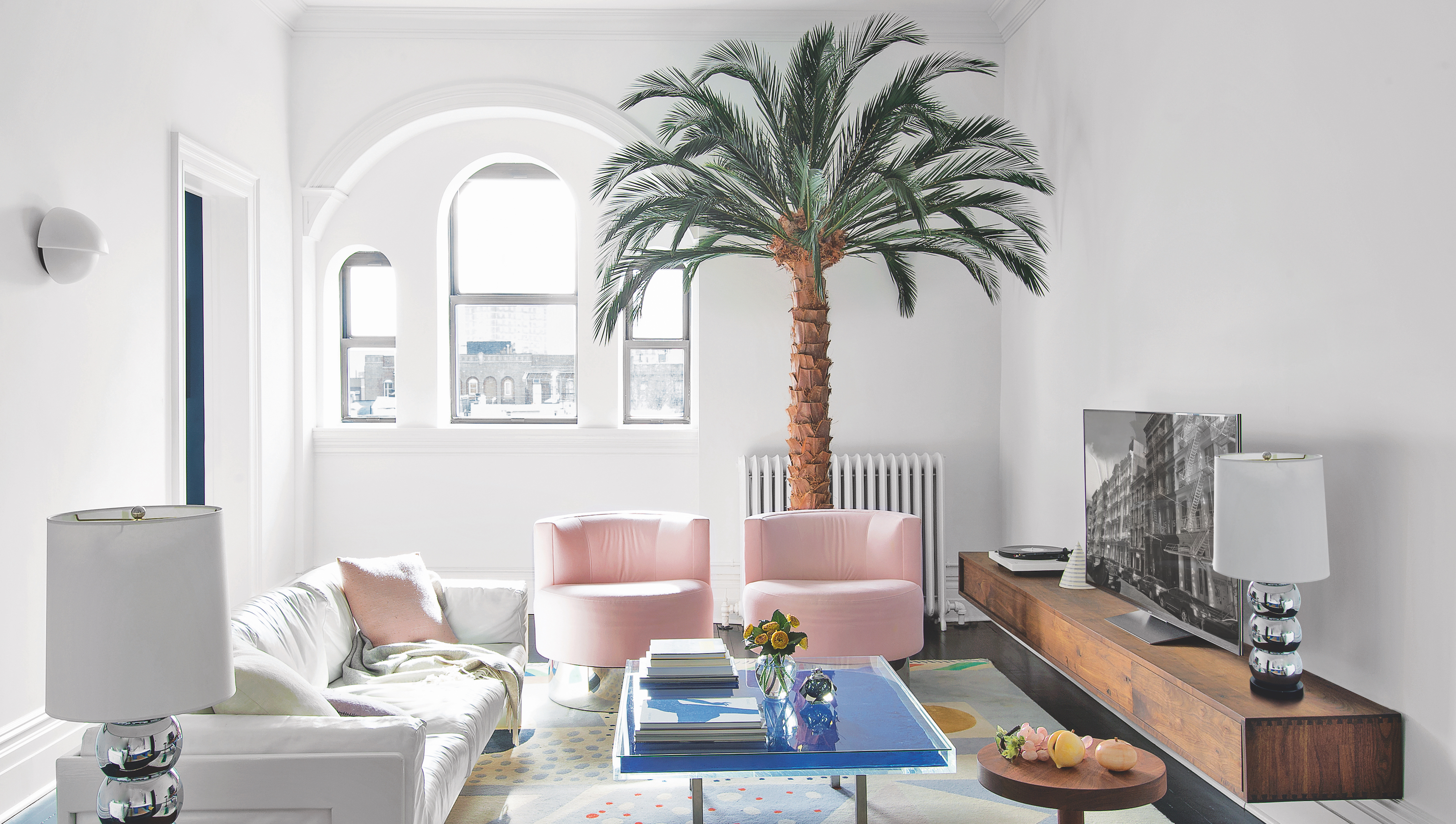
Decorating with plants – inspiring ways to use plants in interior design

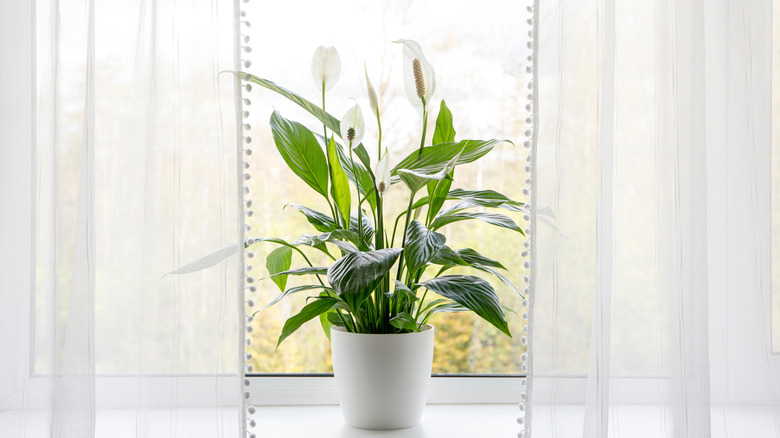
The Perfect Plant For Your Style

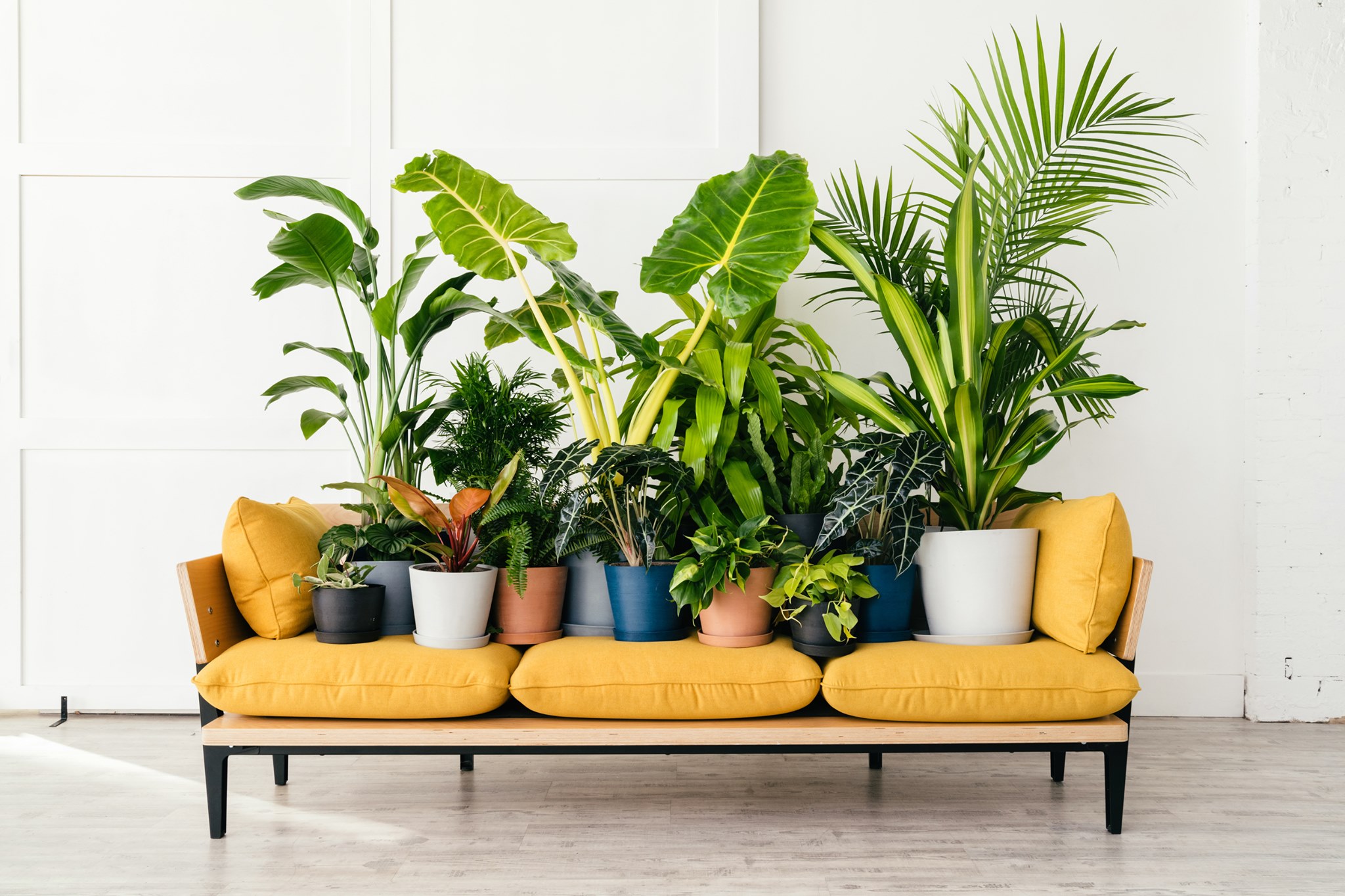
Best indoor plants: the best house plants for stylish greenery

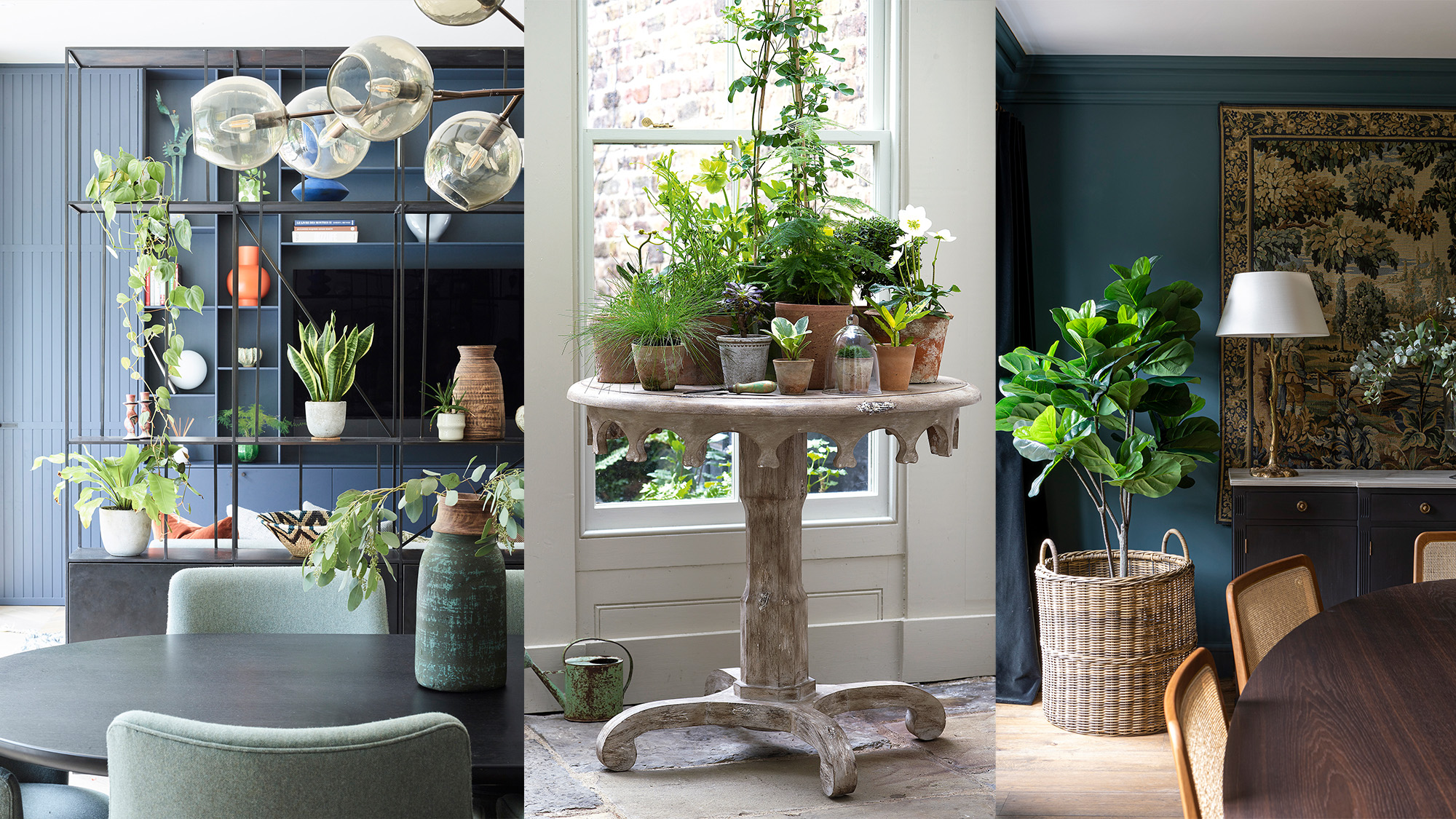
Decorating with plants – 11 ways to display houseplants
Dramatic "Plant Corners" Are Trending — Here's How You Can Master This Green Decorating Idea
19 Ways to Design with Houseplants