1/2
Hot Take: Are Fake Plants Actually Really Cool?
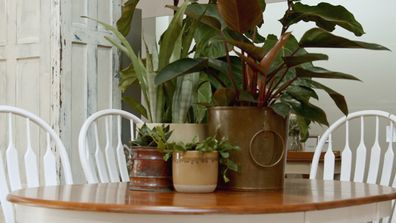
Live indoor plants are renowned for their ability to enhance interiors by adding color, life, and natural texture, while also purifying the air and improving mental well-being. However, maintaining live plants can be challenging due to their specific needs for ample sunlight, high humidity, and consistent watering, especially since many houseplants are tropical in origin. For those who cannot commit to the rigorous upkeep of live plants, or whose spaces lack the necessary conditions, artificial plants present a viable alternative.
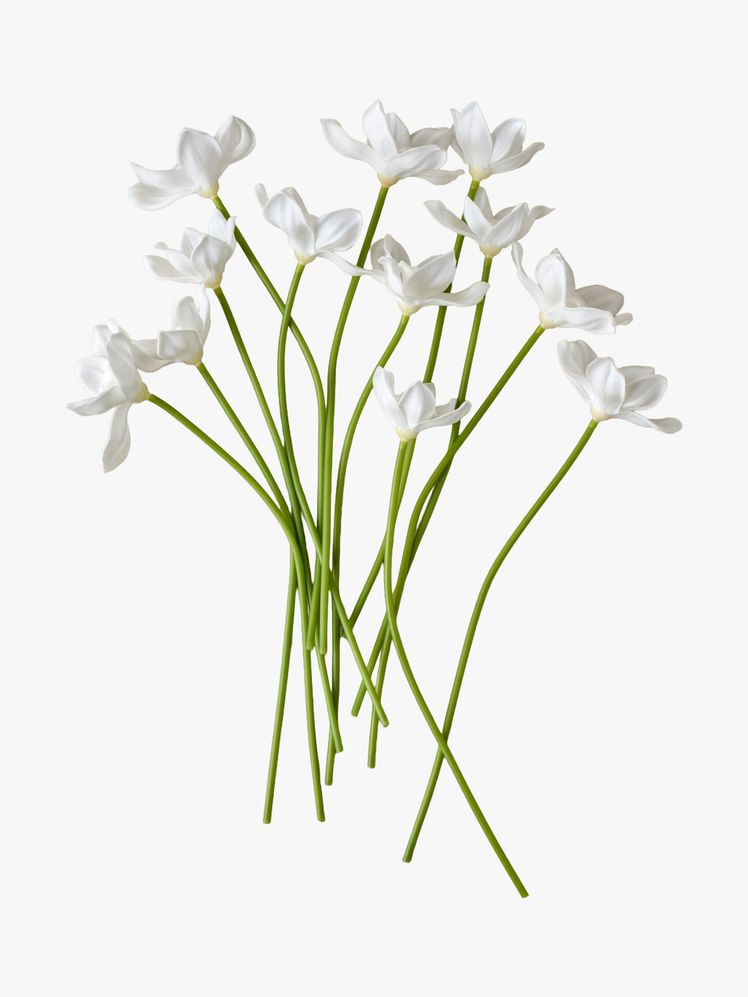
While fake plants traditionally carry a stigma, often associated with sterile environments like doctors' offices, advancements in quality have made them a more acceptable and even desirable design element. Interior designers now acknowledge that high-quality artificial plants can be indistinguishable from their live counterparts. Laetitia Laurent, an interior designer, highlights their utility for clients who desire greenery without the associated maintenance, or for spaces with limited sunlight. Additionally, artificial plants are ideal for allergy sufferers or frequent travelers who need a low-stress option.
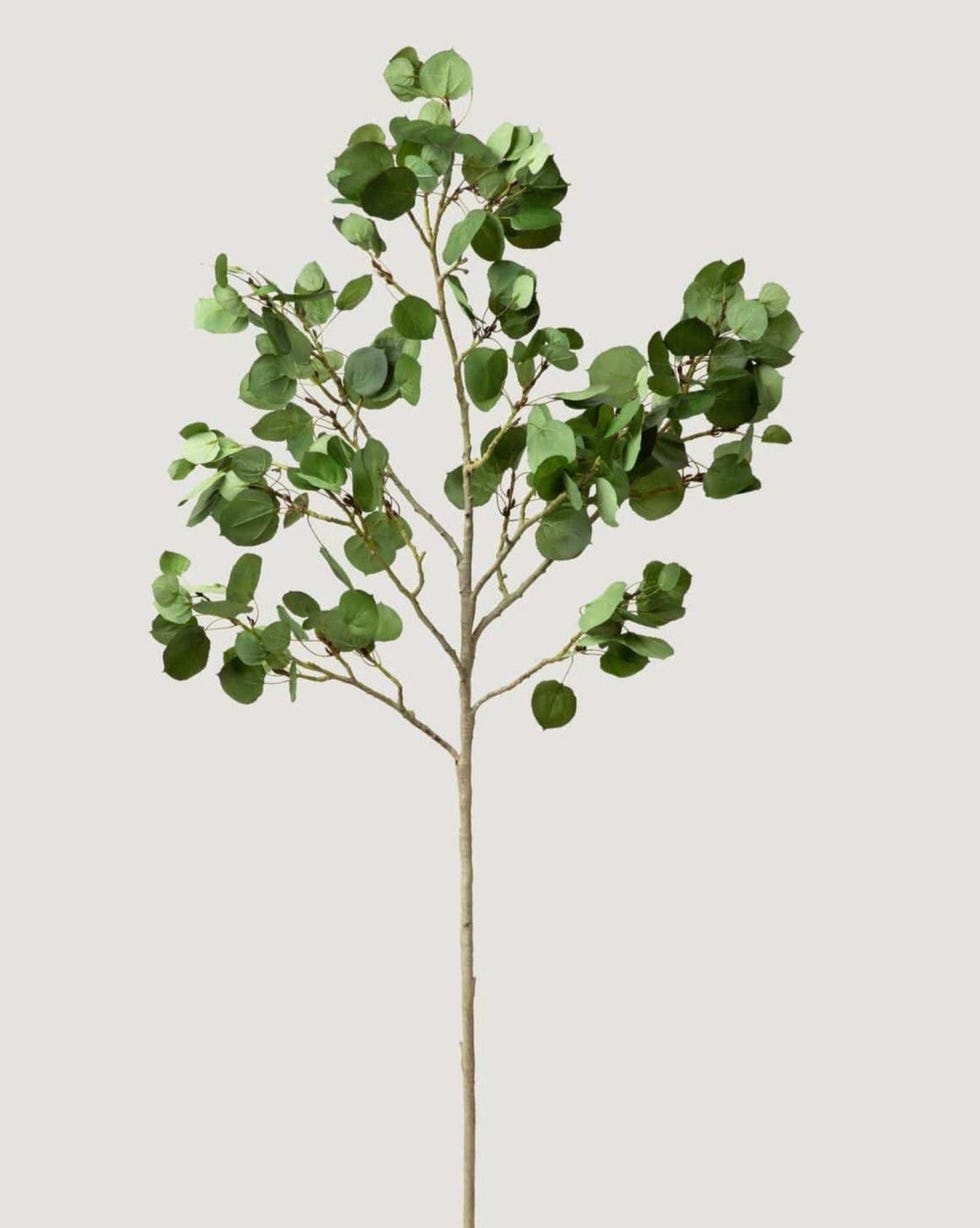
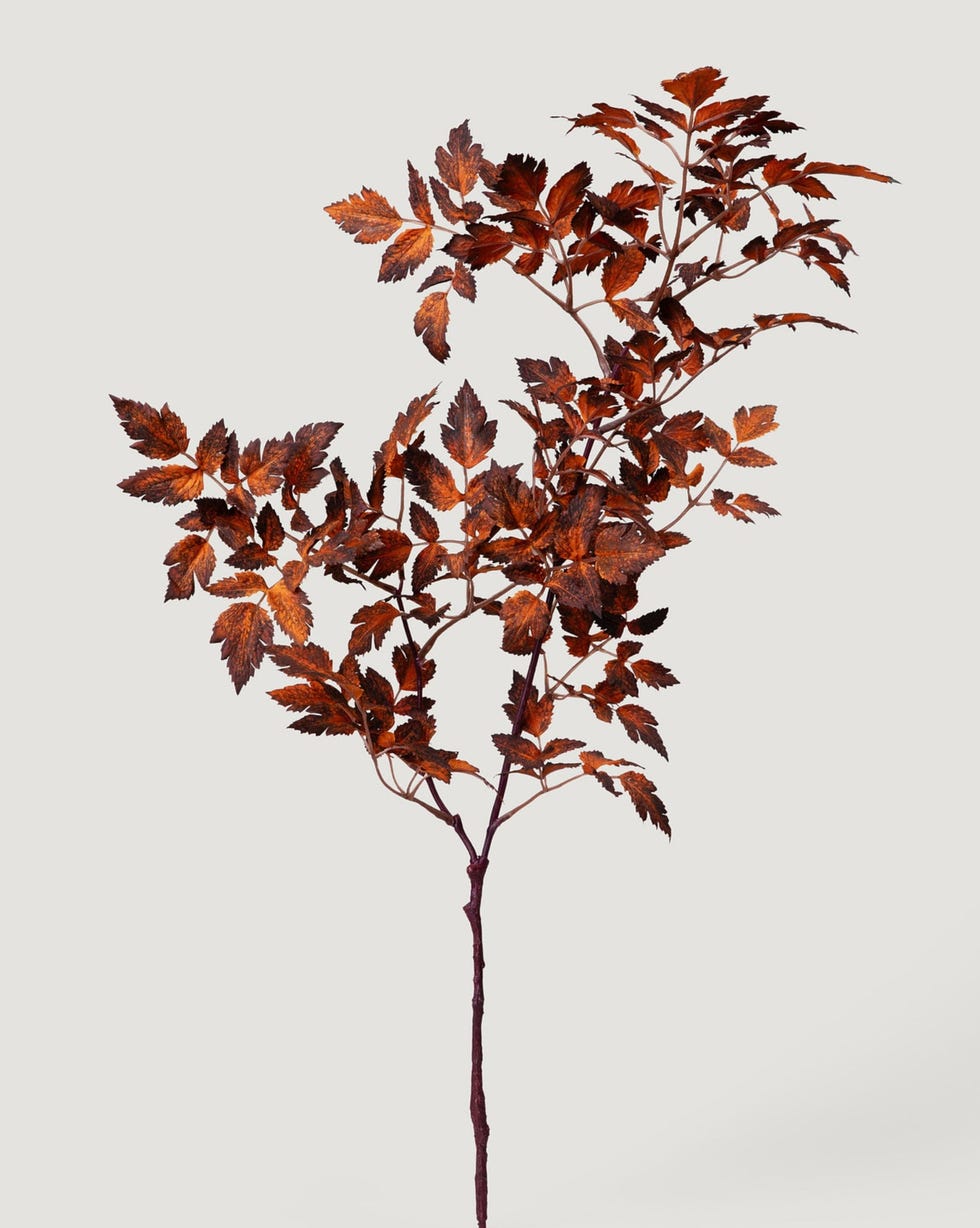
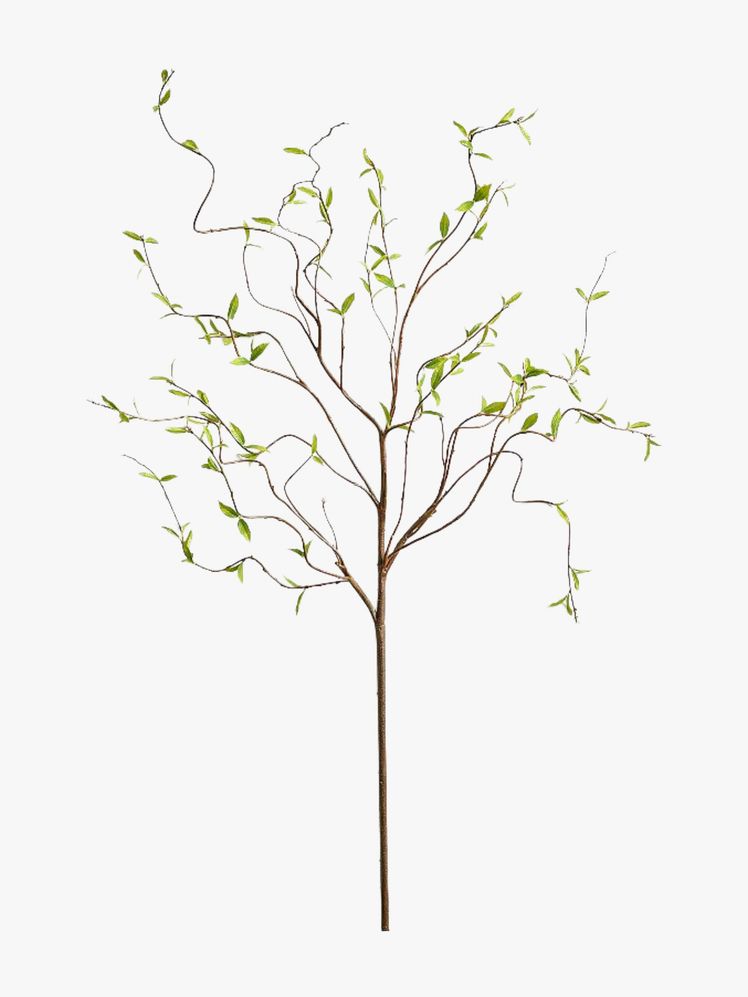
Erica McLain, another interior designer, suggests preserved or dried botanicals as an alternative to plastic artificial plants. These options, such as weeping willow eucalyptus, amaranth, and Echinops globe thistles, offer the authentic texture of living plants without requiring water or sunlight, effectively bridging the gap between natural beauty and convenience.
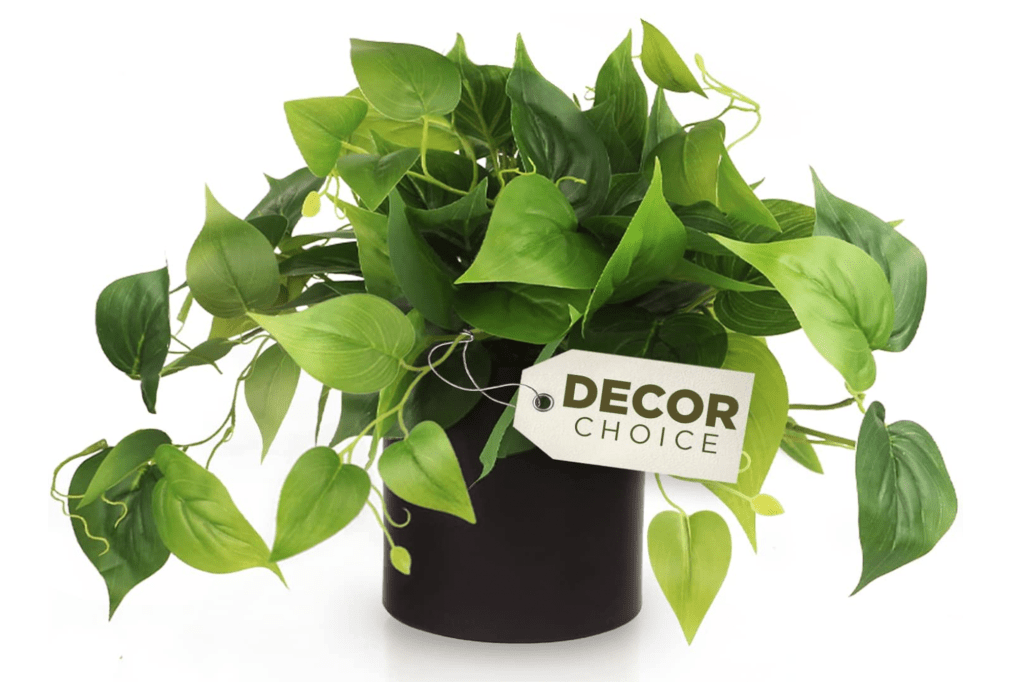
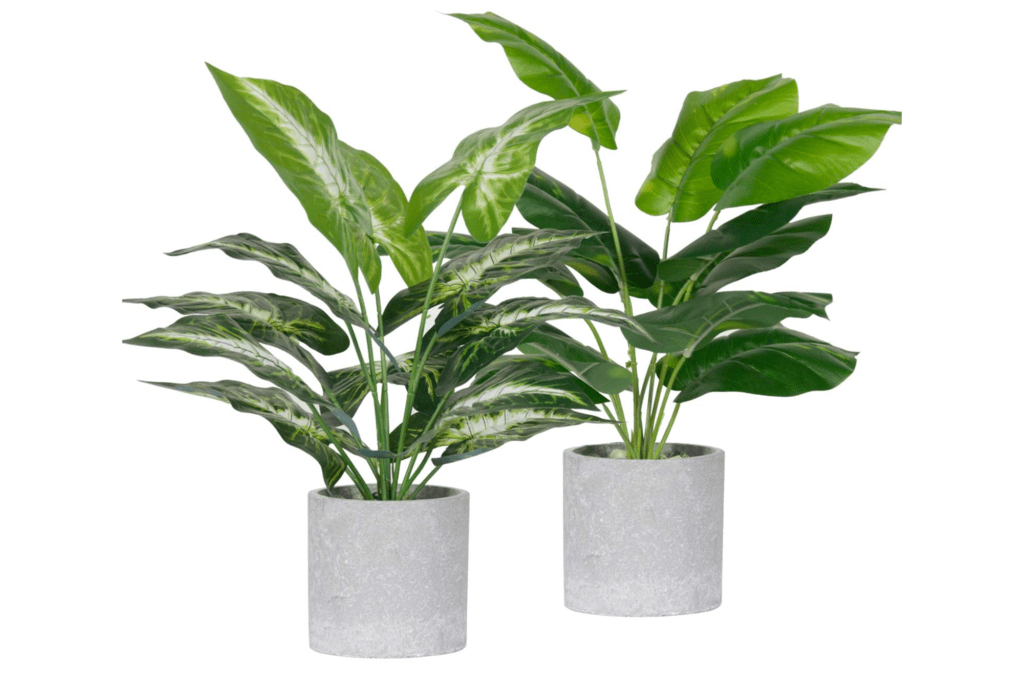
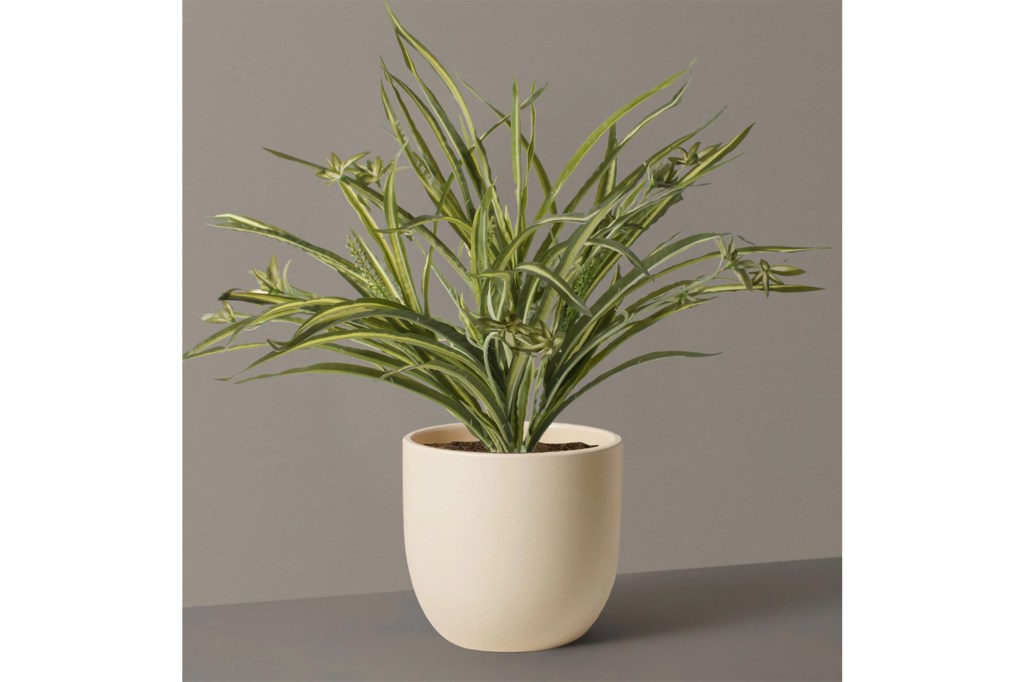
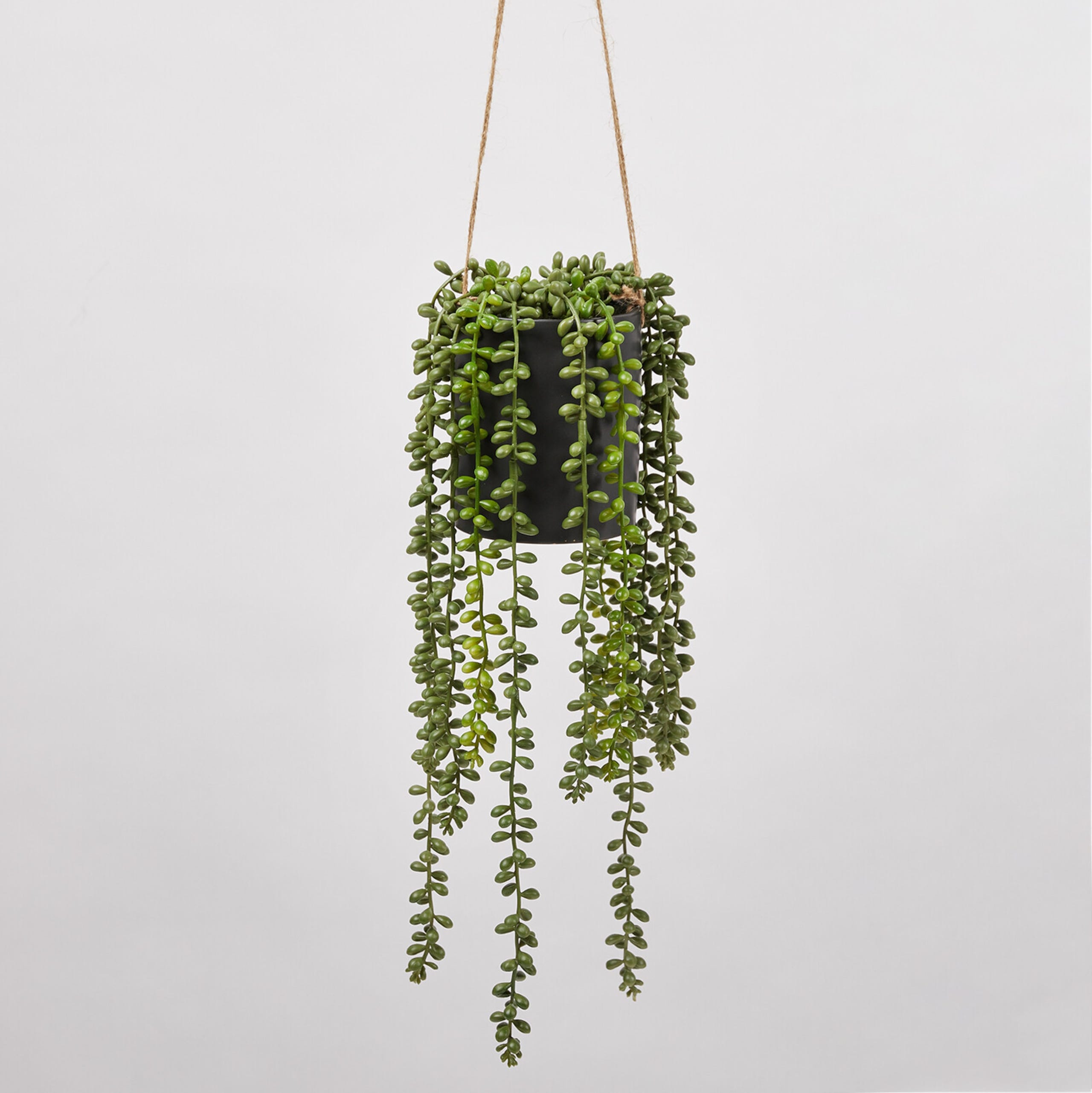
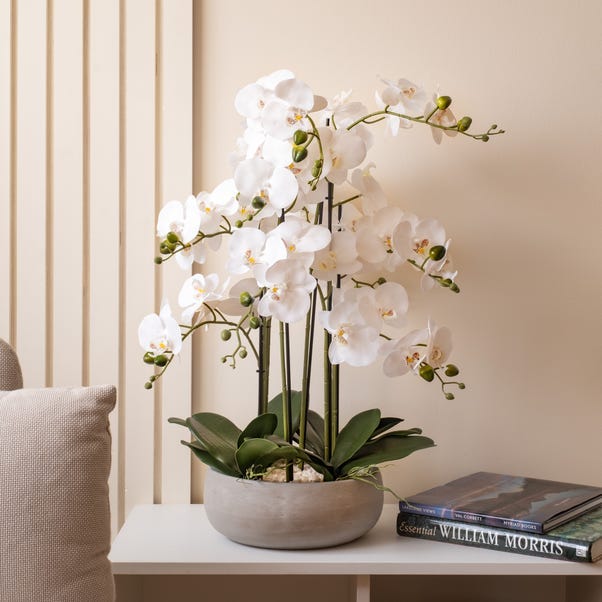
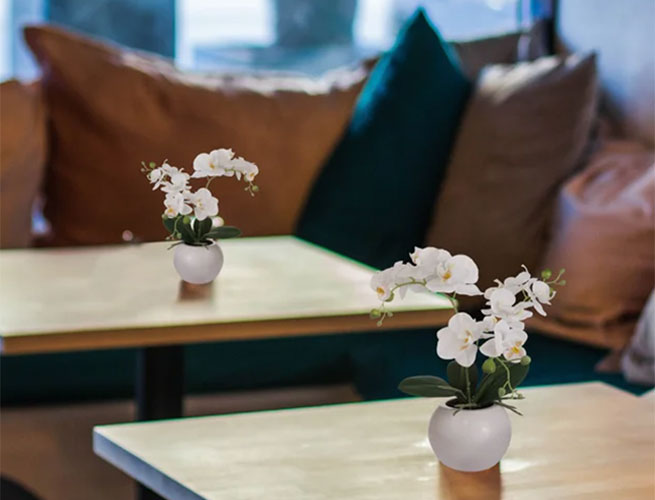
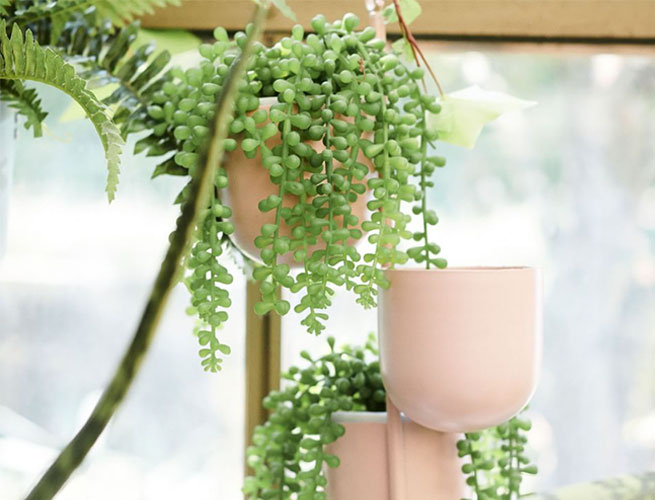
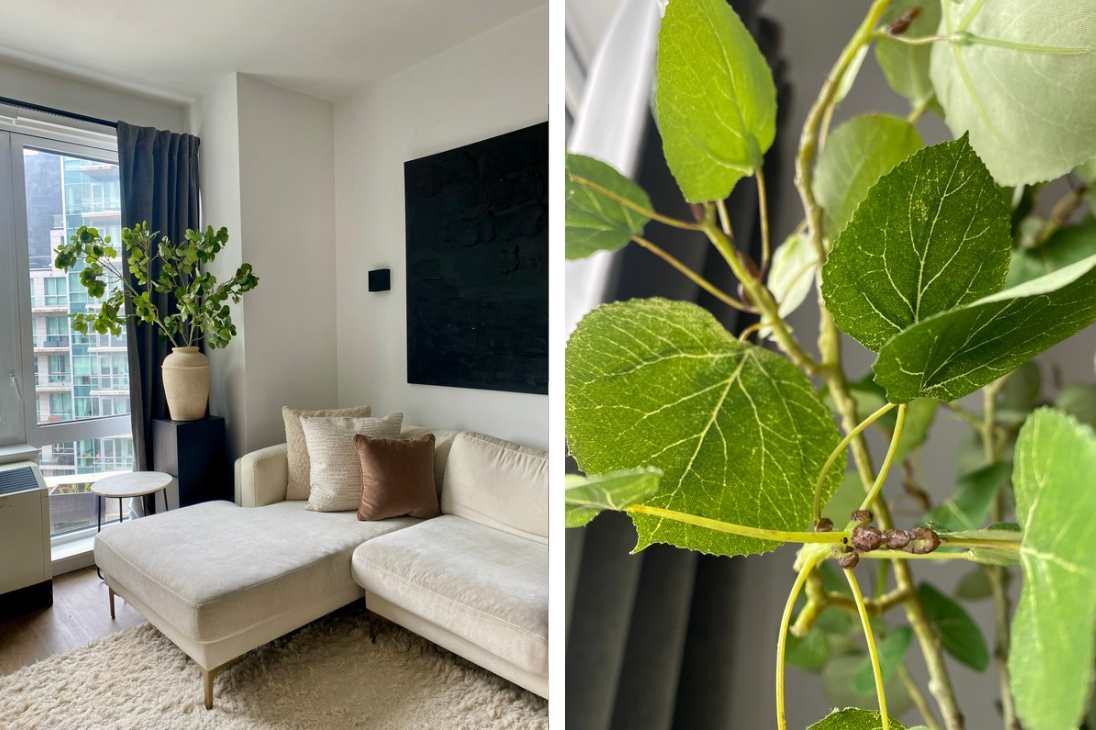
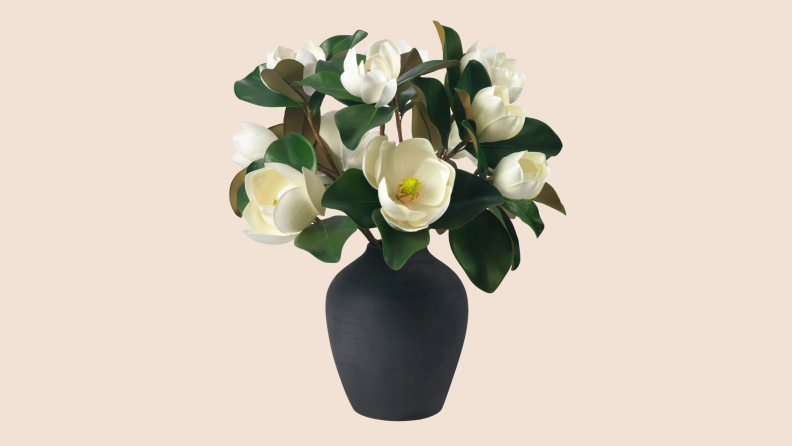
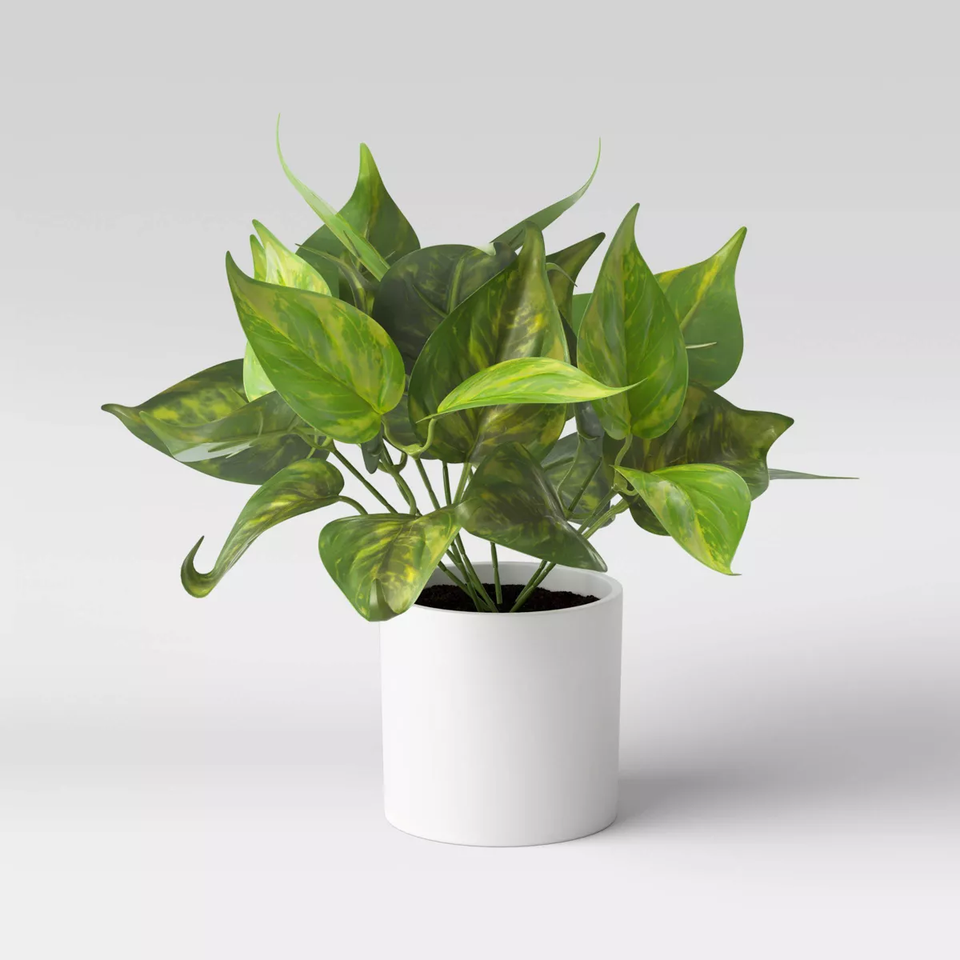
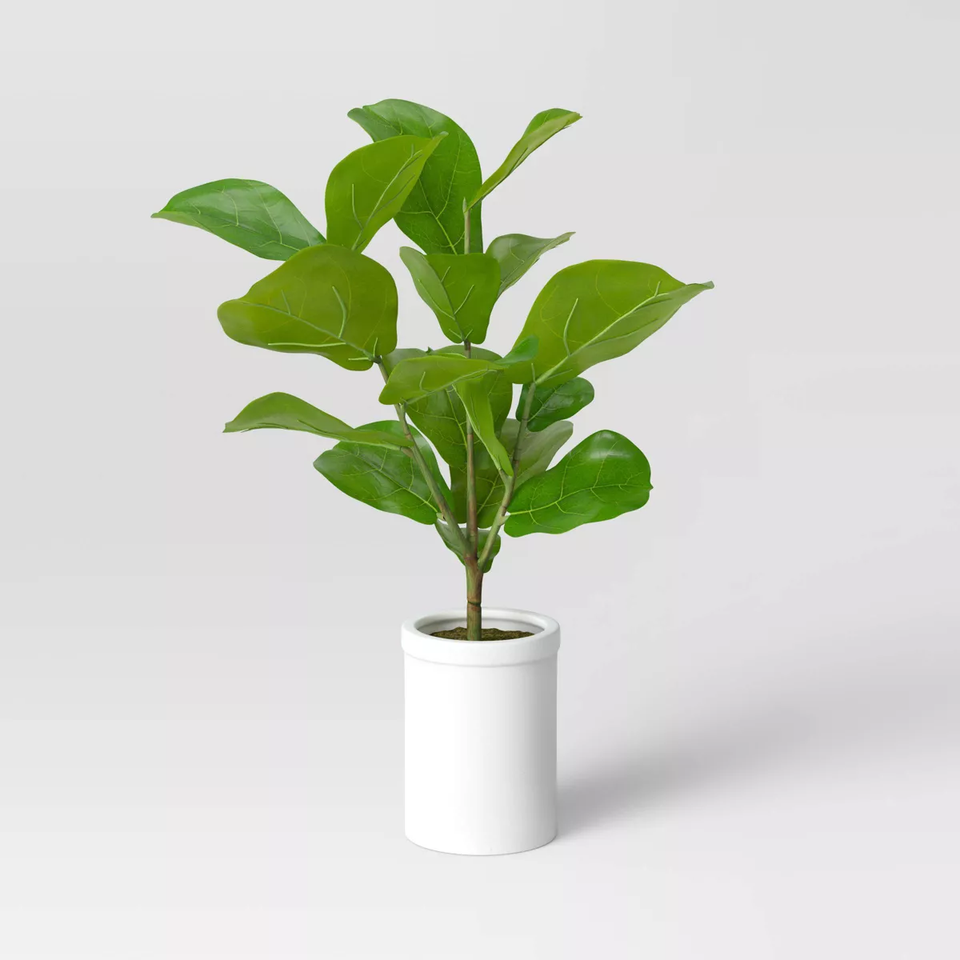
To successfully incorporate fake plants into a design, several expert-approved pointers should be considered. Realism in texture, color variation, and organic flow are crucial; excessively glossy or symmetrical artificial plants tend to look fake. McLain advises seeking out imperfections, as nature itself is imperfect. The choice of planter also plays a significant role, with the right vessel elevating the appearance of any faux plant.
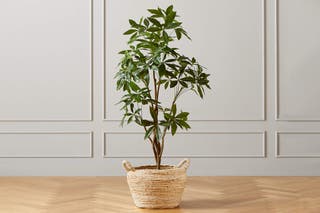
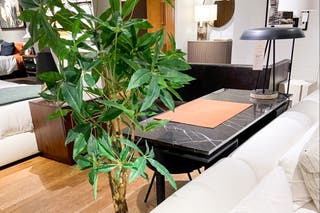
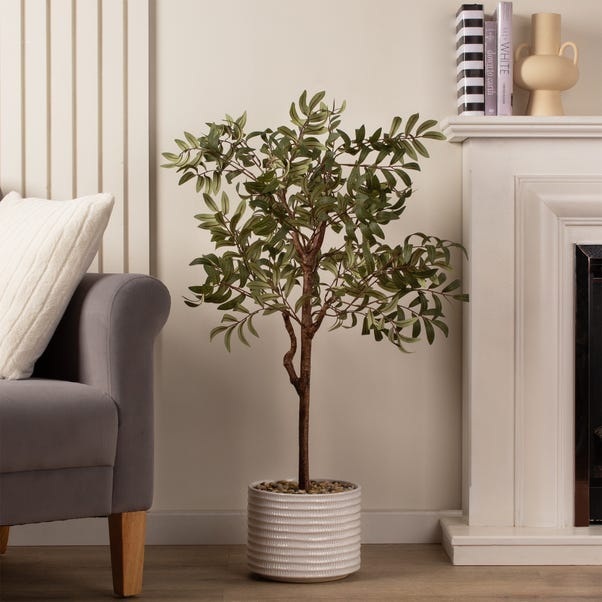
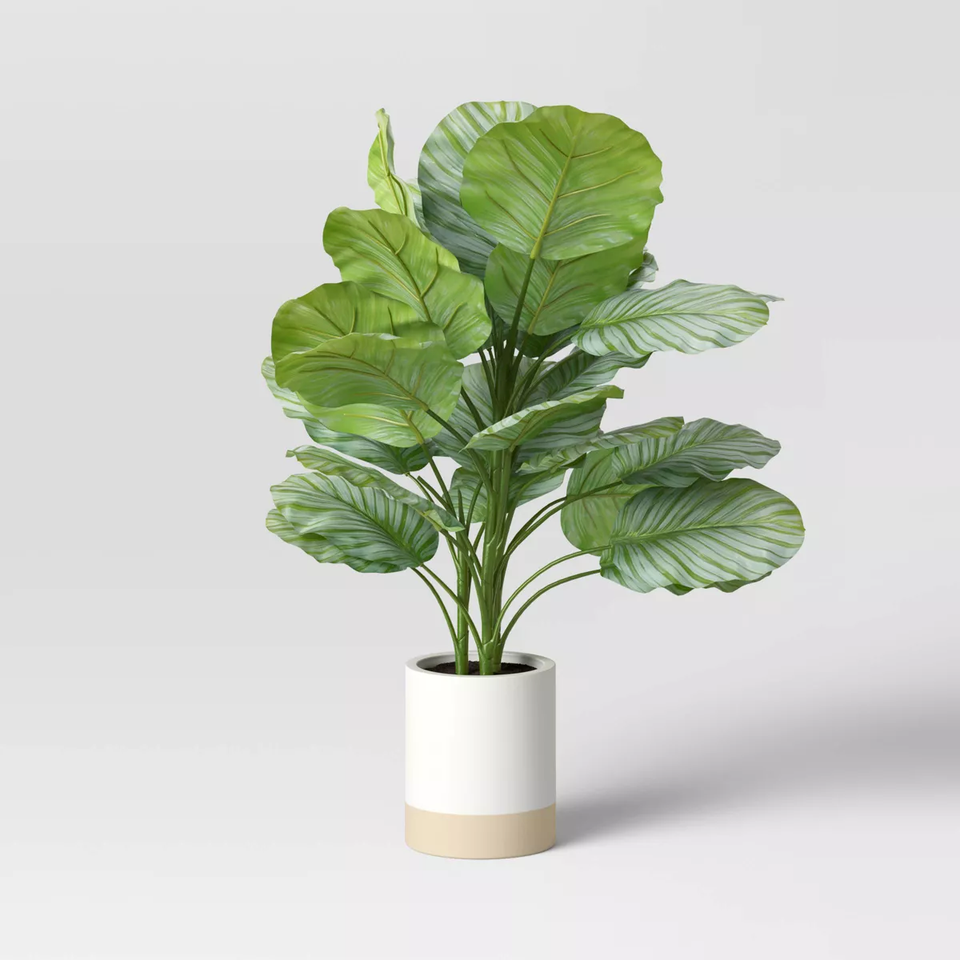
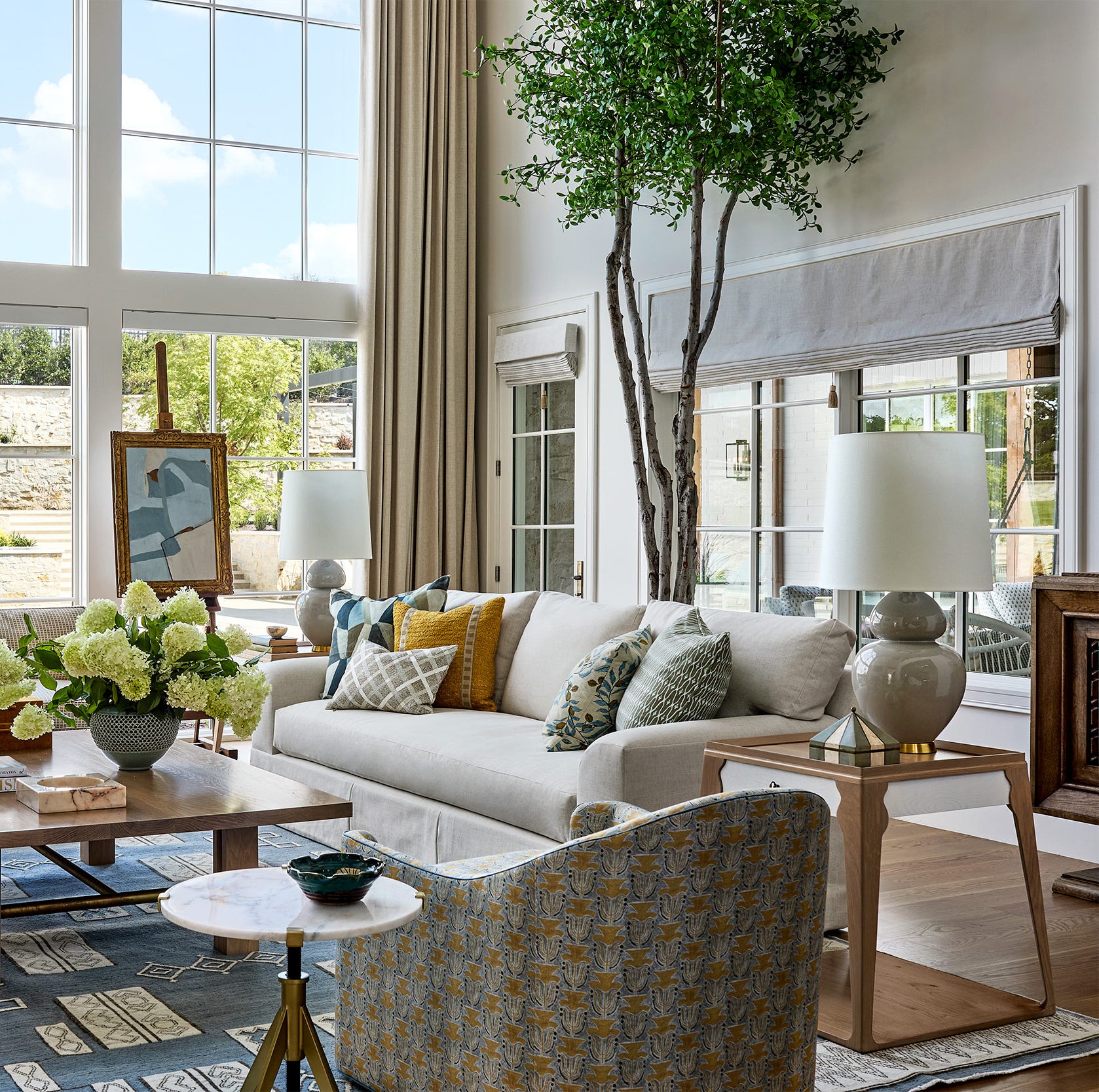
Larger artificial plants, particularly trees and big ferns, are often more convincing than smaller ones. Their size creates a natural, sculptural effect, and they are typically viewed from a distance, reducing scrutiny. McLain emphasizes that a well-scaled and styled faux tree can effectively soften a harsh corner or add height and dimension to a room, provided it is used intentionally and sparingly.
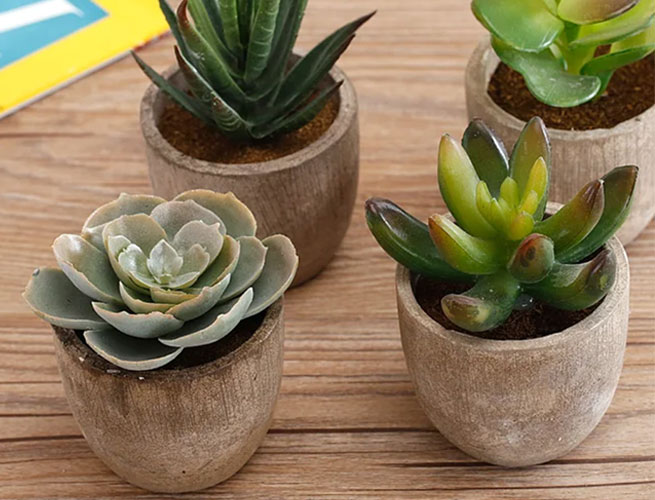
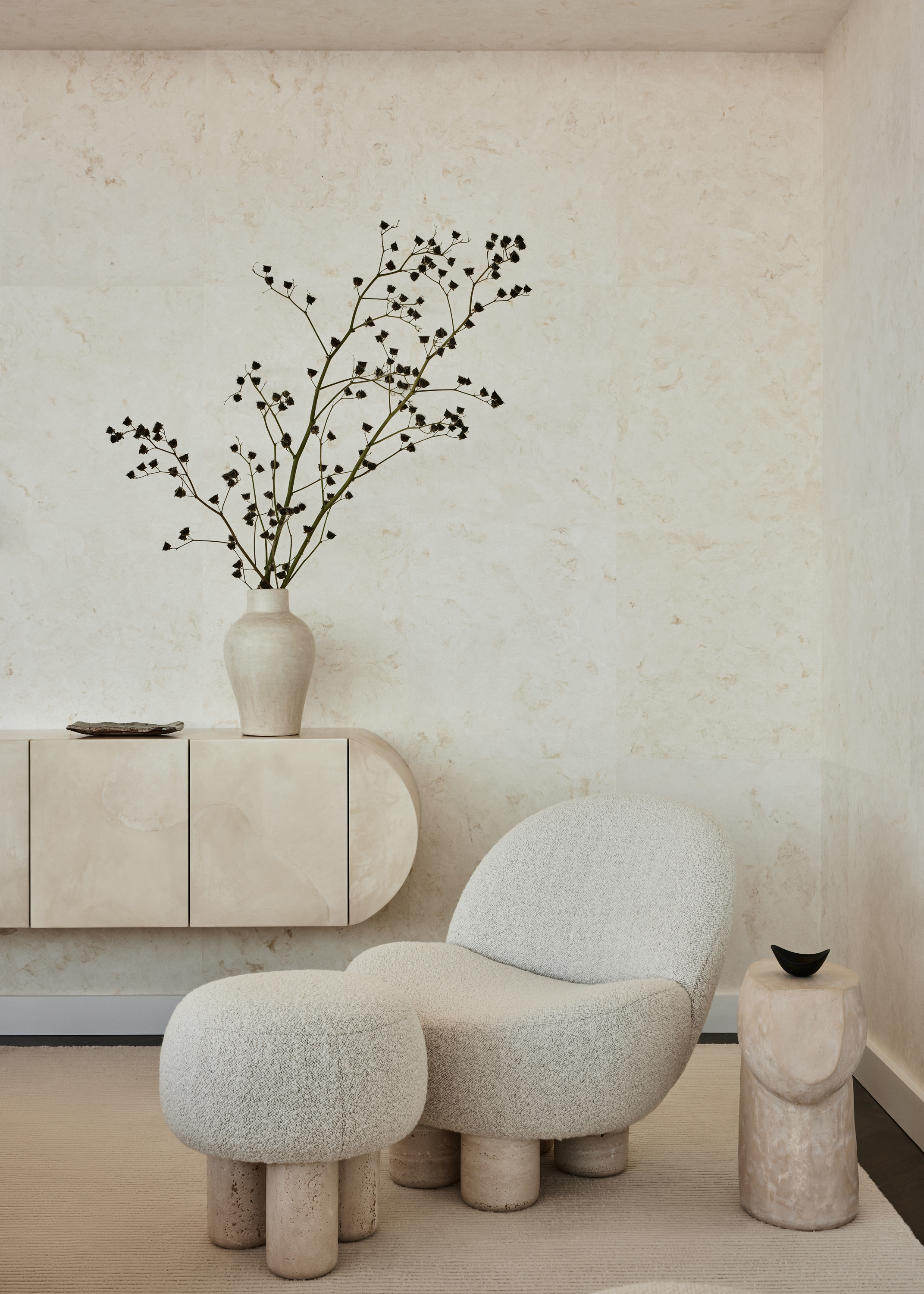
To further enhance the natural appearance of artificial plants, designers recommend pairing them with natural textures and elements found outdoors, such as raw woods or natural stones. This strategy helps to ground the space in authenticity and balance the artificial elements. It is also advised against overusing artificial plants, as a single, well-placed statement piece can elevate a room, whereas too many can make it appear cluttered or contrived.
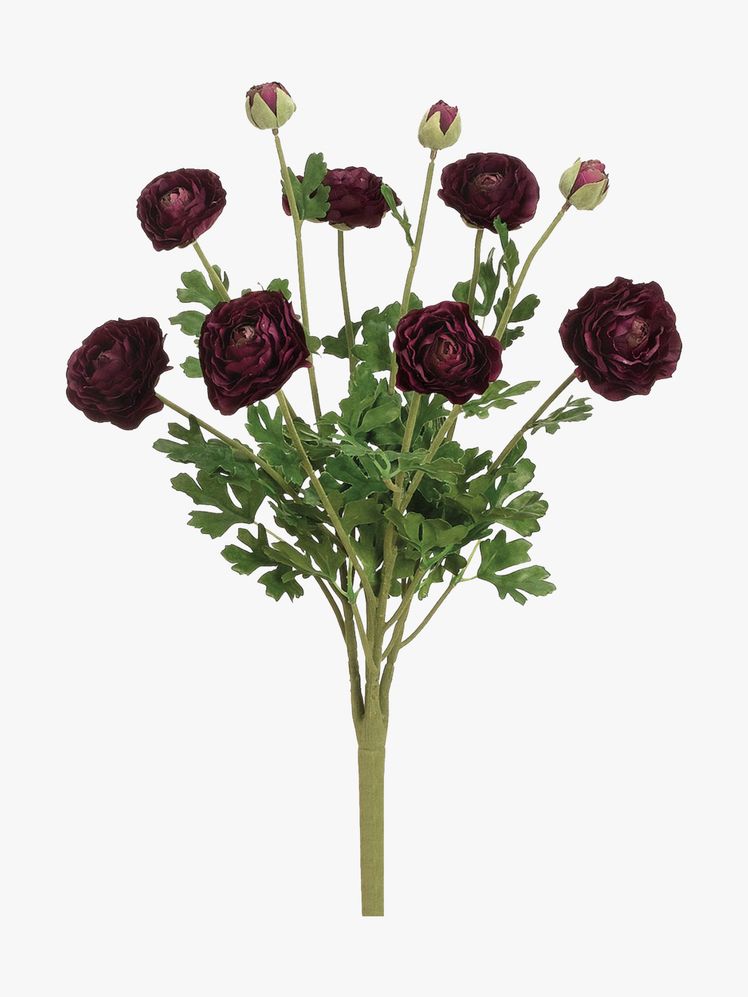
Beyond traditional realistic fake plants, there is a growing trend towards sculptural and artistic interpretations of greenery. Designers like McLain appreciate handcrafted pieces, such as Tommy Mitchell's metal florals or Roberta Schilling's suede houseplant collection, which offer a whimsical and artistic nod to nature without attempting to be realistic. Silk plants from brands like Afloral are also recommended for their quality, though they require regular dusting to maintain their convincing appearance.
#InteriorDesign #FakePlants #HomeDecor #Greenery #ArtificialPlants #DesignTips #Houseplants #HomeStyling #InteriorDesign #FakePlants #HomeDecor #Greenery #ArtificialPlants #DesignTips #Houseplants #HomeStyling
0 comment in total
 No comments yet
You may also like
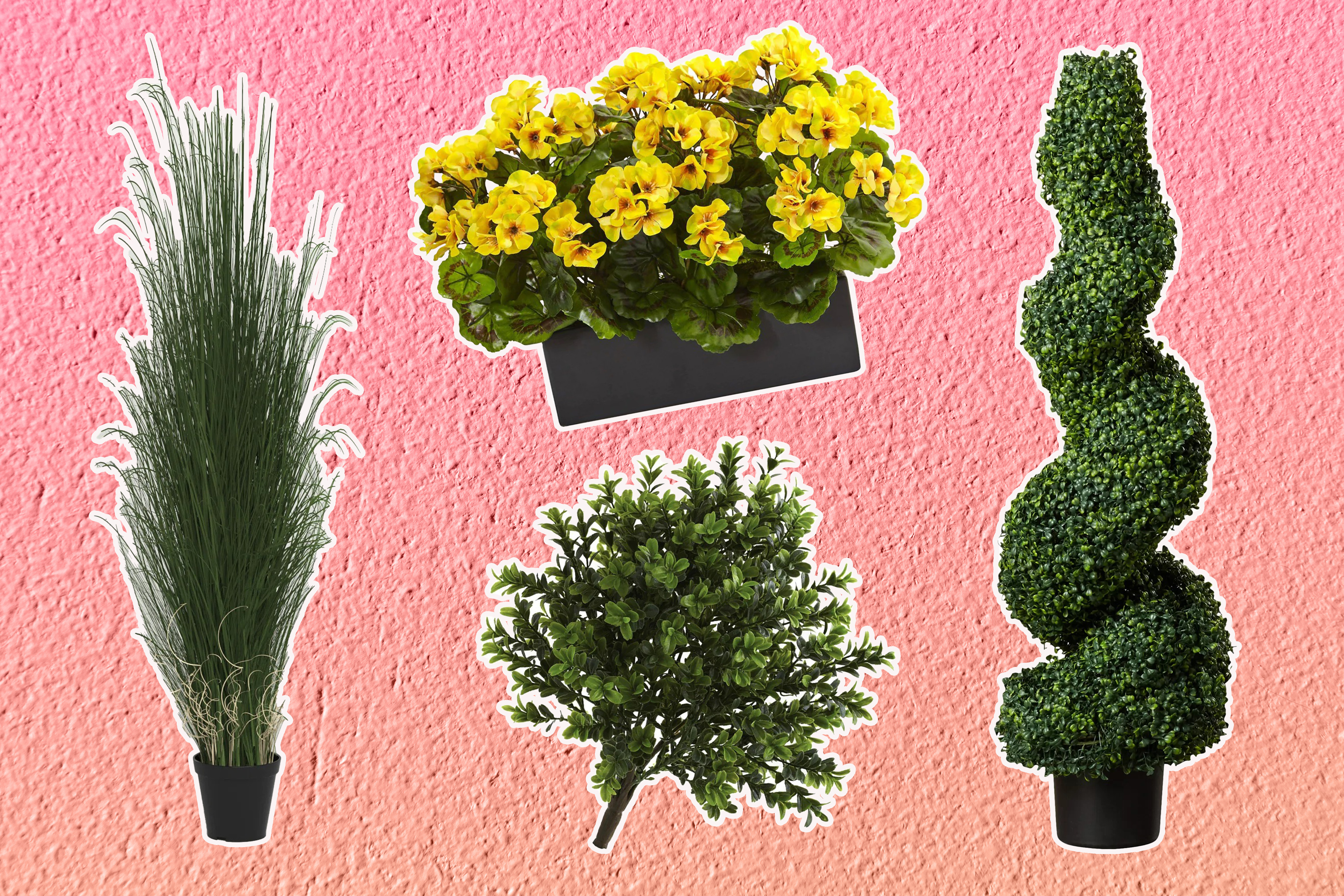
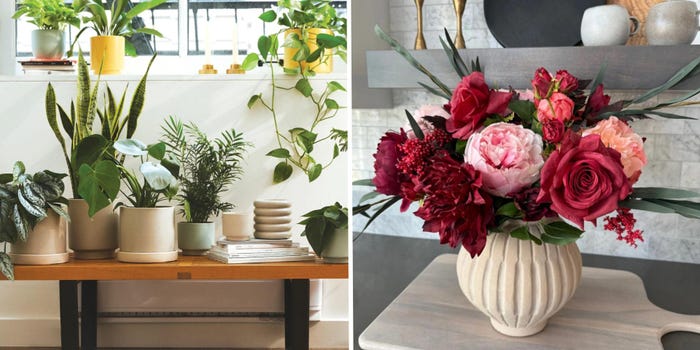
The 34 best fake plants to buy on Amazon that actually look real
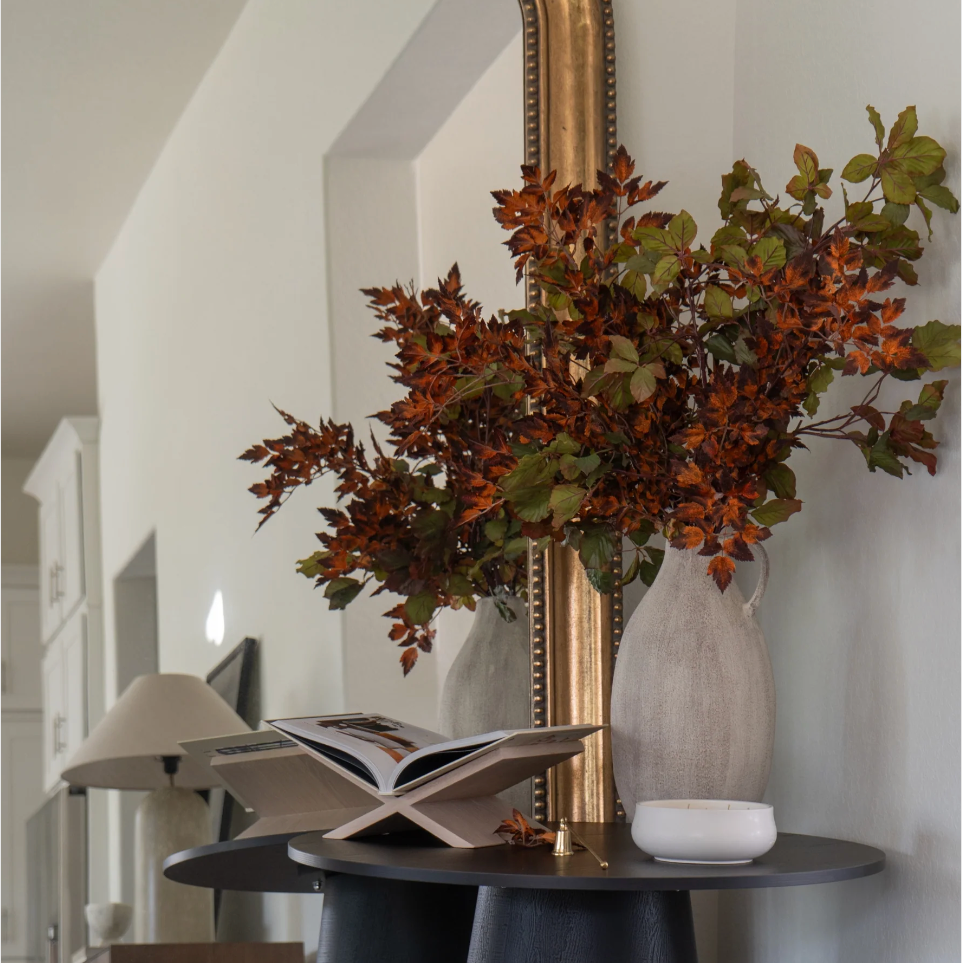
We Can’t Even Believe These Gorgeous Flowers Are Fake
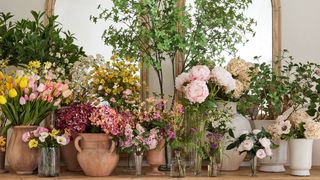
Where To Buy Artificial Flowers That Will Fool Just About Everyone

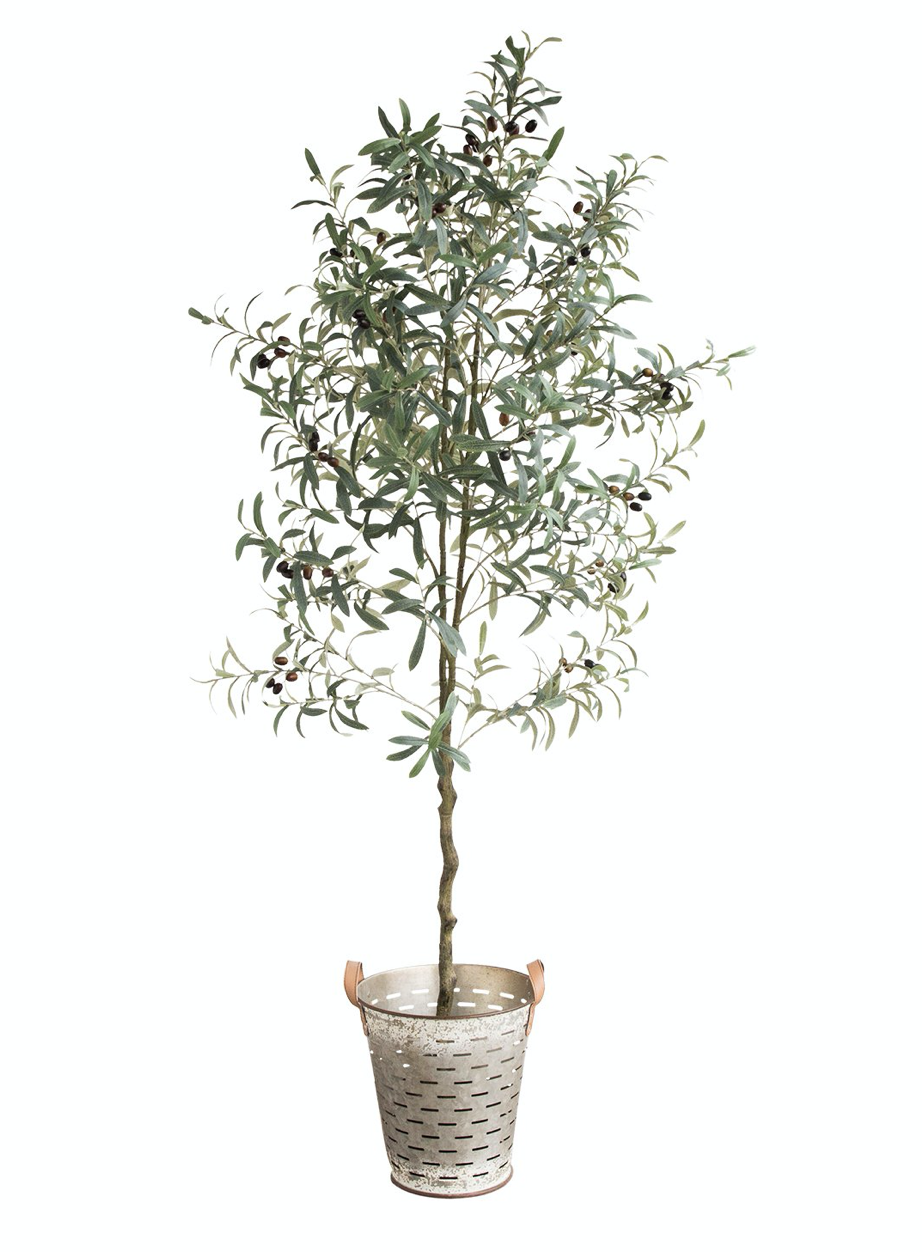
Our Most-Loved Project Plants

Fake Plastic Trees and Artificial Houseplants We Don’t Hate

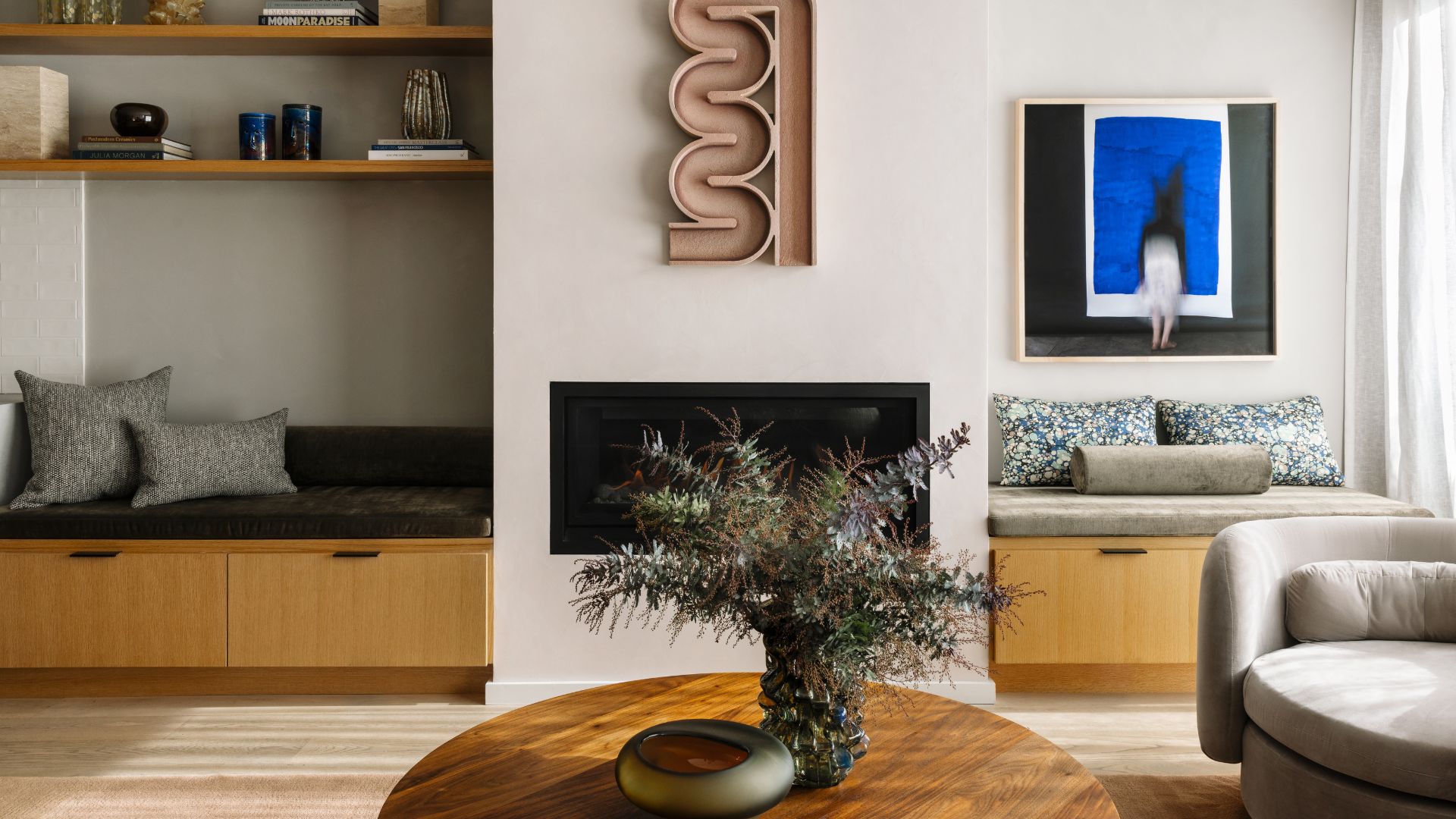
Are Fake Plants Bad Feng Shui? Probably Not, but You Shouldn't Put Them in These Places

The best artificial plants don't look fake — these are the best places to shop for realistic greenery
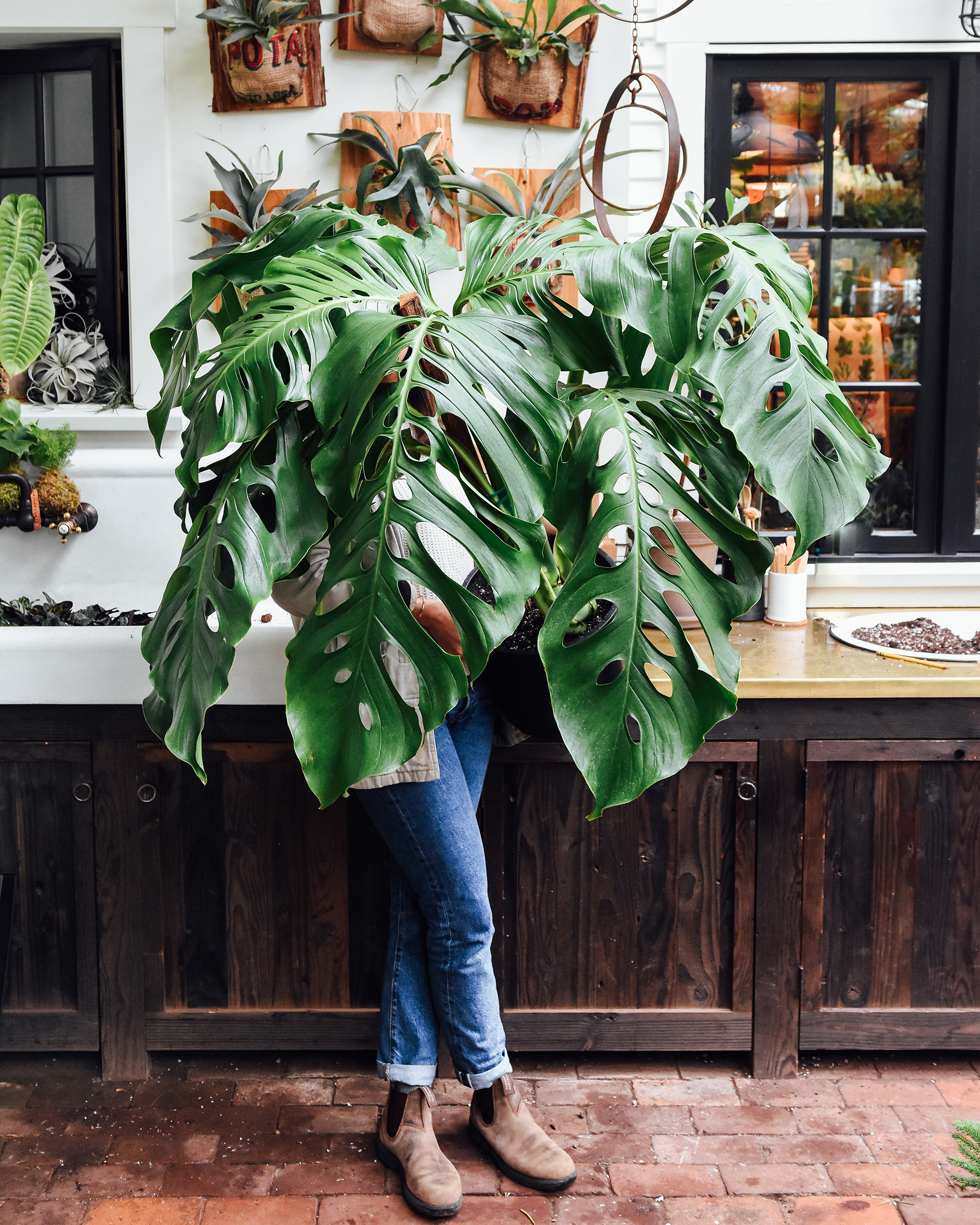
Who’s Paying $5,000 for One Houseplant? More People Than You’d Think

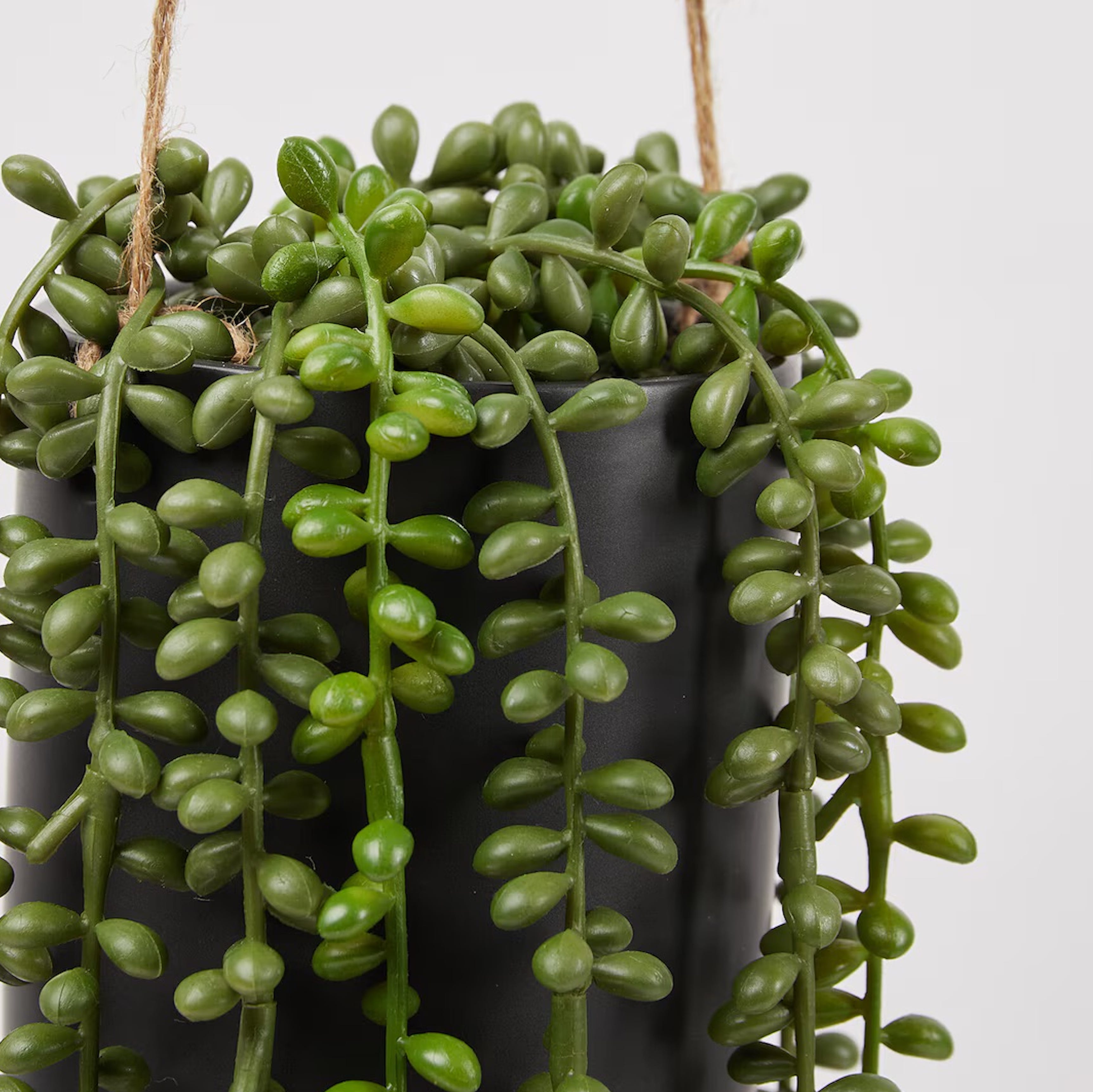
10 Realistic Artificial Plants That Require Minimal Effort
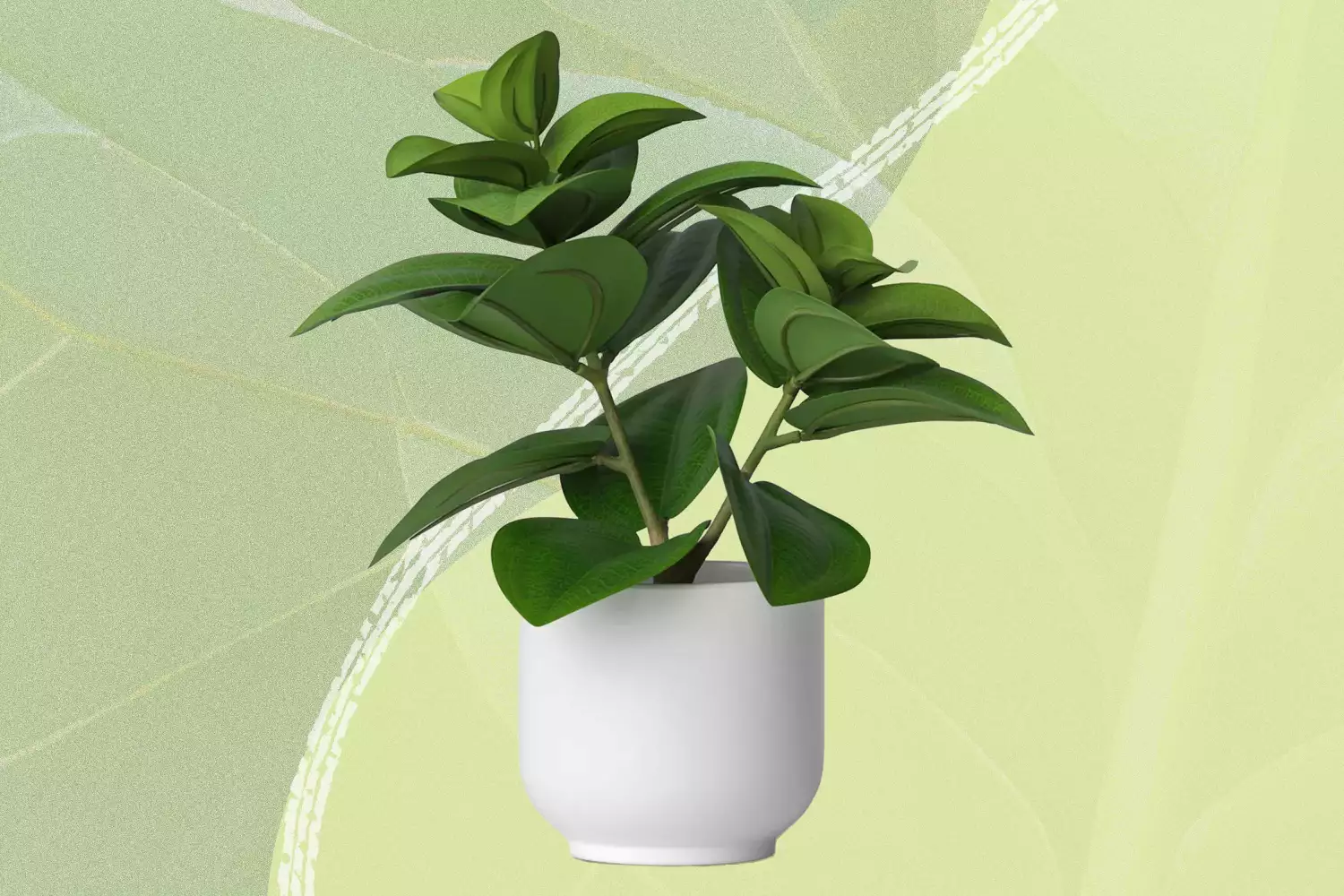
These 56 No-Fail Plants Promise to Look Pretty All Year Long

This Viral Gardening Trend is Loved by Experts — "It's the Best-Looking Idea for Growing Vegetables"
An Interior Designer Shares the "Tacky" Decor You Should Never Waste Your Money On

Fake Plants Are Actually Cool Now, And Here's How You Can Expertly Style Them In Your Home

Faux flowers got upgraded: Shop these realistic-looking blooms

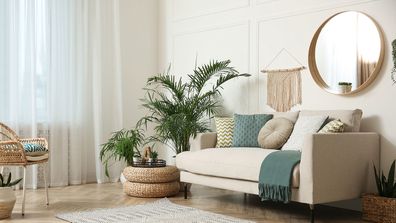
'Bigger is better': Expert tips and tricks for styling your indoor plants
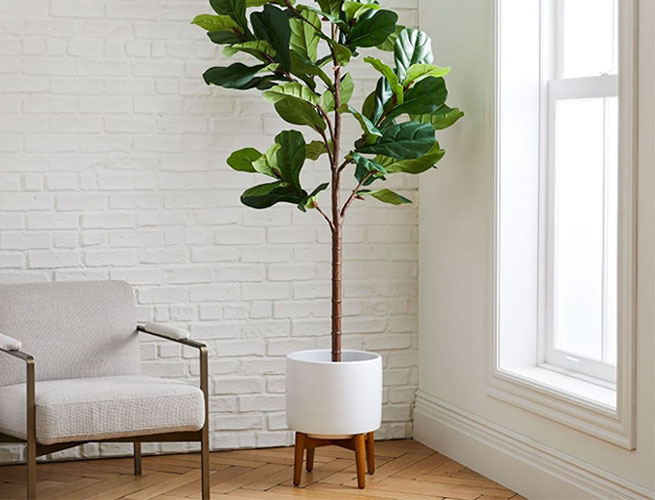
RS Recommends: These Stylish Artificial Plants Help You Fake a Green Thumb

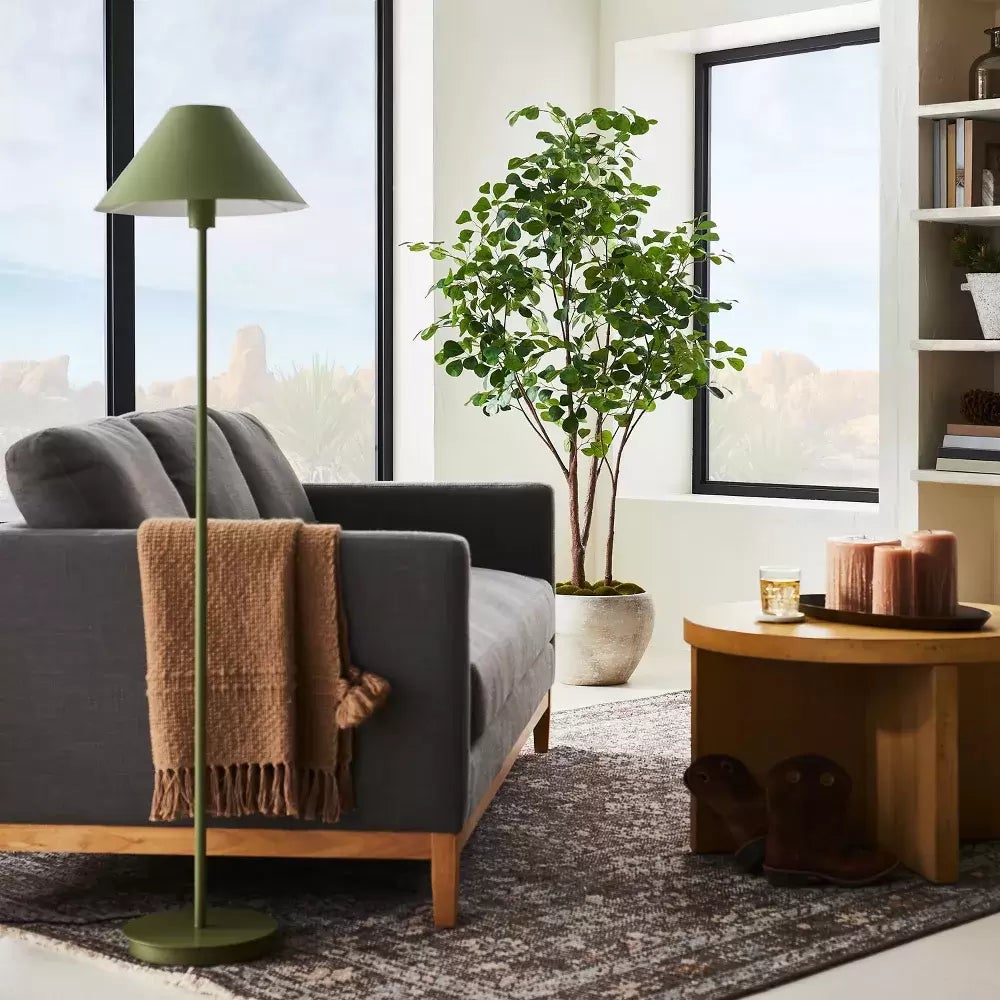
Target's Faux Foliage Is The Secret To My Green Home

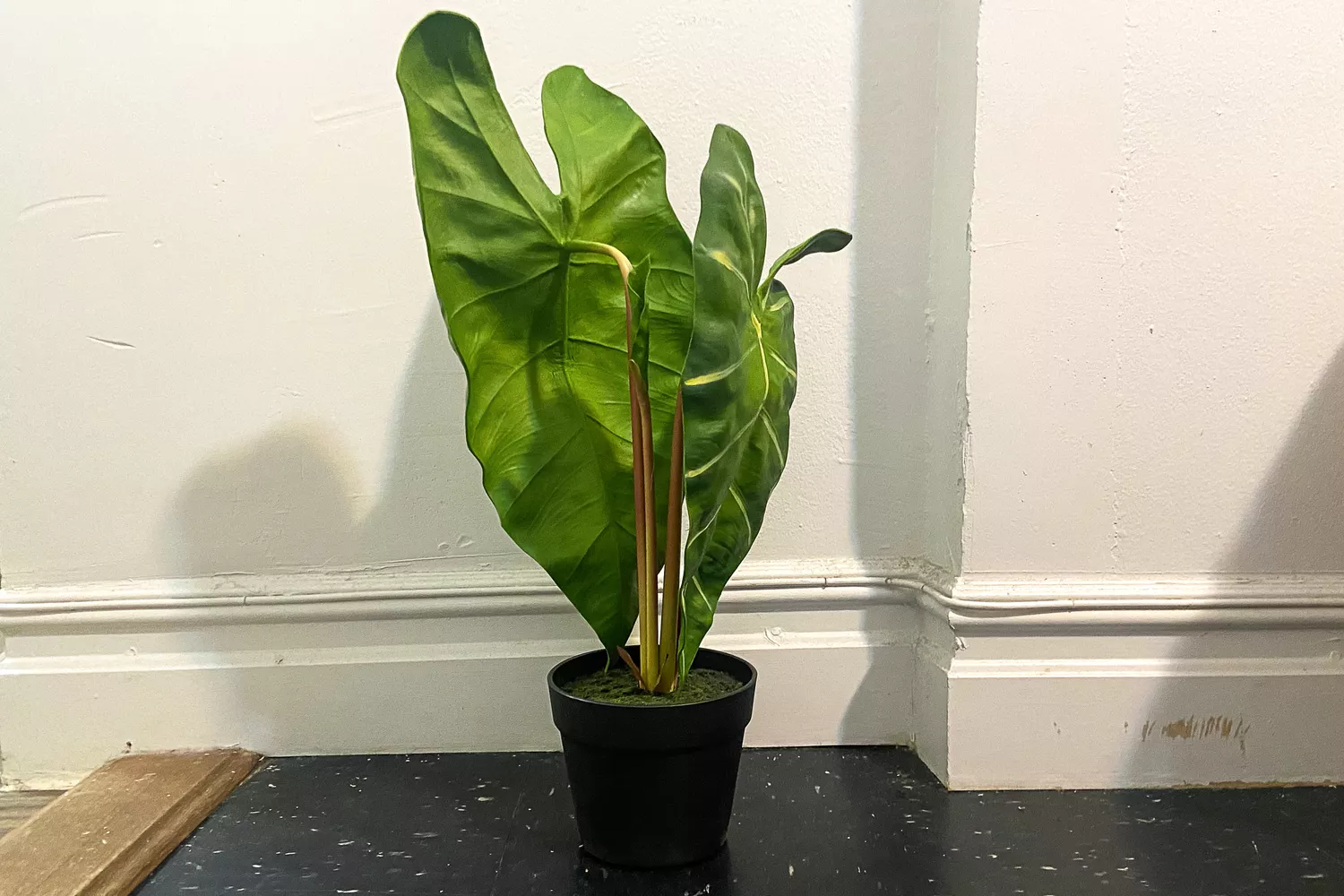
12 Fake Plants I Love for Any Space, As Someone Who Really Hates Watering