1/3
'Bigger is better': Expert tips and tricks for styling your indoor plants
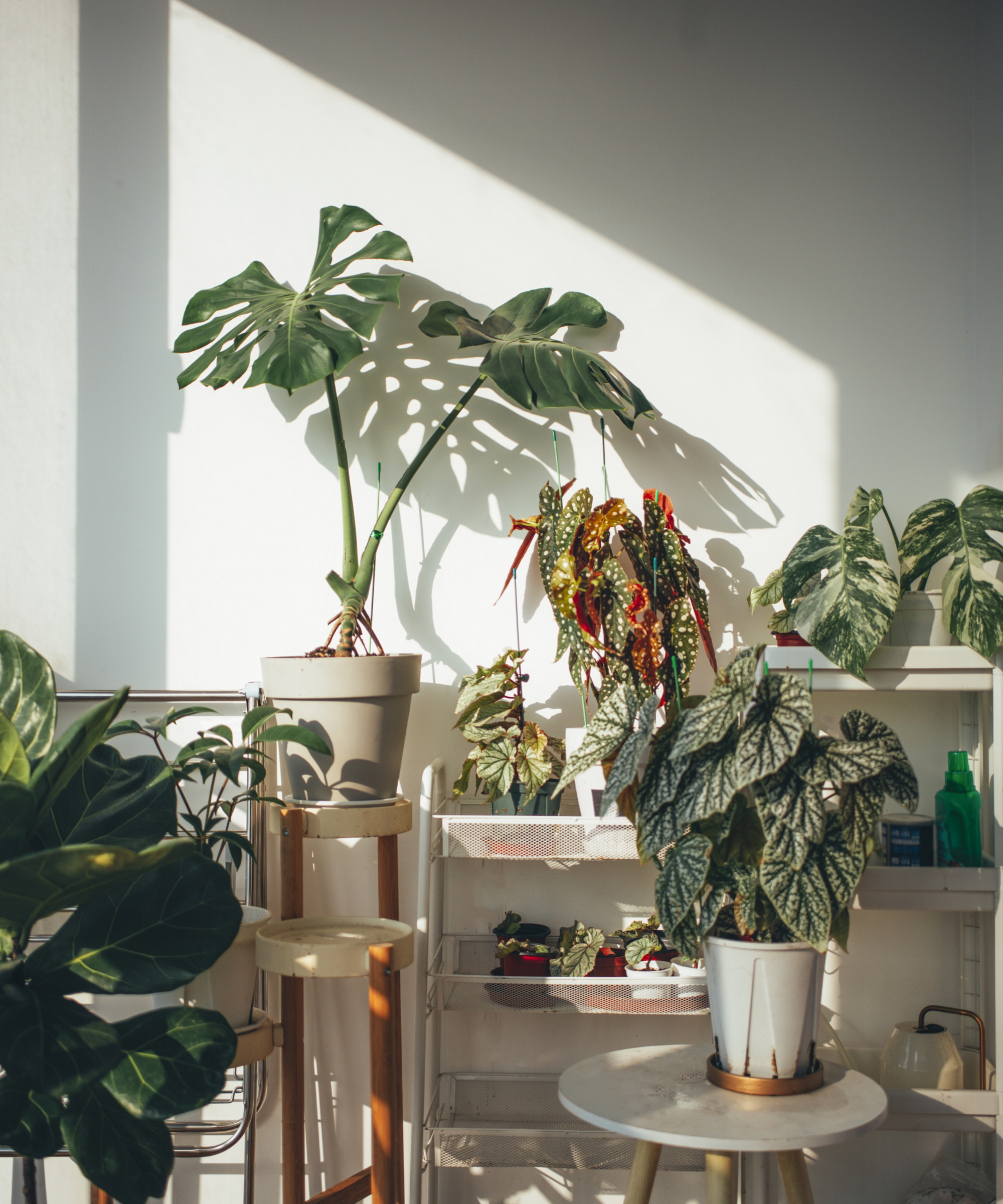
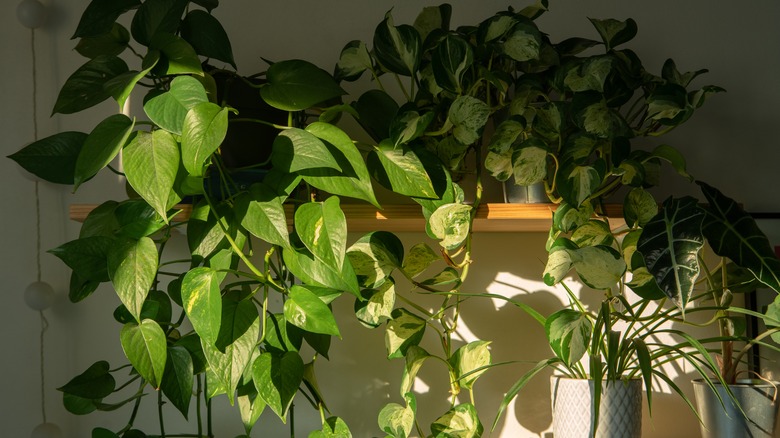
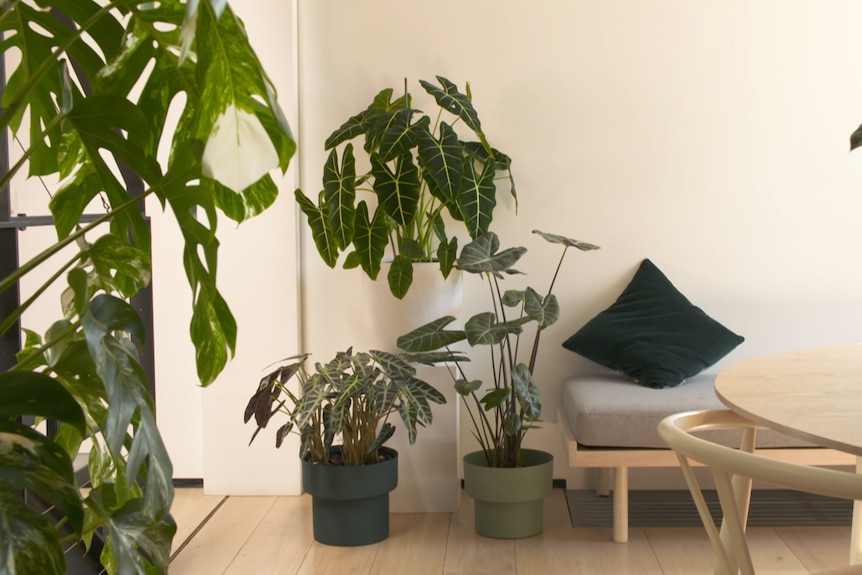

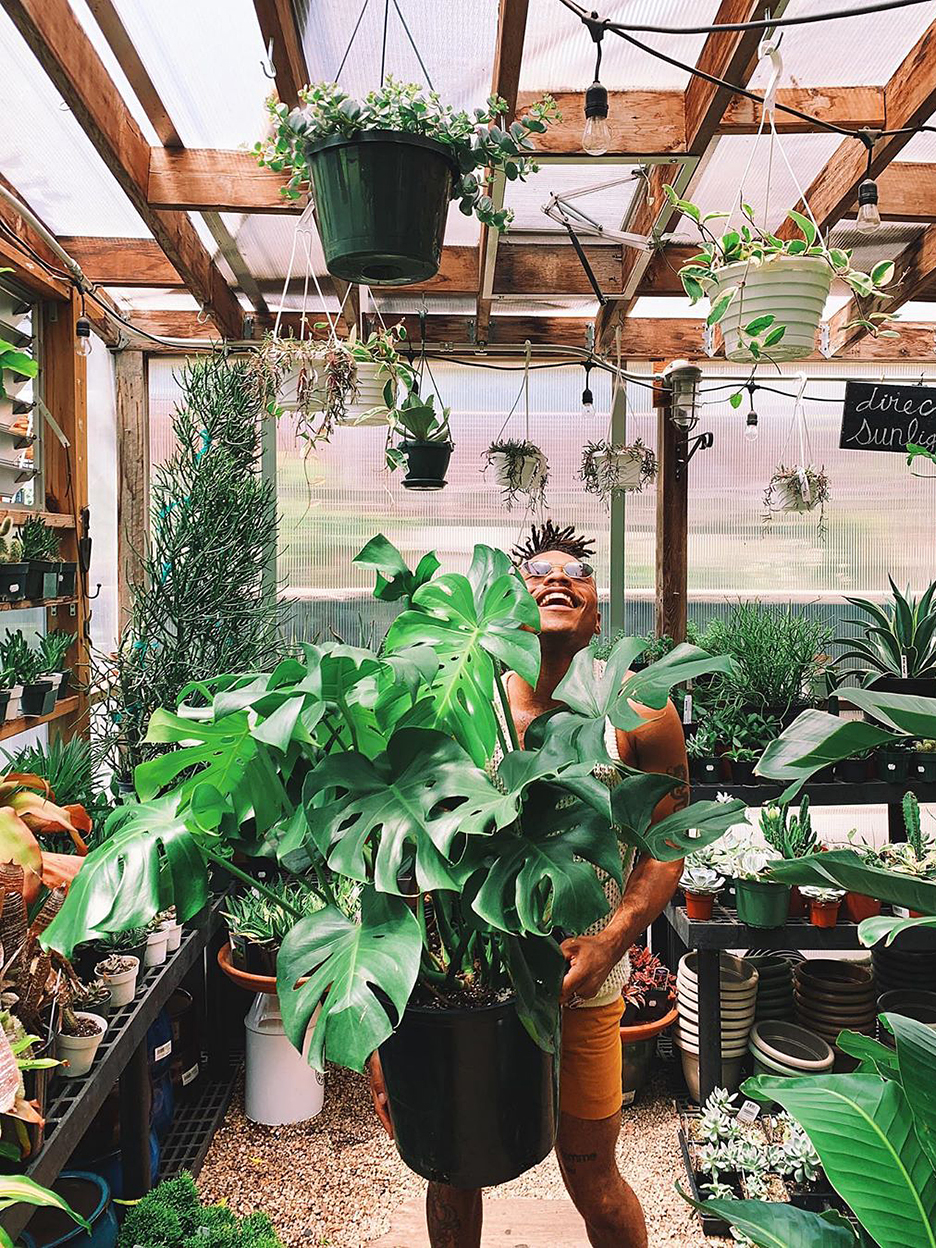
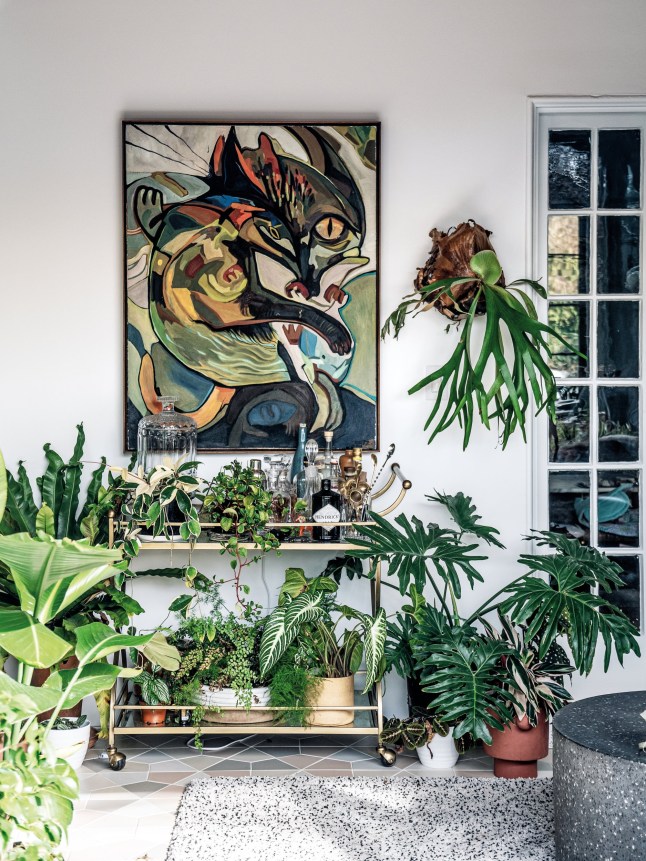
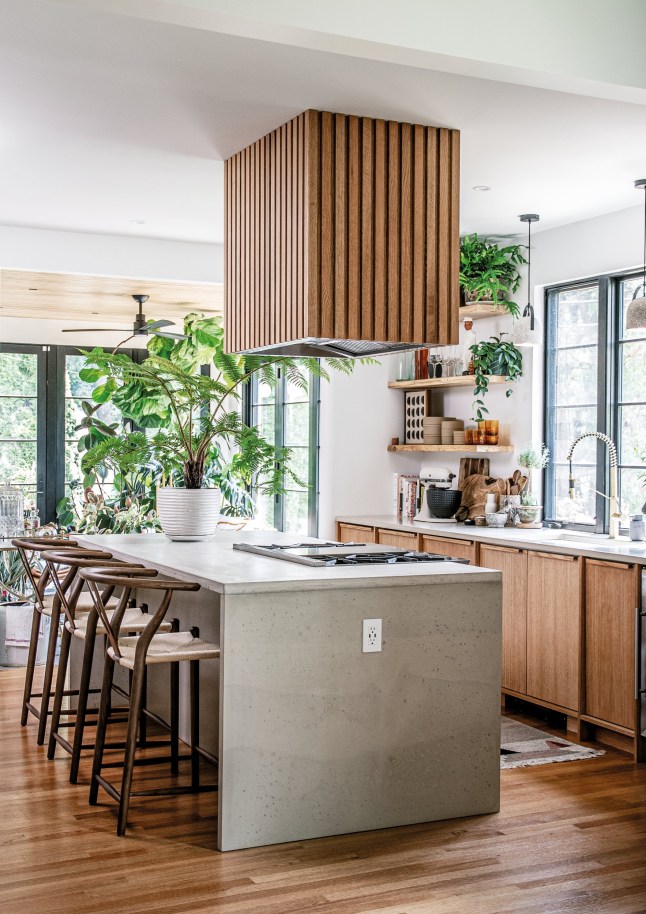
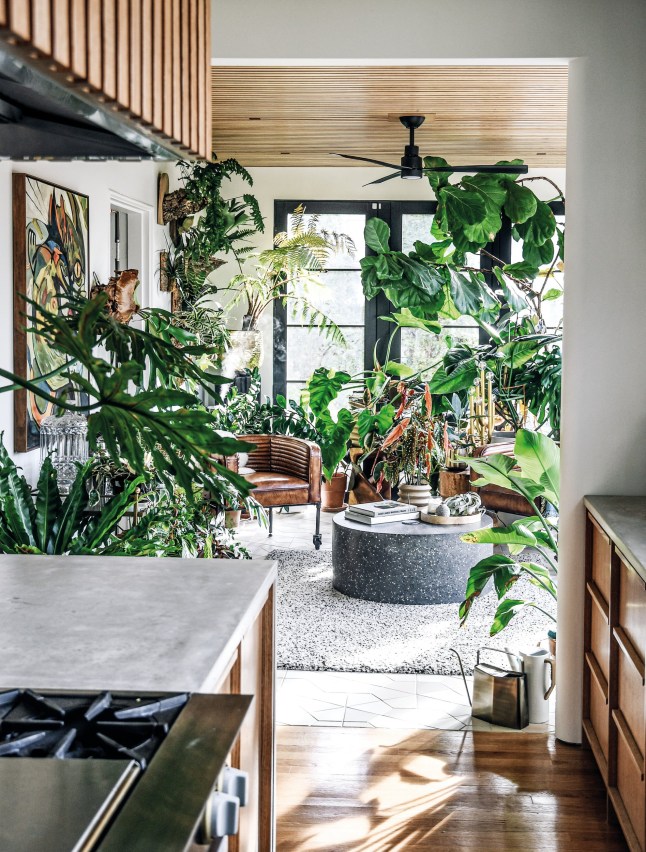
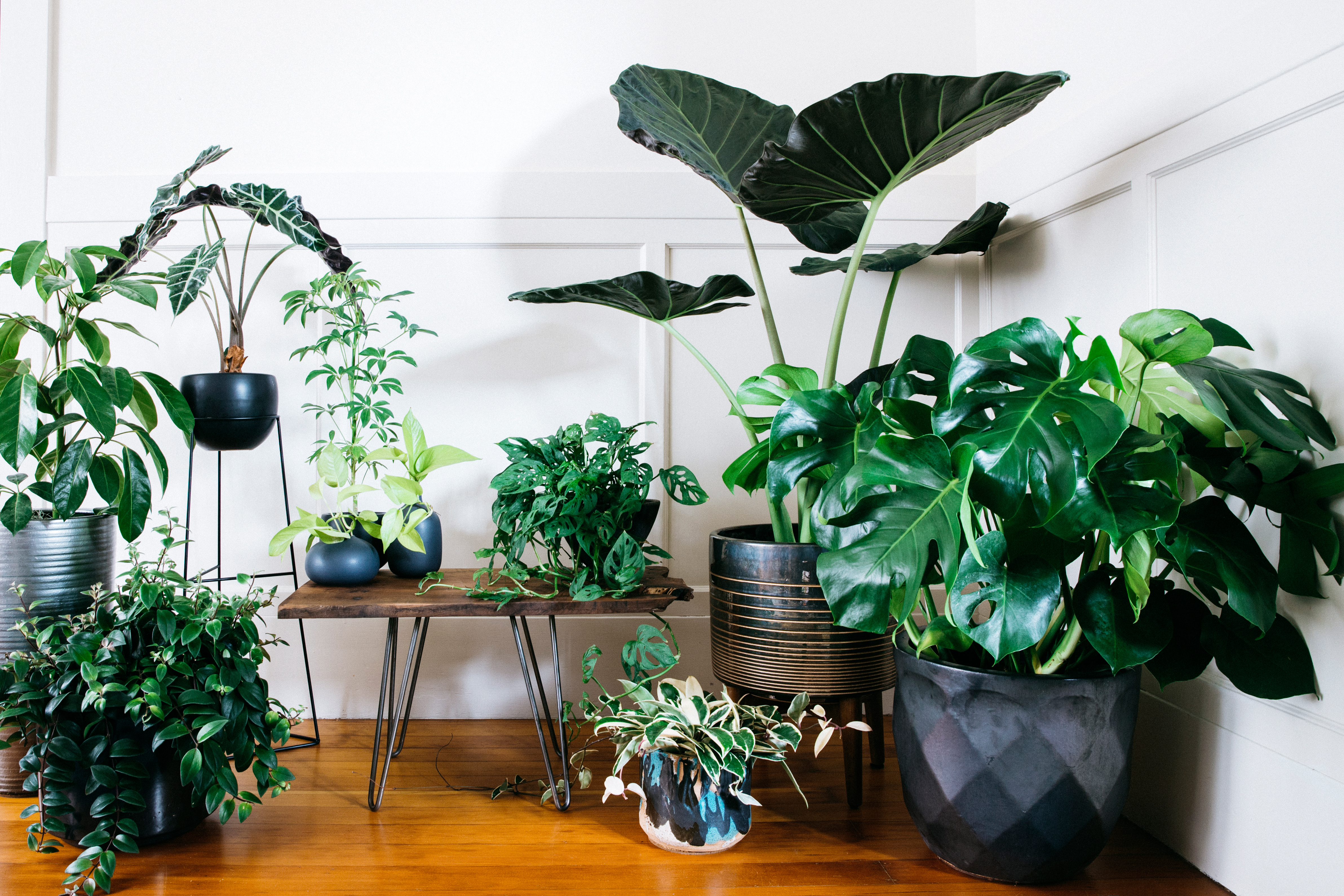
Bringing plants into a home offers benefits such as mood enhancement and aesthetic improvement. Before selecting greenery and pots, it is advisable to consider the desired display location and overall aesthetic. Corey Jackson, creative director at The Greenery Garden & Home, recommends opting for larger plants to make a significant impact. He suggests that if a plant seems adequately sized, it is likely too small, and encourages using a large statement plant to draw attention and admiration.
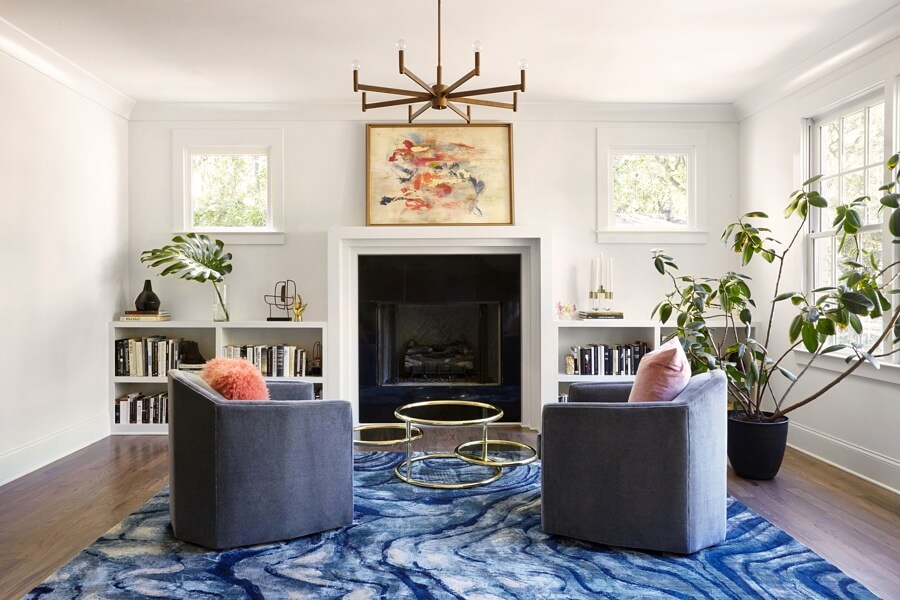
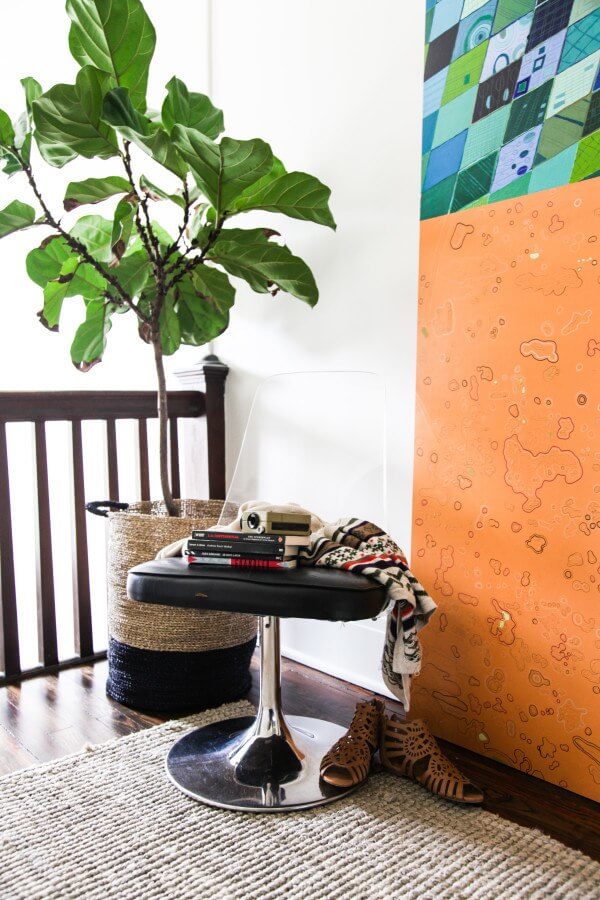
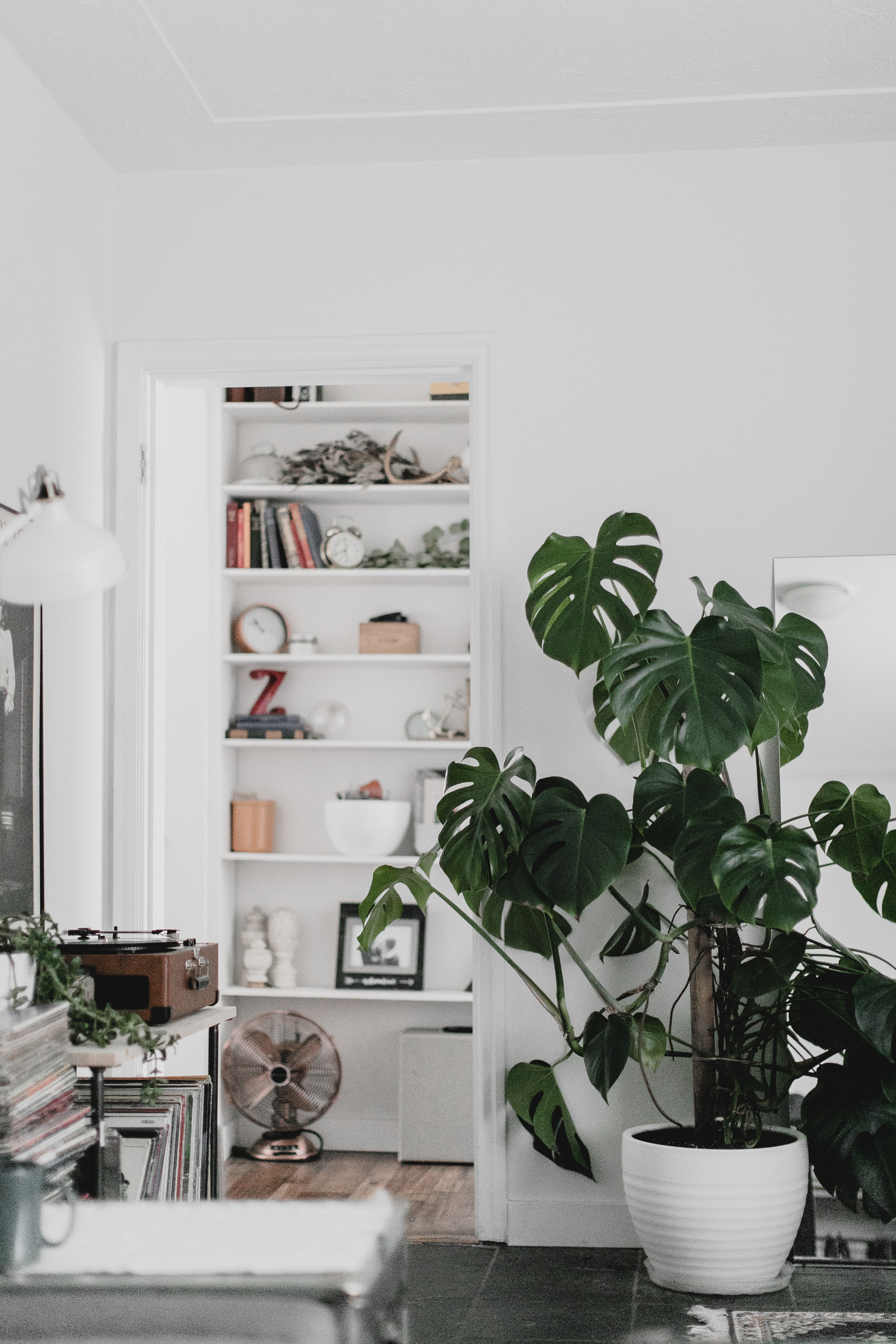
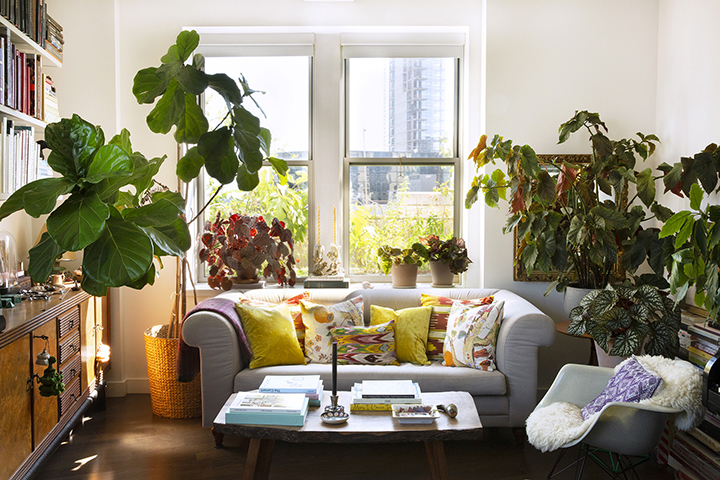
Jackson identifies a common error in houseplant styling as choosing plants that are too small. He recommends using a large plant and pot placed on the floor next to a table, rather than a small plant on a bedside or console table. This approach creates a dramatic statement, reduces clutter, and has an immediate visual impact.
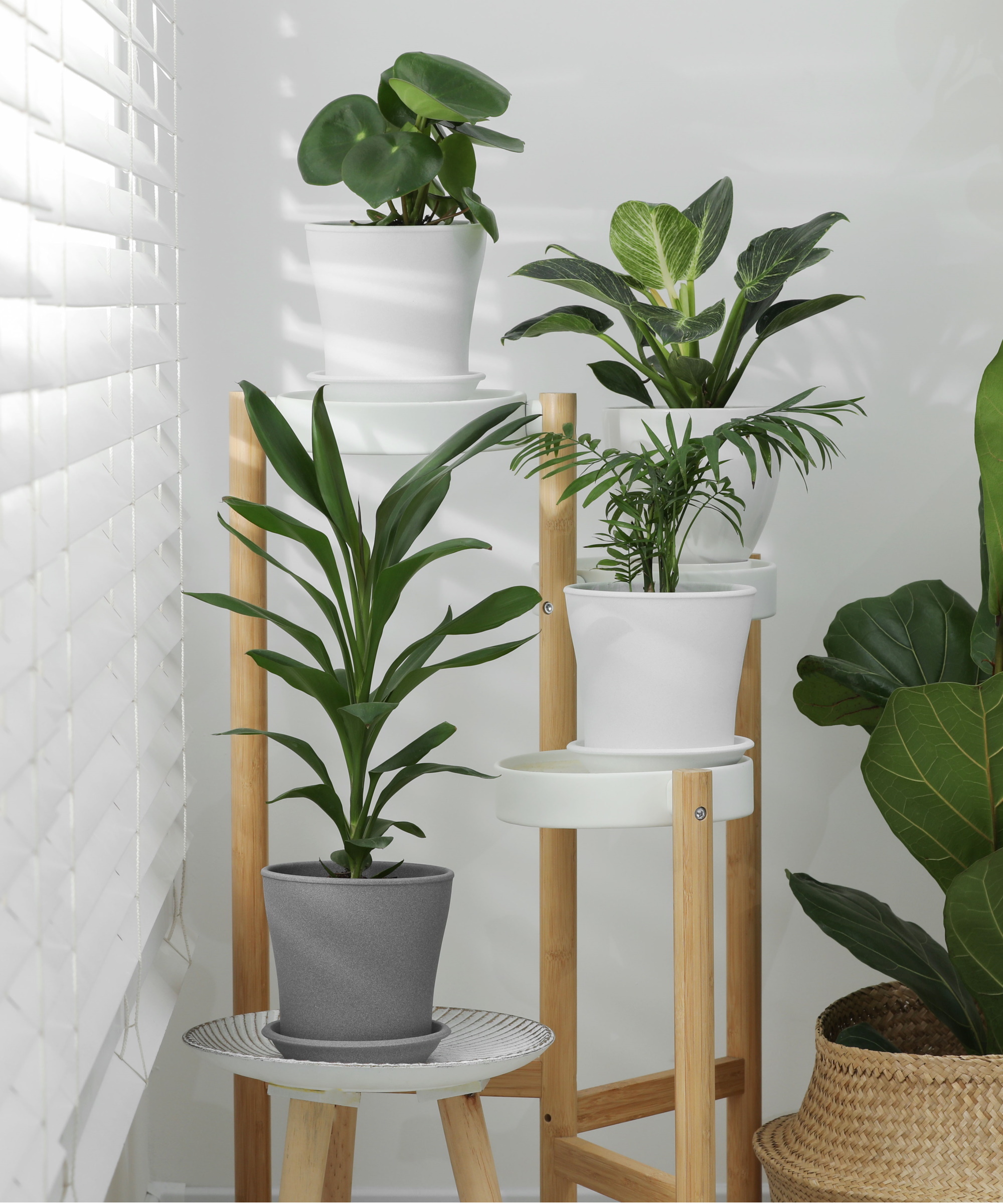
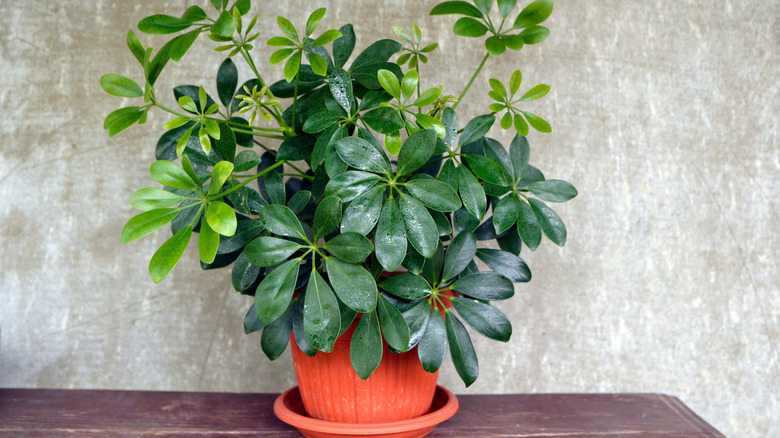
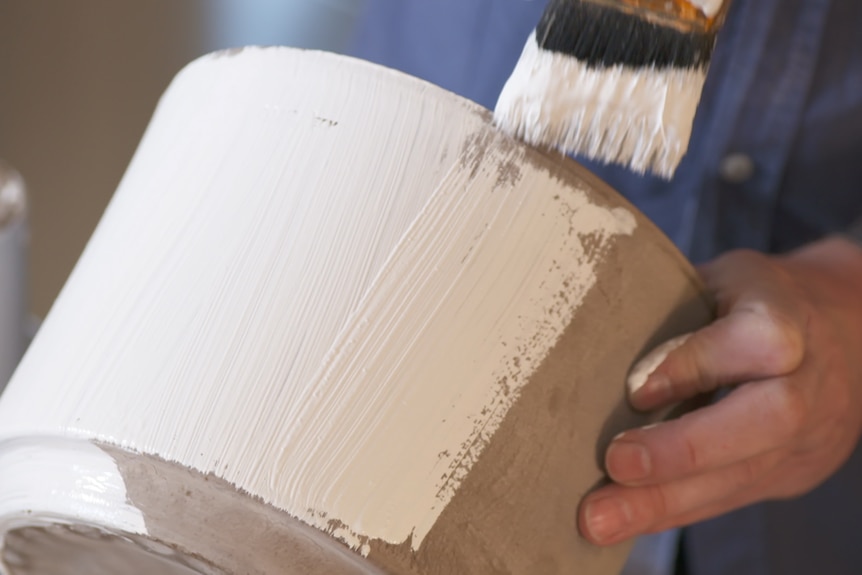
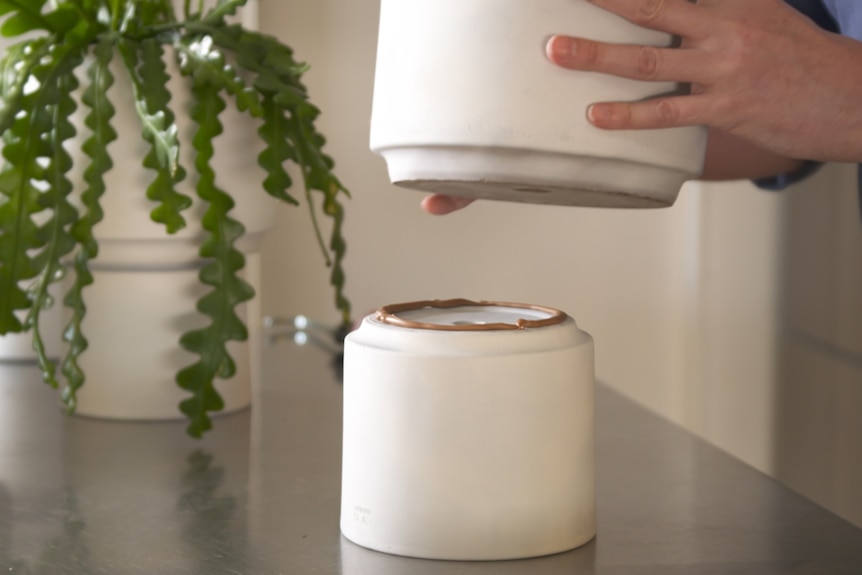
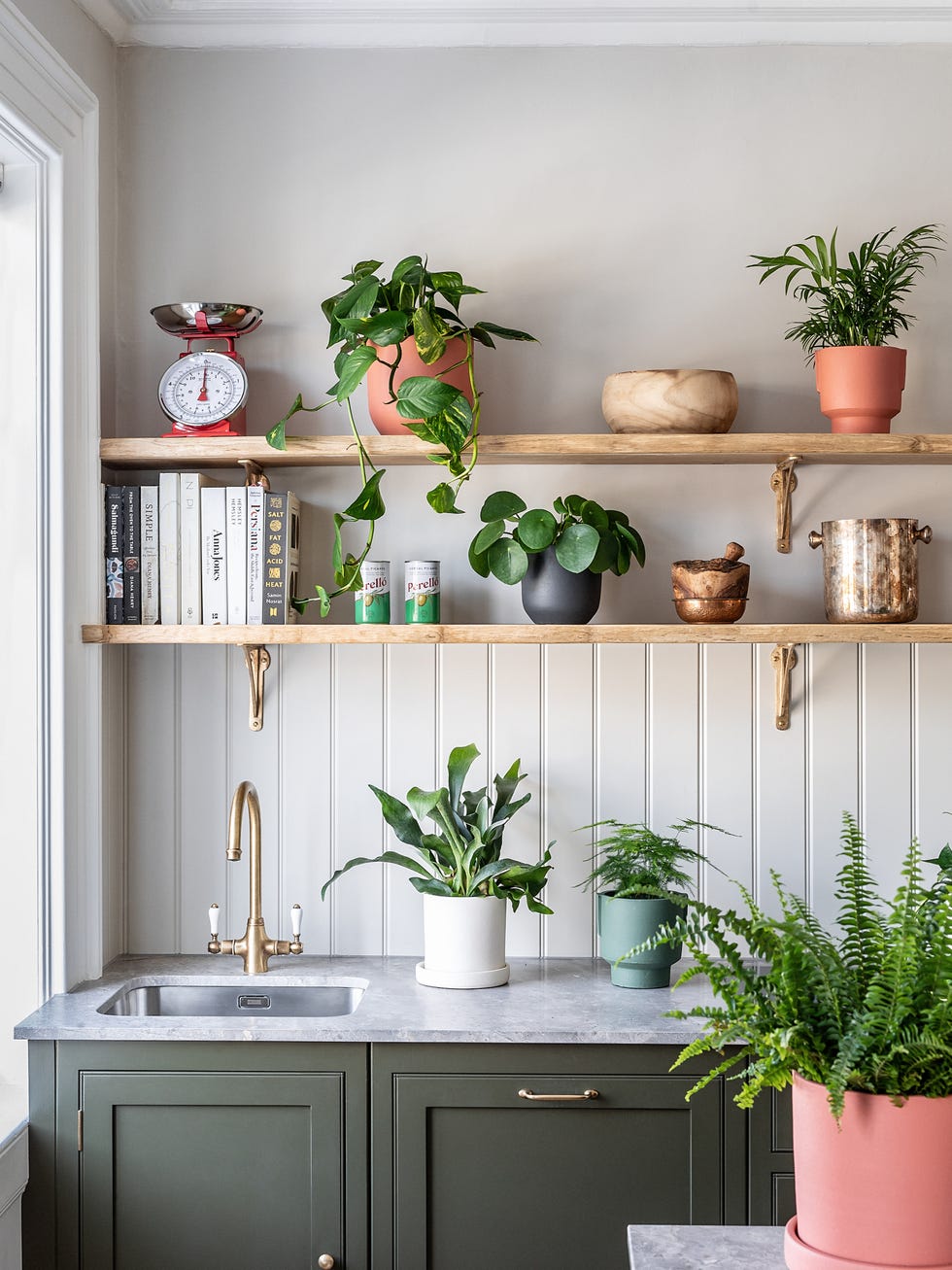
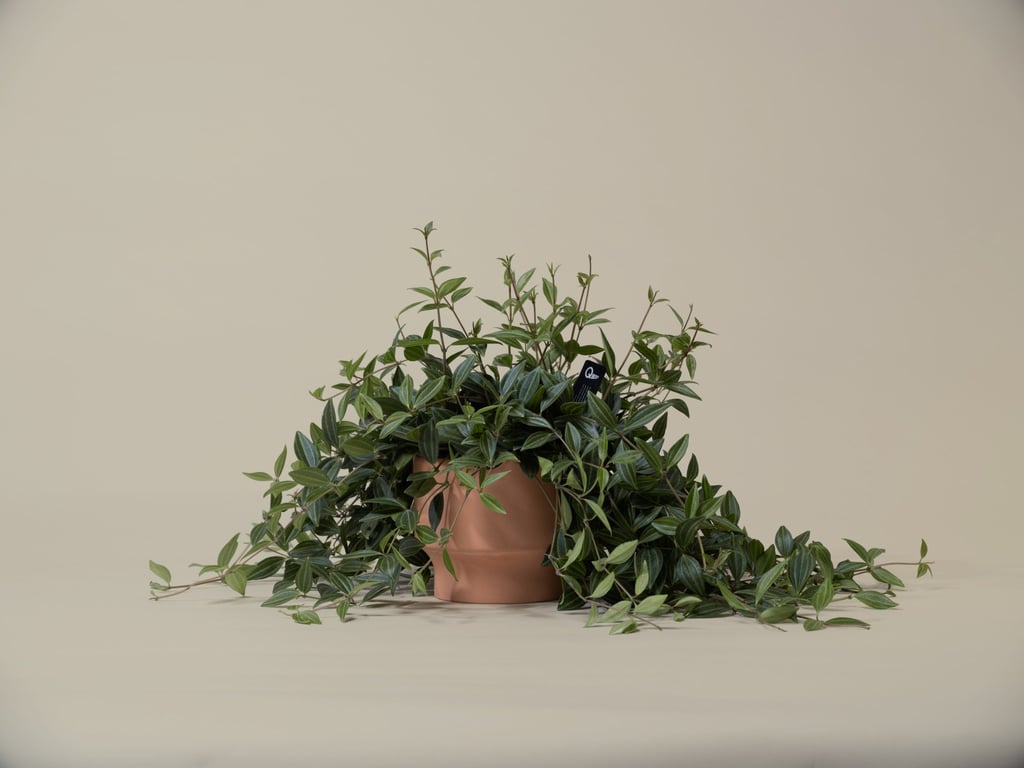
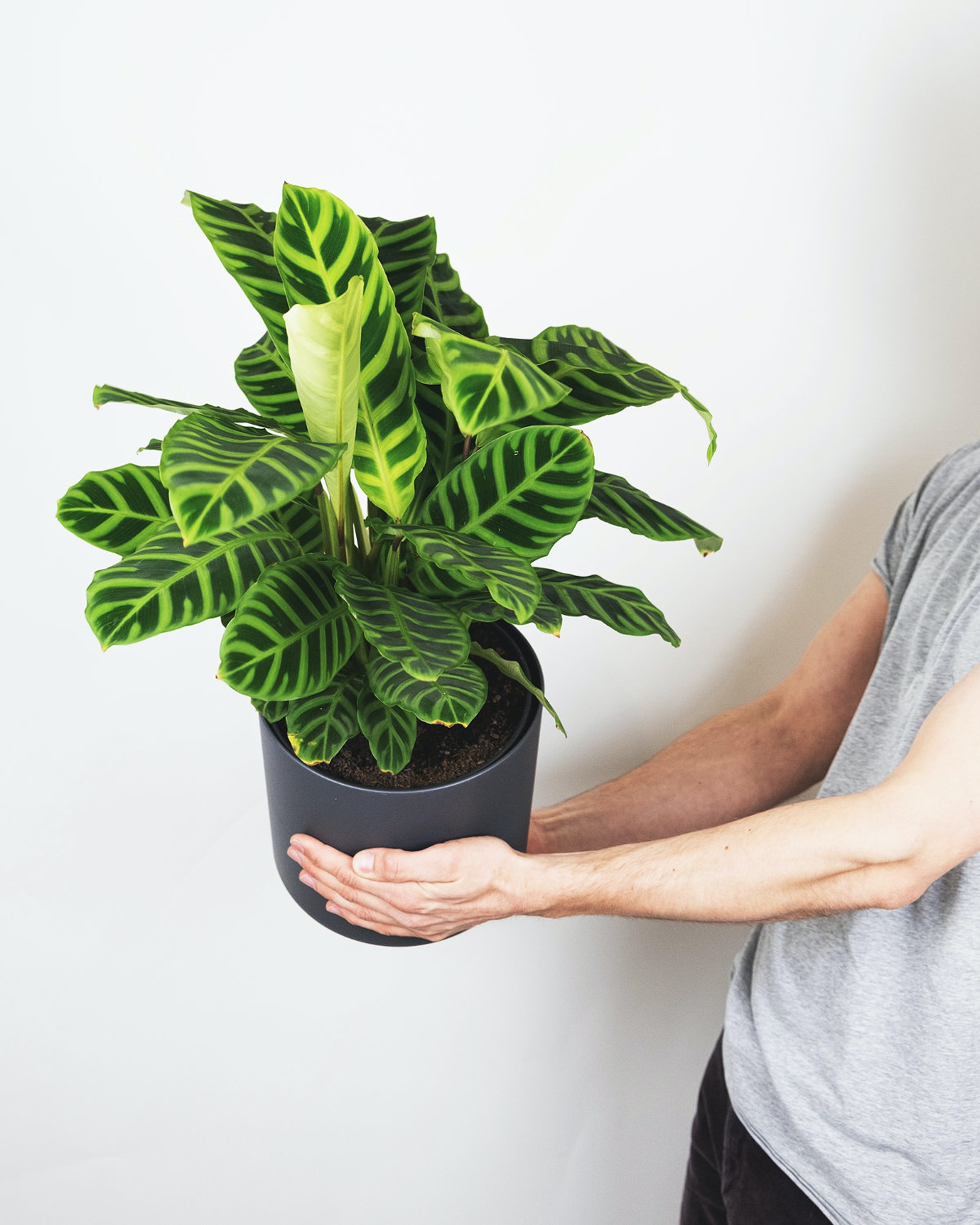
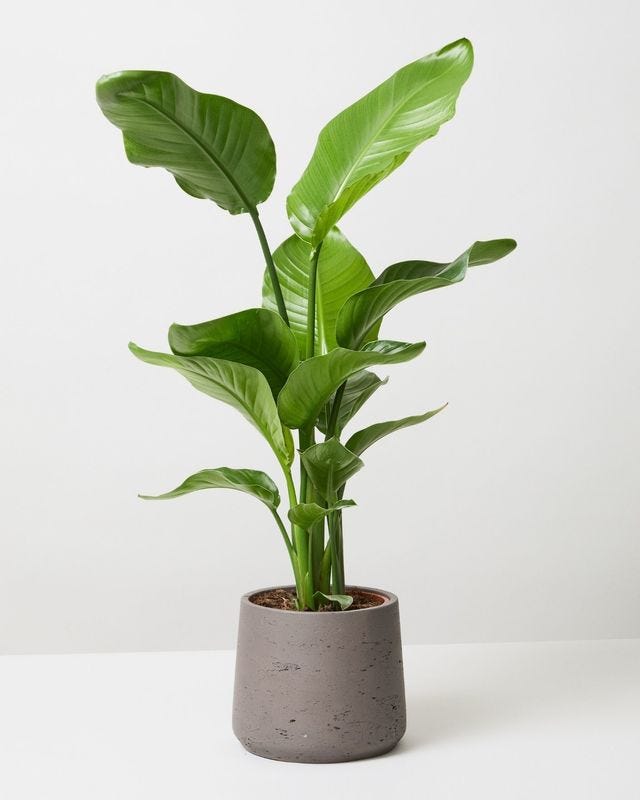
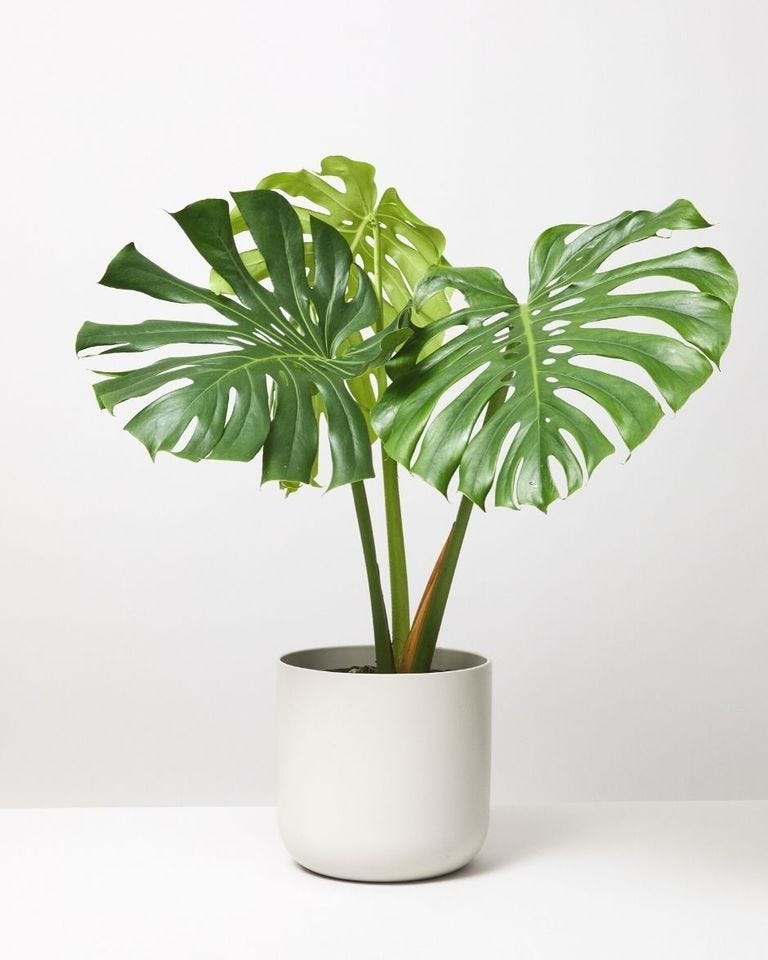
When selecting pots, Jackson advises considering scale, function, and appearance. The pot should be appropriately sized for the plant, avoiding options that are either too large or too small. For direct planting, pots require drainage holes and a saucer to protect surfaces. Alternatively, an elevated plant stand might be more practical. Often, it is simpler to use the pot as a decorative cover for the plant's original plastic container, allowing the plant to be watered and drained elsewhere. The chosen pot should complement existing décor, either by blending in or standing out as a feature.
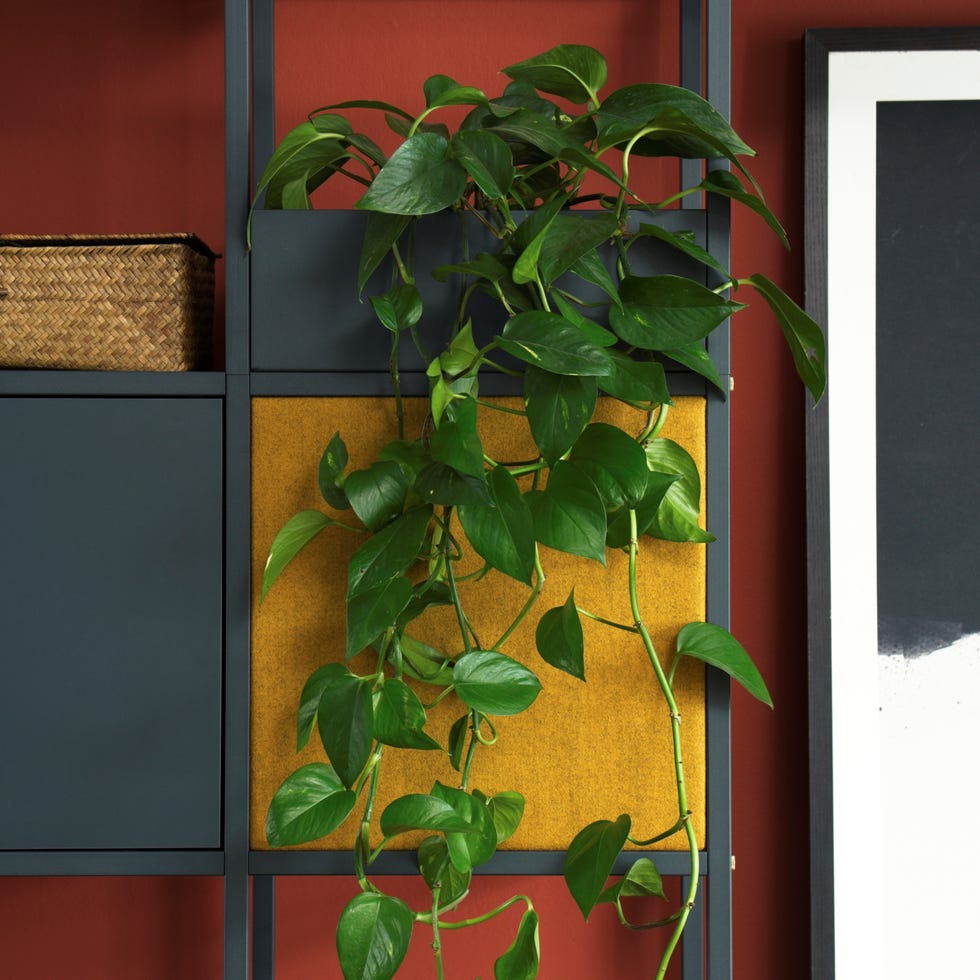
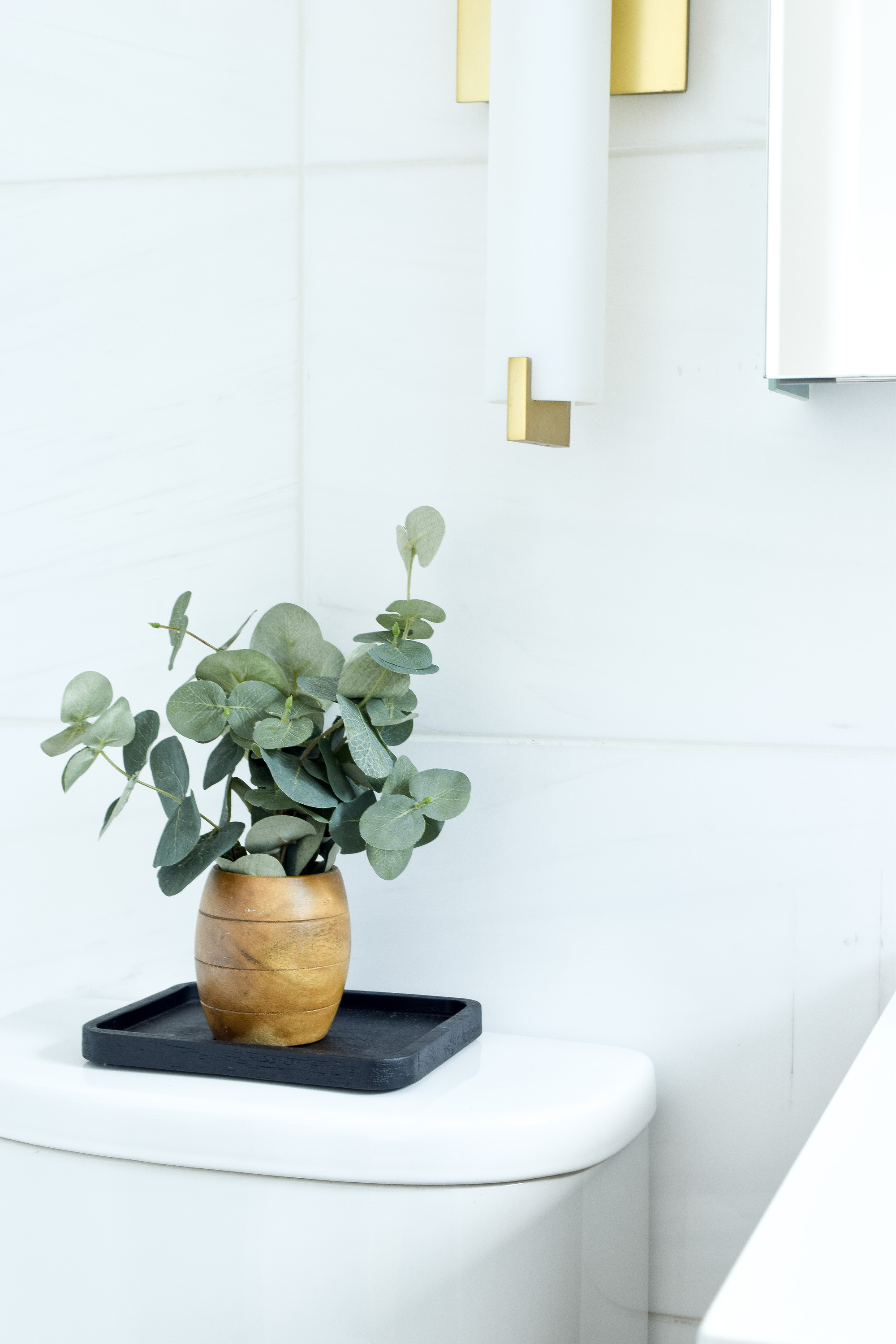
Regarding artificial plants, Jackson maintains that they are not a suitable substitute for live plants. While they might be useful in display homes where maintenance is not required, he notes that faux plants are typically disposable, collect dust, fade, and can be more expensive than real plants. Live plants, in contrast, offer significant wellness benefits, including air purification, bringing vitality to a space, and providing a sense of accomplishment through care and the observation of new growth.
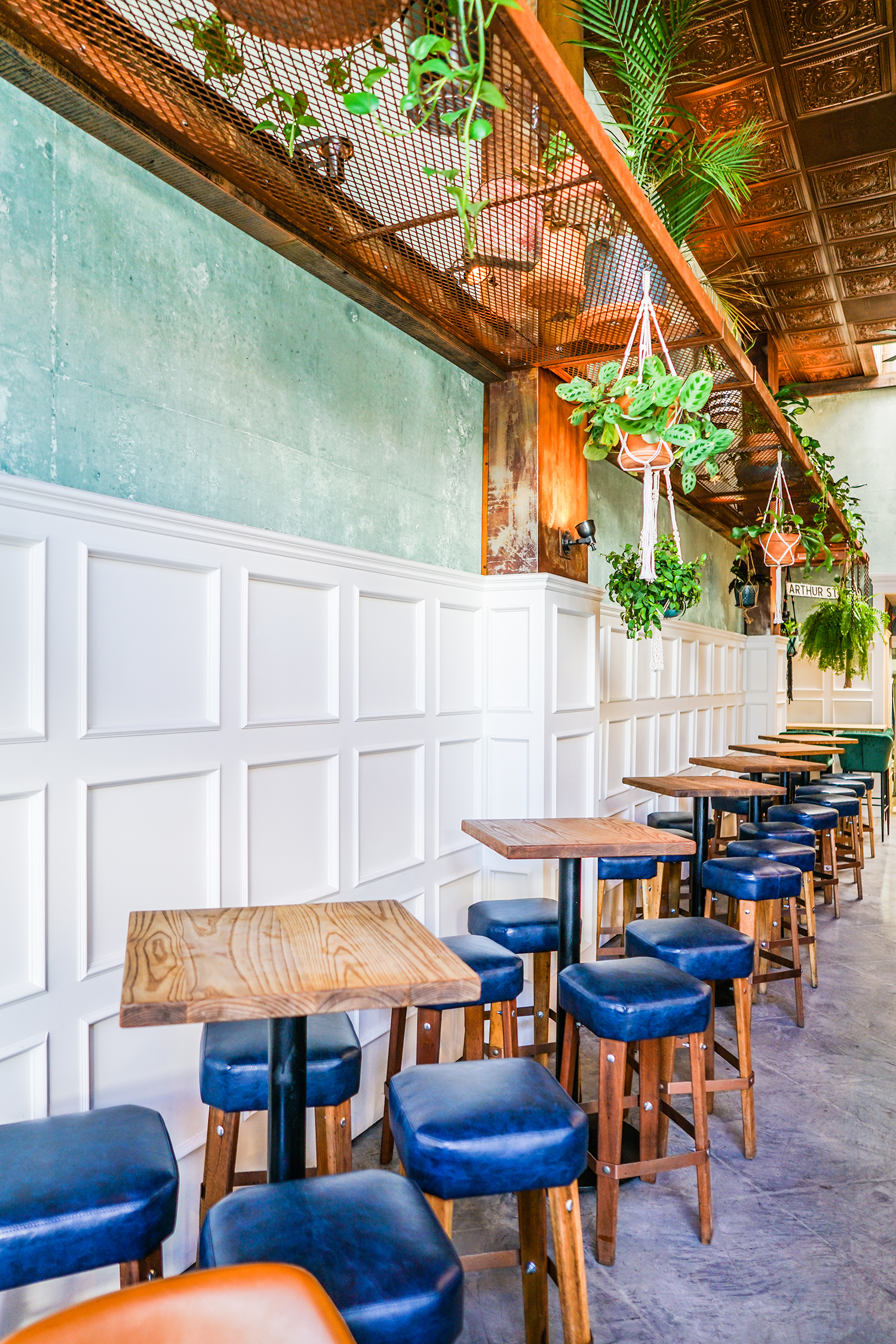
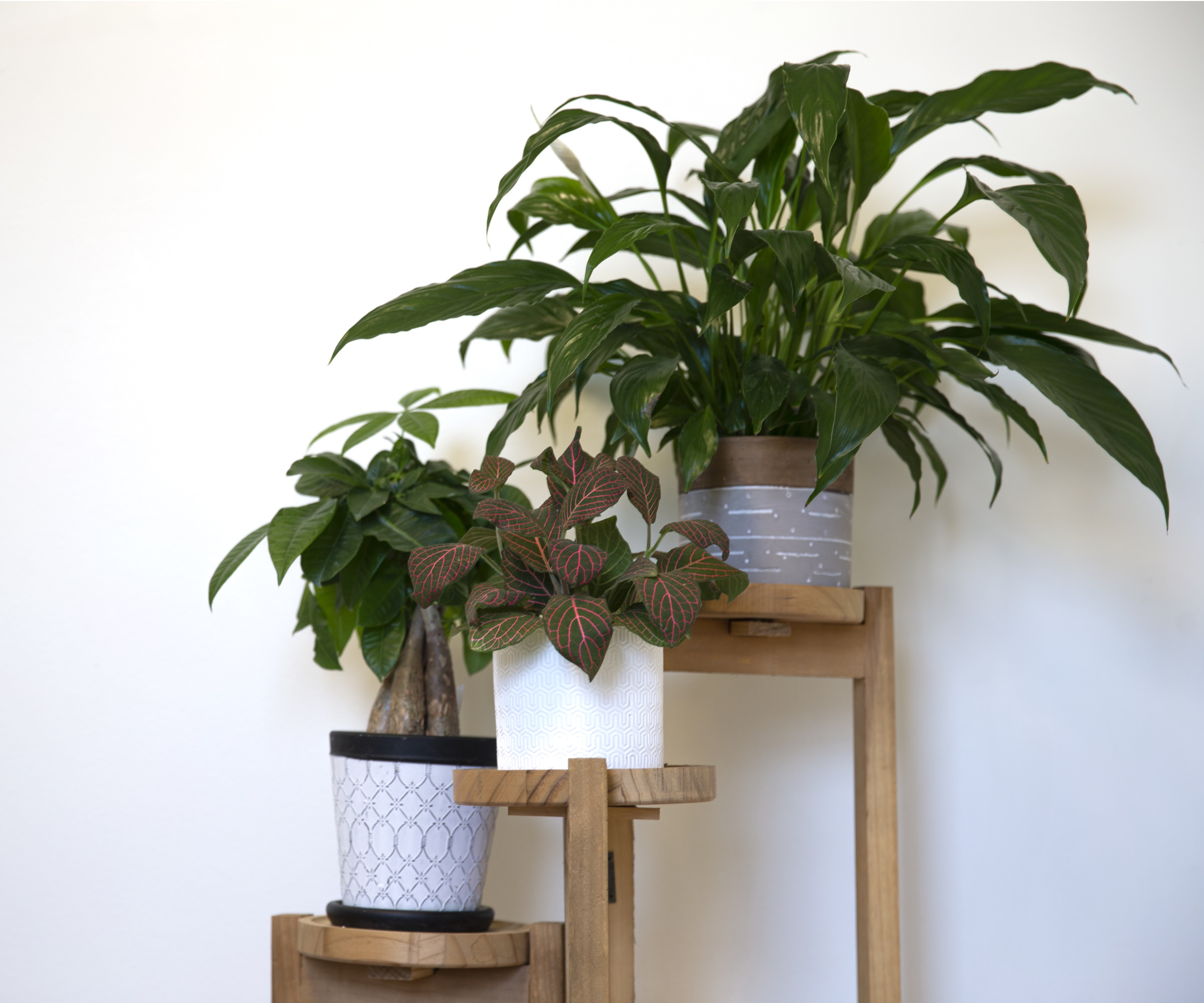
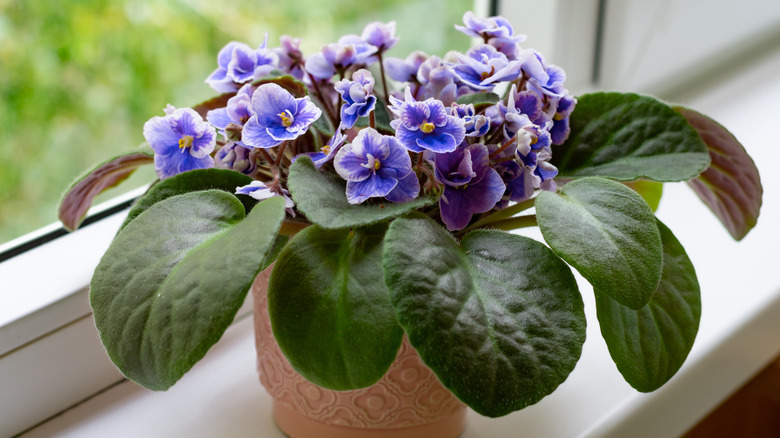
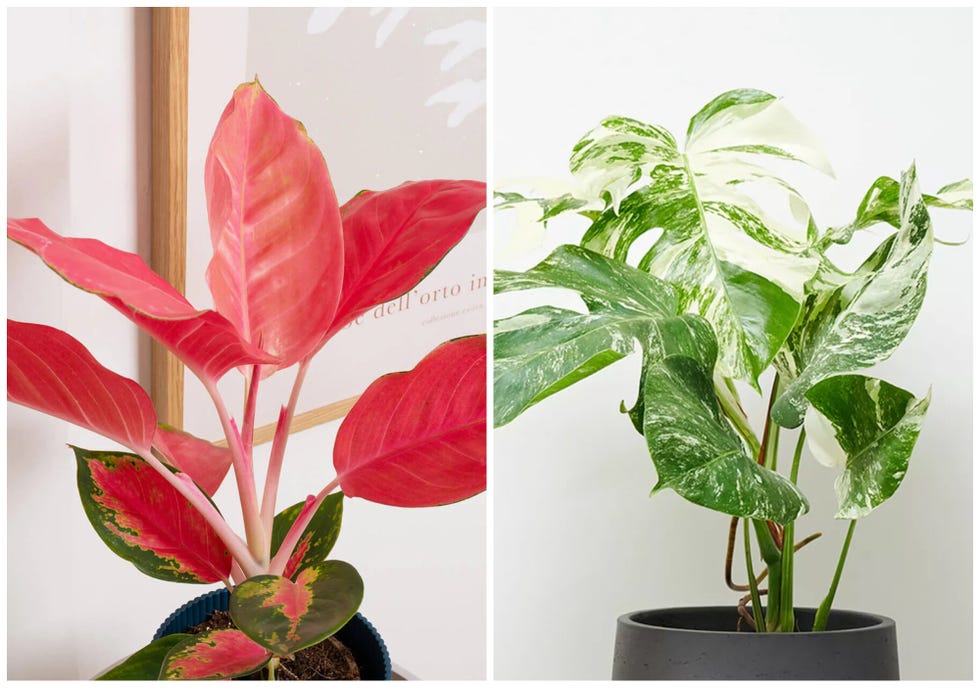
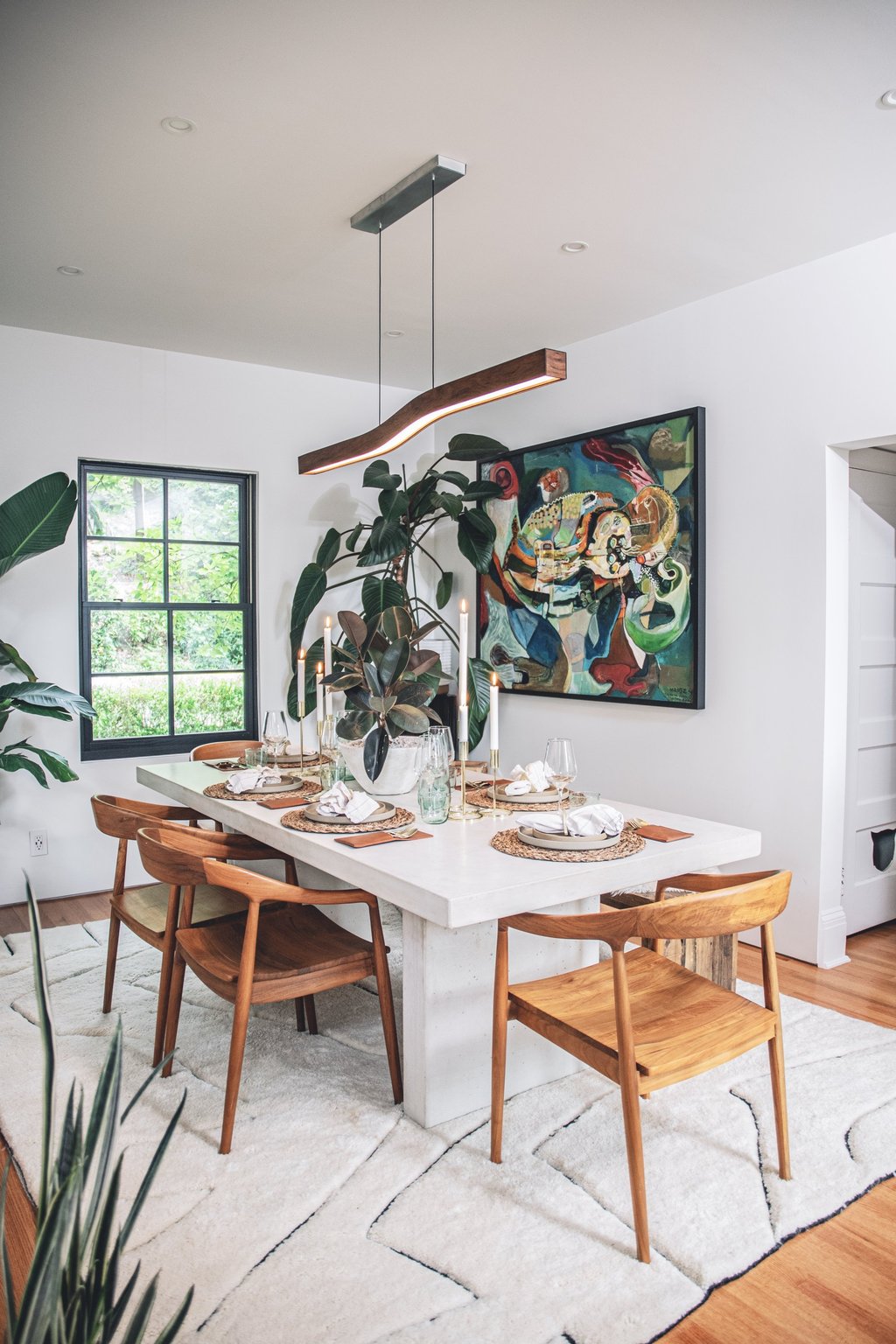
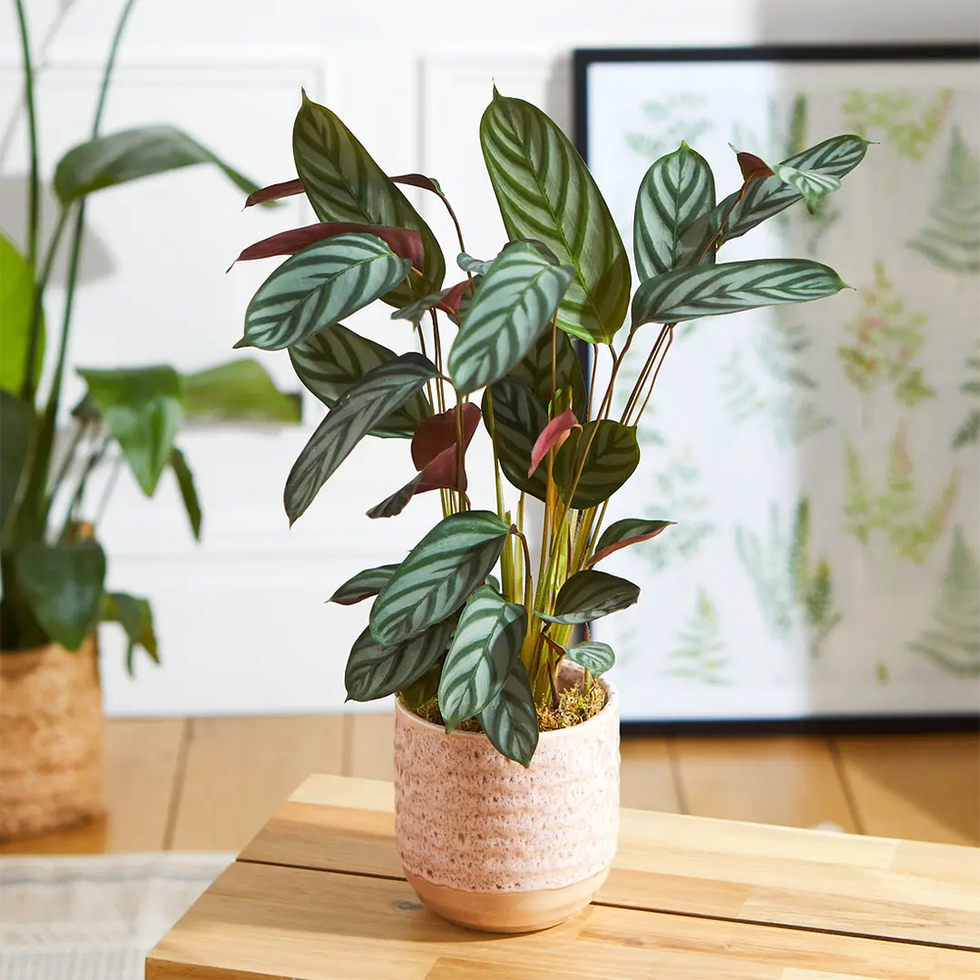
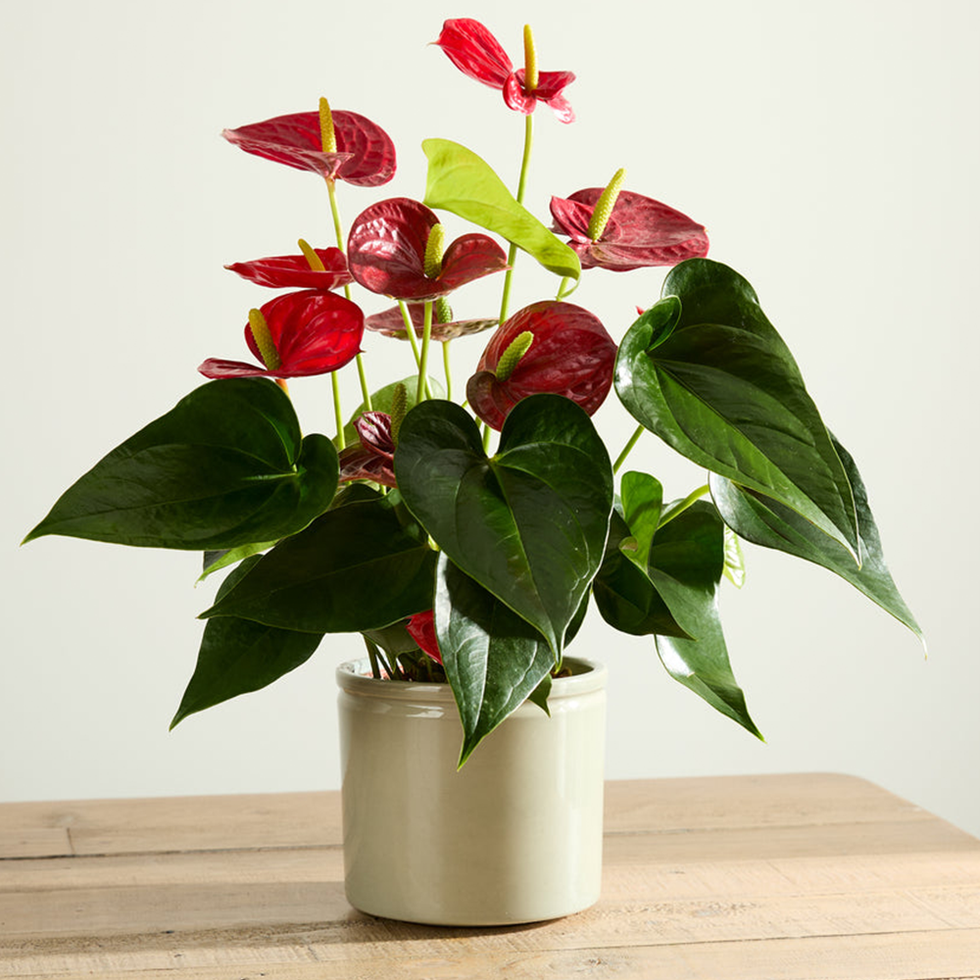
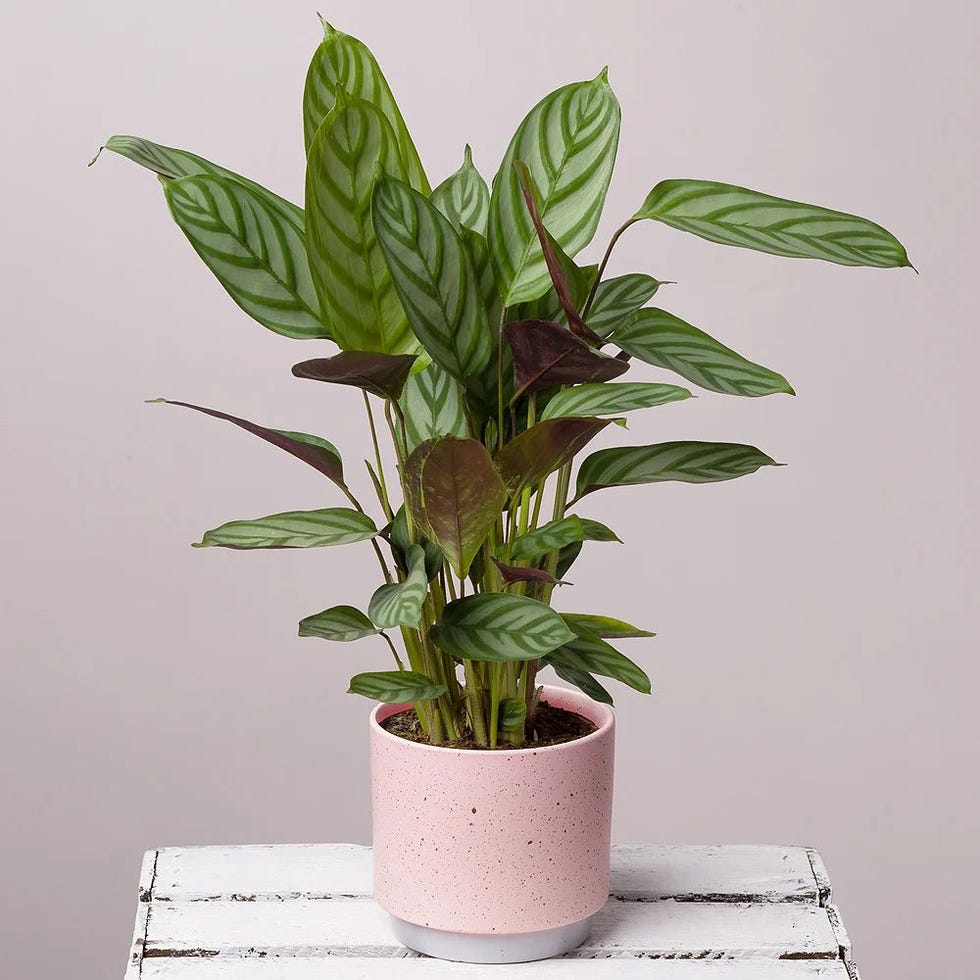
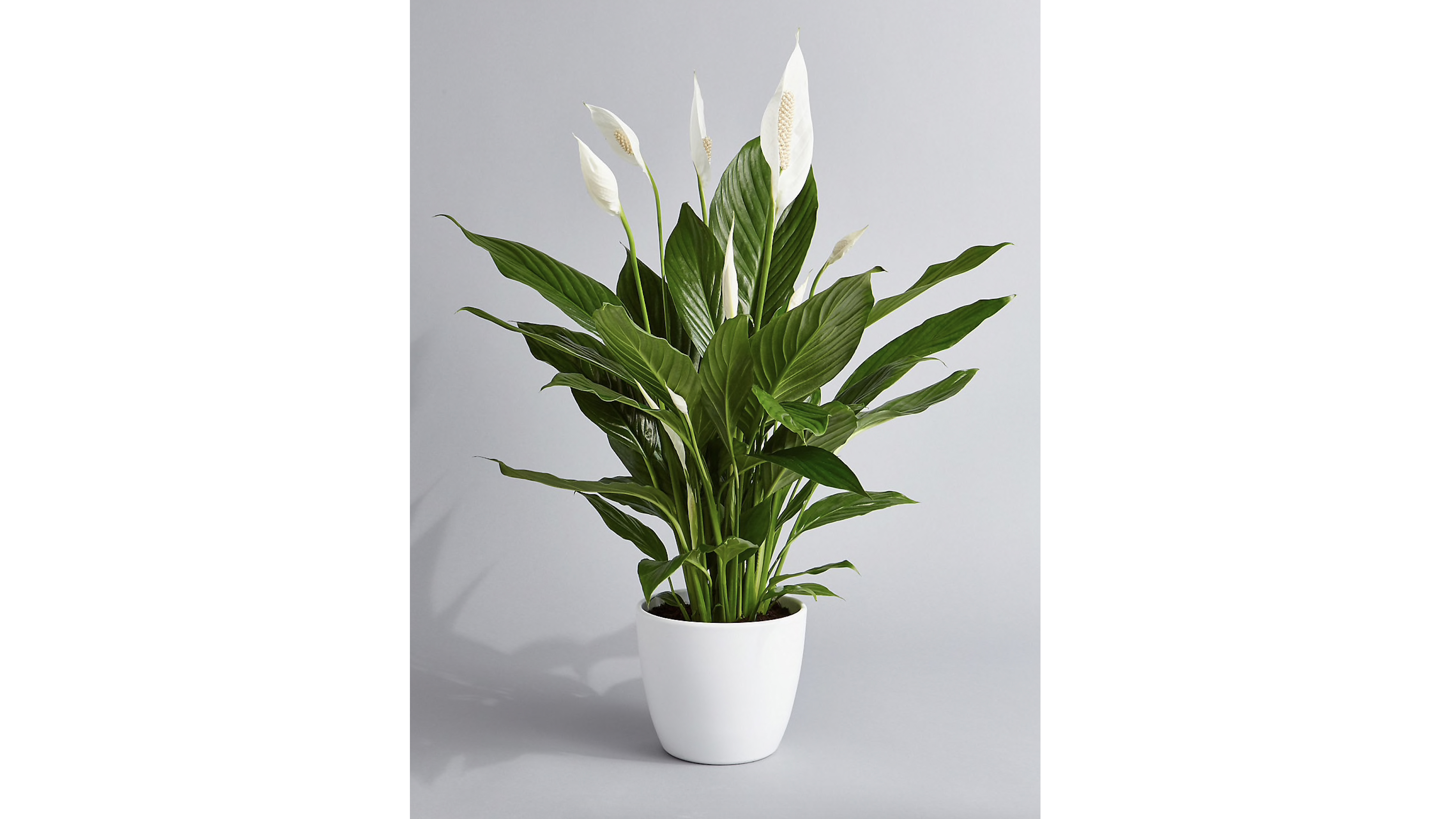
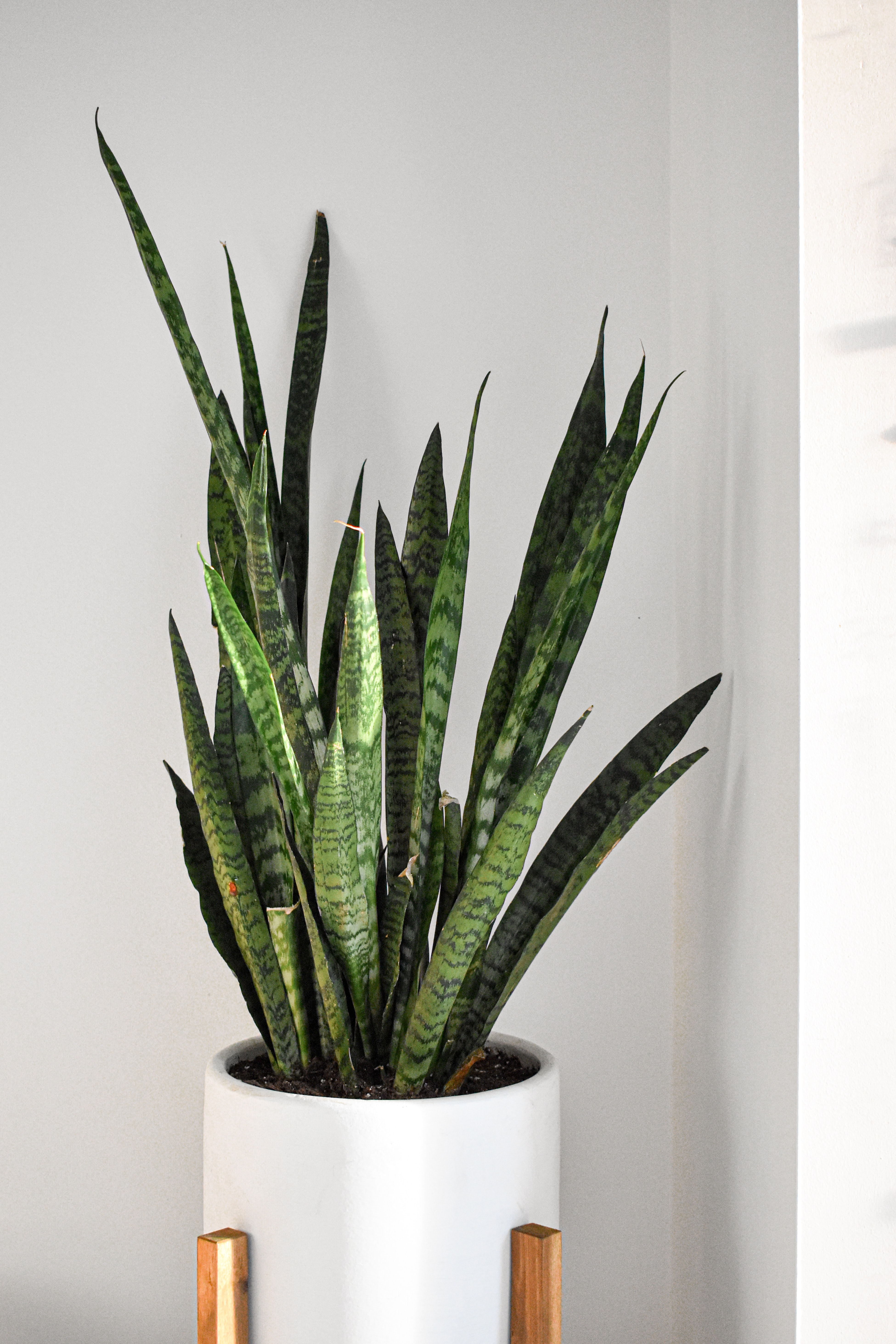
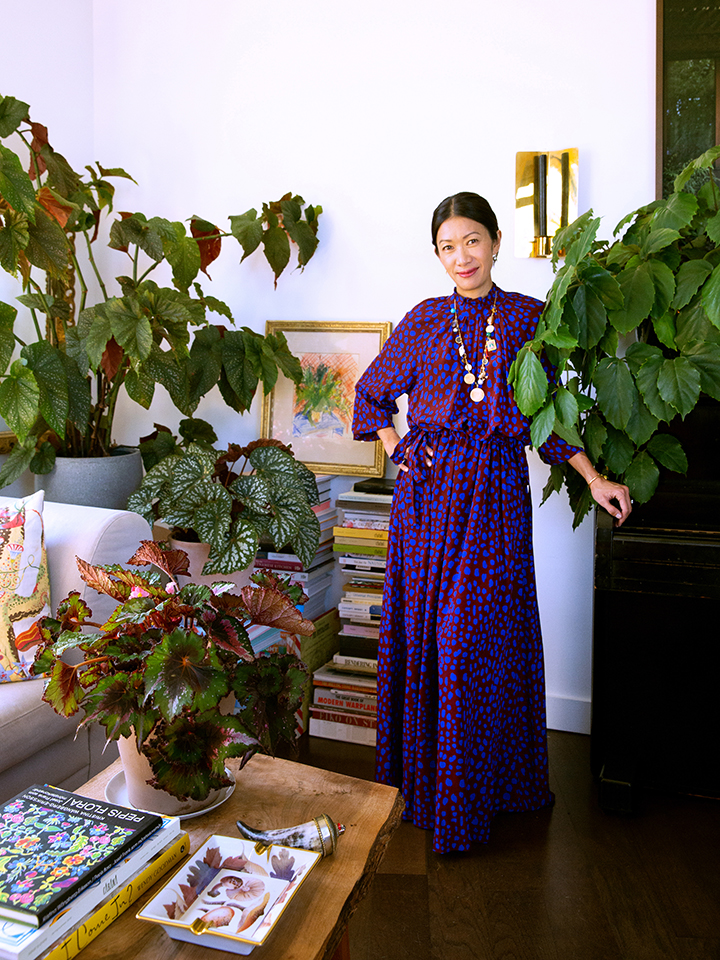
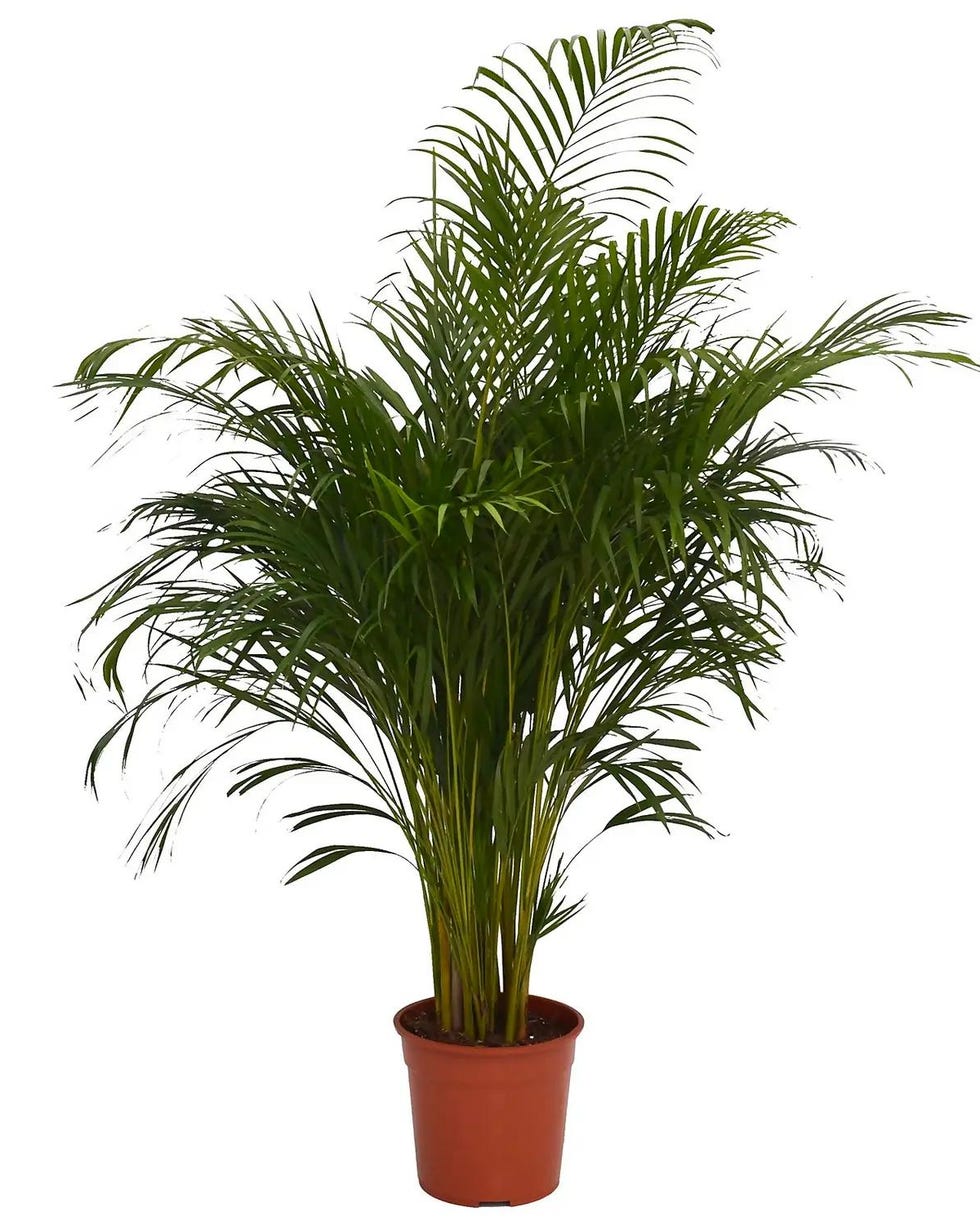
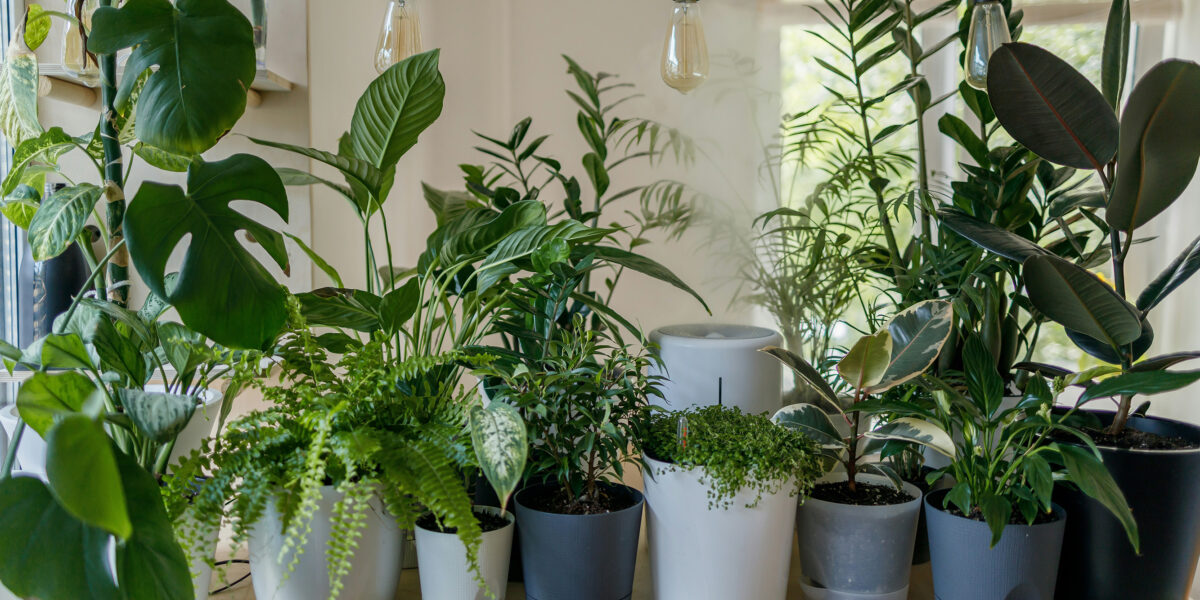
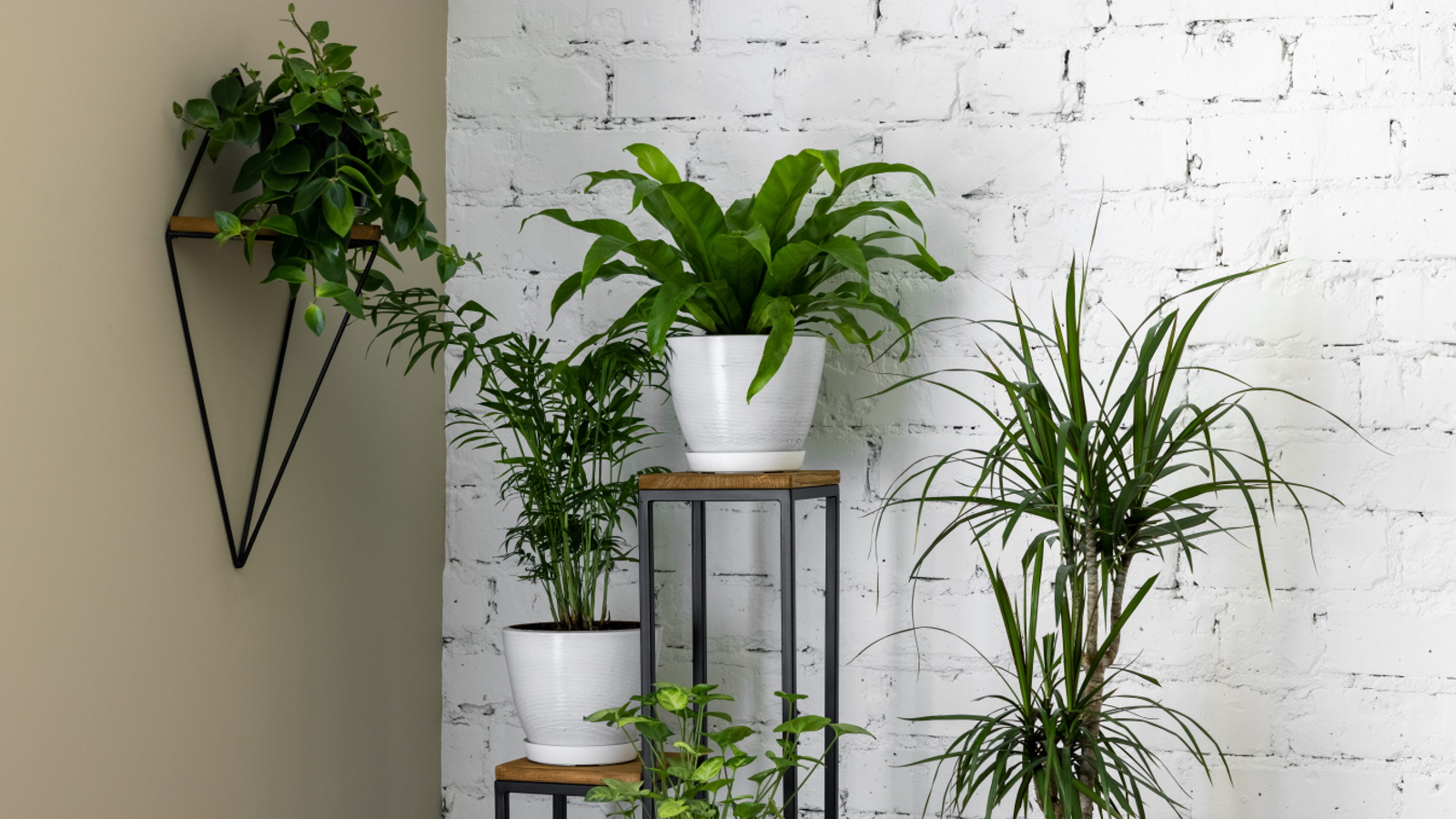
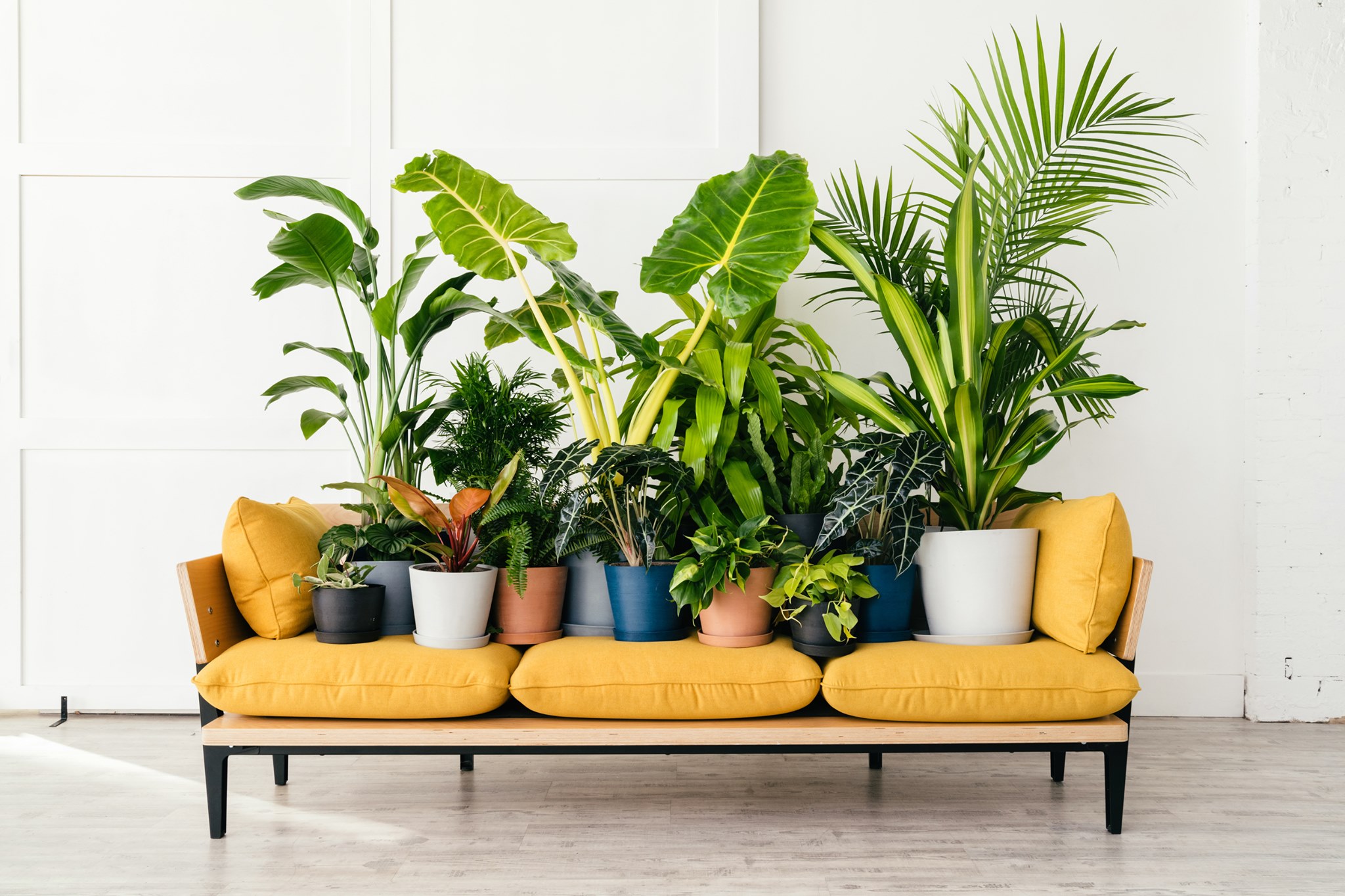
For grouping multiple plants, variety is crucial. A grouping of three plants is effective if each plant has a distinct appearance. Most indoor plants can thrive under similar light and warmth conditions. Therefore, when grouping, focus on differences in texture, style, size, and color. Incorporating plants with varied leaf shapes and color gradations is recommended. Even with all green leaves, differences in light and dark shades of green can create visual interest within a grouping.
#HouseplantTips #IndoorPlants #PlantStyling #HomeDecor #PotSelection #LivePlants #FauxPlants #PlantGrouping #GardeningAdvice #HouseplantTips #IndoorPlants #PlantStyling #HomeDecor #PotSelection #LivePlants #FauxPlants #PlantGrouping #GardeningAdvice
0 comment in total
 No comments yet
You may also like
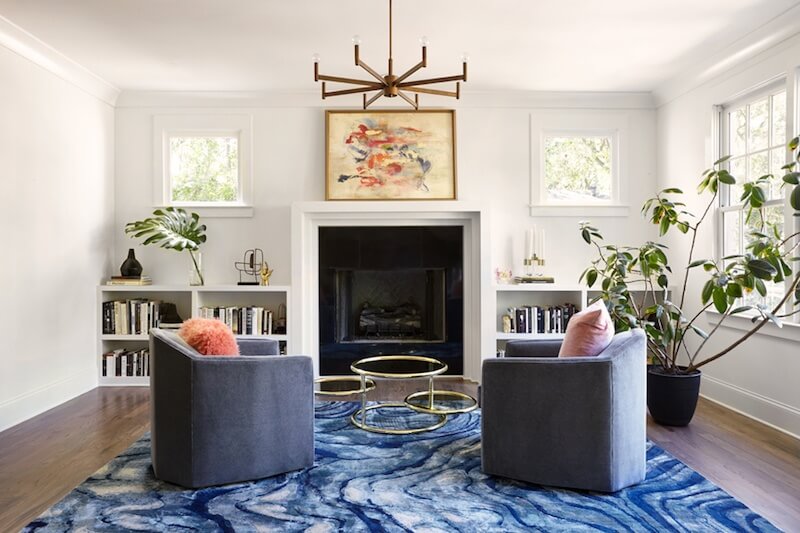
Designing With Plants: Expert Tips for Stylishly Greening Your Interiors

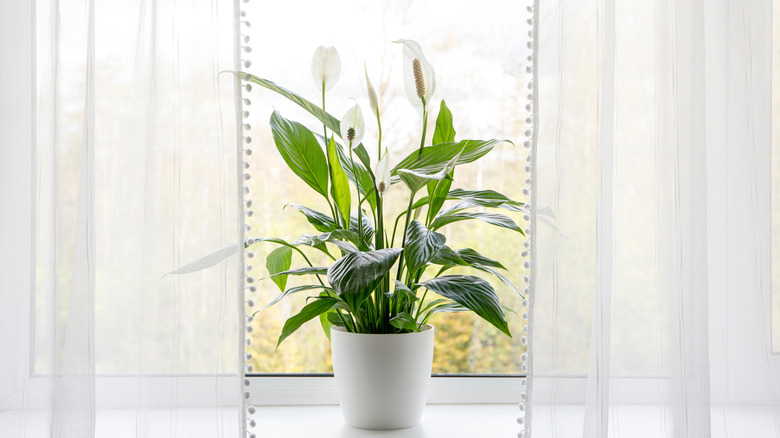
The Perfect Plant For Your Style

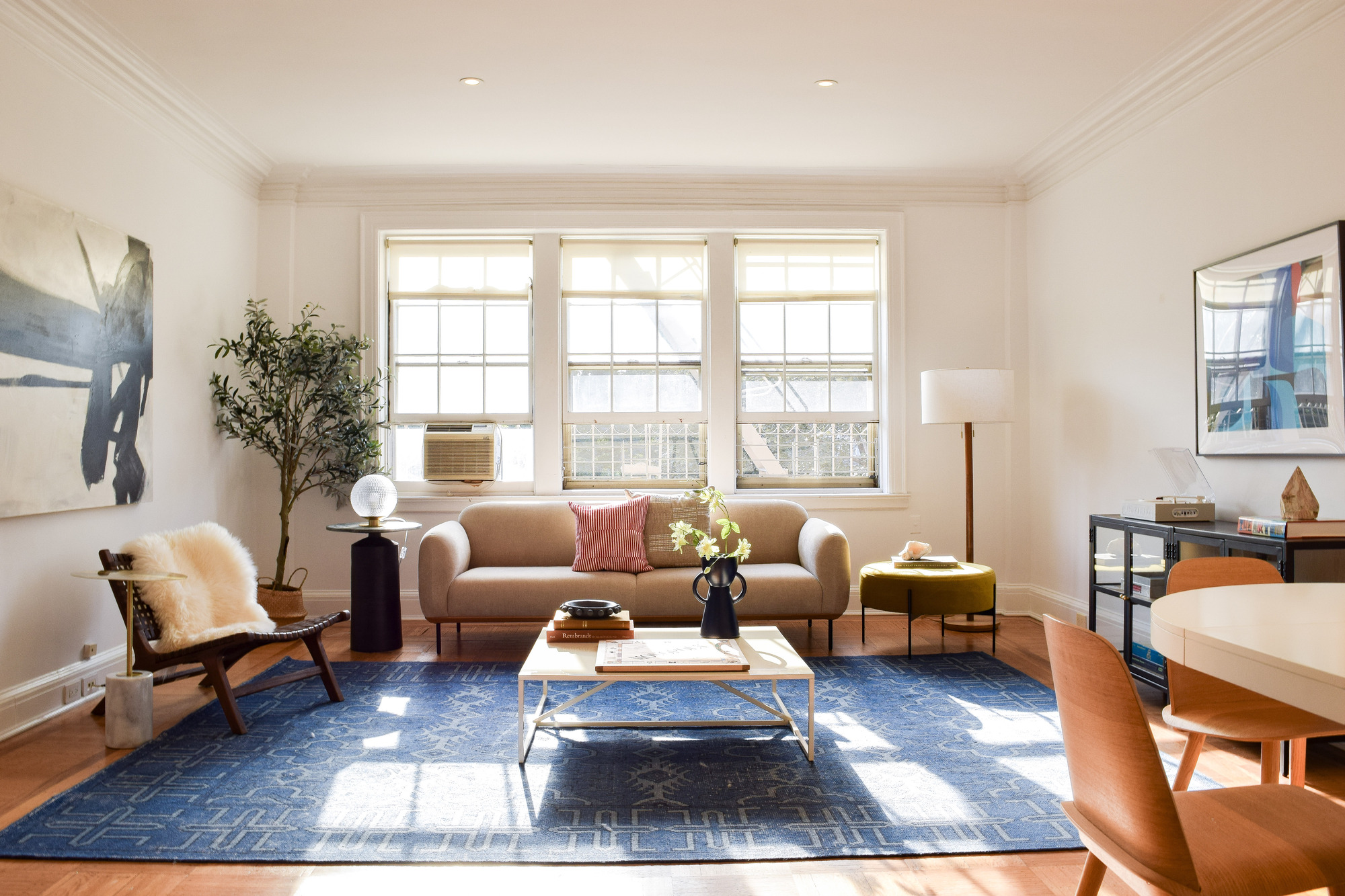
6 Plants That Professional Stagers Say Will Actually Help You Sell Your Home

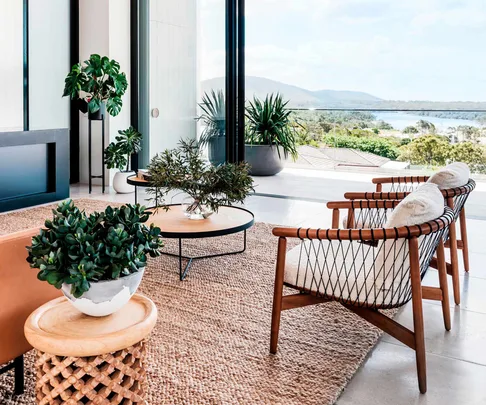
Jungle fever: 10 ways to style indoor plants

This Visual Design Trick Is the Coolest Way to Style Your Houseplants
Craig's secret weapon for helping his indoor plants look their best

19 Ways to Design with Houseplants

Smudge Your Greenery, and More Indoor Plant Advice We Shouldn’t Be Giving Away for Free

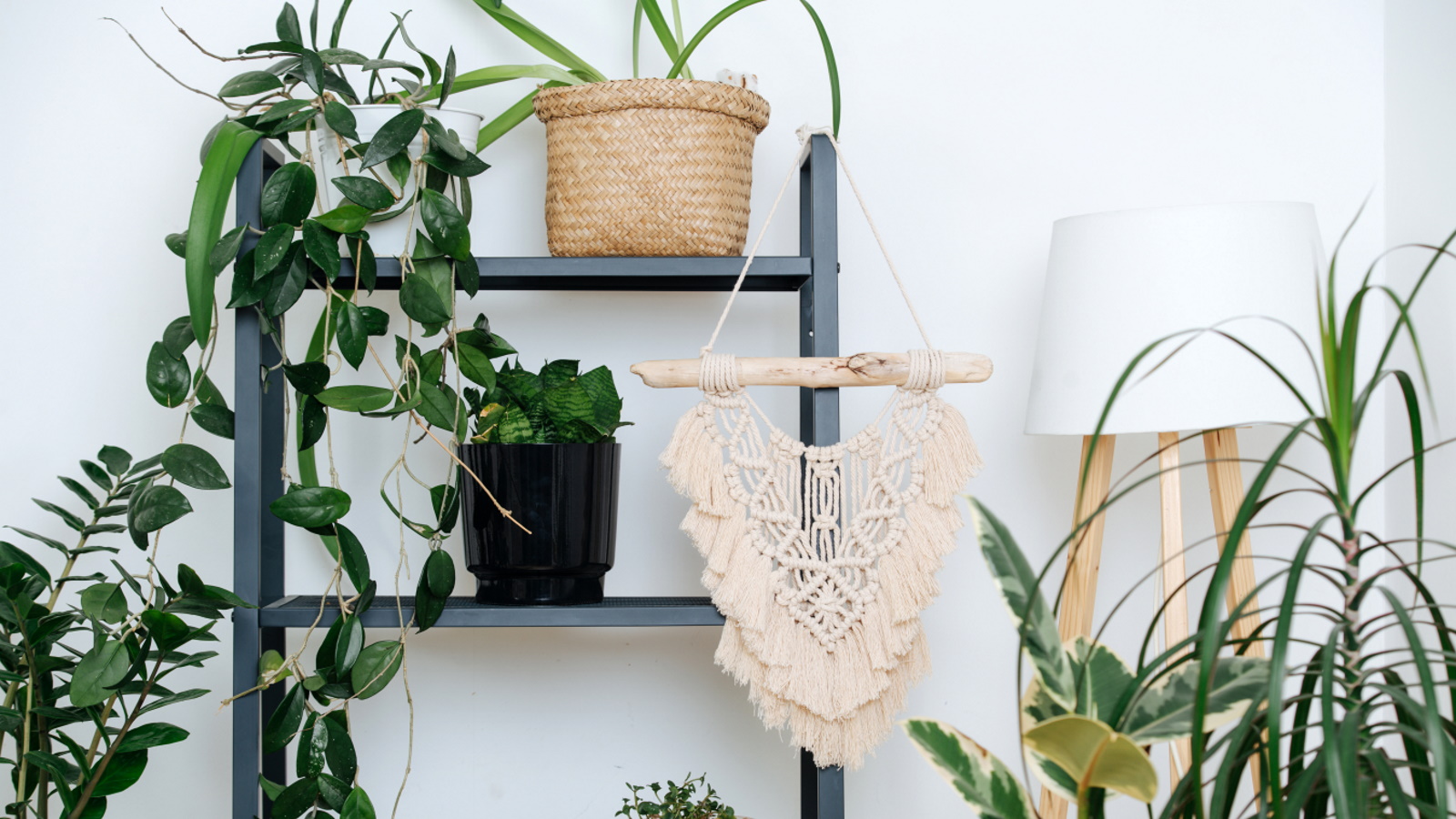
Indoor plant shelf ideas – expert tips for styling your houseplants

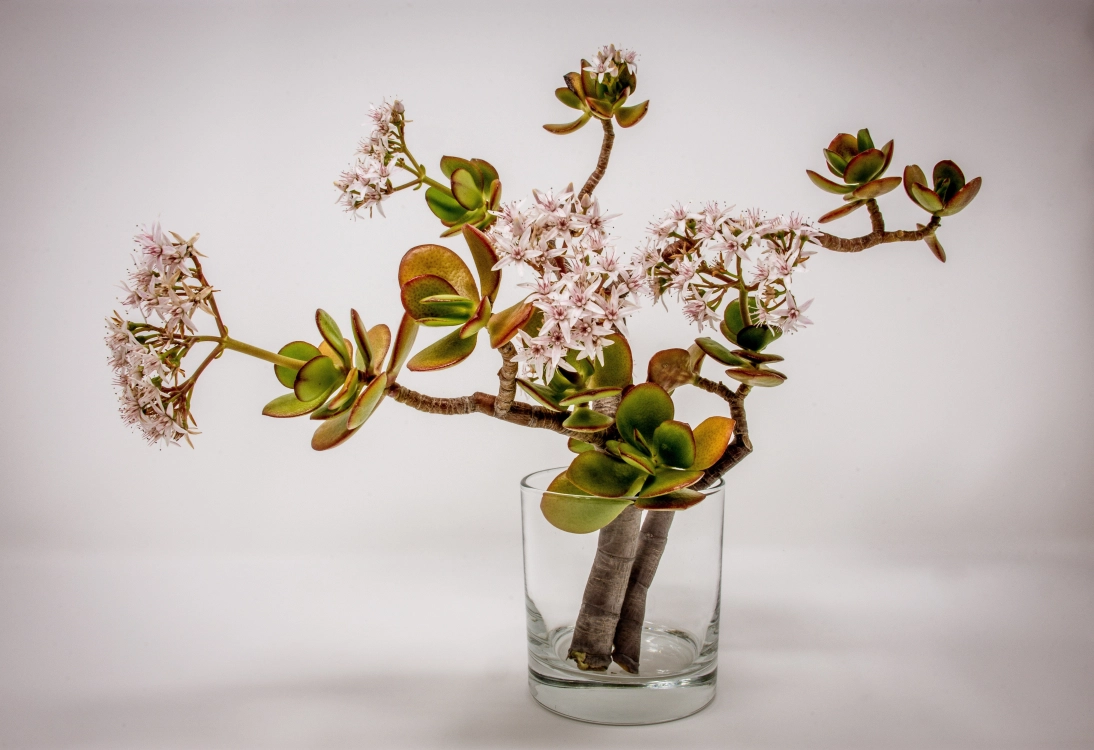
Plant Style: Elevate Your Decor with Indoor Plants
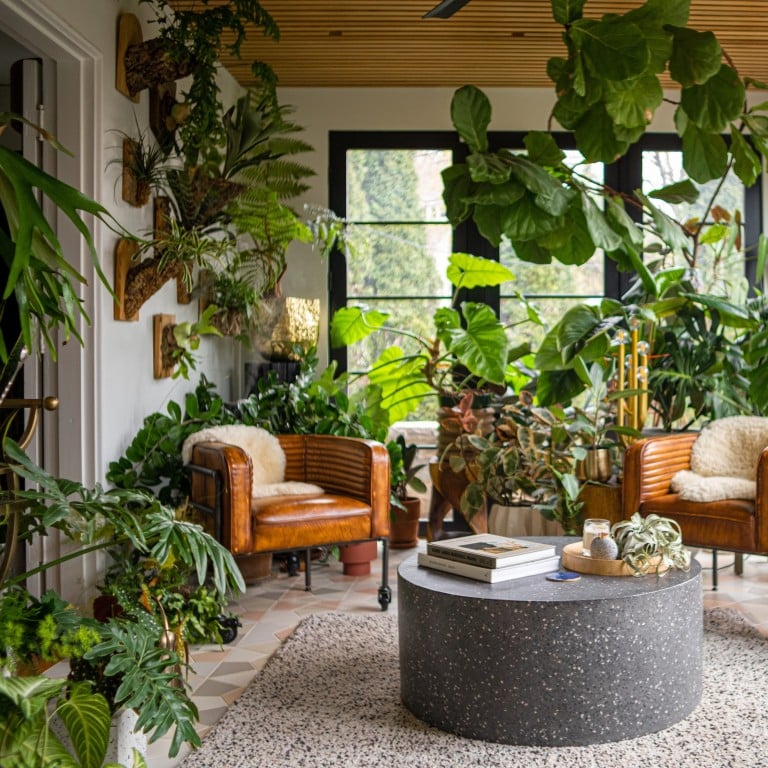
Nature to nurture: how to get more plants in your life and home

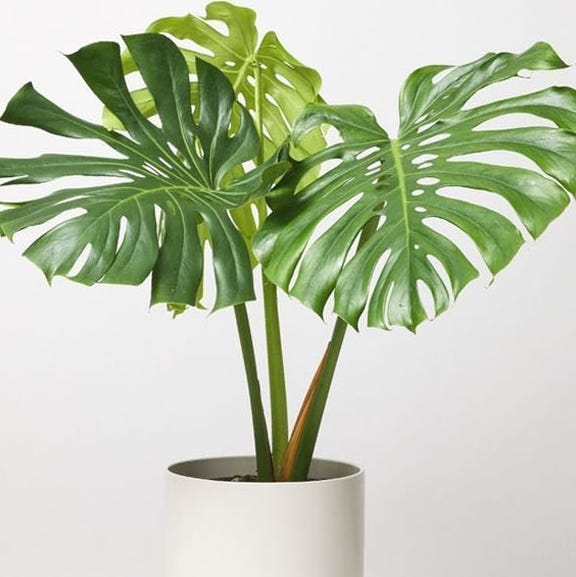
25 Indoor House Plants To Buy If You Know Your Spider Plant From Your Aloe Vera

12 easy indoor plant styling tips
The power of greenery! 5 ways that houseplants can elevate your interior

12 best house plant delivery services for the most gorgeous greenery

How to create an indoor jungle: plant styling tips for every style

Best plant stands for indoor plants – expert styling inspiration
How to make cut flowers last longer – 7 expert tips for getting the most out of your bouquet

Best indoor plants: the best house plants for stylish greenery

Tips for selecting an indoor plant