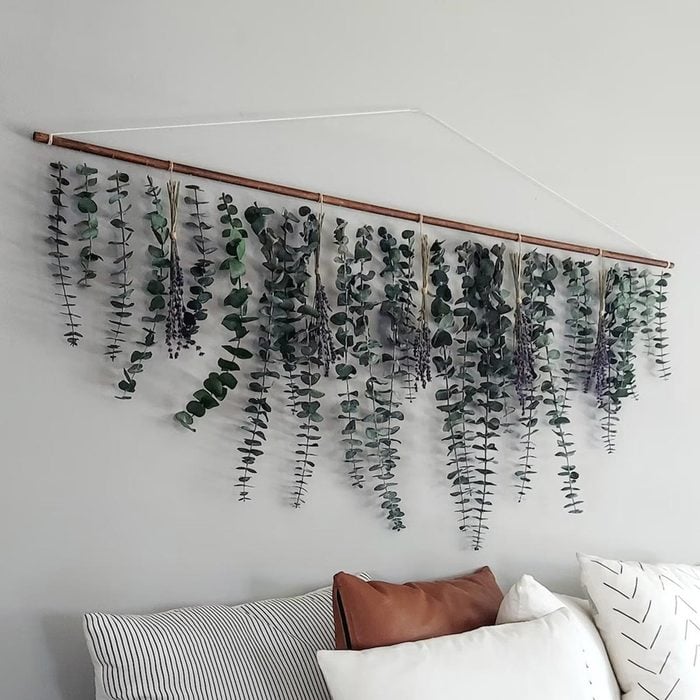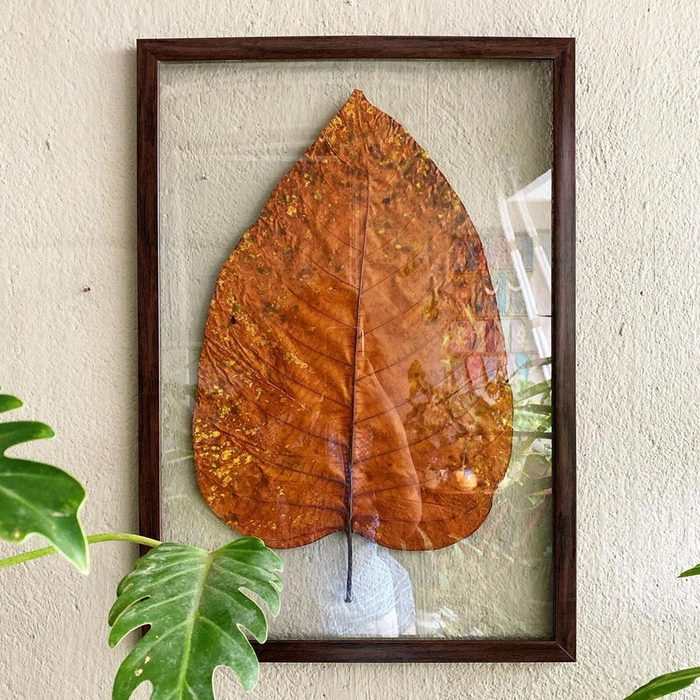
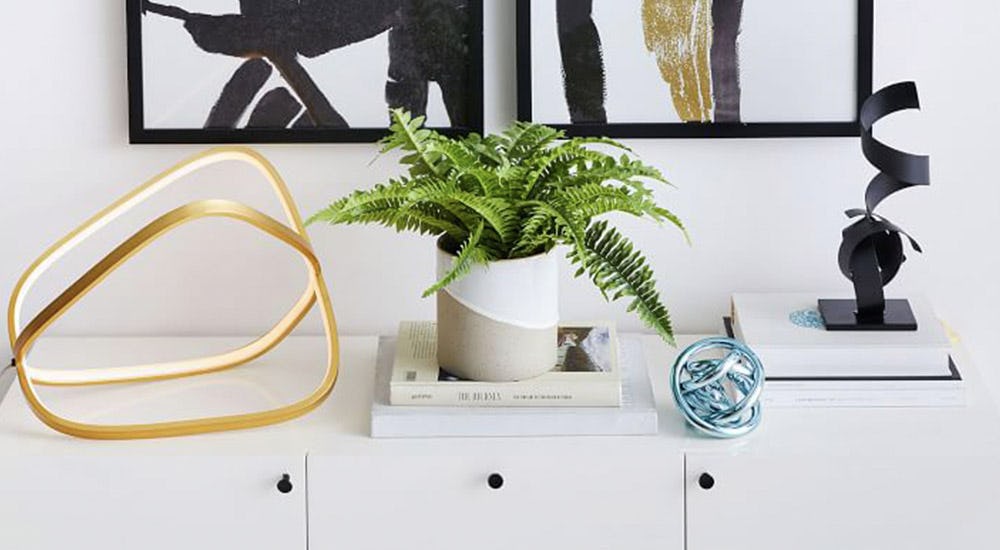
Fake Plants Are Actually Cool Now, And Here's How You Can Expertly Style Them In Your Home
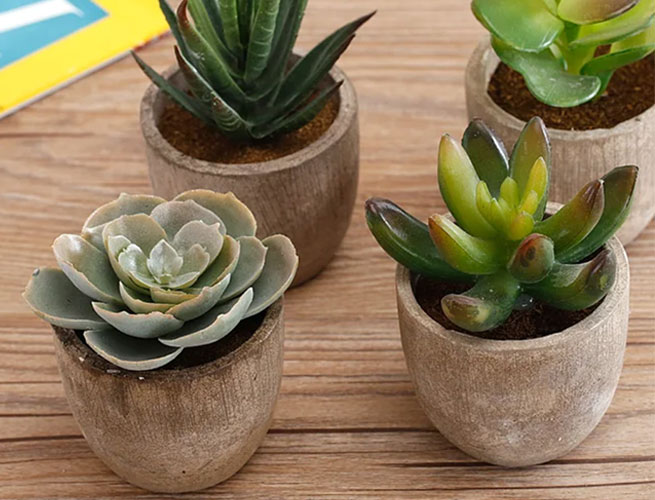
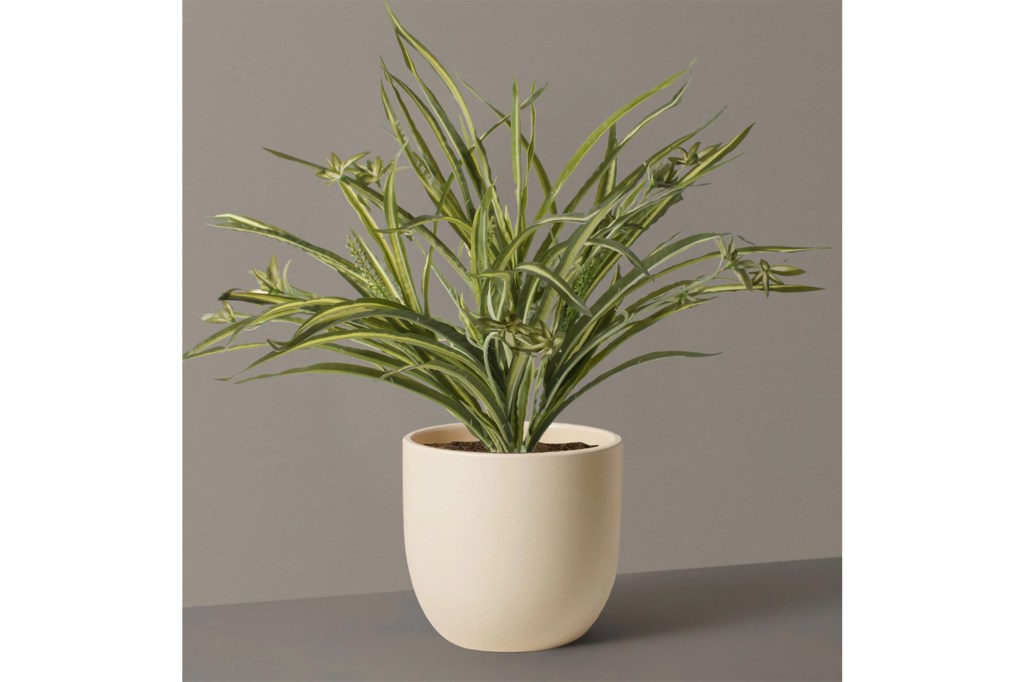
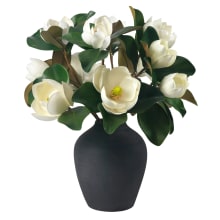
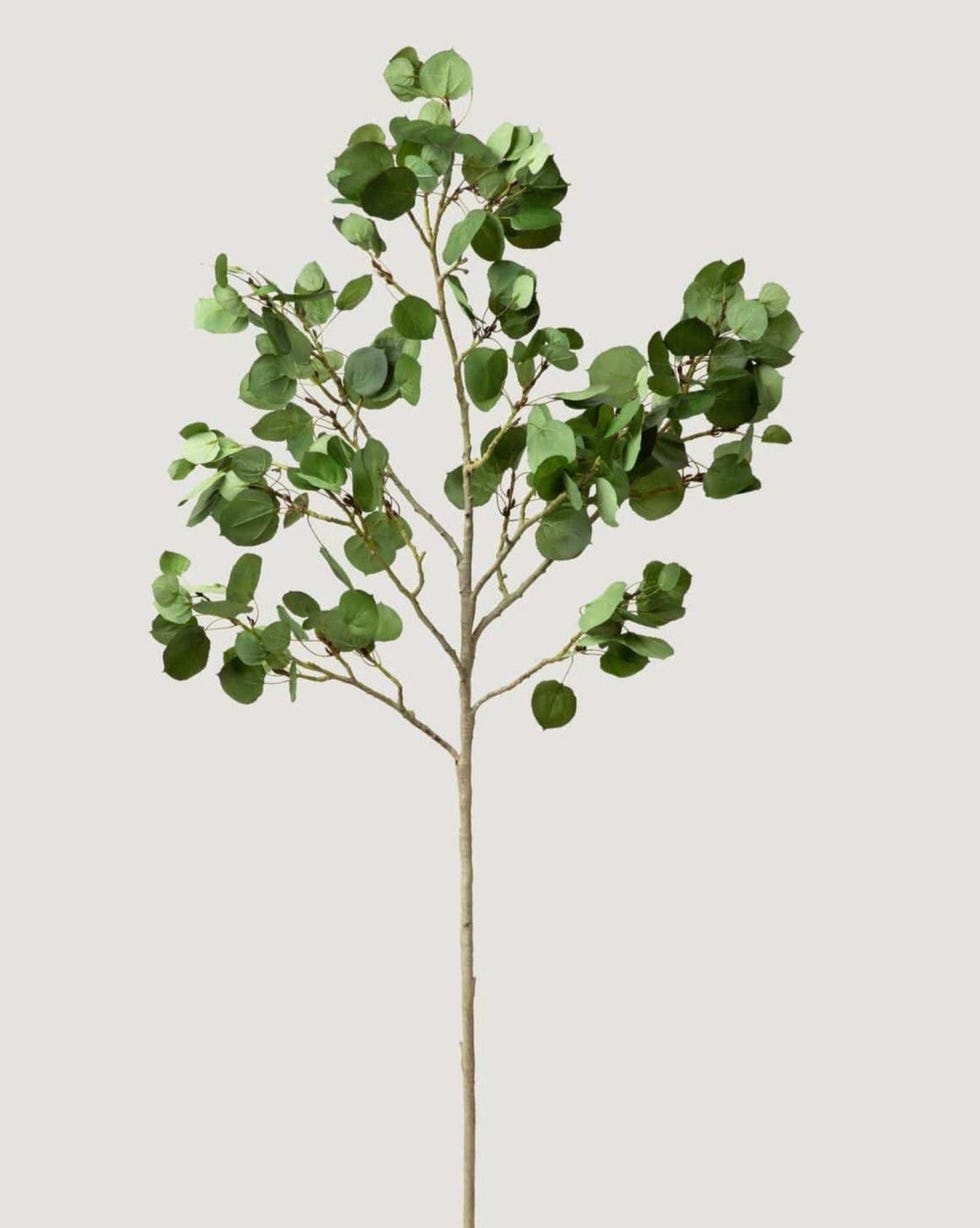
The increasing popularity of fake plants in home decor is explored, offering a practical solution for those without a 'green thumb' or suitable environments for live plants. Modern artificial plants are noted for their enhanced realism, with major interior decor brands such as West Elm, IKEA, Target, and World Market now offering a wide selection. The article highlights that plant 'parenthood' might not always be as sustainable as perceived, citing a recent article in 'The Cut' that questions the environmental impact of sourcing and caring for real plants, especially if they frequently die. While acknowledging the air-purifying, skin-hydrating, and mood-boosting benefits of real plants, the piece suggests that the waste generated from continually replacing dead plants can be a drawback. Fake plants eliminate the need for water or sunlight, making them a low-maintenance and potentially more sustainable option for specific scenarios.
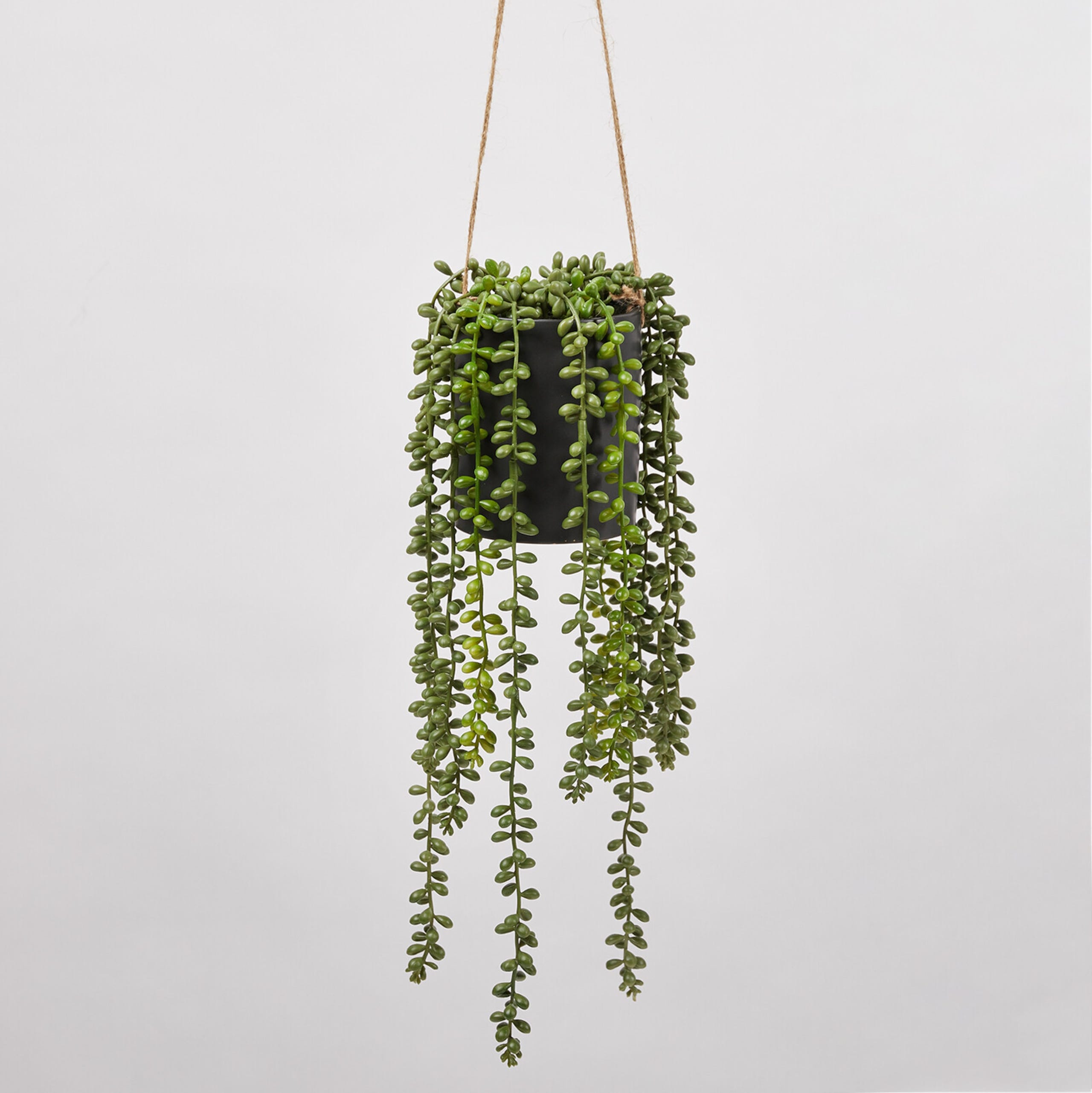
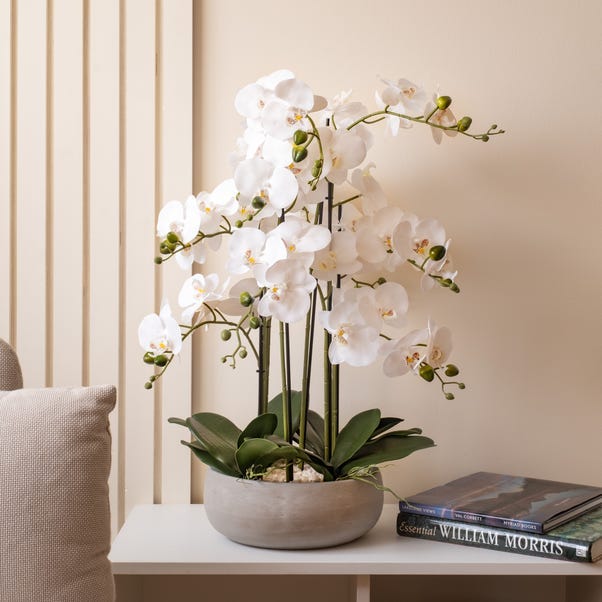
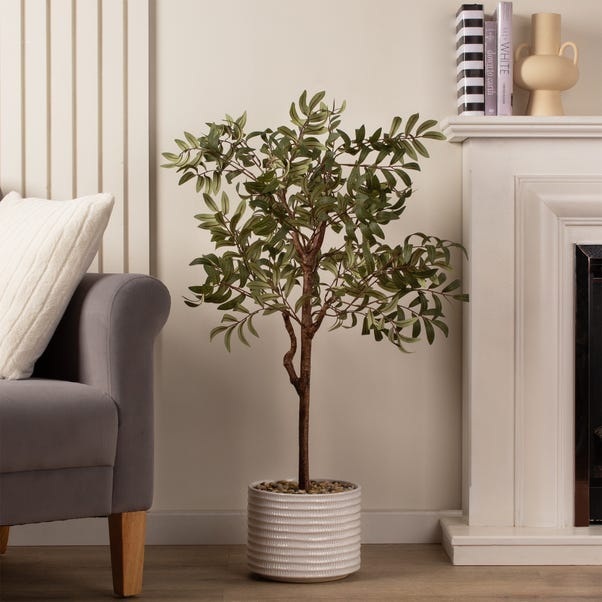
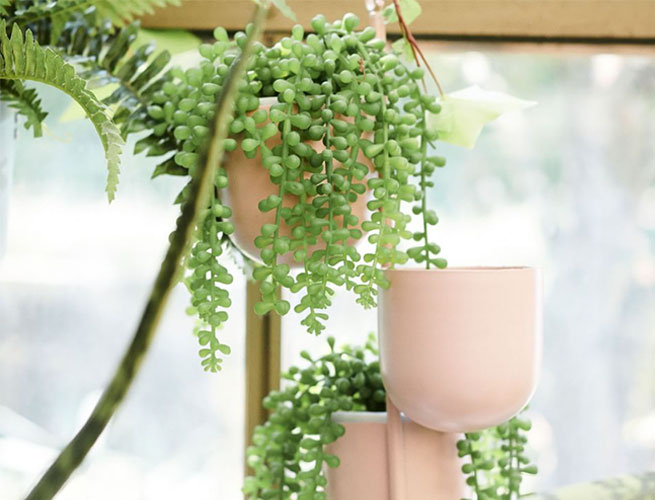
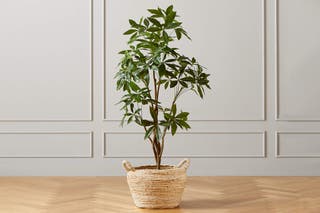
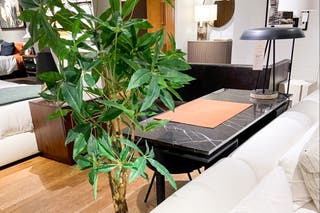
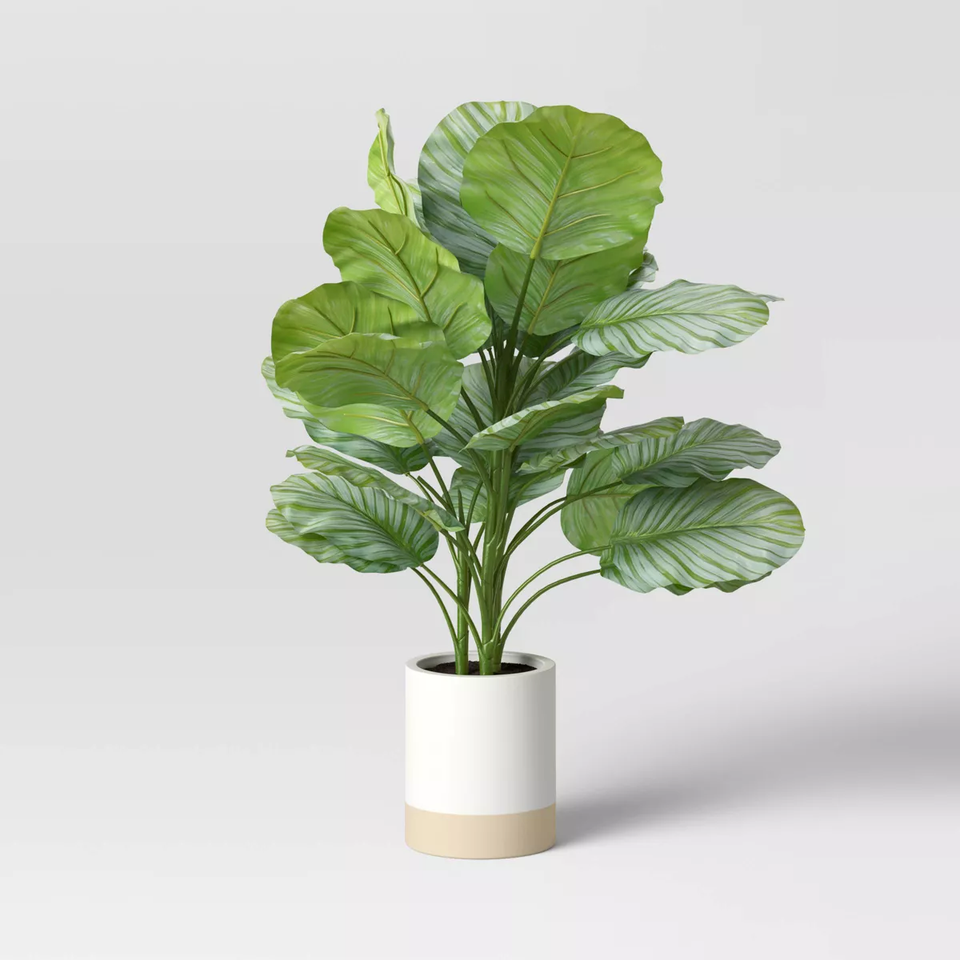
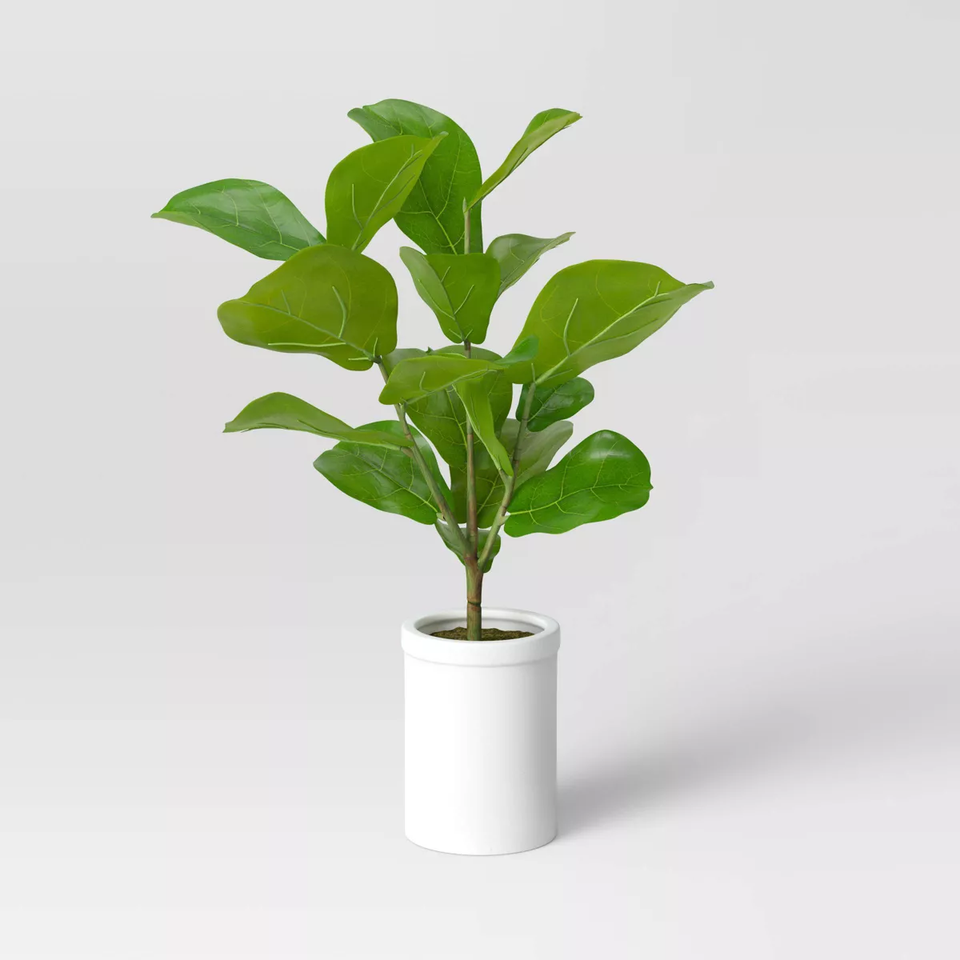
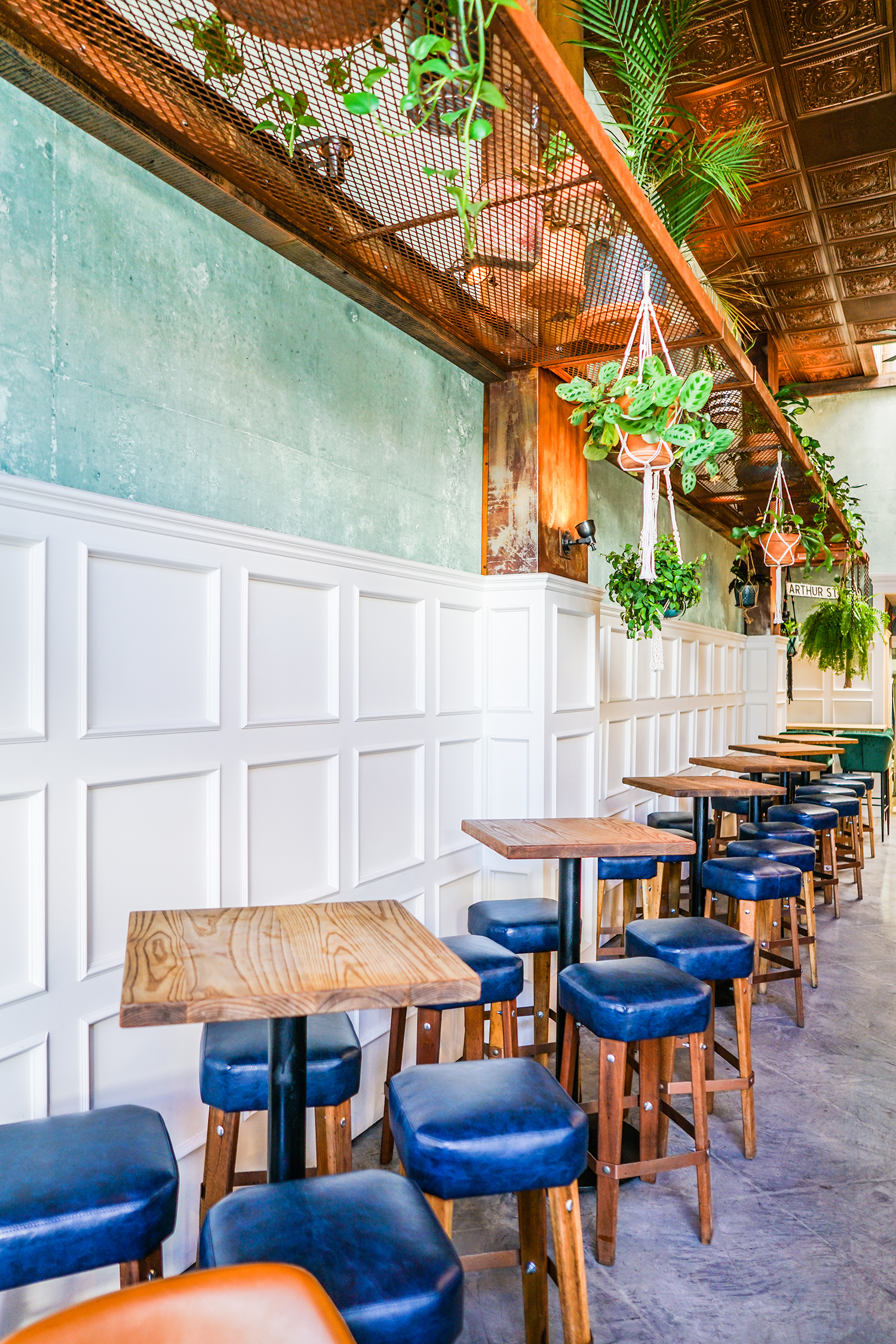
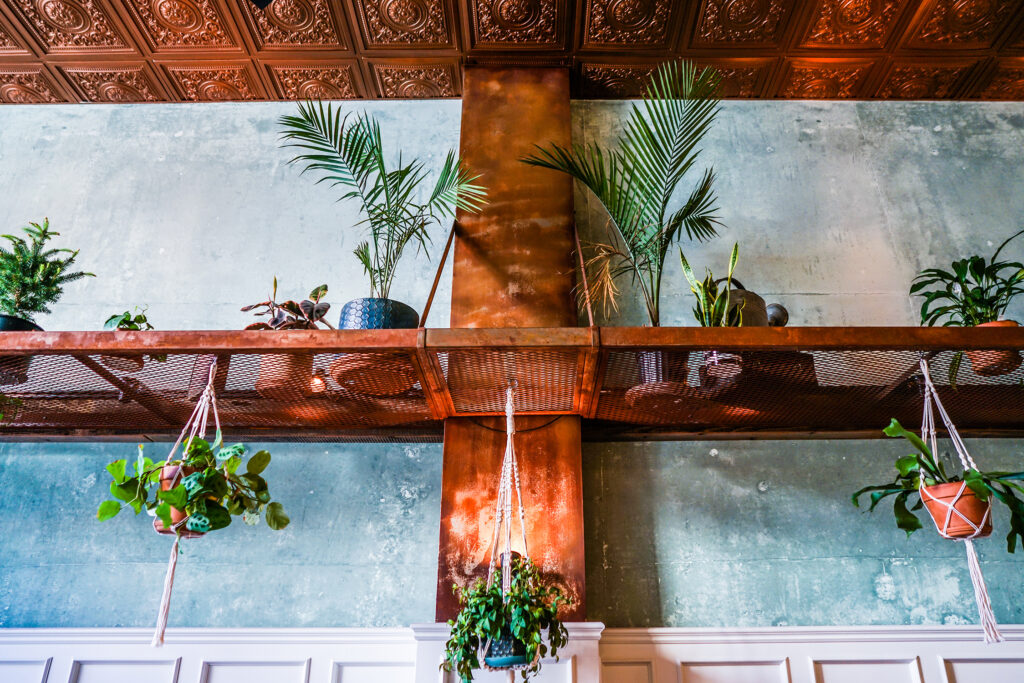
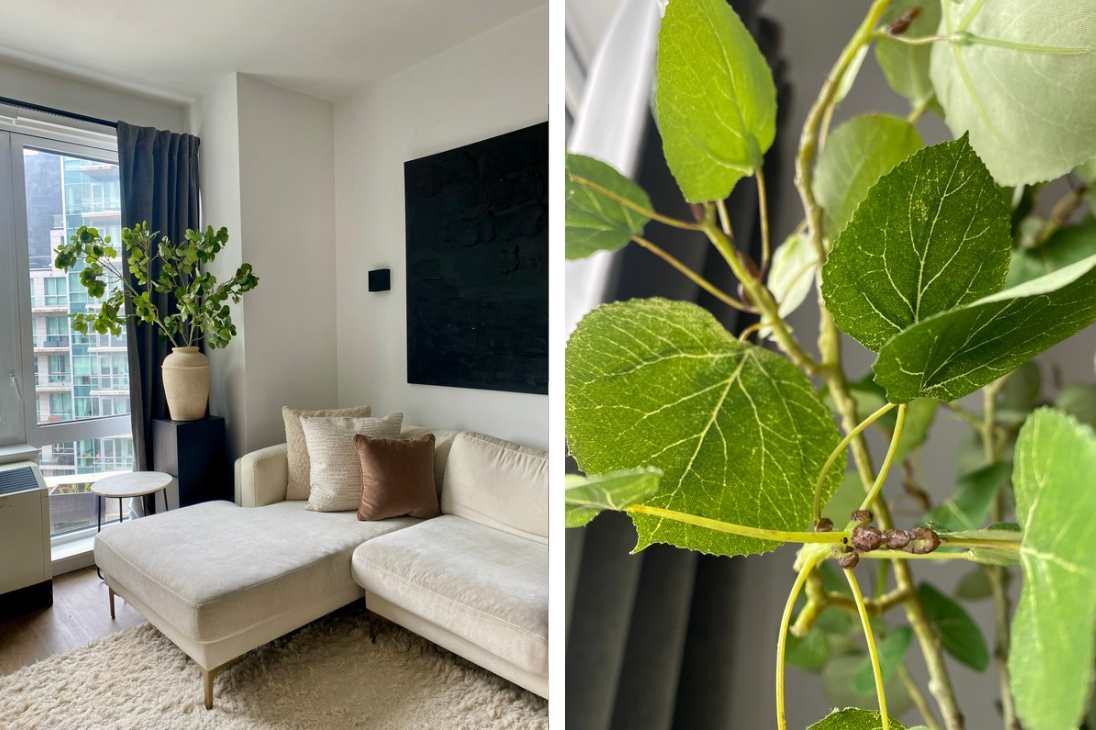
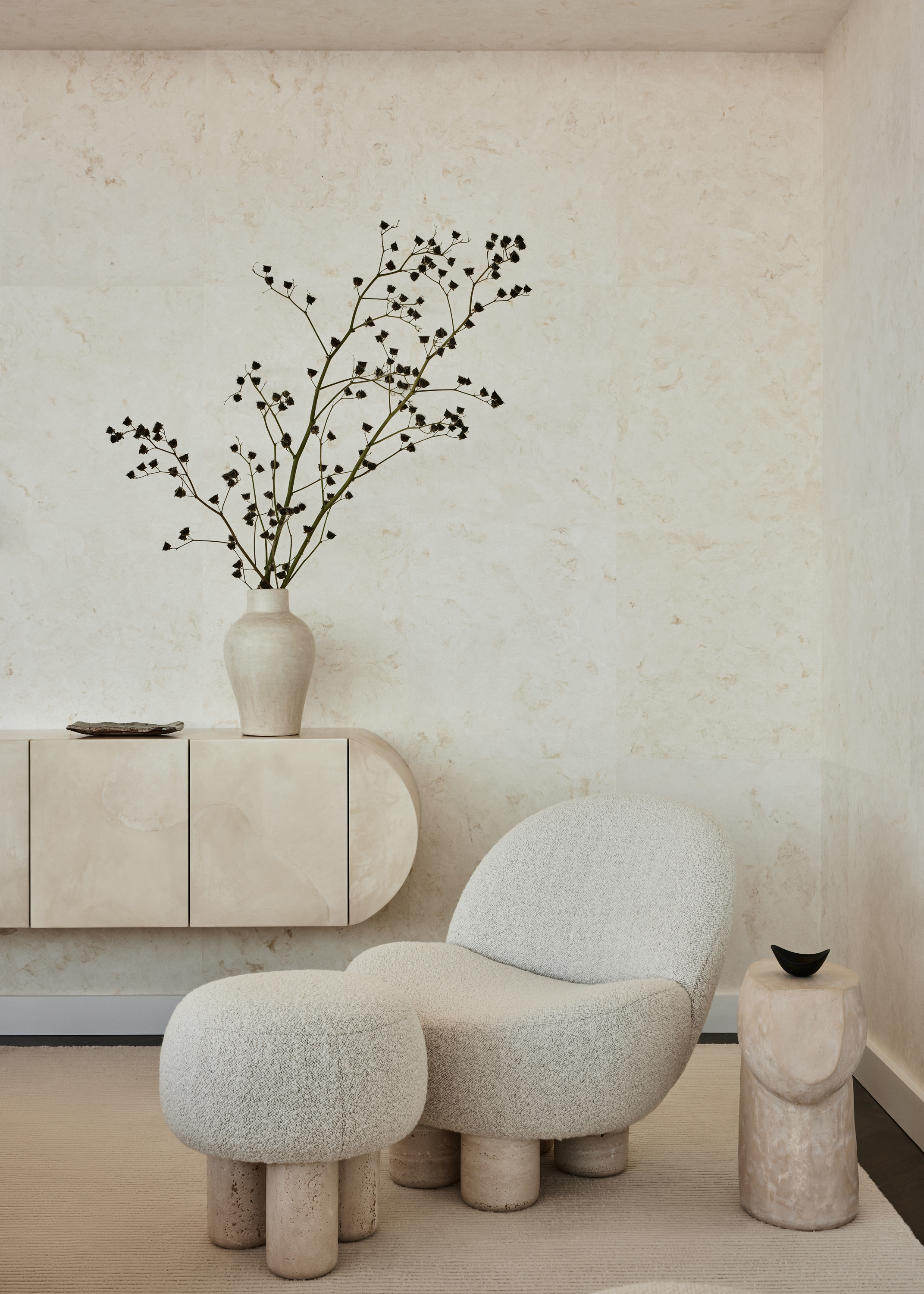
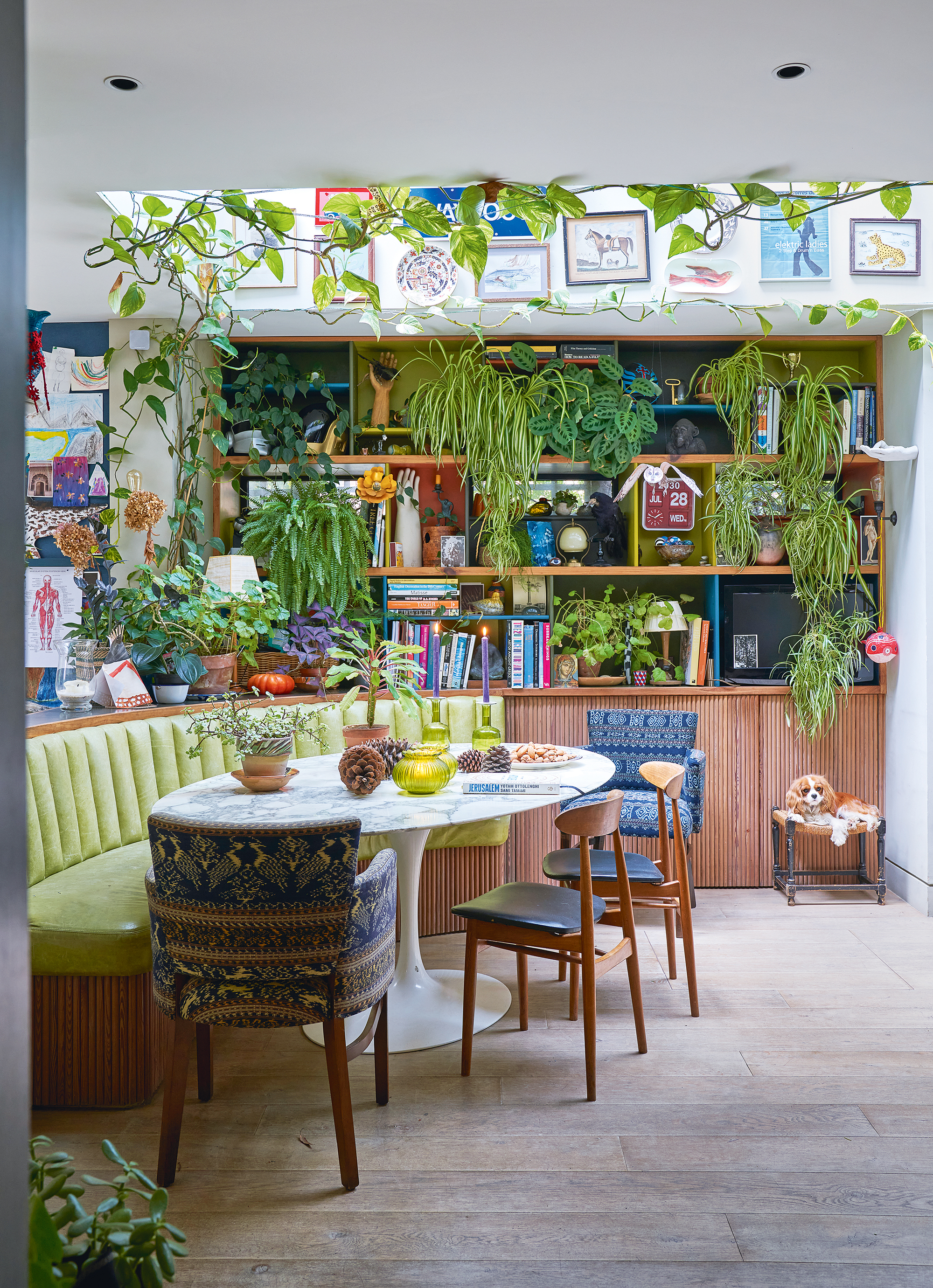
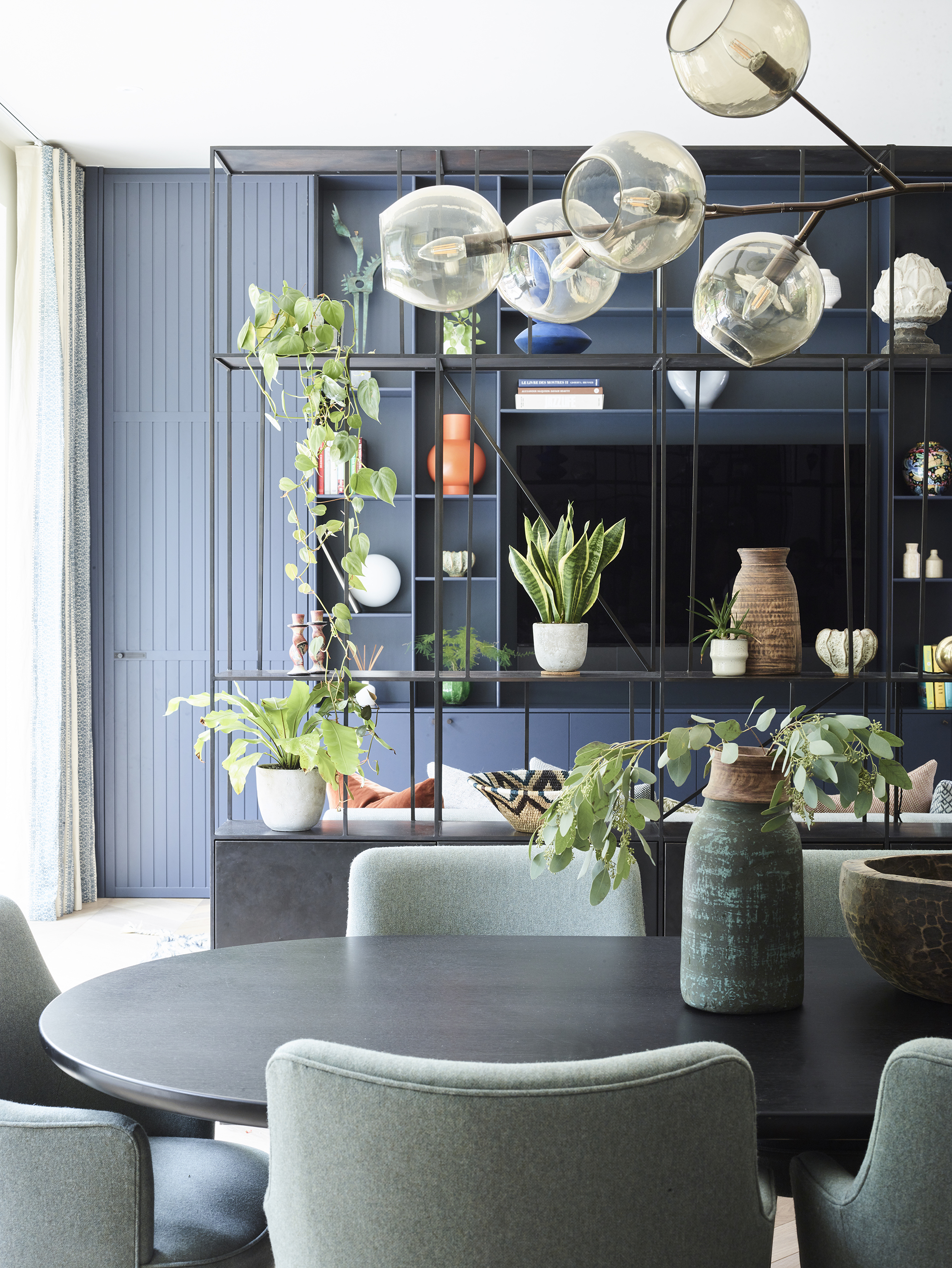
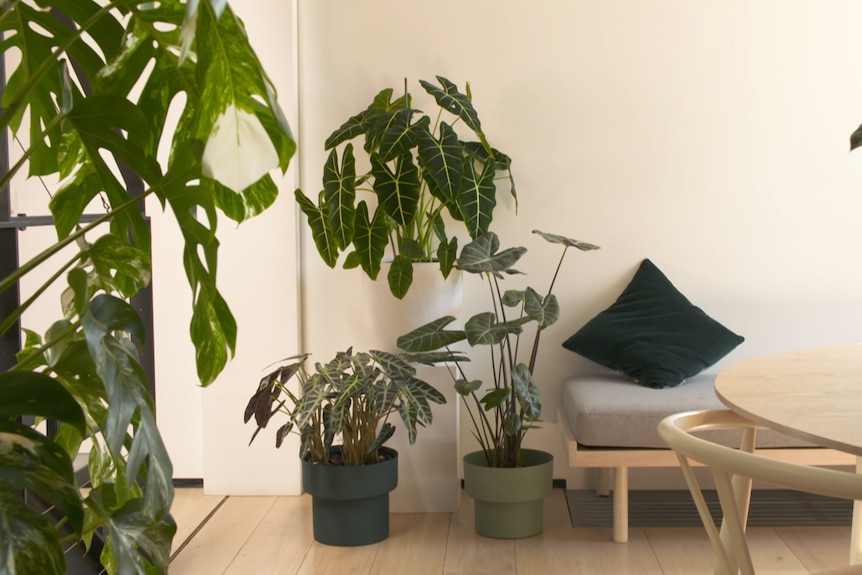

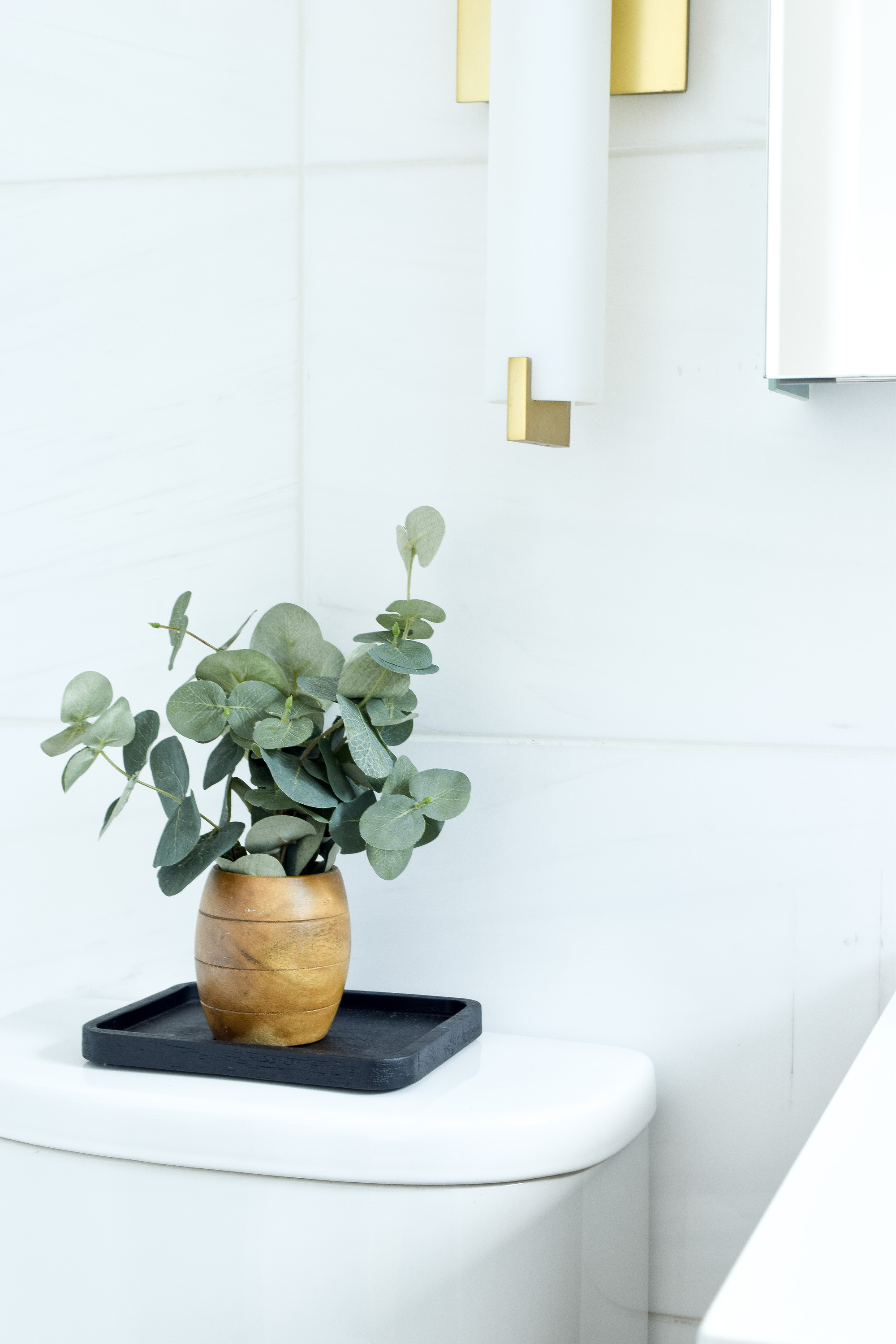
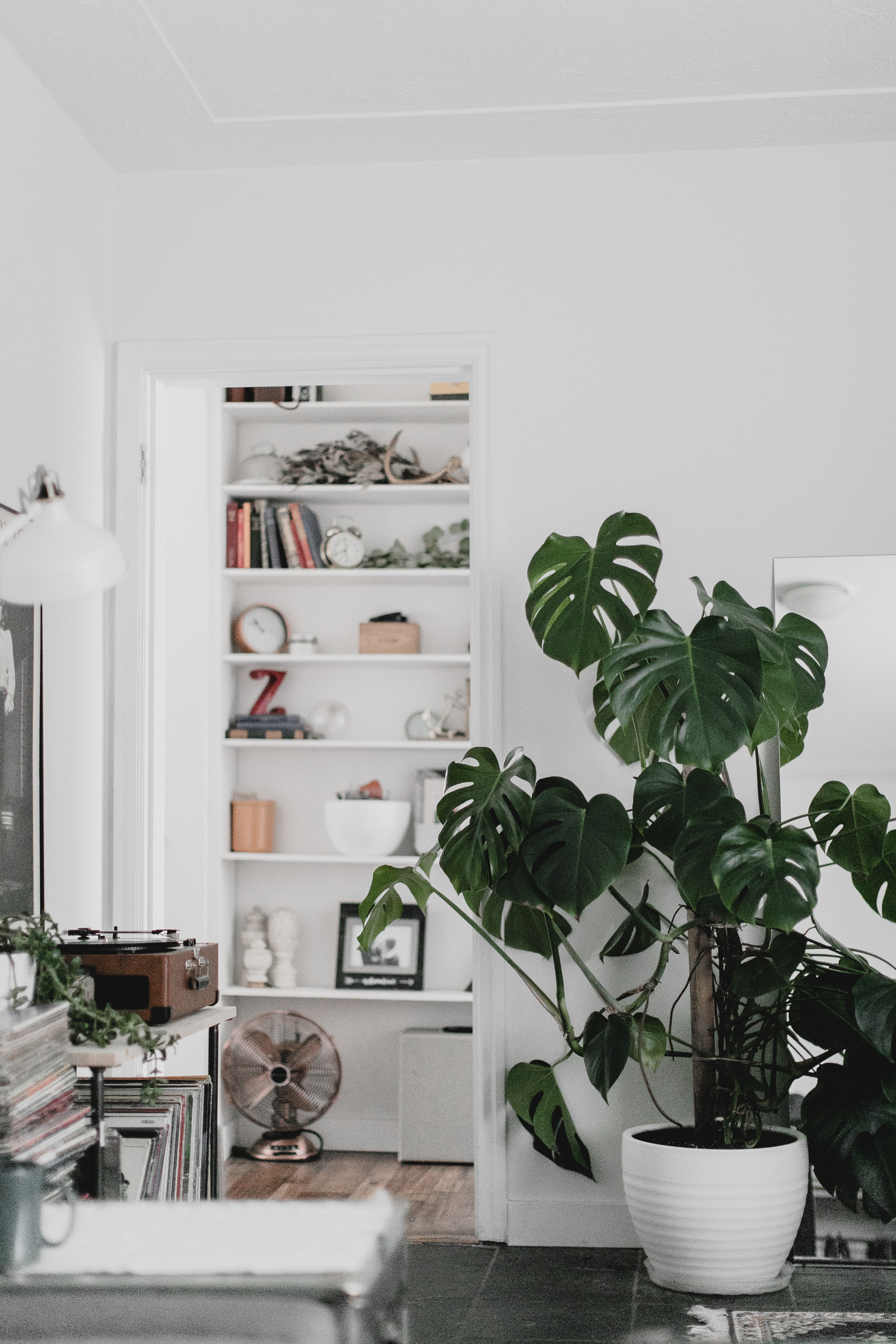
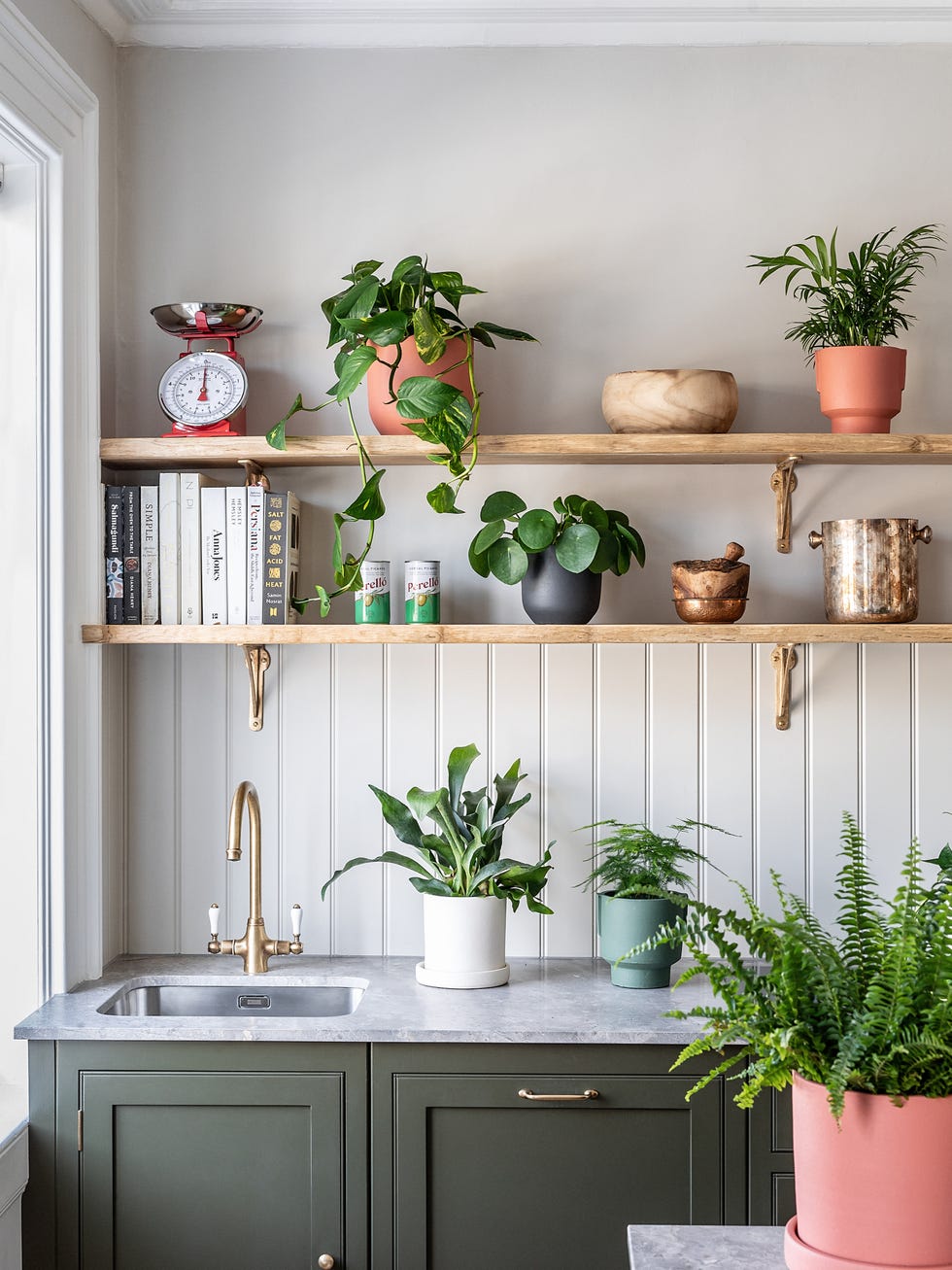
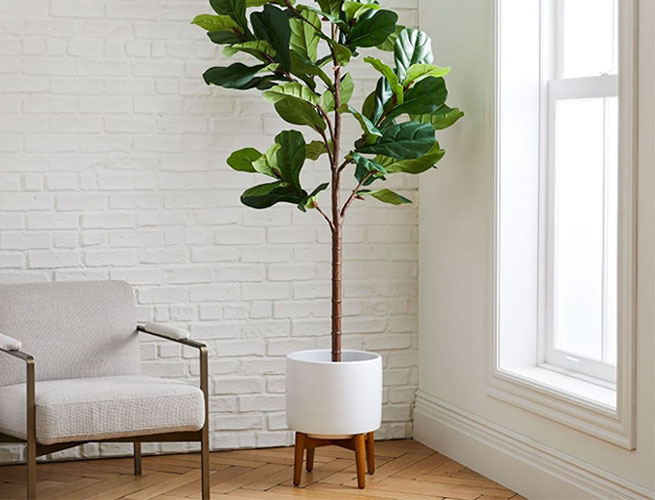
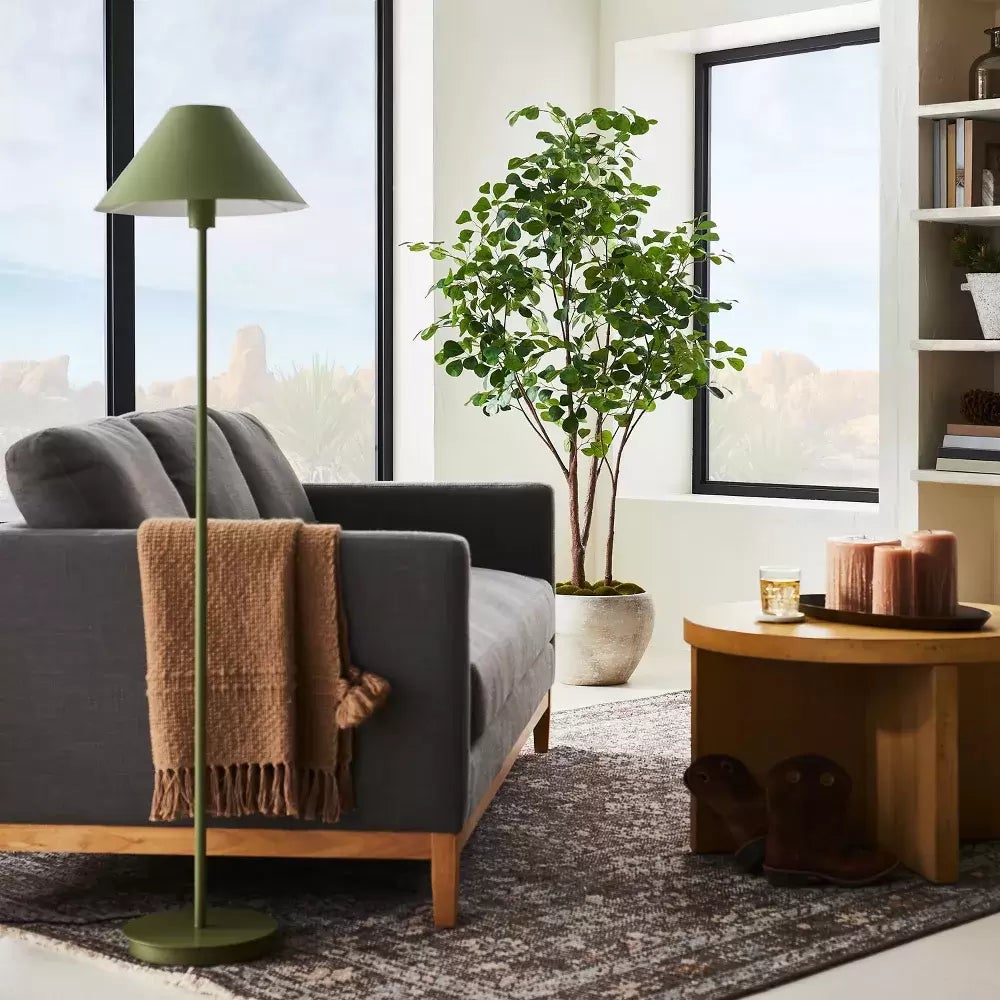
Los Angeles-based interior designer Alexandra Rae provides expert advice on selecting and styling artificial greenery. Rae emphasizes the importance of investing in high-quality fake plants, recommending in-person shopping to assess their look and feel. She notes that while better quality options might be more expensive, they offer a more convincing appearance, justifying the investment. Strategic placement is another key tip, with Rae suggesting fake plants be used in less conspicuous areas or as accents, such as in hanging baskets or on shelves. For instance, she recommends using faux maiden hair ferns in attractive pots for bookshelves or a potted faux fiddle leaf fig tree to brighten a corner. To enhance authenticity, Rae advises using cache pots that are realistically sized for the plant and adding moss at the base.
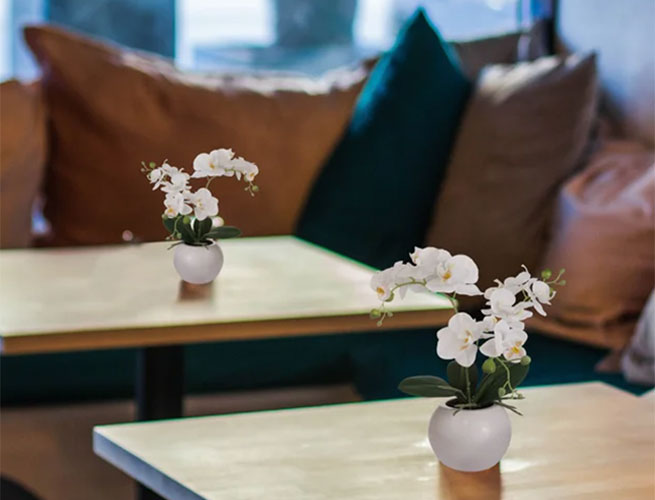
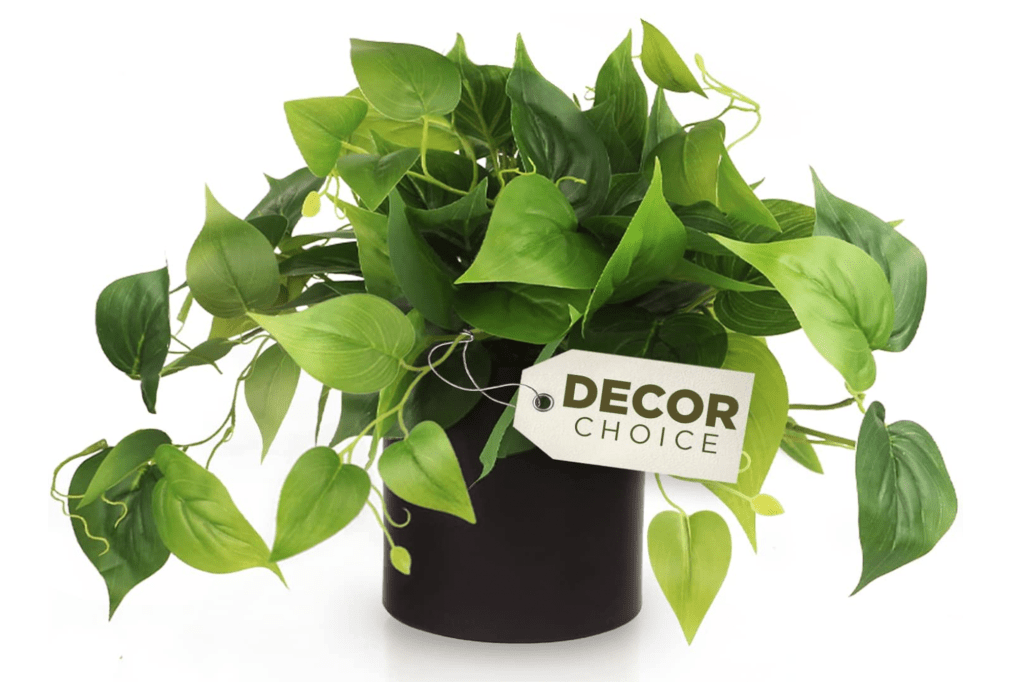
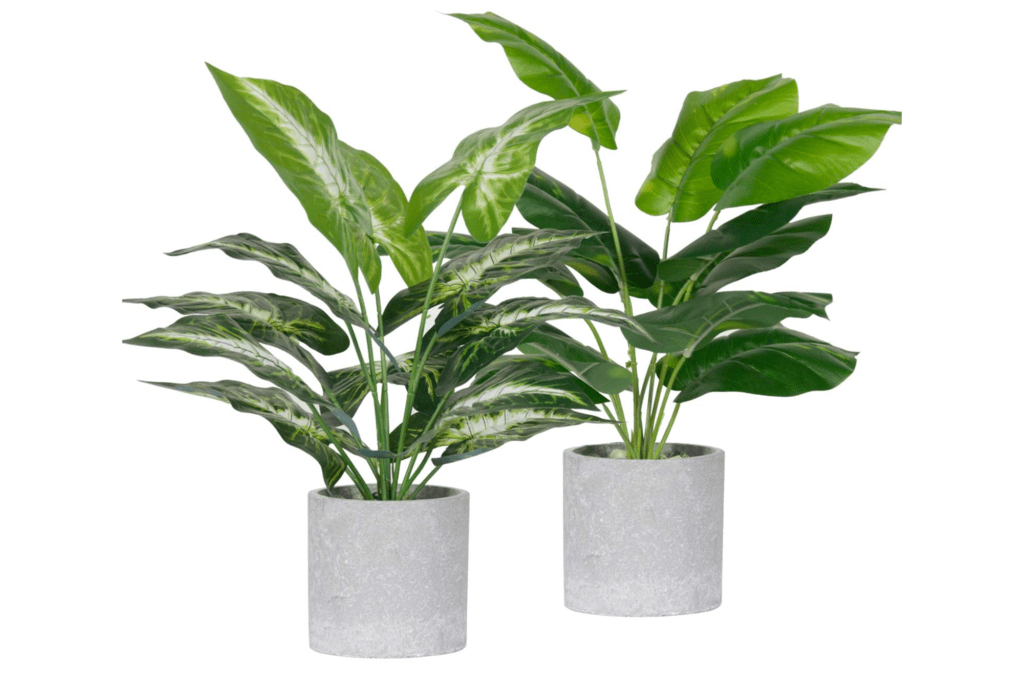
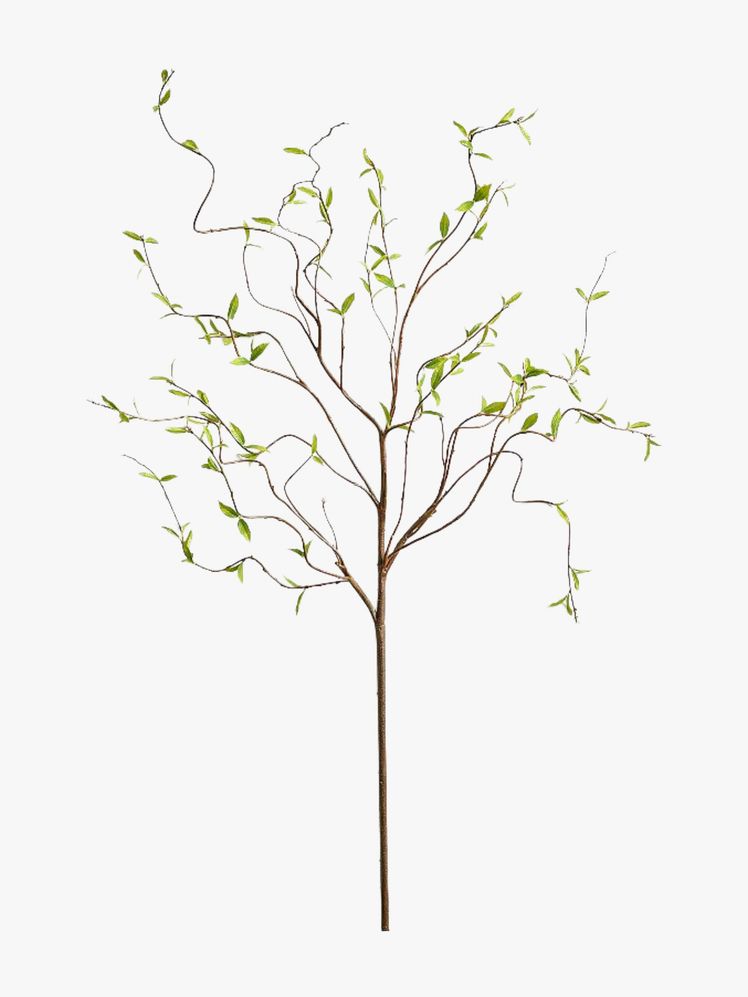
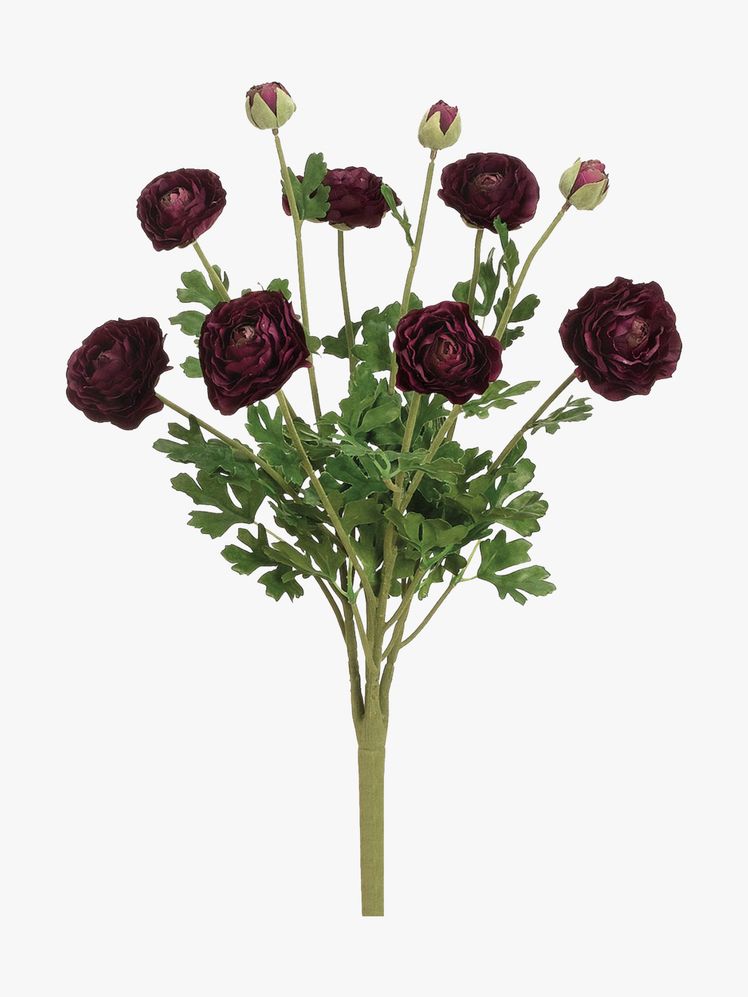
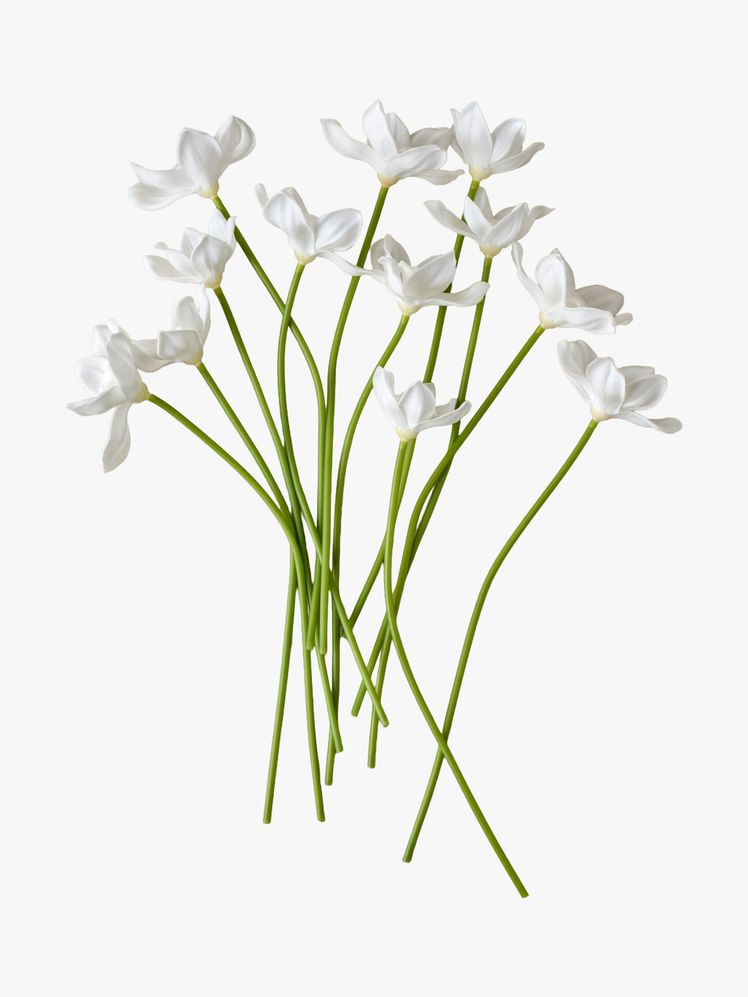
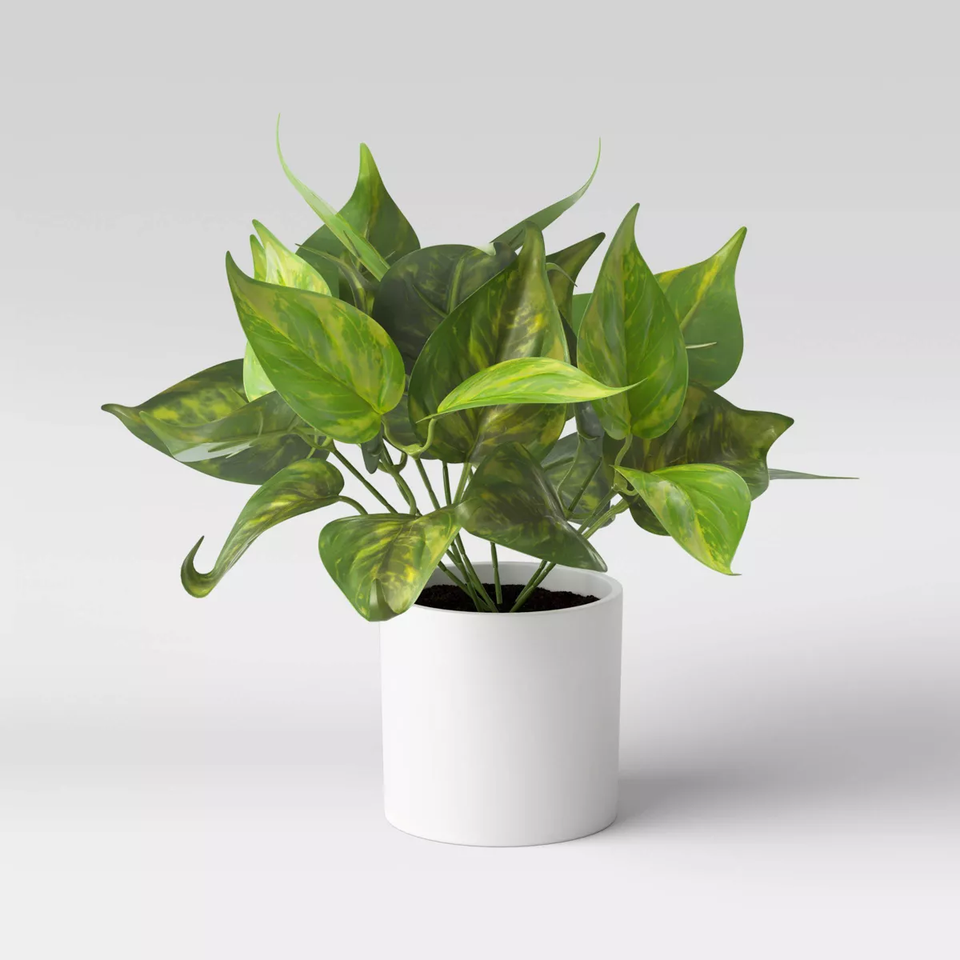
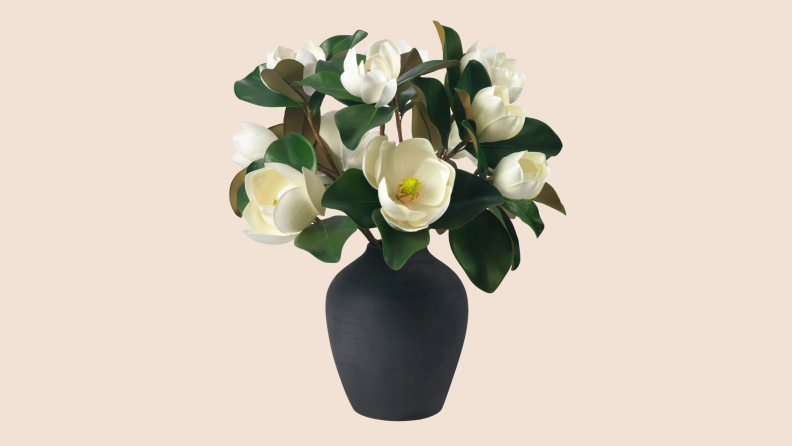
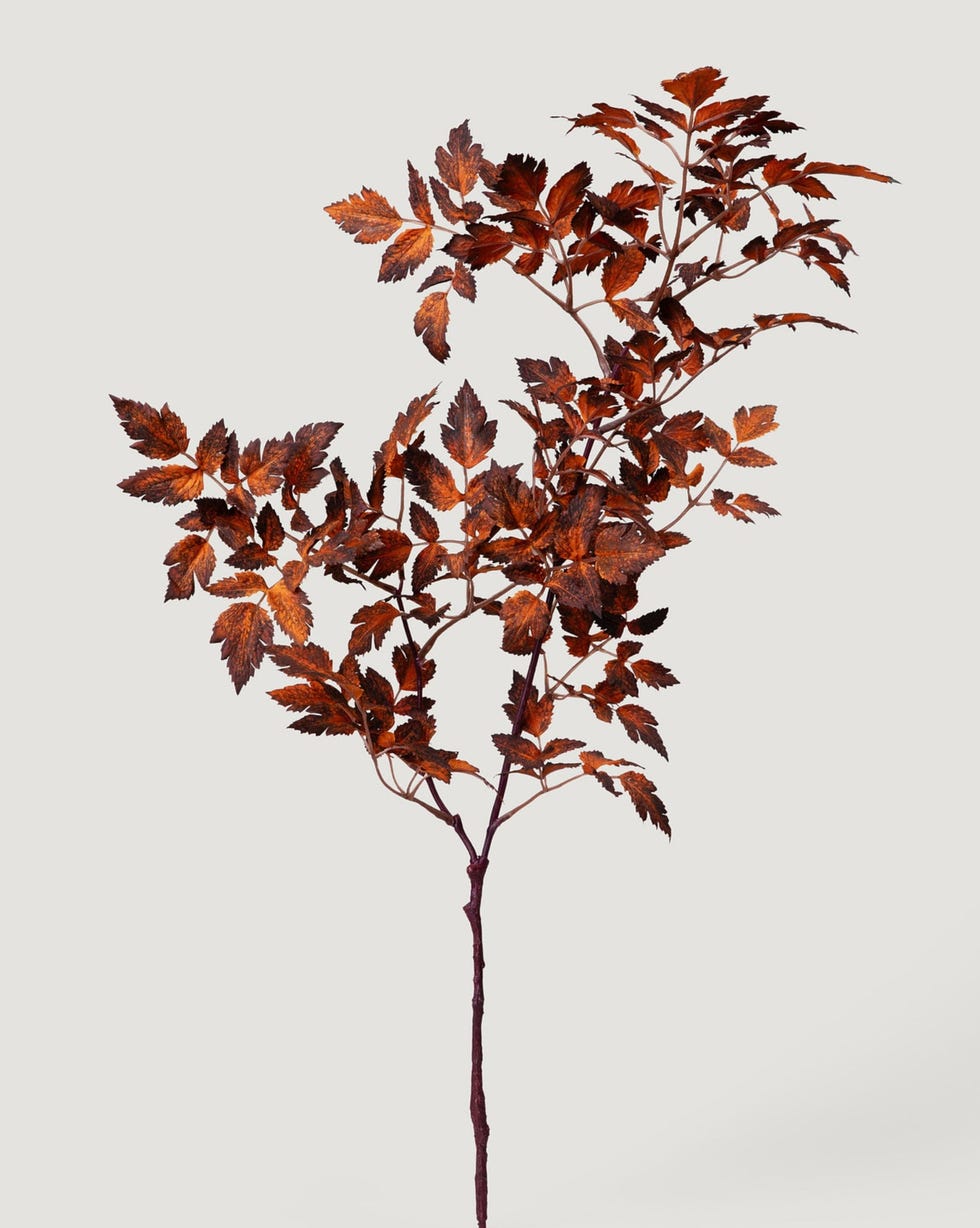
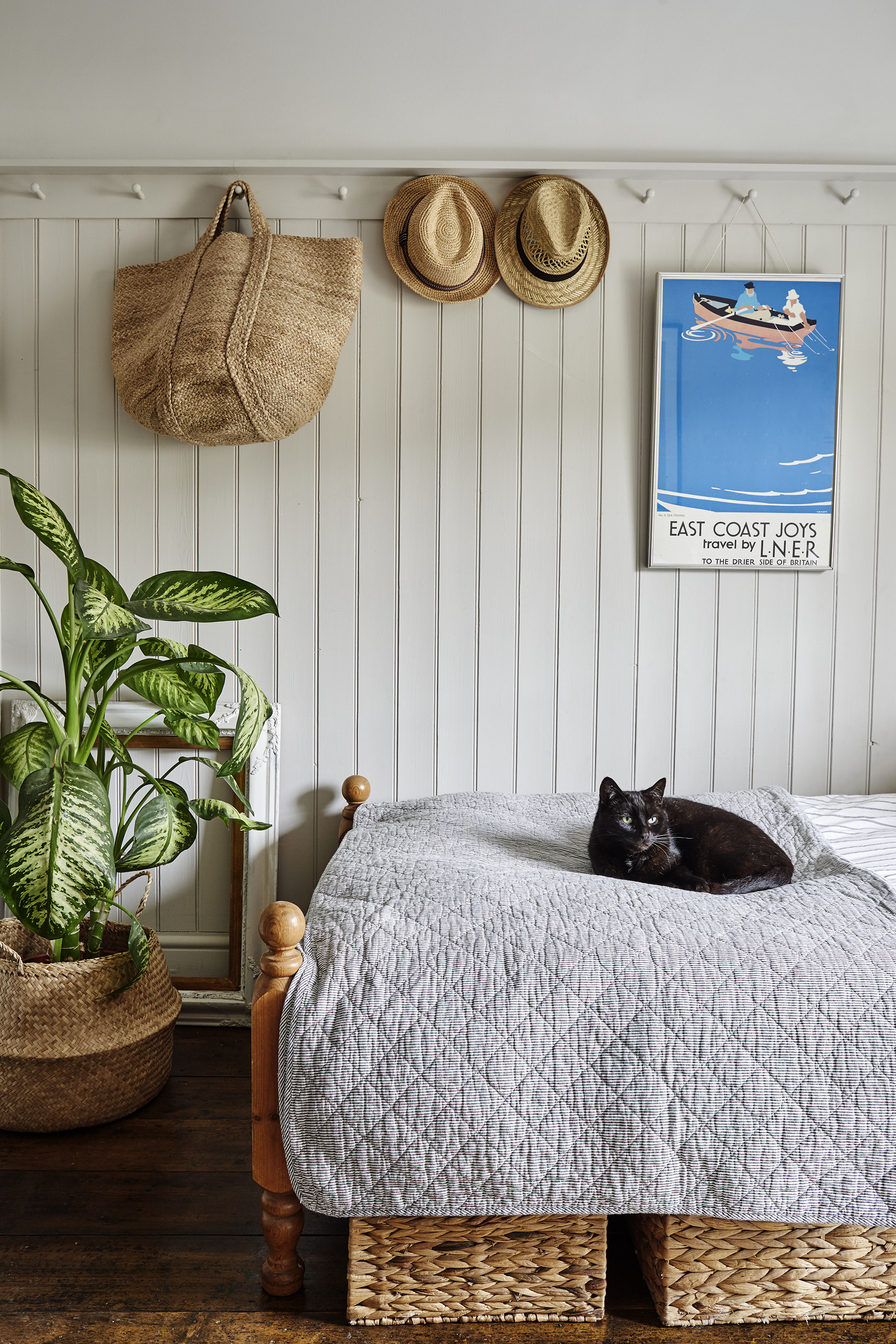
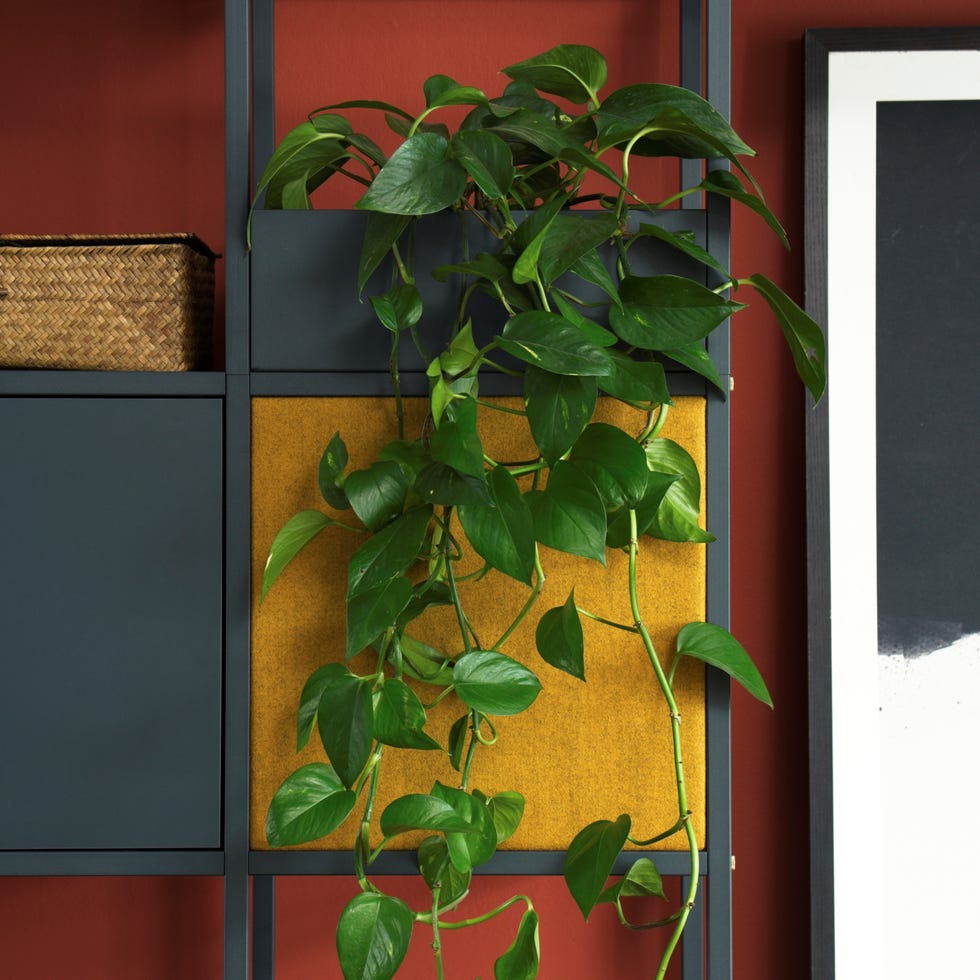
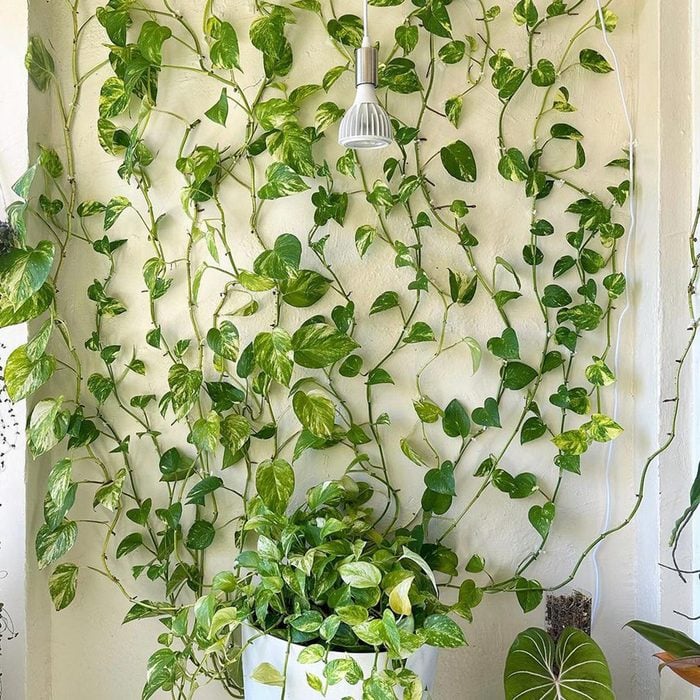
The article also covers the integration of fake plants with real ones. Rae suggests using fake plants for species that are difficult to maintain or in locations where their artificiality is less noticeable. She personally chooses fake versions of maiden hair ferns and fiddle leaf fig trees due to their challenging care requirements, which she has struggled with in the past. For areas where plants are viewed closely, she recommends opting for easy-to-care-for real plants like pothos and peace lilies. Despite their artificial nature, fake plants still require some maintenance. Rae stresses the importance of keeping them dust-free with a magnetic duster and replacing them if they become faded from sunlight, ensuring they maintain their appealing appearance. The article concludes by listing several artificial plant products from prominent retailers, reinforcing the accessibility of stylish faux greenery.
#FakePlants #HomeDecor #InteriorDesign #StylingTips #FauxGreenery #SustainableLiving #AlexandraRae #LowMaintenancePlants #HomeImprovement #FakePlants #HomeDecor #InteriorDesign #StylingTips #FauxGreenery #SustainableLiving #AlexandraRae #LowMaintenancePlants #HomeImprovement
0 comment in total
 No comments yet
You may also like
10 Realistic Artificial Plants That Require Minimal Effort

Where To Buy Artificial Flowers That Will Fool Just About Everyone

We Can’t Even Believe These Gorgeous Flowers Are Fake
Our Most-Loved Project Plants
RS Recommends: These Stylish Artificial Plants Help You Fake a Green Thumb

Target's Faux Foliage Is The Secret To My Green Home

These 56 No-Fail Plants Promise to Look Pretty All Year Long

6 Plants That Professional Stagers Say Will Actually Help You Sell Your Home

The 34 best fake plants to buy on Amazon that actually look real

Hot Take: Are Fake Plants Actually Really Cool?
Are Fake Plants Bad Feng Shui? Probably Not, but You Shouldn't Put Them in These Places
The power of greenery! 5 ways that houseplants can elevate your interior
12 Fake Plants I Love for Any Space, As Someone Who Really Hates Watering
Faux flowers got upgraded: Shop these realistic-looking blooms

Decorating with plants – 11 ways to display houseplants

10 Ideas for Decorating Your Walls with Plants


Fake Plastic Trees and Artificial Houseplants We Don’t Hate

This Visual Design Trick Is the Coolest Way to Style Your Houseplants

Craig's secret weapon for helping his indoor plants look their best

The best artificial plants don't look fake — these are the best places to shop for realistic greenery