1/4
Exciting ideas for an indoor plant wall in your home
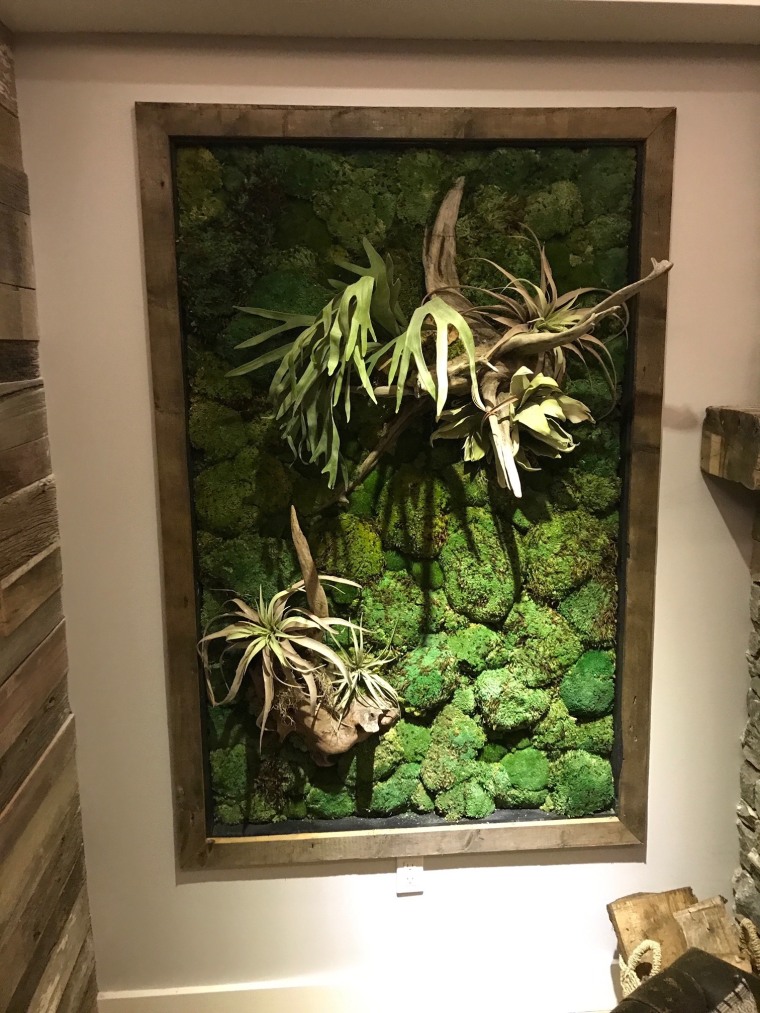
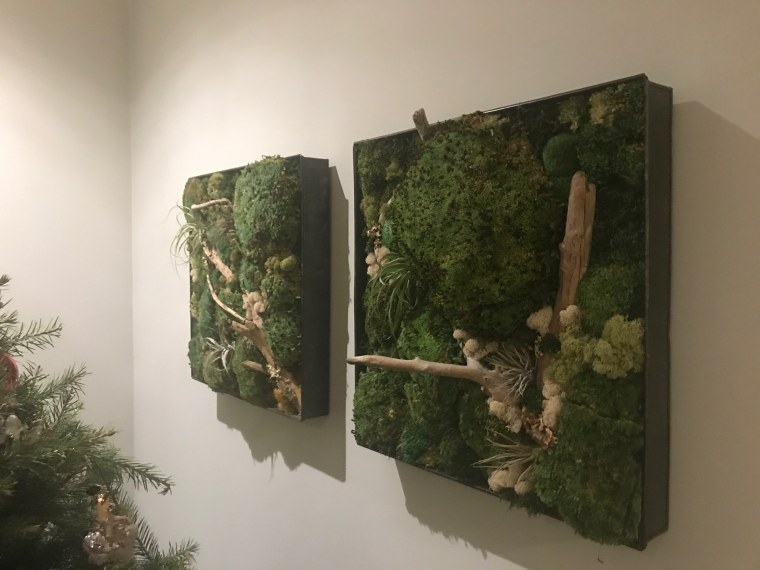
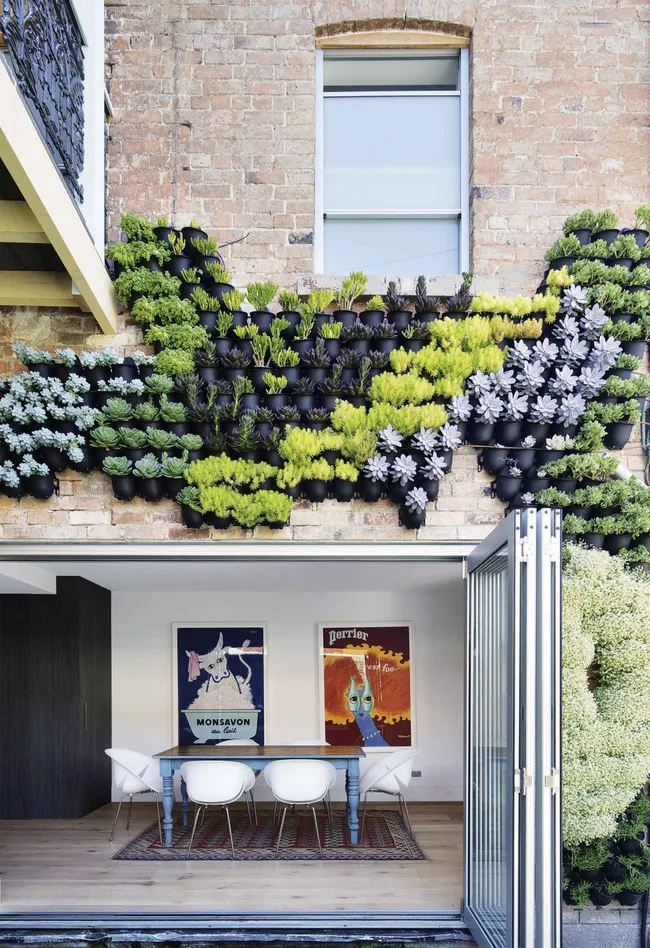
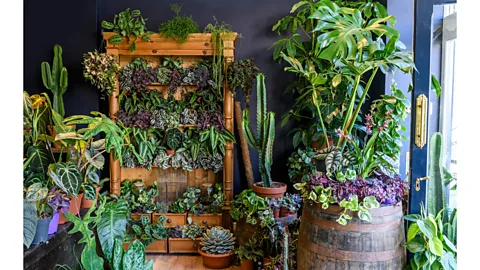
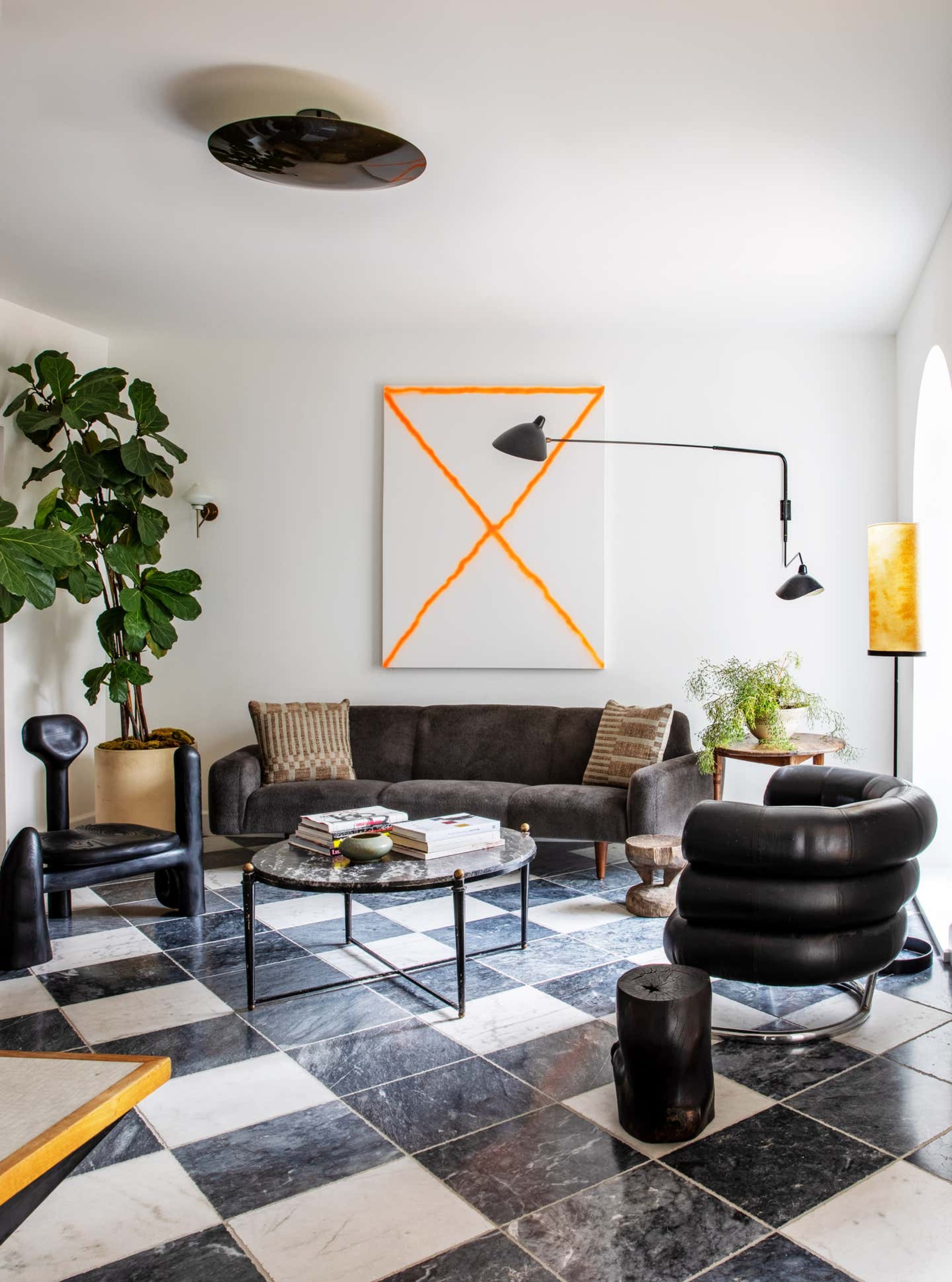
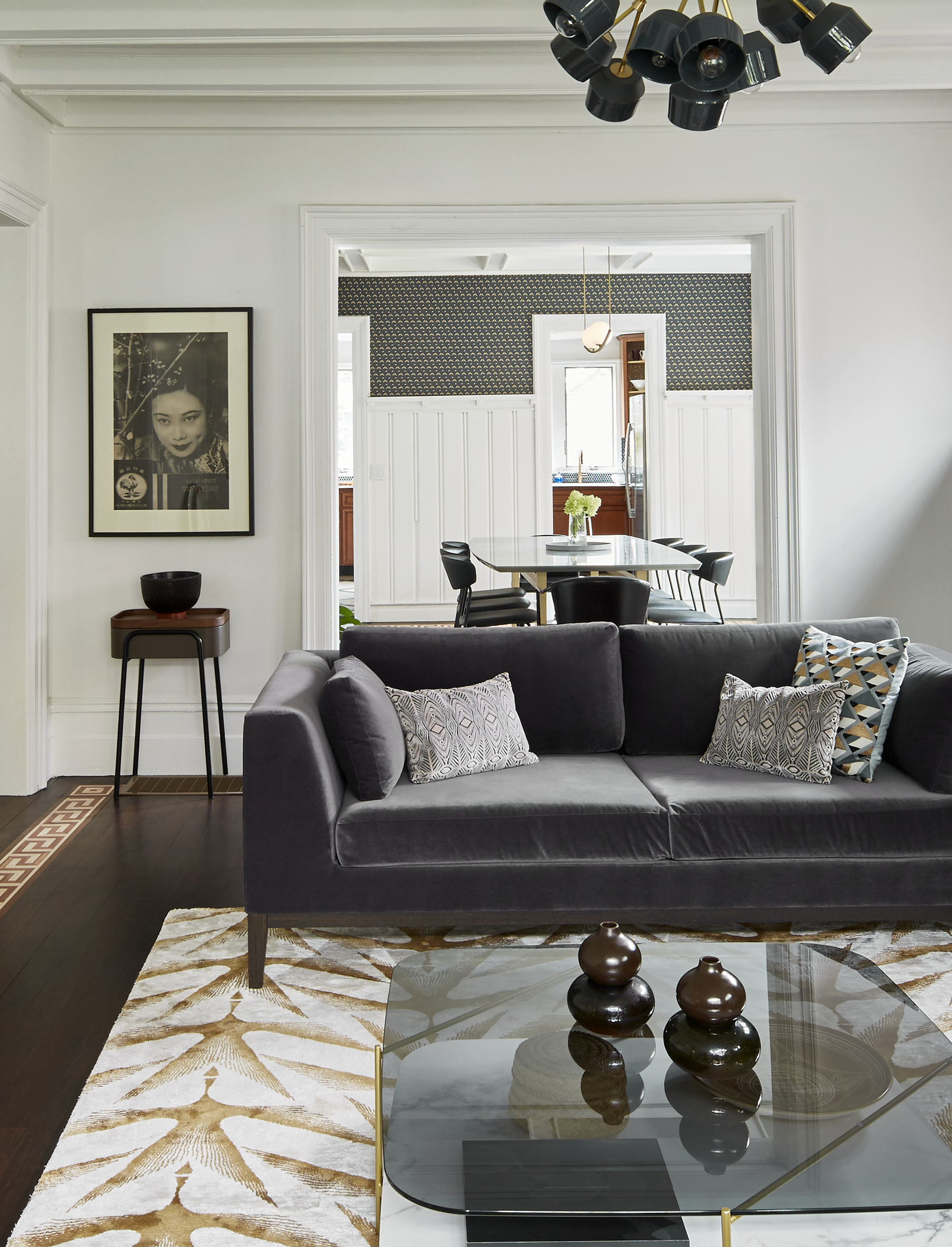
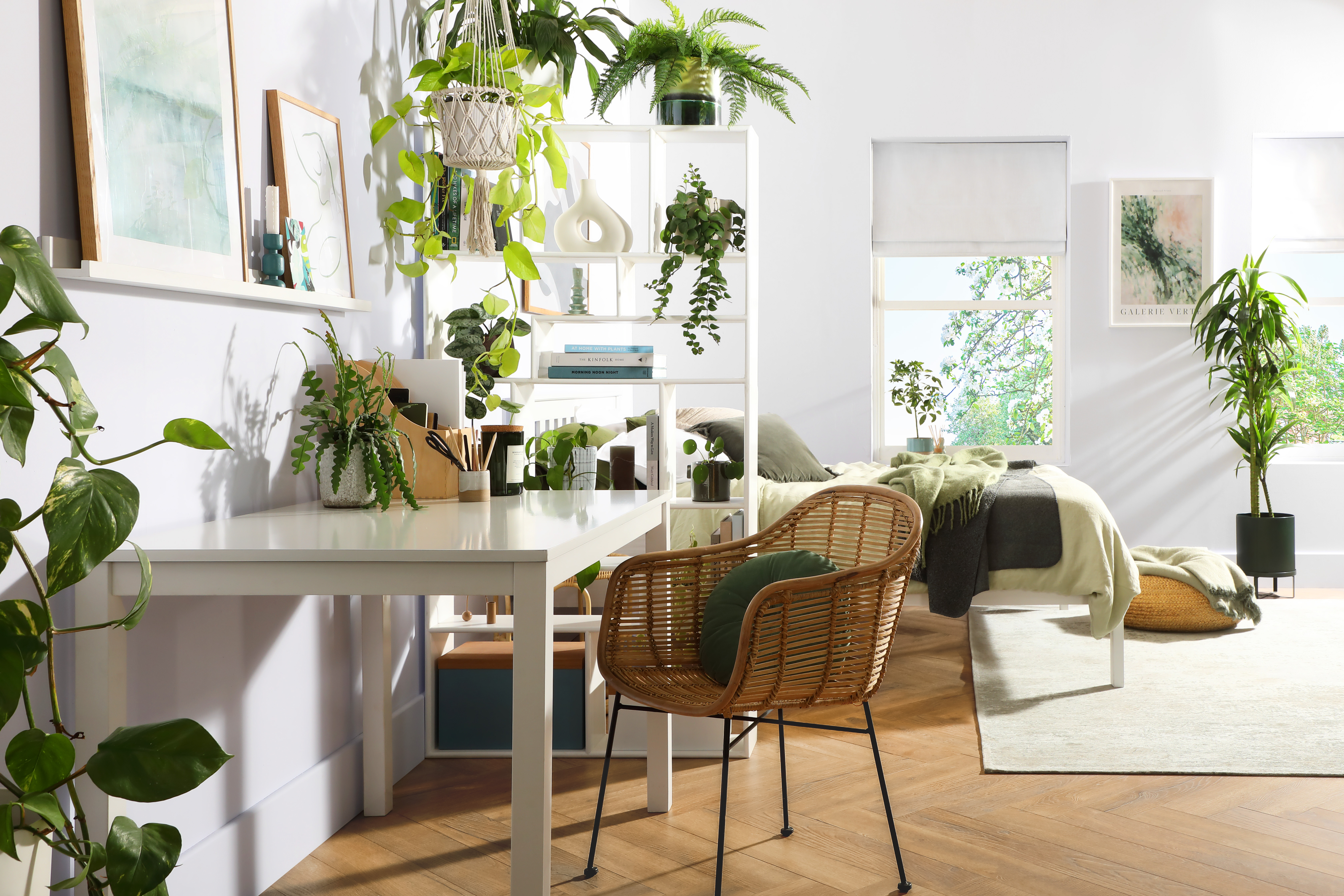
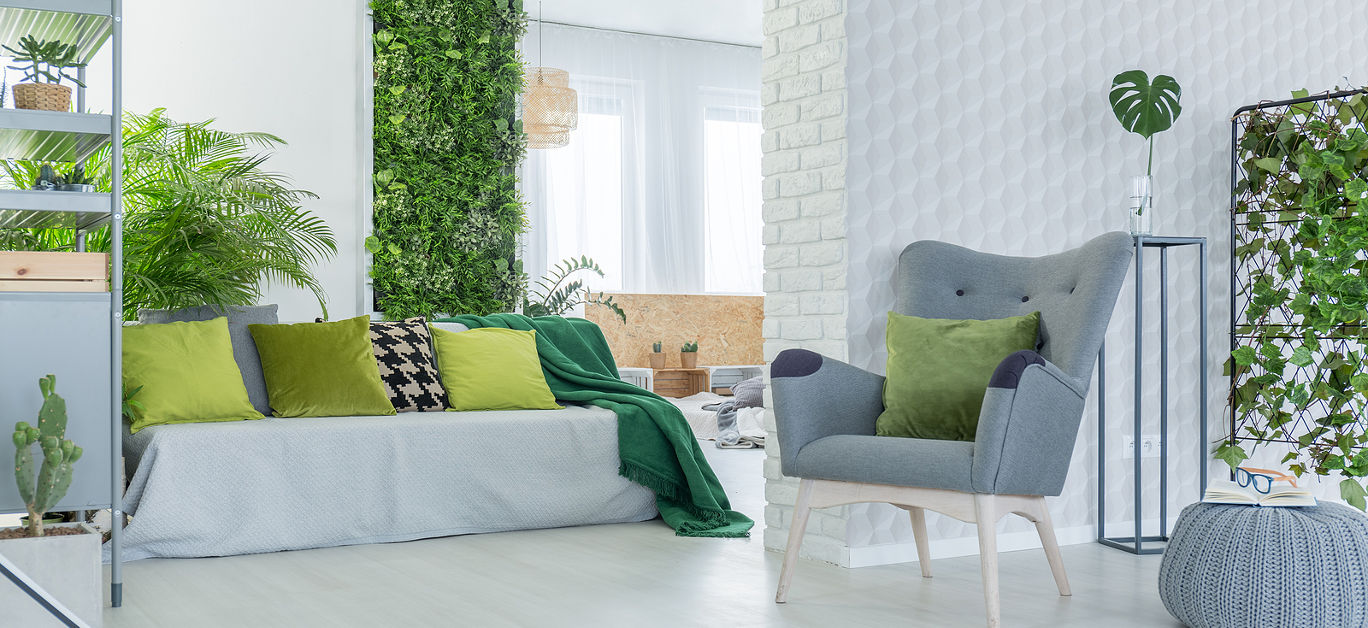
Indoor plant walls are a growing trend in home decor, reflecting the increasing popularity of 'biophilic design,' which emphasizes connecting indoor spaces with nature. These living walls, also known as vertical gardens, have transitioned from commercial spaces like offices, hotels, and restaurants into luxury homes, offering a vibrant and dynamic way to enhance interior aesthetics and well-being. By incorporating various plants with diverse colors and shapes, plant walls contribute to a harmonious living environment.
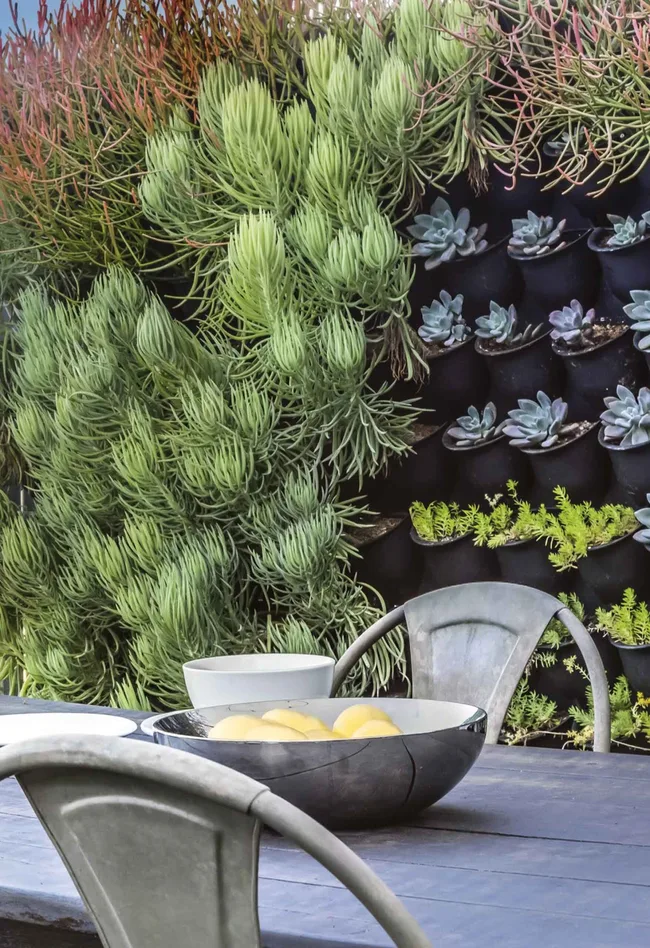
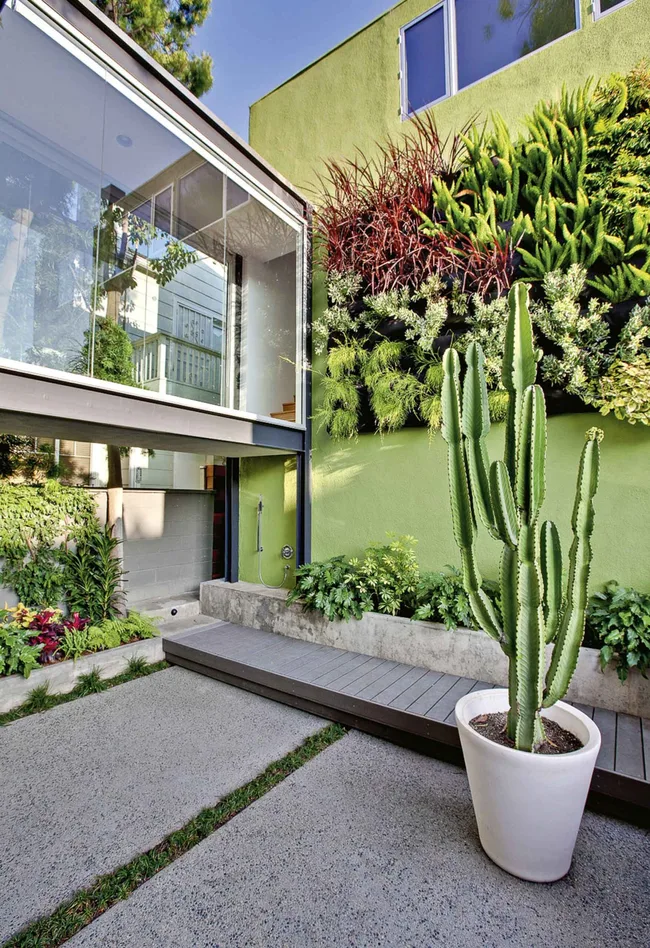
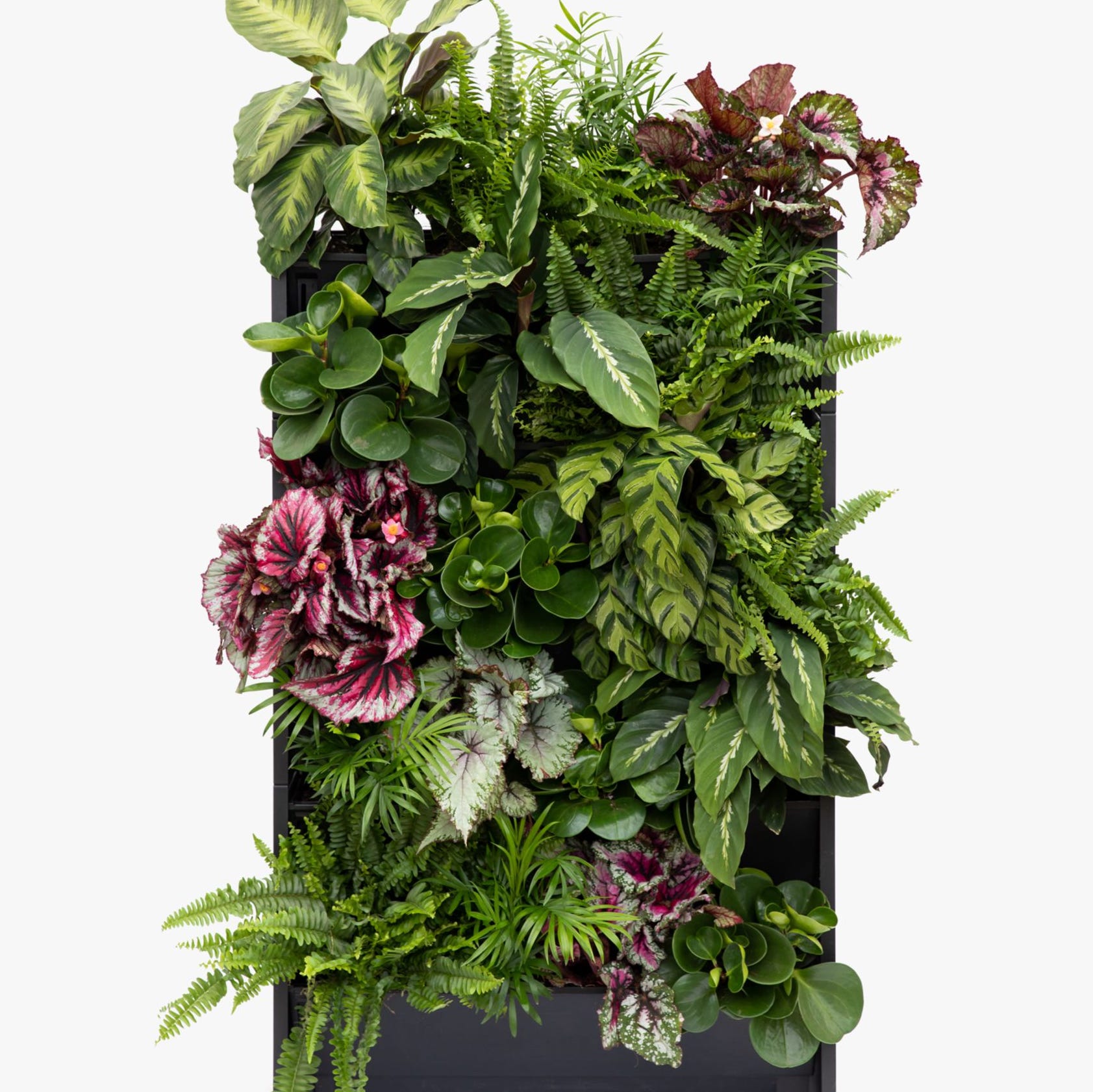
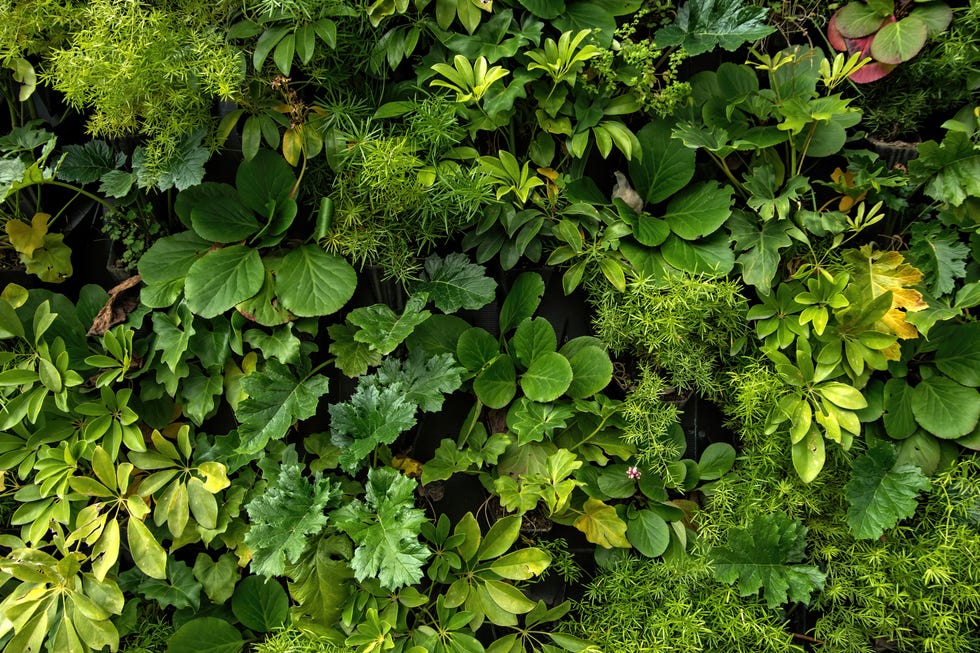
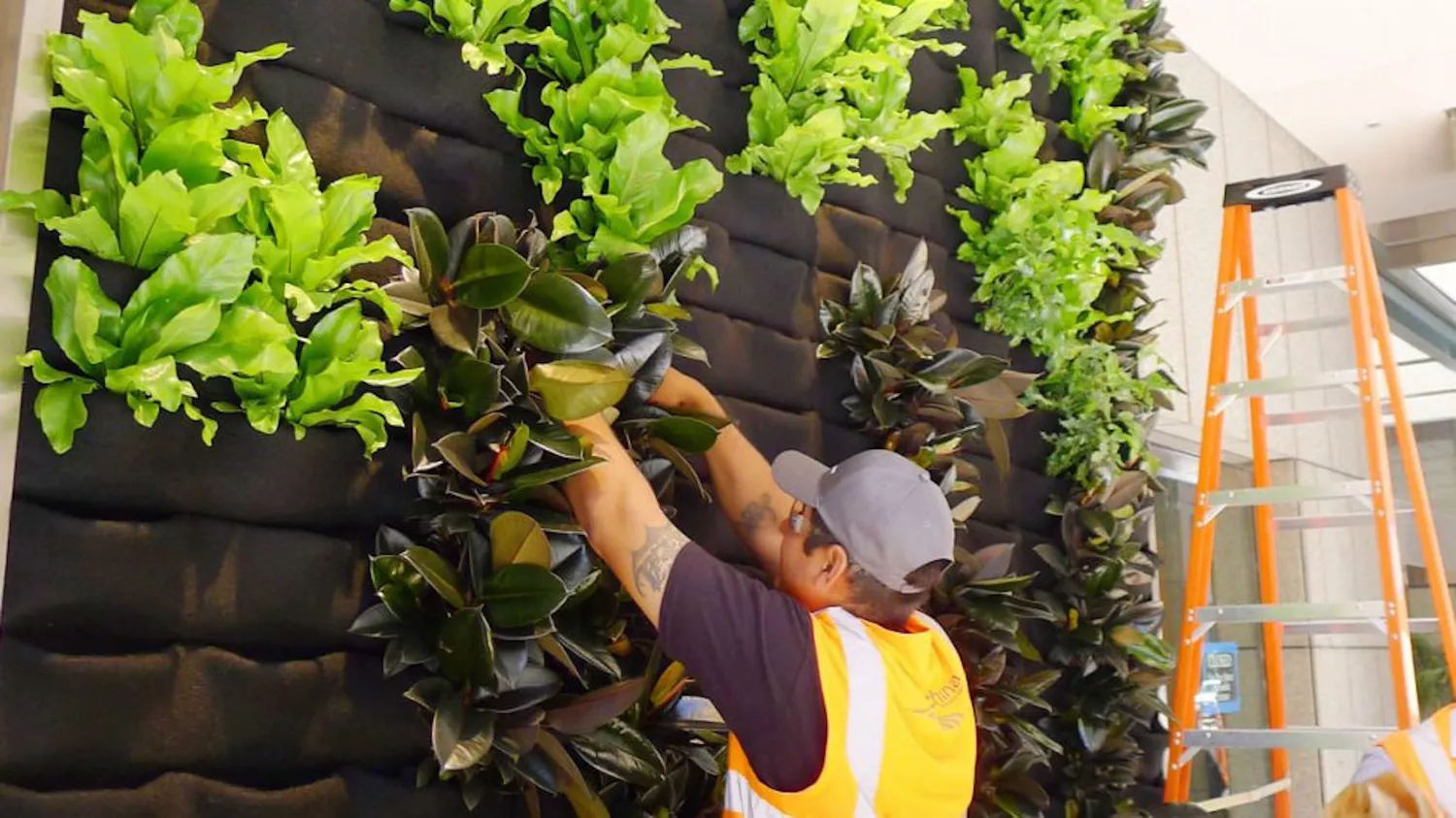
A plant wall is fundamentally a vertical arrangement of indoor foliage. These installations are highly customizable, allowing homeowners to create designs that suit their personal taste and available space, whether large or small. They can feature a variety of plant species, such as succulents, pothos, philodendrons, dracaena, anthurium, and ferns. For these plants to thrive, they require a suitable growing medium, individual compartments (planters or pockets attached to the wall), adequate light, and consistent watering and fertilization. Beyond their visual appeal, plant walls offer practical benefits, including air purification through the absorption of carbon dioxide and pollutants, and temperature regulation, contributing to a cooler indoor climate.
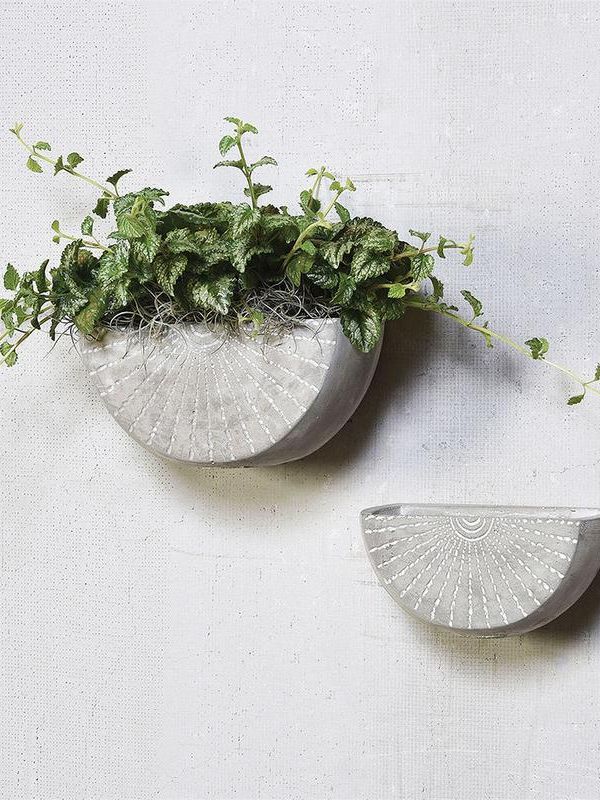
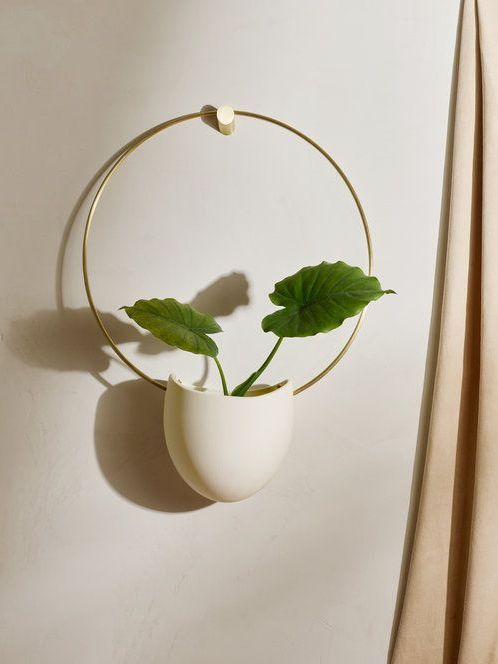
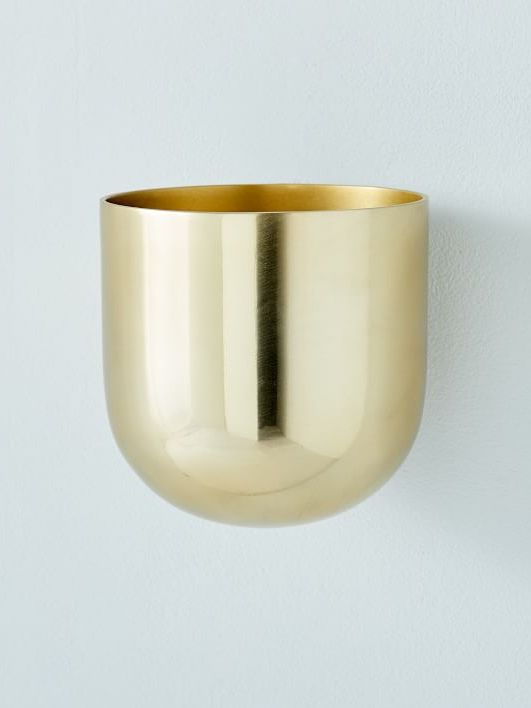
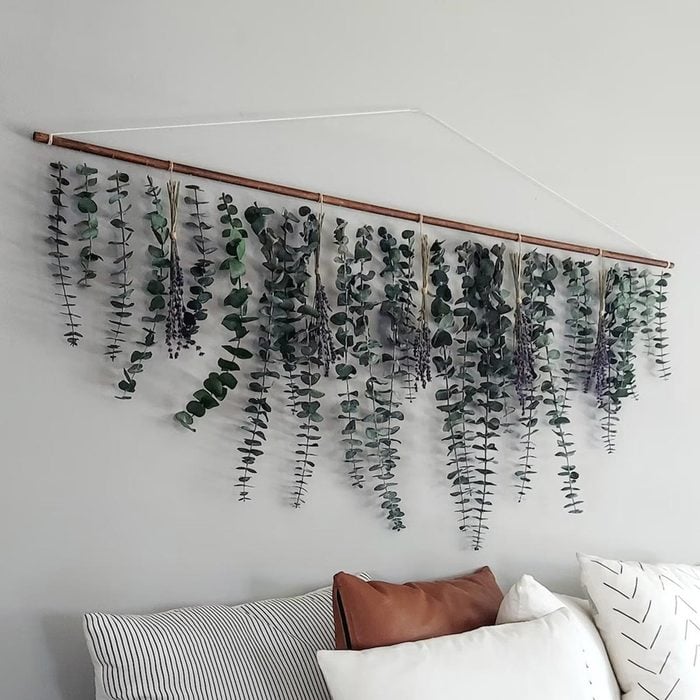
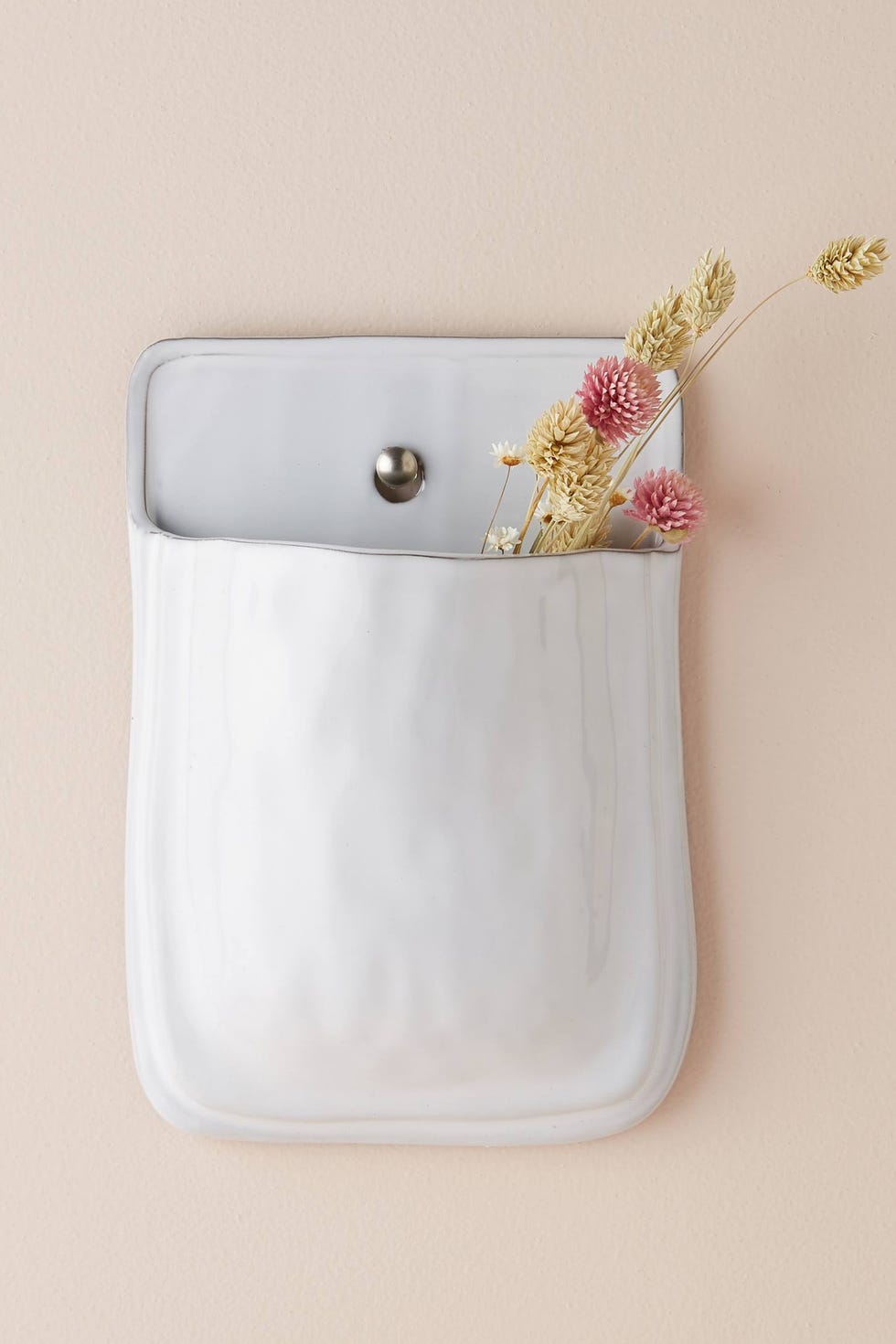
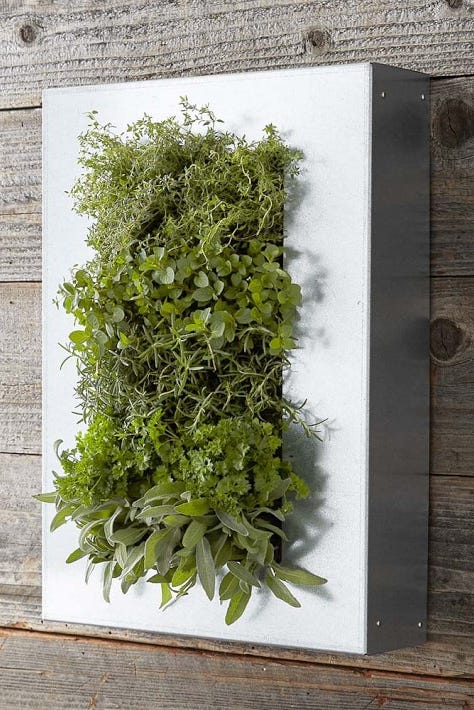
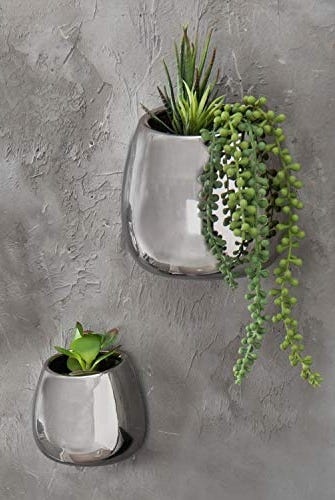
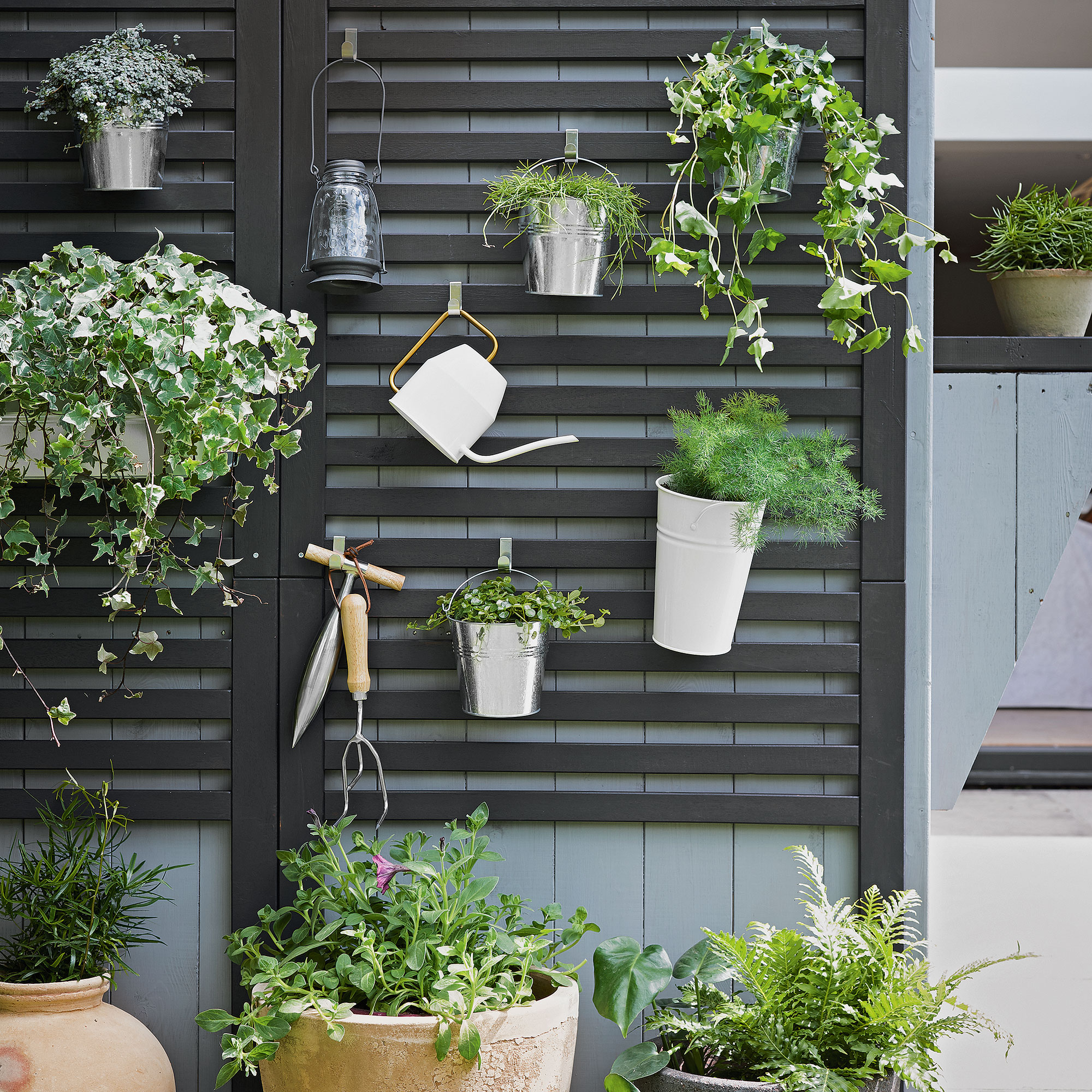
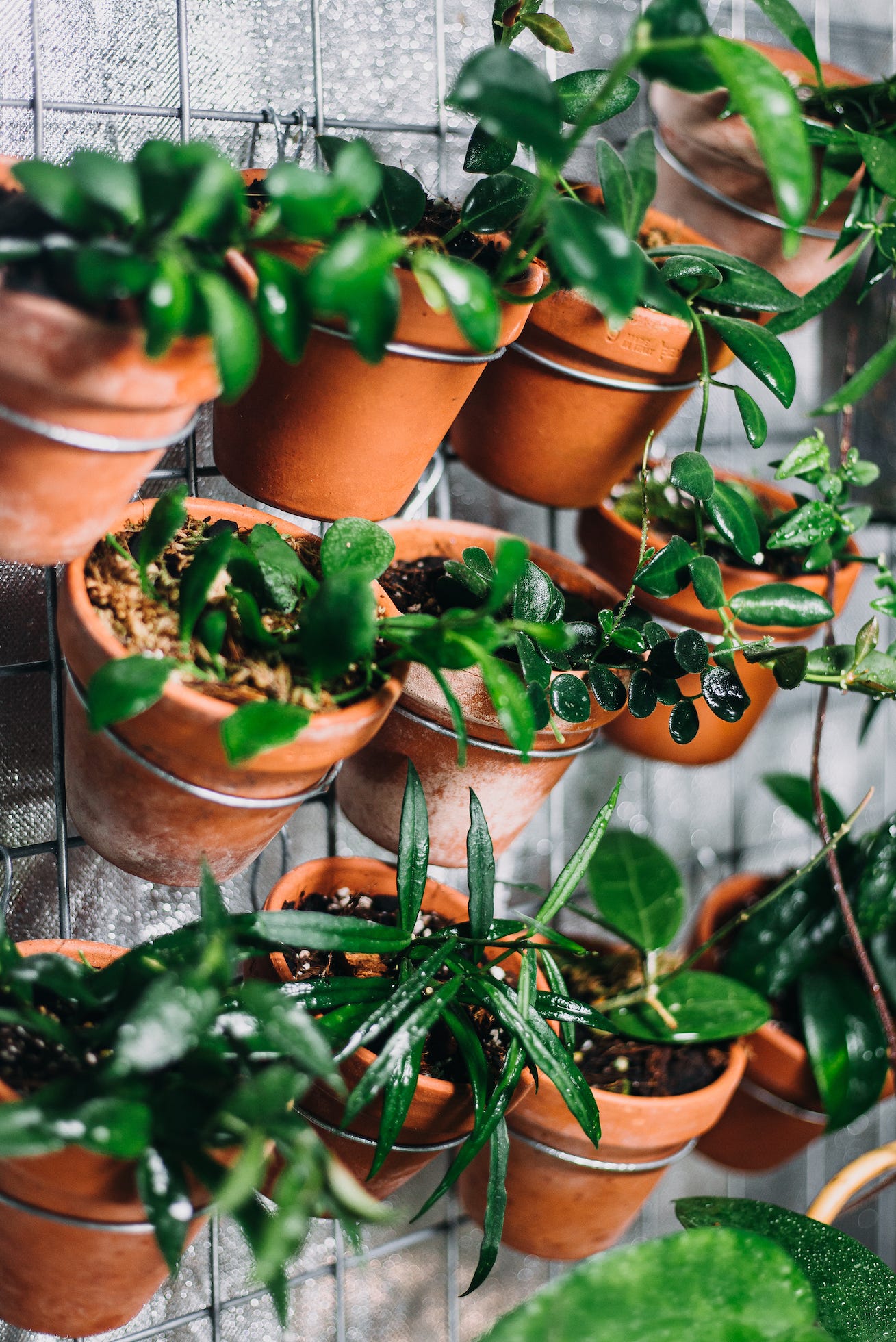
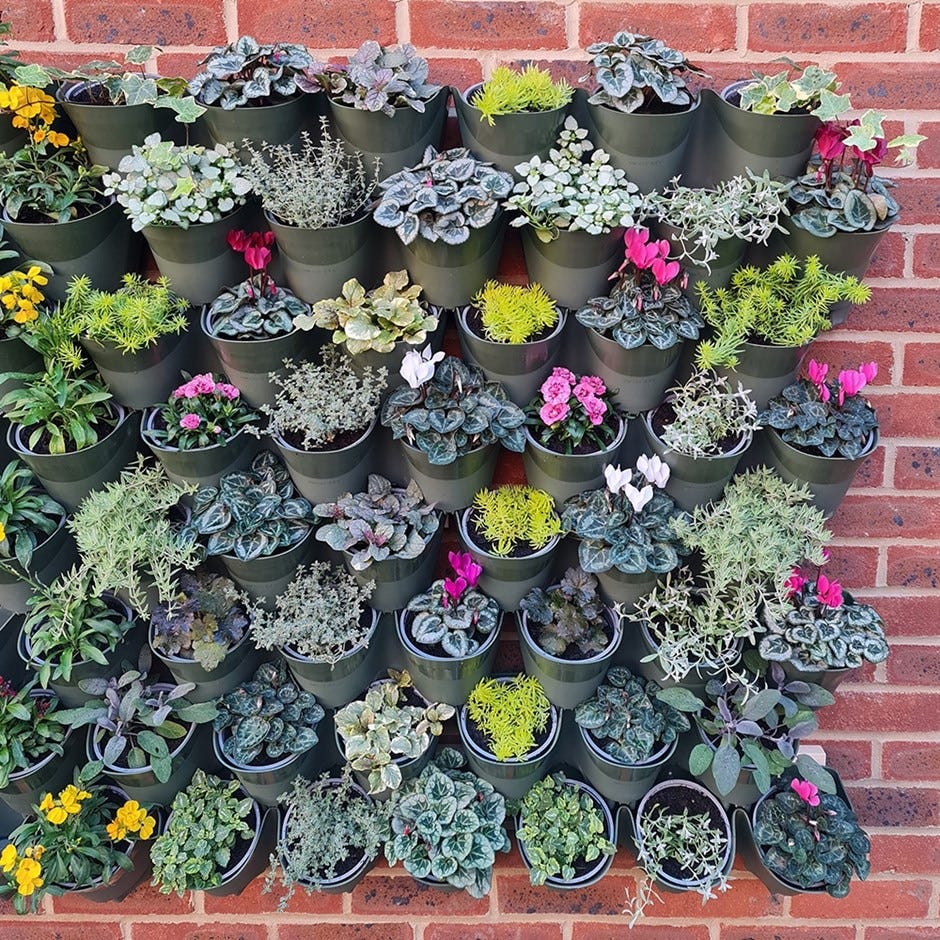
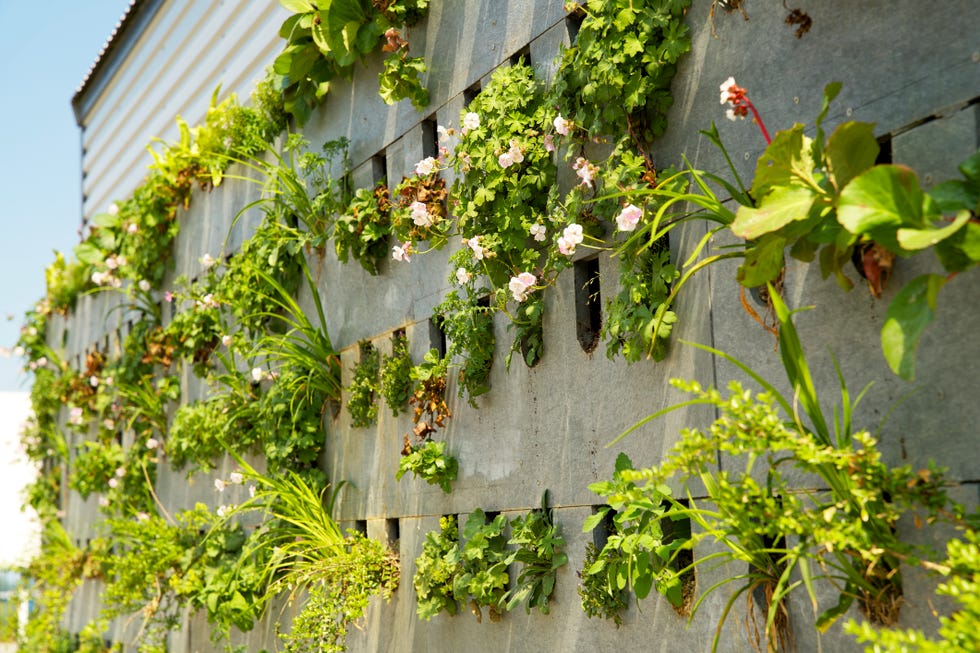
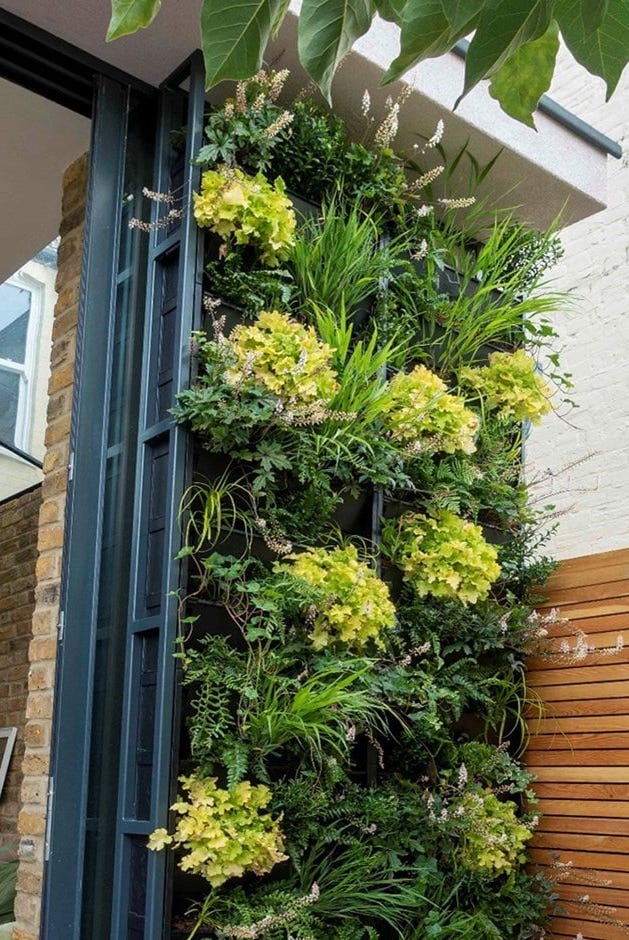
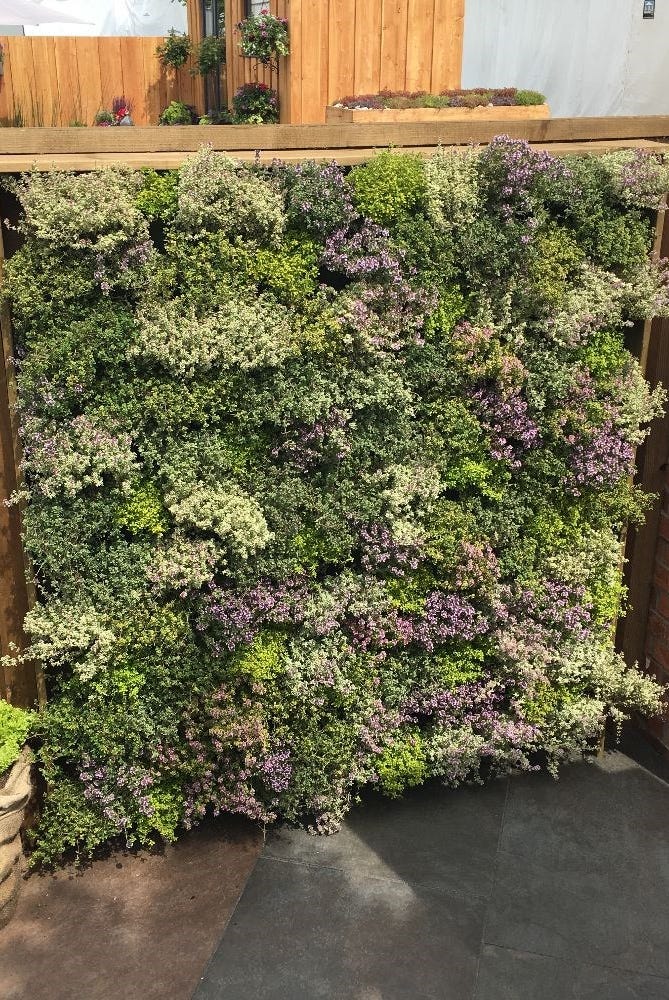
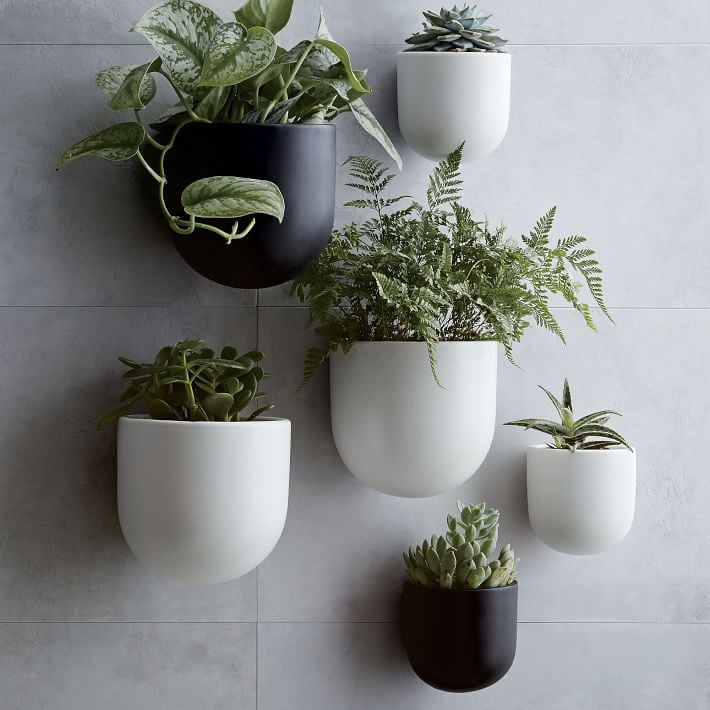
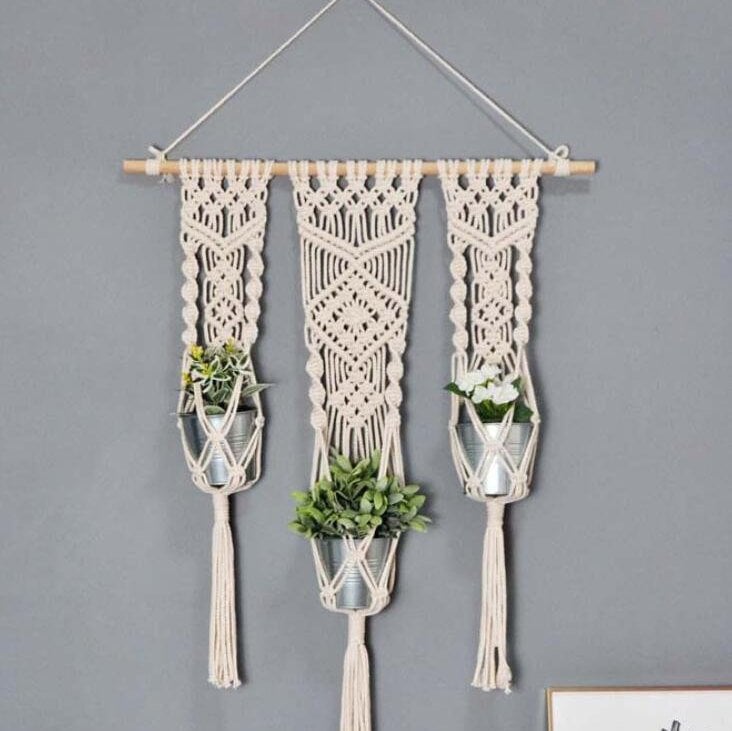
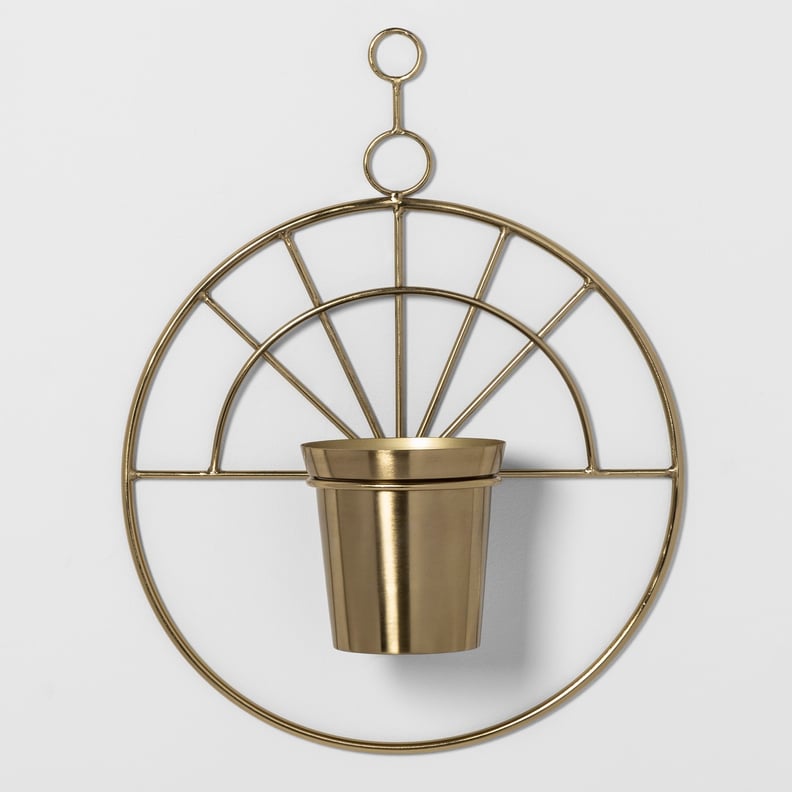
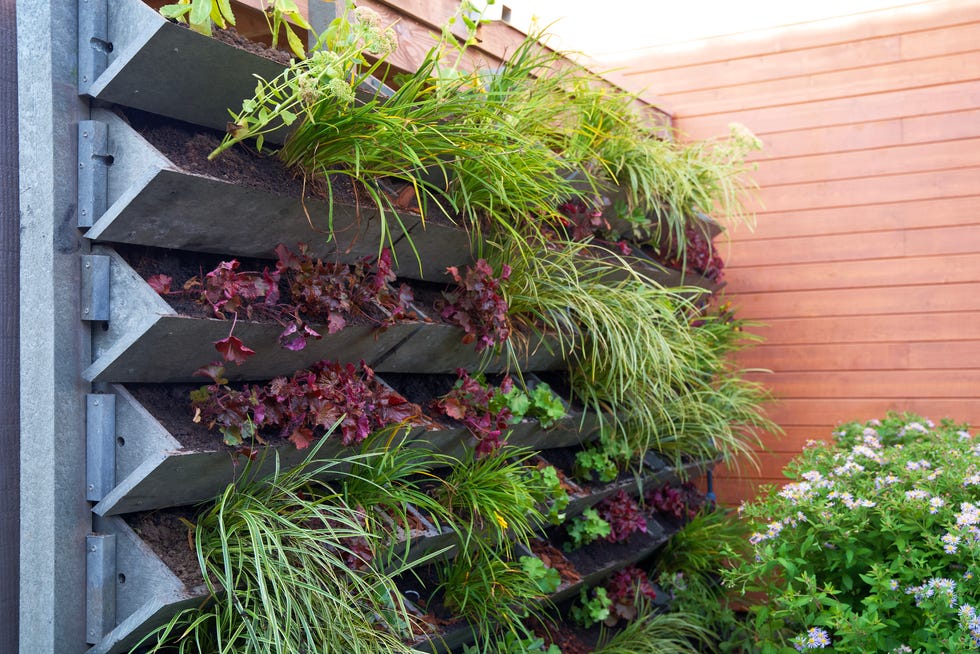
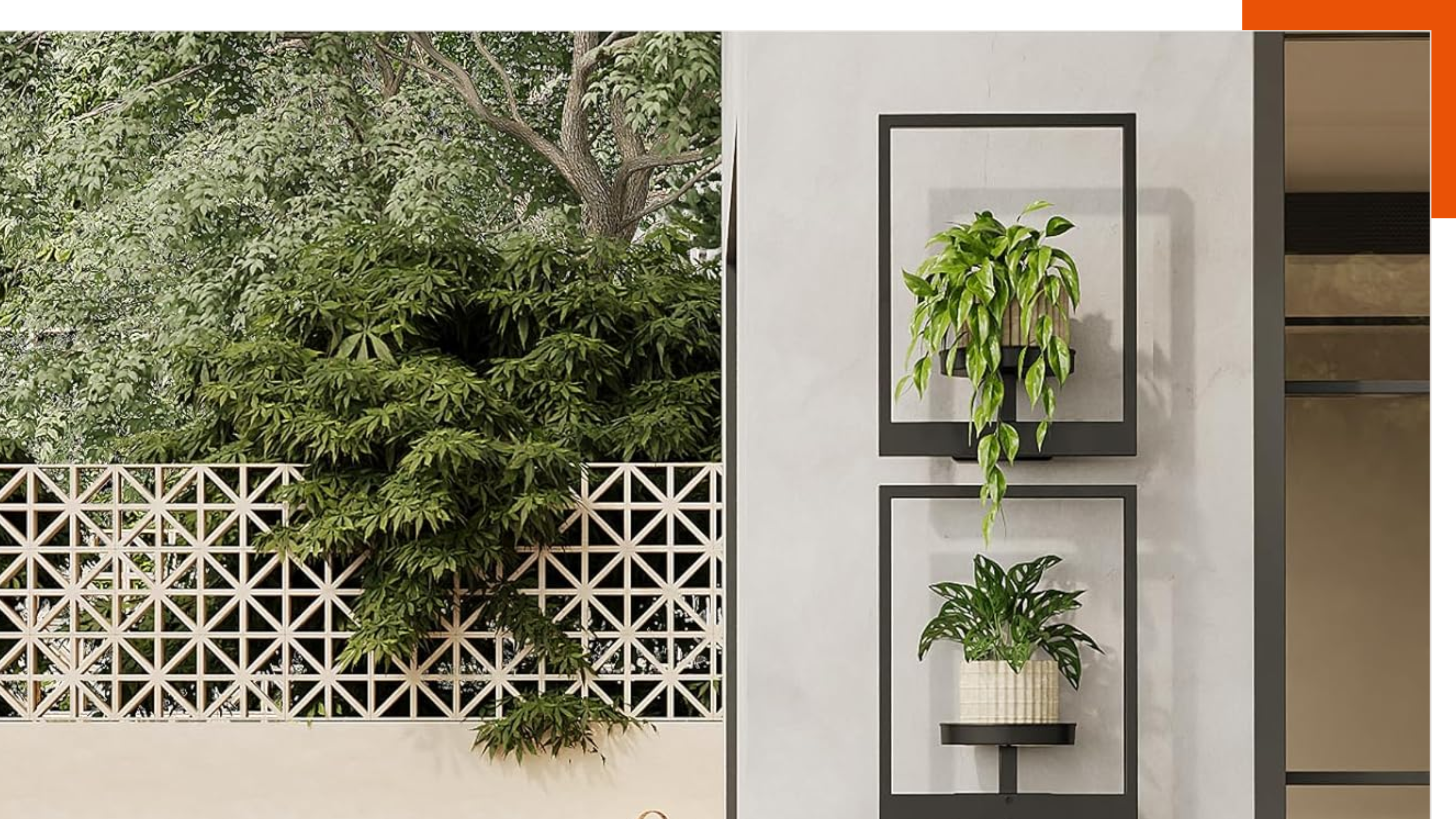
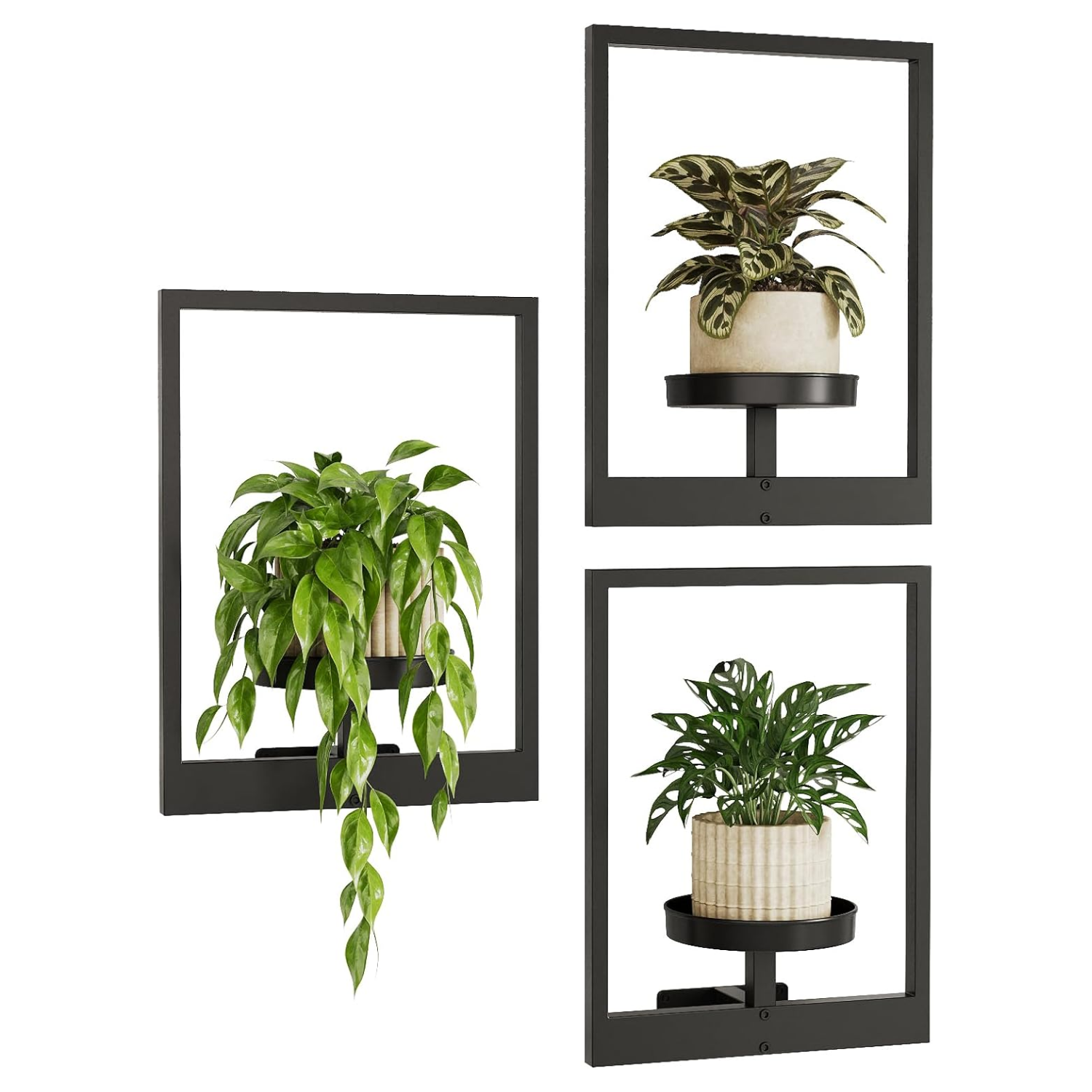
There are several configurations for indoor plant walls, each with unique advantages. Hanging planters are ideal for smaller homes, as they provide a space-saving solution to achieve a biophilic aesthetic by suspending plants from ceilings or beams. These planters add color without occupying floor or wall space and are particularly effective near windows where plants can receive ample light. Vertical garden systems, the most common type, involve multiple planters mounted directly onto a wall. These systems offer significant design flexibility, as they can be constructed from materials like wood, metal, or plastic, and can range from simple to intricate designs. For individuals who enjoy hands-on projects, DIY plant shelves offer a personalized approach. These can be crafted using basic carpentry skills and materials such as wood posts and fence pickets, allowing for custom finishes and designs.
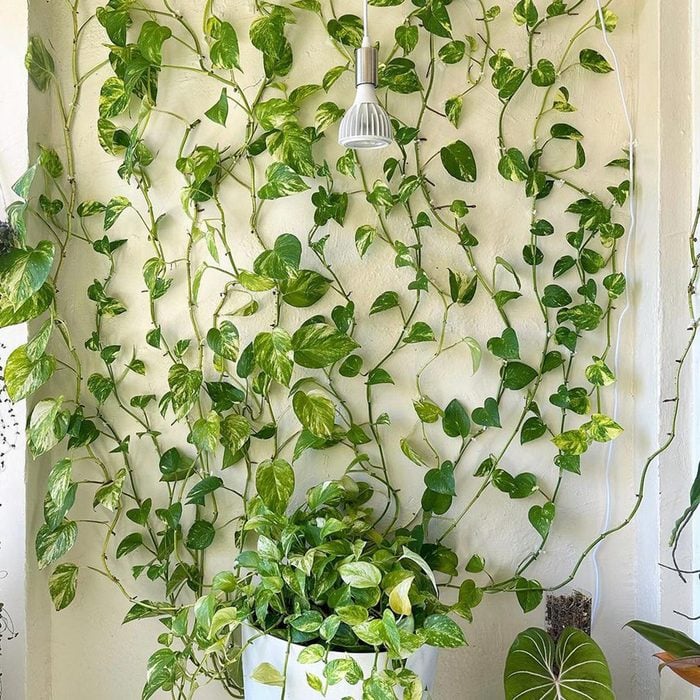
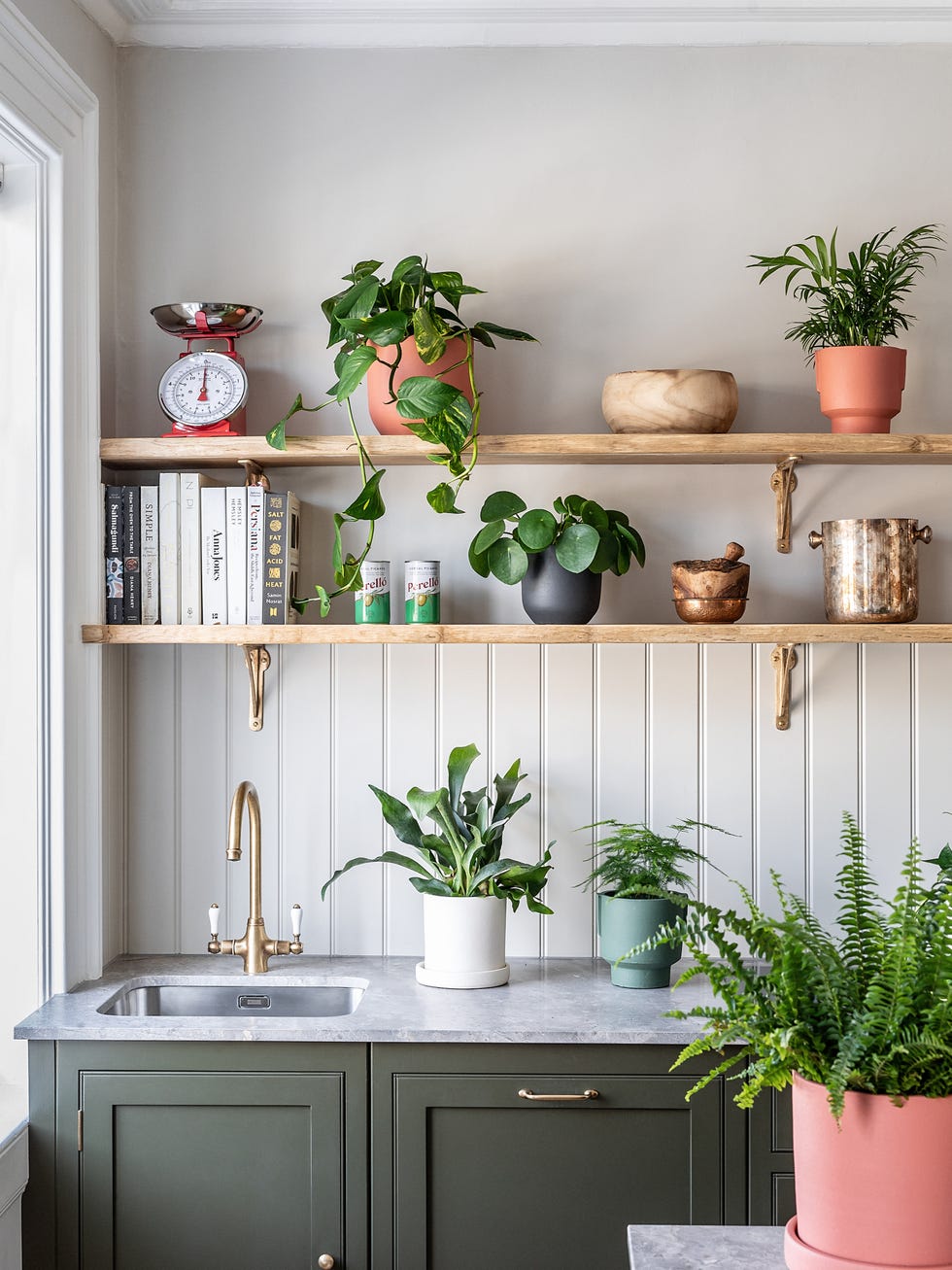
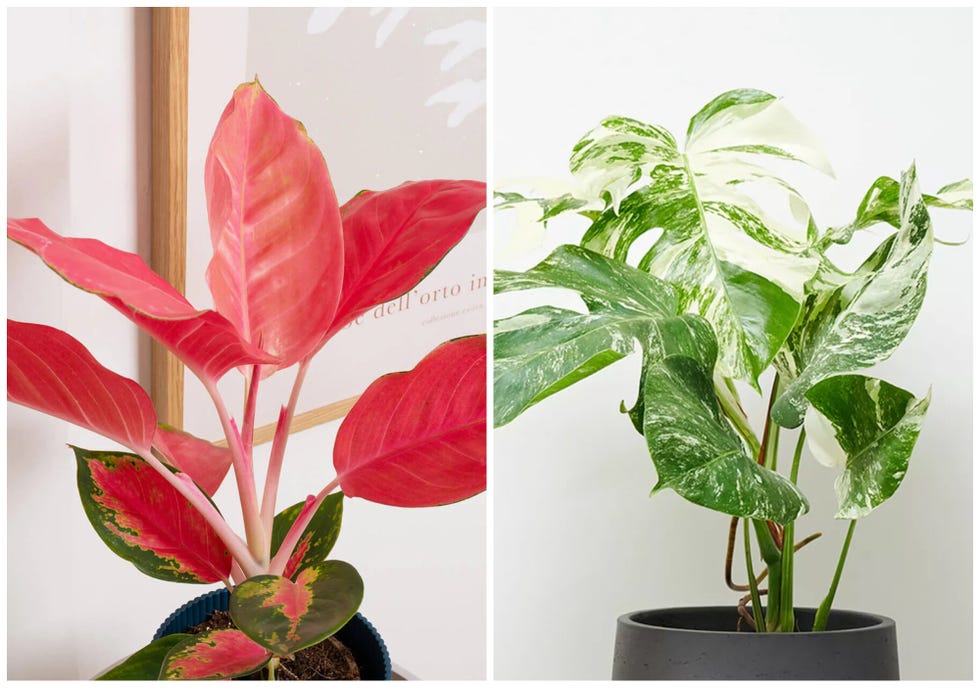
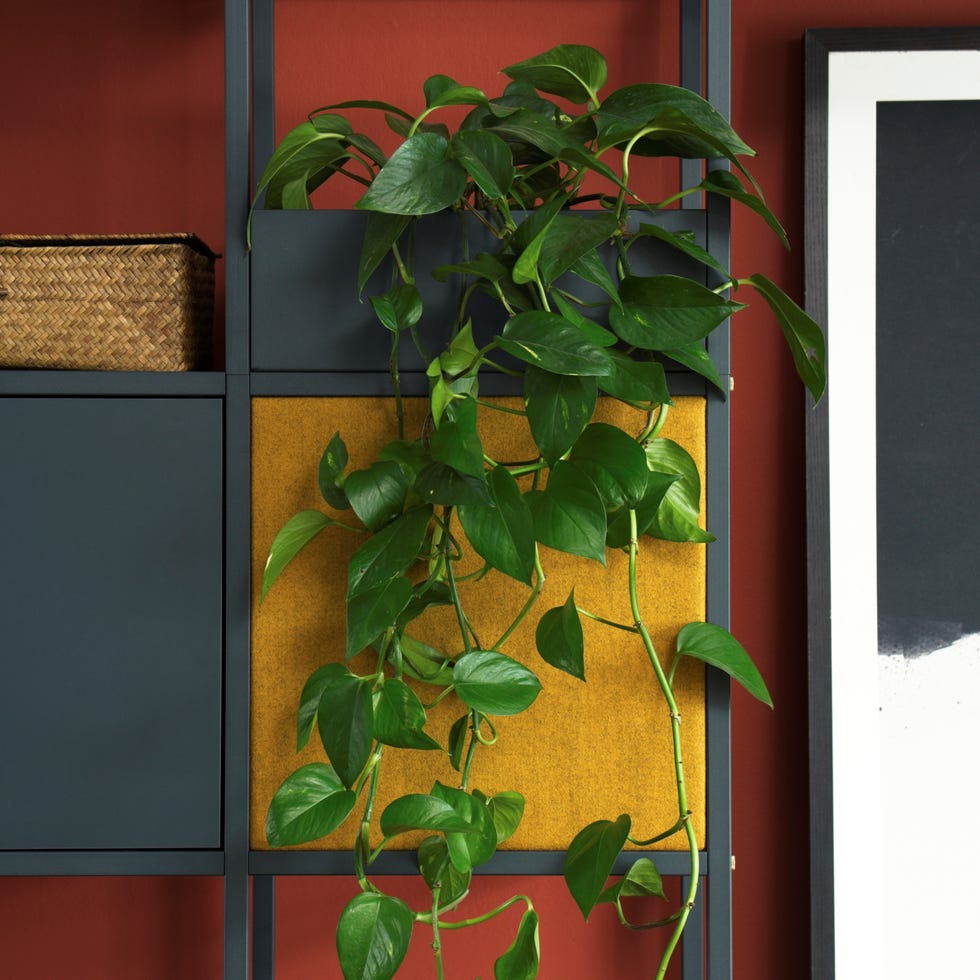
Creating a successful plant wall requires careful consideration of the environment and plant selection. Understanding the light exposure in the intended location—whether bright, partial, or shade—is crucial, as it dictates appropriate plant choices. Homeowners must also plan for the plant support system, considering whether plants will be rooted in soil or a growing medium, and how they will be watered, either manually or via an irrigation system. For homes with higher humidity and warmer temperatures, tropical plants are often a suitable choice. Recommended plant species for vertical gardens include Pothos (Epipremnum) for its heart-shaped leaves and tolerance to varying light conditions, ferns for their quick growth and adaptability (though they require more moisture), philodendrons for their climbing nature and low maintenance, air plants (Tillandsia) for their minimal care requirements and ability to absorb moisture through leaves, and Baby's Tears (Soleirolia soleirolii) for its moss-like appearance and preference for moderate light and humidity. Ultimately, an indoor plant wall serves as both a stylish design element and a vibrant connection to the natural world, transforming living spaces into tranquil and aesthetically pleasing sanctuaries.
#IndoorPlantWall #BiophilicDesign #HomeDecor #VerticalGarden #PlantSelection #GreenLiving #LuxuryHomes #DIYHomeDecor #IndoorPlantWall #BiophilicDesign #HomeDecor #VerticalGarden #PlantSelection #GreenLiving #LuxuryHomes #DIYHomeDecor
0 comment in total
 No comments yet
You may also like

How to create an indoor plant wall for your home

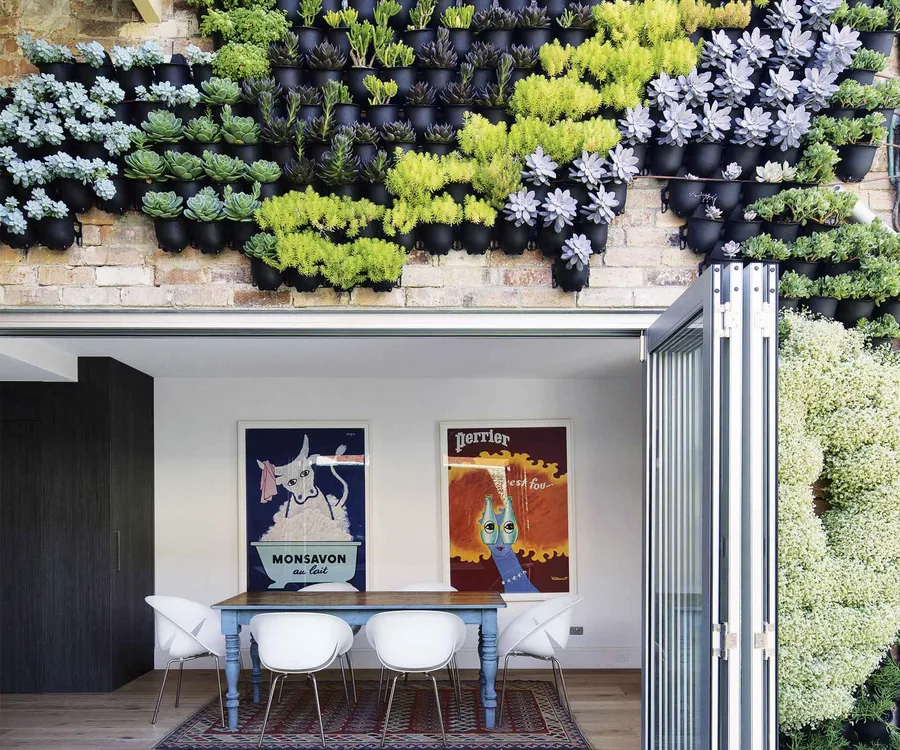
12 vertical garden ideas to inspire your own plant wall

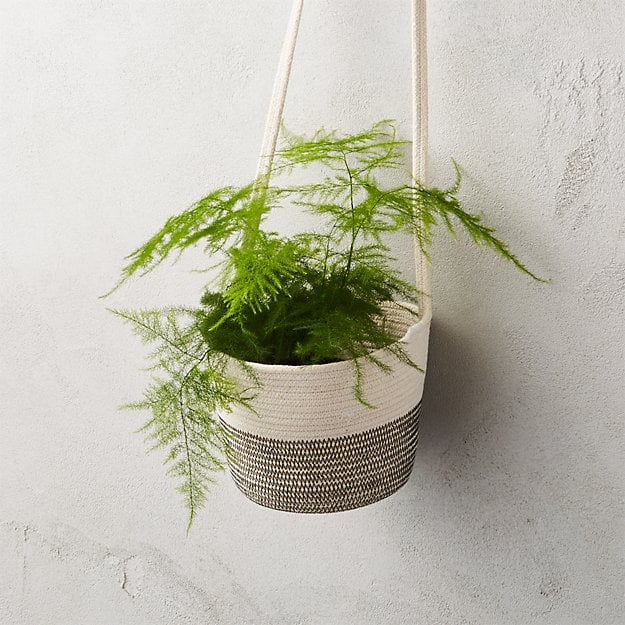
20 Hanging Planters That Will Take Your Indoor Plant Wall to the Next Level
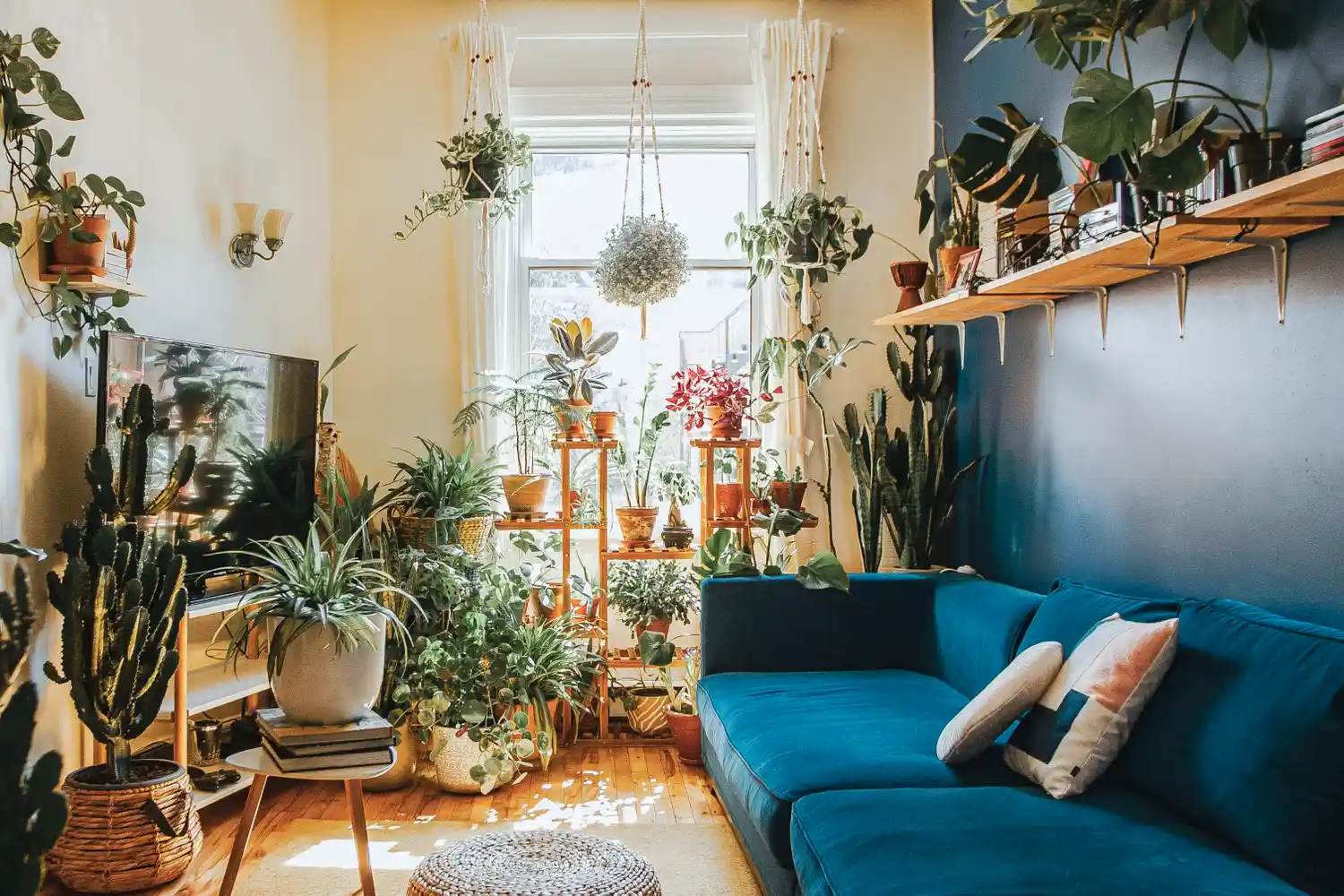
The 18 Best Houseplants to Instantly Give Your Living Room a Style Upgrade
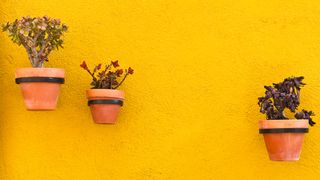
21 Best Wall-Mounted Planters to Infuse Your Space With Greenery

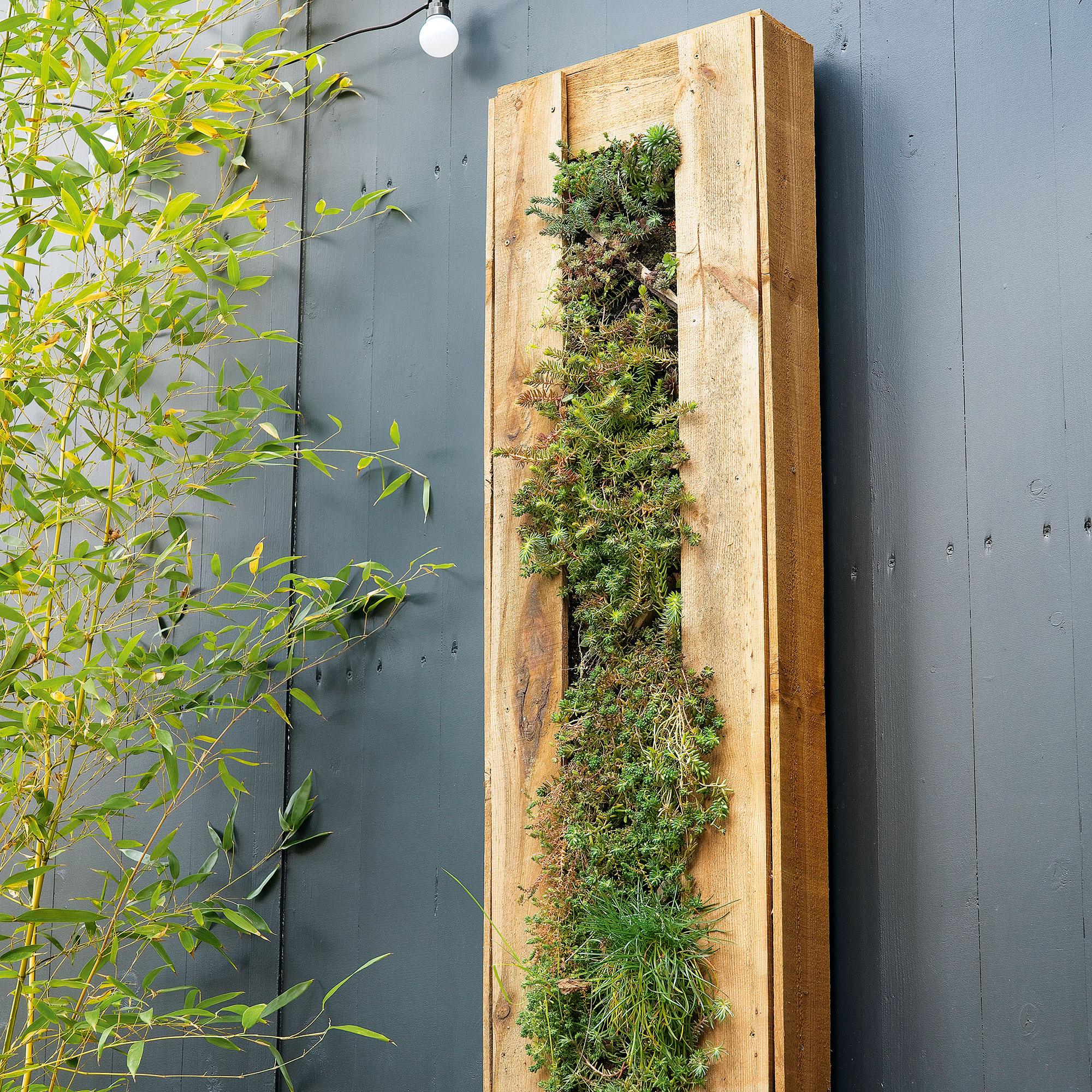
Living wall ideas to create a stylish vertical garden in your space
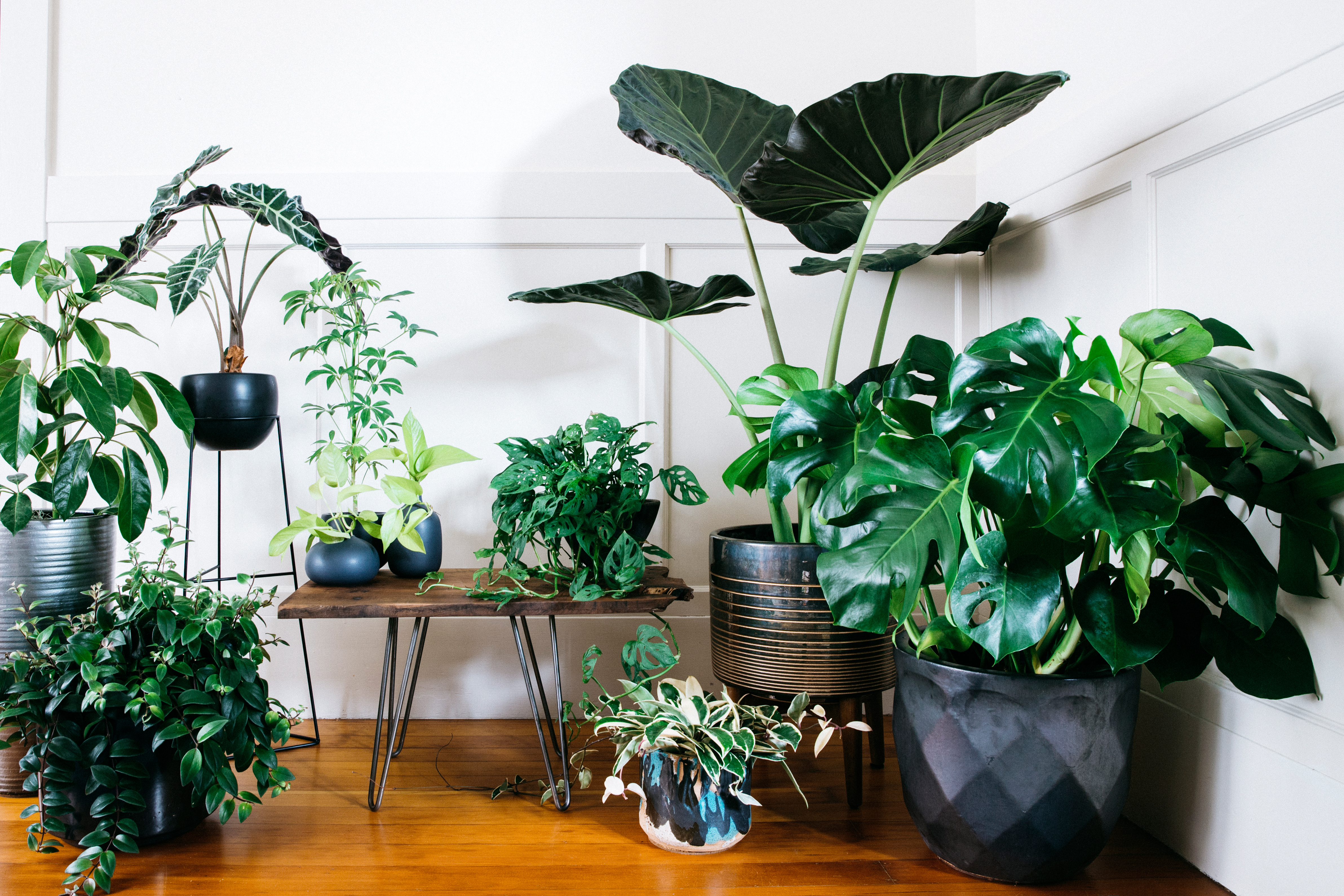
19 Ways to Design with Houseplants

Eight ways indoor plants can improve your home

10 Ideas for Decorating Your Walls with Plants

Homeowner’s Guide To Living Walls
The power of greenery! 5 ways that houseplants can elevate your interior

How to quickly elevate your living room in under $100 - easy pick-me-ups the designers swear by

23 Indoor Plant Wall Ideas to Bring Life to Any Room

How to make a living wall that brings the outdoors in
How to Create a Living Wall to Maximize Your Outdoor Space

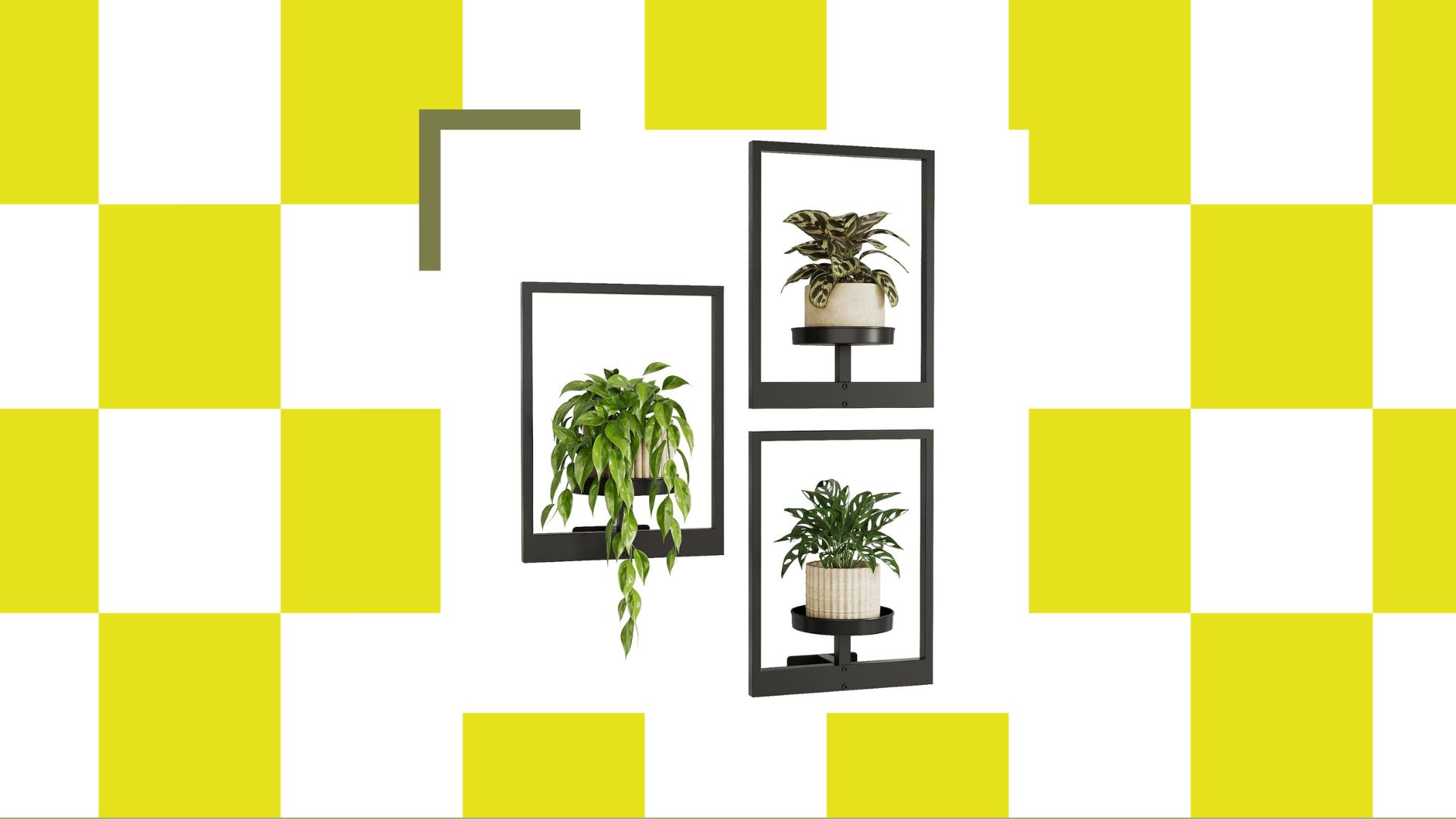
Flourishing Foliage — The Houseplant Frame You Can Use to Display Your Blooms and Transform Them into Living Art
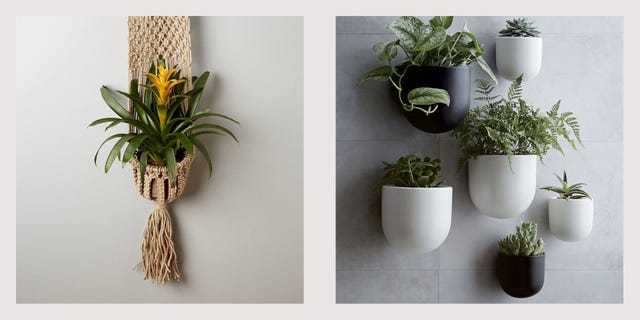
Give Your Blank Walls New Life With These Stunning Planters
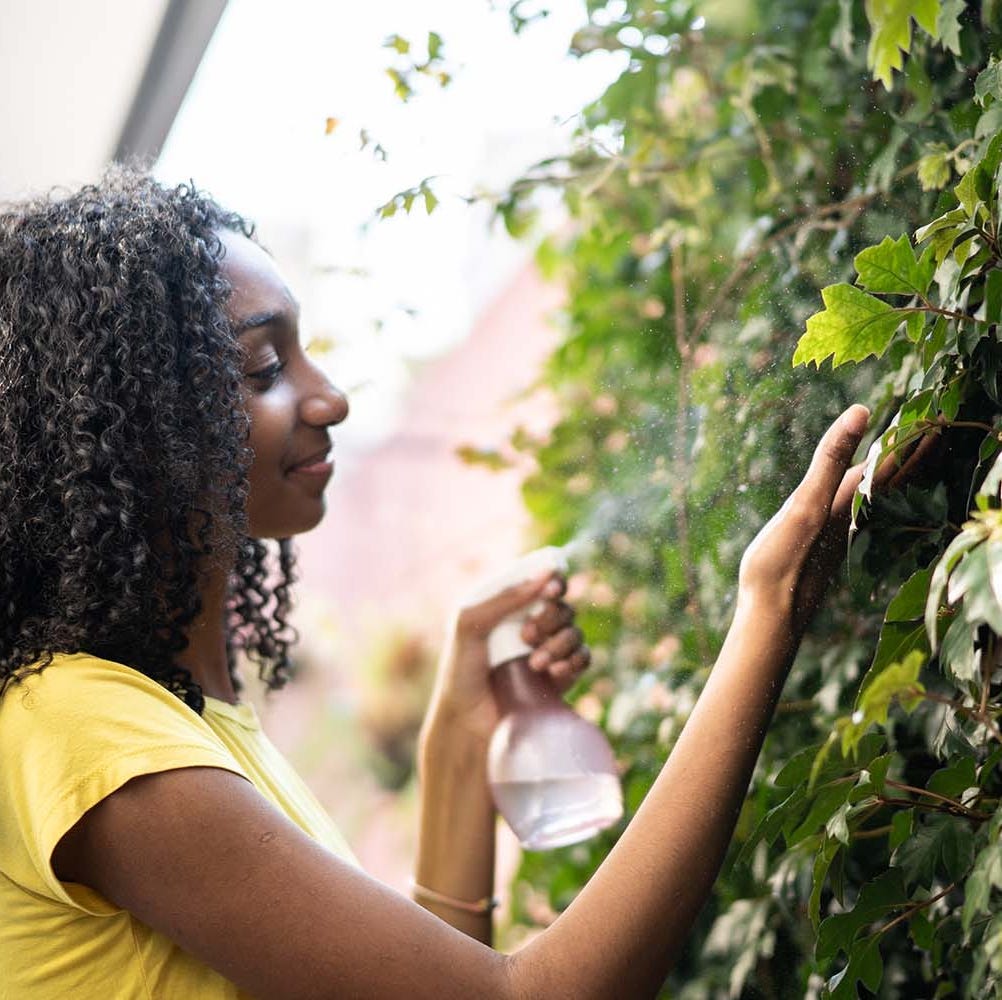
How to create a plant wall in your garden

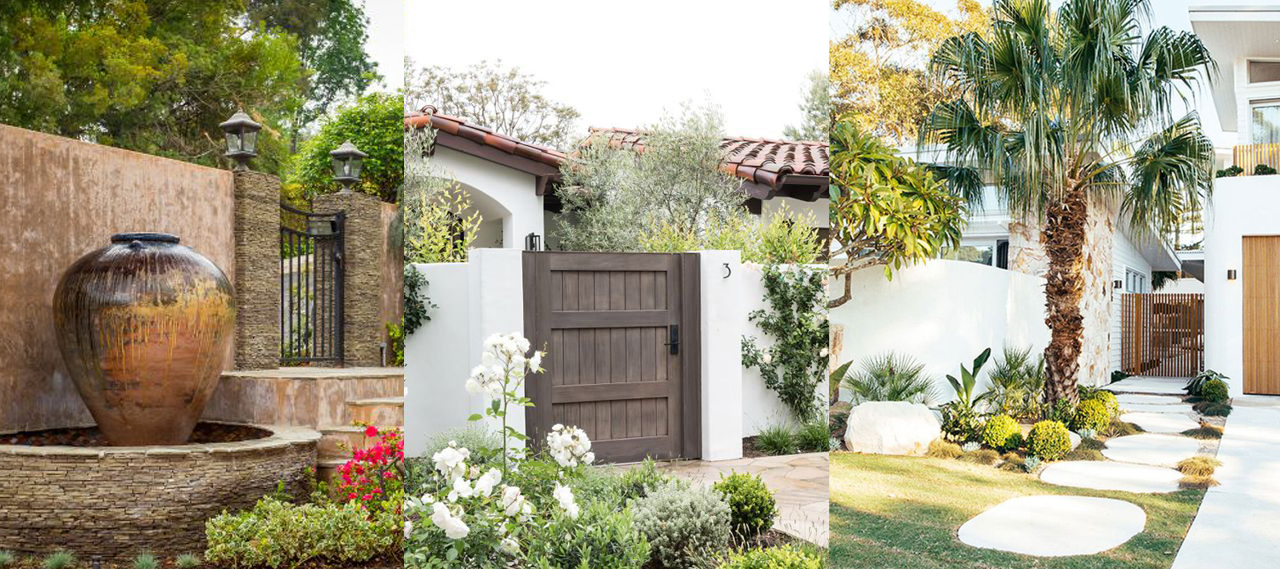
Front garden wall ideas – 10 designs to elevate your space

Easy-To-Install Living Wall System Uses Felt Pockets for Plants