1/15
How to make a living wall that brings the outdoors in
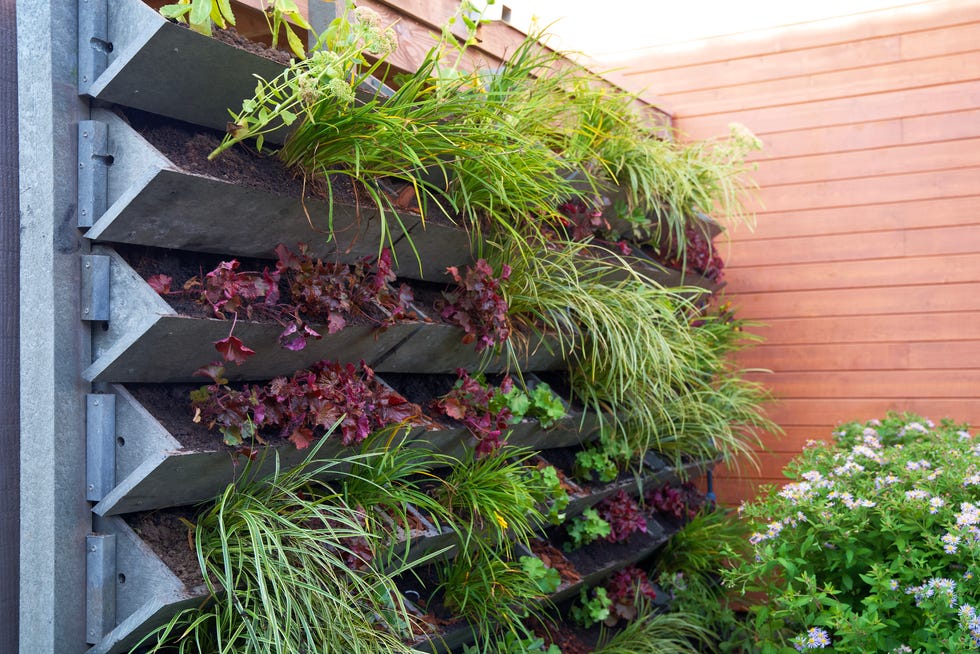
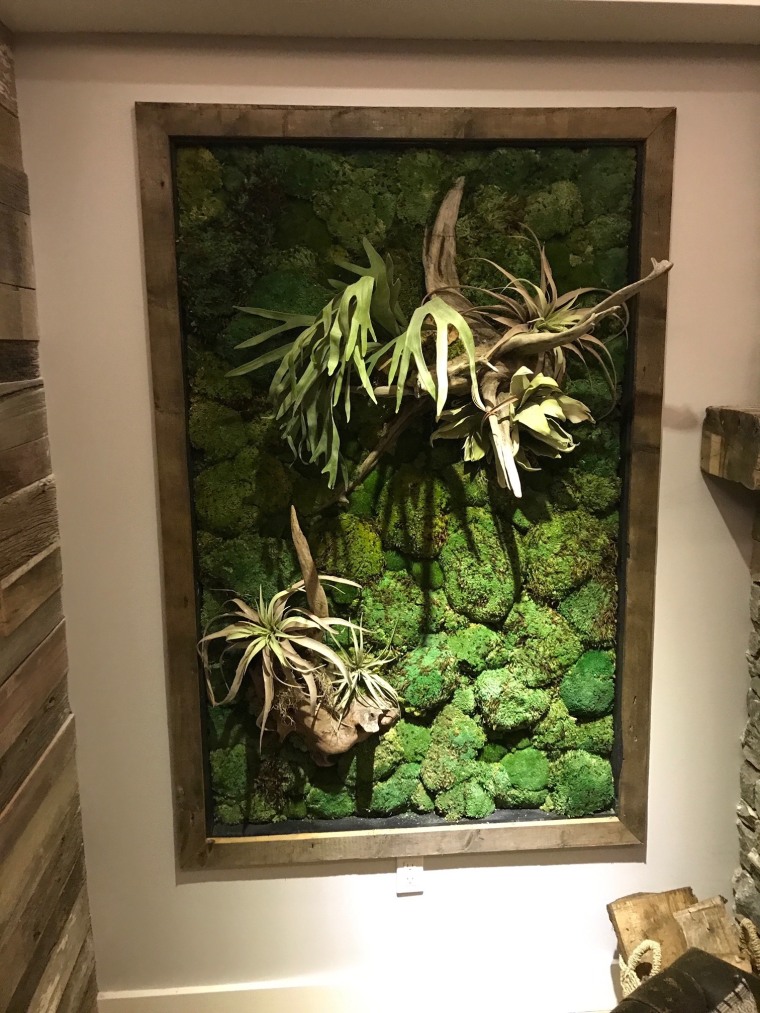
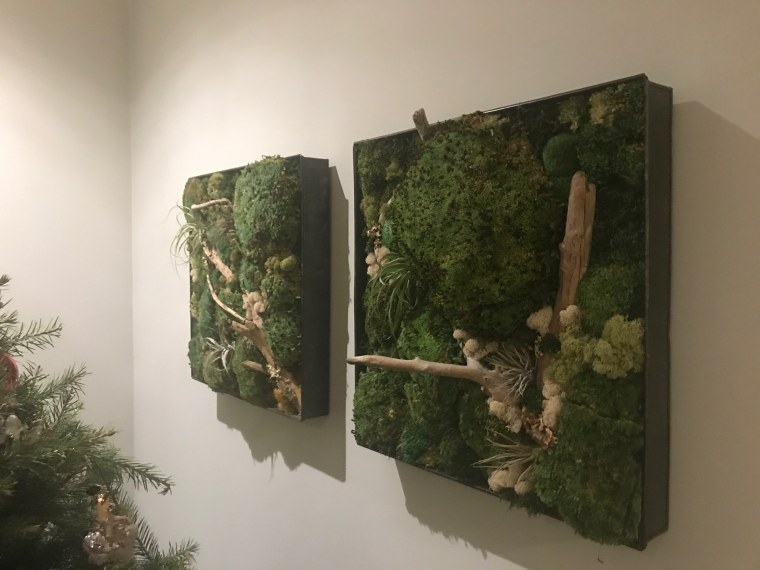
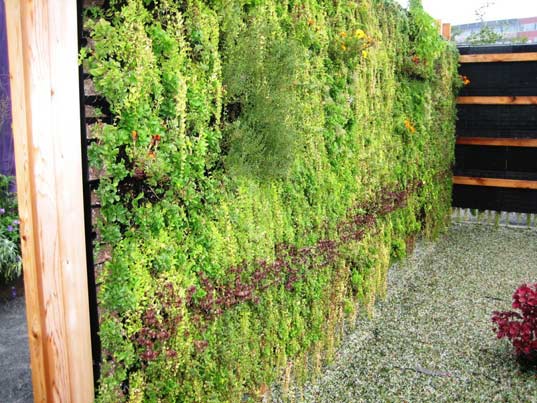
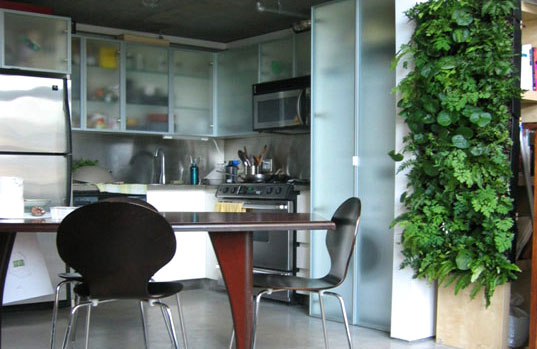
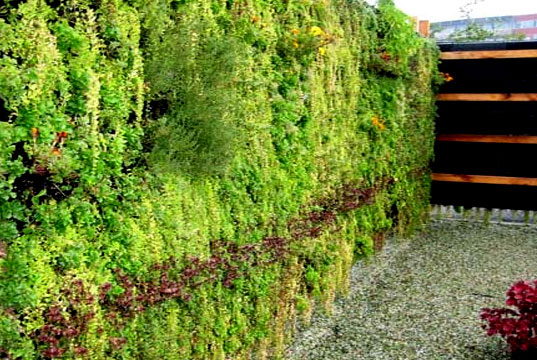
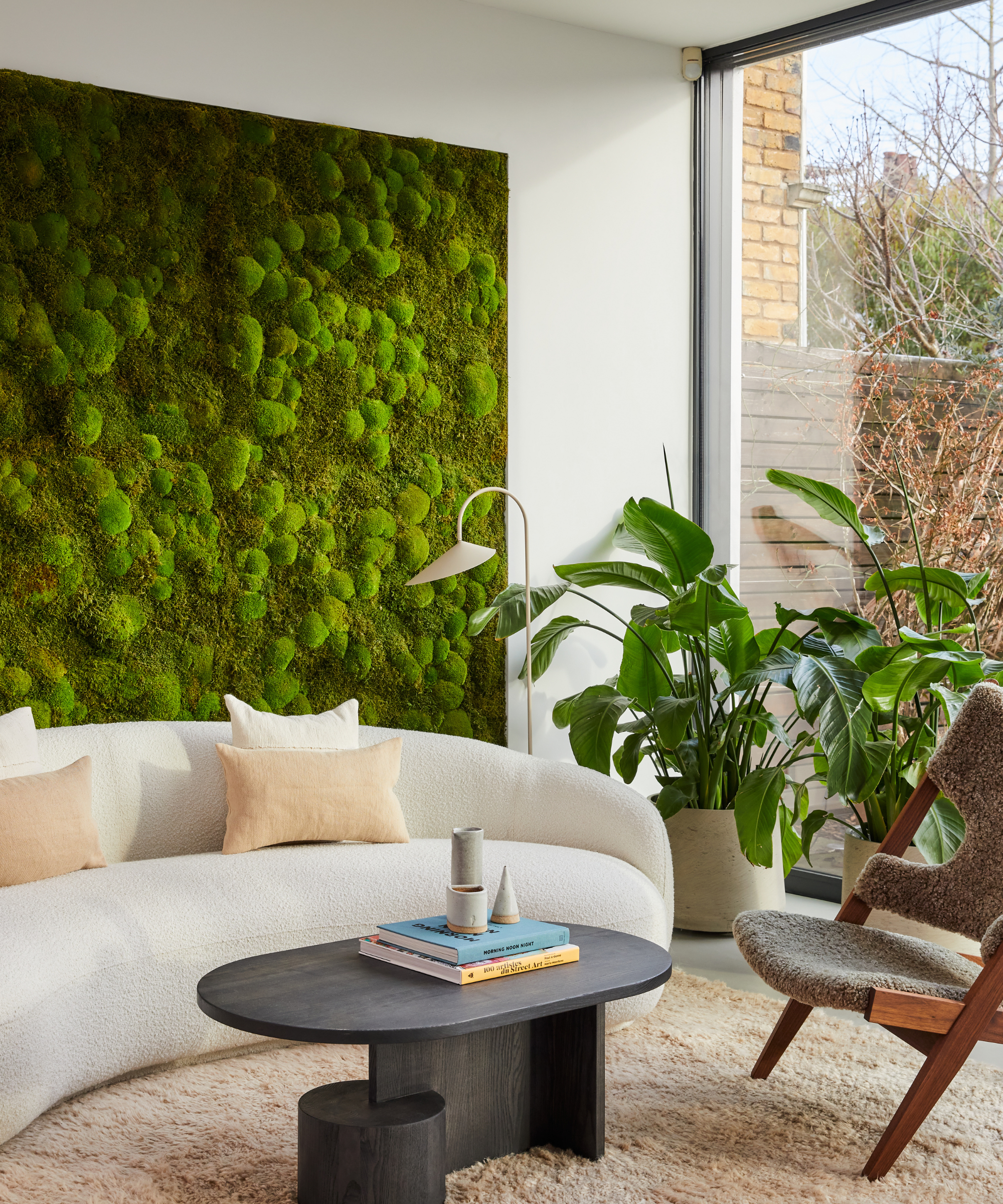
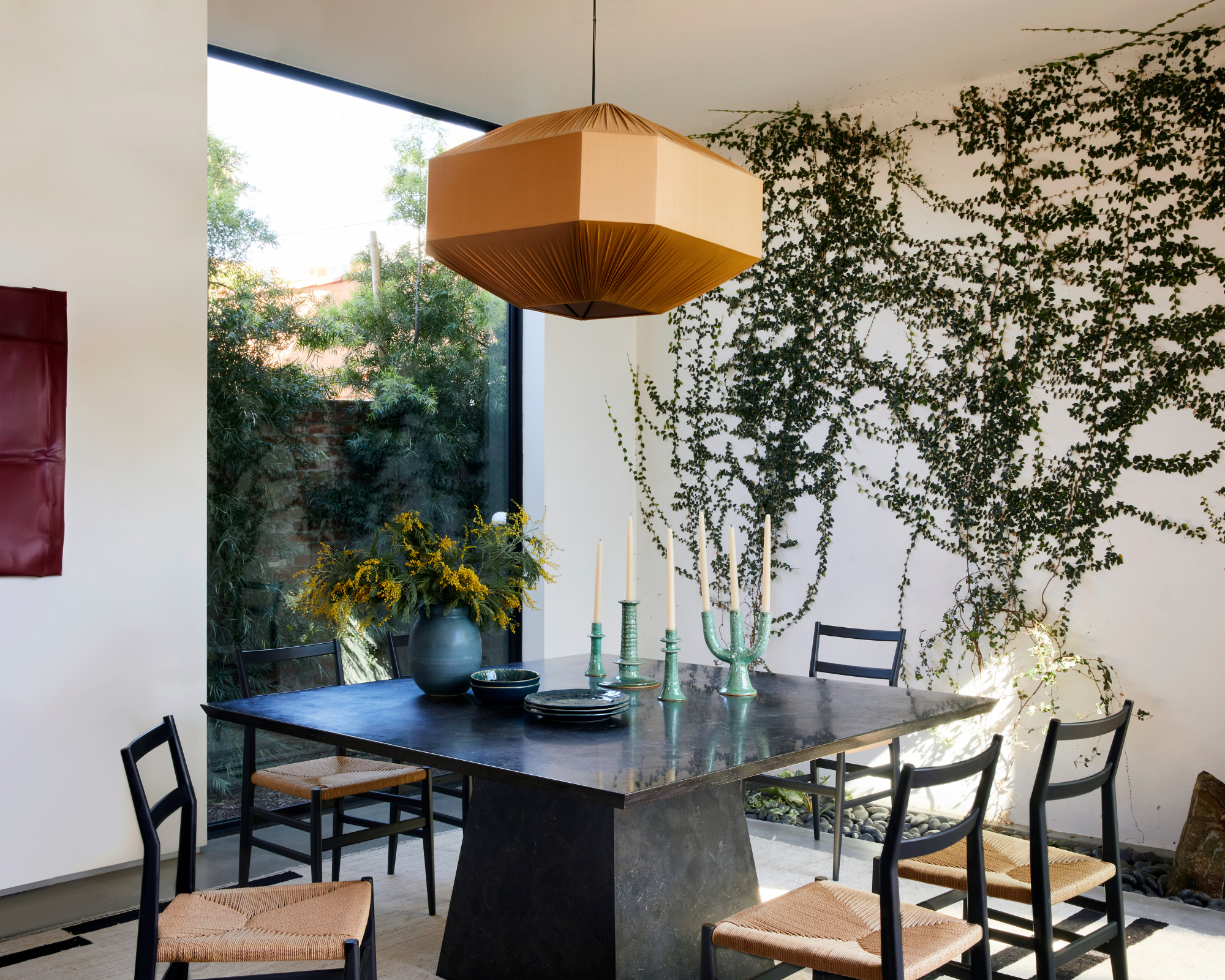
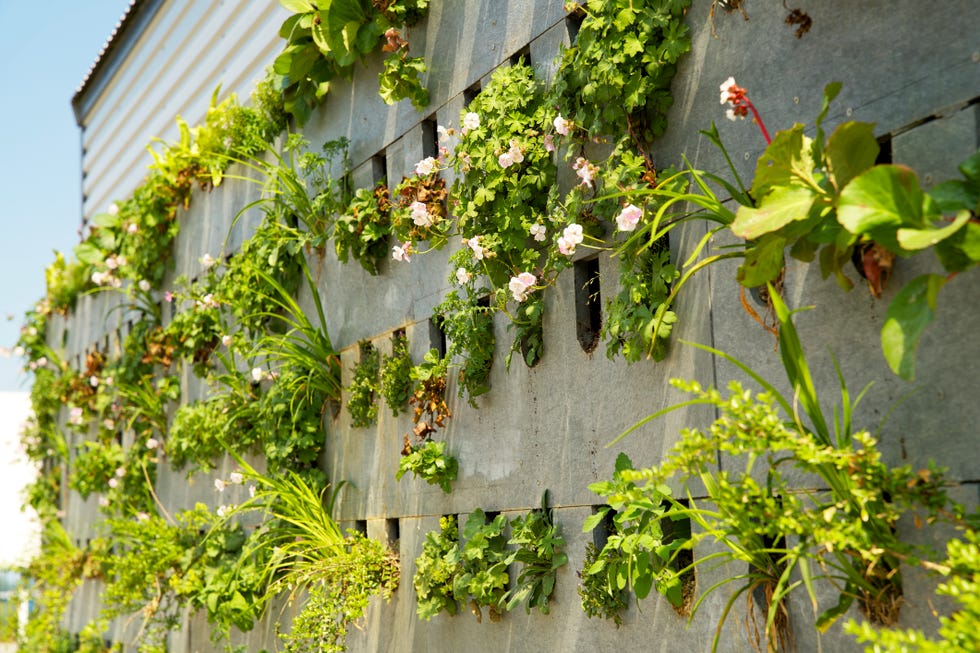
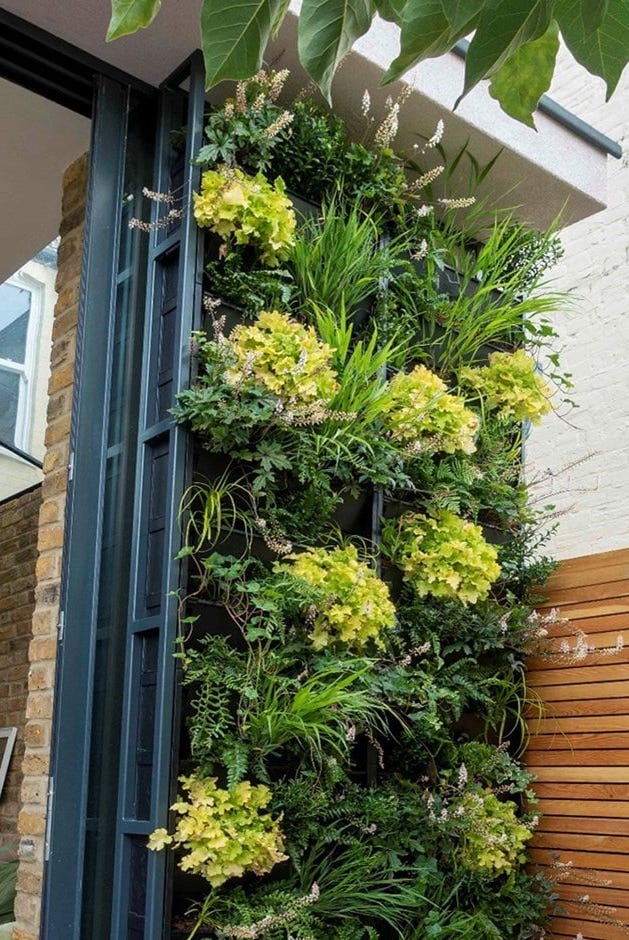
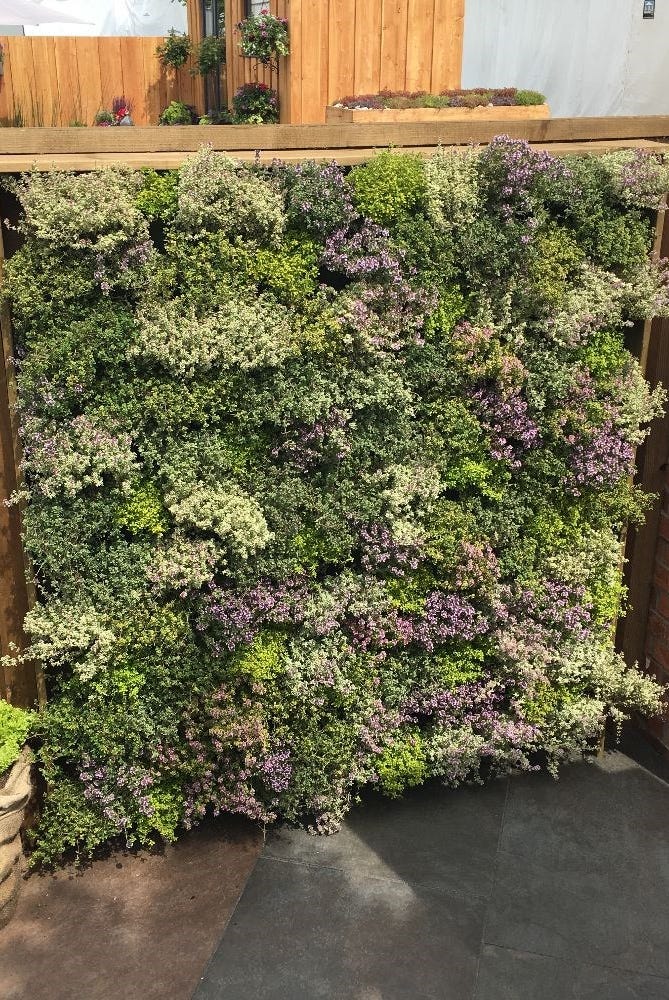
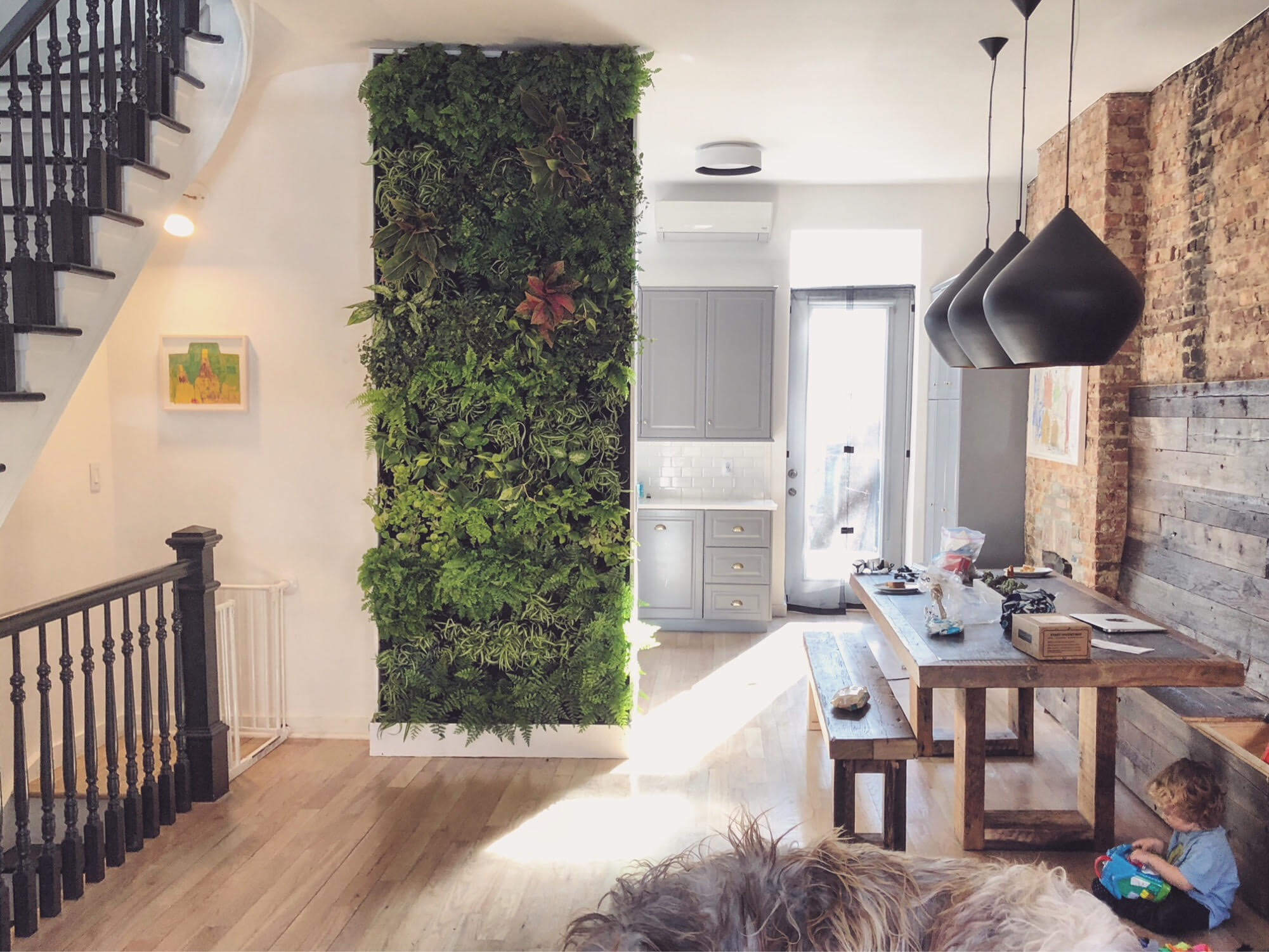
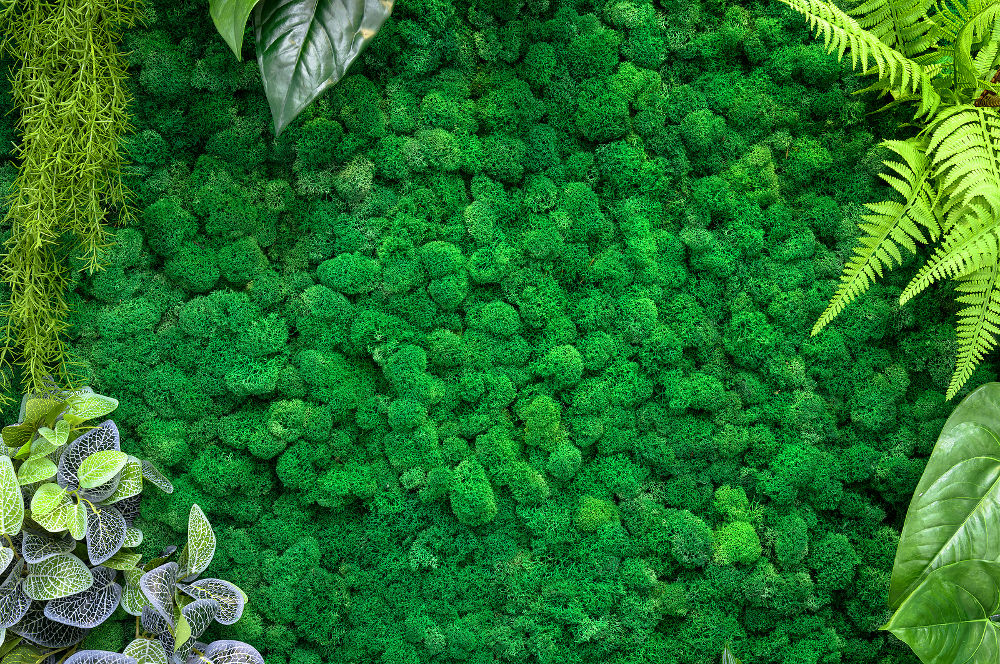
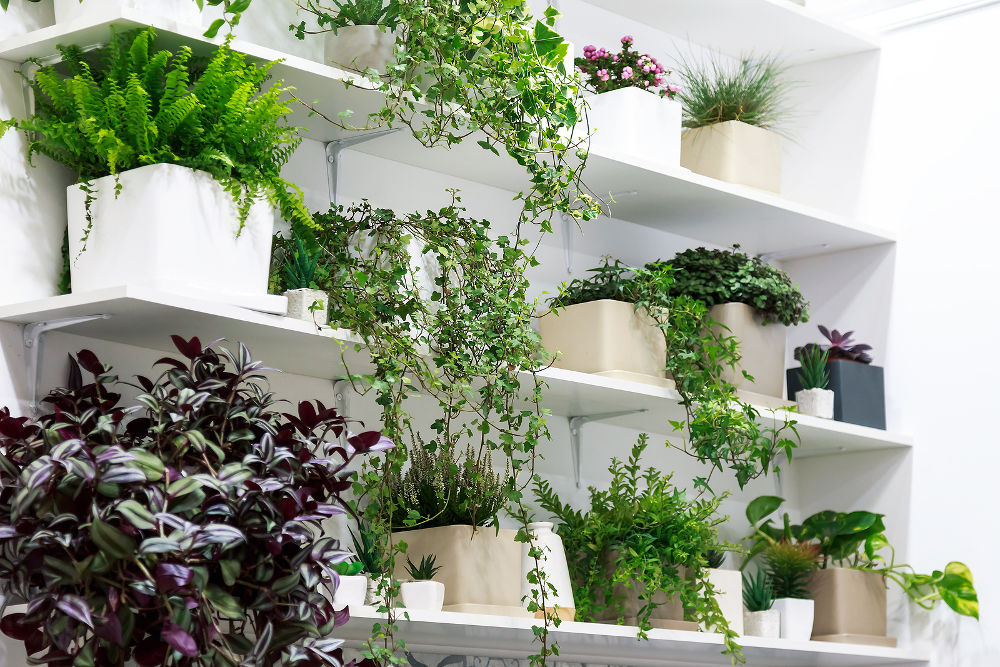
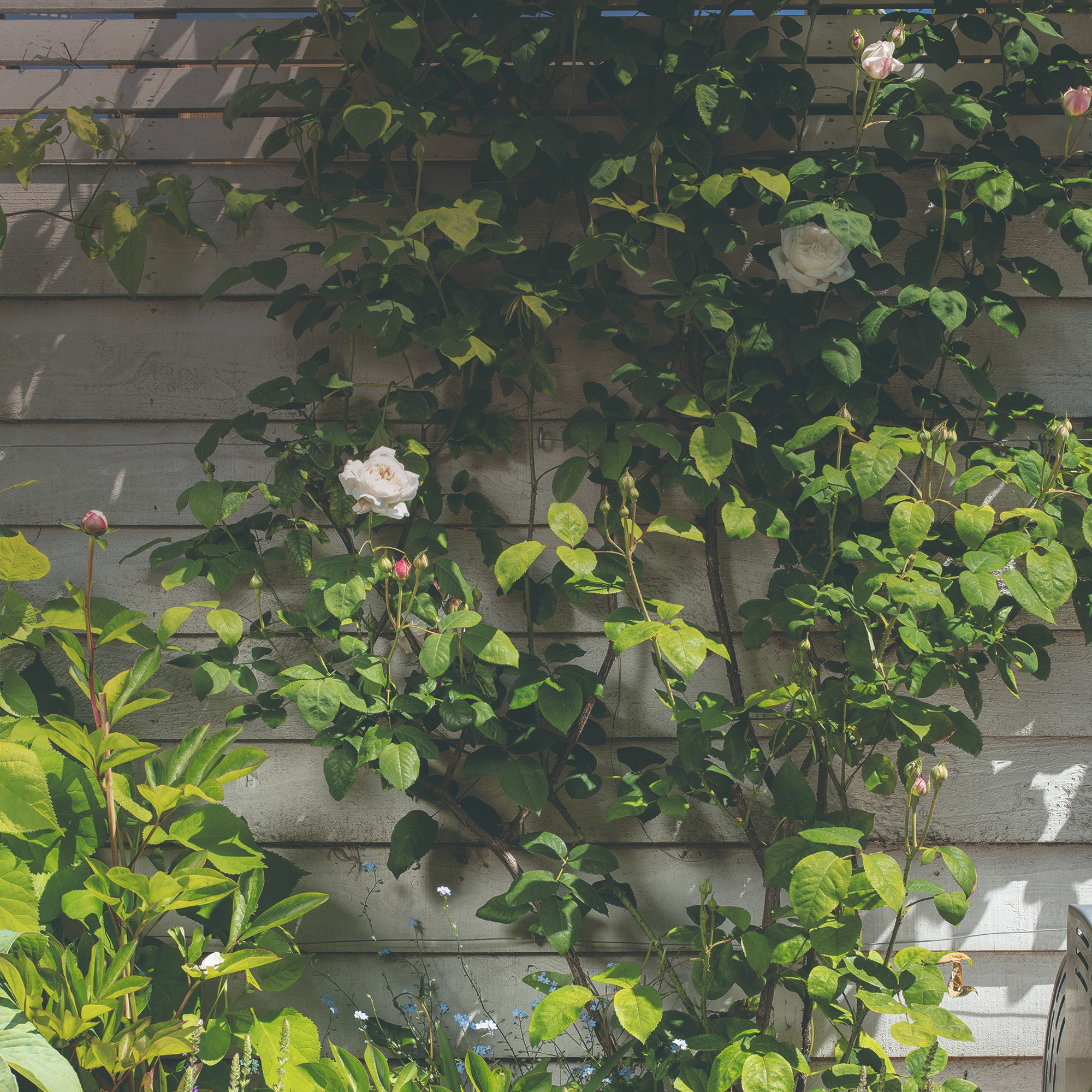
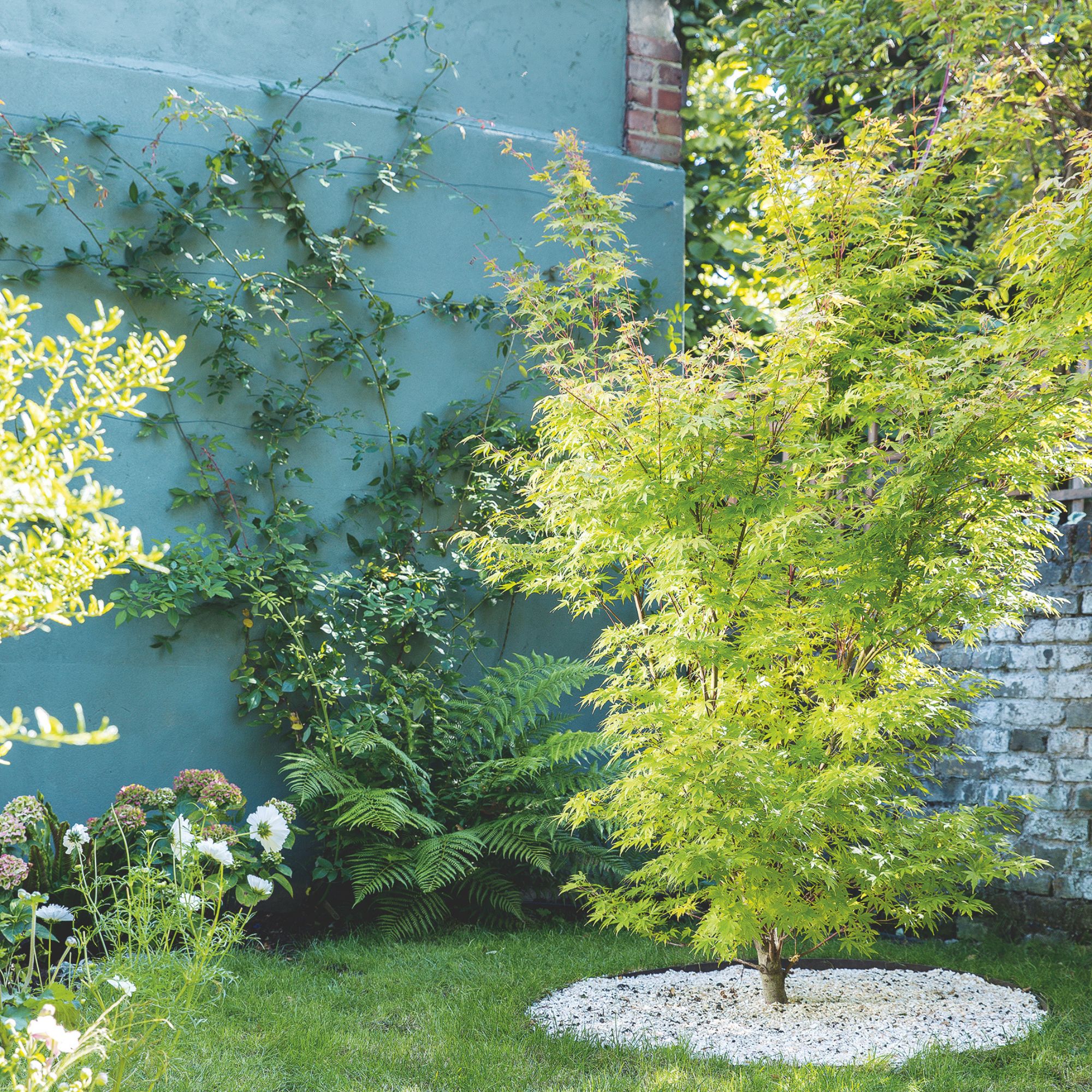
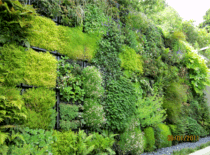
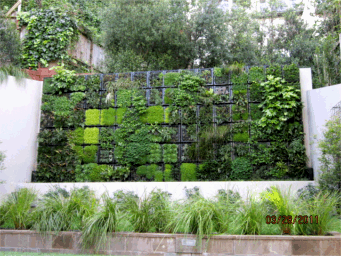
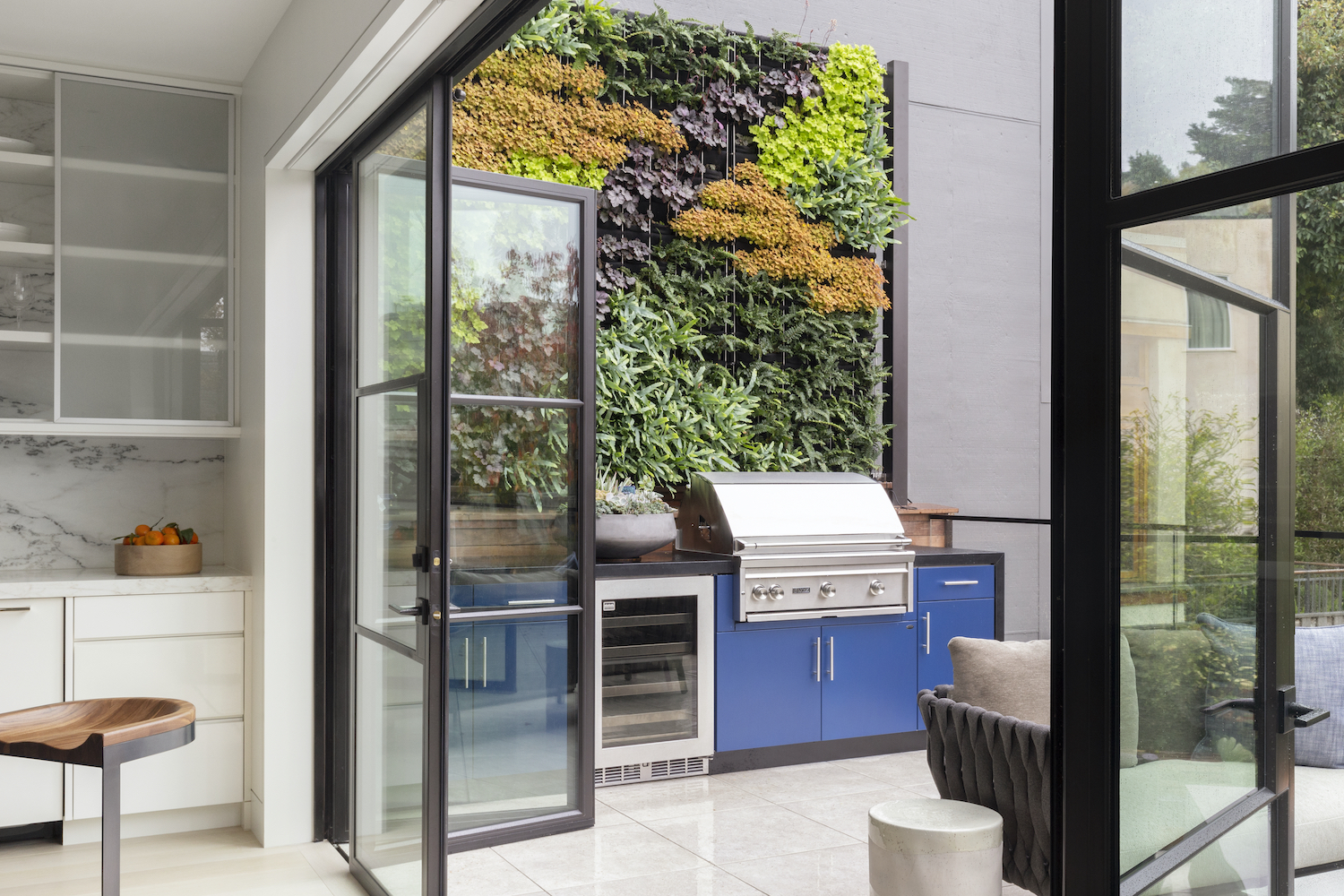
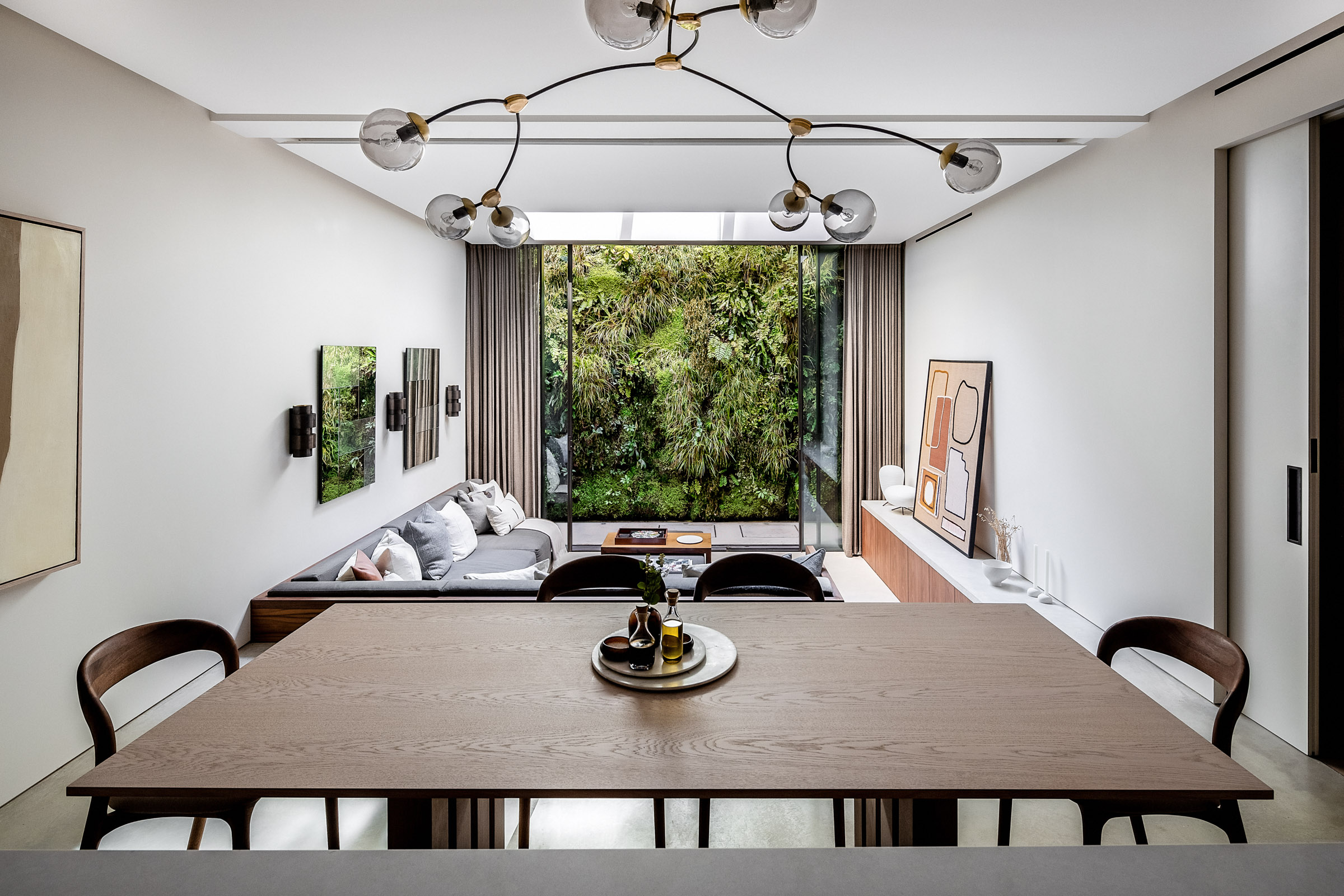
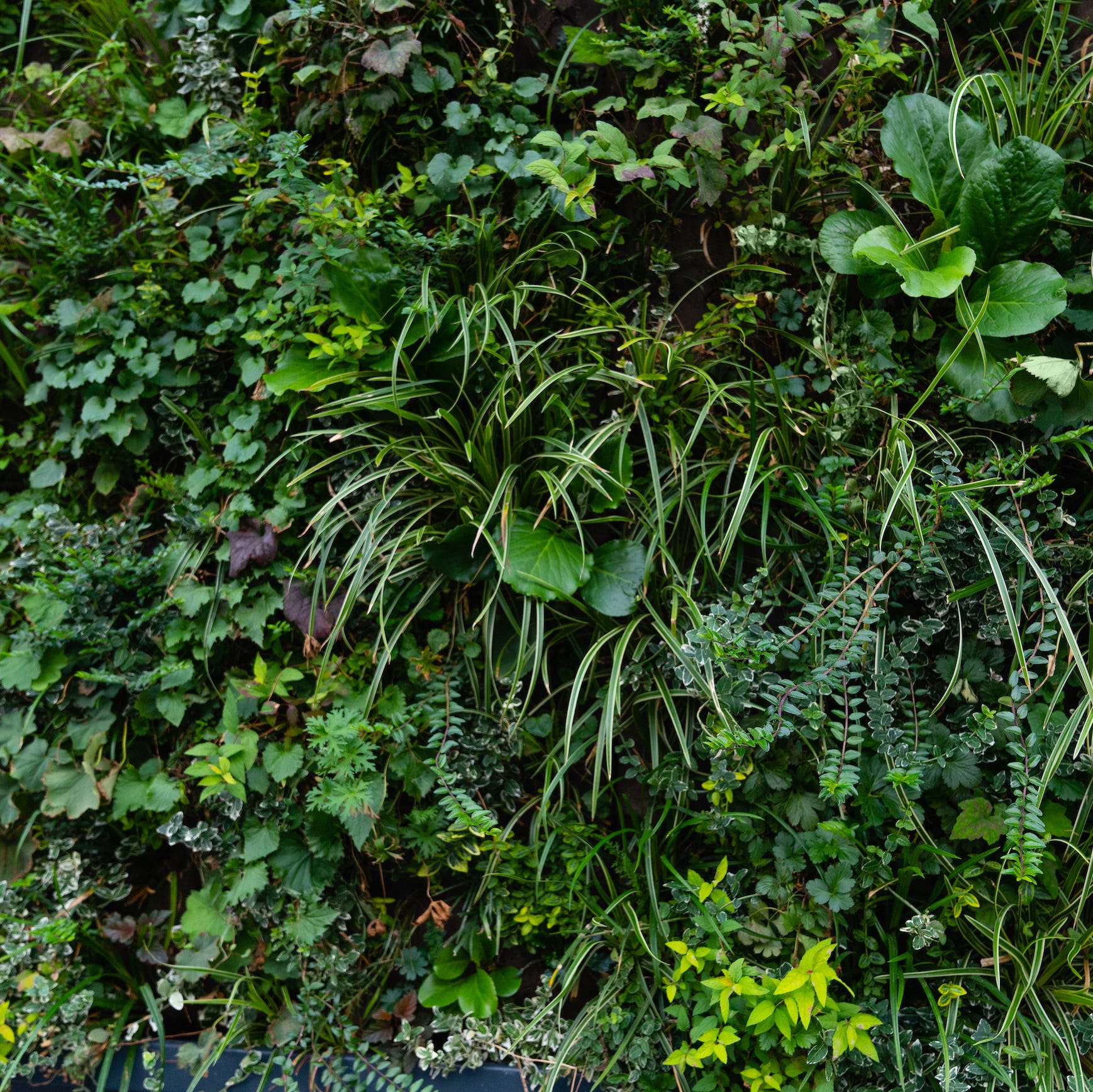
Living walls, also known as vertical gardens or plant walls, are panels of plants that are grown vertically, offering a decorative design solution for small spaces and a way to add greenery indoors or outdoors. Creating a living wall requires careful planning, considering factors like lighting conditions, water requirements, and maintenance needs. Jenny Davis, Head of Marketing at Forest Garden, notes the increasing popularity of living walls as homeowners utilize every inch of their gardens to bring color and life to exterior walls and conceal unsightly features.
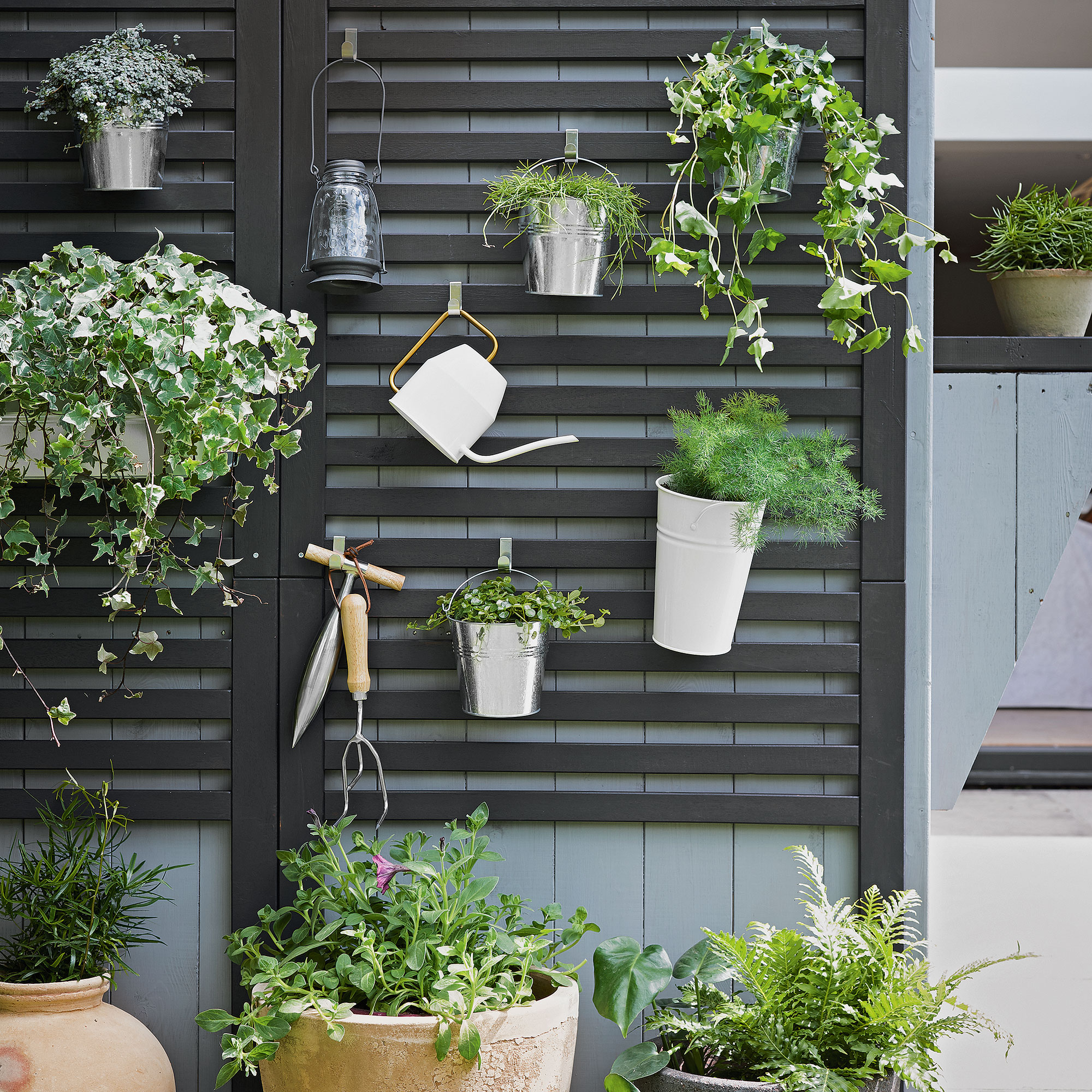
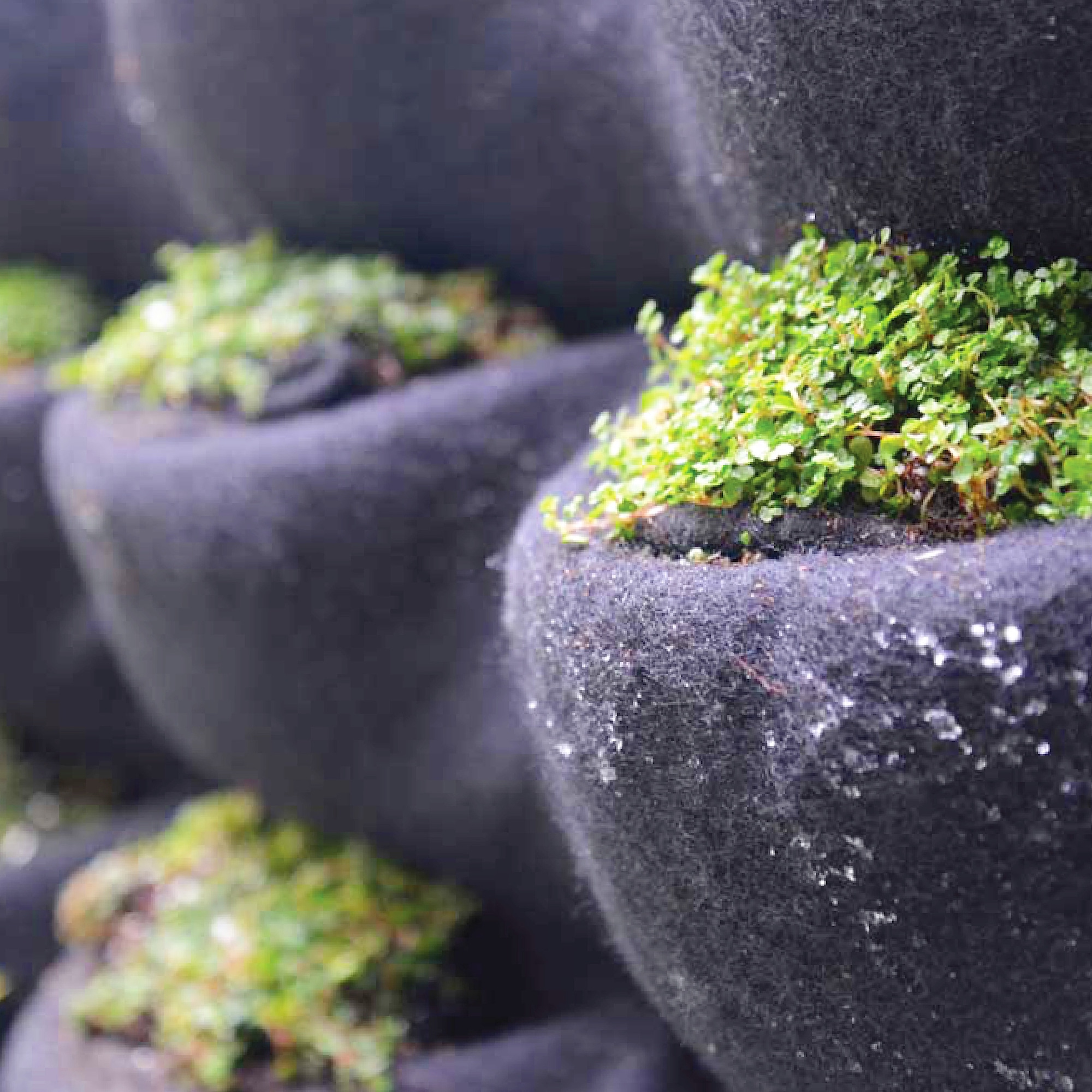
The process of creating a living wall involves five key steps. The first step is selecting a suitable system. Options range from multi-pocket hanging planters and grow bags to modular panels, trellises, planters, or specialized living wall systems. The chosen framework must be sturdy enough to support the weight of the plants and the growing medium. Hannah Rouch, a secondhand trends expert at Gumtree, suggests multi-pocket grow bags as an affordable starting point for novice gardeners due to their ease of hanging and straightforward design. For larger installations, modular planter systems that include irrigation are an option, providing automatic water and nutrient delivery, although they are generally pricier. Sourcing preloved options can help manage costs.
The second step focuses on assessing sun exposure. While many plant types can thrive in a green wall, it's crucial to determine the amount of sunlight the intended wall receives. Plants suitable for vertical growth should be selected based on their water requirements, growth habits, and compatibility with the chosen framework. Hannah Rouch advises against placing living walls on shaded, north-facing walls, recommending sunny or partially shaded spots that are easily accessible. Additionally, the wall must be capable of supporting the weight of the living wall system.
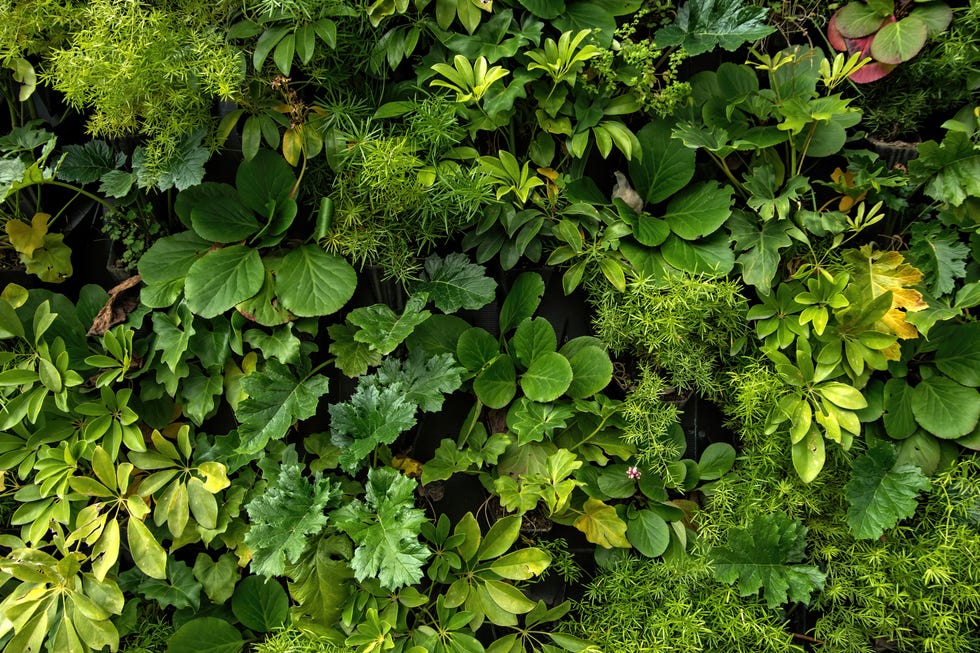
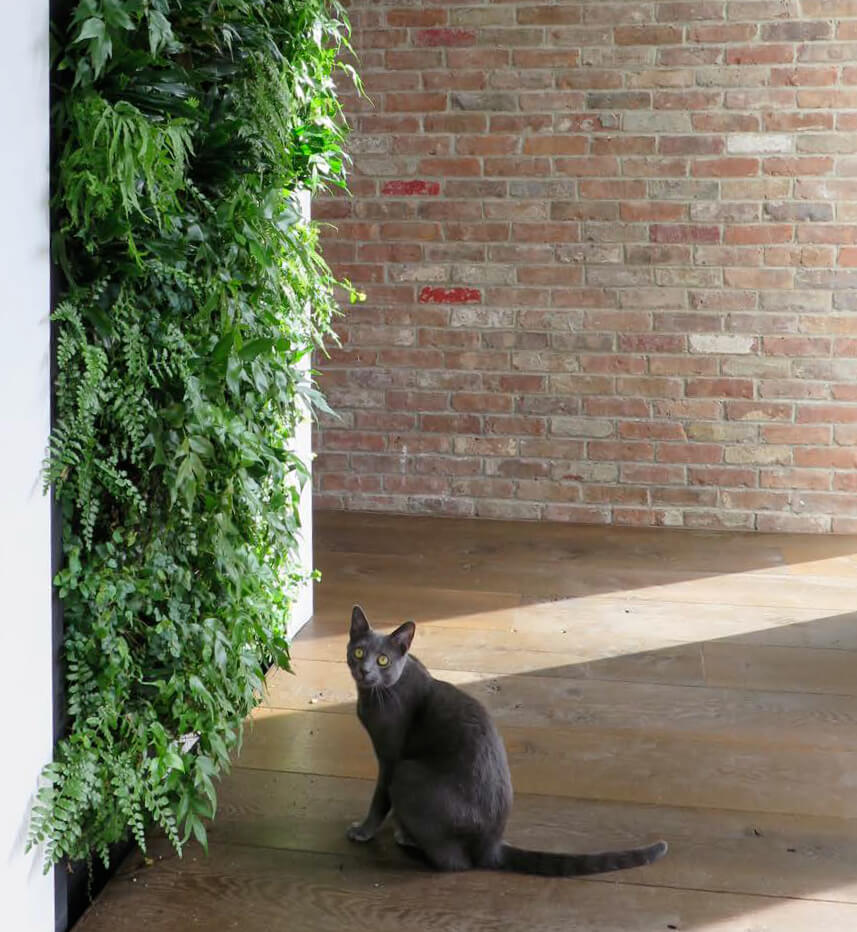
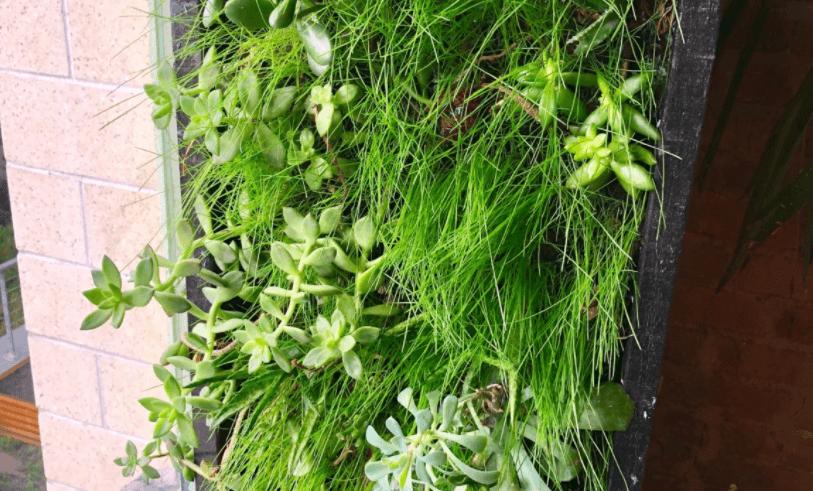
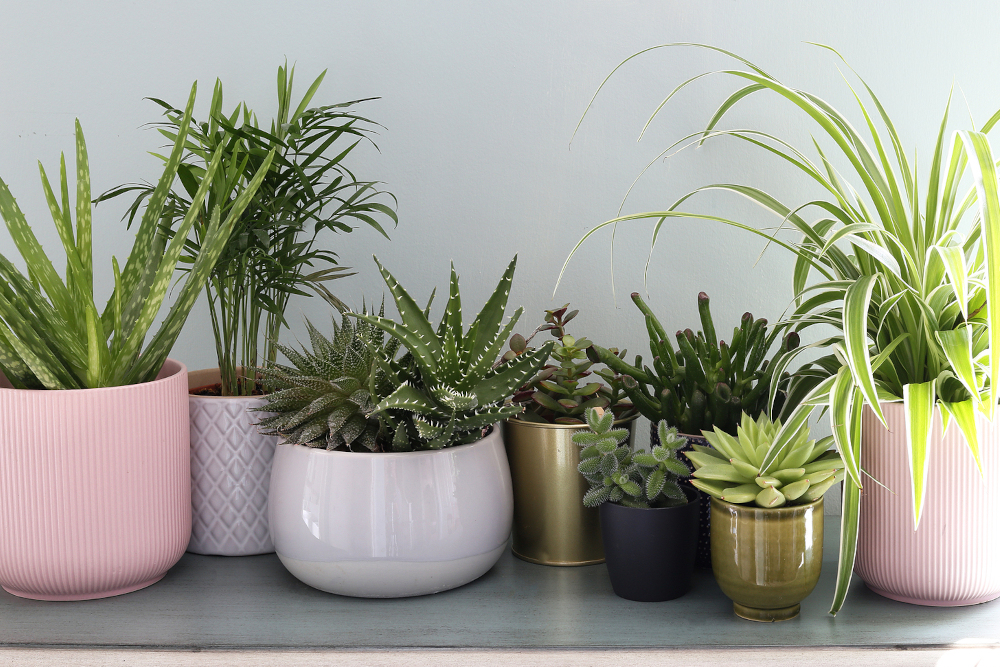
The third step involves selecting plants that complement each other. Herbs, fruits, grasses, and ferns are generally well-suited for living walls. The best plant choices depend heavily on the specific location's sunlight exposure, rainfall, and the amount of time available for watering. Succulents are a good option for small containers, while herbs like basil, mint, and parsley can thrive in vertical planters. Ferns, with their feathery stems, create an attractive cascading effect, particularly in shady areas.
Fourth, choosing the appropriate growing medium is essential. This material, in which the plants will root, should be lightweight, well-draining, and nutrient-rich. Examples include soilless mixes, coco coir, or specialised growing mediums designed for vertical gardens. The medium must be suitable for the selected plants, and thorough research is recommended to ensure the living wall's success. Finally, establishing effective watering methods is critical. If an integrated irrigation system is not used, it's important to ensure all plants can be watered easily and equally, avoiding overwatering. Watering options include manual hand watering, automatic irrigation with drain-connected overflow, recirculating irrigation with tanks, or manual irrigation from a mobile water tank. Regular inspection of the living wall for pests, diseases, or nutrient deficiencies, and prompt treatment of any issues, is vital. Monitoring plant growth and adjusting spacing as needed will contribute to a healthy and vibrant living wall.
#LivingWall #VerticalGarden #HomeDecor #InteriorDesign #Gardening #PlantSelection #DIYHome #LivingWall #VerticalGarden #HomeDecor #InteriorDesign #Gardening #PlantSelection #DIYHome
0 comment in total
 No comments yet
You may also like
How to Create a Living Wall to Maximize Your Outdoor Space

Top tips to create a feature wall

How to create a gallery wall in your home
LiveWall Indoor Living Wall Livens Up Coava Coffee’s New Café Location

How to create an indoor plant wall for your home

9 Genius Ways to Do Living Walls in 2025 That Take This Idea in a Style-Forward Direction

Easy-To-Install Living Wall System Uses Felt Pockets for Plants
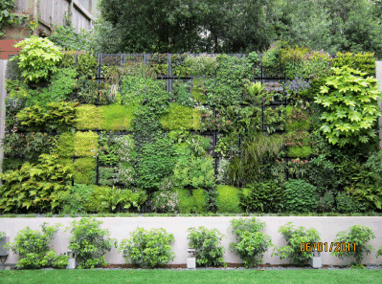
San Francisco Residential Living Wall
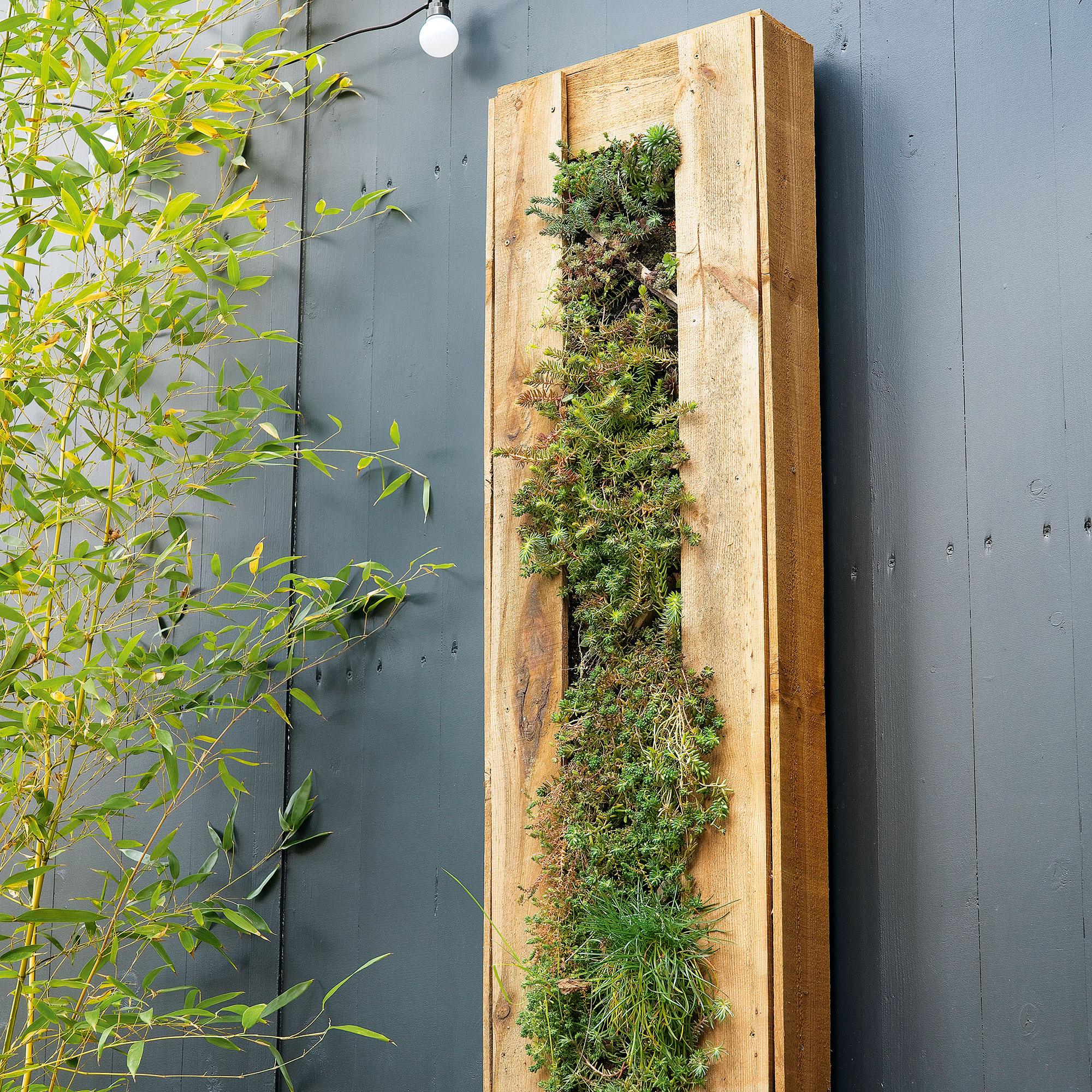
Living wall ideas to create a stylish vertical garden in your space
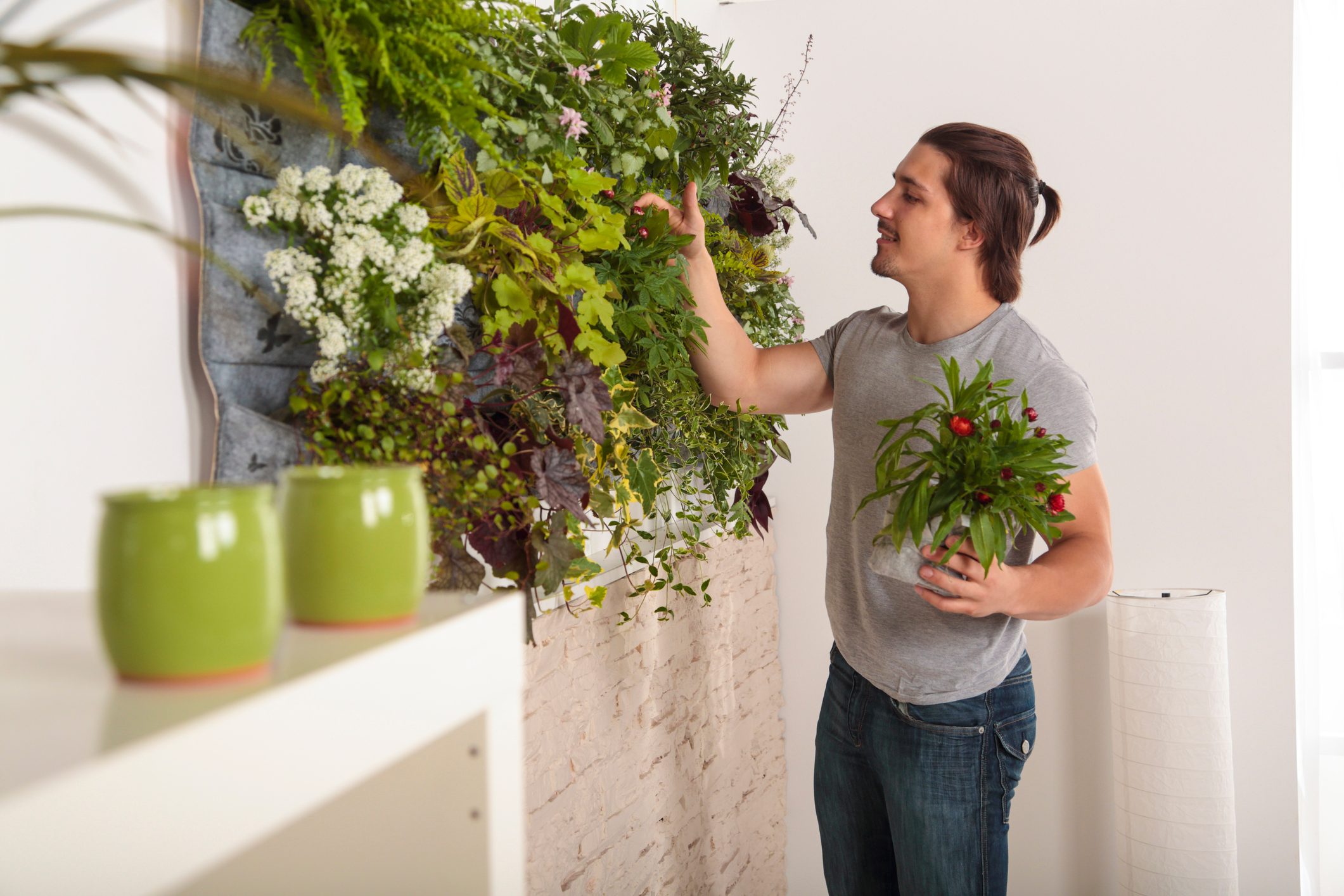
Homeowner’s Guide To Living Walls


Living Green Walls of Plants Refresh Brooklyn Homes
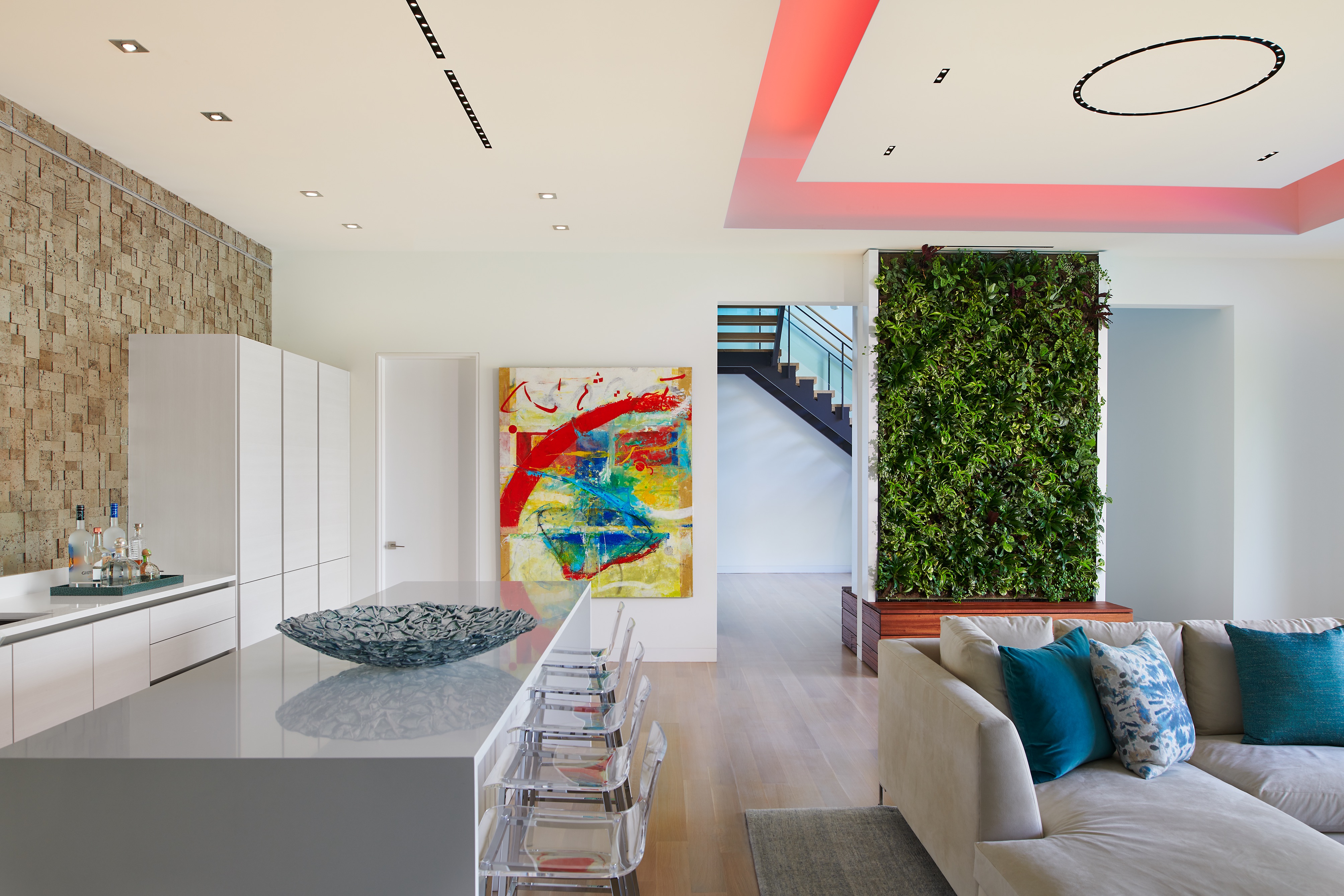
19 vertical garden ideas - landscape experts show how plants thrive in small spaces inside and outside the home


Add Privacy and Expand Your Home's Use With This DIY Interior Wall Project

Experts explain how to create extra living space outdoors

Exciting ideas for an indoor plant wall in your home

How to bring the outside in with nature-inspired wallpaper murals

ELT EASY GREEN LIVING WALLS

How to create a plant wall in your garden

Outdoor wall decor ideas – 15 ways to give bare walls a new lease of life

How to build a gallery wall for your home