1/12
9 Genius Ways to Do Living Walls in 2025 That Take This Idea in a Style-Forward Direction
Living walls, an integral part of biophilic interior design, are becoming a prominent feature in home decor for their aesthetic appeal and well-being benefits. This article explores nine innovative approaches to incorporating living walls into various home spaces in 2025, emphasizing their ability to connect indoor environments with nature.
The concept of a living wall extends beyond mere decoration, offering a dynamic element that enriches interior design. Designers are increasingly focusing on biophilic principles to integrate the natural depth of the outdoors into indoor settings, creating layered finishes that promote well-being. Living walls, whether composed of ferns, flowers, or herbs, introduce verdant energy, purify the air, and establish a connection with the natural world, transforming vertical spaces into imposing design statements.
One approach involves creating a symbiotic relationship with the outdoors, such as a lush panel of greenery behind a sofa. This design not only serves as a focal point, adding texture and a calming green hue, but also helps to soften acoustics and improve air quality. The interplay between sinuous furniture and additional houseplants further blurs the boundary between indoor and outdoor spaces, fostering a fresh and lively atmosphere.
Another innovative application features indoor climbing plants in a dining room. Romantic and lush trailing plants can introduce drama and organic vibrancy to the dining experience. With natural light from floor-to-ceiling windows, these green installations create memorable dining settings and serve as unique conversation starters.
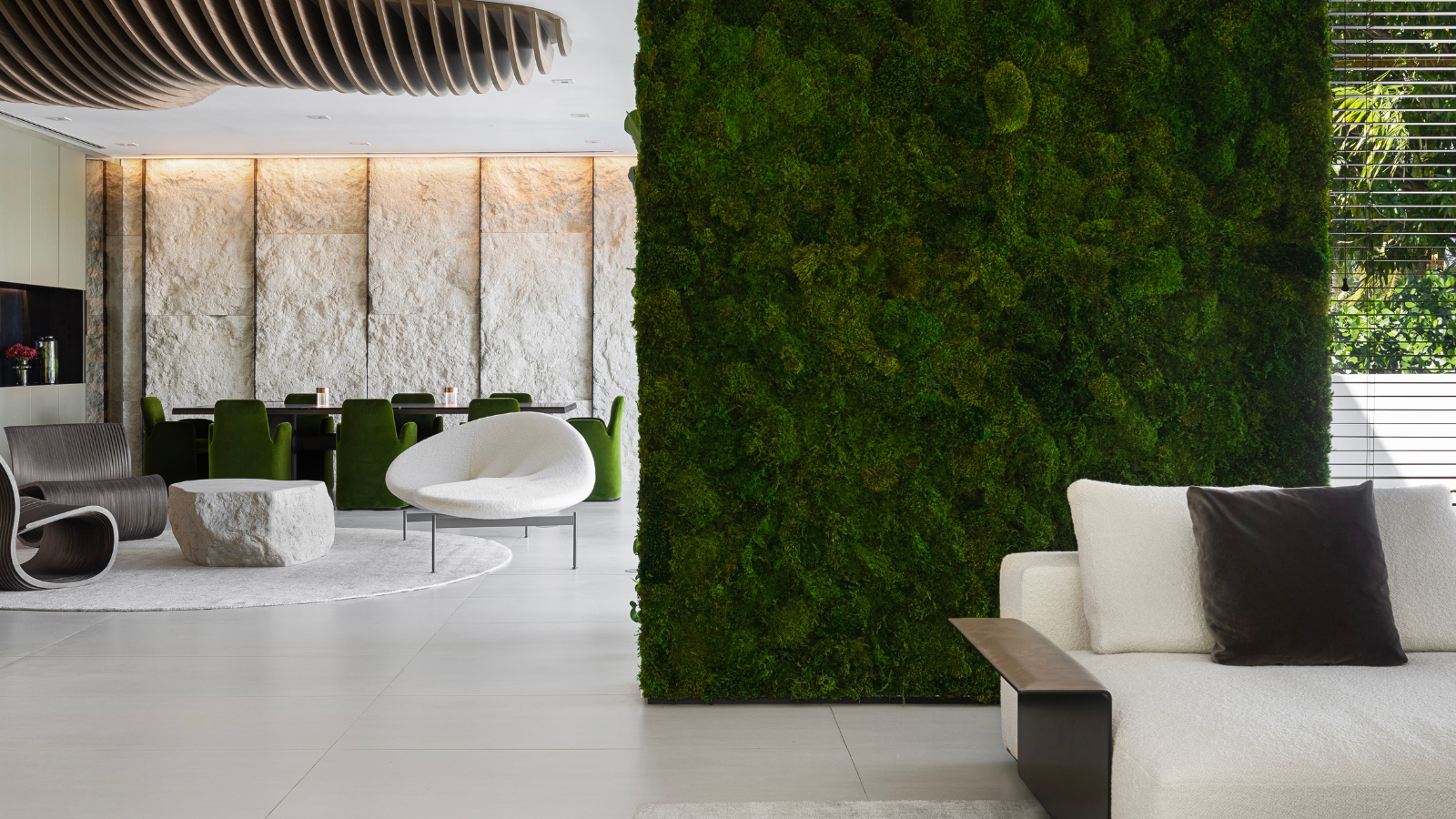
Architectural moss walls present a maintenance-free alternative. Made from dehydrated moss, these walls offer the wellness and design benefits of nature without the need for watering or trimming. They effectively zone open-plan spaces, adding texture and verdant tones, while also improving acoustics and absorbing airborne pollutants. This versatile material can also be framed as artwork, offering a budget-friendly way to introduce biophilic elements.
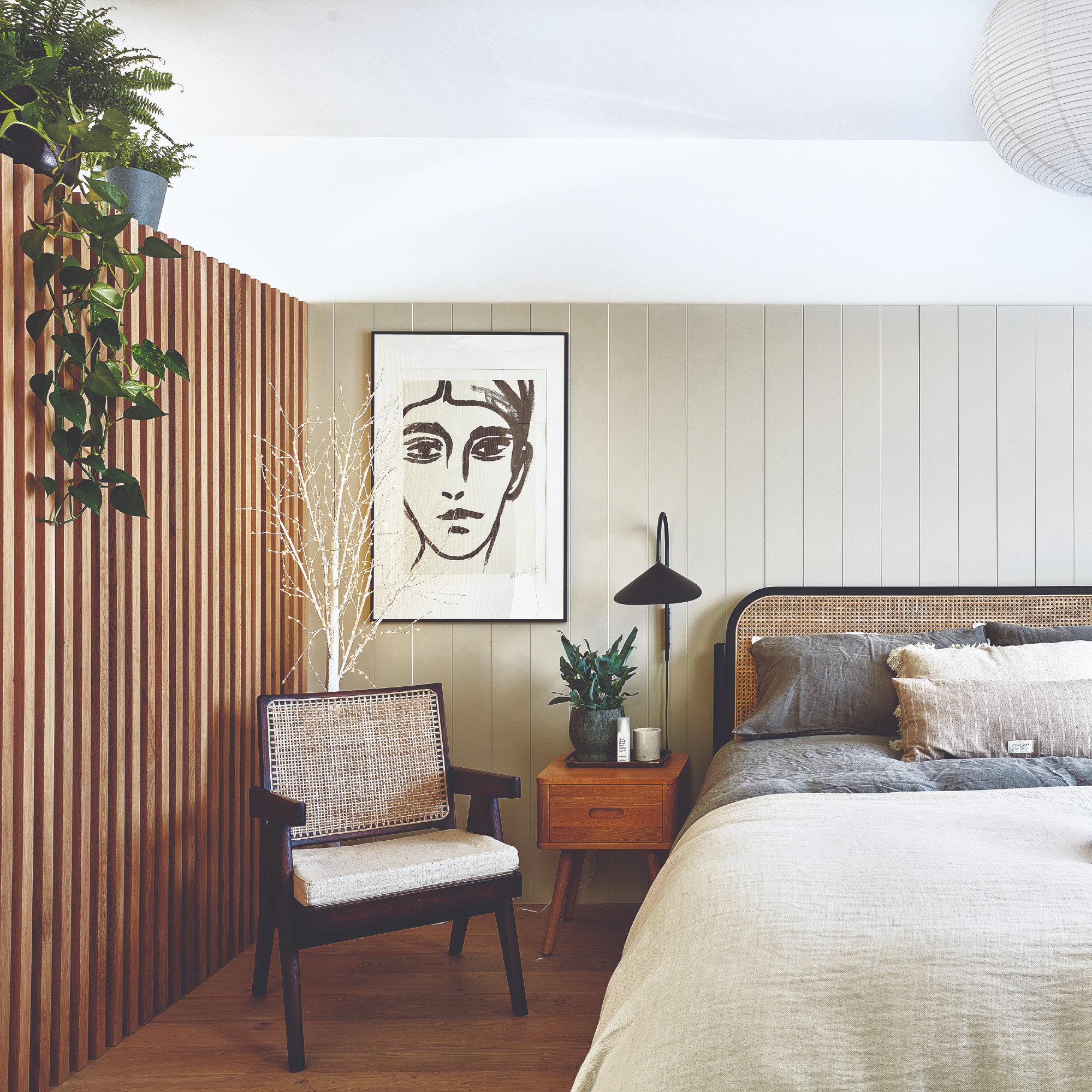
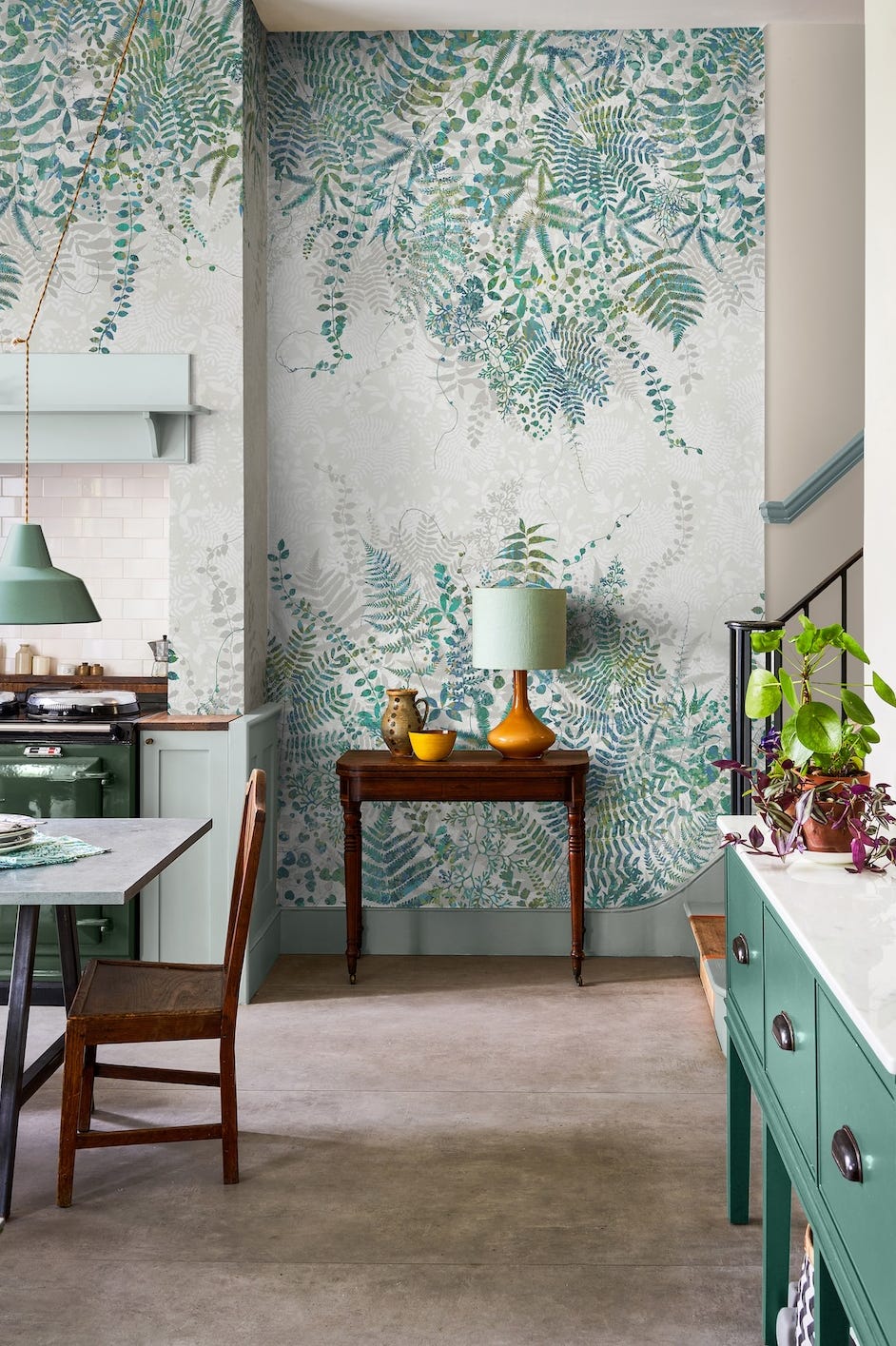
Living walls can also form a canopy in a bedroom, creating an immersive, forest-like atmosphere. By suspending plants like ferns and grassy bushes that thrive in low-light conditions, a seamless flow between the external and internal environments is achieved, enhancing the sense of being enveloped by nature. Similarly, a forest-inspired bathroom, featuring a vertical plant installation, can transform the space into a tranquil, spa-like retreat. The combination of deep greenery with warm wooden finishes heightens the sensory experience, connecting residents with nature.
Modern zen entryways can be created with moss-rich living wall panels. These panels introduce serenity and a sophisticated finish, particularly when paired with clean white color schemes. Beyond aesthetics, they can also cleverly disguise secret doors, adding a tactile and visually rich biophilic element to the entrance.
Tropical plant wall installations, featuring metal flower boxes with indoor-adapted tropical vegetation, offer a lush and enveloping backdrop in living rooms. These installations can cocoon seating areas, providing a transformative design element that brings the exotic indoors. Furthermore, voluminous living walls composed of fronds and herbs can soar multiple stories, bringing the essence of an understory forest into a home. These installations, often placed adjacent to water features, enhance zen and can even include edible herbs for culinary use, demonstrating a blend of aesthetics and practicality.
Finally, tropical, floral living walls can infuse urban living rooms with vibrant color and energy. These installations, with their cascading greenery and vivid floral accents, create an immersive experience, complementing furniture and offering a dynamic interplay of texture and hue. They are designed to lift spirits and bring a joyful aesthetic to the space.
Choosing the right plants for a living wall depends on maintenance preferences and desired aesthetics. Designers favor small, evergreen, easy-to-maintain plants like philodendrons, pathos, and spider plants for their cascading growth and volume. Preserved moss offers a low-maintenance option. The key is selecting species that thrive in the specific indoor environment and fulfill the desired look, whether a manicured, tight-growing wall or a wild, dimensional display. Living walls offer a unique opportunity to add a decorative and value-adding stamp to a home without consuming floor space, contributing to calm and complementing interior color trends.
#LivingWalls #BiophilicDesign #IndoorPlants #HomeDecor #InteriorDesign #GreenWalls #SustainableLiving #ZenDesign #ModernInteriors #LivingWalls #BiophilicDesign #IndoorPlants #HomeDecor #InteriorDesign #GreenWalls #SustainableLiving #ZenDesign #ModernInteriors
0 comment in total
 No comments yet
You may also like
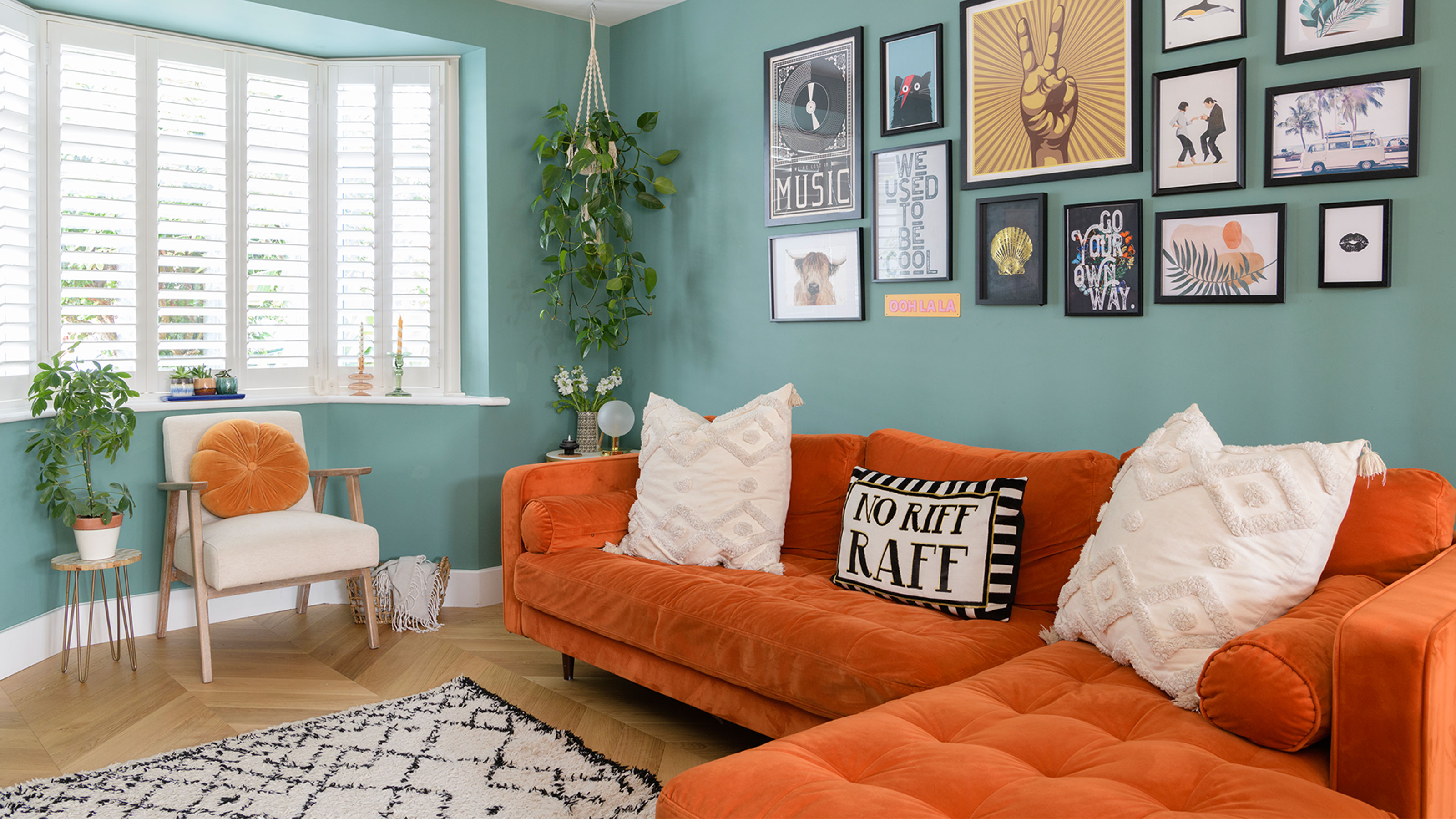
Are gallery walls still in style for 2025? 5 fresh new twists that are shaking up this decorating staple
And Now, the Best Living Room Decor Ideas for 2025

Elevate Your Space: Top Living Room Design Trends for 2025
Top Home Design Trends in 2025 for Modern Living

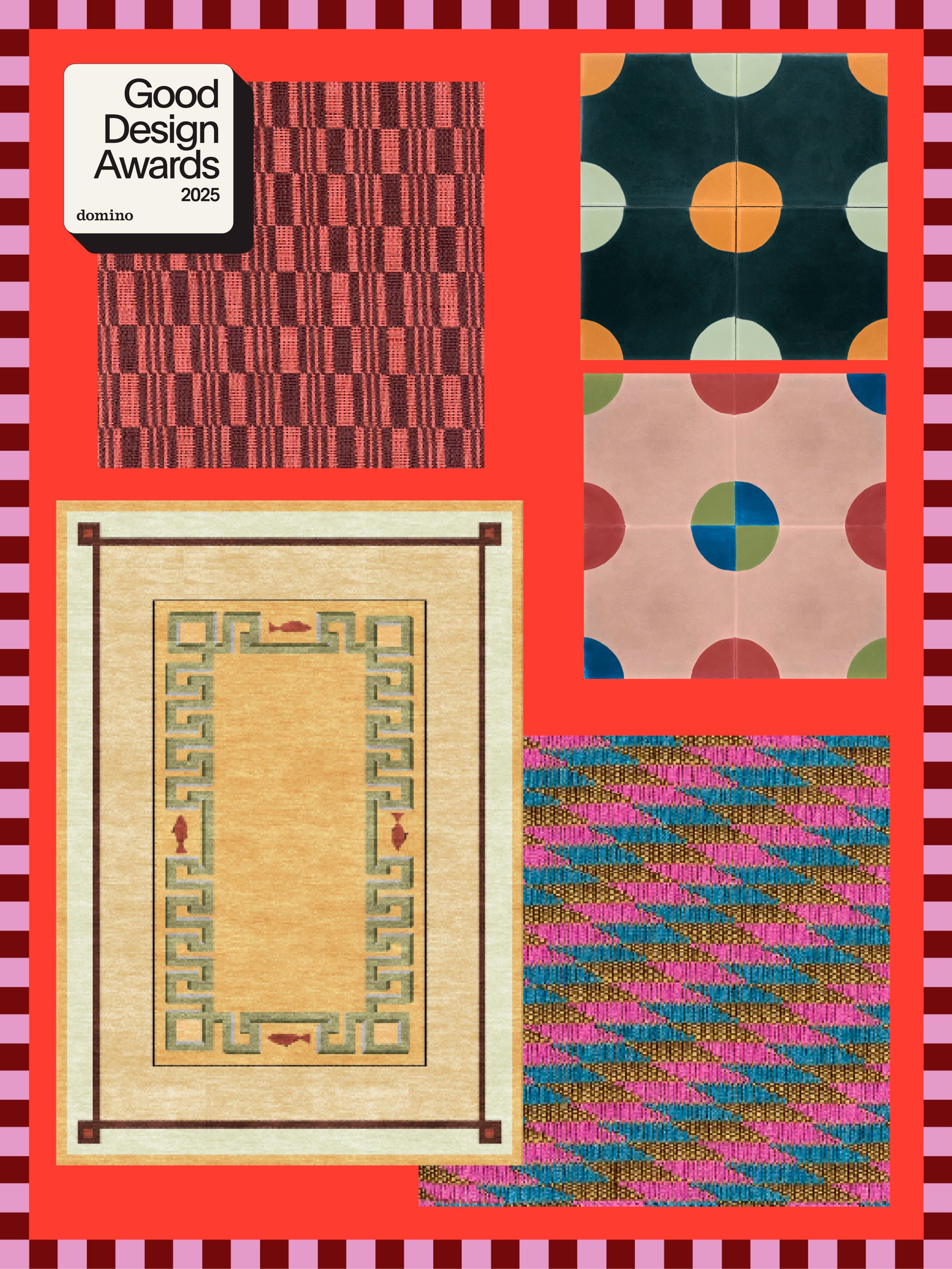
The Best New Wall, Floor, and Window Products of 2025
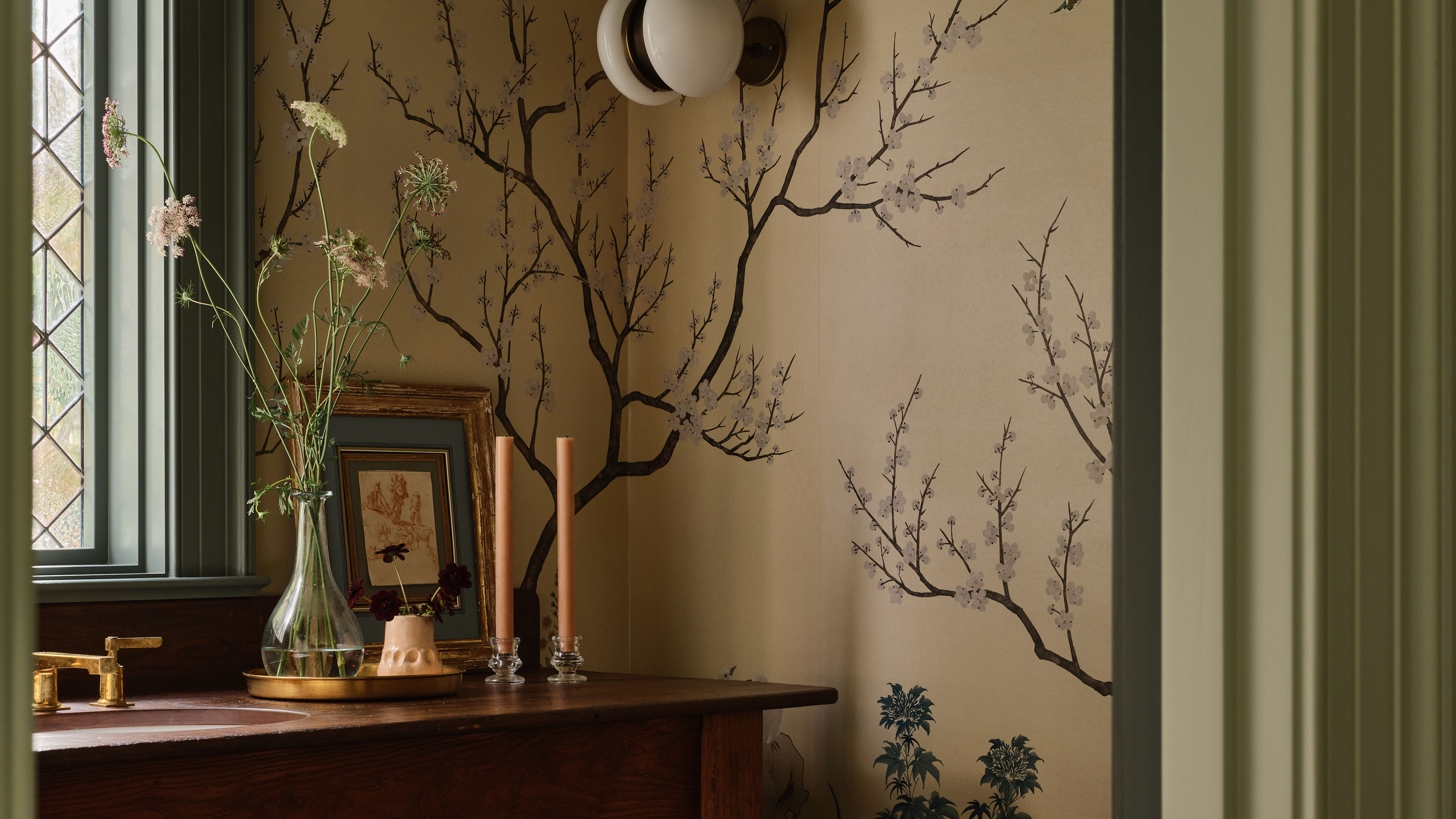
Wallpaper Trends for 2025 — 11 Exciting Ways to Embrace Wallcoverings in Your Home Now
2025 Trends in Wooden Wall Art
Need inspo? The biggest tile and design trends taking over The Block 2025


16 Accent Wall Ideas That You'll Start Seeing Everywhere In 2025
8 Living Room Decorating Trends Designers Are Most Excited About for 2025

10 Living Room Design Trends You'll See Everywhere in 2025

10 interior design trends for 2025 to level up your space

29 Living Room Wall Decor Trends That Make Your Space Feel Updated Without Repainting Everything
Bouclé for Your Walls?! 5 Ingenious Wallcoverings Designers Predict We'll See More of in 2024
All The Living Room Trends To Look Out For In 2025
The 9 Top Interior Design Trends of 2025 All Have a Dramatic, Immersive Quality
Is wall panelling still on trend in 2025? Yes, but not as you've seen it before with 3 new looks
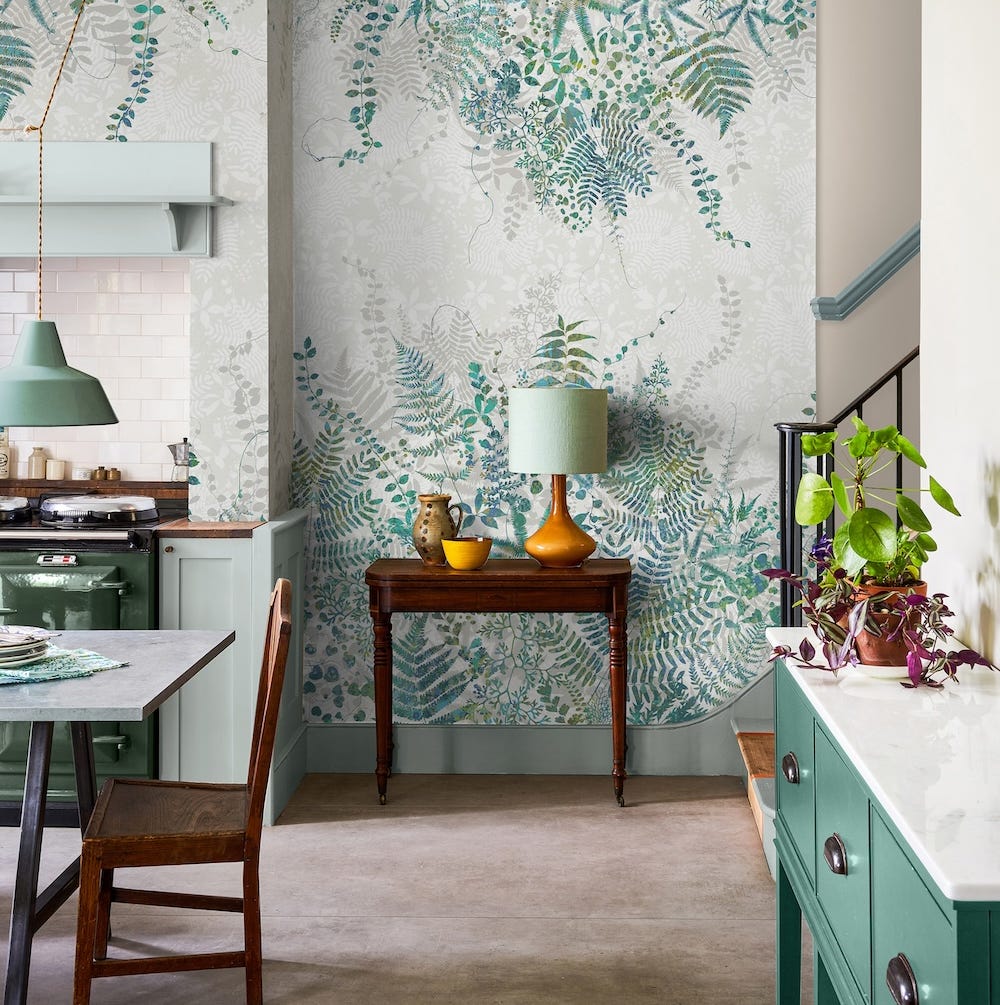
Explore 2025's Most Exciting Wallpaper Trends: From Botanical Murals To Curated Clashing

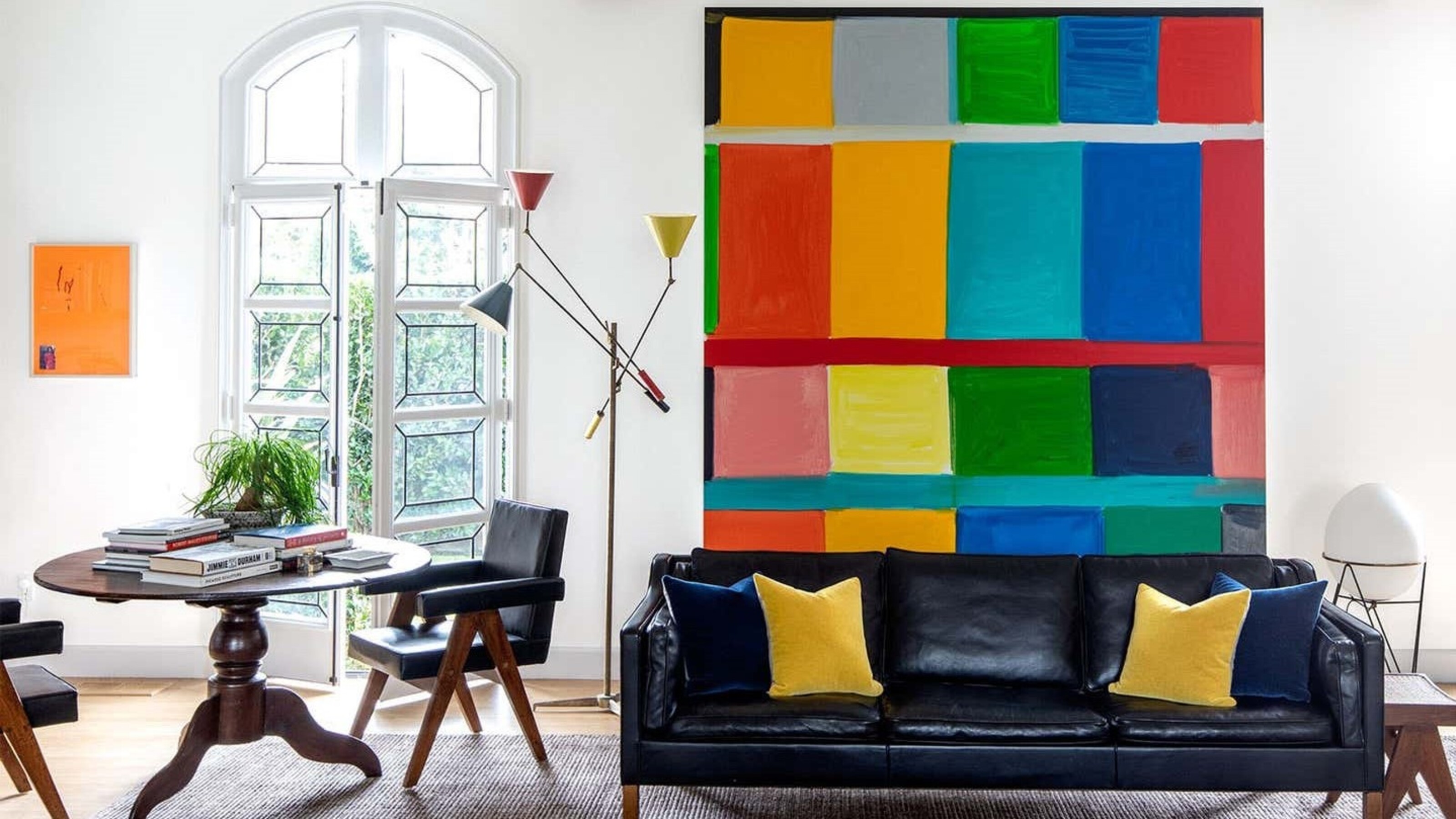
Wall art trends – interior designers on the new ideas to watch for in 2023 and beyond

The Stunning Ceiling Design Trend We'll Be Seeing Everywhere In 2025