1/22
10 Indoor Climbing Plants That Will Take Your Blooms to New Heights — And Make Your Home Look Lush
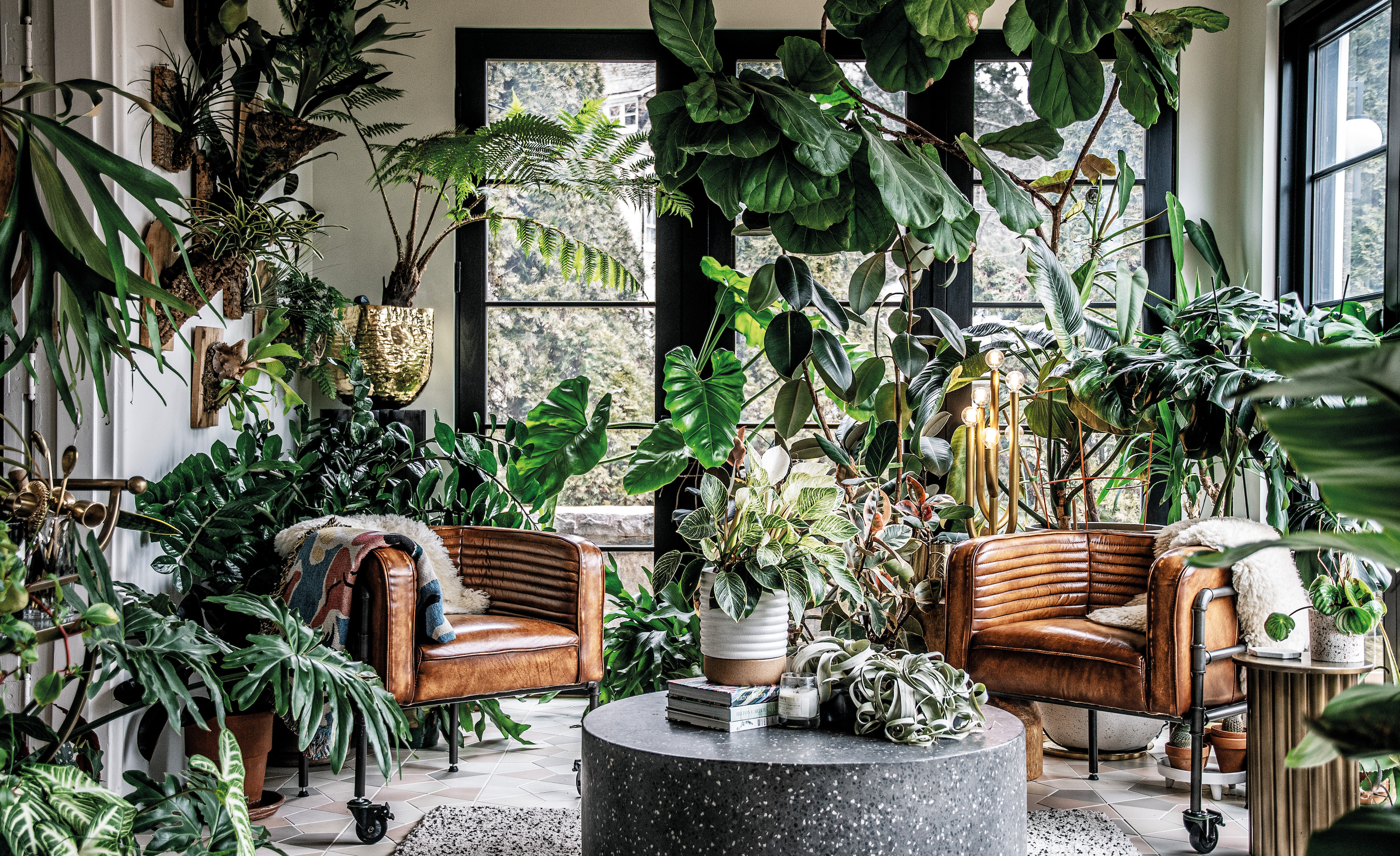
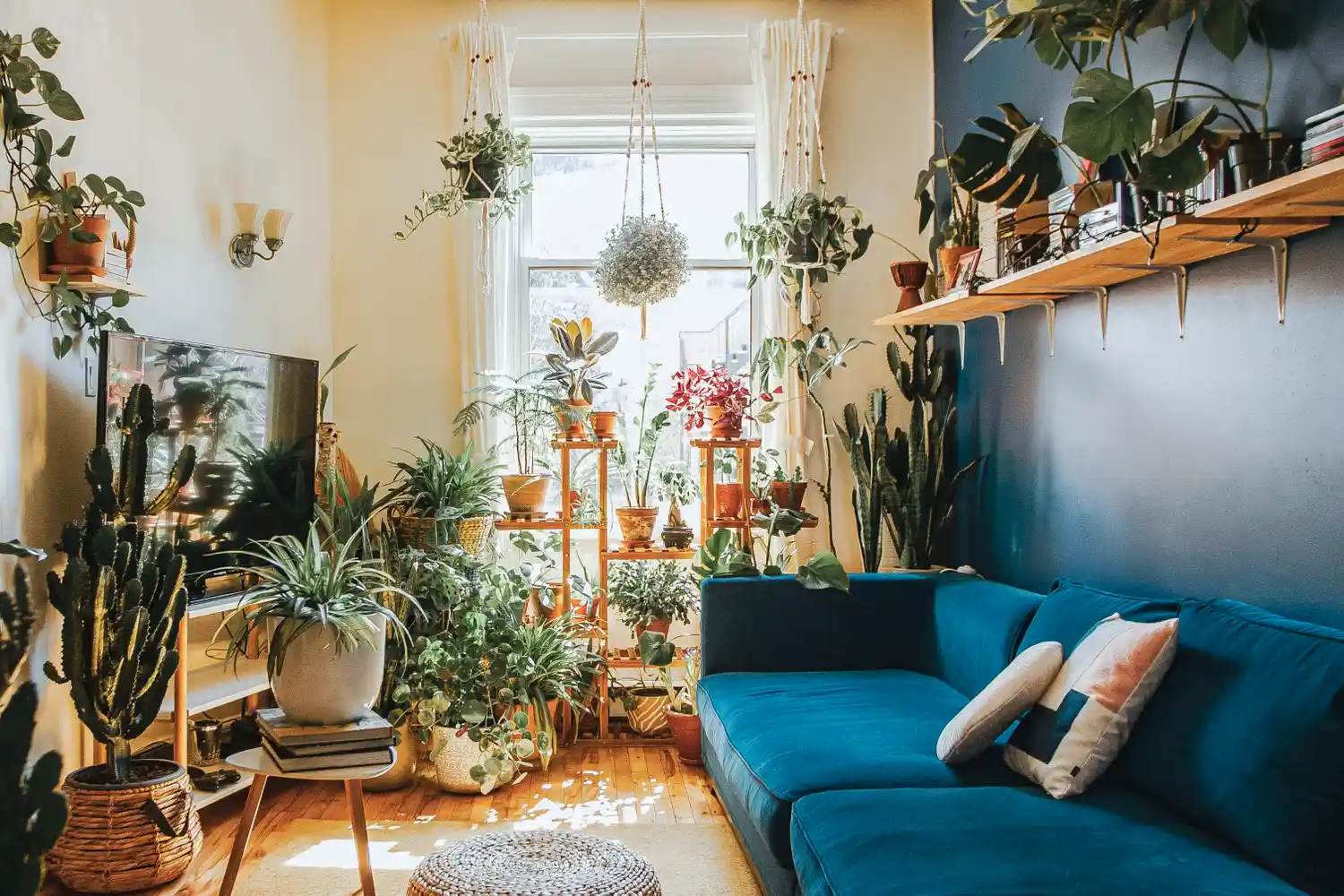
The strategic incorporation of indoor climbing plants can significantly enhance the aesthetic and feel of a home's interior, providing a lush, layered look reminiscent of natural environments. These plants are not only visually appealing but often boast fast growth rates, making them a satisfying addition to any indoor garden. This article highlights ten distinct varieties of indoor climbing plants, offering detailed insights into their characteristics, care requirements, and why they are recommended by horticulture experts.
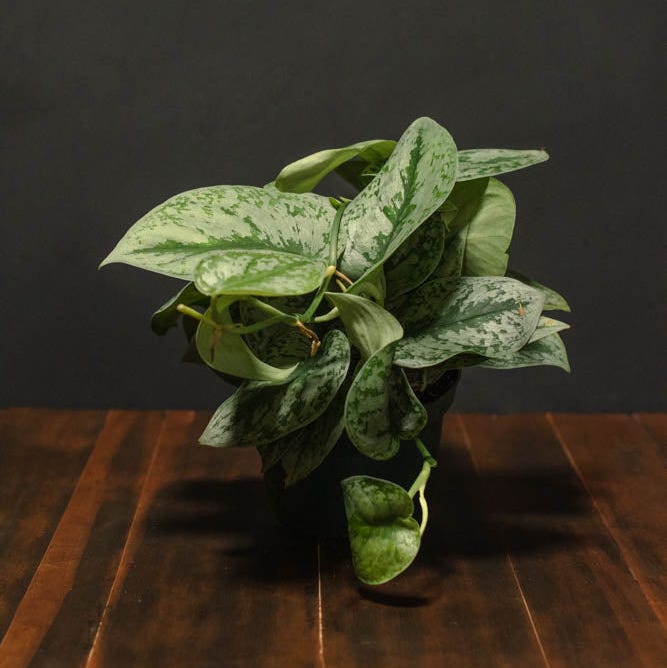
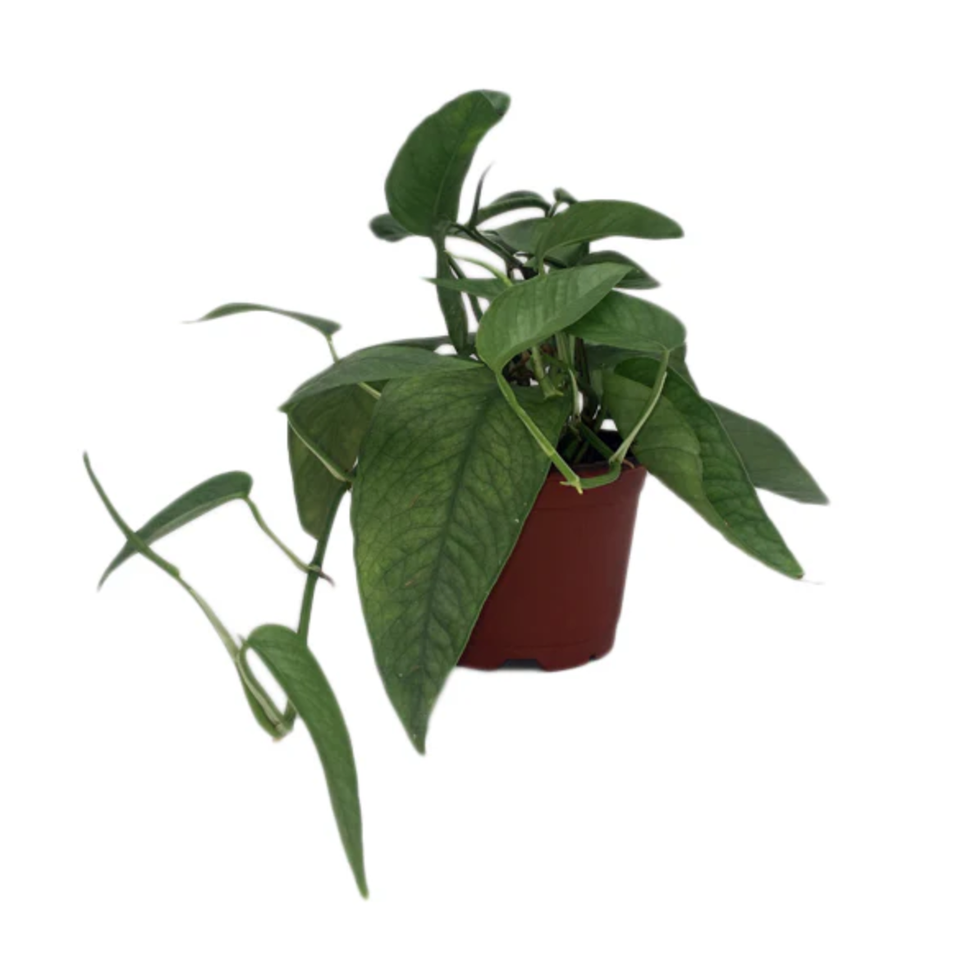
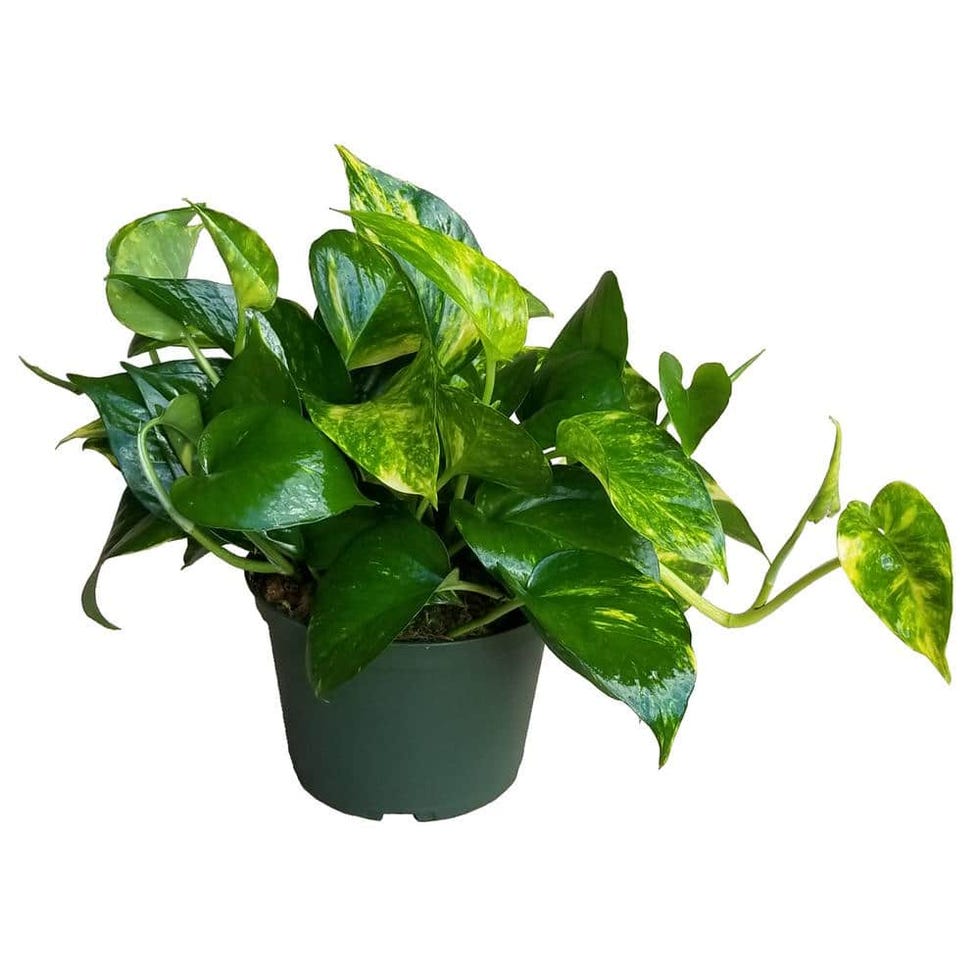
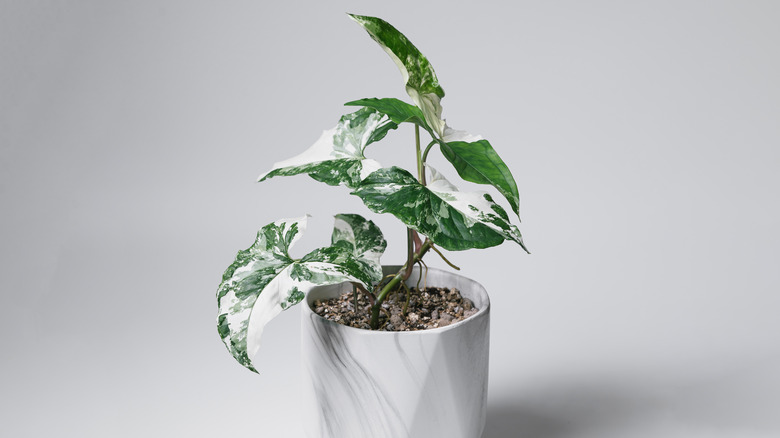
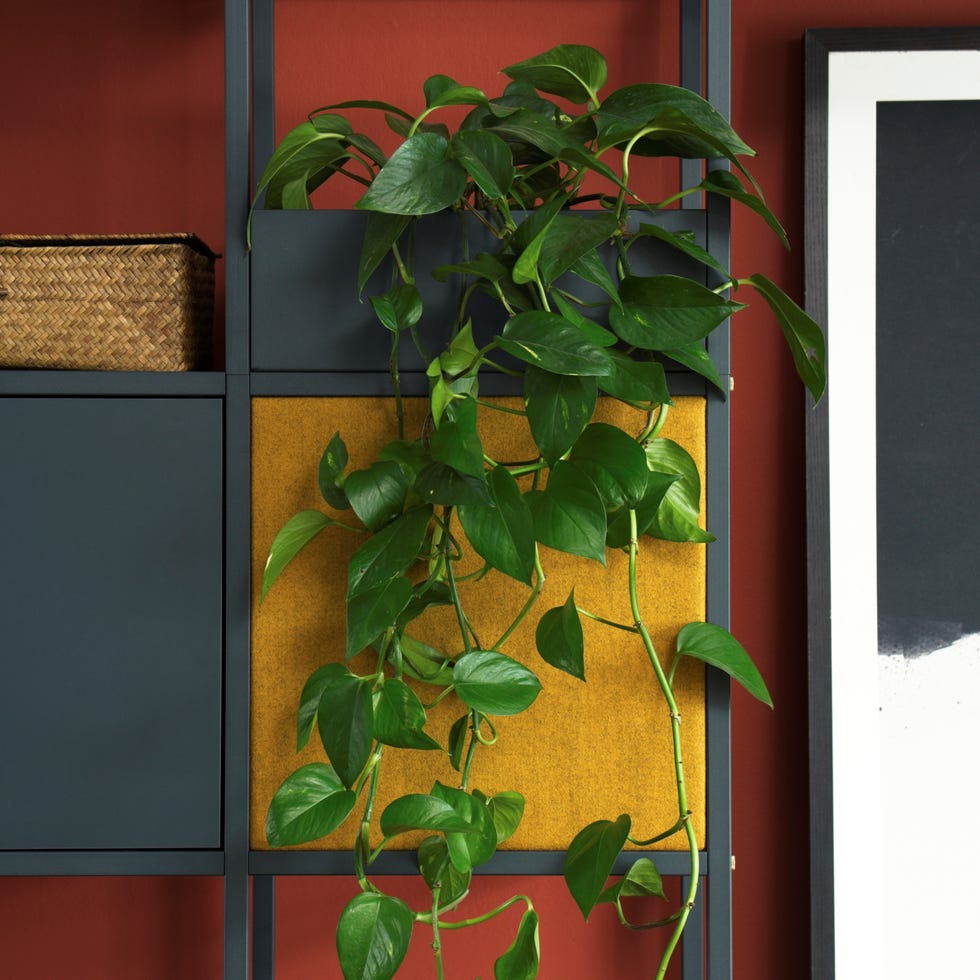
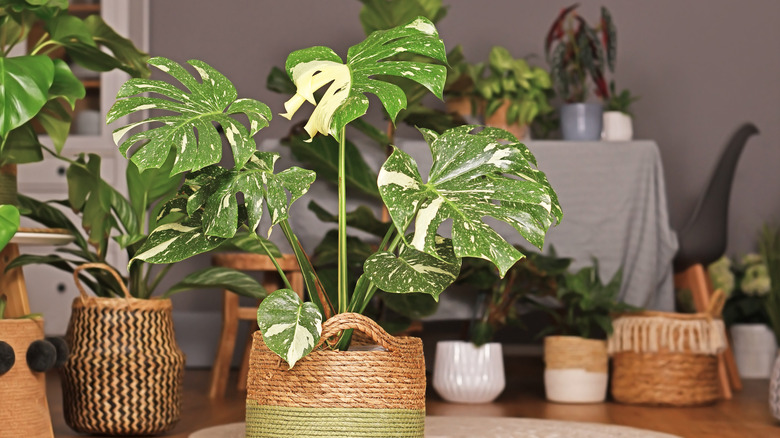
The Albo Pothos, a cultivar of the popular Pothos, stands out with its striking white-variegated leaves that develop unique slits and fenestrations as it matures. It is appreciated for its low-maintenance nature, similar to regular Pothos varieties, but with a more dramatic visual impact. Horticulturist Justin Hancock notes its preference for climbing on supports like moss poles or wood planks. Another Pothos variety, the Cebu Blue Pothos, is recognized for its silvery-grey leaves that can also develop Monstera-like slits when allowed to climb vertically. This plant is known for its adaptability to various conditions, making it suitable for both novice and experienced plant enthusiasts.
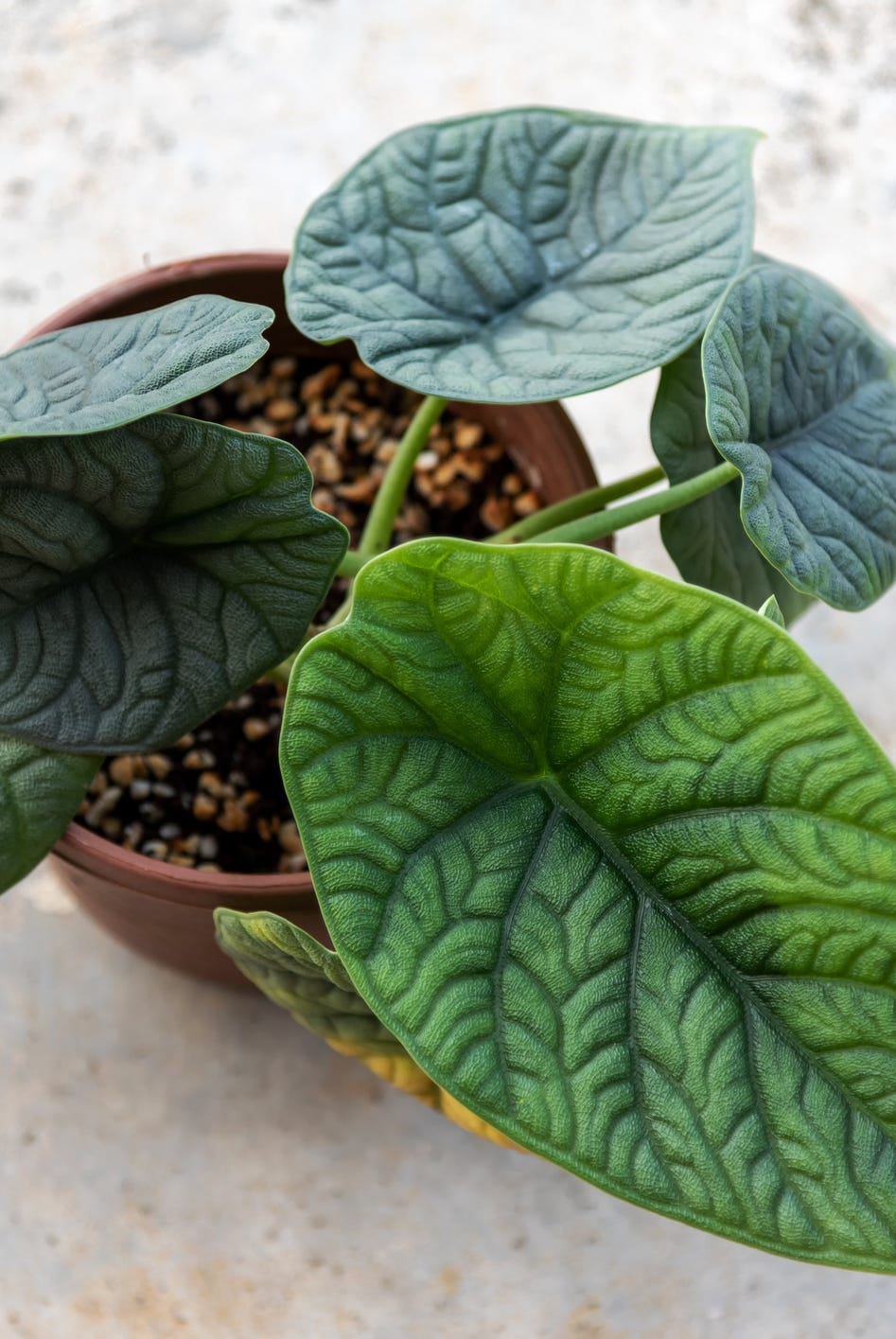
The Peru Monstera, also referred to as Green Galaxy Monstera, is distinguished by its textured, emerald-green foliage. While a slower grower compared to some Pothos and Philodendron types, it can reach considerable lengths indoors and requires adequate support. The Little Swiss Monstera, a smaller relative of the common Monstera Deliciosa, features attractive arrow-shaped leaves with characteristic holes and exhibits a medium to fast growth rate, benefiting from a support pole. This plant is sensitive to overwatering, emphasizing the importance of allowing the topsoil to dry between waterings.
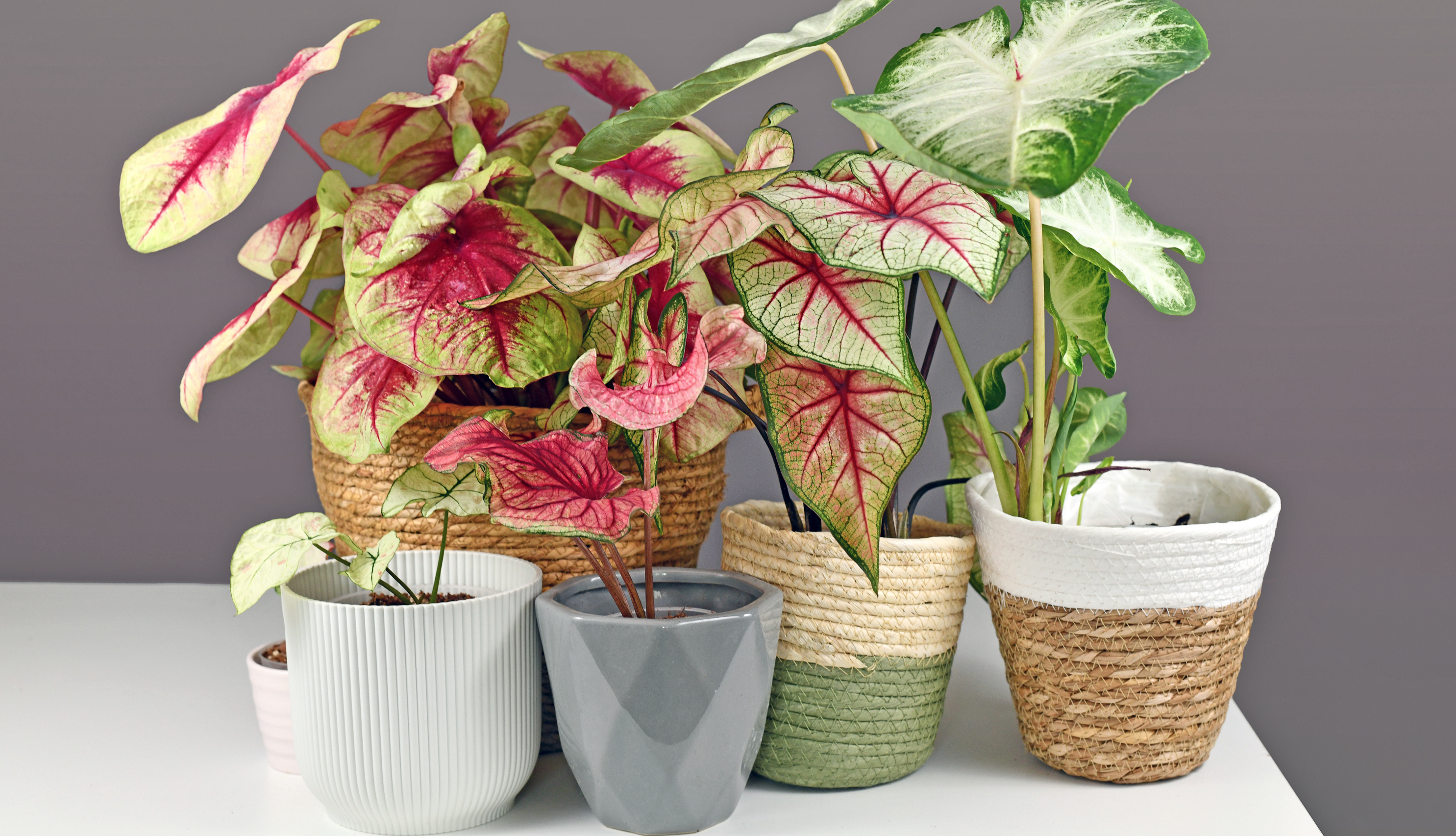
Arrowheads (Syngoniums) are tropical aroids celebrated for their arrow-shaped, often uniquely patterned leaves, including pink variations. Although typically grown in hanging baskets, they can be trained to climb. Plant expert Paris Lalicata advises placing them in bright, indirect light and using a well-draining potting mix, with watering only when the soil has dried out. The Wax plant (Hoya Carnosa) offers both thick, waxy leaves and clusters of fragrant, star-shaped flowers, providing more than just foliage. This non-toxic, pet-friendly plant thrives in medium-bright indirect light and tolerates drought conditions, requiring water only when the soil is completely dry.
Jasmine (Jasminum polyanthum) is a fragrant climber that can flourish indoors, producing delicate, star-shaped flowers. It demands bright indirect to direct sunlight and a well-draining potting mix, with consistent watering to prevent it from drying out. Philodendron Brandtianum is admired for its silvery leaf markings and heart-shaped foliage, earning it the moniker of a “designer” plant from stylist Hilton Carter. It prefers consistent temperatures and a well-aerated, moisture-retaining soil mix. Another visually impactful Philodendron, the Melanochrysum, is known for its dark green, velvety leaves, though it is a delicate plant best placed away from direct touch and harsh sunlight. It thrives with a trellis or wooden pole for support and a specific soil mixture.
Finally, Grape Ivy (Cissus rhombifolia) is an easy-to-grow vine with glossy green leaves that can reach significant lengths. It is versatile, capable of climbing with support or trailing elegantly. Lisa Eldred Steinkopf, author of "Houseplants for Beginners," highlights its robust nature and ability to tolerate low-light conditions, though it prefers medium light. This plant requires a peat-based, well-drained potting medium and consistent moisture, without allowing it to sit in water.
In terms of care, supporting structures are crucial for indoor climbing plants, whether moss poles, trellises, or shelving units. Optimal light levels are paramount; even plants labeled for low light will thrive in brighter conditions. Proper watering techniques are also essential, generally meaning watering when the top 25-50% of the potting mix feels dry, and avoiding overwatering. Additionally, protecting these plants from extreme temperature drafts is important for their overall health and vigorous growth.
#IndoorClimbingPlants #HouseplantCare #HomeDecor #PlantStyling #PothosVarieties #MonsteraPlants #PhilodendronSpecies #FragrantVines #BiophilicDesign #IndoorClimbingPlants #HouseplantCare #HomeDecor #PlantStyling #PothosVarieties #MonsteraPlants #PhilodendronSpecies #FragrantVines #BiophilicDesign
0 comment in total
 No comments yet
You may also like
Transform Your Space With Any of These Gorgeous Tall Indoor Plants

The best indoor plant stands to elevate your space
36 best indoor plants that will liven up any room
10 Climbing Plants That Will Cover Fences In A Flash

5 Tall Indoor Plants That Make Such an Impact in Your Home

Indoor Vines Are the Decor You Didn't Know You Needed

10 Climbing Plants That Can Secretly Damage Your Home

15 Variegated Plants To Spruce Up Your Indoor Spaces

10 Must-Have Indoor Plants To Liven Up Your Entryway

Plant Style: Elevate Your Decor with Indoor Plants
10 colorful indoor plants to give you a beautiful kaleidoscope of joy
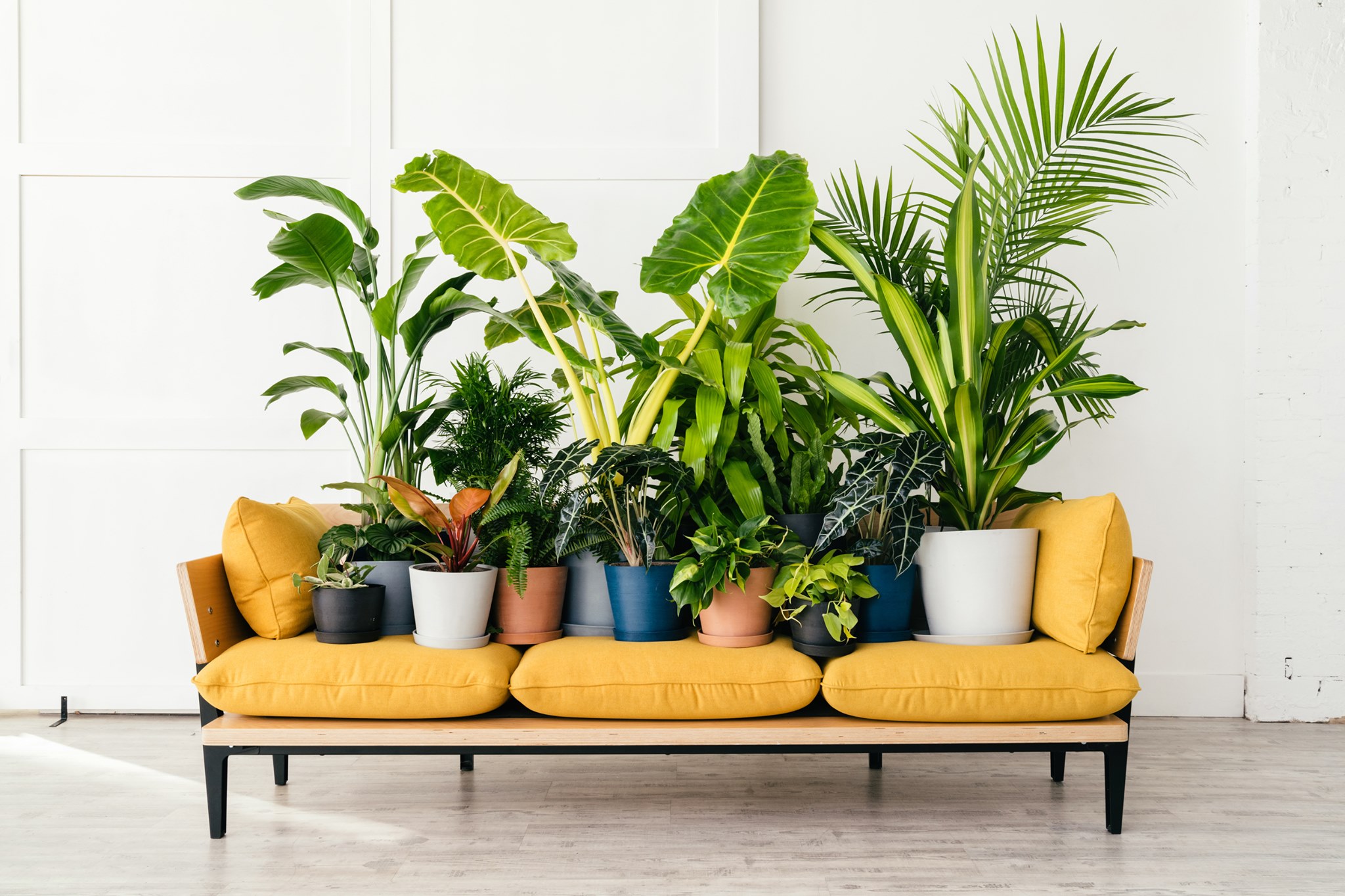
Best indoor plants: the best house plants for stylish greenery

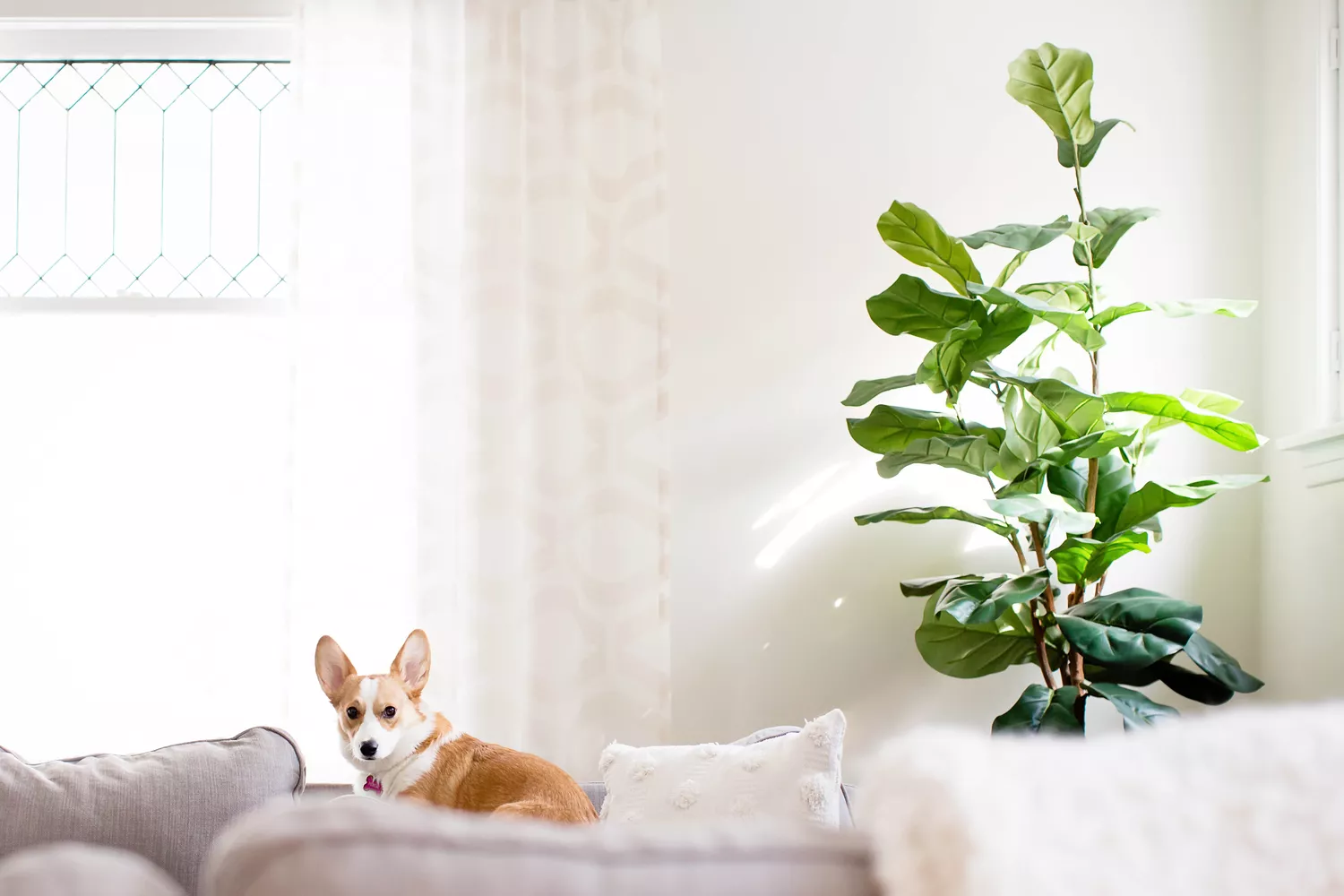
9 Tall Houseplants That Will Add Drama to Your Interior
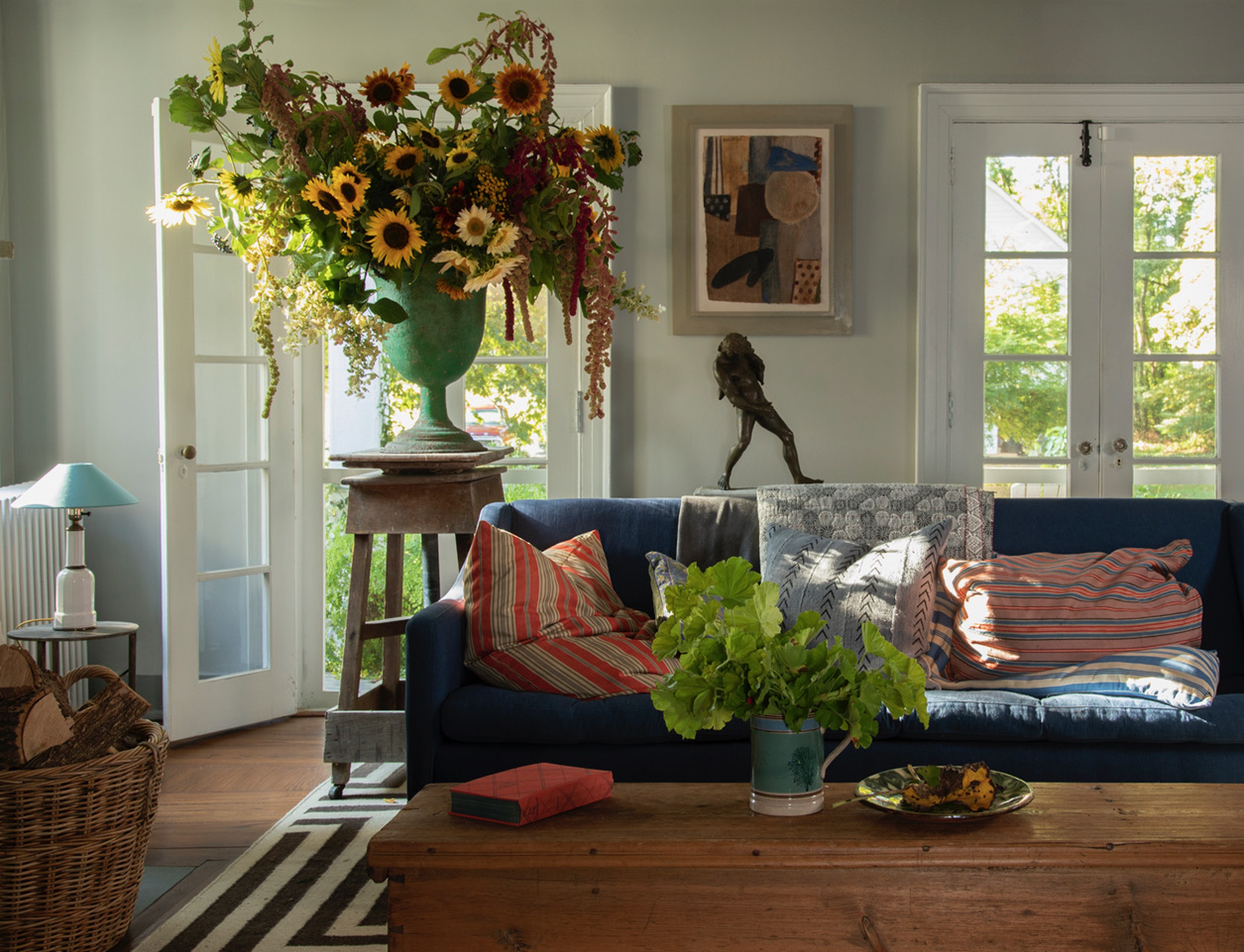
The Art of Decorating with Flowers — 10 Ideas for Elevating Your Home with Blooms
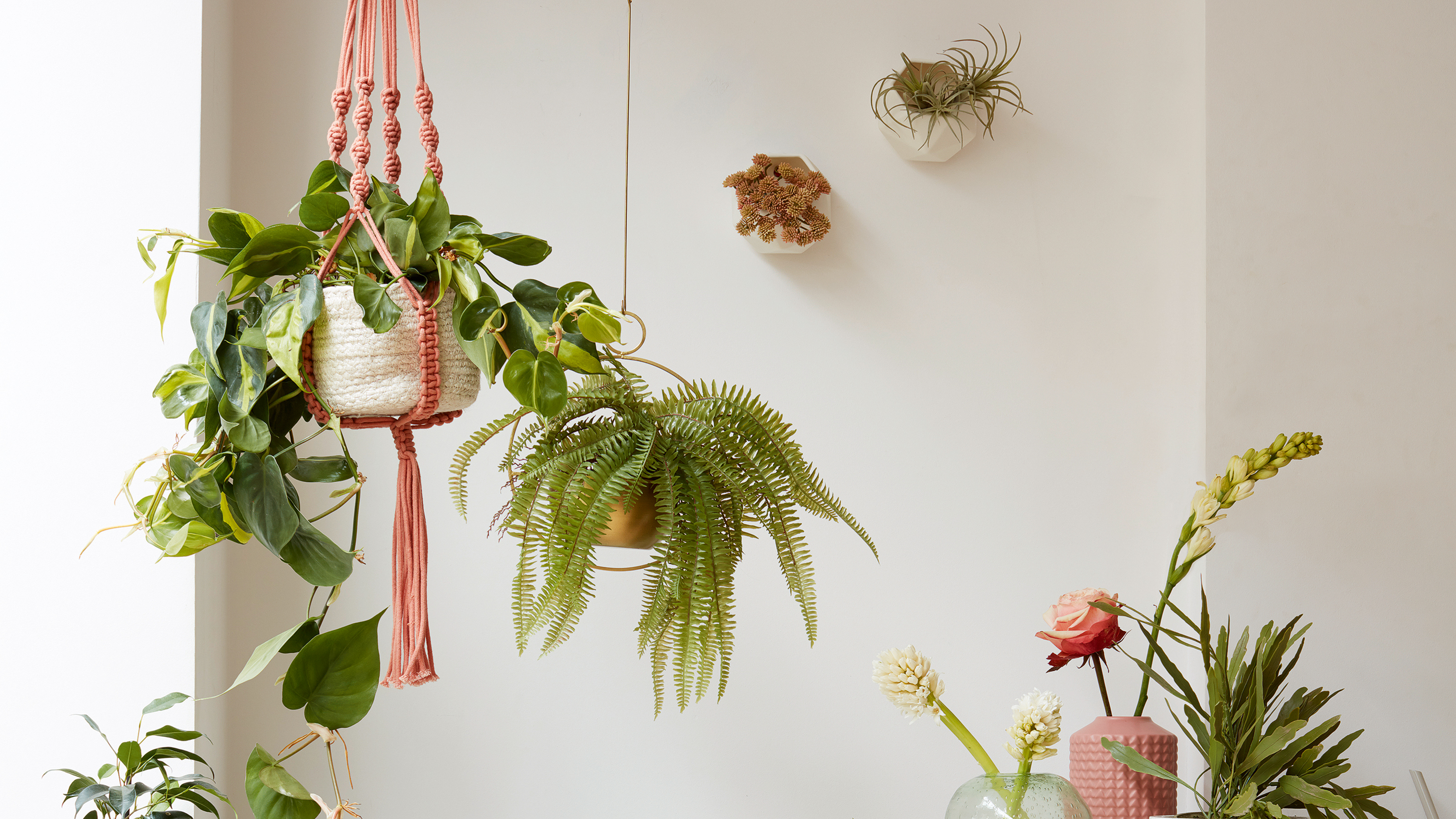
Bedroom plant ideas – 10 ways to use plants to give your boudoir an instant lift
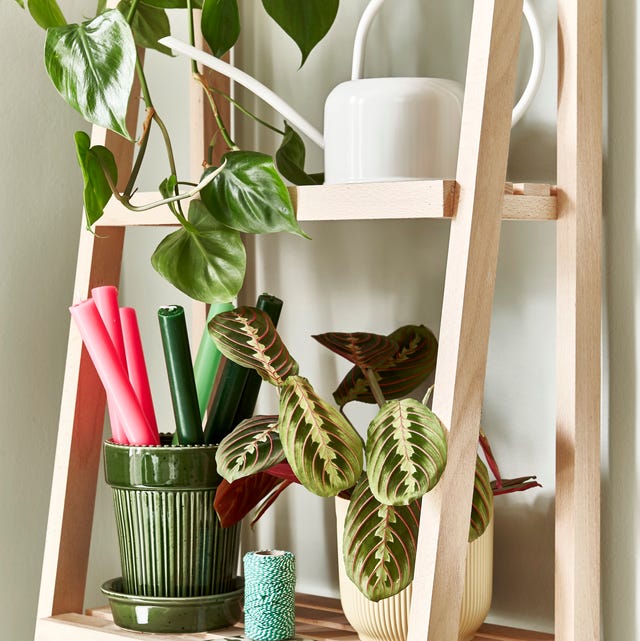
The power of greenery! 5 ways that houseplants can elevate your interior
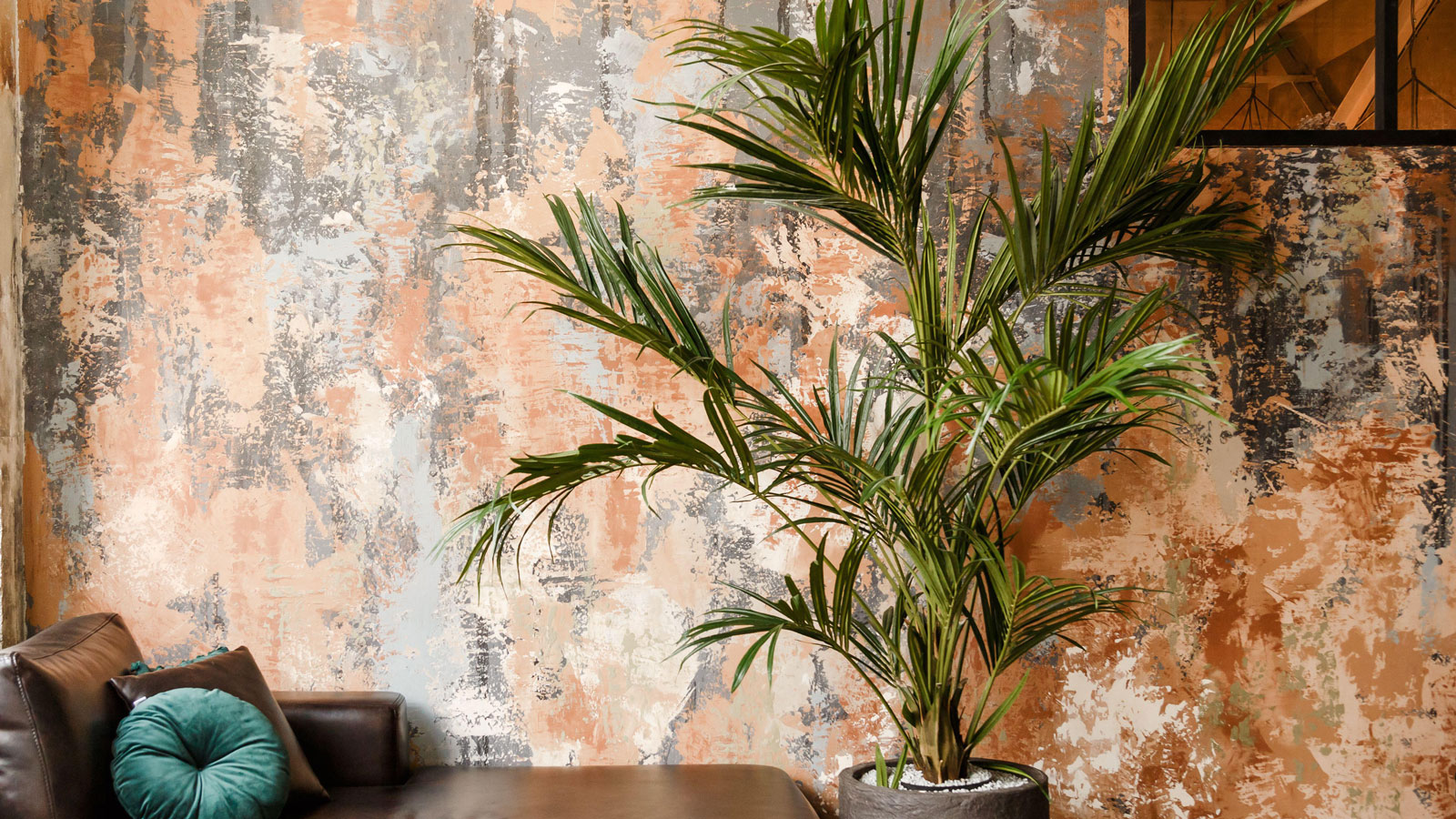
Best tall indoor plants – 10 statement plants, chosen by houseplant experts

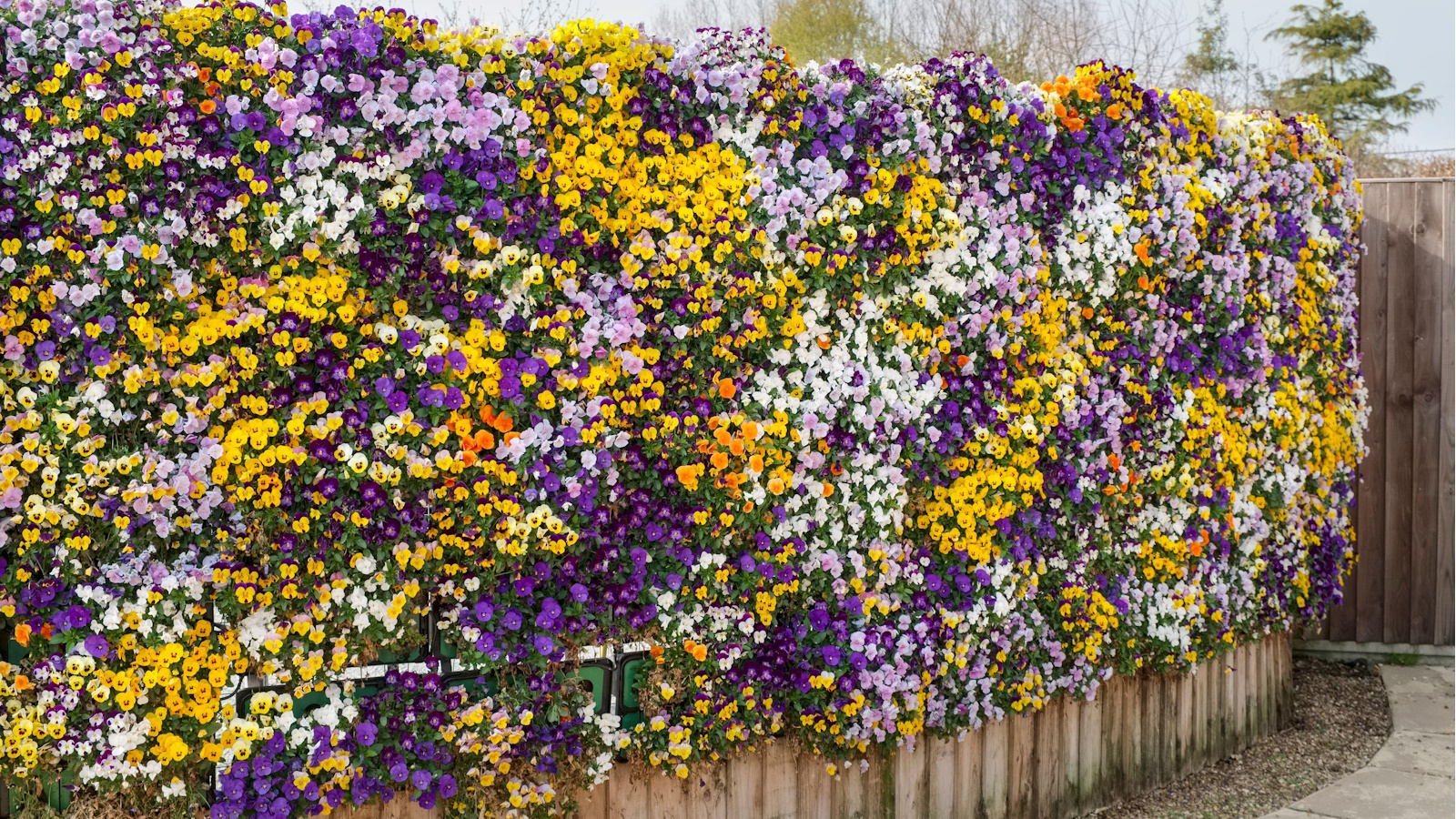
Best plants for a flowering living wall – 5 vertical blooms for a beautiful garden feature
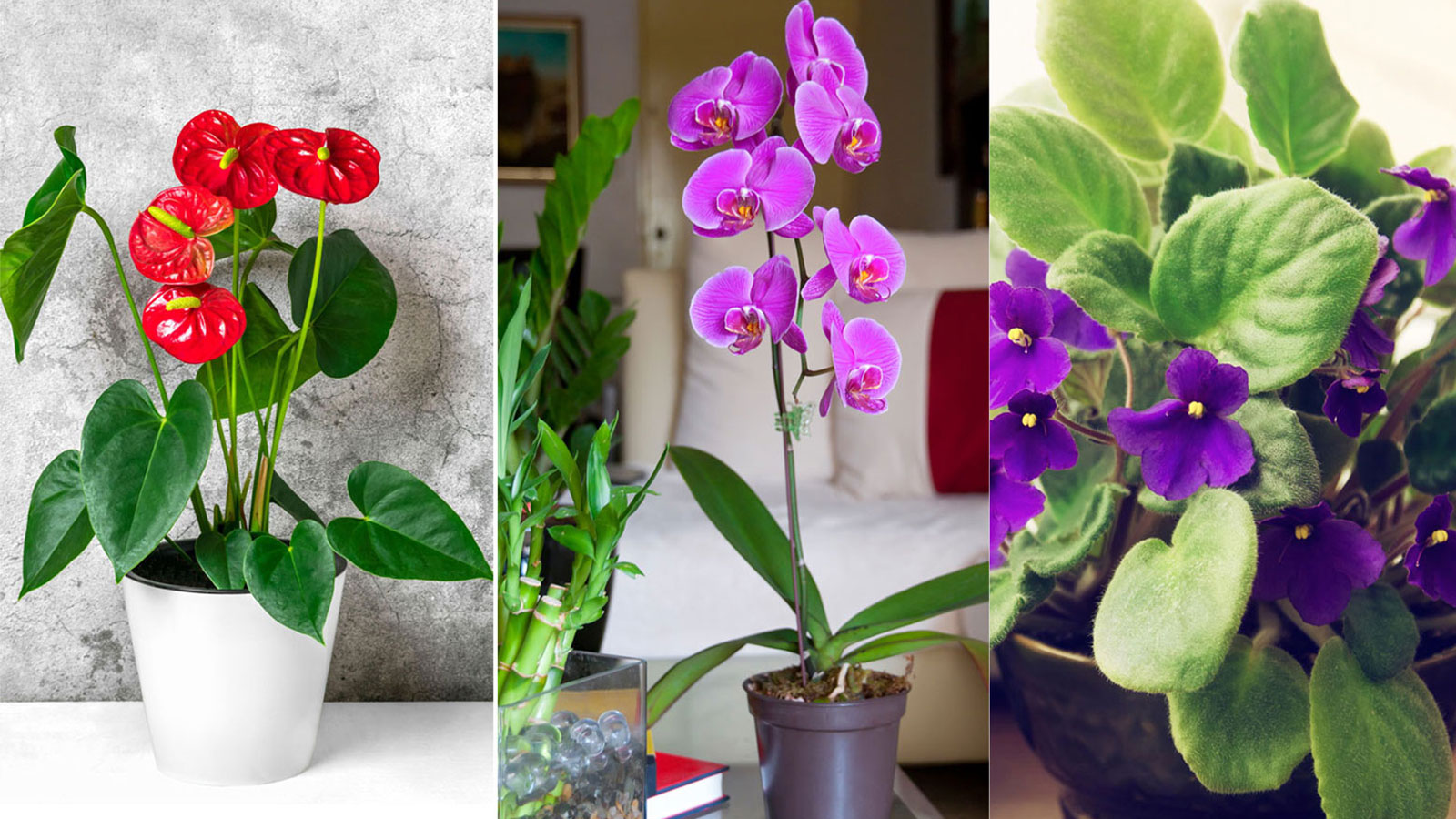
10 indoor plants that flower all year round – choose from our expert recommendations for non-stop blooms
The 18 Best Houseplants to Instantly Give Your Living Room a Style Upgrade