10 Climbing Plants That Will Cover Fences In A Flash
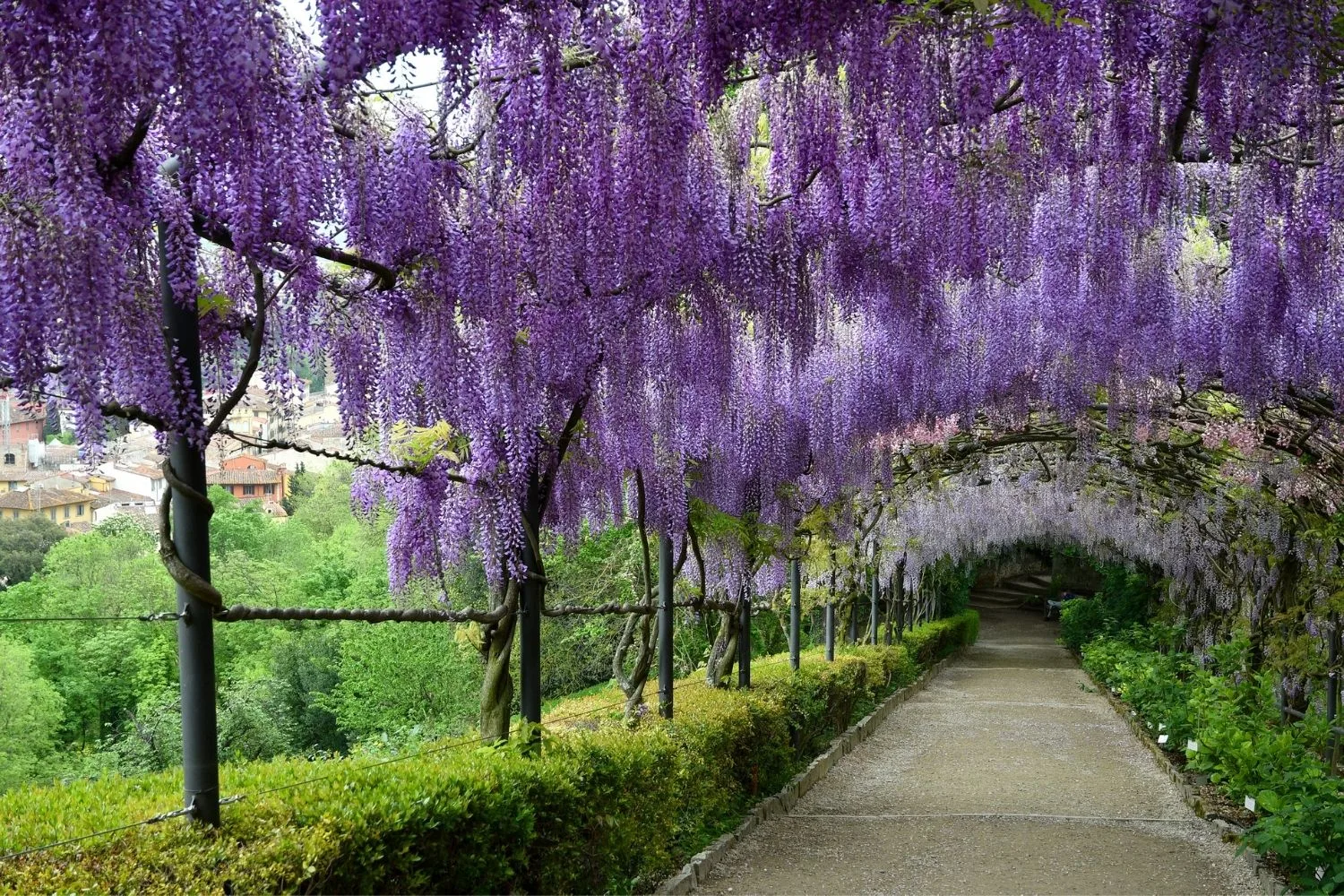
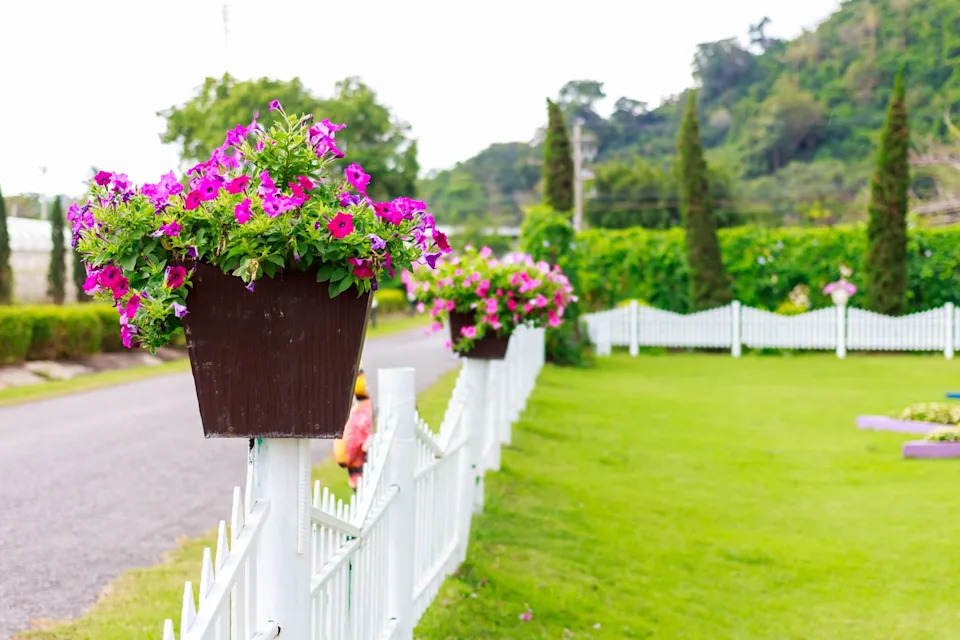
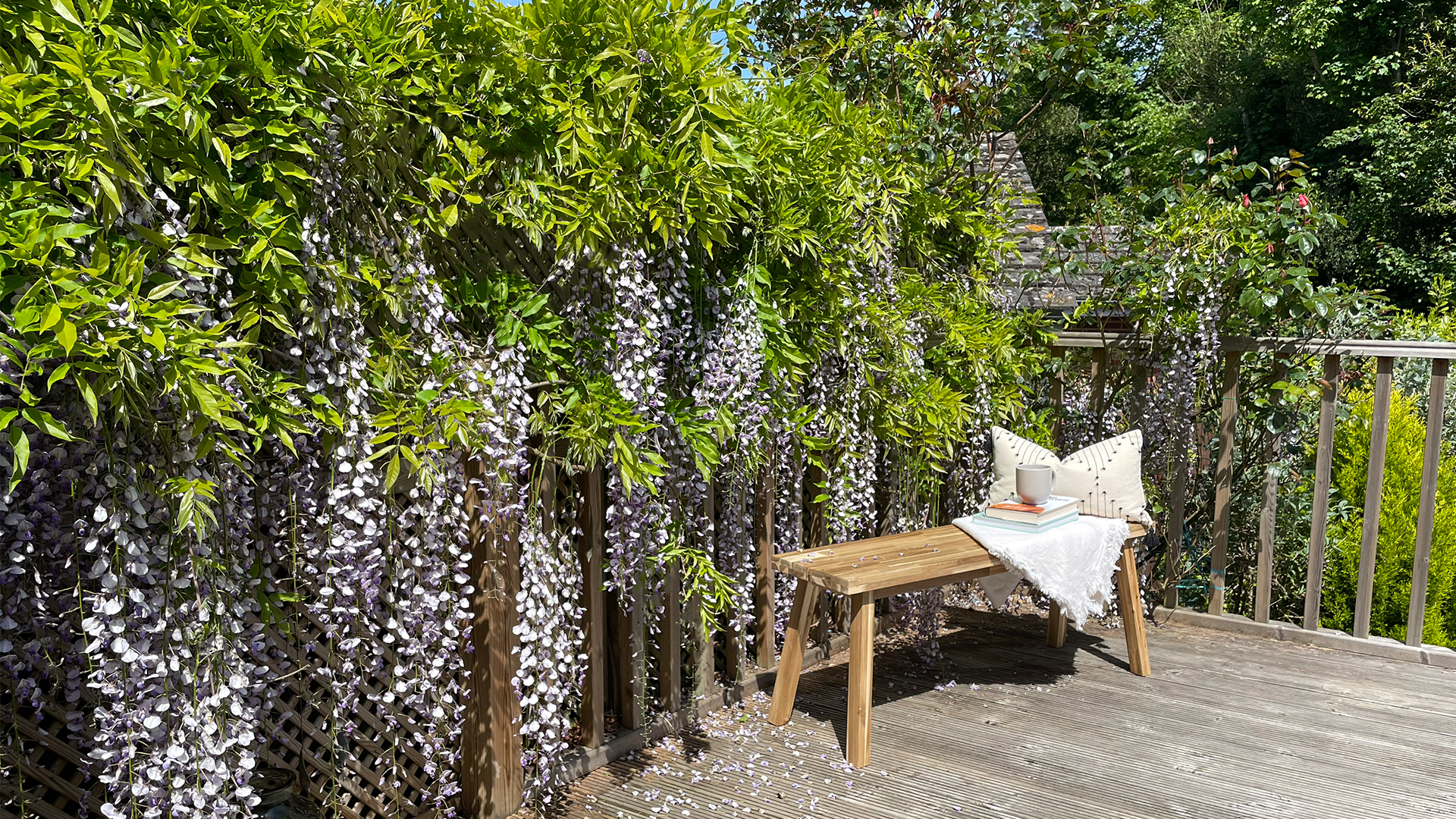
Fences, with their strong lines and solid structure, offer an ideal canvas for incorporating vining and climbing plants, which can significantly enhance a garden's aesthetic by adding dimension and vertical movement. These plants help break up the uniformity of fence lines, creating a more dynamic and visually appealing outdoor space. The selection of climbing plants often depends on the type of fence and the desired design outcome. For instance, delicate climbers are suitable for white picket fences to complement their existing charm, while more robust, dense coverage might be preferred for chain-link fences.
The article highlights ten fast-growing climbing plants suitable for various fence styles and landscaping goals, emphasizing that while many climbing plants can be aggressive, the chosen varieties are manageable for fence growth. Each plant is detailed with its botanical name, sun exposure requirements, soil type and pH preferences, and USDA Plant Hardiness Zone, providing comprehensive guidance for gardeners.
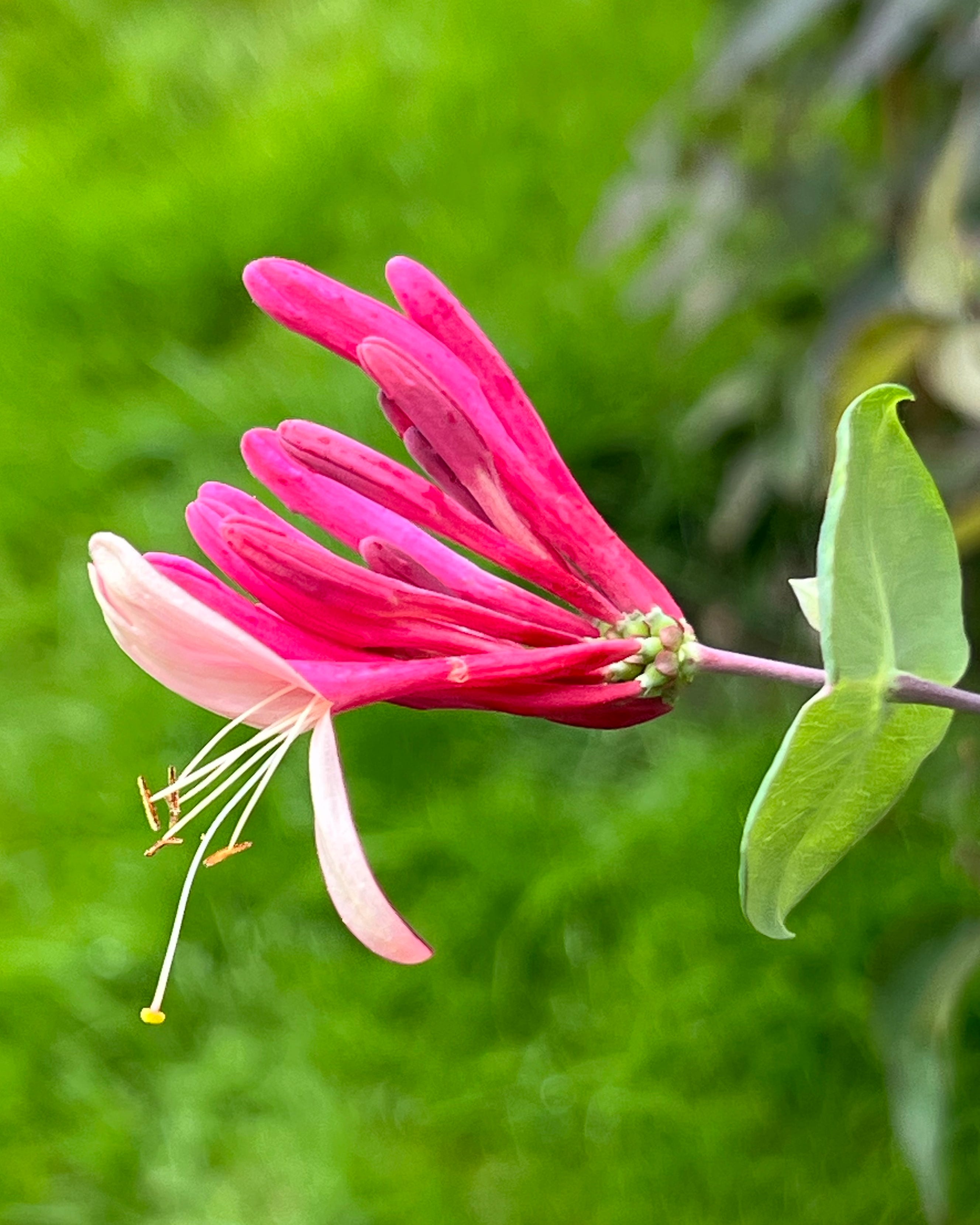
Coral Honeysuckle (_Lonicera sempervirens_) is a native vine known for its trumpet-shaped coral red blooms that attract hummingbirds. It thrives in full sun with average, well-draining soil and is evergreen in warmer climates. Leatherflower (_Clematis viorna_), a native clematis, offers bell-shaped purplish-pink flowers from late spring to fall, supporting diverse wildlife. It prefers partial shade and moist, well-draining soil.
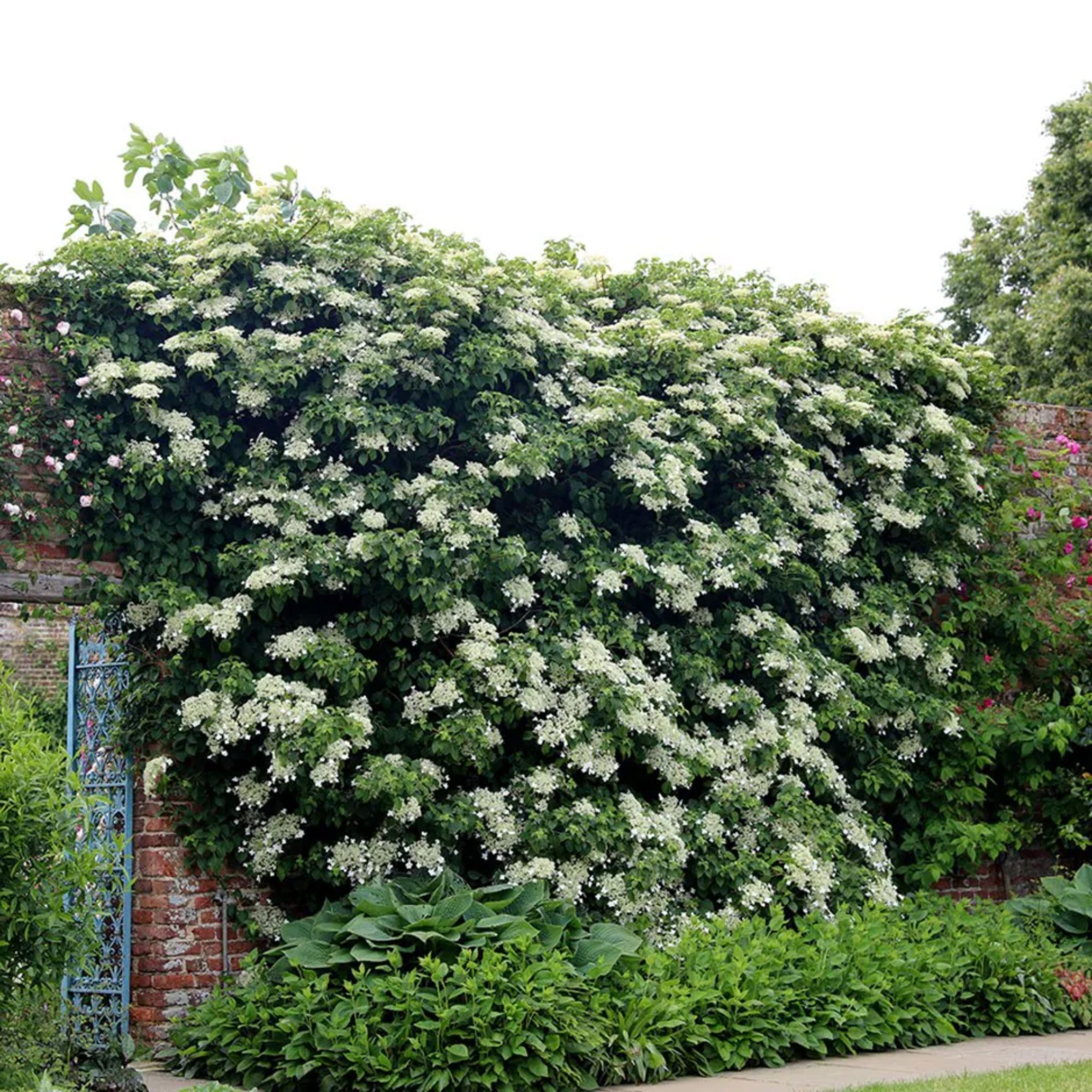
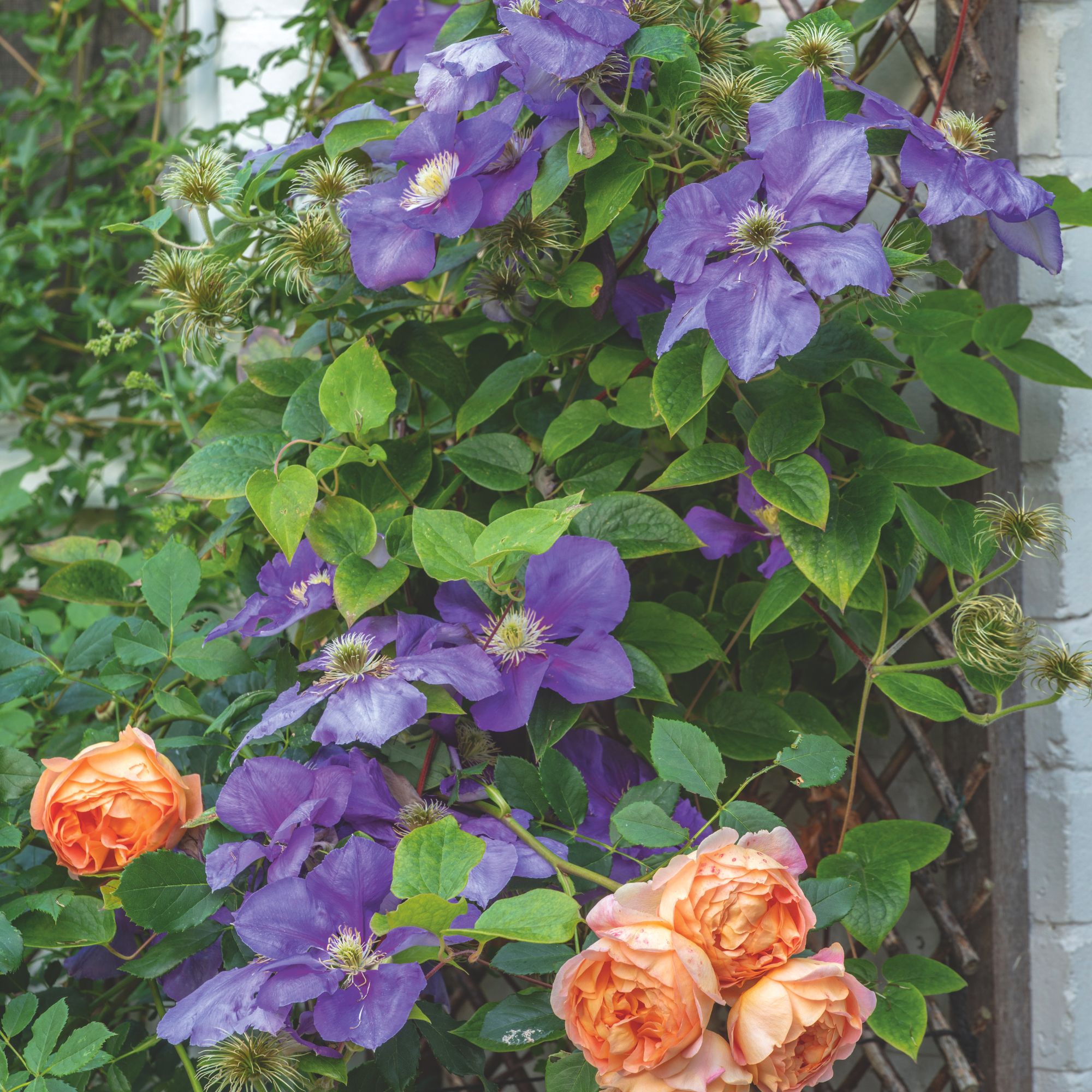
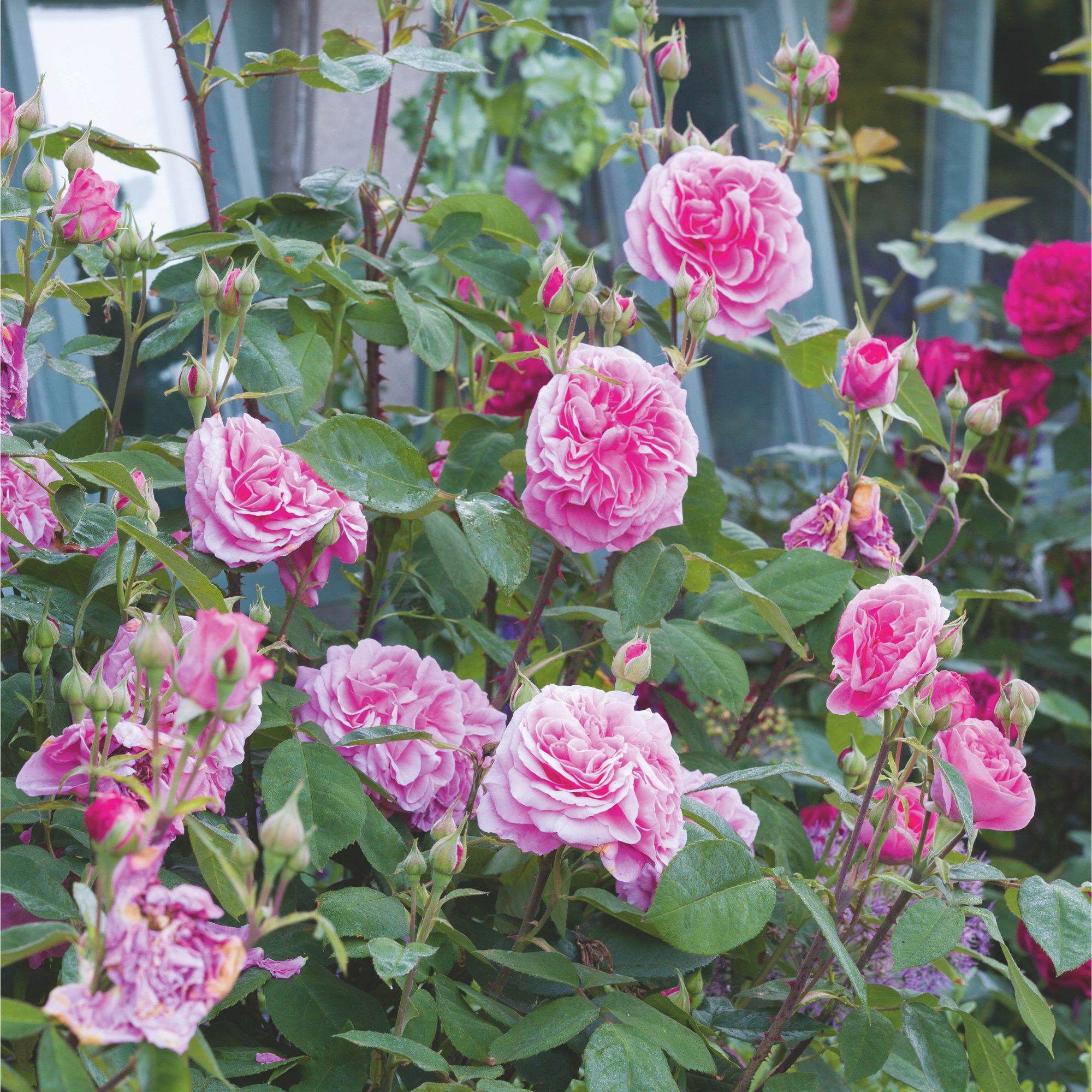
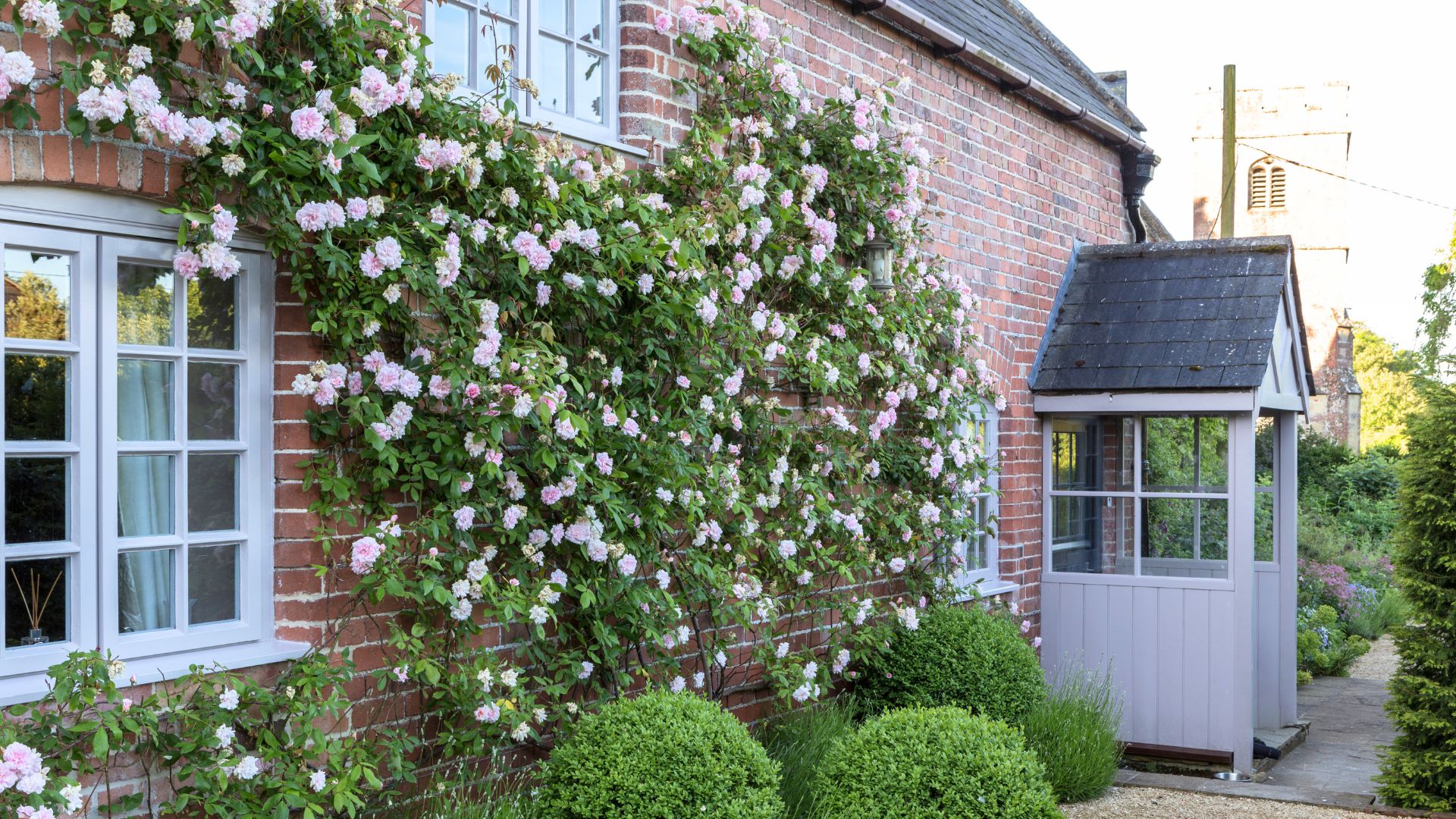
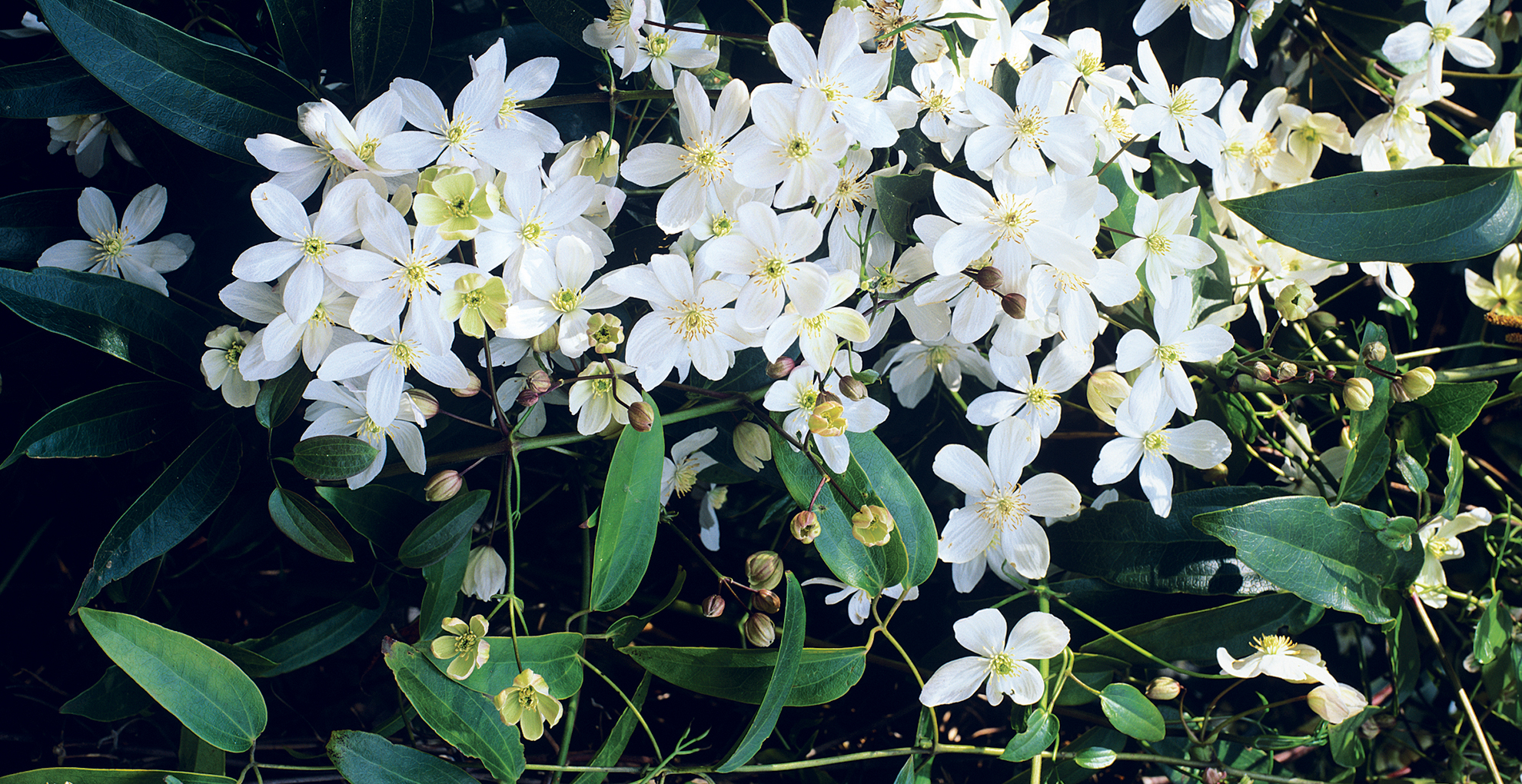
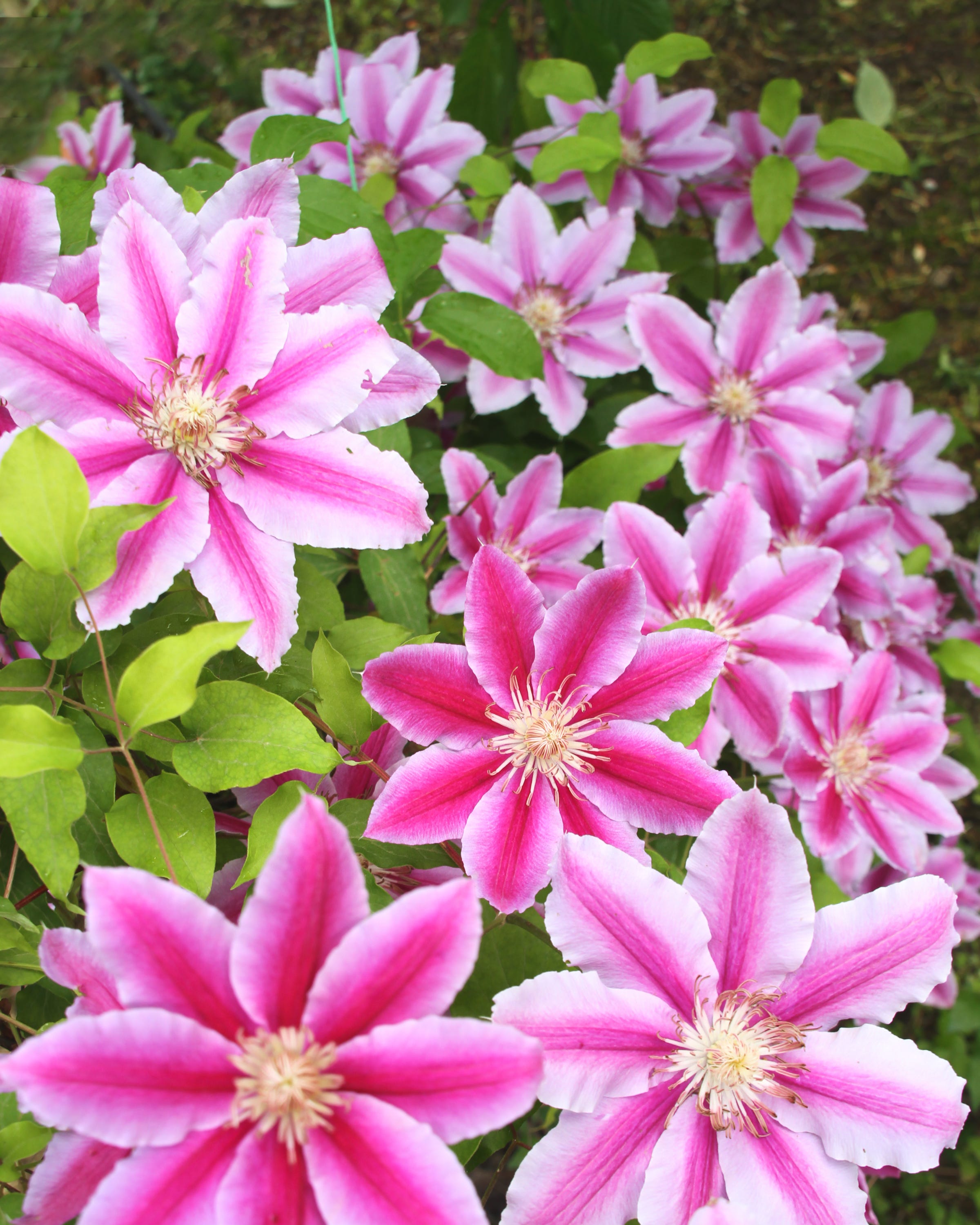
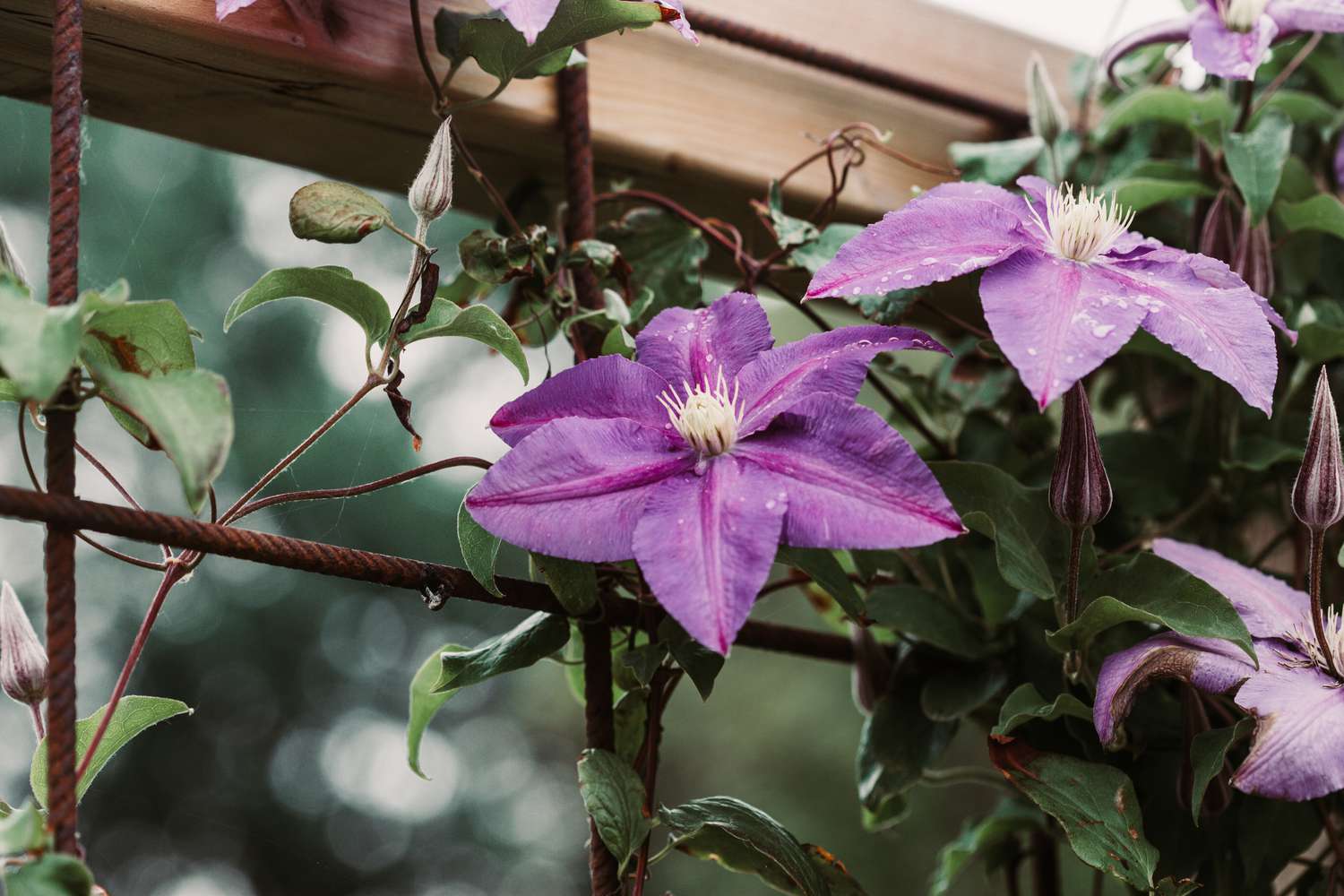
Clematis hybrids are fast-growing with a wide range of colors. They require full sun for their foliage but prefer shaded roots, often achieved by planting them alongside other materials. Climbing roses (_Rosa_ hybrids) are not true vines but produce long canes that can be trained along fences, offering fragrant blooms. They need full sun and rich, well-draining soil.
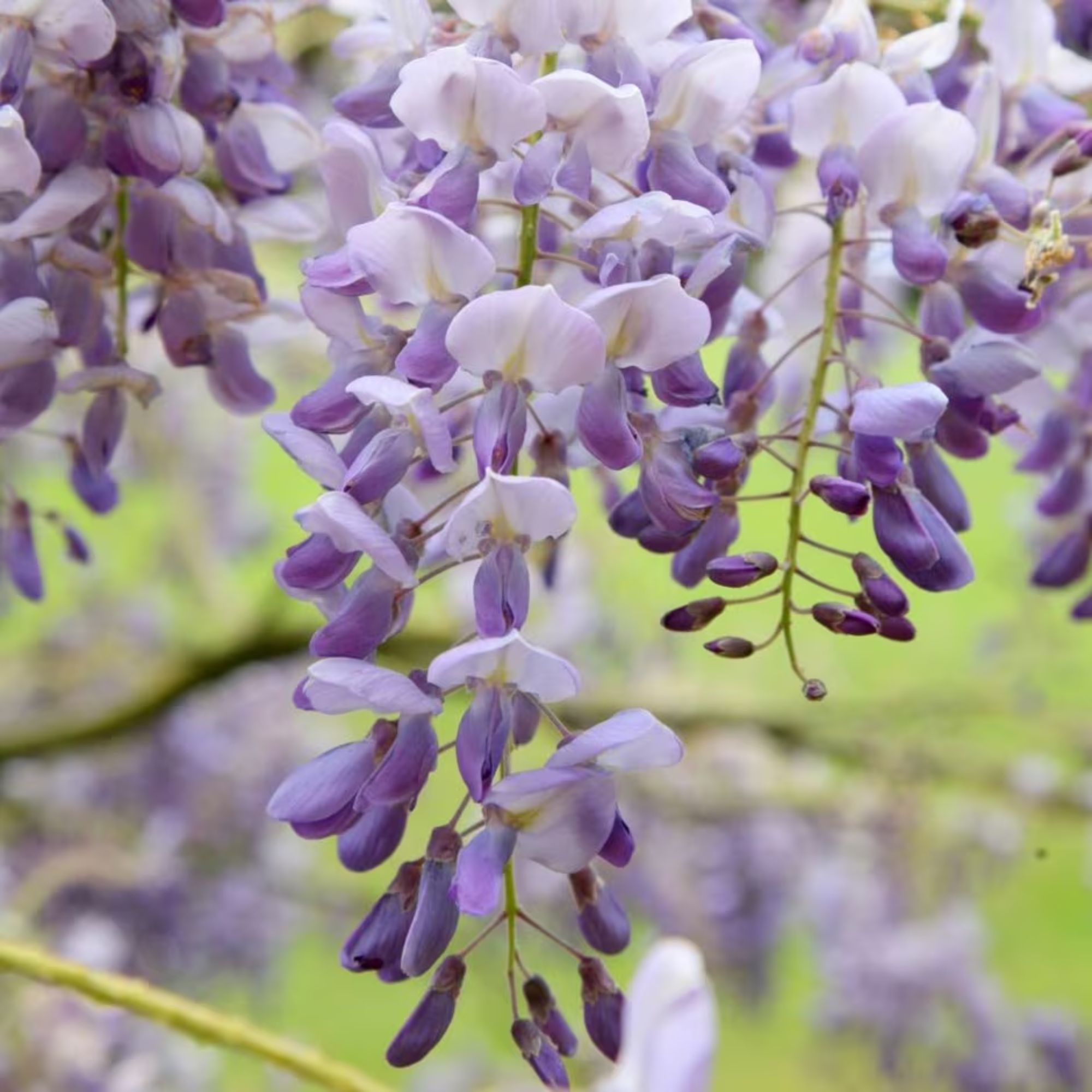
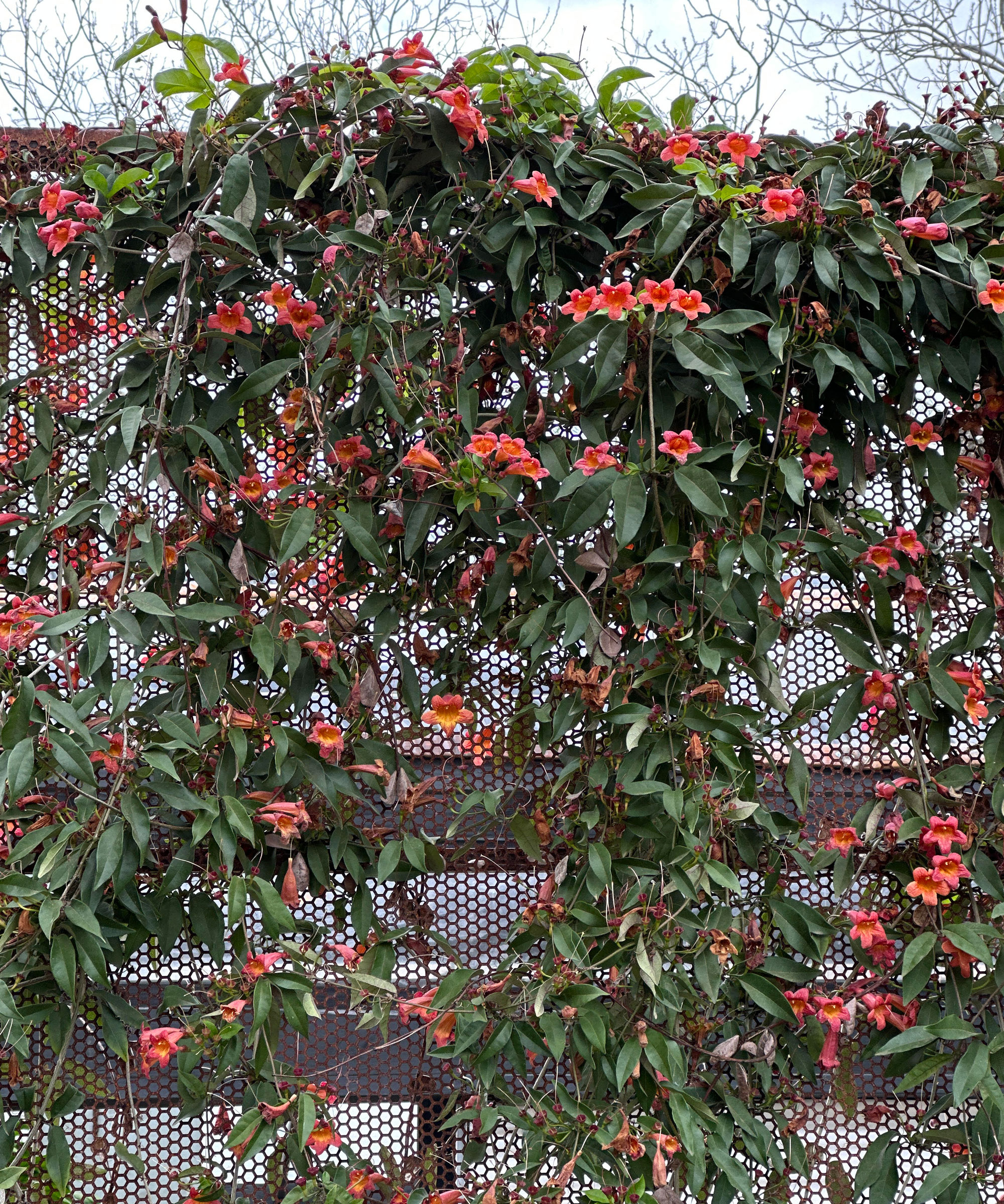
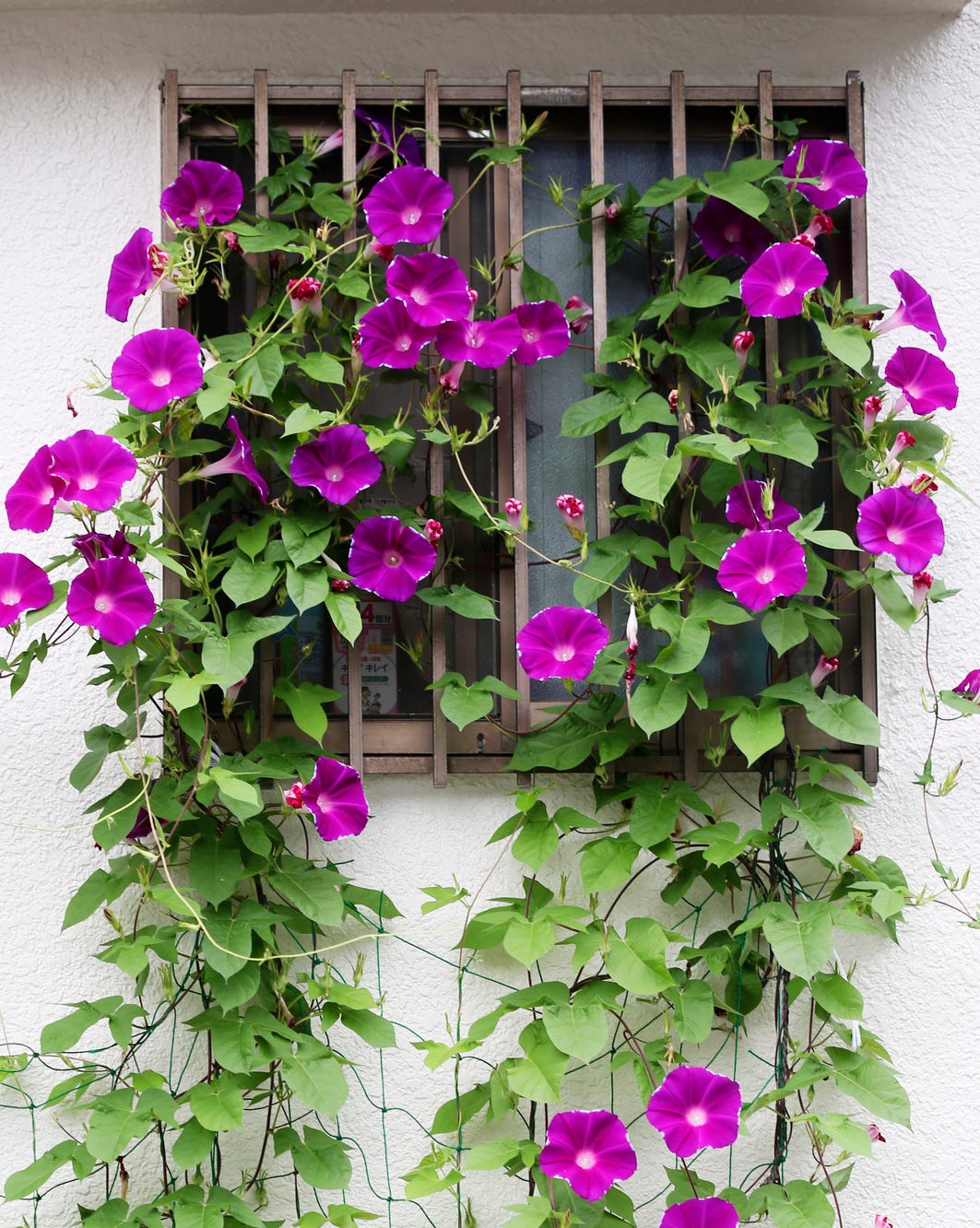
Passionflower (_Passiflora_ spp.) features tropical-looking, fragrant blooms that attract butterflies and produce edible fruits. This aggressive grower can be managed with proper attention and prefers full sun to part shade. Crossvine (_Bignonia capreolata_) is a vigorous native climber ideal for covering large fences, blooming early with orange and yellow trumpet-shaped flowers that attract hummingbirds and butterflies. It tolerates full sun to part shade.
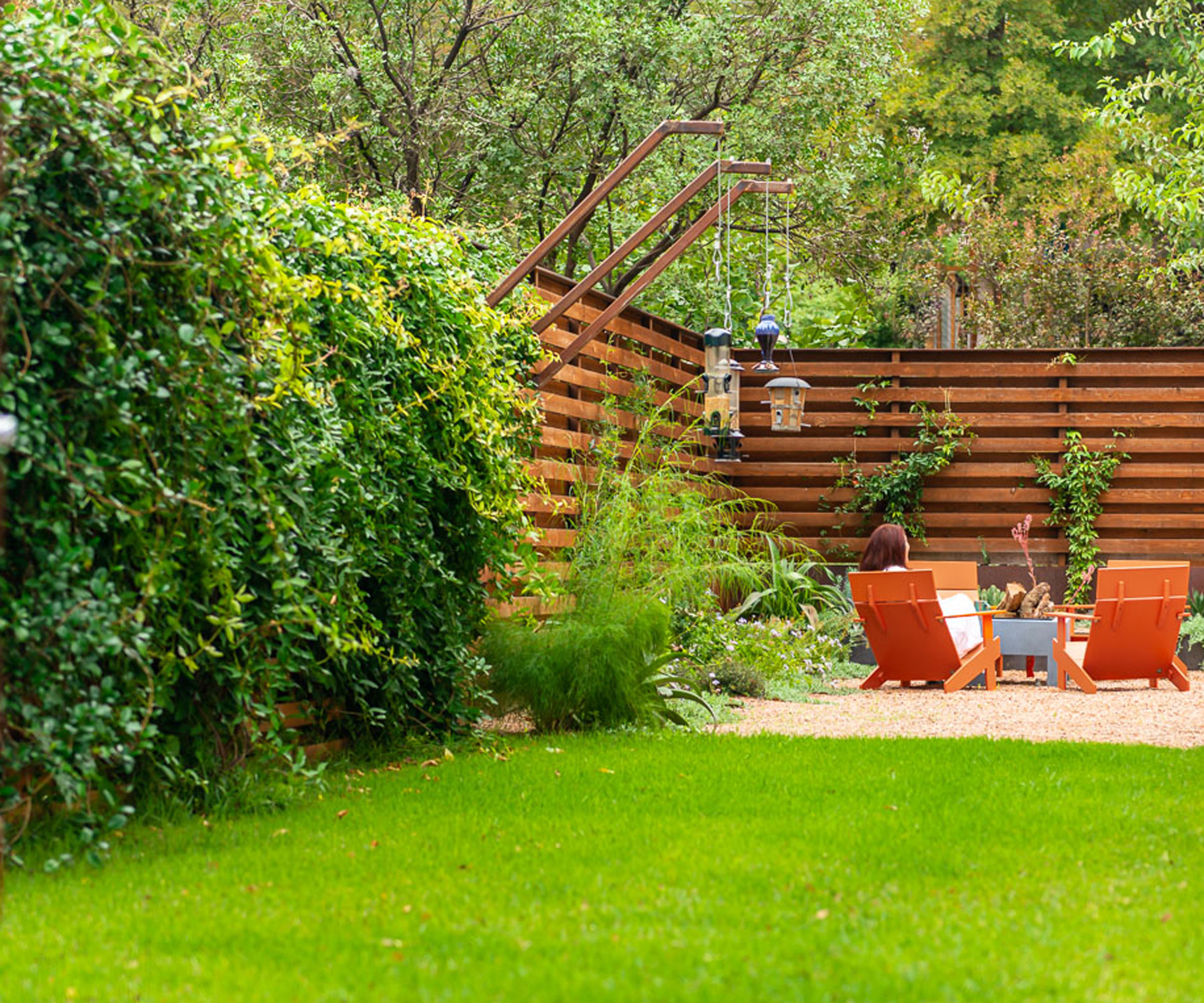
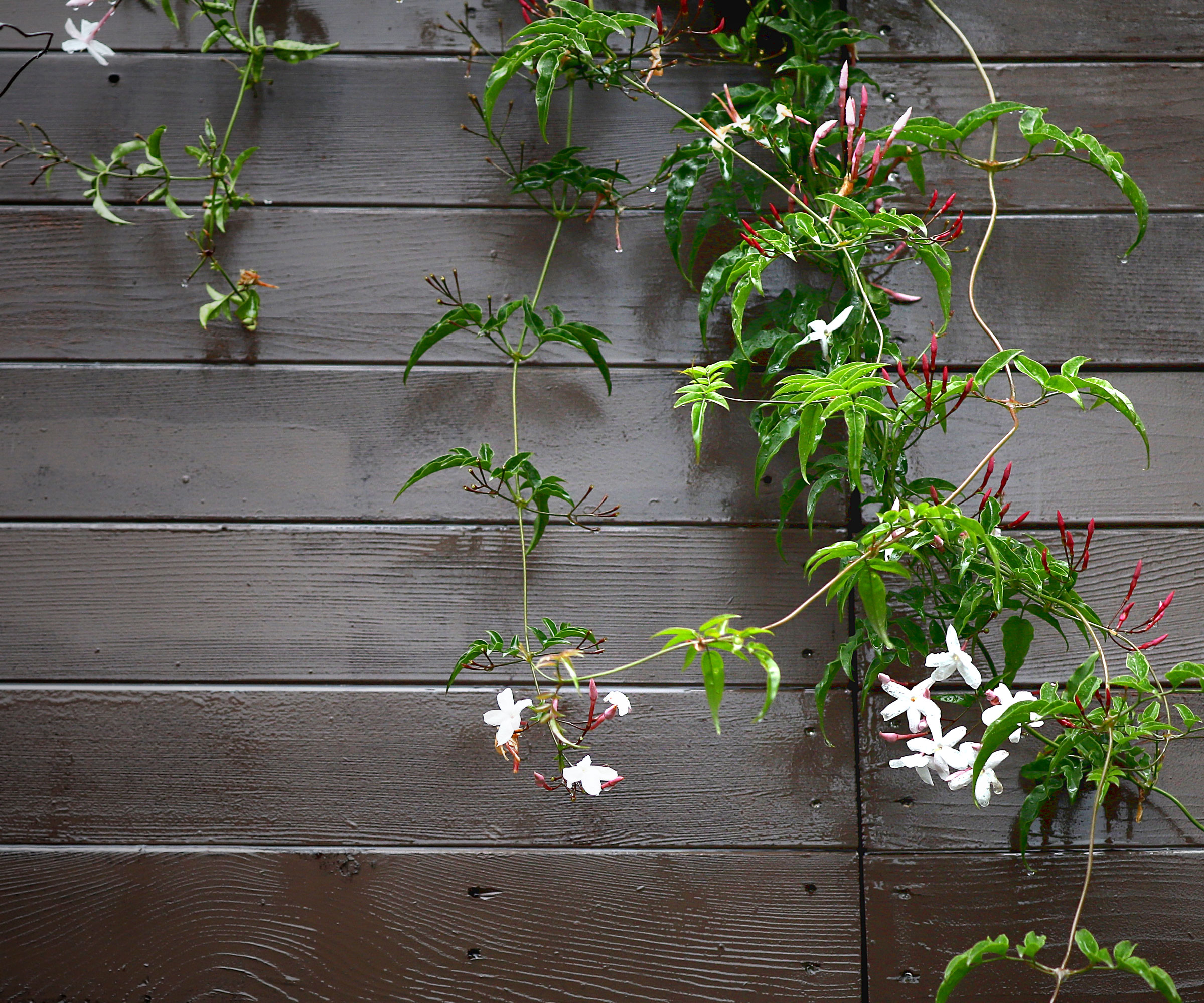
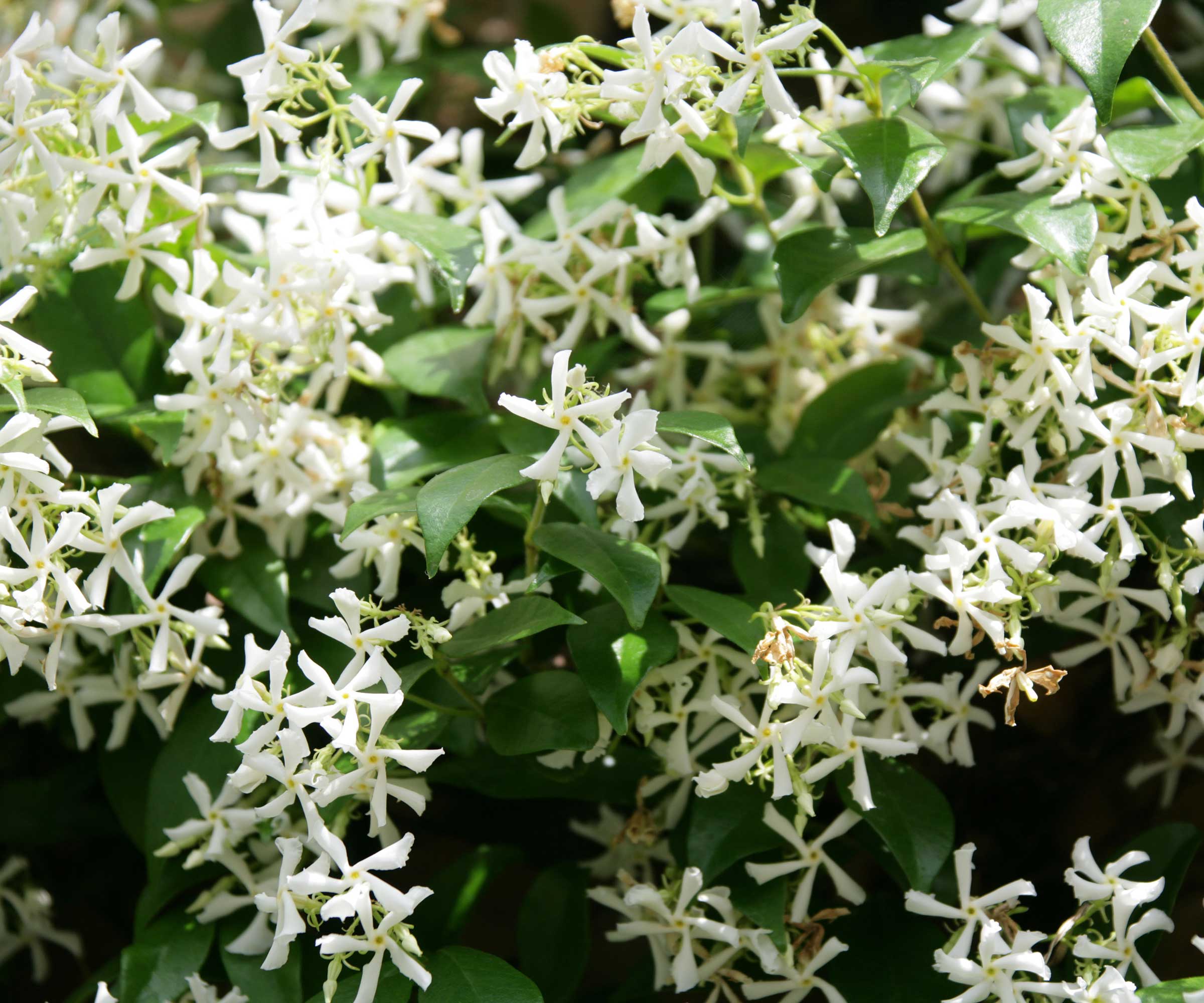
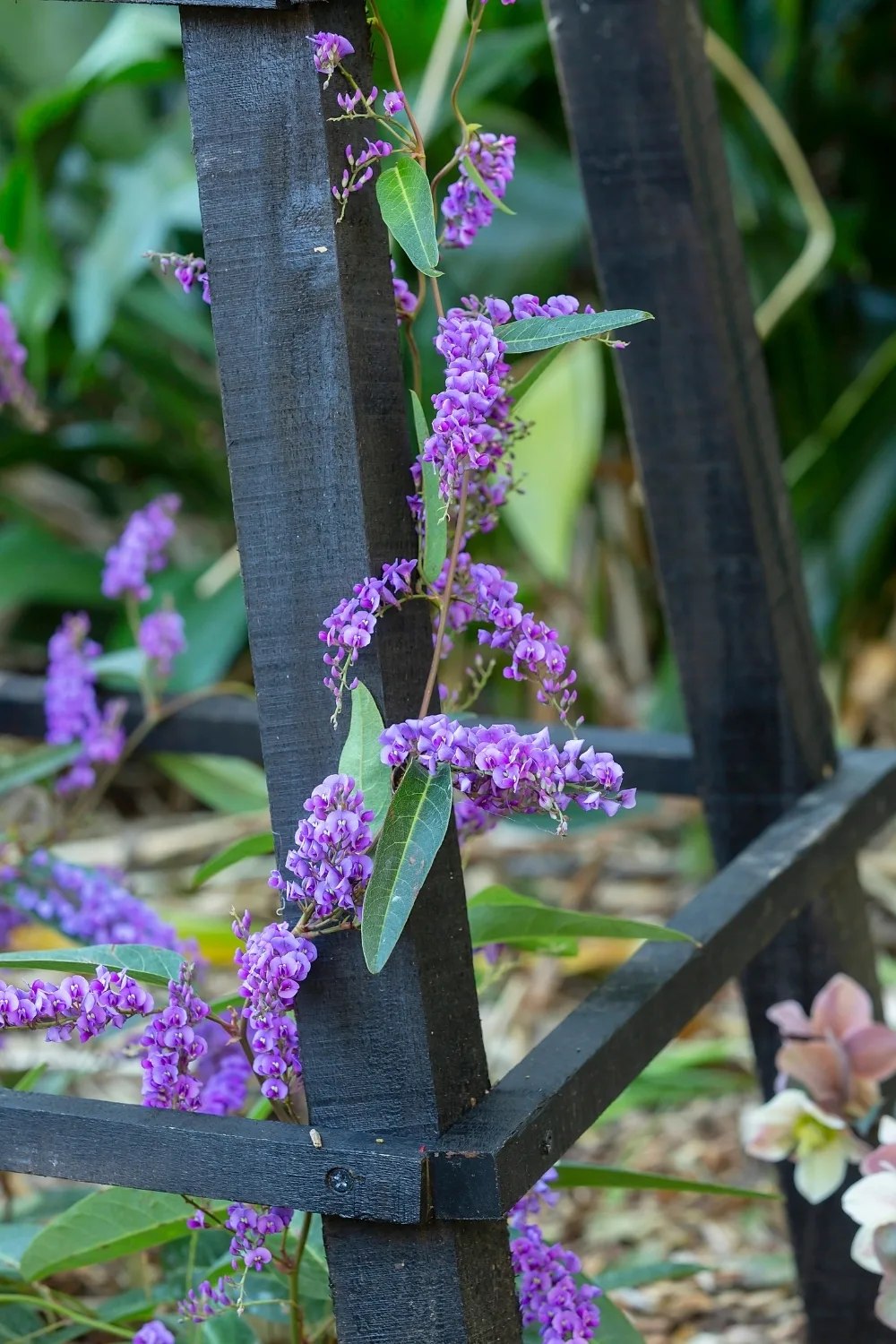
Spurred Butterfly Pea (_Centrosema virginianum_) is an underutilized native vine with dainty foliage and unique lavender blooms. It is drought-tolerant and compact, suitable for smaller gardens, thriving in full sun to part shade. Star Jasmine (_Trachelospermum jasminoides_) is a favorite in the Deep South for its fragrant white, star-shaped blooms and evergreen foliage, though it is not cold hardy and performs best in full sun to part shade.
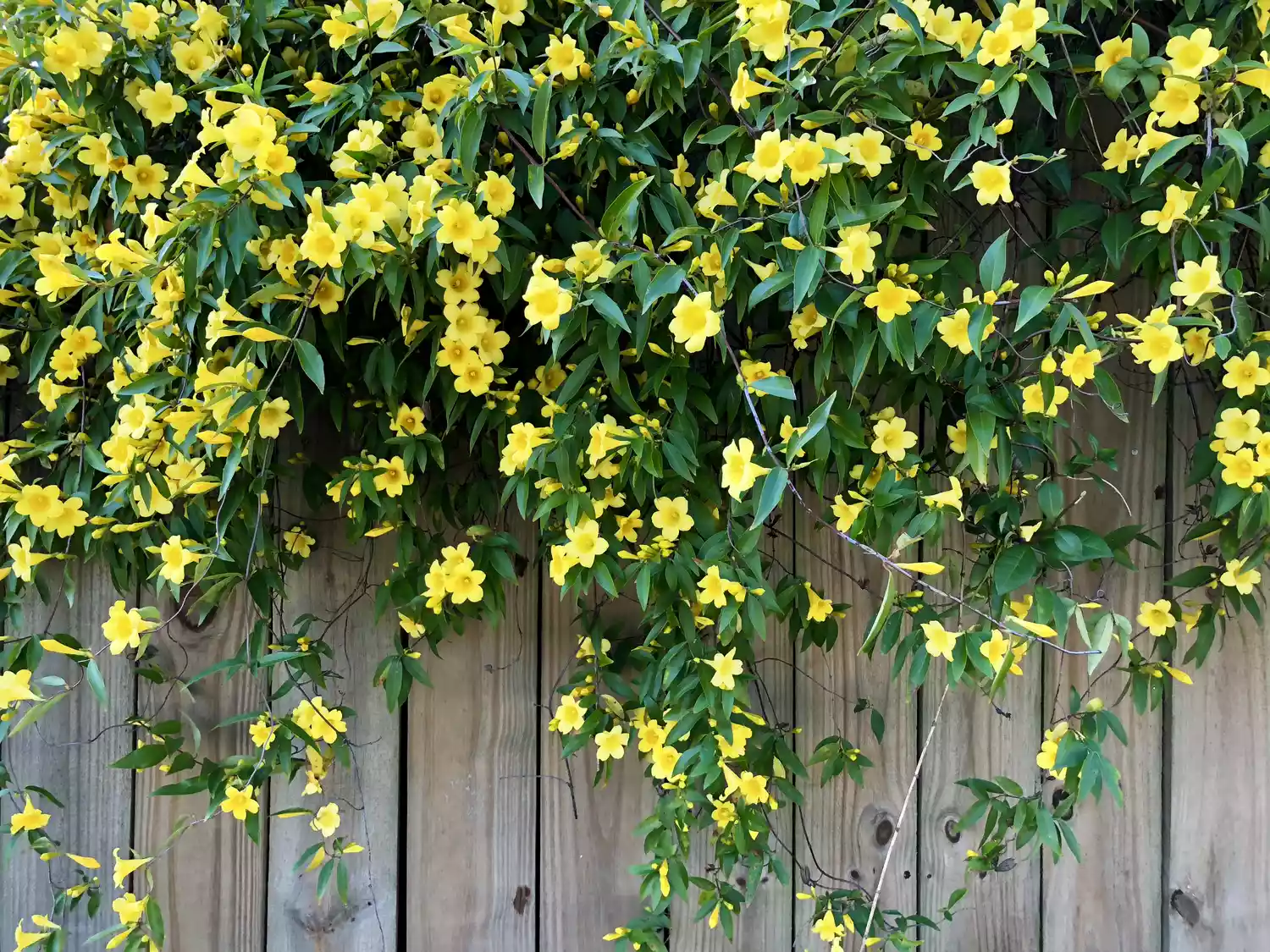
Carolina Jessamine (_Gelsemium sempervirens_) provides golden bell-shaped blooms in early spring, serving as an important nectar source for pollinators and offering evergreen to semi-evergreen foliage for wintering birds. It is fast-growing and deer-resistant, preferring full sun to partial shade. Finally, the Black-eyed Susan Vine (_Thunbergia alata_), commonly grown as an annual, produces cheerful golden-yellow to orange flowers with dark centers, blooming from spring through fall and quickly reaching a significant size. It thrives in full sun to part shade.
This curated list provides practical solutions for enhancing fence lines with visually appealing and ecologically beneficial climbing plants, catering to various garden styles and climatic conditions.
#ClimbingPlants #FenceDecor #GardenDesign #FastGrowingPlants #Honeysuckle #Clematis #ClimbingRoses #Passionflower #StarJasmine #CarolinaJessamine #ClimbingPlants #FenceDecor #GardenDesign #FastGrowingPlants #Honeysuckle #Clematis #ClimbingRoses #Passionflower #StarJasmine #CarolinaJessamine
0 comment in total
 No comments yet
You may also like
The 5 best climbing plants to cover an ugly fence, add privacy, and beautify your garden
Easiest climbers to grow – 5 fool-proof vines to quickly and effectively cover bare walls this year

Transform Your Space With Any of These Gorgeous Tall Indoor Plants

9 of the best plants for vertical gardens

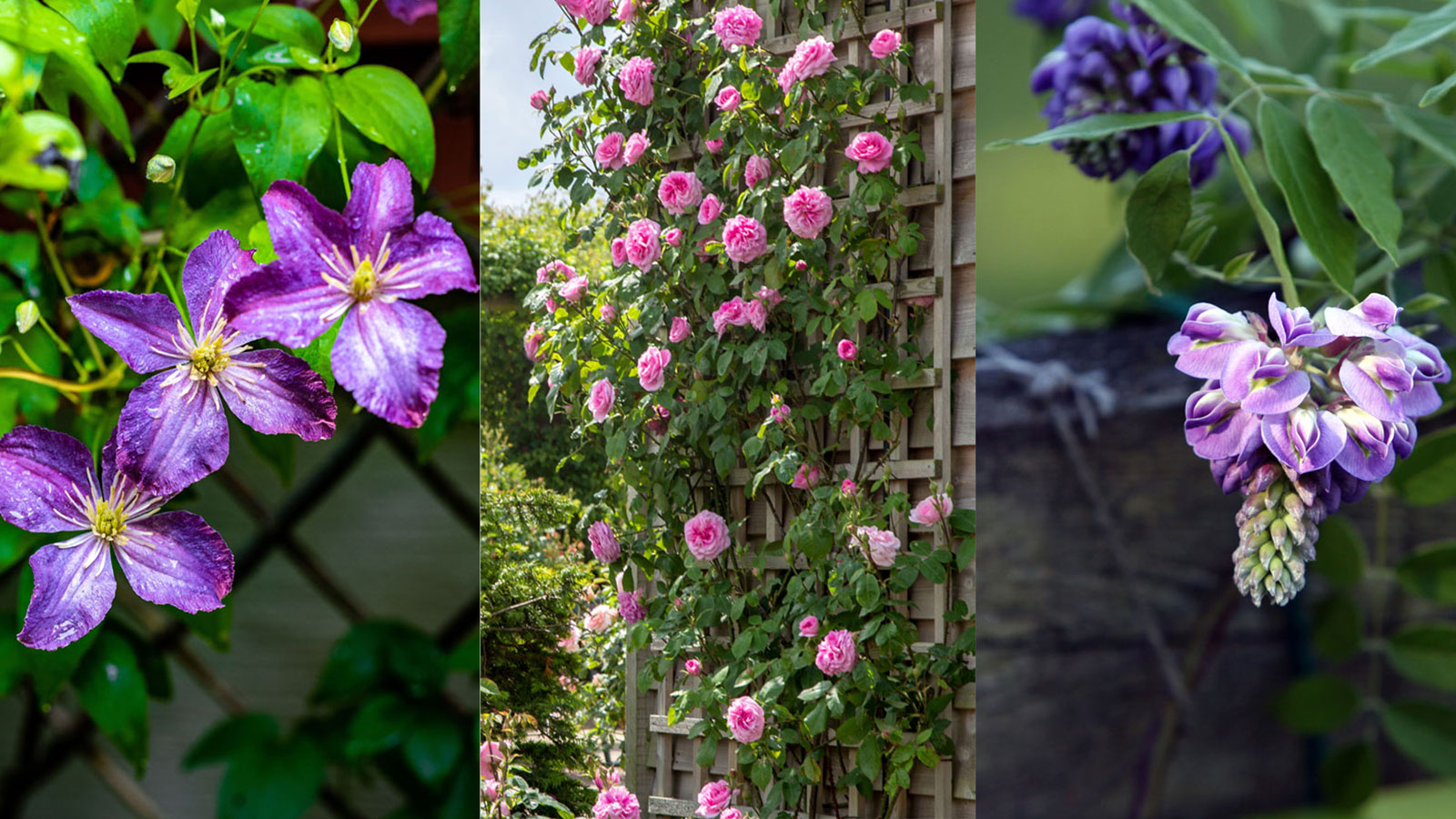
Best plants to cover a fence – 10 ways to disguise a fence with beautiful flowers and foliage
These fast-growing climbers will transform your pergola into a romantic, botanical wonderland
The 14 Best Climbing Plants for Your Trellis or Pergola

The best plants for a pergola: 5 thriving climbers chosen by professional gardeners

10 Tall Outdoor Plants for Landscaping

10 Climbing Plants That Can Secretly Damage Your Home

10 Decorative Fence Panels, Toppers and Trellises That Will Make Your Backyard Look a Millions Times More Beautiful

Grow Up! Flowering Vines to Adorn Walls, Trellises and Fences
20 Climbing Plants We Can't Get Enough of for Any Trellis, Pergola, or Fence

5 climbing plants perfect for your pergola

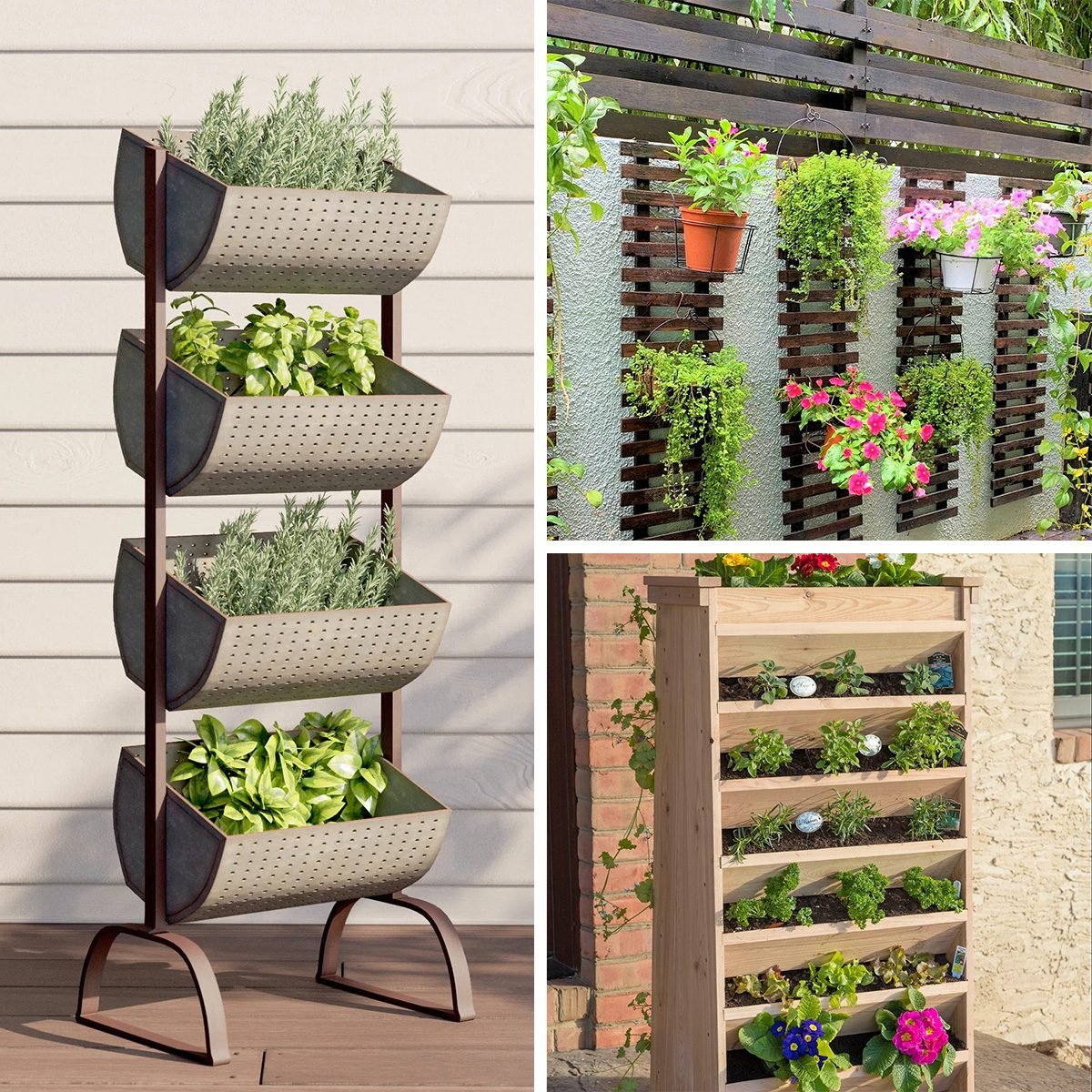
10 Best Vertical Garden Planters
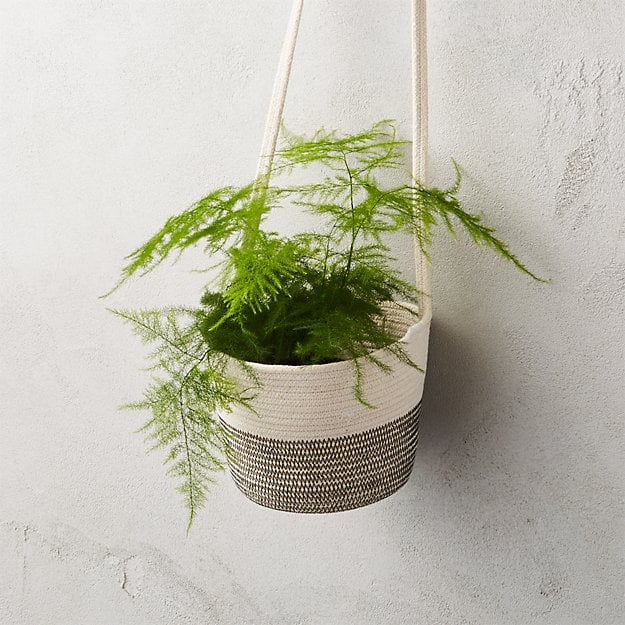
20 Hanging Planters That Will Take Your Indoor Plant Wall to the Next Level
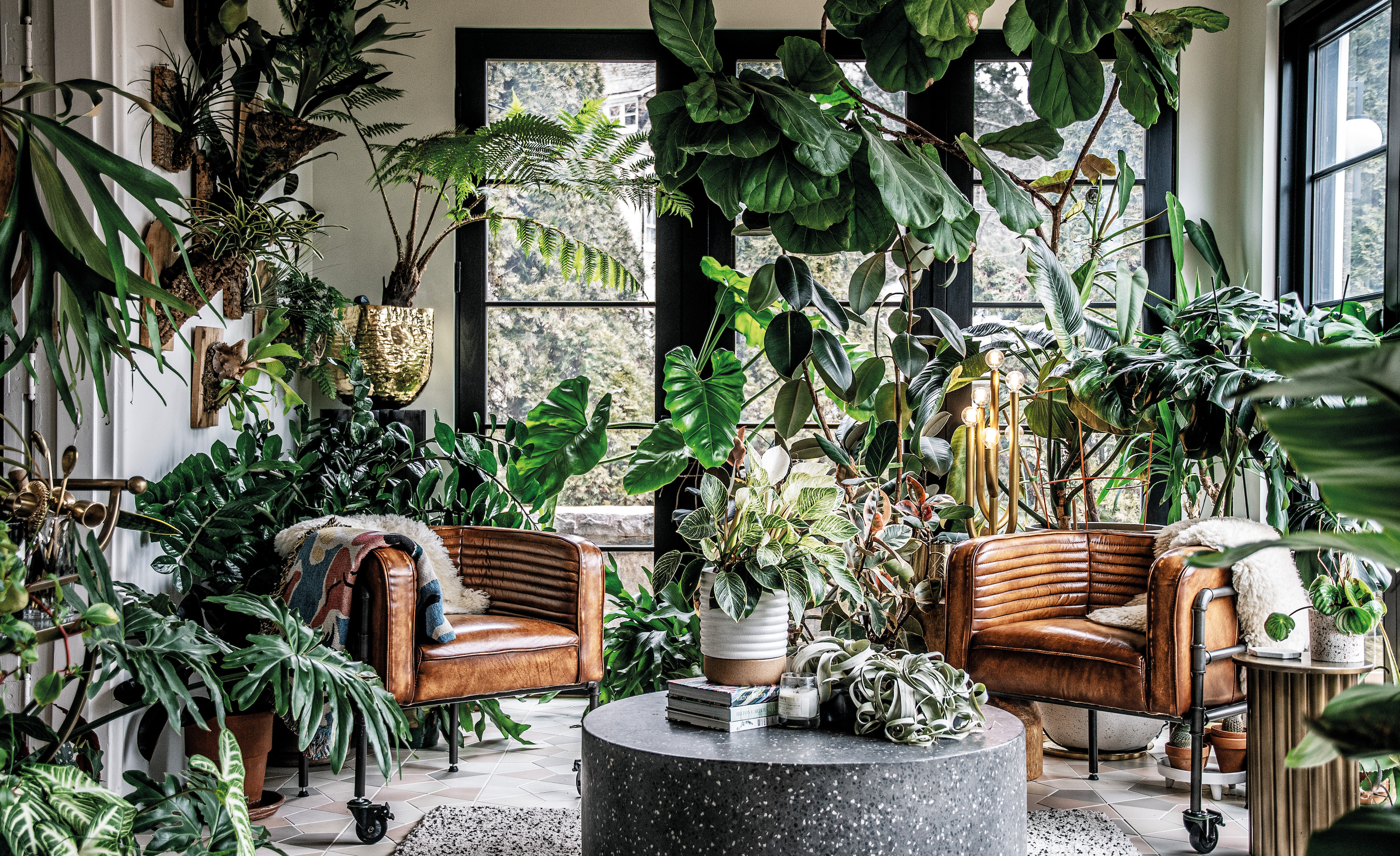
10 Indoor Climbing Plants That Will Take Your Blooms to New Heights — And Make Your Home Look Lush

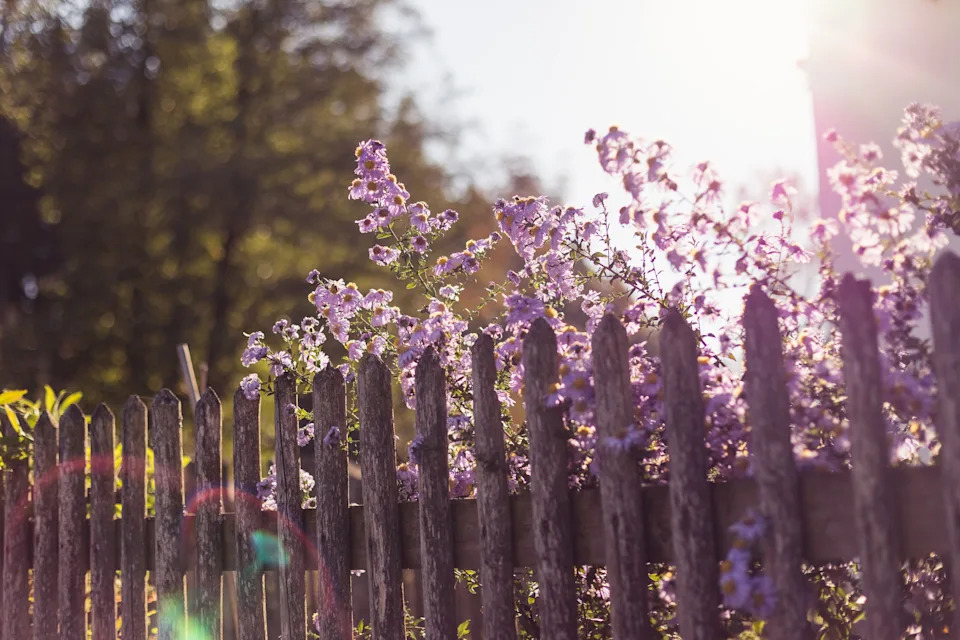
20 Fences That Instantly Add Charm to Any Backyard
5 best plants to grow up a pergola for a beautiful, scented awning
9 Tall Houseplants That Will Add Drama to Your Interior