1/10
These fast-growing climbers will transform your pergola into a romantic, botanical wonderland
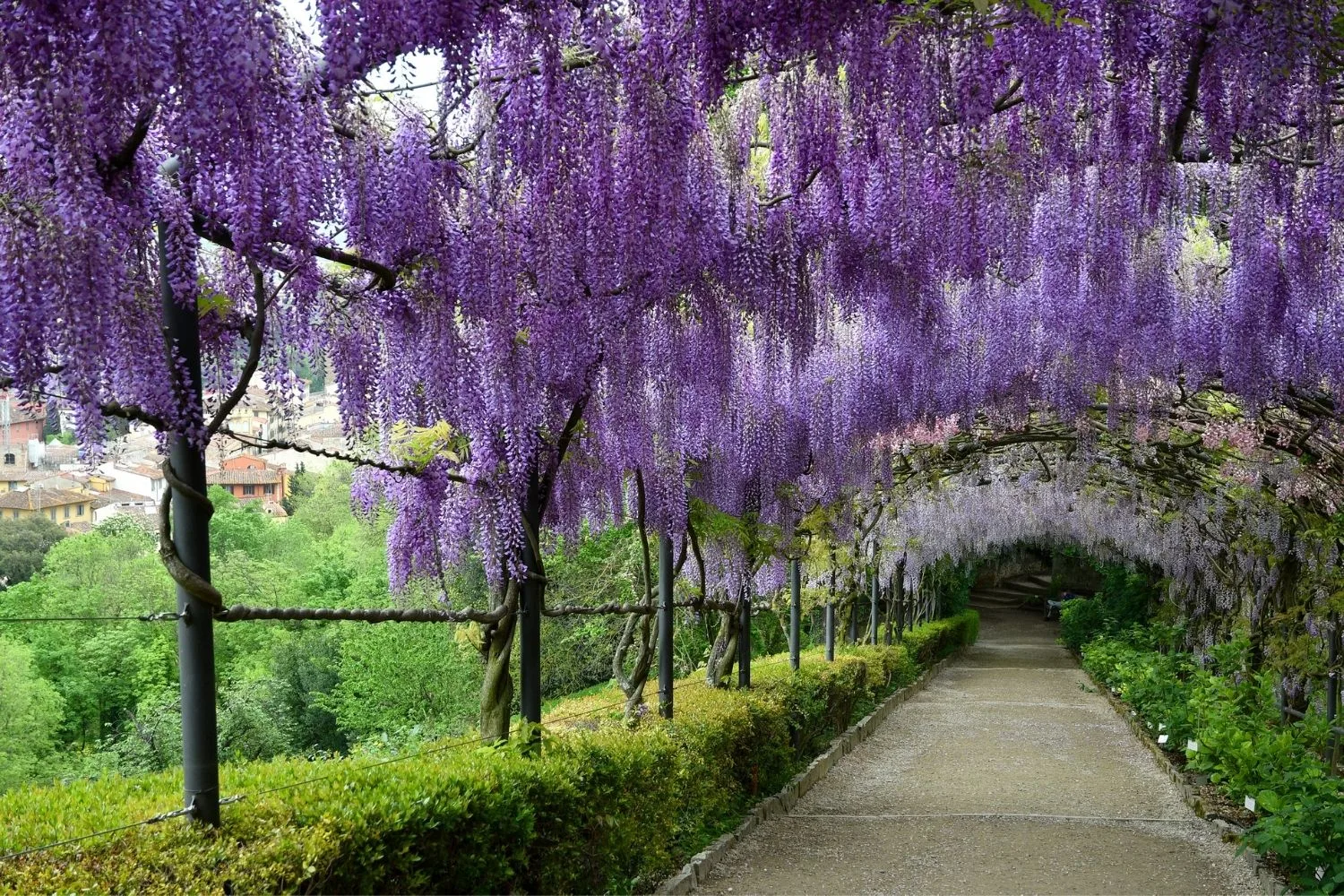
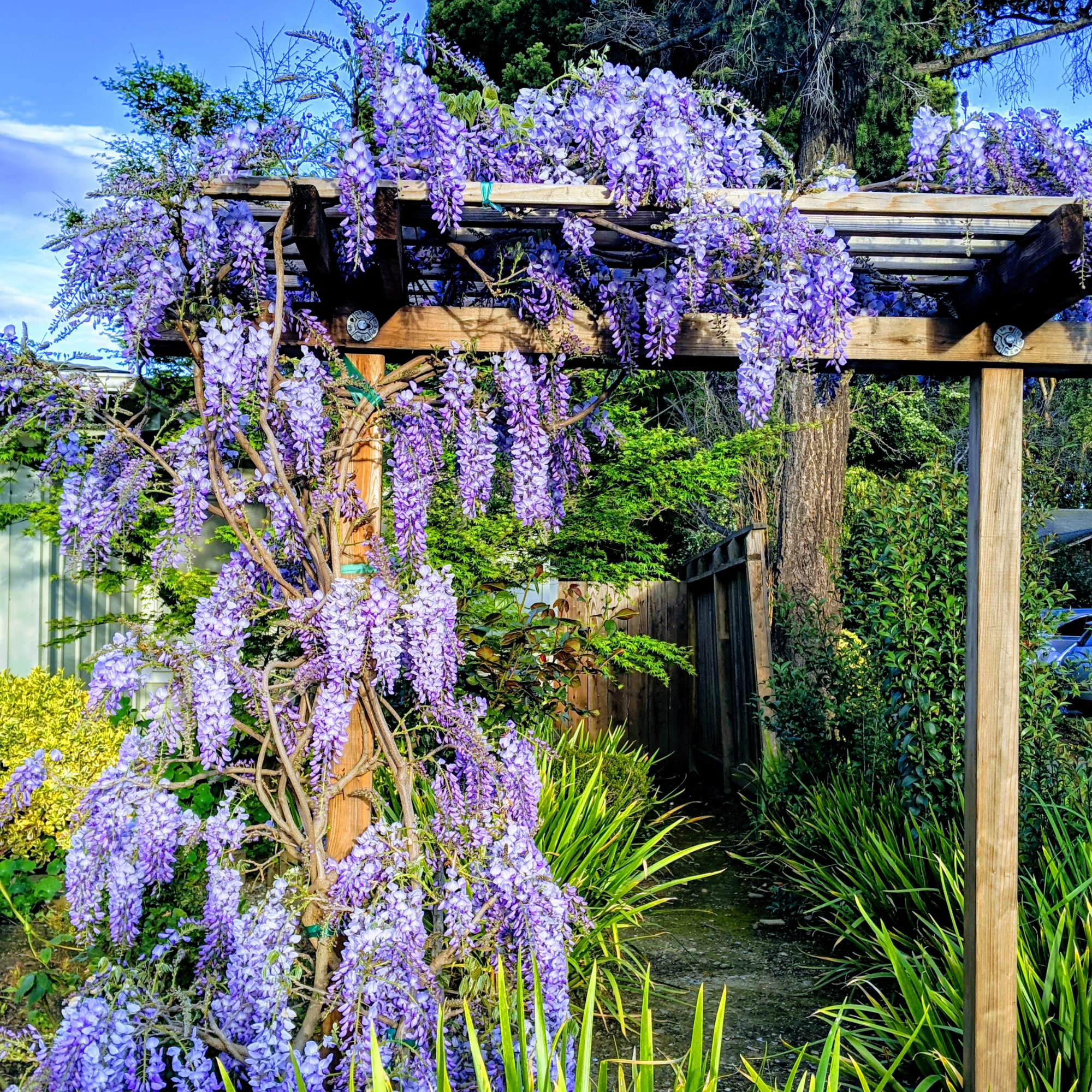
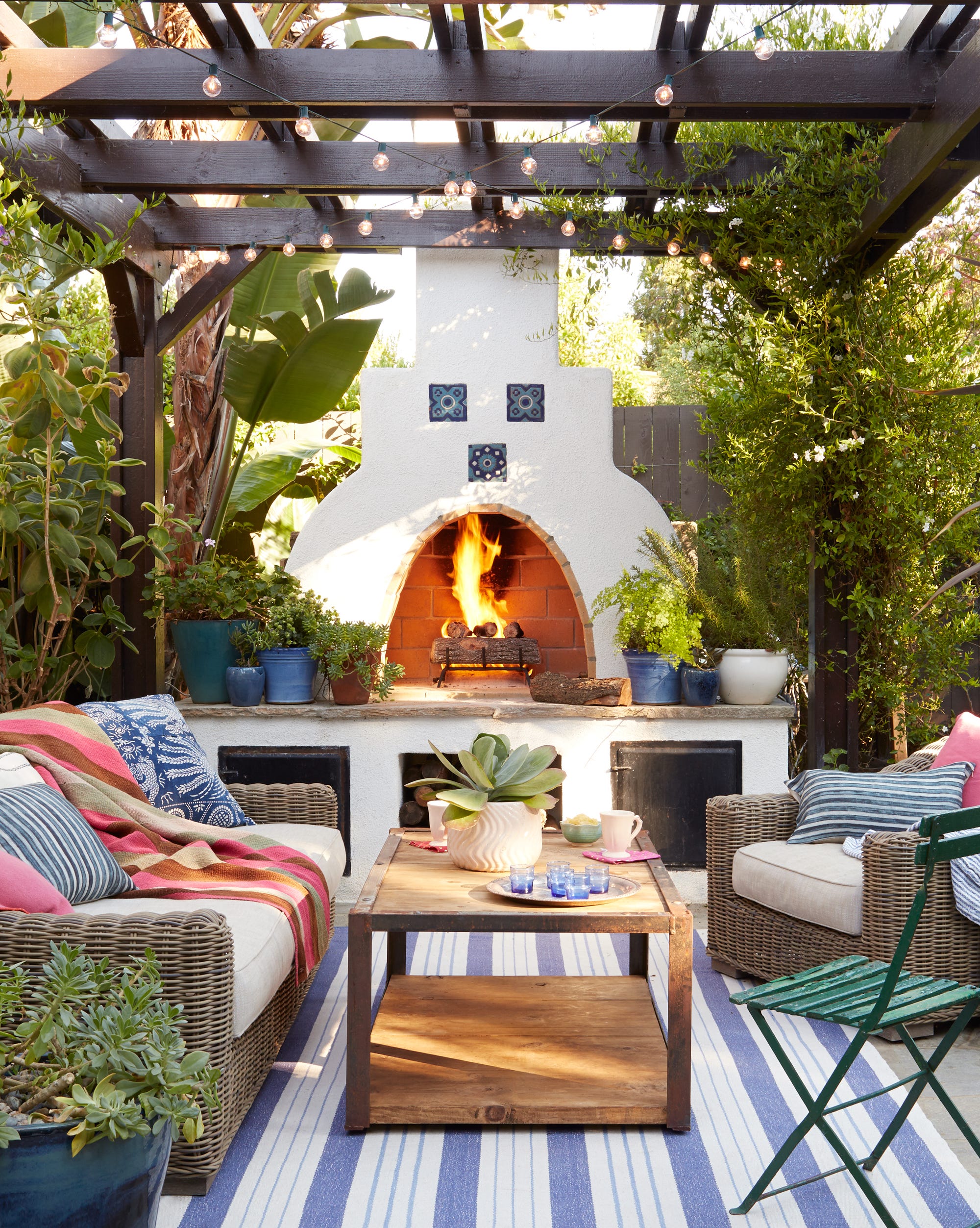
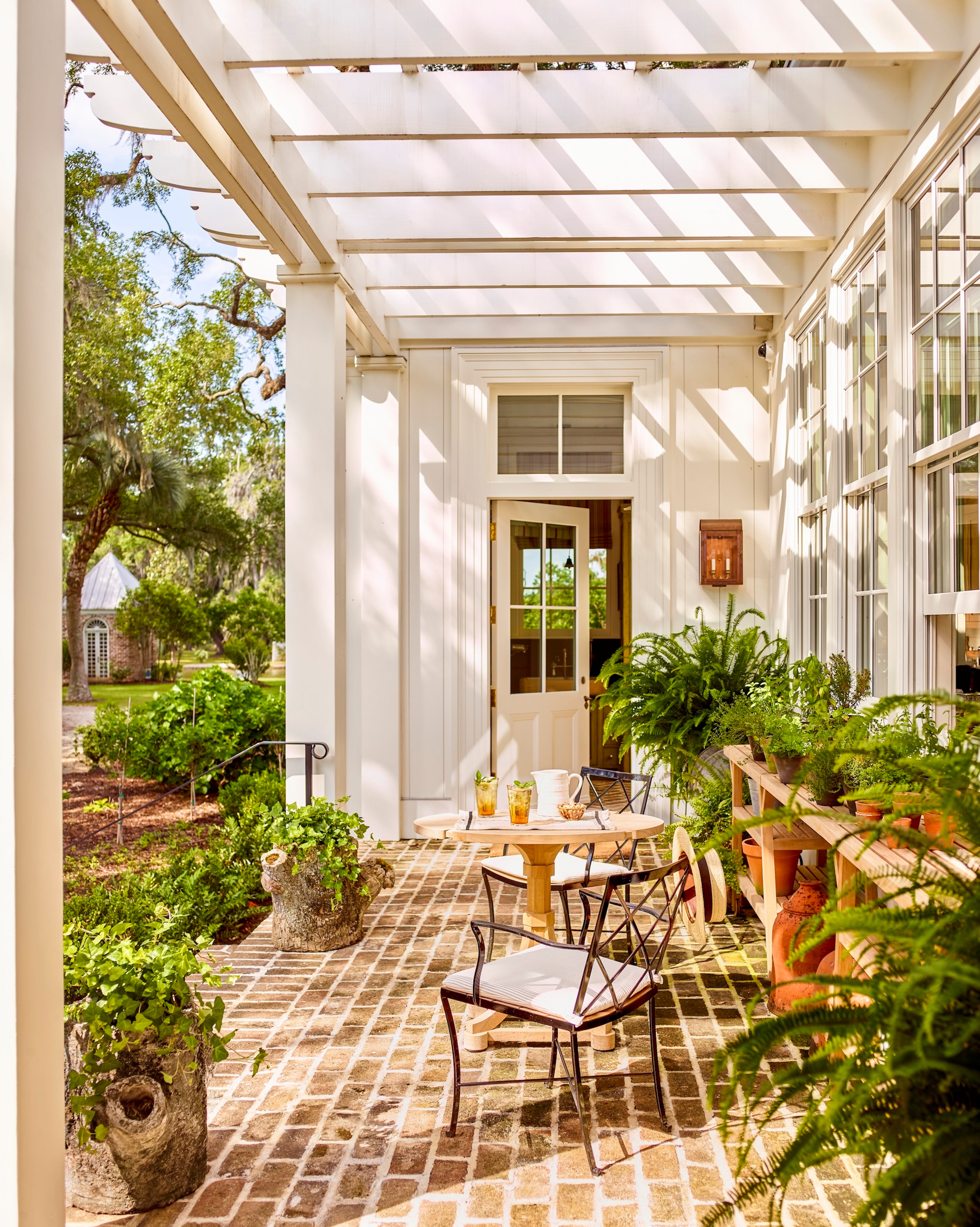
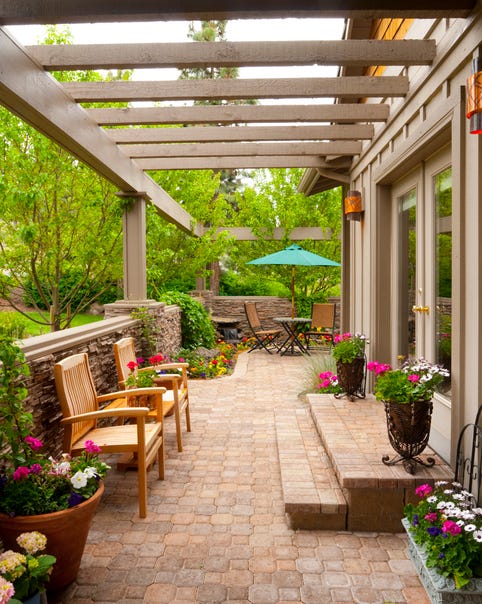
Pergolas serve as versatile outdoor structures, enhancing gardens with shade, ambiance, and a sense of an intimate outdoor room. Historically, pergolas date back to Ancient Egyptian times and became more widely used in Roman architecture, originally constructed from materials like brick, stone, and timber. Modern pergolas now incorporate advanced materials such as aluminum and fiberglass. The article highlights how pergolas can be transformed into aesthetically pleasing features by cultivating fast-growing and aromatic climbing plants, moving beyond traditional choices like climbing roses, wisteria, and jasmine.
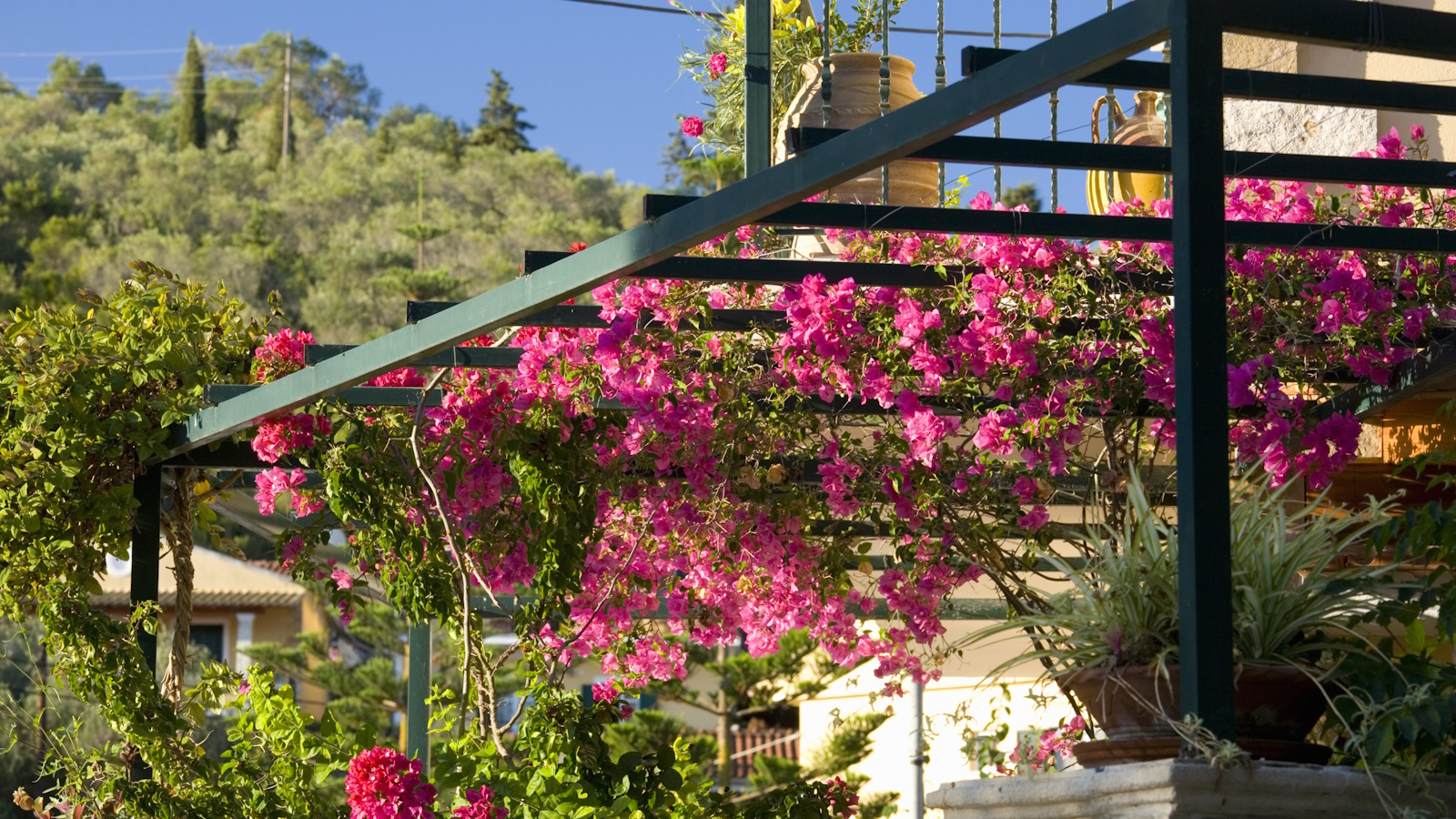
One recommended plant is Bougainvillea, known for its vibrant bracts that bring a tropical feel to any garden. This evergreen vine can grow over 20 feet, thrives in warm climates (USDA hardiness zones 8-10), requires full sun and well-drained acidic soil, and is low maintenance. However, caution is advised due to its thorny stems, necessitating gloves during pruning, which should occur in late summer.
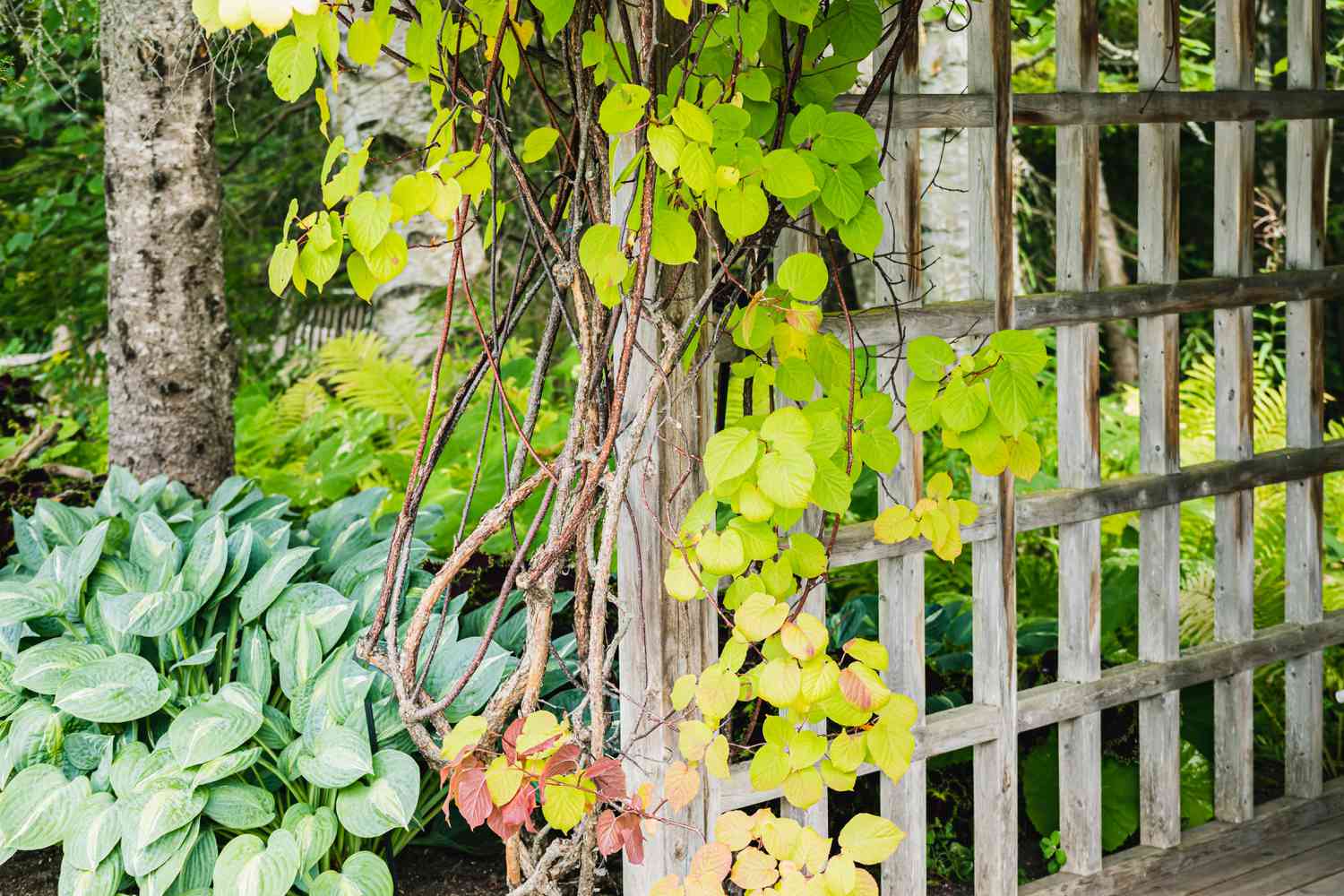
Akebia, also called the chocolate vine, is another excellent choice for pergolas. This semi-evergreen woody vine is appreciated for its delicate, fragrant purple-brown blooms and attractive foliage. It is fast-growing and adaptable to various conditions, tolerating cooler temperatures in USDA zones 5-7, though it may need winter protection from late frosts. Akebia can reach up to 40 feet, preferring moist, well-drained sandy or loamy soil, and flourishes in full sun or partial shade. It flowers from March to May and produces edible, eggplant-like fruits in late summer, with leaves suitable for tea.
Passionflower offers rapid coverage and features intricate, often multi-colored blooms. Growing well in USDA zones 6-10 (warm to temperate climates), many varieties produce edible fruits, such as the 'maypop' (_Passiflora incarnata_). These tendril-bearing vines showcase remarkable flowers. They require moist, well-drained soil in sunny or partially shaded spots, blooming from midsummer to early fall, with individual flowers lasting about a day. Regular pruning is essential to manage their growth.
Hops (_Humulus lupulus_) are suggested for pergolas in dining or social areas, creating a 'beer garden' atmosphere. Beyond their role in brewing, hops provide good shade, delicate flowers, and textural green cones. They are fast-growing in hardiness zones 3-8, with fruit persisting through winter. Hops need up to 12 hours of full sun and well-drained soil, producing vigorous bines (twisting stems) 20-30 feet long that cling to structures.
Climbing hydrangeas (_Hydrangea petiolaris_) offer subtle beauty, thriving in shaded areas where many other flowering plants struggle. This perennial produces vibrant dark green leaves that turn yellow in fall and shed in winter, revealing textural bark. It grows well in well-drained soil in USDA zones 4-8, flowering in spring and summer. These climbers can reach up to 50 feet, requiring regular pruning.
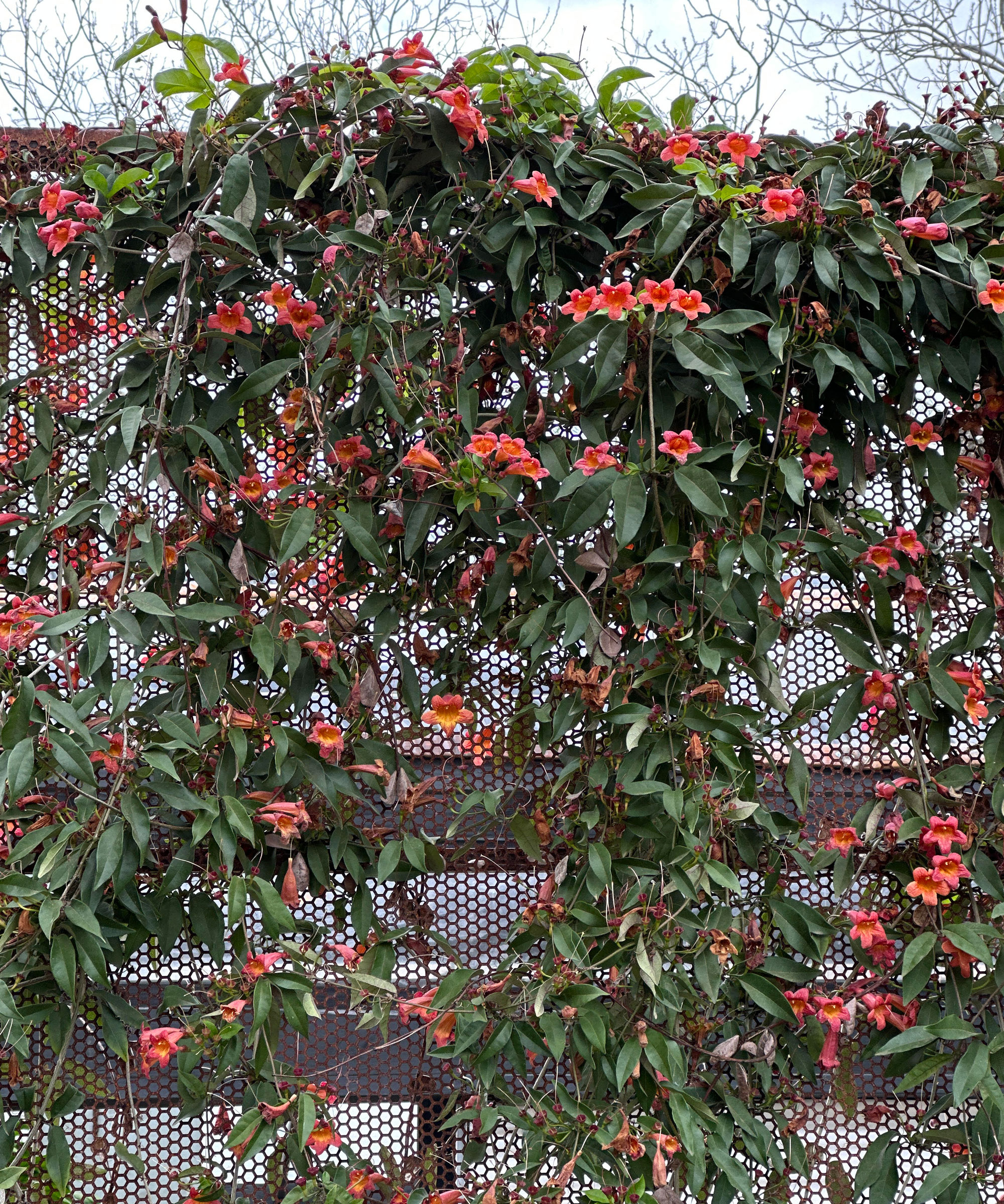
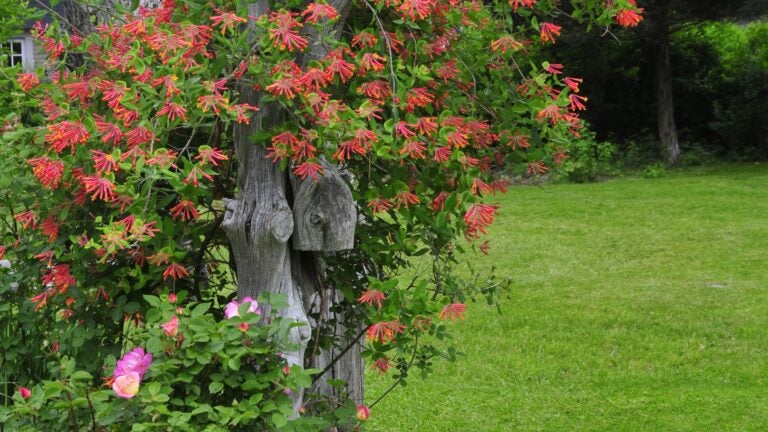
Trumpet vine, aptly named for its orange and scarlet trumpet-shaped flowers, is a deciduous woody vine that attracts hummingbirds and honey bees. It is low maintenance and thrives in dry areas across USDA hardiness zones 4-9, preferring sun but tolerating partial shade. While vigorous and visually striking, it can be invasive and requires a strict pruning regime to prevent it from choking other plants.
Virginia creeper, or woodbine, is notable for its dramatic fall foliage, turning from green to crimson. This deciduous climber is resilient, thriving in zones 3-9, and remains vibrant year-round due to its evergreen nature. It uses sticky disk-like appendages to cling to supports, making it suitable for trellises rather than directly on walls to avoid damage. It prefers full sun but tolerates shade and grows in various soil types. Its greenish-white flowers in late spring are followed by dark blue berries, toxic to humans but a food source for birds.
American bittersweet, a native vine, is a vigorous climber best known for its small, orange fruit clusters that persist through winter, providing year-round visual interest. It can be grown in USDA hardiness zones 4-9, requiring vigilant pruning due to its aggressive growth. It thrives in full sun, moist or dry conditions, is drought-tolerant, and can withstand urban pollution.
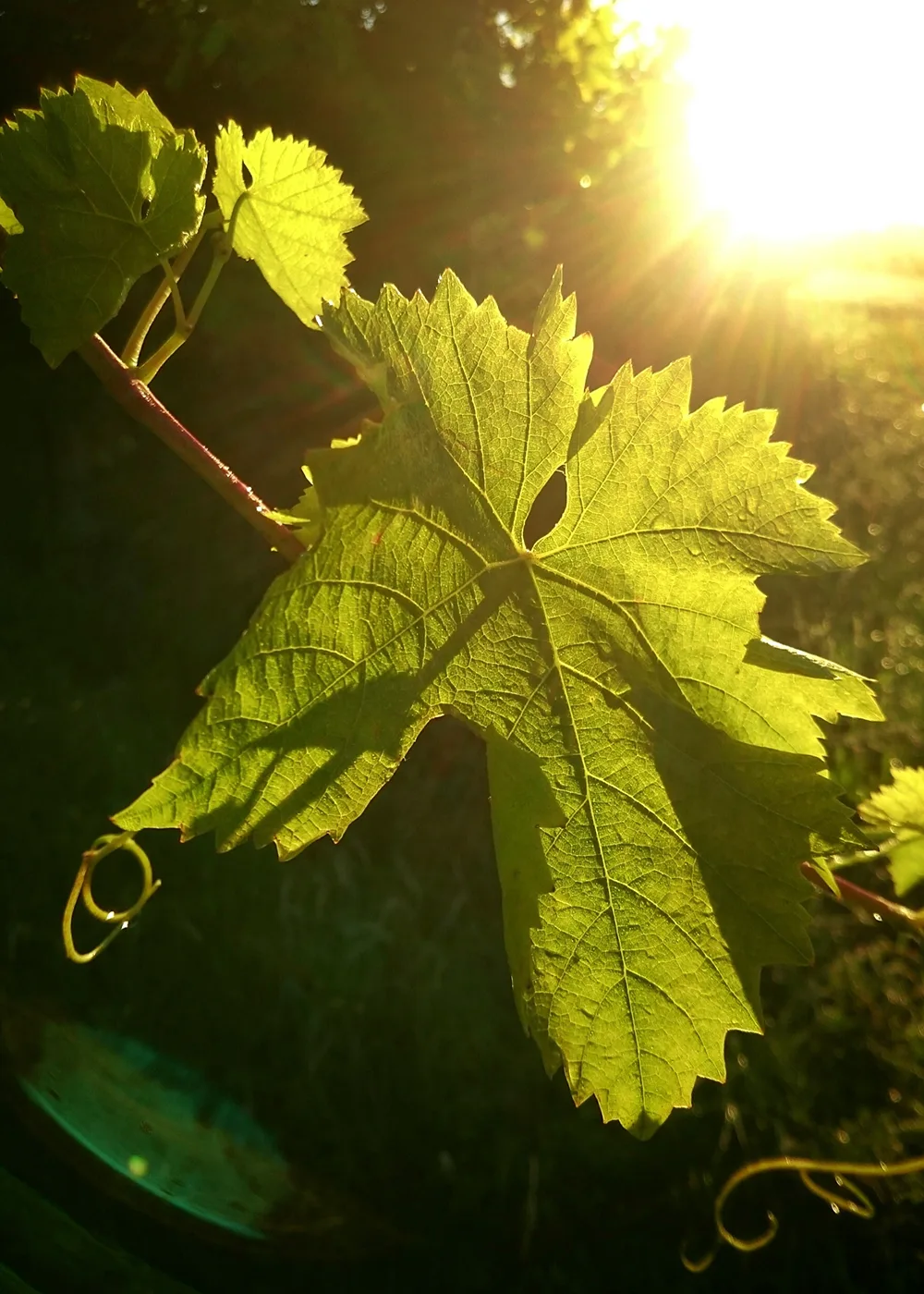
Finally, the article suggests grape vines as an option for gardeners seeking both beauty and edible fruits, allowing for the creation of a picturesque space for outdoor dining.
#PergolaDesign #ClimbingPlants #GardenInspiration #HorticultureTips #OutdoorLiving #PlantCare #LandscapeDesign #TropicalPlants #EdibleGardens #PergolaDesign #ClimbingPlants #GardenInspiration #HorticultureTips #OutdoorLiving #PlantCare #LandscapeDesign #TropicalPlants #EdibleGardens
0 comment in total
 No comments yet
You may also like
5 climbing plants perfect for your pergola

Easiest climbers to grow – 5 fool-proof vines to quickly and effectively cover bare walls this year

Best flowering ground cover plants – 5 expert-approved species to fill your borders with vibrant color
20 Climbing Plants We Can't Get Enough of for Any Trellis, Pergola, or Fence

5 best plants to grow up a pergola for a beautiful, scented awning
These Vertical Gardens Are a Plant Lover’s Dream

Ask the Gardener: The best vines to plant to climb your pergola
Best plants to cover a fence – 10 ways to disguise a fence with beautiful flowers and foliage
The best plants for a pergola: 5 thriving climbers chosen by professional gardeners

Add These Shade-Loving Plants To Your Containers For Covered Porches
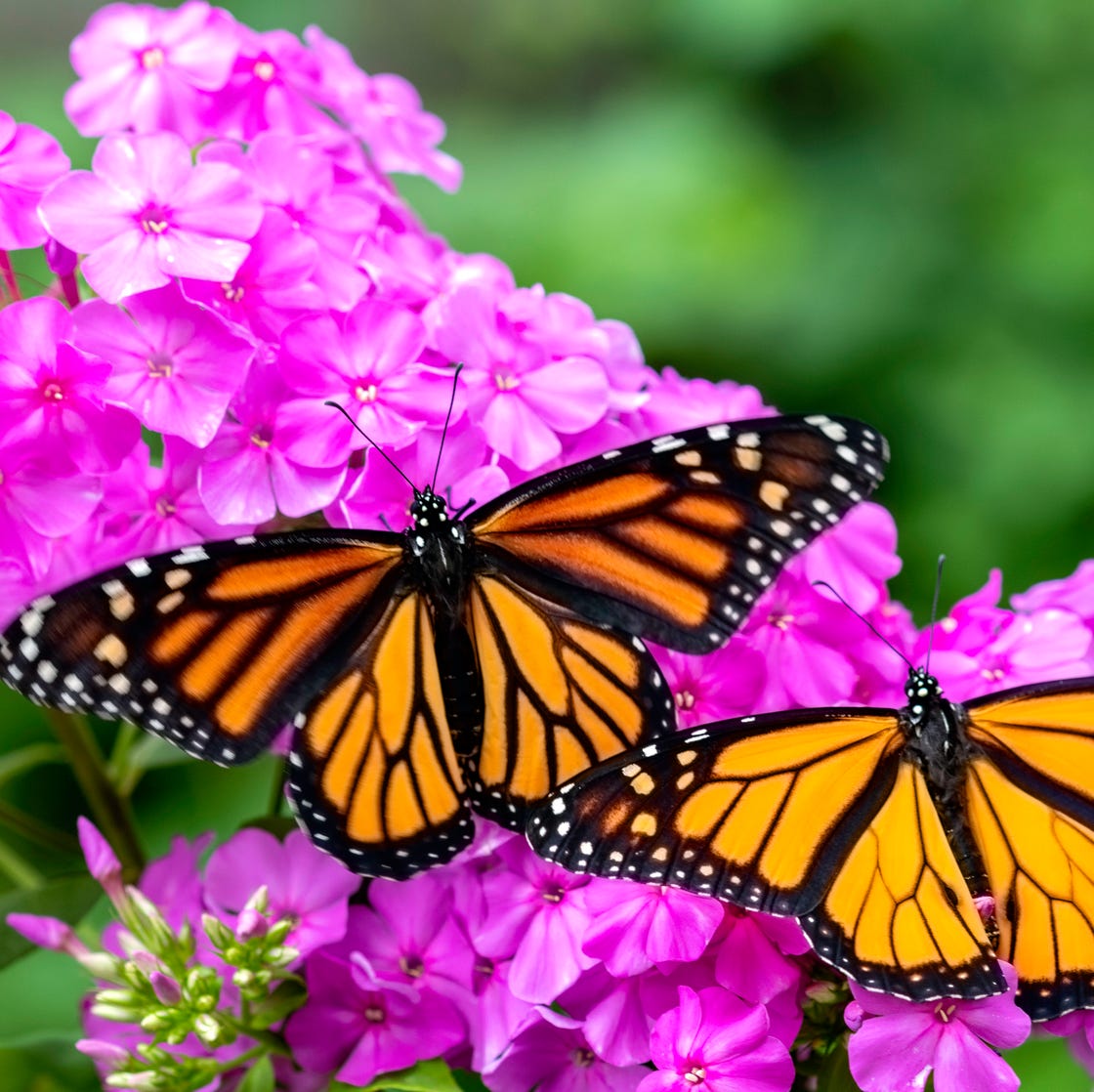
Turn Your Garden Into a Butterfly Oasis with These Plants
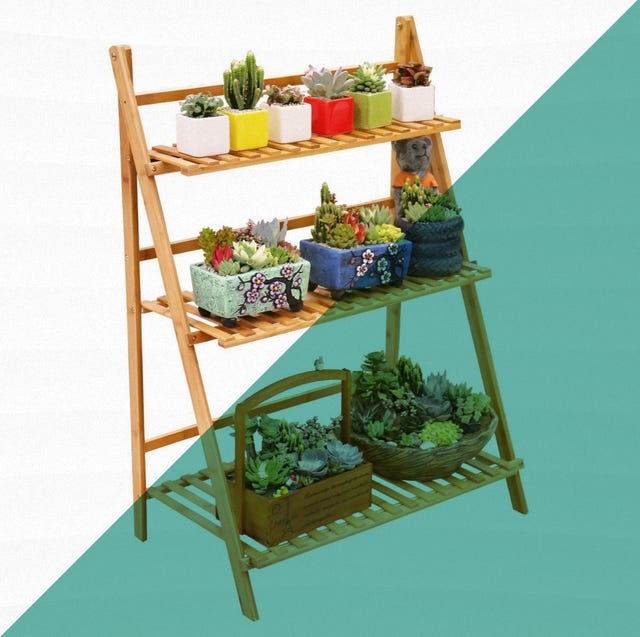
Spruce Up Your Patio, Porch, or Deck With These Attractive Outdoor Plant Stands
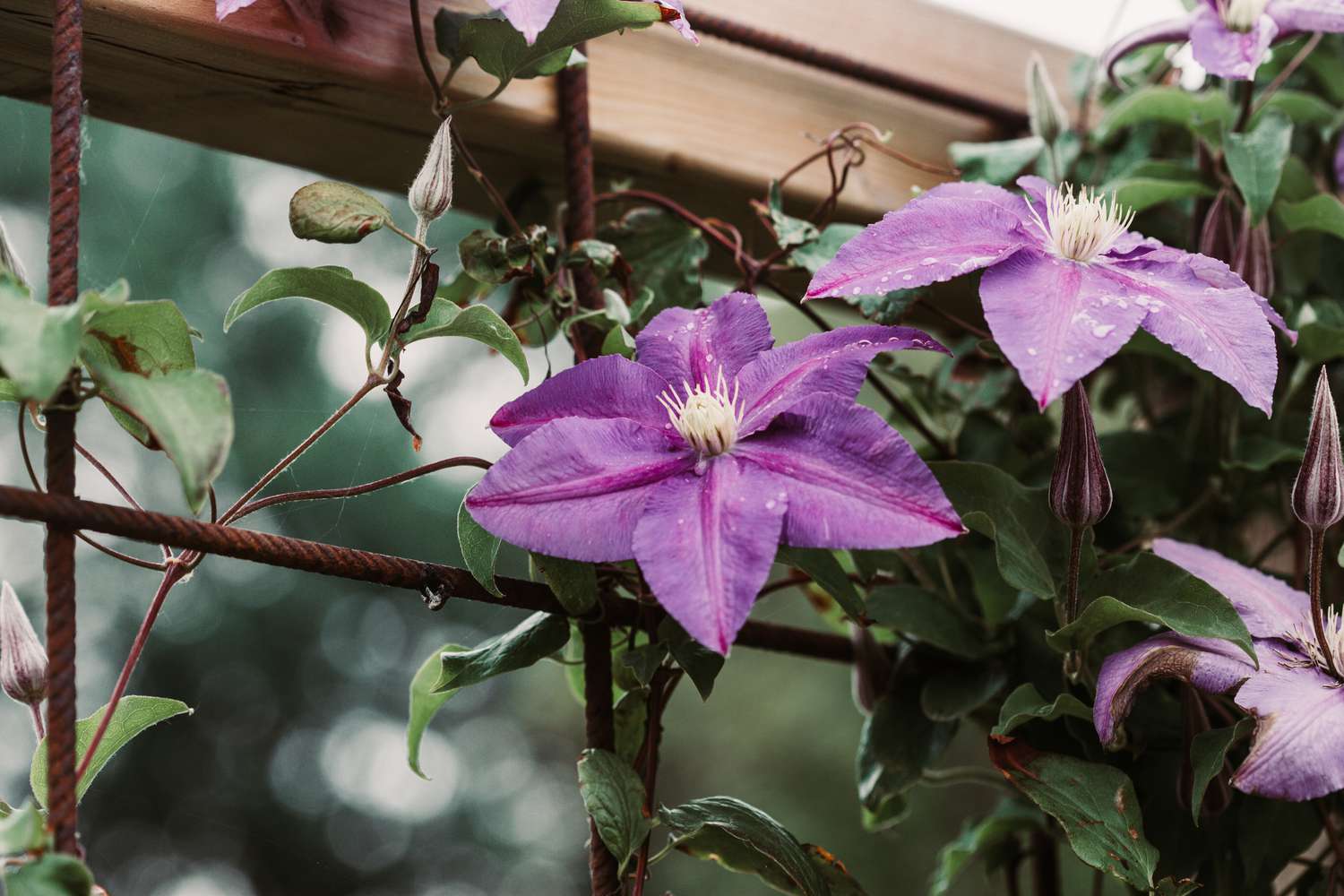
The 14 Best Climbing Plants for Your Trellis or Pergola

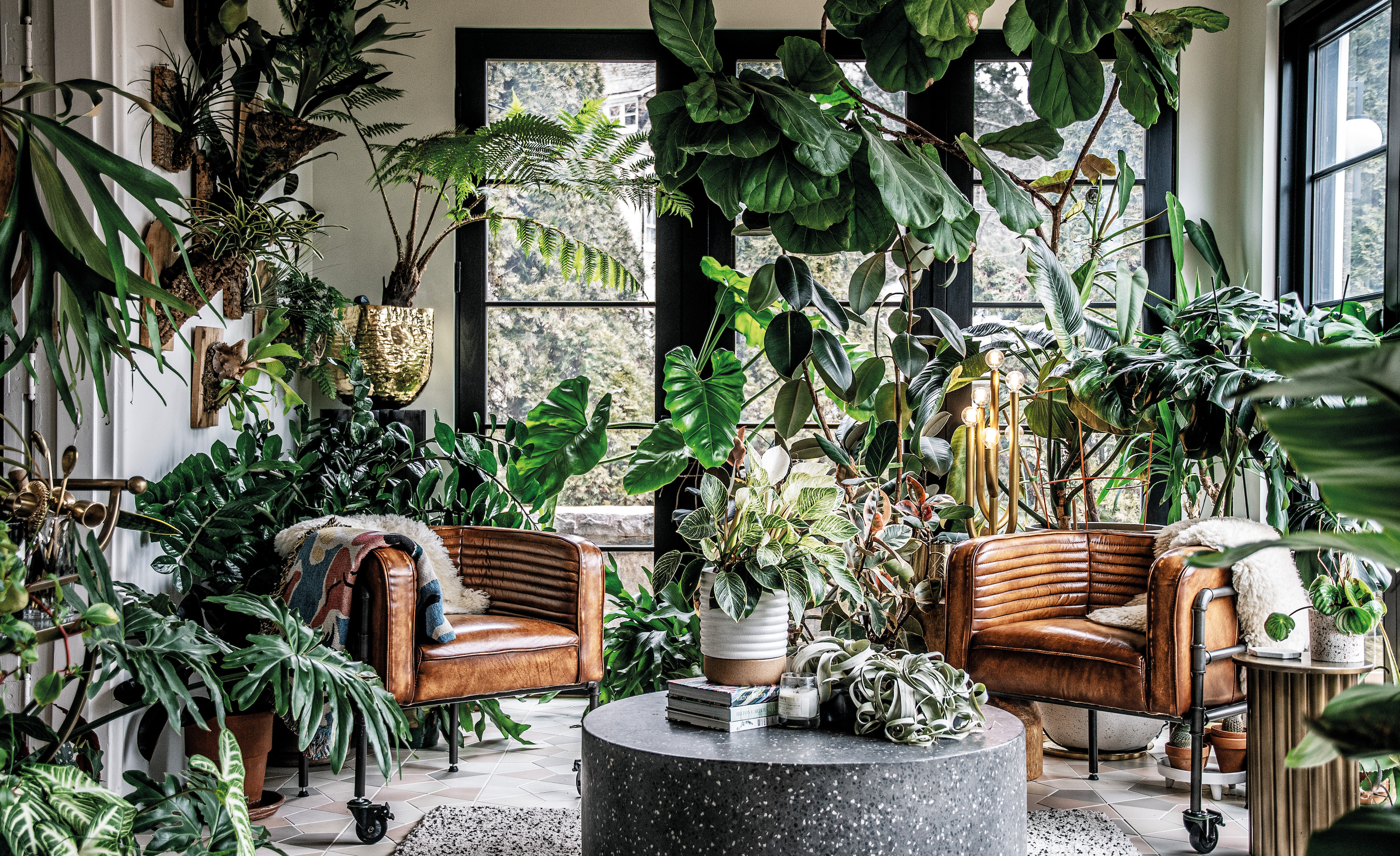
10 Indoor Climbing Plants That Will Take Your Blooms to New Heights — And Make Your Home Look Lush

Vertical indoor garden ideas: 7 elevating ideas
Best tall indoor plants – 10 statement plants, chosen by houseplant experts
Transform Your Space With Any of These Gorgeous Tall Indoor Plants

Add Shade to Your Backyard with a Pretty Pergola
15 Colorful Plants to Brighten Up Your Landscape

10 Climbing Plants That Will Cover Fences In A Flash