1/15
15 Colorful Plants to Brighten Up Your Landscape
To cultivate a garden brimming with vivid colors, plant selection is key, emphasizing species with colorful blossoms and multi-tonal leaves that are well-suited to the local climate. Considerations for sunlight exposure in different areas of the yard are also important. The objective is to identify plants that are simple to cultivate and versatile enough to flourish in both sunny and shaded environments. Plant and seed expert Steve Engel offers insights into commonly asked questions regarding colorful plant selection, aiding individuals in choosing options that align with their experience and available resources. A curated list of tried and tested colorful plants is provided, guaranteed to enhance any outdoor space with vibrant hues and engaging textures.
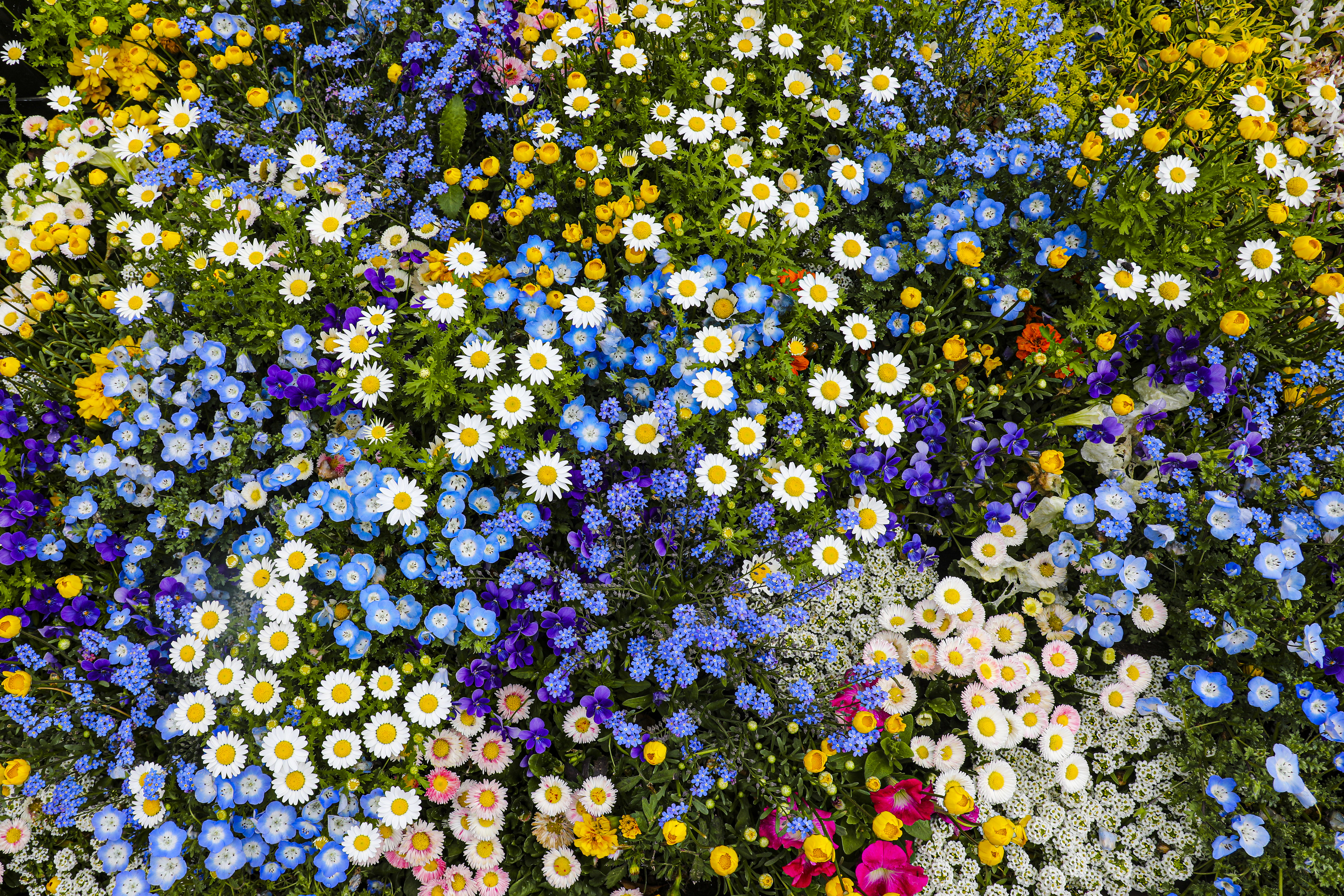
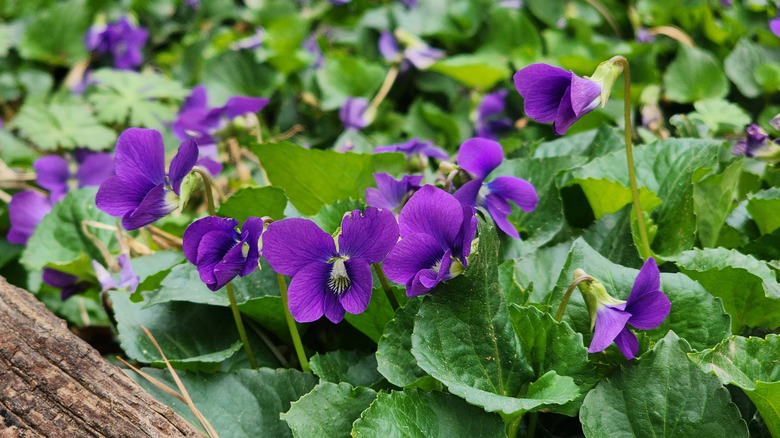
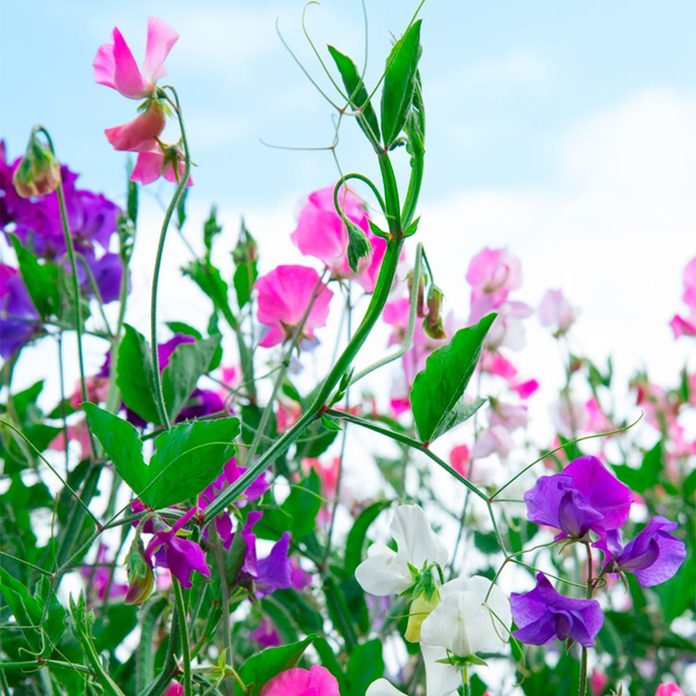
Sweet peas, known for their sweet fragrance in spring and ornamental appeal, feature bright pink, purple, and white flowers. These annual vines grow to about 3 feet tall and thrive when given support, ideal for placement near garden gates or doorways to fully appreciate their scent. Violas, although typically annuals, are frost-tolerant and often overwinter, making them suitable for container gardening due to their compact size and abundant flowering in shades of white, lilac, purple, yellow, and orange. The 'Sunset Boulevard' mix, with its lemon and peach tones, is a notable variety.
Coleus offers a wide array of variegation patterns and colors, from green and yellow to red, pink, purple, bronze, and orange, often with unique patterns. Growing 10 to 15 inches tall, it also produces summer flowers. The 'Strawberry Blonde' French Marigold is distinctive for its multicolor blooms, which start deep pink with rustic yellow highlights and mature to straw yellow. This variety retains typical marigold qualities like a mounded form and heat tolerance, growing 8-10 inches tall and 6-8 inches wide, making it suitable for containers.
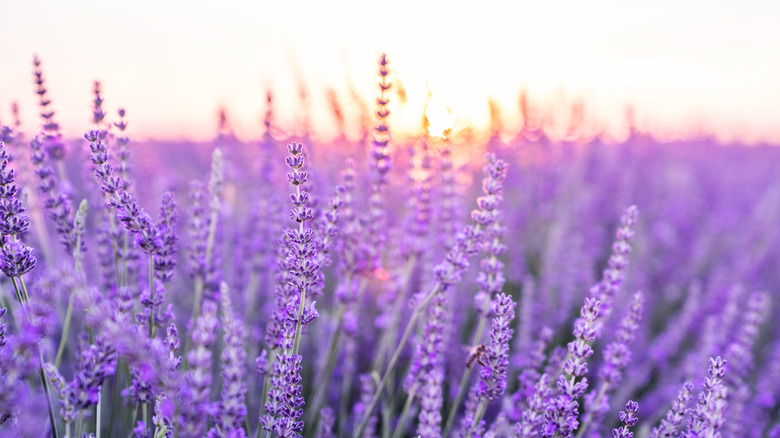
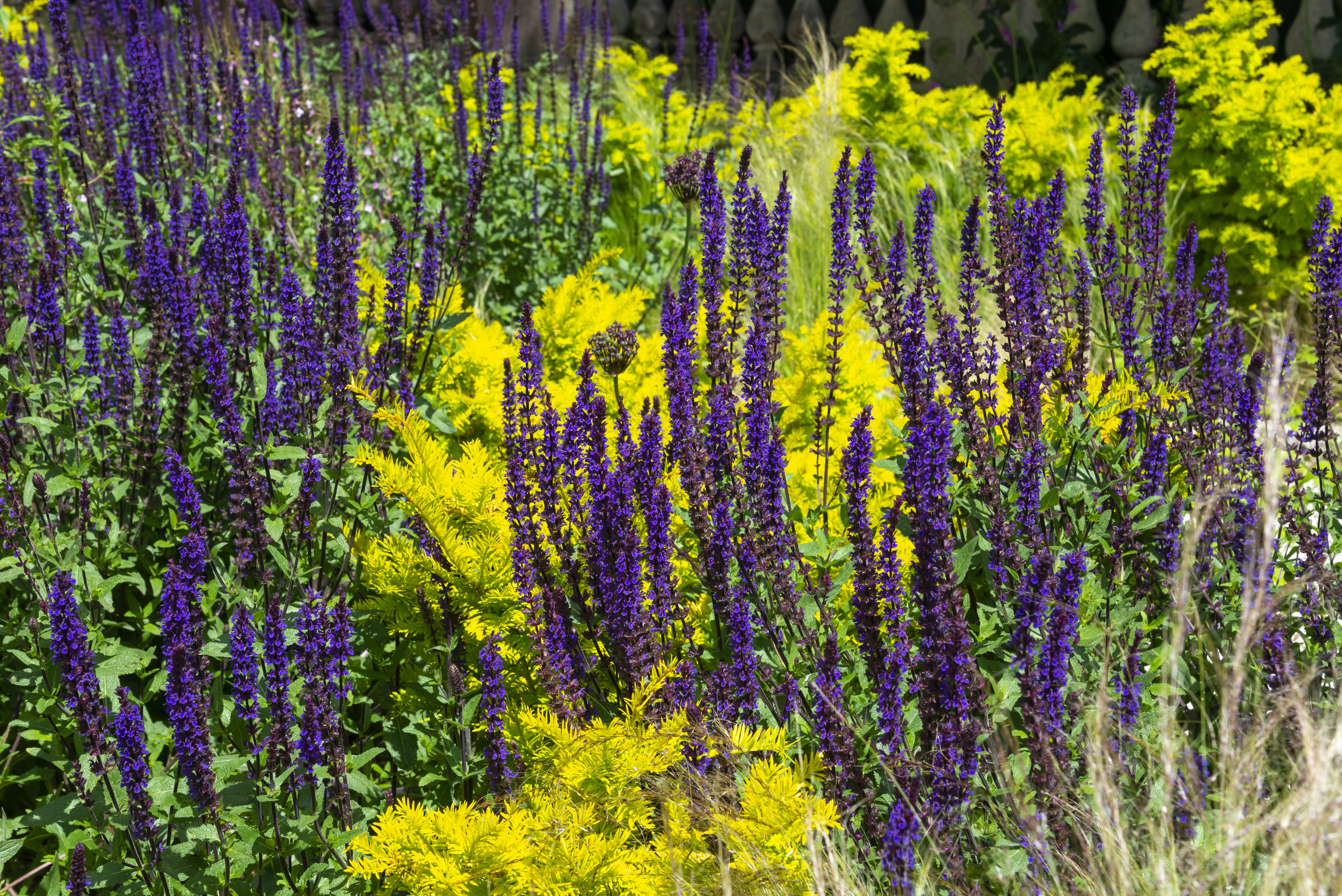
Lavender, a colorful and fragrant herb, can be dried for potpourri or sachets and effectively repels mosquitoes and flies. It thrives in sunny locations with well-drained, slightly alkaline soil. Sunflowers, with some varieties reaching 10 feet tall, offer showy flowers and edible seeds while attracting hummingbirds, bees, and ladybugs. Their bright yellow petals symbolize happiness.
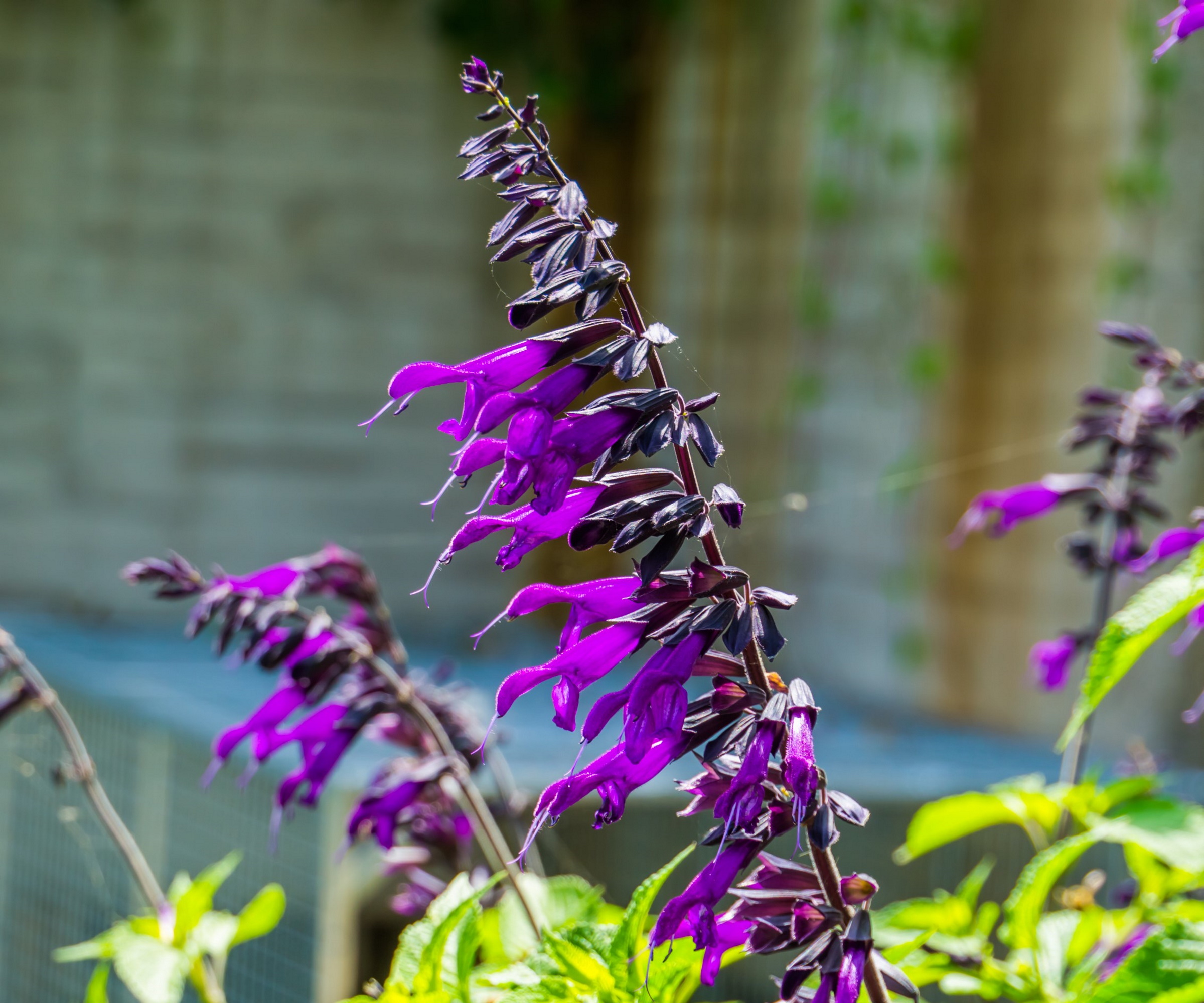
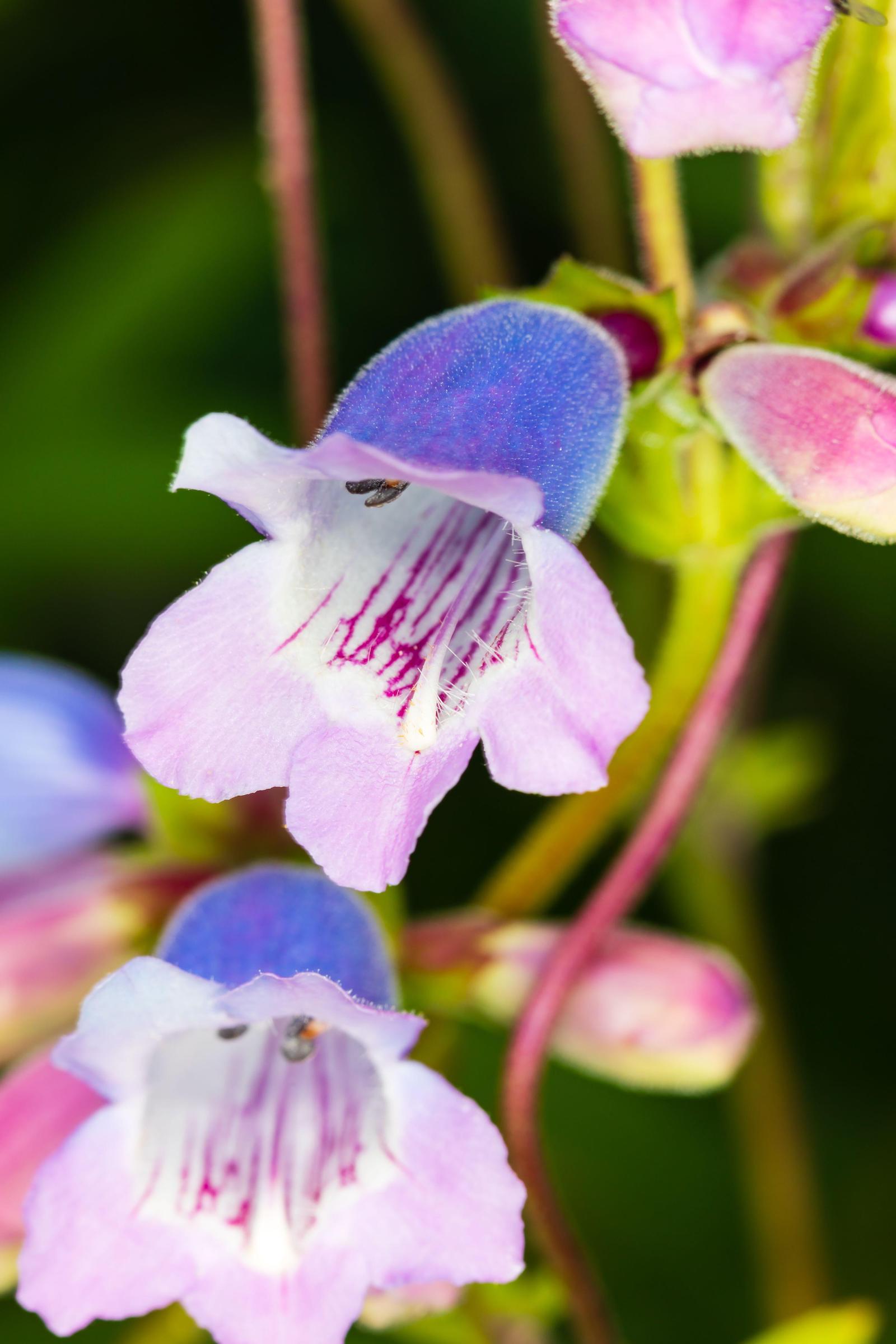
'Blackbeard' Penstemon is a heat-, humidity-, and cold-tolerant perennial that attracts hummingbirds. It features white-accented lilac flowers above dark-purple foliage, growing 28-34 inches tall and 2 feet wide, blooming from early to midsummer. Sedum, with its fluffy, bright pink blossoms, is a favorite of bees. Proper spacing during planting allows them to grow together over time. 'Mint Julep' Geranium is prized for its variegated foliage with white borders, complemented by scarlet-red flower clusters throughout the summer, growing to 1 foot tall and wide.
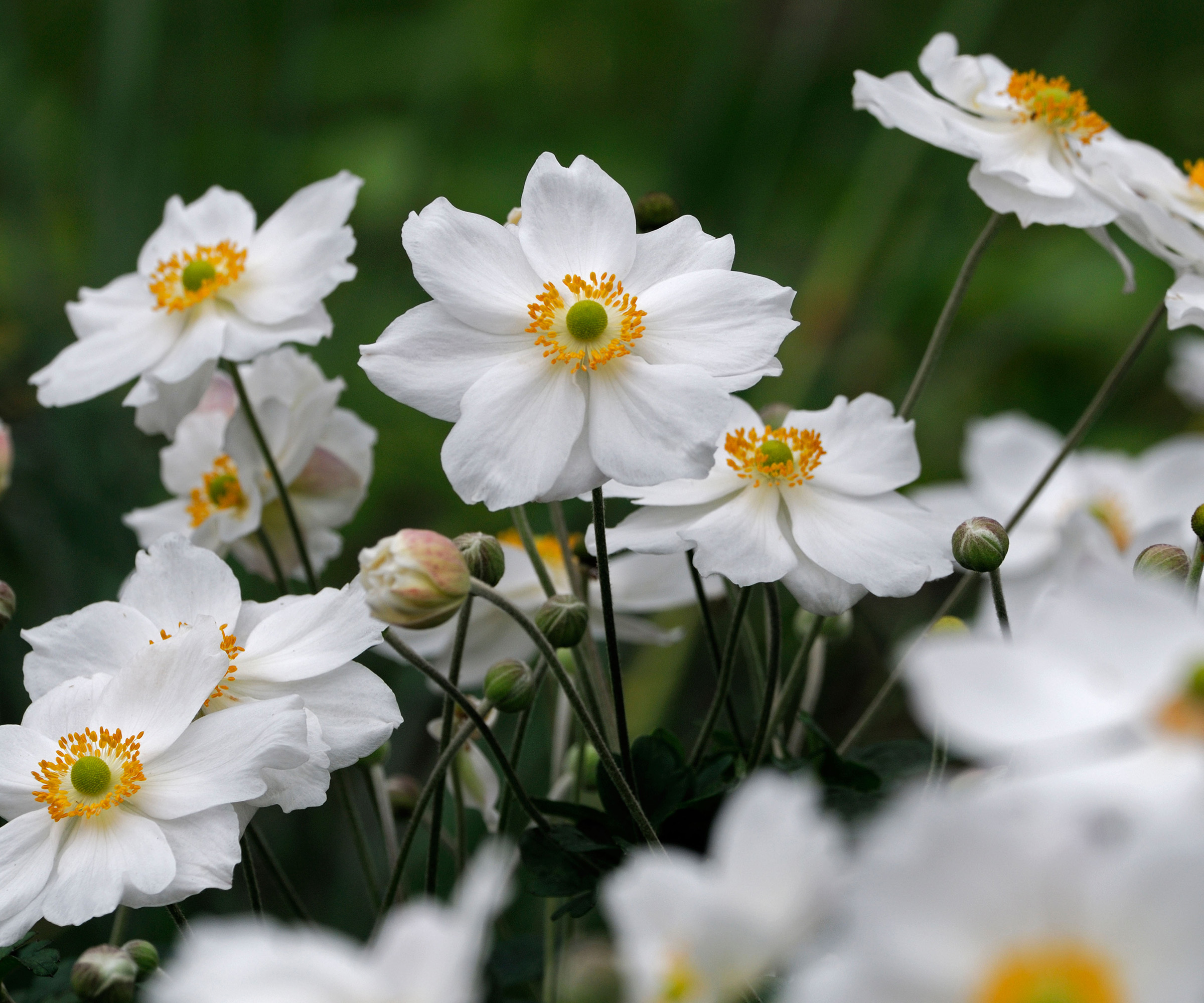
Bee Balm, or Monarda, is beloved by bees and adds an exotic touch to gardens. Unlike many plants, it tolerates wet and marshy soils, offering flexibility in planting. Mock Orange captivates with its clear-white flowers, yellow centers, and sweet fragrance in late spring. These striking bushes grow 6-8 feet tall and are hardy in USDA Zones 4 to 7. Coralbells, particularly the 'Berry Smoothie' and 'Forever Purple' varieties, are popular for their colorful foliage in shade gardens, featuring tiny bell-shaped blooms in summer and hardy in Zones 4 to 9.
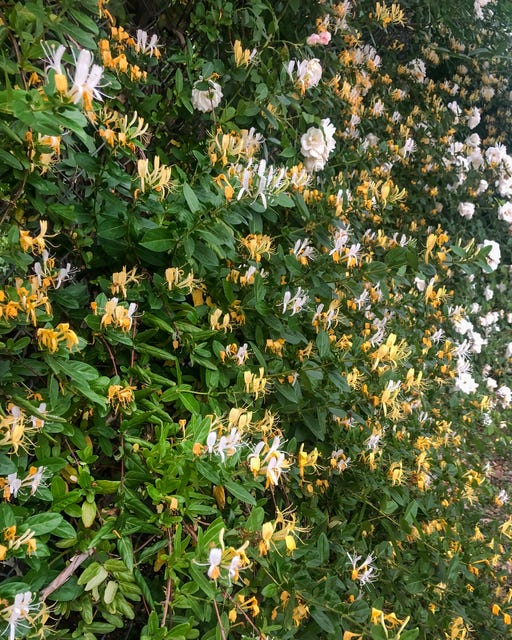
'Gilded Sun' Floribunda Rose is a yellow variety known for its non-fading blooms and large, glossy green leaves, as well as its exceptional disease resistance. 'Profusion Red' Zinnia, an All-America Selections Winner, is praised for its compact size, disease resistance, and vibrant red blooms that maintain their color in summer sunlight, making it ideal for borders and container gardening. Honeysuckle, famed for its scent and orchid-like yellow flowers, comes in bush or climber varieties, suitable for patios or decks. It can grow quite large, requiring ample space.
For beginner-friendly colorful plants, marigolds are recommended for their brightness, ease of sowing, and insect-repelling properties. To determine if a plant is invasive, consulting local university extension services or agriculture departments is advised, as they provide accurate, region-specific lists.
#ColorfulPlants #LandscapeDesign #GardenPlanning #Perennials #Annuals #FragrantFlowers #DroughtTolerantPlants #ShadeGardening #PollinatorFriendly #ContainerGardening #ColorfulPlants #LandscapeDesign #GardenPlanning #Perennials #Annuals #FragrantFlowers #DroughtTolerantPlants #ShadeGardening #PollinatorFriendly #ContainerGardening
0 comment in total
 No comments yet
You may also like
15 Variegated Plants To Spruce Up Your Indoor Spaces

Best plants for a courtyard garden – 8 favorites to grow for maximum impact in a small space

Transform Your Space With Any of These Gorgeous Tall Indoor Plants

13 Purple Plants to Grow for Bold Color

10 colorful indoor plants to give you a beautiful kaleidoscope of joy

30 Garden Lighting Ideas to Make Your Plants Shine

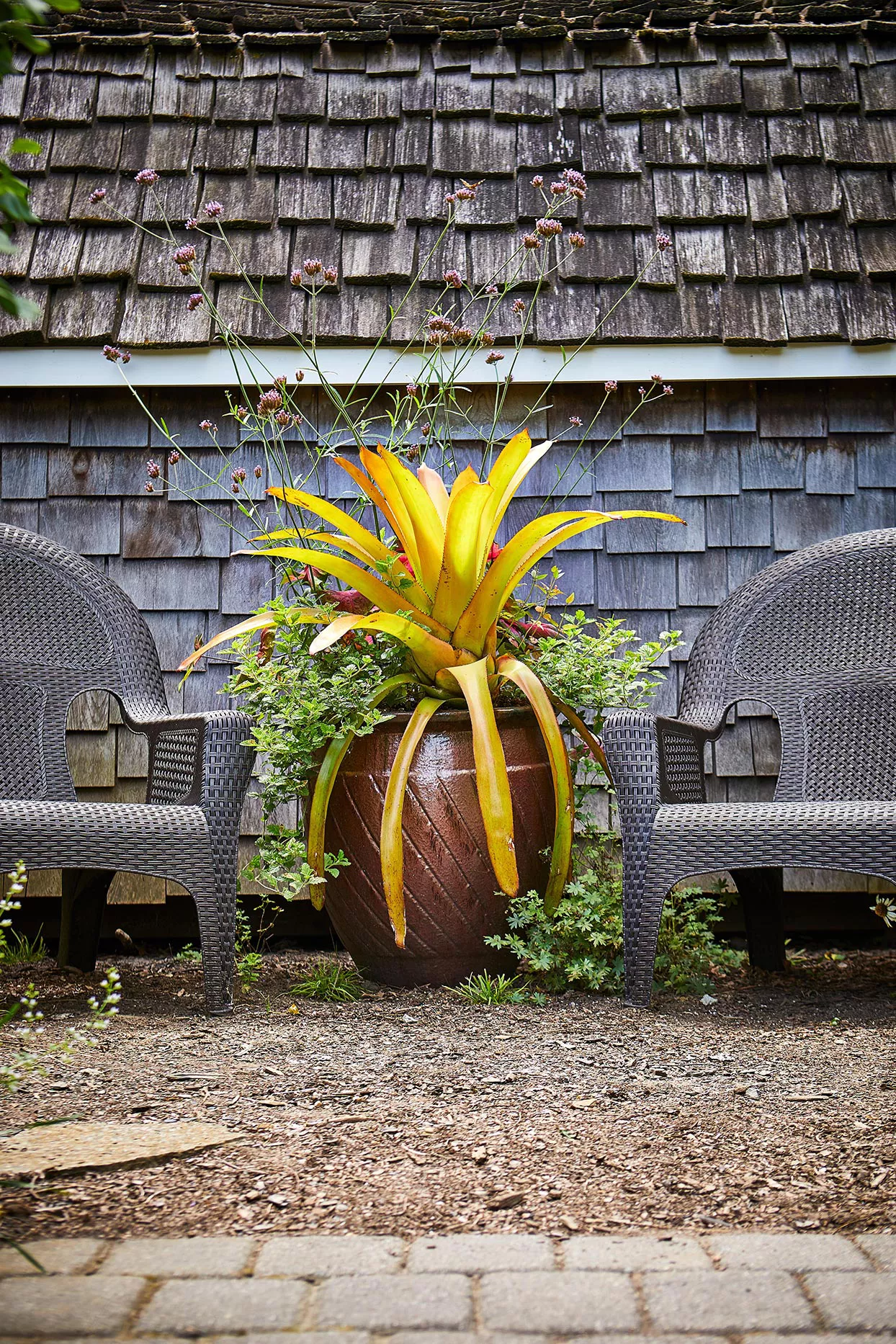
23 Gorgeous Tropical Landscape Plants to Fill Your Garden with Color

5 Aquatic Plants to Brighten Up Your Water Feature
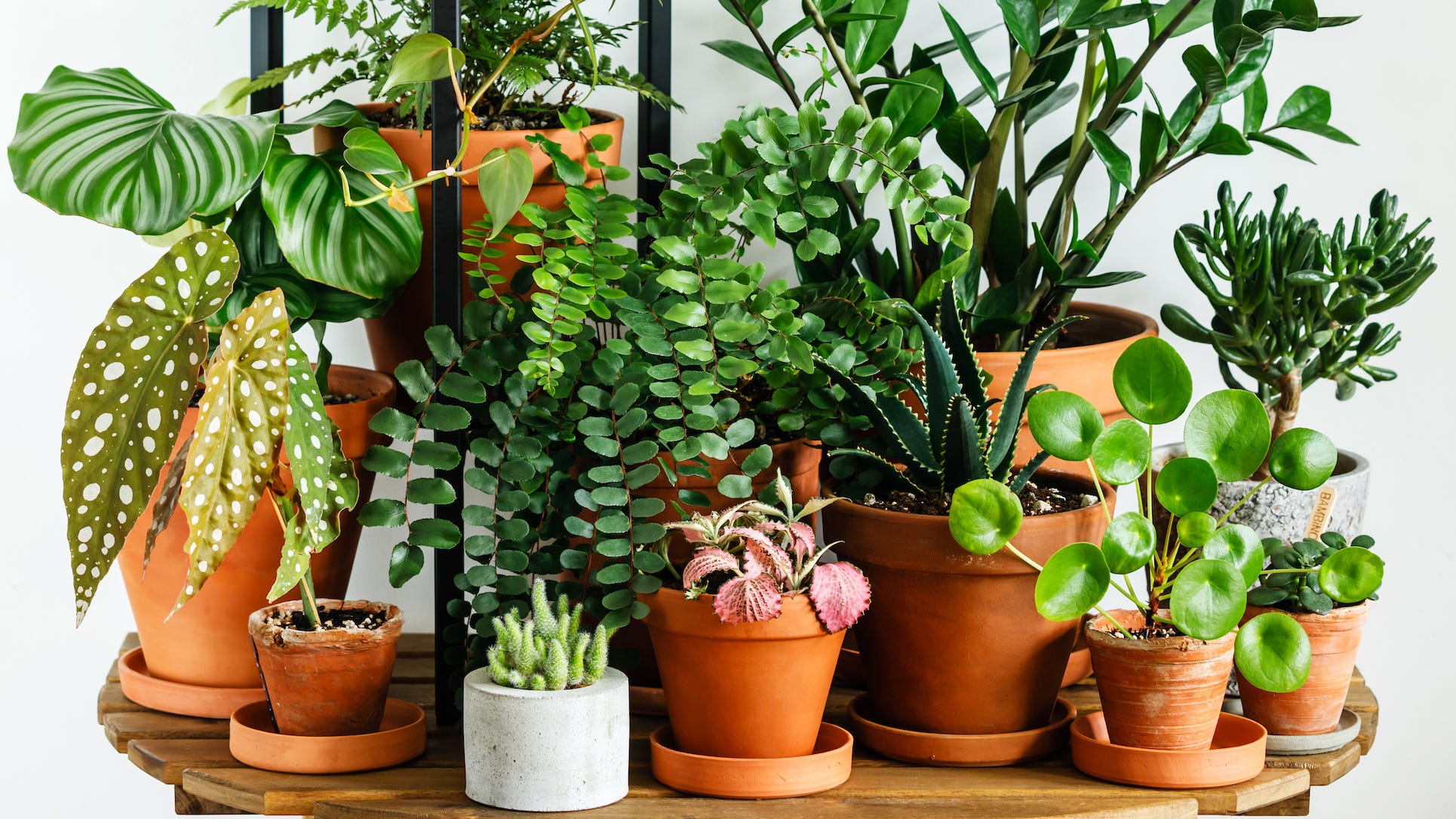
36 best indoor plants that will liven up any room
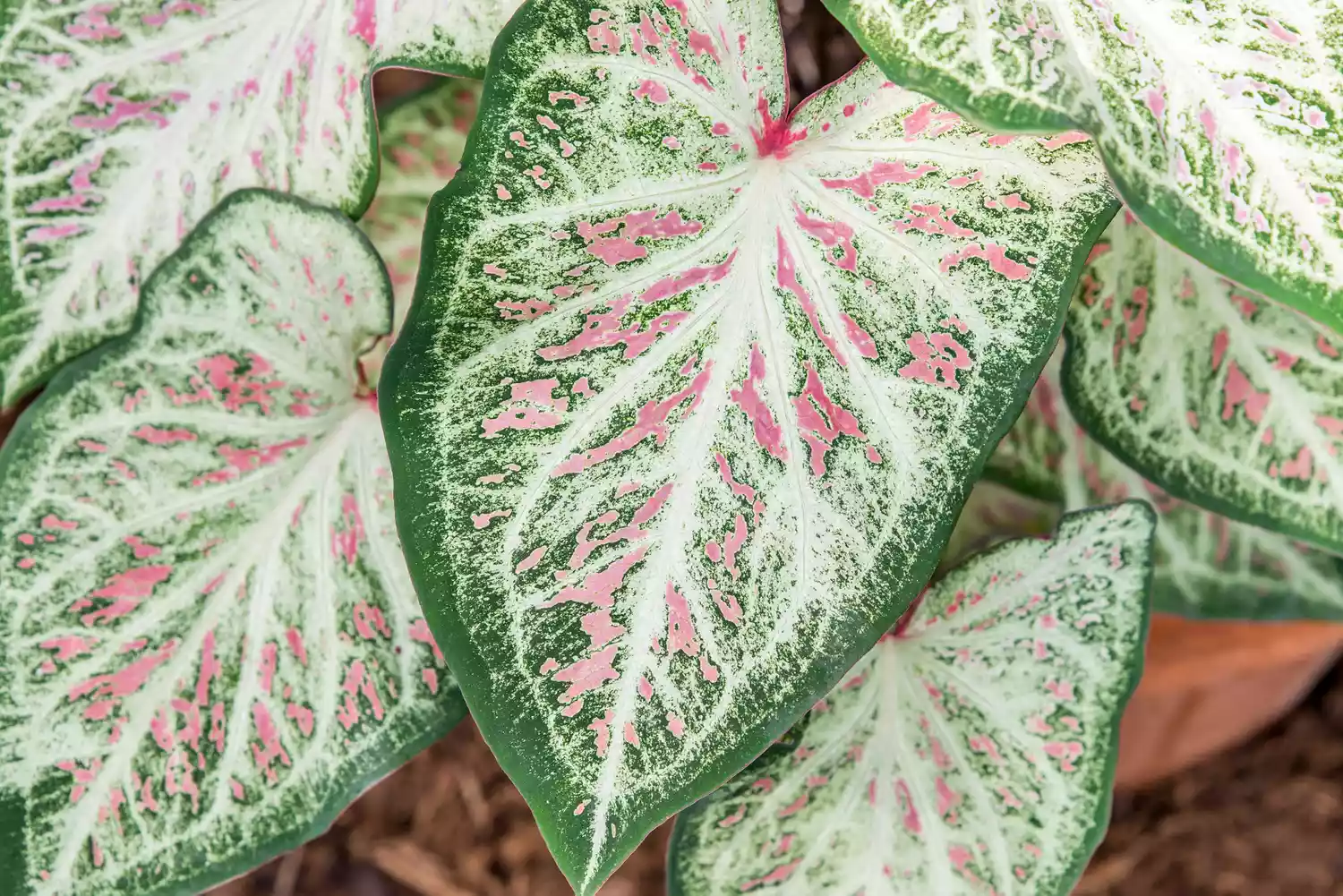
8 Beautiful Plants We Love to Add Color and Texture to Your Yard

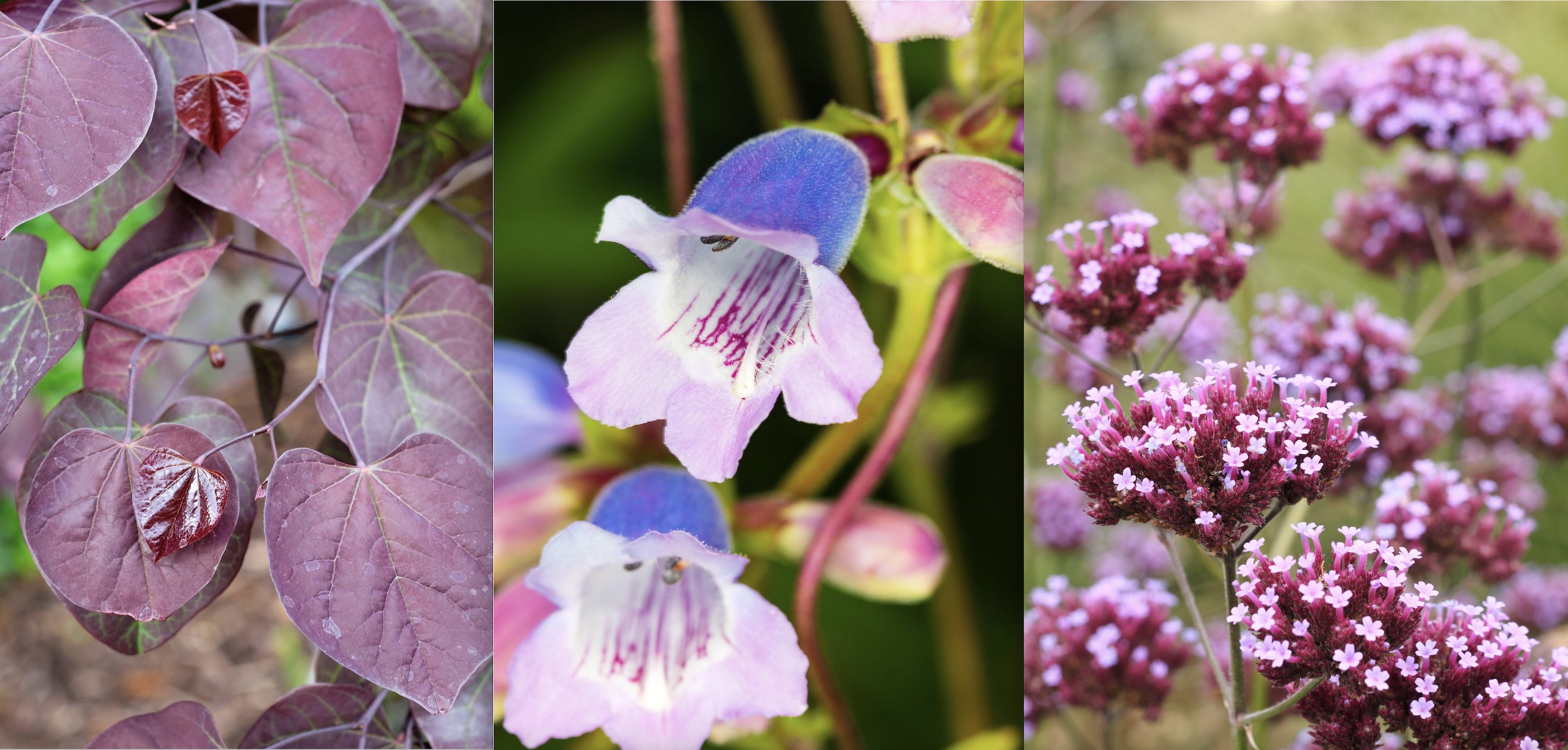
Purple plants – 5 best to choose for the perfect purple border
Plant These Flowering Shrubs Today If You Want a Vibrant Summer Yard

12 Plants with Colorful Leaves for Brightening Up Your Garden

These Beautiful Flowering Shrubs Will Add Major Color to Your Garden

Garden color schemes – these are the palettes landscapers lean on to make planting feel cohesive and considered

16 Best Fast-Growing Purple Plants For A Beautiful Shade Garden In No Time
15 Best Purple Plants For Your Flower Garden

Backyard lighting ideas – 15 ways to illuminate your space beautifully
What are the best plants with green and white leaves? 8 of the most stylish variegated houseplants
These 25 Colorful Houseplants Secretly Double as Decor