1/9
5 Aquatic Plants to Brighten Up Your Water Feature
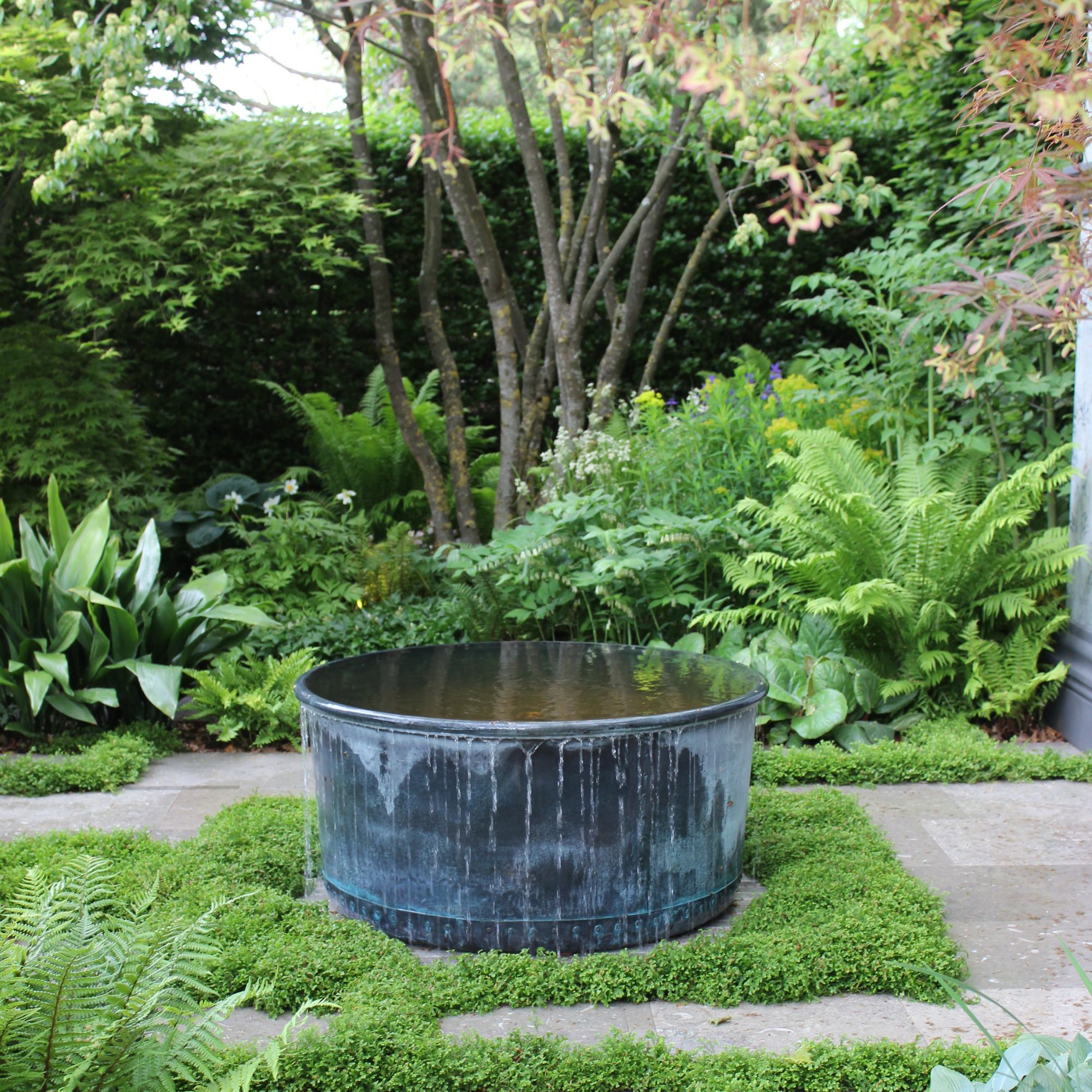
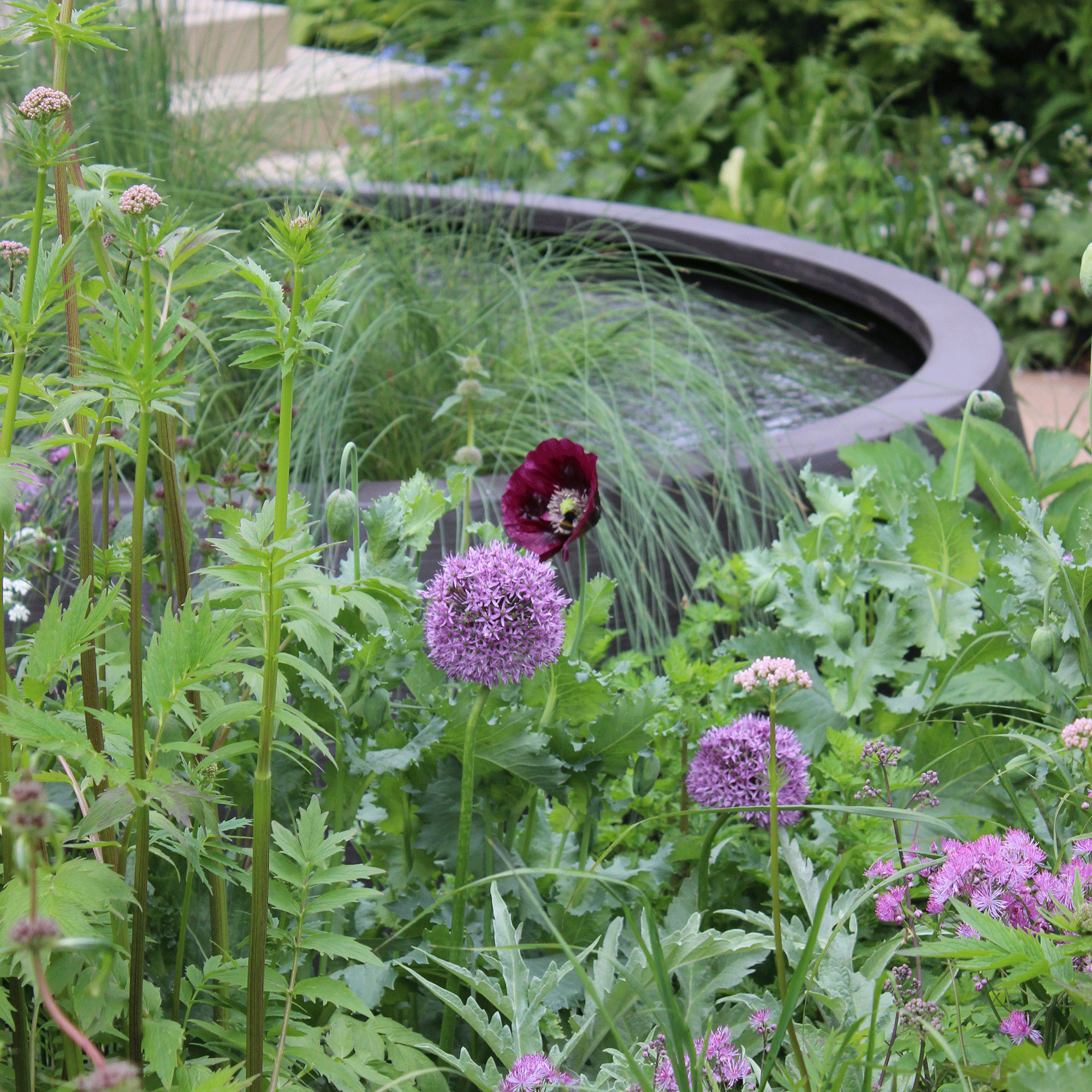
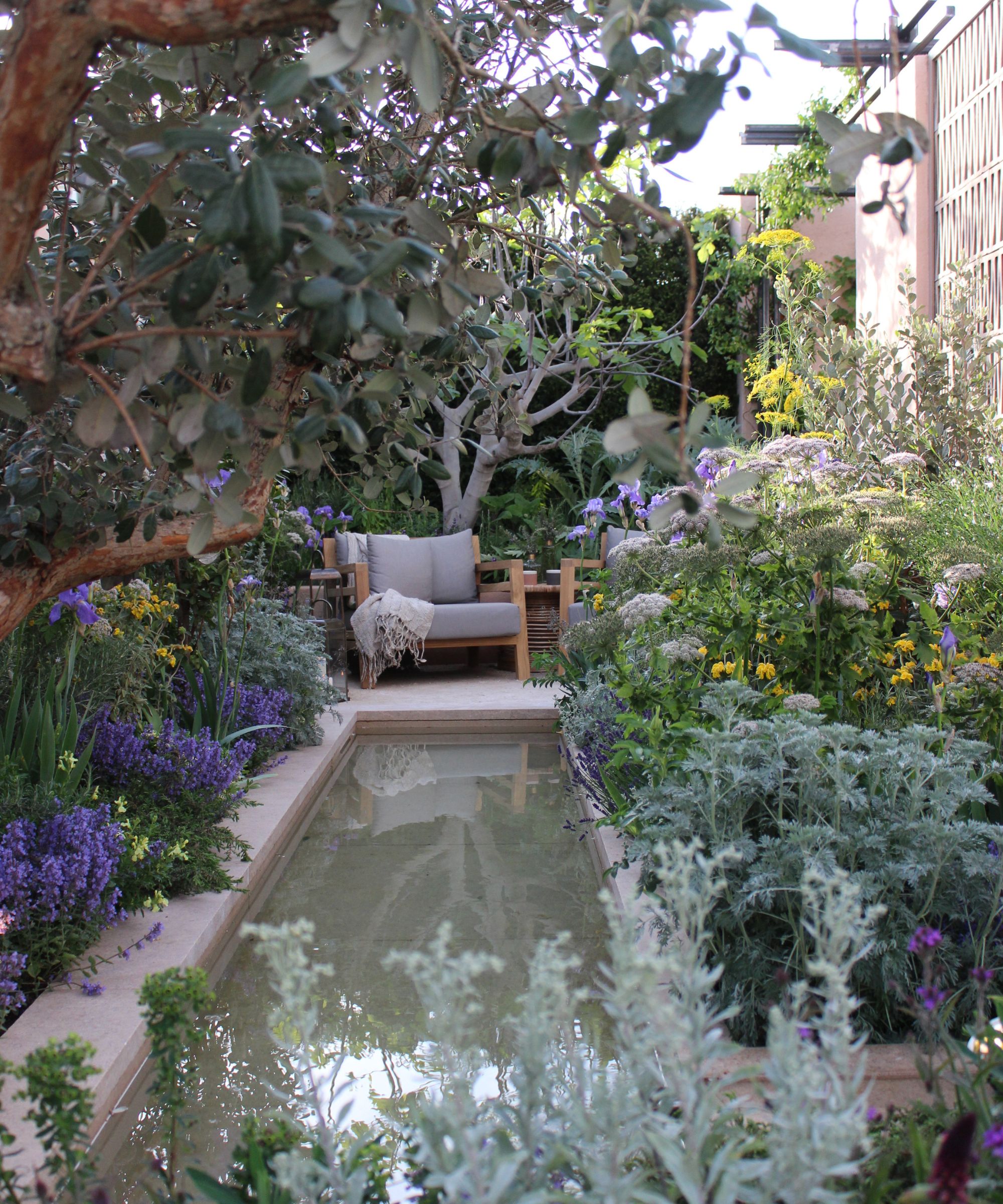
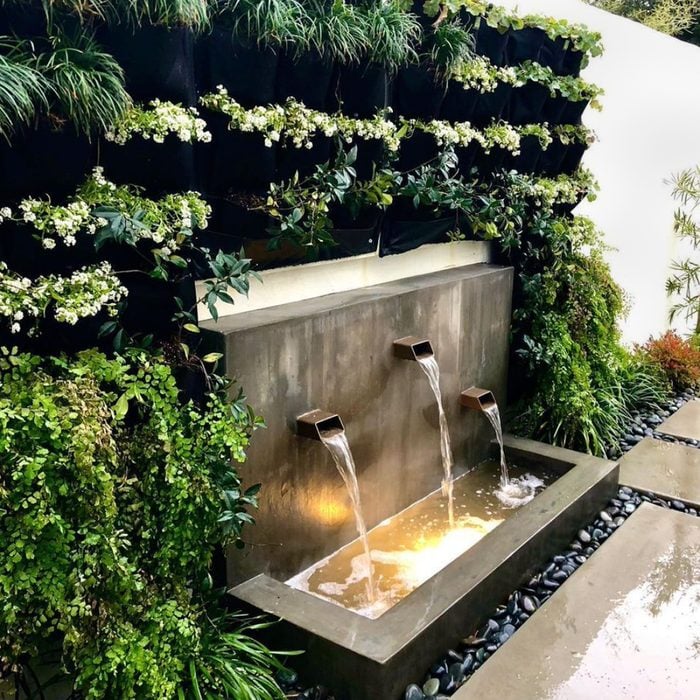
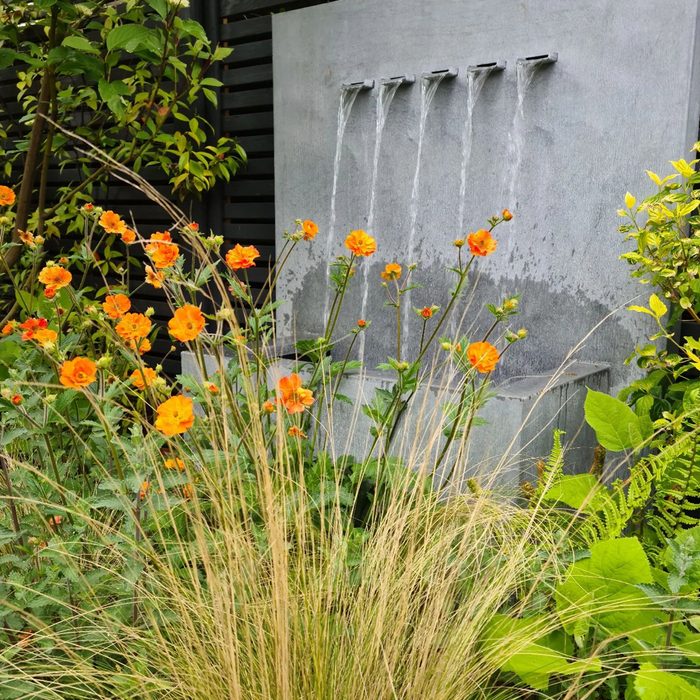
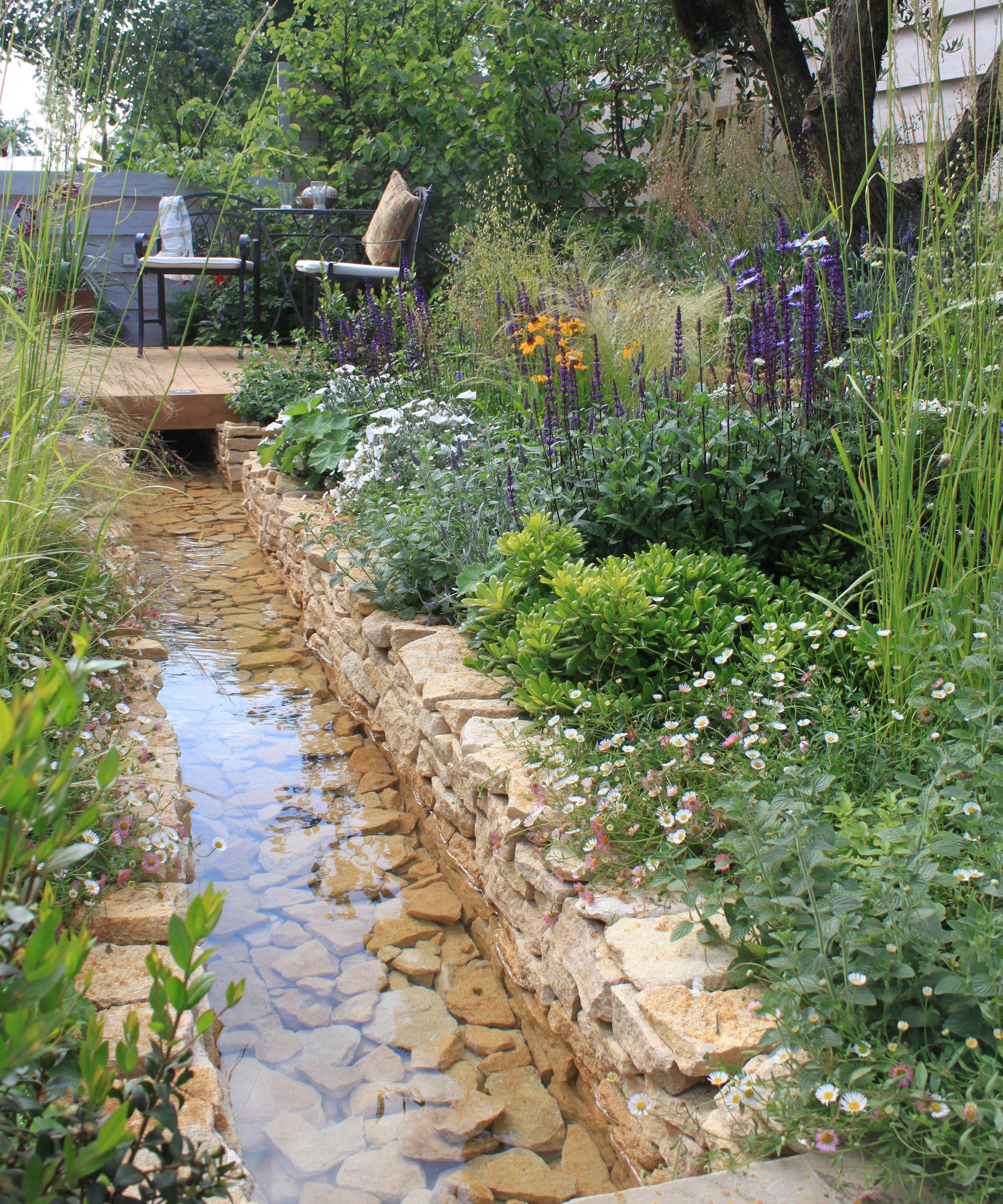
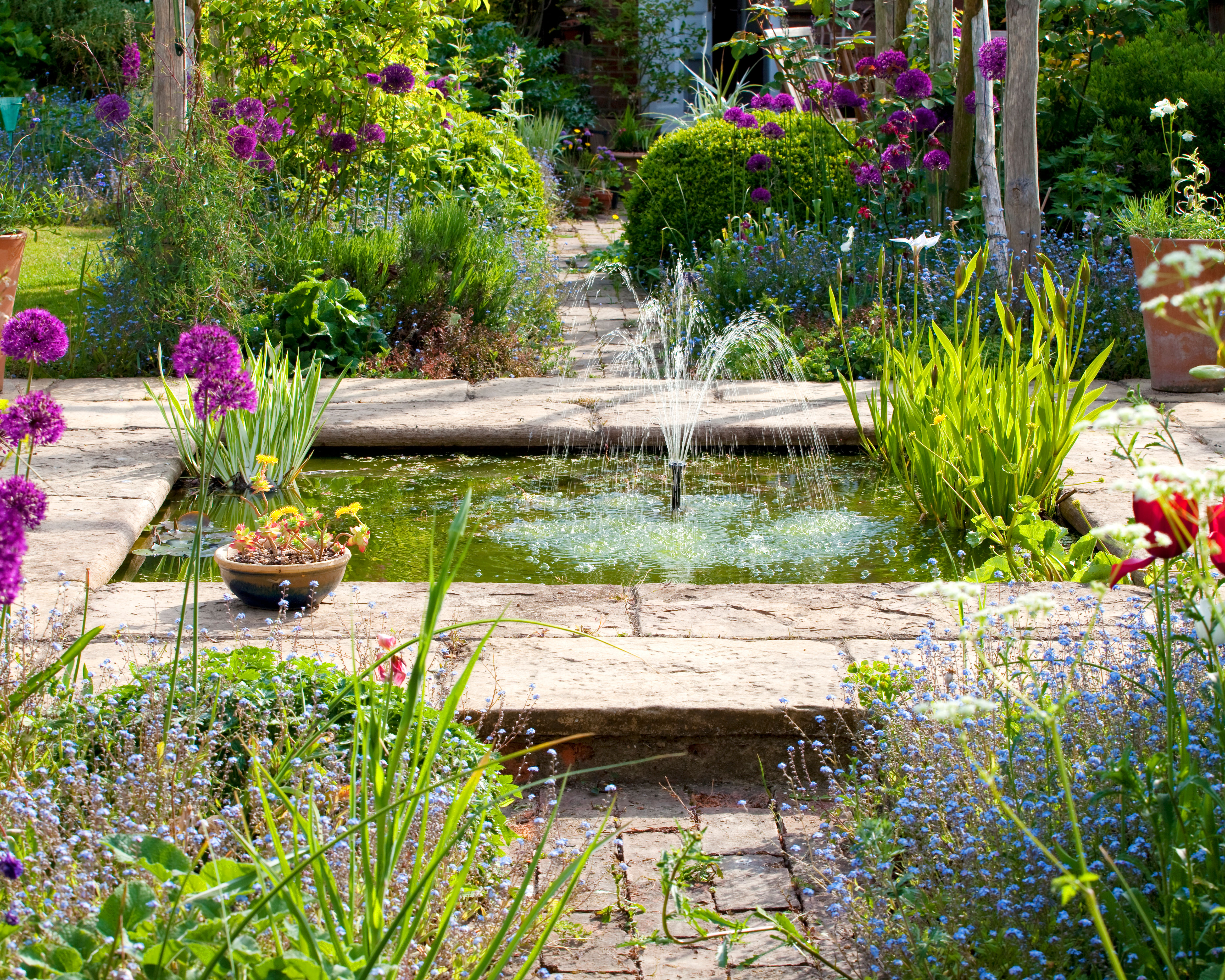
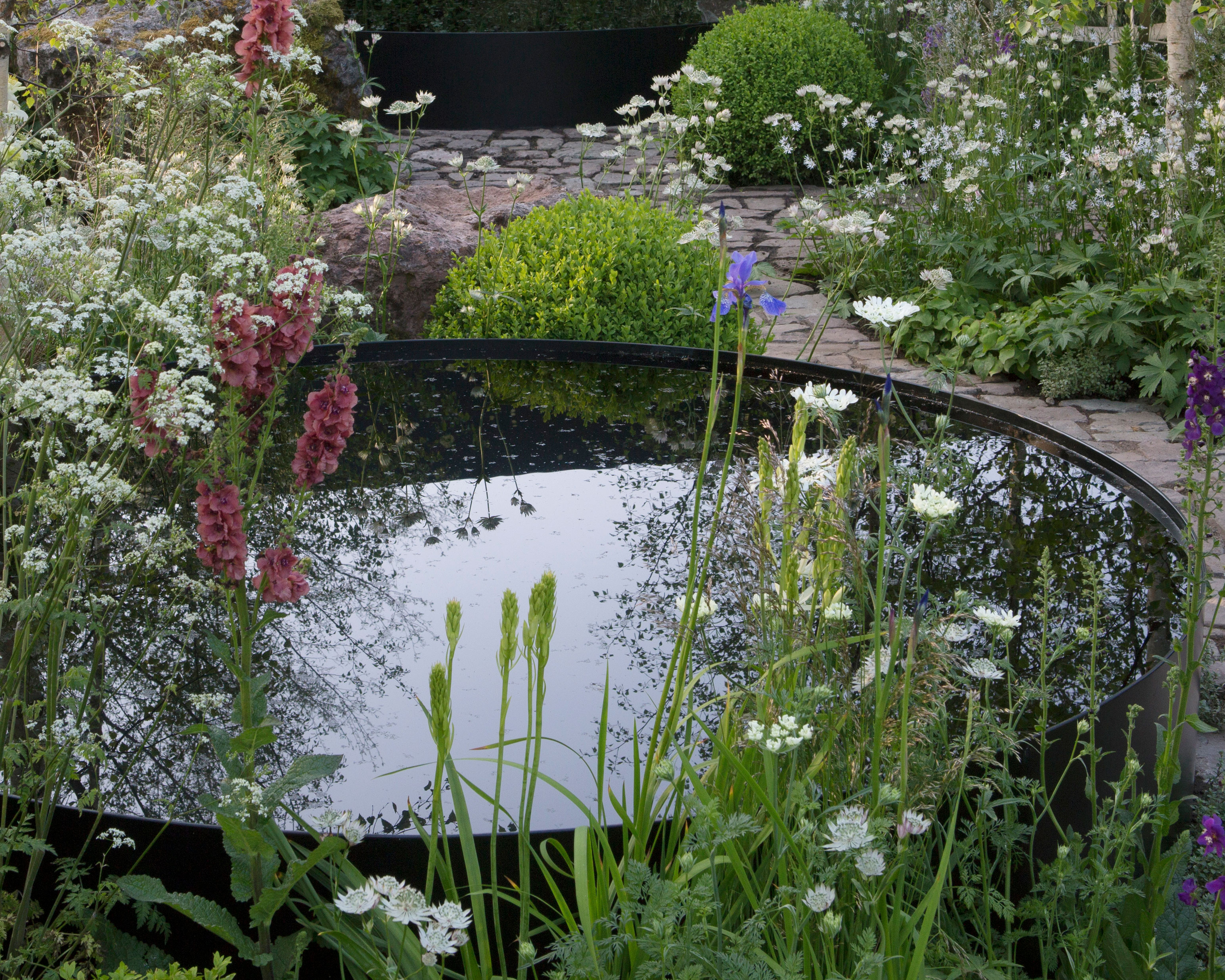
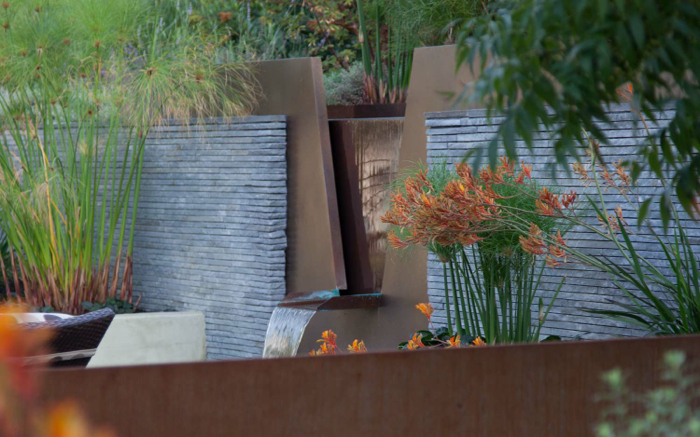
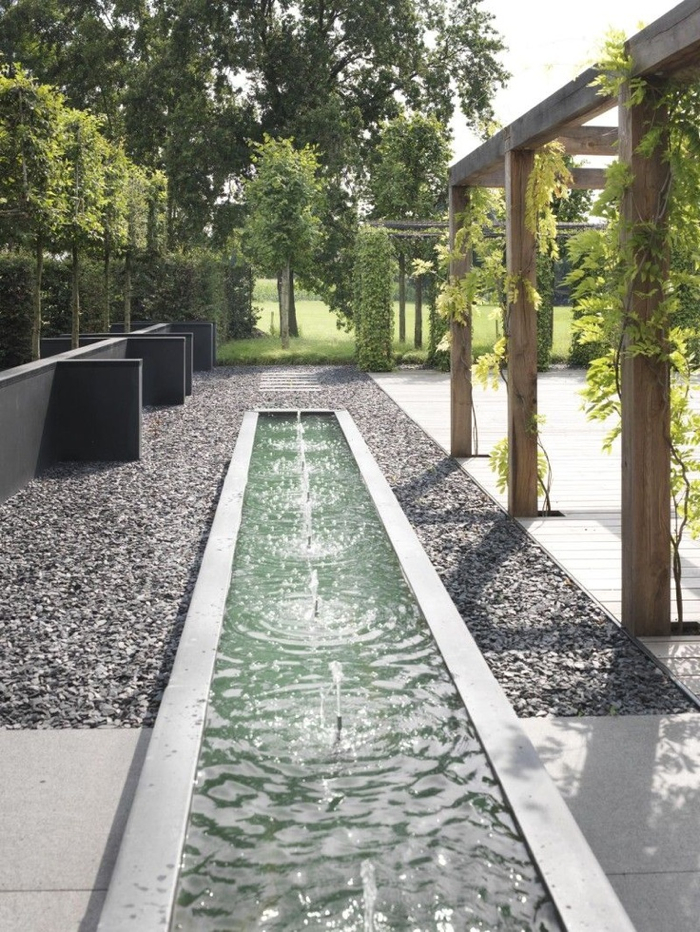
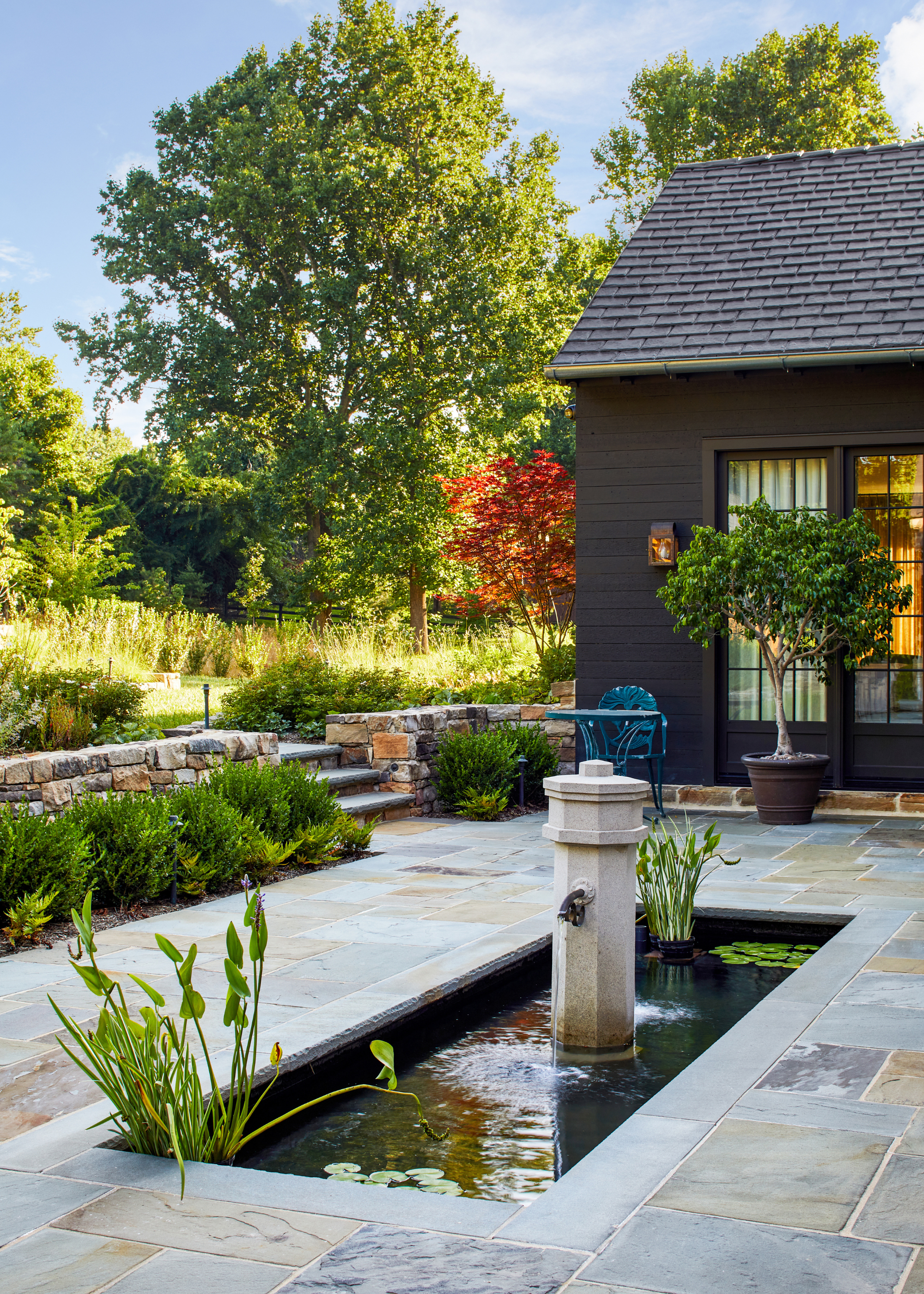
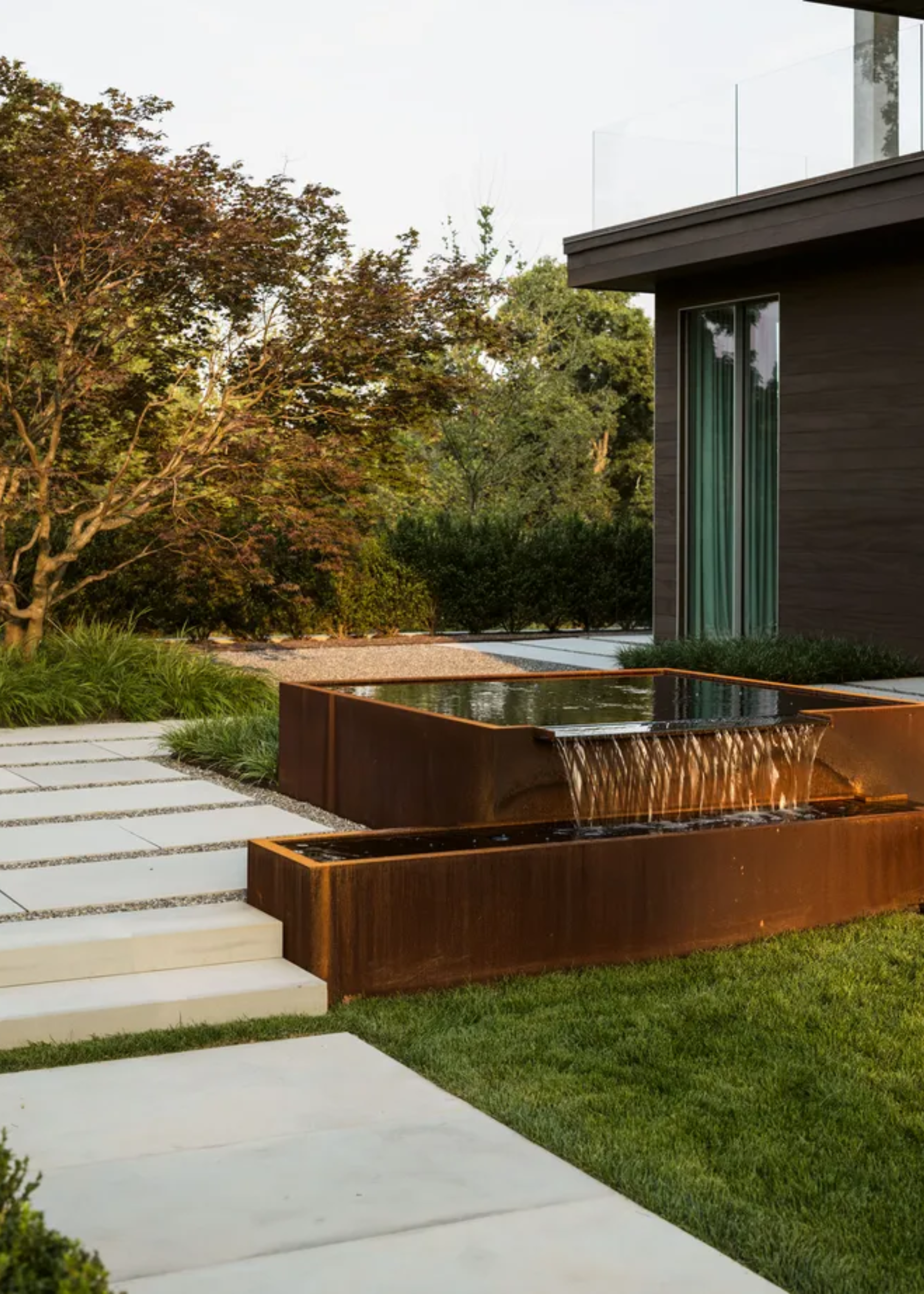
Water features have become a popular element in modern garden design, offering a soothing ambiance and contributing to the overall wellness aesthetic of an outdoor space. However, simply installing a water feature is not enough to achieve a truly distinguished look; the key lies in thoughtful styling with lush aquatic plants. These plants not only enhance visual appeal but also serve various ecological functions within the water environment.
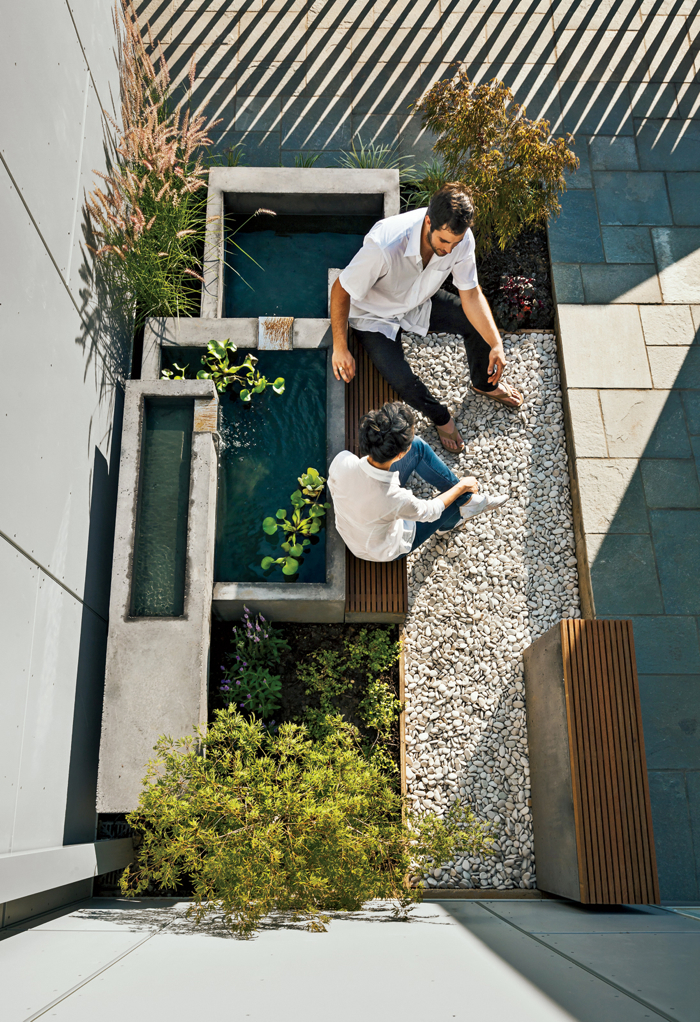
Aquatic plants are categorized based on their growth habits and functions. Submerged plants, or oxygenators, reside at the bottom of the water feature, remaining largely unseen. Their primary role is to oxygenate the water and provide habitat and food for aquatic life, playing a crucial, though not directly aesthetic, part in maintaining a healthy water ecosystem. Marginal plants grow along the edges of the water feature, helping to soften its boundaries and create hiding places for insects and amphibians. Floating plants, as their name suggests, float on the water's surface, offering shade for the pond below and serving as platforms for various pond inhabitants. Deeper water plants thrive in greater depths than marginals and are often celebrated for their dramatic flowers and foliage, contributing significantly to the aesthetic vibrancy of the water feature.
Several specific aquatic plants are recommended by experts for their ability to elevate the style of any water feature. Water hyacinth, for instance, is a popular choice due to its rapid growth and attractive lavender-colored spikes that bloom for months. This floating plant provides natural motion and can quickly cover a significant area, making it ideal for those seeking immediate greening and dynamic visual interest. Cardinal flowers are noted for their textural quality, height, and vibrant red blooms, which provide vertical drama, particularly around the edges of ponds. As a perennial native, they also attract wildlife such as hummingbirds, adding an element of natural activity to the garden.
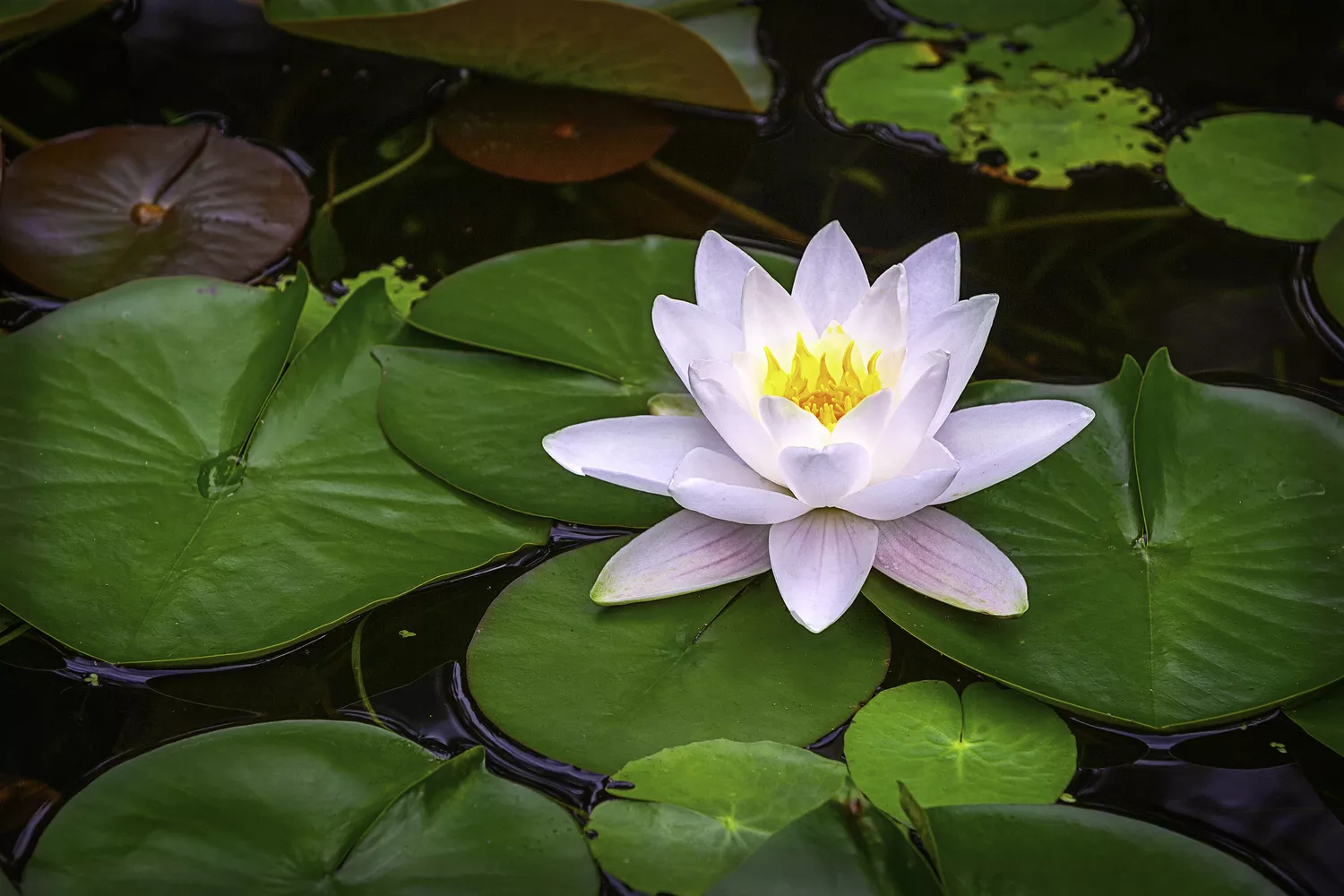
Sweet flag is another recommended plant, especially for those who appreciate fine detailing in their landscaping. Its grass-like, variegated foliage offers delicate textures that can lighten shaded pond edges and facilitate a smoother transition from water to hardscape, eliminating the harshness of bare edges. Lotus plants provide raw drama, with leaves that emerge three feet above the water and flowers that open and close with the sun, creating a daily floral spectacle. Their seed pods also extend the visual interest into autumn and winter. Finally, water lilies, though sometimes considered basic, remain a timeless choice for their stunning floral flourish. The key to incorporating water lilies and other aquatic plants effectively is to vary their heights and bloom times, creating depth and visual interest through a combination of floating, emergent, and marginal plants, rather than submerging all plants at the same level. This layered approach ensures a sophisticated and engaging water garden design.
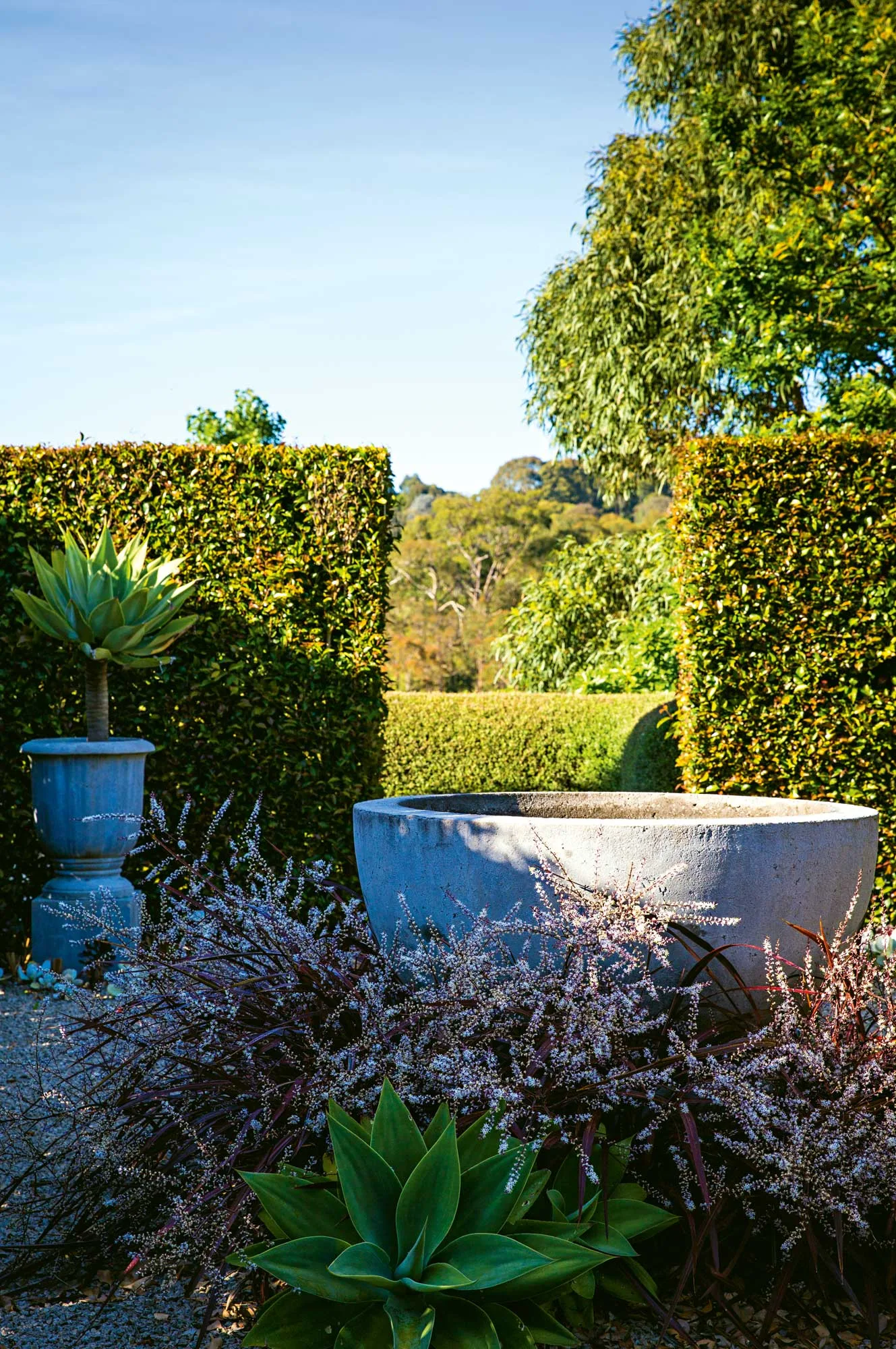
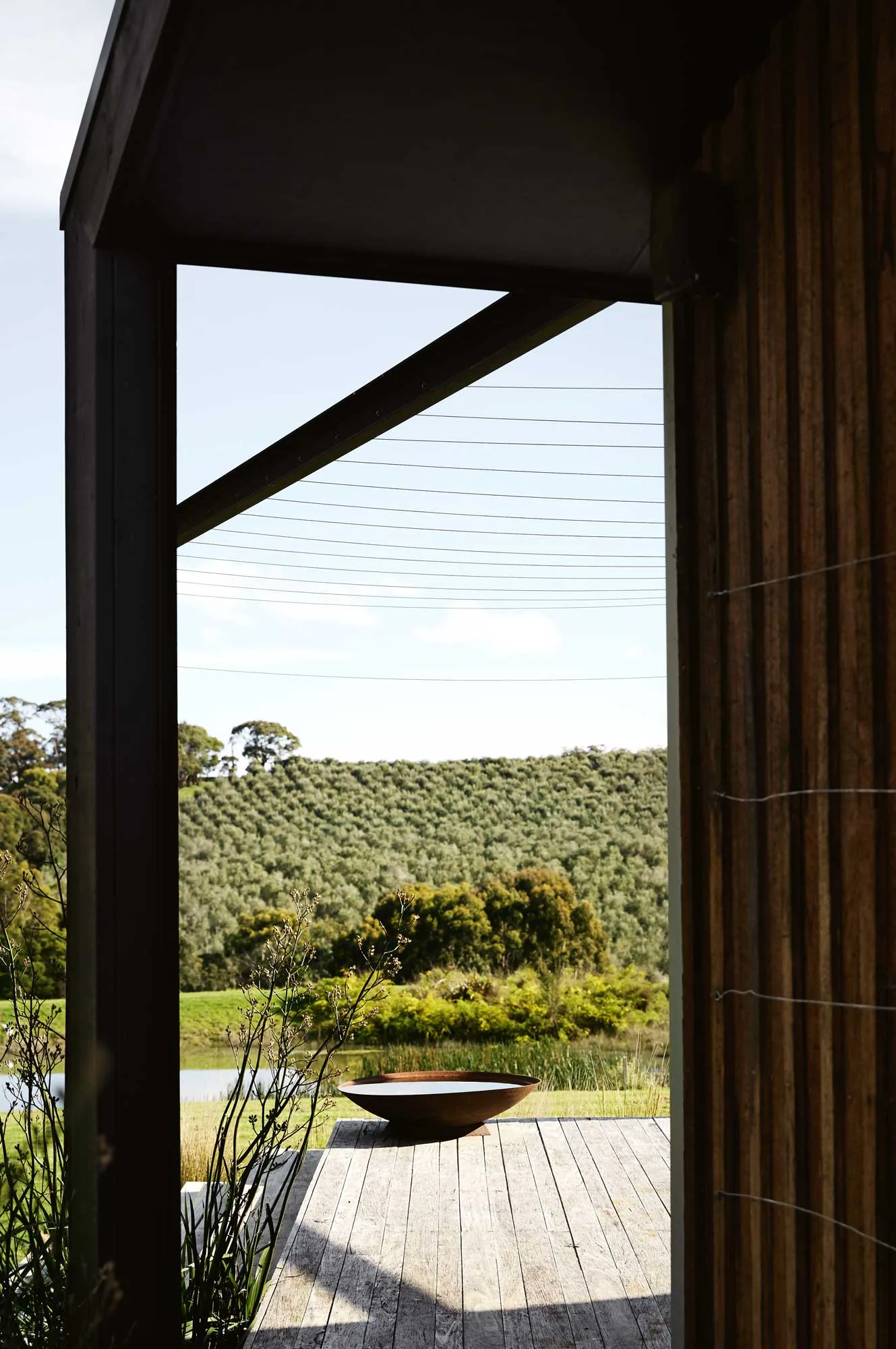
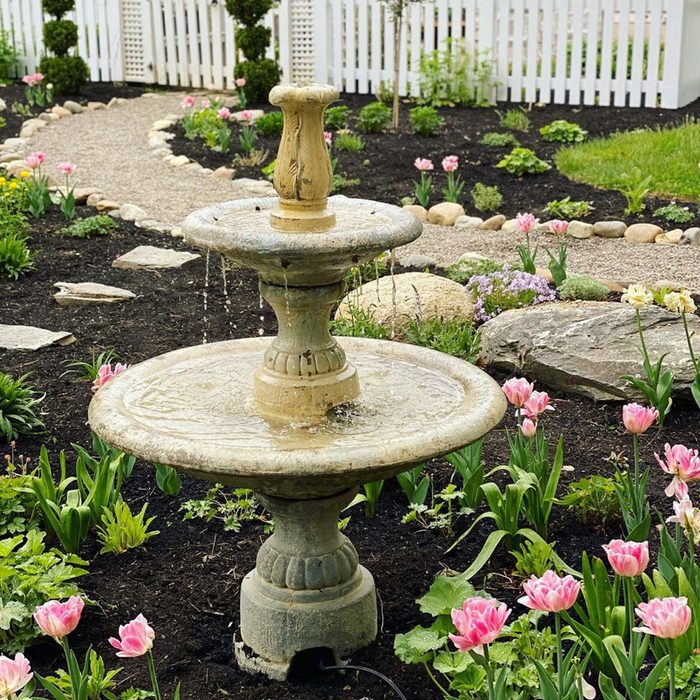
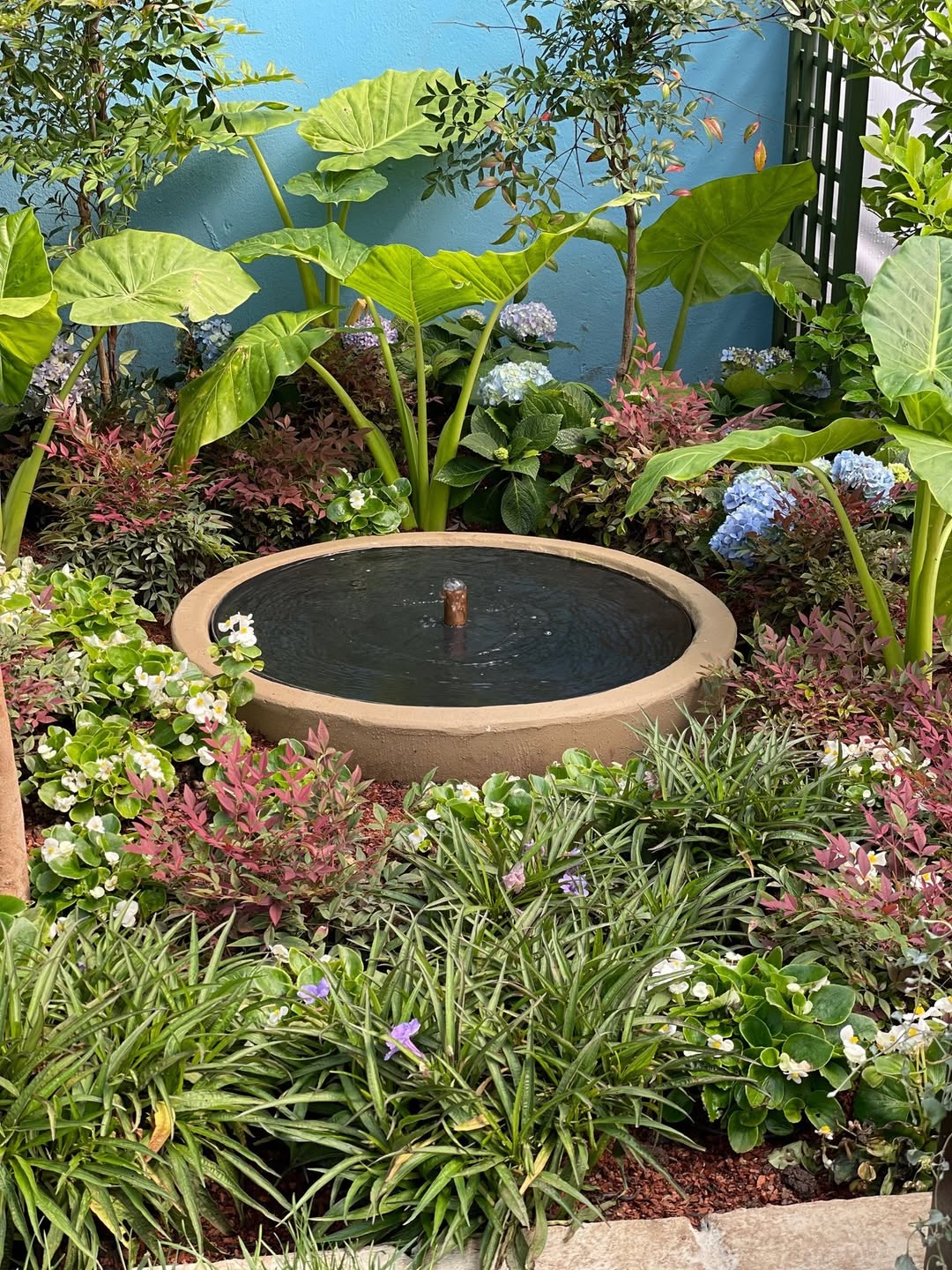
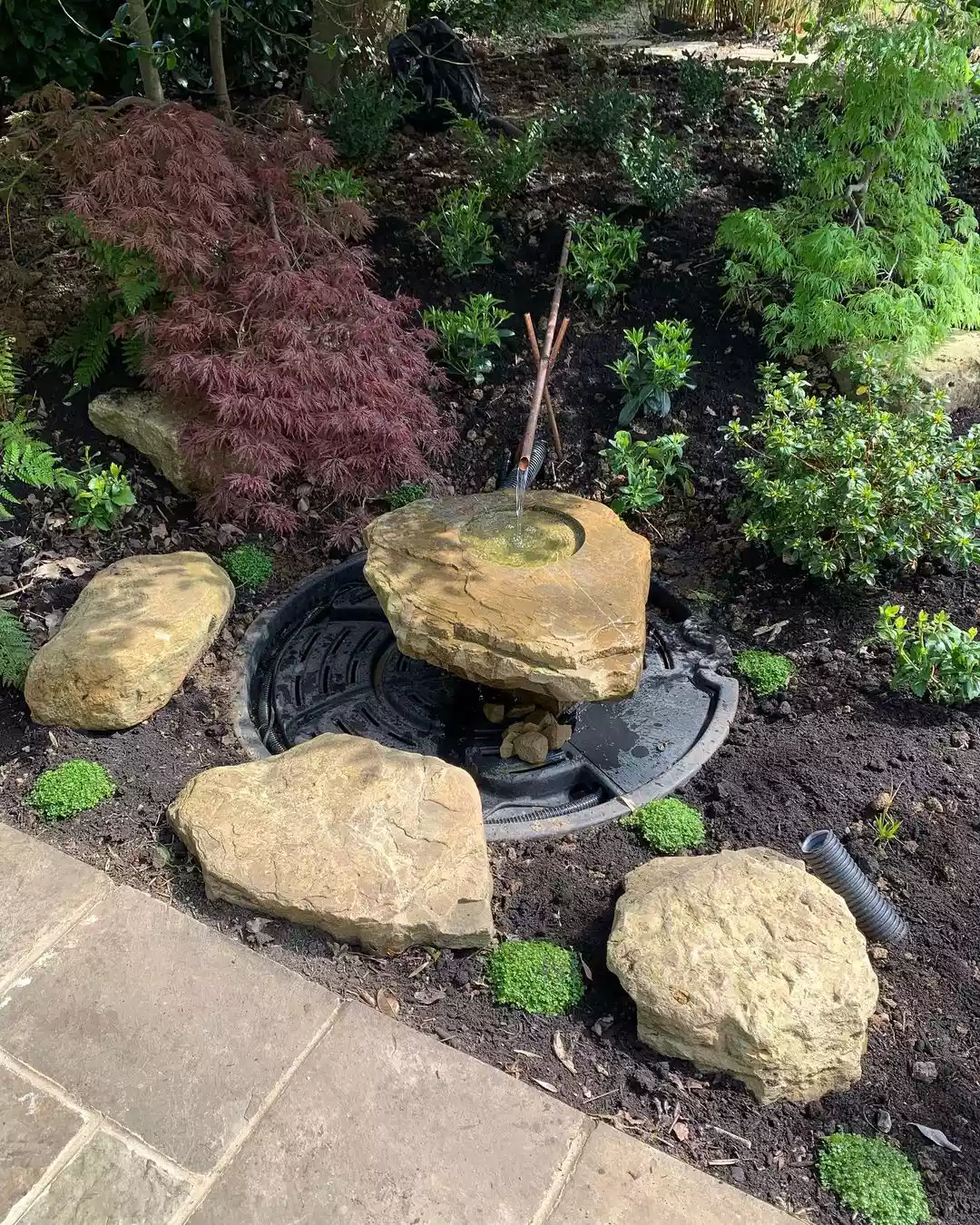
Integrating these plants into water features can transform a garden into a serene and visually captivating outdoor space, appealing to both aesthetics and ecological balance. Even small water features like bird baths or concrete fountains can be enhanced with these aquatic additions, creating a tranquil retreat.
#AquaticPlants #WaterFeatures #GardenDesign #OutdoorLiving #LandscapeDesign #PlantRecommendations #HomeDecor #GardeningTips #BiophilicDesign #AquaticPlants #WaterFeatures #GardenDesign #OutdoorLiving #LandscapeDesign #PlantRecommendations #HomeDecor #GardeningTips #BiophilicDesign
0 comment in total
 No comments yet
You may also like
13 Water feature ideas to add a new sense of flow to your garden

15 Colorful Plants to Brighten Up Your Landscape

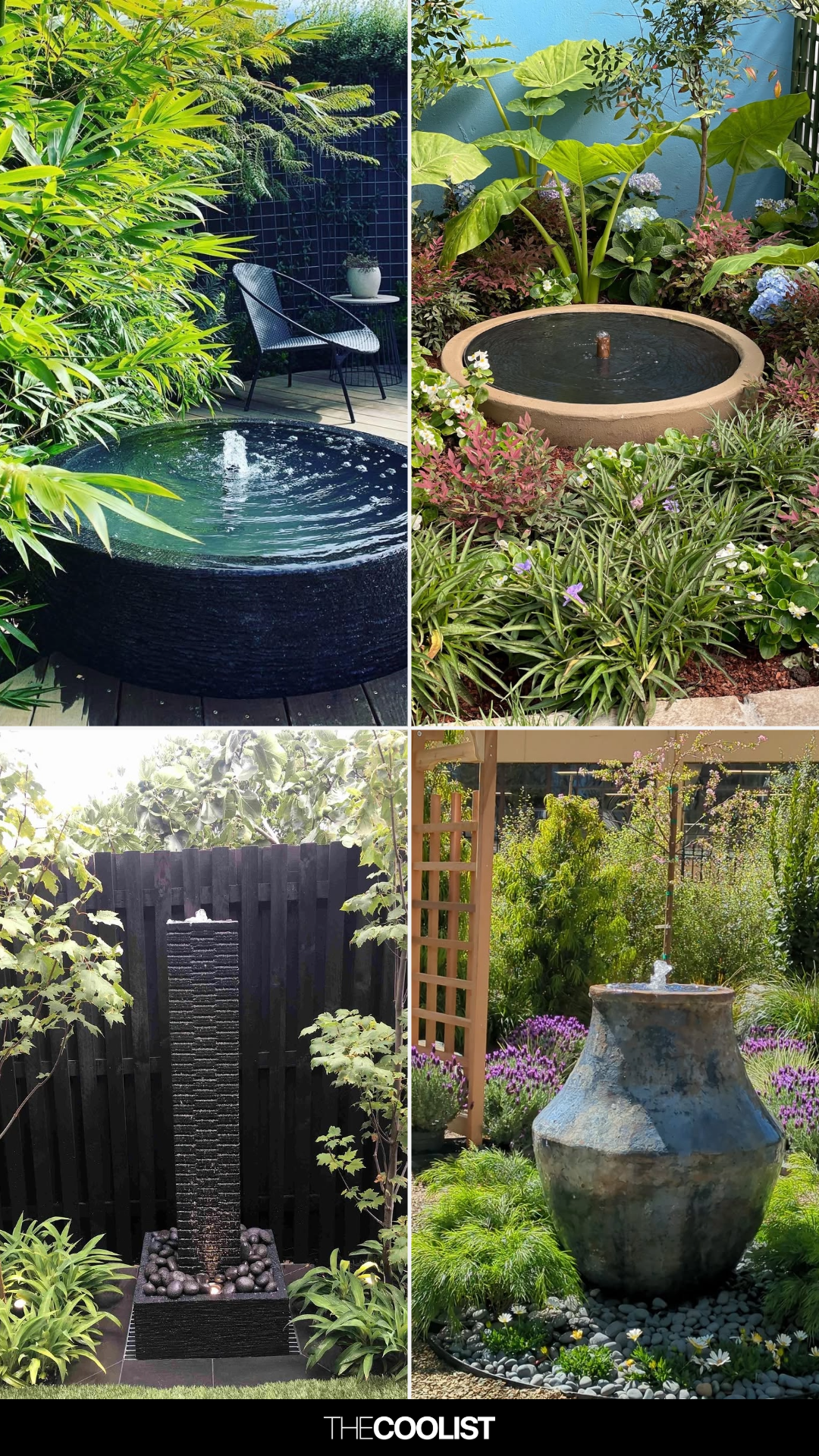
26 Stupidly Gorgeous Water Feature in the Garden Ideas That’ll Haunt Your Mood Boards

14 Houseplants That Can Grow in Water—No Soil Needed

Outdoor water features to turn your garden into a zen oasis

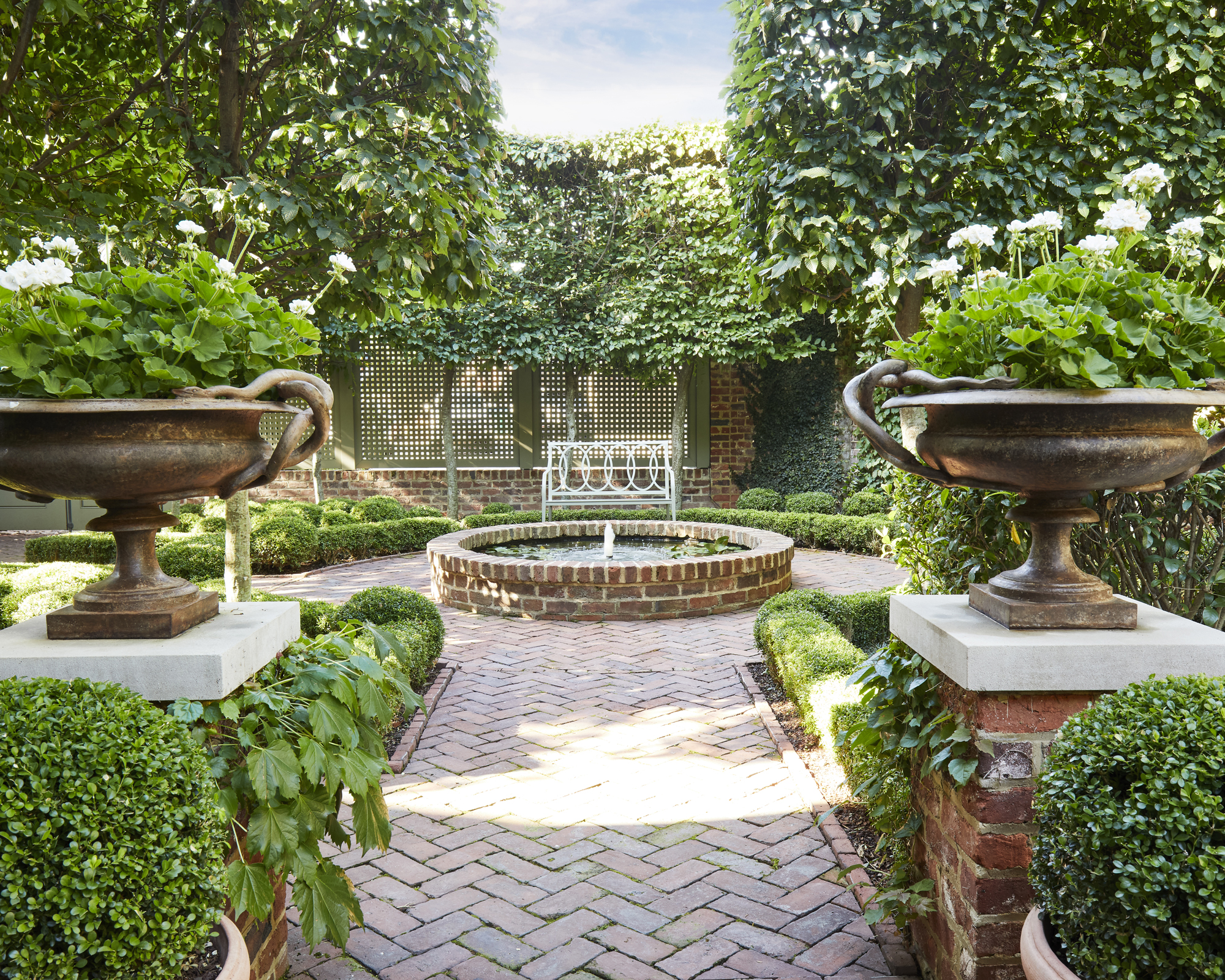
Water feature ideas – 11 ways to add water to any backyard

18 Poolside Plants That Will Make Your Landscape Look Like Paradise
These Beautiful Flowering Shrubs Will Add Major Color to Your Garden

10 Best Garden Water Features
25 Refreshing Water Feature Ideas for Your Landscape

10 colorful indoor plants to give you a beautiful kaleidoscope of joy
8 Tranquil Water Garden Ideas That Look Beautiful and Train Your Ear Away From Noisy Outdoor Distractions
17 Types of Aquatic Flowers to Grow in Water

These 33 Houseplants Are Easy to Grow in Water
30 Garden Lighting Ideas to Make Your Plants Shine
36 best indoor plants that will liven up any room
Best cascading plants: 5 joyful plants for pots and retaining walls
The Designer-Approved Way to INSTANTLY Bring Spa Vibes Into Your Bathroom

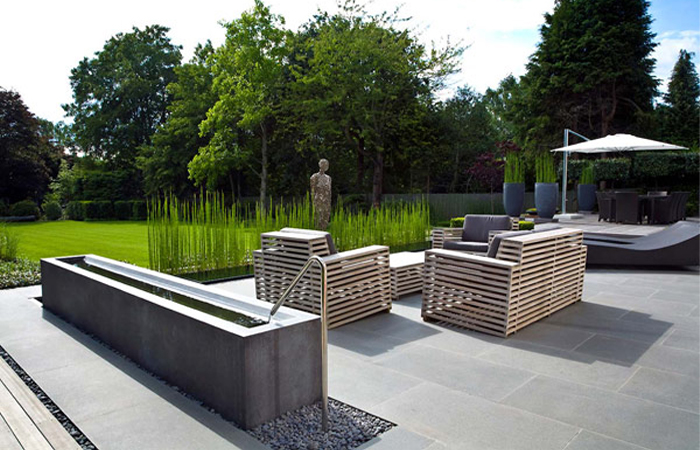
12 Modern Gardens With Water Features

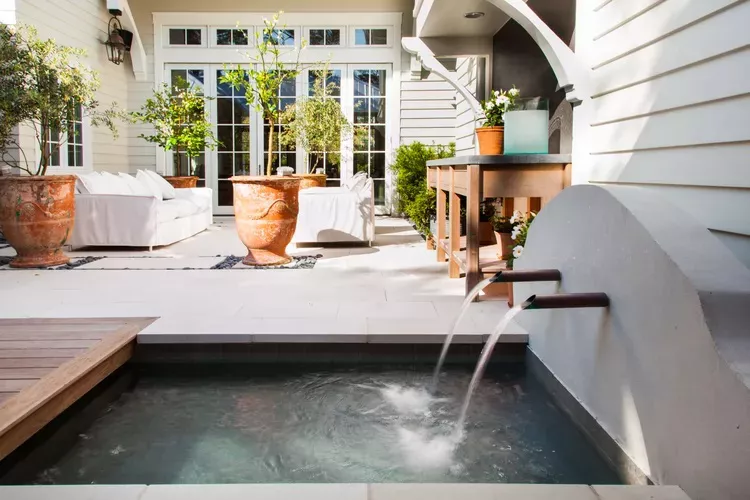
Want A Water Feature in Your Yard? 44 Ideas That Will Fit in Any Budget