1/17
These 33 Houseplants Are Easy to Grow in Water
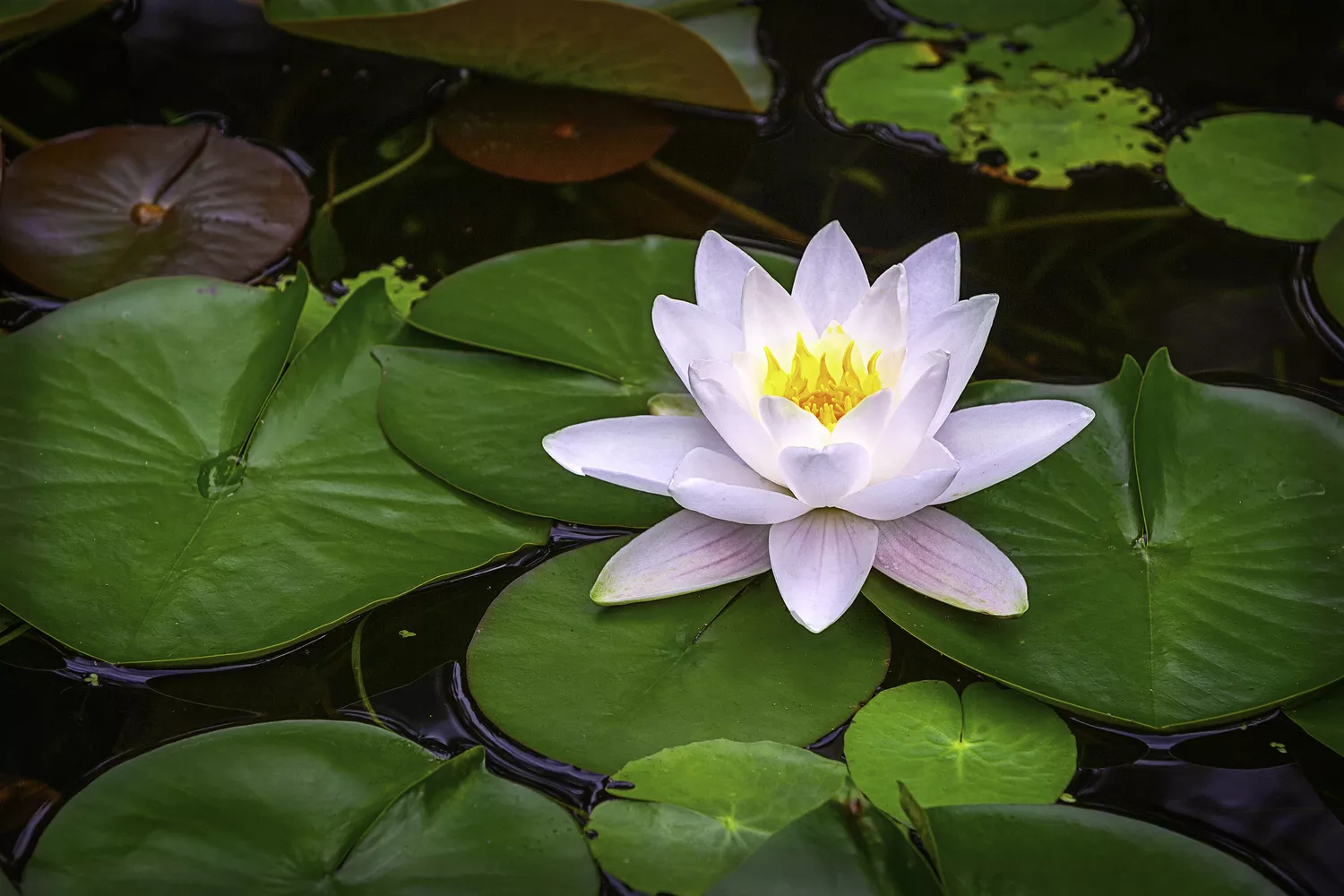
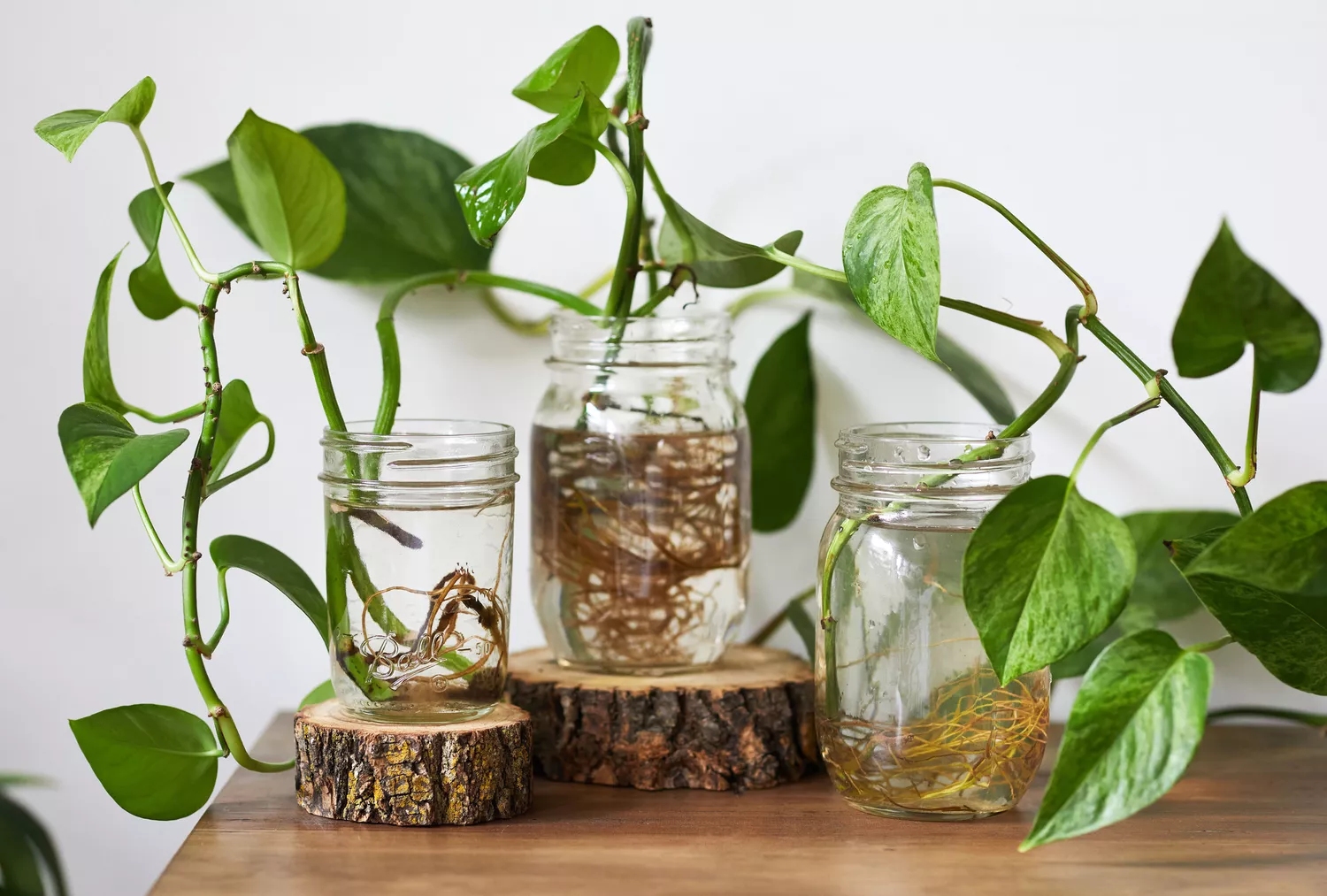
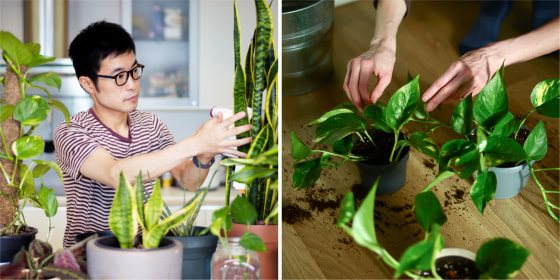
Many common houseplants possess the genetic ability to develop roots from cuttings when exposed to consistent moisture, enabling indoor gardeners to cultivate their favorite plants without soil in glass jars or vases. This method provides an attractive option for kitchens, as it eliminates dirt, and for bathrooms, offering a minimalist and soothing aesthetic. Several flowering plants, including orchids, lotus, and paperwhites, can thrive hydroponically throughout their natural lifespan. When grown this way, these plants can serve as botanical decor or be used to propagate existing houseplant collections.
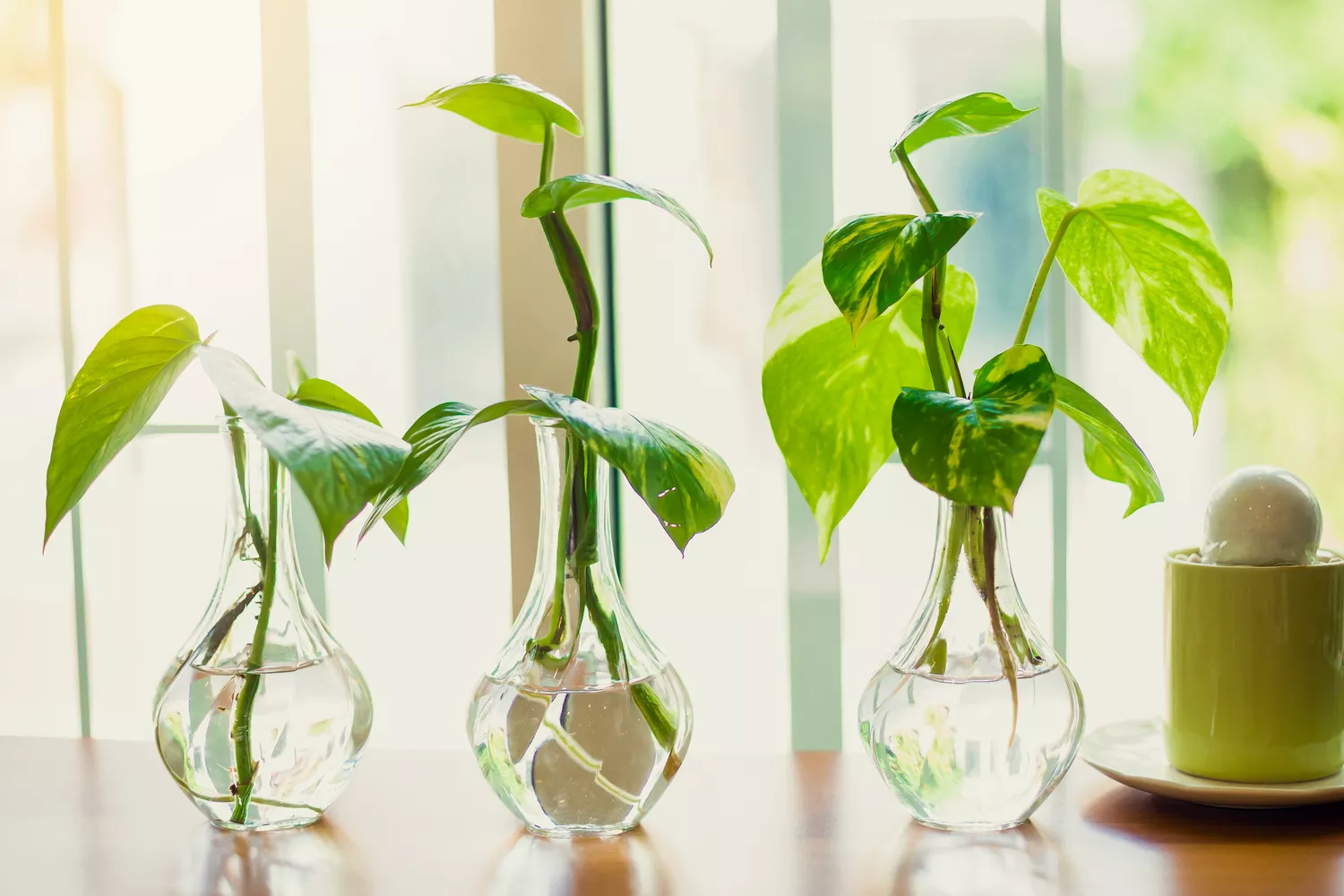
To grow plants in water, selecting an appropriate container is the first step. Any vessel capable of holding water will suffice, though glass jars and vases are aesthetically pleasing as they allow visibility of the roots. However, glass is susceptible to algae growth, making opaque vases a lower-maintenance alternative. It is crucial to consider each plant's specific light requirements before placing it, as different species need varying amounts of sunlight, with some even requiring shade. Regular water changes are essential, especially if the water becomes cloudy or murky; chlorine-free water is preferable. Supplementing with a water-soluble fertilizer at one-quarter strength provides the nutrients typically absorbed from soil. If tap water is heavily chlorinated, allowing it to sit for a day or two before use helps dissipate the chemicals. Activated charcoal can also be placed at the bottom of the vessel to maintain clean and clear water.
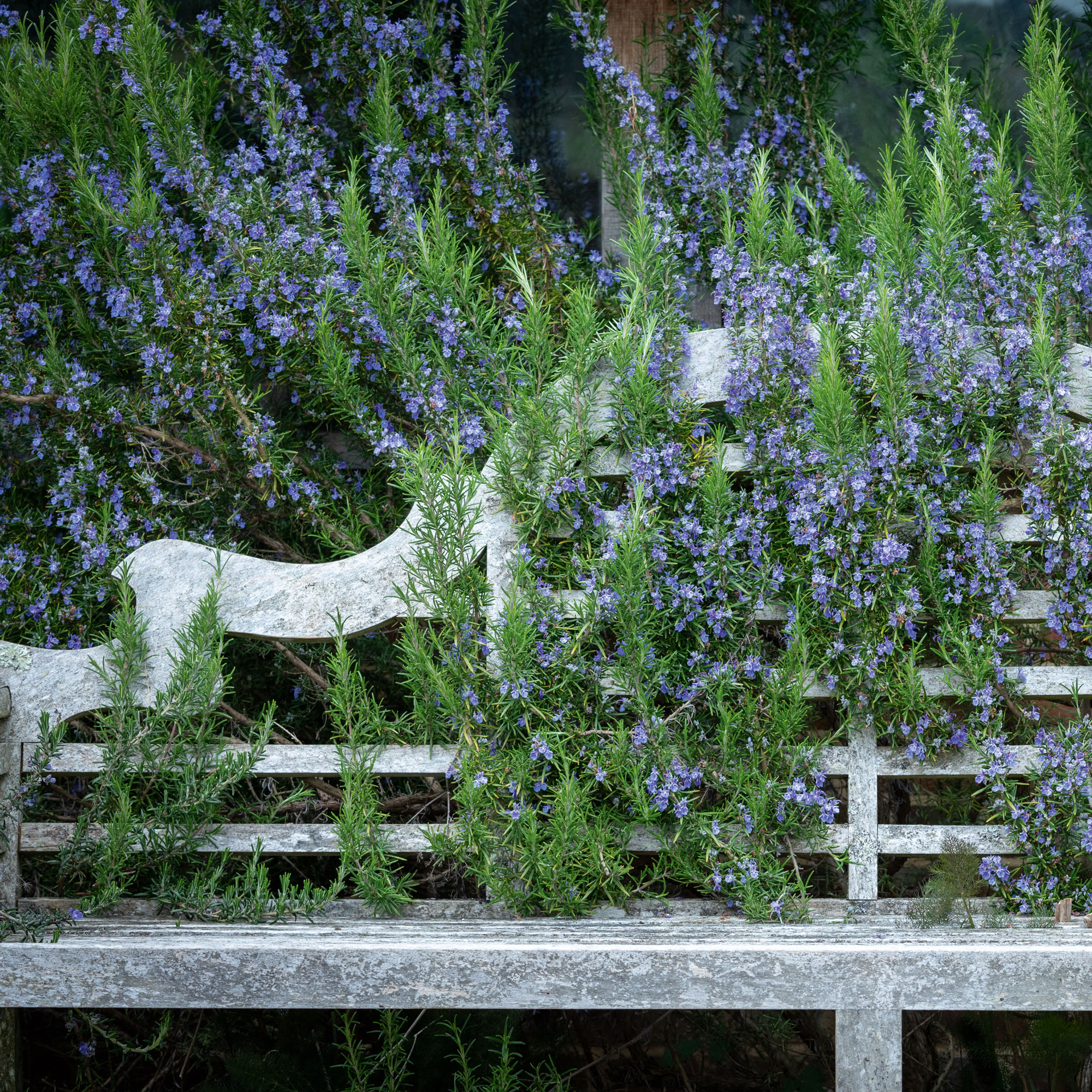
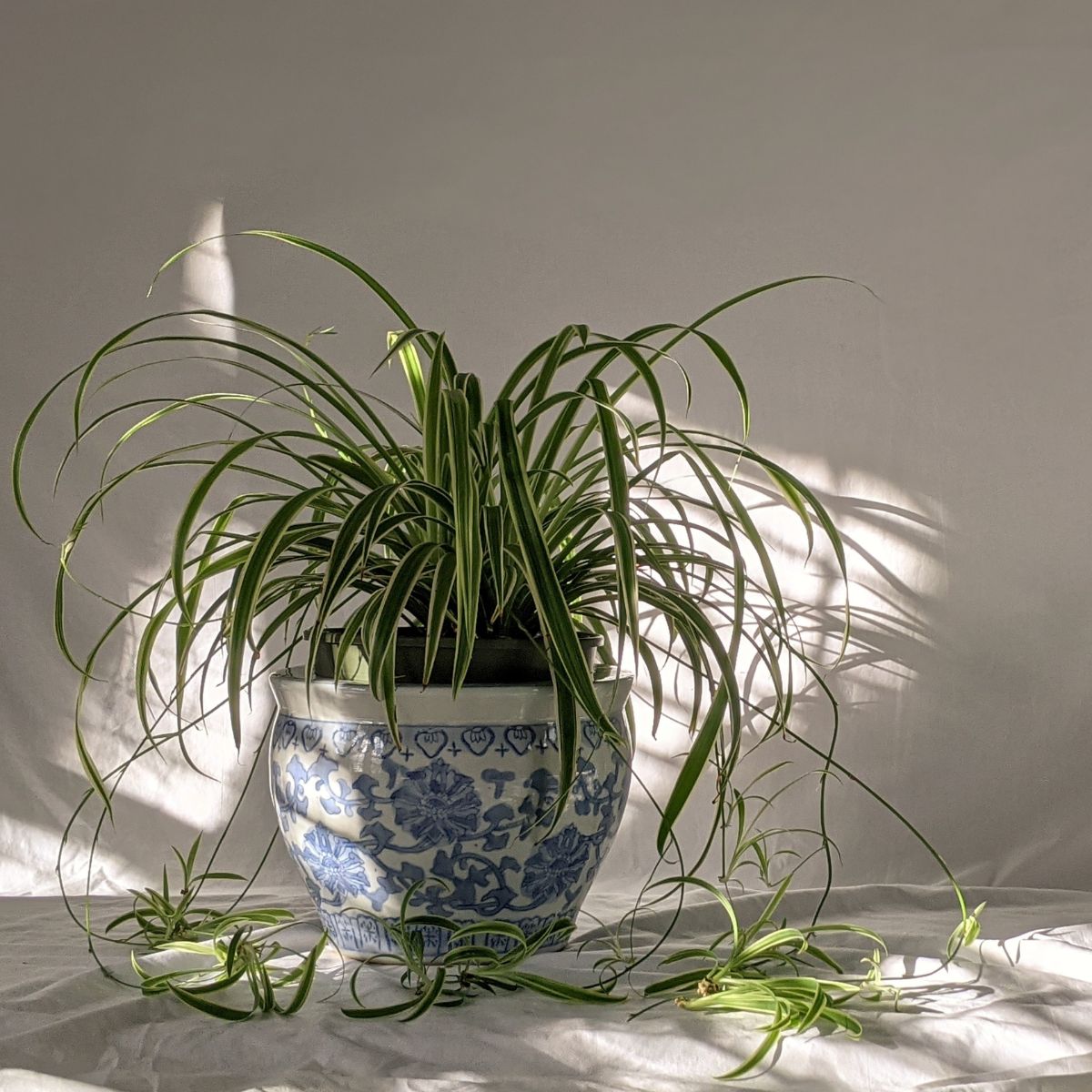
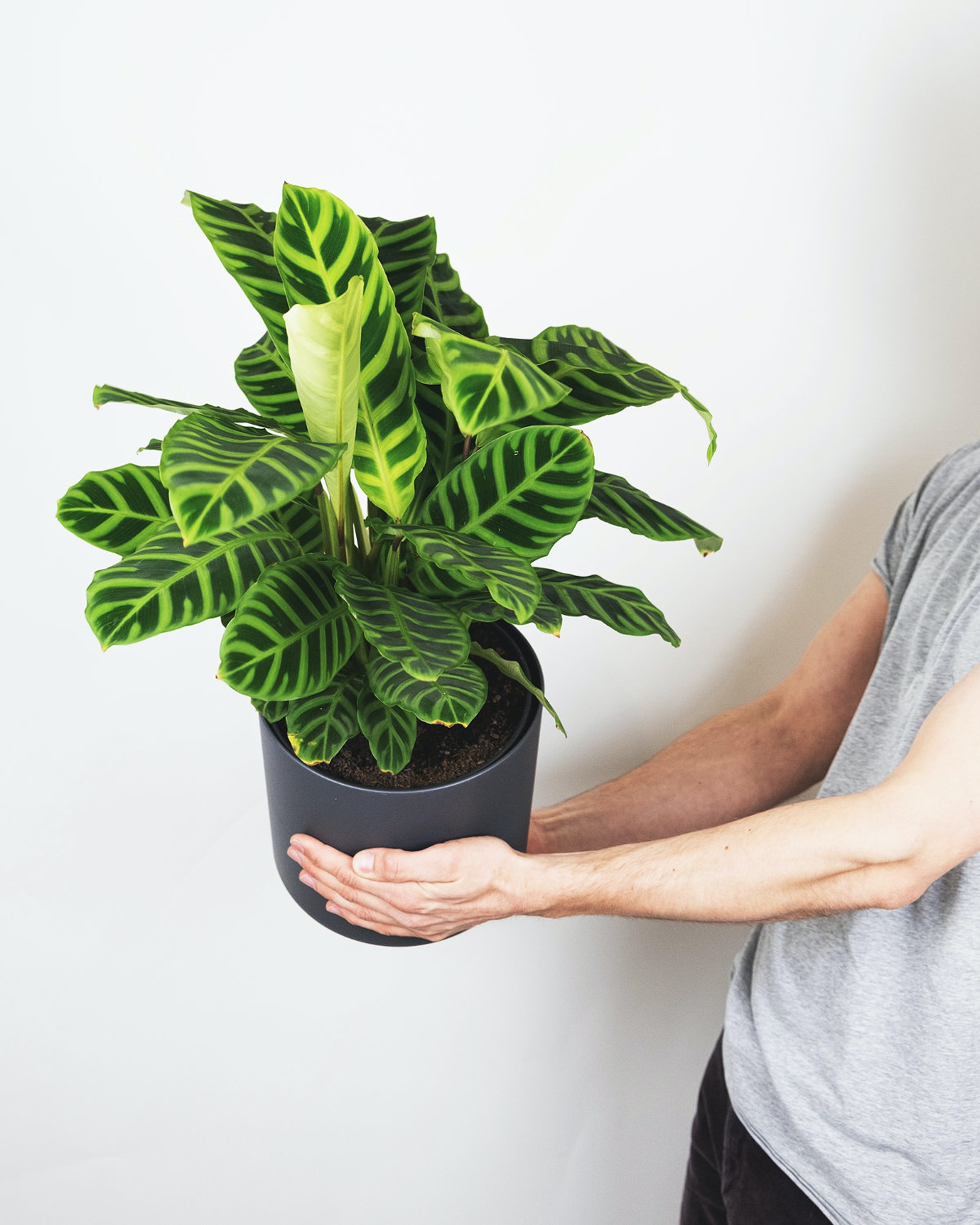
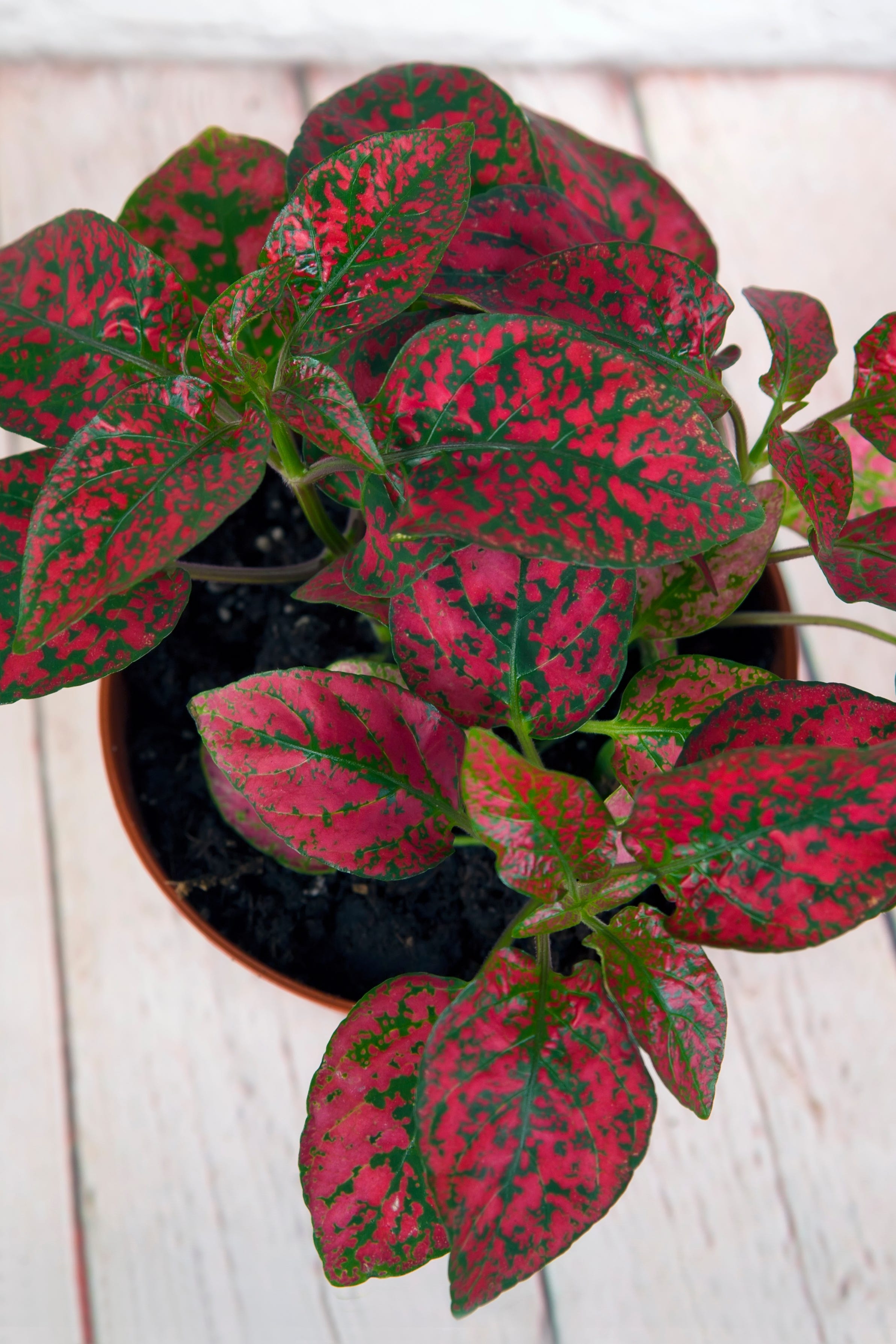
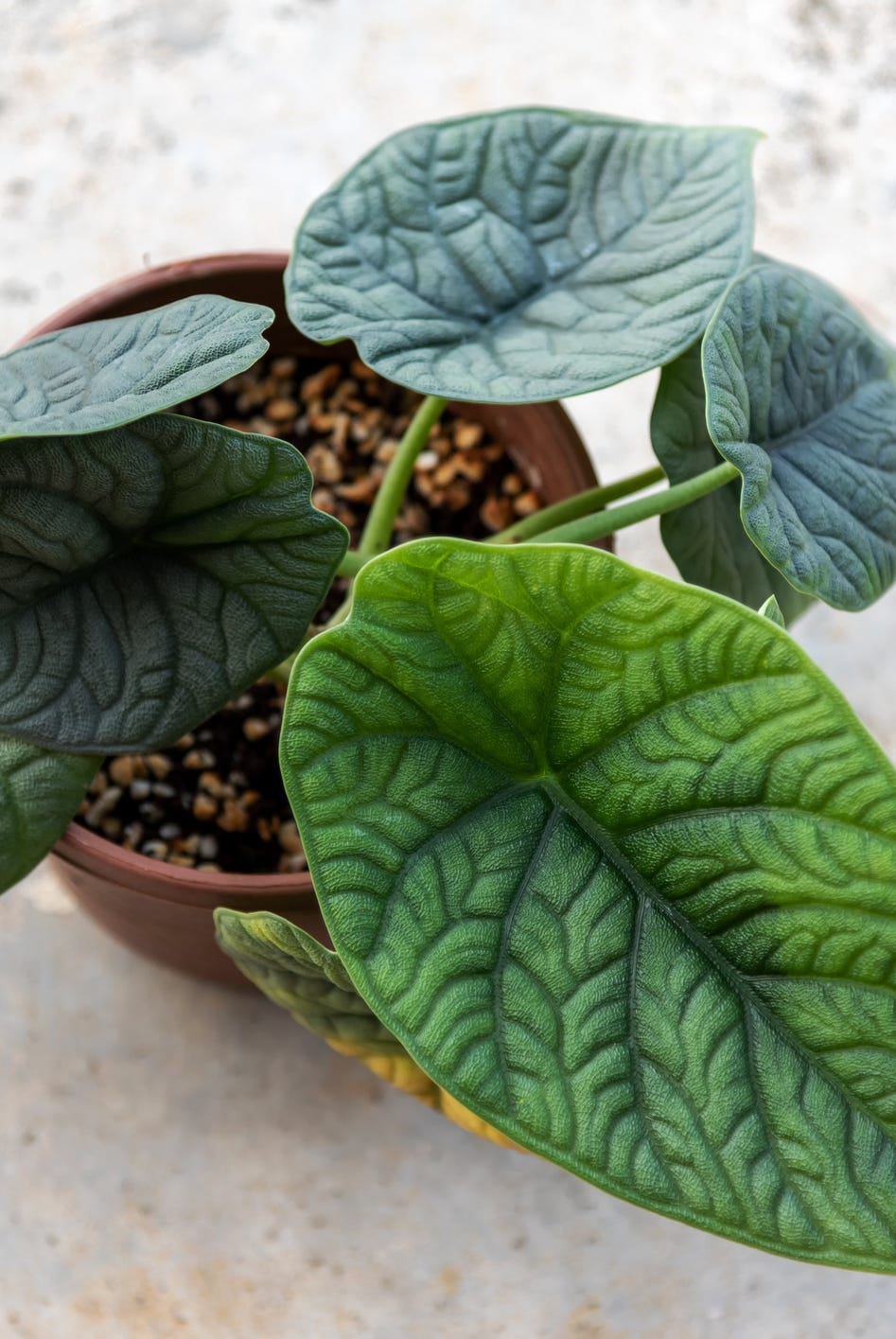
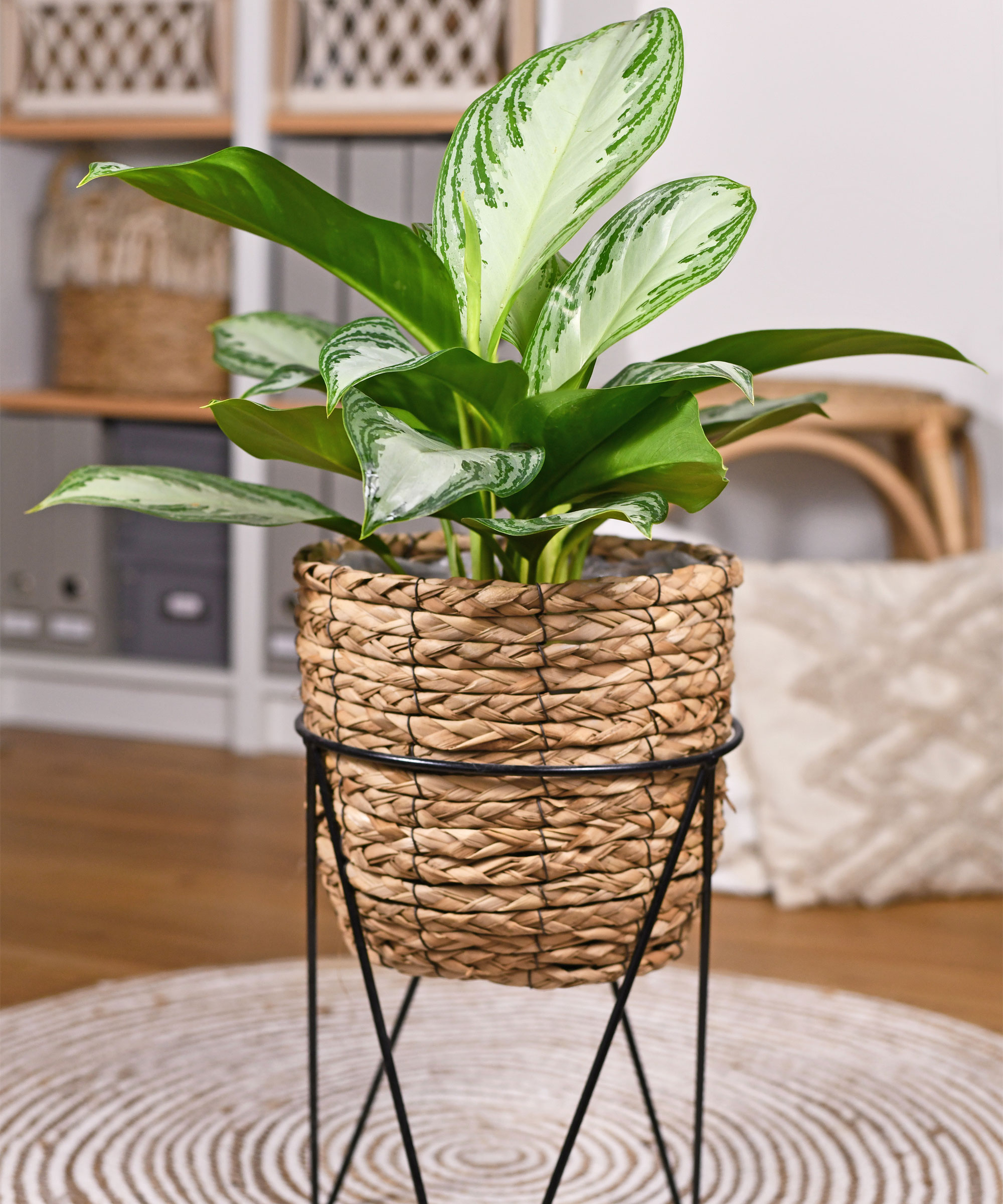
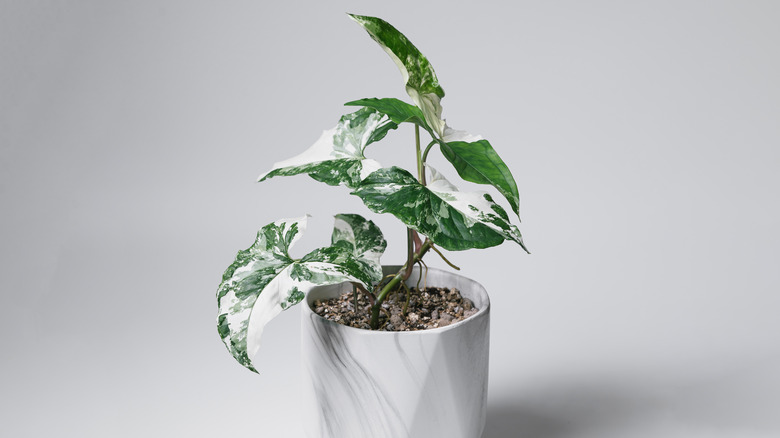
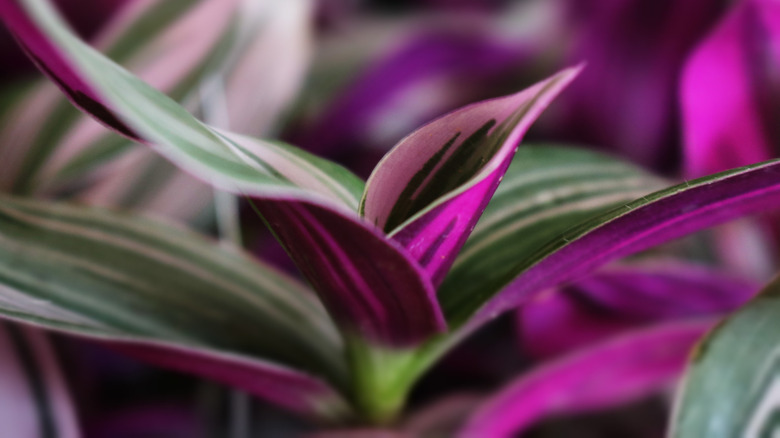
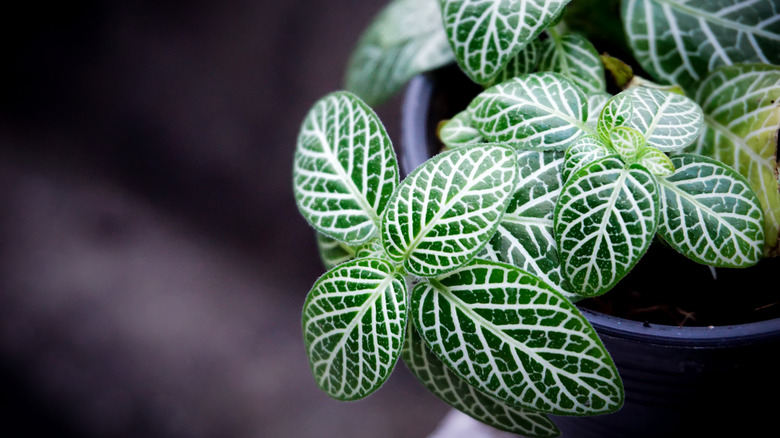
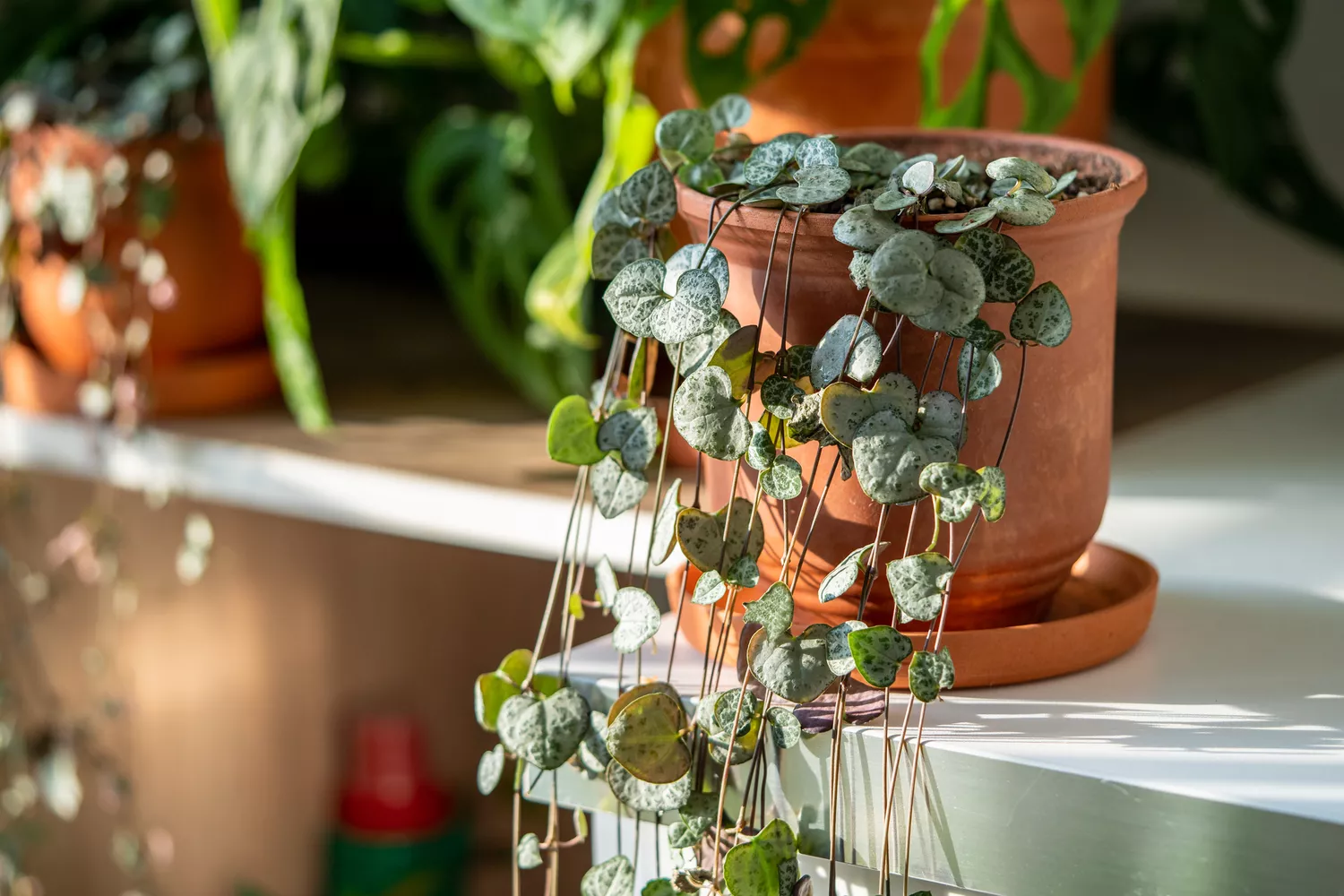
The article lists 33 plants suitable for water cultivation, including African Violet, Baby's Tears, Begonia, Coleus, Impatiens, Lucky Bamboo, Philodendron, Spiderwort, Pothos, Chinese Evergreen, English Ivy, Spider Plant, Dracaena, Peace Lily, Pancake Plant, Lotus, Rosemary, Mint, Arrowhead Vine, Sweet Potato Vine, Paperwhite Narcissus, Caladium, Stingray Alocasia, Ti Plant, Sweetheart Hoya, Moth Orchid, Prayer Plant, Monstera, Aluminum Plant, Diffenbachia, Croton, Fiddle Leaf Fig, and String of Hearts. For each plant, specific guidance is provided on how to take cuttings, prepare them for water, and maintain them. Key considerations often include removing leaves below the waterline to prevent rot, the time it takes for roots to form, the frequency of water changes, and the importance of appropriate light conditions.
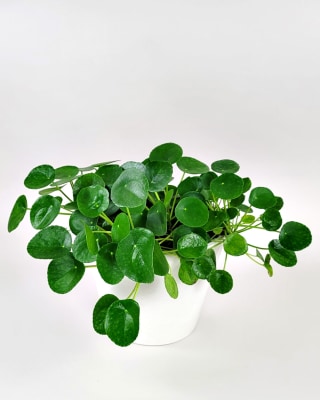
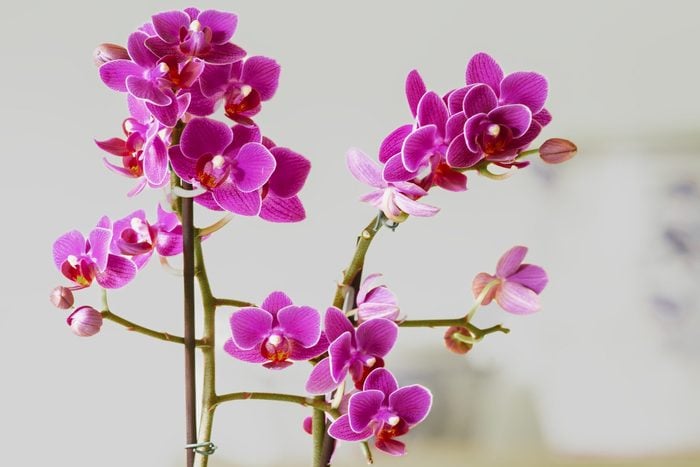
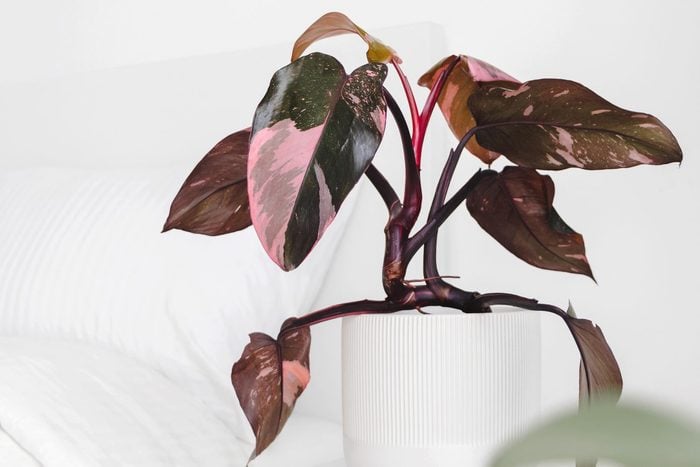
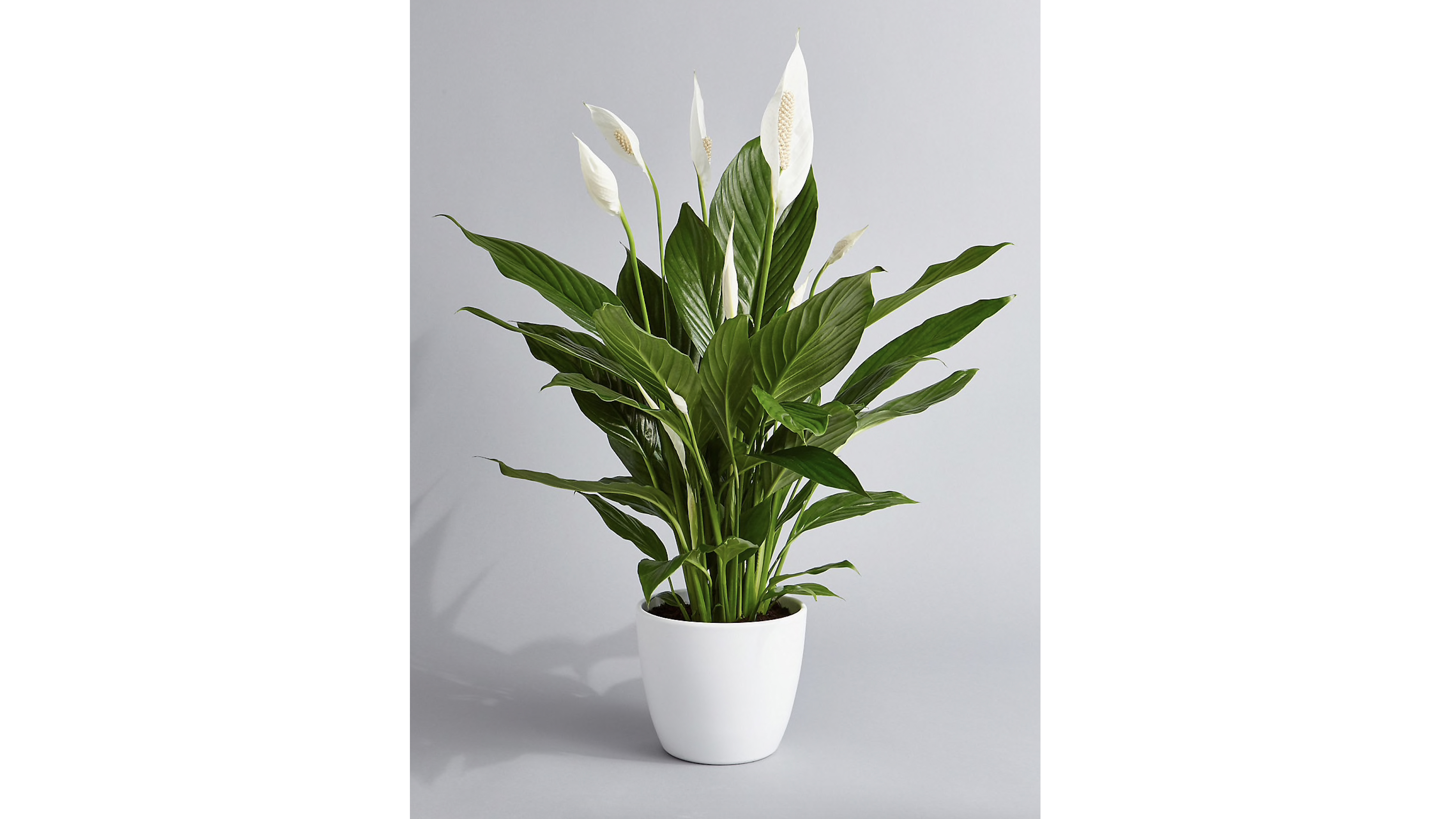
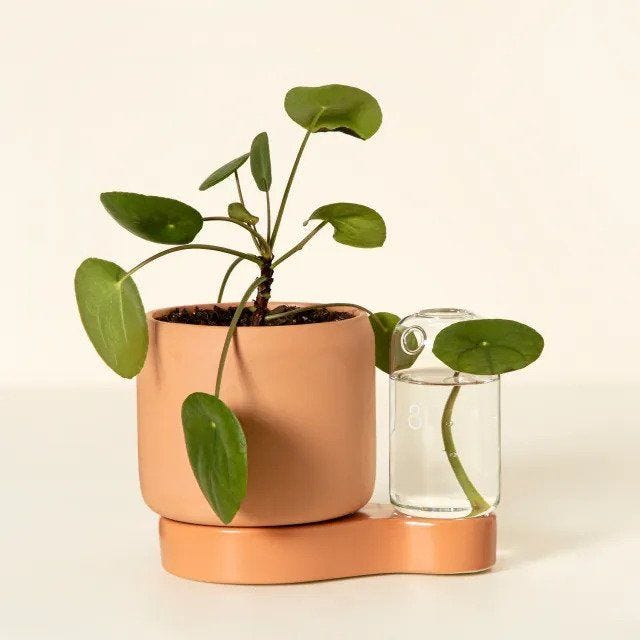
For instance, African Violets are propagated from young leaves with about two inches of stem, suspended in a narrow-necked bottle. Baby's Tears adapt easily, but frequent water changes are needed to remove submerged leaves that might rot. Begonias thrive from thick stem cuttings, with roots forming over a couple of months. Coleus cuttings, approximately six inches long with lower leaves removed, root in several weeks and benefit from compost tea. Impatiens can be overwintered in water. Lucky Bamboo requires support from gravel or rocks. Philodendron and Pothos are noted for their ease of rooting from stem cuttings. Peace Lilies and Pancake Plants can be transferred from soil or started from cuttings, with their roots submerged while the plant base remains dry. Moth Orchids require careful placement, with only part of the root system in water to prevent rot. Monsteras, with their dramatic leaves, need tall, narrow vessels and indirect light. String of Hearts, a popular ground cover, thrives in filtered sunlight with only its roots submerged. Many of these plants benefit from occasional diluted water-soluble fertilizer to supplement nutrients typically found in soil. Once roots are about an inch long, some plants can be transferred to potting soil if desired.
#HydroponicGardening #Houseplants #WaterPropagation #IndoorPlants #PlantCare #HomeDecor #GardeningTips #RootingCuttings #HydroponicGardening #Houseplants #WaterPropagation #IndoorPlants #PlantCare #HomeDecor #GardeningTips #RootingCuttings
0 comment in total
 No comments yet
You may also like

5 Aquatic Plants to Brighten Up Your Water Feature

5 patio plants that thrive on neglect: easy-going flowers
Best indoor plants: the best house plants for stylish greenery

18 Poolside Plants That Will Make Your Landscape Look Like Paradise
11 best low-maintenance indoor plants


10 Low Maintenance Houseplants That Are Safe for Your Furry Friends

17 Types of Aquatic Flowers to Grow in Water

Attn: These Self-Watering Planters Will Turn You Into a Responsible Plant Mom
Drought tolerant plants - Sarah Raven's top tips for sunny spots

4 Fuss-Free Container Planting Ideas

Cottage backyard ideas – 25 ways to bring a rural, rustic feel to any garden plot

10 underrated houseplants – you won't regret adding these lesser-known beauties to your plant collection
14 Houseplants That Can Grow in Water—No Soil Needed

Best cascading plants: 5 joyful plants for pots and retaining walls
36 best indoor plants that will liven up any room
15 Variegated Plants To Spruce Up Your Indoor Spaces

What can you grow in a hydroponic garden? Experts explain how to use them for lush indoor planting

8 Pink Plants for Your Houseplant Collection

10 Best Garden Water Features

13 "String of" Plants to Grow At Home