1/12
What can you grow in a hydroponic garden? Experts explain how to use them for lush indoor planting
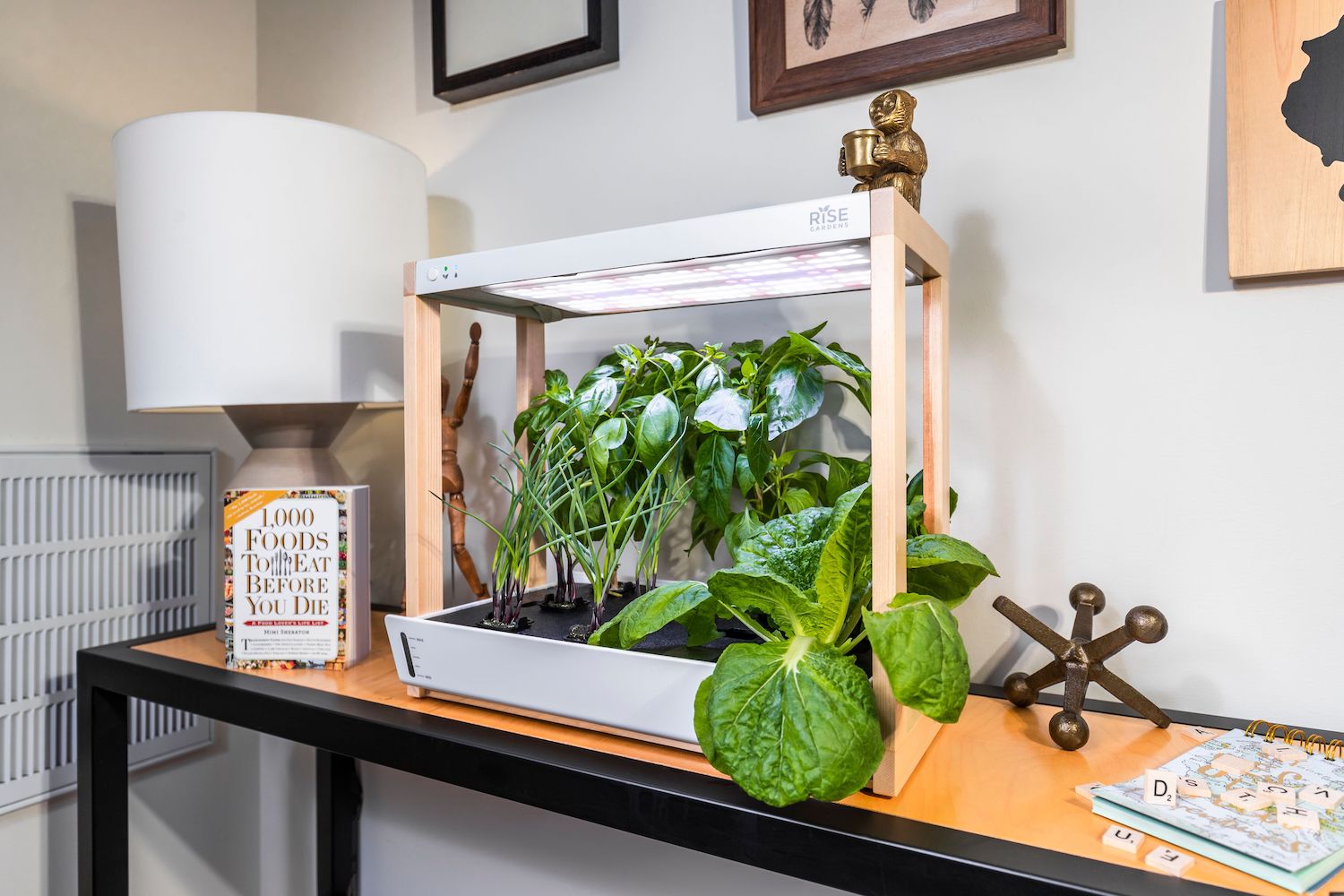
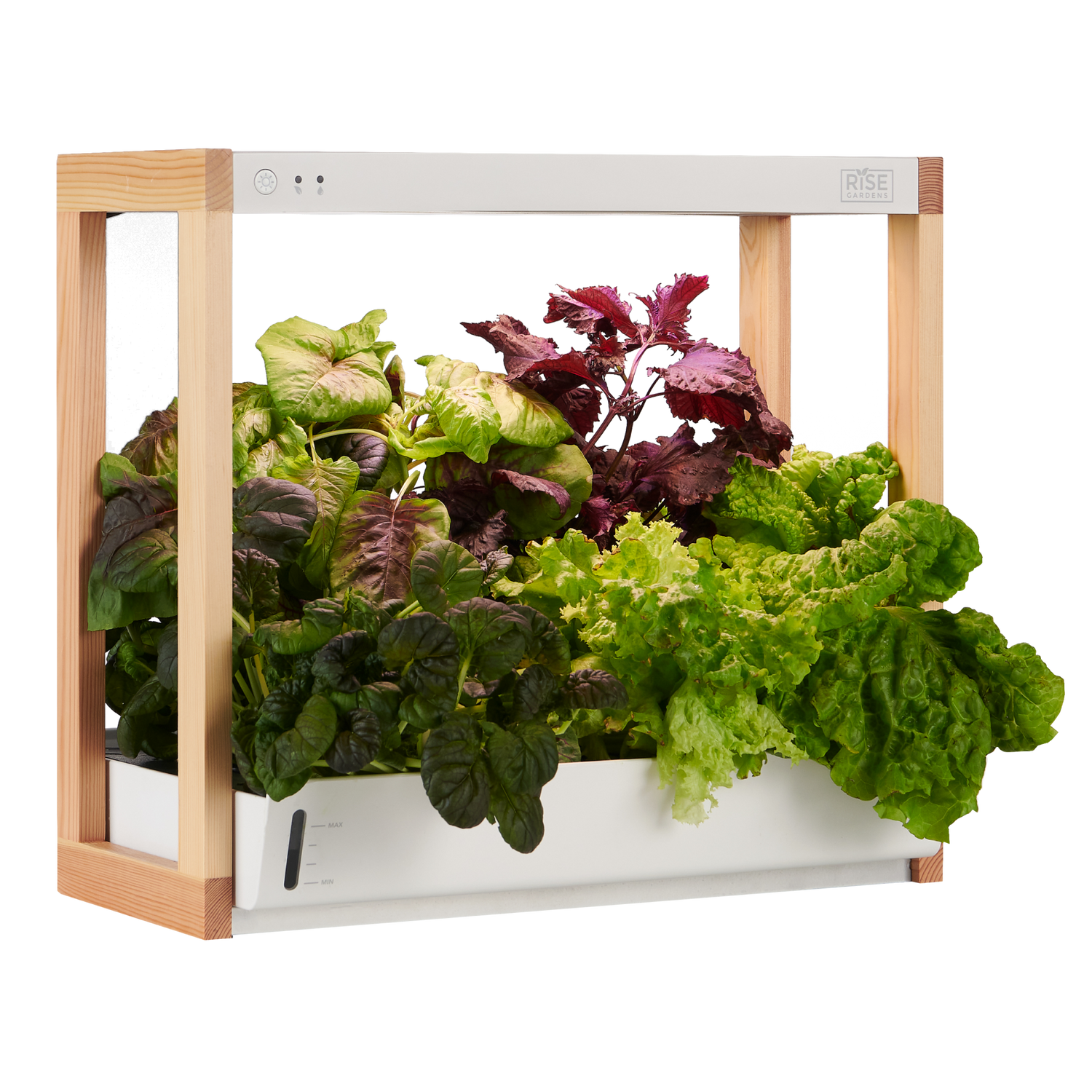
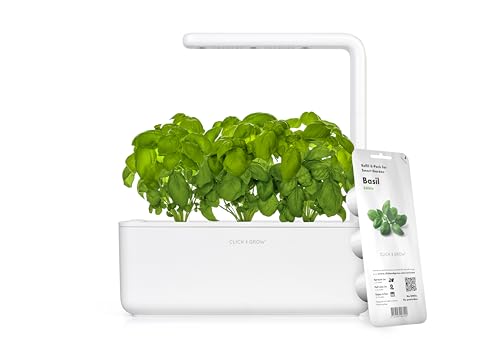
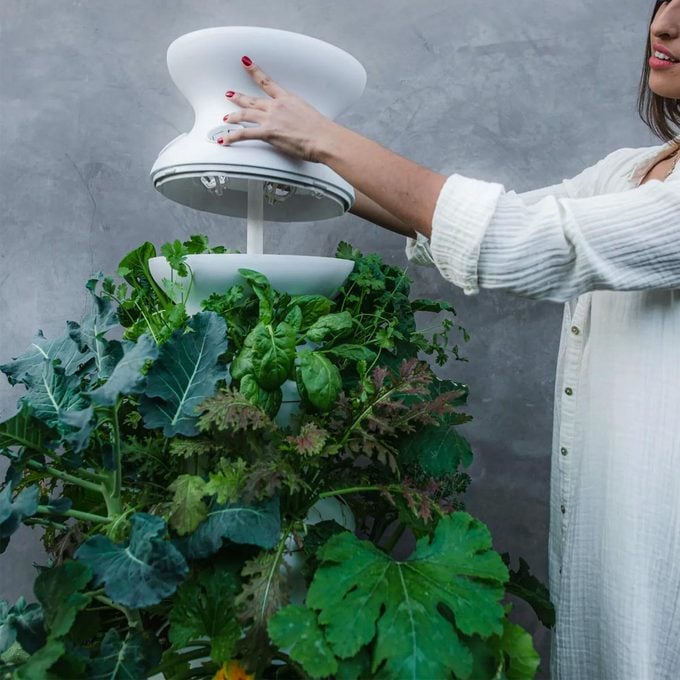
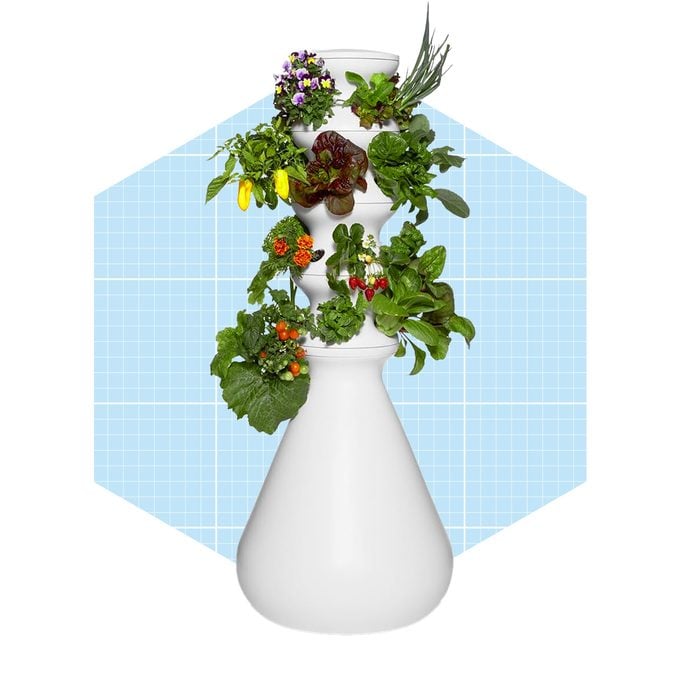
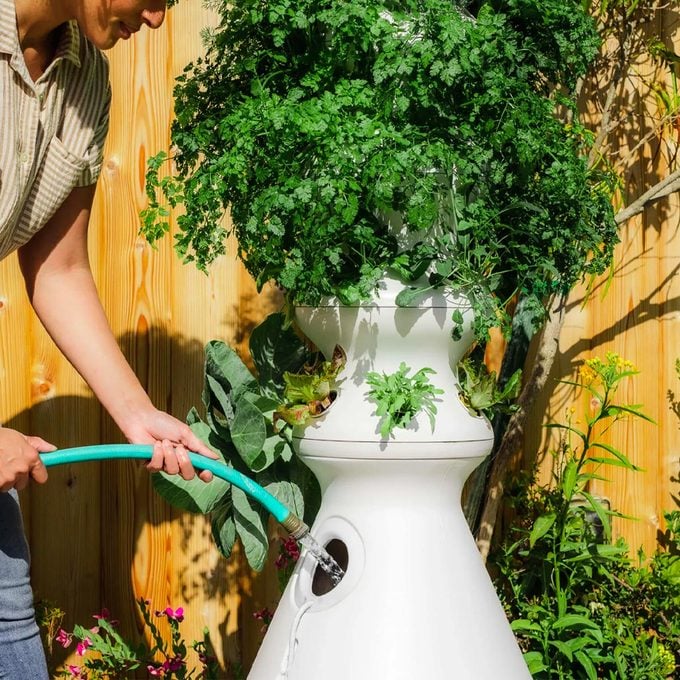
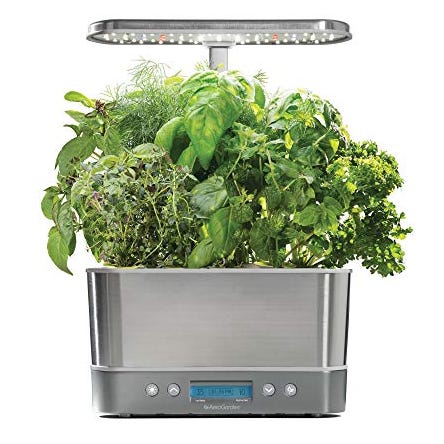
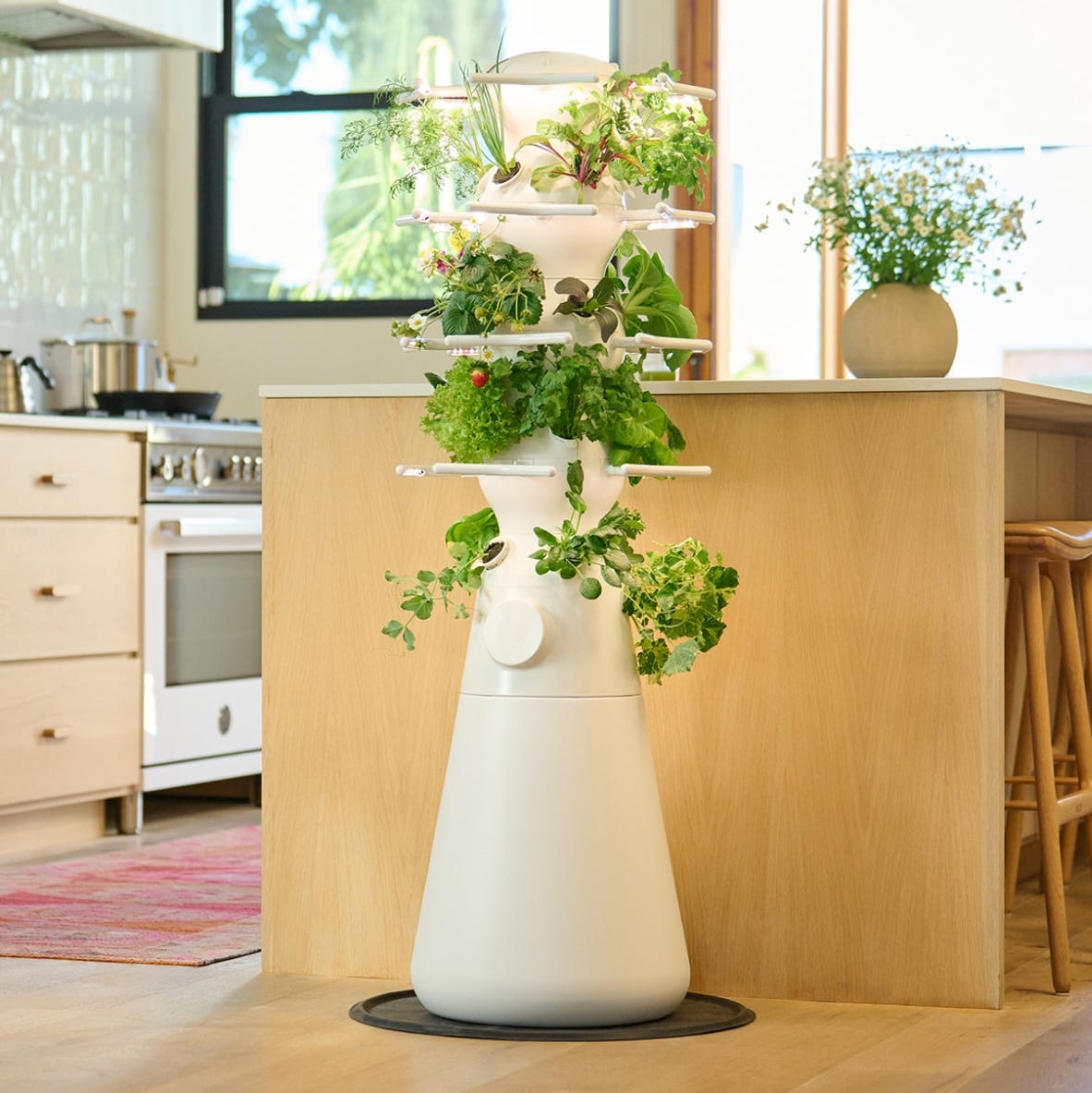
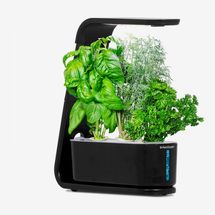
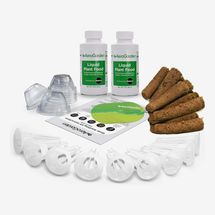
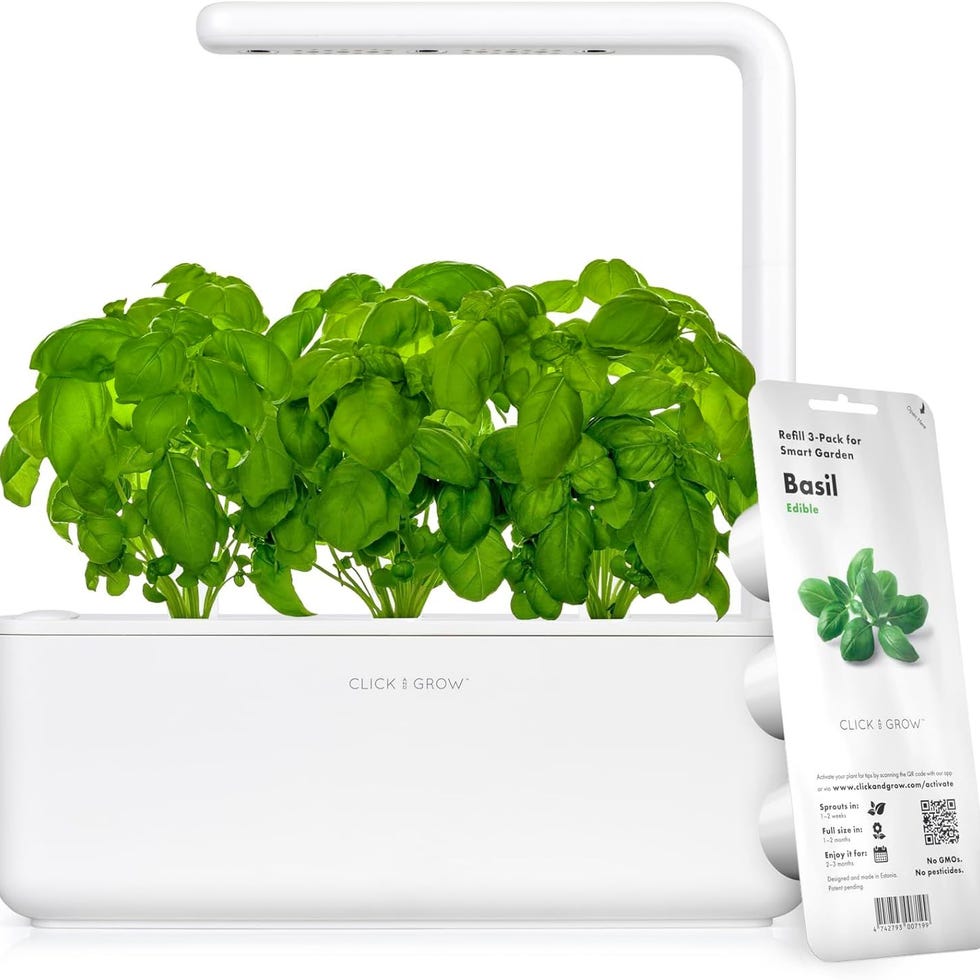
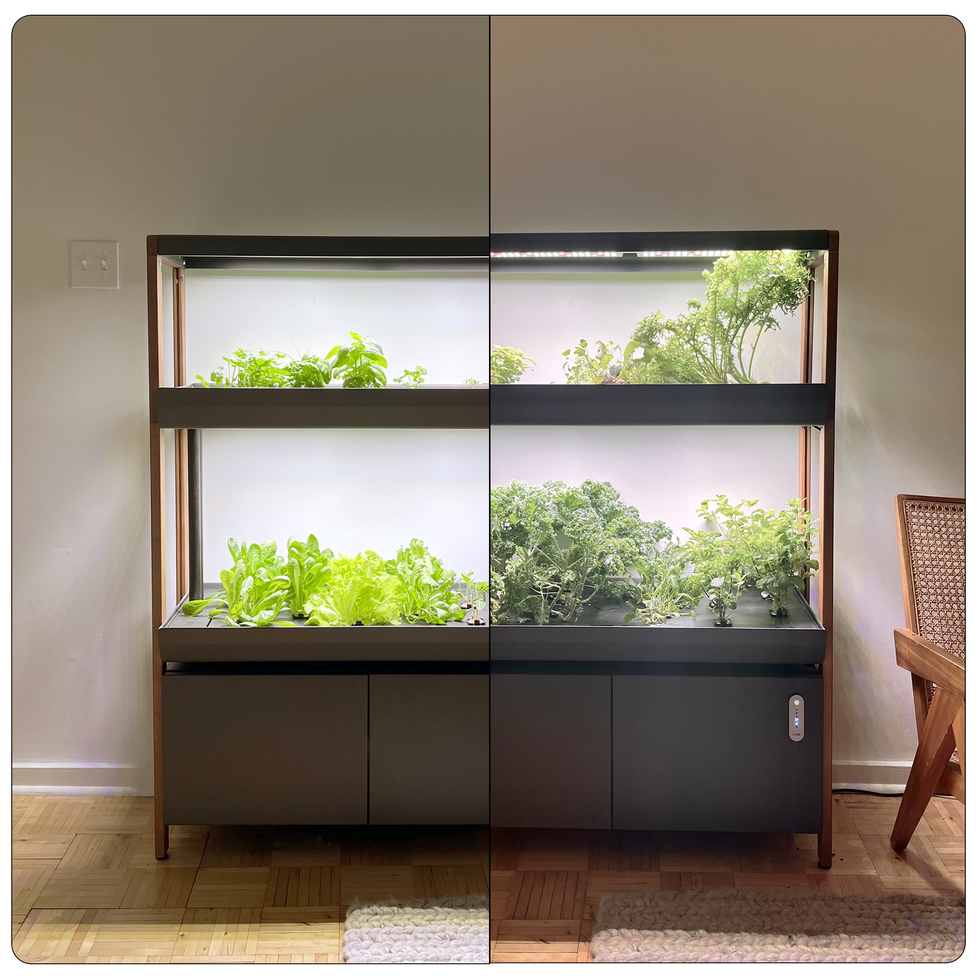
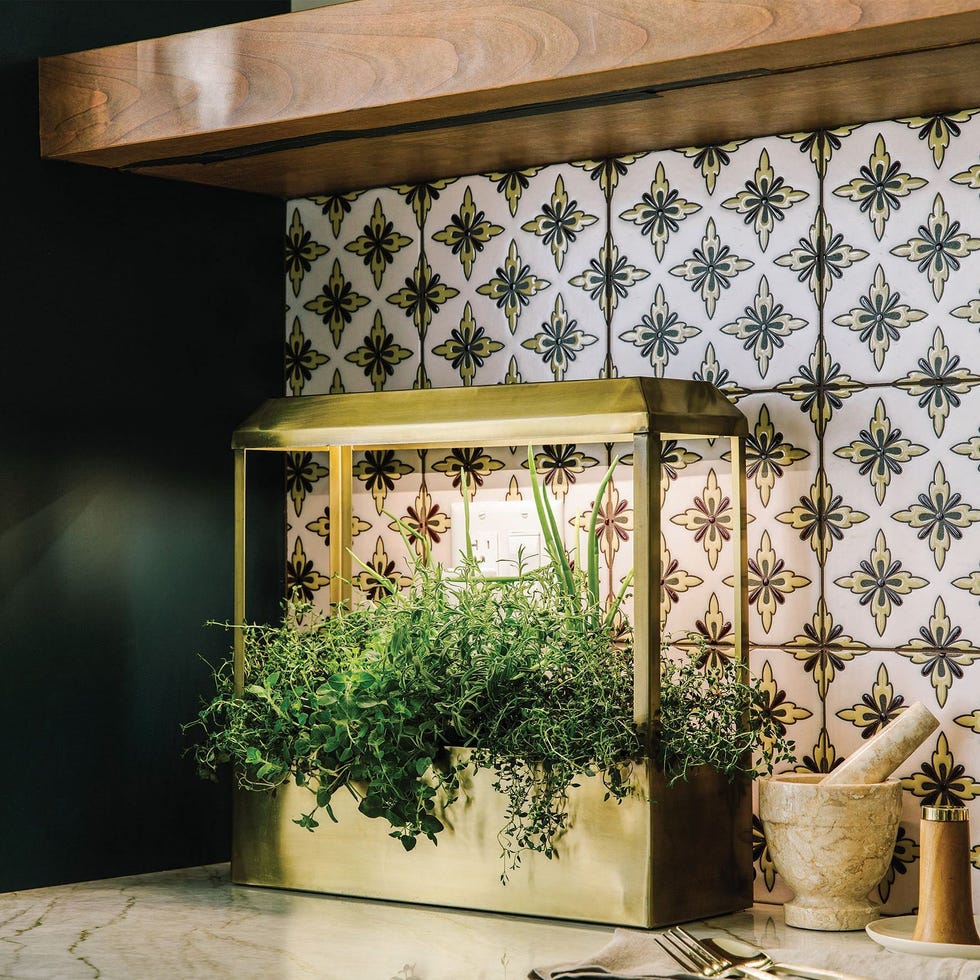
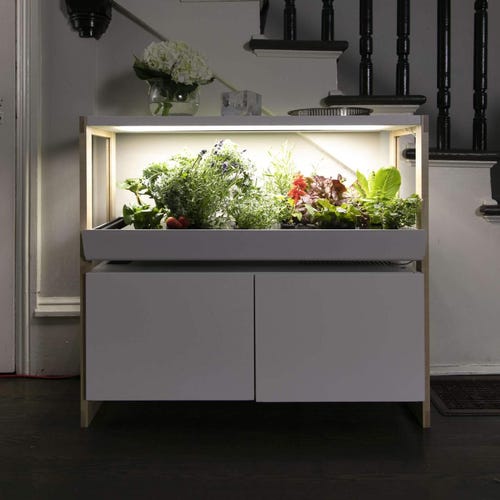
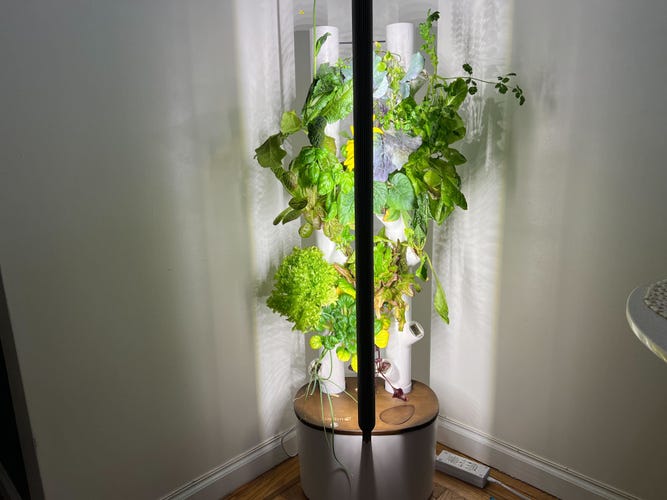
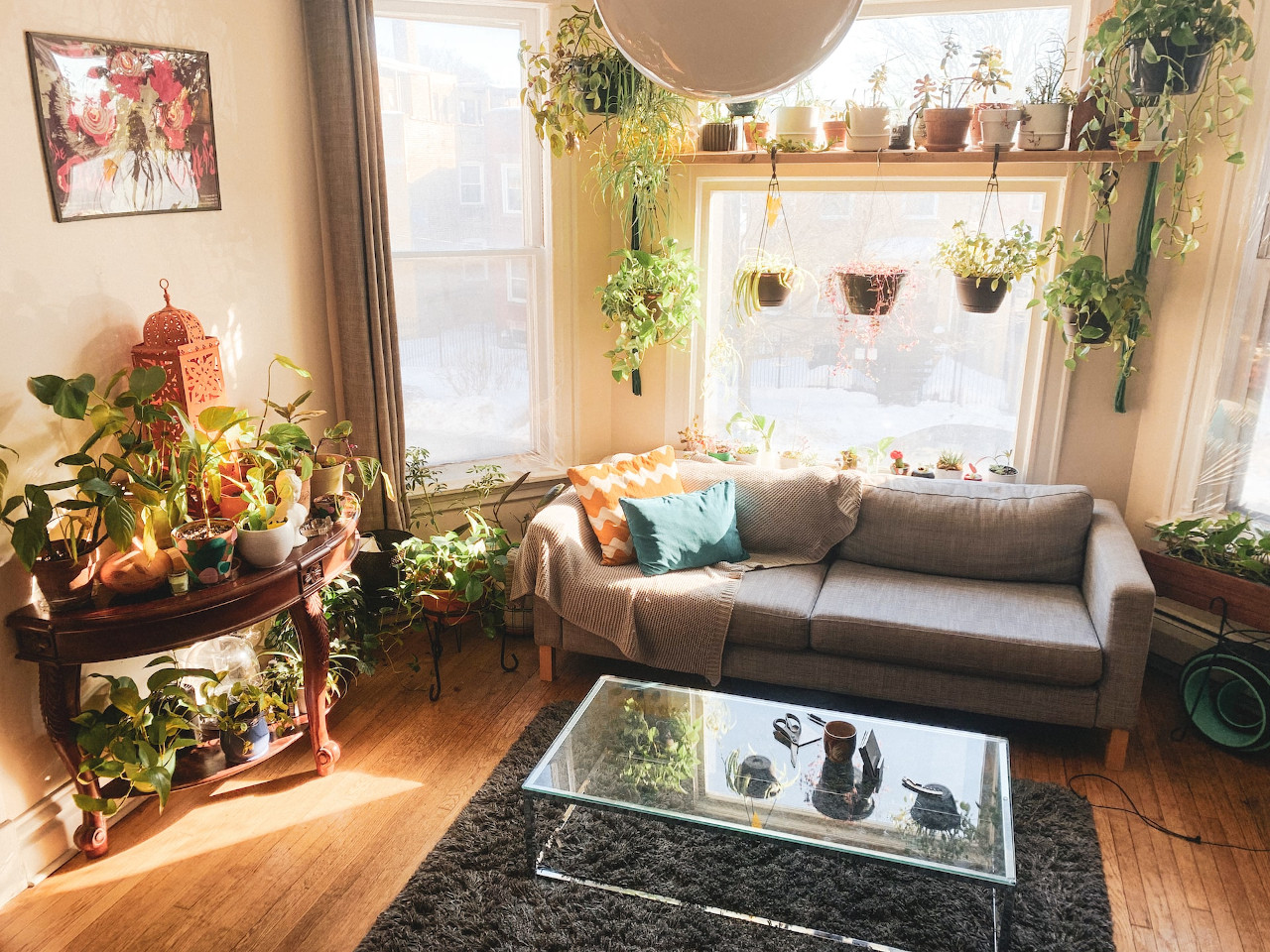
Hydroponic gardening offers a sustainable solution for cultivating fresh produce and flowers indoors year-round, especially beneficial for urban dwellers with limited space. This method involves growing plants in water without soil, making it ideal for small apartments, roof gardens, living walls, or vertical growing systems on balconies. Many compact countertop systems and sleek grow towers are available, fitting various interior aesthetics. While theoretically any plant can be grown hydroponically, it's most commonly used for crops typically found in greenhouses, such as leafy greens, tomatoes, and cucumbers, as well as various flowers and houseplants.
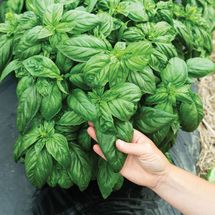
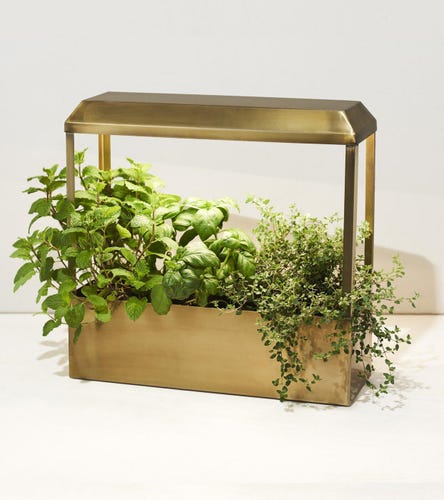
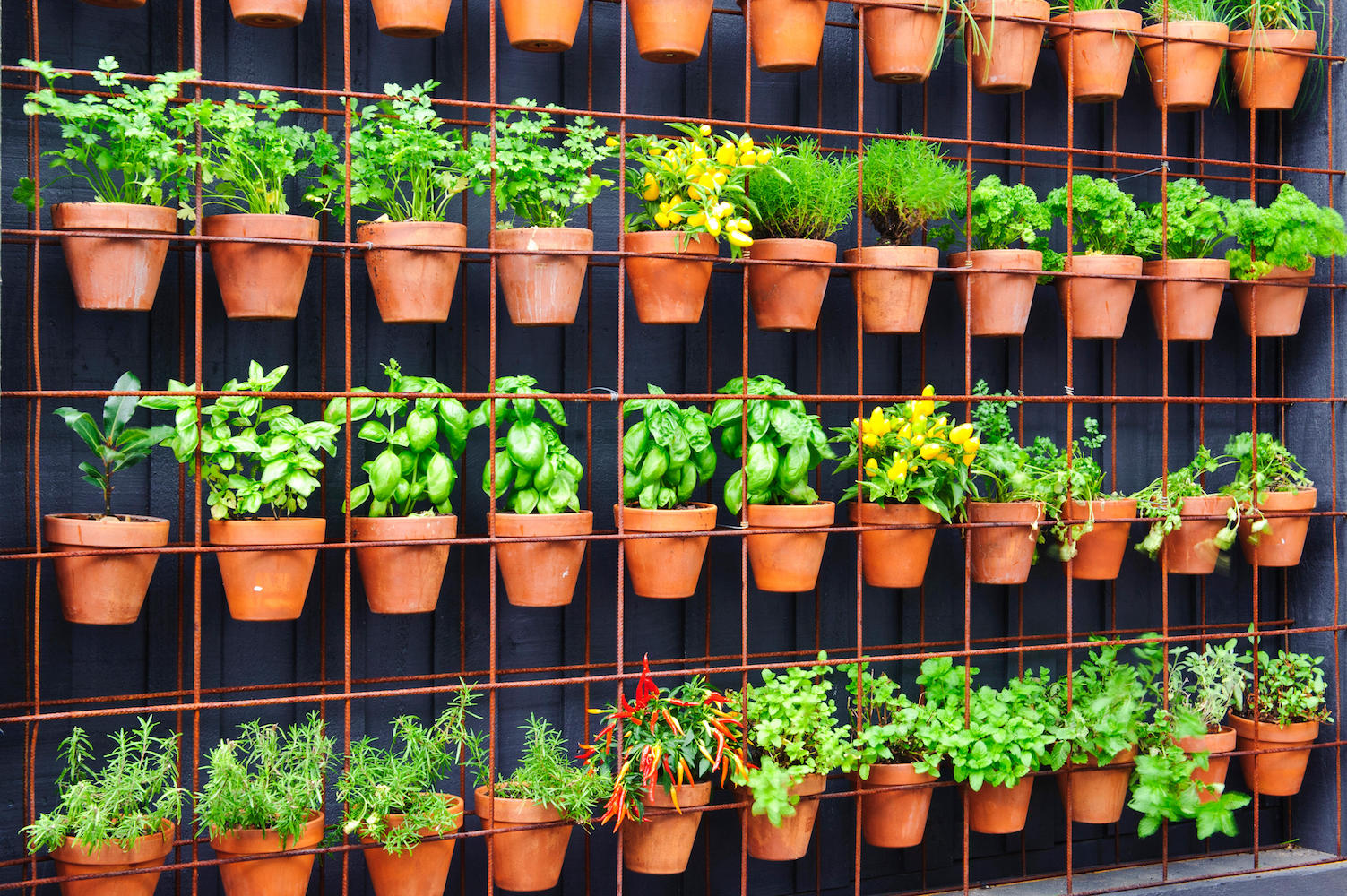
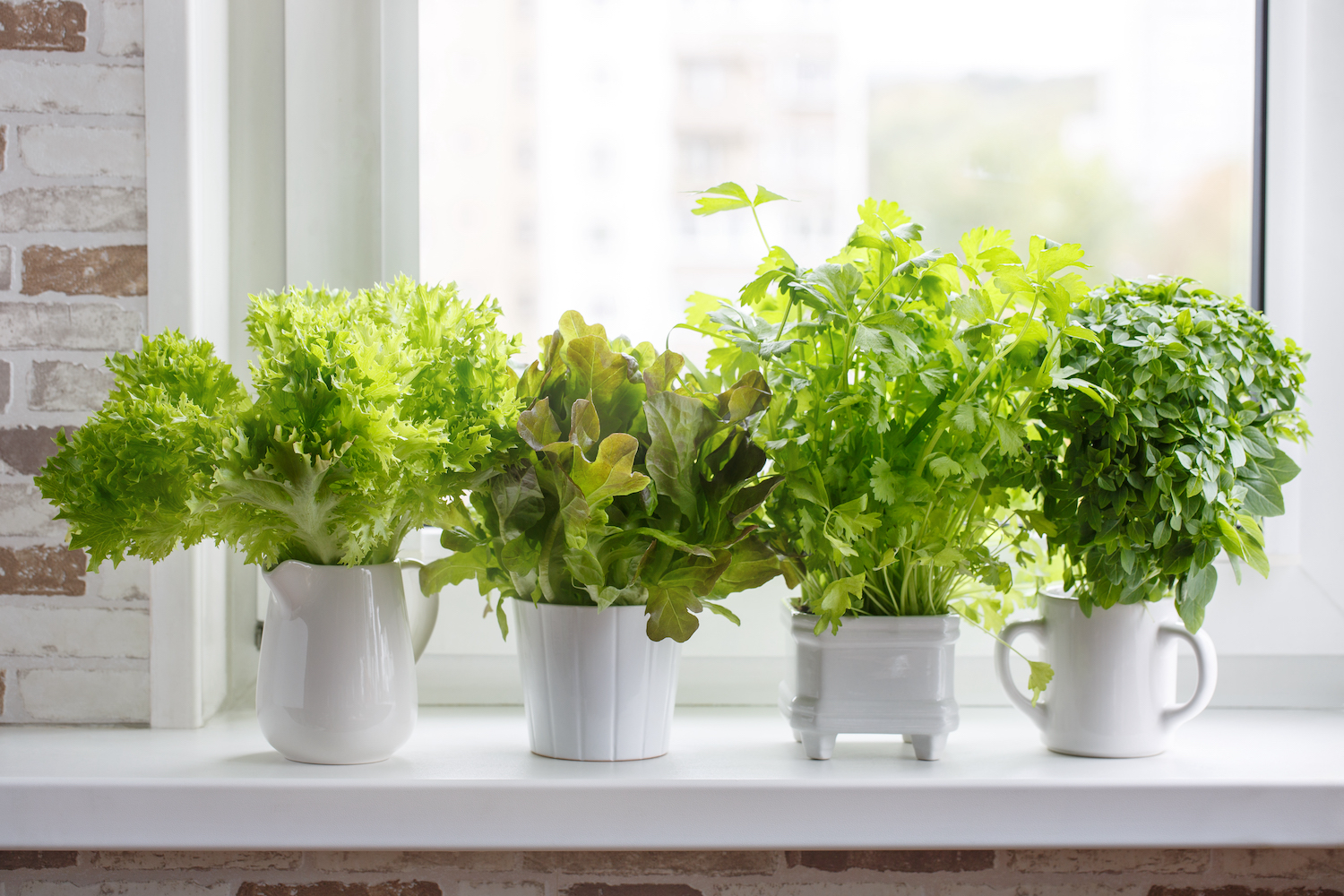
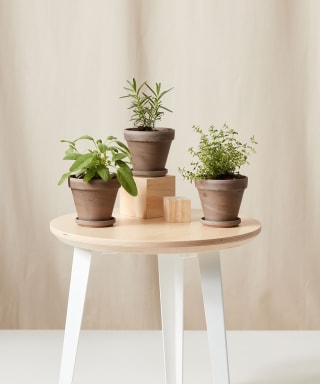
Eight categories of plants are particularly well-suited for hydroponic systems due to their growth habits and space requirements. Herbs like basil, parsley, cilantro, and mint thrive in these systems, providing a consistent supply for a single household. Woody herbs such as rosemary, thyme, and oregano, although slower to start, also produce abundantly once established. Lettuce, especially varieties like Ruby loose-leaf, Little Gem Romaine, and Butterhead Bibb, is a popular choice, known for its rapid growth and adaptability to different hydroponic setups. These varieties can produce ready-to-eat produce in as little as three weeks.
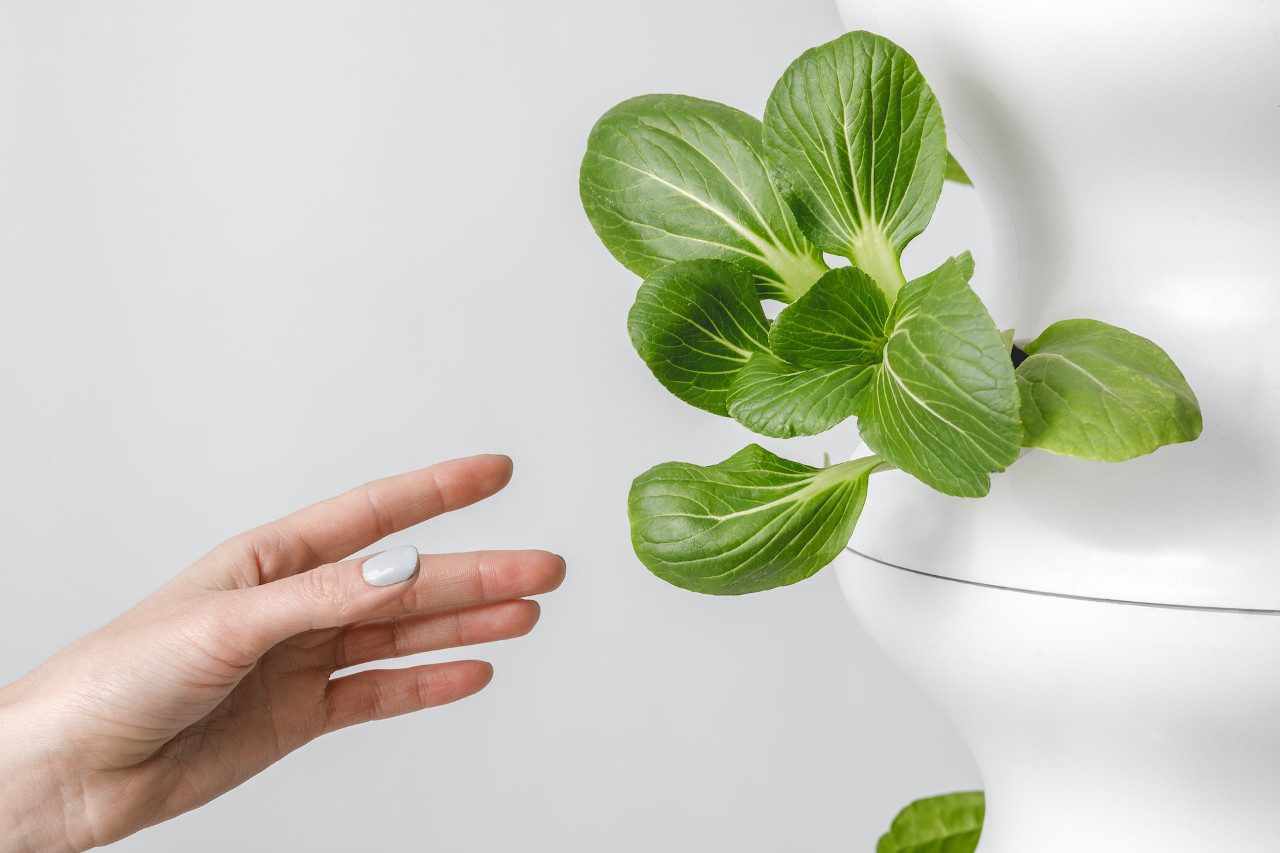
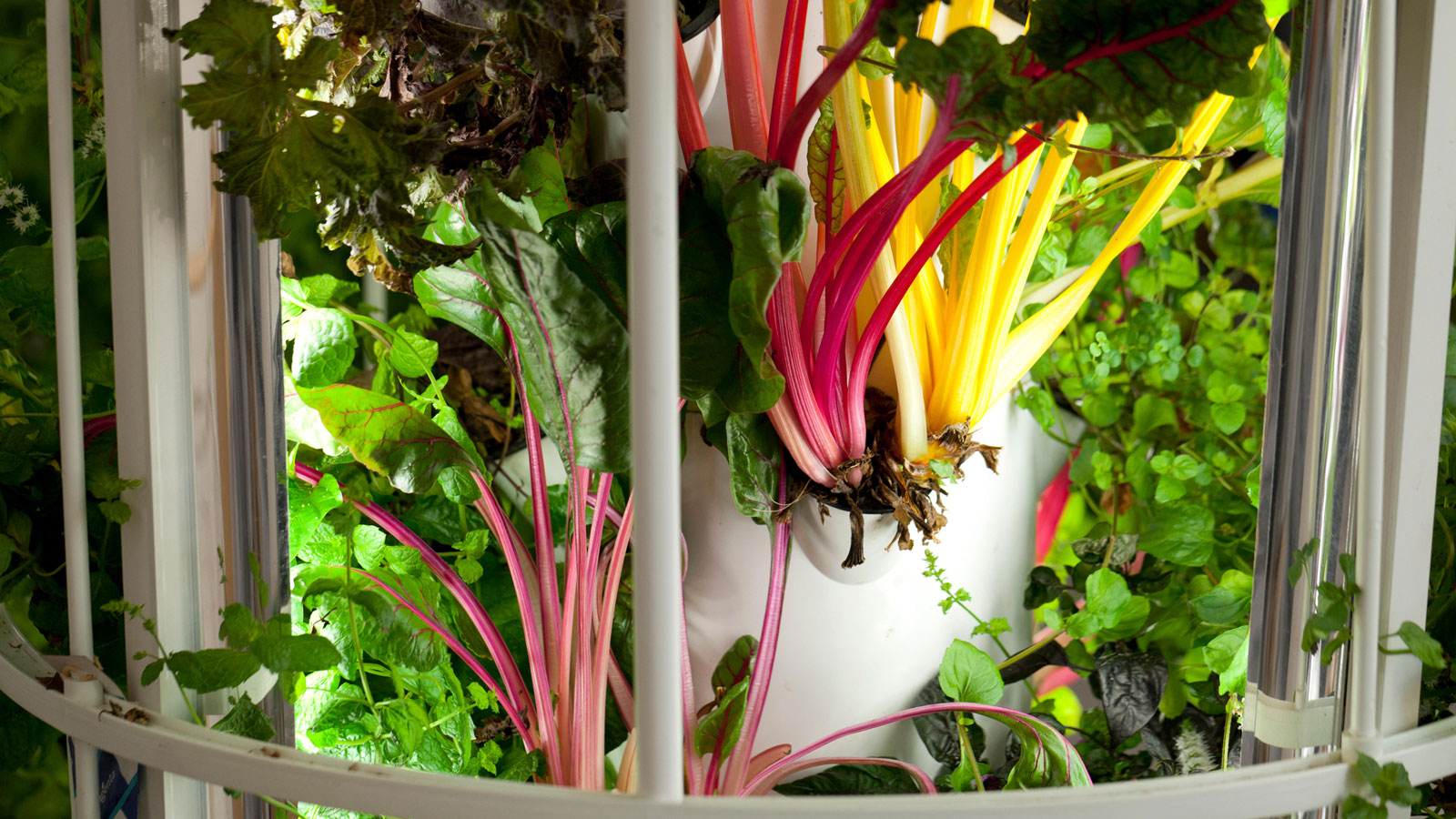
Leafy greens such as spinach, kale, and chard are also excellent candidates, owing to their small root systems and the ability of hydroponics to offer controlled inputs, year-round production, efficient space utilization, and protection from soil-borne diseases and pests. Hydroponic spinach can yield a crop in just five weeks, though controlling light exposure is crucial to prevent bitterness. Tomatoes, particularly dwarf or 'patio' varieties, grow up to 50% faster hydroponically than in soil and can yield significantly more. They require ample light and a balanced nutrient solution rich in nitrogen, phosphorus, and potassium. Cucumbers, especially bush varieties like 'Champion,' maximize yield in limited urban spaces, demanding plenty of warmth, light, and specific nutrient adjustments as they mature.
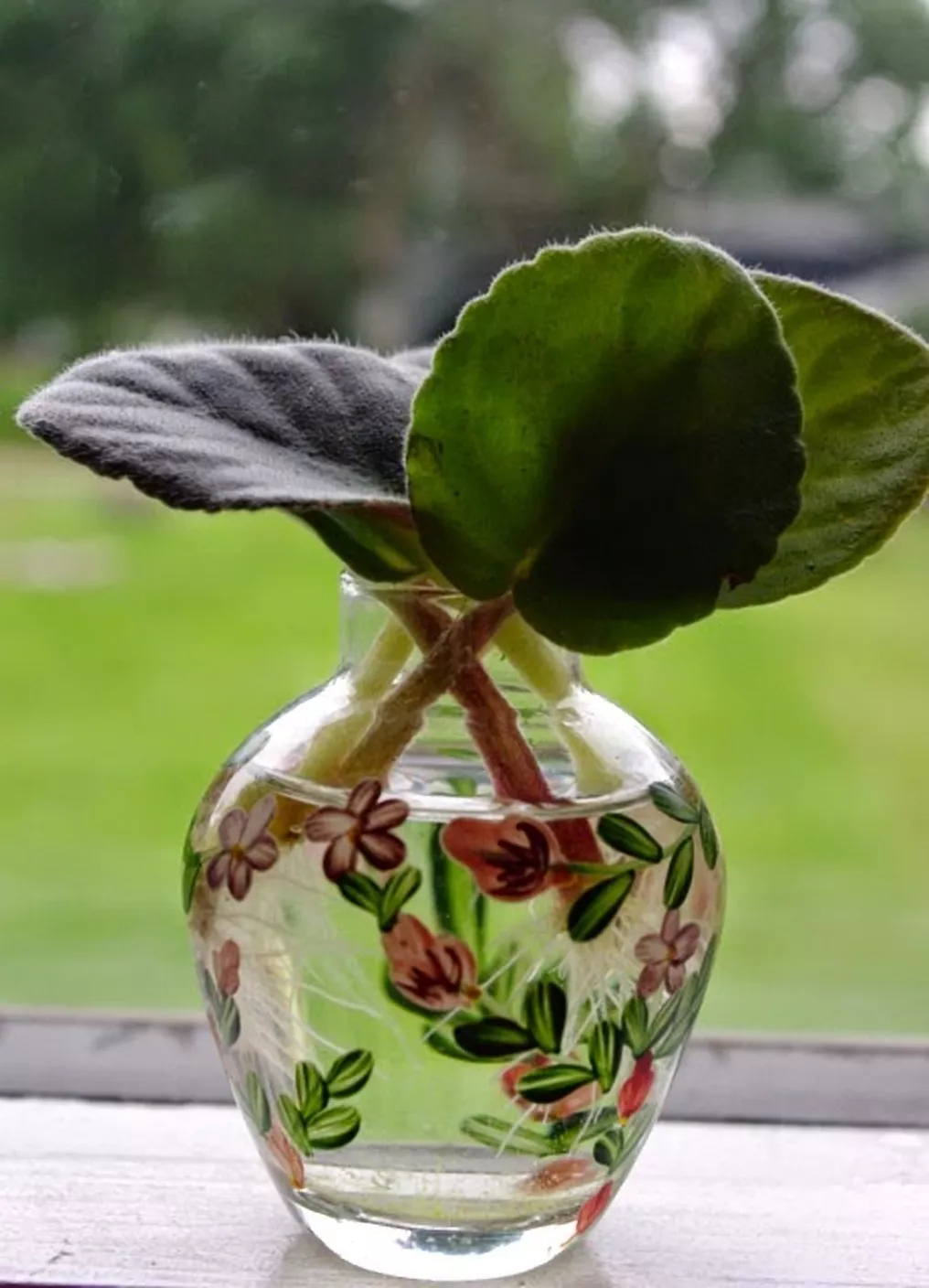
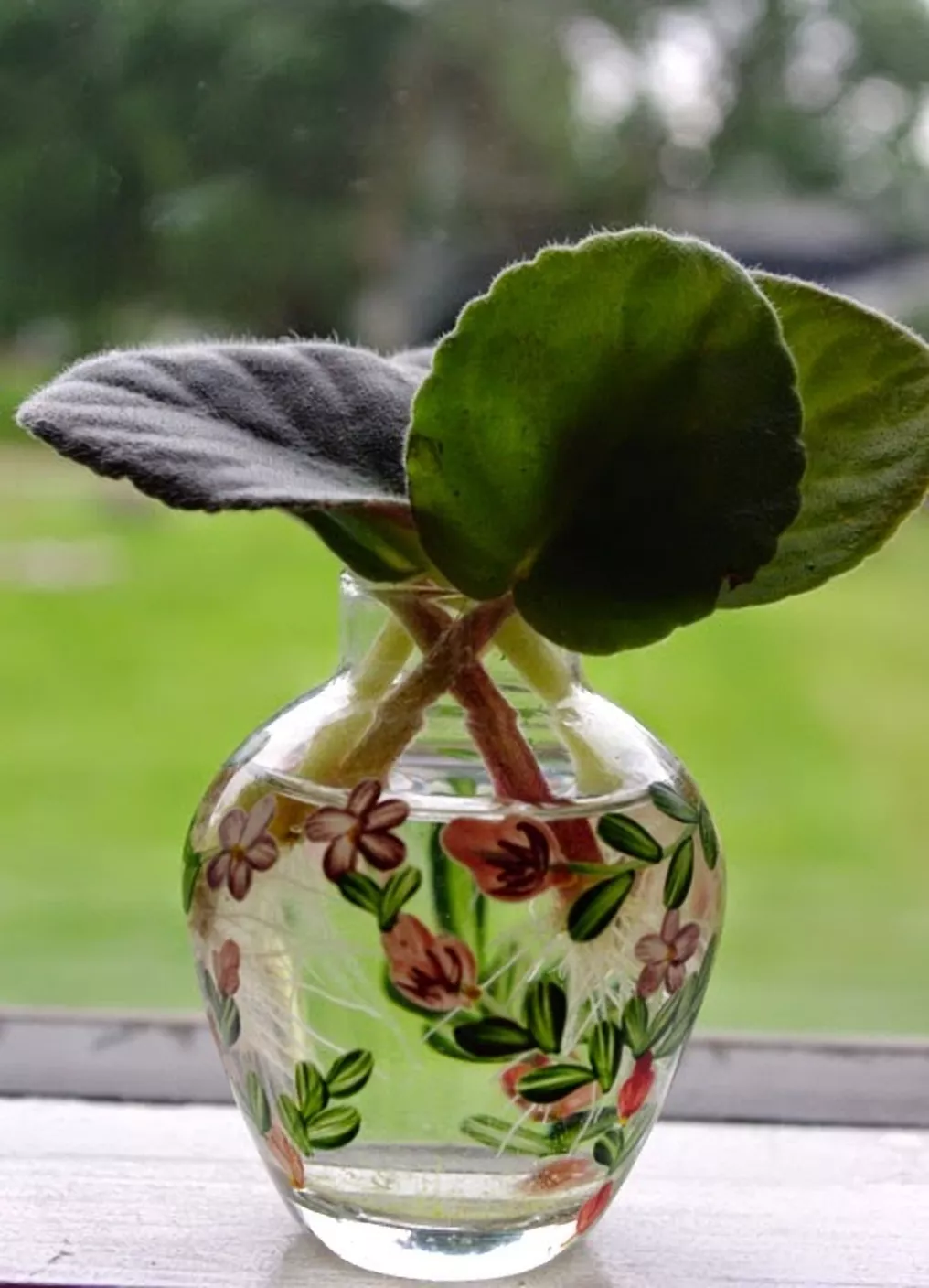
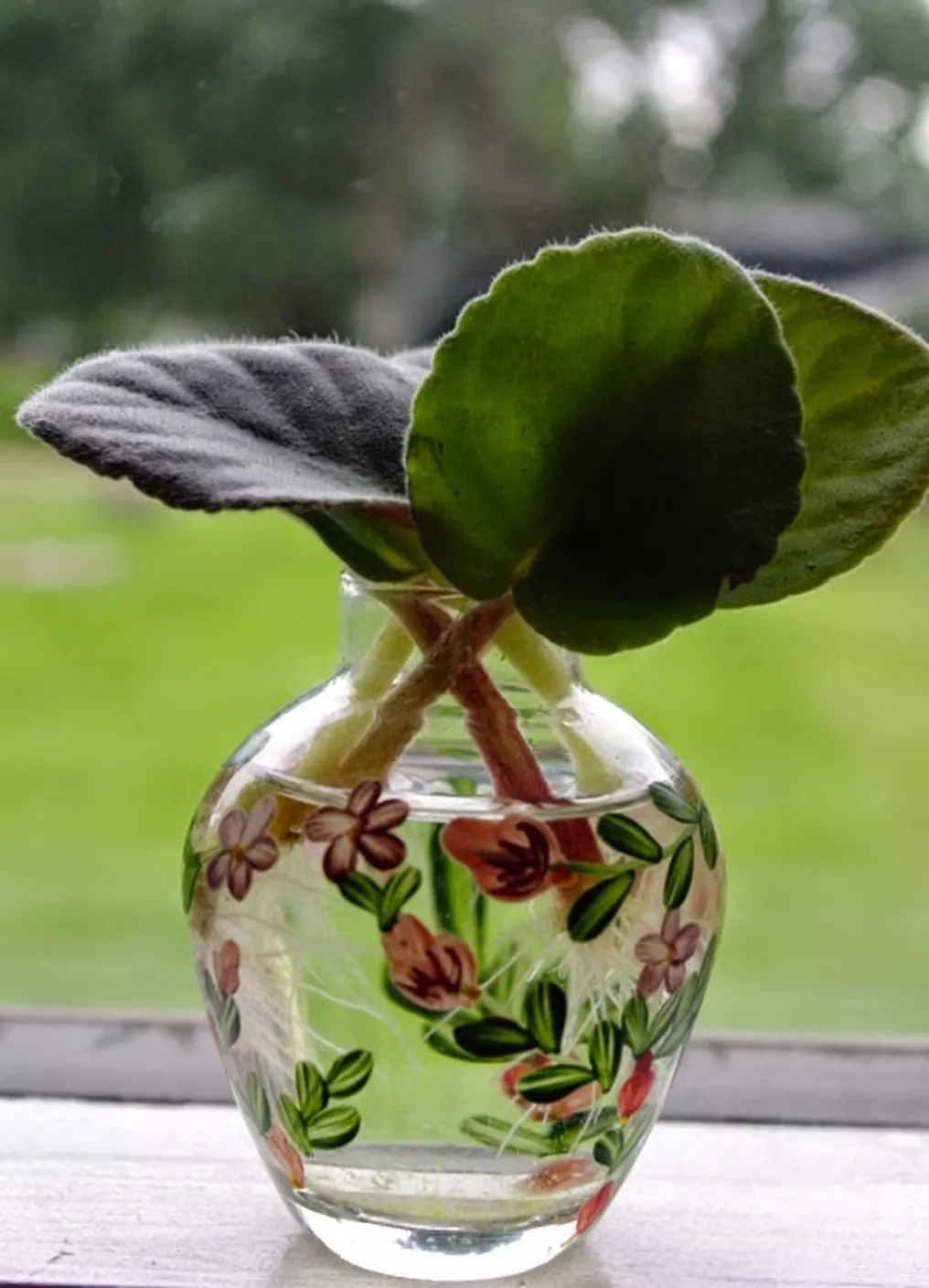
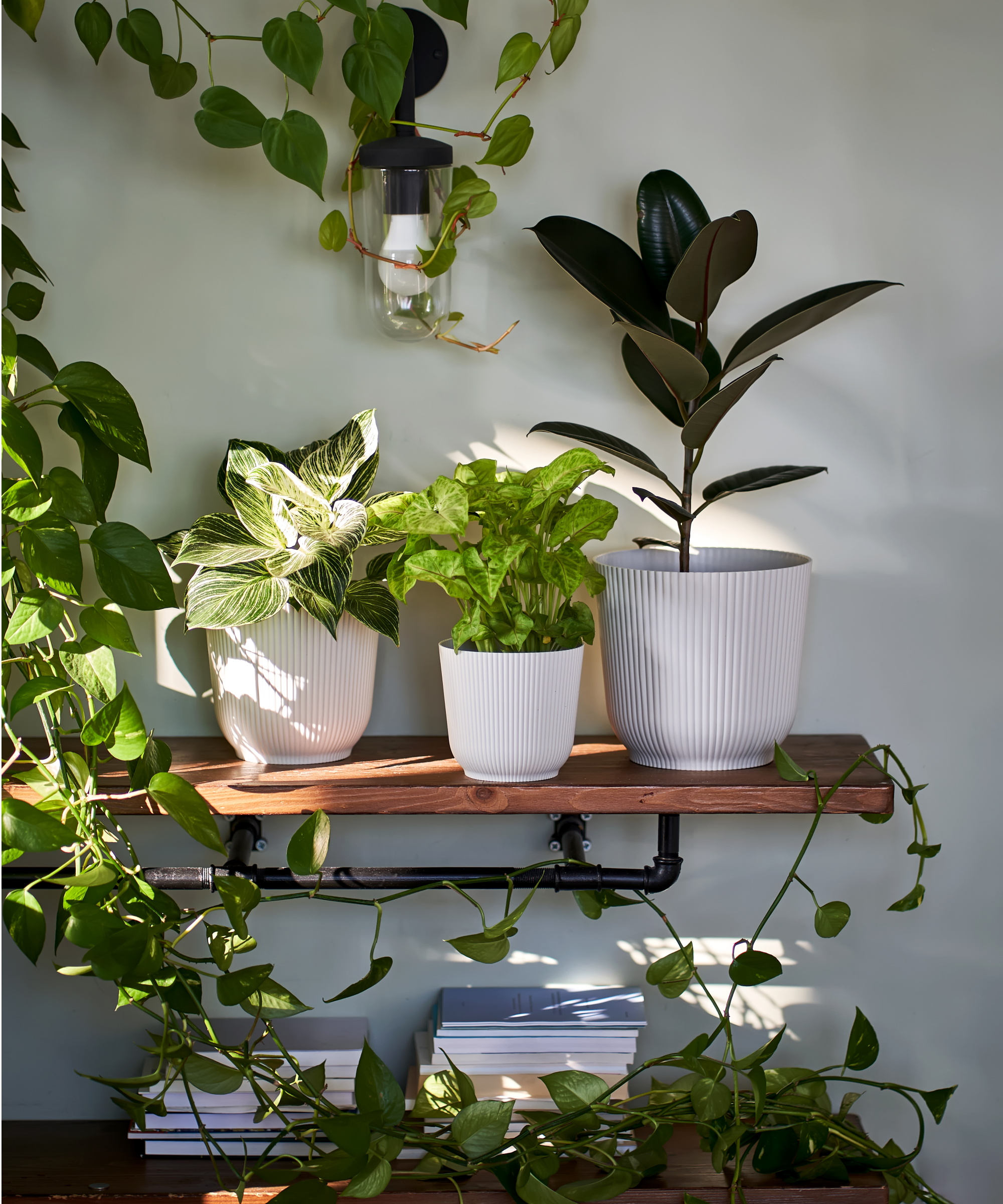
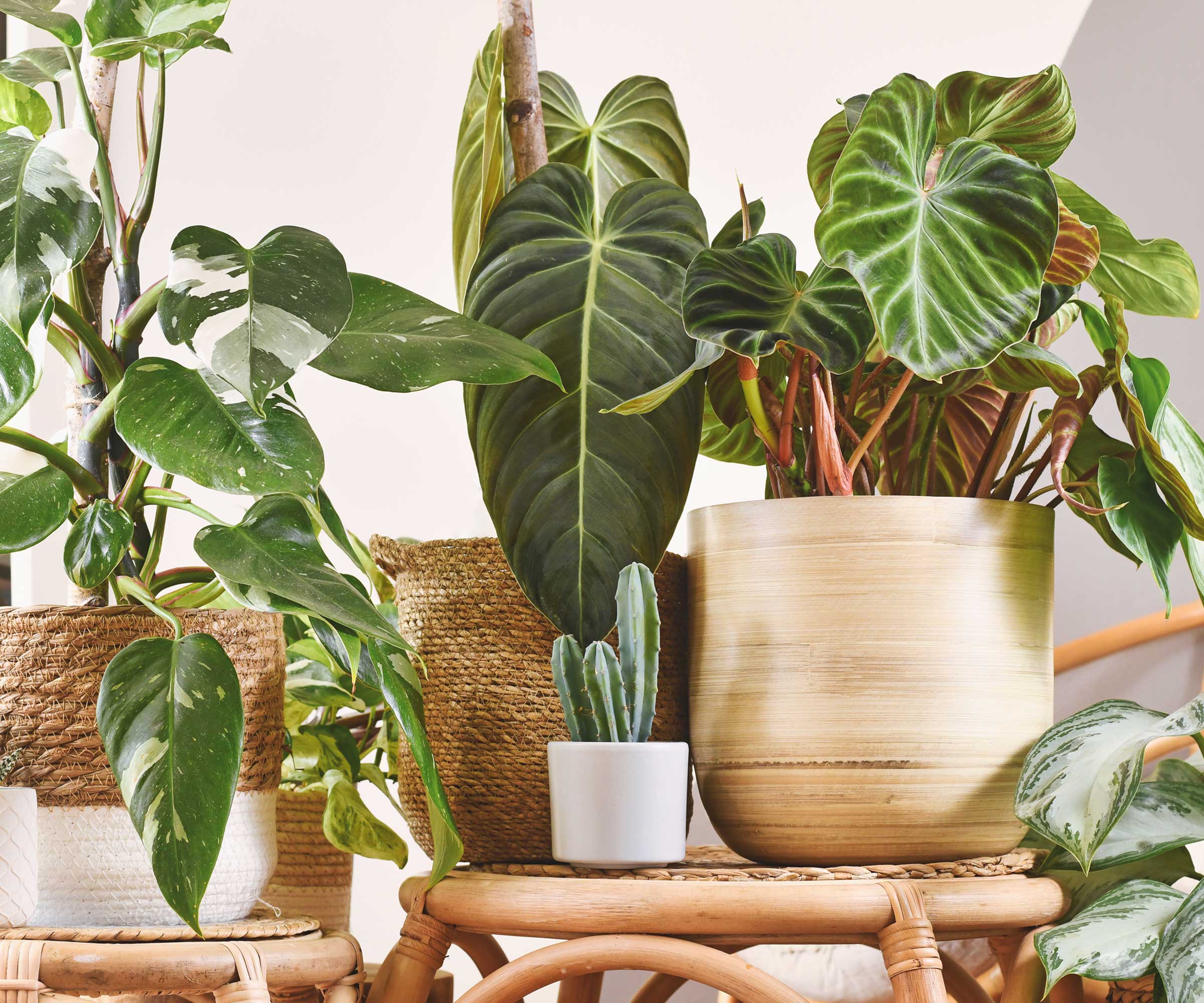
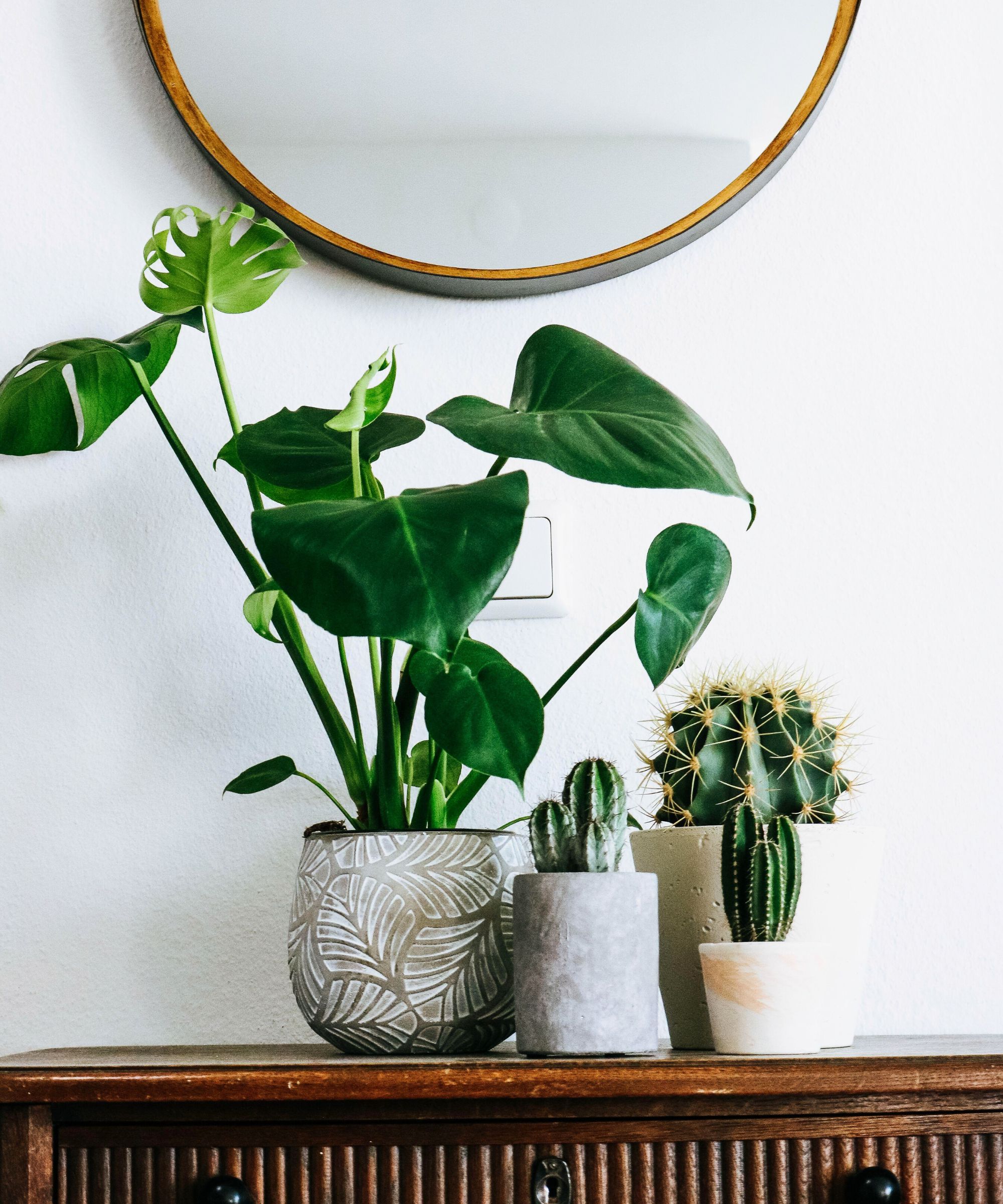
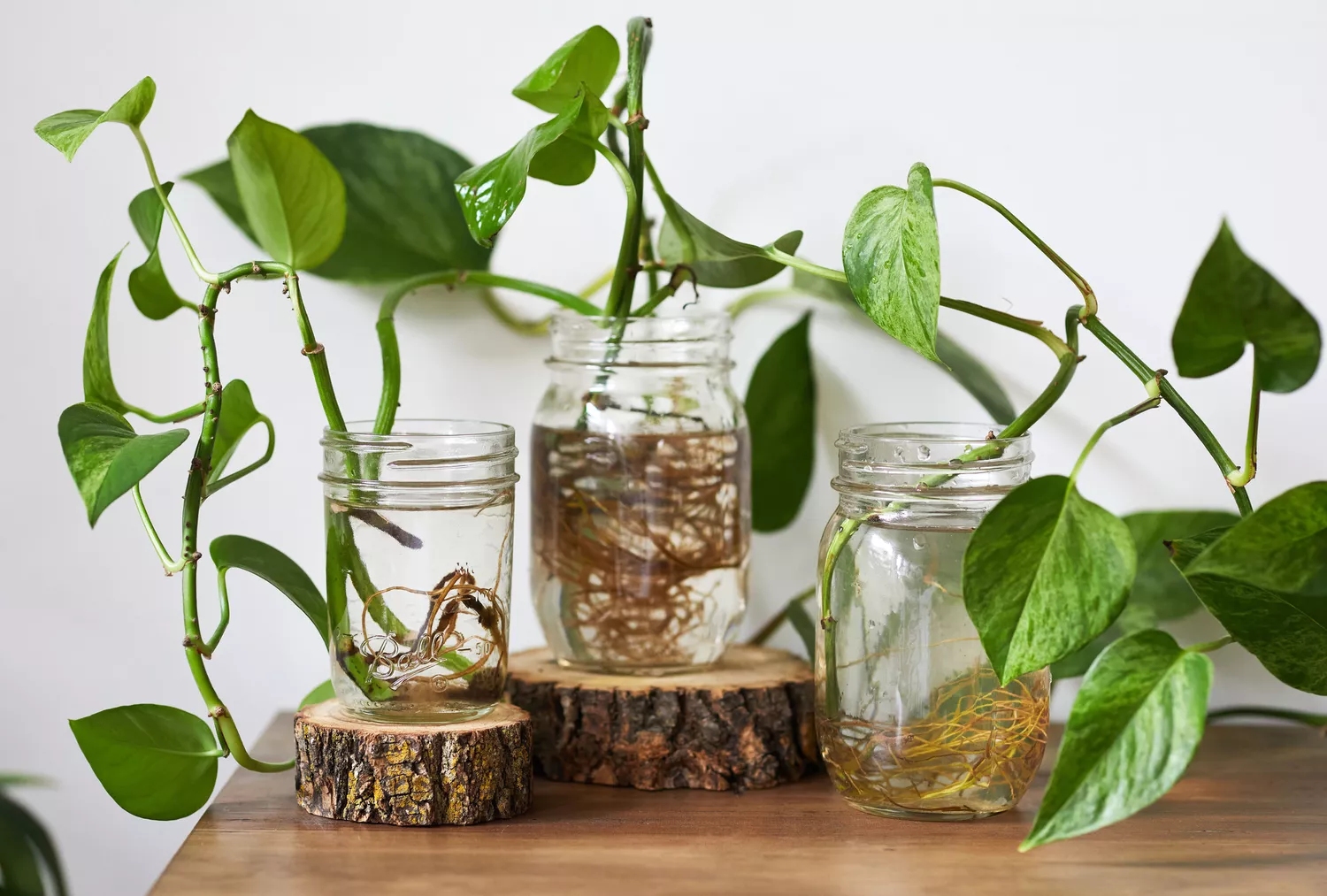
Strawberries benefit greatly from hydroponic cultivation by eliminating soil-borne pests and weeds, and allowing for year-round growth. They can be grown vertically, saving space and making harvesting easier. Popular methods include the nutrient film technique and ebb and flow systems, with varieties like 'Albion' and 'Mara de Bois' recommended for reliable yields. Houseplants, including spider plants, peace lilies, pothos, philodendron, and money trees, are also suitable for hydroponic culture, offering an easy way to expand a plant collection. However, maintaining balanced pH and nutrients is key for long-term success. Finally, flowers like marigolds, dwarf sunflowers, and gerbera daisies flourish in hydroponic systems, growing faster and producing more blooms due to controlled conditions and protection from external elements. These systems allow for precise environmental control, leading to higher yields and vibrant, healthy plants without the usual gardening challenges.
#HydroponicGardening #IndoorPlants #UrbanFarming #SustainableLiving #HomeGardening #VegetableGardening #HerbGardening #HouseplantCare #HydroponicGardening #IndoorPlants #UrbanFarming #SustainableLiving #HomeGardening #VegetableGardening #HerbGardening #HouseplantCare
0 comment in total
 No comments yet
You may also like
These 33 Houseplants Are Easy to Grow in Water
The Very Best Indoor-Garden Kits
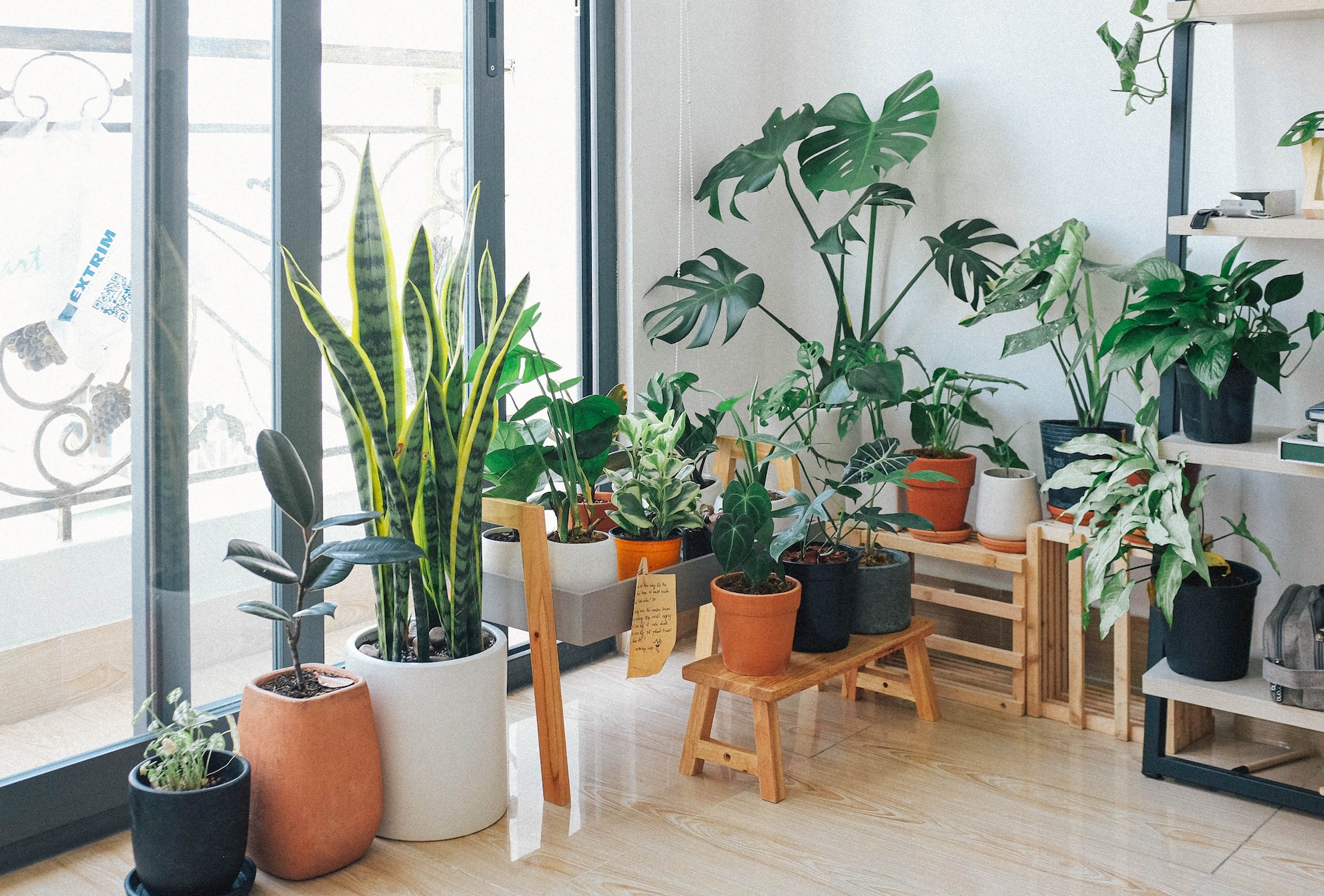
8 Incredible Indoor Garden Ideas

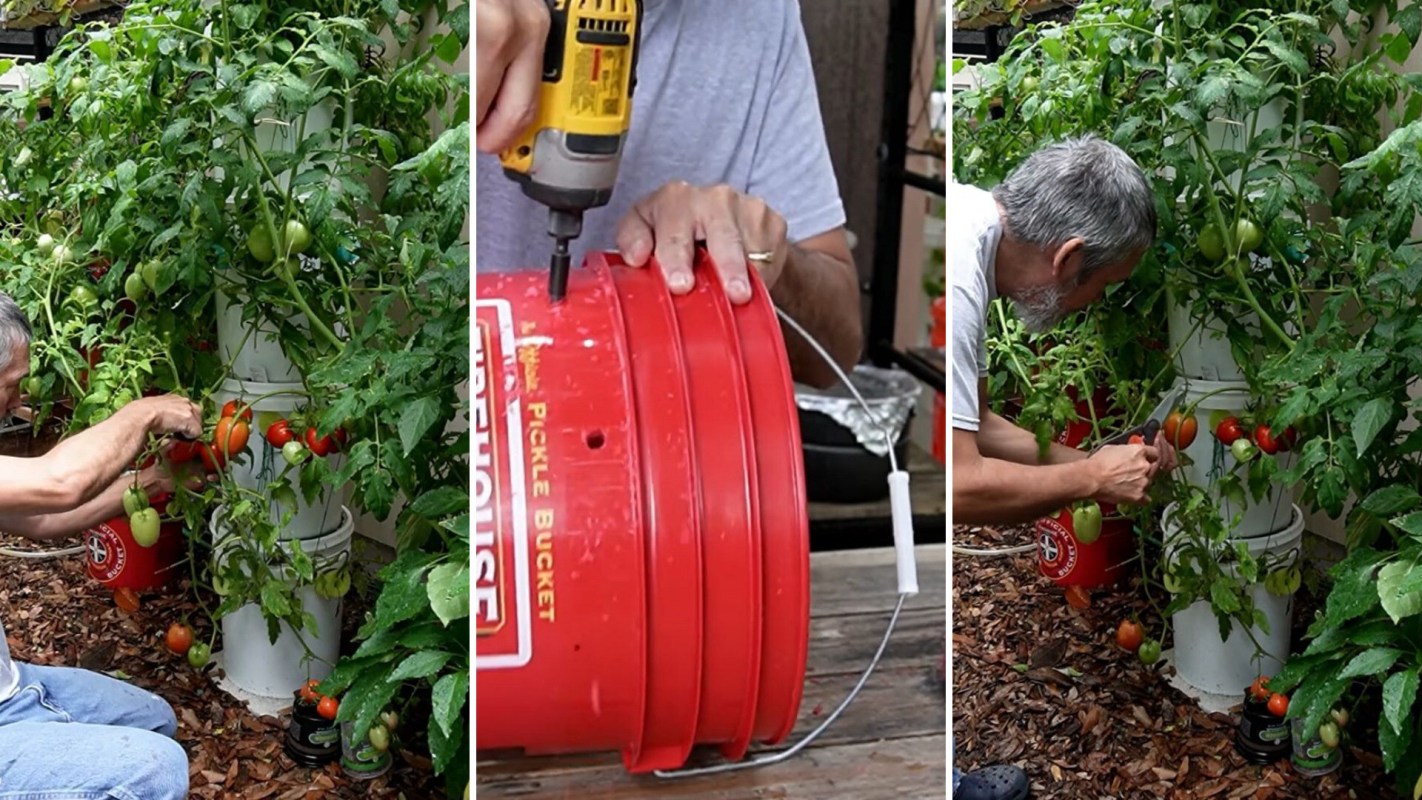
Hydroponics gardener shares money-saving hack for building vertical gardens: 'This is so creative'

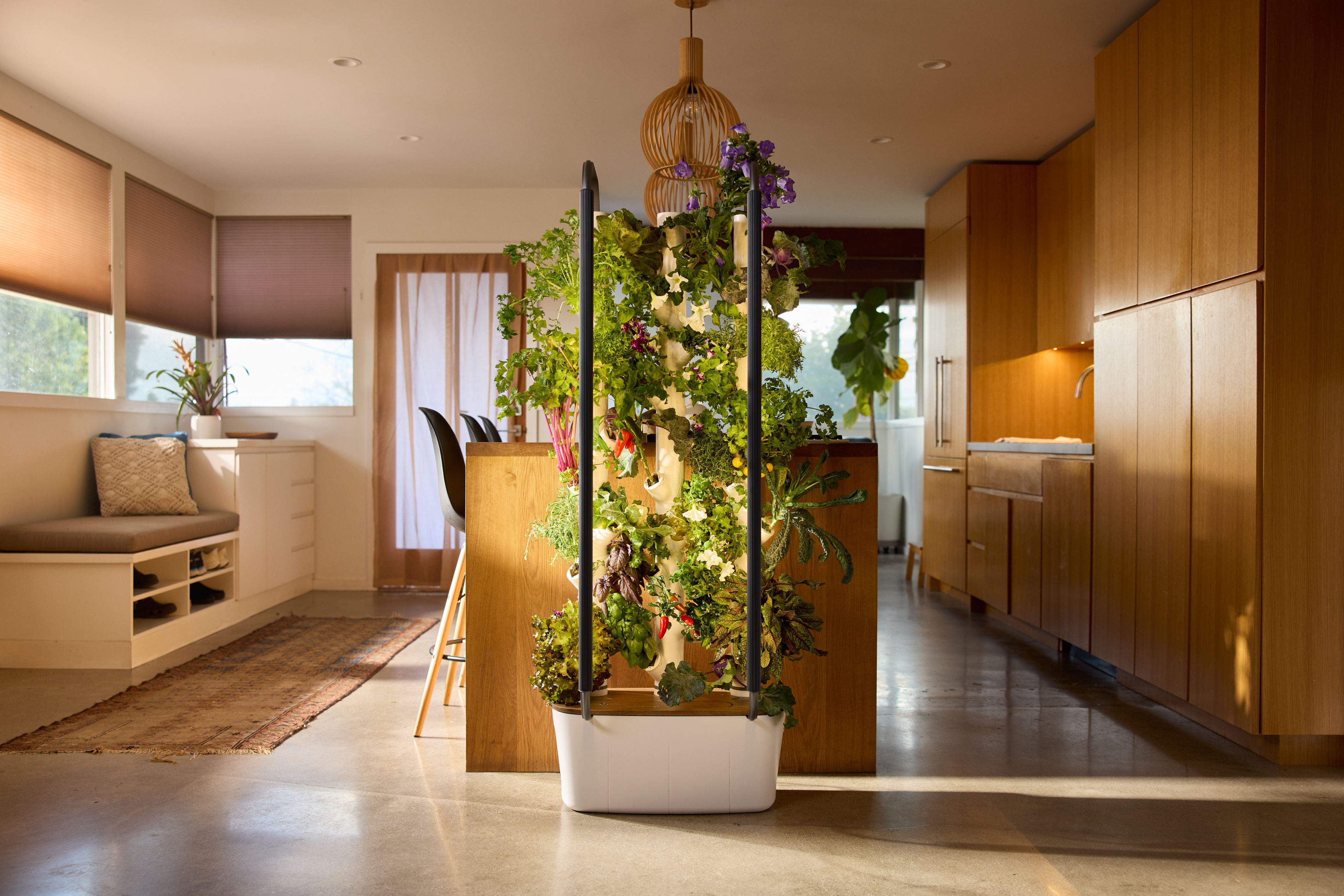
5 Ways to Use Indoor Plant Growing Systems to Help Your Crops Thrive — And That Look Amazing, Too
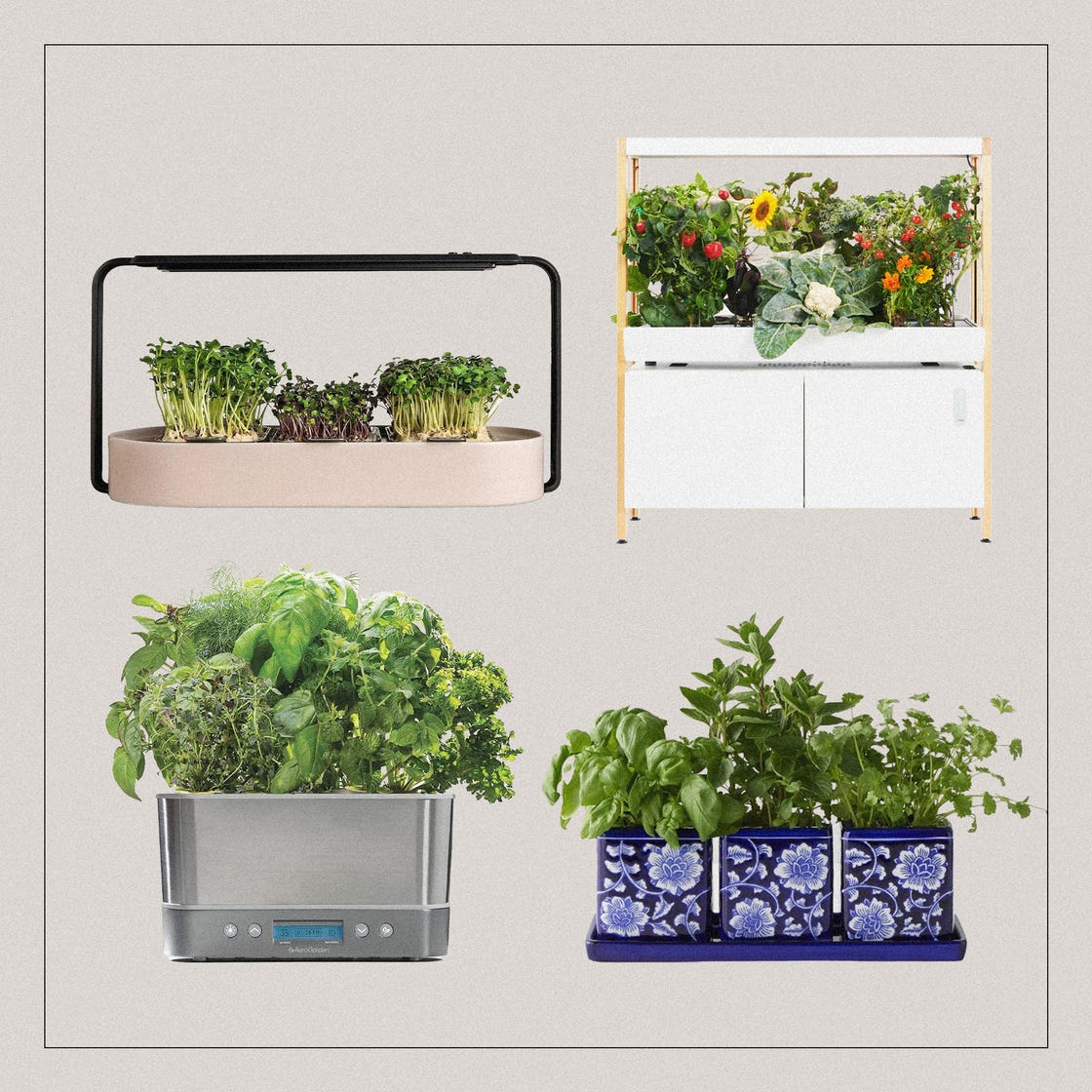
These Indoor Herb Gardens Will Help You Save Space and Time in the Kitchen

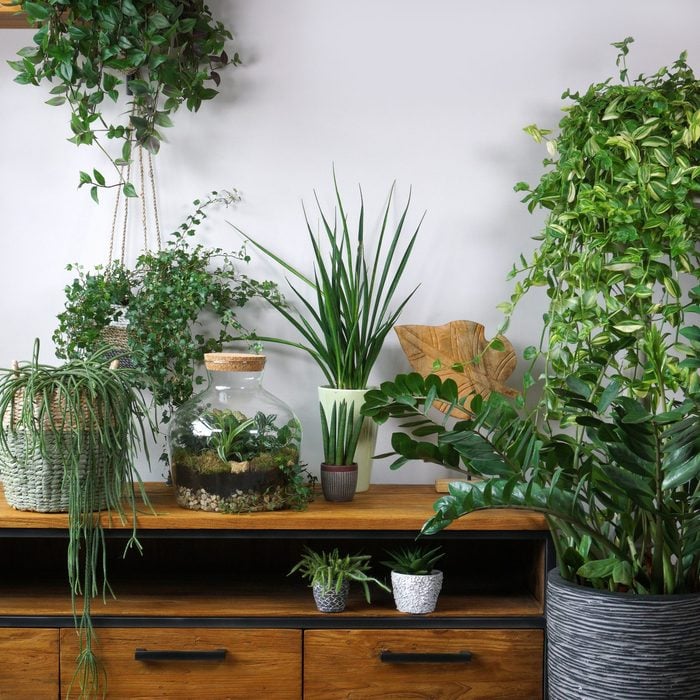
7 Indoor Garden Ideas To Elevate Your Home

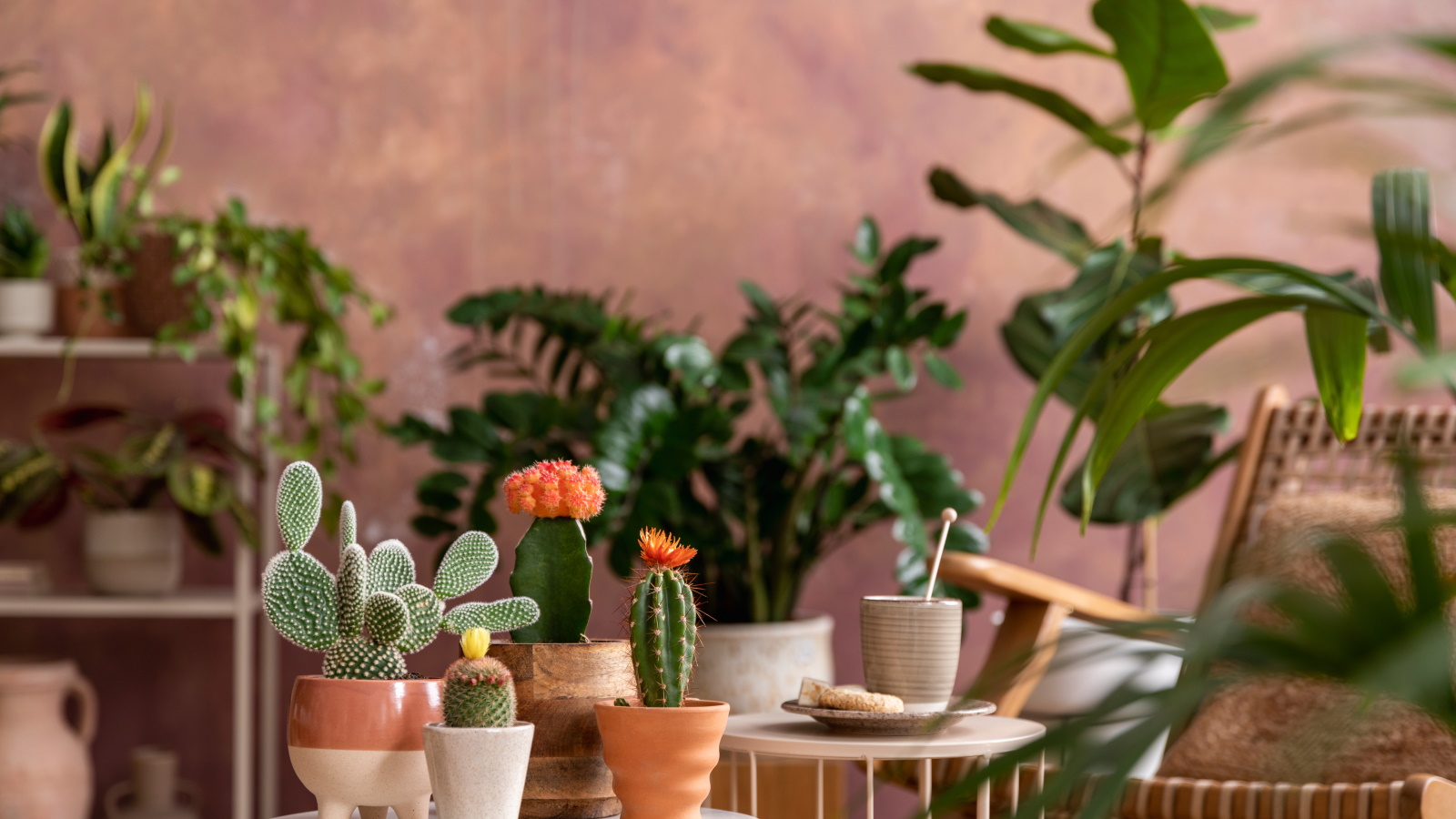
Indoor garden ideas: 9 ways to create a plant-filled haven

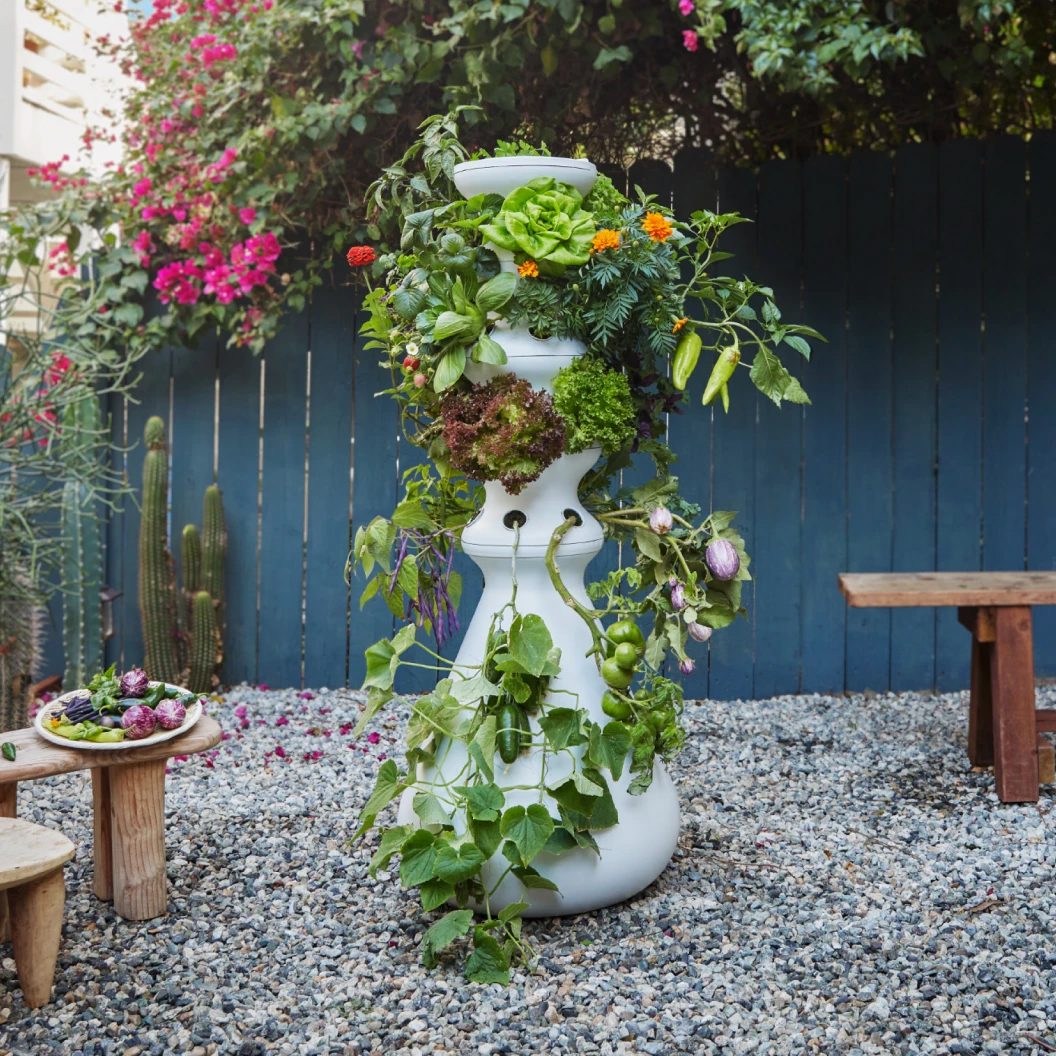
Lettuce Grow Farmstand Review: Is this Hydroponic Plant Stand Worth the Investment?
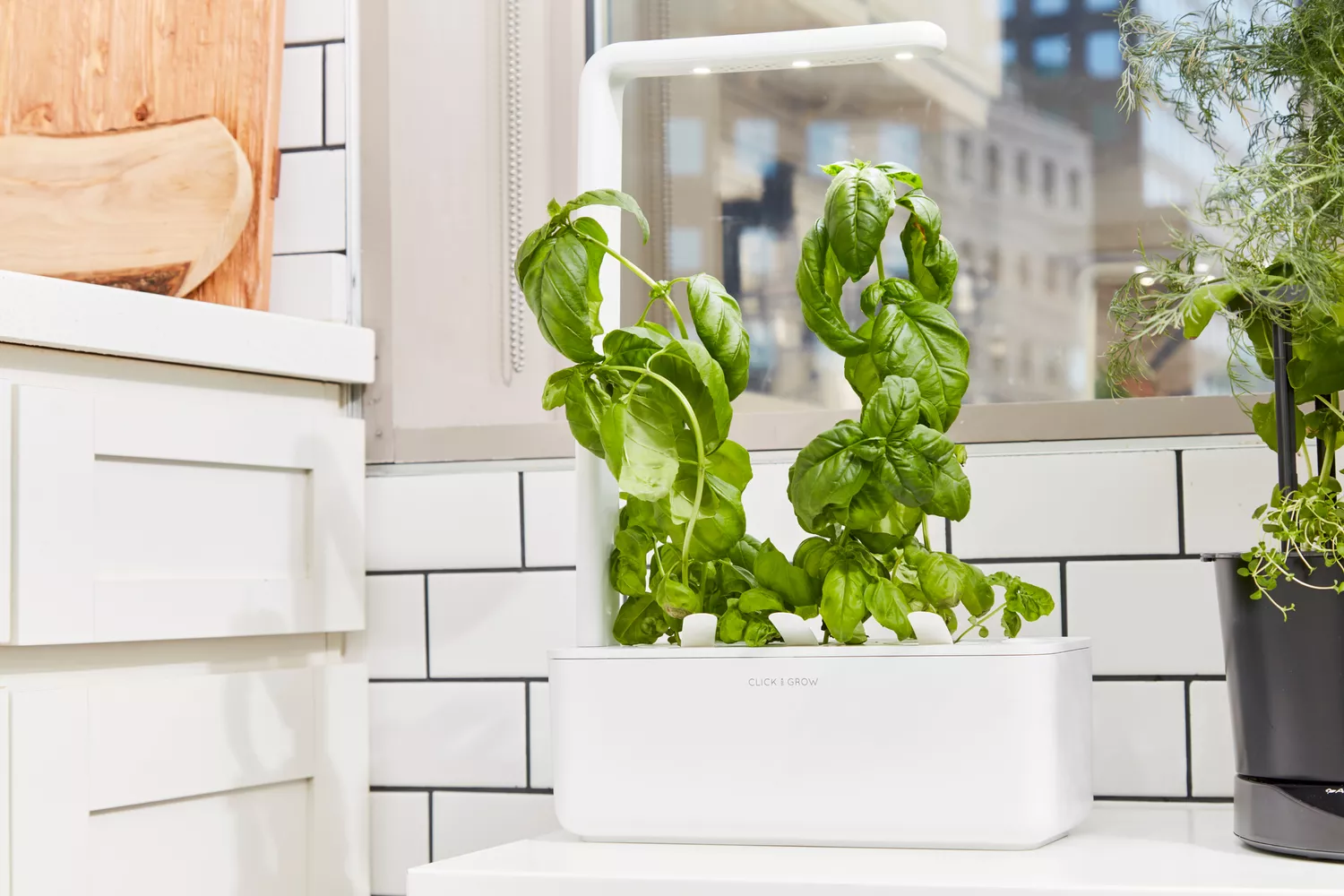
We Tested 18 Indoor Garden Systems—These 6 Are Truly Worthy of Your Countertop
5 Aquatic Plants to Brighten Up Your Water Feature

How to create an indoor garden when you’re short on space

14 Houseplants That Can Grow in Water—No Soil Needed

Best Indoor Smart Gardens for 2026

Houseplant trends for 2025 – 7 of the most stylish ways to garden indoors this year
36 best indoor plants that will liven up any room
12 Best Indoor Herb Gardens, Tested and Reviewed


10 indoor vegetable garden ideas - design experts on how to create decor that looks good enough to eat
16 herb garden ideas for productive (and beautiful!) beds, borders and planters

4 Fuss-Free Container Planting Ideas