10 Climbing Plants That Can Secretly Damage Your Home
While climbing plants often add aesthetic appeal to gardens with their whimsical vines and seasonal blooms, certain aggressive varieties pose significant risks when grown on or too close to a home. These plants can lead to a range of issues, from cosmetic damage to structural integrity problems. Experts advise caution in selecting climbing plants, especially those known for their invasive or destructive growth habits.
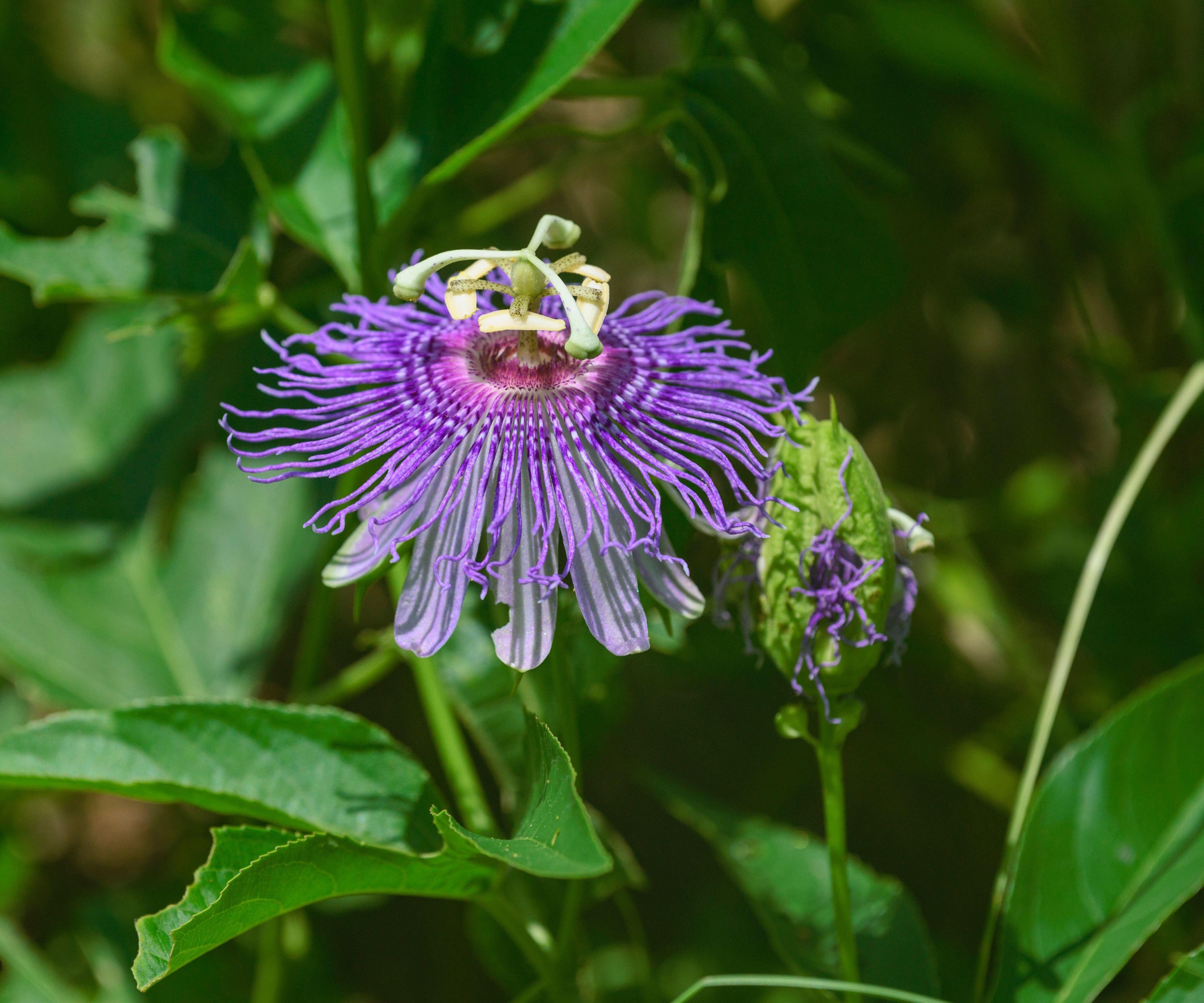
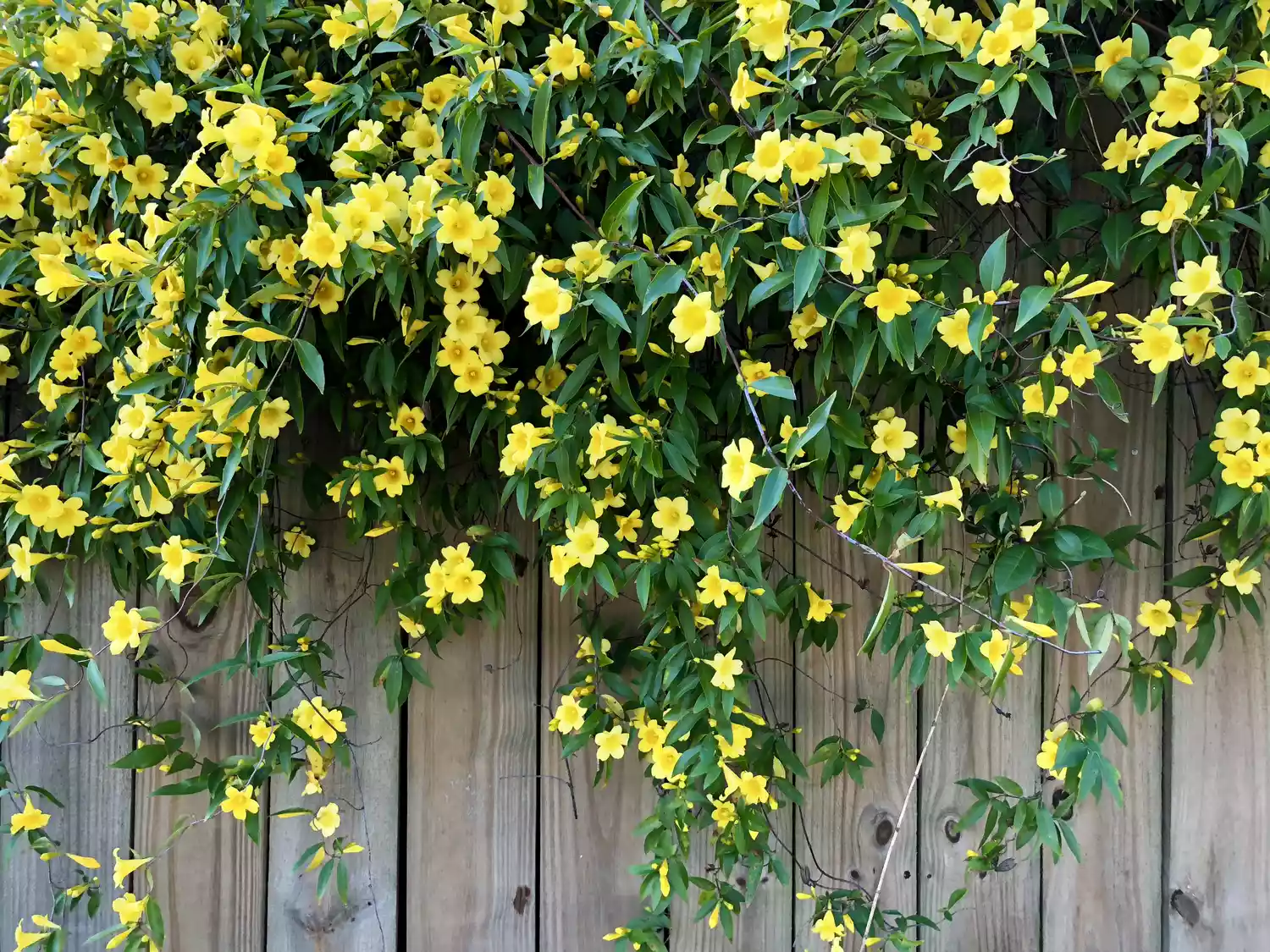
One such plant is the purple passionflower (_Passiflora incarnata_), which thrives in mild-winter desert climates. This vine is considered invasive in many areas, aggressively reseeding and tangling into rooflines. Its presence can also harbor pests, making it difficult to manage near a residence. Similarly, cat's claw vine (_Dolichandra unguis-cati_), despite its attractive yellow blooms, is highly destructive. Its claw-like tendrils penetrate stucco and masonry, and its underground tubers make removal exceptionally challenging.
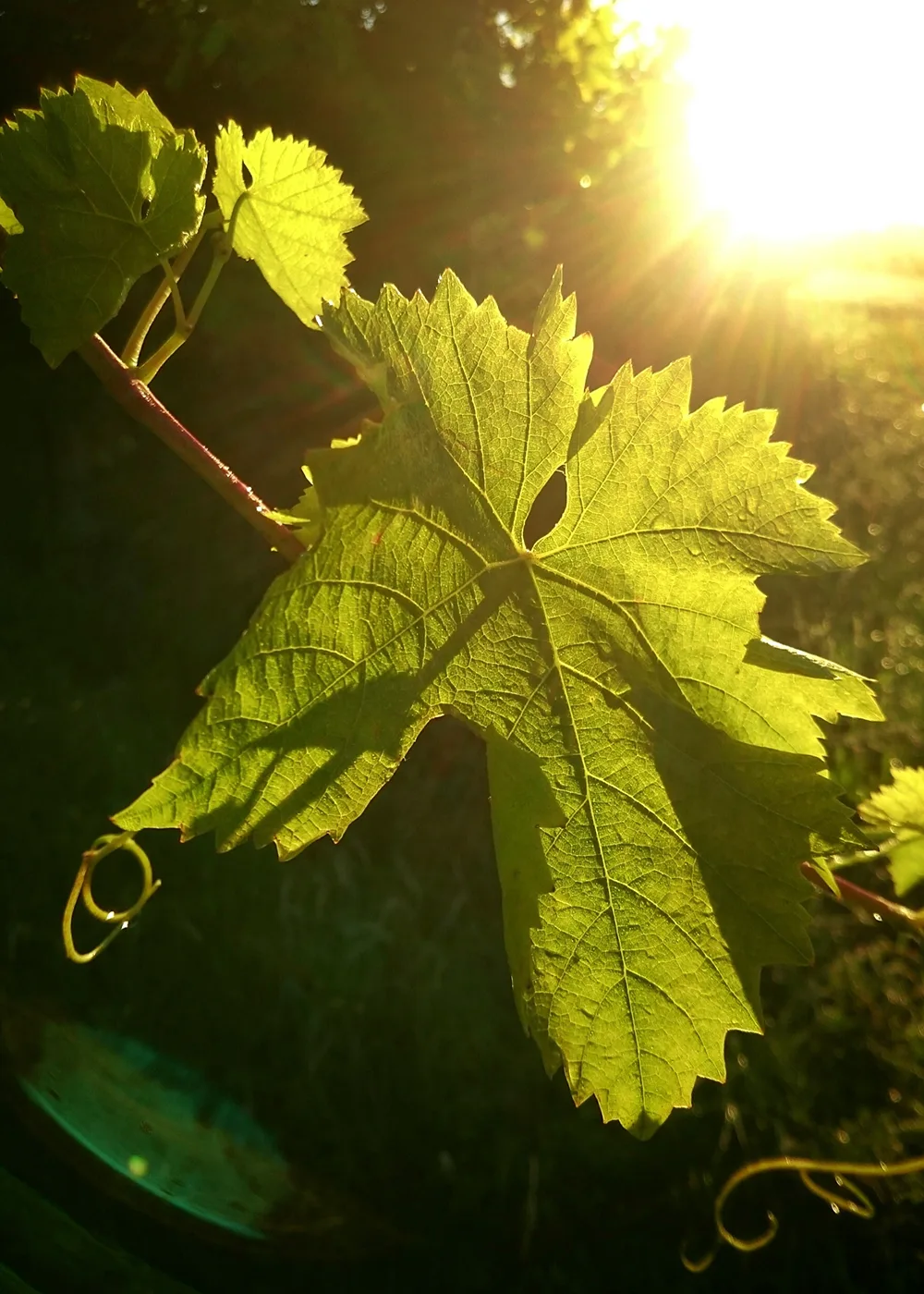
Bougainvillea, though beautiful, also presents problems when trained against a house. Its woody stems and thorns can crack stucco and masonry, compromising the building's exterior. Grape vines (_Vitis vinifera_), while suitable for pergolas, are detrimental when grown directly on a house. Their dense canopy traps moisture, which can stress eaves and create ideal hiding spots for pests like roof rats. Moreover, the substantial weight of mature grape vines can exert undue pressure on the home's foundation, potentially causing cracks.
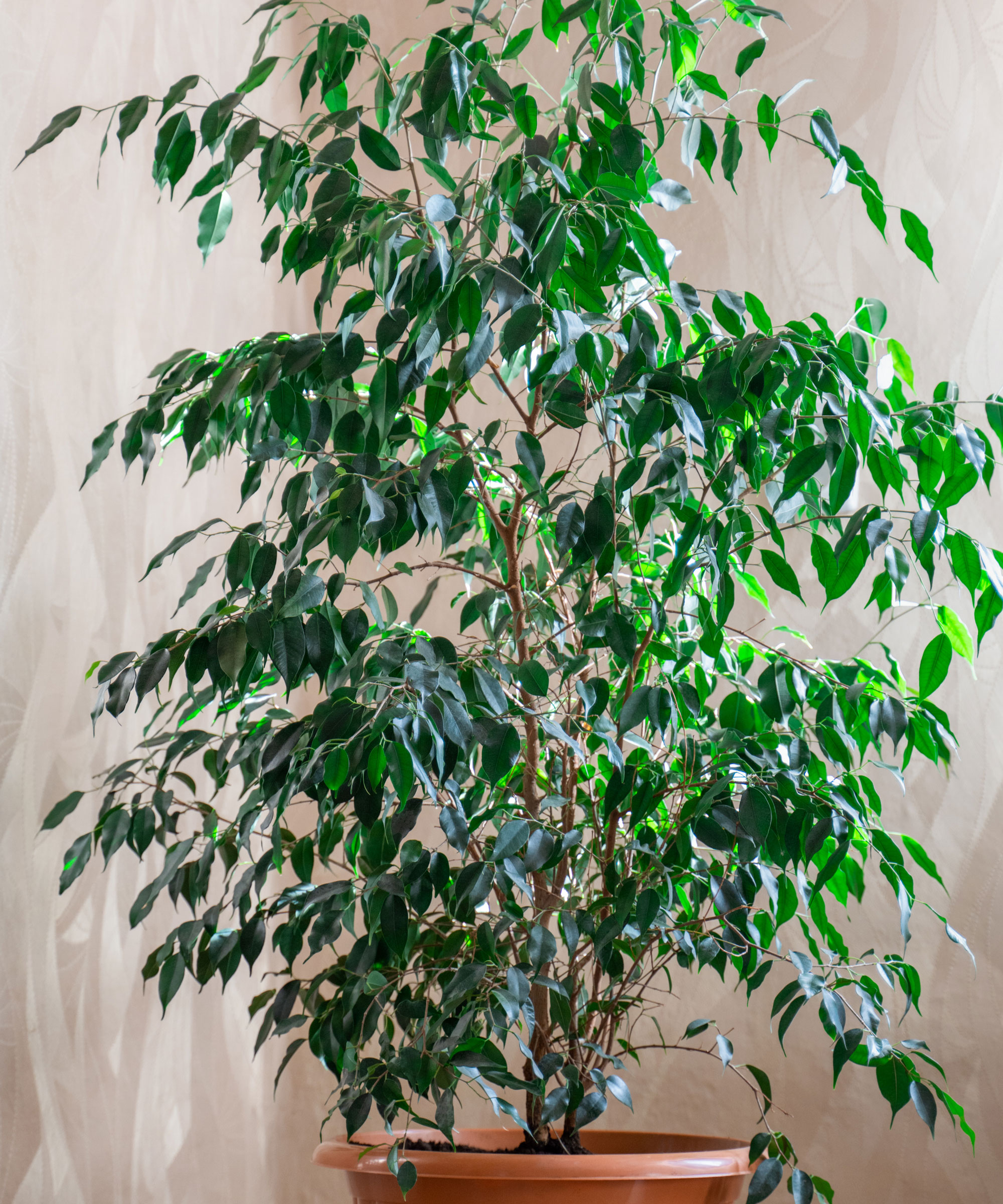
Trumpet vine (_Campsis radicans_) is another aggressive climber, notorious for sending runners underground that can damage foundations. Its aerial roots cling tightly to walls, leaving permanent marks and making removal difficult. Creeping fig (_Ficus pumila 'Minima'_), a small-leafed ground cover, spreads via aerial root tendrils, adhering to various surfaces including fences, trees, and homes. While initially appearing attractive, it can damage house paint and promote the growth of mildew and mold. As it matures, its foliage enlarges, and it produces inedible fruit that attracts rodents.
Virginia creeper (_Parthenocissus quinquefolia_), a fast-growing native plant, possesses woody stems with tendrils that attach to walls. These tendrils can damage house paint and exacerbate mildew and mold issues. Experts recommend growing Virginia creeper on trellises, arbors, or pergolas instead of directly on building walls.
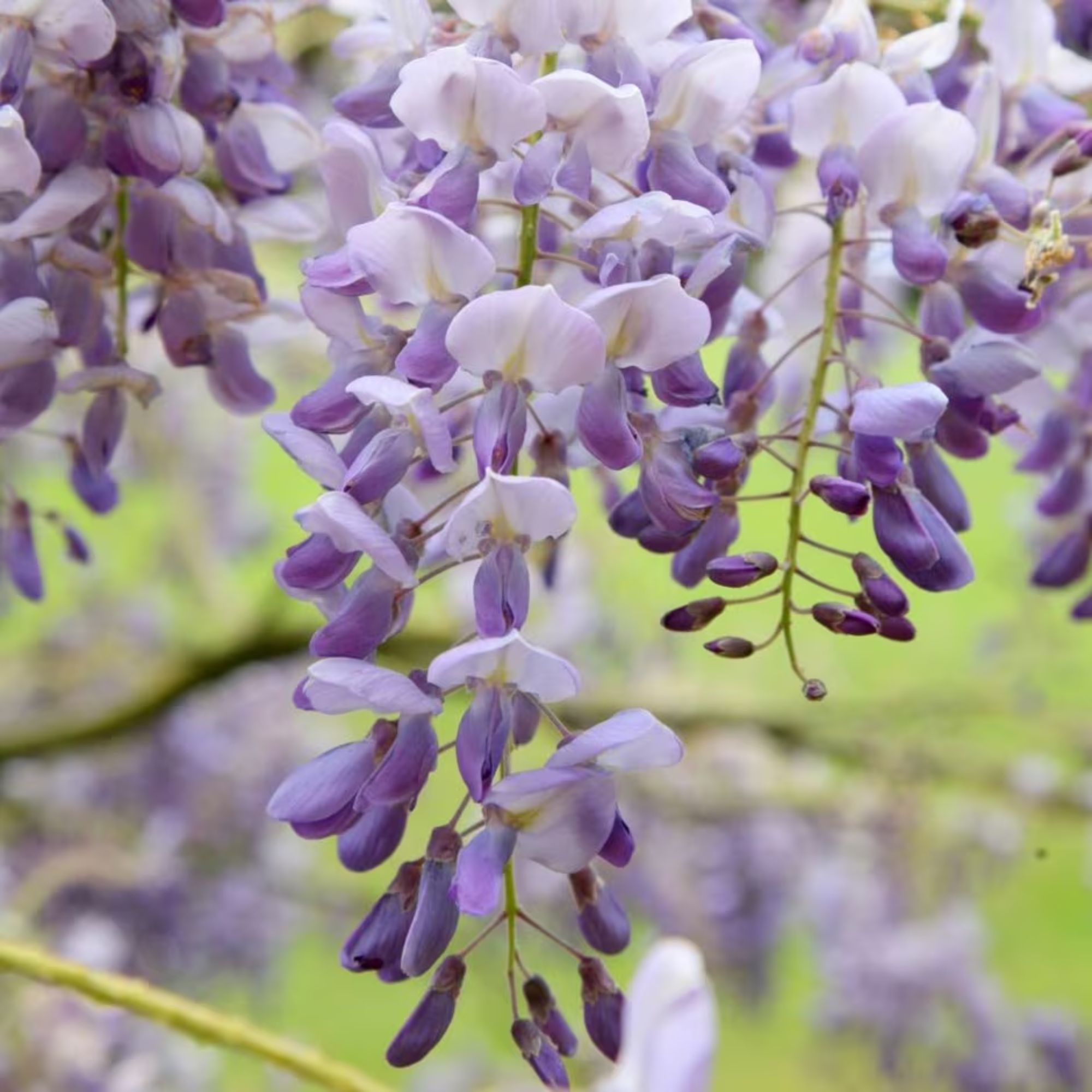
Chinese wisteria (_Wisteria sinensis_) and Japanese wisteria (_Wisteria floribunda_) are strikingly beautiful but extremely aggressive vining plants. They can quickly envelop an entire house or large tree, potentially leading to its demise within a few years. For those desiring a wisteria-like aesthetic, native American wisteria (_Wisteria frutescens_) or "Queen's Wreath" (_Petrea volublis_) are suggested alternatives, provided they are grown on supportive structures like arbors or pergolas.
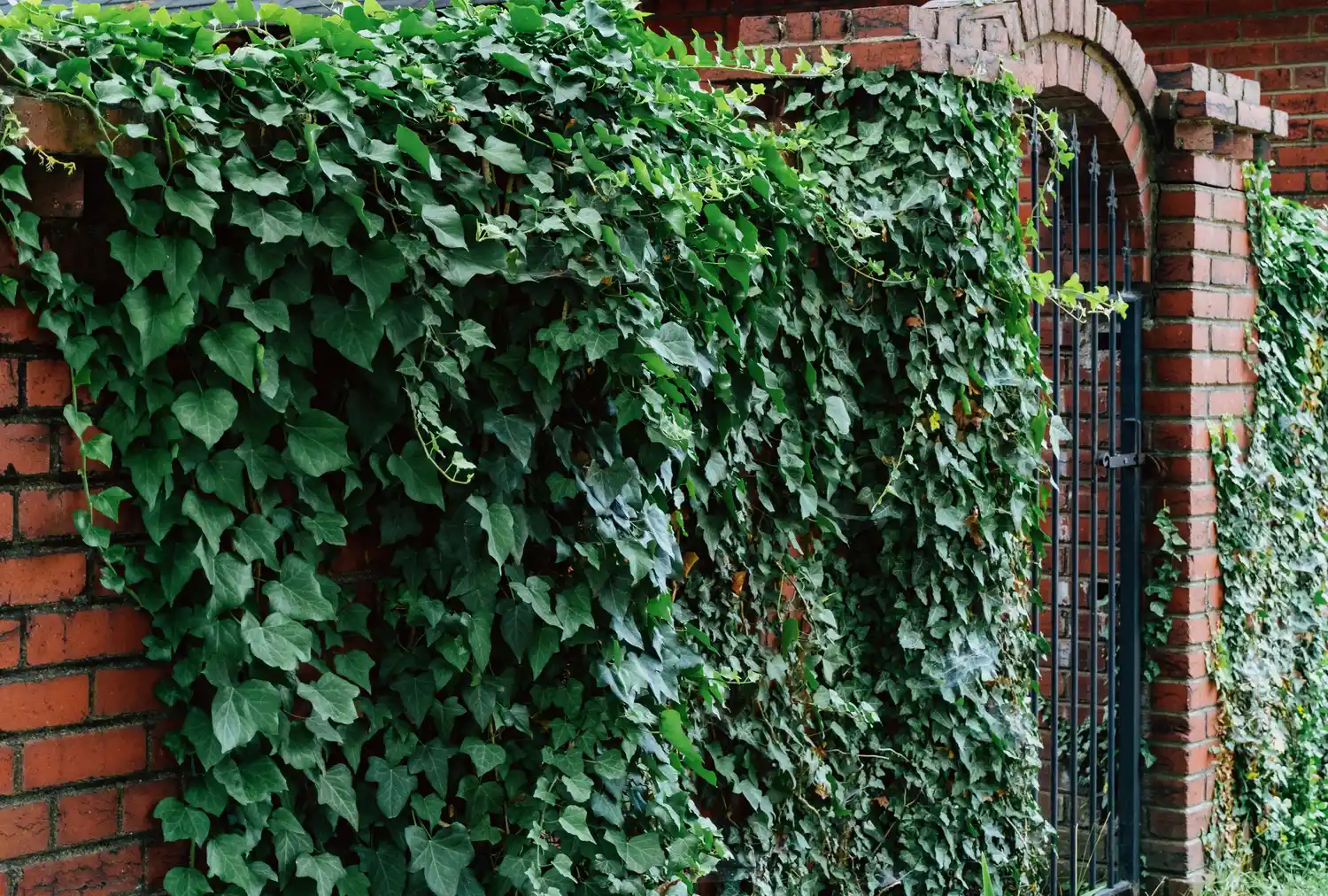
Japanese honeysuckle (_Lonicera japonica_) is another highly aggressive, fast-growing plant that can block sunlight, outcompete other vegetation, and harm native ecosystems. A less damaging alternative with a similar appearance is the native coral honeysuckle (_Lonicera sempervirens_). Lastly, English ivy (_Hedera helix_) is an invasive plant that should generally be avoided in gardens. Its fast growth, woody stems, and root tendrils firmly attach to and climb walls and trees, damaging house paint and fostering mold and mildew. It can grow up to 90 feet long and spreads extensively through rooting stems and seeds.
Understanding the growth habits and potential impacts of these climbing plants is crucial for homeowners looking to protect their property from damage.
#ClimbingPlants #HomeDamage #GardeningTips #InvasiveSpecies #PlantSelection #HouseMaintenance #GardenDesign #LandscapePlanning #ClimbingPlants #HomeDamage #GardeningTips #InvasiveSpecies #PlantSelection #HouseMaintenance #GardenDesign #LandscapePlanning
0 comment in total
 No comments yet
You may also like
10 Indoor Climbing Plants That Will Take Your Blooms to New Heights — And Make Your Home Look Lush

Transform Your Space With Any of These Gorgeous Tall Indoor Plants

10 Must-Have Indoor Plants To Liven Up Your Entryway

12 Toxic Flowers to Avoid in Your Garden


5 Tall Indoor Plants That Make Such an Impact in Your Home

10 underrated houseplants – you won't regret adding these lesser-known beauties to your plant collection

20 Climbing Plants We Can't Get Enough of for Any Trellis, Pergola, or Fence
Damage-Free Ways To Hang Plants In Your Rental
Best tall indoor plants – 10 statement plants, chosen by houseplant experts
10 Climbing Plants That Will Cover Fences In A Flash
Indoor Vines Are the Decor You Didn't Know You Needed

‘Go big or go home’: Plants that can live large in your garden
9 Tall Houseplants That Will Add Drama to Your Interior
4 Houseplants to Never Put in an Entryway, or Else They'll Throw Off Your Home's Feng Shui Balance

10 Tall Outdoor Plants for Landscaping

5 climbing plants perfect for your pergola

Invasive climbers never to grow – 5 vines to avoid and what you should grow instead
The 5 best climbing plants to cover an ugly fence, add privacy, and beautify your garden
Vertical Gardens: 10 mistakes to avoid, according to the experts

The 14 Best Climbing Plants for Your Trellis or Pergola