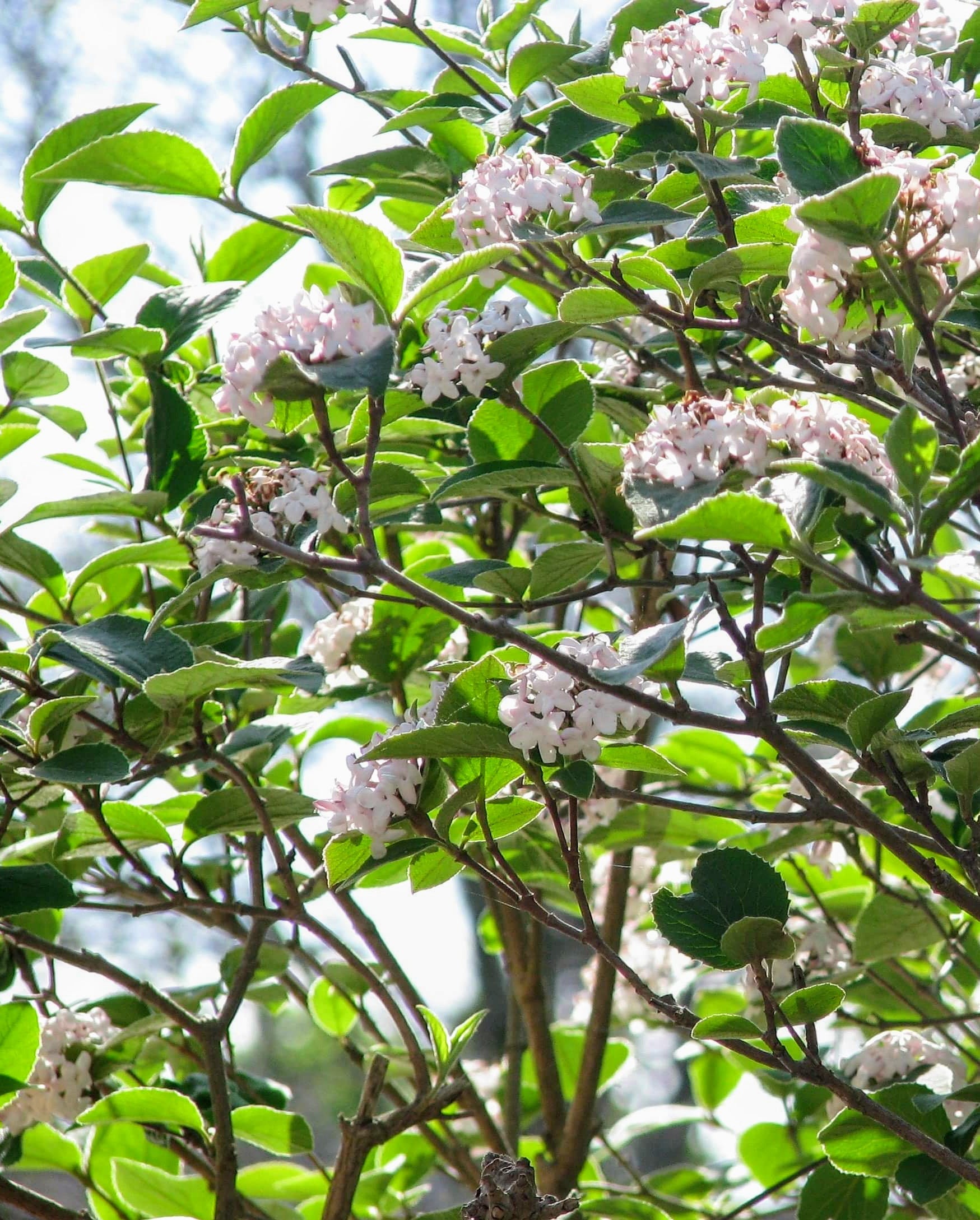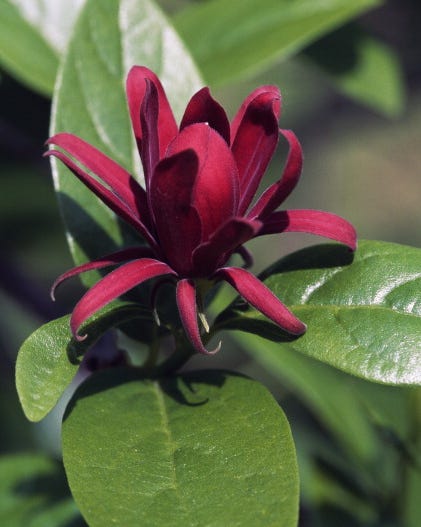
12 Toxic Flowers to Avoid in Your Garden
This blog post highlights twelve common flowering plants that possess toxic properties, posing risks to humans and pets. The article serves as a guide for gardeners and homeowners to identify potentially harmful plants in their surroundings, offering non-toxic alternatives for each listed species. The plants discussed include various annuals, perennials, and shrubs commonly found in gardens and landscaping.
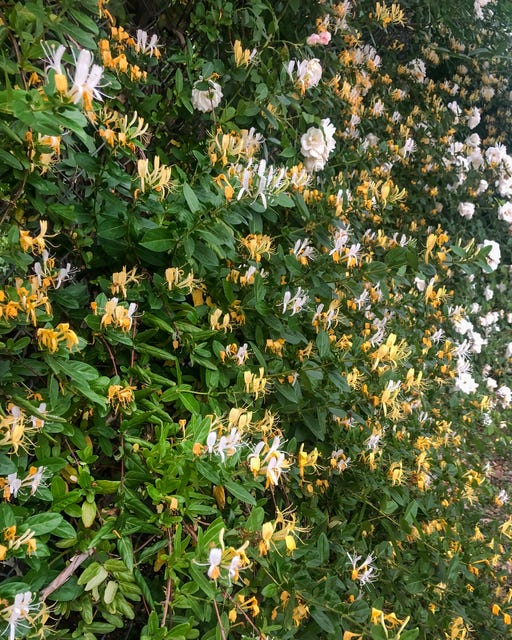
Lily of the Valley (Convallaria majalis), a shade-loving perennial known for its tiny, bell-shaped white flowers and sweet scent, is toxic in all its parts if ingested by humans, dogs, or cats. A non-toxic alternative is Virginia spiderwort (Tradescantia virginiana). Wisteria (Wisteria spp.), a vigorously climbing vine with showy clusters of fragrant blue or purple flowers and distinctive velvety seedpods, is entirely toxic to humans, dogs, and cats. Magnifica honeysuckle is suggested as a safe substitute. Lilies (Lilium spp.), including Easter, tiger, Asiatic, and Japanese lilies, and daylilies like Stella de Oro, are particularly toxic to cats, with all parts being harmful if ingested. Canna lilies and other non-_Lilium_ or _Hemerocallis_ genus lilies are presented as safe alternatives.
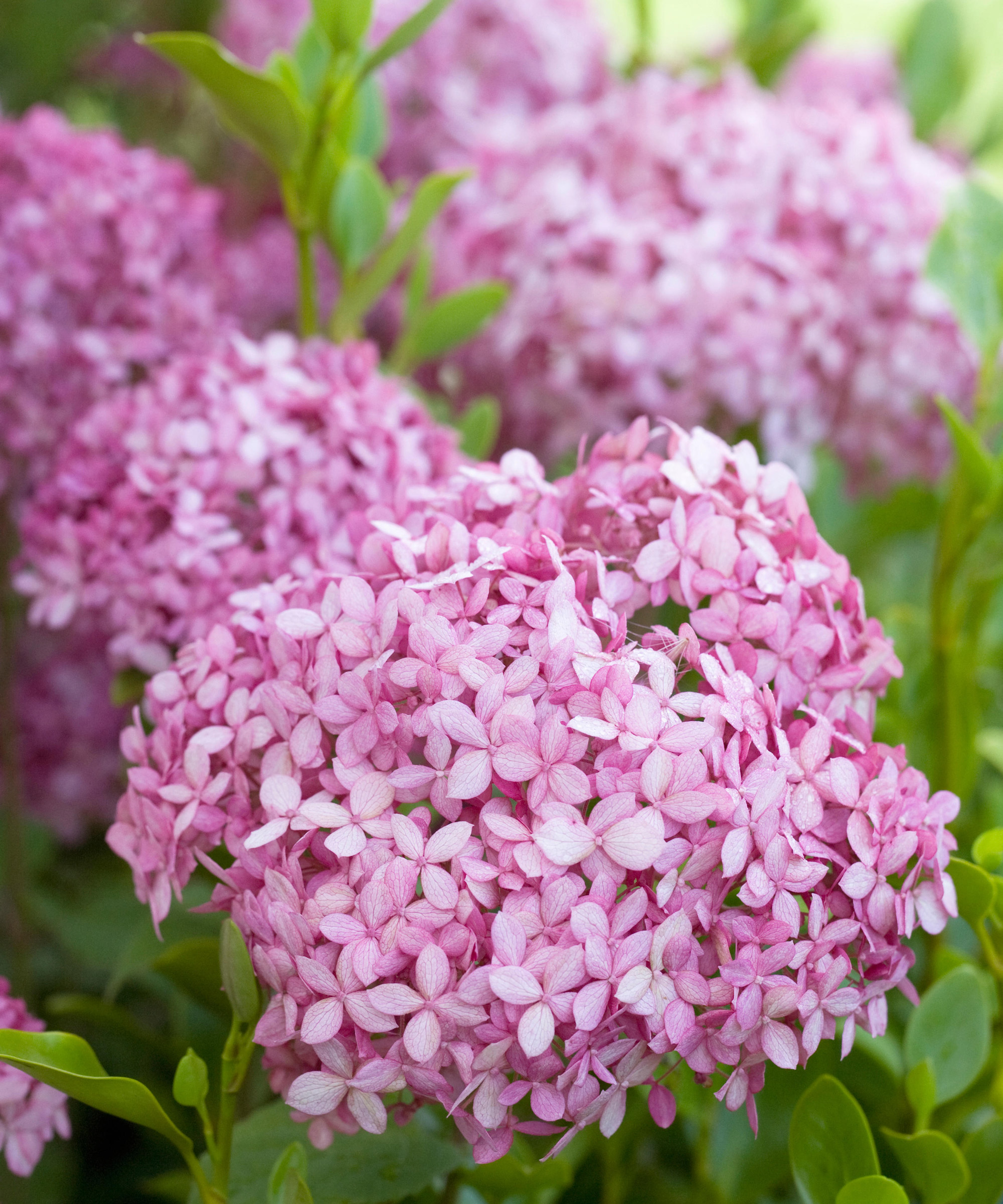
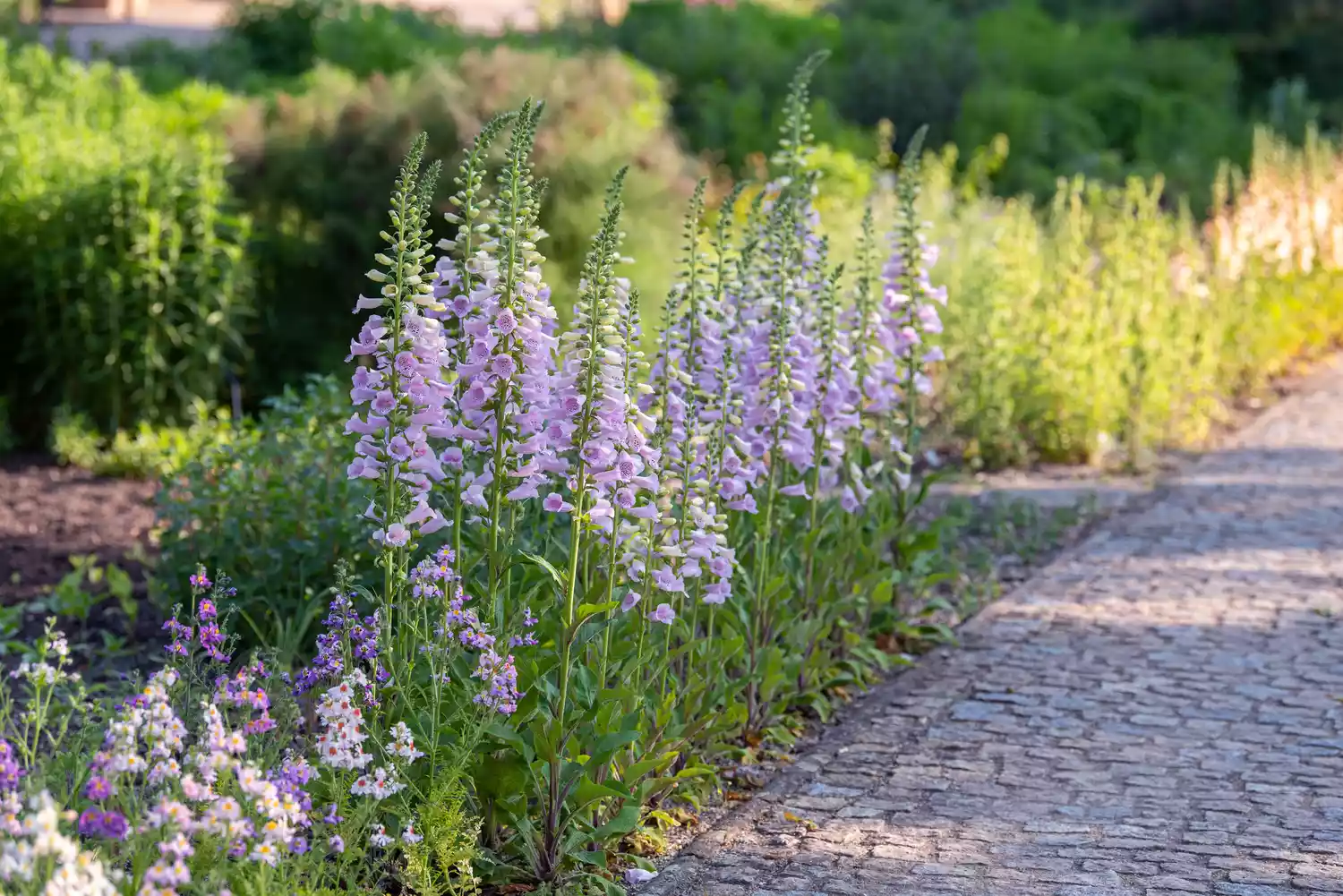
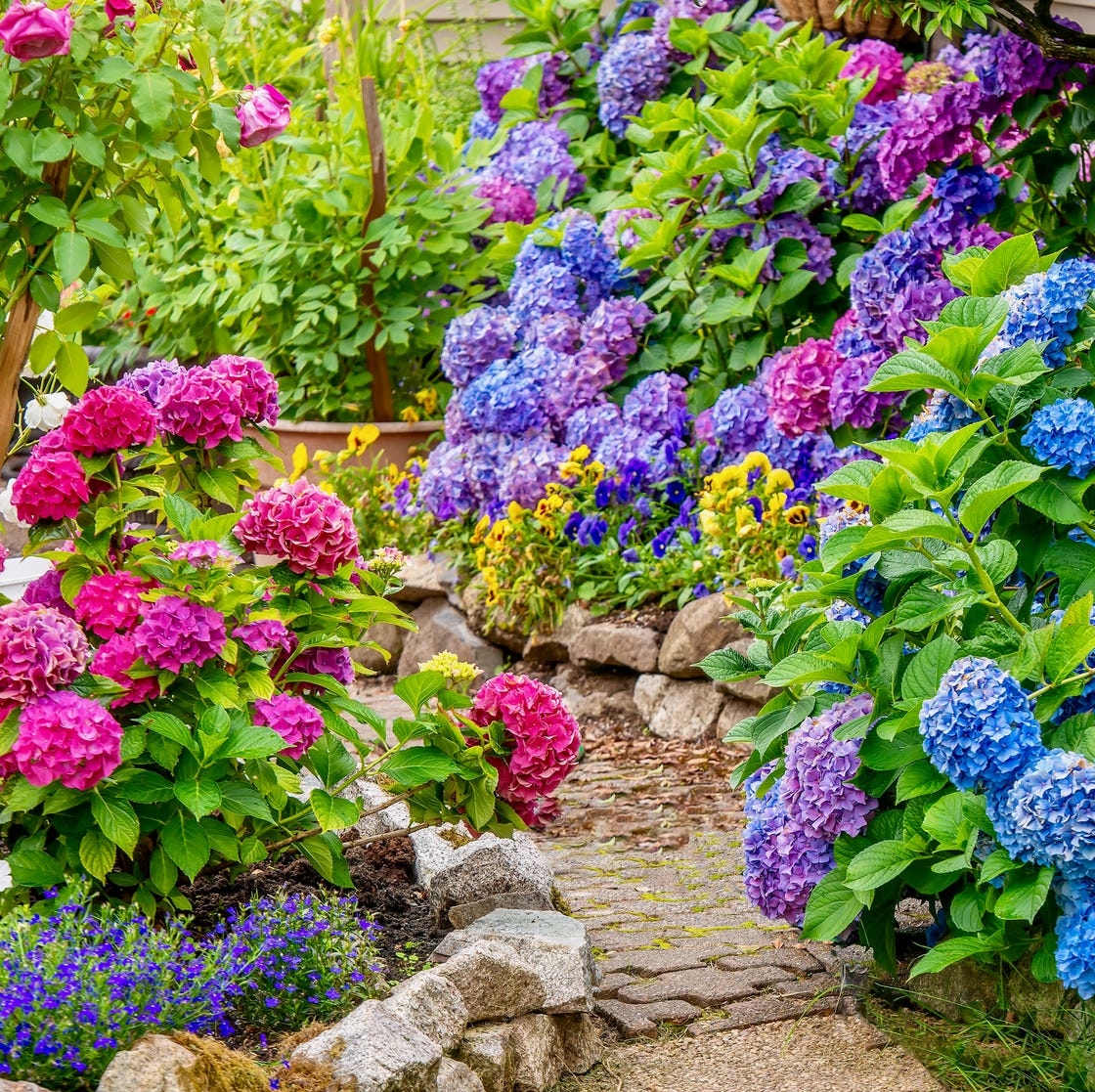
Lantana (Lantana camara), an evergreen shrub often grown as an annual in colder climates, features small, dense flower clusters in various colors and aromatic leaves when crushed. All parts of lantana are toxic to humans, dogs, cats, and livestock. Verbena is recommended as a non-toxic replacement. Hydrangea (Hydrangea spp.), characterized by its large mophead, lacecap, or panicle-shaped flowerheads, has toxic leaves, flowers, and bark for humans, dogs, and cats. Spirea is mentioned as a safe alternative. Foxglove (Digitalis purpurea) is identifiable by its bell-shaped flowers with purple to maroon spots and white rings. All parts of this plant are toxic to humans, dogs, and cats, with hollyhock suggested as a non-toxic option.
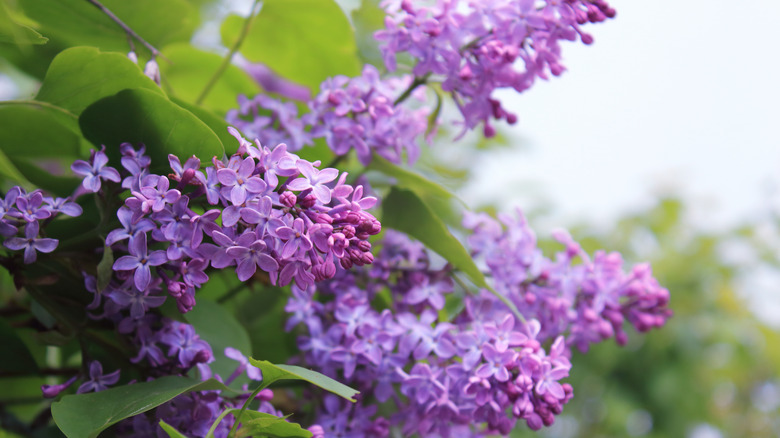
Oleander (Nerium oleander), a shrub known for its fragrant white, purple, or pink flowers and narrow, glossy leaves with a distinctive midrib, is highly toxic in all its parts to humans, dogs, cats, and livestock. Due to its extreme toxicity, oleander is not advised for households with children or pets. Rhododendron and Azalea (Rhododendron spp.), which bloom with abundant lavender, rose, or pink flower clusters and have dark green, leathery leaves, are toxic in all parts to humans, dogs, and cats. Lilac is a non-toxic alternative. Mountain Laurel (Kalmia latifolia), a broadleaf evergreen shrub with flower clusters resembling tiny bowls or bells with symmetrical dark spots, is toxic in all its parts to humans, dogs, and cats. Dogwood is a recommended substitute.
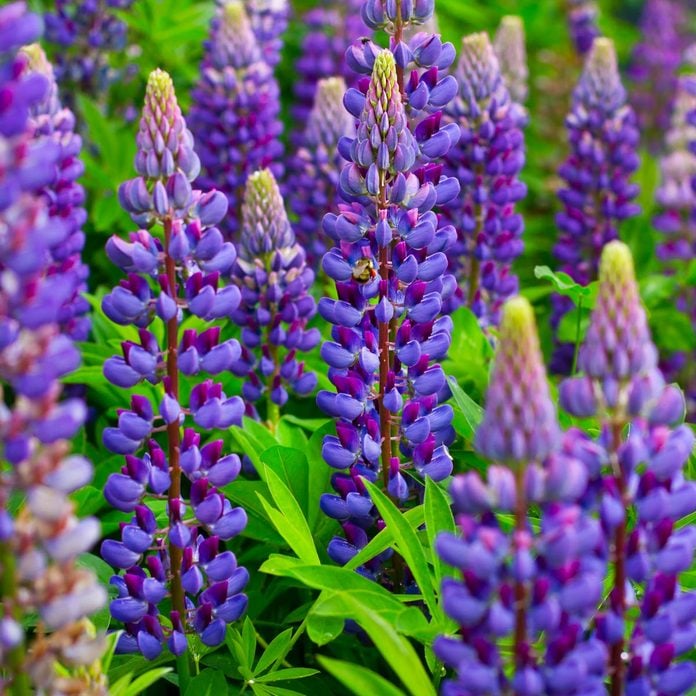
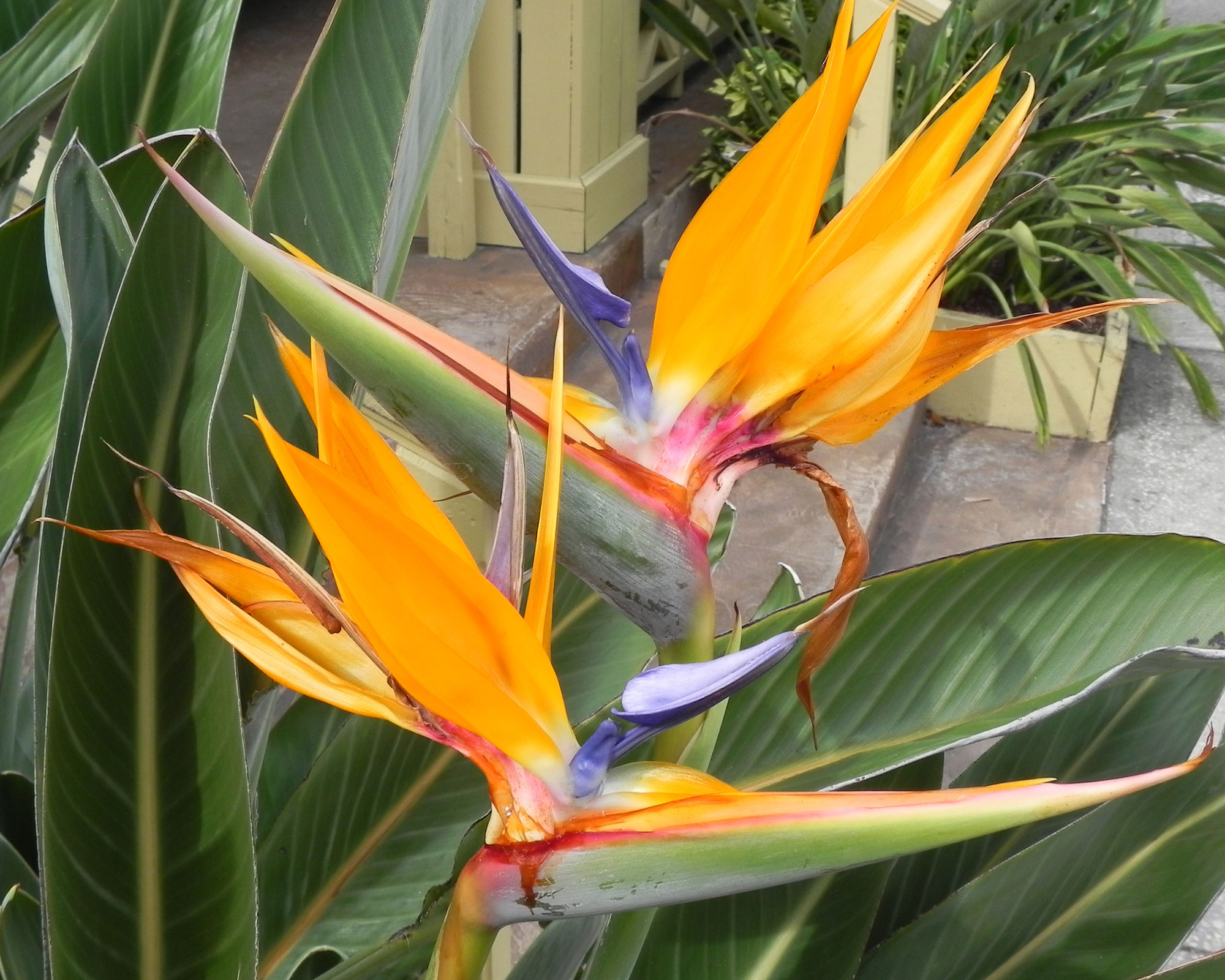
Monkshood (Aconitum), recognized by its deep purplish-blue to violet flowers with an upper sepal shaped like a medieval monk's hood, is entirely toxic to humans, dogs, cats, and livestock. Its high toxicity means it should only be handled with proper protective gear. Angel’s Trumpet (Brugmansia), a tropical small tree or shrub grown in containers, produces large, drooping flowers in various colors up to 24 inches long. All parts of this plant are toxic to humans, dogs, cats, and livestock, making it unsuitable for homes with children or pets. Finally, Fall Crocus (Colchicum autumnale), which blooms in early fall without foliage, displays lavender to lilac purple flowers. All parts of the fall crocus are toxic to humans, dogs, cats, and livestock, and planting it is not recommended in households with children or pets.
Each toxic plant entry includes its common and scientific names, descriptions, toxic parts, animals affected, and a suggested non-toxic alternative. This comprehensive list aims to inform and enable individuals to make safer plant choices for their gardens and living spaces.
#ToxicPlants #GardenSafety #PetSafety #PlantToxicity #NonToxicAlternatives #FloweringPlants #HomeGardening #PestControl #ToxicPlants #GardenSafety #PetSafety #PlantToxicity #NonToxicAlternatives #FloweringPlants #HomeGardening #PestControl
0 comment in total
 No comments yet
You may also like

4 Houseplants to Never Put in an Entryway, or Else They'll Throw Off Your Home's Feng Shui Balance

I'm a landscaping expert advice - here's the five plants you NEED to keep pesky insects away this summer

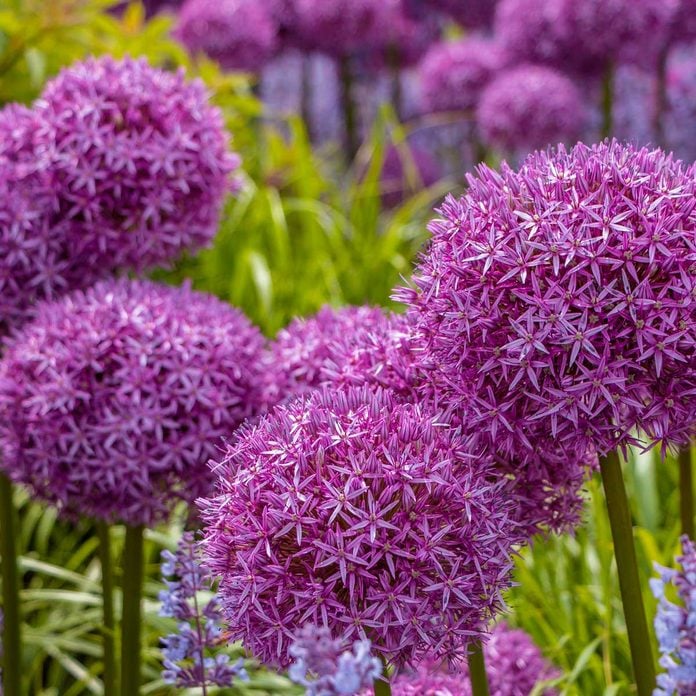
10 Pretty Purple Flowers That’ll Make Your Garden Pop

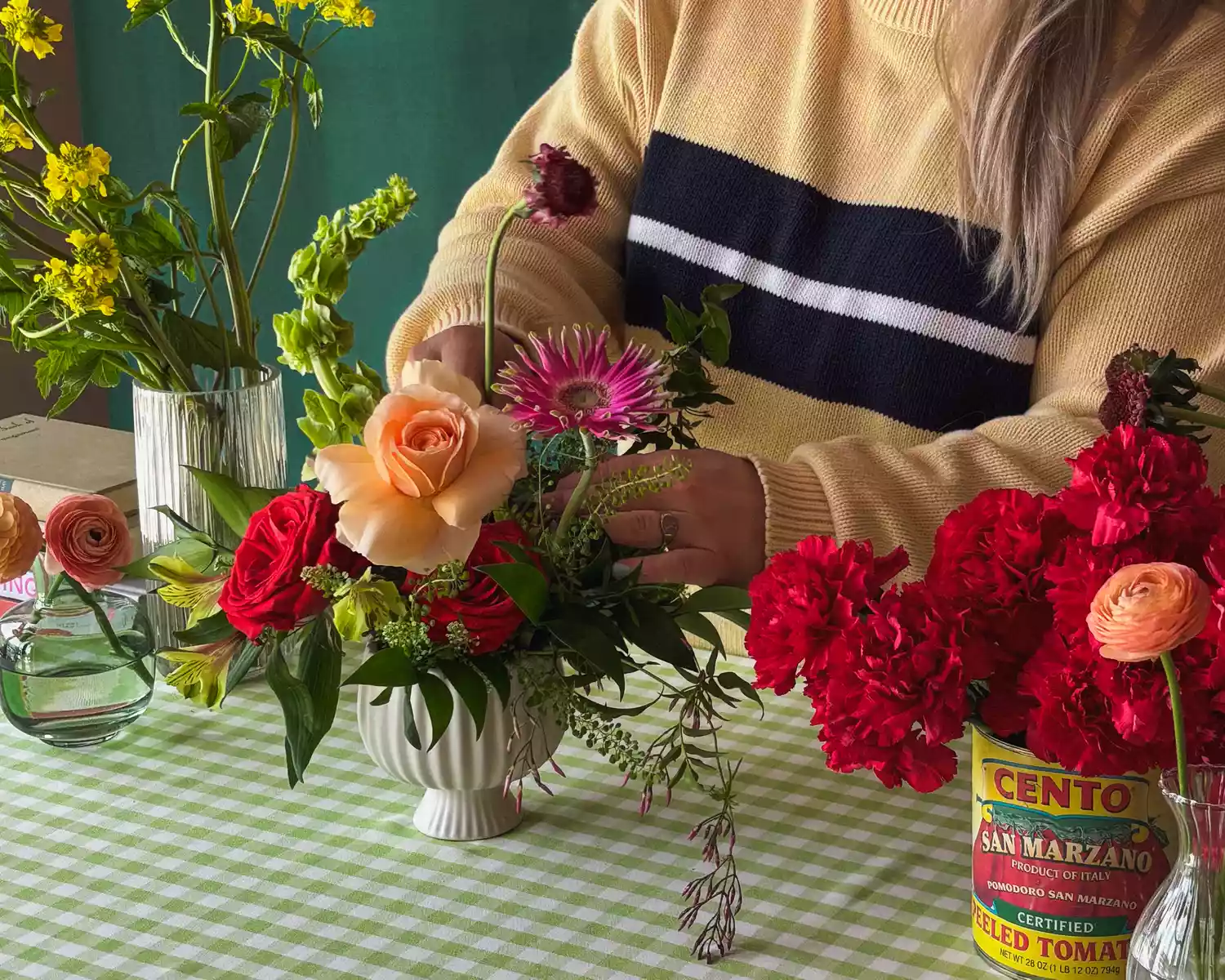
8 Things You Should Never Do With Fresh Flowers If You Want Them To Last
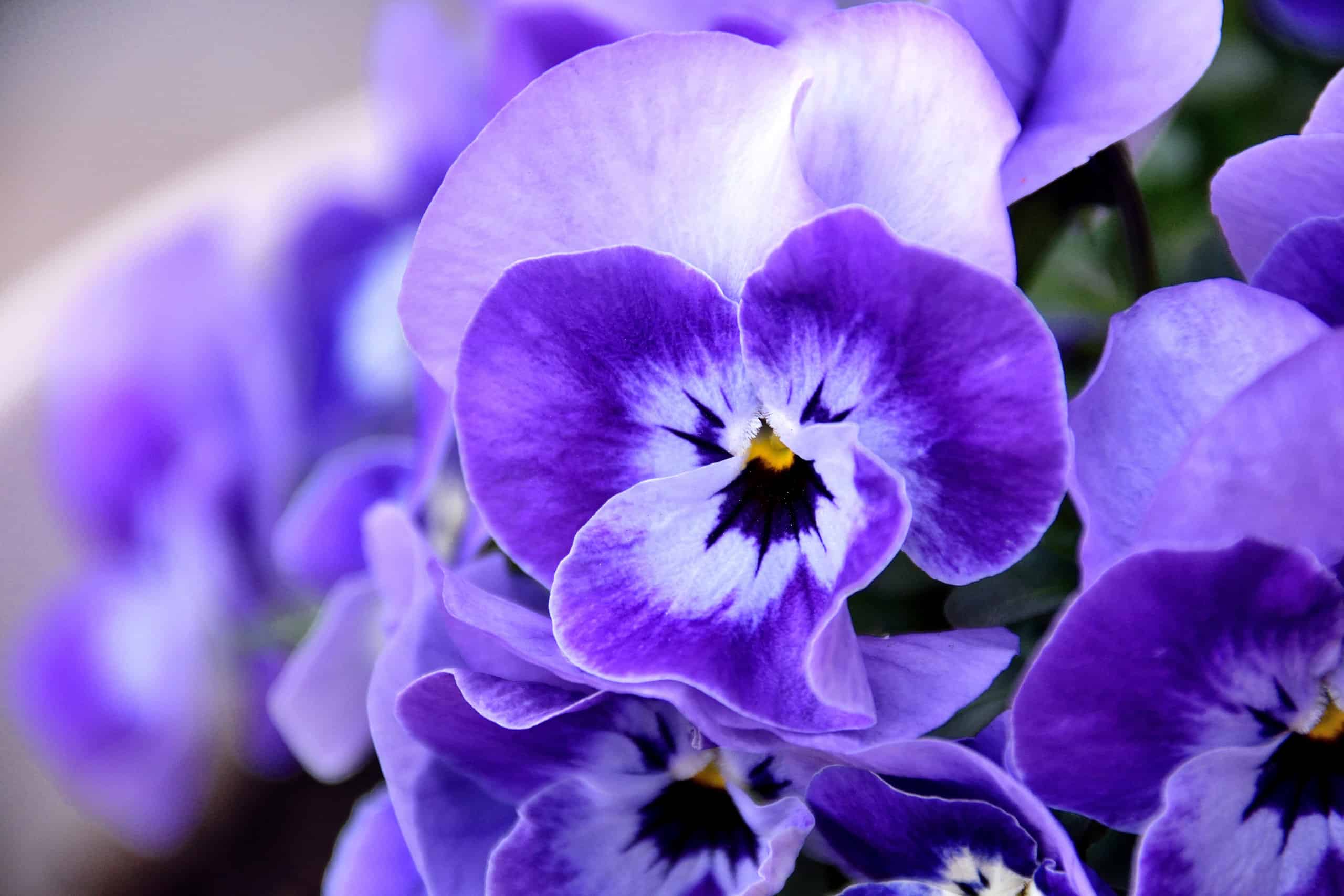
14 Gorgeous Flowers That Start With V
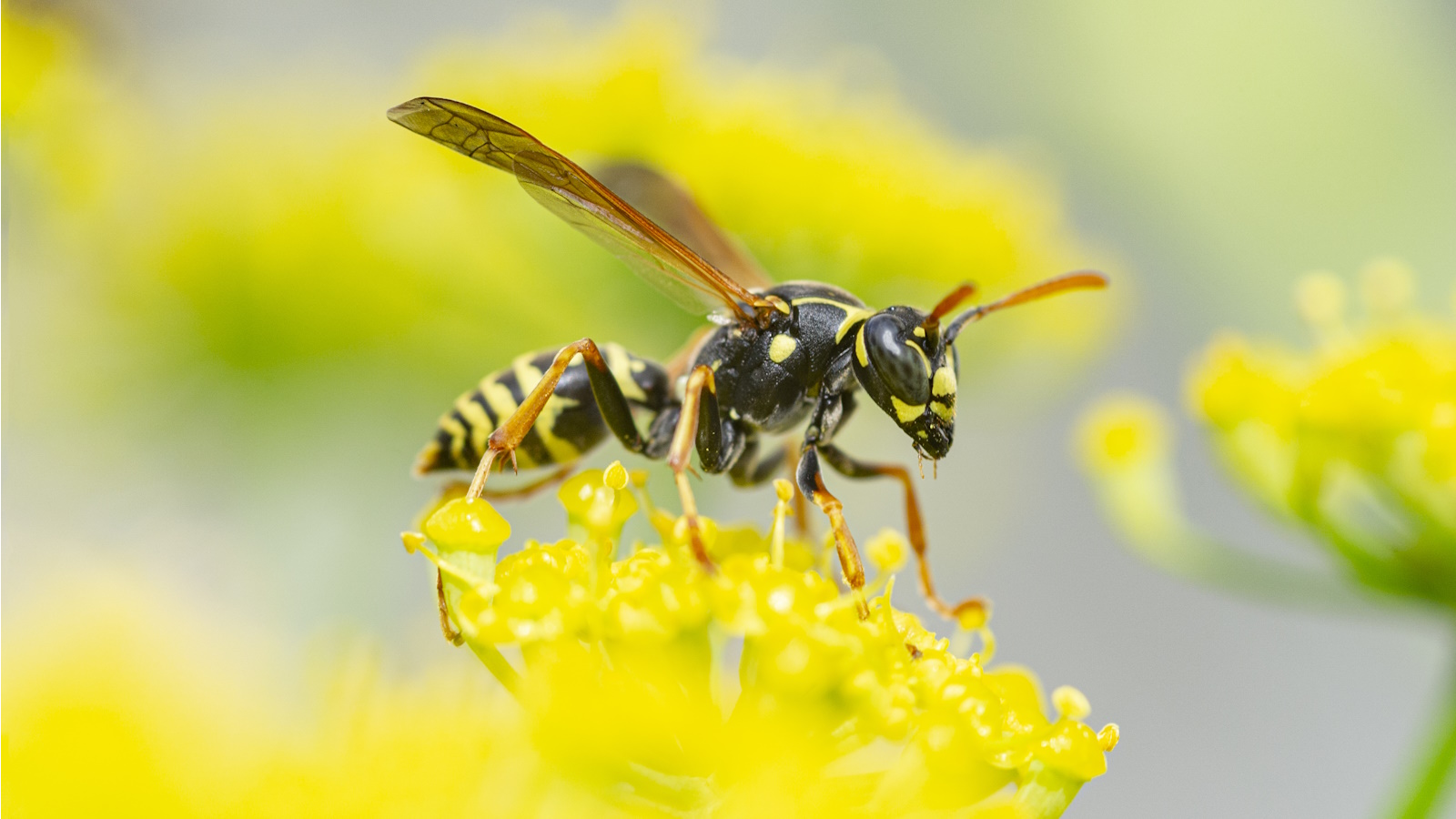
Best wasp repellent plants – 10 plants to naturally deter these insects from your yard

10 Climbing Plants That Can Secretly Damage Your Home

Transform Your Space With Any of These Gorgeous Tall Indoor Plants

15 Best Purple Plants For Your Flower Garden
12 Fake Plants I Love for Any Space, As Someone Who Really Hates Watering

Best tropical indoor plants — 8 easy-to-grow exotic beauties

Best plants for a courtyard garden – 8 favorites to grow for maximum impact in a small space
12 Plants with Colorful Leaves for Brightening Up Your Garden

Best fly repellent plants – 10 plants to keep pests away
Gardening experts reveals how to make your cut flowers last longer
These Beautiful Flowering Shrubs Will Add Major Color to Your Garden

5 patio plants that thrive on neglect: easy-going flowers
22 Beautiful, Bee-Friendly Flowers That'll Turn Your Garden Into a Pollinator Paradise

34 Fall Flowers and Plants for a Beautiful Autumn Garden
11 Pretty Purple Flowers to Plant in Your Garden