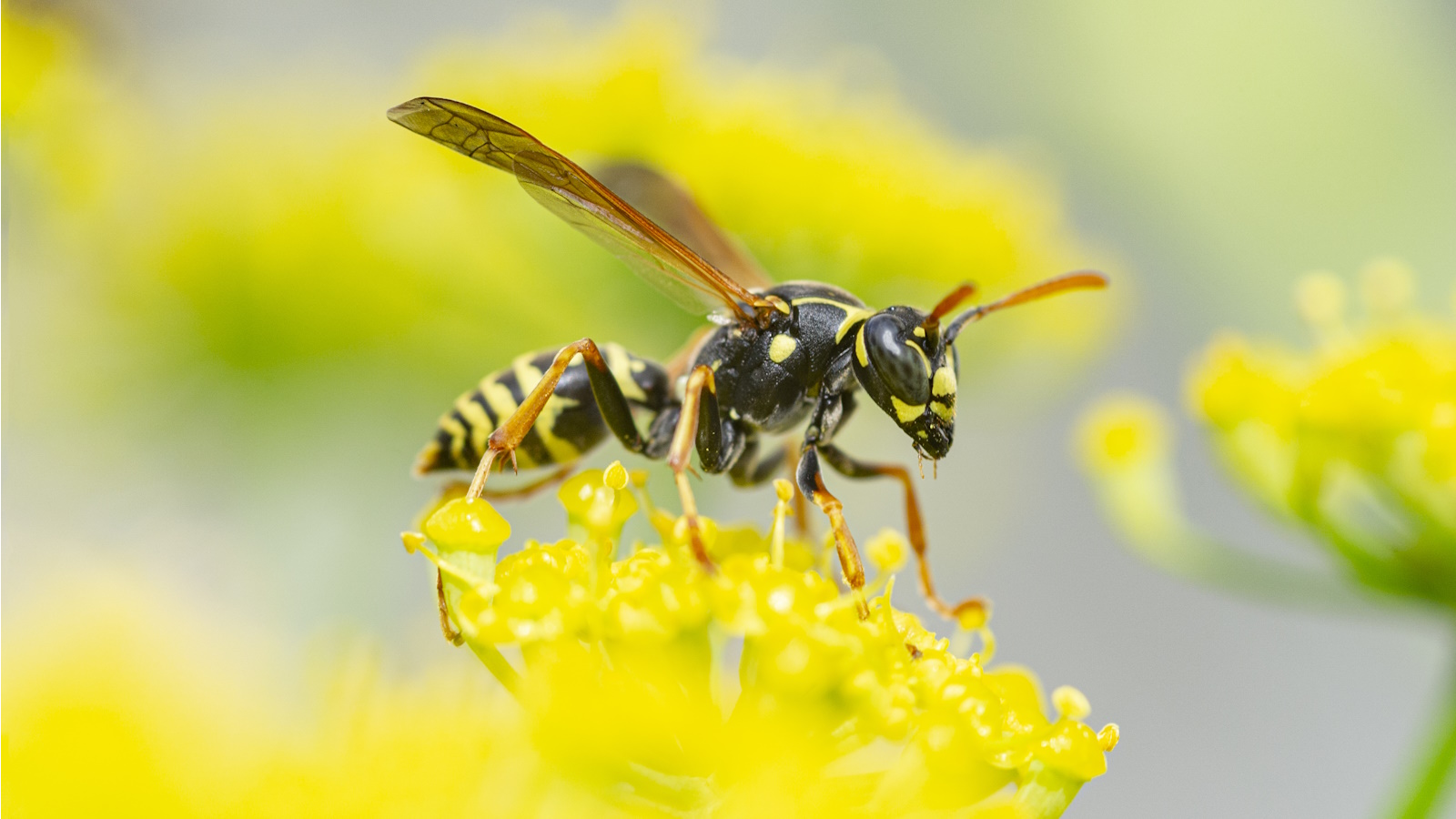
1/12
Best wasp repellent plants – 10 plants to naturally deter these insects from your yard
Wasps can be a nuisance in any backyard, but certain plants possess natural deterrent qualities that can help keep these insects at bay, creating a more peaceful outdoor environment. These plants often have strong fragrances or specific chemical compounds that wasps find unappealing. Incorporating these plants into your garden not only serves a practical purpose but also adds aesthetic appeal through their diverse colors and forms.
Wormwood, or Artemisia, is one such plant, known for its fine silver, feathery foliage and astringent scent that wasps dislike. It grows easily and quickly in sunny, well-draining spots, making it suitable for deck perimeters or container gardens. This hardy perennial can reach about 2 feet in height and 3 feet in spread, forming attractive mounds. While it may lose leaves in winter, it regrows in spring. Wormwood thrives in US hardiness zones 4 to 9.
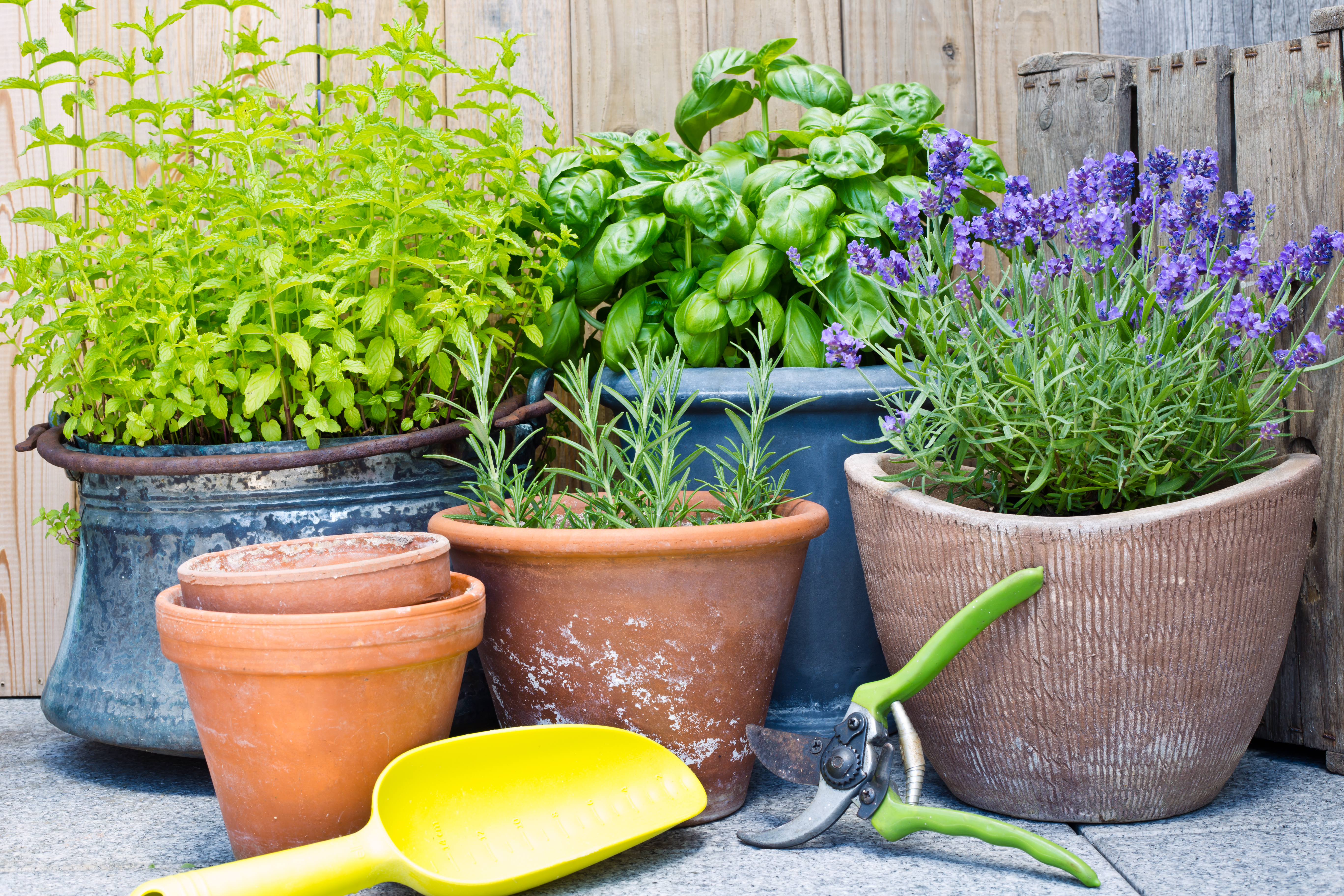
Mint and spearmint varieties are also highly effective due to their strong fragrances. Peppermint and spearmint are particularly potent. These herbs grow in sun and partial shade, reaching about 3 feet before dying back in fall. However, their vigorous growth habit means they are best grown in large pots or containers to prevent uncontrolled spreading. Mint plants are suitable for US hardiness zones 3 to 8. Essential oils derived from peppermint can also be used, but require dilution to avoid harming other plants.
Common thyme, despite its delicate appearance and small flowers, is another plant wasps reportedly dislike. This hardy aromatic herb prefers sunny locations with well-drained soil and is found in over 300 varieties, mostly thriving in US hardiness zones 5 to 9. Growing thyme in containers can help keep it healthy, especially in humid environments, and positioning them near areas wasps frequent enhances their deterrent effect. Regular pruning encourages fresh growth, which carries the strongest scent.
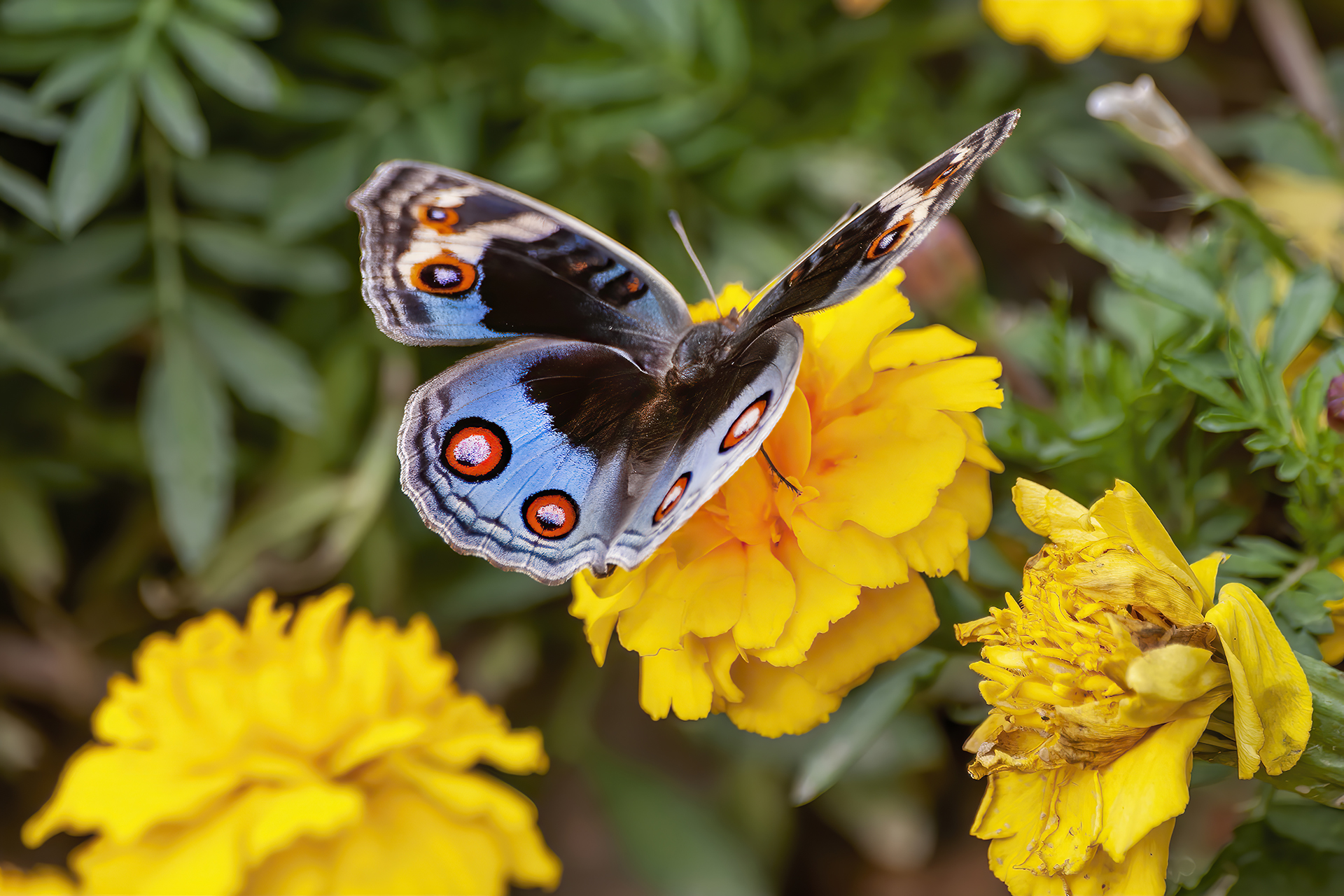
Marigolds, both French and American varieties, emit a strong, spicy scent that deters wasps and other pests, which is why they are often planted in vegetable gardens as a protective barrier. These annuals are low-maintenance and boast bold orange-red blooms, flourishing in warm months across US hardiness zones 2 to 11. They can be grown from seed and maintained by regular deadheading to prolong flowering and wasp-repelling action.
Eucalyptus leaves, when crushed, release a strong menthol fragrance, a powerful essential oil that repels wasps and other insects. These Australian native trees grow large and quickly, preferring free-draining, rich or poor soil and full sun. They can be pruned to manage size or grown in large containers. The Royal Horticultural Society advises planting larger species away from buildings due to their potential to dry out soil, especially heavy clay.
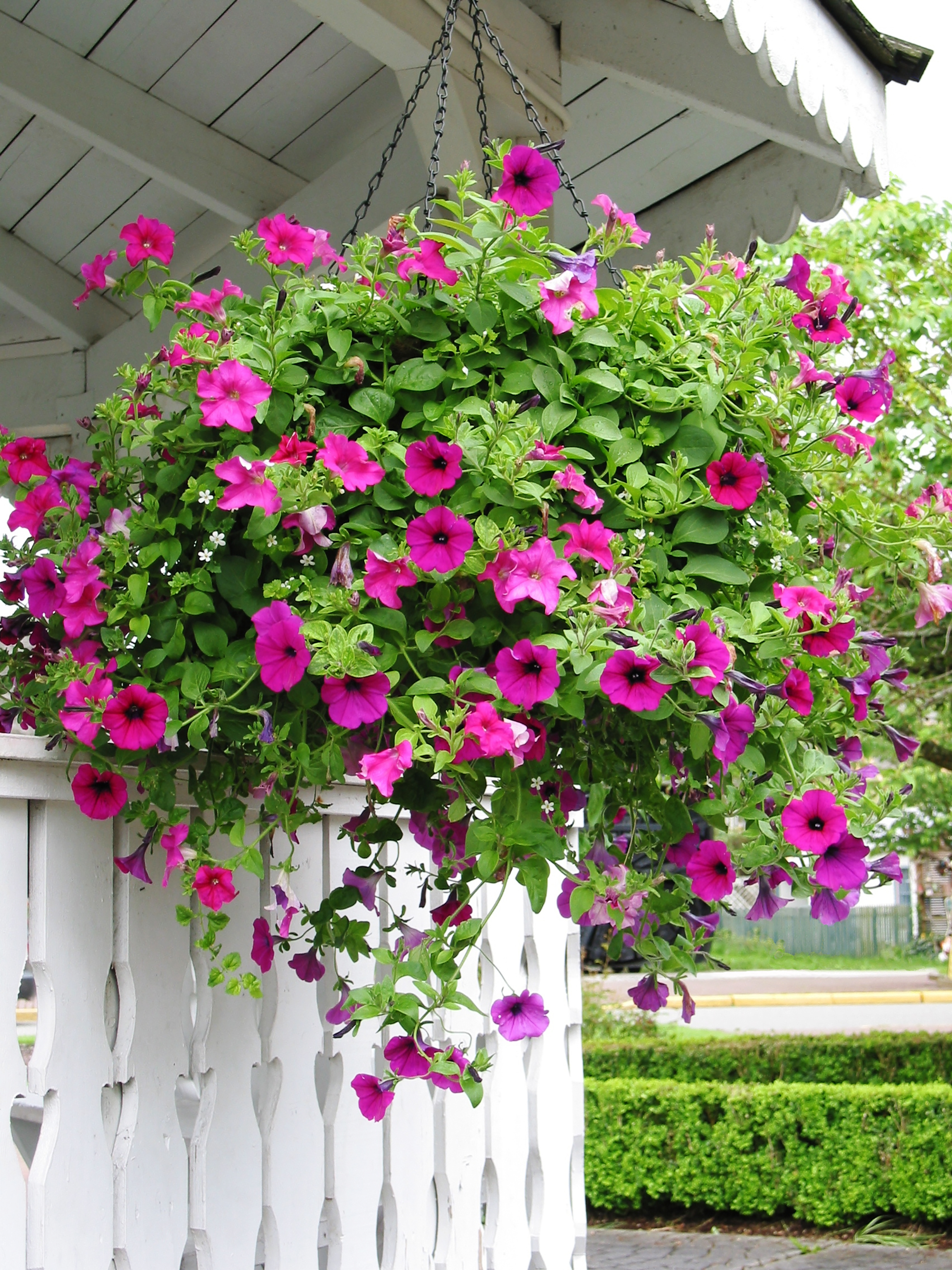
Geraniums, particularly scented ivy-leaf varieties, release an unmistakable fragrance when brushed or in warm, sunny spots. Wasps are deterred by the chemicals in their oil, such as citronellol, nerol, geraniol, and linalool. Grown as half-hardy annuals in zone 9 and below, they offer continuous blooms throughout summer in hanging baskets, pots, and window boxes. Regular deadheading and overwintering can ensure their return.
Lemongrass, suitable for US hardiness zones 9 to 11, contains citronella oil, a well-known insect repellent. This tropical plant, native to Sri Lanka and southern India, has a revitalizing citrus fragrance that keeps wasps away. In warmer zones, it can be left in the ground year-round with a little mulch for protection; in cooler zones, it needs to be lifted and stored indoors over winter.
Basil, while pleasant to humans, is disliked by wasps due to its aroma. It can be grown from seed indoors and out across US hardiness zones 3 to 11, thriving with consistent heat and well-drained compost. Individual leaves should be harvested to promote new growth, and proper pruning helps prolong its life.
Pennyroyal, a vigorous, mat-forming plant, emits a strong minty scent when crushed, which wasps find off-putting. It features distinctive lilac whorls in mid-summer and tolerates poor, moist soil, though it can spread aggressively. Hardy in US hardiness zones 6 to 9, European pennyroyal is noted for its stronger perfume. Crushed leaves can also be used to alleviate insect bites.
Citronella, often associated with insect-repelling candles, is also a scented pelargonium with attractive pink-purple flowers. This evergreen shrub, reaching 5 feet, has lemon-scented, tooth-edged foliage. It is hardy in US hardiness zones 8 through 12, requiring well-draining soil and full sun, and effectively repels mosquitoes as well. Incorporating these fragrant plants around patios and outdoor living spaces can help create a natural barrier against wasps, allowing for more comfortable enjoyment of the outdoors.
#WaspRepellentPlants #GardenPests #NaturalPestControl #FragrantPlants #OutdoorLiving #HerbGardening #GardenDesign #HomeGardens #WaspRepellentPlants #GardenPests #NaturalPestControl #FragrantPlants #OutdoorLiving #HerbGardening #GardenDesign #HomeGardens
0 comment in total
 No comments yet
You may also like
Best fly repellent plants – 10 plants to keep pests away
10 Tall Outdoor Plants for Landscaping

22 Beautiful, Bee-Friendly Flowers That'll Turn Your Garden Into a Pollinator Paradise

12 Toxic Flowers to Avoid in Your Garden

I'm a landscaping expert advice - here's the five plants you NEED to keep pesky insects away this summer


11 best low-maintenance indoor plants

The Beautiful Purple Flower That Deer Will Avoid If You Plant It In Your Yard
5 Easy Tricks to Keep Bugs Off Your Patio All Summer, According to Pest Pros
We Found the Best Plants for Keeping Deer Out of Your Garden All Year

How To Get Rid of Stink Bugs in Your Home for Good

Plants to hide a garden wall – expert-approved options for a beautiful, botanical screen
Attract Bees To Your Garden With These Vibrant Flowers
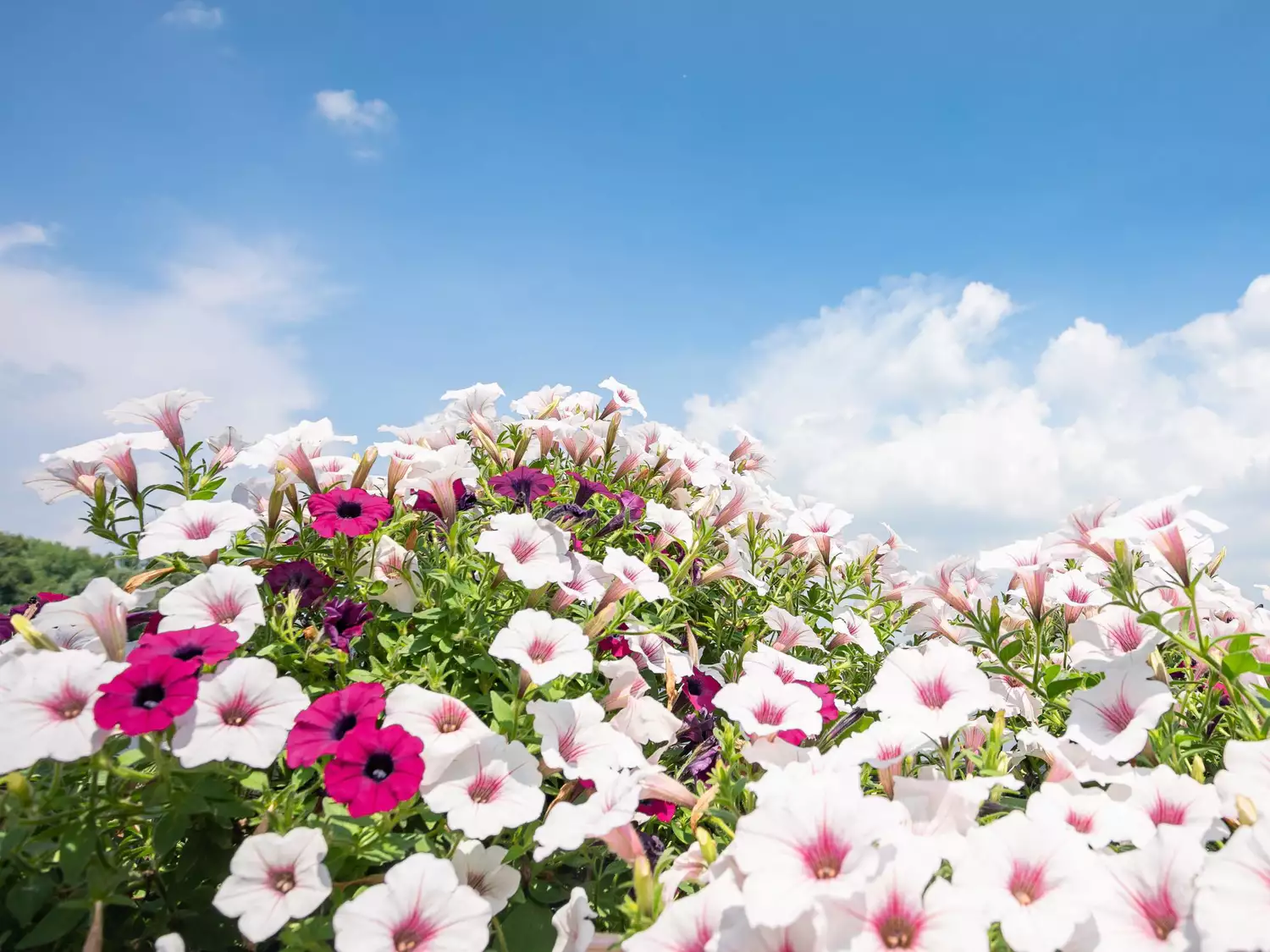
18 Plants That Will Naturally Keep Your Garden Bug-Free This Summer

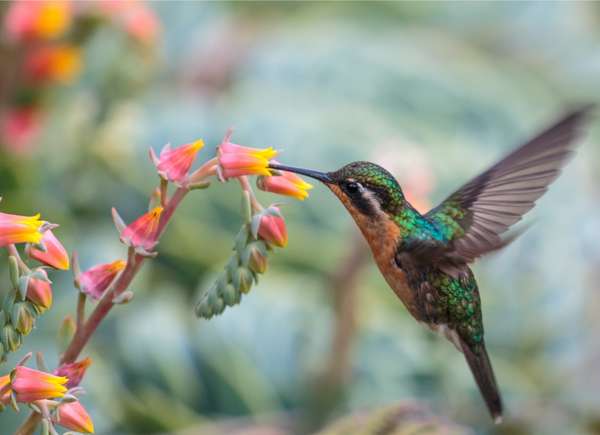
30 Gorgeous Plants That Attract Hummingbirds to Your Garden

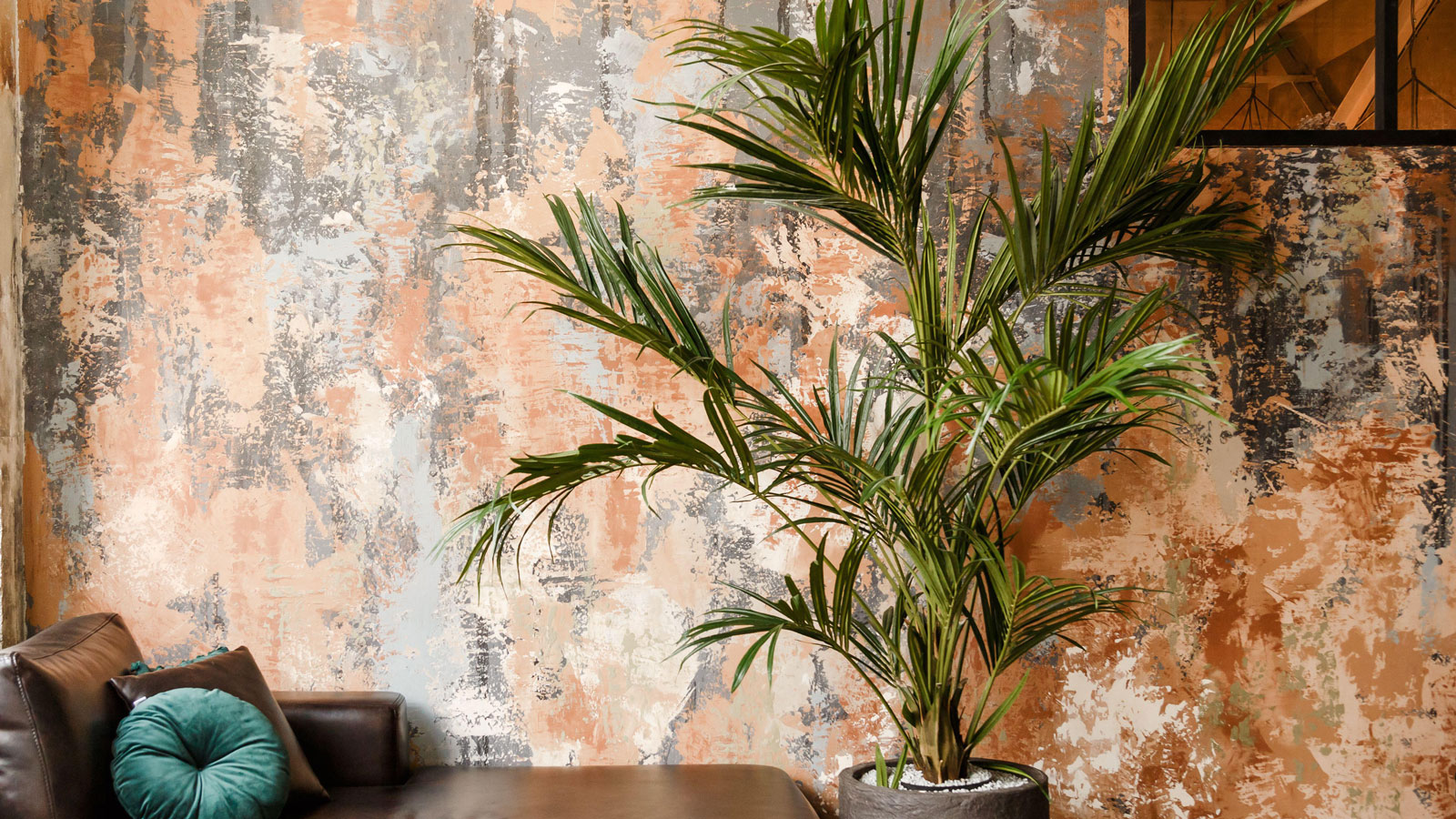
Best tall indoor plants – 10 statement plants, chosen by houseplant experts
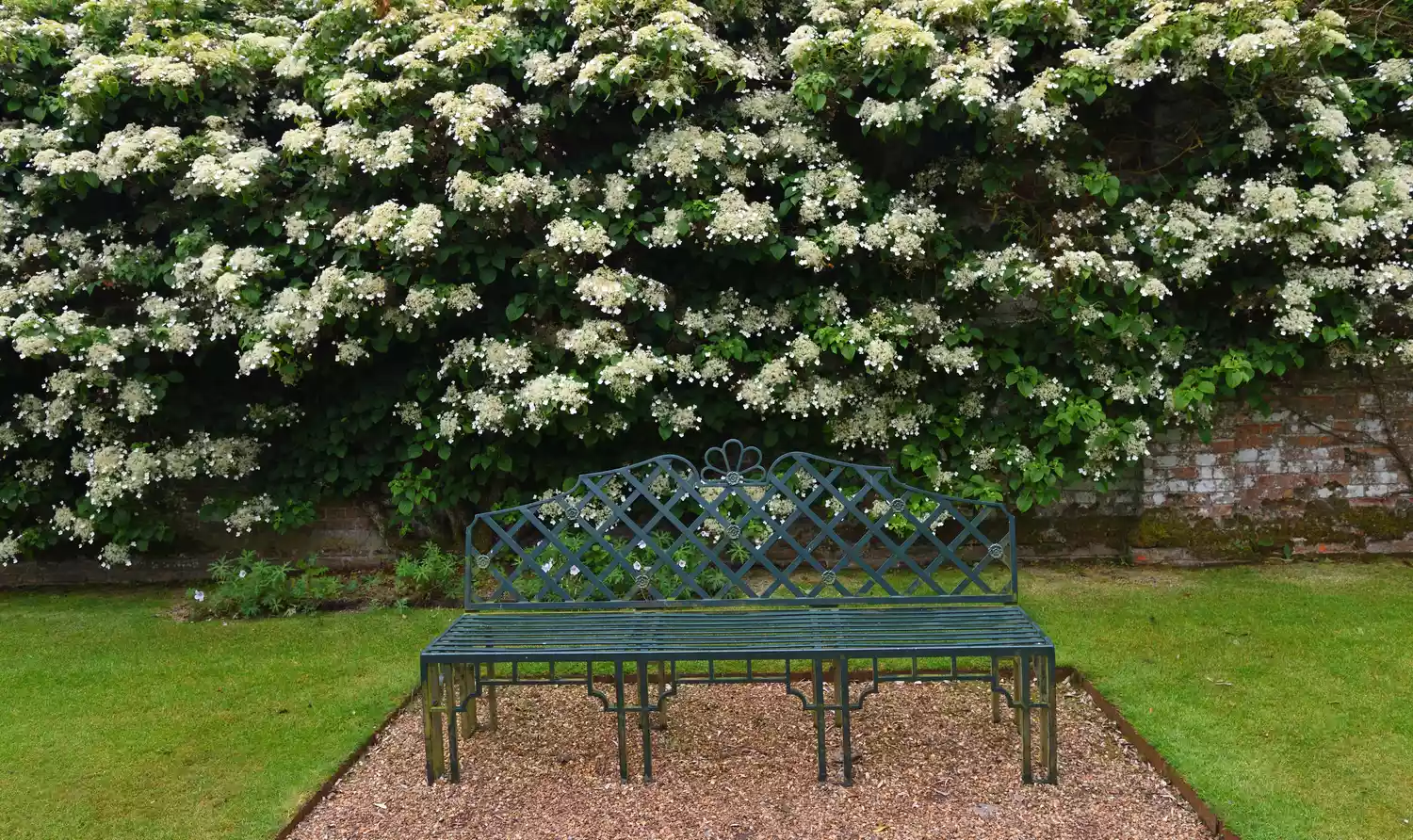
18 Best Plants To Add Privacy To Your Yard
10 Beautiful Privacy Shrubs You'll Want To Grow Right Next To Your Windows

The best 5 ways to repel mice from a house — pest pros swear by these tips

Forget Lavender, I Planted This One Flower and Now My Garden Is Full of Bees and Butterflies
21 Landscape Plants That Pros Recommend for Adding Privacy