9 Tall Houseplants That Will Add Drama to Your Interior
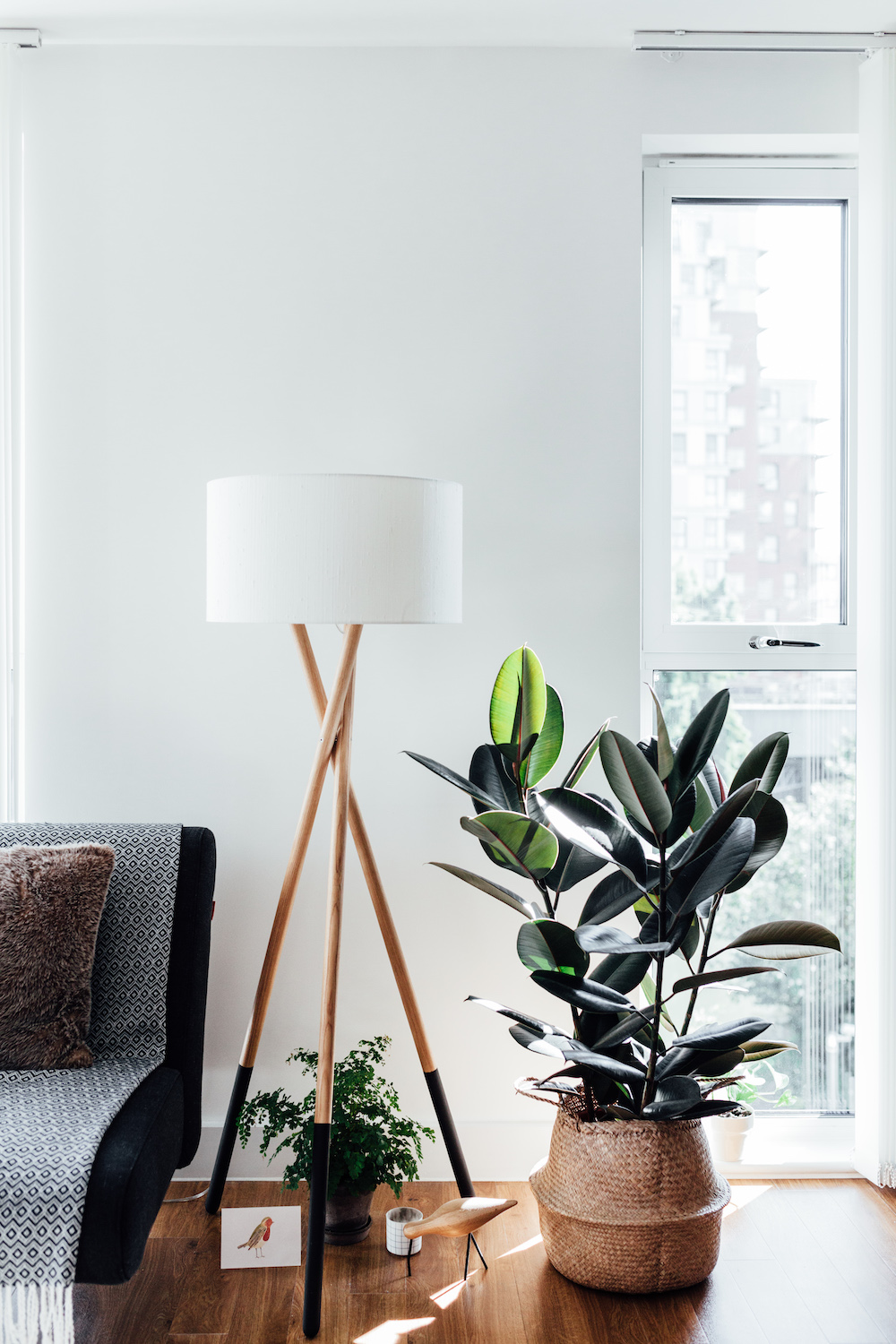
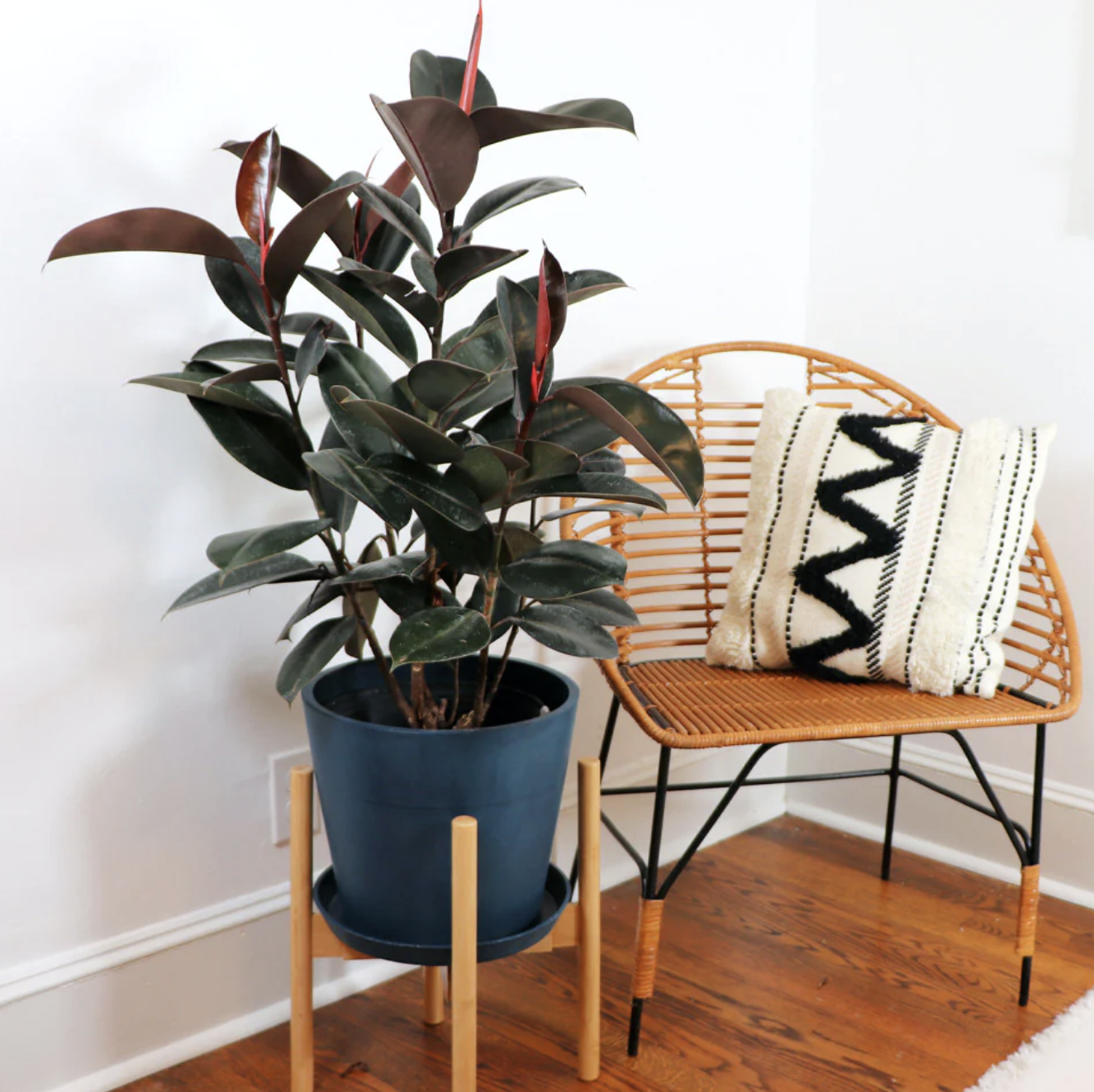
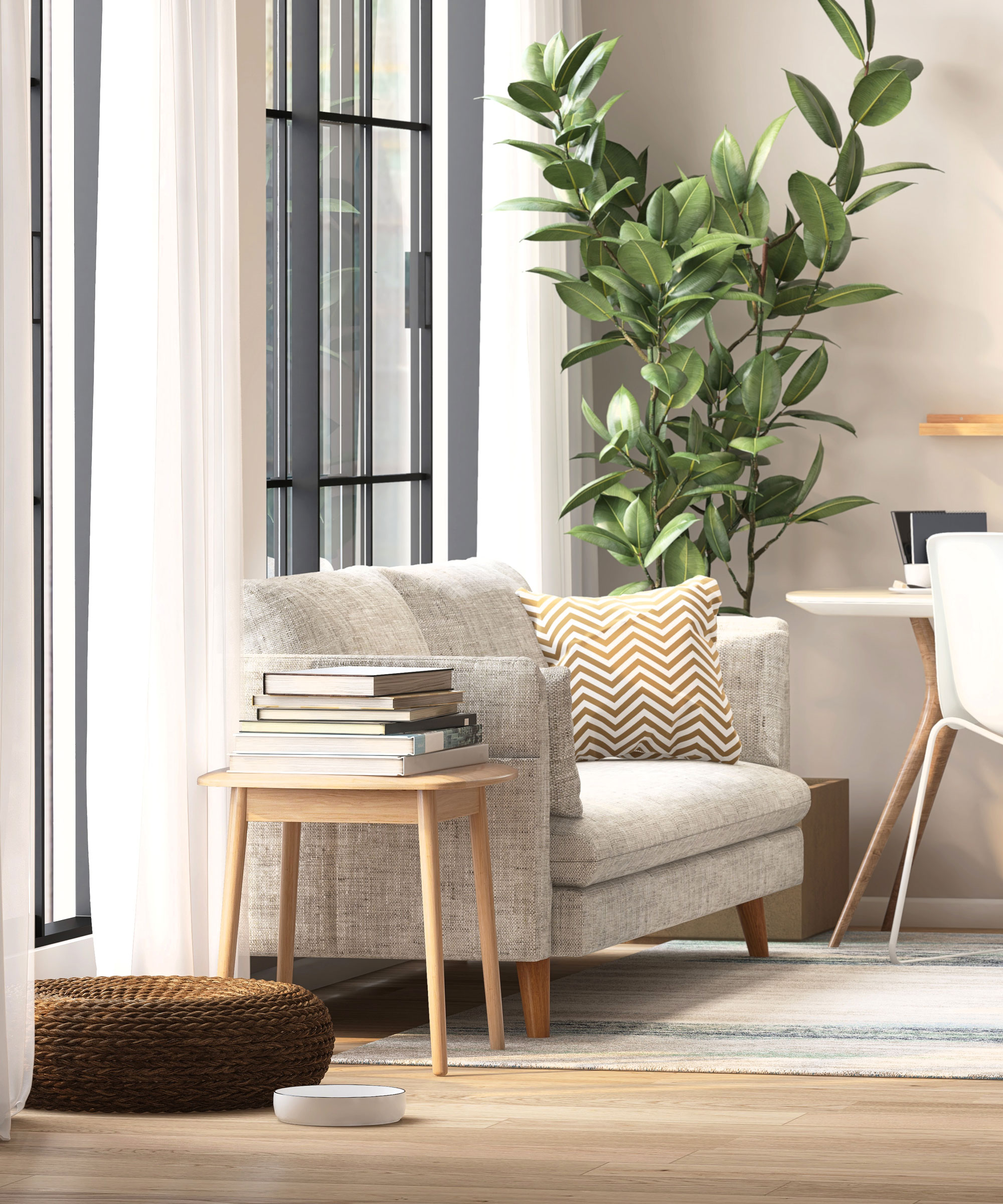
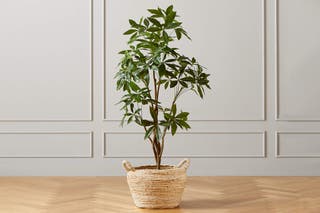
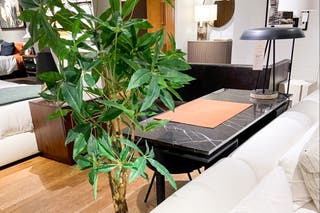
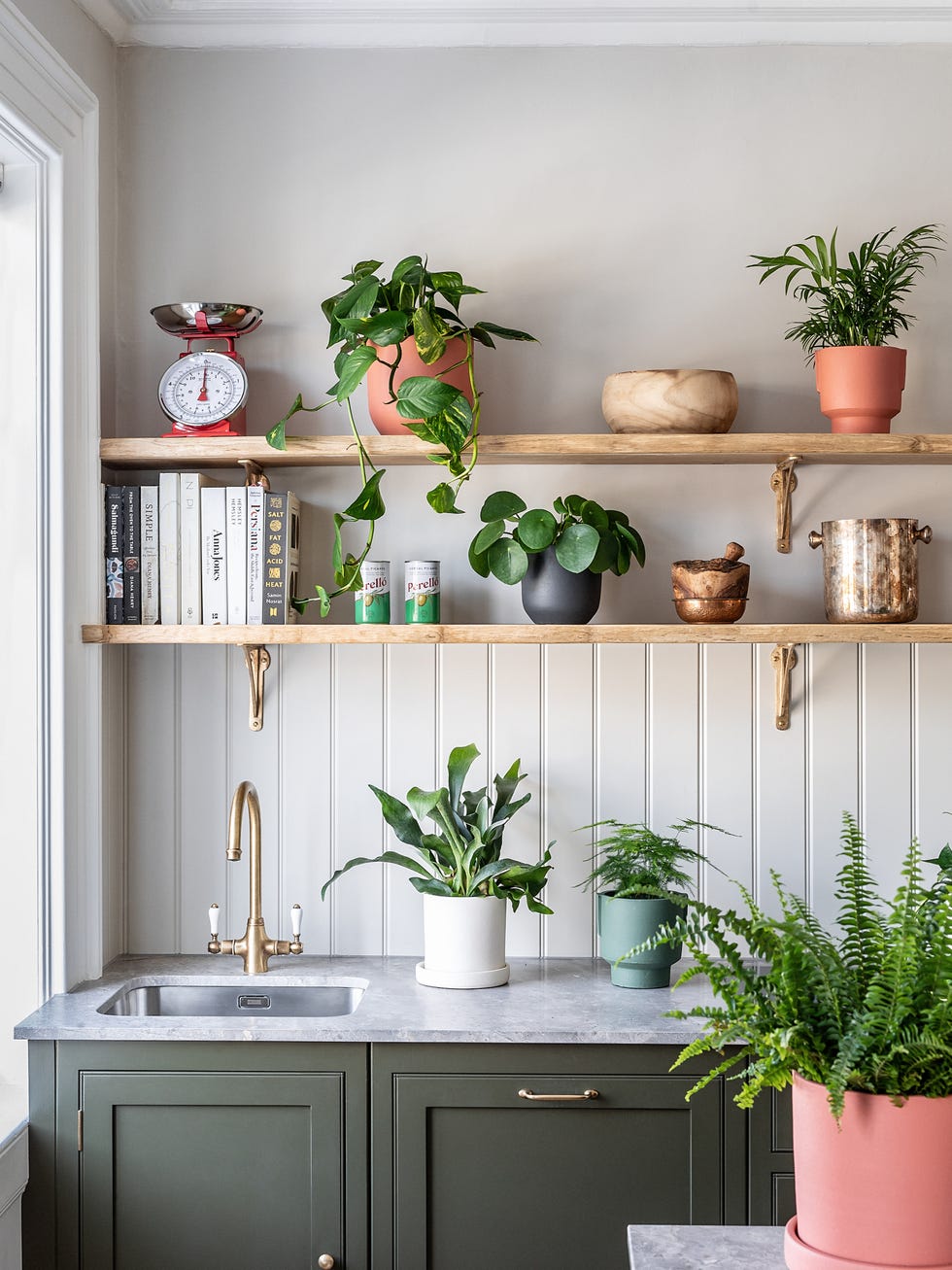
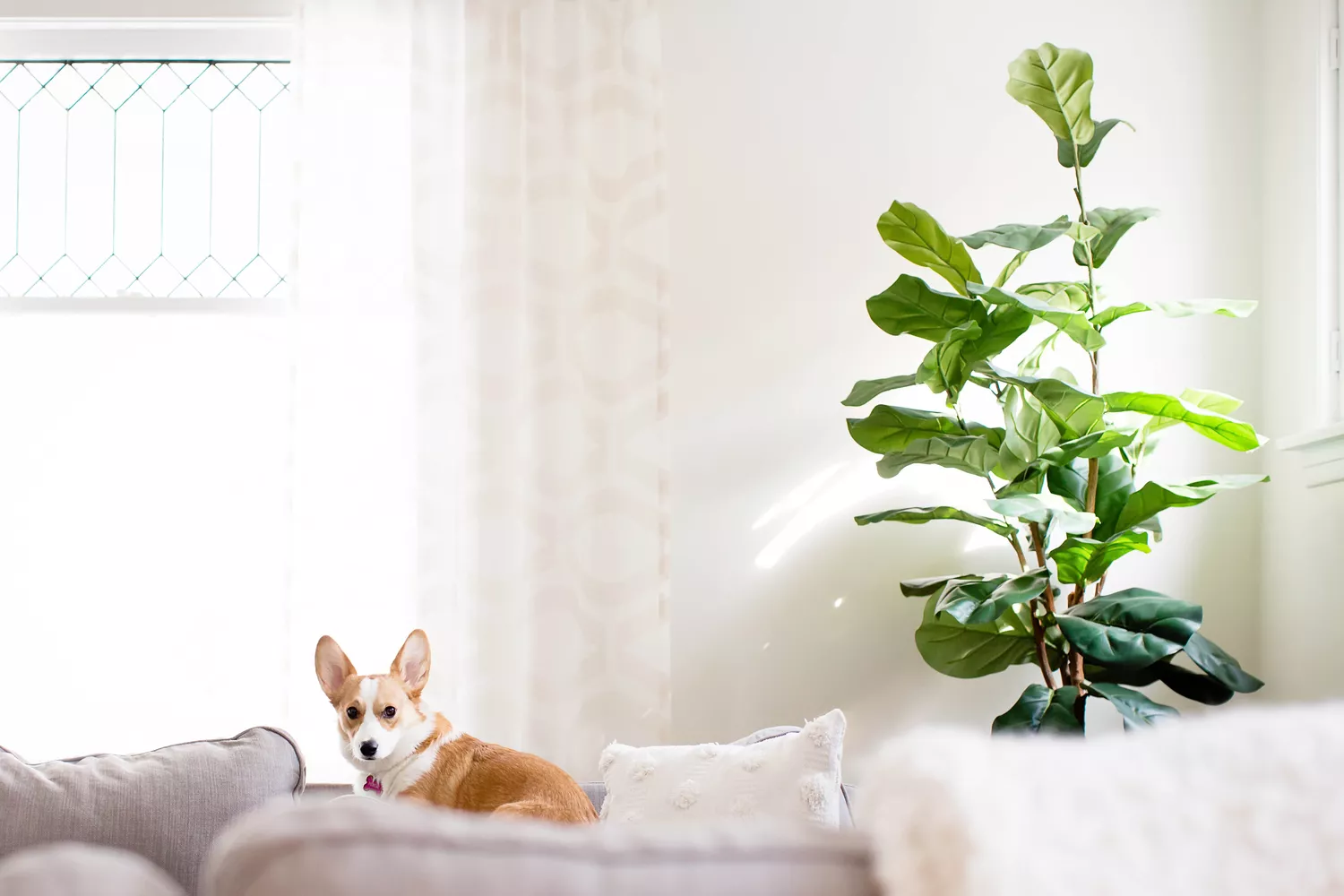
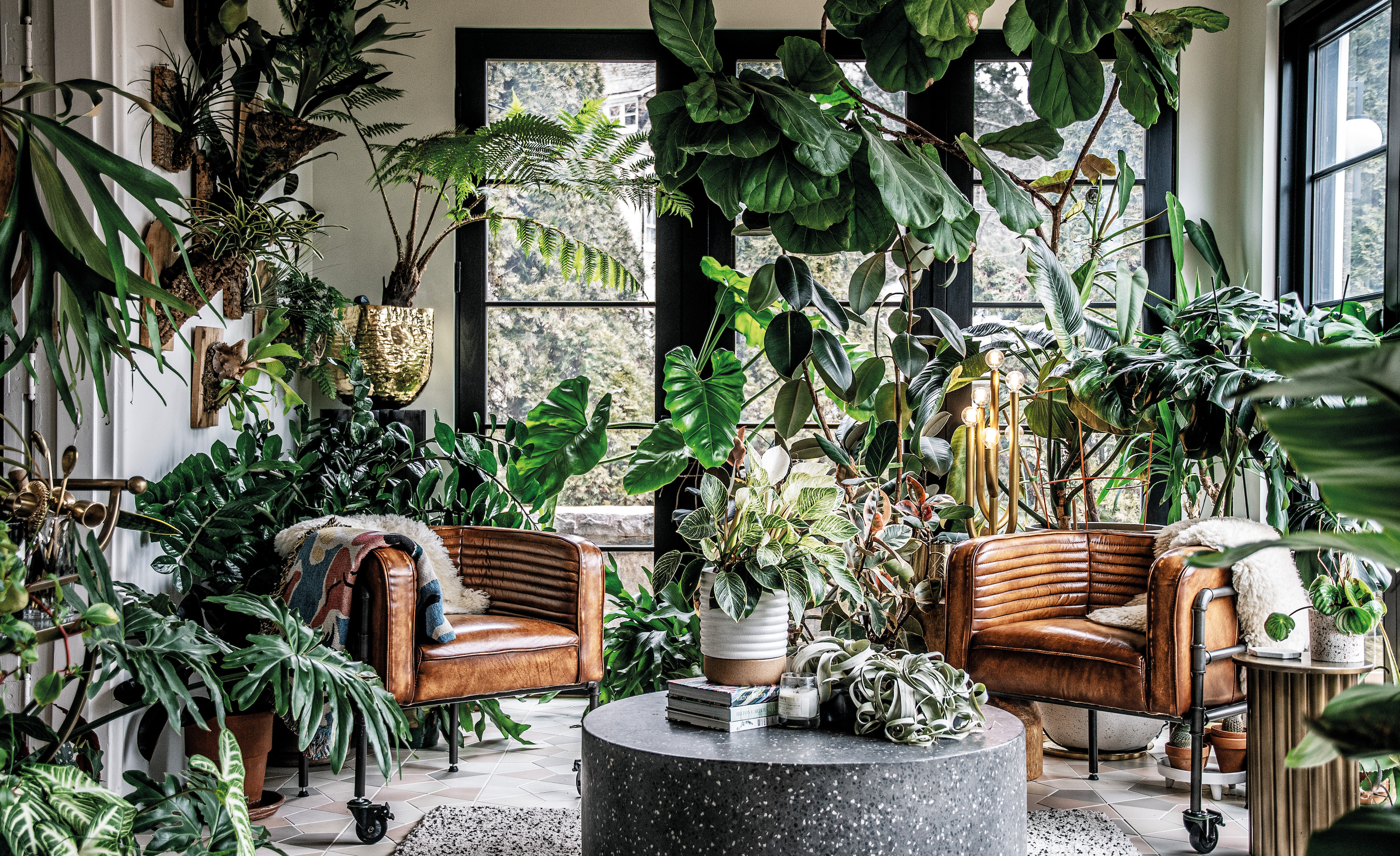
This article highlights the aesthetic and atmospheric benefits of incorporating tall houseplants into interior design. Unlike smaller plants, tall varieties are presented as elements capable of making a significant decorative statement, adding organic color, texture, and architectural shapes to living, sleeping, and working spaces. These plants also contribute to the recognized benefits of houseplants, such as improving air quality and overall well-being.
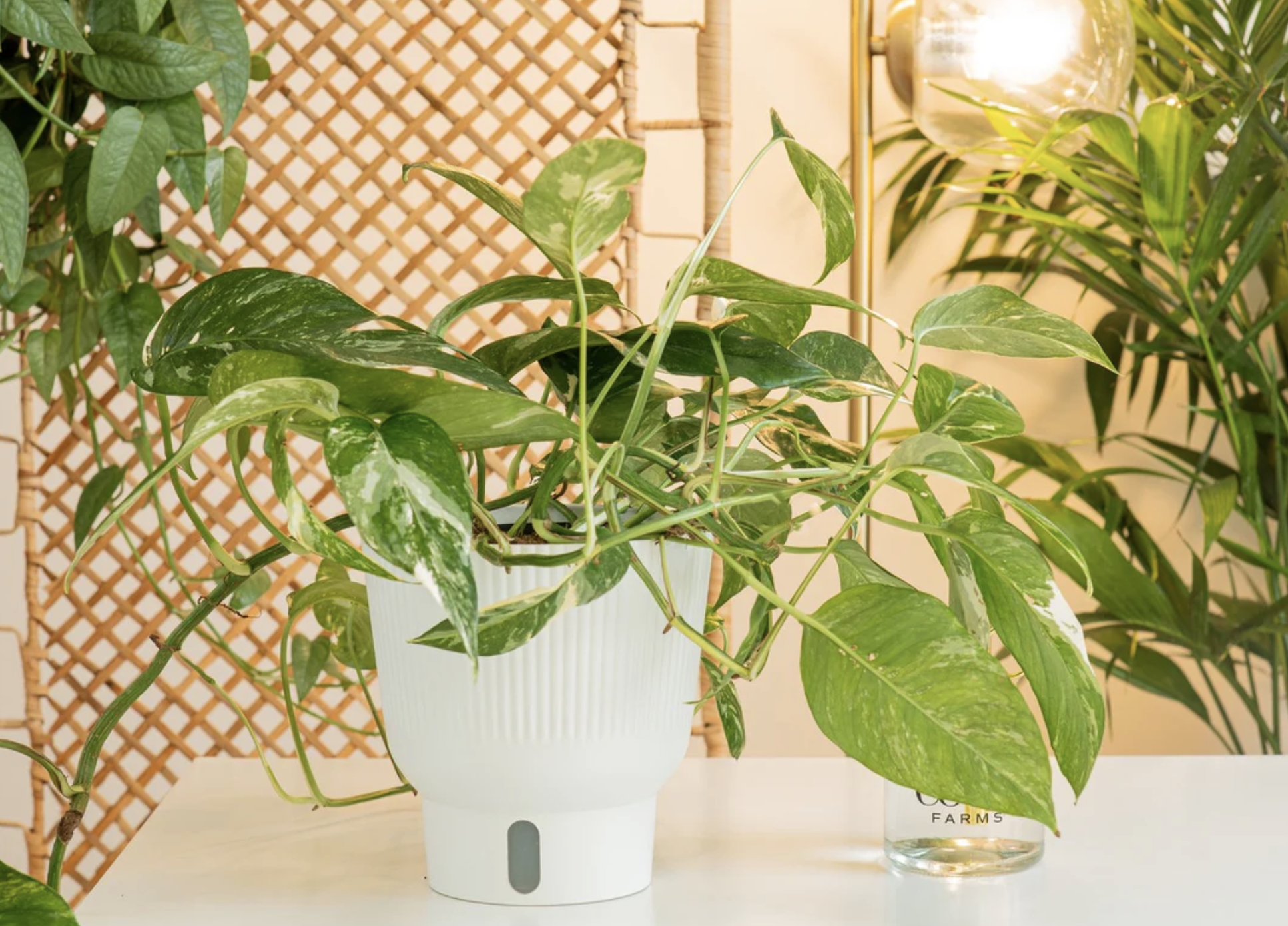
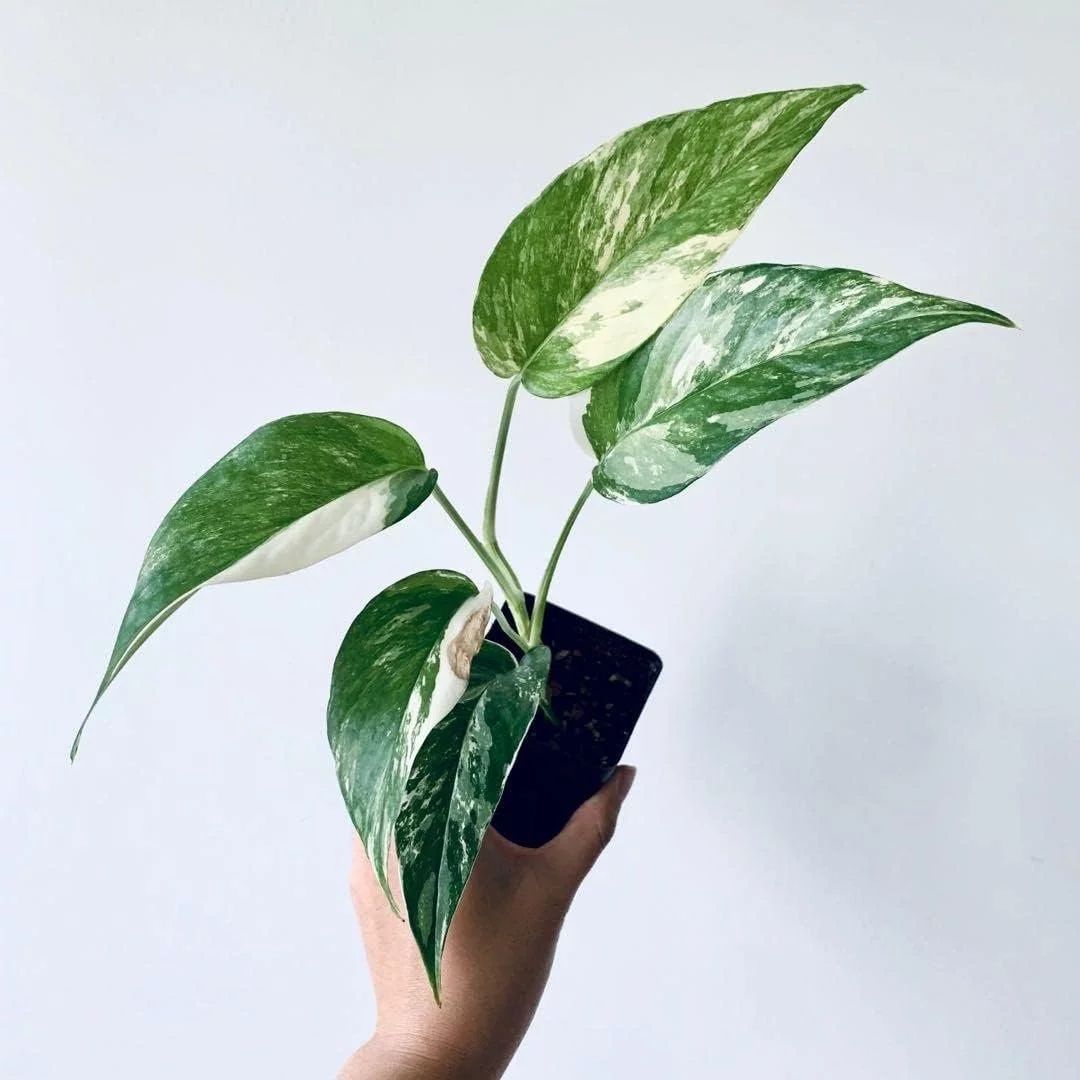
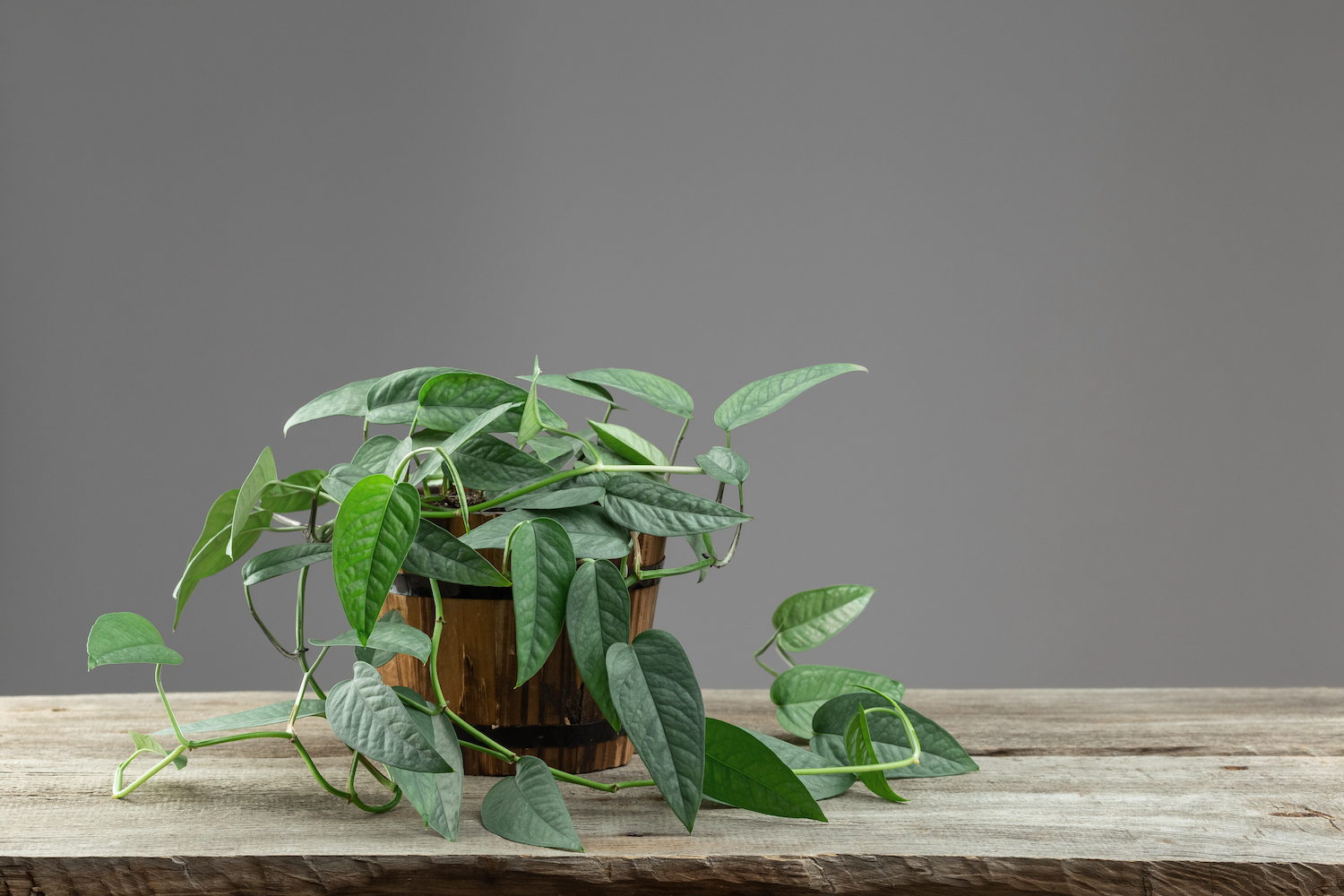
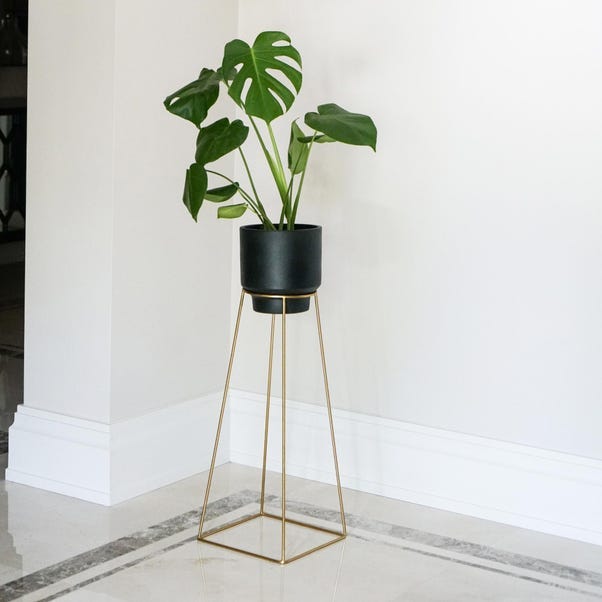
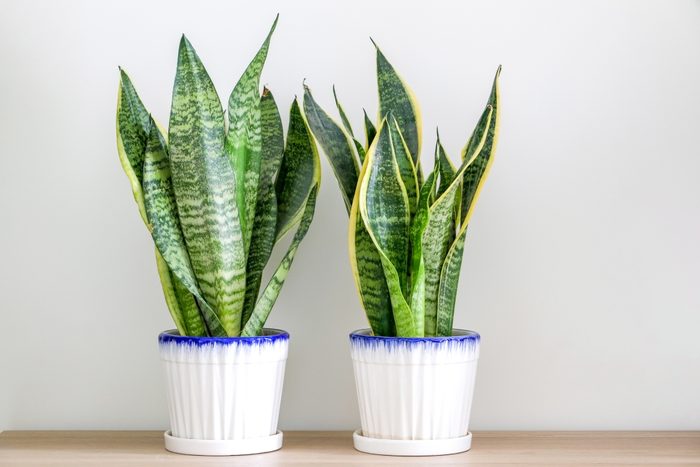
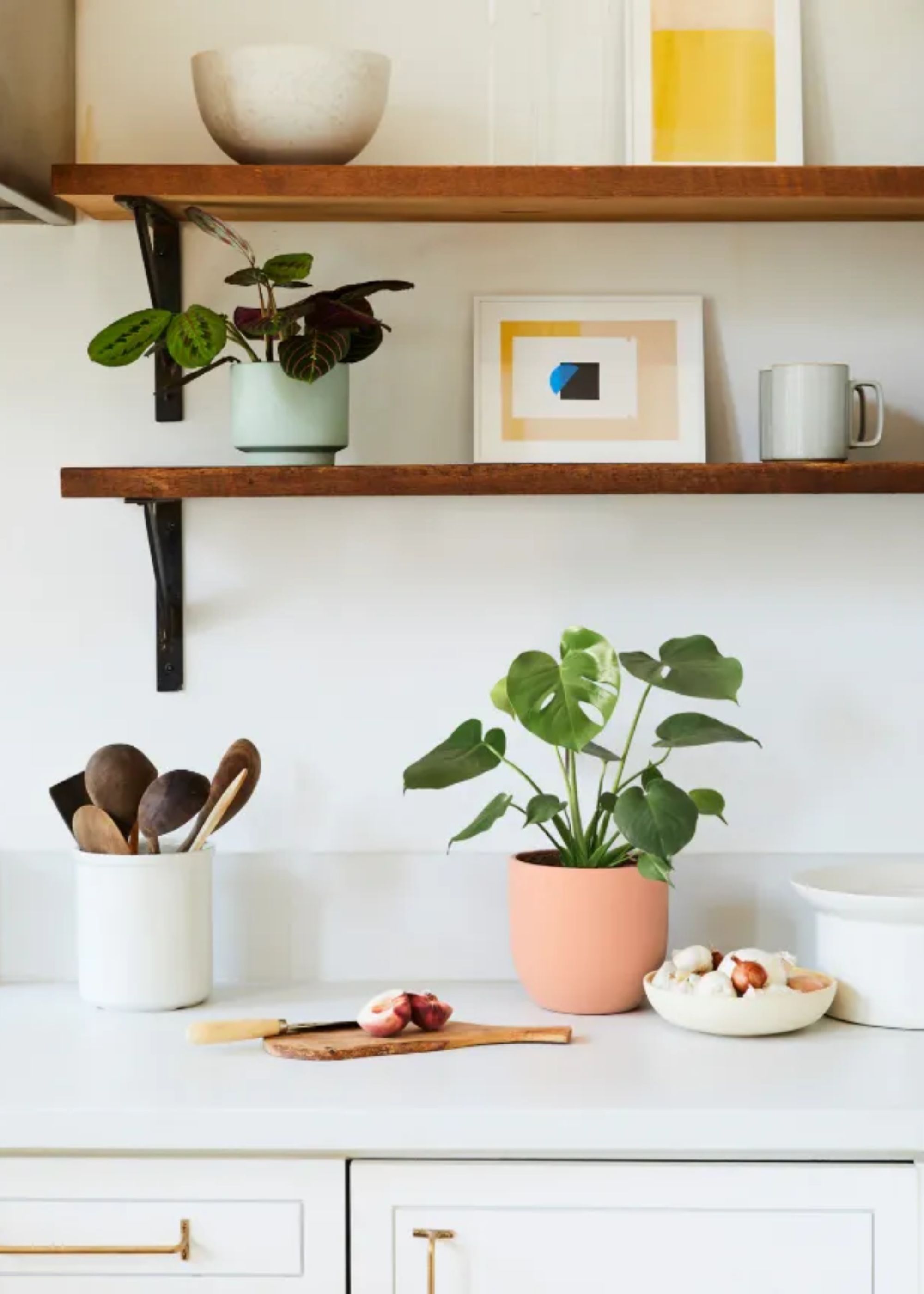
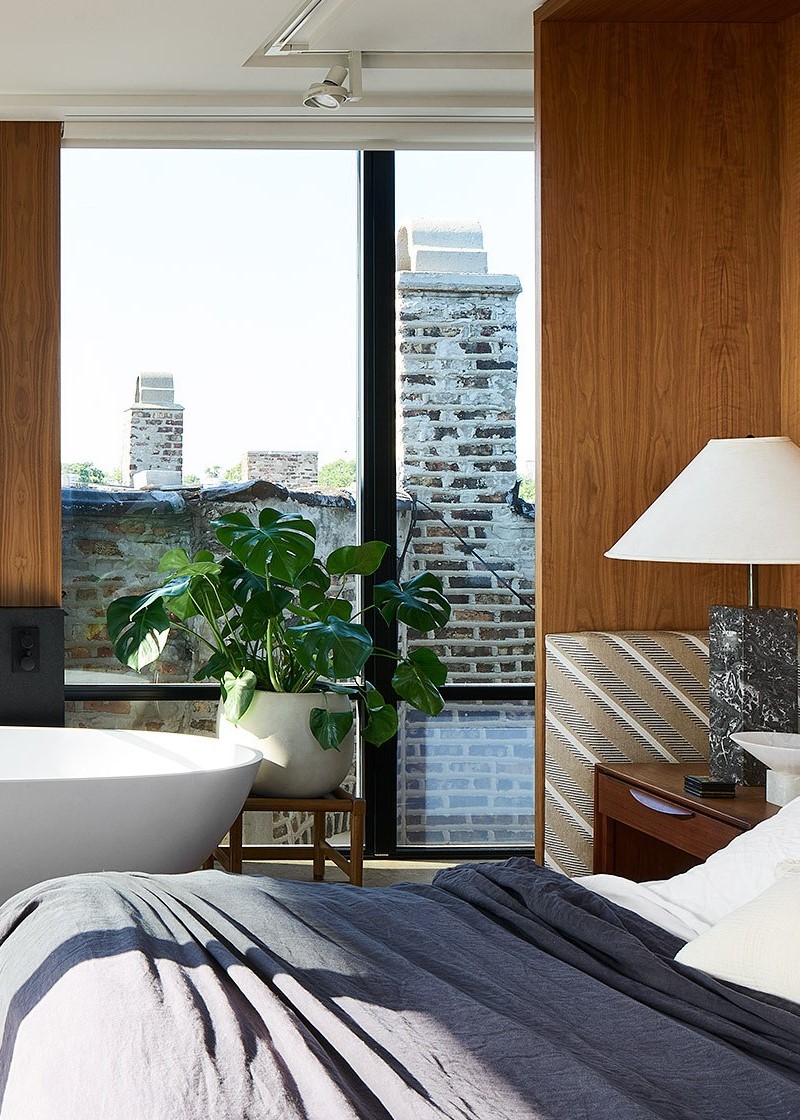
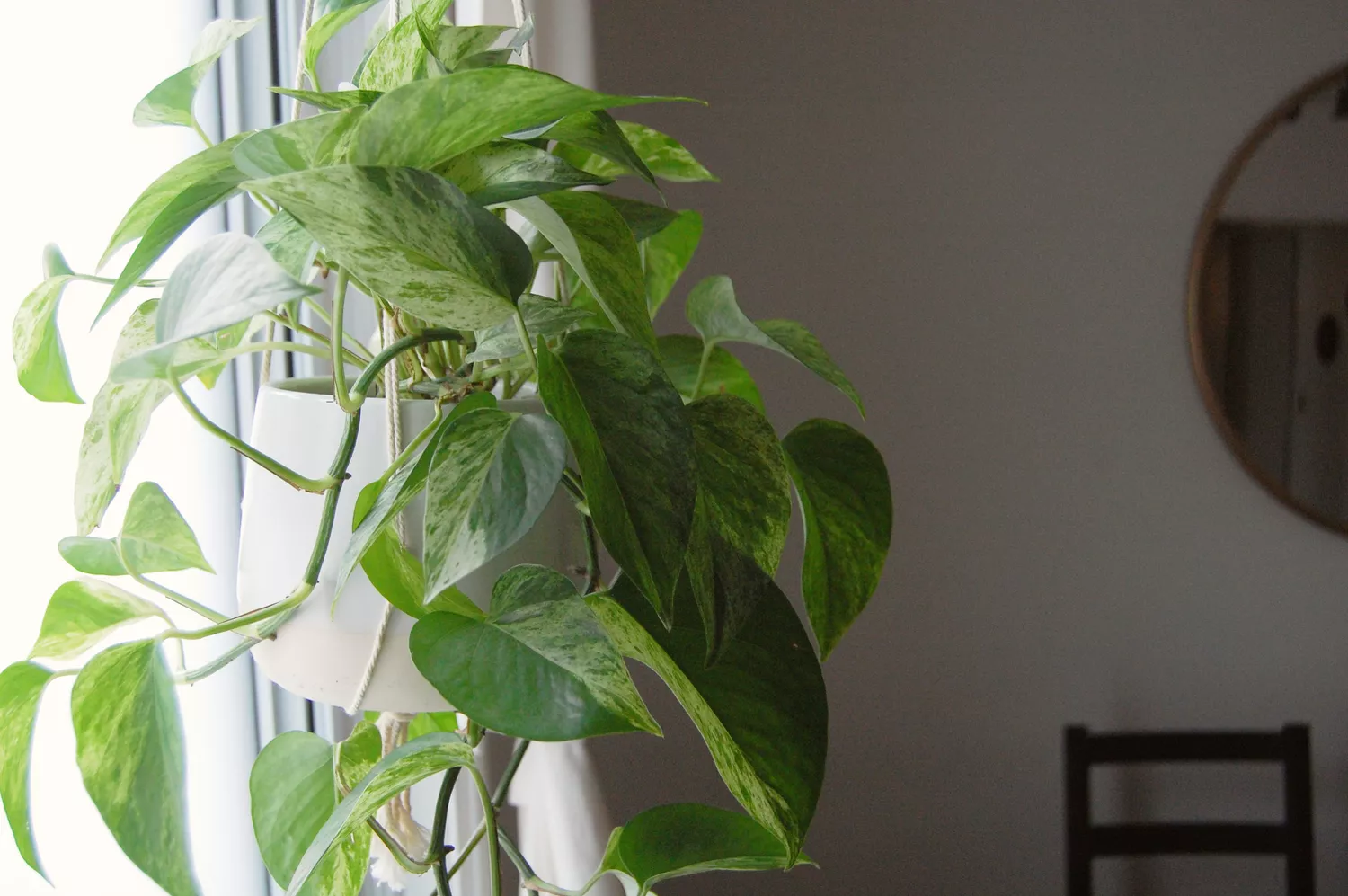
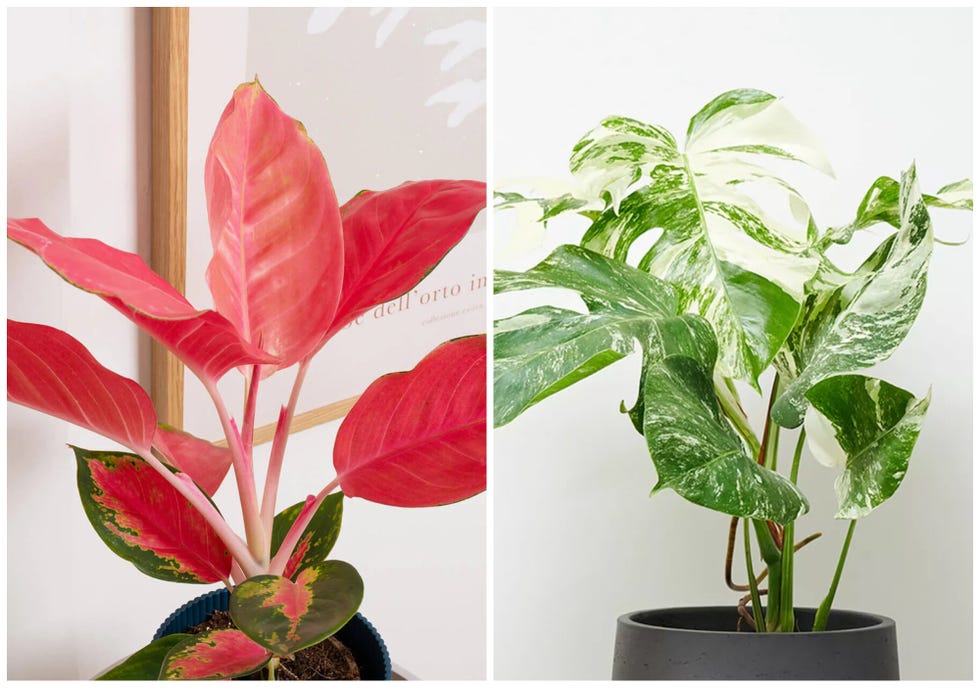
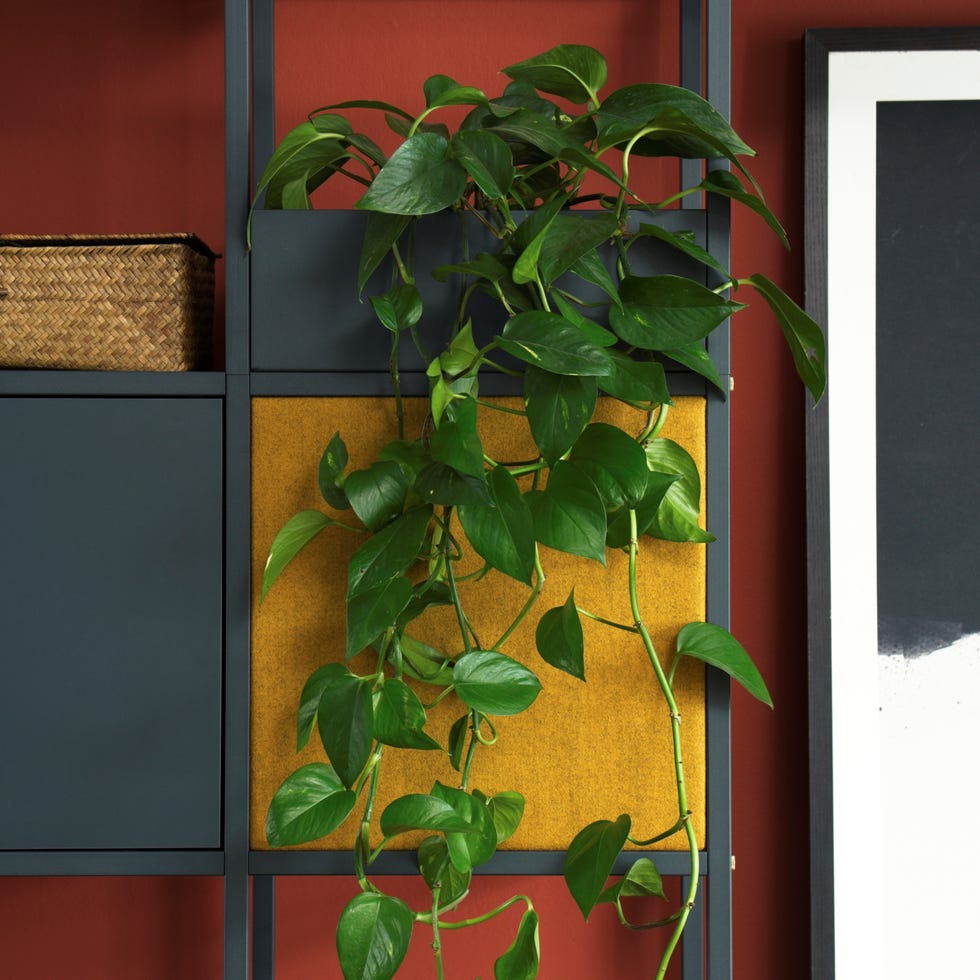
The article introduces nine specific types of tall houseplants, each with unique characteristics and care requirements. The Global Green Pothos, typically a draping vine, can be trained to grow vertically on a totem or moss pole, resulting in larger, more dramatic leaves and reaching significant heights. Monsteras are noted for their striking dark green, fenestrated leaves that develop eye-catching slits or holes as the plant matures; they can grow as tall as allowed if pruned to manage their size. Beginner-friendly Snake Plants are highlighted for their drought tolerance and resilience, even in low light, making them suitable for those seeking minimal care with substantial growth.
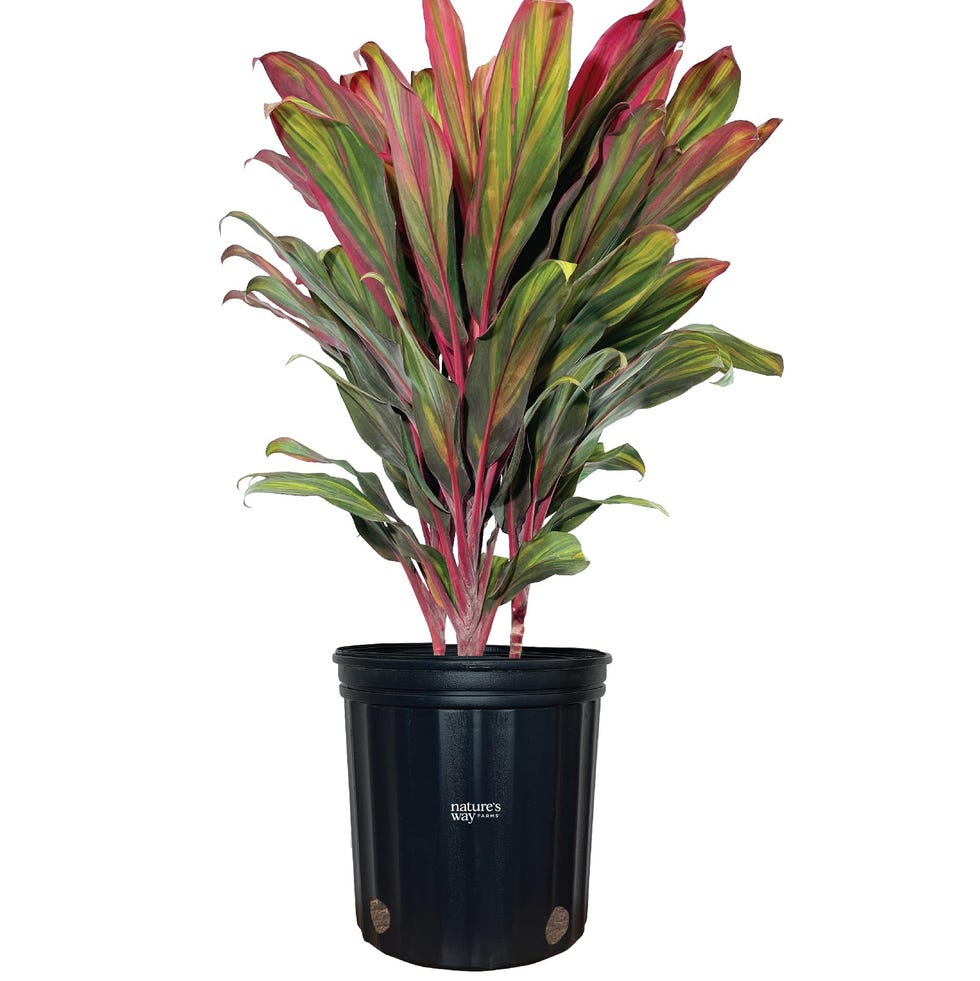
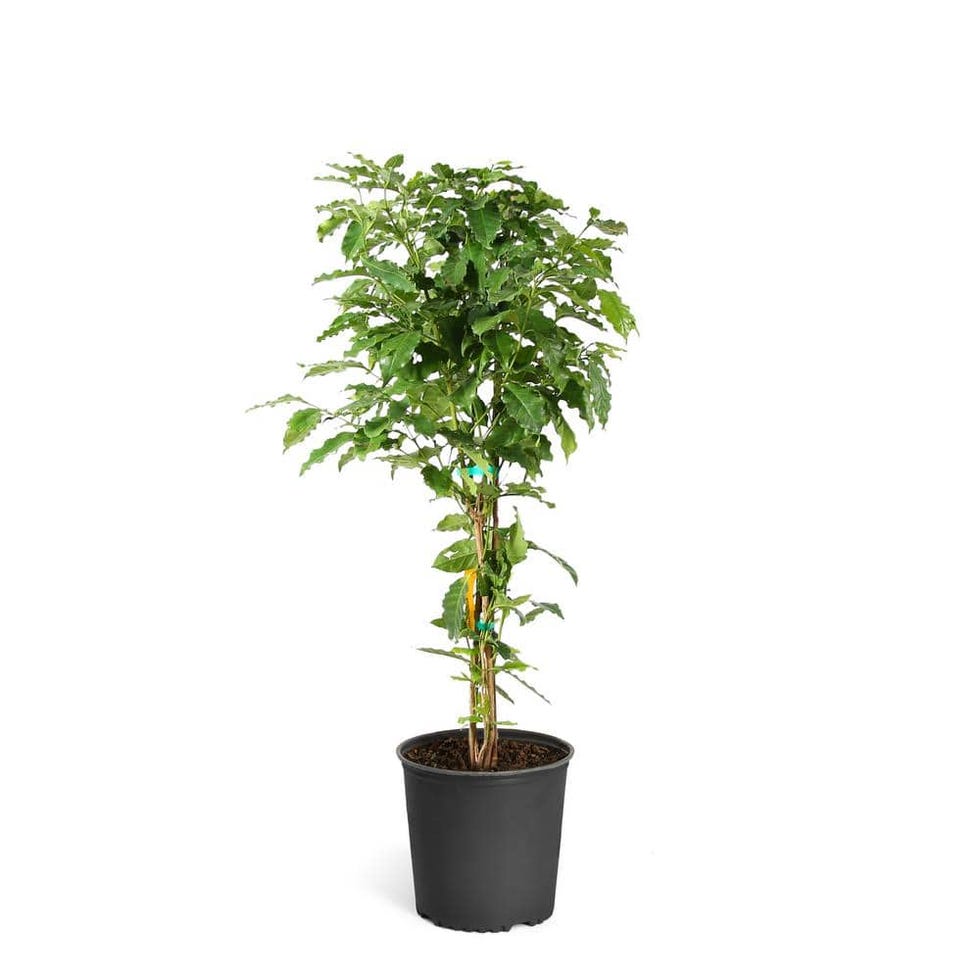
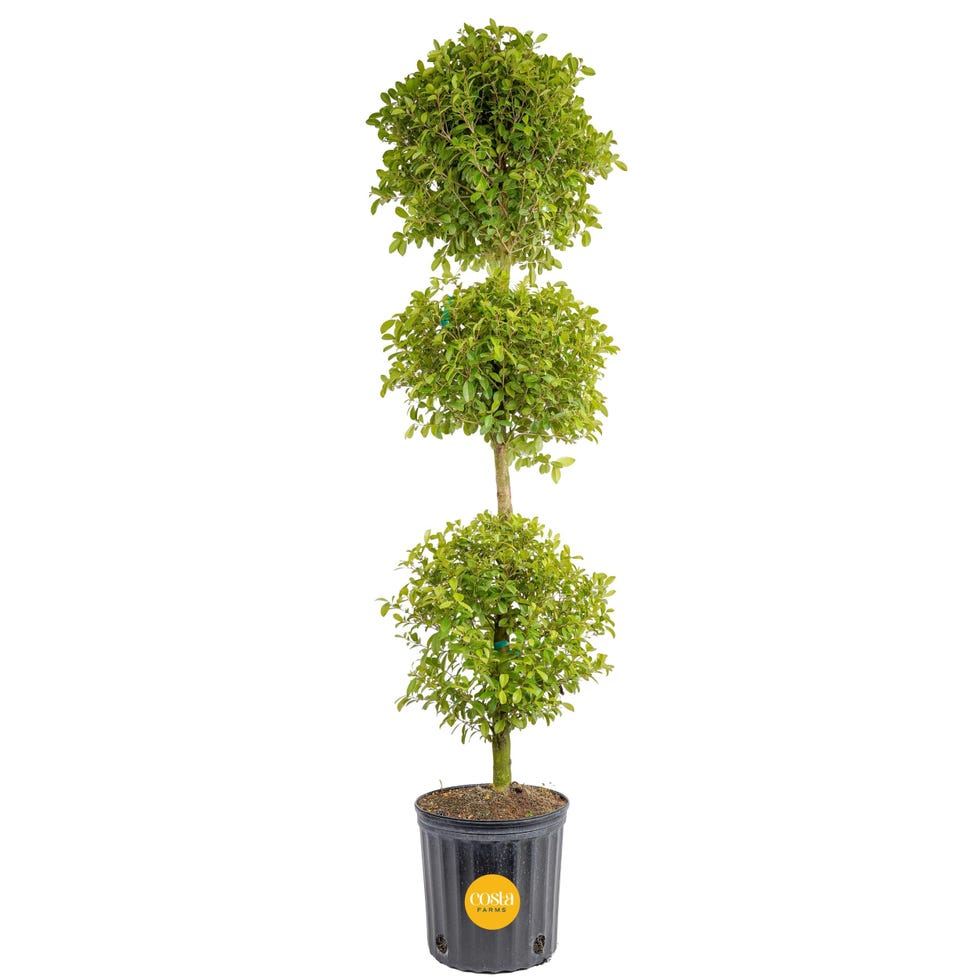
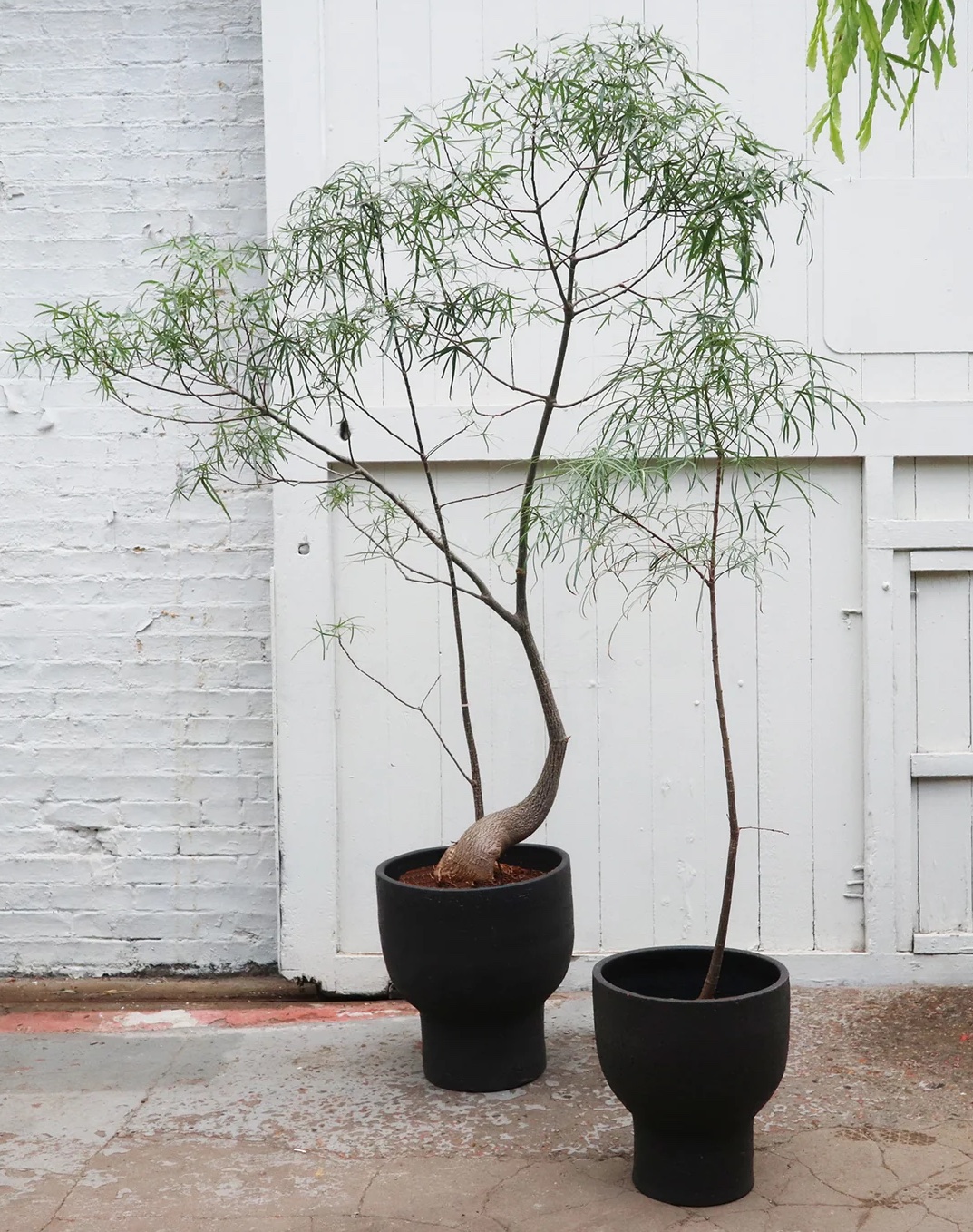
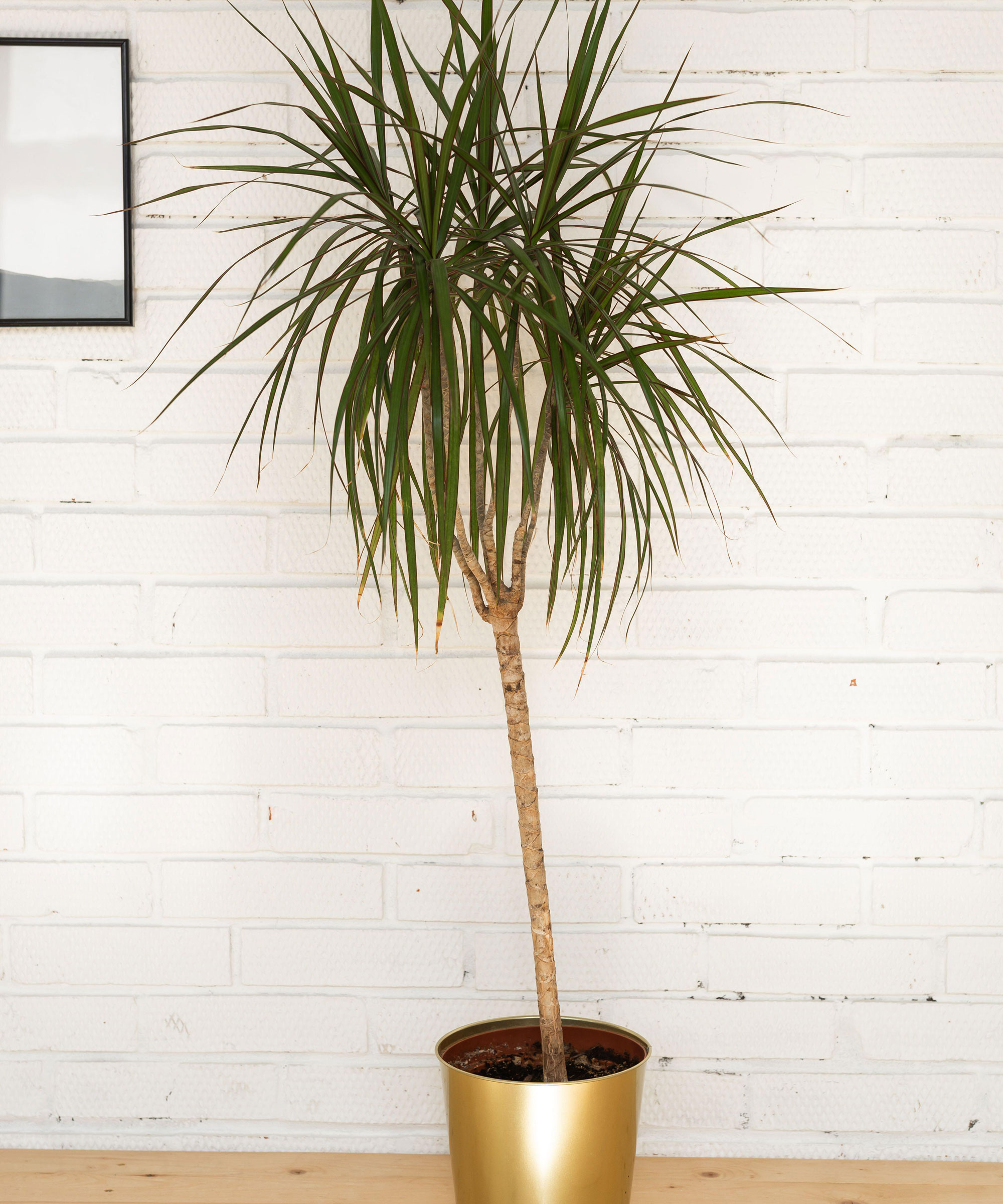
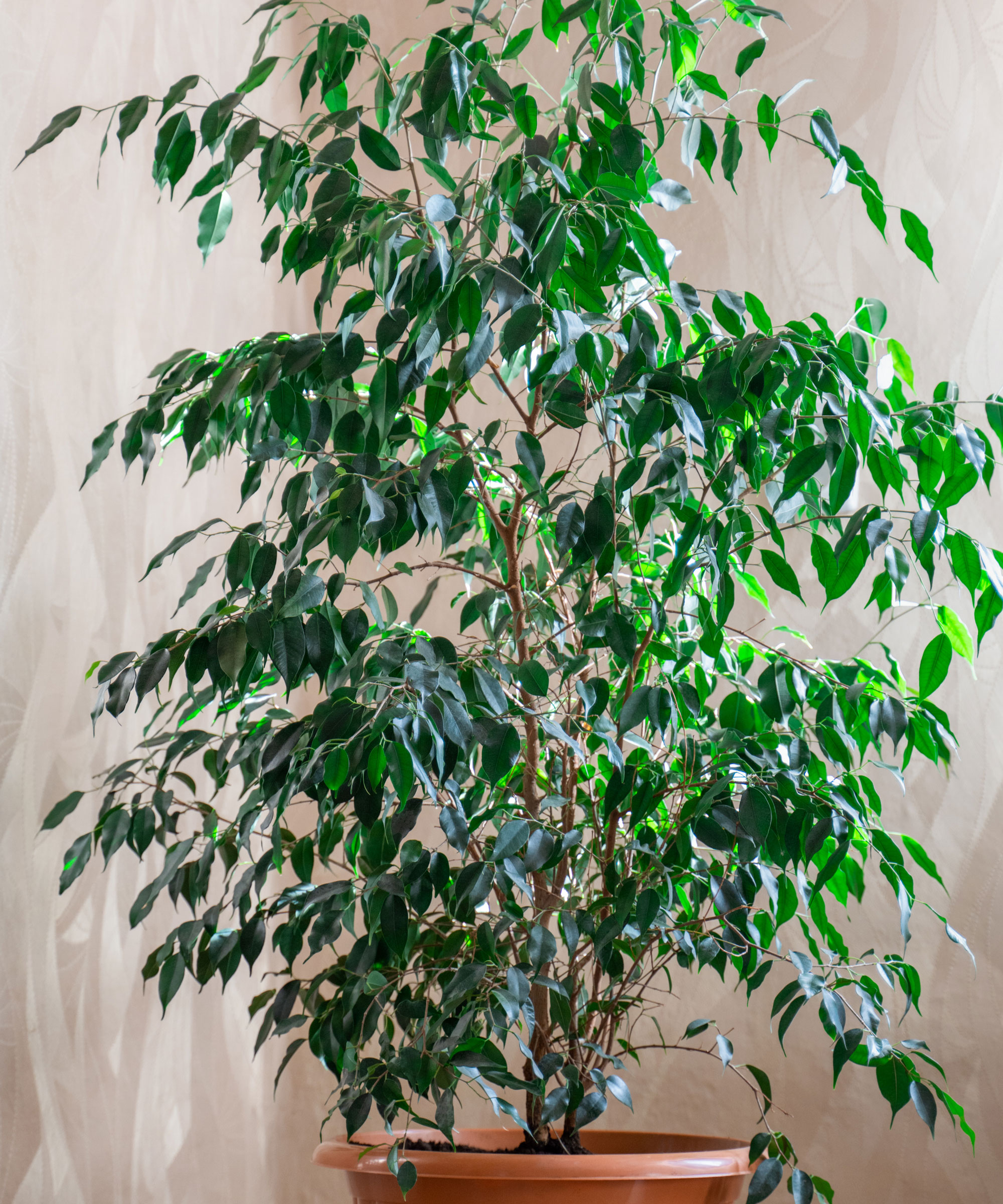
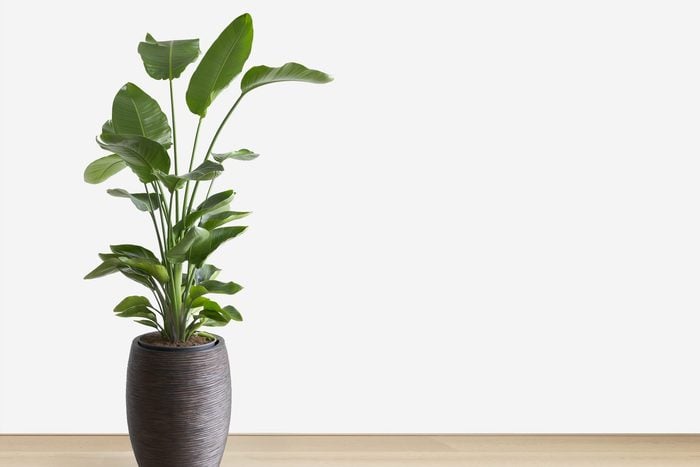
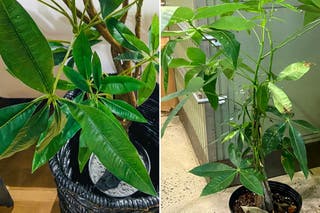
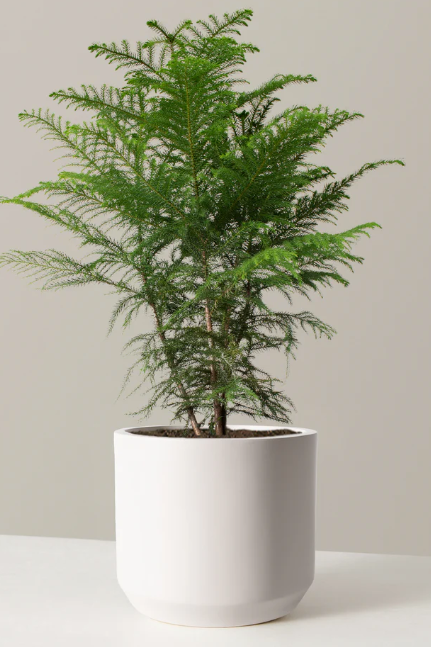
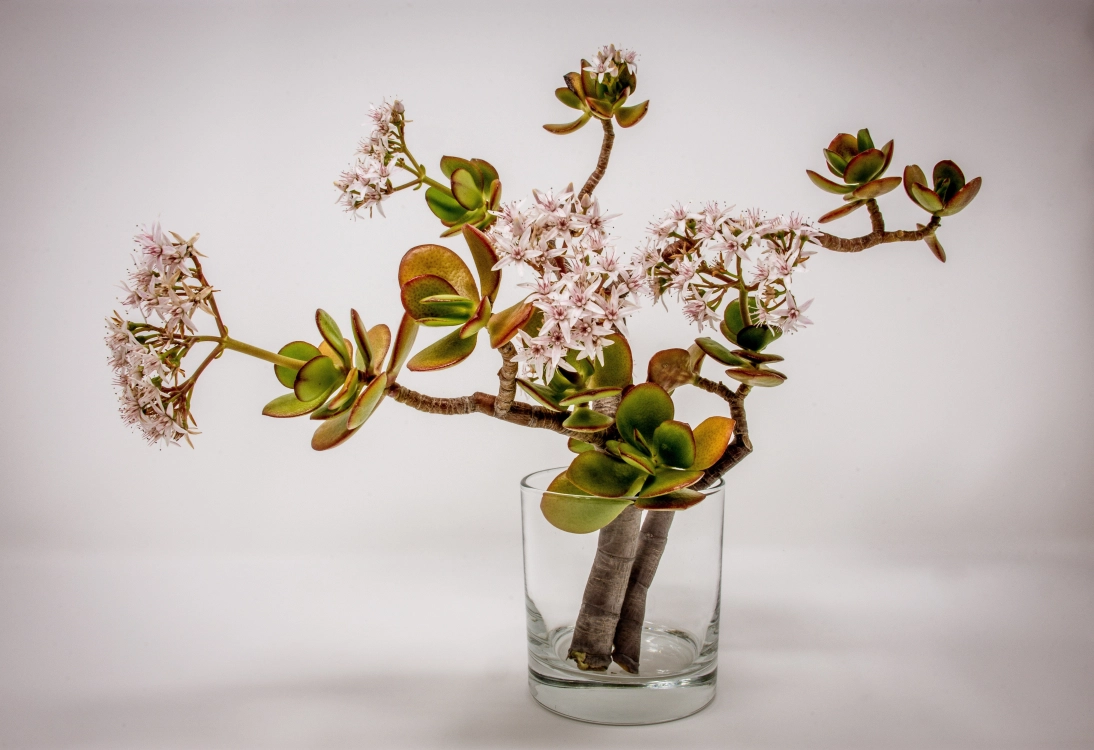
Yucca is described as an easy-going plant that is forgiving if watering is occasionally forgotten, capable of reaching six feet or more with adequate light. The White Bird of Paradise, a tropical plant, starts at a moderate height but can grow to 60 inches, characterized by its paddle-shaped leaves. The Heart Leaf Philodendron, though technically more 'long' than 'tall,' is ideal for draping around windows or mounting along walls to fill vertical space with its vines. The Money Tree is a relatively fast grower that can double in size to six feet, offering a distinctive texture with its hand-shaped leaves and often sold with braided trunks for visual appeal. The Red African Milk Tree is presented as a low-maintenance succulent reaching five feet, known for its bold, architectural form with red, ribbed stems and reddish-green leaves. Finally, the Norfolk Island Pine, often seen as a tabletop Christmas tree, can grow up to six feet tall indoors, featuring needle-like leaves and horizontal tiers that give it an elegant structure.
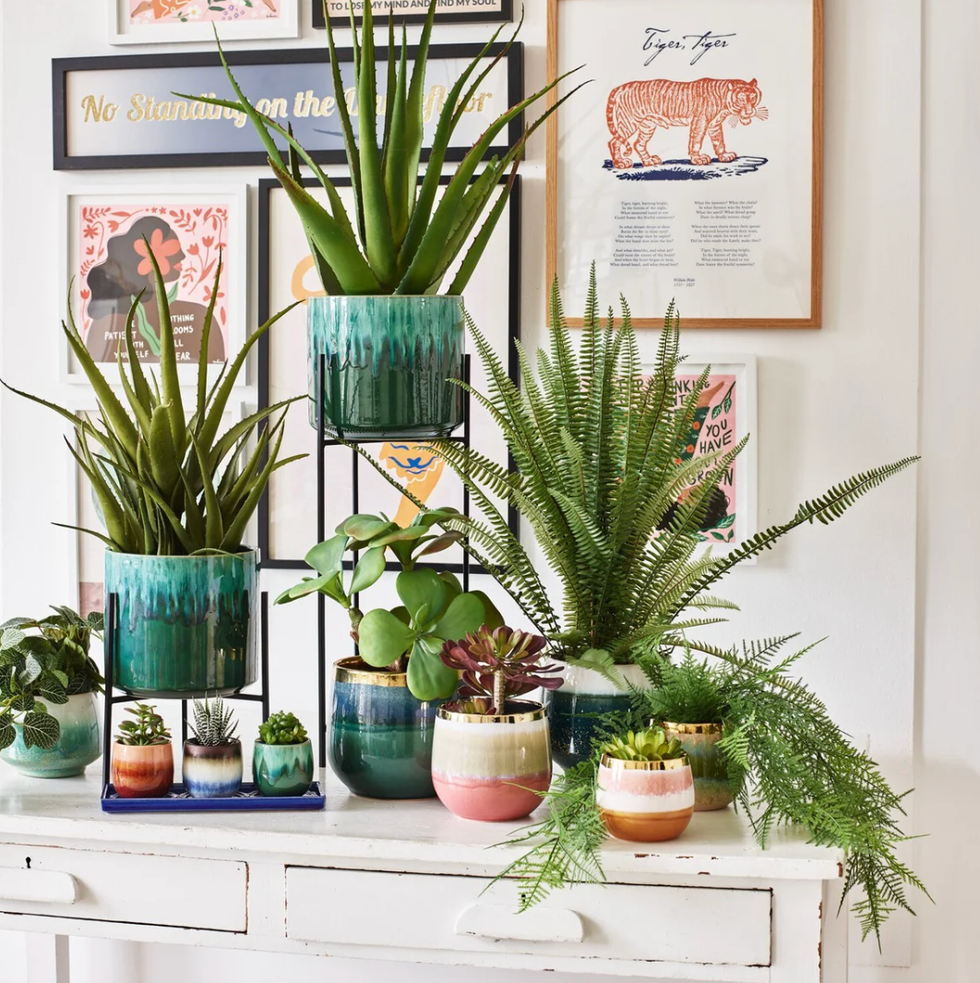
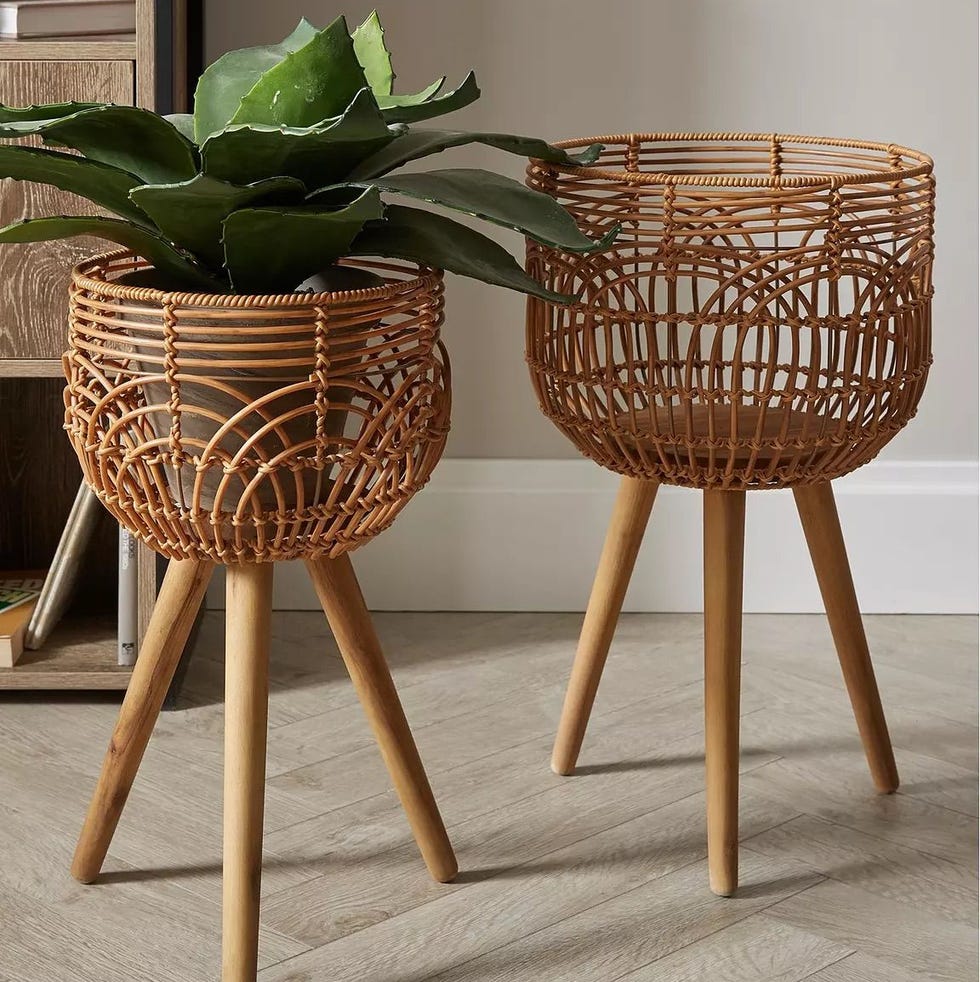
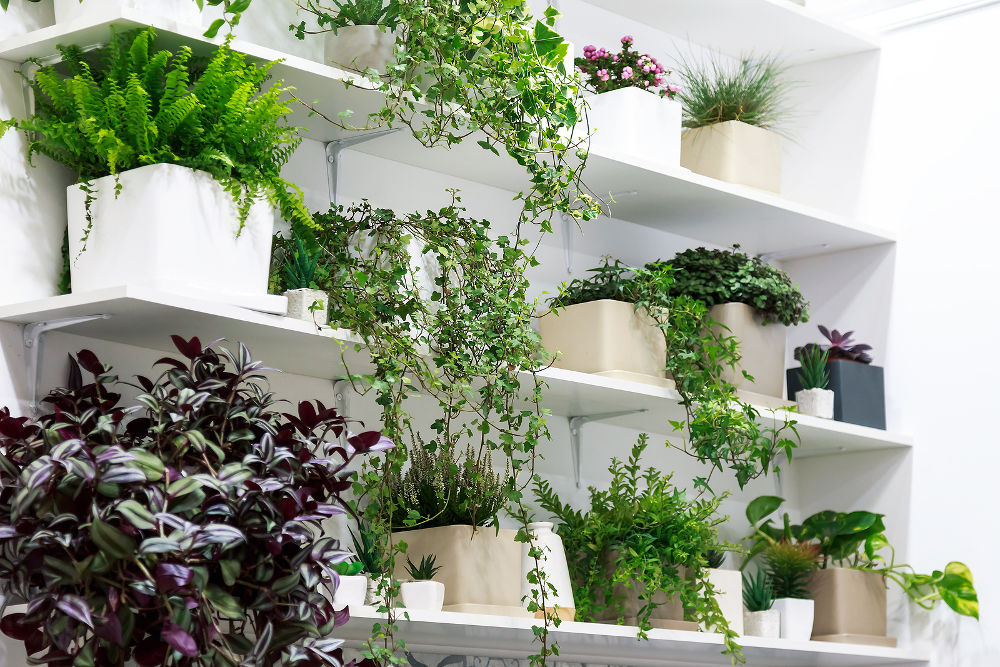
General care tips for these tall houseplants emphasize bright light, typically within three to four feet of an unobstructed east- or west-facing window, or with artificial lighting, to promote optimal growth and height. While they can survive in lower light, maximum sun exposure is recommended for achieving their full potential. The article suggests using varying heights of plant stands or decorative pots to create multi-level displays, which not only enhances visual interest but also helps plants access light. For potting, any general-purpose potting mix suitable for indoor or container plants is acceptable, though a mix formulated for better drainage is advised for those who tend to overwater. Fertilization with a general-purpose fertilizer is recommended during spring and summer to encourage faster growth, with application rates adhering to product instructions. These plants generally thrive in average indoor temperatures and humidity, but it is important to keep them away from air vents to avoid sudden temperature fluctuations that can negatively affect their growth.
#TallHouseplants #IndoorGardening #HomeDecor #PlantCare #HouseplantVarieties #InteriorDesign #GreenLiving #BotanicalAccents #PlantMaintenance #TallHouseplants #IndoorGardening #HomeDecor #PlantCare #HouseplantVarieties #InteriorDesign #GreenLiving #BotanicalAccents #PlantMaintenance
0 comment in total
 No comments yet
You may also like
Transform Your Space With Any of These Gorgeous Tall Indoor Plants

This Visual Design Trick Is the Coolest Way to Style Your Houseplants
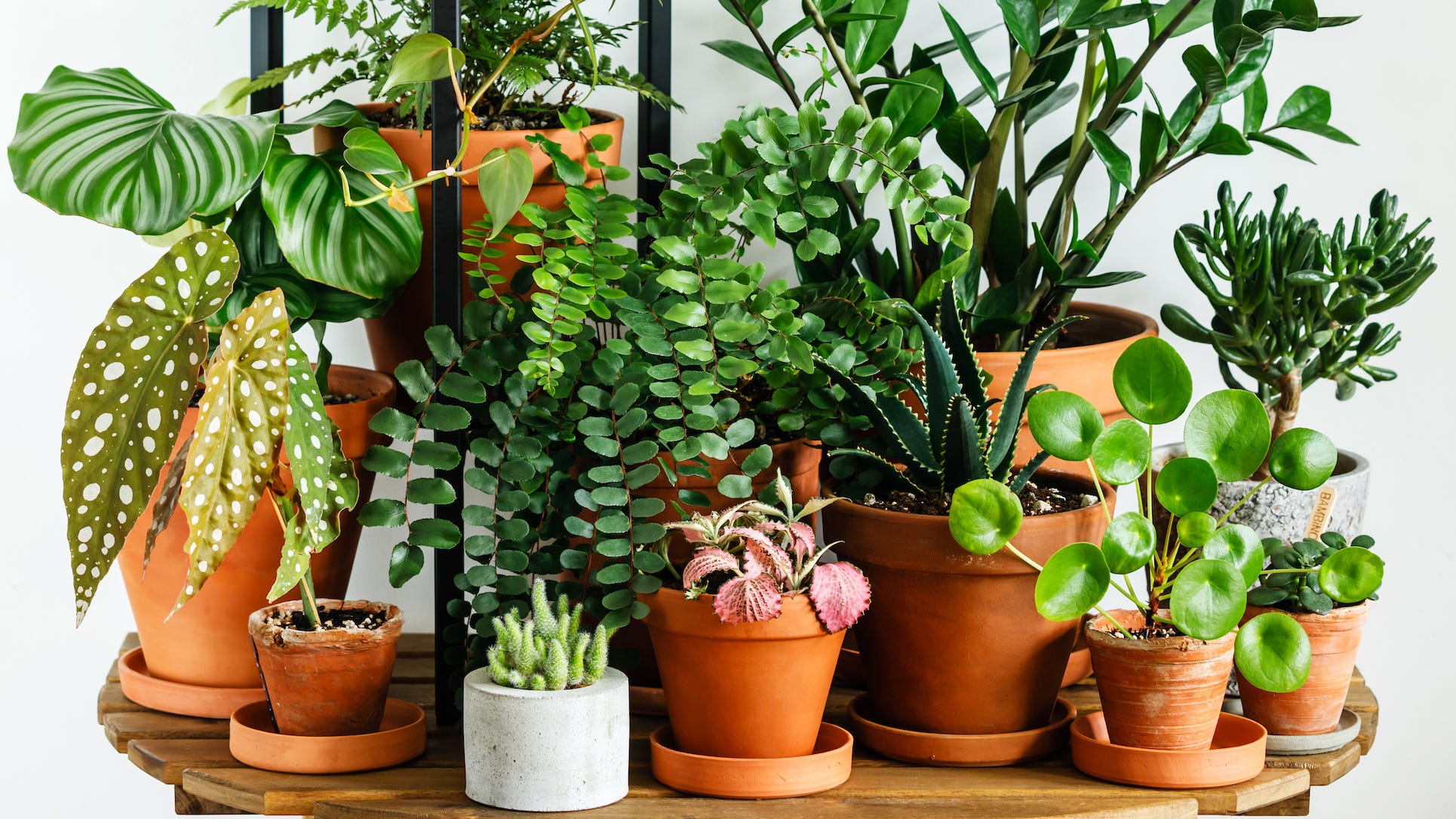
36 best indoor plants that will liven up any room
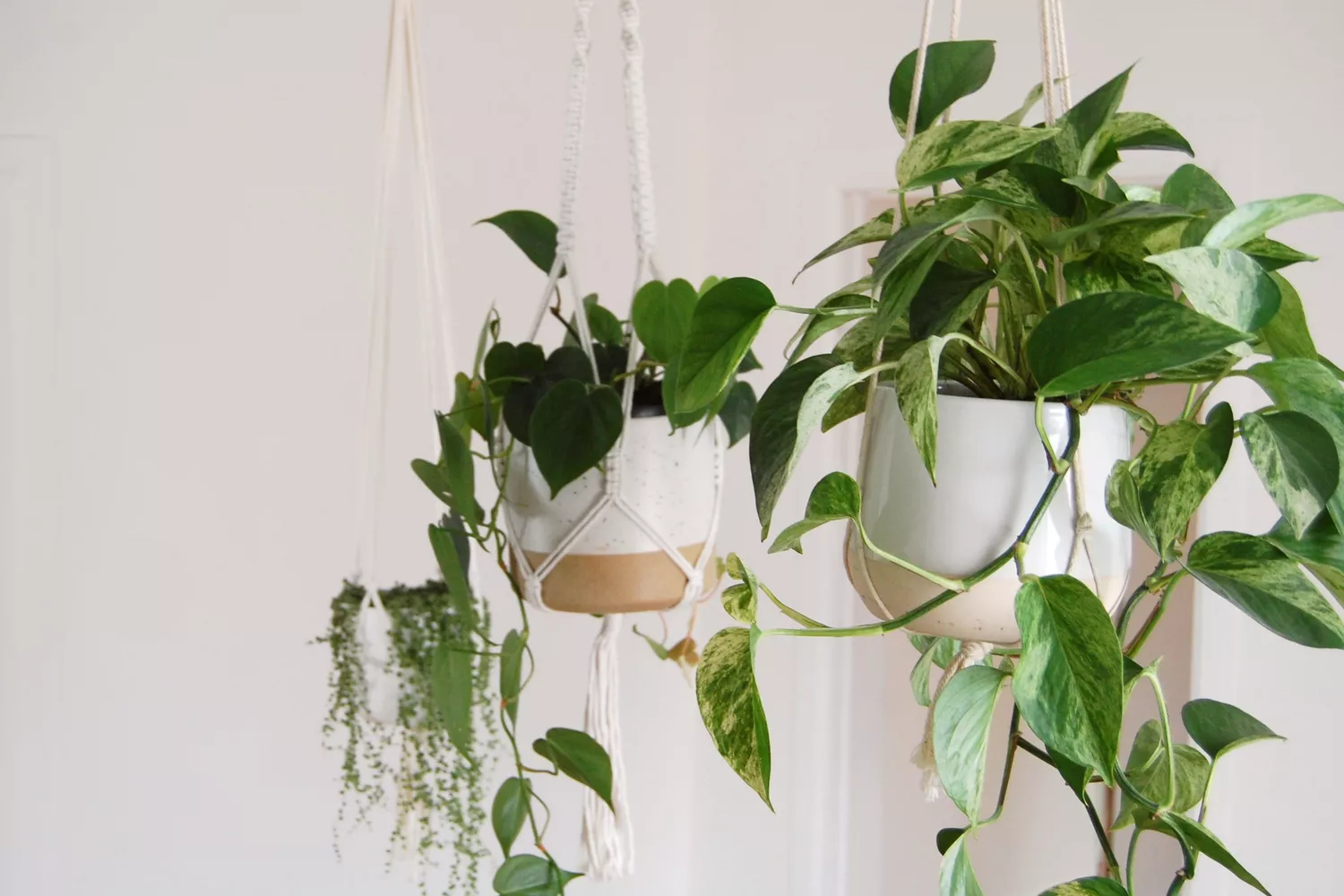
22 Indoor Vining Plants That'll Make Your Home Look Like a Jungle

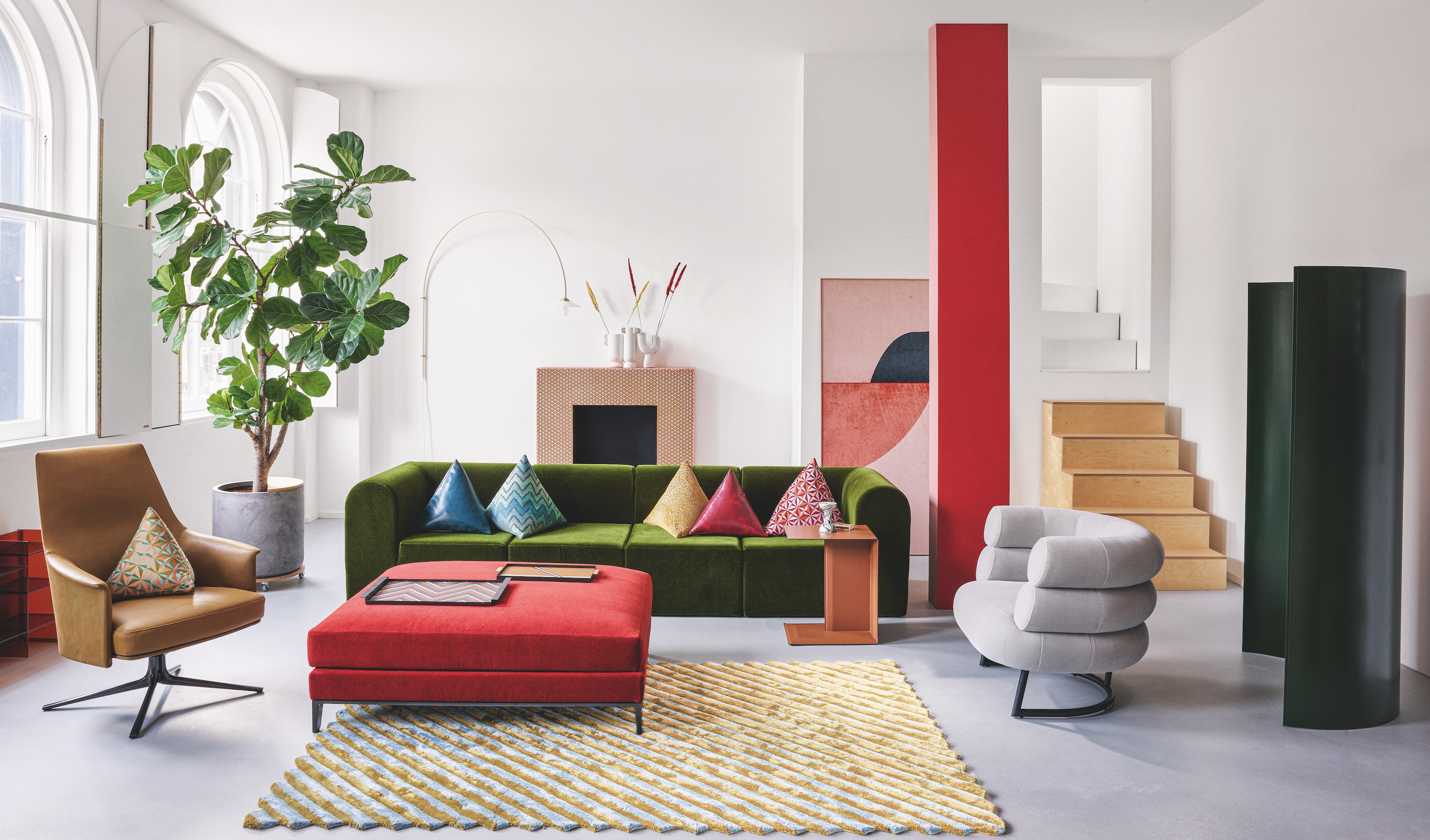
5 Tall Indoor Plants That Make Such an Impact in Your Home

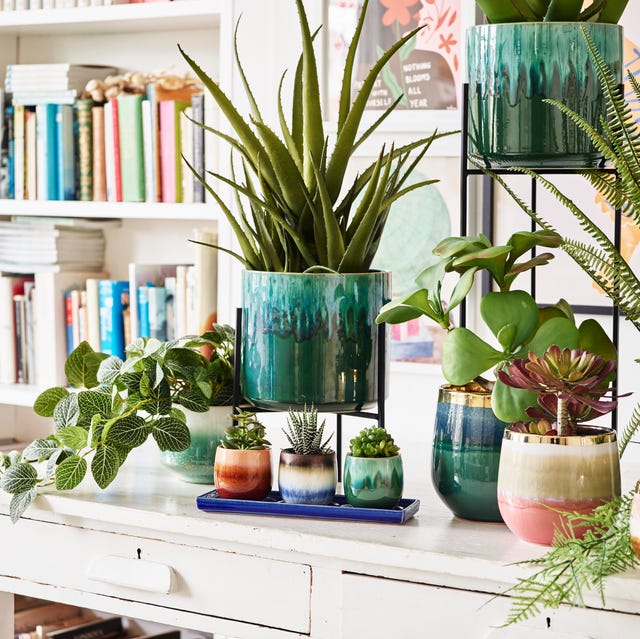
The best indoor plant stands to elevate your space
Plant Style: Elevate Your Decor with Indoor Plants
The power of greenery! 5 ways that houseplants can elevate your interior

10 Indoor Climbing Plants That Will Take Your Blooms to New Heights — And Make Your Home Look Lush

10 Climbing Plants That Can Secretly Damage Your Home
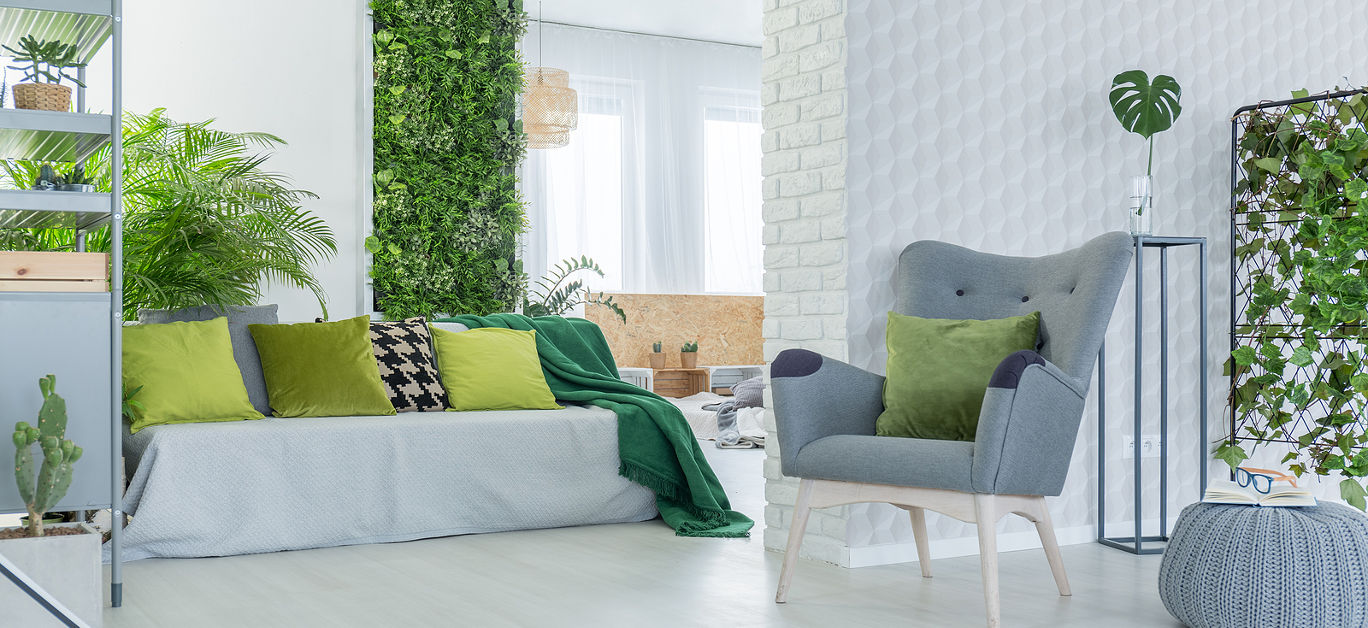
Exciting ideas for an indoor plant wall in your home

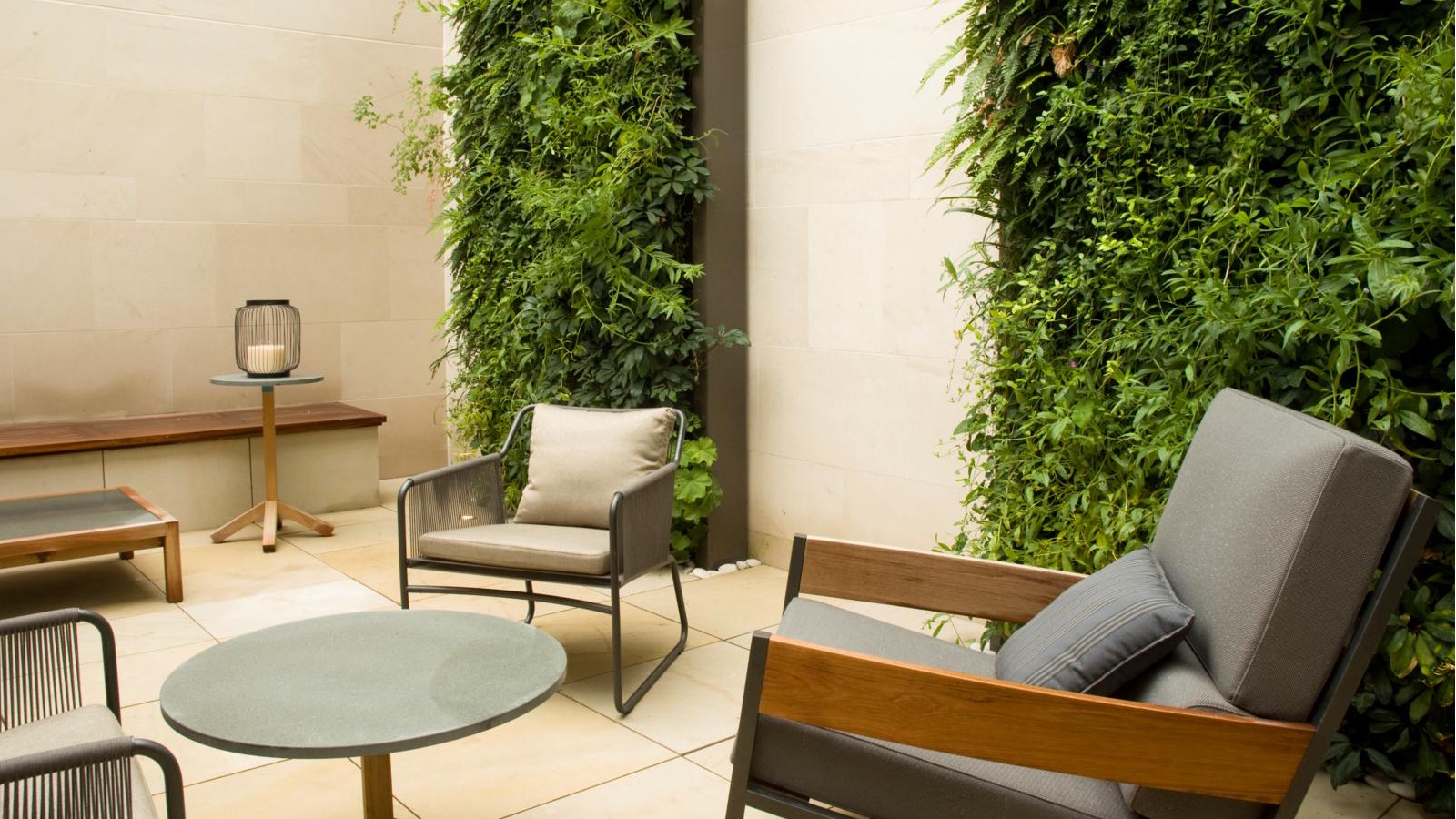
Vertical indoor garden ideas: 7 elevating ideas

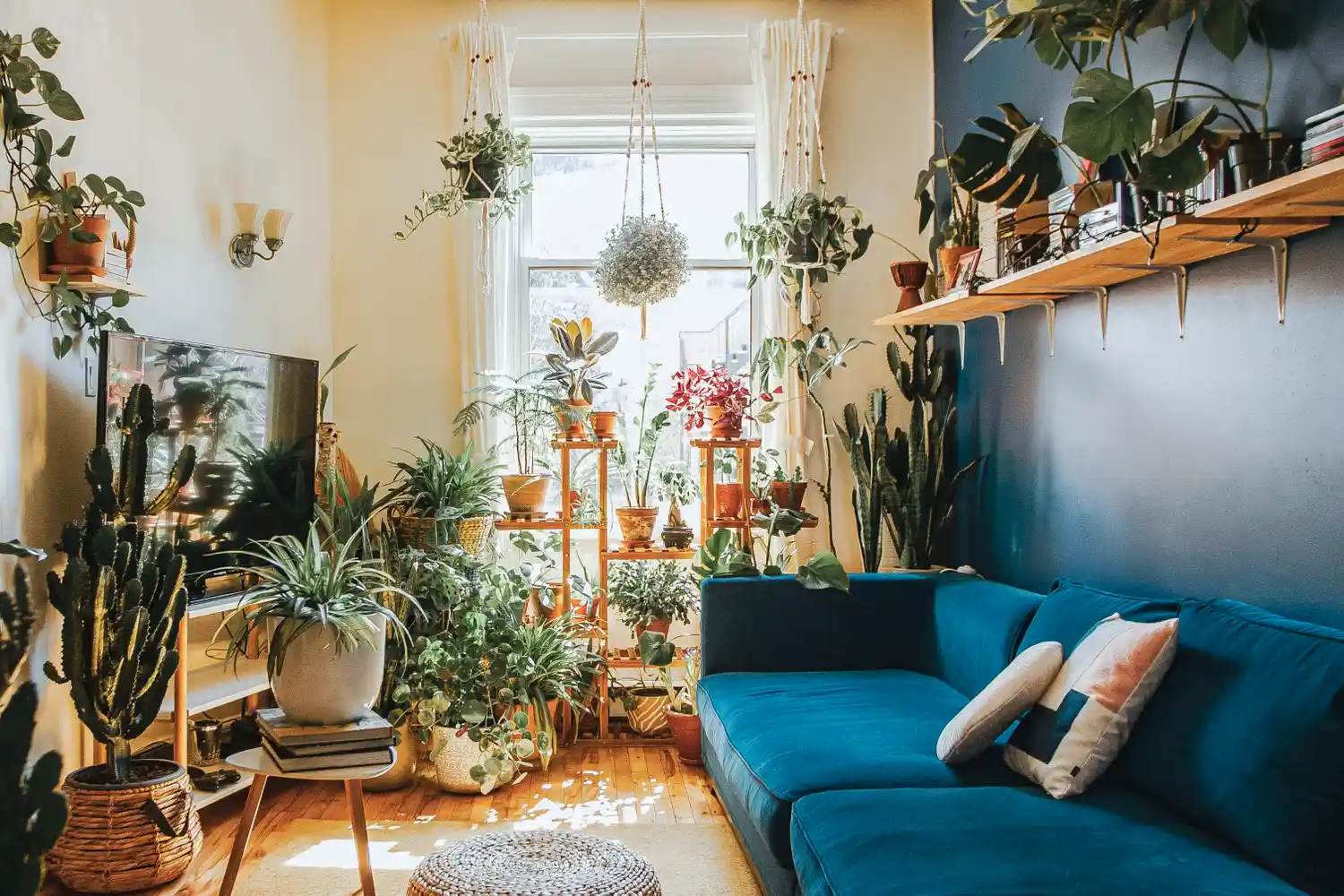
The 18 Best Houseplants to Instantly Give Your Living Room a Style Upgrade
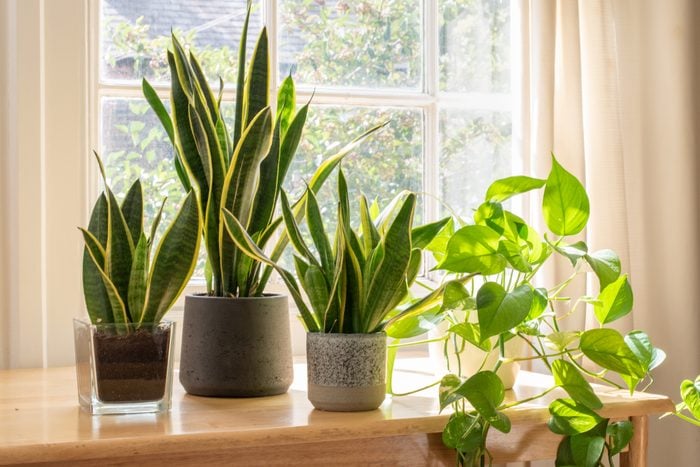
10 Must-Have Indoor Plants To Liven Up Your Entryway

10 Ideas for Decorating With Monstera That Will Make These Tropical Plants Your Favorite Part of Your Home
10 colorful indoor plants to give you a beautiful kaleidoscope of joy
Best tall indoor plants – 10 statement plants, chosen by houseplant experts

Fake Plastic Trees and Artificial Houseplants We Don’t Hate

15 Variegated Plants To Spruce Up Your Indoor Spaces

Our Most-Loved Project Plants