What Is Biophilic Design? 5 Ways to Incorporate This Style
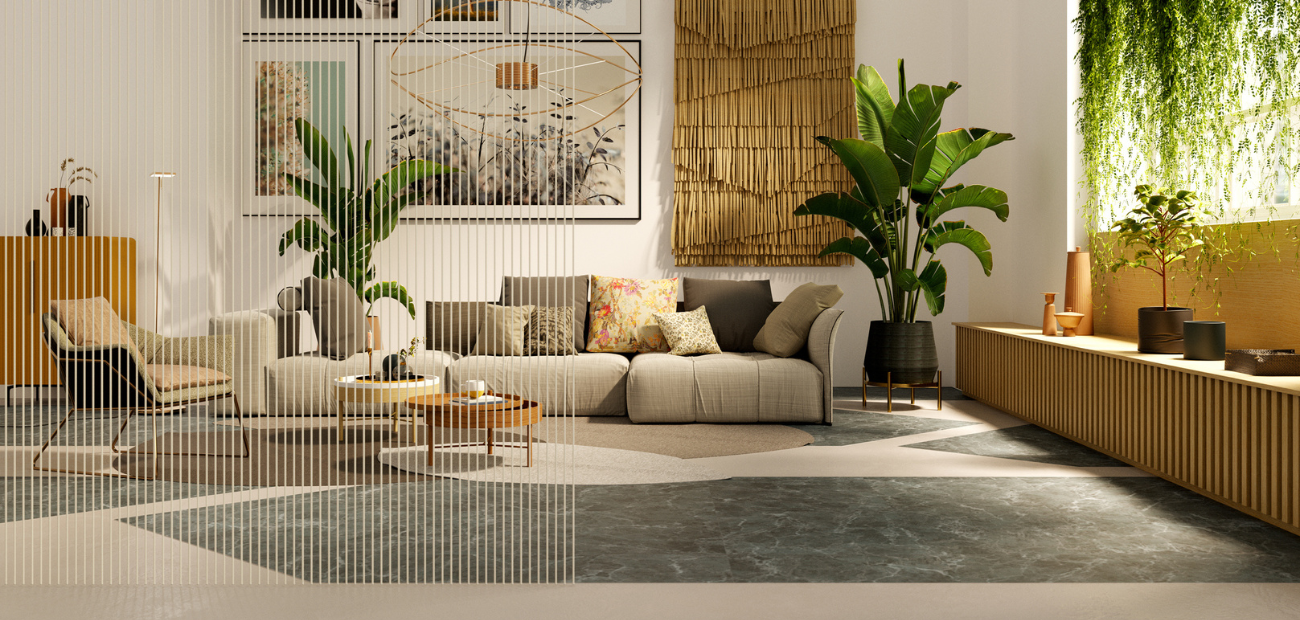
Biophilic design is a concept that aims to integrate natural elements into indoor spaces, fostering a connection between humans and nature. This design philosophy stems from the term "biophilia," which describes the innate human tendency to interact with other forms of life. While modern life often keeps individuals indoors, the deep-seated desire to connect with the natural world remains. This approach is gaining traction in interior decor, emphasizing the creation of serene environments that promote health and well-being.
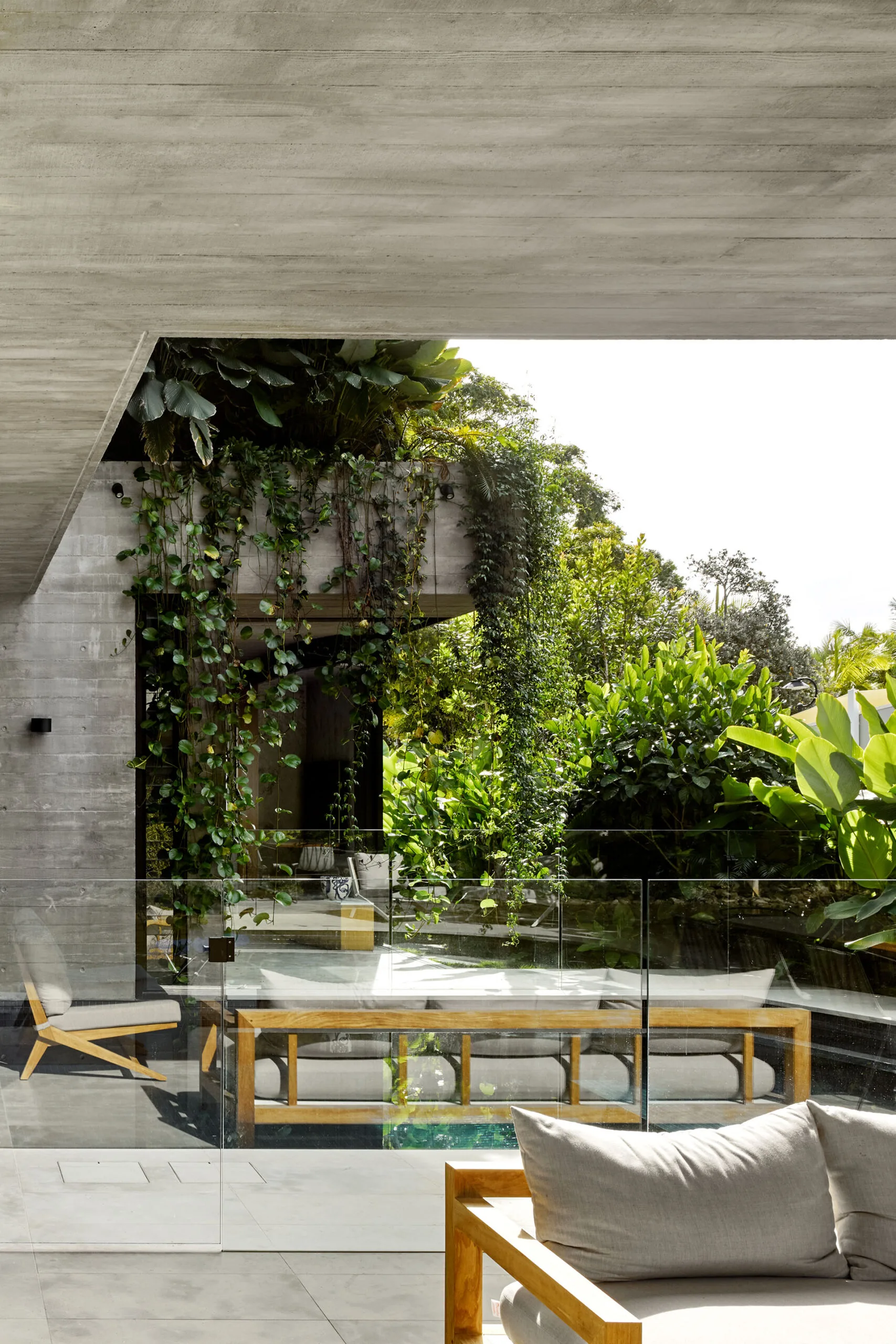
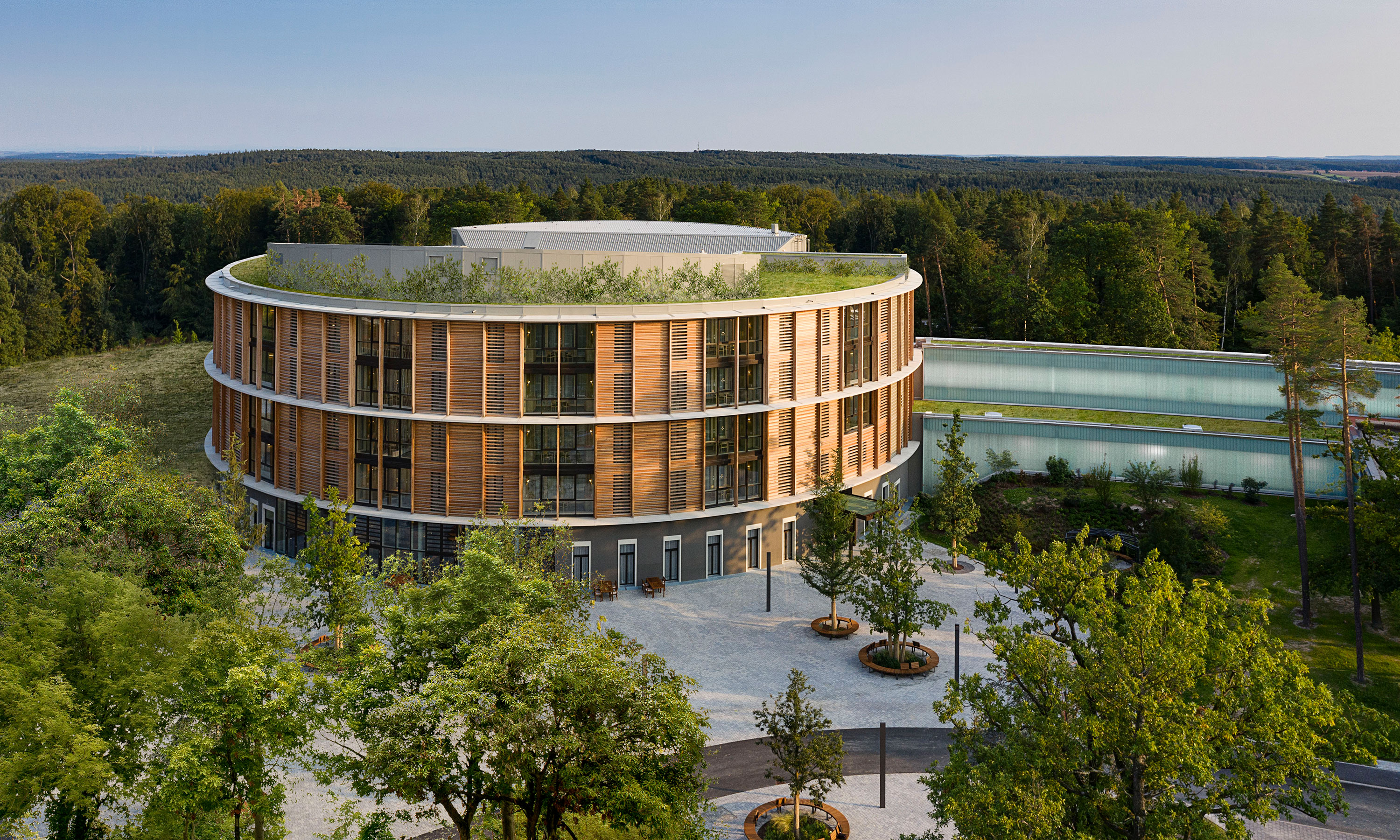
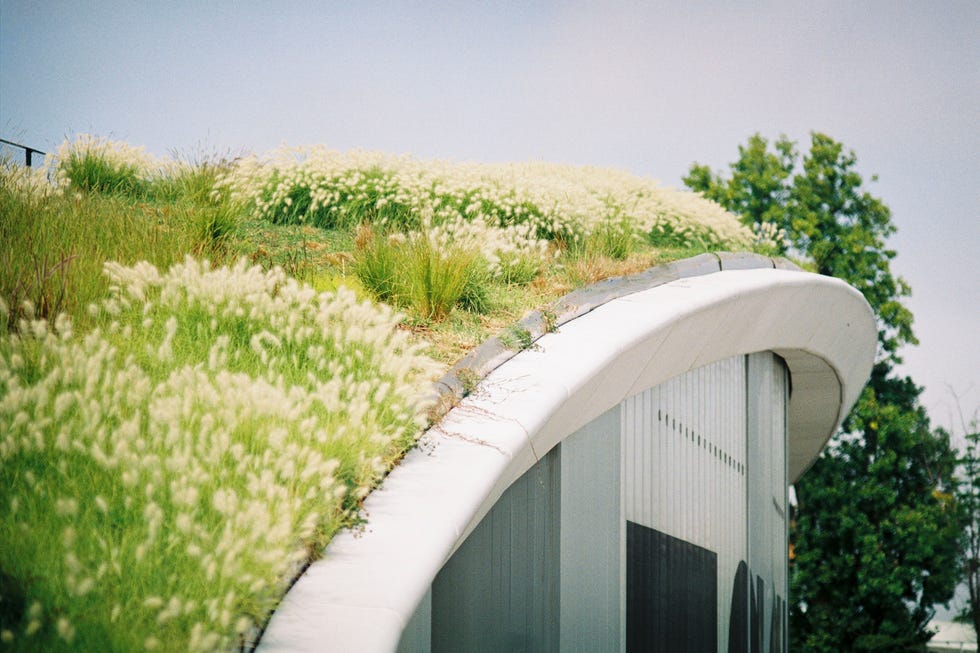
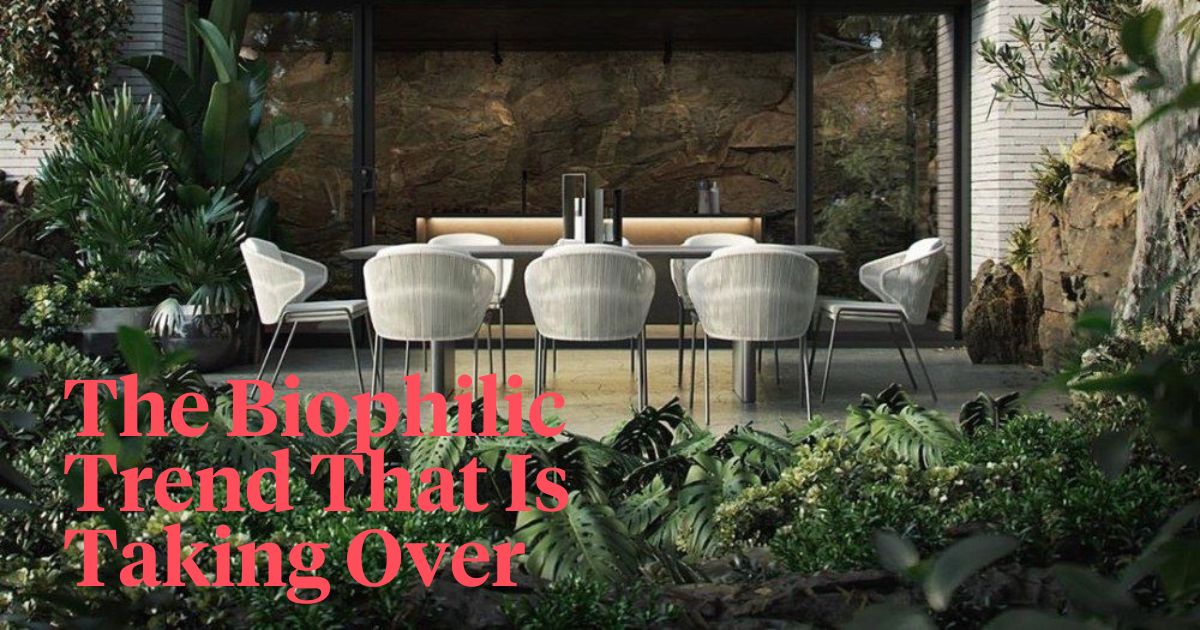
The popularity of biophilic design is evident in recent trends, including increased interest in the color green, the rise of indoor-outdoor living spaces, and the incorporation of natural materials like wood in furnishings and wall treatments. The core idea is to bring the calming and restorative qualities of the outdoors inside, transforming homes into more harmonious and less stressful environments. Several practical methods can be employed to effectively integrate biophilic principles into home decor, ranging from simple additions to more comprehensive architectural considerations.
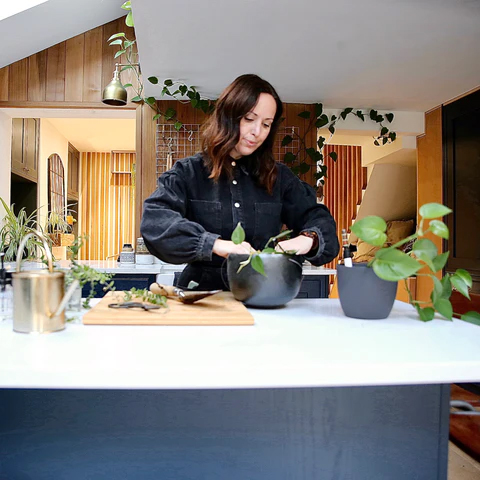
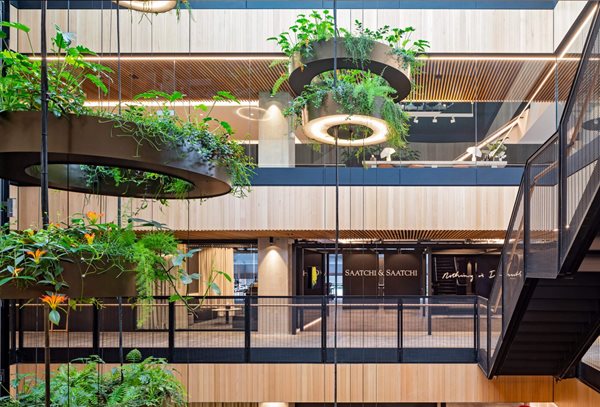
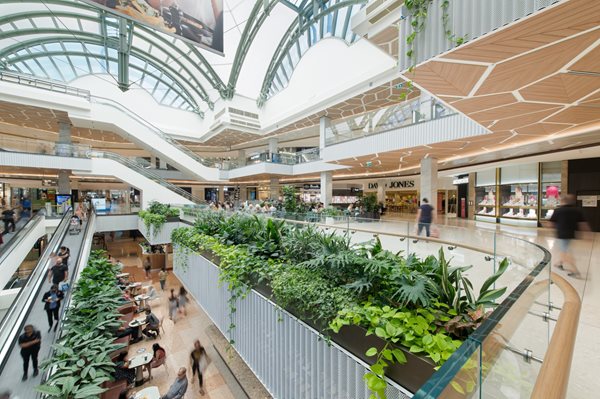
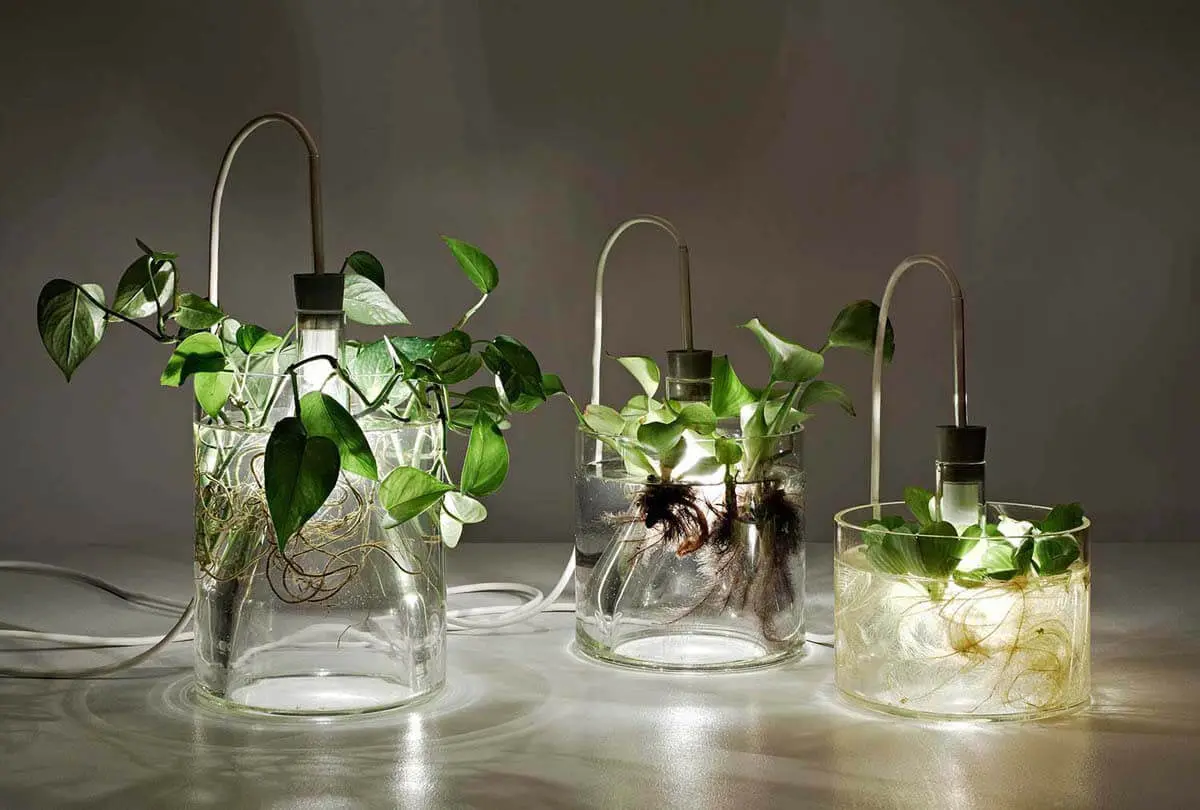
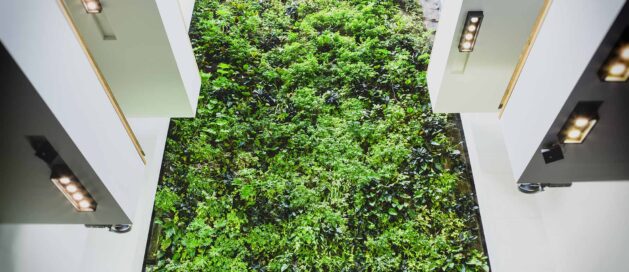
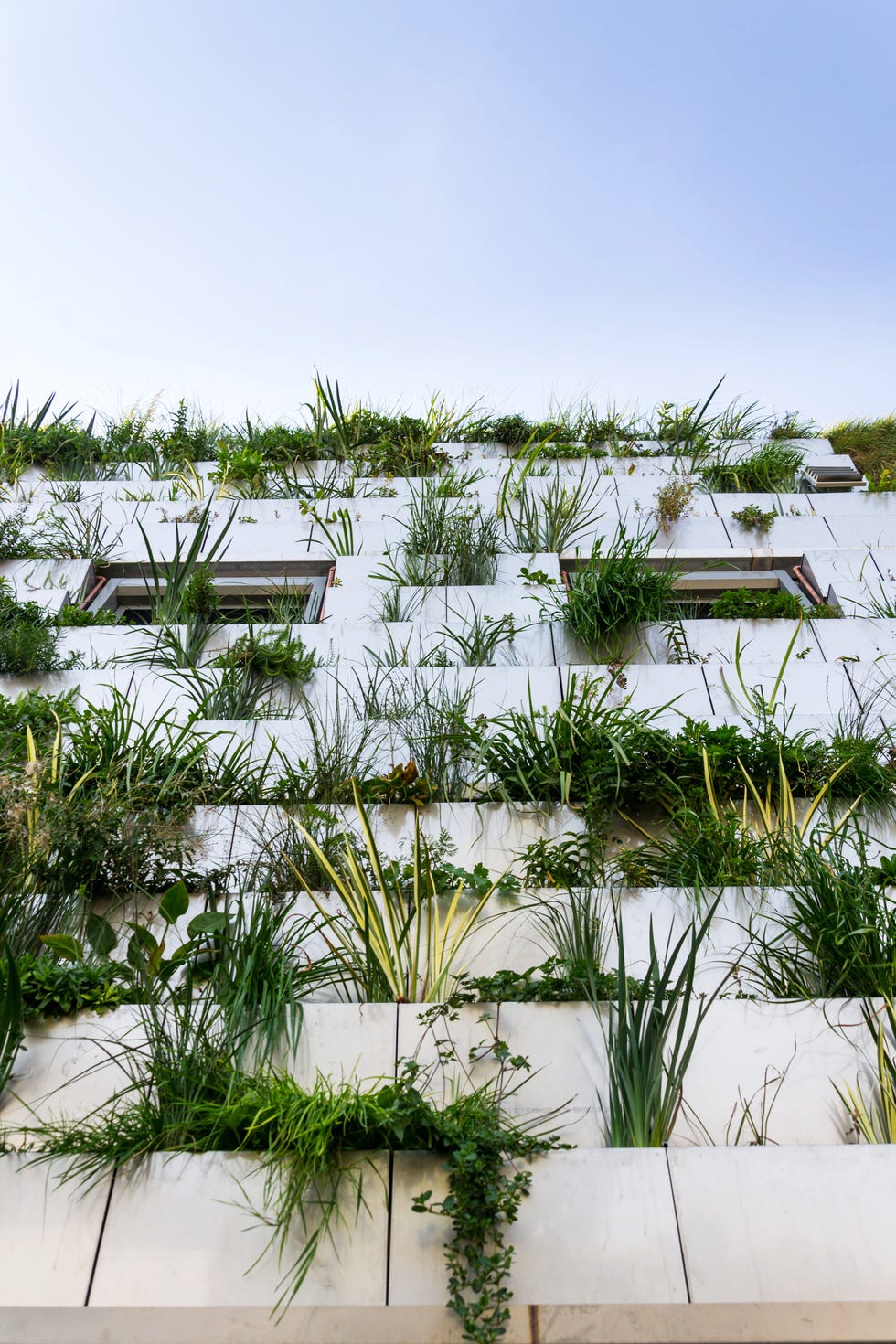
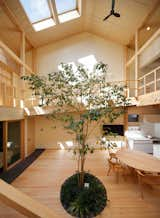
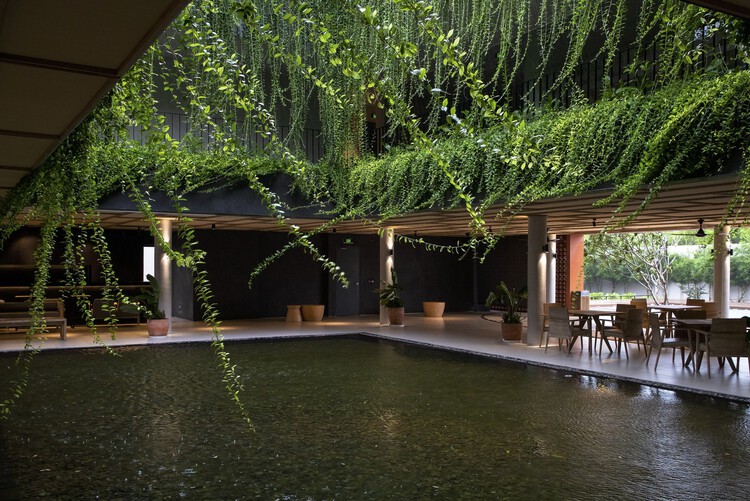
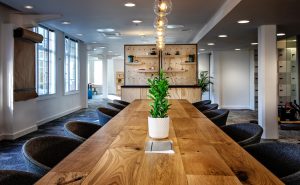
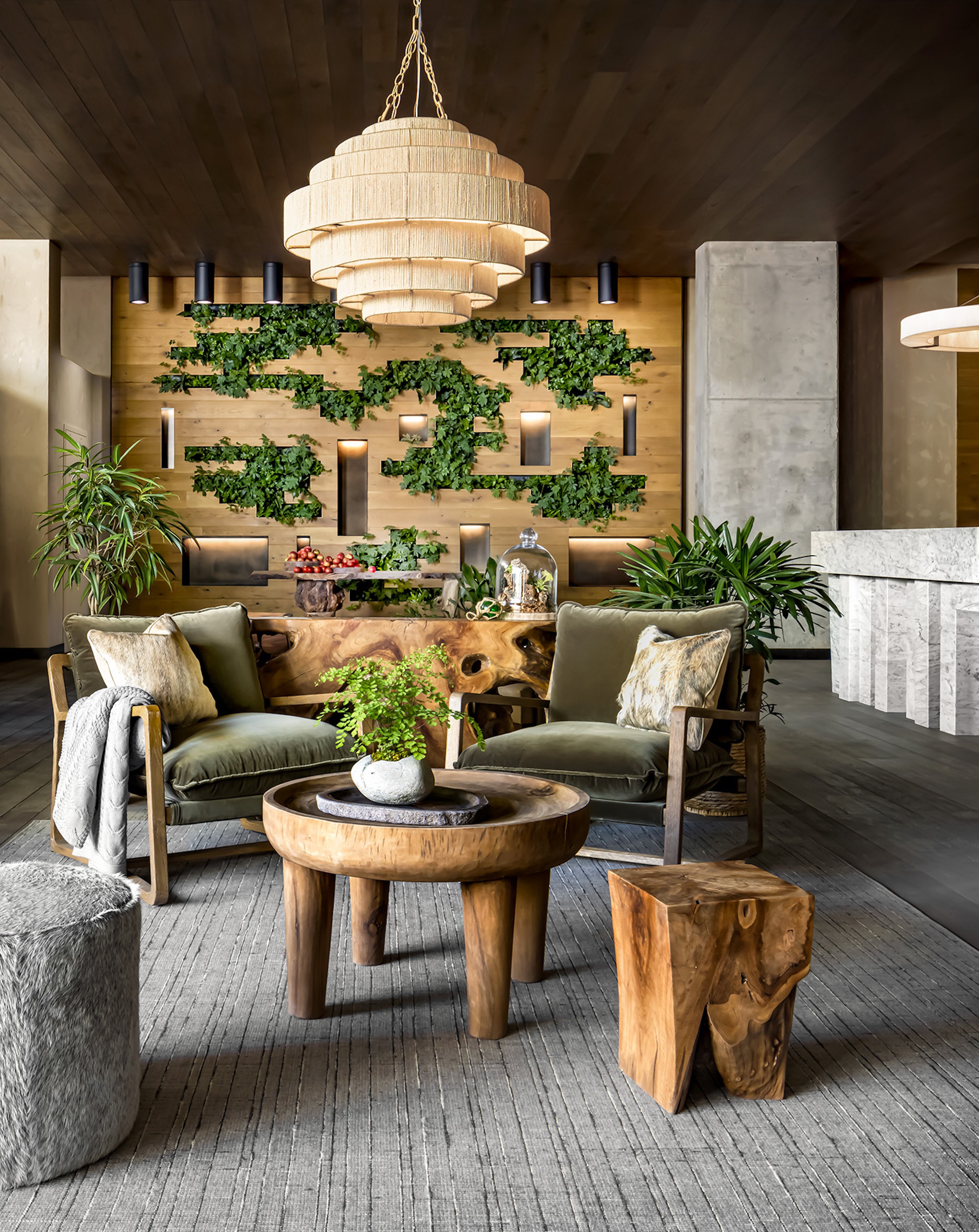
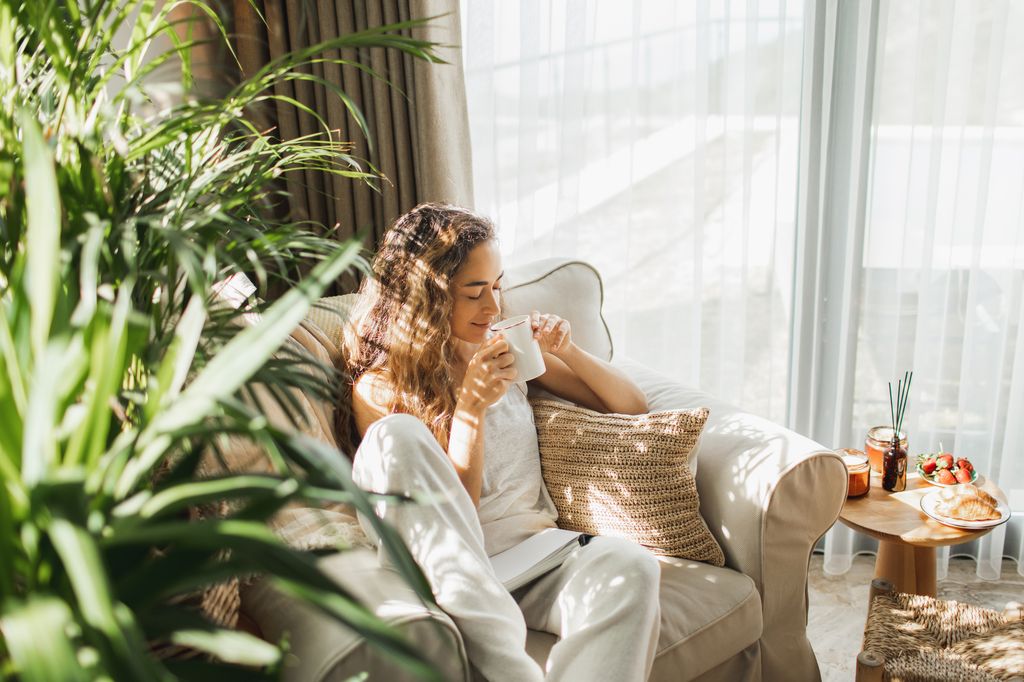
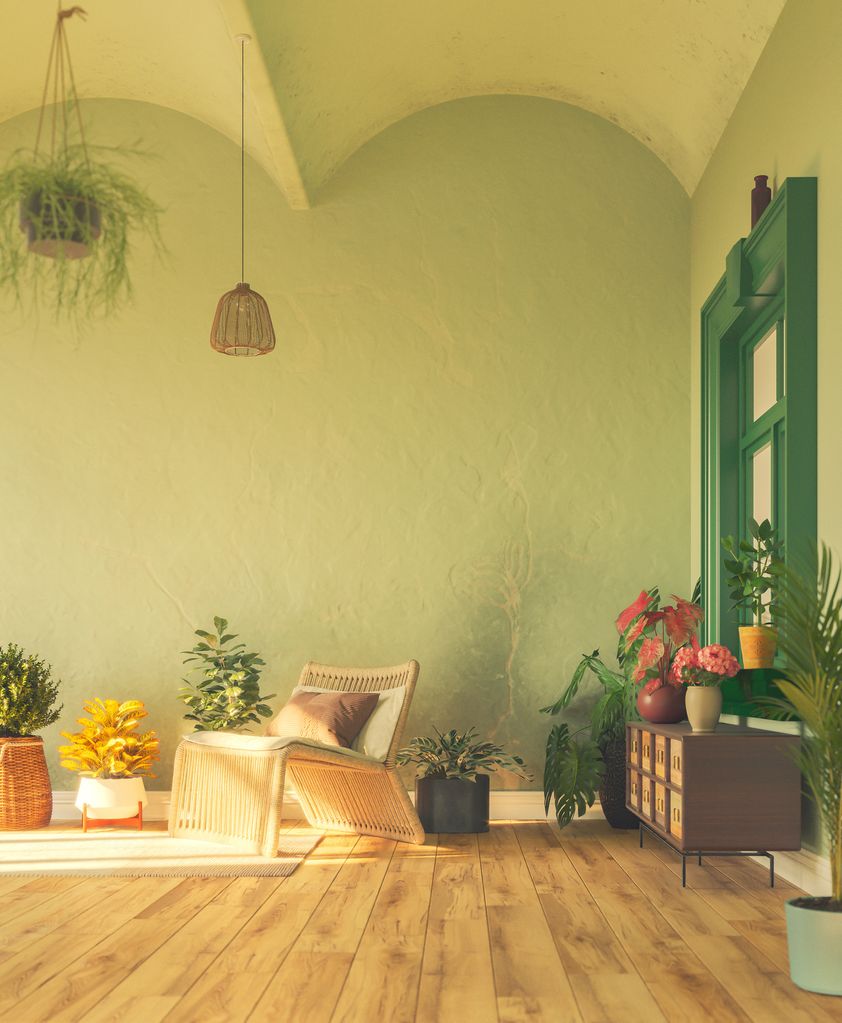
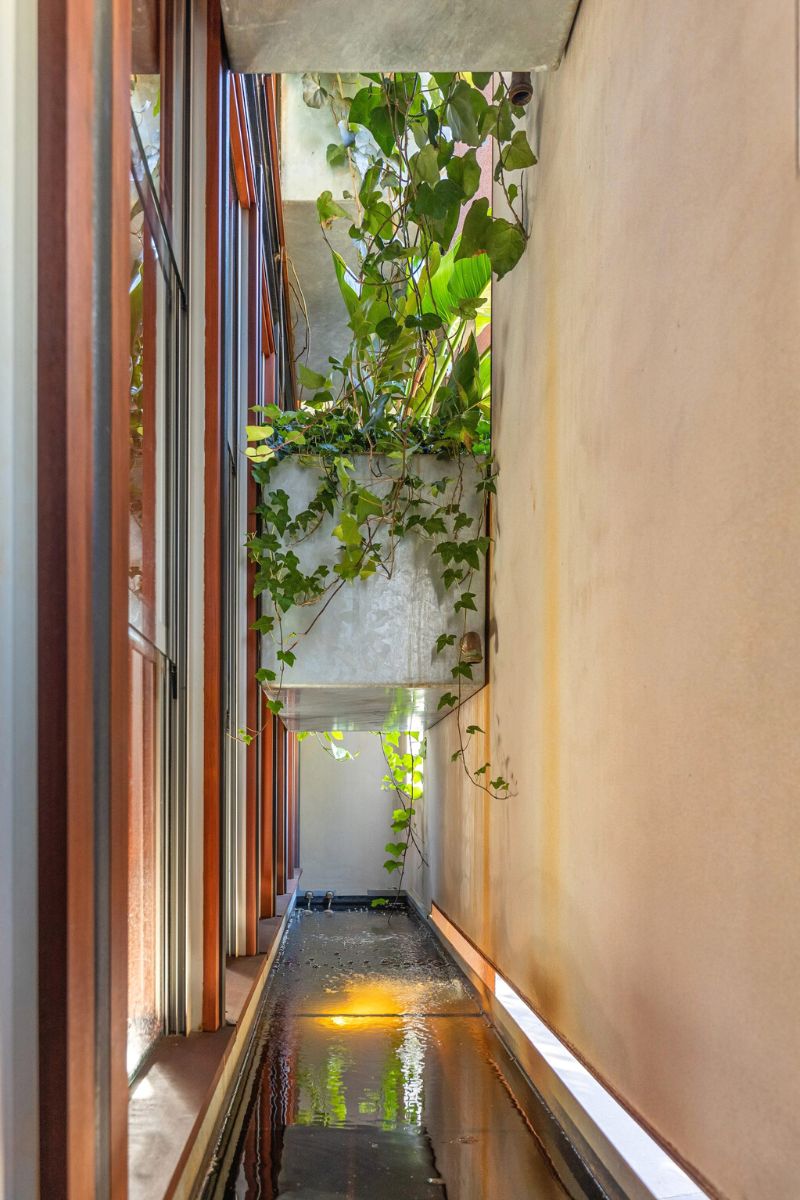
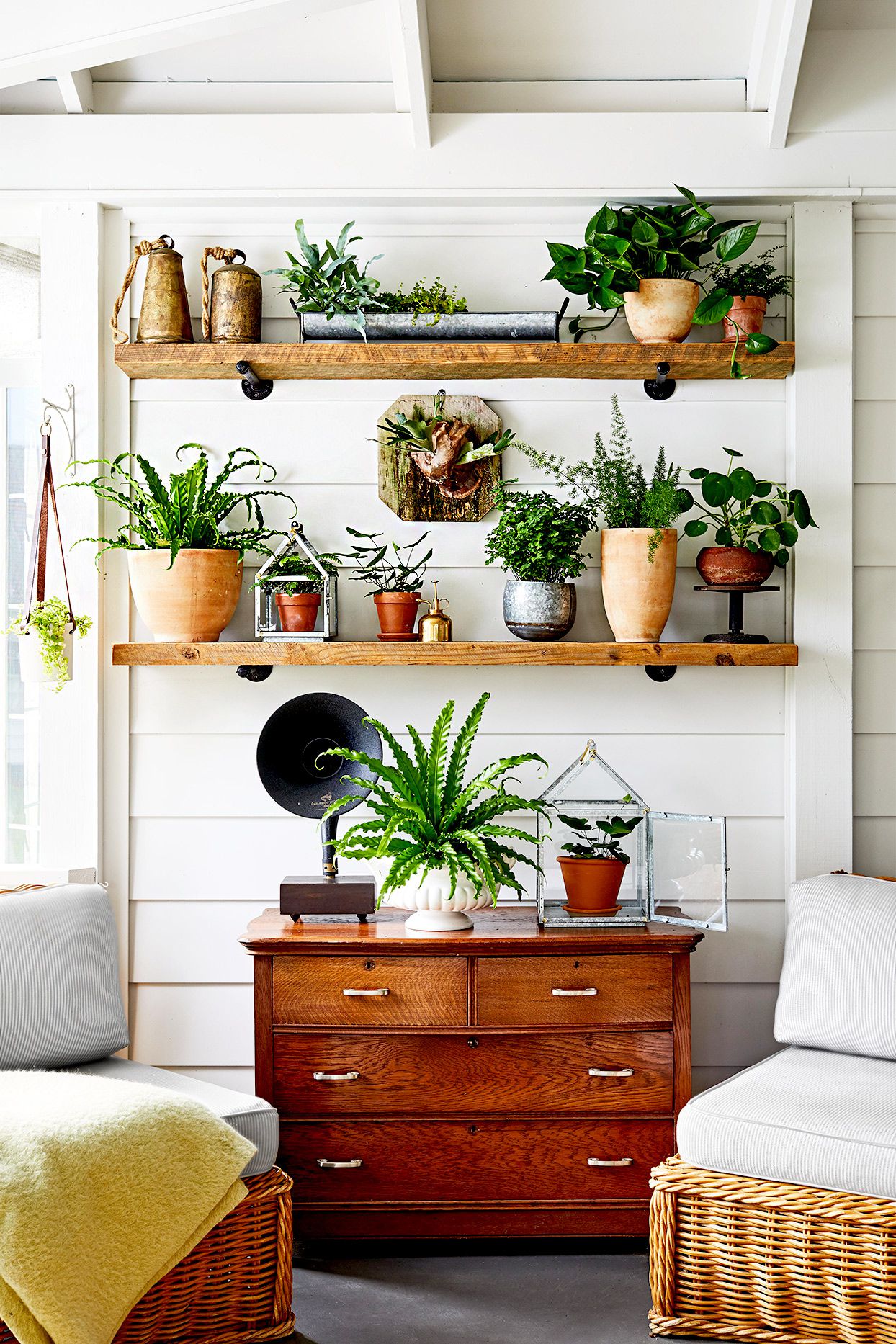
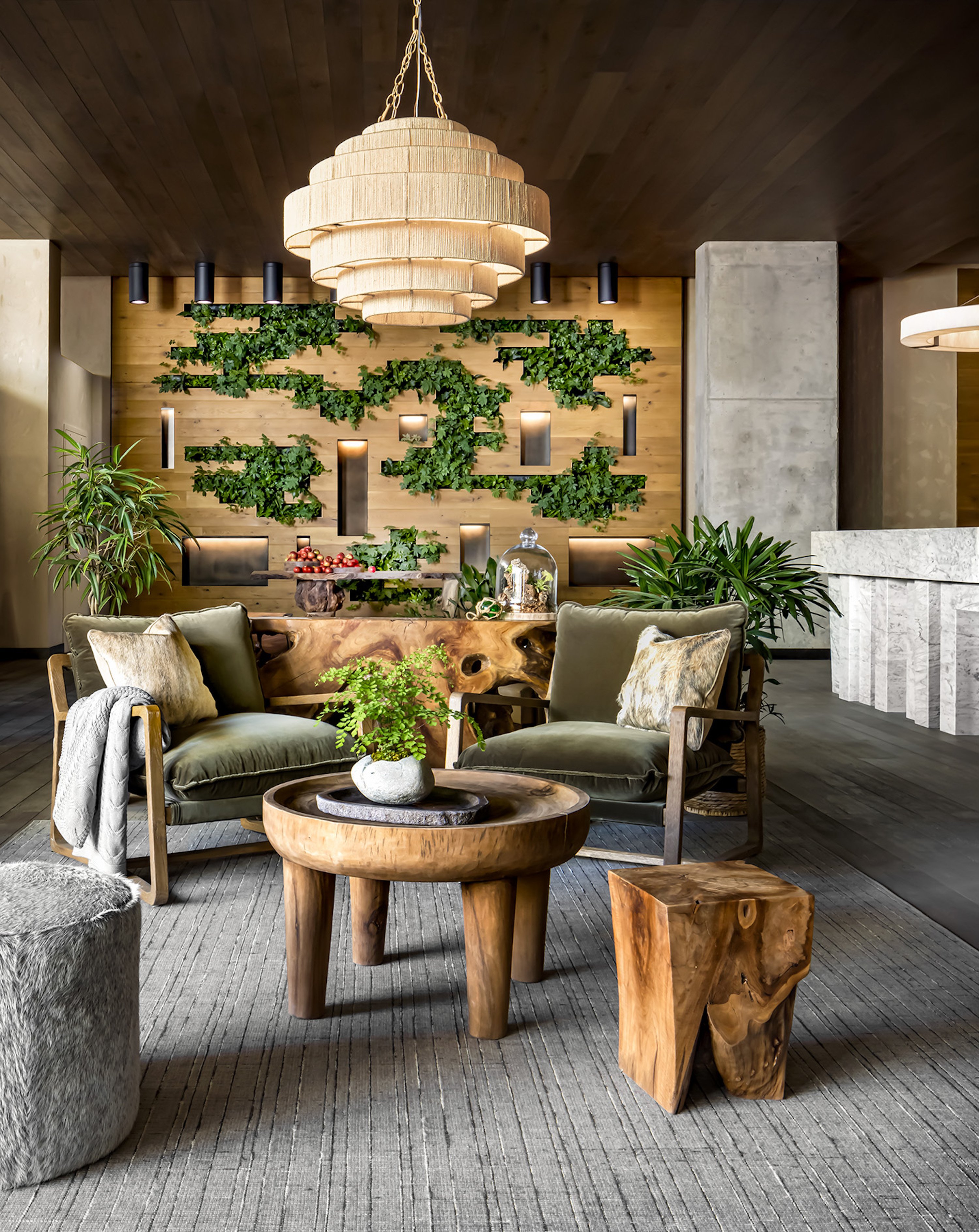
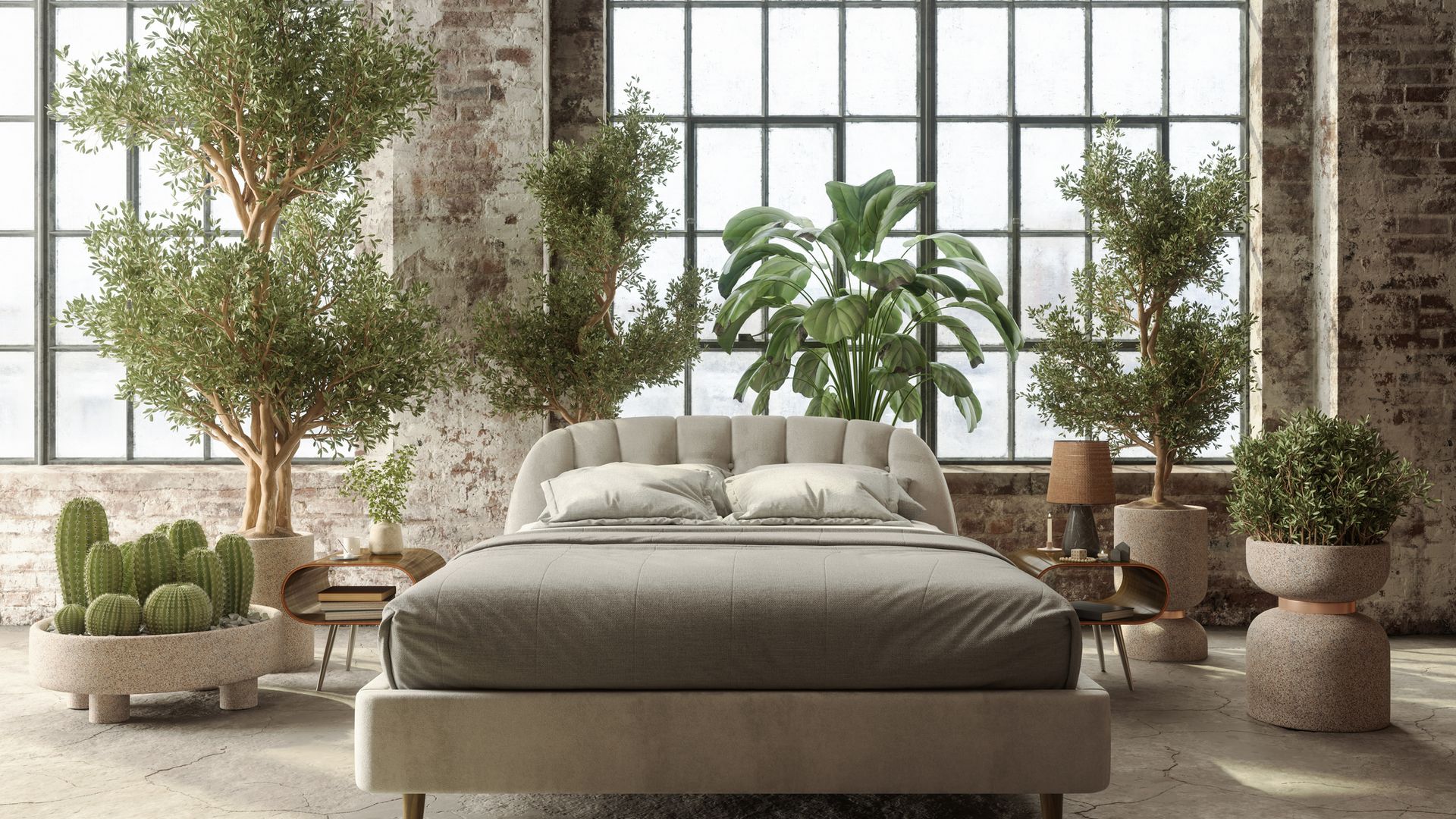
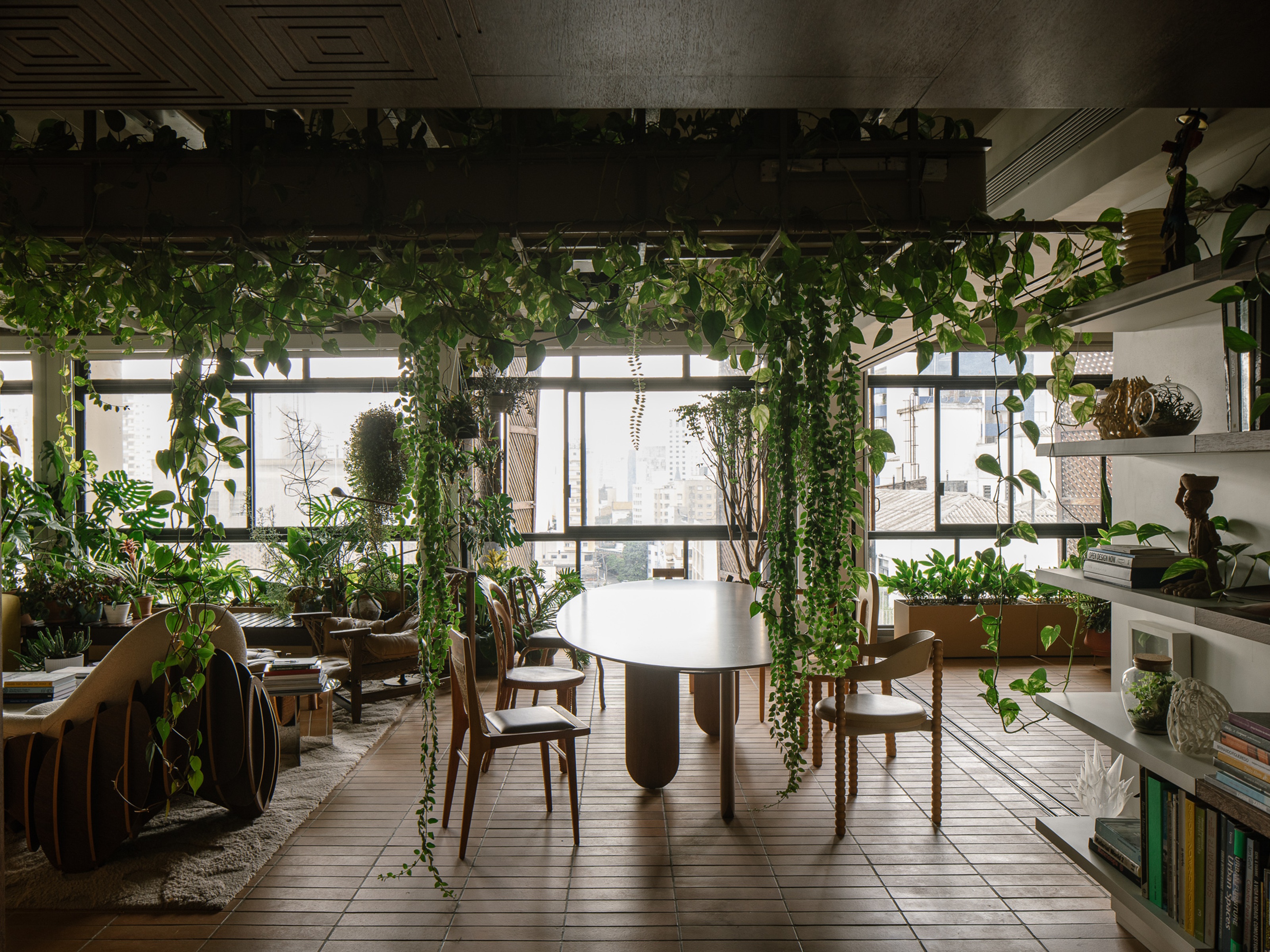
One of the most straightforward ways to introduce biophilic design is by prioritizing live plants as a key design element. Even for those new to plant care, starting with low-maintenance options like desk plants or potted herbs can make a significant difference. More experienced gardeners can take this further by creating plant walls or strategically placing greenery throughout a room to integrate it seamlessly into the overall design. The presence of plants not only adds visual appeal but also contributes to a sense of calm and vitality.
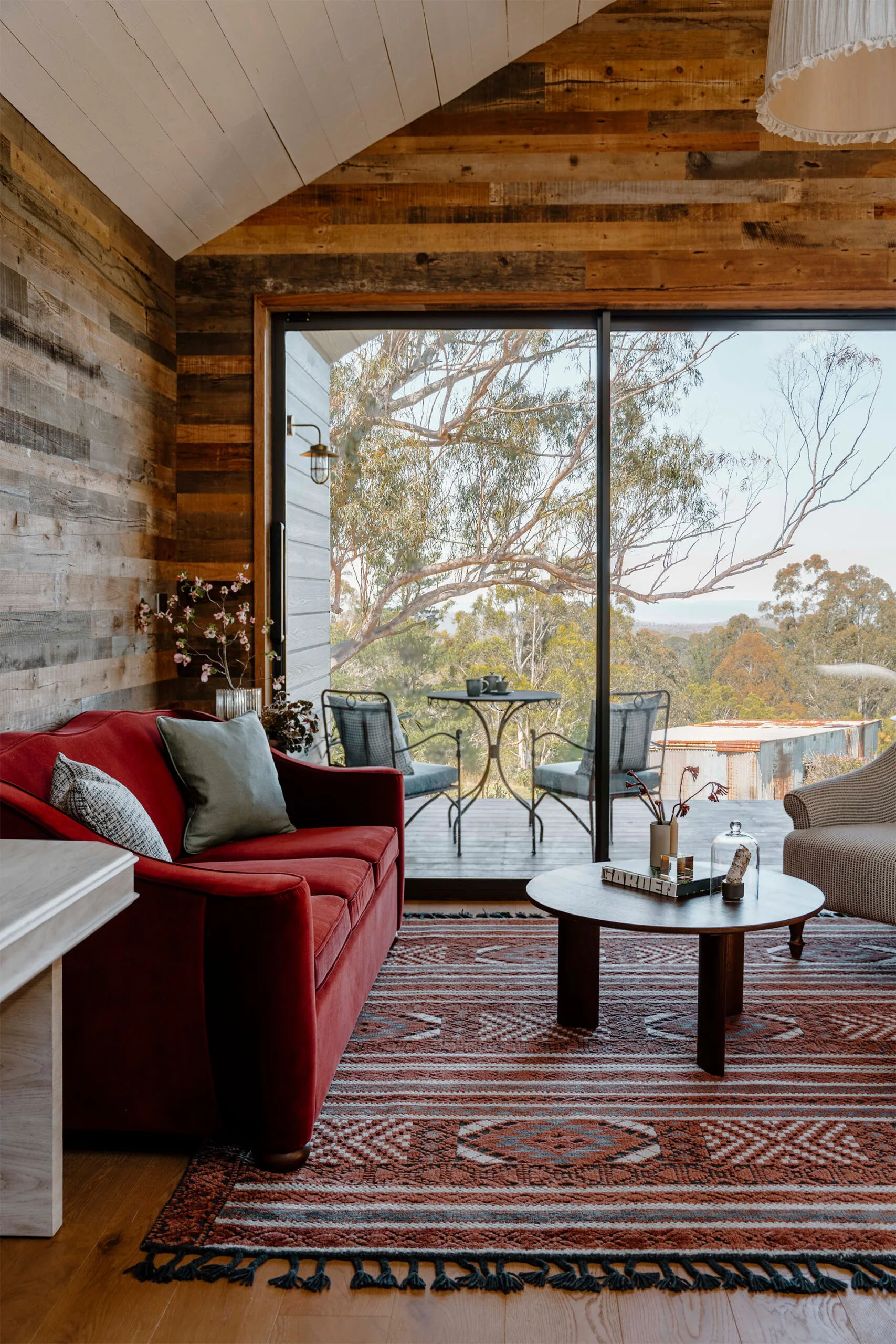
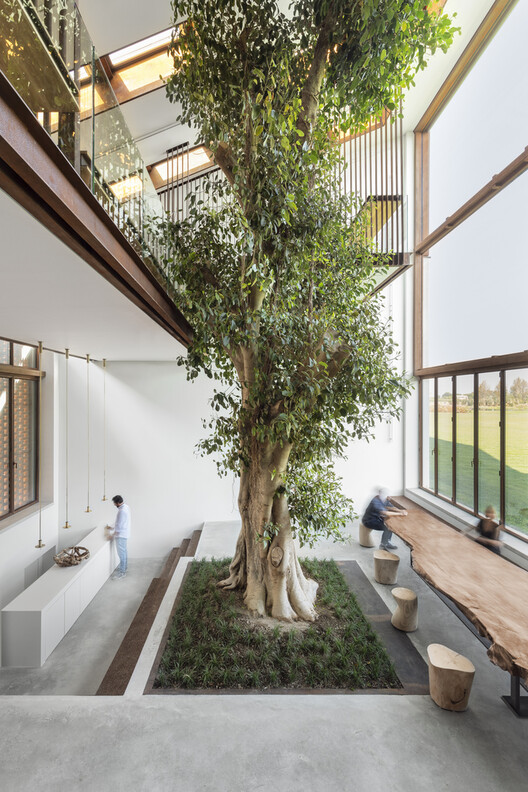
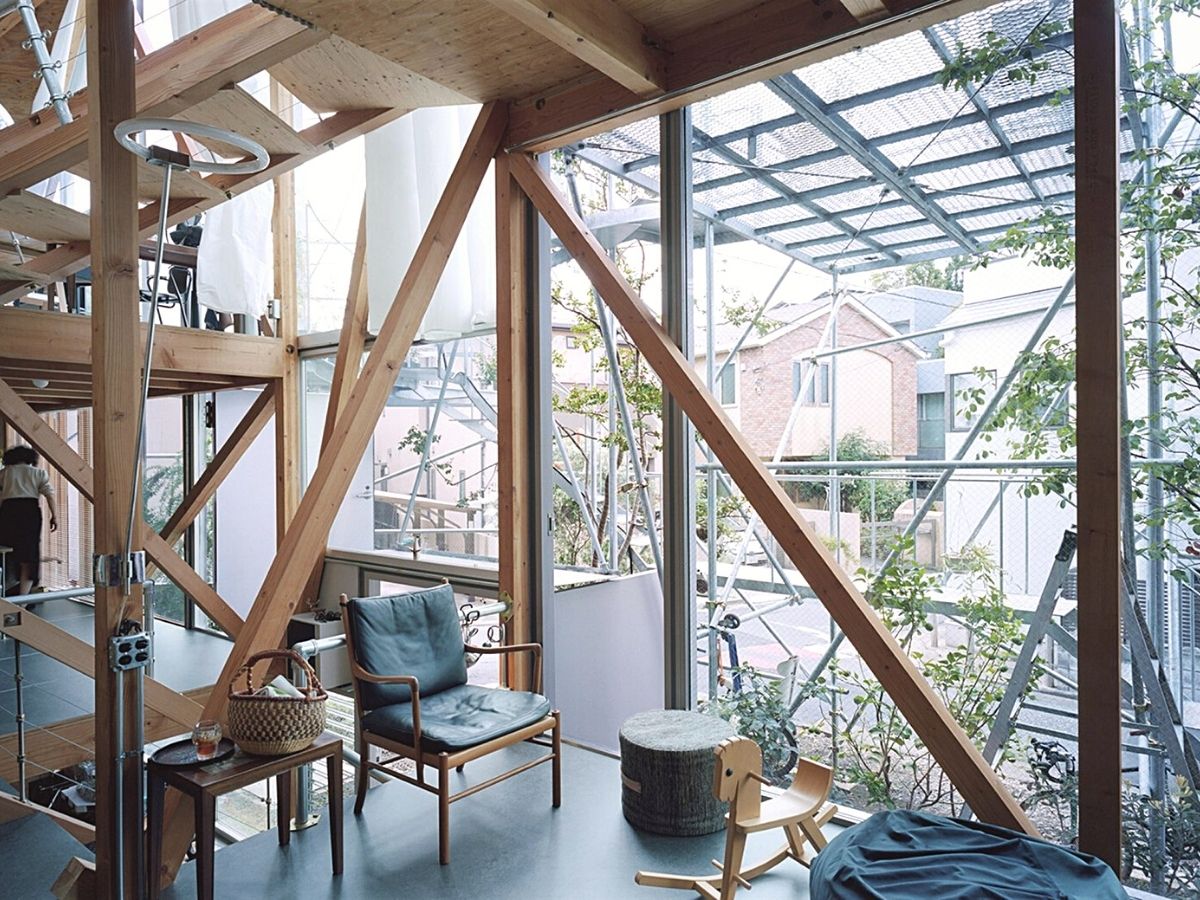
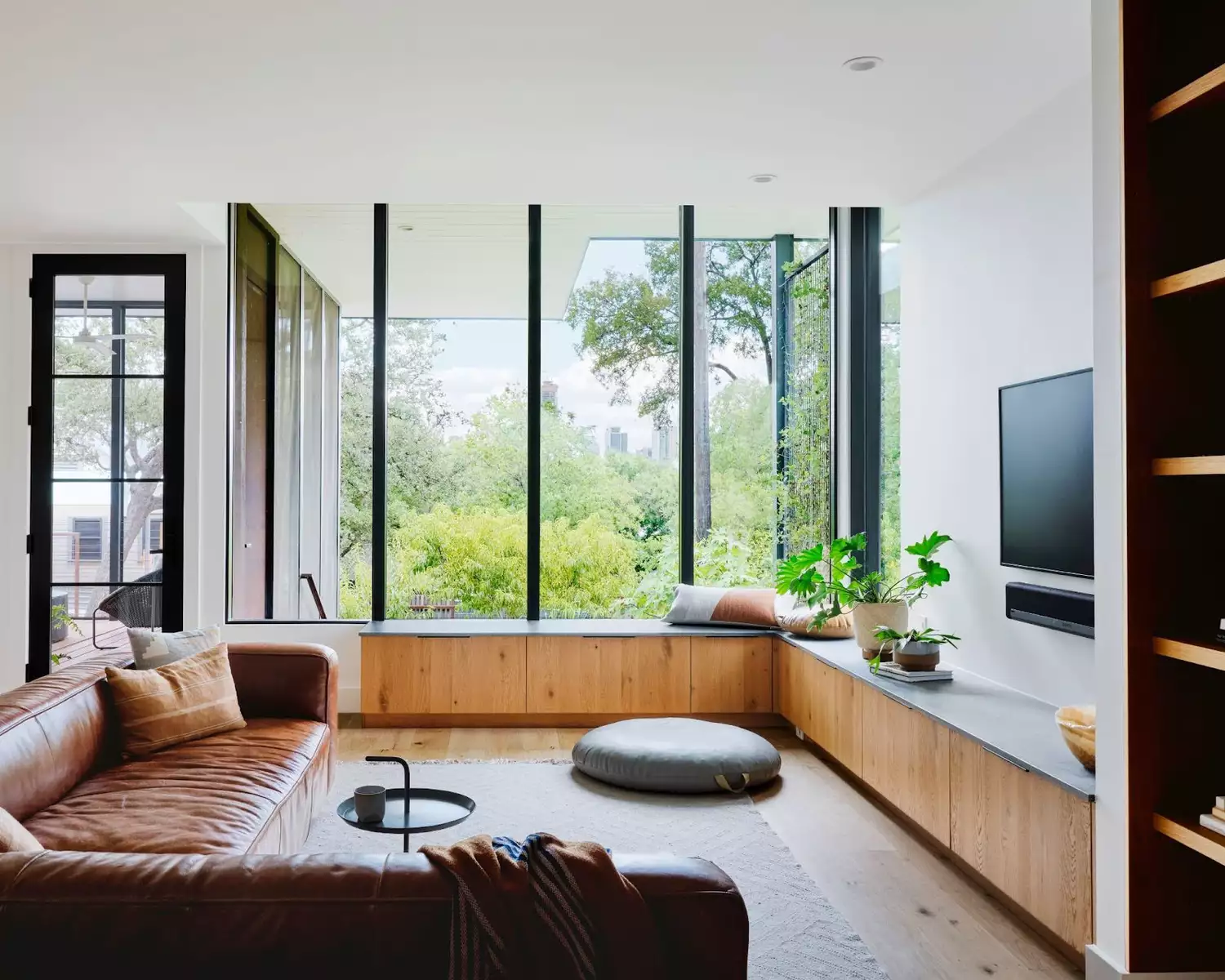
Another effective strategy is to highlight outside views, especially in homes located amidst natural scenery. Utilizing large picture windows that are free from visual obstructions allows the surrounding landscape to serve as dynamic wall art. Installing skylights can also provide views of the sky and enhance natural light within interior spaces. For rooms lacking windows or those in smaller areas, incorporating structured mirrors can create an illusion of greater space and reflect natural light, indirectly bringing the outdoors in.
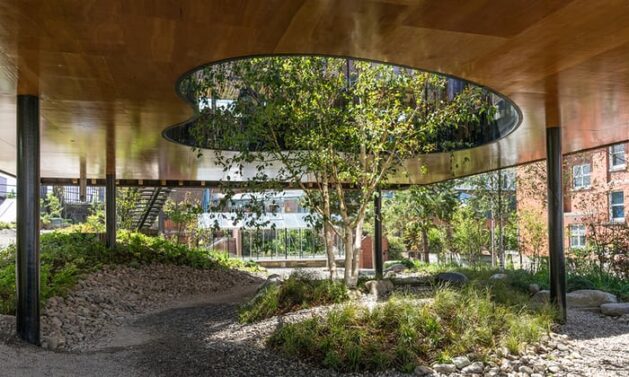
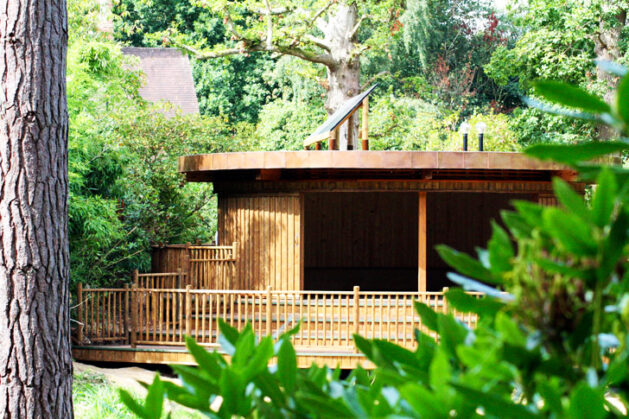
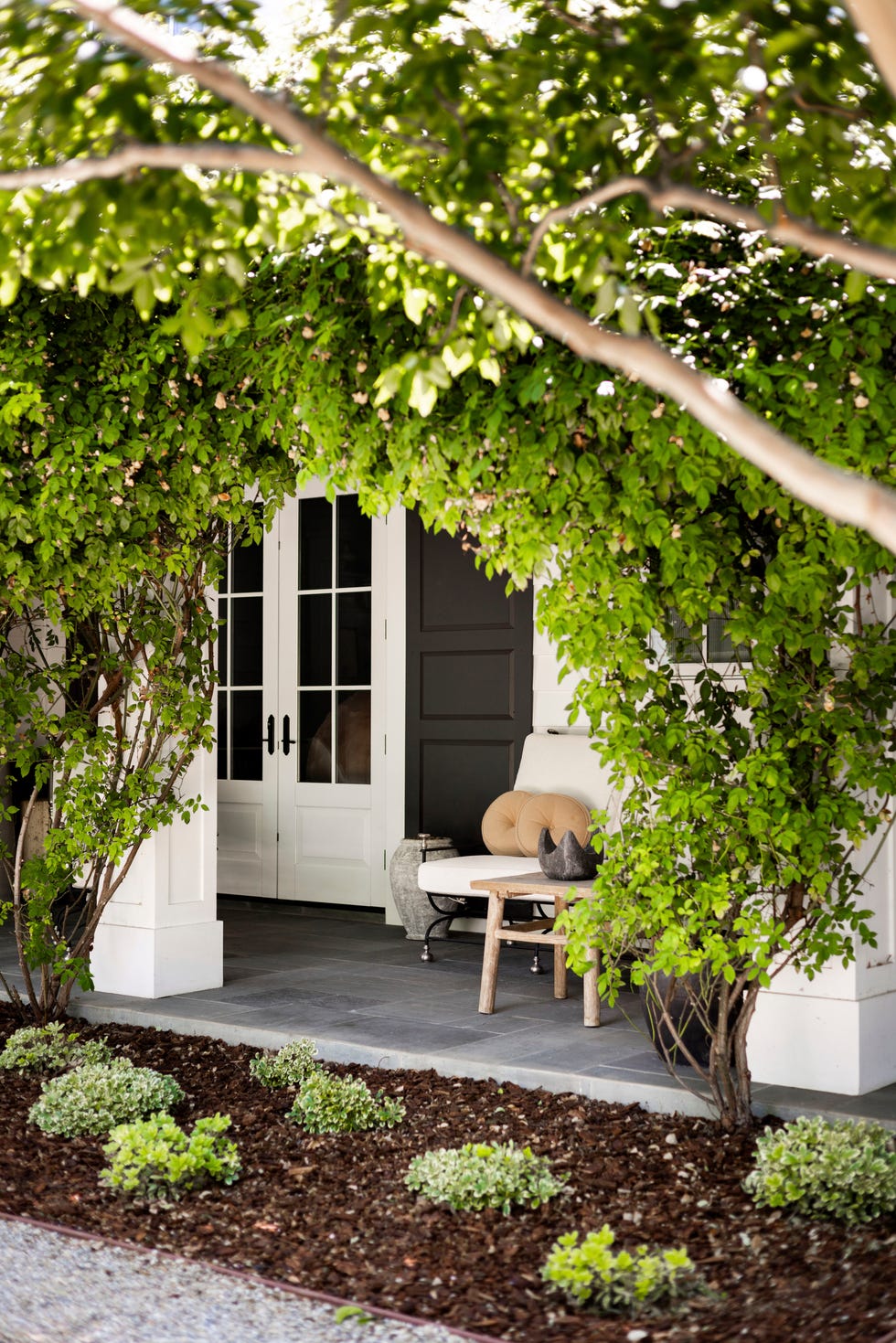
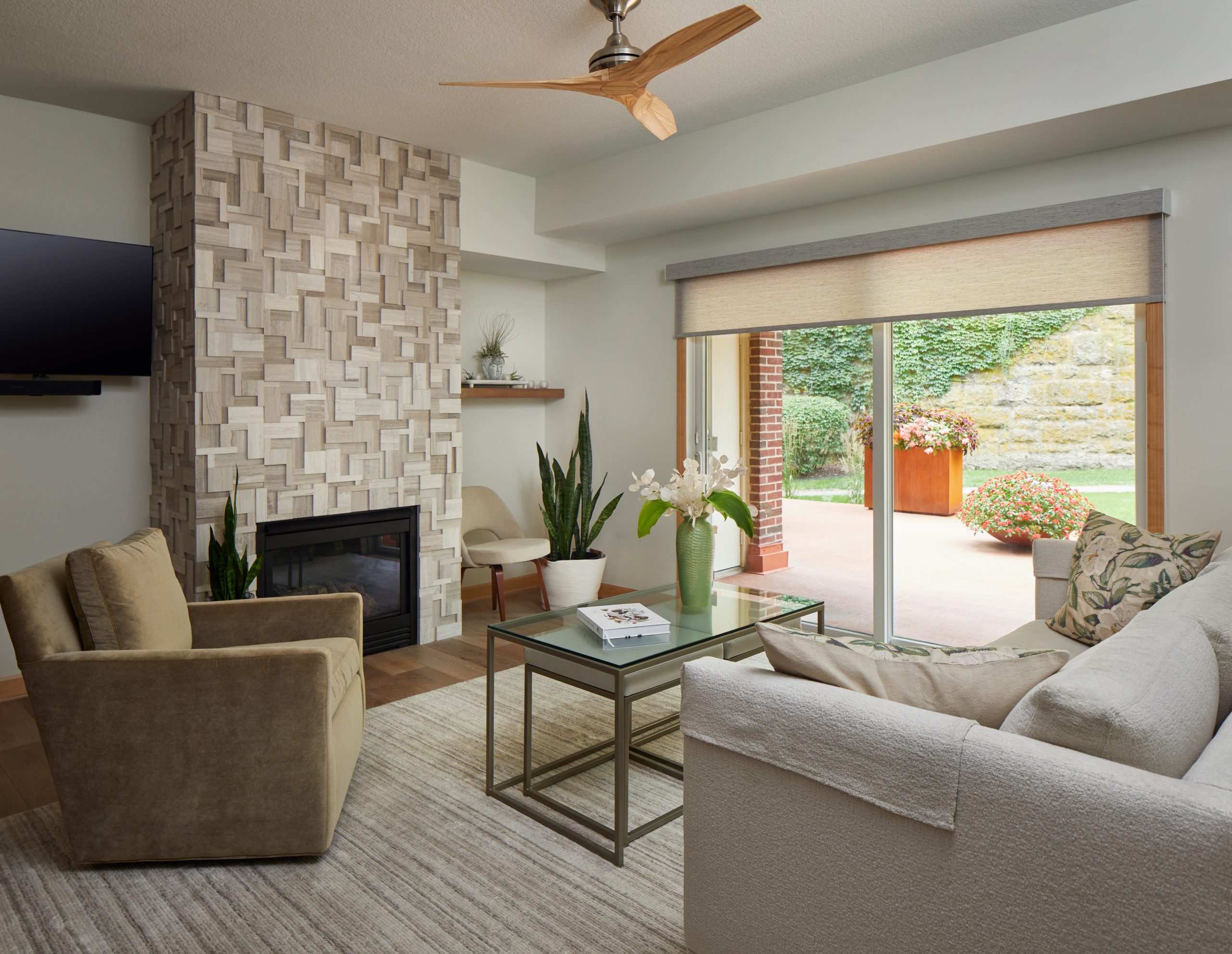
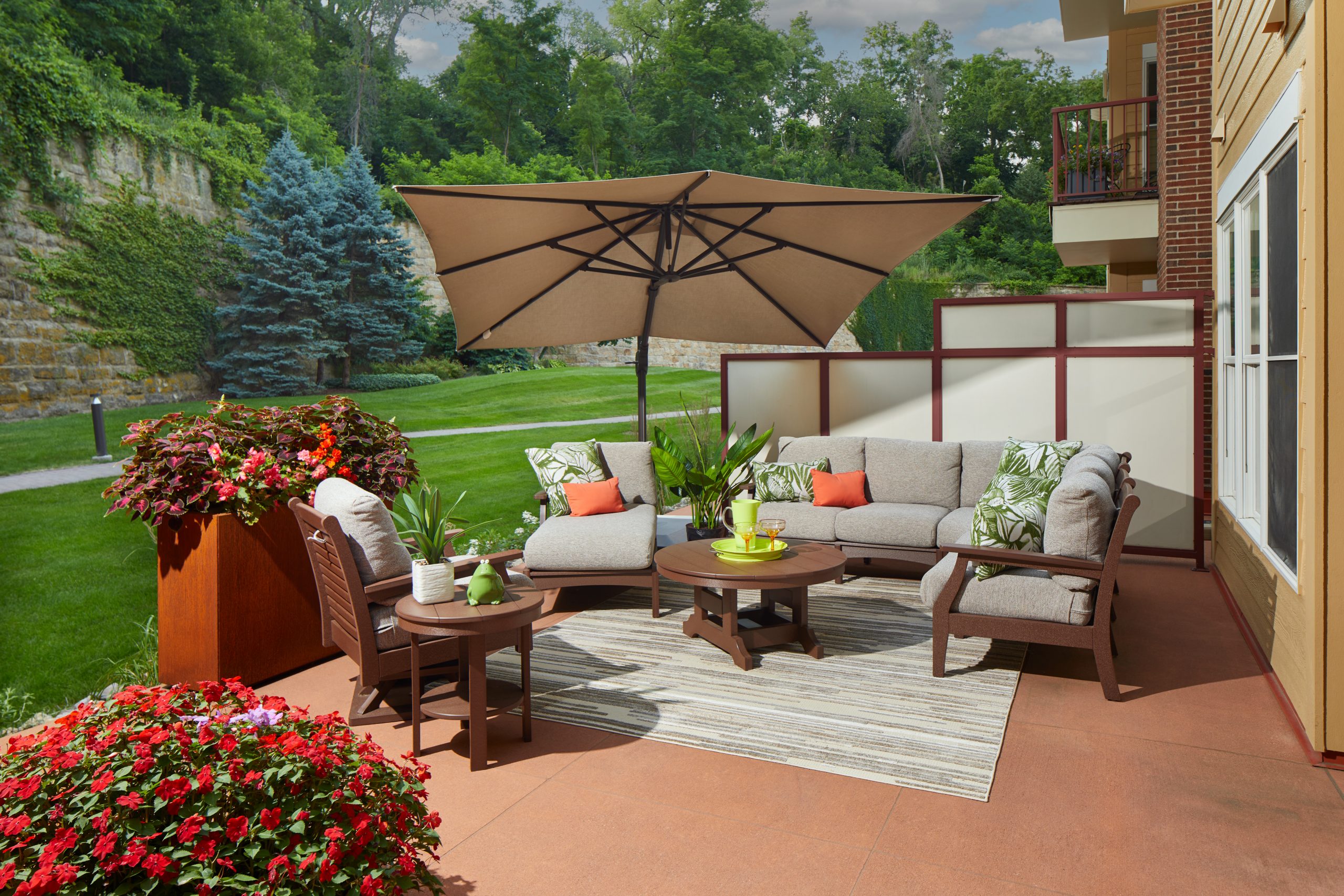
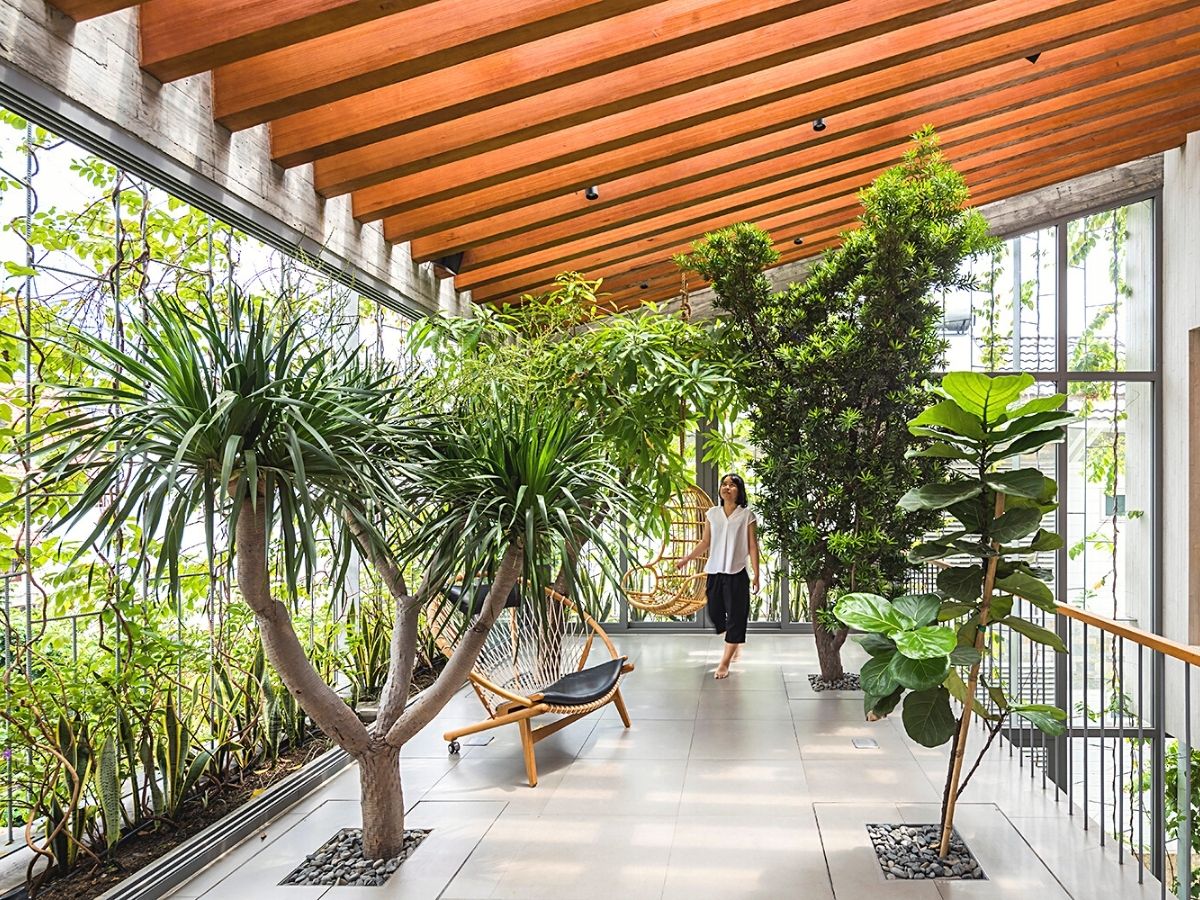
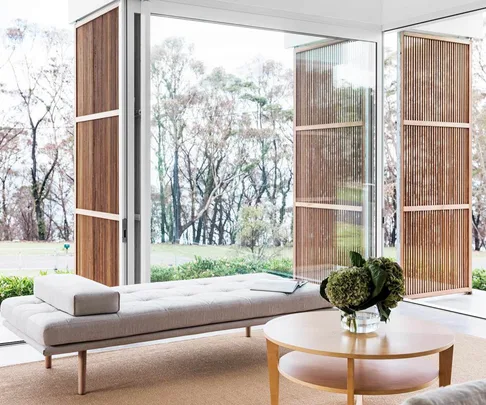
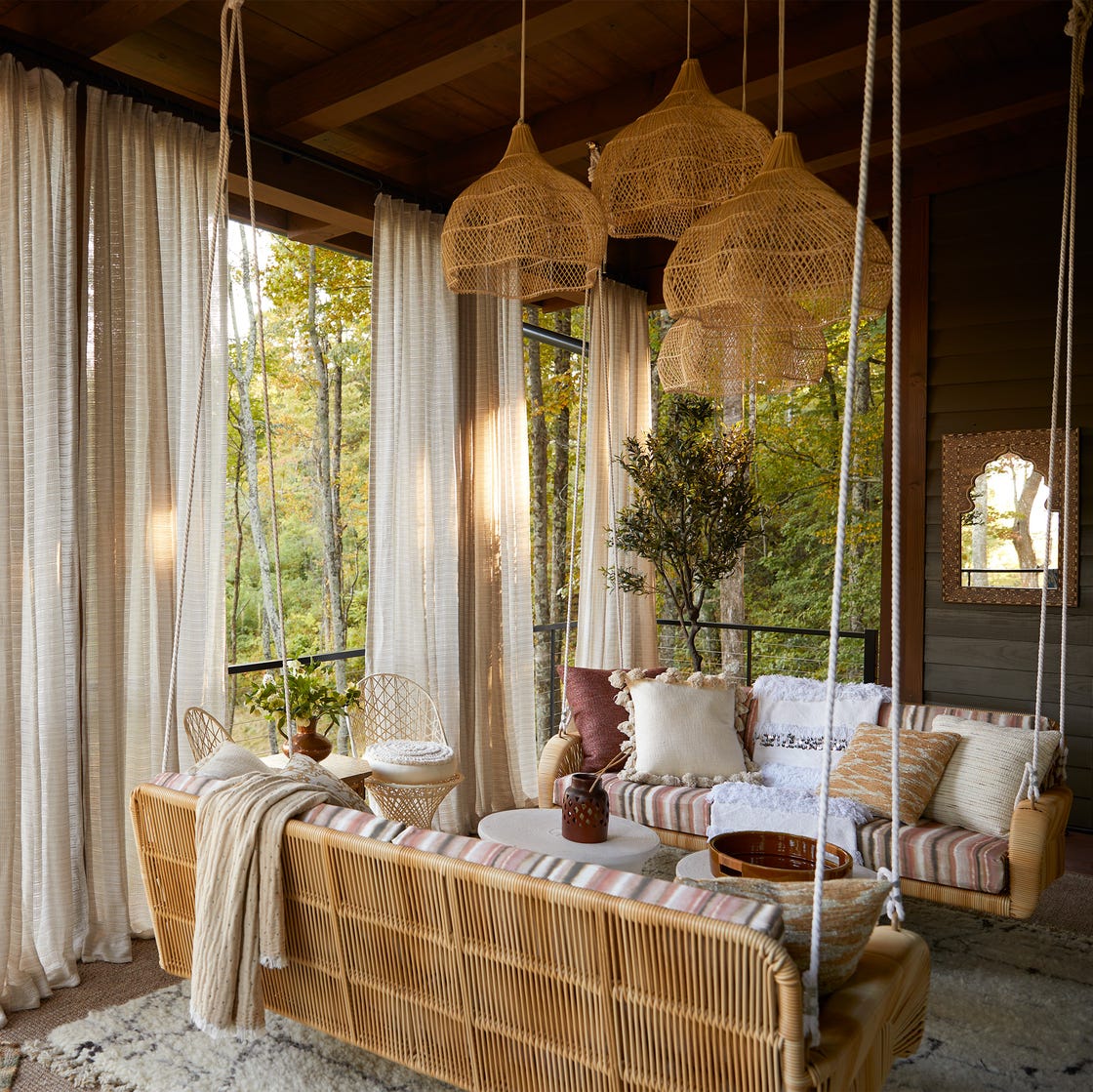
Fostering an indoor-outdoor connection is crucial for a truly biophilic home. This can be achieved by installing sliding doors that seamlessly merge living rooms with patios or by having balconies and decks that extend from bedrooms or kitchens. These architectural features blur the lines between inside and outside, encouraging a continuous flow. Even in the absence of such extensive modifications, simply opening windows on pleasant days to allow fresh air and natural sounds to enter can significantly boost mood and reinforce the connection to nature. When windows cannot be opened, drawing blinds or curtains to let in daylight and offer glimpses of the exterior still provides a beneficial link.
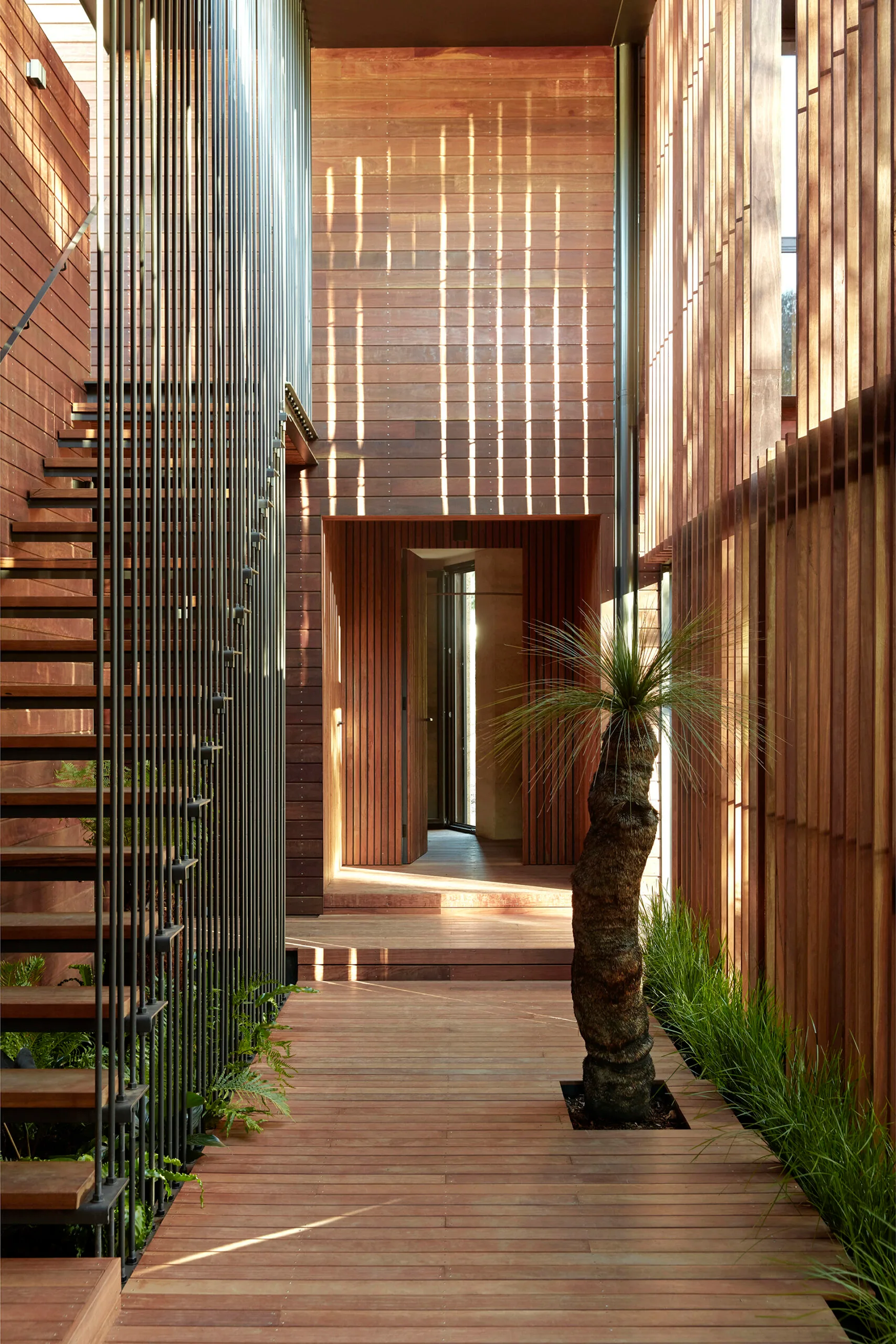
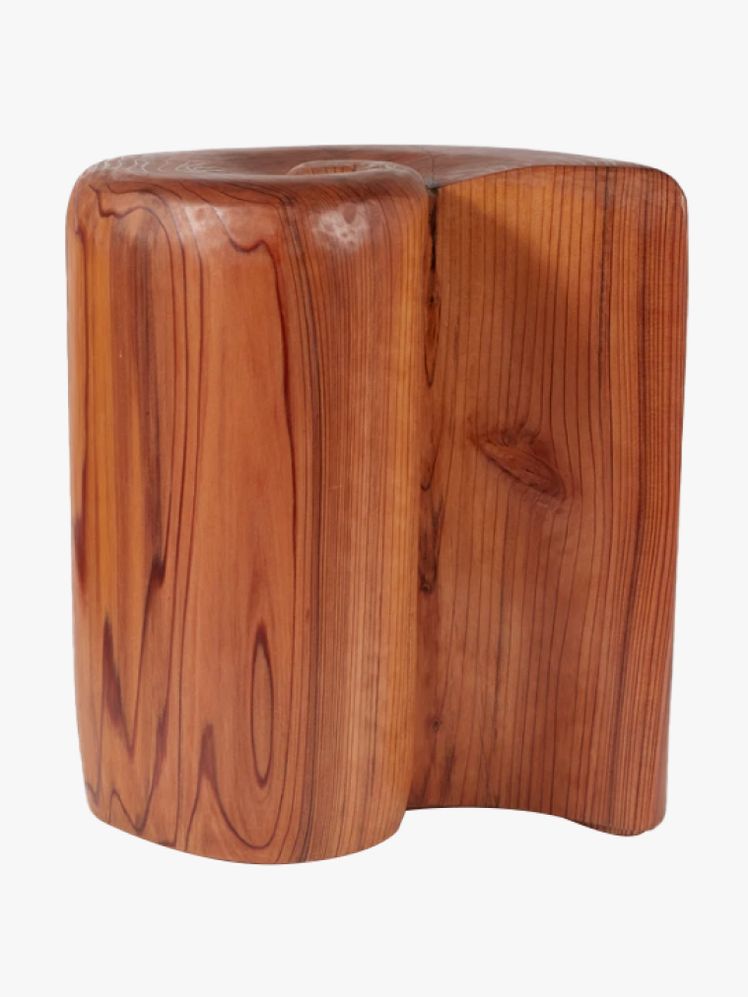
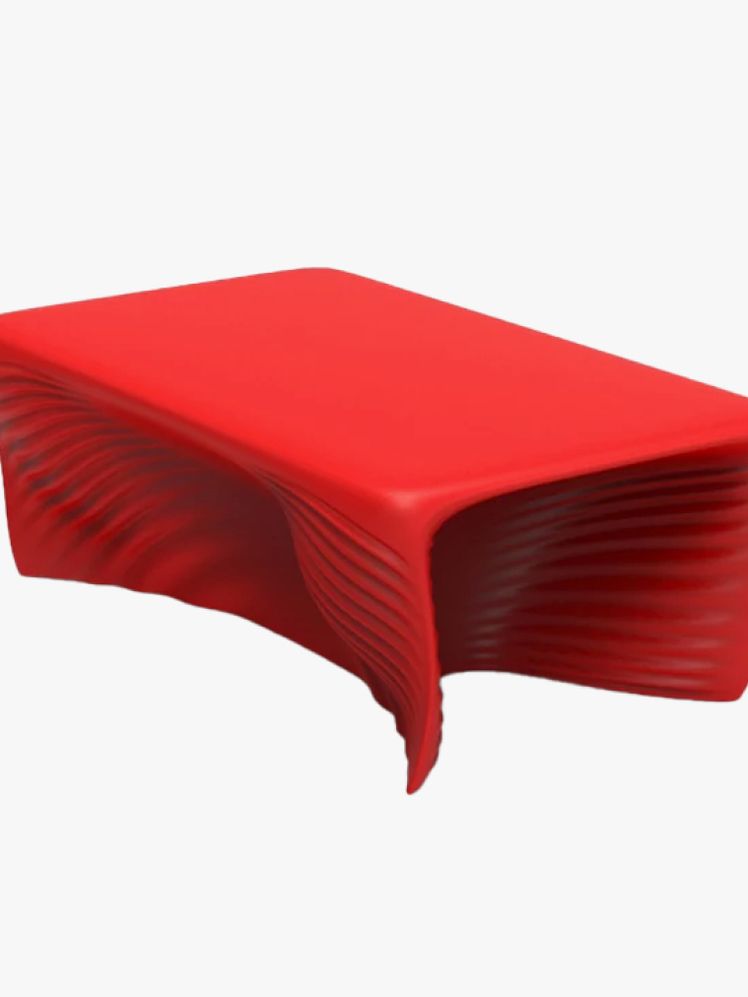
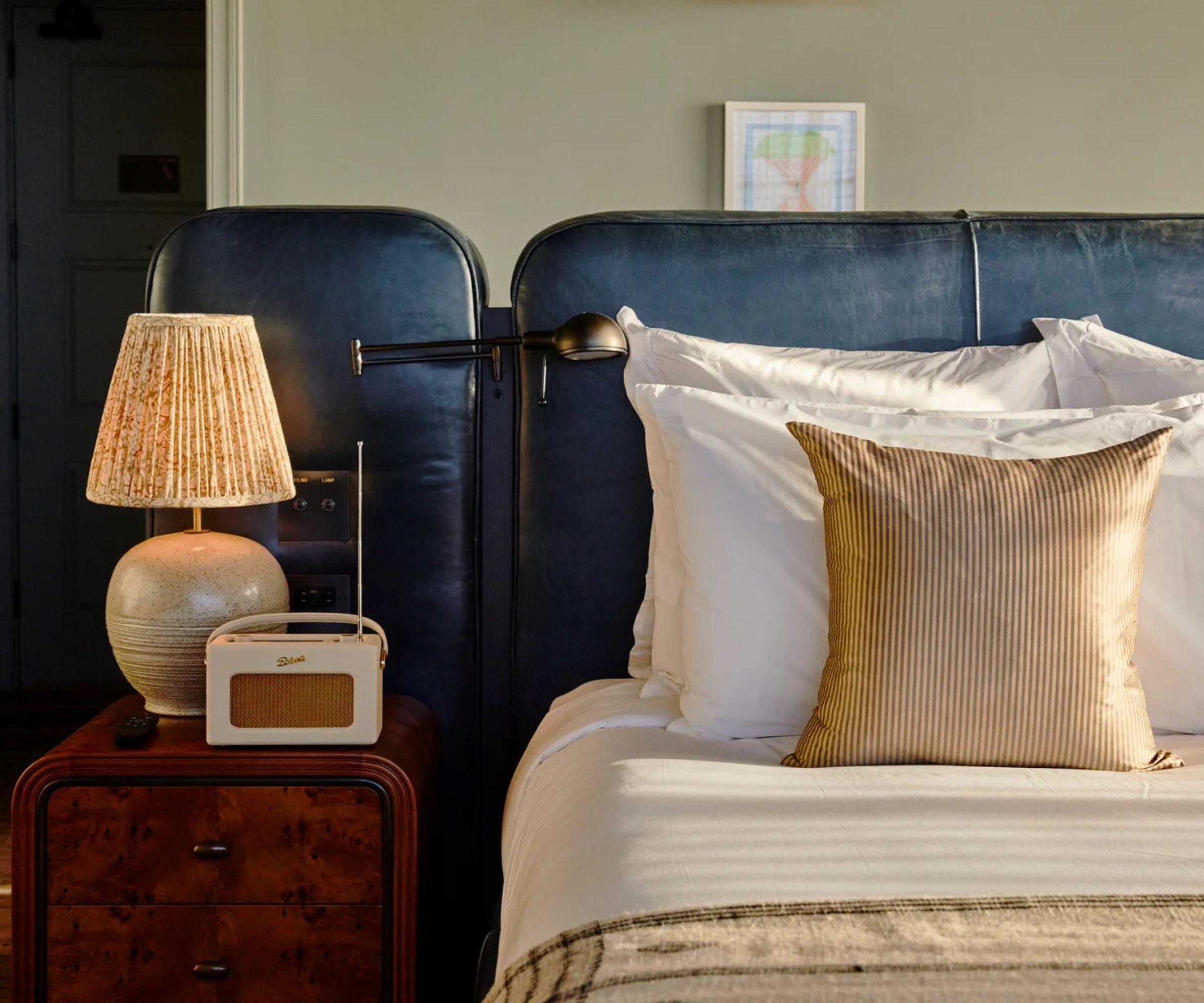
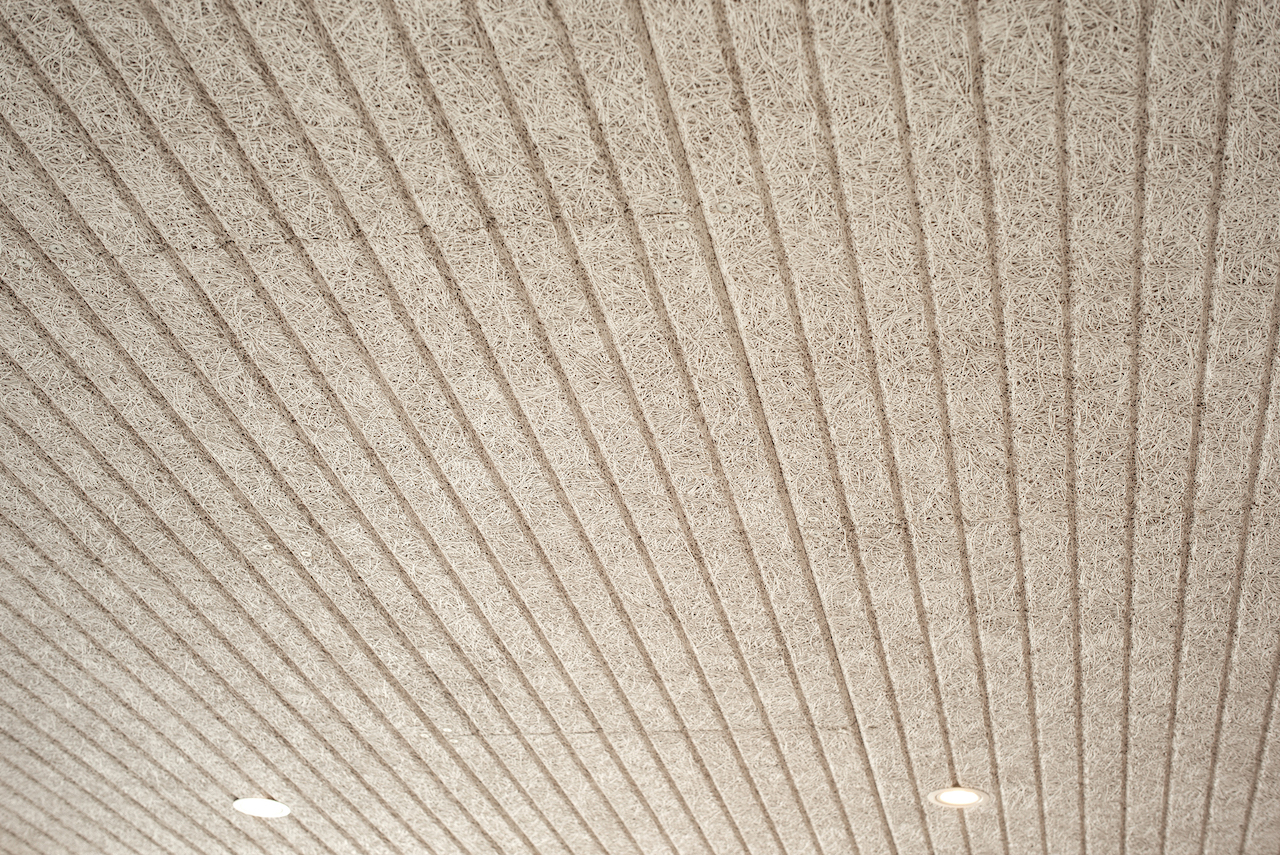
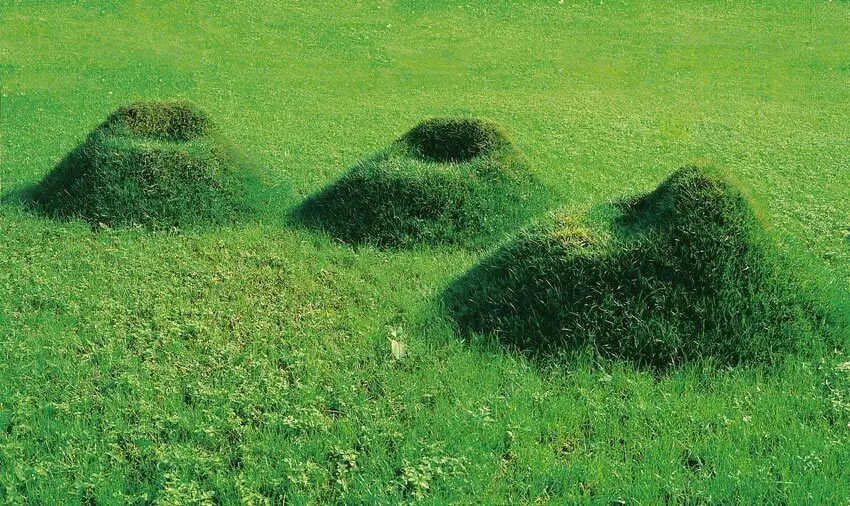
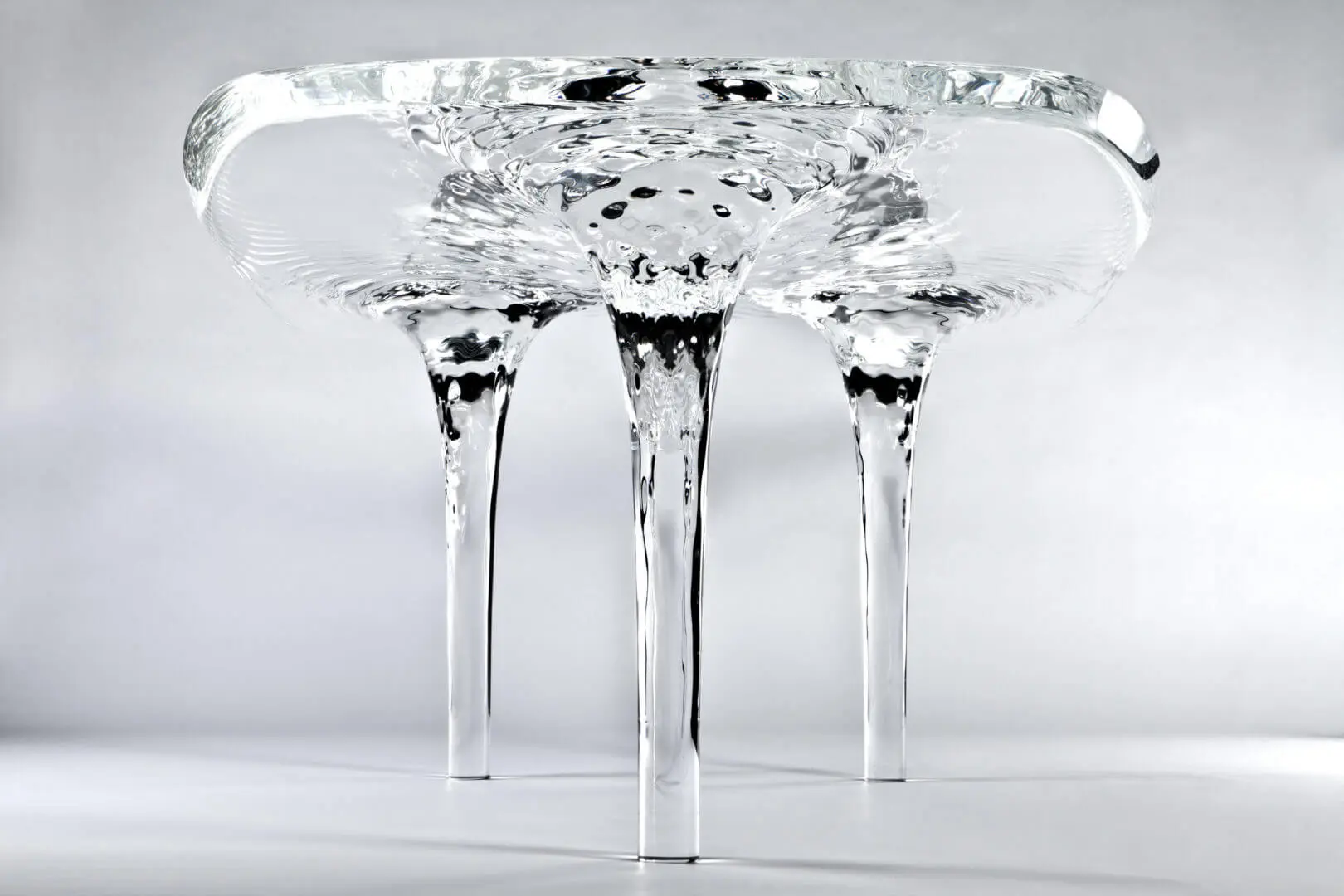
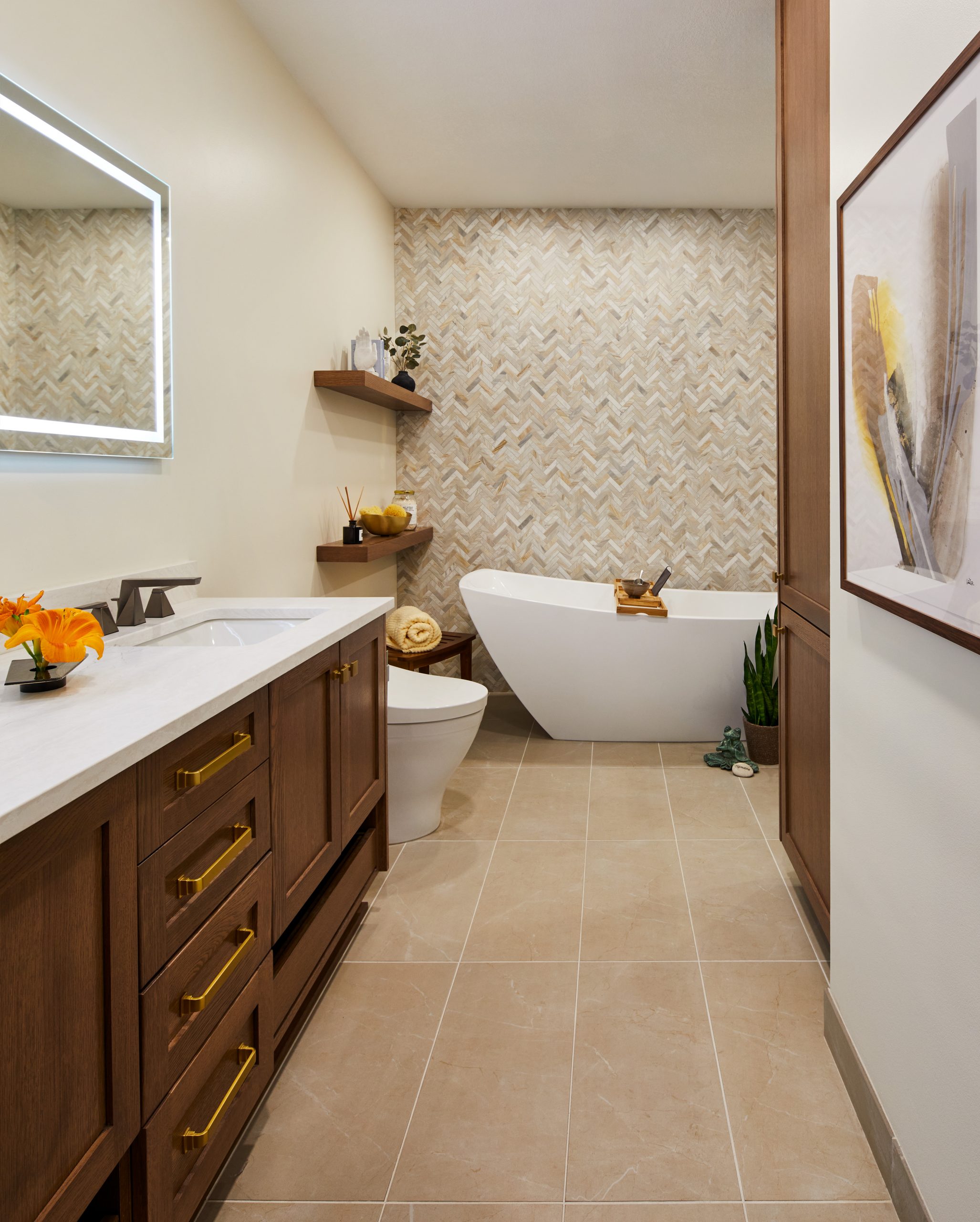
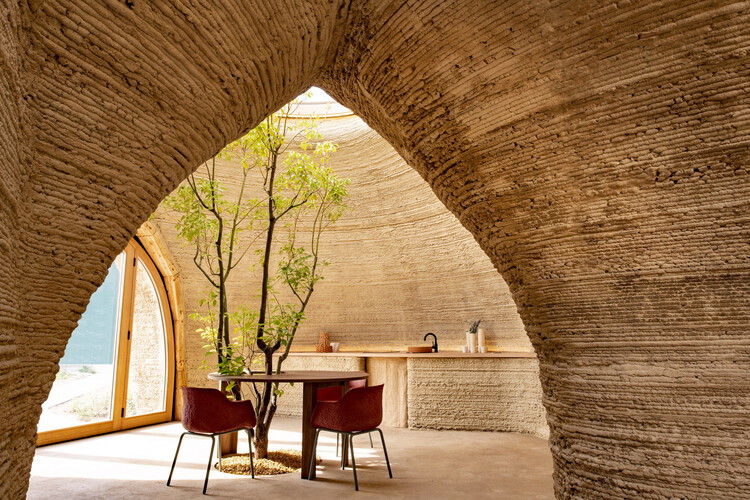
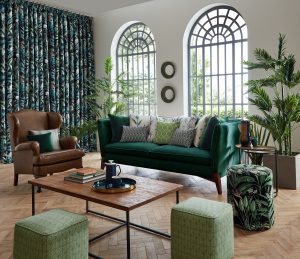
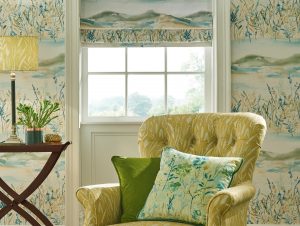
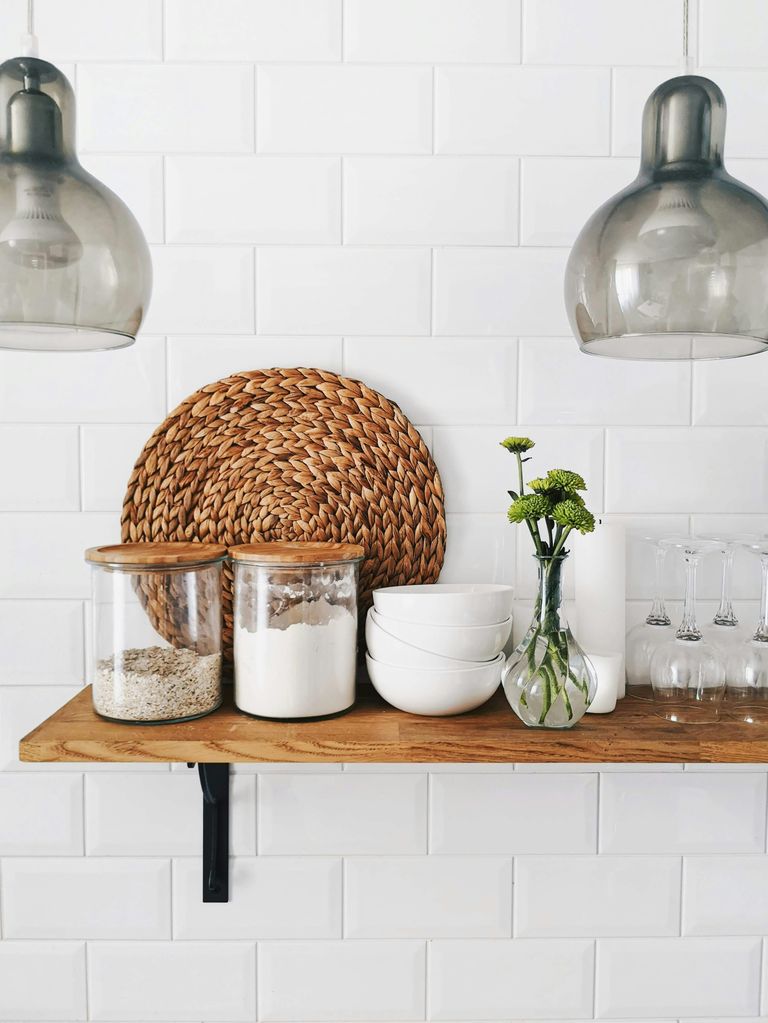
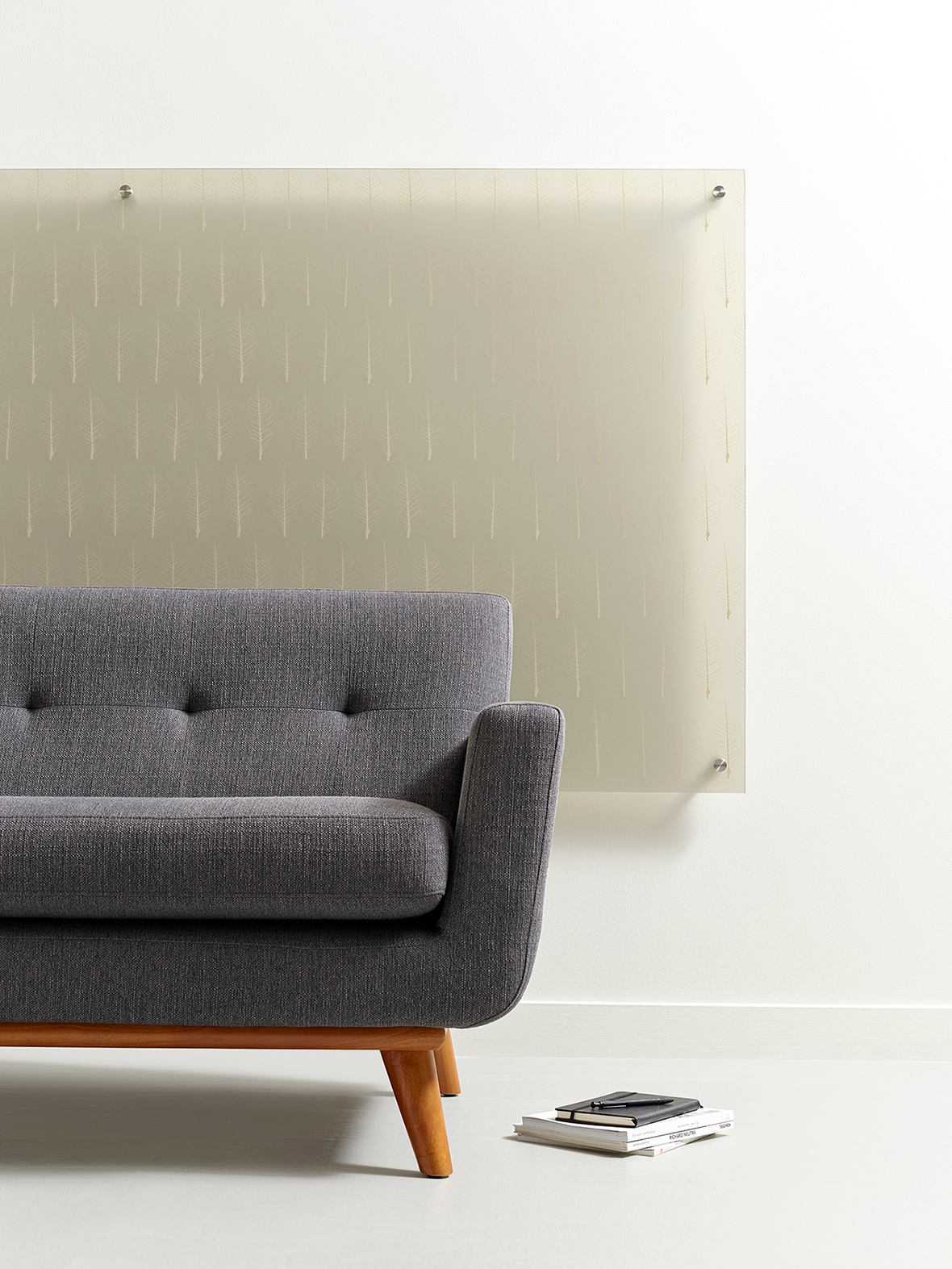
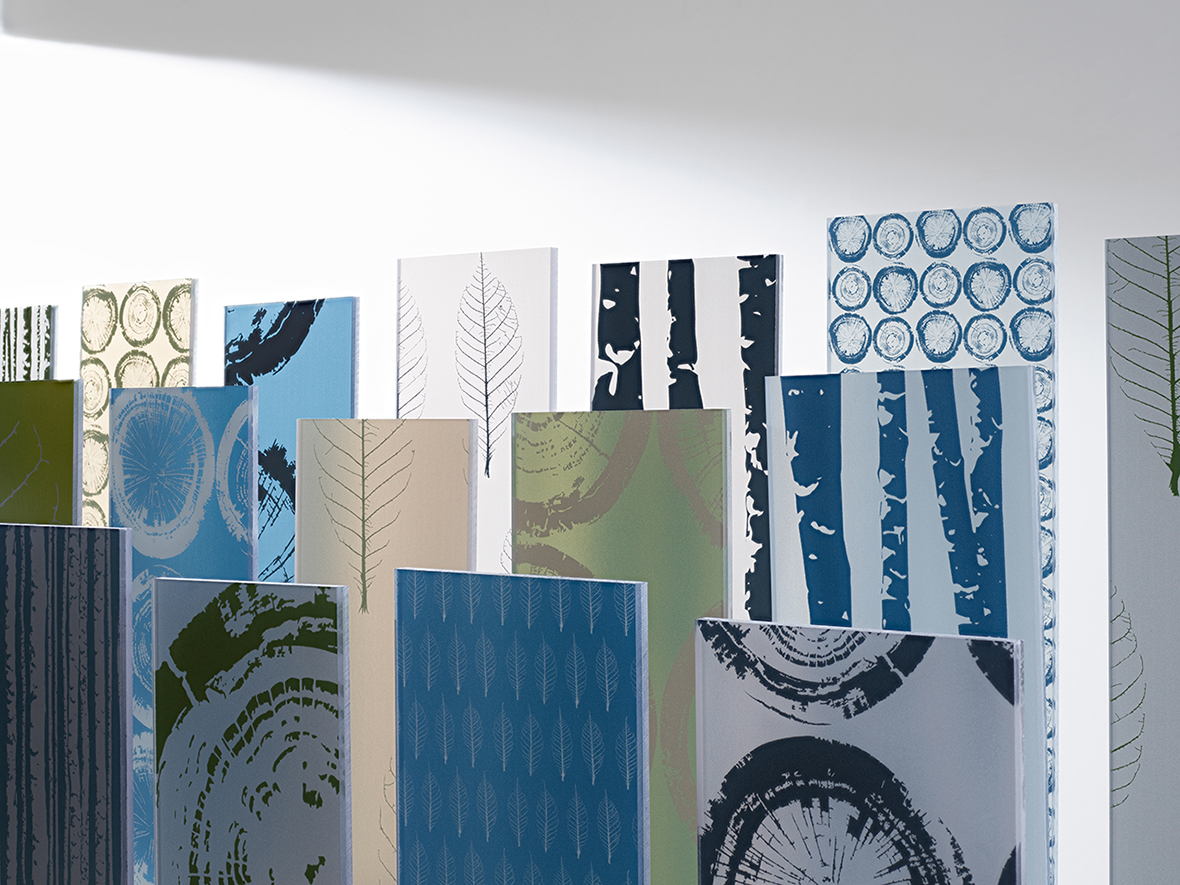
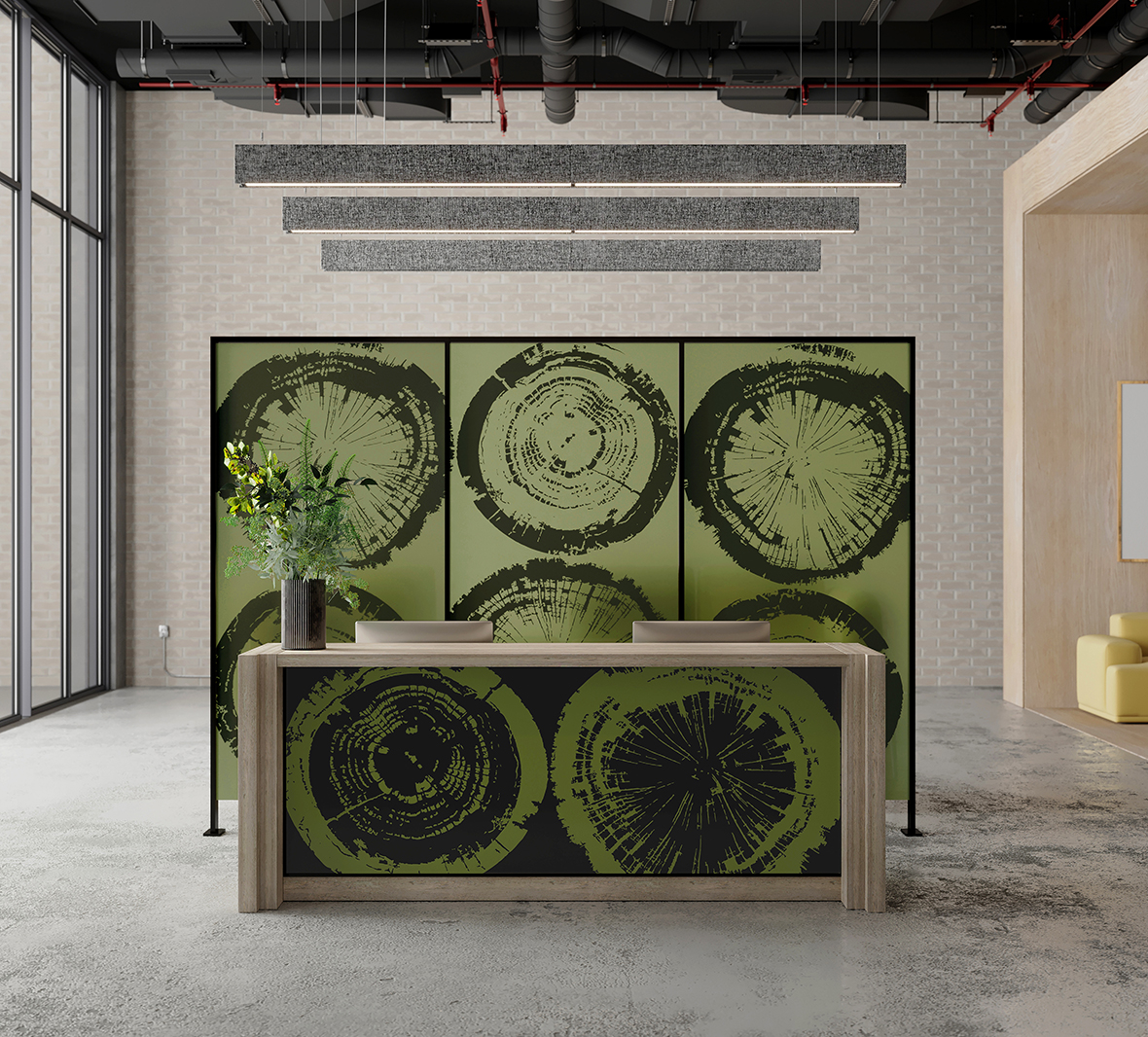
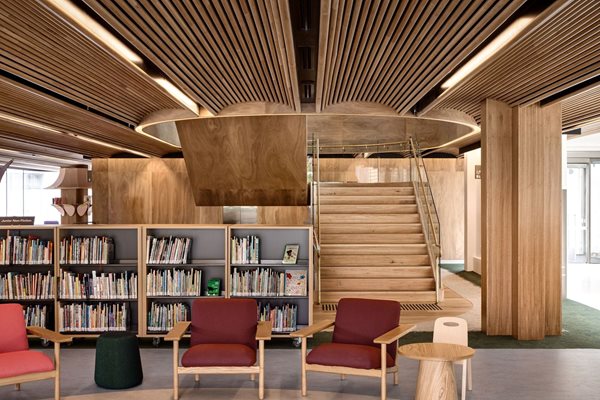
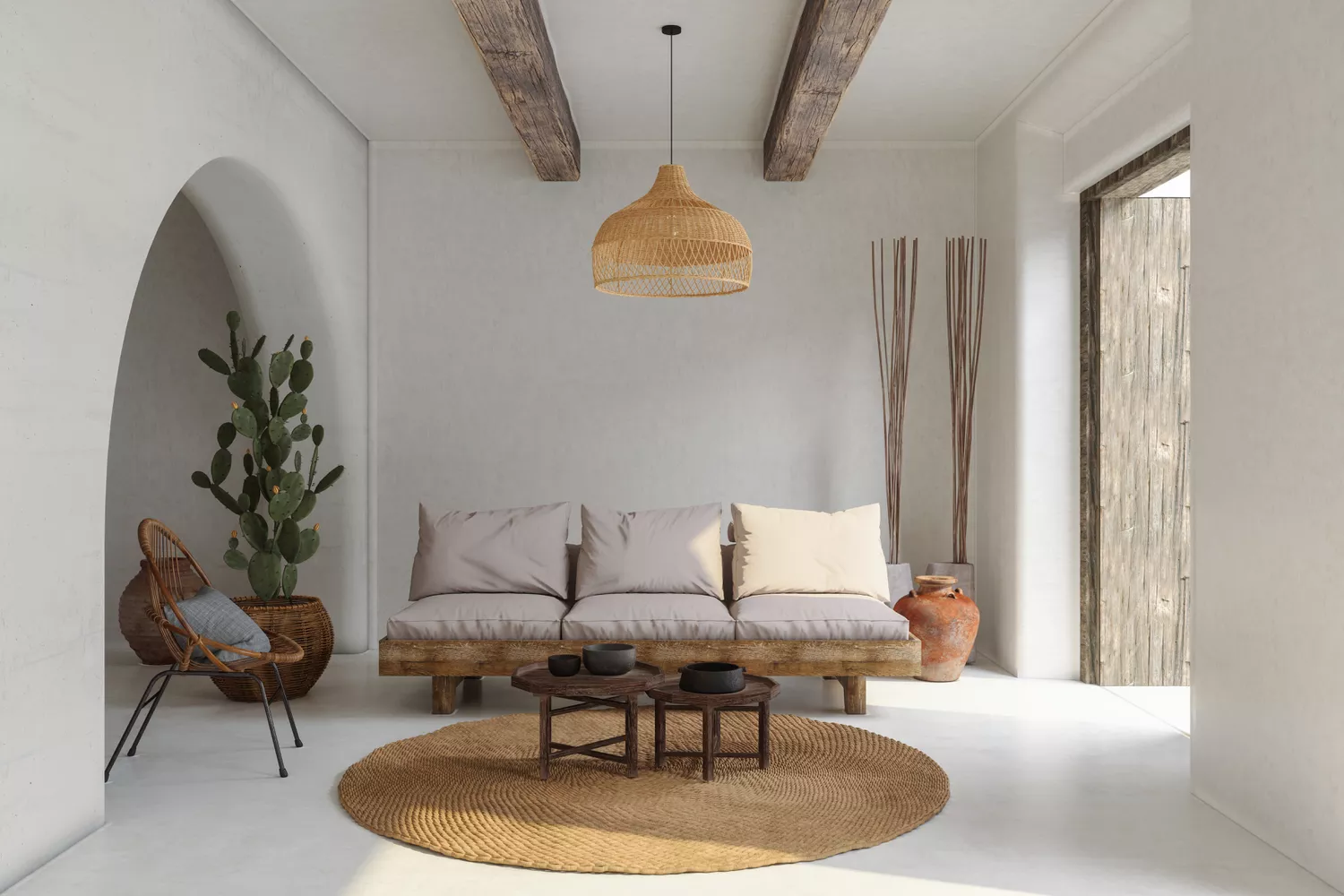
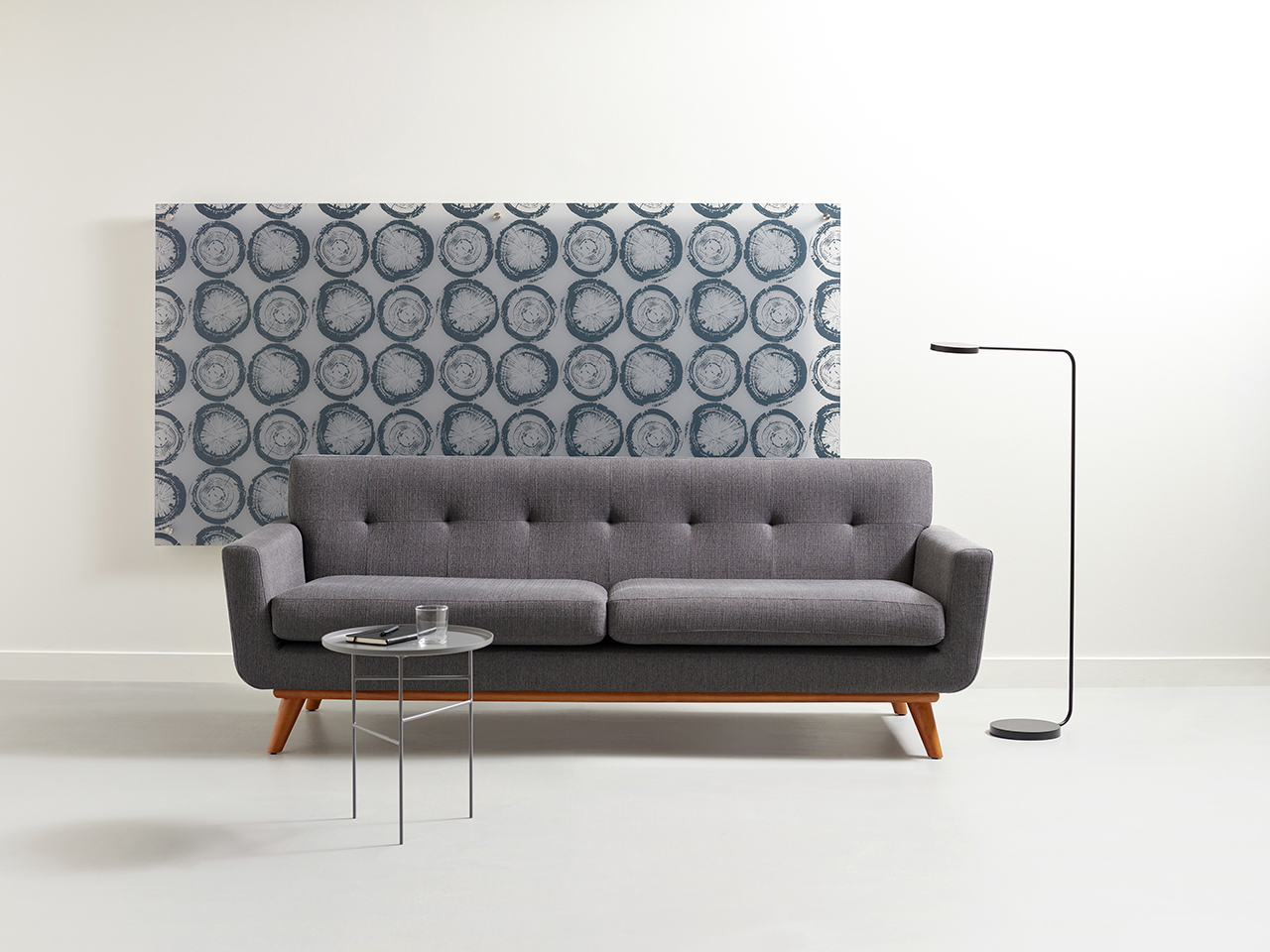
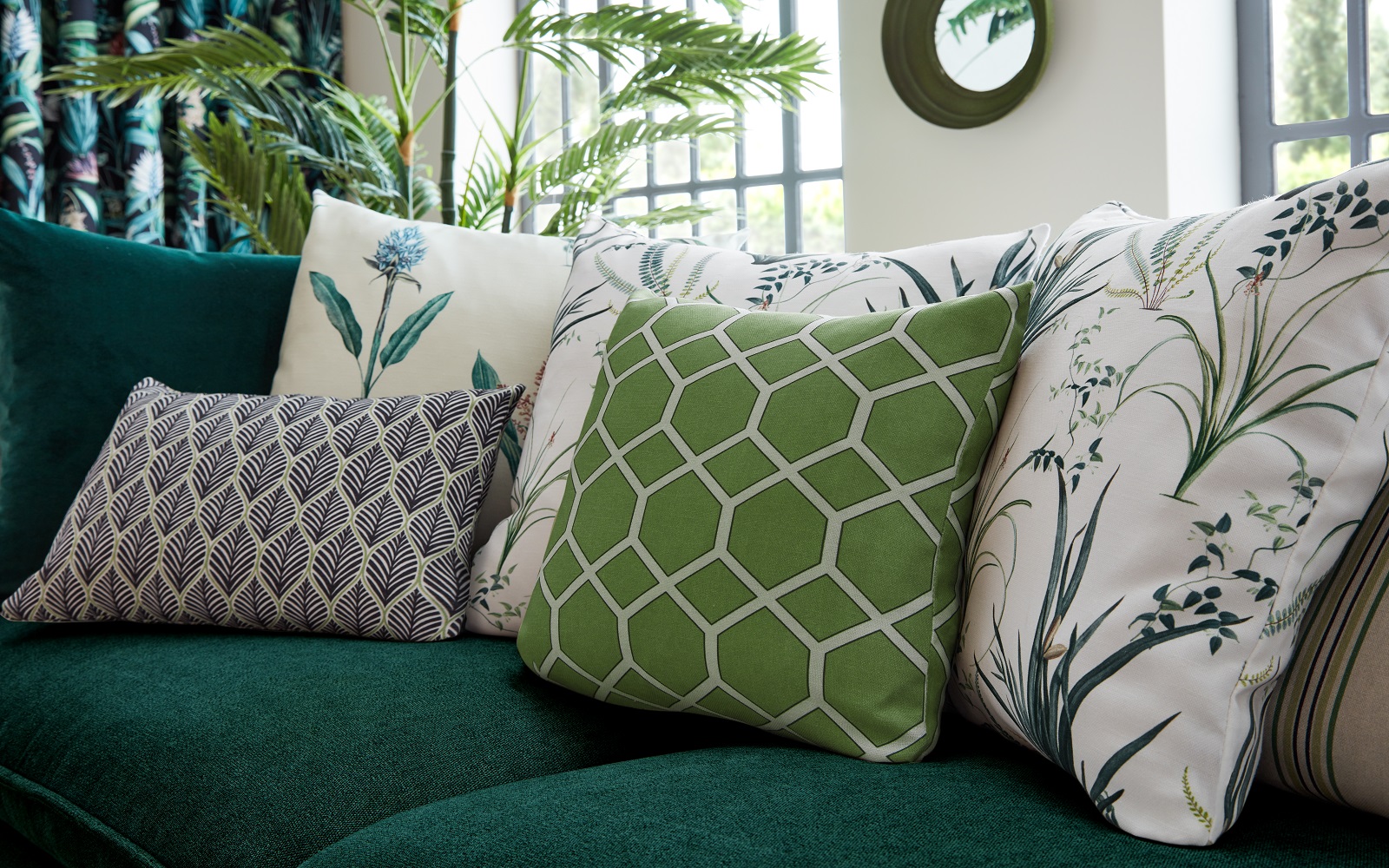
Incorporating patterns found in nature is another subtle yet impactful aspect of biophilic design. Research indicates that specific biophilic design patterns can reduce stress and improve well-being. This involves selecting wallpapers or fabrics that feature organic shapes, foliage, or rock formations. Materials such as neutral-toned marble countertops and vanities also contribute to this aesthetic by echoing natural patterns. Finally, decorating with natural elements involves using textures, colors, and shapes that mimic those found in the environment. Opting for materials like wood, leather, and stone, combined with muted, organic color palettes, can infuse a space with the inherent tranquility of nature. These various approaches, from integrating living plants to utilizing natural patterns and materials, collectively contribute to creating a restful and restorative living environment aligned with biophilic principles.
#BiophilicDesign #InteriorDesign #HomeDecor #NatureConnection #IndoorPlants #NaturalElements #Wellness #SustainableDesign #HomeImprovement #BiophilicDesign #InteriorDesign #HomeDecor #NatureConnection #IndoorPlants #NaturalElements #Wellness #SustainableDesign #HomeImprovement
0 comment in total
 No comments yet
You may also like
What the heck is biophilic design?

Why biophilic design is more than just a trend

20 Nature-Loving Homes Where Biophilia Thrives

Is Biophilic Design the New Paradigm?
What is Biophilic Design? This Nature-Based Interiors Trend Promises Wellness
8 applications of different biophilic design concepts

These 10 Biophilic Design Ideas Will Transform Your Home Into a Natural Oasis
What are Biophilic interiors? How bringing the outdoors in is proven to make you happier

What Is Biophilic Interior Design? I'm an Actual Biophilic Designer, and This Is How to Apply It to Your Home

Biophilic Design Is About Connecting With Nature—Here's How to Utilize the Décor Trend In Your Home

The Best of Biophilic Design: Bringing Nature Indoors

Biophilic Interiors Invade These 10 Contemporary Residences

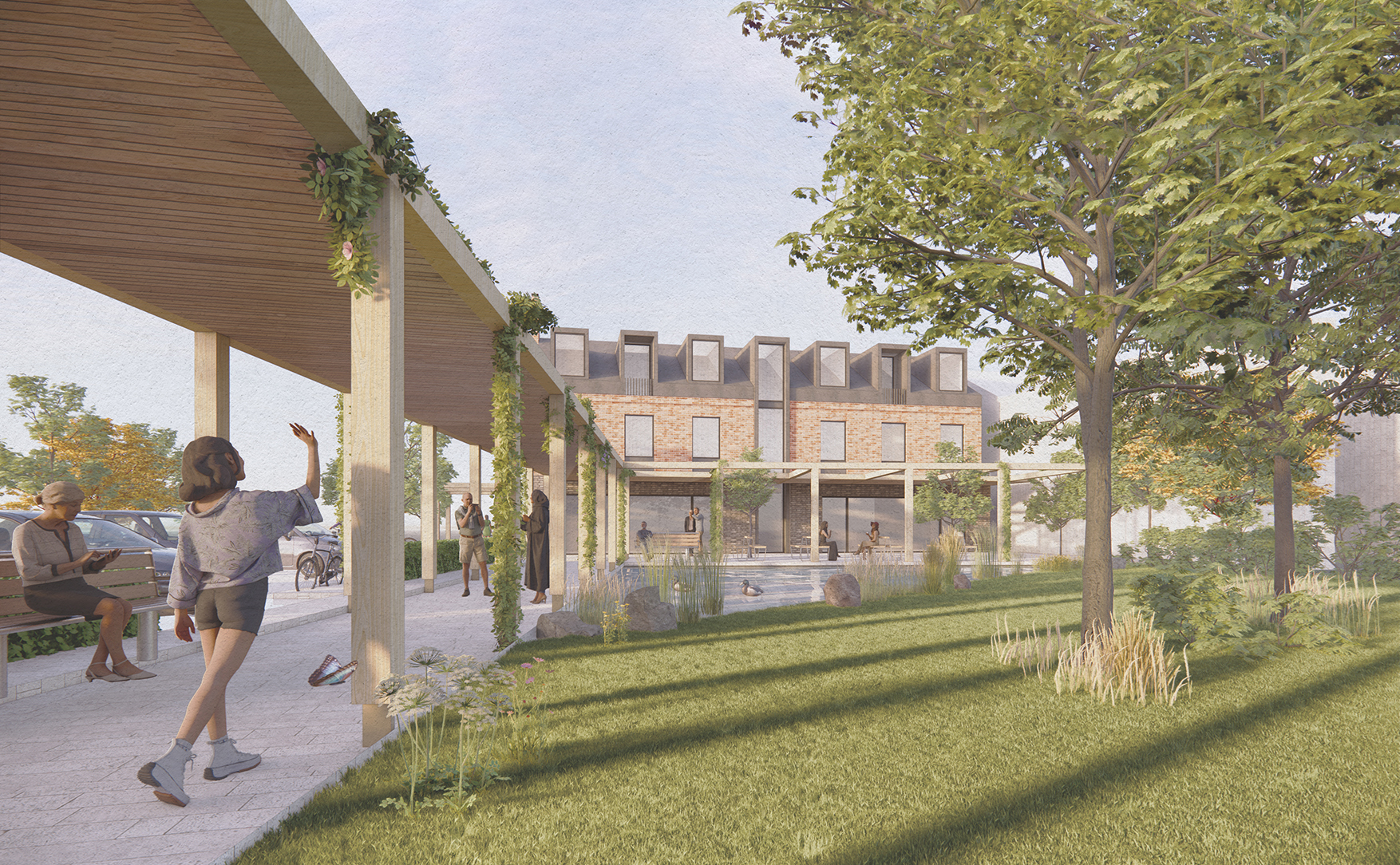
Thinking the Biophilic Way: Five Ways to Interact with Nature in Design
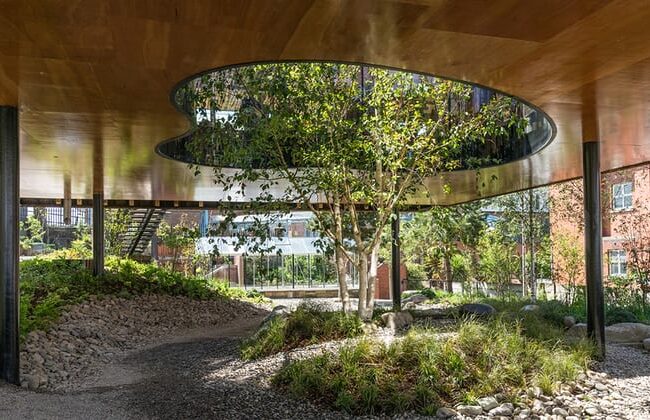
Designing with nature: Why Biophilic Design?

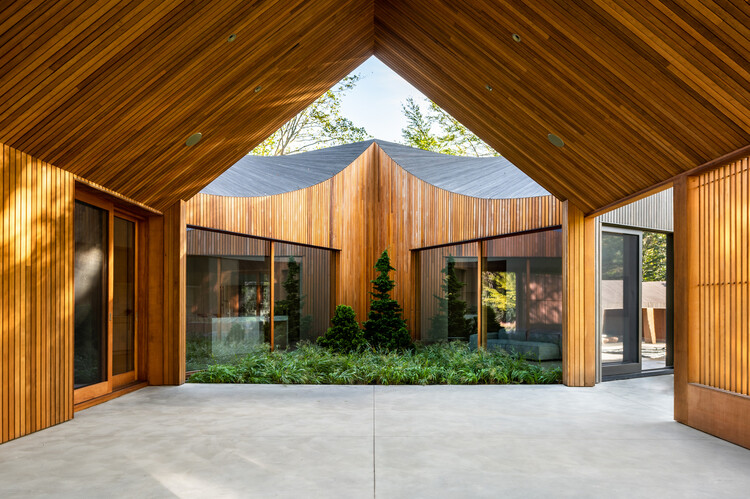
Biophilic Interiors: 21 Projects that Blend Architecture with Nature

3form’s Biophilic Graphic Patterns Celebrate the Duality of Perfection + Imperfection
Focus on Biophilia: Nature-Inspired Design Strengthens People!

Biophilic Design Is the Signature Style of Plant Lovers Everywhere

Biophilic design beyond the buzzword
Biophilic Design Helps Homeowners Connect to Nature